EP3536805A2 - Procédés analytiques et réseaux destinés à être utilisés dans lesdits procédés - Google Patents
Procédés analytiques et réseaux destinés à être utilisés dans lesdits procédés Download PDFInfo
- Publication number
- EP3536805A2 EP3536805A2 EP19168388.7A EP19168388A EP3536805A2 EP 3536805 A2 EP3536805 A2 EP 3536805A2 EP 19168388 A EP19168388 A EP 19168388A EP 3536805 A2 EP3536805 A2 EP 3536805A2
- Authority
- EP
- European Patent Office
- Prior art keywords
- expression
- biomarkers
- potency
- cells
- skin
- Prior art date
- Legal status (The legal status is an assumption and is not a legal conclusion. Google has not performed a legal analysis and makes no representation as to the accuracy of the status listed.)
- Granted
Links
Images






Classifications
-
- A—HUMAN NECESSITIES
- A61—MEDICAL OR VETERINARY SCIENCE; HYGIENE
- A61K—PREPARATIONS FOR MEDICAL, DENTAL OR TOILETRY PURPOSES
- A61K35/00—Medicinal preparations containing materials or reaction products thereof with undetermined constitution
- A61K35/66—Microorganisms or materials therefrom
- A61K35/76—Viruses; Subviral particles; Bacteriophages
- A61K35/763—Herpes virus
-
- A—HUMAN NECESSITIES
- A61—MEDICAL OR VETERINARY SCIENCE; HYGIENE
- A61K—PREPARATIONS FOR MEDICAL, DENTAL OR TOILETRY PURPOSES
- A61K31/00—Medicinal preparations containing organic active ingredients
- A61K31/33—Heterocyclic compounds
- A61K31/395—Heterocyclic compounds having nitrogen as a ring hetero atom, e.g. guanethidine or rifamycins
- A61K31/435—Heterocyclic compounds having nitrogen as a ring hetero atom, e.g. guanethidine or rifamycins having six-membered rings with one nitrogen as the only ring hetero atom
- A61K31/4353—Heterocyclic compounds having nitrogen as a ring hetero atom, e.g. guanethidine or rifamycins having six-membered rings with one nitrogen as the only ring hetero atom ortho- or peri-condensed with heterocyclic ring systems
- A61K31/437—Heterocyclic compounds having nitrogen as a ring hetero atom, e.g. guanethidine or rifamycins having six-membered rings with one nitrogen as the only ring hetero atom ortho- or peri-condensed with heterocyclic ring systems the heterocyclic ring system containing a five-membered ring having nitrogen as a ring hetero atom, e.g. indolizine, beta-carboline
-
- A—HUMAN NECESSITIES
- A61—MEDICAL OR VETERINARY SCIENCE; HYGIENE
- A61K—PREPARATIONS FOR MEDICAL, DENTAL OR TOILETRY PURPOSES
- A61K39/00—Medicinal preparations containing antigens or antibodies
- A61K39/395—Antibodies; Immunoglobulins; Immune serum, e.g. antilymphocytic serum
- A61K39/39533—Antibodies; Immunoglobulins; Immune serum, e.g. antilymphocytic serum against materials from animals
- A61K39/3955—Antibodies; Immunoglobulins; Immune serum, e.g. antilymphocytic serum against materials from animals against proteinaceous materials, e.g. enzymes, hormones, lymphokines
-
- A—HUMAN NECESSITIES
- A61—MEDICAL OR VETERINARY SCIENCE; HYGIENE
- A61P—SPECIFIC THERAPEUTIC ACTIVITY OF CHEMICAL COMPOUNDS OR MEDICINAL PREPARATIONS
- A61P35/00—Antineoplastic agents
-
- C—CHEMISTRY; METALLURGY
- C07—ORGANIC CHEMISTRY
- C07K—PEPTIDES
- C07K16/00—Immunoglobulins [IG], e.g. monoclonal or polyclonal antibodies
- C07K16/18—Immunoglobulins [IG], e.g. monoclonal or polyclonal antibodies against material from animals or humans
- C07K16/28—Immunoglobulins [IG], e.g. monoclonal or polyclonal antibodies against material from animals or humans against receptors, cell surface antigens or cell surface determinants
- C07K16/2803—Immunoglobulins [IG], e.g. monoclonal or polyclonal antibodies against material from animals or humans against receptors, cell surface antigens or cell surface determinants against the immunoglobulin superfamily
- C07K16/2818—Immunoglobulins [IG], e.g. monoclonal or polyclonal antibodies against material from animals or humans against receptors, cell surface antigens or cell surface determinants against the immunoglobulin superfamily against CD28 or CD152
-
- C—CHEMISTRY; METALLURGY
- C12—BIOCHEMISTRY; BEER; SPIRITS; WINE; VINEGAR; MICROBIOLOGY; ENZYMOLOGY; MUTATION OR GENETIC ENGINEERING
- C12Q—MEASURING OR TESTING PROCESSES INVOLVING ENZYMES, NUCLEIC ACIDS OR MICROORGANISMS; COMPOSITIONS OR TEST PAPERS THEREFOR; PROCESSES OF PREPARING SUCH COMPOSITIONS; CONDITION-RESPONSIVE CONTROL IN MICROBIOLOGICAL OR ENZYMOLOGICAL PROCESSES
- C12Q1/00—Measuring or testing processes involving enzymes, nucleic acids or microorganisms; Compositions therefor; Processes of preparing such compositions
- C12Q1/68—Measuring or testing processes involving enzymes, nucleic acids or microorganisms; Compositions therefor; Processes of preparing such compositions involving nucleic acids
- C12Q1/6876—Nucleic acid products used in the analysis of nucleic acids, e.g. primers or probes
-
- A—HUMAN NECESSITIES
- A61—MEDICAL OR VETERINARY SCIENCE; HYGIENE
- A61K—PREPARATIONS FOR MEDICAL, DENTAL OR TOILETRY PURPOSES
- A61K39/00—Medicinal preparations containing antigens or antibodies
- A61K2039/505—Medicinal preparations containing antigens or antibodies comprising antibodies
-
- C—CHEMISTRY; METALLURGY
- C12—BIOCHEMISTRY; BEER; SPIRITS; WINE; VINEGAR; MICROBIOLOGY; ENZYMOLOGY; MUTATION OR GENETIC ENGINEERING
- C12Q—MEASURING OR TESTING PROCESSES INVOLVING ENZYMES, NUCLEIC ACIDS OR MICROORGANISMS; COMPOSITIONS OR TEST PAPERS THEREFOR; PROCESSES OF PREPARING SUCH COMPOSITIONS; CONDITION-RESPONSIVE CONTROL IN MICROBIOLOGICAL OR ENZYMOLOGICAL PROCESSES
- C12Q2600/00—Oligonucleotides characterized by their use
- C12Q2600/106—Pharmacogenomics, i.e. genetic variability in individual responses to drugs and drug metabolism
-
- C—CHEMISTRY; METALLURGY
- C12—BIOCHEMISTRY; BEER; SPIRITS; WINE; VINEGAR; MICROBIOLOGY; ENZYMOLOGY; MUTATION OR GENETIC ENGINEERING
- C12Q—MEASURING OR TESTING PROCESSES INVOLVING ENZYMES, NUCLEIC ACIDS OR MICROORGANISMS; COMPOSITIONS OR TEST PAPERS THEREFOR; PROCESSES OF PREPARING SUCH COMPOSITIONS; CONDITION-RESPONSIVE CONTROL IN MICROBIOLOGICAL OR ENZYMOLOGICAL PROCESSES
- C12Q2600/00—Oligonucleotides characterized by their use
- C12Q2600/148—Screening for cosmetic compounds
Definitions
- ACD is characterized by eczema and recurrent episodes of itching [ Akhavan, A. and S.R. Cohen, The relationship between atopic dermatitis and contact dermatitis. Clin Dermatol, 2003. 21(2): p. 158-62 ].
- the disease affects a significant proportion of the population, with prevalence rates of 7.2% to 18.6% in Europe [ Mortz, C.G., et al., Prevalence of atopic dermatitis, asthma, allergic rhinitis, and hand and contact dermatitis in adolescents.
- DC Dendritic cells
- the REACH (Registration, Evaluation, and Authorisation of Chemicals) regulation requires that all new and existing chemicals within the European Union, involving approximately 30000 chemicals, should be tested for hazardous effects [ EC 1907 / 2006, in Regulation (EC) No 1907 / 2006 ] .
- the REACH legislation will have a huge impact on the number of animals needed for testing.
- the 7th Amendment to the Cosmetics Directive (76/768/EEC) posed a ban on animal tests for the majority of cosmetic ingredients for human use in 2013.
- development of reliable in vitro alternatives to experimental animals for the assessment of sensitizing capacity of chemicals is urgent.
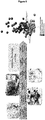
- Genomic Allergen Rapid Detection GARD ( Figure 8 ).
- GARD Genomic Allergen Rapid Detection
- the preferred assay is the mouse Local Lymph Node Assay (LLNA) [ Basketter, D.A., et al., Local lymph node assay - validation, conduct and use in practice. Food Chem Toxicol, 2002. 40(5): p. 593-8 ], followed by the Guinea pig maximization test (GPMT) [ Magnusson, B. and A.M. Kligman, The identification of contact allergens by animal assay. The guinea pig maximization test. J Invest Dermatol, 1969. 52(3): p. 268-76 ].
- LLNA mouse Local Lymph Node Assay
- GPMT Guinea pig maximization test
- step (c) comprises or consists of measuring the expression of one or more biomarker listed in Table A(i), for example, 2, 3, 4, 5, 6, 7, 8, 9, 10, 11, 12, 13, 14, 15, 16, 17, 18, 19, or 20 of the biomarkers listed in Table A(i).
- step (c) may comprise or consist of measuring the expression of all of the biomarkers listed in Table A(i).
- the method may include or exclude measuring the expression of HIST1H2BM.
- the method may include or exclude measuring the expression of HIST1H4B.
- the method may include or exclude measuring the expression of HIST1H1D.
- the method may include or exclude measuring the expression of PAICS.
- the method may include or exclude measuring the expression of HIST1H4D.
- the method may include or exclude measuring the expression of HIST1H2AL/// HIST1 H2BN.
- the method may include or exclude measuring the expression of PLK1.
- the method may include or exclude measuring the expression of PHGDH.
- the method may include or exclude measuring the expression of MCM2.
- the method may include or exclude measuring the expression of MCM7.
- the method may include or exclude measuring the expression of CD53.
- the method may include or exclude measuring the expression of KIFC1.
- the method may include or exclude measuring the expression of WEE1.
- the method may include or exclude measuring the expression of TMPO.
- the method may include or exclude measuring the expression of MCM4.
- the method may include or exclude measuring the expression of PSRC1.
- the method may include or exclude measuring the expression of RNF149.
- the method may include or exclude measuring the expression of MCM6.
- the method may include or exclude measuring the expression of MCM5.
- the method may include or exclude measuring the expression of FANCA.
- step (c) comprises or consists of measuring the expression of one or more biomarkers listed in Table A(ii), for example, 2, 3, 4, 5, 6, 7, 8, 9, 10, 11, 12, 13, 14, 15, 16, 17, 18, 19, 20, 21, 22, 23, 24, or 25 of the biomarkers listed in Table A(ii).
- step (c) may comprise or consist of measuring the expression of all of the biomarkers listed in Table A(ii).
- the method may include or exclude measuring the expression of CAD.
- the method may include or exclude measuring the expression of MRTO4.
- the method may include or exclude measuring the expression of TOE1.
- the method may include or exclude measuring the expression of CDC20.
- the method may include or exclude measuring the expression of PM20D2.
- the method may include or exclude measuring the expression of LOC344887.
- the method may include or exclude measuring the expression of UNG.
- the method may include or exclude measuring the expression of CDKN1A.
- the method may include or exclude measuring the expression of HIST1H2BF.
- the method may include or exclude measuring the expression of HIST1H1 B.
- the method may include or exclude measuring the expression of Transcript ID 7896697.
- the method may include or exclude measuring the expression of JADE1.
- the method may include or exclude measuring the expression of KIAA0125.
- the method may include or exclude measuring the expression of CHRNA5.
- the method may include or exclude measuring the expression of CHAF1 B /// MORC3.
- the method may include or exclude measuring the expression of SEL1L3.
- the method may include or exclude measuring the expression of SSRP1.
- the method may include or exclude measuring the expression of FOXM1.
- the method may include or exclude measuring the expression of LMNB1.
- the method may include or exclude measuring the expression of HIST1H2AK.
- the method may include or exclude measuring the expression of CENPA.
- the method may include or exclude measuring the expression of NCAPH.
- the method may include or exclude measuring the expression of HIST1H2BB.
- the method may include or exclude measuring the expression of ATP6V1B2.
- the method may include or exclude measuring the expression of TRAP1.
- step (c) may comprise or consist of measuring the expression of one or more biomarker listed in Table A(iii), for example, 1, 2, 3, 4, 5, 6, or 7 of the biomarkers listed in Table A(iii).
- step (c) comprises or consists of measuring the expression of all of the biomarkers listed in Table A(iii).
- the method may include or exclude measuring the expression of PFAS.
- the method may include or exclude measuring the expression of TMEM97.
- the method may include or exclude measuring the expression of DHCR24.
- the method may include or exclude measuring the expression of FTH1.
- the method may include or exclude measuring the expression of HIST1H2AE.
- the method may include or exclude measuring the expression of NQO1.
- the method may include or exclude measuring the expression of CD44.
- step (c) comprises or consists of measuring the expression of three or more of the biomarkers listed in Table A, for example, 4, 5, 6, 7, 8, 9, 10, 11, 12, 13, 14, 15, 16, 17, 18, 19, 20, 21, 22, 23, 24, 25, 26, 27, 28, 29, 30, 31, 32, 33, 34, 35, 36, 37, 38, 39, 40, 41, 42, 43, 44, 45, 46, 47, 48, 49, 50, 51, or 52 of the biomarkers listed in Table A.
- step (c) may comprise or consist of measuring the expression of all of the biomarkers listed in Table A.
- the method may include or exclude measuring the expression of HIST1H2BM.
- the method may include or exclude measuring the expression of HIST1H4B.
- the method may include or exclude measuring the expression of HIST1H1D.
- the method may include or exclude measuring the expression of PAICS.
- the method may include or exclude measuring the expression of HIST1H4D.
- the method may include or exclude measuring the expression of HIST1H2AL/// HIST1H2BN.
- the method may include or exclude measuring the expression of PLK1.
- the method may include or exclude measuring the expression of PHGDH.
- the method may include or exclude measuring the expression of MCM2.
- the method may include or exclude measuring the expression of MCM7.
- the method may include or exclude measuring the expression of CD53.
- the method may include or exclude measuring the expression of KIFC1.
- the method may include or exclude measuring the expression of WEE1.
- the method may include or exclude measuring the expression of TMPO.
- the method may include or exclude measuring the expression of MCM4.
- the method may include or exclude measuring the expression of PSRC1.
- the method may include or exclude measuring the expression of RNF149.
- the method may include or exclude measuring the expression of MCM6.
- the method may include or exclude measuring the expression of MCM5.
- the method may include or exclude measuring the expression of FANCA.
- the method may include or exclude measuring the expression of CAD.
- the method may include or exclude measuring the expression of MRTO4.
- the method may include or exclude measuring the expression of TOE1.
- the method may include or exclude measuring the expression of CDC20.
- the method may include or exclude measuring the expression of PM20D2.
- the method may include or exclude measuring the expression of LOC344887.
- the method may include or exclude measuring the expression of UNG.
- the method may include or exclude measuring the expression of CDKN1A.
- the method may include or exclude measuring the expression of HIST1H2BF.
- the method may include or exclude measuring the expression of HIST1H1B.
- the method may include or exclude measuring the expression of Transcript ID 7896697.
- the method may include or exclude measuring the expression of JADE1.
- the method may include or exclude measuring the expression of KIAA0125.
- the method may include or exclude measuring the expression of CHRNA5.
- the method may include or exclude measuring the expression of CHAF1B /// MORC3.
- the method may include or exclude measuring the expression of SEL1L3.
- the method may include or exclude measuring the expression of SSRP1.
- the method may include or exclude measuring the expression of FOXM1.
- the method may include or exclude measuring the expression of LMNB1.
- the method may include or exclude measuring the expression of HIST1H2AK.
- the method may include or exclude measuring the expression of CENPA.
- the method may include or exclude measuring the expression of NCAPH.
- the method may include or exclude measuring the expression of HIST1H2BB.
- the method may include or exclude measuring the expression of ATP6V1B2.
- the method may include or exclude measuring the expression of TRAP1.
- the method may include or exclude measuring the expression of PFAS.
- the method may include or exclude measuring the expression of TMEM97.
- the method may include or exclude measuring the expression of DHCR24.
- the method may include or exclude measuring the expression of FTH1.
- the method may include or exclude measuring the expression of HIST1H2AE.
- the method may include or exclude measuring the expression of NQO1.
- the method may include or exclude measuring the expression of CD44.
- the method may include or exclude measuring the expression of one or more of MCM7, PFAS, HIST1H2AE.
- step (c) may comprise or consist of measuring the expression of one or more biomarker listed in Table B.
- step (c) may comprise or consist of measuring the expression of 2, 3, 4, 5, 6, 7, 8, 9, 10, 11, 12, 13, 14, 15, 16, 17, 18 of the biomarkers listed in Table B.
- step (c) may comprise or consist of measuring the expression of all of the biomarkers listed in Table B.
- step (c) comprises or consists of measuring the expression of at least 2 of the biomarkers listed in Table B, for example, ⁇ 3, ⁇ 4, ⁇ 5, ⁇ 6, ⁇ 7, ⁇ 8, ⁇ 9, ⁇ 10, ⁇ 11, ⁇ 12, ⁇ 13, ⁇ 14, ⁇ 15, ⁇ 16, ⁇ 17, or 18 of the biomarkers listed in Table B.
- step (c) comprises or consist of measuring the expression of one or more biomarker listed in Table B(i), for example, ⁇ 2, ⁇ 3, ⁇ 4, ⁇ 5, ⁇ 6, ⁇ 7, ⁇ 8, ⁇ 9, ⁇ 10, ⁇ 11, ⁇ 12, ⁇ 13, ⁇ 14, ⁇ 15, or 16 of the biomarkers listed in Table B(i).
- step (c) comprises or consist of measuring the expression of one or more biomarker listed in Table B(ii), for example, 2 of the biomarkers listed in Table B(ii).
- the method may include or exclude measuring the expression of Transcript ID 8055309.
- the method may include or exclude measuring the expression of NDC1.
- the method may include or exclude measuring the expression of KIF22 /// KIF22.
- the method may include or exclude measuring the expression of OK/SW-CL.58.
- the method may include or exclude measuring the expression of Transcript ID 7994343.
- the method may include or exclude measuring the expression of HIST1H2AB /// HIST1H2AE.
- the method may include or exclude measuring the expression of HMGB3.
- biomarker we include any biological molecule, or component or fragment thereof, the measurement of which can provide information useful in determining sensitizer potency.
- the biomarker may be a nucleic acid molecule, such as a mRNA or cDNA.
- the biomarker may be a protein encoded by the nucleic acid molecule or carbohydrate moiety, or an antigenic component or fragment thereof.
- the method is for identifying skin sensitizer potency and skin sensitizer/non-sensitizer status of the test agent (i.e., identifying whether the test agent is a sensitizer or not and identifying its potency as a skin sensitizer).
- the method comprises identifying whether the test agent is a sensitizer using the method described in WO 2012/056236 and/or Johansson H et al.
- skin sensitizing potency we include or mean the strength of the skin sensitizing ability of an agent.
- the relative potency or strength of sensitizing ability of an agent might lead to the ordering of a group of test agents from most potent to least potent or vice versa, and/or it might lead to their categorization according to one or more known regulation or system.
- the skin sensitization potency determined by the method is categorised according to the European Classification, Labelling and Packaging (CLP) Regulation (EC) 1272/2008 (http://echa.europa.eu/clp-2015).
- CLP European Classification, Labelling and Packaging
- EC 1272/2008 (http://echa.europa.eu/clp-2015).
- GLS Globally Harmonised System
- This system is based on the United Nations' Globally Harmonised System (GHS) and from June 2015, the only legislation to apply to the classification and labelling of both substances and mixtures. It requires companies to classify, label and package their products appropriately before placing them on the market. It provides the categories: 1A (strong), 1B (weak), or no cat (no sensitizer).
- the method may provide:
- the skin sensitization potency determined by the method is categorised according to the system described in Basketter et al., 2014, 'Categorization of chemicals according to their relative human skin sensitizing potency,' Dermatitis, 25(1):11-21 , i.e. categories 1 (strongest sensitizer), 2, 3, 4, 5, or 6 (true non-sensitizer) (e.g. Table 4, Figure 4 ).
- NOEL no observed-effects level
- the expression of one or more biomarkers measured in step (c) is measured in the cells provided in step (a) prior to and following exposure to the skin sensitizing agent of predetermined potency, and wherein the difference in expression between the one or more biomarkers prior to and following step (c) is indicative of the potency of the skin sensitizing agent of step (b).
- the presence and or amount in a first sample differs from that of a second sample (e.g., a control agent sample).
- a second sample e.g., a control agent sample.
- the presence and/or amount is no more than 40% of that of the comparison sample, for example, no more than 39%, 38%, 37%, 36%, 35%, 34%, 33%, 32%, 31%, 30%, 29%, 28%, 27%, 26%, 25%, 24%, 23%, 22%, 21%, 20%, 19%, 18%, 17%, 16%, 15%, 14%, 13%, 12%, 11%, 10%, 9%, 8%, 7%, 6%, 5%, 4%, 3%, 2%, 1% or 0%.
- the one or more biomarker is measured in the cells provided in step (a) prior to and following exposure to the test agent, and wherein the difference in expression between the one or more biomarkers prior to and following exposure to the test agent is indicative of the skin sensitizing potency of the test agent of step (b).
- the cells provided in step (a) may provide both the negative control and the test result.
- the one or more biomarker is measured in the cells provided in step (a) prior to and following exposure to the test agent, and wherein the difference in expression between the one or more biomarkers prior to and following step (c) is indicative of the skin sensitizing potency of the test agent of step (b).
- the cells provided in step (a) may provide both the negative control and the test result.
- the vehicle control comprises DMSO.
- the presence and or amount in a first sample is similar or identical to the presence and/or amount in a second sample (e.g., a control sample).
- a second sample e.g., a control sample.
- the presence and/or amount is at least 60% of that of the control sample, for example, at least 65%, 66%, 67%, 68%, 69%, 70%, 71 %, 72%, 73%, 74%, 75%, 76%, 77%, 78%, 79%, 80%, 81%, 82%, 83%, 84%, 85%, 86%, 87%, 88%, 89%, 90%, 91%, 92%, 93%, 94%, 95%, 96%, 97%, 98%, 99% or 100%.
- the identification may be performed using any suitable statistical method or machine learning algorithm known in the art, such as Random Forest (RF), Support Vector Machine (SVM), Principal Component Analysis (PCA), ordinary least squares (OLS), partial least squares regression (PLS), orthogonal partial least squares regression (O-PLS) and other multivariate statistical analyses (e.g., backward stepwise logistic regression model).
- Random Forest RF
- Support Vector Machine SVM
- Principal Component Analysis PCA
- OLS ordinary least squares
- PLS partial least squares regression
- OF-PLS orthogonal partial least squares regression
- other multivariate statistical analyses e.g., backward stepwise logistic regression model.
- RF Random Forest
- SVM Support Vector Machine
- PCA Principal Component Analysis
- OLS ordinary least squares
- PLS partial least squares regression
- OFS orthogonal partial least squares regression
- Statistical Science 2 (4): 396-413 which is incorporated herein by reference.
- a Random Forest model is used (such as is described in detail
- sensitizing potency is determined with an ROC AUC of at least 0.45, for example with an ROC AUC of at least, 0.50, 0.55, 0.60, 0.65, 0.70, 0.75, 0.80, 0.85, 0.86, 0.87, 0.88, 0.89, 0.90, 0.91, 0.92, 0.93, 0.94, 0.95, 0.96, 0.97, 0.98, 0.99 or with an ROC AUC of 1.00.
- skin sensitizing potency is determined with an ROC AUC of at least 0.80, more preferably at least 0.85, still more preferably at least 0.88.
- the methods of the invention have an accuracy of at least 60%, for example, 61%, 62%, 63%, 64%, 65%, 66%, 67%, 68%, 69%, 70%, 71%, 72%, 73%, 74%, 75%, 76%, 77%, 78%, 79%, 80%, 81%, 82%, 83%, 84%, 85%, 86%, 87%, 88%, 89%, 90%, 91%, 92%, 93%, 94%, 95%, 96%, 97%, 98%, 99% or 100% accuracy.
- the methods of the invention have a specificity of at least 60%, for example, 61%, 62%, 63%, 64%, 65%, 66%, 67%, 68%, 69%, 70%, 71%, 72%, 73%, 74%, 75%, 76%, 77%, 78%, 79%, 80%, 81%, 82%, 83%, 84%, 85%, 86%, 87%, 88%, 89%, 90%, 91%, 92%, 93%, 94%, 95%, 96%, 97%, 98%, 99% or 100% specificity.
- each repetition of steps (a) to (c) (and where present, steps (d)-(f/g)) is performed concurrently (i.e., with original steps (a) to (c) (and where present, steps (d)-(f/g))).
- each repetition of steps (a) to (c) (and where present, steps (d)-(f/g)) is performed consecutively.
- Preferred assays for detecting serum or plasma proteins include enzyme linked immunosorbent assays (ELISA), radioimmunoassay (RIA), immunoradiometric assays (IRMA) and immunoenzymatic assays (IEMA), including sandwich assays using monoclonal and/or polyclonal antibodies.
- ELISA enzyme linked immunosorbent assays
- RIA radioimmunoassay
- IRMA immunoradiometric assays
- IEMA immunoenzymatic assays
- sandwich assays are described by David et al in US Patent Nos. 4,376,110 and 4,486,530 , hereby incorporated by reference.
- Antibody staining of cells on slides may be used in methods well known in cytology laboratory diagnostic tests, as well known to those skilled in the art.
- the assay is an ELISA (Enzyme Linked Immunosorbent Assay) which typically involves the use of enzymes which give a coloured reaction product, usually in solid phase assays.
- Enzymes such as horseradish peroxidase and phosphatase have been widely employed.
- a way of amplifying the phosphatase reaction is to use NADP as a substrate to generate NAD which now acts as a coenzyme for a second enzyme system.
- Pyrophosphatase from Escherichia coli provides a good conjugate because the enzyme is not present in tissues, is stable and gives a good reaction colour.
- Chemiluminescent systems based on enzymes such as luciferase can also be used.
- Vitamin biotin Conjugation with the vitamin biotin is frequently used since this can readily be detected by its reaction with enzyme-linked avidin or streptavidin to which it binds with great specificity and affinity.
- steps (c), (g), (f) and/or (j) of the methods described in the first aspect are performed using an array.
- the array may be a bead-based array or a surface-based array.
- the array may be selected from the group consisting of: macroarray; microarray; nanoarray.
- binding molecules discussed above
- the skilled person can manufacture an array using methods well known in the art of molecular biology.
- skin sensitizing agent we mean any agent capable of inducing and triggering a Type IV delayed-type hypersensitivity reaction in a mammal.
- the Type IV delayed-type hypersensitivity reaction is DC-mediated.
- the dendritic-like cells are MUTZ-3 cells.
- MUTZ-3 cells are human acute myelomonocytic leukemia cells that are available from Deutsche Sammlung für Mikroorganismen und Zellkulturen GmbH (DSMZ), Braunschweig, Germany (www.dsmz.de; DMSZ No. ACC 295).
- the population of dendritic cells or population of dendritic-like cells is a population of dendritic cells.
- the dendritic cells are primary dendritic cells.
- the dendritic cells are myeloid dendritic cells.
- Dendritic cells may be recognized by function, by phenotype and/or by gene expression pattern, particularly by cell surface phenotype. These cells are characterized by their distinctive morphology, high levels of surface MHC-class II expression and ability to present antigen to CD4+ and/or CD8+ T cells, particularly to naive T cells ( Steinman et al. (1991) Ann. Rev. Immunol. 9: 271 ).
- the cell surface of dendritic cells is unusual, with characteristic veil-like projections, and is characterized by expression of the cell surface markers CD11c and MHC class II. Most DCs are negative for markers of other leukocyte lineages, including T cells, B cells, monocytes/macrophages, and granulocytes.
- the patterns of expression of these cell surface markers may vary along with the maturity of the dendritic cells, their tissue of origin, and/or their species of origin.
- Immature dendritic cells express low levels of MHC class II, but are capable of endocytosing antigenic proteins and processing them for presentation in a complex with MHC class II molecules.
- Activated dendritic cells express high levels of MHC class 11, ICAM-1 and CD86, and are capable of stimulating the proliferation of naive allogeneic T cells, e. g. in a mixed leukocyte reaction (MLR).
- MLR mixed leukocyte reaction
- Preferred methods for detection and/or measurement of protein include Western blot, North-Western blot, immunosorbent assays (ELISA), antibody microarray, tissue microarray (TMA), immunoprecipitation, in situ hybridisation and other immunohistochemistry techniques, radioimmunoassay (RIA), immunoradiometric assays (IRMA) and immunoenzymatic assays (IEMA), including sandwich assays using monoclonal and/or polyclonal antibodies.
- Exemplary sandwich assays are described by David et al., in US Patent Nos. 4,376,110 and 4,486,530 , hereby incorporated by reference.
- Antibody staining of cells on slides may be used in methods well known in cytology laboratory diagnostic tests, as well known to those skilled in the art.
- Vitamin biotin Conjugation with the vitamin biotin is frequently used since this can readily be detected by its reaction with enzyme-linked avidin or streptavidin to which it binds with great specificity and affinity.
- a second aspect of the invention provides an array for use in the method according to the first aspect of the invention, the array comprising one or more binding moiety as defined in the first aspect of the invention.
- the array comprises one or more binding moiety for each of the biomarkers as defined in the first aspect of the invention.
- the array of the second aspect of the invention may comprise one or more, preferably two or more, binding moieties, wherein the binding moieties are each capable of binding selectively to a biomarker as defined in the first aspect. Therefore, the array may comprise or consist of a particular selection of biomarker-specific binding moieties which correlates to any particular selection of biomarkers as defined in the first aspect.
- biomarker selected from the group defined in Table A for determining the skin sensitizing potency of an agent, preferably wherein the biomarker is selected from the group defined in Table A(i) and/or Table A(ii).
- a binding moiety with specificity for a biomarker selected from the group defined in Table A for determining the skin sensitizing potency of an agent, preferably wherein the binding moiety has specificity for a biomarker selected from the group defined in Table A(i) and/or Table A(ii).
- analytical kit further comprising one or more control agents as defined in the first aspect of the invention.
- a fifth aspect of the invention provides a method of treating or preventing a type I hypersensitivity reaction (such as ACD) in a patient comprising the steps of:
- Treatments of the symptoms of sensitization may include, for example, topical steroids.
- ACD Upon re-exposure to the sensitizer, the development of ACD may be triggered, which as the adverse outcome is characterized by skin lesions induced by specific Th1 and CD8+ T cells. While the KE in the AOP are well described, a detailed mechanistic understanding of the underlying biology of the individual key events is still missing [5].
- the murine Local Lymph Node Assay (LLNA) [6] has for many years been the preferred alternative for skin sensitization testing as it is able to provide data for both hazard identification and characterization, including skin sensitizer potency information. However, it is characterized by certain limitations such as susceptibility to vehicle effects and issues with false-positive results [7].
- Several non-animal predictive methods have been developed to reduce animal experimentation used for chemical testing including computational approaches to integrate data from different test platforms for hazard identification as recently reviewed [8].
- the CLP regulation is based on the Globally Harmonised System [25], and uses three categories for chemical classification; no category (no cat) for non-sensitizers, category 1B for weak and 1A for strong sensitizers.
- GARD can be developed further into a tool for the prediction of chemical skin sensitizer potency, targeting the CLP categories.
- GARD Support Vector Machine model cannot be applied to multiclass problems, we used another approach based on random forest modelling [26].
- Random forest is a decision-tree based method and well-suited for microarray data [27]. It divides the dataset internally and repeatedly into a training and test set through random sub-sampling (bootstrapping). Samples in the test set, referred to as out-of-bag samples, comprise approximately one third of the entire dataset, and are used in order to estimate the out-of-bag (OOP) error, i.e. the classification error.
- OOP out-of-bag
- the myeloid cell line used in this study was derived from MUTZ-3 (DSMZ, Braunschweig, Germany) and maintained as described in [22, 28].
- a phenotypic control analysis of the cells prior to each experiment was carried out by flow cytometry in order to confirm the cells' immature state.
- the following monoclonal antibodies were used: CD1a (DakoCytomation, Glostrup, Denmark), CD34, CD86, HLA-DR (BD Biosciences, San Jose, USA), all FITC-conjugated; CD14 (DakoCytomation), CD54, CD80 (BD Biosciences), all PE-conjugated.
- FITC- and PE-conjugated mouse IgG1 served as isotype controls and propidium iodide as a marker for non-viable cells (BD Biosciences). Three batches of cells were exposed for 24 hours in independent experiments and viability and CD86 expression were assessed by flow cytometry. All FACS samples were analyzed on a FACSCanto II instrument with FACS Diva software for data acquisition. 10 000 events were acquired and further analysis was performed in FCS Express V4 (De Novo Software, Los Angeles, CA). Cells for RNA extraction were lysed in TRIzol® (Life Technologies/Thermo Fisher Scientific, Waltham, USA) and stored until further use in -20°C.
- RNA isolation from cells lysed in TRIzol® was performed according to the manufacturer's instructions. Labeled sense DNA was synthesized according to Affymetrix (Affymetrix, Cleveland, USA) protocols using the recommended kits and controls. The cDNA was hybridized to Human Gene 1.0 ST arrays (Affymetrix) and further processed and scanned as recommended by the supplier.
- an SVM model based on a linear kernel was trained on reference chemical stimulations from the original training set used during identification of the GPS [22]. The trained model was subsequently applied to assign each test chemical with an SVM Decision Value (SVM DV). Resulting SVM DVs for all test chemicals were used to construct a receiver operating characteristics (ROC) curve, and the resulting area under the curve (AUC) was used as a classification measure [32]. SVM modeling and ROC curve visualizations were performed in R statistical environment, using the additional packages e1071 [33] and ROCR [34]. Prior to evaluating final predictive performance of the model, SVM DVs for each individual replicate of the test chemicals were calibrated against the cut-off for maximal predictive performance obtained during classification of benchmark samples in Table 2, as described in [31].
- the calibrated SVM DVs were subsequently used for final classifications, and test chemicals were classified as sensitizers if the median output value of replicates > 0. Accuracy, sensitivity and specificity was estimated using cooper statistics [35]. The non-parametric Two Sample Wilcoxon test was performed in order to determine if the SVM DV distributions between CLP categories 1A, 1B and no cat differed significantly.
- the new microarray data were merged with historical data [22, 23] and subjected to quality control. Four arrays were removed due to bad quality; however, no chemical was present in less than biological duplicates. Array data was imported into the R statistical environment and normalized using the SCANfast algorithm [29, 30]. As several experimental campaigns needed to be combined, this dataset was normalized using the ComBat method [36, 37] in order to remove batch effects between samples. At this time, the samples in the training set were separated from the samples in the test set. To avoid overfitting, only samples in the designated training set were used during identification of the predictive biomarker signature and for fitting of parameters to the classifier, and samples in the test set were set aside to validate the performance of the identified signature and the specified classifier.
- the predictive biomarker signature was identified by feeding normalized and batch corrected transcript intensities from individual samples in the training set into a random forest model [26] combined with a backward elimination procedure in the varSeIRF package [38] in R/Bioconductor version 3.1.2.
- the initial forest used for ranking of variable importance was grown to 2000 trees and all other parameters were kept at the default settings.
- the package iteratively fits and evaluates random forest models, at each iteration dropping 20% of the least important variables.
- the best performing set of variables was selected based on OOB error rates from all fitted Random Forests as the smallest number of genes within one standard error from the minimal error solution (i.e 1.s.e rule).
- Pathway analysis was performed with the Key Pathway Advisor (KPA) tool [40] version 16.6, which provides a pathway analysis workflow to investigate e.g. gene expression data. It associates differentially expressed genes with both upstream and downstream processes in order to allow biological interpretation.
- KPA Key Pathway Advisor
- a multigroup comparison (ANOVA) comparing samples belonging to CLP no cat, 1B, and 1A was then applied in order to identify transcripts that were differentially regulated.
- a novel dataset comprising 37 well-characterized chemicals was selected in order to complement historical GARD data for 51 chemicals and to represent a relevant choice of chemicals, balanced in terms of chemical reactivity class, and use in consumer products.
- the novel chemicals were selected based on European Chemical Agency CLP databases and literature [15, 41] and in cooperation with the Skin Tolerance Task Force of Cosmetics Europe (CE), who kindly provided 27 chemicals.
- the 37 novel chemicals were predicted as sensitizers or non-sensitizers using the GPS and previously established protocols based on SVM classifications.
- the SVM model was applied to assign each individual replicate sample with a SVM DV. Prior to final classifications, SVM DVs from the 37 samples were first calibrated against 11 benchmark samples (Table 2) included in the same sample batch as the test chemicals.
- the dataset comprising the 37 novel chemicals were merged with the historical dataset comprising 51 chemicals.
- the dataset consisted of 86 unique chemicals (Table 4) and two vehicle controls, balanced with regards to categories 1A and 1B and non-sensitizers (no cat) as described by CLP (Table 3).
- CLP classification 1B was changed to no category/non-sensitizer according to the sources indicated in Table 4 for one of three reasons: i) for retaining consistency with previous GARD projects (benzaldehyde, xylene), ii) for being used as vehicle in non-sensitizing concentration (DMSO), and for being a well-described false-positive in the LLNA (sodium dodecyl sulfate).
- DMSO non-sensitizing concentration
- a random forest model for the prediction of three CLP categories was developed based on a training set consisting of 70 unique samples, including two vehicle controls.
- 52 predictive variables (Table 5) were identified as optimal for CLP classification.
- principal component analysis (PCA) was performed.
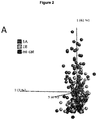
- the 52 variables identified by random forest based on a whole-genome array analysis were used as input, and the PCA was built on the training set ( Fig. 2A).
- Fig. 2A is based on chemicals with biological replicates colored according to CLP categories and a clear gradient from no cat to strong sensitizers (1A) can be observed along the first principal component.
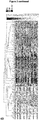
- the heatmap of the training set with hierarchical clustering of the variables in Fig. 2B illustrates the regulation of genes in relation to the respective chemical and CLP category.
- the model performance was further evaluated by predicting the CLP categories of an independent test set, which comprised 18 chemicals previously unseen to the model.
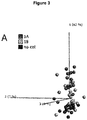
- the test set colored according to CLP categories was visualized in the PCA plot ( Fig. 3A ), without influencing the PCA components based on the 52 identified variables.
- Fig. 3B visualizes the regulation of the 52 genes in the normalized test set in form of a heatmap.
- 14 out of 18 chemicals were assigned into the right CLP category (Table 6, Suppl. Table 1), resulting in an overall accuracy of 78% (Table 7).
- the four misclassified chemicals were diethyl maleate, butyl glycidyl ether, lyral and cyanuric chloride.
- the CLP potency model contains information relevant for human potency prediction
- the 52 variables identified by random forest represent transcripts belonging to different cell compartments and different functional roles. Five of them overlap with the GARD prediction signature. Five of the top 10 markers, which were most frequently chosen in the bootstrapping process and have the highest validation call frequencies (Table 5), are histone cluster 1 members, such as HIST1H2AB [42]. Histones are highly conserved and play an important role not only for maintaining chromatin structure but also in gene regulation [43]. PFAS and PAICS are involved in purine biosynthesis [44, 45], and TMEM97 is a regulator of cholesterol levels [46], which is further described to be involved in cell cycle regulation, cell migration and invasion in a glioma cell model according to RNA interference experiments [47].
- DHCR24 is a multifunctional enzyme localized to the endoplasmic reticulum (ER) and catalyzes the final step in cholesterol-synthesis [48] but possesses also anti-apoptotic activity as for example shown for neuronal cells under ER stress [49].
- PLK1 a kinase
- PLK1 was further reported to be involved in cell cycle regulation by inhibiting TNF-induced cyclin D1 expression and it could reduce TNF-induced NF- ⁇ B activation [51].
- transcripts are nuclear proteins and thus likely involved in DNA-dependent processes such as replication, transcription, splicing and cell cycle regulation.
- transcripts in the signature that code for proteins known for their involvement in immune responses and/or sensitization, such as NQO1, which is well-described for its role in the cellular response to skin sensitizers [52].
- CD53 belongs to the tetraspanin family, transmembrane proteins which have multiple functions in e.g. cell adhesion, migration and signaling and which has been shown to be elevated on Fc ⁇ RI-positive skin DCs from atopic dermatitis patients individuals [53] similarly as on peripheral blood-derived monocytes from patients with atopic eczema [54] in comparison to the respective healthy controls.
- CD44 is a cell surface glycoprotein, adhesion and hyaluronan receptor [55] being expressed by numerous cell types and for example involved in inflammatory responses [56], e.g. by mediating leukocyte migration into inflamed tissues, which has been shown in a mouse model of allergic dermatitis [57].
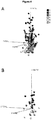
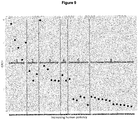
- the 33 key pathways identified with an input of the 883 most significantly regulated genes after a multigroup comparison (FDR 10 -9 ) between CLP categories in KPA analysis ( Fig. 5 ), mirror several of the functional groups of the 52 variables defined by Random Forest, such as gene regulation, cell cycle control and metabolism. Immune response-associated pathways such as "IL-4-induced regulators of cell growth, survival, differentiation and metabolism” and “Immune response_IL-3 signaling via JAK/STAT, p38, JNK and NF- ⁇ B" were among the 50% most significantly regulated ones.
- KEAP1 and NRF2 were found as a key hubs as well as their target genes NQO1 and HMOX1 [52, 58] and AHR [59, 60].
- the target genes NQO1, HMOX1 and CES1 [61] were even present on the input gene level.
- CES1 was present for SN chemicals as well, but only NQO1, NRF2 and AHR were identified as key hubs.
- KEAP1 was not found as key hub in SB and SN KPA analysis and AHR was the only key hub identified for all three protein reactivity groups.
- NF- ⁇ B subunits (ReIB or p52) were predicted key hubs in all reactivity groups except in MA chemicals.
- CLP categories are empirically determined and arbitrarily defined categories, which do not represent the diversity of different chemicals, their molecular features and mechanisms responsible for their sensitizing characteristics or the lack thereof. They are, however, what legislation currently requires in order to classify and label chemicals. We therefore investigated 37 additional chemicals previously not tested in the standard GARD assay, in order to combine these new data with historical datasets.
- the U-SENSTM assay formerly MUSST, uses another myeloid cell line, U937, and CD86 measurements in order to distinguish sensitizers and non-sensitizers.
- U937 myeloid cell line
- CD86 measurements in order to distinguish sensitizers and non-sensitizers.
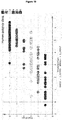
- KPA pathway analysis identified biologically relevant events in the presented dataset as several pathways regulated have a known role in skin sensitization, e.g. cytokine signalling and oxidative stress responses ( Figs. 5-6 ).
- DCs are not the primary target for protein modification in vivo, we hypothesized that different protein reactivity classes influence the DC transcriptome differentially.
- Protein reactivity is one of the most important features of chemicals defining their skin sensitizing capacity and potency with certain limitations [63]. Protein reactivity-specific patterns were detectable as revealed by the comparison of the most significantly regulated genes induced by the reactivity groups MA, SB, and SN.
- CAD carbamoyl phosphate synthetase
- Measuring complete transcriptomes of cells provides the opportunity to perform mode-of-action based studies to identify pathways of sensitization, but also to identify predictive biomarker signatures, which we have previously shown also for binary skin sensitization predictions and respiratory sensitization.
- we here present an initial proof of concept of a potency model targeting the CLP groups which can be modified and improved as more samples are analyzed and more accurate human reference data emerges.
- O-PLS orthogonal partial least squares projections to latent structures
Landscapes
- Health & Medical Sciences (AREA)
- Chemical & Material Sciences (AREA)
- Life Sciences & Earth Sciences (AREA)
- Organic Chemistry (AREA)
- General Health & Medical Sciences (AREA)
- Proteomics, Peptides & Aminoacids (AREA)
- Medicinal Chemistry (AREA)
- Immunology (AREA)
- Engineering & Computer Science (AREA)
- Public Health (AREA)
- Animal Behavior & Ethology (AREA)
- Veterinary Medicine (AREA)
- Pharmacology & Pharmacy (AREA)
- Wood Science & Technology (AREA)
- Zoology (AREA)
- Analytical Chemistry (AREA)
- Microbiology (AREA)
- Epidemiology (AREA)
- Bioinformatics & Cheminformatics (AREA)
- Genetics & Genomics (AREA)
- Biophysics (AREA)
- Biochemistry (AREA)
- Molecular Biology (AREA)
- Biotechnology (AREA)
- General Engineering & Computer Science (AREA)
- Physics & Mathematics (AREA)
- Virology (AREA)
- Mycology (AREA)
- Nuclear Medicine, Radiotherapy & Molecular Imaging (AREA)
- General Chemical & Material Sciences (AREA)
- Chemical Kinetics & Catalysis (AREA)
- Endocrinology (AREA)
- Measuring Or Testing Involving Enzymes Or Micro-Organisms (AREA)
- Investigating Or Analysing Biological Materials (AREA)
- Apparatus Associated With Microorganisms And Enzymes (AREA)
Applications Claiming Priority (4)
| Application Number | Priority Date | Filing Date | Title |
|---|---|---|---|
| EP2016056465 | 2016-03-23 | ||
| GBGB1700138.9A GB201700138D0 (en) | 2017-01-05 | 2017-01-05 | Analytical methods and arrays for use in the same |
| PCT/EP2017/056878 WO2017162773A1 (fr) | 2016-03-23 | 2017-03-22 | Procédés analytiques et puces à utiliser dans lesdits procédés |
| EP17713238.8A EP3417074B1 (fr) | 2016-03-23 | 2017-03-22 | Methodes analytiques et des arrays pour determiner la puissance d'agents sensibilisants in vitro |
Related Parent Applications (2)
| Application Number | Title | Priority Date | Filing Date |
|---|---|---|---|
| EP17713238.8A Division EP3417074B1 (fr) | 2016-03-23 | 2017-03-22 | Methodes analytiques et des arrays pour determiner la puissance d'agents sensibilisants in vitro |
| EP17713238.8A Division-Into EP3417074B1 (fr) | 2016-03-23 | 2017-03-22 | Methodes analytiques et des arrays pour determiner la puissance d'agents sensibilisants in vitro |
Publications (3)
| Publication Number | Publication Date |
|---|---|
| EP3536805A2 true EP3536805A2 (fr) | 2019-09-11 |
| EP3536805A3 EP3536805A3 (fr) | 2019-09-25 |
| EP3536805B1 EP3536805B1 (fr) | 2022-11-02 |
Family
ID=58410306
Family Applications (2)
| Application Number | Title | Priority Date | Filing Date |
|---|---|---|---|
| EP19168388.7A Active EP3536805B1 (fr) | 2016-03-23 | 2017-03-22 | Procédés analytiques et réseaux destinés à être utilisés dans lesdits procédés |
| EP17713238.8A Active EP3417074B1 (fr) | 2016-03-23 | 2017-03-22 | Methodes analytiques et des arrays pour determiner la puissance d'agents sensibilisants in vitro |
Family Applications After (1)
| Application Number | Title | Priority Date | Filing Date |
|---|---|---|---|
| EP17713238.8A Active EP3417074B1 (fr) | 2016-03-23 | 2017-03-22 | Methodes analytiques et des arrays pour determiner la puissance d'agents sensibilisants in vitro |
Country Status (12)
| Country | Link |
|---|---|
| EP (2) | EP3536805B1 (fr) |
| JP (2) | JP7023857B2 (fr) |
| KR (1) | KR102402479B1 (fr) |
| CN (1) | CN108884493B (fr) |
| AU (1) | AU2017238455B2 (fr) |
| BR (1) | BR112018069279A2 (fr) |
| CA (1) | CA3017270A1 (fr) |
| DK (2) | DK3536805T3 (fr) |
| ES (2) | ES2934349T3 (fr) |
| IL (1) | IL261835B2 (fr) |
| TW (1) | TW201805430A (fr) |
| WO (1) | WO2017162773A1 (fr) |
Families Citing this family (7)
| Publication number | Priority date | Publication date | Assignee | Title |
|---|---|---|---|---|
| WO2017162773A1 (fr) * | 2016-03-23 | 2017-09-28 | Senzagen Ab | Procédés analytiques et puces à utiliser dans lesdits procédés |
| GB201715445D0 (en) | 2017-09-25 | 2017-11-08 | Senzagen Ab | Novel cell line and uses thereof |
| JP6722845B2 (ja) | 2017-10-03 | 2020-07-15 | 株式会社国際電気通信基礎技術研究所 | 判別装置、うつ症状の判別方法、うつ症状のレベルの判定方法、うつ病患者の層別化方法、うつ症状の治療効果の判定方法及び脳活動訓練装置 |
| WO2019069955A1 (fr) | 2017-10-03 | 2019-04-11 | 株式会社国際電気通信基礎技術研究所 | Dispositif de différenciation, procédé de différenciation de symptômes de dépression, procédé de détermination du niveau de symptômes de dépression, procédé de stratification de patients de dépression, procédé de détermination des effets d'un traitement de symptômes de dépression, et dispositif d'apprentissage d'activité cérébrale |
| CN110794047A (zh) * | 2019-09-30 | 2020-02-14 | 广州市华代生物科技有限公司 | 一种复杂受试物对皮肤致敏性的预测方法 |
| WO2021205996A1 (fr) | 2020-04-06 | 2021-10-14 | 株式会社国際電気通信基礎技術研究所 | Dispositif de regroupement de valeurs de corrélation de connectivité fonctionnelle cérébrale, système de regroupement de valeurs de corrélation de connectivité fonctionnelle cérébrale, procédé de regroupement de valeurs de corrélation de connectivité fonctionnelle cérébrale, programme de classification de valeur de corrélation de connectivité fonctionnelle cérébrale, système de classification de marqueur d'activité cérébrale et modèle de classification de regroupement pour des valeurs de corrélation de connectivité fonctionnelle cérébrale |
| CN115670525B (zh) * | 2022-10-21 | 2024-11-29 | 广州市华代生物科技有限公司 | 一种用于超敏型敏感肌筛查的反应溶液 |
Citations (6)
| Publication number | Priority date | Publication date | Assignee | Title |
|---|---|---|---|---|
| EP0039578A1 (fr) | 1980-05-02 | 1981-11-11 | Edward P. Davis | Dispositif d'assistance pour jambes |
| US4376110A (en) | 1980-08-04 | 1983-03-08 | Hybritech, Incorporated | Immunometric assays using monoclonal antibodies |
| US4486530A (en) | 1980-08-04 | 1984-12-04 | Hybritech Incorporated | Immunometric assays using monoclonal antibodies |
| WO1998037186A1 (fr) | 1997-02-18 | 1998-08-27 | Actinova Limited | Bibliotheque d'expression in vitro de proteine ou de peptide |
| US5856090A (en) | 1994-09-09 | 1999-01-05 | The Scripps Research Institute | DNA-methylase linking reaction |
| WO2012056236A2 (fr) | 2010-10-26 | 2012-05-03 | Senzagen Ab | Procédés d'analyse et puces utilisables à cet effet |
Family Cites Families (9)
| Publication number | Priority date | Publication date | Assignee | Title |
|---|---|---|---|---|
| EP1905843A1 (fr) * | 2006-09-29 | 2008-04-02 | Vlaamse Instelling voor Technologisch Onderzoek | Méthode pour déterminer le potentiel allergique d'une substance |
| JP5442185B2 (ja) | 2007-04-24 | 2014-03-12 | 日本メナード化粧品株式会社 | 感作性物質評価方法 |
| EP2294412A1 (fr) | 2008-06-04 | 2011-03-16 | Ceetox Inc. | Procédé pour prédire l activité de sensibilisation de la peau de composés |
| WO2012068474A2 (fr) * | 2010-11-19 | 2012-05-24 | Rutgers, The State University Of New Jersey | Méthode d'évaluation à haut débit pour hypersensibilité de contact |
| GB201110371D0 (en) | 2011-06-17 | 2011-08-03 | Proteome Sciences R & D Gmbh & Co Kg | Materials and methods for determining sensitivity potential of compounds |
| GB201207297D0 (en) | 2012-04-26 | 2012-06-06 | Senzagen Ab | Analytical methods and arrays for use in the same |
| EP2835640A1 (fr) * | 2013-08-06 | 2015-02-11 | Academisch Ziekenhuis Leiden HODN Leids Universitair Medisch Centrum | Procédé pour prédire l'activité de sensibilisation de la peau d'un composé |
| JP6378529B2 (ja) * | 2014-04-28 | 2018-08-22 | 国立大学法人 鹿児島大学 | 遺伝性疾患の検出方法 |
| WO2017162773A1 (fr) * | 2016-03-23 | 2017-09-28 | Senzagen Ab | Procédés analytiques et puces à utiliser dans lesdits procédés |
-
2017
- 2017-03-22 WO PCT/EP2017/056878 patent/WO2017162773A1/fr not_active Ceased
- 2017-03-22 ES ES19168388T patent/ES2934349T3/es active Active
- 2017-03-22 IL IL261835A patent/IL261835B2/en unknown
- 2017-03-22 EP EP19168388.7A patent/EP3536805B1/fr active Active
- 2017-03-22 JP JP2018549355A patent/JP7023857B2/ja not_active Expired - Fee Related
- 2017-03-22 AU AU2017238455A patent/AU2017238455B2/en active Active
- 2017-03-22 EP EP17713238.8A patent/EP3417074B1/fr active Active
- 2017-03-22 DK DK19168388.7T patent/DK3536805T3/da active
- 2017-03-22 CN CN201780019165.5A patent/CN108884493B/zh not_active Expired - Fee Related
- 2017-03-22 BR BR112018069279A patent/BR112018069279A2/pt active Search and Examination
- 2017-03-22 CA CA3017270A patent/CA3017270A1/fr active Pending
- 2017-03-22 DK DK17713238.8T patent/DK3417074T3/da active
- 2017-03-22 KR KR1020187029055A patent/KR102402479B1/ko not_active Expired - Fee Related
- 2017-03-22 ES ES17713238T patent/ES2745580T3/es active Active
- 2017-03-23 TW TW106109711A patent/TW201805430A/zh unknown
-
2021
- 2021-11-01 JP JP2021179014A patent/JP7261852B2/ja active Active
Patent Citations (6)
| Publication number | Priority date | Publication date | Assignee | Title |
|---|---|---|---|---|
| EP0039578A1 (fr) | 1980-05-02 | 1981-11-11 | Edward P. Davis | Dispositif d'assistance pour jambes |
| US4376110A (en) | 1980-08-04 | 1983-03-08 | Hybritech, Incorporated | Immunometric assays using monoclonal antibodies |
| US4486530A (en) | 1980-08-04 | 1984-12-04 | Hybritech Incorporated | Immunometric assays using monoclonal antibodies |
| US5856090A (en) | 1994-09-09 | 1999-01-05 | The Scripps Research Institute | DNA-methylase linking reaction |
| WO1998037186A1 (fr) | 1997-02-18 | 1998-08-27 | Actinova Limited | Bibliotheque d'expression in vitro de proteine ou de peptide |
| WO2012056236A2 (fr) | 2010-10-26 | 2012-05-03 | Senzagen Ab | Procédés d'analyse et puces utilisables à cet effet |
Non-Patent Citations (127)
| Title |
|---|
| "OECD, The Adverse Outcome Pathway for Skin Sensitisation Initiated by Covalent Binding to Proteins", PART 1: SCIENTIFIC EVIDENCE, 2012, pages 1 - 59 |
| ADE, N. ET AL.: "HMOX1 and NQ01 genes are upregulated in response to contact sensitizers in dendritic cells and THP-1 cell line: role of the Keap1/Nrf2 pathway", TOXICOL SCI, vol. 107, no. 2, 2009, pages 451 - 60 |
| AKHAVAN, A.; S.R. COHEN: "The relationship between atopic dermatitis and contact dermatitis", CLIN DERMATOL, vol. 21, no. 2, 2003, pages 158 - 62 |
| ALBREKT ET AL.: "Skin sensitizers differentially regulate signaling pathways in MUTZ-3 cells in relation to their individual potency", BMC PHARMACOLOGY AND TOXICOLOGY, 2014 |
| ALBREKT, A.S. ET AL.: "Skin sensitizers differentially regulate signaling pathways in MUTZ-3 cells in relation to their individual potency", BMC PHARMACOL TOXICOL, vol. 15, 2014, pages 5, XP021177247, DOI: doi:10.1186/2050-6511-15-5 |
| ANDERSON, S.E.; P.D. SIEGEL; B.J. MEADE: "The LLNA: A Brief Review of Recent Advances and Limitations", J ALLERGY (CAIRO, vol. 2011, 2011, pages 424203 |
| ANDREAS, N. ET AL.: "The intra- and inter-laboratory reproducibility and predictivity of the KeratinoSens assay to predict skin sensitizers in vitro: Results of a ring-study in five laboratories", TOXICOLOGY IN VITRO, vol. 25, no. 3, 2011, pages 733 - 744, XP055040297, DOI: doi:10.1016/j.tiv.2010.12.014 |
| ASHIKAGA, T. ET AL.: "Development of an in vitro skin sensitization test using human cell lines: the human Cell Line Activation Test (h-CLAT). I. Optimization of the h-CLAT protocol", TOXICOL IN VITRO, vol. 20, no. 5, 2006, pages 767 - 73 |
| BARTZ, F. ET AL.: "Identification of cholesterol-regulating genes by targeted RNAi screening", CELL METAB, vol. 10, no. 1, 2009, pages 63 - 75, XP008112330, DOI: doi:10.1016/j.cmet.2009.05.009 |
| BASKETTER ET AL.: "Categorization of chemicals according to their relative human skin sensitizing potency", DERMATITIS, 2014 |
| BASKETTER ET AL.: "Categorization of chemicals according to their relative human skin sensitizing potency", DERMATITIS, vol. 25, no. 1, 2014, pages 11 - 21 |
| BASKETTER ET AL.: "Evaluation of the skin sensitizing potency of chemicals by using the existing methods and considerations of relevance for elicitation", CONTACT DERMATITIS, vol. 52, no. 1, 2005, pages 39 - 43 |
| BASKETTER, D.A. ET AL.: "Categorization of chemicals according to their relative human skin sensitizing potency", DERMATITIS, vol. 25, no. 1, 2014, pages 11 - 21 |
| BASKETTER, D.A. ET AL.: "Local lymph node assay - validation, conduct and use in practice", FOOD CHEM TOXICOL, vol. 40, no. 5, 2002, pages 593 - 8 |
| BASKETTER, D.A. ET AL.: "Nothing is perfect, not even the local lymph node assay: a commentary and the implications for REACH", CONTACT DERMATITIS, vol. 60, no. 2, 2009, pages 65 - 9 |
| BEHROOZY, A.; T.G. KEEGEL: "Wet-work Exposure: A Main Risk Factor for Occupational Hand Dermatitis", SAF HEALTH WORK, vol. 5, no. 4, 2014, pages 175 - 80 |
| BENIGNI, R.; C. BOSSA; O. TCHEREMENSKAIA: "A data-based exploration of the adverse outcome pathway for skin sensitization points to the necessary requirements for its prediction with alternative methods", REGUL TOXICOL PHARMACOL, vol. 78, 2016, pages 45 - 52, XP029548691, DOI: doi:10.1016/j.yrtph.2016.04.003 |
| BETTER ET AL., SCIENCE, vol. 240, 1988, pages 1041 |
| BIRD ET AL., SCIENCE, vol. 242, 1988, pages 423 |
| BOHME, A. ET AL.: "Kinetic glutathione chemoassay to quantify thiol reactivity of organic electrophiles--application to alpha,beta-unsaturated ketones, acrylates, and propiolates", CHEM RES TOXICOL, vol. 22, no. 4, 2009, pages 742 - 50 |
| BREIMAN, L., RANDOM FORESTS. MACHINE LEARNING, 2001, pages 45 |
| BRODERSEN, K.H. ET AL.: "Proceedings of the 2010 20th International Conference on Pattern Recognition", 2010, IEEE COMPUTER SOCIETY, article "The Balanced Accuracy and Its Posterior Distribution", pages: 3121 - 3124 |
| BUCHMANN, A.M.; S. SWAMINATHAN; B. THIMMAPAYA: "Regulation of cellular genes in a chromosomal context by the retinoblastoma tumor suppressor protein", MOL CELL BIOL, vol. 18, no. 8, 1998, pages 4565 - 76 |
| CHIPINDA, I.; J.M. HETTICK; P.D. SIEGEL: "Haptenation: chemical reactivity and protein binding", J ALLERGY (CAIRO, vol. 2011, 2011, pages 839682 |
| CLACKSON ET AL., NATURE, vol. 352, 1991, pages 624 - 628 |
| COLLETT ET AL., METHODS, vol. 37, 2005, pages 4 - 15 |
| COOPER, J.A., 2ND; R. SARACCI; P. COLE: "Describing the validity of carcinogen screening tests", BR J CANCER, vol. 39, no. 1, 1979, pages 87 - 9 |
| COTTREZ, F. ET AL.: "Genes specifically modulated in sensitized skins allow the detection of sensitizers in a reconstructed human skin model. Development of the SENS-IS assay", TOXICOL IN VITRO, vol. 29, no. 4, 2015, pages 787 - 802 |
| COTTREZ, F. ET AL.: "SENS-IS, a 3D reconstituted epidermis based model for quantifying chemical sensitization potency: Reproducibility and predictivity results from an inter-laboratory study", TOXICOL IN VITRO, vol. 32, 2016, pages 248 - 60, XP029450531, DOI: doi:10.1016/j.tiv.2016.01.007 |
| DAUGHERTY ET AL., PROTEIN ENG, vol. 11, no. 9, 1998, pages 825 - 32 |
| DAUGHERTY ET AL., PROTEIN ENG, vol. 12, no. 7, 1999, pages 613 - 21 |
| DEARDEN, J.C. ET AL.: "Mechanism-Based QSAR Modeling of Skin Sensitization", CHEM RES TOXICOL, vol. 28, no. 10, 2015, pages 1975 - 86 |
| DFAZ-URIARTE, R.; S. ALVAREZ DE ANDRES: "Gene selection and classification of microarray data using random forest", BMC BIOINFORMATICS, vol. 7, no. 1, 2006, pages 1 - 13 |
| DIAZ-URIARTE R: "GeneSrF and varSelRF: a web-based tool and R package for gene selection and classification using random forest", BMC BIOINFORMATICS, 2007 |
| DIAZ-URIARTE R; ALVAREZ DE ANDRES S: "Gene selection and classification of microarray data using random forest", BMC BIOINFORMATICS, 2006 |
| DIAZ-URIARTE, R.: "GeneSrF and varSelRF: a web-based tool and R package for gene selection and classification using random forest", BMC BIOINFORMATICS, vol. 8, 2007, pages 328, XP021027644, DOI: doi:10.1186/1471-2105-8-328 |
| DIMITRIADOU, E.; HORNIK, K.; LEISCH, F.; MEYER, D.; WEINGESSEL, A.: "e1071: Misc functions of the Department of statistics (q1071", TU WIEN. R PACKAGE VERSION 1.6, 2011, Retrieved from the Internet <URL:http://CRAN.R-project.org/package=e1071> |
| DUMONT, C. ET AL.: "Analysis of the Local Lymph Node Assay (LLNA) variability for assessing the prediction of skin sensitisation potential and potency of chemicals with non-animal approaches", TOXICOL IN VITRO, vol. 34, 2016, pages 220 - 8, XP029580432, DOI: doi:10.1016/j.tiv.2016.04.008 |
| ESSER, P.R. ET AL.: "Contact sensitizers induce skin inflammation via ROS production and hyaluronic acid degradation", PLOS ONE, vol. 7, no. 7, 2012, pages e41340, XP055178148, DOI: doi:10.1371/journal.pone.0041340 |
| EZENDAM, J.; H.M. BRAAKHUIS; R.J. VANDEBRIEL: "State of the art in non-animal approaches for skin sensitization testing: from individual test methods towards testing strategies", ARCH TOXICOL, 2016 |
| FITZPATRICK, J.M.; D.W. ROBERTS; G. PATLEWICZ: "What determines skin sensitization potency: Myths, maybes and realities. The 500 molecular weight cut-off: An updated analysis", J APPL TOXICOL, 2016 |
| FONACIER, L.S.; S.C. DRESKIN; D.Y. LEUNG: "Allergic skin diseases", J ALLERGY CLIN IMMUNOL, vol. 125, no. 2, pages 138 - 49 |
| FORRERYD, A. ET AL.: "From genome-wide arrays to tailor-made biomarker readout - Progress towards routine analysis of skin sensitizing chemicals with GARD", TOXICOL IN VITRO, 2016 |
| FRAKER ET AL., BIOCHEM. BIOPHYS. RES. COMM., vol. 80, 1978, pages 49 - 57 |
| GERBERICK, G.F. ET AL.: "Development of a peptide reactivity assay for screening contact allergens", TOXICOL SCI, vol. 81, no. 2, 2004, pages 332 - 43, XP002559161, DOI: doi:10.1093/toxsci/kfh213 |
| GERBERICK, G.F. ET AL.: "Local lymph node assay (LLNA) for detection of sensitization capacity of chemicals", METHODS, vol. 41, no. 1, 2007, pages 54 - 60, XP005749318 |
| GONDA, A. ET AL.: "CD44, but not I-selectin, is critically involved in leucocyte migration into the skin in a murine model of allergic dermatitis", EXP DERMATOL, vol. 14, no. 9, 2005, pages 700 - 8 |
| GRIEM, P. ET AL.: "Proposal for a risk assessment methodology for skin sensitization based on sensitization potency data", REGUL. TOXICOL. PHARMACOL., vol. 38, 2003, pages 269 - 290 |
| GUNNERIUSSON ET AL., APPL ENVIRON MICROBIOL, vol. 65, no. 9, 1999, pages 4134 - 40 |
| H ZOLA: "Monoclonal Antibodies: A manual of techniques", 1988, CRC PRESS |
| HANES; PLUCKTHUN, PROC NATL ACAD SCI USA, vol. 94, no. 10, 1997, pages 4937 - 42 |
| HARSHMAN, S.W. ET AL.: "H1 histones: current perspectives and challenges", NUCLEIC ACIDS RES, vol. 41, no. 21, 2013, pages 9593 - 609 |
| HARTUNG, T.; C. ROVIDA: "Chemical regulators have overreached", NATURE, vol. 460, no. 7259, 2009, pages 1080 - 1 |
| HE; TAUSSIG, NUCLEIC ACIDS RES, vol. 25, no. 24, 1997, pages 5132 - 4 |
| HEBERLE, H. ET AL.: "InteractiVenn: a web-based tool for the analysis of sets through Venn diagrams", BMC BIOINFORMATICS, vol. 16, 2015, pages 169, XP021222409, DOI: doi:10.1186/s12859-015-0611-3 |
| HIGASHIMOTO, T. ET AL.: "Regulation of l(kappa)B kinase complex by phosphorylation of (gamma)-binding domain of l(kappa)B kinase (beta) by Polo-like kinase 1", J BIOL CHEM, vol. 283, no. 51, 2008, pages 35354 - 67 |
| HOFFMANN, S.: "LLNA variability: An essential ingredient for a comprehensive assessment of non-animal skin sensitization test methods and strategies", ALTEX, vol. 32, no. 4, 2015, pages 379 - 83 |
| HU, J. ET AL.: "Polo-like kinase 1 (PLK1) is involved in toll-like receptor (TLR)-mediated TNF-alpha production in monocytic THP-1 cells", PLOS ONE, vol. 8, no. 10, 2013, pages e78832 |
| HUANG, M.; L.M. GRAVES: "De novo synthesis of pyrimidine nucleotides; emerging interfaces with signal transduction pathways", CELL MOL LIFE SCI, vol. 60, no. 2, 2003, pages 321 - 36 |
| HUSTON ET AL., PROC. NATL. ACAD. SCI. USA, vol. 85, 1988, pages 5879 |
| J G R HURRELL: "Monoclonal Hybridoma Antibodies: Techniques and applications", 1982, CRC PRESS |
| JAWORSKA, J. ET AL.: "Bayesian integrated testing strategy to assess skin sensitization potency: from theory to practice", J APPL TOXICOL, vol. 33, no. 11, 2013, pages 1353 - 64 |
| JAWORSKA, J.S. ET AL.: "Bayesian integrated testing strategy (ITS) for skin sensitization potency assessment: a decision support system for quantitative weight of evidence and adaptive testing strategy", ARCH TOXICOL, vol. 89, no. 12, 2015, pages 2355 - 83, XP035866498, DOI: doi:10.1007/s00204-015-1634-2 |
| JEFFREY T.; LEEK, W.E.J.; HILARY S. PARKER; ANDREW E. JAFFE; JOHN D. STOREY: "sva: Surrogate Variable Analysis", R PACKAGE VERSION 3.10.0., 2014 |
| JENKINS, R.E.; PENNINGTON, S.R., PROTEOMICS, vol. 2, 2001, pages 13 - 29 |
| J-F CHATAL: "Monoclonal Antibodies in Immunoscintigraphy", 1989, CRC PRESS |
| JOCKERS, J.J.; N. NOVAK: "Different expression of adhesion molecules and tetraspanins of monocytes of patients with atopic eczema", ALLERGY, vol. 61, no. 12, 2006, pages 1419 - 22, XP009138950, DOI: doi:10.1111/j.1398-9995.2006.01191.x |
| JOHANSSON H ET AL.: "A genomic biomarker signature can predict skin sensitizers using a cell-based in vitro alternative to animal tests", BMC GENOMICS, 2011 |
| JOHANSSON H ET AL.: "GARD in-house validation - A proof of concept", TOXICOLOGICAL SCIENCES, 2014 |
| JOHANSSON H ET AL.: "The GARD assay for assessment of chemical skin sensitizers", TOXICOLOGY IN VITRO, 2013 |
| JOHANSSON H ET AL.: "The GARD assay for assessment of chemical skin sensitizers", TOXICOLOGY, 2013 |
| JOHANSSON, H. ET AL.: "A genomic biomarker signature can predict skin sensitizers using a cell-based in vitro alternative to animal tests", BMC GENOMICS, vol. 12, 2011, pages 399, XP055018936, DOI: doi:10.1186/1471-2164-12-399 |
| JOHANSSON, H. ET AL.: "Genomic allergen rapid detection in-house validation--a proof of concept", TOXICOL SCI, vol. 139, no. 2, 2014, pages 362 - 70 |
| JOHANSSON, H. ET AL.: "The GARD assay for assessment of chemical skin sensitizers", TOXICOL IN VITRO, vol. 27, no. 3, 2013, pages 1163 - 9, XP055279837, DOI: doi:10.1016/j.tiv.2012.05.019 |
| JOHNSON, P.; B. RUFFELL: "CD44 and its role in inflammation and inflammatory diseases", INFLAMM ALLERGY DRUG TARGETS, vol. 8, no. 3, 2009, pages 208 - 20 |
| JOHNSON, W.E.; C. LI; A. RABINOVIC: "Adjusting batch effects in microarray expression data using empirical Bayes methods", BIOSTATISTICS, vol. 8, no. 1, 2007, pages 118 - 27, XP055067729, DOI: doi:10.1093/biostatistics/kxj037 |
| KENAN ET AL., METHODS MOL BIOL, vol. 118, 1999, pages 217 - 31 |
| KEY PATHWAY ADVISOR BY CLARIVATE ANALYTICS (FORMERLY THE IP & SCIENCE BUSINESS OF THOMSON REUTERS, 2016, Retrieved from the Internet <URL:http://ipscience.thomsonreuters.com/product/metacore> |
| KIEKE ET AL., PROC NATL ACAD SCI USA, vol. 96, no. 10, 1999, pages 5651 - 6 |
| KOHLE, C.; K.W. BOCK: "Coordinate regulation of Phase I and II xenobiotic metabolisms by the Ah receptor and Nrf2", BIOCHEM PHARMACOL, vol. 73, no. 12, 2007, pages 1853 - 62, XP022062509, DOI: doi:10.1016/j.bcp.2007.01.009 |
| LAL, DRUG DISCOV TODAY, vol. 7, no. 18, 2002, pages S143 - 9 |
| LANE, A.N.; T.W.-M. FAN: "Regulation of mammalian nucleotide metabolism and biosynthesis", NUCLEIC ACIDS RESEARCH, 2015 |
| LASKO, T.A. ET AL.: "The use of receiver operating characteristic curves in biomedical informatics", J BIOMED INFORM, vol. 38, no. 5, 2005, pages 404 - 15, XP005101005, DOI: doi:10.1016/j.jbi.2005.02.008 |
| LEE-SAYER, S.S. ET AL.: "The where, when, how, and why of hyaluronan binding by immune cells", FRONT IMMUNOL, vol. 6, 2015, pages 150 |
| LI, S.X. ET AL.: "Octameric structure of the human bifunctional enzyme PAICS in purine biosynthesis", J MOL BIOL, vol. 366, no. 5, 2007, pages 1603 - 14, XP005874855, DOI: doi:10.1016/j.jmb.2006.12.027 |
| LU, X. ET AL.: "3 beta-hydroxysteroid-Delta 24 reductase (DHCR24) protects neuronal cells from apoptotic cell death induced by endoplasmic reticulum (ER) stress", PLOS ONE, vol. 9, no. 1, 2014, pages e86753 |
| LUECHTEFELD, T. ET AL.: "Probabilistic hazard assessment for skin sensitization potency by dose-response modeling using feature elimination instead of quantitative structure-activity relationships", J APPL TOXICOL, vol. 35, no. 11, 2015, pages 1361 - 71 |
| MAGNUSSON, B.; A.M. KLIGMAN: "The identification of contact allergens by animal assay. The guinea pig maximization test", J INVEST DERMATOL, vol. 52, no. 3, 1969, pages 268 - 76 |
| MARKS ET AL., J MOL BIOL, vol. 222, no. 3, 1991, pages 581 - 97 |
| MARTIN, S.F. ET AL.: "Mechanisms of chemical-induced innate immunity in allergic contact dermatitis", ALLERGY, vol. 66, no. 9, 2011, pages 1152 - 63 |
| MIGDAL, C. ET AL.: "Reactivity of chemical sensitizers toward amino acids in cellulo plays a role in the activation of the Nrf2-ARE pathway in human monocyte dendritic cells and the THP-1 cell line", TOXICOL SCI, vol. 133, no. 2, 2013, pages 259 - 74 |
| MORRISON ET AL., PROC. NATL. ACAD. SCI. USA, vol. 81, 1984, pages 6851 - 6855 |
| MORTZ, C.G. ET AL.: "Prevalence of atopic dermatitis, asthma, allergic rhinitis, and hand and contact dermatitis in adolescents. The Odense Adolescence Cohort Study on Atopic Diseases and Dermatitis", BR J DERMATOL, vol. 144, no. 3, 2001, pages 523 - 32 |
| NATSCH, A. ET AL.: "Chemical basis for the extreme skin sensitization potency of (E)-4-(ethoxymethylene)-2-phenyloxazol-5(4H)-one", CHEM RES TOXICOL, vol. 23, no. 12, 2010, pages 1913 - 20 |
| NATSCH, A. ET AL.: "Predicting skin sensitizer potency based on in vitro data from KeratinoSens and kinetic peptide binding: global versus domain-based assessment", TOXICOL SCI, vol. 143, no. 2, 2015, pages 319 - 32 |
| NATSCH, A.: "The Nrf2-Keap1-ARE toxicity pathway as a cellular sensor for skin sensitizers--functional relevance and a hypothesis on innate reactions to skin sensitizers", TOXICOL SCI, vol. 113, no. 2, 2010, pages 284 - 92 |
| NATSCH, A.; R. EMTER: "Skin sensitizers induce antioxidant response element dependent genes: application to the in vitro testing of the sensitization potential of chemicals", TOXICOL SCI, vol. 102, no. 1, 2008, pages 110 - 9 |
| NATSCH, A.; T. HAUPT; H. LAUE: "Relating skin sensitizing potency to chemical reactivity: reactive Michael acceptors inhibit NF-kappaB signaling and are less sensitizing than S(N)Ar- and S(N)2- reactive chemicals", CHEM RES TOXICOL, vol. 24, no. 11, 2011, pages 2018 - 27 |
| NEMOTO ET AL., FEBS LETT, vol. 414, no. 2, 1997, pages 405 - 8 |
| NIELSEN, N.H. ET AL.: "Allergic contact sensitization in an adult Danish population: two cross-sectional surveys eight years apart (the Copenhagen Allergy Study)", ACTA DERM VENEREOL, vol. 81, no. 1, 2001, pages 31 - 4 |
| PEISER, M. ET AL.: "Allergic contact dermatitis: epidemiology, molecular mechanisms, in vitro methods and regulatory aspects. Current knowledge assembled at an international workshop at BfR, Germany", CELL MOL LIFE SCI, vol. 69, no. 5, 2012, pages 763 - 81 |
| PENG, W.M. ET AL.: "Tetraspanins CD9 and CD81 are molecular partners of trimeric FcvarepsilonRl on human antigen-presenting cells", ALLERGY, vol. 66, no. 5, 2011, pages 605 - 11 |
| PICCOLO, S.R. ET AL.: "A single-sample microarray normalization method to facilitate personalized-medicine workflows", GENOMICS, vol. 100, no. 6, 2012, pages 337 - 44 |
| PIROIRD, C. ET AL.: "The Myeloid U937 Skin Sensitization Test (U-SENS) addresses the activation of dendritic cell event in the adverse outcome pathway for skin sensitization", TOXICOL IN VITRO, vol. 29, no. 5, 2015, pages 901 - 16 |
| QIU, G. ET AL.: "RNA interference against TMEM97 inhibits cell proliferation, migration, and invasion in glioma cells", TUMOUR BIOL, vol. 36, no. 10, 2015, pages 8231 - 8, XP035967058, DOI: doi:10.1007/s13277-015-3552-6 |
| RICHMOND, A.L. ET AL.: "The nucleotide synthesis enzyme CAD inhibits NOD2 antibacterial function in human intestinal epithelial cells", GASTROENTEROLOGY, vol. 142, no. 7, 2012, pages 1483 - 92, XP028511454, DOI: doi:10.1053/j.gastro.2012.02.040 |
| ROBERTS, D.W.; A.O. APTULA; G. PATLEWICZ: "Electrophilic chemistry related to skin sensitization. Reaction mechanistic applicability domain classification for a published dataset of 106 chemicals tested in the mouse local lymph node assay", CHEM RES TOXICOL, vol. 20, no. 1, 2007, pages 44 - 60 |
| ROGGEN, E.L.; B.J. BLAAUBOER: "Sens-it-iv: A European Union project to develop novel tools for the identification of skin and respiratory sensitizers", TOXICOLOGY IN VITRO, vol. 27, no. 3, 2013, pages 1121 |
| SANTI ET AL., J MOL BIOL, vol. 296, no. 2, 2000, pages 497 - 508 |
| SCHERVISH, MARK J.: "A Review of Multivariate Analysis", STATISTICAL SCIENCE, vol. 2, no. 4, November 1987 (1987-11-01), pages 396 - 413 |
| SCHULZ, V.J. ET AL.: "Aryl hydrocarbon receptor activation affects the dendritic cell phenotype and function during allergic sensitization", IMMUNOBIOLOGY, vol. 218, no. 8, 2013, pages 1055 - 62, XP028560690, DOI: doi:10.1016/j.imbio.2013.01.004 |
| SHUSTA ET AL., J MOL BIOL, vol. 292, no. 5, 1999, pages 949 - 56 |
| SING, T. ET AL.: "ROCR: visualizing classifier performance in R", BIOINFORMATICS, vol. 21, no. 20, 2005, pages 3940 - 1, XP002628836, DOI: doi:10.1093/bioinformatics/bti623 |
| SINGH, R. ET AL.: "Increasing the complexity of chromatin: functionally distinct roles for replication-dependent histone H2A isoforms in cell proliferation and carcinogenesis", NUCLEIC ACIDS RES, vol. 41, no. 20, 2013, pages 9284 - 95 |
| SKERRA ET AL., SCIENCE, vol. 240, 1988, pages 1038 |
| SMITH, SCIENCE, vol. 228, no. 4705, 1985, pages 1315 - 7 |
| STEINMAN ET AL., ANN. REV. IMMUNOL., vol. 9, 1991, pages 271 |
| STEPHEN R.; PICCOLO, A.H.B.; W. EVAN JOHNSON, BIOCONDUCTOR VERSION: RELEASE (3.3, 2016, Retrieved from the Internet <URL:https://www.bioconductor.org/packages/release/bioc/html/SCAN.UPC.html> |
| TEUNIS, M.A. ET AL.: "International ring trial of the epidermal equivalent sensitizer potency assay: reproducibility and predictive-capacity", ALTEX, vol. 31, no. 3, 2014, pages 251 - 68 |
| TRYGG; WOLD: "Orthogonal projections to latent structures (O-PLS)", JOURNAL OF CHEMOMETRICS, 2002 |
| TSUJITA-INOUE, K. ET AL.: "Skin sensitization risk assessment model using artificial neural network analysis of data from multiple in vitro assays", TOXICOL IN VITRO, vol. 28, no. 4, 2014, pages 626 - 39 |
| URBISCH, D. ET AL.: "Assessing skin sensitization hazard in mice and men using non-animal test methods", REGUL TOXICOL PHARMACOL, vol. 71, no. 2, 2015, pages 337 - 51 |
| WARD, NATURE, vol. 341, 1989, pages 544 |
| WATERHAM, H.R. ET AL.: "Mutations in the 3beta-hydroxysterol Delta24-reductase gene cause desmosterolosis, an autosomal recessive disorder of cholesterol biosynthesis", AM J HUM GENET, vol. 69, no. 4, 2001, pages 685 - 94, XP002904167, DOI: doi:10.1086/323473 |
| WIENER, A.L.A.M.: "Classification and Regression by randomForest", R NEWS, vol. 2, no. 3, 2002, pages 18 - 22, XP055305332 |
| WINTER; MILSTEIN, NATURE, vol. 349, 1991, pages 293 - 299 |
| XU, Z. ET AL.: "Structure and function of the PP2A-shugoshin interaction", MOL CELL, vol. 35, no. 4, 2009, pages 426 - 41 |
Also Published As
| Publication number | Publication date |
|---|---|
| AU2017238455B2 (en) | 2023-01-19 |
| AU2017238455A1 (en) | 2018-10-04 |
| CN108884493B (zh) | 2022-07-19 |
| KR20180128422A (ko) | 2018-12-03 |
| JP2019516950A (ja) | 2019-06-20 |
| IL261835B2 (en) | 2023-03-01 |
| BR112018069279A2 (pt) | 2019-01-22 |
| EP3536805B1 (fr) | 2022-11-02 |
| WO2017162773A1 (fr) | 2017-09-28 |
| ES2934349T3 (es) | 2023-02-21 |
| CN108884493A (zh) | 2018-11-23 |
| EP3536805A3 (fr) | 2019-09-25 |
| IL261835A (en) | 2018-10-31 |
| ES2745580T3 (es) | 2020-03-02 |
| TW201805430A (zh) | 2018-02-16 |
| JP2022009855A (ja) | 2022-01-14 |
| JP7023857B2 (ja) | 2022-02-22 |
| JP7261852B2 (ja) | 2023-04-20 |
| IL261835B (en) | 2022-11-01 |
| KR102402479B1 (ko) | 2022-05-25 |
| EP3417074A1 (fr) | 2018-12-26 |
| CA3017270A1 (fr) | 2017-09-28 |
| DK3417074T3 (da) | 2019-09-16 |
| EP3417074B1 (fr) | 2019-06-12 |
| DK3536805T3 (en) | 2022-11-14 |
Similar Documents
| Publication | Publication Date | Title |
|---|---|---|
| EP3536805B1 (fr) | Procédés analytiques et réseaux destinés à être utilisés dans lesdits procédés | |
| Zeller et al. | The GARD platform for potency assessment of skin sensitizing chemicals | |
| CN103429756B (zh) | 用于鉴定诱使人皮肤致敏的试剂的分析方法和阵列 | |
| US20150024952A1 (en) | Molecular profiling for cancer | |
| US20140222443A1 (en) | Molecular profiling for cancer | |
| US11324787B2 (en) | Analytical methods and arrays for use in the same | |
| HK40014358A (en) | Analytical methods and arrays for use in the same | |
| HK40014358B (en) | Analytical methods and arrays for use in the same | |
| HK1262180B (en) | Analytical methods and arrays for use in the same | |
| HK1262180A1 (en) | Analytical methods and arrays for use in the same | |
| EP3615689B1 (fr) | Méthodes d'analyse et réseaux destinés à être utilisés dans lesdites méthodes | |
| Cubedo | MRP1 Overexpression Determines Poor Prognosis in Prospectively Treated Patients with Localized High-Risk Soft Tissue Sarcoma of Limbs and Trunk Wall: An ISG/GEIS Study | |
| HK40024606B (en) | Analytical methods and arrays for use in the same | |
| Class et al. | Patent application title: METHODS FOR DETERMINING A BREAST CANCER-ASSOCIATED DISEASE STATE AND ARRAYS FOR USE IN THE METHODS Inventors: Carl Arne Krister Borrebaeck (Lund, SE) Carl Arne Krister Borrebaeck (Lund, SE) Christer Lars Bertil Wingren (Sandby, SE) | |
| HK1189245A (en) | Analytical methods and arrays for use in the identification of agents inducing sensitization in human skin | |
| HK1189245B (en) | Analytical methods and arrays for use in the identification of agents inducing sensitization in human skin |
Legal Events
| Date | Code | Title | Description |
|---|---|---|---|
| PUAI | Public reference made under article 153(3) epc to a published international application that has entered the european phase |
Free format text: ORIGINAL CODE: 0009012 |
|
| STAA | Information on the status of an ep patent application or granted ep patent |
Free format text: STATUS: REQUEST FOR EXAMINATION WAS MADE |
|
| PUAL | Search report despatched |
Free format text: ORIGINAL CODE: 0009013 |
|
| 17P | Request for examination filed |
Effective date: 20190410 |
|
| AC | Divisional application: reference to earlier application |
Ref document number: 3417074 Country of ref document: EP Kind code of ref document: P |
|
| AK | Designated contracting states |
Kind code of ref document: A2 Designated state(s): AL AT BE BG CH CY CZ DE DK EE ES FI FR GB GR HR HU IE IS IT LI LT LU LV MC MK MT NL NO PL PT RO RS SE SI SK SM TR |
|
| AK | Designated contracting states |
Kind code of ref document: A3 Designated state(s): AL AT BE BG CH CY CZ DE DK EE ES FI FR GB GR HR HU IE IS IT LI LT LU LV MC MK MT NL NO PL PT RO RS SE SI SK SM TR |
|
| RIC1 | Information provided on ipc code assigned before grant |
Ipc: C12Q 1/6876 20180101ALI20190820BHEP Ipc: C12Q 1/68 20180101AFI20190820BHEP |
|
| REG | Reference to a national code |
Ref country code: HK Ref legal event code: DE Ref document number: 40014358 Country of ref document: HK |
|
| STAA | Information on the status of an ep patent application or granted ep patent |
Free format text: STATUS: EXAMINATION IS IN PROGRESS |
|
| 17Q | First examination report despatched |
Effective date: 20200910 |
|
| GRAP | Despatch of communication of intention to grant a patent |
Free format text: ORIGINAL CODE: EPIDOSNIGR1 |
|
| STAA | Information on the status of an ep patent application or granted ep patent |
Free format text: STATUS: GRANT OF PATENT IS INTENDED |
|
| RIC1 | Information provided on ipc code assigned before grant |
Ipc: A61P 35/00 20060101ALI20211126BHEP Ipc: A61K 31/437 20060101ALI20211126BHEP Ipc: C12Q 1/6876 20180101ALI20211126BHEP Ipc: C12Q 1/68 20180101AFI20211126BHEP |
|
| INTG | Intention to grant announced |
Effective date: 20211222 |
|
| GRAJ | Information related to disapproval of communication of intention to grant by the applicant or resumption of examination proceedings by the epo deleted |
Free format text: ORIGINAL CODE: EPIDOSDIGR1 |
|
| STAA | Information on the status of an ep patent application or granted ep patent |
Free format text: STATUS: EXAMINATION IS IN PROGRESS |
|
| GRAP | Despatch of communication of intention to grant a patent |
Free format text: ORIGINAL CODE: EPIDOSNIGR1 |
|
| STAA | Information on the status of an ep patent application or granted ep patent |
Free format text: STATUS: GRANT OF PATENT IS INTENDED |
|
| INTC | Intention to grant announced (deleted) | ||
| INTG | Intention to grant announced |
Effective date: 20220530 |
|
| GRAS | Grant fee paid |
Free format text: ORIGINAL CODE: EPIDOSNIGR3 |
|
| GRAA | (expected) grant |
Free format text: ORIGINAL CODE: 0009210 |
|
| STAA | Information on the status of an ep patent application or granted ep patent |
Free format text: STATUS: THE PATENT HAS BEEN GRANTED |
|
| AC | Divisional application: reference to earlier application |
Ref document number: 3417074 Country of ref document: EP Kind code of ref document: P |
|
| AK | Designated contracting states |
Kind code of ref document: B1 Designated state(s): AL AT BE BG CH CY CZ DE DK EE ES FI FR GB GR HR HU IE IS IT LI LT LU LV MC MK MT NL NO PL PT RO RS SE SI SK SM TR |
|
| REG | Reference to a national code |
Ref country code: GB Ref legal event code: FG4D |
|
| REG | Reference to a national code |
Ref country code: DK Ref legal event code: T3 Effective date: 20221110 |
|
| REG | Reference to a national code |
Ref country code: CH Ref legal event code: EP Ref country code: AT Ref legal event code: REF Ref document number: 1528775 Country of ref document: AT Kind code of ref document: T Effective date: 20221115 |
|
| REG | Reference to a national code |
Ref country code: DE Ref legal event code: R096 Ref document number: 602017063435 Country of ref document: DE |
|
| REG | Reference to a national code |
Ref country code: SE Ref legal event code: TRGR |
|
| REG | Reference to a national code |
Ref country code: IE Ref legal event code: FG4D |
|
| REG | Reference to a national code |
Ref country code: NL Ref legal event code: FP |
|
| REG | Reference to a national code |
Ref country code: NO Ref legal event code: T2 Effective date: 20221102 |
|
| REG | Reference to a national code |
Ref country code: ES Ref legal event code: FG2A Ref document number: 2934349 Country of ref document: ES Kind code of ref document: T3 Effective date: 20230221 |
|
| REG | Reference to a national code |
Ref country code: LT Ref legal event code: MG9D |
|
| REG | Reference to a national code |
Ref country code: AT Ref legal event code: MK05 Ref document number: 1528775 Country of ref document: AT Kind code of ref document: T Effective date: 20221102 |
|
| PG25 | Lapsed in a contracting state [announced via postgrant information from national office to epo] |
Ref country code: PT Free format text: LAPSE BECAUSE OF FAILURE TO SUBMIT A TRANSLATION OF THE DESCRIPTION OR TO PAY THE FEE WITHIN THE PRESCRIBED TIME-LIMIT Effective date: 20230302 Ref country code: LT Free format text: LAPSE BECAUSE OF FAILURE TO SUBMIT A TRANSLATION OF THE DESCRIPTION OR TO PAY THE FEE WITHIN THE PRESCRIBED TIME-LIMIT Effective date: 20221102 Ref country code: FI Free format text: LAPSE BECAUSE OF FAILURE TO SUBMIT A TRANSLATION OF THE DESCRIPTION OR TO PAY THE FEE WITHIN THE PRESCRIBED TIME-LIMIT Effective date: 20221102 Ref country code: AT Free format text: LAPSE BECAUSE OF FAILURE TO SUBMIT A TRANSLATION OF THE DESCRIPTION OR TO PAY THE FEE WITHIN THE PRESCRIBED TIME-LIMIT Effective date: 20221102 |
|
| PGFP | Annual fee paid to national office [announced via postgrant information from national office to epo] |
Ref country code: NO Payment date: 20230308 Year of fee payment: 7 Ref country code: LU Payment date: 20230310 Year of fee payment: 7 Ref country code: FR Payment date: 20230316 Year of fee payment: 7 Ref country code: DK Payment date: 20230309 Year of fee payment: 7 |
|
| PG25 | Lapsed in a contracting state [announced via postgrant information from national office to epo] |
Ref country code: RS Free format text: LAPSE BECAUSE OF FAILURE TO SUBMIT A TRANSLATION OF THE DESCRIPTION OR TO PAY THE FEE WITHIN THE PRESCRIBED TIME-LIMIT Effective date: 20221102 Ref country code: PL Free format text: LAPSE BECAUSE OF FAILURE TO SUBMIT A TRANSLATION OF THE DESCRIPTION OR TO PAY THE FEE WITHIN THE PRESCRIBED TIME-LIMIT Effective date: 20221102 Ref country code: LV Free format text: LAPSE BECAUSE OF FAILURE TO SUBMIT A TRANSLATION OF THE DESCRIPTION OR TO PAY THE FEE WITHIN THE PRESCRIBED TIME-LIMIT Effective date: 20221102 Ref country code: IS Free format text: LAPSE BECAUSE OF FAILURE TO SUBMIT A TRANSLATION OF THE DESCRIPTION OR TO PAY THE FEE WITHIN THE PRESCRIBED TIME-LIMIT Effective date: 20230302 Ref country code: HR Free format text: LAPSE BECAUSE OF FAILURE TO SUBMIT A TRANSLATION OF THE DESCRIPTION OR TO PAY THE FEE WITHIN THE PRESCRIBED TIME-LIMIT Effective date: 20221102 Ref country code: GR Free format text: LAPSE BECAUSE OF FAILURE TO SUBMIT A TRANSLATION OF THE DESCRIPTION OR TO PAY THE FEE WITHIN THE PRESCRIBED TIME-LIMIT Effective date: 20230203 |
|
| PGFP | Annual fee paid to national office [announced via postgrant information from national office to epo] |
Ref country code: SE Payment date: 20230314 Year of fee payment: 7 Ref country code: IT Payment date: 20230320 Year of fee payment: 7 Ref country code: GB Payment date: 20230309 Year of fee payment: 7 Ref country code: DE Payment date: 20230316 Year of fee payment: 7 Ref country code: BE Payment date: 20230310 Year of fee payment: 7 |
|
| P01 | Opt-out of the competence of the unified patent court (upc) registered |
Effective date: 20230414 |
|
| PGFP | Annual fee paid to national office [announced via postgrant information from national office to epo] |
Ref country code: NL Payment date: 20230310 Year of fee payment: 7 |
|
| PG25 | Lapsed in a contracting state [announced via postgrant information from national office to epo] |
Ref country code: SM Free format text: LAPSE BECAUSE OF FAILURE TO SUBMIT A TRANSLATION OF THE DESCRIPTION OR TO PAY THE FEE WITHIN THE PRESCRIBED TIME-LIMIT Effective date: 20221102 Ref country code: RO Free format text: LAPSE BECAUSE OF FAILURE TO SUBMIT A TRANSLATION OF THE DESCRIPTION OR TO PAY THE FEE WITHIN THE PRESCRIBED TIME-LIMIT Effective date: 20221102 Ref country code: EE Free format text: LAPSE BECAUSE OF FAILURE TO SUBMIT A TRANSLATION OF THE DESCRIPTION OR TO PAY THE FEE WITHIN THE PRESCRIBED TIME-LIMIT Effective date: 20221102 Ref country code: CZ Free format text: LAPSE BECAUSE OF FAILURE TO SUBMIT A TRANSLATION OF THE DESCRIPTION OR TO PAY THE FEE WITHIN THE PRESCRIBED TIME-LIMIT Effective date: 20221102 |
|
| PGFP | Annual fee paid to national office [announced via postgrant information from national office to epo] |
Ref country code: ES Payment date: 20230406 Year of fee payment: 7 Ref country code: CH Payment date: 20230401 Year of fee payment: 7 |
|
| REG | Reference to a national code |
Ref country code: DE Ref legal event code: R097 Ref document number: 602017063435 Country of ref document: DE |
|
| PG25 | Lapsed in a contracting state [announced via postgrant information from national office to epo] |
Ref country code: SK Free format text: LAPSE BECAUSE OF FAILURE TO SUBMIT A TRANSLATION OF THE DESCRIPTION OR TO PAY THE FEE WITHIN THE PRESCRIBED TIME-LIMIT Effective date: 20221102 Ref country code: AL Free format text: LAPSE BECAUSE OF FAILURE TO SUBMIT A TRANSLATION OF THE DESCRIPTION OR TO PAY THE FEE WITHIN THE PRESCRIBED TIME-LIMIT Effective date: 20221102 |
|
| PLBE | No opposition filed within time limit |
Free format text: ORIGINAL CODE: 0009261 |
|
| STAA | Information on the status of an ep patent application or granted ep patent |
Free format text: STATUS: NO OPPOSITION FILED WITHIN TIME LIMIT |
|
| 26N | No opposition filed |
Effective date: 20230803 |
|
| PG25 | Lapsed in a contracting state [announced via postgrant information from national office to epo] |
Ref country code: MC Free format text: LAPSE BECAUSE OF FAILURE TO SUBMIT A TRANSLATION OF THE DESCRIPTION OR TO PAY THE FEE WITHIN THE PRESCRIBED TIME-LIMIT Effective date: 20221102 |
|
| PG25 | Lapsed in a contracting state [announced via postgrant information from national office to epo] |
Ref country code: SI Free format text: LAPSE BECAUSE OF FAILURE TO SUBMIT A TRANSLATION OF THE DESCRIPTION OR TO PAY THE FEE WITHIN THE PRESCRIBED TIME-LIMIT Effective date: 20221102 |
|
| REG | Reference to a national code |
Ref country code: IE Ref legal event code: MM4A |
|
| PG25 | Lapsed in a contracting state [announced via postgrant information from national office to epo] |
Ref country code: IE Free format text: LAPSE BECAUSE OF NON-PAYMENT OF DUE FEES Effective date: 20230322 |
|
| REG | Reference to a national code |
Ref country code: DE Ref legal event code: R119 Ref document number: 602017063435 Country of ref document: DE |
|
| REG | Reference to a national code |
Ref country code: DK Ref legal event code: EBP Effective date: 20240331 |
|
| REG | Reference to a national code |
Ref country code: SE Ref legal event code: EUG |
|
| REG | Reference to a national code |
Ref country code: CH Ref legal event code: PL |
|
| REG | Reference to a national code |
Ref country code: NL Ref legal event code: MM Effective date: 20240401 |
|
| PG25 | Lapsed in a contracting state [announced via postgrant information from national office to epo] |
Ref country code: BG Free format text: LAPSE BECAUSE OF FAILURE TO SUBMIT A TRANSLATION OF THE DESCRIPTION OR TO PAY THE FEE WITHIN THE PRESCRIBED TIME-LIMIT Effective date: 20221102 |
|
| PG25 | Lapsed in a contracting state [announced via postgrant information from national office to epo] |
Ref country code: LU Free format text: LAPSE BECAUSE OF NON-PAYMENT OF DUE FEES Effective date: 20240322 |
|
| GBPC | Gb: european patent ceased through non-payment of renewal fee |
Effective date: 20240322 |
|
| PG25 | Lapsed in a contracting state [announced via postgrant information from national office to epo] |
Ref country code: LU Free format text: LAPSE BECAUSE OF NON-PAYMENT OF DUE FEES Effective date: 20240322 Ref country code: BG Free format text: LAPSE BECAUSE OF FAILURE TO SUBMIT A TRANSLATION OF THE DESCRIPTION OR TO PAY THE FEE WITHIN THE PRESCRIBED TIME-LIMIT Effective date: 20221102 |
|
| PG25 | Lapsed in a contracting state [announced via postgrant information from national office to epo] |
Ref country code: NL Free format text: LAPSE BECAUSE OF NON-PAYMENT OF DUE FEES Effective date: 20240401 |
|
| REG | Reference to a national code |
Ref country code: BE Ref legal event code: MM Effective date: 20240331 |
|
| PG25 | Lapsed in a contracting state [announced via postgrant information from national office to epo] |
Ref country code: NL Free format text: LAPSE BECAUSE OF NON-PAYMENT OF DUE FEES Effective date: 20240401 |
|
| PG25 | Lapsed in a contracting state [announced via postgrant information from national office to epo] |
Ref country code: DE Free format text: LAPSE BECAUSE OF NON-PAYMENT OF DUE FEES Effective date: 20241001 |
|
| PG25 | Lapsed in a contracting state [announced via postgrant information from national office to epo] |
Ref country code: NO Free format text: LAPSE BECAUSE OF NON-PAYMENT OF DUE FEES Effective date: 20240331 |
|
| PG25 | Lapsed in a contracting state [announced via postgrant information from national office to epo] |
Ref country code: BE Free format text: LAPSE BECAUSE OF NON-PAYMENT OF DUE FEES Effective date: 20240331 |
|
| PG25 | Lapsed in a contracting state [announced via postgrant information from national office to epo] |
Ref country code: GB Free format text: LAPSE BECAUSE OF NON-PAYMENT OF DUE FEES Effective date: 20240322 |
|
| PG25 | Lapsed in a contracting state [announced via postgrant information from national office to epo] |
Ref country code: FR Free format text: LAPSE BECAUSE OF NON-PAYMENT OF DUE FEES Effective date: 20240331 |
|
| PG25 | Lapsed in a contracting state [announced via postgrant information from national office to epo] |
Ref country code: NO Free format text: LAPSE BECAUSE OF NON-PAYMENT OF DUE FEES Effective date: 20240331 Ref country code: GB Free format text: LAPSE BECAUSE OF NON-PAYMENT OF DUE FEES Effective date: 20240322 Ref country code: FR Free format text: LAPSE BECAUSE OF NON-PAYMENT OF DUE FEES Effective date: 20240331 Ref country code: DE Free format text: LAPSE BECAUSE OF NON-PAYMENT OF DUE FEES Effective date: 20241001 Ref country code: BE Free format text: LAPSE BECAUSE OF NON-PAYMENT OF DUE FEES Effective date: 20240331 Ref country code: CH Free format text: LAPSE BECAUSE OF NON-PAYMENT OF DUE FEES Effective date: 20240331 |
|
| PG25 | Lapsed in a contracting state [announced via postgrant information from national office to epo] |
Ref country code: DK Free format text: LAPSE BECAUSE OF NON-PAYMENT OF DUE FEES Effective date: 20240331 |
|
| PG25 | Lapsed in a contracting state [announced via postgrant information from national office to epo] |
Ref country code: IT Free format text: LAPSE BECAUSE OF NON-PAYMENT OF DUE FEES Effective date: 20240322 |
|
| REG | Reference to a national code |
Ref country code: ES Ref legal event code: FD2A Effective date: 20250506 |
|
| PG25 | Lapsed in a contracting state [announced via postgrant information from national office to epo] |
Ref country code: ES Free format text: LAPSE BECAUSE OF NON-PAYMENT OF DUE FEES Effective date: 20240323 |
|
| PG25 | Lapsed in a contracting state [announced via postgrant information from national office to epo] |
Ref country code: CY Free format text: LAPSE BECAUSE OF FAILURE TO SUBMIT A TRANSLATION OF THE DESCRIPTION OR TO PAY THE FEE WITHIN THE PRESCRIBED TIME-LIMIT; INVALID AB INITIO Effective date: 20170322 |
|
| PG25 | Lapsed in a contracting state [announced via postgrant information from national office to epo] |
Ref country code: HU Free format text: LAPSE BECAUSE OF FAILURE TO SUBMIT A TRANSLATION OF THE DESCRIPTION OR TO PAY THE FEE WITHIN THE PRESCRIBED TIME-LIMIT; INVALID AB INITIO Effective date: 20170322 |
|
| PG25 | Lapsed in a contracting state [announced via postgrant information from national office to epo] |
Ref country code: SE Free format text: LAPSE BECAUSE OF NON-PAYMENT OF DUE FEES Effective date: 20240323 |
|
| PG25 | Lapsed in a contracting state [announced via postgrant information from national office to epo] |
Ref country code: TR Free format text: LAPSE BECAUSE OF FAILURE TO SUBMIT A TRANSLATION OF THE DESCRIPTION OR TO PAY THE FEE WITHIN THE PRESCRIBED TIME-LIMIT Effective date: 20221102 |