EP3578039B1 - Einstreu zur nutzung in der tierhaltung - Google Patents
Einstreu zur nutzung in der tierhaltung Download PDFInfo
- Publication number
- EP3578039B1 EP3578039B1 EP18176781.5A EP18176781A EP3578039B1 EP 3578039 B1 EP3578039 B1 EP 3578039B1 EP 18176781 A EP18176781 A EP 18176781A EP 3578039 B1 EP3578039 B1 EP 3578039B1
- Authority
- EP
- European Patent Office
- Prior art keywords
- gum
- bedding
- bedding according
- litter
- group
- Prior art date
- Legal status (The legal status is an assumption and is not a legal conclusion. Google has not performed a legal analysis and makes no representation as to the accuracy of the status listed.)
- Active
Links
Images
Classifications
-
- A—HUMAN NECESSITIES
- A01—AGRICULTURE; FORESTRY; ANIMAL HUSBANDRY; HUNTING; TRAPPING; FISHING
- A01K—ANIMAL HUSBANDRY; AVICULTURE; APICULTURE; PISCICULTURE; FISHING; REARING OR BREEDING ANIMALS, NOT OTHERWISE PROVIDED FOR; NEW BREEDS OF ANIMALS
- A01K1/00—Housing animals; Equipment therefor
- A01K1/015—Floor coverings, e.g. bedding-down sheets ; Stable floors
- A01K1/0152—Litter
- A01K1/0155—Litter comprising organic material
-
- A—HUMAN NECESSITIES
- A01—AGRICULTURE; FORESTRY; ANIMAL HUSBANDRY; HUNTING; TRAPPING; FISHING
- A01K—ANIMAL HUSBANDRY; AVICULTURE; APICULTURE; PISCICULTURE; FISHING; REARING OR BREEDING ANIMALS, NOT OTHERWISE PROVIDED FOR; NEW BREEDS OF ANIMALS
- A01K1/00—Housing animals; Equipment therefor
- A01K1/015—Floor coverings, e.g. bedding-down sheets ; Stable floors
- A01K1/0152—Litter
-
- A—HUMAN NECESSITIES
- A01—AGRICULTURE; FORESTRY; ANIMAL HUSBANDRY; HUNTING; TRAPPING; FISHING
- A01K—ANIMAL HUSBANDRY; AVICULTURE; APICULTURE; PISCICULTURE; FISHING; REARING OR BREEDING ANIMALS, NOT OTHERWISE PROVIDED FOR; NEW BREEDS OF ANIMALS
- A01K1/00—Housing animals; Equipment therefor
- A01K1/015—Floor coverings, e.g. bedding-down sheets ; Stable floors
- A01K1/0152—Litter
- A01K1/0154—Litter comprising inorganic material
Definitions
- the present invention relates to a litter for use in animal husbandry, the use of the litter and a method for producing a litter.
- Litter is a material that is used in animal husbandry to cover the floor in stables and cages and to absorb the excrement of the animals.
- Organic and mineral materials are used, mostly inexpensive agricultural or industrial by-products or inexpensive raw materials.
- Traditional and widespread materials include straw, wood chips made from hardwoods (such as beech or aspen) and from softwoods (such as pine and cedar), and minerals or clays.
- the litter can be used economically if, after the litter layer has been wetted by the animal's body fluid, it does not seep through the entire litter layer, which would make it necessary to renew the entire litter layer.
- the upper parts caught by the liquid stick together so that lumps or plate-shaped soft chunks form on top of the litter layer, which can be removed from the litter layer as the top layer with a litter without affecting the layers below.
- body fluid contamination is confined to a small area, while the rest is intact. This effect is achieved because the litter itself has clumping properties.
- Wood flour acts as a separating and binding agent in a bedding and gel formers act as liquid absorbers and lump solidifiers.
- the present invention is therefore based on the object of providing a litter which enables lump formation with high lump strength, causes little adhesion to animal hair and moreover has a high odor-binding effect, and a method for producing such litter.
- a first aspect of the invention relates to a litter for use in animal husbandry in the form of pressed granules with a particle size of 0.1 to 10 mm, consisting of 65 to 99.5% by weight of cereal flour, 0.1 to 20% by weight.
- a gelling agent which is selected from at least one component of the group consisting of guar gum, locust bean gum, tara gum, xanthan, gellan, karaya, alginate, agar, carrageenan, gum arabic, pectin, tragacanth and cellulose ether, and 0.01 to 15% by weight of an odor reducing agent which is selected from at least one component of the group consisting of chloride and acid, the above components always making up 100% by weight each.
- “cereal flour” is understood to mean a grinder meal or mill type flour in which the upper shell layers have been largely or almost completely removed by milling, as is known to a person skilled in the art. Components of the mill products made from grain are peeled bran, bran, semolina bran, feed after meal, seedlings and type flours. Whole wheat flours are excluded here as they are not subjected to a separation process. An example of the cereal flour used is Type 2000 post flour. Type 2000 finishing flour is used not commonly used as food for humans.
- the cereal flour can be used in the form of a swelling flour.
- Swelling flour is an extruded flour or a chemically digested flour.
- a water-flour mixture is pressed evenly out of a shaping opening under high pressure and high temperature, so that the starch in the swelling flour is thermally broken down by the extrusion process.
- swelling flours have a higher water-binding capacity than untreated flours.
- the swelling flour can be made from at least one cereal flour.
- the grain can be a gluten-free grain or a gluten-containing grain.
- the gluten-free cereal flour is at least one flour of a component of the group consisting of corn, rice and millet.
- the gluten-containing cereal flour can be at least one flour from a component of the group consisting of wheat, spelled, rye, barley or triticale.
- rye flour and / or wheat flour is preferred, the latter particularly preferably having protein enriched by protein shift.
- the use of these gluten-containing cereals is advantageous because the gluten in the cereal flour retains the undesirable odor in the substance soaked by animal urine by forming a three-dimensional structure and does not allow it to escape into the ambient air. Odor binding can also be made possible by pentosans (mucilage), as is the case with rye, for example.
- Rye also belongs to the gluten-containing cereals, but the odor binding by pentosans predominates.
- the cereal flour has a proportion of 65 to 99.5% by weight, preferably 70 to 95% by weight, particularly preferably 75 to 94% by weight, of the litter.
- the amount to be used depends on how pronounced the odor-binding effect and the clumping effect should be in the litter. The more cereal flour there is in the litter, the easier it is to remove the urine-wetted upper parts as plate-shaped or clod-shaped lumps, and the better the odor-binding capacity. The limit results from the desired quality and the desired price of the litter.
- the litter consists of 0.1 to 20% by weight, preferably from 2 to 10% by weight, particularly preferably from 3 to 5% by weight, of a gelling agent which consists of at least one component of the group consisting of Guar gum, locust bean gum, tara gum, xanthan gum, gellan, karaya, alginate, agar, carrageenan, gum arabic, pectin, tragacanth and cellulose ether.
- a gelling agent which consists of at least one component of the group consisting of Guar gum, locust bean gum, tara gum, xanthan gum, gellan, karaya, alginate, agar, carrageenan, gum arabic, pectin, tragacanth and cellulose ether.
- the cellulose ether is not particularly limited and can be, for example, one of carboxymethyl cellulose, methyl cellulose, ethyl cellulose, hydroxyethyl cellulose, hydroxypropyl cellulose, methylethyl cellulose, hydroxyethylmethyl cellulose and hydroxypropylmethyl cellulose.
- the combination of cereal flour and gelling agent can improve lump resistance, moisture retention, odor reduction, lubricating film formation (i.e. the seepage of the liquid onto the bottom of the container filled with litter) and the productivity of the litter.
- a proportion of more than 20% by weight of gel former in the litter promotes the stickiness of the litter to animal hair.
- the gelling agent is selected from at least one component of the group consisting of guar gum, locust bean gum, tara gum, xanthan, gellan, karaya, alginate, agar, carrageenan, gum arabic, pectin, tragacanth and cellulose ether.
- the use of gel formers can in particular improve the formation and stability of lumps, increase the absorption of moisture, as well as odor development and decomposition processes of the ingredients of the litter be prevented. Guar gum is preferred.
- the litter consists of 0.01 to 15% by weight, preferably 0.1 to 10% by weight, particularly preferably 1 to 6% by weight, of an odor reducer which consists of at least one component of the group consisting of chloride and acid.
- odor reducer is understood to mean a substance which can bind and / or neutralize odor.
- the chloride and the acid are not particularly limited as long as they can fix and / or neutralize odor.
- the chloride is preferably selected from at least one constituent of the group consisting of calcium chloride, magnesium chloride and sodium chloride.
- the acid is selected from at least one constituent of the group consisting of ascorbic acid, tartaric acid and citric acid.
- the chlorides have the advantageous function of reducing the bulk density of the litter.
- calcium chloride is used as an odor reducer, the proportion of calcium chloride in the litter being 1 to 10% by weight, preferably 3 to 5% by weight.
- magnesium chloride is used as an odor reducer, the proportion of magnesium chloride being 1 to 10% by weight, preferably 4 to 8% by weight.
- Magnesium chloride can be used, for example, in flake or powder form.
- citric acid is used as an odor reducer, the proportion of citric acid being 1 to 10% by weight, preferably 1 to 3% by weight.
- ascorbic acid is used as an odor reducer in a proportion of 1 to 10% by weight, preferably 1 to 3% by weight.
- the odor reducer is calcium chloride and / or citric acid. Both calcium chloride and citric acid enable very good odor reduction that lasts even over a long period of time. Furthermore, by using calcium chloride, the bulk density of the litter can be reduced particularly well.
- the litter consists of 90 to 94% by weight of cereal flour, 3 to 5% by weight of guar gum and 3 to 5% by weight of calcium chloride.
- the litter preferably consists of 92% by weight of cereal flour, 4% by weight of guar gum and 4% by weight of calcium chloride.
- the litter consists of 92 to 96% by weight of cereal flour, 3 to 5% by weight of guar gum and 1 to 3% by weight of citric acid.
- the litter preferably consists of 95% by weight of cereal flour, 4% by weight of guar gum and 1% by weight of citric acid.
- the litter is in the form of pressed granules.
- the pressed granulate is preferably practically free of abrasion.
- abrasion-free used here means that, as far as possible, no particles detach from the granules formed, so that dust formation can be suppressed. Pressed, abrasion-free granulate is advantageous because the litter does not stick to the animal's fur and is carried around into the pet owner's living space, as would be the case with powdered litter.
- the pressed, abrasion-free granulate can be produced with the aid of the methods used in the prior art, for example in DE 37 32 807 A1 described, can be obtained.
- the granulate has a particle size of 0.1 to 10 mm, preferably 0.1 to 8 mm and especially 0.1 to 5 mm.
- the above-described nature of the granulate particles prevents the granulate particles from being dragged around by the animal and leads to a pourable litter.
- sieving the litter in a sieve area of 0.1 to 1 mm determines how large the proportion of particles is that has a particle size of less than 1 mm. The more particles have a particle size of less than 1 mm, the flatter the lump that is formed in the application and the lower the required product quantity / product height for the absorption of excretions from animals. If, for example, the proportion of particles with a particle size between 0.1 and 1 mm is over 5%, the lump depth for 30 ml of test liquid is approximately 4 cm.
- more than 2% of the litter remains in a sieve with a sieve size of 0.1 mm to 1 mm.
- the pressed granulate consists of crushed pressed pellets or a crushed extrudate of the starting material of the litter, consisting of 65 to 99.5% by weight of cereal flour, 0.1 to 20% by weight of the above-mentioned gelling agent and 0 .01 to 15% by weight of the above odor reducer, which is pressed or extruded into pellets. Dry processing of the starting material into pressed pellets or an extrudate damages the starch of the cereal flour, which leads to an increased liquid absorption capacity of the litter.
- such a pressed cereal flour has an increased liquid absorption of up to 7 times its own weight, so that particularly effective liquid absorption can be achieved by pressing.
- the granules produced in this way stick together through contact with a liquid, such as animal excrement, so that lumps of dough are formed within a very short time, which harden within about 2 hours and can be easily removed after about one minute after contact with the liquid.
- a liquid such as animal excrement
- the rapid formation of the dough is favored by the starch damage caused by pressing the pellets or extruding the cereal flour.
- the pellets each have a diameter of 5 to 8 mm, preferably 5.5 to 7.5 mm, and a length of 10 to 15 mm, preferably 11 to 14 mm, which after the pressing process by mechanical processing , such as cutting, crushing or crushing, can be comminuted into the granulate particles.
- the comminution can be followed by a sifting, which is intended to sort out too small and light components from the granulate that have arisen during the comminution.
- the shape of the extrudate is not particularly limited.
- the extrudate preferably has a width and height in each case in a range from 1 to 8 mm, particularly preferably from 2 to 7.5 mm, and any length.
- the diameter of the extrudate is preferably from 1.5 to 5 mm, particularly preferably from 2 to 4 mm.
- the extrudate can then be comminuted to give granulate particles by mechanical processing, such as cutting, crushing or crushing.
- the comminution can be followed by a sifting, which is intended to sort out too small and light components from the granulate that have arisen during the comminution.
- the bulk density of the litter is 200 to 800 g / l, preferably 250 to 750 g / l and particularly preferably 450 to 550 g / l.
- the bulk density can be reduced by using chlorides, in particular calcium chloride.
- chlorides in particular calcium chloride.
- the bulk density of a litter consisting of grain and gel-forming agents can be reduced from 570 g / l to 530 g / l.
- a second aspect of the present invention relates to the use of the previously defined litter for receiving excretions from animals.
- the litter is used to absorb animal urine.
- the animal whose excretions are taken is not particularly limited. In a preferred embodiment the animal is a cat.
- the cereal flour, gel former and odor reducer used in the method correspond to the cereal flour, gel former and odor reducer of the litter defined above.
- the pellets or the extrudate of the process have the abovementioned properties of the pellets or the extrudate of the litter and can be obtained using the processes described above.
- a step (d) of the classification can be carried out after step (c), with too small and light constituents formed during the comminution being sorted out from the granulate.
- the litter according to the invention for use in animal husbandry is advantageous because it enables clumping with high clump strength, causes little adhesion to animal hair and, moreover, has a high odor-binding effect having.
- the litter according to the invention has an outstanding odor-binding effect.
- the litter "citric acid” and “calcium chloride” have a very low ammonia gas content over the entire duration of the experiment.
- the litter containing magnesium chloride in flake or powder form and the litter with ascorbic acid also have a significantly lower ammonia gas content than the comparative examples. Because the litter according to the invention produces little ammonia, only small amounts of the litter have to be used in order to achieve good odor binding.
Landscapes
- Life Sciences & Earth Sciences (AREA)
- Environmental Sciences (AREA)
- Zoology (AREA)
- Animal Husbandry (AREA)
- Biodiversity & Conservation Biology (AREA)
- Housing For Livestock And Birds (AREA)
- Disinfection, Sterilisation Or Deodorisation Of Air (AREA)
Description
- Die vorliegende Erfindung betrifft eine Einstreu zur Nutzung in der Tierhaltung, die Verwendung der Einstreu und ein Verfahren zur Herstellung einer Einstreu.
- Einstreu ist ein Material, das in der Tierhaltung genutzt wird, um in Stallungen und Käfigen den Boden abzudecken und die Ausscheidungen der Tiere aufzunehmen. Verwendet werden organische und mineralische Materialien, meist kostengünstige landwirtschaftliche oder industrielle Nebenprodukte oder preiswerte Rohstoffe. Zu den traditionellen und weit verbreiteten Materialien zählen Stroh, Holzspäne aus Harthölzern (wie Buchen oder Espen) und aus Weichhölzern (wie Kiefern und Zedern) sowie Mineralien bzw. Tonerden.
- Eine ökonomische Verwendung der Einstreu ist gewährleistet, wenn nach der Benetzung der Streuschicht durch die Körperflüssigkeit des Tieres diese nicht durch die gesamte Streuschicht hindurchsickert, was eine Erneuerung der gesamten Streuschicht erforderlich machen würde. Dabei kleben die von der Flüssigkeit erfassten oberen Anteile zusammen, so dass sich oben auf der Einstreuschicht Klumpen oder plattenförmige weiche Brocken bilden, die als oberste Lage mit einer Streuschaufel von der Einstreuschicht entfernt werden können, ohne dass die darunterliegenden Schichten in Mitleidenschaft gezogen werden. Die Verunreinigung durch die Körperflüssigkeit wird also auf einen kleinen Bereich beschränkt, während der Rest unversehrt bleibt. Erzielt wird diese Wirkung, indem die Einstreu selbst Klumpenbildungseigenschaften aufweist.
- Bekannte ökologische Einstreu besteht meist aus Holzmehlen und Gelbildnern. Holzmehle wirken als Trenn- und Bindemittel in einer Einstreu und Gelbildner dienen als Flüssigkeitsabsorber und Klumpenverfestiger.
-
DE 601 14 237 beschreibt eine Einstreu ohne Gelbildner, die Holzmehl und Getreidemehl umfasst. Eine derartige Einstreu zeigt zwar sehr geringe Verklebungen, jedoch verhärten die Produkte nicht und weisen daher eine ungenügende Klumpenfestigkeit auf.WO-A-2017067639 undWO-A-2016016758 offenbaren Streugemische enthaltend Getreidemehl und einen Gelbildner. - Angesichts dieser bekannten Einstreu ist es wünschenswert, eine Einstreu bereitzustellen, die nicht die oben genannten, nachteiligen Eigenschaften aufweist.
- Der vorliegenden Erfindung liegt daher die Aufgabe zugrunde, eine Einstreu bereitzustellen, die Klumpenbildung mit hoher Klumpenfestigkeit ermöglicht, eine geringe Verklebung an Tierhaaren verursacht und darüber hinaus eine hohe Geruchsbindungswirkung aufweist und ein Verfahren zur Herstellung einer solchen Einstreu.
- Diese Aufgabe wird durch die in den Ansprüchen gekennzeichneten Ausführungsformen gelöst.
- Ein erster Aspekt der Erfindung betrifft eine Einstreu zur Nutzung in der Tierhaltung in der Form eines gepressten Granulats mit einer Partikelgröße von 0,1 bis 10 mm, bestehend aus 65 bis 99,5 Gew.-% Getreidemehl, 0,1 bis 20 Gew.-% eines Gelbildners, der aus mindestens einem Bestandteil der Gruppe, bestehend aus Guarkernmehl, Johannisbrotkernmehl, Tarakernmehl, Xanthan, Gellan, Karaya, Alginat, Agar, Carrageen, Gummi arabicum, Pektin, Traganth und Celluloseether, ausgewählt ist, und 0,01 bis 15 Gew.-% eines Geruchsminderers, der aus mindestens einem Bestandteil der Gruppe, bestehend aus Chlorid und Säure, ausgewählt ist, wobei die vorstehenden Bestandteile immer jeweils 100 Gew.-% ausmachen.
- Erfindungsgemäß wird unter "Getreidemehl" ein Mühlennachmehl oder Mühlentypenmehl verstanden, bei dem die oberen Schalenschichten größtenteils bzw. nahezu vollständig Müllerei-technisch entfernt wurden, wie es einem Fachmann bekannt ist. Bestandteile der Mühlenprodukte aus Getreide sind Schälkleie, Kleie, Grießkleie, Futternachmehle, Keimlinge und die Typenmehle. Vollkornmehle sind hier ausgeschlossen, da sie keinen Trennungsprozess ausgesetzt sind. Ein Beispiel für das verwendete Getreidemehl ist Type 2000 Nachmehl. Type 2000 Nachmehl wird üblicherweise nicht als Nahrungsmittel für Menschen verwendet.
- Das Getreidemehl kann in Form eines Quellmehls verwendet werden. Quellmehl ist ein extrudiertes Mehl oder auch ein chemisch aufgeschlossenes Mehl. Im Extruder wird ein Wasser-Mehl-Gemisch unter hohem Druck und hoher Temperatur gleichmäßig aus einer formgebenden Öffnung herausgepresst, so dass die Stärke im Quellmehl durch den Extrudierprozess thermisch aufgeschlossen wird. Durch diesen thermischen Aufschluss oder durch entsprechende chemische Stärke-Aufschlussprozesse haben Quellmehle ein höheres Wasserbindungsvermögen als unbehandelte Mehle. Das Quellmehl kann aus mindestens einem Getreidemehl hergestellt werden.
- Das Getreide kann dabei ein glutenfreies Getreide oder ein glutenhaltiges Getreide sein. Beispielsweise ist das glutenfreie Getreidemehl mindestens ein Mehl eines Bestandteils der Gruppe, bestehend aus Mais, Reis und Hirse.
- Das glutenhaltige Getreidemehl kann mindestens ein Mehl eines Bestandteils der Gruppe, bestehend aus Weizen, Dinkel, Roggen, Gerste oder Triticale, sein. Bevorzugt ist die Verwendung von Roggenmehl und/oder Weizenmehl, wobei letzteres besonders bevorzugt durch Proteinverschiebung angereichertes Protein aufweist. Die Verwendung dieser glutenhaltigen Getreide ist vorteilhaft, da das Gluten im Getreidemehl den unerwünschten Geruch in der von Tierurin durchnässten Substanz durch die Ausbildung einer dreidimensionalen Struktur festhält und diesen nicht in die Umgebungsluft entweichen lässt. Die Geruchsbindung kann aber auch durch Pentosane (Schleimstoffe) ermöglicht werden, wie dies beispielsweise für Roggen der Fall ist. Roggen gehört zwar auch zu den glutenhaltigen Getreiden, jedoch überwiegt die Geruchsbindung durch Pentosane.
- Wird die Geruchsbindung nicht durch Gluten oder Pentosane erreicht, so kann diese durch quellende Stärke gewährleistet werden. Dies trifft insbesondere für glutenfreies Getreidemehl zu.
- Das Getreidemehl weist einen Anteil von 65 bis 99,5 Gew.-%, bevorzugt von 70 bis 95 Gew.-%, besonders bevorzugt von 75 bis 94 Gew.-%, an der Einstreu auf. Die einzusetzende Menge hängt davon ab, wie ausgeprägt der Geruchsbindeeffekt und der Klumpenbildungseffekt in der Einstreu sein sollen. Je mehr Getreidemehl in der Einstreu enthalten ist, desto besser lassen sich die urinbenetzten oberen Anteile als platten- oder schollenförmige Klumpen entfernen und umso besser ist das Geruchsbindevermögen. Die Grenze ergibt sich durch die gewünschte Qualität und den gewünschten Preis der Einstreu.
- Erfindungsgemäß besteht die Einstreu zu 0,1 bis 20 Gew.-%, bevorzugt von 2 bis 10 Gew.-%, besonders bevorzugt von 3 bis 5 Gew.-%, aus einem Gelbildner, der aus mindestens einem Bestandteil der Gruppe, bestehend aus Guarkernmehl, Johannisbrotkernmehl, Tarakernmehl, Xanthan, Gellan, Karaya, Alginat, Agar, Carrageen, Gummi arabicum, Pektin, Traganth und Celluloseether, ausgewählt ist.
- In der vorliegenden Erfindung ist der Celluloseether nicht besonders eingeschränkt und kann z.B. eines aus Carboxymethylcellulose, Methylcellulose, Ethylcellulose, Hydroxyethylcellulose, Hydroxypropylcellulose, Methylethylcellulose, Hydroxyethylmethylcellulose und Hydroxypropylmethylcellulose sein.
- Durch die Kombination von Getreidemehl und Gelbildner kann die Klumpenfestigkeit, die Feuchtigkeitsbindung, die Geruchsverminderung, die Schmierfilmbildung (d.h. das Absickern der Flüssigkeit auf den Boden des mit Einstreu gefüllten Behälters) und die Ergiebigkeit der Einstreu verbessert werden. Allerdings begünstigt ein Anteil von mehr als 20 Gew.-% Gelbildner in der Einstreu die Klebrigkeit der Einstreu an Tierhaaren.
- Der Gelbildner ist aus mindestens einem Bestandteil der Gruppe, bestehend aus Guarkernmehl, Johannisbrotkernmehl, Tarakernmehl, Xanthan, Gellan, Karaya, Alginat, Agar, Carrageen, Gummi arabicum, Pektin, Traganth und Celluloseether, ausgewählt. Durch die Verwendung von Gelbildnern kann insbesondere die Klumpenbildung und -stabilität verbessert, die Feuchtigkeitsaufnahme erhöht sowie Geruchsentwicklung und Zersetzungsprozesse der Inhaltsstoffe der Einstreu verhindert werden. Bevorzugt ist Guarkernmehl.
- Erfindungsgemäß besteht die Einstreu zu 0,01 bis 15 Gew.-%, bevorzugt zu 0,1 bis 10 Gew.-%, besonders bevorzugt zu 1 bis 6 Gew.-%, aus einem Geruchsminderer, der aus mindestens einem Bestandteil der Gruppe, bestehend aus Chlorid und Säure, ausgewählt ist.
- Erfindungsgemäß wird unter dem Begriff "Geruchsminderer" eine Substanz verstanden, die Geruch binden und/oder neutralisieren kann.
- In der vorliegenden Erfindung sind das Chlorid und die Säure nicht besonders eingeschränkt, solange sie Geruch binden und/oder neutralisieren können. Bevorzugt ist das Chlorid aus mindestens einem Bestandteil der Gruppe, bestehend aus Calciumchlorid, Magnesiumchlorid und Natriumchlorid, ausgewählt. Gemäß einer weiteren bevorzugten Ausführungsform ist die Säure aus mindestens einem Bestandteil der Gruppe, bestehend aus Ascorbinsäure, Weinsäure und Zitronensäure, ausgewählt. Die Chloride haben zusätzlich zu der Geruchsminderung die vorteilhafte Funktion, dass sie die Schüttdichte der Einstreu verringern können.
- In einer Ausführungsform der vorliegenden Erfindung wird Calciumchlorid als Geruchsminderer verwendet, wobei der Anteil von Calciumchlorid 1 bis 10 Gew.-%, bevorzugt 3 bis 5 Gew.-%, in der Einstreu beträgt.
- Nach einer weiteren Ausführungsform wird Magnesiumchlorid als Geruchsminderer verwendet, wobei der Anteil von Magnesiumchlorid 1 bis 10 Gew.-%, bevorzugt 4 bis 8 Gew.-%, beträgt. Magnesiumchlorid kann z.B. in Schuppen- oder Pulverform eingesetzt werden.
- Einer weiteren Ausführungsform entsprechend, wird Zitronensäure als Geruchsminderer verwendet, wobei der Anteil von Zitronensäure 1 bis 10 Gew.-%, bevorzugt 1 bis 3 Gew.-%, beträgt.
- Gemäß einer weiteren Ausführungsform wird Ascorbinsäure als Geruchsminderer mit einem Anteil von 1 bis 10 Gew.-%, bevorzugt 1 bis 3 Gew.-%, verwendet.
- Gemäß einer Ausführungsform ist der Geruchsminderer Calciumchlorid und/oder Zitronensäure. Sowohl Calciumchlorid als auch Zitronensäure ermöglichen eine sehr gute Geruchsminderung, die auch über einen langen Zeitraum anhält. Des Weiteren kann durch das Verwenden von Calciumchlorid die Schüttdichte der Einstreu besonders gut verringert werden.
- In einer Ausführungsform besteht die Einstreu aus 90 bis 94 Gew.-% Getreidemehl, 3 bis 5 Gew.-% Guarkernmehl und 3 bis 5 Gew.-% Calciumchlorid. Bevorzugt besteht die Einstreu aus 92 Gew.-% Getreidemehl, 4 Gew.-% Guarkernmehl und 4 Gew.-% Calciumchlorid.
- Gemäß einer weiteren Ausführungsform besteht die Einstreu aus 92 bis 96 Gew.-% Getreidemehl, 3 bis 5 Gew.-% Guarkernmehl und 1 bis 3 Gew.-% Zitronensäure. Bevorzugt besteht die Einstreu aus 95 Gew.-% Getreidemehl, 4 Gew.-% Guarkernmehl und 1 Gew.-% Zitronensäure.
- Gemäß der Erfindung liegt die Einstreu als gepresstes Granulat vor. Bevorzugt ist das gepresste Granulat praktisch abriebfrei. Der hier verwendete Begriff "abriebfrei" bedeutet, dass sich von dem gebildeten Granulat möglichst keine Teilchen lösen, so dass Staubbildung unterdrückt werden kann. Gepresstes, abriebfreies Granulat ist vorteilhaft, da die Einstreu nicht am Fell des Tieres hängenbleibt und in den Wohnraum des Tierhalters herumgetragen wird, wie es für eine pulverförmige Einstreu der Fall wäre. Das gepresste, abriebfreie Granulat kann mit Hilfe der im Stand der Technik verwendeten Verfahren, wie beispielsweise in
DE 37 32 807 A1 beschrieben, erhalten werden. - Das Granulat weist eine Partikelgröße von 0,1 bis 10 mm, bevorzugt von 0,1 bis 8 mm und besonders von 0,1 bis 5 mm auf. Die zuvor beschriebene Beschaffenheit der Granulatteilchen verhindert das Umherschleppen der Granulatteilchen durch das Tier und führt zu einer rieselfähigen Einstreu. In einer Laboranalyse im Herstellungsprozess wird durch Absieben der Einstreu in einem Siebbereich von 0,1 bis 1 mm festgestellt, wie groß der Anteil der Partikel ist, der eine Partikelgröße von unter 1 mm aufweist. Je mehr Partikel eine Partikelgröße von unter 1 mm aufweisen, desto flacher wird der gebildete Klumpen in der Anwendung und desto geringer wird die notwendige Produktmenge/Produkthöhe für die Aufnahme von Ausscheidungen von Tieren. Ist beispielsweise der Anteil an Partikeln mit einer Partikelgröße zwischen 0,1 und 1 mm über 5%, so beträgt die Klumpentiefe bei 30 ml Testflüssigkeit etwa 4 cm.
- In einer Ausführungsform der Erfindung verbleiben mehr als 2% der Einstreu in einem Sieb mit einer Siebgröße von 0,1 mm bis 1 mm.
- Gemäß einer bevorzugten Ausführungsform besteht das gepresste Granulat aus zerkleinerten gepressten Pellets oder aus einem zerkleinerten Extrudat der Ausgangsmasse der Einstreu, bestehend aus 65 bis 99,5 Gew.-% Getreidemehl, 0,1 bis 20 Gew.-% des oben genannten Gelbildners und 0,01 bis 15 Gew.-% des oben genannten Geruchsminderers, welche zu Pellets verpresst oder extrudiert wird. Durch trockene Verarbeitung der Ausgangsmasse zu gepressten Pellets oder zu einem Extrudat wird die Stärke des Getreidemehls beschädigt, was zu einer erhöhten Flüssigkeitsaufnahmefähigkeit der Einstreu führt. Insbesondere weist ein solches gepresstes Getreidemehl eine gesteigerte Flüssigkeitsaufnahme von bis zum 7-Fachen des Eigengewichts auf, so dass durch das Pressen eine besonders effektive Flüssigkeitsaufnahme erreicht werden kann.
- Das so hergestellte Granulat verklebt sich durch Kontakt mit einer Flüssigkeit, wie beispielsweise Tierausscheidungen, ineinander, so dass innerhalb kürzester Zeit Teigklumpen entstehen, die innerhalb von etwa 2 Stunden erhärten und schon nach ungefähr einer Minute nach dem Kontakt mit der Flüssigkeit leicht entfernt werden können. Die schnelle Teigbildung ist begünstigt durch die Stärkeschädigung, die durch das Pressen der Pellets oder durch das Extrudieren des Getreidemehls hervorgerufen wird.
- Einer Ausführungsform entsprechend weisen die Pellets jeweils einen Durchmesser von 5 bis 8 mm, bevorzugt von 5,5 bis 7,5 mm, und eine Länge von 10 bis 15 mm, bevorzugt von 11 bis 14 mm auf, die nach dem Pressvorgang durch mechanische Bearbeitung, wie Schneiden, Zerschlagen oder Zerdrücken, zu den Granulatteilchen zerkleinert werden können. An die Zerkleinerung kann sich eine Sichtung anschließen, die bei der Zerkleinerung entstandene, zu kleine und leichte Bestandteile aus dem Granulat aussortieren soll.
- Die Form des Extrudats ist nicht besonders eingeschränkt. Im Falle einer viereckigen Querschnittsöffnung des Extruders weist das Extrudat bevorzugt eine Breite und Höhe jeweils in einem Bereich von 1 bis 8 mm, besonders bevorzugt von 2 bis 7,5 mm, und eine beliebige Länge auf. Bei der Verwendung einer runden Querschnittsöffnung hingegen beträgt der Durchmesser des Extrudats bevorzugt von 1,5 bis 5 mm, besonders bevorzugt von 2 bis 4 mm. Das Extrudat kann anschließend durch mechanische Bearbeitung, wie Schneiden, Zerschlagen oder Zerdrücken, zu den Granulatteilchen zerkleinert werden. An die Zerkleinerung kann sich eine Sichtung anschließen, die bei der Zerkleinerung entstandene, zu kleine und leichte Bestandteile aus dem Granulat aussortieren soll.
- Einer weiteren Ausführungsform entsprechend beträgt die Schüttdichte der Einstreu 200 bis 800 g/l, bevorzugt 250 bis 750 g/l und besonders bevorzugt 450 bis 550 g/l. Durch die Verwendung von Chloriden, insbesondere Calciumchlorid, kann die Schüttdichte verringert werden. Durch die Zugabe von Calciumchlorid kann beispielsweise die Schüttdichte einer Einstreu, die aus Getreide und Gelbildner besteht, von 570 g/l auf 530 g/l reduziert werden.
- Ein zweiter Aspekt der vorliegenden Erfindung betrifft die Verwendung der zuvor definierten Einstreu für die Aufnahme von Ausscheidungen von Tieren. Nach einer bevorzugten Ausführungsform wird die Einstreu für die Aufnahme von Tierurin verwendet. Das Tier, dessen Ausscheidungen aufgenommen werden, ist nicht besonders eingeschränkt. Gemäß einer bevorzugten Ausführungsform ist das Tier eine Katze.
- Ein dritter Aspekt der vorliegenden Erfindung betrifft ein Verfahren zur Herstellung der Einstreu, umfassend die Schritte in der folgenden Reihenfolge:
- (a) Bereitstellen einer Ausgangsmasse, bestehend aus
- 65 bis 99,5 Gew.-% Getreidemehl,
- 0,1 bis 20 Gew.-% eines Gelbildners, der aus mindestens einem Bestandteil der Gruppe, bestehend aus Guarkernmehl, Johannisbrotkernmehl, Tarakernmehl, Xanthan, Gellan, Karaya, Alginat, Agar, Carrageen, Gummi arabicum, Pektin, Traganth und Celluloseether, ausgewählt ist, und
- 0,01 bis 15 Gew.-% eines Geruchsminderers, der aus mindestens einem Bestandteil der Gruppe, bestehend aus Chlorid und Säure, ausgewählt ist, wobei die vorstehenden Bestandteile immer jeweils 100 Gew.-% ausmachen,
- (b) Pelletieren oder Extrudieren der Ausgangsmasse aus Schritt (a), und
- (c) Zerkleinern der Pellets oder des Extrudats aus Schritt (b).
- Das in dem Verfahren verwendete Getreidemehl, der Gelbildner und der Geruchsminderer entsprechen dem Getreidemehl, dem Gelbildner und dem Geruchsminderer der oben definierten Einstreu. Zudem weisen die Pellets bzw. das Extrudat des Verfahrens die oben genannten Eigenschaften der Pellets bzw. des Extrudats der Einstreu auf und können mit den zuvor beschriebenen Verfahren erhalten werden.
- Gemäß einer Ausführungsform des erfindungsgemäßen Verfahrens kann ein Schritt (d) der Sichtung nach dem Schritt (c) durchgeführt werden, wobei bei der Zerkleinerung entstandene, zu kleine und leichte Bestandteile aus dem Granulat aussortiert werden.
- Die erfindungsgemäße Einstreu zur Nutzung in der Tierhaltung ist vorteilhaft, da sie Klumpenbildung mit hoher Klumpenfestigkeit ermöglicht, eine geringe Verklebung an Tierhaaren verursacht und darüber hinaus eine hohe Geruchsbindungswirkung aufweist.
- Die Figuren zeigen:
-
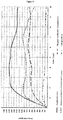
Figur 1 zeigt die Ammoniakentwicklung verschiedener Einstreue ("Vergleichsmuster", "Magnesiumchlorid in Pulverform (Pharma)", "Magnesiumchlorid in Schuppenform" und "Calciumchlorid"). -
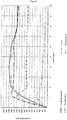
Figur 2 stellt die Ammoniakentwicklung verschiedener Einstreue dar ("Vergleichsmuster", "Ascorbinsäure", "Zucker" und "Zitronensäure"). -
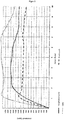
Figur 3 zeigt die Ammoniakentwicklung verschiedener Einstreue ("Vergleichsmuster", "CMC" und "Stockosorb"). -
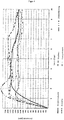
Figur 4 stellt die Ammoniakentwicklung verschiedener Einstreue dar ("Vergleichsmuster", "NutraPro", "Sinodeen", "Orangenterpen" und "Zinkverbindung"). - Die nachstehenden Beispiele dienen als weitere Erläuterungen der vorliegenden Erfindung, ohne darauf beschränkt zu sein.
- Einstreu verschiedener Zusammensetzung (mit Angaben in Gew.-%) wurde mit Urin getränkt, woraufhin der Ammoniakgasgehalt der einzelnen Einstreue über die Zeit gemessen wurde.
- Dabei wurden folgende Einstreue eingesetzt:
"Vergleichsmuster" (vgl.Figuren 1 bis 4 ): - 4% Guarkernmehl
- 96% Weizenmehl
-
Figur 1 : - "Magnesiumchlorid in Pulverform (Pharma)"
- 4% Guarkernmehl
- 4% Magnesiumchlorid; Pulverform (Pharmaqualität)
- 92% Weizenmehl
- "Magnesiumchlorid in Schuppenform":
- 4% Guarkernmehl
- 4% Magnesiumchlorid in Schuppenform
- 92% Weizenmehl
- "Calciumchlorid":
- 4% Guarkernmehl
- 4% Calciumchlorid; Pulverform (Pharmaqualität)
- 92% Weizenmehl
-
Figur 2 : - "Ascorbinsäure":
- 1% Ascorbinsäure
- 4% Guarkernmehl
- 95% Weizenmehl
- "Zucker":
- 4% Guarkernmehl
- 4% Zucker
- 92% Weizenmehl
- "Zitronensäure":
- 1% Zitronensäure
- 4% Guarkernmehl
- 95% Weizenmehl
-
Figur 3 : - "CMC":
- 4% Guarkernmehl
- 4% Carboxylmethylcellulose 75aH/P50 der Firma Mikro-Technik
- 92% Weizenmehl
- "Stockosorb":
- 4% Guarkernmehl
- 1% Stockosorb® von Evonik
- 95% Weizenmehl
-
Figur 4 : - "NutraPro"
- 4% Guarkernmehl
- 0,6% NutraPro® (Bakterienmischung); in Wasser gelöst (0,6% Feststoff im Produkt gerechnet), auf das Endprodukt aus Guarkernmehl und Weizenmehl aufgesprüht
- 95,4% Weizenmehl
- "Sinodeen":
- 4% Guarkernmehl
- 2% Sinodeen® der Firma Sinodeen; auf das Endprodukt aus Guarkernmehl und Weizenmehl aufgesprüht
- 94% Weizenmehl
- "Orangenterpen":
- 4% Guarkernmehl
- 0,2% Orangenterpen; auf das Endprodukt aus Guarkernmehl und Weizenmehl aufgesprüht
- 95,8% Weizenmehl
- "Zinkverbind ung":
- 4% Guarkernmehl
- 0,2% Zinkverbindung von FRANCHEM® Sorb der Firma FrankenCHEMIE; auf das Endprodukt aus Guarkernmehl und Weizenmehl aufgesprüht
- 95,8% Weizenmehl
- Aus den
Figuren 1 bis 4 lässt sich deutlich erkennen, dass die erfindungsgemäße Einstreu über eine herausragende Geruchsbindungswirkung verfügt. Die Einstreue "Zitronensäure" und "Calciumchlorid" weisen über die gesamte Versuchsdauer einen sehr geringen Ammoniakgasgehalt auf. Des Weiteren zeigen auch die Einstreue, die Magnesiumchlorid in Schuppen- oder Pulverform enthalten, und die Einstreu mit Ascorbinsäure einen deutlich geringeren Ammoniakgasgehalt als die Vergleichsbeispiele. Aufgrund der nur geringen Ammoniakentwicklung der erfindungsgemäßen Einstreue müssen nur kleine Mengen der Einstreu verwendet werden, um eine gute Geruchsbindung zu erreichen.
Claims (15)
- Einstreu zur Nutzung in der Tierhaltung in der Form eines gepressten Granulats mit einer Partikelgröße von 0,1 bis 10 mm, bestehend aus 65 bis 99,5 Gew.-% Getreidemehl,0,1 bis 20 Gew.-% eines Gelbildners, der aus mindestens einem Bestandteil der Gruppe, bestehend aus Guarkernmehl, Johannisbrotkernmehl, Tarakernmehl, Xanthan, Gellan, Karaya, Alginat, Agar, Carrageen, Gummi arabicum, Pektin, Traganth und Celluloseether, ausgewählt ist, und0,01 bis 15 Gew.-% eines Geruchsminderers, der aus mindestens einem Bestandteil der Gruppe, bestehend aus Chlorid und Säure, ausgewählt ist, wobei die vorstehenden Bestandteile immer jeweils 100 Gew.-% ausmachen.
- Einstreu nach Anspruch 1, wobei das Chlorid aus mindestens einem Bestandteil der Gruppe, bestehend aus Calciumchlorid, Magnesiumchlorid und Natriumchlorid, ausgewählt ist.
- Einstreu nach Anspruch 1 oder 2, wobei die Säure aus mindestens einem Bestandteil der Gruppe, bestehend aus Ascorbinsäure, Weinsäure und Zitronensäure, ausgewählt ist.
- Einstreu nach einem der Ansprüche 1 bis 3, wobei der Anteil des Gelbildners 3 bis 5 Gew.-% beträgt.
- Einstreu nach einem der Ansprüche 1 bis 4, wobei der Gelbildner Guarkernmehl ist.
- Einstreu nach einem der Ansprüche 1 bis 5, wobei der Anteil des Geruchsminderers 1 bis 6 Gew.-% beträgt.
- Einstreu nach einem der Ansprüche 1 bis 6, wobei der Geruchsminderer Calciumchlorid und/oder Zitronensäure ist.
- Einstreu nach Anspruch 7, wobei der Anteil von Calciumchlorid 3 bis 5 Gew.-% beträgt.
- Einstreu nach Anspruch 7, wobei der Anteil von Zitronensäure 1 bis 3 Gew.-% beträgt.
- Einstreu nach einem der Ansprüche 1 bis 8, wobei die Einstreu aus 90 bis 94 Gew.-% Getreidemehl, 3 bis 5 Gew.-% Guarkernmehl und 3 bis 5 Gew.-% Calciumchlorid besteht.
- Einstreu nach einem der Ansprüche 1 bis 7 und 9, wobei die Einstreu aus 92 bis 96 Gew.-% Getreidemehl, 3 bis 5 Gew.-% Guarkernmehl und 1 bis 3 Gew.-% Zitronensäure besteht.
- Einstreu nach einem der Ansprüche 1 bis 11, wobei das Getreidemehl mindestens ein Mehl eines Bestandteils der Gruppe, bestehend aus Weizen, Dinkel, Roggen, Gersten oder Triticale, ist.
- Einstreu nach einem der Ansprüche 1 bis 12, wobei mehr als 2% der Einstreu in einem Sieb mit einer Siebgröße von 0,1 mm bis 1 mm verbleibt.
- Verwendung der Einstreu nach einem der Ansprüche 1 bis 13 für die Aufnahme von Ausscheidungen von Tieren.
- Verfahren zur Herstellung einer Einstreu nach einem der Ansprüche 1 bis 13, umfassend die Schritte in der folgenden Reihenfolge:(a) Bereitstellen einer Ausgangsmasse, bestehend aus 65 bis 99,5 Gew.-% Getreidemehl,0,1 bis 20 Gew.-% eines Gelbildners, der aus mindestens einem Bestandteil der Gruppe, bestehend aus Guarkernmehl, Johannisbrotkernmehl, Tarakernmehl, Xanthan, Gellan, Karaya, Alginat, Agar, Carrageen, Gummi arabicum, Pektin, Traganth und Celluloseether, ausgewählt ist, und0,01 bis 15 Gew.-% eines Geruchsminderers, der aus mindestens einem Bestandteil der Gruppe, bestehend aus Chlorid und Säure, ausgewählt ist,wobei die vorstehenden Bestandteile immer jeweils 100 Gew.-% ausmachen,(b) Pelletieren oder Extrudieren der Ausgangsmasse aus Schritt (a), und(c) Zerkleinern der Pellets oder des Extrudats aus Schritt (b).
Priority Applications (2)
| Application Number | Priority Date | Filing Date | Title |
|---|---|---|---|
| EP18176781.5A EP3578039B1 (de) | 2018-06-08 | 2018-06-08 | Einstreu zur nutzung in der tierhaltung |
| US16/434,213 US20190373847A1 (en) | 2018-06-08 | 2019-06-07 | Litter for use in animal husbandry |
Applications Claiming Priority (1)
| Application Number | Priority Date | Filing Date | Title |
|---|---|---|---|
| EP18176781.5A EP3578039B1 (de) | 2018-06-08 | 2018-06-08 | Einstreu zur nutzung in der tierhaltung |
Publications (2)
| Publication Number | Publication Date |
|---|---|
| EP3578039A1 EP3578039A1 (de) | 2019-12-11 |
| EP3578039B1 true EP3578039B1 (de) | 2021-01-13 |
Family
ID=62597356
Family Applications (1)
| Application Number | Title | Priority Date | Filing Date |
|---|---|---|---|
| EP18176781.5A Active EP3578039B1 (de) | 2018-06-08 | 2018-06-08 | Einstreu zur nutzung in der tierhaltung |
Country Status (2)
| Country | Link |
|---|---|
| US (1) | US20190373847A1 (de) |
| EP (1) | EP3578039B1 (de) |
Families Citing this family (2)
| Publication number | Priority date | Publication date | Assignee | Title |
|---|---|---|---|---|
| EP4074758B1 (de) * | 2020-05-11 | 2024-05-01 | Hope Tree International GmbH | Granulat aus rein natürlichen bestandteilen; granulat zur herstellung kompostierbarer produkte sowie herstellungsverfahren des granulats und daraus zu erhaltenden produkten |
| IT202400001881A1 (it) * | 2024-01-31 | 2025-07-31 | Laviosa Spa | Composizione adsorbente per lettiera |
Family Cites Families (4)
| Publication number | Priority date | Publication date | Assignee | Title |
|---|---|---|---|---|
| DE3732807A1 (de) | 1987-09-29 | 1989-04-06 | Pirotte Futtermittel | Einstreumaterial fuer kleintiere und verfahren zu seiner herstellung |
| US6568349B1 (en) | 2000-11-22 | 2003-05-27 | Pet Care Systems, Inc. | Ground grain animal litter |
| WO2016016758A1 (en) * | 2014-07-28 | 2016-02-04 | S.I.T.T.A. S.R.L. | Material for zootechnical use |
| EP3158861A1 (de) * | 2015-10-22 | 2017-04-26 | Catural GmbH | Einstreu zur nutzung in der tierhaltung |
-
2018
- 2018-06-08 EP EP18176781.5A patent/EP3578039B1/de active Active
-
2019
- 2019-06-07 US US16/434,213 patent/US20190373847A1/en not_active Abandoned
Non-Patent Citations (1)
| Title |
|---|
| None * |
Also Published As
| Publication number | Publication date |
|---|---|
| EP3578039A1 (de) | 2019-12-11 |
| US20190373847A1 (en) | 2019-12-12 |
Similar Documents
| Publication | Publication Date | Title |
|---|---|---|
| EP1357787B1 (de) | Einstreu für katzen und kleintiere | |
| EP2008510B1 (de) | Verfahren zur Herstellung eines absorbierenden Materials, absorbierendes Material und dessen Verwendung | |
| DE2725687C2 (de) | ||
| DE3710526A1 (de) | Granulat als traeger von chemikalien fuer landwirtschaftliche zwecke | |
| EP0619140A2 (de) | Verfahren zur Herstellung von Sorptionsmitteln auf der Basis von Cellulosefasern, zerkleinertem Holzmaterial und Tonmineralien | |
| EP0663793B1 (de) | Verfahren zur herstellung von sorptionsmitteln auf der basis von smektiten und cellulosehaltigen materialien mit niedrigem schüttgewicht | |
| EP3364750B1 (de) | Einstreu zur nutzung in der tierhaltung | |
| EP3578039B1 (de) | Einstreu zur nutzung in der tierhaltung | |
| DE19543311C1 (de) | Tiereinstreu, Verfahren zu ihrer Herstellung und Verwendung eines Verdickungsmittels dafür | |
| EP0604861A1 (de) | Verfahren zur Herstellung von Sorptionsmitteln auf smektitbasis zur Aufnahme von Flüssigkeiten | |
| DE202018002749U1 (de) | Einstreu zur Nutzung in der Tierhaltung | |
| DE4201410C2 (de) | Kleintierfutter-, streu- oder Bodenverbesserungsmittel | |
| EP1808068B1 (de) | Tiereinstreu und Verfahren zu ihrer Herstellung | |
| DE102015108168B4 (de) | Verwendung von cellulosehaltigem Naturfasergranulat als Tiereinstreu | |
| EP2813288B1 (de) | Sorptionsmittel in granulatform enthaltend ein organisches material und ein anorganischen material | |
| AT394923B (de) | Tierstreu und verfahren zu deren herstellung | |
| DE10105318A1 (de) | Einstreu für Katzen und Kleintiere | |
| DE102024118470A1 (de) | Verfahren zur Herstellung eines Einstreu sowie ein solches Einstreu | |
| EP2813289B1 (de) | Sorptionsmittel in granulatform enthaltend ein anorganisches material und ein organisches material | |
| EP4702848A1 (de) | Granulat, verfahren zur herstellung des granulats und futtermischung | |
| DE102018215427A1 (de) | Pelletierter Harnstoff in zylindrischer Form als Schüttgut und Methode zur Herstellung davon | |
| EP2907380A1 (de) | Tierstreu | |
| DE20302455U1 (de) | Tierhygiene-Einstreumaterial für Klein- und Haustiere | |
| EP1127484A1 (de) | Streu- und Sorptionsmaterial insbesondere für Huftiere | |
| DE202012101444U1 (de) | Tiereinstreu |
Legal Events
| Date | Code | Title | Description |
|---|---|---|---|
| PUAI | Public reference made under article 153(3) epc to a published international application that has entered the european phase |
Free format text: ORIGINAL CODE: 0009012 |
|
| STAA | Information on the status of an ep patent application or granted ep patent |
Free format text: STATUS: THE APPLICATION HAS BEEN PUBLISHED |
|
| AK | Designated contracting states |
Kind code of ref document: A1 Designated state(s): AL AT BE BG CH CY CZ DE DK EE ES FI FR GB GR HR HU IE IS IT LI LT LU LV MC MK MT NL NO PL PT RO RS SE SI SK SM TR |
|
| AX | Request for extension of the european patent |
Extension state: BA ME |
|
| RIN1 | Information on inventor provided before grant (corrected) |
Inventor name: ESTRADER TORRAS, ALBERTO Inventor name: EHRLER, JOSEF IMMANUEL Inventor name: BINDEWALD, PATRICK |
|
| STAA | Information on the status of an ep patent application or granted ep patent |
Free format text: STATUS: REQUEST FOR EXAMINATION WAS MADE |
|
| 17P | Request for examination filed |
Effective date: 20200604 |
|
| RBV | Designated contracting states (corrected) |
Designated state(s): AL AT BE BG CH CY CZ DE DK EE ES FI FR GB GR HR HU IE IS IT LI LT LU LV MC MK MT NL NO PL PT RO RS SE SI SK SM TR |
|
| RIN1 | Information on inventor provided before grant (corrected) |
Inventor name: BINDEWALD, PATRICK Inventor name: EHLER, JOSEF IMMANUEL Inventor name: ESTRADER TORRAS, ALBERTO |
|
| GRAP | Despatch of communication of intention to grant a patent |
Free format text: ORIGINAL CODE: EPIDOSNIGR1 |
|
| STAA | Information on the status of an ep patent application or granted ep patent |
Free format text: STATUS: GRANT OF PATENT IS INTENDED |
|
| RIC1 | Information provided on ipc code assigned before grant |
Ipc: A01K 1/015 20060101AFI20200629BHEP |
|
| INTG | Intention to grant announced |
Effective date: 20200730 |
|
| GRAS | Grant fee paid |
Free format text: ORIGINAL CODE: EPIDOSNIGR3 |
|
| GRAA | (expected) grant |
Free format text: ORIGINAL CODE: 0009210 |
|
| STAA | Information on the status of an ep patent application or granted ep patent |
Free format text: STATUS: THE PATENT HAS BEEN GRANTED |
|
| AK | Designated contracting states |
Kind code of ref document: B1 Designated state(s): AL AT BE BG CH CY CZ DE DK EE ES FI FR GB GR HR HU IE IS IT LI LT LU LV MC MK MT NL NO PL PT RO RS SE SI SK SM TR |
|
| REG | Reference to a national code |
Ref country code: GB Ref legal event code: FG4D Free format text: NOT ENGLISH |
|
| REG | Reference to a national code |
Ref country code: CH Ref legal event code: EP |
|
| RIN2 | Information on inventor provided after grant (corrected) |
Inventor name: ESTRADER TORRAS, ALBERTO Inventor name: BINDEWALD, PATRICK Inventor name: EHLER, JOSEF IMMANUEL |
|
| REG | Reference to a national code |
Ref country code: IE Ref legal event code: FG4D Free format text: LANGUAGE OF EP DOCUMENT: GERMAN |
|
| REG | Reference to a national code |
Ref country code: DE Ref legal event code: R096 Ref document number: 502018003630 Country of ref document: DE |
|
| REG | Reference to a national code |
Ref country code: AT Ref legal event code: REF Ref document number: 1353851 Country of ref document: AT Kind code of ref document: T Effective date: 20210215 |
|
| REG | Reference to a national code |
Ref country code: NL Ref legal event code: FP |
|
| REG | Reference to a national code |
Ref country code: LT Ref legal event code: MG9D |
|
| PG25 | Lapsed in a contracting state [announced via postgrant information from national office to epo] |
Ref country code: GR Free format text: LAPSE BECAUSE OF FAILURE TO SUBMIT A TRANSLATION OF THE DESCRIPTION OR TO PAY THE FEE WITHIN THE PRESCRIBED TIME-LIMIT Effective date: 20210414 Ref country code: FI Free format text: LAPSE BECAUSE OF FAILURE TO SUBMIT A TRANSLATION OF THE DESCRIPTION OR TO PAY THE FEE WITHIN THE PRESCRIBED TIME-LIMIT Effective date: 20210113 Ref country code: HR Free format text: LAPSE BECAUSE OF FAILURE TO SUBMIT A TRANSLATION OF THE DESCRIPTION OR TO PAY THE FEE WITHIN THE PRESCRIBED TIME-LIMIT Effective date: 20210113 Ref country code: BG Free format text: LAPSE BECAUSE OF FAILURE TO SUBMIT A TRANSLATION OF THE DESCRIPTION OR TO PAY THE FEE WITHIN THE PRESCRIBED TIME-LIMIT Effective date: 20210413 Ref country code: PT Free format text: LAPSE BECAUSE OF FAILURE TO SUBMIT A TRANSLATION OF THE DESCRIPTION OR TO PAY THE FEE WITHIN THE PRESCRIBED TIME-LIMIT Effective date: 20210513 Ref country code: NO Free format text: LAPSE BECAUSE OF FAILURE TO SUBMIT A TRANSLATION OF THE DESCRIPTION OR TO PAY THE FEE WITHIN THE PRESCRIBED TIME-LIMIT Effective date: 20210413 Ref country code: LT Free format text: LAPSE BECAUSE OF FAILURE TO SUBMIT A TRANSLATION OF THE DESCRIPTION OR TO PAY THE FEE WITHIN THE PRESCRIBED TIME-LIMIT Effective date: 20210113 |
|
| PG25 | Lapsed in a contracting state [announced via postgrant information from national office to epo] |
Ref country code: LV Free format text: LAPSE BECAUSE OF FAILURE TO SUBMIT A TRANSLATION OF THE DESCRIPTION OR TO PAY THE FEE WITHIN THE PRESCRIBED TIME-LIMIT Effective date: 20210113 Ref country code: RS Free format text: LAPSE BECAUSE OF FAILURE TO SUBMIT A TRANSLATION OF THE DESCRIPTION OR TO PAY THE FEE WITHIN THE PRESCRIBED TIME-LIMIT Effective date: 20210113 Ref country code: PL Free format text: LAPSE BECAUSE OF FAILURE TO SUBMIT A TRANSLATION OF THE DESCRIPTION OR TO PAY THE FEE WITHIN THE PRESCRIBED TIME-LIMIT Effective date: 20210113 Ref country code: SE Free format text: LAPSE BECAUSE OF FAILURE TO SUBMIT A TRANSLATION OF THE DESCRIPTION OR TO PAY THE FEE WITHIN THE PRESCRIBED TIME-LIMIT Effective date: 20210113 |
|
| PG25 | Lapsed in a contracting state [announced via postgrant information from national office to epo] |
Ref country code: IS Free format text: LAPSE BECAUSE OF FAILURE TO SUBMIT A TRANSLATION OF THE DESCRIPTION OR TO PAY THE FEE WITHIN THE PRESCRIBED TIME-LIMIT Effective date: 20210513 |
|
| REG | Reference to a national code |
Ref country code: DE Ref legal event code: R097 Ref document number: 502018003630 Country of ref document: DE |
|
| PG25 | Lapsed in a contracting state [announced via postgrant information from national office to epo] |
Ref country code: EE Free format text: LAPSE BECAUSE OF FAILURE TO SUBMIT A TRANSLATION OF THE DESCRIPTION OR TO PAY THE FEE WITHIN THE PRESCRIBED TIME-LIMIT Effective date: 20210113 Ref country code: CZ Free format text: LAPSE BECAUSE OF FAILURE TO SUBMIT A TRANSLATION OF THE DESCRIPTION OR TO PAY THE FEE WITHIN THE PRESCRIBED TIME-LIMIT Effective date: 20210113 Ref country code: SM Free format text: LAPSE BECAUSE OF FAILURE TO SUBMIT A TRANSLATION OF THE DESCRIPTION OR TO PAY THE FEE WITHIN THE PRESCRIBED TIME-LIMIT Effective date: 20210113 |
|
| PLBE | No opposition filed within time limit |
Free format text: ORIGINAL CODE: 0009261 |
|
| STAA | Information on the status of an ep patent application or granted ep patent |
Free format text: STATUS: NO OPPOSITION FILED WITHIN TIME LIMIT |
|
| PG25 | Lapsed in a contracting state [announced via postgrant information from national office to epo] |
Ref country code: RO Free format text: LAPSE BECAUSE OF FAILURE TO SUBMIT A TRANSLATION OF THE DESCRIPTION OR TO PAY THE FEE WITHIN THE PRESCRIBED TIME-LIMIT Effective date: 20210113 Ref country code: DK Free format text: LAPSE BECAUSE OF FAILURE TO SUBMIT A TRANSLATION OF THE DESCRIPTION OR TO PAY THE FEE WITHIN THE PRESCRIBED TIME-LIMIT Effective date: 20210113 Ref country code: SK Free format text: LAPSE BECAUSE OF FAILURE TO SUBMIT A TRANSLATION OF THE DESCRIPTION OR TO PAY THE FEE WITHIN THE PRESCRIBED TIME-LIMIT Effective date: 20210113 |
|
| 26N | No opposition filed |
Effective date: 20211014 |
|
| PG25 | Lapsed in a contracting state [announced via postgrant information from national office to epo] |
Ref country code: ES Free format text: LAPSE BECAUSE OF FAILURE TO SUBMIT A TRANSLATION OF THE DESCRIPTION OR TO PAY THE FEE WITHIN THE PRESCRIBED TIME-LIMIT Effective date: 20210113 Ref country code: AL Free format text: LAPSE BECAUSE OF FAILURE TO SUBMIT A TRANSLATION OF THE DESCRIPTION OR TO PAY THE FEE WITHIN THE PRESCRIBED TIME-LIMIT Effective date: 20210113 Ref country code: MC Free format text: LAPSE BECAUSE OF FAILURE TO SUBMIT A TRANSLATION OF THE DESCRIPTION OR TO PAY THE FEE WITHIN THE PRESCRIBED TIME-LIMIT Effective date: 20210113 |
|
| REG | Reference to a national code |
Ref country code: CH Ref legal event code: PL |
|
| PG25 | Lapsed in a contracting state [announced via postgrant information from national office to epo] |
Ref country code: SI Free format text: LAPSE BECAUSE OF FAILURE TO SUBMIT A TRANSLATION OF THE DESCRIPTION OR TO PAY THE FEE WITHIN THE PRESCRIBED TIME-LIMIT Effective date: 20210113 |
|
| PG25 | Lapsed in a contracting state [announced via postgrant information from national office to epo] |
Ref country code: LI Free format text: LAPSE BECAUSE OF NON-PAYMENT OF DUE FEES Effective date: 20210630 Ref country code: CH Free format text: LAPSE BECAUSE OF NON-PAYMENT OF DUE FEES Effective date: 20210630 |
|
| PG25 | Lapsed in a contracting state [announced via postgrant information from national office to epo] |
Ref country code: IS Free format text: LAPSE BECAUSE OF FAILURE TO SUBMIT A TRANSLATION OF THE DESCRIPTION OR TO PAY THE FEE WITHIN THE PRESCRIBED TIME-LIMIT Effective date: 20210513 |
|
| PG25 | Lapsed in a contracting state [announced via postgrant information from national office to epo] |
Ref country code: CY Free format text: LAPSE BECAUSE OF FAILURE TO SUBMIT A TRANSLATION OF THE DESCRIPTION OR TO PAY THE FEE WITHIN THE PRESCRIBED TIME-LIMIT Effective date: 20210113 |
|
| PG25 | Lapsed in a contracting state [announced via postgrant information from national office to epo] |
Ref country code: HU Free format text: LAPSE BECAUSE OF FAILURE TO SUBMIT A TRANSLATION OF THE DESCRIPTION OR TO PAY THE FEE WITHIN THE PRESCRIBED TIME-LIMIT; INVALID AB INITIO Effective date: 20180608 |
|
| P01 | Opt-out of the competence of the unified patent court (upc) registered |
Effective date: 20240220 |
|
| PG25 | Lapsed in a contracting state [announced via postgrant information from national office to epo] |
Ref country code: MK Free format text: LAPSE BECAUSE OF FAILURE TO SUBMIT A TRANSLATION OF THE DESCRIPTION OR TO PAY THE FEE WITHIN THE PRESCRIBED TIME-LIMIT Effective date: 20210113 |
|
| PG25 | Lapsed in a contracting state [announced via postgrant information from national office to epo] |
Ref country code: MT Free format text: LAPSE BECAUSE OF FAILURE TO SUBMIT A TRANSLATION OF THE DESCRIPTION OR TO PAY THE FEE WITHIN THE PRESCRIBED TIME-LIMIT Effective date: 20210113 |
|
| PGFP | Annual fee paid to national office [announced via postgrant information from national office to epo] |
Ref country code: DE Payment date: 20250618 Year of fee payment: 8 |
|
| PGFP | Annual fee paid to national office [announced via postgrant information from national office to epo] |
Ref country code: GB Payment date: 20250618 Year of fee payment: 8 |
|
| PGFP | Annual fee paid to national office [announced via postgrant information from national office to epo] |
Ref country code: LU Payment date: 20250627 Year of fee payment: 8 Ref country code: NL Payment date: 20250618 Year of fee payment: 8 Ref country code: BE Payment date: 20250618 Year of fee payment: 8 |
|
| PGFP | Annual fee paid to national office [announced via postgrant information from national office to epo] |
Ref country code: FR Payment date: 20250625 Year of fee payment: 8 |
|
| PGFP | Annual fee paid to national office [announced via postgrant information from national office to epo] |
Ref country code: AT Payment date: 20250620 Year of fee payment: 8 |
|
| PGFP | Annual fee paid to national office [announced via postgrant information from national office to epo] |
Ref country code: IE Payment date: 20250618 Year of fee payment: 8 |
|
| PGFP | Annual fee paid to national office [announced via postgrant information from national office to epo] |
Ref country code: IT Payment date: 20250619 Year of fee payment: 8 |
|
| PG25 | Lapsed in a contracting state [announced via postgrant information from national office to epo] |
Ref country code: TR Free format text: LAPSE BECAUSE OF FAILURE TO SUBMIT A TRANSLATION OF THE DESCRIPTION OR TO PAY THE FEE WITHIN THE PRESCRIBED TIME-LIMIT Effective date: 20210113 |