EP3582500B1 - Verfahren, system und computerprogramm zur analyse der komplexität eines quellen-multimediainhalts für eine sendung auf anfrage - Google Patents
Verfahren, system und computerprogramm zur analyse der komplexität eines quellen-multimediainhalts für eine sendung auf anfrage Download PDFInfo
- Publication number
- EP3582500B1 EP3582500B1 EP19180079.6A EP19180079A EP3582500B1 EP 3582500 B1 EP3582500 B1 EP 3582500B1 EP 19180079 A EP19180079 A EP 19180079A EP 3582500 B1 EP3582500 B1 EP 3582500B1
- Authority
- EP
- European Patent Office
- Prior art keywords
- encoding
- image
- quality
- version
- video
- Prior art date
- Legal status (The legal status is an assumption and is not a legal conclusion. Google has not performed a legal analysis and makes no representation as to the accuracy of the status listed.)
- Active
Links
Images


Classifications
-
- H—ELECTRICITY
- H04—ELECTRIC COMMUNICATION TECHNIQUE
- H04N—PICTORIAL COMMUNICATION, e.g. TELEVISION
- H04N19/00—Methods or arrangements for coding, decoding, compressing or decompressing digital video signals
- H04N19/10—Methods or arrangements for coding, decoding, compressing or decompressing digital video signals using adaptive coding
- H04N19/102—Methods or arrangements for coding, decoding, compressing or decompressing digital video signals using adaptive coding characterised by the element, parameter or selection affected or controlled by the adaptive coding
- H04N19/117—Filters, e.g. for pre-processing or post-processing
-
- H—ELECTRICITY
- H04—ELECTRIC COMMUNICATION TECHNIQUE
- H04N—PICTORIAL COMMUNICATION, e.g. TELEVISION
- H04N19/00—Methods or arrangements for coding, decoding, compressing or decompressing digital video signals
- H04N19/10—Methods or arrangements for coding, decoding, compressing or decompressing digital video signals using adaptive coding
- H04N19/102—Methods or arrangements for coding, decoding, compressing or decompressing digital video signals using adaptive coding characterised by the element, parameter or selection affected or controlled by the adaptive coding
-
- H—ELECTRICITY
- H04—ELECTRIC COMMUNICATION TECHNIQUE
- H04N—PICTORIAL COMMUNICATION, e.g. TELEVISION
- H04N19/00—Methods or arrangements for coding, decoding, compressing or decompressing digital video signals
- H04N19/10—Methods or arrangements for coding, decoding, compressing or decompressing digital video signals using adaptive coding
- H04N19/134—Methods or arrangements for coding, decoding, compressing or decompressing digital video signals using adaptive coding characterised by the element, parameter or criterion affecting or controlling the adaptive coding
- H04N19/136—Incoming video signal characteristics or properties
- H04N19/137—Motion inside a coding unit, e.g. average field, frame or block difference
-
- H—ELECTRICITY
- H04—ELECTRIC COMMUNICATION TECHNIQUE
- H04N—PICTORIAL COMMUNICATION, e.g. TELEVISION
- H04N19/00—Methods or arrangements for coding, decoding, compressing or decompressing digital video signals
- H04N19/10—Methods or arrangements for coding, decoding, compressing or decompressing digital video signals using adaptive coding
- H04N19/134—Methods or arrangements for coding, decoding, compressing or decompressing digital video signals using adaptive coding characterised by the element, parameter or criterion affecting or controlling the adaptive coding
- H04N19/136—Incoming video signal characteristics or properties
- H04N19/14—Coding unit complexity, e.g. amount of activity or edge presence estimation
-
- H—ELECTRICITY
- H04—ELECTRIC COMMUNICATION TECHNIQUE
- H04N—PICTORIAL COMMUNICATION, e.g. TELEVISION
- H04N19/00—Methods or arrangements for coding, decoding, compressing or decompressing digital video signals
- H04N19/10—Methods or arrangements for coding, decoding, compressing or decompressing digital video signals using adaptive coding
- H04N19/134—Methods or arrangements for coding, decoding, compressing or decompressing digital video signals using adaptive coding characterised by the element, parameter or criterion affecting or controlling the adaptive coding
- H04N19/146—Data rate or code amount at the encoder output
- H04N19/149—Data rate or code amount at the encoder output by estimating the code amount by means of a model, e.g. mathematical model or statistical model
-
- H—ELECTRICITY
- H04—ELECTRIC COMMUNICATION TECHNIQUE
- H04N—PICTORIAL COMMUNICATION, e.g. TELEVISION
- H04N19/00—Methods or arrangements for coding, decoding, compressing or decompressing digital video signals
- H04N19/10—Methods or arrangements for coding, decoding, compressing or decompressing digital video signals using adaptive coding
- H04N19/169—Methods or arrangements for coding, decoding, compressing or decompressing digital video signals using adaptive coding characterised by the coding unit, i.e. the structural portion or semantic portion of the video signal being the object or the subject of the adaptive coding
- H04N19/17—Methods or arrangements for coding, decoding, compressing or decompressing digital video signals using adaptive coding characterised by the coding unit, i.e. the structural portion or semantic portion of the video signal being the object or the subject of the adaptive coding the unit being an image region, e.g. an object
-
- H—ELECTRICITY
- H04—ELECTRIC COMMUNICATION TECHNIQUE
- H04N—PICTORIAL COMMUNICATION, e.g. TELEVISION
- H04N19/00—Methods or arrangements for coding, decoding, compressing or decompressing digital video signals
- H04N19/50—Methods or arrangements for coding, decoding, compressing or decompressing digital video signals using predictive coding
- H04N19/587—Methods or arrangements for coding, decoding, compressing or decompressing digital video signals using predictive coding involving temporal sub-sampling or interpolation, e.g. decimation or subsequent interpolation of pictures in a video sequence
-
- H—ELECTRICITY
- H04—ELECTRIC COMMUNICATION TECHNIQUE
- H04N—PICTORIAL COMMUNICATION, e.g. TELEVISION
- H04N19/00—Methods or arrangements for coding, decoding, compressing or decompressing digital video signals
- H04N19/50—Methods or arrangements for coding, decoding, compressing or decompressing digital video signals using predictive coding
- H04N19/59—Methods or arrangements for coding, decoding, compressing or decompressing digital video signals using predictive coding involving spatial sub-sampling or interpolation, e.g. alteration of picture size or resolution
-
- H—ELECTRICITY
- H04—ELECTRIC COMMUNICATION TECHNIQUE
- H04N—PICTORIAL COMMUNICATION, e.g. TELEVISION
- H04N21/00—Selective content distribution, e.g. interactive television or video on demand [VOD]
- H04N21/20—Servers specifically adapted for the distribution of content, e.g. VOD servers; Operations thereof
- H04N21/23—Processing of content or additional data; Elementary server operations; Server middleware
- H04N21/234—Processing of video elementary streams, e.g. splicing of video streams or manipulating encoded video stream scene graphs
- H04N21/23418—Processing of video elementary streams, e.g. splicing of video streams or manipulating encoded video stream scene graphs involving operations for analysing video streams, e.g. detecting features or characteristics
-
- H—ELECTRICITY
- H04—ELECTRIC COMMUNICATION TECHNIQUE
- H04N—PICTORIAL COMMUNICATION, e.g. TELEVISION
- H04N21/00—Selective content distribution, e.g. interactive television or video on demand [VOD]
- H04N21/20—Servers specifically adapted for the distribution of content, e.g. VOD servers; Operations thereof
- H04N21/23—Processing of content or additional data; Elementary server operations; Server middleware
- H04N21/234—Processing of video elementary streams, e.g. splicing of video streams or manipulating encoded video stream scene graphs
- H04N21/2343—Processing of video elementary streams, e.g. splicing of video streams or manipulating encoded video stream scene graphs involving reformatting operations of video signals for distribution or compliance with end-user requests or end-user device requirements
- H04N21/23439—Processing of video elementary streams, e.g. splicing of video streams or manipulating encoded video stream scene graphs involving reformatting operations of video signals for distribution or compliance with end-user requests or end-user device requirements for generating different versions
Definitions
- the field of the invention relates to the analysis of the complexity of a source multimedia content with a view to on-demand broadcasting, in particular live, to at least one reception terminal.
- the analysis of the complexity subsequently makes it possible to select encoding profiles, or compression profiles, of the source multimedia content.
- VOD video on demand
- Catch-Up TV catch-up television
- OTT Over-The-Top
- OTT services ensuring the multi-screen delivery of multimedia content (video and audio in particular) on the Internet.
- QoS quality of service
- OTT services operates on a point-to-point basis, with each customer having their own connection to download multimedia content. Also, when the number of customers increases, the bandwidth consumed also increases, which leads to an overload of the upstream equipment of the OTT service providers and also an overload of the downstream distribution networks to the end user.
- the multiplicity of formats is due to the heterogeneity of the possible conditions for the distribution of multimedia content.
- the material constraints, the available bandwidth, the state of the connection to download and distribute the contents multimedia are all variable parameters from one client to another explaining the need for a multiplicity of profiles available for the same multimedia content.
- this analysis of the complexity consists in encoding the multimedia content according to different formats, then in decoding it to analyze the video quality obtained with regard to the different formats tested.
- Such an analysis is particularly resource intensive since it requires a large number of encodings of the same multimedia content to evaluate different formats.
- such a complexity analysis is not suitable for live broadcasting.
- WO2014133745 discloses methods and systems for transmitting multiple video streams to clients based on individual client preferences and network conditions.
- a cost function minimization problem, incorporating a quality prediction, is formulated in order to find optimal resolutions and bit rates as a function of network parameters and content.
- each version of the source multimedia content is characterized by a resolution.
- the targeted method makes it possible, for each of these versions, to determine a set of couples of overall video bit rate-theoretical quality values. This set of pairs is typically represented in the form of an overall video bitrate-theoretical quality curve.
- an encoding profile is characterized by a resolution and a video bit rate. It is therefore understood that the targeted method makes it possible to determine the encoding profile satisfying the targeted quality without having to implement an effective encoding of the source multimedia content according to the encoding profile in question.
- the predetermined function used therefore makes it possible not to have to encode the source multimedia content according to a given profile in order to estimate the quality of this profile, which therefore represents a time saving as well as a reduced complexity and the saving of the resources necessary for the encoding.
- the encoding of the source multimedia content and the analysis of the video stream obtained make it possible to determine the quality of a profile but does not make it possible to know, conversely, the profile making it possible to obtain a desired quality.
- the encoding not necessary but in addition the quality is an input variable of the predetermined function and not an output variable, hence the possibility of determining the profile making it possible to obtain the quality desired.
- Such a method is suitable for live broadcasting.
- the at least one temporal characteristic of the image comprising the respective motion vectors of the blocks of pixels of the image and the associated quality measures.
- the implementation of the motion estimation for an image comprises a block matching type algorithm.
- the predetermined function depends not only on the resolution and the targeted quality but also on the characteristics specific to the images of the succession of images.
- the determination of the temporal characteristics of each image of the succession of images allows an analysis adapted specifically to the processed images and therefore to improve the reliability of the results obtained, namely the profile (more exactly the video bit rate characterizing the profile) allowing to obtain a targeted encoding quality.
- the quality of the motion estimate includes a sum of the absolute differences.
- the at least one spatial characteristic of the image comprising the respective variances of the blocks of pixels of the image.
- the spatial characteristics themselves also allow a targeted analysis specific to the images of the succession of images of each version.
- the predetermined function is determined by the implementation of a learning algorithm on the basis of a set of training data relating to the encoding of a plurality of multimedia contents training according to different training encoding profiles, each training encoding profile being characterized by a resolution and an overall video bit rate, and by measuring a value relating to the quality of the encoding following each encoding.
- the predetermined function makes it possible not to have to encode the source multimedia content according to each of the profiles. Taking the targeted quality as input to determine the corresponding video bit rate in addition to the resolution makes it possible to determine profiles whose estimated quality is that targeted or expected.
- Function predetermined is all the more effective as it is determined by learning. In other words, this function is determined by typically encoding a large number of multimedia contents, differing from one another by the temporal and spatial characteristics of the images, according to different profiles and by measuring for each profile tested the quality obtained. The pooling of these results allows the construction of a function establishing a relationship between the resolution, the quality, the temporal characteristics, the spatial characteristics and the video bit rate.
- such a function has a “reciprocal” function in the sense that, for a targeted quality value and for an image whose characteristics have been determined, it makes it possible to calculate the video bit rate so as to obtain a profile, characterized by the resolution and the calculated video bit rate, the quality of which is a priori that targeted.
- the learning algorithm uses a neural network model.
- the learning algorithm includes a least squares method.
- the overall video bitrate associated with a version and with a value of the given range of theoretical values of encoding quality is an average of the video bitrates associated with the theoretical value of encoding quality for each image of the succession of images of the version.
- the spatial and temporal characteristics are determined for each image so that, for a given quality value from the range, the calculated video bit rate is specific to an image and not to the succession of images within which lies the image. It is therefore necessary to have, for each quality value, an overall video bit rate for the succession of images and therefore for the version, the overall video bit rate being of course determined on the basis of the video bit rates of the images.
- the predetermined function makes it possible to determine encoding profiles without having to actually encode the source multimedia content. Nevertheless, the purpose being the broadcasting of video streams obtained by encoding the source multimedia content according to different profiles, the encoding will necessarily be implemented downstream of the method. It is therefore understood that it may be relevant to measure the quality actually obtained for a video stream corresponding to an encoding profile to compare this value to the target value, used as input to the predetermined function to calculate the overall video bit rate necessary to the definition of the profile in addition to a resolution value. This comparison thus makes it possible to modify the predetermined function in order to improve its efficiency.
- the predetermined function is modified on the basis of the comparison made if the difference between the encoding quality value obtained for a video stream and the theoretical encoding quality target value of the profile corresponding to the video stream is greater than or equal to a predetermined threshold.
- the predetermined function is modified on the basis of the comparison carried out whatever the results of this comparison. It is therefore understood that, in this embodiment, the threshold predetermined value is zero, which is equivalent to considering that there is no predetermined threshold.
- the predetermined function is determined by the implementation of a learning algorithm on the basis of a set of training data relating to the encoding of a plurality of multimedia contents training according to different training encoding profiles and measuring a value relating to the quality of the encoding following each encoding, the modification of the predetermined function on the basis of the comparison carried out comprising the integration a set of new data relating to the encoding of the source multimedia content and to the analysis of the video stream or streams obtained, the new data having a greater weight than that of the training data.
- the present invention further relates to a computer program comprising instructions for implementing the method according to one of the preceding claims, when the instructions are executed by at least one processor.
- the analysis module is further arranged to, on the basis of the comparison made, modify the predetermined function with a view to subsequently improving the reliability of the calculation of the range of video bitrate values and the obtaining of the set of couples of theoretical video bitrate-quality values of an image.
- the Figure 1 illustrates a system 1.
- the system 1 is arranged to digitally encode a source multimedia content M into one or more video streams with a view to broadcasting on demand, in particular live, to at least one reception terminal.
- a video stream obtained is a stream compressed according to a given compression standard.
- compression standards designate existing standards known to those skilled in the art.
- these standards are standards such as H.265, also called MPEG-HEVC (English acronym for “ High Efficiency Video Coding ”), H.264 also called MPEG-4 AVC (English acronym for “Advanced Video Coding ”).
- H.265 also called MPEG-HEVC
- H.264 also called MPEG-4 AVC
- Advanced Video Coding Advanced Video Coding
- profile will be used more simply.
- Each profile is characterized by at least one encoding parameter value.
- a profile is characterized by two encoding parameter values: a resolution and a video bit rate. It is therefore understood that in the context of the invention, a profile designates a type of encoding and not the video stream resulting from the encoding of the source multimedia content according to the profile in question.
- the system 1 is arranged to digitally encode the source multimedia content M according to different profiles, each profile corresponding to a compression standard characterized, for example, by a resolution and a video bit rate.
- OTT Over-The-Top
- the diversity of profiles offered allows OTT (Over-The-Top) distribution to different reception terminals, knowing that the conditions for downloading and broadcasting the source multimedia content M vary from one reception terminal to another, from where the need to offer several formats of the same multimedia content, each format corresponding to a video stream compressed according to a specific profile.
- System 1 includes an analysis module 3, a selection module 5 and an encoding module 7.
- the analysis module 3 is arranged to receive the source multimedia content M and to generate a set of encoding profiles of the source multimedia content M.
- a profile is typically characterized by a resolution and a video bit rate.
- video quality may include "distortion.”
- the distortion makes it possible to characterize the reconstruction quality of a compressed image, here an image of the video stream after encoding then decoding, compared to an original image, here the corresponding image of the source multimedia content M.
- the PSNR can be expressed without units or in decibels (dB).
- Distortion is just one example and other definitions of a profile's video quality are possible.
- the analysis module 3 comprises at least one memory 9, here three memories 9 V1 , 9 V2 , 9 V3 , at least one temporal characteristic determination module 11, here three temporal characteristic determination modules 11 V1 , 11 V2 , 11 V3 , at least one spatial characteristic determination module 13 , here three spatial characteristic determination modules 13 V1 , 13 V2 , 13 V3 , at least one calculation module 15 , here three calculation modules 15 V1 , 15 V2 , 15 V3 , and at least one storage module 17, here three storage modules 17 V1 , 17 V2 , 17 V3 .
- the analysis module 3 further comprises a memory 19 and a processor 21.
- the analysis module 3 is arranged to receive the source multimedia content M as input.
- the analysis module 3 is also arranged to generate a set of versions of this multimedia content M, each version being characterized by a resolution and comprising a succession of images.
- resolution is used, nevertheless it is possible to speak more generally of spatio-temporal resolution.
- each version is generated by subsampling the source multimedia content M to a given resolution.
- a version comprises images of the source multimedia content M at a given resolution.
- the succession of images of a version comprises all the images of the source multimedia content M.
- the succession of images of a version comprises only part of the images of the source multimedia content M.
- the succession of images of a version may therefore not include all the images of the source multimedia content M.
- three versions V1, V2 and V3 of the source multimedia content M have been generated. It is therefore understood that each of these versions is characterized by a resolution of its own.
- the memory 9 is arranged to store the images of the succession of images of a version of the source multimedia content M. As explained above, it is not necessary to use all the images of the source multimedia content M to generate the different versions that will be stored. It is therefore understood that it is not necessary to store all the images of the source multimedia content M. Furthermore, in one embodiment, the versions of the source multimedia content M are generated progressively. The memory 9 is then arranged, in the manner of a sliding window, to store the images of a version generated gradually. As explained below, these images are extracted from the memory 9 as they are to be processed, the first images of a version therefore being able to begin to be processed even before the last images of this same version have been generated and stored in memory 9.
- memory 9 V1 is arranged to store the images of the succession of images of version V1
- memory 9 V2 is arranged to store the images of the succession of images of version V2
- memory 9 V3 is arranged to store the images of the succession of images of version V3.
- the three memories 9 V1 , 9 V2 , 9 V3 can be three separate memories or else one and the same memory.
- the memory 9 is a FIFO (First-In-First-Out) type memory.
- the first image stored in memory 9 is also the first image extracted from memory 9 for the processing explained later in the description.
- the images of the versions are typically generated in real time, progressively, so that the images stored progressively in the memory 9 of the FIFO type are extracted then processed in the order in which they were generated.
- the temporal characteristic determination module 11, hereinafter module 11, is arranged to determine, for each image of the succession of images of a version of the source multimedia content M, at least one temporal characteristic.
- the module 11 V1 is arranged to determine at least one temporal characteristic for each image of the succession of images of version V1
- the module 11 V2 is arranged to determine at least one temporal characteristic for each image of the succession of images of the version V2
- the module 11 V3 is arranged to determine at least one temporal characteristic for each image of the succession of images of version V3.
- the person skilled in the art understands that the three modules 11 V1 , 11 V2 , 11 V3 can be three separate modules or else one and the same module.
- the Figure 2 illustrates an embodiment of the determination of at least one temporal characteristic of an image implemented by the module 11.
- the module 11 determines at least one temporal characteristic of the k-th image of the succession of images of a version Vi of the source multimedia content M.
- the version Vi is for example the version V1, V2 or V3.
- the image in question is therefore subsequently denoted IM k,vi .
- the module 11 is arranged to partition an image of the succession of images of a version of the source multimedia content M into a set of blocks of pixels.
- the partitioned image is the image IM k,vi and a first block B 1 and a second block B 2 of the image IM k , vi have therefore been represented.
- Block B 1 of image IM k,vi is a block of 2x2 pixels while block B 2 of image IM k , vi is a block of 3x2 pixels.
- the module 11 is also arranged to compare the image IM k,vi with the previous image, that is to say the image IM k-1,vi , of the same version , to perform motion estimation on each block of pixels.
- Each block of pixels is characterized, after motion estimation, by a motion vector.
- block B 1 is compared with all the 2 ⁇ 2 blocks of the previous image IM k-1,vi to determine the block B 1 ′ most likely to correspond to it.
- block B 2 is compared with all the 3 ⁇ 2 blocks of the previous image IM k-1,vi to determine the block B 2 ′ most likely to correspond to it.
- block B 1 is therefore characterized by a motion vector denoted V[B 1 ] .
- block B 2 is characterized by a motion vector denoted V[B 2 ].
- the movement vector is relative to the “movement” of a block from the previous image IM k-1,Vi to the considered image IM k , vi of the version Vi.
- the motion estimation performed by the module 11 can include a block-matching type algorithm.
- the temporal characteristics of the image IM k , vi include the respective motion vectors of the blocks of pixels of the image and the associated quality measurements, in this case the sum of the absolute differences.
- each image of the succession of images of each version of the source multimedia content M is therefore characterized by at least one temporal characteristic.
- the spatial characteristic determination module 13, hereinafter module 13, is arranged to determine, for each image of the succession of images of a version of the source multimedia content M, at least one spatial characteristic.
- the module 13 V1 is arranged to determine at least one spatial characteristic for each image of the succession of images of version V1
- the module 13 V2 is arranged to determine at least a spatial characteristic for each image of the succession of images of version V2
- the module 13 V3 is arranged to determine at least one spatial characteristic for each image of the succession of images of version V3.
- the person skilled in the art understands that the three modules 13 V1 , 13 V2 , 13 V3 can be three separate modules or else one and the same module.
- the module 13 is arranged to partition an image of the succession of images of a version of the source multimedia content M into a set of blocks of pixels. This partitioning can be the same as that implemented by the module 11.
- the spatial characteristics of an image then comprise the respective variances of the blocks of pixels of the image.
- the module 13 can also implement histograms, edge detection or even gradient histograms. Furthermore, this determination of spatial characteristic by the module 13 on a given image can be implemented by blocks of the image or globally over the entire image.
- the calculation module 15, hereinafter module 15, is arranged to determine, for each image of the succession of images of a version of the source multimedia content M, a theoretical video bit rate-quality curve.
- the calculation module 15 can also be called a coding cost estimation module or else a bitrate-quality modeling module.
- the module 15 V1 is arranged to determine a video bitrate-theoretical quality curve for each image of the succession of images of version V1
- the module 13 V2 is arranged to determine a video bitrate-theoretical quality curve for each image of the succession of images of version V2
- the module 13 V3 is arranged to determine a video throughput-theoretical quality curve for each image of the succession of images of version V3.
- the person skilled in the art understands that the three modules 15 V1 , 15 V2 , 15 V3 can be three separate modules or else one and the same module.
- the module 15 is arranged to calculate, for each image, a range of video bit rate values.
- Each video bit rate value is calculated by applying a predetermined function F to the at least one temporal characteristic of the image, the at least one spatial characteristic of the image and a value from a given range of theoretical values relating to a target encoding quality.
- each image has a given resolution since the different versions of the source multimedia content M are each characterized by a resolution.
- the module 15 is therefore arranged to determine a set of video bitrate-theoretical quality pairs (D,Q) by applying the predetermined function F to each theoretical quality value of the range of theoretical values relating to a targeted encoding quality, the spatial and temporal characteristics being known for each image thanks to the modules 11 and 13 described above.
- Function F is a predetermined function.
- the predetermined function F is determined by implementing a learning algorithm based on a set of training data relating to the encoding of a plurality of multimedia contents training according to different training encoding profiles, each training encoding profile being characterized by a resolution and an overall video bit rate, and by measuring a value relating to the quality of the encoding following each encoding.
- the predetermined function F determines the predetermined function F and thus apply it to different theoretical values of targeted quality.
- the quality of the video stream obtained is measured.
- the predetermined function F also depends on the respective spatial and temporal characteristics of the images of the video stream obtained, so for each image of the video stream obtained, at least one spatial characteristic and at least one temporal characteristic are also determined.
- One obtains, for each image characterized by spatial and temporal characteristics specific to it, a quality associated with the couple formed by a video bit rate and a resolution, that is to say the quality associated with the corresponding profile. It is then possible to construct the function F by learning on the basis of the training data, namely the data obtained by encoding the multimedia contents according to different profiles and the quality measurement following each encoding.
- This predetermined function F makes it possible, as explained previously, to determine, for a given image of the succession of images of a version of a multimedia content whose spatial and temporal characteristics are known, the relationship between the encoding profile of this version and the value for the encoding quality.
- the resolution and the spatial and temporal characteristics of an image are known, as in the present invention, it is possible to determine, for each value relating to the quality of the encoding, the associated video bit rate.
- the learning algorithm includes a method of least squares.
- the learning algorithm uses a neural network model.
- the principle here is therefore to encode several multimedia contents upstream according to different profiles.
- the profiles namely the resolution and the video bit rate, are known.
- Several versions of the different multimedia training contents are thus obtained.
- the quality obtained as well as the spatial and temporal characteristics are determined.
- the characteristics of the profile are therefore available, namely the resolution and the video bit rate, the quality and the spatial and temporal characteristics.
- the predetermined function F refers to such a relationship for a given resolution.
- a set of theoretical video bit rate/quality pairs is therefore associated with each image of the succession of images of each version, each version being characterized by a resolution.
- the set of video bitrate-theoretical quality pairs of an image can be illustrated in the form of a video bitrate-theoretical quality curve.
- the module 15 is arranged to carry out an interpolation from the calculated theoretical video bitrate-quality points.
- the distortion is used to characterize the quality.
- the curves in broken lines each represent the theoretical video bit rate-quality relationship respectively of two images of a succession of images of a version characterized by a 1920 ⁇ 1080 resolution.
- the theoretical video rate-quality curves of only two images are represented.
- the succession of images of a version of the source multimedia content M comprises a much larger number of images, which would lead to the plotting of a curve in broken lines for each image.
- the continuous line shown in this figure will be explained below in the description of the accumulation module 17.
- the accumulation module 17, hereinafter module 17, is arranged to determine, for each version, a global video bitrate-theoretical quality curve.
- the concept of overall video bit rate will be detailed below.
- the module 17 V1 is arranged to determine an overall video bitrate-theoretical quality curve for each image of the succession of images of version V1
- the module 17 V2 is arranged to determine an overall video bitrate- theoretical quality for each image of the succession of images of version V2
- the module 17 V3 is arranged to determine an overall video bit rate-theoretical quality curve for each image of the succession of images of version V3.
- the person skilled in the art understands that the three modules 17 V1 , 17 V2 , 17 V3 can be three separate modules or else one and the same module.
- each image of the succession of images of each version is associated with a set of theoretical video bit rate/quality pairs.
- This set of video bitrate-theoretical quality pairs is sometimes represented in the form of a video bitrate-theoretical quality curve. Nevertheless, it is necessary to obtain a relationship between the video bit rate and the quality for the succession of images as a whole and not only for each image.
- the module 17 is therefore arranged to calculate, for each version and for each value of the given range of theoretical encoding quality values, an overall video bit rate as a function of the video bit rates associated with the theoretical encoding quality value for each image of the succession of images of the version so as to obtain, for each version, a set of couples of overall video bitrate-theoretical quality values.
- the range of theoretical encoding quality values targeted for which video bit rate values are calculated is the same for each image of a succession of images of a given version. It is therefore possible to determine, for a given theoretical quality value, the overall video bit rate as a function of the video bit rates associated with this quality value respectively for each of the images in a succession of images.
- the overall video bitrate is the average of the video bitrates.
- a version Vi of the source multimedia content M comprising a succession of N images is considered. These images are rated as follows: IM k , vi with k ⁇ ⁇ 1 ; NOT ⁇
- D glo,i G D 1 , I , ... , D k , I , ... , D NOT , I
- G is a predetermined function making it possible to obtain an overall video bitrate as a function of several video bitrates.
- the overall video bit rate can be calculated by a geometric, harmonic or weighted average over the video bit rates or by other formulas.
- the curves in broken line on the Figure 3 each represent the video bit rate-theoretical quality relationship respectively of two images of a succession of images of a version characterized by a 1920 ⁇ 1080 resolution.
- the module 17 is arranged to generate a curve representing the overall video bitrate-theoretical quality relationship of the succession of images of the version characterized by the 1920 ⁇ 1080 resolution. This curve is shown as a continuous line on the Figure 3 .
- the memory 19 is configured to store instructions in the form of a computer program whose execution by the processor 21 results in the operation of the analysis module 3.
- the memory 19 is further configured to store data such as the range of theoretical values relating to a targeted encoding quality, the predetermined function F and/or data relating to the calculations and measurements carried out by the modules 11, 13, 15 and 17.
- the analysis module 3 is further arranged to generate a set of encoding profiles of the source multimedia content M.
- a profile is characterized by a resolution and a video bit rate, therefore an overall video bit rate within the meaning of the explanations previously provided.
- a quality can be associated with a pair formed by a resolution value and an overall video bit rate value, therefore with a profile.
- a first profile P 1 and a second profile P 2 are illustrated.
- the first profile P 1 is characterized by a 1920 ⁇ 1080 resolution and an overall video bit rate of 2955 kbps.
- the theoretical quality associated with the first profile P 1 is a distortion of 24.
- the second profile P 2 is characterized by a resolution of 1920 ⁇ 1080 and an overall video bit rate of 2258 kbps.
- the theoretical quality associated with the second profile P 2 is a distortion of 32.
- the selection module 5 is arranged to receive the set of encoding profiles generated by the analysis module 3.
- the set of encoding profiles comprises the set of pairs of overall video bitrate-theoretical quality values associated with each version, each version being characterized by a resolution.
- the selection module 5 is further arranged to select at least one group of encoding profiles of the source multimedia content M.
- the selection module 5 comprises a memory 23 and a processor 25.
- the memory 23 is configured to store instructions in the form of a computer program, the execution of which by the processor 25 results in the operation of the selection module 5.
- the encoding module 7 is arranged to encode the source multimedia content M into one or more video streams, each video stream being obtained by encoding the source multimedia content M according to an encoding profile of the at least one group of profiles d encoding selected by the selection module 5. Furthermore, the encoding module 7 is further arranged to analyze the quality of the video streams obtained after encoding in order to return to the analysis module 3 and modify, if need, the predetermined function F.
- the encoding module 7 comprises an encoding sub-module 27, a control unit 29 and a communication module 31.
- the encoding module 7 further comprises a memory 33 and a processor 35.
- the encoding sub-module 27 is arranged to encode the source multimedia content M into one or more video streams. As illustrated in Figure 1 , the encoding sub-module 27 has as inputs both the group or groups of profiles selected by the selection module 5 and the source multimedia content M. It is understood that the encoding sub-module 27 is arranged to generate as many video streams as there are profiles in the group or groups of profiles selected. Each video stream generated by the encoding sub-module 27 is a stream compressed according to a profile characterized by a resolution and a video bit rate.
- the control unit 29 is arranged to analyze each video stream obtained at the output of the encoding sub-module 27 to determine the effective encoding quality value of the encoding profile of each video stream.
- the control unit 29 is further arranged to compare, for each analyzed video stream, the value of encoding quality actually obtained with the theoretical value of targeted encoding quality of the corresponding encoding profile.
- the theoretical encoding quality value for the first profile P 1 corresponds to a distortion of 24. If the first profile P 1 has been selected by the selection module 5 and a video stream has been generated by encoding the content source multimedia M according to the first profile P 1 , the control unit 29 is then arranged to compare the encoding quality value obtained with the targeted theoretical quality, namely the quality corresponding to a distortion of 24.
- control unit 29 is further arranged to transmit the results of the comparison carried out for each video stream to the analysis module 3.
- the analysis module 3 Upon receipt of the results of the comparison performed by the control unit 29, the analysis module 3 is further arranged to modify the predetermined function F with a view to subsequently improving the reliability of the calculation of the range of video bit rate values and obtaining the set of couples of video bitrate-theoretical quality values of an image.
- the analysis module 3 is configured to modify the predetermined function F on the basis of the comparison made if the difference between the encoding quality value obtained for a video stream and the theoretical quality value d
- the target encoding of the profile corresponding to the video stream is greater than or equal to a predetermined threshold. Obviously, this is an absolute difference.
- the predetermined threshold is typically of the order of 1 dB.
- the predetermined function F is modified if the difference between the encoding quality value obtained for a video stream and the theoretical encoding quality value targeted for the profile corresponding to the video stream is greater or equal to 1dB.
- this condition can be verified at the level of the control unit 29, and not at the level of the analysis module 3, so that the latter is arranged to transmit the results of the comparison to the analysis module 3 only if the difference between the quality actually measured and the intended theoretical quality is greater than or equal to a predetermined threshold.
- the implementation of the learning method involves determining, for each version obtained by encoding a multimedia content, the spatial and temporal characteristics of one or more images of the succession of images so as to have all the information necessary to determine, by known methods, the relationship between the resolution, the video bit rate, the quality and the spatial and temporal characteristics. This relationship is established at the image level.
- the modification of the predetermined function F on the basis of the comparison carried out by the control unit 29 comprises for example the integration of a set of new data relating to the encoding of the source multimedia content M and to the analysis of the video stream or streams obtained, such that the new data has a greater weight than that of the training data.
- the new data resulting from the comparison carried out by the control unit 29 are added to the training data while having a greater weight than the training data.
- the communication module 31 is arranged to send at least one video stream generated by the encoding sub-module 27 to a reception terminal (not shown on the Figure 1 ) .
- the memory 33 is configured to store instructions in the form of a computer program, the execution of which by the processor 35 results in the operation of the encoding module 7.
- the memory 33 is further configured to store the video stream or streams generated by the encoding sub-module 27 with a view to broadcasting on demand, and in particular a live broadcast, to one or more reception terminals. .
- the memory 33 can also be further configured to store the data resulting from the comparison carried out by the control unit 29.
- the source multimedia content M is transmitted to the analysis module 3.
- a set of versions of the source multimedia content M is then generated, each version being characterized by a resolution.
- Each version includes a succession of images. For example, each version is generated by sub-sampling the source multimedia content M.
- version V1 is characterized by 1920x1080 resolution
- version V2 is characterized by 1280x720 resolution
- version V3 is characterized by 832x468 resolution.
- Each generated version is then stored in a memory 9 of the analysis module 3. Still in the case described here, the version V1 is stored in the memory 9 V1 , the version V2 is stored in memory 9 V2 and the V3 version is stored in memory 9 V3 .
- memory 9 is for example a FIFO type memory.
- the module 11 determines, for each image of the succession of images of a version, at least one temporal characteristic.
- the module 11 V1 determines at least one temporal characteristic for each image of the succession of images of version V1
- the module 11 V2 determines at least one temporal characteristic for each image of the succession of images of version V2
- the module 11 V3 determines at least one temporal characteristic for each image of the succession of images of version V3.
- the module 11 partitions each image into a set of blocks of pixels. For example, we have represented on the Figure 2 a first block of pixels B 1 and a second block of pixels B 2 of the k-th image IM k , vi of a version Vi of the source multimedia content M.
- the module 11 carries out a motion estimation on each block of pixels so that each block of pixels is characterized, after the motion estimation, by a motion vector and by a measurement of the quality motion estimation.
- the image IM k , vi of version Vi is compared with the previous image IM k-1,Vi of the same version Vi from which the movement of block B 1 with respect to block B 1 ' is determined as is the movement of block B 2 relative to block B 2 '.
- block B 1 is thus characterized by a motion vector V[B 1 ] while block B 2 is characterized by a motion vector V[B 2 ].
- the measurement of the quality of the motion estimation is for example a sum of the absolute differences.
- the module 13 determines, for each image of the succession of images of a version, at least one spatial characteristic.
- the module 13 V1 determines at least one spatial characteristic for each image of the succession of images of version V1
- the module 13 V2 determines at least one spatial characteristic for each image of the succession of images of version V2
- the module 13 V3 determines at least one spatial characteristic for each image of the succession of images of version V3.
- the module 13 partitions each image into a set of blocks of pixels. This partitioning is for example the same as that carried out when determining the temporal characteristics.
- the module 13 measures the variance of each block of pixels of the image.
- the module 15 calculates, for each image of the succession of images of a version, a range of video bit rate values.
- Each video bit rate value of this range is calculated by applying a predetermined function F to the at least one temporal characteristic of the image, the at least one spatial characteristic of the image and a value of a given range of theoretical values relating to a targeted encoding quality so as to obtain, for each image, a set of pairs of video bitrate-theoretical quality values.
- the module 15 uses during this step a predetermined function F and a range of theoretical values relating to a target encoding quality.
- the predetermined function F therefore has as inputs a theoretical quality value, the temporal characteristic(s) of the image considered and the spatial characteristic(s) of the image considered.
- the application of this predetermined function F makes it possible to obtain a video bit rate value which is therefore associated with the selected theoretical quality value. Indeed, for the same image, only the theoretical value of encoding quality can vary.
- the temporal and spatial characteristic or characteristics vary only from one image to another.
- this step for each image of the succession of images of each version of the source multimedia content M, there is therefore a set of theoretical video bit rate/quality pairs. Furthermore, this set of pairs can be represented in the form of a theoretical video bit rate-quality curve. In the example shown in Figure 3 , the quality is characterized by the distortion and the two curves in broken line respectively represent the theoretical video bit rate-quality curves of two images of the same version.
- the module 15 V1 determines a set of pairs of video bitrate-theoretical quality values for each image of the succession of images of version V1
- the module 15 V2 determines a set of pairs of video bitrate-theoretical quality values for each image of the succession of images of version V2
- the module V3 determines a set of pairs of theoretical video bit rate-quality values for each image of the succession of images of version V3.
- the module 17 calculates, for a version and for each value of the given range of theoretical encoding quality values, an overall video bit rate.
- This overall video bit rate is a function of the video bit rates associated with the same theoretical encoding quality value for each image of the succession of images of the version so as to obtain, for the version considered, a set of pairs of video bit rate values theoretical global-quality.
- the module 17 calculates an overall video bit rate for each value of the range of theoretical values relating to a targeted encoding quality. Indeed, for each image, a video bit rate value associated with a theoretical quality value is calculated by the module 15. However, it is desired to have a single video bit rate value, namely the overall video bit rate, for all of the succession of images. The module 17 therefore calculates, during this step, for a given version and for each theoretical quality value, an overall video bit rate.
- the overall video bit rate associated with a theoretical quality value is for example the arithmetic mean of the video bit rate values associated with this same theoretical quality value for each image of the succession of images.
- this step for each version of the source multimedia content M, there is therefore a set of overall video bit rate/theoretical quality pairs. Furthermore, this set of pairs can be represented in the form of a theoretical overall video bit rate-quality curve. In the example shown in Figure 3 , the quality is characterized by the distortion and the solid curve represents the overall video bitrate-theoretical quality curve of the version characterized by the 1920x1080 resolution.
- the module 17 V1 determines a set of pairs of overall video bitrate-theoretical quality values for each image of the succession of images of version V1
- the module 17 V2 determines a set of pairs of overall video bitrate-theoretical quality values for each image of the succession of images of version V2
- the module 17 V3 determines a set of couples of overall video bit rate-theoretical quality values for each image of the succession of images of version V3.
- the selection module 5 receives the set of overall video bitrate-theoretical quality pairs of each version, that is to say the set of overall video bitrate-theoretical quality pairs of each resolution .
- the selection module 5 selects at least one group of encoding profiles as a function of the set of pairs of overall video bitrate-theoretical quality values of each version, each encoding profile being characterized by a resolution and a video bitrate global. As explained above, each encoding profile is also associated with a theoretical target encoding quality value.
- the selection module 5 then transmits the group or groups of encoding profiles to the encoding module 7.
- the encoding module 7 receives the group or groups of encoding profiles transmitted by the selection module 5.
- the encoding module 7, and more precisely the encoding sub-module 27 then encodes the source multimedia content M into one or more video streams, each video stream being obtained by encoding the source multimedia content M according to a profile.
- control unit 29 of the encoding module 7 analyzes each video stream obtained to determine the encoding quality value of the encoding profile of the video stream.
- This measured value is therefore the effective, real value of the encoding quality of the encoding profile of the video stream and can therefore be different from the theoretical value of the range of theoretical values relating to a targeted encoding quality.
- control unit 29 therefore compares, for each video stream analysed, the encoding quality value actually obtained with the targeted theoretical encoding quality value of the corresponding encoding profile. The results of the comparison are then transmitted to the analysis module 3.
- the analysis module 3 modifies the predetermined function F with a view to subsequently improving the reliability of the calculation of the range of video bitrate values and the obtaining of the set of pairs of theoretical video bitrate-quality values of an image. A new predetermined function F′ is then obtained.
- the predetermined function F is modified on the basis of the comparison made if the difference between the encoding quality value obtained for a video stream and the theoretical encoding quality value aimed at for the profile corresponding to the stream video is greater than or equal to a predetermined threshold. As explained above, it is obvious to those skilled in the art that this is an absolute difference.
- the results of the comparison are transmitted to the analysis module 3 only if the difference between the theoretical quality value targeted and the real quality value actually measured is greater than or equal to this predetermined threshold.
- the predetermined function F can be determined by the implementation of a learning algorithm on the basis of a set of training data relating to the encoding of a plurality of training multimedia contents according to different training encoding profiles and measuring a value relating to the quality of the encoding following each encoding.
- the analysis module 3 modifies the predetermined function F on the basis of the comparison carried out by the control unit 29 by integrating all the new data relating to the encoding of the source multimedia content M and analyzing the obtained video stream or streams, so that the new data has a greater weight than that of the training data.
- the new predetermined function F' can be determined by using a weighted least squares equation to combine the initial training data with the new data resulting from the measurements on the video stream or streams obtained at the level of the encoding module 9 by giving, for example, more importance to these new data.
- the present invention has several advantages.
- Using a predetermined function to generate a set of overall video bitrate-theoretical quality pairs for different versions of the source media content provides a set of potential encoding profiles without having to encode the content.
- source media to assess the quality of each encoding. Indeed, no encoding is performed at the level of the analysis module. The only processing of the source multimedia content is to generate several versions of this content at different resolutions.
- the predetermined function determined by learning, thus makes it possible to anticipate and to estimate with a certain reliability the quality of an encoding without having to actually implement this encoding. This rapid analysis pass since it is implemented without encoding is suitable for a live broadcast context.
- the quality control of the video streams generated by encoding according to different encoding profiles at the level of the encoding module makes it possible to improve the performance of the predetermined function while ensuring the quality of the video streams generated and intended to be broadcast to users of receiving terminals.
Landscapes
- Engineering & Computer Science (AREA)
- Multimedia (AREA)
- Signal Processing (AREA)
- Physics & Mathematics (AREA)
- Algebra (AREA)
- General Physics & Mathematics (AREA)
- Mathematical Analysis (AREA)
- Mathematical Optimization (AREA)
- Pure & Applied Mathematics (AREA)
- Compression Or Coding Systems Of Tv Signals (AREA)
Claims (11)
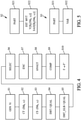
- Von Computereinrichtungen durchgeführtes Verfahren zum digitalen Kodieren eines Quellen-Multimediainhalts (M) in einen oder mehrere Videoflüsse für eine Sendung auf Anfrage zu mindestens einem Empfangsendgerät, wobei das Verfahren die folgenden Schritte aufweist:- Generieren (S1) eines Satzes von Versionen (Vi) des Multimediainhalts, wobei jede Version durch eine Auflösung gekennzeichnet ist und eine Folge von Bildern aufweist,- für jedes Bild der Bildfolge jeder Version, Bestimmen (S2, S3) mindestens eines Zeitmerkmals und mindestens eines Raummerkmals,- für jedes Bild der Bildfolge jeder Version, Berechnen (S4) eines Bereichs von Video-bitratewerten, wobei jeder Videobitratewert durch Anwendung einer vorgegebenen Funktion (F) auf das mindestens eine Zeitmerkmal des Bilds, das mindestens eine Raummerkmal des Bilds und einen Wert eines gegebenen Bereichs von theoretischen Werten, die eine Ziel-Kodierungsqualität repräsentieren, berechnet wird, um für jedes Bild einen Satz von Wertepaaren Videobitrate/theoretische Qualität zu gewinnen,- für jede Version und für jeden Wert des gegebenen Bereichs von theoretischen Kodierungsqualitätswerten, Berechnen (S5) einer globalen Videobitrate-Funktion der dem theoretischen Kodierungsqualitätswert zugeordneten Videobitraten für jedes Bild der Bildfolge jeder Version, um für jede Version einen Satz von Wertepaaren globale Videobitrate/theoretische Qualität zu gewinnen,- Wählen (S6) mindestens einer Gruppe von Kodierungsprofilen als Funktion des Satzes von Wertepaaren globale Videobitrate/theoretische Qualität jeder Version, wobei jedes Kodierungsprofil durch eine Auflösung und eine globale Videobitrate gekennzeichnet ist,- Kodieren (S7) des Multimediainhalts in einen oder mehrere Videoflüsse, wobei jeder Videofluss durch Kodierung des Multimediainhalts gemäß einem Profil der mindestens einen gewählten Profilgruppe gewonnen wird,- Analysieren (S8) jedes gewonnenen Videoflusses, um den Kodierungsqualitätswert des Kodierungsprofils des Videoflusses zu bestimmen,- für jeden analysierten Videofluss, Vergleichen (S9) des tatsächlich gewonnenen Kodierungsqualitätswerts mit dem theoretischen Ziel-Kodierungsqualitätswert des entsprechenden Kodierungsprofils, und- auf Basis des durchgeführten Vergleichs, Modifizieren (S10) der vorgegebenen Funktion in Hinblick darauf, die Zuverlässigkeit der Berechnung des Videobitrate-Wertebereichs und die Gewinnung des Satzes von Wertepaaren Videobitrate/theoretische Qualität eines Bilds nachträglich zu verbessern.
- Verfahren nach Anspruch 1, in welchem jedes Bild eine Pixelmatrix aufweist, wobei die Bestimmung mindestens eines Zeitmerkmals eines Bilds der Bildfolge einer Version aufweist:- Unterteilen (S21) des Bilds in einen Satz von Pixelblöcken, und- Durchführen (S22) einer Bewegungsschätzung an jedem Pixelblock, derart, dass nach der Bewegungsschätzung jeder Pixelblock durch einen Bewegungsvektor und durch ein Maß der Qualität der Bewegungsschätzung gekennzeichnet ist,wobei das mindestens eine Zeitmerkmal des Bilds die jeweiligen Bewegungsvektoren der Pixelblöcke des Bilds und die zugehörigen Qualitätsmaße aufweist.
- Verfahren nach Anspruch 2, in welchem die Qualität der Bewegungsschätzung eine Summe von absoluten Differenzen aufweist.
- Verfahren nach einem der vorstehenden Ansprüche, in welchem jedes Bild eine Pixelmatrix aufweist, wobei die Bestimmung mindestens eines Raummerkmals eines Bilds der Bildfolge einer Version aufweist:- Unterteilen (S31) des Bilds in einen Satz von Pixelblöcken, und- Messen (S32) der Varianz jedes Pixelblocks des Bilds,wobei das mindestens eine Raummerkmal des Bilds die jeweiligen Varianzen der Pixelblöcke des Bilds aufweist.
- Verfahren nach einem der vorstehenden Ansprüche, in welchem die vorgegebene Funktion bestimmt wird durch das Durchführen eines Lernalgorithmus auf Basis eines Satzes von Trainingsdaten, die die Kodierung mehrerer Trainings-Multimediainhalte gemäß unterschiedlichen Trainings-Kodierungsprofilen, wobei jedes Trainings-Kodierungsprofil durch eine Auflösung und eine globale Videobitrate gekennzeichnet ist, und das Messen eines die Qualität der Kodierung repräsentierenden Werts im Anschluss an jede Kodierung repräsentieren.
- Verfahren nach Anspruch 5, in welchem der Lernalgorithmus ein Neuronales-Netz-Modell verwendet.
- Verfahren nach einem der vorstehenden Ansprüche, in welchem die einer Version und einem Wert des gegebenen Bereichs von theoretischen Kodierungsqualitätswerten zugeordnete globale Videobitrate ein Mittelwert der dem theoretischen Kodierungsqualitätswert zugeordneten Videobitraten für jedes Bild der Bildfolge der Version ist.
- Verfahren nach einem der vorstehenden Ansprüche, in welchem die vorgegebene Funktion auf Basis des durchgeführten Vergleichs modifiziert wird, falls die Differenz zwischen dem für einen Videofluss gewonnenen Kodierungsqualitätswert und dem theoretischen Ziel-Kodierungsqualitätswert des dem Videofluss entsprechenden Profils größer oder gleich einer vorgegebenen Schwelle ist.
- Verfahren nach einem der vorstehenden Ansprüche, in welchem die vorgegebene Funktion bestimmt wird durch Durchführen eines Lernalgorithmus auf Basis eines Satzes von Trainingsdaten, die die Kodierung mehrerer Trainings-Multimediainhalte gemäß unterschiedlichen Trainings-Kodierungsprofilen und das Messen eines die Qualität der Kodierung repräsentierenden Werts im Anschluss an jede Kodierung repräsentieren, wobei die Modifikation der vorgegebenen Funktion auf Basis des durchgeführten Vergleichs die Integration eines Satzes neuer Daten aufweist, die die Kodierung des Quellen-Multimediainhalts und die Analyse des oder der gewonnenen Videoflüsse repräsentieren, wobei die neuen Daten ein größeres Gewicht haben als die Trainingsdaten.
- Computerprogramm aufweisend Befehle zum Durchführen des Verfahrens nach einem der vorstehenden Ansprüche, wenn die Befehle von mindestens einem Prozessor (21, 25, 35) ausgeführt werden.
- System (1) zum digitalen Kodieren eines Quellen-Multimediainhalts (M) in einen oder mehrere Videoflüsse für eine Sendung auf Anfrage zu mindestens einem Empfangsendgerät, wobei das System aufweist:- ein Analysemodul (3) zum:∗ Generieren eines Satzes von Versionen (Vi) des Multimediainhalts, wobei jede Version durch eine Auflösung gekennzeichnet ist und eine Folge von Bildern aufweist,∗ für jedes Bild der Bildfolge jeder Version, Bestimmen mindestens eines Zeitmerkmals und mindestens eines Raummerkmals,∗ für jedes Bild der Bildfolge jeder Version, Berechnen eines Bereichs von Videobitratewerten, wobei jeder Videobitratewert durch Anwendung einer vorgegebenen Funktion (F) auf das mindestens eine Zeitmerkmal des Bilds, das mindestens eine Raummerkmal des Bilds und einen Wert eines gegebenen Bereichs von theoretischen Werten, die eine Ziel-Kodierungsqualität repräsentieren, berechnet wird, um für jedes Bild einen Satz von Wertepaaren Videobitrate/theoretische Qualität zu gewinnen,∗ für jede Version und für jeden Wert des gegebenen Bereichs von theoretischen Kodierungsqualitätswerten, Berechnen einer globalen Videobitrate-Funktion der dem theoretischen Kodierungsqualitätswert zugeordneten Videobitraten für jedes Bild der Bildfolge jeder Version, um für jede Version einen Satz von Wertepaaren globale Videobitrate/theoretische Qualität zu gewinnen,- ein Auswahlmodul (5) zum Empfangen des jeder Version zugeordneten Satzes von Wertepaaren globale Videobitrate/theoretische Qualität, wobei das Auswahlmodul außerdem konfiguriert ist, um mindestens eine Gruppe von Kodierungsprofilen zum Kodieren des Multimediainhalts zu wählen, wobei jedes Kodierungsprofil durch eine Auflösung und eine globale Videobitrate gekennzeichnet ist, und- ein Kodierungsmodul (7) zumwobei das Analysemodul außerdem konfiguriert ist, um auf Basis des durchgeführten Vergleichs die vorgegebene Funktion in Hinblick darauf zu modifizieren, die Zuverlässigkeit der Berechnung des Videobitrate-Wertebereichs und die Gewinnung des Satzes von Wertepaaren Videobitrate/theoretische Qualität eines Bilds nachträglich zu verbessern.∗ Kodieren des Multimediainhalts in einen oder mehrere Videoflüsse, wobei jeder Videofluss durch Kodierung des Multimediainhalts gemäß einem Kodierungsprofil der mindestens einen von dem Auswahlmodul gewählten Kodierungsprofilgruppe gewonnen wird,∗ Analysieren jedes gewonnenen Videoflusses, um den Kodierungsqualitätswert des Kodierungsprofils des Videoflusses zu bestimmen,∗ für jeden analysierten Videofluss, Vergleichen des tatsächlich gewonnenen Kodierungsqualitätswerts mit dem theoretischen Ziel-Kodierungsqualitätswert des entsprechenden Kodierungsprofils, und∗ Schicken der Ergebnisse des Vergleichs zu dem Analysemodul,
Applications Claiming Priority (1)
| Application Number | Priority Date | Filing Date | Title |
|---|---|---|---|
| FR1855193A FR3082689B1 (fr) | 2018-06-13 | 2018-06-13 | Procede d'analyse de la complexite d'un contenu multimedia source pour une diffusion a la demande |
Publications (2)
| Publication Number | Publication Date |
|---|---|
| EP3582500A1 EP3582500A1 (de) | 2019-12-18 |
| EP3582500B1 true EP3582500B1 (de) | 2022-02-09 |
Family
ID=62952153
Family Applications (1)
| Application Number | Title | Priority Date | Filing Date |
|---|---|---|---|
| EP19180079.6A Active EP3582500B1 (de) | 2018-06-13 | 2019-06-13 | Verfahren, system und computerprogramm zur analyse der komplexität eines quellen-multimediainhalts für eine sendung auf anfrage |
Country Status (2)
| Country | Link |
|---|---|
| EP (1) | EP3582500B1 (de) |
| FR (1) | FR3082689B1 (de) |
Family Cites Families (2)
| Publication number | Priority date | Publication date | Assignee | Title |
|---|---|---|---|---|
| WO2006099082A2 (en) * | 2005-03-10 | 2006-09-21 | Qualcomm Incorporated | Content adaptive multimedia processing |
| US9621902B2 (en) * | 2013-02-28 | 2017-04-11 | Google Inc. | Multi-stream optimization |
-
2018
- 2018-06-13 FR FR1855193A patent/FR3082689B1/fr active Active
-
2019
- 2019-06-13 EP EP19180079.6A patent/EP3582500B1/de active Active
Also Published As
| Publication number | Publication date |
|---|---|
| FR3082689A1 (fr) | 2019-12-20 |
| FR3082689B1 (fr) | 2020-09-11 |
| EP3582500A1 (de) | 2019-12-18 |
Similar Documents
| Publication | Publication Date | Title |
|---|---|---|
| CN105794187B (zh) | 预测通话品质 | |
| KR102059222B1 (ko) | 비디오 스트리밍 서비스를 위한 컨텐트-의존 비디오 품질 모델 | |
| US12513303B2 (en) | Video encoding complexity predictor | |
| US11477461B2 (en) | Optimized multipass encoding | |
| FR3084552A1 (fr) | Procede de formation d'une sequence d'images de sortie a partir d'une sequence d'images d'entree, procede de reconstruction d'une sequence d'images d'entree a partir d'une sequence d'images de sortie, dispositifs, equipement serveur, equipement client et programmes d'ordinateurs associes | |
| FR2902266A1 (fr) | Procede et dispositif de repartition de la bande passante de communication | |
| FR3029381A1 (fr) | Procede de composition d’une representation video intermediaire | |
| EP2947888A1 (de) | Verfahren zum adaptiven herunterladen von digitalen inhalten für mehrere bildschirme | |
| FR2879387A1 (fr) | Procede de transmission a debit binaire variable a travers un canal de transmission. | |
| Nia | Explore Cross-Codec Quality-Rate Convex Hulls Relation for Adaptive Streaming | |
| EP3264709B1 (de) | Verfahren zur berechnung, bei einem client zum empfang von multimediainhalt von einem server mittels adaptivem streaming, der wahrgenommenen qualität einer vollständigen mediensitzung sowie client | |
| Wang et al. | No-reference hybrid video quality assessment based on partial least squares regression | |
| EP3540627B1 (de) | Auswahlverfahren der kodierprofile eines multimedia-inhalts für eine sendung auf anfrage | |
| FR2898757A1 (fr) | Procede et dispositif d'adaptation d'une frequence temporelle d'une sequence d'images video | |
| FR3050895A1 (fr) | Procede de composition contextuelle d'une representation video intermediaire | |
| EP3582500B1 (de) | Verfahren, system und computerprogramm zur analyse der komplexität eines quellen-multimediainhalts für eine sendung auf anfrage | |
| WO2021048498A1 (fr) | Prédiction ai pour compression vidéo | |
| EP2368367B1 (de) | Interaktives system und verfahren zum übertragen von aus einem videostrom ausgewählten schlüsselbildern über ein netzwerk mit niedriger bandbreite | |
| WO2007080520A2 (fr) | Codage et décodage adaptatifs | |
| EP2510695A1 (de) | Verfahren zur beurteilung der videoqualität bei einer beliebigen auflösung | |
| Zhang et al. | QoE models for online video streaming | |
| Thang et al. | Video streaming over HTTP with dynamic resource prediction | |
| Kumar et al. | Double sarsa based machine learning to improve quality of video streaming over HTTP through wireless networks | |
| Yamada et al. | Reduced-reference based video quality-metrics using representative-luminance values | |
| US12499527B2 (en) | Reference-based video quality analysis-as-a-service (VQAaaS) for over-the-top (OTT) streaming |
Legal Events
| Date | Code | Title | Description |
|---|---|---|---|
| PUAI | Public reference made under article 153(3) epc to a published international application that has entered the european phase |
Free format text: ORIGINAL CODE: 0009012 |
|
| STAA | Information on the status of an ep patent application or granted ep patent |
Free format text: STATUS: THE APPLICATION HAS BEEN PUBLISHED |
|
| AK | Designated contracting states |
Kind code of ref document: A1 Designated state(s): AL AT BE BG CH CY CZ DE DK EE ES FI FR GB GR HR HU IE IS IT LI LT LU LV MC MK MT NL NO PL PT RO RS SE SI SK SM TR |
|
| AX | Request for extension of the european patent |
Extension state: BA ME |
|
| STAA | Information on the status of an ep patent application or granted ep patent |
Free format text: STATUS: REQUEST FOR EXAMINATION WAS MADE |
|
| 17P | Request for examination filed |
Effective date: 20200616 |
|
| RBV | Designated contracting states (corrected) |
Designated state(s): AL AT BE BG CH CY CZ DE DK EE ES FI FR GB GR HR HU IE IS IT LI LT LU LV MC MK MT NL NO PL PT RO RS SE SI SK SM TR |
|
| GRAP | Despatch of communication of intention to grant a patent |
Free format text: ORIGINAL CODE: EPIDOSNIGR1 |
|
| STAA | Information on the status of an ep patent application or granted ep patent |
Free format text: STATUS: GRANT OF PATENT IS INTENDED |
|
| INTG | Intention to grant announced |
Effective date: 20210825 |
|
| GRAS | Grant fee paid |
Free format text: ORIGINAL CODE: EPIDOSNIGR3 |
|
| GRAA | (expected) grant |
Free format text: ORIGINAL CODE: 0009210 |
|
| STAA | Information on the status of an ep patent application or granted ep patent |
Free format text: STATUS: THE PATENT HAS BEEN GRANTED |
|
| AK | Designated contracting states |
Kind code of ref document: B1 Designated state(s): AL AT BE BG CH CY CZ DE DK EE ES FI FR GB GR HR HU IE IS IT LI LT LU LV MC MK MT NL NO PL PT RO RS SE SI SK SM TR |
|
| REG | Reference to a national code |
Ref country code: GB Ref legal event code: FG4D Free format text: NOT ENGLISH |
|
| REG | Reference to a national code |
Ref country code: CH Ref legal event code: EP Ref country code: AT Ref legal event code: REF Ref document number: 1468234 Country of ref document: AT Kind code of ref document: T Effective date: 20220215 |
|
| REG | Reference to a national code |
Ref country code: IE Ref legal event code: FG4D Free format text: LANGUAGE OF EP DOCUMENT: FRENCH |
|
| REG | Reference to a national code |
Ref country code: DE Ref legal event code: R096 Ref document number: 602019011420 Country of ref document: DE |
|
| REG | Reference to a national code |
Ref country code: LT Ref legal event code: MG9D |
|
| REG | Reference to a national code |
Ref country code: NL Ref legal event code: MP Effective date: 20220209 |
|
| REG | Reference to a national code |
Ref country code: AT Ref legal event code: MK05 Ref document number: 1468234 Country of ref document: AT Kind code of ref document: T Effective date: 20220209 |
|
| PG25 | Lapsed in a contracting state [announced via postgrant information from national office to epo] |
Ref country code: SE Free format text: LAPSE BECAUSE OF FAILURE TO SUBMIT A TRANSLATION OF THE DESCRIPTION OR TO PAY THE FEE WITHIN THE PRESCRIBED TIME-LIMIT Effective date: 20220209 Ref country code: RS Free format text: LAPSE BECAUSE OF FAILURE TO SUBMIT A TRANSLATION OF THE DESCRIPTION OR TO PAY THE FEE WITHIN THE PRESCRIBED TIME-LIMIT Effective date: 20220209 Ref country code: PT Free format text: LAPSE BECAUSE OF FAILURE TO SUBMIT A TRANSLATION OF THE DESCRIPTION OR TO PAY THE FEE WITHIN THE PRESCRIBED TIME-LIMIT Effective date: 20220609 Ref country code: NO Free format text: LAPSE BECAUSE OF FAILURE TO SUBMIT A TRANSLATION OF THE DESCRIPTION OR TO PAY THE FEE WITHIN THE PRESCRIBED TIME-LIMIT Effective date: 20220509 Ref country code: NL Free format text: LAPSE BECAUSE OF FAILURE TO SUBMIT A TRANSLATION OF THE DESCRIPTION OR TO PAY THE FEE WITHIN THE PRESCRIBED TIME-LIMIT Effective date: 20220209 Ref country code: LT Free format text: LAPSE BECAUSE OF FAILURE TO SUBMIT A TRANSLATION OF THE DESCRIPTION OR TO PAY THE FEE WITHIN THE PRESCRIBED TIME-LIMIT Effective date: 20220209 Ref country code: HR Free format text: LAPSE BECAUSE OF FAILURE TO SUBMIT A TRANSLATION OF THE DESCRIPTION OR TO PAY THE FEE WITHIN THE PRESCRIBED TIME-LIMIT Effective date: 20220209 Ref country code: ES Free format text: LAPSE BECAUSE OF FAILURE TO SUBMIT A TRANSLATION OF THE DESCRIPTION OR TO PAY THE FEE WITHIN THE PRESCRIBED TIME-LIMIT Effective date: 20220209 Ref country code: BG Free format text: LAPSE BECAUSE OF FAILURE TO SUBMIT A TRANSLATION OF THE DESCRIPTION OR TO PAY THE FEE WITHIN THE PRESCRIBED TIME-LIMIT Effective date: 20220509 |
|
| PG25 | Lapsed in a contracting state [announced via postgrant information from national office to epo] |
Ref country code: PL Free format text: LAPSE BECAUSE OF FAILURE TO SUBMIT A TRANSLATION OF THE DESCRIPTION OR TO PAY THE FEE WITHIN THE PRESCRIBED TIME-LIMIT Effective date: 20220209 Ref country code: LV Free format text: LAPSE BECAUSE OF FAILURE TO SUBMIT A TRANSLATION OF THE DESCRIPTION OR TO PAY THE FEE WITHIN THE PRESCRIBED TIME-LIMIT Effective date: 20220209 Ref country code: GR Free format text: LAPSE BECAUSE OF FAILURE TO SUBMIT A TRANSLATION OF THE DESCRIPTION OR TO PAY THE FEE WITHIN THE PRESCRIBED TIME-LIMIT Effective date: 20220510 Ref country code: FI Free format text: LAPSE BECAUSE OF FAILURE TO SUBMIT A TRANSLATION OF THE DESCRIPTION OR TO PAY THE FEE WITHIN THE PRESCRIBED TIME-LIMIT Effective date: 20220209 Ref country code: AT Free format text: LAPSE BECAUSE OF FAILURE TO SUBMIT A TRANSLATION OF THE DESCRIPTION OR TO PAY THE FEE WITHIN THE PRESCRIBED TIME-LIMIT Effective date: 20220209 |
|
| PG25 | Lapsed in a contracting state [announced via postgrant information from national office to epo] |
Ref country code: IS Free format text: LAPSE BECAUSE OF FAILURE TO SUBMIT A TRANSLATION OF THE DESCRIPTION OR TO PAY THE FEE WITHIN THE PRESCRIBED TIME-LIMIT Effective date: 20220609 |
|
| PG25 | Lapsed in a contracting state [announced via postgrant information from national office to epo] |
Ref country code: SM Free format text: LAPSE BECAUSE OF FAILURE TO SUBMIT A TRANSLATION OF THE DESCRIPTION OR TO PAY THE FEE WITHIN THE PRESCRIBED TIME-LIMIT Effective date: 20220209 Ref country code: SK Free format text: LAPSE BECAUSE OF FAILURE TO SUBMIT A TRANSLATION OF THE DESCRIPTION OR TO PAY THE FEE WITHIN THE PRESCRIBED TIME-LIMIT Effective date: 20220209 Ref country code: RO Free format text: LAPSE BECAUSE OF FAILURE TO SUBMIT A TRANSLATION OF THE DESCRIPTION OR TO PAY THE FEE WITHIN THE PRESCRIBED TIME-LIMIT Effective date: 20220209 Ref country code: EE Free format text: LAPSE BECAUSE OF FAILURE TO SUBMIT A TRANSLATION OF THE DESCRIPTION OR TO PAY THE FEE WITHIN THE PRESCRIBED TIME-LIMIT Effective date: 20220209 Ref country code: DK Free format text: LAPSE BECAUSE OF FAILURE TO SUBMIT A TRANSLATION OF THE DESCRIPTION OR TO PAY THE FEE WITHIN THE PRESCRIBED TIME-LIMIT Effective date: 20220209 Ref country code: CZ Free format text: LAPSE BECAUSE OF FAILURE TO SUBMIT A TRANSLATION OF THE DESCRIPTION OR TO PAY THE FEE WITHIN THE PRESCRIBED TIME-LIMIT Effective date: 20220209 |
|
| REG | Reference to a national code |
Ref country code: DE Ref legal event code: R097 Ref document number: 602019011420 Country of ref document: DE |
|
| PG25 | Lapsed in a contracting state [announced via postgrant information from national office to epo] |
Ref country code: AL Free format text: LAPSE BECAUSE OF FAILURE TO SUBMIT A TRANSLATION OF THE DESCRIPTION OR TO PAY THE FEE WITHIN THE PRESCRIBED TIME-LIMIT Effective date: 20220209 |
|
| PLBE | No opposition filed within time limit |
Free format text: ORIGINAL CODE: 0009261 |
|
| STAA | Information on the status of an ep patent application or granted ep patent |
Free format text: STATUS: NO OPPOSITION FILED WITHIN TIME LIMIT |
|
| 26N | No opposition filed |
Effective date: 20221110 |
|
| PG25 | Lapsed in a contracting state [announced via postgrant information from national office to epo] |
Ref country code: MC Free format text: LAPSE BECAUSE OF FAILURE TO SUBMIT A TRANSLATION OF THE DESCRIPTION OR TO PAY THE FEE WITHIN THE PRESCRIBED TIME-LIMIT Effective date: 20220209 |
|
| REG | Reference to a national code |
Ref country code: CH Ref legal event code: PL |
|
| REG | Reference to a national code |
Ref country code: BE Ref legal event code: MM Effective date: 20220630 |
|
| PG25 | Lapsed in a contracting state [announced via postgrant information from national office to epo] |
Ref country code: SI Free format text: LAPSE BECAUSE OF FAILURE TO SUBMIT A TRANSLATION OF THE DESCRIPTION OR TO PAY THE FEE WITHIN THE PRESCRIBED TIME-LIMIT Effective date: 20220209 |
|
| PG25 | Lapsed in a contracting state [announced via postgrant information from national office to epo] |
Ref country code: LU Free format text: LAPSE BECAUSE OF NON-PAYMENT OF DUE FEES Effective date: 20220613 Ref country code: LI Free format text: LAPSE BECAUSE OF NON-PAYMENT OF DUE FEES Effective date: 20220630 Ref country code: IE Free format text: LAPSE BECAUSE OF NON-PAYMENT OF DUE FEES Effective date: 20220613 Ref country code: CH Free format text: LAPSE BECAUSE OF NON-PAYMENT OF DUE FEES Effective date: 20220630 |
|
| PG25 | Lapsed in a contracting state [announced via postgrant information from national office to epo] |
Ref country code: BE Free format text: LAPSE BECAUSE OF NON-PAYMENT OF DUE FEES Effective date: 20220630 |
|
| PG25 | Lapsed in a contracting state [announced via postgrant information from national office to epo] |
Ref country code: IT Free format text: LAPSE BECAUSE OF FAILURE TO SUBMIT A TRANSLATION OF THE DESCRIPTION OR TO PAY THE FEE WITHIN THE PRESCRIBED TIME-LIMIT Effective date: 20220209 |
|
| PG25 | Lapsed in a contracting state [announced via postgrant information from national office to epo] |
Ref country code: MK Free format text: LAPSE BECAUSE OF FAILURE TO SUBMIT A TRANSLATION OF THE DESCRIPTION OR TO PAY THE FEE WITHIN THE PRESCRIBED TIME-LIMIT Effective date: 20220209 Ref country code: CY Free format text: LAPSE BECAUSE OF FAILURE TO SUBMIT A TRANSLATION OF THE DESCRIPTION OR TO PAY THE FEE WITHIN THE PRESCRIBED TIME-LIMIT Effective date: 20220209 |
|
| PG25 | Lapsed in a contracting state [announced via postgrant information from national office to epo] |
Ref country code: HU Free format text: LAPSE BECAUSE OF FAILURE TO SUBMIT A TRANSLATION OF THE DESCRIPTION OR TO PAY THE FEE WITHIN THE PRESCRIBED TIME-LIMIT; INVALID AB INITIO Effective date: 20190613 |
|
| PG25 | Lapsed in a contracting state [announced via postgrant information from national office to epo] |
Ref country code: MT Free format text: LAPSE BECAUSE OF FAILURE TO SUBMIT A TRANSLATION OF THE DESCRIPTION OR TO PAY THE FEE WITHIN THE PRESCRIBED TIME-LIMIT Effective date: 20220209 |
|
| REG | Reference to a national code |
Ref country code: DE Ref legal event code: R082 Ref document number: 602019011420 Country of ref document: DE Representative=s name: PLASSERAUD IP GMBH, DE |
|
| PGFP | Annual fee paid to national office [announced via postgrant information from national office to epo] |
Ref country code: DE Payment date: 20250812 Year of fee payment: 7 |
|
| PGFP | Annual fee paid to national office [announced via postgrant information from national office to epo] |
Ref country code: GB Payment date: 20250708 Year of fee payment: 7 |
|
| PGFP | Annual fee paid to national office [announced via postgrant information from national office to epo] |
Ref country code: FR Payment date: 20250717 Year of fee payment: 7 |
|
| PG25 | Lapsed in a contracting state [announced via postgrant information from national office to epo] |
Ref country code: TR Free format text: LAPSE BECAUSE OF FAILURE TO SUBMIT A TRANSLATION OF THE DESCRIPTION OR TO PAY THE FEE WITHIN THE PRESCRIBED TIME-LIMIT Effective date: 20220209 |