EP3589659B1 - Combinaisons pour utilisation dans le traitement du cancer - Google Patents
Combinaisons pour utilisation dans le traitement du cancer Download PDFInfo
- Publication number
- EP3589659B1 EP3589659B1 EP18760517.5A EP18760517A EP3589659B1 EP 3589659 B1 EP3589659 B1 EP 3589659B1 EP 18760517 A EP18760517 A EP 18760517A EP 3589659 B1 EP3589659 B1 EP 3589659B1
- Authority
- EP
- European Patent Office
- Prior art keywords
- inhibitor
- cancer
- novo lipogenesis
- pharmaceutically acceptable
- acceptable salt
- Prior art date
- Legal status (The legal status is an assumption and is not a legal conclusion. Google has not performed a legal analysis and makes no representation as to the accuracy of the status listed.)
- Active
Links
Images

























Classifications
-
- A—HUMAN NECESSITIES
- A61—MEDICAL OR VETERINARY SCIENCE; HYGIENE
- A61K—PREPARATIONS FOR MEDICAL, DENTAL OR TOILETRY PURPOSES
- A61K39/00—Medicinal preparations containing antigens or antibodies
- A61K39/395—Antibodies; Immunoglobulins; Immune serum, e.g. antilymphocytic serum
- A61K39/39533—Antibodies; Immunoglobulins; Immune serum, e.g. antilymphocytic serum against materials from animals
-
- A—HUMAN NECESSITIES
- A61—MEDICAL OR VETERINARY SCIENCE; HYGIENE
- A61K—PREPARATIONS FOR MEDICAL, DENTAL OR TOILETRY PURPOSES
- A61K31/00—Medicinal preparations containing organic active ingredients
- A61K31/33—Heterocyclic compounds
- A61K31/395—Heterocyclic compounds having nitrogen as a ring hetero atom, e.g. guanethidine or rifamycins
- A61K31/435—Heterocyclic compounds having nitrogen as a ring hetero atom, e.g. guanethidine or rifamycins having six-membered rings with one nitrogen as the only ring hetero atom
- A61K31/44—Non condensed pyridines; Hydrogenated derivatives thereof
- A61K31/445—Non condensed piperidines, e.g. piperocaine
- A61K31/4523—Non condensed piperidines, e.g. piperocaine containing further heterocyclic ring systems
- A61K31/4545—Non condensed piperidines, e.g. piperocaine containing further heterocyclic ring systems containing a six-membered ring with nitrogen as a ring hetero atom, e.g. pipamperone, anabasine
-
- A—HUMAN NECESSITIES
- A61—MEDICAL OR VETERINARY SCIENCE; HYGIENE
- A61K—PREPARATIONS FOR MEDICAL, DENTAL OR TOILETRY PURPOSES
- A61K31/00—Medicinal preparations containing organic active ingredients
- A61K31/33—Heterocyclic compounds
- A61K31/395—Heterocyclic compounds having nitrogen as a ring hetero atom, e.g. guanethidine or rifamycins
- A61K31/495—Heterocyclic compounds having nitrogen as a ring hetero atom, e.g. guanethidine or rifamycins having six-membered rings with two or more nitrogen atoms as the only ring heteroatoms, e.g. piperazine or tetrazines
-
- A—HUMAN NECESSITIES
- A61—MEDICAL OR VETERINARY SCIENCE; HYGIENE
- A61K—PREPARATIONS FOR MEDICAL, DENTAL OR TOILETRY PURPOSES
- A61K31/00—Medicinal preparations containing organic active ingredients
- A61K31/33—Heterocyclic compounds
- A61K31/395—Heterocyclic compounds having nitrogen as a ring hetero atom, e.g. guanethidine or rifamycins
- A61K31/495—Heterocyclic compounds having nitrogen as a ring hetero atom, e.g. guanethidine or rifamycins having six-membered rings with two or more nitrogen atoms as the only ring heteroatoms, e.g. piperazine or tetrazines
- A61K31/496—Non-condensed piperazines containing further heterocyclic rings, e.g. rifampin, thiothixene or sparfloxacin
-
- A—HUMAN NECESSITIES
- A61—MEDICAL OR VETERINARY SCIENCE; HYGIENE
- A61K—PREPARATIONS FOR MEDICAL, DENTAL OR TOILETRY PURPOSES
- A61K39/00—Medicinal preparations containing antigens or antibodies
- A61K39/395—Antibodies; Immunoglobulins; Immune serum, e.g. antilymphocytic serum
- A61K39/39533—Antibodies; Immunoglobulins; Immune serum, e.g. antilymphocytic serum against materials from animals
- A61K39/39541—Antibodies; Immunoglobulins; Immune serum, e.g. antilymphocytic serum against materials from animals against normal tissues, cells
-
- A—HUMAN NECESSITIES
- A61—MEDICAL OR VETERINARY SCIENCE; HYGIENE
- A61K—PREPARATIONS FOR MEDICAL, DENTAL OR TOILETRY PURPOSES
- A61K45/00—Medicinal preparations containing active ingredients not provided for in groups A61K31/00 - A61K41/00
- A61K45/06—Mixtures of active ingredients without chemical characterisation, e.g. antiphlogistics and cardiaca
-
- A—HUMAN NECESSITIES
- A61—MEDICAL OR VETERINARY SCIENCE; HYGIENE
- A61P—SPECIFIC THERAPEUTIC ACTIVITY OF CHEMICAL COMPOUNDS OR MEDICINAL PREPARATIONS
- A61P35/00—Antineoplastic agents
-
- C—CHEMISTRY; METALLURGY
- C07—ORGANIC CHEMISTRY
- C07K—PEPTIDES
- C07K16/00—Immunoglobulins [IG], e.g. monoclonal or polyclonal antibodies
- C07K16/18—Immunoglobulins [IG], e.g. monoclonal or polyclonal antibodies against material from animals or humans
- C07K16/28—Immunoglobulins [IG], e.g. monoclonal or polyclonal antibodies against material from animals or humans against receptors, cell surface antigens or cell surface determinants
-
- C—CHEMISTRY; METALLURGY
- C07—ORGANIC CHEMISTRY
- C07K—PEPTIDES
- C07K16/00—Immunoglobulins [IG], e.g. monoclonal or polyclonal antibodies
- C07K16/18—Immunoglobulins [IG], e.g. monoclonal or polyclonal antibodies against material from animals or humans
- C07K16/28—Immunoglobulins [IG], e.g. monoclonal or polyclonal antibodies against material from animals or humans against receptors, cell surface antigens or cell surface determinants
- C07K16/2803—Immunoglobulins [IG], e.g. monoclonal or polyclonal antibodies against material from animals or humans against receptors, cell surface antigens or cell surface determinants against the immunoglobulin superfamily
- C07K16/2818—Immunoglobulins [IG], e.g. monoclonal or polyclonal antibodies against material from animals or humans against receptors, cell surface antigens or cell surface determinants against the immunoglobulin superfamily against CD28 or CD152
-
- A—HUMAN NECESSITIES
- A61—MEDICAL OR VETERINARY SCIENCE; HYGIENE
- A61K—PREPARATIONS FOR MEDICAL, DENTAL OR TOILETRY PURPOSES
- A61K39/00—Medicinal preparations containing antigens or antibodies
- A61K2039/505—Medicinal preparations containing antigens or antibodies comprising antibodies
-
- C—CHEMISTRY; METALLURGY
- C07—ORGANIC CHEMISTRY
- C07K—PEPTIDES
- C07K2317/00—Immunoglobulins specific features
- C07K2317/20—Immunoglobulins specific features characterized by taxonomic origin
- C07K2317/24—Immunoglobulins specific features characterized by taxonomic origin containing regions, domains or residues from different species, e.g. chimeric, humanized or veneered
Definitions
- SCD1 stearoyl-CoA desaturase 1
- the at least two checkpoint inhibitors are selected from the group consisting of: pembrolizumab, nivolumab, atezolizumab, ipilimumab, and TSR-022.
- the at least three checkpoint inhibitors are selected from the group consisting of: pembrolizumab, nivolumab, atezolizumab, ipilimumab, and TSR-022.
- the inhibitor of de novo lipogenesis, or a pharmaceutically acceptable salt thereof, and the checkpoint inhibitor, or a pharmaceutically acceptable salt thereof are admixed prior to administration.
- the inhibitor of de novo lipogenesis, or a pharmaceutically acceptable salt thereof, and the checkpoint inhibitor, or a pharmaceutically acceptable salt thereof are administered concurrently.
- the inhibitor of de novo lipogenesis, or a pharmaceutically acceptable salt thereof is administered prior to the administration of the checkpoint inhibitor, or a pharmaceutically acceptable salt thereof.
- the cancer is selected from the group consisting of: a kidney cancer, a liver cancer, a breast cancer, a lung cancer, a pancreatic cancer, a bladder cancer, a colon cancer, a melanoma, a thyroid cancer, an ovarian cancer, and a prostate cancer.
- the cancer is clear cell renal cell carcinoma (ccRCC).
- the bladder cancer is selected from the group consisting of: transitional cell carcinoma, urothelial carcinoma, papillary carcinoma, flat carcinoma, squamous cell carcinoma, adenocarcinoma, small-cell carcinoma, and sarcoma.
- the liver cancer is hepatobiliary carcinoma (HCC).
- HCC hepatobiliary carcinoma
- the cancer is a lung cancer.
- the lung cancer is non-small cell lung cancer (NSCLC).
- NSCLC non-small cell lung cancer
- the present application provides a method of increasing the immunogenic susceptibility of a cell, the method comprising: i) selecting a poorly immunogenic cell; and ii) contacting the cell with an effective amount of an inhibitor of de novo lipogenesis, or a pharmaceutically acceptable salt thereof.
- the cancer is clear cell renal cell carcinoma (ccRCC).
- the cancer is a kidney cancer.
- the cancer is a bladder cancer.
- the bladder cancer is a transitional cell carcinoma.
- the cancer is a liver cancer.
- the contacting is in vitro.
- the cell becomes susceptible to cell lysis induced by an immune cell.
- the immune cell is a T lymphocyte.
- the present application provides method of increasing the immunogenic susceptibility of a tumor in a subject, the method comprising: i) selecting a subject having a poorly immunogenic tumor; and ii) administering to the subject a therapeutically effective amount of an inhibitor of de novo lipogenesis, or a pharmaceutically acceptable salt thereof.
- the tumor is clear cell renal cell carcinoma (ccRCC).
- the tumor is a kidney cancer.
- the bladder cancer is selected from the group consisting of: transitional cell carcinoma, urothelial carcinoma, papillary carcinoma, flat carcinoma, squamous cell carcinoma, adenocarcinoma, small-cell carcinoma, and sarcoma.
- the tumor is a thyroid cancer.
- the tumor is a liver cancer.
- the tumor is solid.
- the inhibitor of de novo lipogenesis is administered in an amount from about 200 mg/kg to about 250 mg/kg.
- the immune cell is a T lymphocyte.
- Implementations of the general aspects may include one or more of the following features.
- the inhibitor of de novo lipogenesis is the inhibitor of fatty-acid synthesis.
- R 1 is Cl
- the immune cell comprises a checkpoint protein receptor, which suppresses the immune cell's inflammatory activity and protects the cells native to the host from autoimmunity.
- a checkpoint protein receptor which suppresses the immune cell's inflammatory activity and protects the cells native to the host from autoimmunity.
- the checkpoint protein receptor binds to a checkpoint receptor ligand on the surface of the host's native cell (or a cancer cell)
- it can act as an "off-switch" that keeps the immune cell (e.g., T cell) from attacking the native cell (or a cancer cell).
- Some immune cells need a checkpoint protein to be activated to start an immune response, for example, when the checkpoint protein is dissociated from its ligand.
- a poorly immunogenic cell comprises checkpoint protein ligand (e.g., PD-L1) which binds with the checkpoint protein receptor on the surface of the immune cell and "turns off" the immune response.
- checkpoint protein ligand e.g., PD-L1
- contacting the cell with the inhibitor of the de novo lipogenesis induces endoplasmic reticulum (ER) stress, which may provoke an adaptive immune response through the emission of immunostimulatory signals, or damage-associated molecular patterns (DAMPs) such as heat shock proteins, or translocation of calreticulin (CRT) to the plasma membrane of the cell.
- DAMPs damage-associated molecular patterns
- the ER stress leads to an increase in the immunogenicity of the cell.
- the inhibitor of de novo lipogenesis is an inhibitor of fatty-acid synthesis.
- the inhibition of fatty acid synthesis subsequently inhibits the intracellular synthesis of triglycerides, sphingolipids, glycolipids, phospholipids, lipoproteins and/or other fatty-acid containing molecules that influence membrane fluidity, membrane raft formation and receptor clustering, second messenger signaling, fatty acid oxidation, energy storage, cell division, inflammation, and a number of other biological functions.
- the inhibitor of de novo lipogenesis inhibits the synthesis of unsaturated fatty acids.
- R 1 is Cl. In some embodiments, R 1 is F.
- R 3 is an unsubstituted C 1-6 alkyl.
- R 3 can be CH 3 .
- R 3 is H.
- R 2 is H; and R 3 is CH 3 .
- Non-limiting examples of a compound according to Formula (II) and/or Formula (IIa) include: SSI-4, 2- ⁇ [4-(2-Chlorophenoxy)piperidine-1-carbonyl]amino ⁇ -N-methylpyridine-4-carboxamide,
- the method comprises administering one or more (e.g., one, two, three, four, or more) of the inhibitors of de novo lipogenesis; and administering one or more (e.g., one, two, three, four, or more) of the checkpoint inhibitors.
- the inhibitor of de novo lipogenesis is administered with at least two checkpoint inhibitors.
- the inhibitor of de novo lipogenesis is administered with at least three checkpoint inhibitors.
- the checkpoint inhibitor is an antibody, such as a monoclonal or a polyclonal antibody. In some embodiments, the checkpoint inhibitor is selected from an anti-TIM-3 antibody (e.g., TSR-022).
- the method comprises administering to the subject at least three of: pembrolizumab, nivolumab, atezolizumab, ipilimumab, TSR-022, MGD013, TTI-621, OSE-172 and CA-170. In some embodiments, the method comprises administering to the subject pembrolizumab, nivolumab, atezolizumab, ipilimumab, and TSR-022. In some embodiments, the method comprises administering to the subject pembrolizumab, nivolumab, atezolizumab, ipilimumab, TSR-022, MGD-013, TTI-621, OSE-172 and CA-170.
- the checkpoint inhibitor is an antibody and is administered to the subject intravenously. In some embodiments, the checkpoint inhibitor is an antibody and is administered to the subject orally. In some embodiments, the checkpoint inhibitor is a small-molecule drug that is administered to the subject orally (e.g., CA-170). In some embodiments, when at least two checkpoint inhibitors are administered to the subject, at least one checkpoint inhibitor is administered orally, and at least one checkpoint inhibitor is administered intravenously. In some embodiments, all checkpoint inhibitors are administered intravenously.
- the checkpoint inhibitor is any one of checkpoint inhibitors described in Petrova et al., TTI-621 (SIRP ⁇ Fc): A CD47-Blocking Innate Immune Checkpoint Inhibitor with Broad Anti-Tumor Activity and Minimal Erythrocyte Binding, Clinical Cancer Research, 2016 (DOI: 10.1158/1078-0432.CCR-16-1700 ).
- the checkpoint inhibitor is inhibitor of CD47 (receptor) or SIRPalpha (ligand).
- the checkpoint inhibitor is TTI-621, that binds to and neutralizes CD47, produced by Trillium Therapeutics Inc; or OSE-172, antagonist of SIRP ⁇ , produced by OSE Immunotherapeutics.
- the anticancer agent is paclitaxel or docetaxel. In other embodiments, the anticancer agent is cisplatin or irinotecan. In some embodiments, the method of treating cancer in a subject further comprises administering to the subject a cell carcinoma treatment. Examples of additional optional renal cell carcinoma treatments include, without limitation, treatment with Nexavar ® , Sutent ® , Torisel ® , Afinitor ® (everolimus), axitinib, pazopanib, levatinib, interleukin-2, and combinations thereof. In some embodiments, the method of treating cancer in a subject further comprises administering to the subject a proteasome inhibitor.
- the combination of a compound provided herein (e.g., SSI-4) and a proteasome inhibitor have a synergistic effect on the treatment of the cancer.
- the method of treating cancer in a subject further comprises administering to the subject one or more multikinase inhibitors (e.g., tyrosine kinase inhibitors, RAF kinase inhibitors, serine/threonine kinase inhibitors).
- the multikinase inhibitor is sorafenib.
- the combination of a compound provided herein (e.g., SSI-4) and sorafenib have a synergistic effect on the treatment of the cancer.
- the following standard of care drugs can be combined with an inhibitor of de novo lipogenesis and a checkpoint inhibitor for the following cancers: Lung - paclitaxel, nivolumab, ceritinib, afatinib; Colon - capecitabine; Breast; Metastatic breast - capecitabine, paclitaxel, and/or gemcitabine; Hormonally responsive breast - aromatase inhibitors such as letrazole and/or antiestrogens such as tamoxifen; HER2 positive - Her2 inhibitors such as trastuzumab; palbociclib, ado-trastuzumab emtansine; Melanoma - temozolomide, and/or BRAF inhibitors, pembrolizumab, nivolumab, pomalidomide, dabrafenib; Prostate - androgen receptor inhibitors such as abiraterone; Bladder - gemcitabine
- acids commonly employed to form pharmaceutically acceptable salts of the compounds disclosed herein include inorganic acids such as hydrogen bisulfide, hydrochloric acid, hydrobromic acid, hydroiodic acid, sulfuric acid and phosphoric acid, as well as organic acids such as para-toluenesulfonic acid, salicylic acid, tartaric acid, bitartaric acid, ascorbic acid, maleic acid, besylic acid, fumaric acid, gluconic acid, glucuronic acid, formic acid, glutamic acid, methanesulfonic acid, ethanesulfonic acid, benzenesulfonic acid, lactic acid, oxalic acid, para-bromophenylsulfonic acid, carbonic acid, succinic acid, citric acid, benzoic acid and acetic acid, as well as related inorganic and organic acids.
- inorganic acids such as hydrogen bisulfide, hydrochloric acid, hydrobromic acid, hydroiodic acid, sulfuric acid
- compositions comprising, formulations, dosages, routes of administration
- the carrier(s) are "acceptable” in the sense of being compatible with the other ingredients of the formulation and, in the case of a pharmaceutically acceptable carrier, not deleterious to the recipient thereof in an amount used in the medicament.
- compositions of the present application include those suitable for oral, rectal, nasal, topical (including buccal and sublingual), vaginal, parenteral, or intraperitoneal (including subcutaneous, intramuscular, intravenous and intradermal) administration.
- the compound of the formulae herein is administered transdermally (e.g., using a transdermal patch or iontophoretic techniques).
- Other formulations may conveniently be presented in unit dosage form, e.g., tablets, sustained release capsules, and in liposomes, and may be prepared by any methods well known in the art of pharmacy. See, for example, Remington: The Science and Practice of Pharmacy, Lippincott Williams & Wilkins, Baltimore, MD (20th ed. 2000 ).
- Solutions or suspensions used for parenteral, intravenous, intradermal, intraocular or subcutaneous application can include the following components: a sterile diluent such as water for injection, saline solution (e.g., 0.9% saline solution), dextrose solution (e.g., 5%) dextrose solution), fixed oils, polyethylene glycols (e.g., PEG400), glycerine, propylene glycol or other synthetic solvents; antibacterial agents such as benzyl alcohol or methyl parabens; antioxidants such as ascorbic acid or sodium bisulfite; chelating agents such as ethylenediaminetetraacetic acid; buffers such as acetates, citrates or phosphates and agents for the adjustment of tonicity such as sodium chloride or dextrose. pH can be adjusted with acids or bases, such as hydrochloric acid or sodium hydroxide.
- the parenteral preparation can be enclosed in ampoules, disposable syringes or
- compositions of the present application suitable for oral administration may be presented as discrete units such as capsules, sachets, or tablets each containing a predetermined amount of the active ingredient; a powder or granules; a solution or a suspension in an aqueous liquid or a non-aqueous liquid; an oil-in-water liquid emulsion; a water-in-oil liquid emulsion; packed in liposomes; or as a bolus, etc.
- Soft gelatin capsules can be useful for containing such suspensions, which may beneficially increase the rate of compound absorption.
- any bland fixed oil may be employed including synthetic mono- or diglycerides.
- Fatty acids, such as oleic acid and its glyceride derivatives are useful in the preparation of injectables, as are natural pharmaceutically-acceptable oils, such as olive oil or castor oil, especially in their polyoxyethylated versions.
- These oil solutions or suspensions may also contain a long-chain alcohol diluent or dispersant.
- Application of the subject therapeutics may be local, so as to be administered at the site of interest.
- Various techniques can be used for providing the subject compositions at the site of interest, such as injection, use of catheters, trocars, projectiles, pluronic gel, stents, sustained drug release polymers or other device which provides for internal access.
- a therapeutically effective amount of an inhibitor of de novo lipogenesis is from about 50 mg/kg to about 500 mg/kg, from about 50 mg/kg to about 400 mg/kg, from about 50 mg/kg to about 300 mg/kg, from about 90 mg/kg to about 280 mg/kg, from about 100 mg/kg to about 250 mg/kg, from about 130 mg/kg to about 230 mg/kg, from about 150 mg/kg to about 200 mg/kg, or from about 200 mg/kg to about 250 mg/kg.
- Exemplary doses include about 1 mg/kg, about 5 mg/kg, about 10 mg/kg, about 25 mg/kg, about 50 mg/kg, about 75 mg/kg, about 100 mg/kg, about 125 mg/kg, about 150 mg/kg, about 180 mg/kg, about 200 mg/kg, about 225 mg/kg, about 250 mg/kg, about 275 mg/kg, about 300 mg/kg, or about 350 mg/kg. Any of these doses may be administered once daily, twice daily or three times daily, or once a week, once a month or once every three months. In some embodiments, an inhibitor of de novo lipogenesis is administered orally once daily by a tablet or capsule.
- a therapeutically effective amount of a checkpoint inhibitor is from about 1 to about 15 mg/m 2 , or from about 1 to about 15 mg/m 2 . In some embodiments, a therapeutically effective amount of a checkpoint inhibitor is from about 10 ⁇ g/dose to about 1000 ⁇ g/dose, from about 20 ⁇ g/dose to about 800 ⁇ g/dose, from about 30 ⁇ g/dose to about 600 ⁇ g/dose, from about 40 ⁇ g/dose to about 500 ⁇ g/dose, from about 50 ⁇ g/dose to about 400 ⁇ g/dose, from about 60 ⁇ g/dose to about 300 ⁇ g/dose, from about 70 ⁇ g/dose to about 200 ⁇ g/dose, or from about 80 ⁇ g/dose to about 120 ⁇ g/dose.
- an inhibitor of de novo lipogenesis and a checkpoint inhibitor are administered such that the molar ratio of the inhibitor of de novo lipogenesis, or a pharmaceutically acceptable salt thereof, to the checkpoint inhibitor, or a pharmaceutically acceptable salt thereof, is from about 1000:1 to about 1:50, from about 900:1 to about 1:40, from about 800:1 to about 1:30, from about 700:1 to about 1:20, from about 500:1 to about 1:10, from about 200:1 to about 1:5, or from about 150:1 to about 1:3.
- an inhibitor of de novo lipogenesis and a checkpoint inhibitor are administered such that the molar ratio of the inhibitor of de novo lipogenesis, or a pharmaceutically acceptable salt thereof, to the checkpoint inhibitor, or a pharmaceutically acceptable salt thereof, is from about 3:1 to about 1:3, or from about 2:1 to about 1:2.
- the molar ratio is about 10:1, about 9:1, about 8:1, about 7:1, about 6:1, about 5:1, about 4:1, about 3:1, about 2:1, about 1:1, about 1:2, about 1:3, about 1:4, about 1:5, about 1:6, about 1:7, about 1:8, about 1:9, or about 1:10.
- a method of treating cancer in a subject comprises administering to the subject SSI-4, or a pharmaceutically acceptable salt thereof, and an anti-PD-1 antibody, or a pharmaceutically acceptable salt thereof.
- SSI-4, or a pharmaceutically acceptable salt thereof is administered in an amount from about 130 mg/kg to about 230 mg/kg; and an anti-PD-1 antibody, or a pharmaceutically acceptable salt thereof, is administered in an amount from about 0.5 mg/kg to about 5 mg/kg.
- treating refers to 1) inhibiting the disease; for example, inhibiting a disease, condition or disorder in an individual who is experiencing or displaying the pathology or symptomatology of the disease, condition or disorder ( i.e., arresting further development of the pathology and/or symptomatology), or 2) ameliorating the disease; for example, ameliorating a disease, condition or disorder in an individual who is experiencing or displaying the pathology or symptomatology of the disease, condition or disorder ( i.e., reversing the pathology and/or symptomatology).
- halo refers to fluoro, chloro, bromo or iodo.
- alkyl refers to a straight or branched chain alkyl group, having from 1-20 carbon atoms.
- the alkyl is unsubstituted unless otherwise indicated.
- Illustrative of the alkyl group include the methyl, ethyl, propyl, isopropyl, butyl, isobutyl, sec-butyl, t-butyl, pentyl, 3-methylbutyl, 2,2-dimethylpropyl, 1,1-dimethylpropyl, hexyl, 1-methylpentyl, 4-methylpentyl, heptyl, 1-methylhexyl, 2-methylhexyl, 5-methylhexyl, 3-ethylpentyl, octyl, 2-methylheptyl, 6-methylheptyl, 2-ethylhexyl, 2-ethyl-3-methylpentyl, 3-ethyl-2-methylpentyl, nonyl, 2-methyloc
- haloalkyl refers to an alkyl group that is substituted with one or more (e.g., 1, 2, 3, 4, or 5) halo substituents. The group is otherwise unsubstituted unless as indicated. Examples include chloroethyl, chloromethyl, difluoromethyl, trifluoromethyl, and the like.
- SCD1 inhibition was investigated.
- Gene array and ancillary pathway signature analysis of SCD1 inhibitor treated ccRCC cells revealed profound alterations in acute phase inflammatory signaling ( FIG 1a ), suggestive that this compound may influence tumor cell inflammatory reprogramming.
- SCD1 inhibitors could behave as immunosensitizing agents in cancer.
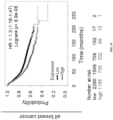
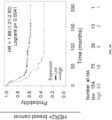
- an appropriate immune-competent model of carcinogenesis was identified. SCD1 mRNA expression is increased in breast cancer.
- SSI-4 induces ER stress in tumor cells.
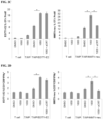
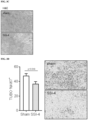
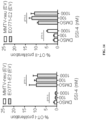
- Treatment of TUBO, E0771-E2, and N202 tumor cells with SSI-4 (10-1000 nM) resulted in activation of ER stress as shown by increased levels of phosphorylated eukaryotic translation initiation factor 2 alpha (eIF2 ⁇ ) at serine51 and DNA damage inducible transcript 3 (CHOP, DDIT3 ) ( Figure 1e ).
- ER stress can provoke a therapeutically relevant adaptive immune response against malignant cells through the emission of immunostimulatory signals, or damage-associated molecular patterns (DAMPs) such as heat shock proteins and translocation of calreticulin (CRT) to the plasma membrane (17).
- DAMPs damage-associated molecular patterns
- SSI-4 potently upregulates plasma membrane expression of CRT at doses as low as 10 nM, as measured by flow cytometry on live tumor cells following a 48 hour treatment ( Figure 1f ).
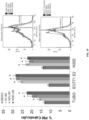
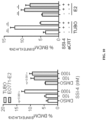
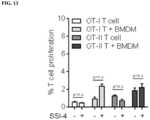
- SSI-4 (1000 nM) was able to potently induce CD8+ T lymphocyte proliferation as well as IFN ⁇ production in both E0771-E2 and MMTV-neu triple cultures ( Figure 2c -d ).
- CRT neutralization was able to abrogate these effects in MMTV-neu cells, while a mild (n.s.) decrease in IFN ⁇ production was observed in E0771-E2 cells ( Figure 2c -d ).
- SSI-4 driven CRT translocation is a contributor to these results. No significant changes in T lymphocyte proliferation or IFN ⁇ production were observed in alone or T lymphocyte-BMDM co-cultures, e.g., activation occurs in a tumor-specific antigen-mediated manner ( Figure 2c -d ).
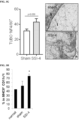
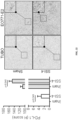
- H&E staining of tumor sections did not reveal conspicuous changes in overall tissue morphology between sham and SSI-4 treatment groups ( Fig 3c ), however a significant reduction in the proliferative capacity of SSI-4 treated tumors was recorded via decreased nuclear Ki67 staining ( Fig 3c ).
- a significant increase in cleaved caspase 3 (CC3) staining, indicative of enhanced tumor apoptosis was noted in the SSI-4 group ( Fig 3d ).
- tumor-associated recruitment of professional phagocytes in vivo including macrophages (MP) and dendritic cells (DC) was evaluated.
- the ratio of tumor leukocyte recruitment by comparing the ratio of cluster of differentiation 45 antigen (CD45) positive to negative cells sorted from dissociated tumor tissue within control and SSI-4 treated mice was determined. Results indicated a 10% increase in the number of tumor-associated leukocytes within SSI-4 treated animals ( Fig. 3f ).
- tumor sections were stained for F4/80, a macrophage (MP) marker.
- SSI-4 treated tumors demonstrated expanded expression of MPs, as well as increased intra-tumor penetration of these cells toward the tumor core ( Fig. 3g ).
- tumors were dissociated and analyzed via flow cytometry for DCs based on CD45 + MHCII + CD11c hi expression.
- tumor-associated macrophage (TAM) cells can be correlated with either a tumor-suppressive or pro-inflammatory phenotype
- TAM tumor-associated macrophage
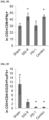
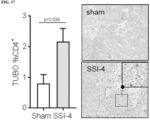
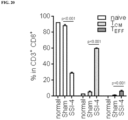
- SSI-4 treatment produced a robust induction of memory and effector T-cells among both CD4 and CD8 positive populations; along with a concomitant decrease in naive T-cell numbers ( Fig. 4d -e).
- the activation status of T lymphocytes isolated from digested tumors was also assessed.
- the number of effector CD4 and CD8 T lymphocytes identified by IFN ⁇ , a cytokine predominantly produced by activated cytotoxic lymphocytes, was markedly increased in both CD4 and CD8+ populations with SSI-4 ( Fig. 4f ).
- Granzyme B-positive CD8 T-cells were also enriched in SSI-4 treated tumors ( Fig. 4f ), another marker for activated CD8+ T lymphocytes.
- Example 6 - SSI-4 augments PD-1 blockade mediated anti-tumor T cell immunity
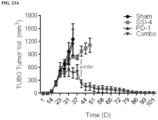
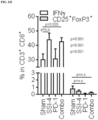
- T-lymphocytes Tumor dissociation and isolation and characterization of T-lymphocytes revealed a significant increase in effector CD8+ cytotoxic T lymphocytes in response to SSI-4 and combination therapy ( Fig. 5d -e), suggesting that these cells may play more of a prominent role in mediating anti-tumor responsiveness of the treatment.
- PD-1 monotherapy and combination therapy also appeared to have a deleterious effect on the intratumor population of T regulatory cells, which are known to contribute to tumor resistance to immunotherapy ( Fig. 5f ).
- combination treatment was repeated in Balb/c mice bearing TUBO tumors in the presence of CD8-blocking antibody.
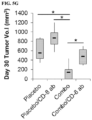
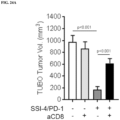
- CD8 T lymphocytes rescued the anti-tumor activity of the combination treatment ( Fig 5g ).
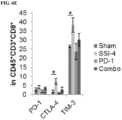
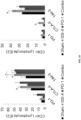
- Macrophages showed increased PD-L1 in response to both SSI-4 and combination therapy ( FIG. 6c ). Both CD4 and CD8 positive T lymphocytes demonstrate upregulation of protein expression of various checkpoints in response to therapy, including CTLA-4 and TIM3 ( Fig. 6d -e). These findings suggest that tumors respond to SSI-4 and combination therapy by upregulating other known checkpoints in an effort to mount tumor-resistance. Combination therapy with SSI-4 that includes a cocktail of checkpoint inhibitors such as anti-PD-L1, anti-CTLA4, and/or anti-TIM3 may provide a more durable anti-tumor response.
- SSI-4 that includes a cocktail of checkpoint inhibitors such as anti-PD-L1, anti-CTLA4, and/or anti-TIM3 may provide a more durable anti-tumor response.
- the expression of the checkpoints PD-1, CTLA-4, and TIM-3 was assessed in either 6D: CD4-expressing or 6E: CD8-expressing T lymphocytes, and show upregulation of both CTLA-4 and TIM-3 in response to SSI-4 and/or combination therapy.
- 6D CD4-expressing or 6E: CD8-expressing T lymphocytes, and show upregulation of both CTLA-4 and TIM-3 in response to SSI-4 and/or combination therapy.
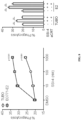
- 5G To determine whether anti-tumor activity of SSI-4/PD-1 combination therapy is dependent on cytotoxic CD8 T lymphocyte activity, CD8 depletion studies were performed in mice receiving either placebo or combination therapy. Combination treated mice bearing E0771-E2 tumors demonstrated significant reduction in tumor burden as compared to placebo mice, and this was reversed in the presence of CD8 depletion.
- 5H Flow cytometric analysis was performed on splenic T cells isolated from animals in (5G), and confirm successful depletion of CD8 T cells within animals receiving CD8 blocka
- SCD1 inhibitors such as SSI-4 enhance tumor antigen presenting cell (APC) recruitment and maturation, as well as T cell priming both in vitro and in vivo.
- APC tumor antigen presenting cell
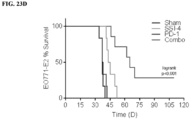
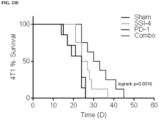
- SCD1 inhibitors such as SSI-4 led to a significant reduction in tumor burden and increase in survival as compared to controls.
- Tissue analysis revealed tumor infiltration of effector T lymphocytes, and reduction of anti-inflammatory T regulatory (Treg) cells, redolent of a T-cell inflamed phenotype.
- SCD1 inhibitors such as SSI-4 are able to sensitize resistant tumors to programed death-1 (PD-1) inhibition, resulting in reduced tumor burden and significantly prolonged survival.
- PD-1 programed death-1
Landscapes
- Health & Medical Sciences (AREA)
- Chemical & Material Sciences (AREA)
- Medicinal Chemistry (AREA)
- Life Sciences & Earth Sciences (AREA)
- General Health & Medical Sciences (AREA)
- Pharmacology & Pharmacy (AREA)
- Animal Behavior & Ethology (AREA)
- Public Health (AREA)
- Veterinary Medicine (AREA)
- Immunology (AREA)
- Epidemiology (AREA)
- Organic Chemistry (AREA)
- Engineering & Computer Science (AREA)
- Biochemistry (AREA)
- Proteomics, Peptides & Aminoacids (AREA)
- Molecular Biology (AREA)
- Genetics & Genomics (AREA)
- Biophysics (AREA)
- Bioinformatics & Cheminformatics (AREA)
- Mycology (AREA)
- Microbiology (AREA)
- Chemical Kinetics & Catalysis (AREA)
- Nuclear Medicine, Radiotherapy & Molecular Imaging (AREA)
- General Chemical & Material Sciences (AREA)
- Biomedical Technology (AREA)
- Pharmaceuticals Containing Other Organic And Inorganic Compounds (AREA)
- Medicines That Contain Protein Lipid Enzymes And Other Medicines (AREA)
- Acyclic And Carbocyclic Compounds In Medicinal Compositions (AREA)
Claims (16)
- Inhibiteur de lipogenèse de novo et inhibiteur de point de contrôle pour utilisation dans un procédé de traitement de cancer chez un sujet, le procédé comprenant l'administration au sujet d'une quantité thérapeutiquement efficace de l'inhibiteur de lipogenèse de novo, ou d'un sel pharmaceutiquement acceptable de celui-ci, et d'une quantité thérapeutiquement efficace de l'inhibiteur de point de contrôle, ou d'un sel pharmaceutiquement acceptable de celui-ci, l'inhibiteur de point de contrôle étant un inhibiteur d'immunoglobuline de lymphocyte T et contenant un domaine mucine-3 (TIM-3), et l'inhibiteur de lipogenèse de novo étant un composé de formule (II) :
 ou un sel pharmaceutiquement acceptable d'un tel composé,formule dans laquelleR1 est halogéno ;X est -(C=O)NR4- ;Y est
- Inhibiteur de lipogenèse de novo et inhibiteur de point de contrôle pour utilisation selon la revendication 1, l'inhibiteur de TIM-3 étant un anticorps.
- Inhibiteur de lipogenèse de novo et inhibiteur de point de contrôle pour utilisation selon la revendication 2, l'anticorps étant TSR-022.
- Inhibiteur de lipogenèse de novo et inhibiteur de point de contrôle pour utilisation selon la revendication 1, dans lesquels l'inhibiteur de lipogenèse de novo est administré avec au moins deux inhibiteurs de point de contrôle, lesdits au moins deux inhibiteurs de point de contrôle consistant en TSR-022 en association avec un inhibiteur de point de contrôle choisi dans le groupe constitué par : le pembrolizumab, le nivolumab, l'atézolizumab, et l'ipilimumab.
- Inhibiteur de lipogenèse de novo et inhibiteur de point de contrôle pour utilisation selon l'une quelconque des revendications 1-4, dans lesquels l'inhibiteur de lipogenèse de novo, ou un sel pharmaceutiquement acceptable de celui-ci, et l'inhibiteur de point de contrôle, ou un sel pharmaceutiquement acceptable de celui-ci, sont mélangés avant administration.
- Inhibiteur de lipogenèse de novo et inhibiteur de point de contrôle pour utilisation selon l'une quelconque des revendications 1-5, dans lesquels l'inhibiteur de lipogenèse de novo, ou un sel pharmaceutiquement acceptable de celui-ci, et l'inhibiteur de point de contrôle, ou un sel pharmaceutiquement acceptable de celui-ci, sont administrés simultanément.
- Inhibiteur de lipogenèse de novo et inhibiteur de point de contrôle pour utilisation selon l'une quelconque des revendications 1-5, dans lesquels l'inhibiteur de lipogenèse de novo, ou un sel pharmaceutiquement acceptable de celui-ci, et l'inhibiteur de point de contrôle, ou un sel pharmaceutiquement acceptable de celui-ci, sont administrés séquentiellement.
- Inhibiteur de lipogenèse de novo et inhibiteur de point de contrôle pour utilisation selon l'une quelconque des revendications 1-7, dans lesquels l'inhibiteur de lipogenèse de novo, ou un sel pharmaceutiquement acceptable de celui-ci, est administré par voie orale.
- Inhibiteur de lipogenèse de novo et inhibiteur de point de contrôle pour utilisation selon l'une quelconque des revendications 1-8, dans lesquels l'inhibiteur de point de contrôle, ou un sel pharmaceutiquement acceptable de celui-ci, est administré par voie intraveineuse.
- Inhibiteur de lipogenèse de novo et inhibiteur de point de contrôle pour utilisation selon l'une quelconque des revendications 1-9, dans lesquels l'inhibiteur de lipogenèse de novo, ou un sel pharmaceutiquement acceptable de celui-ci, est administré en une quantité d'environ 200 mg/kg à environ 250 mg/kg.
- Inhibiteur de lipogenèse de novo et inhibiteur de point de contrôle pour utilisation selon l'une quelconque des revendications 1-10, dans lesquels l'inhibiteur de point de contrôle, ou un sel pharmaceutiquement acceptable de celui-ci, est administré en une quantité d'environ 1 mg/kg à environ 15 mg/kg.
- Inhibiteur de lipogenèse de novo et inhibiteur de point de contrôle pour utilisation selon l'une quelconque des revendications 1-11, dans lesquels le rapport molaire de l'inhibiteur de lipogenèse de novo, ou d'un sel pharmaceutiquement acceptable de celui-ci, à l'inhibiteur de point de contrôle, or un sel pharmaceutiquement acceptable de celui-ci, vaut d'environ 150:1 à environ 1:3.
- Inhibiteur de lipogenèse de novo et inhibiteur de point de contrôle pour utilisation selon l'une quelconque des revendications 1-12, dans lesquels le cancer est choisi dans le groupe constitué par : un cancer du rein, un cancer du foie, un cancer du sein, un cancer du poumon, un cancer du pancréas, un cancer de la vessie, un cancer du côlon, un mélanome, un cancer de la thyroïde, un cancer de l'ovaire, et un cancer de la prostate.
- Inhibiteur de lipogenèse de novo et inhibiteur de point de contrôle pour utilisation selon la revendication 13, dans lesquels le cancer est un cancer du sein.
- Inhibiteur de lipogenèse de novo et inhibiteur de point de contrôle pour utilisation selon la revendication 14, dans lesquels le cancer est un cancer du sein HER2-positif.
- Inhibiteur de lipogenèse de novo et inhibiteur de point de contrôle pour utilisation selon l'une quelconque des revendications 1-13, dans lesquels le composé selon la formula (II) (a) a la structure de formule (IIa) :

est
Priority Applications (1)
| Application Number | Priority Date | Filing Date | Title |
|---|---|---|---|
| EP25168882.6A EP4606431A3 (fr) | 2017-02-28 | 2018-02-28 | Composés et méthodes de traitement du cancer |
Applications Claiming Priority (2)
| Application Number | Priority Date | Filing Date | Title |
|---|---|---|---|
| US201762465062P | 2017-02-28 | 2017-02-28 | |
| PCT/US2018/020257 WO2018160717A1 (fr) | 2017-02-28 | 2018-02-28 | Composés et méthodes de traitement du cancer |
Related Child Applications (1)
| Application Number | Title | Priority Date | Filing Date |
|---|---|---|---|
| EP25168882.6A Division EP4606431A3 (fr) | 2017-02-28 | 2018-02-28 | Composés et méthodes de traitement du cancer |
Publications (3)
| Publication Number | Publication Date |
|---|---|
| EP3589659A1 EP3589659A1 (fr) | 2020-01-08 |
| EP3589659A4 EP3589659A4 (fr) | 2021-03-24 |
| EP3589659B1 true EP3589659B1 (fr) | 2025-04-09 |
Family
ID=63371008
Family Applications (2)
| Application Number | Title | Priority Date | Filing Date |
|---|---|---|---|
| EP18760517.5A Active EP3589659B1 (fr) | 2017-02-28 | 2018-02-28 | Combinaisons pour utilisation dans le traitement du cancer |
| EP25168882.6A Pending EP4606431A3 (fr) | 2017-02-28 | 2018-02-28 | Composés et méthodes de traitement du cancer |
Family Applications After (1)
| Application Number | Title | Priority Date | Filing Date |
|---|---|---|---|
| EP25168882.6A Pending EP4606431A3 (fr) | 2017-02-28 | 2018-02-28 | Composés et méthodes de traitement du cancer |
Country Status (5)
| Country | Link |
|---|---|
| US (2) | US11596629B2 (fr) |
| EP (2) | EP3589659B1 (fr) |
| CA (1) | CA3054572A1 (fr) |
| ES (1) | ES3036483T3 (fr) |
| WO (1) | WO2018160717A1 (fr) |
Families Citing this family (14)
| Publication number | Priority date | Publication date | Assignee | Title |
|---|---|---|---|---|
| EP4180041A1 (fr) | 2014-08-07 | 2023-05-17 | Mayo Foundation for Medical Education and Research | Composés et procédés pour le traitement du cancer |
| JP2019533022A (ja) | 2016-10-24 | 2019-11-14 | ユマニティ セラピューティクス,インコーポレーテッド | 化合物及びその使用 |
| CA3049010A1 (fr) | 2017-01-06 | 2018-07-12 | Yumanity Therapeutics, Inc. | Methodes de traitement de troubles neurologiques |
| CA3083000A1 (fr) | 2017-10-24 | 2019-05-02 | Yumanity Therapeutics, Inc. | Composes et utilisations de ces composes |
| CA3094527A1 (fr) | 2018-03-23 | 2019-09-26 | Yumanity Therapeutics, Inc. | Composes et leurs utilisations |
| US11243207B2 (en) | 2018-03-29 | 2022-02-08 | Mayo Foundation For Medical Education And Research | Assessing and treating cancer |
| US12098146B2 (en) | 2019-01-24 | 2024-09-24 | Janssen Pharmaceutica Nv | Compounds and uses thereof |
| WO2020246336A1 (fr) * | 2019-06-06 | 2020-12-10 | 学校法人慶應義塾 | Marqueur pour déterminer l'efficacité d'application d'une thérapie anticancéreuse comprenant une immunothérapie anticancéreuse à un patient atteint d'un cancer et utilisation correspondante |
| EA202192047A1 (ru) | 2019-11-13 | 2021-12-08 | Юманити Терапьютикс, Инк. | Соединения и их применение |
| CA3218244A1 (fr) * | 2021-04-29 | 2022-11-03 | Trisalus Life Sciences, Inc. | Therapie anticancereuse utilisant des inhibiteurs de point de controle |
| CN116999559A (zh) * | 2022-04-28 | 2023-11-07 | 中山大学 | 硬脂酸或硬脂酰CoA去饱和酶抑制剂在制备抗肿瘤药物中的应用 |
| US20250381176A1 (en) * | 2022-06-28 | 2025-12-18 | Modulation Therapeutics, Inc. | Scd1 inhibitors for treating liver disease |
| WO2025018978A1 (fr) * | 2023-07-14 | 2025-01-23 | Modulation Therapeutics, Inc. | Inhibiteurs de scd1 pour le traitement de néoplasmes hématolymphoïdes |
| CN117338941A (zh) * | 2023-09-22 | 2024-01-05 | 复旦大学附属肿瘤医院 | 含TKIs抑制剂和SCD1抑制剂的药物组合及其抗肿瘤用途 |
Family Cites Families (28)
| Publication number | Priority date | Publication date | Assignee | Title |
|---|---|---|---|---|
| US6083903A (en) | 1994-10-28 | 2000-07-04 | Leukosite, Inc. | Boronic ester and acid compounds, synthesis and uses |
| GB9925962D0 (en) | 1999-11-02 | 1999-12-29 | Novartis Ag | Organic compounds |
| PT3078667T (pt) | 2001-01-25 | 2018-12-28 | The United States Of America Represented By The Sec Dep Of Health And Human Services | Formulação de compostos de ácido borónico |
| PT1390063E (pt) | 2001-05-03 | 2005-03-31 | Hoffmann La Roche | Forma de dosagem farmaceutica de mesilato de nelfinavir amorfo |
| JP2005503425A (ja) | 2001-05-24 | 2005-02-03 | アレックザ モレキュラー デリヴァリー コーポレイション | 所定の吸入ルートによる薬剤エステルの送出 |
| WO2003006009A1 (fr) * | 2001-07-11 | 2003-01-23 | Zen-Bio, Inc. | Compositions permettant de reduire la cellulite ou de prevenir son apparition chez les mammiferes |
| BRPI0510802A (pt) | 2004-05-10 | 2007-11-06 | Proteolix Inc | compostos para inibição de enzima |
| US20060094744A1 (en) | 2004-09-29 | 2006-05-04 | Maryanoff Cynthia A | Pharmaceutical dosage forms of stable amorphous rapamycin like compounds |
| JP5436860B2 (ja) | 2005-11-09 | 2014-03-05 | オニキス セラピューティクス, インク. | 酵素阻害のための化合物 |
| NZ573759A (en) | 2006-06-19 | 2012-03-30 | Proteolix Inc | Peptide epoxyketones for proteasome inhibition |
| WO2008120759A1 (fr) | 2007-03-30 | 2008-10-09 | Japan Tobacco Inc. | Composé d'urée et son utilisation |
| EP2178888B1 (fr) | 2007-08-06 | 2012-07-04 | Millennium Pharmaceuticals, Inc. | Inhibiteurs de protéasomes |
| JP5600595B2 (ja) | 2007-10-16 | 2014-10-01 | ミレニアム ファーマシューティカルズ, インコーポレイテッド | プロテアソーム阻害剤 |
| HRP20150592T4 (hr) | 2008-06-17 | 2025-02-14 | Millennium Pharmaceuticals, Inc | Organoborni esterski spojevi i njihove farmaceutske kompozicije |
| AR075090A1 (es) | 2008-09-29 | 2011-03-09 | Millennium Pharm Inc | Derivados de acido 1-amino-2-ciclobutiletilboronico inhibidores de proteosoma,utiles como agentes anticancerigenos, y composiciones farmaceuticas que los comprenden. |
| JP5933523B2 (ja) | 2010-03-31 | 2016-06-08 | ミレニアム ファーマシューティカルズ, インコーポレイテッドMillennium Pharmaceuticals, Inc. | 1−アミノ−2−シクロプロピルエチルボロン酸の誘導体 |
| JP6272754B2 (ja) | 2011-05-03 | 2018-01-31 | アジオス ファーマシューティカルズ, インコーポレイテッド | ピルビン酸キナーゼ活性化剤の使用方法 |
| MX2014004426A (es) | 2011-10-15 | 2014-07-09 | Genentech Inc | Metodos de uso de antagonistas de scd1. |
| US9233102B2 (en) | 2012-03-07 | 2016-01-12 | Mayo Foundation For Medical Education And Research | Methods and materials for treating cancer |
| WO2014153150A1 (fr) * | 2013-03-14 | 2014-09-25 | Lee Delphine J | Procédés de prédiction de la réponse anti-ctla-2 et de la rechute d'un cancer |
| AU2015210750B2 (en) * | 2014-01-31 | 2020-08-20 | Children's Medical Center Corporation | Antibody molecules to TIM-3 and uses thereof |
| US20170015654A1 (en) * | 2014-03-12 | 2017-01-19 | Takeda Pharmaceutical Company Limited | Pyridazine compound |
| EP4180041A1 (fr) * | 2014-08-07 | 2023-05-17 | Mayo Foundation for Medical Education and Research | Composés et procédés pour le traitement du cancer |
| AU2015315435A1 (en) | 2014-09-08 | 2017-03-23 | Celgene Corporation | Methods for treating a disease or disorder using oral formulations of cytidine analogs in combination with an anti-PD1 or anti-PDL1 monoclonal antibody |
| WO2016141299A1 (fr) | 2015-03-04 | 2016-09-09 | Children's Hospital Medical Center | Méthodes de traitement du cancer |
| IL255312B (en) | 2015-05-12 | 2022-08-01 | Genentech Inc | Therapeutic and diagnostic methods for cancer containing a pd–l1 binding antagonist |
| US20170021019A1 (en) * | 2015-07-22 | 2017-01-26 | Matthew Zibelman | COMBINATION OF IMMUNOMODULATORY AGENT WITH PD-1 or PD-L1 CHECKPOINT INHIBITORS IN THE TREATMENT OF CANCER |
| US11243207B2 (en) * | 2018-03-29 | 2022-02-08 | Mayo Foundation For Medical Education And Research | Assessing and treating cancer |
-
2018
- 2018-02-28 EP EP18760517.5A patent/EP3589659B1/fr active Active
- 2018-02-28 CA CA3054572A patent/CA3054572A1/fr active Pending
- 2018-02-28 ES ES18760517T patent/ES3036483T3/es active Active
- 2018-02-28 EP EP25168882.6A patent/EP4606431A3/fr active Pending
- 2018-02-28 US US16/489,133 patent/US11596629B2/en active Active
- 2018-02-28 WO PCT/US2018/020257 patent/WO2018160717A1/fr not_active Ceased
-
2023
- 2023-01-26 US US18/101,772 patent/US20230310419A1/en active Pending
Non-Patent Citations (1)
| Title |
|---|
| CHIBA SHIGEKI ET AL: "Tumor-infiltrating DCs suppress nucleic acid-mediated innate immune responses through interactions between the receptor TIM-3 and the alarmin HMGB1", NATURE IMMULOGY, vol. 13, no. 9, 1 September 2012 (2012-09-01), New York, pages 832 - 842, XP093217300, ISSN: 1529-2908, Retrieved from the Internet <URL:https://www.nature.com/articles/ni.2376.pdf> DOI: 10.1038/ni.2376 * |
Also Published As
| Publication number | Publication date |
|---|---|
| EP4606431A3 (fr) | 2025-11-19 |
| US20200061055A1 (en) | 2020-02-27 |
| US20230310419A1 (en) | 2023-10-05 |
| US11596629B2 (en) | 2023-03-07 |
| CA3054572A1 (fr) | 2018-09-07 |
| WO2018160717A1 (fr) | 2018-09-07 |
| EP3589659A4 (fr) | 2021-03-24 |
| EP4606431A2 (fr) | 2025-08-27 |
| EP3589659A1 (fr) | 2020-01-08 |
| ES3036483T3 (en) | 2025-09-19 |
Similar Documents
| Publication | Publication Date | Title |
|---|---|---|
| US20230310419A1 (en) | Compounds and methods for treating cancer | |
| US20230212201A1 (en) | Stat3 degraders and uses thereof | |
| TWI869398B (zh) | 治療癌症之方法 | |
| JP6787792B2 (ja) | がんの処置のための併用治療 | |
| US20110027295A1 (en) | Adenosine Receptor Agonists and Antagonists to Modulate T Cell Responses | |
| AU2013201121A1 (en) | Synergistic anti-tumor efficacy using alloantigen combination immunotherapy | |
| KR20230059792A (ko) | 암 치료를 위한 조합 | |
| JP7246309B2 (ja) | 免疫応答を調節するためのオキサビシクロヘプタン | |
| WO2020024932A1 (fr) | Méthode de traitement du cancer par combinaison d'un inhibiteur d'iap et d'un modulateur de molécule de point de contrôle immunitaire | |
| JP6796623B2 (ja) | 転移を減少させるまたは阻止するための組成物および方法 | |
| WO2017201043A1 (fr) | Polythérapie pour le traitement du cancer | |
| US20190290759A1 (en) | Combination of hdac inhibitor and anti-pd-l1 antibody for treatment of ovarian cancer | |
| US20250228938A1 (en) | The combination of macrophage-directed immunotherapy and targeted agents for treatment of cancer | |
| US20250161369A1 (en) | Compositions and Methods to Modulate the Immune System | |
| Marabelle et al. | Radiotherapy and toll-like receptor agonists | |
| EP4237092A1 (fr) | Macrophages activés par stat, compositions et utilisations associées | |
| US20250249000A1 (en) | Sik3 inhibitors for treating diseases resistant to death receptor signalling | |
| US20200230247A1 (en) | Combination therapies comprising targeted therapeutics | |
| WO2024258916A1 (fr) | Agents de dégradation de stat3 et leurs utilisations | |
| WO2023163475A1 (fr) | Composition anticancéreuse contenant de la ruboxistaurine | |
| HK40023858A (en) | Combination therapies comprising targeted therapeutics | |
| TW202116318A (zh) | Hsp90結合共軛物及其組合療法 | |
| WO2019108788A1 (fr) | Compositions de biguanide et procédés associés | |
| Müller et al. | Tumor Immunology Programme, German Cancer Research Centre | |
| HK1237657A1 (en) | Bromodomain inhibitor as adjuvant in cancer immunotherapy |
Legal Events
| Date | Code | Title | Description |
|---|---|---|---|
| STAA | Information on the status of an ep patent application or granted ep patent |
Free format text: STATUS: THE INTERNATIONAL PUBLICATION HAS BEEN MADE |
|
| PUAI | Public reference made under article 153(3) epc to a published international application that has entered the european phase |
Free format text: ORIGINAL CODE: 0009012 |
|
| STAA | Information on the status of an ep patent application or granted ep patent |
Free format text: STATUS: REQUEST FOR EXAMINATION WAS MADE |
|
| 17P | Request for examination filed |
Effective date: 20190926 |
|
| AK | Designated contracting states |
Kind code of ref document: A1 Designated state(s): AL AT BE BG CH CY CZ DE DK EE ES FI FR GB GR HR HU IE IS IT LI LT LU LV MC MK MT NL NO PL PT RO RS SE SI SK SM TR |
|
| AX | Request for extension of the european patent |
Extension state: BA ME |
|
| DAV | Request for validation of the european patent (deleted) | ||
| DAX | Request for extension of the european patent (deleted) | ||
| RIC1 | Information provided on ipc code assigned before grant |
Ipc: A61K 39/395 20060101ALI20201116BHEP Ipc: G01N 33/574 20060101ALI20201116BHEP Ipc: A61K 31/495 20060101ALI20201116BHEP Ipc: A61K 45/06 20060101ALI20201116BHEP Ipc: A61K 31/496 20060101ALI20201116BHEP Ipc: A61K 31/4545 20060101AFI20201116BHEP Ipc: C07K 16/28 20060101ALI20201116BHEP |
|
| REG | Reference to a national code |
Ref country code: DE Ref legal event code: R079 Ipc: A61K0031454500 Ref country code: DE Ref legal event code: R079 Ref document number: 602018080962 Country of ref document: DE Free format text: PREVIOUS MAIN CLASS: C07K0016280000 Ipc: A61K0031454500 |
|
| A4 | Supplementary search report drawn up and despatched |
Effective date: 20210222 |
|
| RIC1 | Information provided on ipc code assigned before grant |
Ipc: C07K 16/28 20060101ALI20210216BHEP Ipc: A61K 31/4545 20060101AFI20210216BHEP Ipc: G01N 33/574 20060101ALI20210216BHEP Ipc: A61K 45/06 20060101ALI20210216BHEP Ipc: A61K 39/395 20060101ALI20210216BHEP Ipc: A61K 31/496 20060101ALI20210216BHEP Ipc: A61K 31/495 20060101ALI20210216BHEP |
|
| STAA | Information on the status of an ep patent application or granted ep patent |
Free format text: STATUS: EXAMINATION IS IN PROGRESS |
|
| 17Q | First examination report despatched |
Effective date: 20230208 |
|
| GRAP | Despatch of communication of intention to grant a patent |
Free format text: ORIGINAL CODE: EPIDOSNIGR1 |
|
| STAA | Information on the status of an ep patent application or granted ep patent |
Free format text: STATUS: GRANT OF PATENT IS INTENDED |
|
| RIC1 | Information provided on ipc code assigned before grant |
Ipc: A61P 35/00 20060101ALI20241023BHEP Ipc: A61K 45/06 20060101ALI20241023BHEP Ipc: C07K 16/28 20060101ALI20241023BHEP Ipc: G01N 33/574 20060101ALI20241023BHEP Ipc: A61K 39/395 20060101ALI20241023BHEP Ipc: A61K 31/496 20060101ALI20241023BHEP Ipc: A61K 31/495 20060101ALI20241023BHEP Ipc: A61K 31/4545 20060101AFI20241023BHEP |
|
| INTG | Intention to grant announced |
Effective date: 20241108 |
|
| GRAS | Grant fee paid |
Free format text: ORIGINAL CODE: EPIDOSNIGR3 |
|
| GRAA | (expected) grant |
Free format text: ORIGINAL CODE: 0009210 |
|
| STAA | Information on the status of an ep patent application or granted ep patent |
Free format text: STATUS: THE PATENT HAS BEEN GRANTED |
|
| AK | Designated contracting states |
Kind code of ref document: B1 Designated state(s): AL AT BE BG CH CY CZ DE DK EE ES FI FR GB GR HR HU IE IS IT LI LT LU LV MC MK MT NL NO PL PT RO RS SE SI SK SM TR |
|
| REG | Reference to a national code |
Ref country code: GB Ref legal event code: FG4D |
|
| REG | Reference to a national code |
Ref country code: CH Ref legal event code: EP |
|
| REG | Reference to a national code |
Ref country code: DE Ref legal event code: R096 Ref document number: 602018080962 Country of ref document: DE |
|
| REG | Reference to a national code |
Ref country code: IE Ref legal event code: FG4D |
|
| P01 | Opt-out of the competence of the unified patent court (upc) registered |
Free format text: CASE NUMBER: APP_18615/2025 Effective date: 20250416 |
|
| REG | Reference to a national code |
Ref country code: NL Ref legal event code: MP Effective date: 20250409 |
|
| PG25 | Lapsed in a contracting state [announced via postgrant information from national office to epo] |
Ref country code: NL Free format text: LAPSE BECAUSE OF FAILURE TO SUBMIT A TRANSLATION OF THE DESCRIPTION OR TO PAY THE FEE WITHIN THE PRESCRIBED TIME-LIMIT Effective date: 20250409 |
|
| REG | Reference to a national code |
Ref country code: AT Ref legal event code: MK05 Ref document number: 1782941 Country of ref document: AT Kind code of ref document: T Effective date: 20250409 |
|
| REG | Reference to a national code |
Ref country code: ES Ref legal event code: FG2A Ref document number: 3036483 Country of ref document: ES Kind code of ref document: T3 Effective date: 20250919 |
|
| PG25 | Lapsed in a contracting state [announced via postgrant information from national office to epo] |
Ref country code: PT Free format text: LAPSE BECAUSE OF FAILURE TO SUBMIT A TRANSLATION OF THE DESCRIPTION OR TO PAY THE FEE WITHIN THE PRESCRIBED TIME-LIMIT Effective date: 20250811 Ref country code: FI Free format text: LAPSE BECAUSE OF FAILURE TO SUBMIT A TRANSLATION OF THE DESCRIPTION OR TO PAY THE FEE WITHIN THE PRESCRIBED TIME-LIMIT Effective date: 20250409 |
|
| REG | Reference to a national code |
Ref country code: LT Ref legal event code: MG9D |
|
| PG25 | Lapsed in a contracting state [announced via postgrant information from national office to epo] |
Ref country code: GR Free format text: LAPSE BECAUSE OF FAILURE TO SUBMIT A TRANSLATION OF THE DESCRIPTION OR TO PAY THE FEE WITHIN THE PRESCRIBED TIME-LIMIT Effective date: 20250710 Ref country code: NO Free format text: LAPSE BECAUSE OF FAILURE TO SUBMIT A TRANSLATION OF THE DESCRIPTION OR TO PAY THE FEE WITHIN THE PRESCRIBED TIME-LIMIT Effective date: 20250709 |
|
| PG25 | Lapsed in a contracting state [announced via postgrant information from national office to epo] |
Ref country code: PL Free format text: LAPSE BECAUSE OF FAILURE TO SUBMIT A TRANSLATION OF THE DESCRIPTION OR TO PAY THE FEE WITHIN THE PRESCRIBED TIME-LIMIT Effective date: 20250409 |
|
| PG25 | Lapsed in a contracting state [announced via postgrant information from national office to epo] |
Ref country code: BG Free format text: LAPSE BECAUSE OF FAILURE TO SUBMIT A TRANSLATION OF THE DESCRIPTION OR TO PAY THE FEE WITHIN THE PRESCRIBED TIME-LIMIT Effective date: 20250409 |
|
| PG25 | Lapsed in a contracting state [announced via postgrant information from national office to epo] |
Ref country code: HR Free format text: LAPSE BECAUSE OF FAILURE TO SUBMIT A TRANSLATION OF THE DESCRIPTION OR TO PAY THE FEE WITHIN THE PRESCRIBED TIME-LIMIT Effective date: 20250409 |
|
| PG25 | Lapsed in a contracting state [announced via postgrant information from national office to epo] |
Ref country code: AT Free format text: LAPSE BECAUSE OF FAILURE TO SUBMIT A TRANSLATION OF THE DESCRIPTION OR TO PAY THE FEE WITHIN THE PRESCRIBED TIME-LIMIT Effective date: 20250409 |
|
| PG25 | Lapsed in a contracting state [announced via postgrant information from national office to epo] |
Ref country code: RS Free format text: LAPSE BECAUSE OF FAILURE TO SUBMIT A TRANSLATION OF THE DESCRIPTION OR TO PAY THE FEE WITHIN THE PRESCRIBED TIME-LIMIT Effective date: 20250709 |
|
| PG25 | Lapsed in a contracting state [announced via postgrant information from national office to epo] |
Ref country code: IS Free format text: LAPSE BECAUSE OF FAILURE TO SUBMIT A TRANSLATION OF THE DESCRIPTION OR TO PAY THE FEE WITHIN THE PRESCRIBED TIME-LIMIT Effective date: 20250809 |
|
| PG25 | Lapsed in a contracting state [announced via postgrant information from national office to epo] |
Ref country code: LV Free format text: LAPSE BECAUSE OF FAILURE TO SUBMIT A TRANSLATION OF THE DESCRIPTION OR TO PAY THE FEE WITHIN THE PRESCRIBED TIME-LIMIT Effective date: 20250409 |
|
| REG | Reference to a national code |
Ref country code: DE Ref legal event code: R097 Ref document number: 602018080962 Country of ref document: DE |
|
| PG25 | Lapsed in a contracting state [announced via postgrant information from national office to epo] |
Ref country code: SM Free format text: LAPSE BECAUSE OF FAILURE TO SUBMIT A TRANSLATION OF THE DESCRIPTION OR TO PAY THE FEE WITHIN THE PRESCRIBED TIME-LIMIT Effective date: 20250409 Ref country code: DK Free format text: LAPSE BECAUSE OF FAILURE TO SUBMIT A TRANSLATION OF THE DESCRIPTION OR TO PAY THE FEE WITHIN THE PRESCRIBED TIME-LIMIT Effective date: 20250409 |
|
| PG25 | Lapsed in a contracting state [announced via postgrant information from national office to epo] |
Ref country code: CZ Free format text: LAPSE BECAUSE OF FAILURE TO SUBMIT A TRANSLATION OF THE DESCRIPTION OR TO PAY THE FEE WITHIN THE PRESCRIBED TIME-LIMIT Effective date: 20250409 |
|
| PG25 | Lapsed in a contracting state [announced via postgrant information from national office to epo] |
Ref country code: EE Free format text: LAPSE BECAUSE OF FAILURE TO SUBMIT A TRANSLATION OF THE DESCRIPTION OR TO PAY THE FEE WITHIN THE PRESCRIBED TIME-LIMIT Effective date: 20250409 |
|
| PG25 | Lapsed in a contracting state [announced via postgrant information from national office to epo] |
Ref country code: RO Free format text: LAPSE BECAUSE OF FAILURE TO SUBMIT A TRANSLATION OF THE DESCRIPTION OR TO PAY THE FEE WITHIN THE PRESCRIBED TIME-LIMIT Effective date: 20250409 Ref country code: SK Free format text: LAPSE BECAUSE OF FAILURE TO SUBMIT A TRANSLATION OF THE DESCRIPTION OR TO PAY THE FEE WITHIN THE PRESCRIBED TIME-LIMIT Effective date: 20250409 |
|
| PLBE | No opposition filed within time limit |
Free format text: ORIGINAL CODE: 0009261 |
|
| STAA | Information on the status of an ep patent application or granted ep patent |
Free format text: STATUS: NO OPPOSITION FILED WITHIN TIME LIMIT |
|
| REG | Reference to a national code |
Ref country code: CH Ref legal event code: L10 Free format text: ST27 STATUS EVENT CODE: U-0-0-L10-L00 (AS PROVIDED BY THE NATIONAL OFFICE) Effective date: 20260218 |
|
| 26N | No opposition filed |
Effective date: 20260112 |
|
| PGFP | Annual fee paid to national office [announced via postgrant information from national office to epo] |
Ref country code: GB Payment date: 20260227 Year of fee payment: 9 |
|
| PGFP | Annual fee paid to national office [announced via postgrant information from national office to epo] |
Ref country code: ES Payment date: 20260302 Year of fee payment: 9 |
|
| PGFP | Annual fee paid to national office [announced via postgrant information from national office to epo] |
Ref country code: DE Payment date: 20260227 Year of fee payment: 9 |
|
| PGFP | Annual fee paid to national office [announced via postgrant information from national office to epo] |
Ref country code: IT Payment date: 20260219 Year of fee payment: 9 |
|
| PGFP | Annual fee paid to national office [announced via postgrant information from national office to epo] |
Ref country code: FR Payment date: 20260225 Year of fee payment: 9 |