EP3616708B1 - Novel immunotherapy against several tumors, such as lung cancer including nsclc - Google Patents
Novel immunotherapy against several tumors, such as lung cancer including nsclc Download PDFInfo
- Publication number
- EP3616708B1 EP3616708B1 EP19202028.7A EP19202028A EP3616708B1 EP 3616708 B1 EP3616708 B1 EP 3616708B1 EP 19202028 A EP19202028 A EP 19202028A EP 3616708 B1 EP3616708 B1 EP 3616708B1
- Authority
- EP
- European Patent Office
- Prior art keywords
- cell
- peptide
- cells
- cancer
- peptides
- Prior art date
- Legal status (The legal status is an assumption and is not a legal conclusion. Google has not performed a legal analysis and makes no representation as to the accuracy of the status listed.)
- Active
Links
Images







Classifications
-
- A—HUMAN NECESSITIES
- A61—MEDICAL OR VETERINARY SCIENCE; HYGIENE
- A61K—PREPARATIONS FOR MEDICAL, DENTAL OR TOILETRY PURPOSES
- A61K35/00—Medicinal preparations containing materials or reaction products thereof with undetermined constitution
- A61K35/12—Materials from mammals; Compositions comprising non-specified tissues or cells; Compositions comprising non-embryonic stem cells; Genetically modified cells
- A61K35/14—Blood; Artificial blood
- A61K35/17—Lymphocytes; B-cells; T-cells; Natural killer cells; Interferon-activated or cytokine-activated lymphocytes
-
- A—HUMAN NECESSITIES
- A61—MEDICAL OR VETERINARY SCIENCE; HYGIENE
- A61K—PREPARATIONS FOR MEDICAL, DENTAL OR TOILETRY PURPOSES
- A61K38/00—Medicinal preparations containing peptides
- A61K38/04—Peptides having up to 20 amino acids in a fully defined sequence; Derivatives thereof
- A61K38/08—Peptides having 5 to 11 amino acids
-
- A—HUMAN NECESSITIES
- A61—MEDICAL OR VETERINARY SCIENCE; HYGIENE
- A61K—PREPARATIONS FOR MEDICAL, DENTAL OR TOILETRY PURPOSES
- A61K38/00—Medicinal preparations containing peptides
- A61K38/04—Peptides having up to 20 amino acids in a fully defined sequence; Derivatives thereof
- A61K38/10—Peptides having 12 to 20 amino acids
-
- A—HUMAN NECESSITIES
- A61—MEDICAL OR VETERINARY SCIENCE; HYGIENE
- A61K—PREPARATIONS FOR MEDICAL, DENTAL OR TOILETRY PURPOSES
- A61K38/00—Medicinal preparations containing peptides
- A61K38/16—Peptides having more than 20 amino acids; Gastrins; Somatostatins; Melanotropins; Derivatives thereof
- A61K38/17—Peptides having more than 20 amino acids; Gastrins; Somatostatins; Melanotropins; Derivatives thereof from animals; from humans
- A61K38/1703—Peptides having more than 20 amino acids; Gastrins; Somatostatins; Melanotropins; Derivatives thereof from animals; from humans from vertebrates
- A61K38/1709—Peptides having more than 20 amino acids; Gastrins; Somatostatins; Melanotropins; Derivatives thereof from animals; from humans from vertebrates from mammals
-
- A—HUMAN NECESSITIES
- A61—MEDICAL OR VETERINARY SCIENCE; HYGIENE
- A61K—PREPARATIONS FOR MEDICAL, DENTAL OR TOILETRY PURPOSES
- A61K39/00—Medicinal preparations containing antigens or antibodies
- A61K39/0005—Vertebrate antigens
- A61K39/0011—Cancer antigens
-
- A—HUMAN NECESSITIES
- A61—MEDICAL OR VETERINARY SCIENCE; HYGIENE
- A61K—PREPARATIONS FOR MEDICAL, DENTAL OR TOILETRY PURPOSES
- A61K45/00—Medicinal preparations containing active ingredients not provided for in groups A61K31/00 - A61K41/00
- A61K45/06—Mixtures of active ingredients without chemical characterisation, e.g. antiphlogistics and cardiaca
-
- A—HUMAN NECESSITIES
- A61—MEDICAL OR VETERINARY SCIENCE; HYGIENE
- A61K—PREPARATIONS FOR MEDICAL, DENTAL OR TOILETRY PURPOSES
- A61K48/00—Medicinal preparations containing genetic material which is inserted into cells of the living body to treat genetic diseases; Gene therapy
-
- A—HUMAN NECESSITIES
- A61—MEDICAL OR VETERINARY SCIENCE; HYGIENE
- A61P—SPECIFIC THERAPEUTIC ACTIVITY OF CHEMICAL COMPOUNDS OR MEDICINAL PREPARATIONS
- A61P35/00—Antineoplastic agents
-
- A—HUMAN NECESSITIES
- A61—MEDICAL OR VETERINARY SCIENCE; HYGIENE
- A61P—SPECIFIC THERAPEUTIC ACTIVITY OF CHEMICAL COMPOUNDS OR MEDICINAL PREPARATIONS
- A61P37/00—Drugs for immunological or allergic disorders
- A61P37/02—Immunomodulators
- A61P37/04—Immunostimulants
-
- C—CHEMISTRY; METALLURGY
- C07—ORGANIC CHEMISTRY
- C07K—PEPTIDES
- C07K14/00—Peptides having more than 20 amino acids; Gastrins; Somatostatins; Melanotropins; Derivatives thereof
- C07K14/435—Peptides having more than 20 amino acids; Gastrins; Somatostatins; Melanotropins; Derivatives thereof from animals; from humans
- C07K14/705—Receptors; Cell surface antigens; Cell surface determinants
- C07K14/70503—Immunoglobulin superfamily
- C07K14/7051—T-cell receptor (TcR)-CD3 complex
-
- C—CHEMISTRY; METALLURGY
- C07—ORGANIC CHEMISTRY
- C07K—PEPTIDES
- C07K7/00—Peptides having 5 to 20 amino acids in a fully defined sequence; Derivatives thereof
- C07K7/04—Linear peptides containing only normal peptide links
- C07K7/06—Linear peptides containing only normal peptide links having 5 to 11 amino acids
-
- C—CHEMISTRY; METALLURGY
- C07—ORGANIC CHEMISTRY
- C07K—PEPTIDES
- C07K7/00—Peptides having 5 to 20 amino acids in a fully defined sequence; Derivatives thereof
- C07K7/04—Linear peptides containing only normal peptide links
- C07K7/08—Linear peptides containing only normal peptide links having 12 to 20 amino acids
-
- C—CHEMISTRY; METALLURGY
- C12—BIOCHEMISTRY; BEER; SPIRITS; WINE; VINEGAR; MICROBIOLOGY; ENZYMOLOGY; MUTATION OR GENETIC ENGINEERING
- C12N—MICROORGANISMS OR ENZYMES; COMPOSITIONS THEREOF; PROPAGATING, PRESERVING, OR MAINTAINING MICROORGANISMS; MUTATION OR GENETIC ENGINEERING; CULTURE MEDIA
- C12N15/00—Mutation or genetic engineering; DNA or RNA concerning genetic engineering, vectors, e.g. plasmids, or their isolation, preparation or purification; Use of hosts therefor
- C12N15/09—Recombinant DNA-technology
- C12N15/63—Introduction of foreign genetic material using vectors; Vectors; Use of hosts therefor; Regulation of expression
- C12N15/79—Vectors or expression systems specially adapted for eukaryotic hosts
- C12N15/85—Vectors or expression systems specially adapted for eukaryotic hosts for animal cells
-
- C—CHEMISTRY; METALLURGY
- C12—BIOCHEMISTRY; BEER; SPIRITS; WINE; VINEGAR; MICROBIOLOGY; ENZYMOLOGY; MUTATION OR GENETIC ENGINEERING
- C12N—MICROORGANISMS OR ENZYMES; COMPOSITIONS THEREOF; PROPAGATING, PRESERVING, OR MAINTAINING MICROORGANISMS; MUTATION OR GENETIC ENGINEERING; CULTURE MEDIA
- C12N5/00—Undifferentiated human, animal or plant cells, e.g. cell lines; Tissues; Cultivation or maintenance thereof; Culture media therefor
- C12N5/06—Animal cells or tissues; Human cells or tissues
- C12N5/0602—Vertebrate cells
- C12N5/0634—Cells from the blood or the immune system
- C12N5/0636—T lymphocytes
-
- C—CHEMISTRY; METALLURGY
- C12—BIOCHEMISTRY; BEER; SPIRITS; WINE; VINEGAR; MICROBIOLOGY; ENZYMOLOGY; MUTATION OR GENETIC ENGINEERING
- C12N—MICROORGANISMS OR ENZYMES; COMPOSITIONS THEREOF; PROPAGATING, PRESERVING, OR MAINTAINING MICROORGANISMS; MUTATION OR GENETIC ENGINEERING; CULTURE MEDIA
- C12N5/00—Undifferentiated human, animal or plant cells, e.g. cell lines; Tissues; Cultivation or maintenance thereof; Culture media therefor
- C12N5/06—Animal cells or tissues; Human cells or tissues
- C12N5/0602—Vertebrate cells
- C12N5/0634—Cells from the blood or the immune system
- C12N5/0636—T lymphocytes
- C12N5/0638—Cytotoxic T lymphocytes [CTL] or lymphokine activated killer cells [LAK]
-
- C—CHEMISTRY; METALLURGY
- C12—BIOCHEMISTRY; BEER; SPIRITS; WINE; VINEGAR; MICROBIOLOGY; ENZYMOLOGY; MUTATION OR GENETIC ENGINEERING
- C12N—MICROORGANISMS OR ENZYMES; COMPOSITIONS THEREOF; PROPAGATING, PRESERVING, OR MAINTAINING MICROORGANISMS; MUTATION OR GENETIC ENGINEERING; CULTURE MEDIA
- C12N9/00—Enzymes; Proenzymes; Compositions thereof; Processes for preparing, activating, inhibiting, separating or purifying enzymes
- C12N9/14—Hydrolases (3)
- C12N9/48—Hydrolases (3) acting on peptide bonds (3.4)
- C12N9/50—Proteinases, e.g. Endopeptidases (3.4.21-3.4.25)
- C12N9/64—Proteinases, e.g. Endopeptidases (3.4.21-3.4.25) derived from animal tissue
- C12N9/6421—Proteinases, e.g. Endopeptidases (3.4.21-3.4.25) derived from animal tissue from mammals
- C12N9/6489—Metalloendopeptidases (3.4.24)
- C12N9/6491—Matrix metalloproteases [MMP's], e.g. interstitial collagenase (3.4.24.7); Stromelysins (3.4.24.17; 3.2.1.22); Matrilysin (3.4.24.23)
-
- C—CHEMISTRY; METALLURGY
- C12—BIOCHEMISTRY; BEER; SPIRITS; WINE; VINEGAR; MICROBIOLOGY; ENZYMOLOGY; MUTATION OR GENETIC ENGINEERING
- C12Y—ENZYMES
- C12Y304/00—Hydrolases acting on peptide bonds, i.e. peptidases (3.4)
- C12Y304/24—Metalloendopeptidases (3.4.24)
- C12Y304/24065—Macrophage elastase (3.4.24.65), i.e. metalloelastase
-
- A—HUMAN NECESSITIES
- A61—MEDICAL OR VETERINARY SCIENCE; HYGIENE
- A61K—PREPARATIONS FOR MEDICAL, DENTAL OR TOILETRY PURPOSES
- A61K39/00—Medicinal preparations containing antigens or antibodies
- A61K2039/51—Medicinal preparations containing antigens or antibodies comprising whole cells, viruses or DNA/RNA
- A61K2039/515—Animal cells
- A61K2039/5158—Antigen-pulsed cells, e.g. T-cells
-
- A—HUMAN NECESSITIES
- A61—MEDICAL OR VETERINARY SCIENCE; HYGIENE
- A61K—PREPARATIONS FOR MEDICAL, DENTAL OR TOILETRY PURPOSES
- A61K39/00—Medicinal preparations containing antigens or antibodies
- A61K2039/57—Medicinal preparations containing antigens or antibodies characterised by the type of response, e.g. Th1, Th2
- A61K2039/572—Medicinal preparations containing antigens or antibodies characterised by the type of response, e.g. Th1, Th2 cytotoxic response
-
- C—CHEMISTRY; METALLURGY
- C12—BIOCHEMISTRY; BEER; SPIRITS; WINE; VINEGAR; MICROBIOLOGY; ENZYMOLOGY; MUTATION OR GENETIC ENGINEERING
- C12N—MICROORGANISMS OR ENZYMES; COMPOSITIONS THEREOF; PROPAGATING, PRESERVING, OR MAINTAINING MICROORGANISMS; MUTATION OR GENETIC ENGINEERING; CULTURE MEDIA
- C12N2502/00—Coculture with; Conditioned medium produced by
- C12N2502/11—Coculture with; Conditioned medium produced by blood or immune system cells
Definitions
- the present invention relates to peptides, nucleic acids and cells for use in immunotherapeutic methods.
- the present invention relates to the immunotherapy of cancer.
- the present disclosure furthermore relates to tumor-associated cytotoxic T cell (CTL) peptide epitopes, alone or in combination with other tumor-associated peptides that serve as active pharmaceutical ingredients of vaccine compositions that stimulate anti-tumor immune responses.
- CTL cytotoxic T cell
- the present disclosure relates to 67 peptide sequences and their variants derived from HLA class I and HLA class II molecules of human tumor cells that can be used in vaccine compositions for eliciting anti-tumor immune responses.
- Lung cancer accounts for the most cancer-related deaths in both men and women. Worldwide, lung cancer is the most common cancer in terms of both incidence and mortality. In 2008, there were 1.61 million new cases, and 1.38 million deaths due to lung cancer. The highest rates are in Europe and North America.
- NCI national cancer institute
- Lung cancer is classified clinically as small cell (13%, SCLC) or non-small cell (87%, NSCLC) for the purposes of treatment. Prognosis is generally poor. Of all people with lung cancer, 15% survive for five years after diagnosis. Stage is often advanced at the time of diagnosis. At presentation, 30-40% of cases of NSCLC are stage IV, and 60% of SCLC are stage IV.
- Treatment options are determined by the type (small cell or non-small cell) and stage of cancer and include surgery, radiation therapy, chemotherapy, and targeted biological therapies such as bevacizumab (AVASTIN ® ) and erlotinib (TARCEVA ® ).
- surgery is usually the treatment of choice.
- Recent studies indicate that survival with early-stage, non-small cell lung cancer is improved by chemotherapy following surgery. Because the disease has usually spread by the time it is discovered, radiation therapy and chemotherapy are often used, sometimes in combination with surgery.
- Chemotherapy alone or combined with radiation is the usual treatment of choice for small cell lung cancer; on this regimen, a large percentage of patients experience remission, which is long lasting in some cases.
- the 1-year relative survival for lung cancer has slightly increased from 37% in 1975-1979 to 42% in 2002, largely due to improvements in surgical techniques and combined therapies.
- the 5-year survival rate for all stages combined is only 16%.
- the survival rate is 49% for cases detected when the disease is still localized; however, only 16% of lung cancers are diagnosed at this early stage.
- NSCLC non-small-cell lung cancer
- gastric cancers and brain tumors of different phenotypes which improve the well-being of the patients by not using excessive chemotherapeutic agents or other agents that may lead to severe side effects.
- the present disclosure employs peptides that stimulate the immune system of the patient and act as anti-tumor-agents in a non-invasive fashion.
- US2008/107668 A1 , US2011/229504 A1 , WO2009/153992 A1 , WO2011/089921 and US2011/257890 A1 relate to the use of peptide vaccines based on tumor-associated peptides for the treatment of cancer.
- the present invention relates to a peptide consisting of the amino acid sequence of SEQ ID NO: 40 or comprising the amino acid sequence of SEQ ID NO: 40 and having an overall length of up to 14 amino acids, having the ability to bind to a molecule of the human major histocompatibility complex (MHC) class-I, or a pharmaceutically acceptable of the peptide.
- MHC human major histocompatibility complex
- the present invention furthermore relates to a nucleic acid encoding the peptide as defined above, which is DNA, cDNA, PNA, RNA or combinations thereof.
- the invention also relates to an expression vector expressing this nucleic acid.
- the present invention furthermore relates to a host cell, comprising the nucleic acid or the expression vector as defined above.
- the present invention also relates to an isolated binding agent that specifically binds to the peptide defined above or to the peptide defined above comprised in a complex of the peptide with an MHC-moleculle
- the present invention furthermore relates to a pharmaceutical composition
- a pharmaceutical composition comprising the peptide defined above or a pharmaceutically acceptable salt thereof, the nucleic acid or the expression vector defined above, or the isolated binding agent as defined above, and at least one other component selected from the group of pharmaceutically acceptable carriers and/or excipients.
- the present invention also relates to an in vitro method for producing an activated cytotoxic T lymphocyte (CTL) or T helper cell (Th cell).
- the method comprises contacting in vitro a CTL or Th cell with antigen-loaded human class I MHC molecules expressed on the surface of a suitable antigen-presenting cell for a period of time sufficient to activate said CTL in an antigen specific manner, wherein said antigen is the peptide as defined above.
- the present invention furthermore relates to an activated CTL or Th cell, produced by the method defined above, wherein said CTL or Th cell selectively recognizes a cell which ex-presses a polypeptide comprising the amino acid sequence defined above.
- the present invention furthermore relates to an autologous or allogeneic human CTL or Th cell, recombinantly transfected with a T-cell receptor that specifically binds to the peptide defined above, or to the peptide comprised in a complex of the peptide with an MHC-molecule.
- the present invention furthermore relates to the peptide or the pharmaceutically acceptable salt thereof as defined above, the nucleic acid or the expression vector as defined above, the cell as defined above, the isolated binding agent as defined above, the activated cytotoxic T lymphocyte as defined above or the autologous or allogeneic human CTL or Th cell as defined above for use in medicine.
- the present invention furthermore relates to the peptide or the pharmaceutically acceptable salt thereof as defined above, the nucleic acid or the expression vector as defined above, the cell as defined above, the isolated binding agent as defined above, the activated cytotoxic T lymphocyte as defined above or the autologous or allogeneic human CTL or Th cell as defined above for use as a medicament that is active against cancer.
- a peptide comprising an amino acid sequence selected from the group of SEQ ID NO: 40 or a variant sequence thereof which is at least 80%, preferably at least 90%, homologous (preferably at least 80% or at least 90% identical) to SEQ ID NO: 40, wherein said variant induces T cells cross-reacting with said peptide, or a pharmaceutical acceptable salt thereof, wherein said peptide is not a full-length polypeptide.
- a peptide comprising a sequence that is selected from the group of SEQ ID NO: 40 or a variant thereof, which is at least 80%, preferably at least 90%, homologous (preferably at least 80% or at least 90% identical) to SEQ ID NO: 40, wherein said peptide or variant thereof has an overall length for SEQ ID NO: 40 of between 8 and 100, preferably between 8 and 30, and most preferred of between 8 and 14 amino acids.
- the following table shows the peptide as disclosed herein, its respective SEQ ID NO, and the prospective source proteins for this peptide.
- the present disclosure relates in particular to a peptide of the present disclosure comprising a sequence according to SEQ ID NO: 40 or a variant thereof, which is at least 80%, preferably at least 90%, homologous (preferably at least 80% or at least 90% identical) to SEQ ID NO: 40, wherein said peptide or variant thereof has an overall length of up to 14 amino acids.
- the present disclosure relates in particular to a peptide of the present disclosure consisting of the sequence according to SEQ ID NO: 40.
- Table 1a The peptide of the present invention 40 MXRA5-002 GLTDNIHLV MXRA5
- the present disclosure furthermore relates to the peptides as disclosed herein that have the ability to bind to a molecule of the human major histocompatibility complex (MHC) class-I or -II.
- MHC human major histocompatibility complex
- the present disclosure further relates to the peptides as disclosed herein wherein said peptides consist or consist essentially of an amino acid sequence according to SEQ ID NO: 40.
- the present disclosure further relates to the peptides as disclosed herein, wherein said peptide is modified and/or includes non-peptide bonds.
- the present disclosure further relates to the peptides as disclosed herein, wherein said peptide is part of a fusion protein, in particular fused to the N-terminal amino acids of the HLA-DR antigen-associated invariant chain (Ii), or fused to (or into the sequence of) an antibody, such as, for example, an antibody that is specific for dendritic cells.
- a fusion protein in particular fused to the N-terminal amino acids of the HLA-DR antigen-associated invariant chain (Ii), or fused to (or into the sequence of) an antibody, such as, for example, an antibody that is specific for dendritic cells.
- the present disclosure further relates to a nucleic acid, encoding the peptides as disclosed herein.
- the present disclosure further relates to the nucleic acid as disclosed herein that is DNA, cDNA, PNA, RNA or combinations thereof.
- the present disclosure further relates to an expression vector capable of expressing a nucleic acid as disclosed herein.
- the present disclosure further relates to a peptide as disclosed herein, a nucleic acid as disclosed herein or an expression vector as disclosed herein for use in medicine.
- the present disclosure further relates to antibodies as disclosed herein, and methods of making them.
- TCR T-cell receptors
- sTCRs soluble TCR
- the present disclosure further relates to a host cell comprising a nucleic acid as disclosed herein or an expression vector as described before.
- the present disclosure further relates to the host cell as disclosed herein that is an antigen presenting cell.
- the present disclosure further relates to the host cell as disclosed herein wherein the antigen presenting cell is a dendritic cell.
- the present disclosure further relates to a method of producing a peptide as disclosed herein, the method comprising culturing the host cell as disclosed herein, and isolating the peptide from the host cell or its culture medium.
- the present disclosure further relates to an in vitro method for producing activated cytotoxic T lymphocytes (CTL), the method comprising contacting in vitro CTL with antigen loaded human class I or II MHC molecules expressed on the surface of a suitable antigen-presenting cell for a period of time sufficient to activate said CTL in an antigen specific manner, wherein said antigen is any peptide as disclosed herein.
- CTL cytotoxic T lymphocytes
- the present disclosure further relates to the method as disclosed herein, wherein the antigen is loaded onto class I or II MHC molecules expressed on the surface of a suitable antigen-presenting cell by contacting a sufficient amount of the antigen with an antigen-presenting cell.
- the present disclosure further relates to the method as disclosed herein, wherein the antigen-presenting cell comprises an expression vector capable of expressing said peptide containing SEQ ID NO: 1 to SEQ ID NO: 92, preferably containing SEQ ID NO: 40, or said variant amino acid sequence.
- the present disclosure further relates to activated cytotoxic T lymphocytes (CTL), produced by the method as disclosed herein, which selectively recognize a cell which aberrantly expresses a polypeptide comprising an amino acid sequence as disclosed herein.
- CTL cytotoxic T lymphocytes
- the present disclosure further relates to a method of killing target cells in a patient which target cells aberrantly express a polypeptide comprising any amino acid sequence as disclosed herein, the method comprising administering to the patient an effective number of cytotoxic T lymphocytes (CTL) as as disclosed herein.
- CTL cytotoxic T lymphocytes
- the present disclosure further relates to the use of any peptide described, a nucleic acid as disclosed herein, an expression vector as disclosed herein, a cell as disclosed herein, or an activated cytotoxic T lymphocyte as disclosed herein as a medicament or in the manufacture of a medicament.
- the present disclosure further relates to a use as disclosed herein, wherein said medicament is a vaccine.
- the present disclosure further relates to a use as disclosed herein, wherein the medicament is active against cancer.
- the present disclosure further relates to a use as disclosed herein, wherein said cancer cells are lung cancer cells, gastric, gastrointestinal, colorectal, pancreatic or renal cancer cells, and glioblastoma cells.
- the present disclosure further relates to particular marker proteins and biomarkers based on the peptides as disclosed herein that can be used in the diagnosis and/or prognosis of lung, gastric, gastrointestinal, colorectal, pancreatic or renal cancer, and glioblastoma.
- the present disclosure relates to the use of these novel targets for cancer treatment.
- Stimulation of an immune response is dependent upon the presence of antigens recognised as foreign by the host immune system.
- the discovery of the existence of tumor associated antigens has raised the possibility of using a host's immune system to intervene in tumor growth.
- Various mechanisms of harnessing both the humoral and cellular arms of the immune system are currently being explored for cancer immunotherapy.
- cytotoxic T-cells CTL
- CD8-positive T-cells which recognise Class I molecules of the major histocompatibility complex (MHC)-bearing peptides of usually 8 to 10 amino acid residues derived from proteins or defect ribosomal products (DRIPS) located in the cytosol, play an important role in this response.
- MHC-molecules of the human are also designated as human leukocyte-antigens (HLA).
- MHC class I molecules There are two classes of MHC-molecules: MHC class I molecules that can be found on most cells having a nucleus. MHC molecules are composed of an alpha heavy chain and beta-2-microglobulin (MHC class I receptors) or an alpha and a beta chain (MHC class II receptors), respectively. Their three-dimensional conformation results in a binding groove, which is used for non-covalent interaction with peptides. MHC class I present peptides that result from proteolytic cleavage of predominantly endogenous proteins, DRIPs and larger peptides.
- MHC class I receptors alpha heavy chain and beta-2-microglobulin receptors
- MHC class II receptors alpha and a beta chain
- MHC class II molecules can be found predominantly on professional antigen presenting cells (APCs), and primarily present peptides of exogenous or transmembrane proteins that are taken up by APCs during the course of endocytosis, and are subsequently processed.
- APCs professional antigen presenting cells
- Complexes of peptide and MHC class I molecules are recognized by CD8-positive cytotoxic T-lymphocytes bearing the appropriate TCR (T-cell receptor), whereas complexes of peptide and MHC class II molecules are recognized by CD4-positive-helper-T cells bearing the appropriate TCR. It is well known that the TCR, the peptide and the MHC are thereby present in a stoichiometric amount of 1:1:1.
- CD4-positive helper T cells play an important role in inducing and sustaining effective responses by CD8-positive cytotoxic T cells.
- TAA tumor associated antigens
- the identification of CD4-positive T-cell epitopes derived from tumor associated antigens (TAA) is of great importance for the development of pharmaceutical products for triggering anti-tumor immune responses (Kobayashi et al., 2002; Qin et al., 2003; Gnjatic et al., 2003).
- T helper cells support a CTL friendly cytokine milieu (Mortara et al., 2006) and attract effector cells, e.g. CTLs, NK cells, macrophages, granulocytes (Hwang et al., 2007).
- MHC class II molecules In the absence of inflammation, expression of MHC class II molecules is mainly restricted to cells of the immune system, especially professional antigen-presenting cells (APC), e.g., monocytes, monocyte-derived cells, macrophages, dendritic cells.
- APC professional antigen-presenting cells
- monocytes e.g., monocytes, monocyte-derived cells, macrophages, dendritic cells.
- monocytes e.g., monocytes, monocyte-derived cells, macrophages, dendritic cells.
- APC professional antigen-presenting cells
- CD4-positive T cells are sufficient for inhibiting manifestation of tumors via inhibition of angiogenesis by secretion of interferon-gamma (IFN ⁇ ).
- IFN ⁇ interferon-gamma
- CD4-positive T cells recognizing peptides from tumor-associated antigens presented by HLA class II molecules can counteract tumor progression via the induction of antibody (Ab) responses.
- TAA tumor associated antigens
- HLA class II molecules Since the constitutive expression of HLA class II molecules is usually limited to cells of the immune system, the possibility of isolating class II peptides directly from primary tumors was not considered possible. However, Dengjel et al. were successful in identifying a number of MHC Class II epitopes directly from tumors ( WO 2007/028574 , EP 1 760 088 B1 ; (Dengjel et al., 2006).
- the antigens that are recognized by the tumor specific cytotoxic T lymphocytes can be molecules derived from all protein classes, such as enzymes, receptors, transcription factors, etc. which are expressed and, as compared to unaltered cells of the same origin, up-regulated in cells of the respective tumor.
- CD8 and CD4 dependent Since both types of response, CD8 and CD4 dependent, contribute jointly and synergistically to the anti-tumor effect, the identification and characterization of tumor-associated antigens recognized by either CD8+ CTLs (ligand: MHC class I molecule + peptide epitope) or by CD4-positive T-helper cells (ligand: MHC class II molecule + peptide epitope) is important in the development of tumor vaccines.
- MHC-class-I-binding peptides are usually 8-12 amino acid residues in length and usually contain two conserved residues ("anchors") in their sequence that interact with the corresponding binding groove of the MHC-molecule. In this way each MHC allele has a "binding motif" determining which peptides can bind specifically to the binding groove.
- peptides In the MHC class I dependent immune reaction, peptides not only have to be able to bind to certain MHC class I molecules being expressed by tumor cells, they also have to be recognized by T cells bearing specific T cell receptors (TCR).
- TCR T cell receptors
- the antigens that are recognized by the tumor specific cytotoxic T lymphocytes can be molecules derived from all protein classes, such as enzymes, receptors, transcription factors, etc. which are expressed and, as compared to unaltered cells of the same origin, up-regulated in cells of the respective tumor.
- the current classification of tumor associated antigens comprises the following major groups:
- the antigen should be expressed mainly by tumor cells and not or in comparably small amounts by normal healthy tissues or in another preferred embodiment the peptide should be over-presented by tumor cells as compared to normal healthy tissues. It is furthermore desirable, that the respective antigen is not only present in a type of tumor, but also in high concentrations (i.e. copy numbers of the respective peptide per cell).
- Tumor-specific and tumor-associated antigens are often derived from proteins directly involved in transformation of a normal cell to a tumor cell due to a function e.g. in cell cycle control or suppression of apoptosis.
- downstream targets of the proteins directly causative for a transformation may be upregulated und thus may be indirectly tumor-associated.
- Such indirect tumor-associated antigens may also be targets of a vaccination approach (Singh-Jasuja et al., 2004). In both cases it is essential that epitopes are present in the amino acid sequence of the antigen, since such a peptide ("immunogenic peptide") that is derived from a tumor associated antigen should lead to an in vitro or in vivo T-cell-response.
- any peptide able to bind a MHC molecule may function as a T-cell epitope.
- a prerequisite for the induction of an in vitro or in vivo T-cell-response is the presence of a T cell with a corresponding TCR and the absence of immunological tolerance for this particular epitope.
- TAAs are a starting point for the development of a tumor vaccine.
- the methods for identifying and characterizing the TAAs are based on the use of CTL that can be isolated from patients or healthy subjects, or they are based on the generation of differential transcription profiles or differential peptide expression patterns between tumors and normal tissues.
- TCRs and antibodies as disclosed herein the immunogenicity of the underlying peptides is secondary.
- the presentation is the determining factor.
- T-helper cells play an important role in orchestrating the effector function of CTLs in anti-tumor immunity.
- T-helper cell epitopes that trigger a T-helper cell response of the T H1 type support effector functions of CD8-positive killer T cells, which include cytotoxic functions directed against tumor cells displaying tumor-associated peptide/MHC complexes on their cell surfaces.
- tumor-associated T-helper cell peptide epitopes alone or in combination with other tumor-associated peptides, can serve as active pharmaceutical ingredients of vaccine compositions that stimulate anti-tumor immune responses.
- MXRA5 also known as adlican, encodes an adhesion proteoglycan and belongs to a group of genes involved in ECM remodeling and cell-cell adhesion (Rodningen et al., 2008). Although the function of MXRA5 in cancer is unknown, somatic mutations in MXRA5 have been identified in tumors obtained from a variety of tissues such as skin, brain, lung, and ovary. RT-PCR was performed on adlican (MXRA5) confirmed microarray findings of overexpression in colon cancers compared to normal colon tissue (13 colorectal tumors and 13 normal tissues) (Zou et al., 2002). In a recent study, matrix-remodeling associated 5 was the second most frequently mutated gene in NSCLC (first is TP53) (Xiong et al., 2012).
- peptide is used herein to designate a series of amino acid residues, connected one to the other typically by peptide bonds between the alpha-amino and carbonyl groups of the adjacent amino acids.
- the peptides are preferably 9 amino acids in length, but can be as short as 8 amino acids in length, and as long as 10, 11, 12, 13 or 14 and in case of MHC class II peptides they can be as long as 15, 16, 17, 18, 19 or 20 amino acids in length.
- peptide shall include salts of a series of amino acid residues, connected one to the other typically by peptide bonds between the alpha-amino and carbonyl groups of the adjacent amino acids.
- salts are pharmaceutical acceptable salts.
- peptide shall include “oligopeptide”.
- oligopeptide is used herein to designate a series of amino acid residues, connected one to the other typically by peptide bonds between the alpha-amino and carbonyl groups of the adjacent amino acids.
- the length of the oligopeptide is not critical, as long as the correct epitope or epitopes are maintained therein.
- the oligopeptides are typically less than about 30 amino acid residues in length, and greater than about 15 amino acids in length.
- the peptides of the present disclosure shall include the peptide consisting of or comprising a peptide as defined above according to SEQ ID NO: 1 to SEQ ID NO: 92.
- polypeptide designates a series of amino acid residues, connected one to the other typically by peptide bonds between the alpha-amino and carbonyl groups of the adjacent amino acids.
- the length of the polypeptide is not critical to the disclosure as long as the correct epitopes are maintained.
- polypeptide is meant to refer to molecules containing more than about 30 amino acid residues.
- a peptide, oligopeptide, protein or polynucleotide coding for such a molecule is "immunogenic” (and thus is an "immunogen" within the present disclosure), if it is capable of inducing an immune response.
- immunogenicity is more specifically defined as the ability to induce a T-cell response.
- an "immunogen” would be a molecule that is capable of inducing an immune response, and in the case of the present disclosure, a molecule capable of inducing a T-cell response.
- the immunogen can be the peptide, the complex of the peptide with MHC, oligopeptide, and/or protein that is used to raise specific antibodies or TCRs against it.
- a class I T cell "epitope" requires a short peptide that is bound to a class I MHC receptor, forming a ternary complex (MHC class I alpha chain, beta-2-microglobulin, and peptide) that can be recognized by a T cell bearing a matching T-cell receptor binding to the MHC/peptide complex with appropriate affinity.
- Peptides binding to MHC class I molecules are typically 8-14 amino acids in length, and most typically 9 amino acids in length.
- HLA-molecules of the human are also designated human leukocyte antigens (HLA)): HLA-A, HLA-B, and HLA-C.
- HLA-A*01, HLA-A*02, and HLA-B*07 are examples of different MHC class I alleles that can be expressed from these loci.
- Combinations of A*02 with certain HLA-DR alleles might be enriched or less frequent than expected from their single frequencies due to linkage disequilibrium.
- HLA*02 and HLA-DR serotypes within North American subpopulations HLA Allele Caucasian American African American Asian American Latin American A*02 49.1% 34.1% 43.2% 48.3% DR1 19.4% 13.2% 6.8% 15.3% DR2 28.2% 29.8% 33.8% 21.2% DR3 20.6% 24.8% 9.2% 15.2% DR4 30.7% 11.1% 28.6% 36.8% DR5 23.3% 31.1% 30.0% 20.0% DR6 26.7% 33.7% 25.1% 31.1% DR7 24.8% 19.2% 13.4% 20.2% DR8 5.7% 12.1% 12.7% 18.6% DR9 2.1% 5.8% 18.6% 2.1%
- a peptide that binds with appropriate affinity to several different HLA class II receptors is highly desirable.
- a peptide binding to several different HLA class II molecules is called a promiscuous binder.
- coding region refers to that portion of a gene which either naturally or normally codes for the expression product of that gene in its natural genomic environment, i.e., the region coding in vivo for the native expression product of the gene.
- the coding region can be from a non-mutated ("normal"), mutated or altered gene, or can even be from a DNA sequence, or gene, wholly synthesized in the laboratory using methods well known to those of skill in the art of DNA synthesis.
- nucleotide sequence refers to a heteropolymer of deoxyribonucleotides.
- nucleotide sequence coding for a particular peptide, oligopeptide, or polypeptide may be naturally occurring or they may be synthetically constructed.
- DNA segments encoding the peptides, polypeptides, and proteins of this disclosure are assembled from cDNA fragments and short oligonucleotide linkers, or from a series of oligonucleotides, to provide a synthetic gene that is capable of being expressed in a recombinant transcriptional unit comprising regulatory elements derived from a microbial or viral operon.
- a nucleotide coding (or encoding) for a peptide refers to a nucleotide sequence coding for the peptide including artificial (man-made) start and stop codons compatible for the biological system the sequence is going to be expressed by.
- expression product means the polypeptide or protein that is the natural translation product of the gene and any nucleic acid sequence coding equivalents resulting from genetic code degeneracy and thus coding for the same amino acid(s).
- fragment when referring to a coding sequence, means a portion of DNA comprising less than the complete coding region, whose expression product retains essentially the same biological function or activity as the expression product of the complete coding region.
- DNA segment refers to a DNA polymer, in the form of a separate fragment or as a component of a larger DNA construct, which has been derived from DNA isolated at least once in substantially pure form, i.e., free of contaminating endogenous materials and in a quantity or concentration enabling identification, manipulation, and recovery of the segment and its component nucleotide sequences by standard biochemical methods, for example, by using a cloning vector.
- segments are provided in the form of an open reading frame uninterrupted by internal non-translated sequences, or introns, which are typically present in eukaryotic genes. Sequences of non-translated DNA may be present downstream from the open reading frame, where the same do not interfere with manipulation or expression of the coding regions.
- primer means a short nucleic acid sequence that can be paired with one strand of DNA and provides a free 3'-OH end at which a DNA polymerase starts synthesis of a deoxyribonucleotide chain.
- promoter means a region of DNA involved in binding of RNA polymerase to initiate transcription.
- isolated means that the material is removed from its original environment (e.g., the natural environment if it is naturally occurring).
- a naturally-occurring polynucleotide or polypeptide present in a living animal is not isolated, but the same polynucleotide or polypeptide, separated from some or all of the coexisting materials in the natural system, is isolated.
- Such polynucleotides could be part of a vector and/or such polynucleotides or polypeptides could be part of a composition, and still be isolated in that such vector or composition is not part of its natural environment.
- polynucleotides, and recombinant or immunogenic polypeptides, disclosed in accordance with the present disclosure may also be in "purified” form.
- purified does not require absolute purity; rather, it is intended as a relative definition, and can include preparations that are highly purified or preparations that are only partially purified, as those terms are understood by those of skill in the relevant art.
- individual clones isolated from a cDNA library have been conventionally purified to electrophoretic homogeneity. Purification of starting material or natural material to at least one order of magnitude, preferably two or three orders, and more preferably four or five orders of magnitude is expressly contemplated.
- a claimed polypeptide which has a purity of preferably 99.999%, or at least 99.99% or 99.9%; and even desirably 99% by weight or greater is expressly contemplated.
- nucleic acids and polypeptide expression products disclosed as disclosed herein, as well as expression vectors containing such nucleic acids and/or such polypeptides may be in "enriched form".
- enriched means that the concentration of the material is at least about 2, 5, 10, 100, or 1000 times its natural concentration (for example), advantageously 0.01 %, by weight, preferably at least about 0.1% by weight. Enriched preparations of about 0.5%, 1%, 5%, 10%, and 20% by weight are also contemplated.
- sequences, constructs, vectors, clones, and other materials comprising the present disclosure can advantageously be in enriched or isolated form.
- active fragment means a fragment that generates an immune response (i.e., has immunogenic activity) when administered, alone or optionally with a suitable adjuvant, to an animal, such as a mammal, for example, a rabbit or a mouse, and also including a human, such immune response taking the form of stimulating a T-cell response within the recipient animal, such as a human.
- an animal such as a mammal, for example, a rabbit or a mouse
- the "active fragment” may also be used to induce a T-cell response in vitro.
- portion when used in relation to polypeptides, refer to a continuous sequence of residues, such as amino acid residues, which sequence forms a subset of a larger sequence.
- residues such as amino acid residues
- oligopeptides resulting from such treatment would represent portions, segments or fragments of the starting polypeptide.
- these terms refer to the products produced by treatment of said polynucleotides with any of the endonucleases.
- the term "percent identity” or “percent identical”, when referring to a sequence, means that a sequence is compared to a claimed or described sequence after alignment of the sequence to be compared (the "Compared Sequence") with the described or claimed sequence (the "Reference Sequence”).
- the Compared Sequence has the specified minimum Percent Identity to the Reference Sequence even though alignments may exist in which the herein above calculated Percent Identity is less than the specified Percent Identity.
- the original (unmodified) peptides as disclosed herein can be modified by the substitution of one or more residues at different, possibly selective, sites within the peptide chain, if not otherwise stated.
- substitutions are located at the end of the amino acid chain.
- Such substitutions may be of a conservative nature, for example, where one amino acid is replaced by an amino acid of similar structure and characteristics, such as where a hydrophobic amino acid is replaced by another hydrophobic amino acid. Even more conservative would be replacement of amino acids of the same or similar size and chemical nature, such as where leucine is replaced by isoleucine.
- certain amino acid substitutions are more often tolerated than others, and these are often show correlation with similarities in size, charge, polarity, and hydrophobicity between the original amino acid and its replacement, and such is the basis for defining "conservative substitutions.”
- Conservative substitutions are herein defined as exchanges within one of the following five groups: Group 1-small aliphatic, nonpolar or slightly polar residues (Ala, Ser, Thr, Pro, Gly); Group 2-polar, negatively charged residues and their amides (Asp, Asn, Glu, Gln); Group 3-polar, positively charged residues (His, Arg, Lys); Group 4-large, aliphatic, nonpolar residues (Met, Leu, Ile, Val, Cys); and Group 5-large, aromatic residues (Phe, Tyr, Trp).
- substitutions may involve structures other than the common L-amino acids.
- D-amino acids might be substituted for the L-amino acids commonly found in the antigenic peptides of the disclosure and yet still be encompassed by the disclosure herein.
- amino acids possessing non-standard R groups i.e., R groups other than those found in the common 20 amino acids of natural proteins may also be used for substitution purposes to produce immunogens and immunogenic polypeptides as disclosed herein.
- substitutions at more than one position are found to result in a peptide with substantially equivalent or greater antigenic activity as defined below, then combinations of those substitutions will be tested to determine if the combined substitutions result in additive or synergistic effects on the antigenicity of the peptide. At most, no more than 4 positions within the peptide would simultaneously be substituted.
- the peptides of the disclosure can be elongated by up to four amino acids, that is 1, 2, 3 or 4 amino acids can be added to either end in any combination between 4:0 and 0:4.
- Combinations of the elongations as disclosed herein can be depicted from table 3: C-terminus N-terminus 4 0 3 0 or 1 2 0 or 1 or 2 1 0 or 1 or 2 or 3 0 0 or 1 or 2 or 3 or 4 N-terminus C-terminus 4 0 3 0 or 1 2 0 or 1 or 2 1 0 or 1 or 2 or 3 0 0 or 1 or 2 or 3 or 4
- the amino acids for the elongation can be the peptides of the original sequence of the protein or any other amino acid.
- the elongation can be used to enhance the stability or solubility of the peptides.
- T-cell response means the specific proliferation and activation of effector functions induced by a peptide in vitro or in vivo.
- effector functions may be lysis of peptide-pulsed, peptide-precursor pulsed or naturally peptide-presenting target cells, secretion of cytokines, preferably Interferon-gamma, TNF-alpha, or IL-2 induced by peptide, secretion of effector molecules, preferably granzymes or perforins induced by peptide, or degranulation.
- the peptide concentration at which the substituted peptides achieve half the maximal increase in lysis relative to background is no more than about 1 mM, preferably no more than about 1 ⁇ M, more preferably no more than about 1 nM, and still more preferably no more than about 100 pM, and most preferably no more than about 10 pM. It is also preferred that the substituted peptide be recognized by CTLs from more than one individual, at least two, and more preferably three individuals.
- the epitopes of the present disclosure may be identical to naturally occurring tumor-associated or tumor-specific epitopes or may include epitopes that differ by no more than 4 residues from the reference peptide, as long as they have substantially identical antigenic activity.
- Stimulation of an immune response is dependent upon the presence of antigens recognized as foreign by the host immune system.
- the discovery of the existence of tumor associated antigens has now raised the possibility of using a host's immune system to intervene in tumor growth.
- Various mechanisms of harnessing both the humoral and cellular arms of the immune system are currently explored for cancer immunotherapy.
- cytotoxic T-cells CTL
- CD8-positive T-cells which recognize class I molecules of the major histocompatibility complex (MHC)-bearing peptides of usually 8 to 12 residues derived from proteins or defect ribosomal products (DRIPS) located in the cytosols, play an important role in this response.
- MHC-molecules of the human are also designated as human leukocyte-antigens (HLA).
- MHC class I molecules can be found on most cells having a nucleus which present peptides that result from proteolytic cleavage of mainly endogenous, cytosolic or nuclear proteins, DRIPS, and larger peptides. However, peptides derived from endosomal compartments or exogenous sources are also frequently found on MHC class I molecules. This non-classical way of class I presentation is referred to as cross-presentation in literature.
- CD8 and CD4 dependent Since both types of response, CD8 and CD4 dependent, contribute jointly and synergistically to the anti-tumor effect, the identification and characterization of tumor-associated antigens recognized by either CD8-positive CTLs (MHC class I molecule) or by CD4-positive CTLs (MHC class II molecule) is important in the development of tumor vaccines. It is therefore an object of the present disclosure, to provide compositions of peptides that contain peptides binding to MHC complexes of either class.
- the present disclosure provides peptides that are useful in treating cancers / tumors, preferably lung cancers, even more preferably non-small cell lung carcinoma (NSCLC) that over- or exclusively present the peptides of the disclosure.
- NSCLC non-small cell lung carcinoma
- the source gene/protein also designated “full-length protein” or “underlying protein”
- the source gene/protein also designated “full-length protein” or “underlying protein”
- SEQ ID NOs. 66 to 75 gastric cancer and glioblastoma compared with normal tissues see example 2, and figure 2 for NSCLC
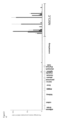
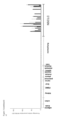
- the peptides themselves are strongly over-presented on tumor tissue but not on normal tissues (see example 3 and Figure 3 ).
- HLA-bound peptides can be recognized by the immune system, specifically T lymphocytes/T cells.
- T cells can destroy the cells presenting the recognized HLA/peptide complex, e.g. lung cancer cells presenting the derived peptides.
- the peptides of the present disclosure have been shown to be capable of stimulating T cell responses and / or are over-presented and thus can be used for the production of antibodies and / or TCRs, in particular sTCRs, as disclosed herein (see example 4 and figure 4 ). Furthermore, the peptides when complexed with the respective MHC can be used for the production of antibodies and / or TCRs, in particular sTCRs, as disclosed herein, as well. Respective methods are well known to the person of skill, and can be found in the respective literature as well. Thus, the peptides of the present disclosure are useful for generating an immune response in a patient by which tumor cells can be destroyed.
- An immune response in a patient can be induced by direct administration of the described peptides or suitable precursor substances (e.g. elongated peptides, proteins, or nucleic acids encoding these peptides) to the patient, ideally in combination with an agent enhancing the immunogenicity (i.e. an adjuvant).
- the immune response originating from such a therapeutic vaccination can be expected to be highly specific against tumor cells because the target peptides of the present disclosure are not presented on normal tissues in comparable copy numbers, preventing the risk of undesired autoimmune reactions against normal cells in the patient.
- compositions comprise the peptides either in the free form or in the form of a pharmaceutically acceptable salt.
- a pharmaceutically acceptable salt refers to a derivative of the disclosed peptides wherein the peptide is modified by making acid or base salts of the agent.
- acid salts are prepared from the free base (typically wherein the neutral form of the drug has a neutral -NH 2 group) involving reaction with a suitable acid.
- Suitable acids for preparing acid salts include both organic acids, e.g., acetic acid, propionic acid, glycolic acid, pyruvic acid, oxalic acid, malic acid, malonic acid, succinic acid, maleic acid, fumaric acid, tartaric acid, citric acid, benzoic acid, cinnamic acid, mandelic acid, methane sulfonic acid, ethane sulfonic acid, p-toluenesulfonic acid, salicylic acid, and the like, as well as inorganic acids, e.g., hydrochloric acid, hydrobromic acid, sulfuric acid, nitric acid phosphoric acid and the like.
- preparation of basic salts of acid moieties which may be present on a peptide are prepared using a pharmaceutically acceptable base such as sodium hydroxide, potassium hydroxide, ammonium hydroxide, calcium hydroxide, trimethylamine or the like.
- the pharmaceutical compositions comprise the peptides as salts of acetic acid (acetates), trifluoro acetates or hydrochloric acid (chlorides).
- the peptides of the present disclosure are also useful as diagnostics. Since the peptides were generated from lung cancer cells and since it was determined that these peptides are not or at lower levels present in normal tissues, these peptides can be used to diagnose the presence of a cancer.
- tissue biopsies can assist a pathologist in diagnosis of cancer. Detection of certain peptides by means of antibodies, mass spectrometry or other methods known in the art can tell the pathologist that the tissue is malignant or inflamed or generally diseased. Presence of groups of peptides can enable classification or sub-classification of diseased tissues.
- the detection of peptides on diseased tissue specimen can enable the decision about the benefit of therapies involving the immune system, especially if T-lymphocytes are known or expected to be involved in the mechanism of action.
- Loss of MHC expression is a well described mechanism by which infected of malignant cells escape immuno-surveillance. Thus, presence of peptides shows that this mechanism is not exploited by the analyzed cells.
- the peptides of the present disclosure might be used to analyze lymphocyte responses against those peptides such as T cell responses or antibody responses against the peptide or the peptide complexed to MHC molecules. These lymphocyte responses can be used as prognostic markers for decision on further therapy steps. These responses can also be used as surrogate markers in immunotherapy approaches aiming to induce lymphocyte responses by different means, e.g. vaccination of protein, nucleic acids, autologous materials, adoptive transfer of lymphocytes. In gene therapy settings, lymphocyte responses against peptides can be considered in the assessment of side effects. Monitoring of lymphocyte responses might also be a valuable tool for follow-up examinations of transplantation therapies, e.g. for the detection of graft versus host and host versus graft diseases.
- the peptides of the present disclosure can be used to generate and develop specific antibodies against MHC/peptide complexes. These can be used for therapy, targeting toxins or radioactive substances to the diseased tissue. Another use of these antibodies can be targeting radionuclides to the diseased tissue for imaging purposes such as PET. This use can help to detect small metastases or to determine the size and precise localization of diseased tissues.
- a method for producing a recombinant antibody specifically binding to a human major histocompatibility complex (MHC) class I or II being complexed with a HLA-restricted antigen comprising: immunizing a genetically engineered non-human mammal comprising cells expressing said human major histocompatibility complex (MHC) class I or II with a soluble form of a MHC class I or II molecule being complexed with said HLA-restricted antigen; isolating mRNA molecules from antibody producing cells of said non-human mammal; producing a phage display library displaying protein molecules encoded by said mRNA molecules; and isolating at least one phage from said phage display library, said at least one phage displaying said antibody specifically binding to said human major histocompatibility complex (MHC) class I or II being complexed with said HLA-restricted antigen.
- MHC human major histocompatibility complex
- MHC human major histocompatibility complex
- Yet another aspect of the present disclosure relates to a method of producing said antibody specifically binding to a human major histocompatibility complex (MHC) class I or II being complexed with a HLA-restricted antigen, the method comprising: immunizing a genetically engineered non-human mammal comprising cells expressing said human major histocompatibility complex (MHC) class I or II with a soluble form of a MHC class I or II molecule being complexed with said HLA-restricted antigen; isolating mRNA molecules from antibody producing cells of said non-human mammal; producing a phage display library displaying protein molecules encoded by said mRNA molecules; and isolating at least one phage from said phage display library, said at least one phage displaying said antibody specifically bindable to said human major histocompatibility complex (MHC) class I or II being complexed with said HLA-restricted antigen.
- MHC human major histocompatibility complex
- the antibody is binding with a binding affinity of below 20 nanomolar, preferably of below 10 nanomolar, to the complex, which is regarded as "specific" in the context of the present disclosure.
- soluble T-cell receptor recognizing a specific peptide-MHC complex.
- Such soluble T-cell receptors can be generated from specific T-cell clones, and their affinity can be increased by mutagenesis targeting the complementarity-determining regions.
- phage display can be used ( US 2010/0113300 , Liddy N, Bossi G, Adams KJ, Lissina A, Mahon TM, Hassan NJ, et al. Monoclonal TCR-redirected tumor cell killing. Nat Med 2012 Jun;18(6):980-987 ).
- alpha and beta chain can be linked e.g. by non-native disulfide bonds, other covalent bonds (single-chain T-cell receptor), or by dimerization domains (see Boulter JM, Glick M, Todorov PT, Baston E, Sami M, Rizkallah P, et al. Stable, soluble T-cell receptor molecules for crystallization and therapeutics. Protein Eng 2003 Sep;16(9):707-711 .; Card KF, Price-Schiavi SA, Liu B, Thomson E, Nieves E, Belmont H, et al.
- a soluble single-chain T-cell receptor IL-2 fusion protein retains MHC-restricted peptide specificity and IL-2 bioactivity. Cancer Immunol Immunother 2004 Apr;53(4):345-357 ; and Willcox BE, Gao GF, Wyer JR, O'Callaghan CA, Boulter JM, Jones EY, et al. Production of soluble alphabeta T-cell receptor heterodimers suitable for biophysical analysis of ligand binding. Protein Sci 1999 Nov; 8 (11):2418-2423 ).
- the T-cell receptor can be linked to toxins, drugs, cytokines (see US 2013/0115191 ), domains recruiting effector cells such as an anti-CD3 domain, etc., in order to execute particular functions on target cells. Moreover, it could be expressed in T cells used for adoptive transfer.
- a presentation profile is calculated showing the median sample presentation as well as replicate variation.
- the profile juxtaposes samples of the tumor entity of interest to a baseline of normal tissue samples.
- Each of these profiles can then be consolidated into an over-presentation score by calculating the p-value of a Linear Mixed-Effects Model ( J. Pinheiro, D. Bates, S. DebRoy, Sarkar D., R Core team. nlme: Linear and Nonlinear Mixed Effects Models. 2008 ) adjusting for multiple testing by False Discovery Rate ( Y. Benjamini and Y. Hochberg. Controlling the False Discovery Rate: A Practical and Powerful Approach to Multiple Testing. Journal of the Royal Statistical Society. Series B (Methodological), Vol.57 (No.1):289-300, 1995 ).
- HLA molecules from shock-frozen tissue samples were purified and HLA-associated peptides were isolated.
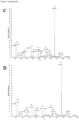
- the isolated peptides were separated and sequences were identified by online nano-electrospray-ionization (nanoESI) liquid chromatography-mass spectrometry (LC-MS) experiments.
- nanoESI nano-electrospray-ionization
- LC-MS liquid chromatography-mass spectrometry
- the proprietary discovery pipeline XPRESIDENT ® v2.1 allows the identification and selection of relevant over-presented peptide vaccine candidates based on direct relative quantitation of HLA-restricted peptide levels on cancer tissues in comparison to several different non-cancerous tissues and organs. This was achieved by the development of label-free differential quantitation using the acquired LC-MS data processed by a proprietary data analysis pipeline, combining algorithms for sequence identification, spectral clustering, ion counting, retention time alignment, charge state deconvolution and normalization.
- HLA-peptide complexes from 50 shock-frozen NSCLC tumor tissue samples were purified and HLA-associated peptides were isolated and analysed by LC-MS.
- TUMAPs identified on multiple NSCLC tumor and normal tissues were quantified using ion-counting of label-free LC-MS data.
- the method assumes that LC-MS signal areas of a peptide correlate with its abundance in the sample. All quantitative signals of a peptide in various LC-MS experiments were normalized based on central tendency, averaged per sample and merged into a bar plot, called presentation profile.
- the presentation profile consolidates different analysis methods like protein database search, spectral clustering, charge state deconvolution (decharging) and retention time alignment and normalization.
- the present disclosure therefore relates to a peptide comprising a sequence that is selected from the group consisting of SEQ ID NO: 40 or a variant thereof which is at least 90% homologous (preferably identical) to SEQ ID NO: 40 or a variant thereof that induces T cells cross-reacting with said peptide, wherein said peptide is not a full-length polypeptide.
- the present disclosure further relates to a peptide comprising a sequence that is selected from the group consisting of SEQ ID NO: 40 , wherein said peptide or variant has an overall length of between 8 and 100, preferably between 8 and 30, and most preferred between 8 and 14 amino acids.
- the present disclosure further relates to the peptide according to the invention that has the ability to bind to a molecule of the human major histocompatibility complex (MHC) class-I .
- MHC human major histocompatibility complex
- the present disclosure further relates to the peptide as disclosed herein wherein the peptide consists or consists essentially of an amino acid sequence according to SEQ ID NO: 40.
- the present disclosure further relates to the peptides as disclosed herein, wherein the peptide is modified and/or includes non-peptide bonds.
- the present disclosure further relates to the peptides as disclosed herein, wherein the peptide is a fusion protein, in particular comprising N-terminal amino acids of the HLA-DR antigen-associated invariant chain (Ii), or wherein the peptide is fused to (or into) an antibody, such as, for example, an antibody that is specific for dendritic cells.
- the peptide is a fusion protein, in particular comprising N-terminal amino acids of the HLA-DR antigen-associated invariant chain (Ii), or wherein the peptide is fused to (or into) an antibody, such as, for example, an antibody that is specific for dendritic cells.
- the present disclosure further relates to a nucleic acid, encoding the peptides as disclosed herein, provided that the peptide is not the full human protein.
- the present disclosure further relates to the nucleic acid as disclosed hereinthat is DNA, cDNA, PNA, RNA or combinations thereof.
- the present disclosure further relates to an expression vector capable of expressing a nucleic acid as disclosed herein.
- the present disclosure further relates to a peptide according to the invention, a nucleic acid as disclosed hereinor an expression vector as disclosed hereinfor use in medicine.
- the present disclosure further relates to a host cell comprising a nucleic acid as disclosed herein or an expression vector as disclosed herein.
- the present disclosure further relates to the host cell as disclosed herein that is an antigen presenting cell.
- the present disclosure further relates to the host cell as disclosed herein wherein the antigen presenting cell is a dendritic cell.
- the present disclosure further relates to a method of producing a peptide as disclosed herein, the method comprising culturing the host cell described and isolating the peptide from the host cell or its culture medium.
- the present disclosure further relates to an in vitro method for producing activated cytotoxic T lymphocytes (CTL), the method comprising contacting in vitro CTL with antigen loaded human class I or II MHC molecules expressed on the surface of a suitable antigen-presenting cell for a period of time sufficient to activate said CTL in an antigen specific manner, wherein said antigen is any peptide as disclosed herein.
- CTL cytotoxic T lymphocytes
- the present disclosure further relates to the method as described, wherein said antigen is loaded onto class I or II MHC molecules expressed on the surface of a suitable antigen-presenting cell by contacting a sufficient amount of the antigen with an antigen-presenting cell.
- the present disclosure further relates to the method as disclosed herein, wherein the antigen-presenting cell comprises an expression vector capable of expressing said peptide containing SEQ ID NO: 40 or said variant amino acid sequence.
- the present disclosure further relates to activated cytotoxic T lymphocytes (CTL), produced by the method according to the invention, which selectively recognise a cell which aberrantly expresses a polypeptide comprising an amino acid sequence described.
- CTL cytotoxic T lymphocytes
- the present disclosure further relates to a method of killing target cells in a patient which target cells aberrantly express a polypeptide comprising any amino acid sequence as disclosed herein, the method comprising administering to the patient an effective number of cytotoxic T lymphocytes (CTL) as disclosed herein.
- CTL cytotoxic T lymphocytes
- the present disclosure further relates to the use of any peptide as disclosed herein, a nucleic acid as disclosed herein, an expression vector as disclosed herein, a cell as disclosed herein, or an activated cytotoxic T lymphocyte as disclosed herein as a medicament or in the manufacture of a medicament.
- the present disclosure further relates to a use as disclosed herein, wherein the medicament is a vaccine.
- the present disclosure further relates to a use as disclosed herein, wherein the medicament is active against cancer.
- the present disclosure further relates to a use as disclosed herein, wherein said cancer cells are lung cancer cells, gastric, gastrointestinal, colorectal, pancreatic or renal.
- the present disclosure further relates to particular marker proteins and biomarkers that can be used in the prognosis of lung cancer.
- the present disclosure relates to the use of the novel targets as disclosed herein for cancer treatment.
- antibody or “antibodies” is used herein in a broad sense and includes both polyclonal and monoclonal antibodies.
- immunoglobulin molecules also included in the term “antibodies” are fragments or polymers of those immunoglobulin molecules and humanized versions of immunoglobulin molecules, so long as they exhibit any of the desired properties (e.g., specific binding of an lung cancer marker polypeptide, delivery of a toxin to an lung cancer cell expressing a lung cancer marker gene at an increased level, and/or inhibiting the activity of a lung cancer marker polypeptide) as disclosed herein.
- the antibodies of the disclosure may be purchased from commercial sources.
- the antibodies of the disclosure may also be generated using well-known methods.
- the skilled artisan will understand that either full length lung cancer marker polypeptides or fragments thereof may be used to generate the antibodies of the disclosure.
- a polypeptide to be used for generating an antibody of the disclosure may be partially or fully purified from a natural source, or may be produced using recombinant DNA techniques.
- a cDNA encoding a ABCA13, MMP12, DST, MXRA5, CDK4, HNRNPH, TANC2, 1RNF213, SMYD3 and SLC34A2, or any other polypeptide of SEQ ID NO: 40 polypeptide, or a fragment thereof can be expressed in prokaryotic cells (e.g., bacteria) or eukaryotic cells (e.g., yeast, insect, or mammalian cells), after which the recombinant protein can be purified and used to generate a monoclonal or polyclonal antibody preparation that specifically bind the lung cancer marker polypeptide used to generate the antibody as disclosed herein.
- prokaryotic cells e.g., bacteria
- eukaryotic cells e.g., yeast, insect, or mammalian cells
- the antibodies may be tested in ELISA assays, Western blots, immunohistochemical staining of formalin-fixed lung cancers or frozen tissue sections. After their initial in vitro characterization, antibodies intended for therapeutic or in vivo diagnostic use are tested according to known clinical testing methods.
- the term "monoclonal antibody” as used herein refers to an antibody obtained from a substantially homogeneous population of antibodies, i.e.; the individual antibodies comprising the population are identical except for possible naturally occurring mutations that may be present in minor amounts.
- the monoclonal antibodies herein specifically include "chimeric" antibodies in which a portion of the heavy and/or light chain is identical with or homologous to corresponding sequences in antibodies derived from a particular species or belonging to a particular antibody class or subclass, while the remainder of the chain(s) is identical with or homologous to corresponding sequences in antibodies derived from another species or belonging to another antibody class or subclass, as well as fragments of such antibodies, so long as they exhibit the desired antagonistic activity ( U.S. Pat. No. 4,816,567
- Monoclonal antibodies of the disclosure may be prepared using hybridoma methods.
- a hybridoma method a mouse or other appropriate host animal is typically immunized with an immunizing agent to elicit lymphocytes that produce or are capable of producing antibodies that will specifically bind to the immunizing agent.
- the lymphocytes may be immunized in vitro.
- the monoclonal antibodies may also be made by recombinant DNA methods, such as those described in U.S. Pat. No. 4,816,567 .
- DNA encoding the monoclonal antibodies of the disclosure can be readily isolated and sequenced using conventional procedures (e.g., by using oligonucleotide probes that are capable of binding specifically to genes encoding the heavy and light chains of murine antibodies).
- In vitro methods are also suitable for preparing monovalent antibodies.
- Digestion of antibodies to produce fragments thereof, particularly, Fab fragments can be accomplished using routine techniques known in the art. For instance, digestion can be performed using papain. Examples of papain digestion are described in WO 94/29348 published Dec. 22, 1994 and U.S. Pat. No. 4,342,566 .
- Papain digestion of antibodies typically produces two identical antigen binding fragments, called Fab fragments, each with a single antigen binding site, and a residual Fe fragment. Pepsin treatment yields a fragment that has two antigen combining sites and is still capable of cross-linking antigen.
- the antibody fragments can also include insertions, deletions, substitutions, or other selected modifications of particular regions or specific amino acids residues, provided the activity of the fragment is not significantly altered or impaired compared to the non-modified antibody or antibody fragment. These modifications can provide for some additional property, such as to remove/add amino acids capable of disulfide bonding, to increase its bio-longevity, to alter its secretory characteristics, etc.
- the antibody fragment must possess a bioactive property, such as binding activity, regulation of binding at the binding domain, etc.
- Functional or active regions of the antibody may be identified by mutagenesis of a specific region of the protein, followed by expression and testing of the expressed polypeptide. Such methods are readily apparent to a skilled practitioner in the art and can include site-specific mutagenesis of the nucleic acid encoding the antibody fragment.
- the antibodies of the disclosure may further comprise humanized antibodies or human antibodies.
- Humanized forms of non-human (e.g., murine) antibodies are chimeric immunoglobulins, immunoglobulin chains or fragments thereof (such as Fv, Fab, Fab' or other antigen-binding subsequences of antibodies) which contain minimal sequence derived from non-human immunoglobulin.
- Humanized antibodies include human immunoglobulins (recipient antibody) in which residues from a complementary determining region (CDR) of the recipient are replaced by residues from a CDR of a non-human species (donor antibody) such as mouse, rat or rabbit having the desired specificity, affinity and capacity.
- CDR complementary determining region
- Fv framework (FR) residues of the human immunoglobulin are replaced by corresponding non-human residues.
- Humanized antibodies may also comprise residues which are found neither in the recipient antibody nor in the imported CDR or framework sequences.
- the humanized antibody will comprise substantially all of at least one, and typically two, variable domains, in which all or substantially all of the CDR regions correspond to those of a non-human immunoglobulin and all or substantially all of the FR regions are those of a human immunoglobulin consensus sequence.
- the humanized antibody optimally also will comprise at least a portion of an immunoglobulin constant region (Fc), typically that of a human immunoglobulin.
- Fc immunoglobulin constant region
- a humanized antibody has one or more amino acid residues introduced into it from a source which is non-human. These non-human amino acid residues are often referred to as "import" residues, which are typically taken from an "import” variable domain. Humanization can be essentially performed by substituting rodent CDRs or CDR sequences for the corresponding sequences of a human antibody. Accordingly, such "humanized” antibodies are chimeric antibodies ( U.S. Pat. No. 4,816,567 ), wherein substantially less than an intact human variable domain has been substituted by the corresponding sequence from a non-human species. In practice, humanized antibodies are typically human antibodies in which some CDR residues and possibly some FR residues are substituted by residues from analogous sites in rodent antibodies.
- Transgenic animals e.g., mice
- mice that are capable, upon immunization, of producing a full repertoire of human antibodies in the absence of endogenous immunoglobulin production can be employed.
- Antibodies of the disclosure are preferably administered to a subject in a pharmaceutically acceptable carrier.
- a pharmaceutically-acceptable salt is used in the formulation to render the formulation isotonic.
- the pharmaceutically-acceptable carrier include saline, Ringer's solution and dextrose solution.
- the pH of the solution is preferably from about 5 to about 8, and more preferably from about 7 to about 7.5.
- Further carriers include sustained release preparations such as semipermeable matrices of solid hydrophobic polymers containing the antibody, which matrices are in the form of shaped articles, e.g., films, liposomes or microparticles. It will be apparent to those persons skilled in the art that certain carriers may be more preferable depending upon, for instance, the route of administration and concentration of antibody being administered.
- the antibodies can be administered to the subject, patient, or cell by injection (e.g., intravenous, intraperitoneal, subcutaneous, intramuscular), or by other methods such as infusion that ensure its delivery to the bloodstream in an effective form.
- the antibodies may also be administered by intratumoral or peritumoral routes, to exert local as well as systemic therapeutic effects. Local or intravenous injection is preferred.
- Effective dosages and schedules for administering the antibodies may be determined empirically, and making such determinations is within the skill in the art. Those skilled in the art will understand that the dosage of antibodies that must be administered will vary depending on, for example, the subject that will receive the antibody, the route of administration, the particular type of antibody used and other drugs being administered. A typical daily dosage of the antibody used alone might range from about 1 ( ⁇ g/kg to up to 100 mg/kg of body weight or more per day, depending on the factors mentioned above.
- the efficacy of the therapeutic antibody can be assessed in various ways well known to the skilled practitioner. For instance, the size, number, and/or distribution of lung cancer in a subject receiving treatment may be monitored using standard tumor imaging techniques.
- lung tumor markers ABCA13, MMP12 of the disclosure are highly expressed in lung cancer cells and are expressed at extremely low levels in normal cells, inhibition of ABCA13 and MMP12 expression or polypeptide activity may be integrated into any therapeutic strategy for treating or preventing NSCLC.
- the principle of antisense therapy is based on the hypothesis that sequence-specific suppression of gene expression (via transcription or translation) may be achieved by intra-cellular hybridization between genomic DNA or mRNA and a complementary antisense species.
- sequence-specific suppression of gene expression via transcription or translation
- a complementary antisense species may be achieved by intra-cellular hybridization between genomic DNA or mRNA and a complementary antisense species.
- the formation of such a hybrid nucleic acid duplex interferes with transcription of the target tumor antigen-encoding genomic DNA, or processing/transport/translation and/or stability of the target tumor antigen mRNA.
- Antisense nucleic acids can be delivered by a variety of approaches.
- antisense oligonucleotides or anti-sense RNA can be directly administered (e.g., by intravenous injection) to a subject in a form that allows uptake into tumor cells.
- viral or plasmid vectors that encode antisense RNA (or RNA fragments) can be introduced into cells in vivo.
- Antisense effects can also be induced by sense sequences; however, the extent of phenotypic changes is highly variable. Phenotypic changes induced by effective antisense therapy are assessed according to changes in, e.g., target mRNA levels, target protein levels, and/or target protein activity levels.
- inhibition of lung tumor marker function by antisense gene therapy may be accomplished by direct administration of antisense lung tumor marker RNA to a subject.
- the antisense tumor marker RNA may be produced and isolated by any standard technique, but is most readily produced by in vitro transcription using an antisense tumor marker cDNA under the control of a high efficiency promoter (e.g., the T7 promoter).
- Administration of anti-sense tumor marker RNA to cells can be carried out by any of the methods for direct nucleic acid administration described below.
- An alternative strategy for inhibiting ABCA13, and MMP12 function using gene therapy involves intracellular expression of an anti-ABCA13, MMP12 antibody or a portion of an anti- ABCA13, MMP12 antibody.
- the gene (or gene fragment) encoding a monoclonal antibody that specifically binds to an ABCA13, MMP12 polypeptide and inhibits its biological activity is placed under the transcriptional control of a specific (e.g., tissue- or tumor-specific) gene regulatory sequence, within a nucleic acid expression vector.
- the vector is then administered to the subject such that it is taken up by lung cancer cells or other cells, which then secrete the anti-ABCA13, MMP12 antibody and thereby block biological activity of the ABCA13, MMP12 polypeptide.
- the ABCA13, MMP12polypeptides are present at the extracellular surface of gastric cancer cells.
- the nucleic acids of the present disclosure can be in the form of naked DNA or the nucleic acids can be in a vector for delivering the nucleic acids to the cells for inhibition of gastric tumor marker protein expression.
- the vector can be a commercially available preparation, such as an adenovirus vector (Quantum Biotechnologies, Inc. (Laval, Quebec, Canada). Delivery of the nucleic acid or vector to cells can be via a variety of mechanisms.
- delivery can be via a liposome, using commercially available liposome preparations such as LIPOFECTIN, LIPOFECTAMINE (GIBCO-25 BRL, Inc., Gaithersburg, Md.), SUPERFECT (Qiagen, Inc. Hilden, Germany) and TRANSFECTAM (Promega Biotec, Inc., Madison, Wis.), as well as other liposomes developed according to procedures standard in the art.
- the nucleic acid or vector of this disclosure can be delivered in vivo by electroporation, the technology for which is available from Genetronics, Inc. (San Diego, Calif.) as well as by means of a SONOPORATION machine (ImaRx Pharmaceutical Corp., Arlington, Arizona).
- vector delivery can be via a viral system, such as a retroviral vector system that can package a recombinant retroviral genome.
- the recombinant retrovirus can then be used to infect and thereby deliver to the infected cells antisense nucleic acid that inhibits expression of ABCA13, MMP12.
- the exact method of introducing the altered nucleic acid into mammalian cells is, of course, not limited to the use of retroviral vectors.
- Other techniques are widely available for this procedure including the use of adenoviral vectors, adeno-associated viral (AAV) vectors, lentiviral vectors, pseudotyped retroviral vectors.
- Physical transduction techniques can also be used, such as liposome delivery and receptor-mediated and other endocytosis mechanisms. This disclosure can be used in conjunction with any of these or other commonly used gene transfer methods.
- the antibodies may also be used for in vivo diagnostic assays.
- the antibody is labeled with a radionucleotide (such as 111 In, 99 Tc, 14 C, 131 I, 3 H, 32 P or 35 S) so that the tumor can be localized using immunoscintiography.
- a radionucleotide such as 111 In, 99 Tc, 14 C, 131 I, 3 H, 32 P or 35 S
- antibodies or fragments thereof bind to the extracellular domains of two or more ABCA13, MMP12 targets and the affinity value (Kd) is less than 1 x 10 ⁇ M.
- Antibodies for diagnostic use may be labeled with probes suitable for detection by various imaging methods.
- Methods for detection of probes include, but are not limited to, fluorescence, light, confocal and electron microscopy; magnetic resonance imaging and spectroscopy; fluoroscopy, computed tomography and positron emission tomography.
- Suitable probes include, but are not limited to, fluorescein, rhodamine, eosin and other fluorophores, radioisotopes, gold, gadolinium and other lanthanides, paramagnetic iron, fluorine-18 and other positron-emitting radionuclides. Additionally, probes may be bi- or multi-functional and be detectable by more than one of the methods listed.
- the disease tissue sample may be fresh or frozen or may be embedded in paraffin and fixed with a preservative such as formalin.
- the fixed or embedded section contains the sample are contacted with a labeled primary antibody and secondary antibody, wherein the antibody is used to detect the ABCA13, MMP12 proteins express in situ.
- the present disclosure thus provides a peptide comprising a sequence that is selected from the group of consisting SEQ ID NO: 40 or a variant thereof which is 90% homologous to SEQ ID NO: 40 or a variant thereof that will induce T cells cross-reacting with said peptide.
- the peptides of the disclosure have the ability to bind to a molecule of the human major histocompatibility complex (MHC) class-I and / or class II.
- MHC human major histocompatibility complex
- homologous refers to the degree of identity (see Percent Identity above) between sequences of two amino acid sequences, i.e. peptide or polypeptide sequences.
- the aforementioned "homology” is determined by comparing two sequences aligned under optimal conditions over the sequences to be compared. Such a sequence homology can be calculated by creating an alignment using, for example, the ClustalW algorithm.
- sequence analysis software more specifically, Vector NTI, GENETYX or other analysis tools are provided by public databases.
- T cells induced by a variant of a specific peptide will be able to cross-react with the peptide itself (Fong et al., 2001); (Zaremba et al., 1997; Colombetti et al., 2006; Appay et al., 2006).
- the inventors mean that the side chains of, for example, one or two of the amino acid residues are altered (for example by replacing them with the side chain of another naturally occurring amino acid residue or some other side chain) such that the peptide is still able to bind to an HLA molecule in substantially the same way as a peptide consisting of the given amino acid sequence in consisting of SEQ ID NO: 40.
- a peptide may be modified so that it at least maintains, if not improves, the ability to interact with and bind to the binding groove of a suitable MHC molecule, such as HLA-A*02 or -DR, and in that way it at least maintains, if not improves, the ability to bind to the TCR of activated CTL.
- a suitable MHC molecule such as HLA-A*02 or -DR
- CTL can subsequently cross-react with cells and kill cells that express a polypeptide that contains the natural amino acid sequence of the cognate peptide as defined in the aspects of the disclosure.
- certain positions of HLA binding peptides are typically anchor residues forming a core sequence fitting to the binding motif of the HLA receptor, which is defined by polar, electrophysical, hydrophobic and spatial properties of the polypeptide chains constituting the binding groove.
- variants of the present disclosure retain the ability to bind to the TCR of activated CTL, which can subsequently cross-react with- and kill cells that express a polypeptide containing the natural amino acid sequence of the cognate peptide as defined in the aspects of the disclosure.
- the peptide of the disclosure may be any peptide (by which term the inventors include oligopeptide or polypeptide), which includes the amino acid sequences or a portion or variant thereof as given.
- MHC class I epitopes although usually between 8-11 amino acids long, are generated by peptide processing from longer peptides or proteins that include the actual epitope. It is preferred that the residues that flank the actual epitope are residues that do not substantially affect proteolytic cleavage necessary to expose the actual epitope during processing.
- the present disclosure also provides peptides and variants of MHC class I epitopes wherein the peptide or variant has an overall length of between 8 and 100, preferably between 8 and 30, and most preferred between 8 and 14, namely 8, 9, 10, 11, 12, 13, 14 amino acids, in case of the class II binding peptides the length can also be 15, 16, 17, 18, 19, 20, 21 or 33 amino acids.
- the peptide or variant as disclosed herein will have the ability to bind to a molecule of the human major histocompatibility complex (MHC) class I. Binding of a peptide or a variant to a MHC complex may be tested by methods known in the art.
- MHC human major histocompatibility complex
- the peptide consists or consists essentially of an amino acid sequence according to SEQ ID NO: 40.
- Consisting essentially of shall mean that a peptide as disclosed herein, in addition to the sequence according to SEQ ID NO: 40 or a variant thereof contains additional N- and/or C-terminally located stretches of amino acids that are not necessarily forming part of the peptide that functions as an epitope for MHC molecules epitope.
- the peptide is a fusion protein which comprises, for example, the 80 N-terminal amino acids of the HLA-DR antigen-associated invariant chain (p33, in the following "Ii") as derived from the NCBI, GenBank Accession number X00497.
- the peptides of the present disclosure can be fused to an antibody as described herein, or a functional part thereof, in particular into a sequence of an antibody, so as to be specifically targeted by said antibody, or, for example, to or into an antibody that is specific for dendritic cells.
- the peptide or variant may be modified further to improve stability and/or binding to MHC molecules in order to elicit a stronger immune response.
- Methods for such an optimization of a peptide sequence are well known in the art and include, for example, the introduction of reverse peptide bonds or non-peptide bonds.
- United States Patent 4,897,445 provides a method for the solid phase synthesis of non-peptide bonds (-CH 2 -NH) in polypeptide chains which involves polypeptides synthesized by standard procedures and the non-peptide bond synthesized by reacting an amino aldehyde and an amino acid in the presence of NaCNBH 3 .
- Peptides comprising the sequences described above may be synthesized with additional chemical groups present at their amino and/or carboxy termini, to enhance the stability, bioavailability, and/or affinity of the peptides.
- additional chemical groups such as carbobenzoxyl, dansyl, or t-butyloxycarbonyl groups may be added to the peptides' amino termini.
- an acetyl group or a 9-fluorenylmethoxy-carbonyl group may be placed at the peptides' amino termini.
- the hydrophobic group, t-butyloxycarbonyl, or an amido group may be added to the peptides' carboxy termini.
- the peptides of the disclosure may be synthesized to alter their steric configuration.
- the D-isomer of one or more of the amino acid residues of the peptide may be used, rather than the usual L-isomer.
- at least one of the amino acid residues of the peptides of the disclosure may be substituted by one of the well-known non-naturally occurring amino acid residues. Alterations such as these may serve to increase the stability, bioavailability and/or binding action of the peptides of the disclosure.
- a peptide or variant of the disclosure may be modified chemically by reacting specific amino acids either before or after synthesis of the peptide. Examples for such modifications are well known in the art and are summarized e.g. in R. Lundblad, Chemical Reagents for Protein Modification, 3rd ed. CRC Press, 2005 .
- Chemical modification of amino acids includes but is not limited to, modification by acylation, amidination, pyridoxylation of lysine, reductive alkylation, trinitrobenzylation of amino groups with 2,4,6-trinitrobenzene sulphonic acid (TNBS), amide modification of carboxyl groups and sulphydryl modification by performic acid oxidation of cysteine to cysteic acid, formation of mercurial derivatives, formation of mixed disulphides with other thiol compounds, reaction with maleimide, carboxymethylation with iodoacetic acid or iodoacetamide and carbamoylation with cyanate at alkaline pH, although without limitation thereto.
- TNBS 2,4,6-trinitrobenzene sulphonic acid
- modification of e.g. arginyl residues in proteins is often based on the reaction of vicinal dicarbonyl compounds such as phenylglyoxal, 2,3-butanedione, and 1,2-cyclohexanedione to form an adduct.
- vicinal dicarbonyl compounds such as phenylglyoxal, 2,3-butanedione, and 1,2-cyclohexanedione to form an adduct.
- Another example is the reaction of methylglyoxal with arginine residues.
- Cysteine can be modified without concomitant modification of other nucleophilic sites such as lysine and histidine.
- a large number of reagents are available for the modification of cysteine.
- the websites of companies such as Sigma-Aldrich (http://www.sigma-aldrich.com) provide information on specific reagents.
- Disulfide bonds can be formed and oxidized during the heat treatment of biopharmaceuticals.
- Woodward's Reagent K may be used to modify specific glutamic acid residues.
- N-(3-(dimethylamino)propyl)-N'-ethylcarbodiimide can be used to form intra-molecular crosslinks between a lysine residue and a glutamic acid residue.
- diethylpyrocarbonate is a reagent for the modification of histidyl residues in proteins.
- Histidine can also be modified using 4-hydroxy-2-nonenal.
- lysine residues and other ⁇ -amino groups are, for example, useful in binding of peptides to surfaces or the cross-linking of proteins/peptides.
- Lysine is the site of attachment of poly(ethylene)glycol and the major site of modification in the glycosylation of proteins.
- Methionine residues in proteins can be modified with e.g. iodoacetamide, bromoethylamine, and chloramine T.
- Tetranitromethane and N-acetylimidazole can be used for the modification of tyrosyl residues.
- Cross-linking via the formation of dityrosine can be accomplished with hydrogen peroxide/copper ions.
- a peptide or variant, wherein the peptide is modified or includes non-peptide bonds is a preferred embodiment of the disclosure.
- peptides and variants may be synthesized by the Fmoc-polyamide mode of solid-phase peptide synthesis as disclosed by Lu et al (1981) and references therein.
- Temporary N-amino group protection is afforded by the 9-fluorenylmethyloxycarbonyl (Fmoc) group. Repetitive cleavage of this highly base-labile protecting group is done using 20% piperidine in N, N-dimethylformamide.
- Side-chain functionalities may be protected as their butyl ethers (in the case of serine threonine and tyrosine), butyl esters (in the case of glutamic acid and aspartic acid), butyloxycarbonyl derivative (in the case of lysine and histidine), trityl derivative (in the case of cysteine) and 4-methoxy-2,3,6-trimethylbenzenesulphonyl derivative (in the case of arginine).
- glutamine or asparagine are C-terminal residues, use is made of the 4,4'-dimethoxybenzhydryl group for protection of the side chain amido functionalities.
- the solid-phase support is based on a polydimethyl-acrylamide polymer constituted from the three monomers dimethylacrylamide (backbone-monomer), bisacryloylethylene diamine (cross linker) and acryloylsarcosine methyl ester (functionalizing agent).
- the peptide-to-resin cleavable linked agent used is the acid-labile 4-hydroxymethyl-phenoxyacetic acid derivative. All amino acid derivatives are added as their preformed symmetrical anhydride derivatives with the exception of asparagine and glutamine, which are added using a reversed N, N-dicyclohexylcarbodiimide/1hydroxybenzotriazole mediated coupling procedure.
- peptides are cleaved from the resin support with concomitant removal of side-chain protecting groups by treatment with 95% trifluoroacetic acid containing a 50 % scavenger mix.
- Scavengers commonly used include ethandithiol, phenol, anisole and water, the exact choice depending on the constituent amino acids of the peptide being synthesized. Also a combination of solid phase and solution phase methodologies for the synthesis of peptides is possible (see, for example (Bruckdorfer et al., 2004) and the references as cited therein).
- Trifluoroacetic acid is removed by evaporation in vacuo, with subsequent trituration with diethyl ether affording the crude peptide.
- Any scavengers present are removed by a simple extraction procedure which on lyophilisation of the aqueous phase affords the crude peptide free of scavengers.
- Reagents for peptide synthesis are generally available from e.g. Calbiochem-Novabiochem (UK) Ltd, Nottingham NG7 2QJ, UK.
- Purification may be performed by any one, or a combination of, techniques such as recrystallization, size exclusion chromatography, ion-exchange chromatography, hydrophobic interaction chromatography and (usually) reverse-phase high performance liquid chromatography using e.g. acetonitril/water gradient separation.
- Analysis of peptides may be carried out using thin layer chromatography, electrophoresis, in particular capillary electrophoresis, solid phase extraction (CSPE), reverse-phase high performance liquid chromatography, amino-acid analysis after acid hydrolysis and by fast atom bombardment (FAB) mass spectrometric analysis, as well as MALDI and ESI-Q-TOF mass spectrometric analysis.
- electrophoresis in particular capillary electrophoresis
- CSPE solid phase extraction
- FAB fast atom bombardment
- MALDI and ESI-Q-TOF mass spectrometric analysis as well as MALDI and ESI-Q-TOF mass spectrometric analysis.
- a further aspect of the disclosure provides a nucleic acid (for example a polynucleotide) encoding a peptide or peptide variant of the disclosure.
- the polynucleotide may be, for example, DNA, cDNA, PNA, RNA or combinations thereof, either single- and/or double-stranded, or native or stabilized forms of polynucleotides, such as, for example, polynucleotides with a phosphorothioate backbone and it may or may not contain introns so long as it codes for the peptide.
- a still further aspect of the disclosure provides an expression vector capable of expressing a polypeptide as disclosed herein.
- a variety of methods have been developed to link polynucleotides, especially DNA, to vectors for example via complementary cohesive termini. For instance, complementary homopolymer tracts can be added to the DNA segment to be inserted to the vector DNA. The vector and DNA segment are then joined by hydrogen bonding between the complementary homopolymeric tails to form recombinant DNA molecules.
- Synthetic linkers containing one or more restriction sites provide an alternative method of joining the DNA segment to vectors.
- Synthetic linkers containing a variety of restriction endonuclease sites are commercially available from a number of sources including International Biotechnologies Inc. New Haven, CN, USA.
- a desirable method of modifying the DNA encoding the polypeptide of the disclosure employs the polymerase chain reaction as disclosed by (Saiki et al., 1988)). This method may be used for introducing the DNA into a suitable vector, for example by engineering in suitable restriction sites, or it may be used to modify the DNA in other useful ways as is known in the art. If viral vectors are used, pox- or adenovirus vectors are preferred.
- the DNA (or in the case of retroviral vectors, RNA) may then be expressed in a suitable host to produce a polypeptide comprising the peptide or variant of the disclosure.
- the DNA encoding the peptide or variant of the disclosure may be used in accordance with known techniques, appropriately modified in view of the teachings contained herein, to construct an expression vector, which is then used to transform an appropriate host cell for the expression and production of the polypeptide of the disclosure.
- Such techniques include those disclosed in US Patent Nos.
- DNA (or in the case of retroviral vectors, RNA) encoding the polypeptide constituting the compound of the disclosure may be joined to a wide variety of other DNA sequences for introduction into an appropriate host.
- the companion DNA will depend upon the nature of the host, the manner of the introduction of the DNA into the host, and whether episomal maintenance or integration is desired.
- the DNA is inserted into an expression vector, such as a plasmid, in proper orientation and correct reading frame for expression.
- an expression vector such as a plasmid
- the DNA may be linked to the appropriate transcriptional and translational regulatory control nucleotide sequences recognized by the desired host, although such controls are generally available in the expression vector.
- the vector is then introduced into the host through standard techniques. Generally, not all of the hosts will be transformed by the vector. Therefore, it will be necessary to select for transformed host cells.
- One selection technique involves incorporating into the expression vector a DNA sequence, with any necessary control elements, that codes for a selectable trait in the transformed cell, such as antibiotic resistance.
- the gene for such selectable trait can be on another vector, which is used to co-transform the desired host cell.
- Host cells that have been transformed by the recombinant DNA of the disclosure are then cultured for a sufficient time and under appropriate conditions known to those skilled in the art in view of the teachings disclosed herein to permit the expression of the polypeptide, which can then be recovered.
- bacteria for example E. coli and Bacillus subtilis
- yeasts for example Saccharomyces cerevisiae
- filamentous fungi for example Aspergillus spec .
- plant cells animal cells and insect cells.
- the system can be mammalian cells such as CHO cells available from the ATCC Cell Biology Collection.
- the present disclosure also relates to a host cell transformed with a polynucleotide vector construct of the present disclosure.
- the host cell can be either prokaryotic or eukaryotic.
- Bacterial cells may be preferred prokaryotic host cells in some circumstances and typically are a strain of E. coli such as, for example, the E. coli strains DH5 available from Bethesda Research Laboratories Inc., Bethesda, MD, USA, and RR1 available from the American Type Culture Collection (ATCC) of Rockville, MD, USA (No ATCC 31343).
- ATCC American Type Culture Collection
- Preferred eukaryotic host cells include yeast, insect and mammalian cells, preferably vertebrate cells such as those from a mouse, rat, monkey or human fibroblastic and colon cell lines.
- Yeast host cells include YPH499, YPH500 and YPH501, which are generally available from Stratagene Cloning Systems, La Jolla, CA 92037, USA.
- Preferred mammalian host cells include Chinese hamster ovary (CHO) cells available from the ATCC as CCL61, NIH Swiss mouse embryo cells NIH/3T3 available from the ATCC as CRL 1658, monkey kidney-derived COS-1 cells available from the ATCC as CRL 1650 and 293 cells which are human embryonic kidney cells.
- Preferred insect cells are Sf9 cells which can be transfected with baculovirus expression vectors.
- An overview regarding the choice of suitable host cells for expression can be found in, for example, the textbook of Paulina Balbás and Argelia Lorence "Methods in Molecular Biology Recombinant Gene Expression, Reviews and Protocols," Part One, Second Edition, ISBN 978-1-58829-262-9 , and other literature known to the person of skill.
- Transformation of appropriate cell hosts with a DNA construct of the present disclosure is accomplished by well-known methods that typically depend on the type of vector used.
- transformation of prokaryotic host cells see, for example, Cohen et al (1972) Proc. Natl. Acad. Sci. USA 69, 2110 , and Sambrook et al (1989) Molecular Cloning, A Laboratory Manual, Cold Spring Harbor Laboratory, Cold Spring Harbor, NY . Transformation of yeast cells is described in Sherman et al (1986) Methods In Yeast Genetics, A Laboratory Manual, Cold Spring Harbor, NY . The method of Beggs (1978) Nature 275,104-109 is also useful.
- reagents useful in transfecting such cells for example calcium phosphate and DEAE-dextran or liposome formulations, are available from Stratagene Cloning Systems, or Life Technologies Inc., Gaithersburg, MD 20877, USA. Electroporation is also useful for transforming and/or transfecting cells and is well known in the art for transforming yeast cell, bacterial cells, insect cells and vertebrate cells.
- Successfully transformed cells i.e. cells that contain a DNA construct of the present disclosure, can be identified by well-known techniques such as PCR. Alternatively, the presence of the protein in the supernatant can be detected using antibodies.
- host cells of the disclosure are useful in the preparation of the peptides of the disclosure, for example bacterial, yeast and insect cells.
- other host cells may be useful in certain therapeutic methods.
- antigen-presenting cells such as dendritic cells, may usefully be used to express the peptides of the disclosure such that they may be loaded into appropriate MHC molecules.
- the current disclosure provides a host cell comprising a nucleic acid or an expression vector as disclosed herein.
- the host cell is an antigen presenting cell, in particular a dendritic cell or antigen presenting cell.
- APCs loaded with a recombinant fusion protein containing prostatic acid phosphatase (PAP) are currently under investigation for the treatment of prostate cancer (Sipuleucel-T) (Small et al., 2006; Rini et al., 2006).
- a further aspect of the disclosure provides a method of producing a peptide or its variant, the method comprising culturing a host cell and isolating the peptide from the host cell or its culture medium.
- the peptide, the nucleic acid or the expression vector of the disclosure are used in medicine.
- the peptide or its variant may be prepared for intravenous (i.v.) injection, sub-cutaneous (s.c.) injection, intradermal (i.d.) injection, intraperitoneal (i.p.) injection, intramuscular (i.m.) injection.
- Preferred methods of peptide injection include s.c., i.d., i.p., i.m., and i.v.
- Preferred methods of DNA injection include i.d., i.m., s.c., i.p. and i.v.
- peptide or DNA between 50 ⁇ g and 1.5 mg, preferably 125 ⁇ g to 500 ⁇ g, of peptide or DNA may be given and will depend on the respective peptide or DNA. Dosages of this range were successfully used in previous trials ( Walter et al Nature Medicine 18, 1254-1261 (2012 )).
- Another aspect of the present disclosure includes an in vitro method for producing activated T cells, the method comprising contacting in vitro T cells with antigen loaded human MHC molecules expressed on the surface of a suitable antigen-presenting cell for a period of time sufficient to activate the T cell in an antigen specific manner, wherein the antigen is a peptide as disclosed herein.
- the antigen is a peptide as disclosed herein.
- a sufficient amount of the antigen is used with an antigen-presenting cell.
- the mammalian cell lacks or has a reduced level or function of the TAP peptide transporter.
- Suitable cells that lack the TAP peptide transporter include T2, RMA-S and Drosophila cells.
- TAP is the transporter associated with antigen processing.
- the human peptide loading deficient cell line T2 is available from the American Type Culture Collection, 12301 Parklawn Drive, Rockville, Maryland 20852, USA under Catalogue No CRL 1992; the Drosophila cell line Schneider line 2 is available from the ATCC under Catalogue No CRL 19863; the mouse RMA-S cell line is described in Karre et al 1985.
- the host cell before transfection expresses substantially no MHC class I molecules. It is also preferred that the stimulator cell expresses a molecule important for providing a co-stimulatory signal for T-cells such as any of B7.1, B7.2, ICAM-1 and LFA 3.
- a molecule important for providing a co-stimulatory signal for T-cells such as any of B7.1, B7.2, ICAM-1 and LFA 3.
- the nucleic acid sequences of numerous MHC class I molecules and of the co-stimulator molecules are publicly available from the GenBank and EMBL databases.
- the T cells are CD8-positive CTLs.
- an antigen-presenting cell is transfected to express such an epitope
- the cell comprises an expression vector capable of expressing a peptide containing SEQ ID NO: 40, or a variant amino acid sequence thereof.
- a number of other methods may be used for generating CTL in vitro.
- the methods described in Peoples et al (1995) and Kawakami et al (1992) use autologous tumor-infiltrating lymphocytes in the generation of CTL.
- Plebanski et al (1995) makes use of autologous peripheral blood lymphocytes (PLBs) in the preparation of CTL.
- Jochmus et al (1997) describes the production of autologous CTL by pulsing dendritic cells with peptide or polypeptide, or via infection with recombinant virus.
- Hill et al (1995) and Jerome et al (1993) make use of B cells in the production of autologous CTL.
- macrophages pulsed with peptide or polypeptide, or infected with recombinant virus may be used in the preparation of autologous CTL.
- S. Walter et al. 2003 describe the in vitro priming of T cells by using artificial antigen presenting cells (aAPCs), which is also a suitable way for generating T cells against the peptide of choice.
- aAPCs were generated by the coupling of preformed MHC:peptide complexes to the surface of polystyrene particles (microbeads) by biotin:streptavidin biochemistry.
- aAPC should carry other proteins with co-stimulatory activity like anti-CD28 antibodies coupled to their surface.
- aAPC-based systems often require the addition of appropriate soluble factors, e. g. cytokines like interleukin-12.
- Allogeneic cells may also be used in the preparation of T cells and a method is described in detail in WO 97/26328 .
- other cells may be used to present antigens such as CHO cells, baculovirus-infected insect cells, bacteria, yeast, vaccinia-infected target cells.
- plant viruses may be used (see, for example, Porta et al (1994)) which describes the development of cowpea mosaic virus as a high-yielding system for the presentation of foreign peptides.
- the activated T cells that are directed against the peptides of the disclosure are useful in therapy.
- a further aspect of the disclosure provides activated T cells obtainable by the foregoing methods of the disclosure.
- Activated T cells which are produced by the above method, will selectively recognize a cell that aberrantly expresses a polypeptide that comprises an amino acid sequence of SEQ ID NO: 1 to SEQ ID NO: 92, preferably the sequence of SEQ ID NO: 40.
- the T cell recognizes the cell by interacting through its TCR with the HLA/peptide-complex (for example, binding).
- the T cells are useful in a method of killing target cells in a patient whose target cells aberrantly express a polypeptide comprising an amino acid sequence of the disclosure wherein the patient is administered an effective number of the activated T cells.
- the T cells that are administered to the patient may be derived from the patient and activated as described above (i.e. they are autologous T cells). Alternatively, the T cells are not from the patient but are from another individual. Of course, it is preferred if the individual is a healthy individual.
- healthy individual the inventors mean that the individual is generally in good health, preferably has a competent immune system and, more preferably, is not suffering from any disease that can be readily tested for, and detected.
- the target cells for the CD8-positive T cells as disclosed herein can be cells of the tumor (which sometimes express MHC class II) and/or stromal cells surrounding the tumor (tumor cells) (which sometimes also express MHC class II; (Dengjel et al., 2006)).
- the T cells of the present disclosure may be used as active ingredients of a therapeutic composition.
- the disclosure also provides a method of killing target cells in a patient whose target cells aberrantly express a polypeptide comprising an amino acid sequence of the disclosure, the method comprising administering to the patient an effective number of T cells as defined above.
- the inventors also mean that the polypeptide is over-expressed compared to normal levels of expression or that the gene is silent in the tissue from which the tumor is derived but in the tumor it is expressed.
- over-expressed the inventors mean that the polypeptide is present at a level at least 1.2-fold of that present in normal tissue; preferably at least 2-fold, and more preferably at least 5-fold or 10-fold the level present in normal tissue.
- T cells may be obtained by methods known in the art, e.g. those described above.
- Any molecule of the disclosure i.e. the peptide, nucleic acid, antibody, expression vector, cell, activated CTL, T-cell receptor or the nucleic acid encoding it is useful for the treatment of disorders, characterized by cells escaping an immune response. Therefore any molecule of the present disclosure may be used as medicament or in the manufacture of a medicament.
- the molecule may be used by itself or combined with other molecule(s) of the disclosure or (a) known molecule(s).
- the medicament of the present disclosure is a vaccine. It may be administered directly into the patient, into the affected organ or systemically i.d., i.m., s.c., i.p. and i.v., or applied ex vivo to cells derived from the patient or a human cell line which are subsequently administered to the patient, or used in vitro to select a subpopulation of immune cells derived from the patient, which are then re-administered to the patient. If the nucleic acid is administered to cells in vitro, it may be useful for the cells to be transfected so as to co-express immune-stimulating cytokines, such as interleukin-2.
- cytokines such as interleukin-2.
- the peptide may be substantially pure, or combined with an immune-stimulating adjuvant (see below) or used in combination with immune-stimulatory cytokines, or be administered with a suitable delivery system, for example liposomes.
- the peptide may also be conjugated to a suitable carrier such as keyhole limpet haemocyanin (KLH) or mannan (see WO 95/18145 and Longenecker, 1993).
- KLH keyhole limpet haemocyanin
- mannan see WO 95/18145 and Longenecker, 1993.
- the peptide may also be tagged, may be a fusion protein, or may be a hybrid molecule.
- the peptides whose sequence is given in the present disclosure are expected to stimulate CD4 or CD8 T cells. However, stimulation of CD8 CTLs is more efficient in the presence of help provided by CD4 T-helper cells.
- the fusion partner or sections of a hybrid molecule suitably provide epitopes which stimulate CD4-positive T cells.
- CD4- and CD8-stimulating epitopes are well known in the art and include those identified in the present disclosure.
- the vaccine comprises at least a peptide having the amino acid sequence set forth in SEQ ID NO: 1 to SEQ ID NO: 92 and at least one additional peptide, preferably two to 50, more preferably two to 25, even more preferably two to 20 and most preferably two, three, four, five, six, seven, eight, nine, ten, eleven, twelve, thirteen, fourteen, fifteen, sixteen, seventeen or eighteen peptides.
- the peptide(s) may be derived from one or more specific TAAs and may bind to MHC class I molecules.
- the vaccine comprises at least one peptide having the amino acid sequence set forth in SEQ ID NO: 40, and at least one additional peptide, preferably two to 50, more preferably two to 25, even more preferably two to 20 and most preferably two, three, four, five, six, seven, eight, nine, ten, eleven, twelve, thirteen, fourteen, fifteen, sixteen, seventeen or eighteen peptides.
- the peptide(s) may be derived from one or more specific TAAs and may bind to MHC class I molecules.
- the polynucleotide may be substantially pure, or contained in a suitable vector or delivery system.
- the nucleic acid may be DNA, cDNA, PNA, RNA or a combination thereof. Methods for designing and introducing such a nucleic acid are well known in the art. An overview is provided by e.g. (Pascolo et al., 2005). Polynucleotide vaccines are easy to prepare, but the mode of action of these vectors in inducing an immune response is not fully understood.
- Suitable vectors and delivery systems include viral DNA and/or RNA, such as systems based on adenovirus, vaccinia virus, retroviruses, herpes virus, adeno-associated virus or hybrids containing elements of more than one virus.
- Non-viral delivery systems include cationic lipids and cationic polymers and are well known in the art of DNA delivery. Physical delivery, such as via a "gene-gun,” may also be used.
- the peptide or peptides encoded by the nucleic acid may be a fusion protein, for example with an epitope that stimulates T cells for the respective opposite CDR as noted above.
- Preferred adjuvants are imiquimod, resiquimod, GM-CSF, cyclophosphamide, sunitinib, bevacizumab, interferon-alpha, CpG oligonucleotides and derivates, poly-(I:C) and derivates, RNA, sildenafil, and particulate formulations with PLG or virosomes.
- the pharmaceutical composition as disclosed herein the adjuvant is selected from the group consisting of colony-stimulating factors, such as Granulocyte Macrophage Colony Stimulating Factor (GM-CSF, sargramostim), cyclophosphamide, imiquimod, resiquimod, and interferon-alpha.
- colony-stimulating factors such as Granulocyte Macrophage Colony Stimulating Factor (GM-CSF, sargramostim), cyclophosphamide, imiquimod, resiquimod, and interferon-alpha.
- the pharmaceutical composition as disclosed herein the adjuvant is selected from the group consisting of colony-stimulating factors, such as Granulocyte Macrophage Colony Stimulating Factor (GM-CSF, sargramostim), cyclophosphamide, immiquimod and resiquimod.
- colony-stimulating factors such as Granulocyte Macrophage Colony Stimulating Factor (GM-CSF, sargramostim), cyclophosphamide, immiquimod and resiquimod.
- the adjuvant is cyclophosphamide, imiquimod or resiquimod.
- Even more preferred adjuvants are Montanide IMS 1312, Montanide ISA 206, Montanide ISA 50V, Montanide ISA-51, poly-ICLC (Hiltonol ® ) and anti-CD40 mAB or combinations thereof.
- composition is used for parenteral administration, such as subcutaneous, intradermal, intramuscular or oral administration.
- parenteral administration such as subcutaneous, intradermal, intramuscular or oral administration.
- the peptides and optionally other molecules are dissolved or suspended in a pharmaceutically acceptable, preferably aqueous carrier.
- the composition can contain excipients, such as buffers, binding agents, blasting agents, diluents, flavours, lubricants, etc.
- the peptides can also be administered together with immune stimulating substances, such as cytokines.
- An extensive listing of excipients that can be used in such a composition can be, for example, taken from A. Kibbe, Handbook of Pharmaceutical Excipients, 3rd Ed., 2000, American Pharmaceutical Association and pharmaceutical press .
- the composition can be used for a prevention, prophylaxis and/or therapy of adenomateous or cancerous diseases. Exemplary formulations can be found in, for example, EP2113253 .
- the present disclosure provides a medicament that useful in treating cancer, in particular non-small cell lung carcinoma, gastric cancer, renal cell carcinoma, colon cancer, adenocarcinoma, prostate cancer, benign neoplasm and malignant melanoma.
- the present disclosure is further directed at a kit comprising:
- the kit may further comprise one or more of (iii) a buffer, (iv) a diluent, (v) a filter, (vi) a needle, or (v) a syringe.
- the container is preferably a bottle, a vial, a syringe or test tube; and it may be a multi-use container.
- the pharmaceutical composition is preferably lyophilized.
- Kits of the present disclosure preferably comprise a lyophilized formulation of the present disclosure in a suitable container and instructions for its reconstitution and/or use.
- Suitable containers include, for example, bottles, vials (e.g. dual chamber vials), syringes (such as dual chamber syringes) and test tubes.
- the container may be formed from a variety of materials such as glass or plastic.
- the kit and/or container contain/s instructions on or associated with the container that indicates directions for reconstitution and/or use.
- the label may indicate that the lyophilized formulation is to be reconstituted to peptide concentrations as described above.
- the label may further indicate that the formulation is useful or intended for subcutaneous administration.
- the container holding the formulation may be a multi-use vial, which allows for repeat administrations (e.g., from 2-6 administrations) of the reconstituted formulation.
- the kit may further comprise a second container comprising a suitable diluent (e.g., sodium bicarbonate solution).
- the kit may further include other materials desirable from a commercial and user standpoint, including other buffers, diluents, filters, needles, syringes, and package inserts with instructions for use.
- Kits of the present disclosure may have a single container that contains the formulation of the pharmaceutical compositions as disclosed herein with or without other components (e.g., other compounds or pharmaceutical compositions of these other compounds) or may have distinct container for each component.
- kits of the disclosure include a formulation of the disclosure packaged for use in combination with the co-administration of a second compound (such as adjuvants (e.g. GM-CSF), a chemotherapeutic agent, a natural product, a hormone or antagonist, an anti-angiogenesis agent or inhibitor, a apoptosis-inducing agent or a chelator) or a pharmaceutical composition thereof.
- a second compound such as adjuvants (e.g. GM-CSF), a chemotherapeutic agent, a natural product, a hormone or antagonist, an anti-angiogenesis agent or inhibitor, a apoptosis-inducing agent or a chelator
- a second compound such as adjuvants (e.g. GM-CSF), a chemotherapeutic agent, a natural product, a hormone or antagonist, an anti-angiogenesis agent or inhibitor, a apoptosis-inducing agent or a chelator) or a pharmaceutical composition thereof.
- the container of a therapeutic kit may be a vial, test tube, flask, bottle, syringe, or any other means of enclosing a solid or liquid.
- the kit will contain a second vial or other container, which allows for separate dosing.
- the kit may also contain another container for a pharmaceutically acceptable liquid.
- a therapeutic kit will contain an apparatus (e.g., one or more needles, syringes, eye droppers, pipette, etc.), which enables administration of the agents of the disclosure that are components of the present kit.
- the present formulation is one that is suitable for administration of the peptides by any acceptable route such as oral (enteral), nasal, ophthal, subcutaneous, intradermal, intramuscular, intravenous or transdermal.
- oral enteral
- nasal ophthal
- subcutaneous intradermal
- intramuscular intravenous
- transdermal preferably the administration is s.c., and most preferably i.d. Administration may be by infusion pump.
- the medicament of the disclosure is preferably used to treat NSCLC.
- the medicament of the disclosure is preferably used to treat NSCLC.
- the peptide with the SEQ ID Nos. 78 to 92 were also isolated from Merkel cell carcinoma, and thus can be used to treat Merkel cell carcinoma.
- HLA peptide pools from shock-frozen tissue samples were obtained by immune precipitation from solid tissues according to a slightly modified protocol (Falk, K., 1991; Seeger, F.H.T., 1999) using the HLA-A*02-specific antibody BB7.2, the HLA-A, -B, -C-specific antibody W6/32, CNBr-activated sepharose, acid treatment, and ultrafiltration.
- HLA peptide pools as obtained were separated according to their hydrophobicity by reversed-phase chromatography (Acquity UPLC system, Waters) and the eluting peptides were analyzed in an LTQ-Orbitrap hybrid mass spectrometer (ThermoElectron) equipped with an ESI source.
- Peptide pools were loaded directly onto the analytical fused-silica micro-capillary column (75 ⁇ m i.d. ⁇ 250 mm) packed with 1.7 ⁇ m C18 reversed-phase material (Waters) applying a flow rate of 400 nL per minute.
- the peptides were separated using a two-step 180 minute-binary gradient from 10% to 33% B at a flow rate of 300 nL per minute.
- the gradient was composed of Solvent A (0.1% formic acid in water) and solvent B (0.1% formic acid in acetonitrile).
- a gold coated glass capillary (PicoTip, New Objective) was used for introduction into the nanoESI source.
- the LTQ-Orbitrap mass spectrometer was operated in the data-dependent mode using a TOP5 strategy.
- Fig 1 shows an exemplary spectrum obtained from tumor tissue for the MHC class I associated peptide ABCA13-001 and its elution profile on the UPLC system.
- Label-free relative LC-MS quantitation was performed by ion counting i.e. by extraction and analysis of LC-MS features (Mueller et al. 2007a). The method assumes that the peptide's LC-MS signal area correlates with its abundance in the sample. Extracted features were further processed by charge state deconvolution and retention time alignment (Mueller et al. 2007b; Sturm et al. 2008). Finally, all LC-MS features were cross-referenced with the sequence identification results to combine quantitative data of different samples and tissues to peptide presentation profiles. The quantitative data were normalized in a two-tier fashion according to central tendency to account for variation within technical and biological replicates.
- each identified peptide can be associated with quantitative data allowing relative quantification between samples and tissues.
- all quantitative data acquired for peptide candidates was inspected manually to assure data consistency and to verify the accuracy of the automated analysis.
- a presentation profile was calculated showing the mean sample presentation as well as replicate variations. The profile juxtaposes NSCLC samples to a baseline of normal tissue samples.
- peptides identified as being presented on the surface of tumor cells by MHC molecules are suitable for immunotherapy, because the majority of these peptides are derived from normal cellular proteins expressed by many cell types. Only few of these peptides are tumor-associated and likely able to induce T cells with a high specificity of recognition for the tumor from which they were derived. In order to identify such peptides and minimize the risk for autoimmunity induced by vaccination the inventors focused on those peptides that are derived from proteins that are over-expressed on tumor cells compared to the majority of normal tissues.
- the ideal peptide will be derived from a protein that is unique to the tumor and not present in any other tissue. To identify peptides that are derived from genes with an expression profile similar to the ideal one the identified peptides were assigned to the proteins and genes, respectively, from which they were derived and expression profiles of these genes were generated.
- RNA from healthy human tissues was obtained commercially (Ambion, Huntingdon, UK; Clontech, Heidelberg, Germany; Stratagene, Amsterdam, Netherlands; BioChain, Hayward, CA, USA). The RNA from several individuals (between 2 and 123 individuals) was mixed such that RNA from each individual was equally weighted.
- RNA samples Quality and quantity of all RNA samples were assessed on an Agilent 2100 Bioanalyzer (Agilent, Waldbronn, Germany) using the RNA 6000 Pico LabChip Kit (Agilent).
- RNA expression analysis of all tumor and normal tissue RNA samples was performed by Affymetrix Human Genome (HG) U133A or HG-U133 Plus 2.0 oligonucleotide microarrays (Affymetrix, Santa Clara, CA, USA). All steps were carried out according to the Affymetrix manual. Briefly, double-stranded cDNA was synthesized from 5-8 ⁇ g of total RNA, using SuperScript RTII (Invitrogen) and the oligo-dT-T7 primer (MWG Biotech, Ebersberg, Germany) as described in the manual.
- HG Human Genome
- HG-U133 Plus 2.0 oligonucleotide microarrays Affymetrix, Santa Clara, CA, USA. All steps were carried out according to the Affymetrix manual. Briefly, double-stranded cDNA was synthesized from 5-8 ⁇ g of total RNA, using SuperScript RTII (Invitrogen) and the oligo-dT-T7 primer (MWG
- FIG. 2 Exemplary expression profiles of source genes of the present disclosure that are highly over-expressed or exclusively expressed in non-small-cell lung carcinoma are shown in Fig. 2 .
- CD8+ T cells from fresh HLA-A*02 leukapheresis products via positive selection using CD8 microbeads (Miltenyi Biotec, Bergisch-Gladbach, Germany) of healthy donors obtained from the Transfusion Medicine Tuebingen, Germany, after informed consent.
- CD8 microbeads Miltenyi Biotec, Bergisch-Gladbach, Germany
- TCM T-cell medium
- RPMI-Glutamax Invitrogen, Düsseldorf, Germany
- human AB serum PAN-Biotech, Aidenbach, Germany
- 100 U/ml Penicillin / 100 ⁇ g/ml Streptomycin Cambrex, Cologne, Germany
- 1 mM sodium pyruvate CC Pro, Oberdorla, Germany
- 20 ⁇ g/ml Gentamycin Cambrex
- 2.5 ng/ml IL-7 PromoCell, Heidelberg, Germany
- 10 U/ml IL-2 Novartis Pharma, distress, Germany
- the purified co-stimulatory mouse IgG2a anti human CD28 Ab 9.3 (Jung et al., 1987) was chemically biotinylated using Sulfo-N-hydroxysuccinimidobiotin as recommended by the manufacturer (Perbio, Bonn, Germany). Beads used were 5.6 ⁇ m diameter streptavidin coated polystyrene particles (Bangs Laboratories, Illinois, USA).
- pMHC used for positive and negative control stimulations were A*0201/MLA-001 (peptide ELAGIGILTV from modified Melan-A/MART-1) and A*0201/DDX5-001 (YLLPAIVHI from DDX5), respectively.
- peptides were synthesized using standard and well-established solid phase peptide synthesis using the Fmoc-strategy. After purification by preparative RP-HPLC, ion-exchange procedure was performed to incorporate physiological compatible counter ions (for example trifluoro-acetate, acetate, ammonium or chloride).
- physiological compatible counter ions for example trifluoro-acetate, acetate, ammonium or chloride.
- All TUMAPs are preferably administered as trifluoro-acetate salts or acetate salts, other salt-forms are also possible.
- trifluoro-acetate salts of the peptides were used.
- Candidate peptides for the vaccines as disclosed herein were further tested for immunogenicity by in vitro priming assays.
- the individual peptide-MHC complexes required for these assays were produced by UV-ligand exchange, where a UV-sensitive peptide is cleaved upon UV-irradiation, and exchanged with the peptide of interest as analyzed. Only peptide candidates that can effectively bind and stabilize the peptide-receptive MHC molecules prevent dissociation of the MHC complexes.
- an ELISA was performed based on the detection of the light chain ( ⁇ 2m) of stabilized MHC complexes. The assay was performed as generally described in Rodenko et al.
- Candidate peptides that show a high exchange yield are generally preferred for a generation and production of antibodies or fragments thereof, and/or T cell receptors or fragments thereof, as they show sufficient avidity to the MHC molecules and prevent dissociation of the MHC complexes.
- HLA class II proteins are divided into 3 major isotypes HLA-DR, -DP, DQ which are encoded by numerous haplotypes.
- the combination of various ⁇ - and ⁇ - chains increases the diversity of the HLA class II proteins found in an arbitrary population.
- the selected HLA class II TUMAPs have to bind to several different HLA-DR molecules (i.e. show promiscuous binding ability) in order to be able to contribute to an effective T-cell response in a significant percentage of patients.
- HLA-DR haplotypes are selected according to their frequencies in HLA-A*02 positive North Americans population (Table 6)
- the ProImmune REVEAL ® MHC-peptide binding assay determines the ability of each candidate peptide to bind to the selected HLA class II haplotype and stabilize the HLA-peptide complex. Thereby the candidate peptides are assembled in vitro with a particular HLA class II protein. The level of peptide incorporation into HLA molecules is measured by presence or absence of the native conformation of the assembled HLA-peptide complex at time 0 after completed refolding procedure (so called on-rate).
- the binding capacity of candidate peptide to a particular HLA molecule is compared to the one with known very strong binding properties (positive control) resulting in the corresponding REVEAL ® MHC-peptide binding score.
- the positive control peptide is selected and provided by ProImmune based on their experience individually for each HLA haplotype.
- the enduring stability of the formed HLA-peptide complex is crucial for the occurrence of an immune response. Accordingly presence of the formed HLA-peptide complex is measured after its incubation for 24 h at 37°C. Consequently the stability of the formed MHC-peptide complex is calculated as a ration of the binding scores at 24 h and the binding scores which are received right after the refolding (accordingly at time 0) in percent.
- POSTN-002 and MMP12-002 were shown to form a complex with 5 and MMP12-002 with 4 of 7 investigated HLA haplotypes ( Figure 5 ). Both peptides did not bind to HLA-DR3 and HLA-DR6. The detected binding scores were within the range of 0.02 to about 2.5% compared to the positive control, and clearly above scores of non-binding peptides.
- HLA-POSTN-002 and HLA-MMP12-002 complexes revealed that 3 and 2 of 6 investigated HLA-peptide complexes were stable after 24 h at 37°C, respectively ( Figure 6 ).
- a conclusion on the immugenicity of a peptide based on its binding capacity to a HLA molecule can be made by comparing the binding score of this peptide to the one with known immunogenicity. Therefore, five well investigated peptides with determined immunogenicity were selected for this comparison. The immunogenicity of these peptides was determined ex vivo in blood samples of vaccinated patients using intracellular cytokine staining (ICS) CD4 T-cells.
- ICS cytokine staining
- ICS assays analyze the quality of specific T cells in terms of effector functions. Therefore, the peripheral mononuclear cells (PBMCs) were cultivated in vitro and subsequently restimulated by the peptide of interest, a reference peptide and a negative control (here MOCK). Following the restimulated cells were stained for FN-gamma, TNF-alpha, IL-2 and IL-10 production, as well as expression of the co-stimulatory molecule CD154. The counting of affected cells was performed on a flow cytometer ( Figure 7 ).
- PBMCs peripheral mononuclear cells
- the immunogenicity analysis revealed 100% immune response by vaccination with IMA950 peptides (BIR-002 and MET-005) in 16 patients and 44% to 86% immune response by vaccinaton with IMA910 peptides (CEA-006, TGFBI-004 and MMP-001) in 71 patients.
Landscapes
- Health & Medical Sciences (AREA)
- Life Sciences & Earth Sciences (AREA)
- Chemical & Material Sciences (AREA)
- Engineering & Computer Science (AREA)
- Organic Chemistry (AREA)
- Immunology (AREA)
- General Health & Medical Sciences (AREA)
- Genetics & Genomics (AREA)
- Medicinal Chemistry (AREA)
- Zoology (AREA)
- Bioinformatics & Cheminformatics (AREA)
- Biomedical Technology (AREA)
- Wood Science & Technology (AREA)
- Biochemistry (AREA)
- Biotechnology (AREA)
- Public Health (AREA)
- Veterinary Medicine (AREA)
- Pharmacology & Pharmacy (AREA)
- Animal Behavior & Ethology (AREA)
- Epidemiology (AREA)
- Cell Biology (AREA)
- Proteomics, Peptides & Aminoacids (AREA)
- Molecular Biology (AREA)
- General Engineering & Computer Science (AREA)
- Microbiology (AREA)
- Biophysics (AREA)
- Hematology (AREA)
- Gastroenterology & Hepatology (AREA)
- Chemical Kinetics & Catalysis (AREA)
- General Chemical & Material Sciences (AREA)
- Nuclear Medicine, Radiotherapy & Molecular Imaging (AREA)
- Oncology (AREA)
- Mycology (AREA)
- Virology (AREA)
- Developmental Biology & Embryology (AREA)
- Marine Sciences & Fisheries (AREA)
- Toxicology (AREA)
- Physics & Mathematics (AREA)
- Plant Pathology (AREA)
- Peptides Or Proteins (AREA)
Applications Claiming Priority (5)
| Application Number | Priority Date | Filing Date | Title |
|---|---|---|---|
| US201361862213P | 2013-08-05 | 2013-08-05 | |
| GBGB1313987.8A GB201313987D0 (en) | 2013-08-05 | 2013-08-05 | Novel immunotherapy against several tumors, such as lung cancer including NSCLC |
| GBGB1403297.3A GB201403297D0 (en) | 2014-02-25 | 2014-02-25 | Novel immunotherapy against several tumors, such as lung cancer, including NSCLC |
| EP14750175.3A EP3030255B1 (en) | 2013-08-05 | 2014-08-04 | Novel immunotherapy against several tumors, such as lung cancer, including nsclc |
| PCT/EP2014/066755 WO2015018805A1 (en) | 2013-08-05 | 2014-08-04 | Novel immunotherapy against several tumors, such as lung cancer, including nsclc |
Related Parent Applications (2)
| Application Number | Title | Priority Date | Filing Date |
|---|---|---|---|
| EP14750175.3A Division EP3030255B1 (en) | 2013-08-05 | 2014-08-04 | Novel immunotherapy against several tumors, such as lung cancer, including nsclc |
| PCT/EP2014/066755 Previously-Filed-Application WO2015018805A1 (en) | 2013-08-05 | 2014-08-04 | Novel immunotherapy against several tumors, such as lung cancer, including nsclc |
Publications (2)
| Publication Number | Publication Date |
|---|---|
| EP3616708A1 EP3616708A1 (en) | 2020-03-04 |
| EP3616708B1 true EP3616708B1 (en) | 2025-01-08 |
Family
ID=52460698
Family Applications (10)
| Application Number | Title | Priority Date | Filing Date |
|---|---|---|---|
| EP19202028.7A Active EP3616708B1 (en) | 2013-08-05 | 2014-08-04 | Novel immunotherapy against several tumors, such as lung cancer including nsclc |
| EP19202064.2A Withdrawn EP3616712A1 (en) | 2013-08-05 | 2014-08-04 | Novel immunotherapy against several tumors, such as lung cancer including nsclc |
| EP19171543.2A Withdrawn EP3578196A1 (en) | 2013-08-05 | 2014-08-04 | Novel immunotherapy against several tumors, such as lung cancer, including nsclc |
| EP19202010.5A Withdrawn EP3616707A1 (en) | 2013-08-05 | 2014-08-04 | Novel immunotherapy against several tumors, such as lung cancer including nsclc |
| EP19202046.9A Active EP3616710B1 (en) | 2013-08-05 | 2014-08-04 | Novel immunotherapy against several tumors, such as lung cancer including nsclc |
| EP14750175.3A Active EP3030255B1 (en) | 2013-08-05 | 2014-08-04 | Novel immunotherapy against several tumors, such as lung cancer, including nsclc |
| EP19202056.8A Active EP3616711B1 (en) | 2013-08-05 | 2014-08-04 | Novel immunotherapy against several tumors, such as lung cancer including nsclc |
| EP19202000.6A Active EP3613427B1 (en) | 2013-08-05 | 2014-08-04 | Novel immunotherapy against several tumors, such as lung cancer including nsclc |
| EP19202037.8A Active EP3616709B1 (en) | 2013-08-05 | 2014-08-04 | Novel immunotherapy against several tumors, such as lung cancer including nsclc |
| EP18201334.2A Active EP3456339B1 (en) | 2013-08-05 | 2014-08-04 | Novel immunotherapy against several tumors, such as lung cancer including nsclc |
Family Applications After (9)
| Application Number | Title | Priority Date | Filing Date |
|---|---|---|---|
| EP19202064.2A Withdrawn EP3616712A1 (en) | 2013-08-05 | 2014-08-04 | Novel immunotherapy against several tumors, such as lung cancer including nsclc |
| EP19171543.2A Withdrawn EP3578196A1 (en) | 2013-08-05 | 2014-08-04 | Novel immunotherapy against several tumors, such as lung cancer, including nsclc |
| EP19202010.5A Withdrawn EP3616707A1 (en) | 2013-08-05 | 2014-08-04 | Novel immunotherapy against several tumors, such as lung cancer including nsclc |
| EP19202046.9A Active EP3616710B1 (en) | 2013-08-05 | 2014-08-04 | Novel immunotherapy against several tumors, such as lung cancer including nsclc |
| EP14750175.3A Active EP3030255B1 (en) | 2013-08-05 | 2014-08-04 | Novel immunotherapy against several tumors, such as lung cancer, including nsclc |
| EP19202056.8A Active EP3616711B1 (en) | 2013-08-05 | 2014-08-04 | Novel immunotherapy against several tumors, such as lung cancer including nsclc |
| EP19202000.6A Active EP3613427B1 (en) | 2013-08-05 | 2014-08-04 | Novel immunotherapy against several tumors, such as lung cancer including nsclc |
| EP19202037.8A Active EP3616709B1 (en) | 2013-08-05 | 2014-08-04 | Novel immunotherapy against several tumors, such as lung cancer including nsclc |
| EP18201334.2A Active EP3456339B1 (en) | 2013-08-05 | 2014-08-04 | Novel immunotherapy against several tumors, such as lung cancer including nsclc |
Country Status (28)
| Country | Link |
|---|---|
| US (3) | US20160168200A1 (ko) |
| EP (10) | EP3616708B1 (ko) |
| JP (1) | JP2016527293A (ko) |
| KR (9) | KR102213556B1 (ko) |
| CN (1) | CN105377290B (ko) |
| AU (10) | AU2014304544B2 (ko) |
| BR (1) | BR112016000810A2 (ko) |
| CA (4) | CA3073394A1 (ko) |
| CL (1) | CL2016000227A1 (ko) |
| CR (4) | CR20210464A (ko) |
| DK (2) | DK3030255T3 (ko) |
| EA (1) | EA035362B1 (ko) |
| ES (1) | ES2764406T3 (ko) |
| HU (1) | HUE047079T2 (ko) |
| IL (1) | IL243788B (ko) |
| LT (1) | LT3030255T (ko) |
| MX (1) | MX389568B (ko) |
| NZ (2) | NZ733168A (ko) |
| PE (3) | PE20181538A1 (ko) |
| PH (1) | PH12015502638A1 (ko) |
| PL (1) | PL3030255T3 (ko) |
| PT (1) | PT3030255T (ko) |
| RS (1) | RS59861B1 (ko) |
| SG (4) | SG10201802399WA (ko) |
| SI (1) | SI3030255T1 (ko) |
| TW (10) | TWI636065B (ko) |
| UA (1) | UA122661C2 (ko) |
| WO (1) | WO2015018805A1 (ko) |
Families Citing this family (75)
| Publication number | Priority date | Publication date | Assignee | Title |
|---|---|---|---|---|
| US10704021B2 (en) | 2012-03-15 | 2020-07-07 | Flodesign Sonics, Inc. | Acoustic perfusion devices |
| ES3009756T3 (en) * | 2013-08-05 | 2025-03-31 | Immatics Biotechnologies Gmbh | Novel immunotherapy against several tumors, such as lung cancer including nsclc |
| WO2015105955A1 (en) | 2014-01-08 | 2015-07-16 | Flodesign Sonics, Inc. | Acoustophoresis device with dual acoustophoretic chamber |
| GB201504502D0 (en) * | 2015-03-17 | 2015-04-29 | Immatics Biotechnologies Gmbh | Novel peptides and combination of peptides for use in immunotherapy against pancreatic cancer and other cancers |
| MY190083A (en) | 2015-03-17 | 2022-03-25 | Immatics Biotechnologies Gmbh | Novel peptides and combination of peptides for use in immunotherapy against pancreatic cancer and other cancers |
| GB201505305D0 (en) * | 2015-03-27 | 2015-05-13 | Immatics Biotechnologies Gmbh | Novel Peptides and combination of peptides for use in immunotherapy against various tumors |
| LT3388075T (lt) | 2015-03-27 | 2023-11-10 | Immatics Biotechnologies Gmbh | Nauji peptidai ir peptidų deriniai, skirti naudoti imunoterapijai prieš įvairius navikus (seq id 25 - mrax5-003) |
| TWI772927B (zh) * | 2015-03-31 | 2022-08-01 | 德商英麥提克生物技術股份有限公司 | 用於腎細胞癌(rcc)免疫治療的新型肽和肽組合物和支架 |
| GB201505585D0 (en) * | 2015-03-31 | 2015-05-13 | Immatics Biotechnologies Gmbh | Novel peptides and combination of peptides and scaffolds for use in immunotherapy against renal cell carinoma (RCC) and other cancers |
| GB201507030D0 (en) | 2015-04-24 | 2015-06-10 | Immatics Biotechnologies Gmbh | Immunotherapy against lung cancers, in particular NSCLC |
| US11377651B2 (en) | 2016-10-19 | 2022-07-05 | Flodesign Sonics, Inc. | Cell therapy processes utilizing acoustophoresis |
| US11708572B2 (en) | 2015-04-29 | 2023-07-25 | Flodesign Sonics, Inc. | Acoustic cell separation techniques and processes |
| GB201507719D0 (en) * | 2015-05-06 | 2015-06-17 | Immatics Biotechnologies Gmbh | Novel peptides and combination of peptides and scaffolds thereof for use in immunotherapy against colorectal carcinoma (CRC) and other cancers |
| IL308202A (en) * | 2015-05-06 | 2024-01-01 | Immatics Biotechnologies Gmbh | Novel peptides and combination of oeptides and scaffolds thereof for use in immunotherapy against colorectal carcinoma (CRC) and other cancers |
| IL294183B2 (en) * | 2015-05-20 | 2023-10-01 | Dana Farber Cancer Inst Inc | shared neoantigens |
| TW202231659A (zh) * | 2015-06-19 | 2022-08-16 | 德商英麥提克生物技術股份有限公司 | 用於免疫治療的新穎胜肽及胜肽組合物與產生用於抗胰臟癌及其他癌症的支架的方法 |
| GB201511546D0 (en) | 2015-07-01 | 2015-08-12 | Immatics Biotechnologies Gmbh | Novel peptides and combination of peptides for use in immunotherapy against ovarian cancer and other cancers |
| MA54884A (fr) | 2015-07-01 | 2022-01-12 | Immatics Biotechnologies Gmbh | Neuartige peptide und kombination aus peptiden zur verwendung in der immuntherapie gegen ovarialkarzinom und andere karzinome |
| CR20230563A (es) | 2015-07-06 | 2024-01-22 | Immatics Biotechnologies Gmbh | NUEVOS PÉPTIDOS Y COMBINACIÓN DE PÉPTIDOS PARA USAR EN INMUNOTERAPIA CONTRA EL CÁNCER ESOFÁGICO Y OTROS CÁNCERES (Divisional Exp. 2017-0579) |
| MY189596A (en) * | 2015-07-15 | 2022-02-18 | Immatics Biotechnologies Gmbh | A novel peptides for use in immunotherapy against epithelial ovarian cancer and other cancers |
| GB201513921D0 (en) * | 2015-08-05 | 2015-09-23 | Immatics Biotechnologies Gmbh | Novel peptides and combination of peptides for use in immunotherapy against prostate cancer and other cancers |
| US10335471B2 (en) | 2015-08-28 | 2019-07-02 | Immatics Biotechnologies Gmbh | Method for treating cancer with activated T cells |
| GB201515321D0 (en) | 2015-08-28 | 2015-10-14 | Immatics Biotechnologies Gmbh | Novel peptides, combination of peptides and scaffolds for use in immunotherapeutic treatment of various cancers |
| TWI782434B (zh) | 2015-08-28 | 2022-11-01 | 德商英麥提克生物技術股份有限公司 | 用於多種癌症之免疫治療的新穎胜肽、胜肽的組合物及支架 |
| GB201517538D0 (en) * | 2015-10-05 | 2015-11-18 | Immatics Biotechnologies Gmbh | Novel peptides and combination of peptides for use in immunotherapy against small cell lung cancer and other cancers |
| PH12022551111A1 (en) | 2015-10-05 | 2023-08-23 | Immatics Biotechnologies Gmbh | Peptides and combination of peptides for use in immunotherapy against small cell lung cancer and other cancers |
| KR20170049024A (ko) * | 2015-10-28 | 2017-05-10 | 숙명여자대학교산학협력단 | ANKs1a 단백질 발현 또는 활성 억제제를 유효성분으로 포함하는 암 예방 또는 치료용 조성물 및 이의 스크리닝 방법 |
| GB201521746D0 (en) | 2015-12-10 | 2016-01-27 | Immatics Biotechnologies Gmbh | Novel peptides and combination of peptides for use in immunotherapy against CLL and other cancers |
| PE20230343A1 (es) | 2015-12-11 | 2023-03-01 | Immatics Biotechnologies Gmbh | Peptidos que estimulan respuestas inmunitarias antitumorales |
| GB201521894D0 (en) | 2015-12-11 | 2016-01-27 | Immatics Biotechnologies Gmbh | Novel peptides and combination of peptides for use in immunotherapy against various cancers |
| US10383896B2 (en) | 2015-12-11 | 2019-08-20 | Immatics Biotechnologies Gmbh | Peptides and combination of peptides for use in immunotherapy against various cancers |
| ES2970865T3 (es) | 2015-12-16 | 2024-05-31 | Gritstone Bio Inc | Identificación, fabricación y uso de neoantígenos |
| HRP20210698T1 (hr) | 2015-12-22 | 2021-09-17 | Immatics Biotechnologies Gmbh | Peptidi i kombinacija peptida za uporabu u imunoterapiji protiv karcinoma dojke i drugih karcinoma |
| GB201522667D0 (en) * | 2015-12-22 | 2016-02-03 | Immatics Biotechnologies Gmbh | Novel peptides and combination of peptides for use in immunotherapy against breast cancer and other cancers |
| GB201602918D0 (en) * | 2016-02-19 | 2016-04-06 | Immatics Biotechnologies Gmbh | Novel peptides and combination of peptides for use in immunotherapy against NHL and other cancers |
| GB201603987D0 (en) * | 2016-03-08 | 2016-04-20 | Immatics Biotechnologies Gmbh | Uterine cancer treatments |
| GB201604458D0 (en) * | 2016-03-16 | 2016-04-27 | Immatics Biotechnologies Gmbh | Peptides and combination of peptides for use in immunotherapy against cancers |
| CN109071605A (zh) * | 2016-04-06 | 2018-12-21 | 伊玛提克斯生物技术有限公司 | 用于aml和其他癌症免疫治疗的新型肽和肽组合物 |
| SG11201808629UA (en) * | 2016-04-21 | 2018-11-29 | Immatics Biotechnologies Gmbh | Immunotherapy against melanoma and other cancers |
| US11214789B2 (en) | 2016-05-03 | 2022-01-04 | Flodesign Sonics, Inc. | Concentration and washing of particles with acoustics |
| GB201609193D0 (en) | 2016-05-25 | 2016-07-06 | Immatics Biotechnologies Gmbh | Novel peptides, combination of peptides as targets for use in immunotherapy against gallbladder cancer and cholangiocarcinoma and other cancers |
| JP7075125B2 (ja) | 2016-05-25 | 2022-05-25 | イマティクス バイオテクノロジーズ ゲーエムベーハー | 標的としてのおよび胆嚢がんおよび胆管がんおよびその他のがんに対する免疫療法で使用するための新規ペプチド、ペプチド組み合わせ |
| US10868749B2 (en) * | 2016-07-26 | 2020-12-15 | Motorola Mobility Llc | Method and apparatus for discovering neighborhood awareness networking devices based on presence |
| PL3500593T3 (pl) * | 2016-08-17 | 2022-01-03 | Immatics Biotechnologies Gmbh | Receptory komórek t i immunoterapia z ich stosowaniem |
| TWI796299B (zh) * | 2016-08-26 | 2023-03-21 | 德商英麥提克生物技術股份有限公司 | 用於頭頸鱗狀細胞癌和其他癌症免疫治療的新型肽和支架 |
| EP3516081A4 (en) * | 2016-09-23 | 2020-07-29 | Memorial Sloan Kettering Cancer Center | DETERMINANTS OF CANCER RESPONSE TO IMMUNOTHERAPY |
| CN110139875B (zh) * | 2016-09-30 | 2023-03-03 | 武汉华大吉诺因生物科技有限公司 | Col14a1衍生的肿瘤抗原多肽及其应用 |
| WO2018102613A2 (en) * | 2016-12-01 | 2018-06-07 | Nantomics, Llc | Tumor antigenicity processing and presentation |
| DE102016123893A1 (de) | 2016-12-08 | 2018-06-14 | Immatics Biotechnologies Gmbh | T-Zellrezeptoren mit verbesserter Bindung |
| KR102379955B1 (ko) | 2016-12-08 | 2022-03-29 | 이매틱스 바이오테크놀로지스 게엠베하 | 짝짓기가 향상된 t 세포 수용체 |
| WO2018170313A1 (en) * | 2017-03-16 | 2018-09-20 | Advaxis, Inc. | Methods and compositions for increasing efficacy of vaccines |
| SG11201909058WA (en) * | 2017-04-10 | 2019-10-30 | Immatics Biotechnologies Gmbh | Peptides and combination of peptides for use in immunotherapy against leukemias and other cancers |
| CN117946213A (zh) * | 2017-04-28 | 2024-04-30 | 中山医学大学 | 治疗癌症的肽 |
| EP3634449A4 (en) | 2017-05-08 | 2021-03-17 | Gritstone Oncology, Inc. | ALPHAVIRUS NEOANTIGEN VECTORS |
| US10800823B2 (en) * | 2017-07-07 | 2020-10-13 | Immatics Biotechnologies Gmbh | Peptides and combination of peptides for use in immunotherapy against lung cancer, including NSCLC, SCLC and other cancers |
| MX2019015879A (es) | 2017-07-07 | 2020-02-07 | Immatics Biotechnologies Gmbh | Nuevos peptidos y nuevas combinacones de peptidos para el uso en la inmunoterapia contra el cancer de pulmon, incluyendo el nsclc, el sclc y otros canceres. |
| EP4576103A3 (en) | 2017-10-10 | 2025-08-27 | Gritstone bio, Inc. | Neoantigen identification using hotspots |
| GB201717578D0 (en) * | 2017-10-26 | 2017-12-13 | Univ College Cardiff Consultants Ltd | Novel T-cell receptor |
| CN111630602A (zh) | 2017-11-22 | 2020-09-04 | 磨石肿瘤生物技术公司 | 减少新抗原的接合表位呈递 |
| KR102439221B1 (ko) | 2017-12-14 | 2022-09-01 | 프로디자인 소닉스, 인크. | 음향 트랜스듀서 구동기 및 제어기 |
| DE102018107224A1 (de) | 2018-02-21 | 2019-08-22 | Immatics Biotechnologies Gmbh | Peptide und Kombinationen von Peptiden nicht-kanonischen Ursprungs zur Verwendung in der Immuntherapie gegen verschiedene Krebsarten |
| TW202016131A (zh) * | 2018-05-16 | 2020-05-01 | 德商英麥提克生物技術股份有限公司 | 用於抗癌免疫治療的肽 |
| AU2019275072A1 (en) * | 2018-05-23 | 2021-01-21 | Seattle Project Corp. | Shared antigens |
| CN110627895B (zh) * | 2018-06-25 | 2021-03-23 | 北京大学 | 肺癌特异性tcr及其分析技术和应用 |
| US10925947B2 (en) * | 2018-06-29 | 2021-02-23 | Immatics Biotechnologies Gmbh | A*03 restricted peptides for use in immunotherapy against cancers and related methods |
| WO2020205969A1 (en) * | 2019-04-02 | 2020-10-08 | The General Hospital Corporation | Methods to enhance t cell regeneration |
| MX2021014525A (es) | 2019-05-30 | 2022-03-17 | Gritstone Bio Inc | Adenovirus modificados. |
| US20220273714A1 (en) * | 2019-07-19 | 2022-09-01 | The Regents Of The University Of California | T-cell receptors and methods of use thereof |
| CN111020024A (zh) * | 2019-12-05 | 2020-04-17 | 复旦大学附属眼耳鼻喉科医院 | Tlr9的应用 |
| CN111808908A (zh) * | 2020-06-18 | 2020-10-23 | 华中科技大学同济医学院附属协和医院 | 一种促脑胶质瘤耐药的gaMSCs亚群的检测方法 |
| EP4255465A4 (en) * | 2020-12-07 | 2025-02-26 | Iogenetics, LLC. | Bystander protein vaccines |
| WO2022125339A2 (en) * | 2020-12-07 | 2022-06-16 | The Trustees Of Indiana University | Methods to sensitize cancer cells to immune attack using atractylenolide i |
| CN113881707B (zh) * | 2021-10-25 | 2023-07-14 | 中国人民解放军军事科学院军事医学研究院 | 调控脐带间充质干细胞免疫抑制作用的产品、方法及用途 |
| CN113969264B (zh) * | 2021-11-29 | 2023-12-08 | 中南大学 | Cog5基因敲除的人胚胎干细胞系、构建方法及应用 |
| CN115125203B (zh) * | 2022-07-08 | 2023-10-27 | 珠海贝索细胞科学技术有限公司 | 一种Th2细胞体外培养方法 |
Family Cites Families (62)
| Publication number | Priority date | Publication date | Assignee | Title |
|---|---|---|---|---|
| US8212000B2 (en) * | 1970-02-11 | 2012-07-03 | Immatics Biotechnologies Gmbh | Tumor-associated peptides binding promiscuously to human leukocyte antigen (HLA) class II molecules |
| US4440859A (en) | 1977-05-27 | 1984-04-03 | The Regents Of The University Of California | Method for producing recombinant bacterial plasmids containing the coding sequences of higher organisms |
| US4704362A (en) | 1977-11-08 | 1987-11-03 | Genentech, Inc. | Recombinant cloning vehicle microbial polypeptide expression |
| LU88258I2 (ko) | 1978-12-22 | 1994-02-03 | ||
| US4530901A (en) | 1980-01-08 | 1985-07-23 | Biogen N.V. | Recombinant DNA molecules and their use in producing human interferon-like polypeptides |
| US4342566A (en) | 1980-02-22 | 1982-08-03 | Scripps Clinic & Research Foundation | Solid phase anti-C3 assay for detection of immune complexes |
| US4678751A (en) | 1981-09-25 | 1987-07-07 | Genentech, Inc. | Hybrid human leukocyte interferons |
| US4766075A (en) | 1982-07-14 | 1988-08-23 | Genentech, Inc. | Human tissue plasminogen activator |
| US4582800A (en) | 1982-07-12 | 1986-04-15 | Hoffmann-La Roche Inc. | Novel vectors and method for controlling interferon expression |
| US4816567A (en) | 1983-04-08 | 1989-03-28 | Genentech, Inc. | Recombinant immunoglobin preparations |
| US4757006A (en) | 1983-10-28 | 1988-07-12 | Genetics Institute, Inc. | Human factor VIII:C gene and recombinant methods for production |
| US4677063A (en) | 1985-05-02 | 1987-06-30 | Cetus Corporation | Human tumor necrosis factor |
| US4810648A (en) | 1986-01-08 | 1989-03-07 | Rhone Poulenc Agrochimie | Haloarylnitrile degrading gene, its use, and cells containing the gene |
| US4897445A (en) | 1986-06-27 | 1990-01-30 | The Administrators Of The Tulane Educational Fund | Method for synthesizing a peptide containing a non-peptide bond |
| ATE183513T1 (de) | 1993-06-03 | 1999-09-15 | Therapeutic Antibodies Inc | Herstellung von antikörperfragmenten |
| AUPM322393A0 (en) | 1993-12-24 | 1994-01-27 | Austin Research Institute, The | Mucin carbohydrate compounds and their use in immunotherapy |
| CA2243235C (en) | 1996-01-17 | 2010-08-10 | Imperial College Innovations Limited | Immunotherapy using cytotoxic t lymphocytes (ctl) |
| US5849589A (en) | 1996-03-11 | 1998-12-15 | Duke University | Culturing monocytes with IL-4, TNF-α and GM-CSF TO induce differentiation to dendric cells |
| US6406705B1 (en) | 1997-03-10 | 2002-06-18 | University Of Iowa Research Foundation | Use of nucleic acids containing unmethylated CpG dinucleotide as an adjuvant |
| IL151860A0 (en) | 2000-03-27 | 2003-04-10 | Technion Res & Dev Foundation | Single chain class i major histocompatibility complexes, constructs encoding same and methods of generating same |
| US20040191260A1 (en) | 2003-03-26 | 2004-09-30 | Technion Research & Development Foundation Ltd. | Compositions capable of specifically binding particular human antigen presenting molecule/pathogen-derived antigen complexes and uses thereof |
| AU7524601A (en) | 2000-06-05 | 2001-12-17 | Sunol Molecular Corp | T cell receptor fusions and conjugates and methods of use thereof |
| US7919467B2 (en) * | 2000-12-04 | 2011-04-05 | Immunotope, Inc. | Cytotoxic T-lymphocyte-inducing immunogens for prevention, treatment, and diagnosis of cancer |
| WO2003016471A2 (en) * | 2001-08-13 | 2003-02-27 | Dana-Farber Cancer Institute, Inc. | Periostin-based diagnostic assays |
| US6992176B2 (en) | 2002-02-13 | 2006-01-31 | Technion Research & Development Foundation Ltd. | Antibody having a T-cell receptor-like specificity, yet higher affinity, and the use of same in the detection and treatment of cancer, viral infection and autoimmune disease |
| AU2003216341A1 (en) | 2002-02-20 | 2003-09-09 | Dyax Corporation | Mhc-peptide complex binding ligands |
| WO2004018633A2 (en) * | 2002-08-20 | 2004-03-04 | The Government Of The United States Of America As Represented By The Secretary, Department Of Healthand Human Services | Abca13 nucleic acids and proteins, and uses thereof |
| CA2501870C (en) | 2002-10-09 | 2013-07-02 | Avidex Limited | Single chain recombinant t cell receptors |
| PT1558643E (pt) | 2002-11-09 | 2009-08-24 | Immunocore Ltd | Apresentação de um receptor das células t |
| GB0304068D0 (en) | 2003-02-22 | 2003-03-26 | Avidex Ltd | Substances |
| KR100535326B1 (ko) * | 2004-01-20 | 2005-12-09 | 한국생명공학연구원 | 줄기 세포로부터 자연살해 세포로의 분화 조절용 유전자를유효성분으로 포함하는 분화 조절제 |
| CN104072614B (zh) * | 2005-07-08 | 2017-04-26 | 生物基因Ma公司 | 抗-αvβ6 抗体及其用途 |
| EP1760089B1 (en) * | 2005-09-05 | 2009-08-19 | Immatics Biotechnologies GmbH | Tumor-associated peptides binding to human leukocyte antigen (HLA) class I or II molecules and related anti-cancer vaccine |
| SI1806358T1 (sl) * | 2005-09-05 | 2010-06-30 | Immatics Biotechnologies Gmbh | S tumorjem povezani peptidi ki se promiskuitetnovežejo na molekule humanega levkocitnega antigena HLA razreda II |
| EP1987359B1 (en) * | 2006-02-22 | 2015-03-18 | Philogen S.p.A. | Vascular tumor markers |
| US20080107668A1 (en) * | 2006-08-30 | 2008-05-08 | Immunotope, Inc. | Cytotoxic t-lymphocyte-inducing immunogens for prevention, treatment, and diagnosis of cancer |
| HUE032379T2 (en) * | 2007-07-27 | 2017-09-28 | Immatics Biotechnologies Gmbh | Composition of tumour-associated peptides and related anti-cancer vaccine |
| WO2009036246A2 (en) * | 2007-09-14 | 2009-03-19 | Immunotope, Inc. | Immunogens that induce cytotoxic t-lymphocytes and their use in prevention, treatment, and diagnosis of cancer |
| UA104132C2 (en) * | 2007-11-13 | 2014-01-10 | Тева Биофармасьютикалз Юесей, Инк. | Humanized antibodies against tl1a |
| US7996174B2 (en) * | 2007-12-18 | 2011-08-09 | Teradyne, Inc. | Disk drive testing |
| WO2009111507A1 (en) * | 2008-03-03 | 2009-09-11 | Dyax Corp. | Metalloproteinase 12 binding proteins |
| WO2009126271A1 (en) * | 2008-04-11 | 2009-10-15 | China Synthetic Rubber Corporation | Methods, agents and kits for the detection of cancer |
| EP2113253B1 (en) | 2008-04-30 | 2010-03-31 | Immatics Biotechnologies GmbH | Novel formulations of tumour-associated peptides binding to human leukocyte antigen (HLA) class I or II molecules for vaccines |
| TWI526219B (zh) * | 2008-06-19 | 2016-03-21 | 腫瘤療法 科學股份有限公司 | Cdca1抗原決定位胜肽及含此胜肽的疫苗 |
| WO2010022736A2 (en) * | 2008-08-29 | 2010-03-04 | Symphogen A/S | Recombinant anti-epidermal growth factor receptor antibody compositions |
| RS53782B1 (sr) * | 2008-10-01 | 2015-06-30 | Immatics Biotechnologies Gmbh | Preparati tumor-asociranih peptida i odgovarajuća antikancerska vakcina za tretman glioblastoma (gbm) i drugih kancera |
| WO2010045388A2 (en) * | 2008-10-14 | 2010-04-22 | Dyax Corp. | Use of mmp-9 and mmp-12 binding proteins for the treatment and prevention of systemic sclerosis |
| EP2221063A1 (en) * | 2009-02-20 | 2010-08-25 | Ganymed Pharmaceuticals AG | Methods and compositions for diagnosis and treatment of cancer |
| WO2010131984A1 (en) | 2009-05-15 | 2010-11-18 | Pacific Edge Biotechnology Limited | Markers for detection of gastric cancer |
| US20110033516A1 (en) * | 2009-08-06 | 2011-02-10 | Medical University Of South Carolina | Methods and compositions for bone healing by periostin |
| US8281198B2 (en) | 2009-08-07 | 2012-10-02 | Via Technologies, Inc. | User-initiatable method for detecting re-grown fuses within a microprocessor |
| JP2013508409A (ja) * | 2009-10-23 | 2013-03-07 | トランザイム・ファーマ,インコーポレイテッド | セリンプロテアーゼ酵素の大環状阻害剤 |
| TWI485245B (zh) * | 2010-01-25 | 2015-05-21 | Oncotherapy Science Inc | 經修飾之melk胜肽及含此胜肽之疫苗 |
| KR101378919B1 (ko) | 2010-01-28 | 2014-04-14 | 포항공과대학교 산학협력단 | 혈액으로부터 직접 폐암 진단 및 폐암의 서브타입 진단이 가능한 마커를 선별하는 시스템 생물학적 방법 및 이로부터 선별된 혈액으로부터 직접 폐암 진단 및 폐암 서브타입 진단이 가능한 마커 |
| GB201004551D0 (en) * | 2010-03-19 | 2010-05-05 | Immatics Biotechnologies Gmbh | NOvel immunotherapy against several tumors including gastrointestinal and gastric cancer |
| GB201004575D0 (en) * | 2010-03-19 | 2010-05-05 | Immatics Biotechnologies Gmbh | Composition of tumor associated peptides and related anti cancer vaccine for the treatment of gastric cancer and other cancers |
| GB201006360D0 (en) | 2010-04-16 | 2010-06-02 | Immatics Biotechnologies Gmbh | Method for differentially quantifying naturally processed HLA-restricted peptides for cancer, autoimmune and infectious diseases immunotherapy development |
| GB201009222D0 (en) * | 2010-06-02 | 2010-07-21 | Immatics Biotechnologies Gmbh | Improved cancer therapy based on tumour associated antigens derived from cyclin D1 |
| EP2632955A1 (en) | 2010-10-26 | 2013-09-04 | Technion Research & Development Foundation Ltd. | Antibodies which bind soluble t-cell receptor ligands |
| US9028810B2 (en) * | 2010-12-20 | 2015-05-12 | Ajou University Industry—Academic Cooperations Foundatin | Composition for inducing migration of neural stem cells containing periostin as effective ingredient |
| WO2013057586A1 (en) | 2011-10-19 | 2013-04-25 | Oslo Universitetssykehus Hf | Compositions and methods for producing soluble t - cell receptors |
| GB201319446D0 (en) * | 2013-11-04 | 2013-12-18 | Immatics Biotechnologies Gmbh | Personalized immunotherapy against several neuronal and brain tumors |
-
2014
- 2014-08-01 TW TW103126327A patent/TWI636065B/zh not_active IP Right Cessation
- 2014-08-01 TW TW109124803A patent/TWI819228B/zh not_active IP Right Cessation
- 2014-08-01 TW TW109124801A patent/TWI777197B/zh not_active IP Right Cessation
- 2014-08-01 TW TW109124796A patent/TWI775117B/zh not_active IP Right Cessation
- 2014-08-01 TW TW109124799A patent/TWI777196B/zh not_active IP Right Cessation
- 2014-08-01 TW TW109124798A patent/TWI776192B/zh not_active IP Right Cessation
- 2014-08-01 TW TW109124802A patent/TWI777198B/zh not_active IP Right Cessation
- 2014-08-01 TW TW109124795A patent/TWI777194B/zh not_active IP Right Cessation
- 2014-08-01 TW TW109124797A patent/TWI777195B/zh not_active IP Right Cessation
- 2014-08-01 TW TW107123070A patent/TWI714869B/zh not_active IP Right Cessation
- 2014-08-04 ES ES14750175T patent/ES2764406T3/es active Active
- 2014-08-04 KR KR1020207029965A patent/KR102213556B1/ko not_active Expired - Fee Related
- 2014-08-04 CN CN201480035925.8A patent/CN105377290B/zh not_active Expired - Fee Related
- 2014-08-04 EP EP19202028.7A patent/EP3616708B1/en active Active
- 2014-08-04 US US14/908,078 patent/US20160168200A1/en not_active Abandoned
- 2014-08-04 SI SI201431453T patent/SI3030255T1/sl unknown
- 2014-08-04 WO PCT/EP2014/066755 patent/WO2015018805A1/en not_active Ceased
- 2014-08-04 DK DK14750175.3T patent/DK3030255T3/da active
- 2014-08-04 KR KR1020207029978A patent/KR102213551B1/ko not_active Expired - Fee Related
- 2014-08-04 KR KR1020207018007A patent/KR102211542B1/ko not_active Expired - Fee Related
- 2014-08-04 KR KR1020187026992A patent/KR102217680B1/ko not_active Expired - Fee Related
- 2014-08-04 SG SG10201802399WA patent/SG10201802399WA/en unknown
- 2014-08-04 DK DK18201334.2T patent/DK3456339T3/da active
- 2014-08-04 KR KR1020207029963A patent/KR102213554B1/ko not_active Expired - Fee Related
- 2014-08-04 CR CR20210464A patent/CR20210464A/es unknown
- 2014-08-04 EP EP19202064.2A patent/EP3616712A1/en not_active Withdrawn
- 2014-08-04 CA CA3073394A patent/CA3073394A1/en active Pending
- 2014-08-04 EA EA201690016A patent/EA035362B1/ru unknown
- 2014-08-04 EP EP19171543.2A patent/EP3578196A1/en not_active Withdrawn
- 2014-08-04 NZ NZ733168A patent/NZ733168A/en not_active IP Right Cessation
- 2014-08-04 PT PT147501753T patent/PT3030255T/pt unknown
- 2014-08-04 PE PE2018001559A patent/PE20181538A1/es unknown
- 2014-08-04 LT LTEP14750175.3T patent/LT3030255T/lt unknown
- 2014-08-04 EP EP19202010.5A patent/EP3616707A1/en not_active Withdrawn
- 2014-08-04 MX MX2016001426A patent/MX389568B/es unknown
- 2014-08-04 EP EP19202046.9A patent/EP3616710B1/en active Active
- 2014-08-04 CA CA3073256A patent/CA3073256A1/en active Pending
- 2014-08-04 AU AU2014304544A patent/AU2014304544B2/en not_active Ceased
- 2014-08-04 JP JP2016532350A patent/JP2016527293A/ja active Pending
- 2014-08-04 EP EP14750175.3A patent/EP3030255B1/en active Active
- 2014-08-04 EP EP19202056.8A patent/EP3616711B1/en active Active
- 2014-08-04 PE PE2020000409A patent/PE20201284A1/es unknown
- 2014-08-04 EP EP19202000.6A patent/EP3613427B1/en active Active
- 2014-08-04 CR CR20180508A patent/CR20180508A/es unknown
- 2014-08-04 KR KR1020187026995A patent/KR102098327B1/ko not_active Expired - Fee Related
- 2014-08-04 KR KR1020167000976A patent/KR102098329B1/ko not_active Expired - Fee Related
- 2014-08-04 UA UAA201600268A patent/UA122661C2/uk unknown
- 2014-08-04 SG SG11201510580UA patent/SG11201510580UA/en unknown
- 2014-08-04 PE PE2015002616A patent/PE20160717A1/es active Application Revival
- 2014-08-04 SG SG10202002612PA patent/SG10202002612PA/en unknown
- 2014-08-04 SG SG10202002608WA patent/SG10202002608WA/en unknown
- 2014-08-04 KR KR1020217001136A patent/KR102317816B1/ko active Active
- 2014-08-04 RS RS20191676A patent/RS59861B1/sr unknown
- 2014-08-04 CR CR20200139A patent/CR20200139A/es unknown
- 2014-08-04 PL PL14750175T patent/PL3030255T3/pl unknown
- 2014-08-04 BR BR112016000810A patent/BR112016000810A2/pt not_active IP Right Cessation
- 2014-08-04 HU HUE14750175A patent/HUE047079T2/hu unknown
- 2014-08-04 CA CA2912500A patent/CA2912500C/en active Active
- 2014-08-04 CA CA3020939A patent/CA3020939C/en active Active
- 2014-08-04 NZ NZ714163A patent/NZ714163A/en not_active IP Right Cessation
- 2014-08-04 EP EP19202037.8A patent/EP3616709B1/en active Active
- 2014-08-04 EP EP18201334.2A patent/EP3456339B1/en active Active
- 2014-08-04 KR KR1020207029977A patent/KR102213552B1/ko not_active Expired - Fee Related
-
2015
- 2015-11-26 PH PH12015502638A patent/PH12015502638A1/en unknown
-
2016
- 2016-01-08 CR CR20160018A patent/CR20160018A/es unknown
- 2016-01-26 IL IL24378816A patent/IL243788B/en active IP Right Grant
- 2016-01-28 CL CL2016000227A patent/CL2016000227A1/es unknown
- 2016-11-21 US US15/357,838 patent/US10071148B2/en active Active
-
2017
- 2017-06-30 US US15/639,058 patent/US9943579B2/en active Active
-
2018
- 2018-01-17 AU AU2018200389A patent/AU2018200389B2/en not_active Ceased
-
2020
- 2020-08-17 AU AU2020220040A patent/AU2020220040B2/en not_active Ceased
- 2020-08-17 AU AU2020220039A patent/AU2020220039B2/en not_active Ceased
- 2020-08-17 AU AU2020220038A patent/AU2020220038B2/en not_active Ceased
- 2020-08-17 AU AU2020220043A patent/AU2020220043B2/en not_active Ceased
- 2020-08-17 AU AU2020220044A patent/AU2020220044B2/en not_active Ceased
- 2020-08-17 AU AU2020220041A patent/AU2020220041B2/en not_active Ceased
- 2020-08-17 AU AU2020220042A patent/AU2020220042B2/en not_active Ceased
- 2020-08-17 AU AU2020220045A patent/AU2020220045B2/en not_active Ceased
Also Published As
Similar Documents
| Publication | Publication Date | Title |
|---|---|---|
| AU2020220042B2 (en) | Novel immunotherapy against several tumors, such as lung cancer, including nsclc | |
| AU2022201167A1 (en) | Novel immunotherapy against several tumors, such as lung cancer, including nsclc | |
| HK40003830B (en) | Novel immunotherapy against several tumors, such as lung cancer including nsclc | |
| HK40015698A (en) | Novel immunotherapy against several tumors, such as lung cancer including nsclc | |
| HK40015694A (en) | Novel immunotherapy against several tumors, such as lung cancer including nsclc | |
| HK40015572A (en) | Novel immunotherapy against several tumors, such as lung cancer, including nsclc | |
| HK40015697A (en) | Novel immunotherapy against several tumors, such as lung cancer including nsclc | |
| HK40015696A (en) | Novel immunotherapy against several tumors, such as lung cancer including nsclc | |
| HK40015693A (en) | Novel immunotherapy against several tumors, such as lung cancer including nsclc | |
| HK40015699A (en) | Novel immunotherapy against several tumors, such as lung cancer including nsclc | |
| HK40015695A (en) | Novel immunotherapy against several tumors, such as lung cancer including nsclc | |
| HK40003830A (en) | Novel immunotherapy against several tumors, such as lung cancer including nsclc |
Legal Events
| Date | Code | Title | Description |
|---|---|---|---|
| PUAI | Public reference made under article 153(3) epc to a published international application that has entered the european phase |
Free format text: ORIGINAL CODE: 0009012 |
|
| STAA | Information on the status of an ep patent application or granted ep patent |
Free format text: STATUS: REQUEST FOR EXAMINATION WAS MADE |
|
| 17P | Request for examination filed |
Effective date: 20191008 |
|
| AC | Divisional application: reference to earlier application |
Ref document number: 3030255 Country of ref document: EP Kind code of ref document: P |
|
| AK | Designated contracting states |
Kind code of ref document: A1 Designated state(s): AL AT BE BG CH CY CZ DE DK EE ES FI FR GB GR HR HU IE IS IT LI LT LU LV MC MK MT NL NO PL PT RO RS SE SI SK SM TR |
|
| AX | Request for extension of the european patent |
Extension state: BA ME |
|
| REG | Reference to a national code |
Ref country code: HK Ref legal event code: DE Ref document number: 40015699 Country of ref document: HK |
|
| STAA | Information on the status of an ep patent application or granted ep patent |
Free format text: STATUS: EXAMINATION IS IN PROGRESS |
|
| 17Q | First examination report despatched |
Effective date: 20210406 |
|
| REG | Reference to a national code |
Ref country code: DE Ref legal event code: R079 Free format text: PREVIOUS MAIN CLASS: A61K0038170000 Ipc: C07K0007080000 Ref country code: DE Ref legal event code: R079 Ref document number: 602014091441 Country of ref document: DE Free format text: PREVIOUS MAIN CLASS: A61K0038170000 Ipc: C07K0007080000 |
|
| GRAP | Despatch of communication of intention to grant a patent |
Free format text: ORIGINAL CODE: EPIDOSNIGR1 |
|
| STAA | Information on the status of an ep patent application or granted ep patent |
Free format text: STATUS: GRANT OF PATENT IS INTENDED |
|
| RIC1 | Information provided on ipc code assigned before grant |
Ipc: C12N 9/64 20060101ALI20240723BHEP Ipc: C12N 5/0783 20100101ALI20240723BHEP Ipc: C07K 7/06 20060101ALI20240723BHEP Ipc: A61K 39/00 20060101ALI20240723BHEP Ipc: A61K 38/17 20060101ALI20240723BHEP Ipc: C07K 7/08 20060101AFI20240723BHEP Ipc: A61K 35/17 20150101ALI20240723BHEP Ipc: A61P 37/04 20060101ALI20240723BHEP Ipc: A61P 35/00 20060101ALI20240723BHEP |
|
| INTG | Intention to grant announced |
Effective date: 20240805 |
|
| GRAS | Grant fee paid |
Free format text: ORIGINAL CODE: EPIDOSNIGR3 |
|
| GRAA | (expected) grant |
Free format text: ORIGINAL CODE: 0009210 |
|
| STAA | Information on the status of an ep patent application or granted ep patent |
Free format text: STATUS: THE PATENT HAS BEEN GRANTED |
|
| AC | Divisional application: reference to earlier application |
Ref document number: 3030255 Country of ref document: EP Kind code of ref document: P |
|
| AK | Designated contracting states |
Kind code of ref document: B1 Designated state(s): AL AT BE BG CH CY CZ DE DK EE ES FI FR GB GR HR HU IE IS IT LI LT LU LV MC MK MT NL NO PL PT RO RS SE SI SK SM TR |
|
| REG | Reference to a national code |
Ref country code: GB Ref legal event code: FG4D |
|
| P01 | Opt-out of the competence of the unified patent court (upc) registered |
Free format text: CASE NUMBER: APP_64855/2024 Effective date: 20241209 |
|
| REG | Reference to a national code |
Ref country code: CH Ref legal event code: EP |
|
| REG | Reference to a national code |
Ref country code: DE Ref legal event code: R096 Ref document number: 602014091441 Country of ref document: DE |
|
| REG | Reference to a national code |
Ref country code: IE Ref legal event code: FG4D |
|
| REG | Reference to a national code |
Ref country code: ES Ref legal event code: FG2A Ref document number: 3005785 Country of ref document: ES Kind code of ref document: T3 Effective date: 20250317 |
|
| REG | Reference to a national code |
Ref country code: LT Ref legal event code: MG9D |
|
| REG | Reference to a national code |
Ref country code: NL Ref legal event code: MP Effective date: 20250108 |
|
| REG | Reference to a national code |
Ref country code: AT Ref legal event code: MK05 Ref document number: 1758273 Country of ref document: AT Kind code of ref document: T Effective date: 20250108 |
|
| PG25 | Lapsed in a contracting state [announced via postgrant information from national office to epo] |
Ref country code: NL Free format text: LAPSE BECAUSE OF FAILURE TO SUBMIT A TRANSLATION OF THE DESCRIPTION OR TO PAY THE FEE WITHIN THE PRESCRIBED TIME-LIMIT Effective date: 20250108 |
|
| PG25 | Lapsed in a contracting state [announced via postgrant information from national office to epo] |
Ref country code: RS Free format text: LAPSE BECAUSE OF FAILURE TO SUBMIT A TRANSLATION OF THE DESCRIPTION OR TO PAY THE FEE WITHIN THE PRESCRIBED TIME-LIMIT Effective date: 20250408 |
|
| PG25 | Lapsed in a contracting state [announced via postgrant information from national office to epo] |
Ref country code: FI Free format text: LAPSE BECAUSE OF FAILURE TO SUBMIT A TRANSLATION OF THE DESCRIPTION OR TO PAY THE FEE WITHIN THE PRESCRIBED TIME-LIMIT Effective date: 20250108 |
|
| PG25 | Lapsed in a contracting state [announced via postgrant information from national office to epo] |
Ref country code: PL Free format text: LAPSE BECAUSE OF FAILURE TO SUBMIT A TRANSLATION OF THE DESCRIPTION OR TO PAY THE FEE WITHIN THE PRESCRIBED TIME-LIMIT Effective date: 20250108 |
|
| PG25 | Lapsed in a contracting state [announced via postgrant information from national office to epo] |
Ref country code: NO Free format text: LAPSE BECAUSE OF FAILURE TO SUBMIT A TRANSLATION OF THE DESCRIPTION OR TO PAY THE FEE WITHIN THE PRESCRIBED TIME-LIMIT Effective date: 20250408 Ref country code: IS Free format text: LAPSE BECAUSE OF FAILURE TO SUBMIT A TRANSLATION OF THE DESCRIPTION OR TO PAY THE FEE WITHIN THE PRESCRIBED TIME-LIMIT Effective date: 20250508 |
|
| PG25 | Lapsed in a contracting state [announced via postgrant information from national office to epo] |
Ref country code: HR Free format text: LAPSE BECAUSE OF FAILURE TO SUBMIT A TRANSLATION OF THE DESCRIPTION OR TO PAY THE FEE WITHIN THE PRESCRIBED TIME-LIMIT Effective date: 20250108 |
|
| PG25 | Lapsed in a contracting state [announced via postgrant information from national office to epo] |
Ref country code: LV Free format text: LAPSE BECAUSE OF FAILURE TO SUBMIT A TRANSLATION OF THE DESCRIPTION OR TO PAY THE FEE WITHIN THE PRESCRIBED TIME-LIMIT Effective date: 20250108 Ref country code: PT Free format text: LAPSE BECAUSE OF FAILURE TO SUBMIT A TRANSLATION OF THE DESCRIPTION OR TO PAY THE FEE WITHIN THE PRESCRIBED TIME-LIMIT Effective date: 20250508 |
|
| PG25 | Lapsed in a contracting state [announced via postgrant information from national office to epo] |
Ref country code: BG Free format text: LAPSE BECAUSE OF FAILURE TO SUBMIT A TRANSLATION OF THE DESCRIPTION OR TO PAY THE FEE WITHIN THE PRESCRIBED TIME-LIMIT Effective date: 20250108 Ref country code: GR Free format text: LAPSE BECAUSE OF FAILURE TO SUBMIT A TRANSLATION OF THE DESCRIPTION OR TO PAY THE FEE WITHIN THE PRESCRIBED TIME-LIMIT Effective date: 20250409 |
|
| PG25 | Lapsed in a contracting state [announced via postgrant information from national office to epo] |
Ref country code: AT Free format text: LAPSE BECAUSE OF FAILURE TO SUBMIT A TRANSLATION OF THE DESCRIPTION OR TO PAY THE FEE WITHIN THE PRESCRIBED TIME-LIMIT Effective date: 20250108 |
|
| PG25 | Lapsed in a contracting state [announced via postgrant information from national office to epo] |
Ref country code: SE Free format text: LAPSE BECAUSE OF FAILURE TO SUBMIT A TRANSLATION OF THE DESCRIPTION OR TO PAY THE FEE WITHIN THE PRESCRIBED TIME-LIMIT Effective date: 20250108 |
|
| PG25 | Lapsed in a contracting state [announced via postgrant information from national office to epo] |
Ref country code: SM Free format text: LAPSE BECAUSE OF FAILURE TO SUBMIT A TRANSLATION OF THE DESCRIPTION OR TO PAY THE FEE WITHIN THE PRESCRIBED TIME-LIMIT Effective date: 20250108 |
|
| REG | Reference to a national code |
Ref country code: DE Ref legal event code: R097 Ref document number: 602014091441 Country of ref document: DE |
|
| PG25 | Lapsed in a contracting state [announced via postgrant information from national office to epo] |
Ref country code: DK Free format text: LAPSE BECAUSE OF FAILURE TO SUBMIT A TRANSLATION OF THE DESCRIPTION OR TO PAY THE FEE WITHIN THE PRESCRIBED TIME-LIMIT Effective date: 20250108 |
|
| PG25 | Lapsed in a contracting state [announced via postgrant information from national office to epo] |
Ref country code: CZ Free format text: LAPSE BECAUSE OF FAILURE TO SUBMIT A TRANSLATION OF THE DESCRIPTION OR TO PAY THE FEE WITHIN THE PRESCRIBED TIME-LIMIT Effective date: 20250108 Ref country code: EE Free format text: LAPSE BECAUSE OF FAILURE TO SUBMIT A TRANSLATION OF THE DESCRIPTION OR TO PAY THE FEE WITHIN THE PRESCRIBED TIME-LIMIT Effective date: 20250108 |
|
| PG25 | Lapsed in a contracting state [announced via postgrant information from national office to epo] |
Ref country code: RO Free format text: LAPSE BECAUSE OF FAILURE TO SUBMIT A TRANSLATION OF THE DESCRIPTION OR TO PAY THE FEE WITHIN THE PRESCRIBED TIME-LIMIT Effective date: 20250108 |
|
| PG25 | Lapsed in a contracting state [announced via postgrant information from national office to epo] |
Ref country code: SK Free format text: LAPSE BECAUSE OF FAILURE TO SUBMIT A TRANSLATION OF THE DESCRIPTION OR TO PAY THE FEE WITHIN THE PRESCRIBED TIME-LIMIT Effective date: 20250108 |
|
| PLBE | No opposition filed within time limit |
Free format text: ORIGINAL CODE: 0009261 |
|
| STAA | Information on the status of an ep patent application or granted ep patent |
Free format text: STATUS: NO OPPOSITION FILED WITHIN TIME LIMIT |
|
| REG | Reference to a national code |
Ref country code: CH Ref legal event code: L10 Free format text: ST27 STATUS EVENT CODE: U-0-0-L10-L00 (AS PROVIDED BY THE NATIONAL OFFICE) Effective date: 20251119 |
|
| 26N | No opposition filed |
Effective date: 20251009 |
|
| REG | Reference to a national code |
Ref country code: DE Ref legal event code: R119 Ref document number: 602014091441 Country of ref document: DE |
|
| REG | Reference to a national code |
Ref country code: CH Ref legal event code: H13 Free format text: ST27 STATUS EVENT CODE: U-0-0-H10-H13 (AS PROVIDED BY THE NATIONAL OFFICE) Effective date: 20260324 |
|
| PG25 | Lapsed in a contracting state [announced via postgrant information from national office to epo] |
Ref country code: MC Free format text: LAPSE BECAUSE OF FAILURE TO SUBMIT A TRANSLATION OF THE DESCRIPTION OR TO PAY THE FEE WITHIN THE PRESCRIBED TIME-LIMIT Effective date: 20250108 |
|
| PG25 | Lapsed in a contracting state [announced via postgrant information from national office to epo] |
Ref country code: LU Free format text: LAPSE BECAUSE OF NON-PAYMENT OF DUE FEES Effective date: 20250804 |
|
| PG25 | Lapsed in a contracting state [announced via postgrant information from national office to epo] |
Ref country code: CH Free format text: LAPSE BECAUSE OF NON-PAYMENT OF DUE FEES Effective date: 20250831 |