EP3660157A9 - Mit hochaktiver malatdehydrogenase eingeführter, mutierter mikroorganismus zur herstellung von succinsäure und verfahren zur herstellung von succinsäure unter verwendung davon - Google Patents
Mit hochaktiver malatdehydrogenase eingeführter, mutierter mikroorganismus zur herstellung von succinsäure und verfahren zur herstellung von succinsäure unter verwendung davon Download PDFInfo
- Publication number
- EP3660157A9 EP3660157A9 EP19762287.1A EP19762287A EP3660157A9 EP 3660157 A9 EP3660157 A9 EP 3660157A9 EP 19762287 A EP19762287 A EP 19762287A EP 3660157 A9 EP3660157 A9 EP 3660157A9
- Authority
- EP
- European Patent Office
- Prior art keywords
- mdh
- succinic acid
- pms3
- palk
- seq
- Prior art date
- Legal status (The legal status is an assumption and is not a legal conclusion. Google has not performed a legal analysis and makes no representation as to the accuracy of the status listed.)
- Pending
Links
- 0 C*(C1C2CC(C)(C)C2)[C@]1(C1)C11CCCC1 Chemical compound C*(C1C2CC(C)(C)C2)[C@]1(C1)C11CCCC1 0.000 description 2
Images





Classifications
-
- C—CHEMISTRY; METALLURGY
- C12—BIOCHEMISTRY; BEER; SPIRITS; WINE; VINEGAR; MICROBIOLOGY; ENZYMOLOGY; MUTATION OR GENETIC ENGINEERING
- C12N—MICROORGANISMS OR ENZYMES; COMPOSITIONS THEREOF; PROPAGATING, PRESERVING, OR MAINTAINING MICROORGANISMS; MUTATION OR GENETIC ENGINEERING; CULTURE MEDIA
- C12N9/00—Enzymes; Proenzymes; Compositions thereof; Processes for preparing, activating, inhibiting, separating or purifying enzymes
- C12N9/0004—Oxidoreductases (1.)
- C12N9/0006—Oxidoreductases (1.) acting on CH-OH groups as donors (1.1)
-
- C—CHEMISTRY; METALLURGY
- C12—BIOCHEMISTRY; BEER; SPIRITS; WINE; VINEGAR; MICROBIOLOGY; ENZYMOLOGY; MUTATION OR GENETIC ENGINEERING
- C12N—MICROORGANISMS OR ENZYMES; COMPOSITIONS THEREOF; PROPAGATING, PRESERVING, OR MAINTAINING MICROORGANISMS; MUTATION OR GENETIC ENGINEERING; CULTURE MEDIA
- C12N15/00—Mutation or genetic engineering; DNA or RNA concerning genetic engineering, vectors, e.g. plasmids, or their isolation, preparation or purification; Use of hosts therefor
- C12N15/09—Recombinant DNA-technology
- C12N15/63—Introduction of foreign genetic material using vectors; Vectors; Use of hosts therefor; Regulation of expression
- C12N15/74—Vectors or expression systems specially adapted for prokaryotic hosts other than E. coli, e.g. Lactobacillus, Micromonospora
-
- C—CHEMISTRY; METALLURGY
- C12—BIOCHEMISTRY; BEER; SPIRITS; WINE; VINEGAR; MICROBIOLOGY; ENZYMOLOGY; MUTATION OR GENETIC ENGINEERING
- C12N—MICROORGANISMS OR ENZYMES; COMPOSITIONS THEREOF; PROPAGATING, PRESERVING, OR MAINTAINING MICROORGANISMS; MUTATION OR GENETIC ENGINEERING; CULTURE MEDIA
- C12N1/00—Microorganisms; Compositions thereof; Processes of propagating, maintaining or preserving microorganisms or compositions thereof; Processes of preparing or isolating a composition containing a microorganism; Culture media therefor
- C12N1/20—Bacteria; Culture media therefor
-
- C—CHEMISTRY; METALLURGY
- C12—BIOCHEMISTRY; BEER; SPIRITS; WINE; VINEGAR; MICROBIOLOGY; ENZYMOLOGY; MUTATION OR GENETIC ENGINEERING
- C12P—FERMENTATION OR ENZYME-USING PROCESSES TO SYNTHESISE A DESIRED CHEMICAL COMPOUND OR COMPOSITION OR TO SEPARATE OPTICAL ISOMERS FROM A RACEMIC MIXTURE
- C12P7/00—Preparation of oxygen-containing organic compounds
- C12P7/40—Preparation of oxygen-containing organic compounds containing a carboxyl group including Peroxycarboxylic acids
- C12P7/44—Polycarboxylic acids
- C12P7/46—Dicarboxylic acids having four or less carbon atoms, e.g. fumaric acid, maleic acid
-
- C—CHEMISTRY; METALLURGY
- C12—BIOCHEMISTRY; BEER; SPIRITS; WINE; VINEGAR; MICROBIOLOGY; ENZYMOLOGY; MUTATION OR GENETIC ENGINEERING
- C12Y—ENZYMES
- C12Y101/00—Oxidoreductases acting on the CH-OH group of donors (1.1)
- C12Y101/01—Oxidoreductases acting on the CH-OH group of donors (1.1) with NAD+ or NADP+ as acceptor (1.1.1)
- C12Y101/01037—Malate dehydrogenase (1.1.1.37)
Definitions
- the present invention relates to a mutant microorganism introduced with a highly active malate dehydrogenase for producing succinic acid and a method of producing succinic acid using the same. More particularly, the present invention relates to a mutant microorganism exhibiting improved activity of conversion of oxaloacetate to malate through the introduction of a gene encoding malate dehydrogenase wherein an amino acid residue included in the main chain of malate dehydrogenase that interacts with a pyrophosphate moiety of NADH through an amide functional group is glutamine (Gln), and a method of producing succinic acid using the same.
- Gln glutamine
- Succinic acid is a dicarboxylic acid having four carbon atoms and is a useful compound that can be used as a precursor of compounds having high industrial value, such as 1,4-butanediol, ⁇ -butyrolactone, diethyl succinate, N-methyl-2-pyrrolidone and tetrahydrofuran, as well as used as a monomer for various polymers.
- succinic acid has been emphasized and a great deal of research is underway on a variety of methods for producing succinic acid as a bio-based material using various microorganisms such as Actinobacillus succinogenes, Anaerobiospirillum succiniciproducens, Escherichia coli, Mannheimia succiniciproducens, Saccharomyces cerevisiae, and Yarrowia lipolytica.
- various microorganisms such as Actinobacillus succinogenes, Anaerobiospirillum succiniciproducens, Escherichia coli, Mannheimia succiniciproducens, Saccharomyces cerevisiae, and Yarrowia lipolytica.
- succinic acid-producing strains have been carried out by changing the metabolic pathway of succinic acid-producing strains.
- the strategy is to strengthen carbon metabolism and eliminate or reduce the formation of byproducts to thereby improve the metabolic pathway to succinic acid. That is, succinic acid production can be increased by introducing or strengthening genes involved in metabolic pathways of succinic acid, or deleting or weakening genes that inhibit metabolic pathways of succinic acid.
- malate dehydrogenase is an enzyme introduced in order to increase the production of succinic acid and research relating thereto has been made with the goal of improving the production of succinic acid through introduction thereof.
- malate dehydrogenase facilitates the conversion of oxaloacetate into malate
- this enzyme plays a key role in focusing the metabolic flux toward succinic acid production and there have been made attempts to increase the production of succinic acid by introducing, into microorganisms, Arabidopsis thaliana-derived MDH ( Kim et al., Biotechnology journal, 12(2), 1600701 .), S . cerevisiae-derived MDH ( US 2011-0229945 A1 , US 2012-0040422 A1 , US 2015-0057425 A1 , US 2013-0302866 A1 ), Rhizopus delemar-derived MDH ( US 2014-0363862 A1 ), and E .
- Arabidopsis thaliana-derived MDH Kim et al., Biotechnology journal, 12(2), 1600701 .
- S . cerevisiae-derived MDH US 2011-0229945 A1 , US 2012-0040422 A1 , US 2015
- the present inventors searched for a method of significantly improving the productivity of succinic acid as compared to conventional methods, and conducted structural analysis of major enzymes of rumen bacteria including M. succiniciproducens and other succinic acid-producing microorganisms, based on the fact that extended research has not yet been made on the kinetics or structure of the major enzymes involved in the production of succinic acid.
- the present inventors first discovered the structures of Corynebacterium glutamicum and M. succiniciproducens MDHs in order to develop highly productive succinic acid-producing strains through introduction of MDHs with reduced substrate inhibition and found that it was possible to develop succinic acid-producing strains with maximized productivity. Based on this finding, the present invention has been completed.
- the above and other objects can be accomplished by the provision of a mutant microorganism obtained by introducing a gene encoding a malate dehydrogenase into a microorganism having the ability to produce succinic acid, wherein the malate dehydrogenase includes glutamine (Gln) as an amino acid residue that interacts with a pyrophosphate moiety of NADH through an amide functional group.
- glutamine Gln
- a method for producing succinic acid including: (a) culturing the mutant microorganism to produce succinic acid and (b) recovering the produced succinic acid.
- MDH was selected among candidate enzymes for enhancing a metabolic pathway to succinic acid and consequently overproducing succinic acid.
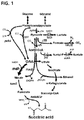
- MDH is encoded by the mdh gene, which is an enzyme utilizing oxaloacetate as a substrate ( FIG. 1 ).
- mdh gene an enzyme utilizing oxaloacetate as a substrate
- FIG. 1 eight types of MDHs, that are, MDH of M. succiniciproducens strains (MsMDH), MDH of C. glutamicum strains ( Cg MDH), MDH of E. coli strains ( Ec MDH), MDH of A.
- AsMDH succinogenes strains
- Sc MDHc respective MDHs of the cytoplasm, mitochondria and peroxisome of S. cerevisiae strains
- Yl MDH MDH of Y. lipolytica strains
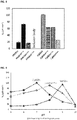
- the activity was compared between the four MDHs using 100 ⁇ M of oxaloacetate and 100 ⁇ M of NADH as a substrate and cofactor, respectively. The result showed that Cg MDH had the highest oxaloacetate reduction rate ( FIG. 2 ).
- Ms MDH is an MDH of M. succiniciproducens, which naturally produces succinic acid
- Cg MDH and Ec MDH derived from C. glutamicum and E . coli, which are not bacteria naturally producing succinic acid, had better activity. This result suggests the possibility of producing succinic acid more effectively when Cg MDH or Ec MDH, rather than Ms MDH, is introduced into M. succiniciproducens.
- the mechanism of substrate inhibition suggested in various dehydrogenases may include allosteric regulation, the formation of covalent bonds, the production of non-productive/adsorption complexes with enzymes and the like ( Chen et al., Appl. Environ. Microb., 80: 3992-4002., 2014 ).
- NAD + /NADH-dependent MDHs derived from the pig heart form an inactive complex with enol-type oxaloacetate or cytoplasmic MDH derived from Phycomyces blakesleeanus inhibits the binding of NADH to the enzyme, thus eventually resulting in the malfunction of the enzyme ( De Arriaga et al., Biochim. Biophys.
- Cg MDH has better enzyme activity than Ms MDH at the molecular level
- the crystal structures of the two enzymes were identified and the structure of complex with substrate were also identified ( FIG. 5 ).
- Both Cg MDH and Ms MDH form homodimers and belong to the NAD + /NADH-dependent malate and lactate dehydrogenase superfamily ( FIG. 5 ).
- the N-terminus of Cg MDH and Ms MDH exhibits a Rossmann fold, consisting of six strands of ⁇ -sheets aligned side by side along the ⁇ -helices, while the C-terminus forms an ⁇ + ⁇ fold ( FIG. 5 ).
- the active sites of the two enzymes are present between specific folds at each terminus, and the NAD + /NADH binding site is particularly related to the Rossmann fold.
- the result of comparison in the structures between the two enzymes showed that there was a great difference of about 2.772 in the value of R.M.S.D. of C ⁇ -backbone.
- the present inventors found structural differences that could affect the activity of the enzymes, especially around the active sites ( FIGs. 6 and 7 ). This difference may represent a large difference between the cytosolic MDH and the mitochondrial MDH.
- the length of the main chains of the rings near the active site, in addition to the corresponding amino acid residues, is different, but the present inventors focused on some different main amino acid residues.
- amino acid residues corresponding to Ala224, Leu101 and Gly11 located near substrate-binding sites of Ms MDH correspond to Ser242, Gln117, and Gln20 of Cg MDH, respectively ( FIGs. 6 and 7 ). These structural differences are expected to play a key role to create the difference in the kinetic activities of Cg MDH and Ms MDH.
- All of the mutant enzymes of Cg MDH decreased the oxaloacetate conversion rate to less than half of the wild type ( FIG. 8 ).
- the activity of Ms MDH L101Q was also lower than that of Ms MDH and the activity of the mutant enzyme, Ms MDH G11Q , was improved three times than that of Ms MDH ( FIG. 8 ).
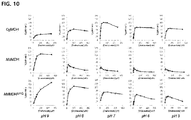
- three enzymes of Cg MDH, Ms MDH and Ms MDH G11Q were examined. First, the activity thereof was measured depending on pH.
- the optimum pH for Cg MDH was about 7.0, and the activity of Ms MDH was increased in proportion to alkalinity and the optimum pH therefor was about 9.0 ( FIG. 9 ).
- the optimal pH for succinic acid production is relatively acidic at about 6.5 ( Hong et al., Nat. Biotechnol., 22: 1275-1281, 2004 ) and this conditional limit demonstrates again the fact that Ms MDH is disadvantageous compared to Cg MDH in terms of the production of succinic acid.
- the optimum pH of Ms MDH G11Q having an increase in activity as discovered in the above experiment, was about 8.0, and this optimal pH was found to be lowered by the corresponding mutation ( FIG. 9 ).
- mutant enzyme Ms MDH G11Q would cause the production of succinic acid when introduced into the succinic acid-producing strain, instead of the conventional Ms MDH, since the Ms MDH G11Q mutant enzyme, in which Gly11 of Ms MDH was substituted with Gln, had greater activity than conventional M. succiniciproducens wild-type enzymes.
- the introduction of the corresponding mutant enzyme can be carried out by substitution of only one amino acid in the conventional enzyme, rather than the introduction of an foreign gene, thus being free from problems such as GMOs.
- MDHs showing further reduced substrate inhibition than conventional MDHs were introduced into the M. succiniciproducens PALK (KCTC10973BP) strain.
- the M. succiniciproducens PALK (KCTC10973BP) strain is a strain obtained by deleting a gene encoding a lactate dehydrogenase, a gene encoding a phosphotransacetylase and a gene encoding an acetate kinase from an M.
- succiniciproducens wild-type strain is a succinic acid-producing mutant microorganism having the property of producing nearly homo-succinic acid at a high concentration in anaerobic condition.
- a M. succiniciproducens PALK (KCTC10973BP) strain that overexpress wild-type MDH was developed before the introducing MDH with better performance.
- the developed PALK (pMS3-msmdh) strain produced 79.07 g/L of succinic acid at a yield of 1.23 mol/mol glucose and a productivity of 3.26 g/L/h ( FIG. 11 ; Table 1).
- the prepared PALK (pMS3-cgmdh) strain produced 87.23 g/L of succinic acid at a yield of 1.29 mol/mol glucose and a productivity of 3.6 g/L/h ( FIG. 11 ; Table 1).
- PALK pMS3-cgmdh Q20G
- PALK pMS3-msmdh G11Q
- the results of fed-batch fermentation of the constructed strain PALK (pMS3-cgmdh Q20G ) showed that 79.39 g/L succinic acid was produced at a yield of 1.00 mol/mol glucose and productivity of 3.27 g/L/h ( FIG. 11 ; Table 1).
- MDH which is an enzyme used for the production improvement of succinic acid
- MDH plays an important role in the production of succinic acid in E. coli and Corynebacterium sp. as well as in Mannheimia sp., Basfia sp., Actinobacillus sp. and Anaerobiospirillum sp. as rumen bacteria
- Lee et al., WO 2012/030130 A2 Liang et al., Biotechnol. Lett., 33(12):2439-2444., 2011 ; Chen et al., Process. Biochem., 47:1250-1255., 2012 ).
- Basfia sp. Basfia sp. was named "Mannheimia sp.” when it was originally isolated from the bovine rumen along with Mannheimia sp., but was classified into “Basfia sp.” later. Mannheimia and Basfia strains have substantially similar gene nucleotide sequence sizes of 2,314,078 bp and 2,340,000 bp, and both the strains have the same ratio ( i.e ., 42.5 mol%) of G and C in the base sequence.
- Mannheimia sp is intended to include Basfia sp., which has been recently found to be substantially the same species.
- genes expressed in plasmids may lose their plasmids due to instability of plasmids even if they are retained using antibiotics ( Alonso-Gutierrez et al., Biotechnol. Bioeng., 115(4):1000-1013., 2018 ).
- the direct insertion of genes into the genome may be beneficial in constructing more stable strains. This method is generally used due to the advantage of eliminating the necessity to use expensive antibiotics in order to retain the plasmids.
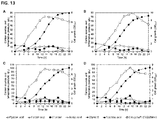
- the constructed PALKcgmdh strain produced 89.6 g/L of succinic acid at a yield of 1.28 mol/mol glucose and productivity of 3.71 g/L/h ( FIG. 13 ; Table 1).
- the PALKmsmdh G11Q strain produced 82.76 g/L of succinic acid at a yield of 1.13 mol/mol glucose and productivity of 3.42 g/L/h ( FIG. 13 ; Table 1).
- the PALKmsmdh G11Q strain was subjected to fed-batch fermentation using both glucose and glycerol as dual carbon sources in the limited medium. As a result, 92.5 g/L of succinic acid was produced in a yield and productivity of 1.28 mol/mol glucose and 3.82 g/L/h, respectively ( FIG. 13 ; Table 1). Although the succinic acid productivity thereof was not superior to that of the PALKcgmdh strain, this result indicates that the productivity of succinic acid of the PALKmsmdh G11Q strain can be improved by reducing the substrate inhibition of MDH, as compared to the M. succiniciproducens PALK (KCTC10973BP) strain and corroborates the in-vitro result (Table 1).
- the present invention is directed to a mutant microorganism obtained by introducing a gene encoding a malate dehydrogenase into a microorganism having the ability to produce succinic acid, wherein, in the malate dehydrogenase, an amino acid residue, which is positioned at the terminus of the first alpha-helix of malate dehydrogenase and interacts with a pyrophosphate moiety of NADH through an amide functional group, is glutamine (Gln).
- reaction means binding of the amide functional group of the main chain of the malate dehydrogenase to the pyrophosphate moiety of NADH through electrical attraction to stabilize the pyrophosphate moiety.
- the malate dehydrogenase may be i) a malate dehydrogenase derived from Corynebacterium glutamicum represented by the amino acid sequence of SEQ ID NO: 40; or ii) a malate dehydrogenase wherein an 11 th amino acid of the malate dehydrogenase derived from Mannheimia succiniciproducens represented by an amino acid sequence of SEQ ID NO: 42 is substituted with glutamine, but the present invention is not limited thereto.
- the gene encoding i) the malate dehydrogenase derived from Corynebacterium glutamicum is represented by the nucleotide sequence of SEQ ID NO: 41 and the gene encoding ii) the malate dehydrogenase derived from Mannheimia succiniciproducens is represented by the nucleotide sequence of SEQ ID NO: 43, but the present invention is not limited thereto.
- amino acid sequences substantially identical to the enzymes to be implemented in the present invention and the nucleotide sequences encoding the same fall within the scope of the present invention.
- substantially identical includes the case where the amino acid or nucleotide sequence is highly homologous and the case of a protein that shares the structural characteristics regardless of the homology of the sequence or has the same function as that used in the present invention.
- the present invention may include an enzyme having a partial deletion of a sequence other than the sequence constituting the core of the present invention or a fragment of a nucleotide sequence encoding the same, and may include all amino-acid or nucleotide sequences having the same function as that used in the present invention regardless of the length of the fragment.
- the malate dehydrogenase derived from Corynebacterium glutamicum may be represented by the following SEQ ID NO: 40.
- the gene encoding the malate dehydrogenase derived from Corynebacterium glutamicum may be represented by the following SEQ ID NO: 41.
- the malate dehydrogenase derived from Mannheimia succiniciproducens may be represented by the following SEQ ID NO: 42.
- the efficiency of MDH to convert oxaloacetate to malate was improved by substituting the 11 th amino acid from Gly to Gln in the following SEQ ID NO: 42.
- the gene encoding the ii) malate dehydrogenase derived from Mannheimia succiniciproducens may be represented by the following SEQ ID NO: 43.
- the malate dehydrogenase wherein the 11 th amino acid of the malate dehydrogenase derived from Mannheimia succiniciproducens represented by the amino acid sequence of SEQ ID NO: 42 is substituted with glutamine may be represented by the amino acid sequence of the following SEQ ID NO: 44.
- the gene encoding the malate dehydrogenase derived from Mannheimia succiniciproducens represented by the amino acid sequence of SEQ ID NO: 44 may be represented by the amino acid sequence of the following SEQ ID NO: 45.
- the microorganism having the ability to produce succinic acid may be selected from the group consisting of Mannheimia sp., Actinobacillus sp., Anaerobiospirillum sp., E. coli, and Corynebacterium sp.
- the microorganism having the ability to produce succinic acid is Mannheimia succiniciproducens PALK (KCTC10973BP).
- the microorganism having the ability to produce succinic acid is preferably Basfia sp. variant, which is obtained by deleting a gene encoding a lactate dehydrogenase, a gene encoding a phosphotransacetylase and a gene encoding an acetate kinase in the Basfia sp. strain, which is very similar to Mannheimia succiniciproducens.
- succinic acid was produced at improved productivity under anaerobic conditions by inoculating the constructed PALKcgmdh strain at a high concentration. Cells were inoculated at an initial high concentration of 8.7 gDCW/L, and fed-batch fermentation was carried out in a limited medium using both glucose and glycerol as dual carbon sources. As a result, 134.25 g/L of succinic acid was produced at a yield of 1.32 mol/mol glucose and productivity of 10.32 g/L/h ( FIG. 14 ; Table 1). These results are superior to the productivity of succinic acid exhibited by E. coli and C. glutamicum using a similar method. Litsanov et al.
- the present invention is directed to a method for producing succinic acid including: (a) culturing the mutant microorganism to produce succinic acid and (b) recovering the produced succinic acid.
- the culture may be carried out using i) glucose, ii) sucrose, iii) glycerol, iv) glucose and glycerol, or v) sucrose and glycerol as carbon sources.
- the culture may be carried out under anaerobic conditions, or the culture may be carried out by concentrating an initial concentration of the mutant microorganism at an OD 600 of 15 to 25, but the present invention is not limited thereto.
- a method of concentrating the mutant microorganism at a high initial concentration may include an inoculum method including injecting a high concentration of mutant microorganism upon inoculation (hereinafter referred to as "inoculum method”) or a membrane-cell-recycling bioreactor method (hereinafter, referred to as "MCRB method”).
- inoculum method injecting a high concentration of mutant microorganism upon inoculation
- MCRB method membrane-cell-recycling bioreactor method
- the mutant microorganism may be cultured in a medium having a pH of 6.0 to 7.0, but the present invention is not limited thereto.
- MsMDH, Cg MDH, Ec MDH, Sc MDHc, ScMDHm, ScMDHp and Yl MDH over-expression vectors (pET30a: Ms MDH, pET30a: Cg MDH, pET30a:EcMDH, pET30a:ScMDHc, pET30a: Sc MDHm, pET30a: Sc MDHp, pET30a: Yl MDH) and construction of mutant enzyme-overexpression vectors (pET30a: Ms MDH G11Q , pET 30a: Cg MDH Q20G, pET30a: Ms MDH L101Q, pET30a: Cg MDH Q117L , pET30a: Ms MDH A224s , pET30a: Cg MDH S242A )
- Overexpression vectors were each constructed in order to overexpress MDHs of succinic acid-producing microorganisms in E. coli and thereby to obtain proteins.
- PCR was performed using the primers of SEQ ID NOs: 1 and 2, SEQ ID NOs: 3 and 4, SEQ ID NOs: 5 and 6, and SEQ ID NOs: 7 and 8 and using the genomic DNA of M. succiniciproducens, C. glutamicum, E. coli K12 and Y. lipolytica as templates.
- PCR products were cut with NdeI and XhoI restriction enzymes and then cloned into the NdeI and XhoI sites of pET30a (Merck Millipore) to construct overexpression vectors pET30a:MsMDH, pET30a:CgMDH, pET30a:EcMDH and pET30a: Yl MDH.
- PCR was performed using the primers corresponding to SEQ ID NOs: 9 and 10, SEQ ID NOs: 11 and 12, and SEQ ID NOs: 13 and 14 and using the genome of S. cerevisiae as a template.
- the resulting PCR products were cut with NdeI and XhoI restriction enzymes and cloned into NdeI and XhoI sites of pET30a to construct the overexpression vectors pET30a:ScMDHc, pET30a:ScMDHm, and pET30a:ScMDHp.
- vectors (pET30a: Ms MDH G11Q pET30a: Ms MDH L101Q, pET30a: Ms MDH A224S ) capable of overexpressing mutant enzymes of Ms MDH
- PCR was conducted using the primers of SEQ ID NOs: 15 and 16, SEQ ID NOs: 17 and 18, and SEQ ID NOs: 19 and 20, respectively, and using pET30a:MsMDH as a template.
- the resulting PCR products were transformed into E. coli, allowed to be selectively grown in LB (Luria-Bertani) solid medium containing kanamycin, and selected.
- vectors pET30a: Cg MDH Q20G , pET 30a: Cg MDH Q117L , pET 30a: Cg MDH S242A ) capable of overexpressing mutant enzymes of Cg MDH
- PCR was performed using primers of SEQ ID NOs: 21 and 22, SEQ ID NOs: 23 and 24, and SEQ ID NOs: 25 and 26 and using pET30a: Cg MDH as a template.
- the resulting PCR products were transformed into E. coli , allowed to be selectively grown in LB (Luria-Bertani) solid medium containing kanamycin, and extracted. Finally, sequencing was performed to confirm successful mutation.
- Ms MDH G11Q , Cg DMH Q20G , Ms MDH L101Q , Cg MDH Q117L , Cg MDH S242A Expression and purification of Ms MDH, Cg MDH, Ec MDH, Yl MDH and mutant enzyme proteins thereof ( Ms MDH G11Q , Cg DMH Q20G , Ms MDH L101Q , Cg MDH Q117L , Cg MDH S242A )
- the overexpression vectors (PET30a:MsMDH, pET30a:CgMDH, pET30a:EcMDH, and pET30a: Yl MDH) prepared in Example 1 were transformed into E. coli BL21 (DE3)-T1R and cultured in LB medium containing 100 ⁇ g/mL of kanamycin at 37°C, and when OD 600 was 0.6, expression was induced through IPTG. After induction of expression, the cells were further cultured at 18°C for 20 hours so as to express the corresponding enzyme proteins.
- the resulting culture solution was centrifuged at 5,000 g for 15 minutes at 4°C and the cells were then harvested and were lysed by sonication in a buffer A (40 mM Tris-HCl, pH 8.0) kept cold on ice.
- the cell debris was removed from the obtained cell lysate through centrifugation at 11,000 g for 1 hour.
- the final supernatant was applied to Ni-NTA agarose beads and MDH proteins with histidine tags were selectively purified via affinity chromatography. After washing the remaining nonspecific binding proteins with buffer A containing imidazole at a low concentration of 20 mM, the target proteins were eluted with buffer A containing 300 mM imidazole.
- MDH proteins For further purification to obtain high-purity proteins, it was possible to obtain MDH proteins with high purity of 95% or more through ion exchange chromatography using HiTrap Q and size exclusion chromatography.
- the purified MDH proteins were diluted to the concentration of 3 nM, as described in Example 3, and used for activity measurement.
- the Cg MDH and Ms MDH proteins were finally concentrated to 54 mg/mL and 42 mg/mL, respectively, and subjected to crystallization.
- the NADH is used as a cofactor for the oxaloacetate reduction activity of MDH.
- NAD+ is produced.
- the activity of MDH can be measured on an hourly basis through a spectrophotometric method based on the unique absorbance properties of NADH at 340 nm.
- the composition of the final reaction solution for comparative activity measurement was as follows: 0.1M Tris-HCl (pH 8.0), 100 ⁇ M NADH, 100 ⁇ M oxaloacetate, and finally 3 nM purified MDHs ( Ms MDH, Cg MDH, Ec MDH, Yl MDH) .
- the composition of the final reaction solution for measuring the activity of the mutant enzymes was the same as the composition for measuring the comparative activity.
- the kinetic activity was measured using final reaction solution while varying the concentration of oxaloacetate and the concentration of NADH under the conditions described above, the concentration of NADH was set at 200 ⁇ M when measuring the kinetic activity of oxaloacetate, and the concentration of oxaloacetate was set at 100 ⁇ M when measuring the kinetic activity of NADH.
- the concentration of oxaloacetate ( ⁇ M) converted per minute was expressed as an initial rate by calculating the decrease in the amount of NADH during the initial reaction time after the addition of the enzyme, as an extinction coefficient.
- the composition 0.1 M buffer, 200 ⁇ M NADH, 100 ⁇ M oxaloacetate, 3 nM MDH
- a BIS-tris buffer, a Tris-HCl buffer and a glycine buffer were used at a pH of 5.0 to 6.0, a pH of 7.0 to 9.0, and a pH of 10.0, respectively.
- crystallization was conducted with malate and NAD + as a substrate to obtain crystals under the same conditions.
- Ms MDH high-quality crystals with a size of 0.3 x 0.3 x 0.1 mm were obtained in 16% PEG3350 and 8% Tacsimate at pH 6.0 and X-ray diffraction experiments were conducted thereon.
- NAD + NAD +
- Ms MDH, Cg MDH, Cg MDH Q20G and Ms MDH G11Q overexpression vectors pMS3-msmdh, pMS3-cgmdh, pMS3-cgmdh Q20G , pMS3-msmdh G11Q
- PALK pMS3-msmdh
- PALK pMS3-cgmdh
- PALK pMS3-cgmdh Q20G
- PALK pMS3-msmdh G11Q
- PCR was performed using the primers of SEQ ID NOs: 29 and 30 and using the genome of C. glutamicum as a template. The resulting PCR product was cloned into the EcoRI and KpnI sites in pMS3 to complete the pMS3-cgmdh vector. PCR was performed using the primers of SEQ ID NOs: 29 and 30 and the Cg MDH Q20G gene fragment as a template in order to obtain the Cg MDH Q20G overexpression vector, pMS3-cgmdh Q20G .
- the PCR product thus obtained was cloned into EcoRI and KpnI sites in pMS3 to complete the pMS3-cgmdh Q20G vector.
- PCR was performed using the primers of SEQ ID NOs: 27 and 28 and using the Ms MDH G11Q gene fragment as a template in order to obtain the Ms MDH G11Q overexpression vector, pMS3-msmdh G11Q .
- the resulting PCR product was cloned into EcoRI and KpnI sites in pMS3 to complete the pMS3-msmdh G11Q vector.
- PALK pMS3-msmdh
- PALK pMS3-cgmdh
- PALK pMS3-cgmdh Q20G
- PALK pMS3-msmdh G11Q
- M succiniciproducens
- PALK succiniciproducens PALK (KCTC10973BP) was plated on BHI (Brain-Heart Infusion) solid medium and cultured for 36 hours at 39°C, and then colonies were inoculated into 10 mL of BHI liquid medium and cultured for 12 hours. 1 mL of the fully grown cell culture solution was again inoculated in 100 mL of BHI liquid medium and then cultured in a 39°C incubator. After about 4 to 5 hours, when the cell growth reached about 0.3 to 0.5 of OD 600 , the bacterial cell culture solution was kept at 0 to 4°C for 20 minutes to prevent the cell growth from further progressing and was then centrifuged at 4°C and 4,500 rpm for 15 minutes to obtain cells.
- BHI Brain-Heart Infusion
- the cells were resuspended in 200 mL of a 4°C, 10% glycerol solution and then centrifuged again under the same conditions as above. Resuspension and centrifugation were performed in this way a total of three times while halving the amount of 10% glycerol solution that was used. The resulting cells were resuspended in the same volume of 10% glycerol solution, aliquoted, and stored at -80°C. The obtained concentrated cell suspension and four types of overexpressed vectors prepared in this Example were mixed, and electroporation was conducted under the conditions of 2.5 kV, 25 ⁇ F and 200 ⁇ to induce the transformation of M.
- succiniciproducens PALK (KCTC10973BP) with the vector.
- the cells thus electroporated were recovery-cultured in a BHI liquid medium in a 39°C incubator for 1 hour, and the culture solution was plated on a BHI solid medium containing 2.5 ⁇ g/mL of antibiotic ampicillin, and was cultured in a 39°C incubator for 48 hours or longer.
- the mutant strain formed in the medium was cultured in a BHI liquid medium containing an antibiotic and the vector obtained using a vector mini-prep was electrophoresed to confirm the introduction of the overexpression vector.
- Ec MDH, Zr MDH, Sc MDH2 and Sc MDH3 overexpression vectors (pMS3-ecmdh, pMS3-zrmdh, pMS3-scmdh2, pMS3-scmdh3) and construction of PALK (pMS3-ecmdh), PALK (pMS3-zrmdh), PALK (pMS3-scmdh2) and PALK (pMS3-scmdh3) strains.
- Respective overexpression vectors were constructed in order to overexpress the MDHs reported in the prior art and to identify the effects thereof.
- PCR was performed using the primers of SEQ ID NOs: 46 and 47 and the genome of E. coli as a template in order to obtain the Ec MDH overexpression vector, pMS3-ecmdh.
- the resulting PCR product was cloned into the EcoRI and KpnI sites in pMS3 to construct the pMS3-msmdh vector.
- PCR was performed using the synthesized Zr mdh gene fragment as a template and primers of SEQ ID NOs: 48 and 49 in order to obtain the Zr MDH overexpression vector, pMS3-zrmdh.
- the resulting PCR product was cloned into the EcoRI and KpnI sites in pMS3 to construct the pMS3-cgmdh vector.
- PCR was performed using the primers of SEQ ID NOs: 50 and 51 and using the synthesized ScMDH2 gene fragment as a template in order to obtain the ScMDH2 overexpression vector, pMS3-scmdh2.
- the resulting PCR product was cloned into the EcoRI and KpnI sites in the pMS3 to complete the pMS3-scmdh2 vector.
- PCR was performed using the primers of SEQ ID NOs: 52 and 53 and using the synthesized ScMDH3 gene fragment as a template in order to obtain the ScMDH3 overexpression vector, pMS3-scmdh3.
- the resulting PCR product was cloned into the EcoRI and KpnI sites in pMS3 to complete the pMS3-scmdh3 vector.
- PALK pMS3-ecmdh
- PALK pMS3-zrmdh
- PALK pMS3-scmdh2
- PALK pMS3-scmdh3
- PALK pMS3-scmdh3
- PALK pMS3-scmdh3
- PALK succiniciproducens PALK (KCTC10973BP) was plated on a BHI solid medium and cultured at 39°C for 36 hours, and then colonies were inoculated into 10 mL of a BHI liquid medium and cultured for 12 hours. 1 mL of the fully grown cell culture solution was again inoculated in 100 mL of a BHI liquid medium and then cultured in a 39°C incubator. After about 4 to 5 hours, when the cell growth reached about 0.3 to 0.5 of OD 600 , the bacterial cell culture solution was kept at 0 to 4°C for 20 minutes to prevent the cell growth from further progressing and was then centrifuged at 4°C and 4,500 rpm for 15 minutes to obtain cells.
- the cells were resuspended in 200 mL of a 4°C, 10% glycerol solution and then centrifuged again under the same conditions as above. Resuspension and centrifugation were performed in this way a total of three times while halving the amount of 10% glycerol solution that was used. The resulting cells were resuspended in the same volume of 10% glycerol solution, aliquoted, and stored at - 80°C. The obtained concentrated cell suspension and four types of overexpressed vectors prepared in this Example were mixed, and electroporation was conducted under the conditions of 2.5 kV, 25 ⁇ F and 200 ⁇ to induce the transformation of M.
- succiniciproducens PALK (KCTC10973BP) with the vector.
- the cells thus electroporated were recovery-cultured in a BHI liquid medium in a 39°C incubator for 1 hour, and the culture solution was plated on a BHI solid medium containing 2.5 ⁇ g/mL of antibiotic ampicillin, and was cultured in a 39°C incubator for 48 hours or longer.
- the mutant strain formed in the medium was cultured in a BHI liquid medium containing an antibiotic, and the vector obtained using a vector mini-prep was electrophoresed to confirm the introduction of the overexpression vector.
- Cg MDH overexpression vectors for each strain were constructed.
- PCR was performed using the primers of SEQ ID NOs: 54 and 55 using the genome of C. glutamicum as a template in order to obtain the over-expression vector p100pro99A-cgmdh for E. coli.
- the resulting PCR product was cloned into EcoRI and PstI sites of p100pro99A ( Bang et al., Proc Nat. Acad. Sci., 115 (40): E9271-E9279., 2018 ) to construct the p100pro99A-cgmdh vector.
- PCR was performed using the primers of SEQ ID NOs: 56 and 57 and the genome of C. glutamicum as a template. The resulting PCR product was cloned into the EcoRI and PstI sites of pEKEx1 ( Cho et al., Metab. Eng. 42: 157-167, 2017 ) to complete the pEKEx1-cgmdh vector.
- E. coli W3110 (p100pro99A-cgmdh) and C. glutamicum (pEKEx1-cgmdh) strains were each developed by introducing p100pro99A-cgmdh and pEKEx1-cgmdh vectors, constructed as described above, into E. coli W3110 and wild-type C. glutamicum.
- E. coli W3110 was plated on LB solid medium and cultured at 37°C for 24 hours, and then colonies were inoculated into 10 mL of LB liquid medium and cultured for 12 hours.
- 1 mL of the fully grown cell culture solution was again inoculated in 100 mL of LB liquid medium and then cultured in a 37°C incubator. After about 4 to 5 hours, when the cell growth reached about 0.3 to 0.5 of OD 600 , the bacterial cell culture solution was kept at 0 to 4°C for 20 minutes to prevent the cell growth from further progressing and was then centrifuged at 4°C and 4,500 rpm for 15 minutes to obtain cells. Then, the cells were resuspended in 200 mL of a 4°C, 10% glycerol solution and then centrifuged again under the same conditions as above.
- Resuspension and centrifugation were performed in this way a total of three times while halving the amount of 10% glycerol solution that was used.
- the resulting cells were resuspended in the same volume of 10% glycerol solution, aliquoted and stored at -80°C.
- the obtained concentrated cell suspension and the overexpressed vector p100pro99A-cgmdh prepared in this Example were mixed, and electroporation was conducted under conditions of 1.8 kV, 25 ⁇ F and 200 ⁇ to induce the transformation of E. coli W3110 with the vector.
- the cells thus electroporated were recovery-cultured in a LB liquid medium in a 37°C incubator for 1 hour, and the culture solution was plated on a LB solid medium containing 25 ⁇ g/mL of antibiotic ampicillin, and was cultured in a 37°C incubator for 24 hours or longer.
- the mutant strain formed in the medium was cultured in a LB liquid medium containing an antibiotic, and the vector obtained using a vector mini-prep was electrophoresed to confirm the introduction of the overexpression vector.
- glutamicum was plated on a BHIS (37 g BHI, D-sorbitol 91 g per liter) solid medium and cultured at 30°C for 24 hours, and then colonies were inoculated into 10 mL of BHIS liquid medium and cultured for 18 hours. 1 mL of the fully grown cell culture solution was again inoculated in 100 mL of a BHIS liquid medium and then cultured in a 30°C incubator. After about 4 to 5 hours, when the cell growth reached about 0.3 to 0.5 of OD 600 , a concentrated cell suspension was prepared in the same manner as in the case of E. coli W3110, and was stored at -80°C.
- BHIS 37 g BHI, D-sorbitol 91 g per liter
- the obtained concentrated cell suspension and the overexpression vector pEKEx1-cgmdh prepared in this Example were mixed, and electroporation was conducted under conditions of 1.8 kV, 25 ⁇ F and 200 ⁇ to induce the transformation of C. glutamicum with the vector.
- the cells thus electroporated were recovery-cultured in a BHIS liquid medium in a 30°C incubator for 2 hours, and the culture solution was plated on a BHIS solid medium containing 25 ⁇ g/mL of antibiotic kanamycin, and was cultured in a 30°C incubator for 24 hours or longer.
- the mutant strain formed in the medium was cultured in a BHIS liquid medium containing an antibiotic, and the vector obtained using a vector mini-prep was electrophoresed to confirm the introduction of the overexpression vector.
- pSacHR06 containing the sacB gene was cut with XhoI and SacI. Then, PCR was performed using primers of SEQ ID NOs: 31 and 32 and SEQ ID NOs: 38 and 39, respectively, with the genome of the M. succiniciproducens PALK (KCTC10973BP) strain as a template to obtain front and back sequences of MDH-encoding genes present in the genome. PCR was performed using the primers of SEQ ID NOs: 36 and 37, with the vector containing the chloramphenicol resistance gene as a template to obtain lox66-cat-lox77 cassette.
- PCR was performed using the primers of SEQ ID NOs: 33 and 35, with the pMS3-cgmdh vector prepared in Example 5 as a template to obtain Cg MDH genes.
- the obtained linear pSacHR06, 1 kb of each of the front and back sequences of MDH-encoding genes, lox66-cat-lox77 cassette and Cg MDH gene fragment were combined through Gibson assembly ( Gibson et al., Nat. Methods., 6 (5): 343., 2009 ) to obtain pINcgMDH.
- the Ms MDH G11Q gene fragment required for pINmsMDH G11Q was obtained by performing PCR using the primers of SEQ ID NOs: 33 and 34 with pMS3-msmdh G11Q as a template.
- the obtained linear pSacHR06, 1 kb of each of the front and back sequences of MDH-encoding gene, lox66-cat-lox77 cassette and Ms MDH G11Q gene fragment were combined through Gibson assembly to obtain pINmsMDH G11Q .
- the pINcgMDH and pINmsMDH G11Q thus obtained were introduced into the M.
- succiniciproducens PALK PALK (KCTC10973BP), to finally construct PALKcgmdh and PALKmsmdh G11Q strains, respectively.
- M. succiniciproducens PALK (KCTC10973BP) was plated on a BHI solid medium and cultured at 39°C for 3 hours, and then colonies were inoculated into 10 mL of a BHI liquid medium and cultured for 1 hour. 1 mL of the fully grown cell culture solution was again inoculated in 100 mL of a BHI liquid medium and then cultured in a 39°C incubator.
- the bacterial cell culture solution was kept at 0 to 4°C for 2 minutes to prevent the cell growth from further progressing and was then centrifuged at 4°C and 4,500 rpm for 15 minutes to obtain cells. Then, the cells were resuspended in 200 mL of a 4°C, 10% glycerol solution and then centrifuged again under the same conditions as above. Resuspension and centrifugation were performed in this way a total of three times while halving the amount of 10% glycerol solution that was used. The resulting cells were resuspended in the same volume of 10% glycerol solution, aliquoted and stored at -80°C.
- the obtained concentrated cell suspension and gene deletion vector pINcgMDH or pINmsMDH G11Q prepared in this Example were mixed, and electroporation was conducted under conditions of 2.5 kV, 25 ⁇ F and 200 ⁇ to induce the transformation of M .
- succiniciproducens PALK KCTC10973BP
- the cells thus electroporated were recovery-cultured in a BHI liquid medium in a 39°C incubator for 1 hour, and the culture solution was plated on a BHI solid medium containing 6.8 ⁇ g/mL of chloramphenicol and was cultured in a 39°C incubator for 48 hours or longer.
- the colonies formed were plated on a BHI solid medium containing chloramphenicol (6.8 ⁇ g/mL) and sucrose (100 g/L), cultured for 24 hours, and then plated again in the same solid medium in order to screen double-crossover colonies.
- the mutant strains formed in the medium were cultured in a BHI liquid medium containing an antibiotic and the genomic DNA of the cultured strains were analyzed. PCR was performed using the genomic DNA of the isolated mutant strain as a template, and the obtained PCR products were subjected to electrophoresis to confirm the introduction of Cg MDH or Ms MDH G11Q and the deletion of the mdh gene in the genomic DNA.
- PALK pMS3-msmdh
- PALK pMS3-cgmdh
- PALK pMS3-cgmdh Q20G
- PALK pMS3-msmdh G11Q
- the M . succiniciproducens PALK (pMS3-msmdh), PALK (pMS3-cgmdh), PALK (pMS3-cgmdh Q20G ) and PALK (pMS3-msmdh G11Q ) strains prepared in Example 5 were cultured under anaerobic conditions at 39°C for 8 hours in 20 mL of MH5 medium (per liter, 2.5 g yeast extract, 2.5 g polypeptone, 1 g NaCl, 0.02 g CaCl 2 •2H 2 O, 0.2 g MgCl 2 •6H 2 O, and 8.709 g K 2 HPO 4 ), inoculated with separately sterilized glucose or glycerol at a concentration of 10 g/L as a carbon source, and then cultured in 270 mL of the same medium.
- MH5 medium per liter, 2.5 g yeast extract, 2.5 g polypeptone, 1 g NaCl, 0.02
- Fermentation was carried out by inoculating the culture solution in a microbial reactor (Bioflo 3000, New Brunswick Scientific Co., NJ, USA) containing 2.5 L of a synthetic medium (per liter, 1 g of NaCl, 2 g of (NH 4 ) 2 HPO 4 , 0.02 g of CaCl 2 ⁇ 2H 2 O, 0.2 g of MgCl 2 ⁇ 6H 2 O, 8.709 g of K 2 HPO 4 , 0.5 g of cysteine, 0.5 g of methionine, 0.5 g of alanine, 0.5 g of asparagine, 0.5 g of aspartic acid, 0.5 g of proline, 0.5 g of serine, 0.005 g of nicotinic acid, 0.005 g of Ca-pantothenate, 0.005 g of pyridoxine ⁇ HCl, 0.005 g of thiamine, 0.005 g of ascorbic acid and 0.005
- the pH was adjusted to 6.5 using 1.57 M ammonia solution and 6.84 M magnesium hydroxide solution, and 25 ⁇ g/mL of kanamycin and 25 ⁇ g/mL of ampicillin were added as antibiotics.
- 900 g/L of a glucose or glucose and glycerol solution were semi-continuously added as necessary.
- the cell concentration in the culture medium was measured using a spectrophotometer and the cell concentration was calculated using the previously measured absorbance of the spectrophotometer and the weight calibration line of dry cells.
- samples were periodically collected from the bioreactor. The collected samples were centrifuged at 13,000 rpm for 10 minutes, and concentrations of various metabolites, succinic acid, glucose and glycerol in the supernatant were then analyzed through liquid chromatography.
- the PALK (pMS3-msmdh) strain produced 79.07 g/L of succinic acid at a yield of 1.23 mol/mol glucose and productivity of 3.26 g/L/h.
- the PALK (pMS3-cgmdh) strain produced 87.23 g/L of succinic acid at a yield of 1.29 mol/mol glucose and productivity of 3.6 g/L/h.
- the PALK (pMS3-cgmdh Q20G ) strain produced 79.39 g/L of succinic acid at a yield of 1.00 mol/mol glucose and productivity of 3.27 g/L/h.
- results of fed-batch fermentation of the PALK (pMS3-msmdh G11Q ) strain showed that 84.19 g/L of succinic acid was produced at a yield and productivity of 1.08 mol/mol glucose and 3.48 g/L/h, respectively.
- the PALK (pMS3-cgmdh) strain showed the best ability to produce succinic acid
- the PALK (pMS3-msmdh G11Q ) strain which is a modified protein-overexpressing strain constructed based on protein structure analysis, also had improved succinic acid productivity, compared to the M. succiniciproducens PALK (KCTC10973BP) strain.
- PALK pMS3-ecmdh
- PALK pMS3-zrmdh
- PALK pMS3-scmdh2
- PALK pMS3-scmdh3
- the M . succiniciproducens PALK (pMS3-ecmdh), PALK (pMS3-zrmdh), PALK (pMS3-scmdh2) and PALK (pMS3-scmdh3) strains prepared in Example 6 were cultured under anaerobic conditions at 39°C for 8 hours in 20 mL of MH5 medium, inoculated with separately sterilized glucose, as a carbon source, at a concentration of 10 g/L in the same manner as in Example 9, and then cultured in 270 mL of the same medium.
- Fermentation was carried out by inoculating the culture solution in a microbial reactor containing 2.5 L of a synthetic medium and was conducted by feeding pure carbon dioxide at a rate of 0.2 vvm at a temperature of 39°C and at 200 rpm at an initial glucose concentration of 18.2 g/L (100 mM).
- the pH was adjusted to 6.5 using 1.57 M ammonia solution and 6.84 M magnesium hydroxide solution, and 25 ⁇ g/mL of kanamycin and 25 ⁇ g/mL of ampicillin were added as antibiotics.
- succinic acid when the carbon source was completely consumed, 900 g/L of a glucose solution was semi-continuously added as necessary.
- the cell concentration in the culture medium was measured using a spectrophotometer, and the cell concentration was calculated using the previously measured absorbance of the spectrophotometer and the weight calibration line of dry cells.
- samples were periodically collected from the bioreactor. The collected samples were centrifuged at 13,000 rpm for 10 minutes, and concentrations of various metabolites, succinic acid, glucose and glycerol in the supernatant were then analyzed through liquid chromatography.
- the PALK (pMS3-msmdh) strain produced 79.05 g/L of succinic acid at a yield of 1.29 mol/mol glucose and productivity of 3.27 g/L/h.
- the PALK (pMS3-zrmdh) strain produced 76.11 g/L of succinic acid at a yield of 1.25 mol/mol glucose and productivity of 3.15 g/L/h and the PALK (pMS3-scmdh2) strain produced 77.34 g/L of succinic acid at a yield of 1.16 mol/mol glucose and productivity of 3.19 g/L/h.
- the E. coli W3110 (p100pro99A-cgmdh) strain prepared in Example 7 and the E. coli W3110 strain were cultured at 37°C for 16 hours in 10 mL of LB medium inoculated with 3 g/L of separately sterilized glucose as a carbon source and then cultured in 100 mL of the same medium.
- the initial cell concentration inoculated was adjusted to 0.2 to 0.25 of OD 600 , and the headspace of the flask was filled with carbon dioxide and incubated at 37°C for 16 hours in an anaerobic condition. 25 ⁇ g/mL of ampicillin was added as an antibiotic.
- Table 2 the E.
- coli W3110 (p100pro99A-cgmdh) strain overexpressing Cg MDH exhibited remarkably improved production of 0.431 g/L of succinic acid, compared to the conventional E. coli W3110 strain producing 0.14 g/L of succinic acid.
- the prepared C. glutamicum (pEKEx1-cgmdh) and wild-type C. glutamicum strains were inoculated in a 10 mL BHIS liquid medium, cultured at 30°C for 18 hours, and then cultured in 100 mL of the same medium.
- the initial cell concentration inoculated was adjusted to OD 600 of 0.2 to 0.25.
- the cells were cultured in an aerobic environment for the first 6 hours, and then the headspace of the flask was filled with carbon dioxide and the cells were cultured at 30°C for 10 hours in an anaerobic condition. 25 ⁇ g/mL of kanamycin was added as an antibiotic.
- the M. succiniciproducens PALKcgmdh and PALKmsmdh G11Q prepared in Example 8 were cultured under anaerobic conditions at 39°C for 8 hours in 20 mL of MH5 medium, inoculated with separately sterilized glucose or glucose and glycerol at concentrations of 10 g/L as carbon sources and then cultured in 270 mL of the same medium.
- Fermentation was carried out by inoculating the culture solution in a microbial reactor containing 2.5 L of a synthetic medium in the same manner as in Example 9 and was conducted by feeding pure carbon dioxide at a rate of 0.2 vvm at a temperature of 39°C and at 200 rpm at an initial glucose concentration of 18.2 g/L (100 mM) and an initial glycerol concentration of 4.6 g/L (50 mM) in the case of using glucose and glycerol as dual carbon sources.
- the pH was adjusted to 6.5 using 1.57 M ammonia solution and a 6.84 M magnesium hydroxide solution, and 25 ⁇ g/mL of kanamycin and 6.8 ⁇ g/mL of chloramphenicol were added as antibiotics.
- succinic acid when the carbon source was completely consumed, 900 g/L of a glucose or glucose and glycerol solutions were semi-continuously added as necessary.
- the cell concentration in the culture medium was measured using a spectrophotometer, and the cell concentration was calculated using the previously measured absorbance of the spectrophotometer and the weight calibration line of dry cells.
- samples were periodically collected from the bioreactor. The collected samples were centrifuged at 13,000 rpm for 10 minutes, and concentrations of various metabolites, succinic acid, glucose, and glycerol in the supernatant were then analyzed through liquid chromatography.
- the PALKcgmdh strain produced 89.6 g/L of succinic acid at a yield of 1.28 mol/mol glucose and productivity of 3.71 g/L/h and the PALKmsmdh G11Q strain produced 82.76 g/L of succinic acid at a yield of 1.13 mol/mol glucose and productivity of 3.42 g/L/h.
- the PALKcgmdh strain produced 101.18 g/L of succinic acid at a yield of 1.37 mol/mol glucose and productivity of 4.18 g/L/h
- the PALKmsmdh G11Q strain produced 92.5 g/L of succinic acid at a yield of 1.28 mol/mol glucose and productivity of 3.82 g/L/h.
- the PALKcgmdh strain exhibited maximum productivity 11 to 13 hours after inoculation, and at this time, the cell concentration was maximally increased. Therefore, in order to maximize productivity, first, the change in productivity at a cell concentration higher than the current level was investigated.
- Fermentation upon inoculation was conducted by feeding pure carbon dioxide at a rate of 0.2 vvm at a temperature of 39°C and at 200 rpm at an initial glucose concentration of 18.2 g/L (100 mM) or an initial glucose and glycerol concentrations of 18.2 g/L (100 mM) and 4.6 g/L (50 mM), respectively, in the case of using glucose and glycerol as dual carbon sources.
- the pH was adjusted to 6.5 using 1.57 M ammonia solution and a 6.84 M magnesium hydroxide solution, and 25 ⁇ g/mL of kanamycin and 6.8 ⁇ g/mL of chloramphenicol were added as antibiotics.
- succinic acid productivity was 10.32 g/L/h and the maximum productivity was 15.72 g/L/h, which were at least two times higher than in the original fermentation condition, as shown in FIG. 14 and Table 1.
- succinic acid productivity was observed to be 8.93 g/L/h and the maximum productivity was observed to be 12.4 g/L/h when the initial cell concentration of the M .
- succiniciproducens PALK (KCTC10973BP) strain was also increased to OD 600 of 21.1 (9.52 gDCW/L). This indicates that the fermentation method of inoculation with a high concentration of cells dramatically increased productivity, but the M.
- PALFK succiniciproducens PALFK; ⁇ pta, ⁇ ackA, ⁇ ldhA, ⁇ fruA Membrane cell recycling bioreactor 13.2 0, 0.65, 0, 3.49 (4.14) 0.31 38.6 1.22 1) Lee et al., Metabolic engineering, 38, 409-417 . 2) US8691516B2 PALK (pMS3) CDM, glucose 74.56 0, 1.37, 0, 6.66 (8.03) 0.11 3.03 1.11 Ahn et al., J. Ind. Microbiol.
- PALK (pMS3-msmdh) CDM CDM, glucose 79.07 0, 0.84, 0,6.34 (7.18) 0.09 3.26 1.23
- PALK (pMS3-msmdh G11Q ) CDM glucose 84.19 0, 0.68, 0, 4.42 (5.1) 0.06 3.48 1.08
- PALK (pMS3-cgmdh) CDM glucose 87.23 0, 2.36, 0, 6.12 (8.49) 0.1 3.6 1.29
- PALK (pMS3-scmdh2) CDM glucose 77.34 0, 0, 0, 3.88 (3.88) 0.05 3.19 1.16
- PALK (pMS3-scmdh3) CDM CDM, glucose 75.15 0, 0, 0, 4.32 (4.32) 0.06 3.1 1.13
- the succinic acid-producing mutant microorganism according to the present invention is characterized in that it expresses a malate dehydrogenase including, glutamine (Gln), as an amino acid residue that interacts with the pyrophosphate moiety of NADH through the amide functional group of the main chain and thus considerably increases the conversion activity from oxaloacetate to malate, thereby capable of producing a high concentration of succinic acid at the highest productivity reported to date when the microorganism is cultured in a limited medium.
- the succinic acid-producing mutant microorganism is capable of producing succinic acid at higher productivity and product concentration through more advanced fermentation technology.
Landscapes
- Chemical & Material Sciences (AREA)
- Life Sciences & Earth Sciences (AREA)
- Health & Medical Sciences (AREA)
- Organic Chemistry (AREA)
- Engineering & Computer Science (AREA)
- Genetics & Genomics (AREA)
- Wood Science & Technology (AREA)
- Zoology (AREA)
- Bioinformatics & Cheminformatics (AREA)
- General Engineering & Computer Science (AREA)
- Biotechnology (AREA)
- General Health & Medical Sciences (AREA)
- Biochemistry (AREA)
- Microbiology (AREA)
- Biomedical Technology (AREA)
- Molecular Biology (AREA)
- Medicinal Chemistry (AREA)
- Plant Pathology (AREA)
- Biophysics (AREA)
- Physics & Mathematics (AREA)
- Chemical Kinetics & Catalysis (AREA)
- General Chemical & Material Sciences (AREA)
- Tropical Medicine & Parasitology (AREA)
- Virology (AREA)
- Micro-Organisms Or Cultivation Processes Thereof (AREA)
- Preparation Of Compounds By Using Micro-Organisms (AREA)
Applications Claiming Priority (2)
| Application Number | Priority Date | Filing Date | Title |
|---|---|---|---|
| KR1020180120696A KR102129379B1 (ko) | 2018-10-10 | 2018-10-10 | 고활성의 말산 탈수소효소가 도입된 숙신산 생성용 변이 미생물 및 이를 이용한 숙신산 제조방법 |
| PCT/KR2019/005247 WO2020075943A1 (ko) | 2018-10-10 | 2019-05-02 | 고활성의 말산 탈수소효소가 도입된 숙신산 생성용 변이 미생물 및 이를 이용한 숙신산 제조방법 |
Publications (3)
| Publication Number | Publication Date |
|---|---|
| EP3660157A1 EP3660157A1 (de) | 2020-06-03 |
| EP3660157A9 true EP3660157A9 (de) | 2020-07-29 |
| EP3660157A4 EP3660157A4 (de) | 2020-12-30 |
Family
ID=70164942
Family Applications (1)
| Application Number | Title | Priority Date | Filing Date |
|---|---|---|---|
| EP19762287.1A Pending EP3660157A4 (de) | 2018-10-10 | 2019-05-02 | Mit hochaktiver malatdehydrogenase eingeführter, mutierter mikroorganismus zur herstellung von succinsäure und verfahren zur herstellung von succinsäure unter verwendung davon |
Country Status (7)
| Country | Link |
|---|---|
| US (1) | US11655462B2 (de) |
| EP (1) | EP3660157A4 (de) |
| JP (1) | JP7295254B2 (de) |
| KR (1) | KR102129379B1 (de) |
| CN (1) | CN111295446B (de) |
| AU (1) | AU2019357156B2 (de) |
| WO (1) | WO2020075943A1 (de) |
Families Citing this family (4)
| Publication number | Priority date | Publication date | Assignee | Title |
|---|---|---|---|---|
| KR102258159B1 (ko) * | 2021-01-29 | 2021-05-27 | 씨제이제일제당 (주) | 신규한 말레이트 디하이드로게나제 변이체 및 이를 이용한 l-라이신 생산 방법 |
| CN118475683A (zh) * | 2021-11-24 | 2024-08-09 | 中国科学院天津工业生物技术研究所 | 一种高产丁二酸的耐酸酵母菌株及其构建方法和应用 |
| CN115960806A (zh) * | 2022-11-24 | 2023-04-14 | 苏州聚维元创生物科技有限公司 | 一种重组大肠杆菌及其构建方法 |
| CN121931070B (zh) * | 2026-03-30 | 2026-07-03 | 浙江华康药业股份有限公司 | 一种改造的甘露醇脱氢酶及其应用 |
Family Cites Families (22)
| Publication number | Priority date | Publication date | Assignee | Title |
|---|---|---|---|---|
| DE10032350A1 (de) * | 2000-07-04 | 2002-01-24 | Degussa | Neue für das mdhA-Gen kodierende Nukleotidsequenzen |
| WO2006034156A2 (en) * | 2004-09-17 | 2006-03-30 | Rice University | High succinate producing bacteria |
| JP4760121B2 (ja) * | 2005-05-17 | 2011-08-31 | 三菱化学株式会社 | コハク酸の製造方法 |
| KR100676160B1 (ko) * | 2005-08-19 | 2007-02-01 | 한국과학기술원 | 말릭효소를 코딩하는 유전자로 형질전환된 재조합 미생물 및 이를 이용한 숙신산의 제조방법 |
| KR100780324B1 (ko) * | 2006-07-28 | 2007-11-29 | 한국과학기술원 | 신규 순수 숙신산 생성 변이 미생물 및 이를 이용한 숙신산제조방법 |
| JP5493854B2 (ja) | 2007-04-10 | 2014-05-14 | 味の素株式会社 | 有機酸の製造方法 |
| KR101103839B1 (ko) * | 2007-07-12 | 2012-01-06 | 한국과학기술원 | 순수 숙신산 생성 변이균주 및 이를 이용한 숙신산제조방법 |
| ES2587402T3 (es) | 2007-08-17 | 2016-10-24 | Basf Se | Miembro productor de ácido carboxílico de la familia Pasteurellaceae |
| US9340804B2 (en) * | 2007-11-20 | 2016-05-17 | Dsm Ip Assets B.V. | Dicarboxylic acid production in eukaryotes |
| US9012187B2 (en) | 2008-07-08 | 2015-04-21 | Dsm Ip Assets B.V. | Dicarboxylic acid production by fermentation at low pH |
| KR101093199B1 (ko) * | 2009-02-12 | 2011-12-12 | 한국과학기술원 | 글리세롤 대사능력 및 숙신산 생산능력이 향상된 재조합 미생물 및 이를 이용한 숙신산의 제조방법 |
| WO2010118932A1 (en) | 2009-04-15 | 2010-10-21 | Dsm Ip Assets B.V. | Dicarboxylic acid production process |
| US9017976B2 (en) * | 2009-11-18 | 2015-04-28 | Myriant Corporation | Engineering microbes for efficient production of chemicals |
| US20120238722A1 (en) | 2009-11-24 | 2012-09-20 | Roquette Freres Sa | Process for the crystallization of succinic acid |
| KR101221557B1 (ko) * | 2010-08-30 | 2013-01-14 | 한국과학기술원 | 수크로오즈와 글리세롤을 동시에 이용하는 신규 숙신산 생성 변이 미생물 및 이를 이용한 숙신산 제조방법 |
| EP2668281A4 (de) | 2011-01-25 | 2015-08-26 | Cargill Inc | Zusammensetzungen und verfahren zur succinatherstellung |
| EP2807262A4 (de) | 2012-01-25 | 2015-12-30 | Bioamber Internat S A R L | Verfahren zur succinatherstellung |
| CN102604880A (zh) * | 2012-04-05 | 2012-07-25 | 南京工业大学 | 一株产丁二酸基因工程菌及其发酵生产丁二酸的方法 |
| CN104854244A (zh) * | 2012-10-02 | 2015-08-19 | 密歇根生物技术研究所 | 用于生产有机酸的重组微生物 |
| KR20160144258A (ko) * | 2015-06-08 | 2016-12-16 | 한국생명공학연구원 | 숙신산 합성 효소의 효소 복합체 및 이를 이용한 숙신산 생산 방법 |
| US20170306363A1 (en) * | 2016-04-25 | 2017-10-26 | Alliance For Sustainable Energy, Llc | Metabolic engineering for enhanced succinic acid biosynthesis |
| US10787649B2 (en) * | 2016-07-13 | 2020-09-29 | Dsm Ip Assets B.V. | Malate dehyrogenases |
-
2018
- 2018-10-10 KR KR1020180120696A patent/KR102129379B1/ko active Active
-
2019
- 2019-05-02 JP JP2021545656A patent/JP7295254B2/ja active Active
- 2019-05-02 EP EP19762287.1A patent/EP3660157A4/de active Pending
- 2019-05-02 WO PCT/KR2019/005247 patent/WO2020075943A1/ko not_active Ceased
- 2019-05-02 US US16/490,515 patent/US11655462B2/en active Active
- 2019-05-02 CN CN201980002422.3A patent/CN111295446B/zh active Active
- 2019-05-02 AU AU2019357156A patent/AU2019357156B2/en active Active
Also Published As
| Publication number | Publication date |
|---|---|
| KR20200040585A (ko) | 2020-04-20 |
| CN111295446B (zh) | 2023-11-28 |
| US20210332332A1 (en) | 2021-10-28 |
| US11655462B2 (en) | 2023-05-23 |
| AU2019357156B2 (en) | 2023-04-13 |
| WO2020075943A1 (ko) | 2020-04-16 |
| KR102129379B1 (ko) | 2020-07-02 |
| AU2019357156A1 (en) | 2021-04-29 |
| EP3660157A4 (de) | 2020-12-30 |
| CN111295446A (zh) | 2020-06-16 |
| JP2022510499A (ja) | 2022-01-26 |
| EP3660157A1 (de) | 2020-06-03 |
| JP7295254B2 (ja) | 2023-06-20 |
Similar Documents
| Publication | Publication Date | Title |
|---|---|---|
| CN101978063B (zh) | 在真核细胞中生产琥珀酸 | |
| KR100676160B1 (ko) | 말릭효소를 코딩하는 유전자로 형질전환된 재조합 미생물 및 이를 이용한 숙신산의 제조방법 | |
| EP2297297B1 (de) | Produktion von bernsteinsäure durch fermentation bei niedrigem ph | |
| EP2202294B1 (de) | Bakterienzellen mit Glyoxylat-Shunt zur Herstellung von Bernsteinsäure | |
| US11655462B2 (en) | Mutant microorganism introduced with highly active malate dehydrogenase for producing succinic acid and method of producing succinic acid using the same | |
| EP2877568B1 (de) | Hefezellen mit reduktivem tca-signalweg von pyruvat zu succinat und überexpression eines exogenen nad(p)+transhydrogenaseenzyms | |
| TWI608097B (zh) | 用於製造乳酸之微生物及使用該微生物製造乳酸的方法 | |
| EP2204443B1 (de) | Bakterienzellen mit Formatdehydrogenaseaktivität zur Herstellung von Bernsteinsäure | |
| KR20130082124A (ko) | 자일로즈 이용능이 부여된 코리네박테리움 속 미생물 및 이를 이용한 l-라이신의 생산방법 | |
| EP2807262A2 (de) | Verfahren zur succinatherstellung | |
| CN112481288A (zh) | 促进谷氨酸棒杆菌发酵生产目标产物的方法 | |
| BR112013010165B1 (pt) | Métodos de produção de uma composição compreendendo um ácido orgânico e de produção de ácido succínico e/ou ácido fumárico purificado | |
| CN112204146A (zh) | 具有受抑制的乙醇产生途径的耐酸酵母及使用其生产乳酸的方法 | |
| EP4477738A1 (de) | Manipulierter hefestamm mit mitochondrionpositioniertem reduktivem tca-pfad und effizienter herstellung von bernsteinsäure, konstruktionsverfahren dafür und verwendung davon | |
| US20110104771A1 (en) | Process for the production of a dicarboxylic acid | |
| KR20070021732A (ko) | 푸마레이트 하이드라타제 c를 코딩하는 유전자로 형질전환된 재조합 미생물 및 이를 이용한 숙신산의 제조방법 | |
| EP3305808B1 (de) | O-acetyl-homoserin-produzierender mikroorganismus und verfahren zur herstellung von o-acetyl-homoserin damit | |
| US20110318795A1 (en) | Dicarboxylic acid production in a filamentous fungus | |
| EP3363908A1 (de) | O-acetylhomoserin-sulfhydrylase-variante und verfahren zur herstellung von l-methionin damit | |
| WO2009048202A1 (en) | Method for preparing succinic acid using glycerol as carbon source | |
| CN105814198A (zh) | 延胡索酸还原酶 | |
| WO2012103263A2 (en) | Compositions and methods for malate and fumarate production |
Legal Events
| Date | Code | Title | Description |
|---|---|---|---|
| STAA | Information on the status of an ep patent application or granted ep patent |
Free format text: STATUS: UNKNOWN |
|
| STAA | Information on the status of an ep patent application or granted ep patent |
Free format text: STATUS: THE INTERNATIONAL PUBLICATION HAS BEEN MADE |
|
| PUAI | Public reference made under article 153(3) epc to a published international application that has entered the european phase |
Free format text: ORIGINAL CODE: 0009012 |
|
| STAA | Information on the status of an ep patent application or granted ep patent |
Free format text: STATUS: REQUEST FOR EXAMINATION WAS MADE |
|
| 17P | Request for examination filed |
Effective date: 20190911 |
|
| AK | Designated contracting states |
Kind code of ref document: A1 Designated state(s): AL AT BE BG CH CY CZ DE DK EE ES FI FR GB GR HR HU IE IS IT LI LT LU LV MC MK MT NL NO PL PT RO RS SE SI SK SM TR |
|
| AX | Request for extension of the european patent |
Extension state: BA ME |
|
| A4 | Supplementary search report drawn up and despatched |
Effective date: 20201126 |
|
| RIC1 | Information provided on ipc code assigned before grant |
Ipc: C12P 7/62 20060101ALI20201120BHEP Ipc: C12P 7/46 20060101ALI20201120BHEP Ipc: C12N 15/74 20060101AFI20201120BHEP Ipc: C12N 9/04 20060101ALI20201120BHEP |
|
| DAV | Request for validation of the european patent (deleted) | ||
| DAX | Request for extension of the european patent (deleted) | ||
| STAA | Information on the status of an ep patent application or granted ep patent |
Free format text: STATUS: EXAMINATION IS IN PROGRESS |
|
| 17Q | First examination report despatched |
Effective date: 20260703 |