EP3661506B1 - Dérivés de la pirfénidone pour la modulation de l'activité des lymphocytes b et la protection des organes - Google Patents
Dérivés de la pirfénidone pour la modulation de l'activité des lymphocytes b et la protection des organes Download PDFInfo
- Publication number
- EP3661506B1 EP3661506B1 EP18841771.1A EP18841771A EP3661506B1 EP 3661506 B1 EP3661506 B1 EP 3661506B1 EP 18841771 A EP18841771 A EP 18841771A EP 3661506 B1 EP3661506 B1 EP 3661506B1
- Authority
- EP
- European Patent Office
- Prior art keywords
- peg
- substituted
- unsubstituted
- pirfenidone
- group
- Prior art date
- Legal status (The legal status is an assumption and is not a legal conclusion. Google has not performed a legal analysis and makes no representation as to the accuracy of the status listed.)
- Active
Links
Images


















Classifications
-
- C—CHEMISTRY; METALLURGY
- C07—ORGANIC CHEMISTRY
- C07D—HETEROCYCLIC COMPOUNDS
- C07D213/00—Heterocyclic compounds containing six-membered rings, not condensed with other rings, with one nitrogen atom as the only ring hetero atom and three or more double bonds between ring members or between ring members and non-ring members
- C07D213/02—Heterocyclic compounds containing six-membered rings, not condensed with other rings, with one nitrogen atom as the only ring hetero atom and three or more double bonds between ring members or between ring members and non-ring members having three double bonds between ring members or between ring members and non-ring members
- C07D213/04—Heterocyclic compounds containing six-membered rings, not condensed with other rings, with one nitrogen atom as the only ring hetero atom and three or more double bonds between ring members or between ring members and non-ring members having three double bonds between ring members or between ring members and non-ring members having no bond between the ring nitrogen atom and a non-ring member or having only hydrogen or carbon atoms directly attached to the ring nitrogen atom
- C07D213/60—Heterocyclic compounds containing six-membered rings, not condensed with other rings, with one nitrogen atom as the only ring hetero atom and three or more double bonds between ring members or between ring members and non-ring members having three double bonds between ring members or between ring members and non-ring members having no bond between the ring nitrogen atom and a non-ring member or having only hydrogen or carbon atoms directly attached to the ring nitrogen atom with hetero atoms or with carbon atoms having three bonds to hetero atoms with at the most one bond to halogen, e.g. ester or nitrile radicals, directly attached to ring carbon atoms
- C07D213/62—Oxygen or sulfur atoms
- C07D213/63—One oxygen atom
- C07D213/64—One oxygen atom attached in position 2 or 6
-
- C—CHEMISTRY; METALLURGY
- C07—ORGANIC CHEMISTRY
- C07D—HETEROCYCLIC COMPOUNDS
- C07D213/00—Heterocyclic compounds containing six-membered rings, not condensed with other rings, with one nitrogen atom as the only ring hetero atom and three or more double bonds between ring members or between ring members and non-ring members
- C07D213/02—Heterocyclic compounds containing six-membered rings, not condensed with other rings, with one nitrogen atom as the only ring hetero atom and three or more double bonds between ring members or between ring members and non-ring members having three double bonds between ring members or between ring members and non-ring members
- C07D213/04—Heterocyclic compounds containing six-membered rings, not condensed with other rings, with one nitrogen atom as the only ring hetero atom and three or more double bonds between ring members or between ring members and non-ring members having three double bonds between ring members or between ring members and non-ring members having no bond between the ring nitrogen atom and a non-ring member or having only hydrogen or carbon atoms directly attached to the ring nitrogen atom
- C07D213/60—Heterocyclic compounds containing six-membered rings, not condensed with other rings, with one nitrogen atom as the only ring hetero atom and three or more double bonds between ring members or between ring members and non-ring members having three double bonds between ring members or between ring members and non-ring members having no bond between the ring nitrogen atom and a non-ring member or having only hydrogen or carbon atoms directly attached to the ring nitrogen atom with hetero atoms or with carbon atoms having three bonds to hetero atoms with at the most one bond to halogen, e.g. ester or nitrile radicals, directly attached to ring carbon atoms
- C07D213/62—Oxygen or sulfur atoms
- C07D213/63—One oxygen atom
- C07D213/64—One oxygen atom attached in position 2 or 6
- C07D213/643—2-Phenoxypyridines; Derivatives thereof
-
- A—HUMAN NECESSITIES
- A61—MEDICAL OR VETERINARY SCIENCE; HYGIENE
- A61K—PREPARATIONS FOR MEDICAL, DENTAL OR TOILETRY PURPOSES
- A61K31/00—Medicinal preparations containing organic active ingredients
- A61K31/33—Heterocyclic compounds
- A61K31/395—Heterocyclic compounds having nitrogen as a ring hetero atom, e.g. guanethidine or rifamycins
- A61K31/435—Heterocyclic compounds having nitrogen as a ring hetero atom, e.g. guanethidine or rifamycins having six-membered rings with one nitrogen as the only ring hetero atom
-
- A—HUMAN NECESSITIES
- A61—MEDICAL OR VETERINARY SCIENCE; HYGIENE
- A61K—PREPARATIONS FOR MEDICAL, DENTAL OR TOILETRY PURPOSES
- A61K31/00—Medicinal preparations containing organic active ingredients
- A61K31/33—Heterocyclic compounds
- A61K31/395—Heterocyclic compounds having nitrogen as a ring hetero atom, e.g. guanethidine or rifamycins
- A61K31/435—Heterocyclic compounds having nitrogen as a ring hetero atom, e.g. guanethidine or rifamycins having six-membered rings with one nitrogen as the only ring hetero atom
- A61K31/44—Non condensed pyridines; Hydrogenated derivatives thereof
-
- A—HUMAN NECESSITIES
- A61—MEDICAL OR VETERINARY SCIENCE; HYGIENE
- A61K—PREPARATIONS FOR MEDICAL, DENTAL OR TOILETRY PURPOSES
- A61K31/00—Medicinal preparations containing organic active ingredients
- A61K31/33—Heterocyclic compounds
- A61K31/395—Heterocyclic compounds having nitrogen as a ring hetero atom, e.g. guanethidine or rifamycins
- A61K31/435—Heterocyclic compounds having nitrogen as a ring hetero atom, e.g. guanethidine or rifamycins having six-membered rings with one nitrogen as the only ring hetero atom
- A61K31/44—Non condensed pyridines; Hydrogenated derivatives thereof
- A61K31/4402—Non condensed pyridines; Hydrogenated derivatives thereof only substituted in position 2, e.g. pheniramine, bisacodyl
-
- A—HUMAN NECESSITIES
- A61—MEDICAL OR VETERINARY SCIENCE; HYGIENE
- A61K—PREPARATIONS FOR MEDICAL, DENTAL OR TOILETRY PURPOSES
- A61K47/00—Medicinal preparations characterised by the non-active ingredients used, e.g. carriers or inert additives; Targeting or modifying agents chemically bound to the active ingredient
- A61K47/50—Medicinal preparations characterised by the non-active ingredients used, e.g. carriers or inert additives; Targeting or modifying agents chemically bound to the active ingredient the non-active ingredient being chemically bound to the active ingredient, e.g. polymer-drug conjugates
- A61K47/51—Medicinal preparations characterised by the non-active ingredients used, e.g. carriers or inert additives; Targeting or modifying agents chemically bound to the active ingredient the non-active ingredient being chemically bound to the active ingredient, e.g. polymer-drug conjugates the non-active ingredient being a modifying agent
- A61K47/56—Medicinal preparations characterised by the non-active ingredients used, e.g. carriers or inert additives; Targeting or modifying agents chemically bound to the active ingredient the non-active ingredient being chemically bound to the active ingredient, e.g. polymer-drug conjugates the non-active ingredient being a modifying agent the modifying agent being an organic macromolecular compound, e.g. an oligomeric, polymeric or dendrimeric molecule
- A61K47/59—Medicinal preparations characterised by the non-active ingredients used, e.g. carriers or inert additives; Targeting or modifying agents chemically bound to the active ingredient the non-active ingredient being chemically bound to the active ingredient, e.g. polymer-drug conjugates the non-active ingredient being a modifying agent the modifying agent being an organic macromolecular compound, e.g. an oligomeric, polymeric or dendrimeric molecule obtained otherwise than by reactions only involving carbon-to-carbon unsaturated bonds, e.g. polyureas or polyurethanes
- A61K47/60—Medicinal preparations characterised by the non-active ingredients used, e.g. carriers or inert additives; Targeting or modifying agents chemically bound to the active ingredient the non-active ingredient being chemically bound to the active ingredient, e.g. polymer-drug conjugates the non-active ingredient being a modifying agent the modifying agent being an organic macromolecular compound, e.g. an oligomeric, polymeric or dendrimeric molecule obtained otherwise than by reactions only involving carbon-to-carbon unsaturated bonds, e.g. polyureas or polyurethanes the organic macromolecular compound being a polyoxyalkylene oligomer, polymer or dendrimer, e.g. PEG, PPG, PEO or polyglycerol
-
- A—HUMAN NECESSITIES
- A61—MEDICAL OR VETERINARY SCIENCE; HYGIENE
- A61P—SPECIFIC THERAPEUTIC ACTIVITY OF CHEMICAL COMPOUNDS OR MEDICINAL PREPARATIONS
- A61P37/00—Drugs for immunological or allergic disorders
- A61P37/02—Immunomodulators
- A61P37/06—Immunosuppressants, e.g. drugs for graft rejection
-
- A—HUMAN NECESSITIES
- A61—MEDICAL OR VETERINARY SCIENCE; HYGIENE
- A61P—SPECIFIC THERAPEUTIC ACTIVITY OF CHEMICAL COMPOUNDS OR MEDICINAL PREPARATIONS
- A61P9/00—Drugs for disorders of the cardiovascular system
Definitions
- Heart failure is a serious disease with severe prognosis and extremely high costs of care, and it is a major driver of the skyrocketing medical spending.
- the medical costs of heart failure are rising rapidly, and they are projected to reach $53 billion/year by 2030. There is a need for innovative therapies to stop this trend.
- WO2009/149188 discloses compounds and methods for treating inflammatory and fibrotic disorders. It also discloses derivatives and analogs of pirfenidone, which are stated to be useful for modulating a stress activated protein kinase system.
- TNF- ⁇ is an autocrine growth factor for normal human B cells
- PNAS, 1994, 91, 7007-7011 discloses that transcription of TNF- ⁇ is one of the earliest events that occurs after stimulation of B or T cells via their antigen receptors, and that TNF- ⁇ is an autocrine growth factor for normal human B cells.
- compositions comprising a compound of Formula (I) or a combination of a compound of Formula (I) and Pirfenidone, for use in a method of modulating the activity of non-malignant B cells and decreasing the recruitment of non-malignant B cells to an organ of a subject, the method comprising administering to the subject an effective amount of the composition.
- the present invention provides a composition comprising a compound of Formula (I) or a combination of a compound of Formula (I) and Pirfenidone, for use in a method of modulating the activity of B lymphocytes in vivo and in vitro.
- a compound of Formula (I) or a combination of a compound of Formula (I) and Pirfenidone can exert powerful cardio protective effects in the context of acute cardiac injury.
- a compound of Formula (I) or a combination of a compound of Formula (I) and Pirfenidone may be used as a protective agent to protect other organs from acute injury (e.g. brain, kidney, liver, gut, etc.) or may be used as a protective agent in other disease processes characterized by a dysregulation of B cell activity (e.g. multiple sclerosis, scleroderma, etc.).
- compositions comprising a compound of Formula (I) or a combination of a compound of Formula (I) and PFD, for use in a method as defined in the claims.
- PFD or PFD derivatives may be modified to improve potency, bioavailability, solubility, stability, handling properties, or a combination thereof, as compared to an unmodified version.
- PFD derivatives are modified versions of PFD that are able to modulate B lymphocyte activity.
- a "PFD derivative” may be a PFD derivative known in the art, or a PFD derivative of Formula (I).
- PFD derivatives are known in the art. See for example, CN 106083702 , CN 105884680 , WO 2009035598 , Bioorg Med Chem Lett. 2014 Jan 1;24(1):220-3 , Molecules 2012(17): 884-896 , and Medicinal Chemistry Research Oct 2005;14(7); 382-403 .
- PDF derivatives with the ability to modulate B lymphocyte activity are potentially used as drugs which protect organs from acute tissue damage or mitigate disease caused by dysregulation of B cell activity.
- a compound of Formula (I) comprises any of the proceeding compounds of Formula (I), wherein R 3 is selected from hydrogen or L-X-B, wherein L is a linker which comprises a C 1-3 alkyl; X is O-PEG or NH(CH 2 ) m O-PEG, wherein PEG is selected the group of mPEG (methoxy polyethylene glycol), linear PEG, branched PEG, multi-arm PEG, and PEG-lipid, wherein the PEG has a molecular weight from 40 to 1,200 daltons; m is an integer from 2-3; and B is CH 3 .
- a compound of Formula (I) comprises any of the proceeding compounds of Formula (I), wherein R 4 is selected from hydrogen or L-X-B, wherein L is a linker which comprises a C 1-3 alkyl; X is O-PEG or NH(CH 2 ) m O-PEG, wherein PEG is selected the group of mPEG (methoxy polyethylene glycol), linear PEG, branched PEG, multi-arm PEG, and PEG-lipid, wherein the PEG has a molecular weight from 40 to 1,200 daltons; m is an integer from 2-3; and B is CH 3 .
- a compound of Formula (I) comprises any of the preceding compounds of Formula (I), wherein A may be selected from the group consisting of hydrogen, halogen, CF 3 , CD 3 , or a substituted or unsubstituted C 1 to C 6 alkyl.
- a compound of Formula (I) comprises any of the proceeding compounds of Formula (I), wherein A is selected from the group consisting of CH 3 , CF 3 , CD 3 , or CH 2 -cyclopropyl.
- the concentration of a compound of Formula (I) may be about 0.1, about 0.25, about 0.5, about 0.6, about 0.7, about 0.8, about 0.9, about 1, about 2.5, about 5, about 6, about 7, about 8, about 9, about 10, about 11, about 12, about 13, about 14, about 15, about 16, about 17, about 18, about 19, about 20, about 21, about 22, about 23, about 24, about 25, about 30, about 35, or about 40 ⁇ M.
- the concentration of a compound of Formula (I) may be greater than 40 ⁇ M.
- the concentration of a compound of Formula (I) may be about 40, about 45, about 50, about 55, about 60, about 65, about 70, about 75, about 80, about 85, about 90, about 95, or about 100 ⁇ M.
- the dose of a compound of Formula (I) may be about 25 mg/kg, about 50 mg/kg, about 75 mg/kg, about 100 mg/kg, about 125 mg/kg, about 150 mg/kg, about 175 mg/kg, about 200 mg/kg, about 225 mg/kg, or about 250 mg/kg. Additionally, the dose of a compound of Formula (I) may be about 300 mg/kg, about 325 mg/kg, about 350 mg/kg, about 375 mg/kg, about 400 mg/kg, about 425 mg/kg, about 450 mg/kg, about 475 mg/kg or about 500 mg/kg.
- the present disclosure also provides pharmaceutical compositions for use in a method as defined in the claims.
- the pharmaceutical composition comprises a compound of Formula (I) or a combination of a compound of Formula (I) and PFD, as an active ingredient, and at least one pharmaceutically acceptable excipient.
- the pharmaceutically acceptable excipient may be a diluent, a binder, a filler, a buffering agent, a pH modifying agent, a disintegrant, a dispersant, a preservative, a lubricant, taste-masking agent, a flavoring agent, or a coloring agent.
- the amount and types of excipients utilized to form pharmaceutical compositions may be selected according to known principles of pharmaceutical science.
- the secondary agent is an anti-inflammatory drug.
- anti-inflammatory drugs include, but are not limited to, alclofenac, alclometasone dipropionate, algestone acetonide, alpha amylase, amcinafal, amcinafide, amfenac sodium, amiprilose hydrochloride, anakinra, anirolac, anitrazafen, apazone, balsalazide disodium, bendazac, benoxaprofen, benzydamine hydrochloride, bromelains, broperamole, budesonide, carprofen, cicloprofen, cintazone, cliprofen, clobetasol propionate, clobetasone butyrate, clopirac, cloticasone propionate, cormethasone acetate, cortodoxone, curcumin, deflazacort, desonide, desoximetasone, dexamethas
- the tyrosine kinase inhibitor is imatinib.
- the anti IL-5 monoclonal antibody is mepolizumab or reslizumab.
- the IL-5 receptor monoclonal antibody is benralizumab.
- the anti IL-13 monoclonal antibody is lebrikizumab or dulipumab.
- the anti IL-4 monoclonal antibody is dulipumab.
- the anti IgE monoclonal antibody is omalizumab.
- the TNF- ⁇ inhibitor is infliximab, adalimumab, certolizumab pegol, or golimumab.
- the secondary agent is a drug used to treat heart failure such as a beta-blocker, an ACE-inhibitor, an angiotensin receptor blocker (ARB), a neprilisine inhibitor or an aldosterone antagonist.
- the excipient may be a diluent.
- the diluent may be compressible (i.e., plastically deformable) or abrasively brittle.
- suitable compressible diluents include microcrystalline cellulose (MCC), cellulose derivatives, cellulose powder, cellulose esters (i.e., acetate and butyrate mixed esters), ethyl cellulose, methyl cellulose, hydroxypropyl cellulose, hydroxypropyl methylcellulose, sodium carboxymethylcellulose, corn starch, phosphated corn starch, pregelatinized corn starch, rice starch, potato starch, tapioca starch, starch-lactose, starch-calcium carbonate, sodium starch glycolate, glucose, fructose, lactose, lactose monohydrate, sucrose, xylose, lactitol, mannitol, malitol, sorbitol, xylitol, malto
- MCC
- the excipient may be a binder.
- Suitable binders include, but are not limited to, starches, pregelatinized starches, gelatin, polyvinylpyrrolidone, cellulose, methylcellulose, sodium carboxymethylcellulose, ethylcellulose, polyacrylamides, polyvinyloxoazolidone, polyvinylalcohols, C 12 -C 18 fatty acid alcohol, polyethylene glycol, polyols, saccharides, oligosaccharides, polypeptides, oligopeptides, and combinations thereof.
- the excipient may be a filler.
- suitable fillers include, but are not limited to, carbohydrates, inorganic compounds, and polyvinylpyrrolidone.
- the filler may be calcium sulfate, both di- and tri-basic, starch, calcium carbonate, magnesium carbonate, microcrystalline cellulose, dibasic calcium phosphate, magnesium carbonate, magnesium oxide, calcium silicate, talc, modified starches, lactose, sucrose, mannitol, or sorbitol.
- the excipient may be a buffering agent.
- suitable buffering agents include, but are not limited to, phosphates, carbonates, citrates, tris buffers, and buffered saline salts (e.g., Tris buffered saline or phosphate buffered saline).
- the excipient may be a pH modifier.
- the pH modifying agent may be sodium carbonate, sodium bicarbonate, sodium citrate, citric acid, or phosphoric acid.
- the excipient may be a disintegrant.
- the disintegrant may be non-effervescent or effervescent.
- Suitable examples of non-effervescent disintegrants include, but are not limited to, starches such as corn starch, potato starch, pregelatinized and modified starches thereof, sweeteners, clays, such as bentonite, micro-crystalline cellulose, alginates, sodium starch glycolate, gums such as agar, guar, locust bean, karaya, pecitin, and tragacanth.
- suitable effervescent disintegrants include sodium bicarbonate in combination with citric acid and sodium bicarbonate in combination with tartaric acid.
- the excipient may be a dispersant or dispersing enhancing agent.
- Suitable dispersants may include, but are not limited to, starch, alginic acid, polyvinylpyrrolidones, guar gum, kaolin, bentonite, purified wood cellulose, sodium starch glycolate, isoamorphous silicate, and microcrystalline cellulose.
- the excipient may be a preservative.
- suitable preservatives include antioxidants, such as BHA, BHT, vitamin A, vitamin C, vitamin E, or retinyl palmitate, citric acid, sodium citrate; chelators such as EDTA or EGTA; and antimicrobials, such as parabens, chlorobutanol, or phenol.
- the excipient may be a lubricant.
- suitable lubricants include minerals such as talc or silica; and fats such as vegetable stearin, magnesium stearate, or stearic acid.
- the excipient may be a taste-masking agent.
- Taste-masking materials include cellulose ethers; polyethylene glycols; polyvinyl alcohol; polyvinyl alcohol and polyethylene glycol copolymers; monoglycerides or triglycerides; acrylic polymers; mixtures of acrylic polymers with cellulose ethers; cellulose acetate phthalate; and combinations thereof.
- the excipient may be a flavoring agent.
- Flavoring agents may be chosen from synthetic flavor oils and flavoring aromatics and/or natural oils, extracts from plants, leaves, flowers, fruits, and combinations thereof.
- the excipient may be a coloring agent.
- Suitable color additives include, but are not limited to, food, drug and cosmetic colors (FD&C), drug and cosmetic colors (D&C), or external drug and cosmetic colors (Ext. D&C).
- the weight fraction of the excipient or combination of excipients in the composition may be 99% or less, 97% or less, 95% or less, 90% or less, 85% or less, 80% or less, 75% or less, 70% or less, 65% or less, 60% or less, 55% or less, 50% or less, 45% or less, 40% or less, 35% or less, 30% or less, 25% or less, 20% or less, 15% or less, 10% or less, 5% or less, 2%, or 1% or less of the total weight of the composition.
- compositions can be formulated into various dosage forms and administered by a number of different means that will deliver a therapeutically effective amount of the active ingredient.
- Such compositions can be administered orally (e.g. inhalation), parenterally, or topically in dosage unit formulations containing conventional nontoxic pharmaceutically acceptable carriers, adjuvants, and vehicles as desired.
- Topical administration may also involve the use of transdermal administration such as transdermal patches or iontophoresis devices.
- parenteral as used herein includes subcutaneous, intravenous, intramuscular, intra-articular, or intrasternal injection, or infusion techniques. Formulation of drugs is discussed in, for example, Gennaro, A. R., Remington's Pharmaceutical Sciences, Mack Publishing Co., Easton, Pa.
- a composition may be a food supplement or a composition may be a cosmetic.
- Solid dosage forms for oral administration include capsules, tablets, caplets, pills, powders, pellets, and granules.
- the active ingredient is ordinarily combined with one or more pharmaceutically acceptable excipients, examples of which are detailed above.
- Oral preparations may also be administered as aqueous suspensions, elixirs, or syrups.
- the active ingredient may be combined with various sweetening or flavoring agents, coloring agents, and, if so desired, emulsifying and/or suspending agents, as well as diluents such as water, ethanol, glycerin, and combinations thereof.
- the compounds are delivered in the form of an aerosol spray from pressured container or dispenser which contains a suitable propellant, e.g., a gas such as carbon dioxide, or a nebulizer.
- the preparation may be an aqueous or an oil-based solution.
- Aqueous solutions may include a sterile diluent such as water, saline solution, a pharmaceutically acceptable polyol such as glycerol, propylene glycol, or other synthetic solvents; an antibacterial and/or antifungal agent such as benzyl alcohol, methyl paraben, chlorobutanol, phenol, thimerosal, and the like; an antioxidant such as ascorbic acid or sodium bisulfite; a chelating agent such as etheylenediaminetetraacetic acid; a buffer such as acetate, citrate, or phosphate; and/or an agent for the adjustment of tonicity such as sodium chloride, dextrose, or a polyalcohol such as mannitol or sorbitol.
- the pH of the aqueous solution may be adjusted with acids or bases such as hydrochloric acid or sodium hydroxide.
- Oil-based solutions or suspensions may further comprise sesame, peanut, olive oil, or mineral oil.
- the compositions may be presented in unit-dose or multi-dose containers, for example sealed ampoules and vials, and may be stored in a freeze-dried (lyophilized) condition requiring only the addition of the sterile liquid carried, for example water for injections, immediately prior to use.
- Extemporaneous injection solutions and suspensions may be prepared from sterile powders, granules, and tablets.
- compositions adapted for topical administration may be formulated as ointments, creams, suspensions, lotions, powders, solutions, pastes, gels, sprays, aerosols, or oils.
- the pharmaceutical composition is applied as a topical ointment or cream.
- the active ingredient may be employed with either a paraffinic or a water-miscible ointment base.
- the active ingredient may be formulated in a cream with an oil-in-water cream base or a water-in-oil base.
- compositions adapted for topical administration to the eye include eye drops wherein the active ingredient is dissolved or suspended in a suitable carrier, especially an aqueous solvent.
- Pharmaceutical compositions adapted for topical administration in the mouth include lozenges, pastilles, and mouth washes.
- Transmucosal administration may be accomplished through the use of nasal sprays, aerosol sprays, tablets, or suppositories, and transdermal administration may be via ointments, salves, gels, patches, or creams as generally known in the art.
- a composition comprising a compound of Formula (I) or a combination of a compound of Formula (I) and PFD is encapsulated in a suitable vehicle to either aid in the delivery of the compound to target cells, to increase the stability of the composition, or to minimize potential toxicity of the composition.
- a suitable vehicle is suitable for delivering a composition of the present invention.
- suitable structured fluid delivery systems may include nanoparticles, liposomes, microemulsions, micelles, dendrimers, and other phospholipid-containing systems. Methods of incorporating compositions into delivery vehicles are known in the art.
- a liposome delivery vehicle may be utilized.
- Liposomes are suitable for delivery of a compound of Formula (I) or a combination of a compound of Formula (I) and PFD, in view of their structural and chemical properties.
- liposomes are spherical vesicles with a phospholipid bilayer membrane.
- the lipid bilayer of a liposome may fuse with other bilayers (e.g., the cell membrane), thus delivering the contents of the liposome to cells.
- the compound of Formula (I) or combination of the compound of Formula (I) and PFD may be selectively delivered to a cell by encapsulation in a liposome that fuses with the targeted cell's membrane.
- Liposomes may be comprised of a variety of different types of phosolipids having varying hydrocarbon chain lengths.
- Phospholipids generally comprise two fatty acids linked through glycerol phosphate to one of a variety of polar groups. Suitable phospholids include phosphatidic acid (PA), phosphatidylserine (PS), phosphatidylinositol (PI), phosphatidylglycerol (PG), diphosphatidylglycerol (DPG), phosphatidylcholine (PC), and phosphatidylethanolamine (PE).
- PA phosphatidic acid
- PS phosphatidylserine
- PI phosphatidylinositol
- PG phosphatidylglycerol
- DPG diphosphatidylglycerol
- PC phosphatidylcholine
- PE phosphatidylethanolamine
- Suitable fatty acid chains include (common name presented in parentheses) n-dodecanoate (laurate), n-tretradecanoate (myristate), n-hexadecanoate (palmitate), n-octadecanoate (stearate), n-eicosanoate (arachidate), n-docosanoate (behenate), n-tetracosanoate (lignocerate), cis-9-hexadecenoate (palmitoleate), cis-9-octadecanoate (oleate), cis,cis-9,12-octadecandienoate (linoleate), all cis-9, 12, 15-octadecatrienoate (linolenate), and all cis-5,8,11,14-eicosatetraenoate (arachidonate).
- the two fatty acid chains of a phospholipid may be identical or different.
- Acceptable phospholipids include dioleoyl PS, dioleoyl PC, distearoyl PS, distearoyl PC, dimyristoyl PS, dimyristoyl PC, dipalmitoyl PG, stearoyl, oleoyl PS, palmitoyl, linolenyl PS, and the like.
- the phospholipids may come from any natural source, and, as such, may comprise a mixture of phospholipids.
- egg yolk is rich in PC, PG, and PE
- soy beans contains PC, PE, PI, and PA
- animal brain or spinal cord is enriched in PS.
- Phospholipids may come from synthetic sources too. Mixtures of phospholipids having a varied ratio of individual phospholipids may be used. Mixtures of different phospholipids may result in liposome compositions having advantageous activity or stability of activity properties.
- phospholipids may be mixed, in optimal ratios with cationic lipids, such as N-(1-(2,3-dioleolyoxy)propyl)-N,N,N-trimethyl ammonium chloride, 1,1'-dioctadecyl-3,3,3',3'-tetramethylindocarbocyanine perchloarate, 3,3'-deheptyloxacarbocyanine iodide, 1,1'-dedodecyl-3,3,3',3'-tetramethylindocarbocyanine perchloarate, 1,1'-dioleyl-3,3,3',3'-tetramethylindo carbocyanine methanesulfonate, N-4-(delinoleylaminostyryl)-N-methylpyridinium iodide, or 1,1,-dilinoleyl-3,3,3',3'-tetramethylindocarbo
- Liposomes may optionally comprise sphingolipids, in which spingosine is the structural counterpart of glycerol and one of the one fatty acids of a phosphoglyceride, or cholesterol, a major component of animal cell membranes.
- Liposomes may optionally contain pegylated lipids, which are lipids covalently linked to polymers of polyethylene glycol (PEG). PEGs may range in size from 500 to 10,000 daltons.
- Liposomes may further comprise a suitable solvent.
- the solvent may be an organic solvent or an inorganic solvent.
- Suitable solvents include, but are not limited to, dimethylsulfoxide (DMSO), methylpyrrolidone, N-methylpyrrolidone, acetronitrile, alcohols, dimethylformamide, tetrahydrofuran, or combinations thereof.
- Liposomes carrying a compound of Formula (I) or a combination of a compound of Formula (I) and PFD may be prepared by any known method of preparing liposomes for drug delivery, such as, for example, detailed in U.S. Pat. Nos. 4,241,046 ; 4,394,448 ; 4,529,561 ; 4,755,388 ; 4,828,837 ; 4,925,661 ; 4,954,345 ; 4,957,735 ; 5,043,164 ; 5,064,655 ; 5,077,211 ; and 5,264,618 .
- liposomes may be prepared by sonicating lipids in an aqueous solution, solvent injection, lipid hydration, reverse evaporation, or freeze drying by repeated freezing and thawing.
- the liposomes are formed by sonication.
- the liposomes may be multilamellar, which have many layers like an onion, or unilamellar.
- the liposomes may be large or small. Continued high-shear sonication tends to form smaller unilamellar lipsomes.
- all of the parameters that govern liposome formation may be varied. These parameters include, but are not limited to, temperature, pH, concentration of a compound of Formula (I) or a combination of a compound of Formula (I) and PFD, concentration and composition of lipid, concentration of multivalent cations, rate of mixing, presence of and concentration of solvent.
- a composition for use of the invention may be delivered to a cell as a microemulsion.
- Microemulsions are generally clear, thermodynamically stable solutions comprising an aqueous solution, a surfactant, and "oil.”
- the "oil” in this case, is the supercritical fluid phase.
- the surfactant rests at the oil-water interface.
- Any of a variety of surfactants are suitable for use in microemulsion formulations including those described herein or otherwise known in the art.
- the aqueous microdomains suitable for use in the invention generally will have characteristic structural dimensions from 5 nm to 100 nm. Aggregates of this size are poor scatterers of visible light and hence, these solutions are optically clear.
- microemulsions can and will have a multitude of different microscopic structures including sphere, rod, or disc shaped aggregates.
- the structure may be micelles, which are the simplest microemulsion structures that are generally spherical or cylindrical objects. Micelles are like drops of oil in water, and reverse micelles are like drops of water in oil.
- the microemulsion structure is the lamellae. It comprises consecutive layers of water and oil separated by layers of surfactant.
- the "oil" of microemulsions optimally comprises phospholipids. Any of the phospholipids detailed above for liposomes are suitable for embodiments directed to microemulsions.
- the compound of Formula (I) may be encapsulated in a microemulsion by any method generally known in the art.
- a compound of Formula (I) or a combination of a compound of Formula (I) and PFD may be delivered in a dendritic macromolecule, or a dendrimer.
- a dendrimer is a branched tree-like molecule, in which each branch is an interlinked chain of molecules that divides into two new branches (molecules) after a certain length. This branching continues until the branches (molecules) become so densely packed that the canopy forms a globe.
- the properties of dendrimers are determined by the functional groups at their surface. For example, hydrophilic end groups, such as carboxyl groups, would typically make a water-soluble dendrimer.
- phospholipids may be incorporated in the surface of a dendrimer to facilitate absorption across the skin. Any of the phospholipids detailed for use in liposome embodiments are suitable for use in dendrimer embodiments. Any method generally known in the art may be utilized to make dendrimers and to encapsulate compositions for use of the invention therein.
- dendrimers may be produced by an iterative sequence of reaction steps, in which each additional iteration leads to a higher order dendrimer. Consequently, they have a regular, highly branched 3D structure, with nearly uniform size and shape.
- the final size of a dendrimer is typically controlled by the number of iterative steps used during synthesis. A variety of dendrimer sizes are suitable for use in the invention. Generally, the size of dendrimers may range from 1 nm to 100 nm.
- the present disclosure encompasses a composition comprising a compound of Formula (I) or a combination of a compound of Formula (I) and Pirfenidone (PFD), for use in method of modulating B lymphocyte activity in a sample, the method comprising contacting a composition comprising an effective amount of a compound of Formula (I) or a combination of a compound of Formula (I) and Pirfenidone.
- a composition comprising a compound of Formula (I) or a combination of a compound of Formula (I) and Pirfenidone
- the present disclosure encompasses a composition comprising a compound of Formula (I) or a combination of a compound of Formula (I) and Pirfenidone for use in a method of modulating B lymphocyte activity or provide protection to organs and tissues from acute damage or age associated changes in a subject in need thereof, the method comprising administering to the subject a composition comprising a therapeutically effective amount of a compound of Formula (I) or a combination of a compound of Formula (I) and Pirfenidone.
- the present disclosure provides a composition comprising a compound of Formula (I) or a combination of a compound of Formula (I) and Pirfenidone, for use in vitro, in vivo, or ex vivo. Suitable compositions comprising a compound of Formula (I) or a combination of a compound of Formula (I) and Pirfenidone are disclosed herein, for instance those described in Section I.
- a pharmaceutical composition comprising a compound of Formula (I) or a combination of a compound of Formula (I) and PFD is used for modulating B lymphocyte activity.
- the method generally comprises contacting a B lymphocyte with a pharmaceutical composition comprising a compound of Formula (I) or a combination of a compound of Formula (I) and PFD.
- the composition is for use in a method comprising contacting a B lymphocyte in vivo by administering a pharmaceutical composition comprising a compound of Formula (I) or a combination of a compound of Formula (I) and PFD to a subject in need thereof.
- B lymphocyte activity is measured by the activity or expression of genes associated with cytokine-cytokine receptor interaction, B cell receptor signaling pathways, cell adhesion molecules, antigen processing and presentation, MAPK signaling, Toll-like receptor (TLR) signaling, TNF signaling pathway and chemokine receptor signaling pathway.
- B cell activity is measured CD86 expression, wherein increased expression of CD86 indicates increased B cell activity.
- CD86 also known as Cluster of Differentiation 86 and B7-2, is a protein expressed on B cells that provides costimulatory signals necessary for T cell activation and survival.
- B cell activity is measured through TIRAP dependent signaling pathways.
- TIRAP is an adapter protein required for signaling downstream of TLR1/2, TLR2/6, TLR4, and TLR10.
- B lymphocyte recruitment to a tissue or organ is measured.
- contacting a B lymphocyte with a pharmaceutical composition comprising a compound of Formula (I) or a combination of a compound of Formula (I) and PFD results in reduced B lymphocyte activity and/or reduced recruitment of B lymphocytes to an organ or tissue.
- B lymphocyte activity or number is reduced in the presence of a pharmaceutical composition comprising a compound of Formula (I) or a combination of a compound of Formula (I) and PFD, relative to an untreated control.
- B lymphocyte activity or number is reduced in the presence of a pharmaceutical composition comprising a compound of Formula (I) or a combination of a compound of Formula (I) and PFD, relative to an activated B lymphocyte or relative to the number of B lymphocytes in a damaged tissue or organ.
- B-lymphocyte refers to a lymphocyte.
- B-lymphocyte refers to B lymphocytes.
- B-lymphocyte refers to a B-cell residing in the bone marrow, in the systemic circulatory system, and/or in organ tissues.
- the organ tissue is the heart, the brain, the kidney, the liver, lymph nodes, or combinations thereof.
- a pharmaceutical composition comprising a compound of Formula (I) or a combination of a compound of Formula (I) and PFD described herein is for use in protecting a subject from development or progression of dysfunction of an organ after acute organ injury.
- the method generally comprises administering to a subject a pharmaceutical composition comprising a therapeutically effective amount of a compound of Formula (I) or a combination of a compound of Formula (I) and PFD.
- the subject is administered the composition when organ damage is anticipated, and wherein administration of the composition prevents or slows the progression of organ damage, wherein the organ is selected from the group consisting of heart, liver, kidney, gut, and brain.
- the composition is administered to a subject to prevent the effects of acute tissue injury or ischemia. In some embodiments, the composition is administered before organ transplantation in a subject. In some embodiments, the organ is selected form the group consisting of heart, kidney, liver, gut, and brain.
- a pharmaceutical composition comprising a compound of Formula (I) or a combination of a compound of Formula (I) and PFD described herein is for use in treating a disorder associated with dysregulated B cell activity.
- a compound of Formula (I) or a combination of a compound of Formula (I) and PFD as described herein may be for use in a method to treat or prevent a B cell disorder.
- compositions comprising a compound of Formula (I) or a combination of a compound of Formula (I) and PFD of this disclosure are useful in treating B cell disorders.
- a "B cell disorder", as used herein, is a condition that is characterized by B cell mediated hyperproliferative, inflammatory, or autoimmune diseases.
- the method generally comprises administering to a subject a pharmaceutical composition comprising a therapeutically effective amount of a compound of Formula (I) or a combination of a compound of Formula (I) and PFD.
- B cell disorders include disorders characterized by autoantibody production or autoimmune diseases.
- autoimmune diseases and diseases associated with B cell dysfunction include arthritis, rheumatoid arthritis, juvenile rheumatoid arthritis, osteoarthritis, polychondritis, psoriatic arthritis, psoriasis, dermatitis, polymyositis/dermatomyositis, inclusion body myositis, inflammatory myositis, toxic epidermal necrolysis, systemic scleroderma and sclerosis, CREST syndrome, responses associated with inflammatory bowel disease, Crohn's disease, ulcerative colitis, respiratory distress syndrome, adult respiratory distress syndrome (ARDS), scleroderma, meningitis, encephalitis, uveitis, colitis, glomerulonephritis, allergic conditions, eczema, asthma, conditions involving infiltration of T cells and chronic inflammatory responses, atherosclerosis, autoimmune myocarditis, le
- B-cell cancers include B-cell lymphomas (such as various forms of Hodgkin's disease, non-Hodgkins lymphoma (NHL) or central nervous system lymphomas), leukemias (such as acute lymphoblastic leukemia (ALL), chronic lymphocytic leukemia (CLL), Hairy cell leukemia and chronic myoblastic leukemia), and myelomas (such as multiple myeloma).
- B-cell lymphomas such as various forms of Hodgkin's disease, non-Hodgkins lymphoma (NHL) or central nervous system lymphomas
- leukemias such as acute lymphoblastic leukemia (ALL), chronic lymphocytic leukemia (CLL), Hairy cell leukemia and chronic myoblastic leukemia
- myelomas such as multiple myeloma.
- Additional B cell cancers include small lymphocytic lymphoma, B-cell prolymphocytic leukemia, lymphoplasmacytic lymphoma, splenic marginal zone lymphoma, plasma cell myeloma, solitary plasmacytoma of bone, extraosseous plasmacytoma, extra-nodal marginal zone B-cell lymphoma of mucosa-associated (MALT) lymphoid tissue, nodal marginal zone B-cell lymphoma, follicular lymphoma, mantle cell lymphoma, diffuse large B-cell lymphoma, mediastinal (thymic) large B-cell lymphoma, intravascular large B-cell lymphoma, primary effusion lymphoma, Burkitt lymphoma/leukemia, B-cell proliferations of uncertain malignant potential, lymphomatoid granulomatosis, and post-transplant lymphoproliferative disorder.
- MALT mucosa-associated lymphoid tissue
- MALT
- a therapeutically effective amount of a composition for use of the invention may be administered to a subject.
- Administration is performed using standard effective techniques, including peripherally (i.e. not by administration into the central nervous system) or locally to the central nervous system.
- Peripheral administration includes but is not limited to oral, inhalation, intravenous, intraperitoneal, intra-articular, subcutaneous, pulmonary, transdermal, intramuscular, intranasal, buccal, sublingual, or suppository administration.
- Local administration, including directly into the central nervous system (CNS) includes but is not limited to via a lumbar, intraventricular or intraparenchymal catheter or using a surgically implanted controlled release formulation. The route of administration may be dictated by the disease or condition to be treated.
- the composition may be administered via inhalation.
- the disease or condition is osteoarthritis
- the composition may be administered via intra-articular invention. It is within the skill of one in the art, to determine the route of administration based on the disease or condition to be treated.
- a composition for use of the invention is administered orally.
- compositions for effective administration are deliberately designed to be appropriate for the selected mode of administration, and pharmaceutically acceptable excipients such as compatible dispersing agents, buffers, surfactants, preservatives, solubilizing agents, isotonicity agents, stabilizing agents, and the like are used as appropriate.
- pharmaceutically acceptable excipients such as compatible dispersing agents, buffers, surfactants, preservatives, solubilizing agents, isotonicity agents, stabilizing agents, and the like are used as appropriate.
- a therapeutically effective amount of a composition for use of the invention is administered to a subject.
- a "therapeutically effective amount” is an amount of the therapeutic composition sufficient to produce a measurable response (e.g., cell death of senescent cells, an anti-aging response, an improvement in symptoms associated with a degenerative disease, or an improvement in symptoms associated with a function-decreasing disorder).
- a measurable response e.g., cell death of senescent cells, an anti-aging response, an improvement in symptoms associated with a degenerative disease, or an improvement in symptoms associated with a function-decreasing disorder.
- Actual dosage levels of active ingredients in a therapeutic composition for use of the invention can be varied so as to administer an amount of the active compound(s) that is effective to achieve the desired therapeutic response for a particular subject.
- the selected dosage level will depend upon a variety of factors including the activity of the therapeutic composition, formulation, the route of administration, combination with other drugs or treatments, age, the age-related disease or condition, the degenerative disease, the function-decreasing disorder, the symptoms, and the physical condition and prior medical history of the subject being treated.
- a minimal dose is administered, and dose is escalated in the absence of dose-limiting toxicity. Determination and adjustment of a therapeutically effective dose, as well as evaluation of when and how to make such adjustments, are known to those of ordinary skill in the art of medicine.
- the frequency of dosing may be daily or once, twice, three times, or more per day, per week or per month, as needed as to effectively treat the symptoms.
- the timing of administration of the treatment relative to the disease itself and duration of treatment will be determined by the circumstances surrounding the case. Treatment could begin immediately, such as at the site of the injury as administered by emergency medical personnel. Treatment could begin in a hospital or clinic itself, or at a later time after discharge from the hospital or after being seen in an outpatient clinic. Duration of treatment could range from a single dose administered on a one-time basis to a life-long course of therapeutic treatments.
- Typical dosage levels can be determined and optimized using standard clinical techniques and will be dependent on the mode of administration.
- a subject may be a rodent, a human, a livestock animal, a companion animal, or a zoological animal.
- the subject may be a rodent, e.g. a mouse, a rat, a guinea pig, etc.
- the subject may be a livestock animal.
- suitable livestock animals may include pigs, cows, horses, goats, sheep, llamas and alpacas.
- the subject may be a companion animal.
- companion animals may include pets such as dogs, cats, rabbits, and birds.
- the subject may be a zoological animal.
- a "zoological animal" refers to an animal that may be found in a zoo. Such animals may include non-human primates, large cats, wolves, and bears.
- the subject is a human.
- alkyl refers to saturated monovalent hydrocarbon radicals having straight or branched hydrocarbon chains or, in the event that at least 3 carbon atoms are present, cyclic hydrocarbons or combinations thereof and contains 1 to 20 carbon atoms (C.sub.1-20alkyl), suitably 1 to 10 carbon atoms (C.sub.1-10alkyl), preferably 1 to 8 carbon atoms (C.sub.1-8alkyl), more preferably 1 to 6 carbon atoms (C.sub.1-4alkyl), and even more preferably 1 to 4 carbon atoms (C.sub.1-4alkyl).
- alkyl radicals include methyl, ethyl, propyl, isopropyl, n-butyl, isobutyl, sec-butyl, tert-butyl, pentyl, isoamyl, hexyl, cyclopropyl, cyclobutyl, cyclopentyl, cyclohexyl, and the like.
- alkenyl as used herein alone or as part of a group refers to monovalent hydrocarbon radicals having a straight or branched hydrocarbon chains having one or more double bonds and containing from 2 to 18 carbon atoms, preferably from 2 to 8 carbon atoms, more preferably from 2 to 5 carbon atoms.
- suitable alkenyl radicals include ethenyl, propenyl, alkyl, 1,4-butadienyl, and the like.
- alkynyl as used herein alone or as part of a group refers to monovalent hydrocarbon radicals having a straight or branched hydrocarbon chains having one or more triple bonds and containing from 2 to 10 carbon atoms, more preferably from 2 to 5 carbon atoms.
- alkynyl radicals include ethynyl, propynyl, (propargyl), butyny,l and the like.
- aryl as used herein, alone or as part of a group, includes an organic radical derived from an aromatic hydrocarbon by removal of one hydrogen, and includes monocyclic and polycyclic radicals, such as phenyl, biphenyl, naphthyl.
- alkoxy refers to an alkyl ether radical wherein the term alkyl is as defined above.
- alkyl ether radical include methoxy, ethoxy, n-propoxy, isopropoxy, n-butoxy, isobutoxy, sec-butoxy, tert-butoxy, and the like.
- cycloalkyl as used herein, alone or in combination, means a saturated or partially saturated monocyclic, bicyclic or tricyclic alkyl radical wherein each cyclic moiety contains from 3 to 8 carbon atoms, more preferably from 3 to 6 carbon atoms.
- examples of such cycloalkyl radicals include cyclopropyl, cyclobutyl, cyclopentyl, cyclohexyl, and the like.
- cycloalkylalkyl as used herein, alone or in combination, means an alkyl radical as defined above which is substituted by a cycloalkyl radical as defined above.
- examples of such cycloalkylalkyl radicals include cyclopropylmethyl, cyclobutyl-methyl, cyclopentylmethyl, cyclohexylmethyl, 1-cyclopentylethyl, 1-cyclohexylethyl, 2-cyclopentylethyl, 2-cyclohexylethyl, cyclobutylpropyl, cyclopentylpropyl, cyclohexylbutyl, and the like.
- substituted means that one or more of the hydrogen atoms bonded to carbon atoms in the chain or ring have been replaced with substituents selected from alkyl groups, such as methyl groups, and alkoxy groups, such as methoxy groups.
- unsubstituted means that the carbon chain or ring contains no other substituents other than carbon and hydrogen.
- branched as used herein means that the carbon chain is not simply a linear chain. "Unbranched” means that the carbon chain is a linear carbon chain.
- saturated as used herein means that the carbon chain or ring does not contain any double or triple bonds. "Unsaturated” means that the carbon chain or ring contains at least one double bond. An unsaturated carbon chain or ring may include more than one double bond.
- hydrocarbon group means a chain of 1 to 25 carbon atoms, suitably 1 to 12 carbon atoms, more suitably 1 to 10 carbon atoms, and most suitably 1 to 8 carbon atoms. Hydrocarbon groups may have a linear or branched chain structure. Suitably the hydrocarbon groups have one branch.
- Carbocyclic group means a saturated or unsaturated hydrocarbon ring.
- Carbocyclic groups are not aromatic.
- Carbocyclic groups are monocyclic or polycyclic.
- Polycyclic carbocyclic groups can be fused, spiro, or bridged ring systems.
- Monocyclic carbocyclic groups contain 4 to 10 carbon atoms, suitably 4 to 7 carbon atoms, and more suitably 5 to 6 carbon atoms in the ring.
- Bicyclic carbocyclic groups contain 8 to 12 carbon atoms, preferably 9 to 10 carbon atoms in the rings.
- heteroatom means an atom other than carbon e.g., in the ring of a heterocyclic group or the chain of a heterogeneous group.
- heteroatoms are selected from the group consisting of sulfur, phosphorous, nitrogen and oxygen atoms.
- Groups containing more than one heteroatom may contain different heteroatoms.
- heterocyclic group means a saturated or unsaturated ring structure containing carbon atoms and 1 or more heteroatoms in the ring.
- Heterocyclic groups are not aromatic.
- Heterocyclic groups are monocyclic or polycyclic.
- Polycyclic heteroaromatic groups can be fused, spiro, or bridged ring systems.
- Monocyclic heterocyclic groups contain 4 to 10 member atoms (i.e., including both carbon atoms and at least 1 heteroatom), suitably 4 to 7, and more suitably 5 to 6 in the ring.
- Bicyclic heterocyclic groups contain 8 to 18 member atoms, suitably 9 or 10 in the rings.
- stereogenic centers may have the R- or S-configuration
- diastereoisomers may have a syn- or anti-configuration
- substituents on bivalent cyclic saturated radicals may have either the cis- or trans-configuration
- alkenyl radicals may have the E or Z-configuration. All stereochemically isomeric forms of said compound both in pure form or in admixture with each other are intended to be embraced within the scope of the present invention.
- the adult heart macrophage pool consists of resident and recruited cells, the latter of which have been associated with adverse LV remodeling following injury. These subpopulations are largely divided by the expression of CCR2 and MHC-II (13, 14).
- Example 3 Pirfenidone Reduces Adverse LV Remodeling and Cardiac CD19+ B Lymphocytes After Closed-Chest Ischemia-Reperfusion Injury.
- FIG. 3E shows representative Masson's trichrome staining in control and Pirfenidone-treated animals
- FIG. 3H summarizes the results of group data.
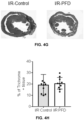
- FIG. 4A shows that the salient finding shown by FIG.
- Example 4 Pirfenidone Modulates Subsets of Cardiac B Lymphocytes Following Cardiac Injury.
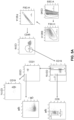
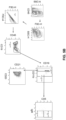
- FIG. 5A To further interrogate the effects of Pirfenidone on cardiac B lymphocytes, we first analyzed the surface antigens of cardiac B cells using known markers of B lymphocytic subtypes. The gating strategy that was used is illustrated in FIG. 5A and staining of splenic B lymphocytes is provided for reference in FIG. 5B .
- FIG. 5A the majority of CD19+ cardiac B cells in the uninjured adult heart were CD19+ CD11b-. Further characterization of this population revealed that they were IgD+ and IgMlow/- CD21- CD23- CD11c-, ( FIG. 5A ). Approximately 10% of the resident cardiac B cells in uninjured hearts were CD19+CD11b+. This population of cells was predominately CD5- IgM+, which is characteristic of B1b lymphocytes, whereas a smaller percentage was CD5+ IgM+, which is characteristic of B1a lymphocytes (16) ( FIG. 5C ).
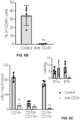
- FIG. 6A and FIG. 6B a single injection of anti-CD20 antibody ablated over 99% of splenic B cells and cardiac B cells by day 8.
- the number of cardiac B cells began to recover on day 4 post-I/R injury (i.e. day 12 post-injection).
- the total number of B cells remained less than 10% that of untreated controls ( FIG. 6C ).
- Example 6 LPS induced expression of CD86 is reduced in the presence of pirfenidone.
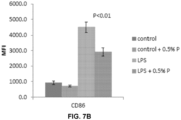
- B lymphocytes from the peritoneum ( FIG. 7A-7B ) and spleen ( FIG. 8A-8B ) were cultured for 24 hours with or without LPS (a TLR agonist).
- LPS increased the expression of the costimulatory molecule CD86 on B cells. This induction was significantly reduced in the presence of pirfenidone.
- Example 7 Pirfenidone reduced upregulation of CD86 on CD19+ cells in vivo in DTR treated mice.
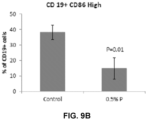
- Example 2 DTR mice (described in Example 1) were fed control or 0.5% pirfenidone supplemented chow, and cardiac B lymphocytes stained for CD19 and CD86 and analyzed by flow cytometry, at day 4 post-DTR treatment.
- This experiment included animals with severe injury (troponin>10).
- Treatment with pirfenidone reduced the expression of CD86 on B lymphocytes ( FIG. 9A-9B ), confirming in vivo the in vitro finding of Example 6.
- Example 8 Pirfenidone Modulates B Cell Activation Through a TIRAP Dependent Signaling Pathway.
- FIG. 10 principal component analysis of the transcriptome of cardiac B cells suggested that the mRNAs for the CD19+CD11b+ ( FIG. 10A ) and CD19+CD11b- ( FIG. 10B ) cells from DT-injured hearts had a profile that was distinct from cells from na ⁇ ve hearts. Importantly, the transcriptional profile of the Pirfenidone treated DT-injured mice clustered between the profile of the na ⁇ ve and the untreated hearts, suggesting that Pirfenidone modulated the changes in B lymphocyte gene expression that were provoked by cardiac injury.
- TLR Toll-like receptor
- necrotic cytosolic extracts did not provoke a significant increase in the percentage of CD19+ CD86high lymphocytes, whereas LPS stimulation resulted in a significant increase in the percentage of CD19+ CD86high lymphocytes (p ⁇ 0.001), albeit to a lesser extent than was observed in PDICs from TIRAP+/+ mice.
- treatment with Pirfenidone resulted in a small but significant (p ⁇ 0.001) decrease in CD19+ CD86high lymphocytes in LPS simulated cultures.
- necrotic cytosolic extracts modulate expression of co-stimulatory molecules on B cells through a TIRAP dependent mechanism
- LPS modulates expression of co-stimulatory molecules on B cells through a mechanism that is TIRAP independent.
- both mechanisms were sensitive to treatment with Pirfenidone ( FIG. 10E and FIG. 10F ).
- Similar results were obtained in splenic B lymphocytes from TIRAP -/- animals ( FIG. 10H ).
- these findings suggest that the B cell response to LPS and its modulation by Pirfenidone are cell-autonomous, and are mediated, at least in part, through TIRAP-dependent signaling.
- the response of B cells to necrotic cell extracts and the immunomodulatory effects of Pirfenidone are non-cell autonomous, which suggest that they are likely to be context- and tissue-dependent.
- Pirfenidone a small molecule that is FDA-approved for the treatment of idiopathic pulmonary fibrosis
- evidence that Pirfenidone exerts beneficial effects in the heart through a unique mechanism that involves immune modulation of the cardiac B lymphocyte response to tissue injury The following lines of evidence support this statement.
- treatment with Pirfenidone resulted in improved survival in a genetic model of cardiac myocyte injury.
- the improved survival was not secondary to a decrease in apoptotic or necrotic cardiac myocyte cell death ( FIG. 1 ).
- B cells can be broadly characterized into B1 and B2 lymphocytes, which are classically considered, respectively, innate and adaptive.
- B1a lymphocyte development occurs primarily during fetal and perinatal life
- B1b and B2 lymphocyte production continues throughout adult life.
- IgD+ which is characteristic of B2 cells
- IgM low levels of IgM
- necrotic cell extracts were sufficient to upregulate the co-stimulatory molecule CD86 in B lymphocytes isolated from cultures of mixed inflammatory cells, whereas necrotic cell extracts were not sufficient to upregulate CD86 in purified B cell preparations.
- LPS a classic TLR4 agonist, induced upregulation of CD86 in CD19+ cells in PDICs as well as in purified B cell preparations.
- Pirfenidone dependent immunomodulation of the cardiac inflammatory infiltrate improved cardiac function after acute injury.
- treatment with Pirfenidone was not associated with a reduction in Troponin on day 4 after administration of diphtheria toxin ( FIG. 1B ) nor a reduction in infarct size after I/R injury, as assessed by trichrome staining ( FIG. 3G - FIG. 3H ).
- cardiac B lymphocytes might modulate cardiac remodeling post injury.
- Pirfenidone might be repurposed as an immunomodulatory agent in the setting of ischemia reperfusion injury following percutaneous cardiac angioplasty for ST-segment myocardial infarction.
- B lymphocytes function, at least in part, by modulating interactions between T cells, cardiac macrophages and dendritic cells. Accordingly, immunomodulatory strategies that are designed to target B cells may be less likely to lead to untoward effects, than are strategies that are aimed at cytokines and cell types that are critical for myocardial repair.
- Mlc2v-Cre mice (C57BL/6J [Jackson Labs]) were crossed to Rosa26-DT mice (C57BL/6J) to generate lines of Rosa26-DT Mlc2v-Cre mice.
- Diphtheria toxin was diluted to a final concentration of 1 ng/ ⁇ L in PBS immediately prior to injections. Littermate controls were used for each experiment. Mice were treated and studied as they became available and the results from all available experiments were compiled for analyses.
- troponin release and Evan's blue dye uptake were assessed day 4 after injection of DT at the time of terminal sacrifice. Blood was collected in BD microtainer tubes and the serum was diluted 1:4 in PBS (50 ⁇ l serum + 150 ⁇ l PBS). Serum troponin was measured using a commercial chemiluminescent microparticle assay (Abbot Laboratories, Chicago, II, USA). Evan's Blue dye uptake was assessed on day 4 after DT injection, as described (35, 36). Hearts were examined at the level of the papillary muscle using Image J software. Data are expressed as the percent area of the myocardium with red fluorescence.
- Ischemia Reperfusion (I/R) Injury Hearts from wild-type (WT) mice (C57BL/6J; purchased from Jackson Laboratory) were subjected to ischemia reperfusion (I/R) injury, using the closed-chest ischemia reperfusion model developed by Entman and colleagues (34), and modified as we have described previously (15). For the studies described herein we used 9-10 week old mice that were instrumented, then at 1 week post instrumentation were anesthetized with 1.5% isoflurane, and subjected to 90 minutes of closed-chest ischemia, followed by reperfusion for 2 weeks.
- WT wild-type mice
- I/R ischemia reperfusion
- mice were fed powdered chow mixed with Pirfenidone (eNovation Chemicals, Bridgewater, NJ, USA, Cat # D404655) at 0.5% in weight or powdered chow alone. This dosage has been commonly used in rodent models and has been suggested to result in plasma concentrations similar to those observed in humans treated with Pirfenidone (37). Unless specifically noted, mice were switched to a diet enriched with Pirfenidone 3 days prior to DT-induced injury or I/R-injury, and maintained on this diet throughout the duration of the experiments. In parallel studies, we fed mice normal chow prior to I/R injury and then administered Pirfenidone acutely at the time of cardiac injury.
- Pirfenidone eNovation Chemicals, Bridgewater, NJ, USA, Cat # D404655
- mice were injected i.p. with diluent (200 ⁇ L phosphate-buffered solution [PBS]) or i.p. with Pirfenidone (200 ⁇ L of Pirfenidone [5mg/mL] in PBS) after reperfusion and the morning after I/R injury (2 injections total). They were switched to Pirfenidone-enriched diet or control diet the evening of I/R injury and maintained on the same diet until completion of the experiment.
- diluent 200 ⁇ L phosphate-buffered solution [PBS]
- Pirfenidone 200 ⁇ L of Pirfenidone [5mg/mL] in PBS
- mice were injected with 100 ⁇ g of anti-CD20 antibody (Biolegend, Clone SA271 G2, Catalog# 152104) through the jugular vein.
- the injected antibody was diluted in PBS, pH 7.2, containing no preservative (endotoxin level ⁇ 0.01 U/ ⁇ g of protein) and filtered using a 0.2 ⁇ m filter. Immunodepletion was assessed at different time points, as described in the results section.
- Rosa26-DT Mlc2v-Cre and littermate control WT mice were euthanized 14 days after DT injection, and the hearts were removed and weighed to determine the heart-weight-to-tibia-length-ratio.
- WT mice were euthanized 14 days after I/R injury and the hearts were removed and weighed to determine the heart-weight-to-tibia-length-ratio.
- Hearts were processed, paraffin-embedded, and stained with hematoxylin/eosin and Masson's trichrome, as described (38). TUNEL staining was performed with the Millipore (Burlington, MA, USA) S7200 ApopTag Peroxidase In Situ Oligo Ligation Apoptosis Detection Kit according to the manufacturer's instruction.
- mice were imaged by echocardiography at the time of ischemia and 2 weeks after reperfusion to evaluate LV structure and function, as described (39). The echocardiographer was blinded to study group assignment. Animals with poor acoustic windows or small areas at risk ( ⁇ 0.45) at the time of ischemia were excluded from further analysis.
- PDICs Peritoneal derived inflammatory cells
- PDIC cultures contain an admixture of inflammatory cells, including CD19+ B cells (40).
- TIRAP deficient mice were a gift from Dr. Ruslan Medzhitov (Yale University, New Haven, CT).
- PDICs were harvested on day 4 after i.p. injection of 1 ml of thioglycolate medium (Millipore, Billerica, MA, USA).
- mice were euthanized, and the peritoneal cavity was washed 3-4 times with 3 mLs of Dulbecco's modified medium containing 10% fetal calf serum.
- a 3mL syringe with an 18-gauge needle was used to inject the peritoneal cavity and retrieve the medium containing PDICs.
- Harvested cells were centrifuged at 250g for 5 minutes, re-suspended in 5 mL of media and then filtered through a 40 ⁇ m strainer. Cells were plated at ⁇ 1.5 million cells/mL in 12 or 24 well plates.
- LPS-EB ultrapure lipopolysaccharide InvivoGen, San Diego, CA, USA
- NCEs necrotic cell extracts
- Pirfenidone was solubilized (10 mg/mL) in Dulbecco's Modified Eagles medium (DMEM) by two rounds of gentle heating in a water bath at 65Co for 5 minutes, followed by vortexing for 20 seconds. The Pirfenidone solution was stored at 4Co and used within 24 hours from preparation. Pirfenidone was added at a final concentration of 150 ng/mL.
- DMEM Dulbecco's Modified Eagles medium
- FACS flow cytometric analysis
- both adherent and non-adherent cultured cells were collected. Non-adherent cells were collected by pipetting up and down the culture media prior to media collection and a single rapid wash with Cell Stripper (Corning, NY, USA) and then gently centrifuged at 250 x g for 3 minutes.
- adherent fraction cells were incubated for 30 minutes at 37Co with Cell Stripper (Corning, NY, USA) and then detached by gentle pipetting followed by mechanical detachment with a cell lifter.
- the adherent cells were mixed with the non-adherent cells, spun down at 250 x g for 3 minutes and resuspended in 300 ⁇ L of FACS buffer for further processing.
- mice were euthanized in a CO2 chamber and the hearts were perfused with cold PBS, carefully dissected from extracardiac tissue under a stereo microscope, finely minced, suspended in 3 ml of DMEM, and then digested with 120U of DNAse (Sigma), 180 U of hyaluronidase (Sigma) and 1350 U of Collagenase (Sigma) for 60 minutes at 37Co.
- the digested material was filtered through 40 ⁇ m filters and pelleted by centrifugation (250xg for 3 minutes at 4°C) in HBSS supplemented with 2% FCS + 0.2% bovine serum albumin (BSA).
- BSA bovine serum albumin
- Red blood cells were lysed in ACK lysis buffer (Invitrogen) for 15' on ice and the remaining cells were resuspended in 300 ⁇ L of FACS buffer (PBS with 2% FCS and 2 mM EDTA). Cultured cells were collected for FACS analysis as described above and resuspended in 300 ⁇ L of FACS buffer. Samples were labeled with the fluorescently conjugated antibodies outlined in the table below. Cells were stained for 45 minutes on ice, and washed in FACS buffer prior to analysis. All antibodies from Biolegend were used at 0.2 ⁇ L per 300 ⁇ L sample, while antibodies from BD biosciences were used at 0.4 ⁇ L per 300 ⁇ L sample.
- RNA-sequencing libraries were selected for polyadenylated RNA and converted to RNA-sequencing libraries using the SMARTer v2 kit from Clontech. Single-end, 50 bp reads were obtained on an Illumina HiSeq 3000 and aligned to the Illumina iGenomes GRCm38_Ensembl release of the mouse transcriptome using Tophat2.1(41), yielding an average of 1.8 X 10⁷ aligned reads per sample. Gene-level quantitation was performed using HTSeq 2(42).
- mRNAs were included in downstream analyses if present in all biological replicates in any of the 6 experimental groups (CD19+CD11b+ and CD19+CD11b- from WT, DT and DT + PFD) at an abundance of at least 1 read per million. A total of 12,097 mRNAs were obtained from this filtering procedure.
- gene expression data were corrected for variability among experimental batches and a principal components analysis across all 12,097 mRNAs for the 17 sequenced samples was performed.
- KEGG pathway analysis was performed on mRNAs with > 2 fold change in expression level between specific experimental groups using the appropriate functional annotation module within the 2017 release of the NIH online resource DAVID (44) and accepting an FDR ⁇ 0.05 (Benjamini-Hochberg method) to identify pathways enriched between the assigned conditions.
- KEGG pathways within the following 3 categories were analyzed: signal transduction (3.2), signaling molecules and interactions (3.3), and immune system (5.1).
- Peritoneal derived inflammatory cells were collected on day for post intraperitoneal injection of Thyoglicollate.
- Cells were cultured for 24h in baseline condition (control), in the presence of LPS 100 ng/ml (LPS) or in the presence of LPS 100 ng/ml and various concentrations of different forms of Pegylated Pirfenidone (named C2 and C3 in FIG. 11A and C4 to C6 in FIG. 11B )). After the 24h in culture cells were collected and analyzed via flow cytometry to assess the expression of CD86 on CD19+ cells (B lymphocytes). The graphs in FIG. 11A and FIG.
- FIG. 11B show that both Pirfenidone and the tested forms of Pegylated Pirfenidone reduced the expression of CD86 on CD19+ cells.
- FIG. 11C reports the molecular weights of the tested forms of PEGylated Pirfenidone and the molecular weight (MW) ration between the tested compound and Pirfenidone).
- 11D shows the molecular structures of the tested PEGylated Pirfenidone variants (C2 to C6) together with an assessment of their relative potency to Pirfenidone (calculated converting the amount of drugs used from concentrations in weight to molarity) and an assessment of in vitro toxicity (assessed by visual inspection of the cultured cells and DAPI staining at the time of flow cytometric analysis).
- the table shows that the tested variants of PEG-Pirfenidone are not equivalent and C6 (Pegydone 6) is superior to the other tested variants.
- Example 10 Pk and Bioavailability of Pegydone 6 Compared to Pirfenidone.
- FIG. 12A reports the data collected after IV administration of Pirfenidone
- FIG. 12B reports the data collected after administration of Pegydone 6.
- FIG. 12C reports the half-life of the two drugs as calculated from the graphs reported in FIG. 12A and FIG. 12B .
- FIG. 12C reports the calculated half-life and bioavailability of Pegydone 6 and Pirfenidone.
- FIG. 13A shows after 3 weeks of Parabiosis conjoined mice show 50% chimerism of circulating CD19+ B lymphocytes.
- FIG. 13B Analysis of chimerism of myocardial B lymphocytes. Conjoined animals show 50% of chimerism in both CD19+CD11b+ and CD19+CD11b- myocardial B lymphocytes.
- FIG. 13C ratio of chimerism between myocardial CD19+ cells and circulating CD19+ cells. The ratio of B cell chimerism between blood and myocardium is about 1.
- Example 12 Pirfenidone in the Treatment of Age Associated Myocardial Changes In vivo.
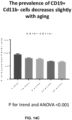
- FIG. 14A shows that with aging the prevalence of CD19+ cells increases.
- FIG. 14B shows that the prevalence of CD19+ CD11b+ cells increases as well.
- FIG. 14C shows that with aging the prevalence of CD19+ CD11b- cells decreases.
- Example 13 Use of Pirfenidone to Modulate Myocardial B cells in Humans.
- pegylated pirfenidone derivatives were designed and synthesized by incorporating polyethylene glycol (PEG) polymer into pirfenidone.
- PEG polyethylene glycol
- the potential benefits of the pegylated small molecules are to: 1) modify biodistribution, 2) decrease transport out of cells, 3) improve oral availability, 4) modify metabolism, and 5) modify drug half-life and other pharmacokinetic properties.
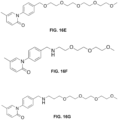
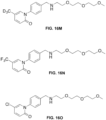
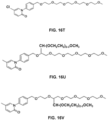
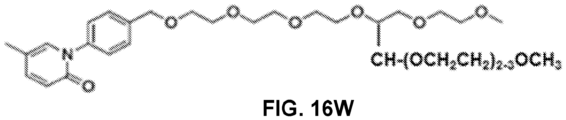
- the pegylated pirfenidone derivatives were synthesized by various substitutions into the generic structure as shown in FIG. 16A and FIG. 16B .
- the chemical structures of some of the pegylated derivatives of pirfenidone that were designed and synthesized are shown in FIG. 16B-16W .
- Cytokine-cytokine receptor interaction • CD40 antigen(Cd40) • chemokine (C-C motif) ligand 4(Ccl4) • chemokine (C-C motif) receptor 1(Ccr1) • chemokine (C-C motif) receptor 5(Ccr5) • chemokine (C-X-C motif) receptor 2(Cxcr2) • colony stimulating factor 2 receptor, beta, low-affinity (granulocyte-macrophage)(Csf2rb) • colony stimulating factor 3 receptor (granulocyte)(Csf3r) • interleukin 1 beta(II1b) • interleukin 1 receptor, type II(II1r2) • leukemia inhibitory factor receptor(Lifr) • tumor necrosis factor receptor superfamily, member 13b(Tnfrsf13b) Hematopoietic cell lineage • CD14 antigen(Cd14) • CD2 antigen(
- Pirfenidone and Pegyonde-6 were administered at equimolar concentrations to rats IV or per os (PO) and serum concentrations measured at different time points to measure pharmacokinetic parameters.
- the drugs were solubilized in 5% Alcohol + 20% PEG 300 in saline.
- the data reported below shows that PEG-Pirfenidone has longer half-life than Pirfenidone after both IV and PO administration and that PEG-Pirfenidone has better bioavailability than Pirfenidone. Table 3.
Landscapes
- Health & Medical Sciences (AREA)
- Chemical & Material Sciences (AREA)
- Organic Chemistry (AREA)
- Pharmacology & Pharmacy (AREA)
- Veterinary Medicine (AREA)
- Public Health (AREA)
- General Health & Medical Sciences (AREA)
- Animal Behavior & Ethology (AREA)
- Life Sciences & Earth Sciences (AREA)
- Medicinal Chemistry (AREA)
- Bioinformatics & Cheminformatics (AREA)
- Engineering & Computer Science (AREA)
- Epidemiology (AREA)
- Immunology (AREA)
- Nuclear Medicine, Radiotherapy & Molecular Imaging (AREA)
- General Chemical & Material Sciences (AREA)
- Chemical Kinetics & Catalysis (AREA)
- Cardiology (AREA)
- Heart & Thoracic Surgery (AREA)
- Transplantation (AREA)
- Pharmaceuticals Containing Other Organic And Inorganic Compounds (AREA)
- Pyridine Compounds (AREA)
- Medicinal Preparation (AREA)
- Medicines That Contain Protein Lipid Enzymes And Other Medicines (AREA)
Claims (14)
- Composé de formule (I) :
 R1, R2, R3, R4 et R5 sont chacun indépendamment sélectionnés dans le groupe constitué de : hydrogène, deutérium ou L-X-B, dans lequel au moins l'un de R1, R2, R3, R4 et R5 est L-X-B ;dans lequel L est un coupleur qui comprend un C1-12 alkyle ; X est O-PEG NH(CH2)mO-PEG, ou S(CH2)mO-PEG ; m est un nombre entier de 1 à 10 ; dans lequel PEG est sélectionné dans le groupe de mPEG (méthoxy polyéthylène glycol), PEG linéaire, PEG ramifié, PEG multi-bras et PEG-lipide, dans lequel le PEG comporte un poids moléculaire de 40 à 1 200 daltons ; B est sélectionné dans le groupe constitué de : hydrogène, deutérium, un C1 à C6 alkyle substitué ou non substitué, un C1 à C6 alkényle substitué ou non substitué, un C1 à C6 alkynyle substitué ou non substitué, un aryle substitué ou non substitué, et un hétéroaryle substitué ou non substitué, ou des versions deutérées de ceux-ci ; etA est sélectionné dans le groupe constitué de : hydrogène, deutérium, halogène, CF3, CD3, CN, OH, OCH3, OR", SR", NR"R", NR"COR", NR"CONR"R", NR"CO2R", COR", CO2R", NOR", NO2, CONR"R", OC(O)NR"R", SO2R", SO2NR"R", NR"SO2R", NR"SO2NR"R", C(O)C(O)R" et C(O)CH2C(O)R", un C1 à C6 alkyle substitué ou non substitué, un C1 à C6 alkényle substitué ou non substitué, un C1 à C6 alkynyle substitué ou non substitué, un aryle substitué ou non substitué, et un hétéroaryle substitué ou non substitué ; etR" peut être indépendamment sélectionné dans le groupe constitué de : hydrogène, fraction C1-C4 aliphatique substituée, fraction aliphatique contenant azote, oxygène ou soufre, ou bien, deux fractions R" liées au même atome d'azote sont éventuellement prises conjointement avec l'atome d'azote pour former un anneau saturé ou non saturé à 3-7 chaînons comportant 1-2 hétéroatomes supplémentaires indépendamment sélectionnés dans le groupe constitué de : azote, oxygène ou soufre ; etoù le terme "substitué" signifie qu'un ou plusieurs des atomes d'hydrogène liés aux atomes de carbone dans la chaîne ou l'anneau ont été remplacés par des substituants sélectionnés dans les groupes alkyle et les groupes alkoxy.
 - Composé selon la revendication 1, dans lequel R1 est sélectionné dans le groupe constitué de : hydrogène, deutérium ou L-X-B ; dans lequel L est un coupleur qui comprend un C1-12 alkyle ; X est O-PEG, NH(CH2)mO-PEG ou S(CH2)mO-PEG ; m est un nombre entier de 1 à 10 ; dans lequel PEG est sélectionné dans le groupe de mPEG (méthoxy polyéthylène glycol), PEG linéaire, PEG ramifié, PEG multi-bras et PEG-lipide ; B est sélectionné dans le groupe constitué de : hydrogène, deutérium, un C1 à C6 alkyle substitué ou non substitué, un C1 à C6 alkényle substitué ou non substitué, un C1 à C6 alkynyle substitué ou non substitué, un aryle substitué ou non substitué, et un hétéroaryle substitué ou non substitué, ou des versions deutérées de ceux-ci.
- Composé selon la revendication 1 ou 2, dans lequel R2 est sélectionné dans le groupe constitué de : hydrogène, deutérium ou L-X-B ; dans lequel L est un coupleur qui comprend un C1-12 alkyle ; X est O-PEG, NH(CH2)mO-PEG ou S(CH2)mO-PEG ; m est un nombre entier de 1 à 10 ; dans lequel PEG est sélectionné dans le groupe de mPEG (méthoxy polyéthylène glycol), PEG linéaire, PEG ramifié, PEG multi-bras et PEG-lipide ; B est sélectionné dans le groupe constitué de : hydrogène, deutérium, un C1 à C6 alkyle substitué ou non substitué, un C1 à C6 alkényle substitué ou non substitué, un C1 à C6 alkynyle substitué ou non substitué, un aryle substitué ou non substitué, et un hétéroaryle substitué ou non substitué, ou des versions deutérées de ceux-ci.
- Composé selon l'une quelconque des revendications précédentes, dans lequel R3 est sélectionné dans le groupe constitué de : hydrogène, deutérium ou L-X-B; dans lequel L est un coupleur qui comprend un C1-12 alkyle ; X est O-PEG, NH(CH2)mO-PEG ou S(CH2)mO-PEG ; m est un nombre entier de 1 à 10 ; où PEG est sélectionné dans le groupe de mPEG (méthoxy polyéthylène glycol), PEG linéaire, PEG ramifié, PEG multi-bras et PEG-lipide ; B est sélectionné dans le groupe constitué de : hydrogène, deutérium, un C1 à C6 alkyle substitué ou non substitué, un C1 à C6 alkényle substitué ou non substitué, un C1 à C6 alkynyle substitué ou non substitué, un aryle substitué ou non substitué, et un hétéroaryle substitué ou non substitué, ou des versions deutérées de ceux-ci.
- Composé selon l'une quelconque des revendications précédentes, dans lequel R4 est sélectionné dans le groupe constitué de : hydrogène, deutérium ou L-X-B ; dans lequel L est un coupleur qui comprend un C1-12 alkyle ; X est O-PEG, NH(CH2)mO-PEG, ou S(CH2)mO-PEG ; m est un nombre entier de 1 à 10 ; dans lequel PEG est sélectionné dans le groupe de mPEG (méthoxy polyéthylène glycol), PEG linéaire, PEG ramifié, PEG multi-bras et PEG-lipide ; B est sélectionné dans le groupe constitué de : hydrogène, deutérium, un C1 à C6 alkyle substitué ou non substitué, un C1 à C6 alkényle substitué ou non substitué, un C1 à C6 alkynyle substitué ou non substitué, un aryle substitué ou non substitué, et un hétéroaryle substitué ou non substitué, ou des versions deutérées de ceux-ci.
- Composé selon l'une quelconque des revendications précédentes, dans lequel R5 peut être sélectionné dans le groupe constitué de : hydrogène, deutérium ou L-X-B ; dans lequel L est un coupleur qui comprend un C1-12 alkyle ; X est O-PEG, NH(CH2)mO-PEG, ou S(CH2)mO-PEG; m est un nombre entier de 1 à 10 ; dans lequel PEG est sélectionné dans le groupe de mPEG (méthoxy polyéthylène glycol), PEG linéaire, PEG ramifié, PEG multi-bras et PEG-lipide ; B est sélectionné dans le groupe constitué de : hydrogène, deutérium, un C1 à C6 alkyle substitué ou non substitué, un C1 à C6 alkényle substitué ou non substitué, un C1 à C6 alkynyle substitué ou non substitué, un aryle substitué ou non substitué, et un hétéroaryle substitué ou non substitué, ou des versions deutérées de ceux-ci.
- Composé selon l'une quelconque des revendications précédentes, dans lequel A est sélectionné dans le groupe constitué de : hydrogène, halogène, CF3, CD3, ou un C1 à C6 alkyle substitué ou non substitué.
- Composé selon l'une quelconque des revendications précédentes, dans lequel A est sélectionné dans le groupe constitué de CH3, CF3, CD3 et CH2-cyclopropyle.
- Composé selon l'une quelconque des revendications précédentes, le composé étant sélectionné dans le groupe constitué de


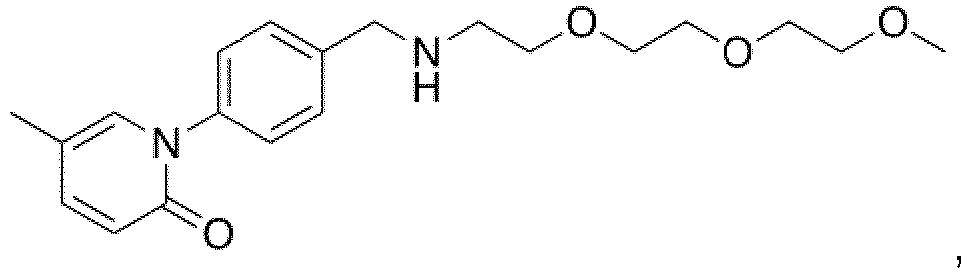


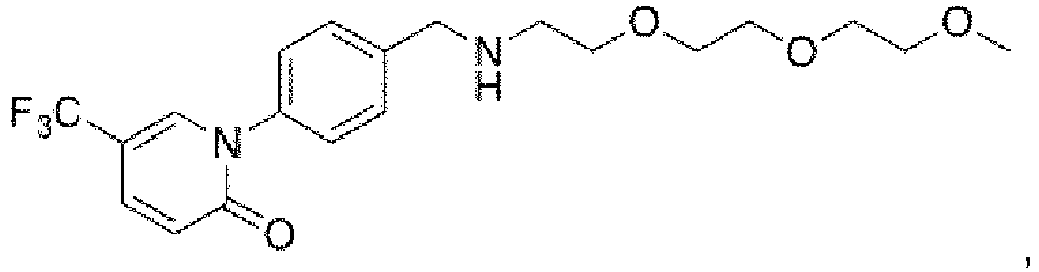

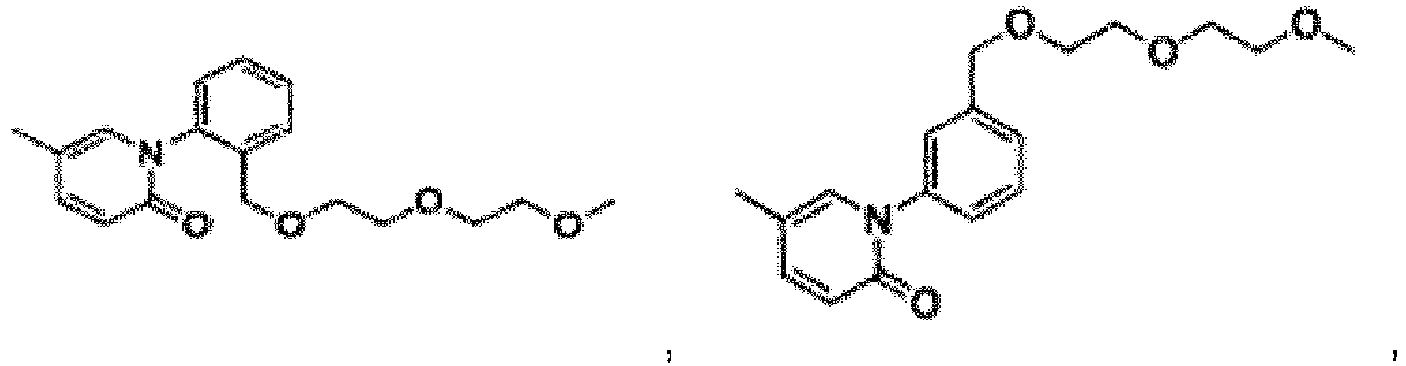


- Composition comprenant un composé selon l'une quelconque des revendications 1-9, ou combinaison d'un composé selon l'une quelconque des revendications 1-9 et de pirfénidone, destinée à être utilisée dans un procédé de modulation de l'activité de cellules B non malignes et de diminution du recrutement de cellules B non malignes à un organe d'un sujet, le procédé comprenant l'administration au sujet d'une quantité efficace de la composition.
- Composition destinée à être utilisée conformément à la revendication 10, la composition étant administrée au sujet quand un dommage d'organe est anticipé ou quand le sujet souffre d'un grave dommage d'organe, l'organe étant sélectionné dans le groupe constitué de : cœur, foie, rein, intestin et cerveau, et l'administration de la composition empêchant ou ralentissant la progression du dommage d'organe.
- Composition destinée à être utilisée conformément à la revendication 10, le sujet souffrant d'une insuffisance cardiaque chronique, un dommage d'organe étant présent, l'organe étant sélectionné dans le groupe constitué de : cœur, rein, intestin et cerveau.
- Composition destinée à être utilisée conformément à la revendication 10, la composition étant administrée à un sujet pour prévenir les effets d'une lésion de tissu aiguë ou d'une ischémie.
- Composition destinée à être utilisée conformément à la revendication 10, la composition étant administrée avant ou après une greffe d'organe à un sujet.
Applications Claiming Priority (3)
| Application Number | Priority Date | Filing Date | Title |
|---|---|---|---|
| US201762539309P | 2017-07-31 | 2017-07-31 | |
| US201862681418P | 2018-06-06 | 2018-06-06 | |
| PCT/US2018/044669 WO2019028062A1 (fr) | 2017-07-31 | 2018-07-31 | Dérivés de la pirfénidone pour la modulation de l'activité des lymphocytes b et la protection des organes |
Publications (3)
| Publication Number | Publication Date |
|---|---|
| EP3661506A1 EP3661506A1 (fr) | 2020-06-10 |
| EP3661506A4 EP3661506A4 (fr) | 2021-04-21 |
| EP3661506B1 true EP3661506B1 (fr) | 2025-01-29 |
Family
ID=65233053
Family Applications (1)
| Application Number | Title | Priority Date | Filing Date |
|---|---|---|---|
| EP18841771.1A Active EP3661506B1 (fr) | 2017-07-31 | 2018-07-31 | Dérivés de la pirfénidone pour la modulation de l'activité des lymphocytes b et la protection des organes |
Country Status (6)
| Country | Link |
|---|---|
| US (1) | US12365651B2 (fr) |
| EP (1) | EP3661506B1 (fr) |
| JP (2) | JP7360171B2 (fr) |
| CA (1) | CA3108048A1 (fr) |
| ES (1) | ES3023840T3 (fr) |
| WO (1) | WO2019028062A1 (fr) |
Families Citing this family (2)
| Publication number | Priority date | Publication date | Assignee | Title |
|---|---|---|---|---|
| US12365651B2 (en) | 2017-07-31 | 2025-07-22 | Washington University | Use of pirfenidone and derivatives for modulation of B lymphocyte activity and organ protection from acute tissue damage |
| WO2021263127A1 (fr) * | 2020-06-26 | 2021-12-30 | Board Of Supervisors Of Louisiana State University And Agricultural And Mechanical College | Modèle animal d'hypertension et procédés d'utilisation |
Family Cites Families (38)
| Publication number | Priority date | Publication date | Assignee | Title |
|---|---|---|---|---|
| JPS4987677A (fr) * | 1972-12-18 | 1974-08-22 | ||
| US4394448A (en) | 1978-02-24 | 1983-07-19 | Szoka Jr Francis C | Method of inserting DNA into living cells |
| US4529561A (en) | 1978-03-24 | 1985-07-16 | The Regents Of The University Of California | Method for producing liposomes in selected size range |
| US4241046A (en) | 1978-11-30 | 1980-12-23 | Papahadjopoulos Demetrios P | Method of encapsulating biologically active materials in lipid vesicles |
| US4925661A (en) | 1984-04-19 | 1990-05-15 | Leaf Huang | Target-specific cytotoxic liposomes |
| US4957735A (en) | 1984-06-12 | 1990-09-18 | The University Of Tennessee Research Corporation | Target-sensitive immunoliposomes- preparation and characterization |
| US4755388A (en) | 1984-11-09 | 1988-07-05 | The Regents Of The University Of California | Liposome-encapsulated 5-fluoropyrimidines and methods for their use |
| DE3542773A1 (de) | 1985-12-04 | 1987-06-11 | Roehm Pharma Gmbh | Hautwirksame pharmaka mit liposomen als wirkstofftraeger |
| US4828837A (en) | 1987-03-30 | 1989-05-09 | Liposome Technology, Inc. | Non-crystalline minoxidil composition, its production and application |
| US5077211A (en) | 1988-07-06 | 1991-12-31 | Applied Genetics, Inc. | Purification and administration of dna repair enzymes |
| US5043164A (en) | 1989-01-17 | 1991-08-27 | The University Of Tennessee Research Corporation | Blood-stable, cholesterol-free liposomes |
| US5064655A (en) | 1989-02-24 | 1991-11-12 | Liposome Technology, Inc. | Liposome gel composition and method |
| US5264618A (en) | 1990-04-19 | 1993-11-23 | Vical, Inc. | Cationic lipids for intracellular delivery of biologically active molecules |
| DE69631058T2 (de) * | 1995-09-15 | 2004-06-03 | Neurosearch A/S | Piperindinverbindungen als calcium-kanal-blocker |
| ES2320973T3 (es) | 2000-06-12 | 2009-06-01 | EISAI R&D MANAGEMENT CO., LTD. | Compuestos de 1,2-dihidropiridina, procedimiento para su preparacion y uso de los mismos. |
| WO2002060446A1 (fr) | 2001-01-29 | 2002-08-08 | Shionogi & Co., Ltd. | Preparation medicamenteuse contenant du 5-methyle-1-phenyle-2-(1h)-pyridone en tant que principe actif |
| EP1551369A4 (fr) | 2002-08-28 | 2007-05-09 | Intermune Inc | Therapie de combinaison pour le traitement de troubles fibrosants |
| US20070053877A1 (en) | 2003-08-21 | 2007-03-08 | Intermune, Inc. | Methods of treating idiopathic pulmonary fibrosis |
| JP2008508358A (ja) * | 2004-08-02 | 2008-03-21 | オーエスアイ・ファーマスーティカルズ・インコーポレーテッド | アリール−アミノ置換ピロロピリミジンマルチキナーゼ阻害化合物 |
| ES2600460T3 (es) | 2005-05-10 | 2017-02-09 | Intermune, Inc. | Derivados de piridona-2-ona como moduladores del sistema de proteína cinasa activada por estrés |
| EP2471534A1 (fr) | 2006-12-18 | 2012-07-04 | Intermune, Inc. | Procédé pour fournir la thérapie par pirfénidone à un patient |
| WO2008157786A1 (fr) | 2007-06-20 | 2008-12-24 | Auspex Pharmaceutical, Inc. | N-aryle pyridinones substituees a fonction d'inhibiteurs fibrogenes |
| WO2009035598A1 (fr) | 2007-09-10 | 2009-03-19 | Concert Pharmaceuticals, Inc. | Pirfénidone déutérée |
| CN102099036B (zh) | 2008-06-03 | 2015-05-27 | 英特芒尼公司 | 用于治疗炎性疾患和纤维化疾患的化合物和方法 |
| WO2010065755A1 (fr) * | 2008-12-04 | 2010-06-10 | Concert Pharmaceuticals, Inc. | Pyridinones deutérées |
| AP2011005824A0 (en) | 2009-01-26 | 2011-08-31 | Intermune Inc | Methods for treating acute myocardial infarctions and associated disorders. |
| TWI434833B (zh) | 2009-06-03 | 2014-04-21 | Intermune Inc | 用於合成吡非尼酮(pirfenidone)的改良方法 |
| CN102241625B (zh) * | 2010-05-13 | 2014-10-29 | 中南大学 | 1-(取代芳基)-5-((取代芳胺基)甲基)吡啶-2(1h)酮化合物、制备方法及其用途 |
| WO2012020725A1 (fr) * | 2010-08-10 | 2012-02-16 | 塩野義製薬株式会社 | Dérivé hétérocyclique présentant un antagonisme pour le récepteur npy y5 |
| KR101925971B1 (ko) * | 2011-01-28 | 2018-12-06 | 에스케이바이오팜 주식회사 | 피리돈 유도체 및 이를 포함하는 약학적 조성물 |
| EP2699157B1 (fr) * | 2011-04-21 | 2018-03-14 | The Regents of The University of California | Nanoparticules magnétiques fonctionnalisées et leur utilisation dans l'imagerie de dépôts amyloïdes et d'enchevêtrements neurofibrillaires |
| AR092742A1 (es) | 2012-10-02 | 2015-04-29 | Intermune Inc | Piridinonas antifibroticas |
| US20140094456A1 (en) | 2012-10-02 | 2014-04-03 | Intermune, Inc. | Anti-fibrotic pyridinones |
| EP3038467B1 (fr) | 2013-08-13 | 2020-07-29 | Knopp Biosciences LLC | Compositions et méthodes de traitement de troubles des cellules plasmatiques et de troubles prolymphocytaires à cellules b |
| RU2738844C2 (ru) * | 2016-04-14 | 2020-12-17 | Гуанчжоу Джойо Фарматек Ко., Лтд | Содержащее заместитель, представляющий собой бутан, в гетероциклическом кольце производное пиридона для лечения фиброза и воспалительных заболеваний |
| CN106083702B (zh) | 2016-06-14 | 2019-03-22 | 四川大学 | 吡非尼酮衍生物及其制备方法 |
| CN105884680B (zh) | 2016-06-16 | 2019-06-25 | 杨若一 | 吡非尼酮衍生物及其制备方法与用途 |
| US12365651B2 (en) | 2017-07-31 | 2025-07-22 | Washington University | Use of pirfenidone and derivatives for modulation of B lymphocyte activity and organ protection from acute tissue damage |
-
2018
- 2018-07-31 US US16/638,424 patent/US12365651B2/en active Active
- 2018-07-31 EP EP18841771.1A patent/EP3661506B1/fr active Active
- 2018-07-31 JP JP2020506221A patent/JP7360171B2/ja active Active
- 2018-07-31 CA CA3108048A patent/CA3108048A1/fr active Pending
- 2018-07-31 WO PCT/US2018/044669 patent/WO2019028062A1/fr not_active Ceased
- 2018-07-31 ES ES18841771T patent/ES3023840T3/es active Active
-
2023
- 2023-07-13 JP JP2023115295A patent/JP2023153818A/ja active Pending
Also Published As
| Publication number | Publication date |
|---|---|
| JP2020530005A (ja) | 2020-10-15 |
| JP7360171B2 (ja) | 2023-10-12 |
| EP3661506A4 (fr) | 2021-04-21 |
| US12365651B2 (en) | 2025-07-22 |
| JP2023153818A (ja) | 2023-10-18 |
| ES3023840T3 (en) | 2025-06-03 |
| WO2019028062A1 (fr) | 2019-02-07 |
| US20200165203A1 (en) | 2020-05-28 |
| EP3661506A1 (fr) | 2020-06-10 |
| CA3108048A1 (fr) | 2019-02-07 |
Similar Documents
| Publication | Publication Date | Title |
|---|---|---|
| JP6716668B2 (ja) | リンパ組織に幹細胞および前駆細胞が結合することを阻害する組成および方法、ならびにリンパ組織の胚中心を再生させるための組成および方法 | |
| EP2234642B1 (fr) | Méthode propre à accroître un effet immunologique | |
| JP2023153818A (ja) | Bリンパ球活性の調節及び臓器保護のためのピルフェニドン誘導体 | |
| TW201803562A (zh) | 用於纖維化之治療之wnt抑制劑 | |
| AU2024208037B2 (en) | Medicinal products and methods for the alleviation of cancer immunotherapy-associated cytokine release syndrome | |
| US20210393628A1 (en) | Compositions and methods for modulating t cell exhaustion | |
| TWI598101B (zh) | 用於心臟再生的治療性基因混合製劑 | |
| CA3279458C (fr) | Produits médicinaux et procédés d'atténuation du syndrome de libération de cytokine associé à l'immunothérapie anticancéreuse | |
| US12447165B2 (en) | Intratumoral vein-formation promoting agent | |
| US20190248909A1 (en) | Modulating autoimmune diabetes by reducing or removing the resident macrophages of the islets of langerhans | |
| WO2025064402A1 (fr) | Méthode de traitement de la drépanocytose par ciblage des cellules sénescentes | |
| HK1186117B (zh) | 抑制幹細胞和祖細胞與淋巴樣組織結合和用於使淋巴組織中的生髮中心再生的組合物和方法 | |
| HK1150303B (en) | Method of increasing immunological effect | |
| HK1150303A (en) | Method of increasing immunological effect | |
| HK1186117A (en) | Compositions and methods to inhibit stem cell and progenitor cell binding to lymphoid tissue and for regenerating germinal centers in lymphatic tissues |
Legal Events
| Date | Code | Title | Description |
|---|---|---|---|
| STAA | Information on the status of an ep patent application or granted ep patent |
Free format text: STATUS: THE INTERNATIONAL PUBLICATION HAS BEEN MADE |
|
| PUAI | Public reference made under article 153(3) epc to a published international application that has entered the european phase |
Free format text: ORIGINAL CODE: 0009012 |
|
| STAA | Information on the status of an ep patent application or granted ep patent |
Free format text: STATUS: REQUEST FOR EXAMINATION WAS MADE |
|
| 17P | Request for examination filed |
Effective date: 20200224 |
|
| AK | Designated contracting states |
Kind code of ref document: A1 Designated state(s): AL AT BE BG CH CY CZ DE DK EE ES FI FR GB GR HR HU IE IS IT LI LT LU LV MC MK MT NL NO PL PT RO RS SE SI SK SM TR |
|
| AX | Request for extension of the european patent |
Extension state: BA ME |
|
| DAV | Request for validation of the european patent (deleted) | ||
| DAX | Request for extension of the european patent (deleted) | ||
| A4 | Supplementary search report drawn up and despatched |
Effective date: 20210319 |
|
| RIC1 | Information provided on ipc code assigned before grant |
Ipc: A61K 31/435 20060101AFI20210315BHEP Ipc: A61K 31/44 20060101ALI20210315BHEP Ipc: A61K 31/4402 20060101ALI20210315BHEP Ipc: C07D 213/64 20060101ALI20210315BHEP Ipc: A61P 37/06 20060101ALI20210315BHEP |
|
| STAA | Information on the status of an ep patent application or granted ep patent |
Free format text: STATUS: EXAMINATION IS IN PROGRESS |
|
| 17Q | First examination report despatched |
Effective date: 20220404 |
|
| P01 | Opt-out of the competence of the unified patent court (upc) registered |
Effective date: 20230607 |
|
| GRAP | Despatch of communication of intention to grant a patent |
Free format text: ORIGINAL CODE: EPIDOSNIGR1 |
|
| STAA | Information on the status of an ep patent application or granted ep patent |
Free format text: STATUS: GRANT OF PATENT IS INTENDED |
|
| INTG | Intention to grant announced |
Effective date: 20240405 |
|
| GRAJ | Information related to disapproval of communication of intention to grant by the applicant or resumption of examination proceedings by the epo deleted |
Free format text: ORIGINAL CODE: EPIDOSDIGR1 |
|
| STAA | Information on the status of an ep patent application or granted ep patent |
Free format text: STATUS: EXAMINATION IS IN PROGRESS |
|
| GRAP | Despatch of communication of intention to grant a patent |
Free format text: ORIGINAL CODE: EPIDOSNIGR1 |
|
| STAA | Information on the status of an ep patent application or granted ep patent |
Free format text: STATUS: GRANT OF PATENT IS INTENDED |
|
| INTC | Intention to grant announced (deleted) | ||
| INTG | Intention to grant announced |
Effective date: 20240822 |
|
| GRAS | Grant fee paid |
Free format text: ORIGINAL CODE: EPIDOSNIGR3 |
|
| GRAA | (expected) grant |
Free format text: ORIGINAL CODE: 0009210 |
|
| STAA | Information on the status of an ep patent application or granted ep patent |
Free format text: STATUS: THE PATENT HAS BEEN GRANTED |
|
| AK | Designated contracting states |
Kind code of ref document: B1 Designated state(s): AL AT BE BG CH CY CZ DE DK EE ES FI FR GB GR HR HU IE IS IT LI LT LU LV MC MK MT NL NO PL PT RO RS SE SI SK SM TR |
|
| REG | Reference to a national code |
Ref country code: GB Ref legal event code: FG4D |
|
| REG | Reference to a national code |
Ref country code: CH Ref legal event code: EP |
|
| REG | Reference to a national code |
Ref country code: DE Ref legal event code: R096 Ref document number: 602018078884 Country of ref document: DE |
|
| REG | Reference to a national code |
Ref country code: IE Ref legal event code: FG4D |
|
| REG | Reference to a national code |
Ref country code: DE Ref legal event code: R081 Ref document number: 602018078884 Country of ref document: DE Owner name: WASHINGTON UNIVERSITY, ST. LOUIS, US Free format text: FORMER OWNERS: ADAMO, LUIGI, ST. LOUIS, MO, US; DOLLE, ROLAND, ST. LOUIS, MO, US; MANN, DOUGLAS L., ST. LOUIS, MO, US; WASHINGTON UNIVERSITY, ST. LOUIS, MO, US |
|
| RAP2 | Party data changed (patent owner data changed or rights of a patent transferred) |
Owner name: WASHINGTON UNIVERSITY |
|
| REG | Reference to a national code |
Ref country code: ES Ref legal event code: FG2A Ref document number: 3023840 Country of ref document: ES Kind code of ref document: T3 Effective date: 20250603 |
|
| REG | Reference to a national code |
Ref country code: NL Ref legal event code: MP Effective date: 20250129 |
|
| REG | Reference to a national code |
Ref country code: GB Ref legal event code: 732E Free format text: REGISTERED BETWEEN 20250515 AND 20250521 |
|
| PG25 | Lapsed in a contracting state [announced via postgrant information from national office to epo] |
Ref country code: NL Free format text: LAPSE BECAUSE OF FAILURE TO SUBMIT A TRANSLATION OF THE DESCRIPTION OR TO PAY THE FEE WITHIN THE PRESCRIBED TIME-LIMIT Effective date: 20250129 |
|
| PG25 | Lapsed in a contracting state [announced via postgrant information from national office to epo] |
Ref country code: RS Free format text: LAPSE BECAUSE OF FAILURE TO SUBMIT A TRANSLATION OF THE DESCRIPTION OR TO PAY THE FEE WITHIN THE PRESCRIBED TIME-LIMIT Effective date: 20250429 |
|
| PG25 | Lapsed in a contracting state [announced via postgrant information from national office to epo] |
Ref country code: FI Free format text: LAPSE BECAUSE OF FAILURE TO SUBMIT A TRANSLATION OF THE DESCRIPTION OR TO PAY THE FEE WITHIN THE PRESCRIBED TIME-LIMIT Effective date: 20250129 |
|
| PG25 | Lapsed in a contracting state [announced via postgrant information from national office to epo] |
Ref country code: PL Free format text: LAPSE BECAUSE OF FAILURE TO SUBMIT A TRANSLATION OF THE DESCRIPTION OR TO PAY THE FEE WITHIN THE PRESCRIBED TIME-LIMIT Effective date: 20250129 |
|
| REG | Reference to a national code |
Ref country code: LT Ref legal event code: MG9D |
|
| PG25 | Lapsed in a contracting state [announced via postgrant information from national office to epo] |
Ref country code: NO Free format text: LAPSE BECAUSE OF FAILURE TO SUBMIT A TRANSLATION OF THE DESCRIPTION OR TO PAY THE FEE WITHIN THE PRESCRIBED TIME-LIMIT Effective date: 20250429 Ref country code: IS Free format text: LAPSE BECAUSE OF FAILURE TO SUBMIT A TRANSLATION OF THE DESCRIPTION OR TO PAY THE FEE WITHIN THE PRESCRIBED TIME-LIMIT Effective date: 20250529 |
|
| REG | Reference to a national code |
Ref country code: AT Ref legal event code: MK05 Ref document number: 1762790 Country of ref document: AT Kind code of ref document: T Effective date: 20250129 |
|
| PG25 | Lapsed in a contracting state [announced via postgrant information from national office to epo] |
Ref country code: HR Free format text: LAPSE BECAUSE OF FAILURE TO SUBMIT A TRANSLATION OF THE DESCRIPTION OR TO PAY THE FEE WITHIN THE PRESCRIBED TIME-LIMIT Effective date: 20250129 |
|
| PG25 | Lapsed in a contracting state [announced via postgrant information from national office to epo] |
Ref country code: PT Free format text: LAPSE BECAUSE OF FAILURE TO SUBMIT A TRANSLATION OF THE DESCRIPTION OR TO PAY THE FEE WITHIN THE PRESCRIBED TIME-LIMIT Effective date: 20250529 Ref country code: LV Free format text: LAPSE BECAUSE OF FAILURE TO SUBMIT A TRANSLATION OF THE DESCRIPTION OR TO PAY THE FEE WITHIN THE PRESCRIBED TIME-LIMIT Effective date: 20250129 |
|
| PG25 | Lapsed in a contracting state [announced via postgrant information from national office to epo] |
Ref country code: GR Free format text: LAPSE BECAUSE OF FAILURE TO SUBMIT A TRANSLATION OF THE DESCRIPTION OR TO PAY THE FEE WITHIN THE PRESCRIBED TIME-LIMIT Effective date: 20250430 Ref country code: BG Free format text: LAPSE BECAUSE OF FAILURE TO SUBMIT A TRANSLATION OF THE DESCRIPTION OR TO PAY THE FEE WITHIN THE PRESCRIBED TIME-LIMIT Effective date: 20250129 |
|
| PG25 | Lapsed in a contracting state [announced via postgrant information from national office to epo] |
Ref country code: AT Free format text: LAPSE BECAUSE OF FAILURE TO SUBMIT A TRANSLATION OF THE DESCRIPTION OR TO PAY THE FEE WITHIN THE PRESCRIBED TIME-LIMIT Effective date: 20250129 |
|
| PG25 | Lapsed in a contracting state [announced via postgrant information from national office to epo] |
Ref country code: SE Free format text: LAPSE BECAUSE OF FAILURE TO SUBMIT A TRANSLATION OF THE DESCRIPTION OR TO PAY THE FEE WITHIN THE PRESCRIBED TIME-LIMIT Effective date: 20250129 |
|
| PG25 | Lapsed in a contracting state [announced via postgrant information from national office to epo] |
Ref country code: SM Free format text: LAPSE BECAUSE OF FAILURE TO SUBMIT A TRANSLATION OF THE DESCRIPTION OR TO PAY THE FEE WITHIN THE PRESCRIBED TIME-LIMIT Effective date: 20250129 |
|
| PGFP | Annual fee paid to national office [announced via postgrant information from national office to epo] |
Ref country code: ES Payment date: 20250827 Year of fee payment: 8 |
|
| PG25 | Lapsed in a contracting state [announced via postgrant information from national office to epo] |
Ref country code: DK Free format text: LAPSE BECAUSE OF FAILURE TO SUBMIT A TRANSLATION OF THE DESCRIPTION OR TO PAY THE FEE WITHIN THE PRESCRIBED TIME-LIMIT Effective date: 20250129 |
|
| PGFP | Annual fee paid to national office [announced via postgrant information from national office to epo] |
Ref country code: DE Payment date: 20250722 Year of fee payment: 8 |
|
| PGFP | Annual fee paid to national office [announced via postgrant information from national office to epo] |
Ref country code: IT Payment date: 20250724 Year of fee payment: 8 |
|
| PGFP | Annual fee paid to national office [announced via postgrant information from national office to epo] |
Ref country code: GB Payment date: 20250722 Year of fee payment: 8 |
|
| PGFP | Annual fee paid to national office [announced via postgrant information from national office to epo] |
Ref country code: FR Payment date: 20250725 Year of fee payment: 8 |
|
| PG25 | Lapsed in a contracting state [announced via postgrant information from national office to epo] |
Ref country code: EE Free format text: LAPSE BECAUSE OF FAILURE TO SUBMIT A TRANSLATION OF THE DESCRIPTION OR TO PAY THE FEE WITHIN THE PRESCRIBED TIME-LIMIT Effective date: 20250129 Ref country code: CZ Free format text: LAPSE BECAUSE OF FAILURE TO SUBMIT A TRANSLATION OF THE DESCRIPTION OR TO PAY THE FEE WITHIN THE PRESCRIBED TIME-LIMIT Effective date: 20250129 |
|
| PG25 | Lapsed in a contracting state [announced via postgrant information from national office to epo] |
Ref country code: RO Free format text: LAPSE BECAUSE OF FAILURE TO SUBMIT A TRANSLATION OF THE DESCRIPTION OR TO PAY THE FEE WITHIN THE PRESCRIBED TIME-LIMIT Effective date: 20250129 |
|
| PG25 | Lapsed in a contracting state [announced via postgrant information from national office to epo] |
Ref country code: SK Free format text: LAPSE BECAUSE OF FAILURE TO SUBMIT A TRANSLATION OF THE DESCRIPTION OR TO PAY THE FEE WITHIN THE PRESCRIBED TIME-LIMIT Effective date: 20250129 |
|
| REG | Reference to a national code |
Ref country code: DE Ref legal event code: R097 Ref document number: 602018078884 Country of ref document: DE |
|
| PLBE | No opposition filed within time limit |
Free format text: ORIGINAL CODE: 0009261 |
|
| STAA | Information on the status of an ep patent application or granted ep patent |
Free format text: STATUS: NO OPPOSITION FILED WITHIN TIME LIMIT |
|
| REG | Reference to a national code |
Ref country code: CH Ref legal event code: L10 Free format text: ST27 STATUS EVENT CODE: U-0-0-L10-L00 (AS PROVIDED BY THE NATIONAL OFFICE) Effective date: 20251210 |
|
| 26N | No opposition filed |
Effective date: 20251030 |
|
| REG | Reference to a national code |
Ref country code: CH Ref legal event code: H13 Free format text: ST27 STATUS EVENT CODE: U-0-0-H10-H13 (AS PROVIDED BY THE NATIONAL OFFICE) Effective date: 20260224 |
|
| PG25 | Lapsed in a contracting state [announced via postgrant information from national office to epo] |
Ref country code: LU Free format text: LAPSE BECAUSE OF NON-PAYMENT OF DUE FEES Effective date: 20250731 |
|
| REG | Reference to a national code |
Ref country code: BE Ref legal event code: MM Effective date: 20250731 |
|
| PG25 | Lapsed in a contracting state [announced via postgrant information from national office to epo] |
Ref country code: BE Free format text: LAPSE BECAUSE OF NON-PAYMENT OF DUE FEES Effective date: 20250731 |
|
| PG25 | Lapsed in a contracting state [announced via postgrant information from national office to epo] |
Ref country code: CH Free format text: LAPSE BECAUSE OF NON-PAYMENT OF DUE FEES Effective date: 20250731 |