EP3680232A1 - NOUVEAU COMPOSÉ À BASE D'ACIDE ANTHRANILIQUE, ET INHIBITEUR DE Pin1, AGENT THÉRAPEUTIQUE CONTRE LES MALADIES INFLAMMATOIRES AINSI QU'AGENT THÉRAPEUTIQUE CONTRE LE CANCER METTANT EN UVRE CELUI-CI - Google Patents
NOUVEAU COMPOSÉ À BASE D'ACIDE ANTHRANILIQUE, ET INHIBITEUR DE Pin1, AGENT THÉRAPEUTIQUE CONTRE LES MALADIES INFLAMMATOIRES AINSI QU'AGENT THÉRAPEUTIQUE CONTRE LE CANCER METTANT EN UVRE CELUI-CI Download PDFInfo
- Publication number
- EP3680232A1 EP3680232A1 EP18843536.6A EP18843536A EP3680232A1 EP 3680232 A1 EP3680232 A1 EP 3680232A1 EP 18843536 A EP18843536 A EP 18843536A EP 3680232 A1 EP3680232 A1 EP 3680232A1
- Authority
- EP
- European Patent Office
- Prior art keywords
- group
- therapeutic
- compound
- optionally substituted
- cancer
- Prior art date
- Legal status (The legal status is an assumption and is not a legal conclusion. Google has not performed a legal analysis and makes no representation as to the accuracy of the status listed.)
- Granted
Links
- 0 CC=C(*)C1=CC(C=CC(C)=CC=C)=CC1 Chemical compound CC=C(*)C1=CC(C=CC(C)=CC=C)=CC1 0.000 description 3
Images


Classifications
-
- A—HUMAN NECESSITIES
- A61—MEDICAL OR VETERINARY SCIENCE; HYGIENE
- A61K—PREPARATIONS FOR MEDICAL, DENTAL OR TOILETRY PURPOSES
- A61K45/00—Medicinal preparations containing active ingredients not provided for in groups A61K31/00 - A61K41/00
- A61K45/06—Mixtures of active ingredients without chemical characterisation, e.g. antiphlogistics and cardiaca
-
- A—HUMAN NECESSITIES
- A61—MEDICAL OR VETERINARY SCIENCE; HYGIENE
- A61K—PREPARATIONS FOR MEDICAL, DENTAL OR TOILETRY PURPOSES
- A61K31/00—Medicinal preparations containing organic active ingredients
- A61K31/33—Heterocyclic compounds
- A61K31/395—Heterocyclic compounds having nitrogen as a ring hetero atom, e.g. guanethidine or rifamycins
- A61K31/435—Heterocyclic compounds having nitrogen as a ring hetero atom, e.g. guanethidine or rifamycins having six-membered rings with one nitrogen as the only ring hetero atom
- A61K31/47—Quinolines; Isoquinolines
-
- C—CHEMISTRY; METALLURGY
- C07—ORGANIC CHEMISTRY
- C07C—ACYCLIC OR CARBOCYCLIC COMPOUNDS
- C07C233/00—Carboxylic acid amides
- C07C233/64—Carboxylic acid amides having carbon atoms of carboxamide groups bound to carbon atoms of six-membered aromatic rings
- C07C233/81—Carboxylic acid amides having carbon atoms of carboxamide groups bound to carbon atoms of six-membered aromatic rings having the nitrogen atom of at least one of the carboxamide groups bound to a carbon atom of a hydrocarbon radical substituted by carboxyl groups
-
- A—HUMAN NECESSITIES
- A61—MEDICAL OR VETERINARY SCIENCE; HYGIENE
- A61K—PREPARATIONS FOR MEDICAL, DENTAL OR TOILETRY PURPOSES
- A61K31/00—Medicinal preparations containing organic active ingredients
- A61K31/185—Acids; Anhydrides, halides or salts thereof, e.g. sulfur acids, imidic, hydrazonic or hydroximic acids
- A61K31/19—Carboxylic acids, e.g. valproic acid
- A61K31/195—Carboxylic acids, e.g. valproic acid having an amino group
- A61K31/197—Carboxylic acids, e.g. valproic acid having an amino group the amino and the carboxyl groups being attached to the same acyclic carbon chain, e.g. gamma-aminobutyric acid [GABA], beta-alanine, epsilon-aminocaproic acid or pantothenic acid
- A61K31/198—Alpha-amino acids, e.g. alanine or edetic acid [EDTA]
-
- A—HUMAN NECESSITIES
- A61—MEDICAL OR VETERINARY SCIENCE; HYGIENE
- A61K—PREPARATIONS FOR MEDICAL, DENTAL OR TOILETRY PURPOSES
- A61K31/00—Medicinal preparations containing organic active ingredients
- A61K31/21—Esters, e.g. nitroglycerine, selenocyanates
- A61K31/215—Esters, e.g. nitroglycerine, selenocyanates of carboxylic acids
- A61K31/216—Esters, e.g. nitroglycerine, selenocyanates of carboxylic acids of acids having aromatic rings, e.g. benactizyne, clofibrate
-
- A—HUMAN NECESSITIES
- A61—MEDICAL OR VETERINARY SCIENCE; HYGIENE
- A61K—PREPARATIONS FOR MEDICAL, DENTAL OR TOILETRY PURPOSES
- A61K31/00—Medicinal preparations containing organic active ingredients
- A61K31/21—Esters, e.g. nitroglycerine, selenocyanates
- A61K31/215—Esters, e.g. nitroglycerine, selenocyanates of carboxylic acids
- A61K31/235—Esters, e.g. nitroglycerine, selenocyanates of carboxylic acids having an aromatic ring attached to a carboxyl group
- A61K31/24—Esters, e.g. nitroglycerine, selenocyanates of carboxylic acids having an aromatic ring attached to a carboxyl group having an amino or nitro group
-
- A—HUMAN NECESSITIES
- A61—MEDICAL OR VETERINARY SCIENCE; HYGIENE
- A61P—SPECIFIC THERAPEUTIC ACTIVITY OF CHEMICAL COMPOUNDS OR MEDICINAL PREPARATIONS
- A61P1/00—Drugs for disorders of the alimentary tract or the digestive system
- A61P1/16—Drugs for disorders of the alimentary tract or the digestive system for liver or gallbladder disorders, e.g. hepatoprotective agents, cholagogues, litholytics
-
- A—HUMAN NECESSITIES
- A61—MEDICAL OR VETERINARY SCIENCE; HYGIENE
- A61P—SPECIFIC THERAPEUTIC ACTIVITY OF CHEMICAL COMPOUNDS OR MEDICINAL PREPARATIONS
- A61P29/00—Non-central analgesic, antipyretic or antiinflammatory agents, e.g. antirheumatic agents; Non-steroidal antiinflammatory drugs [NSAID]
-
- A—HUMAN NECESSITIES
- A61—MEDICAL OR VETERINARY SCIENCE; HYGIENE
- A61P—SPECIFIC THERAPEUTIC ACTIVITY OF CHEMICAL COMPOUNDS OR MEDICINAL PREPARATIONS
- A61P3/00—Drugs for disorders of the metabolism
- A61P3/04—Anorexiants; Antiobesity agents
-
- A—HUMAN NECESSITIES
- A61—MEDICAL OR VETERINARY SCIENCE; HYGIENE
- A61P—SPECIFIC THERAPEUTIC ACTIVITY OF CHEMICAL COMPOUNDS OR MEDICINAL PREPARATIONS
- A61P35/00—Antineoplastic agents
-
- C—CHEMISTRY; METALLURGY
- C07—ORGANIC CHEMISTRY
- C07C—ACYCLIC OR CARBOCYCLIC COMPOUNDS
- C07C229/00—Compounds containing amino and carboxyl groups bound to the same carbon skeleton
- C07C229/52—Compounds containing amino and carboxyl groups bound to the same carbon skeleton having amino and carboxyl groups bound to carbon atoms of six-membered aromatic rings of the same carbon skeleton
- C07C229/54—Compounds containing amino and carboxyl groups bound to the same carbon skeleton having amino and carboxyl groups bound to carbon atoms of six-membered aromatic rings of the same carbon skeleton with amino and carboxyl groups bound to carbon atoms of the same non-condensed six-membered aromatic ring
- C07C229/64—Compounds containing amino and carboxyl groups bound to the same carbon skeleton having amino and carboxyl groups bound to carbon atoms of six-membered aromatic rings of the same carbon skeleton with amino and carboxyl groups bound to carbon atoms of the same non-condensed six-membered aromatic ring the carbon skeleton being further substituted by singly-bound oxygen atoms
-
- C—CHEMISTRY; METALLURGY
- C07—ORGANIC CHEMISTRY
- C07C—ACYCLIC OR CARBOCYCLIC COMPOUNDS
- C07C233/00—Carboxylic acid amides
- C07C233/01—Carboxylic acid amides having carbon atoms of carboxamide groups bound to hydrogen atoms or to acyclic carbon atoms
- C07C233/45—Carboxylic acid amides having carbon atoms of carboxamide groups bound to hydrogen atoms or to acyclic carbon atoms having the nitrogen atom of at least one of the carboxamide groups bound to a carbon atom of a hydrocarbon radical substituted by carboxyl groups
- C07C233/53—Carboxylic acid amides having carbon atoms of carboxamide groups bound to hydrogen atoms or to acyclic carbon atoms having the nitrogen atom of at least one of the carboxamide groups bound to a carbon atom of a hydrocarbon radical substituted by carboxyl groups with the substituted hydrocarbon radical bound to the nitrogen atom of the carboxamide group by a carbon atom of a six-membered aromatic ring
- C07C233/54—Carboxylic acid amides having carbon atoms of carboxamide groups bound to hydrogen atoms or to acyclic carbon atoms having the nitrogen atom of at least one of the carboxamide groups bound to a carbon atom of a hydrocarbon radical substituted by carboxyl groups with the substituted hydrocarbon radical bound to the nitrogen atom of the carboxamide group by a carbon atom of a six-membered aromatic ring having the carbon atom of the carboxamide group bound to a hydrogen atom or to a carbon atom of a saturated carbon skeleton
-
- C—CHEMISTRY; METALLURGY
- C07—ORGANIC CHEMISTRY
- C07C—ACYCLIC OR CARBOCYCLIC COMPOUNDS
- C07C235/00—Carboxylic acid amides, the carbon skeleton of the acid part being further substituted by oxygen atoms
- C07C235/42—Carboxylic acid amides, the carbon skeleton of the acid part being further substituted by oxygen atoms having carbon atoms of carboxamide groups bound to carbon atoms of six-membered aromatic rings and singly-bound oxygen atoms bound to the same carbon skeleton
- C07C235/44—Carboxylic acid amides, the carbon skeleton of the acid part being further substituted by oxygen atoms having carbon atoms of carboxamide groups bound to carbon atoms of six-membered aromatic rings and singly-bound oxygen atoms bound to the same carbon skeleton with carbon atoms of carboxamide groups and singly-bound oxygen atoms bound to carbon atoms of the same non-condensed six-membered aromatic ring
- C07C235/56—Carboxylic acid amides, the carbon skeleton of the acid part being further substituted by oxygen atoms having carbon atoms of carboxamide groups bound to carbon atoms of six-membered aromatic rings and singly-bound oxygen atoms bound to the same carbon skeleton with carbon atoms of carboxamide groups and singly-bound oxygen atoms bound to carbon atoms of the same non-condensed six-membered aromatic ring having the nitrogen atom of at least one of the carboxamide groups bound to a carbon atom of a six-membered aromatic ring
-
- C—CHEMISTRY; METALLURGY
- C07—ORGANIC CHEMISTRY
- C07C—ACYCLIC OR CARBOCYCLIC COMPOUNDS
- C07C311/00—Amides of sulfonic acids, i.e. compounds having singly-bound oxygen atoms of sulfo groups replaced by nitrogen atoms, not being part of nitro or nitroso groups
- C07C311/15—Sulfonamides having sulfur atoms of sulfonamide groups bound to carbon atoms of six-membered aromatic rings
- C07C311/21—Sulfonamides having sulfur atoms of sulfonamide groups bound to carbon atoms of six-membered aromatic rings having the nitrogen atom of at least one of the sulfonamide groups bound to a carbon atom of a six-membered aromatic ring
-
- C—CHEMISTRY; METALLURGY
- C07—ORGANIC CHEMISTRY
- C07D—HETEROCYCLIC COMPOUNDS
- C07D215/00—Heterocyclic compounds containing quinoline or hydrogenated quinoline ring systems
- C07D215/02—Heterocyclic compounds containing quinoline or hydrogenated quinoline ring systems having no bond between the ring nitrogen atom and a non-ring member or having only hydrogen atoms or carbon atoms directly attached to the ring nitrogen atom
- C07D215/16—Heterocyclic compounds containing quinoline or hydrogenated quinoline ring systems having no bond between the ring nitrogen atom and a non-ring member or having only hydrogen atoms or carbon atoms directly attached to the ring nitrogen atom with hetero atoms or with carbon atoms having three bonds to hetero atoms with at the most one bond to halogen, e.g. ester or nitrile radicals, directly attached to ring carbon atoms
- C07D215/48—Carbon atoms having three bonds to hetero atoms with at the most one bond to halogen
-
- C—CHEMISTRY; METALLURGY
- C07—ORGANIC CHEMISTRY
- C07D—HETEROCYCLIC COMPOUNDS
- C07D401/00—Heterocyclic compounds containing two or more hetero rings, having nitrogen atoms as the only ring hetero atoms, at least one ring being a six-membered ring with only one nitrogen atom
- C07D401/14—Heterocyclic compounds containing two or more hetero rings, having nitrogen atoms as the only ring hetero atoms, at least one ring being a six-membered ring with only one nitrogen atom containing three or more hetero rings
-
- C—CHEMISTRY; METALLURGY
- C07—ORGANIC CHEMISTRY
- C07D—HETEROCYCLIC COMPOUNDS
- C07D405/00—Heterocyclic compounds containing both one or more hetero rings having oxygen atoms as the only ring hetero atoms, and one or more rings having nitrogen as the only ring hetero atom
- C07D405/14—Heterocyclic compounds containing both one or more hetero rings having oxygen atoms as the only ring hetero atoms, and one or more rings having nitrogen as the only ring hetero atom containing three or more hetero rings
Definitions
- the present invention relates to new low-molecular-weight organic anthranilic acid-based compounds, and further relates to Pin1 inhibitors, pharmaceutical compositions, therapeutic or prophylactic agents for inflammatory diseases including non-alcoholic steatohepatitis (NASH), inflammatory bowel disease, and pulmonary fibrosis, for cancer, and for obesity, which are prepared using the compounds.
- NASH non-alcoholic steatohepatitis
- inflammatory bowel disease e.g., pulmonary fibrosis, for cancer, and for obesity, which are prepared using the compounds.
- Pin1 is a kind of peptidyl-prolyl cis-trans isomerase (PPIase) that catalyzes cis / trans isomerization of proline residues in proteins, and is characterized in that the enzyme specifically acts on proline residues immediately preceded by phosphorylated serine or threonine to change the conformation of those proline residues. Accordingly, Pin1 is a molecule that couples phosphorylation of a protein to conformational change of the protein, and is considered to play an important role in intracellular signal transduction. In respect of Pin1, it is reported that Pin1 knockout mice manifest Alzheimer's-like pathology (Non-Patent Document 1), and that Pin1 inhibitors have ability to inhibit cancer cell growth (Non-Patent Documents 2 and 3).
- PPIase peptidyl-prolyl cis-trans isomerase
- Non-Patent Document 4 discloses that Pin1, a kind of cis-trans isomerase, associates with IRS-1, a protein playing a central role in insulin signaling, and enhances insulin signaling.
- an object of the present invention is to develop a group of new compounds with inhibitory activity against the function of Pin1 as candidate compounds for drugs.
- the inventors intensively studied to solve the above-described problem, and consequently developed a group of new compounds by synthesizing many anthranilic acid derivatives, each having an optionally substituted polycyclic aryl group, an optionally substituted polycyclic heterocyclic group, or a particular ring-assembly group, and found that these new compounds have a potential to be therapeutic agents for diseases, such as non-alcoholic steatohepatitis and cancer, as well as have an inhibitory activity against the function of Pin1, and finally completed the present invention.
- the present invention provides the following first invention relating to new compounds or salts thereof, the following second invention relating to Pin1 inhibitors, the following third invention relating to pharmaceutical compositions, the following fourth invention relating to therapeutic or prophylactic agents for inflammatory diseases associated with fibrosis including non-alcoholic steatohepatitis, inflammatory bowel disease, and pulmonary fibrosis, the following fifth invention relating to therapeutic or prophylactic agents for cancer, and the following sixth invention relating to therapeutic or prophylactic agents for obesity.
- the first invention provides compounds represented by the following Formula (I), or salts thereof: (wherein at least one of R 1 or R 2 represents an optionally substituted polycyclic aryl group, an optionally substituted polycyclic heterocyclic group, or a group represented by the following Formula (II): (wherein rings A and B independently represent an optionally substituted monocyclic or polycyclic aryl group, and R 4 represents an optionally substituted C 1-3 alkylene group, an optionally substituted C 2-3 alkenylene group, or a divalent oxy group); either R 1 or R 2 represents, if not any of the above-described groups, a hydrogen atom, an optionally substituted hydrocarbon group, or an optionally substituted monocyclic heterocyclic group; R 3 represents a hydrogen atom, an optionally substituted hydrocarbon group, or an optionally substituted heterocyclic group; X represents a single bond, -CO- group, -CO-O-CH 2 - group, -CO-CH 2 -O-group, -
- At least one of R 1 or R 2 preferably represents an optionally substituted polycyclic aryl group.
- R 1 represents an optionally substituted naphthyl group.
- R 3 preferably represents a hydrogen atom or a methyl group.
- X preferably represents a - CO- group.
- the second invention provides Pin1 inhibitors comprising any aforementioned compound or a salt thereof.
- the third invention provides pharmaceutical compositions comprising any aforementioned compound or a pharmaceutically acceptable salt thereof and a pharmaceutically acceptable carrier.
- the fourth invention provides therapeutic or prophylactic agents for inflammatory diseases associated with fibrosis, which comprise a compound represented by following Formula (I) or a pharmaceutically acceptable salt thereof as an active ingredient: (wherein at least one of R 1 or R 2 represents an optionally substituted polycyclic aryl group, an optionally substituted polycyclic heterocyclic group, or a group represented by the following Formula (II): (wherein rings A and B independently represent an optionally substituted monocyclic or polycyclic aryl group, and R 4 represents an optionally substituted C 1-3 alkylene group, an optionally substituted C 2-3 alkenylene group, or a divalent oxy group);
- the inflammatory diseases associated with fibrosis are non-alcoholic steatohepatitis, inflammatory bowel disease, and pulmonary fibrosis.
- At least one of R 1 or R 2 preferably represents an optionally substituted polycyclic aryl group.
- R 1 represents an optionally substituted naphthyl group.
- R 3 preferably represents a hydrogen atom or a methyl group.
- X preferably represents a -CO- group.
- Any aforementioned therapeutic or prophylactic agent for an inflammatory disease associated with fibrosis may further comprise active ingredients in at least one or more drugs selected from the group of other therapeutic or prophylactic agents for the inflammatory disease associated with fibrosis.
- any aforementioned therapeutic or prophylactic agent for an inflammatory disease associated with fibrosis may be used in combination with at least one or more drugs selected from the group of other therapeutic or prophylactic agents for the inflammatory disease associated with fibrosis.
- the fourth invention provides any aforementioned compound or a pharmaceutically acceptable salt thereof for use as a therapeutic or prophylactic agent for an inflammatory disease associated with fibrosis.
- the fourth invention also provides use of any aforementioned compound or a pharmaceutically acceptable salt thereof for the manufacture of a medicament for the treatment or prevention of an inflammatory disease associated with fibrosis.
- the fourth invention also provides a method of treating or preventing an inflammatory disease associated with fibrosis by administering any aforementioned compound or a pharmaceutically acceptable salt thereof to a patient.
- the fifth invention provides therapeutic or prophylactic agents for cancer, which comprise a compound represented by following Formula (I) or a pharmaceutically acceptable salt thereof as an active ingredient: (wherein at least one of R 1 or R 2 represents an optionally substituted polycyclic aryl group, an optionally substituted polycyclic heterocyclic group, or a group represented by the following Formula (II): (wherein rings A and B independently represent an optionally substituted monocyclic or polycyclic aryl group, and R 4 represents an optionally substituted C 1-3 alkylene group, an optionally substituted C 2-3 alkenylene group, or a divalent oxy group);
- the therapeutic or prophylactic agents for cancer according to the fifth invention can be suitably used when the cancer is colon cancer or prostate cancer.
- At least one of R 1 or R 2 preferably represents an optionally substituted polycyclic aryl group.
- R 1 represents an optionally substituted naphthyl group.
- R 3 preferably represents a hydrogen atom or a methyl group.
- X preferably represents a -CO- group.
- Any aforementioned therapeutic or prophylactic agent for cancer may further comprise active ingredients in at least one or more drugs selected from the group of other therapeutic or prophylactic agents for cancer.
- any aforementioned therapeutic or prophylactic agent for cancer may be used in combination with at least one or more drugs selected from the group of other therapeutic or prophylactic agents for cancer.
- the fifth invention provides any aforementioned compound or a pharmaceutically acceptable salt thereof for use as a therapeutic or prophylactic agent for cancer.
- the fifth invention also provides use of any aforementioned compound or a pharmaceutically acceptable salt thereof for the manufacture of a medicament for the treatment or prevention of cancer.
- the fifth invention also provides a method of treating or preventing cancer by administering any aforementioned compound or a pharmaceutically acceptable salt thereof to a patient.
- the sixth invention provides therapeutic or prophylactic agents for obesity, which comprise a compound represented by following Formula (I) or a pharmaceutically acceptable salt thereof as an active ingredient: (wherein at least one of R 1 or R 2 represents an optionally substituted polycyclic aryl group, an optionally substituted polycyclic heterocyclic group, or a group represented by the following Formula (II): (wherein rings A and B independently represent an optionally substituted monocyclic or polycyclic aryl group, and R 4 represents an optionally substituted C 1-3 alkylene group, an optionally substituted C 2-3 alkenylene group, or a divalent oxy group);
- At least one of R 1 or R 2 preferably represents an optionally substituted polycyclic aryl group.
- R 1 represents an optionally substituted naphthyl group.
- R 3 preferably represents a hydrogen atom or a methyl group.
- X preferably represents a -CO- group.
- Any aforementioned therapeutic or prophylactic agent for obesity may further comprise active ingredients in at least one or more drugs selected from the group of other therapeutic or prophylactic agents for obesity.
- any aforementioned therapeutic or prophylactic agent for obesity may be used in combination with at least one or more drugs selected from the group of other therapeutic or prophylactic agents for obesity.
- the sixth invention provides any aforementioned compound or a pharmaceutically acceptable salt thereof for use as a therapeutic or prophylactic agent for obesity.
- the sixth invention also provides use of any aforementioned compound or a pharmaceutically acceptable salt thereof for the manufacture of a medicament for the treatment or prevention of obesity.
- the sixth invention also provides a method of treating or preventing obesity by administering any aforementioned compound or a pharmaceutically acceptable salt thereof to a patient.
- Any new compound or a salt thereof according to the first invention is a compound with inhibitory activity against the function of Pin1, or a precursor thereof, or becomes a therapeutic or prophylactic agent or a prodrug thereof for, for example, non-alcoholic steatohepatitis or cancer, and therefore can be effectively used for development of a Pin1 inhibitor or a drug used for inflammatory diseases or cancer.
- Any Pin1 inhibitor according to the second invention exerts an inhibitory activity against the function of Pin1.
- compositions according to the third invention have an effect based on inhibition of Pin1 function as a mechanism of action to treat or prevent diseases.
- Therapeutic or prophylactic agents for inflammatory diseases associated with fibrosis have an effect to alleviate the conditions of inflammatory diseases associated with fibrosis, such as non-alcoholic steatohepatitis, inflammatory bowel disease, and pulmonary fibrosis, or to prevent development of inflammatory diseases associated with fibrosis.
- Therapeutic or prophylactic agents for cancer according to the fifth invention have an effect to inhibit cancer growth or an effect to prevent cancer development.
- Therapeutic or prophylactic agents for obesity according to the sixth invention have an effect to reduce accumulation of body fat and thereby to treat or prevent obesity.
- a compound according to the present invention has a chemical structure represented by the following Formula (I).
- R 1 or R 2 represents an optionally substituted polycyclic aryl group, an optionally substituted polycyclic heterocyclic group, or a group represented by the following Formula (II): (wherein rings A and B independently represent an optionally substituted monocyclic or polycyclic aryl group, and R 4 represents an optionally substituted C 1-3 alkylene group, an optionally substituted C 2-3 alkenylene group, or a divalent oxy group).
- R 1 or R 2 does not represents any of the above-described groups, namely, an optionally substituted polycyclic aryl group, an optionally substituted polycyclic heterocyclic group, and a group represented by the above Formula (II), either R 1 or R 2 represents a hydrogen atom, an optionally substituted hydrocarbon group (excluding optionally substituted polycyclic aryl groups), or an optionally substituted monocyclic heterocyclic group.
- R 1 or R 2 means both “R 1 or R 2 " and “R 1 and R 2 .”
- R 2 may be or may not be any of the above groups. That is, in this case, R 2 may be a hydrogen atom, an optionally substituted hydrocarbon group (excluding optionally substituted polycyclic aryl groups), or an optionally substituted monocyclic heterocyclic group, or may be an optionally substituted polycyclic aryl group, an optionally substituted polycyclic heterocyclic group, or a group represented by the above Formula (II).
- R 1 may be or may not be any of the above groups. That is, In this case, R 1 may be a hydrogen atom, an optionally substituted hydrocarbon group (excluding optionally substituted polycyclic aryl groups), or an optionally substituted monocyclic heterocyclic group, or may be an optionally substituted polycyclic aryl group, an optionally substituted polycyclic heterocyclic group, or a group represented by the above Formula (II).
- R 1 or R 2 represents an optionally substituted polycyclic aryl group, an optionally substituted polycyclic heterocyclic group, or a group represented by the above Formula (II), and preferably represents an optionally substituted polycyclic aryl group or an optionally substituted polycyclic heterocyclic group to enhance the inhibitory activity against the function of Pin1.
- R 1 or R 2 more preferably represents an optionally substituted polycyclic aryl group and further preferably represents a polycyclic aryl group.
- R 1 or R 2 can represent an optionally substituted polycyclic aryl group.
- the "polycyclic aryl group” refers to a group derived from an aromatic compound including a condensed ring system with two or more carbocycles.
- a bicyclic to tetracyclic aryl group is preferably used as the "polycyclic aryl group.”
- Examples of the "polycyclic aryl group" in the present invention can include, but are not limited to, indenyl group, naphthyl group, fluorenyl group, anthryl group, biphenylenyl group, phenanthrenyl group, as -indacenyl group, s-indacenyl group, acenaphthylenyl group, phenalenyl group, fluoranthenyl group, pyrenyl group, naphthacenyl group, and hexacenyl group.
- the "optionally substituted polycyclic aryl group” is preferably an optionally substituted naphthyl group.
- the optionally substituted naphthyl group may be attached to the main structure of a compound represented by the Formula (I) at position 1 or 2 of the naphthyl group.
- Such “optionally substituted naphthyl groups” can be represented by the following Formula (III).
- R 5 represents 0 to 7 identical or different substituents attached to the naphthyl group.
- R 5 may be attached to the naphthyl group at any of positions 1 through 8. However, R 5 is not allowed to be attached to the naphthyl group where the main structure of the compound is attached.
- R 5 may also be unattached to the naphthyl group, which results in formation of an unsubstituted naphthyl group.
- the number of R 5 can be from 1 to 7, and the substituents represented by R 5 may be different from each other or be wholly or partly identical.
- R 5 is preferably a substituent containing 1 to 10 atoms.
- R 1 or R 2 can represent an optionally substituted polycyclic heterocyclic group.
- the "polycyclic heterocyclic group” refers to a group including a condensed ring system with two or more rings composed of atoms of carbon and some other elements.
- polycyclic heterocyclic group an aromatic heterocyclic group is preferably used.
- polycyclic heterocyclic group in the present invention can be, but is not limited to, for example, 5- to 14-membered bicyclic to pentacyclic heterocyclic groups each having carbon atoms and further having one to four heteroatoms of one or two elements selected from nitrogen, oxygen, and sulfur.
- polycyclic heterocyclic group can include, but not limited to, bicyclic to tetracyclic condensed ring groups each having carbon atoms and further having one to four heteroatoms selected from oxygen, sulfur, and nitrogen, such as indolyl group, benzofuryl group, benzothiazolyl group, benzoxazolyl group, xanthenyl group, benzimidazolyl group, quinolyl group, isoquinolyl group, phthalazinyl group, quinazolinyl group, quinoxalinyl group, indolizinyl group, quinolizinyl group, 1,8-naphthyridinyl group, dibenzofuranyl group, carbazolyl group, acridinyl group, phenanthridinyl group, perimidinyl group, phenazinyl group, chromanyl group, phenothiazinyl group, phenoxazinyl group, and 7H-
- R 1 or R 2 can represent a group represented by the following Formula (II): (wherein rings A and B independently represent an optionally substituted monocyclic or polycyclic aryl group, and R 4 represents an optionally substituted C 1-3 alkylene group, an optionally substituted C 2-3 alkenylene group, or a divalent oxy group).
- examples of the "monocyclic or polycyclic aryl group” can include, but are not limited to, phenyl group, indenyl group, naphthyl group, fluorenyl group, anthryl group, biphenylenyl group, phenanthrenyl group, as- indacenyl group, s-indacenyl group, acenaphthylenyl group, phenalenyl group, fluoranthenyl group, pyrenyl group, naphthacenyl group, and hexacenyl group.
- examples of the "C 1-3 alkylene group” can include, but are not limited to, methylene group, ethylene group, and trimethylene group.
- examples of the "C 2-3 alkenylene group” in the present invention can include, but are not limited to, vinylene group, 1-propenylene group, and 2-propenylene group.
- R 4 can represent a divalent oxy group.
- the above Formula (II) can be represented by the following Formula (IV): (wherein rings A and B independently represent an optionally substituted monocyclic or polycyclic aryl group).
- R 1 or R 2 should represent a hydrogen atom, an optionally substituted hydrocarbon group (excluding optionally substituted polycyclic aryl groups), or an optionally substituted monocyclic heterocyclic group, preferably a hydrogen atom or an optionally substituted phenyl group, if it is not an optionally substituted polycyclic aryl group, an optionally substituted polycyclic heterocyclic group, or a group represented by the Formula (II).
- the "hydrocarbon group” means a group derived from a compound composed of carbon and hydrogen atoms.
- the hydrocarbon group can include, but are not limited to, aliphatic hydrocarbon, monocyclic saturated hydrocarbon, and aromatic hydrocarbon groups, and preferably contain 1 to 16 carbon atoms.
- Specific examples of the hydrocarbon group include, but are not limited to, alkyl groups, alkenyl groups, alkynyl groups, cycloalkyl groups, and aryl groups.
- alkyl group examples include methyl group, ethyl group, propyl group, isopropyl group, butyl group, isobutyl group, sec -butyl group, tert- butyl group, pentyl group, and hexyl group.
- alkenyl group examples include vinyl group, 1-propenyl group, allyl group, isopropenyl group, butenyl group, and isobutenyl group.
- alkynyl group examples include ethynyl group, propargyl group, and 1-propynyl group.
- cycloalkyl group examples include cyclopropyl group, cyclobutyl group, cyclopentyl group, and cyclohexyl group.
- aryl group examples include phenyl group, indenyl group, naphthyl group, fluorenyl group, anthryl group, biphenylenyl group, phenanthrenyl group, as -indacenyl group, s-indacenyl group, acenaphthylenyl group, phenalenyl group, fluoranthenyl group, pyrenyl group, naphthacenyl group, and hexacenyl group.
- examples of the "monocyclic heterocyclic group” can include, but are not limited to, 5-membered heterocyclic groups each having carbon atoms and further having one to four heteroatoms selected from oxygen, sulfur, and nitrogen, such as 2- or 3-thienyl group, 2- or 3-furyl group, 1-, 2- or 3-pyrrolyl group, 1-, 2- or 3-pyrrolidinyl group, 2-, 4- or 5-oxazolyl group, 3-, 4- or 5-isooxazolyl group, 2-, 4- or 5-thiazolyl group, 3-, 4- or 5-isothiazolyl group, 3-, 4- or 5-pyrazolyl group, 2-, 3- or 4-pyrazolidinyl group, 2-, 4- or 5-imidazolyl group, 1,2,3-triazolyl group, 1,2,4-triazolyl group, and 1H- or 2H-tetrazolyl group.
- specific examples of the monocyclic heterocyclic group can include 6-membered cyclic groups each having carbon atoms and further having one to four heteroatoms selected from oxygen, sulfur, and nitrogen, such as 2-, 3- or 4-pyridyl group, N-oxide-2-, 3- or 4-pyridyl group, 2-, 4- or 5-pyrimidinyl group, N-oxide-2-, 4- or 5-pyrimidinyl group, thiomorpholinyl group, morpholinyl group, piperidino group, 2-, 3- or 4-piperidyl group, thiopyranyl group, 1,4-oxazinyl group, 1,4-thiazinyl group, 1,3-thiazinyl group, piperazinyl group, triazinyl group, 3- or 4-pyridazinyl group, pyrazinyl group, and N-oxide-3- or 4-pyridazinyl group.
- R 3 represents a hydrogen atom, an optionally substituted hydrocarbon group, or an optionally substituted heterocyclic group.
- R 3 preferably represents a hydrogen atom or a methyl group, more preferably a hydrogen atom.
- the "heterocyclic group” refers to a group derived from a cyclic compound composed of atoms of carbon and some other elements.
- an aromatic heterocyclic group is preferably used.
- heterocyclic group can be, but is not limited to, for example, any of 5- to 14-membered monocyclic to pentacyclic heterocyclic groups each having carbon atoms and further having one to four heteroatoms of one or two elements selected from nitrogen, oxygen, and sulfur.
- heterocyclic group can include, but are not limited to, 5-membered cyclic groups each having carbon atoms and further having one to four heteroatoms selected from oxygen, sulfur, and nitrogen, such as 2- or 3-thienyl group, 2- or 3-furyl group, 1-, 2-or 3-pyrrolyl group, 1-, 2- or 3-pyrrolidinyl group, 2-, 4- or 5-oxazolyl group, 3-, 4-or 5-isooxazolyl group, 2-, 4- or 5-thiazolyl group, 3-, 4- or 5-isothiazolyl group, 3-, 4- or 5-pyrazolyl group, 2-, 3- or 4-pyrazolidinyl group, 2-, 4- or 5-imidazolyl group, 1,2,3-triazolyl group, 1,2,4-triazolyl group, and 1H- or 2H-tetrazolyl group.
- 5-membered cyclic groups each having carbon atoms and further having one to four heteroatoms selected from oxygen, sulfur, and nitrogen, such as 2- or 3-thienyl group
- heterocyclic group can include 6-membered cyclic groups each having carbon atoms and further having one to four heteroatoms selected from oxygen, sulfur, and nitrogen, such as 2-, 3- or 4-pyridyl group, N-oxide-2-, 3- or 4-pyridyl group, 2-, 4- or 5-pyrimidinyl group, N-oxide-2-, 4- or 5-pyrimidinyl group, thiomorpholinyl group, morpholinyl group, piperidino group, 2-, 3- or 4-piperidyl group, thiopyranyl group, 1,4-oxazinyl group, 1,4-thiazinyl group, 1,3-thiazinyl group, piperazinyl group, triazinyl group, 3- or 4-pyridazinyl group, pyrazinyl group, and N-oxide-3- or 4-pyridazinyl group.
- heterocyclic group can include bicyclic to tetracyclic condensed ring groups each having carbon atoms and further having one to four heteroatoms selected from oxygen, sulfur, and nitrogen, such as indolyl group, benzofuryl group, benzothiazolyl group, benzoxazolyl group, xanthenyl group, benzimidazolyl group, quinolyl group, isoquinolyl group, phthalazinyl group, quinazolinyl group, quinoxalinyl group, indolizinyl group, quinolizinyl group, 1,8-naphthyridinyl group, dibenzofuranyl group, carbazolyl group, acridinyl group, phenanthridinyl group, perimidinyl group, phenazinyl group, chromanyl group, phenothiazinyl group, phenoxazinyl group, and 7H-pirazino[2,
- X represents a single bond, -CO- group, -CO-O-CH 2 - group, -CO-CH 2 -O- group, -SO 2 - group, -CH 2 -CO-NH- group, -CH 2 -CO-group, or -CH 2 - group.
- X preferably represents a single bond or a -CO- group (carbonyl group).
- the "substituent" as used in the present invention is a halogen (such as, for example, fluorine, chlorine, bromine, or iodine), an alkyl group (for example, a C 1-6 alkyl group, such as methyl group, ethyl group, propyl group, isopropyl group, butyl group, isobutyl group, sec -butyl group, tert-butyl group, pentyl group, or hexyl group), a cycloalkyl group (for example, a C 3-6 cycloalkyl group, such as cyclopropyl group, cyclobutyl group, cyclopentyl group, or cyclohexyl group), an alkynyl group (for example, a C 2-6 alkynyl group, such as ethynyl group, 1-propynyl group, or propargyl group), an alkenyl group (for example, a C
- the "substituent containing 1 to 10 atoms" used for R 5 includes substituents containing 1 to 10 atoms selected from the above-described substituents, and examples of such substituent include, but are not limited to, halogens, methyl group, ethyl group, vinyl group, methoxy group, ethoxy group, acetyl group, carboxyl group, methoxycarbonyl group, chloromethyl group, amino group, methylamino group, hydroxy group, sulfo group, and methylthio group.
- the phrase "optionally substituted” means that a substituent as described above is present or absent. In cases where a moiety is substituted, two or more substituents may be present within the moiety, and the substituents may be identical to or different from each other. In cases where a compound according to the present invention is "optionally substituted,” the number of substituents within the compound is preferably from 0 to 3.
- a salt of a compound according to the present invention may be a salt with, for example, an inorganic or organic base, an inorganic or organic acid, or an acidic or basic amino acid.
- a salt of the compound can be formed with an inorganic base, an organic base, or a basic amino acid.
- a salt of the compound can be formed with an inorganic acid, an organic acid, or an acidic amino acid.
- Examples of the salt with an inorganic base include, but are not limited to, sodium, potassium, and ammonium salts.
- Examples of the salt with an organic base include, but are not limited to, trimethylamine, ethanolamine, and cyclohexylamine salts.
- Examples of the salt with an inorganic acid include, but are not limited to, hydrochloride and phosphate salts.
- Examples of the salt with an organic acid include, but are not limited to, acetate, phthalate, fumarate, and oxalate salts.
- Examples of the salt with an acidic amino acid include, but are not limited to, salts with aspartic acid and with glutamic acid, while examples of the salt with a basic amino acid include salts with arginine and with lysine.
- a compound according to the present invention can be synthesized by, for example, but not limited to, using an anthranilic acid derivative represented by the following Formula (VI), according to the scheme shown in the following reaction flow chart, which anthranilic acid derivative is synthesized from anthranilic acid as a starting material according to the reaction described in J. Org. Chem., 2001, vol. 66, pp. 2784-2788 : (wherein R 1 , R 2 , R 3 , and X are the same as defined above, and Y represents a halogen atom, and Z can be a halogen atom, or may be a -OH group when the adjacent X represents a -CO- (acyl group)).
- Formula (VI) an anthranilic acid derivative represented by the following Formula (VI), according to the scheme shown in the following reaction flow chart, which anthranilic acid derivative is synthesized from anthranilic acid as a starting material according to the reaction described in J. Org. Chem
- the reaction (1) is a reaction for etherifying a hydroxy group, which can be performed in the presence of a base and an alkyl halide.
- the reaction (2) is a reaction for removing an acetyl group, which can be performed in the presence of hydrogen chloride and methanol.
- the reaction (3) is a reaction for adding a substituent to an amino group, which can be performed in the presence of a base and an alkyl halide or an acyl halide.
- the reaction (3) can also be performed by condensation in the presence of a carboxylic acid.
- Pin1 refers to a kind of peptidyl-prolyl cis-trans isomerase (PPIase) that catalyzes cis / trans isomerization of proline residues in proteins, and is an enzyme that specifically acts on proline residues immediately preceded by phosphorylated serine or threonine to change the conformation of those proline residues.
- PPIase peptidyl-prolyl cis-trans isomerase
- a Pin1 inhibitor according to the present invention is a compound that inhibits the function of Pin1, and a compound represented by the Formula (I) described in the above section 1-1, or a salt thereof, can be used as the Pin1 inhibitor.
- the phrase "inhibit the function of Pin1" means inhibiting the isomerase activity of Pin1 and/or the activity of Pin1 to associate or interact with another protein, such as IRS-1.
- the activity of a Pin1 inhibitor according to the present invention to inhibit the function of Pin1 can be measured by, for example, but not limited to, examining AMPK (AMP-activated protein kinase) phosphorylation level as an index (see Yusuke Nakatsu et al., Journal of Biological Chemistry, 2015, Vol. 290, No. 40, pp. 24255-24266 ).
- the activity of a Pin1 inhibitor according to the present invention to inhibit the function of Pin1 can also be measured by detecting a change in the isomerase activity of Pin1 against a peptide substrate as a change in absorbance (see Hailong Zhao et al., Bioorganic & Medicinal Chemistry, 2016, Vol. 24, pp. 5911-5920 ).
- the activity of a Pin1 inhibitor according to the present invention to inhibit the function of Pin1 can also be measured by detecting the association of the inhibitor with Pin1, which competes with the association of Pin1 with a peptide substrate (see Shuo Wei et al., Nature Medicine, Vol. 21, No. 5, pp. 457-466 , online methods).
- a pharmaceutical composition according to the present invention is a composition comprising a compound represented by the Formula (I) or a pharmaceutically acceptable salt thereof and a pharmaceutically acceptable carrier.
- compositions according to the present invention can treat or prevent various diseases based on inhibition of Pin1 function as a mechanism of action.
- examples of a pharmaceutically acceptable salt of the compound can include, but are not limited to, sodium, potassium, and ammonium salts. Additionally, in cases where the compound has a basic functional group in the molecule, examples of a pharmaceutically acceptable salt of the compound can include, but are not limited to, hydrochloride, phosphate, acetate, phthalate, fumarate, and oxalate salts.
- a pharmaceutical composition according to the present invention can be prepared by combining a compound represented by the Formula (I) or a pharmaceutically acceptable salt thereof and a pharmaceutically acceptable carrier, and may be made in the form of, for example, but not limited to, tablets, granules, capsules, powders, liquids, injection solutions, suppositories, patches, eye drops, and inhalants.
- a pharmaceutically acceptable carrier used in a pharmaceutical composition according to the present invention various inorganic or organic carrier materials can be used.
- solid formulation such as a tablet or a granule
- an excipient, a lubricant, a binder, a disintegrator, and the like can be used.
- liquid formulation such as a liquid or an injection solution
- a solvent, a solubilizing agent, a suspending agent, a buffering agent, and the like can be used.
- additives such as antioxidant, antiseptic agent, and coloring agent can also be used as necessary.
- Non-limiting examples of an excipient that can be used include lactose, D-mannitol, and starch; non-limiting examples of a lubricant that can be used include magnesium stearate and talc; non-limiting examples of a binder that can be used include crystalline cellulose and gelatin; non-limiting examples of a disintegrator that can be used include carboxymethyl cellulose.
- examples of a solvent that can be used include distilled water, alcohols, and propylene glycol; examples of a solubilizing agent that can be used include polyethylene glycol and ethanol; examples of a suspending agent that can be used include stearyl triethanolamine and sodium lauryl sulfate; examples of a buffering agent that can be used include phosphate and acetate salts.
- Therapeutic or prophylactic agents for inflammatory diseases associated with fibrosis contain a compound represented by the Formula (I) or a pharmaceutically acceptable salt thereof as an active ingredient.
- inflammatory diseases associated with fibrosis refer to diseases that lead to fibrosis due to chronic tissue inflammation, including non-alcoholic steatohepatitis, inflammatory bowel disease, and pulmonary fibrosis.
- non-alcoholic steatohepatitis which is also called NASH (Non-Alcoholic SteatoHepatitis) refers to a severe type of non-alcoholic fatty liver disease characterized by an accumulation of fat in the liver, which is similar to that found in cases of alcoholic hepatitis and is observed even in a patient who has no history of alcohol intake sufficient to induce liver injury.
- Non-alcoholic steatohepatitis is known to cause liver cirrhosis, in which dead liver cells are replaced by fibrous tissue.
- inflammatory bowel disease is a collective term for diseases that cause chronic inflammation and/or ulcers in the mucosa of the large and small intestinal tracts. Ulcerative colitis and Crohn's disease are included as representative examples of inflammatory bowel disease. Ulcerative colitis is a disease that causes chronic inflammation and ulcers in the large intestine, while Crohn's disease is a disease that causes inflammatory lesions, such as ulcer and swelling, in any part of the digestive tract. In cases of stenosis due to intestinal fibrosis caused by inflammatory bowel disease, surgery should be performed.
- pulmonary fibrosis is a disease that causes chronic inflammation in lung tissue, which is followed by hardening of the inflamed lung tissue due to fibrosis, and eventually impairs lung expansion and contraction.
- the therapeutic or prophylactic agents for inflammatory diseases associated with fibrosis contain a compound represented by the Formula (I) or a pharmaceutically acceptable salt thereof as an active ingredient and thereby have an alleviating effect on the conditions of inflammatory diseases associated with fibrosis, such as non-alcoholic steatohepatitis (NASH), inflammatory bowel disease, and pulmonary fibrosis, or a prophylactic effect on the development of inflammatory diseases associated with fibrosis.
- NASH non-alcoholic steatohepatitis
- Such beneficial effects are considered to be based on inhibition of Pin1 function as the mechanism of action of the compound represented by the Formula (I) or the pharmaceutically acceptable salt thereof.
- the compound represented by the Formula (I) and contained as an active ingredient is highly variable in terms of chemical structure, due to, for example, R 1 , R 2 , and R 3 .
- the chemical structures of the therapeutic or prophylactic agents for inflammatory diseases associated with fibrosis according to the present invention can be modified to obtain, for example, suitable absorption, distribution, degradation, and excretion features.
- the therapeutic or prophylactic agents for inflammatory diseases associated with fibrosis can be administered as therapeutic or prophylactic agents for inflammatory diseases associated with fibrosis, such as non-alcoholic steatohepatitis, inflammatory bowel disease, and pulmonary fibrosis, not only to patients diagnosed with these diseases but also to patients suspected of having or at risk of these diseases.
- inflammatory diseases associated with fibrosis such as non-alcoholic steatohepatitis, inflammatory bowel disease, and pulmonary fibrosis
- the therapeutic or prophylactic agents for inflammatory diseases associated with fibrosis may be formulated in various dosage forms, which are combined with pharmaceutically acceptable carriers, as described in the above section 3.
- the therapeutic or prophylactic agent can be made in the form of, for example, but not limited to, tablets, granules, capsules, powders, and liquids for oral administration, and can also be administered in the form of injection solution directly to the liver by, for example, tube feeding, from the viewpoint of allowing the therapeutic or prophylactic agent to act directly on the liver and thereby to reduce side effects.
- the therapeutic or prophylactic agent When used as a therapeutic or prophylactic agent for inflammatory bowel disease, the therapeutic or prophylactic agent is preferably made in the form of, but not limited to, tablets, granules, capsules, powders, liquids, or suppositories, from the viewpoint of allowing the therapeutic or prophylactic agent to act directly on the intestine.
- the therapeutic or prophylactic agent When used as a therapeutic or prophylactic agent for pulmonary fibrosis, the therapeutic or prophylactic agent is preferably made in the form of, for example, but not limited to, inhalants, from the viewpoint of allowing the therapeutic or prophylactic agent to act directly on the lung.
- the therapeutic or prophylactic agents for inflammatory diseases associated with fibrosis according to the present invention should preferably be administered to a patient at a daily dose of 0.01 to 100 mg, more preferably 0.1 to 10 mg, of active ingredient per kg of body weight.
- the therapeutic or prophylactic agents for inflammatory diseases associated with fibrosis may contain a compound according to the present invention or a pharmaceutically acceptable salt thereof and further contain active ingredients in at least one or more drugs selected from the group of therapeutic or prophylactic agents for the inflammatory diseases associated with fibrosis.
- active ingredients examples include, but are not limited to, adrenocorticosteroid, anti-TNFa antibodies, 5-ASA (5-aminosalicylic acid; Mesalazine), and obeticholic acid (6-ethyl-chenodeoxycholic acid).
- therapeutic or prophylactic agents for inflammatory diseases associated with fibrosis may be used in combination with other therapeutic or prophylactic agents for the inflammatory diseases associated with fibrosis.
- Therapeutic or prophylactic agents for cancer according to the present invention contain a compound represented by the Formula (I) or a pharmaceutically acceptable salt thereof as an active ingredient.
- the therapeutic or prophylactic agents for cancer according to the present invention have an effect to inhibit cancer growth or an effect to prevent cancer development.
- Such beneficial effects are considered to be based on inhibition of Pin1 function as the mechanism of action of the compound represented by the Formula (I) or the pharmaceutically acceptable salt thereof.
- the therapeutic or prophylactic agents for cancer according to the present invention can be used against cancer, such as colon cancer, prostate cancer, brain tumors, larynx cancer, lung cancer, breast cancer, esophagus cancer, gastric cancer, duodenal cancer, liver cancer, gallbladder cancer, bile duct cancer, pancreatic cancer, kidney cancer, ovarian cancer, cervical cancer, bladder cancer, testicular cancer, leukemia, lymphoma, and multiple myeloma.
- cancer such as colon cancer, prostate cancer, brain tumors, larynx cancer, lung cancer, breast cancer, esophagus cancer, gastric cancer, duodenal cancer, liver cancer, gallbladder cancer, bile duct cancer, pancreatic cancer, kidney cancer, ovarian cancer, cervical cancer, bladder cancer, testicular cancer, leukemia, lymphoma, and multiple myeloma.
- the therapeutic or prophylactic agents for cancer according to the present invention can be suitably used as therapeutic or prophylactic agents for colon cancer or prostate cancer.
- the compound represented by the Formula (I) and contained as an active ingredient is highly variable in terms of chemical structure, due to, for example, R 1 , R 2 , and R 3 .
- the chemical structures of the therapeutic or prophylactic agents for cancer according to the present invention can be modified to obtain, for example, suitable absorption, distribution, degradation, and excretion features.
- the therapeutic or prophylactic agents for cancer according to the present invention can be administered as therapeutic or prophylactic agents for cancer not only to patients diagnosed with cancer but also to patients suspected of having or at risk of cancer.
- the prophylactic agents according to the present invention are effectively administered to patients at risk of colon cancer.
- examples of the patients at risk of colon cancer include, but are not limited to, patients with familial polyposis coli, Lynch syndrome, MUTYH-associated polyposis coli, Peutz-Jeghers syndrome, juvenile polyposis, Cowden disease, Crohn's disease, ulcerative colitis, Cronkhite-Canada syndrome, and the like.
- the therapeutic or prophylactic agents for cancer according to the present invention may be formulated in various dosage forms, which are combined with pharmaceutically acceptable carriers, as described in the above section 3.
- the therapeutic or prophylactic agents for cancer according to the present invention should preferably be administered to a patient at a daily dose of 0.01 to 100 mg, more preferably 0.1 to 10 mg, of active ingredient per kg of body weight.
- the therapeutic or prophylactic agents for cancer according to the present invention may contain a compound according to the present invention or a pharmaceutically acceptable salt thereof and further contain active ingredients in at least one or more drugs selected from the group of therapeutic or prophylactic agents for cancer.
- active ingredients examples include, but are not limited to, oxaliplatin, cisplatin, cyclophosphamide, fluorouracil, irinotecan, doxorubicin, bevacizumab, and cetuximab.
- therapeutic or prophylactic agents for cancer according to the present invention can be used in combination with other therapeutic or prophylactic agents for cancer.
- Therapeutic or prophylactic agents for obesity contain a compound represented by the Formula (I) or a pharmaceutically acceptable salt thereof as an active ingredient.
- the therapeutic or prophylactic agents for obesity have an effect to reduce accumulation of body fat and thereby to treat or prevent obesity.
- Such beneficial effects are considered to be based on inhibition of Pin1 function as the mechanism of action of the compound represented by the Formula (I) or the pharmaceutically acceptable salt thereof.
- the compound represented by the Formula (I) and contained as an active ingredient is highly variable in terms of chemical structure, due to, for example, R 1 , R 2 , and R 3 .
- the chemical structures of the therapeutic or prophylactic agents for obesity according to the present invention can be modified to obtain, for example, suitable absorption, distribution, degradation, and excretion features.
- “obesity” refers to a condition with excessive fat accumulation in the internal organs or under the skin, which can be diagnosed with, for example, abdominal fat area measured by abdominal CT scanning.
- the therapeutic or prophylactic agents for obesity according to the present invention can be administered as therapeutic or prophylactic agents for obesity not only to patient diagnosed with obesity but also to patients suspected of having or at risk of obesity.
- the therapeutic or prophylactic agents for obesity according to the present invention may be formulated in various dosage forms, which are combined with pharmaceutically acceptable carriers, as described in the above section 3.
- the therapeutic or prophylactic agents for obesity according to the present invention should preferably be administered to a patient at a daily dose of 0.01 to 100 mg, more preferably 0.1 to 10 mg, of active ingredient per kg of body weight.
- the therapeutic or prophylactic agents for obesity according to the present invention may contain a compound according to the present invention or a pharmaceutically acceptable salt thereof and further contain active ingredients in at least one or more drugs selected from the group of therapeutic or prophylactic agents for obesity.
- active ingredients examples include, but are not limited to, cetilistat, orlistat, and lorcaserin.
- therapeutic or prophylactic agents for obesity can be used in combination with other therapeutic or prophylactic agents for obesity.
- a known compound represented by the following structural formula (H-122) was synthesized from anthranilic acid as a starting material by two steps according to a method described in J. Org. Chem., 2001, vol. 66, pp. 2784-2788 .
- H-64 A known compound represented by the following structural formula (H-64) was synthesized from anthranilic acid as a starting material by four steps according to a method described in J. Org. Chem., 2001, vol. 66, pp. 2784-2788 .
- H-122 2.0 g, 9.57 mmol
- acetone 50 mL
- potassium carbonate 4.0 g, 28.7 mmol
- 2-bromomethylnaphthalene 3.2 g, 14.4 mmol
- the mixture was cooled down to room temperature and then filtered, and the filtrate was concentrated under reduced pressure. Hexane was added to the residue to dissolve soluble substances. The resulting suspension was filtered, and the remaining solid was washed with hexane to give H-182 as a white crystal (3.05 g, 8.74 mmol, 91%).
- H-305 255 mg, 0.57 mmol
- THF THF
- an aqueous lithium hydroxide solution (1 M, 1.5 mL, 1.5 mmol) was added at room temperature, and the resulting mixture was stirred at the same temperature for 13 hours.
- the mixture was neutralized by adding 1 M hydrochloric acid thereto, and then extracted with ethyl acetate.
- the organic layer was washed with saturated brine, dried over anhydrous magnesium sulfate, and then filtered and concentrated under reduced pressure to give H-338 as a white powder (200 mg, 0.46 mmol, 81%).
- H-312 (252 mg, 0.57 mmol) in THF (5 mL)
- an aqueous lithium hydroxide solution (1 M, 2.0 mL, 2.0 mmol) was added at room temperature, and the resulting mixture was stirred at the same temperature for 13 hours.
- the mixture was neutralized by adding 1 M hydrochloric acid thereto, and then extracted with ethyl acetate.
- the organic layer was washed with saturated brine, dried over anhydrous magnesium sulfate, and then filtered and concentrated under reduced pressure to give H-362 as a white powder (243 mg, 0.57 mmol, 100%).
- H-313 (228 mg, 0.57 mmol) in THF (5 mL)
- an aqueous lithium hydroxide solution (1 M, 2.0 mL, 2.0 mmol) was added at room temperature, and the resulting mixture was stirred at the same temperature for 13 hours.
- the mixture was neutralized by adding 1 M hydrochloric acid thereto, and then extracted with ethyl acetate.
- the organic layer was washed with saturated brine, dried over anhydrous magnesium sulfate, and then filtered and concentrated under reduced pressure to give H-363 as a brown crystal (219 mg, 0.50 mmol, 100%).
- H-345 (253 mg, 0.68 mmol) in THF (5 mL)
- an aqueous lithium hydroxide solution (1 M, 2.8 mL, 2.8 mmol) was added at room temperature, and the resulting mixture was stirred at the same temperature for 13 hours.
- the mixture was neutralized by adding 1 M hydrochloric acid thereto, and then extracted with ethyl acetate.
- the organic layer was washed with saturated brine, dried over anhydrous magnesium sulfate, and then filtered and concentrated under reduced pressure to give H-370 as a white powder (234 mg, 0.59 mmol, 87%).
- H-350 1.0 g, 2.17 mmol
- THF 50 mL
- an aqueous lithium hydroxide solution (1 M, 8.7 mL, 8.7 mmol) was added at room temperature, and the resulting mixture was stirred at the same temperature for 13 hours.
- the mixture was neutralized by adding 1 M hydrochloric acid thereto, and concentrated under reduced pressure to remove THF.
- the separated solid was filtered by suction, and the remaining solid was washed with water to give H-371 as a white powder (964 mg, 2.16 mmol, 99%).
- H-351 190 mg, 0.38 mmol
- THF 3 mL
- an aqueous lithium hydroxide solution (1 M, 1.5 mL, 1.5 mmol) was added at room temperature, and the resulting mixture was stirred at the same temperature for 6 hours.
- the mixture was neutralized by adding 1 M hydrochloric acid thereto, and then extracted with ethyl acetate.
- the organic layer was washed with saturated brine, dried over anhydrous magnesium sulfate, and then filtered and concentrated under reduced pressure to give H-376 as a brown crystal (178 mg, 0.37 mmol, 97%).
- a known compound (H-296) was produced as an example for comparison with the compounds according to the present invention.
- H-295 a known compound represented by the following structural formula (H-295) was synthesized as an intermediate from anthranilic acid as a starting material by three steps according to a method described in J. Org. Chem., 2001, vol. 66, pp. 2784-2788 .
- H-295 200 mg, 0.67 mmol
- THF THF
- an aqueous lithium hydroxide solution (1 M, 1.5 mL, 1.5 mmol) was added at room temperature, and the resulting mixture was stirred at the same temperature for 3 hours.
- the mixture was neutralized by adding 1 M hydrochloric acid thereto, and then extracted with ethyl acetate.
- the organic layer was washed with saturated brine, dried over anhydrous magnesium sulfate, and then filtered and concentrated under reduced pressure to give H-296 as a white powder (190 mg, 0.67 mmol, 100%).
- Example 1 To evaluate the inhibitory activity of each compound synthesized in Example 1 against the function of Pin1, a cell-based assay was performed according to the method previously developed by the inventors ( Yusuke Nakatsu et al., Journal of Biological Chemistry, 2015, Vol. 290, No. 40, pp. 24255-24266 ), in which the phosphorylation level of AMPK (AMP-activated protein kinase), a protein whose phosphorylation is inhibited by Pin1, was examined as an index.
- AMPK AMP-activated protein kinase
- 293T cells were plated on a collagen-coated 24-well plate. Forty-eight hours later, each compound synthesized in the preceding example (at 100 ⁇ M) was added to the plate, and the plate was left to stand in an incubator for 30 minutes. Subsequently, 10 mM 2-DG was added to the plate, and one hour later, each sample was collected with a buffer containing mercaptoethanol and SDS.
- the inhibitory activity against the function of Pin1 was evaluated by comparing the inhibition levels between each compound and a known Pin1 inhibitor, C1, as indicated below:
- H-305, H-306, H-312, H-313, H-345, H-350, and H-351 which are esters formed by attachment of a methyl group to the carboxylic acids of H-338, H-339, H-362, H-363, H-370, H-371, and H-376, respectively.
- esters can be easily hydrolyzed into carboxylic acids, which are active compounds.
- Example No. Compound No. Structural formula Pin1 inhibition activity Example 1-2 H-68 + Example 1-3 H-77 +++ Example 1-4 H-182 ++ Example 1-5 H-297 +++ Example 1-6 H-300 +++ [Table 2]
- Example No. Compound No. Structural formula Pin1 inhibition activity Example 1-7 H-443 + Example 1-8 H-305 Not measured (Hydrolysis causes conversion to H-338, which is active)
- NASH non-alcoholic steatohepatitis
- NASH model mice (hereinafter referred to as "NASH mice") were produced by feeding a high-fat diet containing trans fatty acids (HFDT) to individual male laboratory mice (C57BL/6J) for 8 weeks.
- the mice were divided into groups, and animal experiments were performed on a group of mice to which a compound according to the present invention (H-77) was administered intraperitoneally at a dose of 2.5 mg/kg/day three times a week, and a group of mice to which Juglone, a known Pin1 inhibitor, was administered intraperitoneally at a dose of 2.5 mg/kg/day three times a week, and a group of mice to which nothing was administered, during the 8-week HFDT feeding period.
- a normal diet was given to individual male laboratory mice (C57BL/6J) for 8 weeks to prepare control mice.
- FIG. 1 (A) and FIG. 1 (B) The results of measurements of liver weight change and blood AST (GOT) concentration in these mice are shown in FIG. 1 (A) and FIG. 1 (B) .
- FIG. 1 (A) is a graph depicting the result of measurement of mouse liver weight, and graph bars represent the results of measurement of liver weight in the control mice, the NASH mice given a HFDT, the NASH mice given a HFDT and H-77, and the NASH mice given a HFDT and Juglone, from left to right.
- the liver weight was increased in the mice given a HFDT as a result of fat accumulation in the liver.
- the increase in liver weight was reduced when H-77 was administered.
- the NASH mice given Juglone were all dead within 8 weeks. Severe side effects were suspected to have occurred because of the low specificity of Juglone as a Pin1 inhibitor.
- FIG. 1 (B) is a graph depicting the result of measurement of blood AST (GOT) concentration (IU/ml), and graph bars represent the results of measurement of blood AST in the control mice given a normal diet, the NASH mice given a HFDT, the NASH mice given a HFDT and H-77, and the NASH mice given a HFDT and Juglone, from left to right.
- GAT blood AST
- the AST value an index of liver inflammation
- the AST value was increased in the mice given a HFDT.
- the AST value was decreased and inhibition of liver inflammation was observed when H-77 was administered.
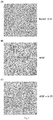
- FIG. 2 shows results of microscopic observation of liver tissue sections from the control mice given a normal diet, the NASH mice given a HFDT, and the NASH mice given a HFDT and H-77.
- FIG. 2 (A) is a photograph depicting the result of observation of liver tissue from the control mice given a normal diet
- FIG. 2 (B) is a photograph depicting the result of observation of liver tissue from the NASH mice given a HFDT
- FIG. 2 (C) is a photograph depicting the result of observation of liver tissue from the NASH mice given a HFDT and H-77.
- NASH mice were produced by feeding a methionine-choline-deficient diet (MCDD) to individual male laboratory mice (C57BL/6J) for 8 weeks.
- MCDD methionine-choline-deficient diet
- the mice were divided into groups, and an animal experiment was performed on a group of mice to which a compound according to the present invention (H-77) was administered intraperitoneally at a dose of 2.5 mg/kg/day three times a week, and a group of mice to which nothing was administered, during the 8-week MCDD feeding period.
- H-77 a compound according to the present invention
- FIG. 3 shows results of microscopic observation of liver tissue sections with Azan staining from those mice.
- FIG. 3 (A) is a photograph depicting the result of observation of liver tissue from the control mice
- FIG. 3 (B) is a photograph depicting the result of observation of liver tissue from the NASH mice given a MCDD
- FIG. 3 (C) is a photograph depicting the result of observation of liver tissue from the NASH mice given a MCDD and H-77.
- FIG. 3 (A) No fat accumulation was observed in the liver tissue from the control mice, as shown in FIG. 3 (A) , while an accumulation of fat in the liver tissue was found in the NASH mice given a MCDD, as shown in FIGS. 3 (B) and (C) .
- FIG. 3 (B) fibrosis (the colored area pointed by an arrow) was observed in the liver tissue with Azan staining, in the case where H-77 was not administered.
- FIG. 3 (C) hepatic fibrosis was significantly inhibited when H-77 was administered.
- mice transplanted with cancer cells were transplanted with cancer cells to test the therapeutic effects of the compounds according to the present invention on cancer.
- a first tumor (DU145 cells) with Matrigel plug was implanted in the middle of the upper back of nude mice (BALB/c-slc- nu / nu mice).
- a second tumor (DU145 cells) was implanted in the middle of the left and right sides of the back of the nude mice.
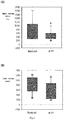
- FIG. 4 shows results of measurement of volume change in the first tumor and the second tumor at 9 weeks after the initial administration.
- FIG. 4 (A) illustrates the distribution of tumor volume ratio (%) in the first tumor at 9 weeks after administration of the compound, where the tumor volume at the beginning of the administration is set as 100, and shows the distribution of size change in the control mice and the mice given H-77, from left to right, expressed in box plot.
- tumor size growth was suppressed in the mice given H-77 compared to that in the control mice.
- FIG. 4 (B) illustrates the distribution of volume of the second tumor and shows the distribution of tumor volume in the control mice and the mice given H-77, from left to right, expressed in box plot.
- the volume of the second tumor was so small and not measurable at the beginning of administration of the compound. Therefore, the result from the second tumor is expressed in volume (mm 3 ), but not in ratio.
- tumor size growth was suppressed in the mice given H-77 compared to that in the control mice.
- the compounds or salts thereof, Pin1 inhibitors, pharmaceutical compositions, therapeutic or prophylactic agents for inflammatory diseases associated with fibrosis, for cancer, and for obesity according to the present invention are each useful in the pharmaceutical industry.
Landscapes
- Chemical & Material Sciences (AREA)
- Organic Chemistry (AREA)
- Health & Medical Sciences (AREA)
- General Health & Medical Sciences (AREA)
- Veterinary Medicine (AREA)
- Medicinal Chemistry (AREA)
- Life Sciences & Earth Sciences (AREA)
- Animal Behavior & Ethology (AREA)
- Pharmacology & Pharmacy (AREA)
- Public Health (AREA)
- Chemical Kinetics & Catalysis (AREA)
- Nuclear Medicine, Radiotherapy & Molecular Imaging (AREA)
- General Chemical & Material Sciences (AREA)
- Epidemiology (AREA)
- Emergency Medicine (AREA)
- Engineering & Computer Science (AREA)
- Bioinformatics & Cheminformatics (AREA)
- Diabetes (AREA)
- Obesity (AREA)
- Hematology (AREA)
- Pain & Pain Management (AREA)
- Rheumatology (AREA)
- Child & Adolescent Psychology (AREA)
- Gastroenterology & Hepatology (AREA)
- Pharmaceuticals Containing Other Organic And Inorganic Compounds (AREA)
- Acyclic And Carbocyclic Compounds In Medicinal Compositions (AREA)
- Heterocyclic Carbon Compounds Containing A Hetero Ring Having Nitrogen And Oxygen As The Only Ring Hetero Atoms (AREA)
- Quinoline Compounds (AREA)
- Medicines That Contain Protein Lipid Enzymes And Other Medicines (AREA)
- Organic Low-Molecular-Weight Compounds And Preparation Thereof (AREA)
- Plural Heterocyclic Compounds (AREA)
Applications Claiming Priority (2)
| Application Number | Priority Date | Filing Date | Title |
|---|---|---|---|
| JP2017152808 | 2017-08-07 | ||
| PCT/JP2018/029497 WO2019031472A1 (fr) | 2017-08-07 | 2018-08-06 | NOUVEAU COMPOSÉ À BASE D'ACIDE ANTHRANILIQUE, ET INHIBITEUR DE Pin1, AGENT THÉRAPEUTIQUE CONTRE LES MALADIES INFLAMMATOIRES AINSI QU'AGENT THÉRAPEUTIQUE CONTRE LE CANCER METTANT EN ŒUVRE CELUI-CI |
Publications (4)
| Publication Number | Publication Date |
|---|---|
| EP3680232A1 true EP3680232A1 (fr) | 2020-07-15 |
| EP3680232A4 EP3680232A4 (fr) | 2021-08-11 |
| EP3680232B1 EP3680232B1 (fr) | 2024-12-11 |
| EP3680232C0 EP3680232C0 (fr) | 2024-12-11 |
Family
ID=65272304
Family Applications (1)
| Application Number | Title | Priority Date | Filing Date |
|---|---|---|---|
| EP18843536.6A Active EP3680232B1 (fr) | 2017-08-07 | 2018-08-06 | Nouveau composé à base d'acide anthranilique, et inhibiteur de pin1, agent thérapeutique contre les maladies inflammatoires ainsi qu'agent thérapeutique contre le cancer mettant en uvre celui-ci |
Country Status (7)
| Country | Link |
|---|---|
| US (1) | US12357626B2 (fr) |
| EP (1) | EP3680232B1 (fr) |
| JP (1) | JP7205830B2 (fr) |
| KR (1) | KR20200042906A (fr) |
| CN (1) | CN111183129B (fr) |
| ES (1) | ES2996837T3 (fr) |
| WO (1) | WO2019031472A1 (fr) |
Families Citing this family (7)
| Publication number | Priority date | Publication date | Assignee | Title |
|---|---|---|---|---|
| AU2021208943B2 (en) | 2020-01-17 | 2023-10-05 | Daegu-Gyeongbuk Medical Innovation Foundation | Novel compound, preparation method thereof, and use thereof |
| CN115397466A (zh) | 2020-03-12 | 2022-11-25 | 国立大学法人广岛大学 | 新型3,5-二氨基苯甲酸系化合物和使用该化合物的Pin1抑制剂以及炎症性疾病的治疗剂 |
| CN111671902B (zh) * | 2020-03-19 | 2022-08-16 | 中山大学孙逸仙纪念医院 | 一种增敏剂药物及药物组合及应用 |
| CN111714480A (zh) * | 2020-07-21 | 2020-09-29 | 天津贝猫科技有限公司 | 邻氨基苯甲酸衍生物在制备治疗癌症药物中的用途 |
| JP7835423B2 (ja) | 2020-11-17 | 2026-03-25 | アメニス バイオサイエンス インク | Covid-19の治療剤又は予防剤 |
| WO2025053222A1 (fr) * | 2023-09-08 | 2025-03-13 | 隆義 岡部 | Nouveaux composés à base d'acide anthranilique, inhibiteur de pin 1, agent thérapeutique et agent préventif pour maladies infectieuses, etc l'utilisant |
| KR20250118317A (ko) | 2024-01-29 | 2025-08-06 | 주식회사 아메니스바이오사이언스 | Pin 1의 발현 또는 활성을 억제하는 안트라닐산계 화합물의 신규한 항바이러스 제약 조성물 및 이의 용도 |
Family Cites Families (21)
| Publication number | Priority date | Publication date | Assignee | Title |
|---|---|---|---|---|
| EP0795550B1 (fr) * | 1996-03-11 | 2002-06-05 | Sankyo Company Limited | Dérivés d'aniline à activité herbicide, leur préparation et utilisation |
| JP3051356B2 (ja) * | 1996-03-11 | 2000-06-12 | 三共株式会社 | 除草性アニリン誘導体 |
| SK17632001A3 (sk) * | 1999-06-10 | 2003-03-04 | Warner-Lambert Company | Liečivo na liečbu Alzheimerovej choroby, inhibíciu agregácie amyloidového proteínu a spôsob na zobrazenie depozít amyloidu |
| US6972287B1 (en) | 1999-06-10 | 2005-12-06 | Pfizer Inc. | Method of inhibiting amyloid protein aggregation and imaging amyloid deposits |
| EP1363620A2 (fr) | 2000-12-22 | 2003-11-26 | Pintex Pharmaceuticals, Inc. | Methodes d'inhibition de pathologies associees a pin1 a l'aide d'un compose de fredericamycine a |
| CA2438737A1 (fr) * | 2001-03-02 | 2002-09-12 | F. Hoffmann-La Roche Ag | Derives d'acide alkoxycarbonylaminobenzoique ou d'alkoxycarbonylamino tetrazolyl phenyle comme antagonistes de ip |
| DE10128331A1 (de) | 2001-06-12 | 2002-12-19 | Aventis Pharma Gmbh | Anthranilsäureamide mit Heteroarylsulfonyl-Seitenkette, Verfahren zu ihrer Herstellung, ihre Verwendung als Medikament oder Diagnostikum sowie sie enthaltende pharmazeutische Zubereitungen |
| WO2003005025A1 (fr) | 2001-07-03 | 2003-01-16 | Biovitrum Ab | Procedes d'identification de composes modulant l'activite du ppar-gamma |
| JP2004075614A (ja) | 2002-08-20 | 2004-03-11 | Sankyo Co Ltd | クロメン誘導体を含有する医薬 |
| JP2006523669A (ja) | 2003-03-10 | 2006-10-19 | ファイザー・インク | Nima調節タンパク質(pin1)を阻害するための、リン酸/硫酸エステル化合物および医薬組成物 |
| US20060106077A1 (en) | 2003-07-18 | 2006-05-18 | Pintex Pharmaceuticals, Inc. | Pin1-Modulating compounds and methods of use thereof |
| SE0400234D0 (sv) | 2004-02-06 | 2004-02-06 | Active Biotech Ab | New compounds, methods for their preparation and use thereof |
| WO2006040646A1 (fr) | 2004-10-14 | 2006-04-20 | Pfizer, Inc. | Amides de benzimidazole ou d'indole en tant qu'inhibiteurs de pin1 |
| JP2007063225A (ja) | 2005-09-01 | 2007-03-15 | Takeda Chem Ind Ltd | イミダゾピリジン化合物 |
| DE102005057912A1 (de) * | 2005-12-02 | 2007-07-19 | Grünenthal GmbH | In 3-Position heterocyclisch substituierte Pyrrolidin(thi)one |
| JP5349332B2 (ja) | 2007-02-06 | 2013-11-20 | チェルシー・セラピューティクス,インコーポレイテッド | 新規化合物、その調製方法、およびその使用 |
| CN101903351B (zh) * | 2007-12-19 | 2014-09-10 | 贝林格尔.英格海姆国际有限公司 | 病毒聚合酶抑制剂 |
| JP5245787B2 (ja) | 2008-12-11 | 2013-07-24 | コニカミノルタビジネステクノロジーズ株式会社 | 画像形成装置及び画像形成方法 |
| WO2013185055A1 (fr) | 2012-06-07 | 2013-12-12 | Beth Israel Deaconess Medical Center, Inc. | Procédés et compositions pour inhiber pin1 |
| JP2018076234A (ja) | 2015-03-16 | 2018-05-17 | 大正製薬株式会社 | ピラゾロ[1,5−a]ピリミジン化合物 |
| WO2017044551A1 (fr) * | 2015-09-11 | 2017-03-16 | Mitobridge, Inc. | Agonistes du récepteur ppar-alpha pour le traitement de maladies mitochondriales |
-
2018
- 2018-08-06 ES ES18843536T patent/ES2996837T3/es active Active
- 2018-08-06 EP EP18843536.6A patent/EP3680232B1/fr active Active
- 2018-08-06 WO PCT/JP2018/029497 patent/WO2019031472A1/fr not_active Ceased
- 2018-08-06 KR KR1020207006619A patent/KR20200042906A/ko active Pending
- 2018-08-06 JP JP2019535662A patent/JP7205830B2/ja active Active
- 2018-08-06 CN CN201880063954.3A patent/CN111183129B/zh active Active
- 2018-08-06 US US16/636,758 patent/US12357626B2/en active Active
Also Published As
| Publication number | Publication date |
|---|---|
| KR20200042906A (ko) | 2020-04-24 |
| EP3680232A4 (fr) | 2021-08-11 |
| WO2019031472A1 (fr) | 2019-02-14 |
| ES2996837T3 (en) | 2025-02-13 |
| CN111183129A (zh) | 2020-05-19 |
| CN111183129B (zh) | 2024-07-23 |
| EP3680232B1 (fr) | 2024-12-11 |
| US12357626B2 (en) | 2025-07-15 |
| US20200383967A1 (en) | 2020-12-10 |
| JPWO2019031472A1 (ja) | 2020-12-03 |
| EP3680232C0 (fr) | 2024-12-11 |
| JP7205830B2 (ja) | 2023-01-17 |
Similar Documents
| Publication | Publication Date | Title |
|---|---|---|
| EP3680232B1 (fr) | Nouveau composé à base d'acide anthranilique, et inhibiteur de pin1, agent thérapeutique contre les maladies inflammatoires ainsi qu'agent thérapeutique contre le cancer mettant en uvre celui-ci | |
| JP7835423B2 (ja) | Covid-19の治療剤又は予防剤 | |
| US11504379B2 (en) | Amide compound, and Pin1 inhibitor, therapeutic agent for inflammatory diseases and therapeutic agent for cancer that use the same | |
| EP3458448A1 (fr) | Procédés d'utilisation d'inhibiteurs de fasn | |
| US11071738B2 (en) | Therapeutic agent for fatty liver diseases and therapeutic agent for adiposity | |
| JP7701738B2 (ja) | 新規3,5-ジアミノ安息香酸系化合物、並びにそれを用いたPin1阻害剤及び炎症性疾患の治療剤 | |
| EP3549930B1 (fr) | Nouveau composé ester et inhibiteur de pin1, agent thérapeutique pour maladie inflammatoire et agent thérapeutique pour cancer du côlon dans lesquels ledit composé ester est utilisé | |
| CN113773316A (zh) | 一种tnik抑制剂及其制备方法和用途 | |
| EP3634966B1 (fr) | Composés utiles pour inhiber le facteur 3 en feuille de trèfle humain | |
| JP2020502283A (ja) | インドールアミン−2,3−ジオキシゲナーゼ阻害剤としてのスルホニルアミディーン及びその製造方法と用途 | |
| KR100800437B1 (ko) | 옥사다이아졸 유래아 유도체, 이의 제조방법 및 이를유효성분으로 함유하는 암 예방 및 치료용 약학적 조성물 |
Legal Events
| Date | Code | Title | Description |
|---|---|---|---|
| STAA | Information on the status of an ep patent application or granted ep patent |
Free format text: STATUS: THE INTERNATIONAL PUBLICATION HAS BEEN MADE |
|
| PUAI | Public reference made under article 153(3) epc to a published international application that has entered the european phase |
Free format text: ORIGINAL CODE: 0009012 |
|
| STAA | Information on the status of an ep patent application or granted ep patent |
Free format text: STATUS: REQUEST FOR EXAMINATION WAS MADE |
|
| 17P | Request for examination filed |
Effective date: 20200306 |
|
| AK | Designated contracting states |
Kind code of ref document: A1 Designated state(s): AL AT BE BG CH CY CZ DE DK EE ES FI FR GB GR HR HU IE IS IT LI LT LU LV MC MK MT NL NO PL PT RO RS SE SI SK SM TR |
|
| AX | Request for extension of the european patent |
Extension state: BA ME |
|
| DAV | Request for validation of the european patent (deleted) | ||
| DAX | Request for extension of the european patent (deleted) | ||
| A4 | Supplementary search report drawn up and despatched |
Effective date: 20210712 |
|
| RIC1 | Information provided on ipc code assigned before grant |
Ipc: C07C 233/54 20060101AFI20210706BHEP Ipc: A61K 31/198 20060101ALI20210706BHEP Ipc: A61K 31/216 20060101ALI20210706BHEP Ipc: A61P 3/04 20060101ALI20210706BHEP Ipc: A61P 29/00 20060101ALI20210706BHEP Ipc: A61P 35/00 20060101ALI20210706BHEP Ipc: C07C 229/64 20060101ALI20210706BHEP Ipc: C07C 233/81 20060101ALI20210706BHEP Ipc: C07C 235/56 20060101ALI20210706BHEP Ipc: C07C 311/21 20060101ALI20210706BHEP Ipc: C07D 215/48 20060101ALI20210706BHEP |
|
| STAA | Information on the status of an ep patent application or granted ep patent |
Free format text: STATUS: EXAMINATION IS IN PROGRESS |
|
| 17Q | First examination report despatched |
Effective date: 20230706 |
|
| GRAP | Despatch of communication of intention to grant a patent |
Free format text: ORIGINAL CODE: EPIDOSNIGR1 |
|
| STAA | Information on the status of an ep patent application or granted ep patent |
Free format text: STATUS: GRANT OF PATENT IS INTENDED |
|
| INTG | Intention to grant announced |
Effective date: 20240702 |
|
| RAP1 | Party data changed (applicant data changed or rights of an application transferred) |
Owner name: AMENIS BIOSCIENCES, INC. |
|
| GRAS | Grant fee paid |
Free format text: ORIGINAL CODE: EPIDOSNIGR3 |
|
| GRAA | (expected) grant |
Free format text: ORIGINAL CODE: 0009210 |
|
| STAA | Information on the status of an ep patent application or granted ep patent |
Free format text: STATUS: THE PATENT HAS BEEN GRANTED |
|
| AK | Designated contracting states |
Kind code of ref document: B1 Designated state(s): AL AT BE BG CH CY CZ DE DK EE ES FI FR GB GR HR HU IE IS IT LI LT LU LV MC MK MT NL NO PL PT RO RS SE SI SK SM TR |
|
| REG | Reference to a national code |
Ref country code: GB Ref legal event code: FG4D |
|
| REG | Reference to a national code |
Ref country code: CH Ref legal event code: EP |
|
| REG | Reference to a national code |
Ref country code: DE Ref legal event code: R096 Ref document number: 602018077568 Country of ref document: DE |
|
| REG | Reference to a national code |
Ref country code: IE Ref legal event code: FG4D |
|
| U01 | Request for unitary effect filed |
Effective date: 20241211 |
|
| U07 | Unitary effect registered |
Designated state(s): AT BE BG DE DK EE FI FR IT LT LU LV MT NL PT RO SE SI Effective date: 20241220 |
|
| REG | Reference to a national code |
Ref country code: ES Ref legal event code: FG2A Ref document number: 2996837 Country of ref document: ES Kind code of ref document: T3 Effective date: 20250213 |
|
| PG25 | Lapsed in a contracting state [announced via postgrant information from national office to epo] |
Ref country code: HR Free format text: LAPSE BECAUSE OF FAILURE TO SUBMIT A TRANSLATION OF THE DESCRIPTION OR TO PAY THE FEE WITHIN THE PRESCRIBED TIME-LIMIT Effective date: 20241211 |
|
| PG25 | Lapsed in a contracting state [announced via postgrant information from national office to epo] |
Ref country code: NO Free format text: LAPSE BECAUSE OF FAILURE TO SUBMIT A TRANSLATION OF THE DESCRIPTION OR TO PAY THE FEE WITHIN THE PRESCRIBED TIME-LIMIT Effective date: 20250311 |
|
| PG25 | Lapsed in a contracting state [announced via postgrant information from national office to epo] |
Ref country code: GR Free format text: LAPSE BECAUSE OF FAILURE TO SUBMIT A TRANSLATION OF THE DESCRIPTION OR TO PAY THE FEE WITHIN THE PRESCRIBED TIME-LIMIT Effective date: 20250312 |
|
| PG25 | Lapsed in a contracting state [announced via postgrant information from national office to epo] |
Ref country code: RS Free format text: LAPSE BECAUSE OF FAILURE TO SUBMIT A TRANSLATION OF THE DESCRIPTION OR TO PAY THE FEE WITHIN THE PRESCRIBED TIME-LIMIT Effective date: 20250311 |
|
| PG25 | Lapsed in a contracting state [announced via postgrant information from national office to epo] |
Ref country code: SM Free format text: LAPSE BECAUSE OF FAILURE TO SUBMIT A TRANSLATION OF THE DESCRIPTION OR TO PAY THE FEE WITHIN THE PRESCRIBED TIME-LIMIT Effective date: 20241211 |
|
| PG25 | Lapsed in a contracting state [announced via postgrant information from national office to epo] |
Ref country code: PL Free format text: LAPSE BECAUSE OF FAILURE TO SUBMIT A TRANSLATION OF THE DESCRIPTION OR TO PAY THE FEE WITHIN THE PRESCRIBED TIME-LIMIT Effective date: 20241211 |
|
| PG25 | Lapsed in a contracting state [announced via postgrant information from national office to epo] |
Ref country code: IS Free format text: LAPSE BECAUSE OF FAILURE TO SUBMIT A TRANSLATION OF THE DESCRIPTION OR TO PAY THE FEE WITHIN THE PRESCRIBED TIME-LIMIT Effective date: 20250411 |
|
| PG25 | Lapsed in a contracting state [announced via postgrant information from national office to epo] |
Ref country code: SK Free format text: LAPSE BECAUSE OF FAILURE TO SUBMIT A TRANSLATION OF THE DESCRIPTION OR TO PAY THE FEE WITHIN THE PRESCRIBED TIME-LIMIT Effective date: 20241211 |
|
| PG25 | Lapsed in a contracting state [announced via postgrant information from national office to epo] |
Ref country code: CZ Free format text: LAPSE BECAUSE OF FAILURE TO SUBMIT A TRANSLATION OF THE DESCRIPTION OR TO PAY THE FEE WITHIN THE PRESCRIBED TIME-LIMIT Effective date: 20241211 |
|
| U20 | Renewal fee for the european patent with unitary effect paid |
Year of fee payment: 8 Effective date: 20250827 |
|
| PGFP | Annual fee paid to national office [announced via postgrant information from national office to epo] |
Ref country code: ES Payment date: 20250926 Year of fee payment: 8 |
|
| PGFP | Annual fee paid to national office [announced via postgrant information from national office to epo] |
Ref country code: GB Payment date: 20250820 Year of fee payment: 8 |
|
| PLBE | No opposition filed within time limit |
Free format text: ORIGINAL CODE: 0009261 |
|
| STAA | Information on the status of an ep patent application or granted ep patent |
Free format text: STATUS: NO OPPOSITION FILED WITHIN TIME LIMIT |
|
| PGFP | Annual fee paid to national office [announced via postgrant information from national office to epo] |
Ref country code: CH Payment date: 20250901 Year of fee payment: 8 |
|
| 26N | No opposition filed |
Effective date: 20250912 |
|
| PG25 | Lapsed in a contracting state [announced via postgrant information from national office to epo] |
Ref country code: MC Free format text: LAPSE BECAUSE OF FAILURE TO SUBMIT A TRANSLATION OF THE DESCRIPTION OR TO PAY THE FEE WITHIN THE PRESCRIBED TIME-LIMIT Effective date: 20241211 |