EP3696271A2 - Cassette d'expression pour la production d'une protéine cible à haute expression et à haute fonctionnalité et son utilisation - Google Patents
Cassette d'expression pour la production d'une protéine cible à haute expression et à haute fonctionnalité et son utilisation Download PDFInfo
- Publication number
- EP3696271A2 EP3696271A2 EP18866248.0A EP18866248A EP3696271A2 EP 3696271 A2 EP3696271 A2 EP 3696271A2 EP 18866248 A EP18866248 A EP 18866248A EP 3696271 A2 EP3696271 A2 EP 3696271A2
- Authority
- EP
- European Patent Office
- Prior art keywords
- protein
- expression
- target protein
- promoter
- intronic
- Prior art date
- Legal status (The legal status is an assumption and is not a legal conclusion. Google has not performed a legal analysis and makes no representation as to the accuracy of the status listed.)
- Pending
Links
Images








Classifications
-
- C—CHEMISTRY; METALLURGY
- C12—BIOCHEMISTRY; BEER; SPIRITS; WINE; VINEGAR; MICROBIOLOGY; ENZYMOLOGY; MUTATION OR GENETIC ENGINEERING
- C12N—MICROORGANISMS OR ENZYMES; COMPOSITIONS THEREOF; PROPAGATING, PRESERVING, OR MAINTAINING MICROORGANISMS; MUTATION OR GENETIC ENGINEERING; CULTURE MEDIA
- C12N15/00—Mutation or genetic engineering; DNA or RNA concerning genetic engineering, vectors, e.g. plasmids, or their isolation, preparation or purification; Use of hosts therefor
- C12N15/09—Recombinant DNA-technology
- C12N15/63—Introduction of foreign genetic material using vectors; Vectors; Use of hosts therefor; Regulation of expression
- C12N15/79—Vectors or expression systems specially adapted for eukaryotic hosts
- C12N15/85—Vectors or expression systems specially adapted for eukaryotic hosts for animal cells
-
- C—CHEMISTRY; METALLURGY
- C07—ORGANIC CHEMISTRY
- C07K—PEPTIDES
- C07K16/00—Immunoglobulins [IG], e.g. monoclonal or polyclonal antibodies
- C07K16/08—Immunoglobulins [IG], e.g. monoclonal or polyclonal antibodies against material from viruses
- C07K16/10—RNA viruses
- C07K16/11—Paramyxoviridae (F); Pneumoviridae (F), e.g. respiratory syncytial virus [RSV]
-
- C—CHEMISTRY; METALLURGY
- C07—ORGANIC CHEMISTRY
- C07K—PEPTIDES
- C07K16/00—Immunoglobulins [IG], e.g. monoclonal or polyclonal antibodies
-
- C—CHEMISTRY; METALLURGY
- C12—BIOCHEMISTRY; BEER; SPIRITS; WINE; VINEGAR; MICROBIOLOGY; ENZYMOLOGY; MUTATION OR GENETIC ENGINEERING
- C12N—MICROORGANISMS OR ENZYMES; COMPOSITIONS THEREOF; PROPAGATING, PRESERVING, OR MAINTAINING MICROORGANISMS; MUTATION OR GENETIC ENGINEERING; CULTURE MEDIA
- C12N15/00—Mutation or genetic engineering; DNA or RNA concerning genetic engineering, vectors, e.g. plasmids, or their isolation, preparation or purification; Use of hosts therefor
- C12N15/09—Recombinant DNA-technology
- C12N15/11—DNA or RNA fragments; Modified forms thereof; Non-coding nucleic acids having a biological activity
- C12N15/111—General methods applicable to biologically active non-coding nucleic acids
-
- C—CHEMISTRY; METALLURGY
- C12—BIOCHEMISTRY; BEER; SPIRITS; WINE; VINEGAR; MICROBIOLOGY; ENZYMOLOGY; MUTATION OR GENETIC ENGINEERING
- C12N—MICROORGANISMS OR ENZYMES; COMPOSITIONS THEREOF; PROPAGATING, PRESERVING, OR MAINTAINING MICROORGANISMS; MUTATION OR GENETIC ENGINEERING; CULTURE MEDIA
- C12N15/00—Mutation or genetic engineering; DNA or RNA concerning genetic engineering, vectors, e.g. plasmids, or their isolation, preparation or purification; Use of hosts therefor
- C12N15/09—Recombinant DNA-technology
- C12N15/11—DNA or RNA fragments; Modified forms thereof; Non-coding nucleic acids having a biological activity
- C12N15/113—Non-coding nucleic acids modulating the expression of genes, e.g. antisense oligonucleotides; Antisense DNA or RNA; Triplex- forming oligonucleotides; Catalytic nucleic acids, e.g. ribozymes; Nucleic acids used in co-suppression or gene silencing
-
- C—CHEMISTRY; METALLURGY
- C07—ORGANIC CHEMISTRY
- C07K—PEPTIDES
- C07K2317/00—Immunoglobulins specific features
- C07K2317/10—Immunoglobulins specific features characterized by their source of isolation or production
- C07K2317/14—Specific host cells or culture conditions, e.g. components, pH or temperature
-
- C—CHEMISTRY; METALLURGY
- C07—ORGANIC CHEMISTRY
- C07K—PEPTIDES
- C07K2317/00—Immunoglobulins specific features
- C07K2317/20—Immunoglobulins specific features characterized by taxonomic origin
- C07K2317/24—Immunoglobulins specific features characterized by taxonomic origin containing regions, domains or residues from different species, e.g. chimeric, humanized or veneered
-
- C—CHEMISTRY; METALLURGY
- C07—ORGANIC CHEMISTRY
- C07K—PEPTIDES
- C07K2317/00—Immunoglobulins specific features
- C07K2317/40—Immunoglobulins specific features characterized by post-translational modification
- C07K2317/41—Glycosylation, sialylation, or fucosylation
-
- C—CHEMISTRY; METALLURGY
- C12—BIOCHEMISTRY; BEER; SPIRITS; WINE; VINEGAR; MICROBIOLOGY; ENZYMOLOGY; MUTATION OR GENETIC ENGINEERING
- C12N—MICROORGANISMS OR ENZYMES; COMPOSITIONS THEREOF; PROPAGATING, PRESERVING, OR MAINTAINING MICROORGANISMS; MUTATION OR GENETIC ENGINEERING; CULTURE MEDIA
- C12N2310/00—Structure or type of the nucleic acid
- C12N2310/10—Type of nucleic acid
- C12N2310/14—Type of nucleic acid interfering nucleic acids [NA]
-
- C—CHEMISTRY; METALLURGY
- C12—BIOCHEMISTRY; BEER; SPIRITS; WINE; VINEGAR; MICROBIOLOGY; ENZYMOLOGY; MUTATION OR GENETIC ENGINEERING
- C12N—MICROORGANISMS OR ENZYMES; COMPOSITIONS THEREOF; PROPAGATING, PRESERVING, OR MAINTAINING MICROORGANISMS; MUTATION OR GENETIC ENGINEERING; CULTURE MEDIA
- C12N2310/00—Structure or type of the nucleic acid
- C12N2310/10—Type of nucleic acid
- C12N2310/14—Type of nucleic acid interfering nucleic acids [NA]
- C12N2310/141—MicroRNAs, miRNAs
-
- C—CHEMISTRY; METALLURGY
- C12—BIOCHEMISTRY; BEER; SPIRITS; WINE; VINEGAR; MICROBIOLOGY; ENZYMOLOGY; MUTATION OR GENETIC ENGINEERING
- C12N—MICROORGANISMS OR ENZYMES; COMPOSITIONS THEREOF; PROPAGATING, PRESERVING, OR MAINTAINING MICROORGANISMS; MUTATION OR GENETIC ENGINEERING; CULTURE MEDIA
- C12N2330/00—Production
- C12N2330/50—Biochemical production, i.e. in a transformed host cell
- C12N2330/51—Specially adapted vectors
-
- C—CHEMISTRY; METALLURGY
- C12—BIOCHEMISTRY; BEER; SPIRITS; WINE; VINEGAR; MICROBIOLOGY; ENZYMOLOGY; MUTATION OR GENETIC ENGINEERING
- C12N—MICROORGANISMS OR ENZYMES; COMPOSITIONS THEREOF; PROPAGATING, PRESERVING, OR MAINTAINING MICROORGANISMS; MUTATION OR GENETIC ENGINEERING; CULTURE MEDIA
- C12N2830/00—Vector systems having a special element relevant for transcription
- C12N2830/42—Vector systems having a special element relevant for transcription being an intron or intervening sequence for splicing and/or stability of RNA
-
- C—CHEMISTRY; METALLURGY
- C12—BIOCHEMISTRY; BEER; SPIRITS; WINE; VINEGAR; MICROBIOLOGY; ENZYMOLOGY; MUTATION OR GENETIC ENGINEERING
- C12N—MICROORGANISMS OR ENZYMES; COMPOSITIONS THEREOF; PROPAGATING, PRESERVING, OR MAINTAINING MICROORGANISMS; MUTATION OR GENETIC ENGINEERING; CULTURE MEDIA
- C12N2840/00—Vectors comprising a special translation-regulating system
- C12N2840/44—Vectors comprising a special translation-regulating system being a specific part of the splice mechanism, e.g. donor, acceptor
Definitions
- the present invention relates to an expression cassette for production of a high-expression and high-functionality target protein including a promoter and to the use thereof.
- Animal cells such as Chinese hamster ovary (CHO) cells, are widely used industrially for the production of recombinant proteins, particularly therapeutic proteins such as antibodies. Proteins produced using mammalian cells such as CHO cells are subjected to post-translational modification and then glycosylation to realize complete biological activity.
- CHO Chinese hamster ovary
- an animal cell line in which the expression of a specific endogenous gene is regulated is used for the production of recombinant proteins, particularly therapeutic antibodies, it may be very efficiently employed in improving productivity or therapeutic effects and broadening the scope of treatment.
- an IgG-type therapeutic antibody that, when fucose is absent in the glycan attached to asparagine 297 of the Fc region, the binding force of the natural killer cell to the antibody Fc region receptor is enhanced, thus increasing antibody-dependent cellular cytotoxicity (ADCC) ( Shields, R. L. et al., The Journal of Biological Chemistry, 277 (30), 26733-26740, 2002 ). Therefore, when the enzyme that attaches fucose to asparagine 297 of the Fc region of the antibody is inhibited, a therapeutic antibody having high antibody-dependent cytotoxicity may be produced.
- ADCC antibody-dependent cellular cytotoxicity
- a method of regulating the expression of a specific endogenous gene In order to increase the productivity of a recombinant protein and control the quality thereof, there is a method of regulating the expression of a specific endogenous gene.
- Examples of the method of inhibiting the expression of an endogenous gene may include gene knockout due to homologous recombination ( Yamane-Ohnuki, N. et al., Biotechnology and Bioengineering, 87 (5), 614-622, 2004 ), RNA interference that induces mRNA decomposition of a target gene using RNA that has a sequence complementary to the mRNA of the target gene ( Mori, K.
- a method of increasing the expression of an endogenous gene may include a method of inducing high expression via the transfection of a specific endogenous gene having a strong promoter.
- miRNA small-sized micro RNA
- an expression vector having genetic information capable of regulating the expression of a specific endogenous gene is required, and a cell line in which the endogenous gene is stably increased or suppressed through transfection into animal cells should be selected.
- a vector having endogenous gene regulation information also includes genetic information of a selection maker.
- a cell line in which the expression of a specific endogenous gene is regulated is first manufactured and then additionally transfected with an expression vector for the expression of a recombinant protein, and a recombinant protein expression cell line is selected using a different type of selection marker from the one contained in the vector for regulating the expression of a specific endogenous gene. Because of this process complexity, it is more difficult to produce a recombinant protein while simultaneously regulating the expression of multiple endogenous genes.
- Intron which is a sequence found in eukaryotic cells, is a sequence removed during the process in which precursor mRNA (pre-mRNA) transcribed by an RNA polymerase is processed into mature RNA through a splicing process, and it has been reported that protein expression is improved through a splicing process induced using an intron. ( Herve' Le Hir. et al., Trends in Biochemical Sciences, 28 (4), 215-220, 2003 ).
- the present inventors have invented a vector in which intronized short hairpin RNA (shRNA) sequences that regulate the expression of endogenous genes and a target recombinant protein sequence are transcribed and expressed with a single promoter, thus culminating in the present invention, capable of inducing the high expression and high functionality of a recombinant protein by regulating the expression of multiple endogenous genes through a single transfection.
- shRNA short hairpin RNA
- An objective of the present invention is to provide a target protein expression cassette including a promoter, a polynucleotide coding for the target protein, an intronic RNA sequence and a poly A sequence in order to produce a high-expression and high-functionality target protein.
- Another objective of the present invention is to provide a vector including the expression cassette for production of a target protein.
- Still another objective of the present invention is to provide a transformant including the expression cassette for production of a target protein.
- Yet another objective of the present invention is to provide a method of manufacturing a target protein including culturing a transformant including the expression cassette for production of a target protein.
- the present invention provides an expression cassette for production of a target protein, which is a target protein expression cassette including a promoter, a polynucleotide coding for the target protein, an intronic RNA sequence and a poly A sequence, in which the intronic RNA sequence includes a splicing donor, a branch and a splicing acceptor.
- the target protein may be an antibody or a fragment thereof.
- At least one intronic RNA sequence may be present on a single target protein expression cassette.
- the expression cassette may include at least one intronic RNA sequence selected from the group consisting of: a) at least one intronic RNA sequence located between a promoter and a polynucleotide coding for the target protein; b) at least one intronic RNA sequence located between a polynucleotide coding for the target protein and a poly A; and c) at least one intronic RNA sequence located between a promoter and a polynucleotide coding for the target protein and at least one intronic RNA sequence located between a polynucleotide coding for the target protein and a poly A.
- the intronic RNA sequence may further include an RNA sequence for target gene expression regulation.
- the target gene may be at least one selected from the group consisting of FUT8(Alpha-1,6-fucosyltransferase), HDAC5(Histone Deacetylase 5), LDHA(Lactate dehydrogenase A), CXCR4(C-X-C chemokine receptor type 4), DHFR(Dihydrofolate reductase), PDK4(Pyruvate dehydrogenase lipoamide kinase isozyme 4), MAPK3(Mitogen-activated protein kinase 3), KANK4(KN Motif And Ankyrin Repeat Domains 4), PDI(Protein disulfide isomerase), CNX(Calnexin), CRT(Calreticulin), elF2alpha(Non-phosphorylatable version of the eukaryotic translation initiation factor 2 alpha), ZFP-TF(Artificial zinc finger protein transcription factor), ATF4(Activ
- the intronic RNA sequence for target gene expression regulation may be at least one sequence selected from the group consisting of shRNA(short hairpin RNA), miRNA(micro RNA), stRNA(small temporal RNA), siRNA(small interfering RNA), piRNA(piwi-interacting RNA), snoRNA(small nucleolar RNA), snRNA (small nuclear RNA), exRNA(extracellular RNA), scaRNA(small cajal body RNA), lncRNA(long noncoding RNA), smRNA(small modulatory dsRNA), and snRNA(small noncoding RNA).
- the shRNA sequence for target gene expression regulation may be at least one selected from the group consisting of intronic FUT8 shRNA represented by SEQ ID NO: 24, intronic HDAC5 (histone deacetylase 5) shRNA represented by any one of SEQ ID NOS: 25 to 27, intronic LDHA (lactate dehydrogenase A) shRNA represented by any one of SEQ ID NOS: 28 to 30, and intronic DHFR (dihydrofolate reductase) shRNA represented by any one of SEQ ID NOS: 31 to 33.
- intronic FUT8 shRNA represented by SEQ ID NO: 24
- intronic HDAC5 histone deacetylase 5
- LDHA lactate dehydrogenase A
- intronic DHFR dihydrofolate reductase
- the intronic miRNA sequence for target gene regulation may be miR483 represented by any one of SEQ ID NOS: 34 to 36.
- the splicing donor sequence may be at least one selected from among SEQ ID NOS: 12 to 15
- the branch sequence may be at least one selected from among SEQ ID NOS: 16 to 18
- the splicing acceptor sequence may be at least one selected from among SEQ ID NOS: 19 to 22.
- the expression cassette for production of a target protein may have at least one effect selected from the group consisting of increased expression of a target protein, inhibition of lactate production, regulation of histone protein deacetylation, regulation of glucose metabolism, regulation of cell growth, regulation of cell proliferation, increased functionality of a target protein, and decreased fucose content of a target protein, through intron splicing or endogenous gene expression regulation.
- the present invention provides a vector including the expression cassette for production of a target protein.
- the present invention provides a transformant, which is transformed with the vector including the expression cassette for production of a target protein.
- the transformant may be a eukaryotic cell.
- the present invention provides a method of manufacturing a target protein including culturing a transformant including the expression cassette for production of a target protein.
- a target protein expression cassette can simultaneously express an intron sequence and a target protein through a single transfection, and has the effect of inducing high expression and high functionality of a target protein by regulating the expression of an endogenous gene.
- an expression vector according to the present invention is configured such that a target protein and an intron sequence are transcriptionally linked by a single promoter, and thus, even when a cell line is selected by checking only the expression of the target protein, it is possible to effectively select a cell line in which transcription of the intron sequence is efficient.
- the present invention pertains to an expression cassette for production of a high-expression and high-functionality target protein including a promoter and to the use thereof.
- an expression vector may simultaneously express an intron sequence and a recombinant protein of interest through a single transfection, and has the effect of inducing high expression and high functionality of a recombinant protein by regulating the expression of an endogenous gene.
- the expression vector according to the present invention is configured such that a recombinant protein and a shRNA sequence are transcriptionally linked by a single promoter, and thus, even when a cell line is selected by checking only the expression of the recombinant protein, it is possible to effectively select a cell line in which transcription of shRNA is efficient.
- the expression vector according to the present invention has the effect of regulating multiple endogenous genes through a single transfection.
- an intronized shRNA sequence may suppress the expression of a glycosylation-related gene (e.g. FUT8) to thus produce an antibody in which fucose glycosylation of the antibody is inhibited.
- the intronized shRNA sequence may suppress the expression of an apoptosis-related gene to thus increase the production level of the antibody.
- Target protein refers to a protein to be produced.
- Intronic RNA sequence refers to the RNA sequence of a portion that is removed as an intron during the transcription of DNA into mRNA. It includes a splicing donor, a splicing acceptor and a branch.
- a splicing donor has a specific sequence, such as AG_GTRAGT (R: A or G)
- a splicing acceptor has a specific sequence, such as YYYYYYYYYYNCAG_G (Y: C or T; N: A, G, C or T)
- a branch has a specific sequence, such as YTRAC.
- all sequences that may be spliced are included.
- the intronic RNA sequence may or may not be functional in itself.
- Poly A sequence refers to a continuous sequence of adenylic acid located at the 3' mRNA end.
- the "splicing donor” and the “splicing acceptor” are sequences that allow a splicing process to occur, the splicing donor being located at position 5' of the intron and the splicing acceptor being located at position 3' of the intron.
- the "branch” is the portion that includes nucleotide adenine and is involved in the formation of a lariat structure during the splicing process.
- “Expression cassette” refers to a unit cassette that includes a promoter and a target protein and is capable of expressing the target protein in order to produce the target protein.
- the expression cassette may include therein various factors that may be helpful for efficient production of the target protein. More specifically, the expression cassette may include a promoter, a polynucleotide coding for the target protein, and a poly A sequence.
- Antibody refers to an immunoglobulin molecule composed of four polypeptide chains, in which two heavy chains and two light chains are connected to each other by disulfide bonds. Other naturally occurring antibodies having altered structures, such as camelid antibodies, are also included in this definition.
- Each heavy chain is composed of a heavy-chain variable region and a heavy-chain constant region.
- the heavy-chain constant region is composed of three domains (CH1, CH2 and CH3).
- Each light chain is composed of a light-chain variable region and a light-chain constant region.
- the light-chain constant region is composed of one domain (CL).
- the heavy-chain variable region and the light-chain variable region may be further subdivided into more conserved regions called framework regions (FR) and hypervariable regions called complementarity-determining regions (CDR).
- FR framework regions
- CDR complementarity-determining regions
- Each of the heavy-chain variable region and the light-chain variable region is composed of 3 CDRs and 4 FRs, which are arranged in the following order from the amino terminus to the carboxyl terminus: FR1, CDR1, FR2, CDR2, FR3, CDR3, and FR4.
- “Expression regulation” means to regulate the expression level of a specific gene, and “regulation” includes the concept of both increasing and decreasing the same.
- the “shRNA” is a hairpin-structure RNA including a short interference RNA (siRNA) sequence, and is processed into short interference RNA by an RNase enzyme called a dicer in a cell.
- siRNA short interference RNA
- the present invention pertains to an expression cassette for production of a target protein, which is a target protein expression cassette including a promoter, a polynucleotide coding for the target protein, an intronic RNA sequence and a poly A sequence, the intronic RNA sequence including a splicing donor, a branch and a splicing acceptor.
- FIG. 1 of the present invention schematically shows the structure of the expression cassette of a recombinant protein including intronic shRNA/miRNA. This is based on the principle of the present invention whereby shRNA/miRNA and a recombinant protein are made through an intron-splicing process after transfection into cells.
- the present invention pertains to a method capable of improving the productivity and functionality of a target protein through splicing after the intronic RNA sequence and the target protein sequence are transcribed into one mRNA using a single promoter.
- the promoter may be used without limitation, so long as it is a promoter able to operate the expression cassette of the present invention, and is preferably a poll-type promoter. More preferable is a poll-type promoter selected from the group consisting of CMV(cytomegalovirus), EFla(elongation factor 1 alpha), CEF(CMV early enhancer/EF1 ⁇ promoter and intron), CBA(chickenbeta-actin), CAG(CMV early enhancer/chicken beta-actin promoter & intron), CBh(CMV early enhancer/chicken beta-actin promoter), GAPDH(Glyceraldehyde 3-phosphate dehydrogenase), SV40(Simian virus 40), UBC(ubiquitin C), PGK(phosphoglycerate kinase), LTR(long terminal repeats), GUSB( ⁇ glucuronidase), UCOE(ubiquitous chromatin opening element), WAS proximal promoter, CD4 mini-pro
- a polIII-type promoter For the effective transcription of short fragment DNA such as shRNA, it is necessary to use a polIII-type promoter.
- these polIII-type promoters are difficult to induce the high expression of a target protein, so expression cassettes having respective promoters are required in order to express shRNA and target protein. Therefore, it is difficult to manufacture at once a cell line that regulates the expression of a target protein and the expression of an endogenous gene due to problems with the size of the expression cassettes, transfection and selection processes.
- a poll-type CMV promoter which is a strong promoter, is used, and an intron sequence is arranged at both ends of the sequence so that the DNA sequence of shRNA is able to form a shRNA structure capable of post-transcriptional gene regulation.
- shRNAs are produced through splicing during the transcription process, and the shRNAs thus produced regulate the expression of specific endogenous genes.
- the target protein that is transcribed and expressed with the same CMV promoter exhibits increased production level and functionality due to the regulation of the expression of the endogenous gene.
- the target protein may be of any type, but is preferably an antibody or a fragment thereof.
- the antibody or the fragment thereof may have specificity to any one target antigen selected from the group consisting of CD19, CD20, CD22, CD33, CD52, Her2/neu, EGFR, EpCAM, MUC1, GD3, CEA, CA125, HLA-DR, TNF-a, VEGF, Integrin ⁇ 4 ⁇ 7, IL-12, IL-23, Anti-CD20 Mab, IL-6R, VEGF receptor kinase inhibitor, complement factor C5, IL-1 beta, RANK ligand, VEGFR2 (KDR), IL-6, GD20, IL-5, PDGF-Ra, CTLA-4, CD3, IL-17A, PD-L1, PD-1, BAFF, BLyS, Dabigatran, SLAMF7 (cD319), Anti-IL-4, IL-13 Mab, Bacillus anthracis anthrax, CD25, Clostridium difficile toxin B, PCSK9, hemagglutinin (cD319), Anti-
- At least one intronic RNA sequence may be present on a single target protein expression cassette.
- the expression vector of the present invention includes sequence information of at least one shRNA/miRNA targeting endogenous genes of interest in animal cells, and includes an intron sequence that allows at least one shRNA/miRNA to be generated.
- the expression cassette may include at least one intronic RNA sequence selected from the group consisting of: a) at least one intronic RNA sequence located between a promoter and a polynucleotide coding for the target protein, b) at least one intronic RNA sequence located between a polynucleotide coding for the target protein and a poly A, and c) at least one intronic RNA sequence located between a promoter and a polynucleotide coding for the target protein and at least one intronic RNA sequence located between a polynucleotide coding for the target protein and a poly A.
- FIG. 2 of the present invention schematically shows an intron-free recombinant protein (antibody) expression vector (control), an antibody expression vector including an intron sequence (IS) having no endogenous gene regulation function, and an antibody expression vector including intronic shRNA/miRNA for endogenous gene regulation, from which it can be seen that at least one intronic RNA sequence may be included.
- antibody antibody expression vector
- IS intron sequence
- intronic shRNA/miRNA for endogenous gene regulation
- the intronic RNA sequence may further include an RNA sequence for target gene expression regulation.
- the target gene may be at least one selected from the group consisting of FUT8(Alpha-1,6-fucosyltransferase), HDAC5(Histone Deacetylase 5), LDHA(Lactate dehydrogenase A), CXCR4(C-X-C chemokine receptor type 4), DHFR(Dihydrofolate reductase), PDK4(Pyruvate dehydrogenase lipoamide kinase isozyme 4), MAPK3(Mitogen-activated protein kinase 3), KANK4(KN Motif And Ankyrin Repeat Domains 4), PDI(Protein disulfide isomerase), CNX(Calnexin), CRT(Calreticulin), elF2alpha(Non-phosphorylatable version of the eukaryotic translation initiation factor 2 alpha), ZFP-TF(Artificial zinc finger protein transcription factor), ATF4(Activ
- More preferable is at least one selected from the group consisting of FUT8 (Alpha-1, 6-fucosyltransferase), HDAC5 (Histone Deacetylase 5), LDHA (Lactate dehydrogenase A), DHFR (Dihydrofolate reductase), PDK4 (Pyruvate dehydrogenase lipoamide kinase isozyme 4), CXCR4(C-X-C chemokine receptor type 4), MAPK3 (Mitogen-activated protein kinase 3) and KANK4 (KN Motif and Ankyrin Repeat Domains 4).
- alpha 1, 6-fucosyltransferase which plays a role in glycosylation of fucose that is involved in antibody-dependent cytotoxicity, was selected and tested, and an antibody having almost no fucose due to effective inhibition of the expression of FUT8 was produced.
- the RNA sequence for target gene expression regulation may be at least one sequence selected from the group consisting of shRNA (short hairpin RNA), miRNA (micro RNA), stRNA (small temporal RNA), siRNA (small interfering RNA), piRNA (piwi-interacting RNA), snoRNA (small nucleolar RNA), snRNA (small nuclear RNA), exRNA (extracellular RNA), scaRNA (small Cajal body RNA), lncRNA (long noncoding RNA), smRNA (small modulatory dsRNA), and snRNA (small noncoding RNA).
- shRNA short hairpin RNA
- miRNA miRNA
- micro RNA miRNA
- stRNA small temporal RNA
- siRNA small interfering RNA
- piRNA piRNA
- snoRNA small nucleolar RNA
- snRNA small nuclear RNA
- exRNA extracellular RNA
- scaRNA small Cajal body RNA
- lncRNA long
- the shRNA sequence for target gene expression regulation may be at least one sequence selected from the group consisting of intronic FUT8 shRNA represented by SEQ ID NO: 24, intronic HDAC5 (histone deacetylase 5) shRNA represented by any one of SEQ ID NOS: 25 to 27, intronic LDHA (lactate dehydrogenase A) shRNA represented by any one of SEQ ID NOS: 28 to 30, and intronic DHFR (dihydrofolate reductase) shRNA represented by any one of SEQ ID NOS: 31 to 33.
- intronic FUT8 shRNA represented by SEQ ID NO: 24
- intronic HDAC5 histone deacetylase 5
- LDHA lactate dehydrogenase A
- intronic DHFR dihydrofolate reductase
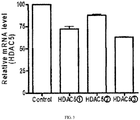
- shRNA that inhibits the gene expression of HDCA5 is preferably any one selected from the group consisting of SEQ ID NOS: 25 to 27, and is most preferably intronic HDAC5 shRNA represented by SEQ ID NO: 27.
- intronic HDAC5 shRNA represented by SEQ ID NO: 27 inhibited the expression of HDAC5 most effectively ( FIG. 3 ).
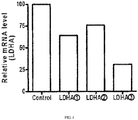
- shRNA that inhibits the gene expression of LDHA is preferably any one selected from the group consisting of SEQ ID NOS: 28 to 30, and is most preferably intronic LDHA shRNA represented by SEQ ID NO: 30.
- intronic LDHA shRNA represented by SEQ ID NO: 30 inhibited the expression of LDHA most effectively ( FIG. 4 ).
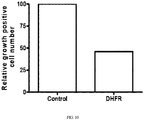
- shRNA that inhibits the gene expression of DHFR is preferably any one selected from the group consisting of SEQ ID NOS: 31 to 33, and is most preferably intronic DHFR shRNA represented by SEQ ID NO: 32.
- intronic DHFR shRNA represented by SEQ ID NO: 32 inhibited the expression of DHFR most effectively ( FIG. 5 ).
- the miRNA sequence for target gene regulation may be intronic miR483 represented by any one of SEQ ID NOS: 34 to 36.
- intronic miR483 represented by any one of SEQ ID NOS: 34 to 36.
- an experiment was conducted to determine the optimal branch sequence and splicing acceptor combination.
- Individual intronic RNA sequences represented by SEQ ID NOS: 34 to 36 were constructed using different branch sequences and splicing acceptors.
- the splicing donor sequence may be at least one selected from among SEQ ID NOS: 12 to 15
- the branch sequence may be at least one selected from among SEQ ID NOS: 16 to 18
- the splicing acceptor sequence may be at least one selected from among SEQ ID NOS: 19 to 22.
- the expression cassette for production of a target protein may have at least one effect selected from the group consisting of increased expression of a target protein, inhibition of lactate production, regulation of histone protein deacetylation, regulation of glucose metabolism, regulation of cell growth, proliferation regulation, increased functionality of a target protein, and decreased fucose content of a target protein, through intron splicing or endogenous gene expression regulation.
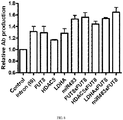
- FIGS. 8 and 9 it was confirmed that more antibodies are produced in transformants including intronic RNA than transformants not including intronic RNA. Particularly, when two or more intronic RNAs were included, it was confirmed that higher antibody productivity was exhibited ( FIGS. 8 and 9 ).
- the expression cassette may regulate the expression of the target endogenous gene using the intronic RNA sequence for endogenous gene regulation.
- the regulation of gene expression includes a method of increasing or decreasing a gene expression level.
- the expression cassette is configured such that an intronic RNA sequence and a target protein are transcriptionally linked by a single promoter, and thus, even when a cell line is selected by checking only the expression of the target protein, it is possible to select a cell line in which the endogenous gene is regulated by intronic RNA.
- DHFR dihydrofolate reductase
- the fucose content of the antibody expressed by the same promoter was decreased by regulating the expression of alpha 1, 6-fucosyltransferase (FUT8), which is an enzyme related to fucosylation of the N-linked glycan of asparagine 297, which is the Fc region of the antibody ( FIG. 11 ).
- FUT8 alpha 1, 6-fucosyltransferase
- histone deacetylase 5 histone deacetylase 5
- lactate dehydrogenase A was decreased by regulating the expression of lactate dehydrogenase A (LDHA), which is an enzyme involved in the conversion of pyruvate into lactate ( FIG. 12b ).
- the present invention pertains to a vector including the expression cassette for production of a target protein.
- the present invention pertains to a transformant, which is transformed with the vector including the expression cassette for production of a target protein.
- the transformant is not limited, so long as it is able to produce a target protein, and is preferably an animal cell.
- the transformant may be a eukaryotic cell.
- the eukaryotic cell is preferably a mammalian cell. More preferably, the mammalian cell is selected from among a CHO (Chinese hamster ovary) cell, BHK (baby hamster kidney) cell, mouse myeloma cell, rat myeloma cell, hybridoma cell, embryonic stem cell, fertilized egg cell, CHO-K1 cell, CHO DUXB11 cell, CHO DG44 cell, N50 cell, NSO cell, SP2/0 cell, YB2 cell, HEK 293 cell, HEK 293 EBNA cell, PER.C6 cell, Namalwa cell, and COS cell.
- CHO Choinese hamster ovary
- BHK baby hamster kidney
- mouse myeloma cell mouse myeloma cell
- rat myeloma cell hybridoma cell
- embryonic stem cell fertilized egg
- the present invention pertains to a method of manufacturing a target protein including culturing a transformant including the expression cassette for production of a target protein.
- the method of manufacturing a target protein according to the present invention may include transfecting an animal cell with a vector in which an intron sequence for endogenous gene regulation and a target protein are expressed by a single promoter, culturing the transfected animal cell under conditions suitable for the expression of the target protein, and recovering a target protein from the animal cell or cell culture broth.
- No. 1 intron (IS) in Table 1 did not insert a gene target shRNA, or inserted a shRNA sequence having no gene expression regulation function, so that a splicing effect occurred only in the gene DNA. Also, in the case of No. 2 to 5 introns, intron DNA sequences were manufactured by inserting shRNA to induce the inhibition of expression of each gene. Finally, No. 6 intron was manufactured in order to evaluate whether miRNA, rather than shRNA, was applicable to the present invention.
- an expression cassette capable of simultaneously expressing an intronized shRNA sequence and a target protein was designed by inserting at least one intronic shRNA sequence into a single expression cassette expressing a target protein.
- the expression cassette was synthesized by requesting GeneArt by combining a splicing donor, a gene target shRNA or miRNA sequence, a branch sequence and a splicing acceptor nucleotide sequence. Both ends of the synthesized DNA sequence were added with HpaI/NheI or ClaI restriction enzyme sites through PCR and then cloned into an expression cassette composed of a CMV (cytomegalovirus) promoter + Palivizumab light chain + poly A. The final expression cassette was manufactured through cloning between the CMV promoter and the Palivizumab light chain using HpaI and NheI restriction enzymes and between the Palivizumab light chain and poly A using a ClaI restriction enzyme.
- Nos. 3 to 5 in Table 2 were designed in order to evaluate whether the insertion of shRNA before GOI affects the expression of each target gene.
- No. 7 was designed to test the case in which shRNA was inserted after GOI, and Nos. 8 to 11 were manufactured in order to evaluate whether the effect of the present invention is exhibited even when two or more shRNA-shRNA combinations or shRNA-miRNA combinations are included before and after GOI.
- a MarEx vector (Korean Patent No. 10-1076602 ) having dihydrofolate reductase (DHFR) as a selection marker was cloned with the heavy and light chain genes of Palivizumab, serving as a therapeutic agent for preventing respiratory syncytial virus infection, after which an intron sequence or at least one intronic shRNA/miRNA sequence for endogenous gene regulation (Tables 1 and 2) was inserted into the light-chain expression cassette of the MarEx vector in which Palivizumab was expressed. After transformation with E. coli (DH5alpha), a plasmid was obtained.
- DHFR dihydrofolate reductase
- the sequence of the MarEx vector including the intron sequence or at least one intronic shRNA/miRNA sequence for endogenous gene regulation and the antibody sequence was identified, thus obtaining a final vector, and plasmid DNA was obtained using an Endo-free Plasmid Maxi Kit (Qiagen).
- An inhibitory intron shRNA1 (SEQ ID NO: 25) targeting a sequence 626 bp of HDAC5 in Example 3, an inhibitory intron shRNA2 (SEQ ID NO: 26) targeting a sequence 823 bp of HDAC5, and an inhibitory intron shRNA3 (SEQ ID NO: 27) targeting a sequence 2326 bp of HDAC5 were manufactured. Thereafter, whether the expression of HDAC5 was inhibited in cells was evaluated through transient expression.
- SYBR PrimeScript RT-PCR Kit II TaKaRa
- SEQ ID NOS: 37 and 38 and HDAC5 primers represented by SEQ ID NOS: 39 and 40 were used.
- HDAC5 cDNA level was normalized to the level of the housekeeping gene GAPDH. Consequently, as shown in FIG. 3 , the effect of inhibiting the expression of HDAC5 was confirmed in all HDAC5 shRNA sequences, among which HDAC5 shRNA3 represented by SEQ ID NO: 27 inhibited the expression of HDAC5 by 37% compared to the control and was thus found to be the most effective.
- An inhibitory intron shRNA1 (SEQ ID NO: 28) targeting a sequence 273 bp of LDHA in Example 3, an inhibitory intron shRNA2 (SEQ ID NO: 29) targeting a sequence 473 bp of LDHA, and an inhibitory intron shRNA (SEQ ID NO: 30) targeting a sequence 906 bp of LDHA were manufactured. Thereafter, whether the expression of LDHA was inhibited in cells was evaluated through transient expression.
- GAPDH primers represented by SEQ ID NOS: 37 and 38 and LDHA primers represented by SEQ ID NOS: 41 and 42 were used.
- An inhibitory intron shRNA1 (SEQ ID NO: 31) targeting a sequence 41 bp of DHFR in Example 3, an inhibitory intron shRNA2 (SEQ ID NO: 32) targeting a sequence 307 bp of DHFR, and an inhibitory intron shRNA (SEQ ID NO: 33) targeting a sequence 323 bp of DHFR were manufactured. Thereafter, whether the expression of DHFR was inhibited in cells was evaluated through transient expression.
- GAPDH primers represented by SEQ ID NOS: 37 and 38 and DHFR primers represented by SEQ ID NOS: 47 and 48 were used.
- DHFR shRNA2 represented by SEQ ID NO: 32 inhibited the expression of DHFR by 58.8% compared to the control and was thus found to be the most effective.
- Example 4-4 Evaluation of CXCR4 and PDK4 expression regulation through miR483 expression
- miR483 1 SEQ ID NO: 34
- miR483 2 SEQ ID NO: 35
- miR483 3 SEQ ID NO: 36
- CXCR4 C-X-C chemokine receptor type 4
- PDK4 pyruvate dehydrogenase kinase 4
- the expression of the gene was confirmed in the same manner as in Example 4-1, and for amplification and detection of GAPDH, CXCR4 and PDK4 cDNA, GAPDH primers represented by SEQ ID NOS: 37 and 38, CXCR4 primers represented by SEQ ID NOS: 43 and 44 and PDK4 primers represented by SEQ ID NOS: 45 and 46 were used.
- miR483 3 represented by SEQ ID NO: 36 increased the expression of CXCR4 by 270.4% or more compared to the control, and as shown in FIG. 7 , miR483 3 represented by SEQ ID NO: 36 inhibited the expression of PDK4 by 23.2% compared to the control.
- Example 3 Using the vectors manufactured in Example 3, a stable cell line in which an antibody and an intron sequence or at least one intronic shRNA/miRNA for endogenous gene regulation were transcribed and expressed was manufactured.
- a CHO-K1 (American Type Culture Collection, CCL-61, USA) cell was transfected with the above vector using Lipofectamine LTX (Invitrogen), and was then treated with 500 nM methotrexate (MTX) serving as a DHFR inhibitor in order to select the stably transfected cell line, thereby manufacturing a cell line in which the antibody was stably expressed.
- MTX methotrexate
- Example 6-1 Evaluation of antibody production level for short time through transient expression
- the antibody production level was measured for a short time through transient expression.
- the antibody production level was measured using an enzyme-linked immunosorbent assay (ELISA) technique specific to the Fc region of the antibody.
- ELISA enzyme-linked immunosorbent assay
- Example 6-2 Evaluation of antibody expression level in stabilized cell line
- the antibody production level was measured using an enzyme-linked immunosorbent assay (ELISA) technique specific to the Fc region of the antibody.
- ELISA enzyme-linked immunosorbent assay
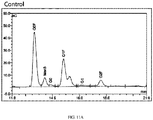
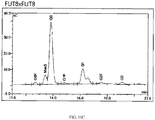
- the antibody was purified from the cell line manufactured in Example 5, after which the glycan of the Fc region was analyzed using a Bio-LC system (DC ICS 3000 System, DIONEX, 06110276).
- the purified antibody was heated at 100°C for 4 hr using 4 M TFA (Trifluoroacetic acid) to separate monosaccharides, and the filtrate was removed using a vacuum dryer, dissolved in deionized water and measured using a Bio-LC system.
- an ED detector DIONEX, 06110046) was used, and an amino trap column (DIONEX, 046122) was used as a guard column.
- a CarboPac PA 10 column (DIONEX, 046110) was used as an analytical column.
- the proportion of the antibody to which fucose was not bound was 16.0 times that of the control. Also, in the cell line including the FUT8 ⁇ FUT8 intron sequence, it was confirmed that the proportion of the antibody to which fucose was not bound was 20.9 times that of the control.
- the proportions of the antibody to which fucose was not bound were 22.2 times, 20.1 times and 16.4 times that of the control, respectively.
- GAPDH primers represented by SEQ ID NOS: 37 and 38 and HDAC5 primers represented by SEQ ID NOS: 39 and 40 were used.
- Example 9-2 Evaluation of LDHA expression regulation
- Example 5 Using the stable cell line manufactured in Example 5, whether the expression of LDHA was inhibited in cells was evaluated. The gene regulation was confirmed in the same manner as in Example 9-1, and for amplification and detection of GAPDH and LDHA cDNA, GAPDH primers represented by SEQ ID NOS: 37 and 38 and LDHA primers represented by SEQ ID NOS: 41 and 42 were used.
- Example 9-3 Evaluation of CXCR4 and PDK4 expression regulation through miR483 expression
- Example 5 Using the stable cell line manufactured in Example 5, the effects of increasing the expression of CXCR4 as a target of miR483 and inhibiting the expression of PDK4 were evaluated.
- the gene regulation was confirmed in the same manner as in Example 9-1, and for amplification and detection of GAPDH, CXCR4 and PDK4 cDNA, GAPDH primers represented by SEQ ID NOS: 37 and 38, CXCR4 primers represented by SEQ ID NOS: 43 and 44 and PDK4 primers represented by SEQ ID NOS: 45 and 46 were used.
Landscapes
- Health & Medical Sciences (AREA)
- Genetics & Genomics (AREA)
- Life Sciences & Earth Sciences (AREA)
- Engineering & Computer Science (AREA)
- Chemical & Material Sciences (AREA)
- Organic Chemistry (AREA)
- Biomedical Technology (AREA)
- Wood Science & Technology (AREA)
- General Engineering & Computer Science (AREA)
- Biotechnology (AREA)
- Bioinformatics & Cheminformatics (AREA)
- Zoology (AREA)
- Molecular Biology (AREA)
- Biophysics (AREA)
- General Health & Medical Sciences (AREA)
- Biochemistry (AREA)
- Physics & Mathematics (AREA)
- Plant Pathology (AREA)
- Microbiology (AREA)
- Proteomics, Peptides & Aminoacids (AREA)
- Medicinal Chemistry (AREA)
- Immunology (AREA)
- Virology (AREA)
- Micro-Organisms Or Cultivation Processes Thereof (AREA)
- Preparation Of Compounds By Using Micro-Organisms (AREA)
Applications Claiming Priority (2)
| Application Number | Priority Date | Filing Date | Title |
|---|---|---|---|
| KR20170129969 | 2017-10-11 | ||
| PCT/KR2018/011953 WO2019074292A2 (fr) | 2017-10-11 | 2018-10-11 | Cassette d'expression pour la production d'une protéine cible à haute expression et à haute fonctionnalité et son utilisation |
Publications (2)
| Publication Number | Publication Date |
|---|---|
| EP3696271A2 true EP3696271A2 (fr) | 2020-08-19 |
| EP3696271A4 EP3696271A4 (fr) | 2021-05-19 |
Family
ID=66100869
Family Applications (1)
| Application Number | Title | Priority Date | Filing Date |
|---|---|---|---|
| EP18866248.0A Pending EP3696271A4 (fr) | 2017-10-11 | 2018-10-11 | Cassette d'expression pour la production d'une protéine cible à haute expression et à haute fonctionnalité et son utilisation |
Country Status (5)
| Country | Link |
|---|---|
| US (2) | US12188036B2 (fr) |
| EP (1) | EP3696271A4 (fr) |
| KR (1) | KR102735096B1 (fr) |
| CN (1) | CN111386348B (fr) |
| WO (1) | WO2019074292A2 (fr) |
Families Citing this family (7)
| Publication number | Priority date | Publication date | Assignee | Title |
|---|---|---|---|---|
| KR102712926B1 (ko) | 2016-10-20 | 2024-10-07 | 상가모 테라퓨틱스, 인코포레이티드 | 파브리병의 치료를 위한 방법 및 조성물 |
| CN111091866B (zh) * | 2019-11-21 | 2022-03-15 | 西安理工大学 | 鉴定长链非编码核糖核酸-转录因子-基因调控模体的方法 |
| KR102798616B1 (ko) | 2019-12-20 | 2025-04-22 | (주)셀트리온 | 목적 단백질의 고발현을 위한 인트론을 포함하는 발현 카세트 및 이의 이용 |
| JP2024517711A (ja) * | 2021-04-29 | 2024-04-23 | ノバルティス アーゲー | 高シアル酸付加細胞 |
| CN116970070B (zh) * | 2023-08-02 | 2025-01-07 | 湖南诺合新生物科技有限公司 | 一种iii型人胶原蛋白的植物表达方法、含有内含子的编码基因及其应用 |
| CN118581151B (zh) * | 2024-05-29 | 2024-12-06 | 中国农业科学院兰州兽医研究所(中国动物卫生与流行病学中心兰州分中心) | 一种猪becn1基因敲除细胞的构建方法及其应用 |
| WO2026015458A1 (fr) * | 2024-07-08 | 2026-01-15 | Memorial Sloan-Kettering Cancer Center | Cellules comprenant des récepteurs de lymphocytes t non restreints par hla |
Family Cites Families (10)
| Publication number | Priority date | Publication date | Assignee | Title |
|---|---|---|---|---|
| CN1390934A (zh) * | 2001-06-08 | 2003-01-15 | 桂林华诺威基因药业有限公司 | 二类内含子靶向整合真核细胞染色体基因组上的特定序列 |
| US9453219B2 (en) * | 2003-05-15 | 2016-09-27 | Mello Biotech Taiwan Co., Ltd. | Cosmetic designs and products using intronic RNA |
| WO2005038020A1 (fr) | 2003-10-14 | 2005-04-28 | Biogen Idec Ma Inc. | Recombinaison mediee par flp |
| ATE471381T1 (de) | 2005-03-04 | 2010-07-15 | Celltrion Inc | Expressionsvektor für tierische zelle mit wenigstens einer kopie von mar-dna-sequenzen am 3'-ende des transkriptionsterminationsbereichs eines gens sowie verfahren zur expression eines fremdgens unter verwendung des vektors |
| EP2099914A1 (fr) | 2006-12-22 | 2009-09-16 | F. Hoffmann-Roche AG | Procede de selection |
| WO2009091659A2 (fr) * | 2008-01-16 | 2009-07-23 | Shi-Lung Lin | Génération de cellules pluripotentes de type cellules souches embryonnaires sans tumeur utilisant des agents d'arn recombinant inductible |
| KR101235560B1 (ko) | 2008-02-14 | 2013-02-25 | 재단법인 목암생명공학연구소 | 유전자 치료용 코딩 서열의 발현에 적합한 발현 벡터 |
| JP2012528588A (ja) * | 2009-06-05 | 2012-11-15 | ソル,ダイ‐ウ | 単一またはマルチ標的遺伝子を抑制するマルチ−シストロンshRNA発現カセット |
| AU2014255665B2 (en) * | 2013-04-18 | 2018-08-02 | Fondazione Telethon | Effective delivery of large genes by dual AAV vectors |
| WO2018011953A1 (fr) | 2016-07-14 | 2018-01-18 | ギガフォトン株式会社 | Dispositif d'ajustement d'angle d'élément optique et dispositif de génération de lumière ultraviolette extrême |
-
2018
- 2018-10-11 KR KR1020180121090A patent/KR102735096B1/ko active Active
- 2018-10-11 EP EP18866248.0A patent/EP3696271A4/fr active Pending
- 2018-10-11 WO PCT/KR2018/011953 patent/WO2019074292A2/fr not_active Ceased
- 2018-10-11 US US16/755,453 patent/US12188036B2/en active Active
- 2018-10-11 CN CN201880076531.5A patent/CN111386348B/zh active Active
-
2024
- 2024-11-25 US US18/959,294 patent/US20250084433A1/en active Pending
Also Published As
| Publication number | Publication date |
|---|---|
| KR20190040920A (ko) | 2019-04-19 |
| WO2019074292A2 (fr) | 2019-04-18 |
| CN111386348A (zh) | 2020-07-07 |
| EP3696271A4 (fr) | 2021-05-19 |
| US12188036B2 (en) | 2025-01-07 |
| US20250084433A1 (en) | 2025-03-13 |
| KR102735096B1 (ko) | 2024-11-28 |
| CN111386348B (zh) | 2023-08-22 |
| US20200299721A1 (en) | 2020-09-24 |
| WO2019074292A3 (fr) | 2019-06-27 |
Similar Documents
| Publication | Publication Date | Title |
|---|---|---|
| US20250084433A1 (en) | Expression Cassette for Production of High-Expression and High-Functionality Target Protein and Use Thereof | |
| EP3022304B1 (fr) | Procédés et compositions permettant de produire des doubles knock outs d'allèles | |
| EP3294774B1 (fr) | Protéines afucosylées, cellule exprimant cette protéine et methodes associées | |
| KR101114741B1 (ko) | 알파-1,6-푸코실 전이효소 발현의 shrna-조절된 억제 | |
| US11549108B2 (en) | Mammalian cells for producing a secreted protein | |
| CN101679966A (zh) | 具有增强的效应子活性的遗传重组抗体组合物 | |
| CA2481837A1 (fr) | Procede de production de composition anticorps | |
| TW201107469A (en) | Fucosylation-deficient cells | |
| JPWO2006013964A1 (ja) | 糖蛋白質組成物の製造法 | |
| US20220064690A1 (en) | CELL ENGINEERING USING RNAs | |
| US11060083B2 (en) | Methods and compositions for producing double allele knock outs | |
| JPWO2005035740A1 (ja) | 無血清馴化したゲノム改変細胞 | |
| US20230399671A1 (en) | Beta-1,4 galactosylation of proteins | |
| CA3252455A1 (fr) | Glutamine synthétase bactérienne en tant que marqueur de sélection dans des cellules de mammifère | |
| HK40025705B (zh) | 用於制备高表达和高性能靶蛋白的表达盒及其用途 | |
| HK40025705A (en) | Expression cassette for production of high-expression and high-functionality target protein and use thereof | |
| KR102956080B1 (ko) | 분비형 단백질을 생산하기 위한 포유동물 세포 | |
| Class et al. | Patent application title: CELL ENGINEERING USING RNAs Inventors: Lore Florin (Danbury, CT, US) Hitto Kaufman (Ulm, DE) Angelika Hausser (Stuttgart, DE) Monilola Olayioye (Ulm, DE) Michaela Strotbek (Asperg, DE) |
Legal Events
| Date | Code | Title | Description |
|---|---|---|---|
| STAA | Information on the status of an ep patent application or granted ep patent |
Free format text: STATUS: THE INTERNATIONAL PUBLICATION HAS BEEN MADE |
|
| PUAI | Public reference made under article 153(3) epc to a published international application that has entered the european phase |
Free format text: ORIGINAL CODE: 0009012 |
|
| STAA | Information on the status of an ep patent application or granted ep patent |
Free format text: STATUS: REQUEST FOR EXAMINATION WAS MADE |
|
| 17P | Request for examination filed |
Effective date: 20200511 |
|
| AK | Designated contracting states |
Kind code of ref document: A2 Designated state(s): AL AT BE BG CH CY CZ DE DK EE ES FI FR GB GR HR HU IE IS IT LI LT LU LV MC MK MT NL NO PL PT RO RS SE SI SK SM TR |
|
| AX | Request for extension of the european patent |
Extension state: BA ME |
|
| RIC1 | Information provided on ipc code assigned before grant |
Ipc: C07K 16/00 20060101ALI20201125BHEP Ipc: C12N 15/113 20100101ALI20201125BHEP Ipc: C12N 15/85 20060101AFI20201125BHEP |
|
| DAV | Request for validation of the european patent (deleted) | ||
| DAX | Request for extension of the european patent (deleted) | ||
| A4 | Supplementary search report drawn up and despatched |
Effective date: 20210416 |
|
| RIC1 | Information provided on ipc code assigned before grant |
Ipc: C12N 15/85 20060101AFI20210412BHEP Ipc: C12N 15/113 20100101ALI20210412BHEP Ipc: C07K 16/00 20060101ALI20210412BHEP |
|
| STAA | Information on the status of an ep patent application or granted ep patent |
Free format text: STATUS: EXAMINATION IS IN PROGRESS |
|
| 17Q | First examination report despatched |
Effective date: 20240814 |