EP3720855B1 - Composés imidazopyridiniques et leur utilisation comme médicament - Google Patents
Composés imidazopyridiniques et leur utilisation comme médicament Download PDFInfo
- Publication number
- EP3720855B1 EP3720855B1 EP18826510.2A EP18826510A EP3720855B1 EP 3720855 B1 EP3720855 B1 EP 3720855B1 EP 18826510 A EP18826510 A EP 18826510A EP 3720855 B1 EP3720855 B1 EP 3720855B1
- Authority
- EP
- European Patent Office
- Prior art keywords
- compound
- mmol
- enantiomer
- hplc
- meoh
- Prior art date
- Legal status (The legal status is an assumption and is not a legal conclusion. Google has not performed a legal analysis and makes no representation as to the accuracy of the status listed.)
- Active
Links
- 0 *COC(N1C[C@@](c([n]2)nc3c2ncc(*)c3*)OCC1)=O Chemical compound *COC(N1C[C@@](c([n]2)nc3c2ncc(*)c3*)OCC1)=O 0.000 description 3
- XWQRYSDIXVWOPA-NSHDSACASA-N CC(C)(C)OC(N1C[C@@H](c2nc3cccnc3[nH]2)OCC1)=O Chemical compound CC(C)(C)OC(N1C[C@@H](c2nc3cccnc3[nH]2)OCC1)=O XWQRYSDIXVWOPA-NSHDSACASA-N 0.000 description 1
- KMHLGVTVACLEJE-UHFFFAOYSA-N Cc(cc(cc1)F)c1N Chemical compound Cc(cc(cc1)F)c1N KMHLGVTVACLEJE-UHFFFAOYSA-N 0.000 description 1
- ZQEXBVHABAJPHJ-UHFFFAOYSA-N Cc(cc1)cc(F)c1N Chemical compound Cc(cc1)cc(F)c1N ZQEXBVHABAJPHJ-UHFFFAOYSA-N 0.000 description 1
- ZFWVZGZZIAKCEM-INIZCTEOSA-N Cc1ccc(COC(N2C[C@@H](c3nc4cccnc4[nH]3)OCC2)=O)cc1F Chemical compound Cc1ccc(COC(N2C[C@@H](c3nc4cccnc4[nH]3)OCC2)=O)cc1F ZFWVZGZZIAKCEM-INIZCTEOSA-N 0.000 description 1
- CEPCPXLLFXPZGW-UHFFFAOYSA-N Nc(ccc(F)c1)c1F Chemical compound Nc(ccc(F)c1)c1F CEPCPXLLFXPZGW-UHFFFAOYSA-N 0.000 description 1
- QZVQQUVWFIZUBQ-UHFFFAOYSA-N Nc1cccc(F)c1 Chemical compound Nc1cccc(F)c1 QZVQQUVWFIZUBQ-UHFFFAOYSA-N 0.000 description 1
- WCPLXETVPZPAGB-HNNXBMFYSA-N O=C(N1C[C@@H](c2nc3cccnc3[nH]2)OCC1)OCc(c(F)c1)ccc1F Chemical compound O=C(N1C[C@@H](c2nc3cccnc3[nH]2)OCC1)OCc(c(F)c1)ccc1F WCPLXETVPZPAGB-HNNXBMFYSA-N 0.000 description 1
- HQSSNYRLVDZJLP-HNNXBMFYSA-N O=C(N1C[C@@H](c2nc3cccnc3[nH]2)OCC1)OCc(cccc1)c1Cl Chemical compound O=C(N1C[C@@H](c2nc3cccnc3[nH]2)OCC1)OCc(cccc1)c1Cl HQSSNYRLVDZJLP-HNNXBMFYSA-N 0.000 description 1
Classifications
-
- A—HUMAN NECESSITIES
- A61—MEDICAL OR VETERINARY SCIENCE; HYGIENE
- A61K—PREPARATIONS FOR MEDICAL, DENTAL OR TOILETRY PURPOSES
- A61K31/00—Medicinal preparations containing organic active ingredients
- A61K31/33—Heterocyclic compounds
- A61K31/395—Heterocyclic compounds having nitrogen as a ring hetero atom, e.g. guanethidine or rifamycins
- A61K31/535—Heterocyclic compounds having nitrogen as a ring hetero atom, e.g. guanethidine or rifamycins having six-membered rings with at least one nitrogen and one oxygen as the ring hetero atoms, e.g. 1,2-oxazines
- A61K31/5375—1,4-Oxazines, e.g. morpholine
- A61K31/5377—1,4-Oxazines, e.g. morpholine not condensed and containing further heterocyclic rings, e.g. timolol
-
- A—HUMAN NECESSITIES
- A61—MEDICAL OR VETERINARY SCIENCE; HYGIENE
- A61P—SPECIFIC THERAPEUTIC ACTIVITY OF CHEMICAL COMPOUNDS OR MEDICINAL PREPARATIONS
- A61P25/00—Drugs for disorders of the nervous system
-
- A—HUMAN NECESSITIES
- A61—MEDICAL OR VETERINARY SCIENCE; HYGIENE
- A61P—SPECIFIC THERAPEUTIC ACTIVITY OF CHEMICAL COMPOUNDS OR MEDICINAL PREPARATIONS
- A61P25/00—Drugs for disorders of the nervous system
- A61P25/24—Antidepressants
-
- C—CHEMISTRY; METALLURGY
- C07—ORGANIC CHEMISTRY
- C07D—HETEROCYCLIC COMPOUNDS
- C07D471/00—Heterocyclic compounds containing nitrogen atoms as the only ring hetero atoms in the condensed system, at least one ring being a six-membered ring with one nitrogen atom, not provided for by groups C07D451/00 - C07D463/00
- C07D471/02—Heterocyclic compounds containing nitrogen atoms as the only ring hetero atoms in the condensed system, at least one ring being a six-membered ring with one nitrogen atom, not provided for by groups C07D451/00 - C07D463/00 in which the condensed system contains two hetero rings
- C07D471/04—Ortho-condensed systems
-
- C—CHEMISTRY; METALLURGY
- C07—ORGANIC CHEMISTRY
- C07B—GENERAL METHODS OF ORGANIC CHEMISTRY; APPARATUS THEREFOR
- C07B2200/00—Indexing scheme relating to specific properties of organic compounds
- C07B2200/07—Optical isomers
Definitions
- the present invention relates to imidazopyridines of general formula A processes for their preparation, pharmaceutical compositions containing them and their use in therapy, particularly in the treatment or prevention of conditions having an association with NR2B negative allosteric modulating properties.
- the compounds of the invention according to general formula A show NR2B negative allosteric modulating properties.
- N-methyl-D-aspartate receptors play a relevant role in Alzheimer's disease, Parkinson's disease, dyskinesia, stroke, motor neuron disease, psychosis, epilepsy, anxiety, schizophrenia and pam.
- ketamine (racemic as well as the S enantiomer), a medication mainly used for starting and maintaining anaesthesia, has demonstrated over the last years clinical efficacy in treating major depressive disorder (MDD) at subanaesthetic doses ( Murrough et al. 2013, Am J Psychiatry. 170: 1134 ; Singh et al. 2016, Biol Psychiatry. 80: 424 ). More precisely, ketamine elicits a rapid onset of efficacy which lasts several days in MDD patients insufficiently responding to standard drug therapy ( Berman et al. 2000. Biol Psychiatry 47:351 , Serafini et al. 2014. Curr.
- non-selective NMDA receptor antagonists have a range of undesirable effects which limit their application.
- dissociative and psychogenic side effects are prominent for the non-selective NMDA receptor antagonists such as ketamine ( Krystal et al. 1994. Arch. Gen. Psychiatry 51:199 ).
- ketamine Krystal et al. 1994. Arch. Gen. Psychiatry 51:199 .
- NR2B subtype selective NMDA receptor negative allosteric modulators have raised interest and have shown potential in a wide range of clinical indications, such as attention, emotion, mood, and pain, as well as being involved in a number of different human disorders ( Mony et. al. 2009. Br. J. Pharmacol. 157:1301 ; Chaffey et al., Current Anaesthesia & Critical Care 19, 183 ).
- NR2B NAM have also demonstrated antidepressant efficacy in the early stage of clinical trials ( Preskorn et al. 2008. J Clin Psychopharmacol 70:58 ).
- NR2B containing NMDAreceptors are mediating the positive effect of ketamine in e.g. the Forced Swim Test ( Miller et al. 2014 eLife 3:e03581 ; Kiselycznyk et al. 2015, Behav Brain Res, 287:89 ).
- selective NR2B NAM have advantages over unselective NMDA receptor antagonists, such as ketamine, due to greatly diminished dissociative and psychotomimetic side effects ( Jimenez-Sanchez et al. 2014. Neuropsychopharmacology 39:2673 ).
- WO2016/29146 discloses compounds of formula (I) that are inhibitors of methionyl-tRNA synthetase (MetRS) being useful as antibiotics.
- Formula (I) in WO2016/29146 encompasses the specific examples 1734, 1744, 1745, 1757 1758, 1785 and 1790 which exhibit a benzimidazole or imidazopyridine substructure.
- the compounds of the present invention have surprisingly been found to be potent NR2B negative allosteric modulators (see table 1), whereas the specific examples 1734, 1744, 1745, 1757, 1758, 1785 and 1790 of WO2016/29146 show rather poor negative allosteric modulation of the NR2B ion channel or no activity at all (see table 2).
- US2002/055519 discloses 1H-imidazo[4,5-b]pyridin-2-yl compounds that are effective as NMDA NR2B antagonists useful for relieving pain.
- the compounds of the present invention show good membrane permeability and low to moderate in vitro efflux (see table 3 for MDCK assay MDR1 (p-GP), and table 4 for MDCK assay BCRP). Therefore, compounds of the present invention are expected to show a favorable brain penetration which is required for efficacious CNS medicaments.
- the MDCK assays provide information on the potential of a compound to pass the blood brain barrier.
- Permeability measurements across polarized, confluent MDCK-MDR1 cell monolayers grown on permeable filter supports are used as an in vitro absorption model: apparent permeability coefficients (PE) of the compounds across the MDCK-MDR1 cell monolayers are measured (pH 7.4, 37°C) in apical-to-basal (AB) and basal-to-apical (BA) transport direction.
- PE apparent permeability coefficients
- the AB permeability represents drug absorption from the blood into the brain and the BA permeability (PEBA) drug efflux from the brain back into the blood via both, passive permeability as well as active transport mechanisms mediated by efflux and uptake transporters that are expressed on the MDCK-MDR1 cells, predominantly by the overexpressed human MDR1.
- Identical or similar permeabilities in both transport directions indicate passive permeation, vectorial permeability points to additional active transport mechanisms.
- Higher PEBA than PEAB indicates the involvement of active efflux mediated by MDR1, which might compromise the goal to achieve sufficient brain exposure. Therefore, this assay provides valuable support for selection of compounds applicable for further in vivo testing.
- High permeability not limited by efflux at the blood brain barrier is a favourable characteristic for compounds that are to be used for drugs acting primarily in the CNS. Similar concepts are applicable to the MDCK BCRP assay and its interpretation; consequently, to ensure high permeability at the blood brain barrier, it is highly preferred to minimize the efflux (efflux ⁇ 5) at both MDR1 and BCRP transporters.
- the compounds of the present invention are metabolically stable in human liver microsomes (see table 5, metabolic stability). Therefore, compounds of the present invention are expected to have a favorable in vivo clearance and thus the desired duration of action in humans.
- Stability in human liver microsomes refers to the susceptibility of compounds to biotransformation in the context of selecting and/or designing drugs with favorable pharmacokinetic properties.
- the primary site of metabolism for many drugs is the liver.
- Human liver microsomes contain the cytochrome P450s (CYPs), and thus represent a model system for studying drug metabolization in vitro.
- CYPs cytochrome P450s
- Enhanced stability in human liver microsomes is associated with several advantages, including increased bioavailability and adequate half-life, which can enable lower and less frequent dosing of patients. Thus, enhanced stability in human liver microsomes is a favorable characteristic for compounds that are to be used for drugs.
- the present invention provides imidazopyridines of formula A in which
- R 1 has the same meaning as defined in any of the preceding embodiments, and
- R 1 has the same meaning as defined in any of the preceding embodiments, and
- R 1 has the same meaning as defined in any of the preceding embodiments, and
- R 2 and R 3 have the same meaning as defined in any of the preceding embodiments, and
- R 2 and R 3 have the same meaning as defined in any of the preceding embodiments, and
- the present invention provides imidazopyridines of general formula A that unexpectedly are potent NR2B negative allosteric modulators.
- Another aspect of the invention refers to compounds according to formula A as NR2B negative allosteric modulators having appropriate membrane permeability and low to moderate in vitro efflux.
- Another aspect of the invention refers to compounds according to formula A as NR2B negative allosteric modulators having high metabolic stability in human liver microsomes.
- Another aspect of the invention refers to compounds according to formula A as NR2B negative allosteric modulators having appropriate membrane permeability, low to moderate in vitro efflux and high metabolic stability in human liver microsomes.
- compositions containing at least one compound according to formula A optionally together with one or more inert carriers and/or diluents.
- a further aspect of the present invention refers to compounds according to formula A, for the use in the prevention and/or treatment of disorders associated with NR2B negative allosteric modulators.
- Another aspect of the invention refers to processes of manufacture of the compounds of the present invention.
- An alternative gram scale synthesis can be performed using the corresponding morpholine (racemic or the S enantiomer; 40 mmol), TEA (2.5 equivalents), a slight excess of the required imidoylcarbonate and a 1/1 mixture CH 3 CN/THF as solvent.
- An asterisk may be used in sub-formulas to indicate the bond which is connected to the core molecule or to the substituent to which it is bound as defined.
- substituted means that any one or more hydrogens on the designated atom is replaced with a selection from the indicated group, provided that the designated atom's viable valence number is not exceeded, and that the substitution results in a stable compound.
- a given chemical formula or name shall encompass rotamers, tautomers and all stereo, optical and geometrical isomers (e.g. enantiomers, diastereoisomers, E/Z isomers etc.) and racemates thereof, as well as mixtures in different proportions of the separate enantiomers, mixtures of diastereoisomers, or mixtures of any of the foregoing forms where such isomers and enantiomers exist, as well as salts, including pharmaceutically acceptable salts thereof. comprises both tautomers A-1 and A-2:
- phrases "pharmaceutically acceptable” is employed herein to refer to those compounds, materials, compositions, and/or dosage forms which are, within the scope of sound medical judgment, suitable for use in contact with the tissues of human beings and animals without excessive toxicity, irritation, allergic response, or other problem or complication, and commensurate with a reasonable benefit/risk ratio.
- pharmaceutically acceptable salts refer to derivatives of the disclosed compounds wherein the parent compound forms a salt or a complex with an acid or a base.
- acids forming a pharmaceutically acceptable salt with a parent compound containing a basic moiety include mineral or organic acids such as benzenesulfonic acid, benzoic acid, citric acid, ethanesulfonic acid, fumaric acid, gentisic acid, hydrobromic acid, hydrochloric acid, maleic acid, malic acid, malonic acid, mandelic acid, methanesulfonic acid, 4-methyl-benzenesulfonic acid, phosphoric acid, salicylic acid, succinic acid, sulfuric acid or tartaric acid.
- mineral or organic acids such as benzenesulfonic acid, benzoic acid, citric acid, ethanesulfonic acid, fumaric acid, gentisic acid, hydrobromic acid, hydrochloric acid, maleic acid, malic acid, malonic acid, mandelic acid, methanesulfonic acid, 4-methyl-benzenesulfonic acid, phosphoric acid, salicylic acid, succinic acid, sulfur
- Examples for cations and bases forming a pharmaceutically acceptable salt with a parent compound containing an acidic moiety include Na + , K + , Ca 2+ , Mg 2+ , NH 4 + , L-arginine, 2,2'-iminobisethanol, L-lysine, N-methyl-D-glucamine or tris(hydroxymethyl)-aminomethane.
- the pharmaceutically acceptable salts of the present invention can be synthesized from the parent compound which contains a basic or acidic moiety by conventional chemical methods. Generally, such salts can be prepared by reacting the free acid or base forms of these compounds with a sufficient amount of the appropriate base or acid in water or in an organic diluent like ether, ethyl acetate, ethanol, isopropanol, or acetonitrile, or a mixture thereof. Salts of other acids than those mentioned above which for example are useful for purifying or isolating the compounds of the present invention (e.g. trifluoroacetate salts) also comprise a part of the invention.
- a human HEK293 cell line with tetracyclin-inducible expression of NMDA NR1/NR2B receptor was used as a test system for compound efficacy and potency.
- the cell line was purchased from ChanTest, Catalog #CT6121.
- Compound activity was determined by measuring the effect of compounds on intracellular calcium concentration induced by glycine/glutamate agonism in a FLIPRtetra system (Molecular Devices).
- the cells were obtained as frozen cells in cryo-vials and stored until use at -150°C.
- Cells were grown in culture medium (DMEM/F12, 10% FBS, 5 ⁇ g/mL Blasticidin, 150 ⁇ g/mL Zeozin, 500 ⁇ g/mL Geneticin). It is important that density does not exceed 80% confluence. For sub-culturing the cells were detached from flasks by Versene.
- cells were detached, washed twice with induction medium (DMEM/F12 without glutamine, 10% FBS, 2 ⁇ g/mL Tetracycline, 2mM Ketamine) and seeded to 384 well pure coat amine plates (BD 359324, 50000 cells per well in 50 ⁇ l) 48 h prior to assay in induction medium.
- induction medium DMEM/F12 without glutamine, 10% FBS, 2 ⁇ g/mL Tetracycline, 2mM Ketamine
- test compounds were dissolved in 100% DMSO at a concentration of 10 mM and in a first step diluted in DMSO to a concentration of 5 mM, followed by serial dilution steps in 100% DMSO. Dilution factor and number of dilution steps may vary according to needs.
- Each assay microtiter plate contained wells (in column 23 or 24) with DMSO controls instead of compound as controls for glycine/glutamate induced fluorescence (high controls) and wells with 1 ⁇ M of a reference NR2b NAM as low controls ( Compound 22; reference: Layton, Mark E et al, ACS Chemical Neuroscience 2011, 2(7), 352-362 ).
- the output file of the reader contains the well number and measured average fluorescence units.
- the measurement of the low control was set as 0% control and the measurement of the high control was set as 100% control.
- NR2B negative allosteric modulators covered by general structure A and exhibiting a low IC 50 value are preferred.
- Table 1 In vitro affinity of the compounds of the present invention as obtained in the FLIPR assay Example number IC50 [nM] 1 409 2 83 4 228 6 475 8 404 9 293 10 156 11 55 12 73 13 122 14 121 15 93 16 104 17 76 18 54 19 128 24 748 25 477 26 78 27 95 28 42 31 132
- Table 2 In vitro affinity of the closest prior art compounds (examples 1734, 1744, 1745, 1757, 1758, 1785 and 1790 in WO2016/29146) as obtained in the same FLIPR assay as compounds in table 1 Example number in WO2016/29146 IC50 [nM] 1734 >8885 1744 >8889 1745 >8898 1757 >8900 1758 >8884 1785 6200 1790 >8887
- Apparent permeability coefficients (Papp) of the compounds across the MDCK-MDR1 monolayers are measured in apical-to-basal (AB) and basal-to-apical (BA) direction.
- MDCK-MDR1 cells (6 x 10 5 cells/cm 2 ) are seeded on filter inserts (Corning, Transwell, polycarbonate, 0.4 ⁇ m pore size) and cultured for 9 to 10 days.
- the transport solution is applied to the apical or basolateral donor side for measuring A-B or B-A permeability, respectively.
- the receiver side contains HTP-4 buffer supplemented with 0.25% BSA. Samples are collected at the start and end of experiment from the donor and at various time intervals for up to 2 hours also from the receiver side for concentration measurement by HPLC-MS/MS. Sampled receiver volumes are replaced with fresh receiver solution. Efflux ratio is calculated dividing the Papp (b-a) values by the Papp (a-b) values. Results are shown in table 3. Table 3 Ex.
- Papp (a-b) mean [10-6 cm/s] efflux ratio 1 61 0.9 2 31.5 1.7 6 44.4 1.48 8 39 1.6 9 49 1.16 10 37 1.6 11 32 1.4 12 46 0.9 13 35 1.3 14 38 1.1 15 59 1.2 16 41 1.2 17 40 1.3 18 37 1.3 19 42 1.6 26 32 2 27 65 1.2 28 42 1.1 31 18 1.8
- Apparent permeability coefficients (Papp) of the compounds across the MDCK-BCRP monolayers are measured in apical-to-basal (AB) and basal-to-apical (BA) direction.
- MDCK-BCRP cells (6 x 10 5 cells/cm 2 ) are seeded on filter inserts (Corning, Transwell, polycarbonate, 0.4 ⁇ m pore size) and cultured for 9 to 10 days.
- Compounds dissolved in DMSO stock solution (1 - 20 mM) are diluted with HTP-4 aqueous buffer (128.13 mM NaCl, 5.36 mM KCl, 1 mM MgSO4, 1.8 mM CaCl2, 4.17 mM NaHCO3, 1.19 mM
- the transport solution is applied to the apical or basolateral donor side for measuring A-B or B-A permeability, respectively.
- the receiver side contains HTP-4 buffer supplemented with 0.25% BSA. Samples are collected at the start and end of experiment from the donor and at various time intervals for up to 2 hours also from the receiver side for concentration measurement by HPLC-MS/MS. Sampled receiver volumes are replaced with fresh receiver solution.
- Efflux ratio is calculated dividing the Papp (b-a) values by the Papp (a-b) values. Results are shown in Table 4. Table 4 Ex. Papp (a-b) mean [10-6 cm/s] efflux ratio 1 38 2.4 2 34 2.9 8 46 1.8 10 40 2.2 11 63 1 12 69 1 13 72 0.9 14 68 1.2 15 33 2.8 16 49 2.1 17 37 2.5 18 53 1.2 19 61 1.6 26 24 2.7 27 24 5.2 28 56 1.2 31 85 0.7
- the metabolic degradation of the test compound was assayed at 37 °C with pooled human liver microsomes.
- the final incubation volume of 60 ⁇ l per time point contains TRIS buffer pH 7.6 at room temperature (0.1 M), magnesium chloride (5 mM aqueous solution), microsomal protein (1 mg/mL for human) and the test compound at a final concentration of 1 ⁇ M.
- the reactions were initiated by addition of betanicotinamide adenine dinucleotide phosphate, reduced form (NADPH, 1 mM), and terminated by transferring an aliquot into solvent after different time points.
- the present invention provides compounds according to formula A that unexpectedly result in a favorable combination of the following key parameters:
- Suitable preparations for administering the compounds of the present invention will be apparent to those with ordinary skill in the art and include for example tablets, pills, capsules, suppositories, lozenges, troches, solutions, syrups, elixirs, sachets, injectables, inhalatives, powders, etc..
- the content of the pharmaceutically active compound(s) may vary in the range from 0.1 to 95 wt.-%, preferably 5.0 to 90 wt.-% of the composition as a whole.
- Suitable tablets may be obtained, for example, by mixing a compound of the present invention with known excipients, for example inert diluents, carriers, disintegrants, adjuvants, surfactants, binders and/or lubricants and pressing the resulting mixture to form tablets.
- excipients for example inert diluents, carriers, disintegrants, adjuvants, surfactants, binders and/or lubricants
- Traynelis et al. Traynelis et al., Pharmacology Reviews, 2010, 62:405
- Beinat et al. Beinat et al., Current Medicinal Chemistry, 2010, 17:4166
- Mony et al. Mony et al., British J. Pharmacology, 2009, 157:1301 ).
- the present invention relates to compounds which are useful in the treatment of psychiatric disorders, diseases and conditions wherein negative allosteric modulation of NR2B is of therapeutic benefit, including: (1) mood disorders and mood affective disorders; (2) schizophrenia spectrum disorders; (3) neurotic, stress-related and somatoform disorders including anxiety disorders; (4) disorders of psychological development; (5) behavioral syndromes associated with physiological disturbances and physical factors; (6) substance-related and addictive disorders; (7) disease associated with symptoms of negative and positive valence.
- compounds of the present invention are suitable for use in the treatment of a disorder, disease or condition selected from the list consisting of
- treating shall include the management and care of a human subject or human patient for the purpose of combating a disease, condition, or disorder and includes the administration of a compound of the present invention to prevent the onset of the symptoms or complications, alleviate the symptoms or complications, or eliminate the disease, condition, or disorder.
- prevention shall include (a) reduction in the frequency of one or more symptoms; (b) reduction in the severity of one or more symptoms; (c) the delay or avoidance of the development of additional symptoms; and/or (d) delay or avoidance of the development of the disorder or condition.
- the present invention provides a compound of formula A or a pharmaceutically acceptable salt thereof for use in the treatment and/or prevention of the above mentioned conditions.
- the present invention provides a compound of formula A according to any one of the preceding aspects characterized in that the compound of formula A is used in addition to behavioural therapy, TMS (transcranial magnetic stimulation), ECT (electroconvulsive therapy) and other therapies.
- the present invention provides a compound of formula A according to any one of the preceding aspects characterized in that the compound of formula A is administered in addition to treatment with one or more antidepressant selected from the list consisting of duloxetine, escitalopram, bupropion, venlafaxine, desvenlafaxine, sertraline, paroxetine, fluoxetine, vortioxetine, mirtazapine, citalopram, vilazodone, trazodone, amitriptyline, clomipramine, agomelatine, levomilnacipran, lithium, doxepin, nortriptyline.
- antidepressant shall mean any pharmaceutical agent or drug which can be used to treat depression or diseases assocaited with depressive symptoms.
- the present invention provides a compound of formula A according to any one of the preceding aspects characterized in that the compound of formula A is administered in addition to treatment with one or more antipsychotic selected from the list consisting of aripiprazole, paliperidone palmitate, lurasidone, quetiapine, risperidone, olanzapine, paliperidone, brexpiprazole, clozapine, asenapine, chlorpromazine, haloperidol, cariprazine, ziprasidone, amisulpride, iloperidone, fluphenazine, blonanserin, aripiprazole lauroxil.
- antipsychotic shall mean any pharmaceutical agent or drug which can be used to treat diseases associated with psychotic or depressive symptoms.
- the present invention provides a compound of formula A according to any one of the preceding aspects characterized in that the compound of formula A is administered in addition to treatment with one or more psychostimulant selected from the list consisting of lisdexamfetamine, methylphenidate, amfetamine, dexamfetamine, dexmethylphenidate, armodafinil, modafinil.
- psychostimulant shall mean any pharmaceutical agent or drug which can be used to treat diseases like mood disorders, or impulse control disorders.
- the present invention provides a compound of formula A according to any one of the preceding aspects characterized in that the compound of formula A is administered in addition to treatment with nootropics selected from the list consisting of oxiracetam, piracetam, or the natural product St John's-wort.
- the present invention provides a compound of formula A which is administered in addition to treatment with one or more antidepressant, antipsychotic, psychostimulant, nootropics or natural product according to any one of the preceding aspects characterized in that the combination of compound of formula A and one or more antidepressant, antipsychotic, psychostimulant, nootropics or natural product is used in addition to behavioural therapy, TMS (transcranial magnetic stimulation), ECT (electroconvulsive therapy) and other therapies.
- LCMS liquid chromatography mass spectrometer
- Method 1 Method Name: Z003_S05 Device description: Agilent 1200 with DA- and MS-Detector Column: XBridge C18_3.0 x 30 mm_2.5 ⁇ m Column producer: Waters Description: Gradient/Solvent Time [min] % Sol [Water 0.1% NH 3 ] % Sol [Acetonitrile] Flow [ml/min] Temp [°C] Back pressure [PSI] 0.0 95.0 5.0 2.2 60.0 0.2 95.0 5.0 2.2 60.0 1.2 0.0 100.0 2.2 60.0 1.25 0.0 100.0 3.0 60.0 1.4 0.0 100.0 3.0 60.0 Method 2 Method Name: Z011_S03 De vicedescription: Agilent 1200 with DA- and MS-Detector Co lumn: XBridge C18_3.0 x 30 mm_2.5 ⁇ m Co ilumn producer: Waters De scription: Gradient/Solvent Time [min] % Sol [Water 0.1%NH 3 ] % Sol [Acetonit
- Method 5 I_C2_20_MeOH_NH 3 _001
- the organic phase was separated and washed with a 5% aqueous solution of sodium hydrogen carbonate (50 ml).
- the sodium hydrogen carbonate solution was back extracted with 100 ml of EtOAc, the organic phases combined together and dried over Na 2 SO 4 .
- the residue obtained after evaporation of the solvents was purified by flash chromatography using EtOAc/MeOH/NH 4 OH (97/3/0.3).
- Example 1b was prepared in analogy to Example 1a.
- Starting materials Morpholine-2,4 dicarboxylic acid 4-tertbutylester (550 mg, 2.4 mmol), 2,3 Diammino-5-fluoro-pyridine (340 mg; 2.7 mmol), TBTU (850 mg, 2.6 mmol) and TEA (1.0 mL, 7.2 mmol) in DMF (5mL).
- Example 1a (11.5g, 35.67 mmoles) was dissolved in DMF (100 ml), CsF (7g, 50 mmol) was added and the reaction mixture was stirred 28 hours at 100°C. The temperature was lowered at room temperature and DMF was removed under reduced pressure; the crude was partitioned with EtOAc (250 ml) and water (50 ml), the organic phase was separated and dried over Na 2 SO 4 . The crude obtained after evaporation of the solvent was purified by flash chromatography (DCM 95/MeOH 5/NH 4 OH 0.5) to afford 5.2g of the desired compound.
- Example 2b (1.3 g; 4.27 mmol) was dissolved in DCM (20 ml) and the reaction mixture was cooled at 0°C; HCl (5.34 ml; 4N solution in Dioxane) was added and after 15 min the temperature was raised at rt. The reaction mixture was stirred 15 hours; the DCM was evaporated under reduced pressure at a temperature of 35?C. Obtained 1.15 g of the desired product (Example 3b).
- HPLC-MS;Method Z011_S03; R t [min] : 0.18
- Example 3d was prepared in analogy to Example 3b. Starting materials: Example 2d (440 mg, 1.4 mmol) and HCl (8 mL IN solution in dioxane)in dioxane (4 mL). Obtained: 400 mg HPLC-MS;Method : Z011_S03; R t [min] : 0.16 MS:223 (M+H) +
- Example 2e 120 mg; 0.69 mmol was mixed with hydrogenchloride in dioxane (4N; 10mL) and the mixture was stirred at ambient temperature for 16h. The mixture was concentrated in vacuo and the residue (110 mg) used without further purification.
- HPLC-MS Z011_S03: R t [min]: 0.51 MS: 219 (M+H) +
- Example 4b was prepared in analogy to Example 4a.
- Starting materials p-Tolyl-methanol (10.0 g, 81.9 mmol), N,N'-Disuccinimidyl carbonate (21.0g, 81.6 mmol), 4-Dimethylaminopyridine (1.5g, 12,3 mmol) in DCM (100 mL) with ACN (100 mL).
- Example 2 was prepared in analogy to Example 1. Starting materials: Example 3b (70 mg; 0.25 mmol), (4-Fluoro-phenyl)-methanol (82.3 ⁇ l; 0.76 mmol); 1-1'-CDI (123 mg; 0.76 mmol); DIPEA (0.13 ml; 0.76 mmol). Solvent: DMF (3 ml).
- Example 4 was prepared in analogy to Example 1. Starting materials: Example 3b (70 mg; 0.25 mmol), (4-Fluoro-2-methyl-phenyl)-methanol (106 mg; 0.76 mmol); 1-1'-CDI (123 mg; 0.76 mmol); DIPEA (0.13 ml; 0.76 mmol). Solvent: DMF (3 ml).
- Example 8 was prepared in analogy to Example 1. Starting materials: Example 3b (70 mg; 0.25 mmol), o-Tolyl-methanol (92.6 mg; 0.76 mmol); 1-1'-CDI (123 mg; 0.76 mmol); DIPEA (0.13 ml; 0.76 mmol). Solvent: DMF (3 ml).
- Example 9 was prepared in analogy to Example 1. Starting materials: Example 3b (70 mg; 0.25 mmol), m-Tolyl-methanol (91.2 ⁇ l; 0.76 mmol); 1-1'-CDI (123 mg; 0.76 mmol); DIPEA (0.13 ml; 0.76 mmol). Solvent: DMF (3 ml).
- Example 10 was prepared in analogy to Example 1. Starting materials: Example 3b (70 mg; 0.25 mmol), (2-Fluoro-6-methyl-phenyl)-methanol (106 mg; 0.76 mmol); 1-1'-CDI (123 mg; 0.76 mmol); DIPEA (0.13 ml; 0.76 mmol). Solvent: DMF (3 ml).
- Example 11 was prepared in analogy to Example 1. Starting materials: Example 3b (70 mg; 0.25 mmol), (2-Fluoro-4-methyl-phenyl)-methanol (106 mg; 0.76 mmol); 1-1'-CDI (123 mg; 0.76 mmol); DIPEA (0.13 ml; 0.76 mmol). Solvent: DMF (3 ml).
- Example 12 was prepared in analogy to Example 1. Starting materials: Example 3b (70 mg; 0.25 mmol), (3-Fluoro-4-methyl-phenyl)-methanol (106 mg; 0.76 mmol); 1-1'-CDI (123 mg; 0.76 mmol); DIPEA (0.13 ml; 0.76 mmol). Solvent: DMF (3 ml).
- Example 13 was prepared in analogy to Example 1. Starting materials: Example 3b (70 mg; 0.25 mmol), (2-Chloro-4-fluoro-phenyl)-methanol (121.7 mg; 0.76 mmol); 1-1'-CDI (123 mg; 0.76 mmol); DIPEA (0.13 ml; 0.76 mmol). Solvent: DMF (3 ml).
- Example 14 was prepared in analogy to Example 1. Starting materials: Example 3b (70 mg; 0.25 mmol), (2-Chloro-phenyl)-methanol (108 mg; 0.76 mmol); 1-1'-CDI (123 mg; 0.76 mmol); DIPEA (0.13 ml; 0.76 mmol). Solvent: DMF (3 ml).
- Example 15 was prepared in analogy to Example 1. Starting materials: Example 3b (70 mg; 0.25 mmol), (2,3-Difluoro-phenyl)-methanol (85.2 ⁇ l mg; 0.76 mmol); 1-1'-CDI (123 mg; 0.76 mmol); DIPEA (0.13 ml; 0.76 mmol). Solvent: DMF (3 ml).
- Example 16 was prepared in analogy to Example 1. Starting materials: Example 3b (70 mg; 0.25 mmol), (2,6-Difluoro-phenyl)-methanol (84 ⁇ l; 0.76 mmol); 1-1'-CDI (123 mg; 0.76 mmol); DIPEA (0.13 ml; 0.76 mmol). Solvent: DMF (3 ml).
- Example 17 was prepared in analogy to Example 1. Starting materials: Example 3b (70 mg; 0.25 mmol), Phenyl-methanol (78 ⁇ l; 0.76 mmol); 1-1'-CDI (123 mg; 0.76 mmol); DIPEA (0.13 ml; 0.76 mmol). Solvent: DMF (3 ml).
- Example 18 was prepared in analogy to Example 1. Starting materials: Example 3b (70 mg; 0.25 mmol), p-Tolyl-methanol (92.6 mg; 0.76 mmol); 1-1'-CDI (123 mg; 0.76 mmol); DIPEA (0.13 ml; 0.76 mmol). Solvent: DMF (3 ml).
- Example 19 was prepared in analogy to Example 1. Starting materials: Example 3b (70 mg; 0.25 mmol), (2,4-Difluoro-phenyl)-methanol (84,6 ⁇ l; 0.76 mmol); 1-1'-CDI (123 mg; 0.76 mmol); DIPEA (0.13 ml; 0.76 mmol). Solvent: DMF (3 ml).
- Example 24 was prepared in analogy to Example 1. Starting materials: Example 3b (70 mg; 0.25 mmol), (3,4-Difluoro-phenyl)-methanol (86.53 ⁇ l; 0.76 mmol); 1-1'-CDI (123 mg; 0.76 mmol); DIPEA (0.13 ml; 0.76 mmol). Solvent: DMF (3 ml).
- Example 25 was prepared in analogy to Example 1. Starting materials: Example 3b (70 mg; 0.25 mmol), (4-Chloro-3-fluoro-phenyl)-methanol (90.5 ⁇ l; 0.76 mmol); 1-1'-CDI (123 mg; 0.76 mmol); DIPEA (0.13 ml; 0.76 mmol). Solvent: DMF (3 ml).
- Example 26 was prepared in analogy to Example 1. Starting materials: Example 3b (70 mg; 0.25 mmol), [4-(difluoromethyl)phenyl]-methanol (79.9 mg; 0.76 mmol); 1-1'-CDI (123 mg; 0.76 mmol); DIPEA (0.13 ml; 0.76 mmol). Solvent: DMF (3 ml).
- Example 27 was prepared in analogy to Example 1. Starting materials: Example 3b (70 mg; 0.25 mmol), (2-Fluoro-phenyl)-methanol (81.5 ⁇ l; 0.76 mmol); 1-1'-CDI (123 mg; 0.76 mmol); DIPEA (0.13 ml; 0.76 mmol). Solvent: DMF (3 ml).
- Example 28 was prepared in analogy to Example 1. Starting materials: Example 3b (70 mg; 0.25 mmol), (4-Chloro-phenyl)-methanol (108 mg; 0.76 mmol); 1-1'-CDI (123 mg; 0.76 mmol); DIPEA (0.13 ml; 0.76 mmol). Solvent: DMF (3 ml).
- example 3d 200 mg, 0.68 mmol
- example 4b 180 mg, 0.68 mmol
- TEA 300 ⁇ L, 2.2mmol
- ACN 5 mL
- aqueous ammonia conc.
Landscapes
- Health & Medical Sciences (AREA)
- Chemical & Material Sciences (AREA)
- Organic Chemistry (AREA)
- Veterinary Medicine (AREA)
- Medicinal Chemistry (AREA)
- Pharmacology & Pharmacy (AREA)
- Life Sciences & Earth Sciences (AREA)
- Animal Behavior & Ethology (AREA)
- General Health & Medical Sciences (AREA)
- Public Health (AREA)
- Bioinformatics & Cheminformatics (AREA)
- General Chemical & Material Sciences (AREA)
- Nuclear Medicine, Radiotherapy & Molecular Imaging (AREA)
- Engineering & Computer Science (AREA)
- Chemical Kinetics & Catalysis (AREA)
- Biomedical Technology (AREA)
- Neurology (AREA)
- Neurosurgery (AREA)
- Epidemiology (AREA)
- Pain & Pain Management (AREA)
- Psychiatry (AREA)
- Pharmaceuticals Containing Other Organic And Inorganic Compounds (AREA)
- Nitrogen Condensed Heterocyclic Rings (AREA)
- Pyrane Compounds (AREA)
- Heterocyclic Carbon Compounds Containing A Hetero Ring Having Oxygen Or Sulfur (AREA)
- Medicines Containing Plant Substances (AREA)
- Nitrogen- Or Sulfur-Containing Heterocyclic Ring Compounds With Rings Of Six Or More Members (AREA)
- Plural Heterocyclic Compounds (AREA)
- Pyrrole Compounds (AREA)
- Acyclic And Carbocyclic Compounds In Medicinal Compositions (AREA)
Claims (24)
- Compos?de formule A
 R1 représente phényle qui est éventuellement substitu?avec 1 ?3 substituants sélectionnés dans le groupe consistant en fluoro, chloro, méthyle, éthyle, cyclopropyle, F2HC-, FH2C-, F3C- ;R2 représente hydrogène, méthyle ;R3 représente hydrogène, fluoro.
 - Compos?selon la revendication 1, dans lequelR2 représente hydrogène ;R3 représente hydrogène.
- Compos?selon l'une quelconque des revendications 1 ?2, dans lequel
R1 représente phényle qui est éventuellement substitu?avec 1 ou 2 substituants sélectionnés dans le groupe consistant en fluoro, chloro, méthyle, F2HC-. - Compos?selon l'une quelconque des revendications 1 ?3, dans lequel
R1 représente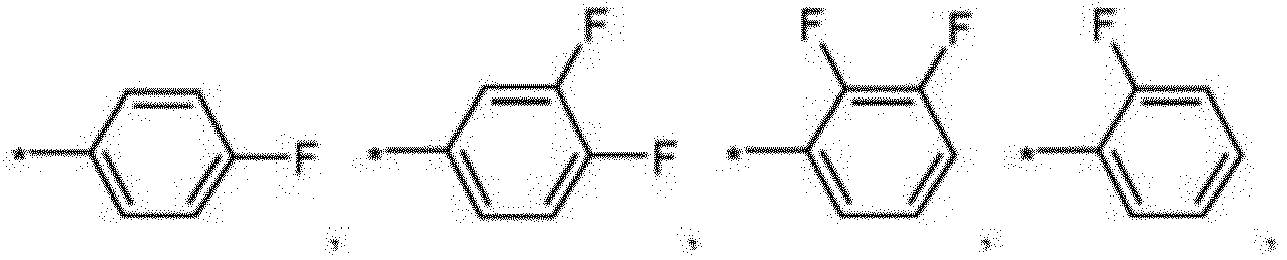


- (S) - énantiomère selon l'une quelconque des revendications 1 ?4, ?savoir un compos?sélectionn? dans le groupe consistant en


- (S) - énantiomère selon l'une quelconque des revendications 1 ?5 présentant la structure :

- (S) - énantiomère selon l'une quelconque des revendications 1 ?5 présentant la structure :

- (S)-énantiomère selon l'une quelconque des revendications 1 ?5 présentant la structure :

- (S)-énantiomère selon l'une quelconque des revendications 1 ?5 présentant la structure :

- (S)-énantiomère selon l'une quelconque des revendications 1 ?5 présentant la structure :
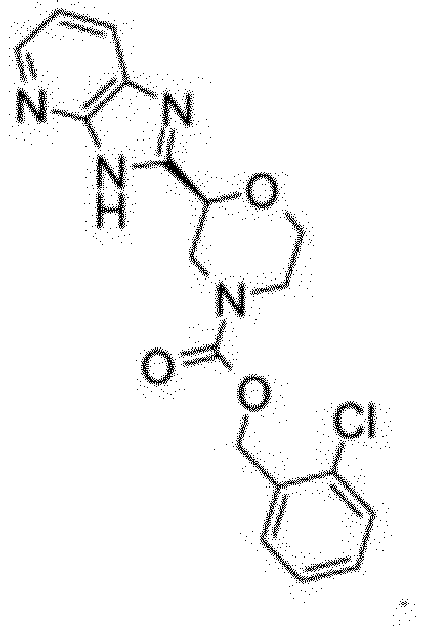
- (S)-énantiomère selon l'une quelconque des revendications 1 ?5 présentant la structure :

- (S)-énantiomère selon l'une quelconque des revendications 1 ?5 présentant la structure :

- (S)-énantiomère selon l'une quelconque des revendications 1 ?5 présentant la structure :

- (S)-énantiomère selon l'une quelconque des revendications 1 ?5 présentant la structure :

- (S)-énantiomère selon l'une quelconque des revendications 1 ?5 présentant la structure :

- (S)-énantiomère selon l'une quelconque des revendications 1 ?5 présentant la structure :

- (S)-énantiomère selon l'une quelconque des revendications 1 ?5 présentant la structure :

- Sel, en particulier sel pharmaceutiquement acceptable, d'un compos?selon l'une quelconque des revendications 1 ?17.
- Compos?selon l'une quelconque des revendications 1 ?18 pour son utilisation comme médicament.
- Compos?selon l'une quelconque des revendications 1 ?18 pour son utilisation dans le traitement et/ou la prévention du trouble bipolaire I ? forme dépressive, hypomaniaque, maniaque et mixte ; du trouble bipolaire II ; des troubles dépressifs ; du trouble dépressif majeur avec ou sans détresse anxieuse concomitante, caractéristiques mixtes, caractéristiques mélancoliques, caractéristiques atypiques, caractéristiques psychotiques congruentes ?l'humeur, caractéristiques psychotiques non congruentes ?l'humeur, catatonie.
- Compos?pour son utilisation selon la revendication 20 dans lequel le trouble dépressif est sélectionn?dans le groupe consistant en un épisode dépressif unique ou un trouble dépressif majeur récurrent, un trouble dépressif mineur, un trouble dépressif avec le début du post-partum, des troubles dépressifs avec symptômes psychotiques.
- Compos?pour son utilisation selon l'une quelconque des revendications 19 ?21 caractéris?en ce que le compos?est administr?en plus d'un traitement avec un autre médicament antidépresseur.
- Compos?pour son utilisation selon l'une quelconque des revendications 19 ?22 caractéris?en ce que le compos?est administr?en plus d'une thérapie comportementale.
- Composition pharmaceutique comprenant le compos?selon l'une quelconque des revendications 1 ?18 en mélange avec un adjuvant, diluant et/ou support pharmaceutiquement acceptable.
Priority Applications (4)
| Application Number | Priority Date | Filing Date | Title |
|---|---|---|---|
| SI201830440T SI3720855T1 (sl) | 2017-12-08 | 2018-12-06 | Imidazopiridinski derivati in njihova uporaba kot zdravilo |
| HRP20211726TT HRP20211726T1 (hr) | 2017-12-08 | 2018-12-06 | Derivati imidazopiridina i njihova uporaba kao lijeka |
| RS20211347A RS62517B1 (sr) | 2017-12-08 | 2018-12-06 | Derivati imidazopiridina i njihova upotreba kao leka |
| PL18826510T PL3720855T3 (pl) | 2017-12-08 | 2018-12-06 | Pochodne imidazopirydyny i ich zastosowanie jako leku |
Applications Claiming Priority (2)
| Application Number | Priority Date | Filing Date | Title |
|---|---|---|---|
| EP17206152 | 2017-12-08 | ||
| PCT/EP2018/083728 WO2019110703A1 (fr) | 2017-12-08 | 2018-12-06 | Dérivés d'imidazopyridine et leur utilisation en tant que médicament |
Publications (2)
| Publication Number | Publication Date |
|---|---|
| EP3720855A1 EP3720855A1 (fr) | 2020-10-14 |
| EP3720855B1 true EP3720855B1 (fr) | 2021-08-25 |
Family
ID=60629568
Family Applications (1)
| Application Number | Title | Priority Date | Filing Date |
|---|---|---|---|
| EP18826510.2A Active EP3720855B1 (fr) | 2017-12-08 | 2018-12-06 | Composés imidazopyridiniques et leur utilisation comme médicament |
Country Status (34)
| Country | Link |
|---|---|
| US (1) | US10849907B2 (fr) |
| EP (1) | EP3720855B1 (fr) |
| JP (1) | JP6941235B2 (fr) |
| KR (1) | KR102728343B1 (fr) |
| CN (1) | CN111344291B (fr) |
| AR (1) | AR113923A1 (fr) |
| AU (1) | AU2018379438B2 (fr) |
| BR (1) | BR112020008583A2 (fr) |
| CA (1) | CA3083331A1 (fr) |
| CL (1) | CL2020001402A1 (fr) |
| CO (1) | CO2020006648A2 (fr) |
| CY (1) | CY1124744T1 (fr) |
| DK (1) | DK3720855T3 (fr) |
| EA (1) | EA202091139A1 (fr) |
| ES (1) | ES2897050T3 (fr) |
| HR (1) | HRP20211726T1 (fr) |
| HU (1) | HUE056667T2 (fr) |
| IL (1) | IL274868B2 (fr) |
| LT (1) | LT3720855T (fr) |
| MA (1) | MA51020B1 (fr) |
| MX (1) | MX2020005869A (fr) |
| MY (1) | MY203080A (fr) |
| NZ (1) | NZ763704A (fr) |
| PE (1) | PE20211454A1 (fr) |
| PH (1) | PH12020550785A1 (fr) |
| PL (1) | PL3720855T3 (fr) |
| PT (1) | PT3720855T (fr) |
| RS (1) | RS62517B1 (fr) |
| SA (1) | SA520412155B1 (fr) |
| SG (1) | SG11202005138TA (fr) |
| SI (1) | SI3720855T1 (fr) |
| TW (1) | TWI809014B (fr) |
| UA (1) | UA126247C2 (fr) |
| WO (1) | WO2019110703A1 (fr) |
Families Citing this family (2)
| Publication number | Priority date | Publication date | Assignee | Title |
|---|---|---|---|---|
| US12398143B2 (en) | 2019-06-04 | 2025-08-26 | Boehringer Ingelheim International Gmbh | Imidazopyrazine derivatives and the use thereof as medicament |
| US11376258B2 (en) | 2019-06-04 | 2022-07-05 | Boehringer Ingelheim International Gmbh | Purine derivatives and the use thereof as medicament |
Family Cites Families (11)
| Publication number | Priority date | Publication date | Assignee | Title |
|---|---|---|---|---|
| US6495561B2 (en) | 1999-10-29 | 2002-12-17 | Merck & Co., Inc. | 2-cyclohexyl imidazopyridine NMDA/NR2B antagonists |
| TWI225488B (en) * | 1999-12-21 | 2004-12-21 | Janssen Pharmaceutica Nv | Derivatives of homopiperidinyl substituted benzimidazole analogues |
| CA2453383C (fr) | 2001-07-24 | 2010-04-06 | Richter Gedeon Vegyeszeti Gyar Rt | Derives de piperidine utilises en tant qu'antagonistes du recepteur n-methyl-d-aspartate (nmda) |
| AU2005247699A1 (en) * | 2004-05-27 | 2005-12-08 | Pfizer Inc. | Aminopyridine derivatives as selective dopamine D3 agonists |
| JP2010510245A (ja) * | 2006-11-21 | 2010-04-02 | スミスクライン ビーチャム コーポレーション | 抗ウイルス化合物 |
| US20110319416A1 (en) | 2009-01-28 | 2011-12-29 | Emory University | Subunit Selective NMDA Receptor Antagonists For The Treatment Of Neurological Conditions |
| WO2014060398A1 (fr) | 2012-10-18 | 2014-04-24 | F. Hoffmann-La Roche Ag | Dérivés d'éthynyle comme modulateurs de l'activité des récepteurs mglur5 |
| CA2936886A1 (fr) | 2014-02-27 | 2015-08-03 | Merck Patent Gmbh | Composes heterocycliques en tant qu'inhibiteurs du canal nav, et leurs utilisations |
| TW201609741A (zh) * | 2014-06-04 | 2016-03-16 | 盧郡控股(開曼)有限公司 | 作為nr2b nmda受體拮抗劑之二氟乙基吡啶衍生物 |
| US10913736B2 (en) * | 2014-08-22 | 2021-02-09 | University Of Washington | Specific inhibitors of methionyl-tRNA synthetase |
| RU2017107558A (ru) * | 2014-09-15 | 2018-10-18 | Руджен Холдингс (Кайман) Лимитед | Производные пирролопиримидина в качестве антагонистов nmda-рецептора nr2b |
-
2018
- 2018-12-06 WO PCT/EP2018/083728 patent/WO2019110703A1/fr not_active Ceased
- 2018-12-06 PT PT188265102T patent/PT3720855T/pt unknown
- 2018-12-06 SG SG11202005138TA patent/SG11202005138TA/en unknown
- 2018-12-06 IL IL274868A patent/IL274868B2/en unknown
- 2018-12-06 UA UAA202003988A patent/UA126247C2/uk unknown
- 2018-12-06 MY MYPI2020002784A patent/MY203080A/en unknown
- 2018-12-06 NZ NZ763704A patent/NZ763704A/en unknown
- 2018-12-06 SI SI201830440T patent/SI3720855T1/sl unknown
- 2018-12-06 MX MX2020005869A patent/MX2020005869A/es unknown
- 2018-12-06 CA CA3083331A patent/CA3083331A1/fr active Pending
- 2018-12-06 EP EP18826510.2A patent/EP3720855B1/fr active Active
- 2018-12-06 HU HUE18826510A patent/HUE056667T2/hu unknown
- 2018-12-06 DK DK18826510.2T patent/DK3720855T3/da active
- 2018-12-06 BR BR112020008583-9A patent/BR112020008583A2/pt unknown
- 2018-12-06 PH PH1/2020/550785A patent/PH12020550785A1/en unknown
- 2018-12-06 US US16/211,355 patent/US10849907B2/en active Active
- 2018-12-06 PL PL18826510T patent/PL3720855T3/pl unknown
- 2018-12-06 HR HRP20211726TT patent/HRP20211726T1/hr unknown
- 2018-12-06 ES ES18826510T patent/ES2897050T3/es active Active
- 2018-12-06 EA EA202091139A patent/EA202091139A1/ru unknown
- 2018-12-06 PE PE2020000681A patent/PE20211454A1/es unknown
- 2018-12-06 MA MA51020A patent/MA51020B1/fr unknown
- 2018-12-06 JP JP2020530609A patent/JP6941235B2/ja active Active
- 2018-12-06 RS RS20211347A patent/RS62517B1/sr unknown
- 2018-12-06 AU AU2018379438A patent/AU2018379438B2/en active Active
- 2018-12-06 KR KR1020207019541A patent/KR102728343B1/ko active Active
- 2018-12-06 CN CN201880072962.4A patent/CN111344291B/zh active Active
- 2018-12-06 LT LTEPPCT/EP2018/083728T patent/LT3720855T/lt unknown
- 2018-12-07 AR ARP180103599A patent/AR113923A1/es unknown
- 2018-12-07 TW TW107144026A patent/TWI809014B/zh active
-
2020
- 2020-05-27 CL CL2020001402A patent/CL2020001402A1/es unknown
- 2020-05-29 CO CONC2020/0006648A patent/CO2020006648A2/es unknown
- 2020-06-08 SA SA520412155A patent/SA520412155B1/ar unknown
-
2021
- 2021-11-16 CY CY20211100993T patent/CY1124744T1/el unknown
Also Published As
Similar Documents
| Publication | Publication Date | Title |
|---|---|---|
| US20250345341A1 (en) | 4-Pyrazin-2-ylmethyl-morpholine derivatives and the use thereof as medicament | |
| EP3720855B1 (fr) | Composés imidazopyridiniques et leur utilisation comme médicament | |
| EP3980420B1 (fr) | Derives d'imidazopyrazine et leur utilisation en tant que medicament | |
| EP3980401B1 (fr) | Dérivés de purine, en tant que modulateurs négatifs nr2b et utilisation de ces derniers comme médicament, en particulier pour le traitement des troubles dépressifs | |
| HK40033047A (en) | Imidazopyridine derivatives and the use thereof as medicament | |
| HK40033047B (en) | Imidazopyridine derivatives and the use thereof as medicament | |
| EP3867245B1 (fr) | Dérivés de 4-pyrimidin-5-ylméthyl-morpholine et leur utilisation comme médicament | |
| EP3866854B1 (fr) | Dérivés de 4-pyridinylméthyl-morpholine et leur utilisation comme médicament | |
| HK40059626A (en) | 4-pyrazin-2-ylmethyl-morpholine derivatives and the use thereof as medicament | |
| HK40059626B (en) | 4-pyrazin-2-ylmethyl-morpholine derivatives and the use thereof as medicament | |
| EA042805B1 (ru) | Производные имидазопиридина и их применение в качестве лекарственного средства |
Legal Events
| Date | Code | Title | Description |
|---|---|---|---|
| REG | Reference to a national code |
Ref country code: HR Ref legal event code: TUEP Ref document number: P20211726 Country of ref document: HR |
|
| STAA | Information on the status of an ep patent application or granted ep patent |
Free format text: STATUS: UNKNOWN |
|
| STAA | Information on the status of an ep patent application or granted ep patent |
Free format text: STATUS: THE INTERNATIONAL PUBLICATION HAS BEEN MADE |
|
| PUAI | Public reference made under article 153(3) epc to a published international application that has entered the european phase |
Free format text: ORIGINAL CODE: 0009012 |
|
| STAA | Information on the status of an ep patent application or granted ep patent |
Free format text: STATUS: REQUEST FOR EXAMINATION WAS MADE |
|
| 17P | Request for examination filed |
Effective date: 20200708 |
|
| AK | Designated contracting states |
Kind code of ref document: A1 Designated state(s): AL AT BE BG CH CY CZ DE DK EE ES FI FR GB GR HR HU IE IS IT LI LT LU LV MC MK MT NL NO PL PT RO RS SE SI SK SM TR |
|
| AX | Request for extension of the european patent |
Extension state: BA ME |
|
| RAV | Requested validation state of the european patent: fee paid |
Extension state: MA Effective date: 20200708 Extension state: TN Effective date: 20200708 |
|
| REG | Reference to a national code |
Ref country code: HK Ref legal event code: DE Ref document number: 40033047 Country of ref document: HK |
|
| GRAP | Despatch of communication of intention to grant a patent |
Free format text: ORIGINAL CODE: EPIDOSNIGR1 |
|
| STAA | Information on the status of an ep patent application or granted ep patent |
Free format text: STATUS: GRANT OF PATENT IS INTENDED |
|
| INTG | Intention to grant announced |
Effective date: 20210429 |
|
| GRAS | Grant fee paid |
Free format text: ORIGINAL CODE: EPIDOSNIGR3 |
|
| GRAA | (expected) grant |
Free format text: ORIGINAL CODE: 0009210 |
|
| STAA | Information on the status of an ep patent application or granted ep patent |
Free format text: STATUS: THE PATENT HAS BEEN GRANTED |
|
| AK | Designated contracting states |
Kind code of ref document: B1 Designated state(s): AL AT BE BG CH CY CZ DE DK EE ES FI FR GB GR HR HU IE IS IT LI LT LU LV MC MK MT NL NO PL PT RO RS SE SI SK SM TR |
|
| REG | Reference to a national code |
Ref country code: TN Ref legal event code: VAGR Ref document number: TN/P/2021/000214 Country of ref document: TN |
|
| REG | Reference to a national code |
Ref country code: CH Ref legal event code: EP |
|
| REG | Reference to a national code |
Ref country code: IE Ref legal event code: FG4D Ref country code: AT Ref legal event code: REF Ref document number: 1423693 Country of ref document: AT Kind code of ref document: T Effective date: 20210915 |
|
| REG | Reference to a national code |
Ref country code: DE Ref legal event code: R096 Ref document number: 602018022576 Country of ref document: DE |
|
| REG | Reference to a national code |
Ref country code: MA Ref legal event code: VAGR Ref document number: 51020 Country of ref document: MA Kind code of ref document: B1 |
|
| REG | Reference to a national code |
Ref country code: PT Ref legal event code: SC4A Ref document number: 3720855 Country of ref document: PT Date of ref document: 20211103 Kind code of ref document: T Free format text: AVAILABILITY OF NATIONAL TRANSLATION Effective date: 20211026 |
|
| REG | Reference to a national code |
Ref country code: DK Ref legal event code: T3 Effective date: 20211102 |
|
| REG | Reference to a national code |
Ref country code: FI Ref legal event code: FGE |
|
| REG | Reference to a national code |
Ref country code: NL Ref legal event code: FP |
|
| REG | Reference to a national code |
Ref country code: SE Ref legal event code: TRGR |
|
| REG | Reference to a national code |
Ref country code: GR Ref legal event code: EP Ref document number: 20210403016 Country of ref document: GR Effective date: 20211209 |
|
| REG | Reference to a national code |
Ref country code: NO Ref legal event code: T2 Effective date: 20210825 Ref country code: EE Ref legal event code: FG4A Ref document number: E021663 Country of ref document: EE Effective date: 20211102 |
|
| REG | Reference to a national code |
Ref country code: SK Ref legal event code: T3 Ref document number: E 38583 Country of ref document: SK |
|
| REG | Reference to a national code |
Ref country code: HR Ref legal event code: ODRP Ref document number: P20211726 Country of ref document: HR Payment date: 20211206 Year of fee payment: 4 |
|
| REG | Reference to a national code |
Ref country code: SK Ref legal event code: T4 Ref document number: E 38583 Country of ref document: SK |
|
| REG | Reference to a national code |
Ref country code: HR Ref legal event code: T1PR Ref document number: P20211726 Country of ref document: HR |
|
| REG | Reference to a national code |
Ref country code: HU Ref legal event code: AG4A Ref document number: E056667 Country of ref document: HU Ref country code: ES Ref legal event code: FG2A Ref document number: 2897050 Country of ref document: ES Kind code of ref document: T3 Effective date: 20220228 |
|
| REG | Reference to a national code |
Ref country code: DE Ref legal event code: R097 Ref document number: 602018022576 Country of ref document: DE |
|
| PG25 | Lapsed in a contracting state [announced via postgrant information from national office to epo] |
Ref country code: SM Free format text: LAPSE BECAUSE OF FAILURE TO SUBMIT A TRANSLATION OF THE DESCRIPTION OR TO PAY THE FEE WITHIN THE PRESCRIBED TIME-LIMIT Effective date: 20210825 |
|
| PLBE | No opposition filed within time limit |
Free format text: ORIGINAL CODE: 0009261 |
|
| STAA | Information on the status of an ep patent application or granted ep patent |
Free format text: STATUS: NO OPPOSITION FILED WITHIN TIME LIMIT |
|
| VSFP | Annual fee paid to validation state [announced via postgrant information from national office to epo] |
Ref country code: TN Payment date: 20211231 Year of fee payment: 4 |
|
| 26N | No opposition filed |
Effective date: 20220527 |
|
| REG | Reference to a national code |
Ref country code: AT Ref legal event code: UEP Ref document number: 1423693 Country of ref document: AT Kind code of ref document: T Effective date: 20210825 |
|
| REG | Reference to a national code |
Ref country code: HR Ref legal event code: ODRP Ref document number: P20211726 Country of ref document: HR Payment date: 20221125 Year of fee payment: 5 |
|
| P01 | Opt-out of the competence of the unified patent court (upc) registered |
Effective date: 20230508 |
|
| REG | Reference to a national code |
Ref country code: HR Ref legal event code: ODRP Ref document number: P20211726 Country of ref document: HR Payment date: 20231123 Year of fee payment: 6 |
|
| PG25 | Lapsed in a contracting state [announced via postgrant information from national office to epo] |
Ref country code: MT Free format text: LAPSE BECAUSE OF FAILURE TO SUBMIT A TRANSLATION OF THE DESCRIPTION OR TO PAY THE FEE WITHIN THE PRESCRIBED TIME-LIMIT Effective date: 20210825 |
|
| REG | Reference to a national code |
Ref country code: HR Ref legal event code: ODRP Ref document number: P20211726 Country of ref document: HR Payment date: 20241128 Year of fee payment: 7 |
|
| VSFP | Annual fee paid to validation state [announced via postgrant information from national office to epo] |
Ref country code: MA Payment date: 20231204 Year of fee payment: 6 |
|
| VSFP | Annual fee paid to validation state [announced via postgrant information from national office to epo] |
Ref country code: MA Payment date: 20221128 Year of fee payment: 5 Ref country code: MA Payment date: 20211018 Year of fee payment: 4 |
|
| VSFP | Annual fee paid to validation state [announced via postgrant information from national office to epo] |
Ref country code: MA Payment date: 20241225 Year of fee payment: 7 |
|
| PGFP | Annual fee paid to national office [announced via postgrant information from national office to epo] |
Ref country code: PT Payment date: 20251127 Year of fee payment: 8 |
|
| REG | Reference to a national code |
Ref country code: HR Ref legal event code: ODRP Ref document number: P20211726 Country of ref document: HR Payment date: 20251127 Year of fee payment: 8 |
|
| REG | Reference to a national code |
Ref country code: CH Ref legal event code: U11 Free format text: ST27 STATUS EVENT CODE: U-0-0-U10-U11 (AS PROVIDED BY THE NATIONAL OFFICE) Effective date: 20260101 |
|
| PGFP | Annual fee paid to national office [announced via postgrant information from national office to epo] |
Ref country code: IS Payment date: 20251211 Year of fee payment: 8 Ref country code: DE Payment date: 20251211 Year of fee payment: 8 |
|
| PGFP | Annual fee paid to national office [announced via postgrant information from national office to epo] |
Ref country code: LT Payment date: 20251124 Year of fee payment: 8 Ref country code: GB Payment date: 20251219 Year of fee payment: 8 |
|
| PGFP | Annual fee paid to national office [announced via postgrant information from national office to epo] |
Ref country code: MC Payment date: 20251223 Year of fee payment: 8 |
|
| PGFP | Annual fee paid to national office [announced via postgrant information from national office to epo] |
Ref country code: MK Payment date: 20251120 Year of fee payment: 8 Ref country code: AT Payment date: 20251222 Year of fee payment: 8 |
|
| PGFP | Annual fee paid to national office [announced via postgrant information from national office to epo] |
Ref country code: IT Payment date: 20251223 Year of fee payment: 8 Ref country code: FI Payment date: 20251224 Year of fee payment: 8 Ref country code: DK Payment date: 20251224 Year of fee payment: 8 |
|
| PGFP | Annual fee paid to national office [announced via postgrant information from national office to epo] |
Ref country code: LU Payment date: 20251219 Year of fee payment: 8 Ref country code: HR Payment date: 20251127 Year of fee payment: 8 Ref country code: HU Payment date: 20251223 Year of fee payment: 8 Ref country code: NL Payment date: 20251219 Year of fee payment: 8 Ref country code: FR Payment date: 20251229 Year of fee payment: 8 |
|
| PGFP | Annual fee paid to national office [announced via postgrant information from national office to epo] |
Ref country code: TR Payment date: 20251201 Year of fee payment: 8 Ref country code: AL Payment date: 20251206 Year of fee payment: 8 Ref country code: BE Payment date: 20251219 Year of fee payment: 8 Ref country code: GR Payment date: 20251222 Year of fee payment: 8 |
|
| PGFP | Annual fee paid to national office [announced via postgrant information from national office to epo] |
Ref country code: SE Payment date: 20251219 Year of fee payment: 8 |
|
| PGFP | Annual fee paid to national office [announced via postgrant information from national office to epo] |
Ref country code: IE Payment date: 20251219 Year of fee payment: 8 Ref country code: CY Payment date: 20251124 Year of fee payment: 8 Ref country code: CZ Payment date: 20251202 Year of fee payment: 8 |
|
| PGFP | Annual fee paid to national office [announced via postgrant information from national office to epo] |
Ref country code: MT Payment date: 20251128 Year of fee payment: 8 Ref country code: LV Payment date: 20251218 Year of fee payment: 8 |
|
| PGFP | Annual fee paid to national office [announced via postgrant information from national office to epo] |
Ref country code: BG Payment date: 20251219 Year of fee payment: 8 Ref country code: PL Payment date: 20251127 Year of fee payment: 8 |
|
| PGFP | Annual fee paid to national office [announced via postgrant information from national office to epo] |
Ref country code: EE Payment date: 20251229 Year of fee payment: 8 |
|
| PGFP | Annual fee paid to national office [announced via postgrant information from national office to epo] |
Ref country code: RO Payment date: 20251128 Year of fee payment: 8 Ref country code: SK Payment date: 20251203 Year of fee payment: 8 |
|
| PGFP | Annual fee paid to national office [announced via postgrant information from national office to epo] |
Ref country code: RS Payment date: 20251127 Year of fee payment: 8 |
|
| PGFP | Annual fee paid to national office [announced via postgrant information from national office to epo] |
Ref country code: SI Payment date: 20251127 Year of fee payment: 8 |
|
| VSFP | Annual fee paid to validation state [announced via postgrant information from national office to epo] |
Ref country code: MA Payment date: 20251208 Year of fee payment: 8 |
|
| PGFP | Annual fee paid to national office [announced via postgrant information from national office to epo] |
Ref country code: ES Payment date: 20260130 Year of fee payment: 8 |
|
| PGFP | Annual fee paid to national office [announced via postgrant information from national office to epo] |
Ref country code: NO Payment date: 20251230 Year of fee payment: 8 |
|
| PGFP | Annual fee paid to national office [announced via postgrant information from national office to epo] |
Ref country code: CH Payment date: 20260101 Year of fee payment: 8 |