EP3730652B1 - Tôle d'acier laminée à froid à ultra-haute résistance et son procédé de fabrication - Google Patents
Tôle d'acier laminée à froid à ultra-haute résistance et son procédé de fabrication Download PDFInfo
- Publication number
- EP3730652B1 EP3730652B1 EP18892025.0A EP18892025A EP3730652B1 EP 3730652 B1 EP3730652 B1 EP 3730652B1 EP 18892025 A EP18892025 A EP 18892025A EP 3730652 B1 EP3730652 B1 EP 3730652B1
- Authority
- EP
- European Patent Office
- Prior art keywords
- steel sheet
- less
- rolled steel
- cold
- excluding
- Prior art date
- Legal status (The legal status is an assumption and is not a legal conclusion. Google has not performed a legal analysis and makes no representation as to the accuracy of the status listed.)
- Active
Links
Images
Classifications
-
- C—CHEMISTRY; METALLURGY
- C22—METALLURGY; FERROUS OR NON-FERROUS ALLOYS; TREATMENT OF ALLOYS OR NON-FERROUS METALS
- C22C—ALLOYS
- C22C38/00—Ferrous alloys, e.g. steel alloys
- C22C38/18—Ferrous alloys, e.g. steel alloys containing chromium
- C22C38/38—Ferrous alloys, e.g. steel alloys containing chromium with more than 1.5% by weight of manganese
-
- C—CHEMISTRY; METALLURGY
- C21—METALLURGY OF IRON
- C21D—MODIFYING THE PHYSICAL STRUCTURE OF FERROUS METALS; GENERAL DEVICES FOR HEAT TREATMENT OF FERROUS OR NON-FERROUS METALS OR ALLOYS; MAKING METAL MALLEABLE, e.g. BY DECARBURISATION OR TEMPERING
- C21D1/00—General methods or devices for heat treatment, e.g. annealing, hardening, quenching or tempering
- C21D1/26—Methods of annealing
-
- C—CHEMISTRY; METALLURGY
- C21—METALLURGY OF IRON
- C21D—MODIFYING THE PHYSICAL STRUCTURE OF FERROUS METALS; GENERAL DEVICES FOR HEAT TREATMENT OF FERROUS OR NON-FERROUS METALS OR ALLOYS; MAKING METAL MALLEABLE, e.g. BY DECARBURISATION OR TEMPERING
- C21D6/00—Heat treatment of ferrous alloys
- C21D6/005—Heat treatment of ferrous alloys containing Mn
-
- C—CHEMISTRY; METALLURGY
- C21—METALLURGY OF IRON
- C21D—MODIFYING THE PHYSICAL STRUCTURE OF FERROUS METALS; GENERAL DEVICES FOR HEAT TREATMENT OF FERROUS OR NON-FERROUS METALS OR ALLOYS; MAKING METAL MALLEABLE, e.g. BY DECARBURISATION OR TEMPERING
- C21D8/00—Modifying the physical properties of ferrous metals or ferrous alloys by deformation combined with, or followed by, heat treatment
- C21D8/02—Modifying the physical properties of ferrous metals or ferrous alloys by deformation combined with, or followed by, heat treatment during manufacturing of plates or strips
-
- C—CHEMISTRY; METALLURGY
- C21—METALLURGY OF IRON
- C21D—MODIFYING THE PHYSICAL STRUCTURE OF FERROUS METALS; GENERAL DEVICES FOR HEAT TREATMENT OF FERROUS OR NON-FERROUS METALS OR ALLOYS; MAKING METAL MALLEABLE, e.g. BY DECARBURISATION OR TEMPERING
- C21D8/00—Modifying the physical properties of ferrous metals or ferrous alloys by deformation combined with, or followed by, heat treatment
- C21D8/02—Modifying the physical properties of ferrous metals or ferrous alloys by deformation combined with, or followed by, heat treatment during manufacturing of plates or strips
- C21D8/0221—Modifying the physical properties of ferrous metals or ferrous alloys by deformation combined with, or followed by, heat treatment during manufacturing of plates or strips characterised by the working steps
- C21D8/0226—Hot rolling
-
- C—CHEMISTRY; METALLURGY
- C21—METALLURGY OF IRON
- C21D—MODIFYING THE PHYSICAL STRUCTURE OF FERROUS METALS; GENERAL DEVICES FOR HEAT TREATMENT OF FERROUS OR NON-FERROUS METALS OR ALLOYS; MAKING METAL MALLEABLE, e.g. BY DECARBURISATION OR TEMPERING
- C21D8/00—Modifying the physical properties of ferrous metals or ferrous alloys by deformation combined with, or followed by, heat treatment
- C21D8/02—Modifying the physical properties of ferrous metals or ferrous alloys by deformation combined with, or followed by, heat treatment during manufacturing of plates or strips
- C21D8/0221—Modifying the physical properties of ferrous metals or ferrous alloys by deformation combined with, or followed by, heat treatment during manufacturing of plates or strips characterised by the working steps
- C21D8/0236—Cold rolling
-
- C—CHEMISTRY; METALLURGY
- C21—METALLURGY OF IRON
- C21D—MODIFYING THE PHYSICAL STRUCTURE OF FERROUS METALS; GENERAL DEVICES FOR HEAT TREATMENT OF FERROUS OR NON-FERROUS METALS OR ALLOYS; MAKING METAL MALLEABLE, e.g. BY DECARBURISATION OR TEMPERING
- C21D8/00—Modifying the physical properties of ferrous metals or ferrous alloys by deformation combined with, or followed by, heat treatment
- C21D8/02—Modifying the physical properties of ferrous metals or ferrous alloys by deformation combined with, or followed by, heat treatment during manufacturing of plates or strips
- C21D8/0247—Modifying the physical properties of ferrous metals or ferrous alloys by deformation combined with, or followed by, heat treatment during manufacturing of plates or strips characterised by the heat treatment
-
- C—CHEMISTRY; METALLURGY
- C21—METALLURGY OF IRON
- C21D—MODIFYING THE PHYSICAL STRUCTURE OF FERROUS METALS; GENERAL DEVICES FOR HEAT TREATMENT OF FERROUS OR NON-FERROUS METALS OR ALLOYS; MAKING METAL MALLEABLE, e.g. BY DECARBURISATION OR TEMPERING
- C21D8/00—Modifying the physical properties of ferrous metals or ferrous alloys by deformation combined with, or followed by, heat treatment
- C21D8/02—Modifying the physical properties of ferrous metals or ferrous alloys by deformation combined with, or followed by, heat treatment during manufacturing of plates or strips
- C21D8/04—Modifying the physical properties of ferrous metals or ferrous alloys by deformation combined with, or followed by, heat treatment during manufacturing of plates or strips to produce plates or strips for drawing, e.g. for deep-drawing
- C21D8/0447—Modifying the physical properties of ferrous metals or ferrous alloys by deformation combined with, or followed by, heat treatment during manufacturing of plates or strips to produce plates or strips for drawing, e.g. for deep-drawing characterised by the heat treatment
- C21D8/0473—Final recrystallisation annealing
-
- C—CHEMISTRY; METALLURGY
- C21—METALLURGY OF IRON
- C21D—MODIFYING THE PHYSICAL STRUCTURE OF FERROUS METALS; GENERAL DEVICES FOR HEAT TREATMENT OF FERROUS OR NON-FERROUS METALS OR ALLOYS; MAKING METAL MALLEABLE, e.g. BY DECARBURISATION OR TEMPERING
- C21D9/00—Heat treatment, e.g. annealing, hardening, quenching or tempering, adapted for particular articles; Furnaces therefor
- C21D9/46—Heat treatment, e.g. annealing, hardening, quenching or tempering, adapted for particular articles; Furnaces therefor for sheet metals
-
- C—CHEMISTRY; METALLURGY
- C22—METALLURGY; FERROUS OR NON-FERROUS ALLOYS; TREATMENT OF ALLOYS OR NON-FERROUS METALS
- C22C—ALLOYS
- C22C38/00—Ferrous alloys, e.g. steel alloys
-
- C—CHEMISTRY; METALLURGY
- C22—METALLURGY; FERROUS OR NON-FERROUS ALLOYS; TREATMENT OF ALLOYS OR NON-FERROUS METALS
- C22C—ALLOYS
- C22C38/00—Ferrous alloys, e.g. steel alloys
- C22C38/001—Ferrous alloys, e.g. steel alloys containing N
-
- C—CHEMISTRY; METALLURGY
- C22—METALLURGY; FERROUS OR NON-FERROUS ALLOYS; TREATMENT OF ALLOYS OR NON-FERROUS METALS
- C22C—ALLOYS
- C22C38/00—Ferrous alloys, e.g. steel alloys
- C22C38/002—Ferrous alloys, e.g. steel alloys containing In, Mg, or other elements not provided for in one single group C22C38/001 - C22C38/60
-
- C—CHEMISTRY; METALLURGY
- C22—METALLURGY; FERROUS OR NON-FERROUS ALLOYS; TREATMENT OF ALLOYS OR NON-FERROUS METALS
- C22C—ALLOYS
- C22C38/00—Ferrous alloys, e.g. steel alloys
- C22C38/02—Ferrous alloys, e.g. steel alloys containing silicon
-
- C—CHEMISTRY; METALLURGY
- C22—METALLURGY; FERROUS OR NON-FERROUS ALLOYS; TREATMENT OF ALLOYS OR NON-FERROUS METALS
- C22C—ALLOYS
- C22C38/00—Ferrous alloys, e.g. steel alloys
- C22C38/04—Ferrous alloys, e.g. steel alloys containing manganese
-
- C—CHEMISTRY; METALLURGY
- C22—METALLURGY; FERROUS OR NON-FERROUS ALLOYS; TREATMENT OF ALLOYS OR NON-FERROUS METALS
- C22C—ALLOYS
- C22C38/00—Ferrous alloys, e.g. steel alloys
- C22C38/06—Ferrous alloys, e.g. steel alloys containing aluminium
-
- C—CHEMISTRY; METALLURGY
- C22—METALLURGY; FERROUS OR NON-FERROUS ALLOYS; TREATMENT OF ALLOYS OR NON-FERROUS METALS
- C22C—ALLOYS
- C22C38/00—Ferrous alloys, e.g. steel alloys
- C22C38/12—Ferrous alloys, e.g. steel alloys containing tungsten, tantalum, molybdenum, vanadium, or niobium
-
- C—CHEMISTRY; METALLURGY
- C22—METALLURGY; FERROUS OR NON-FERROUS ALLOYS; TREATMENT OF ALLOYS OR NON-FERROUS METALS
- C22C—ALLOYS
- C22C38/00—Ferrous alloys, e.g. steel alloys
- C22C38/14—Ferrous alloys, e.g. steel alloys containing titanium or zirconium
-
- C—CHEMISTRY; METALLURGY
- C22—METALLURGY; FERROUS OR NON-FERROUS ALLOYS; TREATMENT OF ALLOYS OR NON-FERROUS METALS
- C22C—ALLOYS
- C22C38/00—Ferrous alloys, e.g. steel alloys
- C22C38/18—Ferrous alloys, e.g. steel alloys containing chromium
- C22C38/26—Ferrous alloys, e.g. steel alloys containing chromium with niobium or tantalum
-
- C—CHEMISTRY; METALLURGY
- C22—METALLURGY; FERROUS OR NON-FERROUS ALLOYS; TREATMENT OF ALLOYS OR NON-FERROUS METALS
- C22C—ALLOYS
- C22C38/00—Ferrous alloys, e.g. steel alloys
- C22C38/18—Ferrous alloys, e.g. steel alloys containing chromium
- C22C38/28—Ferrous alloys, e.g. steel alloys containing chromium with titanium or zirconium
-
- C—CHEMISTRY; METALLURGY
- C22—METALLURGY; FERROUS OR NON-FERROUS ALLOYS; TREATMENT OF ALLOYS OR NON-FERROUS METALS
- C22C—ALLOYS
- C22C38/00—Ferrous alloys, e.g. steel alloys
- C22C38/18—Ferrous alloys, e.g. steel alloys containing chromium
- C22C38/32—Ferrous alloys, e.g. steel alloys containing chromium with boron
-
- C—CHEMISTRY; METALLURGY
- C21—METALLURGY OF IRON
- C21D—MODIFYING THE PHYSICAL STRUCTURE OF FERROUS METALS; GENERAL DEVICES FOR HEAT TREATMENT OF FERROUS OR NON-FERROUS METALS OR ALLOYS; MAKING METAL MALLEABLE, e.g. BY DECARBURISATION OR TEMPERING
- C21D2211/00—Microstructure comprising significant phases
- C21D2211/002—Bainite
-
- C—CHEMISTRY; METALLURGY
- C21—METALLURGY OF IRON
- C21D—MODIFYING THE PHYSICAL STRUCTURE OF FERROUS METALS; GENERAL DEVICES FOR HEAT TREATMENT OF FERROUS OR NON-FERROUS METALS OR ALLOYS; MAKING METAL MALLEABLE, e.g. BY DECARBURISATION OR TEMPERING
- C21D2211/00—Microstructure comprising significant phases
- C21D2211/005—Ferrite
-
- C—CHEMISTRY; METALLURGY
- C21—METALLURGY OF IRON
- C21D—MODIFYING THE PHYSICAL STRUCTURE OF FERROUS METALS; GENERAL DEVICES FOR HEAT TREATMENT OF FERROUS OR NON-FERROUS METALS OR ALLOYS; MAKING METAL MALLEABLE, e.g. BY DECARBURISATION OR TEMPERING
- C21D2211/00—Microstructure comprising significant phases
- C21D2211/008—Martensite
Definitions
- the present disclosure relates to a high strength cold-rolled steel sheet used in automobile collision absorbing and structural members, and more particularly, to a tensile strength ultrahigh strength cold-rolled steel sheet having an excellent shape quality and a manufacturing method thereof.
- a roll forming method having high productivity is a method of manufacturing a complex shape through multi-stage roll forming, and its application to forming parts of ultra-high strength materials having low elongation is expanding. It is mainly produced in a continuous annealing furnace equipped with a water cooling facility, and a microstructure represents a tempered martensitic structure tempering martensite.
- a microstructure represents a tempered martensitic structure tempering martensite.
- the shape quality may be inferior due to temperature deviation in a width direction and a length direction when water is cooled, thereby deteriorating workability and material deviation by location when applying roll forming. Therefore, there is a need to devise an alternative to the rapid cooling method through water cooling.
- Patent Document 2 provides a manufacturing method of a cold-rolled steel sheet obtaining high strength and high ductility utilizing tempered martensite at the same time and having an excellent plate shape after continuous annealing, as there may be a possibility of causing dents in a furnace due to a high Si content.
- Patent Document 3 provides a manufacturing method that realizes a tensile strength of 1700 MPa using a water cooling method, but the thickness is limited to 1 mm or less, and in Patent Document 3, there is a still a problem of the shape quality deterioration and material deviation by location, which are disadvantages of martensitic steel using the existing water cooling method.
- Patent Document 4 relates to a high-strength galvanized steel sheet and a method for manufacturing the steel sheet.
- D1 comprises a second cooling process in which, after having performed cooling to a temperature equal to or higher than the Ms temperature at an average cooling rate of 1°C/s or more, cooling is performed to a temperature of 100°C or lower at an average cooling rate of 100°C/s or more. Therefore, D1 does not secure good shape quality due to a low cooling finish temperature.
- An aspect of the present invention is to provide an ultrahigh strength cold-rolled steel sheet having excellent shape quality and a manufacturing method thereof.
- Another aspect of the present invention is to provide a manufacturing method of the ultrahigh strength cold-rolled steel sheet having excellent shape quality.
- a cold-rolled steel sheet having superior shape quality compared to martensitic steel produced by utilizing water cooling as well as having ultra-strength of tensile strength of 1700 MPa or more by utilizing a conventional continuous annealing furnace in which a slow cooling section is present can be provided.
- An aspect of the present disclosure is to provide an ultra-high strength cold-rolled steel sheet having excellent shape quality without generating waves in a width direction and a length direction caused by rapid cooling by utilizing an existing water-cooling facility and a manufacturing method including the same.
- an ultrahigh strength cold-rolled steel sheet includes, in percentage by weight: C: 0.25 to 0.4%; Si: 0.5% or less (excluding 0) ; Mn: 3. 0 to 4.0%; P: 0.03% or less (excluding 0) ; S: 0.015% or less (excluding 0); Al: 0.1% or less (excluding 0); Cr: 1% or less (excluding 0); Ti: 48/14*[N]to 0.1% or less; Nb: 0.1% or less (excluding 0); B: 0.005% or less (excluding 0); N: 0.01% or less (excluding 0); and a balance of Fe and other unavoidable impurities.
- Carbon (C) is a component required to secure martensite strength, and should be added at least 0.25% or more. However, if a content thereof exceeds 0.4%, weldability becomes inferior, so an upper limit thereof is limited to 0.4%. Therefore, the content of C is 0.25 to 0.4%, and preferably 0.25 to 0.3%.
- Silicon (Si) is a ferrite stabilizing element and has a disadvantage of weakening strength by promoting ferrite generation during slow cooling after annealing in an ordinary continuous annealing furnace in which a slow cooling section exists.
- the content thereof is limited to 0.5% or less (excluding 0) because there is a risk of causing dent defects due to surface concentration and oxidation by Si during annealing.
- the content of Si is preferably 0.2% or less.
- Manganese (Mn) in steel is an element that inhibits ferrite formation and facilitates austenite formation.
- Mn Manganese
- the content of Mn is preferably 3.0 to 3.6%.
- Phosphorus (P) in steel is an impurity element, and if a content thereof exceeds 0.03%, weldability decreases, a risk of brittleness of the steel increases, and a possibility of causing dent defects increases, so an upper limit thereof is limited to 0.03%.
- the content of P is preferably 0.02% less.
- S Sulfur
- S is an impurity element in steel, and is an element that inhibits the ductility and weldability of the steel sheet.
- a content thereof exceeds 0.015%, there is a high possibility of inhibiting the ductility and weldability of the steel sheet, so an upper limit thereof is limited to 0.015%.
- the content of S is preferably 0.01% or less.
- Aluminum (Al) is an alloy element that expands a ferrite region. When utilizing the continuous annealing process in which slow cooling is present as in the present disclosure, it promotes ferrite formation, and it is possible to deteriorate high-temperature hot rollability due to AlN formation, so a content of aluminum (Al) is limited to 0.1% or less (excluding 0). The content of Al is preferably 0.05% or less.
- Chromium (Cr) is an alloy element that facilitates securing a low-temperature transformation structure by suppressing ferrite transformation, and has the advantage of suppressing ferrite formation when utilizing a continuous annealing process in which slow cooling is present, as in the present disclosure, but when it exceeds 1%, since costs of ferroalloy increase due to excessive amounts of alloy input, the content thereof is limited to 1% or less (excluding 0).
- Titanium (Ti) is a nitride forming element and precipitates TiN in the steel by scavenging N. To this end, it is necessary to add 48/14 * [N] or more in a chemical equivalent. When Ti is not added, it is necessary to add it because it is concerned about cracks generation during continuous casting due to AlN formation, and if Ti exceeds 0.1%, a strength of martensite is reduced due to additional carbide precipitation in addition to removal of soluble N, so the content of titanium (Ti) is limited to 48/14 * [N] to 0.1%.
- Niobium (Nb) is an element that segregates at an austenite grain boundary and suppresses coarsening of austenite grains during annealing heat treatment, so it is necessary to add it. When it exceeds 0.1%, a cost of ferroalloy due to excessive amounts of alloy input increases, so a content of niobium (Nb) is limited to 0.1% or less (excluding 0). The content of Nb is preferably 0.05% or less.
- Boron (B) is a component that inhibits ferrite formation, and has an advantage of suppressing the ferrite formation upon cooling after annealing.
- the ferrite formation may be promoted by precipitation of Fe23(C,B)6, so a content of boron (B) is limited to 0.005% or less (excluding 0).
- the content of B is preferable to be 0.003%.
- a balance consists of Fe and other unavoidable impurities .
- the ultrahigh strength cold-rolled steel sheet according to a aspect of the present disclosure wherein a microstructure consists of 90% or more (including 100%) of martensite, and one or two kinds of 10% or less (including 0%) of ferrite and bainite.
- the martensite is a structure that increases strength, and its fraction is 90% or more.
- the fraction of martensite may be 100%.
- the ferrite and bainite are unfavorable structures in terms of tensile strength, and ferrite or bainite phases are likely to be mixed in the continuous annealing process in a method of manufacturing martensitic steel by delaying transformation by using hardenable elements such as Mn, C, and the like, not in a manufacturing process of martensitic steel by a rapid cooling method. Accordingly, in the present disclosure, the fraction of one or two kinds of ferrite and bainite is limited to 10% or less. The ferrite and bainite may not be included.
- the ultrahigh strength cold-rolled steel sheet according to a aspect of the present disclosure has excellent shape quality without generating waves in a width direction and a longitudinal direction, and has a tensile strength of 1700 MPa or more.
- the cold-rolled steel sheet has a wave height ( ⁇ H) of 3 mm or less in an edge portion after cutting a steel plate to a size of 1000 mm in a longitudinal direction.
- a manufacturing method of an ultrahigh strength cold-rolled steel sheet includes operations of:
- a slab satisfying the above-described composition is heated to a temperature range of 1100 to 1300°C.
- the heating temperature is less than 1100°C, a problem in which a hot rolling load increases rapidly occurs, and when the heating temperature exceeds 1300°C, an amount of surface scale increases, which may lead to loss of materials. Therefore, the slab heating temperature is limited to 1100 to 1300°C.
- the heated steel slab is hot-rolled under a finish hot rolling temperature condition of Ar 3 or higher to obtain a hot-rolled steel sheet.
- Ar 3 means the temperature at which ferrite starts to appear when austenite is cooled.
- finishing hot rolling temperature is less than Ar 3 , second-phase region of ferrite + austenite or ferrite region rolling is formed, resulting in a mixed structure, and there is concern about malfunction due to fluctuation of a hot rolling load, so it is desirable that the finish hot rolling temperature is limited to Ar 3 or higher.
- the finish hot rolling temperature is 850 to 1000°C.
- the hot-rolled steel sheet is wound at a temperature of 720°C or lower.
- the coiling temperature exceeds 720°C, an oxide film on a surface of the steel sheet may be excessively generated, which may cause defects, so the coiling temperature is limited to 720°C or less.
- the coiling temperature is 600°C or less.
- the hot-rolled steel sheet manufactured as described above is cold rolled to obtain a cold-rolled steel sheet.
- a reduction ratio is 40 to 70%.
- pickling treatment Before the cold rolling, pickling treatment may be performed.
- the cold-rolled steel sheet manufactured as described above is annealing heat treated in a temperature range of 780 to 880°C.
- the annealing heat treatment may be performed by a continuous annealing method.
- the annealing temperature is less than 780°C, there is a concern in material deviation due to a drop in strength by formation large amounts of ferrite and generation of temperature gradient of top and end portions of an invention coil during connection with other steel types annealed in 800°C or higher. Meanwhile, if the annealing temperature exceeds 880° C, production may be difficult due to deterioration of durability of the continuous annealing furnace.
- the annealing temperature is limited to 780 to 880°C.
- the cold-rolled steel sheet which is annealing heat-treated as described above is primarily cooled to a primary cooling end temperature of 700 to 650°C at a cooling rate of 5°C/sec or less.
- a slow cooling section of 100 to 200 m after annealing, and there is a disadvantage that it is difficult to manufacture ultrahigh strength steel by transforming a soft phase such as ferrite by slow cooling at a high-temperature after annealing.
- a time maintained in the slow cooling section means 60 seconds (sec).
- a cooling rate in the slow cooling section is very low at 3°C per second (sec), so it is very likely that a soft phase such as ferrite is generated. After annealing, the cooling rate is limited to 5°C/sec or less because an additional cooling device must be introduced to secure the slow cooling rate to be higher than 5°C/sec.
- the cold-rolled steel sheet that is primarily cooled as described above is secondarily cooled to a secondary cooling end temperature (RCS) of 320°C to 460°C at a cooling rate of 5°C/sec or higher.
- RCS secondary cooling end temperature
- the secondary cooling end temperature (RCS) is less than 320 ° C, there may be a problem in which a yield strength and tensile strength simultaneously increase due to excessive increase in an amount of martensite during over-aging treatment, and ductility is very deteriorated, and in particular, deterioration in workability during roll forming due to shape deterioration due to rapid cooling, so it is limited to 320°C or higher.
- the secondary cooling end temperature (RCS) is 320 to 460°C.
- the cooling rate is limited to 5°C/sec or higher to improve productivity.
- the more preferable secondary cooling rate is 5 to 20°C/sec.
- the C, Mn and Cr and the secondary cooling end temperature should satisfy the following Relational Expression 1. 1200 C + 498.1 Mn + 204.8 Cr ⁇ 0.91 RCS > 1560 (Here, C, Mn and Cr represent a content of each component in weight by percent, and RCS represents a secondary cooling end temperature)
- an ultrahigh strength cold-rolled steel sheet having excellent shape quality without generating waves in a width direction and a longitudinal direction, and having a tensile strength of 1700 MPa or more are manufactured.
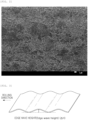
- the cold-rolled steel sheet has a wave height ( ⁇ H) of 3 mm or less in an edge portion after cutting a steel plate to a size of 1000 mm in a longitudinal direction.
- the shape quality is shown by measuring a wave height( ⁇ H) in an edge portion after cutting a steel sheet to a size of 1000 mm in a longitudinal direction, as shown in FIG. 3 .
- RCS a secondary cooling end temperature
- M martensite
- TM tempered martensite
- B bainite
- F ferrite
- TS tensile strength
- YS yield strength
- El elongation
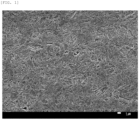
- Comparative Example 2 Comparative Example 5, and Comparative Example 10 illustrate a steel type in which the content of Mn is outside of the scope of the present disclosure, and it can be seen that the Comparative Example 2, Comparative Example 5, and Comparative Example 10 have a low tensile strength of 1700MPa or less, and in particular, the Comparative steel 10, which has a very low amount of Mn, has a very low strength that the tensile strength is less than 1200Mpa. In particular, in the case of Comparative Example 10, as shown in FIG. 2 , it can be seen that a fraction of ferrite and bainite is high.
- Comparative Example 7 illustrates a steel type that satisfies the components and component ranges of the present disclosure, but does not satisfy the Relational expression 1 (1200 [C] + 498.1 [Mn] + 204.8 [Cr]-0.91 [RCS]> 1560), and in the case of Comparative Example 7, the secondary cooling end temperature is 460°C, and a tensile strength is 1700 MPa or less, as shown in Table 2. Meanwhile, in the case of Inventive Example 7, the secondary cooling end temperature is 320°C, which satisfies Relational Expression 1, and represents a tensile strength of 1700 MPa or more.
- a main phase is martensite and contains a small amount (less than 10%) of ferrite and bainite. It is determined that such a second phase transformation-appears in the slow cooling and over-aging, which are essential in the ordinary continuous annealing furnace.
Landscapes
- Chemical & Material Sciences (AREA)
- Engineering & Computer Science (AREA)
- Mechanical Engineering (AREA)
- Materials Engineering (AREA)
- Metallurgy (AREA)
- Organic Chemistry (AREA)
- Physics & Mathematics (AREA)
- Thermal Sciences (AREA)
- Crystallography & Structural Chemistry (AREA)
- Heat Treatment Of Sheet Steel (AREA)
Claims (3)
- Tôle d'acier laminée à froid à ultrahaute résistance, comprenant, en pourcentage en poids : C : 0,25 à 0,4 % ; Si : 0,5 % ou moins à l'exclusion de 0 % ; Mn : 3,0 à 4,0 % ; P : 0,03 % ou moins à l'exclusion de 0 % ; S : 0,015 % ou moins à l'exclusion de 0 % ; Al : 0,1 % ou moins à l'exclusion de 0 % ; Cr : 1 % ou moins à l'exclusion de 0 % ; Ti : 48/14*[N] à 0,1 % ou moins ; Nb : 0,1 % ou moins à l'exclusion de 0 % ; B : 0,005 % ou moins à l'exclusion de 0 % ; N : 0,01 % ou moins à l'exclusion de 0 % ; et un reste de Fe et d'autres impuretés inévitables,dans laquelle une microstructure consiste en 90 % à 100 % de martensite et d'un ou deux types de 0 % à 10 % de ferrite et de bainite, etla tôle d'acier laminée à froid ayant une résistance à la traction de 1700 MPa ou plus, etla tôle d'acier laminée à froid ayant une hauteur d'onde ΔH de 3 mm ou moins dans une portion de bord après avoir découpé une tôle d'acier à une taille de 1000 mm dans une direction longitudinale comme divulgué dans la description.
- Procédé de fabrication d'une tôle d'acier laminée à froid à ultrahaute résistance de la revendication 1, comprenant des opérations de :chauffage d'une brame d'acier incluant, en pourcentage en poids, C : 0,25 à 0,4 % ; Si : 0,5 % ou moins à l'exclusion de 0 % ; Mn : 3,0 à 4,0 % ; P : 0,03 % ou moins à l'exclusion de 0 % ; S : 0,015 % ou moins à l'exclusion de 0 % ; Al : 0,1 % ou moins à l'exclusion de 0 % ; Cr : 1 % ou moins à l'exclusion de 0 % ; Ti : 48/14*[N] à 0,1 % ou moins ; Nb : 0,1 % ou moins à l'exclusion de 0 % ; B : 0,005 % ou moins à l'exclusion de 0 % ; N : 0,01 % ou moins à l'exclusion de 0 % ; et un reste de Fe et d'autres impuretés inévitables, jusqu'à une température de 1100 à 1300 °C ;laminage à chaud de la brame d'acier chauffée dans une condition de température de laminage à chaud de finition de 850 à 1000 °C pour obtenir une tôle d'acier laminée à chaud ;bobinage de la tôle d'acier laminée à chaud à une température de 720 °C ou moins ;laminage à froid de la tôle d'acier laminée à chaud pour obtenir une tôle d'acier laminée à froid à un rapport de réduction de 40 à 70 % ;réalisation d'un traitement thermique de recuit sur la tôle d'acier laminée à froid dans une plage de températures de 780 à 880 °C ;refroidissement primaire de la tôle d'acier laminée à froid ayant subi un traitement thermique de recuit comme décrit ci-dessus, jusqu'à une température de fin de refroidissement primaire de 700 à 650 °C, à une vitesse de refroidissement de 5 °C/s ou moins ; etrefroidissement secondaire de la tôle d'acier laminée à froid ayant subi un refroidissement primaire, comme décrit ci-dessus, jusqu'à une température de fin de refroidissement secondaire RCS, de 320 °C à 460 °C à une vitesse de refroidissement de 5 °C/s ou plus,dans lequel C, Mn et Cr, et la température de fin de refroidissement secondaire RCS satisfont la relation 1 suivante,
 dans lequel, dans la relation 1, C, Mn et Cr représentent une teneur de chaque composant en pourcentage en poids, et RCS représente une température de fin de refroidissement secondaire.
 - Procédé de fabrication de la tôle d'acier laminée à froid à ultrahaute résistance selon la revendication 2, dans lequel la vitesse de refroidissement secondaire est de 5 à 20 °C/s.
Applications Claiming Priority (2)
| Application Number | Priority Date | Filing Date | Title |
|---|---|---|---|
| KR1020170178957A KR101999019B1 (ko) | 2017-12-24 | 2017-12-24 | 초고강도 냉연강판 및 그 제조방법 |
| PCT/KR2018/016371 WO2019125018A1 (fr) | 2017-12-24 | 2018-12-20 | Tôle d'acier laminée à froid à ultra-haute résistance et son procédé de fabrication |
Publications (4)
| Publication Number | Publication Date |
|---|---|
| EP3730652A4 EP3730652A4 (fr) | 2020-10-28 |
| EP3730652A1 EP3730652A1 (fr) | 2020-10-28 |
| EP3730652C0 EP3730652C0 (fr) | 2024-09-04 |
| EP3730652B1 true EP3730652B1 (fr) | 2024-09-04 |
Family
ID=66994936
Family Applications (1)
| Application Number | Title | Priority Date | Filing Date |
|---|---|---|---|
| EP18892025.0A Active EP3730652B1 (fr) | 2017-12-24 | 2018-12-20 | Tôle d'acier laminée à froid à ultra-haute résistance et son procédé de fabrication |
Country Status (6)
| Country | Link |
|---|---|
| US (1) | US20200362430A1 (fr) |
| EP (1) | EP3730652B1 (fr) |
| JP (1) | JP7277462B2 (fr) |
| KR (1) | KR101999019B1 (fr) |
| CN (2) | CN121472722A (fr) |
| WO (1) | WO2019125018A1 (fr) |
Families Citing this family (3)
| Publication number | Priority date | Publication date | Assignee | Title |
|---|---|---|---|---|
| KR102557845B1 (ko) | 2021-05-28 | 2023-07-24 | 현대제철 주식회사 | 냉연 강판 및 그 제조 방법 |
| KR20230044048A (ko) * | 2021-09-24 | 2023-04-03 | 주식회사 포스코 | 표면 품질이 우수하고 재질 편차가 적은 고강도 냉연강판 및 이의 제조 방법 |
| CN115491593B (zh) * | 2022-09-01 | 2024-04-02 | 宁波祥路中天新材料科技股份有限公司 | 采用TSR产线生产的抗拉强度≥1800MPa级热轧薄带钢及方法 |
Family Cites Families (20)
| Publication number | Priority date | Publication date | Assignee | Title |
|---|---|---|---|---|
| JP4673558B2 (ja) * | 2004-01-26 | 2011-04-20 | 新日本製鐵株式会社 | 生産性に優れた熱間プレス成形方法及び自動車用部材 |
| JP5365216B2 (ja) * | 2008-01-31 | 2013-12-11 | Jfeスチール株式会社 | 高強度鋼板とその製造方法 |
| JP2010065272A (ja) * | 2008-09-10 | 2010-03-25 | Jfe Steel Corp | 高強度鋼板およびその製造方法 |
| JP5359168B2 (ja) | 2008-10-08 | 2013-12-04 | Jfeスチール株式会社 | 延性に優れる超高強度冷延鋼板およびその製造方法 |
| JP5369714B2 (ja) * | 2009-01-28 | 2013-12-18 | Jfeスチール株式会社 | 延性に優れたホットプレス部材、そのホットプレス部材用鋼板、およびそのホットプレス部材の製造方法 |
| JP4977879B2 (ja) * | 2010-02-26 | 2012-07-18 | Jfeスチール株式会社 | 曲げ性に優れた超高強度冷延鋼板 |
| KR101228753B1 (ko) | 2010-12-07 | 2013-01-31 | 주식회사 포스코 | 형상 품질이 우수한 초고강도 냉연강판 및 그 제조방법 |
| KR20120074798A (ko) * | 2010-12-28 | 2012-07-06 | 주식회사 포스코 | 인장강도 1.5GPa급의 초고강도 강판의 제조방법 및 이에 의해 제조된 강판 |
| IN2014CN04908A (fr) | 2011-11-28 | 2015-09-18 | Arcelormittal Lnvestigacion Y Desarrollo S L | |
| JP5811020B2 (ja) * | 2012-04-25 | 2015-11-11 | 新日鐵住金株式会社 | 高い靱性と高い加工性および成形性とを有し水素脆化起因による遅れ破壊特性に優れた高強度鋼板 |
| KR101403262B1 (ko) * | 2012-09-05 | 2014-06-27 | 주식회사 포스코 | 초고강도 용융도금강판 및 그의 제조방법 |
| KR101467052B1 (ko) * | 2012-10-31 | 2014-12-10 | 현대제철 주식회사 | 초고강도 냉연강판 및 그 제조 방법 |
| JP6291289B2 (ja) * | 2013-03-06 | 2018-03-14 | 株式会社神戸製鋼所 | 鋼板形状および形状凍結性に優れた高強度冷延鋼板およびその製造方法 |
| KR101428375B1 (ko) * | 2013-03-28 | 2014-08-13 | 주식회사 포스코 | 표면품질이 우수한 초고강도 냉연강판, 용융아연도금강판 및 이들의 제조방법 |
| KR101382908B1 (ko) * | 2014-03-05 | 2014-04-08 | 주식회사 포스코 | 초고강도 박강판 및 그 제조방법 |
| MX379121B (es) | 2014-05-29 | 2025-03-10 | Nippon Steel Corp | Material de acero tratado térmicamente y método para producirlo. |
| JP6057028B1 (ja) * | 2015-02-13 | 2017-01-11 | Jfeスチール株式会社 | 高強度溶融亜鉛めっき鋼板及びその製造方法 |
| KR102034127B1 (ko) * | 2015-04-08 | 2019-10-18 | 닛폰세이테츠 가부시키가이샤 | 열처리 강판 부재 및 그것의 제조 방법 |
| RU2686713C1 (ru) * | 2015-04-08 | 2019-04-30 | Ниппон Стил Энд Сумитомо Метал Корпорейшн | Элемент из термообработанного стального листа и способ его производства |
| KR101767780B1 (ko) * | 2015-12-23 | 2017-08-24 | 주식회사 포스코 | 고항복비형 고강도 냉연강판 및 그 제조방법 |
-
2017
- 2017-12-24 KR KR1020170178957A patent/KR101999019B1/ko active Active
-
2018
- 2018-12-20 CN CN202511778832.0A patent/CN121472722A/zh active Pending
- 2018-12-20 JP JP2020531478A patent/JP7277462B2/ja active Active
- 2018-12-20 EP EP18892025.0A patent/EP3730652B1/fr active Active
- 2018-12-20 WO PCT/KR2018/016371 patent/WO2019125018A1/fr not_active Ceased
- 2018-12-20 CN CN201880082890.1A patent/CN111542631A/zh active Pending
- 2018-12-20 US US16/765,960 patent/US20200362430A1/en active Pending
Also Published As
| Publication number | Publication date |
|---|---|
| JP2021505769A (ja) | 2021-02-18 |
| EP3730652C0 (fr) | 2024-09-04 |
| EP3730652A4 (fr) | 2020-10-28 |
| KR20190077203A (ko) | 2019-07-03 |
| EP3730652A1 (fr) | 2020-10-28 |
| US20200362430A1 (en) | 2020-11-19 |
| CN121472722A (zh) | 2026-02-06 |
| WO2019125018A1 (fr) | 2019-06-27 |
| KR101999019B1 (ko) | 2019-07-10 |
| JP7277462B2 (ja) | 2023-05-19 |
| CN111542631A (zh) | 2020-08-14 |
Similar Documents
| Publication | Publication Date | Title |
|---|---|---|
| US7794552B2 (en) | Method of producing austenitic iron/carbon/manganese steel sheets having very high strength and elongation characteristics and excellent homogeneity | |
| JP6700398B2 (ja) | 高降伏比型高強度冷延鋼板及びその製造方法 | |
| EP3848479A1 (fr) | Tôle d'acier à résistance et ductilité ultra élevées possédant un excellent rapport de rendement et son procédé de fabrication | |
| US20260002227A1 (en) | Cold-rolled steel sheet having excellent bendability and hole expandability and method for manufacturing same | |
| US20130160889A1 (en) | High-strength electric resistance welded steel tube and production method therefor | |
| EP3395992B1 (fr) | Tôle d'acier laminée à chaud, ultra-résistante, présentant une excellente ductilité et fabrication associée | |
| KR20130074503A (ko) | 용접성 및 굽힘가공성이 우수한 초고강도 냉연강판 및 그 제조방법 | |
| EP3964600A1 (fr) | Feuille d'acier très haute résistance offrant une excellente ouvrabilité de cisaillement et son procédé de fabrication | |
| EP3730651B1 (fr) | Tôle d'acier à haute résistance de type à rapport de rendement élevé et son procédé de fabrication | |
| EP3730652B1 (fr) | Tôle d'acier laminée à froid à ultra-haute résistance et son procédé de fabrication | |
| EP4071262A1 (fr) | Acier épais à phase composite ayant une excellente durabilité et son procédé de fabrication | |
| KR20230056822A (ko) | 연성이 우수한 초고강도 강판 및 그 제조방법 | |
| EP3708691B1 (fr) | Procede de fabrication de tôle d'acier à très haute résistance et à haute ductilité ayant une excellente aptitude au formage à froid | |
| EP4407062A1 (fr) | Tôle d'acier laminée à froid à très haute résistance ayant une excellente extensibilité de trou et son procédé de fabrication | |
| JP2621744B2 (ja) | 超高張力冷延鋼板およびその製造方法 | |
| EP4438761A1 (fr) | Tôle d'acier laminée à chaud et son procédé de fabrication | |
| EP4431630A1 (fr) | Tôle d'acier à ultra-haute résistance présentant une excellente aptitude au pliage et au bordage par étirage, et son procédé de fabrication | |
| CN116601323A (zh) | 弯曲性和成型性优异的高强度钢板及其制造方法 | |
| EP4640881A1 (fr) | Tôle d'acier et son procédé de fabrication | |
| EP4357476A1 (fr) | Tôle d'acier à ultra haute résistance ayant un rapport de rendement élevé et une excellente aptitude au pliage et son procédé de fabrication | |
| EP4170055A1 (fr) | Tôle d'acier à haute résistance présentant une excellente aptitude au formage et procédé de fabrication de celle-ci | |
| KR20250041469A (ko) | 열간성형용 강재, 열간 성형 부재 및 이들의 제조방법 | |
| KR20240098498A (ko) | 성형성이 우수한 고항복비형 강판 및 그 제조방법 |
Legal Events
| Date | Code | Title | Description |
|---|---|---|---|
| STAA | Information on the status of an ep patent application or granted ep patent |
Free format text: STATUS: THE INTERNATIONAL PUBLICATION HAS BEEN MADE |
|
| PUAI | Public reference made under article 153(3) epc to a published international application that has entered the european phase |
Free format text: ORIGINAL CODE: 0009012 |
|
| STAA | Information on the status of an ep patent application or granted ep patent |
Free format text: STATUS: REQUEST FOR EXAMINATION WAS MADE |
|
| 17P | Request for examination filed |
Effective date: 20200707 |
|
| A4 | Supplementary search report drawn up and despatched |
Effective date: 20200909 |
|
| AK | Designated contracting states |
Kind code of ref document: A1 Designated state(s): AL AT BE BG CH CY CZ DE DK EE ES FI FR GB GR HR HU IE IS IT LI LT LU LV MC MK MT NL NO PL PT RO RS SE SI SK SM TR |
|
| AX | Request for extension of the european patent |
Extension state: BA ME |
|
| DAV | Request for validation of the european patent (deleted) | ||
| DAX | Request for extension of the european patent (deleted) | ||
| RAP3 | Party data changed (applicant data changed or rights of an application transferred) |
Owner name: POSCO HOLDINGS INC. |
|
| RAP1 | Party data changed (applicant data changed or rights of an application transferred) |
Owner name: POSCO CO., LTD |
|
| GRAP | Despatch of communication of intention to grant a patent |
Free format text: ORIGINAL CODE: EPIDOSNIGR1 |
|
| STAA | Information on the status of an ep patent application or granted ep patent |
Free format text: STATUS: GRANT OF PATENT IS INTENDED |
|
| INTG | Intention to grant announced |
Effective date: 20231214 |
|
| GRAJ | Information related to disapproval of communication of intention to grant by the applicant or resumption of examination proceedings by the epo deleted |
Free format text: ORIGINAL CODE: EPIDOSDIGR1 |
|
| STAA | Information on the status of an ep patent application or granted ep patent |
Free format text: STATUS: REQUEST FOR EXAMINATION WAS MADE |
|
| INTC | Intention to grant announced (deleted) | ||
| GRAP | Despatch of communication of intention to grant a patent |
Free format text: ORIGINAL CODE: EPIDOSNIGR1 |
|
| STAA | Information on the status of an ep patent application or granted ep patent |
Free format text: STATUS: GRANT OF PATENT IS INTENDED |
|
| INTG | Intention to grant announced |
Effective date: 20240528 |
|
| GRAS | Grant fee paid |
Free format text: ORIGINAL CODE: EPIDOSNIGR3 |
|
| GRAA | (expected) grant |
Free format text: ORIGINAL CODE: 0009210 |
|
| STAA | Information on the status of an ep patent application or granted ep patent |
Free format text: STATUS: THE PATENT HAS BEEN GRANTED |
|
| AK | Designated contracting states |
Kind code of ref document: B1 Designated state(s): AL AT BE BG CH CY CZ DE DK EE ES FI FR GB GR HR HU IE IS IT LI LT LU LV MC MK MT NL NO PL PT RO RS SE SI SK SM TR |
|
| REG | Reference to a national code |
Ref country code: GB Ref legal event code: FG4D |
|
| REG | Reference to a national code |
Ref country code: CH Ref legal event code: EP |
|
| REG | Reference to a national code |
Ref country code: IE Ref legal event code: FG4D |
|
| REG | Reference to a national code |
Ref country code: DE Ref legal event code: R096 Ref document number: 602018074115 Country of ref document: DE |
|
| U01 | Request for unitary effect filed |
Effective date: 20240919 |
|
| U07 | Unitary effect registered |
Designated state(s): AT BE BG DE DK EE FI FR IT LT LU LV MT NL PT RO SE SI Effective date: 20241011 |
|
| PG25 | Lapsed in a contracting state [announced via postgrant information from national office to epo] |
Ref country code: NO Free format text: LAPSE BECAUSE OF FAILURE TO SUBMIT A TRANSLATION OF THE DESCRIPTION OR TO PAY THE FEE WITHIN THE PRESCRIBED TIME-LIMIT Effective date: 20241204 |
|
| PG25 | Lapsed in a contracting state [announced via postgrant information from national office to epo] |
Ref country code: GR Free format text: LAPSE BECAUSE OF FAILURE TO SUBMIT A TRANSLATION OF THE DESCRIPTION OR TO PAY THE FEE WITHIN THE PRESCRIBED TIME-LIMIT Effective date: 20241205 Ref country code: PL Free format text: LAPSE BECAUSE OF FAILURE TO SUBMIT A TRANSLATION OF THE DESCRIPTION OR TO PAY THE FEE WITHIN THE PRESCRIBED TIME-LIMIT Effective date: 20240904 |
|
| PG25 | Lapsed in a contracting state [announced via postgrant information from national office to epo] |
Ref country code: HR Free format text: LAPSE BECAUSE OF FAILURE TO SUBMIT A TRANSLATION OF THE DESCRIPTION OR TO PAY THE FEE WITHIN THE PRESCRIBED TIME-LIMIT Effective date: 20240904 |
|
| PG25 | Lapsed in a contracting state [announced via postgrant information from national office to epo] |
Ref country code: ES Free format text: LAPSE BECAUSE OF FAILURE TO SUBMIT A TRANSLATION OF THE DESCRIPTION OR TO PAY THE FEE WITHIN THE PRESCRIBED TIME-LIMIT Effective date: 20240904 Ref country code: RS Free format text: LAPSE BECAUSE OF FAILURE TO SUBMIT A TRANSLATION OF THE DESCRIPTION OR TO PAY THE FEE WITHIN THE PRESCRIBED TIME-LIMIT Effective date: 20241204 |
|
| PG25 | Lapsed in a contracting state [announced via postgrant information from national office to epo] |
Ref country code: RS Free format text: LAPSE BECAUSE OF FAILURE TO SUBMIT A TRANSLATION OF THE DESCRIPTION OR TO PAY THE FEE WITHIN THE PRESCRIBED TIME-LIMIT Effective date: 20241204 Ref country code: PL Free format text: LAPSE BECAUSE OF FAILURE TO SUBMIT A TRANSLATION OF THE DESCRIPTION OR TO PAY THE FEE WITHIN THE PRESCRIBED TIME-LIMIT Effective date: 20240904 Ref country code: NO Free format text: LAPSE BECAUSE OF FAILURE TO SUBMIT A TRANSLATION OF THE DESCRIPTION OR TO PAY THE FEE WITHIN THE PRESCRIBED TIME-LIMIT Effective date: 20241204 Ref country code: HR Free format text: LAPSE BECAUSE OF FAILURE TO SUBMIT A TRANSLATION OF THE DESCRIPTION OR TO PAY THE FEE WITHIN THE PRESCRIBED TIME-LIMIT Effective date: 20240904 Ref country code: GR Free format text: LAPSE BECAUSE OF FAILURE TO SUBMIT A TRANSLATION OF THE DESCRIPTION OR TO PAY THE FEE WITHIN THE PRESCRIBED TIME-LIMIT Effective date: 20241205 Ref country code: ES Free format text: LAPSE BECAUSE OF FAILURE TO SUBMIT A TRANSLATION OF THE DESCRIPTION OR TO PAY THE FEE WITHIN THE PRESCRIBED TIME-LIMIT Effective date: 20240904 |
|
| U20 | Renewal fee for the european patent with unitary effect paid |
Year of fee payment: 7 Effective date: 20241230 |
|
| PG25 | Lapsed in a contracting state [announced via postgrant information from national office to epo] |
Ref country code: IS Free format text: LAPSE BECAUSE OF FAILURE TO SUBMIT A TRANSLATION OF THE DESCRIPTION OR TO PAY THE FEE WITHIN THE PRESCRIBED TIME-LIMIT Effective date: 20250104 |
|
| PG25 | Lapsed in a contracting state [announced via postgrant information from national office to epo] |
Ref country code: SM Free format text: LAPSE BECAUSE OF FAILURE TO SUBMIT A TRANSLATION OF THE DESCRIPTION OR TO PAY THE FEE WITHIN THE PRESCRIBED TIME-LIMIT Effective date: 20240904 |
|
| PG25 | Lapsed in a contracting state [announced via postgrant information from national office to epo] |
Ref country code: CZ Free format text: LAPSE BECAUSE OF FAILURE TO SUBMIT A TRANSLATION OF THE DESCRIPTION OR TO PAY THE FEE WITHIN THE PRESCRIBED TIME-LIMIT Effective date: 20240904 |
|
| PG25 | Lapsed in a contracting state [announced via postgrant information from national office to epo] |
Ref country code: SK Free format text: LAPSE BECAUSE OF FAILURE TO SUBMIT A TRANSLATION OF THE DESCRIPTION OR TO PAY THE FEE WITHIN THE PRESCRIBED TIME-LIMIT Effective date: 20240904 |
|
| PG25 | Lapsed in a contracting state [announced via postgrant information from national office to epo] |
Ref country code: MC Free format text: LAPSE BECAUSE OF FAILURE TO SUBMIT A TRANSLATION OF THE DESCRIPTION OR TO PAY THE FEE WITHIN THE PRESCRIBED TIME-LIMIT Effective date: 20240904 |
|
| PLBE | No opposition filed within time limit |
Free format text: ORIGINAL CODE: 0009261 |
|
| STAA | Information on the status of an ep patent application or granted ep patent |
Free format text: STATUS: NO OPPOSITION FILED WITHIN TIME LIMIT |
|
| REG | Reference to a national code |
Ref country code: CH Ref legal event code: PL |
|
| 26N | No opposition filed |
Effective date: 20250605 |
|
| GBPC | Gb: european patent ceased through non-payment of renewal fee |
Effective date: 20241220 |
|
| PG25 | Lapsed in a contracting state [announced via postgrant information from national office to epo] |
Ref country code: GB Free format text: LAPSE BECAUSE OF NON-PAYMENT OF DUE FEES Effective date: 20241220 |
|
| PG25 | Lapsed in a contracting state [announced via postgrant information from national office to epo] |
Ref country code: CH Free format text: LAPSE BECAUSE OF NON-PAYMENT OF DUE FEES Effective date: 20241231 |
|
| PG25 | Lapsed in a contracting state [announced via postgrant information from national office to epo] |
Ref country code: IE Free format text: LAPSE BECAUSE OF NON-PAYMENT OF DUE FEES Effective date: 20241220 |
|
| U20 | Renewal fee for the european patent with unitary effect paid |
Year of fee payment: 8 Effective date: 20251223 |