EP3738992A1 - Hyperbranched poly(beta-amino ester) for gene therapy - Google Patents
Hyperbranched poly(beta-amino ester) for gene therapy Download PDFInfo
- Publication number
- EP3738992A1 EP3738992A1 EP20162334.5A EP20162334A EP3738992A1 EP 3738992 A1 EP3738992 A1 EP 3738992A1 EP 20162334 A EP20162334 A EP 20162334A EP 3738992 A1 EP3738992 A1 EP 3738992A1
- Authority
- EP
- European Patent Office
- Prior art keywords
- group
- alkyl
- amine
- poly
- atoms
- Prior art date
- Legal status (The legal status is an assumption and is not a legal conclusion. Google has not performed a legal analysis and makes no representation as to the accuracy of the status listed.)
- Withdrawn
Links
- 0 CN=CC(OCC(COC(C=N)=O)(COC(C=N)=O)**)=O Chemical compound CN=CC(OCC(COC(C=N)=O)(COC(C=N)=O)**)=O 0.000 description 1
Images








Classifications
-
- A—HUMAN NECESSITIES
- A61—MEDICAL OR VETERINARY SCIENCE; HYGIENE
- A61K—PREPARATIONS FOR MEDICAL, DENTAL OR TOILETRY PURPOSES
- A61K48/00—Medicinal preparations containing genetic material which is inserted into cells of the living body to treat genetic diseases; Gene therapy
- A61K48/0008—Medicinal preparations containing genetic material which is inserted into cells of the living body to treat genetic diseases; Gene therapy characterised by an aspect of the 'non-active' part of the composition delivered, e.g. wherein such 'non-active' part is not delivered simultaneously with the 'active' part of the composition
- A61K48/0025—Medicinal preparations containing genetic material which is inserted into cells of the living body to treat genetic diseases; Gene therapy characterised by an aspect of the 'non-active' part of the composition delivered, e.g. wherein such 'non-active' part is not delivered simultaneously with the 'active' part of the composition wherein the non-active part clearly interacts with the delivered nucleic acid
- A61K48/0041—Medicinal preparations containing genetic material which is inserted into cells of the living body to treat genetic diseases; Gene therapy characterised by an aspect of the 'non-active' part of the composition delivered, e.g. wherein such 'non-active' part is not delivered simultaneously with the 'active' part of the composition wherein the non-active part clearly interacts with the delivered nucleic acid the non-active part being polymeric
-
- C—CHEMISTRY; METALLURGY
- C08—ORGANIC MACROMOLECULAR COMPOUNDS; THEIR PREPARATION OR CHEMICAL WORKING-UP; COMPOSITIONS BASED THEREON
- C08G—MACROMOLECULAR COMPOUNDS OBTAINED OTHERWISE THAN BY REACTIONS ONLY INVOLVING UNSATURATED CARBON-TO-CARBON BONDS
- C08G63/00—Macromolecular compounds obtained by reactions forming a carboxylic ester link in the main chain of the macromolecule
- C08G63/68—Polyesters containing atoms other than carbon, hydrogen and oxygen
- C08G63/685—Polyesters containing atoms other than carbon, hydrogen and oxygen containing nitrogen
-
- C—CHEMISTRY; METALLURGY
- C08—ORGANIC MACROMOLECULAR COMPOUNDS; THEIR PREPARATION OR CHEMICAL WORKING-UP; COMPOSITIONS BASED THEREON
- C08G—MACROMOLECULAR COMPOUNDS OBTAINED OTHERWISE THAN BY REACTIONS ONLY INVOLVING UNSATURATED CARBON-TO-CARBON BONDS
- C08G73/00—Macromolecular compounds obtained by reactions forming a linkage containing nitrogen with or without oxygen or carbon in the main chain of the macromolecule, not provided for in groups C08G12/00 - C08G71/00
- C08G73/02—Polyamines
-
- C—CHEMISTRY; METALLURGY
- C08—ORGANIC MACROMOLECULAR COMPOUNDS; THEIR PREPARATION OR CHEMICAL WORKING-UP; COMPOSITIONS BASED THEREON
- C08G—MACROMOLECULAR COMPOUNDS OBTAINED OTHERWISE THAN BY REACTIONS ONLY INVOLVING UNSATURATED CARBON-TO-CARBON BONDS
- C08G83/00—Macromolecular compounds not provided for in groups C08G2/00 - C08G81/00
- C08G83/002—Dendritic macromolecules
- C08G83/005—Hyperbranched macromolecules
-
- C—CHEMISTRY; METALLURGY
- C12—BIOCHEMISTRY; BEER; SPIRITS; WINE; VINEGAR; MICROBIOLOGY; ENZYMOLOGY; MUTATION OR GENETIC ENGINEERING
- C12N—MICROORGANISMS OR ENZYMES; COMPOSITIONS THEREOF; PROPAGATING, PRESERVING, OR MAINTAINING MICROORGANISMS; MUTATION OR GENETIC ENGINEERING; CULTURE MEDIA
- C12N15/00—Mutation or genetic engineering; DNA or RNA concerning genetic engineering, vectors, e.g. plasmids, or their isolation, preparation or purification; Use of hosts therefor
- C12N15/09—Recombinant DNA-technology
- C12N15/63—Introduction of foreign genetic material using vectors; Vectors; Use of hosts therefor; Regulation of expression
- C12N15/79—Vectors or expression systems specially adapted for eukaryotic hosts
- C12N15/85—Vectors or expression systems specially adapted for eukaryotic hosts for animal cells
-
- C—CHEMISTRY; METALLURGY
- C12—BIOCHEMISTRY; BEER; SPIRITS; WINE; VINEGAR; MICROBIOLOGY; ENZYMOLOGY; MUTATION OR GENETIC ENGINEERING
- C12N—MICROORGANISMS OR ENZYMES; COMPOSITIONS THEREOF; PROPAGATING, PRESERVING, OR MAINTAINING MICROORGANISMS; MUTATION OR GENETIC ENGINEERING; CULTURE MEDIA
- C12N15/00—Mutation or genetic engineering; DNA or RNA concerning genetic engineering, vectors, e.g. plasmids, or their isolation, preparation or purification; Use of hosts therefor
- C12N15/09—Recombinant DNA-technology
- C12N15/87—Introduction of foreign genetic material using processes not otherwise provided for, e.g. co-transformation
Definitions
- the invention relates to branched polymers which find use in gene therapy applications as nucleic acid transfection agents.
- the invention provides biodegradable, hyperbranched polymers which can be used in gene delivery and which provide improved transfection efficiencies which at the same time are safe and non-toxic.
- Non-viral vectors offer a number of advantages over viral systems in that they can be finely tuned and modified to eliminate safety and control issues 2 , however, many of the current non-viral delivery systems lack the transfection and gene releasing capabilities that the viral vectors possess and are much less efficient in delivering the gene to the cell.
- Non-viral, synthetic linear poly( ⁇ -amino esters) for gene delivery are known.
- the limited end groups and linear structure of the linear poly( ⁇ -amino esters) severely hinder their further improvement of gene delivery efficiency.
- non-viral transfection agents overcome many concerns associated with the use of viral vectors, there are typically problems associated with lower transfection efficiency.
- the advantages of non-viral polymer/liposome transfection reagents are that they consist of simple components, many of which are commercially available and they exhibit fewer biosafety problems. Even though significant improvements have occurred over the past decade, in the field of non-viral gene therapy, the efficiency is still lacking so that many new technologies are unable to move beyond the stage of clinical trials and FDA approval.
- the translation of gene therapy developments to clinical application has to date been severely restricted by concerns regarding mutagenesis with virus-based delivery systems and efficiency issues with currently available chemical-based reagents.
- the present invention utilizes triacrylate monomers which react directly via Michael addition with amine monomers to give hyperbranched poly( ⁇ -amino ester) (HPAE). Due to the hyperbranched structure, the multiple end groups and three dimensional (3-D) can be used to further improve the properties of poly(p-amino ester) (HPAE) as non-viral gene delivery vector.
- the reaction sequence involves random polymerization between amino and acrylate units formed throughout the reaction sequence.
- hyperbranched as used herein means a structure generated by the conjugate addition of primary or secondary amines to triacrylates, among which each primary or secondary amine is a conjugate addition to two vinyl groups simultaneously.
- the non-viral vectors are synthetic polymers that are synthesised by Michael addition with triacrylate monomers and amine monomers to yield hyperbranched poly( ⁇ -amino ester) (HPAE).
- HPAE hyperbranched poly( ⁇ -amino ester)
- the HPAE are composed of trimethylolpropane triacrylate (TMTPA), bisphenol A ethoxylate diacrylate (BE), 4-amino-1-butanol (S4) and 3-morpholinopropylamine (MPA).
- TTPA trimethylolpropane triacrylate
- BE bisphenol A ethoxylate diacrylate
- S4 4-amino-1-butanol
- MPA 3-morpholinopropylamine
- the DNA condensation is achieved by the protonation of tertiary amine under acidic pH value.
- the hyperbranched structure endows the HPAE multiple synergistic functional groups.
- Gene delivery vectors have technical design criteria such as packaging of large DNA plasmids, protection of DNA, serum stability, specific cell targeting, internalisation, endolysosomal escape and nuclear localisation with minimal toxicity to name a few. Other criteria include economic and scale-up production factors: ease of administration, ease of fabrication, inexpensive synthesis, facile purification and safety.
- Much-studied poly( ⁇ -amino ester) for gene delivery is a linear PAE containing tertiary amine groups for complexing DNA.
- most of the cationic based polymers that are currently used in research lack the high efficiency displayed by viral vectors in-vitro and in-vivo.
- the polymers showed higher transfection capability than current gold standard polymers (PEI, sSuperfect, Lipofectamine 2000 and Xfect) with less cytotoxicity and higher DNA condensation capability. HPAE is demonstrated by lowered cytotoxicity and higher transfection efficiency of hela, RDEBK and hADSC.
- Patent number: US6998115B2 describes biodegradable poly( ⁇ amino esters), which are linear structures based on the monomers 1,6-diaminohexane, N,N-cystaminebisacrylamide and 1,2-diaminoethane.
- the polymers of the present invention differ from this prior art polymer in that they possess branched structures and are synthesized from different building blocks,
- the present invention with its monomer combination allow for versatile but controlled synthesis with unique structural properties that can be optimised to reduce cytotoxicity and increase transfection efficiency.
- the object of the present invention is thus to develop a safe and effective gene delivery system for the treatment of diseases, particularly genetic related diseases.
- poly-beta amino ester made by:
- the poly-beta amino ester has a molecular weight in the range of from about 3000 Da to about 50,000 Da.
- the poly-beta amino ester suitably has an alpha parameter derived from the Mark-Houwink equation of less than 0.5.
- the alpha parameter derived from the Mark-Houwink equation is from about 0.2 to about 0.5, more preferably, from about 0.25 to about 0.5, and suitably from about 0.3 to about 0.5.
- the poly-beta amino ester suitably has an alpha parameter derived from the Mark-Houwink equation of 0.3 to 0.5.
- the triacrylate component may have the formula:
- the triacrylate component may have the formula: wherein R 1 is a linear or branched carbon chain of 1 to 10 carbon atoms, selected from the group consisting of methyl, ethyl, propyl, butyl, pentyl, hexyl, heptyl, octyl, nonyl or decyl.
- the triacrylate component is selected from the group consisting of trimethylolpropane triacrylate, pentaerythritol triacrylate, glycerol propoxylate (1PO/OH) triacrylate, trimethylolpropane propoxylate triacrylate and pentaerythritol propoxylate triacrylate.
- the diacrylate component has the formula:
- the diacrylate component may have the formula:
- the diacrylate component may be selected from the group consisting of 1,3-Butanediol diacrylate, 1,6-Hexanediol diacrylate, Bisphenol A ethoxylate diacrylate, poly(ethylene glycol) diacrylate, 1,4-Butanediol diacrylate and Bisphenol A glycerolate (1 glycerol/phenol) diacrylate.
- the amine component A1 is selected from the group consisting of methyl amine, ethyl amine, propyl amine, butyl amine, pentyl amine, hexyl amine, hetpyl amine, octyl amine, nonyl amine, decylamine.
- the amine component A1 may be selected from the group consisting of:
- the amine component A2 is a C1-C20 alkyl amine; a C2-C20 cycloalkyl amine; a C4-C20 aryl amine or a C3-C20 cycloalkyl amine; which can be unsubstituted or substituted with at least one of a halogen, a hydroxyl, an amino group, a sulfonyl group, a sulphonamide group, a thiol, a C 1 -C 6 alkyl, a C 1 -C 6 alkoxy, a C 1 -C 6 ether, a C 1 -C 6 thioether, a C 1 -C 6 sulfone, a C 1 -C 6 sulfoxide, a C 1 -C 6 primary amide, a C 1 -C 6 secondary amide, a halo C 1 -C 6 alkyl, a carboxyl group, a cyano group
- the amine component A2 may be selected from the group consisting of:
- the present invention provides, a poly-beta amino ester made by:
- the poly-beta amino ester has an alpha parameter derived from the Mark-Houwink equation of less than 0.5, for example, the poly-beta amino ester may have an alpha parameter derived from the Mark-Houwink equation of 0.3 to 0.5.
- the invention also provides a poly-beta amino ester as described above for use as a medicament.
- the invention provides a pharmaceutical composition comprising a poly-beta amino ester as defined above.
- the pharmaceutical composition may comprise a polynucleotide and a poly-beta amino ester as defined herein.
- a pharmaceutical composition comprising nanoparticles containing a polynucleotide and a poly-beta amino ester according to any preceding claim.
- n and m are any number between 1 and 100, preferably between 1 and 75, preferably between 1 and 50 or preferably between 1 and 25.
- acrylate monomers including trimethylolpropane triacrylate (TMPTA) and bisphenol a ethoxylate diacrylate (BE), amine monomers including 4-amino-1-butanol (S4) and end-capping agents including 3-morpholinopropylamine (MPA) were purchased from Sigma Aldrich and used as received.
- Lithium bromide (LiBr) for GPC measurements was purchased from Sigma-Aldrich.
- Solvents dimethyl sulfoxide (DMSO), dimethylformamide (DMF), tetrahydrofuran (THF) and diethyl ether were purchased from Fisher Scientific.
- Deuterated chloroform (CDCl 3 ) was purchased from Sigma Aldrich.
- agarose for gel electrophoresis, Aldrich
- SYBR® Safe Gel Stain Invitrogen
- FBS trypsin-EDTA
- FBS fetal bovine serum
- HBSS Hank's balanced salt solution
- SuperFect® was purchased from Qiagan, LipofectamineTM 2000 was purchased from Invitrogen and XfectTM polymer was purchased from Clontech and used according to manufacturers' protocol.
- Cell secreted Gaussia princeps luciferase plasmid (pCMV-GLuc) and Green Fluorescent Protein plasmid (pCMV-GFP) were obtained from New England Biolabs UK, and its expansion, isolation and purification was performed using the Giga-Prep (Qiagen) kits as per protocol.
- BioLuxTM Gaussia Luciferase Assay Kit New England Biolabs
- AlamarBlue® Invitrogen
- the intercalating agent, propidium iodide was purchased from Life Technologies for flow cytometry analysis. All reagents were used according to the manufacturers' protocols.
- Molecular weight (Mw and Mn) and polydispersity index (PDI) of HPAEs and LPAE were measured by gel permeation chromatography (GPC). Analysis was performed using a 1260 Infinite GPC system with a refractive index detector (RI), a viscometer detector (VS DP) and a dual angle light scattering detector (LS 15° and LS 90°). To prepare polymers for analysis, 10.0 mg samples were dissolved in 2 mL DMF and then filtered through a 0.45 ⁇ m filter.
- RI refractive index detector
- VS DP viscometer detector
- LS 15° and LS 90° dual angle light scattering detector
- HPAE Molecular weight and polydispersity of the HPAE were measured by GPC.
- a 50 ⁇ L HPAE sample was withdrawn from the reaction at specific time intervals, diluted with 1 mL DMF, filtered through a 0.2 ⁇ m filter and then analyzed using a Varian 920-LC GPC instrument equipped with a refractive index detector (RI) at 60 °C with DMF as elution solution, the flow rate was 1 ml per min.
- RI refractive index detector
- HPAE tetramethylsilane
- pCMV-GLuc plasmid was used for size and zeta potential determination.
- the Mark-Houwink plot is a powerful tool for investigating polymer structure in solution as it clearly reveals the structure-molecular weight relationship with high sensitivity. It is generated by plotting the molecular weight (MW) against the intrinsic viscosity (IV) on a log-log graph.
- the molecular weight indicates the length of the polymer chains (or degree of polymerization) but on its own cannot give any indication of structure.
- the intrinsic viscosity (expressed in dL/g) is a measurement of the molecular density of the polymer chains in solution. The tighter the chains fold or coil in solution, the higher the density and the lower the intrinsic viscosity.
- This measurement is independent of the molecular weight, so two different structures having the same molecular weight can have different intrinsic viscosities - for example a linear (unbranched) polymer and a branched polymer of the same molecular weight will have different intrinsic viscosities. Furthermore, if the polymer changes structure across its molecular weight distribution (e.g. becomes more substituted), the intrinsic viscosity changes will be easily detected. This is what makes the Mark-Houwink plot so useful and powerful.
- the raw data for the Mark-Houwink plot is conveniently and simply obtained from high quality multi-detection GPC/SEC data by combining the molecular weight from a light scattering detector with the intrinsic viscosity from a viscometer detector. Both data sets are measured at each point across the elution profile of the sample. The resulting plot can be used in many ways from simply assessing how close two structures are to making complex quantitative measurements of polymer branching. In general:
- the determination of the Mark-Houwink alpha parameters of the HPAEs was conducted on a 1260 Infinite GPC system with a refractive index detector (RI), a viscometer detector (VS DP) and a dual angle light scattering detector (LS 15° and LS 90°).
- RI refractive index detector
- VS DP viscometer detector
- LS 15° and LS 90° dual angle light scattering detector
- RI refractive index detector
- VS DP viscometer detector
- LS 15° and LS 90° dual angle light scattering detector
- agarose gel electrophoresis assays 1 ⁇ g Gluc plasmid was used for each sample preparation. DNA was diluted to 0.2 ⁇ g/ ⁇ l with sodium acetate buffer, according to w/w ratio, required HPAE was diluted to 5 ⁇ l with sodium acetate and then added into the solution of 5 ⁇ l DNA, vortexed and kept still for 10 minutes. After that, the polyplex solutions were added along with 2 ⁇ l loading dye to the wells in the agarose gel (1% agarose in Tris-boric acid-EDTA (TBE) buffer with SYBR® Safe DNA Stain, pH 8.0) and subjected simultaneously to 60 mV for up to 40 minutes. Then the agarose gel was visualized and imaged with a Vis-BlueTM Transilluminator.
- TBE Tris-boric acid-EDTA
- DMEM Dulbecco's modified Eagle Medium
- the SH-SY5Y neuroblastoma and primary astrocytes were cultured in 50% DMEM / 50% F12 Ham media containing 10% FBS and 1% P/S, the normal human keratinocytes NHK and the recessive dystrophic epidermolysis bullosa keratinocytes RDEBK were cultured in Keratinocyte Growth Medium 2 (c-20011 pROMOCELL) with 1% P/S, the hepatocellular carcinoma cell line HepG2 was cultured in RPMI 1640 media containing 10% FBS and 1% P/S. All the cells were cultured at 37 °C, 5% CO 2 , in a humid incubator using standard cell culturing techniques.
- PEI was used at a w/w ratio of 4:1 and SuperFect was used according to the manufacturers' protocol. Briefly, LPAE and HPAEs were initially dissolved in DMSO to 100 mg/mL stock solutions, then according to w/w ratio and finally, the stock solutions were further diluted with sodium acetate buffer. DNA was diluted to 0.1 mg/mL with sodium acetate buffer. LPAE or HPAE solutions were added into the DNA solution, vortexed for 10-15 seconds and allowed to stand for 10-15 minutes. The cell culture media was then added to increase the volume of the polyplex solution to 100 ⁇ L.
- RDEBK cells were seeded in a T175 flask 24 hours prior to transfection.
- HPAE/DNA polyplexes 60 ⁇ g DNA were prepared as mentioned previously and added into the cells. After 48 hours, the supernatant was harvested, concentrated and denatured following standard protocols. The protein solution was loaded into the SDS-PAGE gel (6%) and run at 130 V for 70 minutes followed by 100 V for 15 minutes. Next, the protein sample was transferred onto nitrocellulose membrane at 80 V for 1 hour. Membrane blocking was performed for 1 hour at room temperature using 5% BSA TBST buffer. Incubation of protein sample was performed overnight at 4 °C in primary antibody (collagen VII antibody) diluted in 5% blocking buffer. The membrane was washed three times in TBST (5 minutes each).
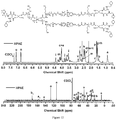
- the hyperbranched poly( ⁇ -amino ester) (HPAE) was successfully synthesised using michael addition reaction.
- the ⁇ potential and hydrodynamic size of the nano-particles were determined using multimode measuring equipment that utilises the DLS and charge properties of colloidal particles to determine the particle size and potential respectively, ( figure 3 ).
- Gaussia Luciferase (GLuc) DNA was assessed by gel electrophoresis.
- An agarose gel 1% agarose in Tris-borate-EDTA (TBE) buffer, with SYBR®Safe DNA stain was made up for all polymers tested. 10 ⁇ l of each polymer/plasmid solution (DNA concentration of 100 ⁇ g ml -1 ) were added along with 2 ⁇ l loading dye to each well and subjected simultaneously to 120mV for up to 40 minutes ( Fig 4 ).
- Luciferase expression activity analysis of HPAE demonstrated the polymer's capability to efficiently deliver and release DNA into the cell.
- Gaussia luciferase expression results indicate that HPAE is capable of efficiently transfecting Hela, type VII collagen-null keratinocytes (RDEBK) and human-adipose derived stem cells (ADSCs).
- RDEBK type VII collagen-null keratinocytes
- ADSCs human-adipose derived stem cells
- HPAE high-viral gene delivery vectors
- the proof-of-concept HPAE sets a new benchmark in gene delivery capability and can provide first guidelines for the development of high performance non-viral gene delivery vectors.
- Figure 2 shows GPC traces of HPAE before and after endcapping with MPA, DMF as elute, 50 degree, 1 ml/min.
- DMF was as eluent
- the measurements were carried out at 50 degrees
- the flow rate of the eluent was 1 ml/min.
- the molecular weight of HPAE before endcapping with MPA and after endcapping with MPA were measured respectively.
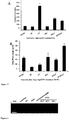
- HPAE/DNA polypexes have hydration diameter about 75 nm and zeta potential about +24 mV, shown in figure 3 .
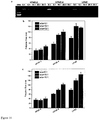
- HPAE can condense DNA effectively under w/w ratio ranging from 10:1 to 30:1 (see figure 4 ).
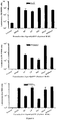
- HPAE/DNA can preserve at least 80% cell viability after transfection for 48 h at w/w ratio of 30:1, 96 well plates, 0.5 ⁇ g DNA per well (see figure 5 ).
- the three cell types exhibited very high Gluciferase activity after transfection with HPAE/DNA polyplexes for 48 h under serum conditions.
- the three cell types exhibited very high Green Fluorescent Proteim (GFP) expression after transfected with HPAE/DNA polyplexes for 48 h under serum conditions.
- GFP Green Fluorescent Proteim
- the poly-beta amino esters of the present invention have an alpha parameter derived from the Mark-Houwink equation of less than 0.5, for example of 0.3 to 0.5. This indicates that the triacrylates were copolymerized with the amines and diacrylates simultaneously, the poly-beta amino esters have higher functional group density and three dimensional architecture, and that the poly-beta amino esters of the present invention are highly branched. Table S1.
- agarose gel electrophoresis and dynamic light scattering (DLS) assays were used.
- Gel electrophoresis results demonstrated that there was no DNA shift out of wells across all HPAE/DNA weight ratio (w/w) ranging from 3:1 to 30:1, signifying the formation of HPAE/DNA polyplexes and strong HPAE-DNA binding ( Fig. 14a ), which is due to the excellent protonation ability of the multiple tertiary amines in the HPAE backbones.
- DLS results further demonstrated the DNA condensation ability of HPAEs to form nano sized polyplexes (30 ⁇ 120 nm, Fig.
- the aim of non-viral gene delivery vector research is predominantly to maximize the transfection efficiency while minimizing the level of cytotoxicity at the same time.
- improvements in transfection efficiency usually come at the expense of the safety and vice versa.
- the transfection performance of gene vectors needs to be assessed meticulously prior to final application in a clinic setting.
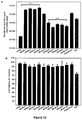
- the gene transfection capability and safety of the ten HPAEs with differing compositions and structures was firstly evaluated and compared with that of the LPAE in vitro in HeLa cells, and assessed by the secreted Gaussia luciferase (Gluciferase) protein assay and Alamarblue assay.
- Gaussia luciferase Gaussia luciferase
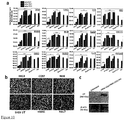
- Fig. 15 outlines the Gluciferase activity and viability of HeLa cells after transfection with various vectors. The data clearly showed that compared to the LPAE, all ten HPAEs exhibited remarkably higher transfection efficiency with 12 to 2,400 fold enhancement in Gluciferase activity, while maintaining cell viability over 90%.
- SuperFect and PEI which are well established as high transfection efficiency vectors, the Gluciferase activity of HeLa cells after transfection with HPAE-1, HPAE-2, HPAE-3 and HPAE-4 were still substantially 5 to 20 fold higher.
- HPAE-2 and HPAE-4 showed superior transfection efficiency, especially at the w/w ratio 15:1.
- Gluciferase activity was even up to 8,521 fold higher compared to that of the LPAE under the same transfection conditions ( Fig. 10a ).
- stem cells and astrocytes are among the most challenging cell types to transfect utilizing non-viral vectors. Indeed, on the rat ADSC (rADSC), human ADSC (hADSC), Neu7 astrocytes and primary astrocytes, LPAE exhibited very low transfection efficiency, and in general the Gluciferase activity was 2 to 3 orders-of-magnitude lower than in the above mentioned immortalized cells. In contrast, after transfection with HPAE-2 and HPAE-4 the Gluciferase activity of the same stem cells and astrocytes was much higher and comparable to the immortalized cells, supporting the idea that HPAEs produce high transfection potency regardless of cell types.
- the LPAE showed negligible transfection efficiency ( ⁇ 6%) in these cells.
- Representative fluorescence images of cells after transfection are shown in Fig. 10b , with the superior transfection efficiency of HPAEs demonstrated qualitatively by the strong expression of GFP.
- High transfection efficiency of HPAEs was further confirmed by a western blotting assay using the pcDNA3.1COL7A1 plasmid coding type VII collagen protein (C7). These results indicated that HPAE-4 can effectively deliver pcDNA3.1COL7A1 into the C7 null RDEBK cells and significant C7 protein was produced 48 hours post transfection ( Fig. 10c ). Taken together, this highlights the ability of HPAEs to deliver a therapeutic gene to restore functional protein expression.
- Fig. 17 shows that both HPAEs did not exhibit significant level of cytotoxicities and that they can maintain high cell viability even at high w/w ratio in stem cells and astrocytes.
- the PEI was very toxic and the viability of 3T3, hADSC, SH-SY5Y and primary astrocyte post transfection were all below 50%.
Landscapes
- Health & Medical Sciences (AREA)
- Chemical & Material Sciences (AREA)
- Life Sciences & Earth Sciences (AREA)
- Genetics & Genomics (AREA)
- Engineering & Computer Science (AREA)
- Organic Chemistry (AREA)
- Biotechnology (AREA)
- Medicinal Chemistry (AREA)
- Wood Science & Technology (AREA)
- Biomedical Technology (AREA)
- General Engineering & Computer Science (AREA)
- Bioinformatics & Cheminformatics (AREA)
- Zoology (AREA)
- Biochemistry (AREA)
- Molecular Biology (AREA)
- General Health & Medical Sciences (AREA)
- Chemical Kinetics & Catalysis (AREA)
- Polymers & Plastics (AREA)
- Microbiology (AREA)
- Plant Pathology (AREA)
- Biophysics (AREA)
- Physics & Mathematics (AREA)
- Animal Behavior & Ethology (AREA)
- Epidemiology (AREA)
- Pharmacology & Pharmacy (AREA)
- Public Health (AREA)
- Veterinary Medicine (AREA)
- Pharmaceuticals Containing Other Organic And Inorganic Compounds (AREA)
- Acyclic And Carbocyclic Compounds In Medicinal Compositions (AREA)
- Medicinal Preparation (AREA)
- Organic Low-Molecular-Weight Compounds And Preparation Thereof (AREA)
- Medicines That Contain Protein Lipid Enzymes And Other Medicines (AREA)
- Peptides Or Proteins (AREA)
- Polyesters Or Polycarbonates (AREA)
- Biological Depolymerization Polymers (AREA)
Applications Claiming Priority (3)
| Application Number | Priority Date | Filing Date | Title |
|---|---|---|---|
| GBGB1413907.5A GB201413907D0 (en) | 2014-08-06 | 2014-08-06 | Hyberbranched poly(beta-amino ester) for gene therapy |
| PCT/EP2015/068153 WO2016020474A1 (en) | 2014-08-06 | 2015-08-06 | HYPERBRANCHED POLY( ß -AMINO ESTER) FOR GENE THERAPY |
| EP15745509.8A EP3177670B1 (en) | 2014-08-06 | 2015-08-06 | Hyperbranched poly( beta-amino ester) for gene therapy |
Related Parent Applications (1)
| Application Number | Title | Priority Date | Filing Date |
|---|---|---|---|
| EP15745509.8A Division EP3177670B1 (en) | 2014-08-06 | 2015-08-06 | Hyperbranched poly( beta-amino ester) for gene therapy |
Publications (1)
| Publication Number | Publication Date |
|---|---|
| EP3738992A1 true EP3738992A1 (en) | 2020-11-18 |
Family
ID=51587799
Family Applications (2)
| Application Number | Title | Priority Date | Filing Date |
|---|---|---|---|
| EP20162334.5A Withdrawn EP3738992A1 (en) | 2014-08-06 | 2015-08-06 | Hyperbranched poly(beta-amino ester) for gene therapy |
| EP15745509.8A Active EP3177670B1 (en) | 2014-08-06 | 2015-08-06 | Hyperbranched poly( beta-amino ester) for gene therapy |
Family Applications After (1)
| Application Number | Title | Priority Date | Filing Date |
|---|---|---|---|
| EP15745509.8A Active EP3177670B1 (en) | 2014-08-06 | 2015-08-06 | Hyperbranched poly( beta-amino ester) for gene therapy |
Country Status (15)
| Country | Link |
|---|---|
| US (1) | US20170216455A1 (da) |
| EP (2) | EP3738992A1 (da) |
| CY (1) | CY1122850T1 (da) |
| DK (1) | DK3177670T3 (da) |
| ES (1) | ES2785248T3 (da) |
| GB (1) | GB201413907D0 (da) |
| HR (1) | HRP20200633T1 (da) |
| HU (1) | HUE049704T2 (da) |
| LT (1) | LT3177670T (da) |
| PL (1) | PL3177670T3 (da) |
| PT (1) | PT3177670T (da) |
| RS (1) | RS60335B1 (da) |
| SI (1) | SI3177670T1 (da) |
| SM (1) | SMT202000235T1 (da) |
| WO (1) | WO2016020474A1 (da) |
Families Citing this family (18)
| Publication number | Priority date | Publication date | Assignee | Title |
|---|---|---|---|---|
| EP3700965A1 (en) | 2017-10-27 | 2020-09-02 | Massachusetts Institute of Technology | Poly (beta-amino esters) and uses thereof |
| WO2020077347A2 (en) * | 2018-10-12 | 2020-04-16 | Amryt Genetics Ltd. | Compositions and methods for transfecting cells |
| EP3870629A1 (en) | 2018-10-26 | 2021-09-01 | Massachusetts Institute of Technology | Polymer-lipids and compositions |
| KR20210110791A (ko) * | 2018-12-28 | 2021-09-09 | 엠리트 제네틱스 리미티드 | 폴리플렉스의 형성 방법 |
| EP3798250A1 (en) * | 2019-09-25 | 2021-03-31 | University College Dublin | Hyperbranched cationic polymers useful as nucleic acid delivery vectors for transfecting |
| CN114650811A (zh) | 2019-09-25 | 2022-06-21 | 爱尔兰国立都柏林大学 | 用于基因疗法的纳米粒子组合物 |
| CN110746599B (zh) | 2019-09-30 | 2021-06-18 | 苏州大学 | 具有高效基因递送能力的UV光响应性超支化聚β-氨基酯及其制备方法与应用 |
| CN111135306B (zh) * | 2020-01-19 | 2023-03-10 | 安阳师范学院 | 基于叶酸靶向聚乙二醇修饰型超支化聚胺制备叶酸和磁性双靶向型非病毒基因载体的方法 |
| US12433847B2 (en) | 2021-03-09 | 2025-10-07 | Massachusetts Institute Of Technology | Branched poly(-amino esters) for the delivery of nucleic acids |
| CN114106348B (zh) * | 2021-11-12 | 2023-07-07 | 西安交通大学 | 苯硼酸修饰的胞内可降解超支化聚(β-氨基酯)及其制备方法和蛋白递送应用 |
| EP4183884A1 (en) * | 2021-11-19 | 2023-05-24 | Branca Bunus Limited | A method of preparing a fraction of a starting polymer vector for gene therapy |
| WO2023131648A1 (en) | 2022-01-05 | 2023-07-13 | Branca Bunus Limited | Nanoparticulate compositions for gene therapy |
| EP4324485A1 (en) | 2022-08-15 | 2024-02-21 | Branca Banus Ltd | A method for the production of pegylated hyperbranched poly( -amino ester)s, pegylated hyperbranched poly( -amino ester)s produced by those methods and their use in enhanced nucleic acid delivery |
| CN116003787B (zh) * | 2023-01-15 | 2026-03-06 | 上海艾迪特基因科技有限公司 | 含疏水烷基链的高度支化聚(β-氨基酯)及其制备方法和mRNA递送应用 |
| CN116178709B (zh) * | 2023-02-28 | 2025-11-21 | 西安交通大学 | 一类主链含有硫醚的功能性高度支化聚(β-氨基酯)及其制备方法和应用 |
| CN116396476B (zh) * | 2023-04-18 | 2026-02-24 | 西安交通大学 | 一类末端为两性离子功能化的高度支化聚(β-氨基酯)及其制备方法和应用 |
| CN116640301A (zh) * | 2023-06-28 | 2023-08-25 | 复旦大学附属儿科医院 | 一类功能性高度灵活的支化聚、制备方法及mRNA递送应用 |
| CN119101237A (zh) * | 2024-08-14 | 2024-12-10 | 安徽艾迪特生物科技有限公司 | 支化聚(β-氨基酯)及其制备方法和用途 |
Citations (4)
| Publication number | Priority date | Publication date | Assignee | Title |
|---|---|---|---|---|
| US5180424A (en) * | 1991-10-07 | 1993-01-19 | Westvaco Corporation | Michael addition aminopolyester resins as dilution extenders for zinc-containing metal resinate inks |
| US6998115B2 (en) | 2000-10-10 | 2006-02-14 | Massachusetts Institute Of Technology | Biodegradable poly(β-amino esters) and uses thereof |
| US20120149630A1 (en) * | 2006-07-21 | 2012-06-14 | Massachusetts Institute Of Technology | End-modified poly(beta-amino esters) and uses thereof |
| US20120259084A1 (en) * | 2005-04-29 | 2012-10-11 | Ye Liu | Hyperbranched polymers and their applications |
-
2014
- 2014-08-06 GB GBGB1413907.5A patent/GB201413907D0/en not_active Ceased
-
2015
- 2015-08-06 PL PL15745509T patent/PL3177670T3/pl unknown
- 2015-08-06 HR HRP20200633TT patent/HRP20200633T1/hr unknown
- 2015-08-06 EP EP20162334.5A patent/EP3738992A1/en not_active Withdrawn
- 2015-08-06 SM SM20200235T patent/SMT202000235T1/it unknown
- 2015-08-06 HU HUE15745509A patent/HUE049704T2/hu unknown
- 2015-08-06 DK DK15745509.8T patent/DK3177670T3/da active
- 2015-08-06 RS RS20200441A patent/RS60335B1/sr unknown
- 2015-08-06 PT PT157455098T patent/PT3177670T/pt unknown
- 2015-08-06 ES ES15745509T patent/ES2785248T3/es active Active
- 2015-08-06 US US15/500,470 patent/US20170216455A1/en not_active Abandoned
- 2015-08-06 LT LTEP15745509.8T patent/LT3177670T/lt unknown
- 2015-08-06 SI SI201531166T patent/SI3177670T1/sl unknown
- 2015-08-06 EP EP15745509.8A patent/EP3177670B1/en active Active
- 2015-08-06 WO PCT/EP2015/068153 patent/WO2016020474A1/en not_active Ceased
-
2020
- 2020-04-16 CY CY20201100361T patent/CY1122850T1/el unknown
Patent Citations (4)
| Publication number | Priority date | Publication date | Assignee | Title |
|---|---|---|---|---|
| US5180424A (en) * | 1991-10-07 | 1993-01-19 | Westvaco Corporation | Michael addition aminopolyester resins as dilution extenders for zinc-containing metal resinate inks |
| US6998115B2 (en) | 2000-10-10 | 2006-02-14 | Massachusetts Institute Of Technology | Biodegradable poly(β-amino esters) and uses thereof |
| US20120259084A1 (en) * | 2005-04-29 | 2012-10-11 | Ye Liu | Hyperbranched polymers and their applications |
| US20120149630A1 (en) * | 2006-07-21 | 2012-06-14 | Massachusetts Institute Of Technology | End-modified poly(beta-amino esters) and uses thereof |
Non-Patent Citations (2)
| Title |
|---|
| ELTOUKHY, A.A.CHEN, D.ALABI, C. A.LANGER, R.ANDERSON, D. G.: "Deradable terpolymers with alkyl side chains demonstrate enhanced gene delivery potency and nanoparticle stability", ADV. MATER, vol. 25, 2013, pages 1487 - 93 |
| GREEN, J. J.LANGER, R.ANDERSON, D. G.: "A combinatorial polymer library approach yields insight into nonviral gene delivery", ACC CHEM RES, vol. 41, no. 6, 2008, pages 749 - 59, XP055211595, DOI: 10.1021/ar7002336 |
Also Published As
| Publication number | Publication date |
|---|---|
| PT3177670T (pt) | 2020-04-24 |
| PL3177670T3 (pl) | 2020-07-13 |
| CY1122850T1 (el) | 2021-05-05 |
| HRP20200633T1 (hr) | 2020-08-07 |
| GB201413907D0 (en) | 2014-09-17 |
| WO2016020474A1 (en) | 2016-02-11 |
| EP3177670B1 (en) | 2020-03-18 |
| RS60335B1 (sr) | 2020-07-31 |
| SI3177670T1 (sl) | 2020-07-31 |
| DK3177670T3 (da) | 2020-04-27 |
| EP3177670A1 (en) | 2017-06-14 |
| LT3177670T (lt) | 2020-06-25 |
| HUE049704T2 (hu) | 2020-10-28 |
| US20170216455A1 (en) | 2017-08-03 |
| ES2785248T3 (es) | 2020-10-06 |
| SMT202000235T1 (it) | 2020-07-08 |
Similar Documents
| Publication | Publication Date | Title |
|---|---|---|
| EP3177670B1 (en) | Hyperbranched poly( beta-amino ester) for gene therapy | |
| Eltoukhy et al. | Effect of molecular weight of amine end-modified poly (β-amino ester) s on gene delivery efficiency and toxicity | |
| Zhou et al. | Highly branched poly (β-amino ester) s for skin gene therapy | |
| Wang et al. | Biocleavable comb-shaped gene carriers from dextran backbones with bioreducible ATRP initiation sites | |
| Elzes et al. | Disulfide-functional poly (amido amine) s with tunable degradability for gene delivery | |
| Bus et al. | 3rd generation poly (ethylene imine) s for gene delivery | |
| Liu et al. | Inhibition of murine breast cancer growth and metastasis by survivin-targeted siRNA using disulfide cross-linked linear PEI | |
| Gupta et al. | Oligoproline-derived nanocarrier for dual stimuli-responsive gene delivery | |
| WO2009016507A2 (en) | Method for manufacturing linear polyethylenimine (pei) for transfection purpose and linear pei obtained with such method | |
| Miyazaki et al. | Guanidine-phosphate interactions stabilize polyion complex micelles based on flexible catiomers to improve mRNA delivery | |
| Duan et al. | Topology-assisted, photo-strengthened DNA/siRNA delivery mediated by branched poly (β-amino ester) s via synchronized intracellular kinetics | |
| Kizjakina et al. | Cationic glycopolymers for the delivery of pDNA to human dermal fibroblasts and rat mesenchymal stem cells | |
| Zhang et al. | Dual-degradable disulfide-containing PEI–Pluronic/DNA polyplexes: transfection efficiency and balancing protection and DNA release | |
| Bo et al. | Efficient gene delivery by multifunctional star poly (β-amino ester) s into difficult-to-transfect macrophages for M1 polarization | |
| Guo et al. | Diol glycidyl ether-bridged low molecular weight PEI as potential gene delivery vehicles | |
| Jiang et al. | A light and reduction dual sensitive supramolecular self-assembly gene delivery system based on poly (cyclodextrin) and disulfide-containing azobenzene-terminated branched polycations | |
| Xing et al. | Molecular weight determination of a newly synthesized guanidinylated disulfide-containing poly (amido amine) by gel permeation chromatography | |
| Guo et al. | Hyaluronic acid coating of poly (β-amino ester)/mRNA polyplexes enables ultra-high transfection efficiency | |
| Zhang et al. | Amphiphilic polymers formed from ring-opening polymerization: a strategy for the enhancement of gene delivery | |
| Xiao et al. | Poly (amidoamine) dendrimers modified with 1, 2-epoxyhexane or 1, 2-epoxydodecane for enhanced gene delivery applications | |
| Lin et al. | PEGylated bioreducible poly (amido amine) s for non-viral gene delivery | |
| HK40040098A (en) | Hyperbranched poly(beta-amino ester) for gene therapy | |
| Yu et al. | Guanidine-rich helical polypeptides bearing hydrophobic amino acid pendants for efficient gene delivery | |
| CN119708472B (zh) | 一种端基氟化的阳离子聚合物基因载体及其制备方法和应用 | |
| Sun et al. | PLL/PAE/DNA ternary complexes with enhanced endosomal escape ability for efficient and safe gene transfection |
Legal Events
| Date | Code | Title | Description |
|---|---|---|---|
| PUAI | Public reference made under article 153(3) epc to a published international application that has entered the european phase |
Free format text: ORIGINAL CODE: 0009012 |
|
| STAA | Information on the status of an ep patent application or granted ep patent |
Free format text: STATUS: THE APPLICATION HAS BEEN PUBLISHED |
|
| AC | Divisional application: reference to earlier application |
Ref document number: 3177670 Country of ref document: EP Kind code of ref document: P |
|
| AK | Designated contracting states |
Kind code of ref document: A1 Designated state(s): AL AT BE BG CH CY CZ DE DK EE ES FI FR GB GR HR HU IE IS IT LI LT LU LV MC MK MT NL NO PL PT RO RS SE SI SK SM TR |
|
| STAA | Information on the status of an ep patent application or granted ep patent |
Free format text: STATUS: REQUEST FOR EXAMINATION WAS MADE |
|
| 17P | Request for examination filed |
Effective date: 20210517 |
|
| RBV | Designated contracting states (corrected) |
Designated state(s): AL AT BE BG CH CY CZ DE DK EE ES FI FR GB GR HR HU IE IS IT LI LT LU LV MC MK MT NL NO PL PT RO RS SE SI SK SM TR |
|
| REG | Reference to a national code |
Ref country code: HK Ref legal event code: DE Ref document number: 40040098 Country of ref document: HK |
|
| P01 | Opt-out of the competence of the unified patent court (upc) registered |
Effective date: 20230517 |
|
| STAA | Information on the status of an ep patent application or granted ep patent |
Free format text: STATUS: EXAMINATION IS IN PROGRESS |
|
| 17Q | First examination report despatched |
Effective date: 20231201 |
|
| STAA | Information on the status of an ep patent application or granted ep patent |
Free format text: STATUS: THE APPLICATION IS DEEMED TO BE WITHDRAWN |
|
| 18D | Application deemed to be withdrawn |
Effective date: 20240604 |