EP3751880B1 - Drahtloses kommunikationsverfahren für unlizenziertes spektrum und vorrichtung - Google Patents
Drahtloses kommunikationsverfahren für unlizenziertes spektrum und vorrichtung Download PDFInfo
- Publication number
- EP3751880B1 EP3751880B1 EP19910757.4A EP19910757A EP3751880B1 EP 3751880 B1 EP3751880 B1 EP 3751880B1 EP 19910757 A EP19910757 A EP 19910757A EP 3751880 B1 EP3751880 B1 EP 3751880B1
- Authority
- EP
- European Patent Office
- Prior art keywords
- transmission burst
- terminal device
- indication information
- transmission
- information
- Prior art date
- Legal status (The legal status is an assumption and is not a legal conclusion. Google has not performed a legal analysis and makes no representation as to the accuracy of the status listed.)
- Active
Links
Images


Classifications
-
- H—ELECTRICITY
- H04—ELECTRIC COMMUNICATION TECHNIQUE
- H04W—WIRELESS COMMUNICATION NETWORKS
- H04W16/00—Network planning, e.g. coverage or traffic planning tools; Network deployment, e.g. resource partitioning or cells structures
- H04W16/14—Spectrum sharing arrangements between different networks
-
- H—ELECTRICITY
- H04—ELECTRIC COMMUNICATION TECHNIQUE
- H04L—TRANSMISSION OF DIGITAL INFORMATION, e.g. TELEGRAPHIC COMMUNICATION
- H04L5/00—Arrangements affording multiple use of the transmission path
- H04L5/003—Arrangements for allocating sub-channels of the transmission path
- H04L5/0078—Timing of allocation
-
- H—ELECTRICITY
- H04—ELECTRIC COMMUNICATION TECHNIQUE
- H04W—WIRELESS COMMUNICATION NETWORKS
- H04W48/00—Access restriction; Network selection; Access point selection
- H04W48/08—Access restriction or access information delivery, e.g. discovery data delivery
- H04W48/12—Access restriction or access information delivery, e.g. discovery data delivery using downlink control channel
-
- H—ELECTRICITY
- H04—ELECTRIC COMMUNICATION TECHNIQUE
- H04W—WIRELESS COMMUNICATION NETWORKS
- H04W48/00—Access restriction; Network selection; Access point selection
- H04W48/16—Discovering, processing access restriction or access information
-
- H—ELECTRICITY
- H04—ELECTRIC COMMUNICATION TECHNIQUE
- H04W—WIRELESS COMMUNICATION NETWORKS
- H04W72/00—Local resource management
- H04W72/04—Wireless resource allocation
- H04W72/044—Wireless resource allocation based on the type of the allocated resource
- H04W72/0446—Resources in time domain, e.g. slots or frames
-
- H—ELECTRICITY
- H04—ELECTRIC COMMUNICATION TECHNIQUE
- H04W—WIRELESS COMMUNICATION NETWORKS
- H04W72/00—Local resource management
- H04W72/12—Wireless traffic scheduling
- H04W72/1263—Mapping of traffic onto schedule, e.g. scheduled allocation or multiplexing of flows
- H04W72/1268—Mapping of traffic onto schedule, e.g. scheduled allocation or multiplexing of flows of uplink data flows
-
- H—ELECTRICITY
- H04—ELECTRIC COMMUNICATION TECHNIQUE
- H04W—WIRELESS COMMUNICATION NETWORKS
- H04W72/00—Local resource management
- H04W72/12—Wireless traffic scheduling
- H04W72/1263—Mapping of traffic onto schedule, e.g. scheduled allocation or multiplexing of flows
- H04W72/1273—Mapping of traffic onto schedule, e.g. scheduled allocation or multiplexing of flows of downlink data flows
-
- H—ELECTRICITY
- H04—ELECTRIC COMMUNICATION TECHNIQUE
- H04W—WIRELESS COMMUNICATION NETWORKS
- H04W72/00—Local resource management
- H04W72/20—Control channels or signalling for resource management
- H04W72/21—Control channels or signalling for resource management in the uplink direction of a wireless link, i.e. towards the network
-
- H—ELECTRICITY
- H04—ELECTRIC COMMUNICATION TECHNIQUE
- H04W—WIRELESS COMMUNICATION NETWORKS
- H04W72/00—Local resource management
- H04W72/20—Control channels or signalling for resource management
- H04W72/23—Control channels or signalling for resource management in the downlink direction of a wireless link, i.e. towards a terminal
-
- H—ELECTRICITY
- H04—ELECTRIC COMMUNICATION TECHNIQUE
- H04W—WIRELESS COMMUNICATION NETWORKS
- H04W72/00—Local resource management
- H04W72/50—Allocation or scheduling criteria for wireless resources
- H04W72/54—Allocation or scheduling criteria for wireless resources based on quality criteria
- H04W72/542—Allocation or scheduling criteria for wireless resources based on quality criteria using measured or perceived quality
-
- H—ELECTRICITY
- H04—ELECTRIC COMMUNICATION TECHNIQUE
- H04W—WIRELESS COMMUNICATION NETWORKS
- H04W74/00—Wireless channel access
- H04W74/002—Transmission of channel access control information
- H04W74/006—Transmission of channel access control information in the downlink, i.e. towards the terminal
-
- H—ELECTRICITY
- H04—ELECTRIC COMMUNICATION TECHNIQUE
- H04W—WIRELESS COMMUNICATION NETWORKS
- H04W74/00—Wireless channel access
- H04W74/08—Non-scheduled access, e.g. ALOHA
- H04W74/0808—Non-scheduled access, e.g. ALOHA using carrier sensing, e.g. carrier sense multiple access [CSMA]
-
- H—ELECTRICITY
- H04—ELECTRIC COMMUNICATION TECHNIQUE
- H04W—WIRELESS COMMUNICATION NETWORKS
- H04W74/00—Wireless channel access
- H04W74/08—Non-scheduled access, e.g. ALOHA
- H04W74/0833—Random access procedures, e.g. with 4-step access
-
- H—ELECTRICITY
- H04—ELECTRIC COMMUNICATION TECHNIQUE
- H04W—WIRELESS COMMUNICATION NETWORKS
- H04W74/00—Wireless channel access
- H04W74/08—Non-scheduled access, e.g. ALOHA
- H04W74/0833—Random access procedures, e.g. with 4-step access
- H04W74/0836—Random access procedures, e.g. with 4-step access with 2-step access
Definitions
- a maximum channel occupancy time may refer to maximum duration in which a channel of an unlicensed spectrum is allowed to be used to perform signal transmission after LBT succeeds, and there are different MCOTs in different channel access schemes.
- a maximum value of the MCOT may be, for example, 10 ms. It should be understood that, the MCOT is the time occupied by signal transmission.
- the gNB may share a transmission burst in the COT with the terminal device, so that a transmission resource in the COT may be flexibly used, to avoid transmission resource waste and maximize transmission resource utilization.
- the implementations of this disclosure provide the following solution.
- a terminal device may share a transmission burst in a COT with a network device. Details are introduced below.
- the network device receives the first indication information.
- a second transmission burst in a UE-initiated COT includes a unicast PDSCH
- the COT includes at most three transmission bursts.
- the channel access scheme of the second transmission burst may indicate a channel access scheme used by the network device to perform LBT before the second transmission burst.
- the channel access scheme may be Cat-1 LBT or Cat-2 LBT.
- 1 bit may be used to indicate whether the corresponding channel access scheme is Cat-1 LBT or Cat-2 LBT. Because there are two candidate channel access schemes, the channel access schemes may be differentiated by using 1 bit.
- the ending location of the first transmission burst indicates, to the network device, a location at which the first transmission burst ends.
- the network device may determine the starting location of the second transmission burst according to the ending location of the first transmission burst, and determine a channel access scheme according to a size of the gap between the starting location of the second transmission burst and the ending location of the first transmission burst or a range to which the size of the gap belongs.
- the ending location of the COT may enable the network device to learn a location at which the COT ends. Therefore, the network device may determine the ending location or the length of the second transmission burst, so that the second transmission burst does not exceed the COT, or a particular resource is reserved between the ending location of the second transmission burst and the ending location of the COT, and used for the third transmission burst, and the network device may specify a quantity of shared resources in a COT that may enjoy a channel access scheme of a high priority, thereby more properly planning downlink transmission.
- the network device may perform transmission on the second transmission burst according to the QCL relationship between channels or signals transmitted on the first transmission burst.
- the second indication information may carry on the QCL relationship between channels or signals transmitted on the second transmission burst, and the network device may perform transmission on the second transmission burst according to the QCL relationship between channels or signals transmitted on the second transmission burst.
- a QCL relationship between channels or signals may be understood as: QCL assumptions of the channels or signals, or TCI-states of the channels or signals, or reference signals corresponding to spatial Rx parameters of the channels or signals, or spatial Rx parameters of the channels or signals, or transmit beams of the channels or signals, or receive beams of the channels or signals.
- the first indication information and/or the second indication information in this implementation of this disclosure is carried in UCI or a DMRS.
- the first device selects, from a plurality of demodulation reference signals according to information content that the indication information needs to carry, a demodulation reference signal used for carrying the indication information.
- the network device may determine a content set in a plurality of content sets according to the demodulation reference signal.
- Carrying information through a DMRS sequence may refer to carrying information by selecting a different DMRS sequence. Therefore, the DMRS sequence is usually applicable to an indication of relatively little information.
- determining may be performed in a manner of combining higher layer signaling configuration and DMRS selection.
- the first indication information includes a first information field and a second information field.
- the first information field is used for indicating the ending location of the first transmission burst.
- the first information field of the first indication information on the time unit n includes 2 bits, used to indicate that the ending location of the first transmission burst is on the current time unit n (00), a next time unit n+1 (01), a time unit n+2 (10) and a time unit n+3 (11).
- the second information field is used for indicating the shared COT length.
- the second information field of the first indication information on the time unit n includes 2 bits, used to indicate that quantities of time units included in the shared COT length are respectively 1 (00), 2 (01), 3 (10) and 4 (11).
- a symbol on an ending time unit that an ending symbol of the first transmission burst is or an ending symbol in the shared COT length may be configured by the network device through higher layer information.
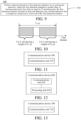
- FIG. 4 shows sending of the first indication information on each of a plurality of time units. In this case, loss of the first indication information may be avoided.
- the first indication information may alternatively be sent on only one time unit.
- the time unit shown in FIG. 4 may be a slot, a symbol, a half-slot, a subframe or the like.
- the second transmission burst is a transmission burst transmitted by the network device to the first terminal device or a second terminal device.
- a downlink channel or signal may be sent by using the second transmission burst, and the downlink channel or signal may be sent in a broadcast or multicast, or may be sent in a unicast manner.
- the first transmission burst may carry the foregoing second indication information, used for requesting to schedule the first terminal device, and therefore the second transmission burst may carry a PDCCH, used for scheduling the first terminal device.
- the PDCCH dedicated to a terminal device may be a PDCCH of the second terminal device, that is, a PDCCH for scheduling the second terminal device.
- the first transmission burst may not carry the foregoing second indication information.
- a sending object of the second transmission burst in this implementation of this disclosure may be a device other than the first terminal device.
- the second transmission burst may be used for transmitting information for the second terminal device, for example, a PDSCH, control information in an initial access procedure, control information in a random access procedure, control information used for mobility management, a paging message, a PDCCH dedicated to the first terminal device, a switching command, short message service paging, and downlink feedback indication information.
- the aforementioned downlink feedback indication information may be feedback information for the first transmission burst, for example, feedback information for transmitting a PUSCH in the first transmission burst.
- a channel or a signal transmitted in the second transmission burst may be a channel or a signal that periodically occurs. If the terminal device finds that the network device needs to send a periodically occurring channel or signal in a COT, the first terminal device may share the second transmission burst with the network device.
- the UE when the UE transmits a CG-PUSCH, if the UE needs to occupy many time resources (for example, a demanded quantity of uplink services is large) in the UE-initiated COT, but the time resources occupied for transmitting the CG-PUSCH include a periodic resource used by the gNB to transmit a high-priority channel or signal (for example, a PDCCH), the UE may reserve this part of resource to be used by the gNB, and continues to transmit the CG-PUSCH or an S-PUSCH after the gNB ends use of the resource.
- a periodic resource used by the gNB for example, a PDCCH
- the UE in a process of transmitting a CG-PUSCH in the UE-initiated COT, the UE encounters a PDCCH resource periodically occurring in the gNB, and therefore the UE ends transmission of the CG-PUSCH (for example, the first transmission burst) before the PDCCH resource and indicates, through the first indication information, that the PDCCH resource periodically occurring in the gNB (for example, the second transmission burst) belongs to a resource in the UE's COT, and the UE shares the resource to be used by the gNB.
- the UE continues to transmit the PUSCH on the third transmission burst.
- the UE may stop the first transmission burst before the PDCCH resource, and does not need to send the first indication information to perform an indication to the gNB.
- a channel or a signal other than a unicast downlink data channel may be referred to as a high-priority channel or signal.
- the high-priority channel or signal may be transmitted on the second transmission burst.
- no unicast PDSCH may be transmitted on the second transmission burst.
- duration of the second transmission burst may be less than or equal to preset duration. That is to say, duration in which the network device performs downlink transmission on the second transmission burst may not exceed the preset duration, for example, 1 ms.
- a category of a downlink channel or signal sent by the network device by using the second transmission burst may be determined according to available duration of the second transmission burst and/or remaining available duration in the COT.
- the second transmission burst may include third indication information, and the third indication information is used for scheduling uplink data transmission of the first terminal device.
- the third indication information may be carried in a PDCCH.
- the first terminal device may send a scheduling request, that is, the aforementioned second indication information on the first transmission burst.
- the fourth indication information is further used for determining a channel access scheme of a fourth transmission burst, and/or a sub-scheme of the channel access scheme of the fourth transmission burst (for example, according to a service priority in Cat-4 LBT).
- the fourth transmission burst does not belong to the COT.
- the fourth indication information included in the second transmission burst may be used for determining a location of the third transmission burst, a channel access scheme performed before the third transmission burst, and the like.
- a receive end of the second transmission burst may be the same as or not the same as a transmit end of the third transmission burst.
- the third transmission burst may be used for transmitting a feedback or a response of the receive end for the downlink channel or signal; or if the second transmission burst sends a downlink channel or signal in a broadcast manner, the channel or signal sent on the third transmission burst may be unrelated to the channel or signal sent on the second transmission burst.
- the third transmission burst is used for transmitting at least one of the following: a PUSCH, hybrid automatic repeat request-acknowledgement HARQ-ACK information, a random access sequence, a scheduling request, a sounding reference signal, and channel state information.
- the second transmission burst is a transmission burst transmitted by the network device to the first terminal device or the second terminal device
- the third transmission burst may be a D2D transmission burst, for example, a transmission burst between the first terminal device and the second terminal device.
- the first terminal device further sends, to the second terminal device through the first transmission burst, indication information used by the second terminal device to determine the third transmission burst in the COT.
- transmission of the second transmission burst may restrict transmission of the third transmission burst.
- information transmitted in the third transmission burst includes a high-priority channel or signal.
- the third transmission burst is used for sending at least one of the following information: hybrid automatic repeat request-acknowledgement HARQ-ACK information, a random access sequence, a scheduling request, a sounding reference signal, and channel state information.
- the UE when the UE transmits a CG-PUSCH, if the UE needs to occupy few time resources in the UE-initiated COT, the UE may share a resource in the COT with the gNB, so that the gNB transmits a PDSCH by using the resource.
- the downlink transmission is downlink transmission of the UE.
- the downlink transmission may have a same QCL relationship (or a same QCL assumption) as that of downlink transmission of the UE; or the downlink transmission has a same spatial Rx parameter as that of downlink transmission of the UE.
- PUCCH resources used to transmit the HARQ information may also share the UE's COT.
- a resource in the COT may be allowed to be used for transmitting the HARQ information corresponding to the PDSCH after a transmission burst of the gNB in the UE's COT ends, thereby reducing an HARQ feedback delay.
- the third transmission burst is less than or equal to first preset duration, for example, 1 ms.
- the first preset duration may be preset in the first terminal device based on a protocol, or may be configured on a network side.
- the third transmission burst is used for transmitting HARQ-ACK information, where the HARQ-ACK information includes HARQ-ACK information corresponding to the unicast PDSCH. Further optionally, duration of the third transmission burst is less than or equal to the first preset duration.
- a channel time occupied by the second transmission burst is less than or equal to preset duration, for example, 1 ms.
- a channel time occupied by the second transmission burst is less than or equal to preset duration.
- the third transmission burst may be used for transmitting a PUSCH.
- the third transmission burst may be used for D2D transmission.
- the first terminal device may not send the first indication information in the first transmission burst. For example, after the network device receives, in the first transmission burst, uplink data transmitted by the first terminal device, if the gap between the starting location of the downlink transmission burst and the ending location of the uplink transmission burst is less than or equal to 16 ⁇ s, the network device may immediately perform the uplink transmission; or if the gap is greater than 16 ⁇ s and less than or equal to 25 ⁇ s, the UE may perform Cat-2 LBT before transmission.
- the second device receives the first indication information.
- the channel access scheme of the second transmission burst may indicate a channel access scheme used by the second device to perform LBT before the second transmission burst.
- the channel access scheme may be Cat-1 LBT or Cat-2 LBT.
- 1 bit may be used to indicate whether the corresponding channel access scheme is Cat-1 LBT or Cat-2 LBT. Because there are two candidate channel access schemes, the channel access schemes may be differentiated by using 1 bit.
- the gap between the ending location of the first transmission burst and the starting location of the second transmission burst may be used by the second device to determine the channel access scheme used for LBT performed before the second transmission burst.
- the starting location of the second transmission burst indicates, to the second device, a location from which the second transmission burst starts. Based on the starting location of the second transmission burst, the second device may determine, based on the ending location of the first transmission burst and the starting location of the second transmission burst, a gap between the two, and therefore determine the channel access scheme for LBT performed before the second transmission burst.
- duration of the second transmission burst is less than or equal to second preset duration.
- the UCI or the demodulation reference signal is associated UCI or an associated demodulation reference signal of a PUSCH sent by the communications device, and the PUSCH is transmitted on the first transmission burst.
- the first detection duration is greater than or equal to 18 microseconds and less than or equal to 25 microseconds.
- duration of the second transmission burst is less than or equal to second preset duration.
- the transceiver 1030 may include a transmitter and a receiver.
- the transceiver 1030 may further include one or more antennas.
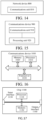
- FIG. 17 is a schematic structural diagram of a chip according to an implementation of this disclosure.
- the chip 1100 shown in FIG. 17 includes a processor 1110.
- the processor 1110 may invoke a computer program from a memory and run the computer program, to implement the method in the implementations of this disclosure.
- RAMs may be used, for example, a static random access memory (SRAM), a dynamic random access memory (DRAM), a synchronous dynamic random access memory (SDRAM), a double data rate synchronous dynamic random access memory (DDR SDRAM), an enhanced synchronous dynamic random access memory (ESDRAM), a synchlink dynamic random access memory (SLDRAM) and a direct rambus random access memory (DR RAM).
- SRAM static random access memory
- DRAM dynamic random access memory
- SDRAM synchronous dynamic random access memory
- DDR SDRAM double data rate synchronous dynamic random access memory
- ESDRAM enhanced synchronous dynamic random access memory
- SLDRAM synchlink dynamic random access memory
- DR RAM direct rambus random access memory
- the memory in this implementation of this disclosure may be further a static random access memory (SRAM), a dynamic random access memory (DRAM), a synchronous dynamic random access memory (SDRAM), a double data rate synchronous dynamic random access memory (DDR SDRAM), an enhanced synchronous dynamic random access memory (ESDRAM), a synchlink dynamic random access memory (SLDRAM), a direct rambus random access memory (DR RAM), or the like.
- SRAM static random access memory
- DRAM dynamic random access memory
- SDRAM synchronous dynamic random access memory
- DDR SDRAM double data rate synchronous dynamic random access memory
- ESDRAM enhanced synchronous dynamic random access memory
- SLDRAM synchlink dynamic random access memory
- DR RAM direct rambus random access memory
- An implementation of this disclosure further provides a computer readable storage medium, configured to store a computer program.
- the computer readable storage medium may be applied to the network device in the implementations of this disclosure, and the computer program enables a computer to perform a corresponding process, implemented by the network device, in each method of the implementations of this disclosure.
- the computer program enables a computer to perform a corresponding process, implemented by the network device, in each method of the implementations of this disclosure.
- the computer readable storage medium may be applied to the mobile terminal/terminal device in the implementations of this disclosure, and the computer program enables a computer to perform a corresponding process, implemented by the mobile terminal/terminal device, in each method of the implementations of this disclosure.
- the computer program enables a computer to perform a corresponding process, implemented by the mobile terminal/terminal device, in each method of the implementations of this disclosure.
- An implementation of this disclosure further provides a computer program product, including a computer program instruction.
- the computer program product may be applied to the network device in the implementations of this disclosure, and the computer program instruction enables a computer to perform a corresponding process, implemented by the network device, in each method of the implementations of this disclosure.
- the computer program instruction enables a computer to perform a corresponding process, implemented by the network device, in each method of the implementations of this disclosure.
- An implementation of this disclosure further provides a computer program.
- the computer program may be applied to the mobile terminal/terminal device in the implementations of this disclosure, and when the computer program is run on a computer, the computer is enabled to perform a corresponding process, implemented by the mobile terminal/terminal device, in each method of the implementations of this disclosure.
- the computer program may be applied to the mobile terminal/terminal device in the implementations of this disclosure, and when the computer program is run on a computer, the computer is enabled to perform a corresponding process, implemented by the mobile terminal/terminal device, in each method of the implementations of this disclosure.
- the functions When the functions are implemented in a form of a software functional module and sold or used as an independent product, the functions may be stored in a computer-readable storage medium. Based on such an understanding, the technical solutions of this disclosure essentially, or the part contributing to the prior art, or part of the technical solutions may be implemented in the form of a software product.
- the computer software product is stored in a storage medium, and includes several instructions for instructing a computer device (which may be a personal computer, a server, a network device, and the like) to perform all or a part of the steps of the method described in the implementation of this disclosure.
- the foregoing storage medium includes: any medium that can store program codes, such as a USB flash disk, a removable hard disk, a read-only memory (ROM), a random access memory (RAM), a magnetic disk, or an optical disk.
Landscapes
- Engineering & Computer Science (AREA)
- Signal Processing (AREA)
- Computer Networks & Wireless Communication (AREA)
- Computer Security & Cryptography (AREA)
- Quality & Reliability (AREA)
- Mobile Radio Communication Systems (AREA)
Claims (14)
- Drahtloskommunikationsverfahren für ein unlizenziertes Spektrum, umfassend:Senden (210), durch eine erste Endgerätvorrichtung, von ersten Angabeinformationen an eine Netzwerkvorrichtung durch eine Vielzahl von aufeinanderfolgenden Teilrahmen in einem ersten Übertragungsburst innerhalb einer Kanalbelegungszeit, COT, die durch die erste Endgerätvorrichtung erlangt wird, wobei der erste Übertragungsburst einen konfigurierten gewährten physikalischen geteilten Aufwärtsstreckenkanal, CG-PUSCH, umfasst und Aufwärtsstrecken-Steuerinformationen, UCI, die assoziativ in dem CG-PUSCH gesandt werden, die ersten Angabeinformationen umfassen;dadurch gekennzeichnet, dass, wenn der CG-PUSCH auf einem Teilrahmen n übertragen wird, die ersten Angabeinformationen 1-Bit-Angabeinformationen umfassen, um anzugeben, ob ein Teilrahmen n+X innerhalb der COT geteilt wird, wobei X ein Parameter einer Konfiguration einer höheren Schicht ist, 1<X<5.
- Verfahren nach Anspruch 1, wobei, wenn die ersten Angabeinformationen verwendet werden, zu bestimmen, dass die Endgerätvorrichtung den Teilrahmen n+X innerhalb der COT für einen zweiten Übertragungsburst teilt, der zweite Übertragungsburst zum Senden mindestens eines Teils der folgenden Informationen verwendet wird:
Steuerinformationen in einer anfänglichen Zugangsprozedur, Steuerinformationen in einer Zufalls-Zugangsprozedur, Steuerinformationen, die für Mobilitätsverwaltung verwendet werden, einer Funkrufnachricht, eines Referenzsignals, eines physikalischen Abwärtsstrecken-Steuerkanals, PDCCH, der einer Endgerätvorrichtung zugeordnet ist, eines Schaltbefehls, eines gemeinsamen PDCCH, Kurznachrichtendienst-Funkruf, eines Synchronisationssignalblocks, SSB, und Abwärtsstrecken-Rückmeldung-Angabeinformationen. - Verfahren nach Anspruch 2, wobei der zweite Übertragungsburst einen Übertragungsburst umfasst, der durch die Netzwerkvorrichtung an eine zweite Endgerätvorrichtung übertragen wird, wobei die erste Endgerätvorrichtung und die zweite Endgerätvorrichtung eine gleiche quasi kolokalisierte bzw. QCL-Vermutung aufweisen.
- Verfahren nach Anspruch 3, wobei die COT ferner einen dritten Übertragungsburst umfasst, wobei der dritte Übertragungsburst Kanäle umfasst, die durch die erste Endgerätvorrichtung oder die zweite Endgerätvorrichtung an die Netzwerkvorrichtung übertragen werden.
- Verfahren nach Anspruch 2, wobei, wenn die ersten Angabeinformationen verwendet werden, den Ausgangsort des zweiten Übertragungsbursts und die Länge des zweiten Übertragungsbursts zu bestimmen, die COT ferner einen dritten Übertragungsburst umfasst, wobei der dritte Übertragungsburst zum Senden mindestens eines Teils der folgenden Informationen verwendet wird:
Anforderungsbestätigungsinformationen für hybride automatische Wiederholung, HARQ-ACK, einer Zufallszugangssequenz, einer Planungsanforderung, eines Sondierung-Referenzsignals und Kanalzustandsinformationen. - Verfahren nach Anspruch 5, wobei in dem ersten Übertragungsburst übertragene Informationen ferner zweite Angabeinformationen umfassen und die zweiten Angabeinformationen verwendet werden, die Netzwerkvorrichtung aufzufordern, Aufwärtsstrecken-Datenplanung für die erste Endgerätvorrichtung durchzuführen.
- Verfahren nach Anspruch 6, ferner umfassend:
Empfangen, durch die erste Endgerätvorrichtung, in dem zweiten Übertragungsburst, von durch die Netzwerkvorrichtung gesandten dritten Angabeinformationen, wobei die dritten Angabeinformationen verwendet werden, Aufwärtsstrecken-Datenübertragung der ersten Endgerätvorrichtung zu planen. - Endgerätvorrichtung für ein unlizenziertes Spektrum, umfassend:eine Kommunikationseinheit (510), konfiguriert zum Senden von ersten Angabeinformationen an eine Netzwerkvorrichtung durch eine Vielzahl von aufeinanderfolgenden Teilrahmen in einem ersten Übertragungsburst innerhalb einer Kanalbelegungszeit, COT, die durch die Endgerätvorrichtung erlangt wird, wobei der erste Übertragungsburst einen konfigurierten gewährten physikalischen geteilten Aufwärtsstreckenkanal, CG-PUSCH, umfasst und Aufwärtsstrecken-Steuerinformationen, UCI, die assoziativ in dem CG-PUSCH gesandt werden, die ersten Angabeinformationen umfassen;dadurch gekennzeichnet, dass, wenn der CG-PUSCH auf einem Teilrahmen n übertragen wird, die ersten Angabeinformationen 1-Bit-Angabeinformationen umfassen, um anzugeben, ob ein Teilrahmen n+X innerhalb der COT geteilt wird, wobei X ein Parameter einer Konfiguration einer höheren Schicht ist, 1<X<5.
- Endgerätvorrichtung nach Anspruch 8, wobei, wenn die ersten Angabeinformationen verwendet werden, zu bestimmen, dass die Endgerätvorrichtung den Teilrahmen n+X innerhalb der COT für einen zweiten Übertragungsburst teilt, der zweite Übertragungsburst zum Senden mindestens eines Teils der folgenden Informationen verwendet wird:
Steuerinformationen in einer anfänglichen Zugangsprozedur, Steuerinformationen in einer Zufalls-Zugangsprozedur, Steuerinformationen, die für Mobilitätsverwaltung verwendet werden, einer Funkrufnachricht, eines Referenzsignals, eines physikalischen Abwärtsstrecken-Steuerkanals, PDCCH, der einer Endgerätvorrichtung zugeordnet ist, eines Schaltbefehls, eines gemeinsamen PDCCH, Kurznachrichtendienst-Funkruf, eines Synchronisationssignalblocks, SSB, und Abwärtsstrecken-Rückmeldung-Angabeinformationen. - Endgerätvorrichtung nach Anspruch 9, wobei der zweite Übertragungsburst einen Übertragungsburst umfasst, der durch die Netzwerkvorrichtung an eine andere Endgerätvorrichtung übertragen wird, wobei die Endgerätvorrichtung und die andere Endgerätvorrichtung eine gleiche quasi kolokalisierte bzw. QCL-Vermutung aufweisen.
- Endgerätvorrichtung nach Anspruch 10, wobei die COT ferner einen dritten Übertragungsburst umfasst, wobei der dritte Übertragungsburst Kanäle umfasst, die durch die Endgerätvorrichtung oder die andere Endgerätvorrichtung an die Netzwerkvorrichtung übertragen werden.
- Endgerätvorrichtung nach Anspruch 9, wobei, wenn die ersten Angabeinformationen verwendet werden, den Ausgangsort des zweiten Übertragungsbursts und die Länge des zweiten Übertragungsbursts zu bestimmen, die COT ferner einen dritten Übertragungsburst umfasst, wobei der dritte Übertragungsburst zum Senden mindestens eines Teils der folgenden Informationen verwendet wird:
Anforderungsbestätigungsinformationen für hybride automatische Wiederholung, HARQ-ACK, einer Zufallszugangssequenz, einer Planungsanforderung, eines Sondierung-Referenzsignals und Kanalzustandsinformationen. - Endgerätvorrichtung nach Anspruch 12, wobei in dem ersten Übertragungsburst übertragene Informationen ferner zweite Angabeinformationen umfassen und die zweiten Angabeinformationen verwendet werden, die Netzwerkvorrichtung aufzufordern, Aufwärtsstrecken-Datenplanung für die Endgerätvorrichtung durchzuführen.
- Endgerätvorrichtung nach Anspruch 13, wobei
die Kommunikationseinheit (610) ferner konfiguriert ist zum Empfangen, in dem zweiten Übertragungsburst, von dritten Angabeinformationen, die durch die Netzwerkvorrichtung gesandt werden, wobei die dritten Angabeinformationen verwendet werden, Aufwärtsstrecken-Datenübertragung der Endgerätvorrichtung zu planen.
Applications Claiming Priority (1)
| Application Number | Priority Date | Filing Date | Title |
|---|---|---|---|
| PCT/CN2019/072358 WO2020147115A1 (zh) | 2019-01-18 | 2019-01-18 | 用于非授权频谱的无线通信方法和设备 |
Publications (3)
| Publication Number | Publication Date |
|---|---|
| EP3751880A1 EP3751880A1 (de) | 2020-12-16 |
| EP3751880A4 EP3751880A4 (de) | 2021-04-28 |
| EP3751880B1 true EP3751880B1 (de) | 2024-07-03 |
Family
ID=71613638
Family Applications (1)
| Application Number | Title | Priority Date | Filing Date |
|---|---|---|---|
| EP19910757.4A Active EP3751880B1 (de) | 2019-01-18 | 2019-01-18 | Drahtloses kommunikationsverfahren für unlizenziertes spektrum und vorrichtung |
Country Status (12)
| Country | Link |
|---|---|
| US (2) | US11051334B2 (de) |
| EP (1) | EP3751880B1 (de) |
| JP (1) | JP7150060B2 (de) |
| KR (2) | KR102387863B1 (de) |
| CN (2) | CN111970706B (de) |
| AU (1) | AU2019422210B9 (de) |
| BR (1) | BR112020022591A2 (de) |
| CA (1) | CA3097216C (de) |
| ES (1) | ES2992504T3 (de) |
| MX (1) | MX2020011902A (de) |
| SG (1) | SG11202010086YA (de) |
| WO (1) | WO2020147115A1 (de) |
Families Citing this family (52)
| Publication number | Priority date | Publication date | Assignee | Title |
|---|---|---|---|---|
| EP3751880B1 (de) * | 2019-01-18 | 2024-07-03 | Guangdong Oppo Mobile Telecommunications Corp., Ltd. | Drahtloses kommunikationsverfahren für unlizenziertes spektrum und vorrichtung |
| US11297613B2 (en) * | 2019-01-31 | 2022-04-05 | Qualcomm Incorporated | Beam definition for directional communications |
| CN111294852B (zh) * | 2019-03-22 | 2021-08-06 | 展讯通信(上海)有限公司 | 下行多用户数据传输方法及装置、存储介质、终端 |
| BR112021020255A2 (pt) * | 2019-04-11 | 2021-12-07 | Ntt Docomo Inc | Terminal de usuário e método de radiocomunicação |
| US11432325B2 (en) * | 2019-07-11 | 2022-08-30 | Qualcomm Incorporated | Methods, apparatuses and systems for user equipment (UE)-to-UE sharing of channel occupancy time |
| WO2021015534A1 (ko) * | 2019-07-22 | 2021-01-28 | 삼성전자 주식회사 | 무선 통신 시스템에서 상향링크 제어 정보 전송 방법 및 장치 |
| KR20250084249A (ko) * | 2019-07-25 | 2025-06-10 | 프라운호퍼 게젤샤프트 쭈르 푀르데룽 데어 안겐반텐 포르슝 에. 베. | 송신기 cot 내에서 구성된 승인 |
| WO2021022409A1 (en) * | 2019-08-02 | 2021-02-11 | Lenovo (Beijing) Limited | Method and apparatus for overhead reduction for configured grant based uplink transmission |
| EP3772228A1 (de) * | 2019-08-02 | 2021-02-03 | Panasonic Intellectual Property Corporation of America | Benutzergerät und planungsknoten |
| US11849481B2 (en) * | 2019-08-08 | 2023-12-19 | Qualcomm Incorporated | Techniques for configuring multiple-SCS and multi-beam direction communications |
| EP4017199A4 (de) * | 2019-11-08 | 2022-07-27 | Guangdong Oppo Mobile Telecommunications Corp., Ltd. | Verfahren und vorrichtung zur datenübertragung auf einem unlizenzierten spektrum, vorrichtung und speichermedium |
| CN114557107B (zh) * | 2019-11-08 | 2025-08-12 | 华为技术有限公司 | 一种通信方法及装置 |
| US11696327B2 (en) * | 2020-02-24 | 2023-07-04 | Qualcomm Incorporated | Dwell time based channel contention in wireless communications |
| US11856603B2 (en) * | 2020-05-26 | 2023-12-26 | Qualcomm Incorporated | Sharing channel occupancy time across nodes of an integrated access backhaul network |
| US11765750B2 (en) * | 2020-06-17 | 2023-09-19 | Qualcomm Incorporated | Methods and apparatus for dynamic switching of uplink configurations |
| US20230300881A1 (en) * | 2020-08-06 | 2023-09-21 | Lg Electronics Inc. | Method for performing channel access procedure and apparatus therefor |
| CN116391368B (zh) * | 2020-10-07 | 2025-03-25 | 高通股份有限公司 | 用于空分复用通信的单播协调 |
| CN114631353B (zh) * | 2020-10-10 | 2025-06-03 | 北京小米移动软件有限公司 | 通信方法及装置、用户设备及存储介质 |
| CA3204780A1 (en) * | 2021-01-11 | 2022-07-14 | Timo Erkki Lunttila | Controlling short control signaling (scs) in uplink |
| CN116686364A (zh) * | 2021-01-12 | 2023-09-01 | Oppo广东移动通信有限公司 | 一种无线通信的方法及装置、通信设备 |
| US20230422242A1 (en) * | 2021-01-14 | 2023-12-28 | Qualcomm Incorporated | Multiplexing Of Configured Grant-UCI (CG-UCI) And Uplink Control Information (UCI) In Shared Frequency Bands |
| CN121357699A (zh) * | 2021-03-12 | 2026-01-16 | 维沃移动通信有限公司 | Cot确定方法、上行传输方法和设备 |
| US12232133B2 (en) | 2021-03-18 | 2025-02-18 | Electronics And Telecommunications Research Institute | Method and apparatus for channel access in communication system supporting unlicensed band |
| US12041658B1 (en) * | 2021-03-24 | 2024-07-16 | Meta Platforms Technologies, Llc | Systems and methods for performing coexistence operations in wireless spectrums |
| US12295033B2 (en) * | 2021-04-02 | 2025-05-06 | Qualcomm Incorporated | Network configured sensing bandwidth and channel occupancy time (COT) sharing |
| CN116746238A (zh) * | 2021-04-02 | 2023-09-12 | Oppo广东移动通信有限公司 | 无线通信方法、第一设备和第二设备 |
| WO2022213270A1 (en) * | 2021-04-06 | 2022-10-13 | Lenovo (Beijing) Limited | Method and apparatus for uplink transmission on unlicensed spectrum |
| CN115314174B (zh) * | 2021-05-08 | 2024-09-03 | 维沃移动通信有限公司 | 传输方法、装置、设备及可读存储介质 |
| CN115334651A (zh) * | 2021-05-10 | 2022-11-11 | 华为技术有限公司 | 一种数据传输方法及装置 |
| CN115333656B (zh) * | 2021-05-11 | 2025-04-04 | 维沃移动通信有限公司 | 信道接入机制指示方法及通信设备 |
| WO2023010230A1 (en) * | 2021-07-31 | 2023-02-09 | Qualcomm Incorporated | Dynamic indication of channel occupancy time (cot) initiated by user equipment (ue) or network |
| WO2023010351A1 (zh) * | 2021-08-04 | 2023-02-09 | Oppo广东移动通信有限公司 | 无线通信方法、装置、设备及存储介质 |
| CN115706637B (zh) * | 2021-08-06 | 2024-06-18 | 大唐移动通信设备有限公司 | 一种信息指示的方法、终端及存储介质 |
| CN115707014A (zh) * | 2021-08-13 | 2023-02-17 | 华为技术有限公司 | 通信方法及装置 |
| US12342323B2 (en) * | 2021-09-23 | 2025-06-24 | Apple Inc. | Dynamically allocating network resources for exchanging data using wireless networks |
| US20240389148A1 (en) * | 2021-09-23 | 2024-11-21 | Beijing Xiaomi Mobile Software Co., Ltd. | Method and apparatus for sharing channel occupancy time |
| CN117716649A (zh) * | 2021-11-05 | 2024-03-15 | Oppo广东移动通信有限公司 | 无线通信方法、第一设备和第二设备 |
| TWI775669B (zh) * | 2021-11-10 | 2022-08-21 | 財團法人資訊工業策進會 | 在非授權頻譜之控制環境中動態切換傳輸模式以提高可靠度的方法及系統 |
| TWI790811B (zh) * | 2021-11-10 | 2023-01-21 | 財團法人資訊工業策進會 | 在非授權頻譜之控制環境中動態切換傳輸模式以降低延遲的方法及系統 |
| CN116264740A (zh) * | 2021-12-13 | 2023-06-16 | 华为技术有限公司 | 数据传输方法及装置 |
| US20250071564A1 (en) * | 2021-12-31 | 2025-02-27 | Beijing Xiaomi Mobile Software Co., Ltd. | Methods and apparatuses thereof for sharing a channel occupancy time (cot) of a frame based equipment (fbe) |
| CN116419421B (zh) * | 2022-01-10 | 2025-11-11 | 大唐移动通信设备有限公司 | 确定数据通信的可用时间长度的方法、装置、设备及介质 |
| CN115866775A (zh) * | 2022-04-18 | 2023-03-28 | 中兴通讯股份有限公司 | 一种信息传输方法、终端及存储介质 |
| CN116980863A (zh) * | 2022-04-21 | 2023-10-31 | 索尼集团公司 | 用户设备、无线通信方法和计算机可读存储介质 |
| CN117041984A (zh) * | 2022-04-28 | 2023-11-10 | 华为技术有限公司 | 共享资源分配方法及装置 |
| CN115336359B (zh) * | 2022-07-13 | 2026-04-07 | 北京小米移动软件有限公司 | 辅助信息上报方法、装置、存储介质、终端以及网络侧设备 |
| WO2024012347A1 (zh) * | 2022-07-14 | 2024-01-18 | 华为技术有限公司 | 通信方法和装置 |
| EP4550866A4 (de) * | 2022-07-14 | 2025-11-19 | Huawei Tech Co Ltd | Kommunikationsverfahren und -vorrichtung |
| WO2024096680A1 (ko) * | 2022-11-04 | 2024-05-10 | 엘지전자 주식회사 | 무선 통신 시스템에서 무선 신호 송수신 방법 및 장치 |
| CN118555669A (zh) * | 2023-02-17 | 2024-08-27 | 展讯通信(上海)有限公司 | 通信方法及通信装置、终端、网络设备 |
| WO2024262849A1 (ko) * | 2023-06-20 | 2024-12-26 | 현대자동차주식회사 | 무선랜 시스템에서 간섭 상황에서의 통신 방법 및 장치 |
| WO2025129695A1 (zh) * | 2023-12-22 | 2025-06-26 | 北京小米移动软件有限公司 | 请求信息处理方法、通信设备及存储介质 |
Citations (1)
| Publication number | Priority date | Publication date | Assignee | Title |
|---|---|---|---|---|
| WO2018184022A1 (en) * | 2017-03-31 | 2018-10-04 | Intel IP Corporation | Maximum channel occupancy time sharing and co-existence |
Family Cites Families (22)
| Publication number | Priority date | Publication date | Assignee | Title |
|---|---|---|---|---|
| EP3512152B1 (de) * | 2013-04-01 | 2024-05-01 | Acer Incorporated | Vorrichtung zur übertragung von uplink-steuerungsinformationen |
| KR102108698B1 (ko) | 2014-05-08 | 2020-05-07 | 노키아 솔루션스 앤드 네트웍스 오와이 | 통신 효율성 향상 |
| WO2016144002A1 (ko) * | 2015-03-09 | 2016-09-15 | 엘지전자 주식회사 | 비면허 주파수에 의해 점유된 서브프레임을 통한 통신 방법 및 장치 |
| CN107667565B (zh) * | 2015-04-09 | 2022-01-28 | 三星电子株式会社 | 在使用非授权频带的蜂窝网络中分配资源的方法及其设备 |
| EP3282725B1 (de) * | 2015-04-10 | 2019-10-02 | Kyocera Corporation | Basisstation und benutzerendgerät |
| US10461895B2 (en) * | 2015-06-12 | 2019-10-29 | Nokia Technologies Oy | Transmission of uplink control information in unlicensed spectrum |
| CN106385711B (zh) * | 2015-07-31 | 2019-11-29 | 中国移动通信集团公司 | 一种基于非授权频段的上行传输方法及装置 |
| US10333680B2 (en) | 2015-10-21 | 2019-06-25 | Lg Electronics Inc. | Method of reporting CSI in wireless communication system supporting unlicensed band and apparatus supporting the same |
| KR102659447B1 (ko) | 2015-11-03 | 2024-04-22 | 한국전자통신연구원 | 비면허 대역을 지원하는 통신 네트워크를 위한 스케쥴링 방법 |
| WO2017160343A1 (en) * | 2016-03-15 | 2017-09-21 | Intel IP Corporation | Scheduling uplink transmission outside of a transmission opportunity |
| WO2017180179A1 (en) * | 2016-04-15 | 2017-10-19 | Intel IP Corporation | Systems, methods and devices for optimized uplink grant transmission to enable multi-subframe scheduling |
| KR102168141B1 (ko) * | 2016-05-20 | 2020-10-20 | 텔레호낙티에볼라게트 엘엠 에릭슨(피유비엘) | 비면허 스펙트럼에서의 다수의 서브프레임들의 스케줄링 |
| CN109156035B (zh) * | 2016-05-23 | 2021-05-11 | 华为技术有限公司 | 传输数据的方法、网络设备和终端设备 |
| CN107889114B (zh) * | 2016-09-30 | 2023-11-17 | 华为技术有限公司 | 一种非授权频谱信道占用的方法及设备 |
| WO2018075745A1 (en) * | 2016-10-19 | 2018-04-26 | Intel Corporation | ENABLING AUTONOMOUS UPLINK (UL) TRANSMISSION WITHIN THE GAP OF A TRANSMISSION OPPORTUNITY (TxOP) |
| WO2018073792A1 (en) | 2016-10-21 | 2018-04-26 | Telefonaktiebolaget L M Ericsson (Publ) | Harq feedback for unscheduled uplink |
| US10893523B2 (en) * | 2016-11-02 | 2021-01-12 | Qualcomm Incorporated | Wireless communication between wideband ENB and narrowband UE |
| CN108347307B (zh) * | 2017-01-25 | 2021-02-09 | 华为技术有限公司 | 传输数据的方法、终端设备和网络设备 |
| EP3665825B1 (de) * | 2017-08-11 | 2022-03-23 | Telefonaktiebolaget LM Ericsson (PUBL) | Autonome übertragung von uplink-steuerungsinformationen |
| US20200053637A1 (en) * | 2018-08-10 | 2020-02-13 | Mediatek Inc. | Initial access design for unlicensed spectrum |
| KR102742600B1 (ko) * | 2019-01-11 | 2024-12-16 | 애플 인크. | 비허가 스펙트럼에서 동작하는 nr 시스템들에서의 구성된 승인들에 대한 cot 공유 절차 |
| EP3751880B1 (de) * | 2019-01-18 | 2024-07-03 | Guangdong Oppo Mobile Telecommunications Corp., Ltd. | Drahtloses kommunikationsverfahren für unlizenziertes spektrum und vorrichtung |
-
2019
- 2019-01-18 EP EP19910757.4A patent/EP3751880B1/de active Active
- 2019-01-18 MX MX2020011902A patent/MX2020011902A/es unknown
- 2019-01-18 CA CA3097216A patent/CA3097216C/en active Active
- 2019-01-18 KR KR1020207032018A patent/KR102387863B1/ko active Active
- 2019-01-18 JP JP2020564382A patent/JP7150060B2/ja active Active
- 2019-01-18 CN CN202010918264.0A patent/CN111970706B/zh active Active
- 2019-01-18 KR KR1020227010865A patent/KR102478876B1/ko active Active
- 2019-01-18 CN CN201980006823.6A patent/CN111713124A/zh active Pending
- 2019-01-18 ES ES19910757T patent/ES2992504T3/es active Active
- 2019-01-18 BR BR112020022591-6A patent/BR112020022591A2/pt active IP Right Grant
- 2019-01-18 WO PCT/CN2019/072358 patent/WO2020147115A1/zh not_active Ceased
- 2019-01-18 AU AU2019422210A patent/AU2019422210B9/en active Active
- 2019-01-18 SG SG11202010086YA patent/SG11202010086YA/en unknown
-
2020
- 2020-06-18 US US16/905,792 patent/US11051334B2/en active Active
-
2021
- 2021-04-29 US US17/244,914 patent/US12041653B2/en active Active
Patent Citations (1)
| Publication number | Priority date | Publication date | Assignee | Title |
|---|---|---|---|---|
| WO2018184022A1 (en) * | 2017-03-31 | 2018-10-04 | Intel IP Corporation | Maximum channel occupancy time sharing and co-existence |
Also Published As
| Publication number | Publication date |
|---|---|
| US11051334B2 (en) | 2021-06-29 |
| CA3097216A1 (en) | 2020-07-23 |
| ES2992504T3 (es) | 2024-12-13 |
| BR112020022591A2 (pt) | 2021-09-08 |
| US20210266956A1 (en) | 2021-08-26 |
| KR102478876B1 (ko) | 2022-12-16 |
| AU2019422210B9 (en) | 2021-12-02 |
| KR102387863B1 (ko) | 2022-04-15 |
| KR20200140872A (ko) | 2020-12-16 |
| JP2021523647A (ja) | 2021-09-02 |
| CN111713124A (zh) | 2020-09-25 |
| JP7150060B2 (ja) | 2022-10-07 |
| WO2020147115A1 (zh) | 2020-07-23 |
| US20200322982A1 (en) | 2020-10-08 |
| MX2020011902A (es) | 2021-01-29 |
| CN111970706A (zh) | 2020-11-20 |
| EP3751880A4 (de) | 2021-04-28 |
| CA3097216C (en) | 2023-02-14 |
| AU2019422210A1 (en) | 2020-11-05 |
| SG11202010086YA (en) | 2021-08-30 |
| AU2019422210B2 (en) | 2021-11-04 |
| CN111970706B (zh) | 2023-07-28 |
| KR20220044881A (ko) | 2022-04-11 |
| US12041653B2 (en) | 2024-07-16 |
| EP3751880A1 (de) | 2020-12-16 |
Similar Documents
| Publication | Publication Date | Title |
|---|---|---|
| US12041653B2 (en) | Method and device for wireless communication on an unlicensed spectrum | |
| US11737110B2 (en) | Method and apparatus for determining channel access scheme, terminal device, and network device | |
| EP3876656B1 (de) | Informationsübertragungsverfahren sowie elektronische vorrichtung | |
| EP3768012B1 (de) | Drahtloses kommunikationsverfahren und vorrichtung, chip und system | |
| US12439266B2 (en) | Wireless communication method for unlicensed frequency spectrum, and communication device | |
| US12225585B2 (en) | Wireless communication method and terminal device | |
| EP3624382B1 (de) | Downlinkkanalempfangsverfahren und endgerät | |
| US12160888B2 (en) | Wireless communication method and apparatus, and communication device | |
| CN117715232A (zh) | 一种随机接入方法、通信设备及存储介质 | |
| CN112602360A (zh) | 一种通信方法、终端设备和网络设备 | |
| EP3876459B1 (de) | Verfahren und system zur übertragung von downlink-steuerungsinformationen | |
| RU2773244C1 (ru) | Способ беспроводной связи и устройство для нелицензированного спектра |
Legal Events
| Date | Code | Title | Description |
|---|---|---|---|
| STAA | Information on the status of an ep patent application or granted ep patent |
Free format text: STATUS: THE INTERNATIONAL PUBLICATION HAS BEEN MADE |
|
| PUAI | Public reference made under article 153(3) epc to a published international application that has entered the european phase |
Free format text: ORIGINAL CODE: 0009012 |
|
| STAA | Information on the status of an ep patent application or granted ep patent |
Free format text: STATUS: REQUEST FOR EXAMINATION WAS MADE |
|
| 17P | Request for examination filed |
Effective date: 20200907 |
|
| AK | Designated contracting states |
Kind code of ref document: A1 Designated state(s): AL AT BE BG CH CY CZ DE DK EE ES FI FR GB GR HR HU IE IS IT LI LT LU LV MC MK MT NL NO PL PT RO RS SE SI SK SM TR |
|
| AX | Request for extension of the european patent |
Extension state: BA ME |
|
| A4 | Supplementary search report drawn up and despatched |
Effective date: 20210330 |
|
| RIC1 | Information provided on ipc code assigned before grant |
Ipc: H04W 16/14 20090101AFI20210324BHEP Ipc: H04W 74/00 20090101ALI20210324BHEP Ipc: H04W 72/12 20090101ALI20210324BHEP |
|
| STAA | Information on the status of an ep patent application or granted ep patent |
Free format text: STATUS: EXAMINATION IS IN PROGRESS |
|
| 17Q | First examination report despatched |
Effective date: 20220216 |
|
| DAV | Request for validation of the european patent (deleted) | ||
| DAX | Request for extension of the european patent (deleted) | ||
| REG | Reference to a national code |
Ref country code: DE Free format text: PREVIOUS MAIN CLASS: H04W0016140000 Ref country code: DE Ref legal event code: R079 Ref document number: 602019054811 Country of ref document: DE Free format text: PREVIOUS MAIN CLASS: H04W0016140000 Ipc: H04W0072210000 |
|
| GRAP | Despatch of communication of intention to grant a patent |
Free format text: ORIGINAL CODE: EPIDOSNIGR1 |
|
| STAA | Information on the status of an ep patent application or granted ep patent |
Free format text: STATUS: GRANT OF PATENT IS INTENDED |
|
| RIC1 | Information provided on ipc code assigned before grant |
Ipc: H04W 74/0833 20240101ALN20240205BHEP Ipc: H04W 74/0808 20240101ALN20240205BHEP Ipc: H04W 16/14 20090101ALI20240205BHEP Ipc: H04W 72/21 20230101AFI20240205BHEP |
|
| INTG | Intention to grant announced |
Effective date: 20240313 |
|
| GRAS | Grant fee paid |
Free format text: ORIGINAL CODE: EPIDOSNIGR3 |
|
| GRAA | (expected) grant |
Free format text: ORIGINAL CODE: 0009210 |
|
| STAA | Information on the status of an ep patent application or granted ep patent |
Free format text: STATUS: THE PATENT HAS BEEN GRANTED |
|
| AK | Designated contracting states |
Kind code of ref document: B1 Designated state(s): AL AT BE BG CH CY CZ DE DK EE ES FI FR GB GR HR HU IE IS IT LI LT LU LV MC MK MT NL NO PL PT RO RS SE SI SK SM TR |
|
| REG | Reference to a national code |
Ref country code: CH Ref legal event code: EP |
|
| REG | Reference to a national code |
Ref country code: DE Ref legal event code: R096 Ref document number: 602019054811 Country of ref document: DE |
|
| REG | Reference to a national code |
Ref country code: NL Ref legal event code: FP |
|
| P01 | Opt-out of the competence of the unified patent court (upc) registered |
Free format text: CASE NUMBER: APP_49567/2024 Effective date: 20240902 |
|
| REG | Reference to a national code |
Ref country code: LT Ref legal event code: MG9D |
|
| PG25 | Lapsed in a contracting state [announced via postgrant information from national office to epo] |
Ref country code: PT Free format text: LAPSE BECAUSE OF FAILURE TO SUBMIT A TRANSLATION OF THE DESCRIPTION OR TO PAY THE FEE WITHIN THE PRESCRIBED TIME-LIMIT Effective date: 20241104 |
|
| REG | Reference to a national code |
Ref country code: ES Ref legal event code: FG2A Ref document number: 2992504 Country of ref document: ES Kind code of ref document: T3 Effective date: 20241213 |
|
| REG | Reference to a national code |
Ref country code: AT Ref legal event code: MK05 Ref document number: 1701084 Country of ref document: AT Kind code of ref document: T Effective date: 20240703 |
|
| PG25 | Lapsed in a contracting state [announced via postgrant information from national office to epo] |
Ref country code: PT Free format text: LAPSE BECAUSE OF FAILURE TO SUBMIT A TRANSLATION OF THE DESCRIPTION OR TO PAY THE FEE WITHIN THE PRESCRIBED TIME-LIMIT Effective date: 20241104 |
|
| PG25 | Lapsed in a contracting state [announced via postgrant information from national office to epo] |
Ref country code: NO Free format text: LAPSE BECAUSE OF FAILURE TO SUBMIT A TRANSLATION OF THE DESCRIPTION OR TO PAY THE FEE WITHIN THE PRESCRIBED TIME-LIMIT Effective date: 20241003 |
|
| PG25 | Lapsed in a contracting state [announced via postgrant information from national office to epo] |
Ref country code: FI Free format text: LAPSE BECAUSE OF FAILURE TO SUBMIT A TRANSLATION OF THE DESCRIPTION OR TO PAY THE FEE WITHIN THE PRESCRIBED TIME-LIMIT Effective date: 20240703 Ref country code: GR Free format text: LAPSE BECAUSE OF FAILURE TO SUBMIT A TRANSLATION OF THE DESCRIPTION OR TO PAY THE FEE WITHIN THE PRESCRIBED TIME-LIMIT Effective date: 20241004 Ref country code: PL Free format text: LAPSE BECAUSE OF FAILURE TO SUBMIT A TRANSLATION OF THE DESCRIPTION OR TO PAY THE FEE WITHIN THE PRESCRIBED TIME-LIMIT Effective date: 20240703 |
|
| PG25 | Lapsed in a contracting state [announced via postgrant information from national office to epo] |
Ref country code: BG Free format text: LAPSE BECAUSE OF FAILURE TO SUBMIT A TRANSLATION OF THE DESCRIPTION OR TO PAY THE FEE WITHIN THE PRESCRIBED TIME-LIMIT Effective date: 20240703 |
|
| PG25 | Lapsed in a contracting state [announced via postgrant information from national office to epo] |
Ref country code: LV Free format text: LAPSE BECAUSE OF FAILURE TO SUBMIT A TRANSLATION OF THE DESCRIPTION OR TO PAY THE FEE WITHIN THE PRESCRIBED TIME-LIMIT Effective date: 20240703 |
|
| PG25 | Lapsed in a contracting state [announced via postgrant information from national office to epo] |
Ref country code: IS Free format text: LAPSE BECAUSE OF FAILURE TO SUBMIT A TRANSLATION OF THE DESCRIPTION OR TO PAY THE FEE WITHIN THE PRESCRIBED TIME-LIMIT Effective date: 20241103 Ref country code: AT Free format text: LAPSE BECAUSE OF FAILURE TO SUBMIT A TRANSLATION OF THE DESCRIPTION OR TO PAY THE FEE WITHIN THE PRESCRIBED TIME-LIMIT Effective date: 20240703 |
|
| PG25 | Lapsed in a contracting state [announced via postgrant information from national office to epo] |
Ref country code: CZ Free format text: LAPSE BECAUSE OF FAILURE TO SUBMIT A TRANSLATION OF THE DESCRIPTION OR TO PAY THE FEE WITHIN THE PRESCRIBED TIME-LIMIT Effective date: 20240703 Ref country code: HR Free format text: LAPSE BECAUSE OF FAILURE TO SUBMIT A TRANSLATION OF THE DESCRIPTION OR TO PAY THE FEE WITHIN THE PRESCRIBED TIME-LIMIT Effective date: 20240703 |
|
| PG25 | Lapsed in a contracting state [announced via postgrant information from national office to epo] |
Ref country code: RS Free format text: LAPSE BECAUSE OF FAILURE TO SUBMIT A TRANSLATION OF THE DESCRIPTION OR TO PAY THE FEE WITHIN THE PRESCRIBED TIME-LIMIT Effective date: 20241003 |
|
| PG25 | Lapsed in a contracting state [announced via postgrant information from national office to epo] |
Ref country code: RS Free format text: LAPSE BECAUSE OF FAILURE TO SUBMIT A TRANSLATION OF THE DESCRIPTION OR TO PAY THE FEE WITHIN THE PRESCRIBED TIME-LIMIT Effective date: 20241003 Ref country code: PL Free format text: LAPSE BECAUSE OF FAILURE TO SUBMIT A TRANSLATION OF THE DESCRIPTION OR TO PAY THE FEE WITHIN THE PRESCRIBED TIME-LIMIT Effective date: 20240703 Ref country code: NO Free format text: LAPSE BECAUSE OF FAILURE TO SUBMIT A TRANSLATION OF THE DESCRIPTION OR TO PAY THE FEE WITHIN THE PRESCRIBED TIME-LIMIT Effective date: 20241003 Ref country code: LV Free format text: LAPSE BECAUSE OF FAILURE TO SUBMIT A TRANSLATION OF THE DESCRIPTION OR TO PAY THE FEE WITHIN THE PRESCRIBED TIME-LIMIT Effective date: 20240703 Ref country code: IS Free format text: LAPSE BECAUSE OF FAILURE TO SUBMIT A TRANSLATION OF THE DESCRIPTION OR TO PAY THE FEE WITHIN THE PRESCRIBED TIME-LIMIT Effective date: 20241103 Ref country code: HR Free format text: LAPSE BECAUSE OF FAILURE TO SUBMIT A TRANSLATION OF THE DESCRIPTION OR TO PAY THE FEE WITHIN THE PRESCRIBED TIME-LIMIT Effective date: 20240703 Ref country code: GR Free format text: LAPSE BECAUSE OF FAILURE TO SUBMIT A TRANSLATION OF THE DESCRIPTION OR TO PAY THE FEE WITHIN THE PRESCRIBED TIME-LIMIT Effective date: 20241004 Ref country code: FI Free format text: LAPSE BECAUSE OF FAILURE TO SUBMIT A TRANSLATION OF THE DESCRIPTION OR TO PAY THE FEE WITHIN THE PRESCRIBED TIME-LIMIT Effective date: 20240703 Ref country code: CZ Free format text: LAPSE BECAUSE OF FAILURE TO SUBMIT A TRANSLATION OF THE DESCRIPTION OR TO PAY THE FEE WITHIN THE PRESCRIBED TIME-LIMIT Effective date: 20240703 Ref country code: BG Free format text: LAPSE BECAUSE OF FAILURE TO SUBMIT A TRANSLATION OF THE DESCRIPTION OR TO PAY THE FEE WITHIN THE PRESCRIBED TIME-LIMIT Effective date: 20240703 Ref country code: AT Free format text: LAPSE BECAUSE OF FAILURE TO SUBMIT A TRANSLATION OF THE DESCRIPTION OR TO PAY THE FEE WITHIN THE PRESCRIBED TIME-LIMIT Effective date: 20240703 |
|
| REG | Reference to a national code |
Ref country code: DE Ref legal event code: R097 Ref document number: 602019054811 Country of ref document: DE |
|
| PG25 | Lapsed in a contracting state [announced via postgrant information from national office to epo] |
Ref country code: RO Free format text: LAPSE BECAUSE OF FAILURE TO SUBMIT A TRANSLATION OF THE DESCRIPTION OR TO PAY THE FEE WITHIN THE PRESCRIBED TIME-LIMIT Effective date: 20240703 Ref country code: SM Free format text: LAPSE BECAUSE OF FAILURE TO SUBMIT A TRANSLATION OF THE DESCRIPTION OR TO PAY THE FEE WITHIN THE PRESCRIBED TIME-LIMIT Effective date: 20240703 Ref country code: DK Free format text: LAPSE BECAUSE OF FAILURE TO SUBMIT A TRANSLATION OF THE DESCRIPTION OR TO PAY THE FEE WITHIN THE PRESCRIBED TIME-LIMIT Effective date: 20240703 |
|
| PG25 | Lapsed in a contracting state [announced via postgrant information from national office to epo] |
Ref country code: EE Free format text: LAPSE BECAUSE OF FAILURE TO SUBMIT A TRANSLATION OF THE DESCRIPTION OR TO PAY THE FEE WITHIN THE PRESCRIBED TIME-LIMIT Effective date: 20240703 |
|
| PG25 | Lapsed in a contracting state [announced via postgrant information from national office to epo] |
Ref country code: SK Free format text: LAPSE BECAUSE OF FAILURE TO SUBMIT A TRANSLATION OF THE DESCRIPTION OR TO PAY THE FEE WITHIN THE PRESCRIBED TIME-LIMIT Effective date: 20240703 |
|
| PLBE | No opposition filed within time limit |
Free format text: ORIGINAL CODE: 0009261 |
|
| STAA | Information on the status of an ep patent application or granted ep patent |
Free format text: STATUS: NO OPPOSITION FILED WITHIN TIME LIMIT |
|
| 26N | No opposition filed |
Effective date: 20250404 |
|
| REG | Reference to a national code |
Ref country code: CH Ref legal event code: PL |
|
| PG25 | Lapsed in a contracting state [announced via postgrant information from national office to epo] |
Ref country code: SE Free format text: LAPSE BECAUSE OF FAILURE TO SUBMIT A TRANSLATION OF THE DESCRIPTION OR TO PAY THE FEE WITHIN THE PRESCRIBED TIME-LIMIT Effective date: 20240703 |
|
| PG25 | Lapsed in a contracting state [announced via postgrant information from national office to epo] |
Ref country code: LU Free format text: LAPSE BECAUSE OF NON-PAYMENT OF DUE FEES Effective date: 20250118 Ref country code: MC Free format text: LAPSE BECAUSE OF FAILURE TO SUBMIT A TRANSLATION OF THE DESCRIPTION OR TO PAY THE FEE WITHIN THE PRESCRIBED TIME-LIMIT Effective date: 20240703 |
|
| PG25 | Lapsed in a contracting state [announced via postgrant information from national office to epo] |
Ref country code: BE Free format text: LAPSE BECAUSE OF NON-PAYMENT OF DUE FEES Effective date: 20250131 |
|
| PG25 | Lapsed in a contracting state [announced via postgrant information from national office to epo] |
Ref country code: CH Free format text: LAPSE BECAUSE OF NON-PAYMENT OF DUE FEES Effective date: 20250131 |
|
| REG | Reference to a national code |
Ref country code: BE Ref legal event code: MM Effective date: 20250131 |
|
| PG25 | Lapsed in a contracting state [announced via postgrant information from national office to epo] |
Ref country code: IE Free format text: LAPSE BECAUSE OF NON-PAYMENT OF DUE FEES Effective date: 20250118 |
|
| PGFP | Annual fee paid to national office [announced via postgrant information from national office to epo] |
Ref country code: NL Payment date: 20260128 Year of fee payment: 8 |
|
| PGFP | Annual fee paid to national office [announced via postgrant information from national office to epo] |
Ref country code: GB Payment date: 20260123 Year of fee payment: 8 |
|
| PGFP | Annual fee paid to national office [announced via postgrant information from national office to epo] |
Ref country code: ES Payment date: 20260203 Year of fee payment: 8 |
|
| PGFP | Annual fee paid to national office [announced via postgrant information from national office to epo] |
Ref country code: DE Payment date: 20260126 Year of fee payment: 8 |
|
| PGFP | Annual fee paid to national office [announced via postgrant information from national office to epo] |
Ref country code: IT Payment date: 20260126 Year of fee payment: 8 |
|
| PGFP | Annual fee paid to national office [announced via postgrant information from national office to epo] |
Ref country code: FR Payment date: 20260129 Year of fee payment: 8 |