EP3766880A1 - Forme solide d'un composé de dihydropyrimidine, son procédé de préparation et son utilisation - Google Patents
Forme solide d'un composé de dihydropyrimidine, son procédé de préparation et son utilisation Download PDFInfo
- Publication number
- EP3766880A1 EP3766880A1 EP19804104.8A EP19804104A EP3766880A1 EP 3766880 A1 EP3766880 A1 EP 3766880A1 EP 19804104 A EP19804104 A EP 19804104A EP 3766880 A1 EP3766880 A1 EP 3766880A1
- Authority
- EP
- European Patent Office
- Prior art keywords
- crystalline form
- solvent
- compound
- formula
- suitable solvent
- Prior art date
- Legal status (The legal status is an assumption and is not a legal conclusion. Google has not performed a legal analysis and makes no representation as to the accuracy of the status listed.)
- Granted
Links
- SLNJDKXRKMJJMA-GHPQCZBBSA-N COC(C1=C(CN2C[C@@H](/C=C/C(O)=O)OCC2)NC(c2ncc[s]2)=N[C@H]1c(c(Cl)c1)ccc1F)=O Chemical compound COC(C1=C(CN2C[C@@H](/C=C/C(O)=O)OCC2)NC(c2ncc[s]2)=N[C@H]1c(c(Cl)c1)ccc1F)=O SLNJDKXRKMJJMA-GHPQCZBBSA-N 0.000 description 1
Images

Classifications
-
- C—CHEMISTRY; METALLURGY
- C07—ORGANIC CHEMISTRY
- C07D—HETEROCYCLIC COMPOUNDS
- C07D417/00—Heterocyclic compounds containing two or more hetero rings, at least one ring having nitrogen and sulfur atoms as the only ring hetero atoms, not provided for by group C07D415/00
- C07D417/14—Heterocyclic compounds containing two or more hetero rings, at least one ring having nitrogen and sulfur atoms as the only ring hetero atoms, not provided for by group C07D415/00 containing three or more hetero rings
-
- A—HUMAN NECESSITIES
- A61—MEDICAL OR VETERINARY SCIENCE; HYGIENE
- A61K—PREPARATIONS FOR MEDICAL, DENTAL OR TOILETRY PURPOSES
- A61K31/00—Medicinal preparations containing organic active ingredients
- A61K31/33—Heterocyclic compounds
- A61K31/395—Heterocyclic compounds having nitrogen as a ring hetero atom, e.g. guanethidine or rifamycins
- A61K31/535—Heterocyclic compounds having nitrogen as a ring hetero atom, e.g. guanethidine or rifamycins having six-membered rings with at least one nitrogen and one oxygen as the ring hetero atoms, e.g. 1,2-oxazines
- A61K31/5375—1,4-Oxazines, e.g. morpholine
- A61K31/5377—1,4-Oxazines, e.g. morpholine not condensed and containing further heterocyclic rings, e.g. timolol
-
- A—HUMAN NECESSITIES
- A61—MEDICAL OR VETERINARY SCIENCE; HYGIENE
- A61P—SPECIFIC THERAPEUTIC ACTIVITY OF CHEMICAL COMPOUNDS OR MEDICINAL PREPARATIONS
- A61P31/00—Antiinfectives, i.e. antibiotics, antiseptics, chemotherapeutics
- A61P31/12—Antivirals
- A61P31/14—Antivirals for RNA viruses
-
- A—HUMAN NECESSITIES
- A61—MEDICAL OR VETERINARY SCIENCE; HYGIENE
- A61P—SPECIFIC THERAPEUTIC ACTIVITY OF CHEMICAL COMPOUNDS OR MEDICINAL PREPARATIONS
- A61P31/00—Antiinfectives, i.e. antibiotics, antiseptics, chemotherapeutics
- A61P31/12—Antivirals
- A61P31/14—Antivirals for RNA viruses
- A61P31/16—Antivirals for RNA viruses for influenza or rhinoviruses
-
- A—HUMAN NECESSITIES
- A61—MEDICAL OR VETERINARY SCIENCE; HYGIENE
- A61P—SPECIFIC THERAPEUTIC ACTIVITY OF CHEMICAL COMPOUNDS OR MEDICINAL PREPARATIONS
- A61P31/00—Antiinfectives, i.e. antibiotics, antiseptics, chemotherapeutics
- A61P31/12—Antivirals
- A61P31/14—Antivirals for RNA viruses
- A61P31/18—Antivirals for RNA viruses for HIV
-
- A—HUMAN NECESSITIES
- A61—MEDICAL OR VETERINARY SCIENCE; HYGIENE
- A61P—SPECIFIC THERAPEUTIC ACTIVITY OF CHEMICAL COMPOUNDS OR MEDICINAL PREPARATIONS
- A61P31/00—Antiinfectives, i.e. antibiotics, antiseptics, chemotherapeutics
- A61P31/12—Antivirals
- A61P31/20—Antivirals for DNA viruses
-
- A—HUMAN NECESSITIES
- A61—MEDICAL OR VETERINARY SCIENCE; HYGIENE
- A61P—SPECIFIC THERAPEUTIC ACTIVITY OF CHEMICAL COMPOUNDS OR MEDICINAL PREPARATIONS
- A61P31/00—Antiinfectives, i.e. antibiotics, antiseptics, chemotherapeutics
- A61P31/12—Antivirals
- A61P31/20—Antivirals for DNA viruses
- A61P31/22—Antivirals for DNA viruses for herpes viruses
-
- A—HUMAN NECESSITIES
- A61—MEDICAL OR VETERINARY SCIENCE; HYGIENE
- A61K—PREPARATIONS FOR MEDICAL, DENTAL OR TOILETRY PURPOSES
- A61K45/00—Medicinal preparations containing active ingredients not provided for in groups A61K31/00 - A61K41/00
- A61K45/06—Mixtures of active ingredients without chemical characterisation, e.g. antiphlogistics and cardiaca
-
- C—CHEMISTRY; METALLURGY
- C07—ORGANIC CHEMISTRY
- C07B—GENERAL METHODS OF ORGANIC CHEMISTRY; APPARATUS THEREFOR
- C07B2200/00—Indexing scheme relating to specific properties of organic compounds
- C07B2200/13—Crystalline forms, e.g. polymorphs
Definitions
- the present invention relates to a solid form of ( E )-3-(( R )-4-((( R )-6-(2-chloro-4-fluorophenyl)-5-(methoxycarbonyl)-2-(thiazol-2-yl)-3,6-dihydropyrimidin-4-yl)methyl)morpholin-2-yl)acrylic acid (hereinafter referred to as "the compound of Formula (I)”), a method for preparing the solid form, a pharmaceutical composition comprising the solid form, and the use of the solid form for the prevention or treatment of viral diseases including, but not limited to, viral hepatitis type A, viral hepatitis type B, viral hepatitis type C, influenza, herpes and acquired immunodeficiency syndrome (AIDS).
- viral diseases including, but not limited to, viral hepatitis type A, viral hepatitis type B, viral hepatitis type C, influenza, herpes and acquired immunodeficiency syndrome (AIDS).
- Hepatitis type B virus is a common hepatophilic DNA viral pathogen.
- the virus may result in acute hepatitis, chronic hepatitis, hepatic fibrosis, liver cirrhosis, liver cancer and the like.
- Drugs for treating hepatitis type B include interferon and nucleoside analogues (such as lamivudine and adefovir dipivoxil).
- interferon interacts with a cell surface receptor to enable cells to produce antiviral proteins, thereby inhibiting the replication of hepatitis B virus.
- Disadvantages thereof are a relatively low effective response rate and need for long-term injection administration.
- the nucleoside analogues take effects mainly by inhibiting replication of viral polymerase (reverse transcriptase).
- the disadvantage thereof is that the drugs need long lasting application which often results in viral mutation and leads to drug resistance.
- viral hepatitis type B can be treated with non-nucleoside analogues.
- a heteroaryl dihydropyrimidine compound (Bay41-4109) discovered by Deres et al. may prevent HBV virus replication by inhibiting viral capsid protein assembly (Science, 2003, 299, 893-896 ). The specific mechanism of action is as follows: the dihydropyrimidine compound induces defective assembly of core proteins, resulting in formation of unstable capsid proteins and acceleration of the degradation of the core proteins ( Biochem. Pharmacol., 2003, 66, 2273-2279 ).
- Heteroaryl dihydropyrimidine compound HAP1 discovered by Zlotnick et al. (Proc. Natl. Acad.
- the compound of Formula (I) recently developed not only exhibits a potent antiviral effect, but also has no cardiotoxicity and possesses good pharmacokinetic properties, which are advantageous for the improvement in the therapeutic effect on viral diseases:
- the present invention provides solid forms of the compound of Formula (I), the chemical name of which is ( E )-3-(( R )-4-((( R )-6-(2-chloro-4-fluorophenyl)-5-(methoxycarbonyl)-2-(thiazol-2-yl)-3,6-dihydropyrimidin-4-yl)methyl)morpholin-2-yl)acrylic acid:
- An aspect of the present invention provides crystalline form A of the compound of Formula (I), characterized in that the X-ray powder diffraction (XRPD) pattern of the crystalline form A has characteristic peaks at diffraction angles (2 ⁇ ) of 8.7 ⁇ 0.2°, 17.5 ⁇ 0.2°, 19.3 ⁇ 0.2°, 20.3 ⁇ 0.2° and 21.4 ⁇ 0.2°.
- XRPD X-ray powder diffraction
- Another aspect of the present invention provides a method for the preparation of the crystalline form A or amorphous form of the present invention.
- Another aspect of the present invention provides a pharmaceutical composition
- a pharmaceutical composition comprising the crystalline form A and/or amorphous form of the present invention, and one or more pharmaceutically acceptable carriers or one or more additional therapeutic agents.
- Another aspect of the present invention provides a pharmaceutical formulation comprising the crystalline form A and/or amorphous form of the present invention, and one or more pharmaceutically acceptable carriers.
- Another aspect of the present invention provides use of the crystalline form A and/or amorphous form of the present invention, the pharmaceutical composition of the present invention, and/or the pharmaceutical formulation of the present invention in the manufacture of a medicament for preventing or treating a viral disease.
- Another aspect of the present invention provides the crystalline form A and/or amorphous form of the present invention, the pharmaceutical composition of the present invention, and/or the pharmaceutical formulation of the present invention for use in the prevention or treatment of a viral disease.
- Another aspect of the present invention provides a method for the prevention or treatment of a viral disease, comprising administering to a subject in need thereof an effective amount of the crystalline form A and/or amorphous form of the present invention, the pharmaceutical composition of the present invention and/or the pharmaceutical formulation of the present invention.
- solid form includes all solid forms of the compound of Formula (I), such as a crystalline form or amorphous form.
- amorphous refers to any solid substance which lacks order in three dimensions.
- amorphous solids can be characterized by known techniques, including XRPD crystal diffraction analysis, solid state nuclear magnet resonance (ssNMR) spectral analysis, differential scanning calorimetry (DSC), or some combination of these techniques. As illustrated below, an amorphous solid gives an XRPD pattern with no clear diffraction characteristic peaks.
- crystalline form or “crystal” as used herein refers to any solid substance exhibiting three-dimensional order, which in contrast to an amorphous solid substance, gives a distinctive XRPD pattern with sharply defined peaks.
- X-ray powder diffraction pattern refers to the experimentally observed diffractogram or parameters, data or values derived therefrom. XRPD patterns are usually characterized by peak positions (abscissa) and peak intensities (ordinate).
- 2 ⁇ refers to the peak position in degrees (°) based on the setup of the X-ray diffraction experiment and is generally the unit on abscissa in diffraction patterns.
- the experimental setup requires that if a reflection is diffracted when the incoming beam forms an angle theta ( ⁇ ) with a certain lattice plane, the reflected beam is recorded at an angle 2 theta (2 ⁇ ).
- 2 ⁇ theta
- DSC differential scanning calorimetry
- thermogravimetric analysis (TGA) graph refers to a curve recorded on a thermogravimetric analyzer.
- the term "essentially the same” means that typical peak position and/or intensity variability are taken into account.
- peak positions (2 ⁇ ) will show some variability, typically as much as 0.1 to 0.2 degree, and the apparatus for measuring the diffraction may also lead to some variability.
- relative peak intensities will vary due to difference between apparatuses as well as degree of crystallinity, preferred orientation, prepared sample surface, and other factors known to those skilled in the art.
- the present invention provides crystalline form A of the compound of Formula (I), characterized in that the X-ray powder diffraction pattern of the crystalline form A has characteristic peaks at diffraction angles of 8.7 ⁇ 0.2°, 17.5 ⁇ 0.2°, 19.3 ⁇ 0.2°, 20.3 ⁇ 0.2° and 21.4 ⁇ 0.2°,
- the XRPD pattern of the crystalline form A of the compound of Formula (I) comprises characteristic peaks at diffraction angles (2 ⁇ ) of 8.7 ⁇ 0.2°, 16.0 ⁇ 0.2°, 17.5 ⁇ 0.2°, 17.8 ⁇ 0.2°, 19.3 ⁇ 0.2°, 20.3 ⁇ 0.2°, 21.4 ⁇ 0.2°, 22.3 ⁇ 0.2° and 23.1 ⁇ 0.2°.
- the XRPD pattern of the crystalline form A of the compound of Formula (I) comprises characteristic peaks at diffraction angles (2 ⁇ ) of 8.7 ⁇ 0.2°, 10.8 ⁇ 0.2°, 15.8 ⁇ 0.2°, 16.0 ⁇ 0.2°, 17.5 ⁇ 0.2°, 17.8 ⁇ 0.2°, 19.3 ⁇ 0.2°, 19.5 ⁇ 0.2°, 20.3 ⁇ 0.2°, 21.1 ⁇ 0.2°, 21.4 ⁇ 0.2°, 22.3 ⁇ 0.2°, 23.1 ⁇ 0.2° and 27.0 ⁇ 0.2°.
- the XRPD pattern of the crystalline form A of the compound of Formula (I) comprises characteristic peaks at the following diffraction angles (2 ⁇ ), wherein the error range of the 2 ⁇ value is ⁇ 0.2°: 2 ⁇ (°) ⁇ 0.2° Interplanar spacing d ( ⁇ ) Intensity % 7.3 12.1 11.4 8.7 10.1 52.5 9.4 9.4 7.5 9.7 9.2 5.8 10.5 8.4 4.9 10.8 8.2 16.0 13.2 6.7 0.8 14.2 6.2 8.9 14.5 6.1 6.3 15.8 5.6 16.0 16.1 5.5 26.8 16.7 5.3 6.5 17.5 5.1 37.5 17.9 5.0 35.8 19.3 4.6 40.0 19.5 4.5 16.1 20.3 4.4 36.8 20.7 4.3 4.9 21.1 4.2 16.1 21.4 4.1 100.0 22.3 4.0 29.8 22.8 3.9 12.8 23.1 3.9 23.9 23.8 3.7 7.3 24.0 3.7 4.7 24.6 3.6 0.3 25.1 3.5 1.8 25.9 3.4 3.2
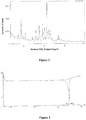
- the XRPD pattern of the crystalline form A of the compound of Formula (I) comprises peaks at diffraction angles (2 ⁇ ) essentially the same as shown in Figure 1 .
- the XRPD pattern of the crystalline form A of the compound of Formula (I) is as shown in Figure 1 .
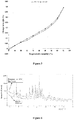
- the endothermic peak in the differential scanning calorimetry (DSC) graph of the crystalline form A of the compound of Formula (I) appears at 173 ⁇ 2°C.
- the DSC graph of the crystalline form A is as shown in Figure 2 .
- the crystalline form A of the compound of Formula (I) starts to decompose at 190 ⁇ 2°C according to the thermogravimetric analysis (TGA) graph.
- the TGA graph of the crystalline form A is as shown in Figure 3 .
- Another aspect of the present invention provides a method for the preparation of the crystalline form A of the compound of Formula (I) as mentioned above, and the method includes, but is not limited to, a slow volatilization method, a suspension stirring method, an permeation method, or a recrystallization method.
- the solvent employed in the method is selected from the group consisting of methanol, ethanol, n-propanol, isopropanol, n-butanol, acetone, butanone, ethyl acetate, butyl acetate, isopropyl acetate, dimethyl carbonate, tetrahydrofuran, dichloromethane, chloroform, methyl tert- butyl ether, acetonitrile, anisole, toluene, diethyl ether, water, isopropyl ether, n-hexane, n-heptane, cyclohexane, and petroleum ether.
- the crystalline form A is prepared by the slow volatilization method, which comprises the following steps: dissolving the compound of Formula (I) in a first suitable solvent to form a clear solution, then allowing it to stand at room temperature, volatilizing and removing the solvent, and collecting the solid to obtain the crystalline form A; wherein the first suitable solvent is one or more of those selected from the group consisting of methanol, ethanol, n-propanol, isopropanol, n-butanol, acetone, butanone, ethyl acetate, butyl acetate, isopropyl acetate, dimethyl carbonate, tetrahydrofuran, dichloromethane, chloroform, methyl tert- butyl ether, acetonitrile, anisole, toluene, and diethyl ether; and the solvent is used in an amount allowing the formation of a clear solution of the compound of Formula (I).
- the weight/volume ratio (mg/ml) of the compound of Formula (I) to the first suitable solvent is 100:1 to 10:1.
- the first suitable solvent is a mixed solvent of solvent A and solvent B, wherein the solvent A is one or more of those selected from the group consisting of acetone, tetrahydrofuran, ethyl acetate, acetonitrile, toluene, dichloromethane, water, and methyl tert- butyl ether; and the solvent B is one or more of those selected from the group consisting of methanol, acetone, tetrahydrofuran, ethyl acetate, acetonitrile, toluene, and dichloromethane; preferably, the volume ratio of the solvent A to the solvent B is 1:2-2:1; and preferably, the volume ratio of the solvent A to the solvent B is 1:1; preferably, the solvent A or the solvent B is used in an amount allowing complete dissolution of the compound of Formula (I).
- the solvent A is one or more of those selected from the group consisting of acetone, tetrahydrofuran, ethy
- the crystalline form A is prepared by the slow volatilization method, which comprises the following steps: dissolving the compound of Formula (I) in solvent A to form a clear solution, adding solvent B to mix, and then allowing it to stand at room temperature, volatilizing and removing the solvent, and collecting the solid to obtain the crystalline form A;
- the solvent A is one or more of those selected from the group consisting of methanol, acetone, tetrahydrofuran, ethyl acetate, acetonitrile, toluene, dichloromethane, water, and methyl tert- butyl ether
- the solvent B is one or more of those selected from the group consisting of methanol, acetone, tetrahydrofuran, ethyl acetate, acetonitrile, toluene, dichloromethane, and water; preferably, the volume ratio of the solvent A to the solvent B is 1:2-2:1; and
- the crystalline form A is prepared by the recrystallization method, which comprises the following steps: heating and stirring the compound of Formula (I) in a second suitable solvent to form a clear solution, slowly cooling it to room temperature followed by filtration, and collecting the solid to obtain the crystalline form A;
- the second suitable solvent is selected from the group consisting of isopropanol, acetonitrile, toluene, and n-propanol; preferably, the weight/volume ratio (g/ml) of the compound of Formula (I) to the solvent is 1:(5-10); alternatively, the second suitable solvent is diethyl ether, and the weight/volume ratio (g/ml) of the compound of Formula (I) to diethyl ether is 1:60.
- the crystalline form A is prepared by the suspension stirring method, which comprises the following steps: dispersing and suspending the compound of Formula (I) or an amorphous form thereof in a third suitable solvent, then stirring the suspension at room temperature or under a high temperature condition, and collecting the solid to obtain the crystalline form A;
- the third suitable solvent is one or more of those selected from the group consisting of ethanol, n-propanol, n-butanol, diethyl ether, isopropyl ether, acetonitrile, toluene, n-hexane, n-heptane, cyclohexane, methyl tert- butyl ether, water and petroleum ether; preferably, the third suitable solvent is used in an amount allowing the solute to suspend therein (the weight/volume ratio (mg/ml) of the solute to the solvent is preferably 150:1 to 10:1); preferably, the high temperature condition is 60°C
- the crystalline form A is prepared by the permeation method, which comprises the following steps: placing the compound of Formula (I) in container A, placing the open container A in container B which contains a suitable amount of a fourth suitable solvent, sealing container B, allowing it to stand at room temperature, and collecting the solid to obtain the crystalline form A;
- the fourth suitable solvent is one or more of those selected from the group consisting of methanol, ethanol, isopropyl acetate, n-hexane, acetonitrile, diethyl ether, methyl tert- butyl ether, and toluene; preferably, the standing time is no less than 8 days.
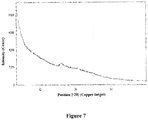
- Another aspect of the present invention provides an amorphous form of the compound of Formula (I), and the XRPD pattern of the amorphous form comprises no significant sharp diffraction peaks.
- the XRPD pattern of the amorphous form is as shown in Figure 4 .
- Another aspect of the present invention provides a method for the preparation of an amorphous form of the compound of Formula (I), and the method comprises the following steps: dissolving the compound of Formula (I) in a fifth suitable solvent to form a clear solution, which is rotary evaporated under reduced pressure to obtain the amorphous form; preferably, the fifth suitable solvent is one or more of those selected from the group consisting of dichloromethane and chloroform; preferably, the water bath temperature is 40-50°C, and more preferably 45°C.
- the compound of Formula (I) of the present invention and an organic or inorganic acid can form a corresponding salt of the compound of Formula (I), including, but not limited to: fumarate, citrate, tartrate, phosphate, maleate, succinate, adipate, sulfate, hydrochloride, carbonate, phosphate, hydrobromide, nitrate, malate, glycolate, mucate, lactate, gentisate, methanesulfonate, camphorsulfonate, benzenesulfonate, p -toluenesulfonate, ethanedisulfonate, naphthalenedisulfonate, hippurate, nicotinate, oxalate, malonate, L-arginine, lysine; wherein the molar ratio of the compound of Formula (I) to the organic acid or inorganic acid is preferably 1:1 or 2:1 or 3:1.
- the compound of Formula (I) of the present invention and an organic base or an inorganic base can form a corresponding salt of the compound of Formula (I).
- the salt formed by the compound of Formula (I) and an inorganic base includes, but is not limited to, ammonium salt, magnesium salt, potassium salt, sodium salt, calcium salt, lithium salt, and the like; alternatively, the organic base is selected from the group consisting of meglumine, benzylamine, betaine, dimethylethanolamine, diethylaminoethanol, tromethamine, diethanolamine, ethylenediamine, imidazole, piperazine, tromethamine, triethylamine, choline, and the like; wherein the molar ratio of the compound of Formula (I) to the organic base or inorganic base is preferably 1:1 or 2:1 or 3:1.
- Another aspect of the present invention provides a pharmaceutical composition
- a pharmaceutical composition comprising the crystalline form A and/or the amorphous form of the compound of Formula (I), and one or more pharmaceutically acceptable carriers or one or more additional therapeutic agents.
- additional therapeutic agent refers to an additional pharmacologically active substance other than the crystalline form A and/or amorphous form of the compound of Formula (I) of the present invention, e.g., an additional antiviral agent which can achieve a synergistic therapeutic effect with the compound of Formula (I).
- Another aspect of the present invention provides a pharmaceutical formulation comprising the crystalline form A and/or the amorphous form of the compound of Formula (I) of the present invention, and one or more pharmaceutically acceptable carriers.
- the "pharmaceutically acceptable carrier” refers to a diluent, auxiliary material, excipient, or vehicle with which a therapeutic is administered, and it is, within the scope of sound medical judgment, suitable for contact with the tissues of human beings and animals without excessive toxicity, irritation, allergic response, or other problem or complication, commensurate with a reasonable benefit/risk ratio.
- the pharmaceutical formulation of the present invention can act systemically and/or topically. To this end, it can be administered through a suitable route, such as through injection, intravenous, intraarterial, subcutaneous, intraperitoneal, intramuscular, or transdermal administration, or administered via oral, buccal, nasal, transmucosal, topical, as an ophthalmic formulation, or via inhalation.
- a suitable route such as through injection, intravenous, intraarterial, subcutaneous, intraperitoneal, intramuscular, or transdermal administration, or administered via oral, buccal, nasal, transmucosal, topical, as an ophthalmic formulation, or via inhalation.
- the formulation of the present invention can be administered in a suitable dosage form.
- the dosage form may be solid, semi-solid, liquid, or gas formulations, including, but not limited to, tablets, capsules, powders, granules, lozenges, hard candies, powders, sprays, creams, salves, suppositories, gels, pastes, lotions, ointments, aqueous suspensions, injectable solutions, suspensions, elixirs, and syrups.
- the pharmaceutical formulation of the present invention may be manufactured by any process well known in the art, e.g., by means of mixing, dissolving, granulating, dragee-making, levigating, emulsifying, lyophilizing processes, or the like.
- the amount or dosage of the compound of the present invention in the pharmaceutical formulation may be about 0.01 mg to about 1000 mg, suitably 0.1-500 mg, preferably 0.5-300 mg, etc.
- Another aspect of the present invention provides use of the crystalline form A and/or the amorphous form of the compound of Formula (I), the pharmaceutical composition of the present invention and/or the pharmaceutical formulation of the present invention in the manufacture of a medicament for preventing or treating a viral disease
- the viral disease includes, but is not limited to, viral hepatitis type A, viral hepatitis type B, viral hepatitis type C, influenza, herpes and acquired immunodeficiency syndrome (AIDS).
- Another aspect of the present invention provides a method for the prevention or treatment of a viral disease, comprising administering to a subject in need thereof an effective amount of the crystalline form A, the amorphous form of the compound of Formula (I) of the present invention, the pharmaceutical composition of the present invention and/or the pharmaceutical formulation of the present invention.
- the viral disease includes, but is not limited to, viral hepatitis type A, viral hepatitis type B, viral hepatitis type C, influenza, herpes and acquired immunodeficiency syndrome (AIDS).
- Another aspect of the present invention provides the crystalline form A and/or the amorphous form of the compound of Formula (I), the pharmaceutical composition of the present invention or the pharmaceutical formulation of the present invention for use in the prevention or treatment of a viral disease.
- the viral disease includes, but is not limited to, viral hepatitis type A, viral hepatitis type B, viral hepatitis type C, influenza, herpes and acquired immunodeficiency syndrome (AIDS).
- the crystalline form of the compound of Formula (I) provided by the present invention not only has an excellent effect in preventing or treating a viral disease, but also exhibits good chemical stability, physical stability, and pharmacokinetic properties.
- the crystalline form of the compound of Formula (I) of the present invention has good solubility, low hygroscopicity, etc., and thus is more advantageous for sufficient dissolution upon administration and preparation of a formulation thereof, and can retain adequate biological activity. Meanwhile, it has good high-temperature resistance, high-humidity resistance and fluidity, is more suitable and convenient for mass production and for forming a formulation, and can maintain the reliability during transportation and storage, thereby effectively ensuring the quality and safety of the drug.
- it further has good photostability, and does not require special packaging treatment to prevent the influence of light, thereby reducing costs. It does not degrade by the influence of light, thereby improving the safety of the drug and sustain the efficacy upon long-term storage.
- X-ray powder diffraction X'Pert3 Powder diffractometer using Cu target radiation was employed, and the detection was performed at room temperature with Absolute scan. The detection range was 3.5° to 40° with a step size of 0.013° and a dwell time of 50s, scan time: 1.
- DSC differential scanning calorimetry
- thermogravimetric analysis (TGA) test was METTLER TOLEDO.
- Both DSC and TGA instruments had a heating rate of 10K/min.
- the experimental conditions for the dynamic vapor sorption (DVS) were as follows: The detection was performed with DVS Intrinsic (SMS) at 25°C in a cycle-DMDT mode.
- SVS DVS Intrinsic
- Example 1 30 mg of the compound of Formula (I) prepared in Example 1 was weighed and dissolved in 0.9 ml of methanol to form a clear solution, and then the solution was allowed to stand at room temperature. The solvent was volatilized and removed, leading to the crystallization. The solid was collected, and the resulting sample was subjected to XRPD detection.
- the XRPD pattern is as shown in Figure 1 , and the relevant data are shown in Table 1, indicating the crystalline form A of the compound of Formula (I) was obtained.
- the resulting sample was subjected to the TGA detection, and the TGA graph is as shown in Figure 3 , indicating the decomposition started at about 190°C.
- the crystalline form A of the compound of Formula (I) was prepared according to a preparation method same as that in Example 2, wherein the methanol in Example 2 was replaced with a solvent in an amount as shown in Table 2 below.
- the resulting sample was subjected to XRPD detection, indicating the resulting product was the same as the crystalline form A obtained in Example 2.
- Table 2 Solvent Ratio (Solute : Solvent) ethanol 30mg/1.0ml n-propanol 30mg/1.5ml isopropanol 30mg/2.0ml n-butanol 3 0mg/2.7ml acetone 30mg/1.0ml butanone 30mg/1.0ml ethyl acetate 30mg/1.0ml isopropyl acetate 30mg/1.0ml butyl acetate 30mg/1.0ml dimethyl carbonate 30mg/1.0ml tetrahydrofuran 30mg/1.0ml dichloromethane 30mg/1.0ml chloroform 30mg/1.0ml acetonitrile 30mg/1.5ml methyl tert- butyl ether 30mg/1.5ml anisole 30mg/1.0ml toluene 30mg/1.5ml diethyl ether 30mg/1.5ml
- Example 2 The compound of Formula (I) prepared in Example 1 was dissolved in solvent A to obtain a solution comprising 30 mg/ml of the compound of Formula (I), followed by addition of solvent B in a volume equal to that of solvent A (the types and volume ratios of solvent A and solvent B are as shown in Table 3). The solution was allowed to stand at room temperature, the solvent was volatilized and removed, leading to the crystallization, and the solid was collected. XRPD detection indicated that the resulting crystalline form was the same as the crystalline form A of Example 2.
- Example 6 Conversion into a crystalline form from a suspension of the amorphous form of the compound of Formula (I)
- Example 2 50 mg of the compound of Formula (I) prepared in Example 1 was weighed, and then 0.5 ml of the solvent (the solvent types and addition ratios are shown in Table 5) was added thereto. The compound was dispersed and suspended, and then the mixture was stirred at room temperature under seal for 72 h followed by filtration. The solid was collected, and XRPD detection indicated that the resulting crystalline form was the same as the crystalline form A of Example 2.
- Table 5 Solvent Ratio (Solute : Solvent) ethanol 50mg/0.5ml n-propanol 50mg/0.5ml n-butanol 50mg/0.5ml n-hexane 50mg/2.0ml n-heptane 50mg/2.0ml cyclohexane 50mg/2.0ml acetonitrile 50mg/0.5ml diethyl ether 50mg/1.0ml methyl tert- butyl ether 50mg/0.5ml isopropyl ether 50mg/1.0ml toluene 50mg/0.5ml water 50mg/2.0ml petroleum ether 50mg/2.0ml
- Example 2 200 mg of the sample of the compound of Formula (I) prepared in Example 1 was weighed, and 4 ml of the solvent (the solvent types and addition ratios are shown in Table 6) was added thereto. The compound was dispersed and suspended, and then the mixture was stirred at 60°C for 8 h followed by filtration. The solid was collected, and XRPD detection indicated that the resulting crystalline form was the same as the crystalline form A of Example 2.
- Example 8 Conversion into a crystalline form from a suspension of the compound of Formula (I)
- Example 7 150 mg of the sample of the compound of Formula (I) prepared in Example 1 was weighed, and a suitable amount of the solvent (the solvent types and addition ratios are shown in Table 7) was added thereto. The compound was dispersed and suspended, and then the mixture was stirred at room temperature under seal for 72 h followed by filtration. The solid was collected, and XRPD detection indicated that the resulting crystalline form was the same as the crystalline form A of Example 2.
- Table 7 Solvent Ratio (Solute : Solvent) n-propanol 150mg/1.2ml n-hexane 150mg/3.0ml cyclohexane 150mg/3.0ml n-heptane 150mg/3.0ml acetonitrile 150mg/1.2ml methyl tert- butyl ether 150mg/1.2ml isopropyl ether 150mg/3.0ml toluene 150mg/1.2ml water 150mg/3.0ml petroleum ether 150mg/3.0ml diethyl ether 150mg/1.2ml n-butanol 150mg/1.7ml isopropanol 150mg/1.8ml ethanol 150mg/2.0ml
- Example 2 30 mg of the sample of the compound of Formula (I) prepared in Example 1 was weighed and placed in a penicillin bottle, and the open penicillin bottle was placed in a 50 ml beaker containing a suitable amount of the solvent (the types and amounts of the solvents are shown in Table 8). The beaker was sealed and allowed to stand at room temperature for about 8 days. The solid was collected, and XRPD detection indicated that the resulting crystalline form was the same as the crystalline form A of Example 2.
- a sample of the crystalline form A of the compound of Formula (I) was allowed to stand at room temperature, and samples were taken on Day 5 and 15 for XRPD detection.
- Test results XRPD detection results showed that after standing at room temperature for 15 days, the crystalline form was the same as that in Example 2, and the crystalline form A did not change.
- a sample of the crystalline form A of the compound of Formula (I) was allowed to stand under vacuum at 60°C, and samples were taken on Day 2, 5 and 7, respectively, for XRPD detection.
- Test results XRPD detection results showed that after standing under vacuum at 60°C for 7 days, the crystalline form was the same as that in Example 2, and the crystalline form A did not change (an XRPD pattern comparison of the crystalline form A after standing at 60°C for 0 day and 7 days is as shown in Figure 6 ).
- a sample of the crystalline form A of the compound of Formula (I) was ground at a constant speed in a mortar, and samples were taken after the grinding was performed for 2 and 5 minutes, respectively, for XRPD detection.
- Test results XRPD detection results showed that after being ground for 5 minutes, the crystalline form was the same as that in Example 2, and the crystalline form A did not change.
- the hygroscopicity of a sample of the crystalline form A of the compound of Formula (I) was measured through dynamic vapor sorption (DVS): the hygroscopicity thereof was measured at 25°C, 10% humidity gradient in the range of 0%-90%-0%.
- the DVS graph is as shown in Figure 5 , and the results showed that the weight increase by hygroscopy of the sample was 0.28% under the condition of 80% humidity.
- a substance having a weight increase by hygroscopy within the range of 0.2%-2% belongs to "slightly hygroscopic" substances.
- test sample for intravenous administration the sample of Example 5 (the solvent used in the crystal preparation was isopropanol) was taken and dissolved in 5% DMSO+5% Solutol (HS 15)+90% normal saline, to obtain the test sample solution for intravenous administration;
- Example 5 the solvent used in the crystal preparation was isopropanol
- MC 0.5% methyl cellulose
- HS15 Solutol
- 12 SD rats were randomly divided into two groups, groups A and B (6 rats per group, half male and half female).
- the rats in Group A were each given a single intravenous injection of the sample drug; the rats in Group B were each given the sample drug through intragastric administration, and the dosages are both 3mg/kg.
- the blood sampling time points for the intravenous and intragastric administration were before administration and 0.083, 0.25, 0.5, 1.0, 2.0, 4.0, 6.0, 8.0, 10, and 24h after administration.
- the pharmacokinetic parameters were calculated according to the blood drug concentration, and the results are shown in Table 10.
- Formulation of the test sample a required amount of a sample of the crystalline form A of Example 5 (the solvent used in the crystal preparation was isopropanol) was weighed and added to a mortar, polyethylene glycol-15 hydroxystearate (HS15) in an amount of 2.5% of the total volume was added, and the sample was evenly ground.
- the mortar was washed with a 0.5% methyl cellulose (MC) solution with grinding, until there was no visible residue.
- the mixture was transferred to a calibrated container, and then diluted with a 0.5% methyl cellulose solution to the volume. The solution was stirred uniformly with a magnetic stirrer to obtain a suspension, which was used as the test sample.
- test results showed that the single dose of the crystalline form A of the compound of Formula (I) was well tolerated by the Beagle dogs, and no abnormalities were observed after 14 days of administration.
- Test solvents methanol, acetonitrile, ethanol, isopropanol, a 0.1 mol/L aqueous solution of hydrochloric acid and a 0.1 mol/L aqueous solution of sodium hydroxide.
- Test method the investigation was conducted according to Item 15(2) of the General Notices in Volume IV of the Chinese Pharmacopoeia (2015 editi on). An appropriate amount of a sample of the crystalline form A prepared in Example 5 (the solvent used in the crystal preparation was isopropanol) was weighed and added to a certain volume of the solvent at 25 ⁇ 2°C. The mixture was shaken strongly for 30 seconds at an interval of 5 minutes. The solubility behavior was observed for 30 minutes. It was considered to be completely soluble if none of the particles of the solute was observed.
- test results the sample of the crystalline form A was soluble in methanol, acetonitrile and ethanol, slightly soluble in isopropanol, and sparingly soluble in a 0.1 mol/L aqueous solution of hydrochloric acid and a 0.1 mol/L aqueous solution of sodium hydroxide
- the logP value of a sample of the crystalline form A prepared in Example 5 was measured with the Sirius T3 instrument for physical and chemical profile determination.
- the Sirius logP test method pH-metric medium logP
- the Sirius logP test method was employed, wherein the pH-metric medium logP determination mode was selected, and the titration order was from low to high pH.
Landscapes
- Health & Medical Sciences (AREA)
- Life Sciences & Earth Sciences (AREA)
- Virology (AREA)
- Chemical & Material Sciences (AREA)
- Organic Chemistry (AREA)
- Medicinal Chemistry (AREA)
- Veterinary Medicine (AREA)
- Public Health (AREA)
- General Health & Medical Sciences (AREA)
- Animal Behavior & Ethology (AREA)
- Pharmacology & Pharmacy (AREA)
- Communicable Diseases (AREA)
- General Chemical & Material Sciences (AREA)
- Chemical Kinetics & Catalysis (AREA)
- Oncology (AREA)
- Molecular Biology (AREA)
- Nuclear Medicine, Radiotherapy & Molecular Imaging (AREA)
- Engineering & Computer Science (AREA)
- Biotechnology (AREA)
- AIDS & HIV (AREA)
- Tropical Medicine & Parasitology (AREA)
- Pulmonology (AREA)
- Epidemiology (AREA)
- Pharmaceuticals Containing Other Organic And Inorganic Compounds (AREA)
- Plural Heterocyclic Compounds (AREA)
Applications Claiming Priority (2)
| Application Number | Priority Date | Filing Date | Title |
|---|---|---|---|
| CN201810468685.0A CN108329308B (zh) | 2018-05-16 | 2018-05-16 | 一种二氢嘧啶类化合物的固体形式及其制备方法 |
| PCT/CN2019/085641 WO2019218883A1 (fr) | 2018-05-16 | 2019-05-06 | Forme solide d'un composé de dihydropyrimidine, son procédé de préparation et son utilisation |
Publications (3)
| Publication Number | Publication Date |
|---|---|
| EP3766880A1 true EP3766880A1 (fr) | 2021-01-20 |
| EP3766880A4 EP3766880A4 (fr) | 2021-08-11 |
| EP3766880B1 EP3766880B1 (fr) | 2023-07-26 |
Family
ID=62935202
Family Applications (1)
| Application Number | Title | Priority Date | Filing Date |
|---|---|---|---|
| EP19804104.8A Active EP3766880B1 (fr) | 2018-05-16 | 2019-05-06 | Forme solide d'un composé de dihydropyrimidine, son procédé de préparation et son utilisation |
Country Status (6)
| Country | Link |
|---|---|
| US (1) | US11434235B2 (fr) |
| EP (1) | EP3766880B1 (fr) |
| JP (1) | JP2021523880A (fr) |
| KR (1) | KR20210008829A (fr) |
| CN (2) | CN108329308B (fr) |
| WO (1) | WO2019218883A1 (fr) |
Families Citing this family (3)
| Publication number | Priority date | Publication date | Assignee | Title |
|---|---|---|---|---|
| WO2018090862A1 (fr) * | 2016-11-18 | 2018-05-24 | 四川科伦博泰生物医药股份有限公司 | Composé de dihydropyrimidine, son procédé de préparation et son utilisation |
| US11166954B2 (en) | 2016-11-18 | 2021-11-09 | Sichuan Kelun-Biotech Biopharmaceutical Co., Ltd. | Dihydropyrimidine compound and preparation method and use thereof |
| CN108329308B (zh) | 2018-05-16 | 2022-11-01 | 四川科伦博泰生物医药股份有限公司 | 一种二氢嘧啶类化合物的固体形式及其制备方法 |
Family Cites Families (6)
| Publication number | Priority date | Publication date | Assignee | Title |
|---|---|---|---|---|
| WO2015074546A1 (fr) | 2013-11-19 | 2015-05-28 | Sunshine Lake Pharma Co., Ltd. | Composés dihydropyrimidine et leur application dans des produits pharmaceutiques |
| KR102284938B1 (ko) | 2013-11-27 | 2021-08-02 | 선샤인 레이크 파르마 컴퍼니 리미티드 | 다이하이드로피리미딘 유도체 및 이의 중간산물의 제조 방법 |
| CN104945395B (zh) * | 2014-03-28 | 2018-01-23 | 广东东阳光药业有限公司 | 二氢嘧啶类化合物及其在药物中的应用 |
| CN107400125B (zh) * | 2016-05-19 | 2020-02-11 | 广东东阳光药业有限公司 | 二氢嘧啶衍生物的晶型、盐和复合物及其在药物中的应用 |
| WO2018090862A1 (fr) * | 2016-11-18 | 2018-05-24 | 四川科伦博泰生物医药股份有限公司 | Composé de dihydropyrimidine, son procédé de préparation et son utilisation |
| CN108329308B (zh) * | 2018-05-16 | 2022-11-01 | 四川科伦博泰生物医药股份有限公司 | 一种二氢嘧啶类化合物的固体形式及其制备方法 |
-
2018
- 2018-05-16 CN CN201810468685.0A patent/CN108329308B/zh active Active
-
2019
- 2019-05-06 US US16/981,430 patent/US11434235B2/en active Active
- 2019-05-06 CN CN201980019631.9A patent/CN111868057B/zh active Active
- 2019-05-06 WO PCT/CN2019/085641 patent/WO2019218883A1/fr not_active Ceased
- 2019-05-06 KR KR1020207026739A patent/KR20210008829A/ko not_active Ceased
- 2019-05-06 EP EP19804104.8A patent/EP3766880B1/fr active Active
- 2019-05-06 JP JP2020549786A patent/JP2021523880A/ja active Pending
Also Published As
| Publication number | Publication date |
|---|---|
| US20210024514A1 (en) | 2021-01-28 |
| JP2021523880A (ja) | 2021-09-09 |
| CN111868057A (zh) | 2020-10-30 |
| CN108329308A (zh) | 2018-07-27 |
| CN111868057B (zh) | 2024-03-05 |
| EP3766880B1 (fr) | 2023-07-26 |
| WO2019218883A1 (fr) | 2019-11-21 |
| EP3766880A4 (fr) | 2021-08-11 |
| CN108329308B (zh) | 2022-11-01 |
| KR20210008829A (ko) | 2021-01-25 |
| US11434235B2 (en) | 2022-09-06 |
Similar Documents
| Publication | Publication Date | Title |
|---|---|---|
| US10662198B2 (en) | Polymorphic form of compound, preparation method and use thereof | |
| ES2562843T3 (es) | Forma IV de clorhidrato de ivabradina | |
| JP6969848B2 (ja) | プリナブリン組成物 | |
| TWI721947B (zh) | 抗病毒化合物的固態形式 | |
| EP3766880B1 (fr) | Forme solide d'un composé de dihydropyrimidine, son procédé de préparation et son utilisation | |
| WO2018197653A9 (fr) | Polymorphes, formes solides de (s)-2-((2-((s)-4-(difluorométhyl)-2-oxooxazolidin-3-yl)-5,6-dihydrobenzo[f]imidazo[1,2-d][1,4]oxazépin-9-yl)amino)propanamide, et procédés de production | |
| EP3652148A1 (fr) | Forme polymorphe de trifénatate de vilantérol et procédés de préparation de celle-ci | |
| EP3565819B1 (fr) | Nouvelles formes solides de [(1s)-1-[(2s,4r,5r)-5-(5-amino-2-oxo-thiazolo[4,5-d]pyrimidin-3-yl)-4-hydroxy-tétrahydrofuran-2-yl]propyl]acétate | |
| EP2710009B1 (fr) | Nouvelles formes de sels de chlorhydrate d'asénapine cristallins | |
| US8664262B2 (en) | Crystalline forms of the mono-sodium salt of D-isoglutamyl-D-tryptophan | |
| WO2021098850A1 (fr) | Forme cristalline d'un inhibiteur de nucléoprotéine et son utilisation | |
| EP3808752A1 (fr) | Composé d'ester de phosphonamide, sel de celui-ci, forme cristalline associée de celui-ci, son procédé de préparation et son utilisation | |
| EP4177257B1 (fr) | Succinate de composé octahydrothiénoquinoline et cristaux de celui-ci | |
| WO2006128389A1 (fr) | Derives de purine | |
| CN111821309B (zh) | 一种具有改良溶出速度的达芦那韦组合物 | |
| US20220089563A1 (en) | Polymorphs of an ssao inhibitor | |
| HK40038962B (zh) | 一种二氢嘧啶类化合物的固体形式及其制备方法和用途 | |
| HK40038962A (en) | Solid form of dihydropyrimidine compound and preparation method therefor and use thereof | |
| CN105308043B (zh) | 丙型肝炎药物的晶型及其制备方法、其药物组合物和用途 | |
| WO2026046946A1 (fr) | Nouvelles formes solides de (3r)-n-[2-cyano-4-fluoro-3-(3-méthyl-4-oxo-quinazolin-6-yl)oxy-phényl]-3-fluoro-pyrrolidine-1-sulfonamide | |
| JP5589097B2 (ja) | ダサチニブ多結晶体、並びにその調製方法及び薬物組成物 | |
| CN121487928A (zh) | (3r)-n-[2-氰基-4-氟-3-(3-甲基-4-氧代-喹唑啉-6-基)氧基-苯基]-3-氟-吡咯烷-1-磺酰胺的新固体形式 | |
| HK40031882A (en) | Solid forms of an antiviral compound | |
| CN117561248A (zh) | 伊沃替尼和其盐的晶型及其制备方法和用途 | |
| HK1237346A1 (en) | Solid forms of an antiviral compound |
Legal Events
| Date | Code | Title | Description |
|---|---|---|---|
| STAA | Information on the status of an ep patent application or granted ep patent |
Free format text: STATUS: THE INTERNATIONAL PUBLICATION HAS BEEN MADE |
|
| PUAI | Public reference made under article 153(3) epc to a published international application that has entered the european phase |
Free format text: ORIGINAL CODE: 0009012 |
|
| STAA | Information on the status of an ep patent application or granted ep patent |
Free format text: STATUS: REQUEST FOR EXAMINATION WAS MADE |
|
| 17P | Request for examination filed |
Effective date: 20201016 |
|
| AK | Designated contracting states |
Kind code of ref document: A1 Designated state(s): AL AT BE BG CH CY CZ DE DK EE ES FI FR GB GR HR HU IE IS IT LI LT LU LV MC MK MT NL NO PL PT RO RS SE SI SK SM TR |
|
| AX | Request for extension of the european patent |
Extension state: BA ME |
|
| A4 | Supplementary search report drawn up and despatched |
Effective date: 20210709 |
|
| RIC1 | Information provided on ipc code assigned before grant |
Ipc: C07D 417/14 20060101AFI20210705BHEP Ipc: A61K 31/5377 20060101ALI20210705BHEP Ipc: A61P 31/14 20060101ALI20210705BHEP Ipc: A61P 31/20 20060101ALI20210705BHEP Ipc: A61P 31/16 20060101ALI20210705BHEP Ipc: A61P 31/18 20060101ALI20210705BHEP Ipc: A61P 31/22 20060101ALI20210705BHEP Ipc: A61P 31/00 20060101ALI20210705BHEP |
|
| DAV | Request for validation of the european patent (deleted) | ||
| DAX | Request for extension of the european patent (deleted) | ||
| STAA | Information on the status of an ep patent application or granted ep patent |
Free format text: STATUS: EXAMINATION IS IN PROGRESS |
|
| 17Q | First examination report despatched |
Effective date: 20220223 |
|
| GRAP | Despatch of communication of intention to grant a patent |
Free format text: ORIGINAL CODE: EPIDOSNIGR1 |
|
| STAA | Information on the status of an ep patent application or granted ep patent |
Free format text: STATUS: GRANT OF PATENT IS INTENDED |
|
| INTG | Intention to grant announced |
Effective date: 20230301 |
|
| P01 | Opt-out of the competence of the unified patent court (upc) registered |
Effective date: 20230502 |
|
| GRAS | Grant fee paid |
Free format text: ORIGINAL CODE: EPIDOSNIGR3 |
|
| GRAA | (expected) grant |
Free format text: ORIGINAL CODE: 0009210 |
|
| STAA | Information on the status of an ep patent application or granted ep patent |
Free format text: STATUS: THE PATENT HAS BEEN GRANTED |
|
| AK | Designated contracting states |
Kind code of ref document: B1 Designated state(s): AL AT BE BG CH CY CZ DE DK EE ES FI FR GB GR HR HU IE IS IT LI LT LU LV MC MK MT NL NO PL PT RO RS SE SI SK SM TR |
|
| REG | Reference to a national code |
Ref country code: CH Ref legal event code: EP |
|
| REG | Reference to a national code |
Ref country code: IE Ref legal event code: FG4D |
|
| REG | Reference to a national code |
Ref country code: DE Ref legal event code: R096 Ref document number: 602019033682 Country of ref document: DE |
|
| REG | Reference to a national code |
Ref country code: LT Ref legal event code: MG9D |
|
| REG | Reference to a national code |
Ref country code: NL Ref legal event code: MP Effective date: 20230726 |
|
| REG | Reference to a national code |
Ref country code: AT Ref legal event code: MK05 Ref document number: 1591837 Country of ref document: AT Kind code of ref document: T Effective date: 20230726 |
|
| PG25 | Lapsed in a contracting state [announced via postgrant information from national office to epo] |
Ref country code: NL Free format text: LAPSE BECAUSE OF FAILURE TO SUBMIT A TRANSLATION OF THE DESCRIPTION OR TO PAY THE FEE WITHIN THE PRESCRIBED TIME-LIMIT Effective date: 20230726 |
|
| PG25 | Lapsed in a contracting state [announced via postgrant information from national office to epo] |
Ref country code: GR Free format text: LAPSE BECAUSE OF FAILURE TO SUBMIT A TRANSLATION OF THE DESCRIPTION OR TO PAY THE FEE WITHIN THE PRESCRIBED TIME-LIMIT Effective date: 20231027 |
|
| PG25 | Lapsed in a contracting state [announced via postgrant information from national office to epo] |
Ref country code: IS Free format text: LAPSE BECAUSE OF FAILURE TO SUBMIT A TRANSLATION OF THE DESCRIPTION OR TO PAY THE FEE WITHIN THE PRESCRIBED TIME-LIMIT Effective date: 20231126 |
|
| PG25 | Lapsed in a contracting state [announced via postgrant information from national office to epo] |
Ref country code: SE Free format text: LAPSE BECAUSE OF FAILURE TO SUBMIT A TRANSLATION OF THE DESCRIPTION OR TO PAY THE FEE WITHIN THE PRESCRIBED TIME-LIMIT Effective date: 20230726 Ref country code: RS Free format text: LAPSE BECAUSE OF FAILURE TO SUBMIT A TRANSLATION OF THE DESCRIPTION OR TO PAY THE FEE WITHIN THE PRESCRIBED TIME-LIMIT Effective date: 20230726 Ref country code: PT Free format text: LAPSE BECAUSE OF FAILURE TO SUBMIT A TRANSLATION OF THE DESCRIPTION OR TO PAY THE FEE WITHIN THE PRESCRIBED TIME-LIMIT Effective date: 20231127 Ref country code: NO Free format text: LAPSE BECAUSE OF FAILURE TO SUBMIT A TRANSLATION OF THE DESCRIPTION OR TO PAY THE FEE WITHIN THE PRESCRIBED TIME-LIMIT Effective date: 20231026 Ref country code: LV Free format text: LAPSE BECAUSE OF FAILURE TO SUBMIT A TRANSLATION OF THE DESCRIPTION OR TO PAY THE FEE WITHIN THE PRESCRIBED TIME-LIMIT Effective date: 20230726 Ref country code: LT Free format text: LAPSE BECAUSE OF FAILURE TO SUBMIT A TRANSLATION OF THE DESCRIPTION OR TO PAY THE FEE WITHIN THE PRESCRIBED TIME-LIMIT Effective date: 20230726 Ref country code: IS Free format text: LAPSE BECAUSE OF FAILURE TO SUBMIT A TRANSLATION OF THE DESCRIPTION OR TO PAY THE FEE WITHIN THE PRESCRIBED TIME-LIMIT Effective date: 20231126 Ref country code: HR Free format text: LAPSE BECAUSE OF FAILURE TO SUBMIT A TRANSLATION OF THE DESCRIPTION OR TO PAY THE FEE WITHIN THE PRESCRIBED TIME-LIMIT Effective date: 20230726 Ref country code: GR Free format text: LAPSE BECAUSE OF FAILURE TO SUBMIT A TRANSLATION OF THE DESCRIPTION OR TO PAY THE FEE WITHIN THE PRESCRIBED TIME-LIMIT Effective date: 20231027 Ref country code: FI Free format text: LAPSE BECAUSE OF FAILURE TO SUBMIT A TRANSLATION OF THE DESCRIPTION OR TO PAY THE FEE WITHIN THE PRESCRIBED TIME-LIMIT Effective date: 20230726 Ref country code: AT Free format text: LAPSE BECAUSE OF FAILURE TO SUBMIT A TRANSLATION OF THE DESCRIPTION OR TO PAY THE FEE WITHIN THE PRESCRIBED TIME-LIMIT Effective date: 20230726 |
|
| PG25 | Lapsed in a contracting state [announced via postgrant information from national office to epo] |
Ref country code: PL Free format text: LAPSE BECAUSE OF FAILURE TO SUBMIT A TRANSLATION OF THE DESCRIPTION OR TO PAY THE FEE WITHIN THE PRESCRIBED TIME-LIMIT Effective date: 20230726 |
|
| PG25 | Lapsed in a contracting state [announced via postgrant information from national office to epo] |
Ref country code: ES Free format text: LAPSE BECAUSE OF FAILURE TO SUBMIT A TRANSLATION OF THE DESCRIPTION OR TO PAY THE FEE WITHIN THE PRESCRIBED TIME-LIMIT Effective date: 20230726 |
|
| REG | Reference to a national code |
Ref country code: DE Ref legal event code: R097 Ref document number: 602019033682 Country of ref document: DE |
|
| PG25 | Lapsed in a contracting state [announced via postgrant information from national office to epo] |
Ref country code: SM Free format text: LAPSE BECAUSE OF FAILURE TO SUBMIT A TRANSLATION OF THE DESCRIPTION OR TO PAY THE FEE WITHIN THE PRESCRIBED TIME-LIMIT Effective date: 20230726 Ref country code: RO Free format text: LAPSE BECAUSE OF FAILURE TO SUBMIT A TRANSLATION OF THE DESCRIPTION OR TO PAY THE FEE WITHIN THE PRESCRIBED TIME-LIMIT Effective date: 20230726 Ref country code: ES Free format text: LAPSE BECAUSE OF FAILURE TO SUBMIT A TRANSLATION OF THE DESCRIPTION OR TO PAY THE FEE WITHIN THE PRESCRIBED TIME-LIMIT Effective date: 20230726 Ref country code: EE Free format text: LAPSE BECAUSE OF FAILURE TO SUBMIT A TRANSLATION OF THE DESCRIPTION OR TO PAY THE FEE WITHIN THE PRESCRIBED TIME-LIMIT Effective date: 20230726 Ref country code: DK Free format text: LAPSE BECAUSE OF FAILURE TO SUBMIT A TRANSLATION OF THE DESCRIPTION OR TO PAY THE FEE WITHIN THE PRESCRIBED TIME-LIMIT Effective date: 20230726 Ref country code: CZ Free format text: LAPSE BECAUSE OF FAILURE TO SUBMIT A TRANSLATION OF THE DESCRIPTION OR TO PAY THE FEE WITHIN THE PRESCRIBED TIME-LIMIT Effective date: 20230726 Ref country code: SK Free format text: LAPSE BECAUSE OF FAILURE TO SUBMIT A TRANSLATION OF THE DESCRIPTION OR TO PAY THE FEE WITHIN THE PRESCRIBED TIME-LIMIT Effective date: 20230726 |
|
| PG25 | Lapsed in a contracting state [announced via postgrant information from national office to epo] |
Ref country code: IT Free format text: LAPSE BECAUSE OF FAILURE TO SUBMIT A TRANSLATION OF THE DESCRIPTION OR TO PAY THE FEE WITHIN THE PRESCRIBED TIME-LIMIT Effective date: 20230726 |
|
| PLBE | No opposition filed within time limit |
Free format text: ORIGINAL CODE: 0009261 |
|
| STAA | Information on the status of an ep patent application or granted ep patent |
Free format text: STATUS: NO OPPOSITION FILED WITHIN TIME LIMIT |
|
| 26N | No opposition filed |
Effective date: 20240429 |
|
| PG25 | Lapsed in a contracting state [announced via postgrant information from national office to epo] |
Ref country code: SI Free format text: LAPSE BECAUSE OF FAILURE TO SUBMIT A TRANSLATION OF THE DESCRIPTION OR TO PAY THE FEE WITHIN THE PRESCRIBED TIME-LIMIT Effective date: 20230726 |
|
| PG25 | Lapsed in a contracting state [announced via postgrant information from national office to epo] |
Ref country code: BG Free format text: LAPSE BECAUSE OF FAILURE TO SUBMIT A TRANSLATION OF THE DESCRIPTION OR TO PAY THE FEE WITHIN THE PRESCRIBED TIME-LIMIT Effective date: 20230726 |
|
| PG25 | Lapsed in a contracting state [announced via postgrant information from national office to epo] |
Ref country code: BG Free format text: LAPSE BECAUSE OF FAILURE TO SUBMIT A TRANSLATION OF THE DESCRIPTION OR TO PAY THE FEE WITHIN THE PRESCRIBED TIME-LIMIT Effective date: 20230726 |
|
| REG | Reference to a national code |
Ref country code: CH Ref legal event code: PL |
|
| PG25 | Lapsed in a contracting state [announced via postgrant information from national office to epo] |
Ref country code: MC Free format text: LAPSE BECAUSE OF FAILURE TO SUBMIT A TRANSLATION OF THE DESCRIPTION OR TO PAY THE FEE WITHIN THE PRESCRIBED TIME-LIMIT Effective date: 20230726 |
|
| PG25 | Lapsed in a contracting state [announced via postgrant information from national office to epo] |
Ref country code: LU Free format text: LAPSE BECAUSE OF NON-PAYMENT OF DUE FEES Effective date: 20240506 |
|
| PG25 | Lapsed in a contracting state [announced via postgrant information from national office to epo] |
Ref country code: MC Free format text: LAPSE BECAUSE OF FAILURE TO SUBMIT A TRANSLATION OF THE DESCRIPTION OR TO PAY THE FEE WITHIN THE PRESCRIBED TIME-LIMIT Effective date: 20230726 Ref country code: LU Free format text: LAPSE BECAUSE OF NON-PAYMENT OF DUE FEES Effective date: 20240506 Ref country code: CH Free format text: LAPSE BECAUSE OF NON-PAYMENT OF DUE FEES Effective date: 20240531 |
|
| REG | Reference to a national code |
Ref country code: BE Ref legal event code: MM Effective date: 20240531 |
|
| PG25 | Lapsed in a contracting state [announced via postgrant information from national office to epo] |
Ref country code: IE Free format text: LAPSE BECAUSE OF NON-PAYMENT OF DUE FEES Effective date: 20240506 |
|
| PG25 | Lapsed in a contracting state [announced via postgrant information from national office to epo] |
Ref country code: BE Free format text: LAPSE BECAUSE OF NON-PAYMENT OF DUE FEES Effective date: 20240531 |
|
| PGFP | Annual fee paid to national office [announced via postgrant information from national office to epo] |
Ref country code: DE Payment date: 20250519 Year of fee payment: 7 |
|
| PG25 | Lapsed in a contracting state [announced via postgrant information from national office to epo] |
Ref country code: CY Free format text: LAPSE BECAUSE OF FAILURE TO SUBMIT A TRANSLATION OF THE DESCRIPTION OR TO PAY THE FEE WITHIN THE PRESCRIBED TIME-LIMIT; INVALID AB INITIO Effective date: 20190506 |
|
| PG25 | Lapsed in a contracting state [announced via postgrant information from national office to epo] |
Ref country code: HU Free format text: LAPSE BECAUSE OF FAILURE TO SUBMIT A TRANSLATION OF THE DESCRIPTION OR TO PAY THE FEE WITHIN THE PRESCRIBED TIME-LIMIT; INVALID AB INITIO Effective date: 20190506 |
|
| PGFP | Annual fee paid to national office [announced via postgrant information from national office to epo] |
Ref country code: GB Payment date: 20260323 Year of fee payment: 8 |
|
| PGFP | Annual fee paid to national office [announced via postgrant information from national office to epo] |
Ref country code: FR Payment date: 20260317 Year of fee payment: 8 |