EP3778651A1 - Auf bcma abzielender chimärer antigenrezeptor sowie verfahren zu seiner herstellung und anwendung davon - Google Patents
Auf bcma abzielender chimärer antigenrezeptor sowie verfahren zu seiner herstellung und anwendung davon Download PDFInfo
- Publication number
- EP3778651A1 EP3778651A1 EP19784803.9A EP19784803A EP3778651A1 EP 3778651 A1 EP3778651 A1 EP 3778651A1 EP 19784803 A EP19784803 A EP 19784803A EP 3778651 A1 EP3778651 A1 EP 3778651A1
- Authority
- EP
- European Patent Office
- Prior art keywords
- bcma
- cells
- cell
- car
- chimeric antigen
- Prior art date
- Legal status (The legal status is an assumption and is not a legal conclusion. Google has not performed a legal analysis and makes no representation as to the accuracy of the status listed.)
- Pending
Links
Images



Classifications
-
- C—CHEMISTRY; METALLURGY
- C07—ORGANIC CHEMISTRY
- C07K—PEPTIDES
- C07K14/00—Peptides having more than 20 amino acids; Gastrins; Somatostatins; Melanotropins; Derivatives thereof
- C07K14/435—Peptides having more than 20 amino acids; Gastrins; Somatostatins; Melanotropins; Derivatives thereof from animals; from humans
- C07K14/705—Receptors; Cell surface antigens; Cell surface determinants
- C07K14/70503—Immunoglobulin superfamily
- C07K14/7051—T-cell receptor (TcR)-CD3 complex
-
- C—CHEMISTRY; METALLURGY
- C07—ORGANIC CHEMISTRY
- C07K—PEPTIDES
- C07K16/00—Immunoglobulins [IG], e.g. monoclonal or polyclonal antibodies
- C07K16/18—Immunoglobulins [IG], e.g. monoclonal or polyclonal antibodies against material from animals or humans
- C07K16/28—Immunoglobulins [IG], e.g. monoclonal or polyclonal antibodies against material from animals or humans against receptors, cell surface antigens or cell surface determinants
- C07K16/2878—Immunoglobulins [IG], e.g. monoclonal or polyclonal antibodies against material from animals or humans against receptors, cell surface antigens or cell surface determinants against the NGF-receptor/TNF-receptor superfamily, e.g. CD27, CD30, CD40, CD95
-
- A—HUMAN NECESSITIES
- A61—MEDICAL OR VETERINARY SCIENCE; HYGIENE
- A61K—PREPARATIONS FOR MEDICAL, DENTAL OR TOILETRY PURPOSES
- A61K35/00—Medicinal preparations containing materials or reaction products thereof with undetermined constitution
- A61K35/12—Materials from mammals; Compositions comprising non-specified tissues or cells; Compositions comprising non-embryonic stem cells; Genetically modified cells
- A61K35/14—Blood; Artificial blood
- A61K35/17—Lymphocytes; B-cells; T-cells; Natural killer cells; Interferon-activated or cytokine-activated lymphocytes
-
- A—HUMAN NECESSITIES
- A61—MEDICAL OR VETERINARY SCIENCE; HYGIENE
- A61K—PREPARATIONS FOR MEDICAL, DENTAL OR TOILETRY PURPOSES
- A61K40/00—Cellular immunotherapy
- A61K40/10—Cellular immunotherapy characterised by the cell type used
- A61K40/11—T-cells, e.g. tumour infiltrating lymphocytes [TIL] or regulatory T [Treg] cells; Lymphokine-activated killer [LAK] cells
-
- A—HUMAN NECESSITIES
- A61—MEDICAL OR VETERINARY SCIENCE; HYGIENE
- A61K—PREPARATIONS FOR MEDICAL, DENTAL OR TOILETRY PURPOSES
- A61K40/00—Cellular immunotherapy
- A61K40/30—Cellular immunotherapy characterised by the recombinant expression of specific molecules in the cells of the immune system
- A61K40/31—Chimeric antigen receptors [CAR]
-
- A—HUMAN NECESSITIES
- A61—MEDICAL OR VETERINARY SCIENCE; HYGIENE
- A61K—PREPARATIONS FOR MEDICAL, DENTAL OR TOILETRY PURPOSES
- A61K40/00—Cellular immunotherapy
- A61K40/40—Cellular immunotherapy characterised by antigens that are targeted or presented by cells of the immune system
- A61K40/41—Vertebrate antigens
- A61K40/42—Cancer antigens
- A61K40/4202—Receptors, cell surface antigens or cell surface determinants
- A61K40/4214—Receptors for cytokines
- A61K40/4215—Receptors for tumor necrosis factors [TNF], e.g. lymphotoxin receptor [LTR], CD30
-
- A—HUMAN NECESSITIES
- A61—MEDICAL OR VETERINARY SCIENCE; HYGIENE
- A61P—SPECIFIC THERAPEUTIC ACTIVITY OF CHEMICAL COMPOUNDS OR MEDICINAL PREPARATIONS
- A61P35/00—Antineoplastic agents
-
- A—HUMAN NECESSITIES
- A61—MEDICAL OR VETERINARY SCIENCE; HYGIENE
- A61P—SPECIFIC THERAPEUTIC ACTIVITY OF CHEMICAL COMPOUNDS OR MEDICINAL PREPARATIONS
- A61P35/00—Antineoplastic agents
- A61P35/02—Antineoplastic agents specific for leukemia
-
- C—CHEMISTRY; METALLURGY
- C07—ORGANIC CHEMISTRY
- C07K—PEPTIDES
- C07K19/00—Hybrid peptides, i.e. peptides covalently bound to nucleic acids, or non-covalently bound protein-protein complexes
-
- C—CHEMISTRY; METALLURGY
- C12—BIOCHEMISTRY; BEER; SPIRITS; WINE; VINEGAR; MICROBIOLOGY; ENZYMOLOGY; MUTATION OR GENETIC ENGINEERING
- C12N—MICROORGANISMS OR ENZYMES; COMPOSITIONS THEREOF; PROPAGATING, PRESERVING, OR MAINTAINING MICROORGANISMS; MUTATION OR GENETIC ENGINEERING; CULTURE MEDIA
- C12N15/00—Mutation or genetic engineering; DNA or RNA concerning genetic engineering, vectors, e.g. plasmids, or their isolation, preparation or purification; Use of hosts therefor
- C12N15/09—Recombinant DNA-technology
- C12N15/11—DNA or RNA fragments; Modified forms thereof; Non-coding nucleic acids having a biological activity
- C12N15/62—DNA sequences coding for fusion proteins
-
- C—CHEMISTRY; METALLURGY
- C12—BIOCHEMISTRY; BEER; SPIRITS; WINE; VINEGAR; MICROBIOLOGY; ENZYMOLOGY; MUTATION OR GENETIC ENGINEERING
- C12N—MICROORGANISMS OR ENZYMES; COMPOSITIONS THEREOF; PROPAGATING, PRESERVING, OR MAINTAINING MICROORGANISMS; MUTATION OR GENETIC ENGINEERING; CULTURE MEDIA
- C12N15/00—Mutation or genetic engineering; DNA or RNA concerning genetic engineering, vectors, e.g. plasmids, or their isolation, preparation or purification; Use of hosts therefor
- C12N15/09—Recombinant DNA-technology
- C12N15/63—Introduction of foreign genetic material using vectors; Vectors; Use of hosts therefor; Regulation of expression
- C12N15/79—Vectors or expression systems specially adapted for eukaryotic hosts
- C12N15/85—Vectors or expression systems specially adapted for eukaryotic hosts for animal cells
-
- C—CHEMISTRY; METALLURGY
- C12—BIOCHEMISTRY; BEER; SPIRITS; WINE; VINEGAR; MICROBIOLOGY; ENZYMOLOGY; MUTATION OR GENETIC ENGINEERING
- C12N—MICROORGANISMS OR ENZYMES; COMPOSITIONS THEREOF; PROPAGATING, PRESERVING, OR MAINTAINING MICROORGANISMS; MUTATION OR GENETIC ENGINEERING; CULTURE MEDIA
- C12N5/00—Undifferentiated human, animal or plant cells, e.g. cell lines; Tissues; Cultivation or maintenance thereof; Culture media therefor
- C12N5/06—Animal cells or tissues; Human cells or tissues
- C12N5/0602—Vertebrate cells
- C12N5/0634—Cells from the blood or the immune system
- C12N5/0636—T lymphocytes
-
- C—CHEMISTRY; METALLURGY
- C12—BIOCHEMISTRY; BEER; SPIRITS; WINE; VINEGAR; MICROBIOLOGY; ENZYMOLOGY; MUTATION OR GENETIC ENGINEERING
- C12N—MICROORGANISMS OR ENZYMES; COMPOSITIONS THEREOF; PROPAGATING, PRESERVING, OR MAINTAINING MICROORGANISMS; MUTATION OR GENETIC ENGINEERING; CULTURE MEDIA
- C12N5/00—Undifferentiated human, animal or plant cells, e.g. cell lines; Tissues; Cultivation or maintenance thereof; Culture media therefor
- C12N5/06—Animal cells or tissues; Human cells or tissues
- C12N5/0602—Vertebrate cells
- C12N5/0634—Cells from the blood or the immune system
- C12N5/0636—T lymphocytes
- C12N5/0638—Cytotoxic T lymphocytes [CTL] or lymphokine activated killer cells [LAK]
-
- A—HUMAN NECESSITIES
- A61—MEDICAL OR VETERINARY SCIENCE; HYGIENE
- A61K—PREPARATIONS FOR MEDICAL, DENTAL OR TOILETRY PURPOSES
- A61K39/00—Medicinal preparations containing antigens or antibodies
- A61K2039/505—Medicinal preparations containing antigens or antibodies comprising antibodies
-
- A—HUMAN NECESSITIES
- A61—MEDICAL OR VETERINARY SCIENCE; HYGIENE
- A61K—PREPARATIONS FOR MEDICAL, DENTAL OR TOILETRY PURPOSES
- A61K39/00—Medicinal preparations containing antigens or antibodies
- A61K2039/58—Medicinal preparations containing antigens or antibodies raising an immune response against a target which is not the antigen used for immunisation
- A61K2039/585—Medicinal preparations containing antigens or antibodies raising an immune response against a target which is not the antigen used for immunisation wherein the target is cancer
-
- A—HUMAN NECESSITIES
- A61—MEDICAL OR VETERINARY SCIENCE; HYGIENE
- A61K—PREPARATIONS FOR MEDICAL, DENTAL OR TOILETRY PURPOSES
- A61K2121/00—Preparations for use in therapy
-
- A—HUMAN NECESSITIES
- A61—MEDICAL OR VETERINARY SCIENCE; HYGIENE
- A61K—PREPARATIONS FOR MEDICAL, DENTAL OR TOILETRY PURPOSES
- A61K2239/00—Indexing codes associated with cellular immunotherapy of group A61K40/00
- A61K2239/31—Indexing codes associated with cellular immunotherapy of group A61K40/00 characterized by the route of administration
-
- A—HUMAN NECESSITIES
- A61—MEDICAL OR VETERINARY SCIENCE; HYGIENE
- A61K—PREPARATIONS FOR MEDICAL, DENTAL OR TOILETRY PURPOSES
- A61K2239/00—Indexing codes associated with cellular immunotherapy of group A61K40/00
- A61K2239/38—Indexing codes associated with cellular immunotherapy of group A61K40/00 characterised by the dose, timing or administration schedule
-
- A—HUMAN NECESSITIES
- A61—MEDICAL OR VETERINARY SCIENCE; HYGIENE
- A61K—PREPARATIONS FOR MEDICAL, DENTAL OR TOILETRY PURPOSES
- A61K2239/00—Indexing codes associated with cellular immunotherapy of group A61K40/00
- A61K2239/46—Indexing codes associated with cellular immunotherapy of group A61K40/00 characterised by the cancer treated
- A61K2239/48—Blood cells, e.g. leukemia or lymphoma
-
- A—HUMAN NECESSITIES
- A61—MEDICAL OR VETERINARY SCIENCE; HYGIENE
- A61K—PREPARATIONS FOR MEDICAL, DENTAL OR TOILETRY PURPOSES
- A61K2300/00—Mixtures or combinations of active ingredients, wherein at least one active ingredient is fully defined in groups A61K31/00 - A61K41/00
-
- C—CHEMISTRY; METALLURGY
- C07—ORGANIC CHEMISTRY
- C07K—PEPTIDES
- C07K2317/00—Immunoglobulins specific features
- C07K2317/60—Immunoglobulins specific features characterized by non-natural combinations of immunoglobulin fragments
- C07K2317/62—Immunoglobulins specific features characterized by non-natural combinations of immunoglobulin fragments comprising only variable region components
- C07K2317/622—Single chain antibody (scFv)
-
- C—CHEMISTRY; METALLURGY
- C07—ORGANIC CHEMISTRY
- C07K—PEPTIDES
- C07K2317/00—Immunoglobulins specific features
- C07K2317/70—Immunoglobulins specific features characterized by effect upon binding to a cell or to an antigen
- C07K2317/73—Inducing cell death, e.g. apoptosis, necrosis or inhibition of cell proliferation
-
- C—CHEMISTRY; METALLURGY
- C07—ORGANIC CHEMISTRY
- C07K—PEPTIDES
- C07K2319/00—Fusion polypeptide
- C07K2319/01—Fusion polypeptide containing a localisation/targetting motif
- C07K2319/02—Fusion polypeptide containing a localisation/targetting motif containing a signal sequence
-
- C—CHEMISTRY; METALLURGY
- C07—ORGANIC CHEMISTRY
- C07K—PEPTIDES
- C07K2319/00—Fusion polypeptide
- C07K2319/01—Fusion polypeptide containing a localisation/targetting motif
- C07K2319/03—Fusion polypeptide containing a localisation/targetting motif containing a transmembrane segment
-
- C—CHEMISTRY; METALLURGY
- C07—ORGANIC CHEMISTRY
- C07K—PEPTIDES
- C07K2319/00—Fusion polypeptide
- C07K2319/33—Fusion polypeptide fusions for targeting to specific cell types, e.g. tissue specific targeting, targeting of a bacterial subspecies
-
- C—CHEMISTRY; METALLURGY
- C07—ORGANIC CHEMISTRY
- C07K—PEPTIDES
- C07K2319/00—Fusion polypeptide
- C07K2319/70—Fusion polypeptide containing domain for protein-protein interaction
- C07K2319/74—Fusion polypeptide containing domain for protein-protein interaction containing a fusion for binding to a cell surface receptor
-
- C—CHEMISTRY; METALLURGY
- C12—BIOCHEMISTRY; BEER; SPIRITS; WINE; VINEGAR; MICROBIOLOGY; ENZYMOLOGY; MUTATION OR GENETIC ENGINEERING
- C12N—MICROORGANISMS OR ENZYMES; COMPOSITIONS THEREOF; PROPAGATING, PRESERVING, OR MAINTAINING MICROORGANISMS; MUTATION OR GENETIC ENGINEERING; CULTURE MEDIA
- C12N2510/00—Genetically modified cells
Definitions
- the invention relates to the field of bio-medicine, and more particularly to a BCMA targeting chimeric antigen receptor as well as preparation method and application thereof.
- BCMA is a B cell maturation antigen, also known as CD269 or TNFRSF17, and is a member of the tumor necrosis factor receptor superfamily. Its ligands are B cell activating factor (BAFF) and a proliferation-induced ligand (APRIL).
- BAFF B cell activating factor
- APRIL proliferation-induced ligand
- BCMA Binding of BCMA to BAFF and APRIL activates NF-kB and induces up-regulation of anti-apoptotic Bcl-2 members such as Bcl-xL or Bcl-2 and Mcl-1.
- Bcl-xL anti-apoptotic Bcl-2 members
- Mcl-1 anti-apoptotic Bcl-2 members
- BCMA BCMA-deficient mice
- Mature B cells can normally differentiate into plasma cells in BCMA knockout mice. The BCMA knockout mice looked normal and seemed healthy, and the number of B cells was normal, but the plasma cells could not survive for a long time.
- BCMA is also highly expressed in malignant plasma cells, such as multiple myeloma and plasma cell leukemia. BCMA is also detected in HRS cells of patients with Hodgkin's lymphoma. In America, malignant tumors of blood system account for about 10% of all malignant tumors, and myeloma accounts for 15% of all malignant hematological tumors. According to the literature, the expression of BCMA is associated with progression of multiple myeloma disease. The BCMA gene is highly expressed in myeloma samples, but is low expressed in chronic lymphocytic leukemia, acute lymphocytic leukemia, and acute T-cell lymphocytic leukemia.
- B cell lymphomas were significantly increased in a mouse model overexpressing BCMA ligands BAFF and APRIL.
- Ligands that bind to BCMA have been shown to regulate the growth and survival of multiple myeloma cells expressing BCMA.
- the combination of BCMA with BAFF and APRIL can make malignant plasma cells survive. Therefore, loss of tumor cells expressing BCMA and distribution of the interaction between BCMA ligand and receptor can improve outcome in the treatment of multiple myeloma or other BCMA positive B cell lines malignant lymphoma.
- Plasmacytoma also known as plasmacytoma or Keller's disease
- Plasma cells are a type of leukocyte that is responsible for production of antibodies.
- myeloma accounts for 1.8% of all tumor cases, with a mortality rate of 2.1%.
- the statistical results of 2010-2014 show that the incidence rate is about 6.6 in 100,000 per year and the mortality rate is about 50%.
- Multiple myeloma is a middle-aged disease. The median age of onset in Europe and the United States is 68 years old. There are more males than females.
- the drug was also marketed in China in 2005 and has become one of the options for the treatment of multiple myeloma with thalidomide and dexamethasone.
- the treatment of multiple myeloma is usually combined.
- multiple drugs are used at the same time, there are also negative effects of costly and cumulative side effects.
- T cells can be genetically modified to express a chimeric antigen receptor (CAR), which includes an antigen recognition portion and a T cell activation region.
- CAR chimeric antigen receptor
- This non-MHC restricted antigen recognition allows CAR-expressing T cells to recognize antigen without antigen processing, thus avoiding a major mechanism of tumor escape.
- CAR does not produce dimers with alpha chain and beta chain of the endogenous TCR.
- CAR-T chimeric antigen receptor T cell therapy
- the present invention provides a chimeric antigen receptor structure for use in the treatment of BCMA positive B cell lymphoma.
- a chimeric antigen receptor (CAR) sequence
- its antigen binding domain is an antibody single chain variable region sequence that targets extracellular region of BCMA.
- the antigen binding domain is an antibody single chain variable region sequence that targets amino acid residues at positions 24 to 41 of the BCMA sequence.
- NCBI accession number of the BCMA sequence is AY684975.1.
- the structure of the antigen binding domain is shown in formula I as below: V L -V H (I)
- amino acid sequence of the linker peptide is as shown in SEQ ID NO: 10 or SEQ ID NO: 11.
- the antibody single chain variable region comprises a human, mouse, human-mouse chimeric antibody single chain variable region.
- the structure of the chimeric antigen receptor is shown in formula II as below: S-V L -V H -H-TM-C-CD3 ⁇ (II) wherein,
- the S is a signal peptide of a protein selected from the group consisting of CD8, CD28, GM-CSF, CD4, CD137, or a combination thereof.
- the S is a signal peptide derived from CD8.
- amino acid sequence of S is as shown in SEQ ID NO: 9.
- the H is a hinge region of a protein selected from the group consisting of CD8, CD28, CD137, or a combination thereof.
- the H is a hinge region derived from CD8.
- amino acid sequence of H is as shown in SEQ ID NO: 12.
- the TM is a transmembrane region of a protein selected from the group consisting of CD28, CD3 ⁇ , CD45, CD4, CD5, CD8, CD9, CD16, CD22, CD33, CD37, CD64, CD80, CD86, CD134, CD137, CD154, or a combination thereof.
- the TM is a transmembrane region derived from CD8.
- sequence of TM is as shown in SEQ ID NO: 13.
- the C is a co-stimulatory signaling molecule of a protein selected from the group consisting of OX40, CD2, CD7, CD27, CD28, CD30, CD40, CD70, CD134, 4-1BB (CD137), PD1, Dap10, CDS, ICAM-1, LFA-1 (CD11a/CD18), ICOS (CD278), NKG2D, GITR, TLR2, or a combination thereof.
- a protein selected from the group consisting of OX40, CD2, CD7, CD27, CD28, CD30, CD40, CD70, CD134, 4-1BB (CD137), PD1, Dap10, CDS, ICAM-1, LFA-1 (CD11a/CD18), ICOS (CD278), NKG2D, GITR, TLR2, or a combination thereof.
- C is a co-stimulatory signaling molecule derived from 4-1BB.
- amino acid sequence of C is as shown in SEQ ID NO: 14.
- amino acid sequence of CD3 ⁇ is as shown in SEQ ID NO: 15.
- a nucleic acid molecule encoding the chimeric antigen receptor (CAR) of the first aspect of the invention.
- the nucleic acid molecule is isolated.
- a vector comprising the nucleic acid molecule of the second aspect of the invention.
- the vector is selected from the group consisting of DNA, RNA, plasmid, lentiviral vector, adenoviral vector, retroviral vector, transposon, or a combination thereof.
- the vector is a lentiviral vector.
- a host cell comprising the vector of the third aspect of the invention or having the exogenous nucleic acid molecule of the second aspect of the invention integrated into the chromosome or expressing the CAR of the first aspect of the invention.
- the cell is an isolated cell, and/or the cell is a genetically engineered cell.
- the cell is a mammalian cell.
- the cell is a T cell.
- a fifth aspect of the invention provides a method for preparing a CAR-T cell expressing the CAR of the first aspect of the invention, and the method comprises the steps of: transducing the nucleic acid molecule of the second aspect of the invention or the vector of the third aspect of the invention into a T cell, thereby obtaining the CAR-T cell.
- a preparation comprising the chimeric antigen receptor of the first aspect of the invention, the nucleic acid molecule of the second aspect of the invention, the vector of the third aspect of the invention, or the cell of the fourth aspect of the invention, and a pharmaceutically acceptable carrier, diluent or excipient.
- the preparation is a liquid preparation.
- the dosage form of the preparation is injection.
- the concentration of the CAR-T cells in the preparation is 1 ⁇ 10 3 - 1 ⁇ 10 8 cells / ml, preferably 1 ⁇ 10 4 -1 ⁇ 10 7 cells/ml.
- a seventh aspect of the invention provides the use of the chimeric antigen receptor of the first aspect of the invention, the nucleic acid molecule of the second aspect of the invention, the vector of the third aspect of the invention, or the cell of the fourth aspect of the invention, for the preparation of a medicine or a preparation for preventing and/or treating tumor or cancer.
- the tumor is selected from the group consisting of a hematological tumor, a solid tumor, or a combination thereof.
- the blood tumor is selected from the group consisting of acute myeloid leukemia (AML), multiple myeloma (MM), chronic lymphocytic leukemia (CLL), acute lymphoblastic leukemia (ALL), diffuse large B cell lymphoma (DLBCL), or a combination thereof.
- AML acute myeloid leukemia
- MM multiple myeloma
- CLL chronic lymphocytic leukemia
- ALL acute lymphoblastic leukemia
- DLBCL diffuse large B cell lymphoma
- the solid tumor is selected from the group consisting of gastric cancer, peritoneal metastasis of gastric cancer, liver cancer, leukemia, renal cancer, lung cancer, small intestine cancer, bone cancer, prostate cancer, colorectal cancer, breast cancer, large intestine cancer, cervical cancer, ovarian cancer, lymphoma, nasopharyngeal carcinoma, adrenal tumor, bladder tumor, non-small cell lung cancer (NSCLC), glioma, endometrial cancer, or a combination thereof.
- gastric cancer peritoneal metastasis of gastric cancer
- liver cancer leukemia, renal cancer, lung cancer, small intestine cancer, bone cancer, prostate cancer, colorectal cancer, breast cancer, large intestine cancer, cervical cancer, ovarian cancer, lymphoma, nasopharyngeal carcinoma, adrenal tumor, bladder tumor, non-small cell lung cancer (NSCLC), glioma, endometrial cancer, or a combination thereof.
- NSCLC non-small cell lung
- the tumor is a BCMA positive tumor, preferably a BCMA positive B cell lymphoma, multiple myeloma, or plasma cell leukemia.
- kits for the preparation of the cell of the fourth aspect of the invention comprises a container, and the nucleic acid molecule of the second aspect of the invention or the vector of the third aspect of the invention is located in the container.
- a ninth aspect of the invention provides a use of the cell of the fourth aspect of the invention, or the preparation of the sixth aspect of the invention for the prevention and/or treatment of cancer or tumor.
- a tenth aspect of the invention provides a method of treating a disease comprising administering an appropriate amount of the cell of the fourth aspect of the invention, or the preparation of the sixth aspect of the invention, to a subject in need of treatment.
- the disease is cancer or tumor.
- the inventors After extensive and intensive studies and screening, the inventors have obtained a chimeric antigen receptor targeting BCMA antigen for the first time.
- the present invention obtains a chimeric antigen receptor structure targeting BCMA based on four monoclonal antibody sequences of BCMA-1, BCMA-20, BCMA-CA8, and BCMA-MO6, and completes the analysis and identification of the expression level in primary T cells, in vitro activation ability and tumor cell killing efficacy of these chimeric antigen receptors.
- the chimeric antigen receptors of the present invention target BCMA positive cells and can be used to treat BCMA positive B cell lymphoma, multiple myeloma, plasma cell leukemia or other diseases.
- the present invention identifies the correlation between the expression time and the expression intensity of different CAR structures on the surface of the cell membrane after virus infection, and further identifies the difference in expression of different CAR structural proteins. This finding suggests that different CAR structures exist a difference in the expression level of CAR protein on the membrane surface and the persistence of CART in vivo activity under same infection condition. After extensive screening, the CAR structure of the present invention was obtained. The results show that the protein encoded by the CAR structure of the present invention can be fully expressed and membrane-localized.
- the preparation process of CAR-modified T cell targeting BCMA antigen is improved.
- GT-551 serum-free medium supplemented with 1% human albumin was selected to culture lymphocytes in vitro.
- administering refers to the physical introduction of a product of the invention into a subject using any one of various methods and delivery systems known to those skilled in the art, including intravenous, intramuscular, subcutaneous, intraperitoneal, spinal or other parenteral administration, such as by injection or infusion.
- antibody may include, but is not limited to, an immunoglobulin that specifically binds an antigen and contains at least two heavy (H) chains and two light (L) chains linked by disulfide bonds, or an antigen binding parts thereof.
- H chain contains a heavy chain variable region (abbreviated herein as VH) and a heavy chain constant region.
- the heavy chain constant region contains three constant domains, CH1, CH2, and CH3.
- Each light chain contains a light chain variable region (abbreviated herein as VL) and a light chain constant region.
- the light chain constant region contains a constant domain CL.
- VH and VL regions can be further subdivided into hypervariable regions called complementarity determining regions (CDR), which are interspersed within more conservative regions called framework regions (FR).
- CDR complementarity determining regions
- FR framework regions
- Each VH and VL contains three CDRs and four FRs, which are arranged from amino terminal to carboxy terminal in the following order: FR1, CDR1, FR2, CDR2, FR3, CDR3, FR4.
- the variable regions of the heavy and light chains contain a binding domain that interacts with an antigen.
- the chimeric antigen receptor (CAR) of the invention comprises an extracellular domain, a transmembrane domain, and an intracellular domain.
- the extracellular domain comprises a target-specific binding element (also known as an antigen binding domain).
- the intracellular domain includes a co-stimulatory signaling region and a ⁇ chain.
- the co-stimulatory signaling region refers to a part of the intracellular domain that includes a co-stimulatory molecule.
- the co-stimulatory molecule is a cell surface molecule required for efficient response of lymphocytes to antigens, rather than a antigen receptor or its ligand.
- a linker can be incorporated between the extracellular domain and the transmembrane domain of the CAR, or between the cytoplasmic domain and the transmembrane domain of the CAR.
- the term "linker” generally refers to any oligopeptide or polypeptide that plays a role of linking the transmembrane domain to the extracellular domain or the cytoplasmic domain in a polypeptide chain.
- the linker may comprise 0-300 amino acids, preferably 2-100 amino acids and most preferably 3-50 amino acids.
- the extracellular domain of the CAR provided by the invention comprises an antigen binding domain targeting BCMA.
- antigen recognition can be performed based on antigen binding specificity.
- the CAR binds to its associated antigen, it affects tumor cell, causing tumor cell to fail to grow, to death or to be affected otherwise, causing the patient's tumor burden to shrink or eliminate.
- the antigen binding domain is preferably fused to the intracellular domain from one or more of the co-stimulatory molecule and the ⁇ chain.
- the antigen binding domain is fused with an intracellular domain of a combination of a 4-1BB signaling domain and a CD3 ⁇ signaling domain.
- the "antigen binding domain” and “single-chain antibody fragment” refer to a Fab fragment, a Fab' fragment, a F(ab') 2 fragment, or a single Fv fragment that has antigen-binding activity.
- the Fv antibody contains the heavy chain variable region and the light chain variable region of the antibody, but has no constant region.
- the Fv antibody has the smallest antibody fragment with all antigen-binding sites.
- Fv antibodies also include a polypeptide linker between the VH and VL domains, and can form the structure required for antigen binding.
- the antigen binding domain is usually a scFv (single-chain variable fragment). The size of scFv is typically 1/6 of a complete antibody.
- the single-chain antibody is preferably an amino acid chain sequence encoded by a nucleotide chain.
- the scFv comprises an antibody which specifically recognizes the extracellular region of BCMA, particularly an antibody which specifically recognizes amino acid residues at positions 24 to 41 of the BCMA sequence, preferably a single chain antibody.
- the CAR can be designed to comprise a transmembrane domain fused to the extracellular domain of the CAR.
- a transmembrane domain that is naturally associated with one of the domains in the CAR is used.
- transmembrane domains may be selected or modified by amino acid substitutions to avoid binding such domains to the transmembrane domain of the same or different surface membrane proteins, thereby minimizing the interaction with other members of the receptor complexes.
- the intracellular domain in the CAR of the invention comprises the signaling domain of 4-1BB and the signaling domain of CD3 ⁇ .
- the CAR structure of the present invention comprises a signal peptide, an antigen recognition sequence (antigen-binding domain), a linker region, a transmembrane region, a co-stimulatory factor signal region, and a CD3zeta signaling region ( ⁇ chain portion).
- the order of connection is as follows: [ CD8 S ] - [VL-Linker-VH]- [hinge-CD8TM]- [4-1BB]-[CD3zeta]
- sequence selected in the present invention is as follows:
- CAR-T cell As used herein, the terms “CAR-T cell”, “CAR-T”, “CART”, “CAR-T cell of the invention” all refer to the CAR-T cell of the second aspect of the invention.
- the present invention relates to the construction of a chimeric antigen receptor structure targeting BCMA, a preparation method of a chimeric antigen receptor engineered T cell targeting BCMA, and activity identification thereof.
- nucleic acid sequences coding for the desired molecules can be obtained using recombinant methods known in the art, such as, for example by screening libraries from cells expressing the gene, by deriving the gene from a vector known to include the same, or by isolating directly from cells and tissues containing the same, using standard techniques.
- the gene of interest can be produced synthetically.
- the present invention also provides vectors in which the expression cassette of the present invention is inserted.
- Vectors derived from retroviruses such as the lentivirus are suitable tools to achieve long-term gene transfer since they allow long-term, stable integration of a transgene and its propagation in daughter cells.
- Lentiviral vectors have the advantage over vectors derived from onco-retroviruses such as murine leukemia viruses in that they can transduce non-proliferating cells, such as hepatocytes. They also have the advantage of low immunogenicity.
- the expression cassette or nucleic acid sequence of the invention is typically and operably linked to a promoter, and incorporated into an expression vector.
- the vectors can be suitable for replication and integration in eukaryotes.
- Typical cloning vectors contain transcription and translation terminators, initiation sequences, and promoters useful for regulation of the expression of the desired nucleic acid sequence.
- the expression constructs of the present invention may also be used for nucleic acid immune and gene therapy, using standard gene delivery protocols. Methods for gene delivery are known in the art. See, e.g., U.S, Pat. Nos. 5,399,346 , 5,580,859 , 5,589,466 , incorporated by reference herein in their entireties.
- the invention provides a gene therapy vector.
- the nucleic acid can be cloned into a number of types of vectors.
- the nucleic acid can be cloned into a vector including, but not limited to a plasmid, a phagemid, a phage derivative, an animal virus, and a cosmid.
- Vectors of particular interest include expression vectors, replication vectors, probe generation vectors, and sequencing vectors.
- the expression vector may be provided to a cell in the form of a viral vector.
- Viral vector technology is well known in the art and is described, for example, in Sambrook et al, (2001 , Molecular Cloning: A Laboratory Manual, Cold Spring Harbor Laboratory, New York ), and in other virology and molecular biology manuals.
- Viruses, which are useful as vectors include, but are not limited to, retroviruses, adenoviruses, adeno-associated viruses, herpes viruses, and lentiviruses.
- a suitable vector contains an origin of replication functional in at least one organism, a promoter sequence, convenient restriction endonuclease sites, and one or more selectable markers, (e.g., WO 01/96584 ; WO 01/29058 ; and U.S, Pat. No. 6,326, 193 ).
- retroviruses provide a convenient platform for gene delivery systems.
- a selected gene can be inserted into a vector and packaged in retroviral particles using techniques known in the art.
- the recombinant virus can then be isolated and delivered to cells of the subject either in vivo or ex vivo.
- retroviral systems are known in the art.
- adenovirus vectors are used.
- a number of adenovirus vectors are known in the art.
- lentivirus vectors are used.
- promoter elements e.g., enhancers
- promoters regulate the frequency of transcriptional initiation.
- these are located in the region 30-1 10 bp upstream of the start site, although a number of promoters have recently been shown to contain functional elements downstream of the start site as well.
- the spacing between promoter elements frequently is flexible, so that promoter function is preserved when elements are inverted or moved relative to one another.
- tk thymidine kinase
- the spacing between promoter elements can be increased to 50 bp apart before activity begins to decline.
- individual elements can function either cooperatively or independently to activate transcription.
- a suitable promoter is the immediate early cytomegalovirus (CMV) promoter sequence.
- CMV immediate early cytomegalovirus
- This promoter sequence is a strong constitutive promoter sequence capable of driving high levels of expression of any polynucleotide sequence operatively linked thereto.
- Another example of a suitable promoter is Elongation Growth Factor-1 ⁇ (EF- 1 ⁇ ).
- constitutive promoter sequences may also be used, including, but not limited to the simian virus 40 (SV40) early promoter, mouse mammary tumor virus (MMTV), human immunodeficiency virus (HIV) long terminal repeat (LTR) promoter, MoMuLV promoter, an avian leukemia virus promoter, an Epstein-Barr virus immediate early promoter, a Rous sarcoma virus promoter, as well as human gene promoters such as, but not limited to, the actin promoter, the myosin promoter, the hemoglobin promoter, and the creatine kinase promoter.
- SV40 simian virus 40
- MMTV mouse mammary tumor virus
- HSV human immunodeficiency virus
- LTR long terminal repeat
- MoMuLV promoter MoMuLV promoter
- an avian leukemia virus promoter an Epstein-Barr virus immediate early promoter
- Rous sarcoma virus promoter as well as human gene promoters such as
- inducible promoters are also contemplated as part of the invention.
- the use of an inducible promoter provides a molecular switch capable of turning on expression of the polynucleotide sequence which it is operatively linked when such expression is desired, or turning off the expression when expression is not desired.
- inducible promoters include, but are not limited to a metallothionein promoter, a glucocorticoid promoter, a progesterone promoter, and a tetracycline promoter.
- the expression vector to be introduced into a ceil can also contain either a selectable marker gene or a reporter gene or both to facilitate identification and selection of expressing cells from the population of cells sought to be transfected or infected through viral vectors.
- the selectable marker may be carried on a separate piece of DNA and used in a co- transfection procedure. Both selectable markers and reporter genes may be flanked with appropriate regulatory sequences to enable expression in the host cells.
- Useful selectable markers include, for example, antibiotic-resistance genes, such as neo and the like.
- Reporter genes are used for identifying potentially transfected cells and for evaluating the functionality of regulatory sequences.
- a reporter gene is a gene that is not present in or expressed by the recipient organism or tissue and that encodes a polypeptide whose expression is manifested by some easily detectable property, e.g., enzymatic activity. Expression of the reporter gene is assayed at a suitable time after the DNA has been introduced into the recipient cells.
- Suitable reporter genes may include genes encoding luciferase, beta-galactosidase, chloramphenicol acetyl transferase, secreted alkaline phosphatase, or the green fluorescent protein gene (e.g., Ui-Tei et al., 2000 FEBS Letters 479: 79-82 ).
- Suitable expression systems are well known and may be prepared using known techniques or obtained commercially.
- the construct with the minimal 5' flanking region showing the highest level of expression of reporter gene is identified as the promoter.
- Such promoter regions may be linked to a reporter gene and used to evaluate agents for the ability to modulate promoter-driven transcription.
- the vector can be readily introduced into a host cell, e.g., mammalian, bacterial, yeast, or insect cell by any method in the art.
- the expression vector can be transferred into a host cell by physical, chemical, or biological means.
- Physical methods for introducing a polynucleotide into a host cell include calcium phosphate precipitation, lipofection, particle bombardment, microinjection, electroporation, and the like. Methods for producing cells comprising vectors and/or exogenous nucleic acids are well-known in the art. See, for example, Sambrook et al. (2001, Molecular Cloning: A Laboratory Manual, Cold Spring Harbor Laboratory, New York ). A preferred method for the introduction of a polynucleotide into a host cell is calcium phosphate transfection.
- Biological methods for introducing a polynucleotide of interest into a host cell include the use of DNA and RNA vectors.
- Viral vectors, and especially retroviral vectors have become the most widely used method for inserting genes into mammalian, e.g., human cells.
- Other viral vectors can be derived from lentivirus, poxviruses, herpes simplex virus I, adenoviruses and adeno-associated viruses, and the like. See, for example, U.S. Pat, Nos. 5,350,674 and 5,585,362 .
- Chemical means for introducing a polynucleotide into a host cell include colloidal dispersion systems, such as macromolecule complexes, nanocapsules, microspheres, beads, and lipid-based systems including oil-in-water emulsions, micelles, mixed micelles, and liposomes.
- colloidal dispersion systems such as macromolecule complexes, nanocapsules, microspheres, beads, and lipid-based systems including oil-in-water emulsions, micelles, mixed micelles, and liposomes.
- An exemplary colloidal system for use as a delivery vehicle in vitro and in vivo is a liposome (e.g., an artificial membrane vesicle).
- an exemplary delivery vehicle is a liposome.
- lipid formulations is contemplated for the introduction of the nucleic acids into a host cell ( in vitro, ex vivo or in vivo ).
- the nucleic acid may be associated with a lipid.
- the nucleic acid associated with a lipid may be encapsulated in the aqueous interior of a liposome, interspersed within the lipid bilayer of a liposome, attached to a liposome via a linking molecule that is associated with both the liposome and the oligonucleotide, entrapped in a liposome, complexed with a liposome, dispersed in a solution containing a lipid, mixed with a lipid, combined with a lipid, contained as a suspension in a lipid, contained or complexed with a micelle, or otherwise associated with a lipid.
- Lipid, lipid/DNA or lipid/expression vector associated compositions are not limited to any particular structure in solution.
- Lipids are fatty substances which may be naturally occurring or synthetic lipids.
- lipids include the fatty droplets that naturally occur in the cytoplasm as well as the class of compounds which contain long-chain aliphatic hydrocarbons and their derivatives, such as fatty acids, alcohols, amines, amino alcohols, and aldehydes.
- the vector is a lentiviral vector.
- the invention provides a preparation comprising the CAR-T cell according to the first aspect of the invention, and a pharmaceutically acceptable carrier, diluent or excipient.
- the preparation is a liquid preparation.
- the preparation is an injection.
- the concentration of the CAR-T cells in the preparation is 1 ⁇ 10 3 -1 ⁇ 10 8 cells / ml, more preferably 1 ⁇ 10 4 -1 ⁇ 10 7 cells / ml.
- the preparation may comprises buffers such as neutral buffered saline, phosphate buffered saline and the like; carbohydrates such as glucose, mannose, sucrose or dextrans, mannitol; proteins; polypeptides or amino acids such as glycine; antioxidants; chelating agents such as EDTA or glutathione; adjuvants (e.g., aluminum hydroxide); and preservatives.
- buffers such as neutral buffered saline, phosphate buffered saline and the like
- carbohydrates such as glucose, mannose, sucrose or dextrans, mannitol
- proteins polypeptides or amino acids
- antioxidants such as glycine
- chelating agents such as EDTA or glutathione
- adjuvants e.g., aluminum hydroxide
- preservatives e.g., aluminum hydroxide
- the invention comprises therapeutic applications using cells (e.g., T cells) transduced with a lentiviral vector (LV) encoding the expression cassette of the invention.
- the transduced T cells can target the tumor cell marker BCMA, synergistically activate T cells, and cause T cell immune responses, thereby significantly increasing the killing efficiency against tumor cells.
- the present invention also provides a method for stimulating a T cell-mediated immune response to a target cell population or tissue in a mammal comprising the step of administering to the mammal a CAR-T cell of the invention.
- the present invention comprises a class of cell therapies, wherein T cells from autologous patient (or heterologous donor) are isolated, activated and genetically modified to generate CAR-T cells, and then injected into the same patient.
- T cells from autologous patient or heterologous donor
- the probability of graft versus host disease in the way is extremely low, and antigens are recognized by T cells in a non-MHC-restricted manner.
- one CAR-T can treat all cancers that express the antigen.
- CAR-T cells are able to replicate in vivo resulting in long-term persistence that can lead to sustained tumor control
- the CAR-T cells of the invention can undergo robust in vivo T cell expansion and can persist for an extended amount of time.
- the CAR mediated immune response may be part of an adoptive immunotherapy approach in which CAR-modified T cells induce an immune response specific to the antigen binding moiety in the CAR.
- an anti-BCMA CAR-T cell elicits an immune response specific against cells expressing BCMA.
- Cancers that may be treated include tumors that are unvascularized or largely unvascularized, and tumors that are vascularized. Cancers may include non-solid tumors (such as hematological tumors, for example, leukemias and lymphomas) or solid tumors. Types of cancers to be treated with the CARs of the invention include, but are not limited to, carcinoma, blastoma, and sarcoma, and certain leukemia or lymphoid malignancies, benign and malignant tumors, and malignancies e.g., sarcomas, carcinomas, and melanomas. Adult tumors/cancers and pediatric tumors/cancers are also included.
- Hematologic cancers are cancers of the blood or bone marrow.
- hematological (or hematogenous) cancers include leukemias, including acute leukemias (such as acute lymphocytic leukemia, acute myelocytic leukemia, acute myelogenous leukemia and myeloblasts, promyeiocytic, myelomonocytic, monocytic and erythroleukemia), chronic leukemias (such as chronic myelocytic (granulocytic) leukemia, chronic myelogenous leukemia, and chronic lymphocytic leukemia), polycythemia vera, lymphoma, Hodgkin's disease, non-Hodgkin's lymphoma (indolent and high grade forms), multiple myeloma, Waldenstrom's macroglobulinemia, heavy chain disease, myelodysplastic syndrome, hairy cell leukemia and myelodysplasia.
- Solid tumors are abnormal masses of tissue that usually do not contain cysts or liquid areas. Solid tumors can be benign or malignant. Different types of solid tumors are named for the type of cells that form them (such as sarcomas, carcinomas, and lymphomas). Examples of solid tumors, such as sarcomas and carcinomas, include fibrosarcoma, myxosarcoma, liposarcoma, mesothelioma, malignant lymphoma, pancreatic cancer and ovarian cancer.
- the CAR-modified T cells of the invention may also serve as a type of vaccine for ex vivo immunization and/or in vivo therapy in a mammal.
- the mammal is a human.
- cells are isolated from a mammal (preferably a human) and genetically modified (i.e., transduced or transfected in vitro ) with a vector expressing a CAR disclosed herein.
- the CAR-modified cell can be administered to a mammalian recipient to provide a therapeutic benefit.
- the mammalian recipient may be a human and the CAR-modified cell can be autologous with respect to the recipient.
- the cells can be allogeneic, syngeneic or xenogeneic with respect to the recipient.
- the present invention also provides compositions and methods for in vivo immunization to elicit an immune response directed against an antigen in a patient.
- the present invention provides methods for treating tumors comprising administering to a subject in need thereof, a therapeutically effective amount of the CAR-modified T cells of the invention.
- the CAR-modified T cells of the present invention may be administered either alone, or as a pharmaceutical composition in combination with diluents and/or with other components such as IL-2, IL-17 or other cytokines or cell populations.
- pharmaceutical compositions of the present invention may comprise a target cell population as described herein, in combination with one or more pharmaceutically or physiologically acceptable carriers, diluents or excipients.
- compositions may comprise buffers such as neutral buffered saline, phosphate buffered saline and the like; carbohydrates such as glucose, mannose, sucrose or dextrans, mannitol; proteins; polypeptides or amino acids such as glycine; antioxidants; chelating agents such as EDTA or glutathione; adjuvants (e.g., aluminum hydroxide); and preservatives.
- buffers such as neutral buffered saline, phosphate buffered saline and the like
- carbohydrates such as glucose, mannose, sucrose or dextrans, mannitol
- proteins polypeptides or amino acids
- antioxidants such as glycine
- chelating agents such as EDTA or glutathione
- adjuvants e.g., aluminum hydroxide
- preservatives e.g., aluminum hydroxide
- compositions of the present invention may be administered in a manner appropriate to the disease to be treated (or prevented).
- the quantity and frequency of administration will be determined by such factors as the condition of the patient, and the type and severity of the patient's disease, although appropriate dosages may be determined by clinical trials.
- an immunologically effective amount When “an immunologically effective amount”, “an anti-tumor effective amount”, “an tumor-inhibiting effective amount”, or “therapeutic amount” is indicated, the precise amount of the compositions of the present invention to be administered can be determined by a physician with consideration of individual differences in age, weight, tumor size, extent of infection or metastasis, and condition of the patient (subject). It can generally be stated that a pharmaceutical composition comprising the T cells described herein may be administered at a dosage of 10 4 to 10 9 cells/kg body weight, preferably 10 5 to 10 6 cells/kg body weight, including all integer values within those ranges. T cell compositions may also be administered multiple times at these dosages.
- the cells can be administered by using infusion techniques that are commonly known in immunotherapy (see, e.g., Rosenberg et al,, New Eng. J. of Med. 319: 1676, 1988 ).
- the optimal dosage and treatment regime for a particular patient can readily be determined by one skilled in the art of medicine by monitoring the patient for signs of disease and adjusting the treatment accordingly.
- compositions described herein may be administered to a patient subcutaneously, intradermaliy, intratumorally, intranodally, intramedullary, intramuscularly, by intravenous ( i.v. ) injection, or intraperitoneally.
- the T cell compositions of the present invention are administered to a patient by intradermal or subcutaneous injection.
- the T cell compositions of the present invention are preferably administered by i.v. injection.
- the compositions of T cells may be injected directly into a tumor, lymph node, or site of infection.
- cells activated and expanded using the methods described herein, or other methods known in the art where T cells are expanded to therapeutic levels are administered to a patient in conjunction with (e.g., before, simultaneously or following) any number of relevant treatment modalities, including but not limited to treatment with agents such as antiviral therapy, cidofovir and interleukin-2, Cytarabine (also known as ARA-C) or natalizumab treatment for MS patients or efalizumab treatment for psoriasis patients or other treatments for PML patients.
- agents such as antiviral therapy, cidofovir and interleukin-2, Cytarabine (also known as ARA-C) or natalizumab treatment for MS patients or efalizumab treatment for psoriasis patients or other treatments for PML patients.
- the T cells of the invention may be used in combination with chemotherapy, radiation, immunosuppressive agents, such as cyclosporin, azathioprine, methotrexate, mycophenolate, and FK506, antibodies, or other immunotherapeutic agents.
- the cell compositions of the present invention are administered to a patient in conjunction with (e.g., before, simultaneously or following) bone marrow transplantation, or the use of chemotherapy agents such as, fludarabine, external-beam radiation therapy (XRT), cyclophosphamide.
- chemotherapy agents such as, fludarabine, external-beam radiation therapy (XRT), cyclophosphamide.
- subjects may undergo standard treatment with high dose chemotherapy followed by peripheral blood stem cell transplantation.
- subjects receive an infusion of the expanded immune cells of the present invention.
- expanded cells are administered before or following surgery.
- the dosage of the above treatments to be administered to a patient will vary with the precise nature of the condition being treated and the recipient of the treatment.
- the scaling of dosages for patient administration can be performed according to art-accepted practices.
- 1 ⁇ 10 6 to 1 ⁇ 10 10 of the modified T cells of the invention e.g., CAR-T-BCMA cells
- the full-length DNA synthesis and cloning were commissioned by Shanghai Boyi Biotechnology Co., Ltd to achieve the construction of coding plasmids.
- the pWPT lentiviral vector was selected as a cloning vector, and the cloning sites were BamH I and Sal I sites.
- the specific sequence is as described above.
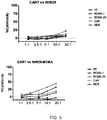
- Cell activation level indicator proteins CD137 and IFN ⁇ was detected using CART-BCMAs cells cultured on day 7 in Example 2. 1 ⁇ 10 5 of CART-BCMA cells cultured on day 7 were cultured respectively with BCMA-positive K562-BCMA+E7 tumor cell line and BCMA-negative K562 tumor cell line, or without tumor cells, in 200 ⁇ l GT-551 medium for 18h at a ratio of 1:1. Then the expression level of CD137 on the surface of T cell membrane was detected by flow cytometry and the secretion level of IFN ⁇ in the culture supernatant was detected by ELISA.
- Fig. 4A and Fig. 4B The results are shown in Fig. 4A and Fig. 4B , the expression of CD137 was detected on the surface of four CART cells, and the expression of IFN ⁇ was detected in the culture supernatant.
- CAR-BCMA-20 shows best CD137 activation level and IFN ⁇ release level.
- CART-BCMA-MO6 which is constructed based on humanized MO6 antibody sequence shows a weaker level of CD137 activation but a higher level of IFN ⁇ release than CART-BCMA-CA8 which is constructed based on mouse antibody sequence.
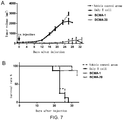
- RPMI-8226 cells in logarithmic growth phase were collected, and 4.0 ⁇ 10 6 tumor cells were inoculated subcutaneously in the right back of 6-8 week old B-NDG mice.
- the tumor volume reached about 120 mm 3
- the animals were randomly divided into 4 groups according to tumor volume, so that the tumor volume difference of each group was less than 10% of the mean value.
- the solvent control 7.5 ⁇ 10 6 NT and 7.5 ⁇ 10 6 CART-BCMAs cells were injected through tail vein respectively.
- the antibodies to be screened include: BCMA-1, BCMA-2, BCMA-69, BCMA-72, BCMA-2A1, BCMA-1E1, BCMA-J22.9, BCMA-20, BCMA-CA8, and BCMA-MO6. Structures of chimeric antigen receptor targeting BCMA were constructed on the basis of the above antibodies. Among them, BCMA-1 and BCMA-2 are published Car-T sequences and used as a positive control for screening. CAR-T cells were prepared in the same way as in Example 2, and detected in the same way as in Examples 3 and 4.
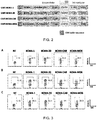
- FIG. 1 are the experimental results of two batches of CAR-T cells.
- the expression of Car-T was detected with BCMA-Fc fusion protein. It can be seen that there is a high expression in primary T cells, as seen in Fig. 1A .
- Fig. IB it can be seen that BCMA-1, BCMA-20, BCMA-1E1, BCMA-CA8, BCMA-MO6, and BCMA-J22.9 can be activated by the BCMA antigen.
- Fig. 1C shows that the activated BCMA-1, BCMA-20, BCMA-1E1, BCMA-CA8, BCMA-MO6, and BCMA-J22.9 CAR-Ts can produce higher levels of IFN- ⁇ .
- the results show that the CAR-T functions obtained by BCMA-1, BCMA-20, CA8 and MO6 are similar, so BCMA-20, CA8 and MO6CAR-T were further analyzed and studied.
Landscapes
- Health & Medical Sciences (AREA)
- Life Sciences & Earth Sciences (AREA)
- Chemical & Material Sciences (AREA)
- Organic Chemistry (AREA)
- Immunology (AREA)
- General Health & Medical Sciences (AREA)
- Engineering & Computer Science (AREA)
- Genetics & Genomics (AREA)
- Biomedical Technology (AREA)
- Zoology (AREA)
- Biochemistry (AREA)
- Biotechnology (AREA)
- Medicinal Chemistry (AREA)
- Bioinformatics & Cheminformatics (AREA)
- Wood Science & Technology (AREA)
- Veterinary Medicine (AREA)
- Animal Behavior & Ethology (AREA)
- Public Health (AREA)
- Molecular Biology (AREA)
- Cell Biology (AREA)
- Biophysics (AREA)
- Proteomics, Peptides & Aminoacids (AREA)
- General Engineering & Computer Science (AREA)
- Epidemiology (AREA)
- Hematology (AREA)
- Microbiology (AREA)
- Pharmacology & Pharmacy (AREA)
- Gastroenterology & Hepatology (AREA)
- Nuclear Medicine, Radiotherapy & Molecular Imaging (AREA)
- General Chemical & Material Sciences (AREA)
- Chemical Kinetics & Catalysis (AREA)
- Toxicology (AREA)
- Plant Pathology (AREA)
- Physics & Mathematics (AREA)
- Developmental Biology & Embryology (AREA)
- Virology (AREA)
- Oncology (AREA)
- Micro-Organisms Or Cultivation Processes Thereof (AREA)
- Medicines Containing Material From Animals Or Micro-Organisms (AREA)
- Medicines Containing Antibodies Or Antigens For Use As Internal Diagnostic Agents (AREA)
Applications Claiming Priority (2)
| Application Number | Priority Date | Filing Date | Title |
|---|---|---|---|
| CN201810326346.9A CN110372796B (zh) | 2018-04-12 | 2018-04-12 | 靶向bcma的嵌合抗原受体及其制法和应用 |
| PCT/CN2019/081064 WO2019196713A1 (zh) | 2018-04-12 | 2019-04-02 | 靶向bcma的嵌合抗原受体及其制法和应用 |
Publications (2)
| Publication Number | Publication Date |
|---|---|
| EP3778651A1 true EP3778651A1 (de) | 2021-02-17 |
| EP3778651A4 EP3778651A4 (de) | 2022-01-05 |
Family
ID=68162957
Family Applications (1)
| Application Number | Title | Priority Date | Filing Date |
|---|---|---|---|
| EP19784803.9A Pending EP3778651A4 (de) | 2018-04-12 | 2019-04-02 | Auf bcma abzielender chimärer antigenrezeptor sowie verfahren zu seiner herstellung und anwendung davon |
Country Status (9)
| Country | Link |
|---|---|
| US (3) | US11142581B2 (de) |
| EP (1) | EP3778651A4 (de) |
| JP (4) | JP7148611B2 (de) |
| KR (1) | KR20200142036A (de) |
| CN (3) | CN116836297A (de) |
| AU (2) | AU2019251016B2 (de) |
| CA (1) | CA3095827A1 (de) |
| SG (1) | SG11202009962UA (de) |
| WO (1) | WO2019196713A1 (de) |
Families Citing this family (19)
| Publication number | Priority date | Publication date | Assignee | Title |
|---|---|---|---|---|
| CN116836297A (zh) * | 2018-04-12 | 2023-10-03 | 上海赛比曼生物科技有限公司 | 靶向bcma的嵌合抗原受体及其制法和应用 |
| CN111333732B (zh) * | 2019-12-17 | 2023-02-28 | 中国药科大学 | 一种靶向人bcma且激活nk细胞的双特异性抗体的制备及其应用 |
| KR102371151B1 (ko) * | 2020-03-13 | 2022-03-07 | 주식회사 큐로셀 | 항-bcma 결합 영역, 이를 포함하는 융합단백질, 및 이를 포함하는 조성물 |
| CN112851815B (zh) * | 2020-03-17 | 2023-08-08 | 西安宇繁生物科技有限责任公司 | 抗bcma抗体或其抗原结合片段及其制备方法和应用 |
| CN113527507A (zh) * | 2020-04-16 | 2021-10-22 | 上海赛比曼生物科技有限公司 | 靶向cd22的嵌合抗原受体及其制法和应用 |
| CN113637073B (zh) * | 2020-05-11 | 2024-04-12 | 上海赛比曼生物科技有限公司 | Bcma抗体及其制备和应用 |
| CN112251412B (zh) * | 2020-10-12 | 2023-03-28 | 汤朝阳 | 一种靶向bcma的嵌合抗原受体t细胞及其应用 |
| CA3201008A1 (en) * | 2020-12-02 | 2022-06-09 | Shanghai Cellular Biopharmaceutical Group Ltd. | Bcma-targeted chimeric antigen receptors |
| US20240000839A1 (en) * | 2020-12-02 | 2024-01-04 | Shanghai Cellular Biopharmaceutical Group Ltd. | Bcma-targeted chimeric antigen receptors |
| WO2022140388A1 (en) | 2020-12-21 | 2022-06-30 | Allogene Therapeutics, Inc. | Protease-activating cd45-gate car |
| CN112321713B (zh) * | 2020-12-31 | 2021-05-25 | 北京艺妙神州医药科技有限公司 | 一种抗bcma的抗体及其应用 |
| CA3204417A1 (en) | 2021-01-29 | 2022-08-04 | Allogene Therapeutics, Inc. | Knockdown or knockout of one or more of tap2, nlrc5, ?2m, trac, rfx5, rfxap and rfxank to mitigate t cell recognition of allogeneic cell products |
| WO2023167903A2 (en) * | 2022-03-01 | 2023-09-07 | Agilent Technologies, Inc. | Anti-human b cell maturation antigen (bcma) antibodies and their use in immunohistochemistry (ihc) |
| JP2025525779A (ja) | 2022-07-29 | 2025-08-07 | アロジーン セラピューティクス,インコーポレイテッド | 免疫細胞の認識を低減させるために遺伝子発現が低下した、操作された細胞 |
| CN116251188A (zh) * | 2023-01-09 | 2023-06-13 | 广州市第一人民医院(广州消化疾病中心、广州医科大学附属市一人民医院、华南理工大学附属第二医院) | Stat1抑制剂在制备b细胞淋巴癌放射增敏药物中的应用及该药物 |
| CA3278900A1 (en) * | 2023-03-31 | 2024-10-03 | AbelZeta Inc. | BISPECIFIC CHIMERIC ANTIGENIC RECEPTORS TARGETING CD20 AND BCMA |
| CN116444669B (zh) * | 2023-04-04 | 2024-02-13 | 科弈(浙江)药业科技有限公司 | 靶向bcma car-t细胞人源化抗体 |
| WO2025096560A1 (en) | 2023-10-30 | 2025-05-08 | Allogene Therapeutics, Inc. | Engineered cells |
| CN119119274A (zh) * | 2024-09-26 | 2024-12-13 | 北京昌盛鸿途生物科技有限公司 | 一种靶向bcma的cart细胞及其应用 |
Family Cites Families (23)
| Publication number | Priority date | Publication date | Assignee | Title |
|---|---|---|---|---|
| US5703055A (en) | 1989-03-21 | 1997-12-30 | Wisconsin Alumni Research Foundation | Generation of antibodies through lipid mediated DNA delivery |
| US5399346A (en) | 1989-06-14 | 1995-03-21 | The United States Of America As Represented By The Department Of Health And Human Services | Gene therapy |
| US5585362A (en) | 1989-08-22 | 1996-12-17 | The Regents Of The University Of Michigan | Adenovirus vectors for gene therapy |
| US5350674A (en) | 1992-09-04 | 1994-09-27 | Becton, Dickinson And Company | Intrinsic factor - horse peroxidase conjugates and a method for increasing the stability thereof |
| CA2386270A1 (en) | 1999-10-15 | 2001-04-26 | University Of Massachusetts | Rna interference pathway genes as tools for targeted genetic interference |
| US6326193B1 (en) | 1999-11-05 | 2001-12-04 | Cambria Biosciences, Llc | Insect control agent |
| AU2001275474A1 (en) | 2000-06-12 | 2001-12-24 | Akkadix Corporation | Materials and methods for the control of nematodes |
| CA2833820C (en) * | 2011-05-27 | 2019-10-29 | Glaxo Group Limited | Bcma (cd269/tnfrsf17) -binding proteins |
| TWI679212B (zh) * | 2011-11-15 | 2019-12-11 | 美商安進股份有限公司 | 針對bcma之e3以及cd3的結合分子 |
| EA033110B1 (ru) * | 2012-04-11 | 2019-08-30 | Дзе Юнайтед Стейтс Оф Америка, Эз Репрезентед Бай Дзе Секретари, Департмент Оф Хелс Энд Хьюман Сёрвисез | Химерный рецептор антигена, направленный на антиген созревания b-клеток, кодирующая его нуклеиновая кислота, соответствующие экспрессионный вектор, клетка-хозяин, применения и способы |
| WO2015158671A1 (en) * | 2014-04-14 | 2015-10-22 | Cellectis | Bcma (cd269) specific chimeric antigen receptors for cancer immunotherapy |
| MX2017001079A (es) | 2014-07-24 | 2017-09-12 | Bluebird Bio Inc | Receptores de antígeno quiméricos de antígeno de maduración de células b (bcma). |
| EA036379B1 (ru) * | 2014-12-12 | 2020-11-02 | Блубёрд Био, Инк. | Химерные антигенные рецепторы к bcma |
| GB201503742D0 (en) * | 2015-03-05 | 2015-04-22 | Ucl Business Plc | Chimeric antigen receptor |
| EP3283520B1 (de) * | 2015-04-13 | 2020-05-06 | Pfizer Inc | Chimäre antigenrezeptoren zum targeting des b-zell-reifungsantigens |
| CN105384825B (zh) * | 2015-08-11 | 2018-06-01 | 南京传奇生物科技有限公司 | 一种基于单域抗体的双特异性嵌合抗原受体及其应用 |
| RU2018119706A (ru) * | 2015-10-30 | 2019-12-02 | Глэксосмитклайн Интеллекчуал Проперти Дивелопмент Лимитед | Способ прогноза |
| WO2017172981A2 (en) * | 2016-03-29 | 2017-10-05 | University Of Southern California | Chimeric antigen receptors targeting cancer |
| US20210177896A1 (en) | 2016-06-02 | 2021-06-17 | Novartis Ag | Therapeutic regimens for chimeric antigen receptor (car)- expressing cells |
| SG10202012157QA (en) * | 2016-06-07 | 2021-01-28 | Max Delbrueck Centrum Fuer Molekulare Medizin Helmholtz Gemeinschaft | Chimeric antigen receptor and car-t cells that bind bcma |
| EP4282877A3 (de) * | 2016-08-10 | 2024-02-21 | Legend Biotech Ireland Limited | Gegen bcma gerichtete chimäre antigenrezeptoren und verfahren zur verwendung davon |
| CN107827989A (zh) * | 2017-10-18 | 2018-03-23 | 银丰生物工程集团有限公司 | 靶向骨髓瘤bcma抗原的转基因t细胞及其制备方法与应用 |
| CN116836297A (zh) * | 2018-04-12 | 2023-10-03 | 上海赛比曼生物科技有限公司 | 靶向bcma的嵌合抗原受体及其制法和应用 |
-
2018
- 2018-04-12 CN CN202310450645.4A patent/CN116836297A/zh active Pending
- 2018-04-12 CN CN202310447932.XA patent/CN116514995A/zh active Pending
- 2018-04-12 CN CN201810326346.9A patent/CN110372796B/zh active Active
-
2019
- 2019-04-02 JP JP2020531444A patent/JP7148611B2/ja active Active
- 2019-04-02 CA CA3095827A patent/CA3095827A1/en active Pending
- 2019-04-02 SG SG11202009962UA patent/SG11202009962UA/en unknown
- 2019-04-02 AU AU2019251016A patent/AU2019251016B2/en active Active
- 2019-04-02 WO PCT/CN2019/081064 patent/WO2019196713A1/zh not_active Ceased
- 2019-04-02 EP EP19784803.9A patent/EP3778651A4/de active Pending
- 2019-04-02 KR KR1020207032269A patent/KR20200142036A/ko not_active Ceased
-
2020
- 2020-05-22 US US16/881,668 patent/US11142581B2/en active Active
-
2021
- 2021-09-16 US US17/476,661 patent/US11498973B2/en active Active
- 2021-11-24 JP JP2021190474A patent/JP7299294B2/ja active Active
-
2022
- 2022-09-23 US US17/951,774 patent/US20230053305A1/en active Pending
-
2023
- 2023-06-15 JP JP2023098770A patent/JP2023116716A/ja active Pending
- 2023-06-29 AU AU2023204159A patent/AU2023204159B2/en active Active
-
2025
- 2025-03-26 JP JP2025051295A patent/JP2025098166A/ja active Pending
Also Published As
| Publication number | Publication date |
|---|---|
| US20210403590A1 (en) | 2021-12-30 |
| CN116836297A (zh) | 2023-10-03 |
| CA3095827A1 (en) | 2019-10-17 |
| WO2019196713A1 (zh) | 2019-10-17 |
| US20200362048A1 (en) | 2020-11-19 |
| US11142581B2 (en) | 2021-10-12 |
| EP3778651A4 (de) | 2022-01-05 |
| JP2022031784A (ja) | 2022-02-22 |
| US11498973B2 (en) | 2022-11-15 |
| JP2021520185A (ja) | 2021-08-19 |
| US20230053305A1 (en) | 2023-02-16 |
| KR20200142036A (ko) | 2020-12-21 |
| AU2023204159A1 (en) | 2023-07-20 |
| JP7299294B2 (ja) | 2023-06-27 |
| SG11202009962UA (en) | 2020-11-27 |
| AU2019251016B2 (en) | 2023-08-10 |
| AU2023204159B2 (en) | 2025-12-11 |
| JP2023116716A (ja) | 2023-08-22 |
| CN116514995A (zh) | 2023-08-01 |
| CN110372796A (zh) | 2019-10-25 |
| AU2019251016A1 (en) | 2020-10-22 |
| JP7148611B2 (ja) | 2022-10-05 |
| CN110372796B (zh) | 2023-05-02 |
| JP2025098166A (ja) | 2025-07-01 |
Similar Documents
| Publication | Publication Date | Title |
|---|---|---|
| AU2023204159B2 (en) | Bcma-targeted chimeric antigen receptor as well as preparation method therefor and application thereof | |
| US12448432B2 (en) | Combined chimeric antigen receptor targeting CD19 and CD20 and application thereof | |
| EP3967329B1 (de) | Gegen bcma gerichtete gentechnisch hergestellte immunzelle und ihre verwendung | |
| EP3599251B1 (de) | Konstruktion eines gegen cd20-antigen gerichteten antigenrezeptors und aktivitätsidentifizierung von manipulierten t-zellen davon | |
| US12049487B2 (en) | Universal chimeric antigen receptor T-cell preparation technique | |
| WO2022119923A1 (en) | Bcma-targeted chimeric antigen receptors | |
| US20250186492A1 (en) | Car-t cell targeting b7-h3 and application thereof in treatment of acute myeloid leukemia | |
| US20240000839A1 (en) | Bcma-targeted chimeric antigen receptors | |
| EP4151653A1 (de) | Auf cd22 abzielender chimärer antigenrezeptor, herstellungsverfahren dafür und anwendung davon | |
| HK40044103A (en) | Bcma-targeted chimeric antigen receptor as well as preparation method therefor and application thereof | |
| HK40092581A (en) | Construction of chimeric antigen receptor targeting cd20 antigen and activity identification of engineered t cells thereof | |
| HK40087789A (en) | Cd22-targeted chimeric antigen receptor, preparation method therefor and application thereof |
Legal Events
| Date | Code | Title | Description |
|---|---|---|---|
| STAA | Information on the status of an ep patent application or granted ep patent |
Free format text: STATUS: THE INTERNATIONAL PUBLICATION HAS BEEN MADE |
|
| PUAI | Public reference made under article 153(3) epc to a published international application that has entered the european phase |
Free format text: ORIGINAL CODE: 0009012 |
|
| STAA | Information on the status of an ep patent application or granted ep patent |
Free format text: STATUS: REQUEST FOR EXAMINATION WAS MADE |
|
| 17P | Request for examination filed |
Effective date: 20200602 |
|
| AK | Designated contracting states |
Kind code of ref document: A1 Designated state(s): AL AT BE BG CH CY CZ DE DK EE ES FI FR GB GR HR HU IE IS IT LI LT LU LV MC MK MT NL NO PL PT RO RS SE SI SK SM TR |
|
| AX | Request for extension of the european patent |
Extension state: BA ME |
|
| DAV | Request for validation of the european patent (deleted) | ||
| DAX | Request for extension of the european patent (deleted) | ||
| REG | Reference to a national code |
Ref country code: HK Ref legal event code: DE Ref document number: 40044103 Country of ref document: HK |
|
| REG | Reference to a national code |
Ref country code: DE Ref legal event code: R079 Free format text: PREVIOUS MAIN CLASS: C07K0019000000 Ipc: C07K0016280000 |
|
| A4 | Supplementary search report drawn up and despatched |
Effective date: 20211206 |
|
| RIC1 | Information provided on ipc code assigned before grant |
Ipc: A61K 35/17 20150101ALI20211130BHEP Ipc: C07K 19/00 20060101ALI20211130BHEP Ipc: C12N 15/62 20060101ALI20211130BHEP Ipc: A61P 35/00 20060101ALI20211130BHEP Ipc: A61K 39/00 20060101ALI20211130BHEP Ipc: C07K 14/725 20060101ALI20211130BHEP Ipc: C07K 16/28 20060101AFI20211130BHEP |
|
| RAP1 | Party data changed (applicant data changed or rights of an application transferred) |
Owner name: SHANGHAI CELLULAR BIOPHARMACEUTICAL GROUP LTD. |
|
| P01 | Opt-out of the competence of the unified patent court (upc) registered |
Effective date: 20230513 |
|
| RAP3 | Party data changed (applicant data changed or rights of an application transferred) |
Owner name: SHANGHAI ABELZETA LTD. |