EP3823660B1 - Composés de périostine pour le traitement de complications hématologiques - Google Patents
Composés de périostine pour le traitement de complications hématologiques Download PDFInfo
- Publication number
- EP3823660B1 EP3823660B1 EP19745069.5A EP19745069A EP3823660B1 EP 3823660 B1 EP3823660 B1 EP 3823660B1 EP 19745069 A EP19745069 A EP 19745069A EP 3823660 B1 EP3823660 B1 EP 3823660B1
- Authority
- EP
- European Patent Office
- Prior art keywords
- periostin
- cells
- warfarin
- compound
- subject
- Prior art date
- Legal status (The legal status is an assumption and is not a legal conclusion. Google has not performed a legal analysis and makes no representation as to the accuracy of the status listed.)
- Active
Links
Images






Classifications
-
- A—HUMAN NECESSITIES
- A61—MEDICAL OR VETERINARY SCIENCE; HYGIENE
- A61K—PREPARATIONS FOR MEDICAL, DENTAL OR TOILETRY PURPOSES
- A61K38/00—Medicinal preparations containing peptides
- A61K38/16—Peptides having more than 20 amino acids; Gastrins; Somatostatins; Melanotropins; Derivatives thereof
- A61K38/17—Peptides having more than 20 amino acids; Gastrins; Somatostatins; Melanotropins; Derivatives thereof from animals; from humans
- A61K38/1703—Peptides having more than 20 amino acids; Gastrins; Somatostatins; Melanotropins; Derivatives thereof from animals; from humans from vertebrates
- A61K38/1709—Peptides having more than 20 amino acids; Gastrins; Somatostatins; Melanotropins; Derivatives thereof from animals; from humans from vertebrates from mammals
-
- C—CHEMISTRY; METALLURGY
- C07—ORGANIC CHEMISTRY
- C07K—PEPTIDES
- C07K14/00—Peptides having more than 20 amino acids; Gastrins; Somatostatins; Melanotropins; Derivatives thereof
- C07K14/435—Peptides having more than 20 amino acids; Gastrins; Somatostatins; Melanotropins; Derivatives thereof from animals; from humans
- C07K14/475—Growth factors; Growth regulators
- C07K14/51—Bone morphogenetic factor; Osteogenins; Osteogenic factor; Bone-inducing factor
-
- A—HUMAN NECESSITIES
- A61—MEDICAL OR VETERINARY SCIENCE; HYGIENE
- A61K—PREPARATIONS FOR MEDICAL, DENTAL OR TOILETRY PURPOSES
- A61K35/00—Medicinal preparations containing materials or reaction products thereof with undetermined constitution
- A61K35/12—Materials from mammals; Compositions comprising non-specified tissues or cells; Compositions comprising non-embryonic stem cells; Genetically modified cells
- A61K35/28—Bone marrow; Haematopoietic stem cells; Mesenchymal stem cells of any origin, e.g. adipose-derived stem cells
-
- A—HUMAN NECESSITIES
- A61—MEDICAL OR VETERINARY SCIENCE; HYGIENE
- A61P—SPECIFIC THERAPEUTIC ACTIVITY OF CHEMICAL COMPOUNDS OR MEDICINAL PREPARATIONS
- A61P35/00—Antineoplastic agents
-
- A—HUMAN NECESSITIES
- A61—MEDICAL OR VETERINARY SCIENCE; HYGIENE
- A61P—SPECIFIC THERAPEUTIC ACTIVITY OF CHEMICAL COMPOUNDS OR MEDICINAL PREPARATIONS
- A61P7/00—Drugs for disorders of the blood or the extracellular fluid
-
- C—CHEMISTRY; METALLURGY
- C12—BIOCHEMISTRY; BEER; SPIRITS; WINE; VINEGAR; MICROBIOLOGY; ENZYMOLOGY; MUTATION OR GENETIC ENGINEERING
- C12N—MICROORGANISMS OR ENZYMES; COMPOSITIONS THEREOF; PROPAGATING, PRESERVING, OR MAINTAINING MICROORGANISMS; MUTATION OR GENETIC ENGINEERING; CULTURE MEDIA
- C12N5/00—Undifferentiated human, animal or plant cells, e.g. cell lines; Tissues; Cultivation or maintenance thereof; Culture media therefor
- C12N5/06—Animal cells or tissues; Human cells or tissues
- C12N5/0602—Vertebrate cells
- C12N5/0634—Cells from the blood or the immune system
- C12N5/0647—Haematopoietic stem cells; Uncommitted or multipotent progenitors
-
- A—HUMAN NECESSITIES
- A61—MEDICAL OR VETERINARY SCIENCE; HYGIENE
- A61K—PREPARATIONS FOR MEDICAL, DENTAL OR TOILETRY PURPOSES
- A61K38/00—Medicinal preparations containing peptides
-
- C—CHEMISTRY; METALLURGY
- C12—BIOCHEMISTRY; BEER; SPIRITS; WINE; VINEGAR; MICROBIOLOGY; ENZYMOLOGY; MUTATION OR GENETIC ENGINEERING
- C12N—MICROORGANISMS OR ENZYMES; COMPOSITIONS THEREOF; PROPAGATING, PRESERVING, OR MAINTAINING MICROORGANISMS; MUTATION OR GENETIC ENGINEERING; CULTURE MEDIA
- C12N2500/00—Specific components of cell culture medium
- C12N2500/30—Organic components
- C12N2500/38—Vitamins
-
- C—CHEMISTRY; METALLURGY
- C12—BIOCHEMISTRY; BEER; SPIRITS; WINE; VINEGAR; MICROBIOLOGY; ENZYMOLOGY; MUTATION OR GENETIC ENGINEERING
- C12N—MICROORGANISMS OR ENZYMES; COMPOSITIONS THEREOF; PROPAGATING, PRESERVING, OR MAINTAINING MICROORGANISMS; MUTATION OR GENETIC ENGINEERING; CULTURE MEDIA
- C12N2501/00—Active agents used in cell culture processes, e.g. differentation
- C12N2501/10—Growth factors
- C12N2501/155—Bone morphogenic proteins [BMP]; Osteogenins; Osteogenic factor; Bone inducing factor
-
- C—CHEMISTRY; METALLURGY
- C12—BIOCHEMISTRY; BEER; SPIRITS; WINE; VINEGAR; MICROBIOLOGY; ENZYMOLOGY; MUTATION OR GENETIC ENGINEERING
- C12N—MICROORGANISMS OR ENZYMES; COMPOSITIONS THEREOF; PROPAGATING, PRESERVING, OR MAINTAINING MICROORGANISMS; MUTATION OR GENETIC ENGINEERING; CULTURE MEDIA
- C12N2501/00—Active agents used in cell culture processes, e.g. differentation
- C12N2501/50—Cell markers; Cell surface determinants
- C12N2501/585—Integrins
Definitions
- the present invention pertains to periostin compounds for use in the prevention and treatment of haematological complications, such as adverse events from therapy or haematological diseases.
- a therapeutic strategy was developed for enhancing haematopoiesis in patients and to support haematopoietic stem cell (HSC) transplantation (HSCT) by administration of periostin compounds to patients or stem cell donors, or by contacting HSC directly with periostin compounds, for example ex vivo, to improve a transplant of HSC.
- HSC haematopoietic stem cell
- HSCT haematopoietic stem cell transplantation
- the present invention provides periostin derived compounds such as polypeptides, peptides, nucleic acids, and other periostin-derived agents, that are used both in therapeutic applications and for improving haematopoiesis, for example in stem cell donor subjects or to treat HSC in vitro.
- periostin derived compounds such as polypeptides, peptides, nucleic acids, and other periostin-derived agents, that are used both in therapeutic applications and for improving haematopoiesis, for example in stem cell donor subjects or to treat HSC in vitro.
- Hematopoiesis is the dynamic and continuous process of the production of blood cells from HSC.
- HSC reside in the bone marrow cavity along with various other bone marrow niche cells such as mesenchymal stem cells (MSC), osteoblastic cells, adipocytes, chondrocytes, endothelial cells, macrophages etc.
- MSC mesenchymal stem cells
- osteoblastic cells adipocytes
- chondrocytes chondrocytes
- endothelial cells macrophages etc.
- Various components of this bone marrow niche or microenvironment (BMM) including extracellular matrix proteins, regulate different HSC functions such as self-renewal capacity, differentiation potential, mobilization etc., either via secreting HSC supportive cytokines or via directly binding to HSC.
- HSC exhaustion and a reduction of HSC number and/or function have also been linked with impaired hematopoiesis in elderly patients.
- ageing has been associated with recurrent somatic mutations in HSC that have been detected in more than 10% of people older than 65 years. Impaired haematopoiesis may lead to certain health issues such as frequent infection or bleeding, and recurrent somatic mutations can give rise to haematological malignancies such as myelodysplastic syndrome (MDS) and others.
- MDS myelodysplastic syndrome
- haematological problems or diseases such as inefficient engraftment of donor HSC after transplantation, MDS or bone marrow failure syndromes prevent a patient from appropriately reacting to haematopoietic stress. This renders a patient vulnerable to the effects of anaemia, infection or bleeding. Shortening the times of these vulnerabilities or preventing them altogether is a daily goal in clinical haematology. Novel drugs are needed to augment deficient haematopoiesis, either alone or in combination with the transfusion of blood products.
- US 2013/216507 A1 provides for compositions and methods for modulating hematopoetic stem cell populations by agents that either increase HSC numbers or decrease HSC numbers.
- HSC modulators found to increase HSC numbers include prostaglandin E2 (PGE2) and agents that stimulate the PGE2 pathway.
- PGE2 prostaglandin E2
- HSC modulators that prevent PGE2 synthesis decrease HSC numbers.
- periostin and fragments thereof promote cardiomyocyte proliferation and myocardial regeneration.
- the document demonstrates that extracellular periostin can induce cell cycle re-entry of differentiated mammalian cardiomyocytes. It stimulates mononuclear cardiomyocytes to undergo the full mitotic cell cycle and activates ⁇ V ⁇ 1/3/5 integrins located in the cardiomyocyte cell membrane.
- US 2011/033516 A1 discloses methods and compositions for increasing bone production and/or decreasing bone fracture healing time in a subject, by administering periostin and/or active peptides and/or fragments thereof.
- US 2014/051630 A1 pertains to a method for regenerating pancreatic tissue using recombinant periostin protein, a nucleic acid encoding said periostin and pharmaceutical compositions comprising said periostin.
- Verma Divij et al. (Experimental Hematology, 2017, vol. 53 ) teaches that warfarin treatment impairs in vivo HSC function via modification of the bone marrow microenvironment by the impairment of the periostin/integrin ⁇ 3 axis, which is implicated for the maintenance of normal HSC.
- Tanaka Satowa et al. (Biochemical and Biophysical Research Communications, 2016, vol. 478, no. 4 ) proposes that periostin may be a niche factor for normal and malignant hematopoiesis. It suggests that stromal cell extracellular matrix protein periostin supports HPCs and leukemia-initiating cells in vitro by acting on stromal cells in an autocrine or paracrine manner.
- Verma Divij et al. nor Tanaka Satowa et al. suggests periostin as a medicament. Furthermore, they do not provide data that would render such a use plausible.
- a periostin compound for use in the prevention or treatment of a haematological disorder in a subject, wherein the periostin compound is selected from a periostin protein, or a functional fragment or variant thereof, or a periostin nucleic acid encoding the periostin protein, or encoding the functional fragment or variant thereof wherein the variant of the periostin protein comprises an amino acid sequence that is at least 80% identical to an amino acid sequence of a human periostin isoform shown in any one of SEQ ID NO: 1 to 7.
- Periostin is a high molecular weight protein secreted by mesenchymal stem cells and osteoblastic cells in the bone marrow niche or microenvironment (BMM). It binds to alpha-V/beta-3 and alpha-V/beta-5 integrins and was recently shown to influence haematopoietic stem cell (HSC) function via binding to integrin-av (Itgav).
- HSC haematopoietic stem cell
- Itgav integrin-av
- the term "periostin protein” also known as "osteoblast factor 2" or “OSF-2” is used herein to encompass mammalian and non-mammalian periostin proteins, including human and non-human (mammalian) periostin, and functionally equivalent forms thereof.
- Human periostin (e.g. the wildtype isoform) is an 836 amino acid protein, and examples of functionally equivalent forms thereof include, for example, human isoforms 2, 3 and 4.
- SEQ ID Nos 1 to 7 represent all 7 human periostin variants.
- a periostin protein in accordance with the invention is a protein comprising an amino acid sequence that is at least 80, 90, 95, 96, 97 and most preferably 98% identical to any one of amino acid sequences shown in SEQ ID NOs: 1 to 7. Even more preferred is a periostin protein having 99% or 100% sequence identity to any one of the amino acid sequences shown in SEQ ID NOs: 1 to 7.
- variant means a polypeptide substantially identical to the original or reference amino acid sequence, but which has at least one amino acid sequence different from that of the original sequence because of one or more deletions, insertions or substitutions. Therefore, as used herein, the terms “identical” or percent “identity”, when used anywhere herein in the context of two or more nucleic acid or protein/polypeptide sequences, refer to two or more sequences or sub-sequences that are the same or have (or have at least) a specified percentage of amino acid residues or nucleotides that are the same (i.e., at, or at least, about 60% identity, preferably at, or at least, 65%, 70%, 75%, 80%, 85%, 90%, 91%, 92%, 93% or 94%, identity, and more preferably at, or at least, about 95%, 96%, 97%, 98%, 99%, or higher identity over a specified region - preferably over their full length sequences - , when
- the percentage identity can be determined by the Blast searches for amino acid identity, those using BLASTP 2.2.28+ with the following parameters: Matrix: BLOSUM62; Gap Penalties: Existence: 11, Extension: 1; Neighboring words threshold: 11; Window for multiple hits: 40.
- a variant may comprise a sequence having at least one conservatively substituted amino acid, meaning that a given amino acid residue is replaced by a residue having similar physiochemical characteristics.
- substitutions for one or more amino acids present in the original polypeptide should be made conservatively.
- conservative substitutions include substitution of one aliphatic residue for another, such as He, Val, Leu, or Ala for one another, or substitutions of one polar residue for another, such as between Lys and Arg; Glu and Asp; or Gin and Asn.
- Other such conservative substitutions for example, substitutions of entire regions having similar hydrophobicity characteristics, are well known ( Kyte, et al, 1982, J. Mol. Biol, 157: 105- 131 ).
- a "conservative amino acid substitution” may involve a substitution of a native amino acid residue with a non-native residue such that there is little or no effect on the polarity or charge of the amino acid residue at that position. Desired amino acid substitutions (whether conservative or non-conservative) can be determined by those skilled in the art at the time such substitutions are desired.
- a periostin compound in accordance with the herein disclosed invention may be obtained from any means known to the skilled artisan.
- preferred periostin compounds are recombinantly expressed and then optionally isolated and purified before use.
- the term "recombinant expression" in context of the herein disclosed invention shall refer to the expression of a protein or peptide by introduction of an exogenous expression vector transiently or stably into a host cell and the following expression of the protein from the vector in the host cell.
- recombinant expression is achieved by the introduction of a recombinant expression vector into the host cell of choice.
- Such recombinant expression vectors comprise a nucleic acid molecule encoding a periostin compound which is a protein or peptide, and wherein the vector optionally comprises an expression control sequence, allowing expression in prokaryotic or eukaryotic host cells of the encoded polypeptide, operably linked to said nucleic acid molecule.
- chromosomes can be used, including without limitation chromosomes, episomes, and derived viruses. More particularly, the recombinant vectors used can be derived from bacterial plasmids, transposons, yeast episomes, insertion elements, yeast chromosome elements, viruses such as baculovirus, papilloma viruses such as SV40, vaccinia viruses, adenoviruses, fox pox viruses, pseudorabies viruses, retroviruses. These recombinant vectors can equally be cosmid or phagemid derivatives.
- nucleic acid sequence can be inserted in the recombinant expression vector by methods well known to a person skilled in the art such as, for example, those that are described in MOLECULAR CLONING: A LABORATORY MANUAL, Sambwok et al, 4th Ed., Cold Spring Harbor Laboratory Press, Cold Spring Harbor, N.Y., 2001 .
- the recombinant vector can include nucleotide sequences that allow, control or regulate the expression and the transcription of a polynucleotide of the invention as well as the translation of a polypeptide of the invention, these sequences being selected according to the host cells that are used.
- an appropriate secretion signal can be integrated in the recombinant vector so that the polypeptide, encoded by the nucleic acid molecule of the invention, will be directed towards the lumen of the endoplasmic reticulum, towards the periplasmic space, on the membrane or towards the extracellular environment.
- the choice of an appropriate secretion signal may facilitate subsequent protein purification.
- a host cell comprising a recombinant vector according to the invention.
- the introduction of the recombinant vector in a host cell can be carried out according to methods that are well known to a person skilled in the art, such as those described in BASIC METHODS IN MOLECULAR BIOLOGY, Davis et al, 2nd ed., McGraw-Hill Professional Publishing, 1995 , and MOLECULAR CLONING: A LABORATORY MANUAL, supra, such as transfection by calcium phosphate, transfection by DEAE dextran, transfection, microinjection, transfection by cationic lipids, electroporation, transduction or infection.
- the host cell can be, for example, bacterial cells such as E. coli or Streptomyces, cells of fungi such as Aspergillus and yeasts such as Saccharomyces, insect cells, Chinese Hamster Ovary cells (CHO), CI 27 mouse cell line, BHK cell line of Syrian hamster cells, Human Embryonic Kidney 293 (HEK 293) cells.
- the host cell is a CHO cell or a HEK 293 cell.
- the host cells can be used, for example, to express a periostin compound of the invention. After purification by standard methods, the periostin compound of the invention can be used in a method or application described herein elsewhere.
- the culture medium may first be concentrated using a commercially available protein concentration filter, for example, an Amicon or Millipore Pellicon ultrafiltration unit.
- a purification matrix such as a gel filtration matrix.
- an anion exchange and/or an affinity resin can be employed.
- the matrices can be acrylamide, agarose, dextran, cellulose or other types commonly employed in protein purification.
- a cation exchange step can be employed.
- RP- HPLC reversed-phase high performance liquid chromatography
- Recombinant protein produced in bacterial culture can be isolated by initial disruption of the host cells, centrifugation, extraction from cell pellets if an insoluble polypeptide, or from the supernatant fluid if a soluble polypeptide, followed by one or more concentration, salting-out, ion exchange, affinity purification or size exclusion chromatography steps.
- Microbial cells can be disrupted by any convenient method, including freeze-thaw cycling, sonication, mechanical disruption, or use of cell lysing agents.
- the invention provides a process for producing cells capable of expressing a polypeptide according to the invention, comprising genetically engineering cells with a vector or a nucleic acid according to the invention.
- the invention also includes the use of a periostin compound that is directly isolated and optionally purified from a biological sample comprising such periostin compounds.
- Periostin may be purified from human plasma from healthy blood or plasma donors by various precipitation steps. Such isolation and purification methods of proteins from biological samples such as blood or plasma samples are well known to the skilled artisan.
- the periostin compounds are used in medical applications and preferably for the prevention or treatment of diseases.
- Such prevention or treatment preferably comprises (i) the administration of the periostin compound to the subject suffering from the haematological disorder, or (ii) in vitro treating a biological cell with the periostin compound and administering the so periostin-compound-treated cell to the subject suffering from the haematological disorder.
- Different routes for administration of periostin compounds will be described herein elsewhere.
- the biological cell is an autologous or allogenic haematopoietic stem cell (HSC).
- HSC haematopoietic stem cell
- granulocytes e.g., promyelocytes, neutrophils, eosinophils, basophils
- erythrocytes e.g., reticulocytes, erythrocytes
- thrombocytes e.g., megakaryoblasts, platelet producing megakaryocytes, platelets
- monocytes e.g., monocytes, macrophages, dendritic cells
- lymphocytes common lymphoid progenitors, pre-B, pro-B, mature B, pre-T, pro-B, mature T and NKT lymphocytes and NK cells
- hematopoietic stem cells can include pluripotent stem cells, multipotent stem cells (e.g., a lymphoid stem cell), and/or stem cells committed to specific hematopoietic lineages.
- the stem cells committed to specific hematopoietic lineages may be of T cell lineage, B cell lineage, dendritic cell lineage, Langerhans cell lineage, erythroid, megakaryocytic, myeloid and/or macrophage cell lineage.
- HSCs also refer to long term HSC (L T-HSC) and short-term HSC (ST-HSC).
- L T-HSC long term HSC
- ST-HSC short-term HSC
- LT-HSC and ST-HSC are differentiated, for example, based on their cell surface marker expression such as described herein or known by the skilled person.
- autologous when referring to a cell transplant procedure, or cellular sample, shall refer to the use of such cells that are obtained for a subject, treated or altered in accordance with the invention, and subsequently used again in the same subject for treating or preventing a condition.
- allogenic shall refer to such cell preparations that are obtained from one subject and used in another one, wherein however the two subjects are ideally genetically matched in order to minimize immunological adverse events during the cellular transplantation.
- the HSC is derived from an umbilical cord blood sample or from a bone marrow sample or from a mobilized haematopoietic stem cell obtained from peripheral blood, or from a placenta.
- the present invention shall include all sources of HSC known to the skilled artisan.
- treating a biological cell with the periostin compound or a periostin agonist involves contacting the cell with the periostin compound for a period of time and under adequate conditions sufficient to increase vitamin K dependent ⁇ -carboxylated periostin and thereby to induce and/or augment and/or increase integrin beta 3 binding of periostin on said cell.
- the nucleic acid encoding the periostin protein in accordance with the invention, or encoding the functional fragment or variant thereof in accordance with the invention is introduced into and expressed in a biological cell, preferably an allogenic or autologous HSC.
- a biological cell preferably an allogenic or autologous HSC.
- Such expression is preferably a recombinant expression.
- periostin protein or the variant thereof is preferably human periostin for example one of SEQ ID NO: 1 to 7.
- a variant of a periostin protein is a functional variant of a periostin protein.
- the variant of periostin is selected from the group consisting of an ortholog or paralog of human periostin, and a functional fragment of a human periostin protein.
- ortholog refers to homologs in different species that evolved from a common ancestral gene by speciation. Typically, orthologs retain the same, essentially the same or similar function despite differences in their primary structure (mutations).
- paralog refers to homologs in the same species that evolved by genetic duplication of a common ancestral gene. In many cases, paralogs exhibit related but not always similar function.
- splice variant refers to a related protein expressed from the same genomic locus as a parent protein, but having a different amino acid sequence based on a different exon composition due to differential splicing of the transcribed RNA.
- a variant of the periostin protein of the invention comprises an amino acid sequence that is at least 80, 85, 90, 95, 96, 97, 98, 99 % identical to an amino acid sequence of a human periostin isoform shown in any one of SEQ ID NO: 1 to 7.
- a proteinaceaous periostin compound of the invention is a polypeptide or protein comprising at least the periostin gamma carboxylated site of human periostin, such as, comprising an amino acid sequence that is at least 60, 65, 70, 75, 80, 85, 90, 95, 96, 97, 98, 99 % identical to an amino acid sequence between amino acids 300 and 400, preferably 300 and 350 of SEQ ID NO: 1.
- haematological disorder shall be understood to refer at least to a pathological condition selected from a haematological malignancy, a disease associated with a pathological haematopoietic stem cell (HSC) function, such as a disease associated with decreased/impaired haematopoiesis, or is a haematological adverse event caused by a primary treatment of the subject, for example with a primary therapeutic for another, for example non-haematological, disorder.
- HSC haematopoietic stem cell
- a haematological malignancy in context of the invention is selected from cancers that affect one or more of the blood, bone marrow, and lymph nodes, such as acute lymphoblastic leukemia (ALL), B cell acute lymphoblastic leukemia (B-ALL), acute myeloid leukemia (AML), chronic lymphocytic leukemia (CLL), chronic myeloid leukemia (CML), in particular BCR-Abl mutated CML, hairy cell leukemia, AIDS-related lymphoma, B-cell lymphoma, cutaneous T-cell lymphoma, Hodgkin lymphoma, non-Hodgkin lymphoma, mycosis fungoides, primary central nervous system lymphoma, Sezary syndrome, Waldenstrom macroglobulinemia, chronic myeloproliferative disorders, Langerhans cell histiocytosis, multiple myeloma, plasma cell neoplasms, myelodysplastic syndromes, myelody
- a disease associated with pathological HSC function is preferably selected from any of the following disorders: hypo or hyperproliferative stem cell disorders, such as aplastic anemia, neutropenia, cytopenia, anemia, pancytopenia, agranulocytosis, thrombocytopenia, red cell aplasia, Blackfan-Diamond syndrome, due to drugs, radiation, or infection, immunosuppression in subjects with solid tumors, malignant melanoma, non-small cell lung cancer, carcinoma of the stomach, ovarian carcinoma, breast carcinoma, small cell lung carcinoma, retinoblastoma, testicular carcinoma, glioblastoma, rhabdomyosarcoma, neuroblastoma, Ewing's sarcoma, Lymphoma, autoimmune diseases such as rheumatoid arthritis, diabetes type I, chronic hepatitis, multiple sclerosis, systemic lupus erythematosus, genetic (congenital) disorders, such
- parasitic infections e.g. malaria, Leishmaniasis
- fungal infections e.g. malaria, Leishmaniasis
- disorders involving disproportions in lymphoid cells impaired immune, impaired functions due to aging, phagocyte disorders, Kostmann
- the haematological adverse event is preferably an event caused by a treatment of the subject with an anti-cancer agent, such as a chemotherapeutic agent, or by a radiotherapy treatment, or by treatment with a vitamin-K antagonist, such as warfarin, fluindione, phenindione, acenocoumarol, dicoumarol, ethyl biscoumacetate, or phenprocoumon, preferably in a subject suffering from or suspected to develop thromboembolic complications.
- an anti-cancer agent such as a chemotherapeutic agent
- a radiotherapy treatment or by treatment with a vitamin-K antagonist, such as warfarin, fluindione, phenindione, acenocoumarol, dicoumarol, ethyl biscoumacetate, or phenprocoumon, preferably in a subject suffering from or suspected to develop thromboembolic complications.
- a vitamin-K antagonist such as warfarin, fluindione, phenindione, acenoc
- a prevention or treatment in context of the present invention preferably involves HSC transplantation (HSCT).
- HSC transplantation HSCT
- a treatment or prevention in accordance with the invention involves the administration of a periostin compound to the subject immediately before HSCT, such as preferably 5 to 1 days before HSCT, more preferably about 3-2 days before HSCT; or concomitant with the HSCT, and/or immediately after HSCT, preferably until full engraftment of the HSC in the treated subject.
- a periostin compound such as preferably 5 to 1 days before HSCT, more preferably about 3-2 days before HSCT; or concomitant with the HSCT, and/or immediately after HSCT, preferably until full engraftment of the HSC in the treated subject.
- the periostin compound according to the invention is in some embodiments additionally used to prepare/treat a HSC transplant before transplantation.
- a HSC transplant before transplantation.
- the HSCs prior to transplantation in a subject are contacted with a periostin compound as described herein.
- Such a procedure will induce and activate the HSC in the preparation resulting in an improved HSC transplant and improved treatment success.
- compositions for use in the prevention or treatment of a haematological disorder in a subject comprising a periostin compound selected from a periostin protein, or a functional fragment or variant thereof, or a periostin nucleic acid encoding the periostin protein, or encoding the functional fragment or variant thereof, and a pharmaceutically acceptable carrier and/or excipient, wherein the variant of the periostin protein comprises an amino acid sequence that is at least 80% identical to an amino acid sequence of a human periostin isoform shown in any one of SEQ ID NO: 1 to 7.
- compositions described herein are preferably indicated for the use in the prevention or treatment of a haematological disorder as described, or indicated for use to improve haematopoiesis in a stem cell donor subject.
- the language "pharmaceutically acceptable" carrier, stabilizer or excipient is intended to include any and all solvents, solubilizers, fillers, stabilizers, binders, absorbents, bases, buffering agents, lubricants, controlled release vehicles, diluents, emulsifying agents, humectants, dispersion media, coatings, antibacterial or antifungal agents, isotonic and absorption delaying agents, and the like, compatible with pharmaceutical administration.
- the use of such media and agents for pharmaceutically active substances is well-known in the art. Except insofar as any conventional media or agent is incompatible with the active compound, use thereof in the compositions is contemplated. Supplementary agents can also be incorporated into the compositions.
- the pharmaceutical composition of the invention is formulated to be compatible with its intended route of administration.
- routes of administration include parenteral, e.g., intrathecal, intra-arterial, intravenous, intradermal, subcutaneous, oral, transdermal (topical) and transmucosal administration.
- Solutions or suspensions used for parenteral, intradermal, or subcutaneous application, as well as comprising a compound of the invention can include the following components: a sterile diluent such as water for injection, saline solution, fixed oils, polyethylene glycols, glycerine; propylene glycol or other synthetic solvents; anti-bacterial agents such as benzyl alcohol or methyl parabens; antioxidants such as ascorbic acid or sodium bisulfate; chelating agents such as ethylenediaminetetraacetic acid; buffers such as acetates, citrates or phosphates and agents for the adjustment of tonicity such as sodium chloride or dextrose. pH can be adjusted with acids or bases, such as hydrochloric acid or sodium hydroxide.
- the parenteral preparation can be enclosed in ampoules, disposable syringes or multiple dose vials made of glass or plastic.
- compositions suitable for injectable use include sterile aqueous solutions (where water soluble) or dispersions and sterile powders for the extemporaneous preparation of sterile injectable solutions or dispersion.
- suitable carriers include physiological saline, bacteriostatic water, Kolliphor ® EL (formerly Cremophor EL TM ; BASF, Parsippany, N.J.) or phosphate buffered saline (PBS).
- the injectable composition should be sterile and should be fluid to the extent that easy syringability exists. It must be stable under the conditions of manufacture and storage and must be preserved against the contaminating action of microorganisms such as bacteria and fungi.
- the carrier can be a solvent or dispersion medium containing, for example, water, ethanol, polyol (for example, glycerol, propylene glycol, and liquid polyetheylene glycol, and the like), and suitable mixtures thereof.
- the proper fluidity can be maintained, for example, by the use of a coating such as lecithin, by the maintenance of the requited particle size in the case of dispersion and by the use of surfactants.
- Prevention of the action of microorganisms can be achieved by various antibacterial and antifungal agents, for example, parabens, chlorobutanol, phenol, ascorbic acid, thimerosal, and the like.
- isotonic agents for example, sugars, polyalcohols such as manitol, sorbitol, and sodium chloride in the composition.
- Prolonged absorption of the injectable compositions can be brought about by including in the composition an agent which delays absorption, for example, aluminum monostearate and gelatin.
- Sterile injectable solutions can be prepared by incorporating the compound of the invention (e.g., a periostin compound) in the required amount in an appropriate solvent with one or a combination of ingredients enumerated above, as required, followed by filtered sterilization.
- dispersions are prepared by incorporating the active compound into a sterile vehicle which contains a basic dispersion medium and the required other ingredients from those enumerated above.
- the preferred methods of preparation are vacuum drying and freeze-drying which yields a powder of the active ingredient plus any additional desired ingredient from a previously sterile-filtered solution thereof.
- Oral compositions as well as comprising a compound of the invention (eg a periostin compound), generally include an inert diluent or an edible carrier. They can be enclosed in gelatin capsules or compressed into tablets. For the purpose of oral therapeutic administration, the active compound can be incorporated with excipients and used in the form of tablets, troches, or capsules. Oral compositions can also be prepared using a fluid carrier for use as a mouthwash, wherein the compound in the fluid carrier is applied orally and swished and expectorated or swallowed. Pharmaceutically compatible binding agents, and/or adjuvant materials can be included as part of the composition.
- the tablets, pills, capsules, troches and the like can contain any of the following ingredients, or compounds of a similar nature: a binder such as microcrystalline cellulose, gum tragacanth or gelatin; an excipient such as starch or lactose, a disintegrating agent such as alginic acid, Primogel, or corn starch; a lubricant such as magnesium stearate or Stertes; a glidant such as colloidal silicon dioxide; a sweetening agent such as sucrose or saccharin; or a flavoring agent such as peppermint, methyl salicylate, or orange flavoring.
- a binder such as microcrystalline cellulose, gum tragacanth or gelatin
- an excipient such as starch or lactose, a disintegrating agent such as alginic acid, Primogel, or corn starch
- a lubricant such as magnesium stearate or Stertes
- a glidant such as colloidal silicon dioxide
- a rectal composition can be any rectally acceptable dosage form including, but not limited to, cream, gel, emulsion, enema, suspension, suppository, and tablet.
- One preferred dosage form is a suppository having a shape and size designed for introduction into the rectal orifice of the human body.
- a suppository usually softens, melts, or dissolves at body temperature.
- Suppository excipients include, but are not limited to, theobroma oil (cocoa butter), glycerinated gelatin, hydrogenated vegetable ails, mixtures of polyethylene glycols of various molecular weights, and fatty acid esters of polyethylene glycol.
- the compounds of the invention are typically delivered in the form of an aerosol spray from pressured container or dispenser which contains a suitable propellant, e.g., a gas such as carbon dioxide, or a nebulizer.
- a suitable propellant e.g., a gas such as carbon dioxide, or a nebulizer.
- Systemic administration can also be by transmucosal or transdermal route and/or (other) means.
- penetrants appropriate to the barrier to be permeated are used in the formulation.
- penetrants are generally known in the art, and include, for example, for transmucosal administration, detergents, bile salts, and fusidic acid derivatives.
- Transmucosal administration can be accomplished through the use of nasal sprays or suppositories.
- the pharmaceutical compositions can be formulated into ointments, salves, gels, or creams as generally known in the art.
- the pharmaceutical composition is formulated for sustained or controlled release of a compound of the invention (e.g., a periostin compound).
- a compound of the invention e.g., a periostin compound.
- Biodegradable, biocompatible polymers can be used, such as ethylene vinyl acetate, polyanhydrides, polyglycolic acid, collagen, polyorthoesters, and polylactic acid. Methods for preparation of such formulations will be apparent to those skilled in the art.
- the materials can also be obtained commercially (including liposomes targeted to infected cells with monoclonal antibodies to viral antigens) can also be used as pharmaceutically acceptable carriers. These can be prepared according to methods known to those skilled in the art.
- Dosage unit form as used herein includes physically discrete units suited as unitary dosages for the subject to be treated; each unit containing a predetermined quantity of active compound calculated to produce the desired therapeutic effect in association with the required pharmaceutical carrier.
- the specification for the dosage unit forms of the invention are dictated by and directly dependent on the unique characteristics of the active compound and the particular therapeutic effect to be achieved, and the limitations inherent in the art of compounding such an active compound for the treatment of individuals.
- transplant or “stem cell transplant” or “HSC transplant” or similar expression shall refer to a preparation of stem cells intended for and/or suitable for transplantation into a subject, preferably for therapeutic reasons.
- a stem cell transplant prepared or treated according to the above described method has improved activity during a stem cell transplantation.
- Stem cells to be used in the preparation method are preferably HSC, preferably HSC derived from an umbilical cord blood sample or from a bone marrow sample or from human placenta.
- HSC preferably HSC derived from an umbilical cord blood sample or from a bone marrow sample or from human placenta.
- any applicable source for HSC may be used.
- Yet another aspect of the invention pertains to an in-vitro method for improving haematopoietic stem cell (HSC) function/activity, the method comprising contacting the HSC with a sufficient amount of a periostin compound as described herein elsewhere.
- HSC haematopoietic stem cell
- a subject to be treated by a treatment or prevention of the invention is preferably a mammal, preferably a human, most preferably a human patient, for example a human of 40, 50, 60 years of age or older.
- the invention provides in one additional aspect a non-therapeutic method for enhancing haematopoiesis in a subject to improve or prepare a stem cell donation of the subject, the method comprising administering to the subject a periostin compound selected from a periostin protein, or a functional fragment or variant thereof, or a periostin nucleic acid encoding the periostin protein, or encoding the functional fragment or variant thereof wherein the variant of the periostin protein comprises an amino acid sequence that is at least 80% identical to an amino acid sequence of a human periostin isoform shown in any one of SEQ ID NO: 1 to 7.
- This method is a non-therapeutic method, meaning that the method is performed with the intention to improve the natural or normal haematopoiesis in the donor-subject solely for obtaining stem cells from the donor-subject. These stem cells may then be used in any of the therapeutic or preventive aspects of the herein disclosed invention, or other medical application where such stem cell preparations are useful or needed.
- the method shall be understood to be not for treating or preventing a disease or disorder in the donor-subject. Insofar this method preferably does not include any extensive surgical step. In other embodiments, where such surgical steps are necessary, it is preferred that the periostin compound is for use in the herein described non-therapeutic method for enhancing haematopoiesis in a donor-subject.
- the described method is for improving the quality and/or quantity of a stem cell donation obtained from the donor-subject.
- a "donor-subject" in context of the invention shall be understood to refer to a mammal, preferably a human, from which stem cells are obtained in order to prepare stem cell transplantation.
- the donor-subject and the subject to be treated with the stem cells are the same person, however, receiving two separate treatments, one of non-therapeutic nature, and then the back-transplantation of the stem cells, which is of a therapeutic nature.
- a donor-subject is not identical to the subject to be treated. However, it might be preferable that the donor-subject is at least related or genetically matched to the subject to be treated in order to minimize adverse immunological events such as a transplant rejection.
- Yet a further aspect of the invention provides a method for obtaining stem cells from a subject, the method comprising the steps of.
- the method may comprise the additional administration of a cell adhesion inhibitor to the donor-subject, preferably one or more compounds selected from Plerixafor, CTCE-9908, a thiopseudourea compound, TN14003, KRH-2731, KRH-3955, TC14012, AMDo70, BKT-140, neutrophil elastase, and cathepsin G.
- a cell adhesion inhibitor preferably one or more compounds selected from Plerixafor, CTCE-9908, a thiopseudourea compound, TN14003, KRH-2731, KRH-3955, TC14012, AMDo70, BKT-140, neutrophil elastase, and cathepsin G.
- SEQ ID NO: 2 Human Periostin Isoform 2, also known as OSF-2p1 (Uniprot Identifier: Q15063-2)
- SEQ ID NO: 3 Human Periostin Isoform 3 (Uniprot Identifier: Q15063-3)
- SEQ ID NO: 4 Human Periostin Isoform 4 (Uniprot Identifier: Q15063-4)
- SEQ ID NO: 5 Human Periostin Isoform 5 (Uniprot Identifier: Q15063-5)
- SEQ ID NO: 6 Human Periostin Isoform 6 (Uniprot Identifier: Q15063-6)
- SEQ ID NO: 7 Human Periostin Isoform 7 (Uniprot Identifier: Q15063-7)
- Example 1 Warfarin compromises hematopoiesis and HSC function
- Example 2 Warfarin impairs bone marrow stroma
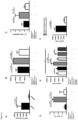
- warfarin reduces the number of MSC, as well as their differentiation capacity to adipocytes and osteoblastic cells. Warfarin impairs osteoblastic function, as well as the HSC-supportive ability of bone marrow stroma cells, leading to compromised function of HSPC.
- Example 3 Rebounding of warfarin-exposed HSPC in an untreated microenvironment
- This phenomenon may possibly be due to exhaustion of HSC, which may have entered the cell cycle upon transplantation into an untreated BMM.
- a higher number of transplanted CD45.1+ LKS cells (and a lower number of competitor cells) achieved higher donor chimerism, but the difference in engraftment between control versus warfarin-treated LKS disappeared and at 16 weeks post transplantation reconstitution by warfarin-treated LKS cells was lower than in the case of control LKS cells, suggesting that functional differences may become more apparent, the greater the 'stress' of transplantation.
- Example 4 Warfarin impairs the HSC-supportive function of bone marrow stroma
- HSC-supportive cytokines may be reduced in a warfarin-treated BMM
- Example 5 Warfarin impairs hematopoiesis via periostin
- Periostin is a secreted extracellular matrix protein, which is expressed by MSC (Coutu et al., 2008; Khurana et al., 2016), osteocytes, periosteal osteoblasts (Bonnet et al., 2012) and bone marrow macrophages, and whose function depends on ⁇ carboxylation.
- periostin was shown to be the most abundant Gla-containing protein secreted by MSC (Coutu et al., 2008) and to regulate HSC function (Khurana et al., 2016), while periostin-deficient mice are characterized by anemia, myelomonocytosis and lymphopenia (Khurana et al., 2016).
- Treatment of periostin knockout mice with warfarin did not lead to a decrease of total leukocytes or monocytes compared to control periostin knockout mice - contrary to wildtype mice treated with warfarin ( Figure 1A and 1B ).
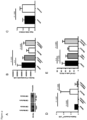
- Example 6 Warfarin impairs hematopoiesis via periostin/ integrin ⁇ 3 signaling axis
- Example 7 Vitamin K antagonism leads to reduction of human leukocytes and engraftment of human HSC
- Example 8 VKA use is more frequent in people with versus without a diagnosis of MDS
- VKA myelodysplastic syndrome
- MDS myelodysplastic syndrome
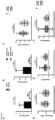
- VKA use was more frequent in people with versus without a diagnosis of MDS, both overall (14.66% versus 5.76%, P ⁇ 0.001; Figure 7A ) and in the various age and sex strata ( P ⁇ 0.001; Figure 7A ).
- the odds of VKA use was significantly higher in patients with versus without a diagnosis of MDS (adjusted odds ratio: 2.49; 95% confidence interval: 2.31- 2.68).
- VKA use was also more frequent in 50-60 year old patients with versus without a diagnosis of MDS (7.1 % versus 0.85 %, P ⁇ 0.001; Figure 7B ).
- the odds of VKA use in this age group was significantly higher in patients with versus without a diagnosis of MDS and higher than in patients aged 70-79 years (adjusted odds ratio: 8.2; 95% confidence interval: 6.64 - 10.13).
- Performance of a myeloid sequencing panel in 5 control and 4 patients on VKA did not reveal any mutations associated with clonal hematopoiesis.
- periostin may play a role in haematological malignancies
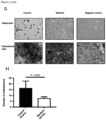
- the inventors co-cultured K562 or Baf3 p210 cells, both of which are positive for the oncogene BCR-ABL1, which is found in chronic myeloid leukaemia (CML) and B-cell acute lymphoblastic leukaemia (B-ALL), on wildtype versus periostin-deficient bone marrow stromal cells.
- B-ALL chronic myeloid leukaemia
- B-ALL B-cell acute lymphoblastic leukaemia
- periostin deficiency has an effect on the progression of leukaemia in vivo
- the inventors induced CML in wildtype versus periostin deficient mice via the transplantation of wildtype bone marrow cells transduced with retrovirus expressing the BCR-ABL1 oncogene. It was observed that periostin deficiency in recipient mice accelerated disease progression, as tested by the increased percentage of leukaemic cells (GFP+ (BCR-ABL1+) CD11b+) in peripheral blood ( Figure 8C ). Conversely, this suggested that administration of periostin may decrease the progression of myeloid leukaemias.
- osmotic minipumps subcutaneously implanted osmotic minipumps (ALZET minipumps, Cupertino, CA). The osmotic minipumps were changed after 14 days (if the experiment went beyond 14 days of treatment). Sham operated (skin incision and suture) mice served as controls. Warfarin treatment continued for 10-14 days. In the xenotransplantation experiments the mice were treated with warfarin via the drinking water (or normal drinking water) at a dose of 0.72 mg/100 ml for a total of 3 days a week (Pfeilschifter et al., 2011).
- 5-fluorouracil was intraperitoneally injected every week at a dose of 75 mg/kg for a total of 4 doses or as a one time dose of 200 mg/kg.
- Recombinant mouse periostin (R&D Systems, Minneapolis, MN, cat. no. 2955-F2), produced in the Sf21 (baculovirus)-derived insect cell line, was administered intravenously at a dose of 2-4 ⁇ g per day and vitamin K was given at a dose of 15mg/kg by oral gavage for four consecutive days.
- Concentrations of drugs for in vitro use were 2 ⁇ M for warfarin, 2 ⁇ g/ml for periostin, 5 ⁇ M for the AKT inhibitor MK-2206 (Selleck Chemicals, Houston, TX) and cilengitide (Selleck Chemicals, Houston, TX, Cat. No. #S7077) was used at 0.05 ⁇ M.
- Phosphate buffered saline served as the vehicle control.
- SJL (CD45.1) donor mice were treated with vehicle or warfarin, euthanized and long bones were flushed, followed by RBC lysis (Life Technologies, Darmstadt, Germany).
- For competitive transplantation 2 x 10 6 total BM cells from SJL mice were co-transplanted with 1 x 10 6 CD45.2+ BM competitor cells into lethally irradiated (900 cGy) C57BL/6N (CD45.2+) recipient mice.
- For serial transplantation 2 x 10 6 total CD45.1+ BM cells were transplanted into lethally irradiated C57BL/6N recipient mice.
- the PE-labelled anti-pAKT antibody (Cell signaling, #5315, Danvers, MA) was used for intracellular flow cytometry after fixation and permeabilization of the cells.
- the femora were isolated and first fixed in 4% paraformaldehyde at 4C overnight and then in 70% ethanol for an additional 5 days. Fixed bones were dehydrated in graded ethanol, then embedded in methyl methacrylate without demineralization. Undecalcified 5 ⁇ m thick longitudinal sections were obtained using a microtome (RM2255, Leica Biosystem, IL, USA). The sections were stained with Goldner Trichrome and at least two consecutive sections per specimen were examined for measurements of cellular parameters. A standard histomorphometric analysis of the femur methaphysis was performed using the Osteomeasure analysis system (Osteometrics Inc, Decatur, GA, USA). Measurements were performed 200 ⁇ m below the distal growth plate. The observer was blinded to the experimental group at the time of measurement. The cellular parameters were calculated and expressed according to the standardized nomenclature (Dempster et al., 2013).
- 20,000 Lin- cells were plated on stroma cells, which had been grown and expanded from vehicle- or warfarin-treated mice in medium ( ⁇ -MEM medium supplemented with 20% fetal bovine serum, 1% penicillin/streptomycin, 1% L-Glutamine) containing vehicle or warfarin (2 ⁇ M).
- medium ⁇ -MEM medium supplemented with 20% fetal bovine serum, 1% penicillin/streptomycin, 1% L-Glutamine
- Conditioned medium was harvested from stroma from 5 mice grown in the above medium containing vehicle or warfarin for 7 days. Consequently, 100,000 Lin- cells were grown for 2-3 days in the conditioned medium and analyzed for cell counts by flow cytometry. Where indicated, the conditioned medium was concentrated using Microsep Advance Centrifugal Devices 30K Omega (Pall Life Sciences, Portsmouth, UK).
- hematopoietic and stroma cells were derived from the same mouse strain (C57/Bl6). Stroma cells were used after a maximum of two passages and when they were 70-80% confluent. Stroma cells were derived by crushing bones from mice, plating them in ⁇ -MEM medium containing 20% fetal calf serum, penicillin/strptomycin and by removing non-adherent hematopoietic cells the following day, as described (Mukherjee et al., 2008). For the methylcellulose colony assays, we plated 10,000 total BM cells from vehicle- or warfarin-treated mice in methylcellulose (M3434, Stem Cell Technologies, Vancouver, Canada). We scored colonies after 10 days.
- M3434 Stem Cell Technologies, Vancouver, Canada
- F4/80+ macrophages were sorted from the bone marrow of control or warfarin-treated mice, plated and cocultured with 20,000-30,000 Lin- BM cells as from the following day.
- Osteoclasts were purified from bone marrow macrophages, following standard protocols. Briefly, bone marrow cells were isolated from the femora and tibiae of 6-8 week old C57/Bl6 animals and cultured overnight at 37C in ⁇ -MEM medium containing 10% fetal bovine serum and 1 % antibiotic/antimycotic. The following day non-adherent cells were collected and separated by centrifugation on 50 % Ficoll-Paque. Bone marrow-derived macrophages were seeded at 20,000 cells/well and cultured for 3 days in the presence of macrophage colony-stimulating factor (M-CSF) (50 ng/ml).
- M-CSF macrophage colony-stimulating factor
- TRAP tartrate-resistant acid phosphatase staining.
- Cells were treated with vehicle or warfarin (2 ⁇ M) for the entire culture period.
- TRAP staining cells were fixed in 10% formalin for 10 minutes, permeabilized in acetone : ethanol (50:50) for 1 minute and then stained with TRAP solution (1mg/ml of naphtol AS-MX in 0.1 M sodium acetate, 0.05M sodium tartrate and 0.6 mg/ml violet blue salt) at 37 C for 10-15 minutes.
- Integrin ⁇ 3 was amplified by PCR from 3T3 fibroblasts using the forward and the reverse primers, ATATATATGAATTCATGCGAGCGCAGTGG (SEQ ID NO: 8) and TATATAGAATTCTTAAGTCCCCCGGTAGGT (SEQ ID NO: 9), respectively. Both primers contained an EcoR1 restriction site, which was used to clone the 2.3 kb integrin ⁇ 3 fragment into the MSCV IRES GFP vector. Integrin ⁇ 3 expression was checked by flow cytometry (BD Biosciences, San Jose, CA) and Western Blotting (Abcam, Cambridge, UK, and Cell Signaling, Danvers, MA), as described (Krause et al., 2013).
- Quantitative PCR was performed using standard protocols.
- Coaguchek XS (Roche Diagnostics, Mannheim, Germany) and Coaguchek XS PT test strips were used to determine the INR of vehicle- and warfarin-treated mice.
- HEK293T cells were transfected with the MSCV integrin ⁇ 3 IRES GFP plasmid using calcium phosphate transfection.
- Conditioned medium from vehicle or warfarin-treated stroma cells was added 48 h post transfection for 6 hours followed by protein isolation using RIPA buffer (150 mM sodium chloride, 1.0% Triton X-100, 0.5% sodium deoxycholate, 0.1% SDS, sodium dodecyl sulfate, 50 mM Tris, pH 8.0).
- Magnetic beads (Dynabeads Protein G) were used for protein immunoprecipitation (IP). Protein lysates were first incubated in 2 ⁇ g of antibody for 3 h at 4 C and then incubated with magnetic beads overnight at 4 C.
- HEK293T cells were transfected with a Myc-DDK-tagged periostin-expressing plasmid (Origene #MR210633). 12 hours after transfection, the media was changed to fresh media containing warfarin (2 ⁇ M and 50 ⁇ M) or vitamin K1 (10 ⁇ g/ml) and left for 48 hours. Cell lysates were then prepared using RIPA lysis buffer.
- Stroma and hematopoietic cells were taken from the iliac crest of healthy donors of allogeneic bone marrow.
- FIGS. 6C-6H Data of patients on VKA were obtained from the French health care databases. Patients with hematological disease, inflammation or sepsis were excluded. Patients admitted to the hospital for dermatological problems without hematological disease or sepsis acted as controls. The control patients did not have clots and were not treated with VKA or any other anticoagulant.
- the control group was composed of patients with no past history of clots, no VKA treatment and no genetic predisposition to thrombosis, while the study group consisted of patients with long- term VKA treatment for thrombosis. None of these patients had a known hematological disorder.
- the national healthcare administrative databases in France were used to explore a potential association between VKA use and a diagnosis of MDS.
- the French National Health Insurance Information System (SNIIRAM) collects all individualized and anonymous healthcare claims including drug usage and severe and long-term conditions listed in the International Classification of Diseases, 10 th edition (ICD-10). Information from the SNIIRAM database was cross-referenced with the French hospital discharge database (PMSI), which provides discharge diagnoses (ICD-10 codes) for all patients.
- SNIIRAM French National Health Insurance Information System
Landscapes
- Health & Medical Sciences (AREA)
- Life Sciences & Earth Sciences (AREA)
- Chemical & Material Sciences (AREA)
- Engineering & Computer Science (AREA)
- Biomedical Technology (AREA)
- Zoology (AREA)
- Organic Chemistry (AREA)
- General Health & Medical Sciences (AREA)
- Immunology (AREA)
- Hematology (AREA)
- Biotechnology (AREA)
- Cell Biology (AREA)
- Developmental Biology & Embryology (AREA)
- Bioinformatics & Cheminformatics (AREA)
- Medicinal Chemistry (AREA)
- Genetics & Genomics (AREA)
- Veterinary Medicine (AREA)
- Public Health (AREA)
- Animal Behavior & Ethology (AREA)
- Pharmacology & Pharmacy (AREA)
- Wood Science & Technology (AREA)
- Biochemistry (AREA)
- Epidemiology (AREA)
- Microbiology (AREA)
- General Engineering & Computer Science (AREA)
- Gastroenterology & Hepatology (AREA)
- Proteomics, Peptides & Aminoacids (AREA)
- Virology (AREA)
- Chemical Kinetics & Catalysis (AREA)
- General Chemical & Material Sciences (AREA)
- Nuclear Medicine, Radiotherapy & Molecular Imaging (AREA)
- Molecular Biology (AREA)
- Biophysics (AREA)
- Toxicology (AREA)
- Orthopedic Medicine & Surgery (AREA)
- Marine Sciences & Fisheries (AREA)
- Diabetes (AREA)
- Medicines Containing Material From Animals Or Micro-Organisms (AREA)
Claims (14)
- Composé de périostine pour utilisation dans la prévention ou le traitement d'un trouble hématologique chez un sujet, dans lequel le composé de périostine est choisi parmi une protéine de périostine, ou un fragment fonctionnel ou variant de celle-ci, ou un acide nucléique de périostine codant pour la protéine de périostine, ou codant pour le fragment fonctionnel ou variant de celle-ci, dans lequel le variant de la protéine de périostine comprend une séquence d'acides aminés qui est identique à au moins 80 % à une séquence d'acides aminés d'une isoforme de périostine humaine présentée dans l'une quelconque des SEQ ID NO: 1 à 7.
- Composé de périostine pour utilisation selon la revendication 1, dans lequel le traitement comprend (i) l'administration du composé de périostine au sujet souffrant du trouble hématologique, ou (ii) le traitement in vitro d'une cellule biologique avec le composé de périostine et l'administration de la cellule ainsi traitée par le composé de périostine au sujet souffrant du trouble hématologique.
- Composé de périostine pour utilisation selon la revendication 2, dans lequel la cellule biologique est une cellule souche hématopoïétique (HSC) autologue ou allogène.
- Composé de périostine pour utilisation selon la revendication 3, dans lequel la HSC allogène est dérivée d'un échantillon de sang de cordon ombilical ou d'un échantillon de moelle osseuse ou d'une cellule souche hématopoïétique mobilisée obtenue à partir de sang périphérique, ou d'un placenta.
- Composé de périostine pour utilisation selon l'une quelconque des revendications 1 à 4, dans lequel la périostine est une isoforme de périostine humaine choisie parmi l'isoforme 1 à 7 (SEQ ID NO: 1 à 7).
- Composé de périostine pour utilisation selon l'une quelconque des revendications 1 à 5, dans lequel le trouble hématologique est une hémopathie maligne, une maladie associée à une fonction pathologique de cellules souches hématopoïétiques (CSH), telle qu'une maladie associée à une diminution/altération d'hématopoïèse, ou est un effet indésirable hématologique causé par un traitement primaire du sujet, par exemple avec un agent thérapeutique primaire pour un autre trouble, par exemple non hématologique.
- Composé de périostine pour utilisation selon la revendication 6, dans lequel l'effet indésirable hématologique est causé par un traitement du sujet avec un agent anticancéreux, tel qu'un agent chimiothérapeutique, ou par un traitement de radiothérapie, ou par un traitement avec un antagoniste de vitamine K, tel que warfarine, fluindione, phénindione, acénocoumarol, dicoumarol, biscoumacétate d'éthyle ou phenprocoumon, de préférence chez un sujet souffrant ou suspecté de développer des complications thrombo-emboliques.
- Composition pharmaceutique pour utilisation dans la prévention ou le traitement d'un trouble hématologique chez un sujet, comprenant un composé de périostine choisi parmi une protéine de périostine, ou un fragment fonctionnel ou variant de celle-ci, ou un acide nucléique de périostine codant pour la protéine de périostine, ou codant pour le fragment fonctionnel ou variant de celle-ci, et un support et/ou excipient pharmaceutiquement acceptables, dans lequel le variant de la protéine de périostine comprend une séquence d'acides aminés qui est identique à au moins 80 % à une séquence d'acides aminés d'une isoforme de périostine humaine présentée dans l'une quelconque des SEQ ID NO: 1 à 7.
- Procédé in vitro permettant de préparer une transplantation de cellules souches, le procédé comprenant les étapes consistant àa. fournir une composition de cellules souches,b. mettre en contact la composition de cellules souches avec un composé de périostine selon l'une quelconque des revendications 1 à 7,c. incuber le mélange de b pendant une durée suffisante pour obtenir une transplantation de cellules souches appropriéed. facultativement, cultiver et/ou purifier la transplantation de cellules souches.
- Procédé selon la revendication 9, dans lequel les cellules souches sont des HSC, de préférence des HSC dérivées d'un échantillon de sang de cordon ombilical ou d'un échantillon de moelle osseuse.
- Procédé in vitro permettant d'améliorer la fonction/l'activité de cellules souches hématopoïétiques, le procédé comprenant la mise en contact de la HSC avec une quantité suffisante d'un composé de périostine selon l'une quelconque des revendications 1 à 7.
- Procédé non thérapeutique permettant de renforcer l'hématopoïèse chez un sujet pour améliorer ou préparer un don de cellules souches du sujet, le procédé comprenant l'administration au sujet d'un composé de périostine choisi parmi une protéine de périostine, ou un fragment fonctionnel ou variant de celle-ci, ou un acide nucléique de périostine codant pour la protéine de périostine, ou codant pour le fragment fonctionnel ou variant de celle-ci, dans lequel le variant de la protéine de périostine comprend une séquence d'acides aminés qui est identique à au moins 80 % à une séquence d'acides aminés d'une isoforme de périostine humaine présentée dans l'une quelconque des SEQ ID NO: 1 à 7.
- Procédé selon la revendication 12, dans lequel le procédé est destiné à améliorer la qualité et/ou la quantité d'un don de cellules souches obtenu auprès du sujet.
- Procédé non thérapeutique permettant d'obtenir des cellules souches auprès d'un sujet, le procédé comprenant les étapes consistant à.a. administrer au sujet un composé de périostine choisi parmi une protéine de périostine, ou un fragment fonctionnel ou variant de celle-ci, ou un acide nucléique de périostine codant pour la protéine de périostine, ou codant pour le fragment fonctionnel ou variant de celle-ci, dans lequel le variant de la protéine de périostine comprend une séquence d'acides aminés qui est identique à au moins 80 % à une séquence d'acides aminés d'une isoforme de périostine humaine présentée dans l'une quelconque des SEQ ID NO: 1 à 7,b. le prélèvement de cellules souches provenant du sujet.
Applications Claiming Priority (3)
| Application Number | Priority Date | Filing Date | Title |
|---|---|---|---|
| US201862700465P | 2018-07-19 | 2018-07-19 | |
| EP18184430.9A EP3597211A1 (fr) | 2018-07-19 | 2018-07-19 | Composés de périostine pour le traitement de complications hématologiques |
| PCT/EP2019/069345 WO2020016346A1 (fr) | 2018-07-19 | 2019-07-18 | Composés de périostine pour le traitement de complications hématologiques |
Publications (3)
| Publication Number | Publication Date |
|---|---|
| EP3823660A1 EP3823660A1 (fr) | 2021-05-26 |
| EP3823660C0 EP3823660C0 (fr) | 2025-05-07 |
| EP3823660B1 true EP3823660B1 (fr) | 2025-05-07 |
Family
ID=63012883
Family Applications (2)
| Application Number | Title | Priority Date | Filing Date |
|---|---|---|---|
| EP18184430.9A Withdrawn EP3597211A1 (fr) | 2018-07-19 | 2018-07-19 | Composés de périostine pour le traitement de complications hématologiques |
| EP19745069.5A Active EP3823660B1 (fr) | 2018-07-19 | 2019-07-18 | Composés de périostine pour le traitement de complications hématologiques |
Family Applications Before (1)
| Application Number | Title | Priority Date | Filing Date |
|---|---|---|---|
| EP18184430.9A Withdrawn EP3597211A1 (fr) | 2018-07-19 | 2018-07-19 | Composés de périostine pour le traitement de complications hématologiques |
Country Status (3)
| Country | Link |
|---|---|
| US (2) | US12162918B2 (fr) |
| EP (2) | EP3597211A1 (fr) |
| WO (1) | WO2020016346A1 (fr) |
Families Citing this family (2)
| Publication number | Priority date | Publication date | Assignee | Title |
|---|---|---|---|---|
| EP3597211A1 (fr) * | 2018-07-19 | 2020-01-22 | Chemotherapeutisches Forschungsinstitut Georg-Speyer-Haus | Composés de périostine pour le traitement de complications hématologiques |
| CN119414030B (zh) * | 2025-01-06 | 2025-04-15 | 天津市肿瘤医院空港医院 | POSTN蛋白在制备Treg细胞失调性疾病诊疗产品中的应用 |
Family Cites Families (6)
| Publication number | Priority date | Publication date | Assignee | Title |
|---|---|---|---|---|
| RU2425876C2 (ru) * | 2006-03-24 | 2011-08-10 | Чилдрен'З Медикал Сентер Корпорейшн | Способ модулирования роста гематопоэтических стволовых клеток |
| EP2117582B1 (fr) * | 2007-01-22 | 2013-06-26 | Children's Medical Center Corporation | Periostine induisant une proliferation de cardiomyocytes et favorisant une regeneration cardiaque |
| EP2329025A4 (fr) * | 2008-09-08 | 2012-04-25 | Ottawa Hospital Res Inst | Régénération pancréatique induite par la périostine |
| US20110033516A1 (en) * | 2009-08-06 | 2011-02-10 | Medical University Of South Carolina | Methods and compositions for bone healing by periostin |
| US20120071407A1 (en) * | 2010-06-18 | 2012-03-22 | Douglas Hamilton | Method of treating wounds |
| EP3597211A1 (fr) * | 2018-07-19 | 2020-01-22 | Chemotherapeutisches Forschungsinstitut Georg-Speyer-Haus | Composés de périostine pour le traitement de complications hématologiques |
-
2018
- 2018-07-19 EP EP18184430.9A patent/EP3597211A1/fr not_active Withdrawn
-
2019
- 2019-07-18 EP EP19745069.5A patent/EP3823660B1/fr active Active
- 2019-07-18 WO PCT/EP2019/069345 patent/WO2020016346A1/fr not_active Ceased
- 2019-07-18 US US17/260,681 patent/US12162918B2/en active Active
-
2024
- 2024-11-08 US US18/941,801 patent/US20250333462A1/en active Pending
Also Published As
| Publication number | Publication date |
|---|---|
| EP3823660C0 (fr) | 2025-05-07 |
| WO2020016346A1 (fr) | 2020-01-23 |
| EP3823660A1 (fr) | 2021-05-26 |
| US20250333462A1 (en) | 2025-10-30 |
| EP3597211A1 (fr) | 2020-01-22 |
| US12162918B2 (en) | 2024-12-10 |
| US20210261638A1 (en) | 2021-08-26 |
Similar Documents
| Publication | Publication Date | Title |
|---|---|---|
| US20250333462A1 (en) | Periostin compounds for the treatment of haematological complications | |
| EP1286684B1 (fr) | Utilisation d'antagonistes du cxcr4 pour traiter les maladies autoimmunes et le cancer | |
| US7435718B2 (en) | CXCR4 antagonist treatment of hematopoietic cells | |
| JP2022548523A (ja) | 癌治療に向けた癌療法とサイトカイン制御療法との組み合わせ | |
| EP3865139A1 (fr) | Association d'une cancérothérapie et d'une thérapie de contrôle des cytokines pour le traitement du cancer | |
| US9567371B2 (en) | Short beta-defensin-derived peptides | |
| JP2017518361A (ja) | インターロイキン−2のスーパーアンタゴニスト、パーシャルアゴニスト及びアンタゴニスト | |
| Kim et al. | GM-CSF enhances mobilization of bone marrow mesenchymal stem cells via a CXCR4-medicated mechanism | |
| US12377119B2 (en) | Natural killer cells | |
| Gao et al. | Mesenchymal stem cells transfected with sFgl2 inhibit the acute rejection of heart transplantation in mice by regulating macrophage activation | |
| Wang et al. | Analysis of CD137 and CD137L expression in human primary tumor tissues | |
| Molina et al. | Regulatory dendritic cells induced by bendamustine are associated with enhanced Flt3 expression and alloreactive T-cell death | |
| US20250360149A1 (en) | Gpcr inhibitors and uses thereof | |
| Noel et al. | IL-1/MyD88–Dependent G-CSF and IL-6 Secretion Mediates Postburn Anemia | |
| EP2983696B1 (fr) | Utilisation de m-csf pour la prévention ou le traitement de la cytopénie liée aux syndromes myélodysplasiques et de complications connexes | |
| WO2025050038A2 (fr) | Inhibiteurs de rcpg et leurs utilisations | |
| JP2021126113A (ja) | ヒトインターロイキン4受容体の変異ポリペプチド、及びm2マクロファージへの分化又は分極誘導剤 | |
| Yoshida et al. | Effective-mononuclear cell (E-MNC) therapy alleviates salivary gland damage by suppressing lymphocyte infiltration in Sjögren-like disease | |
| KR20250017256A (ko) | 매우 효과적인 입양 t 세포 요법 | |
| WO2017007956A1 (fr) | Compositions et méthodes de réduction du rejet d'organe par réduction de sulfate d'héparane dans des greffes de donneurs | |
| EP4558161A1 (fr) | M-csf destiné à être utilisé dans la prophylaxie et/ou le traitement d'infections virales dans des états d'immunosuppression | |
| WO2021161997A1 (fr) | Polypeptide récepteur humain modifié de l'interleukine 4 et agent d'induction pour la différenciation ou la polarisation en m2-macrophages | |
| KR20120021853A (ko) | 세포치료제의 생체 내 이동 및 생착을 증진시키는 펩타이드의 신규한 용도 | |
| Sudhir | Wei-Bei Wang, Men-Luh Yen, 2, 8 Ko-Jiunn Liu, 3, 4,* Pei-Ju Hsu, Ming-Hong Lin, 5 Pei-Min Chen, 2 | |
| Wang et al. | Basic Science |
Legal Events
| Date | Code | Title | Description |
|---|---|---|---|
| STAA | Information on the status of an ep patent application or granted ep patent |
Free format text: STATUS: UNKNOWN |
|
| STAA | Information on the status of an ep patent application or granted ep patent |
Free format text: STATUS: THE INTERNATIONAL PUBLICATION HAS BEEN MADE |
|
| PUAI | Public reference made under article 153(3) epc to a published international application that has entered the european phase |
Free format text: ORIGINAL CODE: 0009012 |
|
| STAA | Information on the status of an ep patent application or granted ep patent |
Free format text: STATUS: REQUEST FOR EXAMINATION WAS MADE |
|
| 17P | Request for examination filed |
Effective date: 20210218 |
|
| AK | Designated contracting states |
Kind code of ref document: A1 Designated state(s): AL AT BE BG CH CY CZ DE DK EE ES FI FR GB GR HR HU IE IS IT LI LT LU LV MC MK MT NL NO PL PT RO RS SE SI SK SM TR |
|
| RIN1 | Information on inventor provided before grant (corrected) |
Inventor name: KRAUSE, DANIELA Inventor name: VERMA, DIVIJ |
|
| DAV | Request for validation of the european patent (deleted) | ||
| DAX | Request for extension of the european patent (deleted) | ||
| STAA | Information on the status of an ep patent application or granted ep patent |
Free format text: STATUS: EXAMINATION IS IN PROGRESS |
|
| 17Q | First examination report despatched |
Effective date: 20230209 |
|
| GRAP | Despatch of communication of intention to grant a patent |
Free format text: ORIGINAL CODE: EPIDOSNIGR1 |
|
| STAA | Information on the status of an ep patent application or granted ep patent |
Free format text: STATUS: GRANT OF PATENT IS INTENDED |
|
| RIC1 | Information provided on ipc code assigned before grant |
Ipc: A61P 7/00 20060101ALI20241010BHEP Ipc: A61P 35/00 20060101ALI20241010BHEP Ipc: A61K 35/28 20150101ALI20241010BHEP Ipc: C12N 5/0789 20100101ALI20241010BHEP Ipc: A61K 38/17 20060101AFI20241010BHEP |
|
| INTG | Intention to grant announced |
Effective date: 20241023 |
|
| GRAS | Grant fee paid |
Free format text: ORIGINAL CODE: EPIDOSNIGR3 |
|
| GRAA | (expected) grant |
Free format text: ORIGINAL CODE: 0009210 |
|
| STAA | Information on the status of an ep patent application or granted ep patent |
Free format text: STATUS: THE PATENT HAS BEEN GRANTED |
|
| AK | Designated contracting states |
Kind code of ref document: B1 Designated state(s): AL AT BE BG CH CY CZ DE DK EE ES FI FR GB GR HR HU IE IS IT LI LT LU LV MC MK MT NL NO PL PT RO RS SE SI SK SM TR |
|
| RAP1 | Party data changed (applicant data changed or rights of an application transferred) |
Owner name: UNIVERSITAETSMEDIZIN DERJOHANNES GUTENBERG-UNIVERSITAET MAINZ |
|
| REG | Reference to a national code |
Ref country code: GB Ref legal event code: FG4D |
|
| REG | Reference to a national code |
Ref country code: CH Ref legal event code: EP |
|
| REG | Reference to a national code |
Ref country code: DE Ref legal event code: R096 Ref document number: 602019069633 Country of ref document: DE |
|
| REG | Reference to a national code |
Ref country code: IE Ref legal event code: FG4D |
|
| U01 | Request for unitary effect filed |
Effective date: 20250610 |
|
| U07 | Unitary effect registered |
Designated state(s): AT BE BG DE DK EE FI FR IT LT LU LV MT NL PT RO SE SI Effective date: 20250617 |
|
| U20 | Renewal fee for the european patent with unitary effect paid |
Year of fee payment: 7 Effective date: 20250708 |
|
| PG25 | Lapsed in a contracting state [announced via postgrant information from national office to epo] |
Ref country code: ES Free format text: LAPSE BECAUSE OF FAILURE TO SUBMIT A TRANSLATION OF THE DESCRIPTION OR TO PAY THE FEE WITHIN THE PRESCRIBED TIME-LIMIT Effective date: 20250507 |
|
| PG25 | Lapsed in a contracting state [announced via postgrant information from national office to epo] |
Ref country code: GR Free format text: LAPSE BECAUSE OF FAILURE TO SUBMIT A TRANSLATION OF THE DESCRIPTION OR TO PAY THE FEE WITHIN THE PRESCRIBED TIME-LIMIT Effective date: 20250808 Ref country code: NO Free format text: LAPSE BECAUSE OF FAILURE TO SUBMIT A TRANSLATION OF THE DESCRIPTION OR TO PAY THE FEE WITHIN THE PRESCRIBED TIME-LIMIT Effective date: 20250807 |
|
| PG25 | Lapsed in a contracting state [announced via postgrant information from national office to epo] |
Ref country code: PL Free format text: LAPSE BECAUSE OF FAILURE TO SUBMIT A TRANSLATION OF THE DESCRIPTION OR TO PAY THE FEE WITHIN THE PRESCRIBED TIME-LIMIT Effective date: 20250507 |
|
| PGFP | Annual fee paid to national office [announced via postgrant information from national office to epo] |
Ref country code: GB Payment date: 20250724 Year of fee payment: 7 |
|
| PG25 | Lapsed in a contracting state [announced via postgrant information from national office to epo] |
Ref country code: HR Free format text: LAPSE BECAUSE OF FAILURE TO SUBMIT A TRANSLATION OF THE DESCRIPTION OR TO PAY THE FEE WITHIN THE PRESCRIBED TIME-LIMIT Effective date: 20250507 |
|
| PG25 | Lapsed in a contracting state [announced via postgrant information from national office to epo] |
Ref country code: RS Free format text: LAPSE BECAUSE OF FAILURE TO SUBMIT A TRANSLATION OF THE DESCRIPTION OR TO PAY THE FEE WITHIN THE PRESCRIBED TIME-LIMIT Effective date: 20250807 |
|
| PG25 | Lapsed in a contracting state [announced via postgrant information from national office to epo] |
Ref country code: IS Free format text: LAPSE BECAUSE OF FAILURE TO SUBMIT A TRANSLATION OF THE DESCRIPTION OR TO PAY THE FEE WITHIN THE PRESCRIBED TIME-LIMIT Effective date: 20250907 |
|
| PG25 | Lapsed in a contracting state [announced via postgrant information from national office to epo] |
Ref country code: SM Free format text: LAPSE BECAUSE OF FAILURE TO SUBMIT A TRANSLATION OF THE DESCRIPTION OR TO PAY THE FEE WITHIN THE PRESCRIBED TIME-LIMIT Effective date: 20250507 |
|
| PG25 | Lapsed in a contracting state [announced via postgrant information from national office to epo] |
Ref country code: CZ Free format text: LAPSE BECAUSE OF FAILURE TO SUBMIT A TRANSLATION OF THE DESCRIPTION OR TO PAY THE FEE WITHIN THE PRESCRIBED TIME-LIMIT Effective date: 20250507 |
|
| PG25 | Lapsed in a contracting state [announced via postgrant information from national office to epo] |
Ref country code: SK Free format text: LAPSE BECAUSE OF FAILURE TO SUBMIT A TRANSLATION OF THE DESCRIPTION OR TO PAY THE FEE WITHIN THE PRESCRIBED TIME-LIMIT Effective date: 20250507 |
|
| REG | Reference to a national code |
Ref country code: CH Ref legal event code: H13 Free format text: ST27 STATUS EVENT CODE: U-0-0-H10-H13 (AS PROVIDED BY THE NATIONAL OFFICE) Effective date: 20260224 |
|
| PLBE | No opposition filed within time limit |
Free format text: ORIGINAL CODE: 0009261 |
|
| STAA | Information on the status of an ep patent application or granted ep patent |
Free format text: STATUS: NO OPPOSITION FILED WITHIN TIME LIMIT |
|
| REG | Reference to a national code |
Ref country code: CH Ref legal event code: L10 Free format text: ST27 STATUS EVENT CODE: U-0-0-L10-L00 (AS PROVIDED BY THE NATIONAL OFFICE) Effective date: 20260318 |
|
| 26N | No opposition filed |
Effective date: 20260210 |
|
| PG25 | Lapsed in a contracting state [announced via postgrant information from national office to epo] |
Ref country code: CH Free format text: LAPSE BECAUSE OF NON-PAYMENT OF DUE FEES Effective date: 20250731 |