EP3831401A1 - Mélange médicamenteux à base de protéines allergènes recombinées d'acariens et son utilisation - Google Patents
Mélange médicamenteux à base de protéines allergènes recombinées d'acariens et son utilisation Download PDFInfo
- Publication number
- EP3831401A1 EP3831401A1 EP19821864.6A EP19821864A EP3831401A1 EP 3831401 A1 EP3831401 A1 EP 3831401A1 EP 19821864 A EP19821864 A EP 19821864A EP 3831401 A1 EP3831401 A1 EP 3831401A1
- Authority
- EP
- European Patent Office
- Prior art keywords
- recombinant
- dust mite
- allergen
- proteins
- fermentation
- Prior art date
- Legal status (The legal status is an assumption and is not a legal conclusion. Google has not performed a legal analysis and makes no representation as to the accuracy of the status listed.)
- Pending
Links
Images




Classifications
-
- C—CHEMISTRY; METALLURGY
- C12—BIOCHEMISTRY; BEER; SPIRITS; WINE; VINEGAR; MICROBIOLOGY; ENZYMOLOGY; MUTATION OR GENETIC ENGINEERING
- C12N—MICROORGANISMS OR ENZYMES; COMPOSITIONS THEREOF; PROPAGATING, PRESERVING, OR MAINTAINING MICROORGANISMS; MUTATION OR GENETIC ENGINEERING; CULTURE MEDIA
- C12N15/00—Mutation or genetic engineering; DNA or RNA concerning genetic engineering, vectors, e.g. plasmids, or their isolation, preparation or purification; Use of hosts therefor
- C12N15/09—Recombinant DNA-technology
- C12N15/63—Introduction of foreign genetic material using vectors; Vectors; Use of hosts therefor; Regulation of expression
- C12N15/79—Vectors or expression systems specially adapted for eukaryotic hosts
- C12N15/80—Vectors or expression systems specially adapted for eukaryotic hosts for fungi
- C12N15/81—Vectors or expression systems specially adapted for eukaryotic hosts for fungi for yeasts
- C12N15/815—Vectors or expression systems specially adapted for eukaryotic hosts for fungi for yeasts for yeasts other than Saccharomyces
-
- A—HUMAN NECESSITIES
- A61—MEDICAL OR VETERINARY SCIENCE; HYGIENE
- A61K—PREPARATIONS FOR MEDICAL, DENTAL OR TOILETRY PURPOSES
- A61K38/00—Medicinal preparations containing peptides
- A61K38/16—Peptides having more than 20 amino acids; Gastrins; Somatostatins; Melanotropins; Derivatives thereof
- A61K38/17—Peptides having more than 20 amino acids; Gastrins; Somatostatins; Melanotropins; Derivatives thereof from animals; from humans
- A61K38/1767—Peptides having more than 20 amino acids; Gastrins; Somatostatins; Melanotropins; Derivatives thereof from animals; from humans from invertebrates
-
- A—HUMAN NECESSITIES
- A61—MEDICAL OR VETERINARY SCIENCE; HYGIENE
- A61K—PREPARATIONS FOR MEDICAL, DENTAL OR TOILETRY PURPOSES
- A61K39/00—Medicinal preparations containing antigens or antibodies
- A61K39/35—Allergens
-
- A—HUMAN NECESSITIES
- A61—MEDICAL OR VETERINARY SCIENCE; HYGIENE
- A61P—SPECIFIC THERAPEUTIC ACTIVITY OF CHEMICAL COMPOUNDS OR MEDICINAL PREPARATIONS
- A61P33/00—Antiparasitic agents
- A61P33/14—Ectoparasiticides, e.g. scabicides
-
- A—HUMAN NECESSITIES
- A61—MEDICAL OR VETERINARY SCIENCE; HYGIENE
- A61P—SPECIFIC THERAPEUTIC ACTIVITY OF CHEMICAL COMPOUNDS OR MEDICINAL PREPARATIONS
- A61P37/00—Drugs for immunological or allergic disorders
- A61P37/08—Antiallergic agents
-
- C—CHEMISTRY; METALLURGY
- C07—ORGANIC CHEMISTRY
- C07K—PEPTIDES
- C07K14/00—Peptides having more than 20 amino acids; Gastrins; Somatostatins; Melanotropins; Derivatives thereof
- C07K14/435—Peptides having more than 20 amino acids; Gastrins; Somatostatins; Melanotropins; Derivatives thereof from animals; from humans
- C07K14/43504—Peptides having more than 20 amino acids; Gastrins; Somatostatins; Melanotropins; Derivatives thereof from animals; from humans from invertebrates
- C07K14/43513—Peptides having more than 20 amino acids; Gastrins; Somatostatins; Melanotropins; Derivatives thereof from animals; from humans from invertebrates from arachnidae
- C07K14/43531—Peptides having more than 20 amino acids; Gastrins; Somatostatins; Melanotropins; Derivatives thereof from animals; from humans from invertebrates from arachnidae from mites
-
- C—CHEMISTRY; METALLURGY
- C12—BIOCHEMISTRY; BEER; SPIRITS; WINE; VINEGAR; MICROBIOLOGY; ENZYMOLOGY; MUTATION OR GENETIC ENGINEERING
- C12N—MICROORGANISMS OR ENZYMES; COMPOSITIONS THEREOF; PROPAGATING, PRESERVING, OR MAINTAINING MICROORGANISMS; MUTATION OR GENETIC ENGINEERING; CULTURE MEDIA
- C12N1/00—Microorganisms; Compositions thereof; Processes of propagating, maintaining or preserving microorganisms or compositions thereof; Processes of preparing or isolating a composition containing a microorganism; Culture media therefor
- C12N1/14—Fungi; Culture media therefor
- C12N1/16—Yeasts; Culture media therefor
-
- C—CHEMISTRY; METALLURGY
- C07—ORGANIC CHEMISTRY
- C07K—PEPTIDES
- C07K2319/00—Fusion polypeptide
- C07K2319/01—Fusion polypeptide containing a localisation/targetting motif
- C07K2319/02—Fusion polypeptide containing a localisation/targetting motif containing a signal sequence
-
- C—CHEMISTRY; METALLURGY
- C12—BIOCHEMISTRY; BEER; SPIRITS; WINE; VINEGAR; MICROBIOLOGY; ENZYMOLOGY; MUTATION OR GENETIC ENGINEERING
- C12P—FERMENTATION OR ENZYME-USING PROCESSES TO SYNTHESISE A DESIRED CHEMICAL COMPOUND OR COMPOSITION OR TO SEPARATE OPTICAL ISOMERS FROM A RACEMIC MIXTURE
- C12P21/00—Preparation of peptides or proteins
- C12P21/02—Preparation of peptides or proteins having a known sequence of two or more amino acids, e.g. glutathione
-
- Y—GENERAL TAGGING OF NEW TECHNOLOGICAL DEVELOPMENTS; GENERAL TAGGING OF CROSS-SECTIONAL TECHNOLOGIES SPANNING OVER SEVERAL SECTIONS OF THE IPC; TECHNICAL SUBJECTS COVERED BY FORMER USPC CROSS-REFERENCE ART COLLECTIONS [XRACs] AND DIGESTS
- Y02—TECHNOLOGIES OR APPLICATIONS FOR MITIGATION OR ADAPTATION AGAINST CLIMATE CHANGE
- Y02A—TECHNOLOGIES FOR ADAPTATION TO CLIMATE CHANGE
- Y02A50/00—TECHNOLOGIES FOR ADAPTATION TO CLIMATE CHANGE in human health protection, e.g. against extreme weather
- Y02A50/30—Against vector-borne diseases, e.g. mosquito-borne, fly-borne, tick-borne or waterborne diseases whose impact is exacerbated by climate change
Definitions
- the present invention relates to a drug composition for treating dust mite allergy, and in particular relates to an improved recombinant dust mite allergen protein pharmaceutical composition and use thereof.
- dust mites are the most important allergen.
- the positive rate of dust mites in patients with allergic diseases is about 70-80%.
- dust mites which are widely present in human life and work environment.
- the excreta, metabolites and bodies of dust mites have strong allergenicity. According to statistics, about 10% of the global population is allergic to dust mites, and about 80% of extrinsic asthma is caused by dust mites.
- the composition of the natural allergen extract is very complex, and is very difficult to maintain its components.
- the natural allergen extract is easy to be contaminated by exogenous toxic substances and pathogenic microorganisms, which affects its repeatability and safety. Long-term use in the treatment can easily lead to local reactions such as redness, swelling, induration and necrosis, and systemic reactions such as shock, edema, bronchospasm, urticaria, angioedema and systemic erythema.
- the use of the crude extract for diagnosis cannot clarify the degree of reaction of the patient to the components of the allergens, which may easily lead to misdiagnosis. The quality of allergens is very important for the diagnosis and treatment of allergic reaction diseases.
- the allergens used for immunological diagnosis and treatment should be pure products rather than crude extracts.
- dust mite allergens mainly exist in excreta and mite bodies.
- the extraction method is time-consuming, cumbersome and costly, and side reactions in immunotherapy cannot be avoided.
- the objective of the present invention is to provide a recombinant dust mite allergen protein pharmaceutical composition, and optimize the pharmaceutical composition ratio to obtain the best activity.
- the present invention provides a recombinant dust mite allergen protein pharmaceutical composition, including recombinant dust mite type I allergen DP1 and DF1 proteins and recombinant dust mite type II allergen DP2 and DF2 proteins, wherein the four types of dust mite allergen proteins DP1:DP2:DF1 :DF2 are respectively mixed in an activity ratio of 1:1:1:1 or mixed in a mass ratio of (1-5):(1-20):(1-10):(1-20).
- the four types of dust mite allergen proteins DP1:DP2:DF1:DF2 in the pharmaceutical composition are respectively mixed in a mass ratio of 1:(1-20):1:(1-20).
- the four types of dust mite allergen proteins in the pharmaceutical composition are mixed in a mass ratio of 1:5:1:5.
- the recombinant dust mite type I allergen DP1 and DF1 proteins and the recombinant dust mite type II allergen DP2 and DF2 proteins are respectively obtained by expressing the genes as shown in SEQ ID NO: 1, SEQ ID NO: 2, SEQ ID NO: 3 and SEQ ID NO: 4 through a Pichia pastoris expression system.
- the recombinant dust mite type I allergen protein is prepared by the following method:
- the main fermentation process for expressing the recombinant dust mite type I allergen DP1 and DF1 proteins is as follows: the fermentation medium used is a 40% BSM medium; at the induction stage of high-density fermentation, the induction temperature is 25-27°C, and the pH value is 6.5 ⁇ 0.2; at the induction stage of high-density fermentation, the feeding rate of methanol is 30 mL/h -1 L -1 , and DO is maintained not higher than 40%; at the proliferation stage of bacteria during high-density fermentation, the fermentation temperature is 27°C, the pH is 5.5 ⁇ 0.2, the rotation speed is 300 rpm, the DO value is 100%, and PTM1 (2.4 ml/L) is added; and at the start of the rate-limited growth stage of high-density fermentation, 50% glycerol is fed at a rate of 30 ml/h -1 L -1 , and then the feeding rate is increased to 60 ml/h
- the purification packing for cation exchange chromatography is SP FF, and the preferred pH range is 4.0-6.5. More preferably, the pH of the sample and buffer in the cation exchange chromatography is 5.0.
- the purification packing for the anion exchange chromatography is Q FF, the preferred pH range is 6.0-8.0, and the preferred conductivity is 2.0 mS/cm-20.0 mS/cm. More preferably, the pH of the sample and buffer in the anion exchange chromatography is 8.0, and the conductivity is 20.0 mS/cm.
- the purification packing for the hydrophobic chromatography is phenyl FF, the preferred pH range is 6.5-8.5, and the preferred concentration of ammonium sulfate is 1.0-2.0 M. More preferably, the concentration of ammonium sulfate in the sample and equilibration buffer in the hydrophobic chromatography is 2.0 M, and the pH is 8.5.
- the main fermentation process for expressing the recombinant dust mite type II allergen DP2 and DF2 proteins is as follows: the fermentation medium used is a 60% BSM medium; at the induction stage of high-density fermentation, the induction temperature is 20-22°C, and the pH value is 6.0 ⁇ 0.2; at the induction stage of high-density fermentation, the feeding rate of methanol is 30 mL/h -1 L -1 , and DO is maintained not higher than 40%; and at the start of the rate-limited growth stage of high-density fermentation, 50% glycerol is fed at a rate of 30 ml/h -1 L -1 , and then the feeding rate is increased to 60 ml/h -1 L -1 .
- the purification packing for cation exchange chromatography is SP FF, and the preferred pH range is 4.0-6.0. More preferably, the pH of the sample and buffer is 6.0.
- the purification packing for the anion exchange chromatography is Q FF, the preferred pH range is 6.0-9.0, and the preferred conductivity is 2.0 mS/cm-20.0 mS/cm. More preferably, the pH of the sample and buffer is 7.5, and the conductivity is 10.0 mS/cm.
- the purification packing for the hydrophobic chromatography is phenyl FF, the preferred pH range is 6.0-8.0, and the preferred concentration of ammonium sulfate is 1.0-2.0 M. More preferably, the concentration of ammonium sulfate in the sample and equilibration buffer is 1.0 M, and the pH is 6.0.
- the present invention has the following advantages: firstly, compared with a crude extract: (1) the recombinant allergen has a higher purity, and does not contain non-allergenic components, enzymes, enzyme inhibitors, toxic proteins and the like compared with the crude extract; (2) the recombinant protein has good specificity; the components in the crude extract are complex, patients may only react with some of the components, and the specificity is poor; while the recombinant allergen has a single component and good specificity; and (3) the recombinant allergen can replace the natural extract in activity, reduces IgE-bound antigenic epitopes compared with the natural extract, effectively reduces IgE-mediated allergic reactions, while retains the necessary domains for allergen T cell recognition, has good immunogenicity, reduces the risk of immunotherapy, and improves the effect of desensitization treatment.
- composition ratio is found after repeated exploration by the applicant as the recombinant allergen protein pharmaceutical composition of the present invention, so that the composition not only has better activity than the natural allergen protein in the same proportions (the activity of the recombinant allergen protein alone is basically the same as that of the natural allergen protein), but also has a higher activity than that of the most active allergen protein compared with a single component.
- Step 1 recombinant codon optimization modification
- the inventor obtained the codon optimized and modified proDP1 gene of the present invention (the gene is obtained by adding an alpha-factor signal peptide and a Kozak sequence GCCACCATGG to the wild-type gene, and is codon optimized), and the nucleotide sequence is shown in SEQ ID NO: 1.
- the inventor obtained the codon optimized and modified proDFl gene of the present invention (the gene is obtained by adding an alpha-factor signal peptide and a Kozak sequence GCCACCATGG to the wild-type gene, and is codon optimized), and the nucleotide sequence is shown in SEQ ID NO:2.
- Step 2 construction of expression plasmid containing proDP1 gene
- the XhoI enzymatic restriction site sequence is introduced at the 5' end of the codon optimized proDP1, the XbaI enzymatic restriction site sequence is introduced at the 3' end, and whole gene synthesis is performed.
- the synthesized gene fragment is constructed into the pUC57 plasmid (provided by Nanjing GenScript Biotechnology Corporation) to obtain a long-term preservation plasmid, denoted as pUC57-proDP1 plasmid.
- the pUC57-proDPl plasmid is used as a template to perform PCR amplification, and the primer sequences used are as follows:
- the total reaction volume is 50 ⁇ L, wherein 2.5 ⁇ L of each of the primers at a concentration of 10 ⁇ mol/L, 1 ⁇ L of dNTP at a concentration of 10 mmol/L, and 0.5 ⁇ L of DNA polymerase Q5 (#M0491L, purchased from New England BioLabs) at 2 U/ ⁇ L, are added.
- the reaction is performed at 98°C for 5 s, 55°C for 45 s, and 72°C for 30 s. After 25 cycles, the product is analyzed by 1.0% agarose gel electrophoresis, and the result shows that the product size is consistent with the expected size (1000 bp).
- the plasmid is transformed into DH5 ⁇ competent cells (CB101, purchased from Tiangen Biotech (Beijing) Co., Ltd.), and the cells are cultured overnight at 37°C in an LB solid medium containing bleomycin (purchased from Invitrogen). On the second day, positive clonal bacteria are selected, sequenced and compared. If the sequence is completely consistent with the expected sequence, the proDP1 codon optimized expression plasmid is obtained, denoted as pPICZ ⁇ -proDP1.
- Step 3 construction of Pichia pastoris host engineering strain containing recombinant proDP1 gene
- YPDS solid medium Prepare a YPDS solid medium according to the instruction of an Easy SelectPichia Expression Kit of Invitrogen, containing yeast extract 10 g/L, peptone 20 g/L, glucose 20 g/L, agarose 15 g/L, and sorbitol 182 g/L.
- Electrocompetent cells are prepared according to the instruction of the Easy SelectPichia Expression Kit of Invitrogen.
- the plasmid pPICZ ⁇ -proDP1 obtained in step 2 is enzymatically digested and linearized with SacI restriction enzyme (#R0156S, purchased from New England Biolabs). After ethanol precipitation, a linearized vector is electrotransformed into Pichia pastoris X33 competent cells. The cells are spread on a YPDS solid medium and cultured at 30°C until a transformant grows.
- Step 1 activation of recombinant strain
- Glycerol bacterial seeds obtained by the above example and cryopreserved in a working seed bank at -80°C are taken and streaked on a YPD solid medium (yeast extract 10 g/L, peptone 20 g/L, glucose 20 g/L, and agarose 15 g/L), and cultured in a constant temperature and constant humidity box at 30°C for 3-5 days.
- YPD solid medium yeast extract 10 g/L, peptone 20 g/L, glucose 20 g/L, and agarose 15 g/L
- Step 2 primary seed solution culture
- the monoclonal colonies on the plate in step 1 are picked and cultured in a YPD liquid medium (yeast extract 10 g/L, peptone 20 g/L, and glucose 20 g/L) at 30°C and 220 rpm to OD 600 ⁇ 6.0.
- the bacteria are observed under a microscope to ensure that there is no other bacteria, thus, the primary seed solution for fermentation is obtained.
- Step 3 secondary seed solution culture
- Step 4 fermentation process
- a Sartorius Cplus bioreactor is cleaned.
- the fermentation medium is 40% BSM, and 20 L of fermentation medium is prepared and poured into the fermentation tank.
- the seed solution obtained in step 3 is inoculated into the fermentation tank at a ratio of 1:15 (V/V, seed solution/fermentation medium).
- V/V seed solution/fermentation medium
- the fermentation temperature is 27°C
- pH 5.5 ⁇ 0.2
- the rotation speed is 300 rpm
- the DO value is 100%
- PTM1 2.4 ml/L
- the initial proliferation stage lasts for about 20 h.
- the carbon source is exhausted, the dissolved oxygen value rises rapidly, and the wet weight of the bacteria reaches 100 g/L.
- the bacteria enter a rate-limited growth stage. In the first 2 h of the stage, 50% glycerol is added at a rate of 30 ml/h -1 L -1 .
- the feeding rate is increased to 60 ml/h -1 L -1 .
- the wet weight of the bacteria is about 200 g/L, feeding is stopped, and the DO rises, indicating that the carbon source is exhausted and the bacteria enter an induction stage.
- Samples are taken at regular intervals after the start of fermentation, and the OD 600 absorption value of the fermentation broth and the wet weight of the bacteria are measured.
- the OD 600 of the fermentation broth can reach 300 or more, and the wet weight of the bacteria can reach 400 g/L.
- the fermentation is terminated after induction for 40 h.
- Step 1 pretreatment of fermentation broth
- the fermentation broth obtained in the above example is centrifuged at a high speed to obtain the supernatant.
- Diatomaceous earth is added to aid filtration, and a clarified fermentation broth sample is obtained overnight.
- the fermentation broth sample is diluted and ultrafiltrated with 10 KD membrane package to reduce the conductivity to 5 mS/cm or less.
- the pH of the supernatant of the fermentation broth after the above treatment is adjusted with acetic acid to 4.0.
- the supernatant is loaded on an SP FF chromatography column, the column type is BPG140/100, and the column volume is 2800 ml.
- the equilibration buffer is 50 mM NaAc, pH 4.0.
- the elution buffer is 50 mM NaAc, 1.0 M NaCl, pH 4.0, and 0-100% linear elution is performed.
- the DP1/DF1 target proteins are mainly concentrated in the second elution peak.
- pH 5.0 is the best condition, and the purity of the DP1 protein is the highest after purification. In other conditions, impurities exist.
- the second elution peak in step 2 of the first-step purification above is mixed, and diluted to a conductivity of ⁇ 2.0 mS/cm by 10 KD membrane-packed ultrafiltration.
- 20 mM Tris is added to the sample in step 1, and the pH is adjusted to 6.0.
- the sample is loaded on a Q FF anion exchange chromatography column, the column type is Hiscale 50/40, and the column bed volume is 500 ml.
- the equilibration buffer is 20 mMNaH 2 PO 4 , pH 6.0.
- the elution buffer is 20 mMNaH 2 PO 4 , 1.0 M NaCl, pH 6.0.
- the penetrant is collected, 0-100% linear elution is performed, and the target protein is mainly concentrated in the penetrant.
- the best condition is pH 8.0, conductivity 20.0 mS/cm.
- the target protein has the highest degree of separation from impurities. Most of the target protein remains in the penetrant, and the impurities are bound to the medium, thereby achieving complete separation, and greatly improving the yield of the DP1/DF1 proteins in the penetrant.
- Ammonium sulfate is added to the sample after the second-step purification to a final concentration of 1.0 M, and the pH is adjusted to 6.5.
- the sample is loaded on a Phenyl FF chromatography column, the column type is Hiscale 50/40, and the column bed volume is 500 ml.
- the equilibration buffer is 20 mM NaH 2 PO 4 , 1.0 M (NH 4 ) 2 SO 4 , pH 6.0.
- the elution buffer is 20 mM NaH 2 PO 4 , pH 6.0, and 25%, 50%, 70%, and 100% isocratic elution is performed.
- ammonium sulfate concentration 2.0 M and pH 8.5 are the optimal conditions.
- the optimized DP1/DF1 proteins have the highest purity and the least impurities, and the purity of the obtained protein can reach 95% or more.
- Table 1 Yields of DP1 protein before and after purification process optimization Purification batch Protein amount in supernatant of fermentation broth Pure protein amount (mg) Yield(%) Before process optimization 489 98 20 First batch 502 243 48 Second batch 471 247 52 Third batch 497 235 47
- the gradient elution peak in example 3 is collected and concentrated with a Vivaflow50 tangential flow ultrafiltration membrane package (VF05P9-50 cm 2 , Sartorius).
- the buffer solution is replaced with PBS solution of pH 7.4 by dialysis bag.
- the protein concentration is determined with a Pierce BCA protein concentration kit.
- the purified DP1/DF1 sample is diluted to 1 mg/ml and filtered with a 0.22 ⁇ m filter membrane to obtain the sample.
- the mobile phase is 20 mM PB of pH 7.5, the flow rate is 1 ml/min, and the injection volume is 10 ⁇ l.
- the purity is analyzed by an RP column.
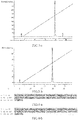
- Figure 1-a and Figure 1-b show the purity test results.
- the purity of the DP1/DF1 proteins after three-step purification is greater than 95%.
- Amino acid coverage analysis is one of the most important indicators in the quality research of recombinant protein drugs. Only when the primary structures of amino acids are completely same, it can be ensured that the product has the same biological activity as the natural protein.
- the inventor entrusted Shanghai Applied Protein Technology Co., Ltd. to analyze the amino acid coverage of the DP1/DF1 proteins.
- the results of Figure 2-a and Figure 2-b show that the amino acid coverage is greater than 98% and meets the requirements of relevant policies and regulations.
- rDP1, rDF1 recombinant DP1 and DF1 proteins
- nDP1 natural DPI protein
- the experimental results are shown in Table 2.
- the calculated activity value of rDP1 is 79616.0 BU/ml, and the specific activity is 9.95E+04 BU/mg.
- nDF1 is tested as a control.
- the experimental results are shown in Table 2, and indicate that the rDP1 and rDF1 expressed by yeast have similar biological activity to natural protein.
- Table 2 Comparison of activity values between recombinant protein and natural protein Sample 50% inhibition rate log10 Dilution factor Activity value (BU/mL) Protein concentration (mg/mL) Specific activity (BU/mg) rDP1 2.901 796.1 79616.0 0.8 9.95E+04 nDP1 2.718 552.4 55239.6 1.0 5.52E+04 rDF1 2.513 325.8 32583.7 1.6 2.04E+04 nDF1 2.316 207.0 20701.4 1.5 1.38E+04
- Host Cell Protein refers to the host protein remaining in biological products. Such protein has complex components and many types, and changes due to different production process and purification process. Residual HCP in genetically engineered products is an important factor affecting the purity of products. Repeated use of genetically engineered products containing HCP can cause allergic reactions in the body, has a potential "adjuvant effect", and may also cause the body to produce antibodies to a drug, further affecting the efficacy of the drug. The residual amount of HCP in biological products reflects not only the consistency between batches of products, but also an important indicator to measure the quality of biological products. The inventor used a Pichia pastoris HCP detection kit (F140, CYGNUS) to detect the prepared samples.
- F140 Pichia pastoris HCP detection kit
- Table 3 shows that the HCP content of DP1 and DF1 proteins after three-step purification are far lower than the maximum HCP limit of recombinant biological products (yeast) stipulated in Chinese Pharmacopoeia 2015.
- Table 3 HCP detection results of DP1 and DF1 proteins Sample name Purification step Detection result (%) Standard in Chinese Pharmacopoeia 2015 (%) DP1 Three-step purification 0.0051 ⁇ 0.1 DF1 Three-step purification 0.0070 ⁇ 0.1
- recombinant protein drugs have been purified through a plurality of steps, there may still be DNA fragments of host cells remaining in the products. These residual DNA may bring infectious or tumorigenic risks, and may cause insertion mutations, inactivation of cancer suppressor genes, activation of oncogenes, etc.
- genomic DNA derived from microorganisms is rich in CpG and unmethylated sequences, which increases the risk of immunogenicity of recombinant protein drugs in the body. Therefore, WHO and drug registration regulatory agencies in various countries have strict requirements on the limit of residual DNA.
- the current methods for detecting the DNA residual amount mainly include DNA probe hybridization method, fluorescent dye method and qPCR method, wherein the first two methods have technical defects and are difficult to achieve the sensitivity for impurity limit detection.
- the results in Table 4 show that the residual DNA content in the samples after the three-step purification is far below the maximum limit of the residual DNA content in recombinant biological products (yeast) stipulated in the Chinese Pharmacopoeia 2015.
- Step 1 activation of recombinant strain
- Glycerol bacterial seeds obtained by example 1 and cryopreserved in a working seed bank at -80°C are taken and streaked on a YPD solid medium (yeast extract 10 g/L, peptone 20 g/L, glucose 20 g/L, and agarose 15 g/L), and cultured in a constant temperature and constant humidity box at 30°C for 3-5 days.
- YPD solid medium yeast extract 10 g/L, peptone 20 g/L, glucose 20 g/L, and agarose 15 g/L
- Step 2 primary seed solution culture
- the monoclonal colonies on the solid medium in step 1 are picked and cultured in a YPD liquid medium (yeast extract 10 g/L, peptone 20 g/L, and glucose 20 g/L) at 30°C and 220 rpm to OD 600 ⁇ 6.0.
- the bacteria are observed under a microscope to ensure that there is no other bacteria, thus, the primary seed solution for fermentation is obtained.
- Step 3 secondary seed solution culture
- Step 4 fermentation process
- a Sartorius Cplus bioreactor is cleaned.
- the seed solution obtained in step 3 is inoculated into the fermentation tank at a ratio of 1:15 (V/V, seed solution/fermentation medium).
- V/V seed solution/fermentation medium
- the fermentation temperature is 27°C
- pH 6.5 ⁇ 0.2
- the rotation speed is 300 rpm
- the DO value is 100%
- PTM1 (2 ml/L) is added.
- the initial proliferation stage lasts for about 20 h.
- the carbon source is exhausted, the dissolved oxygen value rises rapidly, and the wet weight of the bacteria reaches 100 g/L.
- the bacteria enter a rate-limited growth stage. In the first 2 h of the stage, 50% glycerol is added at a rate of 30 ml/h -1 L -1 .
- the feeding rate is increased to 60 ml/h -1 L -1 .
- the wet weight of the bacteria is about 200 g/L, feeding is stopped, and the DO rises, indicating that the carbon source is exhausted and the bacteria enter an induction stage.
- Samples are taken at regular intervals after the start of fermentation, and the OD 600 absorption value of the fermentation broth and the wet weight of the bacteria are measured.
- the OD 600 of the fermentation broth can reach 300 or more, and the wet weight of the bacteria can reach 400%.
- the fermentation is terminated after induction for 40 h.
- the fermentation broth obtained in the above example is centrifuged at a high speed to obtain the supernatant.
- Diatomaceous earth is added to aid filtration, and a clarified fermentation broth sample is obtained overnight.
- the fermentation broth sample is diluted and ultrafiltrated with 3 KD membrane-package to reduce the conductivity to 5 mS/cm or less.
- the pH of the supernatant of the fermentation broth after the above treatment is adjusted with acetic acid to 4.0.
- the supernatant is loaded on an SP FF chromatography column, the column type is BPG140/100, and the column volume is 2800 ml.
- the equilibration buffer is 50 mM NaAc, pH 4.0.
- the elution buffer is 50 mM NaAc, 1.0 M NaCl, pH 4.0, and 0-100% linear elution is performed.
- the target DP2/DF2 proteins are mainly concentrated in the second elution peak.
- the obtained DP2 protein has a higher purity and fewer impurities, which is conducive to the subsequent purification treatment, wherein pH 6.0 is the best condition.
- the second elution peak in step 2 of the example is mixed, and diluted to a conductivity of ⁇ 2.0 mS/cm by 3 KD membrane-packed ultrafiltration.
- the sample is loaded on a Q FF anion exchange chromatography column, the column type is Hiscale 50/40, and the column bed volume is 500 ml.
- the equilibration buffer is 20 mM NaH 2 PO 4 , pH 6.0.
- the elution buffer is 20 mM NaH 2 PO 4 , 1.0 M NaCl, pH 6.0.
- the penetrant is collected, 0-100% linear elution is performed, and the target protein is mainly concentrated in the penetrant.
- the pH of the sample and buffer is adjusted to 7.5, and the conductivity is 10.0 mS/cm.
- the best condition is pH 7.5, conductivity 10.0 mS/cm.
- the target protein has a higher degree of separation from impurities. Most of the target protein remains in the penetrant, and the impurities are bound to the medium, thereby achieving complete separation, and greatly improving the yield of the DP2 protein in the penetrant.
- Ammonium sulfate is added to the sample after the second-step purification to a final concentration of 1.0 M, and the pH is adjusted to 6.0.
- the sample is loaded on a Phenyl FF chromatography column, the column type is Hiscale 50/40, and the column bed volume is 500 ml.
- the equilibration buffer is 20 mMNaH 2 PO 4 , 1.0 M (NH 4 ) 2 SO 4 , pH 6.0.
- the elution buffer is 20 mM NaH 2 PO 4 , pH 6.0, and 25%, 50%, 70%, and 100% isocratic elution is performed.
- the best condition is ammonium sulfate concentration 1.0 M and pH 6.0.
- the optimized DP2 protein has a higher purity and the amount of protein is the largest. There is no target protein in the penetrant, and all the target proteins are bound to packing.
- the purification yield of DP2 protein after optimization is 30% higher than that before optimization, and the activity (measured by ELISA method) is also improved compared with that before process optimization.
- Table 5 Yields of DP2 protein before and after purification process optimization Purification batch Protein amount in supernatant of fermentation broth Pure protein amount (mg) Yield(%) Before process optimization 217 43 20 First batch 209 102 49 Second batch 225 106 47 Third batch 211 116 55
- the gradient elution peak in example 6 is collected and concentrated with a Vivaflow50 tangential flow ultrafiltration membrane package (VF05P9-50 cm 2 , Sartorius).
- the buffer solution is replaced with PBS solution of pH 7.4 by dialysis bag.
- the protein concentration is determined with a Pierce BCA protein concentration kit.
- the purified DP2/DF2 sample is diluted to 1 mg/ml and filtered with a 0.22 ⁇ m filter membrane to obtain the sample.
- the mobile phase is 20 mM PB of pH 7.5, the flow rate is 1 ml/min, and the injection volume is 10 ⁇ l.
- the purity is analyzed by an RP column.
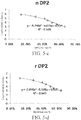
- Figure 3-a and Figure 3-b show the purity test results.
- the purity of the DP2/DF2 proteins after three-step purification is greater than 95%.
- Amino acid coverage analysis is one of the most important indicators in the quality research of recombinant protein drugs. Only when the primary structures of amino acids are completely same, it can be ensured that the product has the same biological activity as the natural protein.
- the inventor entrusted Shanghai Applied Protein Technology Co., Ltd. to analyze the amino acid coverage of the DP2/DF2 proteins.
- the results of Figure 4-a and Figure 4-b show that the amino acid coverage is 100% and meets the requirements of relevant policies and regulations.
- Host Cell Protein refers to the host protein remaining in biological products. Such protein has complex components and many types, and changes due to different production process and purification process. Residual HCP in genetically engineered products is an important factor affecting the purity of products. Repeated use of genetically engineered products containing HCP can cause allergic reactions in the body, has a potential "adjuvant effect", and may also cause the body to produce antibodies to a drug, further affecting the efficacy of the drug. The residual amount of HCP in biological products reflects not only the consistency between batches of products, but also an important indicator to measure the quality of biological products. The inventor used a Pichia pastoris HCP detection kit (F140, CYGNUS) to detect the prepared samples.
- F140 Pichia pastoris HCP detection kit
- Table 6 shows that the HCP content of DP2 and DF2 proteins after three-step purification are far lower than the maximum HCP limit of recombinant biological products (yeast) stipulated in Chinese Pharmacopoeia 2015.
- Table 6 HCP detection results of DP2 and DF2 proteins Sample name Purification step Detection result (%) Standard in Chinese Pharmacopoeia 2015 (%) DP2 Three-step purification 0.0025 ⁇ 0.1 DF2 Three-step purification 0.0100 ⁇ 0.1
- recombinant protein drugs have been purified through a plurality of steps, there may still be DNA fragments of host cells remaining in the products. These residual DNA may bring infectious or tumorigenic risks, and may cause insertion mutations, inactivation of cancer suppressor genes, activation of oncogenes, etc.
- genomic DNA derived from microorganisms is rich in CpG and unmethylated sequences, which increases the risk of immunogenicity of recombinant protein drugs in the body. Therefore, WHO and drug registration regulatory agencies in various countries have strict requirements on the limit of residual DNA.
- the current methods for detecting the DNA residual amount mainly include DNA probe hybridization method, fluorescent dye method and qPCR method, wherein the first two methods have technical defects and are difficult to achieve the sensitivity for impurity limit detection.
- the results in Table 7 show that the residual DNA content in the samples after the three-step purification is far below the maximum limit of the residual DNA content in recombinant biological products (yeast) stipulated in the Chinese Pharmacopoeia 2015.
- Coating and dilution are performed as follows: Table 9 Coating group Natural mixture(nDP1, nDP2, nDF1, nDF2) Recombinant mixture(rDP1, rDP2, rDF1, rDF2) Coating content 0.5 ⁇ g respectively 0.5 ⁇ g respectively Diluted sample type and content Natural mixture(nDP1, nDP2, nDFl, nDF2) 0.5 ⁇ grespectively Recombinant mixture(rDP1, rDP2, rDFl, rDF2) 0.5 ⁇ grespectively 2.
- the recombinant and natural mixture samples are mixed in equal mass (1:1:1:1) into a mixture of 1.0 mg/ml respectively.
- the mixture is diluted by 1000 times to the actual measured concentration, and diluted by 3 time dilution with 7 dilutions.for 7 gradients down.
- the recombinant mixture and the natural mixture diluted sample and serum are mixed and then added to a coating system coated with the natural mixture for detection. 3.
- the rest of the operation steps are basically the same as in example 8. 4.
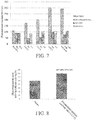
- the results in Table 10 show that compared with the natural mixture, the recombinant mixture has a higher in-vitro activity and higher binding force with serum IgE.
- the recombinant mixture is mixed according to the following ratio and compared with a single component of rDF1/rDF2/rDP1/rDP2 in biological activity.
- the specific steps (taking rDP1 as an example) are as follows:
- the recombinant mixture is mixed according to the following ratio and compared with a single component of rDF1/rDF2/rDP1/rDP2 in biological activity.
- the specific steps (taking rDP1 as an example) are as follows:
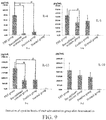
- the activity of the recombinant mixture measured in example 8 is compared with the biological activity of Odactra.
Landscapes
- Health & Medical Sciences (AREA)
- Life Sciences & Earth Sciences (AREA)
- Chemical & Material Sciences (AREA)
- Organic Chemistry (AREA)
- Genetics & Genomics (AREA)
- Engineering & Computer Science (AREA)
- General Health & Medical Sciences (AREA)
- Zoology (AREA)
- Bioinformatics & Cheminformatics (AREA)
- Medicinal Chemistry (AREA)
- Veterinary Medicine (AREA)
- Mycology (AREA)
- Wood Science & Technology (AREA)
- Pharmacology & Pharmacy (AREA)
- Biotechnology (AREA)
- Public Health (AREA)
- Animal Behavior & Ethology (AREA)
- Tropical Medicine & Parasitology (AREA)
- Biochemistry (AREA)
- Biomedical Technology (AREA)
- General Engineering & Computer Science (AREA)
- Insects & Arthropods (AREA)
- Molecular Biology (AREA)
- Microbiology (AREA)
- Biophysics (AREA)
- Immunology (AREA)
- Chemical Kinetics & Catalysis (AREA)
- General Chemical & Material Sciences (AREA)
- Nuclear Medicine, Radiotherapy & Molecular Imaging (AREA)
- Gastroenterology & Hepatology (AREA)
- Proteomics, Peptides & Aminoacids (AREA)
- Pulmonology (AREA)
- Plant Pathology (AREA)
- Toxicology (AREA)
- Physics & Mathematics (AREA)
- Epidemiology (AREA)
- Botany (AREA)
- Virology (AREA)
- Peptides Or Proteins (AREA)
- Preparation Of Compounds By Using Micro-Organisms (AREA)
Applications Claiming Priority (2)
| Application Number | Priority Date | Filing Date | Title |
|---|---|---|---|
| CN201810647416 | 2018-06-22 | ||
| PCT/CN2019/091968 WO2019242662A1 (fr) | 2018-06-22 | 2019-06-20 | Mélange médicamenteux à base de protéines allergènes recombinées d'acariens et son utilisation |
Publications (2)
| Publication Number | Publication Date |
|---|---|
| EP3831401A1 true EP3831401A1 (fr) | 2021-06-09 |
| EP3831401A4 EP3831401A4 (fr) | 2022-04-20 |
Family
ID=68968823
Family Applications (1)
| Application Number | Title | Priority Date | Filing Date |
|---|---|---|---|
| EP19821864.6A Pending EP3831401A4 (fr) | 2018-06-22 | 2019-06-20 | Mélange médicamenteux à base de protéines allergènes recombinées d'acariens et son utilisation |
Country Status (3)
| Country | Link |
|---|---|
| EP (1) | EP3831401A4 (fr) |
| CN (1) | CN110624101B (fr) |
| WO (1) | WO2019242662A1 (fr) |
Families Citing this family (2)
| Publication number | Priority date | Publication date | Assignee | Title |
|---|---|---|---|---|
| CN113125744A (zh) * | 2019-12-31 | 2021-07-16 | 江苏众红生物工程创药研究院有限公司 | 脱敏治疗药物的活性检测方法 |
| CN113846115B (zh) * | 2021-09-24 | 2023-10-17 | 广州医科大学 | 一种屋尘螨I类变应原pro-Der p 1重组蛋白及其制备方法与应用 |
Family Cites Families (8)
| Publication number | Priority date | Publication date | Assignee | Title |
|---|---|---|---|---|
| CU22983A1 (es) * | 2002-05-08 | 2004-09-09 | Inst Finlay | Composición vacunal contra las alergias y método para su obtención y empleo en el tratamiento de las mismas |
| AU2005231004B2 (en) * | 2004-04-09 | 2011-06-02 | Nippon Zenyaku Kogyo Co., Ltd. | Novel mite allergen |
| EP2388268A1 (fr) * | 2010-05-18 | 2011-11-23 | Stallergenes S.A. | Der p 2 recombinant exprimé chez Pichia pastoris en tant qu'allergène de type naturel à des fins immunothérapiques et diagnostiques |
| EP2460824A1 (fr) * | 2010-12-01 | 2012-06-06 | Biomay Ag | Polypeptides hypoallergéniques pour le traitement de l'allergie aux acariens |
| JP6300907B2 (ja) * | 2013-06-06 | 2018-03-28 | アネルギ エスアー | イエダニアレルギーの処置のための連続したオーバーラップペプチド |
| NL2014882B1 (en) * | 2015-05-29 | 2017-01-31 | Citeq B V | Allergy-specific immunotherapy compositions for use in the treatment of house-dust mite allergy. |
| CN110418650A (zh) * | 2016-11-16 | 2019-11-05 | 免疫治疗有限公司 | 用于治疗过敏的核酸 |
| CN107056912A (zh) * | 2016-12-13 | 2017-08-18 | 崔玉宝 | 一种利用夜蛾细胞生产尘螨过敏原重组蛋白的方法 |
-
2019
- 2019-06-20 EP EP19821864.6A patent/EP3831401A4/fr active Pending
- 2019-06-20 CN CN201910534102.4A patent/CN110624101B/zh active Active
- 2019-06-20 WO PCT/CN2019/091968 patent/WO2019242662A1/fr not_active Ceased
Also Published As
| Publication number | Publication date |
|---|---|
| CN110624101B (zh) | 2025-01-28 |
| CN110624101A (zh) | 2019-12-31 |
| EP3831401A4 (fr) | 2022-04-20 |
| WO2019242662A1 (fr) | 2019-12-26 |
Similar Documents
| Publication | Publication Date | Title |
|---|---|---|
| EP3087178B1 (fr) | Procédé pour la production d'oxalate oxydase ayant une activité ph la plus physiologique possible optimale et utilisation de ladite enzyme de recombinaison dans le traitement de maladies liée à l'oxalate | |
| CN109750054B (zh) | 一种牛支原体蛋白基因MbovGdpP及其应用 | |
| KR101295444B1 (ko) | 신규한 홍삼 발효용 미생물, 이를 이용한 홍삼 발효액 및 홍삼 발효 음료 | |
| CN109652357B (zh) | 细胞共培养下生长缺陷的牛支原体突变株及应用 | |
| CN111744003B (zh) | 趋化因子cx3cl1在制备疫苗中的应用和幽门螺旋杆菌疫苗 | |
| CN104710524B (zh) | 牛乳αs2-酪蛋白来源生物活性肽的制备和应用 | |
| KR101679549B1 (ko) | 신규한 락토바실러스 플랜타룸 박테리오파지 Lac-PLP-1 및 이의 락토바실러스 플랜타룸 균 증식 억제 용도 | |
| CN120442502B (zh) | 一种平常拟杆菌及其用途 | |
| CN113332261A (zh) | 铁蛋白包载药物及其制备方法 | |
| CN110624101B (zh) | 重组尘螨变应原蛋白药物合剂及其应用 | |
| CN110747218A (zh) | 一种特殊膳食蛋白质的生产方法与应用 | |
| CN119709809A (zh) | 百日咳杆菌的遗传改造方法及其应用 | |
| CN107058175B (zh) | 唾液链球菌及在制备去除口臭药物中的应用 | |
| EP3205727A2 (fr) | Procédé de purification de compositions de galacto-oligosaccharide en utilisant de kluyveromyces lactis atcc 8585 | |
| CN104531644A (zh) | 一种分离纯化能降解大豆蛋白过敏原的蛋白酶的方法 | |
| CN108265057B (zh) | 一种重组户尘螨2类变应原蛋白及其制备方法和应用 | |
| CN119633024B (zh) | 动物双歧杆菌乳亚种bx-245对炎症性肠病的缓解应用 | |
| CN113264988B (zh) | 一组特殊膳食蛋白质 | |
| CN109852653B (zh) | 重组尘螨II型变应原Der p2和Der f2蛋白的制备与应用 | |
| CN117866814A (zh) | 一株乳酸片球菌及其在银耳发酵饮料中的应用 | |
| CN109852652B (zh) | 重组尘螨Ⅰ型变应原Der p1和Der f1蛋白的制备与应用 | |
| KR101694427B1 (ko) | 신규한 에드워드시엘라 타르다 et-191 균주 및 상기 균주를 포함하는 어류의 에드워드 감염증 예방용 불활화 백신 | |
| CN104404049B (zh) | 一种蝇防御素突变体及其制备方法和用途 | |
| KR102733183B1 (ko) | 중동호흡기증후군 코로나바이러스 및 이의 용도 | |
| CN115089733B (zh) | 用于治疗高赖氨酸血症的组合物及应用 |
Legal Events
| Date | Code | Title | Description |
|---|---|---|---|
| STAA | Information on the status of an ep patent application or granted ep patent |
Free format text: STATUS: THE INTERNATIONAL PUBLICATION HAS BEEN MADE |
|
| PUAI | Public reference made under article 153(3) epc to a published international application that has entered the european phase |
Free format text: ORIGINAL CODE: 0009012 |
|
| STAA | Information on the status of an ep patent application or granted ep patent |
Free format text: STATUS: REQUEST FOR EXAMINATION WAS MADE |
|
| 17P | Request for examination filed |
Effective date: 20210114 |
|
| AK | Designated contracting states |
Kind code of ref document: A1 Designated state(s): AL AT BE BG CH CY CZ DE DK EE ES FI FR GB GR HR HU IE IS IT LI LT LU LV MC MK MT NL NO PL PT RO RS SE SI SK SM TR |
|
| DAV | Request for validation of the european patent (deleted) | ||
| DAX | Request for extension of the european patent (deleted) | ||
| A4 | Supplementary search report drawn up and despatched |
Effective date: 20220317 |
|
| RIC1 | Information provided on ipc code assigned before grant |
Ipc: C12P 21/02 20060101ALI20220311BHEP Ipc: C12N 15/81 20060101ALI20220311BHEP Ipc: C12N 1/16 20060101ALI20220311BHEP Ipc: C07K 14/435 20060101ALI20220311BHEP Ipc: A61P 33/14 20060101ALI20220311BHEP Ipc: A61P 37/08 20060101ALI20220311BHEP Ipc: A61K 39/35 20060101ALI20220311BHEP Ipc: A61K 38/17 20060101AFI20220311BHEP |
|
| STAA | Information on the status of an ep patent application or granted ep patent |
Free format text: STATUS: EXAMINATION IS IN PROGRESS |
|
| 17Q | First examination report despatched |
Effective date: 20260126 |