EP3834833A1 - Krebsantigenspezifische zytotoxische t-zellen - Google Patents
Krebsantigenspezifische zytotoxische t-zellen Download PDFInfo
- Publication number
- EP3834833A1 EP3834833A1 EP19847176.5A EP19847176A EP3834833A1 EP 3834833 A1 EP3834833 A1 EP 3834833A1 EP 19847176 A EP19847176 A EP 19847176A EP 3834833 A1 EP3834833 A1 EP 3834833A1
- Authority
- EP
- European Patent Office
- Prior art keywords
- cells
- cancer
- antigen
- cell
- pharmaceutical composition
- Prior art date
- Legal status (The legal status is an assumption and is not a legal conclusion. Google has not performed a legal analysis and makes no representation as to the accuracy of the status listed.)
- Pending
Links
Images


Classifications
-
- A—HUMAN NECESSITIES
- A61—MEDICAL OR VETERINARY SCIENCE; HYGIENE
- A61K—PREPARATIONS FOR MEDICAL, DENTAL OR TOILETRY PURPOSES
- A61K40/00—Cellular immunotherapy
- A61K40/10—Cellular immunotherapy characterised by the cell type used
- A61K40/11—T-cells, e.g. tumour infiltrating lymphocytes [TIL] or regulatory T [Treg] cells; Lymphokine-activated killer [LAK] cells
-
- A—HUMAN NECESSITIES
- A61—MEDICAL OR VETERINARY SCIENCE; HYGIENE
- A61K—PREPARATIONS FOR MEDICAL, DENTAL OR TOILETRY PURPOSES
- A61K35/00—Medicinal preparations containing materials or reaction products thereof with undetermined constitution
- A61K35/12—Materials from mammals; Compositions comprising non-specified tissues or cells; Compositions comprising non-embryonic stem cells; Genetically modified cells
- A61K35/14—Blood; Artificial blood
- A61K35/17—Lymphocytes; B-cells; T-cells; Natural killer cells; Interferon-activated or cytokine-activated lymphocytes
-
- A—HUMAN NECESSITIES
- A61—MEDICAL OR VETERINARY SCIENCE; HYGIENE
- A61P—SPECIFIC THERAPEUTIC ACTIVITY OF CHEMICAL COMPOUNDS OR MEDICINAL PREPARATIONS
- A61P35/00—Antineoplastic agents
-
- A—HUMAN NECESSITIES
- A61—MEDICAL OR VETERINARY SCIENCE; HYGIENE
- A61K—PREPARATIONS FOR MEDICAL, DENTAL OR TOILETRY PURPOSES
- A61K39/00—Medicinal preparations containing antigens or antibodies
-
- A—HUMAN NECESSITIES
- A61—MEDICAL OR VETERINARY SCIENCE; HYGIENE
- A61K—PREPARATIONS FOR MEDICAL, DENTAL OR TOILETRY PURPOSES
- A61K40/00—Cellular immunotherapy
- A61K40/40—Cellular immunotherapy characterised by antigens that are targeted or presented by cells of the immune system
- A61K40/41—Vertebrate antigens
- A61K40/42—Cancer antigens
- A61K40/4202—Receptors, cell surface antigens or cell surface determinants
-
- A—HUMAN NECESSITIES
- A61—MEDICAL OR VETERINARY SCIENCE; HYGIENE
- A61K—PREPARATIONS FOR MEDICAL, DENTAL OR TOILETRY PURPOSES
- A61K40/00—Cellular immunotherapy
- A61K40/40—Cellular immunotherapy characterised by antigens that are targeted or presented by cells of the immune system
- A61K40/41—Vertebrate antigens
- A61K40/42—Cancer antigens
- A61K40/4202—Receptors, cell surface antigens or cell surface determinants
- A61K40/421—Immunoglobulin superfamily
-
- A—HUMAN NECESSITIES
- A61—MEDICAL OR VETERINARY SCIENCE; HYGIENE
- A61K—PREPARATIONS FOR MEDICAL, DENTAL OR TOILETRY PURPOSES
- A61K40/00—Cellular immunotherapy
- A61K40/40—Cellular immunotherapy characterised by antigens that are targeted or presented by cells of the immune system
- A61K40/41—Vertebrate antigens
- A61K40/42—Cancer antigens
- A61K40/4202—Receptors, cell surface antigens or cell surface determinants
- A61K40/4214—Receptors for cytokines
- A61K40/4215—Receptors for tumor necrosis factors [TNF], e.g. lymphotoxin receptor [LTR], CD30
-
- A—HUMAN NECESSITIES
- A61—MEDICAL OR VETERINARY SCIENCE; HYGIENE
- A61K—PREPARATIONS FOR MEDICAL, DENTAL OR TOILETRY PURPOSES
- A61K40/00—Cellular immunotherapy
- A61K40/40—Cellular immunotherapy characterised by antigens that are targeted or presented by cells of the immune system
- A61K40/41—Vertebrate antigens
- A61K40/42—Cancer antigens
- A61K40/4202—Receptors, cell surface antigens or cell surface determinants
- A61K40/4214—Receptors for cytokines
- A61K40/4219—Receptors for chemokines
-
- A—HUMAN NECESSITIES
- A61—MEDICAL OR VETERINARY SCIENCE; HYGIENE
- A61K—PREPARATIONS FOR MEDICAL, DENTAL OR TOILETRY PURPOSES
- A61K40/00—Cellular immunotherapy
- A61K40/40—Cellular immunotherapy characterised by antigens that are targeted or presented by cells of the immune system
- A61K40/46—Viral antigens
-
- A—HUMAN NECESSITIES
- A61—MEDICAL OR VETERINARY SCIENCE; HYGIENE
- A61P—SPECIFIC THERAPEUTIC ACTIVITY OF CHEMICAL COMPOUNDS OR MEDICINAL PREPARATIONS
- A61P35/00—Antineoplastic agents
- A61P35/02—Antineoplastic agents specific for leukemia
-
- A—HUMAN NECESSITIES
- A61—MEDICAL OR VETERINARY SCIENCE; HYGIENE
- A61P—SPECIFIC THERAPEUTIC ACTIVITY OF CHEMICAL COMPOUNDS OR MEDICINAL PREPARATIONS
- A61P35/00—Antineoplastic agents
- A61P35/04—Antineoplastic agents specific for metastasis
-
- C—CHEMISTRY; METALLURGY
- C07—ORGANIC CHEMISTRY
- C07K—PEPTIDES
- C07K14/00—Peptides having more than 20 amino acids; Gastrins; Somatostatins; Melanotropins; Derivatives thereof
- C07K14/435—Peptides having more than 20 amino acids; Gastrins; Somatostatins; Melanotropins; Derivatives thereof from animals; from humans
- C07K14/705—Receptors; Cell surface antigens; Cell surface determinants
- C07K14/70503—Immunoglobulin superfamily
-
- C—CHEMISTRY; METALLURGY
- C12—BIOCHEMISTRY; BEER; SPIRITS; WINE; VINEGAR; MICROBIOLOGY; ENZYMOLOGY; MUTATION OR GENETIC ENGINEERING
- C12N—MICROORGANISMS OR ENZYMES; COMPOSITIONS THEREOF; PROPAGATING, PRESERVING, OR MAINTAINING MICROORGANISMS; MUTATION OR GENETIC ENGINEERING; CULTURE MEDIA
- C12N5/00—Undifferentiated human, animal or plant cells, e.g. cell lines; Tissues; Cultivation or maintenance thereof; Culture media therefor
- C12N5/06—Animal cells or tissues; Human cells or tissues
- C12N5/0602—Vertebrate cells
- C12N5/0634—Cells from the blood or the immune system
- C12N5/0636—T lymphocytes
-
- C—CHEMISTRY; METALLURGY
- C12—BIOCHEMISTRY; BEER; SPIRITS; WINE; VINEGAR; MICROBIOLOGY; ENZYMOLOGY; MUTATION OR GENETIC ENGINEERING
- C12N—MICROORGANISMS OR ENZYMES; COMPOSITIONS THEREOF; PROPAGATING, PRESERVING, OR MAINTAINING MICROORGANISMS; MUTATION OR GENETIC ENGINEERING; CULTURE MEDIA
- C12N5/00—Undifferentiated human, animal or plant cells, e.g. cell lines; Tissues; Cultivation or maintenance thereof; Culture media therefor
- C12N5/06—Animal cells or tissues; Human cells or tissues
- C12N5/0602—Vertebrate cells
- C12N5/0634—Cells from the blood or the immune system
- C12N5/0636—T lymphocytes
- C12N5/0638—Cytotoxic T lymphocytes [CTL] or lymphokine activated killer cells [LAK]
-
- A—HUMAN NECESSITIES
- A61—MEDICAL OR VETERINARY SCIENCE; HYGIENE
- A61K—PREPARATIONS FOR MEDICAL, DENTAL OR TOILETRY PURPOSES
- A61K2121/00—Preparations for use in therapy
-
- A—HUMAN NECESSITIES
- A61—MEDICAL OR VETERINARY SCIENCE; HYGIENE
- A61K—PREPARATIONS FOR MEDICAL, DENTAL OR TOILETRY PURPOSES
- A61K2239/00—Indexing codes associated with cellular immunotherapy of group A61K40/00
- A61K2239/31—Indexing codes associated with cellular immunotherapy of group A61K40/00 characterized by the route of administration
-
- A—HUMAN NECESSITIES
- A61—MEDICAL OR VETERINARY SCIENCE; HYGIENE
- A61K—PREPARATIONS FOR MEDICAL, DENTAL OR TOILETRY PURPOSES
- A61K2239/00—Indexing codes associated with cellular immunotherapy of group A61K40/00
- A61K2239/38—Indexing codes associated with cellular immunotherapy of group A61K40/00 characterised by the dose, timing or administration schedule
-
- C—CHEMISTRY; METALLURGY
- C12—BIOCHEMISTRY; BEER; SPIRITS; WINE; VINEGAR; MICROBIOLOGY; ENZYMOLOGY; MUTATION OR GENETIC ENGINEERING
- C12N—MICROORGANISMS OR ENZYMES; COMPOSITIONS THEREOF; PROPAGATING, PRESERVING, OR MAINTAINING MICROORGANISMS; MUTATION OR GENETIC ENGINEERING; CULTURE MEDIA
- C12N2501/00—Active agents used in cell culture processes, e.g. differentation
- C12N2501/20—Cytokines; Chemokines
- C12N2501/23—Interleukins [IL]
- C12N2501/2302—Interleukin-2 (IL-2)
-
- C—CHEMISTRY; METALLURGY
- C12—BIOCHEMISTRY; BEER; SPIRITS; WINE; VINEGAR; MICROBIOLOGY; ENZYMOLOGY; MUTATION OR GENETIC ENGINEERING
- C12N—MICROORGANISMS OR ENZYMES; COMPOSITIONS THEREOF; PROPAGATING, PRESERVING, OR MAINTAINING MICROORGANISMS; MUTATION OR GENETIC ENGINEERING; CULTURE MEDIA
- C12N2501/00—Active agents used in cell culture processes, e.g. differentation
- C12N2501/20—Cytokines; Chemokines
- C12N2501/23—Interleukins [IL]
- C12N2501/2321—Interleukin-21 (IL-21)
-
- C—CHEMISTRY; METALLURGY
- C12—BIOCHEMISTRY; BEER; SPIRITS; WINE; VINEGAR; MICROBIOLOGY; ENZYMOLOGY; MUTATION OR GENETIC ENGINEERING
- C12N—MICROORGANISMS OR ENZYMES; COMPOSITIONS THEREOF; PROPAGATING, PRESERVING, OR MAINTAINING MICROORGANISMS; MUTATION OR GENETIC ENGINEERING; CULTURE MEDIA
- C12N2501/00—Active agents used in cell culture processes, e.g. differentation
- C12N2501/50—Cell markers; Cell surface determinants
- C12N2501/515—CD3, T-cell receptor complex
-
- C—CHEMISTRY; METALLURGY
- C12—BIOCHEMISTRY; BEER; SPIRITS; WINE; VINEGAR; MICROBIOLOGY; ENZYMOLOGY; MUTATION OR GENETIC ENGINEERING
- C12N—MICROORGANISMS OR ENZYMES; COMPOSITIONS THEREOF; PROPAGATING, PRESERVING, OR MAINTAINING MICROORGANISMS; MUTATION OR GENETIC ENGINEERING; CULTURE MEDIA
- C12N2503/00—Use of cells in diagnostics
- C12N2503/02—Drug screening
Definitions
- the present invention relates to a cancer antigen-specific cytotoxic T cell, and to a pharmaceutical composition comprising the same.
- CD8+ T cells have a comparatively simple function compared to other cells such as dendritic cells, CD4+ T and NK cells, unexpected side effects in anti-cancer immunotherapy are less likely to occur.
- MHC class I/peptide multimers are used to isolate antigen-specific CD8+ T cells, but this method has the drawback that because the rate of cell death due to apoptosis after cell isolation is high, long-term incubation is necessary in order to produce a sufficient quantity of antigen-specific CD8+ T cells. Therefore, a surrogate marker capable of isolating antigen-specific CD8+ T cells by replacing the MHC multimers that stimulate T cell receptors (TCR) is required; for this purpose, the protein 4-1BB (CD137) is used.
- TCR T cell receptors
- 4-1BB is an inducible co-stimulatory molecule and is expressed in activated T cells; in particular, stimulation via 4-1BB is known not only to enhance the activity of CD8+ T cells, but also to act to inhibit activation-induced cell death (AICD) by increasing the expression of anti-apoptotic molecules such as Bcl-2, Bcl-XL, and Bfl-1.
- AICD activation-induced cell death
- the present inventors have previously disclosed methods of isolating and proliferating antigen-specific CD8+ T cells using the expression of 4-1BB by activated CD8+ T cells, or using an anti-4-1BB antibody or pentameric COMP-4-1BBL protein (Republic of Korea Registered Patents 100882445 , 101103603 , 101503341 ).
- the background art for the present specification is the T cell or method of manufacturing the same that the above patents disclose.
- the present invention aims to provide a CD8+ T cell-containing pharmaceutical composition prepared at a high degree of purity.
- the present invention aims to provide an epitope advance screening method for screening epitopes derived from cancer antigens that are required for producing cancer antigen-specific CD8+ T cells within 7 days, and a method for selectively isolating and mass-proliferating antigen-specific CD8+ T cells within 20 days.
- the CD8+ T cell-containing pharmaceutical composition of the present invention may comprise cancer antigen-specific CD8+ T cells at a high degree of purity.
- the CD8+ T cell-containing pharmaceutical composition of the present invention has superior efficacy against cancer.
- the CD8+ T cell-containing pharmaceutical composition of the present invention has superior clinical effectiveness as a T cell therapeutic.
- the CD8+ T cell production method of the present invention is able to screen the epitopes derived from cancer antigens that are required for the production of cancer antigen-specific CD8+ T cells rapidly and straightforwardly.
- the CD8+ T cell production method of the present invention makes it possible to selectively isolate and mass-culture cancer antigen-specific CD8+ T cells with high purity.
- the CD8+ T cell production method of the present invention makes it possible to rapidly produce cancer antigen-specific CD8+ T cells.
- the CD8+ T cell production method of the present invention may be applied to the GMP process.
- the CD8+ T cell production method of the present invention makes it possible to selectively isolate and mass-culture cancer antigen-specific CD8+ T cells with high purity.
- the present invention relates to a pharmaceutical composition for preventing or treating cancer comprising cytotoxic T cells specific for cancer antigens (for example, EBV, CMV, hTERT, NY-ESO-1, WT1, MAGE-A3, etc.) at a high degree of purity.
- cytotoxic T cells specific for cancer antigens for example, EBV, CMV, hTERT, NY-ESO-1, WT1, MAGE-A3, etc.
- the present invention relates to a method of isolating and proliferating cancer antigen-specific cytotoxic T cells that makes it possible to rapidly screen the cancer peptides (epitopes) necessary for the production of cancer antigen-specific cytotoxic T cells within 7 days; and to use them to quickly and simply isolate and mass-culture antigen-specific CD8+ T cells at high purity within 20 days.
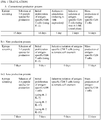
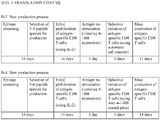
- the pharmaceutical composition of the present invention comprises cytotoxic T cells specific for cancer antigens (for example, EBV, CMV, hTERT, NY-ESO-1, WT1, MAGE-A3, Neo-Antigen, etc.); the time taken from primary proliferation to freezing after completion of the final T cell mass culture may be 31 days; improved production processes may also take 26 days, 20 days or 15 days. ( FIG. 1 )
- cancer antigens for example, EBV, CMV, hTERT, NY-ESO-1, WT1, MAGE-A3, Neo-Antigen, etc.
- the pharmaceutical composition of the present invention may comprise 65% or more cancer antigen-specific cytotoxic T cells (for example, CD8+ T cells).
- the pharmaceutical composition of the present invention may comprise 65%, 70%, 75%, 80%, 85%, 90%, 95%, or 99% or more CD8+ T cells.
- the pharmaceutical composition of the present invention may be one or more species of TCRptype expressed in 10% or more, or 20% or more of the CD8+ T cells.
- cells expressing CD45RO make up at least 60%, at least 70%, at least 80%, at least 90%, or at least 95% of the CD8+ T cells of the pharmaceutical composition of the present invention; in another embodiment of the present invention, at least 80% of the CD8+ T cells of the pharmaceutical composition of the present invention are cells expressing CD45RO.
- cells expressing CD45RA are 30% or less, 20% or less, 10% or less, or 5% or less, of the CD8 + T cells of the pharmaceutical composition of the present invention; in another embodiment of the present invention, 20% of the CD8+ T cells of the pharmaceutical composition of the present invention are cells expressing CD45RA.
- the pharmaceutical composition of the present invention may be prepared by the manufacturing method below.
- One aspect of the present application relates to a method of proliferating and isolating cancer antigen-specific CD8+ T cells; one embodiment of this method comprises a) a step of first culturing a PBMC (peripheral blood mononuclear cell) isolated from the blood of a cancer patient with a respective peptide derived from a cancer antigen, and screening activated T cells to screen for cancer antigen CD8+ T cell epitopes; b) a step of culturing the PBMCs isolated from the blood of cancer patients in a medium comprising the screened epitope and at least one cytokine selected from the group made up of IL-2, IL-7, IL-15 and IL-21, thereby inducing 4-1BB expression in the PBMC; and c) a step of staining the cells in which 4-1BB expression was induced with anti-4-1BB antibody and anti-CD8 antibody and then isolating them.
- PBMC peripheral blood mononuclear cell
- the method of the present invention for screening antigen epitopes for the production of antigen-specific CD8+ T cells, and isolating and proliferating antigen-specific CD8+ T cells, will be described step by step below.
- the step of CD8+ cell epitope sorting or screening is intended to increase the avidity for cancer cells or alternatively to increase the concentration of cancer antigen-specific CD8+ T cells that are present in blood at a low concentration of 0.1% or below, and is the first step that enables selectively proliferating and isolating cancer antigen-specific CD8+ T cells.
- epitopes from various cancer antigens for example EBV, CMV, hTERT, NY-ESO-1, WT1, MAGE-A3, etc.
- epitopes from various cancer antigens for example EBV, CMV, hTERT, NY-ESO-1, WT1, MAGE-A3, etc.
- cancer antigen CD8+ T cell epitopes present in the blood of individual cancer patients through epitope screening, because the peptide portions that may act as antigen epitopes are different for each cancer patient.
- 3-4 types of peptides are selected that act as epitopes.
- the method according to the present application comprises selecting epitopes that are optimal for selecting and proliferating CD8+ T cells in individuals, from a variety of cancer antigens; various cancer antigens that achieve this objective may be used, including both autologous and non-autologous antigens.
- autologous cancer antigens derived from the patient's own genes include hTERT (GenBank: BAC11010.1), WT1 (GenBank: AA061088.1), NY-ESO1 (GenBank: CAA05908.1), MAGE-A3 (NCBI Reference Sequence: NP_005353.1) and cancer-specific mutant antigens such as neoantigens, mutated P53, RAS, and the like may include tumor suppressor or trigger genes, and foreign cancer antigens such as carcinogenic virus antigens such as CMV, EBV, HPV and the like.
- telomere-dependent cell death a target antigen for various solid cancers including lung, stomach and pancreatic cancer
- WT1 is a gene associated with Wilms tumor and encodes a zinc finger transcription factor, a protein that is involved in cell proliferation, differentiation, apoptosis, and organ development, and is known as a target antigen for cerebrospinal cancer, lung cancer and the like ( Call KM, et al., Cell. 1990. 60: 509-520 ; Nakahara Y, et al., Brain Tumor Pathol. 2004. 21: 113-6 ).
- NY-ESO1 is a cancer testis antigen (CTA) protein, and is known to be expressed chiefly in germ cells, sarcoma, and various cancer cells including breast cancer ( Gnjatic S, et al., Adv Cancer Res. 2006; 95:1-30 ).
- MAGE-A3 is a protein belonging to the melanoma-associated antigen family, and it is unknown what function it performs in healthy cells, but it is known to overexpress various cancer cells including lung cancer, sarcoma and melanoma, and has been evaluated as a suitable target antigen for cancer immunotherapy ( Decoster L, et al., Ann Oncol. 2012 Jun; 23 (6): 1387-93 ). Accordingly, in the method of the present application, cancer antigens known to be associated with particular cancers may be used for producing individual cancer antigen CD8+ T cells.
- viral cancer antigens are known, including for example EBV, HPV, MC polyoma virus, HBV, HCV, and CMV; Epstein-Barr virus antigen is known as a target antigen for Hodgkin's lymphoma, nasopharyngeal carcinoma, stomach cancer, Burkitt's lymphoma, and NK/T lymphoma, and human papilloma virus antigens are known as target antigens of uterine cancer and head and neck cancer, while MC polyoma virus is known as the target antigen of Merkel cell cancer. Hepatitis B and C viruses are also known as target cells of liver cancer.
- tissue-specific cancer antigens tyrosinase, GP100, and MNRT-1 are known as melanoma target antigens, and PSMA, PAP, and PSA are known as prostate cancer target antigens.
- peptides Two, three, four, five or more peptides are used that are derived from cancer antigens.
- the peptides derived from cancer antigens used number at least 4 or more, 5 or more, 6 or more, 7 or more, 8 or more, 9 or more, or more, but are not limited hereto, and may be left to the determination of the skilled person in view of the features of the method of the present application and the art of the relevant field.
- the epitope screening step that the method of the present application comprises differs from the conventional epitope screening process in that during screening, epitopes may be selected by a method of screening activated T cells (for example, 4-1BB + CD8+ T cells). For example, after antigen stimulation, activated T cells are selected, and antigen epitopes that are able to induce such cells may be selected by detecting the presence and amount of activated T cells (for example, 4-1BB + CD8+ T cells) that are present.
- the activated T cells (for example, 4-1BB + CD8+ T cells) may be screened using an automatic cell sorter.
- the automatic cell sorter may be one that is able to be used in a GMP process. For example, it may be a closed-system automatic cell sorter that is closed off from the external environment.
- 4-1BB expression is induced in the PBMCs isolated from cancer patient blood by culturing these PBMCs in a medium comprising a combination of the selected epitopes and cytokines.
- cancer antigen-specific CD8+ T cells are present in the blood at a low concentration of 0.1% or less, by adding one or more cytokines and 3-4 peptides selected via epitope screening to PBMCs isolated from blood and then incubating for 7 to 9 days, it is possible to proliferate CD8+ T cells specific to peptides derived from cancer antigens and induce 4-1BB expression ( FIG. 1.B-1, B-2 ). As a result, the total incubation time may be reduced to 29 days or less, 26 days or less, 20 days or less, 18 days or less, and in particular 15 days.
- the cytokine may be any one selected from the group of IL-2, IL-7, IL-15 and IL-21. In another embodiment, the cytokine may be a combination of at least two selected from the group of IL-2, IL-7, IL-15, and IL-21. For example, the cytokine may be a combination of IL-2 and IL-7, IL-2 and IL-15, IL-2 and IL-21, IL-7 and IL-15, IL-7 and IL-21, or IL-15 and IL-21.
- step b) of the present application may be performed over a period of 7, 8, 9, 10, 11, 12, 13 or 14 days.
- peripheral blood mononuclear cells used in the first and second steps of the method according to the present application are from the same patient.
- PBMCs may be isolated from whole blood using methods known in the art.
- antigen-specific cells induced with 4-1BB expression are isolated after staining using anti-4-1BB antibody and anti-CD8 antibody. Isolation may be performed using, for example, an automatic cell sorter.
- the isolation of antigen-specific 4-1BB+ CD8+ T cells using an automatic cell sorter may improve several problems caused by the conventional process using a plate coated with 4-1BB antibody, such as purity and difficulty of work.
- the 4-1BB protein after staining a marker that is expressed only on the surface of CD8+ T cells stimulated by the antigen and is coupled to a fluorescent labeling agent using an anti-CD8 antibody and a 4-1BB antibody, the antigen-specific CD8+ T cells that have both kinds of fluorescence may be isolated efficiently.
- the preparation method in which CD8+ T cells expressing 4-1BB+ are selected using an automatic cell sorter may be used in the preparation of CD8+ T cells that are specific for cancer antigens such as EBV, hTERT, NY-ESO-1, WT1, and MAGE-A3.
- the pharmaceutical composition prepared by the method of selecting CD8+ T cells expressing 4-1BB+ using an automatic cell sorter may comprise at least 90% of cancer antigen-specific cytotoxic T cells (for example, 90%, 91%, 92%, 93%, 94%, 95%, 96%, 97%, 98%, or 99%).
- a pharmaceutical composition for example, a composition comprising cytotoxic T cells that are specific for BV, CMV, hTERT, NY-ESO-1, WT1, or MAGE-A3 prepared by a preparation method in which CD8+ T cells expressing 4-1BB+ are selected using an automatic cell sorter as described above has high purity of the cancer antigen-specific cytotoxic T cells, and thus has superior clinical efficacy as a T cell therapeutic (for example, anti-cancer efficacy and the like).
- the automatic cell sorter used in the above screening step may be one that can be used in a GMP process.
- it may be a closed-system automatic cell sorter.
- the method according to the present application further comprises a step of mass propagating these isolated 4-1BB+ CD8+ T cells.
- the mass propagation step may comprise a step of culturing the isolated cancer antigen-specific CD8+ T cells and irradiated allogeneic PBMCs in a medium comprising IL-2, anti-CD3 antibody and autologous plasma.
- 4-1BB+ CD8+ T cells (5 x 10 5 - 3 x 10 6 cells), irradiated allogeneic PBMCs (1 x 10 8 - 3 x 10 8 cells) isolated in a 1L culture vessel (culture bag or G-Rex device), 1000 U/mL IL-2, and 30 ng anti-CD3 mAb are mixed and added to medium at regular intervals over 7 to 11 days, and then the cells are mass-cultured so that they proliferate to a level greater than 1 x 10 9 cells/L at which they may be administered to a cancer patient.
- the pharmaceutical composition for cancer prevention or treatment comprising the cancer antigen-specific cytotoxic T cell according to the present invention may comprise approximately 1 x 10 6 cells/mL or more, approximately 2 x 10 6 cells/mL or more, approximately 3 x 10 6 cells/mL or more, approximately 4 x 10 6 cells/mL or more, approximately 5 x 10 6 cells/mL or more, approximately 6 x 10 6 cells/mL or more, approximately 7 x 10 6 cells/mL or more, approximately 8 x 10 6 cells/mL or more, approximately 9 x 10 6 cells/mL or more, approximately 1 x 10 7 cells/mL or more, approximately 2 x 10 7 cells/mL or more, approximately 3 x 10 7 cells/mL or more, approximately 4 x 10 7 cells/mL or more, approximately 5 x 10 7 cells/mL or more, approximately 6 x 10 7 cells/mL or more, approximately 7 x 10 7 cells/mL or more, approximately 8 x 10 7 cells/mL or more, approximately 9 x 10
- the cancer antigen is at least one selected from the group of OY-TES-1, hTERT, NY-ESO1, MAGE-A3, WT1, PSMA, TARP, mesothelin, tyrosinase, GP100, MNRT-1, PAP, PSA, CMV, HCV, HBV, MC polyoma virus, HPV and EBV.
- composition refers to a combination of the cytotoxic T cells according to the present invention as the active ingredient, and inactive ingredients such as natural or artificial carriers, labels or detectors, an active ingredients such as adjuvants, diluents, coupling agents, stabilizers, buffers, salts, lipophilic solvents, and preservatives, and comprises a pharmaceutically acceptable carrier.
- the carrier may also comprise pharmaceutical excipients and additional proteins, peptides, amino acids, lipids, and carbohydrates (for example, monosaccharides; disaccharides; trisaccharides; tetrasaccharides; oligosaccharides; alditol, aldonic acid, sugar-derived polysaccharides such as esterified sugar, or a sugar polymer or the like), alone or in combination, at 1 to 99.99 wt% or vol%.
- Protein excipients include, for example, human serum albumin, recombinant human albumin, gelatin, casein, and the like, but are not limited thereto.
- Representative amino acid components that may play a buffer role include, for example, alanine, arginine, glycine, betaine, histidine, glutamic acid, aspartic acid, cysteine, lysine, leucine, isoleucine, valine, methionine, phenylalanine, aspartame, and the like, but are not limited thereto.
- Carbohydrate excipients also include, for example, monosaccharides such as fructose, maltose, galactose, glucose, D-mannose, sorbose; disaccharides such as lactose, sucrose, trehalose, cellobiose; polysaccharides such as raffinose, maltodextrin, dextran, and starch; and alditols such as mannitol, xylitol, maltitol, lactitol, sorbitol, and myoinositol; but are not limited thereto.
- monosaccharides such as fructose, maltose, galactose, glucose, D-mannose, sorbose
- disaccharides such as lactose, sucrose, trehalose, cellobiose
- polysaccharides such as raffinose, maltodextrin, dextran, and starch
- a skilled person will be able to formulate the pharmaceutical composition of the present invention by methods known in the art.
- it may be used parenterally in the form of an injection of a sterile solution or suspension with water or another pharmaceutically acceptable liquid.
- it may be appropriately combined with pharmaceutically acceptable carriers or media, in particular sterile water or saline solution, vegetable oil, emulsifier, suspension agent, surfactant, stabilizer, excipient, vehicle, preservative, binder and the like; it may be formulated by mixing in a unit-dosage form required by generally accepted pharmaceutical practice.
- the active ingredient amount used in the formulation is such that a suitable dosage in the indicated range may be obtained.
- sterile compositions for injection may be formulated according to conventional formulation practice using excipient liquids, such as distilled water for injection.
- excipient liquids such as distilled water for injection.
- aqueous solution for injection may be used, for example, combinations of physiological saline; isotonic solutions comprising glucose or other auxiliary agents, for example D-sorbitol, D-mannose, D-mannitol, sodium chloride, and suitable dissolution aids, for example alcohols, in particular ethanol, and polyalcohols, for example propylene glycol, polyethylene glycol; and nonionic surfactants such as polysorbate 80 (TM), HCO-50.
- Oily liquids include for example sesame oil and soybean oil, and may be used in combination with benzyl benzoate and benzyl alcohol as a dissolution aid.
- Injection formulations may for example be administered by intravenous injection, intraarterial injection, selective intraarterial injection, intramuscular injection, intraperitoneal injection, subcutaneous injection, intraventricular injection, intracranial injection, intramedullary injection, and the like; preferably, however, they are administered by intravenous injection.
- composition of the present invention comprises a pharmaceutically effective amount of T cells.
- the effective amount may be readily determined by persons of ordinary skill in the art based on the disclosure in this specification. In general, a pharmaceutically effective amount is determined by 1st administering a low concentration of an active ingredient, and then gradually increasing the concentration until a desired effect is achieved in the subject without any side effects (for example, the symptoms associated with cancer are reduced or eliminated).
- compositions according to the present invention are described, for example, in Goodman and Gilman's The Pharmacological Basis of Therapeutics, Goodman et al., eds., 1 1th Edition, McGraw-Hill 2005 , and Remington: The Science and Practice of Pharmacy, 20th and 21st Editions, Gennaro and University of the Sciences in Philadelphia, Eds., Lippencott Williams & Wilkins (2003 and 2005 ).
- the method of administration of the composition according to the present invention may be determined based on various factors such as the subject's type of cancer, age, weight, sex, medical condition, severity of the disease, route of administration, and other medications to be administered separately. Accordingly, although the method of administration varies widely, it may be determined according to a commonly used method.
- the amount of the composition according to the present invention to be administered to a subject may be determined by numerous factors such as the method of administration, subject's state of health, weight, and medical advice; all of these factors are within the scope of knowledge of a person of ordinary skill in the art.
- the pharmaceutical composition for cancer prevention or treatment comprising the cancer antigen-specific cytotoxic T cell according to the present invention may comprise approximately 1 x 10 6 cells/mL or more, approximately 2 x 10 6 cells/mL or more, approximately 3 x 10 6 cells/mL or more, approximately 4 x 10 6 cells/mL or more, approximately 5 X 10 6 cells/mL or more, approximately 6 x 10 6 cells/mL or more, approximately 7 x 10 6 cells/mL or more, approximately 8 x 10 6 cells/mL or more, approximately 9 x 10 6 cells/mL or more, approximately 1 x 10 7 cells/mL or more, approximately 2 x 10 7 cells/mL or more, approximately 3 x 10 7 cells/mL or more, approximately 4 x 10 7 cells/mL or more, approximately 5 x 10 7 cells/mL or more, approximately 6 x 10 7 cells/mL or more, approximately 7 x 10 7 cells/mL or more, approximately 8 x 10 7 cells/mL or more, approximately 9 x 10
- buffers for example phosphate buffer solutions or sodium acetate buffer solutions
- analgesics for example procaine hydrochloride
- stabilizers for example benzyl alcohol, phenols and antioxidants.
- the prepared injection solution is usually charged into a suitable ampoule.
- Suspensions and emulsions may comprise as carriers, for example, natural gums, agar, sodium alginate, pectin, methyl cellulose, carboxy methyl cellulose, or polyvinyl alcohol.
- Suspensions or solutions for intramuscular injection comprise, together with the active compound, pharmaceutically acceptable carriers such as sterile water, olive oil, ethyl oleate, glycols, for example, propylene glycol, and, if necessary, appropriate quantities of lidocaine hydrochloride.
- compositions comprising cytotoxic T cells according to the present invention may be administered to a subject, for example, by venous injection (bolus injection) or continuous infusion.
- the pharmaceutical composition according to the present invention may be administered at least 1 time, at least 2 times, at least 3 times, at least 4 times, or at least 5 times, continuously, or at specified time intervals, over 1 hour or less, at least 1 hour, at least 2 hours, at least 3 hours, at least 4 hours at least 8 hours, at least 12 hours, at least 1 day, at least 2 days, at least 3 days, at least 4 days, at least 5 days, at least 6 days, at least 7 days, at least 2 weeks, at least 3 weeks, at least 4 weeks, at least 1 month, at least 3 months, at least 6 months, or at intervals determined by clinical judgment.
- Injectable preparations may be formulated in ampoule form or in a unit dosage form with a multi-dose container.
- dosage of the pharmaceutical composition according to the present invention may vary depending on various factors such as the subject's age, weight, height, sex, general medical condition and previous treatment history.
- cancer refers to any of the numerous diseases or disorders caused by abnormal, uncontrolled cell growth.
- the cells that may cause cancer are called cancer cells, and have unique typological characteristics such as uncontrolled proliferation, immortality, metastatic potential, rapid growth and proliferation.
- cancer cells may be in the form of a tumor, but such cells may be present individually in mammals or may be non-tumor cells, such as leukemia cells.
- Cancer may be detected by a clinical or radiological method for detecting the presence of tumors; by testing cells from tumors or other biological samples obtained by means such as biopsies; by detecting cancer blood markers such as CA125, PAP, PSA, CEA, AFP, HCG, CA19-9, CA15-3, CA27-29, LDH, and NSE; or by detecting cancer marker genotypes such as TP53 and ATM.
- a negative finding by an above method does not necessarily mean a non-cancer diagnosis: For example, a subject who has been found to have fully recovered from cancer may still have cancer, as relapses confirm.
- the term “about” refers to a range commonly used in the art, for example, within 2 standard deviations of the mean. “About” may be understood to mean within 50%, 45%, 40%, 35%, 30%, 25%, 20%, 15%, 10%, 9%, 8%, 7%, 6%, 5%, 4%, 3%, 2%, 1%, 0.5%, 0.1%, 0.05%, or 0.01% of the mentioned value.
- anti-cancer encompasses “prevention” and “treatment”; “prevention” means any action in which cancer is inhibited or delayed by administration of a composition comprising the antibody of the present invention, and “treatment” means any action that improves or beneficially alters the symptoms of cancer by administering the antibody of the present invention.
- EBV Epstein-Bar virus
- EBV antigen as a representative antigen that can induce an immune response in both healthy individuals and cancer patients.
- EBV amino acid sequences were analyzed with conventional algorithms (CTLPred: http://www.imtech.res.in/raghava/ctlpred/, NetCTL: http://www.cbs.dtu.dk/services/NetCTL/, SYFPEITHI: http://www.syfpeithi.de/) was used to determine the amino acid sequence presumed to be a CD8+ T cell epitope, and the selected epitope peptide was chemically synthesized (Peptron Inc; www.peptron.com) and used for epitope screening.
- CTLPred http://www.imtech.res.in/raghava/ctlpred/
- NetCTL http://www.cbs.dtu.dk/services/NetCTL/
- SYFPEITHI http://www.syfpeithi.de/
- CD8 + T cell epitopes selected from EBV antigens are shown in Table 1 below.
- Table 1 Amino Acid sequence of EBV LPM2a (Latent Membrane Protein 2a) CD8 T cell epitope EBV LMP2a-1 GLGTLGAAI EBV LMP2a-10 ILTAGFLIFL EBV LMP2a-2 LTAGFLIFL EBV LMP2a-ll TYGPVFMSL EBV LMP2a-3 LIVDAVLQL EBV LMP2a-12 TYGPVFMCL EBV LMP2a-4 CLGGLLTMV EBV LMP2a-13 PYLFWLAAI EBV LMP2a-5 FLYALALLI EBV LMP2a-14 IYVLVMLVL EBV LMP2a-6 TVCGGIMFL EBV LMP2a-15 AYRRRWRRL EBV LMP2a-7 LLWTLVVLL EBV LMP2a-16 RYCCYYCLTL EBV LMP2a-8 GLATLVAML EBV LMP
- EBV CD8+ T cell epitope screening was performed using peripheral blood mononuclear cells (PBMCs) of an EBV-positive healthy individual donor. After isolating the PBMCs from the peripheral blood and washing them, they were suspended in CTL (Cytotoxic T Lymphocyte) medium (RPMI1640 medium + 4 mM L-glutamine + 12.5 mM HEPES + 50 ⁇ M 2-mercaptoethanol + 3% autologous plasma) at 1 x 10 6 cells/mL and 1 mL each was aliquoted into 14 mL round tubes. The selected epitope peptides were then respectively added to a respective tube at a concentration of 2 ⁇ g/mL and cultured in a CO 2 incubator.
- CTL Cytotoxic T Lymphocyte
- the antigen epitopes that strongly induced the expression of 4-1BB in CD8+ T cells were found to be those numbered 1, 3, 9, 11, 13, and 14 ( FIG. 2A ).
- the quantity of IFN- ⁇ from the culture medium on day 7 indicated strong production of the epitope peptides 1, 9, 11, 13 in the culture broth ( FIG. 2B ).
- the conventional method selects up to 4 antigen epitopes that increase 4-1BB-expressing CD8+ T cells in a 15-day process; the method of the present application selects up to 4 antigen epitopes based on IFN- ⁇ production in a 7-day process.
- the two methods selected similar antigen epitopes, but above all, the process according to the present application not only addressed the problems of the 15-day screening in the conventional process, but also is more accurate, because it measures the IFN- ⁇ produced by the antigen-specific CD8+ T cells that are currently proliferating. Practical examples of T cell proliferation using selected epitopes are presented in FIGS. 5 and 6 .
- T cell therapeutics consists of the three steps of proliferation, isolation, and mass culture of CD8+ T cells that are specific for epitope peptides; the specific experimental methods and results are as follows.
- PBMCs were isolated from blood of a CMV-positive healthy individual as follows. 7 mL of blood was slowly flowed into a 15 mL conical tube filled with 7 mL Ficoll-hypaque and overlaid on top of the Ficoll solution. The tube was centrifuged at room temperature at 2000 rpm for 20 minutes, and only the white cell layer located between the Ficoll and the plasma was collected, washed, and used for PBMC.
- the isolated PBMCs were then suspended in CTL medium (RPMI1640 medium + 4 mM L-glutamine + 12.5 mM HEPES + 50 ⁇ M 2-mercaptoethanol + 3% autoplasma) at 1 x 10 6 cells / mL, and CMV peptide was added at 2 ⁇ L/mL (NLVPMVATV, CMV/pp65 495-504, Peptron Ltd.) to reach a concentration of 2 ⁇ g/mL. These cell suspensions were then aliquoted at 1 mL each into 14 mL round tubes and incubation was begun in a CO 2 incubator.
- CTL medium RPMI1640 medium + 4 mM L-glutamine + 12.5 mM HEPES + 50 ⁇ M 2-mercaptoethanol + 3% autoplasma
- CMV peptide was added at 2 ⁇ L/mL (NLVPMVATV, CMV/pp65 495-504, Peptron Ltd.) to reach a concentration of 2 ⁇ g/mL
- CTL medium comprising 100 U/mL IL-2 (Proleukin, Novatis) + 3% autoplasma was added to each tube.
- IL-2 Proleukin, Novatis
- CTL medium comprising 100 U/mL IL-2 + 3% autoplasma was added and incubated for another 2 days.
- PBMCs in culture were collected and washed twice with PBS (phosphate buffered saline).
- the washed PBMCs were stained with anti-4-1BB antibody and anti-CD8 antibody at 4°C for 30 minutes and then washed twice with PBS. After staining, the washed PBMCs were isolated using an automatic cell sorter (manufacturer and model name 1: Miltenyi bio tec, Tyto; manufacturer and model name 2: BD Bioscience, BD FACSAria) and washed twice with RPMI1640 medium.
- an automatic cell sorter manufactured and model name 1: Miltenyi bio tec, Tyto; manufacturer and model name 2: BD Bioscience, BD FACSAria
- PBMCs were isolated from 200 mL of healthy donor blood, suspended at 1x10 7 cells/mL, then irradiated at 3000 rad to induce cell death, and then a culture additive that could provide the co-stimulation necessary to induce proliferation of T cells was added.
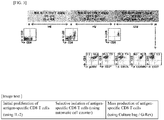
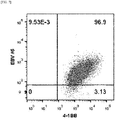
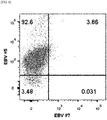
- the antigen-specific CD8+ T cells produced in the 20-day process were found to be CMV specific CD8+ T cells ( FIG. 3 ) with CD3+, CD8+, CD45RO+, CD45RA-, CD62L- (CD62L+; ⁇ 7.4%), CCR7-, and CD27- (CD27+; ⁇ 7.5%) phenotypes.
- the finished product was analyzed in accordance with the currently-effective evaluation criteria for finished T cell therapeutics (Ministry of Food and Drug Safety, self-evaluation criteria for clinical trials of finished T cell therapeutics).
- Test items of the evaluation criteria are as described in Table 2, namely: 1) Total cell count test: Test of whether the produced T cells were produced in conformity with the finished product evaluation criteria. 2) Cell viability: Test of whether the viability of the produced T cell therapeutic is above the evaluation criterion level of 70%. 3) Confirmation test: Test of whether the finished product has a CD8+ T cell ratio of at least 65%. CD45RA is tested for whether the produced T cells have a Naive CD8+ T phenotype, and CD45RO is tested for whether the produced T cells have an Effector/Memory CD8+ T phenotype.
- Purity test Residue test to determine, for CD57, for how many senescent CD8+ T cells are present; for PD-1, for how many non-functional CD8+ T cells (exhausted CD8+ T) are present; for anti-CD3, how much of the antibodies used in mass production are left over in the finished product.
- Cell function test TCRv ⁇ typing tests whether CD8+ T cells with particular TCR types for the antigen-epitopes that were introduced for cell production were produced at a level of at least 20%; IFN- ⁇ production and LAMP1 expression tests how many CD8+ T cells have antigen-specific action mechanisms.
- Test item Test criterion Conventional production process using plate coated with anti-4-1BB antibody) New production process (using automatic cell sorter) Total cell count test 7.0 x 10 6 cell/mL + 10% 100 mL/infusion bag 6.7x10 6 cell/ml, 200 mL, 2 bags 6.9 x 10 6 cell/mL, 200 mL, 2 bags Cell viability test >70% ⁇ 92.3% ⁇ 95.0% Verification test CD8 T >65% 65.0% to 85.0% ⁇ 95.0% CD45RA 20% of CD8 T cells ⁇ 13.3% ⁇ 1.7% CD45RO > 80% of CD8 T cells 98.5% ⁇ 99.7% Purity test CD57 35% of CD8 T cells ⁇ 19.5% ⁇ 16.8% PD-1 20% of CD8 T cells ⁇ 2.3% ⁇ 2.1% anti-CD3 mAb Negative Negative Negative Cell function test IFN- ⁇ production > 10% of CD8 T cells ⁇ 54.4% ⁇ 43% LAMP1 Expression > 10% of CD8
- CD8+ T cell therapeutics produced by the process according to the present application were found to have a purity of at least 95%. These results indicate that the method according to the present application is able to straightforwardly and quickly produce high-purity T cells in a shorter time than the conventional method.
- Procedure 2-2 of Practical Example 2 was performed in the same manner, but using FACSMelody of BD Bioscience for the automatic cell sorter, and LUNA-FL of Logos Biosystems for the automatic cell counter.
- Healthy donor blood was irradiated to induce cell death, and PBMCs were isolated and then suspended at 1 x 10 7 cells/mL and frozen. Irradiated PBMCs (allogenic PBMCs) were used as a culture additive to provide the co-stimulation necessary to induce the proliferation of T cells. The isolated alloplasma was then isolated from the light yellow layer on the upper layer of PBMC, filtered using a filter, and then used.
- PBMCs in culture were harvested and washed in RPMI medium.
- the washed PBMCs were counted with an automatic cell counter (Logos Biosystems, LUNA-FL), and the cells were suspended in CTL medium so that the cells could be cultured at 2 ⁇ 10 6 cells/mL.
- 3% autoplasma and 100 IU/mL IL-2 were added to the CTL medium in which the cells were suspended, and then the cells suspended at 2 x 10 6 cells per 1 mL were placed in each well of a 24-well plate.
- hTERT, WT1, NY-ESO-1 peptides added on the first day of culture were added to reach a concentration of 2 ⁇ g/mL and incubated in a CO 2 incubator.
- PBMCs in culture were harvested and washed in RPMI medium.
- the washed PBMCs were stained with anti-4-1BB antibody and anti-CD8 antibody at 4°C for 30 minutes, and then washed again with RPMI medium.
- the washed PBMCs were selectively isolated from cells expressing 4-1BB and CD8 using an automatic cell sorter (BD Biosciences, FACSMelody). Selectively isolated cells were washed with RPMI medium and the cells were counted with an automatic cell counter. The isolated cells were suspended using ALyS505N medium and then the next step was performed.
- an automatic cell sorter BD Biosciences, FACSMelody
- PBMCs Healthy donor blood was irradiated to induce cell death, PBMCs were isolated and suspended at 1 x 10 7 cells/mL and then frozen and stored. Irradiated PBMCs (allogenic PBMCs) were used as a culture additive to provide the co-stimulation necessary to induce the proliferation of T cells. The isolated alloplasma was then isolated from the light yellow layer on the upper layer of PBMC, filtered using a filter, and then used.
- Process 4-3 of Example 4 was performed in the same manner, but with the difference that at 2-3 day intervals, until day 14 rather than day 11 of culture, ALys505N medium comprising 1,000 IU/mL IL-2 and 3% alloplasma was added in the same quantity, and on day 14 of culture, all the cultured cells were collected.
- the differences from the 20-day process of Practical Example 3 are as follows.
- incubation for primary proliferation was conducted in the presence of IL-2, but in the 15-day process, CD8+ T cells were proliferated in the presence of a combination of cytokines, i.e. for example, IL-2 + IL-21.
- cytokines i.e. for example, IL-2 + IL-21.
- mass culture in the 20-day process, 5x10 5 antigen-specific CD8+ T cells and 1x10 8 irradiated allogeneic PBMCs were used, but in the 15-day process, 1.5x10 6 CD8+ T cells and 3 ⁇ 10 8 allogeneic PBMCs were used.
- the total culture broth is the same at 1 L, but the quantity of culture broth added during the process is different.
- test production of the antigen-specific T cell therapeutic was performed according to the steps described in FIG. 5 using blood of an EBV-positive healthy individual.
- the specific experimental methods and results are as follows.
- PBMCs were isolated from the blood of an EBV-positive healthy individual as follows. 7 mL of blood was slowly flowed into a 15 mL conical tube filled with 7 mL Ficoll-hypaque and overlaid on top of the Ficoll solution. The tube was centrifuged at room temperature at 2000 rpm for 20 minutes, and only the white cell layer located between the Ficoll and the plasma was collected, washed, and used for PBMC. Autoplasma was then isolated from the light yellow layer above the PBMC layer, filtered using a filter, and then used.
- the isolated PBMCs were suspended at 1x10 6 cells/mL in CTL medium (RPMI1640 medium + 4 mM L-glutamine + 12.5 mM HEPES + 50 ⁇ M 2-mercaptoethanol + 3% autoplasma), and EBV peptides (EBV LMP2a-I GLGTLGAAI, EBV LMP2a-9 SLGGLLTMV, EBV LMP2a-11 TYGPVFMSL, EBV LMP2a-13 PYLFWLAAI, Keppetron) were respectively added to reach 2 ⁇ g/mL concentration. These cell suspensions were then aliquoted at 1 mL each into 14 mL round tubes and incubation was begun in a CO 2 incubator.
- CTL medium RPMI1640 medium + 4 mM L-glutamine + 12.5 mM HEPES + 50 ⁇ M 2-mercaptoethanol + 3% autoplasma
- EBV peptides EBV LMP2a-I GLGTLGAAI, EBV LMP2a
- PBMCs in culture were collected and washed twice with PBS (phosphate-buffered saline).
- the washed PBMCs were stained with anti-4-1BB antibody and anti-CD8 antibody at 4°C for 30 minutes and then washed twice with PBS. After staining, the washed PBMCs were isolated using an automatic cell sorter (Miltenyi bio tec, Tyto; manufacturer and model name 2: BD Bioscience, BD FACSAria) and washed twice with RPMI1640 medium.
- PBS phosphate-buffered saline
- PBMCs were isolated from 300 mL of healthy donor blood, suspended at 1x10 7 cells/mL, then irradiated at 3000 rad to induce cell death, and then a culture additive that could provide the co-stimulation necessary to induce proliferation of T cells was added.
- the quality of the T cell therapeutic was then examined.
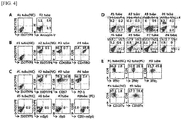
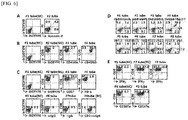
- the antigen-specific CD8+ T cells produced in the 15-day process as described in FIG. 5 were high-purity antigen specific CD8+ T cells with CD3+, CD8+, CD45RO+, CD45RA, CD62L-, CCR7-, and CD27- (CD27+ -6.5%) phenotypes.
- Table 2 when the finished product was analyzed according to the cell therapeutic finished-product evaluation criteria, it was confirmed that the T cell therapeutic product suitable for the evaluation criteria was produced as shown in FIG. 6 .
- the repeated-dose toxicity test results of the mouse-derived CTL treatment group and placebo group were as follows. 1) No dead animals or general symptoms were observed during the experimental period. 2) No changes were observed in body weight, feed and water intake, and result of eye examination, urinalysis and hematological examination. 3) As a result of blood biochemical test and organ weight measurement, no change due to test substance was observed. 4) There was no change due to test substance in the autopsy and histopathologic findings.
- the repeated intravenous administration of mouse-derived CTL on 4 occasions over 3 weeks in female and male mice of the C57BL/6N line did not induce any toxicological effect in death rate, general symptoms, weight change, feed and water intake, eye examination, urinalysis, hematological and serum chemistry examinations, autopsy findings, organ weight, and histopathological examination. Accordingly, under these test conditions, the non-toxic amount of the test substance (NOAEL: no observed adverse effect level) was found to be 6 x 10 6 cells/head in both male and female animals, and no target organs were observed.
- NOAEL no observed adverse effect level
- CD8 T cell administration Day 10 of CD8 T cell administration was the most potent time for the CD8 T cell response to be administered; when 0.7-fold CD8+ T cells were administered, a low proportion (less than 0.1 - 0.2%) was detected only in the secondary lymphoid organs of some mice (male #3, female #8). When 7-fold CD8+ T cells were administered, the administered CD8+ T cells were detected at around 1-5% in the majority of secondary lymphoid organs (inguinal, axillary, cervical, mesenteric LN and spleen).
- the administered CD8+ T cells were detected at 0.5 - 7% only in the lungs; the administered CD8+ T cells were not detected in the kidney, bone marrow, brain, liver, thymus, heart, and testis/ovary sex organs.
- Day 30 of CD8+ T cell administration is the time when the administered CD8+ T cell response forms immune memory, and CD8+ T cells exhibiting active function decrease, and only some memory T cells responsible for immune memory remain.
- 3.32 x 10 5 CD8+ T cells were administered, in all mice, no CD8+ T cells were detected.
- 3.32 x 10 6 CD8+ T cells were administered, only the CD8+ T cells administered in secondary lymphoid organs (inguinal, axillary, cervical, mesenteric LN and spleen) of male # 1-5 live mice were detected at around 2%; in other organs such as the kidney, bone marrow, brain, liver, lung, thymus, heart and testis/ovary sex organs, the administered CD8+ T cells were not detected.
Landscapes
- Health & Medical Sciences (AREA)
- Life Sciences & Earth Sciences (AREA)
- General Health & Medical Sciences (AREA)
- Animal Behavior & Ethology (AREA)
- Veterinary Medicine (AREA)
- Public Health (AREA)
- Engineering & Computer Science (AREA)
- Chemical & Material Sciences (AREA)
- Immunology (AREA)
- Epidemiology (AREA)
- Biomedical Technology (AREA)
- Organic Chemistry (AREA)
- Zoology (AREA)
- Biotechnology (AREA)
- Genetics & Genomics (AREA)
- Cell Biology (AREA)
- Wood Science & Technology (AREA)
- Bioinformatics & Cheminformatics (AREA)
- Medicinal Chemistry (AREA)
- Pharmacology & Pharmacy (AREA)
- Hematology (AREA)
- Microbiology (AREA)
- Biochemistry (AREA)
- General Engineering & Computer Science (AREA)
- Chemical Kinetics & Catalysis (AREA)
- General Chemical & Material Sciences (AREA)
- Nuclear Medicine, Radiotherapy & Molecular Imaging (AREA)
- Virology (AREA)
- Developmental Biology & Embryology (AREA)
- Oncology (AREA)
- Mycology (AREA)
- Toxicology (AREA)
- Gastroenterology & Hepatology (AREA)
- Biophysics (AREA)
- Molecular Biology (AREA)
- Proteomics, Peptides & Aminoacids (AREA)
- Micro-Organisms Or Cultivation Processes Thereof (AREA)
- Medicines Containing Material From Animals Or Micro-Organisms (AREA)
- Peptides Or Proteins (AREA)
Applications Claiming Priority (2)
| Application Number | Priority Date | Filing Date | Title |
|---|---|---|---|
| US201862717236P | 2018-08-10 | 2018-08-10 | |
| PCT/KR2019/010240 WO2020032780A1 (ko) | 2018-08-10 | 2019-08-12 | 암항원 특이적 세포독성 t세포 |
Publications (2)
| Publication Number | Publication Date |
|---|---|
| EP3834833A1 true EP3834833A1 (de) | 2021-06-16 |
| EP3834833A4 EP3834833A4 (de) | 2022-05-18 |
Family
ID=69413571
Family Applications (1)
| Application Number | Title | Priority Date | Filing Date |
|---|---|---|---|
| EP19847176.5A Pending EP3834833A4 (de) | 2018-08-10 | 2019-08-12 | Krebsantigenspezifische zytotoxische t-zellen |
Country Status (6)
| Country | Link |
|---|---|
| US (2) | US11395836B2 (de) |
| EP (1) | EP3834833A4 (de) |
| JP (1) | JP7495137B2 (de) |
| KR (1) | KR102897600B1 (de) |
| CN (1) | CN113260369B (de) |
| WO (1) | WO2020032780A1 (de) |
Families Citing this family (3)
| Publication number | Priority date | Publication date | Assignee | Title |
|---|---|---|---|---|
| WO2021243695A1 (en) * | 2020-06-05 | 2021-12-09 | Guangdong Tcrcure Biopharma Technology Co., Ltd. | Tcr-t cell therapy targeting epstein-barr virus |
| CN113419067A (zh) * | 2021-05-26 | 2021-09-21 | 广州医科大学 | 一种用于评估造血干细胞移植病人cmv感染后免疫状态的多肽组合物以及检测试剂盒 |
| CN117286099A (zh) * | 2022-06-23 | 2023-12-26 | 富禾生医股份有限公司 | 用于诱导抗原特异性t细胞的方法及其在癌症或病毒感染治疗中的用途 |
Family Cites Families (17)
| Publication number | Priority date | Publication date | Assignee | Title |
|---|---|---|---|---|
| AU2007202610A1 (en) * | 2000-10-13 | 2007-06-28 | Norwood Immunology Ltd | Normalization of defective T cell responsiveness through manipulation of thymic regeneration |
| AU2002322211A1 (en) * | 2001-07-12 | 2003-01-29 | Canvac | Methods and compisitions for activation human t cells in vitro |
| US7435592B2 (en) * | 2003-05-13 | 2008-10-14 | Immunovative Therapies, Ltd. | Compositions for allogeneic cell therapy |
| US20070190052A1 (en) * | 2005-09-14 | 2007-08-16 | The Trustees Of Columbia University In The City Of New York | Regulatory CD8cells induced with anti-CD3 antibody |
| WO2007104143A1 (en) * | 2006-03-10 | 2007-09-20 | British Columbia Cancer Agency Branch | METHODS FOR DIAGNOSIS AND PROGNOSIS OF GRAFT VERSUS HOST DISEASE BY MEASUREMENT OF PERIPHERAL CD3+CD4+CD8β+ CELLS |
| KR100882445B1 (ko) * | 2007-03-16 | 2009-02-09 | 울산대학교 산학협력단 | 항―4-1bb 항체를 이용한 항원 특이적 자가유래cd8+t 세포의 분리 및 증식 방법 |
| KR101103603B1 (ko) * | 2008-07-25 | 2012-01-09 | 국립암센터 | 4-1bbl 펜타머 단백질을 이용한 항원 특이적 cd8+t 세포의 분리 및 증식 방법 |
| WO2013035099A1 (en) * | 2011-09-08 | 2013-03-14 | Yeda Research And Development Co. Ltd. | Anti third party central memory t cells, methods of producing same and use of same in transplantation and disease treatment |
| AU2013210783B2 (en) * | 2012-01-20 | 2017-12-07 | Cellvax Therapeutics Inc. | Autologous cancer cell vaccine |
| BR122020002986A8 (pt) * | 2012-08-20 | 2023-04-18 | Seattle Childrens Hospital Dba Seattle Childrens Res Inst | Método e composições para imunoterapia celular |
| RS61173B1 (sr) * | 2013-01-15 | 2021-01-29 | Memorial Sloan Kettering Cancer Center | Imunogeni wt-1 peptidi i postupci za njihovu upotrebu |
| KR101503341B1 (ko) * | 2014-03-12 | 2015-03-18 | 국립암센터 | 자가암항원 특이적 cd8+ t 세포의 분리 및 증식방법 |
| BR112017005631A2 (pt) * | 2014-09-19 | 2018-06-26 | City Of Hope | células t com receptor de antígeno coestimulador quimérico direcionadas à il13ra2 |
| US20180072990A1 (en) * | 2015-03-20 | 2018-03-15 | Children's National Medical Center | Generating virus or other antigen-specific t cells from a naïve t cell population |
| MX2019000180A (es) * | 2016-06-28 | 2019-11-05 | Geneius Biotechnology Inc | Composiciones de células t para la inmunoterapia. |
| CN110713977B (zh) * | 2018-07-12 | 2022-05-27 | 上海赛傲生物技术有限公司 | 一种cd8 t细胞的培养扩增方法 |
| CN117794552A (zh) * | 2020-11-25 | 2024-03-29 | 金纽斯生物科技公司 | 抗原特异性t细胞及其制备和使用方法 |
-
2019
- 2019-08-12 EP EP19847176.5A patent/EP3834833A4/de active Pending
- 2019-08-12 KR KR1020217007134A patent/KR102897600B1/ko active Active
- 2019-08-12 WO PCT/KR2019/010240 patent/WO2020032780A1/ko not_active Ceased
- 2019-08-12 CN CN201980066537.9A patent/CN113260369B/zh active Active
- 2019-08-12 JP JP2021506967A patent/JP7495137B2/ja active Active
- 2019-12-16 US US16/715,695 patent/US11395836B2/en active Active
-
2021
- 2021-02-05 US US17/169,093 patent/US20210401885A1/en not_active Abandoned
Also Published As
| Publication number | Publication date |
|---|---|
| KR20210043622A (ko) | 2021-04-21 |
| KR102897600B1 (ko) | 2025-12-09 |
| CN113260369A (zh) | 2021-08-13 |
| US20210401885A1 (en) | 2021-12-30 |
| CN113260369B (zh) | 2024-08-23 |
| JP7495137B2 (ja) | 2024-06-04 |
| JP2021534130A (ja) | 2021-12-09 |
| WO2020032780A1 (ko) | 2020-02-13 |
| EP3834833A4 (de) | 2022-05-18 |
| US20200188437A1 (en) | 2020-06-18 |
| US11395836B2 (en) | 2022-07-26 |
Similar Documents
| Publication | Publication Date | Title |
|---|---|---|
| CA2347067C (en) | Dendritic cell vaccine containing telomerase reverse transcriptase for the treatment of cancer | |
| EP4461743A2 (de) | T-zellmodifikation | |
| US20120183575A1 (en) | Exosome based treatment of cancer | |
| JP2022065022A (ja) | 改変ヒト初代血液樹状細胞株を生成するための方法 | |
| KR20210111747A (ko) | 세포를 단리 및 증식하는 방법 | |
| US20210401885A1 (en) | Cancer antigen specific cytotoxic t cell | |
| WO2022115641A2 (en) | Antigen specific t cells and methods of making and using same | |
| JP2018531022A6 (ja) | 改変ヒト初代血液樹状細胞株を生成するための方法 | |
| JP7270382B2 (ja) | 免疫療法の方法 | |
| EP3834849A1 (de) | Verfahren zur behandlung eines tumors unter verwendung einer immuneffektorzelle | |
| CN102112491A (zh) | 抗-cd8抗体阻断细胞毒素效应物的引发并导致调节性cd8+t细胞的产生 | |
| Arroyo et al. | Immune response induced in vitro by CD16− and CD16+ monocyte-derived dendritic cells in patients with metastatic renal cell carcinoma treated with dendritic cell vaccines | |
| JP2025504109A (ja) | Ebv複合抗原、樹状細胞ワクチンおよびその使用 | |
| US20200172866A1 (en) | Method of preparing and cryopreserving cancer antigen-specific cd8+ t cells | |
| JP2002069001A (ja) | 樹状細胞を主成分とする細胞ワクチン | |
| HK40053096A (en) | Cancer antigen-specific cytotoxic t cells | |
| KR20200097654A (ko) | 암 치료를 위한 t 세포의 활성화 방법 | |
| KR20230088292A (ko) | MR1 제한적 Panck T 세포 및 이의 제조방법 | |
| HK40054773A (en) | Method for preparing and cryopreserving cancer antigen-specific cd8+ t cells | |
| JPWO2003016513A1 (ja) | エプスタインバーウイルス陰性のnk細胞株 | |
| US10022402B2 (en) | Allogenic mesendritic vector for ovarian cancer | |
| US20170216419A1 (en) | Compositions and methods for cancer immunotherapy | |
| HK40117446A (en) | T cell modification | |
| HK40003036A (en) | Process of expanding t cells | |
| Okumura et al. | 627 Involvement of CD4+ CD25+ regulatory T cells as immune modulators in chronic hepatitis C virus (HCV) infection |
Legal Events
| Date | Code | Title | Description |
|---|---|---|---|
| STAA | Information on the status of an ep patent application or granted ep patent |
Free format text: STATUS: THE INTERNATIONAL PUBLICATION HAS BEEN MADE |
|
| PUAI | Public reference made under article 153(3) epc to a published international application that has entered the european phase |
Free format text: ORIGINAL CODE: 0009012 |
|
| STAA | Information on the status of an ep patent application or granted ep patent |
Free format text: STATUS: REQUEST FOR EXAMINATION WAS MADE |
|
| 17P | Request for examination filed |
Effective date: 20210304 |
|
| AK | Designated contracting states |
Kind code of ref document: A1 Designated state(s): AL AT BE BG CH CY CZ DE DK EE ES FI FR GB GR HR HU IE IS IT LI LT LU LV MC MK MT NL NO PL PT RO RS SE SI SK SM TR |
|
| DAV | Request for validation of the european patent (deleted) | ||
| DAX | Request for extension of the european patent (deleted) | ||
| REG | Reference to a national code |
Ref country code: HK Ref legal event code: DE Ref document number: 40053096 Country of ref document: HK |
|
| A4 | Supplementary search report drawn up and despatched |
Effective date: 20220419 |
|
| RIC1 | Information provided on ipc code assigned before grant |
Ipc: C12N 5/0783 20100101ALI20220411BHEP Ipc: A61P 35/00 20060101ALI20220411BHEP Ipc: A61K 39/00 20060101ALI20220411BHEP Ipc: A61K 35/17 20150101AFI20220411BHEP |
|
| STAA | Information on the status of an ep patent application or granted ep patent |
Free format text: STATUS: EXAMINATION IS IN PROGRESS |
|
| 17Q | First examination report despatched |
Effective date: 20230331 |