EP3853256B1 - Immunoglobuline cd1d à double action - Google Patents
Immunoglobuline cd1d à double action Download PDFInfo
- Publication number
- EP3853256B1 EP3853256B1 EP19831921.2A EP19831921A EP3853256B1 EP 3853256 B1 EP3853256 B1 EP 3853256B1 EP 19831921 A EP19831921 A EP 19831921A EP 3853256 B1 EP3853256 B1 EP 3853256B1
- Authority
- EP
- European Patent Office
- Prior art keywords
- seq
- cdr
- sequence according
- cells
- binding molecule
- Prior art date
- Legal status (The legal status is an assumption and is not a legal conclusion. Google has not performed a legal analysis and makes no representation as to the accuracy of the status listed.)
- Revoked
Links
Images




Classifications
-
- C—CHEMISTRY; METALLURGY
- C07—ORGANIC CHEMISTRY
- C07K—PEPTIDES
- C07K16/00—Immunoglobulins [IG], e.g. monoclonal or polyclonal antibodies
- C07K16/18—Immunoglobulins [IG], e.g. monoclonal or polyclonal antibodies against material from animals or humans
- C07K16/28—Immunoglobulins [IG], e.g. monoclonal or polyclonal antibodies against material from animals or humans against receptors, cell surface antigens or cell surface determinants
- C07K16/2803—Immunoglobulins [IG], e.g. monoclonal or polyclonal antibodies against material from animals or humans against receptors, cell surface antigens or cell surface determinants against the immunoglobulin superfamily
- C07K16/2833—Immunoglobulins [IG], e.g. monoclonal or polyclonal antibodies against material from animals or humans against receptors, cell surface antigens or cell surface determinants against the immunoglobulin superfamily against MHC-molecules, e.g. HLA-molecules
-
- A—HUMAN NECESSITIES
- A61—MEDICAL OR VETERINARY SCIENCE; HYGIENE
- A61K—PREPARATIONS FOR MEDICAL, DENTAL OR TOILETRY PURPOSES
- A61K39/00—Medicinal preparations containing antigens or antibodies
- A61K39/395—Antibodies; Immunoglobulins; Immune serum, e.g. antilymphocytic serum
- A61K39/39533—Antibodies; Immunoglobulins; Immune serum, e.g. antilymphocytic serum against materials from animals
- A61K39/3955—Antibodies; Immunoglobulins; Immune serum, e.g. antilymphocytic serum against materials from animals against proteinaceous materials, e.g. enzymes, hormones, lymphokines
-
- A—HUMAN NECESSITIES
- A61—MEDICAL OR VETERINARY SCIENCE; HYGIENE
- A61P—SPECIFIC THERAPEUTIC ACTIVITY OF CHEMICAL COMPOUNDS OR MEDICINAL PREPARATIONS
- A61P35/00—Antineoplastic agents
-
- A—HUMAN NECESSITIES
- A61—MEDICAL OR VETERINARY SCIENCE; HYGIENE
- A61P—SPECIFIC THERAPEUTIC ACTIVITY OF CHEMICAL COMPOUNDS OR MEDICINAL PREPARATIONS
- A61P35/00—Antineoplastic agents
- A61P35/02—Antineoplastic agents specific for leukemia
-
- C—CHEMISTRY; METALLURGY
- C07—ORGANIC CHEMISTRY
- C07K—PEPTIDES
- C07K16/00—Immunoglobulins [IG], e.g. monoclonal or polyclonal antibodies
- C07K16/18—Immunoglobulins [IG], e.g. monoclonal or polyclonal antibodies against material from animals or humans
- C07K16/28—Immunoglobulins [IG], e.g. monoclonal or polyclonal antibodies against material from animals or humans against receptors, cell surface antigens or cell surface determinants
- C07K16/2803—Immunoglobulins [IG], e.g. monoclonal or polyclonal antibodies against material from animals or humans against receptors, cell surface antigens or cell surface determinants against the immunoglobulin superfamily
- C07K16/2809—Immunoglobulins [IG], e.g. monoclonal or polyclonal antibodies against material from animals or humans against receptors, cell surface antigens or cell surface determinants against the immunoglobulin superfamily against the T-cell receptor (TcR)-CD3 complex
-
- A—HUMAN NECESSITIES
- A61—MEDICAL OR VETERINARY SCIENCE; HYGIENE
- A61K—PREPARATIONS FOR MEDICAL, DENTAL OR TOILETRY PURPOSES
- A61K39/00—Medicinal preparations containing antigens or antibodies
- A61K2039/505—Medicinal preparations containing antigens or antibodies comprising antibodies
-
- C—CHEMISTRY; METALLURGY
- C07—ORGANIC CHEMISTRY
- C07K—PEPTIDES
- C07K2317/00—Immunoglobulins specific features
- C07K2317/20—Immunoglobulins specific features characterized by taxonomic origin
- C07K2317/22—Immunoglobulins specific features characterized by taxonomic origin from camelids, e.g. camel, llama or dromedary
-
- C—CHEMISTRY; METALLURGY
- C07—ORGANIC CHEMISTRY
- C07K—PEPTIDES
- C07K2317/00—Immunoglobulins specific features
- C07K2317/30—Immunoglobulins specific features characterized by aspects of specificity or valency
- C07K2317/31—Immunoglobulins specific features characterized by aspects of specificity or valency multispecific
-
- C—CHEMISTRY; METALLURGY
- C07—ORGANIC CHEMISTRY
- C07K—PEPTIDES
- C07K2317/00—Immunoglobulins specific features
- C07K2317/50—Immunoglobulins specific features characterized by immunoglobulin fragments
- C07K2317/56—Immunoglobulins specific features characterized by immunoglobulin fragments variable (Fv) region, i.e. VH and/or VL
- C07K2317/565—Complementarity determining region [CDR]
-
- C—CHEMISTRY; METALLURGY
- C07—ORGANIC CHEMISTRY
- C07K—PEPTIDES
- C07K2317/00—Immunoglobulins specific features
- C07K2317/50—Immunoglobulins specific features characterized by immunoglobulin fragments
- C07K2317/56—Immunoglobulins specific features characterized by immunoglobulin fragments variable (Fv) region, i.e. VH and/or VL
- C07K2317/569—Single domain, e.g. dAb, sdAb, VHH, VNAR or nanobody®
-
- C—CHEMISTRY; METALLURGY
- C07—ORGANIC CHEMISTRY
- C07K—PEPTIDES
- C07K2317/00—Immunoglobulins specific features
- C07K2317/70—Immunoglobulins specific features characterized by effect upon binding to a cell or to an antigen
- C07K2317/73—Inducing cell death, e.g. apoptosis, necrosis or inhibition of cell proliferation
-
- C—CHEMISTRY; METALLURGY
- C07—ORGANIC CHEMISTRY
- C07K—PEPTIDES
- C07K2317/00—Immunoglobulins specific features
- C07K2317/70—Immunoglobulins specific features characterized by effect upon binding to a cell or to an antigen
- C07K2317/74—Inducing cell proliferation
-
- C—CHEMISTRY; METALLURGY
- C07—ORGANIC CHEMISTRY
- C07K—PEPTIDES
- C07K2317/00—Immunoglobulins specific features
- C07K2317/70—Immunoglobulins specific features characterized by effect upon binding to a cell or to an antigen
- C07K2317/75—Agonist effect on antigen
-
- C—CHEMISTRY; METALLURGY
- C07—ORGANIC CHEMISTRY
- C07K—PEPTIDES
- C07K2317/00—Immunoglobulins specific features
- C07K2317/70—Immunoglobulins specific features characterized by effect upon binding to a cell or to an antigen
- C07K2317/76—Antagonist effect on antigen, e.g. neutralization or inhibition of binding
Definitions
- the present invention relates to the field of immunology, more in particular to the field of binding molecules and/or immunoglobulins which bind to human CD1d, including antibodies and fragments thereof that modify CD1d-mediated biological functions such as activation and blocking of CD1d-restricted T-cells, including natural killer T (NKT) cells and gamma(y)-delta( ⁇ ) T-cells, and modulation of the function of cells expressing CD1d.
- the invention relates to bi-, tri- or multi-specific binding molecules and/or immunoglobulins that bind to CDld and a ⁇ T cell receptor (TCR) and/or a tumor target.
- TCR ⁇ T cell receptor
- the invention further relates to pharmaceutical preparations and use of such bi-, and tri-, or multi-specific binding molecules and/or immunoglobulins in the treatment of diseases or disorders.
- CDld is a member of the CD1 (cluster of differentiation 1) family of glycoproteins (including CD1a, CD1b, CD1c, CDld and CD1e) and is expressed on the surface of various human cells, including antigen presenting cells (APC). They are non-classical MHC proteins, related to the class I MHC proteins, and are involved in the presentation of lipid antigens to a subgroup of T cells. In human COld is encoded by CD1D, also known as R3G1. APC displaying CDld include B-cells, dendritic cells (e.g. in lymph nodes), and monocytes.
- COld is also expressed by various other cell types, for example, in liver, pancreas, skin, kidney, uterus, conjunctiva, epididymis, thymus and tonsil ( Canchis et al. (1992) Immunology 80:561 ).
- NKT cells CDld restricted Natural Killer T-cells
- NKT cells are a heterogeneous group of T cells that share properties of both T cells and natural killer cells.
- NKT cells are a subset of T cells that express an alpha( ⁇ )/beta( ⁇ ) T-cell receptor (TCR), as well a variety of molecular markers that are typically associated with NK cells.
- Type 1 or invariant NKT (iNKT) cells are the best-studied group of NKT cells and differ from conventional ⁇ -T cells in that their T-cell receptors are far more limited in diversity ('invariant').
- NKT cells type II NKT
- CD1d-restricted, NKT cells recognize several antigens, such as (self or foreign) lipids, glycolipids, sulfatides, phospholipids, lipopeptides, hydrophobic peptides and/or amphipathic ⁇ -helical peptides, presented by CDld molecules present on APC ( Enrico Girardi et al. (2016) J Biol Chem. 291(20): 10677 ).
- cytokines including Th1- and/or Th2-like cytokines, such as interferon-y, tumor necrosis factor-a, and interleukins like IL-4, IL-5 and IL-13.
- ⁇ -galactosylceramide KRN7000
- KRN7000 is the best studied ligand of the lipid-binding COld in NKT cell activation in vitro and in vivo.
- Other ligands comprise isoglobotrihexosylceramide (for mouse iNKT cells), (microbial-derived) glycuronosylceramides, ⁇ -C-galactosylceramides, threitol ceramide, and a variety of (human and non-human) glycolipids such as lysophophatidylcholine and lysosphingomyelin ( Fox et al (2009) PLOS Biology 7:10:e1000228 ).
- NKT-cells can augment or inhibit immune responses, including antitumor, autoimmune, and anti-pathogen responses, through a variety of mechanisms depending on context ( Yue et al. (2010) J Immunol 184: 268 ), including induction of cell death in multiple myeloma cells.
- NKT-cells Conditions in which (invariant) NKT-cells may be involved include autoimmune or inflammatory diseases, including myasthenia gravis, psoriasis, ulcerative colitis, primary biliary cirrhosis, colitis, autoimmune hepatitis, atherosclerosis, and asthma.
- autoimmune or inflammatory diseases including myasthenia gravis, psoriasis, ulcerative colitis, primary biliary cirrhosis, colitis, autoimmune hepatitis, atherosclerosis, and asthma.
- NKT cell effector functions which result in cell lysis such as perforin release and granzyme release and cell death, may also be relevant in conditions in which NKT cells are implicated, such as in cancer.
- CD1d-restricted NKT cells Based on their T cell receptor (TCR) usage and antigen specificities, CD1d-restricted NKT cells have been divided into two main subsets: type I NKT cells that use a canonical invariant TCR ⁇ -chain and recognize ⁇ -galactosylceramide ( ⁇ -GalCer), and type II NKT cells that use a more diverse ⁇ -TCR repertoire and do not recognize ⁇ -GalCer.
- TCR T cell receptor
- Type I NKT cells express an invariant V ⁇ 14J ⁇ 18 TCR ⁇ -chain in mice and V ⁇ 24J ⁇ 18 in humans, paired with a limited repertoire of TCR ⁇ -chains (V ⁇ 8, V ⁇ 7, V ⁇ 2 in mice and exclusively V ⁇ 11 in humans).
- Type I NKT cells can be highly autoreactive even at steady state and display an activated/memory phenotype with high surface levels of the activation markers CD69, CD44, and CD122 (IL-2R ⁇ -chain) and low expression of CD62L, a marker expressed by na ⁇ ve T cells that home to lymph nodes ( Bendelac et al (1992) J Exp Med 175:731 ; Matsuda et al. (2000) J Exp Med 192:741 ).
- Type I NKT cells critically contribute to natural anti-tumor responses, as demonstrated by the prompt growth of spontaneous tumors in type I NKT cell-deficient J ⁇ 18-/- mice compared to WT mice ( Smyth et al.
- sulfatide-activated type II NKT cells repress anti-tumor immunity ( Terabe et al (2000) Nat Immunol 1:515 ; Terabe et al (2005) J Exp Med 202:1627 ; Renukaradhya et al (2008) Blood 111:5637 ) by abrogating type I NKT activation in response to ⁇ -GalCer, in terms of cytokine secretion and expansion ( Ambrosino et al (2007) J Immunol 179:5126 ).
- IL-13 production led to up-regulation of TGF- ⁇ secretion by myeloid-derived suppressor cells (MDSC), and resulted in decreased cytotoxic T cell activity ( Terabe et al (2003) J Exp Med 198:1741 ).
- MDSC myeloid-derived suppressor cells
- CD1d-restricted T cells that do not express the V ⁇ 14-J ⁇ 18 rearrangement and do not recognize ⁇ -GalCer were first described in MHC II-deficient mice among the remaining CD4+ T cells ( Cardell Set al (1995) J Exp Med 182:993 ). From then called diverse NKT (dNKT), type II NKT, or variant NKT (vNKT) cells, this NKT cell population, found in both mice and humans, exhibits a more heterogeneous TCR repertoire.
- dNKT diverse NKT
- type II NKT type II NKT
- vNKT variant NKT
- V ⁇ 2+ and non-V ⁇ 2 subsets comprise, inter alia, V ⁇ 1+ ⁇ T cells and the less prevalent V ⁇ 3+ ⁇ T cells ( McVay et al (1999) Crit Rev Immunol 19:431 ; Vantourout and Hayday (2013) Nat Rev Immunol 13:88 ).
- V ⁇ 1+ ⁇ T cells are mainly tissue resident and are found in the skin and at mucosal surfaces, whereas V ⁇ 2+ ⁇ T cells are predominant in human blood. Compared with ⁇ T cells, the types of antigens recognized by ⁇ T cells and the role and function of antigen presentation in ⁇ TCR recognition are much less clear. Interestingly, some ⁇ T cells have recently been found to directly recognize CD1d-presented lipid antigens ( Hayday and Vantourout (2013) Immunity 39:994 ). In 2013, Uldrich et al (2013) Nature Immunol 14: 1137 ) had identified a ⁇ -T cell population that recognized COld in combination with select glycolipid antigens, including ⁇ GalCer. These T cells are referred to as CD1d-restricted V ⁇ 1+ T cells. Without being bound to theory, it is believed that V ⁇ 1+ T cells can exert an inflammatory response that can be counterproductive for an effective anti-tumor response.
- binding molecules that can specifically bind and/or interact with CD1d, both in vitro and in vivo.
- binding molecules that bind and/or modulate (activate or inhibit) biological functions that involve CDld such as, but not limited to, NKT-cell activation.
- Such binding molecules may, for example, show benefit in the various diseases in which CD1d-mediated functions play a role.
- the inventors have previously identified a single domain antibody, designated 1D12 or VHH 12, that specifically activates iNKT (type I NKT) cells, without the need of CDld ligand ( WO2016122320 ).
- the Examples of the present disclosure show for the first time that 1D12 is not only able to activate iNKT cells, but at the same time enables blocking of CD1d-restricted V ⁇ 1+ T cell activation.
- 1D12 can be used for the treatment of disorders caused, maintained and/or propagated by CD1d-restricted V ⁇ 1+ T-cell activation.
- this specific use is not restricted to 1D12, but extends to any antibody that is functionally and/or structurally similar to 1D12.
- the invention provides a binding molecule comprising a first binding moiety of an antibody that is able to compete with 1D12 (SEQ ID NO: 4) in binding to a COld molecule and comprising a second binding moiety of an antibody that is able to specifically bind to a V ⁇ 9V ⁇ 2-TCR, wherein the binding molecule is able to activate iNKT cells and wherein the binding molecule is able to activate V ⁇ 9V ⁇ 2 T cells.
- the inventors have shown that a bispecific CD1d/V ⁇ 9V ⁇ 2-TCR antibody can induce degranulation of iNKT cells and V ⁇ 9V ⁇ 2-T cells and control growth of COld-expressing tumor cells.
- the invention provides a composition according to the first aspect of the invention and a pharmaceutically acceptable excipient.
- the invention provides a binding molecule comprising a first binding moiety of an antibody that is able to compete with 1D12 (SEQ ID NO: 4) in binding to a COld molecule and comprising a second binding moiety of an antibody that is able to specifically bind to a V ⁇ 9V ⁇ 2-TCR, wherein the binding molecule is able to activate iNKT cells and wherein the binding molecule is able to activate V ⁇ 9V ⁇ 2 T cells.
- a binding molecule comprising a first binding moiety that is able to compete with single domain antibody 1D12 (SEQ ID NO: 4) in binding to a COld molecule, for use in the treatment of disorders caused, maintained and/or propagated by CD1d-restricted V ⁇ 1+ T-cell activation.
- a “disorder caused, maintained and/or propagated by CD1d-restricted V ⁇ 1+ T-cell activation” is a disease or disorder in which CD1d-restricted V ⁇ 1+ T-cell activation initiates, maintains or exacerbates the disease or disorder, or has a negative impact on the prognosis or progression of the disease or disorder.
- negative impact is meant that due to the action of the CD1d-restricted V ⁇ 1+ T-cells the disease is sustained, aggravated, or less attenuated compared with the situation where there would be no action of the V ⁇ 1+ T-cells.
- the negative impact is due to (anti-)inflammatory effects of activated V ⁇ 1+ T-cells.
- Such disorders or diseases in particular include those diseases that require a type 1 helper T (Th1) cell response and are negatively influenced by a T cell response of the type 2 helper T (Th2) cell.
- the designations "Th1" and “Th2” cells are well known in the art and it is generally believed that Th1 cells are predominantly active towards intracellular microbiota, such as intracellular bacteria and viruses, whereas Th2 cells predominantly activate the humoral immune system (B cells, eosinophils, etc.) in order to combat extracellular microbiota, such as protozoa. Further, Th1 cells promote the killing of tumor cells, whereas Th2 cells counteract such action.
- CD1d-restricted peripheral T cell lymphoma PTCL ( Bachy et al (2016) J Exp Med 213 No. 5: 841 )
- a binding molecule is provided for use in the treatment of hematological malignancies, such as CD1d-restricted peripheral T cell lymphoma (PTCL), CD1d+ T-cell acute lymphoblastic leukemia (ALL), CD1d+ lymphoma, CD1d+ chronic lymphocytic leukemia (CLL), CD1d+ acute myelogenous leukemia (AML), and CD1d+ mantle cell lymphoma, preferably for use in the treatment of CD1d-restricted V ⁇ 1+ PTCL, wherein the binding molecule comprises a first binding moiety of an antibody that is able to compete with 1D12 (SEQ ID NO: 4) in binding to a COld molecule and a second binding moiety of an antibody that is able to specifically bind to a V ⁇ 9V ⁇ 2-TCR, wherein the binding molecule is able to activate iNKT cells and wherein the binding molecule is able to activate V ⁇ 9V ⁇ 2
- binding molecule may be any kind of binding molecule, for example a complex, as long as it comprises or consists of a first binding moiety of an antibody and a second binding moiety of an antibody as defined by the invention.
- antibody as used herein is intended to refer to an immunoglobulin molecule, a fragment of an immunoglobulin molecule, or a derivative of either thereof, which has the ability to specifically bind to an antigen under typical physiological conditions with a half-life of significant periods of time, such as at least about 30 minutes, at least about 45 minutes, at least about one hour, at least about two hours, at least about four hours, at least about 8 hours, at least about 12 hours, about 24 hours or more, about 48 hours or more, about 3, 4, 5, 6, 7 or more days, etc., or any other relevant functionally-defined period (such as a time sufficient to induce, promote, enhance, and/or modulate a physiological response associated with antibody binding to the antigen and/or time sufficient for the antibody to recruit an effector activity).
- significant periods of time such as at least about 30 minutes, at least about 45 minutes, at least about one hour, at least about two hours, at least about four hours, at least about 8 hours, at least about 12 hours, about 24 hours or more, about 48 hours or more, about 3,
- the binding region which interacts with an antigen, comprises variable regions of both the heavy and light chains of the immunoglobulin molecule.
- the constant regions of the antibodies (Abs) may mediate the binding of the immunoglobulin to host tissues or factors, including various cells of the immune system (such as effector cells and T cells) and components of the complement system such as C1q, the first component in the classical pathway of complement activation.
- the Fc region of the antibody has been modified to become inert
- inert means an Fc region which is at least not able to bind any Fcy Receptors, induce Fc-mediated cross-linking of FcRs, or induce FcR-mediated cross-linking of target antigens via two Fc regions of individual proteins, such as antibodies.
- the inert Fc region is in addition not able to bind C1q.
- the antibody contains mutations at positions 234 and 235 ( Canfield and Morrison (1991) J Exp Med 173:1483 ), e.g. a Leu to Phe mutation at position 234 and a Leu to Glu mutation at position 235.
- the antibody contains a Leu to Ala mutation at position 234, a Leu to Ala mutation at position 236 and a Pro to Gly mutation at position 329.
- antibody as used herein, unless otherwise stated or clearly contradicted by context, includes fragments of an antibody that retain the ability to specifically interact, such as bind, to the antigen. It has been shown that the antigen-binding function of an antibody may be performed by fragments of a full-length antibody.
- binding fragments encompassed within the term "antibody” include (i) a Fab' or Fab fragment, a monovalent fragment consisting of the VL, VH, CL and CH1 domains, or a monovalent antibody as described in WO2007059782 ; (ii) F(ab')2 fragments, bivalent fragments comprising two Fab fragments linked by a disulfide bridge at the hinge region; (iii) a Fd fragment consisting essentially of the VH and CH1 domains; and (iv) a Fv fragment consisting essentially of the VL and VH domains of a single arm of an antibody.
- the two domains of the Fv fragment, VL and VH are coded for by separate genes, they may be joined, using recombinant methods, by a synthetic linker that enables them to be made as a single protein chain in which the VL and VH regions pair to form monovalent molecules (known as single chain antibodies or single chain Fv (scFv), see for instance Bird et al., Science 242, 423-426 (1988 ) and Huston et al., PNAS USA 85, 5879-5883 (1988 )).
- single chain antibodies single chain antibodies
- scFv single chain Fv
- antibody also includes polyclonal antibodies, monoclonal antibodies (mAbs), chimeric antibodies and humanized antibodies, and antibody fragments retaining the ability to specifically bind to the antigen (antigen-binding fragments) provided by any known technique, such as enzymatic cleavage, peptide synthesis, and recombinant techniques.
- An antibody as generated can possess any isotype.
- immunoglobulin heavy chain “heavy chain of an immunoglobulin” or “heavy chain” as used herein is intended to refer to one of the chains of an immunoglobulin.
- a heavy chain is typically comprised of a heavy chain variable region (abbreviated herein as VH) and a heavy chain constant region (abbreviated herein as CH) which defines the isotype of the immunoglobulin.
- the heavy chain constant region typically is comprised of three domains, CH1, CH2, and CH3.
- the heavy chain constant region may further comprise a hinge region.
- immunoglobulin as used herein is intended to refer to a class of structurally related glycoproteins consisting of two pairs of polypeptide chains, one pair of light (L) chains and one pair of heavy (H) chains, all four potentially inter-connected by disulfide bonds.
- the two heavy chains are inter-connected via disulfide bonds in the so-called "hinge region”.
- each light chain is typically comprised of several regions; a light chain variable region (abbreviated herein as VL) and a light chain constant region (abbreviated herein as CL).
- VL light chain variable region
- CL light chain constant region
- the light chain constant region typically is comprised of one domain, CL.
- VH and VL regions may be further subdivided into regions of hypervariability (or hypervariable regions which may be hypervariable in sequence and/or form structurally defined loops), also termed complementarity determining regions (CDRs), interspersed with regions that are more conserved, termed framework regions (FRs).
- CDRs complementarity determining regions
- FRs framework regions
- Each VH and VL is typically composed of three CDRs and four FRs, arranged from amino-terminus to carboxy-terminus in the following order: FR1, CDR1, FR2, CDR2, FR3, CDR3, FR4.
- CDR sequences may be determined by use of various methods, e.g. the methods provided by Choitia and Lesk (1987) J. Mol. Biol. 196:901 or Kabat et al. (1991) Sequence of protein of immunological interest, fifth editi on. NIH publication.
- Various methods for CDR determination and amino acid numbering can be compared on www.aby
- isotype refers to the immunoglobulin (sub)class (for instance IgG1, IgG2, IgG3, IgG4, IgD, IgA, IgE, or IgM) or any allotype thereof, such as IgG1m(za) and IgG1m(f) [SEQ ID NO:407]) that is encoded by heavy chain constant region genes.
- the antibody comprises a heavy chain of an immunoglobulin of the IgG1 class or any allotype thereof.
- each heavy chain isotype can be combined with either a kappa ( ⁇ ) or lambda ( ⁇ ) light chain.
- chimeric antibody refers to an antibody wherein the variable region is derived from a non-human species (e.g. derived from rodents) and the constant region is derived from a different species, such as human.
- Chimeric antibodies may be generated by antibody engineering.
- Antibody engineering is a generic term used for different kinds of modifications of antibodies, and which is a well-known process for the skilled person.
- the chimeric antibody may be a genetically engineered recombinant antibody.
- Some chimeric antibodies may be both genetically or an enzymatically engineered. It is within the knowledge of the skilled person to generate a chimeric antibody, and thus, generation of the chimeric antibody according to the present invention may be performed by other methods than described herein.
- Chimeric monoclonal antibodies for therapeutic applications are developed to reduce antibody immunogenicity. They may typically contain non-human (e.g. murine) variable regions, which are specific for the antigen of interest, and human constant antibody heavy and light chain domains.
- variable region or “variable domains” as used in the context of chimeric antibodies, refers to a region which comprises the CDRs and framework regions of both the heavy and light chains of the immunoglobulin.
- humanized antibody refers to a genetically engineered non-human antibody, which contains human antibody constant domains and non-human variable domains modified to contain a high level of sequence homology to human variable domains. This can be achieved by grafting of the six non-human antibody complementarity-determining regions (CDRs), which together form the antigen binding site, onto a homologous human acceptor framework region (FR). In order to fully reconstitute the binding affinity and specificity of the parental antibody, the substitution of framework residues from the parental antibody (i.e. the non-human antibody) into the human framework regions (back-mutations) may be required. Structural homology modeling may help to identify the amino acid residues in the framework regions that are important for the binding properties of the antibody.
- CDRs complementarity-determining regions
- FR homologous human acceptor framework region
- a humanized antibody may comprise non-human CDR sequences, primarily human framework regions optionally comprising one or more amino acid back-mutations to the non-human amino acid sequence, and fully human constant regions.
- additional amino acid modifications which are not necessarily back-mutations, may be applied to obtain a humanized antibody with preferred characteristics, such as affinity and biochemical properties.
- the amino acid sequence of an antibody of non-human origin is distinct from antibodies of human origin, and therefore a non-human antibody is potentially immunogenic when administered to human patients.
- its CDR segments are responsible for the ability of the antibody to bind to its target antigen and humanization aims to maintain the specificity and binding affinity of the antibody.
- humanization of non-human therapeutic antibodies is performed to minimize its immunogenicity in man while such humanized antibodies at the same time maintain the specificity and binding affinity of the antibody of non-human origin.
- multispecific antibody refers to an antibody having specificities for at least two different, such as at least three, typically non-overlapping, epitopes. Such epitopes may be on the same or different targets. If the epitopes are on different targets, such targets may be on the same cell or different cells or cell types.
- bispecific antibody refers to an antibody having specificities for at least two different, typically non-overlapping, epitopes. Such epitopes may be on the same or different targets. If the epitopes are on different targets, such targets may be on the same cell or different cells or cell types. In one embodiment, the bispecific antibody comprises a first and a second heavy chain.
- bispecific antibodies include but are not limited to (i) IgG-like molecules with complementary CH3 domains to force heterodimerization; (ii) recombinant IgG-like dual targeting molecules, wherein the two sides of the molecule each contain the Fab fragment or part of the Fab fragment of at least two different antibodies; (iii) IgG fusion molecules, wherein full length IgG antibodies are fused to extra Fab fragment or parts of Fab fragment; (iv) Fc fusion molecules, wherein single chain Fv molecules or stabilized diabodies are fused to heavy-chain constant- domains, Fc-regions or parts thereof; (v) Fab fusion molecules, wherein different Fab- fragments are fused together, fused to heavy-chain constant-domains, Fc-regions or parts thereof; and (vi) ScFv-and diabody-based and heavy chain antibodies (e.g., domain antibodies, Nanobodies ® ) wherein different single chain Fv molecules or different diabodies or different heavy chain antibodies (e
- IgG-like molecules with complementary CH3 domains molecules include but are not limited to the Triomab ® (Trion Pharma/Fresenius Biotech), the Knobs-into-Holes (Genentech), CrossMAbs (Roche) and the electrostatically-matched (Amgen, Chugai, Oncomed), the LUZ-Y ( Genentech, Wranik et al. J. Biol. Chem. 2012, 287(52): 43331-9, doi: 10.1074/jbc.M112.397869.
- DIG-body and PIG-body Pharmabcine, WO2010134666 , WO2014081202
- SEEDbody Strand Exchange Engineered Domain body
- the Biclonics Merus, WO2013157953
- Fc ⁇ Adp Regeneron
- bispecific IgG1 and IgG2 Pfizer/Rinat
- Azymetric scaffold Zymeworks/Merck,
- mAb-Fv Xencor
- bivalent bispecific antibodies Roche, WO2009080254
- DuoBody ® molecules Genemab
- IgG-like dual targeting molecules examples include but are not limited to Dual Targeting (DT)-Ig ( GSK/Domantis, WO2009058383 ), Two-in-one Antibody ( Genentech, Bostrom, et al 2009. Science 323, 1610-1614 ), Cross-linked Mabs (Karmanos Cancer Center), mAb2 (F-Star), ZybodiesTM ( Zyngenia, LaFleur et al. MAbs.
- DT Dual Targeting
- WO2009058383 Two-in-one Antibody
- F-Star Cross-linked Mabs
- ZybodiesTM Zyngenia, LaFleur et al. MAbs.
- IgG fusion molecules include but are not limited to Dual Variable Domain (DVD)-IgTM (Abbott), Dual domain double head antibodies (Unilever; Sanofi Aventis), IgG-like Bispecific ( ImClone/Eli Lilly, Lewis et al. Nat Biotechnol. 2014 Feb;32(2):191-8 ), Ts2Ab ( Medlmmune/AZ, Dimasi et al. J Mol Biol.
- DVD Dual Variable Domain
- UPD Dual domain double head antibodies
- IgG-like Bispecific ImClone/Eli Lilly, Lewis et al. Nat Biotechnol. 2014 Feb;32(2):191-8
- Ts2Ab Medlmmune/AZ, Dimasi et al. J Mol Biol.
- BsAb Zymogenetics, WO2010111625 ), HERCULES (Biogen ldec), scFv fusion (Novartis), scFv fusion (Changzhou Adam Biotech Inc) and TvAb (Roche).
- Fc fusion molecules include but are not limited to ScFv/Fc Fusions (Academic Institution, Pearce et al Biochem Mol Biol Int. 1997 Sep;42(6):1179 ), SCORPION (Emergent BioSolutions/Trubion, Blankenship JW, et al. AACR 100th Annual meeting 2009 (Abstract #5465); Zymogenetics/BMS, WO2010111625 ), Dual Affinity Retargeting Technology (Fc-DARTTM) (MacroGenics) and Dual(ScFv)2-Fab (National Research Center for Antibody Medicine - China).
- Fab fusion bispecific antibodies include but are not limited to F(ab)2 (Medarex/AMGEN), Dual-Action or Bis-Fab (Genentech), Dock-and-Lock ® (DNL) (ImmunoMedics), Bivalent Bispecific (Biotecnol) and Fab-Fv (UCB-Celltech).
- ScFv-, diabody-based and domain antibodies include but are not limited to Bispecific T Cell Engager (BiTE ® ) (Micromet, Tandem Diabody (Tandab) (Affimed), Dual Affinity Retargeting Technology (DARTTM) (MacroGenics), Single-chain Diabody ( Academic, Lawrence FEBS Lett. 1998 Apr 3;425(3):479-84 ), TCR-like Antibodies (AIT, ReceptorLogics), Human Serum Albumin ScFv Fusion (Merrimack, WO2010059315 ) and COMBODY molecules (Epigen Biotech, Zhu et al. Immunol Cell Biol. 2010 Aug;88(6):667-75 ), dual targeting nanobodies ® (Ablynx, Hmila et al., FASEB J. 2010 ), dual targeting heavy chain only domain antibodies.
- binding moiety in the context of the present invention is a moiety of an antibody that is capable of specifically binding to a target, and, as used herein, is to be understood as referring to a binding moiety of an antibody.
- a binding moiety may, e.g., comprise: an intact immunoglobulin molecule such as a monoclonal antibody.
- the binding moiety can comprise an antigen-binding functional fragment, including, but not limited to, Fab, F(ab'), F(ab')2, Fv, dAb, Fd, a complementarity determining region (CDR) fragment, a single chain antibody (scFv), a divalent single chain antibody, a single chain phage antibody, a bispecific double chain antibody, a triabody, a tetrabody, a single domain antibody (nanobody ® ), a (poly)peptide containing at least an amino acid sequence that is sufficient to specifically bind to its target, and artificial immunoglobulin fragments, such as plastic antibodies ( Hoshino et al (2008) J Am Chem Soc 130(46):15242 ).
- a binding moiety is a single domain antibody.
- a binding moiety comprises three heavy chain CDRs.
- binding moiety or binding molecule refers to the binding of a binding moiety or binding molecule to a predetermined antigen or target (e.g. human CD1d) to which binding typically is with an affinity corresponding to a K D of about 10 -6 M or less, e.g.
- the degree with which the affinity is lower is dependent on the K D of the binding moiety or binding molecule, so that when the K D of the binding moiety or binding molecule is very low (that is, the binding moiety or binding molecule is highly specific), then the degree with which the affinity for the antigen is lower than the affinity for a non-specific antigen may be at least 10,000 fold.
- K D (M), as used herein, refers to the dissociation equilibrium constant of a particular interaction between the antigen and the binding moiety or binding molecule.
- a binding moiety described above is able to compete for binding to human COld with single domain antibody 1D12.
- “competition” or “able to compete” or “compete” refers to any detectably significant reduction in the propensity for a particular binding molecule (e.g. a CDId antibody) to bind a particular binding partner (e.g. CD1d) in the presence of another molecule (e.g. a different COld antibody) that binds the binding partner.
- competition means an at least about 25 percent reduction, such as an at least about 50 percent, e.g.
- the binding molecule of the present invention binds to at least part of or in the vicinity of the same epitope on COld as antibody 1D12, more preferably to the same epitope as 1D12 or to an epitope that overlaps with the epitope of 1D12.
- Methods for determining the epitope of a binding molecule, such as an antibody are known in the art. With “in the vicinity of” is meant that it binds COld such that the binding molecule at least sterically hinders binding of 1D12 to COld.
- the binding molecule of the present invention may comprise identical or different CDR sequences as 1D12.
- the binding molecule of the present invention comprises identical CDR1 (SEQ ID NO 1), CDR2 (SEQ ID NO: 2) and CDR3 (SEQ ID NO: 3) sequences as 1D12.
- the binding molecule of the present invention comprises an identical sequence as that of 1D12 (SEQ ID NO: 4) or it comprises the sequence set forth in SEQ ID NO: 85).
- the invention provides a binding molecule comprising a first binding moiety of an antibody that is able to compete with 1D12 (the antibody set forth in SEQ ID NO: 4) in binding to a COld molecule and comprising a second binding moiety of an antibody that is able to specifically bind to a V ⁇ 9V ⁇ 2-TCR, wherein the binding molecule is able to activate iNKT cells and wherein the binding molecule is able to activate V ⁇ 9V ⁇ 2 T cells.
- Specifically binds to a V ⁇ 9V ⁇ 2-TCR means that the binding molecule binds V ⁇ 9V ⁇ 2-TCR, but does not exclude that the binding molecule binds to one of the separate subunits in the absence of the other subunit, i.e. to the Vy9 chain alone or to the V ⁇ 2 chain alone.
- antibody 5C8 is an antibody that binds the V ⁇ 9V ⁇ 2-TCR, but also binds the V ⁇ 2 chain when the V ⁇ 2 chain is expressed alone.
- the binding molecule binds the V ⁇ 2 chain of V ⁇ 9V ⁇ 2-TCR. Furthermore, preferably, the binding molecule is able to activate V ⁇ 9V ⁇ 2 T cells independently of its natural ligand.
- the invention provides the insight that such a binding molecule comprising a bispecific immunoglobulin-complex is able to inhibit V ⁇ 1+ T cells and enables activation of (V ⁇ 9)V ⁇ 2+ T cells. Activation of V ⁇ 9V ⁇ 2 T cells is beneficial for the treatment of a plethora of diseases.
- V ⁇ 2 TCR chain specific immunoglobulin is preferred over a V ⁇ 9 TCR chain specific immunoglobulin, as Vy9 might pair with, e.g., V ⁇ 1 TCR chain, resulting in attracting and activating a potentially counterproductive ⁇ -T cell.
- first binding moiety and second binding moiety of an antibody does not refer to their orientation / position in the binding molecule, i.e. it has no meaning with regard to the N- or C-terminus.
- first binding moiety and second binding moiety only serves to correctly and consistently refer to the two different binding moieties in the claims and the description.
- the first binding moiety and the second binding moiety are coupled to each other through one or more amide bond(s), preferably through a linker, more preferably comprising the amino acids GGGGS (SEQ ID NO: 83).
- binding molecules according to the invention comprising a first and a second binding moiety linked through a peptide linker (GGGGS), are depicted in Table 1 (SEQ ID NO: 84 and SEQ ID NO: 87).
- the binding molecule is a bispecific antibody, such as a full-length bispecific antibody.
- full-length antibody when used herein, refers to an antibody which contains all heavy and light chain constant and variable domains corresponding to those that are normally found in a wild-type antibody of that isotype.
- V ⁇ 9V ⁇ 2 T cells are activated in the presence of the binding molecule according to the invention, in particular in the presence of a target cell expressing CD1d.
- the activation of the V ⁇ 9V ⁇ 2 T cells is measurable through gene-expression and/or (surface) marker expression (e.g., activation markers, such as CD25, CD69, or CD107a) and/or secretory protein (e.g., cytokines or chemokines) profiles.
- the binding molecule is able to induce activation (e.g.
- V ⁇ 9V ⁇ 2 T cells upregulation of CD69 and/or CD25 expression resulting in degranulation (marked by an increase in CD107a expression; Example 3) and cytokine production (e.g. TNF ⁇ , IFNy) by V ⁇ 9V ⁇ 2 T cells.
- cytokine production e.g. TNF ⁇ , IFNy
- activation of V ⁇ 9V ⁇ 2 T cells takes place in vivo, particularly in a human body that has been administered a binding molecule according to the invention and which human body comprises V ⁇ 9V ⁇ 2 T cells and preferably CD1d+ target cells.
- a binding molecule of the present invention is able to increase CD107a expression on V ⁇ 9V ⁇ 2 T cells to at least 10%, more preferably at least 20%, more preferably at least 40%, most preferably at least 90%, when used in an assay as described in Example 3, wherein e.g. 10% means that 10% of the total number of cells is positive for CD107a.
- the number of cells positive for CD107a is increased 1.5-fold, such as 2-fold, e.g. 5-fold, in the presence of a binding molecule of the invention.
- iNKT cells "able to activate” in the context of the present invention means that iNKT cells behave differently in the presence of a binding molecule or a binding molecule for use according to the invention, in particular in the presence of a CDld molecule, preferably in the presence of a COld molecule on a cell surface.
- Markers such as CD25 (Example 1), CD69, CD107a (Example 3), or cytokines / chemokines, such as IFNy (Example 1), TNF ⁇ , IL-2, are used to determine whether iNKT cells are activated.
- iNKT cells Preferably the activation of iNKT cells takes place in vivo, particularly in a human body that has been administered a binding molecule according to the invention and which human body comprises iNKT cells and preferably CD1d+ target cells.
- CD1d+ target cells are meant CD 1d+ cells that contribute to disease pathogenicity and not normal CD1d-expressing cells.
- a binding molecule of the present invention is able to increase CD107a expression on iNKT cells to at least 20%, more preferably to least 30%, most preferably to least 40%, when used in an assay as described in Example 3, wherein e.g. 10% means that 10% of the total number of cells is positive for CD107a.
- the number of cells positive for CD107a is increased 1.5-fold, such as 2-fold, e.g. 5-fold, in the presence of a binding molecule of the invention.
- a binding molecule of the present invention is able to increase CD25 expression on iNKT cells to at least 10 fold, more preferably to at least 20 fold, most preferably to at least 30 fold compared to a "vehicle" control, as measured mean fluorescence intensity by flow cytometry, using allophycocyanin (APC) -conjugated CD25 in a FACS, when used in an assay as described in Example 1.
- a binding molecule of the present invention is able to increase IFNy expression by iNKT cells at least 1.5-fold, such as at least 2-fold or at least 3-fold, when used in an assay as described in Example 1.
- a binding molecule comprising a first and a second binding moiety according to the invention is provided for use as a medicament, preferably for use in the treatment of a tumor.
- tumor within the context of the present invention is meant: An abnormal mass of tissue, either in one location (e.g. solid tumors) or distributed over the human body (e.g. metastases).
- abnormal mass of tissue is also meant to refer to disseminated tumors (e.g. liquid hematological tumors). Tumors are also a classical sign of inflammation. However, such inflammation (non-cancerous) tumors and other non-malignant tumors are not included within the definition here.
- the tumor is a cancer, especially one with the potential to cause death.
- Treatment of tumors is specific to the location and type of the tumor. Benign tumors can sometimes simply be ignored, or they may be reduced in size (debulked) or removed entirely via surgery. For malignant or some benign tumors, options include chemotherapy, radiation, and surgery.
- Tumors of the hematopoietic and lymphoid tissues are also included and comprise, inter alia, leukemias, such as ALL, AML, CLL, small lymphocytic lymphoma (SLL), chronic myelogenous leukemia (CML), and acute monocytic leukemia (AMoL), lymphomas, such as Hodgkin's lymphomas and Non-Hodgkin's lymphomas, and myelomas.
- leukemias such as ALL, AML, CLL, small lymphocytic lymphoma (SLL), chronic myelogenous leukemia (CML), and acute monocytic leukemia (AMoL)
- lymphomas such as Hodgkin's lymphomas and Non-Hodgkin's lymphomas, and myelomas.
- a binding molecule comprising a first and a second binding moiety according to the invention, wherein the binding molecule is able to reduce V ⁇ 1 T cell activation.
- Reducing V ⁇ 1 T cell activation in this context means that a V ⁇ 1 T cell is no longer able to recognize its ligand on a COld molecule that is bound to a binding molecule as defined in the invention.
- Such reduced V ⁇ 1 T cell activation can, e.g., be determined by measuring the expression of activation marker CD69 on V ⁇ 1+ T cells. Lower CD69 expression levels are observed in less activated V ⁇ 1+ T cells, e.g., Jurkat cells as used in Example 2.
- blocking means that the presence of the binding molecule according to the invention has a negative impact on tumor cell growth and/or viability.
- CD69 expression on Jurkat cells is increased less than 5-fold, such as less than 2-fold by a binding molecule according to the invention, as compared to "vehicle" control when tested in an assay as described in Example 2.
- the binding molecule according to the invention is able to activate iNKT cells.
- 1D12 is able to activate iNKT cells, irrespective of the presence of an exogenous ligand for iNKT cells, such as ⁇ -galactosylceramide.
- the present disclosure further provides the insight that COld recognition by V ⁇ 1+ T cells can be blocked by such binding molecules and that the presence of a second binding moiety of an antibody in a binding molecule according to the invention enables the activation of V ⁇ 2+ T cells.
- Such triple acting binding molecule i.e.
- V ⁇ 1+ T cells capable of reducing activation of CD1d-restricted V ⁇ 1+ T cells and activating iNKT cells, and at the same time allowing activation of V ⁇ 2+ T cells, create a micro-environment that is skewed towards a Th1-type anti-tumor response.
- the reduced activation of V ⁇ 1+ T cells, the activation of iNKT cells, and the activation of V ⁇ 2+ T cells synergize towards a tumor-aggressive micro-environment promoting effective tumor-cell killing.
- a binding molecule according to the invention is thus modified such that it not only reduces activation of V ⁇ 1+ T cells and activates iNKT cells, but also binds and activates V ⁇ 2+ T cells through clustering of V ⁇ 9V ⁇ 2-TCR on ⁇ -T cells.
- a second binding moiety of an antibody is encompassed within the binding molecule according to the invention. This second binding moiety is able to bind to a V ⁇ 9V ⁇ 2-TCR, preferably to the V ⁇ 2 chain.
- the invention provides a first binding molecule according to the invention comprising a first binding moiety of an antibody and a second binding moiety of an antibody, wherein the first moiety binds to CDId and the second binding moiety binds to a V ⁇ 9V ⁇ 2-TCR, wherein the binding molecule is able to activate iNKT cells and wherein the binding molecule is able to activate V ⁇ 9V ⁇ 2 T cells, for use in combination with a second binding molecule, comprising a binding moiety that binds to CD1d, but not comprising a binding moiety that binds to V ⁇ 9V ⁇ 2-TCR.
- a combination treatment might in particular be useful if the first and second binding molecules have their effects at very different concentrations.
- binding molecule according to the invention, or a binding molecule for use according to the invention, wherein the second binding moiety is able to compete with binding to a V ⁇ 9V ⁇ 2-TCR with single domain antibody 5E3 (SEQ ID NO: 59), 6H1 (SEQ ID NO: 60), 5G3 (SEQ ID NO: 61), 5C1 (SEQ ID NO: 62), 5D3 (SEQ ID NO: 63), 6E3 (SEQ ID NO: 64), 6H4 (SEQ ID NO: 65), 6C1 (SEQ ID NO: 66), 6H3 (SEQ ID NO: 67), 6G3 (SEQ ID NO: 68), 5C8 (SEQ ID NO: 69), 5F5 (SEQ ID NO: 70), 6A1 (SEQ ID NO: 71), 6E4 (SEQ ID NO: 72), 5C7 (SEQ ID NO: 73), 5D7 (SEQ ID NO: 74), 5B11 (SEQ ID NO: 75),
- the second binding moiety binds to the same or partly overlapping, more preferably the same epitope sequence as recognized by binding moiety 5E3, 6H1, 5G3, 5C1, 5D3, 6E3, 6H4, 6C1, 6H3, 6G3, 5C8, 5F5, 6A1, 6E4, 5C7, 5D7, 5B11 or 6C4, preferably as recognized by binding moiety 5E3, 6H1, 5G3, 5C1, 5D3, 6E3, 6H4, 6C1, 6H3, 6G3, 5C8, 5F5, 6A1, or 6E4.
- the first binding moiety or the second binding moiety, or both is a single domain antibody.
- Single domain antibodies sdAb, also called Nanobody ® , or VHH
- Single domain antibodies comprise a single CDR1, a single CDR2 and a single CDR3.
- Examples of single domain antibodies are variable fragments of heavy chain only antibodies, antibodies that naturally do not comprise light chains, single domain antibodies derived from conventional antibodies, and engineered antibodies.
- Single domain antibodies may be derived from any species including mouse, human, camel, llama, shark, goat, rabbit, and cow.
- naturally occurring VHH molecules can be derived from antibodies raised in Camelidae species, for example in camel, dromedary, alpaca and guanaco.
- Single domain antibody is able to bind selectively to a specific antigen.
- Single domain antibodies may contain only the variable domain of an immunoglobulin chain, i.e. CDR1, CDR2 and CDR3 and framework regions. With a molecular weight of only about 12-15 kDa, single domain antibodies are much smaller than common antibodies (150-160 kDa) which are composed of two heavy chains and two light chains or even Fab fragments (53 kDa), composed of one light chain and part of a heavy chain.
- the format of a single domain antibody has the advantage of less steric hindering when bound to its target.
- a binding molecule according to the invention or a binding molecule for use according to the invention wherein the first binding moiety comprises a CDR1 sequence GSMFSDNVMG (SEQ ID NO: 1), a CDR2 sequence TIRTGGSTNYADSVKG (SEQ ID NO: 2), and/or a CDR3 sequence TIPVPSTPYDY (SEQ ID NO: 3), or any of those sequences wherein, independently, any of the amino acids, preferably at most 4 amino acids, more preferably at most 3, more preferably at most 2, most preferably at most 1, have been substituted, preferably conservatively substituted according to table 3.
- a binding molecule according to the invention or a binding molecule for use according to the invention wherein the first binding moiety comprises the sequence set forth in SEQ ID NO: 4. or the sequence set forth in SEQ ID NO: 85 Table 3 conservative amino acid substitutions Residue Conservative Substitutions Residue Conservative Substitutions Ala Ser Leu Ile; Val Arg Lys Lys Arg; Gin Asn Gln; His Met Leu; Ile Asp Glu Phe Met; Leu; Tyr Gln Asn Ser Thr, Gly Cys Ser Thr Ser; Val Glu Asp Trp Tyr Gly Pro Tyr Trp; Phe His Asn; Gin Val Ile; Leu Ile Leu, Val
- a binding molecule according to the invention or a binding molecule for use according to the invention wherein the second binding moiety comprises a CDR 1, CDR2 and CDR3 sequence in the combinations shown in table 1 for each VHH. More specifically, the second binding moiety comprises a CDR 1 sequence according SEQ ID NO: 5, a CDR 2 sequence according to SEQ ID NO: 6 and/or a CDR 3 sequence according to SEQ ID NO: 7; or a CDR 1 sequence according SEQ ID NO: 8, a CDR 2 sequence according to SEQ ID NO: 9 and/or a CDR 3 sequence according to SEQ ID NO: 10; or a CDR 1 sequence according SEQ ID NO: 11, a CDR 2 sequence according to SEQ ID NO: 12 and/or a CDR 3 sequence according to SEQ ID NO: 13; or a CDR 1 sequence according SEQ ID NO: 14, a CDR 2 sequence according to SEQ ID NO: 15 and/or a CDR 3 sequence according to SEQ ID NO: 16;
- the second binding moiety comprises a CDR 1 sequence according SEQ ID NO: 5, a CDR 2 sequence according to SEQ ID NO: 6 and/or a CDR 3 sequence according to SEQ ID NO: 7; or a CDR 1 sequence according SEQ ID NO: 8, a CDR 2 sequence according to SEQ ID NO: 9 and/or a CDR 3 sequence according to SEQ ID NO: 10; or a CDR 1 sequence according SEQ ID NO: 11, a CDR 2 sequence according to SEQ ID NO: 12 and/or a CDR 3 sequence according to SEQ ID NO: 13; or a CDR 1 sequence according SEQ ID NO: 14, a CDR 2 sequence according to SEQ ID NO: 15 and/or a CDR 3 sequence according to SEQ ID NO: 16; or a CDR 1 sequence according SEQ ID NO: 17, a CDR 2 sequence according to SEQ ID NO: 18 and/or a CDR 3 sequence according to SEQ ID NO: 19; or a CDR 1 sequence according SEQ ID NO: 20, a CDR 1
- a binding molecule according to the invention comprising a first binding moiety of an antibody capable of specially binding to CD1d, wherein the first binding moiety comprises a CDR1 sequence according to SEQ ID NO: 1, a CDR2 sequence according to SEQ ID NO: 2 and a CDR3 sequence according to SEQ ID NO: 3.
- a binding molecule comprising a first binding moiety of an antibody capable of specifically binding to CDId and comprising a second binding moiety of an antibody that is able to specifically bind to a V ⁇ 9V ⁇ 2-TCR according to the invention is provided, wherein
- the invention relates to a binding molecule comprising a first binding moiety of an antibody capable of specifically binding to CDId and comprising a second binding moiety of an antibody that is able to specifically bind to a V ⁇ 9V ⁇ 2-TCR wherein the binding molecule is able to activate iNKT cells and wherein the binding molecule is able to activate V ⁇ 9V ⁇ 2 T cells, for use in the treatment of disorders caused, maintained and/or propagated by CD1d-restricted V ⁇ 1+T-cell activation, preferably for use in the treatment of CD1d-restricted V ⁇ 1+ peripheral T cell lymphoma, wherein
- the second binding moiety comprised by the binding molecule of the invention comprises a sequence selected from any of the SEQ ID NOs: 59 - 76, 86 or 88, or any of those sequences wherein, independently, any of the amino acids, preferably at most 20 amino acids, more preferably at most 15, more preferably at most 10, more preferably at most 5, more preferably at most 4, more preferably at most 3, more preferably at most 2, most preferably at most 1, has been substituted, preferably conservatively substituted, according to table 3.
- the second binding moiety comprised by the binding molecule of the invention comprises a sequence selected from any of the SEQ ID NOs: 59 - 72, 86 or 88, or any of those sequences wherein, independently, any of the amino acids, preferably at most 20 amino acids, more preferably at most 15, more preferably at most 10, more preferably at most 5, more preferably at most 4, more preferably at most 3, more preferably at most 2, most preferably at most 1, has been substituted, preferably conservatively substituted, according to table 3.
- the first binding moiety comprised by the binding molecule of the invention comprises the sequence set forth in SEQ ID NO: 85 and the second binding moiety comprises the sequence set forth in SEQ ID NO: 86.
- the first binding moiety comprised by the binding molecule of the invention comprises the sequence set forth in SEQ ID NO: 85 and the second binding moiety comprises the sequence set forth in SEQ ID NO: 88.
- the binding molecule comprises or consists of the sequence set forth in SEQ ID NO: 87.
- CDR1, CDR2 and CDR3 sequences or framework regions may be exchanged between species.
- CDR sequences may be selected and exchanged with CDR sequences in a human immunoglobulin molecule, to obtain a human immunoglobulin molecule having the specificity that is derived from the llama CDR sequences.
- This may be advantageous as a human sequence may be less immunogenic to humans as compared an antibody containing the original llama framework sequence.
- Such an exchange of sequences is known as humanization.
- the immunoglobulin molecules as provided by the invention may have human derived immunoglobulin sequences or immunoglobulin sequences derived from other animals, such as but not limited to: camelid, llama, shark, and have the CDR1, CDR2 and CDR3 sequences replaced with the CDR sequences according to the invention in order to provide for human CDld binding.
- the binding molecule according to the invention may comprise a humanized single-domain antibody with CDRs as disclosed herein.
- a single domain antibody may have human framework sequences and CDR regions as disclosed herein.
- the invention thus provides a binding molecule that enables activation of iNKT cells and at the same time reduces activation of V ⁇ 1+ T cells.
- a binding molecule according to the invention or a binding molecule for use according to the invention is provided, wherein the binding molecule further comprises a tumor-targeting moiety.
- the tumor-targeting moiety comprises a binding moiety, able to specifically bind to a tumor antigen.
- the binding molecule also comprises a binding moiety that is capable of binding V ⁇ 9V ⁇ 2-TCR and is preferably able to compete with binding to a V ⁇ 9V ⁇ 2-TCR with any of the VHHs depicted in Table 1.
- Tumor antigens are proteins that are produced by tumor cells that elicit an immune response, particularly T-cell mediated immune responses.
- the selection of the antigen binding moiety of the invention will depend on the particular type of cancer to be treated.
- Tumor antigens are well known in the art and include, for example a glioma-associated antigen, carcinoembryonic antigen (CEA), EGFRvIII, Interleukin- 11 receptor alpha (IL-I IR ⁇ ), Interleukin- 13 receptor subunit alpha-2 (IL-13Ra or CD213A2), epidermal growth factor receptor (EGFR), B7H3 (CD276), Kit (CD117), carbonic anhydrase (CA-IX), CS-1 (also referred to as CD2 subset 1), Mucin 1, cell surface associated (MUC1), BCMA, oncogene fusion protein consisting of breakpoint cluster region (BCR) and Abelson murine leukemia viral oncogene homolog 1 (Abl) bc
- the tumor antigen is selected from the group consisting of folate receptor (FR ⁇ ), mesothelin, EGFRvIII, IL-13Ra, CD123, CD19, CD33, BCMA, GD2, CLL-1, CA-IX, MUC1, HER2, and any combination thereof.
- the tumor targeting moiety is an immunoglobulin that specifically binds to PD-L1, EGFR, CD40, Her2, PSMA, MUC-1, CEA, c-met, CD19, CD20, BCMA, Her3, AFP, CAIX, or CD38.
- a binding molecule according to the invention enables creating a microenvironment that is beneficial for tumor cell killing by, e.g., iNKT cells and V ⁇ 9V ⁇ 2 T cells.
- a binding molecule comprising a first binding moiety of an antibody and a second binding moiety of an antibody according to the invention for use in the treatment of a tumor is, therefore provided.
- Such binding molecule is not only effective against CD1d+ tumors, but also against tumors that themselves do not express COld but (in part) rely on CD1d+ suppressive cells (e.g. MDSCs or tumour-associated macrophages (TAMs)) in the tumor environment.
- CD1d+ suppressive cells e.g. MDSCs or tumour-associated macrophages (TAMs)
- the tumor is selected from hematological malignancies, such as T cell lymphoma, multiple myeloma, acute myeloid leukemia, acute lymphoblastic leukemia, chronic lymphocytic leukemia, chronic myeloid leukemia, mantle cell lymphoma, B cell lymphoma, smoldering myeloma, non-Hodgkin lymphoma, Hodgkin lymphoma, myelomonocytic leukemias, lymphoplasmacytic lymphoma, hairy cell leukemia, and splenic marginal zone lymphoma, or solid tumors, such as renal cell carcinoma, melanoma, colorectal carcinoma, head and neck cancer, breast cancer, prostate cancer, lung cancer, pancreatic cancer, gastro-esophageal cancer, small bowel carcinoma, central nervous system tumors, medulloblastomas, hepatocellular carcinoma, ovarian cancer, glioma, neuroblastoma, Urot
- the invention relates to a pharmaceutical composition
- a pharmaceutical composition comprising
- Polypeptides such as antibodies may be formulated with pharmaceutically acceptable carriers or diluents as well as any other known adjuvants and excipients in accordance with conventional techniques such as those disclosed in ( Rowe et al., Handbook of Pharmaceutical Excipients, 2012 June, ISBN 9780857110275 ).
- the pharmaceutically acceptable carriers or diluents as well as any other known adjuvants and excipients should be suitable for the polypeptides or antibodies and the chosen mode of administration.
- a pharmaceutical composition may also include diluents, fillers, salts, buffers, detergents (e.g., a nonionic detergent, such as Tween-20 or Tween-80), stabilizers (e.g., sugars or protein-free amino acids), preservatives, tissue fixatives, solubilizers, and/or other materials suitable for inclusion in a pharmaceutical composition.
- detergents e.g., a nonionic detergent, such as Tween-20 or Tween-80
- stabilizers e.g., sugars or protein-free amino acids
- preservatives e.g., tissue fixatives, solubilizers, and/or other materials suitable for inclusion in a pharmaceutical composition.
- compositions and carriers include any and all suitable solvents, dispersion media, coatings, antibacterial and antifungal agents, isotonicity agents, antioxidants and absorption-delaying agents, and the like that are physiologically compatible with a binding molecule of the present invention.
- the disclosure describes, but does not claim, methods of treating a disease or disorder comprising administering binding molecules as defined herein to a subject in need thereof.
- the subject may be human.
- the described, but not claimed, method involves administering an effective amount of the binding molecules.
- Treatment or “treating” refers to the administration of an effective amount of a therapeutically active polypeptide according to the present invention with the purpose of easing, ameliorating, arresting or eradicating (curing) symptoms or disease states.
- An "effective amount” or “therapeutically effective amount” refers to an amount effective, at dosages and for periods of time necessary, to achieve a desired therapeutic result.
- a therapeutically effective amount of a polypeptide, such as an antibody may vary according to factors such as the disease stage, age, sex, and weight of the individual, and the ability of the antibody to elicit a desired response in the individual.
- a therapeutically effective amount is also one in which any toxic or detrimental effects of the antibody or antibody portion are outweighed by the therapeutically beneficial effects.
- Administration may be carried out by any suitable route, but will typically be parenteral, such as intravenous, intramuscular or subcutaneous.
- Effective dosages and the dosage regimens for the binding molecule, e.g. an antibody, depend on the disease or condition to be treated and may be determined by the persons skilled in the art.
- Binding molecules such as antibodies of the present invention may also be administered in combination therapy, i.e., combined with other therapeutic agents relevant for the disease or condition to be treated.
- the antibody-containing medicament is for combination with one or more further therapeutic agents, such as cytotoxic, chemotherapeutic or anti-angiogenic agents.
- Such combined administration may be simultaneous, separate or sequential.
- the disclosure describes, but does not claim, a method for treating or preventing disease, such as cancer, which method comprises administration to a subject in need thereof of a therapeutically effective amount of a binding molecule or a pharmaceutical composition of the present invention, in combination with radiotherapy and/or surgery.
- the invention provides a binding molecule comprising a first binding moiety of an antibody that is able to specifically bind to a COld molecule and comprising a second binding moiety of an antibody that is able to specifically bind to a V ⁇ 9V ⁇ 2-TCR, wherein the binding molecule is able to reduce V ⁇ 1 T cell activation, is able to activate iNKT cells, and is able to activate V ⁇ 9V ⁇ 2 T cells.
- the invention relates to an antibody, such as a bispecific antibody, comprising a first binding moiety of an antibody that is able to compete with 1D12 in binding to a COld molecule and comprising a second binding moiety of an antibody that is able to specifically bind to a V ⁇ 9V ⁇ 2-TCR, wherein the antibody is able to activate iNKT cells and wherein the antibody is able to activate V ⁇ 9V ⁇ 2 T cells.
- the antibody is able to reduce V ⁇ 1 T cell activation.
- the first and/or second binding moiety is a single domain antibody.
- Binding molecules of the invention are typically produced recombinantly, i.e. by expression of nucleic acid constructs encoding the polypeptides in suitable host cells, followed by purification of the produced recombinant polypeptide from the cell culture.
- Nucleic acid constructs can be produced by standard molecular biological techniques well-known in the art. The constructs are typically introduced into the host cell using a vector. Suitable nucleic acid constructs, vectors are known in the art.
- Host cells suitable for the recombinant expression of polypeptides, such as antibodies are well-known in the art, and include CHO, HEK-293, Expi293F, PER-C6, NS/0 and Sp2/0 cells.
- the human Epstein-Barr virus-transformed B-lymphoblast cell line C1R, stably transduced with CD1d, and the human cell line JY were grown in Iscove's modified Dulbecco's medium (catalogue no. 12-722F; Lonza, Basel, Switzerland) supplemented with 10% (v/v) fetal calf serum (catalogue no. SV30160.03; HyClone GE Healthcare, Chalfont, St Giles, UK), 0.05 mm ⁇ -mercaptoethanol, 100 IU/ml sodium penicillin, 100 ⁇ g/ml streptomycin sulphate and 2.0 mm I-glutamine (catalogue no.
- the human cervical adenocarcinoma cell line HeLa stably transduced with CD1d, was cultured in Dulbecco's modified Eagle's medium (catalogue no. BE12-709F; Lonza) supplemented with 10% (v/v) fetal calf serum, 0.05 mm ⁇ -mercaptoethanol, 100 IU/ml sodium penicillin, 100 ⁇ g/ml streptomycin sulphate and 2.0 mm I-glutamine.
- the human myeloma cell line MM.1s with or without mcherry/luc and, stably transduced with CD1d, the human acute T-lymphoblastic leukemia cell line CCRF-CEM, the human acute T cell leukemia cell line Jurkat transduced with a V ⁇ 1 sulfatide-CD1d restricted TCR, and the human acute myeloid leukemia cell lines MOLM-13 and NOMO-1 were cultured in RPMI-1640 (catalogue no.
- fluorescein isothiocyanate (FITC) conjugated V ⁇ 2 fluorescein isothiocyanate (FITC) conjugated V ⁇ 2
- FITC CD69 phycoerythrin
- PE phycoerythrin
- APC allophycocyanin
- V ⁇ 24 V ⁇ 24
- V ⁇ 11 PE V ⁇ 11 PE
- 7-aminoactinomycin D 7-aminoactinomycin D was purchased from Sigma (St Louis, MO), PE Vy9 from Biolegend (San Diego, USA), PE CD107a from Miltenyi (Miltenyi Biotec, Bergisch Gladbach, Germany) and FITC annexin V from VPS Diagnostics (Hoever, the Netherlands) (catalogue no. A700). Tetramers were made in house. Flow cytometry staining was performed in FACS buffer (PBS supplemented with 0.1% BSA and 0.02% sodium azide) for 30 min at 4°, unless otherwise specified. Samples were analyzed on FACS Fortessa (BD Biosciences).
- monocytes were isolated from peripheral blood mononuclear cells with the use of CD14 MicroBeads (Miltenyi Biotec, Bergisch Gladbach, Germany) and cultured in complete RPMI-1640 medium in the presence of 1000 U/ml granulocyte-macrophage colony-stimulating factor (Sanofi Leukine, Bridgewater, NJ) and 20 ng/ml IL-4 (catalogue no.
- iNKT cells were purified from peripheral blood mononuclear cells of healthy volunteers using magnetic bead sorting, and stimulated weekly with mature ⁇ -GalCer-loaded moDC in Yssel's medium supplemented with 1% human AB serum, 10 U/ml IL-7 (catalogue no.
- ⁇ T cells were purified from peripheral blood mononuclear cells of healthy volunteers using magnetic bead sorting, and stimulated weekly with pamidronate (10 ⁇ M)
- ⁇ T cells were weekly stimulated with irradiated feeders cells (1 ⁇ 10 6 mixed PBMCs of two donors and 0.1 ⁇ 10 6 JY cells), 10 IU/mL rhIL-7, 10 ⁇ g/mL rhlL-15 and 50 ng/mL PHA in in RPMI-1640 medium supplemented as described above. Depending on culture density, cultured cells were split and fresh culture medium was added. Pure (> 95% V ⁇ 24+ V ⁇ 11+ or Vy9+ V ⁇ 2+) iNKT and ⁇ T cells were used for experiments.
- a disseminated MM model was established by intravenous transfer of CD1d + MM cells into NOD scid gamma (NSG) mice.
- NSG mice NOD scid gamma mice.
- Female 18-26-week-old NSG mice (Charles River) were irradiated with 2 Gy 24hr prior to intravenous (i.v.) injection of 2.5 ⁇ 10 6 MM.1s.mcherry/luc.CD1d cells via the tail vain (day 0).
- i.v. intravenous injection of 2.5 ⁇ 10 6 MM.1s.mcherry/luc.CD1d cells via the tail vain (day 0).
- day 7 On day 7, 14 and 21, 1 ⁇ 10 7 human iNKT cells, human ⁇ T cells or a mixture thereof (1:1 ratio) were i.v. injected.
- mice were biweekly intraperitoneally (i.p.) injected with PBS or bispecific antibody 1D12-5C8 (100 ⁇ g/mouse). Mice were euthanized when pre-set human end-points were reached. Animal experiments were approved by the Dutch Central Authority for Scientific Procedures on Animals (CCD).
- iNKT cells are known to dock over the extreme F' pocket of CDld which contrasts with sulfatide-CD1d restricted V ⁇ 1-T cells that dock more towards the A' pocket.
- sulfatide-CD1d restricted V ⁇ 1-T cells that dock more towards the A' pocket.
- 1D12 and 1D22 were evaluated the effect of 1D12 and 1D22 on sulfatide-CD1d restricted V ⁇ 1-T cells.
- 1 ⁇ 10 5 C1R-CD1d cells were seeded per well in a 96-well tissue culture plate and pulsed for 2 hr with vehicle control (DMSO 0.05%) or 25 ⁇ g/ml sulfatide.
- VHHs specific for tumor-associated antigens for anti-tumor therapeutic purposes.
- CDld is expressed on various (hematological) malignancies and on tumor associated macrophages and myeloid-derived suppressor cells and could therefore be used as an anti-cancer therapeutic target.
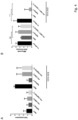
- 1D12-5C8 To evaluate the ability of 1D12-5C8 to induce dual activation of iNKT and V ⁇ 9V ⁇ 2-T-cells resulting in tumor target lysis, 1 ⁇ 10 5 CCRF-CEM cells were incubated with either 5 ⁇ 10 4 iNKT cells, 5 ⁇ 10 4 V ⁇ 9V ⁇ 2-T cells or 5 ⁇ 10 4 mixed iNKT/V ⁇ 9V ⁇ 2-T (1:1 ratio) in the presence of medium alone, monovalent 1D12 or bispecific 1D12-5C8. After 4 hr degranulation of effector cells was measured by CD107a expression and analyzed by flow cytometry. To asses cytotoxicity towards target cells, living CCRF-CEM cells (Annexin V and 7-AAD negative) were quantified after 16h co-culture using flow cytometry cell counting beads.
- MM.1s-CD1d cells were subsequently incubated with medium or 1D12-5C8 (50 nM) for 30 min after which iNKT, V ⁇ 9V ⁇ 2-T cells or a mixture thereof (2:3 ratio) was added in a 10:1 target:effector ratio.
- Living MM.1s-CD1d (or MOLM-13 or NOMO-1), iNKT and V ⁇ 9V ⁇ 2-T cells (7-AAD negative) were quantified after 7 days using flow cytometry cell counting beads.
- the unfavourable effector to target ratio in vivo usually requires expansion of tumor targeting effector cells to control tumor growth.
- MM.1s-CD1d cells were incubated with 1D12-5C8, after which iNKT, V ⁇ 9V ⁇ 2-T cells or a mixture thereof were added at an effector to target ratio of 1:10.
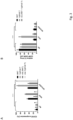
- the ability of 1D12-5C8 to induce expansion and control tumor growth was evaluated after a 7 day co-culture by flow cytometric quantification of these cells. As can be seen in figure 4a expansion of iNKT was observed in the presence of the bispecific construct.
- V ⁇ 9V ⁇ 2-T cells only showed expansion in the presence of both iNKT cells and the bispecific construct. Moreover, robust tumor growth control was induced by the bispecific construct in combination with effector cells ( fig. 4b ). Similar, tumor growth control and effector cell expansion were observed with the acute myeloid leukemia tumor cell lines MOLM-13 and NOMO-1, underscoring the powerful anti-tumor efficacy and broad applicability of this bispecific anti-CD1d-anti-V ⁇ 9V ⁇ 2-TCR VHH.
- 1 ⁇ 10 5 MM1s-CDld cells were incubated with either PBS (negative control, NC), 1D12 (1000 nM), 1D22 (1000 nM) or anti-CD1d mAb 51.1 (100 nM) for 45 min after which PBS (NC) or NHS-biotin (ThermoFischer Scientific Inc., Waltham, MA) linked 1D12-5C8 (100 nM) was added for an additional 30 min at 4 degrees Celsius. After extensive washing samples were stained with streptavidin-APC (eBioscience, San Diego, CA) and analyzed by flow cytometry.
- PBS negative control
- 1D12 1000 nM
- 1D22 1000 nM
- anti-CD1d mAb 51.1 100 nM
- PBS negative control
- NHS-biotin ThermoFischer Scientific Inc., Waltham, MA
- CDld expressing MM cells were sequentially incubated with either PBS, 1D12, 1D22 (which should not interfere with 1D12-5C8 binding) or anti-CD1d mAb 51.1) followed by biotinylated 1D12-5C8.
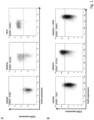
- the ability of 1D12-5C8 to complex with CDld was then determined by analysing binding of streptavidin-APC by flow cytometry. As can be seen in figure 5 , pre-incubation of 1D12 or anti-CD1d mAb 51.1, but not 1D22, greatly reduced 1D12-5C8 binding.
- mice were i.v. inoculated with MM.1s.mCherry/luc.C01d cells to establish a disseminated MM model followed by three i.v. infusions of human iNKT cells, human ⁇ T cells or a mixture thereof starting 7 days post tumour inoculation whether or not in combination with 1D12-5C8.
- mice were i.v. inoculated with MM.1s.mCherry/luc.C01d cells to establish a disseminated MM model followed by three i.v. infusions of human iNKT cells, human ⁇ T cells or a mixture thereof starting 7 days post tumour inoculation whether or not in combination with 1D12-5C8.
Landscapes
- Health & Medical Sciences (AREA)
- Immunology (AREA)
- Chemical & Material Sciences (AREA)
- Organic Chemistry (AREA)
- Medicinal Chemistry (AREA)
- Life Sciences & Earth Sciences (AREA)
- General Health & Medical Sciences (AREA)
- Biophysics (AREA)
- Genetics & Genomics (AREA)
- Molecular Biology (AREA)
- Proteomics, Peptides & Aminoacids (AREA)
- Biochemistry (AREA)
- Pharmacology & Pharmacy (AREA)
- Veterinary Medicine (AREA)
- Public Health (AREA)
- Animal Behavior & Ethology (AREA)
- Chemical Kinetics & Catalysis (AREA)
- General Chemical & Material Sciences (AREA)
- Nuclear Medicine, Radiotherapy & Molecular Imaging (AREA)
- Engineering & Computer Science (AREA)
- Epidemiology (AREA)
- Mycology (AREA)
- Hematology (AREA)
- Oncology (AREA)
- Endocrinology (AREA)
- Microbiology (AREA)
- Bioinformatics & Cheminformatics (AREA)
- Medicines Containing Antibodies Or Antigens For Use As Internal Diagnostic Agents (AREA)
- Peptides Or Proteins (AREA)
- Preparation Of Compounds By Using Micro-Organisms (AREA)
- Micro-Organisms Or Cultivation Processes Thereof (AREA)
- Medicinal Preparation (AREA)
- Medicines That Contain Protein Lipid Enzymes And Other Medicines (AREA)
- Pharmaceuticals Containing Other Organic And Inorganic Compounds (AREA)
- Acyclic And Carbocyclic Compounds In Medicinal Compositions (AREA)
Claims (13)
- Molécule de liaison comprenant une première fraction de liaison d'un anticorps qui est capable d'entrer en compétition avec l'anticorps indiqué dans la SEQ ID NO : 4 dans la liaison à une molécule CD1d et comprenant une deuxième fraction de liaison d'un anticorps qui est capable de se lier spécifiquement à un Vγ9Vδ2-TCR, la molécule de liaison étant capable d'activer des cellules iNKT et la molécule de liaison étant capable d'activer des cellules T Vγ9Vδ2.
- Molécule de liaison selon la revendication 1, la molécule de liaison étant capable de réduire l'activation de cellules T Vδ1.
- Molécule de liaison selon l'une quelconque des revendications précédentes, la première et/ou deuxième fraction de liaison étant un anticorps à domaine unique.
- Molécule de liaison selon l'une quelconque des revendications précédentes, la première fraction de liaison comprenant une séquence CDR1 selon la SEQ ID NO : 1, une séquence CDR2 selon la SEQ ID NO : 2, et/ou une séquence CDR3 selon la SEQ ID NO : 3, ou l'une quelconque de ces séquences dans lesquelles, indépendamment, l'un quelconque des acides aminés, préférablement au plus 4 acides aminés, plus préférablement au plus 3, plus préférablement au plus 2, le plus préférablement au plus 1, a été substitué de manière conservatrice, selon le tableau suivant :
Résidu Substitutions conservatrices Résidu Substitutions conservatrices Ala Ser Leu Ile ; Val Arg Lys Lys Arg ; Gln Asn Gln ; His Met Leu ; Ile Asp Glu Phe Met ; Leu ; Tyr Gln Asn Ser Thr, Gly Cys Ser Thr Ser ; Val Glu Asp Trp Tyr Gly Pro Tyr Trp ; Phe His Asn ; Gln Val Ile ; Leu Ile Leu, Val - Molécule de liaison selon l'une quelconque des revendications précédentes, la première fraction de liaison comprenant la séquence indiquée dans la SEQ ID NO : 85.
- Molécule de liaison selon l'une quelconque des revendications précédentes, la deuxième fraction de liaison comprenant une séquence CDR 1 selon la SEQ ID NO : 5, une séquence CDR 2 selon la SEQ ID NO : 6, et/ou une séquence CDR 3 selon la SEQ ID NO : 7 ; ou une séquence CDR 1 selon la SEQ ID NO : 8, une séquence CDR 2 selon la SEQ ID NO : 9, et/ou une séquence CDR 3 selon la SEQ ID NO : 10 ; ou une séquence CDR 1 selon la SEQ ID NO : 11, une séquence CDR 2 selon la SEQ ID NO : 12, et/ou une séquence CDR 3 selon la SEQ ID NO : 13 ; ou une séquence CDR 1 selon la SEQ ID NO : 14, une séquence CDR 2 selon la SEQ ID NO : 15, et/ou une séquence CDR 3 selon la SEQ ID NO : 16 ; ou une séquence CDR 1 selon la SEQ ID NO : 17, une séquence CDR 2 selon la SEQ ID NO : 18, et/ou une séquence CDR 3 selon la SEQ ID NO : 19 ; ou une séquence CDR 1 selon la SEQ ID NO : 20, une séquence CDR 2 selon la SEQ ID NO : 21, et/ou une séquence CDR 3 selon la SEQ ID NO : 22 ; ou une séquence CDR 1 selon la SEQ ID NO : 23, une séquence CDR 2 selon la SEQ ID NO : 24, et/ou une séquence CDR 3 selon la SEQ ID NO : 25 ; ou une séquence CDR 1 selon la SEQ ID NO : 26, une séquence CDR 2 selon la SEQ ID NO : 27, et/ou une séquence CDR 3 selon la SEQ ID NO : 28 ; ou une séquence CDR 1 selon la SEQ ID NO : 29, une séquence CDR 2 selon la SEQ ID NO : 30, et/ou une séquence CDR 3 selon la SEQ ID NO : 31 ; ou une séquence CDR 1 selon la SEQ ID NO : 32, une séquence CDR 2 selon la SEQ ID NO : 33, et/ou une séquence CDR 3 selon la SEQ ID NO : 34 ; ou une séquence CDR 1 selon la SEQ ID NO : 35, une séquence CDR 2 selon la SEQ ID NO : 36, et/ou une séquence CDR 3 selon la SEQ ID NO : 37 ; ou une séquence CDR 1 selon la SEQ ID NO : 38, une séquence CDR 2 selon la SEQ ID NO : 39, et/ou une séquence CDR 3 selon la SEQ ID NO : 40 ; ou une séquence CDR 1 selon la SEQ ID NO : 41, une séquence CDR 2 selon la SEQ ID NO : 42, et/ou une séquence CDR 3 selon la SEQ ID NO : 43 ; ou une séquence CDR 1 selon la SEQ ID NO : 44, une séquence CDR 2 selon la SEQ ID NO : 45, et/ou une séquence CDR 3 selon la SEQ ID NO : 46 ; ou une séquence CDR 1 selon la SEQ ID NO : 47, une séquence CDR 2 selon la SEQ ID NO : 48, et/ou une séquence CDR 3 selon la SEQ ID NO : 49 ; ou une séquence CDR 1 selon la SEQ ID NO : 50, une séquence CDR 2 selon la SEQ ID NO : 51, et/ou une séquence CDR 3 selon la SEQ ID NO : 52 ; ou une séquence CDR 1 selon la SEQ ID NO : 53, une séquence CDR 2 selon la SEQ ID NO : 54, et/ou une séquence CDR 3 selon la SEQ ID NO : 55 ; ou une séquence CDR 1 selon la SEQ ID NO : 56, une séquence CDR 2 selon la SEQ ID NO : 57, et/ou une séquence CDR 3 selon la SEQ ID NO : 58, ou l'une quelconque de ces séquences dans lesquelles, indépendamment, l'un quelconque des acides aminés, préférablement au plus 4 acides aminés, plus préférablement au plus 3, plus préférablement au plus 2, le plus préférablement au plus 1, a été substitué de manière conservatrice, selon le tableau suivant :
Résidu Substitutions conservatrices Résidu Substitutions conservatrices Ala Ser Leu Ile ; Val Arg Lys Lys Arg ; Gln Asn Gln ; His Met Leu ; Ile Asp Glu Phe Met ; Leu ; Tyr Gln Asn Ser Thr, Gly Cys Ser Thr Ser ; Val Glu Asp Trp Tyr Gly Pro Tyr Trp ; Phe His Asn ; Gln Val Ile ; Leu Ile Leu, Val - Molécule de liaison selon l'une quelconque des revendications précédentes, la deuxième fraction de liaison comprenant la séquence indiquée dans la SEQ ID NO : 86 ou la SEQ ID NO : 88.
- Molécule de liaison selon l'une quelconque des revendications précédentes, la molécule de liaison comprenant la séquence indiquée dans la SEQ ID NO : 87.
- Molécule de liaison selon l'une quelconque des revendications précédentes, comprenant en outre une fraction de ciblage de tumeur.
- Molécule de liaison selon l'une quelconque des revendications précédentes pour une utilisation en tant que médicament.
- Molécule de liaison selon l'une quelconque des revendications précédentes pour une utilisation dans le traitement d'une tumeur.
- Molécule de liaison pour une utilisation selon la revendication 11, la tumeur étant choisie parmi les hémopathies malignes telles que le lymphome à cellules T, le myélome multiple, la leucémie myéloïde aiguë, la leucémie lymphoblastique aiguë, la leucémie lymphoïde chronique, le lymphome à cellules du manteau, le lymphome à cellules B, le myélome latent, le lymphome de Hodgkin, les leucémies myélomonocytaires, le lymphome lymphoplasmocytaire, la leucémie à tricholeucocytes et le lymphome de la zone marginale splénique, ou les tumeurs solides, telles que le carcinome à cellules rénales, le mélanome, le carcinome colorectal, le cancer de la tête et du cou, le cancer du sein, le cancer de la prostate, le cancer du poumon, le cancer du pancréas, le cancer gastro-œsophagien, le carcinome de l'intestin grêle, les tumeurs du système nerveux central, les médulloblastomes, le carcinome hépatocellulaire, le cancer de l'ovaire, le gliome, le neuroblastome, les carcinomes urothéliaux, le cancer de la vessie, le sarcome, le cancer du pénis, le carcinome basocellulaire, le carcinome à cellules de Merkel, le carcinome neuroendocrinien, les tumeurs neuroendocrines, le carcinome primitif inconnu (CUP), le thymome, le cancer de la vulve, le carcinome du col de l'utérus, le cancer des testicules, le cholangiocarcinome, le carcinome appendiculaire, le mésothéliome, le carcinome ampullaire, le cancer anal et le choriocarcinome.
- Composition pharmaceutique comprenant une molécule de liaison selon la revendication 1 et un excipient pharmaceutiquement acceptable.
Applications Claiming Priority (2)
| Application Number | Priority Date | Filing Date | Title |
|---|---|---|---|
| NL2021664 | 2018-09-19 | ||
| PCT/NL2019/050624 WO2020060405A1 (fr) | 2018-09-19 | 2019-09-19 | Immunoglobuline cd1d à double action |
Publications (2)
| Publication Number | Publication Date |
|---|---|
| EP3853256A1 EP3853256A1 (fr) | 2021-07-28 |
| EP3853256B1 true EP3853256B1 (fr) | 2024-08-21 |
Family
ID=63834616
Family Applications (2)
| Application Number | Title | Priority Date | Filing Date |
|---|---|---|---|
| EP19828845.8A Withdrawn EP3853255A1 (fr) | 2018-09-19 | 2019-09-19 | Nouveaux anticorps bispécifiques destinés à être utilisés dans le traitement d'hémopathies malignes |
| EP19831921.2A Revoked EP3853256B1 (fr) | 2018-09-19 | 2019-09-19 | Immunoglobuline cd1d à double action |
Family Applications Before (1)
| Application Number | Title | Priority Date | Filing Date |
|---|---|---|---|
| EP19828845.8A Withdrawn EP3853255A1 (fr) | 2018-09-19 | 2019-09-19 | Nouveaux anticorps bispécifiques destinés à être utilisés dans le traitement d'hémopathies malignes |
Country Status (12)
| Country | Link |
|---|---|
| US (2) | US20220111043A1 (fr) |
| EP (2) | EP3853255A1 (fr) |
| JP (2) | JP7457007B2 (fr) |
| KR (1) | KR20210062051A (fr) |
| CN (2) | CN113260629A (fr) |
| AU (1) | AU2019344300A1 (fr) |
| BR (1) | BR112021005184A8 (fr) |
| CA (2) | CA3113605A1 (fr) |
| EA (1) | EA202190773A1 (fr) |
| MX (1) | MX2021003234A (fr) |
| SG (1) | SG11202102629WA (fr) |
| WO (2) | WO2020060405A1 (fr) |
Families Citing this family (22)
| Publication number | Priority date | Publication date | Assignee | Title |
|---|---|---|---|---|
| AU2019344300A1 (en) | 2018-09-19 | 2021-04-22 | LAVA Therapeutics N.V. | Dual acting CD1D immunoglobulin |
| EP3792283A1 (fr) * | 2019-09-16 | 2021-03-17 | Lava Therapeutics B.V. | Traitement du cancer comprenant l'administration d'anticorps de liaison du récepteur des lymphocytes t vgamma9vdelta2 |
| KR20230042035A (ko) | 2020-07-08 | 2023-03-27 | 라바 테라퓨틱스 엔.브이. | Psma와 감마-델타 t 세포 수용체에 결합할 수 있는 항체 |
| PL4269444T3 (pl) * | 2020-08-14 | 2025-01-13 | GammaDelta Therapeutics Limited | Wieloswoiste przeciwciała anty-tcr zmienne delta 1 |
| CA3200826A1 (fr) | 2020-12-10 | 2022-06-16 | Paul Willem Henri Ida PARREN | Anticorps qui se lient aux recepteurs des lymphocytes t gamma-delta |
| MX2023009544A (es) | 2021-02-17 | 2023-11-28 | Gammadelta Therapeutics Ltd | Anticuerpos anti-variable delta 1 de tcr multiespecíficos. |
| AU2022224391A1 (en) * | 2021-02-17 | 2023-08-24 | Gammadelta Therapeutics Ltd | Anti-tcr delta variable 1 antibodies |
| BR112023017099A2 (pt) | 2021-02-26 | 2023-11-21 | Lava Therapeutics N V | Anticorpos que se ligam a cd123 e a receptores de células t gama-delta |
| CA3229822A1 (fr) * | 2021-09-13 | 2023-03-16 | Patrick John DOONAN | Anticorps multispecifiques cd33 x v?2 pour traiter le cancer |
| JP2024538958A (ja) * | 2021-10-21 | 2024-10-28 | ラヴァ・セラピューティクス・エヌ・ヴイ | ガンマデルタt細胞活性化抗体の使用 |
| CN116239687B (zh) * | 2021-12-22 | 2026-03-24 | 北京世纪沃德生物科技有限公司 | 一种crp驼源单域抗体及其制备方法和应用 |
| CA3208653A1 (fr) * | 2022-02-17 | 2022-08-25 | Mihriban Tuna | Anticorps multispecifiques anti-domaine delta 1 variable de tcr |
| EP4482859A1 (fr) | 2022-02-27 | 2025-01-01 | Boehringer Ingelheim International GmbH | Anticorps bispécifiques dirigés contre cd277 et un antigène tumoral |
| WO2023186905A1 (fr) | 2022-03-29 | 2023-10-05 | LAVA Therapeutics N.V. | Procédé de traitement d'un cancer hématologique après le criblage de cellules tumorales cd1d-positives |
| EP4285926A1 (fr) | 2022-05-30 | 2023-12-06 | LAVA Therapeutics N.V. | Traitement combiné de la leucémie lymphocytaire chronique |
| EP4292609A1 (fr) | 2022-06-15 | 2023-12-20 | LAVA Therapeutics N.V. | Compositions comprenant des anticorps se liant aux récepteurs de lymphocytes t gamma-delta |
| EP4292610A1 (fr) | 2022-06-15 | 2023-12-20 | LAVA Therapeutics N.V. | Anticorps variants se liant aux récepteurs de lymphocytes t gamma-delta |
| CN116143934B (zh) * | 2023-03-21 | 2023-07-25 | 诺赛联合(北京)生物医学科技有限公司 | 一种干细胞外泌体提取试剂盒及其应用 |
| EP4438624A1 (fr) | 2023-03-27 | 2024-10-02 | LAVA Therapeutics N.V. | Anticorps se liant aux récepteurs des lymphocytes t nectin-4 et gamma-delta |
| WO2024256586A1 (fr) * | 2023-06-14 | 2024-12-19 | LAVA Therapeutics N.V. | Anticorps cd1d et méthodes d'utilisation |
| CN118496370A (zh) * | 2024-06-07 | 2024-08-16 | 南方医科大学深圳医院 | 一种靶向alox5纳米抗体及其应用 |
| CN119613531B (zh) * | 2024-12-13 | 2025-10-03 | 华中科技大学 | 一种靶向脂质抗原与CD1d复合物的iNKT-TCR分子、TCR-T细胞及制备与应用 |
Family Cites Families (68)
| Publication number | Priority date | Publication date | Assignee | Title |
|---|---|---|---|---|
| FR2698880B1 (fr) | 1992-11-25 | 1995-02-24 | Inst Nat Sante Rech Med | Procédé de production de récepteurs T solubles, produits ainsi obtenus et leur utilisation dans des compositions diagnostiques ou thérapeutiques. |
| EP0751780B1 (fr) | 1993-06-21 | 2003-09-03 | Brigham And Women's Hospital | Procedes d'isolement d'antigenes presentes par cd1, vaccins comprenant lesdits antigenes, et lignees cellulaires destinees a etre utilisees dans ces procedes |
| US6737398B1 (en) | 1999-09-30 | 2004-05-18 | National Jewish Medical And Research Center | Modulation of γδ T cells to regulate airway hyperresponsiveness |
| WO2001022816A1 (fr) | 1999-09-30 | 2001-04-05 | National Jewish Medical And Research Center | MODULATION DES LEUCOCYTES T ηδ DESTINEE A REGULER L'HYPERSENSIBILITE DES BRONCHES |
| AU2001259230A1 (en) | 2000-04-28 | 2001-11-12 | The Board Of Trustees Of The Leland Stanford Junior University | Inhibition of polyclonal b cell activation and immunoglobulin class switching topathogenic autoantibodies by blocking cd1-mediated interactions |
| JP5184732B2 (ja) | 2000-06-19 | 2013-04-17 | ベス イスラエル デアコネス メディカル センター | T細胞亜集団に特異的なモノクローナル抗体およびポリクローナル抗体の組成物および使用方法 |
| EP1372668B1 (fr) | 2001-03-26 | 2011-12-07 | Dana-Farber Cancer Institute, Inc. | Methode permettant d'attenuer les reactions a des irritants cutanes |
| US8178098B2 (en) | 2001-04-03 | 2012-05-15 | National Jewish Health | Method to inhibit airway hyperresponsiveness using aerosolized T cell receptor antibodies |
| US20100081792A1 (en) | 2001-06-28 | 2010-04-01 | Smithkline Beecham Corporation | Ligand |
| WO2003068821A2 (fr) | 2002-02-14 | 2003-08-21 | Immunomedics, Inc. | Anticorps anti-cd20 et proteines hybrides desdits anticorps, et methodes d'utilisation |
| AU2003210060B2 (en) | 2002-03-22 | 2010-02-25 | Aprogen, Inc. | Humanized antibody and process for preparing same |
| US8084020B2 (en) | 2002-05-01 | 2011-12-27 | Beth Israel Deaconess Medical Center | Use of anti-CD1 antibodies for the modulation of immune responses |
| JP2006517789A (ja) | 2003-01-10 | 2006-08-03 | アブリンクス エン.ヴェー. | 治療用ポリペプチド、その相同物、その断片、および血小板媒介凝集の調節での使用 |
| WO2005046711A2 (fr) | 2003-11-07 | 2005-05-26 | Government Of The United States Of America As Represented By The Secretary Of The Department Of Health And Human Services | Stimulation ou inhibition de lymphocytes t gamma delta permettant de favoriser ou d'inhiber la croissance osseuse |
| CA2569509C (fr) | 2004-06-03 | 2014-08-12 | Novimmune S.A. | Anticorps anti-cd3 et leurs methodes d'utilisation |
| DE602005022728D1 (de) | 2004-08-19 | 2010-09-16 | Univ Cardiff | Präparation antigenpräsentierender menschlicher gamma delta t-zellen und verwendung in der immuntherapie |
| WO2006060117A2 (fr) | 2004-11-02 | 2006-06-08 | The Board Of Trustees Of The Leland Stanford Junior University | Methodes d'inhibition des cellules nkt |
| US8338173B2 (en) | 2005-08-11 | 2012-12-25 | University College Cardiff Consultants Limited | Preparation of antigen-presenting human γδ T cells and use in immunotherapy |
| CA2631184A1 (fr) | 2005-11-28 | 2007-05-31 | Genmab A/S | Anticorps monovalents recombines et leurs procedes de production |
| EP1878440A1 (fr) | 2006-07-13 | 2008-01-16 | INSERM (Institut National de la Santé et de la Recherche Médicale) | Methodes et compositions pour augmenter l'efficacite d'anticorps therapeutiques au moyen de composes activateurs de cellules gamma delta |
| US8012484B2 (en) | 2007-04-12 | 2011-09-06 | University Of Virginia Patent Foundation | Method of treating ischemia reperfusion injury by inhibiting NKT cell activity |
| US8227577B2 (en) | 2007-12-21 | 2012-07-24 | Hoffman-La Roche Inc. | Bivalent, bispecific antibodies |
| WO2010059315A1 (fr) | 2008-11-18 | 2010-05-27 | Merrimack Pharmaceuticals, Inc. | Lieurs de sérum-albumine humaine et conjugués de ceux-ci |
| WO2010111625A1 (fr) | 2009-03-27 | 2010-09-30 | Zymogenetics, Inc. | Compositions et procédés permettant d'utiliser des protéines de liaison multispécifiques comprenant une combinaison anticorps-récepteur |
| WO2010130830A2 (fr) | 2009-05-15 | 2010-11-18 | Ablynx N.V. | Séquences d'acides aminés dirigées contre la sclérostine et polypeptides comprenant ces dernières pour le traitement de maladies et de pathologies des os |
| KR101224468B1 (ko) | 2009-05-20 | 2013-01-23 | 주식회사 파멥신 | 신규한 형태의 이중표적항체 및 그 용도 |
| CN103261220B (zh) | 2010-08-16 | 2016-06-15 | 诺夫免疫股份有限公司 | 用于生成多特异性和多价抗体的方法 |
| WO2012088272A1 (fr) * | 2010-12-21 | 2012-06-28 | Duke University | Procédés et compositions combinant une immunothérapie à une activation de monocytes |
| WO2012131419A1 (fr) * | 2011-03-25 | 2012-10-04 | Txcell | Méthode d'utilisation des lymphocytes t régulateurs en thérapie |
| SG11201400521PA (en) * | 2011-10-14 | 2014-08-28 | Teva Pharmaceuticals Australia Pty Ltd | ANTIBODIES TO CD1d |
| US9670275B2 (en) | 2012-01-23 | 2017-06-06 | Ablynx N.V. | Sequences directed against hepatocyte growth factor (HGF) and polypeptides comprising the same for the treatment of cancers and/or tumors |
| CN104334741B (zh) | 2012-03-28 | 2018-08-17 | 歌德塔有限公司 | 组合的γ9δ2T细胞受体链交换 |
| US9248181B2 (en) | 2012-04-20 | 2016-02-02 | Merus B.V. | Methods and means for the production of Ig-like molecules |
| WO2013174403A1 (fr) | 2012-05-23 | 2013-11-28 | Ganymed Pharmaceuticals Ag | Polythérapie impliquant des anticorps dirigés contre la claudine 18,2 pour le traitement du cancer |
| WO2013174404A1 (fr) | 2012-05-23 | 2013-11-28 | Ganymed Pharmaceuticals Ag | Polythérapie impliquant des anticorps dirigés contre la claudine 18,2 pour le traitement du cancer |
| DK2924052T3 (da) | 2012-11-21 | 2019-09-30 | Pharmabcine Inc | Dual-target-antistof målrettet mod vegfr-2 og dll4, og farmaceutisk sammensætning omfattende samme |
| WO2014127785A1 (fr) | 2013-02-20 | 2014-08-28 | Ganymed Pharmaceuticals Ag | Polythérapie impliquant des anticorps dirigés contre la claudine 18,2 pour le traitement du cancer |
| US20170029454A1 (en) | 2013-06-28 | 2017-02-02 | The Scripps Research Institute | Nkt cell ligands and methods of use |
| EP3060059A4 (fr) * | 2013-10-25 | 2017-11-01 | Board of Regents, The University of Texas System | Cellules t gamma delta polyclonales pour l'immunothérapie |
| DK3105252T3 (da) | 2014-02-12 | 2019-10-14 | Michael Uhlin | Bispecifikke antistoffer til anvendelse ved stamcelletransplantation |
| DK3129404T3 (da) | 2014-04-10 | 2026-04-20 | Lava Therapeutics N V | Immunglobuliner, der binder humane vgamma9vdelta2-t-cellereceptorer |
| MX2016014434A (es) | 2014-05-13 | 2017-02-23 | Chugai Pharmaceutical Co Ltd | Molecula de union a antigeno redirigida a celulas t para celulas que tienen funcion de inmunosupresion. |
| CA2988504A1 (fr) * | 2014-07-02 | 2016-01-07 | Institut National De La Sante Et De La Recherche Medicale (Inserm) | Procede pour le diagnostic et le traitement de lymphomes a cellules t gamma/delta restreintes au cd1d |
| IL297773B2 (en) | 2014-11-17 | 2024-07-01 | Adicet Bio Inc | Engineered gamma delta t-cells |
| US11834674B2 (en) * | 2014-12-11 | 2023-12-05 | Riken | Modified immunocyte, method for producing modified immunocyte and utilization thereof |
| US10501541B2 (en) | 2015-01-27 | 2019-12-10 | Lava Therapeutics B.V. | Single domain antibodies targeting CD1d |
| US11000603B2 (en) | 2015-04-14 | 2021-05-11 | Benhealth Biopharmaceutic (Shenzhen) Co., Ltd. | Multi-specific binding conjugate, related pharmaceutical compositions and use |
| CN104829730A (zh) | 2015-04-14 | 2015-08-12 | 苏静 | 一种能联合免疫细胞增强肿瘤杀伤能力的双特异性抗体及其制备方法和应用 |
| GB201507368D0 (en) * | 2015-04-30 | 2015-06-17 | Ucl Business Plc | Cell |
| JP7076798B2 (ja) * | 2015-09-09 | 2022-05-30 | 清華大学 | 効果的なワクチンアジュバントとするメバロン酸経路の阻害剤 |
| WO2017086367A1 (fr) | 2015-11-18 | 2017-05-26 | 中外製薬株式会社 | Polythérapie utilisant une molécule de liaison à l'antigène à rôle de redirection des cellules t, ciblant des cellules immunosupressives |
| CN109195992A (zh) | 2016-04-29 | 2019-01-11 | 本康生物制药(深圳)有限公司 | 多特异性结合偶联物、相关的药物组合物及应用 |
| US11299708B2 (en) | 2016-05-12 | 2022-04-12 | Adicet Bio, Inc. | Methods for selective expansion of γδ T-cell populations and compositions thereof |
| US20180028566A1 (en) | 2016-07-29 | 2018-02-01 | New York University | Gamma delta t cells as a target for treatment of solid tumors |
| US20190336615A1 (en) | 2017-01-27 | 2019-11-07 | Silverback Therapeutics, Inc. | Tumor targeting conjugates and methods of use thereof |
| WO2018229163A1 (fr) | 2017-06-14 | 2018-12-20 | King's College London | Méthodes d'activation des lymphocytes t v delta 2 négatifs gamma delta |
| CN109117253B (zh) | 2017-06-26 | 2022-05-24 | 阿里巴巴集团控股有限公司 | 一种微内核调度的方法和装置 |
| TWI687227B (zh) | 2017-10-03 | 2020-03-11 | 生倍科技股份有限公司 | 用於t細胞免疫療法之組合及其用途 |
| WO2019195535A1 (fr) | 2018-04-05 | 2019-10-10 | Novartis Ag | Molécules de liaison trispécifiques contre le cancer et utilisations associees |
| CA3105448A1 (fr) | 2018-07-03 | 2020-01-09 | Elstar Therapeutics, Inc. | Molecules d'anticorps anti-tcr et leurs utilisations |
| AU2019344300A1 (en) | 2018-09-19 | 2021-04-22 | LAVA Therapeutics N.V. | Dual acting CD1D immunoglobulin |
| EP3927431A1 (fr) | 2019-02-21 | 2021-12-29 | Marengo Therapeutics, Inc. | Molécules d'anticorps anti-tcr et leurs utilisations |
| MA55903A (fr) | 2019-05-08 | 2022-03-16 | Janssen Biotech Inc | Matières et méthodes pour moduler l'immunité médiée par les lymphocytes t |
| JP7764364B2 (ja) | 2019-08-16 | 2025-11-05 | ガンマデルタ セラピューティクス リミティッド | エクスビボγδ T細胞集団 |
| JP2022545196A (ja) | 2019-08-16 | 2022-10-26 | ガンマデルタ セラピューティクス リミテッド | 抗tcrデルタ可変1抗体の治療的使用 |
| AU2021225870A1 (en) | 2020-02-27 | 2022-10-20 | Janssen Biotech, Inc. | Materials and methods for modulating an immune response |
| IL296358A (en) | 2020-03-13 | 2022-11-01 | Janssen Biotech Inc | Materials and methods for modulating delta chain mediated immunity |
| EP4237003A4 (fr) | 2020-10-28 | 2025-07-09 | Janssen Biotech Inc | Compositions et procédés de modulation de l'immunité à médiation par la chaîne gamma delta |
-
2019
- 2019-09-19 AU AU2019344300A patent/AU2019344300A1/en not_active Withdrawn
- 2019-09-19 KR KR1020217011582A patent/KR20210062051A/ko active Pending
- 2019-09-19 JP JP2021515488A patent/JP7457007B2/ja active Active
- 2019-09-19 US US17/277,906 patent/US20220111043A1/en not_active Abandoned
- 2019-09-19 EA EA202190773A patent/EA202190773A1/ru unknown
- 2019-09-19 EP EP19828845.8A patent/EP3853255A1/fr not_active Withdrawn
- 2019-09-19 SG SG11202102629WA patent/SG11202102629WA/en unknown
- 2019-09-19 US US17/277,984 patent/US12077586B2/en active Active
- 2019-09-19 CA CA3113605A patent/CA3113605A1/fr active Pending
- 2019-09-19 BR BR112021005184A patent/BR112021005184A8/pt not_active Application Discontinuation
- 2019-09-19 CA CA3113409A patent/CA3113409A1/fr active Pending
- 2019-09-19 JP JP2021515548A patent/JP2022501377A/ja active Pending
- 2019-09-19 WO PCT/NL2019/050624 patent/WO2020060405A1/fr not_active Ceased
- 2019-09-19 CN CN201980076078.2A patent/CN113260629A/zh not_active Withdrawn
- 2019-09-19 CN CN201980076077.8A patent/CN113272325A/zh not_active Withdrawn
- 2019-09-19 MX MX2021003234A patent/MX2021003234A/es unknown
- 2019-09-19 WO PCT/NL2019/050625 patent/WO2020060406A1/fr not_active Ceased
- 2019-09-19 EP EP19831921.2A patent/EP3853256B1/fr not_active Revoked
Also Published As
| Publication number | Publication date |
|---|---|
| US20210371525A1 (en) | 2021-12-02 |
| JP7457007B2 (ja) | 2024-03-27 |
| MX2021003234A (es) | 2021-07-16 |
| JP2022501369A (ja) | 2022-01-06 |
| WO2020060406A1 (fr) | 2020-03-26 |
| WO2020060405A1 (fr) | 2020-03-26 |
| EA202190773A1 (ru) | 2021-06-21 |
| US20220111043A1 (en) | 2022-04-14 |
| BR112021005184A2 (pt) | 2021-06-08 |
| EP3853255A1 (fr) | 2021-07-28 |
| CA3113409A1 (fr) | 2020-03-26 |
| CN113260629A (zh) | 2021-08-13 |
| BR112021005184A8 (pt) | 2022-08-16 |
| JP2022501377A (ja) | 2022-01-06 |
| EP3853256A1 (fr) | 2021-07-28 |
| KR20210062051A (ko) | 2021-05-28 |
| AU2019344300A1 (en) | 2021-04-22 |
| US12077586B2 (en) | 2024-09-03 |
| CN113272325A (zh) | 2021-08-17 |
| CA3113605A1 (fr) | 2020-03-26 |
| SG11202102629WA (en) | 2021-04-29 |
Similar Documents
| Publication | Publication Date | Title |
|---|---|---|
| EP3853256B1 (fr) | Immunoglobuline cd1d à double action | |
| JP7836786B2 (ja) | Pd-l1およびcd137に結合する結合物質ならびにその使用 | |
| JP6931329B2 (ja) | 免疫抑制機能を有する細胞に対するt細胞リダイレクト抗原結合分子を用いた併用療法 | |
| CA2967350C (fr) | Anticorps anti-proteoglycane de chondroitine-sulfate 4 et utilisations de ceux-ci | |
| JP7527281B2 (ja) | 抗体製剤 | |
| US20230036284A1 (en) | TREATMENT OF CANCER COMPRISING ADMINISTRATION OF Vg9Vd2 T CELL RECEPTOR BINDING ANTIBODIES | |
| KR20240051280A (ko) | Cd27과 결합할 수 있는 항체, 그의 변이체 및 그의 용도 | |
| HK40058422A (en) | Dual acting cd1d immunoglobulin | |
| HK40058422B (en) | Dual acting cd1d immunoglobulin | |
| EA048784B1 (ru) | CD1d ИММУНОГЛОБУЛИН ДВОЙНОГО ДЕЙСТВИЯ | |
| EP4285926A1 (fr) | Traitement combiné de la leucémie lymphocytaire chronique | |
| US20240209086A1 (en) | Therapeutic antibodies | |
| US20260124303A1 (en) | Fibroblast activation protein (fap) car-invariant natural killer t cells and uses thereof | |
| Vukovic et al. | In a therapeutic setting, mouse IgG2a isotype is superior to mIgG1 or mIgE in controlling tumor growth | |
| HK40061281A (en) | Antibody formulation | |
| EA048651B1 (ru) | Конструкции слитых белков, содержащие анти-muc1 антитело и il-15 | |
| EA052790B1 (ru) | Биспецифическое антитело, связывающее pd-l1 и cd137, его получение и применение в медицине |
Legal Events
| Date | Code | Title | Description |
|---|---|---|---|
| STAA | Information on the status of an ep patent application or granted ep patent |
Free format text: STATUS: UNKNOWN |
|
| STAA | Information on the status of an ep patent application or granted ep patent |
Free format text: STATUS: THE INTERNATIONAL PUBLICATION HAS BEEN MADE |
|
| PUAI | Public reference made under article 153(3) epc to a published international application that has entered the european phase |
Free format text: ORIGINAL CODE: 0009012 |
|
| STAA | Information on the status of an ep patent application or granted ep patent |
Free format text: STATUS: REQUEST FOR EXAMINATION WAS MADE |
|
| 17P | Request for examination filed |
Effective date: 20210408 |
|
| AK | Designated contracting states |
Kind code of ref document: A1 Designated state(s): AL AT BE BG CH CY CZ DE DK EE ES FI FR GB GR HR HU IE IS IT LI LT LU LV MC MK MT NL NO PL PT RO RS SE SI SK SM TR |
|
| RAP3 | Party data changed (applicant data changed or rights of an application transferred) |
Owner name: LAVA THERAPEUTICS N.V. |
|
| DAV | Request for validation of the european patent (deleted) | ||
| DAX | Request for extension of the european patent (deleted) | ||
| STAA | Information on the status of an ep patent application or granted ep patent |
Free format text: STATUS: EXAMINATION IS IN PROGRESS |
|
| 17Q | First examination report despatched |
Effective date: 20220204 |
|
| REG | Reference to a national code |
Ref country code: HK Ref legal event code: DE Ref document number: 40058422 Country of ref document: HK |
|
| GRAP | Despatch of communication of intention to grant a patent |
Free format text: ORIGINAL CODE: EPIDOSNIGR1 |
|
| STAA | Information on the status of an ep patent application or granted ep patent |
Free format text: STATUS: GRANT OF PATENT IS INTENDED |
|
| INTG | Intention to grant announced |
Effective date: 20240523 |
|
| GRAS | Grant fee paid |
Free format text: ORIGINAL CODE: EPIDOSNIGR3 |
|
| GRAA | (expected) grant |
Free format text: ORIGINAL CODE: 0009210 |
|
| STAA | Information on the status of an ep patent application or granted ep patent |
Free format text: STATUS: THE PATENT HAS BEEN GRANTED |
|
| AK | Designated contracting states |
Kind code of ref document: B1 Designated state(s): AL AT BE BG CH CY CZ DE DK EE ES FI FR GB GR HR HU IE IS IT LI LT LU LV MC MK MT NL NO PL PT RO RS SE SI SK SM TR |
|
| RAP3 | Party data changed (applicant data changed or rights of an application transferred) |
Owner name: LAVA THERAPEUTICS N.V. |
|
| REG | Reference to a national code |
Ref country code: GB Ref legal event code: FG4D |
|
| REG | Reference to a national code |
Ref country code: CH Ref legal event code: EP |
|
| REG | Reference to a national code |
Ref country code: IE Ref legal event code: FG4D |
|
| REG | Reference to a national code |
Ref country code: DE Ref legal event code: R096 Ref document number: 602019057559 Country of ref document: DE |
|
| P01 | Opt-out of the competence of the unified patent court (upc) registered |
Free format text: CASE NUMBER: APP_47303/2024 Effective date: 20240815 |
|
| PGFP | Annual fee paid to national office [announced via postgrant information from national office to epo] |
Ref country code: DE Payment date: 20240924 Year of fee payment: 6 |
|
| PGFP | Annual fee paid to national office [announced via postgrant information from national office to epo] |
Ref country code: GB Payment date: 20240920 Year of fee payment: 6 |
|
| PGFP | Annual fee paid to national office [announced via postgrant information from national office to epo] |
Ref country code: FR Payment date: 20240920 Year of fee payment: 6 |
|
| PGFP | Annual fee paid to national office [announced via postgrant information from national office to epo] |
Ref country code: NL Payment date: 20240919 Year of fee payment: 6 |
|
| REG | Reference to a national code |
Ref country code: NL Ref legal event code: FP |
|
| REG | Reference to a national code |
Ref country code: LT Ref legal event code: MG9D |
|
| REG | Reference to a national code |
Ref country code: DE Ref legal event code: R061 Ref document number: 602019057559 Country of ref document: DE |
|
| PLBR | Kind of request for revocation recorded |
Free format text: ORIGINAL CODE: EPIDOSNRVR2 |
|
| PLBT | Request for revocation filed by patent holder |
Free format text: ORIGINAL CODE: EPIDOSNRVR1 |
|
| PLDH | Decision on request for revocation |
Free format text: ORIGINAL CODE: EPIDOSNRVR3 |
|
| PLBR | Kind of request for revocation recorded |
Free format text: ORIGINAL CODE: EPIDOSNRVR2 |
|
| PLBT | Request for revocation filed by patent holder |
Free format text: ORIGINAL CODE: EPIDOSNRVR1 |
|
| PLDE | Information related to decision on request for revocation deleted |
Free format text: ORIGINAL CODE: EPIDOSDRVR3 |
|
| PLDF | Information related to kind of request for revocation deleted |
Free format text: ORIGINAL CODE: EPIDOSDRVR2 |
|
| PLDG | Information deleted related to request for revocation filed by patent holder |
Free format text: ORIGINAL CODE: EPIDOSDRVR1 |
|
| PLDH | Decision on request for revocation |
Free format text: ORIGINAL CODE: EPIDOSNRVR3 |
|
| RDAA | Patent revoked on request of proprietor |
Free format text: ORIGINAL CODE: 0009220 |
|
| STAA | Information on the status of an ep patent application or granted ep patent |
Free format text: STATUS: PATENT REVOKED BY PROPRIETOR |
|
| REG | Reference to a national code |
Ref country code: CH Ref legal event code: PL |
|
| PLBU | Request for revocation filed by patent holder |
Free format text: ORIGINAL CODE: EPIDOSNRVR6 |
|
| PG25 | Lapsed in a contracting state [announced via postgrant information from national office to epo] |
Ref country code: NO Free format text: LAPSE BECAUSE OF FAILURE TO SUBMIT A TRANSLATION OF THE DESCRIPTION OR TO PAY THE FEE WITHIN THE PRESCRIBED TIME-LIMIT Effective date: 20241121 |
|
| REG | Reference to a national code |
Ref country code: AT Ref legal event code: MK05 Ref document number: 1715428 Country of ref document: AT Kind code of ref document: T Effective date: 20240821 |
|
| PG25 | Lapsed in a contracting state [announced via postgrant information from national office to epo] |
Ref country code: GR Free format text: LAPSE BECAUSE OF FAILURE TO SUBMIT A TRANSLATION OF THE DESCRIPTION OR TO PAY THE FEE WITHIN THE PRESCRIBED TIME-LIMIT Effective date: 20241122 Ref country code: PL Free format text: LAPSE BECAUSE OF FAILURE TO SUBMIT A TRANSLATION OF THE DESCRIPTION OR TO PAY THE FEE WITHIN THE PRESCRIBED TIME-LIMIT Effective date: 20240821 Ref country code: FI Free format text: LAPSE BECAUSE OF FAILURE TO SUBMIT A TRANSLATION OF THE DESCRIPTION OR TO PAY THE FEE WITHIN THE PRESCRIBED TIME-LIMIT Effective date: 20240821 Ref country code: PT Free format text: LAPSE BECAUSE OF FAILURE TO SUBMIT A TRANSLATION OF THE DESCRIPTION OR TO PAY THE FEE WITHIN THE PRESCRIBED TIME-LIMIT Effective date: 20241223 |
|
| PG25 | Lapsed in a contracting state [announced via postgrant information from national office to epo] |
Ref country code: BG Free format text: LAPSE BECAUSE OF FAILURE TO SUBMIT A TRANSLATION OF THE DESCRIPTION OR TO PAY THE FEE WITHIN THE PRESCRIBED TIME-LIMIT Effective date: 20240821 |
|
| PG25 | Lapsed in a contracting state [announced via postgrant information from national office to epo] |
Ref country code: LV Free format text: LAPSE BECAUSE OF FAILURE TO SUBMIT A TRANSLATION OF THE DESCRIPTION OR TO PAY THE FEE WITHIN THE PRESCRIBED TIME-LIMIT Effective date: 20240821 |
|
| REG | Reference to a national code |
Ref country code: DE Ref legal event code: R103 Ref document number: 602019057559 Country of ref document: DE Ref country code: DE Ref legal event code: R064 Ref document number: 602019057559 Country of ref document: DE |
|
| RVDA | Request for revocation filed during opposition period found admissible |
Filing date: 20241216 Effective date: 20250122 |
|
| PG25 | Lapsed in a contracting state [announced via postgrant information from national office to epo] |
Ref country code: AT Free format text: LAPSE BECAUSE OF FAILURE TO SUBMIT A TRANSLATION OF THE DESCRIPTION OR TO PAY THE FEE WITHIN THE PRESCRIBED TIME-LIMIT Effective date: 20240821 Ref country code: IS Free format text: LAPSE BECAUSE OF FAILURE TO SUBMIT A TRANSLATION OF THE DESCRIPTION OR TO PAY THE FEE WITHIN THE PRESCRIBED TIME-LIMIT Effective date: 20241221 |
|
| PG25 | Lapsed in a contracting state [announced via postgrant information from national office to epo] |
Ref country code: HR Free format text: LAPSE BECAUSE OF FAILURE TO SUBMIT A TRANSLATION OF THE DESCRIPTION OR TO PAY THE FEE WITHIN THE PRESCRIBED TIME-LIMIT Effective date: 20240821 |
|
| PG25 | Lapsed in a contracting state [announced via postgrant information from national office to epo] |
Ref country code: RS Free format text: LAPSE BECAUSE OF FAILURE TO SUBMIT A TRANSLATION OF THE DESCRIPTION OR TO PAY THE FEE WITHIN THE PRESCRIBED TIME-LIMIT Effective date: 20241121 Ref country code: ES Free format text: LAPSE BECAUSE OF FAILURE TO SUBMIT A TRANSLATION OF THE DESCRIPTION OR TO PAY THE FEE WITHIN THE PRESCRIBED TIME-LIMIT Effective date: 20240821 |
|
| PG25 | Lapsed in a contracting state [announced via postgrant information from national office to epo] |
Ref country code: RS Free format text: LAPSE BECAUSE OF FAILURE TO SUBMIT A TRANSLATION OF THE DESCRIPTION OR TO PAY THE FEE WITHIN THE PRESCRIBED TIME-LIMIT Effective date: 20241121 Ref country code: PT Free format text: LAPSE BECAUSE OF FAILURE TO SUBMIT A TRANSLATION OF THE DESCRIPTION OR TO PAY THE FEE WITHIN THE PRESCRIBED TIME-LIMIT Effective date: 20241223 Ref country code: PL Free format text: LAPSE BECAUSE OF FAILURE TO SUBMIT A TRANSLATION OF THE DESCRIPTION OR TO PAY THE FEE WITHIN THE PRESCRIBED TIME-LIMIT Effective date: 20240821 Ref country code: NO Free format text: LAPSE BECAUSE OF FAILURE TO SUBMIT A TRANSLATION OF THE DESCRIPTION OR TO PAY THE FEE WITHIN THE PRESCRIBED TIME-LIMIT Effective date: 20241121 Ref country code: LV Free format text: LAPSE BECAUSE OF FAILURE TO SUBMIT A TRANSLATION OF THE DESCRIPTION OR TO PAY THE FEE WITHIN THE PRESCRIBED TIME-LIMIT Effective date: 20240821 Ref country code: IS Free format text: LAPSE BECAUSE OF FAILURE TO SUBMIT A TRANSLATION OF THE DESCRIPTION OR TO PAY THE FEE WITHIN THE PRESCRIBED TIME-LIMIT Effective date: 20241221 Ref country code: HR Free format text: LAPSE BECAUSE OF FAILURE TO SUBMIT A TRANSLATION OF THE DESCRIPTION OR TO PAY THE FEE WITHIN THE PRESCRIBED TIME-LIMIT Effective date: 20240821 Ref country code: GR Free format text: LAPSE BECAUSE OF FAILURE TO SUBMIT A TRANSLATION OF THE DESCRIPTION OR TO PAY THE FEE WITHIN THE PRESCRIBED TIME-LIMIT Effective date: 20241122 Ref country code: FI Free format text: LAPSE BECAUSE OF FAILURE TO SUBMIT A TRANSLATION OF THE DESCRIPTION OR TO PAY THE FEE WITHIN THE PRESCRIBED TIME-LIMIT Effective date: 20240821 Ref country code: ES Free format text: LAPSE BECAUSE OF FAILURE TO SUBMIT A TRANSLATION OF THE DESCRIPTION OR TO PAY THE FEE WITHIN THE PRESCRIBED TIME-LIMIT Effective date: 20240821 Ref country code: BG Free format text: LAPSE BECAUSE OF FAILURE TO SUBMIT A TRANSLATION OF THE DESCRIPTION OR TO PAY THE FEE WITHIN THE PRESCRIBED TIME-LIMIT Effective date: 20240821 Ref country code: AT Free format text: LAPSE BECAUSE OF FAILURE TO SUBMIT A TRANSLATION OF THE DESCRIPTION OR TO PAY THE FEE WITHIN THE PRESCRIBED TIME-LIMIT Effective date: 20240821 |
|
| PG25 | Lapsed in a contracting state [announced via postgrant information from national office to epo] |
Ref country code: RO Free format text: LAPSE BECAUSE OF FAILURE TO SUBMIT A TRANSLATION OF THE DESCRIPTION OR TO PAY THE FEE WITHIN THE PRESCRIBED TIME-LIMIT Effective date: 20240821 Ref country code: SM Free format text: LAPSE BECAUSE OF FAILURE TO SUBMIT A TRANSLATION OF THE DESCRIPTION OR TO PAY THE FEE WITHIN THE PRESCRIBED TIME-LIMIT Effective date: 20240821 Ref country code: DK Free format text: LAPSE BECAUSE OF FAILURE TO SUBMIT A TRANSLATION OF THE DESCRIPTION OR TO PAY THE FEE WITHIN THE PRESCRIBED TIME-LIMIT Effective date: 20240821 |
|
| PG25 | Lapsed in a contracting state [announced via postgrant information from national office to epo] |
Ref country code: FR Free format text: LAPSE BECAUSE OF NON-PAYMENT OF DUE FEES Effective date: 20250122 |
|
| PG25 | Lapsed in a contracting state [announced via postgrant information from national office to epo] |
Ref country code: IT Free format text: LAPSE BECAUSE OF FAILURE TO SUBMIT A TRANSLATION OF THE DESCRIPTION OR TO PAY THE FEE WITHIN THE PRESCRIBED TIME-LIMIT Effective date: 20240821 Ref country code: SK Free format text: LAPSE BECAUSE OF FAILURE TO SUBMIT A TRANSLATION OF THE DESCRIPTION OR TO PAY THE FEE WITHIN THE PRESCRIBED TIME-LIMIT Effective date: 20240821 |
|
| PG25 | Lapsed in a contracting state [announced via postgrant information from national office to epo] |
Ref country code: MC Free format text: LAPSE BECAUSE OF FAILURE TO SUBMIT A TRANSLATION OF THE DESCRIPTION OR TO PAY THE FEE WITHIN THE PRESCRIBED TIME-LIMIT Effective date: 20240821 |
|
| PG25 | Lapsed in a contracting state [announced via postgrant information from national office to epo] |
Ref country code: SE Free format text: LAPSE BECAUSE OF FAILURE TO SUBMIT A TRANSLATION OF THE DESCRIPTION OR TO PAY THE FEE WITHIN THE PRESCRIBED TIME-LIMIT Effective date: 20240821 |
|
| PG25 | Lapsed in a contracting state [announced via postgrant information from national office to epo] |
Ref country code: CZ Free format text: LAPSE BECAUSE OF FAILURE TO SUBMIT A TRANSLATION OF THE DESCRIPTION OR TO PAY THE FEE WITHIN THE PRESCRIBED TIME-LIMIT Effective date: 20240821 |