EP3855181B1 - Composés pour le traitement de maladies associées à la lipofuscine - Google Patents
Composés pour le traitement de maladies associées à la lipofuscine Download PDFInfo
- Publication number
- EP3855181B1 EP3855181B1 EP20198697.3A EP20198697A EP3855181B1 EP 3855181 B1 EP3855181 B1 EP 3855181B1 EP 20198697 A EP20198697 A EP 20198697A EP 3855181 B1 EP3855181 B1 EP 3855181B1
- Authority
- EP
- European Patent Office
- Prior art keywords
- lipofuscin
- range
- compound
- cells
- light
- Prior art date
- Legal status (The legal status is an assumption and is not a legal conclusion. Google has not performed a legal analysis and makes no representation as to the accuracy of the status listed.)
- Active
Links
Images



Classifications
-
- G—PHYSICS
- G01—MEASURING; TESTING
- G01N—INVESTIGATING OR ANALYSING MATERIALS BY DETERMINING THEIR CHEMICAL OR PHYSICAL PROPERTIES
- G01N33/00—Investigating or analysing materials by specific methods not covered by groups G01N1/00 - G01N31/00
- G01N33/48—Biological material, e.g. blood, urine; Haemocytometers
- G01N33/50—Chemical analysis of biological material, e.g. blood, urine; Testing involving biospecific ligand binding methods; Immunological testing
- G01N33/5005—Chemical analysis of biological material, e.g. blood, urine; Testing involving biospecific ligand binding methods; Immunological testing involving human or animal cells
- G01N33/5008—Chemical analysis of biological material, e.g. blood, urine; Testing involving biospecific ligand binding methods; Immunological testing involving human or animal cells for testing or evaluating the effect of chemical or biological compounds, e.g. drugs, cosmetics
- G01N33/5044—Chemical analysis of biological material, e.g. blood, urine; Testing involving biospecific ligand binding methods; Immunological testing involving human or animal cells for testing or evaluating the effect of chemical or biological compounds, e.g. drugs, cosmetics involving specific cell types
-
- G—PHYSICS
- G01—MEASURING; TESTING
- G01N—INVESTIGATING OR ANALYSING MATERIALS BY DETERMINING THEIR CHEMICAL OR PHYSICAL PROPERTIES
- G01N33/00—Investigating or analysing materials by specific methods not covered by groups G01N1/00 - G01N31/00
- G01N33/48—Biological material, e.g. blood, urine; Haemocytometers
- G01N33/50—Chemical analysis of biological material, e.g. blood, urine; Testing involving biospecific ligand binding methods; Immunological testing
- G01N33/92—Chemical analysis of biological material, e.g. blood, urine; Testing involving biospecific ligand binding methods; Immunological testing involving lipids, e.g. cholesterol, lipoproteins, or their receptors
-
- G—PHYSICS
- G01—MEASURING; TESTING
- G01N—INVESTIGATING OR ANALYSING MATERIALS BY DETERMINING THEIR CHEMICAL OR PHYSICAL PROPERTIES
- G01N2500/00—Screening for compounds of potential therapeutic value
- G01N2500/04—Screening involving studying the effect of compounds C directly on molecule A (e.g. C are potential ligands for a receptor A, or potential substrates for an enzyme A)
-
- G—PHYSICS
- G01—MEASURING; TESTING
- G01N—INVESTIGATING OR ANALYSING MATERIALS BY DETERMINING THEIR CHEMICAL OR PHYSICAL PROPERTIES
- G01N2800/00—Detection or diagnosis of diseases
- G01N2800/16—Ophthalmology
- G01N2800/164—Retinal disorders, e.g. retinopathy
Definitions
- the present invention concerns the field of lipofuscin associated diseases of the eye of mammals. It inter alia provides a compound for use in the treatment of lipofuscin associated diseases of the eye.
- Lipofuscin is a general term to describe lysosomal deposits of insoluble materials that accumulate in the tissues of organisms in the process of aging or due to genetic deficiencies in common hydrophobic clearance mechanisms (e.g. mutations of ABC transporters). In its broadest sense, the accumulation of critical amounts of lipofuscin is pathologic in any tissue, but especially so in the tissues of the CNS where the loss of cell function through lipofuscin is particularly apparent.
- Lipofuscin is a lipid rich substance which is found to be accumulated in post mitotic cells of e.g. the brain, the heart, or the retinal pigment epithelium in the eye over a life time. The composition is complex and still under investigation. In the eye, one important and well characterized component of lipofuscin is the flurophore N-retinylidene-N-retinylethanolamine (A2E), a byproduct of the visual cycle. It can be detected histologically by its autofluorescence properties.
- A2E flurophore N-retinylidene-N-retinylethanolamine
- Lipofuscin is particularly formed in tissues with high oxidative stress ( A Terman and U T Brunk, 'Lipofuscin: Mechanisms of Formation and Increase with Age', APMIS: acta pathologica, microbiologica, et immunologica Scandinavica, 106 (1998), 265-276 .). It accumulates progressively over time in lysosomes of post mitotic cells, such as neurons and cardiac myocytes and the retinal pigment epithelium (RPE). The exact mechanisms behind this accumulation are still unclear and may vary in different diseases.
- lipofuscin is due to the oxidative alteration of macromolecules by oxygen-derived free radicals generated in reactions catalyzed by redox-active iron of low molecular weight.
- Two principal explanations for the increase of lipofuscin with age have been suggested. The first one is based on the notion that lipofuscin is not totally eliminated (either by degradation or exocytosis) even at a young age, and, thus, accumulates in postmitotic cells as a function of time. Since oxidative reactions are obligatory for life, they would act as age-independent enhancers of lipofuscin accumulation, as well as of many other manifestations of senescence.
- the second explanation is that the increase of lipofuscin is an effect of aging, caused by an age-related enhancement of autophagocytosis, a decline in intralysosomal degradation, and/or a decrease in exocytosis.
- the metabolism is to maintain compounds in solution to allow them to be cleared by solution mechanisms (e.g. urine) or efflux mechanisms as carried out by ABC transporters.
- the cell contains enzymes for oxidising and conjugating even lipophilic compounds.
- lipophilic components such as pigments are susceptible to redox reactions which may lead to cross-linking and consequent precipitation.
- hydrophobic interactions stabilise the precipitate and thereby present few or no sites where the material can interact with the generally deep reaction pockets of hydrolytic enzymes.
- Hydrophobic deposits are, in turn, likely to further interact with and precipitate other hydrophobic species.
- lipofuscin accumulation represents a stabilised form of hydrophobic detritus that appears inaccessible to normal metabolic clearance by enzymes.
- Lipofuscinoses and lipofuscinopathies are, therefore, diseases characterised by high levels of lipofuscin deposits as a result of aging, or metabolic defects.
- Lipofuscin associated degenerative diseases of the eye have in common that lipofuscin is accumulated in the cells of the RPE.
- diseases include age-related macular degeneration, Stargardt's disease, Best's disease and subpopulations of Retinitis pigmentosa.
- AMD age-related macular degeneration
- AMD age-related macular degeneration
- atrophic AMD with geographic atrophy and exudative AMD or synonymous wet, neovascular AMD
- choroidal neovascularization are differentiated.
- atrophic AMD occurs in the eye before development of the exudative form.
- All early stages of AMD and advanced atrophic AMD are usually summarized as dry AMD (see Fig. 1 ). All stages of AMD are characterized by drusen formation and lipofuscin accumulation in RPE cells.
- Advanced dry AMD is in addition characterized by the complete and irreversible degeneration of the neuroretina tissue forming sharply demarcated areas of RPE atrophy, the so called geographic atrophy. Geographic atrophy extending to the macula, the area of the retina responsible for visual acuity ( Fig. 1 ), will seriously affect the ability to read, recognize faces or pursue everyday activities such as walking, driving, or shopping. As such, the impact of AMD on quality of life and patient independence can be devastating. In wet AMD, in addition to the characteristics of early AMD and usually also advanced dry AMD, neovascularization takes place.
- Stargardt's disease (disease code H35.5 according to ICD-10) is a severe inherited juvenile macular degeneration due to autosomal recessive mutation of the ABCA4 gene or autosomal dominant mutation of the ELOVL 4 gene. It begins in late childhood. Along with progression of the disease, lipid rich deposits (lipofuscin) accumulate in the retinal pigment epithelium (RPE) layer beneath the macula. In advanced Stargardt's disease, the build-up of lipofuscin causes atrophy of the RPE and subsequently the macula supplied by this area of the RPE. At the final stage, Stargardt's disease leads to legal blindness.
- Best's disease also termed vitelliform macular dystrophy or vitelliform dystrophy
- vitelliform macular dystrophy is a retinal lipofuscinosis leading to progressive vision loss in the macula.
- the early-onset form, Best disease is caused by mutations of the gene encoding the chloride transporter bestrophin, VMD2, and usually appears in childhood,
- the late-onset form begins in middle age, and tends to be more mild and is associated in ca. 25% of cases with mutations of VMD2 or RDS (peripherin).
- Retinitis pigmentosa is a group of inherited disease of the retina. RP patients develop a degeneration of the photoreceptors and retinal pigment epithelium (RPE) cells. RP culminates in the degeneration of the photoreceptors in the fovea reducing central vision. RP is one of the main causes of acquired blindness in developed countries. Abnormal levels of lipofuscin accumulation are observed in more than one-half of RP patients.
- NCL neuronal ceroid lipofuscinoses
- NCLs neuronal ceroid lipofuscinoses
- the neuronal ceroid-lipofuscinoses (NCLs) are characterized by progressive intellectual and motor deterioration, seizures, and early death. Visual loss is a feature of most forms.
- AD Alzheimer's disease
- a ⁇ protein has been identified as the main component of amyloid of senile plaques, the hallmark lesion of AD, but it is not certain whether the formation of extracellular A ⁇ deposits is the main cause of the series of pathological events in the brain in the course of sporadic AD.
- Lipofuscin is a relatively overlooked age-related product and the hypothesis was formulated that its release into the extracellular space following the death of neurons may contribute to the formation of senile plaques.
- THPEs tetrahydropyridoethers
- (7R, 8R, 9R)-2,3-Dimethyl-8-hydroxy-7-(2-methoxyethoxy)-9-phenyl-7,8,9,10-tetrahydro-imidazo[1,2-h] [1,7]naphthyridine INN Name: Soraprazan
- its salts and related compounds remove natural lipofuscin from RPE cells and can therefore serve as active ingredient in the treatment of AMD degeneration, in particular of dry AMD and Stargardt's disease ( EP 2080513 A1 ).
- the invention provides a compound for use in the treatment of lipofuscin associated diseases of the eye by degradation of lipofuscin, wherein the disease is selected from age-related macular degeneration (AMD), Stargardt's disease, Best's disease and Retinitis pigmentosa, and wherein the compound is riboflavin.
- AMD age-related macular degeneration
- Stargardt's disease Best's disease and Retinitis pigmentosa
- the compound is riboflavin.
- the treatment comprises administering an intravenous or an intravitreal injection of the compound to a patient with a retinal lipofuscinopathy.
- the treatment further comprises a light illumination of the eye.
- the illumination time is in the range from 1 min to 72 h, preferably in the range from 2 min to 48 h, more preferably in the range from 3 min to 48 h.
- the radiance of the illumination light is in the range from 0.001 to 1 W/cm 2 , preferably in the range from 0.02 to 0.9 W/cm 2 , more preferably in the range from 0.03 to 0.7 W/cm 2 , most preferably in the range from 0.04 to 0.6 W/m 2 .
- the light has a wavelength in the range from 380 nm to 800 nm, preferably the light has a wavelength in the range from 380 nm to 650 nm, most preferably, the light for illumination has a wavelength in the range from 380 nm to 500 nm.
- the light is different from laser light.
- the compound for use according to the invention is preferably administered at a dose per eye in mg of less than 1/10000, more preferably less than 1/2000, and even more preferably less than 1/1000 of the calculated total body dose in mg.
- a reactivity factor as e.g. a radical providing agent
- a targeting factor as e.g. lipophilicity of the molecule
- the reactivity factor is preferably a radical providing agent.
- the reactivity factor may therefore oxidize lipofuscin and consequently cause a degradation and dissolution of lipofuscin aggregates.
- a radical scavenger abolishes the degradation of the lipofuscin caused by the test compound.
- the reactivity factor In order to oxidize the lipofuscin the reactivity factor has to be in proximity to the lipofuscin deposits, and thus has to enter a cell containing lipofuscin and target the lipofuscin in the cell.
- the targeting factor allows an entry of the compound or composition in into a cell and guarantees a targeting of the compound or composition to the lipofuscin in the cell.
- a compound comprising at least one reactivity factor and at least one targeting factor that allows an uptake into a cell and provides a targeting of lipofuscin, for use in the treatment of lipofuscin associated diseases of the eye by degradation of lipofuscin, wherein the compound is not a compound of formula (I) wherein R1 is methyl or hydroxymethyl, one of the substituents R2a and R2b is hydrogen and the other is hydroxy, methoxy, ethoxy, isopropoxy, methoxyethoxy or ethoxypropoxy, one of the substituents R3a and R3b is hydrogen and the other is hydroxy, methoxy, ethoxy, isopropoxy, methoxyethoxy or methoxypropoxy,
- the compound is riboflavin.
- Riboflavin is a natural metabolite of the cells and thus is highly tolerated by the cells.
- the treatment of lipofuscin related diseases includes a decrease of cellular lipofuscin in the cells of a patient.
- Decrease of cellular may be a decrease in size of lipofuscin aggregates and/or the reduction of the amounts of lipofuscin aggregates.
- the treatment of a lipofuscin related disease includes elimination of lipofuscin aggregates.
- the compound may be administered to the patient for treating a lipofuscin associated disease according to any known route of administration.
- routes of administration are oral, parenteral, mucosal, enteral or percutaneous.
- the compound may be administered orally in form of, e.g. a pill, a capsule or in liquid form.
- Parenteral forms of administration include injecting the compound or composition into a vein (intravenous).
- the treatment comprises administering an intravenous injection of the compound to a patient with a retinal lipofuscinopathy.
- the compound may be administered by direct injection into the involved tissue e.g. the vitreous (intravitreal) or the conjunctive (conjunctival).
- the compound for use the treatment comprises administering an intravitreal injection of the compound to a patient with a retinal lipofuscinopathy.
- This route of administration is associated with a lower overall dose, a higher concentration at the site of disease and lower systemic exposure.
- Other parenteral forms of administration are e.g. intramuscular, intrarterial, intrperitoneal, intracardiac and subcutaneous.
- the treatment may further comprise an illumination of the eye with visible light.
- a light source providing the whole spectrum of visible light may be used.
- light sources providing light of specific wavelengths may be employed.
- the light has a wavelength of in the range from 380 nm to 800 nm.
- the light has a wavelength in the range from 380 nm to 650 nm.
- the light for illumination has a wavelength in the range from 380 nm to 500 nm.
- the treatment comprises an illumination time that is in the range of 1 min to 72 h, preferably in the range from 2 min to 48 h more preferably in the range from 3 min to 30 h.
- the illumination time of a short illumination treatment is in the range of 1 min to 1 h, preferably in the range from 2 min to 30 min, more preferably in the range from 3 min to 10 min, most preferably in the range from 4 to 6 min.
- the illumination time of a long illumination treatment is in the range of 1 h to 72 h, preferably in the range from 2 h to 48 h more preferably in the range from 3 h to 30 h.
- the radiance of the illumination light is in the range from 0.01 to 1 W/cm 2 , preferably in the range from 0.02 to 0.9 W/cm 2 , more preferably in the range from 0.03 to 0.7 W/cm 2 , most preferably in the range from 0.04 to 0.6 W/m 2 .
- the radiance of the illumination light is in the range from 0.1 to 1 W/cm 2 , preferably in the range from 0.2 to 0.9 W/cm 2 , more preferably in the range from 0.3 to 0.7 W/cm 2 , most preferably in the range from 0.4 to 0.6 W/m 2 .
- the radiance of the illumination light is in the range from in the range from 0.01 to 0.1 W/cm 2 , preferably in the range from 0.02 to 0.09 W/cm 2 , more preferably in the range from 0.03 to 0.07 W/cm 2 , most preferably in the range from 0.04 to 0.06 W/m 2 .
- the radiance of the illumination light is in the range from 0.01 to 1 W/cm 2 , preferably in the range from 0.02 to 0.09 W/cm 2 , more preferably in the range from 0.03 to 0.07 W/cm 2 , most preferably in the range from 0.04 to 0.06 W/m 2 .
- the present description also discloses (not forming part of the claims) methods for selecting novel compounds for the treatment of lipofuscin associated diseases.
- This method is inter alia based on the unexpected finding that a reactivity factor and a targeting factor are sufficient for a compound or composition to effectively degrade lipofuscin deposits.
- the reactivity factor is an atom or molecule that may initiate, enhance or undergo a reaction with lipofuscin, or components of lipofuscin.
- the reactivity factor may be an oxidizing agent and/or a radical providing agent.
- THPE tetrahydropyridoethers
- the lipofuscin component A2E is degraded by soraprazan also in cell free systems suggesting that an induction of a cellular mechanism by the compound and in particular the action of enzymes is not required.
- members of the THPE family are generators of a superoxide anion as demonstrated by studies using electron paramagnetic resonance and spin trapping of the radical products.
- a substance capable of generating radical oxygen species is referred to as superoxide anion donator (SAD) or reactive oxygen donator (ROD).
- a radical scavenger abolishes the degradation of the lipofuscin induced by an SAD.
- a radical i.e. the superoxide anion is necessary for the degradation of lipofuscin seen in the incubation with the SAD.
- reactive oxygen species mediate the precipitation and accumulation of lipofuscin.
- the transfer of the radical, i.e. the oxygen to the lipofuscin results in the addition of hydroxyl groups, and the destabilization of double bonds in precipitated pigments, which in turn leads to the dissolution of the deposits. Once the solution of the deposits is started, equilibrium favours their export to the blood or medium. In an organism the solubilized lipofuscin is disposed via the normal excretory routes.
- the reactivity factor In order to cause a reaction with the lipofuscin in the cell the reactivity factor has to reach the lipofuscin or get in proximity of the lipofuscin. Accordingly, it has to be taken up by a cell and to be targeted to the lipofuscin deposits.
- a targeting factor or accumulation factor allows an uptake into a cell and allows targeting of lipofuscin.
- Soraprazan is for example taken up by a cell and targeted to the lipofuscin deposits due its lipophilic nature.
- the targeting factor preferably does not only provide a targeting of lipofuscin in the cell.
- the targeting factor may also allow an uptake into the cell.
- the uptake into the cell may for example occur by endocytosis, active or passive membrane transport.
- the uptake of the targeting factor into the cell is determined by culturing one or more cells in the presence of a potential targeting factor and measuring the concentration increase of the targeting factor in the cell. Such an experiment is also described in the examples. The increase in concentration defines the cellular uptake.
- A2E N-retinylidene-N-retinylethanolamine
- Example 1 Degradation of lipofuscin is dependent on the reactive chemical species
- RPE retinal pigment epithelium
- SAD super oxide anion donor
- soraprazan ((7R,8R,9R)-2,3-Dimethyl-8-hydroxy-7-ethoxy-9-phenyl-7,8,9,10-tetrahydro-imidazo-[1,2-h][1,7]-naphthyridin) - a member of the THPE family - either alone or in combination with a known radical oxygen scavenger, cardioxane.
- test compounds were added to seven cell cultures and the cells were incubated at 37 °C and 5 % CO 2 .
- the SAD was added to the cell cultures in a concentration of 50 ⁇ g/ml either alone or in combination with cardioxane in a concentration of 10 ⁇ M, 50 ⁇ M or 100 ⁇ M.
- three cell cultures were incubated only with cardioxane in a concentration of 10 ⁇ M, 50 ⁇ M or 100 ⁇ M. As control, one cell culture was grown without test compounds.
- N-retinylidene-N-retinylethanolamine (A2E) - component of lipofuscin -in an aqueous solution water was measured in the presence of potential degradation mediators and light illumination.
- A2E was dissolved in deionized H 2 O in a concentration of 20 ⁇ M and the solution was divided into two parts. To one part of the A2E solution verteporfin was added in an amount of 25 ⁇ M. Samples of the A2E solution with and without verteporfin were illuminated with a LED-Lamp SunaECO 1500, Tropic Marin either for 1 min at 689 nm or for 5 min with white light. Non-illuminated samples of A2E solution incubated with and without verteporfin for 5 min served as controls.
- Table 2 also shows that illumination of an A2E suspension containing verteporfin leads to a stronger decrease of A2E. Thus, the photosensitizer verteporfin increases the rate with which A2E is removed or otherwise degraded.
- Table 2 Results of illumination of A2E alone or in the presence of verteporfin Treatment A2E (nM) A2E (% control) A2E non-illuminated, 5 min 32445 100 A2E 689 nm, 83 s * 24605 76 A2E white light, 5 min 2637 8 A2E + Verteporfin non-illuminated, 5 min 28864 89 A2E + Verteporfin 689 nm, 83 s * 14338 44 A2E + verteporfin white light, 5 min 1295 4
- ARPE-19 cells (ca. 10.000 cells) are seeded in DMEM + 10% FBS + 1% P/S in 96-Well-Plates and grown at 37 °C and 0.5% CO 2 After one day 25 ⁇ M of A2E is added to each of the wells and the cells are left for quiescence for three days before treatment with the SADs.
- RPE cells from a human donor are suspended in an aqueous buffer and disrupted by sonication for 25 min at 4 °C using a Soniprep 150 (MSE) fitted with an exponential microprobe.
- the sonicated material is centrifuged at 60 g for 7 min to remove cellular debris and the resultant supernatant is centrifuged at 6000 g for 10 min to sediment the pigment granules.
- This sediment is resuspended in an aqueous solution of sucrose in a concentration of 0.3 M and layered onto a discontinuous sucrose gradient which consisted of eight layers of solutions with a decreasing concentration of sucrose: 2 M; 1.8 M; 1.6 M; 1.55 M; 1.5 M; 1.4 M; 1.2 M and 1 M.
- the overlayered gradient is centrifuged on a swing out head at 103,000 g for 1 hr. At the end of the centrifugation two distinct pigmented fractions are observed.
- the upper fraction being a diffuse light brown band at the interface of the layers with 1.55 and 1.6 M sucrose and the lower fraction constituting a dark brown sediment which passes even the sucrose layer with the highest concentration (2 M).
- the upper band is identified as lipofuscin and the lower as melanin.
- the two fractions are removed from the sucrose gradient, diluted in PBSA and centrifuged at 6000 g for 10 min. Each sediment is resuspended in a 0.3 M sucrose solution and further purified on a second sucrose gradient as described above. Again the fractions are removed from the second gradient, diluted in PBSA and centrifuged at 6,000 g for 10 min. The pellet resulting from each pigmented zone is washed five times in PBSA and stored at - 20' until required.
- ARPE-19 cells (ca. 10.000 cells) are seeded in DMEM + 10% FBS + 1% P/S in 96-Well-Plates and grown at 37 °C and 0.5% CO 2 . After one day 300 lipofuscin granula/cell are added to the wells and the cells are grown for an additional 24 h before treatment with SADs.
- RPE cells from aged human donors contain large amounts of lipofuscin, which can be easily quantified microscopically due to its auto-fluorescence. Therefore, the aged human RPE cells mimic the pathological situation observed in patients, in which RPE cells are completely filled with lipofuscin.
- RPE cells from aged human donors (ca. 10.000 cells) are seeded in DMEM + 10% FBS + 1% P/S in 96-Well-Plates and grown at 37 °C and 5 % CO 2 . When the cells are 80% confluent, the cells are treated with SADs.
- a suspension of 2 mg/ml natural melanin (S. officinalis) is prepared in PBS, pH 7.4.
- the melanin suspension is brought to 37°C and sonicated for 15 min to form a uniform suspension.
- the melanin suspension (0.75 ml) is measured in aliquots into glass test tubes (12 x 75 mm) under continuous shaking to avoid sedimentation.
- the solution of A2E (0.75 ml) is added to the above-mentioned melanin aliquots, and the tubes will be incubated in a shaker incubator at 37°C and 300 rpm for 4 h.
- Controls are prepared by incubating A2E in the absence of melanin in incubation medium and by incubating melanin without A2E. Compounds are added to melanin suspension from stock solutions. After incubation, the suspensions are centrifuged at 13,000 rpm for 15 min at room temperature to remove the melanin granules. The supernatant is collected, diluted with acetonitrile and analyzed by an LC-MS/MS method to determine the concentration of SAD in the supernatant.
- the kinetic parameters of binding study i.e., maximal binding capacity (rmax) and the binding affinity (k) are determined for A2E according to the previously reported method (Cheruvu et al., 2008).
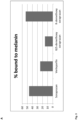
- Fig. 3 A shows the result of the binding experiment of the test compounds to the A2E complex in form of a column diagram.
- a high percentage of soraprazan and demethoxysoraprazan - about 46 % and about 53 %, respectively - are found bound to the melanin A2E particles.
- verteporfin and R/S-demethoxysoraprazan bind to the A2E melanin particles although to a lower percentage.
- a SAD for metal ions is tested.
- the SAD is incubated at various ratios with metal ions such as Fe II or Fe III and the absorbance of light by complexes is measured.
- a difference spectrum suggests interaction between the species, which may explain some aspect of pigment binding.
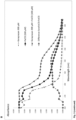
- Fig. 3 B shows the absorbance in dependence of the illumination wavelength for a soraprazan solution an FeCl 3 solution and a solution of soraprazan and FeCl 3 .
- the graph of Fig. 3 B shows a difference spectrum representing the FeCl 3 absorption subtracted from the soraprazan + FeCl 3 absorption. Comparing the difference spectrum with soraprazan spectrum it can be concluded that the combination of soraprazan + FeCl 3 has a higher absorption above 290 nm than the individual components.
- Example 7 (not part of the claimed scope) - Melanin and lipofuscin increase the cellular uptake of verteporfin
- the cells were treated with 200 ⁇ l of a culture medium that contained 278 nM Verteporfin for the indicated time, the culture medium was discarded, the cells trypsinized, resuspended in 500 ⁇ l medium and counted.
- Table 3 shows the results of verteporfin uptake after 1 and 18 h respectively.
- concentration of verteporfin in HRPE is more than two-fold compared to the concentration in ARPE-19.
- the concentration increased about four-fold in HuRPE cells and about two-fold in ARPE-19 cells.
- the difference in concentration becomes even more pronounced in the two cell lines becomes even more pronounced over time.
- the melanised HuRPE cells exhibit a higher verteporfin uptake than in non-melanised ARPE cells and the difference increases over time. This suggests an uptake rate that is constantly higher that in ARPE-19 cells.
- Table 3 Cellular verteporfin uptake Cell type Incubation time (h) Cell Number after incubation time Verteporfin in the cells after incubation (nM) HuRPE 1 283.750 339 ARPE-19 1 356.250 159 HuRPE 18 243.750 1206 ARPE-19 18 221.250 351
- the method in example 2 is adapted to a 96-well format in which 300 ⁇ L of the test suspension or solution is added to each well in the micro-titre plate.
- Light is provided by an LED array and diffused through a photographic filter. After illumination the plate is centrifuged in a plate centrifuge (1000 g, 1 min) and then placed in a refrigerated HPLC injector where samples are continuously injected onto an LCMS system to determine relative levels of A2E and its epoxides following illumination.
- ARPE19 cells are incubated either with or without A2E (20 ⁇ M) for 3 days and then brought into suspension by light trpysinization. The cells are passed through a cytometer to detect yellow fluorescence. As shown in Fig. 4 upper panel cells incubated with A2E ( Fig. 4 lower panel) are detected with high yellow fluorescence. This indicates a large amount of A2E. Cells incubated without A2E ( Fig. 4 upper panel) have inherently low yellow fluorescence. Treatment with lipofuscin reducing drugs results in an intermediate distribution of A2E in the cells. Thus, this assay may be used to test the elimination of lipofuscin by SADs.
- Example 10 (not part of the claimed scope) - Clinical use of the photosensitizer to treat AMD
- a patient with putative dry AMD is examined and baseline retinal fluorescence is determined using the blue laser imaging device (Heidelberg engineering).
- the patient is subject to an intravenous dose of 6 mg/m 2 verteporfin by means of infusion of 30 ml over 10 minutes.
- An alternative to intravenous application is the direct intravitreal application of verteporfin. In this case, ca 4 ⁇ g of verteporfin is administered to an affected single eye. Fluorescence after 1, 2 and 4 weeks is compared with fluorescence at baseline. The eyes are treated alternately.
- a laser light at 689 nm delivered 50 J/cm 2 by application of an intensity of 600 mW/cm 2 over 83 seconds using a spot size with a diameter 1000 ⁇ m.
- laser light is not necessary to promote removal of lipofuscin in the presence of a verteporfin.
- an exposure of the eyes of the patient to mild indoor light of about 500 lux can be used as a means to maintain an exposure of the eyes of the patient to 500 lux when outdoors. The exposure should be maintained for a period of at least 6 h per day.
- Blue light laser retinal fluorescence is measured at days 7, 14 and 28 after treatment and compared with pre-treatment values. Specific reductions of retinal fluorescence > 1-20% are on post-treatment examination. In certain patients, the effect is observed in the absence of laser light treatment. The treatment is repeated with intervals of 3 month to reduce the overall levels of lipofuscin.
- Example 11 Verteporfin injection into the vitreous of Abca4 (-/-) mice
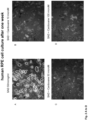
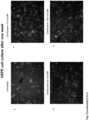
- Fig. 5 shows electron micrographs of the semi-thin sections of both untreated ( Fig. 5a ) and treated mice ( Fig. 5b ).
- the RPE cell layer is marked by arrows in the Figure.
- Example 12 (not part of the claimed scope) - Quinolone injection into the vitreous of Abca4 (-/-) mice.
- quinolone antibiotics are examples of such compounds.
- Martinez et al 1998 Photochem Photobiol. 1998 Apr;67(4):399-403. Fluoroquinolone antimicrobials: singlet oxygen, superoxide and phototoxicity.
- Martinez LJ1, Sik RH, Chignell CF . report that the relative photosensitiying activity of quinolones is as follows: "fleroxacin > lomefloxacin, pefloxacin >> ciprofloxacin > enoxacin, norfloxacin and ofloxacin.
- mice One week after injection, the eyes of the mice were enucleated, and one half of the eye was extracted by first sonication in an equal volume of saline solution, and then extraction with 3 volumes of acetonitrile. The other half of the eye was fixed with glutaraldehyde prepared as thin sections as in described in example 11. The left eye was not treated and maintained as a control. Untreated eyes of age-matched mice lacking the Abca4 transporter were an additional control.
- the acetonitrile extracts were subject to analysis by HPLCMSMS using a Sciex 4000 or 4500 triple quadrupole spectrometer as is apparent in Table 1 example 2 to detect A2E and its epoxides.
- Table 1 example 2 To detect A2E and its epoxides.
- Using a standard curve based on authentic A2E we computed the effective concentration of A2E in the eye tissue (not including lens and cornea). The concentration in each treated eye was then expressed as a percentage of the average concentration in all untreated eyes in the mice of the same age. The results are present in Table 4.
- Example 13 Tetracycline antibiotic injection into the vitreous of Abca4 (-/-) mice.
- mice were treated as in example 12 with an intravitreal injection with 2 ⁇ l of a solution containing 20 mg / ml of a solution or a suspension of the test substance.
- One week after injection the eyes were recovered and analysed as in examples 11 and 12. The left eye was not treated and maintained as a control. Untreated eyes of age-matched mice lacking the Abca4 transporter were an additional control.
- Table 6 A2E concentration in mouse eyes treated with tetracycline antibiotics Test substance Concentration A2E ( ⁇ M) in the treated eye % of A2E relative to age matched untreated Chloramphenicol 24 70 Doxycycline 28 81 Demeclocycline 37 89 Minocycline 33 100 Vehicle 33 106
- Doxycycline photosensitizer
- minocycline which is not a photosensitizer
- Demeclocycline was notably less soluble which may explain limited effect.
- Example 14 Amino acid or metabolite injection into the vitreous of Abca4 (-/-) mice.
- mice were treated as in example 12 with an intravitreal injection with 2 ⁇ l of a solution containing 40 mg / ml of a solution or a suspension of the test substance.
- One week after injection the eyes were recovered and analyzed as in examples 11 and 12.
- the left eye was not treated and maintained as a control.
- Untreated eyes of age-matched mice lacking the Abca4 transporter were an additional control.
- the photoactive and reactive amino acids appeared to mediate reductions in A2E. Cysteine is able to interact with metals, particularly iron III ( Monatshefte für Chemie / November 1991, Volume 122, Issue 11, pp 887-906 ) and is also redox active in the context of iron.
- Tryptophan is capable of absorbing and re-radiating light energy, as is riboflavin.
- Table 6 A2E concentration in mouse eyes treated with amino acids or metabolites Test substance Concentration A2E ( ⁇ M) in the treated eye % of A2E relative to age matched untreated Cysteine (not part of the claimed scope) 12 59 Tryptophan (not part of the claimed scope) 13 66 Glutathione (not part of the claimed scope) 35 89 Riboflavin 19 91 Vehicle 33 106
- Example 15 (not part of the claimed scope) - Chelator or metal interactor injection into the vitreous of Abca4 (-/-) mice.
- mice were treated as in example 14 with an intravitreal injection with 2 ⁇ l of a solution containing 40 mg / ml of a solution or a suspension of the test substance or a concentration as indicated in the table.
- One week after injection the eyes were recovered and analysed as in examples 11 and 12. The results are presented in Table 7 .
- Table 7 A2E concentration in mouse eyes treated with chelators or metal interactors Test substance Concentration A2E ( ⁇ M) in the treated eye % of A2E relative to age matched untreated Cysteine 12 59 Taurodeoxcycholate EDTA 16 75 1,10-phenanthroline 20 91 EDTA cyclodextrin 20 97 Vehicle 33 106
- Example 16 (not part of the claimed scope) - Permeability agent injection into the vitreous of Abca4 (-/-) mice.
- mice were treated as in example 14 with an intravitreal injection with 2 ⁇ l of a solution containing 40 mg / ml of a solution or a suspension of the test substance or a concentration as indicated in the table.
- One week after injection the eyes were recovered and analysed as in examples 11 and 12. The results are presented in Table 8.
- Table 8 A2E concentration in mouse eyes treated with permeability agents Test substance Concentration A2E ( ⁇ M) in the treated eye % of A2E relative to age matched untreated 20% PEG 400 12 56 Cyclodextrin 20 83 1% Tween 80 22 95 Vehicle 33 106
- Example 17 (not part of the claimed scope) - Dye and porphyrins injection into the vitreous of Abca4 (-/-) mice.
- Certain dyes are photosensitisers or are capable of redox reactions.
- porphoryins are in certain instances, photosensitizing.
- Verteporphin is one such example while pthalocyanine is less so.
- mice were treated as in example 14 with an intravitreal injection with 2 ⁇ l of a solution containing 20 mg / ml of a solution or a suspension of the test substance.
- an intravitreal injection with 2 ⁇ l of a solution containing 20 mg / ml of a solution or a suspension of the test substance.
- the eyes were recovered and analysed as in examples 11 and 12.
- Example 18 (not part of the claimed scope) - Redox active and chelating protein injection into the vitreous of Abca4 (-/-) mice.
- mice were treated as in example 14 with an intravitreal injection with 2 ⁇ l of a solution containing 20 mg / ml of a solution or a suspension of the test substance. One week after injection, the eyes were recovered and analysed as in examples 11 and 12. The results are presented in Table 10.
- Table 10 A2E concentration in mouse eyes treated with redox active and chelating protein Test substance Concentration A2E ( ⁇ M) in the treated eye % of A2E relative to age matched untreated Lactoferrin 20 63 Cytochrome C 18 81 Transferrin (apo) 15 82
- Cytochrome C shares some activity of a peroxidase and so was used here as a model peroxidase. It is an electron carrier and is redox active. Peroxidase is also active in reducing lipofuscin. Transferrin and lactoferrin are capable of binding iron with high affinity. They are also taken into cells via endocytosis. We hypothesized that they would destabilize lipofuscin through removal of iron from the aggregates.
- Example 19 (not part of the claimed scope) - Redox active small molecules and chelator injection into the vitreous of Abca4 (-/-) mice.
- mice were treated as in example 14 with an intravitreal injection with 2 ⁇ l of a solution containing 20 mg / ml of a solution or a suspension of the test substance. Unlike in previous examples where the eyes were samples after 7 days, here the eyes were taken at 16 hours after injection, the eyes were recovered and analyzed by HPLC MSMS as in examples 11 and 12. The results are presented in Table 11. Table 11: A2E concentration in mouse eyes treated with Redox active small molecules and chelator Test substance Concentration A2E ( ⁇ M) in the treated eye % of A2E relative to age matched untreated Saline solution (0.9% NaCl) 52 102 Soraprazan 31 61 PEG-EDTA 43 85 Artemesinin 38 75
- Example 20 Calibration of HPLC MSMS detection of A2E from mouse eyes.
- Authentic A2E was dissolved in DMSO to a concentration of 10 ⁇ M and then further diluted in water from 100 ⁇ M to 15 nM in 3-fold steps. Water solutions were diluted 1:3 with acetonitrile and then sealed in vials for injection. 6 ⁇ L of the water acetonitrile solutions were injected onto a 2 ⁇ 50 mm Phenyl derived HPLC column (3 ⁇ m) and eluted with a gradient from 20% acetonitrile to 100% acetonitrile over 4 minutes at a flow rate of 500 ⁇ L/minute. The masses detected and the corresponding peak areas are indicated in the following table.
- A2E The relative lack of sensitivity of detection of A2E is related to the fact that A2E fragments easily to many different species of similar and low abundance. There are no main fragments that predominate the fragment spectrum. Peak area A2E A2E A2E - epoxide Molecular ion 592 592 608 m/z+: Standard (nM) Fragment ion: 418 402 444 15 1430 479 259 46 2020 395 158 137 3370 891 394 412 10000 3860 2110 1235 30400 8060 4560 3704 130000 35000 19100 11111 430000 119000 81500 33333 996000 363000 409000 100000 5310000 1440000 3060000
Landscapes
- Health & Medical Sciences (AREA)
- Life Sciences & Earth Sciences (AREA)
- Engineering & Computer Science (AREA)
- Immunology (AREA)
- Molecular Biology (AREA)
- Biomedical Technology (AREA)
- Chemical & Material Sciences (AREA)
- Urology & Nephrology (AREA)
- Hematology (AREA)
- Cell Biology (AREA)
- Food Science & Technology (AREA)
- General Health & Medical Sciences (AREA)
- Biotechnology (AREA)
- Pathology (AREA)
- General Physics & Mathematics (AREA)
- Medicinal Chemistry (AREA)
- Physics & Mathematics (AREA)
- Analytical Chemistry (AREA)
- Biochemistry (AREA)
- Microbiology (AREA)
- Biophysics (AREA)
- Endocrinology (AREA)
- Bioinformatics & Cheminformatics (AREA)
- Toxicology (AREA)
- Tropical Medicine & Parasitology (AREA)
- Pharmaceuticals Containing Other Organic And Inorganic Compounds (AREA)
- Medicines That Contain Protein Lipid Enzymes And Other Medicines (AREA)
- Acyclic And Carbocyclic Compounds In Medicinal Compositions (AREA)
Claims (8)
- Composé pour utilisation dans le traitement des maladies oculaires associées à la lipofuscine par dégradation de la lipofuscine, ladite maladie étant choisie parmi la dégénérescence maculaire liée à l'âge (DMLA), la maladie de Stargardt, la maladie de Best et la rétinite pigmentaire, et ledit composé étant la riboflavine.
- Composé pour utilisation selon la revendication 1, ledit traitement comprenant l'administration d'une injection intraveineuse ou intravitréenne du composé à un patient atteint d'une lipofuscinopathie rétinienne.
- Composé pour utilisation selon les revendications 1 ou 2, ledit traitement comprenant en outre un éclairage par lumière de l'oeil.
- Composé pour utilisation selon la revendication 3, le temps d'éclairage se trouvant dans la plage de 1 min à 72 h, de préférence dans la plage de 2 min à 48 h, plus préférablement dans la plage de 3 min à 48 h.
- Composé pour utilisation selon la revendication 3 ou 4, la luminance énergétique de la lumière d'éclairage se trouvant dans la plage de 0,001 à 1 W/cm2, de préférence dans la plage de 0,02 à 0,9 W/cm2, plus préférablement dans la plage de 0,03 à 0,7 W/cm2, idéalement dans la plage de 0,04 à 0,6 W/m2.
- Composé pour utilisation selon l'une quelconque des revendications 3 à 5, ladite lumière ayant une longueur d'onde comprise dans la plage de 380 nm à 800 nm, de préférence ladite lumière ayant une longueur d'onde comprise dans la plage de 380 nm à 650 nm, le plus préférablement ladite lumière d'éclairage ayant une longueur d'onde comprise dans la plage de 380 nm à 500 nm.
- Composé pour utilisation selon l'une quelconque des revendications 3 à 6, ladite lumière étant différente de la lumière laser.
- Composé pour utilisation selon l'une quelconque des revendications 1 à 7, ledit composé étant administré à une dose par oeil en mg inférieure à 1/10000, de préférence inférieure à 1/2000, plus préférablement inférieure à 1/1000 de la dose corporelle totale calculée en mg.
Priority Applications (1)
| Application Number | Priority Date | Filing Date | Title |
|---|---|---|---|
| HRP20250123TT HRP20250123T1 (hr) | 2014-02-13 | 2015-02-13 | Spojevi za liječenje bolesti vezanih s lipofuscinom |
Applications Claiming Priority (3)
| Application Number | Priority Date | Filing Date | Title |
|---|---|---|---|
| EP14155057 | 2014-02-13 | ||
| EP15708746.1A EP3105586B1 (fr) | 2014-02-13 | 2015-02-13 | Procédés permettant de déterminer des composés ou compositions pour le traitement de maladies liées à la lipofuscine, et composés ou compositions |
| PCT/EP2015/053148 WO2015121441A1 (fr) | 2014-02-13 | 2015-02-13 | Procédés permettant de déterminer des composés ou compositions pour le traitement de maladies liées à la lipofuscine, et composés ou compositions |
Related Parent Applications (2)
| Application Number | Title | Priority Date | Filing Date |
|---|---|---|---|
| EP15708746.1A Division EP3105586B1 (fr) | 2014-02-13 | 2015-02-13 | Procédés permettant de déterminer des composés ou compositions pour le traitement de maladies liées à la lipofuscine, et composés ou compositions |
| EP15708746.1A Division-Into EP3105586B1 (fr) | 2014-02-13 | 2015-02-13 | Procédés permettant de déterminer des composés ou compositions pour le traitement de maladies liées à la lipofuscine, et composés ou compositions |
Publications (2)
| Publication Number | Publication Date |
|---|---|
| EP3855181A1 EP3855181A1 (fr) | 2021-07-28 |
| EP3855181B1 true EP3855181B1 (fr) | 2024-11-06 |
Family
ID=50097614
Family Applications (2)
| Application Number | Title | Priority Date | Filing Date |
|---|---|---|---|
| EP15708746.1A Active EP3105586B1 (fr) | 2014-02-13 | 2015-02-13 | Procédés permettant de déterminer des composés ou compositions pour le traitement de maladies liées à la lipofuscine, et composés ou compositions |
| EP20198697.3A Active EP3855181B1 (fr) | 2014-02-13 | 2015-02-13 | Composés pour le traitement de maladies associées à la lipofuscine |
Family Applications Before (1)
| Application Number | Title | Priority Date | Filing Date |
|---|---|---|---|
| EP15708746.1A Active EP3105586B1 (fr) | 2014-02-13 | 2015-02-13 | Procédés permettant de déterminer des composés ou compositions pour le traitement de maladies liées à la lipofuscine, et composés ou compositions |
Country Status (8)
| Country | Link |
|---|---|
| US (1) | US10495630B2 (fr) |
| EP (2) | EP3105586B1 (fr) |
| CA (1) | CA2976364C (fr) |
| DK (1) | DK3855181T3 (fr) |
| ES (2) | ES3012058T3 (fr) |
| HR (1) | HRP20250123T1 (fr) |
| HU (1) | HUE070257T2 (fr) |
| WO (1) | WO2015121441A1 (fr) |
Families Citing this family (5)
| Publication number | Priority date | Publication date | Assignee | Title |
|---|---|---|---|---|
| CN106214628B (zh) * | 2016-08-03 | 2020-02-14 | 四川恒通动保生物科技有限公司 | 一种兽用盐酸多西环素注射液及其制备方法 |
| EA201990560A1 (ru) | 2016-09-08 | 2019-09-30 | Регенера Фарма Лтд. | Композиции, содержащие тритерпеноиды, и их применение для лечения оптической нейропатии |
| EP3949958A1 (fr) | 2020-08-04 | 2022-02-09 | Eberhard Karls Universität Tübingen Medizinische Fakultät | Composé pour le traitement et la prévention d'une maladie associée à la lipofuscine |
| WO2023151788A1 (fr) | 2022-02-09 | 2023-08-17 | Katairo Gmbh | Mélanine pour le traitement de maladies associées à la lipofuscine |
| WO2023213902A1 (fr) * | 2022-05-03 | 2023-11-09 | Katairo Gmbh | Remofuscine (soraprazan) destinée à être utilisée contre un dysfonctionnement lysosomal et le vieillissement |
Family Cites Families (7)
| Publication number | Priority date | Publication date | Assignee | Title |
|---|---|---|---|---|
| US7267830B2 (en) * | 2003-12-19 | 2007-09-11 | Alcon, Inc. | Composition and methods for inhibiting the progression macular degeneration and promoting healthy vision |
| JP2008515778A (ja) | 2004-08-18 | 2008-05-15 | シリオン セラピューティクス, インコーポレイテッド | 眼の状態を13−シス−レチニル誘導体で処置するための組み合わせ方法、組成物および治療 |
| UA81382C2 (en) * | 2005-07-11 | 2007-12-25 | Composition for treating retinol-related diseases by modulation of retinol binding | |
| EP2687208A1 (fr) * | 2007-09-12 | 2014-01-22 | The Trustees of Columbia University in the City of New York | Compositions et procédés pour le traitement de la dégénérescence maculaire |
| EP2080513A1 (fr) | 2008-01-16 | 2009-07-22 | Schraermeyer, Ulrich, Prof. Dr. rer. nat | Tétrahydropyridoéthers pour le traitement de la DMA |
| GB201014340D0 (en) * | 2010-08-27 | 2010-10-13 | Piraee Mahmood | Nutritional supplement formulation comprising saffron and resveratrol |
| WO2013166037A1 (fr) | 2012-05-01 | 2013-11-07 | The Trustees Of Columbia University In The City Of New York | Antagonistes non rétinoïdes pour le traitement de troubles oculaires |
-
2015
- 2015-02-13 CA CA2976364A patent/CA2976364C/fr active Active
- 2015-02-13 HU HUE20198697A patent/HUE070257T2/hu unknown
- 2015-02-13 DK DK20198697.3T patent/DK3855181T3/da active
- 2015-02-13 EP EP15708746.1A patent/EP3105586B1/fr active Active
- 2015-02-13 ES ES20198697T patent/ES3012058T3/es active Active
- 2015-02-13 WO PCT/EP2015/053148 patent/WO2015121441A1/fr not_active Ceased
- 2015-02-13 ES ES15708746T patent/ES2896173T3/es active Active
- 2015-02-13 US US15/118,486 patent/US10495630B2/en active Active
- 2015-02-13 EP EP20198697.3A patent/EP3855181B1/fr active Active
- 2015-02-13 HR HRP20250123TT patent/HRP20250123T1/hr unknown
Non-Patent Citations (1)
| Title |
|---|
| YALIN WU ET AL: "Enzymatic Degradation of A2E, a Retinal Pigment Epithelial Lipofuscin Bisretinoid", JOURNAL OF THE AMERICAN CHEMICAL SOCIETY, vol. 133, no. 4, 2 February 2011 (2011-02-02), pages 849 - 857, XP055515777, ISSN: 0002-7863, DOI: 10.1021/ja107195u * |
Also Published As
| Publication number | Publication date |
|---|---|
| US10495630B2 (en) | 2019-12-03 |
| ES2896173T3 (es) | 2022-02-24 |
| ES3012058T3 (en) | 2025-04-08 |
| EP3855181A1 (fr) | 2021-07-28 |
| CA2976364C (fr) | 2023-02-14 |
| HUE070257T2 (hu) | 2025-05-28 |
| EP3105586A1 (fr) | 2016-12-21 |
| WO2015121441A1 (fr) | 2015-08-20 |
| DK3855181T3 (da) | 2025-02-10 |
| EP3105586B1 (fr) | 2021-08-04 |
| CA2976364A1 (fr) | 2015-08-20 |
| HRP20250123T1 (hr) | 2025-03-28 |
| US20170176416A1 (en) | 2017-06-22 |
Similar Documents
| Publication | Publication Date | Title |
|---|---|---|
| Muhammad et al. | Melatonin rescue oxidative stress-mediated neuroinflammation/neurodegeneration and memory impairment in scopolamine-induced amnesia mice model | |
| Wang et al. | Intranasal administration of dauricine loaded on graphene oxide: multi-target therapy for Alzheimer's disease | |
| Crouch et al. | Therapeutic redistribution of metal ions to treat Alzheimer’s disease | |
| EP3105586B1 (fr) | Procédés permettant de déterminer des composés ou compositions pour le traitement de maladies liées à la lipofuscine, et composés ou compositions | |
| Hao et al. | Bioengineered microglia-targeted exosomes facilitate Aβ clearance via enhancing activity of microglial lysosome for promoting cognitive recovery in Alzheimer's disease | |
| Rogov et al. | Mitochondrial dysfunctions may be one of the major causative factors underlying detrimental effects of benzalkonium chloride | |
| Bilia et al. | Successful brain delivery of andrographolide loaded in human albumin nanoparticles to TgCRND8 mice, an Alzheimer’s disease mouse model | |
| JP2018534343A (ja) | ミトコンドリアの活性酸素種(ros)産生に関連する疾患の治療のための化合物 | |
| Qian et al. | Multifunctional nano-enabled delivery systems in Alzheimer's disease management | |
| US20220168358A1 (en) | Mitochondrial transplantation and use thereof in ocular diseases | |
| JP2022543061A (ja) | 細胞内で形成されるタンパク質凝集体に起因する疾患の治療のために使用される植物エクソソーム | |
| JP2017538728A (ja) | イオントフォレシスを用いた生物活性分子の眼内送達 | |
| Jo et al. | Activation of lysosomal function ameliorates Amyloid-β-Induced tight junction disruption in the retinal pigment epithelium | |
| US9950007B2 (en) | Neuronal protection by cerium oxide nanoparticles | |
| Ali et al. | Nanotechnology in Parkinson’s Disease: overcoming drug delivery challenges and enhancing therapeutic outcomes | |
| US20230256040A1 (en) | Composition for prevention or treatment of neurological or mental disorders comprising extracellular vesicles derived from lactobacillus paracasei | |
| Guo et al. | In situ dual-activated NIRF/PA carrier-free nanoprobe for diagnosis and treatment of Parkinson's disease | |
| US20250339422A1 (en) | Methods for enhancing cellular clearance of pathological molecules via activation of the cellular protein ykt6 | |
| Budhwani et al. | Exosome-mediated delivery of a PLD1 modulator overcomes bioavailability hurdles to target synaptopathy in neurodegenerative diseases | |
| Olchawa et al. | SuperDopa (SD), SuperDopa amide (SDA) and Thioredoxin-mimetic peptides protect ARPE-19 cells from photic-and non-photic stress | |
| Poltavtseva et al. | Alzheimer’s type neurodegeneration. Possible correction of memory impairment with intravenous administration of exosomes | |
| JP2019531296A (ja) | 眼疾患の処置方法 | |
| Lo et al. | Lysosome-acidifying nanoparticles rescue A30P α-synuclein induced neuronal death in cellular and Drosophila models of Parkinson’s disease | |
| Mu et al. | Tailored brain metastatic tumor cells-derived apoptotic bodies ameliorate Alzheimer’s disease by promoting microglia efferocytosis and neuroinflammation mitigation | |
| WO2007083228A1 (fr) | Approche therapeutique globale dans le traitement des maladies neurodegeneratives |
Legal Events
| Date | Code | Title | Description |
|---|---|---|---|
| REG | Reference to a national code |
Ref country code: HR Ref legal event code: TUEP Ref document number: P20250123T Country of ref document: HR |
|
| PUAI | Public reference made under article 153(3) epc to a published international application that has entered the european phase |
Free format text: ORIGINAL CODE: 0009012 |
|
| STAA | Information on the status of an ep patent application or granted ep patent |
Free format text: STATUS: THE APPLICATION HAS BEEN PUBLISHED |
|
| AC | Divisional application: reference to earlier application |
Ref document number: 3105586 Country of ref document: EP Kind code of ref document: P |
|
| AK | Designated contracting states |
Kind code of ref document: A1 Designated state(s): AL AT BE BG CH CY CZ DE DK EE ES FI FR GB GR HR HU IE IS IT LI LT LU LV MC MK MT NL NO PL PT RO RS SE SI SK SM TR |
|
| STAA | Information on the status of an ep patent application or granted ep patent |
Free format text: STATUS: REQUEST FOR EXAMINATION WAS MADE |
|
| 17P | Request for examination filed |
Effective date: 20220126 |
|
| RBV | Designated contracting states (corrected) |
Designated state(s): AL AT BE BG CH CY CZ DE DK EE ES FI FR GB GR HR HU IE IS IT LI LT LU LV MC MK MT NL NO PL PT RO RS SE SI SK SM TR |
|
| STAA | Information on the status of an ep patent application or granted ep patent |
Free format text: STATUS: EXAMINATION IS IN PROGRESS |
|
| 17Q | First examination report despatched |
Effective date: 20240119 |
|
| GRAP | Despatch of communication of intention to grant a patent |
Free format text: ORIGINAL CODE: EPIDOSNIGR1 |
|
| STAA | Information on the status of an ep patent application or granted ep patent |
Free format text: STATUS: GRANT OF PATENT IS INTENDED |
|
| INTG | Intention to grant announced |
Effective date: 20240604 |
|
| GRAS | Grant fee paid |
Free format text: ORIGINAL CODE: EPIDOSNIGR3 |
|
| GRAA | (expected) grant |
Free format text: ORIGINAL CODE: 0009210 |
|
| STAA | Information on the status of an ep patent application or granted ep patent |
Free format text: STATUS: THE PATENT HAS BEEN GRANTED |
|
| AC | Divisional application: reference to earlier application |
Ref document number: 3105586 Country of ref document: EP Kind code of ref document: P |
|
| AK | Designated contracting states |
Kind code of ref document: B1 Designated state(s): AL AT BE BG CH CY CZ DE DK EE ES FI FR GB GR HR HU IE IS IT LI LT LU LV MC MK MT NL NO PL PT RO RS SE SI SK SM TR |
|
| REG | Reference to a national code |
Ref country code: GB Ref legal event code: FG4D |
|
| P01 | Opt-out of the competence of the unified patent court (upc) registered |
Free format text: CASE NUMBER: APP_54150/2024 Effective date: 20241001 |
|
| REG | Reference to a national code |
Ref country code: CH Ref legal event code: EP |
|
| REG | Reference to a national code |
Ref country code: DE Ref legal event code: R096 Ref document number: 602015090368 Country of ref document: DE |
|
| REG | Reference to a national code |
Ref country code: IE Ref legal event code: FG4D |
|
| REG | Reference to a national code |
Ref country code: DK Ref legal event code: T3 Effective date: 20250204 |
|
| REG | Reference to a national code |
Ref country code: NL Ref legal event code: FP |
|
| REG | Reference to a national code |
Ref country code: LT Ref legal event code: MG9D |
|
| REG | Reference to a national code |
Ref country code: HR Ref legal event code: ODRP Ref document number: P20250123T Country of ref document: HR Payment date: 20250306 Year of fee payment: 11 |
|
| PGFP | Annual fee paid to national office [announced via postgrant information from national office to epo] |
Ref country code: NL Payment date: 20250227 Year of fee payment: 11 |
|
| REG | Reference to a national code |
Ref country code: HR Ref legal event code: T1PR Ref document number: P20250123 Country of ref document: HR |
|
| REG | Reference to a national code |
Ref country code: ES Ref legal event code: FG2A Ref document number: 3012058 Country of ref document: ES Kind code of ref document: T3 Effective date: 20250408 |
|
| PG25 | Lapsed in a contracting state [announced via postgrant information from national office to epo] |
Ref country code: PT Free format text: LAPSE BECAUSE OF FAILURE TO SUBMIT A TRANSLATION OF THE DESCRIPTION OR TO PAY THE FEE WITHIN THE PRESCRIBED TIME-LIMIT Effective date: 20250306 Ref country code: IS Free format text: LAPSE BECAUSE OF FAILURE TO SUBMIT A TRANSLATION OF THE DESCRIPTION OR TO PAY THE FEE WITHIN THE PRESCRIBED TIME-LIMIT Effective date: 20250306 |
|
| PGFP | Annual fee paid to national office [announced via postgrant information from national office to epo] |
Ref country code: DE Payment date: 20250319 Year of fee payment: 11 Ref country code: HR Payment date: 20250306 Year of fee payment: 11 |
|
| PG25 | Lapsed in a contracting state [announced via postgrant information from national office to epo] |
Ref country code: FI Free format text: LAPSE BECAUSE OF FAILURE TO SUBMIT A TRANSLATION OF THE DESCRIPTION OR TO PAY THE FEE WITHIN THE PRESCRIBED TIME-LIMIT Effective date: 20241106 |
|
| PGFP | Annual fee paid to national office [announced via postgrant information from national office to epo] |
Ref country code: DK Payment date: 20250227 Year of fee payment: 11 |
|
| REG | Reference to a national code |
Ref country code: AT Ref legal event code: MK05 Ref document number: 1739879 Country of ref document: AT Kind code of ref document: T Effective date: 20241106 |
|
| PG25 | Lapsed in a contracting state [announced via postgrant information from national office to epo] |
Ref country code: BG Free format text: LAPSE BECAUSE OF FAILURE TO SUBMIT A TRANSLATION OF THE DESCRIPTION OR TO PAY THE FEE WITHIN THE PRESCRIBED TIME-LIMIT Effective date: 20241106 |
|
| PGFP | Annual fee paid to national office [announced via postgrant information from national office to epo] |
Ref country code: ES Payment date: 20250318 Year of fee payment: 11 Ref country code: HU Payment date: 20250314 Year of fee payment: 11 |
|
| PG25 | Lapsed in a contracting state [announced via postgrant information from national office to epo] |
Ref country code: NO Free format text: LAPSE BECAUSE OF FAILURE TO SUBMIT A TRANSLATION OF THE DESCRIPTION OR TO PAY THE FEE WITHIN THE PRESCRIBED TIME-LIMIT Effective date: 20250206 |
|
| PG25 | Lapsed in a contracting state [announced via postgrant information from national office to epo] |
Ref country code: AT Free format text: LAPSE BECAUSE OF FAILURE TO SUBMIT A TRANSLATION OF THE DESCRIPTION OR TO PAY THE FEE WITHIN THE PRESCRIBED TIME-LIMIT Effective date: 20241106 Ref country code: LV Free format text: LAPSE BECAUSE OF FAILURE TO SUBMIT A TRANSLATION OF THE DESCRIPTION OR TO PAY THE FEE WITHIN THE PRESCRIBED TIME-LIMIT Effective date: 20241106 Ref country code: GR Free format text: LAPSE BECAUSE OF FAILURE TO SUBMIT A TRANSLATION OF THE DESCRIPTION OR TO PAY THE FEE WITHIN THE PRESCRIBED TIME-LIMIT Effective date: 20250207 |
|
| PGFP | Annual fee paid to national office [announced via postgrant information from national office to epo] |
Ref country code: BE Payment date: 20250227 Year of fee payment: 11 Ref country code: CH Payment date: 20250325 Year of fee payment: 11 |
|
| PG25 | Lapsed in a contracting state [announced via postgrant information from national office to epo] |
Ref country code: PL Free format text: LAPSE BECAUSE OF FAILURE TO SUBMIT A TRANSLATION OF THE DESCRIPTION OR TO PAY THE FEE WITHIN THE PRESCRIBED TIME-LIMIT Effective date: 20241106 |
|
| PGFP | Annual fee paid to national office [announced via postgrant information from national office to epo] |
Ref country code: FR Payment date: 20250227 Year of fee payment: 11 |
|
| PGFP | Annual fee paid to national office [announced via postgrant information from national office to epo] |
Ref country code: IT Payment date: 20250228 Year of fee payment: 11 Ref country code: GB Payment date: 20250324 Year of fee payment: 11 |
|
| PG25 | Lapsed in a contracting state [announced via postgrant information from national office to epo] |
Ref country code: RS Free format text: LAPSE BECAUSE OF FAILURE TO SUBMIT A TRANSLATION OF THE DESCRIPTION OR TO PAY THE FEE WITHIN THE PRESCRIBED TIME-LIMIT Effective date: 20250206 |
|
| REG | Reference to a national code |
Ref country code: HU Ref legal event code: AG4A Ref document number: E070257 Country of ref document: HU |
|
| PG25 | Lapsed in a contracting state [announced via postgrant information from national office to epo] |
Ref country code: SM Free format text: LAPSE BECAUSE OF FAILURE TO SUBMIT A TRANSLATION OF THE DESCRIPTION OR TO PAY THE FEE WITHIN THE PRESCRIBED TIME-LIMIT Effective date: 20241106 |
|
| PG25 | Lapsed in a contracting state [announced via postgrant information from national office to epo] |
Ref country code: EE Free format text: LAPSE BECAUSE OF FAILURE TO SUBMIT A TRANSLATION OF THE DESCRIPTION OR TO PAY THE FEE WITHIN THE PRESCRIBED TIME-LIMIT Effective date: 20241106 |
|
| PG25 | Lapsed in a contracting state [announced via postgrant information from national office to epo] |
Ref country code: RO Free format text: LAPSE BECAUSE OF FAILURE TO SUBMIT A TRANSLATION OF THE DESCRIPTION OR TO PAY THE FEE WITHIN THE PRESCRIBED TIME-LIMIT Effective date: 20241106 |
|
| PG25 | Lapsed in a contracting state [announced via postgrant information from national office to epo] |
Ref country code: SK Free format text: LAPSE BECAUSE OF FAILURE TO SUBMIT A TRANSLATION OF THE DESCRIPTION OR TO PAY THE FEE WITHIN THE PRESCRIBED TIME-LIMIT Effective date: 20241106 |
|
| PG25 | Lapsed in a contracting state [announced via postgrant information from national office to epo] |
Ref country code: CZ Free format text: LAPSE BECAUSE OF FAILURE TO SUBMIT A TRANSLATION OF THE DESCRIPTION OR TO PAY THE FEE WITHIN THE PRESCRIBED TIME-LIMIT Effective date: 20241106 |
|
| REG | Reference to a national code |
Ref country code: DE Ref legal event code: R097 Ref document number: 602015090368 Country of ref document: DE |
|
| PG25 | Lapsed in a contracting state [announced via postgrant information from national office to epo] |
Ref country code: SE Free format text: LAPSE BECAUSE OF FAILURE TO SUBMIT A TRANSLATION OF THE DESCRIPTION OR TO PAY THE FEE WITHIN THE PRESCRIBED TIME-LIMIT Effective date: 20241106 |
|
| PLBE | No opposition filed within time limit |
Free format text: ORIGINAL CODE: 0009261 |
|
| STAA | Information on the status of an ep patent application or granted ep patent |
Free format text: STATUS: NO OPPOSITION FILED WITHIN TIME LIMIT |
|
| PG25 | Lapsed in a contracting state [announced via postgrant information from national office to epo] |
Ref country code: MC Free format text: LAPSE BECAUSE OF FAILURE TO SUBMIT A TRANSLATION OF THE DESCRIPTION OR TO PAY THE FEE WITHIN THE PRESCRIBED TIME-LIMIT Effective date: 20241106 |
|
| 26N | No opposition filed |
Effective date: 20250807 |
|
| PG25 | Lapsed in a contracting state [announced via postgrant information from national office to epo] |
Ref country code: LU Free format text: LAPSE BECAUSE OF NON-PAYMENT OF DUE FEES Effective date: 20250213 |
|
| REG | Reference to a national code |
Ref country code: DE Ref legal event code: R082 Ref document number: 602015090368 Country of ref document: DE Representative=s name: HOFFMANN EITLE PATENT- UND RECHTSANWAELTE PART, DE |
|
| PG25 | Lapsed in a contracting state [announced via postgrant information from national office to epo] |
Ref country code: IE Free format text: LAPSE BECAUSE OF NON-PAYMENT OF DUE FEES Effective date: 20250213 |