EP3943085A2 - Extraits et composés interagissant avec tomm6 destinés à être utilisés dans le traitement et la prophylaxie de maladies du système nerveux, de l'athérosclérose, d'une infection par le virus de l'hépatite b et d'une infection par le papillomavirus humain (pvh) - Google Patents
Extraits et composés interagissant avec tomm6 destinés à être utilisés dans le traitement et la prophylaxie de maladies du système nerveux, de l'athérosclérose, d'une infection par le virus de l'hépatite b et d'une infection par le papillomavirus humain (pvh) Download PDFInfo
- Publication number
- EP3943085A2 EP3943085A2 EP21190816.5A EP21190816A EP3943085A2 EP 3943085 A2 EP3943085 A2 EP 3943085A2 EP 21190816 A EP21190816 A EP 21190816A EP 3943085 A2 EP3943085 A2 EP 3943085A2
- Authority
- EP
- European Patent Office
- Prior art keywords
- galium
- ehrend
- dione
- rubia
- anthracene
- Prior art date
- Legal status (The legal status is an assumption and is not a legal conclusion. Google has not performed a legal analysis and makes no representation as to the accuracy of the status listed.)
- Pending
Links
- 0 *c(c(*)c1C(c2c3c(*)c(*)c(*)c2*)=O)c(*)c(*)c1C3=O Chemical compound *c(c(*)c1C(c2c3c(*)c(*)c(*)c2*)=O)c(*)c(*)c1C3=O 0.000 description 1
Images







Classifications
-
- A—HUMAN NECESSITIES
- A61—MEDICAL OR VETERINARY SCIENCE; HYGIENE
- A61K—PREPARATIONS FOR MEDICAL, DENTAL OR TOILETRY PURPOSES
- A61K31/00—Medicinal preparations containing organic active ingredients
- A61K31/12—Ketones
- A61K31/122—Ketones having the oxygen directly attached to a ring, e.g. quinones, vitamin K1, anthralin
-
- A—HUMAN NECESSITIES
- A61—MEDICAL OR VETERINARY SCIENCE; HYGIENE
- A61K—PREPARATIONS FOR MEDICAL, DENTAL OR TOILETRY PURPOSES
- A61K31/00—Medicinal preparations containing organic active ingredients
- A61K31/185—Acids; Anhydrides, halides or salts thereof, e.g. sulfur acids, imidic, hydrazonic or hydroximic acids
- A61K31/19—Carboxylic acids, e.g. valproic acid
- A61K31/192—Carboxylic acids, e.g. valproic acid having aromatic groups, e.g. sulindac, 2-aryl-propionic acids, ethacrynic acid
-
- A—HUMAN NECESSITIES
- A61—MEDICAL OR VETERINARY SCIENCE; HYGIENE
- A61K—PREPARATIONS FOR MEDICAL, DENTAL OR TOILETRY PURPOSES
- A61K31/00—Medicinal preparations containing organic active ingredients
- A61K31/33—Heterocyclic compounds
- A61K31/395—Heterocyclic compounds having nitrogen as a ring hetero atom, e.g. guanethidine or rifamycins
- A61K31/41—Heterocyclic compounds having nitrogen as a ring hetero atom, e.g. guanethidine or rifamycins having five-membered rings with two or more ring hetero atoms, at least one of which being nitrogen, e.g. tetrazole
- A61K31/42—Oxazoles
- A61K31/421—1,3-Oxazoles, e.g. pemoline, trimethadione
-
- A—HUMAN NECESSITIES
- A61—MEDICAL OR VETERINARY SCIENCE; HYGIENE
- A61K—PREPARATIONS FOR MEDICAL, DENTAL OR TOILETRY PURPOSES
- A61K31/00—Medicinal preparations containing organic active ingredients
- A61K31/33—Heterocyclic compounds
- A61K31/395—Heterocyclic compounds having nitrogen as a ring hetero atom, e.g. guanethidine or rifamycins
- A61K31/435—Heterocyclic compounds having nitrogen as a ring hetero atom, e.g. guanethidine or rifamycins having six-membered rings with one nitrogen as the only ring hetero atom
- A61K31/44—Non condensed pyridines; Hydrogenated derivatives thereof
- A61K31/4418—Non condensed pyridines; Hydrogenated derivatives thereof having a carbocyclic group directly attached to the heterocyclic ring, e.g. cyproheptadine
-
- A—HUMAN NECESSITIES
- A61—MEDICAL OR VETERINARY SCIENCE; HYGIENE
- A61K—PREPARATIONS FOR MEDICAL, DENTAL OR TOILETRY PURPOSES
- A61K31/00—Medicinal preparations containing organic active ingredients
- A61K31/33—Heterocyclic compounds
- A61K31/395—Heterocyclic compounds having nitrogen as a ring hetero atom, e.g. guanethidine or rifamycins
- A61K31/435—Heterocyclic compounds having nitrogen as a ring hetero atom, e.g. guanethidine or rifamycins having six-membered rings with one nitrogen as the only ring hetero atom
- A61K31/44—Non condensed pyridines; Hydrogenated derivatives thereof
- A61K31/4427—Non condensed pyridines; Hydrogenated derivatives thereof containing further heterocyclic ring systems
- A61K31/4439—Non condensed pyridines; Hydrogenated derivatives thereof containing further heterocyclic ring systems containing a five-membered ring with nitrogen as a ring hetero atom, e.g. omeprazole
-
- A—HUMAN NECESSITIES
- A61—MEDICAL OR VETERINARY SCIENCE; HYGIENE
- A61K—PREPARATIONS FOR MEDICAL, DENTAL OR TOILETRY PURPOSES
- A61K31/00—Medicinal preparations containing organic active ingredients
- A61K31/33—Heterocyclic compounds
- A61K31/395—Heterocyclic compounds having nitrogen as a ring hetero atom, e.g. guanethidine or rifamycins
- A61K31/435—Heterocyclic compounds having nitrogen as a ring hetero atom, e.g. guanethidine or rifamycins having six-membered rings with one nitrogen as the only ring hetero atom
- A61K31/44—Non condensed pyridines; Hydrogenated derivatives thereof
- A61K31/445—Non condensed piperidines, e.g. piperocaine
- A61K31/4523—Non condensed piperidines, e.g. piperocaine containing further heterocyclic ring systems
- A61K31/454—Non condensed piperidines, e.g. piperocaine containing further heterocyclic ring systems containing a five-membered ring with nitrogen as a ring hetero atom, e.g. pimozide, domperidone
-
- A—HUMAN NECESSITIES
- A61—MEDICAL OR VETERINARY SCIENCE; HYGIENE
- A61K—PREPARATIONS FOR MEDICAL, DENTAL OR TOILETRY PURPOSES
- A61K36/00—Medicinal preparations of undetermined constitution containing material from algae, lichens, fungi or plants, or derivatives thereof, e.g. traditional herbal medicines
- A61K36/18—Magnoliophyta (angiosperms)
- A61K36/185—Magnoliopsida (dicotyledons)
- A61K36/48—Fabaceae or Leguminosae (Pea or Legume family); Caesalpiniaceae; Mimosaceae; Papilionaceae
-
- A—HUMAN NECESSITIES
- A61—MEDICAL OR VETERINARY SCIENCE; HYGIENE
- A61K—PREPARATIONS FOR MEDICAL, DENTAL OR TOILETRY PURPOSES
- A61K36/00—Medicinal preparations of undetermined constitution containing material from algae, lichens, fungi or plants, or derivatives thereof, e.g. traditional herbal medicines
- A61K36/18—Magnoliophyta (angiosperms)
- A61K36/185—Magnoliopsida (dicotyledons)
- A61K36/70—Polygonaceae (Buckwheat family), e.g. spineflower or dock
-
- A—HUMAN NECESSITIES
- A61—MEDICAL OR VETERINARY SCIENCE; HYGIENE
- A61K—PREPARATIONS FOR MEDICAL, DENTAL OR TOILETRY PURPOSES
- A61K36/00—Medicinal preparations of undetermined constitution containing material from algae, lichens, fungi or plants, or derivatives thereof, e.g. traditional herbal medicines
- A61K36/18—Magnoliophyta (angiosperms)
- A61K36/185—Magnoliopsida (dicotyledons)
- A61K36/72—Rhamnaceae (Buckthorn family), e.g. buckthorn, chewstick or umbrella-tree
-
- A—HUMAN NECESSITIES
- A61—MEDICAL OR VETERINARY SCIENCE; HYGIENE
- A61K—PREPARATIONS FOR MEDICAL, DENTAL OR TOILETRY PURPOSES
- A61K36/00—Medicinal preparations of undetermined constitution containing material from algae, lichens, fungi or plants, or derivatives thereof, e.g. traditional herbal medicines
- A61K36/18—Magnoliophyta (angiosperms)
- A61K36/185—Magnoliopsida (dicotyledons)
- A61K36/74—Rubiaceae (Madder family)
-
- A—HUMAN NECESSITIES
- A61—MEDICAL OR VETERINARY SCIENCE; HYGIENE
- A61K—PREPARATIONS FOR MEDICAL, DENTAL OR TOILETRY PURPOSES
- A61K36/00—Medicinal preparations of undetermined constitution containing material from algae, lichens, fungi or plants, or derivatives thereof, e.g. traditional herbal medicines
- A61K36/18—Magnoliophyta (angiosperms)
- A61K36/185—Magnoliopsida (dicotyledons)
- A61K36/85—Verbenaceae (Verbena family)
-
- A—HUMAN NECESSITIES
- A61—MEDICAL OR VETERINARY SCIENCE; HYGIENE
- A61K—PREPARATIONS FOR MEDICAL, DENTAL OR TOILETRY PURPOSES
- A61K36/00—Medicinal preparations of undetermined constitution containing material from algae, lichens, fungi or plants, or derivatives thereof, e.g. traditional herbal medicines
- A61K36/18—Magnoliophyta (angiosperms)
- A61K36/88—Liliopsida (monocotyledons)
- A61K36/896—Liliaceae (Lily family), e.g. daylily, plantain lily, Hyacinth or narcissus
-
- A—HUMAN NECESSITIES
- A61—MEDICAL OR VETERINARY SCIENCE; HYGIENE
- A61P—SPECIFIC THERAPEUTIC ACTIVITY OF CHEMICAL COMPOUNDS OR MEDICINAL PREPARATIONS
- A61P25/00—Drugs for disorders of the nervous system
- A61P25/28—Drugs for disorders of the nervous system for treating neurodegenerative disorders of the central nervous system, e.g. nootropic agents, cognition enhancers, drugs for treating Alzheimer's disease or other forms of dementia
-
- A—HUMAN NECESSITIES
- A61—MEDICAL OR VETERINARY SCIENCE; HYGIENE
- A61P—SPECIFIC THERAPEUTIC ACTIVITY OF CHEMICAL COMPOUNDS OR MEDICINAL PREPARATIONS
- A61P9/00—Drugs for disorders of the cardiovascular system
- A61P9/10—Drugs for disorders of the cardiovascular system for treating ischaemic or atherosclerotic diseases, e.g. antianginal drugs, coronary vasodilators, drugs for myocardial infarction, retinopathy, cerebrovascula insufficiency, renal arteriosclerosis
Definitions
- the present invention is directed to a TOMM6 (Translocase of Outer Membrane 6kDa subunit homologue; Mitochondrial import receptor subunit TOM6 homolog)-interacting plant or fungal extract comprising an anthraquinone or anthraquinone derivative, a TOMM6-interacting anthraquinone or anthraquinone derivative, and TOMM6-interacting compounds for use in the treatment or prophylaxis of a nervous system disease, atherosclerosis, Hepatitis B infection and/or human papilloma virus (HPV) infection.
- TOMM6 Translocase of Outer Membrane 6kDa subunit homologue; Mitochondrial import receptor subunit TOM6 homolog
- the present invention relates to a corresponding method of therapeutic or prophylactic treatment of a nervous system disease or disorder, atherosclerosis, Hepatitis B infection and/or human papilloma virus (HPV) infection, as well as to a method for the identification of a TOMM6-interacting compound or composition.
- the present invention provides a non-human transgenic animal expressing a transgenic, preferably human TOMM6 or a TOMM6 homolog.
- Nervous system diseases or disorders also known as nervous system or neurological diseases or disorders, refer to medical conditions affecting the nervous system.
- This category encompasses central nervous and peripheral nervous diseases or disorders, including genetic disorders, seizure disorders (such as epilepsy), conditions of cardiovascular origin (such as stroke), congenital and developmental disorders (such as spina bifida), degenerative disorders such as multiple sclerosis (MS), Parkinson's disease (PD), and amyotrophic lateral sclerosis (ALS) and forms of dementia such as vascular dementia, Lewy Body dementia, frontotemporal dementia, and Alzheimer's disease (AD).
- seizure disorders such as epilepsy
- conditions of cardiovascular origin such as stroke
- congenital and developmental disorders such as spina bifida
- degenerative disorders such as multiple sclerosis (MS), Parkinson's disease (PD), and amyotrophic lateral sclerosis (ALS)
- forms of dementia such as vascular dementia, Lewy Body dementia, frontotemporal dementia, and Alzheimer's disease (AD).
- AD Alzheimer's disease
- Major neuropathological features related to AD and other nervous system diseases are characterized by protein aggregation, neurotoxic tau filaments and mitochondrial dysfunction.
- AD Age is the best-established non-genetic risk factor for dementia and AD, and with increasing life expectancy, the incidence of dementia is on the rise world-wide.
- AD dementia
- the currently used drugs can only retard the disease progression by several months and cannot modify disease progression and/or relief AD symptoms only for a short time period.
- TOMM6 Translocase of Outer Membrane 6kDa subunit homolog; Mitochondrial import receptor subunit TOM6 homolog
- TOMM machinery i.e. the multi-subunit translocases in the outer mitochondrial membrane, which are required for the import of nucleus-encoded precursor proteins.
- the TOMM machinery contains import receptors for the binding of cytosolically synthesized preproteins and the general import pore (GIP).
- GIP general import pore
- Tomm20, Tomm22 and Tomm70 are the import receptors for preproteins. These receptors are attached to the other components of the Tom machinery, which form the core complex.
- Tomm6 is a subunit of the core complex, which together with the other subunits (Tomm40, Tomm22, Tomm7, Tomm5) is embedded in the outer membrane and forms the translocation pore ( Dembowski et al., J. Biol. Chem. 276, 17679-17685, 2001 ). Tomm6 stabilizes the interaction between the receptors, specifically Tomm22, and the general insertion pore ( Dekker et al., Mol. Cell. Biol. 18, 6515-6525, 1998 ). However, the in vivo role of TOMM6 was not investigated so far. Moreover, a pathophysiological role of TOMM6 has not been established.
- Anthraquinones also called anthracenediones and specifically 9,10-anthraquinones are used as digester additive in the production of paper pulp by alkaline processes, like the Kraft-, the alkaline sulfite- or the Soda-AQ-processes.
- Anthraquinones also have utility as drugs, in particular as laxatives (e.g. dantron, emodin, aloe emodin, and some of the senna glycosides), antimalarials (e.g. rufigallol), antineoplastics (treatment of cancer, mitoxantrone, pixantrone, and the anthracyclines), and DNA dyes / nuclear counterstains (e.g.
- DRAQ5, DRAQ7 and CyTRAK Orange for use in flow cytometry and fluorescence microscopy.
- anthraquinones such as, e.g. rhein, emodin, aloe emodin, physcion, and chrysophanol can also be toxic, e.g. by causing hepatomyoencephalopathy in children.
- anthraquinone-comprising plant families include but are not limited to Rubiaceae, Verbenaceae, Bignoniaceae, Rhamnaceae, Polygonaceae, Leguminosae, Scropulariaceae, Fabaceae, and Liliaceae.
- the Rubiaceae are a family of flowering plants, commonly known as the coffee, madder, or bedstraw family. This family is mostly known as a source of a variety of alkaloids, the most familiar of which is quinine, one of the first agents effective in treating malaria.
- Woodruff Galium odorotum
- the leaves of the Kratom plant contain a variety of alkaloids, including several psychoactive alkaloids and are traditionally prepared and consumed in Southeast Asia for both painkilling and stimulant qualities. It functions as a ⁇ -opioid receptor agonist, and is often used in traditional Thai medicine similar to opioids, and often as a replacement for opioid painkillers like morphine.
- the Galium and Rubia genera of the Rubiaceae family are known to comprise glycosides of colored anthraquinone derivatives and related hydroxyanthraquinone compounds ( Hill and Richter, J. Chem. Soc. 1714-1719, 1936 ).
- Antioxidant effects are comparable to vitamin E and C ( Priya and Siril, Int. J. Pharm. Sci. Rev. Res.
- a nervous system disease or disorder preferably a human nervous system disease or disorder, preferably a central nervous system (CNS) or peripheral nervous system (PNS) disease or disorder.
- a nervous system disease or disorder preferably a human nervous system disease or disorder, preferably a central nervous system (CNS) or peripheral nervous system (PNS) disease or disorder.
- CNS central nervous system
- PNS peripheral nervous system
- the present invention is directed to a TOMM6 (Translocase of Outer Membrane 6kDa subunit homologue)-interacting compound or composition selected from the group consisting of
- a plant or fungal extract comprising an anthraquinone or anthraquinone derivative and/or an anthraquinone or anthraquinone derivative for use in the present invention is sufficient to (A) prevent mitochondrial dysfunction, toxic protein aggregation, Abeta plaque formation, PHF-tau formation and neuronal loss, (B) to treat and/or prevent atherosclerosis, atherosclerosis-induced neurodegeneration, diabetic neuropathy and autonomic neuropathy (for which atherosclerosis are major risk factors; Meyer et al., Diabet. Med.
- Atherosclerosis-induced diseases e.g. stroke, vascular dementia, coronary artery disease, myocardial infarction
- C to inhibit the aggregation and assembly of HBsAg, thus having utility in the treatment of Hepatitis B infection
- D to treat infections with human papillomaviruses (HPV), preferably by inhibition of amyloidogenic protein aggregation.
- HPV infections rely on aggregation of the highly amyloidogenic protein E1 ⁇ E4, also known as the HPV E4 protein (Mclntosh et al., 82, 8196-8203 (2008).
- HPV E4 can constitute between 20 % and 30 % of the total wart protein ( Doorbar et al., EMBO J. 5, 355-362 (1986 )) and its expression relies on self-aggregation ( Bryan et al., Virology 241, 49-60 (1998 )).
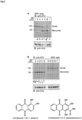
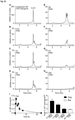
- the extract P1 from Galium aparine and P2 from the related Galium verum inhibited HBsAg (surface antigen of the hepatitis B virus, HBV) aggregation and promoted the appearance of monomeric HBsAg in a non-Abeta-based protein aggregation assay system, which was demonstrated by immunoblot detection of HBsAg (see Example 2, Figure 1 below).
- HBsAg surface antigen of the hepatitis B virus, HBV
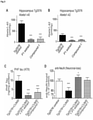
- representative extracts for use in the present invention reduced the formation of SDS-stable AT2 receptor (angiotensin II receptor type 2; AGTR2; AT2R) dimers in human cells (see Figure 2A below) and AT2R dimerization/aggregation was prevented with two different extract preparations from Galium aparine, and with an extract from the related Galium verum (see Figure 2B below).
- AT2 receptor angiotensin II receptor type 2; AGTR2; AT2R
- anthraquinones and anthraquinone derivatives significantly retarded the accumulation of SDS-insoluble Abeta1-40 and Abeta1-42 and significantly decreased the content of hyperphosphorylated PHF-Tau in the hippocampus of AD model mice (see Examples 4 and 5 below).
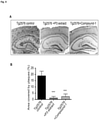
- anthraquinone-containing extracts, anthraquinones and anthraquinone derivatives are neuroprotective and prevent neuronal loss in the Tg-2576 genetic model of familial AD.
- the extracts, anthraquinones and anthraquinone derivatives of the present invention interact with and preferably stabilize TOMM6, which is sufficient to promote neuroprotection against major neuropathological features in the hippocampus of Tg2576 AD mice, i.e. accumulation of insoluble Abeta peptides, formation of hyperphosphorylated PHF-Tau and overt neuronal loss (see Examples 9 to 12 below).
- the interaction with TOMM6 is the common principle of action of the extracts and compounds of the present invention which results in their utility in the treatment or prophylaxis of a nervous system disease or disorder, preferably a human nervous system disease or disorder, preferably a central nervous system (CNS) or peripheral nervous system (PNS) disease or disorder.
- a nervous system disease or disorder preferably a human nervous system disease or disorder, preferably a central nervous system (CNS) or peripheral nervous system (PNS) disease or disorder.
- TOMM6 refers to the Translocase of Outer Membrane 6kDa subunit homolog and the Mitochondrial import receptor subunit TOMM6 homolog, which are synonyms.
- TOMM6 is a protein comprising, preferably consisting of an amino acid sequence selected from the group of SEQ ID NO: 1, 2 and 3.
- TOMM6 also preferably encompasses homologs of TOMM6, termed “TOMM6 homolog(s)", with TOMM6 activity that comprise, preferably consist of an amino acid sequence having a sequence identity of at least 85%, preferably 90%, more preferably 95%, most preferably 98% sequence identity with the amino acid sequence of TOMM6, preferably with an amino acid sequence selected from the group consisting of SEQ ID NO: 1, 2 and 3.
- the percentage identity of related amino acid molecules can be determined with the assistance of known methods. In general, special computer programs are employed that use algorithms adapted to accommodate the specific needs of this task. Preferred methods for determining identity begin with the generation of the largest degree of identity among the sequences to be compared. Preferred computer programs for determining the identity among two amino acid sequences comprise, but are not limited to, TBLASTN, BLASTP, BLASTX, TBLASTX ( Altschul et al., J. Mol. Biol., 215, 403-410, 1990 ), or ClustalW ( Larkin MA et al., Bioinformatics, 23, 2947-2948, 2007 ).
- the BLAST programs can be obtained from the National Center for Biotechnology Information (NCBI) and from other sources ( BLAST handbook, Altschul et al., NCB NLM NIH Bethesda, MD 20894 ).
- the ClustalW program can be obtained from http://www.clustal.org.
- TOMM6-interacting compound or composition is meant to encompass any compound or composition that (i) directly or indirectly binds to TOMM6 and thus stabilizes and/or enhances its physiological activity, preferably vs. an untreated control (as can be determined, e.g., in the assay of Example 9 below), and/or (ii) induces the expression (increases the protein content) of TOMM6 in a cell, preferably vs. an untreated control (as can be determined, e.g. in an immunoblot assay using anti-TOMM6 antibodies, e.g. as described in Example 13 below).
- the terms "induction, stabilization and/or activation of TOMM6", as used herein, also refer to any stabilization and/or enhancement of TOMM6's physiological activity and/or induction of expression of TOMM6 as defined above.
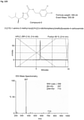
- a "plant or fungal extract comprising an anthraquinone or anthraquinone derivative” for use in the present invention can be any extract from any part of a plant or fungus that comprises an anthraquinone or anthraquinone derivative, preferably in a detectable amount, more preferably in a physiologically effective amount, e.g. by detection with gas chromatography, HPLC, TLC, NMR, mass spectrometry or any known method suitable for detecting anthraquinones or anthraquinone derivatives.
- the extract is a plant extract from fresh or dried plant material, preferably powdered plant material, more preferably from fresh or dried roots.
- the extract is selected from the group consisting of a hydrophilic extract, a hydrophobic extract, preferably an alcoholic extract, preferably ethanolic extract, methanolic extract, diethyl ether extract, chloroform extract, and hot water extract. Mixtures of different solvents (e.g ethanol with water, methanol with water) can also be used for extraction. Also preferred are extracts prepared by carbon dioxide based, preferably critical or supercritical carbon dioxide based extraction. The extract can be dried, e.g. by freeze-drying, evaporation, and/or formulated as a powder, compressed as pellets, and/or formulated as instant tea. The powdered plant extract can also be encapsulated, or compressed as tablets. The extract can also be formulated and used as a dietary supplement. Inactive ingredients can be added, which are required for (drug) formulation and delivery.
- the extract for use in the present invention comprises at least 0.01 weight-%, preferably 0.1-1.0 weight-%, more preferably at least 5-10 weight-%, anthraquinones or anthraquinone derivatives.
- anthraquinone or anthraquinone derivative refers to (i) 9,10-anthracenedione, (ii) any compound that comprises the structural ring scaffold of 9,10-anthracenedione, either aromatic or (partially) saturated, and has one or more or all hydrogen atoms replaced by other atoms or functional groups, (iii) anthracenediones, and/or (iv) any compound falling under the general formulae (III), (IV) and/or (V) as described below.
- the compound for use according to the present invention is not and/or the extract for use according to the present invention does not comprise a laxative, Dolutegravir (defined in Fig. 15B ) and/or Emodin (defined in Fig. 15C ).
- the compounds selected from the group consisting of Formula (I) and (II) are TOMM6-inducing compounds, which are generally devoid of any antioxidant activity.
- an antioxidant activity of TOMM6-interacting compounds is not a prerequisite for the technical effect of the compounds and extracts for use in the present invention.
- the compounds selected from the group consisting of Formulae (I) and (II) without antioxidant activity also show neuroprotective activity and prevent neuronal loss in AD models.
- cell-protective TOMM6-stabilizing activity of small molecule compounds does not require antioxidant activity.
- the Examples herein demonstrate that TOMM6-interaction (e.g. induction, stabilization and/or activation) by the anthraquinones or anthraquinone derivatives (e.g. Compounds 1,2, and the below-listed anthraquinone compounds), or by compounds selected from the group consisting of Formulae (I) and (II) (e.g. Compounds 3-10) is sufficient to prevent mitochondrial dysfunction, toxic protein aggregation, Abeta plaque formation, PHF-tau formation and neuronal loss.
- the antioxidant activity of anthraquinones is not a necessary condition for the technical effect of the present invention, and the sole treatment with antioxidants, e.g.
- vitamin E has no substantial effect in patients with dementia and AD ( Farina et al., Cochrane Database Syst. Rev. 4:CD002854, 2017 ; Gugliandolo et al., Int. J. Mol. Sci. 18, E2594, 2017 ; Reddy AP and Reddy PH, Prog. Mol. Biol. Transl. Sci. 146, 173-201, 2017 ).
- the extract for use in the present invention is prepared from a plant selected from the group of plant families consisting of Rubiaceae, Verbenaceae, Bignoniaceae, Rhamnaceae, Polygonaceae, Leguminosae, Scropulariaceae, Fabaceae, and Liliaceae.
- the extract for use in the present invention is prepared from a plant selected from the group of plant genera consisting of Rubia; Galium; Rhamnus; Ventilago; Rheum; Rumex; Polygonum; Cassia; Senna; Andira, and Aloe, preferably Rubia and Galium.
- the extract for use in the present invention is prepared from a plant selected from the group consisting of Galium abaujense Borbás; Galium abruptorum Pomel; Galium educaum Krendl; Galium achurense Grossh.; Galium acrophyum Hochst. ex Chiov.; Galium acuminatum Ball; Galium acutum Edgew.; Galium adhaerens Boiss. & Balansa; Galium advenum Krendl; Galium aegeum (Stoj.
- Galium buchtienii Dempster Galium xbuekkense Hulják ( Galium abaujense ⁇ Galium vernum); Galium bullatum Lipsky; Galium bulliforme I.Thomps.; Galium bungei Steud.; Galium bungoniense I.Thomps.; Galium buschiorum Mikheev; Galium bussei K.Schum. & K.Krause; Galium buxifolium Greene; Galium cajamarcense Dempster; Galium californicum Hook. & Arn.; Galium caminianum Schult.; Galium campanelliferum Ehrend.
- Galium ceratopodum Boiss. Galium cespitosum Lam.
- Galium chaetopodum Rech. f. Galium chekiangense Ehrend.
- Galium chloroionanthum K.Schum. Galium chloroleucum Fisch. & C.A.Mey.; Galium ciliare Hook.
- Galium cilicicum Boiss. Galium cinereum All.; Galium circae Krendl; Galium circaezans Michx.; Galium clausonis Pomel; Galium clementis Eastw.; Galium cliftonsmithii (Dempster) Dempster & Stebbins; Galium collomiae J.T.Howell; Galium coloradoense W.Wight; Galium comberi Dempster; Galium cometerhizon Lapeyr.; Galium compactum Ehrend. & McGill.; Galium concatenatum Coss.; Galium concinnum Torr. & A.Gray; Galium confertum Royle ex Hook.
- Galium conforme Krendl Galium consanguineum Boiss.; Galium coriaceum Bunge; Galium cornigerum Boiss. & Hausskn.
- Galium Coronadoense Dempster Galium correllii Dempster
- Galium corsicum Spreng. Galium corymbosum Ruiz & Pav.
- Galium cossonianum Jafri Galium cotinoides Cham.
- Galium crocoviense Ehrend. Galium crassifolium W.C.Chen; Galium craticulatum R.R.Mill; Galium crespianum Rodr.; Galium cryptanthum Hemsl.; Galium curvihirtum Ehrend. & McGill.; Galium cuspidulatum Miq.; Galium cyllenium Boiss. & Heldr.; Galium czerepanovii Pobed.; Galium dahuricum Turcz. ex Ledeb.; Galium davisii Ehrend.; Galium debile Desv.; Galium decorum Krendl; Galium decumbens (Ehrend.) Ehrend.
- Galium exstipulatum P.H.Davis; Galium exsurgens Ehrend. & Schönb.-Tem.; Galium extensum Krendl; Galium falconeri R.Bhattacharjee; Galium fendleri A.Gray; Galium ferrugineum K.Krause; Galium festivum Krendl; Galium xfictum E.G.Camus ( Galium glaucum ⁇ Galium mollugo); Galium filipes Rydb.; Galium firmum Tausch; Galium fissurense Ehrend.
- Galium fistulosum Sommier & Levier Galium flavescens Borbás ex Simonk.
- Galium flaviflorum (Trautv.) Mikheev Galium floribundum Sm.
- Galium foliosum Munby ex Burnat & Barbey Galium fontanesianum Pomel
- Galium formosense Ohwi Galium forrestii Diels
- Galium fosbergii Dempster Galium friedrichii N.Torres & al.
- Galium fruticosum Willd. Galium fuegianum Hook.
- Galium fuscum M.Martens & Galeotti Galium galapagoense Wiggins
- Galium gaudichaudii DC. Galium geminiflorum Lowe
- Galium ghilanicum Stapf Galium gilliesii Hook.
- Galium hilendiae Dempster & Ehrend. Galium xhimmelbaurianum (Ronniger) Soó ( Galium humifusum ⁇ Galium verum); Galium hintoniorum B.L.Turner; Galium hirtiflorum Req.
- Galium aristatum ⁇ Galium mollugo Galium javalambrense Lopez Udias, Mateo & M.B.Crespo; Galium javanicum Blume; Galium jemense Kotschy; Galium jepsonii Hilend & J.T.Howell; Galium johnstonii Dempster & Stebbins; Galium jolyi Batt.; Galium judaicum Boiss.; Galium contradictrmannioides Boiss.; Galium junghuhnianum Miq.; Galium juniperinum Standl.; Galium kaganense R.Bhattacharjee; Galium kahelianum Deflers; Galium kamtschaticum whilr ex Schult.; Galium karakulense Pobed.; Galium karataviense (Pavlov) Pobed.; Galium kasachstanicum Pachom.; Galium kenyanum Verdc.; Galium kerneri Degen & D
- Galium kunmingense Ehrend. Galium kurdicum Boiss. & Hohen.
- Galium labradoricum (Wiegand) Wiegand Galium laconicum Boiss. & Heldr.
- Galium lacrimiforme Dempster Galium laevigatum L.; Galium lahulense Ehrend. & Schönb.-Tem.
- Galium lanuginosum Lam. Galium ⁇ lanulosum Ostapko ( Galium humifusum ⁇ Galium tomentosum); Galium lasiocarpum Boiss.; Galium latifolium Michx.; Galium latoramosum Clos; Galium leiocarpum I.Thomps.; Galium leptogonium I.Thomps.; Galium leptum Phil.; Galium libanoticum Ehrend.; Galium lilloi Hicken; Galium ⁇ lindbergii Giraudias; Galium linearifolium Turcz.; Galium liratum N.A.Wakef.; Galium litorale Guss.; Galium lovcense Urum.; Galium lucidum All.; Galium macedonicum Krendl; Galium magellanicum Hook.
- Galium magellense Ten. Galium magnifolium (Dempster) Dempster
- Galium mahadivense G.Singh Galium malickyi Krendl.
- Galium mandonii Britton Galium maneauense P.Royen
- Galium marchandii Roem. & Schult. Galium margaceum Ehrend.
- Galium moranii Dempster Galium morii Hayata; Galium mucroniferum Sond.; Galium muelleri (K.Schum.) Dempster; Galium multiflorum Kellogg; Galium munzii Hilend & J.T.Howell; Galium murale (L.) All.; Galium murbeckii Maire; Galium muricatum W.Wight; Galium ⁇ mutabile Besser ( Galium mollugo ⁇ Galium verum); Galium nabelekii Ehrend.
- Galium nakaii Kudô Galium nankotaizanum Ohwi; Galium xneglectum Le Gall ex Gren. & Godr. ( Galium album ⁇ Galium arenarium ); Galium nepalense Ehrend. & Schönb.-Tem.; Galium nevadense Boiss.
- Galium ossirwaense K.Krause Galium ostenianum (Standl.) Dempster; Galium ovalleanum Phil.; Galium pabulosum Sommier & Levier; Galium palaeoitalicum Ehrend.; Galium palustre L.; Galium pamiroalaicum Pobed.; Galium pamphylicum Boiss. & Heldr.; Galium paniculatum (Bunge) Pobed.; Galium papilliferum Ehrend.
- Galium papillosum Lapeyr. Galium papuanum Wernham; Galium paradoxum Maxim.; Galium parishii Hilend & J.T.Howell; Galium parisiense L.; Galium parvulum Hub.-Mor. ex Ehrend. & Schönb.-Tem.; Galium paschale Forssk.; Galium romancee Krendl; Galium patzkeanum G.H.Loos; Galium peloponnesiacum Ehrend.
- Galium penduliflorum Boiss. Galium pendulum Greenm.; Galium penicillatum Boiss.; Galium pennellii Dempster; Galium peplidifolium Boiss.; Galium perrolderi Coss.; Galium peruvianum Dempster & Ehrend.; Galium pestalozzae Boiss.; Galium petrae Oliv.
- Galium album ⁇ Galium flavescens Galium proliferum A.Gray; Galium propinquum A.Cunn.; Galium pruinosum Boiss.; Galium pseudoaristatum Schur; Galium ⁇ pseudo-boreale Klokov ( Galium boreale ⁇ Galium rubioides); Galium pseudocapitatum Hub.-Mor. ex Ehrend.
- Galium pseudohelveticum Ehrend. Galium pseudokurdicum (Ehrend.) Schönb.-Tem.
- Galium pseudorivale Tzvelev Galium pseudotriflorum Dempster & Ehrend.
- Galium psilocladum Ehrend. Galium pterocarpum Ehrend.
- Galium pulvinatum Boiss. Galium pumilio Standl.
- Galium pumilum Murray Galium pusillosetosum H.Hara
- Galium pusillum L. Galium pyrenaicum Gouan
- Galium qaradaghense Schönb.-Tem. Galium ⁇ querceticola Wol.
- Galium abaujense subsp. polonicum ⁇ Galium intermedium Galium quichense Dempster; Galium radulifolium Ehrend. & Schönb.-Tem.; Galium ramboi Dempster; Galium rebae R.R.Mill; Galium reiseri Halácsy; Galium xretzii Bouchard ( Galium papillosum ⁇ Galium verum); Galium rhodopeum Velen.; Galium richardianum (Gillies ex Hook. & Arn.) Endl. ex Walp.; Galium rigidifolium Krendl; Galium rivale (Sibth.
- Galium saxatile Dostál; Galium saxosum (Chaix) Breistr.; Galium scabrelloides Puff; Galium scabrellum K.Schum.; Galium scabrifolium (Boiss.) Hausskn.; Galium scabrum L.; Galium schlumbergeri Boiss.; Galium xschmidelyi Chenevard & W.Wolf ( Galium mollugo ⁇ Galium rubrum); Galium schmidii Arrigoni; Galium ⁇ schneebergense Ronniger ( Galium anisophyllon ⁇ Galium meliodorum); Galium schoenbecktemesyae Ehrend.; Galium scioanum Chiov.; Galium scopulorum Schönb.-Tem.; Galium seatonii Greenm.; Galium sellowianum (Cham.) Walp.; Galium semiamictum Klo
- Galium setaceum Lam. Galium setuliferum Ehrend. & Schönb.-Tem.
- Galium shanense R.Bhattacharjee Galium shepardii Post; Galium shepherdii Jung-Mend.; Galium sichuanense Ehrend.; Galium sidamense Chiov. ex Chiarugi; Galium ieranum Ehrend.
- Galium simense Fresen. Galium similii Pavlov; Galium sinaicum (Delile ex Decne.) Boiss.; Galium smithreitzii Dempster; Galium sojakii Ehrend. & Schönb.-Tem.; Galium songaricum Schrenk; Galium sorgerae Ehrend.
- Galium sparsiflorum W.Wight Galium spathulatum I.Thomps.
- Galium speciosum Krendl Galium sphagnophilum (Greenm.) Dempster
- Galium spurium L. Galium stellatum Kellogg
- Galium stenophyllum Baker Galium stepparum Ehrend. & Schönb.-Tem.
- Galium sterneri Ehrend. Galium subfalcatum Nazim. & Ehrend.
- Galium subnemorale Klokov & Zaver. Galium subtrifidum Reinw. ex Blume
- Galium subuliferum Sommier & Levier Galium subvelutinum (DC.) K.Koch; Galium subvillosum Sond.; Galium sudeticum Tausch; Galium suecicum (Sterner) Ehrend.; Galium suffruticosum Hook. & Arn. ( Rubia margaritifera Reiche); Galium sungpanense Cufod.; Galium surinamense Dempster; Galium sylvaticum L.; Galium taiwanense Masam.; Galium takasagomontanum Masam.; Galium talaveranum Ortega Oliv. & Devesa; Galium tanganyikense Ehrend.
- Galium tianschanicum Popov Galium timeroyi Jord.; Galium tinctorium L.; Galium tmoleum Boiss.; Galium tokyoense Makino; Galium tolosianum Boiss. & Kotschy; Galium tomentosum Thunb.; Galium tortumense Ehrend.
- Rubiajesoensis (Miq.) Miyabe & Kudo; Rubia komarovii Pojark; Rubia kroscheninnikovii Pojark; Rubia laevissima Tsckern.; Rubia latipetala H.S.Lo; Rubia laurae (Holmboe) Airy Shaw; Rubia laxiflora Gontsch.; Rubia / inii J.M.Chao; Rubia magna P.G.Xiao; Rubia mandersii Collett & Hemsl.; Rubia manjith Roxb. ex Fleming; Rubia maymanensis Ehrend.
- the extract for use in the present invention is prepared
- the compounds described herein are generally named by using the nomenclature that was computed based on the structural drawings by the software ACD/Chemsketch 2015 provided by Advanced Chemistry Development, Inc., Canada and BIOVIA Draw 2016 provided by BIOVIA, USA.
- the compounds can be obtained by chemical synthesis and/or by extraction from plants or other organisms, preferably fungal organisms.
- each stereogenic carbon may be in the (R)- or ( S )- configuration or a combination of configurations if not indicated differently.
- compounds with two or more asymmetric elements can be present as mixtures of diastereomers.
- the compounds of the present invention preferably have a diastereomeric purity of at least 50%, preferably at least 60%, 70%, 80%, 85%, more preferably at least 90%, 95%, 96%, 97%, most preferably at least 98%, 99% or 100%.
- Recited compounds are further intended to encompass compounds in which one or more atoms are replaced with an isotope, i.e., an atom having the same atomic number but a different mass number.
- isotopes of hydrogen include tritium and deuterium and isotopes of carbon include 11 C, 13 C, and 14 C.
- Compounds according to the formulas provided herein, which have one or more stereogenic center(s), have an enantiomeric excess of at least 50%.
- such compounds may have an enantiomeric excess of at least 60%, 70%, 80%, 85%, preferably at least 90%, 95%, or 98%.
- Some embodiments of the compounds have an enantiomeric excess of at least 99%.
- single enantiomers optically active forms
- a “substituent” or “residue” or “ R” refers to a molecular moiety that is covalently bound to an atom within a molecule of interest.
- a “substituent”, “ R “ or “residue” may be a moiety such as a halogen, alkyl group, haloalkyl group or any other substituent described herein that is covalently bonded to an atom, preferably a carbon or nitrogen atom, that forms part of a molecule of interest.
- substituted means that any one or more hydrogens on the designated atom is replaced with a selection from the indicated substituents, provided that the designated atom's normal valence is not exceeded, and that the substitution results in a stable compound, i.e ., a compound that can be isolated and characterized using conventional means.
- substitution can be in the form of an oxygen bound to any other chemical atom than carbon, e.g. hydroxyl group, or an oxygen anion.
- a pyridyl group substituted by oxo is a pyridone.
- heteroatom as used herein shall be understood to mean atoms other than carbon and hydrogen such as and preferably O, N, S and P.
- a first compound, a substituent or a residue ends, e.g., in the name "-yl", this ending indicates that the first compound, substituent or residue is covalently bound to a second compound, substituent or residue.
- linear or branched, substituted or non-substituted alkyl, alkenyl, alkynyl, carbocycle encompasses linear or branched, substituted or non-substituted alkyl; linear or branched, substituted or non-substituted alkenyl; linear or branched, substituted or non-substituted alkynyl; linear or branched, substituted or non-substituted alkylidene; and linear or branched, substituted or non-substituted carbocycle.
- the term “(C 2-10 ) alkenyl, alkynyl or alkylidene” indicates the group of compounds having 2 to 10
- alkyl refers to a saturated, straight-chain or branched hydrocarbon group that contains the number of carbon items indicated, e.g. "(C 1-10 )alkyl” denotes a hydrocarbon residue containing from 1 to 10 carbon atoms, e.g. a methyl, ethyl, propyl, iso -propyl, n -butyl, iso -butyl, sec -butyl, tert -butyl, n -pentyl, iso -pentyl, n -hexyl, 2,2-dimethylbutyl, etc.
- alkenyl refers to an at least partially unsaturated, substituted or non-substituted straight-chain or branched hydrocarbon group that contains the number of carbon atoms indicated, e.g. "(C 2-10 )alkenyl” denotes a hydrocarbon residue containing from 2 to 10 carbon atoms, for example an ethenyl (vinyl), propenyl (allyl), iso -propenyl, butenyl, isoprenyl or hex-2-enyl group, or, for example, a hydrocarbon group comprising a methylene chain interrupted by one double bond as, for example, found in monounsaturated fatty acids or a hydrocarbon group comprising methylene-interrupted polyenes, e.g.
- Alkenyl groups have one or more, preferably 1, 2, 3, 4, 5, or 6 double bond(s).
- alkynyl refers to at least partially unsaturated, substituted or non-substituted straight-chain or branched hydrocarbon groups that contain the number of carbon items indicated, e.g. "(C 2-10 )alkynyl” denotes a hydrocarbon residue containing from 2 to 10 carbon atoms, for example an ethinyl, propinyl, butinyl, acetylenyl, or propargyl group.
- alkynyl groups have one or two (especially preferably one) triple bond(s).
- alkyl refers to groups in which one or more hydrogen atom(s) have been replaced, e.g. by a halogen atom, preferably F or Cl, such as, for example, a 2,2,2-trichloroethyl or a trifluoromethyl group.
- carbocycle shall be understood to mean a substituted or non-substituted hydrocarbon cycle containing the number of carbon items indicated, e.g. "(C 3-10 )carbocycle” or from 3 to 20, preferably from 3 to 12 carbon atoms, more preferably 5 or 6 carbon atoms.
- carbocycles may be either aromatic or non-aromatic systems.
- the non-aromatic ring systems may be mono- or polyunsaturated.
- carbocycle refers to a carbocycle as defined above comprising more than 1 ring, preferably two rings.
- Preferred carbocycles and carbobicycles include but are not limited to cyclopropyl, cyclobutyl, cyclopentyl, cyclopentenyl, cyclohexyl, cyclohexenyl, cycloheptanyl, cycloheptenyl, phenyl, indanyl, indenyl, benzocyclobutanyl, dihydronaphthyl, tetrahydronaphthyl, naphthyl, decahydronaphthyl, benzocycloheptanyl, benzocycloheptenyl, spiro[4,5]decanyl, norbornyl, decalinyl, bicyclo[4.3.0]nonyl, tetraline, or cyclopentylcyclohexyl.
- Carbocycle shall also include “cycloalkyl” which is to be understood to mean aliphatic hydrocarbon-containing rings preferably having from 3 to 12 carbon atoms. These non-aromatic ring systems may be mono- or polyunsaturated, i.e. the term encompasses cycloalkenyl and cycloalkynyl.
- heterocycle refers to a stable substituted or non-substituted, aromatic or non-aromatic, preferably 3 to 20 membered, more preferably 3 - 12 membered, most preferably 5 or 6 membered, monocyclic, heteroatom-containing cycle.
- Each heterocycle consists of carbon atoms and one or more, preferably 1 to 4, more preferably 1 to 3 heteroatoms preferably chosen from nitrogen, oxygen and sulphur.
- a heterocycle may contain the number of carbon atoms in addition to the non-carbon atoms as indicated: a "(C 3-6 )heterocycle" is meant to have 3 to 6 carbon atoms in addition to a given number of heteroatoms.
- heterocycle refers to a heterocycle as defined above comprising more than 1 ring, preferably two rings.
- hetero- and/or heterobicyclic residue may be bound to the remaining structure of the complete molecule by any atom of the cycle, which results in a stable structure.
- exemplary heterocycles and heterobicycles include, but are not limited to pyrrolidinyl, pyrrolinyl, morpholinyl, thiomorpholinyl, thiomorpholinyl sulfoxide, thiomorpholinyl sulfone, dioxalanyl, piperidinyl, piperazinyl, tetrahydrofuranyl, 1-oxo- ⁇ 4-thiomorpholinyl, 13-oxa-11-aza-tricyclo[7.3.1.0-2,7]tridecy-2,4,6-triene, tetrahydropyranyl, 2-oxo-2H-pyranyl, tetrahydrofuranyl, 1,3-dioxolanone, 1,3-dioxanone, 1,4-dioxanyl, 8
- alkyl/alkenyl/alkynyl ether refer to a saturated or non-saturated, straight-chain or branched hydrocarbon group that contains the number of carbon items indicated.
- (C 1-10 )alkyl ether denotes a hydrocarbon residue containing from 1 to 10 carbon atoms, and any suitable number of oxygen atoms that will result in an ether structure.
- Alkyl/alkenyl/alkynyl ether groups as used herein shall be understood to mean any linear or branched, substituted or non-substituted alkyl/alkenyl/alkynyl chain comprising an oxygen atom either as an ether motif, i.e. an oxygen bound by two carbons.
- the ether residue can be attached to the Formulas provided in the present invention either via the carbon atom or via the oxygen atom of the ether residue.
- R 1a , R 1b , R 2a , R 2b , R 3a , R 3b , R 4a , R 4b , R 5 , R 6 , R 7 , R 8 , R 9a , R 9b , and/or R 10 can be attached directly to the Formulae provided in the present invention or by means of a linker.
- Said linker may be a polyethyleneglycol.
- polyethyleneglycol refers to a chain of substituted or non-substituted ethylene oxide monomers.
- nitrogen or "N” and “sulphur” or “S” include any oxidized form of nitrogen and sulphur and the quaternized form of any basic nitrogen as long as the resulting compound is chemically stable.
- -S-C 1-6 alkyl radical shall be understood to include -S(O)-C 1-6 alkyl and -S(O) 2 -C 1-6 alkyl.
- a wording defining the limits of a range of length such as, e. g., "from 1 to 5" or "(C 1-5 )” means any integer from 1 to 5, i. e. 1, 2, 3, 4 and 5.
- any range defined by two integers explicitly mentioned is meant to comprise and disclose any integer defining said limits and any integer comprised in said range.
- substituted in meta position or substituted in para position means that a compound is either substituted by at least one given substituent in para position to the position where the compound is attached to another compound or residue, or substituted in two of its meta positions by at least one substituent.
- the meta position denotes the position meta to the position where the compound is attached to another compound or residue.
- the scope of the present invention includes those analogs of the compounds as described above and in the claims that, e.g. for reasons of metabolic stability, feature the exchange of one or more carbon-bonded hydrogens, preferably one or more aromatic carbon-bonded hydrogens, with halogen atoms such as F, Cl, or Br, preferably F.
- Compounds 1 to 10 can feature one or more halogen atoms, preferably F, instead of the aromatic carbon-bonded hydrogens in the phenyl ring.
- the scope of the present invention includes analogs of the compounds as described above, preferably anthrachinones and derivatives thereof, more preferably alizarin and pseudopurpurin, that are in glycosylated form, e.g. anthraquinone-/alizarin- or pseudopurpurin-glycosides, preferably beta-D-glucopyranosyl-, alpha-L-mannopyranosyl-beta-D-glucopyranosyl-, beta-D-mannopyranosyl-beta-D-glucopyranosyl-, beta-D-xylopyranosyl-beta-D-glucopyranosyl-, and/or beta-D-Glucopyranosyl-beta-D-glucopyranosyl-glycosides, or have a mono- or di-saccharide linked via an oxygen atom, preferably beta-D-glucopyranosyloxy-, alpha
- the present invention also includes ester, ether and amide derivatives of all compounds, e.g. anthraquinone or anthraquinone derivatives and compounds according to Formula (I) and (II), described herein, preferably anthrachinones and derivatives thereof, more preferably alizarin and pseudopurpurin.
- the ester, ether and amide group(s) is (are) attached to the hydroxyl- (OH), carboxyl- (COOH) and amino- (NH) substituents and can comprise any number of substituted or non-substitued, linear, branched or cyclic alkyl, alkenyl or alkinyl residues.
- anthraquinone or anthraquinone derivative for use according to the present invnetion are in the form of ester, ether and amide derivatives of the compounds described herein, preferably anthrachinones and derivatives thereof, more preferably alizarin and pseudopurpurin.
- the ester, ether and amide group(s) is (are) preferably attached to the hydroxyl- (OH), carboxyl- (COOH) and amino- (NH) substituents of the compounds described herein.
- the invention includes pharmaceutically acceptable salts or solvates of the compounds of the present invention.
- a "pharmaceutically acceptable salt or solvate” refers to any pharmaceutically acceptable salt, solvate or ester or any other compound which, upon administration to a patient, is capable of providing (directly or indirectly) a compound of the invention, or a pharmacologically active metabolite or pharmacologically active residue thereof.
- a pharmacologically active metabolite shall be understood to mean any compound for use in the invention capable of being metabolized enzymatically or chemically. This includes, for example, hydroxylated or oxidized derivative compounds of the present invention.
- Pharmaceutically acceptable salts include those derived from pharmaceutically acceptable inorganic and organic acids and bases.
- suitable acids include hydrochloric, hydrobromic, sulphuric, nitric, perchloric, fumaric, maleic, phosphoric, glycolic, lactic, salicylic, succinic, toluene-p-sulfuric, tartaric, acetic, citric, methanesulfonic, formic, benzoic, malonic, naphthalene-2-sulfuric and benzenesulfonic acids.
- Other acids such as oxalic acid, while not themselves pharmaceutically acceptable, may be employed in the preparation of salts useful as intermediates in obtaining the compounds and their pharmaceutically acceptable acid addition salts.
- Salts derived from appropriate bases include alkali metal (e.g., sodium), alkaline earth metal (e.g. magnesium), ammonium and N-(C 1 -C 4 alkyl) 4 + salts.
- prodrugs of compounds of the present invention include those compounds that, upon simple chemical transformation, are modified to produce compounds of the invention. Simple chemical transformations include hydrolysis, oxidation and reduction. Specifically, when a prodrug is administered to a patient, the prodrug may be transformed into a compound disclosed hereinabove, thereby imparting the desired pharmacological effect.
- anthraquinone or anthraquinone derivative for use in the present invention is an anthraquinone or anthraquinone derivative according to Formula (IIId), wherein
- anthraquinone or anthraquinone derivative for use according to the present invention is an anthraquinone or anthraquinone derivative according to Formula (IIId), wherein
- the anthraquinone or anthraquinone derivative for use in the present invention is selected from the group consisting of: 1,2-dihydroxyanthracene-9,10-dione (Alizarin); 1,3,4-trihydroxy-9,10-dioxo-anthracene-2-carboxylic acid (Pseudopurpurin); 1,2,4-trihydroxyanthracene-9,10-dione (Purpurin); 1,3-dihydroxy-2-methyl-anthracene-9,10-dione (Rubiadin); 1,3,-dihydroxy-2(hydroxymethyl)anthracene-9,10-dione (Lucidin); 2-methylanthracene-9,10-dione (Tectochinone); 2-(hydroxylmethyl)anthracene-9,10-dione; 2-methoxyanthracene-9,10-dione; 2-hydroxyanthracene-9,10-dione; 1-hydroxyan
- the scope of the present invention also includes those analogs of the compounds, anthraquinones or anthraquinone derivatives as described above and in the claims that feature the exchange of one or more carbon-bonded hydrogens, preferably one or more aromatic carbon-bonded hydrogens, with halogen atoms such as F, Cl, or Br, preferably F.
- the exchange of one or more of the carbon-bonded hydrogens, e.g. by fluorine, can be done, e.g., for reasons of metabolic stability and/or pharmacokinetic and physicochemical properties, as shown in the Examples below.
- Compound-10 can feature one or more halogen atoms, preferably F, instead of the aromatic carbon-bonded hydrogens in the phenyl ring or instead of the aromatic or non-aromatic carbon-bonded hydrogens in pyridyl-moiety.
- Compound-1, 2, 7, 8, 9 or Emodin can feature one or more halogen atoms, preferably F, instead of the aromatic carbon-bonded hydrogens.
- the TOMM6 (Translocase of Outer Membrane 6kDa subunit homologue)-interacting compound or composition is for use in the treatment of a nervous system disease or disorder, preferably a human nervous disease or disorder, preferably a central nervous system (CNS) or peripheral nervous system (PNS) disease or disorder, preferably the compound or composition for use in the present invention is one, wherein the nervous system disease or disorder is selected from the group consisting of: brain injuries; cerebrovascular diseases; consequences of cerebrovascular diseases; motor neuron disease; dementias; ALS; multiple sclerosis; traumatic brain injury; small-vessel cerebrovascular disease; familial forms of Alzheimer's Disease; sporadic forms of Alzheimer's Disease; vascular dementia; subcortical leukoencephalopathy and subcortical atherosclerotic encephalopathy; mixed forms of dementia; M.
- a nervous system disease or disorder preferably a human nervous disease or disorder, preferably a central nervous system (CNS) or peripheral nervous system (PNS) disease or disorder
- Parkinson progressive supranuclear palsy and other forms of atypical parkinsonism; frontotemporal dementia; subcortical dementia; CADASIL (cerebral autosomal dominant arteriopathy with subcortical infarcts and leukoencephalopathy); cerebral palsy; encephalitis lethargica; corticobasal degeneration; multiple system atrophy; chronic traumatic encephalopathy; Lytico-Bodig disease; FTDP-17; Parkinson linked to chromosome-17; diabetic neuropathy; symptoms of depression and depression-related symptoms, preferably anhedonia and anorexia; schizophrenia with dementia; Korsakoff's psychosis; Lewy Body diseases; progressive supranuclear palsy; corticobasal degeneration; Pick's disease; Huntington's disease; thalamic degeneration; Creutzfeld-Jacob disease; HIV Dementia; disorders with mitochondrial dysfunction, preferably neurodegenerative diseases of ageing; cognitive-related disorder; mild cognitive impairment; age-associated memory impairment
- the compounds of the invention may be administered in any conventional dosage form in any conventional manner.
- Routes of administration include, but are not limited to oral, (trans)dermal, topical, nasal, parenteral, intravenous, intramuscular and subcutaneous administration, preferably injections.
- the preferred modes of administration are oral, nasal, topical, intravenous or subcutaneous.
- the present invention is also directed to a pharmaceutical composition
- a pharmaceutical composition comprising a TOMM6 (Translocase of Outer Membrane 6kDa subunit homologue)-interacting compound or composition for use in the present invention and/or to the use of a TOMM6 (Translocase of Outer Membrane 6kDa subunit homologue)-interacting compound or composition in the manufacture of a medicament for the treatment or prophylaxis of a nervous system disease or disorder, preferably a human nervous system disease or disorder, preferably a central nervous system (CNS) or peripheral nervous system (PNS) disease or disorder, atherosclerosis, Hepatitis B infection and/or human papilloma virus (HPV) infection.
- a nervous system disease or disorder preferably a human nervous system disease or disorder, preferably a central nervous system (CNS) or peripheral nervous system (PNS) disease or disorder, atherosclerosis, Hepatitis B infection and/or human papilloma virus (HPV) infection.
- the compounds, compositions or pharmaceutical compositions for use in the invention may be administered alone or in combination with adjuvants that enhance stability of the compounds, facilitate administration of pharmaceutical compositions containing them in certain embodiments, provide increased dissolution or dispersion, increase activity, provide adjunct therapy (e.g. an acetylcholinesterase inhibitor, memantine, a renin-angiotensin system-inhibiting agent such as an ACE inhibitor and/or an AT1 antagonist, and/or an L-type calcium channel inhibitor such as amlodipine), and the like, including other active ingredients.
- adjunct therapy e.g. an acetylcholinesterase inhibitor, memantine, a renin-angiotensin system-inhibiting agent such as an ACE inhibitor and/or an AT1 antagonist, and/or an L-type calcium channel inhibitor such as amlodipine
- combination therapies utilize lower dosages of the conventional therapeutics, thus avoiding possible toxicity and adverse side effects incurred when those agents are used as monotherapies.
- the above-described compounds and compositions may be physically combined with conventional therapeutics or other adjuvants into a single pharmaceutical composition.
- Reference in this regard may be made to Cappola et al.: U.S. patent application no. 09/902,822 , PCT/US 01/21860 und US provisional application no. 60/313,527 , each incorporated by reference herein in their entirety.
- the compounds or compositions may then be administered together in a single dosage form.
- the (pharmaceutical) compositions comprising such combinations of compounds contain at least about 5 %, but more preferably at least about 20 %, of a compound for use in the present invention (w/w).
- w/w percentage of a compound of the invention
- the compounds may be administered separately (either serially or in parallel). Separate dosing allows for greater flexibility in the dosing regime.
- dosage forms of the compounds described herein include pharmaceutically acceptable carriers and adjuvants known to those of ordinary skill in the art. Methods for preparing such dosage forms are known (see, for example, H. C. Ansel and N. G. Popovish, Pharmaceutical Dosage Forms and Drug Delivery Systems, 5th ed., Lea and Febiger (1990 )). Dosage levels and requirements are well-recognized in the art and may be selected by those of ordinary skill in the art from available methods and techniques suitable for a particular patient. In some embodiments, dosage levels range from 1-500 mg/dose for a 70 kg patient. Although one dose per day may be sufficient, up to 5 doses per day may be given. For oral doses, up to 2500 mg/day may be required.
- the present invention is directed to a method for the therapeutic or prophylactic treatment of a nervous system disease or disorder, preferably a central nervous system disorder or a peripheral nervous system disorder, atherosclerosis, Hepatitis B infection and/or human papilloma virus (HPV) infection in a patient, preferably a mammal, preferably a rodent, mouse, dog, primate, or human patient, the method comprising the step of administering a therapeutically and/or prophylactically effective amount of a TOMM6 (Translocase of Outer Membrane 6kDa subunit homologue)-interacting compound or composition for use in the present invention to a patient in need of such treatment.
- a nervous system disease or disorder preferably a central nervous system disorder or a peripheral nervous system disorder, atherosclerosis, Hepatitis B infection and/or human papilloma virus (HPV) infection
- a patient preferably a mammal, preferably a rodent, mouse, dog, primate, or human patient
- the method of therapeutic or prophylactic treatment of the present invention is one, wherein the nervous system disease or disorder is selected from the group consisting of: brain injuries; cerebrovascular diseases; consequences of cerebrovascular diseases; motor neuron disease; dementias; ALS; multiple sclerosis; traumatic brain injury; small-vessel cerebrovascular disease; familial forms of Alzheimer's Disease; sporadic forms of Alzheimer's Disease; vascular dementia; subcortical leukoencephalopathy and subcortical atherosclerotic encephalopathy; mixed forms of dementia; M.
- the nervous system disease or disorder is selected from the group consisting of: brain injuries; cerebrovascular diseases; consequences of cerebrovascular diseases; motor neuron disease; dementias; ALS; multiple sclerosis; traumatic brain injury; small-vessel cerebrovascular disease; familial forms of Alzheimer's Disease; sporadic forms of Alzheimer's Disease; vascular dementia; subcortical leukoencephalopathy and subcortical atherosclerotic encephalopathy; mixed forms of dementia; M.
- Parkinson progressive supranuclear palsy and other forms of atypical parkinsonism; frontotemporal dementia; subcortical dementia; CADASIL (cerebral autosomal dominant arteriopathy with subcortical infarcts and leukoencephalopathy); cerebral palsy; encephalitis lethargica; corticobasal degeneration; multiple system atrophy; chronic traumatic encephalopathy; Lytico-Bodig disease; FTDP-17; Parkinson linked to chromosome-17; diabetic neuropathy; symptoms of depression and depression-related symptoms, preferably anhedonia and anorexia; schizophrenia with dementia; Korsakoff's psychosis; Lewy Body diseases; progressive supranuclear palsy; corticobasal degeneration; Pick's disease; Huntington's disease; thalamic degeneration; Creutzfeld-Jacob disease; HIV Dementia; disorders with mitochondrial dysfunction, preferably neurodegenerative diseases of ageing; cognitive-related disorder; mild cognitive impairment; age-associated memory impairment
- the present invention is directed to a method for the identification of a TOMM6-interacting compound or composition, preferably a compound or composition for use in the treatment or prophylaxis of a nervous system disease or disorder, atherosclerosis, Hepatitis B infection and/or human papillomavirus (HPV) infection, which modifies TOMM6 function and/or activity, the method comprising the steps of:
- the compound or composition of interest for use in the methods described herein can be any chemical synthetic or biological compound that is to be investigated with regard to its interaction with TOMM6.
- the term "identifying the absence or presence of an interaction” encompasses the determination whether the compound or composition (i) directly or indirectly binds to TOMM6 and thus stabilizes and/or enhances its physiological activity, preferably vs. an untreated control (as can be determined, e.g., in the assay of Example 9 below), and/or (ii) induces the expression (increases the protein content) of TOMM6 in a cell, preferably vs. an untreated control (as can be preferably determined in an immunoblot assay, e.g. using TOMM6 antibodies, e.g. as described in Example 13 below).
- TOMM6 homolog describes homologs of TOMM6 with TOMM6 activity that comprise, preferably consist of an amino acid sequence having a sequence identity of at least 85%, preferably 90%, more preferably 95% most preferably 98% sequence identity with the amino acid sequence of, preferably human or rodent TOMM6, preferably sequence identity with the amino acid sequence selected from the group consisting of SEQ ID NOs: 1, 2 and 3.
- physiological conditions means any assay conditions that will allow for the interaction, e.g. direct or indirect binding and/or induction of the expression of TOMM6, of the compound or composition of interest with TOMM6 or a TOMM6 homolog.
- exemplary and nonlimiting physiological conditions can be found below and in the Examples, e.g. in Example 9, 10 and 13.
- the TOMM6 or TOMM6 homolog protein can be isolated from an organ specimen, cells (including non-eukaryotic cells, e.g. bacteria, yeast), or organoids with TOMM6 or TOMM6 homolog expression (both referred to as TOMM6).
- a brain specimen from a mammalian organism preferably a rodent organism, preferably a rat or mouse, preferably a mouse, preferably a transgenic mouse, without or with (transgenic) expression of TOMM6, preferably expression in neurons is used as source of TOMM6.
- TOMM6 expression can placed under control of a neuron-specific promoter including but not limited to the tyrosine hydroxylase promoter (Thy1.2 regulatory element) or a prion protein promoter, preferably a prion protein promoter, more preferably the hamster prion protein promoter.
- a neuron-specific promoter including but not limited to the tyrosine hydroxylase promoter (Thy1.2 regulatory element) or a prion protein promoter, preferably a prion protein promoter, more preferably the hamster prion protein promoter.
- Neuronal and/or cellular expression of TOMM6 can also be achieved by expression of TOMM6 under control of the CMV promoter (cytomegalovirus immediate-early promoter/enhancer), or the ubiquitous actin promoter, preferably the CAG promoter consisting of (C) the human cytomegalovirus (HCMV) early enhancer, (A) the promoter consisting of the first non-translated exon and the 5'-part of the first intron of the chicken beta-actin promoter and (G) the 3'- part of the second intron and the 5'-part of the third exon of the rabbit beta-globin gene .
- CMV promoter cytomegalovirus immediate-early promoter/enhancer
- ubiquitous actin promoter preferably the CAG promoter consisting of (C) the human cytomegalovirus (HCMV) early enhancer, (A) the promoter consisting of the first non-translated exon and the 5'-part of the first intron of the chicken beta-actin promoter and (
- Transgenic expression of TOMM6 can be achieved by generation of a transgenic organism by established techniques, and/or by systemic viral delivery, which, for example, includes but is not limited to a lentivirus or an adeno-associated virus (AAV), preferably AAV-1, AAV-5 and AAV-9 for neuron-specific expression and AAV-rh10 for neuronal and glial cell expression.
- AAV adeno-associated virus
- the method can also be performed with endogenously expressed TOMM6.
- the method can also apply an AD model without or with additional expression of TOMM6.
- One AD model expresses an APP (amyloid precursor protein) mutant isolated from a familial AD (FAD) case, preferably the APPSwe mutation (APP 695 isoform, KM670/671NL) under control of a neuron-specific promoter including but not limited to the tyrosine hydroxylase promoter (Thy1.2 regulatory element) or a mouse or hamster prion protein promoter, preferably a prion protein promoter, more preferably the hamster prion protein promoter.
- An AD model can express additional dementia-associated proteins to enhance disease progression, which include but are not limited to PS1M146V, and/or Tau P301L.
- the preferred AD model is Tg2576 mice.
- the method preferably uses specimens prepared from frontal cortex or more preferably hippocampus. Specimens are isolated from AD model mice without or with stable (transgenic) TOMM6 expression, aged 0-24 months, preferably 16-20 months, more preferably 18 months. Depending on experiment size, hippocampi can be isolated from several mice (up to several hundreds). A small-scale experiment preferably uses 5-10 aged Tg2576 mice. After PBS perfusion of anesthetized mice, brains can be isolated, and hippocampi can be rapidly dissected on ice and frozen in liquid nitrogen. In addition to mice, the method can also apply organoids, cells, including but not limited to standard cell lines available e.g.
- TOMM6-expressing cells can also be insect cells (e.g. Spodoptera frugiperda (Sf9), Sf21, Highfive ® cells).
- expression in insect cells applies a baculovirus-based expression of TOMM6 or a TOMM6 variant (e.g. by the Bac-to-Bac Baculovirus expression system; ThermoFisher Scientific) in the pFast Bac1 expression plasmid (Invitrogen).
- Cells also includes bacteria (e.g. E. coli BL21 (DE3), BL21 (DE3) pLysS/E) expressing the TOMM6 protein (or a TOMM6 variant), e.g. under control of (but not restricted to) the strong bacteriophage T7 promoter and translation signals.
- a typical T7 promoter-based T7 expression system applies the pET series of plasmids (originally developed by Studier et al., Methods Enzymol. 185, 60-89, 1990 ; available from Novagen ® , EMD Millipore, Merck KGaA, Darmstadt, Germany).
- the disclosed method also identifies the TOMM6-compound interaction in vitro with purified TOMM6 protein isolated from TOMM6-expressing eukaryotic cells, insect cells and non-eukaryotic cells, e.g. bacteria.
- affinity purification of the expressed TOMM6 protein (or TOMM6 variant) can be performed by affinity chromatography with TOMM6-specific antibodies or any other immunological and non-immunological purification method, e.g. based on purification with an affinity tag attached to the N-terminal, C-terminal or any internal site of TOMM6 (or TOMM6 variant). Attachment of the tag to TOMM6 (or TOMM6 variant) is typically performed by recombinant DNA technology.
- the 6xHis-tag allows protein purification by e.g. Ni-NTA affinity chromatography.
- Transient or stable cellular overexpression of TOMM6 in eukaryotic cells can be performed by a standard transfection protocol with a TOMM6 expression plasmid (or an expression plasmid with a TOMM6 variant, e.g.
- a tag attached to the N-terminal, C-terminal or any internal site of TOMM6 to simplify affinity purification; such a tag can be but is not restricted to 6xHis-tag, 8-His-tag, GST-tag, HA-tag, FLAG-tag enabling affinity purification), preferably a plasmid, which directs TOMM6 expression under control of a ubiquitous promoter, preferably the CMV promoter or the ubiquitous actin promoter, preferably the CAG promoter consisting of (C) the human cytomegalovirus (HCMV) early enhancer, (A) the promoter consisting of the first non-translated exon and the 5'-part of the first intron of the chicken beta-actin promoter and (G) the 3'- part of the second intron and the 5'-part of the third exon of the rabbit beta-globin gene.
- a ubiquitous promoter preferably the CMV promoter or the ubiquitous actin promoter, preferably the CAG promoter consisting of (C) the human cytomegal
- hippocampi dissected hippocampi, organoids, organs, brain specimens and cells comprising TOMM6 (hereafter grouped and together referred to as hippocampi) can be homogenized.
- Frozen hippocampi can be homogenized mechanically or manually at a temperature ranging from, e.g., - 210 °C to +30 °C, preferably under liquid nitrogen (temperature -210 °C -196 °C).
- Fresh or frozen cell pellets can be solubilized directly.
- solubilization of homogenized hippocampi, fresh or frozen cell pellets can be accomplished as follows.
- Proteins from frozen powdered hippocampi or cells can be extracted for 15 min-120 min, preferably 30 min at 4°C - 24 °C preferably at 4 °C with any standard solubilisation/extraction buffer.
- a standard solubilisation buffer can be (but is not restricted to) RIPA (radioimmunoprecipitation assay) buffer, which, for example, can feature but is not restricted to the following composition: sodium deoxycholate at a concentration of 0.1 %-2 %, preferably 1 %, SDS at a concentration of 0.05 % - 2 %, preferably 0.1 %, NP40 (IGEPAL) ranging from 0.01 %-0.5 %, preferably 0.1 %, EDTA, EGTA or other divalent cation chelator ranging from 0 mM to 20 mM, preferably 5 mM, Tris ranging from 5 mM — 500 mM, preferably 50 mM with a pH ranging from pH6-
- the extraction buffer can also use chaotropic salts to simplify protein extraction, e.g. guanidinium thiocyanate ranging from 0-5 M, preferably 4M, guanidine hydrochloride or urea ranging from 0-8 M, preferably 8 M.
- a exemplary extraction buffer which is, e.g. suitable to extract TOMM6 proteins (and TOMM6 variants) from insect cells for further affinity chromatography purification is composed, e.g.
- a typical protein extraction buffer to extract TOMM6 proteins (and TOMM6 variants) from bacteria BL21(DE3)pLysS for further affinity chromatography of 6XHis-TOMM6 by Ni-NTA chromatography is composed of 8 M urea, 300 mM NaCl, 50 mM HEPES, 10 mM imidazole, pH 7.5.
- exemplary buffers suitable for extraction include but are not restricted to PBS, PIPES, HEPES, or bicine, with a pH varying from pH 5-pH 10, preferably pH 6-9, supplemented with any state of the art detergent (anionic, cationic, non-ionic, zwitterionic).
- suitable detergents or mixtures thereof include but are not limited to CHAPS, CHAPSO, NP40, N-lauroylsarcosine, C7BzO, ASB-14, n-Dodecyl beta-D-maltoside, Octyl beta-D-glucopyranoside, Octyl beta-Dl-thioglucopyranoside, Polyoyethylene 10 tridecyl ether, Brij ® 56, Triton X-100, 3-(Decyldimethylammonio)propanesulfonate inner salt.
- any commercially available protein extraction buffer or kit can be used such as but not restricted to T-PER Tissue Protein Extraction Reagent (ThermoFisher Scientific), M-PER Mammalian Protein Extraction Reagent (ThermoFisher Scientific), Pierce IP Lysis buffer, any protein extraction kit from SigmaAldrich (PROTMEM, PROTTWO, PROTOT) supplemented with any state of the art cocktail of protease/phosphatase inhibitors (e.g. Cat. No. P8349, and/or PPC1010, Sigma-Aldrich, St. Louis, MO, USA). Solubilization can be enhanced by sonification. It is preferred to remove particulate material after solubilisation.
- T-PER Tissue Protein Extraction Reagent ThermoFisher Scientific
- M-PER Mammalian Protein Extraction Reagent ThermoFisher Scientific
- Pierce IP Lysis buffer any protein extraction kit from SigmaAldrich (PROTMEM, PROTTWO, PROTOT) supplemented
- Methods for the removal of insoluble material include but are not limited to filtration or centrifugation at 5 000 x g - 100 000 x g, preferably 50 000 x g for 1-120 min, preferably 20 min at 4 °C - 30 °C, preferably 4 °C. It may be further desirable to dilute the solubilisate, for example, diluting the supernatant solubilisate by 1:1 — 1:20, preferably 1:5, in a suitable buffer as described above (preferably supplemented with protease inhibitors).
- the compound or composition of interest suspected of possibly interacting with TOMM6 can be added to TOMM6, preferably in the form of a solubilisate, under physiological conditions that allow for the interaction of the compound of interest with TOMM6.
- the compound of interest e.g. a compound or composition for use in the present invention, e.g. Compound-1, as described in the Examples, can be added at a concentration of 1 - 1000 microM, preferably of 10-20 microM.
- the absence or presence of an interaction of the compound or composition of interest with the TOMM6 or TOMM6 homologue can be identified by any suitable method.
- the buffer can be exchanged into Tris buffer for subsequent SDS-PAGE.
- the concentration of Tris may range between 10 to 100 mM Tris, preferably 20 mM Tris, between pH 6-10, preferably pH 7.4.
- the exchange method may be any suitable method, for example, dialysis, gel filtration or centrifugation, preferably over Centrifugal Filter Units, preferably Amicon Ultra Centrifugal Filter Units (with a MWCO 3kDa; EMD Millipore Merck KGaA, Darmstadt, Germany).
- a MWCO 3kDa e.g. EMD Millipore Merck KGaA, Darmstadt, Germany.
- Laemmli sample buffer or sample buffer for native gel electrophoresis can be added.
- SDS-PAGE Laemmli sample buffer contains 2 % SDS, 5 % mercaptoethanol. If SDS-PAGE is performed under non-reducing conditions, mercaptoethanol can be omitted.
- the buffer can be supplemented with urea ranging from 1 M-8 M, preferably about 6 M urea.
- Solubilized proteins in SDS-PAGE Laemmli sample buffer can be incubated for 10 min-24 h, preferably 90 min at room temperature.
- a suitable buffer can be used without SDS.
- solubilized proteins can be subjected to 7-15 %, preferably 8 % SDS-PAGE under reducing conditions supplemented without or with 1-8 M urea, preferably 6-8 M.
- two-dimensional gel electrophoresis or native gel electrophoresis is also suitable.
- electrophoretic protein transfer can be performed to a suitable membrane, which can be but is not restricted to a PVDF membrane or a nitrocellulose membrane, preferably a PVDF membrane in a transfer cell, preferably a tank transfer cell (e.g. Mini Trans-Blot cell, Bio-Rad GmbH, Ober, Germany) or a semi-dry transfer cell (e.g. Trans-Blot ® SD Semi-Dry Transfer Cell, Bio-Rad GmbH Ober, Germany).
- a suitable membrane which can be but is not restricted to a PVDF membrane or a nitrocellulose membrane, preferably a PVDF membrane in a transfer cell, preferably a tank transfer cell (e.g. Mini Trans-Blot cell, Bio-Rad GmbH, Ober, Germany) or a semi-dry transfer cell (e.g. Trans-Blot ® SD Semi-Dry Transfer Cell, Bio-Rad GmbH Ober, Germany).
- a compound or composition of interest can be rendered easily identifiable by labelling the compound, for example, with a radiolabel (e.g. 3 H, 125 I, 35 S, 33 S, 14 C), a dye, e.g. a fluorescent dye (e.g. the BODIPY series fluorescent dyes).
- a radiolabel e.g. 3 H, 125 I, 35 S, 33 S, 14 C
- a dye e.g. a fluorescent dye (e.g. the BODIPY series fluorescent dyes).
- subsequent detection may involve autoradiography, or UV-light detection, as applicable.
- the compound or composition of interest forms part of a composition that comprises further compounds and/or proteins, e.g.
- the further TOMM6-non-binding proteins in the composition may be identified as additional binding partners for the compound of interest.
- further TOMM6-non-binding proteins can be identified by nano-LC-ES-MS/MS. Protein bands with co-migration of the compound of interest can be cut out and be subjected to nano-LC-ES-MS/MS (performed e.g. by Proteome Factory AG, Berlin, Germany). Proteins can be identified using MS/MS ion search of the Mascot search engine (e.g.
- Ion charge in search parameters for ions from ESI-MS/MS data acquisition can be set to '1+, 2+, or 3+'according to the common charge state distribution for the instrument and the method.
- the preferred general method of TOMM6 detection is by a standard immunological method, preferably immunoblotting after electrophoretic transfer of proteins to a membrane by Western blotting.
- Alternative preferred immunological methods for TOMM6 detection are by ELISA, immunohistology, immunofluorescence, fluorescence microscopy, Vertico-SMI, STED-microscopy, 3D-SIM microscopy, photoactivated-localization microscopy, fluorescence-activated cell sorting, flow cytometry, and electron microscopy.
- an antibody e.g. polyclonal, monoclonal, from mouse, rabbit, any species including single-domain antibodies from cameloids, sharks against TOMM6 is preferably used.
- the antibody is raised in rabbit, or mouse against full-length recombinant TOMM6 protein.
- an antibody against TOMM6 can be raised against a peptide sequence of TOMM6 (10-20 amino acids, up to 30-40 amino acids) or a recombinant fusion protein, or the recombinant full-length TOMM6 protein.
- An antibody recognition epitope is typically 5-7 amino acids in length.
- Antibodies against TOMM6 can also be isolated from a phage display antibody library by panning with purified recombinant TOMM6 protein.
- Another preferred detection of the TOMM6-compound-interaction and their kinetics in vitro, is also by non-immunological (label-free) techniques, e.g. based on surface-plasmon resonance (SPR) analysis of protein-small molecule interactions, e.g. with a BiaCore system (GE Healthcare).
- SPR surface-plasmon resonance
- a further preferred method of TOMM6 detection is by Western blotting.
- a protein lysate is prepared from any cell, organ, organoids, whole organisms, preferably from brain, more preferably from the hippocampus.
- a preferred disease model for AD is the Tg2576 AD mouse model.
- Another preferred system for TOMM6 protein detection are cells.
- TOMM6 protein detection can be performed with any cell including insect cells and bacteria, preferably a human cell or biopsy specimen isolated from healthy or diseased individuals.
- Preferred human specimens are HEK cells, human peripheral blood and/or total circulating blood cells and/or a cell fraction isolated thereof, which can be platelets, mononuclear cells, leucocytes, erythrocytes and/or polymorphonuclear cells.
- the Tomm6/TOMM6 protein, tissue, biopsy specimen, cultured cells, blood cells, or hippocampal tissue fresh or frozen tissue or cells, preferably frozen
- tissue, biopsy specimen, cultured cells, blood cells, or hippocampal tissue fresh or frozen tissue or cells, preferably frozen
- hippocampal tissue fresh or frozen tissue or cells, preferably frozen
- homogenized mechanically, manually
- a temperature ranging from -210 °C to +30 °C, preferably under liquid nitrogen (temperature -210 °C - -196 °C)
- extracted for 15 min-120 min, preferably for 30 min at 4°C - 24 °C preferably at 4 °C with any standard solubilisation/protein extraction buffer preferably the temperature ranging from -210 °C to +30 °C, preferably under liquid nitrogen (temperature -210 °C - -196 °C)
- Such a standard solubilisation/protein extraction buffer can be but is not restricted to RIPA (radioimmunoprecipitation assay) buffer, which can be but is not restricted to the following composition: sodium deoxycholate at a concentration of 0.1 %-2 %, preferably 1 %, SDS at a concentration ranging between 0.05 % to 2 %, preferably 0.1 %, NP40 (IGEPAL) ranging from 0.01 % to 0.5 %, preferably 0.1 %, EDTA, EGTA or another divalent cation chelator ranging from 0 mM to 20 mM, preferably 5 mM, Tris ranging from 5 mM to 500 mM, preferably 50 mM with a pH ranging from pH6 to pH10, preferably pH 8.0, supplemented without or with additional salts (e.g.
- RIPA radioimmunoprecipitation assay
- the extraction buffer can also use chaotropic salts for protein extraction, e.g. guanidinium thiocyanate ranging from 0-5 M, preferably 4M, guanidine hydrochloride or urea ranging from 0-8 M, preferably 8 M.
- chaotropic salts for protein extraction e.g. guanidinium thiocyanate ranging from 0-5 M, preferably 4M, guanidine hydrochloride or urea ranging from 0-8 M, preferably 8 M.
- Such an extraction buffer can be supplemented without or with 25 mM sodium citrate (pH 7.0), 0.5% N-lauroylsarcosine, 0.1 % 2-mercaptoethanol (added freshly).
- Another exemplary extraction buffer can be composed, e.g.
- Another standard protein extraction buffer for TOMM6 extraction is composed of 8 M urea, 300 mM NaCl, 50 mM HEPES, 10 mM imidazole, pH 7.5. Any other buffer (PBS, PIPES, HEPES, bicine, but not restricted to these), with a pH varying from pH 5 - pH 10, preferably pH 6-9, supplemented with any state of the art detergent (anionic, cationic, non-ionic, zwitterionic) is also suitable for extraction.
- Suitable detergents or mixtures thereof include but are not limited to CHAPS, CHAPSO, NP40, N-lauroylsarcosine, C7BzO, ASB-14, n-Dodecyl beta-D-maltoside, Octyl beta-D-glucopyranoside, Octyl beta-Dl-thioglucopyranoside, Polyoyethylene 10 tridecyl ether, Brij ® 56, Triton X-100, 3-(Decyldimethylammonio)-propanesulfonate inner salt.
- any commercially available protein extraction buffer non-denaturing or denaturing or kit can be used for protein extraction, which includes (but is not restricted to) the following examples: T-PER Tissue Protein Extraction Reagent (ThermoFisher Scientific), M-PER Mammalian Protein Extraction Reagent (ThermoFisher Scientific), Pierce IP Lysis buffer, a protein extraction kit from SigmaAldrich (PROTMEM, PROTTWO, PROTOT).
- the used protein extraction buffer is routinely-supplemented with any state of the art cocktail of protease/phosphatase inhibitors (e.g. Cat. No. P8349, and/or PPC1010, Sigma-Aldrich, St.
- Methods for the removal of insoluble materials include but are not limited to filtration or centrifugation at 5 000 x g - 100 000 x g, preferably 50 000 x g for 1-120 min, preferably 20 min at 4 °C - 30 °C, preferably 4 °C.
- Solubilized proteins can be used directly for Tomm6/TOMM6 protein detection, or proteins are further concentrated. Concentration of proteins can be performed by precipitation with a suitable solvent, which can be but is not limited to TCA, ethanol, isopropanol, acetone/methanol.
- the method applies a mixture of ice-cold acetone/methanol, preferably 12:2, added to a final concentration of 60-95 %, preferably 83 % for at least >5 min up to an indefinite time preferably 90 min at a temperature ranging between -210 °C to 4 °C, preferably 4 °C.
- Any other method of protein concentration is also suitable.
- protein concentration can also be achieved by centrifugation over a protein concentration cartridge, which can be but is not restricted to Amicon Ultracentrifugal filter units, MWCO 3 kDa, (Millipore).
- SDS-PAGE Laemmli system
- the protein pellet is dissolved in SDS-PAGE sample buffer supplemented with SDS.
- the standard SDS-PAGE Laemmli sample buffer contains 2 % SDS, 0.1 M DTT (or 5 % mercaptoethanol). To improve disaggregation of aggregated proteins, the buffer is supplemented without or with urea ranging from 0 M-8 M, preferably 6 M urea and incubated for 10 min to 24 h, preferably 90 min at room temperature. Proteins can be stored frozen (-210 °C -20 °C) at a concentration ranging from 0.01 - 100 mg/ml, preferably 0.5 mg - 1 mg/ml, for further use.
- Immunoblot detection of proteins can be performed with antibodies, derivatives, fragments or analogs thereof, preferably with affinity-purified antibodies or F(ab) 2 fragments of the respective antibodies or antibody analogs after separation of proteins by denaturing SDS-PAGE (7.5 % - 20 %, preferably 10-15 %) supplemented without or with urea, preferably with urea (6-8 M, preferably 8M) under reducing conditions and electrophoretic protein transfer to a suitable membrane, which can be but is not restricted to a PVDF membrane or a nitrocellulose membrane, preferably PVDF membrane in a transfer cell, preferably a tank transfer cell (e.g. Mini Trans-Blot cell, Bio-Rad GmbH, Ober, Germany).
- a suitable membrane which can be but is not restricted to a PVDF membrane or a nitrocellulose membrane, preferably PVDF membrane in a transfer cell, preferably a tank transfer cell (e.g. Mini Trans-Blot cell, Bio-Rad GmbH, Ober, Germany).
- Bound antibodies are visualized with seconddary enzyme-coupled antibodies, more preferably F(ab) 2 fragments of enzyme-coupled (preferably peroxidase-coupled) secondary antibodies (e.g. Dianova GmbH, Hamburg, Germany), which are pre-absorbed to mouse and/or human serum proteins, and followed by enhanced chemiluminescent detection (e.g. with ECL Plus, and/or ECL Prime, Amersham, GE Healthcare Life Sciences, Glattbrugg, Switzerland).
- An alternative is the detection by enzyme-coupled protein A or G (e.g. EMD Millipore, Merck KGaA, Darmstadt, Germany), which is also followed by enhanced chemiluminescent detection.
- Another alternative is the direct labelling of the primary or secondary antibody or the protein A or G with a radiolabel (preferably 125 I).
- a control protein can be detected.
- a standard loading control involves detection of a house-keeping protein, e.g. actin, tubulin, Gapdh.
- detection of Gnb i.e. the Gbeta subunit of heterotrimeric G-proteins
- detection of a mitochondrial protein is performed, preferably Atp6v1a/ATP6V1A, which is the ATPase H+ Transporting V1 subunit A. Due to signal amplification, visualization of bound primary antibody by a secondary antibody is the preferred method of detection.
- TOMM6 is based on any TOMM6 -interacting compound or composition, e.g. a TOMM6-interacting compound or composition for use in the present invention, a synthetic antibody, an antibody fragment (synthetic or native), a peptide, a protein, an enzyme, which is labelled for further detection. If the TOMM6-interacting compound or composition is not labelled, detection can be performed by a secondary detection reaction (see above). Labelling of the TOMM6-interacting compound or composition can be performed by a radiolabel (e.g. 3 H, 125 I, 35 S, 33 S, 14 C), or a non-radioactive method, e.g. an enzyme (e.g.
- a radiolabel e.g. 3 H, 125 I, 35 S, 33 S, 14 C
- an enzyme e.g.
- fluorescent label e.g. FITC, TRITC, ALEXA Fluor Dyes
- colloidal gold particles any other chemical dye, a protein or a fluorescent protein, which is attached by chemical crosslinking or fusion of the DNA.
- fluorescent proteins include but are not limited to the green fluorescent protein and variants thereof (e.g. EYFP, EGFP, Cerulean, ECFP, mCherry fluorescent protein; HyPer; RoGFP; rxYFPM PROPS, VSFP, zoanFP).
- a short peptide Tag e.g. HA, FLAG
- Other possible labelling methods for a TOMM6-interacting compound or composition also include the SNAP-Tag ® or the CLIP-Tag ® technology (New England Biolabs, Biotechnology, USA).
- a preferred method also includes quantitation of TOMM6 by secondary detection of the TOMM6-interacting compound or composition with a secondary entity, which interacts with the primary TOMM6-interacting compound or composition.
- the secondary interacting entity e.g. protein/compound
- the secondary interacting entity can be similarly modified as detailed above for the primary TOMM6-interacting compound or composition
- Another alternative preferred detection method for TOMM6 is based on direct labelling of TOMM6 by a radiolabel (e.g. 3 H, 125 I, 35 S, 33 S, 14 C), or a non-radioactive method, e.g. an enzyme (e.g. peroxidase, alkaline phosphatase), biotin, fluorescent label (e.g. FITC, TRITC, ALEXA Fluor Dyes), colloidal gold particles, any other chemical dye, a protein or a fluorescent protein, which is attached by chemical crosslinking or fusion of the DNA.
- a radiolabel e.g. 3 H, 125 I, 35 S, 33 S, 14 C
- a non-radioactive method e.g. an enzyme (e.g. peroxidase, alkaline phosphatase), biotin, fluorescent label (e.g. FITC, TRITC, ALEXA Fluor Dyes), colloidal gold particles, any other chemical dye, a protein or a
- EYFP Cerulean, ECFP, mCherry fluorescent protein; HyPer; RoGFP; rxYFPM PROPS, VSFP, zoanFP).
- a short peptide Tag e.g. HA, FLAG, 6x-His
- Other possible direct labelling methods for TOMM6 include but are not limited to the SNAP-Tag ® or the CLIP-Tag ® technology (New England Biolabs, Biotechnology, USA).
- Another preferred method for detection of the TOMM6-compound-interaction after purification of TOMM6 (or a TOMM6 variant) by affinity chromatography is by a non-immunological (label-free) technique, e.g. based on surface-plasmon resonance (SPR) analysis, e.g. with a BiaCore system (GE Healthcare Life Sciences).).
- label-free technique e.g. based on surface-plasmon resonance (SPR) analysis, e.g. with a BiaCore system (GE Healthcare Life Sciences).
- SPR surface-plasmon resonance
- Any other label-free technique, which measures TOMM6 (Tomm6 variant)-small molecule interactions with electrical methods is also suitable for practicing the above method.
- Another preferred method also includes quantitation of TOMM6 by determination of gene expression level by state of the art methods: e.g. Northern blotting, microarray gene expression analysis, transcriptome sequencing.
- the present invention is directed to a method for the identification of a TOMM6-interacting compound or composition, preferably a compound or composition for use in the treatment or prophylaxis of a nervous system disease or disorder, atherosclerosis, Hepatitis B infection and/or human papillomavirus (HPV) infection, which modifies TOMM6 and TOMM6 homolog protein amounts, the method comprising the following steps:
- physiologically effective concentration refers to any concentration of a given compound, e.g. a TOMM6- and/or TOMM6 homolog-interacting compound or composition, which brings about the physiological effects of this compound or composition, e.g. as determined in the Examples.
- physiological conditions suitable was defined above, and examples for physiologically suitable conditions are given throughout the description in the context of any method, wherein the interaction of an interacting compound or composition with TOMM6 is investigated.
- an antibody fragment, antibody derivative or analogue refer to any antibody-based molecule that is capable of specifically binding to a given target, preferably refer to any antibody-based molecule that is a functional antibody fragment, functional derivative or functional analogue of an antibody.
- a very convenient exemplary antibody fragment for targeting applications are single-domain nanobodies (VHH) derived from heay chain only antibodies (as identified e.g. in camelids), or the single-chain Fv fragment, in which a variable heavy and a variable light domain are joined together by a polypeptide linker.
- antibody fragments for targeting applications include Fab fragments, Fab 2 fragments, miniantibodies (also called small immune proteins), tandem scFv-scFv fusions, as well as scFv fusions with suitable domains (e.g. with the Fc portion of an immunoglobulin).
- suitable domains e.g. with the Fc portion of an immunoglobulin.
- antibody derivative or analog of an antibody for use in the present invention is meant to include any functional antibody or fragment thereof that has been chemically modified in its amino acid sequence, e.g. by addition, substitution and/or deletion of amino acid residue(s) and/or has been chemically modified in at least one of its atoms and/or functional chemical groups, e.g. by additions, deletions, rearrangement, oxidation, reduction, etc. as long as the derivative has substantially the same binding affinity to the corresponding antigen and, preferably, has a dissociation constant in the micro-, nano- or picomolar range.
- the antibody, fragment, derivative or analogue thereof according to the invention is one, that is selected from the group consisting of polyclonal antibodies, monoclonal antibodies, chimeric antibodies, humanized antibodies, CDR-grafted antibodies, FV-fragments, Fab-fragments and Fab 2 -fragments and antibody-like binding proteins.
- mammalian cells may be a rodent, canine or human cell, or a biopsy specimen isolated from healthy or diseased individuals.
- Preferred specimen are peripheral blood cells and/or (total) circulating blood cells and/or a cell fraction isolated thereof, e.g. platelets, mononuclear cells, leucocytes, erythrocytes and/or polymorphonuclear cells.
- the method can also be applied to cultured cells, preferably cultured human cells, more preferably HEK cells.
- the TOMM6 for use in the methods of the present invention can be partially or fully purified, e.g. be present in the form of a homogenized, solubilized, concentrated, partially or fully purified cell composition as described above. It is also within the scope of the above method that TOMM6 is partially or even fully isolated from the isolated cells or isolated tissue in step (i) of the above method in order to avoid interaction(s) of non-TOMM6 materials, e.g. further proteins in the composition. For example, an SDS-PAGE may be performed as described above to isolate TOMM6.
- an electrophoretic protein transfer may be performed to a suitable membrane, which can be but is not restricted to a PVDF membrane or a nitrocellulose membrane, preferably a PVDF membrane in a transfer cell, preferably a tank transfer cell (e.g. Mini Trans-Blot cell, Bio-Rad GmbH, Ober, Germany) or a semi-dry transfer cell (e.g. Trans-Blot ® SD Semi-Dry Transfer Cell, Bio-Rad GmbH Ober, Germany).
- a suitable membrane which can be but is not restricted to a PVDF membrane or a nitrocellulose membrane, preferably a PVDF membrane in a transfer cell, preferably a tank transfer cell (e.g. Mini Trans-Blot cell, Bio-Rad GmbH, Ober, Germany) or a semi-dry transfer cell (e.g. Trans-Blot ® SD Semi-Dry Transfer Cell, Bio-Rad GmbH Ober, Germany).
- step (iii) of the above method for the identification of a TOMM6-interacting compound or composition which modifies TOMM6 and TOMM6 homolog protein amounts are given above in the context of step (ii) of the method for the identification of a TOMM6-interacting compound or composition.
- immunoblot detection of TOMM6 proteins can be performed with any TOMM6-interacting quantifying agent, which can be, e.g.
- a TOMM6-interacting protein a nanobody, a monobody, an antibody, an antibody fragment, an antibody derivative or antibody analogue, preferably a polyclonal or monoclonal antibody contained in serum, an affinity-purified antibody, an F(ab) 2 fragment and/or by quantification with a TOMM6- or TOMM6 homolog-binding compound for use in the present invention, preferably a labelled TOMM6- or TOMM6 homolog-binding compound for use in the present invention.
- the TOMM6- or TOMM6 homolog-binding compound used in the previous step (iii) should preferably be removed before any quantification is performed.
- an antibody, fragment, or derivative thereof preferably from mouse, rat, rabbit, sheep, goat, donkey, horse, or any other species including camelids and sharks can be used.
- the antibody may be raised against full-length recombinant TOMM6 protein (see SEQ ID NOs: 1 to 3) or against an immunogenic peptide sequence of TOMM6, e.g. 10-20, up to 30-40 amino acids of the TOMM6 amino acid sequence.
- Antibodies against TOMM6 can also be isolated from a phage display antibody (fragment) library by panning with purified recombinant TOMM6 protein or a fragment/peptide thereof.
- the blot membrane can be incubated with the primary antibody dilution, which can range from 1:500 to 1:50,000, preferably 1:2,000 - 1:10,000.
- Bound antibodies may be visualized with enzyme-coupled secondary antibodies or preferably F(ab) 2 fragments of enzyme-coupled secondary antibodies (e.g. Dianova GmbH, Hamburg, Germany; dilution 1: 40,000), or by enzyme-coupled protein A or G (e.g.
- chemiluminescent detection e.g. ECL Plus and/or ECL Prime, Amersham, GE Healthcare Life Sciences, Glattbrugg, Switzerland.
- Another alternative may be the direct labelling of the primary antibody with an enzyme followed by a chemiluminescent detection method.
- a further alternative is the direct labelling of the primary or secondary antibody or the protein A or G with a radiolabel, e.g. 125 I.
- suitable loading controls for immunoblotting in order to control for equal mitochondrial protein loading e.g. a control protein can be detected, preferably a mitochondrial protein, more preferably Atp6v1a/ATP6V1A.
- a housekeeping protein e.g. actin, tubulin, GAPDH
- Detection of the total amount of Gnb can be another protein loading control. Due to signal amplification, visualization of a bound primary antibody by a secondary antibody is the preferred method of detection.
- Labelling of the TOMM6-quantifying agent can be performed by a radiolabel, e.g. 3 H, 125 I, 35 S, 33 S, 14 C, or a non-radioactive labl, e.g. an enzyme, preferably peroxidase, alkaline phosphatase, biotin, fluorescent label (e.g.
- FITC Fluor C
- TRITC TriTC
- ALEXA Fluor Dyes colloidal gold particles
- any other chemical dye any other chemical dye
- a protein or a fluorescent protein which is attached by chemical crosslinking or DNA fusion.
- fluorescent proteins include but are not limited to the green fluorescent protein and variants thereof (e.g. EYFP, EGFP, Cerulean, ECFP, mCherry fluorescent protein; HyPer; RoGFP; rxYFPM PROPS, VSFP, zoanFP).
- a short peptide Tag e.g. HA, FLAG
- TOMM6 can be labelled for easier detection of TOMM6-bound quantifying agent, e.g. labelled by a radiolabel (e.g. 3 H, 125 I, 35 S, 33 S, 14 C), or a non-radioactive method, e.g. an enzyme (e.g. peroxidase, alkaline phosphatase), biotin, fluorescent label (e.g. FITC, TRITC, ALEXA Fluor Dyes), colloidal gold particles, any other chemical dye, a protein or a fluorescent protein, which is attached by chemical crosslinking or fusion of the DNA.
- a radiolabel e.g. 3 H, 125 I, 35 S, 33 S, 14 C
- a non-radioactive method e.g. an enzyme (e.g. peroxidase, alkaline phosphatase), biotin, fluorescent label (e.g. FITC, TRITC, ALEXA Fluor Dyes), colloidal gold particles, any other chemical dye
- EYFP Cerulean, ECFP, mCherry fluorescent protein; HyPer; RoGFP; rxYFPM PROPS, VSFP, zoanFP).
- a short peptide Tag e.g. HA, FLAG
- Other possible direct labelling methods for TOMM6 include (but are not limited to) the SNAP-Tag ® or the CLIP-Tag ® technology (New England Biolabs, Biotechnology, USA).
- TOMM6 can also be applied for identification of TOMM6 and/or TOMM6-interacting compounds or compositions, e.g. inducers/stabilizers/activators such as small molecule compounds, antibodies, peptides, genes, in whole organisms, organs, organoids, tissues, multiple cells or a single cell (e.g. eukaryotic cells, mammalian cells, human cells, HEK cells or any other cell, insect cells, yeast cells or bacterial cells) with transient or stable transfection with an expression plasmid encoding TOMM6.
- inducers/stabilizers/activators such as small molecule compounds, antibodies, peptides, genes, in whole organisms, organs, organoids, tissues, multiple cells or a single cell (e.g. eukaryotic cells, mammalian cells, human cells, HEK cells or any other cell, insect cells, yeast cells or bacterial cells) with transient or stable transfection with an expression plasmid encoding TOMM6.
- CMV cytomegalovirus
- plasmids which direct expression under control of the CMV promoter or the ubiquitous CAG promoter (CMV early enhancer/chicken beta actin promoter).
- CMV early enhancer/chicken beta actin promoter Any other promoter suitable for expression in eukaryotic cells can also be used.
- High level expression of a protein in bacteria e.g. E. coli BL21 (DE3), or BL21 (DE3) pLysS
- the pET expression system e.g. Novagen ® , EMD Millipore, Merck KGaA, Darmstadt, Germany
- TOMM6-interacting compounds or compositions can also be identified in whole organisms, organs, organoids, tissues, multiple cells or a single cell (e.g. eukaryotic cells, mammalian cells, human cells, HEK cells or any other cell, insect cells, yeast cells or bacterial cells) after viral transduction of TOMM6 by a virus-based expression system, which can be but is not restricted to an adenovirus, lentivirus, retrovirus, AAV (adeno-associated virus), HSV-1, HSV-2, or baculovirus.
- the above-described method for TOMM6 identification can also be used to detect TOMM6-interacting compounds or compositions, such as, e.g. inducers, stabilizers and/or activators, after viral transduction of TOMM6.
- TOMM6 inducers, stabilizers and/or activators can also be identified in whole organisms, organs, organoids, tissues, multiple cells or a single cell (e.g. eukaryotic cells, mammalian cells, human cells, HEK cells or any other cell, insect cells) with endogenous TOMM6 expression levels without exogenously modified expression of TOMM6.
- eukaryotic cells mammalian cells, human cells, HEK cells or any other cell, insect cells
- the present invention is directed to a method, preferably an ex vivo method, for the identification of a physiological effect of a TOMM6- and TOMM6 homolog-interacting compound or composition comprising the steps of:
- the above-described method for identification of a physiological effect of a TOMM6-interacting and TOMM6 homolog-interacting compound or composition based on the detection and/or quantification of functional and dysfunctional AGTR2 can be used to monitor/quantify the therapy effect of TOMM6/Tomm6-interacting compounds or compositions such as inducers, stabilizers and/or activators (e.g. small molecule compounds, large molecule compounds, antibodies, proteins, peptides, genes, viruses) in a whole organism (e.g. eukaryotes, mammals, rodents, primates, humans).
- inducers e.g. small molecule compounds, large molecule compounds, antibodies, proteins, peptides, genes, viruses
- a whole organism e.g. eukaryotes, mammals, rodents, primates, humans.
- the method of TOMM6 identification can also be used to detect TOMM6 in body fluids, which include but are not restricted to blood, serum, blood plasma, blood cells, urine.
- the method of TOMM6 identification and/or quantification e.g. as described above, preferably in the blood, serum or urine, more preferably in circulating blood cells of a subject, can generally be used to determine a subject's risk of developing a nervous system disease or disorder, preferably a human nervous system disease or disorder, preferably a central nervous system (CNS) or peripheral nervous system (PNS) disease or disorder, or to determine a subject's state of the nervous system disease or disorder, preferably human nervous system disease or disorder, preferably a central nervous system (CNS) or peripheral nervous system (PNS) disease or disorder based on the detection and/or quantification of TOMM6.
- a nervous system disease or disorder preferably a human nervous system disease or disorder, preferably a central nervous system (CNS) or peripheral nervous system (PNS) disease or disorder based on the detection and/
- treatment can be performed with a compound for use in the present invention, e.g. Compound-1 - Compound-10 (e.g. 10 mg/kg/day) for a specified period of time (hours, days, months), e.g. by administration in drinking water (alternatives are, e.g. injection, i.p. or i.v., subcutaneous injection, transdermal application etc.) and optionally compared to untreated controls and/or to the condition before treatment initiation.
- organs e.g. brain, cortex, hippocampus, heart, skin, blood, circulating blood cells, can be isolated and endogenous TOMM6 protein levels can be quantified as detailed above.
- the method for the identification of TOMM6-interacting compounds or compositions can be performed by inhibition of HbsAg protein aggregation (e.g. dimerization, oligomerization, heteromerization), preferably in yeast cells.
- HbsAg protein aggregation e.g. dimerization, oligomerization, heteromerization
- the compounds of the present invention prevent hippocampal PHF tau hyperphosphorylation and peripheral Agtr2 aggregation in the CUMS model of sporadic AD. Therefore, a method for the detection and/or quantification of "neuroprotective" Agtr2/AGTR2 monomers, dimers, and misfolded/aggregated Agtr2/AGTR2 oligomers in peripheral blood as a peripheral blood treatment marker of neurodegeneration and treatment outcome in rodents, mammalians and humans with the compounds described herein, e.g. the TOMM6/Tomm6 inducers, is encompassed by the present invention.
- the compounds of the present invention e.g. representative Compound-10F
- peripheral blood mononuclear cells of AD patients also have an increased content of misfolded AGTR2 aggregates compared to age-matched controls without AD ( Fig. 24D ).
- the detection/quantification of AGTR2 oligomers/aggregates in relation to functional AGTR2 of isolated peripheral blood mononuclear cells is also a suitable method to monitor the treatment outcome of TOMM6 inducers/activators/modifiers in humans, preferably in human patients with a nervous system disease, atherosclerosis, Hepatitis B infection and/or human papillomavirus (HPV) infection.
- TOMM6 inducers/activators/modifiers in humans, preferably in human patients with a nervous system disease, atherosclerosis, Hepatitis B infection and/or human papillomavirus (HPV) infection.
- any aggregation-prone protein which is sensitive to mitochondrial dysfunction can be studied.
- a preferred example is the protein aggregation of HbsAg protein over-expressed in yeast.
- the recombinant HBsAg cDNA e.g. synthesized by GeneScript, Piscataway, NJ, USA
- a yeast expression vector preferably p42K-TEF (D3011001-1 Dualsystems Biotech AG, Zurich).
- p42K-TEF has the advantage that it allows selection of yeast transformants by the presence of G418 in a yeast growth medium (e.g.
- yeast strain Saccharomyces cerevisae
- INVSc1 Bacto-peptone 20 g/L
- D-Glucose 20 YPD; Bacto-yeast extract 10 g/L, Bacto-peptone 20 g/L and D-Glucose 20 %).
- Any yeast strain can be used for protein expression.
- the yeast ( Saccharomyces cerevisae ) strain, INVSc1 was used (e.g. Invitrogen GmbH, Nr. C810-00). Any other yeast strain is also suitable.
- yeast cells are harvested by a suitable method, which includes but is not restricted to freeze-drying, spray drying, ultrafiltration, sedimentation, flocculation or centrifugation, followed by removal of cultivation medium by a suitable method, which can apply (but is not restricted to) washing with an isotonic buffer, which can be (but is not restricted to) TBS or PBS at a temperature ranging from 3 °C to 38 °C, preferably 4 °C.
- the yeast cell pellet is frozen at -12°C to -210°C, preferably at >70°C until further use.
- the frozen cell pellet is extracted for 15 min to 120 min, preferably 30 min at 4°C - 24 °C preferably at 4 °C with any standard solubilisation/protein extraction buffer.
- a standard solubilisation/protein extraction buffer can be (but is not restricted to) RIPA (radioimmunoprecipitation assay) buffer, which can be of (but is not restricted to) the following composition: sodium deoxycholate at a concentration of 0.1 %-2 %, preferably 1 %, SDS at a concentration ranging from 0.05 % to 2 %, preferably 0.1 %, NP40 (IGEPAL) ranging from 0.01 % to 0.5 %, preferably 0.1 %, EDTA, EGTA or any other divalent cation chelator ranging from 0 mM to 20 mM, preferably 5 mM, Tris ranging from 5 mM to 500 mM, preferably 50 mM with a pH ranging from pH6 to pH10, preferably pH
- the buffer can be supplemented without or with additional salts (e.g. NaCl ranging from 0 to 500 mM) to modify ionic strength.
- the extraction buffer can also use chaotropic salts for protein extraction, e.g. guanidinium thiocyanate ranging from 0-5 M, preferably 4M, guanidine hydrochloride or urea ranging from 0-8 M, preferably 8 M.
- chaotropic salts for protein extraction e.g. guanidinium thiocyanate ranging from 0-5 M, preferably 4M, guanidine hydrochloride or urea ranging from 0-8 M, preferably 8 M.
- Such an extraction buffer can be supplemented without or with 25 mM sodium citrate (pH 7.0), 0.5% N-lauroylsarcosine, 0.1 % 2-mercaptoethanol.
- Any other suitable buffer which includes (but is not restricted to) PBS, PIPES, HEPES, bicine, can be used with a pH varying from pH 5 to pH 10, preferably pH 6-9.
- the used buffer is supplemented with any state of the art detergent (anionic, cationic, non-ionic, Zwitterionic).
- Suitable detergents or mixtures thereof include (but are not limited to) CHAPS, CHAPSO, NP40, N-lauroylsarcosine, C7BzO, ASB-14, n-Dodecyl beta-D-maltoside, Octyl beta-D-glucopyranoside, Octyl beta-Dl-thioglucopyranoside, Polyoyethylene 10 tridecyl ether, Brij ® 56, Triton X-100, 3-(Decyldimethylammonio)propanesulfonate inner salt.
- any commercially available protein extraction buffer or kit can be used, which includes (but is not restricted to) T-PER Tissue Protein Extraction Reagent (ThermoFisher Scientific), M-PER Mammalian Protein Extraction Reagent (ThermoFisher Scientific), Pierce IP Lysis buffer, a protein extraction kit from SigmaAldrich (PROTMEM, PROTTWO, PROTOT) supplemented with any state of the art cocktail of protease/phosphatase inhibitors (e.g. Cat. No. P8349, and/or PPC1010, Sigma-Aldrich, St. Louis, MO, USA). Protein solubilization can be enhanced by sonification. Particulate material is removed.
- T-PER Tissue Protein Extraction Reagent ThermoFisher Scientific
- M-PER Mammalian Protein Extraction Reagent ThermoFisher Scientific
- Pierce IP Lysis buffer a protein extraction kit from SigmaAldrich (PROTMEM, PROTTWO, PROTOT) supplemented with
- Methods for removal of insoluble materials include (but are not limited to) filtration, or centrifugation at 5 000 x g - 100 000 x g, preferably 50 000 x g for 1-120 min, preferably for 20 min at 4 °C - 30 °C, more preferably at 4 °C.
- Solubilized proteins can be separated e.g. by denaturing SDS-PAGE, non-denaturing gel electrophoresis, gel filtration without further concentration, or proteins are further concentrated.
- Concentration of proteins can be performed by precipitation with a suitable solvent, which can be (but is not limited to) TCA, ethanol, isopropanol, acetone/methanol, preferably a mixture of ice-cold acetone/methanol, preferably 12:2, added to a final concentration of 60-95 %, preferably 83 % for at least >5 min up to an indefinite time preferably for 90 min at a temperature ranging between - 210 °C to 4 °C, more preferably at 4 °C.
- a suitable solvent which can be (but is not limited to) TCA, ethanol, isopropanol, acetone/methanol, preferably a mixture of ice-cold acetone/methanol, preferably 12:2, added to a final concentration of 60-95 %, preferably 83 % for at least >5 min up to an indefinite time preferably for 90 min at a temperature ranging between - 210 °C to 4 °C, more preferably at 4
- any other method of protein concentration is also suitable and can apply centrifugation over a protein concentration cartridge, which can be (but is not restricted to) an Amicon Ultracentrifugal filter unit, MWCO 3 kDa, (Millipore).
- a protein concentration cartridge which can be (but is not restricted to) an Amicon Ultracentrifugal filter unit, MWCO 3 kDa, (Millipore).
- SDS-PAGE Laemmli system
- the standard SDS-PAGE Laemmli sample buffer contains 2 % SDS, 0.1 M DTT (or 5 % mercaptoethanol).
- the buffer is supplemented with urea ranging from 1M to 8M, preferably 6 M urea and incubated for 10 min to 24 h, preferably for 90 min at room temperature.
- Proteins can be stored frozen (at -210 °C to -15 °C) at a concentration ranging from 0.01mg to 100 mg/ml, preferably 0.5 mg - 1 mg/ml, for further use.
- Proteins can be separated by e.g. by denaturing SDS-PAGE, non-denaturing gel electrophoresis, gel filtration, preferably denaturing SDS-PAGE ranging from 7.5 % to 20 %, preferably 7.5 %, and supplemented without or with urea, preferably with urea (6-8 M, preferably 8M urea) under reducing conditions.
- a suitable membrane which can be (but is not restricted to) a PVDF membrane or a nitrocellulose membrane, preferably a PVDF membrane in a transfer cell, preferably a tank transfer cell (e.g.
- Transferred HBsAg proteins are detected in immunoblot with HBsAg-specific antibodies raised in a suitable organism, which include but is not restricted to rabbit, rat, mouse, goat, cameloid species, sheep, horse, donkey, shark.
- HBsAg-specific antibodies raised in a suitable organism, which include but is not restricted to rabbit, rat, mouse, goat, cameloid species, sheep, horse, donkey, shark.
- Polyclonal or monoclonal antibodies are raised against an immunogenic epitope of HBsAg.
- the antibody/antibodies is/are raised in rabbit or mouse against full-length recombinant HBsAg protein.
- an antibody against HbsAg can be raised against an immunogenic peptide sequence of HBsAg (10-20 amino acids, up to 30-40 amino acids) or against a recombinant fusion protein.
- An antibody recognition epitope is typically 5-7 amino acids in length.
- Antibodies against HBsAg can also be isolated from a phage display antibody library by panning with purified recombinant HBsAg protein or a fragment/peptide thereof.
- the antibody can be raised against (but is not restricted to) an N-terminal epitope of HBsAg.
- a monoclonal HBsAg antibody produced in mouse e.g. SAB4700767, Sigma-Aldrich, St. Louis, MO, USA was used.
- Suitable antibodies for detection of HBsAg expression and aggregation can also be isolated from human blood serum from individuals undergoing vaccination against Hepatitis B.
- Primary antibody dilution can range from 1:500 to 1:50,000, preferably 1:2,000 - 1:10,000. Bound antibodies are visualized with F(ab) 2 fragments of enzyme-coupled secondary antibodies (e.g. Dianova GmbH, Hamburg, Germany; dilution 1: 40,000), or by enzyme-coupled protein A or G (e.g. EMD Millipore, Merck KGaA, Darmstadt, Germany), and followed by enhanced chemiluminescent detection (e.g. ECL Plus and/or ECL Prime, Amersham, GE Healthcare Life Sciences, Glattbrugg, Switzerland). Another alternative is the direct labelling of the primary antibody with an enzyme followed by a chemiluminescent detection method. Another alternative is the direct labelling of the primary or secondary antibody or the protein A or G with a radiolabel (preferably 125 I).
- a radiolabel preferably 125 I
- the above method is also suitable to monitor the treatment outcome of a subject treated with a TOMM6-interacting compound or composition, or any other compound, which improves mitochondrial function because dysfunctional AGTR2 protein aggregation is disease-relevant and contributes to neurodegeneration in brains of AD patients and mice ( AbdAlla et al., J. Biol. Chem. 284, 6554-6565 (2009 ); AbdAlla et al., J. Biol. Chem. 284, 6566-6574 (2009 ).
- a preferred method to monitor the treatment outcome of a patient/individual treated with a TOMM6-interacting compound or composition comprises the following steps:
- the antibodies/nanobodies against aggregated AGTR2 and total AGTR2 generated in step (vi) can also be used to monitor the treatment outcome of a patient/individual treated with a TOMM6-interacting compound or composition by any other antibody-based detection method, e.g. by direct ELISA or sandwich ELISA or RIA.
- any other antibody-based detection method e.g. by direct ELISA or sandwich ELISA or RIA.
- direct ELISA or sandwich ELISA or RIA For detection/quantification of AGTR2 aggregates by direct ELISA/RIA technique, the mononuclear cell membrane extract (with and without prior enrichment) is immobilized on an ELISA plate, and aggregated AGTR2 is detected with anti-AGTR2-aggregate antibodies, followed by a secondary enzyme-coupled antibody detection reaction.
- AGTR2 aggregation is detected with a sandwich ELISA. To this end the following steps can be performed:
- the disclosed principle of this ELISA assay can also be miniaturized, e.g. by a microfluidics technique, the test can also be automated or adapted to perform the test with a test card.
- the principle of this ELISA assay can also be modified, e.g. by direct labeling of the secondary sandwich antibody with a fluorescent label, or a radiolabel or with biotin.
- the method for the identification of TOMM6-interacting compounds or compositions, such as activators, stabilizers and/or inducers is performed by reciprocal protein folding of AGTR2/AGTR1.
- This method detects TOMM6-interacting compounds or compositions by the reciprocal effect of TOMM6 on AGTR2 and AGTR1 protein folding.
- ROS reactive oxygen species
- This method can apply any detection method for AGTR2 and AGTR1, for endogenously expressed AGTR2/AGTR1 or exogenously expressed AGTR2/AGTR1 (or any variant, homologue, mutant, fusion protein referred herein as AGTR2 and AGTR1) in a cell (organism, organ, organoid) and/or a cellular expression system (any cell, bacteria, yeast, eukaryotic cell, mammalian cell, rodent cell, primate cell, human cell; preferably HEK cell).
- a cell organism, organ, organoid
- a cellular expression system any cell, bacteria, yeast, eukaryotic cell, mammalian cell, rodent cell, primate cell, human cell; preferably HEK cell.
- AGTR2/AGTR1 can be detected by any state-of-the-art-method, which is based on but not restricted to immunological, non-immunological methods, radiolabelling, fluorescent labelling, chemical dye labelling, by direct, or indirect detection methods, which involves a primary interacting molecule, which is either labelled for direct detection or not labelled and followed by a secondary detection reaction as e.g. specified above.
- AGTR2 and AGTR1 are labelled, e.g. at the C-terminus with a fluorescent protein, preferably by gene fusion with a 5-Gly-spacer.
- the fluorescent protein can be but is not limited to the green fluorescent protein and variants thereof (e.g. EYFP, Cerulean, ECFP, mCherry fluorescent protein; HyPer; RoGFP; rxYFPM PROPS, VSFP, zoanFP).
- the fluorescent protein is a variant of the enhanced green fluorescent protein, preferably Cerulean.
- the AGTR2-Cerulean (and AGTR1-Cerulean) fusion protein can be expressed in a cell (eukaryotic cell, preferably a mammalian, rodent, mouse, rat, primate cell, more a preferably human cell).
- HEK cells are preferred because they can easily be transfected by any standard transfection method, e.g. but not limited to the liposome transfection method (e.g. with Lipofectamine, Lipofectamine 2000, Lipofectamine 3000; e.g. Invitrogen by Thermo Fisher Scientific), calcium phosphate transfection method, DEAE-dextran method, electroporation or any other suitable method.
- Viral transduction is a preferred method for bringing the cDNA of AGTR2-Cerulean (and AGTR1-Cerulean) into any cell, also primary cells or neurons.
- Other cells which can be easily transfected can also be used. Examples include but are not restricted to COS7, COS1, NIH-3T3, CHO cells, insect cells.
- TOMM6 protein/expression levels are modified during protein synthesis of AGTR2-Cerulean and AGTR1-Cerulean.
- TOMM6 expression level can be modified by co-transfection of a TOMM6-expression plasmid, e.g. TOMM6-pcDNA3.1.
- TOMM6-pcDNA3.1 plasmid and AGTR2-Cerulean can be used (preferably 1-20 ⁇ g/10 6 cells).
- the compound or composition of interest may be dissolved in a non-toxic solvent (e.g. DMSO, ethanol, medium) and applied to the AGTR2-Cerulean-transfected cell (and AGTR1-Cerulean-transfected cell) at a concentration ranging preferably between 1 nM - 1 mM, more preferably 1 microM-20 microM for initial screening purposes.
- a non-toxic solvent e.g. DMSO, ethanol, medium
- AGTR2-Cerulean levels can be quantified by fluorescence spectrometry, fluorescence microscopy, fluorescence-activated cell sorting analysis or another direct or indirect quantitation method of cellular fluorescence.
- the AGTR1 fluorescence (i.e. AGTR1-Cerulean fluorescence) and AGTR2 fluorescence (i.e. AGTR2-Cerulean fluorescence) are quantified by fluorescence spectrometry in a photometer or plate reader, at an excitation wavelength of preferably 420 nm, and emission preferably between 440-600 nm. Peak fluorescence intensity, e.g. at 495 nm, can be determined in the absence and presence of TOMM6 co-expression or a TOMM6-interacting compound or composition.
- This method of TOMM6 activity detection by reciprocal effects on AGTR2/AGTR1 folding can similarly apply immune-techniques (e.g. immunoblot, immmuno-histology, ELISA), direct radiolabelling (e.g. 3 H, 125 I, 35 S, 33 S, 14 C), indirect methods by a binding assay involving a competition/binding assay with an AGTR2-specific (and AGTR1-specific) ligand/radioligand (e.g. with 125 I-labelled angiotensin II or [ 3 H]-labelled angiotensin II, or derivatives thereof) and an unlabelled AT2-specific competitive ligand (e.g.
- protein protein, fluorescent protein, enhanced fluorescent protein and variants
- enzyme SNAP-tag ® , CLIP-tag ® , peptide-tag, e.g., HA, FLAG; fluorescent label, radioactive isotope label, chemical label, biotin, small molecule, metal, ions) for visualization and/or quantitation.
- SNAP-tag ® CLIP-tag ®
- peptide-tag e.g., HA, FLAG
- fluorescent label radioactive isotope label
- chemical label e.g., biotin, small molecule, metal, ions
- this method includes identification of endogenously expressed AGTR2/AGTR1 (and variants) in native tissue, organs, organoids, cells, eukaryotic cells mammalian cells, rodent cells, primate cells, human with and without (or before and after) the manipulation of TOMM6 (Tomm6 homologues, variants, mutants) protein/activity/expression levels.
- TOMM6 Tomm6 homologues, variants, mutants
- the method of AGTR2 monomer, dimer, aggregate identification and/or quantification e.g. as described above, e.g. by immunoblot detection, and/or ELISA technique preferably in the blood, serum or urine, more preferably in the peripheral blood mononuclear cells of a human subject, can generally be used to determine a subject's risk of developing atherosclerosis, Hepatitis B infection, human papilloma virus infection and/or a nervous system disease or disorder, preferably a human nervous system disease or disorder, preferably a central nervous system (CNS) or peripheral nervous system (PNS) disease or disorder, or to determine a subject's state of the atherosclerosis, Hepatitis B infection, human papilloma virus infection and /or nervous system disease or disorder, preferably human nervous system disease or disorder, preferably a central nervous system (CNS) or peripheral nervous system (PNS) disease or disorder based on the detection and/or quantification of functional ATGR2 monomers/dimers and dysfunctional
- the method for the identification of TOMM6-interacting compounds or compositions is performed by co-migration under reducing urea-containing SDS-PAGE.
- This method identifies TOMM6-interacting compounds or compositions in a protein lysate from an organism, organ, organoid, and/or a cellular expression system (any cell, bacteria, yeast, eukaryotic cell, mammalian cell, rodent cell, primate cell, human cell; preferably HEK cell).
- the method applies brain, brain cortex or hippocampus, preferably hippocampus from mammals, primates, rodents, rat or mice, preferably Tg2576 AD mice.
- TOMM6-interacting compound or composition-interacting proteins preferably Compound-1-interacting hippocampal proteins are isolated.
- Hippocampi can be isolated from 5-10 aged Tg2576 mice without or with transgenic TOMM6 expression, homogenized mechanically, manually) at a temperature ranging from -210 °C to +30 °C, preferably under liquid nitrogen (temperature -210 °C to -196 °C), and extracted for 15 min-120 min, preferably 30 min at 4°C - 24 °C preferably at 4 °C with any standard solubilization buffer.
- Such a standard solubilisation buffer can be but is not restricted to RIPA (radioimmunoprecipitation assay) buffer, which can have (but is not restricted to) the following composition: sodium deoxycholate at a concentration of 0.1 %-2 %, preferably 1 %, SDS at a concentration of 0.05 % - 2 %, preferably 0.1 %, NP40 (IGEPAL) ranging from 0.01 %-0.5 %, preferably 0.1 %, EDTA, EGTA or other divalent cation chelator ranging from 0 mM to 20 mM, preferably 5 mM, Tris ranging from 5 mM - 500 mM, preferably 50 mM with a pH ranging from pH6- pH10, preferably pH8.0) supplemented without or with additional salts (e.g.
- RIPA radioimmunoprecipitation assay
- the extraction buffer can also use chaotropic salts for protein extraction, e.g. guanidinium thiocyanate ranging from 0-5 M, preferably 4M, guanidine hydrochloride or urea ranging from 0-8 M, preferably 8 M.
- chaotropic salts for protein extraction e.g. guanidinium thiocyanate ranging from 0-5 M, preferably 4M, guanidine hydrochloride or urea ranging from 0-8 M, preferably 8 M.
- Such an extraction buffer can be supplemented without or with 25 mM sodium citrate (pH 7.0), 0.5% N-lauroylsarcosine, 0.1 % 2-mercaptoethanol (added freshly).
- Another exemplary extraction buffer can be composed, e.g.
- Another standard protein extraction buffer for TOMM6 extraction is composed of 8 M urea, 300 mM NaCl, 50 mM HEPES, pH 7.5. Any other buffer, which can be but is not restricted to PBS, PIPES, HEPES, or bicine, with a pH varying from pH 5-pH 10, preferably pH 6-9, supplemented with any state of the art detergent (anionic, cationic, non-ionic, Zwitterionic) is also suitable for extraction.
- Suitable detergents or mixtures thereof include but are not limited to CHAPS, CHAPSO, NP40, N-lauroylsarcosine, C7BzO, ASB-14, n-Dodecyl beta-D-maltoside, Octyl beta-D-glucopyranoside, Octyl beta-Dl-thioglucopyranoside, Polyoyethylene 10 tridecyl ether, Brij ® 56, Triton X-100, 3-(Decyldimethylammonio)propanesulfonate inner salt.
- any commercially available protein extraction buffer or kit can be used such as but not restricted to T-PER Tissue Protein Extraction Reagent (ThermoFisher Scientific), M-PER Mammalian Protein Extraction Reagent (ThermoFisher Scientific), Pierce IP Lysis buffer, any protein extraction kit from SigmaAldrich (PROTMEM, PROTTWO, PROTOT) supplemented with any state of the art cocktail of protease/phosphatase inhibitors (e.g. Cat. No. P8349, and/or PPC1010, Sigma-Aldrich, St. Louis, MO, USA). Solubilization can be enhanced by sonification. Particulate material can be removed.
- T-PER Tissue Protein Extraction Reagent ThermoFisher Scientific
- M-PER Mammalian Protein Extraction Reagent ThermoFisher Scientific
- Pierce IP Lysis buffer any protein extraction kit from SigmaAldrich (PROTMEM, PROTTWO, PROTOT) supplemented with any state of the art cocktail
- Methods for removal of insoluble materials include but are not limited to filtration or centrifugation at 5 000 x g - 100 000 x g, preferably 50 000 x g for 1-120 min, preferably 20 min at 4 °C - 30 °C, preferably 4 °C.
- the supernatant is diluted 1:1 - 1:20, preferably 1:5, in a suitable buffer as used above (supplemented with protease inhibitors).
- the test compound or composition of interest e.g. Compound-1 is added at a concentration of 1 - 1000 microM, preferably 10 microM.
- Buffer exchange for subsequent SDS-PAGE can be performed into Tris buffer ranging between 10-100 mM Tris, preferably 20 mM Tris between pH 6-10, preferably pH7.4 by a suitable method which includes but is not restricted to dialysis, gel filtration or centrifugation over Centrifugal Filter Units, preferably Amicon Ultra Centrifugal Filter Units (with a MWCO 3kDa; EMD Millipore Merck KGaA, Darmstadt, Germany).
- the concentrated proteins are dissolved in SDS-PAGE Laemmli sample buffer, which contains 2 % SDS, 5 % mercaptoethanol.
- the buffer is supplemented without or with urea ranging from 0M-8 M, preferably 6 M urea and incubated for 10 min-24 h, preferably 90 min at room temperature.
- Solubilized proteins are subjected to 7-15 %, preferably 8 % SDS-PAGE under reducing conditions supplemented with urea.
- Compound or composition-interacting (e.g. Compound 1-interacting) proteins are identified by co-migration, protein bands are cut and subjected to nano-LC-ES-MS/MS (performed e.g. by Proteome Factory AG, Berlin, Germany). Proteins are identified using MS/MS ion search of the Mascot search engine (e.g.
- Ion charge in search parameters for ions from ESI-MS/MS data acquisition can be set to '1+, 2+, or 3+'according to the common charge state distribution for the instrument and the method.
- This method can be applied to any compound or composition of interest by labelling the compound with a radiolabel (e.g. 3 H, 125 I, 35 S, 33 S, 14 C) or a dye, e.g. a fluorescent dye (e.g. the BODIPY series fluorescent dyes). Subsequent detection involves, e.g. autoradiography, or UV-light detection.
- a radiolabel e.g. 3 H, 125 I, 35 S, 33 S, 14 C
- a dye e.g. a fluorescent dye (e.g. the BODIPY series fluorescent dyes).
- a fluorescent dye e.g. the BODIPY series fluorescent dyes
- the disclosed method to identify a TOMM6/Tomm6-interacting compound or composistion also includes quantitative determination of the direct Compound-TOMM6 interaction by immobilization of purified TOMM6 protein on another immobilization surface than a blot membrane, e.g. an ELISA plate (or any other reversible or irreversible immobilization surface) followed by incubation with the suspected TOMM6-interacting Compound at concentrations ranging from 1 nM - 1 mM, preferably 20-50 microM in a physiological buffer that enables the Compound-TOMM6 interaction. After washing steps to remove unbound Compound of interest, the bound (labelled as above) Compound is quantified.
- a blot membrane e.g. an ELISA plate (or any other reversible or irreversible immobilization surface) followed by incubation with the suspected TOMM6-interacting Compound at concentrations ranging from 1 nM - 1 mM, preferably 20-50 microM in a physiological buffer that enables the Compound-
- the unlabelled suspected TOMM6-interacting compound can be immobolized and incubated with unlabelled or labelled TOMM6 protein, followed by washing steps and quantitative detection of bound (labelled) TOMM6 protein or (if TOMM6 was not directly labelled) by a secondary detection method, e.g. involving an antibody-based-detection method.
- Another preferred method includes the detection of the TOMM6/Tomm6-interacting compound or composistion by a label-free technique, e.g. by surface-plasmon resonance (SPR) with, e.g. a BiaCore instrument (GE Healthcare Life Sciences).
- a preferred method for the identification of a physiological effect or the treatment effect of a TOMM6- and TOMM6 homologue-interacting compound or composition also includes quantitation of TOMM6/Tomm6 levels by proteome analysis and sequencing, and determination of gene expression level by state of the art methods, which include but are not restricted to Northern blotting, microarray gene expression analysis, quantitative real-time RT-PCR, transcriptome sequencing, SAGE.
- the present invention is directed to a non-human transgenic animal expressing a transgene for TOMM6 or TOMM6 homolog, preferably from human, mouse, rat, bovine, zebrafish, chimpanzee, canis familiaris, or horse, preferably expressing a transgene for TOMM6 or a TOMM6 homolog having an amino acid sequence with at least 85 % sequence identity to one of SEQ ID NOs: 1 to 3, preferably under control of a neuron-specific promoter, preferably selected from the group consisting of the synapsin I (SYN) promoter, the calcium/calmodulin-dependent protein kinase II promoter, the tubulin alpha I promoter, the neuron-specific enolase promoter, the platelet-derived growth factor beta chain promoter, the tyrosine hydroxylase promoter (Thy1.2 regulatory element), a prion protein promoter, the cytomegalovirus immediate-early promoter/enhancer (CMV promoter), the
- hybrid promoters comprising the cytomegalovirus promoter fused to a neuron-specific promoter, more preferably the SYN promoter, the Thy1.1 promoter, the mouse prion protein promoter and the hamster prion protein promoter.
- the present invention is directed to a use of a transgenic animal of the present invention for identifying TOMM6-interacting compounds or compositions for use in the treatment or prophylaxis of a disease or disorder selected from the group consisting of atherosclerosis, Hepatitis B infection, human papilloma virus (HPV) infection and a nervous system disease or disorder from the group consisting of: brain injuries; cerebrovascular diseases; consequences of cerebrovascular diseases; motor neuron disease; dementias; ALS; multiple sclerosis; traumatic brain injury; small-vessel cerebrovascular disease; familial forms of Alzheimer's Disease; sporadic forms of Alzheimer's Disease; vascular dementia; subcortical leukoencephalopathy and subcortical atherosclerotic encephalopathy; mixed forms of dementia; M.
- a disease or disorder selected from the group consisting of atherosclerosis, Hepatitis B infection, human papilloma virus (HPV) infection and a nervous system disease or disorder from the group consisting of: brain injuries;
- Parkinson progressive supranuclear palsy and other forms of atypical parkinsonism; frontotemporal dementia; subcortical dementia; CADASIL (cerebral autosomal dominant arteriopathy with subcortical infarcts and leukoencephalopathy); cerebral palsy; encephalitis lethargica; corticobasal degeneration; multiple system atrophy; chronic traumatic encephalopathy; Lytico-Bodig disease; FTDP-17; Parkinson linked to chromosome-17; diabetic neuropathy; symptoms of depression and depression-related symptoms, preferably anhedonia and anorexia; schizophrenia with dementia; Korsakoff's psychosis; Lewy Body diseases; progressive supranuclear palsy; corticobasal degeneration; Pick's disease; Huntington's disease; thalamic degeneration; Creutzfeld-Jacob disease; HIV Dementia; disorders with mitochondrial dysfunction, preferably neurodegenerative diseases of ageing; cognitive-related disorder; mild cognitive impairment; age-associated memory impairment
- the present invention is directed to a method for identifying TOMM6-interacting compounds or compositions for use in the treatment of a nervous system disease or disorder, atherosclerosis, Hepatitis B infection and/or human papillomavirus (HPV) infection, comprising the steps of:
- ApoE-/- mice (Taconic Biosciences, Rensselaer, NY, USA) with deficiency of apolipoprotein E (ApoE-/-) due to disruption of the endogenous ApoE gene were used as a genetic model of atherosclerosis ( Piedrahita et al., Proc. Natl. Acad. Sci. U.S.A., 89, 4471-4475, 1992 ). Atherosclerotic lesion area was determined by quantitative image analysis with oil red O-stained aortas. Total plasma cholesterol was determined by a commercial kit (Sigma).
- mice were kept on a 12h dark and 12h light cycle, had free access to food and water, and were fed a standard rodent chow (AIN-95-based diet without vitamin E supplementation and with 7 % fat and 0.15 % cholesterol).
- ApoE-/- mice on a B6 (C57BL/6J) background and non-transgenic B6 control mice.
- Alizarin treatment (10 mg/kg/day in drinking water) was initiated at an age of 4 weeks and continued for eight months until the end of the observation period.
- mice were anesthetized (ketamine/xylazine, 100/10 mg/kg) and perfused intracardially with sterile PBS.
- Aortas were isolated, rapidly dissected free of adipose tissue on ice and immediately frozen in liquid nitrogen or processed for further use.
- the study analyzed the treatment effect of topical administration of Compound-1 on warts.
- the study was performed according to the study protocol.
- Study design The study was a phase-1, placebo-controlled study of Compound-1. The primary end-point was safety and tolerability. Secondary objectives were treatment effects on wart lesion size.
- Abeta plaques were stained with monoclonal mouse antibody BAM-10 (crossreactive with residues 1-12 of the Abeta peptide, Sigma-Aldrich, St. Louis, MO, USA); antibodies against AT2R (AGTR2) were raised in rabbit against an antigen encompassing amino acids 320-349 of the human AT2R (AGTR2) sequence ( AbdAlla et al., J. Biol. Chem. 276, 39721-39726 (2001 ); J. Biol. Chem. 284, 6566-6574 (2009 ).
- HBsAg was detected with polyclonal antibodies raised against an antigen encompassing amino acids 1-20 of surface antigen HBsAg, and by a monoclonal HBsAg antibody produced in mouse (SAB4700767, Sigma-Aldrich, St. Louis, MO, USA). Suitable antibodies for detection of HBsAg expression, aggregation and monomerization were also isolated from human blood from individuals undergoing vaccination against Hepatitis B. Antibodies against TOMM6 were raised in rabbit against a recombinant human TOMM6 protein (HPA004801, Sigma-Aldrich, St.
- paraffin-embedded brain sections (8 microm, 10-15 sections/brain taken at 30-50 microm intervals) were prepared from sham-treated Tg2576 mice (controls), and Tg2576 mice with 6 months of treatment with P3 extract and Compound-1, respectively. After antigen retrieval, sections were stained with monoclonal BAM-10 antibody (Sigma Aldrich, St. Louis, MO, USA), which cross-reacts with residues 1-12 of the Abeta peptide. Plaque burden was analyzed by computerized quantitative image analysis ( AbdAlla et al., Int. J. Mol. Sci. 14, 16917-16942 (2013 )).
- Hyperphosphorylated Tau was detected with AT8 antibody on paraffin-embedded brain sections from 12 months-old Tg-TauP301L mice (Model 2508, Taconic Biosciences, Rensselaer, NY, USA) without and with treatment with P3 extract, and Compound-1 for 6 months.
- Recombinant HBsAg cDNA was inserted into the expression vector p42K-TEF (D3011001-1 Dualsystems Biotech AG, Zurich).
- Yeast transformants were selected in the presence of G418 in the yeast growth medium (YPD; Bacto-yeast extract 10 g/L, Bacto-peptone 20 g/L and D-Glucose 20 %).
- Yeast (Saccharomyces cerevisae) strain INVSc1 was used (Invitrogen GmbH, Nr. C810-00). After 3-4 days of cultivation to allow for protein expression, yeast cells were harvested by centrifugation, followed by washing with ice-cold PBS.
- the yeast cell pellet was immediately frozen at -70°C. Proteins were extracted for 30 min. at 4°C with solubilization buffer (1 % sodium deoxycholate, 0.1 % SDS, 0.1% NP40, 5 mM EDTA, 50 mM Tris, pH 8.0) supplemented with protease/phosphatase inhibitors (Cat. No. P8349, and/or PPC1010, Sigma-Aldrich, St. Louis, MO, USA). Particulate material was removed by centrifugation at 50 000 x g for 20 min at 4 °C. Solubilized proteins were concentrated and delipidated by precipitation with ice-cold acetone/methanol (12:2, final concentration 83 %) for 90 min at 4 °C.
- solubilization buffer (1 % sodium deoxycholate, 0.1 % SDS, 0.1% NP40, 5 mM EDTA, 50 mM Tris, pH 8.0
- protease/phosphatase inhibitors Cat. No
- the pellet was dissolved in SDS-sample buffer supplemented with 2 % SDS, 0.1 M DTT (or 5 % mercaptoethanol), and 6 M urea for 90 min at room temperature. Proteins were stored at a concentration of 0.5 mg - 1 mg/ml at -70 °C for further use.
- HBsAg proteins were separated by urea-containing SDS-PAGE (7.5-10 %) under reducing conditions, transferred to PVDF membranes by electrophoretic protein transfer in a tank transfer cell (Mini Trans-Blot cell, Bio-Rad GmbH, Ober, Germany), and transferred HBsAg proteins were detected in immunoblot with HBsAg-specific antibodies raised in rabbit against an N-terminal epitope of HBsAg, or by a monoclonal HBsAg antibody produced in mouse (SAB4700767, Sigma-Aldrich, St. Louis, MO, USA). Suitable antibodies for detection of HBsAg expression and aggregation were also isolated from human blood from individuals undergoing vaccination against Hepatitis B.
- Bound antibodies were visualized with F(ab) 2 fragments of enzyme-coupled secondary antibodies (Dianova GmbH, Hamburg, Germany), or by enzyme-coupled protein A (EMD Millipore, Merck KGaA, Darmstadt, Germany), and followed by enhanced chemiluminescent detection (ECL Prime, Amersham, GE Healthcare Life Sciences, Glattbrugg, Switzerland).
- hippocampi were isolated from 5-10 aged Tg2576 mice, pulverized under liquid nitrogen and solubilized for 30 min at 4°C in solubilization buffer (1 % sodium deoxycholate, 0.05 % SDS, 0.05 % Tween 20 in PBS, pH 7.4, supplemented with protease inhibitors). Insoluble material was removed by centrifugation. The supernatant was diluted 1:5 in PBS (supplemented with protease inhibitors). To this solubilisate, Compound-1 was added at a concentration of 10 ⁇ M.
- Buffer exchange into 20 mM Tris pH 7.4 was performed by centrifugation over Amicon Ultra Centrifugal Filter Units (MWCO 3kDa; EMD Millipore Merck KGaA, Darmstadt, Germany).
- the concentrated proteins were dissolved in Laemmli sample buffer (Bio-Rad GmbH, Ober, Germany) supplemented with mercaptoethanol (355 mM) and subjected to 8% SDS-PAGE under reducing conditions.
- Compound-1-interacting proteins were identified by co-migration, protein bands were cut and subjected to nano-LC-ES-MS/MS (performed by Proteome Factory AG, Berlin, Germany).
- Proteins were identified using MS/MS ion search of the Mascot search engine (Matrix Science, London, England) and nr protein database (National Center for Biotechnology Information, Bethesda, MD). Ion charge in search parameters for ions from ESI-MS/MS data acquisition were set to '1+, 2+, or 3+'according to the common charge state distribution for the instrument and the method.
- (hippocampal or HEK cell) proteins e.g. Tomm6/TOMM6 and Atp6v1a/ATP6V1A
- (hippocampal) tissue was pulverized under liquid nitrogen, and HEK cell pellets were directly subjected to protein extraction. Proteins were extracted for 30 min at 4°C with solubilization buffer (1 % sodium deoxycholate, 0.1 % SDS, 0.1% NP40, 5 mM EDTA, 50 mM Tris, pH 8.0) supplemented with protease/phosphatase inhibitors (Cat. No. P8349, and/or PPC1010, Sigma-Aldrich, St. Louis, MO, USA).
- solubilization buffer (1 % sodium deoxycholate, 0.1 % SDS, 0.1% NP40, 5 mM EDTA, 50 mM Tris, pH 8.0
- protease/phosphatase inhibitors Cat. No. P8349, and/or PPC1010, Sigma-
- Particulate material was removed by centrifugation at 50 000 x g for 20 min at 4 °C. Solubilized proteins were concentrated and delipidated by precipitation with ice-cold acetone/methanol (12:2, final concentration 83 %) for 90 min at 4 °C. The pellet was dissolved in SDS-sample buffer supplemented with 2 % SDS, 0.1 M DTT (or 5 % mercaptoethanol), and 6 M urea for 90 min at room temperature. Proteins were stored at a concentration of 0.5 mg - 1 mg/ml at -70 °C for further use.
- Immunoblot detection of proteins was performed with affinity-purified antibodies or F(ab) 2 fragments of the respective antibodies after separation of proteins by urea-containing SDS-PAGE (7.5 % - 10 %) under reducing conditions and electrophoretic protein transfer to PVDF membranes in a tank transfer cell (Mini Trans-Blot cell, Bio-Rad GmbH, Ober, Germany).
- Bound antibodies were visualized with F(ab) 2 fragments of enzyme-coupled secondary antibodies (Dianova GmbH, Hamburg, Germany) pre-absorbed to mouse serum proteins, or by enzyme-coupled protein A (EMD Millipore, Merck KGaA, Darmstadt, Germany) as applicable, and followed by enhanced chemiluminescent detection (ECL Plus, and/or ECL Prime, Amersham, GE Healthcare Life Sciences, Glattbrugg, Switzerland).
- ECL Plus enhanced chemiluminescent detection
- Proteins were also extracted from yeast cells and HEK cells expressing the indicated protein (i.e. HBsAg or AGTR2) as described above.
- Neuronal cell loss and hyperphosphorylated Tau in hippocampi of 15 months-old Tg2576 mice subjected to the CUMS protocol for 3 months was determined with crude homogenates of dissected hippocampi by direct binding assay with neuron-specific [ 125 I]-labeled anti-NeuN antibody (MAB377, clone A60, EMD Millipore, Merck KGaA, Darmstadt, Germany) and [ 125 I]-labeled AT8 antibody similarly as described ( AbdAlla et al., J. Biol. Chem. 284, 6554-6565 (2009 )).
- Serum concentrations of alizarin were determined with serum isolated from the blood of male and female German shepherd dogs (age: 8-9 months) taken at different time points (0.5h, 1h, 2h, 4h, 6h, 8h, 24h) after oral intake of the indicated doses for 4 weeks.
- serum concentrations of alizarin Compound-1 were determined in male and female Sprague Dawley rats (body weight: 200-250 g) treated for 1 month and/or three months by oral gavage of alizarin at a once daily dose of 100 mg/kg, 50 mg/kg, 25 mg/kg and 12.5 mg/kg.
- Serum proteins were removed by acetonitrile precipitation, and alizarin was extracted by chloroform before separation on an HPLC-C18 column (Poroshell 120 EC-C18, 3.0x50 mm, Agilent) with an HPLC system (Agilent 1100 Series) and detection at OD245 nm.
- HPLC-C18 column Poroshell 120 EC-C18, 3.0x50 mm, Agilent
- HPLC system Algilent 1100 Series
- serum proteins were also removed by acetonitrile precipitation before HPLC analysis as detailed above and detection at OD254 nm.
- AT2R-Cer is a fusion protein, in which full-length AGTR2 is fused C-terminally with a 5-Gly linker to the Cerulean variant (Cer) of the enhanced green fluorescent protein.
- AGTR2-Cer and AGTR1-Cer were expressed in HEK cells with and without TOMM6 (cDNA coding for TOMM6 was inserted into EcoRI and Xhol sites of pcDNA3.1 plasmid; Figure 8 ).
- cDNA coding for TOMM6 was inserted into EcoRI and Xhol sites of pcDNA3.1 plasmid; Figure 8 .
- cells were detached by 0.05 % Trypsin-EDTA solution, trypsin-EDTA was rapidly removed by washing with PBS, cells were collected by centrifugation and suspended in incubation buffer (335 mg KCI, 294 mg CaCl2, 407 mg MgCl2, 8.2 g NaCl, 2.4 g HEPES-Na+ ad 1000 ml H2O, pH 7.4).
- RNA was processed for whole genome microarray gene expression profiling with the GeneChip One-Cycle Target Labeling System (Affymetrix) according to the protocol of the manufacturer (Affymetrix GeneChip Expression Analysis Technical Manual Rev. 5).
- Hybridization with the GeneChip (Mouse genome MG430 2.0 Array; Affymetrix) was done with 15 microg of fragmented cRNA in 200 microl of hybridization solution in a Hybridization Oven 640 (Affymetrix) at 45 °C for 16h. Washing and staining of gene chips was done with the Affymetrix Fluidics Station 450 followed by scanning (Affymetrix GeneChip Scanner 7G). Signal processing was performed with GCOS (v. 1.4. Affymetrix).
- Probe sets (with call present and/or signal intensity ⁇ 100) with significantly different signal intensity (p ⁇ 0.05) indicative of different gene expression between different groups were identified by TIGR MultiExperiment Viewer (MeV v4.9).
- Example 2 Identification of a plant extract, which inhibits insoluble HBsAg aggregation in yeast
- AD-related protein aggregation processes often apply in vitro or cellular systems, which mimic pathological Abeta aggregation, e.g. by spontaneous aggregation of high concentrations of synthetic Abeta peptide(s) or over-expression of Abeta variants in cells ( Shariatizi et al., Int. J. Biol. Macromol. 80, 95-106 (2015 ); Lee et al., Protein Sci. 18, 277-286 (2009 )). But specific Abeta-targeting inhibitors were barely successful so far. Because protein aggregation follows overlapping rules and shares common mechanisms between different aggregation-prone proteins ( Diaz-Villanueva et al., Int. J. Mol. Sci.
- HBsAg hepatitis B virus major surface antigen
- yeast Tleugabulova et al., J. Chromatogr. B. Biomed. Sci. Appl. 746, 153-166 (1999 )
- different plant extracts were tested, which were applied as media supplements during HBsAg expression in yeast.
- the extract P1 from Galium aparine and P2 from the related Galium verum inhibited HBsAg aggregation and promoted the appearance of monomeric HBsAg, which was demonstrated by immunoblot detection of HBsAg ( Figure 1 ).
- Example 3 Plant extracts from Galium aparine and Galium verum and two active ingredients thereof prevent AT2R aggregation in HEK cells
- the AT2 receptor in human embryonic kidney (HEK) cells forms stable dimers/oligomers under pro-oxidant conditions, which are resistant to urea-containing reducing SDS-PAGE ( Figure 2A , and AbdAlla et al., J. Biol. Chem. 284, 6566-6574 (2009 )).
- Pro-oxidant conditions were induced in cell culture by the co-expression of NADPH oxidase-3, NOX3 ( AbdAlla et al., J. Biol. Chem. 284, 6566-6574 (2009 ).
- the different plant extracts were added to the culture medium for 72 h, and the AT2 receptor was detected in immunoblot.
- anthraquinone dyes distinguishes the Galium genus from all other plant extracts, which were tested and which did not inhibit toxic protein aggregation in yeast and human cells. Therefore, alizarin (Compound-1) and pseudopurpurin (Compound-2) were tested in the cellular AT2R aggregation assay. Cultivation of HEK cells in the presence of Compound-1 (alizarin) and Compound-2 (pseudopurpurin) at a concentration of 10 microM for 72h inhibited the aggregation of the AT2 receptor in human embryonic kidney cells ( Figure 2B ). Taken together, extracts P1 and P2 from Galium species, and Compound-1 and Compound-2 prevented protein aggregation of HBsAg and AT2R in yeast and human cells.
- Example 4 The P1 extract from Galium aparine and alizarin (Compound-1) retard the accumulation of SDS-insoluble Abeta peptides in the hippocampus of Tg2576 AD mice
- Extract P1 and Compound-1 significantly retarded the accumulation of SDS-insoluble Abeta1-40 and Abeta1-42 in the hippocampus of Tg2576 mice ( Figure 3A,B ).
- anthraquinones such as Compound-1 (alizarin) as a prototypic and representative anthraquinone of plant extract P1 from Galium aparine and the plant extract P1 itself inhibited toxic Abeta aggregation in vivo, in a genetic model of familial Alzheimer's disease, FAD.
- Example 5 The P1 extract from Galium aparine and alizarin (Compound-1) retard PHF tau hyperphosphorylation and neuronal loss in Tg2576 AD mice subjected to the CUMS (chronic unpredictable mild stress) protocol
- Hyperphosphorylated PHF-Tau was detected in the hippocampus of 15 months-old Tg-2576 mice after 3 months of CUMS ( Figure 3C ).
- Example 6 Commpound-1 (alizarin) and P3 extract from the alizarin-containing Rubia cordifolia retard Abeta plaque accumulation in Tg2576 mice
- alizarin and the alizarin-containing Rubia cordifolia L. extract inhibit the formation of senile Abeta plaques in the genetic Tg2576 AD model, which recapitulates the familial form of AD, FAD by neuron-specific expression of human APP695 with the double mutation K670N/M671L, which was isolated from a Swedish family with FAD ( Hsiao et al., Science 274, 99-103 (1996 )).
- Example 7 Pseudopurpurin (Compound-2) and extract P3 retard Abeta peptide accumulation in Tg2576 mice, and PHF tau hyperphosphorylation and neuronal loss in Tg2576 AD mice subjected to CUMS
- the P3 extract and Compound-2 inhibited hippocampal PHF-Tau hyperphosphorylation in 15 months-old Tg-2576 mice induced by 3 months of CUMS ( Figure 5C ).
- the P3 extract from Rubia cordifolia L. and Compound-2 also prevented the CUMS-induced hippocampal neuronal loss ( Figure 5D ).
- extract P1 from Galium aparine, extract P3 from Rubia cordifolia, and two major anthraquinones from the Galium and Rubia genera, i.e. alizarin (Compound-1) and pseudopurpurin (Compound-2) are neuroprotective and prevent neuronal loss in a genetic model of familial AD with stress-induced symptoms of sporadic AD.
- Example 8 The P3 extract from Rubia cordifolia and Compound-1 retard Tau hyperphosphorylation in the Tg-TauP301L model of tauopathy
- Example 9 Identification of Tomm6 as an interacting/stabilizing protein of Compound-1, Compound-2, and extract P1 and P3 from Galium aparine and Rubia cordifolia
- Compound-1 The major target of the prototypical anthraquinone, Compound-1 (alizarin) was searched for. To this end, a solubilisate of hippocampal proteins from aged Tg2576 mice supplemented with 10 microM Compound-1 was prepared, and the mixture was separated by SDS-PAGE under reducing conditions. The Compound-1-interacting proteins were identified by co-migration, cut from the gel, and subjected to protein identification. Nano-LC-ESI-MS/MS analysis identified Tomm6 (Mitochondrial import receptor subunit TOMM6 homolog) as a major Compound-1-interacting protein ( Figure 7A ).
- Tomm6 Mitochondrial import receptor subunit TOMM6 homolog
- TOMM6 is an essential component of the TOM machinery, i.e. the multisubunit translocases in the outer mitochondrial membrane, which are required for the import of nucleus-encoded precursor proteins. It was investigated whether treatment with Compound-1, Compound-2, extract P1 and P3 from Galium aparine and Rubia cordifolia mediated protein stabilization of Tomm6 in the hippocampus of Tg2576 mice. Aged Tg2576 mice were treated for 6 months with Compound-1, Compound-2, P1 and P3 extract. Hippocampal protein contents of Tomm6 were determined in immunoblot.
- the cDNA of TOMM6 was inserted into the EcoRI and Xhol sites of the expression plasmid pcDNA3.1, which enables transient and stable expression of a cDNA under control of the ubiquitous CMV immediate-early promoter/enhancer in cells and in vivo ( Figure 8A,B ).
- the AT2R-Cerulean (AT2R-Cer) was generated by fusion of the AT2 receptor at the carboxyl-terminus with Cerulean similarly as described for the AT1R-Cer construct ( Quitterer et al., Biochem. Biophys. Res. Commun. 409, 544-549 (2011 )).
- the Cerulean variant of the ECFP was used because Cerulean is 2.5-fold brighter than the cognate ECFP ( Rizzo et al., Nat. Biotechnol. 22, 445-449 (2004 )).
- AT1R-Cerulean In contrast to AT2R-Cer, the related AT1R-Cer (AGTR1-Cerulean) was not increased by TOMM6 but AT1R-Cer was significantly decreased by TOMM6 ( Figure 9B ). This finding is significant because the AT1R (AGTR1) protein is enhanced by reactive oxygen species, ROS ( Banday et al., Hypertension 57, 452-459 (2011 )). Moreover, an increased expression/activation of AT1R contributes to neurodegeneration and increases Alzheimer pathology in vivo ( AbdAlla et al., Int. J. Mol. Sci. 14, 16917-16942 (2013 ); AbdAlla et al., Biomed. Res. Int.
- TOMM6 reduced the protein level of neurotoxic AT1R.
- transgenic mice with expression of TOMM6 under control of the neuron-specific hamster prion protein (HaPrP) promoter were generated.
- the cDNA of TOMM6 was inserted into the Sall site of the CosSHa.Tet vector ( Figure 10A ), which directs neuron-specific expression under control of the Syrian hamster prion protein (HaPrP) promoter ( Hsiao et al., Science 274, 99-103 (1996 ); Scott et al., Protein Sci. 1, 986-997 (1992 ); InPro Biotechnology Inc. San Francisco, CA, USA). Plasmid sequences were removed by NotI digestion. The purified linear DNA (2ng/microL) was injected into fertilized oocytes dissected out from super-ovulated FVB or B6 (C57BL/6J) mice.
- HaPrP Syrian hamster prion protein
- oocytes were kept in M2 medium. After DNA injection, injected embryos were transferred into M16 medium and incubated overnight in M16 medium in the presence of 10 % CO 2 at 37°C in a humidified incubator. Thereafter, double-cell stage embryos were selected and transferred into the oviduct of pseudo-pregnant CD-1 foster mice. Pseudopregnancy was induced by overnight breeding with an infertile (vasectomized) male and detected by the presence of a vaginal plug. After birth, genomic DNA from F0 mice was isolated from ear punch biopsies taken at 3-4 weeks of age. Mice with stable genomic integration of the TOMM6 transgene were identified by genotyping PCR and used for further breeding.
- Tg-2576-TOMM6 mice To generate double-transgenic Tg-2576-TOMM6 mice, homozygous Tg-TOMM6 mice were crossed with heterozygous Tg2576 AD mice and double-transgenic Tg2576-TOMM6 mice were identified by genotyping PCR (sequences of primers used for genotyping PCR are derived from TOMM6-flanking CosSHa.Tet vector sequences and from the TOMM6 cDNA sequence) ( Figure 10B ).
- Example 12 Transgenic TOMM6 expression retards major neuropathological features in the hippocampus of Tg2576 AD mice
- Double-transgenic Tg-2576-TOMM6 mice were used and it was analyzed whether an increased hippocampal TOMM6 protein level affected the neuropathological features in double-transgenic Tg2576-TOMM6 mice compared to single-transgenic Tg2576 controls. Hippocampal contents of SDS-insoluble Abeta1-40 and Abeta 1-42 were significantly decreased in double-transgenic Tg2576-TOMM6 mice compared to single-transgenic Tg2576 controls ( Figure 11B,C ). Thus, an increased hippocampal TOMM6 protein level is sufficient to retard the development of a major neuropathological feature of AD, i.e. the accumulation of SDS-insoluble Abeta peptides in the hippocampus of Tg2576-TOMM6 mice.
- Tg2586 AD model is largely devoid of major symptoms of clinical AD, i.e. neuronal loss and gross memory impairment ( AbdAlla et al., J. Biol. Chem. 284, 6566-6574 (2009 ); Ashe and Zahs, Neuron 66, 631-645 (2010 )).
- Tg2576 AD mice we subjected Tg2576 mice to chronic mild environmental stress ( AbdAlla et al., J. Biol. Chem. 284, 6554-6565, (2009 ); Briones et al., Br. J. Pharmacol.
- hippocampal neuronal loss was also prevented by transgenic TOMM6 expression, as determined by direct binding assay with [ 125 I]-labeled anti-NeuN antibody ( Figure 11E ).
- TOMM6-inducing compounds were searched for and a screening system was established in HEK cells.
- HEK cells were cultured in the absence and presence of a test compound at a final concentration of 20 microM. Cells were harvested, proteins were extracted and TOMM6 protein levels were determined in immunoblot with TOMM6-specific antibodies. This assay identified compound 3 - 10 as TOMM6-interacting compounds and inducers of TOMM6 ( Figure 12 and Figure 13 ).
- TOMM6-interacting (inducing) compounds were identified: Compound-3: N-[(3-chlorophenyl)methyl]-2-(3-piperidyl)oxazole-4-carboxamide; Compound-4: N-[(3,4-dichlorophenyl)methyl]-2-(3-piperidyl)oxazole-4-carboxamide; Compound-5: 2-[(1S)-1-amino-2-methyl-butyl]-N-[(3,4-dichlorophenyl)methyl]oxazole-4-carboxamide; Compound-6: 2-[(1S)-1-amino-2-methyl-propyl]-N-[(3,4-dichlorophenyl)methyl]oxazole-4-carboxamide; Compound-7: 6-(aminomethyl)-4-(4-chlorophenyl)-2-methyl-pyridine-3-carboxamide; Compound-8: 4-(2,4-dichlorophenyl)-6-[(1,3
- Example 14 TOMM6-interacting (inducing) Compound-4 and Compound-7 inhibit symptoms of AD and neurodegeneration in AD model mice
- the TOMM6-interacting (inducing) Compound-4 and Compound-7 were selected for in vivo testing.
- Treatment with Compound-4 and Compound-7 also decreased hippocampal PHF tau hyperphosphorylation ( Figure 14C ) and retarded overt neuronal loss in Tg2576 mice subjected to chronic mild stress with the CUMS protocol ( Figure 14D ).
- Figure 14C Treatment with Compound-4 and Compound-7 also decreased hippocampal PHF tau hyperphosphorylation
- Figure 14D retarded overt neuronal loss in Tg2576 mice subjected to chronic mild stress with the CUMS protocol
- Example 15 Emodin in vivo tests.
- pseudopurpurin 0.5% pseudopurpurin was added to diet, which corresponds to a daily intake of pseudopurpurin of ⁇ 250 mg/kg/day ( Wu et al., Int. J. Mol. Sci. 13, 3431-3443, 2012 ).
- Compound-1 alizarin
- Compound-2 pseudopurpurin
- Tomm6/TOMM6 inducers in cells and in vivo and exert neuroprotection in different models of neurodegenerative diseases, e.g. familial AD, sporadic AD and tauopathy.
- the laxative anthrachinone, emodin has some adverse effects.
- Example 16 Structural modifications of alizarin.
- the scope of the present invention in general and for all embodiments also encompasses the therapeutic use of (e.g. nervous system diseases, neurodegenerative diseases, atherosclerosis and atherosclerosis-related diseases, as disclosed above) of (A) esters, ethers and amide derivatives of alizarin (Compound-1) and pseudopurpurin (Compound-2) to modulate pharmacokinetic properties and (B) glycosylated derivatives of alizarin and pseudopurpurin.
- Glycosylated derivatives of alizarin and pseudopurpurin can be isolated from alizarin- and pseudopurpurin-containing plants, and also can be synthesized, e.g. with bio-catalysed reactions applying glycosyltransferases ( Ati et al., Beilstein J.
- alizarin and other anthrachinone derivatives can be fed to recombinant E. coli as a substrate for biotransformation to generate alizarin-glucosides ( Nguyen et al., Molecules 23, 2171, 2018 ).
- Alizarin is not a tumor promotor in mammalian cells and in vivo ( Westendorf et al., Mutat. Res. 240, 1-12, 1990 ; Marec et al., Planta Med. 67, 127-131, 2001 ; Wölfle et al., Cancer Res.
- alizarin could be mutagenic in the Salmonella strain TA1537 ( Westendorf et al., Mutat. Res. 240, 1-12, 1990 ; Liberman DF et al., Applied and Environmental Microbiology 43, 1354-1359, 1982 ) and strain TA2637 ( Tikkanen et al., Mutat. Res. 116, 297-304, 1983 ).
- the mutagenicity in bacteria is related to the hydroxyl groups of alizarin ( Tikkanen et al., Mutat. Res.
- the present invention in general and for all embodiments encompasses the use of all halogen- (e.g., F, Cl, Br) -substituted derivatives of the compounds described herein, preferably of alizarin and pseudopurpurin, more preferably fluorine-substituted derivatives and/or mimetics of alizarin and pseudopurpurin (see Fig. 16C ).
- halogen- e.g., F, Cl, Br
- Example 17 Medical uses of alizarin for supplementary treatment and prevention of Hepatitis B virus infection, and treatment and prevention of human papilloma virus (HPV) infection
- the present invention in general and for all embodiments also encompasses the medical use of the compounds described herein, preferably alizarin (Compound-1), for preventive and supportive treatment of Hepatitis B infection because it was surprisingly found that not only plant extracts P1 and P2 (cf. Fig. 1 ) but also their active isolated ingredient alizarin (Compound-1) inhibited the aggregation and assembly of HBsAg ( Fig. 16D ). HBsAg aggregation and assembly is required and mandatory for HBV virion formation and HBV infection ( Venkatakrishnan and Zlotnick, Annu. Rev Virol. 3, 429-451, 2016 ).
- alizarin Compound-1
- the treatment modality of the present invention in general and for all embodiments could supplement current antiviral treatment regimens of Hepatitis B infection, which include according to WHO guidelines potent nucleos(t)ide analogues with high barrier to resistance, i.e. entecavir, tenofovir disoproxil, and tenofovir alafenamide. Nevertheless, chronic persistent Hepatitis B infection, which affects ⁇ 240 million patients worldwide cannot be cured and accounts for ⁇ 650 000 deaths/year worldwide (WHO publication, Guidelines for the prevention, care and treatment of persons with chronic hepatitis B infection, March 2015).
- Compound-1 e.g. a Compound-1-containing hydrogel
- HPV human papillomaviruses
- HPV E4 protein which uses the amyloid-fold as does amyloid-beta, is the most abundantly expressed viral transcript/protein in HPV-infected epithelia, and mediates HPV-mediated disruption of cellular integrity, HPV release from infected epithelial cells and virus transmission (McIntosh et al., 82, 8196-8203 (2008); Doorbar, Virology 445, 80-98 (2013 )).
- the aggregation-prone HPV E4 protein can constitute between 20 % and 30 % of the total wart protein ( Doorbar et al., EMBO J. 5, 355-362 (1986 )).
- the expression of E1 ⁇ E4 relies on self-aggregation of the HPV E4 protein ( Bryan et al., Virology 241, 49-60 (1998 )).
- Treatment approaches include minor surgery, laser surgery, cryotherapy, peeling agents such as salicylic acid, medications (e.g. bleomycin, and imiquimod, which is an immunotherapy).
- Most treatment approaches are painful such as surgery, cryotherapy, laser therapy, and/or cause side effects such as burning and stinging and even may leave a scar.
- warts tend to recur or spread. Therefore, there is an urgent need to improve the therapy and/or develop a new treatment approach for HPV.
- Example 18 Alizarin (Compound-1) retards the development of atherosclerosis in ApoE-deficient mice as a model of atherosclerosis.
- AD Alzheimer's Disease
- vascular dementia Appleton et al., Clin. Sci 131, 1561-1578, 2017
- vascular dementia and AD coexist ( ladecola, Neuron 80, 844-866, 2013 ).
- Atherosclerosis and ensuing cardiovascular disease are major risk factors for vascular dementia ( Javanshiri et al., J. Alzheimers Dis. 65, 1247-1258, 2018 ).
- Cardiovascular risk factors are also considered to enhance AD pathology ( Tublin et al., Circ. Res. 124, 142-149, 2019 ).
- Atherosclerotic vascular lesions are causally related to the pathogenesis of vascular dementia, mixed forms of vascular dementia and even AD ( Li et a., Chin. Med. J. (Engl) 131, 471-476, 2018 ).
- Cholesterol-lowering statin use reduces the risk of dementia in patients with stroke ( Pan et al., J. Stroke Cerebrovasc. Dis. 27, 3001-3007, 2018 ).
- These data clearly indicate that atherosclerotic vascular disease is a contributor to dementia.
- cholesterol-lowering treatment could enhance or even cause cognitive problems ( Li et a., Chin. Med. J. (Engl) 131, 471-476, 2018 ).
- Alizarin (Compound-1) is a TOMM6/Tomm6 inducer, and TOMM6 induction restores the function of the angiotensin II type-2 receptor, AGTR2 (cf. Fig. 2B ).
- ApoE-/- mice were treated for 8 months with alizarin (10 mg/kg/d in drinking water) starting at an age of 4 weeks. Atherosclerotic lesion area was assessed with oil red O-stained aortas isolated from 9-month-old ApoE-/- mice ( Fig. 17A ). Alizarin treatment led to a significantly decreased atherosclerotic lesion area, which was 3.6-fold lower compared to that of untreated ApoE-/- mice ( Fig. 17A ). As a control, alizarin treatment did not alter the increased plasma cholesterol level of ApoE-/- mice ( Fig. 17B ). Whole genome gene expression analysis was performed to identify atherosclerosis-related genes altered by alizarin treatment.
- Atherosclerosis-induced neurodegeneration of vascular neurons in ApoE-/- mice is documented by decreased aortic expression levels of neuronal marker genes ( Abd Alla et al., Front. Physiol. 4, 148, 2013 ).
- the aortic expression levels of neuronal marker genes of alizarin-treated ApoE-/- mice were determined compared to untreated ApoE-/- mice and untreated B6 mice without atherosclerosis ( Fig. 17D,E ).
- the present invention in general and for all embodiments also encompasses the medical use of the compounds described herein, preferably alizarin (Compound-1) and the TOMM6/Tomm6-inducing compounds, for the prevention and treatment of atherosclerosis, atherosclerosis-induced neurodegeneration, diabetic neuropathy and autonomic neuropathy (for which atherosclerosis are major risk factors; Meyer et al., Diabet. Med. 21, 746-751, 2004 ) and other atherosclerosis-induced diseases, e.g. stroke, vascular dementia, coronary artery disease, myocardial infarction.
- alizarin Compound-1
- TOMM6/Tomm6-inducing compounds for the prevention and treatment of atherosclerosis, atherosclerosis-induced neurodegeneration, diabetic neuropathy and autonomic neuropathy (for which atherosclerosis are major risk factors; Meyer et al., Diabet. Med. 21, 746-751, 2004 ) and other atherosclerosis-induced diseases, e.g. stroke,
- alizarin Compound-1
- Fig. 18 further in vivo characterization of alizarin (Compound-1) was performed in dogs as a non-rodent animal model.
- Example 20 Sub-chronic toxicity study of alizarin in rats documents a wide therapeutic index.
- alizarin Compound-1
- Rats were treated for 3 months with a once daily oral dose of alizarin of 25 mg/kg/day, 50 mg/kg/day and 100 mg/kg/day.
- the study did not find any significant adverse effects of alizarin up to a daily dose of 100 mg/kg/day regarding body weight, liver, heart and kidney weight, serum levels of calcium, creatinine, blood urea nitrogen (BUN), alanine transaminase (ALT) and aspartate aminotransferase (AST) ( Fig. 19A-I ). Histopathology analysis of major organs (heart, liver, kidney) did not show any detectable alterations ( Fig. 19J ).
- Example 21 Pharmacokinetic data of Compound-7 in dogs and rats.
- Pharmacokinetic data of Compound-7 were determined as another representative TOMM6/Tomm6 inducer with a different chemical structure than alizarin (Compound-1).
- the oral bioavailability of Compound-7 in dogs was much higher than in rats because oral doses of Compound-7 required to achieve equivalent peak serum concentrations were approximately 10-fold higher in rats compared to dogs ( Fig. 20B ).
- Compound-7 did not show any detectable toxic side effects up to an oral dose of 12.5 mg/kg/day in dogs and up to an oral dose of 50 mg/kg/day in rats during four weeks of treatment. At a daily oral dose of 100 mg/kg/d in rats, a slightly decreased daily food intake was observed. These findings indicate a wide therapeutic index of Compound-7 in vivo with an almost 10-fold difference between therapeutic and toxic doses because neuroprotective effects of Compound-7 in rodent animal models of AD and neurodegeneration were seen at a once daily oral dose of 10 mg/kg/d (cf. Fig. 14 ).
- Compound-10F was developed because the introduction of a fluorine into a small molecule can modulate various pharmacokinetic and physicochemical properties such as metabolic stability and enhanced membrane permeation ( Shah and Westwell, J. Enzyme Inhibition Med. Chem. 22, 527-540, 2007 ; Böhm et al., Chembiochem 5, 637-643. 2004 ).
- Another potential application of the fluorine atom is the potential use of 18F as a radiolabel tracer atom in positron-emission tomography (PET) imaging ( Shah and Westwell, J. Enzyme Inhibition Med. Chem. 22, 527-540, 2007 ).
- Example 24 Compound-10F is a Tomm6 inducer and retards symptoms of AD and neurodegeneration in vivo.
- the present invention in general and for all embodiments encompasses the medical use of Compound-10F as Tomm6/TOMM6 inducer for the treatment and prophylaxis of nervous system diseases, neurodegenerative diseases, atherosclerosis and atherosclerosis-related diseases.
- the present invention in general and for all embodiments further encompasses the medical use, preferably as described herein, of (A) halogenated analogues of Compound-10, and Compound-7 and (B) of ester, ether and amide derivatives of Compound-7 and Compound-10.
- the present invention in general and for all embodiments encompasses the medical use, preferably as described herein, of derivatives of Compound-7, Compound-10 and Compound-10F, in which the 2-methyl group is removed or replaced by other substituents, e.g. by a halogene substituent.
- Example 25 Compound-10F prevents hippocampal PHF tau hyperphosphorylation and peripheral Agtr2 aggregation in the CUMS model with early symptoms of sporadic AD.
- the Tg2576 AD mouse model recapitulates major features of familial AD (FAD), which only encompasses 1-3 % of all AD cases.
- the most frequent form of AD is the sporadic form of AD, which usually is not caused by a single disease-causing mutation ( Quitterer and AbdAlla, Pharmacol Res. 2019 Apr 13. pii: S1043-6618(18)31950-9 ).
- the CUMS model was used and aged, 15-month-old rats were subjected to 4 weeks of CUMS ( AbdAlla et al., Biomed Res. Int. 2015:917156, 2015 ). Hippocampal contents of hyperphosphorylated PHF tau were strongly increased by 4 weeks of CUMS ( Fig.
- Compound-10F prevents a major neuropathologic feature in the hippocampus of a model of early sporadic AD. It was then asked whether the neuroprotective CNS treatment effect can be monitored in peripheral blood mononuclear cells (PBMC) with a peripheral blood cell marker.
- PBMC peripheral blood mononuclear cells
- Tomm6/TOMM6 induction prevents the misfolding and aggregation of the neuroprotective angiotensin II type 2 receptor (AT2R) encoded by Agtr2/AGTR2 (cf. Fig. 2B , and cf.
- A2R neuroprotective angiotensin II type 2 receptor
- PBMCs peripheral blood mononuclear cells
- the PBMC content of monomeric and neuroprotective Agtr2 was significantly higher compared to untreated controls ( Fig. 24B ).
- the PBMC content of aggregated Agtr2 protein was determined next by ELISA ( Fig. 24C ).
- the ELISA results showed that treatment with Compound-10F significantly retarded the CUMS-induced accumulation of Agtr2 aggregates in PBMC of aged rats ( Fig. 24C ).
- the increased content of aggregated Agtr2 in PBMC of CUMS rats as a model of sporadic AD is also related to AD pathology in human AD patients because the ELISA technique also detected an increased content of aggregated AGTR2 in PBMC of human patients with Alzheimer Disease compared to age-matched healthy controls without dementia ( Fig. 24D ).
- CNS neuroprotective treatment effects of the Tomm6/TOMM6-inducing Compound-10F as a prototypic TOMM6/Tomm6 inducer can be monitored in peripheral blood cells by detection of Agtr2/AGTR2 and quantitation of monomeric and aggregated Agtr2/AGTR2.
- the present invention in general and for all embodiments encompasses the detection of monomeric, dimeric, oligomeric and misfolded/aggregated AGTR2/Agtr2 in peripheral blood (mononuclear) cells as a peripheral marker to monitor the neuroprotective treatment effect of TOMM6/Tomm6 inducers.
- the present invention in general and for all embodiments encompasses the use of the detection of Agtr2/AGTR2 as a peripheral blood marker to monitor neurodegeneration and treatment outcome with neuroprotective compounds.
Landscapes
- Health & Medical Sciences (AREA)
- Life Sciences & Earth Sciences (AREA)
- Natural Medicines & Medicinal Plants (AREA)
- Pharmacology & Pharmacy (AREA)
- Chemical & Material Sciences (AREA)
- Veterinary Medicine (AREA)
- Public Health (AREA)
- General Health & Medical Sciences (AREA)
- Animal Behavior & Ethology (AREA)
- Medicinal Chemistry (AREA)
- Epidemiology (AREA)
- Engineering & Computer Science (AREA)
- Mycology (AREA)
- Microbiology (AREA)
- Medical Informatics (AREA)
- Botany (AREA)
- Biotechnology (AREA)
- Alternative & Traditional Medicine (AREA)
- Bioinformatics & Cheminformatics (AREA)
- Nuclear Medicine, Radiotherapy & Molecular Imaging (AREA)
- Organic Chemistry (AREA)
- Neurology (AREA)
- Neurosurgery (AREA)
- Biomedical Technology (AREA)
- Chemical Kinetics & Catalysis (AREA)
- General Chemical & Material Sciences (AREA)
- Psychiatry (AREA)
- Hospice & Palliative Care (AREA)
- Urology & Nephrology (AREA)
- Vascular Medicine (AREA)
- Cardiology (AREA)
- Heart & Thoracic Surgery (AREA)
- Acyclic And Carbocyclic Compounds In Medicinal Compositions (AREA)
- Pharmaceuticals Containing Other Organic And Inorganic Compounds (AREA)
- Medicines Containing Plant Substances (AREA)
- Cosmetics (AREA)
Applications Claiming Priority (3)
| Application Number | Priority Date | Filing Date | Title |
|---|---|---|---|
| EP18174145.5A EP3572078A1 (fr) | 2018-05-24 | 2018-05-24 | Extraits et composés à interaction tomm6 destinés à être utilisés dans le traitement et la prophylaxie de maladies du système nerveux |
| EP19728338.5A EP3801507B1 (fr) | 2018-05-24 | 2019-05-23 | Extraits et composés interagissant avec tomm6 destinés à être utilisés dans le traitement et la prophylaxie de maladies du système nerveux, de l'athérosclérose, d'une infection par le virus de l'hépatite b et d'une infection par le papillomavirus humain (pvh) |
| PCT/EP2019/063318 WO2019224300A2 (fr) | 2018-05-24 | 2019-05-23 | Extraits et composés interagissant avec tomm6 destinés à être utilisés dans le traitement et la prophylaxie de maladies du système nerveux, de l'athérosclérose, d'une infection par le virus de l'hépatite b et d'une infection par le papillomavirus humain (pvh) |
Related Parent Applications (2)
| Application Number | Title | Priority Date | Filing Date |
|---|---|---|---|
| EP19728338.5A Division-Into EP3801507B1 (fr) | 2018-05-24 | 2019-05-23 | Extraits et composés interagissant avec tomm6 destinés à être utilisés dans le traitement et la prophylaxie de maladies du système nerveux, de l'athérosclérose, d'une infection par le virus de l'hépatite b et d'une infection par le papillomavirus humain (pvh) |
| EP19728338.5A Division EP3801507B1 (fr) | 2018-05-24 | 2019-05-23 | Extraits et composés interagissant avec tomm6 destinés à être utilisés dans le traitement et la prophylaxie de maladies du système nerveux, de l'athérosclérose, d'une infection par le virus de l'hépatite b et d'une infection par le papillomavirus humain (pvh) |
Publications (2)
| Publication Number | Publication Date |
|---|---|
| EP3943085A2 true EP3943085A2 (fr) | 2022-01-26 |
| EP3943085A3 EP3943085A3 (fr) | 2022-02-23 |
Family
ID=62386039
Family Applications (3)
| Application Number | Title | Priority Date | Filing Date |
|---|---|---|---|
| EP18174145.5A Withdrawn EP3572078A1 (fr) | 2018-05-24 | 2018-05-24 | Extraits et composés à interaction tomm6 destinés à être utilisés dans le traitement et la prophylaxie de maladies du système nerveux |
| EP19728338.5A Active EP3801507B1 (fr) | 2018-05-24 | 2019-05-23 | Extraits et composés interagissant avec tomm6 destinés à être utilisés dans le traitement et la prophylaxie de maladies du système nerveux, de l'athérosclérose, d'une infection par le virus de l'hépatite b et d'une infection par le papillomavirus humain (pvh) |
| EP21190816.5A Pending EP3943085A3 (fr) | 2018-05-24 | 2019-05-23 | Extraits et composés interagissant avec tomm6 destinés à être utilisés dans le traitement et la prophylaxie de maladies du système nerveux, de l'athérosclérose, d'une infection par le virus de l'hépatite b et d'une infection par le papillomavirus humain (pvh) |
Family Applications Before (2)
| Application Number | Title | Priority Date | Filing Date |
|---|---|---|---|
| EP18174145.5A Withdrawn EP3572078A1 (fr) | 2018-05-24 | 2018-05-24 | Extraits et composés à interaction tomm6 destinés à être utilisés dans le traitement et la prophylaxie de maladies du système nerveux |
| EP19728338.5A Active EP3801507B1 (fr) | 2018-05-24 | 2019-05-23 | Extraits et composés interagissant avec tomm6 destinés à être utilisés dans le traitement et la prophylaxie de maladies du système nerveux, de l'athérosclérose, d'une infection par le virus de l'hépatite b et d'une infection par le papillomavirus humain (pvh) |
Country Status (5)
| Country | Link |
|---|---|
| US (1) | US20210186947A1 (fr) |
| EP (3) | EP3572078A1 (fr) |
| ES (1) | ES3010264T3 (fr) |
| PL (1) | PL3801507T3 (fr) |
| WO (1) | WO2019224300A2 (fr) |
Families Citing this family (7)
| Publication number | Priority date | Publication date | Assignee | Title |
|---|---|---|---|---|
| CA3152752A1 (fr) | 2019-10-01 | 2021-04-08 | Thomas Henley | Genie genetique de champignons pour moduler l'expression de tryptamine |
| CN111534483B (zh) * | 2020-05-23 | 2020-12-18 | 广东壹加再生医学研究院有限公司 | 一种胰岛素样生长因子结合蛋白7激活剂在人脐带间充质干细胞成软骨分化中的应用 |
| CN111925405B (zh) * | 2020-08-20 | 2023-03-28 | 湖南省人民医院 | 一种甲基异茜草素a环糖基化衍生物及其制备方法和应用 |
| CN118984868A (zh) | 2021-12-31 | 2024-11-19 | 恩派瑞安神经科学公司 | 用于产生精神药物生物碱的遗传修饰的生物体 |
| CN116008445B (zh) * | 2022-08-18 | 2024-09-27 | 广西中医药大学 | 一种猪殃殃一测多评的质量控制方法 |
| AU2024306907A1 (en) * | 2023-06-28 | 2026-01-22 | Debut Biotechnology, Inc. | Cell-free production of carminic acid |
| FR3157801A1 (fr) * | 2024-01-02 | 2025-07-04 | Le Rouge Francais | Matière première colorante issue de plantes particulières selon un procédé mettant en œuvre une extraction particulière et un enrobage particulier. |
Family Cites Families (21)
| Publication number | Priority date | Publication date | Assignee | Title |
|---|---|---|---|---|
| FR2476072A1 (fr) * | 1980-02-18 | 1981-08-21 | Fabre Sa Pierre | Phenyl-4 benzoate de nicotinamido methyle, nouveaux derives utiles en therapeutique comme normolipemiants choleretiques |
| US5231170A (en) * | 1986-08-27 | 1993-07-27 | Paul Averback | Antibodies to dense microspheres |
| US6797727B2 (en) * | 2001-07-16 | 2004-09-28 | Transition Therapeutics Inc. | Use of rhein or diacerhein compounds for the treatment or prevention of vascular diseases |
| US20050202109A1 (en) * | 2004-03-10 | 2005-09-15 | Palu Afa K. | Methods and compositions for inhibiting monoamine oxidase and catechol-o-methyltransferase |
| EP1727894A1 (fr) * | 2004-03-22 | 2006-12-06 | Government of the United States of America as represented by The Secretary of the Department of Health and Human Services | Inactivation cellulaire et virale |
| CN1562313A (zh) * | 2004-04-12 | 2005-01-12 | 北京乾露春科技有限公司 | 一种大黄蟅虫泡腾片剂及其制备方法 |
| GB2463833B (en) * | 2007-06-26 | 2012-02-08 | Parkinson S Inst | Compositions that prevent or reverse alpha-synuclein fibrillation for use in the treatment of neurological disorders |
| AU2014265137A1 (en) * | 2008-11-14 | 2014-12-11 | Neuraltus Pharmaceuticals, Inc. | Compositions and methods for the treatment of altered alpha-synuclein function |
| CN101732293B (zh) * | 2008-11-21 | 2012-05-23 | 上海医药工业研究院 | 9,10-蒽醌类化合物的应用 |
| KR101623209B1 (ko) * | 2009-10-12 | 2016-05-23 | 경희대학교 산학협력단 | 결명자 또는 초결명에서 분리된 화합물을 유효성분으로 함유하는 인지기능 장애의 예방 및 치료용 조성물 |
| CN102224933B (zh) * | 2011-05-13 | 2013-07-17 | 烟台新时代健康产业有限公司 | 辅助调节血脂的组合物、保健食品及其应用 |
| RU2505289C2 (ru) * | 2011-11-07 | 2014-01-27 | Общество С Ограниченной Ответственностью "Консорциум-Пик" | Фармацевтическая композиция на основе растительной докозагексаеновой кислоты для лечения и профилактики заболеваний печени |
| CN104324089A (zh) * | 2014-09-28 | 2015-02-04 | 江西百神昌诺药业有限公司 | 各种成分比例稳定均一的大黄总蒽醌及其组合物用于乙型病毒性肝炎的退黄治疗 |
| CN104257769A (zh) * | 2014-09-28 | 2015-01-07 | 江西百神昌诺药业有限公司 | 各种成分比例稳定均一的大黄总蒽醌及其组合物用于抗乙肝病毒 |
| CN104257770A (zh) * | 2014-09-28 | 2015-01-07 | 江西百神药业股份有限公司 | 大黄总蒽醌及其组合物用于治疗老年痴呆症 |
| KR20160136855A (ko) * | 2015-05-21 | 2016-11-30 | 경남과학기술대학교 산학협력단 | 법제 하수오 추출물을 함유하는 인지기능 개선용 조성물 |
| CN104940178A (zh) * | 2015-06-19 | 2015-09-30 | 贵阳中医学院 | 治疗高脂血症、动脉粥样硬化的药物及制备方法和应用 |
| CN105596321A (zh) * | 2015-12-22 | 2016-05-25 | 贵州施普德生物科技有限公司 | 一种治疗帕金森病的复方药物组合物及其应用 |
| CN106074507A (zh) * | 2016-05-30 | 2016-11-09 | 新乡医学院 | 预防动脉粥样硬化的药物组合物及其应用 |
| KR101841604B1 (ko) * | 2017-04-26 | 2018-03-26 | 순천대학교 산학협력단 | 퍼푸린을 유효성분으로 포함하는 우울증 및 불안증의 예방 또는 치료용 조성물 |
| CN107233351A (zh) * | 2017-06-07 | 2017-10-10 | 新乡医学院 | 一种治疗阿尔海默式综合症的药物组合物及应用 |
-
2018
- 2018-05-24 EP EP18174145.5A patent/EP3572078A1/fr not_active Withdrawn
-
2019
- 2019-05-23 ES ES19728338T patent/ES3010264T3/es active Active
- 2019-05-23 EP EP19728338.5A patent/EP3801507B1/fr active Active
- 2019-05-23 PL PL19728338.5T patent/PL3801507T3/pl unknown
- 2019-05-23 US US17/058,440 patent/US20210186947A1/en active Pending
- 2019-05-23 EP EP21190816.5A patent/EP3943085A3/fr active Pending
- 2019-05-23 WO PCT/EP2019/063318 patent/WO2019224300A2/fr not_active Ceased
Non-Patent Citations (75)
| Title |
|---|
| ABD ALIA ET AL., FRONT. PHYSIOL., vol. 4, 2013, pages 148 |
| ABD ALIA ET AL., J. BIOL. CHEM., vol. 285, 2010, pages 23496 - 23505 |
| ABDALLA ET AL., BIOMED RES. INT., 2015, pages 917156 |
| ABDALLA ET AL., BIOMED. RES. INT., 2015, pages 917156 |
| ABDALLA ET AL., INT. J. MOL. SCI., vol. 14, 2013, pages 16917 - 16942 |
| ABDALLA ET AL., J. BIOL. CHEM., vol. 284, 2009, pages 6566 - 6574 |
| ABU EID ET AL., EUR. J. PHARMACOL., vol. 798, 2017, pages 77 - 84 |
| ALTSCHUL ET AL., J. MOL. BIOL., vol. 215, 1990, pages 403 - 410 |
| APPLETON ET AL., CLIN. SCI, vol. 131, 2017, pages 1561 - 1578 |
| ASHEZAHS, NEURON, vol. 66, 2010, pages 631 - 645 |
| ATI ET AL., BEILSTEIN J. ORG. CHEM., vol. 13, 2017, pages 1857 - 1865 |
| BANDAY ET AL., HYPERTENSION, vol. 57, 2011, pages 452 - 459 |
| BARADARAN ET AL., J. RES. MED. SCI., vol. 19, 2014, pages 358 - 367 |
| BHATT PANKAJ ET AL: "Rubia cordifolia Overview: A New Approach to Treat Cardiac Disorders", INTERNATIONAL JOURNAL OF DRUG DEVELOPMENT AND RESEARCH, vol. 5, no. 2, 30 June 2013 (2013-06-30), pages 47 - 54, XP093119054 * |
| BOHM ET AL., CHEMBIOCHEM, vol. 5, 2004, pages 637 - 643 |
| BRIONES ET AL., BR. J. PHARMACOL., vol. 165, 2012, pages 897 - 907 |
| BROWN JPBROWN RJ, MUTAT. RES., vol. 40, 1976, pages 203 - 224 |
| BRYAN ET AL., VIROLOGY, vol. 241, 1998, pages 49 - 60 |
| CALDERON-GARCIDUENASDUYCKAERTS, HANDB. CLIN. NEUROL., vol. 145, 2017, pages 325 - 337 |
| CHITRAKUMAR, INT. J. PHARM TECH RES., vol. 1, 2009, pages 1000 - 1009 |
| DEKKER ET AL., MOL. CELL. BIOL., vol. 18, 1998, pages 6515 - 6525 |
| DEMBOWSKI ET AL., J. BIOL. CHEM., vol. 276, 2001, pages 39721 - 39726 |
| DERKSEN ET AL., PHYTOCHEM. ANAL., vol. 15, 2004, pages 397 - 406 |
| DOORBAR ET AL., EMBO J., vol. 5, 1986, pages 355 - 362 |
| DOORBAR, VIROLOGY, vol. 445, 2013, pages 80 - 98 |
| FARINA ET AL., COCHRANE DATABASE SYST. REV., vol. 4, 2017, pages CD002854 |
| FU ET AL., J. BIOL. CHEM., vol. 288, 2013, pages 7738 - 7766 |
| GAO ET AL., J. SEP. SCI., vol. 41, 2018, pages 2161 - 2168 |
| GUGLIANDOLO ET AL., INT. J. MOL. SCI., vol. 18, 2017, pages E2594 |
| HILLRICHTER, J. CHEM. SOC., 1936, pages 1714 - 1719 |
| HILLRICHTER, PROCEEDINGS OF THE ROYAL SOCIETY B, BIOLOGICAL SCIENCES, 1936, pages 547 - 560 |
| HO LI-KANG ET AL: "Inhibition of Hepatitis B Surface Antigen Secretion on Human Hepatoma Cells. Components from Rubia cordifolia", vol. 59, no. 3, 1 January 1996 (1996-01-01), US, pages 330 - 333, XP093228734, ISSN: 0163-3864, Retrieved from the Internet <URL:https://pubs.acs.org/doi/pdf/10.1021/np960200h> DOI: 10.1021/np960200h * |
| HOLLIGER PHUDSON PJ.: "Engineered antibody fragments and the rise of single domains", NAT BIOTECHNOL., vol. 23, no. 9, September 2005 (2005-09-01), pages 1126 - 36, XP008076746, DOI: 10.1038/nbt1142 |
| HSIAO ET AL., SCIENCE, vol. 274, 1996, pages 99 - 103 |
| IWAI ET AL., CIRCULATION, vol. 112, 2005, pages 1636 - 1643 |
| JAVANSHIRI ET AL., J. ALZHEIMERS DIS., vol. 65, 2018, pages 1247 - 1258 |
| KACZANOWSKA ET AL., ACS MED. CHEM. LETT., vol. 1, 2010, pages 530 - 535 |
| KACZANOWSKA ET AL., J. HETEROCYCLIC CHEM., vol. 48, 2011, pages 792 |
| KANEKO ET AL., NEUROSCIENCE, vol. 104, 2001, pages 1003 - 1011 |
| KUBO ET AL., J. NEUROSCI. RES., vol. 70, 2002, pages 474 - 483 |
| KULSHRESHTHAPIPLANI, NEUROL. SCI., vol. 37, 2016, pages 1403 - 1435 |
| LADECOLA, NEURON, vol. 80, 2013, pages 844 - 866 |
| LARKIN MA ET AL., BIOINFORMATICS, vol. 23, 2007, pages 2947 - 2948 |
| LEWIS ET AL., NATURE GENETICS, vol. 25, 2000, pages 402 - 405 |
| LI, CHIN. MED. J. (ENGL, vol. 131, 2018, pages 471 - 476 |
| LIBERMAN DF ET AL., APPLIED AND ENVIRONMENTAL MICROBIOLOGY, vol. 43, 1982, pages 1354 - 1359 |
| LORENZ ET AL., METHODS FIND. EXP. CLIN. PHARMACOL., vol. 7, 1985, pages 637 - 643 |
| LUTZ ET AL., CURR. NEUROL. NEUROSCI. REP, vol. 16, 2016, pages 48 |
| MAREC ET AL., PLANTA MED., vol. 67, 2001, pages 127 - 131 |
| MEYER ET AL., DIABET. MED., vol. 21, 2004, pages 746 - 751 |
| NGUYEN ET AL., MOLECULES, vol. 23, 2018, pages 2171 |
| PAN ET AL., J. STROKE CEREBROVASC. DIS., vol. 27, 2018, pages 3001 - 3007 |
| PEAVY ET AL., BIOL. PSYCHIATRY, vol. 62, 2007, pages 472 - 478 |
| PIEDRAHITA ET AL., PROC. NATL. ACAD. SCI. U.S.A., vol. 89, 1992, pages 4471 - 4475 |
| POGINSKY ET AL., CARCINOGENESIS, vol. 12, 1991, pages 1265 - 1271 |
| PRIYASIRIL, INT. J. PHARM. SCI. REV. RES., vol. 25, 2014, pages 154 - 164 |
| QUITTERER ET AL., BIOCHEM. BIOPHYS. RES. COMMUN., vol. 409, 2011, pages 544 - 549 |
| QUITTERERABDALLA, PHARMACOL RES, 13 April 2019 (2019-04-13), pages S1043 - 6618 |
| QUITTERERABDALLA, PHARMACOL. RES., 2019, pages S1043 - 6618 |
| REDDY APREDDY PH, PROG. MOL. BIOL. TRANSL. SCI., vol. 146, 2017, pages 173 - 201 |
| RICHTER D., BIOCHEM. J., vol. 31, 1937, pages 591 - 595 |
| RIZZO ET AL., NAT. BIOTECHNOL., vol. 22, 2004, pages 445 - 449 |
| ROSES ET AL., ALZHEIMERS DEMENT, vol. 12, 2016, pages 687 - 694 |
| SCOTT ET AL., PROTEIN SCI., vol. 1, 1992, pages 986 - 997 |
| SHAHWESTWELL, J. ENZYME INHIBITION MED. CHEM., vol. 22, 2007, pages 527 - 540 |
| SINGH ET AL., ORGANIC LETTERS, vol. 14, 2012, pages 1198 - 1201 |
| STUDIER ET AL., METHODS ENZYMOL., vol. 185, 1990, pages 60 - 89 |
| TIKKANEN ET AL., MUTAT. RES., vol. 116, 1983, pages 297 - 304 |
| TUBLIN ET AL., CIRC. RES., vol. 124, 2019, pages 142 - 149 |
| VENKATAKRISHNANZLOTNICK, ANNU. REV VIROL., vol. 3, 2016, pages 429 - 451 |
| WESTENDORF ET AL., MUTAT. RES., vol. 240, 1990, pages 1 - 12 |
| WILSON ET AL., NEUROEPIDEMIOLOGY, vol. 27, 2006, pages 143 - 163 |
| WOLFLE ET AL., CANCER RES., vol. 50, 1990, pages 6540 - 6544 |
| WU ET AL., INT. J. MOL. SCI., vol. 13, 2012, pages 3431 - 3443 |
| ZEITLOW ET AL., BIOCHIM. BIOPHYS. ACTA, vol. 1863, 2017, pages 2973 - 2986 |
Also Published As
| Publication number | Publication date |
|---|---|
| EP3572078A1 (fr) | 2019-11-27 |
| EP3801507B1 (fr) | 2025-01-01 |
| WO2019224300A3 (fr) | 2020-02-06 |
| EP3801507A2 (fr) | 2021-04-14 |
| US20210186947A1 (en) | 2021-06-24 |
| ES3010264T3 (en) | 2025-04-01 |
| EP3943085A3 (fr) | 2022-02-23 |
| EP3801507C0 (fr) | 2025-01-01 |
| PL3801507T3 (pl) | 2025-04-28 |
| WO2019224300A2 (fr) | 2019-11-28 |
Similar Documents
| Publication | Publication Date | Title |
|---|---|---|
| EP3943085A2 (fr) | Extraits et composés interagissant avec tomm6 destinés à être utilisés dans le traitement et la prophylaxie de maladies du système nerveux, de l'athérosclérose, d'une infection par le virus de l'hépatite b et d'une infection par le papillomavirus humain (pvh) | |
| Wang et al. | Hesperidin alleviates cognitive impairment, mitochondrial dysfunction and oxidative stress in a mouse model of Alzheimer’s disease | |
| Choi et al. | Minocycline attenuates neuronal cell death and improves cognitive impairment in Alzheimer's disease models | |
| Tang et al. | Neuron-targeted overexpression of caveolin-1 alleviates diabetes-associated cognitive dysfunction via regulating mitochondrial fission-mitophagy axis | |
| CN106619600B (zh) | 巨大戟醇及其衍生物在增强溶酶体生成中的应用 | |
| Yuan et al. | Activation of ERK–Drp1 signaling promotes hypoxia‐induced Aβ accumulation by upregulating mitochondrial fission and BACE1 activity | |
| Sabbir | Progesterone induced Warburg effect in HEK293 cells is associated with post-translational modifications and proteasomal degradation of progesterone receptor membrane component 1 | |
| Zhang et al. | Hawthorn flavonoid ameliorates cognitive deficit in mice with Alzheimer's disease by increasing the levels of Bifidobacteriales in gut microbiota and docosapentaenoic acid in serum metabolites | |
| Shen et al. | Potential roles of dietary flavonoids from Citrus aurantium L. var. amara Engl. in atherosclerosis development | |
| Huang et al. | Extract of Danggui-Shaoyao-San ameliorates cognition deficits by regulating DHA metabolism in APP/PS1 mice | |
| Shen et al. | Bergaptol from blossoms of Citrus aurantium L. var. amara Engl inhibits LPS-induced inflammatory responses and ox-LDL-induced lipid deposition | |
| Zhu et al. | Hopeahainol A attenuates memory deficits by targeting β‐amyloid in APP/PS 1 transgenic mice | |
| JP2022527329A (ja) | 神経疾患を処置するために有用なレトロマー安定化剤としてのアミノグアニジンヒドラゾン | |
| Ma et al. | 1H-NMR-based metabolomics to dissect the traditional Chinese medicine promotes mesenchymal stem cell homing as intervention in liver fibrosis in mouse model of Wilson’s disease | |
| KR20130106600A (ko) | 헤디치움 코로나리움 유래 랍단 디터펜 화합물 및 이의 용도 | |
| WO2016192523A1 (fr) | Utilisation d'artépilline c et d'analogues de ceux-ci dans la préparation de médicaments pour la prévention et le traitement de maladies métaboliques | |
| Mobarakeh et al. | Effect of aqueous, ethanolic and acetonitrile Crocus sativus L. extracts on stress biomarkers in male rats | |
| Zhou et al. | Notopterygium incisum root extract (NRE) alleviates epileptiform symptoms in PTZ-induced acute seizure mice | |
| Yang et al. | Coumarin-chalcone hybrid LM-021 and indole derivative NC009-1 targeting inflammation and oxidative stress to protect BE (2)-M17 cells against α-synuclein toxicity | |
| WO2014015067A4 (fr) | Composition comprenant de la scirpusine a et de la scirpusine b et son potentiel anti-obésité | |
| Yu et al. | The peroxisome proliferator-activated receptors (PPARs) α/β/γ agonist NCPC-626 from microbial metabolites alleviates metabolic dysfunction-associated steatohepatitis in mice | |
| Fukuda et al. | Plantainoside B in Bacopa monniera Binds to Aβ Aggregates Attenuating Neuronal Damage and Memory Deficits Induced by Aβ | |
| KR101712184B1 (ko) | Nrf2 활성화 효능의 세스퀴터핀 화합물 및 이를 유효성분으로 포함하는 약학조성물 | |
| Huang et al. | Chemical constituents from the rhizome of Acorus tatarinowii Schott and their anti-inflammatory activities in LPS induced PC12 cells | |
| Xu et al. | Syringin Attenuates Alzheimer’s Disease-Associated Neuroinflammation by Inhibiting NLRP3 Inflammasome Activation |
Legal Events
| Date | Code | Title | Description |
|---|---|---|---|
| PUAI | Public reference made under article 153(3) epc to a published international application that has entered the european phase |
Free format text: ORIGINAL CODE: 0009012 |
|
| STAA | Information on the status of an ep patent application or granted ep patent |
Free format text: STATUS: THE APPLICATION HAS BEEN PUBLISHED |
|
| PUAL | Search report despatched |
Free format text: ORIGINAL CODE: 0009013 |
|
| AC | Divisional application: reference to earlier application |
Ref document number: 3801507 Country of ref document: EP Kind code of ref document: P |
|
| AK | Designated contracting states |
Kind code of ref document: A2 Designated state(s): AL AT BE BG CH CY CZ DE DK EE ES FI FR GB GR HR HU IE IS IT LI LT LU LV MC MK MT NL NO PL PT RO RS SE SI SK SM TR |
|
| AK | Designated contracting states |
Kind code of ref document: A3 Designated state(s): AL AT BE BG CH CY CZ DE DK EE ES FI FR GB GR HR HU IE IS IT LI LT LU LV MC MK MT NL NO PL PT RO RS SE SI SK SM TR |
|
| RIC1 | Information provided on ipc code assigned before grant |
Ipc: A61P 25/28 20060101ALI20220114BHEP Ipc: A61P 25/00 20060101ALI20220114BHEP Ipc: A61K 36/74 20060101ALI20220114BHEP Ipc: A61K 36/09 20060101ALI20220114BHEP Ipc: A61K 36/07 20060101ALI20220114BHEP Ipc: A61K 36/062 20060101ALI20220114BHEP Ipc: A61K 31/454 20060101ALI20220114BHEP Ipc: A61K 31/4439 20060101ALI20220114BHEP Ipc: A61K 31/122 20060101ALI20220114BHEP Ipc: A61K 31/4418 20060101ALI20220114BHEP Ipc: A61K 31/421 20060101AFI20220114BHEP |
|
| STAA | Information on the status of an ep patent application or granted ep patent |
Free format text: STATUS: REQUEST FOR EXAMINATION WAS MADE |
|
| 17P | Request for examination filed |
Effective date: 20220516 |
|
| RBV | Designated contracting states (corrected) |
Designated state(s): AL AT BE BG CH CY CZ DE DK EE ES FI FR GB GR HR HU IE IS IT LI LT LU LV MC MK MT NL NO PL PT RO RS SE SI SK SM TR |
|
| STAA | Information on the status of an ep patent application or granted ep patent |
Free format text: STATUS: EXAMINATION IS IN PROGRESS |
|
| 17Q | First examination report despatched |
Effective date: 20240118 |
|
| GRAP | Despatch of communication of intention to grant a patent |
Free format text: ORIGINAL CODE: EPIDOSNIGR1 |
|
| STAA | Information on the status of an ep patent application or granted ep patent |
Free format text: STATUS: GRANT OF PATENT IS INTENDED |
|
| RIC1 | Information provided on ipc code assigned before grant |
Ipc: A61K 31/421 20060101AFI20251203BHEP Ipc: A61P 25/28 20060101ALI20251203BHEP Ipc: A61P 25/00 20060101ALI20251203BHEP Ipc: A61K 36/74 20060101ALI20251203BHEP Ipc: A61K 36/09 20060101ALI20251203BHEP Ipc: A61K 36/07 20060101ALI20251203BHEP Ipc: A61K 36/185 20060101ALI20251203BHEP Ipc: A61K 36/48 20060101ALI20251203BHEP Ipc: A61K 36/70 20060101ALI20251203BHEP Ipc: A61K 36/72 20060101ALI20251203BHEP Ipc: A61K 36/85 20060101ALI20251203BHEP Ipc: A61K 36/062 20060101ALI20251203BHEP Ipc: A61K 36/896 20060101ALI20251203BHEP Ipc: A61K 31/454 20060101ALI20251203BHEP Ipc: A61K 31/4439 20060101ALI20251203BHEP Ipc: A61K 31/122 20060101ALI20251203BHEP Ipc: A61K 31/4418 20060101ALI20251203BHEP |
|
| INTG | Intention to grant announced |
Effective date: 20251217 |
|
| GRAS | Grant fee paid |
Free format text: ORIGINAL CODE: EPIDOSNIGR3 |