EP3968435A1 - Zustandsausgabesystem - Google Patents
Zustandsausgabesystem Download PDFInfo
- Publication number
- EP3968435A1 EP3968435A1 EP20901327.5A EP20901327A EP3968435A1 EP 3968435 A1 EP3968435 A1 EP 3968435A1 EP 20901327 A EP20901327 A EP 20901327A EP 3968435 A1 EP3968435 A1 EP 3968435A1
- Authority
- EP
- European Patent Office
- Prior art keywords
- secondary battery
- deterioration state
- state
- deterioration
- information
- Prior art date
- Legal status (The legal status is an assumption and is not a legal conclusion. Google has not performed a legal analysis and makes no representation as to the accuracy of the status listed.)
- Granted
Links
Images


Classifications
-
- H—ELECTRICITY
- H01—ELECTRIC ELEMENTS
- H01M—PROCESSES OR MEANS, e.g. BATTERIES, FOR THE DIRECT CONVERSION OF CHEMICAL ENERGY INTO ELECTRICAL ENERGY
- H01M10/00—Secondary cells; Manufacture thereof
- H01M10/60—Heating or cooling; Temperature control
- H01M10/63—Control systems
- H01M10/633—Control systems characterised by algorithms, flow charts, software details or the like
-
- G—PHYSICS
- G01—MEASURING; TESTING
- G01R—MEASURING ELECTRIC VARIABLES; MEASURING MAGNETIC VARIABLES
- G01R31/00—Arrangements for testing electric properties; Arrangements for locating electric faults; Arrangements for electrical testing characterised by what is being tested not provided for elsewhere
- G01R31/36—Arrangements for testing, measuring or monitoring the electrical condition of accumulators or electric batteries, e.g. capacity or state of charge [SoC]
- G01R31/382—Arrangements for monitoring battery or accumulator variables, e.g. SoC
-
- G—PHYSICS
- G01—MEASURING; TESTING
- G01R—MEASURING ELECTRIC VARIABLES; MEASURING MAGNETIC VARIABLES
- G01R31/00—Arrangements for testing electric properties; Arrangements for locating electric faults; Arrangements for electrical testing characterised by what is being tested not provided for elsewhere
- G01R31/36—Arrangements for testing, measuring or monitoring the electrical condition of accumulators or electric batteries, e.g. capacity or state of charge [SoC]
- G01R31/392—Determining battery ageing or deterioration, e.g. state of health
-
- G—PHYSICS
- G01—MEASURING; TESTING
- G01R—MEASURING ELECTRIC VARIABLES; MEASURING MAGNETIC VARIABLES
- G01R31/00—Arrangements for testing electric properties; Arrangements for locating electric faults; Arrangements for electrical testing characterised by what is being tested not provided for elsewhere
- G01R31/36—Arrangements for testing, measuring or monitoring the electrical condition of accumulators or electric batteries, e.g. capacity or state of charge [SoC]
- G01R31/367—Software therefor, e.g. for battery testing using modelling or look-up tables
-
- G—PHYSICS
- G01—MEASURING; TESTING
- G01R—MEASURING ELECTRIC VARIABLES; MEASURING MAGNETIC VARIABLES
- G01R31/00—Arrangements for testing electric properties; Arrangements for locating electric faults; Arrangements for electrical testing characterised by what is being tested not provided for elsewhere
- G01R31/36—Arrangements for testing, measuring or monitoring the electrical condition of accumulators or electric batteries, e.g. capacity or state of charge [SoC]
- G01R31/385—Arrangements for measuring battery or accumulator variables
-
- H—ELECTRICITY
- H01—ELECTRIC ELEMENTS
- H01M—PROCESSES OR MEANS, e.g. BATTERIES, FOR THE DIRECT CONVERSION OF CHEMICAL ENERGY INTO ELECTRICAL ENERGY
- H01M10/00—Secondary cells; Manufacture thereof
- H01M10/42—Methods or arrangements for servicing or maintenance of secondary cells or secondary half-cells
- H01M10/4285—Testing apparatus
-
- H—ELECTRICITY
- H01—ELECTRIC ELEMENTS
- H01M—PROCESSES OR MEANS, e.g. BATTERIES, FOR THE DIRECT CONVERSION OF CHEMICAL ENERGY INTO ELECTRICAL ENERGY
- H01M10/00—Secondary cells; Manufacture thereof
- H01M10/42—Methods or arrangements for servicing or maintenance of secondary cells or secondary half-cells
- H01M10/48—Accumulators combined with arrangements for measuring, testing or indicating the condition of cells, e.g. the level or density of the electrolyte
-
- H—ELECTRICITY
- H02—GENERATION; CONVERSION OR DISTRIBUTION OF ELECTRIC POWER
- H02J—ELECTRIC POWER NETWORKS; CIRCUIT ARRANGEMENTS OR SYSTEMS FOR SUPPLYING OR DISTRIBUTING ELECTRIC POWER; SYSTEMS FOR STORING ELECTRIC ENERGY
- H02J7/00—Circuit arrangements for charging or discharging batteries or for supplying loads from batteries
-
- H—ELECTRICITY
- H02—GENERATION; CONVERSION OR DISTRIBUTION OF ELECTRIC POWER
- H02J—ELECTRIC POWER NETWORKS; CIRCUIT ARRANGEMENTS OR SYSTEMS FOR SUPPLYING OR DISTRIBUTING ELECTRIC POWER; SYSTEMS FOR STORING ELECTRIC ENERGY
- H02J7/00—Circuit arrangements for charging or discharging batteries or for supplying loads from batteries
- H02J7/80—Circuit arrangements for charging or discharging batteries or for supplying loads from batteries including monitoring or indicating arrangements
-
- H—ELECTRICITY
- H02—GENERATION; CONVERSION OR DISTRIBUTION OF ELECTRIC POWER
- H02J—ELECTRIC POWER NETWORKS; CIRCUIT ARRANGEMENTS OR SYSTEMS FOR SUPPLYING OR DISTRIBUTING ELECTRIC POWER; SYSTEMS FOR STORING ELECTRIC ENERGY
- H02J7/00—Circuit arrangements for charging or discharging batteries or for supplying loads from batteries
- H02J7/80—Circuit arrangements for charging or discharging batteries or for supplying loads from batteries including monitoring or indicating arrangements
- H02J7/84—Control of state of health [SOH]
-
- G—PHYSICS
- G01—MEASURING; TESTING
- G01R—MEASURING ELECTRIC VARIABLES; MEASURING MAGNETIC VARIABLES
- G01R31/00—Arrangements for testing electric properties; Arrangements for locating electric faults; Arrangements for electrical testing characterised by what is being tested not provided for elsewhere
- G01R31/36—Arrangements for testing, measuring or monitoring the electrical condition of accumulators or electric batteries, e.g. capacity or state of charge [SoC]
- G01R31/371—Arrangements for testing, measuring or monitoring the electrical condition of accumulators or electric batteries, e.g. capacity or state of charge [SoC] with remote indication, e.g. on external chargers
-
- G—PHYSICS
- G01—MEASURING; TESTING
- G01R—MEASURING ELECTRIC VARIABLES; MEASURING MAGNETIC VARIABLES
- G01R31/00—Arrangements for testing electric properties; Arrangements for locating electric faults; Arrangements for electrical testing characterised by what is being tested not provided for elsewhere
- G01R31/36—Arrangements for testing, measuring or monitoring the electrical condition of accumulators or electric batteries, e.g. capacity or state of charge [SoC]
- G01R31/382—Arrangements for monitoring battery or accumulator variables, e.g. SoC
- G01R31/3842—Arrangements for monitoring battery or accumulator variables, e.g. SoC combining voltage and current measurements
-
- Y—GENERAL TAGGING OF NEW TECHNOLOGICAL DEVELOPMENTS; GENERAL TAGGING OF CROSS-SECTIONAL TECHNOLOGIES SPANNING OVER SEVERAL SECTIONS OF THE IPC; TECHNICAL SUBJECTS COVERED BY FORMER USPC CROSS-REFERENCE ART COLLECTIONS [XRACs] AND DIGESTS
- Y02—TECHNOLOGIES OR APPLICATIONS FOR MITIGATION OR ADAPTATION AGAINST CLIMATE CHANGE
- Y02E—REDUCTION OF GREENHOUSE GAS [GHG] EMISSIONS, RELATED TO ENERGY GENERATION, TRANSMISSION OR DISTRIBUTION
- Y02E60/00—Enabling technologies; Technologies with a potential or indirect contribution to GHG emissions mitigation
- Y02E60/10—Energy storage using batteries
-
- Y—GENERAL TAGGING OF NEW TECHNOLOGICAL DEVELOPMENTS; GENERAL TAGGING OF CROSS-SECTIONAL TECHNOLOGIES SPANNING OVER SEVERAL SECTIONS OF THE IPC; TECHNICAL SUBJECTS COVERED BY FORMER USPC CROSS-REFERENCE ART COLLECTIONS [XRACs] AND DIGESTS
- Y02—TECHNOLOGIES OR APPLICATIONS FOR MITIGATION OR ADAPTATION AGAINST CLIMATE CHANGE
- Y02T—CLIMATE CHANGE MITIGATION TECHNOLOGIES RELATED TO TRANSPORTATION
- Y02T90/00—Enabling technologies or technologies with a potential or indirect contribution to GHG emissions mitigation
- Y02T90/10—Technologies relating to charging of electric vehicles
- Y02T90/16—Information or communication technologies improving the operation of electric vehicles
- Y02T90/167—Systems integrating technologies related to power network operation and communication or information technologies for supporting the interoperability of electric or hybrid vehicles, i.e. smartgrids as interface for battery charging of electric vehicles [EV] or hybrid vehicles [HEV]
-
- Y—GENERAL TAGGING OF NEW TECHNOLOGICAL DEVELOPMENTS; GENERAL TAGGING OF CROSS-SECTIONAL TECHNOLOGIES SPANNING OVER SEVERAL SECTIONS OF THE IPC; TECHNICAL SUBJECTS COVERED BY FORMER USPC CROSS-REFERENCE ART COLLECTIONS [XRACs] AND DIGESTS
- Y04—INFORMATION OR COMMUNICATION TECHNOLOGIES HAVING AN IMPACT ON OTHER TECHNOLOGY AREAS
- Y04S—SYSTEMS INTEGRATING TECHNOLOGIES RELATED TO POWER NETWORK OPERATION, COMMUNICATION OR INFORMATION TECHNOLOGIES FOR IMPROVING THE ELECTRICAL POWER GENERATION, TRANSMISSION, DISTRIBUTION, MANAGEMENT OR USAGE, i.e. SMART GRIDS
- Y04S30/00—Systems supporting specific end-user applications in the sector of transportation
- Y04S30/10—Systems supporting the interoperability of electric or hybrid vehicles
- Y04S30/12—Remote or cooperative charging
-
- Y—GENERAL TAGGING OF NEW TECHNOLOGICAL DEVELOPMENTS; GENERAL TAGGING OF CROSS-SECTIONAL TECHNOLOGIES SPANNING OVER SEVERAL SECTIONS OF THE IPC; TECHNICAL SUBJECTS COVERED BY FORMER USPC CROSS-REFERENCE ART COLLECTIONS [XRACs] AND DIGESTS
- Y04—INFORMATION OR COMMUNICATION TECHNOLOGIES HAVING AN IMPACT ON OTHER TECHNOLOGY AREAS
- Y04S—SYSTEMS INTEGRATING TECHNOLOGIES RELATED TO POWER NETWORK OPERATION, COMMUNICATION OR INFORMATION TECHNOLOGIES FOR IMPROVING THE ELECTRICAL POWER GENERATION, TRANSMISSION, DISTRIBUTION, MANAGEMENT OR USAGE, i.e. SMART GRIDS
- Y04S30/00—Systems supporting specific end-user applications in the sector of transportation
- Y04S30/10—Systems supporting the interoperability of electric or hybrid vehicles
- Y04S30/14—Details associated with the interoperability, e.g. vehicle recognition, authentication, identification or billing
Definitions
- the present invention relates to a system for outputting the state of a secondary battery such as a lithium ion battery.
- Patent Literature 1 a system for outputting the state of a secondary battery such as a lithium ion battery.
- Patent Literature 1 Japanese Patent Application Laid-Open No. 2019-045180
- the deterioration state of the secondary battery is analyzed by a single method. Therefore, since it is inefficient and takes time to do a detailed analysis every time, it may not be able to let a user know the deterioration state of the secondary battery in a timely manner.
- a state output system of the present invention is a state output system in a system for outputting the deterioration state of a secondary battery mounted on a user device used by a user, including:
- the deviation determination unit determines whether or not the most recent deterioration state is deviating from the tendency based on the tendency of the deterioration state of the secondary battery and the most recent deterioration state of the secondary battery.
- the use state information as information indicative of how the secondary battery had been used by the most recent time point is acquired by the detailed deterioration state determination unit, and the detailed deterioration state including information indicative of the deterioration state of the secondary battery more detailed than the most recent deterioration state based on the most recent deterioration state and the use state information is determined.
- the recognition and determination of the deterioration state of the secondary battery can be performed efficiently.
- the user can get detailed information when an abnormality in the secondary battery is suspected.
- the deterioration state of the secondary battery including a content satisfactory to the user can be output in a timely manner.
- temperature varies greatly depending on the region.
- the impact of regional characteristics on the deterioration state of the secondary battery such as that it is a region with many slopes or that there is a need in the region to change the stepping foot frequently between the accelerator pedal and the brake pedal because the road is narrow, is not ignored.
- the geographical characteristic information as information indicative of geographical characteristics that affect the deterioration state of the secondary battery is acquired by the detailed deterioration state determination unit based on the past and/or current position information of the user device, and the detailed deterioration state is determined based on the position information and the geographical characteristic information.
- the user can get more realistic deterioration state information.
- the state output system of the present invention the deterioration state of the secondary battery with a content satisfactory to the user and in line with an actual situation can be output in a timely manner.
- the tendency of the deterioration state of the secondary battery is acquired by the tendency acquisition unit based on the moving average value of deterioration states of the secondary battery for the predetermined period calculated by the deterioration evaluation value obtained by quantifying the deterioration state of the secondary battery.
- the deviation determination unit determines that the difference between the most recent moving average value of deterioration states of the secondary battery and the most recent deterioration evaluation value is the predetermined threshold value or more, the most recent deterioration state is determined to be deviating from the tendency.
- the user can get reliable information on the deterioration state based on objective information as to the presence or absence of a deviation from the quantified moving average of deterioration states.
- the deterioration state of the secondary battery with a content satisfactory to the user and reliable can be output in a timely manner.
- the state output system of the present invention should be such that, the deterioration state recognition unit should acquire information indicative of voltage, current, and temperature of the secondary battery to recognize the deterioration state of the secondary battery based on the information.
- the information indicative of the voltage, current, and temperature of the secondary battery is acquired by the deterioration state recognition unit, and the deterioration state of the secondary battery is recognized based on the information.
- the recognition and determination of the deterioration state of the secondary battery can be performed more efficiently.
- the state output system of the present invention the deterioration state of the secondary battery with a content satisfactory to the user can be output in a timely manner.
- the state output system of the present invention should be such that, the deterioration state recognition unit acquires information indicative of an internal resistance or charging capacity value in an initial state of the secondary battery, and information indicative of the most recent internal resistance or charging capacity value of the secondary battery to recognize the deterioration state of the secondary battery based on an internal resistance increase degree or capacity remaining degree of the secondary battery determined based on the information.
- the information indicative of the internal resistance or charging capacity value in the initial state of the secondary battery, and the information indicative of the most recent internal resistance or charging capacity value of the secondary battery are acquired by the deterioration state recognition unit, and the deterioration state of the secondary battery is recognized based on the internal resistance increase degree or capacity remaining degree of the secondary battery determined based on the information.
- the user can get reliable information on the deterioration state based on objective information such as the deterioration state from the viewpoint of the initial state of the secondary battery.
- the deterioration state of the secondary battery with a content satisfactory to the user and reliable can be output in a timely manner.
- state output system of the present invention should further include,
- the remaining life as the period until the secondary battery becomes the predetermined deterioration state is estimated by the remaining life estimation unit, and information indicative of the remaining life is output by the output unit.
- the state output system of the present invention the deterioration state of the secondary battery with a content satisfactory to the user and intuitively understandable can be output in a timely manner.
- the state output system of the present invention should be such that, the remaining life estimation unit is configured to predict a future internal resistance or remaining capacity value of the secondary battery from the tendency of the deterioration state of the secondary battery, and to estimate, as the remaining life of the secondary battery, a period until the predicted future internal resistance or charging capacity value of the secondary battery reaches a predefined upper limit of the internal resistance value or lower limit of the charging capacity value of the secondary battery.
- the future internal resistance or remaining capacity of the secondary battery is predicted by the remaining life estimation unit from the tendency of the deterioration state of the secondary battery.
- the period until the predicted future internal resistance or charging capacity value reaches a predefined upper limit of the internal resistance value or lower limit of the remaining capacity value of the secondary battery is estimated by the remaining life estimation unit as the remaining life of the secondary battery.
- the remaining life of the secondary battery can be output based on specific information as to an increase in internal resistance or a decrease in charging capacity, user satisfaction with the remaining life increases.
- the state output system of the present invention the deterioration state of the secondary battery with a content satisfactory to the user who can get a sense of satisfaction can be output in a timely manner.
- state output system of the present invention should further include:
- the event occurring in the secondary battery is estimated by the event estimation unit based on the most recent deterioration state and the use state information of the secondary battery, and the risk level of the event is recognized by the risk level recognition unit.
- the detailed deterioration state is determined by the detailed deterioration state determination unit based on the content of the estimated event and the risk level.
- the deterioration state of the secondary battery with a content satisfactory to the user can be output in a timely manner while increasing the sense of security of the user.
- the state output system of the present invention should be such that the event estimation unit uses a predictive model machine-learned by using, as training data, information indicative of past deterioration states and use states of the secondary battery mounted on the user device and/or other user devices, and information indicative of events that occurred in the secondary battery in the past to estimate the event occurring in the secondary battery from the most recent deterioration state and the use state information of the secondary battery.
- the predictive model machine-learned by using, as the training data, the information indicative of past deterioration states and use states of the secondary battery mounted on the user device and/or other user devices, and the information indicative of events that occurred in the secondary battery in the past to estimate the event occurring in the secondary battery is used by the event estimation unit to estimate the event occurring in the secondary battery from the most recent deterioration state and the use state information of the secondary battery.
- the event occurring in the secondary battery is estimated by using the machine-learned predictive model, the event occurring in the secondary battery is isolated efficiently.
- the deterioration state of the secondary battery with a content satisfactory to the user can be output in a timely manner while isolating the event occurring in the secondary battery efficiently.
- state output system of the present invention should further include
- the information indicative of the risk level and the content of the event estimated by the event estimation unit are output by the maintenance engineer device used by the maintenance engineer who performs the maintenance of the secondary battery.
- the maintenance engineer can quickly know that the secondary battery is in a dangerous state, and hence can perform necessary maintenance at the right time, the sense of security of the user using the secondary battery increases.
- the deterioration state of the secondary battery with a content satisfactory to the user can be output in a timely manner while increasing the sense of security of the user.
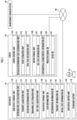
- the state output system of the embodiment includes, for example, one or more user devices 10 and a server 30, or further includes a maintenance engineer device 50.
- the user device 10 and the server 30, and the maintenance engineer device 50 and the server 30 are communicably connected to each other by a communication network 90.
- the user device 10 includes a user device control unit 110, a user device storage unit 130, a user device output unit 150, and a secondary battery 170.
- the user device 10 is, for example, a system using a secondary battery as a whole, such as a motor vehicle like an electric motor vehicle or a hybrid motor vehicle, any other moving body, or a stationary power supply system. Although only one user device 10 is illustrated in FIG. 1 , the number of user devices 10 operating at the same time may be plural or may be one.
- the user device control unit 110 is composed of an arithmetic processing unit such as a CPU (Central Processing Unit), a memory, an I/O (Input/Output) device, and the like.
- the user device control unit 110 reads and executes a predetermined program to function, for example, as a deterioration state recognition unit 111, a tendency acquisition unit 113, a deviation determination unit 115, a remaining life estimation unit 117, and a use state acquisition unit 119.
- the deterioration state recognition unit 111 recognizes the deterioration state of the secondary battery 170 at any time or in a predetermined cycle. Further, the deterioration state recognition unit 111 transmits, to the server 30, the deterioration state of the secondary battery 170 on a regular basis or at any timing to store the deterioration state in a use state information DB 331.
- the tendency acquisition unit 113 acquires a tendency of the deterioration state of the secondary battery 170.
- the deviation determination unit 115 determines whether or not the most recent deterioration state is deviating from the tendency.
- the remaining life estimation unit 117 estimates a remaining life as a period until the secondary battery 170 becomes a predetermined deterioration state.
- the use state acquisition unit 119 recognizes a use state of the user device 10 at any time or in a predetermined cycle.
- the use state includes a condition of stepping on brake pedal/accelerator pedal, what gear it is in, speed, orientation in XYZ directions, location, altitude, whether or not an air conditioner is operating, set temperature, and the like
- the user state includes environmental temperature and humidity, weather information, location, vibration, and the like. These pieces of information are acquired by using known sensors and the like.
- the use state acquisition unit 119 transmits the use state of the secondary battery 170 to the server 30 on a regular basis or at any timing to store the information in the use state information DB 331.
- the user device storage unit 130 is composed, for example, of a ROM (Read Only Memory), a RAM (Random Access Memory), and a storage device such as an HDD (Hard Disk Drive).
- the user device storage unit 130 stores, for example, a user information DB 131 including information for identifying a user Us of the user device 10, a deterioration information DB 133 including information indicative of the deterioration state of the user device 10 recognized by the deterioration state recognition unit 111, and a tendency information DB 135 including information indicative of the tendency of the deterioration state of the secondary battery 170 acquired by the tendency acquisition unit 113.
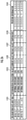
- deterioration information DB 133 for example, as illustrated in FIG. 2A , items of recognition date and time 1331 as the date and time at which each deterioration state was recognized, deterioration evaluation value 1333 as information indicative of the deterioration state, current value 1335 of the secondary battery 170 as the basis of the deterioration evaluation value, voltage value 1337, temperature 1339, and position information 1341 indicative of a position at which the deterioration state was recognized are stored.
- the frequency of storing data is, for example, several times a day, once every few minutes, or the like, and a deterioration state recognized at any timing may be stored.
- the user device output unit 150 is, for example, a display for outputting the most recent deterioration state of the secondary battery 170 recognized by the deterioration state recognition unit 111, and a detailed deterioration state determined by a detailed deterioration state determination unit 311.
- the user device output unit 150 functions as an output unit in the embodiment.
- the secondary battery 170 is, for example, a lithium ion battery, but it may also be any other battery capable of being used iteratively as a power supply by repeating charging and discharging, such as a nickel-cadmium battery, a lead battery, or a fuel cell.
- the server 30 is, for example, a computer including a server control unit 310 and a server storage unit 330.
- the server control unit 310 is composed of an arithmetic processing unit such as a CPU, a memory, an I/O device, and the like.
- the server control unit 310 reads and executes a predetermined program to function, for example, as the detailed deterioration state determination unit 311, or in addition thereto, further as an event estimation unit 313 and a risk level recognition unit 315.
- the detailed deterioration state determination unit 311 acquires, from the server storage unit 330, use state information as information indicating how the secondary battery was used by the most recent time point, and based on the most recent deterioration state and the use state information, determines a detailed deterioration state including information indicative of a deterioration state of the secondary battery 170 more detailed than the most recent deterioration state.
- the event estimation unit 313 estimates an event occurring in the secondary battery 170.
- the risk level recognition unit 315 recognizes a risk level of the event occurring in the secondary battery 170 estimated by the event estimation unit 313.
- the server storage unit 330 is composed, for example, of a ROM, a RAM, and a storage device such as an HDD.
- the server storage unit 330 stores the use state information DB 331 including use state information as information indicating how the secondary battery 170 was used by the most recent time point, or in addition thereto, further stores a geographical characteristic information DB 333 including geographical characteristic information as information indicative of geographical characteristics that affect the deterioration state of the secondary battery 170, an initial state information DB 335 including information indicative of an internal resistance or charging capacity value in the initial state of the secondary battery 170, a predictive model DB 337 in which a predictive model used by the event estimation unit 313 to estimate an event, and an event DB 339 in which information related to each event that can occur in the secondary battery is stored.
- target position information 3331 indicative of a range of position information as a target of the geographical characteristics, and geographical characteristics 3333 in the range are stored.
- an event ID 3391 for identifying each event an event ID 3391 for identifying each event, an event content 3393 indicative of the content of the event, and a risk level 3395 of the event are stored.
- the maintenance engineer device 50 is a device, such as a computer, a tablet terminal, or a smartphone, used by a maintenance engineer who performs the maintenance of the secondary battery.
- the maintenance engineer device 50 When a risk level recognized by the risk level recognition unit 315 meets a predetermined condition, the maintenance engineer device 50 outputs information indicative of the risk level and the content of an event estimated by the event estimation unit 313.
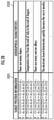
- FIG. 3A and FIG. 3B a processing content of the state output system of the embodiment will be described.
- a series of processing by the state output system of the embodiment is executed repeatedly at a predetermined frequency.
- the deterioration state recognition unit 111 of the user device 10 first recognizes the deterioration state of the secondary battery 170 ( FIG. 3A /S10).
- the deterioration state recognition unit 111 stores the recognized deterioration state in the deterioration information DB 133 in chronological order.
- the deterioration state recognition unit 111 acquires, from the secondary battery 170, information indicative of the voltage, current, and temperature of the secondary battery 170 to recognize the deterioration state of the secondary battery 170 based on the acquired information.
- the deterioration state recognition unit 111 acquires, from the user device storage unit 130, information indicative of an internal resistance or charging capacity value in the initial state of the secondary battery 170, and performs a predetermined operation based on the information indicative of the voltage, current, and temperature of the secondary battery 170 acquired from the secondary battery 170 to acquire information indicative of a most recent internal resistance or charging capacity value of the secondary battery 170.
- the deterioration state recognition unit 111 calculates a ratio between the internal resistance or charging capacity in the initial state of the secondary battery 170 and the most recent internal resistance or charging capacity to determine the internal resistance increase rate or capacity remaining rate of the secondary battery 170 in order to recognize the deterioration state of the secondary battery 170 based on the determined internal resistance increase rate or capacity remaining rate.
- the tendency acquisition unit 113 acquires a tendency of the deterioration state of the secondary battery 170 ( FIG. 3A /S30).
- the tendency acquisition unit 113 acquires the tendency of the deterioration state of the secondary battery 170 based, for example, on a moving average value of deterioration states of the secondary battery 170 for a predetermined period, where each deterioration state of the secondary battery 170 is calculated by using a deterioration evaluation value obtained by quantifying the deterioration state of the secondary battery 170.
- the tendency acquisition unit 113 stores the acquired tendency of the deterioration state in the tendency information DB 135 in chronological order.
- the tendency acquisition unit 113 calculates the moving average value of deterioration states of the secondary battery 170 for the predetermined period by using, as the deterioration evaluation value, the internal resistance increase degree or the capacity remaining degree of the secondary battery 170 determined by the deterioration state recognition unit 111 in S10.
- the predetermined period is, for example, one month, half a year, or the like, but it may be any period shorter or longer than the predetermined period, or the period may be changed at any time according to the values of the information indicative of the voltage, current, and temperature of the secondary battery 170 and the deterioration evaluation value.
- FIG. 4 illustrates an example when the tendency of the deterioration state of the secondary battery 170 is acquired based on a moving average value of internal resistance increase degrees.
- N deterioration states OVal as deterioration states during the predetermined period are extracted from past M deterioration states RVal recorded in the deterioration information DB 133, and a moving average value of the extracted N deterioration states OVal becomes a latest moving average value LAve of the N deterioration states.
- a line TLin of connecting moving average values at respective past time points calculated in the same way represents a tendency of the deterioration state of the secondary battery 170.
- a value indicating the deterioration state at each time point is a value of the internal resistance at each time point when a value IVal of the internal resistance in the initial state of the secondary battery 170 is set to 100% (that is to say, 130% if the value of the internal resistance has increased by 30%).
- FIG. 5 illustrates an example when the tendency of the deterioration state of the secondary battery 170 is acquired based on a moving average value of capacity remaining degrees.
- N deterioration states OVal2 as deterioration states during the predetermined period are extracted from past M deterioration states RVal2 recorded in the deterioration information DB 133, and a moving average value of the extracted N deterioration states OVal2 becomes a latest moving average value LAve2 of the N deterioration states.
- a line TLin2 of connecting moving average values at respective past time points calculated in the same way represents a tendency of the deterioration state of the secondary battery 170.
- a value indicating the deterioration state at each time point is a value of the remaining capacity at each time point when a value IVal2 of the charging capacity in the initial state of the secondary battery 170 is set to 100% (that is to say, 70% if the value of the charging capacity has decreased by 30%).
- the deviation determination unit 115 determines whether or not a most recent deterioration state is deviating from the tendency of the deterioration state of the secondary battery 170 ( FIG. 3A /S50).
- the deviation determination unit 115 determines that the most recent deterioration state is deviating from the tendency when a difference Dev between a most recent moving average value LAve of deterioration states of the secondary battery 170 and the most recent deterioration evaluation value LVal is a predetermined threshold value or more.
- a dashed line ULin above the latest moving average value LAve of deterioration states of the secondary battery 170 represents an upper threshold value of the difference Dev and a dashed line LLin below thereof represents a lower threshold value, respectively.
- the deviation determination unit 115 determines that the most recent deterioration state is deviating from the tendency of the deterioration state of the secondary battery 170. On the other hand, the deviation determination unit 115 determines that the most recent deterioration state is not deviating from the tendency of the deterioration state of the secondary battery 170 when the most recent deterioration evaluation value LVal is a value on the upper dashed line ULin or less and on the lower dashed line LLin or more.
- the remaining life estimation unit 117 estimates the remaining life as a period until the secondary battery 170 becomes a predetermined deterioration state ( FIG. 3B /S90).
- the remaining life estimation unit 117 acquires a tendency of the deterioration state of the secondary battery 170 from the tendency information DB 135 to predict a value of future internal resistance or remaining capacity of the secondary battery 170 from the acquired tendency of the deterioration state of the secondary battery 170. Then, the remaining life estimation unit 117 calculates a period until the predicted future internal resistance or charging capacity value of the secondary battery 170 reaches a predefined upper limit of the internal resistance value or lower limit of the charging capacity value of the secondary battery 170 to estimate the calculated period as the remaining life of the secondary battery.
- FIG. 6 illustrates an example when the remaining life estimation unit 117 predicts a value of future internal resistance of the secondary battery 170 from the tendency of the internal resistance increase degree of the secondary battery 170.
- the remaining life estimation unit 117 determines an approximate curve of the line TLin that represents the tendency of the deterioration state of the secondary battery 170 to derive a line FLin that represents the future internal resistance of the secondary battery 170.
- the remaining life estimation unit 117 determines time point t2 corresponding to an intersection P between the dashed line MVal indicative of the predefined upper limit of the internal resistance value (in the present example, the value of the internal resistance is 130%), and the line FLin to estimate that a length Len of a period between the time point t2 and time point t1, at which the most recent deterioration evaluation value LVal was acquired, is the remaining life of the secondary battery 170.
- FIG. 7 illustrates an example when the remaining life estimation unit 117 predicts a value of future internal resistance of the secondary battery 170 from the tendency of the internal resistance increase degree of the secondary battery 170.
- the remaining life estimation unit 117 determines an approximate curve of the line TLin2 that represents the tendency of the deterioration state of the secondary battery 170 to derive a line FLin2 that represents a change in future charging capacity of the secondary battery 170.
- the remaining life estimation unit 117 determines time point t4 corresponding to an intersection P2 between a dot-dashed line MVal2 indicative of a predefined lower limit of the charging capacity value (in the present example, the charging capacity value is 70%), and the line FLin2 to estimate that a length Len2 of a period between the time point t4 and time point t3, at which a most recent deterioration evaluation value LVal2 was acquired, is the remaining life of the secondary battery 170.
- a dot-dashed line MVal2 indicative of a predefined lower limit of the charging capacity value (in the present example, the charging capacity value is 70%
- the user device output unit 150 outputs the most recent deterioration state of the secondary battery 170 recognized by the deterioration state recognition unit 111 and the remaining life estimated by the remaining life estimation unit 117 ( FIG. 3B /S110), and the series of processing is ended.
- the deviation determination unit 115 transmits, to the server 30, information including the most recent deterioration state ( FIG. 3A /S70). On this occasion, the deviation determination unit 115 acquires information to identify the user device 10 from the user information DB 131 and transmits, to the server 30, the information together with the most recent deterioration state.
- the server 30 that received the information executes detailed deterioration state determination processing ( FIG. 3B /S210) as a series of processing to determine a detailed deterioration state including information indicative of a more detailed deterioration state of the secondary battery than the most recent deterioration state.
- the content of the processing will be described later.
- the detailed deterioration state determination unit 311 transmits the detailed deterioration state to the user device 10, and the processing is ended.
- the user device output unit 150 of the user device 10 that received the detailed deterioration state outputs the received detailed deterioration state ( FIG. 3B /S300), and the series of processing by the state output system of the present embodiment is ended.
- the event estimation unit 313 estimates an event occurring in the secondary battery 170 based on the most recent deterioration state and use state information of the secondary battery 170 ( FIG. 3B /S211).
- the event estimation unit 313 acquires, from the predictive model DB 337, a predictive model machine-learned by using, as training data, information indicative of past deterioration states and use states of the secondary battery 170 mounted on the user device 10 and/or the other user devices 10, and information indicative of events that occurred in the secondary battery 170 in the past, and uses the predictive model to estimate an event occurring in the secondary battery 170 from the most recent deterioration state of the secondary battery 170 and the use state information.
- the risk level recognition unit 315 recognizes a risk level of the event occurring in the secondary battery 170 estimated by the event estimation unit 313 ( FIG. 3B /S213).
- the risk level recognition unit 315 refers to the event DB to recognize the risk level corresponding to the event occurring in the secondary battery 170. Then, the risk level recognition unit 315 determines whether or not the recognized risk level meets a predetermined condition ( FIG. 3B /S215).
- the predetermined condition is, for example, whether or not the event is a specific event, or when the risk level is indicated by a numeric value as illustrated in FIG. 2B , the predetermined condition may be whether or not the risk level is a predetermined numeric value or more.
- the risk level recognition unit 315 transmits, to the maintenance engineer device 50, information including information indicative of the risk level, the content of the estimated event, and information to identify the user Us ( FIG. 3B /S217).
- the maintenance engineer device 50 that received the information including the information indicative of the risk level and the content of the estimated event outputs the information indicative of the risk level and the content of the estimated event together with the information to identify the user Us (such as telephone number, address, and the like) ( FIG. 3B /S400).
- the maintenance engineer device 50 may be configured to further output details of copying with the event according to the content of the estimated event, such as information to encourage the maintenance to replace the battery immediately or the like.
- the risk level recognition unit 315 determines the detailed deterioration state.
- the detailed deterioration state determination unit 311 determines the detailed deterioration state based on the content of the event estimated by the event estimation unit 313 and the risk level recognized by the risk level recognition unit 315.
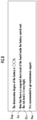
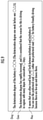
- FIG. 8 illustrates a state in which the detailed deterioration state thus determined is output by the user device output unit 150.
- the deviation determination unit 115 determines that the deterioration state is deviating from the tendency because the degree of deterioration has increased by a predetermined value or more.
- the event estimation unit 313 estimates that "there is a suspected short circuit of the board inside the battery control unit," and the risk level recognition unit 315 recognizes that the risk level of the event is 5.
- the detailed deterioration state determination unit 311 determines information on the content of the estimated event, the recognized risk level, and a recommended response.
- an indication Rec indicative of the recommended response is output together with an indication Deg indicative of the deterioration state of the secondary battery 170, a content Inc of the estimated event, and a risk level DLv as illustrated in FIG. 8 .
- the detailed deterioration state determination unit 311 acquires past and/or current position information of the user device 10 from the use state information DB 331 to acquire, from the server storage unit 330, geographical characteristic information as information indicative of geographical characteristics that affect the deterioration state of the secondary battery 170 based on the acquired information in order to determine the detailed deterioration state based on the position information and the geographical characteristic information.
- FIG. 9 illustrates a state in which the detailed deterioration state thus determined is output by the user device output unit 150.
- the deviation determination unit 115 determines that the deterioration state of the secondary battery 170 is deviating from the tendency due to a rapid increase in deterioration degree.
- the event estimation unit 313 first recognizes that the deterioration degree increased rapidly compared with the deterioration degree one week ago and, in response thereto, compares a usage situation in the last week and a usage situation before then to determine whether or not there is some change.
- the event estimation unit 313 since the event estimation unit 313 recognizes from the position information that driving in a certain geographical range in the last several days has been increasing, the event estimation unit 313 further refers to the geographical characteristic information DB 333 to recognize such a geographical characteristic that "there are many slopes" in the range, or the event estimation unit 313 further refers to the use state information DB 331 to analyze information indicative of past deterioration states and use states of secondary batteries 170 mounted on user devices 10 other than the user device 10 concerned so as to calculate a likelihood that this event occurring in the secondary battery 170 is "worsening of the deterioration state due to driving in regions with many slopes for several consecutive days," and when the likelihood is a predetermined value or more, the event estimation unit 313 estimates that this event is "worsening of the deterioration state due to driving in regions with many slopes for several consecutive days.”
- the detailed deterioration state determination unit 311 determines the content of the estimated event and a recommended response.
- the detailed deterioration state determination unit 311 further analyzes information indicative of past deterioration states and use states of secondary batteries 170 mounted on user devices 10 other than the user device 10 concerned to recognize that the rapid increase in deterioration degree can be suppressed by avoiding driving on slopes, the detailed deterioration state determination unit 311 determines the detailed deterioration state including information to recommend the user to go the other way.
- an indication Deg indicative of the deterioration state of the secondary battery 170, a content Geo of the event estimated after considering the geographical characteristic information, and an indication Rec indicative of the recommended response are output as illustrated in FIG. 9 .
- the most recent or past deterioration state and the detailed deterioration state may be displayed on the user device output unit 150 at the same time, or either one of them may be displayed by switching the display or the like.
- a secondary battery state output system capable of outputting the deterioration state of the secondary battery including a content satisfactory to the user in a timely manner.
- the user device output unit 150 may be a speaker to output the deterioration state and the detailed deterioration state by voice.
- the user device 10 may be composed of two or more devices.
- the user device 10 may be composed of a combination of a motor vehicle, on which the secondary battery 170 is mounted, and a general-purpose device such as a smartphone or a dedicated device communicably connected to the motor vehicle.
- the present invention is not limited thereto.
- part of processing may be executed on the server 30 rather than the user device 10, or on the user device 10 rather than the server 30.
- the server 30 may be so omitted that all processing is executed on the user device 10.
- the event estimation unit 313 may refer to a table prestored in the server storage unit 330 and in which any of the current, the voltage, and the temperature of the secondary battery 170 or a combination thereof, any other parameter, and an event estimated to be occurring in the secondary battery 170 are associated with one another to estimate the event occurring in the secondary battery 170 based on these parameters.
Landscapes
- Engineering & Computer Science (AREA)
- General Physics & Mathematics (AREA)
- Physics & Mathematics (AREA)
- Chemical Kinetics & Catalysis (AREA)
- Electrochemistry (AREA)
- General Chemical & Material Sciences (AREA)
- Chemical & Material Sciences (AREA)
- Manufacturing & Machinery (AREA)
- Power Engineering (AREA)
- Automation & Control Theory (AREA)
- Charge And Discharge Circuits For Batteries Or The Like (AREA)
- Tests Of Electric Status Of Batteries (AREA)
- Secondary Cells (AREA)
- Selective Calling Equipment (AREA)
Priority Applications (1)
| Application Number | Priority Date | Filing Date | Title |
|---|---|---|---|
| HRP20241033TT HRP20241033T1 (hr) | 2019-12-17 | 2020-12-03 | Sustav prikaza stanja |
Applications Claiming Priority (2)
| Application Number | Priority Date | Filing Date | Title |
|---|---|---|---|
| JP2019227626A JP6862010B1 (ja) | 2019-12-17 | 2019-12-17 | 状態出力システム |
| PCT/JP2020/045128 WO2021124914A1 (ja) | 2019-12-17 | 2020-12-03 | 状態出力システム |
Publications (3)
| Publication Number | Publication Date |
|---|---|
| EP3968435A1 true EP3968435A1 (de) | 2022-03-16 |
| EP3968435A4 EP3968435A4 (de) | 2023-09-13 |
| EP3968435B1 EP3968435B1 (de) | 2024-06-26 |
Family
ID=75521015
Family Applications (1)
| Application Number | Title | Priority Date | Filing Date |
|---|---|---|---|
| EP20901327.5A Active EP3968435B1 (de) | 2019-12-17 | 2020-12-03 | Zustandsausgabesystem |
Country Status (10)
| Country | Link |
|---|---|
| US (1) | US20220404425A1 (de) |
| EP (1) | EP3968435B1 (de) |
| JP (1) | JP6862010B1 (de) |
| KR (1) | KR102706405B1 (de) |
| CN (1) | CN113924500B (de) |
| CA (1) | CA3146504A1 (de) |
| DK (1) | DK3968435T3 (de) |
| HR (1) | HRP20241033T1 (de) |
| TW (1) | TWI774155B (de) |
| WO (1) | WO2021124914A1 (de) |
Cited By (1)
| Publication number | Priority date | Publication date | Assignee | Title |
|---|---|---|---|---|
| EP4542245A4 (de) * | 2022-06-24 | 2025-10-15 | Lg Energy Solution Ltd | Batteriefehlerdiagnoseverfahren und server zur bereitstellung des verfahrens |
Families Citing this family (3)
| Publication number | Priority date | Publication date | Assignee | Title |
|---|---|---|---|---|
| KR20230120034A (ko) * | 2022-02-08 | 2023-08-16 | 주식회사 엘지에너지솔루션 | 배터리 관리 장치 및 그것의 동작 방법 |
| CN119096154A (zh) * | 2022-05-20 | 2024-12-06 | 株式会社Lg新能源 | 电池诊断方法以及提供该方法的电池诊断装置和电池系统 |
| KR20230162255A (ko) * | 2022-05-20 | 2023-11-28 | 주식회사 엘지에너지솔루션 | 배터리 진단 방법, 그 방법을 제공하는 배터리 진단 장치 및 배터리 시스템 |
Family Cites Families (28)
| Publication number | Priority date | Publication date | Assignee | Title |
|---|---|---|---|---|
| JP4638195B2 (ja) * | 2004-09-28 | 2011-02-23 | 富士重工業株式会社 | バッテリの劣化度推定装置 |
| JP5210591B2 (ja) | 2007-10-15 | 2013-06-12 | トヨタ自動車株式会社 | 二次電池の制御システムおよびそれを搭載した電動車両ならびに二次電池の制御方法 |
| EP2333929A1 (de) * | 2008-09-29 | 2011-06-15 | Mitsumi Electric Co., Ltd. | Mobile vorrichtung, batteriepack, anzeigesteuerverfahren und anzeigesteuerprogramm |
| JP5341823B2 (ja) * | 2010-06-07 | 2013-11-13 | トヨタ自動車株式会社 | リチウムイオン二次電池の劣化判定システムおよび劣化判定方法 |
| US20130297244A1 (en) * | 2011-02-28 | 2013-11-07 | Mitsubishi Heavy Industries, Ltd. | Secondary battery lifetime prediction apparatus, battery system and secondary battery lifetime prediction method |
| JP2012235551A (ja) * | 2011-04-28 | 2012-11-29 | Konica Minolta Medical & Graphic Inc | 充電システムおよび電子機器 |
| JP5994240B2 (ja) * | 2011-12-02 | 2016-09-21 | 日産自動車株式会社 | 組電池の制御装置 |
| JP2013221806A (ja) * | 2012-04-13 | 2013-10-28 | Fuji Electric Co Ltd | 電子機器装置 |
| JP6253137B2 (ja) * | 2012-12-18 | 2017-12-27 | 株式会社東芝 | 二次電池の電池状態推定装置 |
| JP2015031674A (ja) * | 2013-08-07 | 2015-02-16 | 株式会社東芝 | 蓄電池状態監視装置及び蓄電池装置 |
| JP6128066B2 (ja) * | 2014-06-24 | 2017-05-17 | トヨタ自動車株式会社 | 電池管理システム |
| WO2016059869A1 (ja) * | 2014-10-17 | 2016-04-21 | 株式会社 東芝 | 二次電池の充電状態推定装置及びその充電状態推定方法 |
| JP6488105B2 (ja) * | 2014-10-28 | 2019-03-20 | 株式会社東芝 | 蓄電池評価装置及び方法 |
| JP6471463B2 (ja) * | 2014-11-06 | 2019-02-20 | 日立化成株式会社 | 蓄電池状態監視システム、蓄電池状態監視方法、および蓄電池状態監視プログラム |
| JP2016126891A (ja) * | 2014-12-26 | 2016-07-11 | 株式会社東芝 | 蓄電池評価装置、蓄電池評価方法およびプログラム |
| JP6790474B2 (ja) * | 2015-06-15 | 2020-11-25 | 株式会社Gsユアサ | 二次電池の監視装置、電池システム、二次電池の保護システム、車両 |
| JP6647111B2 (ja) * | 2016-03-29 | 2020-02-14 | 古河電気工業株式会社 | 二次電池劣化推定装置および二次電池劣化推定方法 |
| JPWO2018043315A1 (ja) * | 2016-08-31 | 2019-07-18 | 日本電気株式会社 | 蓄電装置、情報処理装置、通知方法、推定方法、記録媒体および蓄電システム |
| JP2018046667A (ja) * | 2016-09-14 | 2018-03-22 | 株式会社東芝 | 充電パターン作成装置、充電制御装置、充電パターン作成方法、プログラム、及び蓄電システム |
| JP7031177B2 (ja) | 2017-08-30 | 2022-03-08 | トヨタ自動車株式会社 | 二次電池の劣化判定装置 |
| JP6982445B2 (ja) | 2017-09-20 | 2021-12-17 | 株式会社東芝 | 電池評価装置、電池制御装置、電池評価方法、電池評価プログラム、制御回路及び蓄電システム。 |
| JP7039963B2 (ja) * | 2017-11-28 | 2022-03-23 | 株式会社デンソー | 電池制御システム |
| TWI846683B (zh) * | 2017-12-27 | 2024-07-01 | 日商F S R股份有限公司 | 二次電池管理裝置及用於二次電池管理之程式製品 |
| TWI835767B (zh) | 2017-12-27 | 2024-03-21 | 日商F S R股份有限公司 | 二次電池 |
| JP6744886B2 (ja) * | 2018-03-20 | 2020-08-19 | 株式会社東芝 | 電池安全性評価装置、電池安全性評価方法、プログラム、制御回路及び蓄電システム |
| JP2019164692A (ja) * | 2018-03-20 | 2019-09-26 | 本田技研工業株式会社 | 情報処理装置、情報処理方法、プログラム、可搬式蓄電機、及びレンタルシステム |
| JP7185437B2 (ja) * | 2018-07-30 | 2022-12-07 | ビークルエナジージャパン株式会社 | 電池管理装置、電池管理方法、電力貯蔵システム |
| JP2020128970A (ja) * | 2018-09-28 | 2020-08-27 | 株式会社豊田自動織機 | 満充電容量推定方法 |
-
2019
- 2019-12-17 JP JP2019227626A patent/JP6862010B1/ja active Active
-
2020
- 2020-12-03 CN CN202080039944.3A patent/CN113924500B/zh active Active
- 2020-12-03 EP EP20901327.5A patent/EP3968435B1/de active Active
- 2020-12-03 DK DK20901327.5T patent/DK3968435T3/da active
- 2020-12-03 KR KR1020217042774A patent/KR102706405B1/ko active Active
- 2020-12-03 CA CA3146504A patent/CA3146504A1/en active Pending
- 2020-12-03 WO PCT/JP2020/045128 patent/WO2021124914A1/ja not_active Ceased
- 2020-12-03 US US17/620,278 patent/US20220404425A1/en active Pending
- 2020-12-03 HR HRP20241033TT patent/HRP20241033T1/hr unknown
- 2020-12-14 TW TW109144024A patent/TWI774155B/zh active
Cited By (1)
| Publication number | Priority date | Publication date | Assignee | Title |
|---|---|---|---|---|
| EP4542245A4 (de) * | 2022-06-24 | 2025-10-15 | Lg Energy Solution Ltd | Batteriefehlerdiagnoseverfahren und server zur bereitstellung des verfahrens |
Also Published As
| Publication number | Publication date |
|---|---|
| EP3968435A4 (de) | 2023-09-13 |
| TWI774155B (zh) | 2022-08-11 |
| JP6862010B1 (ja) | 2021-04-21 |
| CN113924500A (zh) | 2022-01-11 |
| KR20220013571A (ko) | 2022-02-04 |
| EP3968435B1 (de) | 2024-06-26 |
| KR102706405B1 (ko) | 2024-09-13 |
| US20220404425A1 (en) | 2022-12-22 |
| DK3968435T3 (da) | 2024-07-22 |
| HRP20241033T1 (hr) | 2024-11-08 |
| TW202143597A (zh) | 2021-11-16 |
| CN113924500B (zh) | 2024-08-06 |
| JP2021097503A (ja) | 2021-06-24 |
| WO2021124914A1 (ja) | 2021-06-24 |
| CA3146504A1 (en) | 2021-06-24 |
Similar Documents
| Publication | Publication Date | Title |
|---|---|---|
| EP3968435B1 (de) | Zustandsausgabesystem | |
| US11774503B2 (en) | Battery life learning device, battery life prediction device, method and non-transitory computer readable medium | |
| US11378625B2 (en) | Motor vehicle battery wear monitoring system and method | |
| US11653127B2 (en) | Monitoring voltage measurements for a vehicle battery | |
| KR102399720B1 (ko) | 패턴 정보에 기초하여 사용자 특성에 따른 배터리 수명을 추정하는 장치 및 방법 | |
| AU2021204479B2 (en) | Battery failure or inadequate charge condition prediction method and system | |
| KR101934857B1 (ko) | 차량 배터리 상태 진단 장치 | |
| Frisk et al. | Data-driven lead-acid battery prognostics using random survival forests | |
| CN112644336B (zh) | 一种动力电池热失控预测方法及装置 | |
| CN113219336B (zh) | 电池劣化判断系统、方法及存储有程序的非临时性存储介质 | |
| CN112020451A (zh) | 用于确定涉及机动车电池的状态的参量的方法,计数器装置及机动车 | |
| CN117507935A (zh) | 一种用于电池管理的控制方法、系统、电子设备及介质 | |
| US20250021454A1 (en) | Method and device for predicting an error of a device battery | |
| US20220300272A1 (en) | Program update control apparatus, program update control method, and computer-readable storage medium | |
| US12263755B2 (en) | Method and apparatus for predicting a state of health of a device battery in a battery-operated device | |
| CN113595174A (zh) | 电池管理方法、装置、设备和服务器 | |
| CN114545269A (zh) | 用于确定电储能器的状态变量的方法和装置 | |
| KR20260033095A (ko) | 조기 경보 방법 및 장치, 네트워크 디바이스, 전기 에너지 디바이스 및 매체 | |
| CN118784450A (zh) | 一种车辆网络方法、装置、车辆、存储介质及产品 | |
| CN119064797B (zh) | 一种电池状态评估方法和装置 | |
| JP2022146733A (ja) | 部品管理装置、部品管理システム、部品管理方法、及びプログラム | |
| CN119705316B (zh) | 一种车辆外设状态检测方法、装置、设备、产品及车辆 | |
| US20240217384A1 (en) | Method and system for controlling electric vehicle charging | |
| CN119716550A (zh) | 电池压差异常检测方法及相关设备 | |
| JP2025179408A (ja) | 二次電池の寿命予測方法及び二次電池の寿命予測装置 |
Legal Events
| Date | Code | Title | Description |
|---|---|---|---|
| REG | Reference to a national code |
Ref country code: HR Ref legal event code: TUEP Ref document number: P20241033T Country of ref document: HR |
|
| STAA | Information on the status of an ep patent application or granted ep patent |
Free format text: STATUS: THE INTERNATIONAL PUBLICATION HAS BEEN MADE |
|
| PUAI | Public reference made under article 153(3) epc to a published international application that has entered the european phase |
Free format text: ORIGINAL CODE: 0009012 |
|
| STAA | Information on the status of an ep patent application or granted ep patent |
Free format text: STATUS: REQUEST FOR EXAMINATION WAS MADE |
|
| 17P | Request for examination filed |
Effective date: 20211209 |
|
| AK | Designated contracting states |
Kind code of ref document: A1 Designated state(s): AL AT BE BG CH CY CZ DE DK EE ES FI FR GB GR HR HU IE IS IT LI LT LU LV MC MK MT NL NO PL PT RO RS SE SI SK SM TR |
|
| DAV | Request for validation of the european patent (deleted) | ||
| DAX | Request for extension of the european patent (deleted) | ||
| A4 | Supplementary search report drawn up and despatched |
Effective date: 20230817 |
|
| RIC1 | Information provided on ipc code assigned before grant |
Ipc: H01M 10/42 20060101ALI20230810BHEP Ipc: G01R 31/392 20190101ALI20230810BHEP Ipc: H02J 7/00 20060101ALI20230810BHEP Ipc: H01M 10/48 20060101AFI20230810BHEP |
|
| RIC1 | Information provided on ipc code assigned before grant |
Ipc: H01M 10/42 20060101ALI20231031BHEP Ipc: G01R 31/392 20190101ALI20231031BHEP Ipc: H02J 7/00 20060101ALI20231031BHEP Ipc: H01M 10/48 20060101AFI20231031BHEP |
|
| GRAP | Despatch of communication of intention to grant a patent |
Free format text: ORIGINAL CODE: EPIDOSNIGR1 |
|
| STAA | Information on the status of an ep patent application or granted ep patent |
Free format text: STATUS: GRANT OF PATENT IS INTENDED |
|
| INTG | Intention to grant announced |
Effective date: 20240130 |
|
| GRAS | Grant fee paid |
Free format text: ORIGINAL CODE: EPIDOSNIGR3 |
|
| P01 | Opt-out of the competence of the unified patent court (upc) registered |
Effective date: 20240415 |
|
| GRAA | (expected) grant |
Free format text: ORIGINAL CODE: 0009210 |
|
| STAA | Information on the status of an ep patent application or granted ep patent |
Free format text: STATUS: THE PATENT HAS BEEN GRANTED |
|
| AK | Designated contracting states |
Kind code of ref document: B1 Designated state(s): AL AT BE BG CH CY CZ DE DK EE ES FI FR GB GR HR HU IE IS IT LI LT LU LV MC MK MT NL NO PL PT RO RS SE SI SK SM TR |
|
| REG | Reference to a national code |
Ref country code: GB Ref legal event code: FG4D |
|
| REG | Reference to a national code |
Ref country code: CH Ref legal event code: EP |
|
| REG | Reference to a national code |
Ref country code: DE Ref legal event code: R096 Ref document number: 602020033135 Country of ref document: DE |
|
| REG | Reference to a national code |
Ref country code: DK Ref legal event code: T3 Effective date: 20240717 |
|
| REG | Reference to a national code |
Ref country code: SE Ref legal event code: TRGR |
|
| PG25 | Lapsed in a contracting state [announced via postgrant information from national office to epo] |
Ref country code: BG Free format text: LAPSE BECAUSE OF FAILURE TO SUBMIT A TRANSLATION OF THE DESCRIPTION OR TO PAY THE FEE WITHIN THE PRESCRIBED TIME-LIMIT Effective date: 20240626 |
|
| PG25 | Lapsed in a contracting state [announced via postgrant information from national office to epo] |
Ref country code: FI Free format text: LAPSE BECAUSE OF FAILURE TO SUBMIT A TRANSLATION OF THE DESCRIPTION OR TO PAY THE FEE WITHIN THE PRESCRIBED TIME-LIMIT Effective date: 20240626 |
|
| REG | Reference to a national code |
Ref country code: LT Ref legal event code: MG9D |
|
| PG25 | Lapsed in a contracting state [announced via postgrant information from national office to epo] |
Ref country code: GR Free format text: LAPSE BECAUSE OF FAILURE TO SUBMIT A TRANSLATION OF THE DESCRIPTION OR TO PAY THE FEE WITHIN THE PRESCRIBED TIME-LIMIT Effective date: 20240927 |
|
| PG25 | Lapsed in a contracting state [announced via postgrant information from national office to epo] |
Ref country code: LV Free format text: LAPSE BECAUSE OF FAILURE TO SUBMIT A TRANSLATION OF THE DESCRIPTION OR TO PAY THE FEE WITHIN THE PRESCRIBED TIME-LIMIT Effective date: 20240626 |
|
| REG | Reference to a national code |
Ref country code: NL Ref legal event code: MP Effective date: 20240626 |
|
| PG25 | Lapsed in a contracting state [announced via postgrant information from national office to epo] |
Ref country code: LV Free format text: LAPSE BECAUSE OF FAILURE TO SUBMIT A TRANSLATION OF THE DESCRIPTION OR TO PAY THE FEE WITHIN THE PRESCRIBED TIME-LIMIT Effective date: 20240626 Ref country code: GR Free format text: LAPSE BECAUSE OF FAILURE TO SUBMIT A TRANSLATION OF THE DESCRIPTION OR TO PAY THE FEE WITHIN THE PRESCRIBED TIME-LIMIT Effective date: 20240927 Ref country code: FI Free format text: LAPSE BECAUSE OF FAILURE TO SUBMIT A TRANSLATION OF THE DESCRIPTION OR TO PAY THE FEE WITHIN THE PRESCRIBED TIME-LIMIT Effective date: 20240626 Ref country code: BG Free format text: LAPSE BECAUSE OF FAILURE TO SUBMIT A TRANSLATION OF THE DESCRIPTION OR TO PAY THE FEE WITHIN THE PRESCRIBED TIME-LIMIT Effective date: 20240626 Ref country code: RS Free format text: LAPSE BECAUSE OF FAILURE TO SUBMIT A TRANSLATION OF THE DESCRIPTION OR TO PAY THE FEE WITHIN THE PRESCRIBED TIME-LIMIT Effective date: 20240926 |
|
| REG | Reference to a national code |
Ref country code: HR Ref legal event code: T1PR Ref document number: P20241033 Country of ref document: HR |
|
| PG25 | Lapsed in a contracting state [announced via postgrant information from national office to epo] |
Ref country code: NL Free format text: LAPSE BECAUSE OF FAILURE TO SUBMIT A TRANSLATION OF THE DESCRIPTION OR TO PAY THE FEE WITHIN THE PRESCRIBED TIME-LIMIT Effective date: 20240626 |
|
| PG25 | Lapsed in a contracting state [announced via postgrant information from national office to epo] |
Ref country code: NL Free format text: LAPSE BECAUSE OF FAILURE TO SUBMIT A TRANSLATION OF THE DESCRIPTION OR TO PAY THE FEE WITHIN THE PRESCRIBED TIME-LIMIT Effective date: 20240626 |
|
| PG25 | Lapsed in a contracting state [announced via postgrant information from national office to epo] |
Ref country code: PT Free format text: LAPSE BECAUSE OF FAILURE TO SUBMIT A TRANSLATION OF THE DESCRIPTION OR TO PAY THE FEE WITHIN THE PRESCRIBED TIME-LIMIT Effective date: 20241028 |
|
| REG | Reference to a national code |
Ref country code: HR Ref legal event code: ODRP Ref document number: P20241033 Country of ref document: HR Payment date: 20241128 Year of fee payment: 5 |
|
| PG25 | Lapsed in a contracting state [announced via postgrant information from national office to epo] |
Ref country code: PT Free format text: LAPSE BECAUSE OF FAILURE TO SUBMIT A TRANSLATION OF THE DESCRIPTION OR TO PAY THE FEE WITHIN THE PRESCRIBED TIME-LIMIT Effective date: 20241028 |
|
| PG25 | Lapsed in a contracting state [announced via postgrant information from national office to epo] |
Ref country code: PL Free format text: LAPSE BECAUSE OF FAILURE TO SUBMIT A TRANSLATION OF THE DESCRIPTION OR TO PAY THE FEE WITHIN THE PRESCRIBED TIME-LIMIT Effective date: 20240626 |
|
| PG25 | Lapsed in a contracting state [announced via postgrant information from national office to epo] |
Ref country code: EE Free format text: LAPSE BECAUSE OF FAILURE TO SUBMIT A TRANSLATION OF THE DESCRIPTION OR TO PAY THE FEE WITHIN THE PRESCRIBED TIME-LIMIT Effective date: 20240626 |
|
| PG25 | Lapsed in a contracting state [announced via postgrant information from national office to epo] |
Ref country code: IS Free format text: LAPSE BECAUSE OF FAILURE TO SUBMIT A TRANSLATION OF THE DESCRIPTION OR TO PAY THE FEE WITHIN THE PRESCRIBED TIME-LIMIT Effective date: 20241026 |
|
| PG25 | Lapsed in a contracting state [announced via postgrant information from national office to epo] |
Ref country code: CZ Free format text: LAPSE BECAUSE OF FAILURE TO SUBMIT A TRANSLATION OF THE DESCRIPTION OR TO PAY THE FEE WITHIN THE PRESCRIBED TIME-LIMIT Effective date: 20240626 |
|
| PG25 | Lapsed in a contracting state [announced via postgrant information from national office to epo] |
Ref country code: RO Free format text: LAPSE BECAUSE OF FAILURE TO SUBMIT A TRANSLATION OF THE DESCRIPTION OR TO PAY THE FEE WITHIN THE PRESCRIBED TIME-LIMIT Effective date: 20240626 Ref country code: SK Free format text: LAPSE BECAUSE OF FAILURE TO SUBMIT A TRANSLATION OF THE DESCRIPTION OR TO PAY THE FEE WITHIN THE PRESCRIBED TIME-LIMIT Effective date: 20240626 |
|
| PG25 | Lapsed in a contracting state [announced via postgrant information from national office to epo] |
Ref country code: SM Free format text: LAPSE BECAUSE OF FAILURE TO SUBMIT A TRANSLATION OF THE DESCRIPTION OR TO PAY THE FEE WITHIN THE PRESCRIBED TIME-LIMIT Effective date: 20240626 Ref country code: ES Free format text: LAPSE BECAUSE OF FAILURE TO SUBMIT A TRANSLATION OF THE DESCRIPTION OR TO PAY THE FEE WITHIN THE PRESCRIBED TIME-LIMIT Effective date: 20240626 |
|
| PG25 | Lapsed in a contracting state [announced via postgrant information from national office to epo] |
Ref country code: SM Free format text: LAPSE BECAUSE OF FAILURE TO SUBMIT A TRANSLATION OF THE DESCRIPTION OR TO PAY THE FEE WITHIN THE PRESCRIBED TIME-LIMIT Effective date: 20240626 Ref country code: SK Free format text: LAPSE BECAUSE OF FAILURE TO SUBMIT A TRANSLATION OF THE DESCRIPTION OR TO PAY THE FEE WITHIN THE PRESCRIBED TIME-LIMIT Effective date: 20240626 Ref country code: RO Free format text: LAPSE BECAUSE OF FAILURE TO SUBMIT A TRANSLATION OF THE DESCRIPTION OR TO PAY THE FEE WITHIN THE PRESCRIBED TIME-LIMIT Effective date: 20240626 Ref country code: PL Free format text: LAPSE BECAUSE OF FAILURE TO SUBMIT A TRANSLATION OF THE DESCRIPTION OR TO PAY THE FEE WITHIN THE PRESCRIBED TIME-LIMIT Effective date: 20240626 Ref country code: IS Free format text: LAPSE BECAUSE OF FAILURE TO SUBMIT A TRANSLATION OF THE DESCRIPTION OR TO PAY THE FEE WITHIN THE PRESCRIBED TIME-LIMIT Effective date: 20241026 Ref country code: ES Free format text: LAPSE BECAUSE OF FAILURE TO SUBMIT A TRANSLATION OF THE DESCRIPTION OR TO PAY THE FEE WITHIN THE PRESCRIBED TIME-LIMIT Effective date: 20240626 Ref country code: EE Free format text: LAPSE BECAUSE OF FAILURE TO SUBMIT A TRANSLATION OF THE DESCRIPTION OR TO PAY THE FEE WITHIN THE PRESCRIBED TIME-LIMIT Effective date: 20240626 Ref country code: CZ Free format text: LAPSE BECAUSE OF FAILURE TO SUBMIT A TRANSLATION OF THE DESCRIPTION OR TO PAY THE FEE WITHIN THE PRESCRIBED TIME-LIMIT Effective date: 20240626 |
|
| REG | Reference to a national code |
Ref country code: DE Ref legal event code: R097 Ref document number: 602020033135 Country of ref document: DE |
|
| PLBE | No opposition filed within time limit |
Free format text: ORIGINAL CODE: 0009261 |
|
| STAA | Information on the status of an ep patent application or granted ep patent |
Free format text: STATUS: NO OPPOSITION FILED WITHIN TIME LIMIT |
|
| 26N | No opposition filed |
Effective date: 20250327 |
|
| PG25 | Lapsed in a contracting state [announced via postgrant information from national office to epo] |
Ref country code: MC Free format text: LAPSE BECAUSE OF FAILURE TO SUBMIT A TRANSLATION OF THE DESCRIPTION OR TO PAY THE FEE WITHIN THE PRESCRIBED TIME-LIMIT Effective date: 20240626 |
|
| REG | Reference to a national code |
Ref country code: CH Ref legal event code: PL |
|
| PG25 | Lapsed in a contracting state [announced via postgrant information from national office to epo] |
Ref country code: LU Free format text: LAPSE BECAUSE OF NON-PAYMENT OF DUE FEES Effective date: 20241203 |
|
| GBPC | Gb: european patent ceased through non-payment of renewal fee |
Effective date: 20241203 |
|
| REG | Reference to a national code |
Ref country code: BE Ref legal event code: MM Effective date: 20241231 |
|
| PG25 | Lapsed in a contracting state [announced via postgrant information from national office to epo] |
Ref country code: BE Free format text: LAPSE BECAUSE OF NON-PAYMENT OF DUE FEES Effective date: 20241231 Ref country code: GB Free format text: LAPSE BECAUSE OF NON-PAYMENT OF DUE FEES Effective date: 20241203 |
|
| PG25 | Lapsed in a contracting state [announced via postgrant information from national office to epo] |
Ref country code: CH Free format text: LAPSE BECAUSE OF NON-PAYMENT OF DUE FEES Effective date: 20241231 |
|
| PG25 | Lapsed in a contracting state [announced via postgrant information from national office to epo] |
Ref country code: IE Free format text: LAPSE BECAUSE OF NON-PAYMENT OF DUE FEES Effective date: 20241203 |
|
| REG | Reference to a national code |
Ref country code: HR Ref legal event code: ODRP Ref document number: P20241033 Country of ref document: HR Payment date: 20251124 Year of fee payment: 6 |
|
| PGFP | Annual fee paid to national office [announced via postgrant information from national office to epo] |
Ref country code: DE Payment date: 20251127 Year of fee payment: 6 |
|
| PGFP | Annual fee paid to national office [announced via postgrant information from national office to epo] |
Ref country code: NO Payment date: 20251222 Year of fee payment: 6 |
|
| PGFP | Annual fee paid to national office [announced via postgrant information from national office to epo] |
Ref country code: AT Payment date: 20251222 Year of fee payment: 6 |
|
| PGFP | Annual fee paid to national office [announced via postgrant information from national office to epo] |
Ref country code: DK Payment date: 20251223 Year of fee payment: 6 |
|
| PGFP | Annual fee paid to national office [announced via postgrant information from national office to epo] |
Ref country code: HR Payment date: 20251124 Year of fee payment: 6 Ref country code: FR Payment date: 20251203 Year of fee payment: 6 |
|
| PGFP | Annual fee paid to national office [announced via postgrant information from national office to epo] |
Ref country code: SE Payment date: 20251223 Year of fee payment: 6 |
|
| PG25 | Lapsed in a contracting state [announced via postgrant information from national office to epo] |
Ref country code: CY Free format text: LAPSE BECAUSE OF FAILURE TO SUBMIT A TRANSLATION OF THE DESCRIPTION OR TO PAY THE FEE WITHIN THE PRESCRIBED TIME-LIMIT; INVALID AB INITIO Effective date: 20201203 |
|
| PGFP | Annual fee paid to national office [announced via postgrant information from national office to epo] |
Ref country code: IT Payment date: 20251229 Year of fee payment: 6 |