EP3985405B1 - Procédé, dispositif et support associé d'estimation de la durée de vie restante d'une batterie - Google Patents
Procédé, dispositif et support associé d'estimation de la durée de vie restante d'une batterie Download PDFInfo
- Publication number
- EP3985405B1 EP3985405B1 EP20925005.9A EP20925005A EP3985405B1 EP 3985405 B1 EP3985405 B1 EP 3985405B1 EP 20925005 A EP20925005 A EP 20925005A EP 3985405 B1 EP3985405 B1 EP 3985405B1
- Authority
- EP
- European Patent Office
- Prior art keywords
- battery
- aging parameter
- remaining life
- current
- aging
- Prior art date
- Legal status (The legal status is an assumption and is not a legal conclusion. Google has not performed a legal analysis and makes no representation as to the accuracy of the status listed.)
- Active
Links
Images
Classifications
-
- G—PHYSICS
- G01—MEASURING; TESTING
- G01R—MEASURING ELECTRIC VARIABLES; MEASURING MAGNETIC VARIABLES
- G01R31/00—Arrangements for testing electric properties; Arrangements for locating electric faults; Arrangements for electrical testing characterised by what is being tested not provided for elsewhere
- G01R31/36—Arrangements for testing, measuring or monitoring the electrical condition of accumulators or electric batteries, e.g. capacity or state of charge [SoC]
- G01R31/3644—Constructional arrangements
- G01R31/3648—Constructional arrangements comprising digital calculation means, e.g. for performing an algorithm
-
- G—PHYSICS
- G01—MEASURING; TESTING
- G01R—MEASURING ELECTRIC VARIABLES; MEASURING MAGNETIC VARIABLES
- G01R31/00—Arrangements for testing electric properties; Arrangements for locating electric faults; Arrangements for electrical testing characterised by what is being tested not provided for elsewhere
- G01R31/36—Arrangements for testing, measuring or monitoring the electrical condition of accumulators or electric batteries, e.g. capacity or state of charge [SoC]
- G01R31/367—Software therefor, e.g. for battery testing using modelling or look-up tables
-
- G—PHYSICS
- G01—MEASURING; TESTING
- G01R—MEASURING ELECTRIC VARIABLES; MEASURING MAGNETIC VARIABLES
- G01R31/00—Arrangements for testing electric properties; Arrangements for locating electric faults; Arrangements for electrical testing characterised by what is being tested not provided for elsewhere
- G01R31/36—Arrangements for testing, measuring or monitoring the electrical condition of accumulators or electric batteries, e.g. capacity or state of charge [SoC]
- G01R31/382—Arrangements for monitoring battery or accumulator variables, e.g. SoC
- G01R31/3842—Arrangements for monitoring battery or accumulator variables, e.g. SoC combining voltage and current measurements
-
- G—PHYSICS
- G01—MEASURING; TESTING
- G01R—MEASURING ELECTRIC VARIABLES; MEASURING MAGNETIC VARIABLES
- G01R31/00—Arrangements for testing electric properties; Arrangements for locating electric faults; Arrangements for electrical testing characterised by what is being tested not provided for elsewhere
- G01R31/36—Arrangements for testing, measuring or monitoring the electrical condition of accumulators or electric batteries, e.g. capacity or state of charge [SoC]
- G01R31/385—Arrangements for measuring battery or accumulator variables
-
- G—PHYSICS
- G01—MEASURING; TESTING
- G01R—MEASURING ELECTRIC VARIABLES; MEASURING MAGNETIC VARIABLES
- G01R31/00—Arrangements for testing electric properties; Arrangements for locating electric faults; Arrangements for electrical testing characterised by what is being tested not provided for elsewhere
- G01R31/36—Arrangements for testing, measuring or monitoring the electrical condition of accumulators or electric batteries, e.g. capacity or state of charge [SoC]
- G01R31/392—Determining battery ageing or deterioration, e.g. state of health
-
- H—ELECTRICITY
- H01—ELECTRIC ELEMENTS
- H01M—PROCESSES OR MEANS, e.g. BATTERIES, FOR THE DIRECT CONVERSION OF CHEMICAL ENERGY INTO ELECTRICAL ENERGY
- H01M10/00—Secondary cells; Manufacture thereof
- H01M10/42—Methods or arrangements for servicing or maintenance of secondary cells or secondary half-cells
- H01M10/48—Accumulators combined with arrangements for measuring, testing or indicating the condition of cells, e.g. the level or density of the electrolyte
-
- Y—GENERAL TAGGING OF NEW TECHNOLOGICAL DEVELOPMENTS; GENERAL TAGGING OF CROSS-SECTIONAL TECHNOLOGIES SPANNING OVER SEVERAL SECTIONS OF THE IPC; TECHNICAL SUBJECTS COVERED BY FORMER USPC CROSS-REFERENCE ART COLLECTIONS [XRACs] AND DIGESTS
- Y02—TECHNOLOGIES OR APPLICATIONS FOR MITIGATION OR ADAPTATION AGAINST CLIMATE CHANGE
- Y02E—REDUCTION OF GREENHOUSE GAS [GHG] EMISSIONS, RELATED TO ENERGY GENERATION, TRANSMISSION OR DISTRIBUTION
- Y02E60/00—Enabling technologies; Technologies with a potential or indirect contribution to GHG emissions mitigation
- Y02E60/10—Energy storage using batteries
Definitions
- the present application relates to the field of battery technology, and in particular, to a method, apparatus and medium for estimating a battery remaining life.
- the battery remaining life can be used as an important criterion for determining the use value of the battery, and is one of the battery current state parameters that users concern about.
- EP-A-2,899,837 discloses an apparatus for controlling operation of a storage battery.
- the apparatus comprises a component deterioration index measuring part, which measures a deterioration index with respect to each of predetermined components of a storage battery; a deterioration condition determination part, which determines deterioration condition with respect to each of the predetermined components, based on the deterioration indices of the components measured by the component deterioration index measuring part; an operation condition determination part, which determines such an operation condition of the storage battery as would cause deterioration of each component to progress in a manner such that the longest battery life is achieved, based on the deterioration conditions determined by the deterioration determination part; and an operation control part for operating the storage battery based on the operation condition determined by the operation condition determination part.
- CN-A-106 383 324 discloses a method for forecasting service life of a lithium ion battery based on capacity attenuation mechanism decomposition analysis.
- the method comprises the following steps: step one, establishing an equilibrium potential equation of a lithium ion battery to be tested by subtracting equilibrium potentials of positive and negative electrodes with combination of test data of the lithium ion battery to be tested, and then carrying out polarization modification to obtain the equilibrium potential equation; step two, establishing a multi-attenuation-mode decomposition model based on different attenuation mechanisms of the lithium ion battery, establishing a multi-attenuation-mode fitting equation of the lithium ion battery to be tested through a short-term aging test and forecasting attenuation trend; and step three, substituting a forecasting result of the multi-attenuation-mode fitting equation into the equilibrium potential equation of the lithium ion battery to be tested, and forecasting residual capacity.
- CN-A-111 048 857 discloses an OCV-SOC curve updating method of a battery pack, a battery management system and a vehicle.
- the OCV-SOC curve updating method of the battery pack comprises the following steps: acquiring information representing the aging state of the battery pack; obtaining current aging characteristic parameters of the battery pack according to the current OCV-SOC curve and information of the battery pack; and updating the OCV-SOC curve of the battery pack according to the current aging characteristic parameters of the battery pack and the current OCV-SOC curve.
- the OCV-SOC curve of the battery pack is updated based on the aging state of the battery pack so that the OCV-SOC curve conforming to the aging state of the battery pack can be obtained, and the online state of the battery pack can be estimated.
- the embodiments of the present application provide a solution for estimating a battery remaining life, which can be applied to a scenario of calculating the battery remaining life.
- the scenario may be a specific scenario where the remaining life of the vehicle battery is estimated when the vehicle is travelling.
- S110 acquiring a material aging parameter of a battery.
- the material aging parameter includes: a first aging parameter representing an aging degree of electrode active material of the battery, and/or a second aging parameter representing an aging degree of active ions of the battery.
- the second aging parameter is used to represent the aging degree of the active ions in the battery. Taking a lithium battery as an example, the second aging parameter may be correlated with the active lithium loss in the battery.
- the aging degree of the active ions is positively correlated with the second aging parameter, that is, the greater the aging degree of the active ions, the greater the second aging parameter.
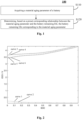
- Fig. 2 is a diagram of a corresponding relationship between the voltage and the state of charge (State of Charge, SOC) of the battery provided by the embodiments of the present application.
- curve 1 depicted with the dashed line is the correlation curve between the negative electrode potential OCVNeg and the SOC of the battery after aging
- curve 2 depicted with the solid line is the correlation curve between the negative electrode potential OCVNeg and the SOC of the battery at the beginning of life (Beginning of Life, BOL).
- curve 1 is obtained by scaling and then translating curve 2.
- the translating amount of curve 1 relative to curve 2 nay be used to represent the second aging parameter.
- the first aging parameter may include: a positive electrode aging parameter representing an aging degree of positive electrode active material of the battery, and/or a negative electrode aging parameter representing an aging degree of negative electrode active material of the battery.
- curve 1 is obtained by scaling and then translating curve 2.
- the scaling amount of curve 1 relative to curve 2 may be used to represent the negative electrode aging parameter.
- the aging degree of the negative electrode material is positively correlated with the negative electrode aging parameter, that is, the greater the aging degree of the negative electrode material, the greater the negative electrode aging parameter.
- the positive electrode aging parameter may be correlated with the positive electrode material loss.
- curve 3 depicted with the dashed line is the correlation curve between the positive electrode potential OCVPos and the SOC of the battery after aging
- curve 4 depicted with the solid line is the correlation curve between the positive electrode potential OCVPos and the SOC of the battery at the beginning of life.
- Curve 3 is generally higher than curve 4, and by comparison, it may be considered that curve 3 is obtained by scaling curve 4.
- the scaling amount of curve 3 relative to curve 4 may be used to represent the positive electrode aging parameter.
- curve 5 depicted with the dashed line is the correlation curve between the open circuit voltage OCV and the SOC of the battery after aging
- curve 6 depicted with the solid line is the correlation curve between the open circuit voltage OCV and the SOC of the battery at the beginning of life.
- the aging degree of the positive electrode active material is positively correlated with the positive electrode aging parameter, that is, the greater the aging degree of the positive electrode active material, the greater the positive electrode aging parameter.
- the material aging parameter may include at least one of the positive electrode aging parameter Wp, the negative electrode aging parameter Wn, and the second aging parameter KLL.
- the positive electrode aging parameter Wp, the negative electrode aging parameter Wn, and the second aging parameter KLL may be obtained by means of fitting.
- S110 includes step A1 to step A8 as follows.
- Step A1 acquiring a plurality of sets of first pending data within a preset time period.
- a plurality of sets of first pending data may be acquired within the preset time period.
- the preset time period may be determined according to specific requirements and actual scenarios. For example, the preset time period may be determined according to the overall aging rate of the battery, and if the aging rate of the battery is fast, the plurality of sets of the first pending data may be acquired within, for example, one week or half a month.
- each set of the first pending data includes a battery open circuit voltage (OCV) under a quasi-stationary working condition, and a cumulative net charging and discharging capacity (Q) corresponding to the OCV.
- OCV battery open circuit voltage
- Q cumulative net charging and discharging capacity
- each set of the first pending data can be expressed as OCV-Q
- the plurality of sets of the first pending data may be an OCV-Q sequence.
- the symbol "-" is used to indicate a corresponding relationship between each pair of the OCV and Q in the sequence.
- the plurality of sets of the first pending data may be acquired in the following two specific manners.
- a first acquiring manner a plurality of quasi-stationary working conditions may occur within the preset time period, and for each of the quasi-stationary working conditions, an OCV value may be calculated, and the cumulative net charging and discharging capacity Q during this quasi-stationary working condition is acquired.
- the OCV and the cumulative net charging and discharging capacity Q calculated under each of the quasi-stationary working conditions are used as a set of the first pending data.
- a battery voltage, a battery current, and a temperature under this quasi-stationary working condition may be acquired, based on which the OCV is then calculated.
- the battery voltage at the last moment before the end of the quasi-stationary working condition may be used as the OCV.
- the cumulative net charging and discharging capacity the cumulative charging capacity - the cumulative discharging capacity
- the cumulative net charging and discharging capacity corresponding to each of the quasi-stationary working conditions may be calculated utilizing the ampere-hour integration method.
- the quasi-stationary working condition refers to a working condition in which a duration during which the battery is charged with a current less than a preset current threshold reaches a first preset duration, or a current stationary duration of the battery is greater than a second preset duration.
- a second acquiring manner in the preset time period, the battery may be charged in a maintenance mode for many times, where the maintenance mode refers to charging the battery to a preset capacity. For example, in the maintenance mode, the charging is stopped when 90% of the calibrated capacity is reached, which may extend the battery life.
- the battery During each maintenance mode, if an operating condition of the quasi-stationary working condition is met, the battery is controlled to operate in the quasi-stationary working condition.
- the operating condition of the quasi-stationary working condition includes that the battery temperature is within a specified temperature range, and the battery SOC before entering the quasi-stationary working condition is less than a certain threshold or within a certain threshold range.
- the specific implementation for determining the OCV and the cumulative net charging and discharging capacity Q in the quasi-stationary working condition is similar to that of the first acquiring manner, which will not be repeated herein.
- Step A2 determining a first current state of charge (SOC) corresponding to a current cumulative net charging and discharging capacity Q in each set of the first pending data by use of a first corresponding relationship function of the cumulative net charging and discharging capacity Q and a current SOC, and constructing a corresponding relationship between the OCV in each set of the first pending data and the first current SOC so as to obtain a plurality of corresponding sets of the OCV and the first current SOC.
- SOC current state of charge
- a corresponding relationship coefficient of the cumulative net charging and discharging capacity Q and the current SOC in the first corresponding relationship function is a capacity aging parameter k.
- the capacity aging parameter represents the current aging degree of the battery capacity.
- the plurality of sets of the first pending data are expressed as an OCV-Q sequence
- the plurality of corresponding sets of the OCV and the first current SOC may be expressed as an OCV-k*Q+b sequence.
- the symbol "-" is used to indicate a corresponding relationship between each pair of the OCV and k*Q+b in the sequence.
- Step A3 acquiring a plurality of sets of second pending data.
- each set of the second pending data includes a positive electrode potential of the battery at a beginning of life and operating under the quasi-stationary working condition, and an initial SOC corresponding to the positive electrode potential.
- each set of the second pending data can be expressed as OCVp0-SOCp0
- the plurality of sets of the second pending data may be expressed as an OCVp0-SOCp0 sequence.
- the plurality of sets of the second pending data may be determined from the correlation curve between the positive electrode potential OCVPos and the SOC of the battery at the beginning of life (for example, curve 4 in Fig. 2 ).
- Step A4 determining a second current SOC corresponding to the initial SOC in each set of the second pending data by use of a second corresponding relationship function of the initial SOC and the current SOC, and constructing a corresponding relationship between the positive electrode potential in each set of the second pending data and the second current SOC so as to obtain a plurality of corresponding sets of the positive electrode potential and the second current SOC.
- a corresponding relationship coefficient of the initial SOC and the current SOC in the second corresponding relationship function is the positive electrode aging parameter.
- the plurality of sets of the second pending data are expressed as an OCVp0-SOCp0 sequence
- the plurality of corresponding sets of the positive electrode potential and the second current SOC may be represented as an OCVp0-SOCp0*Wp sequence or an OCVp0-SOCp1 sequence.
- Step A5 acquiring a plurality of sets of third pending data.
- each set of the third pending data includes a negative electrode potential of the battery at the beginning of life and operating under the quasi-stationary working condition, and an initial SOC corresponding to the negative electrode potential.
- each set of the third pending data may be expressed as OCVn0-SOCn0, and the plurality of sets of the third pending data may be an OCVn0-SOCn0 sequence.
- the plurality of sets of the third pending data may be determined from the correlation curve between the negative electrode potential OCVNeg and the SOC of the battery at the beginning of life (for example, curve 2 in Fig. 2 ).
- Step A6 determining a third current SOC corresponding to the initial SOC in each set of the third pending data by use of a third corresponding relationship function of the initial SOC and the current SOC, and constructing a corresponding relationship between the negative electrode potential in each set of the third pending data and the third current SOC so as to obtain a plurality of corresponding sets of the negative electrode potential and the third current SOC.
- a corresponding relationship coefficient of the initial SOC and the current SOC in the third corresponding relationship function is the negative electrode aging parameter, and a constant term in the third corresponding relationship function is the second aging parameter.
- the plurality of sets of the third pending data are expressed as an OCVn0-SOCn0 sequence
- the plurality of corresponding sets of the negative electrode potential and the third current SOC may be represented as an OCVn0-SOCn0*Wn+KLL sequence or an OCVn0-SOCn1sequence.
- Step A7 processing the plurality of corresponding sets of the positive electrode potential and the second current SOC and the plurality of corresponding sets of the negative electrode potential and the third current SOC to obtain a plurality of corresponding sets of the OCV and a fourth current SOC.
- Step A8 fitting the plurality of corresponding sets of the OCV and the first current SOC and the plurality of corresponding sets of the OCV and the fourth current SOC to obtain the capacity aging parameter k, the second aging parameter KLL, the positive electrode aging parameter Wp, and the negative electrode aging parameter Wn.
- the OCV'-SOC' sequence is used to reflect a first fitting corresponding relationship between the current OCV and SOC of the battery and contains unknown KLL, Wp, and Wn
- the OCV-k*Q+b sequence is used to reflect a second fitting corresponding relationship between the current OCV and SOC of the battery and contains unknown k
- these two sequences may be fitted to obtain the specific values of KLL, Wp, Wn, and k.
- S120 determining, based on a preset corresponding relationship between the material aging parameter and the battery remaining life, the battery remaining life corresponding to the material aging parameter.
- the preset corresponding relationship between the material aging parameter and the battery remaining life may be implemented as a correlation curve or a plurality of corresponding data, such as a plurality of pairs of material aging parameter-battery remaining life in the form of key values.
- the corresponding relationship between the material aging parameter and the battery remaining life may be experimentally measured.
- the preset corresponding relationship between the material aging parameter and the battery remaining life may include: a first corresponding relationship between the material aging parameter and a material concentration change, and a second corresponding relationship between the material concentration change and the battery remaining life.
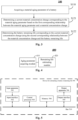
- Fig. 3 is a schematic flowchart of an exemplary method for estimating a battery remaining life provided by the embodiments of the present application.
- the specific implementation of S120 may include S121 and S122.
- S121 determining a current material concentration change corresponding to the material aging parameter based on the first corresponding relationship between the material aging parameter and the material concentration change.
- the first corresponding relationship may be experimentally measured.
- the specific form of the first corresponding relationship may refer to the specific form of the preset corresponding relationship between the material aging parameter and the battery remaining life, which will not be repeated herein.
- the current material concentration change is equal to a difference between the initial material concentration and the current material concentration.
- the initial material concentration is the material concentration of the battery at the beginning of life.
- the specific type of the material aging parameter is different, the specific content of the first corresponding relationship illustrated in the above embodiments of the present application is also different.
- the material aging parameter includes the second aging parameter and the positive electrode aging parameter
- the first corresponding relationship may include a first sub-corresponding relationship between the second aging parameter and the concentration change of active ions, and a second sub-corresponding relationship between the positive electrode aging parameter and the concentration change of positive electrode active material.
- S122 determining the battery remaining life corresponding to the current material concentration change using the second corresponding relationship between the material concentration change and the battery remaining life.
- the second corresponding relationship may be experimentally measured.
- the specific form of the second corresponding relationship may refer to the specific form of the preset corresponding relationship between the material aging parameter and the battery remaining life, which will not be repeated herein.
- the battery remaining life is discussed.
- the battery remaining life may be specifically expressed in the form of a percentage, and the greater the percentage, the longer the remaining life.
- the battery remaining life of a newly made battery may be set to 100%, and the battery remaining life of an out-of-use battery may be set to 0%.
- the battery remaining life may be expressed in the form of, but not limited to, remaining service life, remaining charge and discharge cycles or the like.
- the battery remaining life in S120 is related to the specific type of the material aging parameter.
- the battery remaining life includes a current remaining life of the positive electrode active material.
- the battery remaining life includes a current remaining life of the negative electrode active material.
- the battery remaining life includes a current remaining life of the active ions.
- the material aging parameter includes one aging parameter among the positive electrode aging parameter, the negative electrode aging parameter, and the second aging parameter, and then the battery remaining life may be determined as the current remaining life corresponding to this aging parameter.
- the battery remaining life is the current remaining life of the negative electrode active material.
- the material aging parameter includes at least two aging parameters among the positive electrode aging parameter, the negative electrode aging parameter, and the second aging parameter.
- determining the battery remaining life may include: determining the battery remaining life as a minimum value of current remaining lives respectively corresponding to the at least two aging parameters.
- the material aging parameter includes the positive electrode aging parameter, the negative electrode aging parameter, and the second aging parameter, and the current remaining life of the positive electrode active material is 52%, the current remaining life of the negative electrode active material is 48%, and the current remaining life of the active ions is 26%, then the battery remaining life is 26%.
- the applicant considers that the battery remaining life generally depends on the material with the greatest aging degree, thus by determining the battery remaining life as the minimum value of current remaining lives respectively corresponding to the at least two aging parameters, the battery remaining life can be accurately measured.
- the corresponding relationship between the material aging parameter and the battery remaining life may be preset, and the battery remaining life corresponding to the acquired material aging parameter of the individual battery may be determined based on this corresponding relationship. Since the battery remaining life gradually decreases after the battery is put into use, and during the decreasing of the battery remaining life, the battery material will also age, the material aging parameter reflecting the aging degree of the individual battery material is used to evaluate the battery remaining life of the individual battery, and the estimation accuracy of the battery remaining life is improved.
- the embodiments of the present application also provide an apparatus for estimating a battery remaining life corresponding to the method.
- the apparatus according to the embodiment of the present application will be described in detail below with reference to the drawings.
- Fig. 4 is a structural diagram of the apparatus for estimating a battery remaining life provided by the embodiments of the present application. As shown in Fig.4 , the apparatus for estimating a battery remaining life 400 includes an aging parameter acquiring module 410 and a remaining life estimating module 420.
- the aging parameter acquiring module 410 is configured to acquire a material aging parameter of a battery representing an aging degree of a material of the battery.
- the remaining life estimating module 420 is configured to determine, based on a preset corresponding relationship between the material aging parameter and the battery remaining life, the battery remaining life corresponding to the material aging parameter.
- the corresponding relationship includes: a first corresponding relationship between the material aging parameter and a material concentration change, and a second corresponding relationship between the material concentration change and the battery remaining life.
- the remaining life estimating module 420 includes:
- the material aging parameter includes: a first aging parameter representing an aging degree of electrode active material of the battery, and/or a second aging parameter representing an aging degree of active ions of the battery.
- the first aging parameter includes: a positive electrode aging parameter representing an aging degree of positive electrode active material of the battery, and/or a negative electrode aging parameter representing an aging degree of negative electrode active material of the battery.
- the battery remaining life includes a current remaining life of the positive electrode active material.
- the battery remaining life includes a current remaining life of the negative electrode active material.
- the battery remaining life includes a current remaining life of the active ions.
- the material aging parameter includes at least two aging parameters among the positive electrode aging parameter, the negative electrode aging parameter, and the second aging parameter.
- the remaining life estimating module 420 is configured to: determine the battery remaining life as a minimum value of current remaining lives respectively corresponding to the at least two aging parameters.
- the material aging parameter includes the positive electrode aging parameter representing the aging degree of positive electrode active material of the battery, the negative electrode aging parameter representing the aging degree of negative electrode active material of the battery, and the second aging parameter representing the aging degree of active ions of the battery.
- the aging parameter acquiring module 410 includes:
- the corresponding relationship between the material aging parameter and the battery remaining life may be preset, and the battery remaining life corresponding to the acquired material aging parameter of the individual battery may be determined based on this corresponding relationship. Since the battery remaining life gradually decreases after the battery is put into use, and during the decreasing of the battery remaining life, the battery material will also age, the material aging parameter reflecting the aging degree of the individual battery material is used to evaluate the battery remaining life of the individual battery, and the estimation accuracy of the battery remaining life is improved.
- Fig. 5 is a structural diagram of an exemplary hardware architecture of a device for estimating a battery remaining life in the embodiments of the present application.
- the device for estimating the battery remaining life 500 includes an input apparatus 501, an input interface 502, a central processor 503, a memory 504, an output interface 505, and an output apparatus 506.
- the input interface 502, the central processor 503, the memory 504, and the output interface 505 are connected to each other via a bus 510
- the input apparatus 501 and the output apparatus 506 are connected to the bus 510 through the input interface 502 and the output interface 505, respectively, and in turn connected to other components of the device for estimating the battery remaining life 500.
- the input apparatus 501 receives input information from the outside, and transmits the input information to the central processor 503 through the input interface 502; the central processor 503 processes the input information based on the computer executable instructions stored in the memory 504 to generate output information, stores the output information in the memory 504 temporarily or permanently, and then transmits the output information to the output apparatus 506 through the output interface 505; and the output apparatus 506 outputs the output information out of the device for estimating the battery remaining life 500 for users to use.
- the device for estimating the battery remaining life as shown in Fig. 5 may also be implemented as including: a memory storing computer-executable instructions; and a processor which may implement, when executing the computer-executable instructions, the method for estimating the battery remaining life described with reference to Figs. 1-3 .
- the device for estimating the battery remaining life 500 as shown in Fig. 5 may be implemented as a device which may include: a memory storing a program; and a processor configured to operate the program stored in the memory to perform the method for estimating the battery remaining life of the embodiments of the present application.
- the embodiments of the present application also provide a computer storage medium storing computer program instructions thereon which implement, when executed by a processor, the method for estimating the battery remaining life of the embodiments of the present application.
- Functional blocks shown in the above structural diagrams may be implemented as hardware, software, firmware, or a combination thereof.
- the functional blocks may be, for example, an electronic circuit, an Application Specific Integrated Circuit (ASIC), a suitable firmware, a plug-in, a function card and the like.
- ASIC Application Specific Integrated Circuit
- elements of the present disclosure may be programs or code segments used to perform the required tasks.
- the programs or code segments may be stored in a machine-readable medium or transmitted over a transmission medium or a communication link via data signals carried in carriers.
- the "machine-readable medium” may include any medium capable of storing or transmitting information.
- Examples of the machine-readable medium may include an electronic circuit, a semiconductor memory device, a ROM, a flash memory, an erasable ROM (EROM), a floppy disk, a CD-ROM, an optical disk, a hard disk, a fiber medium, a Radio Frequency (RF) link, and the like.
- the code segments may be downloaded via a computer network such as the Internet, an intranet.
- the computer-readable storage medium refers to a non-transitory readable medium.
Landscapes
- Physics & Mathematics (AREA)
- General Physics & Mathematics (AREA)
- Engineering & Computer Science (AREA)
- Manufacturing & Machinery (AREA)
- Chemical & Material Sciences (AREA)
- Chemical Kinetics & Catalysis (AREA)
- Electrochemistry (AREA)
- General Chemical & Material Sciences (AREA)
- Secondary Cells (AREA)
Claims (10)
- Procédé (100) d'estimation d'une durée de vie restante de batterie, comprenant les étapes suivantes :acquérir (S110) un paramètre de vieillissement de matériau d'une batterie représentant un degré de vieillissement d'un matériau de la batterie ;déterminer (S120), sur la base d'une relation de correspondance prédéfinie entre le paramètre de vieillissement de matériau et la durée de vie restante de batterie, la durée de vie restante de batterie correspondant au paramètre de vieillissement de matériau ;dans laquelle le paramètre de vieillissement de matériau comprend :un premier paramètre de vieillissement représentant un degré de vieillissement d'un matériau actif d'électrode de la batterie, etun deuxième paramètre de vieillissement représentant un degré de vieillissement d'ions actifs de la batterie ;dans laquelle le premier paramètre de vieillissement comprend :un paramètre de vieillissement d'électrode positive représentant un degré de vieillissement d'un matériau actif d'électrode positive de la batterie, et un paramètre de vieillissement d'électrode négative représentant un degré de vieillissement d'un matériau actif d'électrode négative de la batterie ;le procédé (100) d'estimation d'une durée de vie restante de batterie étant caractérisé en ce que :
l'étape d'acquérir (S110) du paramètre de vieillissement de matériau de la batterie comprend :acquérir une pluralité d'ensembles de premières données en attente pendant une période prédéfinie, dans laquelle chaque ensemble de premières données en attente comprend une tension de circuit ouvert de batterie (OCV) dans un état de travail quasi-stationnaire, et une capacité de recharge et de décharge nette cumulative (Q) correspondant à l'OCV ;déterminer un premier état actuel de recharge (SOC) correspondant à une Q actuelle dans chaque ensemble de premières données en attente à partir d'une première fonction de relation de correspondance entre la Q et un SOC actuel, et établir une relation de correspondance entre l'OCV dans chaque ensemble de premières données en attente et le premier SOC actuel afin d'obtenir une pluralité d'ensembles correspondants d'OCVs et le premier SOC actuel, dans laquelle un coefficient de relation de correspondance entre la Q et le SOC actuel dans la première fonction de relation de correspondance est un paramètre de vieillissement de capacité ;acquérir une pluralité d'ensembles de deuxièmes données en attente, dans laquelle chaque ensemble de deuxièmes données en attente comprend un potentiel d'électrode positive de la batterie en début de la durée de vie et fonctionnant dans l'état de travail quasi-stationnaire, et un SOC initial correspondant au potentiel d'électrode positive ;déterminer un deuxième SOC actuel correspondant au SOC initial dans chaque ensemble de deuxièmes données en attente à partir d'une deuxième fonction de relation de correspondance entre le SOC initial et le SOC actuel, et établir une relation de correspondance entre le potentiel d'électrode positive dans chaque ensemble de deuxièmes données en attente et le deuxième SOC actuel afin d'obtenir une pluralité d'ensembles correspondants de potentiels d'électrode positive et le deuxième SOC actuel, dans laquelle un coefficient de relation de correspondance entre le SOC initial et le SOC actuel dans la deuxième fonction de relation de correspondance est le paramètre de vieillissement d'électrode positive ;acquérir une pluralité d'ensembles de troisièmes données en attente, dans laquelle chaque ensemble de troisièmes données en attente comprend un potentiel d'électrode négative de la batterie en début de la durée de vie et fonctionnant dans l'état de travail quasi-stationnaire, et un SOC initial correspondant au potentiel d'électrode négative ;déterminer un troisième SOC actuel correspondant au SOC initial dans chaque ensemble de troisièmes données en attente à partir d'une troisième fonction de relation de correspondance entre le SOC initial et le SOC actuel, et établir une relation de correspondance entre le potentiel d'électrode négative dans chaque ensemble de troisièmes données en attente et le troisième SOC actuel afin d'obtenir une pluralité d'ensembles correspondants de potentiels d'électrode négative et le troisième SOC actuel, dans laquelle un coefficient de relation de correspondance entre le SOC initial et le SOC actuel dans la troisième fonction de relation de correspondance est le paramètre de vieillissement d'électrode négative, et la troisième fonction de relation de correspondance comprend un terme constant qui est le deuxième paramètre de vieillissement ;traiter la pluralité d'ensembles correspondants de potentiels d'électrode positive et le deuxième SOC actuel et la pluralité d'ensembles correspondants de potentiels d'électrode négative et le troisième SOC actuel pour obtenir une pluralité d'ensembles correspondants d'OCVs et un quatrième SOC actuel ; etajuster la pluralité d'ensembles correspondants d'OCVs et le premier SOC actuel et la pluralité d'ensembles correspondants d'OCVs et le quatrième SOC actuel pour obtenir le paramètre de vieillissement de capacité, le deuxième paramètre de vieillissement, le paramètre de vieillissement d'électrode positive et le paramètre de vieillissement d'électrode négative ;dans laquelle l'état de travail quasi-stationnaire comprend un état de travail dans lequel une durée pendant laquelle la batterie est rechargée à un courant inférieur à un seuil de courant prédéfini atteint une première durée prédéfinie, ou une durée stationnaire actuelle de la batterie est supérieure à une deuxième durée prédéfinie. - Procédé (100) d'estimation d'une durée de vie restante de batterie selon la revendication 1, dans lequel la relation de correspondance comprend : une première relation de correspondance entre le paramètre de vieillissement de matériau et une variation de concentration de matériau, et une deuxième relation de correspondance entre la variation de concentration de matériau et la durée de vie restante de batterie, la variation de concentration de matériau représente une variation de concentration du matériau de la batterie, et le matériau de la batterie comprend un ou plusieurs parmi : le matériau actif d'électrode positive de la batterie, le matériau actif d'électrode négative de la batterie et les ions actifs de la batterie,
l'étape de déterminer (S120), sur la base d'une relation de correspondance prédéfinie entre le paramètre de vieillissement de matériau et la durée de vie restante de batterie, la durée de vie restante de batterie correspondant au paramètre de vieillissement de matériau comprend :déterminer (S121) une variation de concentration de matériau actuelle correspondant au paramètre de vieillissement de matériau sur la base de la première relation de correspondance ; etdéterminer (S122) la durée de vie restante de batterie correspondant à la variation de concentration de matériau actuelle à partir de la deuxième relation de correspondance. - Procédé (100) d'estimation d'une durée de vie restante de batterie selon la revendication 1 ou 2, dans lequeldans une condition où le paramètre de vieillissement de matériau comprend le paramètre de vieillissement d'électrode positive, la durée de vie restante de batterie comprend une durée de vie restante actuelle du matériau actif d'électrode positive ;dans une condition où le paramètre de vieillissement de matériau comprend le paramètre de vieillissement d'électrode négative, la durée de vie restante de batterie comprend une durée de vie restante actuelle du matériau actif d'électrode négative ; etdans une condition où le paramètre de vieillissement de matériau comprend le deuxième paramètre de vieillissement, la durée de vie restante de batterie comprend une durée de vie restante actuelle des ions actifs.
- Procédé (100) d'estimation d'une durée de vie restante de batterie selon la revendication 1 ou 3, dans lequelle paramètre de vieillissement de matériau comprend au moins deux paramètres de vieillissement parmi le paramètre de vieillissement d'électrode positive, le paramètre de vieillissement d'électrode négative et le deuxième paramètre de vieillissement ;l'étape de déterminer (S120), sur la base d'une relation de correspondance prédéfinie entre le paramètre de vieillissement de matériau et la durée de vie restante de batterie, la durée de vie restante de batterie correspondant au paramètre de vieillissement de matériau comprend :
déterminer la durée de vie restante de batterie comme valeur minimale des durées de vie restantes actuelles, correspondant respectivement aux au moins deux paramètres de vieillissement. - Appareil (400) d'estimation d'une durée de vie restante de batterie, comprenant :un module d'acquisition de paramètre de vieillissement (410) configuré pour acquérir un paramètre de vieillissement de matériau d'une batterie représentant un degré de vieillissement d'un matériau de la batterie ;un module d'estimation de durée de vie restante (420) configuré pour déterminer, sur la base d'une relation de correspondance prédéfinie entre le paramètre de vieillissement de matériau et la durée de vie restante de batterie, la durée de vie restante de batterie correspondant au paramètre de vieillissement de matériau ;dans laquelle le paramètre de vieillissement de matériau comprend :un premier paramètre de vieillissement représentant un degré de vieillissement d'un matériau actif d'électrode de la batterie, etun deuxième paramètre de vieillissement représentant un degré de vieillissement d'ions actifs de la batterie ;dans laquelle le premier paramètre de vieillissement comprend :un paramètre de vieillissement d'électrode positive représentant un degré de vieillissement d'un matériau actif d'électrode positive de la batterie, et un paramètre de vieillissement d'électrode négative représentant un degré de vieillissement d'un matériau actif d'électrode négative de la batterie ;l'appareil (400) d'estimation d'une durée de vie restante de batterie étant caractérisé en ce que :
le module d'acquisition de paramètre de vieillissement (410) comprenant :une première unité d'acquisition configurée pour acquérir une pluralité d'ensembles de premières données en attente pendant une période prédéfinie, dans laquelle chaque ensemble de premières données en attente comprend une tension de circuit ouvert de batterie (OCV) dans un état de travail quasi-stationnaire, et une capacité de recharge et de décharge nette cumulative (Q) correspondant à l'OCV ;une première unité de calcul configurée pour déterminer un premier état actuel de recharge (SOC) correspondant à une Q actuelle dans chaque ensemble de premières données en attente à partir d'une première fonction de relation de correspondance entre la Q et un SOC actuel, et établir une relation de correspondance entre l'OCV dans chaque ensemble de premières données en attente et le premier SOC actuel afin d'obtenir une pluralité d'ensembles correspondants d'OCVs et le premier SOC actuel, dans laquelle un coefficient de relation de correspondance entre la Q et le SOC actuel dans la première fonction de relation de correspondance est un paramètre de vieillissement de capacité ;une deuxième unité d'acquisition configurée pour acquérir une pluralité d'ensembles de deuxièmes données en attente, dans laquelle chaque ensemble de deuxièmes données en attente comprend un potentiel d'électrode positive de la batterie en début de la durée de vie et fonctionnant dans l'état de travail quasi-stationnaire, et un SOC initial correspondant au potentiel d'électrode positive ;une deuxième unité de calcul configurée pour déterminer un deuxième SOC actuel correspondant au SOC initial dans chaque ensemble de deuxièmes données en attente à partir d'une deuxième fonction de relation de correspondance entre le SOC initial et le SOC actuel, et établir une relation de correspondance entre le potentiel d'électrode positive dans chaque ensemble de deuxièmes données en attente et le deuxième SOC actuel afin d'obtenir une pluralité d'ensembles correspondants de potentiels d'électrode positive et le deuxième SOC actuel, dans laquelle un coefficient de relation de correspondance entre le SOC initial et le SOC actuel dans la deuxième fonction de relation de correspondance est le paramètre de vieillissement d'électrode positive ;une troisième unité d'acquisition configurée pour acquérir une pluralité d'ensembles de troisièmes données en attente, dans laquelle chaque ensemble de troisièmes données en attente comprend un potentiel d'électrode négative de la batterie en début de la durée de vie et fonctionnant dans l'état de travail quasi-stationnaire, et un SOC initial correspondant au potentiel d'électrode négative ;une troisième unité de calcul configurée pour déterminer un troisième SOC actuel correspondant au SOC initial dans chaque ensemble de troisièmes données en attente à partir d'une troisième fonction de relation de correspondance entre le SOC initial et le SOC actuel, et établir une relation de correspondance entre le potentiel d'électrode négative dans chaque ensemble de troisièmes données en attente et le troisième SOC actuel afin d'obtenir une pluralité d'ensembles correspondants de potentiels d'électrode négative et le troisième SOC actuel, dans laquelle un coefficient de relation de correspondance entre le SOC initial et le SOC actuel dans la troisième fonction de relation de correspondance est le paramètre de vieillissement d'électrode négative, et la troisième fonction de relation de correspondance comprend un terme constant qui est le deuxième paramètre de vieillissement ;une quatrième unité de calcul configurée pour traiter la pluralité d'ensembles correspondants de potentiels d'électrode positive et le deuxième SOC actuel et la pluralité d'ensembles correspondants de potentiels d'électrode négative et le troisième SOC actuel pour obtenir une pluralité d'ensembles correspondants d'OCVs et un quatrième SOC actuel ; etune unité d'ajustement configurée pour ajuster la pluralité d'ensembles correspondants d'OCVs et le premier SOC actuel et la pluralité d'ensembles correspondants d'OCVs et le quatrième SOC actuel pour obtenir le paramètre de vieillissement de capacité, le deuxième paramètre de vieillissement, le paramètre de vieillissement d'électrode positive et le paramètre de vieillissement d'électrode négative ;dans laquelle l'état de travail quasi-stationnaire comprend un état de travail dans lequel une durée pendant laquelle la batterie est rechargée à un courant inférieur à un seuil de courant prédéfini atteint une première durée prédéfinie, ou une durée stationnaire actuelle de la batterie est supérieure à une deuxième durée prédéfinie. - Appareil (400) d'estimation d'une durée de vie restante de batterie selon la revendication 5, dans lequel la relation de correspondance comprend : une première relation de correspondance entre le paramètre de vieillissement de matériau et une variation de concentration de matériau, et une deuxième relation de correspondance entre la variation de concentration de matériau et la durée de vie restante de batterie, la variation de concentration de matériau représente une variation de concentration du matériau de la batterie, et le matériau de la batterie comprend un ou plusieurs parmi : le matériau actif d'électrode positive de la batterie, le matériau actif d'électrode négative de la batterie et les ions actifs de la batterie,
le module d'estimation de durée de vie restante (420) comprend :une première unité de détermination configurée pour déterminer une variation de concentration de matériau actuelle correspondant au paramètre de vieillissement de matériau sur la base de la première relation de correspondance ; etune deuxième unité de détermination configurée pour déterminer la durée de vie restante de batterie correspondant à la variation de concentration de matériau actuelle à partir de la deuxième relation de correspondance. - Appareil (400) d'estimation d'une durée de vie restante de batterie selon la revendication 5 ou 6, dans lequeldans une condition où le paramètre de vieillissement de matériau comprend le paramètre de vieillissement d'électrode positive, la durée de vie restante de batterie comprend une durée de vie restante actuelle du matériau actif d'électrode positive ;dans une condition où le paramètre de vieillissement de matériau comprend le paramètre de vieillissement d'électrode négative, la durée de vie restante de batterie comprend une durée de vie restante actuelle du matériau actif d'électrode négative ; etdans une condition où le paramètre de vieillissement de matériau comprend le deuxième paramètre de vieillissement, la durée de vie restante de batterie comprend une durée de vie restante actuelle des ions actifs.
- Appareil (400) d'estimation d'une durée de vie restante de batterie selon la revendication 5 ou 7, dans lequelle paramètre de vieillissement de matériau comprend au moins deux paramètres de vieillissement parmi le paramètre de vieillissement d'électrode positive, le paramètre de vieillissement d'électrode négative et le deuxième paramètre de vieillissement ;le module d'estimation de durée de vie restante (420) est configuré pour :
déterminer la durée de vie restante de batterie comme valeur minimale des durées de vie restantes actuelles, correspondant respectivement aux au moins deux paramètres de vieillissement. - Dispositif (500) d'estimation d'une durée de vie restante de batterie, comprenant :une mémoire (504) stockant un programme ; etun processeur (503), configuré pour exécuter le programme stocké dans la mémoire (504), afin de mettre en œuvre le procédé (100) d'estimation d'une durée de vie restante de batterie selon l'une quelconque des revendications 1 à 4.
- Support de stockage informatique sur lequel sont stockées des instructions de programme informatique qui mettent en œuvre, lorsqu'elles sont exécutées par un processeur, le procédé (100) d'estimation d'une durée de vie restante de batterie selon l'une quelconque des revendications 1 à 4.
Applications Claiming Priority (2)
| Application Number | Priority Date | Filing Date | Title |
|---|---|---|---|
| CN202010798925.0A CN111707955B (zh) | 2020-08-11 | 2020-08-11 | 电池剩余寿命的估算方法、装置和介质 |
| PCT/CN2020/138712 WO2022032963A1 (fr) | 2020-08-11 | 2020-12-23 | Procédé et dispositif d'estimation de la durée de vie restante d'une batterie et support associé |
Publications (4)
| Publication Number | Publication Date |
|---|---|
| EP3985405A1 EP3985405A1 (fr) | 2022-04-20 |
| EP3985405A4 EP3985405A4 (fr) | 2022-06-08 |
| EP3985405C0 EP3985405C0 (fr) | 2025-03-19 |
| EP3985405B1 true EP3985405B1 (fr) | 2025-03-19 |
Family
ID=72547091
Family Applications (1)
| Application Number | Title | Priority Date | Filing Date |
|---|---|---|---|
| EP20925005.9A Active EP3985405B1 (fr) | 2020-08-11 | 2020-12-23 | Procédé, dispositif et support associé d'estimation de la durée de vie restante d'une batterie |
Country Status (4)
| Country | Link |
|---|---|
| US (1) | US11619679B2 (fr) |
| EP (1) | EP3985405B1 (fr) |
| CN (1) | CN111707955B (fr) |
| WO (1) | WO2022032963A1 (fr) |
Families Citing this family (9)
| Publication number | Priority date | Publication date | Assignee | Title |
|---|---|---|---|---|
| CN111707955B (zh) | 2020-08-11 | 2021-01-12 | 江苏时代新能源科技有限公司 | 电池剩余寿命的估算方法、装置和介质 |
| US12374725B2 (en) * | 2021-03-12 | 2025-07-29 | Zebra Technologies Corporation | Battery management system for monitoring a battery status |
| CN115372850B (zh) * | 2021-05-18 | 2024-10-18 | 宁德时代新能源科技股份有限公司 | 电池材料老化数据的生成和确定方法、装置、设备及介质 |
| EP4231483A4 (fr) * | 2021-09-08 | 2024-04-10 | Contemporary Amperex Technology Co., Limited | Procédé de charge de batterie d'alimentation et système de gestion de batterie |
| CN115114878B (zh) * | 2022-07-26 | 2022-12-27 | 中国长江三峡集团有限公司 | 一种储能电站电池寿命在线预测方法、装置及存储介质 |
| CN115144760B (zh) * | 2022-09-01 | 2022-12-13 | 中创新航科技股份有限公司 | 一种电池系统sop的估算方法及装置 |
| CN115792642B (zh) * | 2023-02-02 | 2023-04-28 | 中创新航科技股份有限公司 | 一种动力电池寿命的估算方法及装置 |
| CN118294819B (zh) * | 2024-06-06 | 2024-08-06 | 深圳市力通威电子科技有限公司 | 一种bms保护板的智能测试控制方法、装置及存储介质 |
| CN119265850B (zh) * | 2024-12-06 | 2025-03-07 | 珠海格力电器股份有限公司 | 一种洗衣机剩余寿命预测方法和装置 |
Family Cites Families (26)
| Publication number | Priority date | Publication date | Assignee | Title |
|---|---|---|---|---|
| DE102004007904B4 (de) * | 2004-02-18 | 2008-07-03 | Vb Autobatterie Gmbh & Co. Kgaa | Verfahren zur Bestimmung mindestens einer Kenngröße für den Zustand einer elektrochemischen Speicherbatterie und Überwachungseinrichtung |
| DE102009002496A1 (de) * | 2009-04-20 | 2010-10-21 | Deutronic Elektronik Gmbh | Lade- und Diagnoseverfahren für Batterien |
| US9529056B2 (en) * | 2012-02-17 | 2016-12-27 | Toyota Jidosha Kabushiki Kaisha | Battery system and deterioration determining method |
| US9316699B2 (en) * | 2012-04-05 | 2016-04-19 | Samsung Sdi Co., Ltd. | System for predicting lifetime of battery |
| KR20150058172A (ko) * | 2012-09-20 | 2015-05-28 | 세키스이가가쿠 고교가부시키가이샤 | 축전지 운전 제어 장치, 축전지 운전 제어 방법 및 프로그램 |
| US10371753B1 (en) * | 2013-12-20 | 2019-08-06 | Hrl Laboratories, Llc | Methods for online estimation of battery capacity and state of health |
| JP6284824B2 (ja) * | 2014-05-14 | 2018-02-28 | 日立オートモティブシステムズ株式会社 | 二次電池監視装置、二次電池劣化予測装置、および、二次電池の電池容量の予測方法 |
| CN105158696A (zh) * | 2015-08-24 | 2015-12-16 | 中汽科技发展(苏州)有限公司 | 一种电池使用寿命的评估方法 |
| CN106814320B (zh) * | 2015-11-28 | 2019-05-14 | 华南理工大学 | 一种磷酸铁锂动力电池循环寿命预测系统 |
| CN106383324B (zh) * | 2016-12-07 | 2019-07-09 | 上海动力储能电池系统工程技术有限公司 | 一种基于容量衰减机理分解分析的锂离子电池寿命预测方法 |
| CN107271610A (zh) * | 2017-06-16 | 2017-10-20 | 长沙新材料产业研究院有限公司 | 一种用于预测锰酸锂‑钛酸锂电池剩余生命周期的方法 |
| CN107356877B (zh) * | 2017-06-26 | 2020-09-11 | 合肥国轩高科动力能源有限公司 | 一种可实现锂离子电池循环寿命快速预测的方法 |
| CN108427074A (zh) * | 2018-01-20 | 2018-08-21 | 郑州比克电池有限公司 | 一种锂离子电池循环寿命预测的方法 |
| CN108375624A (zh) * | 2018-02-27 | 2018-08-07 | 山西长征动力科技有限公司 | 应用参比电极分析锂离子电池寿命衰减机理的测试方法 |
| KR102452626B1 (ko) * | 2018-03-07 | 2022-10-06 | 주식회사 엘지에너지솔루션 | Soc-ocv 프로파일 추정 방법 및 장치 |
| CN108896913A (zh) * | 2018-05-10 | 2018-11-27 | 燕山大学 | 一种锂离子电池健康状态的估算方法 |
| CN109164396B (zh) * | 2018-09-21 | 2020-10-09 | 华北电力大学(保定) | 一种实时磷酸铁锂电池寿命损耗评估方法 |
| CN109613438A (zh) * | 2018-12-17 | 2019-04-12 | 欣旺达电动汽车电池有限公司 | 一种soc-ocv关系估算方法 |
| CN110045293A (zh) * | 2019-03-15 | 2019-07-23 | 天津力神电池股份有限公司 | 一种无损分析电池活性物质材料失效的方法 |
| CN110133527B (zh) * | 2019-05-08 | 2026-01-13 | 深圳市比克动力电池有限公司 | 一种基于三电极锂离子电池分析容量衰减的方法 |
| CN110618387B (zh) * | 2019-09-25 | 2021-09-03 | 华霆(合肥)动力技术有限公司 | 锂电池失效分析方法、装置、电子设备和存储介质 |
| DE102019007510A1 (de) * | 2019-10-28 | 2020-07-16 | Daimler Ag | Verfahren zum Bestimmen eines Gesundheitszustands eines elektrischen Energiespeichers mittels eines hinterlegten Kapazitätsmodells in Abhängigkeit eines Anodenüberhangeffekts sowie elektronische Recheneinrichtung |
| CN110954832A (zh) * | 2019-12-19 | 2020-04-03 | 北京交通大学 | 一种识别老化模式的锂离子电池健康状态在线诊断方法 |
| CN111048857B (zh) * | 2019-12-20 | 2022-01-11 | 宁德时代新能源科技股份有限公司 | 电池组的ocv-soc曲线更新方法、电池管理系统及车辆 |
| CN111208431B (zh) * | 2020-01-07 | 2022-05-10 | 天津市捷威动力工业有限公司 | 一种电动汽车用锂离子电池全气候日历寿命预测方法 |
| CN111707955B (zh) * | 2020-08-11 | 2021-01-12 | 江苏时代新能源科技有限公司 | 电池剩余寿命的估算方法、装置和介质 |
-
2020
- 2020-08-11 CN CN202010798925.0A patent/CN111707955B/zh active Active
- 2020-12-23 EP EP20925005.9A patent/EP3985405B1/fr active Active
- 2020-12-23 WO PCT/CN2020/138712 patent/WO2022032963A1/fr not_active Ceased
-
2021
- 2021-12-31 US US17/566,705 patent/US11619679B2/en active Active
Also Published As
| Publication number | Publication date |
|---|---|
| CN111707955A (zh) | 2020-09-25 |
| WO2022032963A1 (fr) | 2022-02-17 |
| CN111707955B (zh) | 2021-01-12 |
| EP3985405C0 (fr) | 2025-03-19 |
| EP3985405A1 (fr) | 2022-04-20 |
| EP3985405A4 (fr) | 2022-06-08 |
| US20220120821A1 (en) | 2022-04-21 |
| US11619679B2 (en) | 2023-04-04 |
Similar Documents
| Publication | Publication Date | Title |
|---|---|---|
| EP3985405B1 (fr) | Procédé, dispositif et support associé d'estimation de la durée de vie restante d'une batterie | |
| US10170924B2 (en) | Modeling a change in battery degradation | |
| EP3736585B1 (fr) | Méthode et dispositif pour prédire la puissance de crête d'une batterie | |
| KR102155333B1 (ko) | 이차 전지의 용량유지율을 추정하는 장치 및 방법 | |
| US10447046B2 (en) | Secondary battery management system with remote parameter estimation | |
| JP4511600B2 (ja) | 電気化学セルの現在状態及び現在パラメーターを推定する装置、方法及びシステム、並びに記録媒体 | |
| US6534954B1 (en) | Method and apparatus for a battery state of charge estimator | |
| EP3588115A1 (fr) | Dispositif et procédé pour estimer l'état de charge d'une batterie | |
| EP3780248B1 (fr) | Dispositif de détermination d'état de dégradation et procédé de détermination d'état de dégradation | |
| Propp et al. | Improved state of charge estimation for lithium-sulfur batteries | |
| EP4148439A1 (fr) | Procédé et dispositif de calcul de l'état d'une batterie, et support de stockage | |
| CN113484762B (zh) | 电池健康状态估算方法、装置、设备及存储介质 | |
| KR20230157549A (ko) | 전기차 배터리의 soh 예측 장치 및 방법 | |
| KR20230028017A (ko) | 시변 부하전류 상황에 강인한 리튬 이온 배터리의 모델 기반 충전 상태 추정 장치 및 방법 | |
| CN112557925A (zh) | 锂离子电池soc估算方法和装置 | |
| CN113933730B (zh) | Soh及电池残值的计算方法、装置、设备和介质 | |
| CN115248380B (zh) | 容量保持率预测方法以及电子设备 | |
| KR20240025909A (ko) | 배터리 soc 추정 장치 및 방법 | |
| CN111157907A (zh) | 检测方法及装置、充电方法及装置、电子设备、存储介质 | |
| JP2024031219A (ja) | 満充電容量推定方法 | |
| CN116413624A (zh) | 电池电阻状态的评估方法、装置、电子设备及存储介质 | |
| CN121186631B (zh) | 一种结合电流积分与开路电压修正的电池soc估算方法 | |
| EP4253975B1 (fr) | Estimation de la capacité d'une batterie à l'aide d'un filtre récursif | |
| Labana et al. | SOC-SOH Estimation Using Dual EKF Adaptive to Measurement Noise Covariance | |
| Pop et al. | Battery aging process |
Legal Events
| Date | Code | Title | Description |
|---|---|---|---|
| STAA | Information on the status of an ep patent application or granted ep patent |
Free format text: STATUS: UNKNOWN |
|
| STAA | Information on the status of an ep patent application or granted ep patent |
Free format text: STATUS: THE INTERNATIONAL PUBLICATION HAS BEEN MADE |
|
| PUAI | Public reference made under article 153(3) epc to a published international application that has entered the european phase |
Free format text: ORIGINAL CODE: 0009012 |
|
| STAA | Information on the status of an ep patent application or granted ep patent |
Free format text: STATUS: REQUEST FOR EXAMINATION WAS MADE |
|
| 17P | Request for examination filed |
Effective date: 20210924 |
|
| AK | Designated contracting states |
Kind code of ref document: A1 Designated state(s): AL AT BE BG CH CY CZ DE DK EE ES FI FR GB GR HR HU IE IS IT LI LT LU LV MC MK MT NL NO PL PT RO RS SE SI SK SM TR |
|
| A4 | Supplementary search report drawn up and despatched |
Effective date: 20220511 |
|
| RIC1 | Information provided on ipc code assigned before grant |
Ipc: H01M 10/48 20060101ALI20220505BHEP Ipc: G01R 31/385 20190101ALI20220505BHEP Ipc: G01R 31/3842 20190101ALI20220505BHEP Ipc: G01R 31/367 20190101ALI20220505BHEP Ipc: G01R 31/36 20200101ALI20220505BHEP Ipc: G01R 31/392 20190101AFI20220505BHEP |
|
| STAA | Information on the status of an ep patent application or granted ep patent |
Free format text: STATUS: EXAMINATION IS IN PROGRESS |
|
| 17Q | First examination report despatched |
Effective date: 20220930 |
|
| DAV | Request for validation of the european patent (deleted) | ||
| DAX | Request for extension of the european patent (deleted) | ||
| GRAP | Despatch of communication of intention to grant a patent |
Free format text: ORIGINAL CODE: EPIDOSNIGR1 |
|
| STAA | Information on the status of an ep patent application or granted ep patent |
Free format text: STATUS: GRANT OF PATENT IS INTENDED |
|
| INTG | Intention to grant announced |
Effective date: 20241209 |
|
| GRAS | Grant fee paid |
Free format text: ORIGINAL CODE: EPIDOSNIGR3 |
|
| GRAA | (expected) grant |
Free format text: ORIGINAL CODE: 0009210 |
|
| STAA | Information on the status of an ep patent application or granted ep patent |
Free format text: STATUS: THE PATENT HAS BEEN GRANTED |
|
| AK | Designated contracting states |
Kind code of ref document: B1 Designated state(s): AL AT BE BG CH CY CZ DE DK EE ES FI FR GB GR HR HU IE IS IT LI LT LU LV MC MK MT NL NO PL PT RO RS SE SI SK SM TR |
|
| REG | Reference to a national code |
Ref country code: GB Ref legal event code: FG4D |
|
| REG | Reference to a national code |
Ref country code: CH Ref legal event code: EP |
|
| REG | Reference to a national code |
Ref country code: DE Ref legal event code: R096 Ref document number: 602020048152 Country of ref document: DE |
|
| REG | Reference to a national code |
Ref country code: IE Ref legal event code: FG4D |
|
| U01 | Request for unitary effect filed |
Effective date: 20250411 |
|
| U07 | Unitary effect registered |
Designated state(s): AT BE BG DE DK EE FI FR IT LT LU LV MT NL PT RO SE SI Effective date: 20250425 |
|
| PG25 | Lapsed in a contracting state [announced via postgrant information from national office to epo] |
Ref country code: RS Free format text: LAPSE BECAUSE OF FAILURE TO SUBMIT A TRANSLATION OF THE DESCRIPTION OR TO PAY THE FEE WITHIN THE PRESCRIBED TIME-LIMIT Effective date: 20250619 |
|
| PG25 | Lapsed in a contracting state [announced via postgrant information from national office to epo] |
Ref country code: NO Free format text: LAPSE BECAUSE OF FAILURE TO SUBMIT A TRANSLATION OF THE DESCRIPTION OR TO PAY THE FEE WITHIN THE PRESCRIBED TIME-LIMIT Effective date: 20250619 |
|
| PG25 | Lapsed in a contracting state [announced via postgrant information from national office to epo] |
Ref country code: HR Free format text: LAPSE BECAUSE OF FAILURE TO SUBMIT A TRANSLATION OF THE DESCRIPTION OR TO PAY THE FEE WITHIN THE PRESCRIBED TIME-LIMIT Effective date: 20250319 |
|
| PG25 | Lapsed in a contracting state [announced via postgrant information from national office to epo] |
Ref country code: GR Free format text: LAPSE BECAUSE OF FAILURE TO SUBMIT A TRANSLATION OF THE DESCRIPTION OR TO PAY THE FEE WITHIN THE PRESCRIBED TIME-LIMIT Effective date: 20250620 |
|
| PG25 | Lapsed in a contracting state [announced via postgrant information from national office to epo] |
Ref country code: SM Free format text: LAPSE BECAUSE OF FAILURE TO SUBMIT A TRANSLATION OF THE DESCRIPTION OR TO PAY THE FEE WITHIN THE PRESCRIBED TIME-LIMIT Effective date: 20250319 |
|
| PG25 | Lapsed in a contracting state [announced via postgrant information from national office to epo] |
Ref country code: ES Free format text: LAPSE BECAUSE OF FAILURE TO SUBMIT A TRANSLATION OF THE DESCRIPTION OR TO PAY THE FEE WITHIN THE PRESCRIBED TIME-LIMIT Effective date: 20250319 |
|
| PG25 | Lapsed in a contracting state [announced via postgrant information from national office to epo] |
Ref country code: PL Free format text: LAPSE BECAUSE OF FAILURE TO SUBMIT A TRANSLATION OF THE DESCRIPTION OR TO PAY THE FEE WITHIN THE PRESCRIBED TIME-LIMIT Effective date: 20250319 |
|
| PG25 | Lapsed in a contracting state [announced via postgrant information from national office to epo] |
Ref country code: CZ Free format text: LAPSE BECAUSE OF FAILURE TO SUBMIT A TRANSLATION OF THE DESCRIPTION OR TO PAY THE FEE WITHIN THE PRESCRIBED TIME-LIMIT Effective date: 20250319 |
|
| PG25 | Lapsed in a contracting state [announced via postgrant information from national office to epo] |
Ref country code: SK Free format text: LAPSE BECAUSE OF FAILURE TO SUBMIT A TRANSLATION OF THE DESCRIPTION OR TO PAY THE FEE WITHIN THE PRESCRIBED TIME-LIMIT Effective date: 20250319 |
|
| PG25 | Lapsed in a contracting state [announced via postgrant information from national office to epo] |
Ref country code: IS Free format text: LAPSE BECAUSE OF FAILURE TO SUBMIT A TRANSLATION OF THE DESCRIPTION OR TO PAY THE FEE WITHIN THE PRESCRIBED TIME-LIMIT Effective date: 20250719 |
|
| U20 | Renewal fee for the european patent with unitary effect paid |
Year of fee payment: 6 Effective date: 20251217 |
|
| PLBE | No opposition filed within time limit |
Free format text: ORIGINAL CODE: 0009261 |
|
| STAA | Information on the status of an ep patent application or granted ep patent |
Free format text: STATUS: NO OPPOSITION FILED WITHIN TIME LIMIT |
|
| REG | Reference to a national code |
Ref country code: CH Ref legal event code: L10 Free format text: ST27 STATUS EVENT CODE: U-0-0-L10-L00 (AS PROVIDED BY THE NATIONAL OFFICE) Effective date: 20260128 |
|
| 26N | No opposition filed |
Effective date: 20251222 |