EP4001434B1 - Speichelbiomarker zur diagnose von xerostomie und seine verwendung - Google Patents
Speichelbiomarker zur diagnose von xerostomie und seine verwendung Download PDFInfo
- Publication number
- EP4001434B1 EP4001434B1 EP21205380.5A EP21205380A EP4001434B1 EP 4001434 B1 EP4001434 B1 EP 4001434B1 EP 21205380 A EP21205380 A EP 21205380A EP 4001434 B1 EP4001434 B1 EP 4001434B1
- Authority
- EP
- European Patent Office
- Prior art keywords
- protein
- fragment
- alpha
- xerostomia
- expression level
- Prior art date
- Legal status (The legal status is an assumption and is not a legal conclusion. Google has not performed a legal analysis and makes no representation as to the accuracy of the status listed.)
- Active
Links
Images



Classifications
-
- C—CHEMISTRY; METALLURGY
- C12—BIOCHEMISTRY; BEER; SPIRITS; WINE; VINEGAR; MICROBIOLOGY; ENZYMOLOGY; MUTATION OR GENETIC ENGINEERING
- C12Q—MEASURING OR TESTING PROCESSES INVOLVING ENZYMES, NUCLEIC ACIDS OR MICROORGANISMS; COMPOSITIONS OR TEST PAPERS THEREFOR; PROCESSES OF PREPARING SUCH COMPOSITIONS; CONDITION-RESPONSIVE CONTROL IN MICROBIOLOGICAL OR ENZYMOLOGICAL PROCESSES
- C12Q1/00—Measuring or testing processes involving enzymes, nucleic acids or microorganisms; Compositions therefor; Processes of preparing such compositions
- C12Q1/68—Measuring or testing processes involving enzymes, nucleic acids or microorganisms; Compositions therefor; Processes of preparing such compositions involving nucleic acids
- C12Q1/6876—Nucleic acid products used in the analysis of nucleic acids, e.g. primers or probes
- C12Q1/6883—Nucleic acid products used in the analysis of nucleic acids, e.g. primers or probes for diseases caused by alterations of genetic material
-
- C—CHEMISTRY; METALLURGY
- C12—BIOCHEMISTRY; BEER; SPIRITS; WINE; VINEGAR; MICROBIOLOGY; ENZYMOLOGY; MUTATION OR GENETIC ENGINEERING
- C12Q—MEASURING OR TESTING PROCESSES INVOLVING ENZYMES, NUCLEIC ACIDS OR MICROORGANISMS; COMPOSITIONS OR TEST PAPERS THEREFOR; PROCESSES OF PREPARING SUCH COMPOSITIONS; CONDITION-RESPONSIVE CONTROL IN MICROBIOLOGICAL OR ENZYMOLOGICAL PROCESSES
- C12Q2600/00—Oligonucleotides characterized by their use
- C12Q2600/158—Expression markers
Definitions
- Xerostomia is a subjective sensation of oral dryness due to a lack of saliva in the mouth.
- salivary gland hypofunction When function of the salivary gland is reduced and lubricating or antibacterial actions are decreased due to xerostomia, dental caries and periodontal disease may appear as secondary diseases in the oral cavity. It is difficult to recognize xerostomia in the early stages of salivary gland hypofunction, and it is difficult to distinguish between transient xerostomia and congenital xerostomia. Therefore, it is difficult to rapidly diagnose xerostomia caused by congenital salivary gland hypofunction. Elderly's xerostomia due to aging is also caused by congenital salivary gland hypofunction. Xerostomia due to salivary gland hypofunction is difficult to completely treat after the disease has progressed, and a treatment method focuses on alleviating the symptoms rather than completely treating the disease.
- Xerostomia may occur due to a variety of causes, such as Sjogren's syndrome, anemia, diabetes, aging, use of drugs, neurological diseases, etc. Recently, a method of diagnosing and treating Sjogren's syndrome by detecting a biomarker in a saliva sample of an individual with xerostomia has been developed ( US Patent Publication No. 9,833,519B2 ). However, biomarkers for diagnosing xerostomia have not been developed.
- composition for diagnosing xerostomia is provided.
- kits for diagnosing xerostomia are provided.
- compositions for diagnosing xerostomia including an agent for measuring an expression level of at least one gene, protein or fragment thereof wherein the at least one gene, protein of fragment thereof is nucleobindin-2 (NUCB2),.
- the composition further comprises an agent for measuring an expression level of at least one gene, protein or fragment thereof selected from the group consisting of immunoglobulin kappa variable 1-8 (KV108), Golgi apparatus protein 1 (GSLG1), protein FAM3B (FAM3B), mucin-21 (MUC21), Ras-related protein Rab-11A (RB11A), lysozyme C (LYSC), calmodulin-like protein 3 (CALL3), alpha-1B- glycoprotein (A1BG), alpha-1-acid glycoprotein 1 (A1AG1), calreticulin (CALR), plasminogen (PLMN), extracellular matrix protein 1 (ECM1), annexin A6 (ANXA6), WD repeat-containing protein 1 (WDR1), levokappa variable 1
- xerostomia refers to a symptom of dry mouth due to reduced saliva flow or various other causes. Xerostomia may be also referred to as salivary gland hypofunction. Xerostomia may be caused by causes such as Sjogren's syndrome, anemia, diabetes, nutrient deficiency, aging, use of drugs (e.g., antihistamines, psychotropic drugs, antihypertensive drugs), nervous system diseases, mental disorders (e.g., depression), radiation therapy, etc.
- drugs e.g., antihistamines, psychotropic drugs, antihypertensive drugs
- nervous system diseases e.g., depression
- mental disorders e.g., depression
- radiation therapy etc.
- xerostomia When xerostomia is induced, it may cause difficulty in swallowing food due to the dry sensation itself, and discomfort while speaking, occurrence of tooth decay (dental caries) and periodontitis (periodontal disease) increases and is easy to worsen, fungal infection in the oral cavity, tongue pain, bad breath, and taste abnormalities may be induced.
- Xerostomia may also affect the development of oral diseases such as oral ulcers.
- Xerostomia may be diagnosed by sialometry (an unstimulated saliva flow rate of 0.1 mL/min or less), sialography, biopsy, or nuclear medicine examination.
- Xerostomia may also be diagnosed through salivary gland biopsy, and may be diagnosed based on the degree of parenchymal atrophy of salivary gland in the salivary gland tissue.
- Sjogren's syndrome may be divided according to scores from 0 to 6 based on lymphocytic infiltration levels by measuring the lymphocytic infiltration patterns in the salivary gland tissue as an evaluation of salivary gland
- the composition may be for detection in a saliva sample.
- the expression level of at least one gene, protein or fragment thereof selected from the group consisting of NUCB2, PDCD6IP, PTGR1, FAM3D, and ZG16B may be decreased, as compared with that of a normal control group.
- NUCB2 is a calcium-binding protein which may have a role in calcium homeostasis, and may be also called HEL-S-109 or NEFA.
- NUCB2 protein may be a protein encoded by a NUCB2 gene.
- NUCB2 may include an amino acid sequence of UniProt Accession No. P80303 in human.
- NUCB2 may include an amino acid sequence of UniProt Accession No. P81117 in mouse.
- PDCD6IP is a protein which has a role in endocytosis or programmed cell death, and may be also called AIP1, ALIX, DRIP4, or HP95. Overexpression of PDCD6IP may block apoptosis.
- PDCD6IP may include an amino acid sequence of UniProt Accession No. Q8WUM4 in human.
- PDCD6IP may include an amino acid sequence of UniProt Accession No. Q9WU78 in mouse.
- FAM3D may have a role in cytokine activity and may be responsible for negative regulation of glucagon secretion or insulin secretion.
- FAM3D may include an amino acid sequence of UniProt Accession No. Q96BQ1 in human.
- FAM3D may include an amino acid sequence of UniProt Accession No. P97805 in mouse.
- A1AT is a protein belonging to the serpin superfamily.
- A1AT may be also called SERPINA1, A1A, AAT, PI, PI1, PRO2275, alpha1AT, serpin family A member 1, or nNIF.
- A1AT may be a protease inhibitor that inhibits various proteases.
- A1AT may be a single-chain glycoprotein.
- A1AT may include an amino acid sequence of UniProt Accession No. P01009 in human.
- ANT3 is a small protein that inactivates several enzymes in the blood coagulation system. ANT3 may inactivate thrombin in plasma. ANT3 may be also called SERPINC1, AT3, AT3D, ATIII, THPH7, serpin family C member 1, ATIII-R2, ATIII-T2, or ATIII-T1. ANT3 may include an amino acid sequence of UniProt Accession No. P01008 in human. ANT3 may include an amino acid sequence of UniProt Accession No. P32261 in mouse.
- HRG is a glycoprotein produced in the liver. HRG may be also called HPRG, HRGP, or THPH11. HRG may include an amino acid sequence of UniProt Accession No. P04196 in human. HRG may include an amino acid sequence of UniProt Accession No. Q9ESB3 in mouse.
- PTPRJ is a tyrosine phosphatase involved in dephosphorylation of CTNND1, FLT3, PDGFRB, MET, RET (variant MEN2A), KDR, LYN, SRC, MAPK1, MAPK3, EGFR, TJP1, OCLN, PIK3R1, and PIK3R2.
- PTPRJ may be also called CD148, DEP1, HPTPeta, R-PTP-ETA or SCC1.
- PTPRJ may include an amino acid sequence of UniProt Accession No. Q12913 in human.
- PTPRJ may include an amino acid sequence of UniProt Accession No. Q64455 in mouse.
- the expression level of the protein or fragment thereof may be a relative or absolute amount of the protein or fragment thereof.
- the measuring of the expression level of the protein or fragment thereof may be measuring of the amount of the protein or fragment thereof.
- KV108 may be a variable region of an immunoglobulin light chain.
- KV108 may be also called IGKV18, L9, or IGKV1-8.
- KV108 may include an amino acid sequence of UniProt Accession No. A0A0C4DH67 in human.
- FAM3B may induce apoptosis in alpha and beta cells in the pancreas.
- FAM3B may be also called cytokine-like protein 2-21 or Pancreatic-derived factor (PANDER).
- FAM3B may include an amino acid sequence of UniProt Accession No. P58499 in human.
- FAM3B may include an amino acid sequence of UniProt Accession No. Q9D309 in mouse.
- ECM1 is a negative regulator of bone mineralization and is involved in endochondral bone formation. ECM1 may be also called secretory component p85. ECM1 may include an amino acid sequence of UniProt Accession No. Q16610 in human. ECM1 may include an amino acid sequence of UniProt Accession No. Q61508 in mouse.
- MNDA is a protein detected in nuclei of cells of the granulocyte-monocyte lineage. FETUA may be also called PYHIN3. MNDA may include an amino acid sequence of UniProt Accession No. P41218 in human.
- MMP9 is one of zinc-metalloproteinases involved in degradation of the extracellular matrix.
- MMP9 may be also called CLG4B, GELB, MANDP2, MMP-9, 92 kDa type IV collagenase, 92 kDa gelatinase, or gelatinase B.
- MMP9 may include an amino acid sequence of UniProt Accession No. P14780 in human.
- MMP9 may include an amino acid sequence of UniProt Accession No. P41245 in mouse.
- DOPD is an enzyme that decarboxylates D-dopachrome to 5,6-dihydroxyindole (DHI).
- DOPD may be also called phenylpyruvate tautomerase II.
- DOPD may include an amino acid sequence of UniProt Accession No. P30046 in human.
- kits for diagnosing xerostomia including an agent for measuring an expression level of at least one gene, protein or fragment thereof selected from the group consisting of NUCB2, PDCD6IP, PTGR1, FAM3D, ZG16B, A1AT, ANT3, ATPA, HRG, H15, H2B1L, IGG1, PCBP1, and PTPRJ, or an expression level of a protein or fragment thereof.
- NUCB2 NUCB2, PDCD6IP, PTGR1, FAM3D, ZG16B, A1AT, ANT3, ATPA, HRG, H15, H2B1L, IGG1, PCBP1, PTPRJ, and xerostomia are the same as described above.
- the kit may further include a sample needed for diagnosing xerostomia.
- the kit may include a solid support, a substrate for immunological detection of an antibody or antigen-binding fragment, a suitable buffer, a chromogenic enzyme, a secondary antibody labeled with a fluorescent material, or a chromogenic substrate.
- the kit may include a polymerase, a buffer, a nucleic acid, a coenzyme, a fluorescent material, or a combination thereof for nucleic acid detection.
- the polymerase is, for example, Taq polymerase.
- the kit may further include an agent for measuring an expression level of at least one gene, protein or fragment thereof selected from the group consisting of KV108, GSLG1, FAM3B, MUC21, RB11A, LYSC, CALL3, A1BG, A1AG1, CALR, PLMN, ECM1, ANXA6, WDR1, ILEU, FETUA, MNDA, MMP9, NGAL, DOPD, and MMP8.
- an agent for measuring an expression level of at least one gene, protein or fragment thereof selected from the group consisting of KV108, GSLG1, FAM3B, MUC21, RB11A, LYSC, CALL3, A1BG, A1AG1, CALR, PLMN, ECM1, ANXA6, WDR1, ILEU, FETUA, MNDA, MMP9, NGAL, DOPD, and MMP8.
- Still another aspect provides a method for diagnosing xerostomia, the method including measuring an expression level of at least one gene, protein or fragment thereof wherein the at least one gene, protein or fragment thereof is NUCB2, in a saliva sample isolated from a subject suspected of having xerostomia; comparing the measured expression level with an expression level of a normal control group; and determining the subject as having xerostomia, when the expression level of the least one gene, protein or fragment thereof of NUCB2, is decreased, as compared with that of the normal control group,
- NUCB2 NUCB2, PDCD6IP, PTGR1, FAM3D, ZG16B, A1AT, ANT3, ATPA, HRG, H15, H2B1L, IGG1, PCBP1, PTPRJ, and xerostomia are the same as described above.
- the method includes further measuring an expression level of at least one gene, protein or fragment thereof selected from the group consisting of immunoglobulin kappa variable 1-8 (KV108), Golgi apparatus protein 1 (GSLG1), protein FAM3B (FAM3B), mucin-21 (MUC21), Ras-related protein Rab-11A (RB11A), lysozyme C (LYSC), calmodulin-like protein 3 (CALL3), alpha-1B- glycoprotein (A1BG), alpha-1-acid glycoprotein 1 (A1AG1), calreticulin (CALR), plasminogen (PLMN), extracellular matrix protein 1 (ECM1), annexin A6 (ANXA6), WD repeat-containing protein 1 (WDR1), leukocyte elastase inhibitor (ILEU), alpha-2-HS- glycoprotein (FETUA), myeloid cell nuclear differentiation antigen (MNDA), matrix metalloproteinase-9 (MMP9), neutrophil gelatinase-associated lipocal
- the saliva sample refers to a saliva sample obtained from the subject.
- the saliva sample may be a sample that has been subjected to pretreatment such as centrifugation, filtration, etc.
- the saliva sample includes a protein sample or a nucleic acid sample obtained from the saliva sample.
- the method may include determining whether an expression level of at least one gene, protein or fragment thereof selected from the group consisting of NUCB2, PDCD6IP, PTGR1, FAM3D, and ZG16B is decreased, as compared with that of a normal control group.
- the normal control group which is a group without xerostomia, refers to a negative control group.
- the expression level of at least one gene, protein or fragment thereof selected from the group consisting of NUCB2, PDCD6IP, PTGR1, FAM3D, and ZG16B measured in the saliva sample may be decreased, as compared with that of the normal control group, for example, when the detected amount of the biomarker is lower than that of the normal control group, the subject may be diagnosed as having xerostomia or having a high probability of xerostomia.
- the method may include confirming whether an expression level of at least one gene, protein or fragment thereof selected from the group consisting of A1AT, ANT3, ATPA, HRG, H15, H2B1L, IGG1, PCBP1, and PTPRJ is increased, as compared with that of a normal control group.
- the normal control group which is a group without xerostomia, refers to a negative control group.
- the measured expression level of at least one gene, protein or fragment thereof selected from the group consisting of A1AT, ANT3, ATPA, HRG, H15, H2B1L, IGG1, PCBP1, and PTPRJ in the saliva sample may be increased, as compared with that of the normal control group, for example, when the detected amount of the biomarker is larger than that of the normal control group, the subject may be diagnosed as having xerostomia or having a high probability of xerostomia.
- Subjects diagnosed as xerostomia may be treated with oral care, control of drug administration, administration of saliva substitutes, administration of oral moisturizer, electrical stimulation or acupuncture to the oral cavity.
- the method may further include measuring an expression level of at least one gene, protein or fragment thereof selected from the group consisting of KV108, GSLG1, FAM3B, MUC21, RB11A, LYSC, CALL3, A1BG, A1AG1, CALR, PLMN, ECM1, ANXA6, WDR1, ILEU, FETUA, MNDA, MMP9, NGAL, DOPD, and MMP8.
- at least one gene, protein or fragment thereof selected from the group consisting of KV108, GSLG1, FAM3B, MUC21, RB11A, LYSC, CALL3, A1BG, A1AG1, CALR, PLMN, ECM1, ANXA6, WDR1, ILEU, FETUA, MNDA, MMP9, NGAL, DOPD, and MMP8.
- cOmplete as a protease inhibitor, Mini EDTA-free protease inhibitor cocktail (Roche), and PhosSTOP (Roche) as a phosphatase inhibitor were added to the collected saliva samples immediately after collecting sera. After quantifying the saliva sample to which the inhibitors were added, it was stored at -80°C until use.
- a filter was prepared by adding, to the 3k centrifugal filter, 400 ⁇ l of water (HPLC grade, J.T Baker) twice and 400 ⁇ l of 10 mM Tris buffer (pH 8.0) containing 0.1% (w/v) SDS twice.
- Each saliva sample was diluted 2-fold with 10 mM Tris buffer containing 0.1% (w/v) SDS, followed by vortexing to remove precipitates.
- Each diluted sample was applied to the prepared filter, and then the sample was concentrated by centrifugation at a speed of 14000x g at 10°C for about 10 minutes. Thereafter, the filter containing the sample was washed five times with 10 mM Tris buffer containing 0.05% (w/v) SDS. After inserting the filter containing the sample concentrated after washing upside down into a new tube, centrifugation was performed at a speed of 3000x g at 10°C for about 2 minutes to recover the concentrated sample.
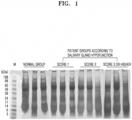
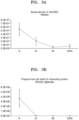
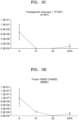
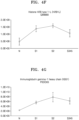
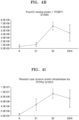
- FIGS. 3A to 3E Expression levels of the proteins listed in Table 2 according to the normal control groups and the scores of the xerostomia patient groups are shown in FIGS. 3A to 3E (N: normal control group, S1: score 1, S2: score 2, S345: score 3 or higher).
Landscapes
- Chemical & Material Sciences (AREA)
- Life Sciences & Earth Sciences (AREA)
- Health & Medical Sciences (AREA)
- Proteomics, Peptides & Aminoacids (AREA)
- Organic Chemistry (AREA)
- Genetics & Genomics (AREA)
- Zoology (AREA)
- Analytical Chemistry (AREA)
- Wood Science & Technology (AREA)
- Engineering & Computer Science (AREA)
- Microbiology (AREA)
- Biochemistry (AREA)
- Biotechnology (AREA)
- Molecular Biology (AREA)
- Biophysics (AREA)
- Physics & Mathematics (AREA)
- Pathology (AREA)
- Immunology (AREA)
- Bioinformatics & Cheminformatics (AREA)
- General Engineering & Computer Science (AREA)
- General Health & Medical Sciences (AREA)
- Measuring Or Testing Involving Enzymes Or Micro-Organisms (AREA)
- Investigating Or Analysing Biological Materials (AREA)
- Peptides Or Proteins (AREA)
Claims (12)
- Verwendung einer Zusammensetzung zum Diagnostizieren von Xerostomie, wobei die Zusammensetzung ein Mittel zum Messen eines Expressionsniveaus von Nucleobindin-2(NUCB2-)Gen, -Protein oder -Fragment davon umfasst, wobei ein Expressionsniveau von NUCB2-Gen, -Protein oder -Fragment davon, wie verglichen mit demjenigen einer normalen Kontrollgruppe, verringert ist.
- Verwendung nach Anspruch 1, wobei die Zusammensetzung zum Nachweis in einer Speichelprobe ist.
- Verwendung nach Anspruch 1, wobei das Mittel wie folgt ist:ein Antikörper oder ein Antigenbindungsfragment davon oder ein Aptamer, das spezifisch an das Protein oder Fragment davon bindet; odereine Nukleinsäure, die ein Polynukleotid umfasst, das identisch mit oder komplementär zu einem Polynukleotid ist, welches das Protein oder Fragment davon kodiert.
- Verwendung nach Anspruch 3, wobei der Antikörper ein polyklonaler Antikörper oder ein monoklonaler Antikörper ist.
- Verwendung nach Anspruch 3, wobei die Nukleinsäure ein Primer, eine Sonde oder ein Antisense-Oligonukleotid ist.
- Verwendung nach Anspruch 1, ferner umfassend ein Mittel zum Messen eines Expressionsniveaus von zumindest einem Gen, Protein oder Fragment davon ausgewählt aus der Gruppe bestehend aus Immunoglobulin-kappa-Variable 1-8 (KV108), Golgi-Apparat-Protein 1 (GSLG1), Protein FAM3B (FAM3B), Mucin-21 (MUC21), Ras-verwandtem Protein Rab-11A (RB11A), Lysozym C (LYSC), Calmodulin-artigem Protein 3 (CALL3), alpha-1B-Glycoprotein (A1BG), alpha-1-Säure-Glycoprotein 1 (A1AG1), Calreticulin (CALR), Plasminogen (PLMN), extrazellulärem Matrixprotein 1 (ECM1), Annexin A6 (ANXA6), WD-Wiederholung enthaltendem Protein 1 (WDR1), Leukozyten-Elastase-Inhibitor (ILEU), alpha-2-HS-Glycoprotein (FETUA), myeloischem Zellkerndifferenzierungsantigen (MNDA), Matrixmetalloproteinase-9 (MMP9), neutrophilem Gelatinase-assoziiertem Lipocalin (NGAL), D-Dopachrom-Decarboxylase (DOPD), neutrophiler Collagenase (MMP8), programmiertem Zelltod-6-interagierendem Protein (PDCD6IP), Prostaglandin-Reductase 1 (PTGR1), FAM3D, Zymogen-Granulat-Protein-16-Homolog B (ZG16B), alpha-1-Antitrypsin (A1AT), Antithrombin-III (ANT3), ATP-Synthase-Untereinheit alpha (ATPA, mitochondrial), Histidin-reichem Glycoprotein (HRG), Histon H1.5 (H15), Histon H2B Typ 1-L (H2B1L), Immunglobulin-gamma-1-Schwerkette (IGG1), poly(rC)-Bindungsprotein 1 (PCBP1) und Rezeptor-Typ-Tyrosin-Protein-Phosphatase eta (PTPRJ).
- Verwendung eines Kits zum Diagnostizieren von Xerostomie, wobei das Kit ein Mittel zum Messen eines Expressionsniveaus von Nucleobindin-2(NUCB2-)Gen, -Protein oder - Fragment davon umfasst, wobei ein Expressionsniveau von NUCB2-Gen, -Protein oder -Fragment davon, wie verglichen mit demjenigen einer normalen Kontrollgruppe, verringert ist.
- Verwendung nach Anspruch 7, ferner umfassend ein Mittel zum Messen eines Expressionsniveaus von zumindest einem Gen, Protein oder Fragment davon ausgewählt aus der Gruppe bestehend aus Immunoglobulin-kappa-Variable 1-8 (KV108), Golgi-Apparat-Protein 1 (GSLG1), Protein FAM3B (FAM3B), Mucin-21 (MUC21), Ras-verwandtem Protein Rab-11A (RB11A), Lysozym C (LYSC), Calmodulin-artigem Protein 3 (CALL3), alpha-1B-Glycoprotein (A1BG), alpha-1-Säure-Glycoprotein 1 (A1AG1), Calreticulin (CALR), Plasminogen (PLMN), extrazellulärem Matrixprotein 1 (ECM1), Annexin A6 (ANXA6), WD-Wiederholung enthaltendem Protein 1 (WDR1), Leukozyten-Elastase-Inhibitor (ILEU), alpha-2-HS-Glycoprotein (FETUA), myeloischem Zellkerndifferenzierungsantigen (MNDA), Matrixmetalloproteinase-9 (MMP9), neutrophilem Gelatinase-assoziiertem Lipocalin (NGAL), D-Dopachrom-Decarboxylase (DOPD), neutrophiler Collagenase (MMP8), programmiertem Zelltod-6-interagierendem Protein (PDCD6IP), Prostaglandin-Reductase 1 (PTGR1), FAM3D, Zymogen-Granulat-Protein-16-Homolog B (ZG16B), alpha-1-Antitrypsin (A1AT), Antithrombin-III (ANT3), ATP-Synthase-Untereinheit alpha (ATPA, mitochondrial), Histidin-reichem Glycoprotein (HRG), Histon H1.5 (H15), Histon H2B Typ 1-L (H2B1L), Immunglobulin-gamma-1-Schwerkette (IGG1), poly(rC)-Bindungsprotein 1 (PCBP1) und Rezeptor-Typ-Tyrosin-Protein-Phosphatase eta (PTPRJ).
- Verfahren zum Diagnostizieren von Xerostomie, wobei das Verfahren Messen eines Expressionsniveaus von Nucleobindin-2(NUCB2-)Gen, -Protein oder -Fragment davon in einer Speichelprobe isoliert von einem Subjekt, bei dem der Verdacht besteht, dass es Xerostomie aufweist;Vergleichen des gemessenen Expressionsniveaus mit einem Expressionsniveau einer normalen Kontrollgruppe; undBestimmen, dass das Subjekt Xerostomie aufweist, wenn das Expressionsniveau des NUCB2-Gens, -Proteins oder -Fragments davon, wie verglichen mit demjenigen der normalen Kontrollgruppe, verringert ist, umfasst.
- Verfahren nach Anspruch 9, wobei das Messen Inkubieren der Speichelprobe mit einem Antikörper oder Antigenbindungsfragment davon oder einem Aptamer, das spezifisch an das Protein oder Fragment davon bindet, oder mit einem Polynukleotid, das identisch mit oder komplementär zu dem Polynukleotid ist, welches das Gen kodiert, umfasst.
- Verfahren nach Anspruch 9, wobei das Messen durch Elektrophorese, Immunblotten, Enzym-Linked Immunosorbent Assay (ELISA), Northern Blotting, Polymerasekettenreaktion (PCR), einen Proteinchip, Immunpräzipitation, ein Microarray, eine Elektronenmikroskopie oder einer Kombination davon durchgeführt wird.
- Verfahren nach Anspruch 9, ferner umfassend Messen eines Expressionsniveaus von zumindest einem Gen, Protein oder Fragment davon ausgewählt aus der Gruppe bestehend aus Immunoglobulin-kappa-Variable 1-8 (KV108), Golgi-Apparat-Protein 1 (GSLG1), Protein FAM3B (FAM3B), Mucin-21 (MUC21), Ras-verwandtem Protein Rab-11A (RB11A), Lysozym C (LYSC), Calmodulin-artigem Protein 3 (CALL3), alpha-1B-Glycoprotein (A1BG), alpha-1-Säure-Glycoprotein 1 (A1AG1), Calreticulin (CALR), Plasminogen (PLMN), extrazellulärem Matrixprotein 1 (ECM1), Annexin A6 (ANXA6), WD-Wiederholung enthaltendem Protein 1 (WDR1), Leukozyten-Elastase-Inhibitor (ILEU), alpha-2-HS-Glycoprotein (FETUA), myeloischem Zellkerndifferenzierungsantigen (MNDA), Matrixmetalloproteinase-9 (MMP9), neutrophilem Gelatinase-assoziiertem Lipocalin (NGAL), D-Dopachrom-Decarboxylase (DOPD), neutrophiler Collagenase (MMP8), programmiertem Zelltod-6-interagierendem Protein (PDCD6IP), Prostaglandin-Reductase 1 (PTGR1), FAM3D, Zymogen-Granulat-Protein-16-Homolog B (ZG16B), alpha-1-Antitrypsin (A1AT), Antithrombin-III (ANT3), ATP-Synthase-Untereinheit alpha (ATPA, mitochondrial), Histidin-reichem Glycoprotein (HRG), Histon H1.5 (H15), Histon H2B Typ 1-L (H2B1L), Immunglobulin-gamma-1-Schwerkette (IGG1), poly(rC)-Bindungsprotein 1 (PCBP1) und Rezeptor-Typ-Tyrosin-Protein-Phosphatase eta (PTPRJ).
Applications Claiming Priority (2)
| Application Number | Priority Date | Filing Date | Title |
|---|---|---|---|
| KR1020200154577A KR102417667B1 (ko) | 2020-11-18 | 2020-11-18 | 구강건조증을 진단하기 위한 타액 바이오마커 및 이의 용도 |
| KR1020200154578A KR102452510B1 (ko) | 2020-11-18 | 2020-11-18 | 구강건조증을 진단하기 위한 타액 바이오마커 및 이의 용도 |
Publications (3)
| Publication Number | Publication Date |
|---|---|
| EP4001434A2 EP4001434A2 (de) | 2022-05-25 |
| EP4001434A3 EP4001434A3 (de) | 2022-08-10 |
| EP4001434B1 true EP4001434B1 (de) | 2025-07-02 |
Family
ID=78414424
Family Applications (1)
| Application Number | Title | Priority Date | Filing Date |
|---|---|---|---|
| EP21205380.5A Active EP4001434B1 (de) | 2020-11-18 | 2021-10-28 | Speichelbiomarker zur diagnose von xerostomie und seine verwendung |
Country Status (2)
| Country | Link |
|---|---|
| EP (1) | EP4001434B1 (de) |
| JP (1) | JP7384365B2 (de) |
Families Citing this family (1)
| Publication number | Priority date | Publication date | Assignee | Title |
|---|---|---|---|---|
| CN116593711A (zh) * | 2023-05-23 | 2023-08-15 | 上海交通大学医学院附属第九人民医院 | 一种唾液生物标记物的用途 |
Family Cites Families (6)
| Publication number | Priority date | Publication date | Assignee | Title |
|---|---|---|---|---|
| CN1859948B (zh) * | 2003-07-30 | 2010-05-26 | 大塚制药株式会社 | 促进唾液分泌的喹诺酮衍生物 |
| JP2008249618A (ja) * | 2007-03-30 | 2008-10-16 | Cell Signals Inc | 外分泌障害診断薬 |
| JP2009264988A (ja) * | 2008-04-27 | 2009-11-12 | Wataru Sakamoto | 簡易型口腔乾燥症診断キット |
| WO2009148970A1 (en) * | 2008-05-29 | 2009-12-10 | The Regents Of The University Of California | Salivary biomarkers for sjögren's syndrome |
| US9833519B2 (en) | 2012-09-25 | 2017-12-05 | The United States Of America, As Represented By The Secretary, Department Of Health And Human Services | Methods for the diagnosis and treatment of sjögren's syndrome |
| US9625445B2 (en) * | 2013-04-22 | 2017-04-18 | Augusta University Research Institute, Inc. | Compositions and methods for diagnosing and treating Sjogren's Syndrome |
-
2021
- 2021-10-28 EP EP21205380.5A patent/EP4001434B1/de active Active
- 2021-11-04 JP JP2021180275A patent/JP7384365B2/ja active Active
Non-Patent Citations (2)
| Title |
|---|
| "Affymetrix GeneChip Human Genome U133 Array Set HG-U133A", GEO,, 11 March 2002 (2002-03-11), XP002254749 * |
| PARK YUN-JONG ET AL: "Uncovering stem cell differentiation factors for salivary gland regeneration by quantitative analysis of differential proteomes", PLOS ONE, vol. 12, no. 2, 3 February 2017 (2017-02-03), pages e0169677, XP055907332, DOI: 10.1371/journal.pone.0169677 * |
Also Published As
| Publication number | Publication date |
|---|---|
| EP4001434A3 (de) | 2022-08-10 |
| JP7384365B2 (ja) | 2023-11-21 |
| JP2022080853A (ja) | 2022-05-30 |
| EP4001434A2 (de) | 2022-05-25 |
Similar Documents
| Publication | Publication Date | Title |
|---|---|---|
| Metzger et al. | Urinary excretion of twenty peptides forms an early and accurate diagnostic pattern of acute kidney injury | |
| Bostanci et al. | Label-free quantitative proteomics reveals differentially regulated proteins in experimental gingivitis | |
| EP3570038B1 (de) | Zusammensetsungen zwei oder mehrere biomarker von heparan sulfate proteoglycan core protein und carbonic anhydrase | |
| Rangé et al. | Salivary proteome modifications associated with periodontitis in obese patients | |
| Tokushige et al. | Discovery of a novel biomarker in the urine in women with endometriosis | |
| Boonla et al. | Inflammatory and fibrotic proteins proteomically identified as key protein constituents in urine and stone matrix of patients with kidney calculi | |
| JP5745515B2 (ja) | 腎損傷の検出のための方法 | |
| US20150072360A1 (en) | Biomarkers of pulmonary hypertension | |
| CN113994208A (zh) | 子宫内膜异位症的诊断方法、疾病状态监测方法和试剂盒 | |
| CN111742222A (zh) | 诊断遗传性血管性水肿的方法 | |
| US20160003786A1 (en) | Methods Of Detecting Cancer | |
| Singh et al. | Early and rapid detection of UCHL1 in the serum of brain-trauma patients: a novel gold nanoparticle-based method for diagnosing the severity of brain injury | |
| US12174201B2 (en) | Prognosis and progression biomarkers for chronic kidney disease | |
| Kim et al. | Identification of galectin-10 as a biomarker for periodontitis based on proteomic analysis of gingival crevicular fluid | |
| EP4001434B1 (de) | Speichelbiomarker zur diagnose von xerostomie und seine verwendung | |
| EP3002588B1 (de) | Verwendung eines biomarkers zur diagnose von schizophrenie | |
| KR102417667B1 (ko) | 구강건조증을 진단하기 위한 타액 바이오마커 및 이의 용도 | |
| KR102015982B1 (ko) | 고밀도 지단백 기능과 관련된 심혈관 질환 치료 표적 및 이를 이용하여 심혈관 질환을 진단하는 방법 | |
| Kosanam et al. | Differential proteomic analysis of bronchoalveolar lavage fluid from lung transplant patients with and without chronic graft dysfunction | |
| ES2946541T3 (es) | Métodos de diagnóstico y seguimiento utilizando proteínas en orina como marcadores en la nefropatía por IgA | |
| Liang et al. | Detection of salivary protein biomarkers of saliva secretion disorder in a primary Sjögren syndrome murine model | |
| US20210140979A1 (en) | Method of diagnosing periodontal conditions using salivary protein markers | |
| KR102452510B1 (ko) | 구강건조증을 진단하기 위한 타액 바이오마커 및 이의 용도 | |
| WO2020004557A1 (ja) | 閉塞性肺疾患バイオマーカー | |
| CN117491634A (zh) | LDHA+EVs作为生物标志物在脑胶质瘤术后复发风险预测、检测与评估中的应用 |
Legal Events
| Date | Code | Title | Description |
|---|---|---|---|
| PUAI | Public reference made under article 153(3) epc to a published international application that has entered the european phase |
Free format text: ORIGINAL CODE: 0009012 |
|
| STAA | Information on the status of an ep patent application or granted ep patent |
Free format text: STATUS: REQUEST FOR EXAMINATION WAS MADE |
|
| 17P | Request for examination filed |
Effective date: 20211029 |
|
| AK | Designated contracting states |
Kind code of ref document: A2 Designated state(s): AL AT BE BG CH CY CZ DE DK EE ES FI FR GB GR HR HU IE IS IT LI LT LU LV MC MK MT NL NO PL PT RO RS SE SI SK SM TR |
|
| PUAL | Search report despatched |
Free format text: ORIGINAL CODE: 0009013 |
|
| AK | Designated contracting states |
Kind code of ref document: A3 Designated state(s): AL AT BE BG CH CY CZ DE DK EE ES FI FR GB GR HR HU IE IS IT LI LT LU LV MC MK MT NL NO PL PT RO RS SE SI SK SM TR |
|
| RIC1 | Information provided on ipc code assigned before grant |
Ipc: C12Q 1/6883 20180101AFI20220705BHEP |
|
| STAA | Information on the status of an ep patent application or granted ep patent |
Free format text: STATUS: EXAMINATION IS IN PROGRESS |
|
| 17Q | First examination report despatched |
Effective date: 20231023 |
|
| GRAP | Despatch of communication of intention to grant a patent |
Free format text: ORIGINAL CODE: EPIDOSNIGR1 |
|
| STAA | Information on the status of an ep patent application or granted ep patent |
Free format text: STATUS: GRANT OF PATENT IS INTENDED |
|
| INTG | Intention to grant announced |
Effective date: 20250221 |
|
| GRAS | Grant fee paid |
Free format text: ORIGINAL CODE: EPIDOSNIGR3 |
|
| GRAA | (expected) grant |
Free format text: ORIGINAL CODE: 0009210 |
|
| STAA | Information on the status of an ep patent application or granted ep patent |
Free format text: STATUS: THE PATENT HAS BEEN GRANTED |
|
| AK | Designated contracting states |
Kind code of ref document: B1 Designated state(s): AL AT BE BG CH CY CZ DE DK EE ES FI FR GB GR HR HU IE IS IT LI LT LU LV MC MK MT NL NO PL PT RO RS SE SI SK SM TR |
|
| REG | Reference to a national code |
Ref country code: GB Ref legal event code: FG4D |
|
| REG | Reference to a national code |
Ref country code: CH Ref legal event code: EP |
|
| REG | Reference to a national code |
Ref country code: DE Ref legal event code: R096 Ref document number: 602021033245 Country of ref document: DE |
|
| REG | Reference to a national code |
Ref country code: IE Ref legal event code: FG4D |
|
| PGFP | Annual fee paid to national office [announced via postgrant information from national office to epo] |
Ref country code: GB Payment date: 20250916 Year of fee payment: 5 |
|
| REG | Reference to a national code |
Ref country code: NL Ref legal event code: MP Effective date: 20250702 |
|
| PG25 | Lapsed in a contracting state [announced via postgrant information from national office to epo] |
Ref country code: PT Free format text: LAPSE BECAUSE OF FAILURE TO SUBMIT A TRANSLATION OF THE DESCRIPTION OR TO PAY THE FEE WITHIN THE PRESCRIBED TIME-LIMIT Effective date: 20251103 |
|
| PG25 | Lapsed in a contracting state [announced via postgrant information from national office to epo] |
Ref country code: NL Free format text: LAPSE BECAUSE OF FAILURE TO SUBMIT A TRANSLATION OF THE DESCRIPTION OR TO PAY THE FEE WITHIN THE PRESCRIBED TIME-LIMIT Effective date: 20250702 |
|
| REG | Reference to a national code |
Ref country code: AT Ref legal event code: MK05 Ref document number: 1809318 Country of ref document: AT Kind code of ref document: T Effective date: 20250702 |
|
| PG25 | Lapsed in a contracting state [announced via postgrant information from national office to epo] |
Ref country code: IS Free format text: LAPSE BECAUSE OF FAILURE TO SUBMIT A TRANSLATION OF THE DESCRIPTION OR TO PAY THE FEE WITHIN THE PRESCRIBED TIME-LIMIT Effective date: 20251102 |
|
| PGFP | Annual fee paid to national office [announced via postgrant information from national office to epo] |
Ref country code: DE Payment date: 20251021 Year of fee payment: 5 |
|
| PG25 | Lapsed in a contracting state [announced via postgrant information from national office to epo] |
Ref country code: NO Free format text: LAPSE BECAUSE OF FAILURE TO SUBMIT A TRANSLATION OF THE DESCRIPTION OR TO PAY THE FEE WITHIN THE PRESCRIBED TIME-LIMIT Effective date: 20251002 |
|
| REG | Reference to a national code |
Ref country code: LT Ref legal event code: MG9D |
|
| PG25 | Lapsed in a contracting state [announced via postgrant information from national office to epo] |
Ref country code: AT Free format text: LAPSE BECAUSE OF FAILURE TO SUBMIT A TRANSLATION OF THE DESCRIPTION OR TO PAY THE FEE WITHIN THE PRESCRIBED TIME-LIMIT Effective date: 20250702 |
|
| PG25 | Lapsed in a contracting state [announced via postgrant information from national office to epo] |
Ref country code: FI Free format text: LAPSE BECAUSE OF FAILURE TO SUBMIT A TRANSLATION OF THE DESCRIPTION OR TO PAY THE FEE WITHIN THE PRESCRIBED TIME-LIMIT Effective date: 20250702 |
|
| PG25 | Lapsed in a contracting state [announced via postgrant information from national office to epo] |
Ref country code: HR Free format text: LAPSE BECAUSE OF FAILURE TO SUBMIT A TRANSLATION OF THE DESCRIPTION OR TO PAY THE FEE WITHIN THE PRESCRIBED TIME-LIMIT Effective date: 20250702 |
|
| PGFP | Annual fee paid to national office [announced via postgrant information from national office to epo] |
Ref country code: FR Payment date: 20251030 Year of fee payment: 5 |
|
| PG25 | Lapsed in a contracting state [announced via postgrant information from national office to epo] |
Ref country code: GR Free format text: LAPSE BECAUSE OF FAILURE TO SUBMIT A TRANSLATION OF THE DESCRIPTION OR TO PAY THE FEE WITHIN THE PRESCRIBED TIME-LIMIT Effective date: 20251003 |
|
| PG25 | Lapsed in a contracting state [announced via postgrant information from national office to epo] |
Ref country code: SE Free format text: LAPSE BECAUSE OF FAILURE TO SUBMIT A TRANSLATION OF THE DESCRIPTION OR TO PAY THE FEE WITHIN THE PRESCRIBED TIME-LIMIT Effective date: 20250702 Ref country code: CZ Free format text: LAPSE BECAUSE OF FAILURE TO SUBMIT A TRANSLATION OF THE DESCRIPTION OR TO PAY THE FEE WITHIN THE PRESCRIBED TIME-LIMIT Effective date: 20250702 |
|
| PG25 | Lapsed in a contracting state [announced via postgrant information from national office to epo] |
Ref country code: LV Free format text: LAPSE BECAUSE OF FAILURE TO SUBMIT A TRANSLATION OF THE DESCRIPTION OR TO PAY THE FEE WITHIN THE PRESCRIBED TIME-LIMIT Effective date: 20250702 |
|
| PG25 | Lapsed in a contracting state [announced via postgrant information from national office to epo] |
Ref country code: BG Free format text: LAPSE BECAUSE OF FAILURE TO SUBMIT A TRANSLATION OF THE DESCRIPTION OR TO PAY THE FEE WITHIN THE PRESCRIBED TIME-LIMIT Effective date: 20250702 Ref country code: PL Free format text: LAPSE BECAUSE OF FAILURE TO SUBMIT A TRANSLATION OF THE DESCRIPTION OR TO PAY THE FEE WITHIN THE PRESCRIBED TIME-LIMIT Effective date: 20250702 |
|
| PG25 | Lapsed in a contracting state [announced via postgrant information from national office to epo] |
Ref country code: RS Free format text: LAPSE BECAUSE OF FAILURE TO SUBMIT A TRANSLATION OF THE DESCRIPTION OR TO PAY THE FEE WITHIN THE PRESCRIBED TIME-LIMIT Effective date: 20251002 |
|
| PG25 | Lapsed in a contracting state [announced via postgrant information from national office to epo] |
Ref country code: ES Free format text: LAPSE BECAUSE OF FAILURE TO SUBMIT A TRANSLATION OF THE DESCRIPTION OR TO PAY THE FEE WITHIN THE PRESCRIBED TIME-LIMIT Effective date: 20250702 |
|
| PG25 | Lapsed in a contracting state [announced via postgrant information from national office to epo] |
Ref country code: RO Free format text: LAPSE BECAUSE OF FAILURE TO SUBMIT A TRANSLATION OF THE DESCRIPTION OR TO PAY THE FEE WITHIN THE PRESCRIBED TIME-LIMIT Effective date: 20250702 |
|
| PG25 | Lapsed in a contracting state [announced via postgrant information from national office to epo] |
Ref country code: SM Free format text: LAPSE BECAUSE OF FAILURE TO SUBMIT A TRANSLATION OF THE DESCRIPTION OR TO PAY THE FEE WITHIN THE PRESCRIBED TIME-LIMIT Effective date: 20250702 |
|
| PG25 | Lapsed in a contracting state [announced via postgrant information from national office to epo] |
Ref country code: DK Free format text: LAPSE BECAUSE OF FAILURE TO SUBMIT A TRANSLATION OF THE DESCRIPTION OR TO PAY THE FEE WITHIN THE PRESCRIBED TIME-LIMIT Effective date: 20250702 |
|
| PG25 | Lapsed in a contracting state [announced via postgrant information from national office to epo] |
Ref country code: IT Free format text: LAPSE BECAUSE OF FAILURE TO SUBMIT A TRANSLATION OF THE DESCRIPTION OR TO PAY THE FEE WITHIN THE PRESCRIBED TIME-LIMIT Effective date: 20250702 |
|
| PG25 | Lapsed in a contracting state [announced via postgrant information from national office to epo] |
Ref country code: SK Free format text: LAPSE BECAUSE OF FAILURE TO SUBMIT A TRANSLATION OF THE DESCRIPTION OR TO PAY THE FEE WITHIN THE PRESCRIBED TIME-LIMIT Effective date: 20250702 Ref country code: EE Free format text: LAPSE BECAUSE OF FAILURE TO SUBMIT A TRANSLATION OF THE DESCRIPTION OR TO PAY THE FEE WITHIN THE PRESCRIBED TIME-LIMIT Effective date: 20250702 |