EP4003348B1 - Verbindungen und verfahren zur behandlung von fibrotischen erkrankungen - Google Patents
Verbindungen und verfahren zur behandlung von fibrotischen erkrankungen Download PDFInfo
- Publication number
- EP4003348B1 EP4003348B1 EP20847742.2A EP20847742A EP4003348B1 EP 4003348 B1 EP4003348 B1 EP 4003348B1 EP 20847742 A EP20847742 A EP 20847742A EP 4003348 B1 EP4003348 B1 EP 4003348B1
- Authority
- EP
- European Patent Office
- Prior art keywords
- receptor
- compound
- yap
- taz
- cell
- Prior art date
- Legal status (The legal status is an assumption and is not a legal conclusion. Google has not performed a legal analysis and makes no representation as to the accuracy of the status listed.)
- Active
Links
Images


Classifications
-
- C—CHEMISTRY; METALLURGY
- C07—ORGANIC CHEMISTRY
- C07D—HETEROCYCLIC COMPOUNDS
- C07D221/00—Heterocyclic compounds containing six-membered rings having one nitrogen atom as the only ring hetero atom, not provided for by groups C07D211/00 - C07D219/00
- C07D221/02—Heterocyclic compounds containing six-membered rings having one nitrogen atom as the only ring hetero atom, not provided for by groups C07D211/00 - C07D219/00 condensed with carbocyclic rings or ring systems
- C07D221/04—Ortho- or peri-condensed ring systems
- C07D221/18—Ring systems of four or more rings
-
- C—CHEMISTRY; METALLURGY
- C07—ORGANIC CHEMISTRY
- C07D—HETEROCYCLIC COMPOUNDS
- C07D491/00—Heterocyclic compounds containing in the condensed ring system both one or more rings having oxygen atoms as the only ring hetero atoms and one or more rings having nitrogen atoms as the only ring hetero atoms, not provided for by groups C07D451/00 - C07D459/00, C07D463/00, C07D477/00 or C07D489/00
- C07D491/12—Heterocyclic compounds containing in the condensed ring system both one or more rings having oxygen atoms as the only ring hetero atoms and one or more rings having nitrogen atoms as the only ring hetero atoms, not provided for by groups C07D451/00 - C07D459/00, C07D463/00, C07D477/00 or C07D489/00 in which the condensed system contains three hetero rings
- C07D491/16—Peri-condensed systems
-
- C—CHEMISTRY; METALLURGY
- C07—ORGANIC CHEMISTRY
- C07D—HETEROCYCLIC COMPOUNDS
- C07D405/00—Heterocyclic compounds containing both one or more hetero rings having oxygen atoms as the only ring hetero atoms, and one or more rings having nitrogen as the only ring hetero atom
- C07D405/02—Heterocyclic compounds containing both one or more hetero rings having oxygen atoms as the only ring hetero atoms, and one or more rings having nitrogen as the only ring hetero atom containing two hetero rings
- C07D405/04—Heterocyclic compounds containing both one or more hetero rings having oxygen atoms as the only ring hetero atoms, and one or more rings having nitrogen as the only ring hetero atom containing two hetero rings directly linked by a ring-member-to-ring-member bond
-
- A—HUMAN NECESSITIES
- A61—MEDICAL OR VETERINARY SCIENCE; HYGIENE
- A61K—PREPARATIONS FOR MEDICAL, DENTAL OR TOILETRY PURPOSES
- A61K31/00—Medicinal preparations containing organic active ingredients
- A61K31/33—Heterocyclic compounds
- A61K31/335—Heterocyclic compounds having oxygen as the only ring hetero atom, e.g. fungichromin
- A61K31/35—Heterocyclic compounds having oxygen as the only ring hetero atom, e.g. fungichromin having six-membered rings with one oxygen as the only ring hetero atom
- A61K31/352—Heterocyclic compounds having oxygen as the only ring hetero atom, e.g. fungichromin having six-membered rings with one oxygen as the only ring hetero atom condensed with carbocyclic rings, e.g. methantheline
-
- A—HUMAN NECESSITIES
- A61—MEDICAL OR VETERINARY SCIENCE; HYGIENE
- A61K—PREPARATIONS FOR MEDICAL, DENTAL OR TOILETRY PURPOSES
- A61K31/00—Medicinal preparations containing organic active ingredients
- A61K31/33—Heterocyclic compounds
- A61K31/395—Heterocyclic compounds having nitrogen as a ring hetero atom, e.g. guanethidine or rifamycins
- A61K31/435—Heterocyclic compounds having nitrogen as a ring hetero atom, e.g. guanethidine or rifamycins having six-membered rings with one nitrogen as the only ring hetero atom
- A61K31/44—Non condensed pyridines; Hydrogenated derivatives thereof
- A61K31/4427—Non condensed pyridines; Hydrogenated derivatives thereof containing further heterocyclic ring systems
- A61K31/4433—Non condensed pyridines; Hydrogenated derivatives thereof containing further heterocyclic ring systems containing a six-membered ring with oxygen as a ring hetero atom
-
- A—HUMAN NECESSITIES
- A61—MEDICAL OR VETERINARY SCIENCE; HYGIENE
- A61K—PREPARATIONS FOR MEDICAL, DENTAL OR TOILETRY PURPOSES
- A61K31/00—Medicinal preparations containing organic active ingredients
- A61K31/33—Heterocyclic compounds
- A61K31/395—Heterocyclic compounds having nitrogen as a ring hetero atom, e.g. guanethidine or rifamycins
- A61K31/5545—Heterocyclic compounds having nitrogen as a ring hetero atom, e.g. guanethidine or rifamycins having eight-membered rings not containing additional condensed or non-condensed nitrogen-containing 3-7 membered rings
-
- A—HUMAN NECESSITIES
- A61—MEDICAL OR VETERINARY SCIENCE; HYGIENE
- A61K—PREPARATIONS FOR MEDICAL, DENTAL OR TOILETRY PURPOSES
- A61K45/00—Medicinal preparations containing active ingredients not provided for in groups A61K31/00 - A61K41/00
- A61K45/06—Mixtures of active ingredients without chemical characterisation, e.g. antiphlogistics and cardiaca
-
- A—HUMAN NECESSITIES
- A61—MEDICAL OR VETERINARY SCIENCE; HYGIENE
- A61P—SPECIFIC THERAPEUTIC ACTIVITY OF CHEMICAL COMPOUNDS OR MEDICINAL PREPARATIONS
- A61P11/00—Drugs for disorders of the respiratory system
-
- A—HUMAN NECESSITIES
- A61—MEDICAL OR VETERINARY SCIENCE; HYGIENE
- A61P—SPECIFIC THERAPEUTIC ACTIVITY OF CHEMICAL COMPOUNDS OR MEDICINAL PREPARATIONS
- A61P19/00—Drugs for skeletal disorders
- A61P19/04—Drugs for skeletal disorders for non-specific disorders of the connective tissue
-
- A—HUMAN NECESSITIES
- A61—MEDICAL OR VETERINARY SCIENCE; HYGIENE
- A61P—SPECIFIC THERAPEUTIC ACTIVITY OF CHEMICAL COMPOUNDS OR MEDICINAL PREPARATIONS
- A61P35/00—Antineoplastic agents
-
- A—HUMAN NECESSITIES
- A61—MEDICAL OR VETERINARY SCIENCE; HYGIENE
- A61P—SPECIFIC THERAPEUTIC ACTIVITY OF CHEMICAL COMPOUNDS OR MEDICINAL PREPARATIONS
- A61P43/00—Drugs for specific purposes, not provided for in groups A61P1/00-A61P41/00
-
- C—CHEMISTRY; METALLURGY
- C07—ORGANIC CHEMISTRY
- C07D—HETEROCYCLIC COMPOUNDS
- C07D217/00—Heterocyclic compounds containing isoquinoline or hydrogenated isoquinoline ring systems
- C07D217/02—Heterocyclic compounds containing isoquinoline or hydrogenated isoquinoline ring systems with only hydrogen atoms or radicals containing only carbon and hydrogen atoms, directly attached to carbon atoms of the nitrogen-containing ring; Alkylene-bis-isoquinolines
-
- C—CHEMISTRY; METALLURGY
- C07—ORGANIC CHEMISTRY
- C07D—HETEROCYCLIC COMPOUNDS
- C07D221/00—Heterocyclic compounds containing six-membered rings having one nitrogen atom as the only ring hetero atom, not provided for by groups C07D211/00 - C07D219/00
- C07D221/02—Heterocyclic compounds containing six-membered rings having one nitrogen atom as the only ring hetero atom, not provided for by groups C07D211/00 - C07D219/00 condensed with carbocyclic rings or ring systems
- C07D221/04—Ortho- or peri-condensed ring systems
-
- C—CHEMISTRY; METALLURGY
- C07—ORGANIC CHEMISTRY
- C07D—HETEROCYCLIC COMPOUNDS
- C07D311/00—Heterocyclic compounds containing six-membered rings having one oxygen atom as the only hetero atom, condensed with other rings
- C07D311/02—Heterocyclic compounds containing six-membered rings having one oxygen atom as the only hetero atom, condensed with other rings ortho- or peri-condensed with carbocyclic rings or ring systems
- C07D311/76—Benzo[c]pyrans
-
- C—CHEMISTRY; METALLURGY
- C07—ORGANIC CHEMISTRY
- C07D—HETEROCYCLIC COMPOUNDS
- C07D401/00—Heterocyclic compounds containing two or more hetero rings, having nitrogen atoms as the only ring hetero atoms, at least one ring being a six-membered ring with only one nitrogen atom
- C07D401/02—Heterocyclic compounds containing two or more hetero rings, having nitrogen atoms as the only ring hetero atoms, at least one ring being a six-membered ring with only one nitrogen atom containing two hetero rings
- C07D401/04—Heterocyclic compounds containing two or more hetero rings, having nitrogen atoms as the only ring hetero atoms, at least one ring being a six-membered ring with only one nitrogen atom containing two hetero rings directly linked by a ring-member-to-ring-member bond
-
- C—CHEMISTRY; METALLURGY
- C07—ORGANIC CHEMISTRY
- C07D—HETEROCYCLIC COMPOUNDS
- C07D407/00—Heterocyclic compounds containing two or more hetero rings, at least one ring having oxygen atoms as the only ring hetero atoms, not provided for by group C07D405/00
- C07D407/02—Heterocyclic compounds containing two or more hetero rings, at least one ring having oxygen atoms as the only ring hetero atoms, not provided for by group C07D405/00 containing two hetero rings
- C07D407/04—Heterocyclic compounds containing two or more hetero rings, at least one ring having oxygen atoms as the only ring hetero atoms, not provided for by group C07D405/00 containing two hetero rings directly linked by a ring-member-to-ring-member bond
-
- C—CHEMISTRY; METALLURGY
- C07—ORGANIC CHEMISTRY
- C07D—HETEROCYCLIC COMPOUNDS
- C07D471/00—Heterocyclic compounds containing nitrogen atoms as the only ring hetero atoms in the condensed system, at least one ring being a six-membered ring with one nitrogen atom, not provided for by groups C07D451/00 - C07D463/00
- C07D471/02—Heterocyclic compounds containing nitrogen atoms as the only ring hetero atoms in the condensed system, at least one ring being a six-membered ring with one nitrogen atom, not provided for by groups C07D451/00 - C07D463/00 in which the condensed system contains two hetero rings
- C07D471/04—Ortho-condensed systems
-
- C—CHEMISTRY; METALLURGY
- C07—ORGANIC CHEMISTRY
- C07D—HETEROCYCLIC COMPOUNDS
- C07D471/00—Heterocyclic compounds containing nitrogen atoms as the only ring hetero atoms in the condensed system, at least one ring being a six-membered ring with one nitrogen atom, not provided for by groups C07D451/00 - C07D463/00
- C07D471/02—Heterocyclic compounds containing nitrogen atoms as the only ring hetero atoms in the condensed system, at least one ring being a six-membered ring with one nitrogen atom, not provided for by groups C07D451/00 - C07D463/00 in which the condensed system contains two hetero rings
- C07D471/06—Peri-condensed systems
-
- C—CHEMISTRY; METALLURGY
- C07—ORGANIC CHEMISTRY
- C07D—HETEROCYCLIC COMPOUNDS
- C07D491/00—Heterocyclic compounds containing in the condensed ring system both one or more rings having oxygen atoms as the only ring hetero atoms and one or more rings having nitrogen atoms as the only ring hetero atoms, not provided for by groups C07D451/00 - C07D459/00, C07D463/00, C07D477/00 or C07D489/00
- C07D491/02—Heterocyclic compounds containing in the condensed ring system both one or more rings having oxygen atoms as the only ring hetero atoms and one or more rings having nitrogen atoms as the only ring hetero atoms, not provided for by groups C07D451/00 - C07D459/00, C07D463/00, C07D477/00 or C07D489/00 in which the condensed system contains two hetero rings
- C07D491/04—Ortho-condensed systems
- C07D491/044—Ortho-condensed systems with only one oxygen atom as ring hetero atom in the oxygen-containing ring
- C07D491/052—Ortho-condensed systems with only one oxygen atom as ring hetero atom in the oxygen-containing ring the oxygen-containing ring being six-membered
-
- C—CHEMISTRY; METALLURGY
- C07—ORGANIC CHEMISTRY
- C07D—HETEROCYCLIC COMPOUNDS
- C07D491/00—Heterocyclic compounds containing in the condensed ring system both one or more rings having oxygen atoms as the only ring hetero atoms and one or more rings having nitrogen atoms as the only ring hetero atoms, not provided for by groups C07D451/00 - C07D459/00, C07D463/00, C07D477/00 or C07D489/00
- C07D491/02—Heterocyclic compounds containing in the condensed ring system both one or more rings having oxygen atoms as the only ring hetero atoms and one or more rings having nitrogen atoms as the only ring hetero atoms, not provided for by groups C07D451/00 - C07D459/00, C07D463/00, C07D477/00 or C07D489/00 in which the condensed system contains two hetero rings
- C07D491/06—Peri-condensed systems
Definitions
- This invention relates to compounds (e.g., isochromane compounds) that inhibit YAP/TAZ in fibroblasts and are useful in treating diseases and conditions associated with tissue fibrosis.
- compounds e.g., isochromane compounds
- IPF idiopathic pulmonary fibrosis
- scleroderma therapeutic options are extremely limited. In fact, for this group of diseases, the five year survival rate can be as bleak as many late stage aggressive cancers.
- WO 96/38435 A1 describes describes dopamine agonists that are useful for treating dopamine-related neurological, psychological, cardiovascular disorders, cognitive impairment, attention deficit disorder, and substance abuse disorders.
- US 6 004 982 A describes (4-Piperidinyl)-1H-2-Benzopyran derivatives that are useful as antipsychotic agents.
- WO 90/15056 A1 describes dopamine agonists.
- US 2017/174713 A1 describes inhibitors of TANK-binding kinase. Satoshi N. et al. describe in Scientific Reports, vol. 7, no. 42595, 14 February 2017, on pages 1-11 that TAZ contributes to pulmonary fibrosis by activating profibrotic functions of lung fibroblasts.
- Tissue fibrosis is characterized by uncontrolled deposition and diminished clearance of fibrous connective tissue proteins, and ultimately leads to fatal, end-stage organ scarring.
- Yes-associated protein 1 YAP
- transcriptional coactivator with PDZ-binding motif TAZ
- YAP and TAZ are downstream transcriptional effectors of multiple pro-fibrotic stimuli in mesenchymal cells (See e.g., Ref. 5), and their expression in other cells and tissues is essential to regeneration and homeostasis (See e.g., Ref. 6), complicating efforts to target them therapeutically (See e.g., Ref. 7).
- the present application provides methods for inhibiting YAP and TAZ in mesenchymal cells via GPCR agonism.
- the data presented herein demonstrates the efficacy of this approach in murine models of lung and liver fibrosis.
- G ⁇ s -coupled dopamine receptor D1 is preferentially expressed in lung and liver mesenchymal cells relative to other major resident cells of these organs.
- Agonism of the D1 receptor selectively inhibits YAP/TAZ function in mesenchymal cells, and shifts their phenotype in a YAP/TAZ dependent fashion from pro-fibrotic to fibrosis-resolving, effectively reversing in vitro extracellular matrix accumulation and stiffening and reversing in vivo tissue fibrosis.
- the present invention provides a compound of Formula (I): or a pharmaceutically acceptable salt thereof, wherein : R 1 is selected from 5-6-membered heteroaryl ring comprising 1 to 5 heteroatoms selected from N, O, and S and 3-10-membered heterocycloalkyl ring comprising 1 to 3 heteroatoms independently selected from O and S; wherein said heteroaryl ring and heterocycloalkyl ring are each optionally substituted with 1, 2, or 3 substituents independently selected from R 2 ; each R 2 is independently selected from halo, OH, C 1-3 alkoxy, SH, NH 2 , C 1-3 alkylamino, di(C 1-3 alkyl)amino, C 1-3 alkyl, and C 1-3 haloalkyl, wherien said C 1-3 alkyl is optionally substituted with OH, C 1-3 alkoxy, SH, NH 2 , C 1-3 alkylamino, and di(C 1-3 alkyl)amino;
- the compound of Formula (I) has formula: or a pharmaceutically acceptable salt thereof, wherein: R 1 is selected from 5-6-membered heteroaryl ring comprising 1 or 2 heteroatoms selected from N, O, and S and 3-7-membered heterocycloalkyl ring comprising 1 or 2 heteroatoms selected from O and S; wherein said heteroaryl ring and heterocycloalkyl ring are each optionally substituted with 1, 2, or 3 substituents independently selected from R 2 ; and each R 2 is independently selected from OH, SH, NH 2 , C 1-3 alkylamino, di(C 1-3 alkyl)amino, C 1-3 alkyl, and C 1-3 haloalkyl, wherien said C 1-3 alkyl is optionally substituted with OH, SH, NH 2 , C 1-3 alkylamino, and di(C 1-3 alkyl)amino.
- R 1 is 5-6-membered heteroaryl ring comprising 1 or 2 heteroatoms selected from N, O, and S, which is optionally substituted with 1, 2, or 3 substituents independently selected from R 2 .
- R 1 is selected from pyridinyl, pyrimidinyl, pyrazinyl, diazinyl, triazinyl, tetrazinyl, and pentazinyl, each of which is optionally substituted with 1, 2, or 3 substituents independently selected from R 2 .
- R 1 is pyridinyl, optionally substituted with 1, 2, or 3 substituents independently selected from R 2 , optionally wherein the compound of Formula (I) is selected from: or a pharmaceutically acceptable salt thereof, or the compound of Formula (I) is selected from: or a pharmaceutically acceptable salt thereof.
- R 1 is 3-7-membered heterocycloalkyl ring comprising 1 or 2 heteroatoms selected from O and S, which is optionally substituted with 1, 2, or 3 substituents independently selected from R 2
- R 1 is selected from tetrahydropyranyl, tetrahydrofuranyl, pyranyl, dioxanyl, dioxinyl, trioxanyl, oxepanyl, oxepinyl, oxocanyl, oxocinyl, oxonanyl, and oxoninyl, each of which is optionally substituted with 1, 2, or 3 substituents independently selected from R 2 , further optionally R 1 is tetrahydropyranyl, optionally substituted with 1, 2, or 3 substituents independently selected from R 2 .
- the compound of Formula (I) is selected from: or a pharmaceutically acceptable salt thereof, or the compound of Formula (I) is selected from: or a pharmaceutically acceptable salt thereof. In some embodiments, the compound of Formula (I) is selected from: or a pharmaceutically acceptable salt thereof.
- each R 2 is independently selected from OH, NH 2 , C 1-3 alkyl, HO-C 1-3 alkyl, and NH 2 -C 1-3 alkyl.
- R 3 is selected from H, Cl, F, and Br.
- the compound of Formula (I) is selected from any one of the following compounds: or a pharmaceutically acceptable salt thereof.
- the compound of Formula (I) is selected from any one of the following compounds: or a pharmaceutically acceptable salt thereof.
- the compound of Formula (I) is selected from any one of the following compounds: or a pharmaceutically acceptable salt thereof.
- the present invention provides a pharmaceutical composition
- a pharmaceutical composition comprising the compound described above, or a pharmaceutically acceptable salt thereof, and a pharmaceutically acceptable carrier.
- the present invention provides an in vitro method of agonizing a G ⁇ s protein coupled receptor in a cell, the method comprising contacting the cell with an effective amount of the compound described above, or a pharmaceutically acceptable salt thereof.
- the present invention provides a n in vitro method of promoting YAP/TAZ phosphorylation in a cell, the method comprising contacting the cell with an effective amount of the compound described above, or a pharmaceutically acceptable salt thereof.
- the present invention provides a n in vitro method of inhibiting YAP/TAZ function in a cell, the method comprising contacting the cell with an effective amount of the compound described above, or a pharmaceutically acceptable salt thereof.
- the present invention provides an in vitro method of inhibiting expression of a profibrotic gene in a cell, the method comprising contacting the cell with an effective amount of the compound described above, or a pharmaceutically acceptable salt thereof.
- the present invention provides an in vitro method of reducing nuclear localization of YAP/TAZ in a cell, the method comprising contacting the cell with an effective amount of the compound described above, or a pharmaceutically acceptable salt thereof.
- the present invention provides an in vitro method of inhibiting expressing of ⁇ -smooth muscle actin ( ⁇ SMA) in a cell, the method comprising contacting the cell with an effective amount of the compound described above, or a pharmaceutically acceptable salt thereof.
- ⁇ SMA ⁇ -smooth muscle actin
- the present invention provides an in vitro method of inhibiting extra-cellular matrix production and deposition by a cell, the method comprising contacting the cell with an effective amount of the compound described above, or a pharmaceutically acceptable salt thereof.
- the present invention provides an in vitro method of enhancing extra-cellular matrix degradation by a cell, the method comprising contacting the cell with an effective amount of the compound described above, or a pharmaceutically acceptable salt thereof.
- the present invention provides the compound described above, or a pharmaceutically acceptable salt thereof, or the pharmaceutical composition described above for use in a method of treating or preventing a fibrotic pathology, the method comprising administering to a subject in need thereof a therapeutically effective amount of the compound, or a pharmaceutically acceptable salt thereof, or the pharmaceutical composition.
- Tissue fibrosis can occur in multiple vital organs including heart, lung, liver, and kidney. Fibrosis is a progressive process which, through multiple mechanisms, transforms a normal healthy organ into an architecturally and functionally compromised tissue. From a clinical standpoint they represent a serious problem as the therapeutic options remain minimal and the prognosis is generally very poor.
- Dopamine receptors which are almost exclusively researched as part of the central nervous system, are actually highly expressed in the periphery as well in select tissues and cells in the body. These receptors signal through downstream pathways which play a major role in tissue fibrosis.
- a G ⁇ s -coupled receptor such as a dopamine receptor D1 (DRD1).
- DDD1 dopamine receptor D1
- YAP and TAZ are transcriptional co-activators and central effectors of the Hippo pathway (Ref. 8). Originally identified based on their roles in organ growth and size control during tissue morphogenesis, the Hippo pathway and YAP/TAZ in adult tissues regulate epithelial and endothelial homeostasis (Ref. 9-13), stem cell function (Ref. 14-16) and tissue regeneration (Ref. 9,17,18). Roles for YAP and TAZ in mesenchymal cell activation and fibrosis in multiple organs (Ref. 19-22), including the lung and liver (Ref. 2), was also shown.
- G protein coupled receptors are linked to effector proteins from four main classes of G-proteins (e.g., G ⁇ 12/13 , G ⁇ q/11 , G ⁇ i/o or G ⁇ s ).
- G protein coupled receptor stimulates YAP/TAZ nuclear translocation and transcriptional activity.
- G protein coupled receptors inhibit YAP/TAZ nuclear localization and activity via elevation of cAMP (see, e.g., Fig. 1 , 2 ).
- activation (agonism) of a G protein coupled receptor results in YAP/TAZ hyper phosphorylation and inactivation under physiological conditions (e.g., agonism of the receptor prevents YAP/TAZ nuclear localization). This is in contrast to inactivation (antagonism) of G protein coupled receptor, which stimulates YAP/TAZ nuclear translocation and transcriptional activity, which results in expression of profibrotic genes, such as Acta2 ( ⁇ SMA), Ctgf(Connective tissue growth factor), Fn1 (Fibronectin), Col1a1 (Collagen I), and Col1a2 (Collagen II).
- ⁇ SMA Acta2
- Ctgf Connective tissue growth factor
- Fn1 Fibronectin
- Col1a1 Collagen I
- Col1a2 Collagen II
- the present disclosure provides a method of agonizing a G protein coupled receptor in a cell, the method comprising contacting the cell with any one of compounds described herein, or a pharmaceutically acceptable salt thereof.
- the compound selectively agonizes the G ⁇ s receptor (e.g., the compound is 100-fold, 50-fold, or 10-fold selective to G ⁇ s protein coupled receptor as compared to G ⁇ 12/13 , G ⁇ q/11 or G ⁇ i/o protein coupled receptor, or any combination of the aforementioned).
- the cell is a mesenchymal cell (e.g., the G protein coupled receptor is expressed in a mesenchymal cell).
- the mesenchymal cell is a fibroblast (e.g., pulmonary, cardiac, hepatic, renal or dermal fibroblast) or a stellate cell (e.g., pancreatic stellate cell, hepatic stellate cell, podocyte, or osteocyte).
- the G protein coupled receptor is preferentially expressed in mesenchymal cells as compared to epithelial or endothelial cells of a tissue (e.g., lung tissue or liver tissue).
- the G protein coupled receptor is preferentially expressed in pulmonary fibroblasts over alveolar epithelial cells.
- the G protein coupled receptor is preferentially expressed in hepatic stellate cells over hepatocytes.
- the G protein coupled receptor is G ⁇ s receptor. In one example, G ⁇ s receptor is expressed preferentially in the mesenchymal cell. In some embodiments, the G ⁇ s protein coupled receptor is a dopamine receptor (e.g., D1, D2, D3, D4, or D5 dopamine receptor). In some embodiments the dopamine receptor is a dopamine receptor D1 (DRD1). In one example, the methods of the present disclosure include selectively agonizing the dopamine receptor D1 (e.g., the compound of Formula (I) is 100-fold, 50-fold, or 10-fold selective to D1 dopamine receptor as compared to D2, D3, D4, or D5 receptor, or any combination of the aforementioned).
- D1 dopamine receptor D1
- the YAP/TAZ phosphorylation comprises phosphorylation of YAP serine 127. In some embodiments, the YAP/TAZ phosphorylation comprises phosphorylation of TAZ serine 89. In some embodiments, the YAP/TAZ phosphorylation comprises phosphorylation of YAP serine 127 and phosphorylation of TAZ serine 89.
- the present disclosure provides a method of promoting YAP phosphorylation in a cell, the method comprising contacting the cell with any one of compounds described herein, or a pharmaceutically acceptable salt thereof. Because the compounds of the present disclosure promote degradation of the YAP/TAZ protein complex, in some embodiments, the present disclosure provides a method of reducing nuclear localization of YAP/TAZ in a cell, the method comprising contacting the cell with any one of the compounds of the present disclosure, or a pharmaceutically acceptable salt thereof. Hence, the compounds of this disclosure render YAP/TAZ unable to perform its celluar function.
- the present disclosure provides a method of inhibiting YAP/TAZ function in a cell, the method comprising contacting the cell with any one of the compounds of the present disclosure, or a pharmaceutically acceptable salt thereof.
- the YAP/TAZ cellular functions include expression of profibrotic genes in the cell and production of fibrotic biomolecules (e.g., actin, collagen) by the cell. Generally, these fibrotic biomolecules constitute extra-cellular matrix surrounding the cell. Suitable examples of profibrotic genes include Acta2 ( ⁇ SMA), Ctgf (Connective tissue growth factor), Fn1 (Fibronectin), Col1a1 (Collagen I), and Col1a2 (Collagen II).
- the present disclosure provides a method of inhibiting expression of ⁇ -smooth muscle actin ( ⁇ SMA) in a cell, the method comprising contacting the cell with any one of the compounds of the present disclosure, or a pharmaceutically acceptable salt thereof.
- ⁇ SMA smooth muscle actin
- the present disclosure provides a method of inhibiting production and deposition of extra-cellular matrix by a cell, the method comprising contacting the cell with any one of the compounds of the present disclosure, or a pharmaceutically acceptable salt thereof.
- inhibiting YAP/TAZ function in a cell by the compound of the present disclosure results in a prevention of accumulation of extracellular matrix in a tissue.
- the present disclosure provides a method enhancing extra-cellular matrix degradation by a cell, the method comprising contacting the cell with any one of the compounds of the present disclosure, or a pharmaceutically acceptable salt thereof.
- the fiber formation, or fibrosis is induced in a tissue by trauma or tissue injury. Normally, cells generate just the right amount of tissue to replace old tissue or repair tissue damage. Excessive connective tissue generation (e.g., in response to trauma or injury) results in pathological accumulation of fibrotic tissue (e.g., extracellular matrix proteins) leading to organ or tissue thickening and scarring.
- fibrotic tissue e.g., extracellular matrix proteins
- the present disclosure provides the compounds described above for use in a method of treating or preventing a fibrotic pathology in a subject, the method comprising administering to the subject in need thereof a therapeutically effective amount of the compounds described above, or a pharmaceutically acceptable salt thereof.
- the subject in need of treatment of fibrotic pathology is diagnosed with fibrotic pathology by a treating physician.
- the fibrotic pathology is interstitial lung disease (ILD).
- fibrotic pathology is lung tissue fibrosis, e.g., pulmonary fibrosis (PF) or idiopathic pulmonary fibrosis (IPF).
- PF pulmonary fibrosis
- IPF idiopathic pulmonary fibrosis
- cystic fibrosis is not considered an interstitial lung disease or predominantly a fibrotic pathology. Cystic fibrosis results from impaired ion transport, mucus dysfunction, and failure to effectively clear pathogens from the airways, which eventually results in scarring of the airways and lungs.
- fibrotic pathology is a liver tissue fibrosis, e.g., cirrhosis or biliary atresia.
- fibrotic pathology is a heart tissue fibroses (cardiac fibrosis), e.g., atrial fibrosis, endomyocardial fibrosis, or post-myocardial infarction scarring.
- fibrotic pathology is a brain tissue fibrosis, e.g., glial scar.
- fibrotic pathology is arterial stiffness, arthrofibrosis (knee, shoulder, elbow, or other joints), kidney fibrosis (e.g., chronic kidney disease and fibrosis), liver fibrosis, nonalcoholic fatty liver, nonalcoholic steatohepatitis, Crohn's disease (intestinal scarring), Dupuytren's contracture (scar tissue in hands or fingers), skin tissue fibrosis, e.g., keloid (a scar on the skin), mediastinal fibrosis (soft tissue of the mediastinum), Peyronie's disease (scar in a penial tissue), nephrogenic systemic fibrosis, progressive massive fibrosis, retroperitoneal fibrosis (scar on the soft tissue of the retroperitoneum) or adhesive capsulitis.
- arthrofibrosis e.g., shoulder, elbow, or other joints
- kidney fibrosis e.g., chronic kidney disease and fibrosis
- liver fibrosis
- tissue injury includes injury caused by inhaled substances (e.g., silica or asbestos), drug-induced injury (injury caused by an antibiotic or an anticancer drug), tissue injury caused by autoimmune disease (e.g., rheumatoid arthritis, sclerosis, such as systemic sclerosis, lupus), injury caused by infection (e.g., tuberculosis, pneumonia, respiratory virus), or sarcoidosis.
- inhaled substances e.g., silica or asbestos
- drug-induced injury injury caused by an antibiotic or an anticancer drug
- tissue injury caused by autoimmune disease e.g., rheumatoid arthritis, sclerosis, such as systemic sclerosis, lupus
- injury caused by infection e.g., tuberculosis, pneumonia, respiratory virus
- sarcoidosis e.g., sarcoidosis.
- the present disclosure provides a compound of Formula (I): or a pharmaceutically acceptable salt thereof, wherein:
- the present disclosure provides a compound of Formula (I): or a pharmaceutically acceptable salt thereof, wherein:
- R 1 is 5-6-membered heteroaryl ring comprising 1 to 5 heteroatoms selected from N, O, and S, which is optionally substituted with 1, 2, or 3 substituents independently selected from R 2 .
- R 1 is 5-6-membered heteroaryl ring comprising 1 or 2 heteroatoms selected from N, O, and S, which is optionally substituted with 1, 2, or 3 substituents independently selected from R 2 .
- R 1 is 5-membered heteroaryl ring comprising 1 or 2 heteroatoms selected from N, O, and S, which is optionally substituted with 1, 2, or 3 substituents independently selected from R 2 .
- R 1 is selected from thienyl, furyl, pyrrolyl, imidazolyl, thiazolyl, oxazolyl, pyrazolyl, isothiazolyl, isoxazolyl, 1,2,3-triazolyl, tetrazolyl, 1,2,3-thiadiazolyl, 1,2,3-oxadiazolyl, 1,2,4-triazolyl, 1,2,4-thiadiazolyl, 1,2,4-oxadiazolyl, 1,3,4-triazolyl, 1,3,4-thiadiazolyl, and 1,3,4-oxadiazolyl, each of which is optionally substituted with 1, 2, or 3 substituents independently selected from R 2 .
- R 1 is 6-membered heteroaryl ring comprising 1 or 2 N atoms, which is optionally substituted with 1, 2, or 3 substituents independently selected from R 2 .
- R 1 is selected from pyridinyl, pyrimidinyl, pyrazinyl, diazinyl, triazinyl, tetrazinyl, and pentazinyl, each of which is optionally substituted with 1, 2, or 3 substituents independently selected from R 2 .
- R 1 is selected from pyridyl, pyrazinyl, pyrimidinyl, and pyridazinyl, each of which is optionally substituted with 1, 2, or 3 substituents independently selected from R 2 .
- R 1 is selected from pyridinyl, pyrimidinyl, and pyrazinyl, each of which is optionally substituted with 1, 2, or 3 substituents independently selected from R 2 .
- R 1 is pyridinyl, optionally substituted with 1, 2, or 3 substituents independently selected from R 2 .
- the compound of Formula (I) is: or a pharmaceutically acceptable salt thereof.
- the compound of Formula (I) is: or a pharmaceutically acceptable salt thereof.
- the compound of Formula (I) is: or a pharmaceutically acceptable salt thereof.
- the compound of Formula (I) is: or a pharmaceutically acceptable salt thereof.
- R 1 is 3-10-membered heterocycloalkyl ring comprising 1 to 3 heteroatoms independently selected from N, O, and S, which is optionally substituted with 1, 2, or 3 substituents independently selected from R 2 .
- R 1 is 3-7-membered heterocycloalkyl ring comprising 1 or 2 heteroatoms selected from N, O, and S, which is optionally substituted with 1, 2, or 3 substituents independently selected from R 2 .
- R 1 is 3-membered heterocycloalkyl ring comprising 1 heteroatom selected from N, O, and S, which is optionally substituted with 1, 2, or 3 substituents independently selected from R 2 .
- substituents independently selected from R 2 .
- Examples of such rings include aziridinyl and oxiranyl.
- R 1 is 4-membered heterocycloalkyl ring comprising 1 heteroatom selected from N, O, and S, which is optionally substituted with 1, 2, or 3 substituents independently selected from R 2 .
- substituents independently selected from R 2 .
- examples of such rings include oxetanyl and azetidinyl.
- R 1 is 5-membered heterocycloalkyl ring comprising 1 or 2 heteroatoms selected from N, O, and S, which is optionally substituted with 1, 2, or 3 substituents independently selected from R 2 .
- substituents independently selected from R 2 .
- examples of such rings include tetrahydrofuranyl, pyrrolidinyl, isoxazolidinyl, imidazolidinyl, and thiazolidinyl.
- R 1 is 6-membered heterocycloalkyl ring comprising 1 or 2 heteroatoms selected from N, O, and S, which is optionally substituted with 1, 2, or 3 substituents independently selected from R 2 .
- substituents independently selected from R 2 .
- examples of such rings include morpholinyl, thiomorpholinyl, tetrahydropyranyl, piperazinyl, and piperidinyl.
- R 1 is 7-membered heterocycloalkyl ring comprising 1 or 2 heteroatoms selected from N, O, and S, which is optionally substituted with 1, 2, or 3 substituents independently selected from R 2 .
- R 1 is 8-membered heterocycloalkyl ring comprising 1 or 2 heteroatoms selected from N, O, and S, which is optionally substituted with 1, 2, or 3 substituents independently selected from R 2 .
- R 1 is 9-membered heterocycloalkyl ring comprising 1 or 2 heteroatoms selected from N, O, and S, which is optionally substituted with 1, 2, or 3 substituents independently selected from R 2 .
- R 1 is 10-membered heterocycloalkyl ring comprising 1 or 2 heteroatoms selected from N, O, and S, which is optionally substituted with 1, 2, or 3 substituents independently selected from R 2 .
- R 1 is selected from tetrahydropyranyl, piperidinyl, tetrahydrofuranyl, pyrrolidinyl, pyranyl, morpholinyl, oxazinyl, dioxanyl, dioxinyl, diazinanyl, triazinanyl, trioxanyl, azepanyl, azepinyl, oxepanyl, oxepinyl, diazepanyl, diazepinyl, azocanyl, azocinyl, oxocanyl, oxocinyl, azonanyl, azoninyl, oxonanyl, and oxoninyl, each of which is optionally substituted with 1, 2, or 3 substituents independently selected from R 2 .
- R 1 is selected from tetrahydropyranyl, piperidinyl, tetrahydrofuranyl, and pyrrolidinyl, each of which is optionally substituted with 1, 2, or 3 substituents independently selected from R 2 .
- R 1 is selected from tetrahydropyranyl and piperidinyl, each of which is optionally substituted with 1, 2, or 3 substituents independently selected from R 2 .
- R 1 is tetrahydropyranyl, optionally substituted with 1, 2, or 3 substituents independently selected from R 2 .
- R 1 is piperidinyl, optionally substituted with 1, 2, or 3 substituents independently selected from R 2 .
- the compound of Formula (I) is: or a pharmaceutically acceptable salt thereof.
- the compound of Formula (I) is: or a pharmaceutically acceptable salt thereof.
- the compound of Formula (I) is: or a pharmaceutically acceptable salt thereof.
- the compound of Formula (I) is: or a pharmaceutically acceptable salt thereof.
- the compound of Formula (I) is: or a pharmaceutically acceptable salt thereof.
- the compound of Formula (I) is: or a pharmaceutically acceptable salt thereof.
- R 1 is selected from HO-C 1-6 alkyl and NH 2 -C 1-6 alkyl.
- R 1 is HO-C 1-6 alkyl.
- R 1 is NH 2 -C 1-6 alkyl.
- R 2 is independently selected from halo, OH, C 1-3 alkoxy, C 1-3 alkyl, and C 1-3 haloalkyl.
- R 2 is selected from OH, NH 2 , C 1-3 alkyl, HO-C 1-3 alkyl, and NH 2 -C 1-3 alkyl. In some examples, R 2 is selected from OH and NH 2 . In some examples, R 2 is OH. In some examples, R 2 is NH 2 . In some examples, R 2 is C 1-3 alkyl. In some examples, R 2 is HO-C 1-3 alkyl. In some examples, R 2 is NH 2 -C 1-3 alkyl.
- R 3 is H.
- R 3 is halo
- R 3 is selected from Cl, F, and Br. In some examples, R 3 is Cl. In some examples, R 3 is F. In some examples, R 3 is Br.
- the compound of Formula (I) is selected from any one of the following compounds: or a pharmaceutically acceptable salt thereof.
- the compound of Formula (I) is selected from any one of the following compounds: or a pharmaceutically acceptable salt thereof.
- the compound of Formula (I) is selected from any one of the following compounds: or a pharmaceutically acceptable salt thereof.
- the compound of any one of the foregoing Formulae is hydrophilic.
- the structure of the compound contains hydrogen bond donor (HBD) atoms that are capable of forming hydrogen bonds with molecules of water and with the amino acids within the active site of a G protein coupled receptor.
- HBD hydrogen bond donor
- the compound of any one of the foregoing Formulae contains at least 2, 3, 4, 5, or 6 HBD atoms (e.g., heteroatoms such as O, N or S).
- the compound of any one of the foregoing Formulae contains at least one hydroxyl group (e.g., 1, 2, 3, 4, 5, or 6 hydroxyl groups).
- the compound of any one of the foregoing Formulae contains amino groups (e.g., 1, 2, 3, 4, 5, or 6 amino groups).
- the compound of any one of the foregoing Formulae does not penetrate the blood brain barrier or only an insignificant amount of the compound of any one of the foregoing Formulae penetrates the blood brain barrier after the compound is administered to a subject (e.g., not more than about 0.1 wt.%, about 1 wt.%, about 5 wt.%, about 10 wt.%, or about 20 wt.% of the amount of the compound administered to the subject penetrates the blood brain barrier).
- the compound of any one of the foregoing Formulae is ineffective or only weakly effective in treating central nervous system (CNS) disorders due to its hydrophilicity and subsequent inability to penetrate the blood bran barrier.
- CNS central nervous system
- the present application also provides pharmaceutical compositions comprising an effective amount of a compound of the present disclosure, or a pharmaceutically acceptable salt thereof, and a pharmaceutically acceptable carrier.
- the pharmaceutical composition may also comprise at least one of any one of the additional therapeutic agents described.
- the application also provides pharmaceutical compositions and dosage forms comprising any one the additional therapeutic agents described herein (e.g., in a kit).
- the carrier(s) are "acceptable" in the sense of being compatible with the other ingredients of the formulation and, in the case of a pharmaceutically acceptable carrier, not deleterious to the recipient thereof in an amount used in the medicament.
- Pharmaceutically acceptable carriers, adjuvants and vehicles that may be used in the pharmaceutical compositions of the present application include ion exchangers, alumina, aluminum stearate, lecithin, serum proteins, such as human serum albumin, buffer substances such as phosphates, glycine, sorbic acid, potassium sorbate, partial glyceride mixtures of saturated vegetable fatty acids, water, salts or electrolytes, such as protamine sulfate, disodium hydrogen phosphate, potassium hydrogen phosphate, sodium chloride, zinc salts, colloidal silica, magnesium trisilicate, polyvinyl pyrrolidone, cellulose-based substances, polyethylene glycol, sodium carboxymethylcellulose, polyacrylates, waxes, polyethylene-polyoxypropylene-block polymers, polyethylene glycol, and wool fat.
- ion exchangers alumina, aluminum stearate, lecithin
- serum proteins such as human serum albumin
- buffer substances such as phosphates, g
- compositions or dosage forms may contain any one of the compounds and therapeutic agents described herein in the range of 0.005% to 100% with the balance made up from the suitable pharmaceutically acceptable excipients.
- the contemplated compositions may contain 0.001%-100% of any one of the compounds and therapeutic agents provided herein, in one embodiment 0.1-95%, in another embodiment 75-85%, in a further embodiment 20-80%, wherein the balance may be made up of any pharmaceutically acceptable excipient described herein, or any combination of these excipients.
- compositions of the present application include those suitable for any acceptable route of administration.
- Acceptable routes of administration include, buccal, cutaneous, endocervical, endosinusial, endotracheal, enteral, epidural, interstitial, intra-abdominal, intra-arterial, intrabronchial, intrabursal, intracerebral, intracisternal, intracoronary, intradermal, intraductal, intraduodenal, intradural, intraepidermal, intraesophageal, intragastric, intragingival, intraileal, intralymphatic, intramedullary, intrameningeal, intramuscular, intranasal, intraovarian, intraperitoneal, intraprostatic, intrapulmonary, intrasinal, intraspinal, intrasynovial, intratesticular, intrathecal, intratubular, intratumoral, intrauterine, intravascular, intravenous, nasal, nasogastric, oral, parenteral, percutaneous, perid
- compositions and formulations described herein may conveniently be presented in a unit dosage form, e.g., tablets, capsules (e.g., hard or soft gelatin capsules), sustained release capsules, and in liposomes, and may be prepared by any methods well known in the art of pharmacy. See, for example, Remington: The Science and Practice of Pharmacy, Lippincott Williams & Wilkins, Baltimore, MD (20th ed. 2000). Such preparative methods include the step of bringing into association with the molecule to be administered ingredients such as the carrier that constitutes one or more accessory ingredients. In general, the compositions are prepared by uniformly and intimately bringing into association the active ingredients with liquid carriers, liposomes or finely divided solid carriers, or both, and then, if necessary, shaping the product.
- compositions of the present application suitable for oral administration may be presented as discrete units such as capsules, sachets, granules or tablets each containing a predetermined amount (e.g., effective amount) of the active ingredient; a powder or granules; a solution or a suspension in an aqueous liquid or a non-aqueous liquid; an oil-in-water liquid emulsion; a water-in-oil liquid emulsion; packed in liposomes; or as a bolus, etc.
- Soft gelatin capsules can be useful for containing such suspensions, which may beneficially increase the rate of compound absorption.
- carriers that are commonly used include lactose, sucrose, glucose, mannitol, and silicic acid and starches.
- Other acceptable excipients may include: a) fillers or extenders such as starches, lactose, sucrose, glucose, mannitol, and silicic acid, b) binders such as, for example, carboxymethylcellulose, alginates, gelatin, polyvinylpyrrolidinone, sucrose, and acacia, c) humectants such as glycerol, d) disintegrating agents such as agar-agar, calcium carbonate, potato or tapioca starch, alginic acid, certain silicates, and sodium carbonate, e) solution retarding agents such as paraffin, f) absorption accelerators such as quaternary ammonium compounds, g) wetting agents such as, for example, cetyl alcohol and glycerol monostearate, h) absorbents such as ka
- useful diluents include lactose and dried corn starch.
- the active ingredient is combined with emulsifying and suspending agents.
- certain sweetening and/or flavoring and/or coloring agents may be added.
- Compositions suitable for oral administration include lozenges comprising the ingredients in a flavored basis, usually sucrose and acacia or tragacanth; and pastilles comprising the active ingredient in an inert basis such as gelatin and glycerin, or sucrose and acacia.
- compositions suitable for parenteral administration include aqueous and non-aqueous sterile injection solutions or infusion solutions which may contain antioxidants, buffers, bacteriostats and solutes which render the formulation isotonic with the blood of the intended recipient; and aqueous and non-aqueous sterile suspensions which may include suspending agents and thickening agents.
- the formulations may be presented in unit-dose or multi-dose containers, for example, sealed ampules and vials, and may be stored in a freeze dried (lyophilized) condition requiring only the addition of the sterile liquid carrier, for example water for injections, saline (e.g., 0.9% saline solution) or 5% dextrose solution, immediately prior to use.
- Extemporaneous injection solutions and suspensions may be prepared from sterile powders, granules and tablets.
- the injection solutions may be in the form, for example, of a sterile injectable aqueous or oleaginous suspension.
- This suspension may be formulated according to techniques known in the art using suitable dispersing or wetting agents and suspending agents.
- the sterile injectable preparation may also be a sterile injectable solution or suspension in a non-toxic parenterally-acceptable diluent or solvent, for example, as a solution in 1,3-butanediol.
- the acceptable vehicles and solvents that may be employed are mannitol, water, Ringer's solution and isotonic sodium chloride solution.
- sterile, fixed oils are conventionally employed as a solvent or suspending medium.
- any bland fixed oil may be employed including synthetic mono- or diglycerides.
- Fatty acids, such as oleic acid and its glyceride derivatives are useful in the preparation of injectables, as are natural pharmaceutically-acceptable oils, such as olive oil or castor oil, especially in their polyoxyethylated versions.
- These oil solutions or suspensions may also contain a long-chain alcohol diluent or dispersant.
- compositions of the present application may be administered in the form of suppositories for rectal administration.
- These compositions can be prepared by mixing a compound of the present application with a suitable non-irritating excipient which is solid at room temperature but liquid at the rectal temperature and therefore will melt in the rectum to release the active components.
- suitable non-irritating excipient include cocoa butter, beeswax, and polyethylene glycols.
- compositions of the present application may be administered by nasal aerosol or inhalation.
- Such compositions are prepared according to techniques well-known in the art of pharmaceutical formulation and may be prepared as solutions in saline, employing benzyl alcohol or other suitable preservatives, absorption promoters to enhance bioavailability, fluorocarbons, and/or other solubilizing or dispersing agents known in the art. See, for example, U.S. Patent No. 6,803,031 . Additional formulations and methods for intranasal administration are found in Ilium, L., JPharm Pharmacol, 56:3-17, 2004 and Ilium, L., Eur JPharm Sci 11: 1-18, 2000 .
- the topical compositions of the present disclosure can be prepared and used in the form of an aerosol spray, cream, emulsion, solid, liquid, dispersion, foam, oil, gel, hydrogel, lotion, mousse, ointment, powder, patch, pomade, solution, pump spray, stick, towelette, soap, or other forms commonly employed in the art of topical administration and/or cosmetic and skin care formulation.
- the topical compositions can be in an emulsion form. Topical administration of the pharmaceutical compositions of the present application is especially useful when the desired treatment involves areas or organs readily accessible by topical application.
- the topical composition comprises a combination of any one of the compounds and therapeutic agents disclosed herein, and one or more additional ingredients, carriers, excipients, or diluents including absorbents, anti-irritants, anti-acne agents, preservatives, antioxidants, coloring agents/pigments, emollients (moisturizers), emulsifiers, film-forming/holding agents, fragrances, leave-on exfoliants, prescription drugs, preservatives, scrub agents, silicones, skin-identical/repairing agents, slip agents, sunscreen actives, surfactants/detergent cleansing agents, penetration enhancers, and thickeners.
- additional ingredients, carriers, excipients, or diluents including absorbents, anti-irritants, anti-acne agents, preservatives, antioxidants, coloring agents/pigments, emollients (moisturizers), emulsifiers, film-forming/holding agents, fragrances, leave-on exfoliants, prescription drugs, pre
- the compounds and therapeutic agents of the present application may be incorporated into compositions for coating an implantable medical device, such as prostheses, artificial valves, vascular grafts, stents, or catheters.
- Suitable coatings and the general preparation of coated implantable devices are known in the art and are exemplified in U.S. Patent Nos. 6,099,562 ; 5,886,026 ; and 5,304,121 .
- the coatings are typically biocompatible polymeric materials such as a hydrogel polymer, polymethyldisiloxane, polycaprolactone, polyethylene glycol, polylactic acid, ethylene vinyl acetate, and mixtures thereof.
- the coatings may optionally be further covered by a suitable topcoat of fluorosilicone, polysaccharides, polyethylene glycol, phospholipids or combinations thereof to impart controlled release characteristics in the composition.
- Coatings for invasive devices are to be included within the definition of pharmaceutically acceptable carrier, adjuvant or vehicle, as those terms are used herein.
- the present application provides an implantable drug release device impregnated with or containing a compound or a therapeutic agent, or a composition comprising a compound of the present application or a therapeutic agent, such that said compound or therapeutic agent is released from said device and is therapeutically active.
- a therapeutic compound is present in an effective amount (e.g., a therapeutically effective amount).
- Effective doses may vary, depending on the diseases treated, the severity of the disease, the route of administration, the sex, age and general health condition of the subject, excipient usage, the possibility of co-usage with other therapeutic treatments such as use of other agents and the judgment of the treating physician.
- an effective amount of a therapeutic compound can range, for example, from about 0.001 mg/kg to about 500 mg/kg (e.g., from about 0.001 mg/kg to about 200 mg/kg; from about 0.01 mg/kg to about 200 mg/kg; from about 0.01 mg/kg to about 150 mg/kg; from about 0.01 mg/kg to about 100 mg/kg; from about 0.01 mg/kg to about 50 mg/kg; from about 0.01 mg/kg to about 10 mg/kg; from about 0.01 mg/kg to about 5 mg/kg; from about 0.01 mg/kg to about 1 mg/kg; from about 0.01 mg/kg to about 0.5 mg/kg; from about 0.01 mg/kg to about 0.1 mg/kg; from about 0. 0.01 mg/kg to about 500 mg/kg (e.g., from about 0.001 mg/kg to about 200 mg/kg; from about 0.01 mg/kg to about 200 mg/kg; from about 0.01 mg/kg to about 150 mg/kg; from about 0.01 mg/kg to about 100 mg/kg;
- an effective amount of a therapeutic compound is about 0.1 mg/kg, about 0.5 mg/kg, about 1 mg/kg, about 2 mg/kg, or about 5 mg/kg.
- the foregoing dosages can be administered on a daily basis (e.g., as a single dose or as two or more divided doses, e.g., once daily, twice daily, thrice daily) or non-daily basis (e.g., every other day, every two days, every three days, once weekly, twice weekly, once every two weeks, once a month).
- a daily basis e.g., as a single dose or as two or more divided doses, e.g., once daily, twice daily, thrice daily
- non-daily basis e.g., every other day, every two days, every three days, once weekly, twice weekly, once every two weeks, once a month.
- the compounds and compositions described herein can be administered to the subject in any order.
- a first therapeutic agent such as a compound of the present disclosure
- can be administered prior to or subsequent to e.g., 5 minutes, 15 minutes, 30 minutes, 45 minutes, 1 hour, 2 hours, 4 hours, 6 hours, 12 hours, 24 hours, 48 hours, 72 hours, 96 hours, 1 week, 2 weeks, 3 weeks, 4 weeks, 5 weeks, 6 weeks, 8 weeks, or 12 weeks before or after
- a second therapeutic agent such as an anti-fibrotic agent described herein
- the therapeutic agents may be administered in a single dosage form (e.g., tablet, capsule, or a solution for injection or infusion).
- the second (additional) therapeutic agent is a drug that is useful in treating or preventing a fibrotic pathology.
- suitable examples of such drugs include nintedanib, pirfenidone, or prednisone, or mmunosuppressants, such as cyclophosphamide, azathioprine, methotrexate, penicillamine, and cyclosporine.
- the additional therapeutic agent is dopamine, or a pharmaceutically acceptable salt thereof.
- the additional therapeutic agent is a dopamine receptor agonist.
- the dopamine receptor agonist is selected from: ABT-413, A-86929, dihydrexidine (DHX), dinapsoline, dinoxyline, doxanthrine, SKF-81297, SKF-82958, SKF-38393, fenoldopam, 6-Br-APB, stepholidine, A-68930, A-77636, CY-208-243, SKF-89145, SKF-89626, 7,8-dihydroxy-5-phenyloctahydrobenzo[h]isoquinoline, cabergoline, pergolide, R(-)-2,10,11-trihydroxyaporphine, (R)-(-)-apomorphine, R(-)-propylnorapomorphine, R(+)-6-bromo-APB, R(-)-2,10,11-trihydroxy-N-propyl-noraporphin
- the second (additional) therapeutic agent is an antiinflammatory drug.
- Suitable examples of such drugs include NSAIDs such as celecoxib, rofecoxib, ibuprofen, naproxen, aspirin, diclofenac, sulindac, oxaprozin, piroxicam, indomethacin, meloxicam, fenoprofen, diflunisal, methotrexate, BAY 11-7082, or a pharmaceutically acceptable salt thereof.
- Suitable examples of steroid antiinflammatory agents include cortisol, corticosterone, hydrocortisone, aldosterone, deoxycorticosterone, triamcinolone, bardoxolone, bardoxolone methyl, triamcinolone, cortisone, prednisone, and methylprednisolone, or a pharmaceutically acceptable salt thereof.
- kits useful for example, in the treatment of disorders, diseases and conditions referred to herein, which include one or more containers containing a pharmaceutical composition comprising a therapeutically effective amount of a compound of the present disclosure.
- kits can further include, if desired, one or more of various conventional pharmaceutical kit components, such as, for example, containers with one or more pharmaceutically acceptable carriers, additional containers, etc.
- Instructions, either as inserts or as labels, indicating quantities of the components to be administered, guidelines for administration, and/or guidelines for mixing the components, can also be included in the kit.
- the term “about” means “approximately” (e.g., plus or minus approximately 10% of the indicated value).
- the term "compound” as used herein is meant to include all stereoisomers, geometric isomers, tautomers, and isotopes of the structures named or depicted. Compounds herein identified by name or structure as one particular tautomeric form are intended to include other tautomeric forms unless otherwise specified.
- pharmaceutical and “pharmaceutically acceptable” are employed herein to refer to those compounds, materials, compositions, and/or dosage forms which are, within the scope of sound medical judgment, suitable for use in contact with the tissues of human beings and animals without excessive toxicity, irritation, allergic response, or other problem or complication, commensurate with a reasonable benefit/risk ratio.
- an ex vivo cell can be part of a tissue sample excised from an organism such as a mammal.
- an in vitro cell can be a cell in a cell culture.
- an in vivo cell is a cell living in an organism such as a mammal.
- the cell is a mesenchymal cell.
- the cell is a fibroblast (e.g., cardiac, dermal or lung fibroblast).
- the cell is a hepatic stellate cell.
- contacting refers to the bringing together of indicated moieties or items in an in vitro system, an ex vivo system, or an in vivo system.
- "contacting" a cell with a compound provided herein includes the act of administering that compound to a mammal (e.g., a human) containing that cell as well as, for example, introducing that compound into a cell culture containing that cell.
- mice includes, without limitation, mice, rats, other rodents, rabbits, dogs, cats, swine, cattle, sheep, horses, elephants, deer, non-human primates (e.g., monkeys and apes), house pets, and humans.
- non-human primates e.g., monkeys and apes
- the phrase “effective amount” or “therapeutically effective amount” refers to the amount of active compound or pharmaceutical agent that elicits the biological or medicinal response in a tissue, system, mammal, or human that is being sought by a researcher, veterinarian, medical doctor, or other clinician.
- treating refers to 1) inhibiting the disease; for example, inhibiting a disease, condition or disorder in an individual who is experiencing or displaying the pathology or symptomatology of the disease, condition or disorder (i.e., arresting further development of the pathology and/or symptomatology), or 2) ameliorating the disease; for example, ameliorating a disease, condition or disorder in an individual who is experiencing or displaying the pathology or symptomatology of the disease, condition or disorder (i.e., reversing the pathology and/or symptomatology).
- preventing or prevention of a disease, condition or disorder refers to decreasing the risk of occurrence of the disease, condition or disorder in a subject or group of subjects (e.g., a subject or group of subjects predisposed to or susceptible to the disease, condition or disorder). In some embodiments, preventing a disease, condition or disorder refers to decreasing the possibility of acquiring the disease, condition or disorder and/or its associated symptoms. In some embodiments, preventing a disease, condition or disorder refers to completely or almost completely stopping the disease, condition or disorder from occurring.
- the term "pharmaceutically acceptable salt” refers to a salt that is formed between an acid and a basic group of the compound, such as an amino functional group, or a base and an acidic group of the compound, such as a carboxyl functional group.
- the compound is a pharmaceutically acceptable acid addition salt.
- acids commonly employed to form pharmaceutically acceptable salts of the therapeutic compounds described herein include inorganic acids such as hydrogen bisulfide, hydrochloric acid, hydrobromic acid, hydroiodic acid, sulfuric acid and phosphoric acid, as well as organic acids such as para-toluenesulfonic acid, salicylic acid, tartaric acid, bitartaric acid, ascorbic acid, maleic acid, besylic acid, fumaric acid, gluconic acid, glucuronic acid, formic acid, glutamic acid, methanesulfonic acid, ethanesulfonic acid, benzenesulfonic acid, lactic acid, oxalic acid, para-bromophenylsulfonic acid, carbonic acid, succinic acid, citric acid, benzoic acid and acetic acid, as well as related inorganic and organic acids.
- inorganic acids such as hydrogen bisulfide, hydrochloric acid, hydrobromic acid, hydroiodic acid, sulfuric
- Such pharmaceutically acceptable salts thus include sulfate, pyrosulfate, bisulfate, sulfite, bisulfite, phosphate, monohydrogenphosphate, dihydrogenphosphate, metaphosphate, pyrophosphate, chloride, bromide, iodide, acetate, propionate, decanoate, caprylate, acrylate, formate, isobutyrate, caprate, heptanoate, propiolate, oxalate, malonate, succinate, suberate, sebacate, fumarate, maleate, butyne-1,4-dioate, hexyne-1,6-dioate, benzoate, chlorobenzoate, methylbenzoate, dinitrobenzoate, hydroxybenzoate, methoxybenzoate, phthalate, terephthalate, sulfonate, xylene sulfonate, phenylacetate, phenylpropionate
- bases commonly employed to form pharmaceutically acceptable salts of the therapeutic compounds described herein include hydroxides of alkali metals, including sodium, potassium, and lithium; hydroxides of alkaline earth metals such as calcium and magnesium; hydroxides of other metals, such as aluminum and zinc; ammonia, organic amines such as unsubstituted or hydroxyl-substituted mono-, di-, or tri-alkylamines, dicyclohexylamine; tributyl amine; pyridine; N-methyl, N-ethylamine; diethylamine; triethylamine; mono-, bis-, or tris-(2-OH-(C1-C6)-alkylamine), such as N,N-dimethyl-N-(2-hydroxyethyl)amine or tri-(2-hydroxyethyl)amine; N-methyl-D-glucamine; morpholine; thiomorpholine; piperidine; pyrrolidine; and amino acids such as
- the phrase "optionally substituted” means unsubstituted or substituted.
- the substituents are independently selected, and substitution can be at any chemically accessible position.
- substituted means that a hydrogen atom is removed and replaced by a substituent.
- a single divalent substituent, e.g., oxo, can replace two hydrogen atoms. It is to be understood that substitution at a given atom is limited by valency.
- C n-m indicates a range which includes the endpoints, wherein n and m are integers and indicate the number of carbons. Examples include C 1-4 , C 1-6 , and the like.
- C n-m alkyl refers to a saturated hydrocarbon group that may be straight-chain or branched, having n to m carbons.
- alkyl moieties include, without limitation, chemical groups such as methyl, ethyl, n-propyl, isopropyl, n-butyl, tert- butyl, isobutyl, sec-butyl; higher homologs such as 2-methyl-1-butyl, n-pentyl, 3-pentyl, n-hexyl, 1,2,2-trimethylpropyl, and the like.
- the alkyl group contains from 1 to 6 carbon atoms, from 1 to 4 carbon atoms, from 1 to 3 carbon atoms, or 1 to 2 carbon atoms.
- C n-m haloalkyl refers to an alkyl group having from one halogen atom to 2s+1 halogen atoms that may be the same or different, where "s" is the number of carbon atoms in the alkyl group, wherein the alkyl group has n to m carbon atoms.
- the haloalkyl group is fluorinated only.
- the alkyl group has 1 to 6, 1 to 4, or 1 to 3 carbon atoms.
- amino refers to a group of formula -NH 2 .
- C n-m alkylamino refers to a group of formula -NH(alkyl), wherein the alkyl group has n to m carbon atoms. In some embodiments, the alkyl group has 1 to 6, 1 to 4, or 1 to 3 carbon atoms.
- alkylamino groups include N-methylamino, N-ethylamino, N-propylamino (e.g., N-( n -propyl)amino and N-isopropylamino), N-butylamino (e.g., N-( n -butyl)amino and N-(tert-butyl)amino), and the like.
- di C n-m alkylamino refers to a group of formula -N(alkyl) 2 , wherein each alkyl group independently has n to m carbon atoms. In some embodiments, each alkyl group has 1 to 6, 1 to 4, or 1 to 3 carbon atoms. Suitable examples of dialkylamino groups include N,N-methylehtylamino, N,N-diethylamino, N,N-propylethylamino, N,N-butylisopropylamino, and the like.
- C n-m alkoxy refers to a group of formula -O-alkyl, wherein the alkyl group has n to m carbons.
- Example alkoxy groups include, but are not limited to, methoxy, ethoxy, propoxy (e.g., n-propoxy and isopropoxy), butoxy (e.g., n-butoxy and tert-butoxy), and the like.
- the alkyl group has 1 to 6, 1 to 4, or 1 to 3 carbon atoms.
- HO-C 1-3 alkyl refers to a group of formula -(C 1-3 alkylene)-OH.
- NH 2 -C 1-3 alkyl refers to a group of formula - (C 1-3 alkylene)-NH 2 .
- halo refers to F, Cl, Br, or I. In some embodiments, a halo is F, Cl, or Br.
- heteroaryl refers to a monocyclic or polycyclic aromatic heterocycle having at least one heteroatom ring member selected from sulfur, oxygen, and nitrogen.
- the heteroaryl ring has 1, 2, 3, or 4 heteroatom ring members independently selected from nitrogen, sulfur, and oxygen.
- any ring-forming N in a heteroaryl moiety can be an N-oxide.
- the heteroaryl is a 5-10 membered monocyclic or bicyclic heteroaryl having 1, 2, 3, or 4 heteroatom ring members independently selected from nitrogen, sulfur, and oxygen.
- the heteroaryl is a 5-6 monocyclic heteroaryl having 1 or 2 heteroatom ring members independently selected from nitrogen, sulfur, and oxygen.
- the heteroaryl is a five-membered or six-membered heteroaryl ring.
- a five-membered heteroaryl ring is a heteroaryl with a ring having five ring atoms wherein one or more (e.g., 1, 2, or 3) ring atoms are independently selected from N, O, and S.
- Exemplary five-membered ring heteroaryls include, without limitation, thienyl, furyl, pyrrolyl, imidazolyl, thiazolyl, oxazolyl, pyrazolyl, isothiazolyl, isoxazolyl, 1,2,3-triazolyl, tetrazolyl, 1,2,3-thiadiazolyl, 1,2,3-oxadiazolyl, 1,2,4-triazolyl, 1,2,4-thiadiazolyl, 1,2,4-oxadiazolyl, 1,3,4-triazolyl, 1,3,4-thiadiazolyl, and 1,3,4-oxadiazolyl.
- a six-membered heteroaryl ring is a heteroaryl with a ring having six ring atoms wherein one or more (e.g., 1, 2, or 3) ring atoms are independently selected from N, O, and S.
- Exemplary six-membered ring heteroaryls include, without limitation, pyridyl, pyrazinyl, pyrimidinyl, triazinyl, and pyridazinyl.
- heterocycloalkyl refers to non-aromatic monocyclic or polycyclic heterocycles having one or more ring-forming heteroatoms selected from O, N, or S. Included in heterocycloalkyl are monocyclic 4-, 5-, 6-, 7-, 8-, 9-, or 10-membered heterocycloalkyl groups. Heterocycloalkyl groups can also include spirocycles.
- Example heterocycloalkyl groups include, without limitation, pyrrolidin-2-one, 1,3-isoxazolidin-2-one, pyranyl, tetrahydropyran, oxetanyl, azetidinyl, morpholino, thiomorpholino, piperazinyl, tetrahydrofuranyl, tetrahydrothienyl, piperidinyl, pyrrolidinyl, isoxazolidinyl, isothiazolidinyl, pyrazolidinyl, oxazolidinyl, thiazolidinyl, imidazolidinyl, azepanyl, benzazapene, and the like.
- Ring-forming carbon atoms and heteroatoms of a heterocycloalkyl group can be optionally substituted by 1 or 2 independently selected oxo or sulfido groups (e.g., C(O), S(O), C(S), or S(O) 2 , etc.).
- the heterocycloalkyl group can be attached through a ring-forming carbon atom or a ring-forming heteroatom.
- the heterocycloalkyl group contains 0 to 3 double bonds. In some embodiments, the heterocycloalkyl group contains 0 to 2 double bonds.
- heterocycloalkyl moieties that have one or more aromatic rings fused (i.e., having a bond in common with) to the cycloalkyl ring, for example, benzo or thienyl derivatives of piperidine, morpholine, azepine, etc.
- a heterocycloalkyl group containing a fused aromatic ring can be attached through any ring-forming atom including a ring-forming atom of the fused aromatic ring.
- the heterocycloalkyl is a monocyclic 4-6 membered heterocycloalkyl having 1 or 2 heteroatoms independently selected from nitrogen, oxygen, or sulfur and having one or more oxidized ring members.
- the heterocycloalkyl is a monocyclic or bicyclic 4-10 membered heterocycloalkyl having 1, 2, 3, or 4 heteroatoms independently selected from nitrogen, oxygen, or sulfur and having one or more oxidized ring members.
- EMEM Eagle's medium
- IMR-90 embryonic lung fibroblasts and NIH-3T3 mouse fibroblasts were purchased from ATCC. Doxycycline-inducible Tet-On NIH3T3 expressing TAZ4SA or control empty vector were described previously.
- Normal Human Alveolar Epithelial Cells (NHAEpCs), Normal Human Microvascular Endothelial Cells (NHMVECs), Normal Human Lung Fibroblasts (NHLFs), and Human Dermal Fibroblasts (HDFs) were purchased from Lonza and were cultured in the proprietary media per Lonza's recommendation.
- HACFs Human Adult Cardiac Fibroblasts
- HSCs Hepatic Stellate Cells
- HACFs Human Adult Cardiac Fibroblasts
- HSCs Hepatic Stellate Cells
- pulmonary fibroblasts used primary human lung fibroblasts isolated by explant culture from the lungs of subjects diagnosed with IPF who underwent lung transplantation, or donors whose organs were rejected for transplantation (non-IPF), generously provided by Peter Bitterman and Craig Henke at the University of Minnesota under a protocol approved by the University of Minnesota Institutional Review Board. All primary cell culture experiments were performed with cells at passage six or less.
- DMSO Dimethyl sulfoxide
- Y-27632 Dimethyl sulfoxide
- ET-1 endothelin 1
- ascorbic acid purchased from Sigma-Aldrich.
- Dihydrexidine (DHX) SKF-81297, fenoldopam, forskolin, and prostaglandin E2 were purchased from Tocris Bioscience.
- lysophosphatidic acid (LPA) and serotonin (5-HT) were purchased from Cayman Chemical.
- SCH 39166 was purchased from Santa Cruz Biotechnology.
- TGF ⁇ 1 was purchased from eBioscience.
- GPCRome profiling was performed according to the manufacturer's suggestions (Qiagen). Cells were grown in their recommended growth media for 24 hours prior to RNA isolation using RNeasy Plus Mini Kit (Qiagen) according to manufacturer's instructions. Isolated RNA (1000 ng) was then used to synthesize cDNA using the RT 2 First Strand Kit (Qiagen) and the G Protein Coupled Receptors 384HT PCR Array was analyzed using a LightCycler 480 (Roche). Data are shown as 1/Ct ( Fig. 3 ), GAPDH for fibroblast and epithelial cell datasets were nearly identical (17.39 and 17.41 respectively). Raw Ct values for all receptors are available (Table 1).
- RNA isolation For all other in vitro experiments, cells were treated as indicated prior to RNA isolation using RNeasy Plus Mini Kit (Qiagen) according to manufacturer's instructions. Isolated RNA (250 ng) was then used to synthesize cDNA using SuperScript VILO (Invitrogen). Quantitative PCR was performed using FastStart Essential DNA Green Master (Roche) and analyzed using a LightCycler 96 (Roche). Data are expressed as a fold change by ⁇ Ct relative to GAPDH. For in vivo experiments, tissue was immediately frozen, and stored at -80 °C. RNA isolation, cDNA synthesis, and qPCR analysis were performed as above. Primers used for qPCR are shown in Table 2.
- FACS FACS: PBS perfused mouse lungs were finely minced with a razor blade in a 100 mm petri dish in 1 mL of cold DMEM medium containing 0.2 mg/ml Liberase DL (Roche) and 100 U/ml DNase I (Roche). The mixture was transferred to 15 ml tubes and incubated at 37 °C for 30 min in a water bath. Enzymatic digestion was inactivated by adding DMEM medium containing 10% fetal bovine serum. The cell suspension was passed once through a 40 ⁇ m cell strainer (Fisher) to remove multicellular debris. Cells were then centrifuged at 1,300 r.p.m.
- FACS sorting was conducted using a BD FACS Aria II (BD Biosciences).
- FACS-sorted epithelial cells, endothelial cells and fibroblasts were collected in 1.5 mL Eppendorf tubes containing RLT lysis buffer (Qiagen), which were subjected to mRNA extraction, complementary DNA synthesis and RT-PCR analysis.
- MACS PBS perfused mouse lungs were finely minced with a razor blade in a 100 mm petri dish in 1 ml of MACs dissociation solution described in the MACS mouse lung dissociation kit. The mixture was transferred to 15 ml tubes and incubated at 37 °C for 30 min in a water bath. Enzymatic digestion was inactivated by adding DMEM containing 10% fetal bovine serum.
- the cell suspension was passed once through a 40 ⁇ m cell strainer (Fisher) to remove multicellular debris. Cells were then centrifuged at 1,350 r.p.m. at 4 °C for 10 min and supernatant aspirated. The samples were resuspended in 0.1 mL 15% BSA-autoMACS rinsing solution. The single cell suspension was than incubated with mouse anti-CD45 MicroBeads (1:10) for 15 minutes at 4-8 °C. Cells were then magnetically filtered using LS column (Miltenyi Biotec). Positively selected cells were pelleted at 1350 RPM at 4 °C and resuspended in RLT lysis buffer (Qiagen). Samples were then subjected to mRNA extraction, complementary DNA synthesis and RT-PCR analysis.
- LS column Miltenyi Biotec
- Objects were identified using the DAPI channel and a subpopulation of YAP/TAZ nuclear positive cells was counted based on nuclei where the average pixel intensity of the YAP/TAZ channel was greater than 85% of the average pixel intensity of all the nuclei in the control treated cells.
- Quantification of double positive (YAP/TAZ and ⁇ SMA) cells from lung tissue sections was performed similarly; however separate thresholds were established for both YAP/TAZ and ⁇ SMA. A minimum of 4000 cells was quantified for each mouse.
- Traction Force Microscopy Traction analysis was conducted as previously described. Briefly, polyacrylamide substrates with shear moduli of 6.4 kPa were prepared, and fluorescent sulfate-modified latex microspheres (0.2 ⁇ m, 505/515 ex/em) (FluoSpheres, Life Technologies) were conjugated to the gel surfaces after treatment with 1 mg/ml of dopamine hydrochloride (Sigma-Aldrich) in 50 mM HEPES solution (pH 8.5). IPF patient derived fibroblasts were plated on the gels overnight and treated as indicated before traction force measurements.
- dopamine hydrochloride Sigma-Aldrich
- cAMP Assay IPF patient derived fibroblasts were plated in EMEM containing 10% FBS overnight. Media was exchanged with EMEM containing 0.1% FBS for 24 hours. cAMP was measured using the cAMP-GloTM Assay (Promega) according to manufacturer's suggestions. 20 minutes prior to cell lysis media was removed and cells were treated with "induction buffer” containing nonselective phosphodiesterase inhibitors and the indicated concentration of compound(s). Luminescence was measured on a Flexstation 3 (Molecular Devices) plate reader.
- Blots were incubated overnight with primary antibodies: pYAP (Ser 127, Cell Signaling D9W21), YAP/TAZ (Cell Signaling D24E4), GAPDH (Cell Signaling 14C10), HSC70 (Santa Cruz sc-7298), ⁇ SMA (Abcam ab5694), and fibronectin (Santa Cruz sc-9068) diluted 1:1000 in Li-Cor Odyssey Blocking Buffer. Blots were washed with TBS-Tween before 60 minute incubation with IR-dye-conjugated secondary antibodies (Li-Cor) diluted 1:10,000. Plates were imaged via a Li-Cor Odyssey XL system with quantification performed via densitometry.
- Immuno-ECM Adapting from previously published methods, IPF patient-derived fibroblasts were plated to confluence in clear-bottom 96-well plates. After cells attached, the medium was swapped for EMEM containing 0.1% FBS ⁇ 2 ng/mL TGF- ⁇ . After 48 hours the indicated concentration of DHX or DMSO control was added to each well and incubated for 24 hours. WST-1 viability reagent was added to each well (Sigma-Aldrich) and measured on a Flexstation 3 (Molecular Devices) plate reader. Cells were then fixed in 3.7% formalin (Sigma-Aldrich), and permeabilized in 0.25% Triton X-100 (Sigma-Aldrich).
- Wells were washed with tris-buffered saline (TBS) and blocked with Li-Cor Odyssey Blocking Buffer for 60 minutes before overnight incubation in a polyclonal rabbit antibody for fibronectin (Sigma sc-9068) or collagen I (Novus NB600-408) diluted 1:200 in blocking buffer.
- Wells were washed with TBS-Tween before 45 minute incubation with IR-dye-conjugated secondary antibody (Li-Cor #926-32211) diluted 1:400. Plates were imaged via a Li-Cor Odyssey XL system with quantification performed via densitometry. Data are expressed as IR intensity relative to WST-1 signal absorbance in order to account for any potential compound toxicity.
- NIH-3T3 cells were plated to confluence onto gelatin coated (Cell Biologics) AFM compatible tissue culture dishes (Willco) in DMEM containing 10% FBS. After cells attached overnight media was replaced with DMEM containing 2% FBS, 2 ng/mL TGF ⁇ , and 20 ⁇ g/mL ascorbic acid to promote matrix deposition. After 72 hours, measurements were made using a BioScope Catalyst AFM (Bruker, MA, USA). Microindentations were performed using a 2.5 ⁇ m radius sphere-tipped probe (Novascan, IA, USA) with a spring constant determined at about100 pN/nm by thermal fluctuation method.
- the resulting cell-derived matrix was then decellularized with Phosphate-buffered saline (Gibco) containing: 0.5% (v/v) Triton X-100 (Sigma-Aldrich) and 20 mM NH 4 OH (LabChem Inc.). Matrices were washed 3 ⁇ with PBS and then plated with low passage (P3), NHLFs for 24 hours prior to RNA isolation.
- Phosphate-buffered saline Gibco
- Triton X-100 Sigma-Aldrich
- 20 mM NH 4 OH 20 mM NH 4 OH
- RNA Interference Cells were transfected using Lipofectamine RNAiMAX (Life Technologies) with 25 nM siGENOME siRNA SMARTpool (Dharmacon) targeting DRD1 (L-005477-00-0005) or a nontargeting SMARTpool (D-001810-10-05). Cells were cultured for 72 hours before collecting RNA. For the YAP/TAZ localization experiments, the cells were transfected in their 6-well plates for 48 hours prior to re-plating into 96-well plates for the immunofluorescence assays. See below for in vivo siRNA methodology.
- Lung fibrosis was induced by intratracheal injection of bleomycin (50 ⁇ l at 1.2 U/kg) or phosphate buffered saline (PBS; as control) on day 0.
- PBS phosphate buffered saline
- siRNA duplexes targeting mouse Yap (L-046247-01-0005) or Taz (L-058248-01-0005) mRNA (Dharmacon) or nontargeting control siRNA were administered in vivo by intratracheal instillation at a single dose of 25 ⁇ g (each siRNA) per mouse.
- mice were sacrificed and lungs harvested for collagen determination and biochemical analyses.
- BAL samples for total protein concentration determination, lungs were lavaged with six 0.5-mL aliquots of PBS. BAL samples were centrifuged at 3,000 g for 20 min at 4 °C and transferred the supernatants to siliconized low-binding Eppendorf tubes (PGC Scientifics) for subsequent analysis. Total protein concentration of the BAL fluid was determined by BCA Protein Assay Kit (Pierce). In the dihydrexidine treatment studies ( Fig. 17-21 ), 8 week old female C57/BL6 mice were purchased from Charles River Laboratories.
- mice Mouse lung fibrosis was induced with bleomycin (BLEO; Fresenius Kabi) delivered intratracheally (3 U/kg) to the lungs using MicroSprayer ® Aerosolizer (Penn-Century). The Sham mice received sterile 0.9% saline instead using identical methods. Mice were weighed every 24 hrs, and both groups were then randomized at day 10 into DHX and Control treatment groups, matching for the degree of weight change. DHX (5 mg/kg) was administered everyday intranasally (i.n.) dissolved in surfactant (infasurf) which has previously shown to aid in spreading to pulmonary aveoli for 14 days. The control groups of mice received the equivalent vehicle dose of surfactant.
- BLEO Fresenius Kabi
- mice were sacrificed and the right lungs were inflated with 4% paraformaldehyde (PFA) and further incubated in 4% PFA for 24 hours prior processing for paraffin embedding.
- PFA paraformaldehyde
- the left lobe of the lung was snap frozen in liquid nitrogen for RNA isolation and hydroxyproline assay.
- Experimental procedures were approved by the Mayo Clinic Institutional Animal Care and Use Committee and the animals were handled in accordance with their guidelines.
- Bile Duct Ligation was performed as previously described. Briefly, 8-10 weak old female C57BL/6N underwent either BDL or sham surgery. Mice were anesthetized on Day 0 following IACUC protocol, and the bile duct was ligated using sterile 3/0 silk ligatures. Sham surgery was performed by passing a silk ligature under the bile duct. Starting on Day 7, DHX (5 mg/kg) or vehicle control was administered everyday intraperitoneally (i.p.) for 14 days. Following the final DHX treatment, mice were sacrificed and the livers harvested for analysis of fibrosis.
- H&E hematoxylin and eosin
- Abcam Masson's Trichrome stain kit
- Scoring was based on the following scale: 0 (no fibrosis), 1 (minimal interstitial and/or peribronchiolar thickening due to fibrosis), 3 (moderate thickening without obvious architectural distortion), 5 (increased fibrosis with formation of fibrous bands and/or small masses), 7 (severe architectural distortion with large areas of fibrosis and areas of honeycomb changes), and 8 (total fibrous obliteration of the field). The predominant score for each field was recorded. The mean of all scores was calculated for each case. Liver trichrome stained sections were computationally measured using Image J software. After converting each image in an RGB stack, the threshold was adjusted and kept at the same level for all the images.
- Hydroxyproline content was measured using a hydroxyproline assay kit (Biovision) according to the manufacture's instruction with slight modification.
- the lung tissues were weighed, homogenized in sterile water (10 mg of tissue per 100 ⁇ L H 2 O) and hydrolyzed in 12N HCl in a pressure-tight, teflon capped vial at 120 °C for 3 hours followed by filtration through a 45 ⁇ m Spin-X ® Centrifuge Tube filter (Corning).
- Non-selective YAP and TAZ targeting may be effective in a model of pulmonary fibrosis
- YAP and TAZ siRNA were administered intratracheally to mice following bleomycin injury, a standard model of pulmonary fibrosis ( Figure 17-21 ).
- Non-selective targeting of YAP/TAZ in this context amplified fibrosis (measured by hydroxyproline assay), while also increasing lung injury and vascular leakage.
- fibroblast selective genetic deletion of YAP and TAZ has shown promise in a kidney fibrosis model (See e.g., Ref. 25).
- G protein-coupled receptors make up the largest family of membrane receptors in the human genome, and have been prolific therapeutic targets, with their ligands account for >30% of all clinically approved drugs (See e.g., Ref. 26). GPCRs are linked to effector proteins from four main classes of G-proteins. Activation of receptors which couple to G ⁇ 12/13 , G ⁇ q/11 and G ⁇ i/o stimulates YAP/TAZ nuclear translocation and transcriptional activity. In contrast, receptors which couple to G ⁇ s inhibit YAP/TAZ nuclear localization and activity via elevation of cAMP (See e.g., Ref. 27-30) ( Fig. 1 , 2 ).
- RNA expression of the GPCRome was profiled in both primary adult human pulmonary fibroblasts and alveolar epithelial cells ( Fig. 3 ), searching for receptors which exclusively couple to G ⁇ s (See, e.g., Ref. 32) (larger dots, Fig. 3 ) and are expressed selectively in fibroblasts.
- G ⁇ s See, e.g., Ref. 32
- DRD1 Dopamine Receptor D1
- Example 2 - DRD1 agonists selectively inhibit YAP and TAZ localization in mesenchymal cells
- DHX dihydrexidine
- DHX was effective at inhibiting YAP/TAZ nuclear localization across a panel of mesenchymal cell types, including cardiac and dermal fibroblasts and hepatic stellate cells ( Fig. 24-26 ), suggesting potentially broad relevance of this ligand for mesenchymal cell targeting of YAP and TAZ.
- DHX-mediated inhibition of YAP/TAZ nuclear localization was relatively sustained, and equally potent in normal lung fibroblasts and those derived from a patient with IPF, unlike the reduced potency of another GPCR ligand (PGE 2 ) with known anti-fibrotic effects in the lung ( Fig. 24-26 ) (See e.g., Ref. 34).
- DHX had no effect on YAP/TAZ localization in pulmonary epithelial and endothelial cells ( Fig. 7 ), consistent with the absence of detectable transcripts for DRD1 in these cell types.
- Example 3 - dopamine receptor agonist reduces fibroblast activation and matrix deposition
- fibroblasts cultured on stiff tissue culture plastic for 72 hours with TGF ⁇ further enhances their myofibroblastic transition, as detected by ⁇ SMA+ stress fibers; treating fibroblasts with DHX from 48-72 hours in the presence of TGF ⁇ reversed this transition ( Fig. 12 ).
- DHX dose-dependently reversed fibroblast-mediated, TGF ⁇ -stimulated accumulation of collagen I and fibronectin Fig. 13 ).
- NIH-3T3 cells were employed which stably express a doxycycline-inducible, constitutively active, mutant TAZ (TAZ4SA) (See, e.g., Ref. 2, 36).
- DHX had no effect on profibrotic gene expression or extracellular matrix accumulation ( Fig. 29 , 30 ).
- traction force microscopy demonstrated that DHX significantly and dose-dependently reduced the contractile forces generated by fibroblasts ( Fig. 14 ).
- Example 4 Extracellular matrix remodeling by dopamine receptor agonist (e.g., DHX)
- dopamine receptor agonist e.g., DHX
- DHX DHX-induced cell-mediated matrix remodeling
- TGF ⁇ and ascorbic acid were maintained but also DHX was added to B (vehicle control was added to A ) for an additional 72 hours before probing the matrix again with AFM. While the cells and matrix in control plate A continued to stiffen over time, DHX treatment effectively reversed this trend and significantly reduced the observed stiffness.
- the matrices were decellularized and plated low passage primary human adult lung fibroblasts for 24 hours onto the decellularized matrices, then RNA was isolated to measure changes in profibrotic gene expression.
- CTGF, COL1A1, ACTA2 and FN1 expression were all decreased in the cells plated onto the matrix which had previously been treated with DHX, identifying a pharmaco-footprint left behind in the extracellular matrix by cellular remodeling.
- DHX dopamine receptor agonist
- Example 5 Dopamine receptor agonist (e.g., DHX) efficacy in vivo
- Bleomycin model of pulmonary fibrosis was used to test the efficacy of DHX in vivo in experimental fibrosis. Mice were administered bleomycin intratracheally at Day 0. On Day 10 injury and inflammation typically subside and fibrosis is ongoing. At Day 10 mice were randomized into two groups, one receiving DHX (5 mg/kg once daily i.n.) and the other, vehicle control. The Bleo DHX group lost significantly less weight than the Bleo control group ( Fig. 17 ). At day 24 the mice were sacrificed and compared using histology, hydroxyproline and qPCR.
- the Bleo DHX group was nearly completely protected from lung remodeling compared to the Bleo control group and sham uninjured mice, as assessed by a blinded pathologist ( Fig. 18 ).
- Total collagen in the lungs of Bleo DHX mice was nearly identical to sham treated mice, and significantly reduced compared to Bleo control mice ( Fig. 19 ).
- Bleomycin increased staining for YAP and TAZ in the lungs and this was attenuated by DHX treatment ( Fig. 20 ).
- the Bleo Control group also showed enhanced transcript levels for profibrotic genes Acta2, Ctgf, Fn1, Col1a1, and Col1a2, as well as Yap and Taz themselves, all of which were significantly attenuated in the Bleo DHX group ( Fig. 21 ).
- profibrotic genes Acta2, Ctgf, Fn1, Col1a1, and Col1a2 as well as Yap and Taz themselves, all of which were significantly attenuated in the Bleo DHX group ( Fig. 21 ).
- Bile duct ligation was performed at Day 0 and treatment with DHX or vehicle began at Day 7 and continued for 14 days.
- DHX significantly improved histological fibrosis caused by the BDL and exhibited a trend toward reduced collagen deposition ( Fig. 35-38 ).
- Example 7 - DOPA decarboxylase is decreased in IPF, and correlates with worsening disease severity
- DDC dopa decarboxylase
- GPCR agonism e.g., dopamine receptor agonism
- Ga s agonism e.g., dopamine receptor agonism
- YAP/TAZ inhibition reverses the matrix deposition and stiffening phenotype of activated fibroblasts toward a matrix remodeling phenotype that promotes fibrosis resolution, showing that Ga s agonism (e.g., dopamine receptor agonism) and YAP/TAZ inhibition is an valuable approach to treat patients with fibrotic diseases.
- Example 8 Compounds CTC-1, CTC-2, CTC-3, CTC-6, and CTC-7 potently inhibit models of tissue fibrosis
- compounds CTC-1, CTC-2, CTC-3, and CTC-6 inhibit YAP/TAZ nuclear localization, inhibit fibroblast proliferation, inhibit fibroblast activation, inhibit Collagen I deposition, and inhibition of profibrotic gene expression.
- the compounds described in this disclosure are useful as D1 dopamine receptor agonists for the treatment of idiopathic pulmonary fibrosis.
- This receptor is preferentially expressed on lung fibroblasts relative to other major resident cell types, providing a mechanism to selectively inhibit the YAP/TAZ transcription program in lung fibroblasts to promote antifibrotic/pro-resolving phenotypes.
- compounds CTC-3 and CTC-6 potently inhibit the localization of YAP/TAZ in cultured lung fibroblasts (IC 50 50-100nM) and their physical and chemical properties suggest marginal ability to cross the blood-brain-barrier.
- the compounds of this example maintain or improve the potency of CTC-3/6 while enhancing the intrinsic activity (efficacy) at the D1 receptor.
- D1 receptor agonists of the present disclosure contain a catechol moiety.
- catechols are sometimes rapidly oxidized into quinones, and for several D1 agonists, a bulk of the drug clearance is a result of this oxidation, not liver metabolism.
- Fenoldopam is a clinically approved dopamine receptor agonist for the treatment of acute hypertension which contains the chloride substituted catechol ring.
- the chlorine substitution sometimes has a protecting effect which results in fenoldopam being stable at physiological pH and no reported metabolism through oxidation.
- chloride substitution at this site also enhances dopamine receptor potency.
- Example 10 Compound 1 (MS-9) potently inhibits models of tissue fibrosis
- compound 1 (MS-9) potently inhibits fibroblast proliferation. Fibroblasts were stimulated with 2ng/mL TGF ⁇ and treated with compound 1 (MS-9) at the indicated concentration (0.1 ⁇ M, 1 ⁇ M, and 10 ⁇ M). Proliferation determined by fixing and counting DAPI nuclei using a Cytation.
- Alpha-smooth muscle actin ( ⁇ SMA) staining is a well-defined marker of fibroblast activation observed in wound healing and tissue fibrosis.
- compound 1 MS-9
- IC 50 is 1.1 ⁇ M
- Imaging and quantification of ⁇ SMA intensity performed through automation using a Cytation 5.
- compound 1 As shown in Figure 91B , compound 1 (MS-9)) potently inhibits collagen 1 deposition. Fibroblasts were stimulated with 2 ng/mL TGF ⁇ and treated with the indicated concentration of compound 1 every 48 hours (IC 50 is 0.7 ⁇ M). Imaging and quantification of collagen I intensity performed through automation using a LI-COR Odyssey.
- MS-9 potently blocks YAP/TAZ nuclear localization in fibroblasts but promotes YAP/TAZ nuclear localization in epithelial cells and effectively inhibits fibroblast activation in models of lung fibrosis. See Figures 92A-92C .
- MS-21-9 has a chloride substitution, which stabilizes the catechol while enhancing dopamine receptor potency. As such,. MS-21-9 has a longer half-life compared to compounds lacking halogen on the catechol moiety.
Landscapes
- Chemical & Material Sciences (AREA)
- Organic Chemistry (AREA)
- Health & Medical Sciences (AREA)
- General Health & Medical Sciences (AREA)
- Veterinary Medicine (AREA)
- Medicinal Chemistry (AREA)
- Public Health (AREA)
- Pharmacology & Pharmacy (AREA)
- Life Sciences & Earth Sciences (AREA)
- Animal Behavior & Ethology (AREA)
- Engineering & Computer Science (AREA)
- Chemical Kinetics & Catalysis (AREA)
- Nuclear Medicine, Radiotherapy & Molecular Imaging (AREA)
- General Chemical & Material Sciences (AREA)
- Epidemiology (AREA)
- Bioinformatics & Cheminformatics (AREA)
- Biomedical Technology (AREA)
- Physical Education & Sports Medicine (AREA)
- Pulmonology (AREA)
- Pharmaceuticals Containing Other Organic And Inorganic Compounds (AREA)
Claims (16)
- Verbindung der Formel (I):
 R1 aus einem 5- oder 6-gliedrigen Heteroarylring mit 1 bis 5 aus N, O und S ausgewählten Heteroatomen und einem 3- bis 10-gliedrigen Heterocycloalkylring mit 1 bis 3 unabhängig voneinander aus O und S ausgewählten Heteroatomen ausgewählt ist,wobei der Heteroarylring und der Heterocycloalkylring jeweils gegebenenfalls durch 1, 2 oder 3 unabhängig voneinander aus R2 ausgewählte Substituenten substituiert sind,R2 jeweils unabhängig aus Halogen, OH, C1-3-Alkoxy, SH, NH2, C1-3-Alkylamino, Di(C1-3-alkyl)amino, C1-3-Alkyl und C1-3-Halogenalkyl ausgewählt ist, wobei C1-3-Alkyl gegebenenfalls durch OH, C1-3-Alkoxy, SH, NH2, C1-3-Alkylamino und Di(C1-3-alkyl)amino substituiert ist, undR3 aus H und Halogen ausgewählt ist.
 - Verbindung nach Anspruch 1, wobei die Verbindung der Formel (I) die Formel
 R1 aus einem 5- oder 6-gliedrigen Heteroarylring mit 1 oder 2 aus N, O und S ausgewählten Heteroatomen und einem 3- bis 7-gliedrigen Heterocycloalkylring mit 1 oder 2 aus O und S ausgewählten Heteroatomen ausgewählt ist,wobei der Heteroarylring und der Heterocycloalkylring jeweils gegebenenfalls durch 1, 2 oder 3 unabhängig voneinander aus R2 ausgewählte Substituenten substituiert sind, undR2 jeweils unabhängig aus OH, SH, NH2, C1-3-Alkylamino, Di(C1-3-alkyl)amino, C1-3-Alkyl und C1-3-Halogenalkyl ausgewählt ist, wobei C1-3-Alkyl gegebenenfalls durch OH, SH, NH2, C1-3-Alkylamino und Di(C1-3-alkyl)amino substituiert ist.
 - Verbindung nach Anspruch 1 oder 2, wobei R1 für einen 5- oder 6-gliedrigen Heteroarylring mit 1 oder 2 aus N, O und S ausgewählten Heteroatomen steht, der gegebenenfalls durch 1, 2 oder 3 unabhängig voneinander aus R2 ausgewählte Substituenten substituiert ist.
- Verbindung nach Anspruch 1, wobei R1 aus Pyridinyl, Pyrimidinyl, Pyrazinyl, Diazinyl, Triazinyl, Tetrazinyl und Pentazinyl ausgewählt ist, jeweils gegebenenfalls substituiert durch 1, 2 oder 3 unabhängig voneinander aus R2 ausgewählte Substituenten.
- Verbindung nach Anspruch 1 oder 2, wobei R1 für Pyridinyl steht, gegebenenfalls substituiert durch 1, 2 oder 3 unabhängig voneinander aus R2 ausgewählte Substituenten, wobei die Verbindung der Formel (I) gegebenenfalls ausgewählt ist aus:oder pharmazeutisch unbedenkliches Salz davon, oder wobei die Verbindung der Formel (I) ausgewählt ist aus:
 oder pharmazeutisch unbedenkliches Salz davon.
- Verbindung nach Anspruch 1 oder 2, wobei R1 für einen 3- bis 7-gliedrigen Heterocycloalkylring mit 1 oder 2 aus O und S ausgewählten Heteroatomen steht, der gegebenenfalls durch 1, 2 oder 3 unabhängig voneinander aus R2 ausgewählte Substituenten substituiert ist, wobei R1 gegebenenfalls aus Tetrahydropyranyl, Tetrahydrofuranyl, Pyranyl, Dioxanyl, Dioxinyl, Trioxanyl, Oxepanyl, Oxepinyl, Oxocanyl, Oxocinyl, Oxonanyl und Oxoninyl ausgewählt ist, jeweils gegebenenfalls substituiert durch 1, 2 oder 3 unabhängig voneinander aus R2 ausgewählte Substituenten, wobei R1 weiterhin gegebenenfalls für Tetrahydropyranyl steht, gegebenenfalls substituiert durch 1, 2 oder 3 unabhängig voneinander aus R2 ausgewählte Substituenten.
- Verbindung nach Anspruch 6, wobei die Verbindung der Formel (I) ausgewählt ist aus:oder pharmazeutisch unbedenkliches Salz davon, oder wobei die Verbindung der Formel (I) ausgewählt ist aus:
 oder pharmazeutisch unbedenkliches Salz davon.
- Verbindung nach Anspruch 6, wobei die Verbindung der Formel (I) ausgewählt ist aus:oder pharmazeutisch unbedenkliches Salz davon.

- Verbindung nach einem der Ansprüche 1-8, wobei R2 jeweils unabhängig aus OH, NH2, C1-3-Alkyl, HO-C1-3-Alkyl und NH2-C1-3-Alkyl ausgewählt ist.
- Verbindung nach Anspruch 1, wobei R3 aus H, Cl, F und Br ausgewählt ist.
- Verbindung nach Anspruch 1, wobei die Verbindung der Formel (I) ausgewählt ist aus einer der folgenden Verbindungen:oder pharmazeutisch unbedenkliches Salz davon.

- Verbindung nach Anspruch 1, wobei es sich bei der Verbindung der Formel (I) um die folgende handelt:oder pharmazeutisch unbedenkliches Salz davon.

- Verbindung nach Anspruch 1 oder 2, wobei die Verbindung der Formel (I) ausgewählt ist aus einer der folgenden Verbindungen:


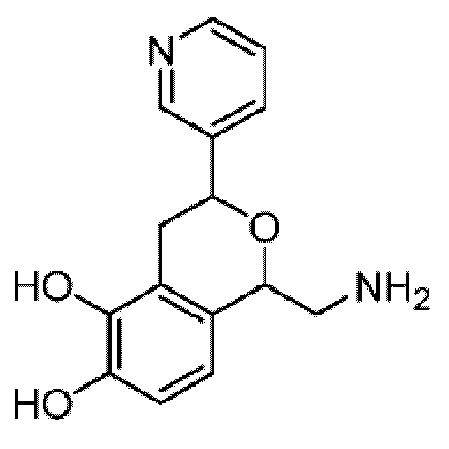


- Pharmazeutische Zusammensetzung, umfassend eine Verbindung nach einem der Ansprüche 1-13 oder ein pharmazeutisch unbedenkliches Salz davon und einen pharmazeutisch unbedenklichen Träger.
- In vitro-Verfahren zur: Agonisierung eines Gαs-Protein-gekoppelten Rezeptors in einer Zelle, Förderung der YAP/TAZ-Phosphorylierung in einer Zelle, Hemmung der YAP/TAZ-Funktion in einer Zelle, Hemmung der Expression eines profibrotischen Gens in einer Zelle, Reduzierung der Kernlokalisation von YAP/TAZ in einer Zelle, Hemmung der Expression von α-Glattmuskel-Aktin (α-Smooth Muscle Actin, αSMA) in einer Zelle, Hemmung der Produktion und Ablagerung von extrazellulärer Matrix durch eine Zelle oder Verstärkung des Abbaus von extrazellulärer Matrix durch eine Zelle, wobei das Verfahren das Inkontaktbringen der Zelle mit einer wirksamen Menge der Verbindung nach einem der Ansprüche 1-13 oder einem pharmazeutisch annehmbaren Salz davon umfasst.
- Verbindung nach einem der Ansprüche 1-13 oder pharmazeutisch unbedenkliches Salz davon oder pharmazeutische Zusammensetzung nach Anspruch 14 zur Verwendung in einem Verfahren zur Behandlung oder Prävention einer fibrotischen Pathologie, wobei das Verfahren die Verabreichung einer therapeutisch wirksamen Menge der Verbindung oder des pharmazeutisch unbedenklichen Salzes davon oder der pharmazeutischen Zusammensetzung an ein dessen bedürftiges Subjekt umfasst.
Priority Applications (1)
| Application Number | Priority Date | Filing Date | Title |
|---|---|---|---|
| EP24167069.4A EP4378532B1 (de) | 2019-07-30 | 2020-07-29 | Verbindungen und verfahren zur behandlung von fibrotischen erkrankungen |
Applications Claiming Priority (3)
| Application Number | Priority Date | Filing Date | Title |
|---|---|---|---|
| US201962880494P | 2019-07-30 | 2019-07-30 | |
| US201962880594P | 2019-07-30 | 2019-07-30 | |
| PCT/US2020/044054 WO2021021922A1 (en) | 2019-07-30 | 2020-07-29 | Compounds and methods for treating fibrotic pathologies |
Related Child Applications (1)
| Application Number | Title | Priority Date | Filing Date |
|---|---|---|---|
| EP24167069.4A Division EP4378532B1 (de) | 2019-07-30 | 2020-07-29 | Verbindungen und verfahren zur behandlung von fibrotischen erkrankungen |
Publications (3)
| Publication Number | Publication Date |
|---|---|
| EP4003348A1 EP4003348A1 (de) | 2022-06-01 |
| EP4003348A4 EP4003348A4 (de) | 2022-09-28 |
| EP4003348B1 true EP4003348B1 (de) | 2024-04-03 |
Family
ID=74230152
Family Applications (2)
| Application Number | Title | Priority Date | Filing Date |
|---|---|---|---|
| EP20847742.2A Active EP4003348B1 (de) | 2019-07-30 | 2020-07-29 | Verbindungen und verfahren zur behandlung von fibrotischen erkrankungen |
| EP24167069.4A Active EP4378532B1 (de) | 2019-07-30 | 2020-07-29 | Verbindungen und verfahren zur behandlung von fibrotischen erkrankungen |
Family Applications After (1)
| Application Number | Title | Priority Date | Filing Date |
|---|---|---|---|
| EP24167069.4A Active EP4378532B1 (de) | 2019-07-30 | 2020-07-29 | Verbindungen und verfahren zur behandlung von fibrotischen erkrankungen |
Country Status (5)
| Country | Link |
|---|---|
| US (2) | US12264163B2 (de) |
| EP (2) | EP4003348B1 (de) |
| KR (1) | KR20220041847A (de) |
| CA (1) | CA3148598A1 (de) |
| WO (1) | WO2021021922A1 (de) |
Families Citing this family (2)
| Publication number | Priority date | Publication date | Assignee | Title |
|---|---|---|---|---|
| EP4284507A4 (de) * | 2021-01-29 | 2025-01-08 | Mayo Foundation for Medical Education and Research | Verfahren zur behandlung von fibrotischen augenerkrankungen |
| AU2024380808A1 (en) * | 2023-11-14 | 2026-05-28 | The Regents Of The University Of Michigan | Compositions and methods for the treatment of systemic sclerosis and other fibrotic diseases and conditions |
Family Cites Families (28)
| Publication number | Priority date | Publication date | Assignee | Title |
|---|---|---|---|---|
| US4963568A (en) | 1989-05-31 | 1990-10-16 | Abbott Laboratories | Dopamine agonists |
| US5621133A (en) | 1989-05-31 | 1997-04-15 | Deninno; Michael P. | Dopamine agonists |
| US5591884A (en) | 1989-05-31 | 1997-01-07 | Abbott Laboratories | Dopamine agonists |
| US5304121A (en) | 1990-12-28 | 1994-04-19 | Boston Scientific Corporation | Drug delivery system making use of a hydrogel polymer coating |
| US5994341A (en) | 1993-07-19 | 1999-11-30 | Angiogenesis Technologies, Inc. | Anti-angiogenic Compositions and methods for the treatment of arthritis |
| US5502080A (en) | 1994-11-01 | 1996-03-26 | Hitzig; Pietr | Combined use of dopamine and serotonin agonists in the treatment of allergic disorders |
| US6099562A (en) | 1996-06-13 | 2000-08-08 | Schneider (Usa) Inc. | Drug coating with topcoat |
| WO1996038435A1 (en) | 1995-05-30 | 1996-12-05 | Abbott Laboratories | Dopamine agonists |
| PT845988E (pt) | 1995-08-18 | 2002-05-31 | Univ North Carolina | Novas isoquinolinas fundidas como ligandos do receptor da dopamina |
| US6004982A (en) * | 1997-09-15 | 1999-12-21 | Hoechst Marion Roussel, Inc. | 4-piperidinyl) H-2-benzopyran derivatives useful as antipsychotic agents |
| US6713506B2 (en) | 2000-10-11 | 2004-03-30 | University Of South Florida | Tea polyphenol esters and analogs thereof for cancer prevention and treatment |
| CA2446904A1 (en) | 2001-05-24 | 2003-04-03 | Alexza Pharmaceuticals, Inc. | Delivery of drug esters through an inhalation route |
| US20070254906A1 (en) | 2004-07-21 | 2007-11-01 | Darpharma, Inc. | Method of Administration of Dopamine Receptor Agonists |
| US20080114080A1 (en) | 2006-06-02 | 2008-05-15 | Hao Chen | Compositions and Methods for the Treatment of Cystic Fibrosis and other Pulmonary Disorders |
| EP2089016A4 (de) | 2006-10-03 | 2014-10-08 | Univ Pennsylvania | Verfahren zur behandlung von makuladegeneration |
| US20130338145A1 (en) | 2006-10-03 | 2013-12-19 | Claire H. Mitchell | Method for Mediating Dopamine Receptor-Driven Reacidification of Lysosomal pH |
| WO2008088727A2 (en) | 2007-01-12 | 2008-07-24 | Concert Pharmaceuticals, Inc. | Endothelin receptor antagonists |
| US8859001B2 (en) | 2007-10-18 | 2014-10-14 | Mia Levite | Fenoldopam formulations and pro-drug derivatives |
| WO2010124005A1 (en) | 2009-04-21 | 2010-10-28 | Purdue Research Foundation | Octahydrobenzoisoquinoline modulators of dopamine receptors and uses therefor |
| CN102791134B (zh) | 2009-12-04 | 2015-04-22 | 魄金莱默有限公司 | 用多巴胺再摄取抑制剂及类似物治疗糖尿病症状和延迟或预防糖尿病相关病理学病况的方法 |
| US20150157584A1 (en) | 2012-06-11 | 2015-06-11 | The J. David Gladstone Institutes | Inhibitors of hippo-yap signaling pathway |
| ES2856211T3 (es) | 2013-03-12 | 2021-09-27 | Icahn School Med Mount Sinai | Uso de SHROOM3 como marcador para la nefropatía crónica del aloinjerto |
| BR112017002594A2 (pt) | 2015-12-17 | 2017-12-19 | Gilead Sciences Inc | compostos inibidores de cinase de ligação de tank |
| WO2017132661A2 (en) | 2016-01-29 | 2017-08-03 | Oncoceutics, Inc. | G protein-coupled receptor (gpcr) modulation by imipridones |
| WO2017177262A1 (en) | 2016-04-11 | 2017-10-19 | University Of Canberra | Ophthalmic compositions comprising levodopa, an antioxidant and an aqueous carrier |
| EP3745862B1 (de) | 2018-01-31 | 2024-06-26 | Mayo Foundation for Medical Education and Research | D1 dopamin-rezeptor-agonisten zur behandlung von fibrotischen erkrankungen |
| EP3919052A4 (de) | 2019-01-09 | 2022-10-05 | Fuso Pharmaceutical Industries, Ltd. | Pharmazeutische zusammensetzung zur intraokularen oder oralen verabreichung zur behandlung von retinaerkrankungen |
| EP4284507A4 (de) | 2021-01-29 | 2025-01-08 | Mayo Foundation for Medical Education and Research | Verfahren zur behandlung von fibrotischen augenerkrankungen |
-
2020
- 2020-07-29 EP EP20847742.2A patent/EP4003348B1/de active Active
- 2020-07-29 CA CA3148598A patent/CA3148598A1/en active Pending
- 2020-07-29 EP EP24167069.4A patent/EP4378532B1/de active Active
- 2020-07-29 US US17/625,244 patent/US12264163B2/en active Active
- 2020-07-29 KR KR1020227004066A patent/KR20220041847A/ko not_active Abandoned
- 2020-07-29 WO PCT/US2020/044054 patent/WO2021021922A1/en not_active Ceased
-
2025
- 2025-02-18 US US19/055,696 patent/US20250179086A1/en active Pending
Also Published As
| Publication number | Publication date |
|---|---|
| EP4378532A2 (de) | 2024-06-05 |
| EP4003348A4 (de) | 2022-09-28 |
| EP4378532A3 (de) | 2024-07-10 |
| EP4003348A1 (de) | 2022-06-01 |
| US20220275002A1 (en) | 2022-09-01 |
| US12264163B2 (en) | 2025-04-01 |
| CA3148598A1 (en) | 2021-02-04 |
| KR20220041847A (ko) | 2022-04-01 |
| US20250179086A1 (en) | 2025-06-05 |
| EP4378532B1 (de) | 2025-11-12 |
| WO2021021922A1 (en) | 2021-02-04 |
Similar Documents
| Publication | Publication Date | Title |
|---|---|---|
| US20230346740A1 (en) | Methods of treating fibrotic pathologies | |
| US20250179086A1 (en) | Compounds and methods for treating fibrotic pathologies | |
| JP2023529214A (ja) | エリスロポエチン産生肝細胞受容体a2(epha2)の過剰発現を特徴とする疾患の治療 | |
| US20100267626A1 (en) | Methods and compositions for measuring wnt activation and for treating wnt-related cancers | |
| US20090175849A1 (en) | NOTCH inhibition in the treatment or prevention of atherosclerosis | |
| KR20140041906A (ko) | 암의 치료에 사용하기 위한 크리조티닙 | |
| CN110088119B (zh) | 具有抗癌活性的肽,以及包含其作为活性成分的药物组合物、保健功能性食品组合物和功能性化妆品组合物 | |
| CN113557030A (zh) | 用于治疗子宫内膜异位症的组合物和方法 | |
| WO2016004035A1 (en) | 2-aryl-4-quinolinecarboxamide derivatives for treating thyroid diseases | |
| US20090105281A1 (en) | Methods of treating inflammation | |
| WO2017163243A1 (en) | Modulation of calcium channel splice variant in cancer therapy | |
| US20120231015A1 (en) | Fragile x mental retardation protein (fmrp), compositions, and methods related thereto | |
| CN116253775B (zh) | 靶向抑制slug转录激活作用的多肽及其用途 | |
| US20090239884A1 (en) | Methods of Treating Inflammation | |
| US20230285347A1 (en) | Preterm Labour with Prostaglandin E2 Receptor Agonists | |
| Shi et al. | Aspirin Suppresses Aromatase‐Mediated Estrogen Biosynthesis to Alleviate Polycystic Ovary Syndrome by the Inhibition of Adenylate Cyclase | |
| JP2005021151A (ja) | スクリーニング方法 | |
| Bailey | The roles of Rap1 in cancer metastasis and pancreatic islet beta cell function | |
| US20240208984A1 (en) | Bivalent ligands to understand dimerization of the mu opioid receptor and the chemokine receptor ccr5 in neurological disorders | |
| HK40090933A (en) | Papd5 and papd7 inhibitors for treating a hepatitis b infection | |
| Viswanathan | Identification of candidate G protein coupled receptors: role of purinergic receptor P2Y2 in pulmonary arterial hypertension | |
| SG11202107468YA (en) | Methods for treating or preventing heart failure and reducing risk of heart failure | |
| Greco | Analysis of cardiovascular responses to major products of angiotensin-converting enzyme and angiotensin-converting enzyme 2 |
Legal Events
| Date | Code | Title | Description |
|---|---|---|---|
| STAA | Information on the status of an ep patent application or granted ep patent |
Free format text: STATUS: THE INTERNATIONAL PUBLICATION HAS BEEN MADE |
|
| PUAI | Public reference made under article 153(3) epc to a published international application that has entered the european phase |
Free format text: ORIGINAL CODE: 0009012 |
|
| STAA | Information on the status of an ep patent application or granted ep patent |
Free format text: STATUS: REQUEST FOR EXAMINATION WAS MADE |
|
| 17P | Request for examination filed |
Effective date: 20220223 |
|
| AK | Designated contracting states |
Kind code of ref document: A1 Designated state(s): AL AT BE BG CH CY CZ DE DK EE ES FI FR GB GR HR HU IE IS IT LI LT LU LV MC MK MT NL NO PL PT RO RS SE SI SK SM TR |
|
| REG | Reference to a national code |
Ref legal event code: R079 Ipc: C07D0405040000 Ref country code: DE Ref legal event code: R079 Ref document number: 602020028507 Country of ref document: DE Free format text: PREVIOUS MAIN CLASS: A61K0031454000 Ipc: C07D0405040000 |
|
| A4 | Supplementary search report drawn up and despatched |
Effective date: 20220830 |
|
| RIC1 | Information provided on ipc code assigned before grant |
Ipc: A61P 35/00 20060101ALI20220824BHEP Ipc: A61K 31/454 20060101ALI20220824BHEP Ipc: C07D 401/12 20060101ALI20220824BHEP Ipc: C07D 407/04 20060101ALI20220824BHEP Ipc: C07D 311/76 20060101ALI20220824BHEP Ipc: C07D 405/04 20060101AFI20220824BHEP |
|
| DAV | Request for validation of the european patent (deleted) | ||
| DAX | Request for extension of the european patent (deleted) | ||
| STAA | Information on the status of an ep patent application or granted ep patent |
Free format text: STATUS: EXAMINATION IS IN PROGRESS |
|
| 17Q | First examination report despatched |
Effective date: 20230510 |
|
| GRAP | Despatch of communication of intention to grant a patent |
Free format text: ORIGINAL CODE: EPIDOSNIGR1 |
|
| STAA | Information on the status of an ep patent application or granted ep patent |
Free format text: STATUS: GRANT OF PATENT IS INTENDED |
|
| INTG | Intention to grant announced |
Effective date: 20231027 |
|
| GRAS | Grant fee paid |
Free format text: ORIGINAL CODE: EPIDOSNIGR3 |
|
| GRAA | (expected) grant |
Free format text: ORIGINAL CODE: 0009210 |
|
| STAA | Information on the status of an ep patent application or granted ep patent |
Free format text: STATUS: THE PATENT HAS BEEN GRANTED |
|
| AK | Designated contracting states |
Kind code of ref document: B1 Designated state(s): AL AT BE BG CH CY CZ DE DK EE ES FI FR GB GR HR HU IE IS IT LI LT LU LV MC MK MT NL NO PL PT RO RS SE SI SK SM TR |
|
| P01 | Opt-out of the competence of the unified patent court (upc) registered |
Effective date: 20240304 |
|
| REG | Reference to a national code |
Ref country code: CH Ref legal event code: EP |
|
| REG | Reference to a national code |
Ref country code: IE Ref legal event code: FG4D |
|
| REG | Reference to a national code |
Ref country code: DE Ref legal event code: R096 Ref document number: 602020028507 Country of ref document: DE |
|
| REG | Reference to a national code |
Ref country code: LT Ref legal event code: MG9D |
|
| REG | Reference to a national code |
Ref country code: NL Ref legal event code: MP Effective date: 20240403 |
|
| REG | Reference to a national code |
Ref country code: AT Ref legal event code: MK05 Ref document number: 1672213 Country of ref document: AT Kind code of ref document: T Effective date: 20240403 |
|
| PG25 | Lapsed in a contracting state [announced via postgrant information from national office to epo] |
Ref country code: NL Free format text: LAPSE BECAUSE OF FAILURE TO SUBMIT A TRANSLATION OF THE DESCRIPTION OR TO PAY THE FEE WITHIN THE PRESCRIBED TIME-LIMIT Effective date: 20240403 |
|
| PG25 | Lapsed in a contracting state [announced via postgrant information from national office to epo] |
Ref country code: NL Free format text: LAPSE BECAUSE OF FAILURE TO SUBMIT A TRANSLATION OF THE DESCRIPTION OR TO PAY THE FEE WITHIN THE PRESCRIBED TIME-LIMIT Effective date: 20240403 |
|
| PG25 | Lapsed in a contracting state [announced via postgrant information from national office to epo] |
Ref country code: IS Free format text: LAPSE BECAUSE OF FAILURE TO SUBMIT A TRANSLATION OF THE DESCRIPTION OR TO PAY THE FEE WITHIN THE PRESCRIBED TIME-LIMIT Effective date: 20240803 |
|
| PG25 | Lapsed in a contracting state [announced via postgrant information from national office to epo] |
Ref country code: BG Free format text: LAPSE BECAUSE OF FAILURE TO SUBMIT A TRANSLATION OF THE DESCRIPTION OR TO PAY THE FEE WITHIN THE PRESCRIBED TIME-LIMIT Effective date: 20240403 |
|
| PG25 | Lapsed in a contracting state [announced via postgrant information from national office to epo] |
Ref country code: FI Free format text: LAPSE BECAUSE OF FAILURE TO SUBMIT A TRANSLATION OF THE DESCRIPTION OR TO PAY THE FEE WITHIN THE PRESCRIBED TIME-LIMIT Effective date: 20240403 Ref country code: HR Free format text: LAPSE BECAUSE OF FAILURE TO SUBMIT A TRANSLATION OF THE DESCRIPTION OR TO PAY THE FEE WITHIN THE PRESCRIBED TIME-LIMIT Effective date: 20240403 |
|
| PG25 | Lapsed in a contracting state [announced via postgrant information from national office to epo] |
Ref country code: GR Free format text: LAPSE BECAUSE OF FAILURE TO SUBMIT A TRANSLATION OF THE DESCRIPTION OR TO PAY THE FEE WITHIN THE PRESCRIBED TIME-LIMIT Effective date: 20240704 |
|
| PG25 | Lapsed in a contracting state [announced via postgrant information from national office to epo] |
Ref country code: PT Free format text: LAPSE BECAUSE OF FAILURE TO SUBMIT A TRANSLATION OF THE DESCRIPTION OR TO PAY THE FEE WITHIN THE PRESCRIBED TIME-LIMIT Effective date: 20240805 |
|
| PG25 | Lapsed in a contracting state [announced via postgrant information from national office to epo] |
Ref country code: ES Free format text: LAPSE BECAUSE OF FAILURE TO SUBMIT A TRANSLATION OF THE DESCRIPTION OR TO PAY THE FEE WITHIN THE PRESCRIBED TIME-LIMIT Effective date: 20240403 |
|
| PG25 | Lapsed in a contracting state [announced via postgrant information from national office to epo] |
Ref country code: CZ Free format text: LAPSE BECAUSE OF FAILURE TO SUBMIT A TRANSLATION OF THE DESCRIPTION OR TO PAY THE FEE WITHIN THE PRESCRIBED TIME-LIMIT Effective date: 20240403 |
|
| PG25 | Lapsed in a contracting state [announced via postgrant information from national office to epo] |
Ref country code: AT Free format text: LAPSE BECAUSE OF FAILURE TO SUBMIT A TRANSLATION OF THE DESCRIPTION OR TO PAY THE FEE WITHIN THE PRESCRIBED TIME-LIMIT Effective date: 20240403 |
|
| PG25 | Lapsed in a contracting state [announced via postgrant information from national office to epo] |
Ref country code: PL Free format text: LAPSE BECAUSE OF FAILURE TO SUBMIT A TRANSLATION OF THE DESCRIPTION OR TO PAY THE FEE WITHIN THE PRESCRIBED TIME-LIMIT Effective date: 20240403 |
|
| PG25 | Lapsed in a contracting state [announced via postgrant information from national office to epo] |
Ref country code: LV Free format text: LAPSE BECAUSE OF FAILURE TO SUBMIT A TRANSLATION OF THE DESCRIPTION OR TO PAY THE FEE WITHIN THE PRESCRIBED TIME-LIMIT Effective date: 20240403 |
|
| PG25 | Lapsed in a contracting state [announced via postgrant information from national office to epo] |
Ref country code: PT Free format text: LAPSE BECAUSE OF FAILURE TO SUBMIT A TRANSLATION OF THE DESCRIPTION OR TO PAY THE FEE WITHIN THE PRESCRIBED TIME-LIMIT Effective date: 20240805 Ref country code: PL Free format text: LAPSE BECAUSE OF FAILURE TO SUBMIT A TRANSLATION OF THE DESCRIPTION OR TO PAY THE FEE WITHIN THE PRESCRIBED TIME-LIMIT Effective date: 20240403 Ref country code: NO Free format text: LAPSE BECAUSE OF FAILURE TO SUBMIT A TRANSLATION OF THE DESCRIPTION OR TO PAY THE FEE WITHIN THE PRESCRIBED TIME-LIMIT Effective date: 20240703 Ref country code: LV Free format text: LAPSE BECAUSE OF FAILURE TO SUBMIT A TRANSLATION OF THE DESCRIPTION OR TO PAY THE FEE WITHIN THE PRESCRIBED TIME-LIMIT Effective date: 20240403 Ref country code: IS Free format text: LAPSE BECAUSE OF FAILURE TO SUBMIT A TRANSLATION OF THE DESCRIPTION OR TO PAY THE FEE WITHIN THE PRESCRIBED TIME-LIMIT Effective date: 20240803 Ref country code: HR Free format text: LAPSE BECAUSE OF FAILURE TO SUBMIT A TRANSLATION OF THE DESCRIPTION OR TO PAY THE FEE WITHIN THE PRESCRIBED TIME-LIMIT Effective date: 20240403 Ref country code: GR Free format text: LAPSE BECAUSE OF FAILURE TO SUBMIT A TRANSLATION OF THE DESCRIPTION OR TO PAY THE FEE WITHIN THE PRESCRIBED TIME-LIMIT Effective date: 20240704 Ref country code: FI Free format text: LAPSE BECAUSE OF FAILURE TO SUBMIT A TRANSLATION OF THE DESCRIPTION OR TO PAY THE FEE WITHIN THE PRESCRIBED TIME-LIMIT Effective date: 20240403 Ref country code: ES Free format text: LAPSE BECAUSE OF FAILURE TO SUBMIT A TRANSLATION OF THE DESCRIPTION OR TO PAY THE FEE WITHIN THE PRESCRIBED TIME-LIMIT Effective date: 20240403 Ref country code: CZ Free format text: LAPSE BECAUSE OF FAILURE TO SUBMIT A TRANSLATION OF THE DESCRIPTION OR TO PAY THE FEE WITHIN THE PRESCRIBED TIME-LIMIT Effective date: 20240403 Ref country code: BG Free format text: LAPSE BECAUSE OF FAILURE TO SUBMIT A TRANSLATION OF THE DESCRIPTION OR TO PAY THE FEE WITHIN THE PRESCRIBED TIME-LIMIT Effective date: 20240403 Ref country code: AT Free format text: LAPSE BECAUSE OF FAILURE TO SUBMIT A TRANSLATION OF THE DESCRIPTION OR TO PAY THE FEE WITHIN THE PRESCRIBED TIME-LIMIT Effective date: 20240403 Ref country code: RS Free format text: LAPSE BECAUSE OF FAILURE TO SUBMIT A TRANSLATION OF THE DESCRIPTION OR TO PAY THE FEE WITHIN THE PRESCRIBED TIME-LIMIT Effective date: 20240703 |
|
| REG | Reference to a national code |
Ref country code: DE Ref legal event code: R097 Ref document number: 602020028507 Country of ref document: DE |
|
| PG25 | Lapsed in a contracting state [announced via postgrant information from national office to epo] |
Ref country code: DK Free format text: LAPSE BECAUSE OF FAILURE TO SUBMIT A TRANSLATION OF THE DESCRIPTION OR TO PAY THE FEE WITHIN THE PRESCRIBED TIME-LIMIT Effective date: 20240403 |
|
| PG25 | Lapsed in a contracting state [announced via postgrant information from national office to epo] |
Ref country code: EE Free format text: LAPSE BECAUSE OF FAILURE TO SUBMIT A TRANSLATION OF THE DESCRIPTION OR TO PAY THE FEE WITHIN THE PRESCRIBED TIME-LIMIT Effective date: 20240403 |
|
| PG25 | Lapsed in a contracting state [announced via postgrant information from national office to epo] |
Ref country code: RO Free format text: LAPSE BECAUSE OF FAILURE TO SUBMIT A TRANSLATION OF THE DESCRIPTION OR TO PAY THE FEE WITHIN THE PRESCRIBED TIME-LIMIT Effective date: 20240403 Ref country code: SK Free format text: LAPSE BECAUSE OF FAILURE TO SUBMIT A TRANSLATION OF THE DESCRIPTION OR TO PAY THE FEE WITHIN THE PRESCRIBED TIME-LIMIT Effective date: 20240403 |
|
| PG25 | Lapsed in a contracting state [announced via postgrant information from national office to epo] |
Ref country code: SM Free format text: LAPSE BECAUSE OF FAILURE TO SUBMIT A TRANSLATION OF THE DESCRIPTION OR TO PAY THE FEE WITHIN THE PRESCRIBED TIME-LIMIT Effective date: 20240403 |
|
| PG25 | Lapsed in a contracting state [announced via postgrant information from national office to epo] |
Ref country code: SM Free format text: LAPSE BECAUSE OF FAILURE TO SUBMIT A TRANSLATION OF THE DESCRIPTION OR TO PAY THE FEE WITHIN THE PRESCRIBED TIME-LIMIT Effective date: 20240403 Ref country code: SK Free format text: LAPSE BECAUSE OF FAILURE TO SUBMIT A TRANSLATION OF THE DESCRIPTION OR TO PAY THE FEE WITHIN THE PRESCRIBED TIME-LIMIT Effective date: 20240403 Ref country code: RO Free format text: LAPSE BECAUSE OF FAILURE TO SUBMIT A TRANSLATION OF THE DESCRIPTION OR TO PAY THE FEE WITHIN THE PRESCRIBED TIME-LIMIT Effective date: 20240403 Ref country code: EE Free format text: LAPSE BECAUSE OF FAILURE TO SUBMIT A TRANSLATION OF THE DESCRIPTION OR TO PAY THE FEE WITHIN THE PRESCRIBED TIME-LIMIT Effective date: 20240403 Ref country code: DK Free format text: LAPSE BECAUSE OF FAILURE TO SUBMIT A TRANSLATION OF THE DESCRIPTION OR TO PAY THE FEE WITHIN THE PRESCRIBED TIME-LIMIT Effective date: 20240403 |
|
| PG25 | Lapsed in a contracting state [announced via postgrant information from national office to epo] |
Ref country code: MC Free format text: LAPSE BECAUSE OF FAILURE TO SUBMIT A TRANSLATION OF THE DESCRIPTION OR TO PAY THE FEE WITHIN THE PRESCRIBED TIME-LIMIT Effective date: 20240403 |
|
| PLBE | No opposition filed within time limit |
Free format text: ORIGINAL CODE: 0009261 |
|
| STAA | Information on the status of an ep patent application or granted ep patent |
Free format text: STATUS: NO OPPOSITION FILED WITHIN TIME LIMIT |
|
| REG | Reference to a national code |
Ref country code: CH Ref legal event code: PL |
|
| 26N | No opposition filed |
Effective date: 20250106 |
|
| PG25 | Lapsed in a contracting state [announced via postgrant information from national office to epo] |
Ref country code: LU Free format text: LAPSE BECAUSE OF NON-PAYMENT OF DUE FEES Effective date: 20240729 |
|
| PG25 | Lapsed in a contracting state [announced via postgrant information from national office to epo] |
Ref country code: LU Free format text: LAPSE BECAUSE OF NON-PAYMENT OF DUE FEES Effective date: 20240729 |
|
| PG25 | Lapsed in a contracting state [announced via postgrant information from national office to epo] |
Ref country code: SI Free format text: LAPSE BECAUSE OF FAILURE TO SUBMIT A TRANSLATION OF THE DESCRIPTION OR TO PAY THE FEE WITHIN THE PRESCRIBED TIME-LIMIT Effective date: 20240403 Ref country code: CH Free format text: LAPSE BECAUSE OF NON-PAYMENT OF DUE FEES Effective date: 20240731 Ref country code: BE Free format text: LAPSE BECAUSE OF NON-PAYMENT OF DUE FEES Effective date: 20240731 |
|
| REG | Reference to a national code |
Ref country code: BE Ref legal event code: MM Effective date: 20240731 |
|
| PGFP | Annual fee paid to national office [announced via postgrant information from national office to epo] |
Ref country code: GB Payment date: 20250626 Year of fee payment: 6 |
|
| PG25 | Lapsed in a contracting state [announced via postgrant information from national office to epo] |
Ref country code: IE Free format text: LAPSE BECAUSE OF NON-PAYMENT OF DUE FEES Effective date: 20240729 |
|
| PG25 | Lapsed in a contracting state [announced via postgrant information from national office to epo] |
Ref country code: SE Free format text: LAPSE BECAUSE OF FAILURE TO SUBMIT A TRANSLATION OF THE DESCRIPTION OR TO PAY THE FEE WITHIN THE PRESCRIBED TIME-LIMIT Effective date: 20240403 |
|
| PGFP | Annual fee paid to national office [announced via postgrant information from national office to epo] |
Ref country code: DE Payment date: 20250702 Year of fee payment: 6 |
|
| PGFP | Annual fee paid to national office [announced via postgrant information from national office to epo] |
Ref country code: FR Payment date: 20250703 Year of fee payment: 6 |
|
| PG25 | Lapsed in a contracting state [announced via postgrant information from national office to epo] |
Ref country code: IT Free format text: LAPSE BECAUSE OF FAILURE TO SUBMIT A TRANSLATION OF THE DESCRIPTION OR TO PAY THE FEE WITHIN THE PRESCRIBED TIME-LIMIT Effective date: 20240403 Ref country code: CY Free format text: LAPSE BECAUSE OF FAILURE TO SUBMIT A TRANSLATION OF THE DESCRIPTION OR TO PAY THE FEE WITHIN THE PRESCRIBED TIME-LIMIT; INVALID AB INITIO Effective date: 20200729 |
|
| PG25 | Lapsed in a contracting state [announced via postgrant information from national office to epo] |
Ref country code: HU Free format text: LAPSE BECAUSE OF FAILURE TO SUBMIT A TRANSLATION OF THE DESCRIPTION OR TO PAY THE FEE WITHIN THE PRESCRIBED TIME-LIMIT; INVALID AB INITIO Effective date: 20200729 |
|
| PG25 | Lapsed in a contracting state [announced via postgrant information from national office to epo] |
Ref country code: TR Free format text: LAPSE BECAUSE OF FAILURE TO SUBMIT A TRANSLATION OF THE DESCRIPTION OR TO PAY THE FEE WITHIN THE PRESCRIBED TIME-LIMIT Effective date: 20240403 |
|
| PG25 | Lapsed in a contracting state [announced via postgrant information from national office to epo] |
Ref country code: LT Free format text: LAPSE BECAUSE OF FAILURE TO SUBMIT A TRANSLATION OF THE DESCRIPTION OR TO PAY THE FEE WITHIN THE PRESCRIBED TIME-LIMIT Effective date: 20240403 |