EP4015334A1 - Procédé et dispositif de calcul de pente - Google Patents
Procédé et dispositif de calcul de pente Download PDFInfo
- Publication number
- EP4015334A1 EP4015334A1 EP20879209.3A EP20879209A EP4015334A1 EP 4015334 A1 EP4015334 A1 EP 4015334A1 EP 20879209 A EP20879209 A EP 20879209A EP 4015334 A1 EP4015334 A1 EP 4015334A1
- Authority
- EP
- European Patent Office
- Prior art keywords
- current
- acceleration
- influence value
- vehicle
- value
- Prior art date
- Legal status (The legal status is an assumption and is not a legal conclusion. Google has not performed a legal analysis and makes no representation as to the accuracy of the status listed.)
- Granted
Links
Images

Classifications
-
- B—PERFORMING OPERATIONS; TRANSPORTING
- B60—VEHICLES IN GENERAL
- B60W—CONJOINT CONTROL OF VEHICLE SUB-UNITS OF DIFFERENT TYPE OR DIFFERENT FUNCTION; CONTROL SYSTEMS SPECIALLY ADAPTED FOR HYBRID VEHICLES; ROAD VEHICLE DRIVE CONTROL SYSTEMS FOR PURPOSES NOT RELATED TO THE CONTROL OF A PARTICULAR SUB-UNIT
- B60W40/00—Estimation or calculation of non-directly measurable driving parameters for road vehicle drive control systems not related to the control of a particular sub unit, e.g. by using mathematical models
- B60W40/02—Estimation or calculation of non-directly measurable driving parameters for road vehicle drive control systems not related to the control of a particular sub unit, e.g. by using mathematical models related to ambient conditions
- B60W40/06—Road conditions
- B60W40/076—Slope angle of the road
-
- B—PERFORMING OPERATIONS; TRANSPORTING
- B60—VEHICLES IN GENERAL
- B60W—CONJOINT CONTROL OF VEHICLE SUB-UNITS OF DIFFERENT TYPE OR DIFFERENT FUNCTION; CONTROL SYSTEMS SPECIALLY ADAPTED FOR HYBRID VEHICLES; ROAD VEHICLE DRIVE CONTROL SYSTEMS FOR PURPOSES NOT RELATED TO THE CONTROL OF A PARTICULAR SUB-UNIT
- B60W40/00—Estimation or calculation of non-directly measurable driving parameters for road vehicle drive control systems not related to the control of a particular sub unit, e.g. by using mathematical models
- B60W40/10—Estimation or calculation of non-directly measurable driving parameters for road vehicle drive control systems not related to the control of a particular sub unit, e.g. by using mathematical models related to vehicle motion
- B60W40/105—Speed
-
- B—PERFORMING OPERATIONS; TRANSPORTING
- B60—VEHICLES IN GENERAL
- B60W—CONJOINT CONTROL OF VEHICLE SUB-UNITS OF DIFFERENT TYPE OR DIFFERENT FUNCTION; CONTROL SYSTEMS SPECIALLY ADAPTED FOR HYBRID VEHICLES; ROAD VEHICLE DRIVE CONTROL SYSTEMS FOR PURPOSES NOT RELATED TO THE CONTROL OF A PARTICULAR SUB-UNIT
- B60W50/00—Details of control systems for road vehicle drive control not related to the control of a particular sub-unit, e.g. process diagnostic or vehicle driver interfaces
- B60W50/0098—Details of control systems ensuring comfort, safety or stability not otherwise provided for
-
- B—PERFORMING OPERATIONS; TRANSPORTING
- B60—VEHICLES IN GENERAL
- B60W—CONJOINT CONTROL OF VEHICLE SUB-UNITS OF DIFFERENT TYPE OR DIFFERENT FUNCTION; CONTROL SYSTEMS SPECIALLY ADAPTED FOR HYBRID VEHICLES; ROAD VEHICLE DRIVE CONTROL SYSTEMS FOR PURPOSES NOT RELATED TO THE CONTROL OF A PARTICULAR SUB-UNIT
- B60W50/00—Details of control systems for road vehicle drive control not related to the control of a particular sub-unit, e.g. process diagnostic or vehicle driver interfaces
- B60W2050/0001—Details of the control system
- B60W2050/0019—Control system elements or transfer functions
- B60W2050/0026—Lookup tables or parameter maps
-
- B—PERFORMING OPERATIONS; TRANSPORTING
- B60—VEHICLES IN GENERAL
- B60W—CONJOINT CONTROL OF VEHICLE SUB-UNITS OF DIFFERENT TYPE OR DIFFERENT FUNCTION; CONTROL SYSTEMS SPECIALLY ADAPTED FOR HYBRID VEHICLES; ROAD VEHICLE DRIVE CONTROL SYSTEMS FOR PURPOSES NOT RELATED TO THE CONTROL OF A PARTICULAR SUB-UNIT
- B60W50/00—Details of control systems for road vehicle drive control not related to the control of a particular sub-unit, e.g. process diagnostic or vehicle driver interfaces
- B60W2050/0001—Details of the control system
- B60W2050/0043—Signal treatments, identification of variables or parameters, parameter estimation or state estimation
- B60W2050/0052—Filtering, filters
-
- B—PERFORMING OPERATIONS; TRANSPORTING
- B60—VEHICLES IN GENERAL
- B60W—CONJOINT CONTROL OF VEHICLE SUB-UNITS OF DIFFERENT TYPE OR DIFFERENT FUNCTION; CONTROL SYSTEMS SPECIALLY ADAPTED FOR HYBRID VEHICLES; ROAD VEHICLE DRIVE CONTROL SYSTEMS FOR PURPOSES NOT RELATED TO THE CONTROL OF A PARTICULAR SUB-UNIT
- B60W50/00—Details of control systems for road vehicle drive control not related to the control of a particular sub-unit, e.g. process diagnostic or vehicle driver interfaces
- B60W2050/0001—Details of the control system
- B60W2050/0043—Signal treatments, identification of variables or parameters, parameter estimation or state estimation
- B60W2050/0052—Filtering, filters
- B60W2050/0054—Cut-off filters, retarders, delaying means, dead zones, threshold values or cut-off frequency
- B60W2050/0056—Low-pass filters
-
- B—PERFORMING OPERATIONS; TRANSPORTING
- B60—VEHICLES IN GENERAL
- B60W—CONJOINT CONTROL OF VEHICLE SUB-UNITS OF DIFFERENT TYPE OR DIFFERENT FUNCTION; CONTROL SYSTEMS SPECIALLY ADAPTED FOR HYBRID VEHICLES; ROAD VEHICLE DRIVE CONTROL SYSTEMS FOR PURPOSES NOT RELATED TO THE CONTROL OF A PARTICULAR SUB-UNIT
- B60W2520/00—Input parameters relating to overall vehicle dynamics
- B60W2520/10—Longitudinal speed
-
- B—PERFORMING OPERATIONS; TRANSPORTING
- B60—VEHICLES IN GENERAL
- B60W—CONJOINT CONTROL OF VEHICLE SUB-UNITS OF DIFFERENT TYPE OR DIFFERENT FUNCTION; CONTROL SYSTEMS SPECIALLY ADAPTED FOR HYBRID VEHICLES; ROAD VEHICLE DRIVE CONTROL SYSTEMS FOR PURPOSES NOT RELATED TO THE CONTROL OF A PARTICULAR SUB-UNIT
- B60W2520/00—Input parameters relating to overall vehicle dynamics
- B60W2520/10—Longitudinal speed
- B60W2520/105—Longitudinal acceleration
-
- B—PERFORMING OPERATIONS; TRANSPORTING
- B60—VEHICLES IN GENERAL
- B60W—CONJOINT CONTROL OF VEHICLE SUB-UNITS OF DIFFERENT TYPE OR DIFFERENT FUNCTION; CONTROL SYSTEMS SPECIALLY ADAPTED FOR HYBRID VEHICLES; ROAD VEHICLE DRIVE CONTROL SYSTEMS FOR PURPOSES NOT RELATED TO THE CONTROL OF A PARTICULAR SUB-UNIT
- B60W2520/00—Input parameters relating to overall vehicle dynamics
- B60W2520/12—Lateral speed
-
- B—PERFORMING OPERATIONS; TRANSPORTING
- B60—VEHICLES IN GENERAL
- B60W—CONJOINT CONTROL OF VEHICLE SUB-UNITS OF DIFFERENT TYPE OR DIFFERENT FUNCTION; CONTROL SYSTEMS SPECIALLY ADAPTED FOR HYBRID VEHICLES; ROAD VEHICLE DRIVE CONTROL SYSTEMS FOR PURPOSES NOT RELATED TO THE CONTROL OF A PARTICULAR SUB-UNIT
- B60W2520/00—Input parameters relating to overall vehicle dynamics
- B60W2520/12—Lateral speed
- B60W2520/125—Lateral acceleration
-
- B—PERFORMING OPERATIONS; TRANSPORTING
- B60—VEHICLES IN GENERAL
- B60W—CONJOINT CONTROL OF VEHICLE SUB-UNITS OF DIFFERENT TYPE OR DIFFERENT FUNCTION; CONTROL SYSTEMS SPECIALLY ADAPTED FOR HYBRID VEHICLES; ROAD VEHICLE DRIVE CONTROL SYSTEMS FOR PURPOSES NOT RELATED TO THE CONTROL OF A PARTICULAR SUB-UNIT
- B60W2540/00—Input parameters relating to occupants
- B60W2540/10—Accelerator pedal position
-
- B—PERFORMING OPERATIONS; TRANSPORTING
- B60—VEHICLES IN GENERAL
- B60W—CONJOINT CONTROL OF VEHICLE SUB-UNITS OF DIFFERENT TYPE OR DIFFERENT FUNCTION; CONTROL SYSTEMS SPECIALLY ADAPTED FOR HYBRID VEHICLES; ROAD VEHICLE DRIVE CONTROL SYSTEMS FOR PURPOSES NOT RELATED TO THE CONTROL OF A PARTICULAR SUB-UNIT
- B60W2540/00—Input parameters relating to occupants
- B60W2540/18—Steering angle
-
- B—PERFORMING OPERATIONS; TRANSPORTING
- B60—VEHICLES IN GENERAL
- B60W—CONJOINT CONTROL OF VEHICLE SUB-UNITS OF DIFFERENT TYPE OR DIFFERENT FUNCTION; CONTROL SYSTEMS SPECIALLY ADAPTED FOR HYBRID VEHICLES; ROAD VEHICLE DRIVE CONTROL SYSTEMS FOR PURPOSES NOT RELATED TO THE CONTROL OF A PARTICULAR SUB-UNIT
- B60W2552/00—Input parameters relating to infrastructure
- B60W2552/15—Road slope, i.e. the inclination of a road segment in the longitudinal direction
Definitions
- the present application relates to the technical field of vehicle controlling technology, and more particularly to a method and a device for gradient calculating.
- the gradient value has been increasingly used as a dynamic index of whether the vehicle fully adapts to the slope road conditions.
- the rate of change of the longitudinal angular velocity is first measured by an angular velocity sensor, and then the gradient value is acquired by integrating processing the rate of change of the longitudinal angular velocity.
- this solution only considers the influence caused by the change of the longitudinal angular velocity, which is inaccurate for the dynamic gradient calculation, and at the same time requires an additional angular velocity sensor, which is costly.
- the present application aims to provide a method for gradient calculating, in order to at least solve above technical problems.
- a method for gradient calculating which includes: acquiring current operating parameters of the vehicle, wherein the current operating parameters include a current longitudinal acceleration, a current lateral acceleration, a current vehicle acceleration, and a current vehicle speed; determining a first influence value of the current lateral acceleration on the current longitudinal acceleration according to the current lateral acceleration and the current vehicle speed; determining a second influence value of the current vehicle acceleration on the current longitudinal acceleration according to the current vehicle acceleration and the current vehicle speed; correcting the current longitudinal acceleration according to the first influence value and the second influence value; and determining the gradient value based on the corrected current longitudinal acceleration.
- the step of acquiring current operating parameters of the vehicle includes: acquiring the current longitudinal acceleration and the current lateral acceleration respectively collected by a lateral acceleration sensor and a longitudinal acceleration sensor of the vehicle, and performing filtering processing on the current longitudinal acceleration and the current lateral acceleration.
- the step of determining a first influence value of the current lateral acceleration on the current longitudinal acceleration according to the current lateral acceleration and the current vehicle speed includes: querying a first influence value table preconfigured to match the first influence value corresponding to the current lateral acceleration and the current vehicle speed, wherein the first influence value table is configured to show a corresponding relationship between a vehicle speed and a lateral acceleration of the vehicle and the first influence value.
- the method for gradient calculating further includes: acquiring a plurality of lateral acceleration values correspondingly generated when the vehicle operates in a plurality of steering conditions under a same vehicle speed and a same accelerator pedal opening, wherein the plurality of steering conditions comprise a no-steering condition; calculating a difference of each lateral acceleration value corresponding to the longitudinal acceleration value in the no-steering condition as the first influence value; and configuring the first influence value table based on the calculated first influence value.
- the step of determining a second influence value of the current vehicle acceleration on the current longitudinal acceleration according to the current vehicle acceleration and the current vehicle speed includes: querying a second influence value table preconfigured to match the second influence value corresponding to the current vehicle acceleration and the current vehicle speed, wherein the second influence value table is configured to show corresponding relationship between a vehicle speed and a vehicle acceleration of the vehicle and the second influence value.
- the method for gradient calculating further includes: acquiring a plurality of vehicle acceleration values and longitudinal acceleration values corresponding to multiple acceleration and deceleration conditions when the vehicle is running in a straight line; calculating difference between each longitudinal acceleration value and the corresponding vehicle acceleration value as the second influence value; and configuring the second influence value table based on the calculated second influence value.
- the step of correcting the current longitudinal acceleration according to the first influence value and the second influence value includes: subtracting the first influence value and the second influence value from the current longitudinal acceleration to acquire the corrected current longitudinal acceleration.
- the step of determining the gradient value based on the corrected current longitudinal acceleration includes: acquiring a difference between the corrected current longitudinal acceleration and the current vehicle acceleration, and dividing the difference by a gravitational acceleration to acquire an intermediate calculated value; performing an arcsine function calculation on the intermediate calculated value to obtain a slope degree; and performing a tangent function calculation on the slope degree to obtain the slope value.
- the method for gradient calculating of the present application has the following advantages:
- the method for gradient calculating of embodiments of the present application does not require a gradient sensor or an angular velocity sensor, preforming fine turning to the longitudinal acceleration through the lateral acceleration and the vehicle speed, and preforming fine turning to the longitudinal acceleration through the vehicle acceleration and the vehicle speed, so that the longitudinal acceleration is more accurate. Therefore, the gradient value can be accurately calculated only through the lateral acceleration and the longitudinal acceleration, and the cost of additional sensors is reduced.
- a further object of the present application is to provide a device for gradient calculating, in order to at least solve above technical problems.
- a device for gradient calculating which includes: an operating parameter acquisition module, configured for acquiring current operating parameters of the vehicle, wherein the current operating parameters include a current longitudinal acceleration, a current lateral acceleration, a current vehicle acceleration, and a current vehicle speed; a first influence value determination module, configured for determining a first influence value of the current lateral acceleration on the current longitudinal acceleration according to the current lateral acceleration and the current vehicle speed; a second influence value determination module, configured for determining a second influence value of the current vehicle acceleration on the current longitudinal acceleration according to the current vehicle acceleration and the current vehicle speed; a longitudinal acceleration correction module, configured for correcting the current longitudinal acceleration according to the first influence value and the second influence value; and a gradient value determination module, configured for determining the gradient value based on the corrected current longitudinal acceleration.
- the operating parameter acquisition module includes: an acquisition sub-module, configured for acquiring the current longitudinal acceleration and the current lateral acceleration respectively collected by a lateral acceleration sensor and a longitudinal acceleration sensor of the vehicle; and a processing sub-module, configured for performing filtering processing on the current longitudinal acceleration and the current lateral acceleration.
- the first influence value determination module comprises: a first query sub-module, configured for querying a first influence value table preconfigured to match the first influence value corresponding to the current lateral acceleration and the current vehicle speed, wherein the first influence value table is configured to show a corresponding relationship between a vehicle speed and a lateral acceleration of the vehicle and the first influence value; and a first table building sub-module, configured for acquiring a plurality of lateral acceleration values correspondingly generated when the vehicle operates in a plurality of steering conditions under a same vehicle speed and a same accelerator pedal opening, calculating a difference of each lateral acceleration value corresponding to the longitudinal acceleration value in the no-steering condition as the first influence value, and configuring the first influence value table based on the calculated first influence value.
- the second influence value determination module comprises: a second query sub-module, configured for querying a second influence value table preconfigured to match the second influence value corresponding to the current vehicle acceleration and the current vehicle speed, wherein the second influence value table is configured to show corresponding relationship between a vehicle speed and a vehicle acceleration of the vehicle and the second influence value; and a second table building sub-module, configured for acquiring a plurality of vehicle acceleration values and longitudinal acceleration values corresponding to multiple acceleration and deceleration conditions when the vehicle is running in a straight line, calculating difference between each longitudinal acceleration value and the corresponding vehicle acceleration value as the second influence value, and configuring the second influence value table based on the calculated second influence value.
- the longitudinal acceleration correction module configured for correcting the current longitudinal acceleration according to the first influence value and the second influence value, and includes: subtracting the first influence value and the second influence value from the current longitudinal acceleration to acquire the corrected current longitudinal acceleration.
- the gradient value determination module configured for determining the gradient value based on the corrected current longitudinal acceleration, and includes: acquiring a difference between the corrected current longitudinal acceleration and the current vehicle acceleration, and dividing the difference by a gravitational acceleration to acquire an intermediate calculated value; performing an arcsine function calculation on the intermediate calculated value to obtain a slope degree; and performing a tangent function calculation on the slope degree to obtain the slope value.
- a further object of the present application is to provide a machine-readable storage medium or a processor, in order to at least solve above technical problems.
- a machine-readable storage medium on which instructions are stored, wherein the instructions are configured for causing the method for gradient calculating above-mentioned executed by a machine.
- a processor for running a program wherein when the program is running, and the method for gradient calculating above-mentioned is executed.
- the device for gradient calculating and the machine-readable storage medium have the same advantages as that of the method for gradient calculating relative to the prior art, which will not be repeated herein.
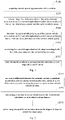
- Fig. 1 is a schematic flowchart of the method for gradient calculating according to an embodiment of the present application.
- the method for gradient calculating may include the following steps: Step S100: acquiring current operating parameters of the vehicle, wherein the current operating parameters include a current longitudinal acceleration, a current lateral acceleration, a current vehicle acceleration, and a current vehicle speed.
- the current longitudinal acceleration and the current lateral acceleration may be collected by the lateral acceleration sensor and the longitudinal acceleration sensor of the vehicle, respectively.
- ESP Electronic Stability Program
- the embodiment of the present application does not need to configure additional related sensors, which is beneficial to saving costs.
- the current longitudinal acceleration and the current lateral acceleration respectively collected by the lateral acceleration sensor and the longitudinal acceleration sensor can be performed filtering processing for subsequent calculations.
- the filtering process is, for example, low-pass filtering performed by using a low-pass filter.
- the vehicle speed can be acquired in various ways, for example, the vehicle speed can be acquired from the vehicle speed meter through the vehicle CAN bus.
- Step S200 determining a first influence value of the current lateral acceleration on the current longitudinal acceleration according to the current lateral acceleration and the current vehicle speed.
- step S200 and the following step S300 it should be noted that the embodiment of the present application uses longitudinal acceleration to calculate the gradient value, and considers two influencing factors of longitudinal acceleration (vehicle lateral acceleration and vehicle acceleration). Among them, the influence of vehicle lateral acceleration on longitudinal acceleration is manifested as the lateral deviation of the vehicle, the influence of vehicle acceleration on longitudinal acceleration is manifested as the longitudinal inclination of the vehicle, and the longitudinal inclination is also manifested as the influence of the tilted depression angle of the vehicle and so on.
- vehicle lateral acceleration the influence of vehicle lateral acceleration on longitudinal acceleration is manifested as the lateral deviation of the vehicle
- the influence of vehicle acceleration on longitudinal acceleration is manifested as the longitudinal inclination of the vehicle
- the longitudinal inclination is also manifested as the influence of the tilted depression angle of the vehicle and so on.
- the lateral deviation of the vehicle and the longitudinal inclination of the vehicle substantially reflect the running posture of the vehicle, so the calculation of the gradient value in the embodiments of the present application takes the running posture of the vehicle into consideration, which belongs to the dynamic calculation of the gradient value.
- the first influence value can be determined by looking up a table, which specifically includes: querying a first influence value table preconfigured to match the first influence value corresponding to the current lateral acceleration and the current vehicle speed.
- the first influence value table is configured to show a corresponding relationship between a vehicle speed and a lateral acceleration of the vehicle and the first influence value.
- the first influence value represents the corresponding first influence value being y1 when the vehicle speed is v1 and the lateral acceleration is a1.
- the method for gradient calculating of the embodiment of the present application may include the step of configuring the first influence value table, which is specifically as follows: Step S210: acquiring a plurality of lateral acceleration values correspondingly generated when the vehicle operates in a plurality of steering conditions under a same vehicle speed and a same accelerator pedal opening, wherein the plurality of steering conditions comprise a no-steering condition.
- the influence of the lateral acceleration of the vehicle on the longitudinal acceleration is mainly reflected in the steering and sharp steering conditions, so the determination of the lateral acceleration value in the embodiment of the present application is performed based on the steering conditions of the vehicle.
- Step S220 calculating a difference of each lateral acceleration value corresponding to the longitudinal acceleration value in the no-steering condition as the first influence value.
- Step S230 configuring the first influence value table based on the calculated first influence value.
- the accelerator pedal opening k1 of the same depth is depressed at the same vehicle speed v, and five tests are performed for different steering conditions, so that the observed lateral acceleration values are -5, -2, 0, 2, 5 (units omitted) respectively, and then calculate the difference between the four sets of longitudinal acceleration values -5, -2, 2, and 5 and the set of longitudinal acceleration values corresponding to the 0 value to obtain the corresponding first influence value.
- the first influence value table can be configured as shown in Table 1 below: Table 1 vehicle speed lateral acceleration value the first influence value v -5 -5 v -2 -2 v 2 2 v 5 5
- the table 1 is only part of the first influence value table. By multiple tests, a more detailed first influence table can be obtained, so as to determine the influence of the longitudinal acceleration of the vehicle lateral acceleration on different speed and lateral acceleration.
- Step S300 determining a second influence value of the current vehicle acceleration on the current longitudinal acceleration according to the current vehicle acceleration and the current vehicle speed.
- the second influence value can also be determined by looking up the table, including: querying a second influence value table preconfigured to match the second influence value corresponding to the current vehicle acceleration and the current vehicle speed.
- the second influence value table is configured to show corresponding relationship between a vehicle speed and a vehicle acceleration of the vehicle and the second influence value.
- the second influence value represents the corresponding second influence value being y2 when the vehicle speed is v and the lateral acceleration is a.
- the method for gradient calculating of the embodiment of the present application can include the step of configuring a second influence value table, as follows: Step S310: acquiring a plurality of vehicle acceleration values and longitudinal acceleration values corresponding to multiple acceleration and deceleration conditions when the vehicle is running in a straight line.
- the second influence value is essentially the acceleration influence value caused by the longitudinal tilt of the vehicle, refers to the influence value of the tilting of the longitudinal posture of the vehicle on the longitudinal acceleration caused by the braking of the acceleration and deceleration of the vehicle. Therefore, the influence of the vehicle acceleration of the vehicle on longitudinal acceleration is mainly reflected in an emergency acceleration, so that the vehicle acceleration value of the present application is determined based on the acceleration and deceleration conditions of the vehicle.
- Step S320 calculating difference between each longitudinal acceleration value and the corresponding vehicle acceleration value as the second influence value.
- Step S330 configuring the second influence value table based on the calculated second influence value.
- the vehicle is traveling straight line, and the six sets of tests including acceleration, deceleration, rapidly acceleration, and rapidly deceleration conditions, six sets of tests correspond to v1-v6, and the vehicle acceleration values of the six sets of tests are -5, -3, -2, 2, 4, 7(units omitted) respectively, and then observed that the longitudinal acceleration values corresponding to the six sets of tests are a1 (where the longitudinal acceleration value a1 under different speeds can be indicates different values), calculating the difference between the respective longitudinal acceleration value and the corresponding vehicle acceleration value, to obtain the corresponding second influence value.
- the second influence value table is configured as shown in Table 2 below:
- Table 2 Vehicle speed vehicle acceleration value longitudinal acceleration value second influence value (taking the absolute value for calculation) v1 -5 a1 a1-5 v2 -3 a1 a1-3 v3 -2 a1 a1-2 v4 2 a1 a1-2 v5 4 a1 a1-4 v6 7 a1 a1-7
- the Table 2 is only a part of the second influence value table. By multiple tests, a more detailed second influence table can be obtained to determine the influence of the vehicle acceleration on the longitudinal direction under different vehicle speed and vehicle accelerations.
- Step S400 correcting the current longitudinal acceleration according to the first influence value and the second influence value.
- the first influence value and the second influence value may be subtracted from the current longitudinal acceleration to obtain the corrected current longitudinal acceleration.
- the current longitudinal acceleration a1 is preferably a filtered acceleration value.
- Step S500 determining the gradient value based on the corrected current longitudinal acceleration.
- Fig. 2 is a schematic flowchart of determining a gradient value based on a corrected current longitudinal acceleration in an embodiment of the present application. As shown in Fig. 2 , it may specifically include the following steps: Step S510: acquiring a difference between the corrected current longitudinal acceleration and the current vehicle acceleration, and dividing the difference by a gravitational acceleration to acquire an intermediate calculated value.
- Step S520 performing an arcsine function calculation on the intermediate calculated value to obtain a slope degree.
- 180/ ⁇ is used to realize the transformation from numerical value to angle, and the unit of the transformed angle value is degree.
- Step S530 performing a tangent function calculation on the degree of slope to obtain the slope value.
- the gradient value calculated by the embodiment of the present application is a positive value when going upslope and a negative value when going downslope, so it can be applied to different control strategies for torque compensation according to the upslope and downslope.
- the calculated gradient value is basically consistent with the actual value.
- the embodiment of the present application can calculate an accurate gradient value based on the longitudinal acceleration and the lateral acceleration.
- the method for gradient calculating of the embodiment of the present application does not require a gradient sensor or an angular velocity sensor, and the longitudinal acceleration is fine-tuned by the lateral acceleration and the vehicle speed, and the longitudinal acceleration is fine-tuned by the vehicle acceleration and the vehicle speed, so that the longitudinal acceleration is more accurate. Therefore, the accurate gradient value can be calculated only by the longitudinal acceleration and the lateral acceleration, which reduces the cost of additionally configuring the sensors.
- the gradient value calculated by the embodiment of the present application is dynamic, and the accurate dynamic gradient value is convenient for processing the dynamic strategy that the vehicle is on the slope, thereby facilitating the vehicle to adapt to different roads.
- Fig. 3 is a schematic structural diagram of a device for gradient calculating according to another embodiment of the present application.
- the device for gradient calculating includes: an operating parameter acquisition module 100, configured for acquiring current operating parameters of the vehicle, wherein the current operating parameters include a current longitudinal acceleration, a current lateral acceleration, a current vehicle acceleration, and a current vehicle speed; a first influence value determination module 200, configured for determining a first influence value of the current lateral acceleration on the current longitudinal acceleration according to the current lateral acceleration and the current vehicle speed; a second influence value determination module 300, configured for determining a second influence value of the current vehicle acceleration on the current longitudinal acceleration according to the current vehicle acceleration and the current vehicle speed; a longitudinal acceleration correction module 400, configured for correcting the current longitudinal acceleration according to the first influence value and the second influence value; and a gradient value determination module 500, configured for determining the gradient value based on the corrected current longitudinal acceleration.
- an operating parameter acquisition module 100 configured for acquiring current operating parameters of the vehicle, wherein the current operating parameters include a current longitudinal acceleration
- the operating parameter acquisition module 100 may include: an acquisition sub-module, configured for acquiring the current longitudinal acceleration and the current lateral acceleration respectively collected by a lateral acceleration sensor and a longitudinal acceleration sensor of the vehicle; and a processing sub-module, configured for performing filtering processing on the current longitudinal acceleration and the current lateral acceleration.
- the first influence value determination module 200 may include: a first query sub-module, configured for querying a first influence value table preconfigured to match the first influence value corresponding to the current lateral acceleration and the current vehicle speed, wherein the first influence value table is configured to show a corresponding relationship between a vehicle speed and a lateral acceleration of the vehicle and the first influence value.
- the first influence value determination module 200 may further include: a first table building sub-module, configured for acquiring a plurality of lateral acceleration values correspondingly generated when the vehicle operates in a plurality of steering conditions under a same vehicle speed and a same accelerator pedal opening, and calculating a difference of each lateral acceleration value corresponding to the longitudinal acceleration value in the no-steering condition as the first influence value, and configuring the first influence value table based on the calculated first influence value.
- the plurality of steering conditions include a no-steering condition.
- the second influence value determination module 300 may include: a second query sub-module, configured for querying a second influence value table preconfigured to match the second influence value corresponding to the current vehicle acceleration and the current vehicle speed, wherein the second influence value table is configured to show corresponding relationship between a vehicle speed and a vehicle acceleration of the vehicle and the second influence value.
- the second influence value determination module 300 may further include: a second table building sub-module, configured for acquiring a plurality of vehicle acceleration values and longitudinal acceleration values corresponding to multiple acceleration and deceleration conditions when the vehicle is running in a straight line, calculating difference between each longitudinal acceleration value and the corresponding vehicle acceleration value as the second influence value, and configuring the second influence value table based on the calculated second influence value.
- a second table building sub-module configured for acquiring a plurality of vehicle acceleration values and longitudinal acceleration values corresponding to multiple acceleration and deceleration conditions when the vehicle is running in a straight line, calculating difference between each longitudinal acceleration value and the corresponding vehicle acceleration value as the second influence value, and configuring the second influence value table based on the calculated second influence value.
- the longitudinal acceleration correction module 400 configured for correcting the current longitudinal acceleration according to the first influence value and the second influence value, and includes: subtracting the first influence value and the second influence value from the current longitudinal acceleration to acquire the corrected current longitudinal acceleration.
- the gradient value determination module 500 configured for determining the gradient value based on the corrected current longitudinal acceleration, and includes: acquiring a difference between the corrected current longitudinal acceleration and the current vehicle acceleration, and dividing the difference by a gravitational acceleration to acquire an intermediate calculated value; performing an arcsine function calculation on the intermediate calculated value to obtain a slope degree; and performing a tangent function calculation on the slope degree to obtain the slope value.
- An embodiment of the present application further provides a machine-readable storage medium, where instructions are stored on the machine-readable storage medium, and the instructions are used to cause a machine to execute the method for gradient calculating of the foregoing embodiments.
- An embodiment of the present application further provides a processor, which is used for running a program, wherein when the program runs, and the method for gradient calculating of the above-mentioned embodiment is executed.
- An embodiment of the present application further provides a computer program product, which, when executed on a vehicle-related component, is adapted to execute a program initialized with the steps of the method for gradient calculating of the above-mentioned embodiments.
- the embodiments of the present application may be provided as a method, a system, or a computer program product. Accordingly, the present application may take the form of entirely hardware embodiments, entirely software embodiments, or embodiments combining software and hardware aspects. Furthermore, the present application may take the form of a computer program product embodied on one or more computer-usable storage media (including, but not limited to, disk storage, CD-ROM, optical storage, etc.) having computer-usable program code embodied therein.
- computer-usable storage media including, but not limited to, disk storage, CD-ROM, optical storage, etc.
- These computer program instructions may also be stored in a computer-readable memory capable of directing a computer or other programmable data processing apparatus to function in a particular manner, such that the instructions stored in the computer-readable memory result in an article of manufacture comprising instruction means, the instructions an apparatus implements the functions specified in a flow or flows of the flowcharts and/or a block or blocks of the block diagrams.
- a computing device includes one or more processors (CPUs), input/output interfaces, network interfaces, and memory.
- processors CPUs
- input/output interfaces network interfaces
- memory volatile and non-volatile memory
- Memory may include non-persistent memory in computer readable media, random access memory (RAM) and/or non-volatile memory and so on, for example, read only memory (ROM) or flash memory (flash RAM). Memory is an example of a computer-readable medium.
- RAM random access memory
- ROM read only memory
- flash RAM flash memory
- Computer-readable media includes permanent and non-permanent, removable and non-removable media, and storage of information may be implemented by any method or technology.
- Information may be computer readable instructions, data structures, modules of programs, or other data.
- Examples of computer storage media include, but are not limited to, phase-change random access memory (PRAM), static random access memory (SRAM), dynamic random access memory (DRAM), other types of random access memory (RAM), read only memory (ROM), electrically erasable programmable read only memory (EEPROM), flash memory or other memory technology, compact disc read only memory (CD-ROM), digital versatile disc (DVD) or other optical storage, magnetic tape cassettes, magnetic tape magnetic disk storage or other magnetic storage devices or any other non-transmission medium that can be used to store information that can be accessed by a computing device.
- PRAM phase-change random access memory
- SRAM static random access memory
- DRAM dynamic random access memory
- RAM random access memory
- ROM read only memory
- EEPROM electrically erasable programmable read only memory
Landscapes
- Engineering & Computer Science (AREA)
- Automation & Control Theory (AREA)
- Transportation (AREA)
- Mechanical Engineering (AREA)
- Physics & Mathematics (AREA)
- Mathematical Physics (AREA)
- Human Computer Interaction (AREA)
- Control Of Driving Devices And Active Controlling Of Vehicle (AREA)
Applications Claiming Priority (2)
| Application Number | Priority Date | Filing Date | Title |
|---|---|---|---|
| CN201911013846.8A CN111824165B (zh) | 2019-10-23 | 2019-10-23 | 坡度计算方法及装置 |
| PCT/CN2020/120778 WO2021078043A1 (fr) | 2019-10-23 | 2020-10-14 | Procédé et dispositif de calcul de pente |
Publications (3)
| Publication Number | Publication Date |
|---|---|
| EP4015334A1 true EP4015334A1 (fr) | 2022-06-22 |
| EP4015334A4 EP4015334A4 (fr) | 2022-10-26 |
| EP4015334B1 EP4015334B1 (fr) | 2025-04-30 |
Family
ID=72912151
Family Applications (1)
| Application Number | Title | Priority Date | Filing Date |
|---|---|---|---|
| EP20879209.3A Active EP4015334B1 (fr) | 2019-10-23 | 2020-10-14 | Procédé et dispositif de calcul de pente |
Country Status (4)
| Country | Link |
|---|---|
| US (1) | US12202488B2 (fr) |
| EP (1) | EP4015334B1 (fr) |
| CN (1) | CN111824165B (fr) |
| WO (1) | WO2021078043A1 (fr) |
Families Citing this family (5)
| Publication number | Priority date | Publication date | Assignee | Title |
|---|---|---|---|---|
| US10875367B2 (en) * | 2018-02-19 | 2020-12-29 | Ford Global Technologies, Llc | All-wheel drive line lock for warming tires during track usage |
| CN113008266B (zh) * | 2021-02-07 | 2022-03-15 | 武汉齐物科技有限公司 | 一种骑行坡度鉴别及计算方法 |
| CN112959997B (zh) * | 2021-04-09 | 2022-10-28 | 潍柴动力股份有限公司 | 一种道路坡度计算方法及装置 |
| FR3126955A1 (fr) * | 2021-09-13 | 2023-03-17 | Psa Automobiles Sa | Procede d’estimation d’une pente sur laquelle roule en deceleration un vehicule automobile avant immobilisation par frein de stationnement |
| CN113911173B (zh) * | 2021-10-26 | 2024-10-15 | 北京埃福瑞科技有限公司 | 轨道列车测速方法及装置 |
Family Cites Families (23)
| Publication number | Priority date | Publication date | Assignee | Title |
|---|---|---|---|---|
| DE3545717A1 (de) * | 1985-12-21 | 1987-06-25 | Daimler Benz Ag | Einrichtung zur vortriebsregelung an kraftfahrzeugen |
| JP3662187B2 (ja) * | 2000-11-27 | 2005-06-22 | トヨタ自動車株式会社 | 路面勾配推定装置 |
| JP2009257974A (ja) | 2008-04-17 | 2009-11-05 | Yamaha Motor Co Ltd | 車両用傾斜角検出装置、ならびにそれを備えた動力源制御装置および車両 |
| FR2947899B1 (fr) * | 2009-07-08 | 2011-08-26 | Renault Sa | Procede de detection de pente et de devers, et d'estimation de leur signe |
| DE102010041967A1 (de) * | 2010-10-05 | 2012-04-05 | Zf Friedrichshafen Ag | Verfahren zum Ermitteln einer Neigung eines Fahrzeuges in Fahrtrichtung |
| CN102700551B (zh) * | 2012-05-31 | 2015-05-20 | 清华大学 | 一种车辆行驶过程中路面坡度的实时估计方法 |
| US9454508B2 (en) * | 2012-08-31 | 2016-09-27 | Ford Global Technologies, Llc | Kinematic road gradient estimation |
| KR101836242B1 (ko) | 2012-10-26 | 2018-04-19 | 현대자동차 주식회사 | 차량 선회시 경사각 측정 방법 및 장치 |
| ITTO20130584A1 (it) * | 2013-07-11 | 2015-01-12 | Fiat Ricerche | Stima della massa di un veicolo e della pendenza della strada |
| US9340212B2 (en) * | 2014-04-01 | 2016-05-17 | GM Global Technology Operations LLC | System and method for estimating road grade based on an output of a longitudinal acceleration sensor in a vehicle |
| US9311761B1 (en) * | 2014-11-21 | 2016-04-12 | Continental Automotive Systems, Inc. | Vehicle load information system to determine road slope and load when trailer is added to vehicle |
| GB2536008B (en) * | 2015-03-03 | 2019-06-12 | Jaguar Land Rover Ltd | Vehicle state estimation apparatus and method |
| CN106515739B (zh) * | 2016-12-20 | 2019-03-05 | 江苏大学 | 一种电动汽车坡道识别装置及方法 |
| DE102017206717A1 (de) * | 2017-04-21 | 2018-10-25 | Robert Bosch Gmbh | Verfahren zur Ermittlung des Fahrbahngefälles in einem Fahrzeug |
| CN108189842B (zh) | 2017-10-30 | 2021-09-10 | 中国北方车辆研究所 | 一种基于加速度信号的坡道坡度识别方法及装置 |
| KR102347651B1 (ko) * | 2017-12-11 | 2022-01-06 | 현대자동차주식회사 | 산악 도로 적응형 샤시통합제어 방법 및 차량 |
| CN108297872B (zh) * | 2018-03-08 | 2023-05-05 | 中国第一汽车股份有限公司 | 全工况车载路面坡度估算装置和方法 |
| JP7077708B2 (ja) | 2018-03-28 | 2022-05-31 | いすゞ自動車株式会社 | 勾配推定装置、及び車両 |
| CN111267853B (zh) * | 2018-12-03 | 2021-06-18 | 广州汽车集团股份有限公司 | 一种自适应车辆弯道辅助控制方法、装置、计算机设备和存储介质 |
| CN109466559B (zh) * | 2018-12-17 | 2020-09-08 | 重庆长安汽车股份有限公司 | 基于滞后滤波路面坡度的计算方法和装置 |
| CN110103976A (zh) * | 2019-04-17 | 2019-08-09 | 国机智骏科技有限公司 | 路面坡度计算方法和装置 |
| CN110155059B (zh) * | 2019-06-04 | 2020-08-07 | 吉林大学 | 一种弯道优化控制方法及系统 |
| CN110239554B (zh) * | 2019-06-06 | 2020-08-28 | 浙江吉利控股集团有限公司 | 一种车载路面纵向坡度实时识别方法及其装置 |
-
2019
- 2019-10-23 CN CN201911013846.8A patent/CN111824165B/zh active Active
-
2020
- 2020-10-14 WO PCT/CN2020/120778 patent/WO2021078043A1/fr not_active Ceased
- 2020-10-14 EP EP20879209.3A patent/EP4015334B1/fr active Active
- 2020-10-14 US US17/640,678 patent/US12202488B2/en active Active
Also Published As
| Publication number | Publication date |
|---|---|
| CN111824165B (zh) | 2021-11-19 |
| US20220324455A1 (en) | 2022-10-13 |
| WO2021078043A1 (fr) | 2021-04-29 |
| EP4015334A4 (fr) | 2022-10-26 |
| US12202488B2 (en) | 2025-01-21 |
| CN111824165A (zh) | 2020-10-27 |
| EP4015334B1 (fr) | 2025-04-30 |
Similar Documents
| Publication | Publication Date | Title |
|---|---|---|
| EP4015334B1 (fr) | Procédé et dispositif de calcul de pente | |
| US9701289B2 (en) | Method for determining a vehicle reference speed and vehicle controller having such a method | |
| CN113060015A (zh) | 一种车辆扭矩处理方法、装置及设备 | |
| CN113511081A (zh) | 一种电动汽车自适应能量回收的控制方法及装置 | |
| CN109131338B (zh) | 一种坡度检测方法、装置及电动汽车 | |
| CN111731265A (zh) | 一种用于预测自动驾驶车辆稳定性状态的方法及系统 | |
| EP4617148A1 (fr) | Procédé et système de commande de roues avant et arrière, et dispositif électronique, support de stockage et véhicule | |
| CN115675634B (zh) | 前后轮的控制方法、系统、电子设备、存储介质及车辆 | |
| CN116534032B (zh) | 车辆的偏航率的确定方法、装置、终端设备及存储介质 | |
| US20130261875A1 (en) | Control Module for a Vehicle System, the Vehicle System and a Vehicle Having this Vehicle System | |
| CN118269986B (zh) | 车辆扭矩控制方法及车辆 | |
| WO2022048567A1 (fr) | Procédé et appareil de distribution de couple d'essieux avant et arrière pour véhicule, et dispositif informatique et support de stockage | |
| CN118991800A (zh) | 车辆轮胎荷载的确定方法、装置、终端设备及存储介质 | |
| CN116476809B (zh) | 车辆横向控制方法、装置及电子设备、存储介质 | |
| US20100042305A1 (en) | Method for the Dynamic Calibration and Regulation of a Motor Vehicle Brake System | |
| CN116788264A (zh) | 车辆横向控制方法、装置、设备及介质 | |
| CN119550996B (zh) | 车辆侧向速度的确定方法、电子设备及车辆 | |
| CN110843911A (zh) | 预警方法、系统及包含该系统的起重机 | |
| CN118991799A (zh) | 一种车辆的质量确定方法、装置、终端设备及存储介质 | |
| JP5333303B2 (ja) | 制御装置 | |
| CN118991795A (zh) | 一种车辆的质心侧偏角的确定方法、装置及终端设备 | |
| CN119058409A (zh) | 扭矩分配方法、车辆和存储介质 | |
| JP3120632B2 (ja) | 車両の旋回状態判定方法及び旋回状態判定装置 | |
| CN118991798A (zh) | 车辆的轮胎半径的确定方法、装置、终端设备及存储介质 | |
| CN118182496A (zh) | 车身俯仰角度计算方法、装置、系统及车辆 |
Legal Events
| Date | Code | Title | Description |
|---|---|---|---|
| STAA | Information on the status of an ep patent application or granted ep patent |
Free format text: STATUS: THE INTERNATIONAL PUBLICATION HAS BEEN MADE |
|
| PUAI | Public reference made under article 153(3) epc to a published international application that has entered the european phase |
Free format text: ORIGINAL CODE: 0009012 |
|
| STAA | Information on the status of an ep patent application or granted ep patent |
Free format text: STATUS: REQUEST FOR EXAMINATION WAS MADE |
|
| 17P | Request for examination filed |
Effective date: 20220314 |
|
| AK | Designated contracting states |
Kind code of ref document: A1 Designated state(s): AL AT BE BG CH CY CZ DE DK EE ES FI FR GB GR HR HU IE IS IT LI LT LU LV MC MK MT NL NO PL PT RO RS SE SI SK SM TR |
|
| A4 | Supplementary search report drawn up and despatched |
Effective date: 20220927 |
|
| RIC1 | Information provided on ipc code assigned before grant |
Ipc: B60W 50/00 20060101ALI20220921BHEP Ipc: B60W 40/076 20120101AFI20220921BHEP |
|
| DAV | Request for validation of the european patent (deleted) | ||
| DAX | Request for extension of the european patent (deleted) | ||
| P01 | Opt-out of the competence of the unified patent court (upc) registered |
Effective date: 20230530 |
|
| GRAP | Despatch of communication of intention to grant a patent |
Free format text: ORIGINAL CODE: EPIDOSNIGR1 |
|
| STAA | Information on the status of an ep patent application or granted ep patent |
Free format text: STATUS: GRANT OF PATENT IS INTENDED |
|
| INTG | Intention to grant announced |
Effective date: 20241122 |
|
| GRAS | Grant fee paid |
Free format text: ORIGINAL CODE: EPIDOSNIGR3 |
|
| GRAA | (expected) grant |
Free format text: ORIGINAL CODE: 0009210 |
|
| STAA | Information on the status of an ep patent application or granted ep patent |
Free format text: STATUS: THE PATENT HAS BEEN GRANTED |
|
| AK | Designated contracting states |
Kind code of ref document: B1 Designated state(s): AL AT BE BG CH CY CZ DE DK EE ES FI FR GB GR HR HU IE IS IT LI LT LU LV MC MK MT NL NO PL PT RO RS SE SI SK SM TR |
|
| REG | Reference to a national code |
Ref country code: CH Ref legal event code: EP Ref country code: GB Ref legal event code: FG4D |
|
| REG | Reference to a national code |
Ref country code: DE Ref legal event code: R096 Ref document number: 602020050609 Country of ref document: DE |
|
| REG | Reference to a national code |
Ref country code: IE Ref legal event code: FG4D |
|
| REG | Reference to a national code |
Ref country code: NL Ref legal event code: MP Effective date: 20250430 |
|
| REG | Reference to a national code |
Ref country code: AT Ref legal event code: MK05 Ref document number: 1789798 Country of ref document: AT Kind code of ref document: T Effective date: 20250430 |
|
| PG25 | Lapsed in a contracting state [announced via postgrant information from national office to epo] |
Ref country code: FI Free format text: LAPSE BECAUSE OF FAILURE TO SUBMIT A TRANSLATION OF THE DESCRIPTION OR TO PAY THE FEE WITHIN THE PRESCRIBED TIME-LIMIT Effective date: 20250430 Ref country code: PT Free format text: LAPSE BECAUSE OF FAILURE TO SUBMIT A TRANSLATION OF THE DESCRIPTION OR TO PAY THE FEE WITHIN THE PRESCRIBED TIME-LIMIT Effective date: 20250901 Ref country code: ES Free format text: LAPSE BECAUSE OF FAILURE TO SUBMIT A TRANSLATION OF THE DESCRIPTION OR TO PAY THE FEE WITHIN THE PRESCRIBED TIME-LIMIT Effective date: 20250430 |
|
| REG | Reference to a national code |
Ref country code: LT Ref legal event code: MG9D |
|
| PG25 | Lapsed in a contracting state [announced via postgrant information from national office to epo] |
Ref country code: NO Free format text: LAPSE BECAUSE OF FAILURE TO SUBMIT A TRANSLATION OF THE DESCRIPTION OR TO PAY THE FEE WITHIN THE PRESCRIBED TIME-LIMIT Effective date: 20250730 Ref country code: GR Free format text: LAPSE BECAUSE OF FAILURE TO SUBMIT A TRANSLATION OF THE DESCRIPTION OR TO PAY THE FEE WITHIN THE PRESCRIBED TIME-LIMIT Effective date: 20250731 |
|
| PG25 | Lapsed in a contracting state [announced via postgrant information from national office to epo] |
Ref country code: NL Free format text: LAPSE BECAUSE OF FAILURE TO SUBMIT A TRANSLATION OF THE DESCRIPTION OR TO PAY THE FEE WITHIN THE PRESCRIBED TIME-LIMIT Effective date: 20250430 Ref country code: PL Free format text: LAPSE BECAUSE OF FAILURE TO SUBMIT A TRANSLATION OF THE DESCRIPTION OR TO PAY THE FEE WITHIN THE PRESCRIBED TIME-LIMIT Effective date: 20250430 |
|
| PG25 | Lapsed in a contracting state [announced via postgrant information from national office to epo] |
Ref country code: BG Free format text: LAPSE BECAUSE OF FAILURE TO SUBMIT A TRANSLATION OF THE DESCRIPTION OR TO PAY THE FEE WITHIN THE PRESCRIBED TIME-LIMIT Effective date: 20250430 |
|
| PG25 | Lapsed in a contracting state [announced via postgrant information from national office to epo] |
Ref country code: HR Free format text: LAPSE BECAUSE OF FAILURE TO SUBMIT A TRANSLATION OF THE DESCRIPTION OR TO PAY THE FEE WITHIN THE PRESCRIBED TIME-LIMIT Effective date: 20250430 |
|
| PG25 | Lapsed in a contracting state [announced via postgrant information from national office to epo] |
Ref country code: AT Free format text: LAPSE BECAUSE OF FAILURE TO SUBMIT A TRANSLATION OF THE DESCRIPTION OR TO PAY THE FEE WITHIN THE PRESCRIBED TIME-LIMIT Effective date: 20250430 |
|
| PG25 | Lapsed in a contracting state [announced via postgrant information from national office to epo] |
Ref country code: RS Free format text: LAPSE BECAUSE OF FAILURE TO SUBMIT A TRANSLATION OF THE DESCRIPTION OR TO PAY THE FEE WITHIN THE PRESCRIBED TIME-LIMIT Effective date: 20250731 |
|
| PG25 | Lapsed in a contracting state [announced via postgrant information from national office to epo] |
Ref country code: IS Free format text: LAPSE BECAUSE OF FAILURE TO SUBMIT A TRANSLATION OF THE DESCRIPTION OR TO PAY THE FEE WITHIN THE PRESCRIBED TIME-LIMIT Effective date: 20250830 |
|
| PG25 | Lapsed in a contracting state [announced via postgrant information from national office to epo] |
Ref country code: LV Free format text: LAPSE BECAUSE OF FAILURE TO SUBMIT A TRANSLATION OF THE DESCRIPTION OR TO PAY THE FEE WITHIN THE PRESCRIBED TIME-LIMIT Effective date: 20250430 |
|
| PGFP | Annual fee paid to national office [announced via postgrant information from national office to epo] |
Ref country code: DE Payment date: 20251015 Year of fee payment: 6 |
|
| PGFP | Annual fee paid to national office [announced via postgrant information from national office to epo] |
Ref country code: GB Payment date: 20251023 Year of fee payment: 6 |
|
| PG25 | Lapsed in a contracting state [announced via postgrant information from national office to epo] |
Ref country code: DK Free format text: LAPSE BECAUSE OF FAILURE TO SUBMIT A TRANSLATION OF THE DESCRIPTION OR TO PAY THE FEE WITHIN THE PRESCRIBED TIME-LIMIT Effective date: 20250430 Ref country code: SM Free format text: LAPSE BECAUSE OF FAILURE TO SUBMIT A TRANSLATION OF THE DESCRIPTION OR TO PAY THE FEE WITHIN THE PRESCRIBED TIME-LIMIT Effective date: 20250430 |
|
| PGFP | Annual fee paid to national office [announced via postgrant information from national office to epo] |
Ref country code: FR Payment date: 20251027 Year of fee payment: 6 |
|
| PG25 | Lapsed in a contracting state [announced via postgrant information from national office to epo] |
Ref country code: CZ Free format text: LAPSE BECAUSE OF FAILURE TO SUBMIT A TRANSLATION OF THE DESCRIPTION OR TO PAY THE FEE WITHIN THE PRESCRIBED TIME-LIMIT Effective date: 20250430 |
|
| PG25 | Lapsed in a contracting state [announced via postgrant information from national office to epo] |
Ref country code: EE Free format text: LAPSE BECAUSE OF FAILURE TO SUBMIT A TRANSLATION OF THE DESCRIPTION OR TO PAY THE FEE WITHIN THE PRESCRIBED TIME-LIMIT Effective date: 20250430 |
|
| PG25 | Lapsed in a contracting state [announced via postgrant information from national office to epo] |
Ref country code: SK Free format text: LAPSE BECAUSE OF FAILURE TO SUBMIT A TRANSLATION OF THE DESCRIPTION OR TO PAY THE FEE WITHIN THE PRESCRIBED TIME-LIMIT Effective date: 20250430 Ref country code: RO Free format text: LAPSE BECAUSE OF FAILURE TO SUBMIT A TRANSLATION OF THE DESCRIPTION OR TO PAY THE FEE WITHIN THE PRESCRIBED TIME-LIMIT Effective date: 20250430 |
|
| PG25 | Lapsed in a contracting state [announced via postgrant information from national office to epo] |
Ref country code: IT Free format text: LAPSE BECAUSE OF FAILURE TO SUBMIT A TRANSLATION OF THE DESCRIPTION OR TO PAY THE FEE WITHIN THE PRESCRIBED TIME-LIMIT Effective date: 20250430 |
|
| REG | Reference to a national code |
Ref country code: DE Ref legal event code: R097 Ref document number: 602020050609 Country of ref document: DE |
|
| PLBE | No opposition filed within time limit |
Free format text: ORIGINAL CODE: 0009261 |
|
| STAA | Information on the status of an ep patent application or granted ep patent |
Free format text: STATUS: NO OPPOSITION FILED WITHIN TIME LIMIT |
|
| REG | Reference to a national code |
Ref country code: CH Ref legal event code: L10 Free format text: ST27 STATUS EVENT CODE: U-0-0-L10-L00 (AS PROVIDED BY THE NATIONAL OFFICE) Effective date: 20260311 |
|
| 26N | No opposition filed |
Effective date: 20260202 |