EP4053155A1 - Keratin bd-4, herstellungsverfahren, pharmazeutische zusammensetzung und verwendung davon - Google Patents
Keratin bd-4, herstellungsverfahren, pharmazeutische zusammensetzung und verwendung davon Download PDFInfo
- Publication number
- EP4053155A1 EP4053155A1 EP20881931.8A EP20881931A EP4053155A1 EP 4053155 A1 EP4053155 A1 EP 4053155A1 EP 20881931 A EP20881931 A EP 20881931A EP 4053155 A1 EP4053155 A1 EP 4053155A1
- Authority
- EP
- European Patent Office
- Prior art keywords
- keratin
- protein
- solution
- host cell
- nucleic acid
- Prior art date
- Legal status (The legal status is an assumption and is not a legal conclusion. Google has not performed a legal analysis and makes no representation as to the accuracy of the status listed.)
- Pending
Links
Images

Classifications
-
- A—HUMAN NECESSITIES
- A61—MEDICAL OR VETERINARY SCIENCE; HYGIENE
- A61P—SPECIFIC THERAPEUTIC ACTIVITY OF CHEMICAL COMPOUNDS OR MEDICINAL PREPARATIONS
- A61P9/00—Drugs for disorders of the cardiovascular system
- A61P9/12—Antihypertensives
-
- A—HUMAN NECESSITIES
- A61—MEDICAL OR VETERINARY SCIENCE; HYGIENE
- A61K—PREPARATIONS FOR MEDICAL, DENTAL OR TOILETRY PURPOSES
- A61K38/00—Medicinal preparations containing peptides
- A61K38/16—Peptides having more than 20 amino acids; Gastrins; Somatostatins; Melanotropins; Derivatives thereof
- A61K38/17—Peptides having more than 20 amino acids; Gastrins; Somatostatins; Melanotropins; Derivatives thereof from animals; from humans
- A61K38/1703—Peptides having more than 20 amino acids; Gastrins; Somatostatins; Melanotropins; Derivatives thereof from animals; from humans from vertebrates
- A61K38/1709—Peptides having more than 20 amino acids; Gastrins; Somatostatins; Melanotropins; Derivatives thereof from animals; from humans from vertebrates from mammals
- A61K38/1748—Keratin; Cytokeratin
-
- A—HUMAN NECESSITIES
- A61—MEDICAL OR VETERINARY SCIENCE; HYGIENE
- A61P—SPECIFIC THERAPEUTIC ACTIVITY OF CHEMICAL COMPOUNDS OR MEDICINAL PREPARATIONS
- A61P11/00—Drugs for disorders of the respiratory system
-
- A—HUMAN NECESSITIES
- A61—MEDICAL OR VETERINARY SCIENCE; HYGIENE
- A61P—SPECIFIC THERAPEUTIC ACTIVITY OF CHEMICAL COMPOUNDS OR MEDICINAL PREPARATIONS
- A61P11/00—Drugs for disorders of the respiratory system
- A61P11/10—Expectorants
-
- A—HUMAN NECESSITIES
- A61—MEDICAL OR VETERINARY SCIENCE; HYGIENE
- A61P—SPECIFIC THERAPEUTIC ACTIVITY OF CHEMICAL COMPOUNDS OR MEDICINAL PREPARATIONS
- A61P11/00—Drugs for disorders of the respiratory system
- A61P11/14—Antitussive agents
-
- A—HUMAN NECESSITIES
- A61—MEDICAL OR VETERINARY SCIENCE; HYGIENE
- A61P—SPECIFIC THERAPEUTIC ACTIVITY OF CHEMICAL COMPOUNDS OR MEDICINAL PREPARATIONS
- A61P25/00—Drugs for disorders of the nervous system
- A61P25/08—Antiepileptics; Anticonvulsants
-
- A—HUMAN NECESSITIES
- A61—MEDICAL OR VETERINARY SCIENCE; HYGIENE
- A61P—SPECIFIC THERAPEUTIC ACTIVITY OF CHEMICAL COMPOUNDS OR MEDICINAL PREPARATIONS
- A61P29/00—Non-central analgesic, antipyretic or antiinflammatory agents, e.g. antirheumatic agents; Non-steroidal antiinflammatory drugs [NSAID]
-
- A—HUMAN NECESSITIES
- A61—MEDICAL OR VETERINARY SCIENCE; HYGIENE
- A61P—SPECIFIC THERAPEUTIC ACTIVITY OF CHEMICAL COMPOUNDS OR MEDICINAL PREPARATIONS
- A61P31/00—Antiinfectives, i.e. antibiotics, antiseptics, chemotherapeutics
- A61P31/12—Antivirals
-
- C—CHEMISTRY; METALLURGY
- C07—ORGANIC CHEMISTRY
- C07K—PEPTIDES
- C07K1/00—General methods for the preparation of peptides, i.e. processes for the organic chemical preparation of peptides or proteins of any length
- C07K1/14—Extraction; Separation; Purification
- C07K1/34—Extraction; Separation; Purification by filtration, ultrafiltration or reverse osmosis
-
- C—CHEMISTRY; METALLURGY
- C07—ORGANIC CHEMISTRY
- C07K—PEPTIDES
- C07K1/00—General methods for the preparation of peptides, i.e. processes for the organic chemical preparation of peptides or proteins of any length
- C07K1/14—Extraction; Separation; Purification
- C07K1/36—Extraction; Separation; Purification by a combination of two or more processes of different types
-
- C—CHEMISTRY; METALLURGY
- C07—ORGANIC CHEMISTRY
- C07K—PEPTIDES
- C07K14/00—Peptides having more than 20 amino acids; Gastrins; Somatostatins; Melanotropins; Derivatives thereof
- C07K14/435—Peptides having more than 20 amino acids; Gastrins; Somatostatins; Melanotropins; Derivatives thereof from animals; from humans
- C07K14/46—Peptides having more than 20 amino acids; Gastrins; Somatostatins; Melanotropins; Derivatives thereof from animals; from humans from vertebrates
- C07K14/47—Peptides having more than 20 amino acids; Gastrins; Somatostatins; Melanotropins; Derivatives thereof from animals; from humans from vertebrates from mammals
- C07K14/4701—Peptides having more than 20 amino acids; Gastrins; Somatostatins; Melanotropins; Derivatives thereof from animals; from humans from vertebrates from mammals not used
- C07K14/4741—Keratin; Cytokeratin
-
- C—CHEMISTRY; METALLURGY
- C12—BIOCHEMISTRY; BEER; SPIRITS; WINE; VINEGAR; MICROBIOLOGY; ENZYMOLOGY; MUTATION OR GENETIC ENGINEERING
- C12N—MICROORGANISMS OR ENZYMES; COMPOSITIONS THEREOF; PROPAGATING, PRESERVING, OR MAINTAINING MICROORGANISMS; MUTATION OR GENETIC ENGINEERING; CULTURE MEDIA
- C12N15/00—Mutation or genetic engineering; DNA or RNA concerning genetic engineering, vectors, e.g. plasmids, or their isolation, preparation or purification; Use of hosts therefor
- C12N15/09—Recombinant DNA-technology
- C12N15/63—Introduction of foreign genetic material using vectors; Vectors; Use of hosts therefor; Regulation of expression
- C12N15/70—Vectors or expression systems specially adapted for E. coli
-
- A—HUMAN NECESSITIES
- A61—MEDICAL OR VETERINARY SCIENCE; HYGIENE
- A61K—PREPARATIONS FOR MEDICAL, DENTAL OR TOILETRY PURPOSES
- A61K38/00—Medicinal preparations containing peptides
-
- C—CHEMISTRY; METALLURGY
- C12—BIOCHEMISTRY; BEER; SPIRITS; WINE; VINEGAR; MICROBIOLOGY; ENZYMOLOGY; MUTATION OR GENETIC ENGINEERING
- C12N—MICROORGANISMS OR ENZYMES; COMPOSITIONS THEREOF; PROPAGATING, PRESERVING, OR MAINTAINING MICROORGANISMS; MUTATION OR GENETIC ENGINEERING; CULTURE MEDIA
- C12N2800/00—Nucleic acids vectors
- C12N2800/10—Plasmid DNA
- C12N2800/101—Plasmid DNA for bacteria
Definitions
- the present invention relates to a keratin BD-4, a nucleic acid molecule encoding keratin BD-4, an expression vector containing the nucleic acid molecule, a host cell containing the expression vector or genome integrating the nucleic acid molecule, preparation methods of keratin BD-4 and pharmaceutical compositions containing this keratin. Further, the keratin and the pharmaceutical composition are used in the preparation of medicaments for antipyretic, analgesic, antitussive expectorant, anticonvulsant, antiepileptic, hypotensive, anti-inflammatory, and antiviral.
- Keratin is a kind of protein, which is widely found in the epidermis of humans and animals, and is the main component of hair, feathers, hoofs, shells, claws, horns, etc. It is an extremely important structural protein for connective tissue and plays a role in protecting the body.
- Keratin is widely present in organisms and is a renewable resource with great utilization value, but it has not been widely and effectively used. The main reason is that keratin is insoluble in various solvents, and keratin is generally more resistant to enzymatic hydrolysis by proteases than other proteins. Therefore, it is very difficult to extract and prepare natural keratin.
- the technical problem solved by the present invention is to provide a keratin BD-4, a nucleic acid molecule encoding keratin BD-4, an expression vector containing the nucleic acid molecule, and a host cell containing the expression vector or genome integrating the nucleic acid molecule, and
- the preparation methods of keratin BD-4, the pharmaceutical compositions containing keratin BD-4, and the above-mentioned keratin BD-4, nucleic acid molecule, expression vector, host cell, or pharmaceutical compositions are used in the preparation of antipyretic, analgesic, and antitussive Application in expectorant, anticonvulsant, antiepileptic, blood pressure lowering, anti-inflammatory and antiviral drugs.
- the first aspect of the technical solution of the present invention in is to provide a keratin BD-4, characterized in that the amino acid sequence of the keratin BD-4 is:
- conventional modification can be performed on keratin BD-4; or a label for detection or purification can be attached to keratin BD-4.
- the conventional modifications include acetylation, amidation, cyclization, glycosylation, phosphorylation, alkylation, biotinylation, fluorescent group modification, polyethylene glycol PEG modification, immobilization modification, Sulfation, oxidation, methylation, deamination, formation of disulfide bonds or rupture of disulfide bonds;
- the labels include His6, GST, EGFP, MBP, Nus, HA, IgG, FLAG, c-Myc, Profinity eXact.
- the second aspect of the technical solution of the present invention provides a nucleic acid molecule encoding the keratin BD-4 of the first aspect.
- nucleic acid molecule is:
- the third aspect of the technical solution of the present invention provides an expression vector, which is characterized in that the expression vector contains the nucleic acid molecule described in the second aspect.
- the expression vector can be pET series, pUC series, pQE series, pBV series, pMAL series, pPIC9, pPIC9K, pHIL-Sl, pPICZ ⁇ /A, pYAM75P, pHIL-D2, pA0815, pPIC3K, pPICZ, pHWO10, pGAPZ, pGAPZa, pPIC3.5K, etc.; the preferred expression vector is the pET series vector; the most preferred expression vector is pET-28a(+).
- the fourth aspect of the technical solution of the present invention provides a host cell, characterized in that the host cell contains the expression vector of the third aspect or the nucleic acid molecule of the second aspect is integrated into the genome.
- the host cell includes bacteria, yeast, aspergillus, plant cells, or insect cells.
- bacteria include Escherichia coli or yeast.
- Competent host cells can be BL21 series, Transetta series, Rosetta series, DH5 ⁇ series, JM series, Top series, Orgami series, Trans1-T1, TG1, TB1; Y11430, MG1003, GS115 (AOX1), KM71, SMD1168, etc.;
- the preferred expression competent cells are BL21 (DE3), Transetta (DE3).
- the fifth aspect of the technical solution of the present invention provides a method for preparing the keratin BD-4 of the first aspect, which is characterized in that it comprises the following steps:
- the host cells are mainly selected from Escherichia coli, the keratin BD-4 is expressed in Escherichia coli inclusion bodies, and the fermentation equipments include shaker flasks or fermenters.
- step A after the expression of keratin BD-4 is induced, the impurities can be washed with cleaning agents and dissolved in a solution to obtain a crude protein solution.
- the medium in step A may be LB medium, TB medium, SB medium, SOB medium, SOC medium, PDA medium, YPD medium, red bengal medium, high salt Chashi medium, DOBA medium, rice koji medium and its modified formula, etc.; shake flask fermentation preferably LB medium, TB medium, most preferably TB medium; fermenter preferably LB medium and its modified formula.
- the inducer in step A can be IPTG, lactose, arabinose, etc.; Preferred are IPTG and lactose.
- step A the obtained fermentation broth is centrifuged and then the supernatant is discarded;
- the precipitate is suspended in the buffer, the bacteria are broken, centrifuged again, and the supernatant is discarded; After the precipitate is washed with a detergent, it is then dissolved in a urea solution to obtain a BD-4 crude protein solution.
- the separation and purification method includes ultrafiltration microfiltration membrane technology purification method, column chromatography purification method, salting out method, and dialysis method.
- step B the separation and purification method is as follows: (1) The dialysis method is to purify the crude protein solution obtained in step A by a dialysis method to obtain the target protein BD-4 solution.
- the molecular weight cut-off of the dialysis bag can be 0.5-10kD, the preferred molecular weight cut-off of the dialysis bag is 3.5-10kD, and the most preferred molecular weight cut-off of the dialysis bag is 10 kD.
- the crude protein solution obtained in step A is purified by membrane technology such as ultrafiltration membrane or microfiltration membrane to obtain a concentrated solution of the target protein BD-4.
- the microfiltration membrane purification is performed twice, the first time the membrane pore size is 1000 ⁇ 1500nm, and the second time the membrane pore size is 20 ⁇ 50nm.
- the column chromatography method is to pass the crude protein solution obtained in step A through column chromatography, such as various exchange columns or exclusion column chromatography, to separate and purify the target protein BD-4.
- the preferred exclusion column is dextran gel column, Superdex 30 Increase, Superdex 75 Increase, Superdex 200 Increase and Superose 6 Increase, etc.;
- the preferred exchange column is an ion exchange resin column: anion exchange resin column: HiTrap Q FF, HiTrap Capto Q ImpRes, Capto Q ImpRes, HiTrap Capto Q, HiTrap DEAE, Toyopearl Q-650M and Toyopearl SuperQ-650M, etc.; Cation exchange resin column: HiTrap SP FF, HiTrap Capto SP ImpRes, Capto SP ImpRes, HiTrap Capto SP, Toyopearl SP-650M and Toyopearl Super SP-650M.
- the most preferred is an anion exchange resin column.
- the salt solution includes sodium chloride solution, sodium dihydrogen phosphate solution, disodium hydrogen phosphate solution, sodium acetate, acetic acid, and the like.
- the salting-out method is to purify the crude protein solution obtained in step A by salting-out method to obtain the target protein BD-4 suspension.
- the salting-out agent can be ammonium sulfate, sodium sulfate, sodium chloride, magnesium chloride, aluminum sulfate, ammonium nitrate, ammonium chloride, magnesium sulfate, and the like.
- the preferred salting-out agent is ammonium sulfate and its aqueous solution. A saturated aqueous solution of ammonium sulfate is added to make the final concentration of ammonium sulfate reach 10-50%, preferably 20-30%, more preferably 25%.
- the number of salting out is 1 to 3 times, preferably 2 times.
- the precipitate is washed with pure water, and the washing frequency is 2 to 5 times, preferably 3 times.
- the target protein BD-4 solution purified in step B can be freeze-dried or vacuum-dried into a dry powder, or the concentrated solution can be directly spray-dried into a dry powder.
- the sixth aspect of the technical solution of the present invention provides a pharmaceutical composition, characterized in that the pharmaceutical composition contains the keratin BD-4 described in the first aspect or the nucleic acid molecule described in the second aspect or the first expression vector of the third aspect or the host cell of the fourth aspect and a pharmaceutically acceptable carrier or excipient.
- the keratin obtained in the above steps of the present invention can be freeze-dried or vacuum-dried into a dry powder, or the concentrated liquid can be directly spray-dried into a dry powder, and then made into various dosage forms.
- the present invention relates to a pharmaceutical composition, which comprises any keratin obtained in the above steps and a pharmaceutically acceptable carrier.
- the present invention also relates to a pharmaceutical composition containing the keratin of the present invention as an active ingredient and conventional pharmaceutical excipients or adjuvants.
- the keratin of the present invention accounts for 0.1-100.0% of the total weight of the pharmaceutical composition.
- the present invention also provides a pharmaceutical composition, which includes a pharmaceutical effective dose of protein as an active ingredient and a pharmaceutically acceptable carrier.
- the pharmaceutical composition of the present invention can be prepared according to methods recognized in the field.
- the protein of the present invention can be combined with one or more solid or liquid pharmaceutical excipients and/or adjuvants to prepare an appropriate administration form or dosage that can be used as human or Veterinary drugs form.
- the keratin of the present invention or the pharmaceutical composition containing it can be administered in a unit dosage form.
- the route of administration can be enteral or parenteral, such as oral administration, intramuscular, subcutaneous, nasal cavity, oral mucosa, eyes, lungs, skin, vagina, peritoneum and rectum, etc., oral administration is preferred.
- the keratin protein of the present invention or the pharmaceutical composition containing it can be administered by injection.
- Injections include intravenous injection, intramuscular injection, subcutaneous injection, intradermal injection, intraperitoneal injection, and acupoint injection, etc.
- the dosage form for administration may be a liquid dosage form, a solid dosage form or a semi-solid dosage form.
- Liquid dosage forms can be solutions (including true solutions and colloidal solutions), emulsions (including oil-in-water, water-in-oil and double emulsions), suspensions, injections (including water injections, powder injections and infusions), eye drops Lotion, nasal drops, lotion and liniment, etc.
- the solid dosage form can be tablets (including ordinary tablets, enteric-coated tablets, buccal tablets, dispersible tablets, chewable tablets, effervescent tablets, orally disintegrating tablets), capsules (including hard capsules, soft capsules, and enteric-coated capsules), granules Preparations, powders, pellets, dripping pills, suppositories, films, patches, air (powder) sprays, sprays, etc.; semi-solid dosage forms can be ointments, gels, pastes, etc.
- the keratin of the present invention can be made into ordinary preparations, slow-release preparations, controlled-release preparations, targeted preparations, and various particle delivery systems.
- diluents can be starch, dextrin, sucrose, glucose, lactose, mannitol, sorbitol, xylitol, microcrystalline cellulose, calcium sulfate, calcium hydrogen phosphate, calcium carbonate, etc.
- the humectant can be water, ethanol, iso Propanol, etc.
- the binder can be starch syrup, dextrin, syrup, honey, glucose solution, microcrystalline cellulose, acacia syrup, gelatin syrup, sodium carboxymethyl cellulose, methyl cellulose, hypromellose Base cellulose, ethyl cellulose, acrylic resin, carbomer, polyvinylpyrrolidone, polyethylene dipropanol, etc.
- disintegrant can be dry starch, microcrystalline cellulose, calcium sulfate, calcium hydrogen phosphate, calcium carbonate, etc.
- the humectant can be water, ethanol, iso Propanol, etc.
- the binder can be star
- the tablets can also be further made into coated tablets, such as sugar-coated tablets, film-coated tablets, enteric-coated tablets, or double-layer tablets and multi-layer tablets.
- carriers In order to make the administration unit into a pill, various carriers known in the field can be widely used.
- carriers are, for example, diluents and absorbents, such as glucose, lactose, starch, cocoa butter, hydrogenated vegetable oil, polyvinylpyrrolidone, polyethylene glycol laurate, kaolin, talc, etc.; binders, such as Gum arabic, xanthan gum, gelatin, ethanol, honey, liquid sugar, rice paste or batter, etc.; disintegrants, such as agar powder, dried starch, alginate, sodium lauryl sulfonate, methyl cellulose, ethyl cellulose and so on.
- diluents and absorbents such as glucose, lactose, starch, cocoa butter, hydrogenated vegetable oil, polyvinylpyrrolidone, polyethylene glycol laurate, kaolin, talc, etc.
- binders such as Gum arabic, xanthan gum,
- various carriers known in the field can be widely used.
- carriers are, for example, polyethylene glycol, lecithin, cocoa butter, higher alcohols, higher alcohol esters, gelatin, semi-synthetic glycerides and the like.
- the active ingredient keratin of the present invention is mixed with the above-mentioned various carriers, and place the resulting mixture in hard gelatin capsules or soft capsules.
- the active ingredient keratin of the present invention can also be made into microcapsules, suspended in an aqueous medium to form a suspension, or filled into hard capsules or made into injections for application.
- the keratin of the present invention is prepared into injection preparations, such as solutions, suspension solutions, emulsions and freeze-dried powder injections.
- injection preparations such as solutions, suspension solutions, emulsions and freeze-dried powder injections.
- Such preparations may be aqueous or non-aqueous, and may contain one and/or more pharmacodynamically acceptable carriers, diluents, binders, lubricants, preservatives, surfactants or dispersants.
- the diluent can be selected from water, ethanol, polyethylene glycol, 1,3-propylene glycol, ethoxylated isostearyl alcohol, polyoxylated isostearyl alcohol, polyoxyethylene sorbitol fatty acid esters and the like.
- an appropriate amount of sodium chloride, glucose or glycerin can be added to the injection preparation.
- conventional solubilizers, buffers, pH adjusters, etc. can also be added. These auxiliary materials are commonly used in this field.
- coloring agents can also be added to the pharmaceutical preparations.
- the keratin or the pharmaceutical composition of the present invention can be administered by any known administration method.
- the dosage of the keratin pharmaceutical composition of the present invention depends on many factors, such as the nature and severity of the disease to be prevented or treated, the gender, age, weight, personality and individual response of the patient or animal, the route of administration, the number of administrations and the purpose of treatment, so the therapeutic dose of the present invention can have a wide range of changes.
- the dosage of the pharmaceutical ingredients of the present invention is well known to those skilled in the art. Appropriate adjustments can be made according to the actual amount of the drug contained in the final preparation in the keratin composition of the present invention to meet the requirement of the therapeutically effective amount and accomplish the preventive or therapeutic purpose of the present invention.
- the appropriate daily dosage range of keratin of the present invention is 0.01 ⁇ 500 mg/kg body weight. It is preferably 0.5 ⁇ 100 mg/kg body weight, more preferably 1 ⁇ 50 mg/kg body weight, and most preferably 2 ⁇ 30 mg/kg body weight.
- the above dosage can be administered in a single dosage form or divided into several, such as two, three or four dosage forms, depending on the clinical experience of the administering doctor and the dosage regimens including the use of other treatments.
- the total dose required for each treatment can be divided into multiple or single doses.
- the protein or pharmaceutical composition of the present invention can be taken alone, or use it in combination with other therapeutic drugs or symptomatic drugs and adjust the dose.
- the seventh aspect of the technical solution of the present invention provides the use of the keratin BD-4 accoring to the first aspect or the nucleic acid molecule accoring to the second aspect or the expression vector accoring to the third aspect or the host cell accoring to the fourth aspect or the pharmaceutical composition according to the sixth aspect in the preparation of medicaments for antipyretic, analgesic, antitussive, expectorant, anticonvulsant, antiepileptic, hypotensive, anti-inflammatory, or antiviral.
- the preparation of keratin BD-4 of the present invention includes the following steps:
- the crude protein solution obtained in step (5) needs to be purified to obtain the target protein BD-4.
- the purification can be carried out by dialysis, or ultrafiltration and microfiltration, or column chromatography, or salting out steps.
- the crude protein solution obtained in step (5) is purified by a dialysis method to obtain the target protein BD-4 solution.
- the molecular weight cut-off of the dialysis bag can be 0.5-10 kD, the preferred molecular weight cut-off of the dialysis bag is 3.5-10 kD, and the most preferred molecular weight cut-off of the dialysis bag is 10 kD.
- the crude protein solution obtained in step (5) is purified by membrane technology such as ultrafiltration membrane or microfiltration membrane to obtain the target protein BD-4 concentrated solution.
- the microfiltration membrane purification is performed twice.
- the first time the membrane pore size is 1000 ⁇ 1500nm, and the second time the membrane pore size is 20 ⁇ 50nm.
- the crude protein solution obtained in step (5) is passed through column chromatography, such as various exchange columns or exclusion column chromatography, to separate and purify the target protein BD-4.
- the preferred exclusion column is dextran gel column, Superdex 30 Increase, Superdex 75 Increase, Superdex 200 Increase, Superose 6 Increase, etc.;
- the preferred exchange column is an ion exchange resin column: anion exchange resin column, HiTrap Q FF, HiTrap Capto Q ImpRes, Capto Q ImpRes, HiTrap Capto Q, HiTrap DEAE, Toyopearl Q-650M, Toyopearl SuperQ-650M, etc.; Cation exchange resin column, HiTrap SP FF, HiTrap Capto SP ImpRes, Capto SP ImpRes, HiTrap Capto SP, Toyopearl SP-650M, Toyopearl Super SP-650M.
- the most preferred is an anion exchange resin column.
- eluent commonly used eluents in the art can be used, such as water, salt solution, and the salt solution includes sodium chloride solution, sodium dihydrogen phosphate solution, disodium hydrogen phosphate solution, sodium acetate, acetic acid, and the like.
- the salting-out step is to purify the crude protein solution obtained in step (5) by a salting-out method to obtain the target protein BD-4 suspension.
- the salting-out agent can be ammonium sulfate, sodium sulfate, sodium chloride, magnesium chloride, aluminum sulfate, ammonium nitrate, ammonium chloride, magnesium sulfate, and the like.
- the preferred salting-out agent is ammonium sulfate and its aqueous solution. A saturated aqueous solution of ammonium sulfate is added to make the final concentration of ammonium sulfate reach 10-50%, preferably 20-30%, more preferably 25%.
- the number of salting out is 1 to 3 times, preferably 2 times.
- the precipitate is washed with pure water, and the washing frequency is 2 to 5 times, preferably 3 times.
- the target protein BD-4 solution purified from steps A to D can be freeze-dried or vacuum dried into dry powder, or the concentrated solution can be directly spray-dried into dry powder.
- Kanamycin final concentration 50 ⁇ g/ml
- TB medium TB medium
- Buffer detergent Urea solution buffer A 2M urea solution (may contain Triton) 8M urea solution (can contain Tris/HCl buffer or NaH 2 PO 4 /Na 2 HPO 4 Buffer) 4M urea solution (may contain Triton) 2MGuanidine Hydrochloride Solution 4M urea solution(can contain Tris/HCl buffer) 4MGuanidine Hydrochloride Solution
- Protein BD-4 crude solution A was analyzed by reduced SDS-PAGE.
- the separation gel concentration was 12.5% and then stained with Coomassie brilliant blue R250 method; a clear blue band is shown near the molecular weight of 45 kD.
- Example 1 it was synthesized and sequenced to confirm that an expression vector containing the sequence shown in SEQ ID No. 2 was obtained;
- the expression vector is transfected into Transetta (DE3) cells to obtain expression-competent host cells containing the target nucleotide sequence.
- Protein BD-4 crude solution B was analyzed by reduced SDS-PAGE.
- the separation gel concentration was 12.5% and then stained with Coomassie brilliant blue R250 method; a clear blue band is shown near the molecular weight of 45 kD.
- Example 1 it was synthesized and sequenced to confirm that an expression vector containing the sequence shown in SEQ ID No. 2 was obtained;
- the expression vector is transfected into BL21 (DE3) cells to obtain expression-competent host cells containing the target nucleotide sequence.
- first-level seed solution Take 1.2ml of the first-level seed solution, add it to 120 ml LB medium, add Kanamycin (final concentration 50 ⁇ g/ml), and then incubate in a shaker at 37°C and 220 rpm for 6 hours to obtain a first-level seed solution.
- the precipitate is then added to 8M urea solution (containing 50mM Tris/HCl buffer) to dissolve 4 times, respectively, 400 ml, 300 ml, 200 ml, 100 ml; The four solutions were combined, centrifuged at 7000 rpm for 30 minutes, the precipitate was discarded, and the supernatant was the crude protein solution C.
- 8M urea solution containing 50mM Tris/HCl buffer
- Protein BD-4 crude solution C was analyzed by reduced SDS-PAGE.
- the separation gel concentration was 12.5% and then stained with coomassie brilliant blue R250 method; a clear blue band is shown near the molecular weight of 45 kD.
- Example 4 Protein crude solution C was prepared by membrane technology to obtain protein BD-4.
- the crude protein solution C obtained in Example 3 was purified by microfiltration membrane technology: firstly use a 1500 nm or 1000 nm ceramic membrane core for solid-liquid separation; discard the inner liquid, and then use a 20 nm or 50 nm ceramic membrane core for the outer liquid Repeated microfiltration to remove urea; the inner liquid of the second microfiltration was freeze-dried to obtain the target protein BD-4; the purity determined by electrophoresis was 95.6%
- Protein BD-4 undergoes pre-treatments such as dissolution replacement, reductive alkylation, and various proteolysis to obtain enzyme-cleaved peptides; Restriction digestion peptide solution and analyzed by liquid chromatography tandem mass spectrometry. Use Maxquant (1.6.2.10) to search the protein database analysis data of the original mass spectrometry file. The coverage of the identification results was 100%, and it was determined to be consistent with the target sequence SEQ ID No.1.
- Example 5 Protein crude solution A is purified to prepare protein BD-4.
- the crude protein solution A obtained in Example 1 was purified by the following three methods:
- the second method salting out;
- the crude protein solution A is placed in a stirred container for two salting out: Slowly add saturated ammonium sulfate solution along the wall to make the final concentration of ammonium sulfate 25% or 50%, During the salting-out process, the protein is separated out. After the salting-out is complete, filter to complete the first salting-out; Add 400 ml of pure water to the precipitate to suspend, and then slowly add a saturated solution of ammonium sulfate along the wall to make the final concentration of ammonium sulfate 25%. Carry out the second salting out, filtration, and the precipitate is the crude protein extract. The crude protein extract was washed three times with water: add 200 ml of pure water to suspend, stir, let stand, and filter; After this is repeated three times, the precipitate is freeze-dried to obtain the target protein BD-4.
- the third method column chromatography;
- the crude protein solution A is purified by anion exchange resin column, such as HiTrap Q FF 16/10, HiTrap Capto Q ImpRes, Capto Q ImpRes, HiTrap Capto Q, HiTrap DEAE, etc.
- the eluent is a gradient elution of NaCl solution, plus 20mM NaH 2 PO 4 /Na 2 HPO 4 buffer (pH 8.0).
- the elution fractions are combined according to the results of SDS-PAGE electrophoresis detection,
- the combined eluate was centrifuged twice at 7000 rpm for 1 hour each time;
- the supernatant was filtered with a 0.45 ⁇ m filter membrane, and the filtrates were combined.
- the filtrates are concentrated by dialysis with water, the molecular weight cut-off of the dialysis bag is 10kD, and the inner liquid is freeze-dried to obtain the target protein BD-4.
- the product protein BD-4 obtained by the three methods was confirmed to have the same amino acid sequence as the protein prepared in Example 4 through the same structural confirmation method as in Example 4.
- the crude protein solution B obtained in Example 2 was purified by the following three methods: The first method: dialysis; The crude protein solution B is filtered with a 0.45 ⁇ m membrane, the filtrate is dialyzed with water, dialyzed for more than 72 hours, and the inner solution is freeze-dried to obtain the target protein BD-4. Dialysis bag Molecular weight cutoff: 0.5kD, 3.5kD, 5kD, 10kD.
- the second method column chromatography; The crude protein solution B is purified by anion exchange resin column, such as HiTrap Q FF 16/10, HiTrap Capto Q ImpRes, Capto Q ImpRes, HiTrap Capto Q, HiTrap DEAE, etc.
- the eluent is a gradient elution of NaCl solution, plus 20mM NaH 2 PO 4 /Na 2 HPO 4 buffer (pH 8.0).
- the elution fractions are combined according to the results of SDS-PAGE electrophoresis detection,
- the combined eluate was centrifuged twice at 7000 rpm for 1 hour each time;
- the supernatant was filtered with a 0.45 ⁇ m filter membrane, and the filtrates were combined.
- the filtrates are concentrated by dialysis with water, the molecular weight cut-off of the dialysis bag is 10kD, and the inner liquid is freeze-dried to obtain the target protein BD-4.
- the third method salting out;
- the crude protein solution B is placed in a stirred container for two salting out: Slowly add saturated ammonium sulfate solution along the wall to make the final concentration of ammonium sulfate 25% or 50%, During the salting-out process, the protein is separated out. After the salting-out is complete, filter to complete the first salting-out; Add 400 ml of pure water to the precipitate to suspend, and then slowly add a saturated solution of ammonium sulfate along the wall to make the final concentration of ammonium sulfate 25%. Carry out the second salting out, filtration, and the precipitate is the crude protein extract. The crude protein extract was washed three times with water: add 200 ml of pure water to suspend, stir, let stand, and filter; After this is repeated three times, the precipitate is freeze-dried to obtain the target protein BD-4.
- the product protein BD-4 obtained by the three methods was confirmed to have the same amino acid sequence as the protein prepared in Example 4 through the same structural confirmation method as in Example 4.
- Example 7 Crude protein solution C purified to prepare protein BD-4 by salting-out method.
- the crude protein solution C obtained in Example 3 was placed in a container with stirring for two salting out: Slowly add saturated ammonium sulfate solution along the wall to make the final concentration of ammonium sulfate 25% or 50%, During the salting-out process, the protein is separated out. After the salting-out is complete, filter to complete the first salting-out; Add 400 ml of pure water to the precipitate to suspend, and then slowly add a saturated solution of ammonium sulfate along the wall to make the final concentration of ammonium sulfate 25%. Carry out the second salting out, filtration, and the precipitate is the crude protein extract. The crude protein extract was washed three times with water: add 200 ml of pure water to suspend, stir, let stand, and filter; After this is repeated three times, the precipitate is freeze-dried to obtain the target protein BD-4.
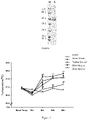
- Preparation of experimental animals After the experimental animals adapt to the experimental environment (temperature 22°C ⁇ 2°C, relative humidity 50% ⁇ 2%) for 1 day. Pre-adaptation to measure rectal temperature at 8:00 and 15:00, Rats were fasted and water was taken freely 12h before experiment. let the animal to empty its feces before measuring the rectal temperature. Apply petroleum jelly to the electronic thermometer probe before each temperature measurement. Insert the rat rectum 2cm (can be marked at 2cm to ensure that the depth of each insertion is consistent), and record the body temperature after the reading is stable.
- Subcutaneous injection of dry yeast to replicate rat fever model The body temperature of the rats was measured before modeling. Qualified rats with a body temperature of 36.2-37.3°C were selected and randomly divided into groups with 8 rats in each group. After oral administration of aspirin and different doses of protein BD-4, 20% yeast suspension (10 ml/kg) was injected subcutaneously immediately, and the normal control group was injected intraperitoneally with an equal volume of normal saline. the rats' body temperature was monitored after 2 hours for a total of 8 hours.
- Experimental example 2 The pharmacodynamic test of protein BD-4 (Example 4 protein) on lipopolysaccharide (LPS) induced fever in SD rats.
- Preparation of experimental animals After the experimental animals adapt to the experimental environment (temperature 22°C ⁇ 2°C, relative humidity 50% ⁇ 2%) for 1 day. Pre-adaptation to measure rectal temperature at 8:00 and 15:00, Rats were fasted and water was taken freely 12h before experiment, before the experiment, let the animal to empty its feces before measuring the rectal temperature. Apply petroleum jelly to the electronic thermometer probe before each temperature measurement. Insert the rat rectum 2cm (can be marked at 2cm to ensure that the depth of each insertion is consistent), and record the body temperature after the reading is stable.
- Intraperitoneal injection of lipopolysaccharide to replicate rat fever model The body temperature of the rats was measured before modeling. Qualified rats with a body temperature of 36.2-37.3°C were selected and randomly divided into groups with 8 rats in each group. After oral administration of aspirin and different doses of protein BD-4, lipopolysaccharide (20 ⁇ g/kg, 2ml/kg) was injected intraperitoneally immediately, and the normal control group was injected intraperitoneally with an equal volume of normal saline. the rats' body temperature was monitored after 2 hours for a total of 8 hours.
- the drug was administered once in the afternoon the day before modeling, PLO-225mg/kg (modeling agent) was injected intraperitoneally 1 hour after the test drug was given to the stomach on the day of modeling. And positive drug can be administered once 20 minutes before modeling. Observe for 30 minutes after PLO injection.
- Seizure situation the time of seizures from grade II to grade IV; 2) the time to death.
- Attack level Refer to Racine grading standard: Level 0: No response; Grade I: manifested as twitching of facial muscles or the corners of the mouth; Level II: can nod; Level III: Twitching of one limb; Grade IV: rigidity or body twitching; Grade V: generalized epilepsy (generalized tonic seizures).
- mice-Level II, Level III and Level IV seizure latency Group Level II onset incubation period (s) Level III onset incubation period (s) Level IV onset incubation period (s) Model group 82 ⁇ 4 124 ⁇ 5 958 ⁇ 205 Diazepam 2mg/kg 118 ⁇ 9 ⁇ 172 ⁇ 13 ⁇ 1800 ⁇ 0 ⁇ BD-4-50mg/kg 95 ⁇ 3 ⁇ 162 ⁇ 5 ⁇ 974 ⁇ 192 BD-4-200mg/kg 95 ⁇ 6 184 ⁇ 17 ⁇ 765 ⁇ 135 (Compared with the model group, ⁇ P ⁇ 0.05, ⁇ P ⁇ 0.01)
- Onset level Refer to Racine grading standard: Level 0: No response; Grade I: manifested as twitching of facial muscles or the corners of the mouth; Level II: Can nod; Grade III: twitching of one limb; Grade IV: Rigidity or body twitching; Grade V: Generalized epilepsy (Generalized tonic seizures).
- Dextromethorphan and different doses of protein BD-4 were given orally in groups, and the solvent control group was given the same volume of distilled water. One hour later, it was put into a sealed box and atomized 10% ammonia water for 10 seconds, and then observed and recorded the incubation period of cough in mice and the number of coughs in 2 minutes.
- the incubation period of cough refers to the number of seconds from the start of the atomization of ammonia to the occurrence of cough.
- the performance of coughing in mice is based on contraction of their abdominal muscles (breast contraction) and opening their mouths at the same time. Calculate the mean and standard error of each group of data, use TTEST to compare the model group with other groups, and P ⁇ 0.05 is considered as a significant difference.
- Experimental example 7 The pharmacodynamic test of protein BD-4 (Example 4 protein) on acetic acid writhing in ICR mice.
- Aspirin 300mg/kg, protein BD-4 50mg/kg, 200mg/kg were given orally one hour in advance, and the administration volume was 10ml/kg; Then, 0.6% acetic acid solution was injected into the abdominal cavity, and the latency period (seconds) and frequency of writhing in the animal was observed within 15 minutes.
- mice 0.6% acetic acid solution was injected into the abdominal cavity of mice, which caused deep and large area and long-term painful stimulation, causing the mice to writhe (the abdomen was contracted into an "S" shape, the trunk and hind legs were stretched, the buttocks were raised and the hips Row).
- the incubation time and the number of times the mice began to writhe were used as the pain response index to determine whether the test sample had analgesic effect.
- the results of this experiment show:
Landscapes
- Health & Medical Sciences (AREA)
- Chemical & Material Sciences (AREA)
- Life Sciences & Earth Sciences (AREA)
- Organic Chemistry (AREA)
- General Health & Medical Sciences (AREA)
- Medicinal Chemistry (AREA)
- Engineering & Computer Science (AREA)
- Bioinformatics & Cheminformatics (AREA)
- Animal Behavior & Ethology (AREA)
- Public Health (AREA)
- Veterinary Medicine (AREA)
- Pharmacology & Pharmacy (AREA)
- Chemical Kinetics & Catalysis (AREA)
- Nuclear Medicine, Radiotherapy & Molecular Imaging (AREA)
- General Chemical & Material Sciences (AREA)
- Genetics & Genomics (AREA)
- Zoology (AREA)
- Biophysics (AREA)
- Biochemistry (AREA)
- Molecular Biology (AREA)
- Biomedical Technology (AREA)
- Pulmonology (AREA)
- Proteomics, Peptides & Aminoacids (AREA)
- Pain & Pain Management (AREA)
- Wood Science & Technology (AREA)
- General Engineering & Computer Science (AREA)
- Biotechnology (AREA)
- Gastroenterology & Hepatology (AREA)
- Toxicology (AREA)
- Rheumatology (AREA)
- Plant Pathology (AREA)
- Microbiology (AREA)
- Physics & Mathematics (AREA)
- Neurosurgery (AREA)
- Neurology (AREA)
- Analytical Chemistry (AREA)
- Virology (AREA)
- Heart & Thoracic Surgery (AREA)
- Cardiology (AREA)
- Communicable Diseases (AREA)
Applications Claiming Priority (2)
| Application Number | Priority Date | Filing Date | Title |
|---|---|---|---|
| CN201911028740.5A CN112724229B (zh) | 2019-10-28 | 2019-10-28 | 一种角蛋白bd-4、制法和其药物组合物与用途 |
| PCT/CN2020/124329 WO2021083193A1 (zh) | 2019-10-28 | 2020-10-28 | 一种角蛋白bd-4、制法和其药物组合物与用途 |
Publications (2)
| Publication Number | Publication Date |
|---|---|
| EP4053155A1 true EP4053155A1 (de) | 2022-09-07 |
| EP4053155A4 EP4053155A4 (de) | 2023-11-22 |
Family
ID=75589395
Family Applications (1)
| Application Number | Title | Priority Date | Filing Date |
|---|---|---|---|
| EP20881931.8A Pending EP4053155A4 (de) | 2019-10-28 | 2020-10-28 | Keratin bd-4, herstellungsverfahren, pharmazeutische zusammensetzung und verwendung davon |
Country Status (9)
| Country | Link |
|---|---|
| US (1) | US12098176B2 (de) |
| EP (1) | EP4053155A4 (de) |
| JP (1) | JP7402977B2 (de) |
| KR (1) | KR20220088737A (de) |
| CN (2) | CN112724229B (de) |
| AU (1) | AU2020373859A1 (de) |
| BR (1) | BR112022008192A2 (de) |
| CA (1) | CA3159335A1 (de) |
| WO (1) | WO2021083193A1 (de) |
Families Citing this family (3)
| Publication number | Priority date | Publication date | Assignee | Title |
|---|---|---|---|---|
| CN119320443A (zh) * | 2023-07-17 | 2025-01-17 | 中国医学科学院药物研究所 | 一种角蛋白cf8、制法和其药物组合物与用途 |
| CN119320442A (zh) * | 2023-07-17 | 2025-01-17 | 中国医学科学院药物研究所 | 一种角蛋白cf7、制法和其药物组合物与用途 |
| CN119080906A (zh) * | 2024-08-28 | 2024-12-06 | 杭州恩和生物科技有限公司 | 一种重组人源角蛋白的合成方法及其应用 |
Family Cites Families (13)
| Publication number | Priority date | Publication date | Assignee | Title |
|---|---|---|---|---|
| LU85081A1 (fr) | 1983-11-09 | 1985-07-17 | Oreal | Medicament et composition medicamenteuse pour le traitement et/ou la prevention des maladies de la peau mettant en jeu un processus inflammatoire |
| JPH11146799A (ja) * | 1997-09-10 | 1999-06-02 | Snow Brand Milk Prod Co Ltd | 新規プライマー及びその利用 |
| US5994081A (en) * | 1998-04-27 | 1999-11-30 | Incyte Pharamaceuticals, Inc. | Human keratins |
| AU3955299A (en) * | 1998-06-09 | 1999-12-30 | Shionogi & Co., Ltd. | Immune tolerance-inducing agents containing hard keratin or keratin-like substance |
| CN1324859A (zh) * | 2000-05-24 | 2001-12-05 | 上海博德基因开发有限公司 | 一种新的多肽——人角蛋白45.87和编码这种多肽的多核苷酸 |
| US20070213717A1 (en) | 2006-02-14 | 2007-09-13 | Sdgi Holdings, Inc. | Biological fusion in the vertebral column |
| US8273702B2 (en) | 2006-02-17 | 2012-09-25 | Wake Forest University Health Sciences | Wound healing compositions containing keratin biomaterials |
| US20090047260A1 (en) * | 2007-08-17 | 2009-02-19 | Wake Forest University Health Sciences | Keratin biomaterials for cell culture and methods of use |
| CN101647814A (zh) * | 2008-08-13 | 2010-02-17 | 北京凯瑞创新医药科技有限公司 | 一种动物角的仿生酶解产物及其用途 |
| CN102993291A (zh) * | 2012-09-29 | 2013-03-27 | 乌仁套迪 | 双峰驼角蛋白、编码基因及其获取方法 |
| EP3932387A1 (de) * | 2012-10-01 | 2022-01-05 | Natura Cosméticos S.A. | Zusammensetzung mit lipiden des padaua öls zur modulation der funktionen eines keratinmaterials, verfahren zur modulation der besagten funktionen und verwendung besagter pflanzlicher lipide |
| CN104490929A (zh) * | 2014-12-31 | 2015-04-08 | 蔺平 | 黄牛角的医药新用途 |
| CN109078023B (zh) * | 2018-09-17 | 2021-06-01 | 南京中医药大学 | 一种角质类中药有效部位及其制备方法与应用 |
-
2019
- 2019-10-28 CN CN201911028740.5A patent/CN112724229B/zh active Active
-
2020
- 2020-10-28 WO PCT/CN2020/124329 patent/WO2021083193A1/zh not_active Ceased
- 2020-10-28 CN CN202080075287.8A patent/CN114599669B/zh active Active
- 2020-10-28 US US17/771,994 patent/US12098176B2/en active Active
- 2020-10-28 AU AU2020373859A patent/AU2020373859A1/en active Pending
- 2020-10-28 EP EP20881931.8A patent/EP4053155A4/de active Pending
- 2020-10-28 CA CA3159335A patent/CA3159335A1/en active Pending
- 2020-10-28 KR KR1020227016958A patent/KR20220088737A/ko active Pending
- 2020-10-28 JP JP2022525473A patent/JP7402977B2/ja active Active
- 2020-10-28 BR BR112022008192A patent/BR112022008192A2/pt unknown
Also Published As
| Publication number | Publication date |
|---|---|
| JP2022554305A (ja) | 2022-12-28 |
| AU2020373859A1 (en) | 2022-06-09 |
| US12098176B2 (en) | 2024-09-24 |
| JP7402977B2 (ja) | 2023-12-21 |
| CA3159335A1 (en) | 2021-05-06 |
| CN112724229B (zh) | 2023-09-26 |
| CN112724229A (zh) | 2021-04-30 |
| CN114599669A (zh) | 2022-06-07 |
| EP4053155A4 (de) | 2023-11-22 |
| US20220372091A1 (en) | 2022-11-24 |
| CN114599669B (zh) | 2023-12-22 |
| KR20220088737A (ko) | 2022-06-28 |
| BR112022008192A2 (pt) | 2022-07-12 |
| WO2021083193A1 (zh) | 2021-05-06 |
Similar Documents
| Publication | Publication Date | Title |
|---|---|---|
| EP4053152A1 (de) | Keratin bd-13, herstellungsverfahren, pharmazeutische zusammensetzung und verwendung davon | |
| EP4053151A1 (de) | Keratin bd-1, herstellungsverfahren und pharmazeutische zusammensetzung und verwendung davon | |
| EP4053154A1 (de) | Keratin bd-10, verfahren zu seiner herstellung und pharmazeutische zusammensetzung davon sowie seine verwendung | |
| EP4053159A1 (de) | Keratin bd-6, herstellungsverfahren, pharmazeutische zusammensetzung und verwendung davon | |
| WO2021083198A1 (zh) | 一种角蛋白bd-5、制法和其药物组合物与用途 | |
| EP4053155A1 (de) | Keratin bd-4, herstellungsverfahren, pharmazeutische zusammensetzung und verwendung davon | |
| WO2021083206A1 (zh) | 一种角蛋白bd-17、制法和其药物组合物与用途 | |
| EP4053158A1 (de) | Keratin bd-11, herstellungsverfahren, pharmazeutische zusammensetzung und verwendung davon | |
| EP4053156A1 (de) | Keratin bd-3, herstellungsverfahren dafür und pharmazeutische zusammensetzung und verwendung davon | |
| WO2021083191A1 (zh) | 一种角蛋白bd-2、制法和其药物组合物与用途 | |
| WO2025016055A1 (zh) | 一种角蛋白cf8、制法和其药物组合物与用途 | |
| WO2021083205A1 (zh) | 一种角蛋白bd-15、制法和其药物组合物与用途 | |
| WO2025011197A1 (zh) | 一种角蛋白cf4、制法和其药物组合物与用途 | |
| AU2024291643A1 (en) | Keratin cf7, preparation method therefor, pharmaceutical composition containing same, and use of keratin cf7 | |
| WO2021083204A1 (zh) | 一种角蛋白bd-14、制法和其药物组合物与用途 | |
| CN116535485A (zh) | 一种角蛋白bd-8、制法和其药物组合物与用途 |
Legal Events
| Date | Code | Title | Description |
|---|---|---|---|
| STAA | Information on the status of an ep patent application or granted ep patent |
Free format text: STATUS: THE INTERNATIONAL PUBLICATION HAS BEEN MADE |
|
| PUAI | Public reference made under article 153(3) epc to a published international application that has entered the european phase |
Free format text: ORIGINAL CODE: 0009012 |
|
| STAA | Information on the status of an ep patent application or granted ep patent |
Free format text: STATUS: REQUEST FOR EXAMINATION WAS MADE |
|
| 17P | Request for examination filed |
Effective date: 20220527 |
|
| AK | Designated contracting states |
Kind code of ref document: A1 Designated state(s): AL AT BE BG CH CY CZ DE DK EE ES FI FR GB GR HR HU IE IS IT LI LT LU LV MC MK MT NL NO PL PT RO RS SE SI SK SM TR |
|
| DAV | Request for validation of the european patent (deleted) | ||
| DAX | Request for extension of the european patent (deleted) | ||
| A4 | Supplementary search report drawn up and despatched |
Effective date: 20231020 |
|
| RIC1 | Information provided on ipc code assigned before grant |
Ipc: A61P 31/12 20060101ALI20231016BHEP Ipc: A61P 11/14 20060101ALI20231016BHEP Ipc: A61P 11/10 20060101ALI20231016BHEP Ipc: A61K 38/00 20060101ALI20231016BHEP Ipc: A61P 9/12 20060101ALI20231016BHEP Ipc: A61P 25/08 20060101ALI20231016BHEP Ipc: A61P 29/00 20060101ALI20231016BHEP Ipc: A61P 11/00 20060101ALI20231016BHEP Ipc: A61K 38/17 20060101ALI20231016BHEP Ipc: C12N 15/70 20060101ALI20231016BHEP Ipc: C07K 14/47 20060101AFI20231016BHEP |
|
| STAA | Information on the status of an ep patent application or granted ep patent |
Free format text: STATUS: EXAMINATION IS IN PROGRESS |
|
| 17Q | First examination report despatched |
Effective date: 20250821 |