EP4063487A1 - Procédé d'amplification et de différenciation pour cellules pancréatiques et son utilisation - Google Patents
Procédé d'amplification et de différenciation pour cellules pancréatiques et son utilisation Download PDFInfo
- Publication number
- EP4063487A1 EP4063487A1 EP21785369.6A EP21785369A EP4063487A1 EP 4063487 A1 EP4063487 A1 EP 4063487A1 EP 21785369 A EP21785369 A EP 21785369A EP 4063487 A1 EP4063487 A1 EP 4063487A1
- Authority
- EP
- European Patent Office
- Prior art keywords
- cells
- amplifying
- pancreatic
- medium
- content
- Prior art date
- Legal status (The legal status is an assumption and is not a legal conclusion. Google has not performed a legal analysis and makes no representation as to the accuracy of the status listed.)
- Granted
Links
Images


Classifications
-
- C—CHEMISTRY; METALLURGY
- C12—BIOCHEMISTRY; BEER; SPIRITS; WINE; VINEGAR; MICROBIOLOGY; ENZYMOLOGY; MUTATION OR GENETIC ENGINEERING
- C12N—MICROORGANISMS OR ENZYMES; COMPOSITIONS THEREOF; PROPAGATING, PRESERVING, OR MAINTAINING MICROORGANISMS; MUTATION OR GENETIC ENGINEERING; CULTURE MEDIA
- C12N5/00—Undifferentiated human, animal or plant cells, e.g. cell lines; Tissues; Cultivation or maintenance thereof; Culture media therefor
- C12N5/06—Animal cells or tissues; Human cells or tissues
- C12N5/0602—Vertebrate cells
- C12N5/0676—Pancreatic cells
-
- C—CHEMISTRY; METALLURGY
- C07—ORGANIC CHEMISTRY
- C07K—PEPTIDES
- C07K14/00—Peptides having more than 20 amino acids; Gastrins; Somatostatins; Melanotropins; Derivatives thereof
- C07K14/435—Peptides having more than 20 amino acids; Gastrins; Somatostatins; Melanotropins; Derivatives thereof from animals; from humans
- C07K14/575—Hormones
- C07K14/62—Insulins
-
- C—CHEMISTRY; METALLURGY
- C12—BIOCHEMISTRY; BEER; SPIRITS; WINE; VINEGAR; MICROBIOLOGY; ENZYMOLOGY; MUTATION OR GENETIC ENGINEERING
- C12N—MICROORGANISMS OR ENZYMES; COMPOSITIONS THEREOF; PROPAGATING, PRESERVING, OR MAINTAINING MICROORGANISMS; MUTATION OR GENETIC ENGINEERING; CULTURE MEDIA
- C12N5/00—Undifferentiated human, animal or plant cells, e.g. cell lines; Tissues; Cultivation or maintenance thereof; Culture media therefor
- C12N5/06—Animal cells or tissues; Human cells or tissues
- C12N5/0602—Vertebrate cells
- C12N5/0676—Pancreatic cells
- C12N5/0678—Stem cells; Progenitor cells; Precursor cells
-
- C—CHEMISTRY; METALLURGY
- C12—BIOCHEMISTRY; BEER; SPIRITS; WINE; VINEGAR; MICROBIOLOGY; ENZYMOLOGY; MUTATION OR GENETIC ENGINEERING
- C12P—FERMENTATION OR ENZYME-USING PROCESSES TO SYNTHESISE A DESIRED CHEMICAL COMPOUND OR COMPOSITION OR TO SEPARATE OPTICAL ISOMERS FROM A RACEMIC MIXTURE
- C12P21/00—Preparation of peptides or proteins
- C12P21/02—Preparation of peptides or proteins having a known sequence of two or more amino acids, e.g. glutathione
-
- C—CHEMISTRY; METALLURGY
- C12—BIOCHEMISTRY; BEER; SPIRITS; WINE; VINEGAR; MICROBIOLOGY; ENZYMOLOGY; MUTATION OR GENETIC ENGINEERING
- C12N—MICROORGANISMS OR ENZYMES; COMPOSITIONS THEREOF; PROPAGATING, PRESERVING, OR MAINTAINING MICROORGANISMS; MUTATION OR GENETIC ENGINEERING; CULTURE MEDIA
- C12N2501/00—Active agents used in cell culture processes, e.g. differentation
- C12N2501/10—Growth factors
-
- C—CHEMISTRY; METALLURGY
- C12—BIOCHEMISTRY; BEER; SPIRITS; WINE; VINEGAR; MICROBIOLOGY; ENZYMOLOGY; MUTATION OR GENETIC ENGINEERING
- C12N—MICROORGANISMS OR ENZYMES; COMPOSITIONS THEREOF; PROPAGATING, PRESERVING, OR MAINTAINING MICROORGANISMS; MUTATION OR GENETIC ENGINEERING; CULTURE MEDIA
- C12N2501/00—Active agents used in cell culture processes, e.g. differentation
- C12N2501/10—Growth factors
- C12N2501/15—Transforming growth factor beta (TGF-β)
-
- C—CHEMISTRY; METALLURGY
- C12—BIOCHEMISTRY; BEER; SPIRITS; WINE; VINEGAR; MICROBIOLOGY; ENZYMOLOGY; MUTATION OR GENETIC ENGINEERING
- C12N—MICROORGANISMS OR ENZYMES; COMPOSITIONS THEREOF; PROPAGATING, PRESERVING, OR MAINTAINING MICROORGANISMS; MUTATION OR GENETIC ENGINEERING; CULTURE MEDIA
- C12N2501/00—Active agents used in cell culture processes, e.g. differentation
- C12N2501/30—Hormones
- C12N2501/335—Glucagon; Glucagon-like peptide [GLP]; Exendin
-
- C—CHEMISTRY; METALLURGY
- C12—BIOCHEMISTRY; BEER; SPIRITS; WINE; VINEGAR; MICROBIOLOGY; ENZYMOLOGY; MUTATION OR GENETIC ENGINEERING
- C12N—MICROORGANISMS OR ENZYMES; COMPOSITIONS THEREOF; PROPAGATING, PRESERVING, OR MAINTAINING MICROORGANISMS; MUTATION OR GENETIC ENGINEERING; CULTURE MEDIA
- C12N2501/00—Active agents used in cell culture processes, e.g. differentation
- C12N2501/40—Regulators of development
- C12N2501/415—Wnt; Frizzeled
-
- C—CHEMISTRY; METALLURGY
- C12—BIOCHEMISTRY; BEER; SPIRITS; WINE; VINEGAR; MICROBIOLOGY; ENZYMOLOGY; MUTATION OR GENETIC ENGINEERING
- C12N—MICROORGANISMS OR ENZYMES; COMPOSITIONS THEREOF; PROPAGATING, PRESERVING, OR MAINTAINING MICROORGANISMS; MUTATION OR GENETIC ENGINEERING; CULTURE MEDIA
- C12N2501/00—Active agents used in cell culture processes, e.g. differentation
- C12N2501/70—Enzymes
- C12N2501/72—Transferases [EC 2.]
- C12N2501/727—Kinases (EC 2.7.)
-
- C—CHEMISTRY; METALLURGY
- C12—BIOCHEMISTRY; BEER; SPIRITS; WINE; VINEGAR; MICROBIOLOGY; ENZYMOLOGY; MUTATION OR GENETIC ENGINEERING
- C12N—MICROORGANISMS OR ENZYMES; COMPOSITIONS THEREOF; PROPAGATING, PRESERVING, OR MAINTAINING MICROORGANISMS; MUTATION OR GENETIC ENGINEERING; CULTURE MEDIA
- C12N2501/00—Active agents used in cell culture processes, e.g. differentation
- C12N2501/90—Polysaccharides
- C12N2501/91—Heparin
-
- C—CHEMISTRY; METALLURGY
- C12—BIOCHEMISTRY; BEER; SPIRITS; WINE; VINEGAR; MICROBIOLOGY; ENZYMOLOGY; MUTATION OR GENETIC ENGINEERING
- C12N—MICROORGANISMS OR ENZYMES; COMPOSITIONS THEREOF; PROPAGATING, PRESERVING, OR MAINTAINING MICROORGANISMS; MUTATION OR GENETIC ENGINEERING; CULTURE MEDIA
- C12N2501/00—Active agents used in cell culture processes, e.g. differentation
- C12N2501/999—Small molecules not provided for elsewhere
Definitions
- This invention relates to the field of biotechnology, in particular to methods for amplifying and differentiating pancreatic cells, and applications thereof.
- Diabetes mellitus is a chronic metabolic disorder characterized by hyperglycemia caused by insufficient insulin secretion or insulin resistance in surrounding tissues.
- the late stage of diabetes can cause damage to the whole body tissue, especially the eyes, kidneys, cardiovascular and nerves system, as well as dysfunction and organ failure.
- drug therapy and insulin supplementation are the most common treatments for diabetes, but the treatments cannot completely cure diabetes. Moreover, it is difficult to prevent from developing the long term complications.
- Human ⁇ cells can secrete insulin to lower blood sugar to further regulate the fat and protein metabolism.
- Human embryonic stem cells have infinite proliferation capacity and can produce infinite human ⁇ cells theoretically, so they have attracted much attention in recent years.
- embryonic stem cells are gradually induced to obtain cells with insulin secretion function, but the induction is complicated, long-cycle and high-cost.
- the proportion of cells with insulin secretion function generally does not exceed 30%. The later purification process easily contaminates the cell cluster, so that the cells with insulin secretion function have potential carcinogenic risks. Therefore, it is urgent to find effective replacement cells for islet cells and obtain sufficient seed cells that can used for cell replacement therapy.
- the purpose of this invention is to provide a method for amplifying and differentiating pancreatic cells, and applications thereof, so as to provide a good replacement choice to islet cells and avoid the ethical restrictions and possible carcinogenic risks resulting from embryonic stem cells-derived therapy in the prior arts, and the risks of non-specific and off-target deletion that are easily caused by the use of the gene-editing methods to change the gene sequence.
- an amplifying method of pancreatic cells of this invention comprises the steps as follows:
- the amplifying medium comprises a reprogramming substance composed of several small molecule compounds, and the reprogramming substance comprises growth factor, Rock signal pathway inhibitor, WNT signal pathway agonist and TGF- ⁇ signal pathway inhibitor.
- the beneficial effects of the amplifying method of this invention are as follows.
- the mammalian pancreatic duct is used as the source of the pancreatic precursor-like cells.
- the islet cells and acinar cells in the cell clusters are removed to ensure that most of the primary cells are pancreatic ductal epithelial cells to improve the yield of the pancreatic precursor-like cells as well as avoid the ethical restrictions and possible carcinogenic risks caused by the use of embryonic stem cells.
- the amplifying medium comprises a reprogramming substance composed of several small molecule compounds.
- the reprogramming substance comprises a growth factor, a Rock signal pathway inhibitor, a WNT signal pathway agonist, and a TGF- ⁇ signal pathway inhibitor.
- the reprogramming substance can induce the primary cells with a reprogramming approach to obtain the pancreatic precursor-like cells. It can avoid the risks of non-specific and off-target deletion that are easily caused by the use of gene-editing methods to change the gene sequence.
- the pancreatic tissue is derived from a human pancreatic duct.
- the growth factor comprises at least one of epidermal growth factor, hepatocyte growth factor, and fibroblast growth factor.
- any one of the epidermal growth factor, the hepatocyte growth factor, and the fibroblast growth factor is 5-100 ng/ml.
- the beneficial effect is to promote the primary cells to differentiate into the pancreatic precursor-like cells with advantage.
- the Rock signal pathway inhibitor is 2-15 ⁇ mol/L
- the WNT signal pathway agonist is 2-10 ⁇ mol/L
- the TGF- ⁇ signal pathway inhibitor is 0.5-20 ⁇ mol/L in the amplifying medium.
- the beneficial effect is to promote the proliferation of the primary cells availably.
- the Rock signal pathway inhibitor is at least one of Y27632, Fasudil, Thiazovivin, and SB-772077-B.
- the WNT signal pathway agonist is at least one of recombinant WNT protein, recombinant R-spondin protein, and glycogen synthase kinase 3 ⁇ inhibitor.
- the glycogen synthase kinase 3 ⁇ inhibitor is at least one of BIO, CHIR99021, and TWS119.
- the TGF- ⁇ signal pathway inhibitor is at least one of A83-01, RepSox, and SB431542.
- the amplifying medium further comprises a basic medium, serum, and serum-free neuron supplement.
- the total volume of the serum and the serum-free neuron supplement is not higher than 15%, and the volume percentage of the serum is 2-10%.
- the reprogramming substance further comprises a lipid signal substance having a content of 0.5-10 ⁇ mol/L in the amplifying medium.
- the lipid signal substance is at least one of sphingosine-1-phosphate and lysophosphatidic acid.
- the basic medium is at least one of MEM, DMEM, BME, DMEM/F12, RPMI1640, CMRL1066, WilliamE, Neurobasal, and Fischers medium.
- the serum is fetal bovine serum.
- the serum-free neuron supplement is at least one of N2 supplement and B27 supplement.
- the adjacent demixing agents are a low-density demixing agent and a high-density demixing agent.
- the density of the low-density demixing agent is decreased by 0.1-3% relative to the density of the high-density stratification. The beneficial effect is to make most pancreatic ductal epithelial cells exist at the junction between adjacent density gradients.
- the at least three demixing agents with different densities the highest density of the demixing agents is not higher than 1.1 g/ml, and the lowest density of the demixing agents is not less than 1.03 g/ml.
- the differentiation method of the pancreatic precursor-like cells of this invention includes that the pancreatic precursor-like cells are inoculated in a culture dish, and then the pancreatic precursor-like cells are induced to differentiate into islet-like cells with a differentiation medium.
- the beneficial effect of the differentiation method of this invention is to obtain good replacement cells for islet cells since the pancreatic precursor-like cells are obtained by the amplifying method of this invention.
- the differentiation medium comprises several small molecule inducers, and the several small molecule inducers comprise heparin, deacetylase inhibitor, ALK5 inhibitor, T3, and GLP-1 receptor agonist.
- the beneficial effect is to availably induce the differentiation of the pancreatic precursor-like cells into the islet-like cells with good islet functions.
- the deacetylase inhibitor is at least one of nicotinamide and Trichostatin A.
- the GLP-1 receptor agonist is at least one of glucagon-like peptide-1, and Exendin-4.
- the differentiation medium also comprises a basic medium and a serum-free neuron supplement.
- the basic medium is at least one of MEM, DMEM, BME, DMEM/F12, RPMI1640, CMRL1066, WilliamE, Neurobasal, and Fischers medium.
- the serum-free neuron supplement is at least one of N2 supplement and B27 supplement.
- the content of the heparin is 5-15 ⁇ g/ml
- the content of the deacetylase inhibitor is 5-15 mmol/L
- the content of the ALK5 inhibitor is 5-15 ⁇ mol/L
- the content of the T3 is 0.5-2 ⁇ mol/L
- the content of the GLP-1 receptor agonist is 10-50 nmol/L.
- This invention further provides an application of the islet-like cells obtained by the differentiation method.
- the application includes: the islet-like cells are applied to secreting insulin with high-glucose reagent in vitro; after the islet-like cells are applied to a mammalian model for 8 week, the body weight change rate of the mammalian model is -5% to +5%, and the blood sugar value is 10-20 mmol/L.
- embryonic stem cells can be used to obtain single hormone-secreting cells with similar morphology and function to human pancreatic ⁇ -cells, which express mature ⁇ -cells markers, such as PDX1, MAFA, Insulin, etc.
- ⁇ -cells markers such as PDX1, MAFA, Insulin, etc.
- the function and the transcription level are still different from the real ⁇ -cells, and potential oncogenicity and ethical issues also restrict the applications in humans.
- Other ⁇ -like cells, transformed from non-islet cells, such as gastrointestinal epithelial cells, hepatocytes are quite different from human ⁇ -cells in molecular and functional properties, exist an epigenetic unstable state.
- some embodiments of this invention provide an amplifying method of pancreatic cells and a differentiating method of pancreatic-like cells obtained by the amplifying method.
- Collagenase V, Ficoll, Percoll, streptozocin, dithizone, heparin, nicotinamide, fetal bovine serum, and T3 were from Sigma Co., Ltd. HBSS buffer and Hanks solution were form Beyotime Biotechnology Co., Ltd.
- DMEM/F12 was from Shanghai Basalmedia Technologies Co., Ltd. N2 supplement, B27 supplement and Y27632 were from Thermo Fisher Scientific Inc.
- Epidermal growth factor, hepatocyte growth factor and human fibroblast growth factor were from PeproTech Co., Ltd.
- Thiazovivin, SB431542, BIO, CHIR99021, sphingosine-1-phosphate, lysophosphatidic acid, A83-01, ALK5 inhibitor II and GLP-1 were from Topscience Co., Ltd. Transferrin, insulin, and Accutase cell detachment solution were from Shanghai Yeasen Biotechnology Co., Ltd.
- GraphPad Prism 7 was used for all statistical analysis in the embodiments of this invention. In order to compare two averages, a two-tailed unpaired t-test was used to calculate statistical significance. In order to compare multiple values, one-way ANOVA and Dunnett correction were used together to compare multiple values with a single value. When the multiple values were compared with each other, Tukey was performed to correct. A P-value less than 0.05 was considered statistically significant.
- the amplifying method comprises the steps as follows:
- the pancreas is responsible for the endocrine and exocrine function of a human body.
- the exocrine glands of the pancreas are composed of acini and ducts, which are responsible for secreting and expelling pancreatic juice to assist digestion.
- the endocrine glands are composed of pancreatic islets and are responsible for regulating the body's stable glucose level.
- pancreatic ductal stem cells Usually, the endocrine cells in islets are continuously differentiated from pancreatic ductal stem cells, and there are studies shown that pancreatic duct are the source of new islets under certain pathological conditions.
- the pancreatic tissue was derived from the mammalian pancreatic duct. It was beneficial that the cells with good islet function obtained by the amplifying method and the differentiation method.
- the mammalian pancreatic duct did not have pathological changes.
- the mammal was a human
- the pancreatic tissue was derived from a human pancreatic duct.
- the human pancreatic duct did not have pathological changes.
- the digestion reagent used for the digestion comprises Collagenase V.
- the digestion reagent was an HBSS buffer containing Collagenase V, and every 100 ml of the digestion reagent contains 1 gram of the Collagenase V.
- pancreatic tissue was washed repeatedly with normal saline containing 10% bi-antibody to remove blood stains, it was cut into pieces about 1 cm 3 , and the 5 times volume of the digestion reagent was added. Afterwards, the pancreatic tissue was placed in a thermostatic shaking water bath at 37°C at a rate of 120 revolutions per minute for 30 minutes to perform the digestion. Then, the digestion was terminated by using the HBSS buffer containing fetal bovine serum to complete the digestion. The mass concentration of the fetal bovine serum was 10%, and the temperature of the HBSS buffer was 4°C.
- the digestion was terminated by using the Hanks solution containing fetal bovine serum.
- the mass concentration of the fetal bovine serum was 10%, and the temperature of the Hanks solution was 4°C.
- the digestion reagent contains DNase, Collagenase V and Collagenase IV.
- the enzyme activity unit of the DNase was 15.
- the volume of the Collagenase V was equal to the volume of the Collagenase IV, and the concentration was both 1 mg/ml.
- the digested products obtained by the digestion were filtered by using a mesh with a pore size of 150 ⁇ m. Then, the filtered digested products were centrifuged under a centrifugal force of 1000 g for 3 minutes to get the precipitates, which were resuspended with a demixing agent to obtain a cell suspension.
- step S2 of the embodiment of this invention in order to ensure that most of the obtained primary cells were pancreatic ductal epithelial cells, so as to improve the yield of the pancreatic precursor-like cells. Therefore, it was necessary to collect the cell clusters at each density gradient junction. Afterwards, the islet cells and acinar cells in the cell clusters were removed.
- step S2 of the embodiment of this invention at least three demixing agents with different densities were used to perform the discontinuous density gradient centrifugation treatment, and the adjacent demixing agents were low-density demixing agent and high-density demixing agent, respectively.
- the density of the low-density demixing agent was reduced by 0.1-3% relative to the high-density demixing agent. It was beneficial to make most of the pancreatic ductal epithelial cells exist at the junction between adjacent density gradients.
- the highest density of the demixing agent was not higher than 1.1 g/ml, and the lowest density of the demixing agent was not lower than 1.03 g/ml.
- the demixing agent was Percoll cell separation solution.
- Example 1 of this invention three kinds of the Percoll cell separation solutions with densities of 1.075 g/ml, 1.045 g/ml, and 1.035 g/ml were prepared, and they were added to the centrifuge tube in sequence.
- the cell suspension obtained by resuspension was put into the centrifuge tube to obtain pre-centrifuged suspension.
- the pre-centrifuged suspension was performed the discontinuous density gradient centrifugation treatment for 15 minutes at 4°C with a centrifugal force of 2500 g, and the acceleration rate of 3 m/s 2 and the deceleration rate of 0 m/s 2 were controlled.
- the volumes of the Percoll cell separation solutions of each density were the same and twice the volume of the pre-centrifuged suspension.
- the volumes of the Percoll cell separation solutions of each density were 10 ml, and the volumes of the pre-centrifuged suspension were 5 ml.
- the demixing agent was Ficoll cell separation solutions.
- example 2 of this invention four kinds of the Ficoll cell separation solutions with densities of 1.088 g/ml, 1.076 g/ml, 1.066 g/ml, and 1.040 g/ml were prepared, and they were added to the centrifuge tube in sequence.
- the cell suspension obtained by resuspension was put into the centrifuge tube to obtain pre-centrifuged suspension.
- the pre-centrifuged suspension was performed the discontinuous density gradient centrifugation treatment for 20 minutes at 4°C with a centrifugal force of 3000 g, and the acceleration rate of 3 m/s 2 and the deceleration rate of 0 m/s 2 were controlled.
- example 3 of this invention four kinds of the Ficoll cell separation solutions with densities of 1.1 g/ml, 1.080 g/ml, 1.060 g/ml, and 1.040 g/ml were prepared.
- the volume of the Ficolls with each density was 10 ml, and the volume of the pre-centrifuged suspension was 5 ml.
- the cell clusters at the junction between adjacent density gradients comprise ductal epithelial cells, islet cells, acinar cells, and other types of ductal cells.
- the islet cells and the acinar cells in the cell clusters needed to be further removed to ensure that most of the primary cells obtained were pancreatic ductal epithelial cells.
- DTZ dithizone
- the amplifying medium comprises a reprogramming substance composed of several small molecule compounds, and the reprogramming substance comprises a growth factor, a Rock signal pathway inhibitor, a WNT signal pathway agonist, and a TGF- ⁇ signal pathway inhibitor.
- the pancreatic precursor-like cells can be obtained by inducing the reprogramming of the primary cells, which avoids the risks of non-specific and off-target deletion that were easily caused by the use of gene-editing methods to change the gene sequence.
- the primary cells were seeded in a pre-coated culture dish with Matrigel and cultured for 48 hours. Afterwards, the amplifying medium was used to performed amplifying treatment continuously.
- the amplifying medium was composed of a basic medium, serum, a serum-free neuron supplement and the reprogramming substance.
- the total volume percentage of the serum and the serum-free neuron supplement was not higher than 15%.
- the volume percentage of the serum in the amplifying medium was 2-10%.
- the basic medium was at least one of MEM, DMEM, BME, DMEM/F12, RPMI1640, CMRL1066, WilliamE, Neurobasal, and Fischers medium.
- the serum was fetal bovine serum.
- the serum-free neuron supplement was at least one of the N2 supplement and B27 supplement.
- the growth factor includes epidermal growth factor, hepatocyte growth factor, and fibroblast growth factor to facilitate the development of the primary cells.
- the contents of the epidermal growth factor, the human hepatocyte growth factor, and the human fibroblast growth factor were all 5-100 ng/ml.
- the epidermal growth factor was the human epidermal growth factor.
- the hepatocyte growth factor was human hepatocyte growth factor.
- the fibroblast growth factor was human fibroblast growth factor.
- the content of the Rock signal pathway inhibitor was 2-15 mmol/L.
- the Rock signal pathway inhibitor was at least one of Y27632, Fasudil, Thiazovivin, and SB-772077-B.
- the content of the WNT signal pathway agonist was 2-10 ⁇ mol/L.
- the WNT signal inhibitor was at least one of recombinant Wnt protein, recombinant R-spondin protein, and glycogen synthase kinase 3 ⁇ inhibitor.
- the glycogen synthase kinase 3 ⁇ inhibitor was at least one of the BIO, CHIR99021, and TWS119.
- the content of the TGF- ⁇ signal pathway inhibitor was 0.5-20 ⁇ mol/L.
- the TGF- ⁇ signal pathway inhibitor was at least one of A83-01, RepSox and SB431542.
- the amplifying medium further includes a lipid signal substance, and the content of the lipid signal substance was 0.5-10 ⁇ mol/L.
- the lipid signal substance was at least one of sphingosine-1-phosphate and lysophosphatidic acid.
- the amplifying medium was composed of DMEM/F12, fetal bovine serum, N2 supplement, B27 supplement, human epidermal growth factor, human hepatocyte growth factor, human fibroblast growth factor, Y27632, CHIR99021, A83-02, sphingosine-1-phosphate, and lysophosphatidic acid.
- the content of the human hepatocyte growth factor was 20 ng/ml.
- the content of the human hepatocyte growth factor was 20 ng/ml.
- the content of the human fibroblast growth factor was 20 ng/ml.
- the content of the Y27632 was 10 ⁇ mol/L.
- the content of the CHIR99021 was 3 ⁇ mol/L.
- the content of the sphingosine-1-phosphate was 1 ⁇ mol/L.
- the content of the lysophosphatidic acid was 5 ⁇ mol/L.
- the content of the A83-01 was 1 ⁇ mol/L.
- the volume percentage of the fetal bovine serum was 2%.
- the volume percentage of the N2 supplement was 0.5%.
- the volume percentage of the B27 supplement was 1%.
- the amplifying medium of the example 2 of this invention was composed of DMEM/F12, fetal bovine serum, N2 supplement, B27 supplement, human epidermal growth factor, human fibroblast growth factor, human hepatocyte growth factor, Thiazovivin, BIO, and A83-01.
- the content of the human epidermal growth factor was 20 ng/ml.
- the content of the human fibroblast growth factor was 20 ng/ml.
- the content of the Thiazovivin was 2 ⁇ mol/L.
- the content of the BIO was 10 ⁇ mol/L.
- the content of the A83-01 was 1 ⁇ mol/L.
- the volume percentage of the fetal bovine serum was 5%.
- the volume percentage of the N2 supplement was 0.5%.
- the volume percentage of the B27 supplement was 1%.
- the amplifying medium of example 3 of this invention was composed of DMEM/F12, fetal bovine serum, N2 supplement, B27 supplement, human epidermal growth factor, human fibroblast growth factor, human hepatocyte growth factor, Y27632, CHIR99021, and SB431532.
- the content of the human epidermal growth factor was 20 ng/ml.
- the content of the hepatocyte growth factor was 20 ng/ml.
- the content of the Y27632 was 10 ⁇ mol/L.
- the content of the CHIR99021 was 3 ⁇ mol/L.
- the content of the SB431532 was 10 ⁇ mol/L.
- the volume percentage of the fetal bovine serum was 5%.
- the volume percentage of the N2 supplement was 0.5%.
- the volume percentage of the B27 supplement was 1%.
- the amplifying medium was composed of DMEM/F12, epidermal growth factor, fetal bovine serum, transferrin, and insulin.
- the volume percentage of the fetal bovine serum was 10%.
- the content of the human epidermal growth factor was 20 ng/ml.
- the content of the transferrin was 5 ⁇ g/ml.
- the content of the insulin was 10 ⁇ g/ml.
- the period of the amplifying treatment was at least 72 hours, and the amplifying medium was replaced every 48 hours after the cells adhere. Except for the difference in the composition of the amplifying medium, the other operations of steps S1 to S3 were the same.
- the removal extent of the islet cells and the acinar cells in the cell clusters was investigated.
- the primary cells were performed a static culture with the amplifying medium for 3 days, and most of the cells adhered to the culture dish and flattened into a single cell layer was found.
- the cells were performed RT-PCR technology to detect the expression of related genes.
- the specific detection methods were referred to CN108330099A and will not be repeated here.
- the primary cells significantly express HNF1B with expression level of 3000, CK19 with expression level of 300,000, and FOXA2 with expression level of 10,000. While among the genes related to the acinar cells and the islet cells, only HNF1 and INS were expressed, the expression level were all lower than 100, which was almost negligible. It was indicated that the islet cells and the acinar cells in the primary cells can be negligible mostly.
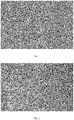
- FIG. 1 and FIG. 2 were photos of the proliferation of the primary cells of example 1 of this invention on the first and seventh days after adding the amplifying medium.
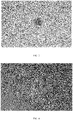
- FIG. 3 and FIG. 4 were photos of the proliferation of the primary cells of control example 1 of this invention on the first and seventh days after adding the amplifying medium of this invention.
- the primary cells of example 1 of this invention show significant proliferation after adding the amplifying medium and significant amplification on the seventh day.
- the primary cells of control example 1 did not proliferate significantly on the first day after adding the amplifying medium, and did not show significant expansion until the seventh day. It can be presented that the amplifying medium of the embodiments of this invention can endow the primary cells with a strong amplifying ability, which was beneficial to solve the problem of low yield of replacement cells of islet cells.
- the examples 1-3 of this invention respectively investigated the proliferation performance of the pancreatic precursor-like cells, and further investigated the proliferation state of the pancreatic precursor-like cells proliferated to the tenth generation through the EdU intercalating assay.
- pancreatic precursor-like cells to be investigated were seeded in a six-well plate pre-coated with Matrigel and allowed to stand for 24 hours. Then, the cells were digested and counted by a countstar to calculate the doubling time. Please refer to https://www.doubling-time.com/compute.php for specific technical methods and calculation methods of doubling time.
- BeyoClickTMEdU-488 cell proliferation detection kit from Beyotime Biotechnology Co., Ltd. was used to stain the tenth-generation cells, and the nuclei were marked by Hoechst33342, and then photographed with a Nikon Ts2-FL fluorescent inverted microscope.
- FIG. 5 was a comparative schematic diagram of the proliferation performance of the pancreatic precursor-like cells of examples 1-3 of this invention.
- the proliferation performance of the pancreatic precursor-like cells of the examples 1-3 shown in FIG. 5 shows that the doubling times of the pancreatic precursor-like cells of the examples 1, 2, and 3 were 14 hours, 15 hours, and 12 hours, respectively. It can be seen that the three types of the pancreatic precursor-like cells have good proliferation ability.
- FIG. 6 was a photo of the proliferation state of the pancreatic-like cells proliferated to the tenth generation of example 1 of this invention. It can be seen that the pancreatic precursor-like cells have proliferated to at least the tenth generation and can still remain active proliferation state.
- the passage numbers of each type of the pancreatic precursor-like cells were 15, 16 and 22, respectively.
- the tenth-generation cells formed by the proliferation of each pancreatic precursor-like cells were incubated with 100 ng/ml colchicine at 37 °C for 40 minutes, and then the obtained culture was washed.
- the washed culture was dissociated into single cells by Accutase cell detachment solution for karyotype analysis and counted the chromosomes of at least 40 metaphase arrest cells.
- the karyotype analysis was performed in the karyotype analysis department of Jidi Gene Technology (Hangzhou) Co., Ltd. Wherein, the proliferation of each type of the pancreatic precursor-like cells to the tenth generation was still in the exponential growth phase. The result of the karyotype analysis found that the cells can still remain a stable diploid karyotype without mutation.
- examples 1-3 of this invention the expression levels of stem cell-related markers of each type of the pancreatic precursor-like cells obtained on the fifth and ninth day after adding the amplifying medium were investigated by flow cytometry.
- EpCAM, Pdx1, and Krt19 were significantly expressed on the fifth and ninth days after adding the amplifying medium. It was indicated that the pancreatic precursor-like cells obtained in the embodiments of this invention obtained part of the precursor cells characteristic. Please refer to CN108330099A for the specific operation of the flow cytometry, which will not be repeated here.
- the proportion of positive cells expressing stem cell-related markers such as EpCAM, Pdx1, and Krt19, was counted by flow cytometry on the fifth day after adding the amplifying medium, which was 99.2 ⁇ 0.7%, 74.8 ⁇ 2.3%, and 92.0 ⁇ 4.7%, respectively.
- Table 1 shows the average expression levels of the pancreatic precursor-like cells of examples 1-3 of this invention that express acinar-related markers, endocrine-related markers, and duct or precursor-related markers, compared with pancreatic tissue.
- the specific statistical method was the common technical means of those skilled in the art.
- the expression levels of the endocrine-related markers in the pancreatic tissue specifically the expression levels of Nkx2.2, Mafb, Gcg, Sst, and Ins, the expression levels of the aforementioned endocrine-related markers in the pancreatic precursor-like cells in the examples of this invention were extremely low. It was proved that the endocrine function of the islet-like cells in the examples of this invention was indeed derived from the differentiated pancreatic precursor-like cells.
- pancreatic precursor-like cells Compared with the expression levels of the duct or precursor-related markers in the pancreatic tissue, specifically the expression levels of Pdx1, Nkx6.1, Foxa2, Hnflb, EpCAM, and Krt19, the expression levels of the aforementioned duct or precursor-related markers in the pancreatic precursor-like cells in the embodiments of this invention were not much different. It was proved that the pancreatic precursor-like cells obtained in the examples of this invention have potential to differentiate into islet-like cells with endocrine function.
- the differentiation method of the pancreatic precursor-like cells in the embodiments of this invention comprises that the pancreatic precursor-like cells were seeded in a culture dish, and then induced through a differentiation medium to differentiate into islet-like cells.
- the differentiation medium comprises several small molecule inducers, and the several small molecule inducers comprise heparin, deacetylase inhibitor, ALK5 inhibitor, T3, and GLP-1 receptor agonist.
- the several small molecule inducers comprise heparin, deacetylase inhibitor, ALK5 inhibitor, T3, and GLP-1 receptor agonist.
- the content of the heparin was 5-15 ⁇ g/ml.
- the content of the deacetylase inhibitor was 5-15 mmol/L.
- the content of the ALK5 inhibitor was 5-15 ⁇ mol/L.
- the content of the T3 was 0.5-2 ⁇ mol/L.
- the content of the GLP-1 receptor agonist was 10-50 nmol/L.
- the differentiation medium was composed of a basic medium, a serum-free neuron supplement, and the several small molecule inducers.
- the deacetylase inhibitor was at least one of nicotinamide and Trichostatin A.
- the GLP-1 receptor agonist was at least one of GLP-1, and Exendin-4.
- the basic medium in the differentiation medium was at least one of MEM, DMEM, BME, DMEM/F12, RPMI1640, CMRL1066, WilliamE, Neurobasal, and Fischers medium.
- the serum-free neuron supplement in the differentiation medium was at least one of N2 supplement and B27 supplement.
- the differentiation medium was composed of DMEM/F12, N2 supplement, B27 supplement, nicotinamide, heparin, ALK5 inhibitor II, T3, and GLP-1.
- the volume percentage of the N2 supplement and B27 supplement were both 5%.
- the content of the nicotinamide was 10 mmol/L.
- the content of the heparin was 10 ⁇ g/ml.
- the content of the ALK5 inhibitor II was 10 mmol/L.
- the content of the T3 was 1 ⁇ mol/L.
- the content of the GLP-1 was 30 nmol/L.
- the differentiation medium of the example 2 and 3 of this invention has the same material composition as the differentiation medium of the example 1.
- the volume percentage of the N2 supplement and B27 supplement were both 3%.
- the content of the nicotinamide was 5 mmol/L.
- the content of the heparin was 5 ⁇ g/ml.
- the content of the ALK5 inhibitor II was 5 mmol/L.
- the content of the T3 was 0.5 ⁇ mol/L.
- the content of the GLP-1 was 10 nmol/L.
- the volume percentage of the N2 supplement and B27 supplement were both 10%.
- the content of the nicotinamide was 15 mmol/L.
- the content of the heparin was 15 ⁇ g/ml.
- the content of the ALK5 inhibitor II was 15 mmol/L.
- the content of the T3 was 2 ⁇ mol/L.
- the content of the GLP-1 was 50 nmol/L.
- the period of differentiation culture was 7-10 days, and the differentiation medium was replaced every 48 hours.
- FIG. 7 was a microscopic diagram of the morphology of the islet-like cells at a magnification of 100 times of example 1 of this invention.
- the islet-like cells present a clear outline, and the outline shape was similar to a polygon.
- GAPDH was used as an internal reference gene
- the Q-PCR method was used to detect the gene levels of CK19, SOX9, NKX2-2, PDX1, INS, GCG, SST, and MAFA of each type of the pancreatic precursor-like cells and the corresponding islet-like cells.
- the expression levels of the precursor-related genes of the islet-like cells were decreased.
- the expression level of CK19 was decreased by 80%, and the expression level of SOX9 was decreased by 30%.
- the expression level of PDX1 was upregulated by 110%
- the expression level of NKX2-2 was upregulated by 300%
- the expression level of MAFA was upregulated by 200%
- the expression level of INS was upregulated by 350%
- the expression level of GCG was upregulated by 220%
- the expression level of SST was upregulated by 900%.
- islet-like cells of examples 1-3 were subjected to an in vitro insulin-stimulated secretion experiment to investigate the islet function of the islet-like cells.
- a low-sugar Krb buffer, a high-sugar Krb buffer, and a Krb stimulated buffer were prepared through Krb buffer.
- the 1 ⁇ 10 6 islet-like cells were taken and washed twice with the Krb buffer. Afterwards, the islet-like cells were incubated in the low-sugar Krb buffer for one hour for equilibrating. Next, after the islet-like cells were washed with the Krb buffer, the islet-like cells were placed in the low-sugar Krb buffer for 30 minutes to complete the first stimulation.
- the supernatant was removed and the islet-like cells were washed twice with the Krb buffer, and the islet-like cells were incubated in the high-sugar Krb buffer for 30 minutes to complete the second stimulation. Then, the supernatant was removed again and the islet-like cells were washed twice with the Krb buffer. Finally, the obtained cells were incubated in the Krb stimulated buffer for 30 minutes, and the supernatant was removed finally to complete the third stimulation. The cells obtained from each stimulation were digested with TrypLE and counted by countstar.
- the Krb buffer comprises 128 mM NaCl, 5 mM KCl, 2.7 mM CaCl 2 , 1.2 mM MgCl 2 , 1 mM Na 2 HPO 4 , 1.2 mM KH 2 PO 4 , 5 mM NaHCO 3 , 10 mM HEPES, and 0.1% BSA.
- the concentration of glucose was 2 mmol/L.
- the concentration of glucose was 20 mmol/L.
- the concentration of KCl was 30 mmol/L.
- the in vitro insulin stimulation and secretion experiment showed that for the islet-like cells of example 1, the insulin contents of every 10 3 islet-like cells obtained after the first stimulation, the second stimulation, and the third stimulation were 0.6 ⁇ U/ml, 1 ⁇ U/ml, and 1.5 ⁇ U/ml, respectively.
- the insulin contents of every 10 3 islet-like cells obtained after the first stimulation, the second stimulation, and the third stimulation were 0.5 ⁇ U/ml, 1.3 ⁇ U/ml ,and 1.5 ⁇ U/ml, respectively.
- the insulin contents of every 10 3 islet-like cells obtained after the first stimulation, the second stimulation, and the third stimulation were 0.9 ⁇ U/ml, 0.7 ⁇ U/ml, and 2.2 ⁇ U/ml, respectively.
- the stimulation index calculated from the ratio of insulin secreted by the high-sugar Krb buffer to insulin secreted by the low-sugar Krb buffer was 2.2 ⁇ 0.4.
- the islet-like cells applied to the in vitro high-glucose reagent can effectively secrete insulin.
- the islet-like cells have the potential to differentiate into islet cells.
- the examples 1-3 of this invention the islet-like cells were applied to animal model to investigate the change rate of body weight and the blood sugar of the experimental animals.
- Streptozocin, STZ was dissolved in a 1% concentration of the citric acid buffer to form an injection solution.
- the NGS severely immunodeficient mice were weighed, they were injected intraperitoneally with the injection solution 130 mg/kg.
- One week after the injection if the blood sugar of the NGS severely immunodeficient mice was ⁇ 20 mM, it was considered that the NSG type I diabetes model has established.
- the 1 ⁇ 10 6 islet-like cells were mixed with appropriate amount of Matrigel and transplanted under the renal capsule of the successfully modeled NSG severely immunodeficient mice. Then, the NSG severely immunodeficient mice were recovered for one week to complete the transplantation experiment. After the transplantation experiment was completed, the blood sugar value and body weight of the NSG severely immunodeficient mice were monitored.
- the embodiment of this invention also provides control example 2. After the NSG severely immunodeficient mice were injected intraperitoneally with the injection solution 130 mg/kg, the Matrigel was transplanted under the renal capsule of the successfully modeled NSG severely immunodeficient mice. The rest of the process applied to the animal model was the same as in examples 1-3.
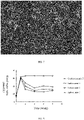
- FIG. 8 and FIG. 9 are curve diagrams showing the changes in the blood sugar values and body weight with time of the NSG severely immunodeficient mice of examples 1-3 and control example 2 at the second, fourth, sixth, and eighth week after the completion of the transplantation experiment respectively. It can be seen that within 8 weeks after the completion of the transplantation experiment, the body weight change rate of the animal model of the examples 1-3 was ⁇ 5%, and the blood sugar value was 10-20 mmol/L. It was indicated that islet-like cells of the embodiments of this invention can effectively assist to control blood sugar and body weight.
Landscapes
- Health & Medical Sciences (AREA)
- Life Sciences & Earth Sciences (AREA)
- Chemical & Material Sciences (AREA)
- Engineering & Computer Science (AREA)
- Organic Chemistry (AREA)
- Zoology (AREA)
- Genetics & Genomics (AREA)
- Biomedical Technology (AREA)
- Wood Science & Technology (AREA)
- Bioinformatics & Cheminformatics (AREA)
- Biotechnology (AREA)
- Biochemistry (AREA)
- General Health & Medical Sciences (AREA)
- General Engineering & Computer Science (AREA)
- Microbiology (AREA)
- Proteomics, Peptides & Aminoacids (AREA)
- Molecular Biology (AREA)
- Cell Biology (AREA)
- Medicinal Chemistry (AREA)
- Toxicology (AREA)
- Gastroenterology & Hepatology (AREA)
- Endocrinology (AREA)
- Diabetes (AREA)
- Biophysics (AREA)
- Developmental Biology & Embryology (AREA)
- Chemical Kinetics & Catalysis (AREA)
- General Chemical & Material Sciences (AREA)
- Micro-Organisms Or Cultivation Processes Thereof (AREA)
- Medicines Containing Material From Animals Or Micro-Organisms (AREA)
Applications Claiming Priority (3)
| Application Number | Priority Date | Filing Date | Title |
|---|---|---|---|
| CN202010276073.9A CN111440761A (zh) | 2020-04-09 | 2020-04-09 | 胰腺细胞的扩增和分化方法以及应用 |
| CN202110343020.9A CN113151150A (zh) | 2020-04-09 | 2021-03-30 | 胰腺细胞的扩增和分化方法以及应用 |
| PCT/CN2021/085019 WO2021204061A1 (fr) | 2020-04-09 | 2021-04-01 | Procédé d'amplification et de différenciation pour cellules pancréatiques et son utilisation |
Publications (3)
| Publication Number | Publication Date |
|---|---|
| EP4063487A1 true EP4063487A1 (fr) | 2022-09-28 |
| EP4063487A4 EP4063487A4 (fr) | 2023-01-04 |
| EP4063487B1 EP4063487B1 (fr) | 2024-10-02 |
Family
ID=71651314
Family Applications (1)
| Application Number | Title | Priority Date | Filing Date |
|---|---|---|---|
| EP21785369.6A Active EP4063487B1 (fr) | 2020-04-09 | 2021-04-01 | Procédé d'amplification et de différenciation pour cellules pancréatiques et son utilisation |
Country Status (4)
| Country | Link |
|---|---|
| US (1) | US20220389387A1 (fr) |
| EP (1) | EP4063487B1 (fr) |
| CN (2) | CN111440761A (fr) |
| WO (1) | WO2021204061A1 (fr) |
Families Citing this family (6)
| Publication number | Priority date | Publication date | Assignee | Title |
|---|---|---|---|---|
| CN111440761A (zh) * | 2020-04-09 | 2020-07-24 | 上海赛尔维医疗科技有限公司 | 胰腺细胞的扩增和分化方法以及应用 |
| CN113046299B (zh) * | 2021-03-19 | 2024-06-28 | 上海爱萨尔生物科技有限公司 | 一种诱导多能干细胞定向分化制备胰岛β细胞的添加剂 |
| CN112961823B (zh) * | 2021-03-19 | 2024-01-23 | 上海爱萨尔生物科技有限公司 | 一种诱导多能干细胞定向分化制备胰岛β细胞的培养液 |
| CN114196614A (zh) * | 2021-12-14 | 2022-03-18 | 福建省医学科学研究院 | pAdM3C感染大鼠胰腺导管细胞促进转分化方法 |
| WO2023217123A1 (fr) * | 2022-05-10 | 2023-11-16 | 上海赛立维生物科技有限公司 | Procédé de préparation et utilisation d'une cellule de type précurseur pulmonaire |
| NL2036164B1 (en) * | 2023-11-01 | 2025-05-13 | Academisch Ziekenhuis Leiden | Enrichment or isolation of cell clusters |
Family Cites Families (9)
| Publication number | Priority date | Publication date | Assignee | Title |
|---|---|---|---|---|
| WO2000047720A2 (fr) * | 1999-02-10 | 2000-08-17 | Curis, Inc. | Cellules progenitrices de pancreas et procedes et utilisations associees |
| JP2008520235A (ja) * | 2004-11-22 | 2008-06-19 | ラモト アット テル アヴィヴ ユニヴァーシティ リミテッド | インスリンを産生可能な拡大され、かつ再分化した成体島β細胞の集団およびその作製方法 |
| WO2009078012A2 (fr) * | 2007-12-19 | 2009-06-25 | Ramot At Tel Aviv University Ltd. | Procédés de production de cellules bêta d'ilots de langerhans adultes etendues et redifférenciées pouvant produire de l'insuline |
| MX2011007936A (es) * | 2009-01-30 | 2011-08-17 | Biogen Idec Inc | Metodos para regeneracion de tejido pancreatico. |
| US9752124B2 (en) * | 2009-02-03 | 2017-09-05 | Koninklijke Nederlandse Akademie Van Wetenschappen | Culture medium for epithelial stem cells and organoids comprising the stem cells |
| CN103881962A (zh) * | 2014-04-09 | 2014-06-25 | 广东海洋大学 | 建立大鼠胰腺导管上皮样干细胞系的方法 |
| CN108330099A (zh) | 2017-03-22 | 2018-07-27 | 上海赛立维生物科技有限公司 | 个性化肝细胞的培养和扩增方法及其应用 |
| WO2019053727A1 (fr) * | 2017-09-18 | 2019-03-21 | Ramot At Tel-Aviv University Ltd. | Redifférenciation de cellules développées in vitro à partir de cellules bêta d'îlots pancréatiques humains adultes par des inhibiteurs à petites molécules de la voie de signalisation |
| CN111440761A (zh) * | 2020-04-09 | 2020-07-24 | 上海赛尔维医疗科技有限公司 | 胰腺细胞的扩增和分化方法以及应用 |
-
2020
- 2020-04-09 CN CN202010276073.9A patent/CN111440761A/zh active Pending
-
2021
- 2021-03-30 CN CN202110343020.9A patent/CN113151150A/zh active Pending
- 2021-04-01 US US17/776,594 patent/US20220389387A1/en active Pending
- 2021-04-01 WO PCT/CN2021/085019 patent/WO2021204061A1/fr not_active Ceased
- 2021-04-01 EP EP21785369.6A patent/EP4063487B1/fr active Active
Also Published As
| Publication number | Publication date |
|---|---|
| EP4063487B1 (fr) | 2024-10-02 |
| CN113151150A (zh) | 2021-07-23 |
| WO2021204061A1 (fr) | 2021-10-14 |
| CN111440761A (zh) | 2020-07-24 |
| EP4063487A4 (fr) | 2023-01-04 |
| US20220389387A1 (en) | 2022-12-08 |
Similar Documents
| Publication | Publication Date | Title |
|---|---|---|
| EP4063487B1 (fr) | Procédé d'amplification et de différenciation pour cellules pancréatiques et son utilisation | |
| Moritoh et al. | Analysis of insulin-producing cells during in vitro differentiation from feeder-free embryonic stem cells | |
| Ouziel-Yahalom et al. | Expansion and redifferentiation of adult human pancreatic islet cells | |
| JP6602288B2 (ja) | 浮遊液中で内胚葉前駆細胞を培養するための方法および組成物 | |
| Bose et al. | Human embryonic stem cell differentiation into insulin secreting β‐cells for diabetes | |
| US20030138951A1 (en) | Conversion of liver stem and progenitor cells to pancreatic functional cells | |
| EP3286563B1 (fr) | Induction contrôlée de cellules progénitrices pancréatiques humaines produisant des cellules de type bêta fonctionnelles | |
| Wang et al. | The progress of pluripotent stem cell-derived pancreatic β-cells regeneration for diabetic therapy | |
| Mu et al. | Enhanced differentiation of human amniotic fluid‐derived stem cells into insulin‐producing cells in vitro | |
| Garreta et al. | Low oxygen tension enhances the generation of lung progenitor cells from mouse embryonic and induced pluripotent stem cells | |
| WO2022183740A1 (fr) | Procédé de préparation d'une cellule bêta pancréatique et son utilisation | |
| US20200199540A1 (en) | Enrichment of nkx6.1 and c-peptide co-expressing cells derived in vitro from stem cells | |
| Bhartiya | Stem cells to replace or regenerate the diabetic pancreas: Huge potential & existing hurdles | |
| Koblas et al. | Isolation and characterization of human CXCR4-positive pancreatic cells | |
| JP2024045609A (ja) | RNAでの幹細胞分化による膵臓β細胞の誘導 | |
| Efrat | Ex-vivo expansion of adult human pancreatic beta-cells | |
| Boretti et al. | Induced Cell Clustering Enhances Islet β Cell Formation from Human Cultures Enriched for Pancreatic Ductal Epithelial Cells | |
| Yilmaz et al. | Differentiation potential of mouse embryonic stem cells into insulin producing cells in pancreatic islet microenvironment | |
| Gioviale et al. | Beyond islet transplantation in diabetes cell therapy: from embryonic stem cells to transdifferentiation of adult cells | |
| Liu et al. | Traditional and emerging strategies using hepatocytes for pancreatic regenerative medicine | |
| Chandravanshi et al. | Reprogramming mouse embryo fibroblasts to functional islets without genetic manipulation | |
| RU2844037C1 (ru) | Генетическая технология репрограммирования мезенхимальных стромальных клеток поджелудочной железы в инсулин-продуцирующие клетки | |
| RU2829777C2 (ru) | Обогащение клетками, совместно экспрессирующими nkx6.1 и c-пептид, полученными in vitro из стволовых клеток | |
| Efrat | Beta-Cell Expansion in Vitro | |
| Efrat | Diabetic Perspectives |
Legal Events
| Date | Code | Title | Description |
|---|---|---|---|
| STAA | Information on the status of an ep patent application or granted ep patent |
Free format text: STATUS: THE INTERNATIONAL PUBLICATION HAS BEEN MADE |
|
| PUAI | Public reference made under article 153(3) epc to a published international application that has entered the european phase |
Free format text: ORIGINAL CODE: 0009012 |
|
| STAA | Information on the status of an ep patent application or granted ep patent |
Free format text: STATUS: REQUEST FOR EXAMINATION WAS MADE |
|
| 17P | Request for examination filed |
Effective date: 20220623 |
|
| AK | Designated contracting states |
Kind code of ref document: A1 Designated state(s): AL AT BE BG CH CY CZ DE DK EE ES FI FR GB GR HR HU IE IS IT LI LT LU LV MC MK MT NL NO PL PT RO RS SE SI SK SM TR |
|
| A4 | Supplementary search report drawn up and despatched |
Effective date: 20221202 |
|
| RIC1 | Information provided on ipc code assigned before grant |
Ipc: C12P 21/02 20060101ALI20221128BHEP Ipc: C07K 14/62 20060101ALI20221128BHEP Ipc: C12N 5/071 20100101AFI20221128BHEP |
|
| DAV | Request for validation of the european patent (deleted) | ||
| DAX | Request for extension of the european patent (deleted) | ||
| STAA | Information on the status of an ep patent application or granted ep patent |
Free format text: STATUS: EXAMINATION IS IN PROGRESS |
|
| 17Q | First examination report despatched |
Effective date: 20230908 |
|
| GRAP | Despatch of communication of intention to grant a patent |
Free format text: ORIGINAL CODE: EPIDOSNIGR1 |
|
| STAA | Information on the status of an ep patent application or granted ep patent |
Free format text: STATUS: GRANT OF PATENT IS INTENDED |
|
| INTG | Intention to grant announced |
Effective date: 20240528 |
|
| GRAS | Grant fee paid |
Free format text: ORIGINAL CODE: EPIDOSNIGR3 |
|
| GRAA | (expected) grant |
Free format text: ORIGINAL CODE: 0009210 |
|
| STAA | Information on the status of an ep patent application or granted ep patent |
Free format text: STATUS: THE PATENT HAS BEEN GRANTED |
|
| AK | Designated contracting states |
Kind code of ref document: B1 Designated state(s): AL AT BE BG CH CY CZ DE DK EE ES FI FR GB GR HR HU IE IS IT LI LT LU LV MC MK MT NL NO PL PT RO RS SE SI SK SM TR |
|
| REG | Reference to a national code |
Ref country code: GB Ref legal event code: FG4D |
|
| REG | Reference to a national code |
Ref country code: CH Ref legal event code: EP |
|
| REG | Reference to a national code |
Ref country code: IE Ref legal event code: FG4D |
|
| REG | Reference to a national code |
Ref country code: DE Ref legal event code: R096 Ref document number: 602021019669 Country of ref document: DE |
|
| REG | Reference to a national code |
Ref country code: LT Ref legal event code: MG9D |
|
| REG | Reference to a national code |
Ref country code: NL Ref legal event code: MP Effective date: 20241002 |
|
| REG | Reference to a national code |
Ref country code: AT Ref legal event code: MK05 Ref document number: 1728521 Country of ref document: AT Kind code of ref document: T Effective date: 20241002 |
|
| PG25 | Lapsed in a contracting state [announced via postgrant information from national office to epo] |
Ref country code: NL Free format text: LAPSE BECAUSE OF FAILURE TO SUBMIT A TRANSLATION OF THE DESCRIPTION OR TO PAY THE FEE WITHIN THE PRESCRIBED TIME-LIMIT Effective date: 20241002 |
|
| PG25 | Lapsed in a contracting state [announced via postgrant information from national office to epo] |
Ref country code: NL Free format text: LAPSE BECAUSE OF FAILURE TO SUBMIT A TRANSLATION OF THE DESCRIPTION OR TO PAY THE FEE WITHIN THE PRESCRIBED TIME-LIMIT Effective date: 20241002 |
|
| PG25 | Lapsed in a contracting state [announced via postgrant information from national office to epo] |
Ref country code: PT Free format text: LAPSE BECAUSE OF FAILURE TO SUBMIT A TRANSLATION OF THE DESCRIPTION OR TO PAY THE FEE WITHIN THE PRESCRIBED TIME-LIMIT Effective date: 20250203 Ref country code: HR Free format text: LAPSE BECAUSE OF FAILURE TO SUBMIT A TRANSLATION OF THE DESCRIPTION OR TO PAY THE FEE WITHIN THE PRESCRIBED TIME-LIMIT Effective date: 20241002 Ref country code: IS Free format text: LAPSE BECAUSE OF FAILURE TO SUBMIT A TRANSLATION OF THE DESCRIPTION OR TO PAY THE FEE WITHIN THE PRESCRIBED TIME-LIMIT Effective date: 20250202 |
|
| PG25 | Lapsed in a contracting state [announced via postgrant information from national office to epo] |
Ref country code: FI Free format text: LAPSE BECAUSE OF FAILURE TO SUBMIT A TRANSLATION OF THE DESCRIPTION OR TO PAY THE FEE WITHIN THE PRESCRIBED TIME-LIMIT Effective date: 20241002 |
|
| PG25 | Lapsed in a contracting state [announced via postgrant information from national office to epo] |
Ref country code: BG Free format text: LAPSE BECAUSE OF FAILURE TO SUBMIT A TRANSLATION OF THE DESCRIPTION OR TO PAY THE FEE WITHIN THE PRESCRIBED TIME-LIMIT Effective date: 20241002 |
|
| PG25 | Lapsed in a contracting state [announced via postgrant information from national office to epo] |
Ref country code: ES Free format text: LAPSE BECAUSE OF FAILURE TO SUBMIT A TRANSLATION OF THE DESCRIPTION OR TO PAY THE FEE WITHIN THE PRESCRIBED TIME-LIMIT Effective date: 20241002 |
|
| PG25 | Lapsed in a contracting state [announced via postgrant information from national office to epo] |
Ref country code: NO Free format text: LAPSE BECAUSE OF FAILURE TO SUBMIT A TRANSLATION OF THE DESCRIPTION OR TO PAY THE FEE WITHIN THE PRESCRIBED TIME-LIMIT Effective date: 20250102 |
|
| PG25 | Lapsed in a contracting state [announced via postgrant information from national office to epo] |
Ref country code: AT Free format text: LAPSE BECAUSE OF FAILURE TO SUBMIT A TRANSLATION OF THE DESCRIPTION OR TO PAY THE FEE WITHIN THE PRESCRIBED TIME-LIMIT Effective date: 20241002 Ref country code: LV Free format text: LAPSE BECAUSE OF FAILURE TO SUBMIT A TRANSLATION OF THE DESCRIPTION OR TO PAY THE FEE WITHIN THE PRESCRIBED TIME-LIMIT Effective date: 20241002 Ref country code: GR Free format text: LAPSE BECAUSE OF FAILURE TO SUBMIT A TRANSLATION OF THE DESCRIPTION OR TO PAY THE FEE WITHIN THE PRESCRIBED TIME-LIMIT Effective date: 20250103 |
|
| PG25 | Lapsed in a contracting state [announced via postgrant information from national office to epo] |
Ref country code: PL Free format text: LAPSE BECAUSE OF FAILURE TO SUBMIT A TRANSLATION OF THE DESCRIPTION OR TO PAY THE FEE WITHIN THE PRESCRIBED TIME-LIMIT Effective date: 20241002 Ref country code: CZ Free format text: LAPSE BECAUSE OF FAILURE TO SUBMIT A TRANSLATION OF THE DESCRIPTION OR TO PAY THE FEE WITHIN THE PRESCRIBED TIME-LIMIT Effective date: 20241002 |
|
| PG25 | Lapsed in a contracting state [announced via postgrant information from national office to epo] |
Ref country code: RS Free format text: LAPSE BECAUSE OF FAILURE TO SUBMIT A TRANSLATION OF THE DESCRIPTION OR TO PAY THE FEE WITHIN THE PRESCRIBED TIME-LIMIT Effective date: 20250102 |
|
| PG25 | Lapsed in a contracting state [announced via postgrant information from national office to epo] |
Ref country code: SM Free format text: LAPSE BECAUSE OF FAILURE TO SUBMIT A TRANSLATION OF THE DESCRIPTION OR TO PAY THE FEE WITHIN THE PRESCRIBED TIME-LIMIT Effective date: 20241002 |
|
| REG | Reference to a national code |
Ref country code: DE Ref legal event code: R097 Ref document number: 602021019669 Country of ref document: DE |
|
| PGFP | Annual fee paid to national office [announced via postgrant information from national office to epo] |
Ref country code: DE Payment date: 20250417 Year of fee payment: 5 |
|
| PG25 | Lapsed in a contracting state [announced via postgrant information from national office to epo] |
Ref country code: DK Free format text: LAPSE BECAUSE OF FAILURE TO SUBMIT A TRANSLATION OF THE DESCRIPTION OR TO PAY THE FEE WITHIN THE PRESCRIBED TIME-LIMIT Effective date: 20241002 |
|
| PG25 | Lapsed in a contracting state [announced via postgrant information from national office to epo] |
Ref country code: EE Free format text: LAPSE BECAUSE OF FAILURE TO SUBMIT A TRANSLATION OF THE DESCRIPTION OR TO PAY THE FEE WITHIN THE PRESCRIBED TIME-LIMIT Effective date: 20241002 |
|
| PGFP | Annual fee paid to national office [announced via postgrant information from national office to epo] |
Ref country code: FR Payment date: 20250422 Year of fee payment: 5 |
|
| PG25 | Lapsed in a contracting state [announced via postgrant information from national office to epo] |
Ref country code: RO Free format text: LAPSE BECAUSE OF FAILURE TO SUBMIT A TRANSLATION OF THE DESCRIPTION OR TO PAY THE FEE WITHIN THE PRESCRIBED TIME-LIMIT Effective date: 20241002 |
|
| PG25 | Lapsed in a contracting state [announced via postgrant information from national office to epo] |
Ref country code: SK Free format text: LAPSE BECAUSE OF FAILURE TO SUBMIT A TRANSLATION OF THE DESCRIPTION OR TO PAY THE FEE WITHIN THE PRESCRIBED TIME-LIMIT Effective date: 20241002 |
|
| PG25 | Lapsed in a contracting state [announced via postgrant information from national office to epo] |
Ref country code: IT Free format text: LAPSE BECAUSE OF FAILURE TO SUBMIT A TRANSLATION OF THE DESCRIPTION OR TO PAY THE FEE WITHIN THE PRESCRIBED TIME-LIMIT Effective date: 20241002 |
|
| PLBE | No opposition filed within time limit |
Free format text: ORIGINAL CODE: 0009261 |
|
| STAA | Information on the status of an ep patent application or granted ep patent |
Free format text: STATUS: NO OPPOSITION FILED WITHIN TIME LIMIT |
|
| PG25 | Lapsed in a contracting state [announced via postgrant information from national office to epo] |
Ref country code: SE Free format text: LAPSE BECAUSE OF FAILURE TO SUBMIT A TRANSLATION OF THE DESCRIPTION OR TO PAY THE FEE WITHIN THE PRESCRIBED TIME-LIMIT Effective date: 20241002 |
|
| 26N | No opposition filed |
Effective date: 20250703 |
|
| REG | Reference to a national code |
Ref country code: CH Ref legal event code: H13 Free format text: ST27 STATUS EVENT CODE: U-0-0-H10-H13 (AS PROVIDED BY THE NATIONAL OFFICE) Effective date: 20251125 |
|
| PG25 | Lapsed in a contracting state [announced via postgrant information from national office to epo] |
Ref country code: LU Free format text: LAPSE BECAUSE OF NON-PAYMENT OF DUE FEES Effective date: 20250401 |
|
| PG25 | Lapsed in a contracting state [announced via postgrant information from national office to epo] |
Ref country code: MC Free format text: LAPSE BECAUSE OF FAILURE TO SUBMIT A TRANSLATION OF THE DESCRIPTION OR TO PAY THE FEE WITHIN THE PRESCRIBED TIME-LIMIT Effective date: 20241002 |
|
| REG | Reference to a national code |
Ref country code: BE Ref legal event code: MM Effective date: 20250430 |
|
| PG25 | Lapsed in a contracting state [announced via postgrant information from national office to epo] |
Ref country code: BE Free format text: LAPSE BECAUSE OF NON-PAYMENT OF DUE FEES Effective date: 20250430 |
|
| PG25 | Lapsed in a contracting state [announced via postgrant information from national office to epo] |
Ref country code: CH Free format text: LAPSE BECAUSE OF NON-PAYMENT OF DUE FEES Effective date: 20250430 |
|
| PGFP | Annual fee paid to national office [announced via postgrant information from national office to epo] |
Ref country code: GB Payment date: 20260310 Year of fee payment: 6 |
|
| PG25 | Lapsed in a contracting state [announced via postgrant information from national office to epo] |
Ref country code: IE Free format text: LAPSE BECAUSE OF NON-PAYMENT OF DUE FEES Effective date: 20250401 |