EP4064174B1 - Batterieleistungsverwaltungssystem und -verfahren - Google Patents
Batterieleistungsverwaltungssystem und -verfahren Download PDFInfo
- Publication number
- EP4064174B1 EP4064174B1 EP21776702.9A EP21776702A EP4064174B1 EP 4064174 B1 EP4064174 B1 EP 4064174B1 EP 21776702 A EP21776702 A EP 21776702A EP 4064174 B1 EP4064174 B1 EP 4064174B1
- Authority
- EP
- European Patent Office
- Prior art keywords
- battery
- electric vehicle
- information
- charging
- battery performance
- Prior art date
- Legal status (The legal status is an assumption and is not a legal conclusion. Google has not performed a legal analysis and makes no representation as to the accuracy of the status listed.)
- Active
Links
Images


Classifications
-
- B—PERFORMING OPERATIONS; TRANSPORTING
- B60—VEHICLES IN GENERAL
- B60L—PROPULSION OF ELECTRICALLY-PROPELLED VEHICLES; SUPPLYING ELECTRIC POWER FOR AUXILIARY EQUIPMENT OF ELECTRICALLY-PROPELLED VEHICLES; ELECTRODYNAMIC BRAKE SYSTEMS FOR VEHICLES IN GENERAL; MAGNETIC SUSPENSION OR LEVITATION FOR VEHICLES; MONITORING OPERATING VARIABLES OF ELECTRICALLY-PROPELLED VEHICLES; ELECTRIC SAFETY DEVICES FOR ELECTRICALLY-PROPELLED VEHICLES
- B60L53/00—Methods of charging batteries, specially adapted for electric vehicles; Charging stations or on-board charging equipment therefor; Exchange of energy storage elements in electric vehicles
- B60L53/30—Constructional details of charging stations
- B60L53/305—Communication interfaces
-
- B—PERFORMING OPERATIONS; TRANSPORTING
- B60—VEHICLES IN GENERAL
- B60L—PROPULSION OF ELECTRICALLY-PROPELLED VEHICLES; SUPPLYING ELECTRIC POWER FOR AUXILIARY EQUIPMENT OF ELECTRICALLY-PROPELLED VEHICLES; ELECTRODYNAMIC BRAKE SYSTEMS FOR VEHICLES IN GENERAL; MAGNETIC SUSPENSION OR LEVITATION FOR VEHICLES; MONITORING OPERATING VARIABLES OF ELECTRICALLY-PROPELLED VEHICLES; ELECTRIC SAFETY DEVICES FOR ELECTRICALLY-PROPELLED VEHICLES
- B60L53/00—Methods of charging batteries, specially adapted for electric vehicles; Charging stations or on-board charging equipment therefor; Exchange of energy storage elements in electric vehicles
- B60L53/60—Monitoring or controlling charging stations
-
- B—PERFORMING OPERATIONS; TRANSPORTING
- B60—VEHICLES IN GENERAL
- B60L—PROPULSION OF ELECTRICALLY-PROPELLED VEHICLES; SUPPLYING ELECTRIC POWER FOR AUXILIARY EQUIPMENT OF ELECTRICALLY-PROPELLED VEHICLES; ELECTRODYNAMIC BRAKE SYSTEMS FOR VEHICLES IN GENERAL; MAGNETIC SUSPENSION OR LEVITATION FOR VEHICLES; MONITORING OPERATING VARIABLES OF ELECTRICALLY-PROPELLED VEHICLES; ELECTRIC SAFETY DEVICES FOR ELECTRICALLY-PROPELLED VEHICLES
- B60L53/00—Methods of charging batteries, specially adapted for electric vehicles; Charging stations or on-board charging equipment therefor; Exchange of energy storage elements in electric vehicles
- B60L53/60—Monitoring or controlling charging stations
- B60L53/62—Monitoring or controlling charging stations in response to charging parameters, e.g. current, voltage or electrical charge
-
- B—PERFORMING OPERATIONS; TRANSPORTING
- B60—VEHICLES IN GENERAL
- B60L—PROPULSION OF ELECTRICALLY-PROPELLED VEHICLES; SUPPLYING ELECTRIC POWER FOR AUXILIARY EQUIPMENT OF ELECTRICALLY-PROPELLED VEHICLES; ELECTRODYNAMIC BRAKE SYSTEMS FOR VEHICLES IN GENERAL; MAGNETIC SUSPENSION OR LEVITATION FOR VEHICLES; MONITORING OPERATING VARIABLES OF ELECTRICALLY-PROPELLED VEHICLES; ELECTRIC SAFETY DEVICES FOR ELECTRICALLY-PROPELLED VEHICLES
- B60L53/00—Methods of charging batteries, specially adapted for electric vehicles; Charging stations or on-board charging equipment therefor; Exchange of energy storage elements in electric vehicles
- B60L53/60—Monitoring or controlling charging stations
- B60L53/65—Monitoring or controlling charging stations involving identification of vehicles or their battery types
-
- B—PERFORMING OPERATIONS; TRANSPORTING
- B60—VEHICLES IN GENERAL
- B60L—PROPULSION OF ELECTRICALLY-PROPELLED VEHICLES; SUPPLYING ELECTRIC POWER FOR AUXILIARY EQUIPMENT OF ELECTRICALLY-PROPELLED VEHICLES; ELECTRODYNAMIC BRAKE SYSTEMS FOR VEHICLES IN GENERAL; MAGNETIC SUSPENSION OR LEVITATION FOR VEHICLES; MONITORING OPERATING VARIABLES OF ELECTRICALLY-PROPELLED VEHICLES; ELECTRIC SAFETY DEVICES FOR ELECTRICALLY-PROPELLED VEHICLES
- B60L53/00—Methods of charging batteries, specially adapted for electric vehicles; Charging stations or on-board charging equipment therefor; Exchange of energy storage elements in electric vehicles
- B60L53/60—Monitoring or controlling charging stations
- B60L53/66—Data transfer between charging stations and vehicles
-
- B—PERFORMING OPERATIONS; TRANSPORTING
- B60—VEHICLES IN GENERAL
- B60L—PROPULSION OF ELECTRICALLY-PROPELLED VEHICLES; SUPPLYING ELECTRIC POWER FOR AUXILIARY EQUIPMENT OF ELECTRICALLY-PROPELLED VEHICLES; ELECTRODYNAMIC BRAKE SYSTEMS FOR VEHICLES IN GENERAL; MAGNETIC SUSPENSION OR LEVITATION FOR VEHICLES; MONITORING OPERATING VARIABLES OF ELECTRICALLY-PROPELLED VEHICLES; ELECTRIC SAFETY DEVICES FOR ELECTRICALLY-PROPELLED VEHICLES
- B60L53/00—Methods of charging batteries, specially adapted for electric vehicles; Charging stations or on-board charging equipment therefor; Exchange of energy storage elements in electric vehicles
- B60L53/60—Monitoring or controlling charging stations
- B60L53/68—Off-site monitoring or control, e.g. remote control
-
- B—PERFORMING OPERATIONS; TRANSPORTING
- B60—VEHICLES IN GENERAL
- B60L—PROPULSION OF ELECTRICALLY-PROPELLED VEHICLES; SUPPLYING ELECTRIC POWER FOR AUXILIARY EQUIPMENT OF ELECTRICALLY-PROPELLED VEHICLES; ELECTRODYNAMIC BRAKE SYSTEMS FOR VEHICLES IN GENERAL; MAGNETIC SUSPENSION OR LEVITATION FOR VEHICLES; MONITORING OPERATING VARIABLES OF ELECTRICALLY-PROPELLED VEHICLES; ELECTRIC SAFETY DEVICES FOR ELECTRICALLY-PROPELLED VEHICLES
- B60L58/00—Methods or circuit arrangements for monitoring or controlling batteries or fuel cells, specially adapted for electric vehicles
- B60L58/10—Methods or circuit arrangements for monitoring or controlling batteries or fuel cells, specially adapted for electric vehicles for monitoring or controlling batteries
- B60L58/12—Methods or circuit arrangements for monitoring or controlling batteries or fuel cells, specially adapted for electric vehicles for monitoring or controlling batteries responding to state of charge [SoC]
-
- B—PERFORMING OPERATIONS; TRANSPORTING
- B60—VEHICLES IN GENERAL
- B60L—PROPULSION OF ELECTRICALLY-PROPELLED VEHICLES; SUPPLYING ELECTRIC POWER FOR AUXILIARY EQUIPMENT OF ELECTRICALLY-PROPELLED VEHICLES; ELECTRODYNAMIC BRAKE SYSTEMS FOR VEHICLES IN GENERAL; MAGNETIC SUSPENSION OR LEVITATION FOR VEHICLES; MONITORING OPERATING VARIABLES OF ELECTRICALLY-PROPELLED VEHICLES; ELECTRIC SAFETY DEVICES FOR ELECTRICALLY-PROPELLED VEHICLES
- B60L58/00—Methods or circuit arrangements for monitoring or controlling batteries or fuel cells, specially adapted for electric vehicles
- B60L58/10—Methods or circuit arrangements for monitoring or controlling batteries or fuel cells, specially adapted for electric vehicles for monitoring or controlling batteries
- B60L58/16—Methods or circuit arrangements for monitoring or controlling batteries or fuel cells, specially adapted for electric vehicles for monitoring or controlling batteries responding to battery ageing, e.g. to the number of charging cycles or the state of health [SoH]
-
- G—PHYSICS
- G01—MEASURING; TESTING
- G01R—MEASURING ELECTRIC VARIABLES; MEASURING MAGNETIC VARIABLES
- G01R31/00—Arrangements for testing electric properties; Arrangements for locating electric faults; Arrangements for electrical testing characterised by what is being tested not provided for elsewhere
- G01R31/36—Arrangements for testing, measuring or monitoring the electrical condition of accumulators or electric batteries, e.g. capacity or state of charge [SoC]
- G01R31/382—Arrangements for monitoring battery or accumulator variables, e.g. SoC
-
- G—PHYSICS
- G01—MEASURING; TESTING
- G01R—MEASURING ELECTRIC VARIABLES; MEASURING MAGNETIC VARIABLES
- G01R31/00—Arrangements for testing electric properties; Arrangements for locating electric faults; Arrangements for electrical testing characterised by what is being tested not provided for elsewhere
- G01R31/36—Arrangements for testing, measuring or monitoring the electrical condition of accumulators or electric batteries, e.g. capacity or state of charge [SoC]
- G01R31/392—Determining battery ageing or deterioration, e.g. state of health
-
- G—PHYSICS
- G01—MEASURING; TESTING
- G01R—MEASURING ELECTRIC VARIABLES; MEASURING MAGNETIC VARIABLES
- G01R31/00—Arrangements for testing electric properties; Arrangements for locating electric faults; Arrangements for electrical testing characterised by what is being tested not provided for elsewhere
- G01R31/36—Arrangements for testing, measuring or monitoring the electrical condition of accumulators or electric batteries, e.g. capacity or state of charge [SoC]
- G01R31/396—Acquisition or processing of data for testing or for monitoring individual cells or groups of cells within a battery
-
- G—PHYSICS
- G06—COMPUTING OR CALCULATING; COUNTING
- G06Q—INFORMATION AND COMMUNICATION TECHNOLOGY [ICT] SPECIALLY ADAPTED FOR ADMINISTRATIVE, COMMERCIAL, FINANCIAL, MANAGERIAL OR SUPERVISORY PURPOSES; SYSTEMS OR METHODS SPECIALLY ADAPTED FOR ADMINISTRATIVE, COMMERCIAL, FINANCIAL, MANAGERIAL OR SUPERVISORY PURPOSES, NOT OTHERWISE PROVIDED FOR
- G06Q10/00—Administration; Management
- G06Q10/06—Resources, workflows, human or project management; Enterprise or organisation planning; Enterprise or organisation modelling
-
- G—PHYSICS
- G06—COMPUTING OR CALCULATING; COUNTING
- G06Q—INFORMATION AND COMMUNICATION TECHNOLOGY [ICT] SPECIALLY ADAPTED FOR ADMINISTRATIVE, COMMERCIAL, FINANCIAL, MANAGERIAL OR SUPERVISORY PURPOSES; SYSTEMS OR METHODS SPECIALLY ADAPTED FOR ADMINISTRATIVE, COMMERCIAL, FINANCIAL, MANAGERIAL OR SUPERVISORY PURPOSES, NOT OTHERWISE PROVIDED FOR
- G06Q40/00—Finance; Insurance; Tax strategies; Processing of corporate or income taxes
- G06Q40/08—Insurance
-
- G—PHYSICS
- G06—COMPUTING OR CALCULATING; COUNTING
- G06Q—INFORMATION AND COMMUNICATION TECHNOLOGY [ICT] SPECIALLY ADAPTED FOR ADMINISTRATIVE, COMMERCIAL, FINANCIAL, MANAGERIAL OR SUPERVISORY PURPOSES; SYSTEMS OR METHODS SPECIALLY ADAPTED FOR ADMINISTRATIVE, COMMERCIAL, FINANCIAL, MANAGERIAL OR SUPERVISORY PURPOSES, NOT OTHERWISE PROVIDED FOR
- G06Q50/00—Information and communication technology [ICT] specially adapted for implementation of business processes of specific business sectors, e.g. utilities or tourism
- G06Q50/06—Energy or water supply
-
- G—PHYSICS
- G06—COMPUTING OR CALCULATING; COUNTING
- G06Q—INFORMATION AND COMMUNICATION TECHNOLOGY [ICT] SPECIALLY ADAPTED FOR ADMINISTRATIVE, COMMERCIAL, FINANCIAL, MANAGERIAL OR SUPERVISORY PURPOSES; SYSTEMS OR METHODS SPECIALLY ADAPTED FOR ADMINISTRATIVE, COMMERCIAL, FINANCIAL, MANAGERIAL OR SUPERVISORY PURPOSES, NOT OTHERWISE PROVIDED FOR
- G06Q50/00—Information and communication technology [ICT] specially adapted for implementation of business processes of specific business sectors, e.g. utilities or tourism
- G06Q50/10—Services
-
- G—PHYSICS
- G06—COMPUTING OR CALCULATING; COUNTING
- G06Q—INFORMATION AND COMMUNICATION TECHNOLOGY [ICT] SPECIALLY ADAPTED FOR ADMINISTRATIVE, COMMERCIAL, FINANCIAL, MANAGERIAL OR SUPERVISORY PURPOSES; SYSTEMS OR METHODS SPECIALLY ADAPTED FOR ADMINISTRATIVE, COMMERCIAL, FINANCIAL, MANAGERIAL OR SUPERVISORY PURPOSES, NOT OTHERWISE PROVIDED FOR
- G06Q50/00—Information and communication technology [ICT] specially adapted for implementation of business processes of specific business sectors, e.g. utilities or tourism
- G06Q50/40—Business processes related to the transportation industry
-
- B—PERFORMING OPERATIONS; TRANSPORTING
- B60—VEHICLES IN GENERAL
- B60L—PROPULSION OF ELECTRICALLY-PROPELLED VEHICLES; SUPPLYING ELECTRIC POWER FOR AUXILIARY EQUIPMENT OF ELECTRICALLY-PROPELLED VEHICLES; ELECTRODYNAMIC BRAKE SYSTEMS FOR VEHICLES IN GENERAL; MAGNETIC SUSPENSION OR LEVITATION FOR VEHICLES; MONITORING OPERATING VARIABLES OF ELECTRICALLY-PROPELLED VEHICLES; ELECTRIC SAFETY DEVICES FOR ELECTRICALLY-PROPELLED VEHICLES
- B60L2240/00—Control parameters of input or output; Target parameters
- B60L2240/10—Vehicle control parameters
- B60L2240/12—Speed
-
- B—PERFORMING OPERATIONS; TRANSPORTING
- B60—VEHICLES IN GENERAL
- B60L—PROPULSION OF ELECTRICALLY-PROPELLED VEHICLES; SUPPLYING ELECTRIC POWER FOR AUXILIARY EQUIPMENT OF ELECTRICALLY-PROPELLED VEHICLES; ELECTRODYNAMIC BRAKE SYSTEMS FOR VEHICLES IN GENERAL; MAGNETIC SUSPENSION OR LEVITATION FOR VEHICLES; MONITORING OPERATING VARIABLES OF ELECTRICALLY-PROPELLED VEHICLES; ELECTRIC SAFETY DEVICES FOR ELECTRICALLY-PROPELLED VEHICLES
- B60L2240/00—Control parameters of input or output; Target parameters
- B60L2240/40—Drive Train control parameters
- B60L2240/54—Drive Train control parameters related to batteries
- B60L2240/545—Temperature
-
- B—PERFORMING OPERATIONS; TRANSPORTING
- B60—VEHICLES IN GENERAL
- B60L—PROPULSION OF ELECTRICALLY-PROPELLED VEHICLES; SUPPLYING ELECTRIC POWER FOR AUXILIARY EQUIPMENT OF ELECTRICALLY-PROPELLED VEHICLES; ELECTRODYNAMIC BRAKE SYSTEMS FOR VEHICLES IN GENERAL; MAGNETIC SUSPENSION OR LEVITATION FOR VEHICLES; MONITORING OPERATING VARIABLES OF ELECTRICALLY-PROPELLED VEHICLES; ELECTRIC SAFETY DEVICES FOR ELECTRICALLY-PROPELLED VEHICLES
- B60L2240/00—Control parameters of input or output; Target parameters
- B60L2240/40—Drive Train control parameters
- B60L2240/54—Drive Train control parameters related to batteries
- B60L2240/547—Voltage
-
- B—PERFORMING OPERATIONS; TRANSPORTING
- B60—VEHICLES IN GENERAL
- B60L—PROPULSION OF ELECTRICALLY-PROPELLED VEHICLES; SUPPLYING ELECTRIC POWER FOR AUXILIARY EQUIPMENT OF ELECTRICALLY-PROPELLED VEHICLES; ELECTRODYNAMIC BRAKE SYSTEMS FOR VEHICLES IN GENERAL; MAGNETIC SUSPENSION OR LEVITATION FOR VEHICLES; MONITORING OPERATING VARIABLES OF ELECTRICALLY-PROPELLED VEHICLES; ELECTRIC SAFETY DEVICES FOR ELECTRICALLY-PROPELLED VEHICLES
- B60L2240/00—Control parameters of input or output; Target parameters
- B60L2240/40—Drive Train control parameters
- B60L2240/54—Drive Train control parameters related to batteries
- B60L2240/549—Current
-
- B—PERFORMING OPERATIONS; TRANSPORTING
- B60—VEHICLES IN GENERAL
- B60L—PROPULSION OF ELECTRICALLY-PROPELLED VEHICLES; SUPPLYING ELECTRIC POWER FOR AUXILIARY EQUIPMENT OF ELECTRICALLY-PROPELLED VEHICLES; ELECTRODYNAMIC BRAKE SYSTEMS FOR VEHICLES IN GENERAL; MAGNETIC SUSPENSION OR LEVITATION FOR VEHICLES; MONITORING OPERATING VARIABLES OF ELECTRICALLY-PROPELLED VEHICLES; ELECTRIC SAFETY DEVICES FOR ELECTRICALLY-PROPELLED VEHICLES
- B60L2240/00—Control parameters of input or output; Target parameters
- B60L2240/60—Navigation input
- B60L2240/62—Vehicle position
- B60L2240/622—Vehicle position by satellite navigation
-
- B—PERFORMING OPERATIONS; TRANSPORTING
- B60—VEHICLES IN GENERAL
- B60L—PROPULSION OF ELECTRICALLY-PROPELLED VEHICLES; SUPPLYING ELECTRIC POWER FOR AUXILIARY EQUIPMENT OF ELECTRICALLY-PROPELLED VEHICLES; ELECTRODYNAMIC BRAKE SYSTEMS FOR VEHICLES IN GENERAL; MAGNETIC SUSPENSION OR LEVITATION FOR VEHICLES; MONITORING OPERATING VARIABLES OF ELECTRICALLY-PROPELLED VEHICLES; ELECTRIC SAFETY DEVICES FOR ELECTRICALLY-PROPELLED VEHICLES
- B60L2240/00—Control parameters of input or output; Target parameters
- B60L2240/60—Navigation input
- B60L2240/66—Ambient conditions
- B60L2240/662—Temperature
-
- B—PERFORMING OPERATIONS; TRANSPORTING
- B60—VEHICLES IN GENERAL
- B60L—PROPULSION OF ELECTRICALLY-PROPELLED VEHICLES; SUPPLYING ELECTRIC POWER FOR AUXILIARY EQUIPMENT OF ELECTRICALLY-PROPELLED VEHICLES; ELECTRODYNAMIC BRAKE SYSTEMS FOR VEHICLES IN GENERAL; MAGNETIC SUSPENSION OR LEVITATION FOR VEHICLES; MONITORING OPERATING VARIABLES OF ELECTRICALLY-PROPELLED VEHICLES; ELECTRIC SAFETY DEVICES FOR ELECTRICALLY-PROPELLED VEHICLES
- B60L2240/00—Control parameters of input or output; Target parameters
- B60L2240/70—Interactions with external data bases, e.g. traffic centres
-
- B—PERFORMING OPERATIONS; TRANSPORTING
- B60—VEHICLES IN GENERAL
- B60L—PROPULSION OF ELECTRICALLY-PROPELLED VEHICLES; SUPPLYING ELECTRIC POWER FOR AUXILIARY EQUIPMENT OF ELECTRICALLY-PROPELLED VEHICLES; ELECTRODYNAMIC BRAKE SYSTEMS FOR VEHICLES IN GENERAL; MAGNETIC SUSPENSION OR LEVITATION FOR VEHICLES; MONITORING OPERATING VARIABLES OF ELECTRICALLY-PROPELLED VEHICLES; ELECTRIC SAFETY DEVICES FOR ELECTRICALLY-PROPELLED VEHICLES
- B60L2260/00—Operating Modes
- B60L2260/40—Control modes
- B60L2260/46—Control modes by self learning
-
- Y—GENERAL TAGGING OF NEW TECHNOLOGICAL DEVELOPMENTS; GENERAL TAGGING OF CROSS-SECTIONAL TECHNOLOGIES SPANNING OVER SEVERAL SECTIONS OF THE IPC; TECHNICAL SUBJECTS COVERED BY FORMER USPC CROSS-REFERENCE ART COLLECTIONS [XRACs] AND DIGESTS
- Y02—TECHNOLOGIES OR APPLICATIONS FOR MITIGATION OR ADAPTATION AGAINST CLIMATE CHANGE
- Y02E—REDUCTION OF GREENHOUSE GAS [GHG] EMISSIONS, RELATED TO ENERGY GENERATION, TRANSMISSION OR DISTRIBUTION
- Y02E60/00—Enabling technologies; Technologies with a potential or indirect contribution to GHG emissions mitigation
- Y02E60/10—Energy storage using batteries
-
- Y—GENERAL TAGGING OF NEW TECHNOLOGICAL DEVELOPMENTS; GENERAL TAGGING OF CROSS-SECTIONAL TECHNOLOGIES SPANNING OVER SEVERAL SECTIONS OF THE IPC; TECHNICAL SUBJECTS COVERED BY FORMER USPC CROSS-REFERENCE ART COLLECTIONS [XRACs] AND DIGESTS
- Y02—TECHNOLOGIES OR APPLICATIONS FOR MITIGATION OR ADAPTATION AGAINST CLIMATE CHANGE
- Y02T—CLIMATE CHANGE MITIGATION TECHNOLOGIES RELATED TO TRANSPORTATION
- Y02T10/00—Road transport of goods or passengers
- Y02T10/60—Other road transportation technologies with climate change mitigation effect
- Y02T10/70—Energy storage systems for electromobility, e.g. batteries
-
- Y—GENERAL TAGGING OF NEW TECHNOLOGICAL DEVELOPMENTS; GENERAL TAGGING OF CROSS-SECTIONAL TECHNOLOGIES SPANNING OVER SEVERAL SECTIONS OF THE IPC; TECHNICAL SUBJECTS COVERED BY FORMER USPC CROSS-REFERENCE ART COLLECTIONS [XRACs] AND DIGESTS
- Y02—TECHNOLOGIES OR APPLICATIONS FOR MITIGATION OR ADAPTATION AGAINST CLIMATE CHANGE
- Y02T—CLIMATE CHANGE MITIGATION TECHNOLOGIES RELATED TO TRANSPORTATION
- Y02T90/00—Enabling technologies or technologies with a potential or indirect contribution to GHG emissions mitigation
- Y02T90/10—Technologies relating to charging of electric vehicles
- Y02T90/12—Electric charging stations
-
- Y—GENERAL TAGGING OF NEW TECHNOLOGICAL DEVELOPMENTS; GENERAL TAGGING OF CROSS-SECTIONAL TECHNOLOGIES SPANNING OVER SEVERAL SECTIONS OF THE IPC; TECHNICAL SUBJECTS COVERED BY FORMER USPC CROSS-REFERENCE ART COLLECTIONS [XRACs] AND DIGESTS
- Y02—TECHNOLOGIES OR APPLICATIONS FOR MITIGATION OR ADAPTATION AGAINST CLIMATE CHANGE
- Y02T—CLIMATE CHANGE MITIGATION TECHNOLOGIES RELATED TO TRANSPORTATION
- Y02T90/00—Enabling technologies or technologies with a potential or indirect contribution to GHG emissions mitigation
- Y02T90/10—Technologies relating to charging of electric vehicles
- Y02T90/16—Information or communication technologies improving the operation of electric vehicles
- Y02T90/167—Systems integrating technologies related to power network operation and communication or information technologies for supporting the interoperability of electric or hybrid vehicles, i.e. smartgrids as interface for battery charging of electric vehicles [EV] or hybrid vehicles [HEV]
-
- Y—GENERAL TAGGING OF NEW TECHNOLOGICAL DEVELOPMENTS; GENERAL TAGGING OF CROSS-SECTIONAL TECHNOLOGIES SPANNING OVER SEVERAL SECTIONS OF THE IPC; TECHNICAL SUBJECTS COVERED BY FORMER USPC CROSS-REFERENCE ART COLLECTIONS [XRACs] AND DIGESTS
- Y04—INFORMATION OR COMMUNICATION TECHNOLOGIES HAVING AN IMPACT ON OTHER TECHNOLOGY AREAS
- Y04S—SYSTEMS INTEGRATING TECHNOLOGIES RELATED TO POWER NETWORK OPERATION, COMMUNICATION OR INFORMATION TECHNOLOGIES FOR IMPROVING THE ELECTRICAL POWER GENERATION, TRANSMISSION, DISTRIBUTION, MANAGEMENT OR USAGE, i.e. SMART GRIDS
- Y04S30/00—Systems supporting specific end-user applications in the sector of transportation
- Y04S30/10—Systems supporting the interoperability of electric or hybrid vehicles
- Y04S30/14—Details associated with the interoperability, e.g. vehicle recognition, authentication, identification or billing
Definitions
- the present disclosure relates to a battery performance management system and method, and more particularly, a system in which while an electric vehicle is being charged at an electric vehicle charging station, a remote server may collect battery performance evaluation information and store in a database, determine a degradation level (State Of Health) of a battery by using an artificial intelligence model trained using big data, and update a control factor used for controlling charging/discharging of the battery, and a method thereof.
- a degradation level State Of Health
- batteries are rapidly spreading not only to mobile devices such as cell phones, laptop computers, smart phones and smart pads, but also to electric vehicles (EV, HEV, PHEV) and large-capacity energy storage systems (ESS).
- EV electric vehicles
- HEV PHEV
- ESS large-capacity energy storage systems
- the speed of performance degradation changes depending on driving habits of a driver or driving environments. For example, if the electric vehicle is used with frequent rapid acceleration or operated in a mountainous area, a desert area or a cold area, the battery of the electric vehicle has a relatively fast degradation speed.
- the degradation of battery performance may be quantified as a factor called SOH (State Of Health).
- SOH State Of Health
- the SOH is a numerical value indicating the performance of a battery in a MOL (Middle Of Life) state as a relative ratio based on the performance of the battery in a BOL (Beginning Of Life) state.
- the SOH may be quantified by the rate of decrease in capacity of the battery or the rate of increase in internal resistance of the battery.
- the SOH of the battery in a BOL state is expressed as 100%, and the SOH of the battery in a MOL state is expressed as a percentage lower than 100%. If the SOH is lowered below a certain level, the performance of the battery has degraded beyond the limit, so the battery needs to be replaced.
- the charging/discharging control logic of the battery must be set differently according to the degradation state of the performance to delay the degradation speed of the battery as much as possible and thus extend the service life. To this end, there is a need for a method to monitor performance changes for a plurality of batteries of the same model in a centralized manner and to efficiently update various control logics used for charging and discharging the batteries of electric vehicles.
- WO 2019/181628 relates to a battery detachable to an electrically driven vehicle that includes a deterioration displaying section which displays, visibly to an outside, a deterioration degree indicating a degree of deterioration of the battery at a present time regardless of the charge amount of the battery at a present time.
- KR 2013 0082959 relates to an electric vehicle management service system and a service method thereof that are configured to perform a state check for an electric vehicle based on state information obtained during the charging of the vehicle and to supply a reservation service according to a result of the check.
- KR 2020 0011828 relates to an insurance fee management system that comprises: a communication part receiving predetermined accident rate information of a driver of a vehicle, state information of the driver and state information of the vehicle; a learning part learning driving information of the vehicle and propensity information of the driver through machine learning for the predetermined accident rate information and the state information of the vehicle and the driver and generating a machine learning network based on the propensity information and the driving information; and a calculation part calculating an insurance fee based on the machine learning network.
- US 2019/392320 relates to a controlling method of a battery that includes learning an artificial neural network to obtain first characteristic data inside the battery corresponding to first input and output data; collecting second input and output data for a period of time by charging or discharging the battery based on the obtained first characteristic data and user's usage environment information; updating a parameter of the artificial neural network based on the collected second input and output data; and learning the artificial neural network to obtain second characteristic data inside the battery corresponding to the collected second input and output data based on the updated parameter.
- KR 2016 0000317 relates to a device and method for learning and estimating state information of a battery.
- the present disclosure is designed to solve the problems of the related art, and therefore the present disclosure is directed to providing a battery performance management system and method, which may accumulatively collect battery performance evaluation information from a charging station while an electric vehicle is being charged at the electric vehicle charging station, diagnose the performance (e.g., degradation level) of the battery based on the collected big data, and update control factors used for controlling charging/discharging of the battery according to the diagnosed performance in a platform-based manner.
- a battery performance management system and method may accumulatively collect battery performance evaluation information from a charging station while an electric vehicle is being charged at the electric vehicle charging station, diagnose the performance (e.g., degradation level) of the battery based on the collected big data, and update control factors used for controlling charging/discharging of the battery according to the diagnosed performance in a platform-based manner.
- the operation characteristic accumulative information of the battery may include at least one selected from the group consisting of accumulative operation time at each voltage section, accumulative operation time at each current section, and accumulative operation time at each temperature section.
- the driving characteristic accumulative information of the electric vehicle may include at least one selected from the group consisting of accumulative driving time at each speed section, accumulative driving time at each driving area, and accumulative driving time at each humidity section.
- the latest charging characteristic information may include at least one selected from the group consisting of SOC, voltage, current and temperature data of the battery measured or estimated at a plurality of time points.
- the battery performance management server may be configured to determine the current degradation level of the battery from the latest charging characteristic information, store the operation characteristic accumulative information of the battery, the driving characteristic accumulative information of the electric vehicle and the latest charging characteristic information in the database as training input data of the artificial intelligence model, and store the current degradation level of the battery in the database as training output data of the artificial intelligence model.
- the battery performance management server may be configured to repeatedly train the artificial intelligence model whenever training input data and training output data over a reference value are accumulatively stored in the database.
- the battery performance management server may be configured to store the training input data and the training output data in the database to be matched with the identification information of the battery and/or the identification information of the electric vehicle and/or a driving area of the electric vehicle, and repeatedly train the artificial intelligence model to correspond to the identification information of the battery and/or the identification information of the electric vehicle and/or the driving area of the electric vehicle whenever training input data and training output data over a reference value are accumulatively stored to be matched with the identification information of the battery and/or the identification information of the electric vehicle and/or the driving area of the electric vehicle.
- the battery performance management server may be configured to determine a degradation level of the battery by analyzing the battery performance evaluation information by using the artificial intelligence model trained to correspond to the identification information of the battery and/or the identification information of the electric vehicle and/or the driving area of the electric vehicle.
- the battery performance management server may further include an auxiliary artificial intelligence model trained to output a degradation level from the operation characteristic accumulative information and the latest charging characteristic information of the battery by using the degradation level of each cycle and the performance evaluation information of each cycle stored in the database.
- the battery performance management server may be configured to determine a degradation level of the battery by inputting the operation characteristic accumulative information and the latest charging characteristic information of the battery included in the battery performance evaluation information into the auxiliary artificial intelligence model.
- the battery performance management server may be configured to determine a degradation level of the battery by inputting the operation characteristic accumulative information and the latest charging characteristic information of the battery included in the battery performance evaluation information into the auxiliary artificial intelligence model, and determine a weighted average of the degradation level determined by the artificial intelligence model and the degradation level determined by the auxiliary artificial intelligence model as the degradation level of the battery.
- the battery performance management server may be configured to increase a weight endowed to the degradation level of the artificial intelligence model in calculating the weighted average as an amount of training of the artificial intelligence model increases.
- the artificial intelligence model may be an artificial neural network.
- control factor may include: at least one selected from a charging current magnitude applied for each SOC section, a charging upper limit voltage value, a discharging lower limit voltage value, a maximum charging current, a maximum discharging current, a minimum charging current, a minimum discharging current, a maximum temperature, a minimum temperature, a power map of each SOC, and an internal resistance map of each SOC; at least one selected from an upper limit of a pulse current duty ratio (a ratio of a pulse sustain period to a pulse rest period), a lower limit of the pulse current duty ratio, an upper limit of a pulse current duration, a lower limit of the pulse current duration, a maximum value of the pulse current, and a minimum value of the pulse current; or at least one selected from a current magnitude in a constant-current charging (CC) mode, a cutoff voltage at which the constant-current charging (CC) mode ends, and a voltage magnitude in a constant-voltage charging (CV) mode.
- CC constant-current charging
- CV constant-voltage charging
- the battery performance management server may be configured to transmit a driving distance of the electric vehicle, the current degradation level and the identification information of the electric vehicle to an insurance company server, and the insurance company server may be configured to calculate an insurance premium for the corresponding electric vehicle with reference to the identification information of the electric vehicle by using the current degradation level and the driving distance of the electric vehicle.
- a big data-based artificial intelligence platform system linked with a plurality of charging stations is used to reliably evaluate the performance of the battery according to the driving history of the electric vehicle and the operation history of the battery and optimize the control factor used for controlling the charging/discharging of the battery, it is possible not only to extend the service life of the battery, but also to improve the safety.
- the database may be used as an accurate insurance premium calculation data for automobile insurance companies.
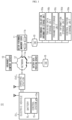
- FIG. 1 is a block diagram showing a configuration of a battery performance management system using an electric vehicle charging station according to an embodiment of the present disclosure.
- a battery performance management system 10 includes a plurality of charging stations EVC k and a battery performance management server 11.
- k is an index for indicating that an object indicated by a reference sign is a plurality of objects. If the charging stations EVC k are installed at 10,000 sites, k is 1 to 10,000.
- the charging station EVC k and the battery performance management server 11 may be communicatively connected to each other through a network 12.
- the network 12 is not limited in its type as long as it supports communication between the charging station EVC k and the battery performance management server 11.
- the network 12 includes a wired network, a wireless network, or a combination thereof.
- the wired network includes a local area or wide area Internet that supports the TCP/IP protocol.
- the wireless network includes a wireless communication network based on a base station, a satellite communication network, a local area wireless communication network such as Wi-Fi, or a combination thereof.
- the network 12 may include, for example, 2G (second generation) to 5G (fifth generation) networks, LTE (Long Term Evolution) network, GSM (Global System for Mobile communication) network, CDMA (Code Division Multiple Accesses) network, EVDO (Evolution-Data Optimization) network, PLM (Public Land Mobile) network, and/or other networks.
- 2G second generation
- 5G fifth generation
- LTE Long Term Evolution
- GSM Global System for Mobile communication
- CDMA Code Division Multiple Accesses
- EVDO Evolution-Data Optimization
- PLM Public Land Mobile
- the network 12 may include, as another example, LAN (Local Area Network), WLAN (Wireless Local Area Network), WAN (Wide Area Network), MAN (Metropolitan Network), PSTN (Public Switched Telephone Network), Ad hoc network, managed IP network, VPN (Virtual Private Network), intranet, Internet, fiber-based network, and/or combinations thereof, or other types of networks.
- LAN Local Area Network
- WLAN Wireless Local Area Network
- WAN Wide Area Network
- MAN Metropolitan Area Network
- PSTN Public Switched Telephone Network
- Ad hoc network managed IP network
- VPN Virtual Private Network
- intranet Internet
- fiber-based network fiber-based network, and/or combinations thereof, or other types of networks.
- the charging station EVC k is a charging device installed in domestic and/or foreign countries to charge a battery B n of an electric vehicle EV n .
- n is an index for indicating that an object indicated by a reference sign is a plurality of objects. If the number of electric vehicles is 1 million, n is 1 to 1 million.
- the charging station EVC k may be installed in domestic and/or overseas parking lots, gas stations, public institutions, buildings, apartments, mansions, private houses, and the like.
- the charging station EVC k may be coupled with the network 12 to enable communication with the battery performance management server 11.
- the electric vehicle EV n includes a battery B n and a control system 15.
- the control system 15 as a computer device that controls charging/discharging operation of the battery B n , and during charging/discharging of the battery B n , measures voltage, current and temperature of the battery B n and records the same in a storage means 15a.
- the control system 15 may also perform control operations of mechanical and/or electronic mechanisms related to driving of the electric vehicle EV n .
- the storage means 15a is a non-transitory memory device, which is a computer storage medium capable of writing and/or erasing and/or modifying and/or transferring data.
- the storage means 15a may be, for example, a flash memory, a hard disk, a SSD (Solid State Disk), or other types of hardware for data storage.
- the control system 15 of the electric vehicle EV n collects operation characteristic information of the battery B n while the battery B n is being charged or discharged, and record the operation characteristic information in the storage means 15a.
- the operation characteristic information may include at least one selected from voltage, current and temperature of the battery B n .
- the control system 15 may record the operation characteristic information of the battery B n together with SOC (State Of Charge) of the battery B n and/or time stamp in the storage means 15a.
- the control system 15 may estimate the SOC of the battery B n by using an ampere counting method, an OCV method, an extended Kalman filter, or the like known in the art.
- the control system 15 may be electrically coupled to a voltage sensor, a current sensor and a temperature sensor installed at the battery B n in order to collect the operation characteristic information of the battery B n .
- the control system 15 records driving characteristic information of the electric vehicle EV n in the storage means 15a.
- the driving characteristic information includes at least one selected from the group consisting of speed of the electric vehicle EV n , driving area of the electric vehicle EV n , and humidity thereof.
- the control system 15 records the driving characteristic information of the electric vehicle EV n together with a time stamp in the storage means 15a.
- the control system 15 may be electrically coupled to a speed sensor, a GPS sensor and a humidity sensor in order to collect and store the driving characteristic information.
- the charging station EVC k charges the battery B n of the electric vehicle EV n through a charging port of the electric vehicle EV n , collects battery performance evaluation information while the battery B n is being charged, and transmits the battery performance evaluation information to the battery performance management server 11.
- the charging station EVC k receives various control factors used for controlling charging/discharging of the battery B n from the battery performance management server 11 and transmit the same to the control system 15 of the electric vehicle EV n .
- the control system 15 of the electric vehicle EV n may update the control factor used for controlling charging/discharging of the battery B n . This will be described later.
- the battery performance management system 10 may include a large-capacity database 16 connected to the battery performance management server 11.
- the battery performance management server 11 may collect battery performance evaluation information including driving characteristic accumulative information of the electric vehicle EV n , operation characteristic accumulative information of the battery B n and latest charging characteristic information from the charging station EVC k through the network 12, and store the battery performance evaluation information in a performance evaluation information storage unit 16a of the database 16.
- the operation characteristic accumulative information of the battery B n may include at least one selected from the group consisting of accumulative operation time of each voltage section, accumulative operation time of each current section, and accumulative operation time of each temperature section.
- the driving characteristic accumulative information of the electric vehicle EV n may include at least one selected from the group consisting of accumulative driving time of each speed section, accumulative driving time of each driving area, and accumulative driving time of each humidity section.
- the latest charging characteristic information may include at least one selected from the group consisting of SOC, voltage, current and temperature of the battery measured or estimated at a plurality of time points as operation characteristic information of the battery B n while the battery B n is being charged.
- the charging station EVC k may exchange information and/or data by communicating with the control system 15 of the electric vehicle EV n while the electric vehicle EV n is being charged.
- the communication is performed via a data communication line included in a charging cable.
- the communication is performed via wireless communication between the charging station EVC k and the electric vehicle EV n .
- the charging station EVC k and the electric vehicle EV n may include short-range wireless communication devices.
- the charging station EVC k may transmit the information and/or data collected from the electric vehicle EV n to the battery performance management server 11 through the network 12 according to a predefined communication protocol.
- the battery performance management server 11 receives identification information of the electric vehicle EV n and identification information of the battery B n as well as the battery performance evaluation information including the operation characteristic accumulative information of the battery B n , the driving characteristic accumulative information of the electric vehicle EV n and the latest charging characteristic information from the charging station EVC k while the electric vehicle EV n is being charged at the charging station EVC k , and store the same in the performance evaluation information storage unit 16a of the database 16.
- the identification information of the electric vehicle EV n may be a vehicle model code
- the identification information of the battery B n may be a model code of the battery B n .
- the charging station EVC k may receive the identification information of the electric vehicle EV n and the identification information of the battery B n as well as the battery performance evaluation information including the operation characteristic accumulative information of the battery B n , the driving characteristic accumulative information of the electric vehicle EV n and the latest charging characteristic information from the control system 15 of the electric vehicle EV n while the electric vehicle EV n is being charged, and transmit the received information and/or data to the battery performance management server 11 through the network 12.
- the battery performance management server 11 analyzes the operation characteristic accumulative information of the electric vehicle EV n transmitted from the charging station EVC k to generate frequency distribution data for each operation characteristic, and then store the frequency distribution data in a training data storage unit 16b of the database 16 to be matched with the identification information of the electric vehicle EV n and/or the identification information of the battery B n .
- the variable in the frequency distribution data for the operation characteristic accumulative information, the variable may be voltage, current or temperature, and the frequency may be the accumulative operation time of the battery B n in each variable.
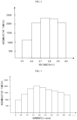
- FIG. 2 is a graph showing an example of the frequency distribution data for voltage in the operation characteristic accumulative information of the battery B n
- FIG. 3 is a graph showing an example of the frequency distribution data for current in the operation characteristic accumulative information of the battery B n
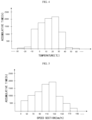
- FIG. 4 is a graph showing an example of the frequency distribution data for temperature in the operation characteristic accumulative information of the battery B n .
- the frequency distribution data may provide accumulative operation time of the battery B n at each voltage section, accumulative operation time of the battery B n at each current section and accumulative operation time of the battery B n at each temperature section while the electric vehicle EV n is running.
- the frequency distribution data represents a driving history of the electric vehicle EV n , and may be used for the battery performance management server 11 to train the artificial intelligence model. This will be described later.
- the battery performance management server 11 may analyze the driving characteristic accumulative information of the electric vehicle EV n transmitted from the charging station EVC k to generate frequency distribution data for each driving characteristic, and then record the frequency distribution data in the training data storage unit 16b of the database 16 to be matched with the identification information of the electric vehicle EV n and/or the identification information of the battery B n .
- the variable is speed of the electric vehicle EV n , driving area of the electric vehicle EV n or humidity of the area in which the electric vehicle EV n is running, and the frequency may be accumulative driving time of the electric vehicle EV n in each variable.
- FIG. 5 is a graph showing an example of the frequency distribution data for speed in the driving characteristic accumulative information of the electric vehicle EV n
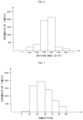
- FIG. 6 is a graph showing example of the frequency distribution data for driving area of the electric vehicle EV n in the driving characteristic accumulative information of the electric vehicle EV n
- FIG. 7 is a graph showing an example of the frequency distribution data for humidity of an area in which the electric vehicle EV n is running in the driving characteristic accumulative information of the electric vehicle EV n .
- the frequency distribution data may provide information about accumulative driving time at each speed section, accumulative driving time at each driving area, and accumulative driving time at each humidity section while the electric vehicle EV n is running.
- the area may be a domestic and/or foreign administrative area. As an example, the area may be a city, but the present disclosure is not limited thereto.
- the frequency distribution data may be used for the battery performance management server 11 to train the artificial intelligence model. This will be described later.
- the battery performance management server 11 may record the latest charging characteristic information of the electric vehicle EV n transmitted from the charging station EVC k in the performance evaluation information storage unit 16a of the database 16.
- the latest charging characteristic information includes at least one operation characteristic data selected from the group comprising SOC, voltage, current and temperature measured or estimated at a plurality of time points while the battery B n of the electric vehicle EV n is being charged at the charging station EVC k .
- the operation characteristic data measured at each measurement time point may be represented by a four-dimensional vector (SOC k , I k , V k , T k ).
- k is an index for a measurement time point of the operation characteristic. If the number of measurements is n, k is a natural number from 1 to n, and the number of data included in the latest charging characteristic information is n.
- the battery performance management server 11 may determine the degradation level of the battery B n by using the operation characteristic data included in the latest charging characteristic information, and record the degradation level in the training data storage unit 16b of the database 16 together with the identification information of electric vehicle EV n and/or the identification information of the battery B n .
- the battery performance management server 11 determines whether the latest charging characteristic information is collected in a preset degradation level estimation voltage section. To this end, the battery performance management server 11 may examine the distribution of voltage data V k included in the latest charging characteristic information. If the determination is YES, the battery performance management server 11 may determine a charge capacity change amount by integrating the current data measured in the degradation level estimation voltage section, and determine the ratio of the charge capacity change amount to a reference charge capacity change amount as the degradation level.
- the reference charge capacity change amount is a charge capacity change amount represented while the battery B n in a BOL state is being charged in the degradation level estimation voltage section, and the reference charge capacity change amount may be recorded in advance in a parameter storage unit 16c of the database 16 for each battery B n model.
- the battery performance management server 11 analyzes the latest charging characteristic information to determine whether the battery B n is charged within the preset degradation level estimation voltage section and a plurality of voltage data are measured under variable charging current conditions. To this end, the battery performance management server 11 may examine the distribution of voltage data V k and current data I k included in the latest charging characteristic information. If the determination is YES, the battery performance management server 11 may perform linear regression analysis on the plurality of current and voltage data measured within the preset degradation level estimation voltage section in the latest charging characteristic information to determine an average value of
- the charging station EVC k may apply charging pulses with different AC charging currents and/or amplitudes to the battery B n while the battery B n is being charged within the preset degradation level estimation voltage section. Then, a plurality of voltage data may be measured under variable charging current conditions.
- the reference internal resistance value is an internal resistance value of the battery B n in a BOL state, and the reference internal resistance value may be recorded in advance in the parameter storage unit 16c of the database 16 for each battery B n model.
- the battery performance management server 11 determines the degradation level of the battery B n from the battery performance evaluation information including the operation characteristic accumulative information of the battery B n , the driving characteristic accumulative information of the electric vehicle EV n , and the latest charging characteristic information transmitted from the charging station EVC k by using an artificial intelligence model.
- the degradation level calculated from the latest charging characteristic information constitutes a part of big data used to train the artificial intelligence model. Therefore, the degradation level determination to achieve the technical object of the present disclosure is actually performed by the artificial intelligence model trained based on the big data.
- the artificial intelligence model is a software algorithm coded with a programming language, and may be an artificial neural network.
- the present disclosure is not limited thereto.
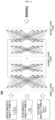
- FIG. 8 is a diagram exemplarily showing a structure of an artificial neural network 100 according to an embodiment of the present disclosure.
- the artificial neural network 100 includes an input layer 101, a plurality of hidden layers 102, and an output layer 103.
- the input layer 101, the plurality of hidden layers 102 and the output layer 103 include a plurality of nodes.
- the battery performance management server 11 trains the artificial neural network 100 or determines the degradation level of the battery B n by using the artificial neural network 100, the frequency distribution data generated from the operation characteristic accumulative information of the battery B n , the frequency distribution data generated from the driving characteristic accumulative information of the electric vehicle EV n , and the data included in the latest charging characteristic information, collected from the charging station EVC k , may be input to the input layer 101.
- the operation characteristic accumulative information input (assigned) to the nodes of the input layer 101 may include a first accumulative time value for each voltage section and/or a second accumulative time value for each current section and/or a third accumulative time value for each temperature section.
- the first to third accumulative time values are preferably normalized as a ratio based on a total usable time corresponding to the guaranteed life of the battery B n . In an example, if the accumulative time value in a specific voltage section is 1,000 hours and the total available time is 20,000 hours, the normalized accumulative time value is 1/20 (0.05).
- the number of first accumulative time values may correspond to the number of voltage sections
- the number of second accumulative time values may correspond to the number of current sections
- the number of third accumulative time values may correspond to the number of temperature sections. For example, if the number of voltage sections is 5, the number of current sections is 9, and the number of temperature sections is 10, the numbers of first to third accumulative time values are 5, 9, and 10, respectively.
- the input layer 101 may include a number of nodes corresponding to the number of first accumulative time values and/or the number of second accumulative time values and/or the number of third accumulative time values.
- the driving characteristic accumulative information input (assigned) to the nodes of the input layer 101 may include a fourth accumulative time value for each speed section and/or a fifth accumulative time value for each driving area and/or a sixth accumulative time value for each humidity section.
- the fourth to sixth accumulative time values are preferably normalized as a ratio based on the total usable time corresponding to the guaranteed life of the battery B n . In an example, if the accumulative time value in a specific speed section is 2,000 hours and the total available time is 20,000 hours, the normalized accumulative time value is 1/10 (0.1).
- the number of fourth accumulative time values corresponds to the number of speed sections
- the number of fifth accumulative time values corresponds to the number of areas in which the electric vehicle EV n is running
- the number of sixth accumulative time values corresponds to the number of humidity sections. For example, if the number of speed sections is 8, the number of driving areas is 20, and the number of temperature sections is 6, the numbers of fourth to sixth accumulative time values are 8, 20, and 6, respectively.
- the input layer 101 may include a number of nodes corresponding to the number of fourth accumulative time values and/or the number of fifth accumulative time values and/or the number of sixth accumulative time values.
- the latest charging characteristic information input (assigned) to the nodes of the input layer 101 may include voltage data and temperature data. Since both the voltage and temperature of the battery B n are measured for each SOC, 100 nodes may be assigned for inputting the voltage data, and another 100 nodes may be assigned for inputting the temperature data.
- 100 is the number of nodes corresponding to SOC from 1% to 100%, assuming that the SOC varies by 1% from 0% to 100%. If the voltage and temperature of the battery B n are measured in the SOC section of 31% to 50%, voltage data may be input to 20 nodes corresponding to 31% to 50%, and temperature data may be input to another 20 nodes corresponding to 31% to 50%. In addition, voltage data and temperature data may not be input to nodes corresponding to SOC of 1% to 30% section and SOC of 51% to 100% section, and 0 may be assigned thereto.
- voltage data and temperature data measured in SOC including a value below a decimal point may be converted into voltage data and temperature data of a nearby SOC without a decimal point through interpolation or extrapolation.
- the temperature data may be excluded from the input data in order to reduce the amount of training computation of the artificial neural network.
- the input layer 101 may not include nodes to which temperature data is input.
- the output layer 103 may include a node to which degradation level information of the battery B n is output. As shown in FIG. 8 , if the artificial neural network 100 is designed based on a stochastic model, the output layer 103 may include a plurality of nodes for outputting the probability distribution of degradation level of the battery B n .
- the output layer 103 may include 30 nodes in total.
- a degradation level corresponding to a node outputting the highest probability value among the 30 nodes may be determined as the degradation level of the battery B n .
- the degradation level of the battery B n may be determined to be 80%. It is obvious to those skilled in the art that the number of nodes can be further increased to improve the accuracy of the degradation level.
- the output layer 103 may include at least one node for directly outputting the degradation level of the battery B n .
- the number of the hidden layers 102 interposed between the input layer 101 and the output layer 103 and the number of nodes included in each hidden layer 102 may be appropriately selected in consideration of the amount of training computation of the artificial neural network 100 and the accuracy and reliability of the artificial neural network 100.
- a sigmoid function may be used as the activation function.
- various activation functions known in the art such as a SiLU (Sigmoid Linear Unit) function, a ReLu (Rectified Linear Unit) function, a softplus function, an ELU (Exponential Linear Unit) function, a SQLU (Square Linear Unit) function, or the like may be used.
- initial values of connection weights and biases between nodes may be set randomly.
- the connection weights and the biases may be optimized in the process of training the artificial neural network.
- the artificial neural network may be trained by a backpropagation algorithm.
- the connection weights and biases may be optimized by an optimizer while the artificial neural network is being trained.
- a SGD (Stochastic Gradient Descent) algorithm may be used as the optimizer.
- a NAG (Nesterov Accelerated Gradient) algorithm a momentum algorithm, a Nadam algorithm, an Adagrad algorithm, a RMSProp algorithm, an Adadelta algorithm, an Adam algorithm, or the like may be used.
- the battery performance management server 11 may periodically repeatedly train the artificial neural network 100 by using the training data stored in the training data storage unit 16b of the database 16.
- the battery performance management server 11 collects training data while a number of electric vehicles EV n are being charged at the plurality of charging stations EVC k and accumulatively records the training data in the training data storage unit 16b of the database 16.
- the training data includes training input data and training output data.
- the training input data may include frequency distribution data generated from the driving characteristic accumulative information of the electric vehicle EV n , frequency distribution data generated from the operation characteristic accumulative information of the battery B n , and data included in the latest charging characteristic information.
- the training output data includes the degradation level of the battery B n .
- the training data may be obtained while the electric vehicle EV n is being charged at the charging station EVC k .
- the training data may be recorded in the training data storage unit 16b of the database 16 to be matched with the identification information of the electric vehicle EV n and/or the identification information of the battery B n . Therefore, in the training data storage unit 16b, numerous training data collected from electric vehicles EV n of the same model equipped with batteries B n of the same model may be recorded. In addition, since the training data is continuously collected at the charging station EVC k , the amount of the training data may be increased more and more.
- the battery performance management server 11 may train the artificial neural network separately for each model of the electric vehicles EV n and/or each model of the batteries B n in order to reduce the training computational load of the artificial neural network 100 and improve the reliability of the output estimated by the artificial neural network 100 through distributed processing of data.
- the battery performance management server 11 may extract training data for the electric vehicles EV n of the same model and/or the batteries B n of the same model, and independently train the artificial neural network 100 dedicated to the corresponding model of the electric vehicle EV n and/or the corresponding model of the battery B n .
- the battery performance management server 11 may restart training the corresponding artificial neural network 100 to further improve the accuracy of the artificial neural network 100.
- the artificial neural network 100 may be trained separately for each wide area that groups a plurality of areas.
- the battery performance management server 11 may group cities according to a predetermined criterion, and train a number of artificial neural networks corresponding to 100*10*(the number of area groups).
- the cities may be grouped on a country-by-country basis.
- the cities may be grouped in the unit of a predetermined number of neighboring cities within the same country.
- the battery performance management server 11 may extract only training data with the same model of the battery B n and/or the same model of the electric vehicle EV n and with the same variable (cities) of the frequency distribution data for the driving area from the training data stored in the training data storage unit 16b, and independently train the artificial neural networks 100 dedicated to the driving area and/or the model of the electric vehicle EV n and/or the model of the battery B n .
- the battery performance management server 11 may restart training the corresponding artificial neural networks 100 to further improve the accuracy of the artificial neural networks 100.
- the artificial intelligence model is not limited to the artificial neural network. Therefore, in addition to the artificial neural network, a Gaussian process model or the like may be used.
- a SVM Small Vector Machine
- K-Nearest Neighbor Algorithm K-Nearest Neighbor Algorithm
- Naive-Bayes Classifier or the like may be used. If there is a problem with the reliability of degradation level information used for training, K-Means Clustering or the like may be used as an auxiliary means to obtain degradation level information.
- the battery performance management server 11 may include an auxiliary artificial neural network trained by using the operation characteristic accumulative information of each cycle and the latest charging characteristic information of each cycle provided from a battery manufacturer.
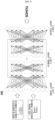
- FIG. 9 is a diagram exemplarily showing a structure of an auxiliary artificial neural network 100' according to an example of the present disclosure.
- the auxiliary artificial neural network 100' includes an input layer 101', a plurality of hidden layers 102' and an output layer 103'.
- the auxiliary artificial neural network 100' is substantially identical to the artificial neural network 100 shown in FIG. 8 , except that the input layer 101' has no node to which data corresponding to the driving characteristic accumulative information of the electric vehicle EV n is input.
- the auxiliary artificial neural network 100' may be used to determine the degradation level of the battery B n when the artificial neural network 100 is not sufficiently trained.
- the battery performance management server 11 may be communicatively connected to the battery data providing server 17 through the network 12 to collect data used for training the auxiliary artificial neural network 100'.
- the battery data providing server 17 may be installed in the battery manufacturer.
- the battery data providing server 17 transmit the operation characteristic accumulative information of each cycle, the latest charging characteristic information of each cycle and the degradation level of the battery B n of each cycle, obtained from the charging/discharging cycle experiment on the battery B n mounted to the electric vehicle EV n , to the battery performance management server 11 through the network 12 together with the identification information of the battery B n .
- the charging/discharging cycle experiment refers to an experiment in which the battery B n is charged and discharged repeatedly a predetermined number of times under various charging/discharging conditions using a device called a charging/discharging simulator.
- the charging/discharging cycle experiment is an essential experiment conducted by battery manufacturers before the battery B n is commercialized. It is desirable that the charging/discharging conditions simulate various driving conditions (mountain driving, rough road driving, city driving, driving at high speed, etc.) of the electric vehicle EV n and various climatic conditions (temperature, humidity, etc.).
- the charging/discharging simulator is an automated experiment equipment in which a control computer, a charging/discharging device and a temperature/humidity control chamber are combined. Whenever charging of each cycle is performed, the charging/discharging simulator may generate operation characteristic accumulative information by accumulating accumulative operation time of each voltage section and/or accumulative operation time of each current section and/or accumulative operation time of each temperature section, measure or estimate SOC and/or voltage and/or current and/or temperature to generate latest charging characteristic information while charging is in progress, and record the latest charging characteristic information in the storage means.
- the charging/discharging simulator may determine the degradation level of the battery B n based on a charging completion time point.
- the degradation level may be calculated from the charge capacity change amount determined by the ampere counting method in a predetermined charging voltage section or the internal resistance of the battery obtained through linear regression analysis of the voltage and current data measured in a predetermined charging voltage section, as being already described above.
- the battery data providing server 17 may include a database 18 that stores data obtained through the charging/discharging cycle experiment. In each charging/discharging cycle for the battery B n , the battery data providing server 17 may store the operation characteristic accumulative information of each cycle, the latest charging characteristic information of each cycle, and the degradation level of each cycle in the database 18 to be matched with the identification information of the battery B n .
- the data stored in the database 18 may be transmitted through a network from the charging/discharging simulator.
- the battery data providing server 17 may periodically transmit auxiliary training data including the operation characteristic accumulative information of each cycle, the latest charging characteristic information of each cycle and the degradation level of each cycle stored in the database 18 to the battery performance management server 11 through the network 12 along with the identification information of the battery B n .
- the number of auxiliary training data corresponds to the number of charging/discharging cycle experiments. For example, if the charging/discharging cycle experiment for a battery of a specific model is performed 200 times, the number of auxiliary training data is 200.
- the battery performance management server 11 may record the auxiliary training data transmitted from the battery data providing server 17 in the training data storage unit 16b of the database 16 to be matched with the identification information of the battery B n .
- the information about the accumulative operation time of each voltage section and/or the accumulative operation time of each current section and/or the accumulative operation time of each temperature section included in the operation characteristic accumulative information may be converted into frequency distribution data and stored in the training data storage unit 16b of the database 16.
- the battery performance management server 11 may train the auxiliary artificial neural network 100' for each battery model by using the auxiliary training data.
- the structure of the auxiliary artificial neural network 100' is similar to that of the artificial neural network 100 shown in FIG. 8 , but is different in that the node to which the frequency distribution data generated from the driving characteristic accumulative information of the electric vehicle EV n is input is deactivated.
- the training method and other features of the auxiliary artificial neural network 100' are substantially the same as described above.
- the battery performance management server 11 may determine the degradation level of the battery B n after the electric vehicle EV n is charged at the charging station EVC k , and provide a control factor used to control the charging/discharging of the battery B n according to the determined degradation level to the control system 15 of the electric vehicle EV n .
- the battery performance management server 11 receives the identification information of the battery B n and the identification information of the electric vehicle EV n as well as the battery performance evaluation information including the driving characteristic accumulative information of the electric vehicle EV n , the operation characteristic accumulative information of the battery B n and the latest charging characteristic information from the charging station EVC k through the network 12 while the electric vehicle EV n is being charged at the charging station EVC k or after being completely charged.
- the battery performance management server 11 may record the battery performance evaluation information transmitted through the network 12 in the performance evaluation information storage unit 16a of the database 16.
- Step S20 the battery performance management server 11 determines whether the condition for allowing calculation of the degradation level is satisfied with reference to the voltage data V k and/or the current data I k included in the latest charging characteristic information.
- the degradation level calculation allowing condition may be established when the voltage data V k is measured while the battery B n is charged within a preset degradation level estimation voltage section. In another example, the degradation level calculation allowing condition may be established when the battery B n is charged within the preset degradation level estimation voltage section and a plurality of voltage data V k are measured under a variable charging current condition.
- Step S20 is YES, Step S30 is executed, and if the determination of Step S20 is NO, Step S60 is executed.
- Step S30 the battery performance management server 11 determines the degradation level of the battery B n by using the voltage data V k and/or the current data I k included in the latest charging characteristic information.
- the degradation level determination method has already been described above.
- Step S40 the battery performance management server 11 generates frequency distribution data for voltage and/or current and/or temperature from the operation characteristic accumulative information of the battery B n , and generate frequency distribution data for speed and/or driving area and/or humidity from the driving characteristic accumulative information of the electric vehicle EV n .
- Step S50 proceeds.
- Step S50 the battery performance management server 11 stores the frequency distribution data generated from the operation characteristic accumulative information, the frequency distribution data generated from the driving characteristic accumulative information, the latest charging characteristic information, and the degradation level of the battery B n determined in Step S30 in the training data storage unit 16b of the database 16 to be matched with the identification information of the battery B n and/or the identification information of the electric vehicle EV n .
- the frequency distribution data generated from the operation characteristic accumulative information, the frequency distribution data generated from the driving characteristic accumulative information, and the latest charging characteristic information correspond to the training input data
- the degradation level of the battery B n corresponds to the training output data.
- Step S60 the battery performance management server 11 determines whether a trained artificial neural network 100 corresponding to the model of the battery B n and/or the model of the electric vehicle EV n is prepared with reference to the identification information of the battery B n and/or the identification information of the electric vehicle EV n .
- the battery performance management server 11 determines whether there is an artificial neural network 100 trained by using data over a reference value collected while electric vehicles of the EV001 model equipped with the battery of the BBB001 model are being charged at the charging station EVC k .
- the reference value may be, for example, several hundreds to several thousands.
- the battery performance management server 11 may determine whether there is an artificial neural network 100 trained by the data collected from the electric vehicles EV n with the same model of the battery B n and/or the same model of the electric vehicle EV n and the same driving area with reference to the frequency distribution data for driving area generated in Step S40.
- the battery performance management server 11 determines whether an artificial neural network 100 trained using data over the reference value collected while electric vehicles of the EV001 model equipped with the battery of the BBB001 model are being charged at the charging stations EVC k in Korea is prepared.
- the reference value may be, for example, several hundreds to several thousands.
- Step S70 proceeds.
- Step S70 the battery performance management server 11 inputs the frequency distribution data generated from the driving characteristic accumulative information of the electric vehicle EV n , the frequency distribution data generated from the operation characteristic accumulative information of the battery B n , and the voltage data V k and the temperature data T k included in the latest charging characteristic information of the battery B n to the input layer 101 of the artificial neural network 100. Since the artificial neural network 100 is in a state of being trained by the training data greater than the reference value, if data is input through the input layer 101, the degradation level of the battery B n is output through the output layer 103. Then, the battery performance management server 11 may determine a current degradation level of the battery B n through the artificial neural network 100. After Step S70, Step S80 of FIG. 11 proceeds.
- the battery performance management server 11 may determine the current degradation level of the battery B n by inputting the frequency distribution data generated from the operation characteristic accumulative information of the battery B n (see FIGS. 2 to 4 ) and the voltage data V k and the temperature data T k included in the latest charging characteristic information of the battery B n to the input layer 101' of the auxiliary artificial neural network 100'.
- the auxiliary artificial neural network 100' is an artificial neural network trained in advance using the charging/discharging cycle experiment data for the battery B n provided from the battery data providing server 17, and its training method has already been described above.
- Step S80 of FIG. 11 proceeds.
- Step S80 the battery performance management server 11 stores the degradation level determined through the artificial neural network 100 or the auxiliary artificial neural network 100' in a degradation level information storage unit 16d of the database 16 to be matched with the identification information of the electric vehicle EV n and/or the identification information of the battery B n together with a time stamp.
- Step S90 proceeds.
- Step S90 the battery performance management server 11 determines whether the current degradation level exceeds the previous degradation level by a reference value or more by comparing the previous degradation level of the battery B n recorded in the degradation level information storage unit 16d of the database 16 with the current degradation level.
- the reference value is a predefined value and is used for determining whether or not to execute an update logic for various control factors used in controlling the charging/discharging of the battery B n .
- the reference value may be 3 to 5%.
- control factor may be at least one selected from a charging current magnitude applied for each SOC section, a charging upper limit voltage value, a discharging lower limit voltage value, a maximum charging current, a maximum discharging current, a minimum charging current, a minimum discharging current, a maximum temperature, a minimum temperature, a power map for each SOC and an internal resistance map for each SOC.
- the control factor may include at least one selected from an upper limit of a pulse current duty ratio (a ratio of a pulse sustain period to a pulse rest period), a lower limit of the pulse current duty ratio, an upper limit of a pulse current duration, a lower limit of the pulse current duration, a maximum value of the pulse current, and a minimum value of the pulse current.
- a pulse current duty ratio a ratio of a pulse sustain period to a pulse rest period
- the control factor may include a charging current magnitude applied for each SOC section.
- the control factor when the battery B n is charged in a CC/CV mode, may include at least one selected from a current magnitude in a constant-current charging (CC) mode, a cutoff voltage at which the constant-current charging (CC) mode ends, and a voltage magnitude in a constant-voltage charging (CV) mode.
- CC constant-current charging
- CV constant-voltage charging
- Step S100 proceeds.
- Step S100 the battery performance management server 11 reads a latest control factor corresponding to the current degradation level of the battery B n with reference to the control factor storage unit 16e of the database 16, and transmits a battery performance evaluation result including the current degradation level and the latest control factor to the charging station EVC k through the network 12.
- the control factor storage unit 16e includes a look-up table that defines control factor information for each degradation level of the battery B n .
- the look-up table is recorded to be matched with the identification information of the battery B n and/or the identification information of the electric vehicle EV n . Therefore, the control factor is preferably read from a look-up table corresponding to the model of the battery B n and/or the model of the electric vehicle EV n .
- Step S110 the charging station EVC k receives the battery performance evaluation result including the current degradation level of the battery B n and the corresponding latest control factor through the network 12, and then transmits the battery performance evaluation result to the control system 15 of the electric vehicle EV n through the communication line of the charging cable or short-range wireless communication.
- Step S120 proceeds.
- Step S120 the control system 15 of the electric vehicle EV n updates the previous control factor used to control the charging/discharging of the battery B n with reference to the latest control factor included in the battery performance evaluation result. Accordingly, after charging at the charging station EVC k is completed, the control system 15 may safely control the charging/discharging of the battery B n by using the latest control factor that is optimally updated according to the degradation level of the battery B n .
- Step S130 proceeds.
- Step S130 because the current degradation level of the battery B n does not increase over the reference value, the battery performance management server 11 sends the battery performance evaluation result including the current degradation level to the charging station EVC k through the network 12, together with a message indicating that the control factor does not need to be updated.
- Step S140 proceeds.
- Step S140 if the battery performance evaluation result is received, the charging station EVC k transmits the battery performance evaluation result to the control system 15 of the electric vehicle EV n through a charging cable or short-range wireless communication.
- Step S150 proceeds.
- Step S150 the control system 15 of the electric vehicle EV n checks the message indicating that the previous control factor does not need to be updated from the battery performance evaluation result, and maintains the control factor used to control the charging/discharging of the battery B n without change.
- the battery performance management server 11 may complementally utilize the auxiliary artificial neural network 100' when determining the degradation level of the battery B n , even after the artificial neural network 100 is completely trained.
- the battery performance management server 11 may further execute Step S70' to determine the degradation level (second value) of the battery B n by using the auxiliary artificial neural network 100'. Then, a weighted average value of the first value and the second value may be determined as the degradation level of the battery B n . In this case, the weight endowed to the first value may be gradually increased than the weight endowed to the second value as the amount of training data used to train the artificial neural network 100 increases.
- the weight endowed to the first value may be determined as the ratio of the data used for training the artificial neural network 100 to the total amount of data used to train the artificial neural network 100 and the auxiliary artificial neural network 100'.
- the degradation level of the battery B n converges to the degradation level (first value) determined by the artificial neural network 100. Conversely, if the amount of training data used for training the artificial neural network 100 is small, the degradation level of the battery B n converges to the degradation level (second value) determined by the auxiliary artificial neural network 100.
- control system 15 of the electric vehicle EV n may provide the current degradation level of the battery B n included in the battery performance evaluation result transmitted from the charging station EVC k to a driver using a graphical user interface through an integrated control display panel installed at the electric vehicle EV n .
- the graphical user interface may include a number and/or graphical gauge indicating the degradation level.
- the battery performance management system 10 may further include an insurance company server 19 communicatively connected to the battery performance management server 11 through the network 12 .
- the battery performance management server 11 may be configured to transmit the degradation level and a total driving distance of the electric vehicle EV n and the identification information of the electric vehicle EV n to the insurance company server 19.
- the total driving distance of the electric vehicle EV n may be transmitted from the control system 15 of the electric vehicle EV n through the charging station EVC k while the electric vehicle EV n is being charged at the charging station EVC k .
- the insurance company server 19 may be configured to calculate an insurance premium for the corresponding electric vehicle EV n with reference to the identification information of the electric vehicle EV n by using the degradation level information.
- the insurance company server 19 may calculate the price of the electric vehicle EV n by increasing a depreciation ratio of the electric vehicle EV n as the degradation level of the battery B n is higher. In addition, if the degradation level of the battery B n is larger than an average compared to the total driving distance of the electric vehicle EV n , the insurance company server 19 may assume that the driving habit of the driver is not good and increase the insurance premium by raising a risk rate due to an automobile accident.
- the insurance premium calculated by the insurance company server 19 may be stored in a database (not shown) of the insurance company server 19 and then referenced in renewing the insurance of the electric vehicle EV n .
- the battery performance management method using an electric vehicle charging station may be coded with a plurality of processor executive commands and then stored in a non-transitory memory device 11a ( FIG. 1 ) provided to the battery performance management server 11.
- the processor executive commands may allow a processor 11b ( FIG. 1 ) included in the battery performance management server 11 to execute at least some of the steps described above.
- hardware logic circuits may be provided in the battery performance management server 11 to perform at least some of the steps described above in place of the processor executive commands.
- the hardware logic circuits may be ASIC (Application-Specific Integrated Circuit) or FPGA (Field-Programmable Gate Array).
- ASIC Application-Specific Integrated Circuit
- FPGA Field-Programmable Gate Array
- a big data-based artificial intelligence platform system linked with a plurality of charging stations is used to reliably evaluate the performance of the battery according to the driving history of the electric vehicle and the operation history of the battery and optimize the control factor used for controlling the charging/discharging of the battery, it is possible not only to extend the service life of the battery, but also to improve the safety.
- the database may be used as an accurate insurance premium calculation data for automobile insurance companies.
Landscapes
- Engineering & Computer Science (AREA)
- Business, Economics & Management (AREA)
- Physics & Mathematics (AREA)
- General Physics & Mathematics (AREA)
- Transportation (AREA)
- Mechanical Engineering (AREA)
- Power Engineering (AREA)
- Economics (AREA)
- Tourism & Hospitality (AREA)
- Strategic Management (AREA)
- General Business, Economics & Management (AREA)
- Theoretical Computer Science (AREA)
- Health & Medical Sciences (AREA)
- Human Resources & Organizations (AREA)
- Marketing (AREA)
- General Health & Medical Sciences (AREA)
- Primary Health Care (AREA)
- Sustainable Energy (AREA)
- Sustainable Development (AREA)
- Life Sciences & Earth Sciences (AREA)
- Accounting & Taxation (AREA)
- Water Supply & Treatment (AREA)
- Entrepreneurship & Innovation (AREA)
- Public Health (AREA)
- Finance (AREA)
- Development Economics (AREA)
- Quality & Reliability (AREA)
- Operations Research (AREA)
- Technology Law (AREA)
- Game Theory and Decision Science (AREA)
- Educational Administration (AREA)
- Charge And Discharge Circuits For Batteries Or The Like (AREA)
- Electric Propulsion And Braking For Vehicles (AREA)
- Secondary Cells (AREA)
- Remote Monitoring And Control Of Power-Distribution Networks (AREA)
Claims (17)
- Batterieleistungsverwaltungssystem (10) unter Verwendung zumindest einer Elektrofahrzeugladestation (EVC) einer Mehrzahl von Elektrofahrzeugladestationen, umfassend:einen Batterieleistungsverwaltungsserver (11), der über ein Netzwerk mit der Mehrzahl von Ladestationen (EVC), die in einem Gebiet installiert und verteilt sind, kommunikativ verbunden ist; undeine Datenbank (16), die mit dem Batterieleistungsverwaltungsserver (11) verbunden und so konfiguriert ist, dass sie SOH-Informationen einer Batterie (B) eines Elektrofahrzeugs (EV) speichert, wobei die Datenbank (16) eine Steuerfaktorspeichereinheit (16e) umfasst, die eine Lookup-Tabelle beinhaltet, die Steuerinformationen für jeden SOH der Batterie (B) definiert,wobei die Lookup-Tabelle aufgezeichnet ist, um mit den Identifizierungsinformationen der Batterie (B) und/oder den Identifizierungsinformationen des Elektrofahrzeugs (EV) abgeglichen zu werden,wobei der Batterieleistungsverwaltungsserver (11) konfiguriert ist zum:Sammeln von Batterieleistungsbewertungsinformationen einschließlich Identifizierungsinformationen und betriebscharakteristischer kumulativer Informationen bei jedem betriebscharakteristischen Abschnitt der Batterie (B), Identifizierungsinformationen und fahrcharakteristischer kumulativer Informationen bei jedem fahrcharakteristischen Abschnitt des Elektrofahrzeugs (EV) und neuester ladecharakteristischer Informationen der Batterie (B), die zu einer Mehrzahl von Zeitpunkten gemessen oder geschätzt werden, als betriebscharakteristische Informationen von der zumindest einen Ladestation (EVC) über das Netzwerk, während die Batterie (B) geladen wird, undSpeichern der Batterieleistungsbewertungsinformationen in der Datenbank (16), wobei die betriebscharakteristischen Informationen durch ein Steuersystem (15) des Elektrofahrzeugs (EV) gesammelt und aufgezeichnet werden, während die Batterie (B) an der Ladestation (EVC) geladen oder entladen wird, die fahrcharakteristischen Informationen durch das Steuersystem (15) zusammen mit einem Zeitstempel aufgezeichnet werden und die Ladestation (EVC) so konfiguriert ist, dass sie Batterieleistungsbewertungsinformationen von dem Elektrofahrzeug (EV) sammelt, während die Batterie (B) an der Ladestation (EVC) geladen wird, undÜbertragen der Batterieleistungsbewertungsinformationen an den Batterieleistungsverwaltungsserver (11),Bestimmen eines aktuellen SOH entsprechend den gesammelten Batterieleistungsbewertungsinformationen unter Verwendung eines Modells der Künstlichen Intelligenz, das im Voraus so trainiert wird, dass es die Batterieleistungsbewertungsinformationen empfängt und einen SOH der Batterie (B) ausgibt,Bestimmen eines neuesten Steuerfaktors entsprechend dem aktuellen SOH unter Verwendung von Korrelationsinformationen zwischen dem SOH und einem Steuerfaktor, der zum Steuern des Batteriebetriebs verwendet wird, mit Bezug auf die Datenbank (16), wenn der aktuelle SOH im Vergleich zu einem vorherigen SOH um einen Referenzwert oder mehr ansteigt, undÜbertragen des neuesten Steuerfaktors über das Netzwerk an die Ladestation (EVC), so dass die Ladestation (EVC) den neuesten Steuerfaktor an ein Steuersystem des Elektrofahrzeugs (EV) überträgt, um den Steuerfaktor zu aktualisieren, wobei der Steuerfaktor des Elektrofahrzeugs (EV) einen Steuerfaktor umfasst, der verwendet wird, um das Laden und Entladen der Batterie (B) zu steuern, und so konfiguriert ist, dass er den vorherigen Steuerfaktor, der verwendet wird, um das Laden und Entladen der Batterie (B) zu steuern, mit Bezug auf den neuesten Steuerfaktor aktualisiert.
- Batterieleistungsverwaltungssystem (10), das zumindest eine Elektrofahrzeugladestation (EVC) aus einer Mehrzahl von Elektrofahrzeugladestationen nach Anspruch 1 verwendet,
wobei die betriebscharakteristischen kumulativen Informationen der Batterie (B) zumindest eine ausgewählt aus der Gruppe, die aus der kumulativen Betriebszeit bei jedem Spannungsabschnitt, der kumulativen Betriebszeit bei jedem Stromabschnitt und der kumulativen Betriebszeit bei jedem Temperaturabschnitt besteht, beinhalten. - Batterieleistungsverwaltungssystem (10), das zumindest eine Elektrofahrzeugladestation (EVC) aus einer Mehrzahl von Elektrofahrzeugladestationen nach Anspruch 1 verwendet,
wobei die fahrcharakteristischen kumulativen Informationen des Elektrofahrzeugs (EV) zumindest eine ausgewählt aus der Gruppe, die aus der kumulativen Fahrzeit bei jedem Geschwindigkeitsabschnitt, der kumulativen Fahrzeit bei jedem Fahrbereich und der kumulativen Fahrzeit bei jedem Feuchtigkeitsbereich in einem Gebiet, in dem das Elektrofahrzeug (EV) fährt, besteht, beinhalten. - Batterieleistungsverwaltungssystem (10), das zumindest eine Elektrofahrzeugladestation (EVC) aus einer Mehrzahl von Elektrofahrzeugladestationen nach Anspruch 2 oder 3 verwendet,
wobei die neuesten ladecharakteristischen Informationen zumindest eine ausgewählt aus der Gruppe, die aus den SOC-, Spannungs-, Strom- und Temperaturdaten der Batterie (B) besteht, die zu einer Mehrzahl von Zeitpunkten gemessen oder geschätzt werden, beinhalten. - Batterieleistungsverwaltungssystem (10), das zumindest eine Elektrofahrzeugladestation (EVC) aus einer Mehrzahl von Elektrofahrzeugladestationen nach Anspruch 1 verwendet,
wobei die Batterieleistungsbewertungsinformationen von der Mehrzahl von Elektrofahrzeugladestationen gesammelt werden, wenn bestimmt wird, dass die neuesten ladecharakteristischen Informationen genug Daten beinhalten, um einen aktuellen SOH der Batterie zu bestimmen, wobei der Batterieleistungsverwaltungsserver (11) so konfiguriert ist, dass er den aktuellen SOH der Batterie (B) aus den neuesten ladecharakteristischen Informationen bestimmt, die betriebscharakteristischen kumulativen Informationen der Batterie (B) speichert, die fahrcharakteristischen kumulativen Informationen des Elektrofahrzeugs (EV) und die neuesten ladecharakteristischen Informationen in der Datenbank (16) als Trainings-Eingabedaten des Modells der Künstlichen Intelligenz speichert und den aktuellen SOH der Batterie (B) in der Datenbank als Trainings-Ausgabedaten des Modells der Künstlichen Intelligenz speichert. - Batterieleistungsverwaltungssystem (10), das zumindest eine Elektrofahrzeugladestation (EVC) aus einer Mehrzahl von Elektrofahrzeugladestationen nach Anspruch 5 verwendet,
wobei der Batterieleistungsverwaltungsserver (11) so konfiguriert ist, dass er das Modell der Künstlichen Intelligenz wiederholt trainiert, wenn Trainings-Eingabedaten und Trainings-Ausgabedaten über einen Referenzwert in der Datenbank (16) kumulativ gespeichert werden. - Batterieleistungsverwaltungssystem (10), das zumindest eine Elektrofahrzeugladestation (EVC) aus einer Mehrzahl von Elektrofahrzeugladestationen nach Anspruch 5 verwendet,
wobei der Batterieleistungsverwaltungsserver (11) konfiguriert ist zum:
Speichern der Trainings-Eingabedaten und der Trainings-Ausgabedaten in der Datenbank (16), um sie mit den Identifizierungsinformationen der Batterie (B) und/oder den Identifizierungsinformationen des Elektrofahrzeugs (EV) und/oder einem Fahrbereich des Elektrofahrzeugs abzugleichen, und wiederholtes Trainieren des Modells der Künstlichen Intelligenz, damit es den Identifizierungsinformationen der Batterie (B) und/oder den Identifizierungsinformationen des Elektrofahrzeugs und/oder dem Fahrbereich des Elektrofahrzeugs entspricht, wenn Trainings-Eingabedaten und Trainings-Ausgabedaten über einen Referenzwert kumulativ gespeichert werden, um mit den Identifizierungsinformationen der Batterie (B) und/oder den Identifizierungsinformationen des Elektrofahrzeugs und/oder dem Fahrbereich des Elektrofahrzeugs abgeglichen zu werden. - Batterieleistungsverwaltungssystem (10), das zumindest eine Elektrofahrzeugladestation (EVC) aus einer Mehrzahl von Elektrofahrzeugladestationen nach Anspruch 7 verwendet,
wobei der Batterieleistungsverwaltungsserver (11) konfiguriert ist zum:
Bestimmen eines SOH der Batterie (B) durch Analysieren der Batterieleistungsbewertungsinformationen unter Verwendung des Modells der Künstlichen Intelligenz, das so trainiert ist, dass es den Identifizierungsinformationen der Batterie und/oder den Identifizierungsinformationen des Elektrofahrzeugs und/oder dem Fahrbereich des Elektrofahrzeugs entspricht. - Batterieleistungsverwaltungssystem (10), das zumindest eine Elektrofahrzeugladestation (EVC) aus einer Mehrzahl von Elektrofahrzeugladestationen nach Anspruch 1 verwendet,wobei der Batterieleistungsverwaltungsserver (11) so konfiguriert ist, dass er einen SOH jedes Lade-/Entladezyklus und Leistungsbewertungsinformationen jedes Lade-/Entladezyklus einschließlich betriebscharakteristischer kumulativer Informationen und neuester ladecharakteristischer Informationen empfängt, die gemessen werden, wenn jeder Lade-/Entladezyklus für die Batterie (B) von dem Batteriedatenbereitstellungsserver über das Netzwerk ausgeführt wird, und diese in der Datenbank speichert, undwobei der Batterieleistungsverwaltungsserver (11) weiterhin ein Hilfsmodell der Künstlichen Intelligenz beinhaltet, das so trainiert ist, dass es einen SOH aus den betriebscharakteristischen kumulativen Informationen und den neuesten ladecharakteristischen Informationen der Batterie (B) unter Verwendung des SOH jedes Lade-/Entladezyklus und der in der Datenbank (16) gespeicherten Leistungsbewertungsinformationen jedes Zyklus ausgibt.
- Batterieleistungsverwaltungssystem (10), das zumindest eine Elektrofahrzeugladestation (EVC) aus einer Mehrzahl von Elektrofahrzeugladestationen nach Anspruch 9 verwendet,
wobei, wenn das Modell der Künstlichen Intelligenz nicht vollständig trainiert ist, der Batterieleistungsverwaltungsserver (11) so konfiguriert ist, dass er einen SOH der Batterie (B) durch Eingeben der betriebscharakteristischen kumulativen Informationen und der neuesten ladecharakteristischen Informationen der Batterie (B), die in den Batterieleistungsbewertungsinformationen beinhaltet sind, in das Hilfsmodell der Künstlichen Intelligenz bestimmt. - Batterieleistungsverwaltungssystem (10), das zumindest eine Elektrofahrzeugladestation (EVC) aus einer Mehrzahl von Elektrofahrzeugladestationen nach Anspruch 9 verwendet,
wobei, wenn das Modell der künstlichen Intelligenz nicht vollständig trainiert ist, der Batterieleistungsverwaltungsserver (11) konfiguriert ist zum:Bestimmen eines SOH der Batterie (B) durch Eingeben der betriebscharakteristischen kumulativen Informationen und der neuesten ladecharakteristischen Informationen der Batterie (B), die in den Batterieleistungsbewertungsinformationen beinhaltet sind, in das Hilfsmodell der Künstlichen Intelligenz, undBestimmen eines gewichteten Durchschnitts des SOH, der durch das Modell der Künstlichen Intelligenz bestimmt ist, und des SOH, der durch das Hilfsmodell der Künstlichen Intelligenz bestimmt ist, als den SOH der Batterie (B). - Batterieleistungsverwaltungssystem (10), das zumindest eine Elektrofahrzeugladestation (EVC) aus einer Mehrzahl von Elektrofahrzeugladestationen nach Anspruch 11 verwendet,
wobei der Batterieleistungsverwaltungsserver (11) so konfiguriert ist, dass er eine Gewichtung, die dem SOH des Modells der Künstlichen Intelligenz zugewiesen ist, beim Berechnen des gewichteten Durchschnitts erhöht, wenn der Umfang des Trainierens des Modells der Künstlichen Intelligenz zunimmt. - Batterieleistungsverwaltungssystem (10), das zumindest eine Elektrofahrzeugladestation (EVC) aus einer Mehrzahl von Elektrofahrzeugladestationen nach Anspruch 1 verwendet,
wobei das Modell der künstlichen Intelligenz ein künstliches neuronales Netzwerk ist. - Batterieleistungsverwaltungssystem (10), das zumindest eine Elektrofahrzeugladestation (EVC) aus einer Mehrzahl von Elektrofahrzeugladestationen nach Anspruch 1 verwendet,
wobei der Steuerfaktor umfasst:zumindest eines ausgewählt aus einer für jeden Ladezustandsabschnitt angewandten Ladestromstärke, einem oberen Ladespannungsgrenzwert, einem unteren Ladespannungsgrenzwert, einem maximalen Ladestrom, einem maximalen Entladestrom, einem minimalen Ladestrom, einem minimalen Entladestrom, einer maximalen Temperatur, einer minimalen Temperatur, einem Leistungskennfeld jedes SOC und eines Innenwiderstandskennfelds jedes SOC;zumindest eines ausgewählt aus einer Obergrenze eines Impulsstrom-Einschaltverhältnisses, das als Verhältnis einer Impuls-Halteperiode zu einer Impuls-Ruheperiode definiert ist, einer Untergrenze des Impulsstrom-Einschaltverhältnisses, einer Obergrenze einer Impulsstromdauer, einer Untergrenze der Impulsstromdauer, einem maximalen Wert des Impulsstroms und einem minimalen Wert des Impulsstroms; oderzumindest eines ausgewählt aus einer Stromstärke in einem Konstantstrom-(CC-)Lademodus, einer Abschaltspannung, bei der der Konstantstrom-(CC-)Lademodus endet, und einer Spannungsstärke in einem Konstantspannungs-(CV-)Lademodus. - Batterieleistungsverwaltungssystem (10), das zumindest eine Elektrofahrzeugladestation (EVC) aus einer Mehrzahl von Elektrofahrzeugladestationen nach Anspruch 1 verwendet,wobei der Batterieleistungsverwaltungsserver (11) so konfiguriert ist, dass er eine Gesamtfahrstrecke des Elektrofahrzeugs (EV), den aktuellen SOH und die Identifizierungsinformationen des Elektrofahrzeugs (EV) an einen Server (19) einer Versicherungsgesellschaft überträgt, undwobei der Server (19) der Versicherungsgesellschaft so konfiguriert ist, dass er eine Versicherungsprämie für das entsprechende Elektrofahrzeug mit Bezug auf die Identifizierungsinformationen des Elektrofahrzeugs (EV) unter Verwendung des aktuellen SOH und der Gesamtfahrstrecke des Elektrofahrzeugs (EV) berechnet.
- Batterieleistungsverwaltungsverfahren, das zumindest eine Elektrofahrzeugladestation (EVC) aus einer Mehrzahl von Elektrofahrzeugladestationen verwendet, umfassend:Sammeln von Batterieleistungsbewertungsinformationen einschließlich Identifizierungsinformationen und betriebscharakteristischer kumulativer Informationen bei jedem betriebscharakteristischen Abschnitt einer Batterie (B) eines Elektrofahrzeugs (EV), Identifizierungsinformationen und fahrcharakteristischer kumulativer Informationen bei jedem fahrcharakteristischen Abschnitt des Elektrofahrzeugs (EV) und neuester ladecharakteristischer Informationen der Batterie (B), die zu einer Mehrzahl von Zeitpunkten gemessen oder geschätzt werden, als betriebscharakteristische Informationen von der zumindest einen Ladestation über ein Netzwerk, während das Elektrofahrzeug (EV) an der Ladestation (EVC) geladen wird, undSpeichern der Batterieleistungsbewertungsinformationen in einer Datenbank (16), wobei die Datenbank (16) eine Steuerfaktorspeichereinheit (16e) umfasst, die eine Lookup-Tabelle beinhaltet, die Steuerinformationen für jeden SOH der Batterie (B) definiert, wobei die Lookup-Tabelle aufgezeichnet ist, um mit den Identifizierungsinformationen der Batterie (B) und/oder den Identifizierungsinformationen des Elektrofahrzeugs (EV) abgeglichen zu werden;wobei die betriebscharakteristischen Informationen durch ein Steuersystem (15) des Elektrofahrzeugs (EV) gesammelt und aufgezeichnet werden, während die Batterie (B) an der Ladestation (EVC) geladen oder entladen wird, die fahrcharakteristischen Informationen durch das Steuersystem (15) zusammen mit einem Zeitstempel aufgezeichnet werden und die Ladestation (EVC) so konfiguriert ist, dass sie Batterieleistungsbewertungsinformationen von dem Elektrofahrzeug (EV) sammelt, während die Batterie (B) an der Ladestation geladen wird, und die Batterieleistungsbewertungsinformationen an den Batterieleistungsverwaltungsserver (11) überträgt;Bestimmen eines aktuellen SOH entsprechend der gesammelten Batterieleistungsbewertungsinformationen unter Verwendung eines Modells der Künstlichen Intelligenz, das im Voraus so trainiert wird, dass es die Batterieleistungsbewertungsinformationen empfängt und einen SOH der Batterie ausgibt;Bestimmen eines neuesten Steuerfaktors entsprechend dem aktuellen SOH unter Verwendung von Korrelationsinformationen zwischen dem SOH und einem Steuerfaktor, der zum Steuern des Batteriebetriebs verwendet wird, wenn der aktuelle SOH verglichen mit einem vorherigen SOH um einen Referenzwert oder mehr ansteigt; undÜbertragen des neuesten Steuerfaktors an die Ladestation über das Netzwerk, so dass die Ladestation den neuesten Steuerfaktor an das Steuersystem des Elektrofahrzeugs überträgt, um den Steuerfaktor zu aktualisieren, wobei der Steuerfaktor des Elektrofahrzeugs (EV) einen Steuerfaktor umfasst, der verwendet wird, um das Laden und Entladen der Batterie (B) zu steuern, und so konfiguriert ist, dass er den vorherigen Steuerfaktor, der verwendet wird, um das Laden und Entladen der Batterie (B) zu steuern, mit Bezug auf den neuesten Steuerfaktor aktualisiert.
- Computervorrichtung, umfassend:eine nichtflüchtige Speichervorrichtung, die so konfiguriert ist, dass sie eine Mehrzahl von Prozessorausführungsbefehlen speichert; undeinen Prozessor, der so konfiguriert ist, dass er die Mehrzahl von Prozessorausführungsbefehlen ausführt, wobei der Prozessor durch Ausführen der Prozessorausführungsbefehle konfiguriert ist zum:(a) Empfangen von Batterieleistungsbewertungsinformationen einschließlich Identifizierungsinformationen und betriebscharakteristischer kumulativer Informationen bei jedem betriebscharakteristischen Abschnitt der Batterie (B) eines Elektrofahrzeugs (EV), Identifizierungsinformationen und fahrcharakteristischer kumulativer Informationen bei jedem fahrcharakteristischen Abschnitt des Elektrofahrzeugs (EV) und neuester ladecharakteristischer Informationen der Batterie (B), die bei einer Mehrzahl von Zeitpunkten gemessen oder geschätzt werden, als betriebscharakteristische Informationen von einer Ladestation (EVC) über ein Netzwerk, während die Batterie (B) an der Ladestation geladen wird,(b) Trainieren eines Moduls der Künstlichen Intelligenz, um einen SOH der Batterie (B) aus den Batterieleistungsbewertungsinformationen auszugeben,(c) Bestimmen eines aktuellen SOH entsprechend der gesammelten Batterieleistungsbewertungsinformationen unter Verwendung des trainierten Modell der Künstlichen Intelligenz,(d) Auslesen eines vorherigen SOH der Batterie (B) aus der Datenbank (16), wobei die Datenbank (16) eine Steuerfaktorspeichereinheit (16e) umfasst, die eine Lookup-Tabelle beinhaltet, die Steuerinformationen für jeden SOH der Batterie (B) definiert, wobei die Lookup-Tabelle aufgezeichnet ist, um mit den Identifizierungsinformationen der Batterie (B) und/oder den Identifizierungsinformationen des Elektrofahrzeugs (EV) abgeglichen zu werden, wobei die betriebscharakteristischen Informationen über ein Steuersystem (15) des Elektrofahrzeugs (EV) gesammelt und aufgezeichnet werden, während die Batterie (B) an der Ladestation (EVC) geladen oder entladen wird, die fahrcharakteristischen Informationen durch ein Steuersystem (15) zusammen mit einem Zeitstempel aufgezeichnet werden und die Ladestation (EVC) so konfiguriert ist, dass sie Batterieleistungsbewertungsinformationen von dem Elektrofahrzeug (EV) sammelt, während die Batterie (B) an der Ladestation (EVC) geladen wird, und die Batterieleistungsbewertungsinformationen an den Batterieleistungsverwaltungsserver (11) überträgt,(e) Bestimmen eines neuesten Steuerfaktors entsprechend dem aktuellen SOH unter Verwendung von Korrelationsinformationen zwischen dem SOH und einem Steuerfaktor, der zum Steuern des Batteriebetriebs verwendet wird, wenn der aktuelle SOH verglichen mit dem vorherigen SOH um einen Referenzwert oder mehr ansteigt, und(f) Übertragen des neuesten Steuerfaktors über das Netzwerk an die Ladestation, so dass die Ladestation (EVC) den neuesten Steuerfaktor an das Steuersystem des Elektrofahrzeugs (EV) überträgt, um den Steuerfaktor zu aktualisieren, wobei der Steuerfaktor des Elektrofahrzeugs (EV) einen Steuerfaktor umfasst, der verwendet wird, um das Laden und Entladen der Batterie (B) mit Bezug auf den neuesten Steuerfaktor steuern.
Priority Applications (4)
| Application Number | Priority Date | Filing Date | Title |
|---|---|---|---|
| EP24190191.7A EP4427973A3 (de) | 2020-03-24 | 2021-03-24 | Batterieleistungsverwaltungsserver als teil eines batterieleistungsverwaltungssystems |
| EP24190218.8A EP4424549B1 (de) | 2020-03-24 | 2021-03-24 | Batterieleistungsverwaltungsverfahren und elektrofahrzeugladestation als teil eines batterieleistungsverwaltungssystems |
| EP24190203.0A EP4427975B1 (de) | 2020-03-24 | 2021-03-24 | Batterieleistungsverwaltungsserver und system umfassend den batterieleistungsverwaltungsserver |
| EP24190197.4A EP4427974B1 (de) | 2020-03-24 | 2021-03-24 | Elektrofahrzeug |
Applications Claiming Priority (3)
| Application Number | Priority Date | Filing Date | Title |
|---|---|---|---|
| KR20200035892 | 2020-03-24 | ||
| KR1020210037625A KR102627949B1 (ko) | 2020-03-24 | 2021-03-23 | 전기차 충전 스테이션을 이용한 배터리 성능관리 시스템 및 방법 |
| PCT/KR2021/003673 WO2021194267A1 (ko) | 2020-03-24 | 2021-03-24 | 전기차 충전 스테이션을 이용한 배터리 성능관리 시스템 및 방법 |
Related Child Applications (8)
| Application Number | Title | Priority Date | Filing Date |
|---|---|---|---|
| EP24190203.0A Division EP4427975B1 (de) | 2020-03-24 | 2021-03-24 | Batterieleistungsverwaltungsserver und system umfassend den batterieleistungsverwaltungsserver |
| EP24190203.0A Division-Into EP4427975B1 (de) | 2020-03-24 | 2021-03-24 | Batterieleistungsverwaltungsserver und system umfassend den batterieleistungsverwaltungsserver |
| EP24190191.7A Division EP4427973A3 (de) | 2020-03-24 | 2021-03-24 | Batterieleistungsverwaltungsserver als teil eines batterieleistungsverwaltungssystems |
| EP24190191.7A Division-Into EP4427973A3 (de) | 2020-03-24 | 2021-03-24 | Batterieleistungsverwaltungsserver als teil eines batterieleistungsverwaltungssystems |
| EP24190218.8A Division EP4424549B1 (de) | 2020-03-24 | 2021-03-24 | Batterieleistungsverwaltungsverfahren und elektrofahrzeugladestation als teil eines batterieleistungsverwaltungssystems |
| EP24190218.8A Division-Into EP4424549B1 (de) | 2020-03-24 | 2021-03-24 | Batterieleistungsverwaltungsverfahren und elektrofahrzeugladestation als teil eines batterieleistungsverwaltungssystems |
| EP24190197.4A Division EP4427974B1 (de) | 2020-03-24 | 2021-03-24 | Elektrofahrzeug |
| EP24190197.4A Division-Into EP4427974B1 (de) | 2020-03-24 | 2021-03-24 | Elektrofahrzeug |
Publications (3)
| Publication Number | Publication Date |
|---|---|
| EP4064174A1 EP4064174A1 (de) | 2022-09-28 |
| EP4064174A4 EP4064174A4 (de) | 2023-01-11 |
| EP4064174B1 true EP4064174B1 (de) | 2024-12-18 |
Family
ID=77892775
Family Applications (5)
| Application Number | Title | Priority Date | Filing Date |
|---|---|---|---|
| EP24190218.8A Active EP4424549B1 (de) | 2020-03-24 | 2021-03-24 | Batterieleistungsverwaltungsverfahren und elektrofahrzeugladestation als teil eines batterieleistungsverwaltungssystems |
| EP24190203.0A Active EP4427975B1 (de) | 2020-03-24 | 2021-03-24 | Batterieleistungsverwaltungsserver und system umfassend den batterieleistungsverwaltungsserver |
| EP24190197.4A Active EP4427974B1 (de) | 2020-03-24 | 2021-03-24 | Elektrofahrzeug |
| EP21776702.9A Active EP4064174B1 (de) | 2020-03-24 | 2021-03-24 | Batterieleistungsverwaltungssystem und -verfahren |
| EP24190191.7A Pending EP4427973A3 (de) | 2020-03-24 | 2021-03-24 | Batterieleistungsverwaltungsserver als teil eines batterieleistungsverwaltungssystems |
Family Applications Before (3)
| Application Number | Title | Priority Date | Filing Date |
|---|---|---|---|
| EP24190218.8A Active EP4424549B1 (de) | 2020-03-24 | 2021-03-24 | Batterieleistungsverwaltungsverfahren und elektrofahrzeugladestation als teil eines batterieleistungsverwaltungssystems |
| EP24190203.0A Active EP4427975B1 (de) | 2020-03-24 | 2021-03-24 | Batterieleistungsverwaltungsserver und system umfassend den batterieleistungsverwaltungsserver |
| EP24190197.4A Active EP4427974B1 (de) | 2020-03-24 | 2021-03-24 | Elektrofahrzeug |
Family Applications After (1)
| Application Number | Title | Priority Date | Filing Date |
|---|---|---|---|
| EP24190191.7A Pending EP4427973A3 (de) | 2020-03-24 | 2021-03-24 | Batterieleistungsverwaltungsserver als teil eines batterieleistungsverwaltungssystems |
Country Status (9)
| Country | Link |
|---|---|
| US (4) | US12384271B2 (de) |
| EP (5) | EP4424549B1 (de) |
| JP (4) | JP7269437B2 (de) |
| KR (1) | KR102760879B1 (de) |
| CN (1) | CN114450706A (de) |
| ES (4) | ES3009983T3 (de) |
| HU (1) | HUE070071T2 (de) |
| PL (1) | PL4064174T3 (de) |
| WO (1) | WO2021194267A1 (de) |
Families Citing this family (31)
| Publication number | Priority date | Publication date | Assignee | Title |
|---|---|---|---|---|
| US11988719B2 (en) * | 2020-05-08 | 2024-05-21 | Hyundai Motor Company | System for estimating state of health of battery using big data |
| KR102857466B1 (ko) | 2020-05-19 | 2025-09-08 | 현대자동차주식회사 | 빅데이터를 이용한 차량 파워 제어 시스템 |
| KR102952388B1 (ko) | 2020-05-21 | 2026-04-13 | 현대자동차주식회사 | 분산 클라우딩을 이용한 차량 제어 시스템 |
| KR20210156618A (ko) * | 2020-06-18 | 2021-12-27 | 주식회사 엘지에너지솔루션 | 배터리 관리 시스템, 배터리 관리 방법, 배터리 팩 및 전기 차량 |
| KR102893180B1 (ko) * | 2021-01-28 | 2025-12-01 | 컨템포러리 엠퍼렉스 테크놀로지 (홍콩) 리미티드 | 충전 방법, 전원 배터리의 배터리 관리 시스템 및 충전 파일 |
| US11615048B2 (en) * | 2021-03-05 | 2023-03-28 | Aspeed Technology Inc. | Adaptive serial general-purpose input output interface and signal receiver thereof |
| KR20230010129A (ko) * | 2021-07-09 | 2023-01-18 | 에스케이온 주식회사 | 배터리 모니터링 시스템 및 배터리 모니터링 방법 |
| JP7299274B2 (ja) * | 2021-07-27 | 2023-06-27 | 本田技研工業株式会社 | 電池モデル構築方法及び電池劣化予測装置 |
| KR20230018904A (ko) * | 2021-07-30 | 2023-02-07 | 현대자동차주식회사 | 차량 주행 데이터를 이용한 전기차 충전 방식 추천 장치 및 그 방법 |
| KR102433929B1 (ko) * | 2021-11-01 | 2022-08-19 | 주식회사 에이젠글로벌 | 배터리 교환 서비스 방법 및 이러한 방법을 수행하는 장치 |
| KR102412697B1 (ko) * | 2021-11-01 | 2022-06-24 | 주식회사 에이젠글로벌 | 배터리 수명 예측 방법 및 이러한 방법을 수행하는 장치 |
| KR20230072818A (ko) * | 2021-11-18 | 2023-05-25 | 현대자동차주식회사 | 배터리 컨디셔닝 시스템 및 방법 |
| KR102841748B1 (ko) * | 2022-05-09 | 2025-08-04 | 주식회사 에이젠글로벌 | e-모빌리티 배터리 가치 판단 결과를 기반으로 금융 서비스를 제공하기 위한 배터리 포트폴리오 설정 방법 및 이러한 방법을 수행하는 장치 |
| KR102841749B1 (ko) * | 2022-05-13 | 2025-08-04 | 주식회사 에이젠글로벌 | e-모빌리티 배터리 가치 판단 결과를 기반으로 금융 서비스를 제공하는 방법 및 이러한 방법을 수행하는 장치 |
| CN114994546B (zh) * | 2022-06-15 | 2025-07-18 | 山东丰融新材料有限公司 | 一种基于区块链和Informer神经网络的电池组SOH预测系统及方法 |
| US20240210477A1 (en) * | 2022-12-21 | 2024-06-27 | Volkswagen Aktiengesellschaft | Battery management system using graph neural network |
| CN116278908B (zh) * | 2023-02-14 | 2025-09-05 | 中天集团上海超导技术有限公司 | 电动汽车安全充电方法、装置、电子设备和存储介质 |
| WO2024187283A1 (en) * | 2023-03-15 | 2024-09-19 | National Research Council Of Canada | Estimation of battery state of health and of battery state of charge |
| CN116788094A (zh) * | 2023-06-19 | 2023-09-22 | 北京四维图新科技股份有限公司 | 一种充电桩评估方法、系统、装置、设备及介质 |
| JP7740303B2 (ja) * | 2023-07-31 | 2025-09-17 | トヨタ自動車株式会社 | 車両制御システム |
| WO2025034431A2 (en) * | 2023-08-07 | 2025-02-13 | Fluid Power Al, Llc | Systems and methods for monitoring and managing battery systems |
| CN117200393B (zh) * | 2023-09-12 | 2024-04-26 | 陕西太瓦时代能源科技有限公司 | 一种储能电站的运行数据处理方法及系统 |
| US20250340148A1 (en) * | 2024-05-03 | 2025-11-06 | Here Global B.V. | Method, apparatus, and system for providing electric vehicle charging units to electric vehicles |
| KR102848168B1 (ko) | 2024-05-27 | 2025-08-19 | 경희대학교 산학협력단 | 배터리 충전 방법 및 장치 |
| CN118919889B (zh) * | 2024-05-30 | 2025-08-08 | 华为技术有限公司 | 一种电池的放电控制方法、芯片、终端设备及系统 |
| EP4668179A1 (de) * | 2024-06-18 | 2025-12-24 | Tronity GmbH | Computersystem und verfahren zur indirekten messung der batterieverschlechterung von elektrofahrzeugen |
| WO2026049284A1 (ko) * | 2024-08-30 | 2026-03-05 | 주식회사 엘지에너지솔루션 | 전자 장치, 기록매체 및 그의 배터리 퇴화 인자 분석 방법 |
| KR20260042755A (ko) * | 2024-09-23 | 2026-03-31 | 주식회사 엘지에너지솔루션 | 전자 장치, 기록매체 및 그의 차량의 데이터 처리 방법 |
| KR102850695B1 (ko) * | 2024-10-04 | 2025-08-28 | 주식회사 유에이로보틱스 | 전기차 화재감시가 가능한 자율주행 로봇 |
| CN119667490B (zh) * | 2024-12-13 | 2025-10-28 | 湘潭大学 | 一种基于Adamom优化器的二次电池SOH预测模型 |
| CN121157703A (zh) * | 2025-11-21 | 2025-12-19 | 杭州明坤电器有限公司 | 一种电动车辆电池智能充电控制方法、系统及智能充电器 |
Family Cites Families (38)
| Publication number | Priority date | Publication date | Assignee | Title |
|---|---|---|---|---|
| JP2003288539A (ja) | 2002-03-28 | 2003-10-10 | Toshiba Corp | 電池パックの課金システム |
| JP4252909B2 (ja) | 2004-02-13 | 2009-04-08 | 株式会社日立製作所 | 車両診断システム |
| JP4661250B2 (ja) | 2005-02-09 | 2011-03-30 | 富士電機ホールディングス株式会社 | 予測方法、予測装置および予測プログラム |
| JP5018736B2 (ja) | 2008-10-31 | 2012-09-05 | 三菱自動車工業株式会社 | 充放電可能なバッテリの性能評価装置および充放電可能なバッテリの性能評価方法 |
| US20110082621A1 (en) * | 2009-10-02 | 2011-04-07 | Eric Berkobin | Method and system for predicting battery life based on vehicle battery, usage, and environmental data |
| JP2011118638A (ja) | 2009-12-03 | 2011-06-16 | Nec Corp | 電池レンタルシステムのサーバ、方法、プログラム、及び、携帯電子機器 |
| JP5343168B2 (ja) | 2010-06-24 | 2013-11-13 | パナソニック株式会社 | 電池の劣化度を取得するための方法及びそのシステム |
| AU2011316798B2 (en) | 2010-10-22 | 2017-02-02 | Nucleus Scientific, Inc. | Apparatus and method for rapidly charging batteries |
| US8731974B2 (en) * | 2011-04-05 | 2014-05-20 | Hartford Fire Insurance Company | Systems and methods associated with insurance for electric vehicles |
| WO2012169063A1 (ja) * | 2011-06-10 | 2012-12-13 | 日立ビークルエナジー株式会社 | 電池制御装置、電池システム |
| KR20130082959A (ko) * | 2011-12-26 | 2013-07-22 | 주식회사 케이티 | 전기자동차 관리 서비스 시스템 및 이를 이용한 서비스 방법 |
| US20140201090A1 (en) | 2013-01-17 | 2014-07-17 | Shwu-Jian Liang | Managing and monitoring car-battery to effectively and safely supply energy to electrically powered vehicles |
| KR20140058864A (ko) | 2012-11-07 | 2014-05-15 | 한국에너지기술연구원 | 전기 자동차를 위한 충전 방법, 충전 서버 및 충전 시스템 |
| AT512003A3 (de) * | 2013-01-23 | 2014-05-15 | Avl List Gmbh | Verfahren zur Ermittlung eines regelungstechnischen Beobachters für den SoC |
| JP5362930B1 (ja) | 2013-07-04 | 2013-12-11 | レスク株式会社 | 電動車両用バッテリ交換システム及びプログラム |
| KR20150055649A (ko) | 2013-11-13 | 2015-05-22 | (주)마루엠씨에스 | 전동장치 및 배터리의 임대료 과금 시스템 및 방법 |
| KR102215450B1 (ko) * | 2014-06-24 | 2021-02-15 | 삼성전자주식회사 | 배터리의 상태 정보를 학습 및 추정하는 장치 및 방법 |
| JP6324248B2 (ja) * | 2014-07-17 | 2018-05-16 | 日立オートモティブシステムズ株式会社 | 電池状態検知装置、二次電池システム、電池状態検知プログラム、電池状態検知方法 |
| CN104459552B (zh) | 2014-11-28 | 2017-10-17 | 上海交通大学 | 评估充电行为对电动汽车电池健康状况的影响的方法 |
| CN105717457B (zh) * | 2016-02-03 | 2018-11-30 | 惠州市蓝微新源技术有限公司 | 一种采用大数据库分析进行电池组健康状态估算的方法 |
| KR102155333B1 (ko) | 2017-07-06 | 2020-09-11 | 주식회사 엘지화학 | 이차 전지의 용량유지율을 추정하는 장치 및 방법 |
| TWI846683B (zh) | 2017-12-27 | 2024-07-01 | 日商F S R股份有限公司 | 二次電池管理裝置及用於二次電池管理之程式製品 |
| CN111630399A (zh) * | 2018-03-20 | 2020-09-04 | 本田技研工业株式会社 | 电池 |
| WO2019235645A1 (ja) | 2018-06-08 | 2019-12-12 | パナソニックIpマネジメント株式会社 | バッテリ管理システム及びバッテリ管理方法 |
| JP2020009617A (ja) | 2018-07-06 | 2020-01-16 | キヤノン株式会社 | 充電装置 |
| KR101968551B1 (ko) | 2018-07-23 | 2019-04-12 | 주식회사 디에스피원 | 전기자동차 공유형 배터리, 전기자동차 공유형 배터리 관리 시스템 및 방법 |
| KR20200011828A (ko) * | 2018-07-25 | 2020-02-04 | 주식회사 아이비스 | 보험료 관리시스템 및 그 관리방법 |
| WO2020027203A1 (ja) * | 2018-07-31 | 2020-02-06 | 本田技研工業株式会社 | 推定システム、推定装置、推定方法、プログラム、及び記憶媒体 |
| US20210300272A1 (en) | 2018-08-28 | 2021-09-30 | Honda Motor Co., Ltd. | Presentation device, presentation method, and program |
| KR102351637B1 (ko) | 2018-09-12 | 2022-01-14 | 주식회사 엘지에너지솔루션 | 배터리 관리 장치 및 방법 |
| KR102297688B1 (ko) | 2018-09-27 | 2021-09-06 | 연세대학교 산학협력단 | 후각 검사용 키트 |
| KR20190100114A (ko) * | 2019-08-09 | 2019-08-28 | 엘지전자 주식회사 | 배터리 장치 및 그 제어 방법 |
| EP4064173A4 (de) * | 2019-11-19 | 2023-02-22 | Honda Motor Co., Ltd. | Informationsverarbeitungsvorrichtung, programm und informationsverarbeitungsverfahren |
| US20210203177A1 (en) * | 2019-12-31 | 2021-07-01 | Nio Usa, Inc. | Vehicle charging scheduler |
| CN111416997B (zh) | 2020-03-31 | 2022-11-08 | 百度在线网络技术(北京)有限公司 | 视频播放方法、装置、电子设备和存储介质 |
| JP7649092B2 (ja) * | 2021-03-26 | 2025-03-19 | パナソニックオートモーティブシステムズ株式会社 | 情報処理装置、保険料決定方法、及びシステム |
| KR20230009605A (ko) * | 2021-07-09 | 2023-01-17 | 에스케이온 주식회사 | 배터리 원장 관리 시스템 및 배터리 원장 관리 방법 |
| JP7403563B2 (ja) * | 2022-01-14 | 2023-12-22 | 本田技研工業株式会社 | バッテリ情報管理方法およびプログラム |
-
2021
- 2021-03-24 EP EP24190218.8A patent/EP4424549B1/de active Active
- 2021-03-24 PL PL21776702.9T patent/PL4064174T3/pl unknown
- 2021-03-24 WO PCT/KR2021/003673 patent/WO2021194267A1/ko not_active Ceased
- 2021-03-24 EP EP24190203.0A patent/EP4427975B1/de active Active
- 2021-03-24 ES ES21776702T patent/ES3009983T3/es active Active
- 2021-03-24 ES ES24190197T patent/ES3055475T3/es active Active
- 2021-03-24 ES ES24190218T patent/ES3056053T3/es active Active
- 2021-03-24 ES ES24190203T patent/ES3056063T3/es active Active
- 2021-03-24 JP JP2022513895A patent/JP7269437B2/ja active Active
- 2021-03-24 US US17/641,148 patent/US12384271B2/en active Active
- 2021-03-24 EP EP24190197.4A patent/EP4427974B1/de active Active
- 2021-03-24 HU HUE21776702A patent/HUE070071T2/hu unknown
- 2021-03-24 EP EP21776702.9A patent/EP4064174B1/de active Active
- 2021-03-24 CN CN202180005576.5A patent/CN114450706A/zh active Pending
- 2021-03-24 EP EP24190191.7A patent/EP4427973A3/de active Pending
-
2023
- 2023-04-21 JP JP2023070082A patent/JP7487380B2/ja active Active
-
2024
- 2024-01-12 KR KR1020240005339A patent/KR102760879B1/ko active Active
- 2024-05-08 JP JP2024075600A patent/JP7835458B2/ja active Active
- 2024-08-30 US US18/821,953 patent/US20250001900A1/en active Pending
-
2025
- 2025-06-10 US US19/233,070 patent/US20250303913A1/en active Pending
- 2025-08-22 US US19/307,977 patent/US20250388119A1/en active Pending
- 2025-12-24 JP JP2025280563A patent/JP2026062813A/ja active Pending
Also Published As
Similar Documents
| Publication | Publication Date | Title |
|---|---|---|
| EP4064174B1 (de) | Batterieleistungsverwaltungssystem und -verfahren | |
| KR102627949B1 (ko) | 전기차 충전 스테이션을 이용한 배터리 성능관리 시스템 및 방법 | |
| EP4060599B1 (de) | Batteriedienstbereitstellungssystem und -verfahren | |
| US11644515B2 (en) | Method and device for operating an electrically drivable motor vehicle depending on a predicted state of health of an electrical energy store | |
| KR20250063631A (ko) | 전기자동차 배터리의 주행에너지 기반 soh 진단 방법 및 시스템 |
Legal Events
| Date | Code | Title | Description |
|---|---|---|---|
| STAA | Information on the status of an ep patent application or granted ep patent |
Free format text: STATUS: THE INTERNATIONAL PUBLICATION HAS BEEN MADE |
|
| PUAI | Public reference made under article 153(3) epc to a published international application that has entered the european phase |
Free format text: ORIGINAL CODE: 0009012 |
|
| STAA | Information on the status of an ep patent application or granted ep patent |
Free format text: STATUS: REQUEST FOR EXAMINATION WAS MADE |
|
| 17P | Request for examination filed |
Effective date: 20220621 |
|
| AK | Designated contracting states |
Kind code of ref document: A1 Designated state(s): AL AT BE BG CH CY CZ DE DK EE ES FI FR GB GR HR HU IE IS IT LI LT LU LV MC MK MT NL NO PL PT RO RS SE SI SK SM TR |
|
| REG | Reference to a national code |
Ref legal event code: R079 Free format text: PREVIOUS MAIN CLASS: G06Q0050300000 Ref country code: DE Ref legal event code: R079 Ref document number: 602021023620 Country of ref document: DE Free format text: PREVIOUS MAIN CLASS: G06Q0050300000 Ipc: B60L0058160000 |
|
| A4 | Supplementary search report drawn up and despatched |
Effective date: 20221213 |
|
| RIC1 | Information provided on ipc code assigned before grant |
Ipc: B60L 53/68 20190101ALI20221207BHEP Ipc: B60L 53/67 20190101ALI20221207BHEP Ipc: B60L 53/66 20190101ALI20221207BHEP Ipc: G01R 31/392 20190101ALI20221207BHEP Ipc: B60L 53/60 20190101ALI20221207BHEP Ipc: G06Q 50/10 20120101ALI20221207BHEP Ipc: G06Q 50/30 20120101ALI20221207BHEP Ipc: B60L 58/16 20190101AFI20221207BHEP |
|
| DAV | Request for validation of the european patent (deleted) | ||
| DAX | Request for extension of the european patent (deleted) | ||
| STAA | Information on the status of an ep patent application or granted ep patent |
Free format text: STATUS: EXAMINATION IS IN PROGRESS |
|
| 17Q | First examination report despatched |
Effective date: 20240104 |
|
| RIC1 | Information provided on ipc code assigned before grant |
Ipc: B60L 53/68 20190101ALI20240507BHEP Ipc: B60L 53/67 20190101ALI20240507BHEP Ipc: B60L 53/66 20190101ALI20240507BHEP Ipc: G01R 31/392 20190101ALI20240507BHEP Ipc: B60L 53/60 20190101ALI20240507BHEP Ipc: G06Q 50/40 20240101ALI20240507BHEP Ipc: G06Q 50/06 20120101ALI20240507BHEP Ipc: G06Q 40/08 20120101ALI20240507BHEP Ipc: G06Q 50/10 20120101ALI20240507BHEP Ipc: G06Q 10/06 20120101ALI20240507BHEP Ipc: B60L 58/16 20190101AFI20240507BHEP |
|
| GRAP | Despatch of communication of intention to grant a patent |
Free format text: ORIGINAL CODE: EPIDOSNIGR1 |
|
| STAA | Information on the status of an ep patent application or granted ep patent |
Free format text: STATUS: GRANT OF PATENT IS INTENDED |
|
| INTG | Intention to grant announced |
Effective date: 20240619 |
|
| GRAJ | Information related to disapproval of communication of intention to grant by the applicant or resumption of examination proceedings by the epo deleted |
Free format text: ORIGINAL CODE: EPIDOSDIGR1 |
|
| STAA | Information on the status of an ep patent application or granted ep patent |
Free format text: STATUS: EXAMINATION IS IN PROGRESS |
|
| INTC | Intention to grant announced (deleted) | ||
| RIC1 | Information provided on ipc code assigned before grant |
Ipc: B60L 53/62 20190101ALI20240810BHEP Ipc: B60L 53/68 20190101ALI20240810BHEP Ipc: B60L 53/67 20190101ALI20240810BHEP Ipc: B60L 53/66 20190101ALI20240810BHEP Ipc: G01R 31/392 20190101ALI20240810BHEP Ipc: B60L 53/60 20190101ALI20240810BHEP Ipc: G06Q 50/40 20240101ALI20240810BHEP Ipc: B60L 53/65 20190101ALI20240810BHEP Ipc: B60L 58/12 20190101ALI20240810BHEP Ipc: G06Q 50/06 20120101ALI20240810BHEP Ipc: G06Q 40/08 20120101ALI20240810BHEP Ipc: G06Q 50/10 20120101ALI20240810BHEP Ipc: G06Q 10/06 20120101ALI20240810BHEP Ipc: B60L 58/16 20190101AFI20240810BHEP |
|
| GRAP | Despatch of communication of intention to grant a patent |
Free format text: ORIGINAL CODE: EPIDOSNIGR1 |
|
| STAA | Information on the status of an ep patent application or granted ep patent |
Free format text: STATUS: GRANT OF PATENT IS INTENDED |
|
| GRAS | Grant fee paid |
Free format text: ORIGINAL CODE: EPIDOSNIGR3 |
|
| INTG | Intention to grant announced |
Effective date: 20241011 |
|
| GRAA | (expected) grant |
Free format text: ORIGINAL CODE: 0009210 |
|
| STAA | Information on the status of an ep patent application or granted ep patent |
Free format text: STATUS: THE PATENT HAS BEEN GRANTED |
|
| P01 | Opt-out of the competence of the unified patent court (upc) registered |
Free format text: CASE NUMBER: APP_59313/2024 Effective date: 20241031 |
|
| AK | Designated contracting states |
Kind code of ref document: B1 Designated state(s): AL AT BE BG CH CY CZ DE DK EE ES FI FR GB GR HR HU IE IS IT LI LT LU LV MC MK MT NL NO PL PT RO RS SE SI SK SM TR |
|
| REG | Reference to a national code |
Ref country code: CH Ref legal event code: EP |
|
| REG | Reference to a national code |
Ref country code: DE Ref legal event code: R096 Ref document number: 602021023620 Country of ref document: DE |
|
| REG | Reference to a national code |
Ref country code: IE Ref legal event code: FG4D |
|
| REG | Reference to a national code |
Ref country code: NL Ref legal event code: FP |
|
| REG | Reference to a national code |
Ref country code: SE Ref legal event code: TRGR |
|
| REG | Reference to a national code |
Ref country code: ES Ref legal event code: FG2A Ref document number: 3009983 Country of ref document: ES Kind code of ref document: T3 Effective date: 20250331 |
|
| REG | Reference to a national code |
Ref country code: LT Ref legal event code: MG9D |
|
| PG25 | Lapsed in a contracting state [announced via postgrant information from national office to epo] |
Ref country code: HR Free format text: LAPSE BECAUSE OF FAILURE TO SUBMIT A TRANSLATION OF THE DESCRIPTION OR TO PAY THE FEE WITHIN THE PRESCRIBED TIME-LIMIT Effective date: 20241218 |
|
| PG25 | Lapsed in a contracting state [announced via postgrant information from national office to epo] |
Ref country code: FI Free format text: LAPSE BECAUSE OF FAILURE TO SUBMIT A TRANSLATION OF THE DESCRIPTION OR TO PAY THE FEE WITHIN THE PRESCRIBED TIME-LIMIT Effective date: 20241218 |
|
| PG25 | Lapsed in a contracting state [announced via postgrant information from national office to epo] |
Ref country code: BG Free format text: LAPSE BECAUSE OF FAILURE TO SUBMIT A TRANSLATION OF THE DESCRIPTION OR TO PAY THE FEE WITHIN THE PRESCRIBED TIME-LIMIT Effective date: 20241218 |
|
| PG25 | Lapsed in a contracting state [announced via postgrant information from national office to epo] |
Ref country code: NO Free format text: LAPSE BECAUSE OF FAILURE TO SUBMIT A TRANSLATION OF THE DESCRIPTION OR TO PAY THE FEE WITHIN THE PRESCRIBED TIME-LIMIT Effective date: 20250318 |
|
| PG25 | Lapsed in a contracting state [announced via postgrant information from national office to epo] |
Ref country code: LV Free format text: LAPSE BECAUSE OF FAILURE TO SUBMIT A TRANSLATION OF THE DESCRIPTION OR TO PAY THE FEE WITHIN THE PRESCRIBED TIME-LIMIT Effective date: 20241218 Ref country code: GR Free format text: LAPSE BECAUSE OF FAILURE TO SUBMIT A TRANSLATION OF THE DESCRIPTION OR TO PAY THE FEE WITHIN THE PRESCRIBED TIME-LIMIT Effective date: 20250319 |
|
| PG25 | Lapsed in a contracting state [announced via postgrant information from national office to epo] |
Ref country code: RS Free format text: LAPSE BECAUSE OF FAILURE TO SUBMIT A TRANSLATION OF THE DESCRIPTION OR TO PAY THE FEE WITHIN THE PRESCRIBED TIME-LIMIT Effective date: 20250318 |
|
| REG | Reference to a national code |
Ref country code: AT Ref legal event code: MK05 Ref document number: 1752007 Country of ref document: AT Kind code of ref document: T Effective date: 20241218 |
|
| REG | Reference to a national code |
Ref country code: HU Ref legal event code: AG4A Ref document number: E070071 Country of ref document: HU |
|
| PG25 | Lapsed in a contracting state [announced via postgrant information from national office to epo] |
Ref country code: SM Free format text: LAPSE BECAUSE OF FAILURE TO SUBMIT A TRANSLATION OF THE DESCRIPTION OR TO PAY THE FEE WITHIN THE PRESCRIBED TIME-LIMIT Effective date: 20241218 |
|
| PGFP | Annual fee paid to national office [announced via postgrant information from national office to epo] |
Ref country code: ES Payment date: 20250408 Year of fee payment: 5 |
|
| PG25 | Lapsed in a contracting state [announced via postgrant information from national office to epo] |
Ref country code: IS Free format text: LAPSE BECAUSE OF FAILURE TO SUBMIT A TRANSLATION OF THE DESCRIPTION OR TO PAY THE FEE WITHIN THE PRESCRIBED TIME-LIMIT Effective date: 20250418 |
|
| PG25 | Lapsed in a contracting state [announced via postgrant information from national office to epo] |
Ref country code: PT Free format text: LAPSE BECAUSE OF FAILURE TO SUBMIT A TRANSLATION OF THE DESCRIPTION OR TO PAY THE FEE WITHIN THE PRESCRIBED TIME-LIMIT Effective date: 20250421 |
|
| PG25 | Lapsed in a contracting state [announced via postgrant information from national office to epo] |
Ref country code: EE Free format text: LAPSE BECAUSE OF FAILURE TO SUBMIT A TRANSLATION OF THE DESCRIPTION OR TO PAY THE FEE WITHIN THE PRESCRIBED TIME-LIMIT Effective date: 20241218 |
|
| PG25 | Lapsed in a contracting state [announced via postgrant information from national office to epo] |
Ref country code: AT Free format text: LAPSE BECAUSE OF FAILURE TO SUBMIT A TRANSLATION OF THE DESCRIPTION OR TO PAY THE FEE WITHIN THE PRESCRIBED TIME-LIMIT Effective date: 20241218 Ref country code: RO Free format text: LAPSE BECAUSE OF FAILURE TO SUBMIT A TRANSLATION OF THE DESCRIPTION OR TO PAY THE FEE WITHIN THE PRESCRIBED TIME-LIMIT Effective date: 20241218 |
|
| PG25 | Lapsed in a contracting state [announced via postgrant information from national office to epo] |
Ref country code: SK Free format text: LAPSE BECAUSE OF FAILURE TO SUBMIT A TRANSLATION OF THE DESCRIPTION OR TO PAY THE FEE WITHIN THE PRESCRIBED TIME-LIMIT Effective date: 20241218 |
|
| PG25 | Lapsed in a contracting state [announced via postgrant information from national office to epo] |
Ref country code: CZ Free format text: LAPSE BECAUSE OF FAILURE TO SUBMIT A TRANSLATION OF THE DESCRIPTION OR TO PAY THE FEE WITHIN THE PRESCRIBED TIME-LIMIT Effective date: 20241218 |
|
| REG | Reference to a national code |
Ref country code: DE Ref legal event code: R097 Ref document number: 602021023620 Country of ref document: DE |
|
| PG25 | Lapsed in a contracting state [announced via postgrant information from national office to epo] |
Ref country code: DK Free format text: LAPSE BECAUSE OF FAILURE TO SUBMIT A TRANSLATION OF THE DESCRIPTION OR TO PAY THE FEE WITHIN THE PRESCRIBED TIME-LIMIT Effective date: 20241218 |
|
| PG25 | Lapsed in a contracting state [announced via postgrant information from national office to epo] |
Ref country code: MC Free format text: LAPSE BECAUSE OF FAILURE TO SUBMIT A TRANSLATION OF THE DESCRIPTION OR TO PAY THE FEE WITHIN THE PRESCRIBED TIME-LIMIT Effective date: 20241218 |
|
| REG | Reference to a national code |
Ref country code: CH Ref legal event code: H13 Free format text: ST27 STATUS EVENT CODE: U-0-0-H10-H13 (AS PROVIDED BY THE NATIONAL OFFICE) Effective date: 20251023 |
|
| PLBE | No opposition filed within time limit |
Free format text: ORIGINAL CODE: 0009261 |
|
| STAA | Information on the status of an ep patent application or granted ep patent |
Free format text: STATUS: NO OPPOSITION FILED WITHIN TIME LIMIT |
|
| PG25 | Lapsed in a contracting state [announced via postgrant information from national office to epo] |
Ref country code: LU Free format text: LAPSE BECAUSE OF NON-PAYMENT OF DUE FEES Effective date: 20250324 |
|
| 26N | No opposition filed |
Effective date: 20250919 |
|
| PG25 | Lapsed in a contracting state [announced via postgrant information from national office to epo] |
Ref country code: CH Free format text: LAPSE BECAUSE OF NON-PAYMENT OF DUE FEES Effective date: 20250331 |
|
| PG25 | Lapsed in a contracting state [announced via postgrant information from national office to epo] |
Ref country code: IE Free format text: LAPSE BECAUSE OF NON-PAYMENT OF DUE FEES Effective date: 20250324 |
|
| PGFP | Annual fee paid to national office [announced via postgrant information from national office to epo] |
Ref country code: NL Payment date: 20260220 Year of fee payment: 6 |
|
| PGFP | Annual fee paid to national office [announced via postgrant information from national office to epo] |
Ref country code: SE Payment date: 20260223 Year of fee payment: 6 |
|
| PGFP | Annual fee paid to national office [announced via postgrant information from national office to epo] |
Ref country code: GB Payment date: 20260224 Year of fee payment: 6 |
|
| PGFP | Annual fee paid to national office [announced via postgrant information from national office to epo] |
Ref country code: DE Payment date: 20260220 Year of fee payment: 6 |
|
| PGFP | Annual fee paid to national office [announced via postgrant information from national office to epo] |
Ref country code: BE Payment date: 20260220 Year of fee payment: 6 Ref country code: IT Payment date: 20260223 Year of fee payment: 6 |
|
| PGFP | Annual fee paid to national office [announced via postgrant information from national office to epo] |
Ref country code: HU Payment date: 20260310 Year of fee payment: 6 |
|
| PGFP | Annual fee paid to national office [announced via postgrant information from national office to epo] |
Ref country code: FR Payment date: 20260224 Year of fee payment: 6 |
|
| PGFP | Annual fee paid to national office [announced via postgrant information from national office to epo] |
Ref country code: TR Payment date: 20260226 Year of fee payment: 6 |
|
| PGFP | Annual fee paid to national office [announced via postgrant information from national office to epo] |
Ref country code: PL Payment date: 20260223 Year of fee payment: 6 |