EP4066823B1 - Reduzierte kalorienaufnahme und antikrebsmittel zur behandlung von krebs - Google Patents
Reduzierte kalorienaufnahme und antikrebsmittel zur behandlung von krebs Download PDFInfo
- Publication number
- EP4066823B1 EP4066823B1 EP21165778.8A EP21165778A EP4066823B1 EP 4066823 B1 EP4066823 B1 EP 4066823B1 EP 21165778 A EP21165778 A EP 21165778A EP 4066823 B1 EP4066823 B1 EP 4066823B1
- Authority
- EP
- European Patent Office
- Prior art keywords
- inhibitors
- cancer
- inhibitor
- caloric intake
- fmd
- Prior art date
- Legal status (The legal status is an assumption and is not a legal conclusion. Google has not performed a legal analysis and makes no representation as to the accuracy of the status listed.)
- Active
Links
Images








Classifications
-
- A—HUMAN NECESSITIES
- A61—MEDICAL OR VETERINARY SCIENCE; HYGIENE
- A61K—PREPARATIONS FOR MEDICAL, DENTAL OR TOILETRY PURPOSES
- A61K31/00—Medicinal preparations containing organic active ingredients
-
- A—HUMAN NECESSITIES
- A61—MEDICAL OR VETERINARY SCIENCE; HYGIENE
- A61K—PREPARATIONS FOR MEDICAL, DENTAL OR TOILETRY PURPOSES
- A61K31/00—Medicinal preparations containing organic active ingredients
- A61K31/33—Heterocyclic compounds
- A61K31/395—Heterocyclic compounds having nitrogen as a ring hetero atom, e.g. guanethidine or rifamycins
- A61K31/495—Heterocyclic compounds having nitrogen as a ring hetero atom, e.g. guanethidine or rifamycins having six-membered rings with two or more nitrogen atoms as the only ring heteroatoms, e.g. piperazine or tetrazines
- A61K31/505—Pyrimidines; Hydrogenated pyrimidines, e.g. trimethoprim
- A61K31/506—Pyrimidines; Hydrogenated pyrimidines, e.g. trimethoprim not condensed and containing further heterocyclic rings
-
- A—HUMAN NECESSITIES
- A61—MEDICAL OR VETERINARY SCIENCE; HYGIENE
- A61K—PREPARATIONS FOR MEDICAL, DENTAL OR TOILETRY PURPOSES
- A61K31/00—Medicinal preparations containing organic active ingredients
- A61K31/33—Heterocyclic compounds
- A61K31/395—Heterocyclic compounds having nitrogen as a ring hetero atom, e.g. guanethidine or rifamycins
- A61K31/435—Heterocyclic compounds having nitrogen as a ring hetero atom, e.g. guanethidine or rifamycins having six-membered rings with one nitrogen as the only ring hetero atom
- A61K31/4353—Heterocyclic compounds having nitrogen as a ring hetero atom, e.g. guanethidine or rifamycins having six-membered rings with one nitrogen as the only ring hetero atom ortho- or peri-condensed with heterocyclic ring systems
- A61K31/436—Heterocyclic compounds having nitrogen as a ring hetero atom, e.g. guanethidine or rifamycins having six-membered rings with one nitrogen as the only ring hetero atom ortho- or peri-condensed with heterocyclic ring systems the heterocyclic ring system containing a six-membered ring having oxygen as a ring hetero atom, e.g. rapamycin
-
- A—HUMAN NECESSITIES
- A61—MEDICAL OR VETERINARY SCIENCE; HYGIENE
- A61K—PREPARATIONS FOR MEDICAL, DENTAL OR TOILETRY PURPOSES
- A61K31/00—Medicinal preparations containing organic active ingredients
- A61K31/33—Heterocyclic compounds
- A61K31/395—Heterocyclic compounds having nitrogen as a ring hetero atom, e.g. guanethidine or rifamycins
- A61K31/435—Heterocyclic compounds having nitrogen as a ring hetero atom, e.g. guanethidine or rifamycins having six-membered rings with one nitrogen as the only ring hetero atom
- A61K31/44—Non condensed pyridines; Hydrogenated derivatives thereof
- A61K31/4427—Non condensed pyridines; Hydrogenated derivatives thereof containing further heterocyclic ring systems
- A61K31/4439—Non condensed pyridines; Hydrogenated derivatives thereof containing further heterocyclic ring systems containing a five-membered ring with nitrogen as a ring hetero atom, e.g. omeprazole
-
- A—HUMAN NECESSITIES
- A61—MEDICAL OR VETERINARY SCIENCE; HYGIENE
- A61K—PREPARATIONS FOR MEDICAL, DENTAL OR TOILETRY PURPOSES
- A61K31/00—Medicinal preparations containing organic active ingredients
- A61K31/33—Heterocyclic compounds
- A61K31/395—Heterocyclic compounds having nitrogen as a ring hetero atom, e.g. guanethidine or rifamycins
- A61K31/495—Heterocyclic compounds having nitrogen as a ring hetero atom, e.g. guanethidine or rifamycins having six-membered rings with two or more nitrogen atoms as the only ring heteroatoms, e.g. piperazine or tetrazines
- A61K31/505—Pyrimidines; Hydrogenated pyrimidines, e.g. trimethoprim
- A61K31/517—Pyrimidines; Hydrogenated pyrimidines, e.g. trimethoprim ortho- or peri-condensed with carbocyclic ring systems, e.g. quinazoline, perimidine
-
- A—HUMAN NECESSITIES
- A61—MEDICAL OR VETERINARY SCIENCE; HYGIENE
- A61K—PREPARATIONS FOR MEDICAL, DENTAL OR TOILETRY PURPOSES
- A61K31/00—Medicinal preparations containing organic active ingredients
- A61K31/33—Heterocyclic compounds
- A61K31/395—Heterocyclic compounds having nitrogen as a ring hetero atom, e.g. guanethidine or rifamycins
- A61K31/495—Heterocyclic compounds having nitrogen as a ring hetero atom, e.g. guanethidine or rifamycins having six-membered rings with two or more nitrogen atoms as the only ring heteroatoms, e.g. piperazine or tetrazines
- A61K31/505—Pyrimidines; Hydrogenated pyrimidines, e.g. trimethoprim
- A61K31/519—Pyrimidines; Hydrogenated pyrimidines, e.g. trimethoprim ortho- or peri-condensed with heterocyclic rings
-
- A—HUMAN NECESSITIES
- A61—MEDICAL OR VETERINARY SCIENCE; HYGIENE
- A61K—PREPARATIONS FOR MEDICAL, DENTAL OR TOILETRY PURPOSES
- A61K31/00—Medicinal preparations containing organic active ingredients
- A61K31/33—Heterocyclic compounds
- A61K31/395—Heterocyclic compounds having nitrogen as a ring hetero atom, e.g. guanethidine or rifamycins
- A61K31/535—Heterocyclic compounds having nitrogen as a ring hetero atom, e.g. guanethidine or rifamycins having six-membered rings with at least one nitrogen and one oxygen as the ring hetero atoms, e.g. 1,2-oxazines
- A61K31/5375—1,4-Oxazines, e.g. morpholine
- A61K31/5377—1,4-Oxazines, e.g. morpholine not condensed and containing further heterocyclic rings, e.g. timolol
-
- A—HUMAN NECESSITIES
- A61—MEDICAL OR VETERINARY SCIENCE; HYGIENE
- A61K—PREPARATIONS FOR MEDICAL, DENTAL OR TOILETRY PURPOSES
- A61K31/00—Medicinal preparations containing organic active ingredients
- A61K31/70—Carbohydrates; Sugars; Derivatives thereof
- A61K31/7004—Monosaccharides having only carbon, hydrogen and oxygen atoms
-
- A—HUMAN NECESSITIES
- A61—MEDICAL OR VETERINARY SCIENCE; HYGIENE
- A61K—PREPARATIONS FOR MEDICAL, DENTAL OR TOILETRY PURPOSES
- A61K45/00—Medicinal preparations containing active ingredients not provided for in groups A61K31/00 - A61K41/00
- A61K45/06—Mixtures of active ingredients without chemical characterisation, e.g. antiphlogistics and cardiaca
-
- A—HUMAN NECESSITIES
- A61—MEDICAL OR VETERINARY SCIENCE; HYGIENE
- A61P—SPECIFIC THERAPEUTIC ACTIVITY OF CHEMICAL COMPOUNDS OR MEDICINAL PREPARATIONS
- A61P35/00—Antineoplastic agents
-
- G—PHYSICS
- G01—MEASURING; TESTING
- G01N—INVESTIGATING OR ANALYSING MATERIALS BY DETERMINING THEIR CHEMICAL OR PHYSICAL PROPERTIES
- G01N33/00—Investigating or analysing materials by specific methods not covered by groups G01N1/00 - G01N31/00
- G01N33/48—Biological material, e.g. blood, urine; Haemocytometers
- G01N33/50—Chemical analysis of biological material, e.g. blood, urine; Testing involving biospecific ligand binding methods; Immunological testing
- G01N33/5005—Chemical analysis of biological material, e.g. blood, urine; Testing involving biospecific ligand binding methods; Immunological testing involving human or animal cells
- G01N33/5008—Chemical analysis of biological material, e.g. blood, urine; Testing involving biospecific ligand binding methods; Immunological testing involving human or animal cells for testing or evaluating the effect of chemical or biological compounds, e.g. drugs, cosmetics
- G01N33/5011—Chemical analysis of biological material, e.g. blood, urine; Testing involving biospecific ligand binding methods; Immunological testing involving human or animal cells for testing or evaluating the effect of chemical or biological compounds, e.g. drugs, cosmetics for testing antineoplastic activity
-
- G—PHYSICS
- G01—MEASURING; TESTING
- G01N—INVESTIGATING OR ANALYSING MATERIALS BY DETERMINING THEIR CHEMICAL OR PHYSICAL PROPERTIES
- G01N33/00—Investigating or analysing materials by specific methods not covered by groups G01N1/00 - G01N31/00
- G01N33/48—Biological material, e.g. blood, urine; Haemocytometers
- G01N33/50—Chemical analysis of biological material, e.g. blood, urine; Testing involving biospecific ligand binding methods; Immunological testing
- G01N33/5005—Chemical analysis of biological material, e.g. blood, urine; Testing involving biospecific ligand binding methods; Immunological testing involving human or animal cells
- G01N33/5008—Chemical analysis of biological material, e.g. blood, urine; Testing involving biospecific ligand binding methods; Immunological testing involving human or animal cells for testing or evaluating the effect of chemical or biological compounds, e.g. drugs, cosmetics
- G01N33/502—Chemical analysis of biological material, e.g. blood, urine; Testing involving biospecific ligand binding methods; Immunological testing involving human or animal cells for testing or evaluating the effect of chemical or biological compounds, e.g. drugs, cosmetics for testing non-proliferative effects
- G01N33/5023—Chemical analysis of biological material, e.g. blood, urine; Testing involving biospecific ligand binding methods; Immunological testing involving human or animal cells for testing or evaluating the effect of chemical or biological compounds, e.g. drugs, cosmetics for testing non-proliferative effects on expression patterns
Definitions
- the present invention relates to the use of fasting mimicking diet (FMD) to inhibit growth and/or kill cancer stem cells (CSCs)in combination with at least one anticancer agent wherein the anticancer agent is an AKT inhibitor.
- FMD fasting mimicking diet
- CSCs cancer stem cells
- FMD in combination with said anticancer agent is particularly efficient in the treatment of triple negative breast cancer (TNBC) and reduces cancer stem cells (CSCs) escape pathways.
- TNBC triple negative breast cancer
- CSCs cancer stem cells
- the present disclosure further relates to a method to identify starvation escape pathways in differentiated cancer cells, which can be targeted by drugs.
- TNBC Triple negative breast cancer
- BC breast cancer
- CSCs cancer stem cells
- CSCs are a subset of slow cycling cancer cells characterized by low levels of intracellular reactive oxygen species (ROS), which contribute to their self-renewal potential and chemotherapy-radiotherapy resistance.
- ROS reactive oxygen species
- CSCs can arise and survive under hypoxic conditions as a result of hypoxia inducible factor (HIF-1)-mediated upregulation of the expression of glucose transporters (GLUT) and glycolysis enzymes, such as hexokinase (HK) 6,7 .
- HIF-1 hypoxia inducible factor
- GLUT glucose transporters
- HK hexokinase
- FMD fasting-mimicking diet
- cancer stem cells FMD cycles lower glucose-dependent protein kinase A signaling and stemness markers to reduce cell number and increase mouse survival. Accordingly, metastatic triple negative breast cancer patients with lower glycemia survive longer than those with higher baseline glycemia.
- FMD cycles activate the PI3K-AKT, mTOR, and CDK4/6 pathways, targeted by drugs to promote tumor regression.
- FMD cycles also prevent the hyperglycemia and toxicity caused by these drugs. These data indicate that FMD cycles have wide and differential effects on normal, cancer and cancer stem cells, allowing the rapid identification and targeting of starvation escape pathways and providing a method potentially applicable to many malignancies. INSERT PAGE 2A
- references to the methods of treatment by therapy in this description are to be interpreted as references to compounds, pharmaceutical compositions and medicaments of the present invention for use in those methods.
- the authors have identified that the combination of a specific caloric intake regime with an optimized chemotherapeutic treatment is effective in the treatment of cancer, in particular in the treatment of triple negative breast cancer.
- Said specific caloric intake regime is based on a reduced daily caloric intake compared to a regular daily caloric intake, in particular it involves a specific daily caloric intake and a specific macronutrient intake as defined below.
- the invention is based on the surprising finding that a reduced caloric intake or a fasting mimicking diet (FMD) enhances the therapeutic activity of anticancer agent in the treatment of cancer.
- FMD fasting-mimicking diet
- WO 2015/134837 discloses a method for treating cancer comprising administering a reduced caloric diet to the subject with an anticancer drug
- WO 2011/050302 discloses a method for treating cancer comprising at least one reduced caloric intake cycle and at least one anticancer agent.
- FMD cycles activate the PI3K-AKT, mTOR, and CDK4/6 pathways, targeted by drugs to promote tumour regression. FMD cycles also prevent the hyperglycemia and toxicity caused by these drugs.
- At least one reduced caloric intake cycle and at least one anticancer agent for use in the treatment of cancer wherein said at least one reduced caloric intake cycle provides at most 2100 Kcal per day and consists of a first and a second part, wherein the first part has a regular caloric intake reduced by 30% to 70% and the second part has a regular caloric intake reduced by 40 to 97%; and wherein said at least one anticancer agent is
- the invention provides at least one reduced caloric intake cycle and at least one anticancer agent for use in the treatment of cancer wherein said at least one reduced caloric intake cycle provides at most 2100 Kcal per day and consists of a first and a second part, wherein the first part has a regular caloric intake reduced by 30% to 70% and the second part has a regular caloric intake reduced by 40 to 97%: and wherein said at least one anticancer agent is
- the invention provides the at least one reduced caloric intake cycle and at least one anticancer agent for use as defined above, wherein the at least one anticancer agent is
- the AKT inhibitor is Ipatasertib;
- the hexokinase inhibitor is 2-Deoxy-D-Glucose, tuvatexib, VDA-1275, 2-DG, KULA-19, lonidamine;
- the PI3K inhibitor is pictilisib, alpelisib, paxalisib, rigosertib, dactolisib, MEN-1611, pilaralisib, VT-30, ART-001, CHF-6523, CUDC-908, HEC-68498, SF-1126, WXFL-10030390, YZJ-0673, AL-58805, AUM-302;
- the mTOR inhibitor is Rapamycin, everolimus, temsirolimus, onatasertib, bimiralisib, dactolisib , monepantel, sapanisertib, vistusertib, CC-115
- the AKT inhibitor is Ipatasertib
- the hexokinase inhibitor is 2Deoxy-D-Glucose
- the PI3K inhibitor is Pictilisib or Alpelisib
- the mTOR inhibitor is Rapamycin
- the CDK4/6 inhibitor is Palbociclib.
- the invention further provides the least one reduced caloric intake and at least one anticancer agent for use according to anyone of previous claims, comprising administering a combination of:
- the invention provides at least one reduced caloric intake cycle and an anticancer agent for use in the treatment of cancer wherein said at least one reduced caloric intake cycle comprises a first part with a regular caloric intake reduced by 30% to 70% and a second part with a regular caloric intake reduced by 40 to 97%.
- said first part and/or said second part lasts for a period of 24 to 190 hours, preferably said first part and/or or said second part lasts for a period of 24 to 120 hours, preferably said first part and/or or said second part lasts for approximately 120 hours.
- the at least one reduced caloric intake cycle is repeated from 1 to 30 times after respective periods of from 5 to 60 days.
- each cycle may be separated by 5 to 60 days.
- the at least one reduced caloric intake cycle and at least one anticancer agent is administered with a further therapeutic intervention.
- Further therapeutic intervention is selected from the group consisting of: surgery, radiotherapy and at least one further therapeutic agent.
- said further immune checkpoint inhibitor is selected from the group consisting of: PD1 inhibitors, PDL1 inhibitors, CTLA-4 inhibitors, TIGIT inhibitors, ICOS inhibitors, TIM3 inhibitors, IDO1 inhibitors;
- said immune response stimulator is selected from the group consisting of: OX40 activators, GITR modulators, 4-1BB agonists;
- said targeted anticancer agent is selected from the group consisting of: PI3K inhibitors, HDAC inhibitors, EGFR inhibitors, BRAF inhibitors, MAPK inhibitors, CDK inhibitors, ER stress activators;
- said DNA Damage Response inhibitor is selected from the group consisting of: PARP inhibitors, CHK1 inhibitors, ATR inhibitors, Wee1 inhibitors;
- said chemotherapeutic agent is selected from the group consisting of: Alkylating agents, Antimetabolites, Anti-microtubule agents, Topoisomerase inhibitors, Cytotoxic antibiotics.
- said cancer is a solid or hematopoietic cancer, preferably the cancer is selected from the group consisting of: breast cancer, triple negative breast cancer, melanoma, lymphoma, lung cancer, non-small cell lung cancer (NSCLC), head and neck cancer, gastroesophageal cancer, bladder cancer and urothelial cancer, hepatocellular carcinoma and renal cell carcinoma.
- breast cancer triple negative breast cancer
- melanoma lymphoma
- lung cancer non-small cell lung cancer (NSCLC)
- head and neck cancer gastroesophageal cancer
- bladder cancer and urothelial cancer hepatocellular carcinoma and renal cell carcinoma.
- said cancer is triple negative breast cancer.
- the cancer may be resistant to other agents such as commonly used chemotherapy.
- Said cancer can be also characterized by resistance or partial response to the treatment with at least one immunotherapeutic agent.
- the present disclosure provides an in vitro method to identify starvation escape mechanisms in cancer cells, preferably in triple negative breast cancer cell (TNBC), comprising:
- the present invention provides a method of treatment of cancer comprising:
- said reduced caloric intake comprises a reduced protein intake and/or a reduced simple carbohydrate intake and/or an increased complex carbohydrate intake and/or an increased unsaturated fat intake.
- said increased complex carbohydrate intake is approximately from 40% to 50% of total caloric intake, preferably said reduced protein intake is approximately from 9 to 11% of total caloric intake, preferably said increased complex carbohydrate intake is approximately from 43 to 47% of total caloric intake, preferably said increased unsaturated fat intake is approximately from 44 to 46% of total caloric intake.
- the reduced caloric intake is carried out by administering a specific regimen.
- Said regimen consists of a 4 days regimen. It provides approximately 1.100 kilocalories for a first day and less than 300 kilocalories per day for a second to fourth day of the diet (Table 1). It includes less than 30 grams of sugar on the first day; less than 5 grams of sugar on the second to fourth days; less than 30 grams of proteins on the first day; less than 5 grams of proteins on days the second to fourth days; less than 15 grams of saturated fats on the first day (Tables 2 and 3).
- Table 1 Exemplary of Fasting mimicking diet (FMD) developed to induce a fasting-like response while maximizing nourishment.
- FMD Fasting mimicking diet
- the present invention provides a reduced caloric intake and at least one anticancer agent for the treatment of cancer.
- the invention provides at least one reduced caloric intake cycle and at least one anticancer agent for use in the treatment of cancer wherein said at least one reduced caloric intake cycle provides at most 2100 Kcal per day and consists of a first and a second part, wherein the first part has a regular caloric intake reduced by 30% to 70% and the second part has a regular caloric intake reduced by 40 to 97%; and wherein said at least one anticancer agent is the AKT inhibitor Ipatasertib.
- Regular caloric intake per day is between 1200 Kcal and 3000 Kcal.
- regular caloric intake per day is:
- the reduced caloric intake for use according to the present invention lasts for a period of 24 to 190 hours, preferably said reduced caloric intake lasts for a period of 24 to 120 hours, preferably said reduced caloric intake lasts for approximately 120 hours.
- the period of reduced caloric intake is of 48 to 168 hours, preferably 120 hours.
- the reduced caloric intake starts at least 24 hours before the anticancer agent is administered.
- the reduced caloric intake starts at least 48 hours before the anticancer agent is administered.
- the reduced caloric intake lasts at least 24 hours after the anticancer agent is administered, preferably it lasts at least 48, 72, 96, 120 hours after the anticancer agent is administered.
- the reduced caloric intake is started one day before the anticancer agent is administered and continues for the following 2-4 days after anticancer agent administration (i.e. while the anticancer agent is most active).
- the reduced caloric intake consists of 4 days of low-calorie intake (50% of regular calorie intake on day 1, and 10% on days 2-4).
- the reduced caloric intake is obtained by fasting or by means of dietetic food with reduced caloric and/or protein content but containing all necessary micronutrients to prevent malnutrition.
- the reduced caloric intake is obtained by fasting mimicking diet (FMD).
- FMD fasting mimicking diet
- the term "fasting mimicking diet” means a diet that mimics the effects of fasting typically by providing a subject with at most 50% of his normal caloric intake but with some nutritional component, so that fasting is mimicked while a subject is not completely starved. Examples of useful fasting mimicking and enhancing in the context of the present invention are set forth in U.S. Pat. Appl. Nos.
- the reduced caloric intake period is repeated one or more times after respective periods of 5-60 days, during which said mammal is given the agent while being subjected to a diet involving a regular caloric intake.
- the reduced caloric intake period is repeated from 1 to 3 times after respective period of 5-60 days.
- the reduced caloric intake and at least one anticancer agent for use according to the invention are combined with a further therapeutic intervention selected from the group consisting of: surgery, radiotherapy and at least one further therapeutic agent.
- Table 4 shows a list of drug classes that can be used in combination with the reduced caloric intake and the at least one anticancer agent for use according to the invention. Table 4. Drug classes that can be used in combination with the reduced caloric intake and the at least one anticancer agent.
- Immune checkpoint inhibitors PD1 inhibitors anti-PD1 monoclonal antibodies PDL1 inhibitors anti-PDL1 monoclonal antibodies CTLA-4 inhibitors anti-CTLA4 monoclonal antibodies TIGIT inhibitors anti-TIGIT monoclonal antibodies ICOS inhibitors anti-ICOS monoclonal antibodies TIM3 inhibitors anti-TIM3 monoclonal antibodies IDO1 inhibitors Epacadostat monoclonal antibodies Immune response stimulators OX40 activators anti-OX40 monoclonal antibodies GITR modulators anti-GITR monoclonal antibodies 4-1BB agonists anti-4-1BB monoclonal antibodies Targeted anticancer agent PI3K inhibitors Buparlisib HDAC inhibitors Entinostat EGFR inhibitors Cetuximab BRAF inhibitors Vemurafenib MAPK inhibitors Dabrafenib CDK inhibitors Palbociclib ER stress activators Honokiol DNA Damage Response Inhibitors PARP inhibitors Olaparib CHK1 inhibitors
- the reduced caloric intake and at least anticancer agent for use according to the invention are combined with a further therapeutic agent is a further immune checkpoint inhibitor, an immune response stimulator, a targeted anticancer agent, a DNA Damage Response inhibitor and/or a chemotherapeutic agent.
- the reduced caloric intake and at least one anticancer agent for use according to the invention are combined a further immune checkpoint inhibitor selected from the group consisting of: PD1 inhibitors, PDL1 inhibitors, CTLA-4 inhibitors, TIGIT inhibitors, ICOS inhibitors, TIM3 inhibitors, IDO1 inhibitors, and/or an immune response stimulator selected from the group consisting of: OX40 activators, GITR modulators, 4-1BB agonists, and/or a targeted anticancer agent selected from the group consisting of: PI3K inhibitors, HDAC inhibitors, EGFR inhibitors, BRAF inhibitors, MAPK inhibitors, CDK inhibitors, ER stress activators, and/or a DNA Damage Response inhibitor selected from the group consisting of: PARP inhibitors, CHK1 inhibitors, ATR inhibitors, Wee1 inhibitors, and/or a chemotherapeutic agent selected from the group consisting of: Alkylating agents, Antimetabolites, Anti-microtubule agents, Topo
- Non limitative examples of immune checkpoint inhibitors include: nivolumab, pembrolizumab, cemiplimab, camrelizumab, sintilimab, toripalimab, tislelizumab, atezolizumab, durvalumab, avelumab, APL-502, bintrafusp alfa, ipilimumab, tremelimumab, zalifrelimab, AK-104, BMS-986207, tiragolumab, AB-154, AMG-570, ELN-21, ELN-12, darvadstrocel, indoximod, epacadostat.
- immune response stimulators include: BMS-986178, GSK-3174998, INCAGN-1949, KHK-4083, ABBV-368, ATOR-1015, Utomilumab.
- Non limitative examples of targeted anticancer agents include: alpelisib, copanlisib, rigosertib, dactolisib, duvelisib, entinostat, romidepsin, sodium phenylbutyrate, belinostat, panobinostat, osimertinib, cetuximab, panitumumab, erlotinib, vemurafenib, sorafenib, regorafenib, dabrafenib, miltefosine, brimapitide, acumapimod, palbociclib, abemaciclib, ribociclib, alvocidib, honokiol.
- DNA Damage Response inhibitors include: olaparib, rucaparib camsylate, talazoparib, niraparib, LY2603618, AZD7762, SRA-737, CBP-501, ESP-01, prexasertib, AZD6738, berzosertib, M-4344, BAY-1895344, AZD1775, adavosertib, ZNC-3.
- Non limitative examples of chemotherapeutic agents include: Cisplatin, Carboplatin, Dicycloplatin, Oxaliplatin, Picoplatin, Satraplatin, Cyclophosphamide, Chlormethine, Uramustine, Melphalan, Chlorambucil, Ifosfamide, Bendamustine, Carmustine, Lomustine, Streptozocin, Busulfan, Procarbazine, Altretamine, dacarbazine, Temozolomide, Mitozolomide.
- the reduced caloric intake and the at least one anticancer agent according to the present invention can be used in the treatment of a cancer characterized by resistance or partial response to the treatment with at least one therapeutic agent.
- the reduced caloric intake and the at least one anticancer agent according to the present invention can be used in the treatment of a cancer characterized by a reduction in tumour mass or volume comprised between 0% and 90% after a treatment with at least one therapeutic agent.
- the reduced caloric intake and the at least one anticancer agent according to the present invention can be used in the treatment of a cancer characterized by a reduction in tumour mass or volume comprised between 0% and 90% after a treatment with at least one therapeutic agent selected from the group consisting of: an AKT inhibitor, an hexokinase inhibitor, a combination of a PI3K inhibitor and a CDK4/6 inhibitor, or a combination of a mTOR inhibitor and a PI3K inhibitor.
- at least one therapeutic agent selected from the group consisting of: an AKT inhibitor, an hexokinase inhibitor, a combination of a PI3K inhibitor and a CDK4/6 inhibitor, or a combination of a mTOR inhibitor and a PI3K inhibitor.
- AKT inhibitors are compounds inhibiting the AKT serine/threonine kinase, also known as protein kinase B (PKB), is an oncogenic protein that regulates cell survival, proliferation, growth, apoptosis, and glycogen metabolism.
- Direct synthetic AKT inhibitors are MK-2206, AZD5363, GSK690693, GDC-0068, GSK2141795, GSK2110183, AT7867, CCT128930, BAY1125976, perifosine, AKT inhibitor VIII, and AKT1 and AKT-IN-1 and natural inhibitors, [6]-shogaol, herbacetin, and oridonin.
- Ipatasertib (GDC-0068) is an ATP-competitive pan-AKT inhibitor exerting antiproliferative and antisurvival effects against several cancer cell lines by inhibiting the PI3-K/ AKT pathway.
- Hexokinase inhibitors target the first step of glucose metabolism catalyzed by hexokinase (HK), which phosphorylates glucose to form glucose-6-phosphate (G-6-P), which serves as a substrate for ATP production and metabolite biosynthesis.
- 2-DG inhibits glycolysis due to formation and intracellular accumulation of 2-deoxy-d-glucose-6-phosphate (2-DG6P), inhibiting the function of hexokinase and glucose-6-phosphate isomerase, and inducing cell death.
- Other inhibitors include 3-bromopyruvic acid, lonidamine, KHK-IN-2, D-Mannoheptulose and others.
- a PI3K inhibitor is a class of medical drug that functions by inhibiting one or more of the phosphoinositide 3-kinase enzymes, which are part of the PI3K/AKT/mTOR pathway, an important signalling pathway for many cellular functions such as growth control, metabolism and translation initiation. Within this pathway there are many components, inhibition of which may result in tumor suppression.
- Small molecule inhibitors of PI3K include PI3K/mTOR inhibitors, pan-PI3K inhibitors, and isoform-selective PI3K inhibitors.
- PI3K inhibitors include: Pictilisib, Idelasib, Copanlisib, Duvelisib, Alpelisib, Umbralisib.
- CDK4/6 inhibitors are compounds targeting the cyclin-dependent kinase 4 and 6 (CDK4/6).
- CDK4/6 inhibitors include palbociclib, ribociclib, and abemaciclib.
- mTOR inhibitors are a class of drugs that inhibit the mechanistic target of rapamycin (mTOR), which is a serine/threonine-specific protein kinase that belongs to the family of phosphatidylinositol-3 kinase (PI3K) related kinases (PIKKs).
- mTOR regulates cellular metabolism, growth, and proliferation by forming and signaling through two protein complexes, mTORC1 and mTORC2.
- PI3K phosphatidylinositol-3 kinase
- mTORC1 and mTORC2 The most established mTOR inhibitors are so-called rapalogs (rapamycin and its analogs), which have shown tumor responses in clinical trials against various tumor types.
- the reduced caloric intake and the at least one anticancer agent according to the present invention can be used in the treatment of a cancer selected from: breast cancer, melanoma, lymphoma, lung cancer, non-small cell lung cancer (NSCLC), head and neck cancer, gastroesophageal cancer, bladder cancer and urothelial cancer, hepatocellular carcinoma and renal cell carcinoma.
- a cancer selected from: breast cancer, melanoma, lymphoma, lung cancer, non-small cell lung cancer (NSCLC), head and neck cancer, gastroesophageal cancer, bladder cancer and urothelial cancer, hepatocellular carcinoma and renal cell carcinoma.
- the reduced caloric intake and the at least one anticancer agent according to the present invention can be used in the treatment of breast cancer, preferably triple negative breast cancer
- the present disclosure provides an in vitro method of treating a cancer cell with at least one agent as defined in above, comprising:
- the present invention also provides a method of treatment of cancer comprising:
- the reduced caloric intake lasts for a period of 24 hours to 190 hours and wherein said reduced caloric intake is a daily caloric intake reduced by 10 to 100%.
- a preferred reduced caloric intake is as follows:
- compositions typically include the at least anticancer agent and at least one pharmaceutically acceptable carrier.
- pharmaceutically acceptable carrier includes saline, solvents, dispersion media, coatings, antibacterial and antifungal agents, isotonic and absorption delaying agents, and the like, compatible with pharmaceutical administration.
- Supplementary active compounds can also be incorporated into the compositions.
- a pharmaceutical composition is formulated to be compatible with its intended route of administration.
- routes of administration include parenteral, e.g., intravenous, intradermal, subcutaneous, oral, inhalation, transdermal (topical), transmucosal, and rectal administration.
- the pharmaceutical composition comprising at least one anticancer agent for use according to the present invention, used for parenteral, intradermal, or subcutaneous application may further comprise one or more pharmaceutically acceptable carriers, exemplified by, but not limited to, lipid particles, lipid vesicles, liposomes, niosomes, sphingosomes, polymeric nanocarriers, nanoparticles, microparticles, nanocapsules, and nanospheres.
- pharmaceutically acceptable carriers exemplified by, but not limited to, lipid particles, lipid vesicles, liposomes, niosomes, sphingosomes, polymeric nanocarriers, nanoparticles, microparticles, nanocapsules, and nanospheres.
- compositions of the present invention are preferably in the form of a single unit dosage form that contains an amount of the therapeutic agent that is effective to treat and/or prevent a cancer of the type described herein and at least one pharmaceutically acceptable excipient.
- Suitable pharmaceutically acceptable excipients are those commonly known to the person skilled in the art for the preparation of compositions for parenteral, intradermal, subcutaneous, oral, transdermal, topical, transmucosal, and rectal administration.
- said acceptable carriers can consists of binders, diluents, lubricants, glidants, disintegrants, solubilizing (wetting) agents, stabilizers, colorants, anti-caking agents, emulsifiers, thickeners and gelling agents, coating agents, humectants, sequestrants, and sweeteners.
- the amount of the at least one anticancer agent in the pharmaceutical composition of the present invention will depend upon the nature and severity of the condition being treated, and on the nature of prior treatments which the patient has undergone.
- the attending physician will decide the dose of compound of the present invention with which to treat each individual patient. Initially, the attending physician can administer low doses and observe the patient's response. Larger doses may be administered until the optimal therapeutic effect is obtained for the patient, and at that point the dosage is not increased further.
- the duration of therapy using the pharmaceutical composition of the present invention will vary, depending on the severity of the disease being treated and the condition and potential idiosyncratic response of each individual patient.
- the invention provides a reduced caloric intake and at least one anticancer agent according to claim 1 for use in the treatment of cancer, wherein the cancer is characterized by resistance on partial response to other therapeutics.
- the reduced caloric intake and the at least one anticancer agent according to the present invention are useful to prevent the hyperglycemia and toxicity caused by the anticancer agent.
- preventing a disease refers to inhibiting completely, or in part, the development or progression of a disease, for example in a person who is known to have a predisposition to a disease.
- a person with a known predisposition is someone with a history of cancer in the family, or who has been exposed to factors that predispose the subject to the development of a tumour.
- Treating a disease refers to a therapeutic intervention that inhibits, or suppressed the growth of a tumour, eliminates a tumour, ameliorates at least one sign or symptom of a disease or pathological condition, or interferes with a pathophysiological process, after the disease or pathological condition has begun to develop.
- Therapeutically effective dose is used in the context of the present invention to characterize an amount of the drug, which leads to complete or partial remission of the neoplastic disease. For instance, any statistically significant reduction in the mass or volume of the tumour or in the number of cancer cells indicates therapeutic efficacy in the context of the present invention.
- compositions, and/or dosage forms that are, within the scope of sound medical judgment, suitable for use in contact with the tissues of human beings and animals without excessive toxicity, irritation, allergic response, and/or other problem or complication, commensurate with a reasonable benefit/risk ratio.
- Resistance is used in the context of the present invention to refer to no variation in tumour mass or volume after a treatment with at least one therapeutic.
- Partial response is used in the context of the present invention to refer to a decrease in the size of a tumour, or in the extent of cancer in the body, in response to treatment with at least one therapeutic agent.
- partial response is used in the context of the present invention to refer to a reduction in tumour mass or volume comprised between 0% and 90% after a treatment with at least one therapeutic agent. Partial response can also be called partial remission.
- Immunotherapy is used in the context of the present invention to refer to the prevention or treatment of disease with agents (i.e. immunotherapeutic agents) that stimulate the immune response.
- agents i.e. immunotherapeutic agents
- a anticancer agent is a drug or a combination of drugs to be used in cancer chemotherapy.
- the chemotherapeutics are chemotherapy regimens combining several chemotherapy drugs in combination chemotherapy.
- a fundamental philosophy of medical oncology, including combination chemotherapy, is that different drugs work through different mechanisms, and that the results of using multiple drugs will be synergistic to some extent. Because they have different dose-limiting adverse effects, they can be given together at full doses in chemotherapy regimens.
- simultaneous administration may, e.g., take place in the form of one fixed combination with two or more active ingredients, or by simultaneously administering two or more active ingredients that are formulated independently.
- Sequential use (administration) preferably means administration of one (or more) components of a combination at one time point, other components at a different time point, that is, in a chronically staggered manner, preferably such that the combination shows more efficiency than the single compounds administered independently (especially showing synergism).
- Separate use (administration) preferably means administration of the components of the combination independently of each other at different time points.
- combination component-drugs show a joint therapeutic effect that exceeds the effect found when the combination component-drugs are used independently at time intervals so large that no mutual effect on their therapeutic efficiency can be found, a synergistic effect being especially preferred.
- the human triple negative breast cancer (TNBC) cell line SUM159 was purchased from Asterand (Asterand, Detroit, MI); the murine TNBC cell line 4T1 (ATCC ® CRL-2539 TM ) was purchased from ATCC.
- SUM159 cells were cultured in Ham's F-12 medium (Invitrogen) supplemented with 5% FBS NA, 5 ⁇ g/mL insulin, 1 ⁇ g/mL hydrocortisone (both from Sigma), and 1%penicillin/streptomycin (Biowest, Cat. # L0022).
- 4T1 cells were cultured in RPMI 1640 medium (Biowest, Cat #: L0500) supplemented with 10% FBS (Biowest, Cat. #: S1810) and 1%penicillin/streptomycin. All cells were tested for mycoplasma contamination routinely. Cells were maintained in a humidified, 5% CO2 atmosphere at 37°C.
- Short-Term starvation medium consists in a DMEM medium without glucose (DMEM no glucose, Life Technologies, Cat. #: 11966025) supplemented with 0.5 g/l glucose (Sigma-Aldrich, Cat. #: G8769) and 1% FBS.
- Control medium consists in a DMEM no glucose medium supplemented with 1 g/l glucose and 10% FBS.
- cells were cultured under CTR, STS, STS + 1g/l glucose-1%FBS, STS + 10%FBS-0,5g/l glucose and STS + 0,5g/l glucose-1%FBS and single FBS components at CTR concentration level (IGF1: 250ng/ml, EGF: 200ng/ml, Insulin: 200ng/ml) for a total of 48h.
- CTR concentration level IGF1: 250ng/ml
- EGF 200ng/ml
- Insulin 200ng/ml
- Glucose transporter inhibitor IV, WZB117 was purchased from MERCK (Cat. #: 400036) and was dissolved in DMSO. Stock solutions of 70mg/ml were prepared for in vivo experiment and were stored at -80°C.
- Metformin was purchased from Sigma-Aldrich (Cat. #: D150959) and was dissolved in sterile water to a final concentration of 1M (stock solution). Stock solutions were store at +4°C.
- 2-Deoxy-D-Glucose was purchased from Sigma-Aldrich (Cat. #: D-6134) and was dissolved in sterile water to a final concentration of 2M (stock solution). Stock solutions were stored at +4°C.
- 8-Br-cAMP was purchased from Cayman (Cat. #: 14431) and was dissolved in sterile water. Stock solutions of 25mg/ml were prepared and stored at -20°C.
- Alpelisib was purchased from MedchemTronica (Cat. #: HY-15244) and was dissolved in DMSO. Stock solutions of 10mM were prepared for in vitro experiments and stored at -80°C.
- Rapamycin was purchased from MedchemTronica (Cat. #: HY-10219) and was dissolved in DMSO. Stock solutions of 20mM and 20mg/ml were prepared for in vitro and in vivo experiments, respectively, and stored at -80°C.
- Pictilisb was purchased from MedchemTronica (Cat. #: HY-50094) and was dissolved in DMSO. Stock solutions of 10mM and 200mg/ml were prepared for in vitro and in vivo experiments, respectively, and stored at -80°C.
- Ipatasertib was purchased from MedchemTronica (Cat. #: HY-15186) and was dissolved in DMSO. Stock solutions of 10mM and 200mg/ml were prepared for in vitro and in vivo experiments, respectively, and stored at -80°C.
- Cells were seeded in 12-well plates in their maintenance media for 24hours. The next days, cells were washed with PBS and grown in CTR/STS media for a total of 48h. After 24hours under CTR/STS conditions cells were treated with drugs or vehicle for the next 24 hours.
- cells were treated with 10 ⁇ M rapamycin, 10 ⁇ M pictilisib, 20 ⁇ M alpelisib and 20 ⁇ M ipatasertib for a total of 24hours.
- erythrosin B exclusion assay cells were suspended 1:1 with erythrosin B 0.1% in PBS (Sigma-Aldrich, Cat. #: 200964) and counted in a Burker chamber. The percentage of cell death was calculated as the ratio of erythrosine B-positive cells with the total number of cells.
- SUM159 and 4T1 cells were seeded in 12-well plates and grown in CTR/STS media for a total of 48h. At 24 hours, cells were treated with 5mM metformin or 4mM 2-Deoxy-D-Glucose. For rescuing experiments with PKA activator, cells were treated with 0,5mM 8-Br-cAMP, for a total of 24hours.
- To perform the mammosphere forming assay cells were digested into single cells using a 21G needle and then were plated in ultra-low attachment plates at a density of 500 or 1500 cells per well. Cells were cultured in a mammary epithelial basal medium (MEMB Cat.
- MEMB methylcellulose
- heparin (1U/ml)
- hydrocortisone (0,5 ⁇ g/ml)
- insulin 5 ⁇ g/ml
- 1% L-glutamine 1% penicillin/streptomycin
- B-27 40 ⁇ l/ml, Gibco Cat. #: 17504044
- EGF epidermal growth factor
- FGF fibroblast growth factor
- tumor masses were excised from the flank/ mammary fat pad of the mice and chopped in small parts with a scalpel and then digested enzymatically in DMEM medium supplemented with hyaluronidase (10mg/ml, Sigma Cat. #: H4272) and collagenase (2000U/ml, Sigma Cat. #: C2674) for 3 hours, 5%CO2 at 37°C.
- hyaluronidase 10mg/ml, Sigma Cat. #: H4272
- collagenase 2000U/ml, Sigma Cat. #: C2674
- Cells obtained were filtered on cell strainer (100-70-40 ⁇ M) in order to achieve single cells and re-suspended in red blood cell lysing buffer hybrid-max (Sigma Cat. #: R7757) for 30 sec/1min.
- mammospheres obtained were mechanically dissociated in single cells and re-plated to form secondary and tertiary spheres for 3 passages. 8/10 days after being plated, mammospheres with a diameter >60 ⁇ m were counted.
- CD44CD24 staining was performed both on SUM159 cells and on 4T1 tumour masses.
- 4T1 tumor tissues were enzymatically digested to obtain a single-cell suspension as previously described. Cells were harvested and washed in PBS 1% BSA and pellets were resuspended in blocking buffer (PBS 10% BSA) and incubated for 30 min at 4°C light protected. After a wash in PBS 1% BSA, cells were incubated with antibodies solution (200 ⁇ l/1 ⁇ 10 6 cells) for 45min at 4°C. In particular, 4T1 cells were stained with FITC-conjugated anti-murine CD24 antibody (Miltenyi Cat.
- ALDEFLUOR kit (STEMCELL technologies, Cat. #: 01700) is used for the identification, evaluation and isolation of stem and progenitor cells expressing high levels of ALDH. SUM159 tumor tissues were dissociated enzymatically to obtain a single-cell suspension as previously described. Cells expressing high levels of ALDH become brightly fluorescent (ALDHbr) and were identified by flow cytometry with FACSCalibur (BD). Data were processed by FlowJo software.
- tumour tissues were collected and snap frozen in liquid nitrogen immediately after mice were sacrificed, and stored in -80 °C until use.
- tumours were homogenized with Tissue lyser II (Qiagen) in RIPA buffer supplemented with protease and phosphatase inhibitors and then ultra-centrifuged (45000 rpm using MLA-130 Beckman rotor) for 1 hour. Protein concentrations were determined by BCA assay (Thermo Fisher Scientific, Cat. #: 23225). Proteins (30 ⁇ g) were separated using pre-casted or home-made Acrylamid gels and transferred to 0.45 ⁇ M nitrocellulose membranes or 0.2 ⁇ M nitrocellulose membranes (depending on protein molecular weight).
- Proteins were then detected with the following antibodies: Vinculin (1:10000, Sigma-Aldrich, Cat. #: V9131, RRID: AB 477629), GLUT1 (1:10000, Cell Signaling, Cat. #: 12939, RRID: AB 2687899), CREB (1:1000, Cell Signaling, Cat. #: 4820S, RRID: AB 1903940), Phospho-CREB (1:1000, Cell Signaling, Cat. #: 9198S, RRID: AB 2561044), KLF5 (1:1000, Abcam, Cat. #: AB137676, RRID: AB 2744553), G9A/EHMT2 (1:1000, Euroclone, Cat.
- RNA sequencing were prepared following the manufacturer protocols for transcriptome sequencing with the Illumina NextSeq 550DX sequencer (ILLUMINA).
- PE Peak-End
- GSEA Gene Set Enrichment Analysis for pathways of interest was performed on the fold change rank ordered gene list with the fgsea (doi: 10.1101/060012) package of Bioconductor. Volcano plots were generated with the R package ggplot2. Rendering of the fold changes on pathway graphs was achieved with the Pathview (doi: 10.1093/bioinformatics/btt285) Bioconductor package, which allows to download KEGG pathway graph data and render them with the mapped data.
- mice were housed under specific pathogen-free conditions with 12 hours day/light cycles. All experiments were performed in accordance with the guidelines established in the Principles of Laboratory Animal Care (directive 86/609/EEC) and were approved by the Italian Ministry of Health.
- 8-weeks old female NOD scid gamma NSG, Charles River
- mice were subcutaneously injected with 1,5 ⁇ 10 6 SUM159 cells resuspended in 100 ⁇ l of PBS.
- 6-weeks old female Balbc/Ola Hsd mice (Envigo) were injected in the mammary fat pad with 2 ⁇ 10 4 4T1 cells resuspended in 20 ⁇ l of PBS.
- the day 2-3 diet is identical on all feeding days, consists of low-calorie broth powders and glycerol and contains 1.48 kJ/g (provided at 10% of normal daily intake; 0.01 kJ/g protein/fat,1.47 kJ/g carbohydrates). Mouse weight was monitored daily and during FMD cycle weight loss did not exceed 20%. Table 5. Energy density of FMD diets administered to mice.
- FMD day 1 1.83 Kcal/g of food (0.11 Kcal/g proteins; 0.53 Kcal/g carbohydrates; 1.19 Kcal/g fatty acids); FMD day 2-5 0.36 Kcal/g of food (0.0023 Kcal/g proteins; 0.35 Kcal/g carbohydrates; 0.0023 Kcal/g fatty acids).
- mice were fed with standard diet (16% energy from proteins, 46% from carbohydrates, 38% from fat, total energy: 3.75 Kcal/g of food) or underwent FMD cycles (4 consecutive days per week). Before FMD cycle was repeated, mice completely recovered their original bodyweight.
- mice were daily treated with WZB117 (10mg/kg in PBS) via intraperitoneal injection, with metformin (150 mg/kg in PBS) via intraperitoneal injection, with 2-Deoxy-D-Glucose (500mg/kg in PBS) via intraperitoneal injection.
- mice were treated with pictilisib for 5 consecutive days per week (100mg/kg in 10%DMSO, 40% PEG300 and 50% saline) by oral gavage, palbociclib every other day (62,5mg/kg in 5%DMSO, 40%PEG300 and 55% saline) by oral gavage, ipatasertib for 5 consecutive days per week (75mg/kg in 5%DMSO, 40%PEG300 and 55% saline) by oral gavage and rapamycin every other day (2mg/kg in 2%DMSO, 40%PEG300 and 58% saline) via intraperitoneal injection.
- pictilisib for 5 consecutive days per week (100mg/kg in 10%DMSO, 40% PEG300 and 50% saline) by oral gavage, palbociclib every other day (62,5mg/kg in 5%DMSO, 40%PEG300 and 55% saline) by oral gavage, ipatasertib for 5 consecutive days
- mice 8-weeks old female NOD scid gamma mice (NSG, Charles River) were subcutaneously injected with 1,5 ⁇ 10 6 SUM159 cells resuspended in 100 ⁇ l of PBS. Mice were fed with standard diet or underwent FMD cycles (4 consecutive days per week) and were daily treated with 2DG (500mg/kg, via intraperitoneal injection) or vehicle. Body weights were recorded daily, and tumor volumes were measured twice a week by a digital caliper. After 5 weeks, donor mice were sacrificed and tumor masses were excised and digested, as previously described.
- Tumor cells derived from donor mice were re-injected at different dilution (100.000, 10.000, 1000 cells) in recipient 8-weeks old female NOD scid gamma mice. Recipient mice were always fed with standard diet and any drug wasn't administered; curves were performed considering the percentage of tumor palpability. Tumor initiating cell frequency was calculated with ELDA software.
- Carboplatin-paclitaxel doublet consisted of carboplatin at an Area Under the Curve (AUC) of 2 combined with paclitaxel 80 mg/mq, both administered intravenously on days 1 and 8 of every-three-week cycles.
- Carboplatin-gemcitabine consisted of carboplatin at an AUC of 2 combined with gemcitabine 800 mg/mq, both administered intravenously on days 1 and 8 of every-three-week cycles.
- OS was defined as the time between chemotherapy start and death from any cause.
- Patient data were collected according to the ethical principles for medical research involving human subjects adopted in the Declaration of Helsinki. Patients alive at the time of data collection and/or analyses signed an informed consent for the use of their personal data for research purposes.
- GraphPad Prism 8 was used for the analysis of the data and graphic representations. Comparisons between two groups were performed with two-tailed unpaired Student's t test. Comparison among more than two groups were performed with ANOVA analysis followed by Tukey's test. Comparison of survival curves were performed with Log-rank (Mantel-Cox) test. P values ⁇ 0.05 were considered significant.
- AKT inhibitor Ipatasertib is part of the present invention.
- EXAMPLE 1 Fasting/FMD reduces human TNBC stem cells by lowering glucose levels.
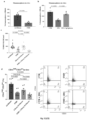
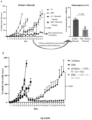
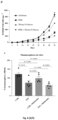
- cycles of FMD greatly reduces tumor progression and tumor size, associated with increased expression of Caspase3 ( Fig. 5c , d ).
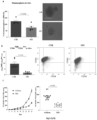
- FMD cycles decreased the number of ex vivo primary mammospheres, reducing their serial propagation, and the percentage of cells expressing aldehyde dehydrogenase 1 (ALDH1), an enzyme highly expressed in TNBC and associated with CSCs properties. ( Fig. 1a, b ).
- 2DG 2Deoxy D-Glucose
- OXPHOS mitochondrial oxidative phosphorylation
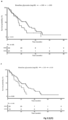
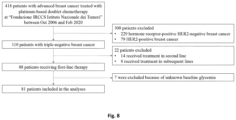
- EXAMPLE 2 Low baseline glycemia is associated with increased survival of patients with metastatic TNBC.
- KLF5 human kruppel-like factor 5
- GSK3 ⁇ glycogen synthase kinase-3 ⁇
- KLF5 can be considered a potential target for TNBC stem cells.
- PKA inhibition is reported to downregulate KLF5; in fact, when PKA is downregulated, GSK3 ⁇ phosphorylates KLF5 leading to its ubiquitination and degradation.
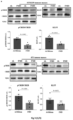
- PKA activity was measured by examining the phosphorylation level of CREB, a classical downstream substrate of PKA, and KLF5 expression in SUM159 and 4T1 tumor masses. Notably, both of them were down-regulated in tumor masses in both models of mice treated with FMD, suggesting a PKA pathway inhibition ( Fig. 3a ).
- H3K9 methyltranferase G9A which is implicated in the pathogenesis of several cancer types, including ovarian, lung, liver, breast and bladder cancers 19-22 .
- G9A-induced demethylation of H3K9 represses the expression of several tumor suppressor genes and adhesion molecules, promoting invasion and metastasis 23-25 .
- Both G9A and H3K9me2 levels were down-regulated by FMD in SUM159 and 4T1 tumor masses ( Fig. 3d ).
- FMD cycles in SUM159 tumor masses, also reduced the mRNA of KLF5 26 and G9A 27 stemness-associated genes NANOG and OCT4, and KLF2 and TBX3, which are regulated by the transcriptional activity of OCT4 ( Fig. 9b ).
- NANOG and OCT4 and KLF2 and TBX3, which are regulated by the transcriptional activity of OCT4 ( Fig. 9b ).
- FMD cycles cause TNBC regression and protect from the hyperglycemia induced by PI3K pathway inhibitors.
- TNBC progression is known to be CSCs dependent, differentiated cells contribution is also fundamental.
- fasting/FMD cycles alone were not effective in causing cancer free survival or long-term progression free survival, but only delayed tumor progression.
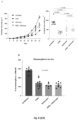
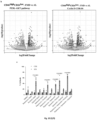
- RNA-seq analysis on SUM159 tumor masses was performed. The analysis revealed that FMD cycles increase the expression of pro-apoptotic molecules, including BIM and ASK1, a critical cellular stress sensor frequently activated by ROS, whose production was previously shown to be increased by the FMD 10 . RNA-seq analysis also indicated that FMD cycles up-regulate PI3K-AKT and mTOR signalling ( Fig. 4a , Fig. 10a), down-regulate CCNB-CDK1 while up-regulating CCND-CDK4/6 ( Fig. 4a , Fig. 10a). Interestingly, the activation of survival factors by FMD cycles occurred only in differentiated cells, but not in CSCs ( Fig. 10b ).
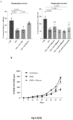
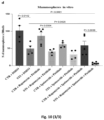
- SUM159 TNBC cells were grown in CTR (1 g/L glucose; 10% FBS) and in STS (0,5 g/L glucose; 1% FBS) media for a total of 48h, and at 24h were treated with vehicle or pictilisib, alpelisib, ipatasertib or rapamycin. This screening identified pictilisib as the most efficacious in inducing cancer cell death under STS conditions, while seems to not have any effect under CTR conditions ( Figure 10 ).
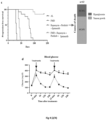
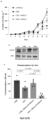
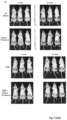
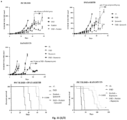
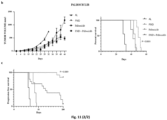
- Results obtained in mouse xenografts of SUM159 indicate that weekly cycles of FMD improves significantly the anti-tumor effect of each inhibitor leading to a significative increase in mice survival ( Fig. 4b , Fig. 11a ). However, the most potent results were obtained when combining all three drugs with FMD cycles.
- results herein obtained indicate that a treatment capable of depleting, or strongly reducing, TNBC CSCs, when tumors are in a less advanced stage, could strongly enhance the efficacy of subsequent treatments targeting both CSCs (such as the FMD) and more differentiated cancer cells (such as PI3K/AKT/mTORC1 inhibitors) in late-stage cancers.
- CSCs such as the FMD
- differentiated cancer cells such as PI3K/AKT/mTORC1 inhibitors
- FMD cycles allowed the use of RNA-seq data to identify druggable "starvation escape pathways” (SEPs) in differentiated cancer cells while reducing glucose levels, and consequently cancer stem cells number.
- SEPs druggable "starvation escape pathways”
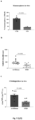
- these results also underline the "wild card” property of FMD cycles, which in addition to causing the activation of the druggable PI3K-AKT, mTOR, and CCND-CDK4/6 targets, reduced their ability to promote long-term hyperglycaemia and the side effects and deaths associated with it ( Fig. 4c, d ).
- FMD is safe and feasible when combined with standard anti-tumor therapies in cancer patients 14,36 and one clinical trial reported increased clinical and pathological efficacy of chemotherapy when administered to a group which included TNBC patients 36 .
- the present invention clearly demonstrates that FMD cycles can reveal druggable starvation escape pathways in different tumor type and these pathways can be targeted by FMD in combination with inhibitors of the PI3K/AKT/mTORC1 and CDK4/6 axes in TNBC patients.
Landscapes
- Health & Medical Sciences (AREA)
- Life Sciences & Earth Sciences (AREA)
- Chemical & Material Sciences (AREA)
- Medicinal Chemistry (AREA)
- General Health & Medical Sciences (AREA)
- Pharmacology & Pharmacy (AREA)
- Animal Behavior & Ethology (AREA)
- Public Health (AREA)
- Veterinary Medicine (AREA)
- Epidemiology (AREA)
- Engineering & Computer Science (AREA)
- Biomedical Technology (AREA)
- Immunology (AREA)
- Molecular Biology (AREA)
- Hematology (AREA)
- Urology & Nephrology (AREA)
- Organic Chemistry (AREA)
- General Chemical & Material Sciences (AREA)
- Chemical Kinetics & Catalysis (AREA)
- Nuclear Medicine, Radiotherapy & Molecular Imaging (AREA)
- Toxicology (AREA)
- Cell Biology (AREA)
- Biotechnology (AREA)
- Microbiology (AREA)
- Tropical Medicine & Parasitology (AREA)
- Bioinformatics & Cheminformatics (AREA)
- Food Science & Technology (AREA)
- Physics & Mathematics (AREA)
- Analytical Chemistry (AREA)
- Biochemistry (AREA)
- General Physics & Mathematics (AREA)
- Pathology (AREA)
- Pharmaceuticals Containing Other Organic And Inorganic Compounds (AREA)
Claims (10)
- Mindestens ein Zyklus reduzierten Kalorienkonsums und mindestens ein Anti-Krebsmittel zur Verwendung bei der Behandlung von Krebs, wobei der mindestens eine Zyklus reduzierten Kalorienkonsums höchstens 2100 kcal pro Tag bereitstellt und aus einem ersten Teil und einem zweiten Teil besteht, wobei der erste Teil einen normalen Kalorienkonsum aufweist, der um 30 % bis 70 % reduziert ist, und der zweite Teil einen normalen Kalorienkonsum aufweist, der um 40 bis 97 % reduziert ist,
und wobei das mindestens eine Anti-Krebsmittel der AKT-Inhibitor Ipatasertib ist. - Mindestens ein Zyklus reduzierten Kalorienkonsums und mindestens ein Anti-Krebsmittel zur Verwendung nach Anspruch 1, ferner mindestens ein zusätzliches Mittel umfassend, wobei das mindestens eine zusätzliche Mittel ein PI3K-Inhibitor oder ein mTOR-Inhibitor oder ein CDK4/6-Inhibitor ist.
- Mindestens ein Zyklus reduzierten Kalorienkonsums und mindestens ein Anti-Krebsmittel zur Verwendung nach Anspruch 2, wobei der PI3K-Inhibitor Pictisilib, Alpelisib, Paxalisib, Rigosertib, Dactolisib, MEN-1611, Pilaralisib, VT-30, ART-001, CHF-6523, CUDC-908, HEC-68498, SF-1126, WXFL-10030390, YZJ-0673, AL-58805, AUM-302 ist; der mTOR-Inhibitor Rapamycin, Everolimus, Temsirolimus, Onatasertib, Bimiralisib, Dactolisib, Monepantel, Sapanisertib, Vistusertib, CC-115, CERC-006, Detorsertib, FP-208 ist; der CDK4/6-Inhibitor Palbociclib, Abemaciclib, Ribociclib, Trilaciclib, Alvocidib, Ebvaciclib, Lerociclib, Milciclib, SHR-6390, AT-7519, AZD-4573, BEY-1107, BPI-1178, CT-7001, FCN-437c, FIT-039 ist.
- Mindestens ein Zyklus reduzierten Kalorienkonsums und mindestens ein Anti-Krebsmittel zur Verwendung nach den Ansprüchen 2 oder 3, wobei der AKT-Inhibitor Ipatasertib ist, der PI3K-Inhibitor Pictilisib oder Alpelisib ist, der mTOR-Inhibitor Rapamycin ist, der CDK4/6-Inhibitor Palbociclib ist.
- Mindestens ein reduzierter Kalorienkonsum und mindestens ein Anti-Krebsmittel zur Verwendung nach einem der vorhergehenden Ansprüche, umfassend Verabreichen einer Kombination von:- Ipatasertib und Rapamycin; oder- Ipatasertib und Pictilisib; oder- Ipatasertib und Alpelisib; oder- Ipatasertib und Rapamycin und Pictisilib; oder- Ipatasertib und Rapamycin und Alpelisib..
- Mindestens ein Zyklus reduzierten Kalorienkonsums und mindestens ein Anti-Krebsmittel zur Verwendung nach einem vorhergehender Ansprüchen, wobei der erste Teil und/oder der zweite Teil während einer Zeitspanne von 24 bis 190 Stunden andauert, bevorzugt der erste Teil und/oder der zweite Teil während einer Zeitspanne von 24 bis 120 Stunden andauert, der erste Teil und/oder der zweite Teil bevorzugt etwa 120 Stunden andauert.
- Mindestens ein Zyklus reduzierten Kalorienkonsums und mindestens ein Anti-Krebsmittel zur Verwendung nach einem vorhergehender Ansprüchen, wobei der mindestens eine Zyklus reduzierten Kalorienkonsums 1 bis 30 mal nach jeweiligen Zeitspannen von 5 bis 60 Tagen wiederholt wird.
- Mindestens ein Zyklus reduzierten Kalorienkonsums und mindestens ein Anti-Krebsmittel zur Verwendung nach einem vorhergehender Ansprüchen, umfassend Verabreichen eines weiteren therapeutischen Eingriffs, wobei der weitere therapeutische Eingriff bevorzugt aus der Gruppe ausgewählt wird bestehend aus: chirurgischem Eingriff, Radiotherapie und mindestens einem weiteren therapeutischen Mittel, wobei ferner das therapeutische Mittel bevorzugt ein weiterer AKT-Inhibitor, Hexokinase-Inhibitor, PI3K-Inhibitor, mTOR-Inhibitor oder CDK4/6-Inhibitor, ein Immun-Checkpoint-Inhibitor, ein Immunantwortanreger, ein Ziel-Anti-Krebsmittel, ein DNA-Schadenantwortinhibitor und/oder ein chemotherapeutisches Mittel ist, wobei bevorzugt der weitere Immun-Checkpoint-Inhibitor aus der Gruppe ausgewählt wird bestehend aus: PD1-Inhibitoren, PDL1-Inhibitoren, CTLA-4-Inhibitoren, TIGIT-Inhibitoren, ICOS-Inhibitoren, TIM3-Inhibitoren, IDOl-Inhibitoren; der Immunantwortanreger aus der Gruppe ausgewählt wird bestehend aus: OX40-Aktivatoren, GITR-Modulatoren, 4-1BB-Agonisten; das Ziel-Anti-Krebsmittelt aus der Gruppe ausgewählt wird bestehend aus: PI3K-Inhibitoren, HDAC-Inhibitoren, EGFR-Inhibitoren, BRAF-Inhibitoren, MAPK-Inhibitoren, CDK-Inhibitoren, ER-Stress-Aktivatoren; der DNA-Schadenantwortinhibitor aus der Gruppe ausgewählt wird bestehend aus: PARP-Inhibitoren, CHK1-Inhibitoren, ATR-Inhibitoren, Weel-Inhibitoren; das chemotherapeutische Mittel aus der Gruppe ausgewählt wird bestehend aus: Alkylierungsmitteln, Antimetaboliten, Anti-Mikrotubulusmitteln, Topoisomerase-Inhibitoren, cytotoxischen Antibiotika.
- Mindestens ein Zyklus reduzierten Kalorienkonsums und mindestens ein Anti-Krebsmittel zur Verwendung nach einem vorhergehender Ansprüche, wobei der Krebs ein solider oder hämatopoetischer Krebs ist, der Krebs bevorzugt aus der Gruppe ausgewählt wird bestehend aus: Brustkrebs, triple-negatiem Brustkrebs, Melanom, Lymphom, Lungenkrebs, nicht-kleinzelligem Lungenkrebs (NSCLC), Kopf- und Halskrebs, Gastroösophagealkrebs, Blasenkrebs und urothelialem Krebs, hepatozellulärem Karzinom und Nierenzellkarzinom.
- Mindestens ein Zyklus reduzierten Kalorienkonsums und mindestens ein Anti-Krebsmittel zur Verwendung nach einem vorhergehender Ansprüche, wobei der Krebs durch Resistenz oder teilweise Reaktion auf die Behandlung mit mindestens einem immuntherapeutischen Mittel oder Ani-Krebsmittel gekennzeichnet ist.
Priority Applications (2)
| Application Number | Priority Date | Filing Date | Title |
|---|---|---|---|
| EP21165778.8A EP4066823B1 (de) | 2021-03-30 | 2021-03-30 | Reduzierte kalorienaufnahme und antikrebsmittel zur behandlung von krebs |
| US17/707,496 US20220313694A1 (en) | 2021-03-30 | 2022-03-29 | Reduced caloric intake and anticancer agents for the treatment of cancer |
Applications Claiming Priority (1)
| Application Number | Priority Date | Filing Date | Title |
|---|---|---|---|
| EP21165778.8A EP4066823B1 (de) | 2021-03-30 | 2021-03-30 | Reduzierte kalorienaufnahme und antikrebsmittel zur behandlung von krebs |
Publications (3)
| Publication Number | Publication Date |
|---|---|
| EP4066823A1 EP4066823A1 (de) | 2022-10-05 |
| EP4066823B1 true EP4066823B1 (de) | 2025-04-30 |
| EP4066823C0 EP4066823C0 (de) | 2025-04-30 |
Family
ID=75302238
Family Applications (1)
| Application Number | Title | Priority Date | Filing Date |
|---|---|---|---|
| EP21165778.8A Active EP4066823B1 (de) | 2021-03-30 | 2021-03-30 | Reduzierte kalorienaufnahme und antikrebsmittel zur behandlung von krebs |
Country Status (2)
| Country | Link |
|---|---|
| US (1) | US20220313694A1 (de) |
| EP (1) | EP4066823B1 (de) |
Families Citing this family (4)
| Publication number | Priority date | Publication date | Assignee | Title |
|---|---|---|---|---|
| CA3102279A1 (en) | 2018-06-01 | 2019-12-05 | Cornell University | Combination therapy for pi3k-associated disease or disorder |
| WO2024044036A1 (en) * | 2022-08-23 | 2024-02-29 | University Of Southern California | Dietary compositions to extend longevity while maximizing strength and function |
| TW202541716A (zh) * | 2023-12-14 | 2025-11-01 | 美商艾爾 紐特拉公司 | 用於延長壽命、增強體力和機能的可食用產品及其食用和製造方法 |
| EP4599826A1 (de) * | 2024-02-06 | 2025-08-13 | IFOM - Istituto Fondazione di Oncologia Molecolare ETS | Leucin zur verwendung bei der behandlung von krebs |
Family Cites Families (3)
| Publication number | Priority date | Publication date | Assignee | Title |
|---|---|---|---|---|
| BR112012009423A2 (pt) | 2009-10-22 | 2017-06-13 | Univ Southern California | método de alívio de crescimento de cãncer ou de um simtoma de cãncer, método de sensibilização de ccâncer a fármacos quimioterápicos, método de sensibilização de câncer à radioterapia e pacote de refeição terapêutica para fornecer refeições para um paciente com cãncer que retarda crescimento de cãncer e intensifica a eficácia de fármacos quimioterápicos |
| JP6859567B2 (ja) * | 2014-03-06 | 2021-04-14 | ユニヴァーシティ オブ サザン カリフォルニアUniversity of Southern California | 従来の化学療法剤の効力および実行可能性を増強し、かつ正常な細胞および組織におけるキナーゼの副作用を逆転させるための、キナーゼ阻害剤と併用した短期間絶食レジメンの使用 |
| WO2020157048A1 (en) * | 2019-01-28 | 2020-08-06 | Valter Longo | Fasting mimicking diet and vitamin c for the treatment of cancer |
-
2021
- 2021-03-30 EP EP21165778.8A patent/EP4066823B1/de active Active
-
2022
- 2022-03-29 US US17/707,496 patent/US20220313694A1/en active Pending
Non-Patent Citations (1)
| Title |
|---|
| SALVADORI GIULIA ET AL: "Fasting-mimicking diet blocks triple-negative breast cancer and cancer stem cell escape", CELL METABOLISM, CELL PRESS, UNITED STATES, vol. 33, no. 11, 2 November 2021 (2021-11-02), pages 2247, XP086847790, ISSN: 1550-4131, [retrieved on 20211102], DOI: 10.1016/J.CMET.2021.10.008 * |
Also Published As
| Publication number | Publication date |
|---|---|
| US20220313694A1 (en) | 2022-10-06 |
| EP4066823C0 (de) | 2025-04-30 |
| EP4066823A1 (de) | 2022-10-05 |
Similar Documents
| Publication | Publication Date | Title |
|---|---|---|
| EP4066823B1 (de) | Reduzierte kalorienaufnahme und antikrebsmittel zur behandlung von krebs | |
| Salvadori et al. | Fasting-mimicking diet blocks triple-negative breast cancer and cancer stem cell escape | |
| Gregory et al. | ATM/G6PD-driven redox metabolism promotes FLT3 inhibitor resistance in acute myeloid leukemia | |
| Costa et al. | Human glioblastoma multiforme: p53 reactivation by a novel MDM2 inhibitor | |
| EP3493812B1 (de) | Kombinationen aus imetelstat und venetoclax zur behandlung der akuten myeloischen leukämie | |
| Bruno et al. | Metformin inhibits cell cycle progression of B-cell chronic lymphocytic leukemia cells | |
| EP3458033B1 (de) | Dreifach-arzneimittel-kombination (metformin, simvastatin, digoxin) zur gezielten behandlung von pankreaskrebs | |
| BR112013028095B1 (pt) | Uso de inibidores de csf-1r para o tratamento de tumores cerebrais | |
| EP3146978B1 (de) | Inhibition der krebsstammzellenproliferation | |
| Zhao et al. | Raltitrexed inhibits HepG2 cell proliferation via G0/G1 cell cycle arrest | |
| AU2021443620A1 (en) | Combination therapy by using akr1c3-activated compound with immune checkpoint inhibitor | |
| EP2963125A1 (de) | Verfahren zum testen einer mikro-rna, mittel zur behandlung von krebs und medizinische zusammensetzung damit für die krebstherapie | |
| Han et al. | Research progress on the therapeutic effect and mechanism of metformin for lung cancer | |
| Gutierrez et al. | Augmenting chemotherapy with low-dose decitabine through an immune-independent mechanism | |
| Li et al. | Natura-alpha targets forkhead box m1 and inhibits androgen-dependent and-independent prostate cancer growth and invasion | |
| Xie et al. | Abemaciclib drives the therapeutic differentiation of acute myeloid leukaemia stem cells | |
| JP7071272B2 (ja) | がん治療における抗エストロゲン剤有効性の増強のための擬絶食の使用 | |
| CN109789155B (zh) | 含有地西他滨、5-氮杂胞苷和四氢尿苷的组合物以及其用途 | |
| Guo et al. | Remodeling the immune microenvironment for gastric cancer therapy through antagonism of prostaglandin E2 receptor 4 | |
| US20220151976A1 (en) | Targeting lasp1, eif4a1, eif4b and cxc4 with modulators and combinations thereof for cancer therapy | |
| WO2015171652A1 (en) | Metabolic biomarker for diagnosis and treatment of metastatic prostate cancer | |
| US11045473B2 (en) | Compositions and methods for therapy of prostate cancer using drug combinations to target polyamine biosynthesis and related pathways | |
| Zavarzadeh et al. | Feature Selection and mRNA-miRNA bipartite Network Analysis for Biomarker Development and Drug Repurposing in Colon Cancer | |
| TW202241455A (zh) | 使用akr1c3活化化合物與免疫檢查點抑制劑之組合療法 | |
| JP7414230B2 (ja) | 抗血液悪性腫瘍薬 |
Legal Events
| Date | Code | Title | Description |
|---|---|---|---|
| PUAI | Public reference made under article 153(3) epc to a published international application that has entered the european phase |
Free format text: ORIGINAL CODE: 0009012 |
|
| STAA | Information on the status of an ep patent application or granted ep patent |
Free format text: STATUS: THE APPLICATION HAS BEEN PUBLISHED |
|
| AK | Designated contracting states |
Kind code of ref document: A1 Designated state(s): AL AT BE BG CH CY CZ DE DK EE ES FI FR GB GR HR HU IE IS IT LI LT LU LV MC MK MT NL NO PL PT RO RS SE SI SK SM TR |
|
| STAA | Information on the status of an ep patent application or granted ep patent |
Free format text: STATUS: REQUEST FOR EXAMINATION WAS MADE |
|
| 17P | Request for examination filed |
Effective date: 20230404 |
|
| RBV | Designated contracting states (corrected) |
Designated state(s): AL AT BE BG CH CY CZ DE DK EE ES FI FR GB GR HR HU IE IS IT LI LT LU LV MC MK MT NL NO PL PT RO RS SE SI SK SM TR |
|
| P01 | Opt-out of the competence of the unified patent court (upc) registered |
Effective date: 20230530 |
|
| STAA | Information on the status of an ep patent application or granted ep patent |
Free format text: STATUS: EXAMINATION IS IN PROGRESS |
|
| 17Q | First examination report despatched |
Effective date: 20230904 |
|
| GRAP | Despatch of communication of intention to grant a patent |
Free format text: ORIGINAL CODE: EPIDOSNIGR1 |
|
| STAA | Information on the status of an ep patent application or granted ep patent |
Free format text: STATUS: GRANT OF PATENT IS INTENDED |
|
| INTG | Intention to grant announced |
Effective date: 20241111 |
|
| GRAS | Grant fee paid |
Free format text: ORIGINAL CODE: EPIDOSNIGR3 |
|
| GRAA | (expected) grant |
Free format text: ORIGINAL CODE: 0009210 |
|
| STAA | Information on the status of an ep patent application or granted ep patent |
Free format text: STATUS: THE PATENT HAS BEEN GRANTED |
|
| RAP3 | Party data changed (applicant data changed or rights of an application transferred) |
Owner name: IFOM - ISTITUTO FONDAZIONE DI ONCOLOGIAMOLECOLARE ETS |
|
| AK | Designated contracting states |
Kind code of ref document: B1 Designated state(s): AL AT BE BG CH CY CZ DE DK EE ES FI FR GB GR HR HU IE IS IT LI LT LU LV MC MK MT NL NO PL PT RO RS SE SI SK SM TR |
|
| REG | Reference to a national code |
Ref country code: CH Ref legal event code: EP Ref country code: GB Ref legal event code: FG4D |
|
| REG | Reference to a national code |
Ref country code: IE Ref legal event code: FG4D |
|
| REG | Reference to a national code |
Ref country code: DE Ref legal event code: R096 Ref document number: 602021029869 Country of ref document: DE |
|
| P04 | Withdrawal of opt-out of the competence of the unified patent court (upc) registered |
Free format text: CASE NUMBER: APP_23854/2025 Effective date: 20250519 |
|
| U01 | Request for unitary effect filed |
Effective date: 20250516 |
|
| U07 | Unitary effect registered |
Designated state(s): AT BE BG DE DK EE FI FR IT LT LU LV MT NL PT RO SE SI Effective date: 20250522 |
|
| PG25 | Lapsed in a contracting state [announced via postgrant information from national office to epo] |
Ref country code: ES Free format text: LAPSE BECAUSE OF FAILURE TO SUBMIT A TRANSLATION OF THE DESCRIPTION OR TO PAY THE FEE WITHIN THE PRESCRIBED TIME-LIMIT Effective date: 20250430 |
|
| PG25 | Lapsed in a contracting state [announced via postgrant information from national office to epo] |
Ref country code: NO Free format text: LAPSE BECAUSE OF FAILURE TO SUBMIT A TRANSLATION OF THE DESCRIPTION OR TO PAY THE FEE WITHIN THE PRESCRIBED TIME-LIMIT Effective date: 20250730 Ref country code: GR Free format text: LAPSE BECAUSE OF FAILURE TO SUBMIT A TRANSLATION OF THE DESCRIPTION OR TO PAY THE FEE WITHIN THE PRESCRIBED TIME-LIMIT Effective date: 20250731 |
|
| PG25 | Lapsed in a contracting state [announced via postgrant information from national office to epo] |
Ref country code: PL Free format text: LAPSE BECAUSE OF FAILURE TO SUBMIT A TRANSLATION OF THE DESCRIPTION OR TO PAY THE FEE WITHIN THE PRESCRIBED TIME-LIMIT Effective date: 20250430 |
|
| PG25 | Lapsed in a contracting state [announced via postgrant information from national office to epo] |
Ref country code: HR Free format text: LAPSE BECAUSE OF FAILURE TO SUBMIT A TRANSLATION OF THE DESCRIPTION OR TO PAY THE FEE WITHIN THE PRESCRIBED TIME-LIMIT Effective date: 20250430 |
|
| PG25 | Lapsed in a contracting state [announced via postgrant information from national office to epo] |
Ref country code: RS Free format text: LAPSE BECAUSE OF FAILURE TO SUBMIT A TRANSLATION OF THE DESCRIPTION OR TO PAY THE FEE WITHIN THE PRESCRIBED TIME-LIMIT Effective date: 20250731 |
|
| PG25 | Lapsed in a contracting state [announced via postgrant information from national office to epo] |
Ref country code: IS Free format text: LAPSE BECAUSE OF FAILURE TO SUBMIT A TRANSLATION OF THE DESCRIPTION OR TO PAY THE FEE WITHIN THE PRESCRIBED TIME-LIMIT Effective date: 20250830 |
|
| PG25 | Lapsed in a contracting state [announced via postgrant information from national office to epo] |
Ref country code: SM Free format text: LAPSE BECAUSE OF FAILURE TO SUBMIT A TRANSLATION OF THE DESCRIPTION OR TO PAY THE FEE WITHIN THE PRESCRIBED TIME-LIMIT Effective date: 20250430 |
|
| PG25 | Lapsed in a contracting state [announced via postgrant information from national office to epo] |
Ref country code: CZ Free format text: LAPSE BECAUSE OF FAILURE TO SUBMIT A TRANSLATION OF THE DESCRIPTION OR TO PAY THE FEE WITHIN THE PRESCRIBED TIME-LIMIT Effective date: 20250430 |
|
| PG25 | Lapsed in a contracting state [announced via postgrant information from national office to epo] |
Ref country code: SK Free format text: LAPSE BECAUSE OF FAILURE TO SUBMIT A TRANSLATION OF THE DESCRIPTION OR TO PAY THE FEE WITHIN THE PRESCRIBED TIME-LIMIT Effective date: 20250430 |
|
| PLBE | No opposition filed within time limit |
Free format text: ORIGINAL CODE: 0009261 |
|
| STAA | Information on the status of an ep patent application or granted ep patent |
Free format text: STATUS: NO OPPOSITION FILED WITHIN TIME LIMIT |
|
| REG | Reference to a national code |
Ref country code: CH Ref legal event code: L10 Free format text: ST27 STATUS EVENT CODE: U-0-0-L10-L00 (AS PROVIDED BY THE NATIONAL OFFICE) Effective date: 20260311 |
|
| 26N | No opposition filed |
Effective date: 20260202 |
|
| U20 | Renewal fee for the european patent with unitary effect paid |
Year of fee payment: 6 Effective date: 20260304 |
|
| U1O | Appointed representative for the unitary patent procedure deleted after the registration of the unitary effect |