EP4090157B1 - Vorrichtungen und verfahren zur hochstabilen superkühlung von wässrigen medien und biologischen materialien - Google Patents
Vorrichtungen und verfahren zur hochstabilen superkühlung von wässrigen medien und biologischen materialien Download PDFInfo
- Publication number
- EP4090157B1 EP4090157B1 EP21741918.3A EP21741918A EP4090157B1 EP 4090157 B1 EP4090157 B1 EP 4090157B1 EP 21741918 A EP21741918 A EP 21741918A EP 4090157 B1 EP4090157 B1 EP 4090157B1
- Authority
- EP
- European Patent Office
- Prior art keywords
- ice
- pressure
- container
- nucleation
- implement
- Prior art date
- Legal status (The legal status is an assumption and is not a legal conclusion. Google has not performed a legal analysis and makes no representation as to the accuracy of the status listed.)
- Active
Links
Images





Classifications
-
- A—HUMAN NECESSITIES
- A01—AGRICULTURE; FORESTRY; ANIMAL HUSBANDRY; HUNTING; TRAPPING; FISHING
- A01N—PRESERVATION OF BODIES OF HUMANS OR ANIMALS OR PLANTS OR PARTS THEREOF; BIOCIDES, e.g. AS DISINFECTANTS, AS PESTICIDES OR AS HERBICIDES; PEST REPELLANTS OR ATTRACTANTS; PLANT GROWTH REGULATORS
- A01N1/00—Preservation of bodies of humans or animals, or parts thereof
- A01N1/10—Preservation of living parts
- A01N1/14—Mechanical aspects of preservation; Apparatus or containers therefor
- A01N1/142—Apparatus
-
- F—MECHANICAL ENGINEERING; LIGHTING; HEATING; WEAPONS; BLASTING
- F25—REFRIGERATION OR COOLING; COMBINED HEATING AND REFRIGERATION SYSTEMS; HEAT PUMP SYSTEMS; MANUFACTURE OR STORAGE OF ICE; LIQUEFACTION SOLIDIFICATION OF GASES
- F25D—REFRIGERATORS; COLD ROOMS; ICE-BOXES; COOLING OR FREEZING APPARATUS NOT OTHERWISE PROVIDED FOR
- F25D3/00—Devices using other cold materials; Devices using cold-storage bodies
- F25D3/02—Devices using other cold materials; Devices using cold-storage bodies using ice, e.g. ice-boxes
- F25D3/06—Movable containers
- F25D3/08—Movable containers portable, i.e. adapted to be carried personally
-
- A—HUMAN NECESSITIES
- A01—AGRICULTURE; FORESTRY; ANIMAL HUSBANDRY; HUNTING; TRAPPING; FISHING
- A01N—PRESERVATION OF BODIES OF HUMANS OR ANIMALS OR PLANTS OR PARTS THEREOF; BIOCIDES, e.g. AS DISINFECTANTS, AS PESTICIDES OR AS HERBICIDES; PEST REPELLANTS OR ATTRACTANTS; PLANT GROWTH REGULATORS
- A01N1/00—Preservation of bodies of humans or animals, or parts thereof
- A01N1/10—Preservation of living parts
- A01N1/16—Physical preservation processes
- A01N1/162—Temperature processes, e.g. following predefined temperature changes over time
-
- A—HUMAN NECESSITIES
- A01—AGRICULTURE; FORESTRY; ANIMAL HUSBANDRY; HUNTING; TRAPPING; FISHING
- A01N—PRESERVATION OF BODIES OF HUMANS OR ANIMALS OR PLANTS OR PARTS THEREOF; BIOCIDES, e.g. AS DISINFECTANTS, AS PESTICIDES OR AS HERBICIDES; PEST REPELLANTS OR ATTRACTANTS; PLANT GROWTH REGULATORS
- A01N1/00—Preservation of bodies of humans or animals, or parts thereof
- A01N1/10—Preservation of living parts
- A01N1/16—Physical preservation processes
- A01N1/165—Pressure processes, e.g. following predefined pressure changes over time
-
- A—HUMAN NECESSITIES
- A23—FOODS OR FOODSTUFFS; TREATMENT THEREOF, NOT COVERED BY OTHER CLASSES
- A23B—PRESERVATION OF FOODS, FOODSTUFFS OR NON-ALCOHOLIC BEVERAGES; CHEMICAL RIPENING OF FRUIT OR VEGETABLES
- A23B2/00—Preservation of foods or foodstuffs, in general
- A23B2/80—Freezing; Subsequent thawing; Cooling
- A23B2/803—Materials being transported through or in the apparatus, with or without shaping, e.g. in the form of powders, granules or flakes
- A23B2/8033—Materials being transported through or in the apparatus, with or without shaping, e.g. in the form of powders, granules or flakes with packages or with shaping in the form of blocks or portions
-
- F—MECHANICAL ENGINEERING; LIGHTING; HEATING; WEAPONS; BLASTING
- F25—REFRIGERATION OR COOLING; COMBINED HEATING AND REFRIGERATION SYSTEMS; HEAT PUMP SYSTEMS; MANUFACTURE OR STORAGE OF ICE; LIQUEFACTION SOLIDIFICATION OF GASES
- F25D—REFRIGERATORS; COLD ROOMS; ICE-BOXES; COOLING OR FREEZING APPARATUS NOT OTHERWISE PROVIDED FOR
- F25D2303/00—Details of devices using other cold materials; Details of devices using cold-storage bodies
- F25D2303/08—Devices using cold storage material, i.e. ice or other freezable liquid
- F25D2303/084—Position of the cold storage material in relationship to a product to be cooled
-
- F—MECHANICAL ENGINEERING; LIGHTING; HEATING; WEAPONS; BLASTING
- F25—REFRIGERATION OR COOLING; COMBINED HEATING AND REFRIGERATION SYSTEMS; HEAT PUMP SYSTEMS; MANUFACTURE OR STORAGE OF ICE; LIQUEFACTION SOLIDIFICATION OF GASES
- F25D—REFRIGERATORS; COLD ROOMS; ICE-BOXES; COOLING OR FREEZING APPARATUS NOT OTHERWISE PROVIDED FOR
- F25D2331/00—Details or arrangements of other cooling or freezing apparatus not provided for in other groups of this subclass
- F25D2331/80—Type of cooled receptacles
- F25D2331/801—Bags
- F25D2331/8014—Bags for medical use
-
- F—MECHANICAL ENGINEERING; LIGHTING; HEATING; WEAPONS; BLASTING
- F25—REFRIGERATION OR COOLING; COMBINED HEATING AND REFRIGERATION SYSTEMS; HEAT PUMP SYSTEMS; MANUFACTURE OR STORAGE OF ICE; LIQUEFACTION SOLIDIFICATION OF GASES
- F25D—REFRIGERATORS; COLD ROOMS; ICE-BOXES; COOLING OR FREEZING APPARATUS NOT OTHERWISE PROVIDED FOR
- F25D2700/00—Means for sensing or measuring; Sensors therefor
-
- Y—GENERAL TAGGING OF NEW TECHNOLOGICAL DEVELOPMENTS; GENERAL TAGGING OF CROSS-SECTIONAL TECHNOLOGIES SPANNING OVER SEVERAL SECTIONS OF THE IPC; TECHNICAL SUBJECTS COVERED BY FORMER USPC CROSS-REFERENCE ART COLLECTIONS [XRACs] AND DIGESTS
- Y02—TECHNOLOGIES OR APPLICATIONS FOR MITIGATION OR ADAPTATION AGAINST CLIMATE CHANGE
- Y02E—REDUCTION OF GREENHOUSE GAS [GHG] EMISSIONS, RELATED TO ENERGY GENERATION, TRANSMISSION OR DISTRIBUTION
- Y02E60/00—Enabling technologies; Technologies with a potential or indirect contribution to GHG emissions mitigation
- Y02E60/14—Thermal energy storage
Definitions
- the present invention relates to methods and devices for supercooling of aqueous solutions or suspensions containing biological matter therein under isochoric conditions.
- a liquid such as water is considered to be thermodynamically "supercooled” when it is brought to a temperature beneath its equilibrium freezing point but remains in a liquid state.
- This process is extremely useful in the medical field, enabling long-term preservation of sensitive biological materials such as tissues and organs by reducing their temperature and arresting their metabolism while simultaneously protecting them from damaging ice formation.
- supercooling is a thermodynamically metastable process; a liquid in a supercooled state may destabilize and convert to its solid state (e.g. it may freeze) upon even mild agitation of the system, or due to spontaneous processes [1].
- supercooling techniques are currently limited to use in extremely controlled and stationary laboratory environments. New methods and devices for enhancing the stability of supercooling are required in order to make supercooled systems transportable, reliable for long term storage, and clinically relevant.
- Disruption of the metastable supercooled state and the ensuing ice nucleation can be caused by a variety of factors, including mechanical or vibrational stimulation [2], ultrasonic stimulation [3-5], random thermal microscopic density fluctuations [6], fluid-fluid interface instabilities, heterogeneous interaction with solid surfaces or gaseous interfaces [6,7], and cavitation of gas bubbles within the liquid [4,8,9].
- the inventors present methods and devices based on newly realized thermodynamic, kinetic, and fluid dynamic phenomena to dramatically enhance the long term stability of supercooled systems exposed to a wide variety of external agitations, including vibration, acute impact, ultrasonication, and thermal fluctuation.
- the authors describe how these methods and devices can be used for the fail-safe, transportable, and long term clinical-grade preservation of sensitive biological matter such as organic molecules, tissues, organs and organisms.
- these methods are described principally in the context of preservation of biological matter such as organic molecules, tissues, organs and organisms, they are equally relevant to all contexts requiring stable and predictable supercooling, including various metallurgical processes [10,11], semiconductor processing [12], cold storage of food products [13], etc.
- Preciado and Rubinsky disclose a pressure vessel designed to validate that isochoric (constant-volume) preservation automatically minimizes the pressure of a given temperature.
- the vessel is used, e.g., to examine the effect of an isochoric environment on freezing point nucleation in an aqueous antifreeze protein solution and to generate pressure-temperature phase diagrams for various cryoprotectant solutions.
- the vessel chamber was instrumented with a pressure transducer to continuously measure the internal pressure of the chamber, and two thermistors were provided to evaluate the inner temperature of the chamber.
- the vessel was cooled to -20 °C using a cold bath while monitoring temperature and pressure. The beginning of a pressure rise was used to determine the time point of nucleation. Once the pressure began to rise, the vessel was removed from the cold bath and thawed under warm water.
- the present invention is defined by the appended claims.
- the invention provides methods and devices for the high-stability supercooling of aqueous solutions or suspensions, and the preservation of biological matter therein
- Provided are methods and devices as defined in the appended claims for maintaining long term high-stability and transportable thermodynamic supercooling of an aqueous medium in a constant-volume (isochoric) system, in which biological materials may be stored at temperatures beneath the equilibrium freezing point of the medium without ice formation.
- the invention provides a method of inducing high-stability and optionally transportable supercooling, the method comprising:
- the invention provides a device for inducing high-stability and optionally transportable supercooling of aqueous media, the device comprising:
- the aqueous medium within the container may optionally be water or an aqueous solution containing organic molecules or chemical cryoprotectants.
- the biological materials may optionally be human or non-human cells, molecules, multicellular constructs, tissues, organs, or full organisms.
- the container may be optionally made of metal ceramic, or any other rigid material. Isochoric storage methods and devices can be used to enhance the long term supercooling stability and the ability to withstand system perturbations.
- a key element in this invention is the realization that because pressure changes with the formation of a first ice nucleus, the isochoric container features intrinsic real-time ice nucleation detection capabilities that can be used to ensure continued stability of the supercooled medium in the presence of an ice nucleation event. Nucleation detection is achieved by incorporating or connecting a means to monitor pressure such as a digital or analogue pressure transducer or gauge or an electrical resistance source into the container. We have found that under principally-air-free isochoric supercooling an ice nucleation event results in an increase in the hydrostatic pressure, unlike in other supercooling systems.
- Such a pressure increase will propagate through the system as a sound wave, and is thus detectable at the speed of sound in water (approximately 1500 m/s), and can be used to detect an ice nucleation event in real time.
- This high-speed real-time detection of nucleation is not possible when detecting nucleation using temperature monitoring, as heat diffuses through water at a much slower characteristic rate (approximately 10 -8 m/s).
- the container further features on-board or off-board means to deliver energy to the supercooled fluid to cause the dissolution or melting of a growing or stable ice nucleus or crystal.
- a heater may be used to melt any ice that may form and reset the state of supercooling, ensuring total safety of the preserved biologic. Compared to other supercooling conditions, ice forms much more slowly under air-free isochoric conditions due to reduced thermodynamic driving forces. The combination of slow ice formation and real-time nucleation detection enables rapid elimination of ice crystals via immediate controlled heating. Power for the heating may be supplied by an on-board or off-board power supply or battery.
- the container features on-board or off-board control capabilities, which may employ a microprocessor, computer, or other programmable processing device to monitor the pressure reading from the pressure transducer and activate the energy delivery module (heating) should the pressure reading surpass a given threshold value.
- the controller will continuously monitor the pressure and turn off the energy delivery module (heating) when the pressure returns to beneath the threshold value, or another value as deemed appropriate, indicating that all or most ice has melted and that the state of stable supercooling may be resumed. This ensures that the temperature in the system is elevated only to just above the melting point of the medium and the stored biologic remains cold. The container is then allowed to return to the desired preservation temperature and supercooling is resumed. This control capability ensures total safety of the preserved biologic, even if the supercooled system should become briefly unstable.
- the supercooled media destabilizes and ice begins to form for any reason, it may be allowed to grow and preservation may be continued with or without interruption.
- the container may be cooled by immersion in an external cooling bath or by on-board cooling, and the cooling process may also be optionally controlled by the programmable processing device mentioned previously. Cooling of the container may be provided by cooled liquid, gas or vapor, by refrigeration, by phase-change material, by thermoelectric or peltier cooler, by stirling cooler, or by any arbitrary cooling mechanism.
- the container may feature additional measures to protect the aqueous medium from cavitation caused by vibrations, which can cause unwanted ice nucleation. These vibrations may be encountered during flight, ground-transport, or general use.
- Protective measures may include a sleeve, coating, mount, or other external feature made of a vibration-reducing material such as neoprene or other rubbers, or may include springs or other mechanical features for vibration reduction.
- the container may feature additional measures to protect the supercooled medium from temperature changes, which may destabilize the system and cause nucleation, or which may negatively affect the stored biologic.
- measures may optionally include a thermally insulating sheath, sleeve, or coating; a surrounding phase-change material; a vacuum-insulated panel, material, or chamber; or a secondary container or apparatus of any kind intended to thermally insulate the primary container.
- the container may feature additional measures to further protect against heterogeneous nucleation at internal liquid-solid interfaces, including hydrophobic or superhydrophobic surfaces or surface coatings, including but not limited to polytetrafluoroethylene-based and perfluorocarbon-based substances.
- the aqueous medium employed may optionally feature chemical cryoprotectants to modulate the range of temperatures in which the system is supercooled or an increase in the degree and stability of supercooling at a given preservation temperature, such as dimethyl sulfoxide, ethylene glycol, polyethylene glycol, 3-OMG, glycerol, antifreeze proteins etc.
- the aqueous medium may also include any other solute or combinations of solutes which reduce the freezing point of the solution, such as trehalose, glucose, fructose, mannitol, betaine, glycine, etc.
- the container, housing a supercooled media and/or preserved biologic may be stored at any temperature between 0°C and -273°C, including -1°C, -2°C, -3°C, -4°C, -5°C, -6°C, -7 - -20°C, .... -273 °C.
- the container may also be cooled at any arbitrary rate, including ⁇ 1°C per minute, ⁇ 5°C per minute, ⁇ 10°C per minutes, ⁇ 20°C per minute, ⁇ 50°C per minute, owing ⁇ 1000 °C per minute, etc.
- the stored biologic may be preserved within the container for any length of time, including but not limited to 6 hours, 8 hours, 12 hours, 18 hours, 24 hours, 2 days, 3 days, 4 days, 5 days, 6 days, 7 days, 2 weeks, 3 weeks, 1 month, 2 months, 3 months, 6 months, 1 year, 2 years, 3 years, 5 years, 10 years, 20 years.
- the container may store biologics of any type or scale, including organic molecules, cells, blood, bone marrow, blood vessels, pancreatic islets, reproductive tissues, skin, etc. It may store full organs such as hearts, livers, kidneys, lungs, pancreases, spleens, etc.; other biologics such as eyes, full or partial limbs, fingers or toes, etc.; engineered tissues such as 3D microtissue constructs, liver-on-a-chip constructs, lung-on-a-chip constructs, heart-on-a-chip constructs, etc.; full organisms such as zebrafish, coral, nematodes, or other marine or land-dwelling animals; and foodstuffs such as cherries, berries, potatoes, tomatoes, fish, beef, etc.
- biologics of any type or scale including organic molecules, cells, blood, bone marrow, blood vessels, pancreatic islets, reproductive tissues, skin, etc. It may store full organs such as hearts, livers, kidneys, lungs, pancreases,
- the container may be made of any rigid material, including metals such as steel and alloys thereof, aluminum and alloys thereof, titanium and alloys thereof, copper and alloys thereof, etc.; ceramic materials; plastics such as acrylic, polyvinyl chloride, polymethylmethacrylate, polyurethane, etc.; composites such as carbon fiber reinforced polymers (CFRP) or glass fiber reinforced polymers (GFRP); or any combination thereof.
- This material may be subjected to one or multiple surface treatments, such as anodizing, nickel-plating, zinc-plating, etc., for the purposes of preventing corrosion, preventing heterogeneous ice nucleation, maintaining biocompatibility, etc.
- the container may be made air-tight by a sealing mechanism, including rubber o-rings, spring energized o-rings, metal-on-metal contact, rubber gaskets, metal gaskets, etc.
- the closure of the container may make use of a threaded cap, a threaded plug, a clamped lid, a bolted lid, a mechanically-retained plate or plug, etc.
- preserved biologics may optionally also be stored in a secondary container, such as a bag, balloon, covered vial or tube, or other vessel with at least one flexible surface capable of transmitting hydrostatic pressure from its surroundings to its internal contents.
- This secondary container may also be filled with an aqueous solution, be completely or mostly free of air, and sealed. This secondary containment will protect the biologics from osmotic damage in the event that ice forms in the principal supercooled media (for however brief or long a period).
- Biologics preserved within the container may also optionally be coated with or immersed in a cross-linked hydrogel, such as sodium alginate or hyaluronic acid cross-linked with calcium or other ionic, oxidative, or covalent cross-linkers.
- a cross-linked hydrogel such as sodium alginate or hyaluronic acid cross-linked with calcium or other ionic, oxidative, or covalent cross-linkers.
- This cross-linked gel will protect the biologics from potential osmotic damage during stable supercooling or during periods of ice nucleation.
- This hydrogel may be impregnated with an organ preservation solution or any other manner of aqueous solution in the interest of maintaining osmotic balance, delivering drugs, enhancing anti-freezing effects, etc.
- the solution within the container may optionally be seawater, and the preserved biologics may optionally be marine organisms or matter. These biologics may optionally be collected directly from the ocean.
- the invention is also useful for providing aqueous environments that remain liquid at sub-zero centigrade temperatures, and thus may be used to facilitate temperature-controlled chemical reactions, polymerization, gelation, or other thermal or chemical processes.
- thermodynamic stability is a metastable thermodynamic state, in which a substance remains liquid at temperatures beneath its freezing point due to a lack of sufficient kinetic stimuli. Upon even slight agitations, a supercooled system can instantaneously and destructively freeze, returning to thermodynamic equilibrium and destroying any preserved biologics. This can also happen randomly after sufficiently long periods of preservation, because the probability for ice nucleation is a function of time.
- supercooling preservation protocols that are practicable outside a highly controlled laboratory environment, long term, transportable, and clinically convenient, new methods but be sought to enhance the stability of supercooled systems.
- Nucleation of a stable ice phase from supercooled (metastable) water occurs when a perturbation within the system proves sufficiently large to drive the free energy of a cluster of liquid molecules over the nucleation barrier [6].
- Such perturbations can stem from the constant random microscopic fluctuations undergone by any system with finite temperature, or from micro- or macroscopic mechanical or thermal agitation [2,3,19].
- a supercooling-based preservation technique to become practical or clinically relevant, it must maintain stability not only when experiencing microscopic fluctuations, but also when experiencing the macroscopic agitations that characterize practical use and mobility, including, long term preservation, motion, macroscopic vibration, impact with rigid surfaces, temperature swings, etc.
- Isochoric (constant-volume) systems by their very definition, do not microscopically fluctuate in density [20] ( Fig. 1B , left), and restrict bulk motion of the contained liquid. Furthermore, we have shown that both the process of ice nucleation and growth and the fundamental water-ice phase equilibria are different under isochoric conditions: As seen by comparing the T-P and T-V phase diagrams for pure water ( Fig. 1A /B, right), nucleation at constant pressure yields complete freezing, while nucleation at constant volume yields only partial freezing, resulting in a two-phase water-ice equilibrium.
- thermodynamic, kinetic, and fluid-dynamic considerations demonstrate that isochoric conditions augment supercooling through myriad different yet complementary means, the combination of which provides a level of stability and protection against ice nucleation that is both unprecedented and unclaimed in other technologies. Based on these considerations, which are further clarified in Examples to follow, we claim that the methods and devices described in this disclosure, which universally employ isochoric conditions, can be used to yield enhanced supercooling stability.
- the invention provides methods and devices as defined by the appended claims for maintaining long term high-stability and optionally transportable thermodynamic supercooling of aqueous media in a constant-volume (isochoric) system, in which biological materials may be stored at temperatures beneath the equilibrium freezing point of the media without ice formation.
- the rigid container indicated may be constructed of any rigid material, such as a metal or metallic alloy, glass, ceramic, polymer, plastic, hard rubber, composite material, or any combination thereof.
- the rigid container may also be constructed in any arbitrary geometry, including cylindrical, spherical, rectilinear, and any combination thereof.
- the air-tight closure may be constructed using any arbitrary sealing or retention mechanism, such as an o-ring or gasket-based seal, metal-on-metal contact seal, threaded seal, etc.
- the invention is optimally suited for the preservation of biological matter, which is achieved by: placing aqueous media and biologic(s) in a rigid container: removing all or most bulk gas phase from the container; sealing the container with an air-tight closure, thus inducing isochoric conditions; preventing cavitation, fluid-fluid interface effects and instabilities, bulk motion of the media, or density fluctuations by inducing isochoric conditions; preventing ice nucleation by preventing cavitation, fluid-fluid interface effects and instabilities, bulk motion of the media, or density fluctuations.
- the aqueous media within the container may optionally be water or an aqueous solution containing organic molecules or chemical cryoprotectants.
- the preserved biologics may optionally be human or non-human cells, multicellular constructs, tissues, organs, or full organisms. Isochoric storage methods and devices can be used to enhance the long term preservation and supercooling stability and the ability to withstand system perturbations.
- any number of sensing and control implements may be incorporated into an isochoric supercooling device.
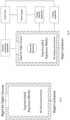
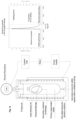
- Figure 3 depicts schematically one preferred embodiment of the device in which pressure monitoring capabilities, active control capabilities, energy delivery capabilities, and cooling capabilities are incorporated.
- isochoric containers feature intrinsic real-time ice nucleation detection capabilities that can be used to ensure continued stability of the supercooled media. Nucleation detection is achieved by incorporating or connecting a means to monitor pressure, such as a digital or analogue pressure transducer or gauge or an electrical resistance source, into, onto, or in communication with the container.
- a means to monitor pressure such as a digital or analogue pressure transducer or gauge or an electrical resistance source
- Such a pressure increase will propagate through the system as a sound wave, and is thus detectable at the speed of sound in water (approximately 1500 m/s), enabling real-time detection of nucleation events.
- This high-speed real-time detection of nucleation is not possible when attempting to detect nucleation using temperature monitoring, as heat diffuses through water at a much slower characteristic rate (approximately 10 ⁇ -8 m/s), and can be used not only to monitor stability but also to trigger various re-stabilizing actions, such as controlled melting of emerging ice crystals.
- the container further features on-board or off-board means to deliver energy to the supercooled fluid to cause the dissolution or melting of a growing or stable ice nucleus or crystal.
- a heater situated within or external to the container may be used to melt any ice that may form and reset the state of supercooling, ensuring total safety of the preserved biologic. Compared to other supercooling conditions, ice forms much more slowly under air-free isochoric conditions due to reduced thermodynamic driving forces. The combination of slow ice formation and real-time nucleation detection enables rapid elimination of ice crystals via immediate controlled heating. Power for the heating may be supplied by an on-board or off-board power supply or battery. Means used to provide the energy required for melting or dissolution of the ice phase are described in the claims and include joule heating, inductive heating, ultrasonic heating, electromagnetic heating, etc.
- the container features on-board or off-board control capabilities, which may in preferred embodiments employ a microprocessor, computer, or other programmable processing device to monitor the pressure reading from the pressure transducer and activate the energy delivery module (heating) should the pressure reading surpass a given threshold value.
- the controller continuously monitors the pressure and turn off the energy delivery module (heating) when the pressure returns to beneath the threshold value, or another value as deemed appropriate, indicating that all or most ice has melted and that the state of stable supercooling may be resumed. This ensures that the temperature in the system is elevated only to just above the freezing point of the medium and the stored biologic remains cold and preserved. The container is then allowed to return to the desired preservation temperature and supercooling is resumed.
- This control capability ensures total safety of the preserved biologic, even if the supercooled system should become briefly unstable, and is unique to isochoric systems and unprecedented in the field of supercooling.
- the supercooled media destabilizes and ice begins to form for any reason, it may be also be allowed to grow and preservation may be continued with or without interruption.
- Isochoric conditions offer an additional layer of protection for biologics in the case of destabilization, because only part of the system will convert to ice after nucleation, resulting in a stable ice-water two-phase equilibrium.
- the biologic can continue ice-free or partially-frozen preservation within the isochoric container after ice has nucleated and been allowed to grow. This secondary protection of initially-supercooled biologics is also unique to isochoric systems.
- a secondary container may be used to house one or multiple primary isochoric containers.
- a secondary container may be used to house one or multiple primary isochoric containers for the purposes of transportation.
- the secondary container may include measures to protect the housed primary container(s) from temperature changes, vibration, ultrasonic stimulation, contamination, desterilization, or any other kind of disturbance.
- a secondary container may be used which specifically enhances the suitably of the primary container for air, ground, or sea transportation.
- a single device may be built which includes more than one isochoric container. In some embodiments, two or more of these isochoric containers may be sealed by the same or different mechanisms.
- the container may be cooled by immersion in an external cooling bath or by on-board cooling, and the cooling process may also be optionally controlled by the programmable processing device mentioned previously. Cooling of the container may be provided by cooled liquid, gas or vapor, by refrigeration, by phase-change material, by thermoelectric or peltier cooler, by stirling cooler, or by any arbitrary cooling mechanism. In some embodiments, cooling of the container may be active, as provided for example by refrigeration, and in other embodiments it may be passive, as provided for example by a phase change material such as ice or a eutectic salt.
- the container may feature additional measures to protect the supercooled aqueous media from cavitation caused by vibrations, which can cause unwanted ice nucleation. These vibrations may be encountered during flight, ground-transport, or general use.
- Protective measures may include a sleeve, coating, mount, or other external feature made of a vibration-reducing material such as neoprene or other rubbers, or may include springs or other mechanical features for vibration reduction.
- a primary isochoric container may be placed in a secondary container for the purpose of vibration reduction, isolation, or protection.
- the container may feature additional measures to protect the supercooled medium from temperature changes, which may destabilize the system and cause nucleation, or which may negatively affect the stored biologic.
- measures may optionally include a thermally insulating sheath, sleeve, or coating; a surrounding phase-change material; a vacuum-insulated panel, material, or chamber; or a secondary container or apparatus of any kind intended to thermally insulate the primary container.
- the container may feature additional measures to further protect against heterogeneous nucleation at internal liquid-solid interfaces, including hydrophobic or superhydrophobic surfaces or surface coatings, including but not limited to polytetrafluoroethylene-based and perfluorocarbon-based substances.
- the aqueous media employed may optionally feature chemical cryoprotectants to modulate the range of temperatures in which the system is supercooled or an increase in the degree and stability of supercooling at a given preservation temperature.
- cryoprotectants may include dimethyl sulfoxide, ethylene glycol, polyethylene glycol, 3-OMG, glycerol, etc.
- the aqueous media may also include any other solute or combinations of solutes which reduce the freezing point of the solution, including but not limited to trehalose, glucose, fructose, mannitol, betaine, glycine, sodium, calcium, potassium, magnesium, combinations thereof, and etc.
- the container may be stored at any temperature between 0°C and -273°C, including - 1°C, -2°C, -3°C, -4°C, -5°C, -6°C, -7 - -20°C, .... -273°C.
- the container may also be cooled at any arbitrary rate, including ⁇ 1°C per minute, ⁇ 5°C per minute, ⁇ 10°C per minutes, ⁇ 20°C per minute, ⁇ 50°C per minute, piping ⁇ 1000 °C per minute, etc.
- the volume capacity of the container may be ⁇ 1 microliter, ⁇ 1 ml, ⁇ 5 ml, ⁇ 10 ml, ⁇ 15 ml, ⁇ 20 ml, ⁇ 25 ml, ⁇ 50 ml, ⁇ 100 ml, ⁇ 200 ml, ⁇ 300 ml, ⁇ 500 ml, ⁇ 750 ml, ⁇ 1 L, ⁇ 2 L, ⁇ 3 L, ⁇ 5 L, ⁇ 10 L, ⁇ 20 L, ⁇ 50 L, ⁇ 100 L, ⁇ 1000 L, ⁇ 10,000 L.
- the stored biologic may be preserved within the container for any length of time, including but not limited to 6 hours, 8 hours, 12 hours, 18 hours, 24 hours, 2 days, 3 days, 4 days, 5 days, 6 days, 7 days, 2 weeks, 3 weeks, 1 month, 2 months, 3 months, 6 months, 1 year, 2 years, 3 years, 5 years, 10 years, 20 years.
- the container may store biologics of any type or scale, including organic molecules, cells, blood, bone marrow, blood vessels, pancreatic islets, reproductive tissues, skin, etc. It may store full organs such as hearts, livers, kidneys, lungs, pancreases, spleens, etc.; other biologics such as eyes, full or partial limbs, fingers or toes, etc.; engineered tissues such as 3D microtissue constructs, liver-on-a-chip constructs, lung-on-a-chip constructs, heart-on-a-chip constructs, etc.; full organisms such as zebrafish, coral, nematodes, or other marine or land-dwelling animals; and foodstuffs such as cherries, berries, potatoes, tomatoes, fish, beef, etc.
- biologics of any type or scale including organic molecules, cells, blood, bone marrow, blood vessels, pancreatic islets, reproductive tissues, skin, etc. It may store full organs such as hearts, livers, kidneys, lungs, pancreases,
- preserved biologics may be perfused with or in the aqueous media prior to preservation.
- biologics may undergo some manner of conditioning prior to preservation, including normothermic or hypothermic machine perfusion, passive or active perfusion with or immersion in an aqueous solution of any kind.
- container may be made of any rigid material, including metals such as steel and alloys thereof, aluminum and alloys thereof, titanium and alloys thereof, copper and alloys thereof, etc.; ceramic materials; plastics such as acrylic, polyvinyl chloride, polymethylmethacrylate, polyurethane, etc.; composites such as carbon fiber reinforced polymers (CFRP) or glass fiber reinforced polymers (GFRP); or any combination thereof.
- the container may be made from a composite-overwrapped pressure vessel.
- this material may be subjected to one or multiple surface treatments, such as anodizing, nickel-plating, zinc-plating, etc., for the purposes of preventing corrosion, preventing heterogeneous ice nucleation, maintaining biocompatibility, etc.
- the container may be made air-tight by a sealing mechanism, including rubber o-rings, spring energized o-rings, metal-on-metal contact, rubber gaskets, metal gaskets, etc.
- the closure of the container may make use of a threaded cap, a threaded plug, a clamped lid, a bolted lid, a mechanically-retained plate or plug, etc.
- preserved biologics may optionally also be stored in a secondary container, such as a bag, balloon, covered vial or tube, or other vessel with at least one flexible surface capable of transmitting hydrostatic pressure from its surroundings to its internal contents.
- This secondary container may also be filled with an aqueous solution, be completely or mostly free of bulk gas phase, and sealed.
- This secondary aqueous solution may be the same as or different from the aqueous solution within the primary container.
- This secondary containment will protect the biologics from osmotic damage in the event that ice forms in the principal supercooled media (for however brief or long a period).
- the secondary containment may preserve one or multiple biologics, and in some embodiments one or multiple secondary containers may be deployed within the primary container.
- biologics preserved within the container may also optionally be coated with or immersed in a cross-linked hydrogel, such as sodium alginate or hyaluronic acid cross-linked with calcium or other ionic, oxidative, or covalent cross-linkers.
- a cross-linked hydrogel such as sodium alginate or hyaluronic acid cross-linked with calcium or other ionic, oxidative, or covalent cross-linkers.
- This cross-linked gel will protect the biologics from potential osmotic damage during stable supercooling or during periods of ice nucleation.
- This hydrogel may be impregnated with an organ preservation solution or any other manner of aqueous solution in the interest of maintaining osmotic balance, delivering drugs, enhancing anti-freezing effects, etc.
- the solution within the container may optionally be seawater, and the preserved biologics may optionally be marine organisms or matter. In some embodiments, these biologics may optionally be collected directly from the ocean.
- the container, aqueous media, or biologic may be exposed to electric or magnetic fields. These fields may be of a static, oscillating, or pulsed nature. The combination of electric or magnetic fields with isochoric conditions may further enhance supercooling stability in the enclosed aqueous media.
- the container may be fabricated from a transparent rigid material. This container may optionally be used to study or monitor the internal contents or behaviors of the container, including but not limited to the behavior of preserved biologics or of phase transitions that may occur during a destabilization or ice nucleation event.
- the container may be integrated into a microscope platform, allowing microscopic examination of the contents within.
- the container may be constructed in geometries at the millimeter or micron length scale for these purposes.
- containers may be constructed at the millimeter or micron length scale for any purpose, including but not limited to the preservation of individual cells or groups of cells, rapid cooling for the purposes of maintaining supercooling until the glass transition temperature of the aqueous media, study of microscale thermophysical properties or effects under isochoric conditions, etc.
- the invention is also useful for providing aqueous environments that remain liquid at sub-zero centigrade temperatures, and thus may be used to facilitate temperature-controlled chemical reactions, polymerization, gelation, or other thermal or chemical processes.
- the invention may also be used to control supercooling of liquid metals or semiconductors for the eventual purposes of controlled crystallization.
- Example 1 Theoretical analysis of thermodynamic and kinetic factors restricting ice nucleation and growth in isochoric systems
- the phase transitions of water are generally described using natural variables of temperature and pressure, which correspond to the Gibbs thermodynamic potential G ( T,P ) .
- T,P Gibbs thermodynamic potential
- Phase diagrams are constructed by a projection of the lowest free-energy phases onto axes of the natural thermodynamic variables.
- the choice of natural variables governs the geometry of the free-energy surfaces, and thereby the phase coexistence behavior in the resulting phase diagram.
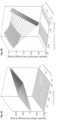
- the convexity of the Helmholtz free-energy as a function of volume fundamentally changes the nature of phase coexistence in the T- V space.
- the lowest free-energy envelope now includes tangent lines between the convex F water (V) and F ice (V) curves, which signify a 2D two-phase equilibrium region, as opposed to a 1D phase-coexistence line. Gibbs called these tangent lines "Lines of Dissipated Energy" [27], along which a single-phase homogeneous substance can reduce its free-energy by forming a heterogeneous mixture of two phases.
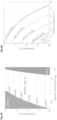
- T-V phase diagram for water, shown in Fig. 4C .
- the T-V phase diagram of water features a two-phase equilibrium region, where the equilibrium phase fraction can be solved using the Lever rule, in the same manner employed for T-x binary eutectic phase diagrams[28].
- the phase fraction as a function of temperature and system specific volume is shown in Figure 4D .
- the magnitude of this penalty must vary with the absolute volume of the system; growth of a single ice nucleus confined in an ocean will cause no appreciable effect, but growth of the same nucleus in a nanoscale container may compress the remaining water significantly.
- the pressure within the system is therefore a function of the relative phase fraction of ice that has grown. Because water and ice remain in constant mechanical equilibrium, the pressure experienced by both phases will be equal. Recalling that the pressure within a given phase at a given specific volume is described by the slope of the line tangent to its F(v) curve at that volume, this physical constraint can be illustrated by a "parallel tangent construction" as shown in Fig. 5 ., whereby the specific volumes and energies of each phase for a given phase-fraction of ice are identified by the points on the F(v) curves for water and ice that yield parallel tangents between the phases.
- the isochoric growth penalty term is unique to systems of constrained volume, and will be shown next to fundamentally alter the nucleation behavior.
- Figure 6B features additional ⁇ curves for the same temperature but varying absolute system volumes V S . These plots reveal a fundamental difference between ice formation at constant volume and ice formation at constant pressure: in the classical Gibbs formulation, the ⁇ G ( radius ) curve features one critical point, while in an isochoric system there are two critical points.
- the critical point of the free energy curve is a maximum and defines the nucleation barrier, or the energetic barrier after which continued ice growth will lower the free energy of the system indefinitely until the entirety has changed phase.
- ice growth is not indefinite-it must cease upon reaching the equilibrium phase fraction, in accordance with the T-V phase diagram ( Fig. 4C/D ).
- This limitation is captured kinetically by the isochoric growth term, and thus the ⁇ curves can possess two critical points; the first a maximum at which the bulk driving force for phase transition overcomes the penalty of forming a new phase interface, and the second a minimum at which the isochoric growth energy overcomes the bulk driving force.
- the isochoric growth term is a function of the absolute system volume (scaling as V ice / V sys ), its contribution vanishes at the infinite volume limit, consistent with intuition.
- the ⁇ free energy curve will be identical to that found using the classical Gibbs formulation, featuring only an initial maximum.
- the kinetic analysis provided herein only describes the formation of only the first ice-1h nucleus in an infinitely rigid container (e.g. a container of truly constant volume), and is subject to further simplifying assumptions, including the assumption of spherical nuclei and of known interfacial energy.
- the insights revealed provide the conceptual foundations for a wide range of further study, and outline the limiting energetic behaviors of ice nuclei in isochoric systems. We anticipate that in systems that deviate from the conditions described herein, ice nucleation kinetics will lie somewhere between the identified Gibbs and Helmholtz limits.
- systems of nanoscale volume found in biological matter may experience a reduced isochoric growth penalty due to some degree of flexibility within the container, but the excess energy required to grow in a constrained volume is still a physically pertinent feature.
- the assumption of infinite rigidity is likely acceptable, but the macroscopic volumes are too large to appreciate the effect of a single ice nucleus.
- continuity of pressure within the system remains, forcing every growing nucleus to interact with every other via pressure, and thus a macroscopic effect on the nucleation kinetics will still be observed.
- nucleation barrier equation will feature a positive isochoric growth term, increasing the energetic barrier that must be crossed in order to grow a bulk ice phase and decreasing the likelihood of initial nucleation.
- Chamber preparation Isobaric chambers were filled to approximately 95% volume with de-ionized water and capped, leaving a layer of air approximately 2cm in height atop the liquid. Oil-sealed isobaric chambers were filled to the same level, then sealed via syringe with a layer of mineral oil (Sigma-Aldrich, USA) approximately 2mm in height. As per the protocol outlined in previous studies [7] was taken to ensure that the entire water-air interface was eliminated. For assembly of isochoric chambers, a rubber plug approximately 1.5 ml in volume was press-fit into the cap of each chamber, in order to displace volume as the cap was turned onto the threads of the chamber and ensure that no air remained upon sealing of the system.
- isochoric chambers were turned upside down and shaken in order to visually verify that no air remained present in the system.
- DI water was chilled to 4°C prior to filling, and the chamber was ultrasonicated after the initial pour in order to the remove any trapped air bubbles.
- a 3 x 1.5 x 1.5cm PDMS-on-glass chip was also added to each system to ensure that observed effects were not products of the specific containers being employed.
- chambers were first supercooled to -3 +/- 0.01 °C in a programmable constant-temperature circulating chiller bath (PolyScience, USA) for four hours. They were then removed and immediately exposed to one of the following disturbances.
- Chambers were dropped from a height of one foot onto a hard acrylic plate of 0.5" thickness. As per the schematic in Figure 2A, a clear acrylic tube of slightly larger diameter than the chambers was used to ensure a straight and repeatable drop trajectory.
- Chambers were mounted to a covered rotary shaking table (ThermoFisher, USA) and shaken for 60 seconds at a rate of 500 rpm and a rotary radius of 8mm, yielding acceleration magnitudes of approximately 2.2g. Chambers were mounted in an insulating foam rack, and the atmosphere within the covered shaking table was maintained at -3 +/- 0.5 °C via circulation of cold CO2 vapor. During initial experimental design, the temperature inside the chambers was confirmed via thermocouple to remain consistent within 0.1°C over the 60 second shaking period.
- Ultrasonication Chambers were moved directly from the circulating chiller to an ultrasonic bath (Fisher Scientific, USA), submerged completely, and sonicated at 55 kHz for 30 seconds. The bath was filled with 10% w/v NaCl solution pre-chilled to -3°C to ensure temperature consistency.
- Chambers were submerged fully in the -3°C bath directly following assembly.
- the chilling bath then was programmed to ramp continuously between 0°C and -6°C on a one hour period for 24 hours (constituting twelve cycles between the two temperatures), maintaining an average temperature of -3°C. This range was chosen to reflect the temperature oscillation encountered in standard on/off vapor-compression refrigeration units. After 24 hours, chambers were carefully removed and evaluated for ice nucleation.
- ice nucleation was evaluated visually, as shown in Fig. 2B, and recorded as a binary pass/fail for the purposes of calculating the nucleation frequency.
- a given disturbance e.g. impact, vibration, ultrasonication, thermal
- a given loading condition e.g. isobaric, isobaric oil-sealed, or isochoric
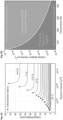
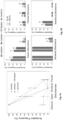
- the nucleation frequency as a function of disturbance type is plotted for all three chamber configurations in Fig. 5A, and comparisons between chamber configurations for each disturbance type are presented individually in Fig. 5B-E for statistical evaluation.
- isochoric conditions afford greatly enhanced supercooling stability across all perturbation types, at both volume scales.
- isochoric supercooling at a 75ml volume remained stable in roughly 90% of trials when exposed to ultrasonication, which is the most universal and sure-fire trigger of ice nucleation currently known [3,5,30], and remained stable in all trials when exposed to vibrational loading comparable to that encountered during commercial flight.
- cavitation is the most prominent responsible mechanism [4,5,8,9]. While cavitation is frequently associated with ultrasonication, it is also caused by all manner of shockwaves [31] and by vibrational surface effects such as the Faraday instability [32], which occur at bulk fluid-fluid interfaces.
- thermodynamic obstacles to cavitation from shockwaves or ultrasonication firstly, because there is no bulk air anywhere in the system, cavitation must occur in dissolved air that is first forced out of solution with the supercooled water; secondly, the formation of a low-density air bubble in a constrained volume of water will create a positive pressure, increasing its energetic barrier to formation. While theoretical analysis of this latter effect is outside the scope of this work, it is directly analogous in concept to the increased energy barriers produced by the formation of ice in a constrained volume (as described in Example 1).
- Thermodynamic factors such as the reduction or elimination of microscopic density fluctuations and the increase of the ice nucleation barrier under isochoric conditions contribute [33, Example 1]; the elimination of all fluid-fluid interfaces contributes [7]; and an increased overall resistance to cavitation plays a central role.
- the experimental reality of enhanced high-stability supercooling under isochoric conditions can be employed immediately for low-risk preservation and transportation of sensitive biological matter.
- Example 3 A base container design for isochoric supercooling devices
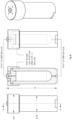
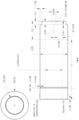
- the base constant-volume container used to achieve high-stability isochoric supercooling may be designed as detailed in the engineering drawings featured in Figures 8-11 . It may also be designed in any other arbitrary fashion so as to ensure rigid containment of the liquid within and effective air-sealing.
- This design makes use of a two-part cap-and-plug closure to ensure robust o-ring sealing and effective optional transmission of hydrostatic pressure to a pressure transducer that can be connected via one of the 9/16-18-UNF high-pressure threaded connections.
- Temperature monitoring implements, implements for the measurement of dielectric properties within the supercooled solution, or any other manner of wired or unwired probe or apparatus may be run through the secondary posterior threaded connecting port.
- Each of the parts detailed in Figures 8-11 may be constructed of any rigid material, including metallic materials such as but not limited to Aluminum 7075, Titanium Grade 5, 316 Stainless Steel, composites such as but not limited to carbon- or glass-fiber reinforced polymers, ceramics, hard plastics, etc.
- Each of the parts may additionally be treated or coated in any manner in order to achieve a variety of improving effects, including but not limited to corrosion resistance, biocompatibility, hydrophobicity, ice nucleation resistance or anti-nucleation effects, aesthetic improvement, etc.
- the inventors have fabricated these devices from Aluminum 7075, Titanium Grade 5, and 316 Stainless Steel, and several combinations thereof, and have verified that this design can effectively hold seal at pressures up to 275 megapascals and temperatures as low as -196°C when an appropriate wall thickness is chosen.
- Example 4 Principally-air-free isochoric supercooling device with real-time nucleation detection, digital control, and responsive Joule heating for containment of destabilization events
- a device configured as detailed in Figure 12 may be employed.
- This device leverages high-stability isochoric supercooling to maintain a preserved media and biologic in a supercooled state, and additionally features real-time pressure-based nucleation detection to continuously monitor stability. It also features an external controller and an external Joule heating element, and employs an external cooling bath for the maintaining of the desired supercooling temperature.
- the digital pressure transducer transmits to a microcontroller, and if the detected pressure value surpasses an assigned threshold value (typically a small amount greater than the resting value of the system), the microcontroller will activate the heater in order to raise the temperature of the system to just above its freezing point, thereby eliminating any ice formation and allowing the system to re-supercool.
- an assigned threshold value typically a small amount greater than the resting value of the system
- FIG 13 a sample data output generated using this device is provided.
- the initial state of stable supercooling is indicated by no change in the pressure reading (solid line).
- the pressure rises sharply, and current is sent to the relay controlling the heater (dotted line), activating the Joule heating.
- heat was supplied at a rate of 150 watts and no PID control was used.
- the pressure rise is arrested, and the pressure begins to decrease as the small amount of interior ice is melted.
- the heater turns off. The system is then observed to re-enter a stable supercooled state at -6°C and remain there for the remaining six hours of the experiment.
- a secondary container for the preserved biologic may have one or more flexible surfaces to allow equilibration of hydrostatic pressure between the interior contents and the surrounding environment, and may be filled with an aqueous solution which has been relieved of all or most air bubbles.
- An arbitrary number of biologics may be preserved in the same primary container, and in the same or separate secondary containers.
- the aqueous solution employed in the primary container need not be the same as employed within the secondary container.
- the solution employed within the secondary container may have a lower freezing point than that within the primary container. This arrangement ensures that should the system destabilize, ice nucleation will occur in the primary container, and the biologic will thus be protected both from osmotic damage and ice damage.
Landscapes
- Engineering & Computer Science (AREA)
- Life Sciences & Earth Sciences (AREA)
- Wood Science & Technology (AREA)
- Zoology (AREA)
- Health & Medical Sciences (AREA)
- Dentistry (AREA)
- General Health & Medical Sciences (AREA)
- Environmental Sciences (AREA)
- Chemical & Material Sciences (AREA)
- Combustion & Propulsion (AREA)
- Physics & Mathematics (AREA)
- Mechanical Engineering (AREA)
- Thermal Sciences (AREA)
- General Engineering & Computer Science (AREA)
- Food Science & Technology (AREA)
- Polymers & Plastics (AREA)
- Agricultural Chemicals And Associated Chemicals (AREA)
Claims (12)
- Ein Verfahren zum Induzieren einer hochstabilen und gegebenenfalls transportablen Superkühlung, wobei das Verfahren umfasst:Bereitstellen eines Geräts, das einen starren Behälter umfasst, der biologisches Material in einem wässrigen Medium enthält;Sicherstellen der Entfernung der im Wesentlichen gesamten Gasphase aus dem enthaltenen wässrigen Medium;Verschließen des Behälters mit einem starren, luftdichten Verschluss, wobei der Volumenanteil der Gasphase, der beim Verschließen des Behälters in dem wässrigen Medium verbleibt, weniger als 5% beträgt; undKühlen des wässrigen Mediums auf eine Temperatur unter 0°C unter isochoren thermodynamischen Bedingungen,wobei der Behälter ferner ein bordeigenes oder bordfernes Druckmessgerät, ein Steuergerät und ein Energieliefergerät umfasst,wobei das Druckmessgerät Druck misst oder erkennt, wobei eine Änderung des Druckes verwendet wird, um die Bildung oder Eliminierung von Eis in dem wässrigen Medium zu erkennen,wobei das Energieliefergerät einen Energieliefermechanismus verwendet ausgewählt aus der Gruppe bestehend aus konduktiver Erwärmung, konvektiver Erwärmung, Strahlungserwärmung, induktiver Erwärmung, Joule-Erwärmung, elektromagnetischer Erwärmung, Radio-Erwärmung, oder Ultraschall-Erwärmung,wobei das Energieliefergerät Energie liefert, um Eis-Kerne oder -Kristalle zu schmelzen, zu lösen oder auf andere Art zu entfernen, undwobei bei Erkennung einer Druckänderung, eine Routine im Steuergerät ausgelöst wird, wobei das Steuergerät den Druck kontinuierlich überwacht und die Routine das Energieliefergerät aktiviert, wenn der Druckmesswert einen bestimmten ersten Schwellenwert überschreitet, und das Energieliefergerät abschaltet, wenn der Druck wieder unter den ersten Schwellenwert oder einen anderen Schwellenwert abfällt.
- Das Verfahren gemäß Anspruch 1, wobei das Druckmessgerät einen digitalen Druckumwandler, einen analogen Druckumwandler, einen digitalen Druckmesser, einen analogen Druckmesser, eine elektrische Widerstandsquelle, einen piezoelektrischen Sensor, einen piezospektroskopischen Sensor, einen Dehnungsmesser, einen optischen Drucksensor, einen konditionierten Drucksensor oder einen kapazitiven Drucksensor umfasst.
- Das Verfahren gemäß Anspruch 1, wobei das Steuergerät einen Computer, einen Mikroprozessor, einen Mikrocontroller, einen PID-Regler oder Software umfasst.
- Das Verfahren gemäß Anspruch 1, ferner umfassend eine zusätzliche Schutzmaßnahme zum Schutz vor Agitation, Eisnukleation, Beschädigung oder Desterilisation, wobei:
die Schutzmaßnahme vor Vibration schützt und eine vibrationsdämpfende Hülse, Hülle, Beschichtung, Halterung, ein Behältnis, Verpackung, federbelastete Vorrichtung oder Aufhängung umfasst. - Das Verfahren gemäß Anspruch 1, ferner umfassend eine zusätzliche Schutzmaßnahme zum Schutz vor Agitation, Eisnukleation, Beschädigung oder Desterilisation, wobei:die Schutzmaßnahme vor Temperaturänderung schützt und eine wärmeisolierende Hülse, Hülle, Beschichtung, Halterung, ein Behältnis, oder Verpackung umfasst; oderdie Schutzmaßnahme vor Temperaturänderung schützt und ein Phasenwechselmaterial enthält, bevorzugt ein Phasenwechselmaterial das Eis, Wachs, wässrige Lösungen oder eutektische Salze ist.
- Das Verfahren gemäß Anspruch 1, ferner umfassend eine zusätzliche Schutzmaßnahme zum Schutz vor Agitation, Eisnukleation, Beschädigung oder Desterilisation, wobei
die Schutzmaßnahme vor heterogener Eisnukleation an Flüssig-Feststoff-Grenzflächen schützt und eine vorgenommene Oberflächenbehandlung oder -Beschichtung im Behälter oder an irgendeiner anderen Komponente, die in Kontakt mit dem wässrigen Medium kommt, umfasst; wobei:
die Oberflächenbehandlung oder -Beschichtung dazu dient, die Hydrophobizität oder Superhydrophobizität der Oberfläche zu erhöhen, wobei
die Oberflächenbehandlung oder -Beschichtung Polytetrafluorethylen, perfluorierte Kohlenwasserstoffe, fluorierte Silane, Fluorpolymere, Calciumcarbonat, Zinkoxid, Manganoxid oder Derivate oder Kombinationen davon umfasst. - Das Verfahren gemäß Anspruch 1, ferner umfassend eine zusätzliche Schutzmaßnahme zum Schutz vor Agitation, Eisnukleation, Beschädigung oder Desterilisation, wobei
die Schutzmaßnahme gegen Korrosion, Nicht-Biokompatibilität, Zerkratzen oder mechanische Beschädigung schützt, wobei
die Schutzmaßnahme eine Oberflächenbehandlung umfasst, die Eloxierung, Vernickelung oder Verzinkung ist. - Das Verfahren gemäß Anspruch 1, wobei das biologische Material:ein Organ ist, das ein Herz, Lunge, Niere, Leber, Milz, Bauchspeicheldrüse, Gehirn, Blase, Magen, Darm, Eierstock, Penis, Hoden, Auge oder Teile oder Komponenten davon ist;ein multizelluläres Konstrukt ist, das eine Langerhans-Insel, ein Blutgefäß oder Knochenmark ist;Blut ist; oderein reproduzierendes Gewebe ist.
- Das Verfahren gemäß einem der Ansprüche 1-8, wobei das biologische Material in einem zweiten Behälter in dem wässrigen Medium platziert ist, wobei:der zweite Behälter mindestens eine flexible Oberfläche aufweist, um das Gleichgewicht des hydrostatischen Drucks zwischen dem Inhalt des zweiten Behälters und dem umgebenden wässrigen Medium zu ermöglichen;der zweite Behälter mit einer wässrigen Lösung mit einer Gleichgewichts-Gefriertemperatur, die geringer ist als die des umgebenden wässrigen Mediums, gefüllt ist; oderder zweite Behälter ein Beutel, ein Ballon, ein bedecktes Rohr oder ein bedecktes Fläschchen ist.
- Das Verfahren gemäß einem der Ansprüche 1-8, wobei das biologische Material mit einem vernetzten oder nicht-vernetzten Hydrogel beschichtet, darin eingetaucht oder eingekapselt ist, wobei das Hydrogel bevorzugt Alginat, Hyaluronsäure oder Derivate oder Kombinationen davon ist.
- Das Verfahren gemäß einem der Ansprüche 1-8, wobei, falls sich Eis in dem wässrigen Medium bilden sollte, das Eis ein zweiphasiges Flüssig-Fest-Gleichgewicht bilden kann.
- Ein Gerät zur Induzierung hochstabiler und gegebenenfalls transportabler Superkühlung von wässrigen Medien, wobei das Gerät umfasst:einen starren Behälter, der so konfiguriert ist, dass er biologisches Material in einem wässrigen Medium enthält, wobei jede Gasphase darin weniger als 5% des Volumens des Behälters umfasst;einen starren, luftdichten Verschluss zum Verschließen des Behälters und um die isochoren thermodynamischen Bedingungen im Inneren aufrechtzuerhalten;wobei der Behälter so konfiguriert ist, dass das wässrige Medium bis zu einer Temperatur unter 0°C unter isochoren thermodynamischen Bedingungen gekühlt werden kann,wobei der Behälter mit einem bordeigenen oder bordfernen Druckmessgerät, einem Steuergerät und einem Energieliefergerät ausgestattet ist,wobei das Druckmessgerät konfiguriert ist, um Druck zu messen oder zu erkennen, wobei das Gerät konfiguriert ist, um eine Druckänderung zu erkennen, die auf eine Bildung oder Eliminierung von Eis in dem wässrigen Medium hinweist,wobei das Energieliefergerät einen Energieliefermechanismus verwendet, ausgewählt aus der Gruppe bestehend aus konduktiver Erwärmung, konvektiver Erwärmung, Strahlungserwärmung, induktiver Erwärmung, Joule-Erwärmung, elektromagnetischer Erwärmung, Radio-Erwärmung, oder Ultraschall-Erwärmung,wobei das Energieliefergerät konfiguriert ist, um Energie zu liefern, um Eiskerne oder -Kristalle zu schmelzen, zu lösen oder auf andere Art zu entfernen, undwobei das Gerät derart konfiguriert ist, dass bei Erkennung einer Druckänderung, eine Routine im Steuergerät ausgelöst wird, wobei das Steuergerät den Druck kontinuierlich überwacht und die Routine das Energieliefergerät aktiviert, wenn der Druckmesswert einen bestimmten ersten Schwellenwert überschreitet, und das Energieliefergerät abschaltet, wenn der Druck wieder unter den ersten Schwellenwert oder einen anderen Schwellenwert abfällt.
Applications Claiming Priority (2)
| Application Number | Priority Date | Filing Date | Title |
|---|---|---|---|
| US202062960524P | 2020-01-13 | 2020-01-13 | |
| PCT/US2021/012863 WO2021146122A1 (en) | 2020-01-13 | 2021-01-09 | Devices and methods for high-stability supercooling of aqueous media and biological matter |
Publications (3)
| Publication Number | Publication Date |
|---|---|
| EP4090157A1 EP4090157A1 (de) | 2022-11-23 |
| EP4090157A4 EP4090157A4 (de) | 2023-07-05 |
| EP4090157B1 true EP4090157B1 (de) | 2025-04-23 |
Family
ID=76864796
Family Applications (1)
| Application Number | Title | Priority Date | Filing Date |
|---|---|---|---|
| EP21741918.3A Active EP4090157B1 (de) | 2020-01-13 | 2021-01-09 | Vorrichtungen und verfahren zur hochstabilen superkühlung von wässrigen medien und biologischen materialien |
Country Status (5)
| Country | Link |
|---|---|
| US (1) | US12270601B2 (de) |
| EP (1) | EP4090157B1 (de) |
| CA (1) | CA3165835A1 (de) |
| ES (1) | ES3029139T3 (de) |
| WO (1) | WO2021146122A1 (de) |
Families Citing this family (8)
| Publication number | Priority date | Publication date | Assignee | Title |
|---|---|---|---|---|
| US20230404067A1 (en) * | 2022-06-14 | 2023-12-21 | BioChoric, Inc. | Method and apparatus for reducing probability of ice nucleation during preservation of biological matter in isochoric systems |
| JP2025525732A (ja) * | 2022-07-20 | 2025-08-07 | バイオコリック,インコーポレイテッド | 等積システムにおいて過剰圧力を低減するための方法及び装置 |
| US12392535B2 (en) | 2022-07-28 | 2025-08-19 | Xerox Corporation | System and method for controlling crystallized forms of water |
| US12433299B2 (en) | 2022-07-28 | 2025-10-07 | Xerox Corporation | System and method for metamaterial array-based field-shaping |
| US20240036528A1 (en) * | 2022-07-28 | 2024-02-01 | Xerox Corporation | System and method for feedback-based beverage supercooling |
| EP4727367A2 (de) * | 2023-06-14 | 2026-04-22 | The Regents of the University of California | Hemmung oder reduzierung biologischer verunreinigungen in einem biologischen material während langfristiger isochorischer gefrierkonservierung |
| WO2026015866A1 (en) * | 2024-07-12 | 2026-01-15 | Biochoric Inc. | High entropy solutions, methods for producing the same, and devices and methods for preserving biological matter |
| CN120041049B (zh) * | 2025-02-28 | 2025-09-02 | 哈尔滨赛尚密封技术有限公司 | 一种外露骨架型油封用功能高分子涂层的制备方法 |
Family Cites Families (25)
| Publication number | Priority date | Publication date | Assignee | Title |
|---|---|---|---|---|
| US1916346A (en) | 1928-11-03 | 1933-07-04 | Hudson Motor Car Co | Vehicle seat |
| US4619257A (en) * | 1984-11-30 | 1986-10-28 | Board Of Regents, The University Of Texas System | Apparatus and method for cryopreparing corneal tissue for surgical procedures |
| US5257128A (en) * | 1988-06-22 | 1993-10-26 | Board Of Regents, The University Of Texas System | Freezing/perfusion microscope stage |
| JPH05502578A (ja) * | 1989-08-07 | 1993-05-13 | セル・システムズ・エルティーディー | 冷却の方法及び装置 |
| AU659795B2 (en) * | 1990-01-17 | 1995-06-01 | Regents Of The University Of California, The | Composition to improve survival of biological materials |
| IL118376A0 (en) * | 1996-05-22 | 1996-09-12 | Univ Ben Gurion | Polysaccharide sponges for cell culture and transplantation |
| DE20312565U1 (de) * | 2003-08-14 | 2004-12-16 | Anton Debatin GmbH Werk für werbende Verpackung | Beutel zum Verpacken von stoßempfindlichen Gegenständen |
| US20070042337A1 (en) * | 2005-07-20 | 2007-02-22 | The Regents Of The University Of California | Isochoric method and device for reducing the probability of ice nucleation during preservation of biological matter at subzero centigrade temperatures |
| AT505427B1 (de) * | 2007-07-06 | 2011-05-15 | Leica Mikrosysteme Gmbh | Verfahren zum gefrierkonservieren von proben |
| KR101330335B1 (ko) * | 2007-09-21 | 2013-11-15 | 엘지전자 주식회사 | 과냉각 장치 |
| JP5289784B2 (ja) * | 2008-01-25 | 2013-09-11 | 株式会社日立製作所 | 冷凍機一体型低温容器 |
| US8430658B2 (en) * | 2009-01-16 | 2013-04-30 | Propeller, Inc. | Method and apparatus for making frozen comestibles |
| US9932484B2 (en) | 2011-01-19 | 2018-04-03 | President And Fellows Of Harvard College | Slippery liquid-infused porous surfaces and biological applications thereof |
| HUE033833T2 (en) * | 2012-01-17 | 2018-01-29 | Inst Nat Sante Rech Med | Cryopreservation of cells, tissues and organs |
| JP2016111927A (ja) * | 2013-04-03 | 2016-06-23 | 石原産業株式会社 | 生物材料の低温保存用の保存剤及び低温での生物材料の保存方法 |
| US10563275B2 (en) * | 2014-10-16 | 2020-02-18 | Glassy Metal, Llc | Method and apparatus for supercooling of metal/alloy melts and for the formation of amorphous metals therefrom |
| JP6573363B2 (ja) * | 2015-03-27 | 2019-09-11 | 国立大学法人東北大学 | 凍結装置、凍結方法 |
| GB201506541D0 (en) * | 2015-04-16 | 2015-06-03 | Lamb S | Improved methods for cryopreservation of biological materials |
| US10278895B2 (en) * | 2016-04-11 | 2019-05-07 | Tokitae Llc | Portable device for cold chain storage |
| GB2551115B (en) * | 2016-05-31 | 2021-02-10 | Laminar Medica Ltd | A thermally insulated container |
| FR3068120B1 (fr) * | 2017-06-21 | 2019-10-18 | Arkema France | Reservoir de stockage de chaleur optimise a partir de particules de carbonate de calcium |
| CN111183095A (zh) | 2017-08-11 | 2020-05-19 | 加利福尼亚大学董事会 | 用于温度和压力控制的低温保存的方法和装置 |
| GB201716729D0 (en) * | 2017-10-12 | 2017-11-29 | Asymptote Ltd | Cryopreservation method and apparatus |
| US12167729B2 (en) * | 2018-05-30 | 2024-12-17 | The General Hospital Corporation | Cryopreservation of tissues and organs |
| US20210000104A1 (en) * | 2019-07-05 | 2021-01-07 | CryoStasis Ltd. | Methods, systems and apparatus for preservation of organs and other aqueous-based materials utilizing low temperature and elevated pressure |
-
2021
- 2021-01-09 EP EP21741918.3A patent/EP4090157B1/de active Active
- 2021-01-09 WO PCT/US2021/012863 patent/WO2021146122A1/en not_active Ceased
- 2021-01-09 ES ES21741918T patent/ES3029139T3/es active Active
- 2021-01-09 CA CA3165835A patent/CA3165835A1/en active Pending
-
2022
- 2022-06-21 US US17/845,114 patent/US12270601B2/en active Active
Also Published As
| Publication number | Publication date |
|---|---|
| US12270601B2 (en) | 2025-04-08 |
| CA3165835A1 (en) | 2021-07-22 |
| EP4090157A4 (de) | 2023-07-05 |
| US20220325937A1 (en) | 2022-10-13 |
| EP4090157A1 (de) | 2022-11-23 |
| WO2021146122A1 (en) | 2021-07-22 |
| ES3029139T3 (en) | 2025-06-23 |
Similar Documents
| Publication | Publication Date | Title |
|---|---|---|
| EP4090157B1 (de) | Vorrichtungen und verfahren zur hochstabilen superkühlung von wässrigen medien und biologischen materialien | |
| EP1124413B1 (de) | Verfahren und vorrichtung zum konservieren von biologischen materialien | |
| Yeh et al. | Antifreeze proteins: structures and mechanisms of function | |
| Shaw et al. | Terminology associated with vitrification and other cryopreservation procedures for oocytes and embryos | |
| Zepeda et al. | In situ observation of antifreeze glycoprotein kinetics at the ice interface reveals a two-step reversible adsorption mechanism | |
| US20230189795A1 (en) | Process and device for temperature and pressure controlled cryopreservation | |
| AU750589B2 (en) | Method and apparatus for cryopreservation | |
| WO2007018947A2 (en) | Isochoric method and device for reducing ice nucleation probability during cryopreservation of biological matter | |
| CN109964921A (zh) | 冰点以下温度保存生物物质的多相定容装置、系统和方法 | |
| CN103327839B (zh) | 低温保存方法及低温保存容器 | |
| Consiglio et al. | A review of the physical principles of isochoric cryopreservation | |
| US20230404067A1 (en) | Method and apparatus for reducing probability of ice nucleation during preservation of biological matter in isochoric systems | |
| US20120210734A1 (en) | Production and use of high pressure for cryopreservation and cryofixation | |
| JP2022539801A (ja) | 生物学的材料を貯蔵するための方法および装置 | |
| US20240023543A1 (en) | Method and apparatus for reducing excess pressure in isochoric systems | |
| Faszer et al. | Cryopreservation of horse semen under laboratory and field conditions using a Stirling Cycle freezer | |
| Powell-Palm et al. | Thermodynamic principles of emerging cryopreservation technologies | |
| Consiglio | Towards Robust and Scalable Supercooling for Sub-Zero Ice-Free Biopreservation | |
| US20050210890A1 (en) | Phase change material for temperature control and material storage | |
| Sareen et al. | Overview of Cryobiology in ART | |
| He et al. | Modeling ice crystal formation of water in biological system | |
| Talwar | Overview of Cryobiology in Assisted Reproductive Technology |
Legal Events
| Date | Code | Title | Description |
|---|---|---|---|
| STAA | Information on the status of an ep patent application or granted ep patent |
Free format text: STATUS: THE INTERNATIONAL PUBLICATION HAS BEEN MADE |
|
| PUAI | Public reference made under article 153(3) epc to a published international application that has entered the european phase |
Free format text: ORIGINAL CODE: 0009012 |
|
| STAA | Information on the status of an ep patent application or granted ep patent |
Free format text: STATUS: REQUEST FOR EXAMINATION WAS MADE |
|
| 17P | Request for examination filed |
Effective date: 20220707 |
|
| AK | Designated contracting states |
Kind code of ref document: A1 Designated state(s): AL AT BE BG CH CY CZ DE DK EE ES FI FR GB GR HR HU IE IS IT LI LT LU LV MC MK MT NL NO PL PT RO RS SE SI SK SM TR |
|
| DAV | Request for validation of the european patent (deleted) | ||
| DAX | Request for extension of the european patent (deleted) | ||
| A4 | Supplementary search report drawn up and despatched |
Effective date: 20230606 |
|
| RIC1 | Information provided on ipc code assigned before grant |
Ipc: A23L 3/36 20060101ALI20230531BHEP Ipc: A01N 1/02 20060101AFI20230531BHEP |
|
| REG | Reference to a national code |
Ref country code: DE Ref legal event code: R079 Free format text: PREVIOUS MAIN CLASS: A01N0001020000 Ref document number: 602021029623 Country of ref document: DE Ipc: A01N0001142000 |
|
| GRAP | Despatch of communication of intention to grant a patent |
Free format text: ORIGINAL CODE: EPIDOSNIGR1 |
|
| STAA | Information on the status of an ep patent application or granted ep patent |
Free format text: STATUS: GRANT OF PATENT IS INTENDED |
|
| RIC1 | Information provided on ipc code assigned before grant |
Ipc: A23B 2/80 20250101ALI20250124BHEP Ipc: A01N 1/165 20250101ALI20250124BHEP Ipc: A01N 1/162 20250101ALI20250124BHEP Ipc: A01N 1/142 20250101AFI20250124BHEP |
|
| INTG | Intention to grant announced |
Effective date: 20250207 |
|
| GRAS | Grant fee paid |
Free format text: ORIGINAL CODE: EPIDOSNIGR3 |
|
| GRAA | (expected) grant |
Free format text: ORIGINAL CODE: 0009210 |
|
| STAA | Information on the status of an ep patent application or granted ep patent |
Free format text: STATUS: THE PATENT HAS BEEN GRANTED |
|
| P01 | Opt-out of the competence of the unified patent court (upc) registered |
Free format text: CASE NUMBER: APP_9341/2025 Effective date: 20250225 |
|
| AK | Designated contracting states |
Kind code of ref document: B1 Designated state(s): AL AT BE BG CH CY CZ DE DK EE ES FI FR GB GR HR HU IE IS IT LI LT LU LV MC MK MT NL NO PL PT RO RS SE SI SK SM TR |
|
| REG | Reference to a national code |
Ref country code: GB Ref legal event code: FG4D |
|
| REG | Reference to a national code |
Ref country code: CH Ref legal event code: EP |
|
| REG | Reference to a national code |
Ref country code: DE Ref legal event code: R096 Ref document number: 602021029623 Country of ref document: DE |
|
| REG | Reference to a national code |
Ref country code: IE Ref legal event code: FG4D |
|
| REG | Reference to a national code |
Ref country code: ES Ref legal event code: FG2A Ref document number: 3029139 Country of ref document: ES Kind code of ref document: T3 Effective date: 20250623 |
|
| REG | Reference to a national code |
Ref country code: NL Ref legal event code: MP Effective date: 20250423 |
|
| PG25 | Lapsed in a contracting state [announced via postgrant information from national office to epo] |
Ref country code: NL Free format text: LAPSE BECAUSE OF FAILURE TO SUBMIT A TRANSLATION OF THE DESCRIPTION OR TO PAY THE FEE WITHIN THE PRESCRIBED TIME-LIMIT Effective date: 20250423 |
|
| REG | Reference to a national code |
Ref country code: AT Ref legal event code: MK05 Ref document number: 1786836 Country of ref document: AT Kind code of ref document: T Effective date: 20250423 |
|
| PG25 | Lapsed in a contracting state [announced via postgrant information from national office to epo] |
Ref country code: FI Free format text: LAPSE BECAUSE OF FAILURE TO SUBMIT A TRANSLATION OF THE DESCRIPTION OR TO PAY THE FEE WITHIN THE PRESCRIBED TIME-LIMIT Effective date: 20250423 Ref country code: PT Free format text: LAPSE BECAUSE OF FAILURE TO SUBMIT A TRANSLATION OF THE DESCRIPTION OR TO PAY THE FEE WITHIN THE PRESCRIBED TIME-LIMIT Effective date: 20250825 |
|
| REG | Reference to a national code |
Ref country code: LT Ref legal event code: MG9D |
|
| PG25 | Lapsed in a contracting state [announced via postgrant information from national office to epo] |
Ref country code: GR Free format text: LAPSE BECAUSE OF FAILURE TO SUBMIT A TRANSLATION OF THE DESCRIPTION OR TO PAY THE FEE WITHIN THE PRESCRIBED TIME-LIMIT Effective date: 20250724 Ref country code: NO Free format text: LAPSE BECAUSE OF FAILURE TO SUBMIT A TRANSLATION OF THE DESCRIPTION OR TO PAY THE FEE WITHIN THE PRESCRIBED TIME-LIMIT Effective date: 20250723 |
|
| PG25 | Lapsed in a contracting state [announced via postgrant information from national office to epo] |
Ref country code: PL Free format text: LAPSE BECAUSE OF FAILURE TO SUBMIT A TRANSLATION OF THE DESCRIPTION OR TO PAY THE FEE WITHIN THE PRESCRIBED TIME-LIMIT Effective date: 20250423 |
|
| PG25 | Lapsed in a contracting state [announced via postgrant information from national office to epo] |
Ref country code: BG Free format text: LAPSE BECAUSE OF FAILURE TO SUBMIT A TRANSLATION OF THE DESCRIPTION OR TO PAY THE FEE WITHIN THE PRESCRIBED TIME-LIMIT Effective date: 20250423 |
|
| PG25 | Lapsed in a contracting state [announced via postgrant information from national office to epo] |
Ref country code: HR Free format text: LAPSE BECAUSE OF FAILURE TO SUBMIT A TRANSLATION OF THE DESCRIPTION OR TO PAY THE FEE WITHIN THE PRESCRIBED TIME-LIMIT Effective date: 20250423 |
|
| PG25 | Lapsed in a contracting state [announced via postgrant information from national office to epo] |
Ref country code: AT Free format text: LAPSE BECAUSE OF FAILURE TO SUBMIT A TRANSLATION OF THE DESCRIPTION OR TO PAY THE FEE WITHIN THE PRESCRIBED TIME-LIMIT Effective date: 20250423 |
|
| PG25 | Lapsed in a contracting state [announced via postgrant information from national office to epo] |
Ref country code: RS Free format text: LAPSE BECAUSE OF FAILURE TO SUBMIT A TRANSLATION OF THE DESCRIPTION OR TO PAY THE FEE WITHIN THE PRESCRIBED TIME-LIMIT Effective date: 20250723 |
|
| PG25 | Lapsed in a contracting state [announced via postgrant information from national office to epo] |
Ref country code: IS Free format text: LAPSE BECAUSE OF FAILURE TO SUBMIT A TRANSLATION OF THE DESCRIPTION OR TO PAY THE FEE WITHIN THE PRESCRIBED TIME-LIMIT Effective date: 20250823 |
|
| PG25 | Lapsed in a contracting state [announced via postgrant information from national office to epo] |
Ref country code: LV Free format text: LAPSE BECAUSE OF FAILURE TO SUBMIT A TRANSLATION OF THE DESCRIPTION OR TO PAY THE FEE WITHIN THE PRESCRIBED TIME-LIMIT Effective date: 20250423 |
|
| PG25 | Lapsed in a contracting state [announced via postgrant information from national office to epo] |
Ref country code: DK Free format text: LAPSE BECAUSE OF FAILURE TO SUBMIT A TRANSLATION OF THE DESCRIPTION OR TO PAY THE FEE WITHIN THE PRESCRIBED TIME-LIMIT Effective date: 20250423 Ref country code: SM Free format text: LAPSE BECAUSE OF FAILURE TO SUBMIT A TRANSLATION OF THE DESCRIPTION OR TO PAY THE FEE WITHIN THE PRESCRIBED TIME-LIMIT Effective date: 20250423 |
|
| PG25 | Lapsed in a contracting state [announced via postgrant information from national office to epo] |
Ref country code: CZ Free format text: LAPSE BECAUSE OF FAILURE TO SUBMIT A TRANSLATION OF THE DESCRIPTION OR TO PAY THE FEE WITHIN THE PRESCRIBED TIME-LIMIT Effective date: 20250423 |
|
| PG25 | Lapsed in a contracting state [announced via postgrant information from national office to epo] |
Ref country code: EE Free format text: LAPSE BECAUSE OF FAILURE TO SUBMIT A TRANSLATION OF THE DESCRIPTION OR TO PAY THE FEE WITHIN THE PRESCRIBED TIME-LIMIT Effective date: 20250423 |
|
| REG | Reference to a national code |
Ref country code: DE Ref legal event code: R097 Ref document number: 602021029623 Country of ref document: DE |
|
| PG25 | Lapsed in a contracting state [announced via postgrant information from national office to epo] |
Ref country code: SK Free format text: LAPSE BECAUSE OF FAILURE TO SUBMIT A TRANSLATION OF THE DESCRIPTION OR TO PAY THE FEE WITHIN THE PRESCRIBED TIME-LIMIT Effective date: 20250423 |
|
| REG | Reference to a national code |
Ref country code: CH Ref legal event code: U11 Free format text: ST27 STATUS EVENT CODE: U-0-0-U10-U11 (AS PROVIDED BY THE NATIONAL OFFICE) Effective date: 20260201 |
|
| PLBE | No opposition filed within time limit |
Free format text: ORIGINAL CODE: 0009261 |
|
| STAA | Information on the status of an ep patent application or granted ep patent |
Free format text: STATUS: NO OPPOSITION FILED WITHIN TIME LIMIT |
|
| REG | Reference to a national code |
Ref country code: CH Ref legal event code: L10 Free format text: ST27 STATUS EVENT CODE: U-0-0-L10-L00 (AS PROVIDED BY THE NATIONAL OFFICE) Effective date: 20260304 |
|
| 26N | No opposition filed |
Effective date: 20260126 |
|
| PGFP | Annual fee paid to national office [announced via postgrant information from national office to epo] |
Ref country code: GB Payment date: 20260127 Year of fee payment: 6 |
|
| PGFP | Annual fee paid to national office [announced via postgrant information from national office to epo] |
Ref country code: ES Payment date: 20260202 Year of fee payment: 6 |
|
| PGFP | Annual fee paid to national office [announced via postgrant information from national office to epo] |
Ref country code: DE Payment date: 20260128 Year of fee payment: 6 |
|
| PGFP | Annual fee paid to national office [announced via postgrant information from national office to epo] |
Ref country code: IT Payment date: 20260121 Year of fee payment: 6 |
|
| PGFP | Annual fee paid to national office [announced via postgrant information from national office to epo] |
Ref country code: FR Payment date: 20260126 Year of fee payment: 6 |
|
| PGFP | Annual fee paid to national office [announced via postgrant information from national office to epo] |
Ref country code: CH Payment date: 20260201 Year of fee payment: 6 |