EP4101455A1 - Agrégateur de plaquettes - Google Patents
Agrégateur de plaquettes Download PDFInfo
- Publication number
- EP4101455A1 EP4101455A1 EP21738224.1A EP21738224A EP4101455A1 EP 4101455 A1 EP4101455 A1 EP 4101455A1 EP 21738224 A EP21738224 A EP 21738224A EP 4101455 A1 EP4101455 A1 EP 4101455A1
- Authority
- EP
- European Patent Office
- Prior art keywords
- polyphosphate
- treated
- ppa
- platelet
- group
- Prior art date
- Legal status (The legal status is an assumption and is not a legal conclusion. Google has not performed a legal analysis and makes no representation as to the accuracy of the status listed.)
- Withdrawn
Links
Images







Classifications
-
- A—HUMAN NECESSITIES
- A61—MEDICAL OR VETERINARY SCIENCE; HYGIENE
- A61K—PREPARATIONS FOR MEDICAL, DENTAL OR TOILETRY PURPOSES
- A61K31/00—Medicinal preparations containing organic active ingredients
- A61K31/74—Synthetic polymeric materials
- A61K31/80—Polymers containing hetero atoms not provided for in groups A61K31/755 - A61K31/795
-
- A—HUMAN NECESSITIES
- A61—MEDICAL OR VETERINARY SCIENCE; HYGIENE
- A61K—PREPARATIONS FOR MEDICAL, DENTAL OR TOILETRY PURPOSES
- A61K33/00—Medicinal preparations containing inorganic active ingredients
- A61K33/06—Aluminium, calcium or magnesium; Compounds thereof, e.g. clay
-
- A—HUMAN NECESSITIES
- A61—MEDICAL OR VETERINARY SCIENCE; HYGIENE
- A61K—PREPARATIONS FOR MEDICAL, DENTAL OR TOILETRY PURPOSES
- A61K33/00—Medicinal preparations containing inorganic active ingredients
- A61K33/42—Phosphorus; Compounds thereof
-
- A—HUMAN NECESSITIES
- A61—MEDICAL OR VETERINARY SCIENCE; HYGIENE
- A61K—PREPARATIONS FOR MEDICAL, DENTAL OR TOILETRY PURPOSES
- A61K9/00—Medicinal preparations characterised by special physical form
- A61K9/48—Preparations in capsules, e.g. of gelatin, of chocolate
- A61K9/50—Microcapsules having a gas, liquid or semi-solid filling; Solid microparticles or pellets surrounded by a distinct coating layer, e.g. coated microspheres, coated drug crystals
- A61K9/51—Nanocapsules; Nanoparticles
- A61K9/5107—Excipients; Inactive ingredients
- A61K9/5115—Inorganic compounds
-
- A—HUMAN NECESSITIES
- A61—MEDICAL OR VETERINARY SCIENCE; HYGIENE
- A61P—SPECIFIC THERAPEUTIC ACTIVITY OF CHEMICAL COMPOUNDS OR MEDICINAL PREPARATIONS
- A61P1/00—Drugs for disorders of the alimentary tract or the digestive system
- A61P1/04—Drugs for disorders of the alimentary tract or the digestive system for ulcers, gastritis or reflux esophagitis, e.g. antacids, inhibitors of acid secretion, mucosal protectants
-
- A—HUMAN NECESSITIES
- A61—MEDICAL OR VETERINARY SCIENCE; HYGIENE
- A61P—SPECIFIC THERAPEUTIC ACTIVITY OF CHEMICAL COMPOUNDS OR MEDICINAL PREPARATIONS
- A61P17/00—Drugs for dermatological disorders
- A61P17/02—Drugs for dermatological disorders for treating wounds, ulcers, burns, scars, keloids, or the like
-
- A—HUMAN NECESSITIES
- A61—MEDICAL OR VETERINARY SCIENCE; HYGIENE
- A61P—SPECIFIC THERAPEUTIC ACTIVITY OF CHEMICAL COMPOUNDS OR MEDICINAL PREPARATIONS
- A61P7/00—Drugs for disorders of the blood or the extracellular fluid
- A61P7/04—Antihaemorrhagics; Procoagulants; Haemostatic agents; Antifibrinolytic agents
Definitions
- the present invention relates to a platelet aggregating agent having a Ca salt of polyphosphate as an active ingredient. More specifically, it relates to a medicament which acts on damaged gastrointestinal mucosa in inflammatory bowel disease and exerts a platelet aggregating action, thereby allowing remission/improvement of the inflammatory bowel disease.
- anti-inflammatory agents are used as the standard therapeutic agent for inflammatory bowel disease (IBD), as typified by ulcerative colitis (UC) and Crohn's disease (CD), there are no drugs which directly induce mucosal healing.
- IBD inflammatory bowel disease
- conventional anti-inflammatory agents have been used to treat IBD symptomatically, recently, the true goal of the treatment of IBD is considered to be "mucosal healing".
- Probiotics as typified by lactic acid bacteria, are highly safe by their long history of use as a food and are known to have a certain action of regulating the intestines and the like. However, the mechanism of action of probiotics on intestinal condition is still unclear in many respects. To elucidate this, the bioactive molecules produced by probiotics are being identified and analyzed.
- the inventors have identified a long-chain polyphosphate derived from Lactobacillus brevis as a molecule that strengthens the intestinal barrier function. They then demonstrated that long-chain polyphosphate improves impaired intestinal tract barrier function and intestinal tract injury caused by DSS treatment (Patent Literature 1). In addition, they demonstrated that long-chain polyphosphate produces mucosal healing in patients with refractory ulcerative colitis (Non Patent Literature 1).
- Polyphosphate is known to have wound-healing and anti-inflammatory properties, and the development of wound dressings and dental materials using an amorphous substance or nanoparticles composed of calcium polyphosphate salt is anticipated (Patent Literature 2).
- Polyphosphate is also known as an activator of blood coagulation. When released from platelets, polyphosphate activates factor XII protease in the blood, which elicits a clotting reaction.
- Various salts of natural polyphosphate such as Ca, Mg, Na, and K salts, have been postulated, and amorphous nanoparticles are also known to exist (Non Patent Literatures 2 and 3).
- Donovan et al. prepared nanoparticles from polyphosphates of different chain lengths and reported its influence on the size of polyphosphate and blood coagulation (Non Patent Literature 4). However, there are no reports on amorphous or nanoparticles of polyphosphate, particularly on the influence of differences in their salts on platelet aggregation and inflammatory bowel disease.
- the present invention addresses the problem of elucidating the bioactivity of polyphosphate and optimizing the molecular design to maximize its activity.
- the inventors have found that the platelet aggregating action of polyphosphate (salt) is selective for calcium (Ca) salts and was not observed for other metal salts such as sodium (Na) salts, and that this effect of polyphosphate Ca salts is exerted on damaged gastrointestinal mucosa in inflammatory bowel disease to promote healing of the mucosa.
- the present invention is based on the above findings, and relates to the following (1) to (9):
- the polyphosphate of the present invention is composed of an amorphous substance or nanoparticles composed of a polyphosphate Ca salt, which is the main body of the platelet aggregating action. Therefore, a higher platelet aggregating action can be expected compared to natural polyphosphate.
- the polyphosphate of the present invention acts on damaged gastrointestinal mucosa and exerts an excellent platelet aggregating action, thereby allowing improvement/remission of inflammatory bowel disease.
- polyphosphate means a condensed phosphate compound in which phosphoric acid (H 3 PO 4 ) is condensed by dehydration, and may be a chain, cyclic, or have branching.
- the number (n) of "phosphate units" contained in the linear portion of polyphosphate is used to indicate the average chain length of polyphosphate.
- the average chain length of the polyphosphate of the present invention is preferably 5 phosphate units or more, more preferably 100 phosphate units or more, and even more preferably 300 phosphate units or more.
- Using a longer-chain polyphosphate allows to improve not only the platelet aggregating action but also the barrier function strengthening action, and to more effectively prevent or improve (heal, alleviate) inflammatory bowel disease.
- the polyphosphate is preferably a high molecular weight polyphosphate which does not permeate an ultrafiltration membrane with a molecular weight cut off of 10 kDa when ultrafiltration is performed.
- Ultrafiltration means to filter out molecules in a sample to be filtered by using a spin column equipped with an ultrafiltration membrane consisting of PES (polyethersulfone), adding the sample to be filtered to this spin column, and then subjecting centrifugation.
- PES polyethersulfone
- Polyphosphate may be chemically synthesized, synthesized in vitro using biomolecules such as enzymes, or synthesized using microorganisms and the like which produce polyphosphate.
- biomolecules such as enzymes, or synthesized using microorganisms and the like which produce polyphosphate.
- synthesizing linear polyphosphate it is preferable to synthesize it in vitro using biomolecules such as enzymes, or to synthesize it by using microorganisms and the like, as linear polyphosphate can be obtained with high efficiency.
- Examples of the method for chemically synthesizing polyphosphate include a method in which a reaction solution containing ATP as a raw material is heated, then condensed by dehydration.
- the heating temperature can be, for example, 150 to 350°C.
- Examples of the method for synthesizing polyphosphate in vitro using biomolecules such as enzymes include a method in which polyphosphate kinase (PPK), an enzyme that synthesizes polyphosphate, is used as the "biomolecule such as an enzyme", and polyphosphate is synthesized by the enzymatic action of PPK using ATP as the raw material.
- PPK polyphosphate kinase
- ATP ATP
- PPK can be obtained from any strain expressing PPK or purchased commercially, as long as it is capable of synthesizing polyphosphate using ATP as a substrate.
- the PPK can be, for example, a PPK derived from Propionibacterium shermanii.
- the enzymatic reaction by PPK is reversible, but if a large amount of ADP is present in the reaction solution compared to ATP, the degradation reaction of polyphosphate will become dominant so that the ADP/ATP ratio reaches equilibrium. Therefore, to efficiently synthesize polyphosphate, it is preferable not to add ADP to the reaction solution.
- the other conditions such as the composition of the reaction solution, the reaction temperature, and the reaction time can be set as appropriate to optimize it for the PPK activity and according to the synthesis scale and the like.
- the reaction conditions for the case of synthesizing polyphosphate using PPK derived from Propionibacterium shermanii are shown below.
- the composition of the reaction solution can be 50 mM Tris-HCI (pH 7.4), 40 mM ammonium sulfate, 4 mM MgCl 2 , 40 mM phosphocreatine, 20 ng/ml creatine kinase, 1 mM ATP (pH 7.2) and 1 U/ml PKK, the reaction temperature can be 37°C, and the reaction time can be 0.5 to 10 hours.
- the reaction time is set as appropriate according to the molecular weight and yield of the target polyphosphate. For example, to obtain a high molecular weight polyphosphate in good yield, the reaction time is preferably 1 to 5 hours.
- Examples of the method for synthesizing by using microorganisms include a method in which microorganisms producing polyphosphate are cultured under the appropriate culture conditions and made to produce polyphosphate.
- Examples of microorganisms producing polyphosphate include the Lactobacillus rhamnosus GG strain, Lactobacillus brevis SBC8803 strain, strains belonging to Lactobacillus, strains belonging to Bifidobacterium, strains belonging to Enterococcus, strains belonging to Lactococcus, strains belonging to Pediococcus, strains belonging to Leuconostoc, strains belonging to Streptococcus, strains belonging to Bacteroides, strains belonging to Eubacterium, and strains belonging to Clostridium.
- Polyphosphate can be synthesized by culturing microorganisms in an appropriate culture medium capable of sustaining the growth of the microorganisms used and under appropriate culture temperature conditions.
- the synthesized polyphosphate can be recovered from the culture medium after culture or by crushing the microorganisms after culture.
- purification methods widely used in the present art such as size exclusion chromatography, ion exchange chromatography, affinity chromatography, high-performance liquid chromatography (HPLC), dialysis, salting out, ammonium sulfate precipitation, precipitation, and crystallization, can be used in combination as appropriate.
- the purification method to be used can be determined as appropriate according to the method used in the polyphosphate synthesis step, the target degree of purification, the target yield, and the like.
- the polyphosphate is an amorphous substance composed of a Ca salt of polyphosphate.
- a high effect can be expected as amorphous polyphosphate Ca salt is insoluble in water, and thus reaches the intestinal mucosa, the site of action, as a solid, and is taken up by epithelial cells through endocytosis.
- An amorphous polyphosphate Ca salt insoluble in water simplifies the API manufacturing process, including such as recovery, washing, and drying, and therefore is also advantageous in terms of manufacturing cost.
- the amorphous polyphosphate Ca salt is preferably in nanoparticle form.
- a "nanoparticle” means a particle whose size is on the order of nanometers.
- the polyphosphate nanoparticles of the present invention are particles having an average particle size of 10 nm to 3000 nm and have a value of a charged zeta potential of 0 mV or less, preferably -20 mV or less, and more preferably -30 mV or less.
- the average particle size and zeta potential mean the average particle size and zeta potential obtained by dynamic light scattering/photon correlation (particle size distribution measurement) and laser Doppler multipoint detection electrophoresis (zeta potential measurement).
- the nanoparticles have a smooth sphere-like shape with relatively uniform particle size, and therefore have physical properties preferable in terms of formulation.
- the nanoparticles composed of a Ca salt of polyphosphate can be produced, for example, as follows.
- a sodium polyphosphate salt is dissolved in water or a buffer solution (for example, Tris-HCI buffer or carbonate-bicarbonate buffer) and pH is adjusted (for example, pH 10).
- pH is adjusted (for example, pH 10).
- CaCl 2 is added and stirred while maintaining the pH with NaOH to flocculate as a Ca salt of polyphosphate, and the precipitate is dried then passed through a sieve of a proper size.
- a Ca salt of polyphosphate promotes platelet aggregation in the damaged intestinal mucosa of inflammatory bowel disease, and allows to promote the improvement, remission, and healing of the damaged mucosa.
- This effect of promoting platelet aggregation is not observed with other metal salts of polyphosphate, such as polyphosphate Na, and can be considered as an effect unique to Ca salts.
- the "platelet aggregating agent” means a substance having an action of aggregating platelets.
- the platelet aggregating agent of the present invention is characterized in that it contains the amorphous Ca salt of polyphosphate described above as an active ingredient and is capable of aggregating platelets in gastrointestinal mucosa incurred damage.
- polyphosphate In living organisms, polyphosphate is also known as an activator of blood coagulation. Polyphosphate is stored in platelet dense granules and, when released in response to stimulation, activates factor XII protease in the blood, which elicits a clotting reaction. Natural polyphosphate is composed of various salts, such as Ca, Mg, Na, and K salts, and the action of each salt and their differences are not known.
- the inventors have found that the Ca salt has a platelet aggregating action, whereas the other metal salts such as Na salt do not produce platelet aggregation. Furthermore, the inventors have found that, by oral administration, an amorphous substance composed of a Ca salt of polyphosphate causes platelet aggregation in damaged gastrointestinal mucosa, thereby promoting healing of the damaged gastrointestinal mucosa.
- the platelet aggregating action of polyphosphate can be evaluated as described in the Examples below.
- the platelet aggregating action can be evaluated in vitro by adding a polyphosphate salt (polyphosphate nanoparticles, etc.) to platelet-rich plasma (PRP) and measuring the change in turbidness.
- the platelet aggregating action can also be evaluated in vivo by preparing an disease model animal, orally administering a polyphosphate salt, and observing the localization of CD61 (which is present on the platelet surface) at the affected site.
- the platelet aggregating agent of the present invention may contain pharmacologically acceptable carriers and additives.
- carriers and additives include excipients, binders, lubricants, solvents, disintegrants, solubilizing agents, suspending agents, emulsifiers, isotonic agents, stabilizers, preservatives, antioxidants, flavoring agents, coloring agents, buffers, and fluidity promoters, but are not limited thereto, and other conventionally used carriers and additives can be used as appropriate.
- excipients include organic excipients such as sugars including lactose, glucose, and D-mannitol, starches, and celluloses including crystalline cellulose, and inorganic excipients such as calcium carbonate and kaolin.
- binders include pregelatinized starch, gelatin, gum arabic, methyl cellulose, carboxymethyl cellulose, sodium carboxymethyl cellulose, crystalline cellulose, D-mannitol, trehalose, hydroxypropyl cellulose, hydroxypropyl methylcellulose, polyvinylpyrrolidone, and polyvinyl alcohol.
- lubricants examples include stearic acid, fatty acid salts such as stearates, talc, and silicates.
- solvents examples include purified water, physiological saline, and phosphate buffer solution.
- disintegrants examples include low-substituted hydroxypropyl cellulose, chemically-modified cellulose and starches.
- solubilizing agents examples include polyethylene glycol, propylene glycol, trehalose, benzyl benzoate, ethanol, sodium carbonate, sodium citrate, sodium salicylate, and sodium acetate.
- suspending agents or emulsifiers include sodium lauryl sulfate, gum arabic, gelatin, lecithin, glycerol monostearate, polyvinyl alcohol, polyvinyl pyrrolidone, celluloses such as sodium carboxymethyl cellulose, polysorbates, and polyoxyethylene hydrogenated castor oil.
- isotonic agents examples include sodium chloride, potassium chloride, sugars, glycerin, and urea.
- stabilizers examples include polyethylene glycol, dextran sulfate sodium, and other amino acids.
- preservatives include parahydroxybenzoates, chlorobutanol, benzyl alcohol, phenethyl alcohol, dehydroacetic acid, and sorbic acid.
- antioxidants examples include the water-soluble antioxidants ascorbic acid, cysteine hydrochloride, sodium bisulfate, sodium metabisulfite, and sodium sulfite, the fat-soluble antioxidants ascorbyl palmitate, butylated hydroxyanisole (BHA), butylated hydroxytoluene (BHT), lecithin, propyl gallate, and ⁇ -tocopherol, and the metal chelating agents citric acid, ethylenediaminetetraacetic acid (EDTA), sorbitol, tartaric acid, and phosphoric acid.
- BHA butylated hydroxyanisole
- BHT butylated hydroxytoluene
- lecithin lecithin
- propyl gallate and ⁇ -tocopherol
- metal chelating agents citric acid, ethylenediaminetetraacetic acid (EDTA), sorbitol, tartaric acid, and phosphoric acid.
- flavoring agents include sweeteners and flavors used in common in the pharmaceutical field
- coloring agents include colorants used in common in the pharmaceutical field.
- the platelet aggregating agent of the present invention can be safely administered orally or parenterally (e.g., in the oral cavity, esophagus, stomach, small intestine, large intestine, and rectum) by making it a pharmaceutical preparation such as a tablet (including sugar-coated tablets, film-coated tablets, sublingual tablets, and orally disintegrating tablets), a powder, a granule, a capsule (including soft capsules and microcapsules), a liquid, a lozenge, a syrup, an emulsion, a suspension, an injection (e.g.
- a pharmaceutical preparation such as a tablet (including sugar-coated tablets, film-coated tablets, sublingual tablets, and orally disintegrating tablets), a powder, a granule, a capsule (including soft capsules and microcapsules), a liquid, a lozenge, a syrup, an emulsion, a suspension, an injection (e.g.
- the platelet aggregating agent of the present invention is administered orally, by suppository, or rectally, with oral administration being particularly preferable.
- the platelet aggregating agent of the present invention may be a controlled-release formulation, such as a quick-release or sustained-release formulation. If it is an oral agent, it may be coated for masking, intestinal solubility, or durability, as necessary. Examples of coating materials used for coating include sugar-coating materials, water-soluble film-coating materials, enteric film-coating materials, and sustained-release film-coating materials.
- the platelet aggregating agent of the present invention may be administered to humans or to non-human mammals.
- the dosage and method of administration are not particularly limited and can be determined as appropriate according to the condition, age, and the like of the individual to be administered.
- the dosage of the platelet aggregating agent of the present invention is determined as appropriate by its intended use, route of administration, and the like.
- the dosage can be selected within a range of 0.05 mg/kg to 15 mg/kg of polyphosphate as a daily dose, preferably 0.05 mg/kg to 5 mg/kg, and more preferably 0.05 mg/kg to 2.5 mg/kg.
- it can be administered, for example, in the range of 3 to 900 mg/day, preferably 3 to 300 mg/day, and more preferably 3 to 150 mg/day, per patient, divided into one to several doses per day.
- the polyphosphate of the present invention is composed of an amorphous substance composed of a polyphosphate Ca salt, which is the main body of the platelet aggregating action. Therefore, a higher platelet aggregating action can be expected compared to natural polyphosphate, which is a miscellaneous mixture of other metal salts and the like.
- the platelet aggregating agent of the present invention may be used in combination with other agents as long as it does not undermine the purpose of the present invention.
- the medicaments that can be used in combination with the platelet aggregating agent of the present invention include agents commonly used in the treatment of inflammatory bowel diseases such as ulcerative colitis and Crohn's disease, such as 5-aminosalicylic acid (5 ASA) preparations including mesalazine and salazosulfapyridine; steroids preparations including prednisolone and methylprednisolone; anti-TNF-a preparations including infliximab and adalimumab; thiopurine preparations including mercaptopurine and azathioprine; and immunosuppressants including cyclosporine and tacrolimus.
- the time of administration of the platelet aggregating agent of the present invention and the concomitant drug is not limited, and they may be administered simultaneously or at different times.
- the amorphous substance composed of a Ca salt of polyphosphate exerts a platelet aggregating action in damaged gastrointestinal mucosa, and promotes healing of the damaged gastrointestinal mucosa. Therefore, the amorphous polyphosphate of the present invention is useful for the prevention or treatment of inflammatory bowel disease (IBD).
- IBD inflammatory bowel disease
- ulcerative colitis a diffuse non-specific inflammation of unknown cause, which produces erosion or ulceration of the mucosa of the large intestine.
- Crohn's disease is a general term for a chronic inflammatory disease of unknown cause, which causes chronic inflammation or ulceration of the mucosa of the large and small intestine.
- polyphosphate has the effect of restoring the intestinal barrier function and preventing or improving inflammatory bowel disease.
- the amorphous polyphosphate of the present invention combines the above action of restoring the intestinal barrier function with the platelet aggregating effect unique to Ca salts, and therefore more effectively treat damaged gastrointestinal mucosa, which leads to the induction and maintenance of remission of inflammatory bowel disease.
- the present invention also provides a medicament for inducing/maintaining remission of inflammatory bowel disease, which contains such platelet aggregating agent.
- the amorphous polyphosphate of the present invention can be safely taken orally, and therefore can also be used as an ingredient in foods for specified health uses, foods for special dietary uses, dietary supplements, health foods, functional foods, foods for the sick, and the like.
- 1.2 g of sodium long-chain polyphosphate (average chain length 450-700: Kamui Pharma) was added to 60 mL of purified water and dissolved. While measuring the pH of the dissolved aqueous solution of sodium long-chain polyphosphate using a pH meter (HORIBA F-55, pH electrode 9680S-10D) while stirring, a 1 N sodium hydroxide solution (manufactured by Wako Pure Chemical Industries) was added dropwise to adjust the pH of the aqueous solution to pH 10.
- a pH meter HORIBA F-55, pH electrode 9680S-10D
- the obtained suspension was isolated preparatively to a centrifugal ultrafiltration filter unit (Amicon Ultra-15, nominal molecular weight cut off: 3 kDa, sample volume: 15 mL) and centrifuged at 4,000 rpm (3,040 ⁇ g) for 3 hours at 20°C using a centrifuge (KUBOTA Model 5911) to concentrate the solid content and desalt at the same time.
- a centrifuge KUBOTA Model 5911
- the filter device with the precipitate after washing with ethanol was placed in a vacuum dryer (DP-33, Yamato Scientific), and dried at 50°C for 12 hours after reducing the pressure by vacuum drawing. After drying, the solid content was passed through a sieve (aperture: 500 ⁇ m) to obtain 1.187 g of calcium polyphosphate particle powder. Assuming that 1 molar equivalent of sodium ion in the sodium polyphosphate is 100% replaced with a 1/2 molar equivalent of calcium ion, the yield of calcium polyphosphate particles was calculated to be 101.9%.
- the average particle size and zeta potential of the prepared calcium polyphosphate particles were measured using a dynamic light scattering (DLS) particle size distribution analyzer (Zetasizer model Nano-ZS, Marvern Instruments). The average particle size was 1252 nm and the zeta potential was -36.2 mV.
- DLS dynamic light scattering
- Example 2 Acute enterocolitis mouse model
- mice Six- to 8-week-old male BALB/c mice (Charles River Laboratories Japan) were treated with 2% dextran sulfate sodium (MP Biomedicals) via free access to water for 5 days. Sodium polyphosphate and calcium polyphosphate were dissolved in phosphate buffer (pH 7.4) and orally administered to the mice once a day from the first day, and on day 7, the mice were euthanized and sampled.
- MP Biomedicals 2% dextran sulfate sodium
- mice The abdomen of the mice was picked up with tweezers and opened with dissecting scissors, the femoral and pelvic joints were removed, and the lower large intestine leading to the anal region was cut with scissors.
- the large intestine was then carefully detached by picking up with tweezers the tip of the large intestine cut with scissors, and the top of the cecum was cut with scissors.
- the excised large intestine was placed on a Kim towel and the large intestine length was measured with a ruler.
- the excised intestinal tract was opened with scissors, and the mucosa of the large intestine was detached with a glass slide, then added to 500 ⁇ L of TRIzol. After centrifuging at 15,000 rpm for 5 minutes at 4°C, the supernatant was transferred to a 1.5 mL Eppendorf tube. 0.1 mL of chloroform was added to the tube, then the mixture was mixed with a vortex mixer and centrifuged 15,000 rpm for 5 minutes at 4°C. After the centrifugation, 250 ⁇ L of the aqueous layer was transferred to a new 1.5 mL Eppendorf tube. 250 ⁇ L of isopropanol was added to wash the pellet, then 0.5 mL of 70% ethanol was added to wash the pellet.
- the pellet was dissolved in 200 ⁇ L of sterile water, and the RNA was purified using a RNeasy Mini Kit (Qiagen).
- the reverse transcription reaction was performed using the high-capacity cDNA reverse transcription kit (Applied Biosystems) in accordance with the product documentation.
- Taqman RT-PCR was performed using primers specific to various inflammation-related cytokines, and spectral data were obtained by the Applied Biosystems 7300 Real Time PCR system (Applied Biosystems).
- the spectrum of 18S rRNA was obtained using the same cDNA as a template and standardized. The spectral data were used to quantify the expression levels relative to the PBS-treated group set as 1 by the ⁇ Ct method.
- Grade 2 Mild inflammatory cell infiltration in the lamina intestinal composed primarily of mononuclear cells with a few neutrophils.
- Grade 3 Inflammatory cell infiltration often involved the submucosa, and mucin depletion was seen
- Grade 4 Inflammatory cell infiltration involved the muscularis, and mucin production almost disappeared. Crypt abscesses and ulcers were present.
- Paraffin-embedded intestinal tract sections were thinly cut into 4 ⁇ m slices to prepare tissue slides. Deparaffinization was performed, then antigen activation by boiling in citric acid buffer (pH 6.0) at 121°C for 20 minutes. This was reacted in an anti-CD61 antibody (Cell Signaling Technologies) solution at 4°C overnight while blocking nonspecific reactions with SuperBlock T20 (PBS) (Thermo Fisher Scientific). The tissue was washed 3 times for 5 minutes in PBS, treated with ImmPRESS Universal Reagent Anti-Rabbit IgG (VECTOR Laboratories), and then the tissue was washed 3 times for 5 minutes in PBS.
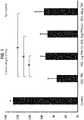
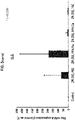
- Figure 1 shows the intestinal tract lengths of each group: PBS-treated group, calcium polyphosphate (PPA-Ca (1 ⁇ g/mouse)) treated group, PPA-Ca (5 ⁇ g/mouse) treated group, and tacrolimus (TAC (60 ⁇ g/mouse)) treated group.
- PPA-Ca calcium polyphosphate
- PPA-Ca 5 ⁇ g/mouse
- tacrolimus 60 ⁇ g/mouse
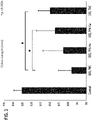
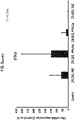
- the histological severity scores for each group are also shown in Figure 2 .
- the PPA-Ca-treated groups (1 ⁇ g and 5 ⁇ g/mouse) had significantly longer intestinal tracts than the PBS-treated group.
- the histological severity was significantly lower in the PPA-Ca-treated groups than in the PBS-treated group, indicating a therapeutic effect of calcium polyphosphate in the acute enterocolitis mouse model.
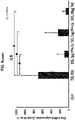
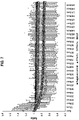
- Figure 4 shows the results of RT-PCR analysis of the expression of inflammatory cytokines (TNF ⁇ , IL-1 ⁇ , IFN ⁇ , and IL6) in each group: PBS-treated group, calcium polyphosphate (PPA-Ca (1 ⁇ g/mouse)) treated group, PPA-Ca (5 ⁇ g/mouse) treated group, and tacrolimus (TAC (60 ⁇ g/mouse)) treated group.
- PPA-Ca calcium polyphosphate
- PPA-Ca 5 ⁇ g/mouse
- tacrolimus TAC (60 ⁇ g/mouse)
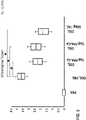
- Figure 6 shows a graph comparing CD61-positive areas in the intestinal tissue of an acute enterocolitis mouse model.
- the CD61-positive area was significantly larger in the DSS-administered group (DSS, PBS), but compared to the DSS-administered group (DSS, PBS), the CD61-positive area was significantly larger in the PPA-Ca-treated group (DSS, PPA-Ca: 5 ⁇ g/mouse). Since CD61 is expressed on the platelet surface, the CD61-positive area expands when platelet aggregation occurs.
- the above results indicate that oral administration of PPA-Ca highly promotes platelet aggregation on the inflamed intestinal mucosa.
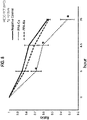
- Platelet-rich plasma was recovered by the same method as above, to which sodium polyphosphate and calcium polyphosphate were added at 1 mg/ml each and reacted for 20 minutes at room temperature. Platelets were then removed from PRP by centrifuging at 2,000 g for 10 minutes. The recovered plasma was added to a Vivaspin 3K column (GE Healthcare) and centrifuged at 3,040 ⁇ g to recover relatively low molecular weight plasma components from which platelets and polyphosphate particles were removed. A linear wound was drawn using the tip of a P200 tip on a human colonic epithelial cell line (HCEC-1CT cells) cultured to confluence in a 12-well plate, to which the relatively low molecular weight plasma components recovered above were added. The degree of wound healing was assessed by taking photographs over time and measuring the width of the linear wound.
- HCEC-1CT cells human colonic epithelial cell line
- Figure 8 shows the time course of wound width.
- PPA-Na sodium polyphosphate
- PPA-Ca calcium polyphosphate
- mice Six- to 8-week-old male C57BL/6J mice (Charles River Laboratories Japan) had free access to water containing 2% dextran sulfate sodium (MP Biomedicals) for 5 days. The mice were then allowed free access to distilled water until day 35. Sodium polyphosphate (1 ⁇ g/mouse) and calcium polyphosphate (1 ⁇ g/mouse) were dissolved in phosphate buffer (pH 7.4) and orally administered to the mice once a day from day 25, and on day 35, the mice were euthanized and sampled.
- phosphate buffer pH 7.4
- the RT-PCR was performed in accordance with the method described in Example 2.
- Figure 9 shows the lengths of the intestinal tract in each group: PBS-treated group, calcium polyphosphate (PPA-Ca (5 ⁇ g/mouse)) treated group, and PPA-Na (5 ⁇ g/mouse) treated group.
- PPA-Ca calcium polyphosphate
- PPA-Na 5 ⁇ g/mouse
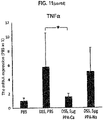
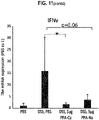
- Figure 11 shows the results of RT-PCR analysis of the expression of inflammatory cytokines (TNF ⁇ , IL-1 ⁇ ,and IFNy).
- inflammatory cytokines TNF ⁇ , IL-1 ⁇ ,and IFNy.
- Calcium polyphosphate was found to be useful for both chronic and acute enterocolitis. When compared to sodium polyphosphate, even a smaller dosage was sufficient to exert an effect of promoting healing of the damaged mucosa, and the superiority of calcium polyphosphate was particularly pronounced in acute enterocolitis. These differences were considered to be due in part to the platelet aggregating action in the damaged mucosa, which is not observed with sodium polyphosphate, and the resulting promotion of mucosal healing by the liquid factors.
- the present invention can act on damaged gastrointestinal mucosa and promote a platelet aggregation, thereby promoting mucosal healing in inflammatory bowel disease. Therefore, it is useful for the prevention or treatment of inflammatory bowel disease.
Landscapes
- Health & Medical Sciences (AREA)
- Chemical & Material Sciences (AREA)
- General Health & Medical Sciences (AREA)
- Animal Behavior & Ethology (AREA)
- Pharmacology & Pharmacy (AREA)
- Life Sciences & Earth Sciences (AREA)
- Medicinal Chemistry (AREA)
- Veterinary Medicine (AREA)
- Public Health (AREA)
- Bioinformatics & Cheminformatics (AREA)
- Engineering & Computer Science (AREA)
- Organic Chemistry (AREA)
- General Chemical & Material Sciences (AREA)
- Chemical Kinetics & Catalysis (AREA)
- Nuclear Medicine, Radiotherapy & Molecular Imaging (AREA)
- Epidemiology (AREA)
- Inorganic Chemistry (AREA)
- Diabetes (AREA)
- Hematology (AREA)
- Physics & Mathematics (AREA)
- Nanotechnology (AREA)
- Optics & Photonics (AREA)
- Biomedical Technology (AREA)
- Dermatology (AREA)
- Pharmaceuticals Containing Other Organic And Inorganic Compounds (AREA)
Applications Claiming Priority (2)
| Application Number | Priority Date | Filing Date | Title |
|---|---|---|---|
| JP2020001319 | 2020-01-08 | ||
| PCT/JP2021/000261 WO2021141066A1 (fr) | 2020-01-08 | 2021-01-07 | Agrégateur de plaquettes |
Publications (2)
| Publication Number | Publication Date |
|---|---|
| EP4101455A1 true EP4101455A1 (fr) | 2022-12-14 |
| EP4101455A4 EP4101455A4 (fr) | 2024-02-07 |
Family
ID=76788037
Family Applications (1)
| Application Number | Title | Priority Date | Filing Date |
|---|---|---|---|
| EP21738224.1A Withdrawn EP4101455A4 (fr) | 2020-01-08 | 2021-01-07 | Agrégateur de plaquettes |
Country Status (5)
| Country | Link |
|---|---|
| US (1) | US20220409655A1 (fr) |
| EP (1) | EP4101455A4 (fr) |
| JP (1) | JP7678478B2 (fr) |
| CN (1) | CN114929248A (fr) |
| WO (1) | WO2021141066A1 (fr) |
Families Citing this family (5)
| Publication number | Priority date | Publication date | Assignee | Title |
|---|---|---|---|---|
| US20260166076A1 (en) | 2022-10-27 | 2026-06-18 | Kamui Pharma, Inc. | Pharmaceutical composition containing zinc polyphosphate |
| WO2024090537A1 (fr) | 2022-10-27 | 2024-05-02 | カムイファーマ株式会社 | Polyphosphate de zinc et sa méthode de production |
| WO2026014535A1 (fr) * | 2024-07-11 | 2026-01-15 | 国立大学法人旭川医科大学 | Composition pour la prévention ou le traitement de l'endométriose |
| WO2026014534A1 (fr) * | 2024-07-11 | 2026-01-15 | 国立大学法人旭川医科大学 | Composition pharmaceutique destinée à la prévention ou au traitement du syndrome de la cystite interstitielle/douleur de la vessie |
| WO2026058954A1 (fr) * | 2024-09-13 | 2026-03-19 | 国立大学法人東京科学大学 | Formulation de dispersion comprenant des particules solides contenant du polyphosphate de calcium |
Family Cites Families (5)
| Publication number | Priority date | Publication date | Assignee | Title |
|---|---|---|---|---|
| US20080145447A1 (en) * | 2006-12-13 | 2008-06-19 | Bedard Robert L | Inorganic Solids That Accelerate Coagulation of Blood |
| US10792315B2 (en) * | 2010-04-08 | 2020-10-06 | National University Corporation Asahikawa Medical University | Intestinal protectant |
| EP2964329B1 (fr) * | 2013-03-08 | 2019-12-25 | The Regents of The University of California | Nanoparticules inorganiques fonctionnalisées par polyphosphate comme compositions hémostatiques et procédés d'utilisation |
| US20170319740A1 (en) | 2014-11-17 | 2017-11-09 | Nanotecmarin Gmbh | Bioactive Wound Dressing and Teeth Coating Based on Morphogenetically Active Amorphous Calcium Polyphosphate |
| JP2020001319A (ja) | 2018-06-29 | 2020-01-09 | 京セラドキュメントソリューションズ株式会社 | インク吐出装置及び印刷システム |
-
2021
- 2021-01-07 WO PCT/JP2021/000261 patent/WO2021141066A1/fr not_active Ceased
- 2021-01-07 JP JP2021570075A patent/JP7678478B2/ja active Active
- 2021-01-07 EP EP21738224.1A patent/EP4101455A4/fr not_active Withdrawn
- 2021-01-07 CN CN202180008442.9A patent/CN114929248A/zh active Pending
- 2021-01-07 US US17/756,752 patent/US20220409655A1/en not_active Abandoned
Also Published As
| Publication number | Publication date |
|---|---|
| JP7678478B2 (ja) | 2025-05-16 |
| WO2021141066A1 (fr) | 2021-07-15 |
| CN114929248A (zh) | 2022-08-19 |
| JPWO2021141066A1 (fr) | 2021-07-15 |
| EP4101455A4 (fr) | 2024-02-07 |
| US20220409655A1 (en) | 2022-12-29 |
Similar Documents
| Publication | Publication Date | Title |
|---|---|---|
| US20220409655A1 (en) | Platelet aggregating agent | |
| EP3567125A1 (fr) | Nano-vésicules dérivées de bactéries de l'espèce cupriavidus et utilisation associée | |
| Li et al. | The potential therapeutic effects of hydroxypropyl cellulose on acute murine colitis induced by DSS | |
| CN112203669A (zh) | 微生物组相关的免疫疗法 | |
| EP3212198B1 (fr) | Composition synthétique et procédé pour favoriser la cicatrisation des muqueuses | |
| Tao et al. | Oral delivery of chitosan-coated PLGA nanoemulsion loaded with artesunate alleviates ulcerative colitis in mice | |
| EP3031456A1 (fr) | Application d'andrographolide dans la préparation d'un produit pharmaceutique pour le traitement d'affection inflammatoire du tube digestif, microgranule d'andrographolide pour la vectorisation de médicaments gastro-résistants et leur procédé de préparation | |
| EP3739068A1 (fr) | Nanovésicules issues de faecalibacterium prausnitzii et utilisations associées | |
| EP2559437B1 (fr) | Protecteur intestinal | |
| BR112020012766A2 (pt) | medicamento para tratar câncer | |
| CN114028573B (zh) | 拟杆菌属肠道菌及其代谢相关物质在制备逆转氟尿嘧啶类药物耐药性的药物中的用途 | |
| US12285447B2 (en) | Methods and compositions for treating ulcerative colitis | |
| EP4599833A1 (fr) | Composition pharmaceutique contenant du polyphosphate de zinc | |
| Liu et al. | Nanoencapsulation of chitooligosaccharides enhances its oral bioavailability and anti-liver fibrotic effects | |
| EP4600207A1 (fr) | Polyphosphate de zinc et sa méthode de production | |
| Gao et al. | Melanin nanoparticles-loaded lactobacillus fermentum exosomes for targeted and visualized treatment of ulcerative colitis | |
| CN111479927A (zh) | 丝氨酸蛋白酶抑制剂生产 | |
| CN109481396B (zh) | 一种富勒烯水溶液、注射剂及其制备方法 | |
| EA030339B1 (ru) | Композиция водорастворимых селеногликопротеинов и способ ее получения | |
| CN113413402B (zh) | 梅花草提取物在制备治疗幽门螺杆菌感染疾病药物中的应用 | |
| CN118019543A (zh) | 解淀粉芽孢杆菌用于预防和治疗帕金森氏病的用途 | |
| EP3290043B1 (fr) | Produit laitier traité aux enzymes, procédé de production de celui-ci, composition et produit | |
| WO2019091183A1 (fr) | Utilisations de yd1701 dans la préparation de médicaments pour le traitement de tumeurs à expression élevée d'aldh1a3 | |
| CN116726012B (zh) | Nnmt在炎症性肠病诊断和治疗中的用途 | |
| CN109793760A (zh) | 琥珀酸弧菌属在预防或治疗高原病药物中的用途 |
Legal Events
| Date | Code | Title | Description |
|---|---|---|---|
| STAA | Information on the status of an ep patent application or granted ep patent |
Free format text: STATUS: THE INTERNATIONAL PUBLICATION HAS BEEN MADE |
|
| PUAI | Public reference made under article 153(3) epc to a published international application that has entered the european phase |
Free format text: ORIGINAL CODE: 0009012 |
|
| STAA | Information on the status of an ep patent application or granted ep patent |
Free format text: STATUS: REQUEST FOR EXAMINATION WAS MADE |
|
| 17P | Request for examination filed |
Effective date: 20220802 |
|
| AK | Designated contracting states |
Kind code of ref document: A1 Designated state(s): AL AT BE BG CH CY CZ DE DK EE ES FI FR GB GR HR HU IE IS IT LI LT LU LV MC MK MT NL NO PL PT RO RS SE SI SK SM TR |
|
| DAV | Request for validation of the european patent (deleted) | ||
| DAX | Request for extension of the european patent (deleted) | ||
| A4 | Supplementary search report drawn up and despatched |
Effective date: 20240109 |
|
| RIC1 | Information provided on ipc code assigned before grant |
Ipc: A61P 17/02 20060101ALI20240103BHEP Ipc: A61P 7/04 20060101ALI20240103BHEP Ipc: A61P 1/04 20060101ALI20240103BHEP Ipc: A61K 9/14 20060101ALI20240103BHEP Ipc: A61K 33/42 20060101AFI20240103BHEP |
|
| STAA | Information on the status of an ep patent application or granted ep patent |
Free format text: STATUS: THE APPLICATION HAS BEEN WITHDRAWN |
|
| 18W | Application withdrawn |
Effective date: 20241104 |