EP4108251A1 - Griffithsin zur verwendung in einem verfahren zur vorbeugung oder behandlung von infektionen mit respiratorischen viren - Google Patents
Griffithsin zur verwendung in einem verfahren zur vorbeugung oder behandlung von infektionen mit respiratorischen viren Download PDFInfo
- Publication number
- EP4108251A1 EP4108251A1 EP21180824.1A EP21180824A EP4108251A1 EP 4108251 A1 EP4108251 A1 EP 4108251A1 EP 21180824 A EP21180824 A EP 21180824A EP 4108251 A1 EP4108251 A1 EP 4108251A1
- Authority
- EP
- European Patent Office
- Prior art keywords
- active agent
- agent complex
- cells
- grft
- encapsulated
- Prior art date
- Legal status (The legal status is an assumption and is not a legal conclusion. Google has not performed a legal analysis and makes no representation as to the accuracy of the status listed.)
- Withdrawn
Links
Images


Classifications
-
- A—HUMAN NECESSITIES
- A61—MEDICAL OR VETERINARY SCIENCE; HYGIENE
- A61K—PREPARATIONS FOR MEDICAL, DENTAL OR TOILETRY PURPOSES
- A61K47/00—Medicinal preparations characterised by the non-active ingredients used, e.g. carriers or inert additives; Targeting or modifying agents chemically bound to the active ingredient
- A61K47/50—Medicinal preparations characterised by the non-active ingredients used, e.g. carriers or inert additives; Targeting or modifying agents chemically bound to the active ingredient the non-active ingredient being chemically bound to the active ingredient, e.g. polymer-drug conjugates
- A61K47/51—Medicinal preparations characterised by the non-active ingredients used, e.g. carriers or inert additives; Targeting or modifying agents chemically bound to the active ingredient the non-active ingredient being chemically bound to the active ingredient, e.g. polymer-drug conjugates the non-active ingredient being a modifying agent
- A61K47/54—Medicinal preparations characterised by the non-active ingredients used, e.g. carriers or inert additives; Targeting or modifying agents chemically bound to the active ingredient the non-active ingredient being chemically bound to the active ingredient, e.g. polymer-drug conjugates the non-active ingredient being a modifying agent the modifying agent being an organic compound
- A61K47/549—Sugars, nucleosides, nucleotides or nucleic acids
-
- A—HUMAN NECESSITIES
- A61—MEDICAL OR VETERINARY SCIENCE; HYGIENE
- A61K—PREPARATIONS FOR MEDICAL, DENTAL OR TOILETRY PURPOSES
- A61K38/00—Medicinal preparations containing peptides
- A61K38/16—Peptides having more than 20 amino acids; Gastrins; Somatostatins; Melanotropins; Derivatives thereof
-
- A—HUMAN NECESSITIES
- A61—MEDICAL OR VETERINARY SCIENCE; HYGIENE
- A61K—PREPARATIONS FOR MEDICAL, DENTAL OR TOILETRY PURPOSES
- A61K38/00—Medicinal preparations containing peptides
- A61K38/16—Peptides having more than 20 amino acids; Gastrins; Somatostatins; Melanotropins; Derivatives thereof
- A61K38/168—Peptides having more than 20 amino acids; Gastrins; Somatostatins; Melanotropins; Derivatives thereof from plants
-
- A—HUMAN NECESSITIES
- A61—MEDICAL OR VETERINARY SCIENCE; HYGIENE
- A61K—PREPARATIONS FOR MEDICAL, DENTAL OR TOILETRY PURPOSES
- A61K47/00—Medicinal preparations characterised by the non-active ingredients used, e.g. carriers or inert additives; Targeting or modifying agents chemically bound to the active ingredient
- A61K47/50—Medicinal preparations characterised by the non-active ingredients used, e.g. carriers or inert additives; Targeting or modifying agents chemically bound to the active ingredient the non-active ingredient being chemically bound to the active ingredient, e.g. polymer-drug conjugates
- A61K47/69—Medicinal preparations characterised by the non-active ingredients used, e.g. carriers or inert additives; Targeting or modifying agents chemically bound to the active ingredient the non-active ingredient being chemically bound to the active ingredient, e.g. polymer-drug conjugates the conjugate being characterised by physical or galenical forms, e.g. emulsion, particle, inclusion complex, stent or kit
- A61K47/6905—Medicinal preparations characterised by the non-active ingredients used, e.g. carriers or inert additives; Targeting or modifying agents chemically bound to the active ingredient the non-active ingredient being chemically bound to the active ingredient, e.g. polymer-drug conjugates the conjugate being characterised by physical or galenical forms, e.g. emulsion, particle, inclusion complex, stent or kit the form being a colloid or an emulsion
- A61K47/6911—Medicinal preparations characterised by the non-active ingredients used, e.g. carriers or inert additives; Targeting or modifying agents chemically bound to the active ingredient the non-active ingredient being chemically bound to the active ingredient, e.g. polymer-drug conjugates the conjugate being characterised by physical or galenical forms, e.g. emulsion, particle, inclusion complex, stent or kit the form being a colloid or an emulsion the form being a liposome
-
- A—HUMAN NECESSITIES
- A61—MEDICAL OR VETERINARY SCIENCE; HYGIENE
- A61K—PREPARATIONS FOR MEDICAL, DENTAL OR TOILETRY PURPOSES
- A61K9/00—Medicinal preparations characterised by special physical form
- A61K9/0012—Galenical forms characterised by the site of application
- A61K9/0019—Injectable compositions; Intramuscular, intravenous, arterial, subcutaneous administration; Compositions to be administered through the skin in an invasive manner
- A61K9/0021—Intradermal administration, e.g. through microneedle arrays or needleless injectors
-
- A—HUMAN NECESSITIES
- A61—MEDICAL OR VETERINARY SCIENCE; HYGIENE
- A61K—PREPARATIONS FOR MEDICAL, DENTAL OR TOILETRY PURPOSES
- A61K9/00—Medicinal preparations characterised by special physical form
- A61K9/0012—Galenical forms characterised by the site of application
- A61K9/0043—Nose
-
- A—HUMAN NECESSITIES
- A61—MEDICAL OR VETERINARY SCIENCE; HYGIENE
- A61K—PREPARATIONS FOR MEDICAL, DENTAL OR TOILETRY PURPOSES
- A61K9/00—Medicinal preparations characterised by special physical form
- A61K9/0012—Galenical forms characterised by the site of application
- A61K9/0048—Eye, e.g. artificial tears
-
- A—HUMAN NECESSITIES
- A61—MEDICAL OR VETERINARY SCIENCE; HYGIENE
- A61K—PREPARATIONS FOR MEDICAL, DENTAL OR TOILETRY PURPOSES
- A61K9/00—Medicinal preparations characterised by special physical form
- A61K9/0012—Galenical forms characterised by the site of application
- A61K9/007—Pulmonary tract; Aromatherapy
- A61K9/0073—Sprays or powders for inhalation; Aerolised or nebulised preparations generated by other means than thermal energy
- A61K9/0078—Sprays or powders for inhalation; Aerolised or nebulised preparations generated by other means than thermal energy for inhalation via a nebulizer such as a jet nebulizer, ultrasonic nebulizer, e.g. in the form of aqueous drug solutions or dispersions
-
- A—HUMAN NECESSITIES
- A61—MEDICAL OR VETERINARY SCIENCE; HYGIENE
- A61K—PREPARATIONS FOR MEDICAL, DENTAL OR TOILETRY PURPOSES
- A61K9/00—Medicinal preparations characterised by special physical form
- A61K9/08—Solutions
-
- A—HUMAN NECESSITIES
- A61—MEDICAL OR VETERINARY SCIENCE; HYGIENE
- A61K—PREPARATIONS FOR MEDICAL, DENTAL OR TOILETRY PURPOSES
- A61K9/00—Medicinal preparations characterised by special physical form
- A61K9/10—Dispersions; Emulsions
- A61K9/107—Emulsions ; Emulsion preconcentrates; Micelles
-
- A—HUMAN NECESSITIES
- A61—MEDICAL OR VETERINARY SCIENCE; HYGIENE
- A61K—PREPARATIONS FOR MEDICAL, DENTAL OR TOILETRY PURPOSES
- A61K9/00—Medicinal preparations characterised by special physical form
- A61K9/10—Dispersions; Emulsions
- A61K9/127—Synthetic bilayered vehicles, e.g. liposomes or liposomes with cholesterol as the only non-phosphatidyl surfactant
-
- A—HUMAN NECESSITIES
- A61—MEDICAL OR VETERINARY SCIENCE; HYGIENE
- A61K—PREPARATIONS FOR MEDICAL, DENTAL OR TOILETRY PURPOSES
- A61K9/00—Medicinal preparations characterised by special physical form
- A61K9/48—Preparations in capsules, e.g. of gelatin, of chocolate
- A61K9/50—Microcapsules having a gas, liquid or semi-solid filling; Solid microparticles or pellets surrounded by a distinct coating layer, e.g. coated microspheres, coated drug crystals
- A61K9/51—Nanocapsules; Nanoparticles
- A61K9/5107—Excipients; Inactive ingredients
- A61K9/5123—Organic compounds, e.g. fats, sugars
-
- A—HUMAN NECESSITIES
- A61—MEDICAL OR VETERINARY SCIENCE; HYGIENE
- A61K—PREPARATIONS FOR MEDICAL, DENTAL OR TOILETRY PURPOSES
- A61K9/00—Medicinal preparations characterised by special physical form
- A61K9/48—Preparations in capsules, e.g. of gelatin, of chocolate
- A61K9/50—Microcapsules having a gas, liquid or semi-solid filling; Solid microparticles or pellets surrounded by a distinct coating layer, e.g. coated microspheres, coated drug crystals
- A61K9/51—Nanocapsules; Nanoparticles
- A61K9/5107—Excipients; Inactive ingredients
- A61K9/513—Organic macromolecular compounds; Dendrimers
-
- A—HUMAN NECESSITIES
- A61—MEDICAL OR VETERINARY SCIENCE; HYGIENE
- A61P—SPECIFIC THERAPEUTIC ACTIVITY OF CHEMICAL COMPOUNDS OR MEDICINAL PREPARATIONS
- A61P31/00—Antiinfectives, i.e. antibiotics, antiseptics, chemotherapeutics
- A61P31/12—Antivirals
- A61P31/14—Antivirals for RNA viruses
-
- A—HUMAN NECESSITIES
- A61—MEDICAL OR VETERINARY SCIENCE; HYGIENE
- A61P—SPECIFIC THERAPEUTIC ACTIVITY OF CHEMICAL COMPOUNDS OR MEDICINAL PREPARATIONS
- A61P31/00—Antiinfectives, i.e. antibiotics, antiseptics, chemotherapeutics
- A61P31/12—Antivirals
- A61P31/14—Antivirals for RNA viruses
- A61P31/16—Antivirals for RNA viruses for influenza or rhinoviruses
Definitions
- the present invention relates to Griffithsin (GRFT) for use in a method of preventing or treating infections with respiratory viruses, wherein the GRFT is encapsulated.
- GRFT Griffithsin
- a preferred embodiment is a combination of targeted nanocarrier-mediated delivery of GRFT and non-encapsulated GRFT to CLR-positive cells or CRD-positive cells infected with, or susceptible to infection with, a respiratory virus.
- COVID-19 coronavirus disease 2019
- SARS-CoV-2 coronavirus disease 2019
- SARS-CoV-2 coronavirus disease 2019
- SARS-CoV-2 coronavirus disease 2019
- SARS-CoV-2 coronavirus disease 2019
- SARS-CoV-2 coronavirus disease 2019
- SARS-CoV-2 coronavirus disease 2019
- SARS-CoV-2 coronavirus disease 2019
- COVID-19 has been confirmed in about 171 million people worldwide with over 3.5 million deaths, i.e. carrying a mortality of approximately 2.3%.
- influenza virus A/H1N1 (porcine flu), influenza virus A/H5N1(avian flu), coronavirus SARS-CoV-1 or coronavirus MERS-CoV (Middle East Respiratory Syndrome).
- Severe acute respiratory distress syndrome reflects the hallmark of a critical course of the disease. Treatment of the infection depends on the severity of the disease presentation (e.g. administering oxygen, maintaining fluid balance, if necessary administering antibiotics to combat bacterial co-infections) and also includes the treatment of relevant underlying chronic illnesses. Current management of COVID-19 is supportive, and ARDS is the leading cause of mortality. There are also many cases of long-COVID. This means that the patients have no detectable virus load any longer but do not recover from the symptoms (e.g. difficulty to breathe, fatigue, joint pain) over months.
- GRFT is a carbohydrate-binding protein made of 121 amino acids and is 12.7 kDa in size. It has an unique amino acid residue at position 31 which does not match any of the 20 standard amino acids. It was initially isolated from an aqueous extract of the red algae Griffithsia sp. collected from waters off the shores of New Zealand. researchers at the U.S. National Cancer Institute first reported its potent cytoprotective activity against HIV-1 in T-lymphoblastoid cells. In terms of structural classification, GRFT is a Jacalin-related lectin harboring three repeats of an antiparallel four-stranded ⁇ -sheet with a triangular prism shape.
- a domain-swapped dimer Because two ⁇ -strands from one protein forming the dimer display domain-exchanging properties with the same two ⁇ -strands of its counterpart. It has three identical carbohydrate-binding sites (located within residues 20-34, 58-76, and 96-120) on each monomer with three conserved glycine-rich repeats (GGSGG) ( Lee, C., Mar. Drugs 2019, 17:567 ).
- nanoencapsulated GRFT has advantages as a prophylactic or therapeutic option for infections caused by a respiratory virus compared to free (non-encapsulated) GRFT, in particular for coronavirus infections caused by SARS-CoV-2 or infections with influenza virus.
- cell-targeted nanocarriers are a suitable vehicle for specifically delivering encapsulated compounds to (a) given cell type(s) expressing the respective targeting structure.
- encapsulated compounds to (a) given cell type(s) expressing the respective targeting structure.
- such technology highly focuses in delivering compound to the cell type(s) of choice.
- the compounds needed to be delivered by targeted liposomes selectively reached the cell type of choice, such as myeloid dendritic cells (mDCs), and delivered their contents into such cells ( Gieseler RK et al., Scand J Immunol. 2004; 59:415-24 ; WO 2005/092288 A1 ).
- the present invention concerns an active agent complex comprising GRFT encapsulated in a lipid-based or polymer-based nanocarrier and at least one cell-specific targeting ligand on the surface of the nanocarrier, wherein the targeting ligand specifically binds to a receptor on the surface of a carbohydrate recognition domain (CRD)-positive cell infected with, or susceptible to infection with, a respiratory virus for use in a method of preventing or treating an infection caused by respiratory viruses, in particular influenza viruses or corona viruses.
- CCD carbohydrate recognition domain
- the GRFT is as the active agent part of an agent complex that is furnished on its outer surface with a targeting ligand, specifically recognizing C-type lectin receptor (CLRs) or carbohydrate recognition domains (CRDs), and enabling intracellular uptake.
- a targeting ligand specifically recognizing C-type lectin receptor (CLRs) or carbohydrate recognition domains (CRDs)
- CLRs C-type lectin receptor
- CCDs carbohydrate recognition domains
- Targeting systems as disclosed here are comprised of nanocarriers that feature targeting ligands directly embedded in their outer surfaces; alternatively, such targeting ligands may be positioned externally on a spacer embedded in the outer surface of the nanocarriers, offering desired additional features.
- targeting systems may further be supplemented with agents facilitating the intracellular (i.e. specifically, endosomal) release of encapsulated active agents.
- the present invention concerns an active agent complex comprising GRFT encapsulated in a lipid-based or polymer-based nanocarrier and at least one cell-specific targeting ligand on the surface of the nanocarrier, wherein the targeting ligand specifically binds to a receptor on the surface of a CRD-positive cell or CLR-positive cell infected with, or susceptible to infection with, a respiratory virus for use in a method of preventing or treating an infection caused by respiratory viruses, in particular influenza virus or coronavirus.
- the present invention concerns a lipid-drug complex
- a lipid-drug complex comprising GRFT encapsulated in a liposome and at least one carbohydrate (e.g. monofucose, polyfucose) or derivative thereof as a targeting ligand on the outer surface of the liposome, wherein the targeting ligand specifically binds to a receptor expressing C-type lectin-like carbohydrate recognition domains (CRD) or other receptors with CRD on the surface of a cell infected with, or susceptible to infection with, a respiratory virus, in particular influenza virus or coronavirus.
- CCD C-type lectin-like carbohydrate recognition domains
- the present invention concerns a pharmaceutical combination comprising
- the active agent complex is part of a pharmaceutical composition or combination combined with a pharmaceutically acceptable carrier.
- the present invention enables the preferentially delivering of GRFT as an active agent to a CLR- positive or CRD-positive cell of a mammalian subject, including a human.
- Targeted CRD-positive cells or CLR-positive cells include, but are not limited to, airway epithelial cells (e.g. lung vascular cells), endothelial cells of the lymphatic or blood system, and immune cells (e.g. bone marrow-resident myeloid progenitor cells, monocytes, myeloid dendritic cells, follicular dendritic cells, plasmacytoid dendritic cells, macrophages (e.g. alveolar macrophages), T lymphocytes, and natural killer cells).
- the term “dendritic cell” includes a myeloid, a plasmacytoid, or a follicular dendritic cell unless not stated otherwise.
- T lymphocyte includes, but is not limited to, a T-helper, a T-regulatory, or a T-memory cell.
- the present invention is directed to target CRD-positive cells or CLR-positive cells of the respiratory tract.
- the respiratory tract is the subdivision of the respiratory system involved with the process of respiration in mammals.
- the respiratory tract is lined with respiratory mucosa or respiratory epithelium (also called airway epithelial cells).
- the respiratory tract is divided into the upper airways and lower airways.
- the upper airways or upper respiratory tract includes the nose and nasal passages, paranasal sinuses, the pharynx, and the portion of the larynx above the vocal folds (cords).
- the lower airways or lower respiratory tract includes the portion of the larynx below the vocal folds, trachea, bronchi and bronchioles.
- the lungs can be included in the lower respiratory tract or as separate entity and include the respiratory bronchioles, alveolar ducts, alveolar sacs, and alveoli.
- the CRD-positive cell or CLR-positive cell is infected with, or susceptible to infection with, a respiratory virus.
- influenza A, B, C and mixed human-animal types like A/H1N1, A/H7N9 or A/H5N1) parainfluenza viruses, metapneumovirus, rhinovirus, adenoviruses, bocaviruses or coronavirus, in particular SARS-CoV-1, MERS-CoV and SARS-CoV-2. It needs to be considered that some of these respiratory viruses can cause endemic, epidemic and/or pandemic situations.
- coronavirus comprises both wild-type and mutants or variants.
- SARS-CoV-2 it encompasses the "original” type of 2019 but also all later identified mutants or variants, like B.1.1.7 ("British variant", Alpha variant), B.1.351 ("South African variant”, Beta variant), P.1 ("Brazilian variant”, Gamma variant) or B.1.617 ("Indian variant", Delta variant).
- B.1.1.7 British variant
- Beta variant South African variant
- P.1 Brainzilian variant
- Gamma variant Gamma variant
- B.1.617 Indian variant, Delta variant
- “Pharmaceutically acceptable” is meant to encompass any carrier, which does not interfere with the effectiveness of the biological activity of the active ingredients and that is not toxic to the patient to whom it is administered.
- suitable pharmaceutical carriers include phosphate buffered saline solutions, water, emulsions, such as oil/water emulsions, various types of wetting agents, sterile solutions etc.
- Such carriers can be formulated by conventional methods and can be administered to the subject at an effective dose.
- Additional pharmaceutically compatible carriers can include gels, bioadsorbable matrix materials, implantation elements containing the therapeutic agent, or any other suitable vehicle, delivery or dispensing means or material(s).
- a “complex” or “formulation” is a mixture or adduct resulting from chemical binding or bonding between and/or among its constituents or components, including the lipid, active agent, and other optional components.
- Chemical binding or bonding can have the nature of a covalent, ionic, hydrogen, van der Waal's, or hydrophobic bond, or any combination of these bonding types linking the constituents of the complex at any of their parts or moieties, of which a constituent can have one or a multiplicity of moieties of various sorts. Not every constituent of a complex or formulation needs to be bound to every other constituent, but each constituent has at least one chemical binding or bonding with at least one other constituent of the complex.
- examples of lipid-active agent complexes include liposomes (lipid vesicles), or lipid-active agent sheet-disk complexes. Also, lipid-conjugated active agents can be a part of the lipid-active agent complex.
- lipid-active agent formulations such as liposomes
- Sullivan SM et al. Antisense Res Dev 1992;2:187-97 ; Laverman P et al., Crit Rev Ther Durg Carrier Syst 2001;18:551-66 ); Oussoren C, Storm G, Adv Drug Deliv Rev 2001;50:143-56 ; U.S. Patent No. 5,773,027 ; U.S. Patent No. 5,223,263 ; WO 96/10399 A1 ).
- liposomes or lipid-based nanocarriers can be prepared by any of the methods described above. They contain lipids that crosslink with an active agent, for example, protein .
- examples of such lipids are N-glutaryl-phosphatidylethanolamine, N -succinyl-phosphatidylethanolamine, maleimidophenyl-utyryl-phosphatidylethanolamine,succinimidyl-acetylthioacetate-phosphatidylethanolamine, and SPDP-phosphatidylethanolamine.
- the glutaryl and succinimidyl phosphatidylethanolamine can be linked to a nucleophile (e.g.
- the maleimido, acetylthioacetate and SPDP phosphatidylethanolamines can be reacted with thiols on the proteins, peptides or small molecular weight ligands ( ⁇ 1000 g/mol).
- the protein can be derivatized to the liposomes after formation. Non-derivatized protein can be removed by gel permeation chromatography. Peptides and low molecular weight ligands can be derivatized to the lipids and added to the organic lipid solution prior to formulating the lipid film.
- examples of useful lipids include any vesicle-forming lipid, such as, but not limited to, phospholipids, such as phosphatidylcholine (PC), both naturally occurring and synthetically prepared, phosphatidic acid (PA), lysophosphatidylcholine, phosphatidylserine (PS), phosphatidylethanolamine (PE), sphingolipids, phosphatidylglycerol (PG), sphingomyelin, cardiolipin, glycolipids, gangliosides, cerebrosides and the like used either singularly or intermixed such as in soybean phospholipids (e.g., Asolectin, Associated Concentrates).
- the PC, PG, PA and PE can be derived from purified egg yolk and its hydrogenated derivatives.
- lipids such as steroids, cholesterol, aliphatic amines (e.g. long-chained aliphatic amines or carboxylic acids), long-chained sulfates and phosphates, diacetyl phosphate, butylated hydroxytoluene, tocopherols, retinols, and isoprenoid compounds can be intermixed with the phospholipid components to confer certain desired and known properties on the formed vesicles.
- aliphatic amines e.g. long-chained aliphatic amines or carboxylic acids
- long-chained sulfates and phosphates diacetyl phosphate
- butylated hydroxytoluene butylated hydroxytoluene
- tocopherols retinols
- isoprenoid compounds can be intermixed with the phospholipid components to confer certain desired and known properties on the formed vesicles.
- synthetic phospholipids containing either altered aliphatic portions such as hydroxyl groups, branched carbon chains, cyclo-derivatives, aromatic derivatives, ethers, amides, polyunsaturated derivatives, halogenated derivatives, or altered hydrophilic portions containing carbohydrate, glycol, phosphate, phosphonate, quaternary amine, sulfate, sulfonate, carboxy, amine, sulfhydryl, or imidazole groups and combinations of such groups can be either substituted or intermixed with the above-mentioned phospholipids and used in accordance with the invention.
- Saturated synthetic PC and PG such as dipalmitoyl can also be used.
- Other amphipathic lipids used advantageously with PC are, e.g., gangliosides, globosides, fatty acids, stearylamine, and long-chain alcohols.
- PEGylated lipids, monoglycerides, diglycerides, and triglycerides can also be included.
- Acylated and diacylated phospholipids are also useful.
- useful phospholipids include egg phosphatidylcholine (EPC), dilauryloylphosphatidylcholine (DLPC), dimyristoylphosphatidylcholine (DOPC), dipalmitoylphosphatidylcholine (DPPC), distearoylphosphatidylcholine (DSPC), 1-myristoyl-2-palmitoylphosphatidylcholine (MPPC), 1-palmitoyl-2-myristoyl phosphatidylcholine (PMPC), 1-palmitoyl-2-stearoyl phosphatidylcholine (PSPC), 1-stearoyl-2-palmitoyl-phosphatidylcholine (SPPC), dioleoylphosphatidylycholine (DOPC), dilauryloylphosphatidylglycerol (DLPG), dimyristoylphosphatidylglycerol (DMPG), dipalmitoylphosphatidylg
- EPC
- Useful polymers for preparing polymer-based nanocarriers are poly(vinyl pyridine), Poly(methyl methacrylate) (PMMA), Polystyrene, Polycarbonate, Poly(dimethyl siloxane), Poly(propylene carbonate), Polyimide, Poly(vinyl chloride), Poly(butylene terephthalate), Poly(lactic acid) (PLGA), Poly(lactide-co-glycolide-co-PEG) (PLGAePEG), Poly( ⁇ -caprolactone), Polysaccharides like alginate and chitosan, Poly(butyl cyanoacrylate).
- PC and cholesterol are employed.
- any suitable molar ratio of a non-steroidal lipid:steroidal lipid (e.g., cholesterol) mixture can optionally be employed to promote the stability of a particular lipid-active agent complex during storage and/or delivery to a mammalian subject.
- Active agent and lipids can be mixed by any useful known technique, e.g. sonication, vortexing, extrusion, microfluidization, homogenization, or use of a detergent (later removed, e.g., by dialysis).
- an organic solvent can facilitate the production of the lipid-active agent formulation.
- the organic solvent is removed by, e.g., evaporating by vacuum, application of heat, or hot ethanol injection (e.g., Deamer, United States Patent No. 4,515,736 ), as long as the lipid and active agent are stable at the temperature used.
- Dialysis and/or chromatography e.g. affinity chromatography
- Hydrating the active agent is performed with water or any biocompatible aqueous buffer (e.g., phosphate-buffered saline, HEPES, or TRIS) that maintains physiological osmolarity.
- Rehydration of liposomes can be accomplished simultaneous to remove the organic solvent, or alternatively, can be delayed until a more convenient time for using the liposomes (e.g., Papahadjopoulos et al., United States Patent No. 4,235,871 ).
- the shelf-life of hydratable ("dry") liposomes - typically 8-12 months - can be increased by lyophilization.
- the lipid-active agent complex is a unilamellar liposome.
- Such liposomes accommodate higher levels of active agent which may interact with inner and outer surfaces of the liposomes.
- multilamellar liposomes and/or PEGylated liposomes can also be used.
- the lipid-active agent complex is preferably, but not necessarily, ⁇ 30-200 nm in diameter.
- lipid-active agent complexes can be preserved by any known method, such as lyophilization (e.g., Crowe et al., United States Patent No. 4,857,319 ).
- lyophilization e.g., Crowe et al., United States Patent No. 4,857,319
- lyophilization or other useful cryopreservation techniques involve the inclusion of a cryopreservant, such as a disaccharide.
- the active agent complex, pharmaceutical composition or combination of the present invention is administered to a subject by any suitable means, for example by injection, i.e. intravenous, subcutaneous, intraocular, intraarterial, intramuscular, intradermal or intranasal.
- injection i.e. intravenous, subcutaneous, intraocular, intraarterial, intramuscular, intradermal or intranasal.
- Subcutaneous or intramuscular injection are preferred for introducing the lipid-active agent complex into lymphatic vessels.
- the lipid-active agent formulation can also be applied intrapulmonary by inhalation or intranasal application. This mode of administration is particularly preferred for an enrichment of the active agent complex in the lung. In this regard reference is made to Example 6.
- lymphoid tissue is (i) a lymph node (e.g., inguinal, mesenteric, ileocecal, or axillary); (ii) the spleen; (iii) the thymus, (iv) the mucosa-associated lymphoid tissue such (e.g., in lung, intestinal lamina basement, or Peyer's patches of the small intestine), (v) the skin-associated lymphoid tissue, or (vi) Waldeyer's neck ring also encompassing the lingual, palatine and pharyngeal tonsils as anatomically discrete structures.
- Injection is by any method that drains directly, or preferentially, into the lymphatic system or bone marrow but also to the blood stream. Most preferred are subcutaneous, intracutaneous, and bone marrow-directed injection routes employing a syringe needle gauge larger than the lipid-active agent formulation. Typically, the injection (generally ⁇ 1-5 cm 3 ) is into the subject's arm, leg, or belly, but any convenient site can be chosen for subcutaneous injection. In accordance with some embodiments of the present invention, when administered subcutaneously the active agent enters the lymphatic system prior to entering systemic blood circulation.
- Benefits include (i) its distribution throughout the lymphoid system and localization in lymph nodes; (ii) to avoid or minimize (serum) protein-mediated destabilization of lipid-active agent complexes; and (iii) the delivery of the agent at concentrations that cannot be achieved with a soluble form of the active agent administered by any other route of administration.
- the frequency of administration is preferably two or three times per day, once per day, one to three times per week, but more or less frequent injections (e.g., monthly) can be appropriate, too.
- parts (a) and (b) may be administered simultaneously or sequentially, wherein, preferably, (a) and (b) are administered simultaneously.
- Parts (a) and (b) may be provided in a single unit dosage form for being taken together or as separate entities (e.g. in separate containers) to be administered simultaneously or with a certain time difference. This time difference may be between 1 hour and 12 hours.
- Each combination part may be administered either alone or in a medicament which comprises the active agent complex and one or more pharmaceutically acceptable carriers, excipients and diluents, as defined above and according to standard pharmaceutical practice.
- the targeting ligand can be a small chemical compound, an antibody, a sugar, a peptide or an aptamer.
- antibody (Ab) is meant to include intact immunoglobulin molecules as well as antibody fragments (such as, for example, Fab and F(ab')2 fragments) which are capable of specifically binding to a surface receptor. Fab and F(ab')2 fragments lack the Fc fragment of intact antibody.
- antibodies useful for the purposes of the present invention include chimeric, single chain, multifunctional (e.g. bispecific) and humanized antibodies or human antibodies.
- the present invention uses nanocarriers, particularly liposomes, having targeting ligands on their inner and/or outer surface. These targeting ligands provide a surface labeling of the nanocarrier.
- the targeting ligand is attached to the lipid component (e.g. a liposome) by techniques known in the art ( WO 05/092288 A1 )
- Preferred examples of targeting ligands are monofucose, polyfucose or derivatives thereof.
- One particular preferred targeting ligand is cholesten-5-yloxy-N-(4-((1-imino-2-D-thiofucosylethyl)amino)alkyl)formamide (Fuc-C4-chol), cholesteryl-(4-(3-((2R,3S,4R,5S,6S)-3,4,5-trihydroxy-6-(hydroxymethyl)tetrahydro-2H-pyran-2-yl)thioureido)butyl)carbamate (Thiourea-Galac-C4-chol).
- fucosylated (Fuc) liposomes are prepared by means of a linkage of fucosyl targeting ligand, may be to a spacer that is attached to a suitable lipophilic membrane anchor on the liposomes or may be to a distal end of the anchor on the liposomes or directly to the lipid component of the liposomes.
- Suitable compounds are polyethylene glycol (PEG) or hydroxyethyl starch (HES).
- the "active agent” or “drug” is Griffithsin (abbreviation GRFT).
- GRFT carbohydrate-binding agent
- Griffithsin is a carbohydrate-binding agent (CBA) and belongs to the group of mannose-specific natural lectins from Griffithsia sp.
- CBAs carbohydrate-binding agent
- fucose e.g. prominently displayed by SARS-CoV spike like glycoprotein S
- CBAs exist either as dimers or tetramers.
- Tetramers of plant lectins are typically -0.5 ⁇ (5 nm) in diameter.
- CBAs can be entrapped in, and delivered from, a liposome of a diameter of ⁇ 100-200 nm to agglutinate intracellular viral reservoirs.
- Suitable "Griffithsin derivatives or variants” are for example described in WO 2016/130628 A1 . These encompass Griffithsin mutant polypeptides which contain additional insertions, deletions, substitutions or additions relative to the wild-type polypeptide. They encompass also Griffithsin dimers or multimers.
- the Griffithsin derivatives or variants can be obtained by, for instance, glycoylation, amidation, carboxylation, phosphorylation or by the creation of addition salts, amides, esters or N-acyl derivatives.
- the Griffithsin derivatives or variants also encompass fusion proteins of Griffithsin coupled to an effector component, e.g. PEG, dextran, albumin, an immunological reagent, a toxin or a solid support matrix.
- the active agent complex may also comprise one or more antiviral drugs or virucidal or virostatic agents (such as an interferon), nucleoside analogs, or non-nucleoside anti-viral drugs.
- antiviral drugs or virucidal or virostatic agents such as an interferon
- nucleoside analogs such as an interferon
- non-nucleoside anti-viral drugs examples include indinavir (a.k.a.
- saquinavir N -tert-butyl-decahydro-2-[2(R)-hydroxy-4-phenyl-3(S)-[[ N -(2-quinolylcarbonyl)-L-asparaginyl]-amino]butyl]-(4aS,8aS)-isoquinoline-3(S)-carboxamide; MW 670.86 Da (a.k.a. Fortovase ® , Roche Laboratories, Inc., Nutley, NJ); or nelfinavir (i.e., nelfinavir mesylate, a.k.a.
- Antiviral drugs can also be virus-specific siRNA, antisense or sense DNA molecules.
- the additional antiviral drugs are broad spectrum antiviral drugs.
- the active agent complex further comprises one or more accessory factors comprising bivalent cations, co-enzymes, enzyme activators, or pH-modifying agents.
- the nanocarriers are phosphatidylcholine-derived liposomes labeled on their surface with Fuc-4-Chol and containing the Griffithsin or Griffithsin derivatives as an encapsulated drug.
- the antiviral activity of Griffithsin has been reported e.g. in US 7,884,178 B2 or US 8,394,764 B2 . It recognizes a conserved glycoprotein structure on the surface of a number of retroviruses (HIV-1, SIV, HTLV, FIV, MLV, BLV, equine infectious virus) and non-retroviruses: HCV, influenza viruses (including influenza A, A/H5N1 or A/H7N9) or corona viruses (including SARS-CoV-1 and SARS-CoV-2).
- retroviruses HIV-1, SIV, HTLV, FIV, MLV, BLV, equine infectious virus
- non-retroviruses HCV, influenza viruses (including influenza A, A/H5N1 or A/H7N9) or corona viruses (including SARS-CoV-1 and SARS-CoV-2).
- Non-encapsulated Griffithsin has a broad mechanism of action including inhibition of viral fusion, entry, assembly and release. However, it is not able to enter infected cells to a notable degree. The inventors therefore focus on the encapsulated version of this CBA designed to eliminate intracellular viral reservoirs or propagating pathogens.
- the treatment version of the present invention comprises both encapsulated as well as non-encapsulated Griffithsin as a combination.
- the ratio of encapsulated to non-encapsulated Griffithsin is between 10:1 to 1:10, preferably 10:1, 5:1, 2:1, 1:1, 1:2, 1:5, or 1:10.
- the encapsulation of Griffithsin enables to use much less Griffithsin than would be necessary for the unencapsulated administration.
- it is advantageous as it decreases costs, increases efficacy, facilitates treatment schemes and reduces side effects in the patient.
- the active agent complex or pharmaceutical composition comprising encapsulated GRFT is suitable as a prophylactic treatment preceding viral infection or as a therapeutic treatment during viral infection or as a post-exposure prophylaxis following viral infection.
- a particular preferred embodiment is a combination of (a) CLR-TS-nanocarriers containing Griffithsin with (b) non-encapsulated Griffithsin as a prophylactic treatment preceding viral infection or as a therapeutic treatment during viral infection or as a post-exposure prophylaxis following viral infection.
- the active agent complex, pharmaceutical composition or combination of the present invention is administered to a subject at risk for exposure to the virus. In some therapeutic applications, it is administered immediately to a subject exposed to the virus. In some therapeutic applications, it is administered to a subject after exposure to virus where viral infection progresses to a clinical disease.
- prophylactic compositions prevent or reduce the risk of viral infection. Such an amount is defined to be a prophylactically effective amount or dose. In this use, the precise amounts also depend on the patient's state of health, weight, and the like. When used in patients, effective amounts for this use will depend on the severity and course of the disease, disorder or condition, previous therapy, the patient's health status and response to the drugs, and the judgment of the treating physician.
- the active agent complex, pharmaceutical composition or combination is administered to a patient already suffering from the viral infection, in an amount sufficient to cure or at least partially arrest at least one of the symptoms of the disease or condition.
- Amounts effective for this use depend on the severity and course of the disease or condition, previous therapy, the patient's health status, weight, and response to the drugs, and the judgment of the treating physician.
- Therapeutically effective amounts are optionally determined by methods including, but not limited to, a dose escalation and/or dose ranging clinical trial.
- This treatment concept is using the CLR entry pathway and is independent of ACE2 receptor, which has been shown to be down regulated after SARS-Covid19 viral entry ( Tai et al., Characterization of the receptor-binding domain (RBD) of 2019 novel coronavirus: implication for development of RBD protein as a viral attachment inhibitor and vaccine, Cellular & Molecular Immunology, 2020 ; Hoffmann et al., SARS-CoV-2 Cell Entry Dependson ACE2 and TMPRSS2 and Is Blocked by a Clinically Proven Protease Inhibitor, Cell, 2020 ).
- RBD receptor-binding domain
- the advantage of employing the combination of the present invention in therapeutic application is that recruited immune cells that would be prone to get infected with viruses are prevented from being infected.
- CLR-ligand a frucose polysaccharide
- CLRs function as 'pathogen entry ports' into a cell expressing such receptors.
- the endocytic members of APC-expressed CLRs serve for the uptake of pathogens and their intracellular break-down, subsequent controlled processing of pathogen-derived protein antigens to 10-mer or 12-mer peptides and the association of such antigens with class I or class II proteins of the APC's major histocompatibility complex (MHC).
- MHC major histocompatibility complex
- the design of the nanocarriers of the present invention (known as TargoSphere ® and distributed by the applicant) took advantage of a crucial cellular uptake mechanism for infectious agents that depends on their surface decoration with certain distinctive carbohydrates. Also, as the nanocarriers of the present invention can be scaled at diameters of between approx. 50-200 nm - hence falling in the nanocarrier category - they are sized in the range of most viruses. Like pathogens, the nanocarriers of the present invention are internalized in clathrin-dependent manner whereupon both carrier and payload (i.e. Griffithsin) are delivered into endosomes. Furthermore, and again like reservoir-forming pathogens, a given therapeutic payload can escape the endo(lyso)somal compartment to access the cytoplasm.
- carrier and payload i.e. Griffithsin
- the nanocarriers thus, enable a multitude of applications, which makes this technology a platform to address many disease indications. Finally, this potential is due to the crucial role of APCs in the induction, direction and termination of protective antigen-specific immune responses and the maintenance of immunotolerance.
- nanocarriers of the present invention are:
- the particular preferred combination of the present invention provides a superior effect over both the encapsulated active agent alone and the non-encapsulated agent alone.
- Superior effect means superior efficacy, superior safety / toxicity profile and/or superior drug availability.
- Step 1 Acetylation of fucose and synthesis of 1,2,3,4-tetra-O-acetyl-fucopyranoside: 152 mmol of fucose was added stepwise under continuous agitation to a mixture of 175 mL acetic anhydride and 1.25 mL perchloric acid pre-cooled on ice. The solution was then stirred at RT for a further 3 h under the exclusion of air humidity. This reaction mixture was poured onto 200 mL of iced water, before adding 300 mL of ethyl acetate. After phase separation in a funnel, the collected organic layer was washed x3 with 100 mL of cold water and dried over anhydrous magnesium sulfate.
- Step 2 Synthesis of 1-bromo-2,3,4-tri-O-acetyl-fucopyranoside: 47.6 mmol of 1,2,3,4-tetra-O-acetyl-fucopyranoside were added slowly (step wise) to 75 mL of a hydrogen bromide/acetic acid solution (33%) while stirring in an ice bath; this mixture was further stirred overnight at 4°C. After phase separation, the organic layer was collected, and the aqueous layer was washed x3 with 100 mL of ethyl acetate. Combined ethyl acetate fractions were subsequently neutralized by adding 200 ml of a saturated sodium bicarbonate solution.
- the neutralized organic phase was washed with 200 mL of a 1 % sodium chloride solution, resulting layers were separated, and the organic layer was dried with magnesium sulfate, filtered, and evaporated to give 2,3,4-tri-O-acetyl-fucopyranosylbromide.
- Step 3 Synthesis of 2-S-(2,3,4-tri-O-acetyl-thiofucopyranosyl)-2-thiopseudourea hydrobromide: According to Wolfrom and Thompson [ Wolfrom ML, Thompson A. Acetylation. In: Whistler RL, Wolfrom ML (eds.). Methods in Carbohydrate Chemistry, Vol. II: Reactions of Carbohydrates. Academic Press, New York 1963: pp. 211-5 ], 45.17 mmol of dried 1-bromo-2,3,4-tri-O-acetyl-fucopyranoside was dissolved in 20 mL of dry acetone.
- Step 4 Synthesis of cyanomethyl-2,3,4-tri-O-acetyl-thiofucopyranoside: Under continuous agitation, 12.3 mmol of 2-S-(2,3,4-tri-O-acetyl-thiofucopyranosyl)-2-thiopseudourea hydrobromide were dissolved in 3.1 mL of chloroacetonitrile plus 24 ml of 1:1 (v/v) water/acetone. Upon obtaining a nearly clear solution, 14.3 mmol potassium carbonate and 24.9 mmol sodium bisulfate were added, and the reaction mixture was stirred for 30 min at room temperature (RT).
- RT room temperature
- Step 5 Deacetylation and synthesis of 2-imino-2-methoxyethyl-1-thiofucopyranoside (IME-thiofucoside): Five mmol of cyanomethyl-2,3,4-tri-O-acetyl-thiofucopyranoside were dissolved in 18 mL of methanol and 2 mL of 0.1 M sodium methoxide and kept at RT overnight. Then, 103.66 mmol of cyanomethyl-2,3,4-tri-O-acetyl-thiofucopyranoside were dissolved in 350 mL of methanol and 41.5 mL of 0.01 M sodium methoxide and kept at RT overnight.
- IME-thiofucoside 2-imino-2-methoxyethyl-1-thiofucopyranoside
- Step 6 Synthesis of cholesten-5-yloxyl-N-(4-((1-imino-c-b-D-thiofucosylethyl)amino)butyl) formamide: Part 1: 5.22 mmol N-boc-1,4-butane diamine and 4.75 mmol cholesteryl chloroformate were combined in 95 mL of chloroform and stirred for 24 h at RT. A solution of 9.5 mL trifluoroacetic acid in 24 mL chloroform was added dropwise, and the reaction mixture was stirred for 4 h at 4°C.
- the material was suspended in 30 mL of distilled water, dialyzed for 2 days at 4°C against water in a dialysis tube with a 12-kDa cut-off, then lyophilized, and finally washed with diethylether.
- the resulting cholesten-5-yloxyl-N-(4-((1-iminoc- ⁇ -D-thiofucosylethyl)amino)butyl) formamide was further employed as a CLR-specific targeting ligand.
- Non-encapsulated GRFT has a broad mechanism of action including inhibiting viral fusion, entry, assembly and release. However, it is not able to enter infected cells to a notable degree.
- the inventors therefore focus on the TargoSphere-encapsulated version of this CBA designed to eliminate intracellular viral reservoirs.
- the applicant's exploratory treatment version comprises both TargoSphere-encapsulated as well as non-encapsulated CBA. It is thus envisioned to develop the combination as a broad-spectrum antiviral treatment that will address a range of viral species both in their intracellular and their extracellular locations. By designing treatment with such a combination may for the first time enable to attack intracellular and extracellular viral reservoirs. It thus has the principal potential to enable functional or even eradication cures of viral infections.
- GRFT was successfully encapsulated into TargoSpheres. Specifically, TargoSpheres were prepared that encapsulated GRFT only, as well as TargoSpheres encasing GRFT plus fluorescein-isothiocyanate (FITC)-conjugated dextran.
- FITC fluorescein-isothiocyanate
- TargoSpheres encapsulated with GRFT- or GRFT/dextran x FITC were achieved by reversed phase preparation with the complete TargoSphere membrane lipid mixture as well as targeting ligand dissolved in chloroform under vacuum. While the organic dissolvent was thus evaporated, TargoSphere/lipid/ligand complexes were retained as an oily film. Regular air pressure was re-established, and GRFT and/or dextran x FITC were added in aqueous solution, furthermore adding ether as a dissolvent.
- TargoSpheres revealed an uptake efficiency of 9.4% of the initial GRFT or GRFT/dextran x FITC concentrations of 2 mg/ml, each. Hence, 1 mL of TargoSpheres contained final concentrations of approx. 188 ⁇ g of the encapsulated agent or agents.
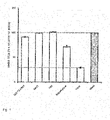
- VeroE6 cells (5000 cells per well of 96 well plate) were grown in Minimum Essential Medium with Hanks' and Earle's salts supplemented with 10% fetal bovine serum and non-essential amino acids in a humidified CO 2 incubator. After 6-8 hours of plating them into the wells, cells were adhered to the bottom of the wells. Media was then removed from the wells, washed with PBS and fresh media was added into them. Later cells with or without virus infection were treated with unencapsulated Griffithsin (GRFT), C-type lectin receptor (CLR)-TargoSphere ® encapsulated GRFT (CLR-TS-GRFT) and Ripamycin.
- GRFT unencapsulated Griffithsin
- CLR C-type lectin receptor
- CLR-TS-GRFT CLR-TS-GRFT
- SARS-CoV-2 strain Muc-IMB-1 or SARS-CoV-2 strain Muc-IMB-CB were used in the study. All handling of SARS-CoV-2 was conducted under BSL-3 conditions in accordance with biosafety guidelines.
- CLR-TS-GRFT formulations were non-GMP and produced by the applicant using Standard Operating Procedures (SOPs).
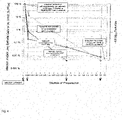
- treatment of cells harbouring SARS-CoV-2 strain Muc-IMB-1 ( Figure 2 ) or SARS-CoV-2 strain Muc-IMB-CB ( Figure 3 ) with the formulations according to the present invention improved viability of cells compared to unencapsulated GRFT treated cells or virus infected cells after 3 days of post infection.
- Untreated controls showed a mean of about 6.52 log 10 PFUs/mL or about 76,000,000 viral copies/mL.
- the detection threshold of the assay was about 1.7 log 10 PFUs/mL or about 50 viral copies/mL.
- mice The total 12 wild-type mice were administered with representative Zr-89-oxine-TargoSphere: 4 animals intravenously (IV), 4 animals subcutaneously (SC) and 4 animals intranasally (IN) were administered with the compound.
- IV intravenously
- SC subcutaneously
- IN intranasally
- 2 animals received CLR+
- 2 animals received CLR- variants of TargoSphere.
- 24h hour PET-scans were taken and then the animals were euthanized, and the organ activities measured.
- the scans revealed very slow mucous and pulmonary activity release that again implied the particles' high degree of integrity and labeling stability in the first 60 min post injection.
- the 90 min static images show the same distribution and the retrieved fused PET/CT could clearly prove a definite lung uptake.
Landscapes
- Health & Medical Sciences (AREA)
- Life Sciences & Earth Sciences (AREA)
- Chemical & Material Sciences (AREA)
- Pharmacology & Pharmacy (AREA)
- Veterinary Medicine (AREA)
- Public Health (AREA)
- General Health & Medical Sciences (AREA)
- Animal Behavior & Ethology (AREA)
- Medicinal Chemistry (AREA)
- Epidemiology (AREA)
- Engineering & Computer Science (AREA)
- Bioinformatics & Cheminformatics (AREA)
- Virology (AREA)
- Molecular Biology (AREA)
- Dispersion Chemistry (AREA)
- Organic Chemistry (AREA)
- Communicable Diseases (AREA)
- Chemical Kinetics & Catalysis (AREA)
- General Chemical & Material Sciences (AREA)
- Nuclear Medicine, Radiotherapy & Molecular Imaging (AREA)
- Otolaryngology (AREA)
- Pulmonology (AREA)
- Oncology (AREA)
- Dermatology (AREA)
- Biochemistry (AREA)
- Gastroenterology & Hepatology (AREA)
- Immunology (AREA)
- Proteomics, Peptides & Aminoacids (AREA)
- Physics & Mathematics (AREA)
- Optics & Photonics (AREA)
- Nanotechnology (AREA)
- Biomedical Technology (AREA)
- Ophthalmology & Optometry (AREA)
- Botany (AREA)
- Medicinal Preparation (AREA)
- Pharmaceuticals Containing Other Organic And Inorganic Compounds (AREA)
- Medicines That Contain Protein Lipid Enzymes And Other Medicines (AREA)
Priority Applications (6)
| Application Number | Priority Date | Filing Date | Title |
|---|---|---|---|
| EP21180824.1A EP4108251A1 (de) | 2021-06-22 | 2021-06-22 | Griffithsin zur verwendung in einem verfahren zur vorbeugung oder behandlung von infektionen mit respiratorischen viren |
| EP22737607.6A EP4359009A1 (de) | 2021-06-22 | 2022-06-22 | Griffithsin zur verwendung in einem verfahren zur vorbeugung oder behandlung von infektionen mit respiratorischen viren |
| CN202280044734.2A CN117677401A (zh) | 2021-06-22 | 2022-06-22 | 在预防或治疗呼吸道病毒感染的方法中使用的格瑞弗森 |
| CA3222910A CA3222910A1 (en) | 2021-06-22 | 2022-06-22 | Griffithsin for use in a method of preventing or treating infections with respiratory viruses |
| US18/573,294 US20240366712A1 (en) | 2021-06-22 | 2022-06-22 | Griffithsin for use in a method of preventing or treating infections with respiratory viruses |
| PCT/EP2022/066974 WO2022268864A1 (en) | 2021-06-22 | 2022-06-22 | Griffithsin for use in a method of preventing or treating infections with respiratory viruses |
Applications Claiming Priority (1)
| Application Number | Priority Date | Filing Date | Title |
|---|---|---|---|
| EP21180824.1A EP4108251A1 (de) | 2021-06-22 | 2021-06-22 | Griffithsin zur verwendung in einem verfahren zur vorbeugung oder behandlung von infektionen mit respiratorischen viren |
Publications (1)
| Publication Number | Publication Date |
|---|---|
| EP4108251A1 true EP4108251A1 (de) | 2022-12-28 |
Family
ID=76553585
Family Applications (2)
| Application Number | Title | Priority Date | Filing Date |
|---|---|---|---|
| EP21180824.1A Withdrawn EP4108251A1 (de) | 2021-06-22 | 2021-06-22 | Griffithsin zur verwendung in einem verfahren zur vorbeugung oder behandlung von infektionen mit respiratorischen viren |
| EP22737607.6A Pending EP4359009A1 (de) | 2021-06-22 | 2022-06-22 | Griffithsin zur verwendung in einem verfahren zur vorbeugung oder behandlung von infektionen mit respiratorischen viren |
Family Applications After (1)
| Application Number | Title | Priority Date | Filing Date |
|---|---|---|---|
| EP22737607.6A Pending EP4359009A1 (de) | 2021-06-22 | 2022-06-22 | Griffithsin zur verwendung in einem verfahren zur vorbeugung oder behandlung von infektionen mit respiratorischen viren |
Country Status (5)
| Country | Link |
|---|---|
| US (1) | US20240366712A1 (de) |
| EP (2) | EP4108251A1 (de) |
| CN (1) | CN117677401A (de) |
| CA (1) | CA3222910A1 (de) |
| WO (1) | WO2022268864A1 (de) |
Families Citing this family (1)
| Publication number | Priority date | Publication date | Assignee | Title |
|---|---|---|---|---|
| CN117304335A (zh) * | 2023-05-25 | 2023-12-29 | 山西锦波生物医药股份有限公司 | 重组表达蛋白在预防/或治疗呼吸道疾病中的应用 |
Citations (9)
| Publication number | Priority date | Publication date | Assignee | Title |
|---|---|---|---|---|
| US4235871A (en) | 1978-02-24 | 1980-11-25 | Papahadjopoulos Demetrios P | Method of encapsulating biologically active materials in lipid vesicles |
| US4515736A (en) | 1983-05-12 | 1985-05-07 | The Regents Of The University Of California | Method for encapsulating materials into liposomes |
| US4857319A (en) | 1985-01-11 | 1989-08-15 | The Regents Of The University Of California | Method for preserving liposomes |
| US5223263A (en) | 1988-07-07 | 1993-06-29 | Vical, Inc. | Liponucleotide-containing liposomes |
| WO1996010399A1 (en) | 1994-10-03 | 1996-04-11 | Bergeron Michel G | Liposome-formulations for treatment of viral diseases |
| WO2005092288A1 (en) | 2004-03-19 | 2005-10-06 | Let There Be Hope Medical Research Institute | Carbohydrate-derivatized liposomes for targeting cellular carbohydrate recognition domains of ctl/ctld lectins, and intracellular delivery of therapeutically active compounds |
| WO2007064844A2 (en) * | 2005-12-01 | 2007-06-07 | Government Of The United States Of America, Represented By The Secretary, Department Of Health And Human Services | Anti-viral griffithsin compounds, compositions, and methods of use |
| US7884178B2 (en) | 2004-06-01 | 2011-02-08 | The United States Of America As Represented By The Department Of Health And Human Services | Griffithsin, glycosylation-resistant griffithsin, and related conjugates, compositions, nucleic acids, vectors, host cells, methods of production and methods of use |
| WO2016130628A1 (en) | 2015-02-10 | 2016-08-18 | The United States Of America, As Represented By The Secretary, Department Of Health And Human Services | Griffithsin mutants |
-
2021
- 2021-06-22 EP EP21180824.1A patent/EP4108251A1/de not_active Withdrawn
-
2022
- 2022-06-22 CN CN202280044734.2A patent/CN117677401A/zh active Pending
- 2022-06-22 EP EP22737607.6A patent/EP4359009A1/de active Pending
- 2022-06-22 WO PCT/EP2022/066974 patent/WO2022268864A1/en not_active Ceased
- 2022-06-22 US US18/573,294 patent/US20240366712A1/en not_active Abandoned
- 2022-06-22 CA CA3222910A patent/CA3222910A1/en active Pending
Patent Citations (11)
| Publication number | Priority date | Publication date | Assignee | Title |
|---|---|---|---|---|
| US4235871A (en) | 1978-02-24 | 1980-11-25 | Papahadjopoulos Demetrios P | Method of encapsulating biologically active materials in lipid vesicles |
| US4515736A (en) | 1983-05-12 | 1985-05-07 | The Regents Of The University Of California | Method for encapsulating materials into liposomes |
| US4857319A (en) | 1985-01-11 | 1989-08-15 | The Regents Of The University Of California | Method for preserving liposomes |
| US5223263A (en) | 1988-07-07 | 1993-06-29 | Vical, Inc. | Liponucleotide-containing liposomes |
| WO1996010399A1 (en) | 1994-10-03 | 1996-04-11 | Bergeron Michel G | Liposome-formulations for treatment of viral diseases |
| US5773027A (en) | 1994-10-03 | 1998-06-30 | Michael G. Bergeron | Liposomes encapsulating antiviral drugs |
| WO2005092288A1 (en) | 2004-03-19 | 2005-10-06 | Let There Be Hope Medical Research Institute | Carbohydrate-derivatized liposomes for targeting cellular carbohydrate recognition domains of ctl/ctld lectins, and intracellular delivery of therapeutically active compounds |
| US7884178B2 (en) | 2004-06-01 | 2011-02-08 | The United States Of America As Represented By The Department Of Health And Human Services | Griffithsin, glycosylation-resistant griffithsin, and related conjugates, compositions, nucleic acids, vectors, host cells, methods of production and methods of use |
| US8394764B2 (en) | 2004-06-01 | 2013-03-12 | The United States Of America, As Represented By The Secretary Of The Department Of Health And Human Services | Griffithsin, glycosylation-resistant griffithsin, and related conjugates, compositions, nucleic acids, vectors, host cells, methods of production and methods of use |
| WO2007064844A2 (en) * | 2005-12-01 | 2007-06-07 | Government Of The United States Of America, Represented By The Secretary, Department Of Health And Human Services | Anti-viral griffithsin compounds, compositions, and methods of use |
| WO2016130628A1 (en) | 2015-02-10 | 2016-08-18 | The United States Of America, As Represented By The Secretary, Department Of Health And Human Services | Griffithsin mutants |
Non-Patent Citations (15)
| Title |
|---|
| BARRY R. O'KEEFE ET AL: "Broad Spectrum In Vitro Activity and In Vivo Efficacy of the Antiviral Protein Griffithsin against Emerging Viruses of the Family Coronaviridae", JOURNAL OF VIROLOGY, vol. 84, no. 5, 23 December 2009 (2009-12-23), US, pages 2511 - 2521, XP055725788, ISSN: 0022-538X, DOI: 10.1128/JVI.02322-09 * |
| CAI YANXING ET AL: "Griffithsin with A Broad-Spectrum Antiviral Activity by Binding Glycans in Viral Glycoprotein Exhibits Strong Synergistic Effect in Combination with A Pan-Coronavirus Fusion Inhibitor Targeting SARS-CoV-2 Spike S2 Subunit", VIROLOGICA SINICA, vol. 35, no. 6, 14 October 2020 (2020-10-14), pages 857 - 860, XP037343439, ISSN: 1674-0769, DOI: 10.1007/S12250-020-00305-3 * |
| FRENZ THERESA ET AL: "Antigen presenting cell-selective drug delivery by glycan-decorated nanocarriers", EUROPEAN JOURNAL OF PHARMACEUTICS AND BIOPHARMACEUTICS, ELSEVIER SCIENCE PUBLISHERS B.V., AMSTERDAM, NL, vol. 95, 19 February 2015 (2015-02-19), pages 13 - 17, XP029282582, ISSN: 0939-6411, DOI: 10.1016/J.EJPB.2015.02.008 * |
| GIESELER RK ET AL., SCAND J IMMUNOL., vol. 59, 2004, pages 415 - 24 |
| HOFFMANN ET AL.: "SARS-CoV-2 Cell Entry Dependson ACE2 and TMPRSS2 and Is Blocked by a Clinically Proven Protease Inhibitor", CELL, 2020 |
| J. OF VIROLOGY, vol. 84, no. 5, 2010, pages 2511 - 2521 |
| KAWAKAMI S ET AL.: "Asialoglycoprotein receptor-mediated gene transfer using novel galactosylated cationic liposomes", BIOCHEM BIOPHYS RES COMMUN, vol. 252, 1998, pages 78 - 83, XP001061761, DOI: 10.1006/bbrc.1998.9602 |
| LAVERMAN P ET AL., CRIT REV THER DURG CARRIER SYST, vol. 18, 2001, pages 551 - 66 |
| LEE, C., MAR. DRUGS, vol. 17, 2019, pages 567 |
| LEE: "Griffithsin, a Highly Potent Broad-Spectrum Antiviral Lectin from Red Algae: From Discovery to Clinical Application", MARINE DRUGS, vol. 17, no. 10, 6 October 2019 (2019-10-06), pages 567, XP055725754, DOI: 10.3390/md17100567 * |
| NISHIKAWA M ET AL.: "Glycosylated cationic liposomes for carbohydrate receptor-mediated gene transfer", METHODS ENZYMOL, vol. 373, 2003, pages 384 - 99, XP003017802, DOI: 10.1016/S0076-6879(03)73025-0 |
| OUSSOREN CSTORM G, ADV DRUG DELIV REV, vol. 50, 2001, pages 143 - 56 |
| SULLIVAN SM ET AL., ANTISENSE RES DEV, vol. 2, 1992, pages 187 - 97 |
| TAI ET AL.: "Characterization of the receptor-binding domain (RBD) of 2019 novel coronavirus: implication for development of RBD protein as a viral attachment inhibitor and vaccine", CELLULAR & MOLECULAR IMMUNOLOGY, 2020 |
| WOLFROM MLTHOMPSON A: "Methods in Carbohydrate Chemistry, Vol. II: Reactions of Carbohydrates", vol. II, 1963, ACADEMIC PRESS, article "Acetylation", pages: 211 - 5 |
Also Published As
| Publication number | Publication date |
|---|---|
| EP4359009A1 (de) | 2024-05-01 |
| CN117677401A (zh) | 2024-03-08 |
| US20240366712A1 (en) | 2024-11-07 |
| WO2022268864A1 (en) | 2022-12-29 |
| CA3222910A1 (en) | 2022-12-29 |
Similar Documents
| Publication | Publication Date | Title |
|---|---|---|
| CN111375055B (zh) | 一种2019-nCoV亚单位疫苗组合物及其免疫方法 | |
| Wang et al. | Nanotechnology‐facilitated vaccine development during the coronavirus disease 2019 (COVID‐19) pandemic | |
| CN103747797B (zh) | 脂质体制剂 | |
| KR101225199B1 (ko) | 항원보강제를 함유하는 기능적으로 재구성된 바이러스막 | |
| KR20090040906A (ko) | 바이러스 감염의 리포솜 치료 | |
| JP2023081859A (ja) | コロナウイルスワクチン | |
| WO2023147091A1 (en) | Coronavirus vaccine | |
| US11559577B2 (en) | Immunogenic composition forming a vaccine, and a method for its manufacture | |
| Yi et al. | Chitosan and mannose-modified dual-functional mRNA-LNP vaccines for robust systemic and mucosal immune responses | |
| US20230270675A1 (en) | Adjuvanted vaccine composition and methods | |
| JP2025502796A (ja) | Rnaの投与のための脂質ベースの製剤 | |
| ES2338908T3 (es) | Liofilizacion de virosomas. | |
| TW202430206A (zh) | 組合疫苗 | |
| US20240383947A1 (en) | Virus vaccine | |
| US20160256388A1 (en) | Compositions and methods for treatment of respiratory tract infections | |
| US20240366712A1 (en) | Griffithsin for use in a method of preventing or treating infections with respiratory viruses | |
| JP7577335B2 (ja) | 肺炎症治療用のナノキャリア | |
| JP2002543162A (ja) | 宿主細胞タンパク質を有する感染性因子を標的化するための方法及び製剤 | |
| EP4288033B1 (de) | Mit polymersomen assozierte adjuvantien zur verwendung bei der stimulierung einer immunantwort | |
| Yang et al. | Liposomal simvastatin potentiates intranasal H1N1 influenza subunit vaccine via increasing transcytosis of antigen and submucosal dendritic cell recruitment | |
| JP2024540948A (ja) | 異なる投与のrnaを投与するための組成物 | |
| KR20230079418A (ko) | SARS-CoV-2 수용체 결합 도메인의 입자 기반 제제 | |
| US20090098195A1 (en) | Influenza virus infection suppressor | |
| Deigin et al. | Peptide ILE-GLU-TRP (Stemokin) Potential Adjuvant Stimulating a Balanced Immune Response | |
| HK40102659A (en) | Virus vaccine |
Legal Events
| Date | Code | Title | Description |
|---|---|---|---|
| PUAI | Public reference made under article 153(3) epc to a published international application that has entered the european phase |
Free format text: ORIGINAL CODE: 0009012 |
|
| STAA | Information on the status of an ep patent application or granted ep patent |
Free format text: STATUS: THE APPLICATION HAS BEEN PUBLISHED |
|
| AK | Designated contracting states |
Kind code of ref document: A1 Designated state(s): AL AT BE BG CH CY CZ DE DK EE ES FI FR GB GR HR HU IE IS IT LI LT LU LV MC MK MT NL NO PL PT RO RS SE SI SK SM TR |
|
| STAA | Information on the status of an ep patent application or granted ep patent |
Free format text: STATUS: THE APPLICATION IS DEEMED TO BE WITHDRAWN |
|
| 18D | Application deemed to be withdrawn |
Effective date: 20230629 |