EP4166162A1 - Deoxycholsäure-peptid-konjugat mit wirkung gegen fettleibigkeit und verwendung davon - Google Patents
Deoxycholsäure-peptid-konjugat mit wirkung gegen fettleibigkeit und verwendung davon Download PDFInfo
- Publication number
- EP4166162A1 EP4166162A1 EP21821658.8A EP21821658A EP4166162A1 EP 4166162 A1 EP4166162 A1 EP 4166162A1 EP 21821658 A EP21821658 A EP 21821658A EP 4166162 A1 EP4166162 A1 EP 4166162A1
- Authority
- EP
- European Patent Office
- Prior art keywords
- deoxycholic acid
- peptide conjugate
- peptide
- obesity
- present
- Prior art date
- Legal status (The legal status is an assumption and is not a legal conclusion. Google has not performed a legal analysis and makes no representation as to the accuracy of the status listed.)
- Pending
Links
Images







Classifications
-
- A—HUMAN NECESSITIES
- A61—MEDICAL OR VETERINARY SCIENCE; HYGIENE
- A61K—PREPARATIONS FOR MEDICAL, DENTAL OR TOILETRY PURPOSES
- A61K47/00—Medicinal preparations characterised by the non-active ingredients used, e.g. carriers or inert additives; Targeting or modifying agents chemically bound to the active ingredient
- A61K47/50—Medicinal preparations characterised by the non-active ingredients used, e.g. carriers or inert additives; Targeting or modifying agents chemically bound to the active ingredient the non-active ingredient being chemically bound to the active ingredient, e.g. polymer-drug conjugates
- A61K47/51—Medicinal preparations characterised by the non-active ingredients used, e.g. carriers or inert additives; Targeting or modifying agents chemically bound to the active ingredient the non-active ingredient being chemically bound to the active ingredient, e.g. polymer-drug conjugates the non-active ingredient being a modifying agent
- A61K47/54—Medicinal preparations characterised by the non-active ingredients used, e.g. carriers or inert additives; Targeting or modifying agents chemically bound to the active ingredient the non-active ingredient being chemically bound to the active ingredient, e.g. polymer-drug conjugates the non-active ingredient being a modifying agent the modifying agent being an organic compound
- A61K47/554—Medicinal preparations characterised by the non-active ingredients used, e.g. carriers or inert additives; Targeting or modifying agents chemically bound to the active ingredient the non-active ingredient being chemically bound to the active ingredient, e.g. polymer-drug conjugates the non-active ingredient being a modifying agent the modifying agent being an organic compound the modifying agent being a steroid plant sterol, glycyrrhetic acid, enoxolone or bile acid
-
- A—HUMAN NECESSITIES
- A61—MEDICAL OR VETERINARY SCIENCE; HYGIENE
- A61K—PREPARATIONS FOR MEDICAL, DENTAL OR TOILETRY PURPOSES
- A61K31/00—Medicinal preparations containing organic active ingredients
- A61K31/56—Compounds containing cyclopenta[a]hydrophenanthrene ring systems; Derivatives thereof, e.g. steroids
- A61K31/575—Compounds containing cyclopenta[a]hydrophenanthrene ring systems; Derivatives thereof, e.g. steroids substituted in position 17 beta by a chain of three or more carbon atoms, e.g. cholane, cholestane, ergosterol, sitosterol
-
- A—HUMAN NECESSITIES
- A61—MEDICAL OR VETERINARY SCIENCE; HYGIENE
- A61K—PREPARATIONS FOR MEDICAL, DENTAL OR TOILETRY PURPOSES
- A61K47/00—Medicinal preparations characterised by the non-active ingredients used, e.g. carriers or inert additives; Targeting or modifying agents chemically bound to the active ingredient
- A61K47/50—Medicinal preparations characterised by the non-active ingredients used, e.g. carriers or inert additives; Targeting or modifying agents chemically bound to the active ingredient the non-active ingredient being chemically bound to the active ingredient, e.g. polymer-drug conjugates
- A61K47/51—Medicinal preparations characterised by the non-active ingredients used, e.g. carriers or inert additives; Targeting or modifying agents chemically bound to the active ingredient the non-active ingredient being chemically bound to the active ingredient, e.g. polymer-drug conjugates the non-active ingredient being a modifying agent
- A61K47/54—Medicinal preparations characterised by the non-active ingredients used, e.g. carriers or inert additives; Targeting or modifying agents chemically bound to the active ingredient the non-active ingredient being chemically bound to the active ingredient, e.g. polymer-drug conjugates the non-active ingredient being a modifying agent the modifying agent being an organic compound
- A61K47/55—Medicinal preparations characterised by the non-active ingredients used, e.g. carriers or inert additives; Targeting or modifying agents chemically bound to the active ingredient the non-active ingredient being chemically bound to the active ingredient, e.g. polymer-drug conjugates the non-active ingredient being a modifying agent the modifying agent being an organic compound the modifying agent being also a pharmacologically or therapeutically active agent, i.e. the entire conjugate being a codrug
-
- A—HUMAN NECESSITIES
- A61—MEDICAL OR VETERINARY SCIENCE; HYGIENE
- A61K—PREPARATIONS FOR MEDICAL, DENTAL OR TOILETRY PURPOSES
- A61K47/00—Medicinal preparations characterised by the non-active ingredients used, e.g. carriers or inert additives; Targeting or modifying agents chemically bound to the active ingredient
- A61K47/50—Medicinal preparations characterised by the non-active ingredients used, e.g. carriers or inert additives; Targeting or modifying agents chemically bound to the active ingredient the non-active ingredient being chemically bound to the active ingredient, e.g. polymer-drug conjugates
- A61K47/51—Medicinal preparations characterised by the non-active ingredients used, e.g. carriers or inert additives; Targeting or modifying agents chemically bound to the active ingredient the non-active ingredient being chemically bound to the active ingredient, e.g. polymer-drug conjugates the non-active ingredient being a modifying agent
- A61K47/62—Medicinal preparations characterised by the non-active ingredients used, e.g. carriers or inert additives; Targeting or modifying agents chemically bound to the active ingredient the non-active ingredient being chemically bound to the active ingredient, e.g. polymer-drug conjugates the non-active ingredient being a modifying agent the modifying agent being a protein, peptide or polyamino acid
- A61K47/64—Drug-peptide, drug-protein or drug-polyamino acid conjugates, i.e. the modifying agent being a peptide, protein or polyamino acid which is covalently bonded or complexed to a therapeutically active agent
-
- A—HUMAN NECESSITIES
- A61—MEDICAL OR VETERINARY SCIENCE; HYGIENE
- A61K—PREPARATIONS FOR MEDICAL, DENTAL OR TOILETRY PURPOSES
- A61K8/00—Cosmetics or similar toiletry preparations
- A61K8/18—Cosmetics or similar toiletry preparations characterised by the composition
- A61K8/30—Cosmetics or similar toiletry preparations characterised by the composition containing organic compounds
- A61K8/63—Steroids; Derivatives thereof
-
- A—HUMAN NECESSITIES
- A61—MEDICAL OR VETERINARY SCIENCE; HYGIENE
- A61K—PREPARATIONS FOR MEDICAL, DENTAL OR TOILETRY PURPOSES
- A61K8/00—Cosmetics or similar toiletry preparations
- A61K8/18—Cosmetics or similar toiletry preparations characterised by the composition
- A61K8/30—Cosmetics or similar toiletry preparations characterised by the composition containing organic compounds
- A61K8/64—Proteins; Peptides; Derivatives or degradation products thereof
-
- A—HUMAN NECESSITIES
- A61—MEDICAL OR VETERINARY SCIENCE; HYGIENE
- A61P—SPECIFIC THERAPEUTIC ACTIVITY OF CHEMICAL COMPOUNDS OR MEDICINAL PREPARATIONS
- A61P3/00—Drugs for disorders of the metabolism
- A61P3/04—Anorexiants; Antiobesity agents
-
- A—HUMAN NECESSITIES
- A61—MEDICAL OR VETERINARY SCIENCE; HYGIENE
- A61Q—SPECIFIC USE OF COSMETICS OR SIMILAR TOILETRY PREPARATIONS
- A61Q19/00—Preparations for care of the skin
-
- A—HUMAN NECESSITIES
- A61—MEDICAL OR VETERINARY SCIENCE; HYGIENE
- A61Q—SPECIFIC USE OF COSMETICS OR SIMILAR TOILETRY PREPARATIONS
- A61Q19/00—Preparations for care of the skin
- A61Q19/06—Preparations for care of the skin for countering cellulitis
-
- C—CHEMISTRY; METALLURGY
- C07—ORGANIC CHEMISTRY
- C07K—PEPTIDES
- C07K7/00—Peptides having 5 to 20 amino acids in a fully defined sequence; Derivatives thereof
- C07K7/04—Linear peptides containing only normal peptide links
- C07K7/06—Linear peptides containing only normal peptide links having 5 to 11 amino acids
-
- A—HUMAN NECESSITIES
- A61—MEDICAL OR VETERINARY SCIENCE; HYGIENE
- A61K—PREPARATIONS FOR MEDICAL, DENTAL OR TOILETRY PURPOSES
- A61K2800/00—Properties of cosmetic compositions or active ingredients thereof or formulation aids used therein and process related aspects
- A61K2800/40—Chemical, physico-chemical or functional or structural properties of particular ingredients
- A61K2800/57—Compounds covalently linked to a(n inert) carrier molecule, e.g. conjugates, pro-fragrances
-
- A—HUMAN NECESSITIES
- A61—MEDICAL OR VETERINARY SCIENCE; HYGIENE
- A61K—PREPARATIONS FOR MEDICAL, DENTAL OR TOILETRY PURPOSES
- A61K2800/00—Properties of cosmetic compositions or active ingredients thereof or formulation aids used therein and process related aspects
- A61K2800/80—Process related aspects concerning the preparation of the cosmetic composition or the storage or application thereof
- A61K2800/91—Injection
-
- A—HUMAN NECESSITIES
- A61—MEDICAL OR VETERINARY SCIENCE; HYGIENE
- A61K—PREPARATIONS FOR MEDICAL, DENTAL OR TOILETRY PURPOSES
- A61K2800/00—Properties of cosmetic compositions or active ingredients thereof or formulation aids used therein and process related aspects
- A61K2800/80—Process related aspects concerning the preparation of the cosmetic composition or the storage or application thereof
- A61K2800/92—Oral administration
Definitions
- the present invention relates to a deoxycholic acid-peptide conjugate having a structure in which deoxycholic acid and a peptide are chemically conjugated, and a use thereof.
- Obesity refers to a state in which adipose tissue is excessively present in the body by accumulating excess energy as body fat when the balance with energy consumption consumed through food is not made.
- the obesity is recognized as an independent disease as well as a risk factor for various diseases such as cardiovascular disease and diabetes, but partial obesity, in which excess fat is deposited in a specific area such as the abdomen, is also closely related to these diseases. Accordingly, the partial obesity has a direct impact on health and quality of life, and also causes psychological atrophy and social maladaptation of individuals in terms of aesthetics.
- the treatment of such partial obesity may be largely divided into surgical treatment and non-surgical treatment, and the surgical surgery may have side effects such as uneven skin surface and side effects of anesthesia.
- the non-surgical treatment has been variously used with lipolysis needles, ultrasound, high-frequency treatment, drug injection methods such as Meso therapy, a massage method, a gas injection method, and the like.
- deoxycholic acid as one of secondary bile acids as a metabolic by-product of intestinal bacteria was confirmed to induce an inflammatory action in adipose tissue to kill adipocytes ( Rotunda et al., Dermatol Surg 30(7):1001-8(2004 )), and was approved by the FDA and has been used as an ingredient in lipolytic injections.
- the deoxycholic acid may be accompanied by erythema, edema, bruising, hematoma, and pain at an administered site as a side effect when administered locally, and due to low solubility in water, an organic solvent is added to solubilize the deoxycholic acid, but there is a limit to cause side effects such as dermatitis and dry skin.
- the present inventors have conducted studies to develop a method for increasing anti-obesity activity while minimizing side effects caused by deoxycholic acid, and found that a deoxycholic acid-peptide conjugate in which a novel peptide synthesized by the present inventors and deoxycholic acid were chemically conjugated had high solubility in water and anti-obesity activity significantly improved compared to the use of a single substance, and then completed the present invention.
- An object of the present invention is to provide a deoxycholic acid-peptide conjugate having improved solubility in water and improved adipogenesis inhibitory activity and lipolysis activity compared to a single substance.
- Another object of the present invention is to provide a composition for inhibiting adipogenesis or promoting lipolysis.
- Yet another object of the present invention is to provide a method for inhibiting adipogenesis or promoting lipolysis.
- Yet another object of the present invention is to provide a deoxycholic acid-peptide conjugate used for inhibiting adipogenesis or promoting lipolysis.
- Yet another object of the present invention is to provide a composition for preventing, treating or ameliorating obesity or obesity-related diseases.
- Yet another object of the present invention is to provide a method for preventing or treating obesity or obesity-related diseases.
- Yet another object of the present invention is to provide a deoxycholic acid-peptide conjugate used for preventing or treating obesity or obesity-related diseases.
- An aspect of the present invention provides a deoxycholic acid-peptide conjugate in which a peptide consisting of an amino acid sequence of SEQ ID NO: 1 and deoxycholic acid are conjugated.
- compositions for inhibiting adipogenesis or promoting lipolysis comprising a deoxycholic acid-peptide conjugate as an active ingredient.
- Yet another aspect of the present invention provides a method for inhibiting adipogenesis or promoting lipolysis comprising administering the deoxycholic acid-peptide conjugate of claim 1 to a subject.
- Yet another aspect of the present invention provides a deoxycholic acid-peptide conjugate used for inhibiting adipogenesis or promoting lipolysis.
- Yet another aspect of the present invention provides a composition for preventing, treating or ameliorating obesity or obesity-related diseases comprising a deoxycholic acid-peptide conjugate as an active ingredient.
- Yet another aspect of the present invention provides a method for preventing or treating obesity or obesity-related diseases comprising administering the deoxycholic acid-peptide conjugate of claim 1 to a subject.
- Yet another object of the present invention is to provide a deoxycholic acid-peptide conjugate used for preventing or treating obesity or obesity-related diseases.
- the deoxycholic acid-peptide conjugate has an effect of inhibiting the lipid production and accumulation in adipocytes and decomposing fat and thus can be used for preventing, ameliorating or treating obesity.
- One aspect of the present invention provides a peptide comprising an amino acid sequence of SEQ ID NO: 1 and an active substance-peptide conjugate in which an active substance is conjugated to the peptide.
- synthesis of the peptide of the present invention may be performed using, for example, devices or genetic engineering techniques.
- desired peptides may be synthesized using an Fmoc solid-phase method in an automatic peptide synthesizer.
- the peptide including the amino acid sequence of SEQ ID NO: 1 of the present invention was synthesized and identified using the Fmoc solid-phase method, and was selected by verifying the efficacy of the identified peptide.
- a peptide having anti-obesity activity was selected through validation of i) an adipogenesis inhibitory effect and ii) a lipolysis effect.
- an active substance-peptide conjugate of the present invention may be prepared by conjugating the peptide selected through the process with the active substance.
- the active substance was selected by verifying the efficacy of the active substance-peptide conjugates prepared by being chemically conjugated with the peptide.
- ⁇ peptide' refers to a linear molecule consisting of amino acid residues, and specifically, the peptide of the present invention may include the amino acid sequence represented by SEQ ID NO: 1.
- the ⁇ peptide' may be variants or fragments of amino acids having different sequences by deletion, insertion, substitution or a combination thereof of amino acid residues within a range that does not affect a function.
- Amino acid exchange that does not entirely alter the activity of the peptide is known in the art.
- the amino acid exchange may be modified by phosphorylation, sulfation, acrylation, glycosylation, methylation, farnesylation, and the like.
- the present invention includes peptides having an amino acid sequence substantially identical to the peptide having the amino acid sequence of SEQ ID NO: 1, and variants or active fragments thereof.
- the substantially identical proteins refer to amino acid sequences having at least 75%, preferably at least 80%, for example, at least 85%, at least 90%, at least 95%, at least 98%, or at least 99% of sequence homology with the amino acid sequence of SEQ ID NO: 1, but are not limited thereto, and amino acid sequences having 75% or more homology and the same activity are included in the scope of the present invention.
- the peptide of the present invention may further include an amino acid sequence prepared for a specific purpose of increasing a targeting sequence, a tag, labeled residues, half-life or peptide stability.
- a protective group may bind to an N- or C-terminus of the peptide.
- the protective group may be an acetyl group, a fluorenylmethoxy carbonyl group, a formyl group, a palmitoyl group, a myristyl group, a stearyl group, or polyethylene glycol (PEG), but may include any ingredient that may enhance the modification of the peptide, particularly the stability of the peptide, without limitation.
- the 'stability' is used to the meaning including not only in-vivo stability that protects the peptide of the present invention from the attack of protein cleavage enzymes in vivo, but also storage stability (e.g., room-temperature storage stability).
- the ⁇ active substance' may be bile acid, specifically, may be preferably used with bile acid selected from the group consisting of cholic acid, 5 ⁇ -cholanic acid, chenodeoxycholic acid, glycocholic acid, taurocholic acid, deoxycholic acid, lithocholic acid, 7-oxo-lithocholic acid, etc., and more specifically, the active substance may be deoxycholic acid.
- the 'deoxycholic acid' of the present invention is a compound having an IUPAC name of 3,12-dihydroxycholan-24-oic acid and a molecular weight of 392.58.
- the deoxycholic acid is a type of bile acid that decomposes fats and destroys adipocytes, and is used in injections for ameliorating fat under the chin.
- a structure of the deoxycholic acid is shown in Chemical Formula 1 below.
- the active substance-peptide conjugate of the present invention when the active substance is deoxycholic acid, the peptide conjugated with the deoxycholic acid is referred to as a 'deoxycholic acid-peptide conjugate (DA-peptide conjugate)'.
- DA-peptide conjugate a 'deoxycholic acid-peptide conjugate
- the present invention provides a deoxycholic acid-peptide conjugate in which deoxycholic acid is conjugated with a peptide consisting of an amino acid sequence of SEQ ID NO: 1.
- the deoxycholic acid may be conjugated with an N-terminus, C-terminus or side chain of the peptide.
- a carboxyl group of the deoxycholic acid may be peptide-bound with the N-terminus of the peptide.
- deoxycholic acid-peptide conjugate may be represented by Chemical Formula 2 below.
- the deoxycholic acid-peptide conjugate is administered into adipocytes and adipose tissue to inhibit a signaling pathway of adipogenesis and inhibit fat production and accumulation, thereby preventing, ameliorating, or treating obesity.
- the deoxycholic acid-peptide conjugate of the present invention may activate a signaling pathway of lipolysis to promote the lipolysis in adipocytes and adipose tissue and reduce the sizes of the adipocytes, thereby preventing, ameliorating, or treating obesity.
- the deoxycholic acid-peptide conjugate of the present invention has high solubility in water, and has a fat accumulation inhibitory effect and a lipolysis effect significantly improved as compared with a deoxycholic acid or peptide single substance to reduce the used amount of deoxycholic acid, thereby preventing side effects caused by the use of a high dose of deoxycholic acid.
- the deoxycholic acid-peptide conjugate having the activity may be used as an active ingredient of the composition for preventing, treating, or ameliorating obesity or obesity-related diseases.
- another aspect of the present invention provides a composition for preventing, treating, or ameliorating obesity or obesity-related diseases including a deoxycholic acid-peptide conjugate in which deoxycholic acid is conjugated with a peptide including an amino acid sequence of SEQ ID NO: 1.
- composition for inhibiting adipogenesis or promoting lipolysis including a deoxycholic acid-peptide conjugate in which deoxycholic acid is conjugated with a peptide including an amino acid sequence of SEQ ID NO: 1.
- the present invention provides a method for inhibiting adipogenesis or promoting lipolysis including administering, to a subject, a deoxycholic acid-peptide conjugate in which deoxycholic acid is conjugated with a peptide including an amino acid sequence of SEQ ID NO: 1.
- the present invention provides a deoxycholic acid-peptide conjugate in which deoxycholic acid is conjugated with a peptide including an amino acid sequence of SEQ ID NO: 1, used for inhibiting adipogenesis or promoting lipolysis.
- Yet another aspect of the present invention provides a pharmaceutical composition for preventing or treating obesity or obesity-related diseases including a deoxycholic acid-peptide conjugate in which deoxycholic acid is conjugated with a peptide including an amino acid sequence of SEQ ID NO: 1.
- the present invention provides a method for preventing or treating obesity or obesity-related diseases including administering, to a subject, a deoxycholic acid-peptide conjugate in which deoxycholic acid is conjugated with a peptide including an amino acid sequence of SEQ ID NO: 1.
- the present invention provides a deoxycholic acid-peptide conjugate in which deoxycholic acid is conjugated with a peptide including an amino acid sequence of SEQ ID NO: 1, used for preventing or treating obesity or obesity-related diseases.
- the ⁇ obesity' means a condition or disease in which body fat is excessively accumulated in the body due to energy imbalance.
- the deoxycholic acid-peptide conjugate of the present invention not only significantly increases the expression of a fat oxidation promoting gene and a protein encoded by the gene, and a lipolysis promoting gene and a protein encoded by the gene, but also decreases the expression of a gene involved in the accumulation of adipocytes to control the imbalance or deviate from the condition having excess body fat, thereby preventing or treating the obesity.
- the ⁇ prevention or treatment of obesity' may mean reducing fat deposition
- the 'fat deposition' may mean a condition selected from the group consisting of, for example, obesity, fat redistribution syndrome, lower eyelid fat hernia, lipoma, Derkham's disease, lipodystrophy, visceral adiposity, breast enlargement, hyperobesity, diffused body fat around the flanks and arms, and fat deposition associated with cellulite.
- the ⁇ obesity-related disease' is a disease that may be caused by a condition having excessive body fat due to energy imbalance, and symptoms caused from the obesity-related diseases may be prevented, alleviated or ameliorated through the prevention or treatment of obesity.
- the obesity-related diseases may include hypertension, diabetes, increased plasma insulin concentration, insulin resistance, hyperlipidemia, metabolic syndromes, insulin resistant syndromes, obesity-related gastroesophageal reflux, arteriosclerosis, hypercholesterolemia, hyperuricemia, lower back pain, cardiac hypertrophy and left ventricular hypertrophy, lipodystrophy, non-alcoholic steatohepatitis, cardiovascular disease, polycystic ovarian syndrome, etc.
- composition for preventing or treating obesity or obesity-related diseases of the present invention may be formulated and used in the form of oral formulations such as powders, granules, tablets, capsules, suspensions, emulsions, syrups, aerosols, external preparations, suppositories, and sterile injections according to conventional methods, and may include suitable carriers, excipients or diluents commonly used in the preparation of the pharmaceutical composition for formulation.
- the pharmaceutically acceptable carrier may include lactose, dextrose, sucrose, sorbitol, mannitol, starch, acacia rubber, calcium phosphate, alginate, gelatin, calcium silicate, microcrystalline cellulose, polyvinylpyrrolidone, cellulose, water, syrup, methylcellulose, methylhydroxybenzoate, propylhydroxybenzoate, talc, magnesium stearate, and mineral oil, which are generally used in preparation.
- the pharmaceutical composition may further include a lubricant, a wetting agent, a sweetening agent, a flavoring agent, an emulsifying agent, a suspending agent, a preservative, and the like, in addition to the ingredients.
- the pharmaceutical composition may be administered orally or parenterally (e.g., applied intramuscularly, intravenously, intraperitoneally, subcutaneously, intradermally, or topically) according to a desired method, and a dose thereof varies depending on the condition and weight of a patient, a degree of disease, a drug form, and route and time of administration, but may be appropriately selected by those skilled in the art.
- parenterally e.g., applied intramuscularly, intravenously, intraperitoneally, subcutaneously, intradermally, or topically
- a dose thereof varies depending on the condition and weight of a patient, a degree of disease, a drug form, and route and time of administration, but may be appropriately selected by those skilled in the art.
- the pharmaceutical composition of the present invention when used as an injectable formulation, the pharmaceutical composition may be used to remove localized fat deposition.
- the localized fat may be localized in a target area selected from the group consisting of the abdomen, under the eyes, under the chin, under the arms, buttocks, thighs, calves, back, thighs, and bra line.
- the pharmaceutical composition of the present invention is administered in a pharmaceutically effective dose.
- the ⁇ pharmaceutically effective dose' refers to a sufficient amount to treat the diseases at a reasonable benefit/risk ratio applicable to medical treatment, and an effective dose level may be determined according to factors including the type and severity of disease of a patient, activity of a drug, sensitivity to a drug, a time of administration, a route of administration, an emission rate, duration of treatment, and simultaneously used drugs, and other factors well-known in the medical field.
- the pharmaceutical composition may be administered as an individual therapeutic agent or in combination with other therapeutic agents, and may be administered simultaneously, separately, or sequentially with conventional therapeutic agents, and may be administered singly or multiply. It is important to administer an amount capable of obtaining a maximum effect with a minimal amount without side effects by considering all the elements, which may be easily determined by those skilled in the art.
- the effective dose of the pharmaceutical composition may vary depending on the age, sex, condition, and body weight of a patient, absorbance of an active ingredient in vivo, an inactivation rate, an excretion rate, a disease type, and drugs to be used in combination, and may be increased or decreased according to a route of administration, the severity of obesity, sex, body weight, age, and the like.
- the pharmaceutical composition may be administered at about 0.0001 ⁇ g to 500 mg, preferably 0.01 ⁇ g to 100 mg per 1 kg of patient's body weight per day.
- the deoxycholic acid-peptide conjugate of the present invention when the deoxycholic acid-peptide conjugate of the present invention is administered to adipocytes or adipose tissue, as compared to a case of administering the deoxycholic acid or peptide alone, it was confirmed that the fat accumulation inhibitory effect and the lipolysis effect were significantly increased. Therefore, when the deoxycholic acid-peptide conjugate is used, the usage amount may be reduced through a synergistic effect, thereby securing safety by using a minimum amount of deoxycholic acid and minimizing side effects caused by deoxycholic acid.
- the 'subject' may be a subject in need of administration of the deoxycholic acid-peptide conjugate of the present invention.
- the subject in need of the administration may include a subject who has been diagnosed with obesity or obesity-related diseases, a subject who has developed obesity or obesity-related symptoms, and a subject who wants to be administered for preventing the development of the disease or symptoms or ameliorating the health.
- the 'administration' means providing a predetermined substance to a patient by any suitable method, and the administration route of the deoxycholic acid-peptide conjugate of the present invention may be administered orally or parenterally through all general routes as long as the deoxycholic acid-peptide conjugate may reach a target tissue.
- the deoxycholic acid-peptide conjugate may be administered by any device capable of moving the active substance to a target cell.
- the present invention provides a quasi-drug composition for preventing or ameliorating obesity including a deoxycholic acid-peptide conjugate in which deoxycholic acid is conjugated with a peptide including an amino acid sequence of SEQ ID NO: 1.
- the deoxycholic acid-peptide conjugate may be added as it is or used together with other quasi-drug ingredients, and may be appropriately used according to a conventional method.
- the mixed amount of the active ingredients may be suitably determined according to a purpose of use (prevention, health, or therapeutic treatment).
- the quasi-drug composition of the present invention may be a disinfectant cleaner, a toothpaste, a shower foam, Garglin, wet tissue, detergent soap, a hand wash, a humidifier filler, a mask, an ointment, or a filter filler.
- the present invention provides a cosmetic composition for preventing or ameliorating obesity including a deoxycholic acid-peptide conjugate in which deoxycholic acid is conjugated with a peptide including an amino acid sequence of SEQ ID NO: 1.
- the cosmetic composition of the present invention may be prepared in any formulation commonly prepared in the art, and may be formulated by, for example, a solution, a suspension, an emulsion, a paste, a gel, a cream, a lotion, a powder, a soap, a surfactant-containing cleansing, oil, a powder foundation, an emulsion foundation, a wax foundation, a spray, and the like, but is not limited thereto.
- the cosmetic composition may be prepared in various forms, such as softening lotion, nutrient lotion, nutrient cream, massage cream, essence, eye cream, cleansing cream, cleansing foam, cleansing water, pack, spray, powder, hair tonic, hair cream, hair lotion, hair shampoo, and hair rinse, hair conditioners, hair sprays, hair aerosols, pomades, solutions such as gels, sol gels, emulsions, oils, waxes, aerosols, etc., but is not limited thereto.
- the cosmetic composition of the present invention may include other additives such as excipients and carriers in addition to a pentapeptide consisting of an amino acid sequence of KFLIK, and can be applied and mixed with common ingredients mixed in general skin cosmetics as needed.
- the form of the formulation of the cosmetic composition is the paste, cream, or gel
- animal oils, vegetable oils, wax, paraffin, starch, tragacanth, cellulose derivatives, polyethylene glycol, silicone, bentonite, silica, talc, zinc oxide or the like may be used.
- the carrier ingredient lactose, talc, silica, aluminum hydroxide, calcium silicate or polyamide powder
- a propellant such as chlorofluorohydrocarbon, propane/butane or dimethyl ether may be included, but is not limited thereto.
- the carrier ingredient a solvent, a solubilizing agent or an emulsifying agent may be used.
- the carrier ingredient may be used with water, ethanol, isopropanol, ethyl carbonate, ethyl acetate, benzyl alcohol, benzyl benzoate, propylene glycol, 1,3-butyl glycol oil, glycerol aliphatic ester, polyethylene glycol or fatty acid ester of sorbitan.
- a liquid diluent such as water, ethanol or propylene glycol
- a suspension such as ethoxylated isostearyl alcohol, polyoxyethylene sorbitol ester and polyoxyethylene sorbitan ester, microcrystalline cellulose, aluminum metahydroxide, bentonite, agar, tragacanth, or the like may be used.
- the formulation of the cosmetic composition is the surfactant-containing cleansing
- the carrier ingredient aliphatic alcohol sulfate, aliphatic alcohol ether sulfate, sulfosuccinic acid monoester, isethionate, imidazolinium derivatives, methyltaurate, sarcosinate, fatty acid amide ether sulfate, alkylamido betaine, aliphatic alcohol, fatty acid glyceride, fatty acid diethanolamide, vegetable oil, lanolin derivatives, ethoxylated glycerol fatty acid ester, or the like may be used.
- base ingredients for forming the shampoo such as a thickener, a surfactant, a viscosity modifier, a moisturizer, a pH modifier, a preservative, and essential oil
- a thickener such as a thickener, a surfactant, a viscosity modifier, a moisturizer, a pH modifier, a preservative, and essential oil
- CDE may be used as the thickener
- LES as an anionic surfactant and coco betaine as an amphoteric surfactant may be used as the surfactant
- poly quarter may be used as the viscosity modifier
- glycerin may be used as the moisturizer
- citric acid and sodium hydroxide may be used as the pH modifier.
- Grapefruit extract and the like may be used as the preservative, and in addition, essential oils such as cedarwood, peppermint, and rosemary, silk amino acids, pentaol, or vitamin E may be added.
- the ingredients included in the cosmetic composition may further include ingredients commonly used in cosmetic compositions, for example, conventional adjuvants such as antioxidants, stabilizers, solubilizers, vitamins, pigments and spices in addition to the deoxycholic acid-peptide conjugate of the present invention as the active ingredient and the carrier ingredient.
- conventional adjuvants such as antioxidants, stabilizers, solubilizers, vitamins, pigments and spices in addition to the deoxycholic acid-peptide conjugate of the present invention as the active ingredient and the carrier ingredient.
- the deoxycholic acid-peptide conjugate of the present invention has effects of inhibiting difference into adipocytes from preadipocytes, inhibiting lipid accumulation in the adipocytes, and promoting lipolysis and thus can be used as a raw material of the pharmaceutical or cosmetic composition for the purpose of preventing, ameliorating or treating obesity or obesity-related diseases.
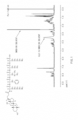
- a peptide of the present invention was synthesized by a known method, an amino acid sequence of a novel peptide used in the present invention was ⁇ Lys Phe Leu Ile Lys (SEQ ID NO: 1)', and a molecular weight of the peptide including the amino acid sequence of SEQ ID NO: 1 was measured with a molecular weight meter, and as a result, it was confirmed that the molecular weight corresponded to 647.4 Da.
- a peptide (500 mmol) of SEQ ID NO: 1 and 1,000 mL of dimethylformamide (DMF) were added into a peptide reactor, 393 g of deoxycholic acid (1,000 mmol, 2 equiv.), 135 g of 1-HOBt (1000 mmol, 2 equiv.), and 379 g of HBTU (1000 mmol, 2 equiv.) were added with 500 ml of DMF and reacted at room temperature for 30 minutes. Thereafter, 261 mL (194 g, 1500 mmol, 3 equiv.) of diisopropylethylamine (DIPEA) was further added and reacted at room temperature for 1 hour.
- DIPEA diisopropylethylamine
- a deoxycholic acid-peptide resin was filtered and washed, and then dried in a vacuum oven. Thereafter, the deoxycholic acid-peptide resin was added with 20 L of diethyl ether, crystallized, filtered and separated, and then purified to prepare a deoxycholic acid-peptide conjugate.
- 3T3-L1 cells as preadipocytes were purchased from the American Type Culture Collection (ATCC) and used in an experiment.
- 3T3-L1 was a cell line widely used to study the metabolic process of adipocytes, and as the differentiation of the cells was activated, fat accumulation in adipocytes was activated to induce obesity. Accordingly, when the cells were treated with a substance considered to have an anti-obesity effect, it could be seen that the substance had a great anti-obesity effect as the differentiation of the cells was smaller.
- the preadipocytes 3T3-L1 were cultured in a DMEM containing 2% fetal bovine serum (FBS) under conditions of 37°C and 5% CO 2 .
- the preadipocytes 3T3-L1 were dispensed in a 12-well plate at a density of 1 ⁇ 10 5 cells/well, and then further maintained for 2 days at a 100% confluency point.
- the preadipocytes were cultured for 2 days in a DMEM medium (hereinafter referred to as a 'differentiation medium') containing a differentiation ingredient (including 10 ⁇ g/ml insulin, 0.1 ⁇ M dexamethasone and 0.5 mM IBMX) and 10% FBS to induce the differentiation into adipocytes.
- a DMEM medium hereinafter referred to as a 'differentiation medium'
- a differentiation ingredient including 10 ⁇ g/ml insulin, 0.1 ⁇ M dexamethasone and 0.5 mM IBMX
- the preadipocytes were cultured for 2 days in 10% FBS DMEM (hereinafter referred to as a ⁇ culture medium') containing 1 ⁇ g/ml insulin. Thereafter, the culture medium was replaced with a 10% FBS DMEM culture medium every 2 days.
- FBS DMEM 10% FBS DMEM culture medium every 2 days.
- a deoxycholic acid-peptide conjugate was treated or not in each culture medium at a concentration of 1 ⁇ M or 10 ⁇ M, and the differentiation degree of adipocytes was observed on day 7, when the differentiation was completed.
- Adipose tissue was collected from the abdomen of 9-week-old BL/6 mice, placed in a 100 mm ⁇ 15 mm culture dish, and then cultured in a culture medium overnight. The adipose tissue was divided to have the same weight, transferred to a 24-well plate, and then used in the following Experimental Examples.
- the peptide was conjugated with the deoxycholic acid, so that the water solubility was improved compared to a case where the deoxycholic acid was present alone.
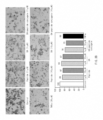
- Oil red O staining was performed to confirm whether the deoxycholic acid-peptide conjugate of the present invention had an effect of inhibiting the fat accumulation in adipocytes.
- the degree of differentiation of adipocytes induced in Preparation Example 1 was first confirmed under a microscope through oil red O staining, and for the staining degree of adipocytes, the degree of fat accumulated in the cells was calculated by measuring absorbance with a spectrophotometer at a wavelength of 510 nm.
- a group treated with a ⁇ 3 adrenergic receptor aonist CL316243 or TNF- ⁇ was used as a positive control group.
- the deoxycholic acid-peptide conjugate may inhibit differentiation into adipocytes and adipogenesis to inhibit lipid accumulation in adipocytes.
- Neutral fat stored in adipose tissue was decomposed into fatty acids and glycerol for energy production or cell signaling. Therefore, the lipolysis effect of neutral fat accumulated in the adipose tissue was confirmed by measuring the release amount of free glycerol.
- a fat pad which was white adipose tissue, was isolated, and each 400 mg of adipose tissue per well was placed in a 12-well plate, and then cultured for 48 hours in a culture medium (DMEM media serum free) to be stabilized.
- DMEM media serum free a culture medium
- the peptide conjugate was treated at concentrations of 1 ⁇ M, 10 ⁇ M, and 100 ⁇ M, and as a positive control group, 20 nM of TNF ⁇ was treated and cultured for 48 hours to obtain a supernatant, and the amount of glycerol was measured using a glycerol colorimetric assay kit (Cayman chemical, USA).
- the deoxycholic acid-peptide conjugate of the present invention has the activity of decomposing neutral fat accumulated in adipose tissue.
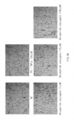
- H&E staining was performed on the adipose tissue obtained in Preparation Example 2 to confirm the sizes of adipocytes.
- the adipose tissue was cut, attached to a paraffin slide, and dried at 50°C.
- the slide attached with the dried adipose tissue was placed in Xylene 1, 2, and 3 for 5 minutes each, and the paraffin was removed. Thereafter, the slide was put into 100% ethanol for 2 minutes, and then sequentially put into 90%, 80%, and 70% ethanol to be re-hydrated.
- the re-hydrated slide was stained in a hematoxylin solution, washed, and then stained with Eosin Y.
- the slide was sequentially put into 90%, 80%, and 70% ethanol, and then put into Xylene 3, 2, and 1, and then mounted with a xylene-based mounting medium to prevent air bubbles from entering the tissue, and then dried. Then, the dried slide was observed under an optical microscope.
- a GAPDH gene was used as an internal control group, and primers used in the experiment were shown in Table 1.
- Table 1 Gene Primer Sequence (5' ⁇ 3') SEQ ID NO: Leptin F GGATCAGGTTTTGTGGTGCT 2 R TTGTGGCCCATAAAGTCCTC 3 Adiponectin F TCCTGCTTTGGTCCCTCCAC 4 R TCTCCAGCCCCACACTGAAC 5 AMPK ⁇ F TCACCGGACATAAAGTGGCT 6 R TGATGATGTGAGGGTGCCTG 7 HSL F GGACACACACACACCTG 8 R CCCTTTCGCAGCAACTTTAG 9 PDE3b F TGATTGACCCAAGCCTTCCC 10 R TCTTACCACTGCTGCGATCC 11 PGCLa F ATGTGCAGCCAAGACTCTGTA 12 R CGCTACACCACTTCAATCCAC 13 PLIN F AAGGATCCTGCACCTCACAC 14 R CCTCTGCTGAAGGGTTATCG 15 ACC ⁇ F ACCTTACTGCCAT
- the adipocytes obtained in Preparation Example 1 were treated with 1 ⁇ M and 10 ⁇ M of the deoxycholic acid-peptide conjugate of the present invention, and cultured for 1 hour, 3 hours, and 6 hours. After the cells were recovered and the polymerase chain reaction was performed by the method described in Experimental Example 4-1, the expression products were loaded on an agarose gel to confirm the mRNA expression levels of genes related to fat metabolism.
- the deoxycholic acid-peptide conjugate of the present invention promotes the metabolism of fat necessary for energy generation, thereby inhibiting fat accumulation or promoting lipolysis.
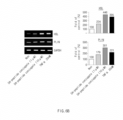
- adipocytes in order to determine whether the deoxycholic acid-peptide conjugate had an activating effect on a cell signaling pathway for promoting lipolysis, the mRNA expression levels of genes related to promotion of fatty acid oxidation and promotion of lipolysis were confirmed.
- the differentiated adipocytes obtained in Preparation Example 1 were treated with 1 ⁇ M and 10 ⁇ M of the deoxycholic acid-peptide conjugate, and then cultured for 24 hours. After the cells were recovered and the polymerase chain reaction was performed by the method described in Experimental Example 4-1, the expression products were loaded on an agarose gel to confirm the mRNA expression levels of genes related to a lipolysis-promoting cell signaling pathway.
- the expression of a lipolysis marker HSL was increased after treatment with the deoxycholic acid-peptide conjugate, and the expression of an upper signaling factor AMPKa1 and a lower factor thereof PGC1a related to fat metabolism was increased.
- the deoxycholic acid-peptide conjugate according to the present invention increases the expression of genes related to lipolysis or oxidation promotion of fatty acids so as to very effectively decompose the fat.
- the adipose tissue obtained in Preparation Example 2 was treated with 1 ⁇ M and 10 ⁇ M of the deoxycholic acid-peptide conjugate and 1 ⁇ M of CL316243 (Sigma, USA) as a positive control group and cultured for 72 hours. After the cells were recovered and the polymerase chain reaction was performed by the method described in Experimental Example 4-1, the expression products were loaded on an agarose gel to confirm the mRNA expression levels of genes related to the promotion of fatty acid oxidation and the promotion of lipolysis.
- the deoxycholic acid-peptide conjugate according to the present invention increases the expression of genes related to lipolysis or oxidation promotion of fatty acids so as to very effectively decompose the fat.
- the adipose tissue obtained in Preparation Example 2 was treated with 1 ⁇ M and 10 ⁇ M of the deoxycholic acid-peptide conjugate and 1 ⁇ M of CL316,243 (Sigma, USA) as a positive control group and further cultured for 72 hours. After the cells were recovered and the polymerase chain reaction was performed by the method described in Experimental Example 4-1, the expression products were loaded on an agarose gel to confirm the mRNA expression levels of genes related to adipogenesis.
- the deoxycholic acid-peptide conjugate according to the present invention has an effect of preventing or treating obesity by inhibiting adipogenesis.
- thermogenesis-related genes Confirmation of increased expression of thermogenesis-related genes by deoxycholic acid-peptide conjugate in muscle cells
- thermogenesis-related genes of brown adipocytes were confirmed.
- the adipose tissue obtained in Preparation Example 2 was treated with 1 ⁇ M and 10 ⁇ M of the deoxycholic acid-peptide conjugate and 1 ⁇ M of CL316,243 (Sigma, USA) as a positive control group and further cultured for 72 hours. After the cells were recovered and the polymerase chain reaction was performed by the method described in Experimental Example 4-1, the expression products were loaded on an agarose gel to confirm the mRNA expression levels of genes related to adipogenesis. At this time, a GAPDH gene was used as an internal control group, and primers used in the experiment were shown in Table 2 below.
- thermogenesis-related genes UCP1, PRDM, and Cidea of the brown adipocytes was increased after treatment with the deoxycholic acid-peptide conjugate.
- the deoxycholic acid-peptide conjugate according to the present invention increases the expression of the thermogenesis-related genes of the brown adipocytes whose expression is increased by exercise to have an effect of preventing or treating obesity.
- IL-15 is a myokine whose expression level is increased by muscle contraction during resistive exercise and known to play a key role in the interaction between muscle and adipose tissue, and has an anti-obesity effect by inhibiting lipid accumulation.
- C2C12 cells which were mouse myoblasts, were inoculated into a 6-well plate at a density of 2 ⁇ 10 5 cells/well, and then cultured in a DMEM (10% FBS) medium for 3 days.
- DMEM 5% FBS
- the medium was replaced with a differentiation medium (DMEM, 5% horse serum) and then cultured for 3 days. Thereafter, the medium was replaced with the differentiation medium (DMEM, 2% horse serum) and cultured for 4 days to induce differentiation from myoblasts to myotubes.
- the deoxycholic acid-peptide conjugate according to the present invention increases the expression of the IL-15 gene expressed by exercise and having the lipolysis function to have an effect of preventing or treating obesity.
Landscapes
- Health & Medical Sciences (AREA)
- Life Sciences & Earth Sciences (AREA)
- General Health & Medical Sciences (AREA)
- Chemical & Material Sciences (AREA)
- Animal Behavior & Ethology (AREA)
- Public Health (AREA)
- Veterinary Medicine (AREA)
- Engineering & Computer Science (AREA)
- Bioinformatics & Cheminformatics (AREA)
- Medicinal Chemistry (AREA)
- Epidemiology (AREA)
- Pharmacology & Pharmacy (AREA)
- Proteomics, Peptides & Aminoacids (AREA)
- Organic Chemistry (AREA)
- Molecular Biology (AREA)
- Birds (AREA)
- Genetics & Genomics (AREA)
- Biophysics (AREA)
- Biochemistry (AREA)
- Dermatology (AREA)
- Nuclear Medicine, Radiotherapy & Molecular Imaging (AREA)
- Hematology (AREA)
- Obesity (AREA)
- Chemical Kinetics & Catalysis (AREA)
- General Chemical & Material Sciences (AREA)
- Child & Adolescent Psychology (AREA)
- Diabetes (AREA)
- Botany (AREA)
- Medicines That Contain Protein Lipid Enzymes And Other Medicines (AREA)
- Pharmaceuticals Containing Other Organic And Inorganic Compounds (AREA)
- Peptides Or Proteins (AREA)
- Steroid Compounds (AREA)
- Cosmetics (AREA)
- Medicinal Preparation (AREA)
Applications Claiming Priority (2)
| Application Number | Priority Date | Filing Date | Title |
|---|---|---|---|
| KR1020200071657A KR102456989B1 (ko) | 2020-06-12 | 2020-06-12 | 항비만 활성을 가지는 디옥시콜산-펩타이드 결합체 및 이의 용도 |
| PCT/KR2021/007325 WO2021251790A1 (ko) | 2020-06-12 | 2021-06-11 | 항비만 활성을 가지는 디옥시콜산-펩타이드 결합체 및 이의 용도 |
Publications (2)
| Publication Number | Publication Date |
|---|---|
| EP4166162A1 true EP4166162A1 (de) | 2023-04-19 |
| EP4166162A4 EP4166162A4 (de) | 2024-01-10 |
Family
ID=78845800
Family Applications (1)
| Application Number | Title | Priority Date | Filing Date |
|---|---|---|---|
| EP21821658.8A Pending EP4166162A4 (de) | 2020-06-12 | 2021-06-11 | Deoxycholsäure-peptid-konjugat mit wirkung gegen fettleibigkeit und verwendung davon |
Country Status (8)
| Country | Link |
|---|---|
| US (1) | US20240299560A1 (de) |
| EP (1) | EP4166162A4 (de) |
| JP (1) | JP7498804B2 (de) |
| KR (1) | KR102456989B1 (de) |
| CN (1) | CN115867321B (de) |
| BR (1) | BR112022025040A2 (de) |
| MX (1) | MX2022016048A (de) |
| WO (1) | WO2021251790A1 (de) |
Families Citing this family (5)
| Publication number | Priority date | Publication date | Assignee | Title |
|---|---|---|---|---|
| CN116712440A (zh) * | 2023-07-04 | 2023-09-08 | 西湖实验室(生命科学和生物医学浙江省实验室) | 脱氧胆酸在制备促进脂滴裂解药物中的应用 |
| KR102828620B1 (ko) * | 2024-04-01 | 2025-07-03 | 주식회사 차메디텍 | 지방 분해 활성을 갖는 디옥시콜린산-펩타이드 유도체 또는 이의 염 및 이를 포함하는 지질 대사 개선용 또는 항비만용 조성물 |
| KR102800502B1 (ko) * | 2024-05-02 | 2025-04-30 | 주식회사 바이오에프디엔씨 | 트라이펩타이드와 디옥시콜산이 결합된 융합 펩타이드를 함유하는 항염증, 피부 상태 개선 또는 지질 축적 억제용 조성물 |
| KR20260016669A (ko) | 2024-07-24 | 2026-02-04 | (주)셀아이콘랩 | 백색 지방세포를 표적하는 신규 wat 펩타이드와 데옥시콜산-wat 펩타이드 결합체 및 이의 용도 |
| CN121714715A (zh) * | 2024-09-24 | 2026-03-24 | 中国科学院上海药物研究所 | 一种溶脂组合物及其应用 |
Family Cites Families (8)
| Publication number | Priority date | Publication date | Assignee | Title |
|---|---|---|---|---|
| US7226577B2 (en) * | 2003-01-13 | 2007-06-05 | Bracco Imaging, S. P. A. | Gastrin releasing peptide compounds |
| BRPI0418194A (pt) * | 2003-12-24 | 2007-04-27 | Bracco Imaging Spa | compostos peptìdeos liberadores de gastrina aperfeiçoados |
| KR101916024B1 (ko) * | 2007-06-19 | 2018-11-08 | 키쎄라 바이오파마슈티컬즈 인코포레이티드 | 합성 담즙산 조성물, 방법 및 제조물 |
| US20080318870A1 (en) * | 2007-06-19 | 2008-12-25 | Kythera Biopharmaceuticals, Inc. | Synthetic bile acid compositions and methods |
| GB201319620D0 (en) * | 2013-11-06 | 2013-12-18 | Norwegian University Of Science And Technology | Immunosuppressive agents and their use in therapy |
| GB201319621D0 (en) * | 2013-11-06 | 2013-12-18 | Norwegian University Of Science And Technology | Antimicrobial agents and their use in therapy |
| JP2018532806A (ja) * | 2015-11-04 | 2018-11-08 | キセラ バイオファーマシューティカルズ インコーポレイテッド | デオキシコール酸およびその塩による蓄積脂肪の処置方法 |
| KR20190121699A (ko) * | 2018-04-18 | 2019-10-28 | (주)인벤티지랩 | 데옥시콜린산을 포함하는 피하 주사용 조성물 및 이의 제조 방법 |
-
2020
- 2020-06-12 KR KR1020200071657A patent/KR102456989B1/ko active Active
-
2021
- 2021-06-11 BR BR112022025040A patent/BR112022025040A2/pt unknown
- 2021-06-11 EP EP21821658.8A patent/EP4166162A4/de active Pending
- 2021-06-11 MX MX2022016048A patent/MX2022016048A/es unknown
- 2021-06-11 US US18/009,418 patent/US20240299560A1/en active Pending
- 2021-06-11 WO PCT/KR2021/007325 patent/WO2021251790A1/ko not_active Ceased
- 2021-06-11 CN CN202180042033.0A patent/CN115867321B/zh active Active
- 2021-06-11 JP JP2022575916A patent/JP7498804B2/ja active Active
Also Published As
| Publication number | Publication date |
|---|---|
| CN115867321B (zh) | 2025-05-20 |
| MX2022016048A (es) | 2023-03-14 |
| JP7498804B2 (ja) | 2024-06-12 |
| KR102456989B1 (ko) | 2022-10-21 |
| JP2023529466A (ja) | 2023-07-10 |
| US20240299560A1 (en) | 2024-09-12 |
| WO2021251790A1 (ko) | 2021-12-16 |
| BR112022025040A2 (pt) | 2022-12-27 |
| EP4166162A4 (de) | 2024-01-10 |
| KR20210154535A (ko) | 2021-12-21 |
| CN115867321A (zh) | 2023-03-28 |
Similar Documents
| Publication | Publication Date | Title |
|---|---|---|
| EP4166162A1 (de) | Deoxycholsäure-peptid-konjugat mit wirkung gegen fettleibigkeit und verwendung davon | |
| CN117304262B (zh) | 具有皮肤美白活性的肽以及其用途 | |
| EP4019531B1 (de) | Peptid mit haarwuchsfördernder aktivität und verwendung davon | |
| CN106536542B (zh) | 具有改善色素减退及抑制脂肪形成的功效的肽及其的用途 | |
| JP7558302B2 (ja) | ボツリヌストキシン類似活性を有するペプチド及びその用途 | |
| JP2024537694A (ja) | 脱毛防止又は発毛促進活性を有するペプチドとその用途 | |
| JP2021080273A (ja) | ミノキシジルとペプチドの結合体 | |
| CN101686912A (zh) | 稀土元素用于减肥的用途 | |
| EP4166156A1 (de) | Zusammensetzung zur prävention, linderung oder behandlung von allergischen erkrankungen oder pruritus mit pentapeptid als wirkstoff | |
| EP3848020A1 (de) | Zusammensetzung zur förderung des haarwuchses mit einem peptid aus adiponectin | |
| CN121866264A (zh) | 具有促进毛发生长和抑制脱发活性的肽及其用途 | |
| KR102852451B1 (ko) | 발모 촉진 및 탈모 억제 활성을 갖는 펩타이드 및 이의 용도 | |
| EP4692108A1 (de) | Peptid mit wirkung zur förderung des haarwachstums oder zur abschwächung von haarausfall und verwendung davon | |
| JP2024537698A (ja) | 脱毛防止又は発毛促進活性を有するペプチドとその用途 | |
| JP2024537699A (ja) | 脱毛防止又は発毛促進活性を有するペプチドとその用途 | |
| EP4410808A1 (de) | Peptid mit wirkung gegen adipositas und verwendungen davon | |
| CN120035599B (zh) | 具有促进毛发生长和抑制毛发脱落活性的肽及其用途 | |
| EP3967327B1 (de) | Trolox-peptid-konjugat und verwendung davon | |
| JP2024537702A (ja) | 脱毛防止又は発毛促進活性を有するペプチドとその用途 | |
| JP2024537700A (ja) | 脱毛防止又は発毛促進活性を有するペプチドとその用途 | |
| JP2024537696A (ja) | 脱毛防止又は発毛促進活性を有するペプチドとその用途 | |
| HK40082114A (en) | Composition for preventing, ameliorating, or treating allergic diseases or pruritus, containing pentapeptide as active ingredient | |
| OA19189A (en) | Conjugate of Minoxidil and Peptide. |
Legal Events
| Date | Code | Title | Description |
|---|---|---|---|
| STAA | Information on the status of an ep patent application or granted ep patent |
Free format text: STATUS: THE INTERNATIONAL PUBLICATION HAS BEEN MADE |
|
| PUAI | Public reference made under article 153(3) epc to a published international application that has entered the european phase |
Free format text: ORIGINAL CODE: 0009012 |
|
| STAA | Information on the status of an ep patent application or granted ep patent |
Free format text: STATUS: REQUEST FOR EXAMINATION WAS MADE |
|
| 17P | Request for examination filed |
Effective date: 20221209 |
|
| AK | Designated contracting states |
Kind code of ref document: A1 Designated state(s): AL AT BE BG CH CY CZ DE DK EE ES FI FR GB GR HR HU IE IS IT LI LT LU LV MC MK MT NL NO PL PT RO RS SE SI SK SM TR |
|
| DAV | Request for validation of the european patent (deleted) | ||
| DAX | Request for extension of the european patent (deleted) | ||
| REG | Reference to a national code |
Ref country code: DE Ref legal event code: R079 Free format text: PREVIOUS MAIN CLASS: A61K0047640000 Ipc: A61K0047550000 |
|
| A4 | Supplementary search report drawn up and despatched |
Effective date: 20231213 |
|
| RIC1 | Information provided on ipc code assigned before grant |
Ipc: A61K 31/575 20060101ALI20231207BHEP Ipc: A61Q 19/06 20060101ALI20231207BHEP Ipc: A61Q 19/00 20060101ALI20231207BHEP Ipc: C07K 7/06 20060101ALI20231207BHEP Ipc: A61K 8/64 20060101ALI20231207BHEP Ipc: A61K 8/63 20060101ALI20231207BHEP Ipc: A61P 3/04 20060101ALI20231207BHEP Ipc: A61K 47/64 20170101ALI20231207BHEP Ipc: A61K 47/54 20170101ALI20231207BHEP Ipc: A61K 47/55 20170101AFI20231207BHEP |