EP4218808A2 - Adjuvans- und impfstoffzusammensetzungen - Google Patents
Adjuvans- und impfstoffzusammensetzungen Download PDFInfo
- Publication number
- EP4218808A2 EP4218808A2 EP23153466.0A EP23153466A EP4218808A2 EP 4218808 A2 EP4218808 A2 EP 4218808A2 EP 23153466 A EP23153466 A EP 23153466A EP 4218808 A2 EP4218808 A2 EP 4218808A2
- Authority
- EP
- European Patent Office
- Prior art keywords
- lecithin
- adjuvant
- polymer
- vaccine
- lap
- Prior art date
- Legal status (The legal status is an assumption and is not a legal conclusion. Google has not performed a legal analysis and makes no representation as to the accuracy of the status listed.)
- Pending
Links
Images







Classifications
-
- A—HUMAN NECESSITIES
- A61—MEDICAL OR VETERINARY SCIENCE; HYGIENE
- A61K—PREPARATIONS FOR MEDICAL, DENTAL OR TOILETRY PURPOSES
- A61K39/00—Medicinal preparations containing antigens or antibodies
- A61K39/39—Medicinal preparations containing antigens or antibodies characterised by the immunostimulating additives, e.g. chemical adjuvants
-
- A—HUMAN NECESSITIES
- A61—MEDICAL OR VETERINARY SCIENCE; HYGIENE
- A61K—PREPARATIONS FOR MEDICAL, DENTAL OR TOILETRY PURPOSES
- A61K39/00—Medicinal preparations containing antigens or antibodies
- A61K2039/555—Medicinal preparations containing antigens or antibodies characterised by a specific combination antigen/adjuvant
- A61K2039/55511—Organic adjuvants
- A61K2039/55555—Liposomes; Vesicles, e.g. nanoparticles; Spheres, e.g. nanospheres; Polymers
-
- A—HUMAN NECESSITIES
- A61—MEDICAL OR VETERINARY SCIENCE; HYGIENE
- A61K—PREPARATIONS FOR MEDICAL, DENTAL OR TOILETRY PURPOSES
- A61K39/00—Medicinal preparations containing antigens or antibodies
- A61K2039/555—Medicinal preparations containing antigens or antibodies characterised by a specific combination antigen/adjuvant
- A61K2039/55511—Organic adjuvants
- A61K2039/55577—Saponins; Quil A; QS21; ISCOMS
Definitions
- compositions and methods for preparing and delivering vaccine to a patient or animal in need thereof and in particular, to compositions and methods for preparing novel adjuvant compositions and delivering vaccines that include these novel adjuvant compositions to a patient or animal in need thereof.
- Mucosal delivery of vaccines has been underutilized because of the problems associated with effectively delivering the vaccine antigens to the mucosal surface and to the underlying mucosal lymphoid tissue. Since mucosal surfaces are the port of entry of the majority of the infectious agents ( Sabin, A. B., Vaccination at the portal of entry of infectious agents. Dev Biol Stand 33:3-9, 1976 ) it is important to the health of an animal to have developed a strong protective antibody and cell-mediated immune response at the portal of entry. This is best done with an adjuvant and delivery system that targets vaccine antigens to either the mucous membranes of the oral cavity, gut, nose, rectum, or vagina.
- oral administration of a vaccine against a gut pathogen may engender a stronger immune response against such pathogens by eliciting the production of secretory immunoglobulin A antibodies at the mucosal site. This happens when the vaccine is presented to the gut-associated lymphoid tissue ( O'Hagen, D, Oral Delivery of Vaccines: Formulation and Clinical Pharmacokinetic Considerations 1992, Clin. Pharmacokinet. 22 (1): 1-10 ).
- administration of vaccine against an upper respiratory pathogen may be most effective if delivered to the mucosal-associated lymphoid tissue in the oral cavity or nasal passages.
- Vaccinating large numbers of animals such as cattle, swine and poultry, is extremely labor intensive and expensive. Each individual animal has to be handled at the time of vaccination in order to inject the animal with the vaccine. Most often the vaccine must be administered to the animal at least twice, and sometimes three or more times. It would be advantageous in terms of time and expense if the vaccine could be administered, simultaneously, with feed or water to a large number of animals.
- Another advantage of targeting the vaccine to mucosal surfaces is that the vaccine can stimulate a protective immune response in the presence of circulating antibody that interferes with parenterally injected vaccines ( Periwal, SB, et. al., Orally administered microencapsulated reovirus can bypass suckled, neutralizing maternal antibody that inhibits active immunization of neonates. J Virol 1997 (Apr 71(4): 2844-50 )).
- Adjuvant systems to enhance an animal's immune response to a vaccine antigen are well known.
- systems for the delivery of vaccine and drugs to mucosal surfaces are known. Different methods have been described to protect the vaccine antigen and drugs from degradation by stomach acid and digestive enzymes and to adsorb the antigen to the mucosal surface. Often these adjuvants and delivery systems include mixing the antigen with one or more components.
- Exemplary adjuvants include the following:
- the present invention concerns an adjuvant composition that includes lecithin and a polymer that is preferably an acrylic polymer or copolymer.
- An exemplary acrylic polymer is a polyacrylic acid polymer. Any lecithin is contemplated herein, including individual phospholipid components of lecithin or any combination thereof.
- the present invention also concerns lecithin and polymer adjuvant compositions that include one or more additives that facilitate an immune response, including glycosides, sterols, ISCOMS, muramyl dipeptide and analogues, pluronic polyols, trehalose dimycolate, amine containing compounds, cytokines, calcium and lipopolysaccharide derivatives.
- Exemplary additives are glycosides and sterols, where the glycoside can be Quil A and the sterol can be cholesterol.
- the present invention also includes an adjuvant composition that consists of only a lecithin and polymer, and does not include additional lipid components.
- Typical polymers are acrylic polymer or copolymer.
- the adjuvant consists of lecithin and polyacrylic acid polymer.
- the present invention also includes an adjuvant composition that consists of a lecithin and polymer adjuvant composition in combination with one or more glycosides and/or one or more sterols.
- the adjuvant composition consists of lecithin, polymer, a glycoside and a sterol, where the glycoside can be a saponin or any fraction thereof and the sterol can be, for example, cholesterol.
- the polymer is an acrylic polymer or copolymer, for example, polyacrylic acid polymer.
- the lecithin and polymer adjuvants herein form a matrix or net-like structure which is effective in trapping or encapsulating vaccine antigen.
- the lecithin and polymer adjuvant combination form an "oil-free" net-like structure, being composed predominately (and in some cases entirely) by phospholipids and acrylic polymer.
- the lecithin and polymer adjuvant includes additives directed toward further facilitating the adjuvant's capacity to elicit an immune response.
- the strong mucoadhesive and adsorptive properties of the polymer and lecithin combination enhances the adsorption of vaccine antigen onto mucosal surfaces.
- the lecithin composition enhances absorption ( Swenson, ES and WJ Curatolo, ⁇ Means to Enhance Penetration (2) Intestinal permeability enhancement for proteins, peptides and other polar drugs: mechanisms and potential toxicity. Advanced Drug Delivery Reviews. 1992. 8:39-92 ) that helps bring the antigen in contact with the underlying lymphoid tissue.
- Embodiments herein provide a significant improvement over conventional vaccines for delivery of an antigen to a mucosal surface, particularly where the adjuvant does not include the significant proportion or ratio of polymer, as shown in the inventive embodiments herein.
- the adjuvant compositions of this invention make it possible to vaccinate via a mucosal surface, such as oral cavity, gut, nasal, rectal, or vaginal surfaces.
- the vaccine may be administered by pill or tablet form, a paste form or in fluid form using a dropper or needleless syringe.
- This adjuvant composition allows a method of vaccination via food and/or water.
- the adjuvant compositions herein facilitate robust mucosal immunity, an advancement over conventional administration techniques for a number of antigens.
- composition can be used traditionally as an injectable.
- an adjuvant composition comprising: hydrating lecithin and a polymer in saline or water; and mixing the lecithin and polymer to form an adjuvant.
- the lecithin and the polymer can be mixed by placing the lecithin and the polymer in a blender.
- the lecithin and the polymer can be mixed in the presence of surfactants.
- the lecithin and polymer are mixed in the presence of other additives, for example: a glycoside and/or sterol.
- the method further includes the step of microwaving or autoclaving the adjuvant. In some embodiments, the method further includes the step of not filtering the adjuvant.
- the method further includes the step of adding an antigen.
- the antigen is added during the hydration step.
- the antigen is added to the adjuvant.
- the lecithin and the polymer can be mixed in the presence of an oil.
- Adjuvants of the invention can be mixed by placing the lecithin and the polymer in a microfluidizer.
- Alternative implementations include adding a calcium based compound to the adjuvants described herein where a DNA based antigen is implemented in the vaccine.
- the present invention provides a vaccine adjuvant which, when admixed with an antigen or hapten and administered into a human or animal, will induce a more intense immune response to the antigen than when the antigen is administered alone.
- the present invention also provides vaccines comprising an antigen or group of antigens and a novel adjuvant herein described which comprises a combination of lecithin and a polymer.
- the present invention also specifically provides methods of making and using the foregoing adjuvants and vaccines.
- Such adjuvants offer the advantage of allowing application of a vaccine directly to a mucosal surface.
- the vaccine stimulates a protective immune response which helps prevent interference from circulating maternal antibodies that may be present in a newborn or infant, for example.
- Direct administration of a vaccine herein to a mucosal surface i.e., mucosal vaccination, provides mucosal immunity and systemic immunity, an advantage over most systemic only based vaccines.
- embodiments of the present invention provide unexpected improvement for immunogenic response by improving the vaccine's contact time on the mucosal surface.
- Antigen is herein defined as a compound which, when introduced into an animal or a human, will result in the formation of antibodies and cell-mediated immunity.
- Adjuvant is herein defined as a compound or compounds that, when used in combination with specific vaccine antigens in formulations, augment or otherwise alter or modify the resultant immune responses.
- Vaccine is herein defined as a composition of antigenic moieties, usually consisting of modified-live (attenuated) or inactivated infectious agents, or some part of the infectious agents, that is administered, most often with an adjuvant, into the body to produce active immunity.
- the antigen can be any desired antigen falling within the definition set forth above. Antigens are commercially available or one of skill in the art is capable of producing them.
- the antigenic moiety making up the vaccine can be either a modified-live or killed microorganism, or a natural product purified from a microorganism or other cell including, but not limited to, tumor cells, a synthetic product, a genetically engineered protein, peptide, polysaccharide or similar product, or an allergen.
- the antigenic moiety can also be a subunit of a protein, peptide, polysaccharide or similar product.
- the antigen may also be the genetic antigens, i.e., the DNA or RNA that engenders an immune response.
- the viral or bacterial products can be components which the organism produced by enzymatic cleavage or can be components of the organism that were produced by recombinant DNA techniques that are well known to those of ordinary skill in the art. Because of the nature of the invention and its mode of delivery it is very conceivable that the invention would also function as a delivery system for drugs, such as hormones, antibiotics and antivirals.
- the lecithin can be any lecithin or, for instance, lecithin lipoidal material, such as phospholipids, lysophospholipids, glycolipids and neutral lipids that comprise the Typical composition of lecithin.
- Lecithins are molecules that, when completely hydrolyzed, yield two molecules of fatty acid, and one molecule each of glycerol, phosphoric acid, and a basic nitrogenous compound, such as choline.
- the fatty acids obtained from lecithins on hydrolysis are usually, but not limited to, oleic, palmitic, and stearic acids.
- the phosphoric acid may be attached to the glycerol in either an ⁇ - or the ⁇ -position, forming ⁇ -glycerophosphoric acid or ⁇ -glycerophosphoric acid, respectively, and producing the corresponding series of lecithins which are known as ⁇ - and ⁇ -lecithins.
- lecithin is obtained by extraction processes from egg yolk, brain tissue, or soybeans. Ovolecithin (vitelin) from eggs and vegilecithin from soybeans, as well as purified lecithin from calfs brains have been used as emulsifiers, antioxidants, and stabilizers in foods and pharmaceutical preparations. Commercial lecithin may be obtained from a variety of sources. One of ordinary skill in the art would be able to determine an appropriate lecithin for a desired application.
- the polymer is preferably an acrylic polymer, which is any polymer or copolymer that contains an acrylic moiety.
- suitable acrylic polymers include, but are not limited to polyacrylic acid, methacrylic acid, methacrylate, acrylamide, acrylate, acryinitrile, and alkyl-esters of poly acrylic acid.
- acrylic copolymers are poly (acrylamide-co butyl, methacrylate), acrylic-methacrylic acid, acrylic-acrylamide and poly (methacrylate). Commercial polymers may be obtained from a variety of sources.
- acrylic polymers may benefit from the inclusion of a cross linker, such as a polyalkenyl polyether, an alkyl sucrose, or an allyl ether of penta-erythirtol, for example, which is effective in binding the polymers.
- a cross linker such as a polyalkenyl polyether, an alkyl sucrose, or an allyl ether of penta-erythirtol, for example, which is effective in binding the polymers.
- An exemplary acrylic polymer for use in this invention is polyacrylic acid with or without a polyalkenyl polyether cross linker.
- One of ordinary skill in the art would be able to determine an appropriate acrylic polymer for a desired application.
- one of ordinary skill in the art would be able to determine an appropriate cross linker for a given acrylic polymer.
- non-acrylic polymers examples include polyvinyl acetate phthalate, cellulose acetate phthalate, methylcellulose, polyethylene glycol, polyvinyl alcohol, and polyoxyethylene.
- the method of manufacturing the adjuvant of this invention first involves hydrating the lecithin and polymer by suspending from about 0.0001-10% by weight/volume dry lecithin and from about 0.0001-10% by weight polymer in saline or water. In some cases the polymer is also dry prior to suspension in saline or water.
- the preferred concentrations of lecithin and polymer are 0.001-1.0% each by weight/volume.
- the two components may be mixed together using conventional methods, such as, for example, a Waring Blender, emulsification equipment or a microfluidizer.
- Surfactants emulsifiers
- Suitable synthetic detergents are well known to those of ordinary skill in the art.
- appropriate surfactants include polyoxyethylene sorbitan monooleate, sorbitan monolaurate, sodium stearate, non-ionic ether-linked surfactants such as Laureth ® 4 and Laureth ® 23, alkyl sulfate surfactants, alkyl alkoxylated sulfate surfactants, alkylbenzenesulphonates, alkanesulphonates, olefinsulphonates, sulphonated polycarboxylic acids, alkyl glycerol sulfonates, fatty acyl glycerol sulfonates, fatty oleyl glycerol sulfates, alkyl phenol ethylene oxide ether sulfates, paraffin sulfonates, alkyl phosphates, isothionates such as the acyl isothionates, N-acyl taurates,
- Suitable nonionic detergent surfactants are generally disclosed in U.S. Pat. No. 3,929,678, Laughlin et al., issued Dec. 30, 1975 , at column 13, line 14 through column 16, line 6, incorporated herein by reference. If included, the emulsifier should be added in a concentration ranging from about 0.001-0.05% by volume of the mixture.
- Lecithin and polymer embodiments herein may also be used in combination with other additives such as, but not limited to, glycosides such as saponins, fractions of saponins, or synthesized components of saponins, sterols, ISCOMS, muramyl dipeptide and analogues, pluronic polyols, trehalose dimycolate, amine containing compounds, cytokines, calcium and lipopolysaccharide derivatives.
- additional additives may be present in a concentration of up to about 10% by weight of the composition, for example, less than about 1% by weight of the composition.
- additives of the invention are included in adjuvant embodiments herein in an amount to cause an induction of an immune response.
- additives herein provide additional stimulation of TH1 (T helper cell 1), an important mediator in mucosal immunity.
- Typical additives for inclusion with lecithin/polymer adjuvants described herein include one or more of a glycoside and/or a sterol.
- the glycosides are saponins, fractions of saponins or synthesized components of saponins.
- Exemplary saponins can be derived from plant sources including, but not limited to Quillaja Saponaria Molina, Polygala senega, and Astragalus species.
- the saponin is a triterpensaponin, such as Quil A (a saponin preparation isolated from the South American tree Quillaja Saponaria Molina). Purified fractions of Quil A include QS7 and QS21 (also known as QA7 and QA21). Nonetheless, any saponins are contemplated as useful herein.
- Preferred sterols are cholesterol, lanosterol, lumisterol, stigmasterol and sitosterol.
- Quil A is combined with cholesterol and added to adjuvant embodiments described herein.
- This particular additive combination provides an unexpected enhancement in immune response over similarly prepared lecithin and polymer adjuvants described herein.
- QS7 and/or QS21 can be substituted and/or added to the Quil A.
- Typical additives for inclusion with lecithin/polymer adjuvants described herein also include calcium compounds, for example, calcium phosphate, as described in US Patent Application S/N 12/125,577 , incorporated herein by reference for all purposes. Calcium additives are most appropriate for DNA virus based antigens, although it is envisioned that other antigen types can be used. In some instances, calcium compounds can be combined with Quil A and/or cholesterol, and included in a lecithin/polymer based adjuvant.
- the invention may also include one or more probiotics.
- Probiotics are bacteria or microorganisms that are beneficial to the health of the individual or animal. Examples of commonly used probiotics include, but are not limited to, various beneficial strains of Lactobacillus, Bifidobacterium, Streptococcus, etc. If present, each of the organisms should be administered in a concentration ranging from about 10 3 to 10 8 CFU each (per vaccination).
- minors can be employed to make the composition more pharmaceutically and/or cosmetically elegant.
- dyes can be added at very minor levels as can diluents such as alcohol, buffers, stabilizers, wetting agents, dissolving agents, colors, etc.
- diluents such as alcohol, buffers, stabilizers, wetting agents, dissolving agents, colors, etc.
- the levels of these minors are generally not more than 0.001% to 1.0% by weight.
- the adjuvant components may be sterilized by autoclaving prior to the hydration step. It has also been found that autoclaving and/or microwaving the components may improve their suspending ability.
- the vaccine antigen may be added after formation of the adjuvant, or at the time of hydration of the adjuvant components. If in tablet form, the antigen may be mixed with dry components of the adjuvant invention along with other excipients necessary for tablet formation. Examples of appropriate types of vaccine antigens include killed or attenuated bacterial, viral, parasitic, or subunits of these organisms, or genomic vaccine antigens, for example, DNA.
- the relative concentration of the components, including the antigen, may be determined by testing the formulations in animals starting with a low dose of the formulation and then increasing the dosage while monitoring the immune response. The following considerations should be made when determining an optimal dose, e.g., breed, age, size and the presence or absence of interfering maternal antibodies.
- a concentration of an attenuated viral vaccine will comprise about 10 3 to 10 9 TCID 50 per animal. In some embodiments, the amount will be from about 10 4 to 10 7 TCID 50 per animal.
- the concentration of killed antigen or subunit antigen may range from nanogram to milligram quantities of antigen with about 1 microgram to 1 milligram preferred.
- the ratio of lecithin to polymer include ratios between 1:1000 and 1000:1. In some embodiments, the ratios of lecithin to polymer include ratios between 1:10 and 10 to 1.
- the relative proportions of lecithin and acrylic polymer may be found to be important to the efficiency of delivery of different antigens, i.e., bacterial, viral, parasitic or sub-units of these organisms. The optimum ratio may be determined by the conventional means of testing the different ratios of lecithin to polymer with the desired antigen in animals.
- the adjuvant composition can be used for the delivery of vaccine antigens such as whole killed or attenuated virus, bacteria, or parasite vaccine antigens or sub-unit(s) of such organisms to mucosal surfaces, such as oral cavity, gut, nasal, vaginal and rectal surfaces.
- vaccine antigens such as whole killed or attenuated virus, bacteria, or parasite vaccine antigens or sub-unit(s) of such organisms to mucosal surfaces, such as oral cavity, gut, nasal, vaginal and rectal surfaces.
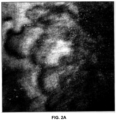
- Electron microscopic evaluation shows that there exists a physical and/or chemical affinity between lecithin and polymer. This affinity or association appears as a matrix, or net-like structure. Without intending to be bound by any particular theory, it is believed that a structure such as this can function as a means of physically trapping or encapsulating vaccine antigen.
- Such binding of antigen is further enhanced by the electrical charge and the hydrophilic and hydrophobic properties of lecithin and the acrylic polymers of this invention
- a polymer of different electrical charge may be selected depending on the anionic or cationic properties of the antigen.
- a polymer and lecithin of different hydrophobicity may be selected depending on the lipophilic or hydrophilic properties of the antigen.
- the antigen can be coupled to the lecithin-acrylic polymer matrix with a cross-linker such as glutaraldehyde in a concentration of from about 1 to 50 mM, for example, about 15 mM.
- a cross-linker such as glutaraldehyde in a concentration of from about 1 to 50 mM, for example, about 15 mM.
- the antigen can be coupled using water-soluble carbodiimide in a concentration ranging from about 0.05-0.5 M, for example, about 0.1 M, or a coupling method using a heterofunctional reagent such as N-hydroxysuccinimidyl 3-(2-pyridyldithio) propionate (SPDP) in a concentration ranging from about 0.1-1.0 mM, and preferably about 0.2 mM.
- SPDP N-hydroxysuccinimidyl 3-(2-pyridyldithio) propionate
- Other appropriate coupling agents include mixed anhydride and bisdi
- the strong mucoadhesive and adsorptive properties of the polymer e.g., acrylic acid and lecithin combination also make it an excellent mechanism to aid in the adsorption of vaccine antigen onto mucosal surfaces.
- the adjuvant delivery system's absorption enhancement properties help bring the vaccine antigen in contact with mucosal associated lymphoid tissue.
- an immune response is engendered that will aid in the protection of an animal from infections and/or disease process.
- a robust mucosal immune response is critical since most infectious disease-causing organisms gain entry to the animal at mucosal surfaces.
- the invention can also be used as an adjuvant for injectable vaccines and provides improvement for facilitating an immune response over other conventional injectable adjuvant materials.
- the vaccine comprising the adjuvant is delivered to a mucosal surface by direct application, ingestion through the oral cavity, insertion, injection, and through other conventional means known in the art.
- the adjuvant may also be administered as a conventional injectable, which is typically either a liquid solutions or suspension.
- the adjuvant/vaccine composition of this invention is generally included in the carrier composition in a concentration ranging from about 0.0001-10% by weight/volume (w/v) in case of a beverage carrier and weight/weight (w/w) in case of a food carrier, for example, about 0.01-1.0% w/v or w/w respectively.
- the adjuvant/vaccine composition should be present in a concentration ranging from about 0.02-2.0% by weight, for example, about 0.1-0.5% by weight.
- the adjuvant/vaccine may also be administered in other conventional solid dosage forms, such as in tablets, capsules, granules, troches, and vaginal or rectal suppositories. If administered in a solid dosage form, the adjuvant/vaccine composition should constitute between 0.0001-10% by weight of the dosage form, for example, about 0.01-1.0% by weight.
- compositions of this invention may contain suitable excipients and auxiliaries which facilitate processing of the active compounds into preparations which can be used pharmaceutically.
- Oral dosage forms encompass tablets, capsules, and granules. Preparations which can be administered rectally include suppositories.
- Other dosage forms include suitable solutions for administration parenterally or orally, and compositions which can be administered buccally or sublingually.
- the pharmaceutical preparations of the present invention are manufactured in a manner which is itself well known in the art.
- the pharmaceutical preparations may be made by means of conventional mixing, granulating, disolving, lyophilizing processes.
- the processes to be used will depend ultimately on the physical properties of the active ingredient used.
- Suitable excipients are, in particular, fillers such as sugars for example, lactose or sucrose mannitol or sorbitol, cellulose preparations and/or calcium phosphates, for example, tricalcium phosphate or calcium hydrogen phosphate, as well as binders such as starch, paste, using, for example, maize starch, wheat starch, rice starch, potato starch, gelatin, gum tragacanth, methyl cellulose, hydroxypropylmethylcellulose, sodium carboxymethylcellulose, and/or polyvinyl pyrrolidone.
- fillers such as sugars for example, lactose or sucrose mannitol or sorbitol
- cellulose preparations and/or calcium phosphates for example, tricalcium phosphate or calcium hydrogen phosphate
- binders such as starch, paste, using, for example, maize starch, wheat starch, rice starch, potato starch, gelatin, gum tragacanth, methyl cellulose,
- disintegrating agents may be added, such as the above-mentioned starches as well as carboxymethyl starch, cross-linked polyvinyl pyrrolidone, agar, or alginic acid or a salt thereof, such as sodium alginate.
- Auxiliaries are flow-regulating agents and lubricants, for example, such as silica, talc, stearic acid or salts thereof, such as magnesium stearate or calcium stearate and/or polyethylene glycol.
- Oral dosage forms may be provided with suitable coatings which, if desired, may be resistant to gastric juices.
- concentrated sugar solutions may be used, which may optionally contain gum arabic, talc, polyvinylpyrrolidone, polyethylene glycol and/or titanium dioxide, lacquer solutions and suitable organic solvents or solvent mixtures.
- suitable cellulose preparations such as acetylcellulose phthalate or hydroxypropylmethylcellulose phthalate, dyestuffs and pigments may be added to the tablet coatings, for example, for identification or in order to characterize different combination of compound doses.
- Other pharmaceutical preparations which can be used orally include push-fit capsules made of gelatin, as well as soft, sealed capsules made of gelatin and a plasticizer such as glycerol or sorbitol.
- the push-fit capsules can contain the active compounds in the form of granules which may be mixed with fillers such as lactose, binders such as starches, and/or lubricants such as talc or magnesium stearate and, optionally, stabilizers.
- the active compounds are preferably dissolved or suspended in suitable liquids, such as fatty oils, liquid paraffin, or liquid polyethylene glycols. In addition stabilizers may be added.
- Possible pharmaceutical preparations which can be used rectally include, for example, suppositories, which consist of a combination of the active compounds with the suppository base.
- Suitable suppository bases are, for example, natural or synthetic triglycerides, paraffin hydrocarbons, polyethylene glycols, or higher alkanols.
- gelatin rectal capsules which consist of a combination of the active compounds with a base.
- Possible base material includes, for example, liquid triglycerides, polyethylene glycols, or paraffin hydrocarbons.
- Suitable formulations for parenteral administration include aqueous solutions of active compounds in water-soluble or water-dispersible form.
- suspensions of the active compounds as appropriate oily injection suspensions may be administered.
- Suitable lipophilic solvents or vehicles include fatty oils for example, sesame oil, or synthetic fatty acid esters, for example, ethyl oleate or triglycerides.
- Aqueous injection suspensions may contain substances which increase the viscosity of the suspension, including for example, sodium carboxymethyl cellulose, sorbitol and/or dextran.
- Such compositions may also comprise adjuvants such as preserving, wetting, emulsifying, and dispensing agents.
- compositions may also be sterilized, for example, by filtration through a bacteria-retaining filter, or by incorporating sterilizing agents into the compositions. They can also be manufactured in the form of sterile solid compositions which can be dissolved or suspended in sterile water, saline, or other injectable medium prior to administration.
- active ingredients may be administered by a variety of specialized delivery drug techniques which are known to those of skill in the art, such as portable infusion pumps.
- the lecithin/polymer adjuvant serves multiple functions when it is delivered orally in food and water: 1) it protects the vaccine antigen from degradation by the stomach acid and digestive enzymes; 2) transports the antigen to the mucosal surfaces; 3) facilitates adsorption of the antigen onto the mucosal surfaces; 4) enhances absorption of the antigen; and 5) enhances the immune response to the antigen due to the adjuvant properties of the two components.
- the lecithin/acrylic polymer complex functions as a system to deliver and adsorb the antigen to the mucosal surface. Once adsorbed onto the mucosal surface and absorbed, an immune response is engendered.
- the combination of polymer and lecithin unexpectedly provides an improved vaccine delivery system for vaccine antigens. It is apparent that the invention is also an improved delivery system for drugs, such as hormones, antibiotics, probiotics and antivirals.
- the current invention provides a more simple and efficient method of incorporation of antigen into a delivery system with no, or minimal damage, to vaccine epitopes.
- the vaccine formulation can be done at low cost and can be easily commercialized as a feed or water additive or as an oral paste or tablet. It is to be understood that these formulations also would be effective in delivering antigen onto other mucosal surfaces, such as nasal, rectal and vaginal surfaces, and would be effective as an adjuvant for an injectable vaccine.
- the hydrophobic properties that aid in the adsorption of the adjuvant and vaccine antigen to mucosal surfaces also provides a means of applying to animal feeds, whether it be plant foliage or seeds, both which have a hydrophobic wax surface.
- the combination of polymer, lecithin and additives provides an unexpected enhancement of an adjuvant to induce an immune response. This benefit is present for multiple delivery routes, which includes when the adjuvant is delivered as an injectable.
- composition with which the current invention is concerned differs from the prior art in that it comprises a mixture of lecithin and, in some embodiments, an acrylic polymer or copolymer.
- the invention provides certain advantages over other vaccine delivery systems described in the prior art. It is not prepared under harsh conditions that adversely affect the substance such as the use of organic solvents. It does not require elevated temperatures to manufacture and does not require a stabilization step.
- the invention provides a simpler method of incorporation of antigen with minimal damage to vaccine epitopes. Using this simpler method of manufacturing results in low cost and ease of commercialization.
- BSA bovine serum albumin Fraction 5
- the lecithin and acrylic polymer were suspended together in 150 milliliters (ml) phosphate buffered saline (PBS), each at a concentration of 4 milligrams (mg) per milliliter (ml).
- PBS phosphate buffered saline
- the components were first dispersed by stirring with a magnetic stir bar and then mixed further in a Waring Blender using an emulsification head. The mixture was then autoclaved to sterilize the adjuvant mixture.
- Bovine serum albumin was dissolved in PBS at a concentration of 2 mg/ml and filter sterilized.
- One part lecithin/acrylic polymer adjuvant was then combined with one part of BSA.
- Merthiolate (0.01%) was added as a preservative.
- the final concentration of the vaccine components was 2 mg/ml of the lecithin/acrylic polymer and 1 mg/ml of BSA.
- CF-1 female mice approximately 18 grams, from Charles River Laboratories (Willmington, Mich.), were injected subcutaneously in the groin area with 0.1 ml of vaccine (0.1 mg. of BSA/dose) on days 0 and 21. Mice were bled on day 45, 24 days after the second vaccination. Mice were bled by cutting the brachial artery following euthanasia by cervical dislocation.
- Results show that the adjuvant comprising a combination of lecithin and acrylic polymer does indeed enhance the immune response to an antigen.
- mice were prepared in PBS.
- the vaccines comprised the antigen, BSA Fraction 5, at a concentration of 400 micrograms ( ⁇ g) per ml.
- Vaccine 1 contained no adjuvant only BSA.
- Vaccine 2 was comprised of BSA mixed with 3 mg/ml of lecithin.
- Vaccine 3 was comprised of BSA mixed with 3 mg/ml of the acrylic polymer.
- Vaccine 4 was comprised of BSA mixed with 3 mg/ml of lecithin and 3 mg/ml of acrylic polymer. Mixing was first done with a laboratory bench top magnetic stir bar and then in a Waring blender using an emulsification head. Lactobacillus culture was added to all vaccines just prior to vaccination.
- the final concentration of Lactobacillus was 0.01 ⁇ g/ml of vaccine.
- mice were euthanized and bled by the brachial artery.
- End-point anti-BSA serum IgG antibody titers were determined by ELISA. A 1/100 starting dilution of serum was used due to non-specific background color development at dilutions less than 1/100. Results are recorded in Table 2: TABLE 2 Effect of Adjuvant Composition on the Anti-BSA Antibody Response Adjuvant Composition No.
- Anti-BSA IgG antibody titers were over five times higher when a combination of lecithin and acrylic polymer was used as adjuvant than when acrylic polymer was used alone and 323 times higher than when lecithin was used alone. This demonstrates that the combination of lecithin and acrylic polymer is far more effective at delivering the antigen orally to the mucosal surface for uptake by lymphoid tissue than either lecithin or acrylic polymer alone.
- the mice that did not seroconvert may have had a secretory IgA antibody response. Indeed, oral vaccination, and mucosal vaccination in general, stimulates IgA secreting cells at mucosal surfaces.
- Two vaccines were prepared in PBS that comprised the antigen, BSA Fraction 5, at a concentration of 400 ⁇ g per ml.
- One vaccine contained no adjuvant only BSA.
- the other vaccine was comprised of BSA adjuvanted with 3 mg/ml of lecithin and 3 mg/ml of acrylic polymer.
- the vaccine was assembled as described in Example 2. On days 0, 4, 27, and 31 groups of CF-1 female mice from Charles-River Laboratories and weighing approximately 18 grams, were administered 0.5 ml of vaccine orally by feeding needle. On day 52, 21 days post vaccination, mice were euthanized and bled by the brachial artery. End-point anti-BSA serum IgG antibody titers were determined by ELISA.
- mice that received this same vaccine had a geometric mean titer of 1/1,345 six weeks after only a single vaccination. This demonstrates the potential of the adjuvant composition, when once optimized, to engender an immune response of long duration.
- Two experimental vaccines for delivery by the intranasal route were prepared in PBS comprising the antigen, BSA, at a concentration of 500 ⁇ g/ml.
- One vaccine was comprised of BSA alone.
- the second vaccine was comprised of BSA adjuvanted with a combination of 3 mg/ml of lecithin and 3 mg/ml of the acrylic polymer.
- the lecithin and acrylic polymer were first mixed with a laboratory bench top magnetic stir bar and then in a Waring blender using an emulsification head. BSA was then added and mixed again using the emulsification head. Mice were vaccinated on days 0 and 20. Forty ⁇ l containing 20 ⁇ g of BSA antigen were placed on the nose while the mouth was held shut.
- mice were euthanized and bled by cutting the brachial artery.
- the fact that not all mice seroconverted suggests that not enough, or perhaps none of the vaccine was inhaled by those mice that did not have an antibody titer greater than 1/100. Indeed, some, perhaps most, of the vaccine was observed to run off the nose or was blown off the nose when the mouse exhaled. Still, the results of this study show that the invention, comprised of lecithin and acrylic polymer, functions effectively as an adjuvant for the intranasal delivery of a vaccine antigen.
- the adjuvant invention comprising a combination of 2 mg/ml of lecithin and 2 mg/ml of acrylic polymer was used as a diluent for modified-live pseudorabies virus (ML-PRV) for swine.
- This adjuvant diluent and a control diluent consisting of sterile water were used to rehydrate lyophilized (ML-PRV).
- the ML-PRV was rehydrated immediately prior to vaccination.
- Groups of 10 weaned piglets, 6 weeks of age, were vaccinated on days 0 and 21. Blood serum was collected on days 2, 20, 28, and 48 for serological testing for anti-PRV serum neutralizing antibodies.
- the anti-PRV antibody responses of piglets in the different vaccine groups are shown in Table 5.
- the invention comprising a lecithin and acrylic polymer combination functions as an adjuvant for a ML-virus vaccine adjuvant, in this case swine ML Pseudorabies vaccine virus.
- ML-virus vaccine adjuvant in this case swine ML Pseudorabies vaccine virus.
- the virus neutralizing anti-PRV antibody titer to ML-PRV which by itself is a very good antigen without an adjuvant and is used commercially without an adjuvant, was over twice as high when the lecithin/acrylic polymer was used instead of water.
- Lecithin and acrylic copolymer adjuvant as described and prepared herein was analyzed for its effectiveness at supporting the immunization of swine against H1N1 and H2N2 viral antigens.
- Inventive adjuvants herein were compared to a commercially available adjuvant, 5% Amphigen ® , to identify the capacity of adjuvants as described herein to support viral antigen based vaccines.
- Each adjuvant was combined with H1N1 and H3N2 antigens (derived from a released lyophilized commercial product (FluSure TM , Pfizer Animal Group). Test groups for vaccination included 29 to 35 day old piglets.
- T1 5% Amphigen, positive control
- T2 Quil A alone adjuvant
- T3 lecithin and acrylic copolymer of the invention, intramuscular
- T4 lecithin and acrylic copolymer of the invention, intranasal.
- T5 was a control group that was un-vaccinated.
- T1, T2 and T3 received one intramuscular dose on day 0, T4 received one intranasal dose on day 0.
- Table 6 shows data from H1N1 titer
- Table 7 shows data from the H3N2 titer: TABLE 6: Number of Piglets with H1N1 Swine Influenza Titers and Geometric Mean Titers Treat No. Test Art Treat. Group No.
- Geometric Mean Titers A titer of 5 was assigned to negative titers for calculation of geometric mean.
- LAP - Lecithin acrylic polymer as described in Examples 1-5. TABLE 7: Number of piglets with H3N2 Swine Influenza Titers and Geometric Mean Titers Treat No. Test Art Treat. Group No.
- Geometric Mean Titers A titer of 5 was assigned a negative titer for calculations of geometric mean titers.
- Amphigen ® - Amphigen ® adjuvant (Pfizer Animal Health) LAP - Lecithin acrylic polymer as described in Examples 1-5.
- lecithin and acrylic copolymer adjuvants of the invention induce significant serological responses to H1N1 and H3N2 swine influenza viruses in piglets.
- the responses were similar to conventional commercial adjuvants and significantly better than a Quil A alone adjuvant.
- the data in Example 6 further show the utility of the lecithin/acrylic polymer adjuvants of the invention and show that additives alone, for example Quil A, provide for a minimal immunological response under identical conditions.
- the immunogenecity of a lecithin, acrylic polymer, Quil A and cholesterol adjuvant of the invention was tested against Amphigen, a commercial adjuvant. The study was performed to determine the effectiveness of eliciting an enhanced immune response through inclusion of cholesterol and Quil A in adjuvant embodiments described herein.
- Adjuvant was prepared as described above, except in this Example, 15 mg/ml lecithin was combined with 10 mg/ml acrylic polymer. Each vaccine dose included 1.25 mg of adjuvant (as compared to 5 mg of Amphigen).
- the adjuvant samples were spiked with 0.5 mg/ml of Quil A/cholesterol. All adjuvant samples further received 50 ⁇ g, 5 ⁇ g or 0.5 ⁇ g AIV-HA antigen. Ingredients described above were combined as discussed herein to provide 3 different antigen concentrations for each lecithin/acrylic polymer/additive sample and Amphigen seample. All samples were stored at 4°C.
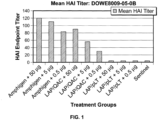
- the study showed a surprising increase in mean HAI titer with cholesterol and Quil A included in the adjuvant and therefore vaccine preparation.
- the increase in titer was antigen concentration dependent and showed a significant increase comparable to corresponding antigen spiked Amphigen samples.
- the amount of lecithin and acrylic polymer was limited (1.25 mg) to provide a more sensitive platform for identifying effects of the inventive adjuvants described herein.
- the low dose lecithin/acrylic polymer/additive adjuvant provided an adequate platform for analyzing the adjuvant's capacity to elicit an immune response, which was comparable to a full dose Amphigen based adjuvant.
- the immunogenecity of a lecithin, acrylic polymer, cholesterol, and Quil A adjuvant was tested in chickens.
- Cell line based antigen was tested in this manner in order to determine utility of adjuvants (additive based) in accordance with the present invention.
- Adjuvant was prepared using 33.5 ⁇ g/dose Quil A, 32.4 ⁇ g/dose cholesterol, 800 ⁇ g/dose lecithin and 500 ⁇ g/dose acrylic copolymer 974PNF.
- Vaccine antigen was a stably transfected cell line using a H5 HA expressing plasmid (CHO-HA-10).
- an antigen stabilizing agent was added to the material, i.e., Nicotiana tabacum cell line lysate.
- Inventive adjuvant compositions were as prepared and described in previous Examples. Adjuvant samples were visualized by transmission electron microscopy. Adjuvants included lecithin and polymer, no additives, and were sterilized by autoclaving. An illustrative micrograph at 30,000X magnification is shown in Figure 2A .
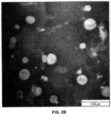
- the adjuvant prepared via the methods of US Patent No. 5,716,637 show an expected emulsion structure of lipid droplets in an aqueous phase.
- the micrograph shown in Figure 2 A illustrates that adjuvants of the present invention have a significantly different physical structure or distribution than the adjuvants described in Anselem.
- Adjuvants of the present invention show a diffuse net-like structure with significant polymer content combining with the lecithin (phospholipids) to provide the unexpected structure of the present invention. This is a surprising given the significant difference is structure between the two adjuvant compositions.
- Lecithin and acrylic copolymer adjuvant as described and prepared herein was analyzed alone and in combination with calcium phosphate (CaPO 4 ) to determine effectiveness at supporting the immunization of chicks against an avian influenza DNA antigen (H5N9 AIV HA DNA).
- CaPO 4 calcium phosphate
- Inventive adjuvants herein were compared to a commercially available adjuvant, having the same antigen. The commercially available adjuvant was also tested with CaPO 4 .
- Chick treatment groups were immunized on day 0 and day 16. Serum testing was performed on each treatment group and HAI titers determined using standard assays.
- Figure 3 shows data from HAI GMT serum titers for adjuvant only, no antigen (Amphigen ® ); antigen only, no adjuvant; Amphigen ® ; Amphigen ® with CaPO 4 ; Lecithin and Copolymer; and Lecithin, Copolymer and CaPO 4 .
- the results in Figure 3 indicate that the lecithin, copolymer and calcium phosphate group vaccine provided significantly higher levels of immunity than lecithin and copolymer alone or Amphigen with or without calcium phosphate.
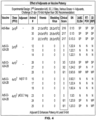
- Figure 4 shows the results of the experimental Adenovirus vector-based FMD vaccine alone or in combination with one of two adjuvants: a DNA plasmid called plCLC or Adjuvant E (Adjuplex/Vetplex with Quil A and Cholesterol).
- Adjuvant E increased potency by at least 5-fold whereas the plCLC adjuvant was less effective. This data further supports the conclusion that Quil A and cholesterol when used in combination with other adjuvant based embodiments described herein have surprising utility in the context of the present invention.
- the overarching goal of this research was to produce and evaluate Foot-and-mouth disease (FMD) single or combinational vaccines comprising replication-defective recombinant human adenovirus carrying (a) the FMD VP1 capsid and 3C protease coding regions and/or (b) bovine or porcine type 1 interferon genes.
- FMD Foot-and-mouth disease
- This strategy is being used to develop next generation molecular FMD licensed vaccines for stock piling by the National Veterinary Stockpile Program for use as an FMD countermeasure in emergency outbreaks.
- Adjuplex-LAP did not have any virucidal effect on Ad5bIFN ⁇ virus at the recommended or 4-fold concentration level.
- the incubation temperatures and times for these studies were 20° C, or 39° C, and 1 or 24 hours, respectively. However, similar results were not observed for Adjuplex-LE.
- Ad5-O1 virus Similar results were obtained with Ad5-O1 virus when it was mixed with both Adjuplex LAP and LE, respectively, at the recommended quantity and when the amount was increased two- or four-fold. Furthermore, there were no significant titer reductions even when the mixtures were incubated at 39 0 C for 24 hours. The 39 0 C incubation temperature was selected because that is the average cattle rectal body temperature. It is recommended that Adjuplex LAP should be the adjuvant of choice to be combined with the Ad5-bIFN ⁇ , Ad5-O1 and other Ad5 based FMD sub unit vaccines for clinical evaluation in cattle and pigs.
- Foot-and-mouth disease is an economically important and highly contagious viral disease of cloven-hoofed livestock and wildlife including cattle, swine, sheep, goats, and deer.
- FMD Foot-and-mouth disease
- FMD vaccines which are based on conventional chemically inactivated vaccines emulsified with adjuvants. Failure to completely inactivate the vaccine has led to outbreaks of the disease. There is no approved diagnostic test available to reliably differentiate vaccinated from infected animals. Furthermore vaccinated animals can become disease carriers following contact with FMD virus. These disadvantages of inactivated whole FMD vaccine have made FMD-free countries to be reluctant to vaccinate their livestock during outbreaks.
- FMD vaccines In order to overcome some of the problems associated with convectional FMD vaccines, many approaches have been utilized to develop alternative FMD vaccines, including construction of modified live-virus, biosynthetic proteins, synthetic peptides, naked DNA vectors, and recombinant viruses.
- the use of human adenovirus as a vector for FMD vaccines has been met with variable results, sometimes resulting in incomplete protection or failure of vaccinated animals to develop a neutralizing antibody.
- Adjuplex-LAP is a mucosal vaccine adjuvant as well as an adjuvant for parenterally administered vaccines.
- the adjuvant is a lecithin phospholipid/acrylic polymer combination.
- the combination forms a mucoadhesive matrix that facilitates the adsorption of vaccine antigens to mucosal surfaces and subsequent absorption and presentation of antigen to cells of the immune system.
- Both adjuvant components are used in the pharmaceutical and biological industries and thus have value as a delivery and adjuvant system for vaccine antigens.
- Adjuplex-LE is a 5%, or less, oil-in-water emulsion, the oil droplets which are covered by lecithin derived phospholipid vesicles.
- the lipid vesicles act as a carrier for vaccine antigens and make them accessible to cells of the immune system.
- the lipid vesicles on the surface of the oil droplets is also a safety feature making the oil less irritable or not irritable at all to tissue at the injection site.
- the adjuvant is also non-virucidal. Therefore the formulation can be, and is, used to adjuvant modified-live virus vaccines.
- the adjuvant can be mixed directly with vaccine antigens without further emulsification or the antigens can be added at the time of emulsification.
- the redox indicator Alamar Blue TM (AB), a fluorescent dye, which has been used in mammalian cell culture cytotoxicity assays.
- AB is a safe, nontoxic aqueous dye, which is used to assess cell viability and cell proliferation because it is stable in cell culture. It has also been shown to be a rapid and simple nonradioactive assay alternative to the [ 3 H] thymidine incorporation assay. AB both fluoresces and changes color in response to chemical reduction, and the extent of the conversion is a reflection of cell viability.
- AB assay is a simple, one-step procedure. Alamar Blue TM assay was set up to study the cytotoxicity effects of two vaccine adjuvants 293 cells.
- Alamar Blue TM assay was set up to study the cytotoxicity effect of vaccine adjuvants on 293 cells.
- Alamar Blue TM is a safe, nontoxic aqueous dye which is used to assess cell viability and cell proliferation.
- Human embryonic kidney (293) cells were obtained from Dr. Patrick Hearing, Department of Microbiology, Stony Brook University, Stony Brook, NY, and were propagated in minimum essential medium (MEM) containing 10% fetal bovine serum (FBS), 1% antibiotic-antimycotic solution, and 1% MEM non essential amino acid (NEAA). 293 cells of passages 15 and 36 were used for transfection, propagation of viruses, virus titrations and performing of cytotoxicity assays.
- MEM minimum essential medium
- FBS fetal bovine serum
- NEAA MEM non essential amino acid
- the two plasmids were provided by Dr. Laszlo Zsak from US Department of Homeland Security, Targeted Advanced Development, Plum Island Animal Diseases Center, Orient Point, NY.
- the pAd5bIFN ⁇ and pAd5O1 were linearized by digestion with restriction enzyme PacI and transfected in 293 cells using Lipofectamin TM 2000.
- AdSbIFN ⁇ and Ad5O1 viruses (vaccine vectors)
- the 2 viruses were harvested with the appearance of the initial plaques, which were then grown in large quantities in 293 cells, and purified utilizing a nonlinear followed by a linear CsCl gradient centrifugation.
- 1:10, 1:100 and 1:100 dilutions of both Ad5bIFN ⁇ and Ad5O1 vaccine viruses were prepared respectively in EMEM containing 2% FBS, 1% antibiotic-antimycotic solution, and 1% MEM-NEAA.
- Adjuplex-LAP 1:20, 1:200, 1:2000, and 1:20,000 dilutions of both Adjuplex-LAP and Adjuplex-LE adjuvants were prepared respectively in EMEM containing 2% FBS, 1% antibiotic-antimycotic solution, and 1% MEM-NEAA.
- AB was aliquoted and stored at -80° C. Prior to each experiment, AB was brought to room temperature and vortexed. Exposure of AB to light was minimized throughout the experiments.
- Table 10 shows the addition of diluted Ad5bIFN ⁇ , Ad5O1, Adjuplex-LAP and Adjuplex-LE to the cells. Briefly, 0.1 ml of each of the dilutions of Ad5bIFN ⁇ and Ad5O1 (1:10, 1:100, 1:100) was added to each well respectively in triplicates. 0.1 ml of each of the dilutions of the adjuvants (1:20, 1:200, 1:2000, and 1:20,000) was added to each well respectively in triplicates. EMEM containing 2% FBS, 1% antibiotic-antimycotic solution, and 1% MEM-NEAA was added to wells A1, A2, A3, D1, D2 and D3 as negative controls.
- the two treatments were incubated at 37° C in a 5% CO 2 atmosphere for approximately 18 hours, after which 20 ⁇ l AB was added to each well. The treatments were returned to the incubator.
- Optical densities (OD) at 570 nm and 600 nm were measured with the EL X 808 ultra microplate reader (BioTek Instruments, Inc., Winooski, VT) at approximately 42 hours, 50 hours, and 68 hours (total culture times).
- the OD data were analyzed as follows: (a), determine % difference in reduction of AB (between media growth control wells and treatment wells); this will indicate the amount inhibition (or stimulation) of cell growth in treatment wells with respect to media control wells, and (b). determine % reduction of AB in media control and in treatment wells; this will indicate the amount of cell growth in media control and treatment wells.
- Treatments with higher % reduction than media controls are considered to stimulate cell growth.
- Treatments with lower % reduction than media controls are considered cytotoxic. Treatments with the same % reduction are neither cytotoxic nor stimulatory.
- the TCID 50 assay was employed to ascertain and measure if there were virucidal effects of Adjuplex-LAP and Adjuplex-LE adjuvants on Ad5bIFN ⁇ and Ad5O1 viruses.
- 293 cells were harvested from a T-150 flask of fresh 293 cells, and counted on a hemocytometer. A dilution of the cell suspension at 1 ⁇ 10 5 /ml in MEM containing 2% FBS, 1% antibiotic-antimycotic solution, and 1% MEM-NEAA was made, and at least 10 ml was prepared for each 96 flat-bottomed well tissue culture plate.
- MEM supplemented with 2% FBS, 1% antibiotic-antimycotic solution, and 1% MEM-NEAA was used to make virus dilutions of 10 -1 to 10 -13 .
- the 10 fold dilutions were made in 5 ml sterile, disposable tubes.
- the cells were infected by adding 0.1 ml per well of each virus-adjuvant dilution immediately after the dilutions were made.
- Each of the two adjuvants was mixed with Ad5bIFN ⁇ according to the manufacturer recommended ratios (LAP: virus ratio, 1:4; LE: virus ratio, 1:1).
- LAP virus ratio, 1:4; LE: virus ratio, 1:1
- additional ratios LAP: antigen ratio, 4:1; LE: antigen ratio, 2:1
- LAP antigen ratio, 4:1; LE: antigen ratio, 2:1
- the media-virus mixture served as a control.
- the media consisted of MEM supplemented with 2% FBS, 1% antibiotic-antimycotic solution, and 1% MEM-NEAA. The ratios tested were as follows:
- the mixtures were incubated at room temperature (20 - 25° C) for one hour before dilutions were made.
- the mixtures were incubated at 39° C for one hour before dilutions were made.
- the mixtures were incubated at 39° C for 24 hours before dilutions were made.
- Each of the two adjuvants was mixed with Ad5O1 according to the manufacturer recommended ratios (LAP: virus ratio, 1:4; LE: virus ratio, 1:1). In addition to the recommended ratios, additional ratios (LAP: virus ratio, 4:1; LE: virus ratio, 2:1 ) were also tested to increase the chances of having virucidal effects. Each mixture was made in a sterile 1 ml microtube and vortexed three times to ensure adequate mixing before use.
- the media-virus mixture served as a control.
- the media consisted of MEM supplemented with 2% FBS, 1% antibiotic-antimycotic solution, and 1% MEM-NEAA. The ratios tested were as follows:
- the mixtures were incubated at room temperature (20 - 25 0 C) for one hour dilutions were made.
- the mixtures were incubated at 39 0 C for one hour before dilutions were made.
- the mixtures were incubated at 39° C for 24 hours before dilutions were made.
- 0.1 ml of each adjuvant-virus mixture from each treatment was added to the first tube and mixed by votexing. Filtered pipette tips were changed between dilutions. 0.1 ml of the 10 -1 dilution was withdrawn and transferred to the second tube containing MEM supplemented with 2% FBS, 1% antibiotic-antimycotic solution, and 1% MEM-NEAA.
- One 96-well plate was used for infection per treatment. Immediately after the dilutions were made, the cells were infected by adding 0.1 ml per well of each virus-adjuvant dilution. 0.1 ml of the virus-adjuvant suspension with the highest dilution was dispensed in column 1 wells to infect the cells in the 8 wells of this column.
- TCID 50 /ml titer was calculated using the K ⁇ RBER statistical method. Compare the TCID 50 /ml between the treatments in each experiment to determine if there was a difference. A difference in titers between treatments in each experiment that is greater than 0.7 log was considered to be significant, which means the adjuvant in that experiment was virucidal to the tested virus.
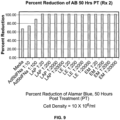
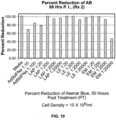
- Alamar Blue TM was used to measure 293 cell viability at two densities There was cell clumping at a density of 10 ⁇ 10 6 /ml for all treatments. The 1 ⁇ 10 6 /ml density was better than the higher density.
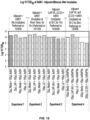
- the log10 titers of treatments in this group were 10.0, 9.9, 9.5, and 9.6 (Table 11, Fig. 11 ). The differences between them were lower than log 0.7 (34), therefore there were no significant differences within this treatment group (34). This indicates that the two adjuvants did not produce any virucidal effect on the virus when combined at room temperature.
- the two adjuvants did not produce any virucidal effect on the virus because the differences between log10 titers were less than log10 0.7 (34), (Table 11, Fig. 11 ).
- the adjuvants in these treatment groups did not exhibit any virucidal effect on the virus when incubated for one hour at 39° C (Table 11, Fig. 11 ).
- Alamar Blue is a redox indicator of viable cell number. At cell density of 10 ⁇ 10 6 /ml, cell clumping was observed, which indicated that there were too many cells in each well at this concentration. There was no clumping at a cell concentration of 1 ⁇ 10 6 /ml. Based on this observation, the cell concentration 1 ⁇ 10 6 /ml was employed in the study. In this study AB was employed to measure 293 cell viability at two cell concentrations. Optical densities were measured at 570 nm and 600 nm at approximately 42 hours (total culture time), 50 hours, and 68 hours. The OD data obtained were analyzed using the formula provided by the AB manufacturer. The % difference in reduction of AB (between media growth control wells and treatment wells) indicated the amount inhibition (or stimulation) of cell growth in treatment wells with respect to media control wells.
- Treatments with higher % reductions than media controls are considered to stimulate cell growth. Treatments with lower % reduction than media controls are considered cytotoxic. Treatments with the same % reduction are neither cytotoxic nor stimulatory.
- a dilution of 1:100 of Ad5bIFN ⁇ virus gave the higher % reduction of AB at 42 and 50 hours post exposure to the 293 cells at both 1 ⁇ 10 6 /ml and 10 ⁇ 10 6 /ml.
- the 1 ⁇ 10 6 /ml cell concentration would be the best concentration because there was no cell clumping observed at a cell concentration of 1 ⁇ 10 6 /ml.
- the 1:100 dilution would be the optimal dilution of Ad5bIFN ⁇ virus for 293 cells.
- Adjuplex LAP, LE, and emulsigen adjuvants at dilutions of 1:20 gave the highest percent reduction of AB at 42 and 50 hours post exposure to 293 cells.
- the virus-adjuvant mixtures were incubated with 4- and 2-fold in the LAP and LE contents, respectively, for 24 hours (previously it was one hour), there was no reduction in titer of the virus-adjuvant LAP mixture. However, there was a 1.9 log 10 reduction in titer of the virus-LE mixture. This reduction was significant (35). The titer reduction 3.3 log 10 was even greater when the amount of LE in the virus-adjuvant mixture was not increased.
- Ad5O1 virus was mixed with both adjuplex LAP and LE at the recommended quantity and when the amount was increased by 4 fold and 2 fold, respectively. Furthermore, there were no significant titer reductions even when the mixtures were incubated at 39 0 C for 24 hours.
- the 39 0 C incubation temperature was selected because that is the average rectal temperature of cattle. It is recommended that adjuplex LAP should be the adjuvant to be combined with the Ad5bIFN ⁇ , Ad5O1 and other Ad5 based FMD sub unit vaccines for clinical evaluation in cattle.
- the objective of this study was to challenge chickens vaccinated with H5N2 low pathogenic avian influenza (LPAI) virus and evaluate effect by measuring virus shed from the oropharynx and the cloaca by real-time reverse transcriptase polymerase chain reaction.
- LPAI low pathogenic avian influenza
- a further purpose was to evaluate if Chinese Hamster Ovary (CHO) cells, stably transfected with H5 HA expressing plasmid, would stimulate an immune response in birds. Following one vaccination, seroconversion to H5 HA was noted in a few birds. The birds were subsequently administered a second dose. Since the birds seroconverted following one dose, the birds were challenged with H5N2 LPAI virus to determine if the detectable serological response had any effect on virus shed.
- CHO Chinese Hamster Ovary
- Generic Name Media / Lecithin acrylic copolymer plus Quil A cholesterol Formulation: Media - DMEM, fetal calf serum, non-essential amino acids, L-glutamine 2.
- a blood sample, an oropharyngeal swab, and a cloacal swab were collected from each bird. Oropharyngeal and cloacal swabs were placed into one ml of culture medium and frozen at approximately -80° C until processed for viral detection.
- HAI hemagglutination inhibition
- Oropharyngeal swabs collected on Days 0 through 6 and cloacal swabs collected on Days 2 through 6 from birds in treatment groups T1, T3, T4, and T5 were analyzed for viral RNA by RT-rtPCR. Samples collected from birds in treatment group T2 were not analyzed and cloacal samples collected on Days 0 and 1 from the remaining treatment groups were also not analyzed. RNA extraction for the RT-rtPCR assay was conducted in the laboratory at 2321 30 Road, Brainard, Iowa. The RT-rtPCR assay was conducted in the laboratory at 521 West Industrial Lake Drive, Lincoln, Iowa.
- Table 15 lists the results of the avian influenza H5 HAI serological testing. Following first vaccination on Day -25 on the BEDA 1197-06-06 IACUC Request Study, one of three birds in treatment group T4 and two of three birds in treatment group T5 had detectable H5 serological titers of either 8 or 16. On Day 0, all birds in treatment groups T4 and T5 had seroconverted to H5 with titers ranging from 8 to 128. No birds in treatment groups T1 through T3 had detectable H5 serological titers on either sampling day.
- H5 A/Chicken/Scotland 59 [HSN1]
- H5N9 A/Turkey/Wisconsin 68 [H5N9]
- Table 16 lists the geometric mean titer (GMT) results of the oropharyngeal swab testing. No viral RNA was detected on Day 0 from any treatment groups. For Days 1 through 6, virus levels were detected by RT-rtPCR in all three T1 birds (negative controls) with the peak mean titer occurring on Day 1 (GMT of 7.00 ⁇ 10 7 viral copy number) and a secondary peak titer occurring on Day 4 (GMT of 3.37 ⁇ 10 7 viral copy number). The viral copy number of the three T1 birds declined to a GMT of 7.55 ⁇ 10 4 by Day 6.
- GTT geometric mean titer
- Table 17 lists the geometric mean titer (GMT) results of the cloacal swab testing. For Days 2 through 6, virus levels were detected by RT-rtPCR in all three T1 birds (negative controls) with the peak mean titer occurring on Day 5 (GMT of 4.78 ⁇ 10 6 viral copy number). In general, the shedding was more variable than that detected in oropharyngeal swabs from the same birds. In birds that were administered only non-transfected CHO cells (T3) or CHO cells transfected to express H5 HA (T4 and T5), generally lower levels of viral copy number were detected on Days 2 through 6 when compared to treatment group T1; however, the results varied greatly from bird to bird and day to day. This suggests that measuring vaccine effects on fecal shedding via cloacal swabs may be difficult with A/TK/CA/209092/02 (H5N2) and the effect of vaccination in this trial could not be evaluated.
- H5N2 geometric mean titer
- Vaccines prepared with LAP or LAP/QAC adjuvants stimulate serologic responses in poultry, mice, swine, and elicit protection from live NDV challenge in poultry; however, the mechanism of immune response development to these vaccines has not been studied.
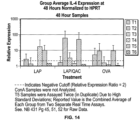
- the present study was designed to investigate the cytokine profiles of splenic lymphocytes from mice after a prime and boost regimen with LAP or LAP/QAC adjuvant, with and without antigen. After in vitro stimulation, splenic lymphocytes from some animals vaccinated with LAP + OVA or LAP/QAC + OVA produced increased levels of IL-4 mRNA relative to media controls. Large variations in IL-4 mRNA expression were observed between animals in each treatments group, suggesting that further optimization of sampling times is required. Samples were also evaluated for relative expression if IFN- ⁇ and TNF- ⁇ ; however, increase in expression of these cytokine mRNAs were not observed.
- the nature of the cytokine profile predicts whether the immune response favors cellular (Th1) or humoral (Th2) immunity.
- Identification of the cytokines produced after vaccination with LAP or LAP/QAC-adjuvanted vaccines can provide clues about the mechanism of immune induction. Methods developed through this study facilitate investigation into Th1 and Th2 cytokine responses associated with LAP-and LAP/QAC-adjuvanted vaccines. Table 1.
- Treatment Group Vaccine Components ⁇ g per 0.2 ml Dose Treatment Group LAP* QAC** Ovalbumin T1 --- --- T2 1000 1 --- T3 1000 50 2 --- T4 1000 --- 50 T5 1000 50 50 T6 --- --- 50 *Lecithin Acrylic Polymer **Quil A Cholesterol 1 600 ⁇ g CP; 400 ⁇ g Carbopol 934P 2 25 ⁇ g Quil A; 25 ⁇ g Cholesterol
- RNA samples were analyzed by real time RT-PCR assays for expression of cytokine genes (TNF- ⁇ , IL-4, IFN- ⁇ ).
- cytokine genes TNF- ⁇ , IL-4, IFN- ⁇ .
- HPRT hypoxanthine guanine phosphoribosyl transferase
- ARBP acidic ribosomal phosphoprotein PO
- IL-4 mRNA Relative expression of IL-4 mRNA was evaluated for samples from all treatment groups after 24 to 48 hours in culture ( Figure 13A, B ). Samples collected after 24 hours in culture with treatments as listed above (see Methods) using ARBP as the housekeeping gene for normalization purposes. The highest relative expression levels of IL-4 were observed in samples from vaccine treatment groups T4 (LAP + OVA) and T5 (LAP/QAC + OVA). Samples from vaccine treatment groups T1 (no vaccine), T3 (LAP/QAC), and T6 (OVA) were also evaluated at 48 hours in culture using ARBP as the housekeeping gene. Increased IL-4 expression was observed for some animals in each group after 48 hours in culture with LPA, LAP/QAC or OVA. Unexpectedly, ConA-treated samples did not have increased levels of IL-4 expression with respect to media controls; however, increases observed in samples from T4 and T5 indicate that cells were viable and were able to produce cytokines.
Landscapes
- Health & Medical Sciences (AREA)
- Chemical & Material Sciences (AREA)
- Life Sciences & Earth Sciences (AREA)
- Mycology (AREA)
- Epidemiology (AREA)
- Immunology (AREA)
- Medicinal Chemistry (AREA)
- Microbiology (AREA)
- Chemical Kinetics & Catalysis (AREA)
- Pharmacology & Pharmacy (AREA)
- General Chemical & Material Sciences (AREA)
- Animal Behavior & Ethology (AREA)
- General Health & Medical Sciences (AREA)
- Public Health (AREA)
- Veterinary Medicine (AREA)
- Medicines Containing Antibodies Or Antigens For Use As Internal Diagnostic Agents (AREA)
- Medicinal Preparation (AREA)
Applications Claiming Priority (3)
| Application Number | Priority Date | Filing Date | Title |
|---|---|---|---|
| US201261609783P | 2012-03-12 | 2012-03-12 | |
| PCT/US2013/030515 WO2013138334A1 (en) | 2012-03-12 | 2013-03-12 | Adjuvant and vaccine compositions |
| EP13761420.2A EP2825196A4 (de) | 2012-03-12 | 2013-03-12 | Adjuvanz- und impfstoffzusammensetzungen |
Related Parent Applications (1)
| Application Number | Title | Priority Date | Filing Date |
|---|---|---|---|
| EP13761420.2A Division EP2825196A4 (de) | 2012-03-12 | 2013-03-12 | Adjuvanz- und impfstoffzusammensetzungen |
Publications (2)
| Publication Number | Publication Date |
|---|---|
| EP4218808A2 true EP4218808A2 (de) | 2023-08-02 |
| EP4218808A3 EP4218808A3 (de) | 2023-08-09 |
Family
ID=49161723
Family Applications (2)
| Application Number | Title | Priority Date | Filing Date |
|---|---|---|---|
| EP23153466.0A Pending EP4218808A3 (de) | 2012-03-12 | 2013-03-12 | Adjuvans- und impfstoffzusammensetzungen |
| EP13761420.2A Ceased EP2825196A4 (de) | 2012-03-12 | 2013-03-12 | Adjuvanz- und impfstoffzusammensetzungen |
Family Applications After (1)
| Application Number | Title | Priority Date | Filing Date |
|---|---|---|---|
| EP13761420.2A Ceased EP2825196A4 (de) | 2012-03-12 | 2013-03-12 | Adjuvanz- und impfstoffzusammensetzungen |
Country Status (5)
| Country | Link |
|---|---|
| US (8) | US20150044242A1 (de) |
| EP (2) | EP4218808A3 (de) |
| AU (1) | AU2013204906B2 (de) |
| CA (3) | CA2866170A1 (de) |
| WO (1) | WO2013138334A1 (de) |
Families Citing this family (14)
| Publication number | Priority date | Publication date | Assignee | Title |
|---|---|---|---|---|
| US10195261B2 (en) | 2014-11-26 | 2019-02-05 | VaxLiant, LLC | Adjuvant compositions and related methods |
| CA2968389C (en) | 2014-11-26 | 2023-12-12 | VaxLiant, LLC | Adjuvant compositions and related methods |
| JP6925277B2 (ja) * | 2015-03-24 | 2021-08-25 | ヒューベファーマ・インコーポレイテッドHuvepharma, Inc. | アジュバント組成物及び関連する方法 |
| CN105169386B (zh) * | 2015-07-29 | 2018-06-19 | 浙江大学 | 一种新型通用型基质疫苗佐剂及其制备方法和用途 |
| LT3471760T (lt) * | 2016-06-17 | 2025-02-25 | Boehringer Ingelheim Vetmedica Gmbh | Nauji imunogeniniai preparatai, apimantys linijinių arba šakotų poliakrilo rūgšties polimerų adjuvantus |
| JP7130744B2 (ja) * | 2017-11-01 | 2022-09-05 | メルク・シャープ・アンド・ドーム・コーポレーション | サイトメガロウイルスの安定な製剤 |
| EP3743101A2 (de) | 2018-01-25 | 2020-12-02 | ACM Biolabs Pte Ltd | Ein lösliches verkapseltes antigen enthaltende polymersome sowie verfahren zu deren herstellung und verwendung |
| CN112996539A (zh) | 2018-09-12 | 2021-06-18 | Acm生物实验室私人有限公司 | 包含共价结合的抗原的聚合物囊泡以及其制备方法和用途 |
| BR112022001185A2 (pt) | 2019-08-01 | 2022-03-15 | Acm Biolabs Pte Ltd | Método de eliciamento de uma resposta imune administrando uma população de polimerossomos tendo um antígeno associado com uma população de polimerossomos tendo um adjuvante associado, bem como composições compreendendo as duas populações de polimerossomos |
| US20230256082A1 (en) | 2020-04-24 | 2023-08-17 | Acm Biolabs Pte Ltd | Vaccine against human-pathogenic coronaviruses |
| WO2022123070A1 (en) | 2020-12-11 | 2022-06-16 | Acm Biolabs Pte Ltd | Modulating th1/th2 immune response by administering two populations of polymersomes having an associated antigen and an associated adjuvant |
| CN117597109A (zh) | 2021-02-02 | 2024-02-23 | Acm 生物实验室私人有限公司 | 聚合物囊泡相关联的佐剂用于刺激免疫应答的单独使用 |
| WO2022218957A1 (en) | 2021-04-12 | 2022-10-20 | Acm Biolabs Pte Ltd | Polymersomes comprising a soluble encapsulated polynucleotide and an ionizable lipid as well as methods of making and uses thereof |
| JP2025508798A (ja) | 2022-02-23 | 2025-04-10 | エイシーエム バイオラブズ プライベート リミテッド | 脂質とブロックコポリマーとを含むポリマー-脂質ハイブリッドナノ粒子ならびにその作製方法および使用方法 |
Citations (18)
| Publication number | Priority date | Publication date | Assignee | Title |
|---|---|---|---|---|
| US3929678A (en) | 1974-08-01 | 1975-12-30 | Procter & Gamble | Detergent composition having enhanced particulate soil removal performance |
| US4740365A (en) | 1984-04-09 | 1988-04-26 | Toyo Boseki Kabushiki Kaisha | Sustained-release preparation applicable to mucous membrane in oral cavity |
| US4917892A (en) | 1988-06-28 | 1990-04-17 | Temple University | Encapsulated topical delivery system |
| US4944942A (en) | 1987-08-27 | 1990-07-31 | Mobay Corporation | Intranasal vaccination of horses with inactivated microorganisms or antigenic material |
| US5026543A (en) | 1987-03-17 | 1991-06-25 | Akzo N.V. | Adjuvant mixture |
| US5084269A (en) | 1986-11-06 | 1992-01-28 | Kullenberg Fred W | Adjuvant for dose treatment with antigens |
| US5091188A (en) | 1990-04-26 | 1992-02-25 | Haynes Duncan H | Phospholipid-coated microcrystals: injectable formulations of water-insoluble drugs |
| US5132117A (en) | 1990-01-11 | 1992-07-21 | Temple University | Aqueous core microcapsules and method for their preparation |
| US5352448A (en) | 1992-07-20 | 1994-10-04 | Purdue Research Foundatioin | Oral administration of antigens |
| US5451411A (en) | 1993-10-15 | 1995-09-19 | University Of Washington | Methods and compositions for the oral delivery of therapeutic agents |
| US5500161A (en) | 1993-09-21 | 1996-03-19 | Massachusetts Institute Of Technology And Virus Research Institute | Method for making hydrophobic polymeric microparticles |
| US5565209A (en) | 1987-03-17 | 1996-10-15 | Akzo Nobel N.V. | Adjuvant mixture |
| US5567433A (en) | 1993-11-05 | 1996-10-22 | Amgen Inc. | Liposome preparation and material encapsulation method |
| US5674495A (en) | 1995-02-27 | 1997-10-07 | Purdue Research Foundation | Alginate-based vaccine compositions |
| US5716637A (en) | 1993-05-18 | 1998-02-10 | Pharmos Corporation | Solid fat nanoemulsions as vaccine delivery vehicles |
| US5811128A (en) | 1986-10-24 | 1998-09-22 | Southern Research Institute | Method for oral or rectal delivery of microencapsulated vaccines and compositions therefor |
| US6015576A (en) | 1997-08-29 | 2000-01-18 | Bio-Sphere Technology, Inc. | Method for inducing a systemic immune response to an antigen |
| US12557708B2 (en) | 2019-08-21 | 2026-02-17 | Rohm Co., Ltd. | Power module with improved conductive paths |
Family Cites Families (9)
| Publication number | Priority date | Publication date | Assignee | Title |
|---|---|---|---|---|
| NZ230747A (en) * | 1988-09-30 | 1992-05-26 | Bror Morein | Immunomodulating matrix comprising a complex of at least one lipid and at least one saponin; certain glycosylated triterpenoid saponins derived from quillaja saponaria molina |
| US6241995B1 (en) * | 1997-08-08 | 2001-06-05 | University Of Saskatchewan | Polygala senega compositions and methods of use |
| US5972339A (en) * | 1997-11-13 | 1999-10-26 | The General Hospital Corporation | Method of eliciting anti-HIV-1 helper T cell responses |
| GB9817052D0 (en) * | 1998-08-05 | 1998-09-30 | Smithkline Beecham Biolog | Vaccine |
| US6676958B2 (en) * | 2001-06-19 | 2004-01-13 | Advanced Bioadjuvants, Llc | Adjuvant composition for mucosal and injection delivered vaccines |
| DE602005025342D1 (de) * | 2004-05-28 | 2011-01-27 | Glaxosmithkline Biolog Sa | Impfstoffzusammensetzungen mit virosomen und einem saponin-adjuvans |
| KR20080109094A (ko) * | 2006-04-21 | 2008-12-16 | 다우 아그로사이언시즈 엘엘씨 | 조류 인플루엔자 백신 및 이용방법 |
| US20080292663A1 (en) * | 2007-05-22 | 2008-11-27 | Gerber Jay D | Adjuvant compositions and methods for delivering vaccines |
| WO2009156960A2 (en) * | 2008-06-27 | 2009-12-30 | Pfizer Inc. | Novel adjuvant compositions |
-
2013
- 2013-03-12 AU AU2013204906A patent/AU2013204906B2/en active Active
- 2013-03-12 US US14/385,144 patent/US20150044242A1/en not_active Abandoned
- 2013-03-12 CA CA2866170A patent/CA2866170A1/en not_active Abandoned
- 2013-03-12 WO PCT/US2013/030515 patent/WO2013138334A1/en not_active Ceased
- 2013-03-12 CA CA3081072A patent/CA3081072A1/en not_active Abandoned
- 2013-03-12 EP EP23153466.0A patent/EP4218808A3/de active Pending
- 2013-03-12 CA CA3170184A patent/CA3170184A1/en active Pending
- 2013-03-12 EP EP13761420.2A patent/EP2825196A4/de not_active Ceased
-
2018
- 2018-01-19 US US15/875,860 patent/US20180140696A1/en not_active Abandoned
-
2020
- 2020-04-02 US US16/838,879 patent/US20200230235A1/en not_active Abandoned
-
2021
- 2021-03-31 US US17/219,154 patent/US20210393772A1/en not_active Abandoned
- 2021-04-23 US US17/238,601 patent/US20210244813A1/en not_active Abandoned
-
2022
- 2022-03-28 US US17/656,750 patent/US20220362376A1/en not_active Abandoned
-
2023
- 2023-01-06 US US18/151,323 patent/US20230158140A1/en not_active Abandoned
-
2025
- 2025-01-17 US US19/029,595 patent/US20250387472A1/en active Pending
Patent Citations (18)
| Publication number | Priority date | Publication date | Assignee | Title |
|---|---|---|---|---|
| US3929678A (en) | 1974-08-01 | 1975-12-30 | Procter & Gamble | Detergent composition having enhanced particulate soil removal performance |
| US4740365A (en) | 1984-04-09 | 1988-04-26 | Toyo Boseki Kabushiki Kaisha | Sustained-release preparation applicable to mucous membrane in oral cavity |
| US5811128A (en) | 1986-10-24 | 1998-09-22 | Southern Research Institute | Method for oral or rectal delivery of microencapsulated vaccines and compositions therefor |
| US5084269A (en) | 1986-11-06 | 1992-01-28 | Kullenberg Fred W | Adjuvant for dose treatment with antigens |
| US5565209A (en) | 1987-03-17 | 1996-10-15 | Akzo Nobel N.V. | Adjuvant mixture |
| US5026543A (en) | 1987-03-17 | 1991-06-25 | Akzo N.V. | Adjuvant mixture |
| US4944942A (en) | 1987-08-27 | 1990-07-31 | Mobay Corporation | Intranasal vaccination of horses with inactivated microorganisms or antigenic material |
| US4917892A (en) | 1988-06-28 | 1990-04-17 | Temple University | Encapsulated topical delivery system |
| US5132117A (en) | 1990-01-11 | 1992-07-21 | Temple University | Aqueous core microcapsules and method for their preparation |
| US5091188A (en) | 1990-04-26 | 1992-02-25 | Haynes Duncan H | Phospholipid-coated microcrystals: injectable formulations of water-insoluble drugs |
| US5352448A (en) | 1992-07-20 | 1994-10-04 | Purdue Research Foundatioin | Oral administration of antigens |
| US5716637A (en) | 1993-05-18 | 1998-02-10 | Pharmos Corporation | Solid fat nanoemulsions as vaccine delivery vehicles |
| US5500161A (en) | 1993-09-21 | 1996-03-19 | Massachusetts Institute Of Technology And Virus Research Institute | Method for making hydrophobic polymeric microparticles |
| US5451411A (en) | 1993-10-15 | 1995-09-19 | University Of Washington | Methods and compositions for the oral delivery of therapeutic agents |
| US5567433A (en) | 1993-11-05 | 1996-10-22 | Amgen Inc. | Liposome preparation and material encapsulation method |
| US5674495A (en) | 1995-02-27 | 1997-10-07 | Purdue Research Foundation | Alginate-based vaccine compositions |
| US6015576A (en) | 1997-08-29 | 2000-01-18 | Bio-Sphere Technology, Inc. | Method for inducing a systemic immune response to an antigen |
| US12557708B2 (en) | 2019-08-21 | 2026-02-17 | Rohm Co., Ltd. | Power module with improved conductive paths |
Non-Patent Citations (5)
| Title |
|---|
| MESTECKY, JI: "The Common Mucosal Immune System and Current Strategies for Induction of Immune Responses in External Secretions", J CLIN IMMUNOL, vol. 7, no. 4, pages 265 - 76 |
| O'HAGEN, D: "Oral Delivery of Vaccines: Formulation and Clinical Pharmacokinetic Considerations 1992", CLIN. PHARMACOKINET., vol. 22, no. 1, pages 1 - 10 |
| PERIWAL, SB: "Orally administered microencapsulated reovirus can bypass suckled, neutralizing maternal antibody that inhibits active immunization of neonates", J VIROL, vol. 71, no. 4, April 1997 (1997-04-01), pages 2844 - 50 |
| SABIN, A. B.: "Vaccination at the portal of entry of infectious agents", DEV BIOL STAND, vol. 33, 1976, pages 3 - 9 |
| SWENSON, ESWJ CURATOLO: "COMeans to Enhance Penetration (2) Intestinal permeability enhancement for proteins, peptides and other polar drugs: mechanisms and potential toxicity", ADVANCED DRUG DELIVERY REVIEWS, vol. 8, 1992, pages 39 - 92 |
Also Published As
| Publication number | Publication date |
|---|---|
| US20230158140A1 (en) | 2023-05-25 |
| US20150044242A1 (en) | 2015-02-12 |
| US20210393772A1 (en) | 2021-12-23 |
| CA3170184A1 (en) | 2013-09-19 |
| EP2825196A1 (de) | 2015-01-21 |
| CA3081072A1 (en) | 2013-09-19 |
| WO2013138334A1 (en) | 2013-09-19 |
| US20250387472A1 (en) | 2025-12-25 |
| AU2013204906A1 (en) | 2013-09-26 |
| US20210244813A1 (en) | 2021-08-12 |
| CA2866170A1 (en) | 2013-09-19 |
| US20220362376A1 (en) | 2022-11-17 |
| US20200230235A1 (en) | 2020-07-23 |
| US20180140696A1 (en) | 2018-05-24 |
| AU2013204906B2 (en) | 2016-01-07 |
| EP4218808A3 (de) | 2023-08-09 |
| EP2825196A4 (de) | 2015-08-26 |
Similar Documents
| Publication | Publication Date | Title |
|---|---|---|
| US20250387472A1 (en) | Adjuvant and vaccine compositions | |
| US6676958B2 (en) | Adjuvant composition for mucosal and injection delivered vaccines | |
| CN104001169B (zh) | 新颖的佐剂组合物 | |
| JP6925277B2 (ja) | アジュバント組成物及び関連する方法 | |
| US20080292663A1 (en) | Adjuvant compositions and methods for delivering vaccines | |
| ES2632429T3 (es) | Vacunas subunitarias de rotavirus y procedimientos para la fabricación y utilización de las mismas | |
| Kumar et al. | Immunogenicity and protective efficacy of an inactivated Newcastle disease virus vaccine encapsulated in poly-(lactic-co-glycolic acid) nanoparticles | |
| Jia et al. | Proof of concept in utilizing the peptidoglycan skeleton of pathogenic bacteria as antigen delivery platform for enhanced immune response | |
| TW201718001A (zh) | 豬物種中增強之免疫反應 | |
| UA125017C2 (uk) | Ліпосомальна ад'ювантна композиція | |
| JP2017537106A (ja) | アジュバント組成物及び関連方法 | |
| HK40098029A (en) | Adjuvant and vaccine compositions | |
| CN102481358A (zh) | 对抗蓝舌病毒的异源性引发-加强免疫疗法 | |
| TWI871759B (zh) | 豬流行性下痢病毒之dna疫苗及其應用 | |
| RU2279474C1 (ru) | Штамм тк-а/к вируса инфекционного ринотрахеита крупного рогатого скота для изготовления вакцинных и диагностических препаратов | |
| Bavananthasivam | Induction of Immunity against Marek's Disease using Toll-Like Receptor Ligands | |
| Kumar | VETERINARY IMMUNOLOGY | |
| BR112018002107B1 (pt) | Uso de um imunomodulador para potencializar resposta imune em espécies suínas |
Legal Events
| Date | Code | Title | Description |
|---|---|---|---|
| PUAI | Public reference made under article 153(3) epc to a published international application that has entered the european phase |
Free format text: ORIGINAL CODE: 0009012 |
|
| STAA | Information on the status of an ep patent application or granted ep patent |
Free format text: STATUS: THE APPLICATION HAS BEEN PUBLISHED |
|
| PUAL | Search report despatched |
Free format text: ORIGINAL CODE: 0009013 |
|
| AC | Divisional application: reference to earlier application |
Ref document number: 2825196 Country of ref document: EP Kind code of ref document: P |
|
| AK | Designated contracting states |
Kind code of ref document: A2 Designated state(s): AL AT BE BG CH CY CZ DE DK EE ES FI FR GB GR HR HU IE IS IT LI LT LU LV MC MK MT NL NO PL PT RO RS SE SI SK SM TR |
|
| AK | Designated contracting states |
Kind code of ref document: A3 Designated state(s): AL AT BE BG CH CY CZ DE DK EE ES FI FR GB GR HR HU IE IS IT LI LT LU LV MC MK MT NL NO PL PT RO RS SE SI SK SM TR |
|
| RIC1 | Information provided on ipc code assigned before grant |
Ipc: A61K 39/00 20060101ALI20230630BHEP Ipc: A61K 39/39 20060101AFI20230630BHEP |
|
| STAA | Information on the status of an ep patent application or granted ep patent |
Free format text: STATUS: REQUEST FOR EXAMINATION WAS MADE |
|
| 17P | Request for examination filed |
Effective date: 20240131 |
|
| RBV | Designated contracting states (corrected) |
Designated state(s): AL AT BE BG CH CY CZ DE DK EE ES FI FR GB GR HR HU IE IS IT LI LT LU LV MC MK MT NL NO PL PT RO RS SE SI SK SM TR |
|
| REG | Reference to a national code |
Ref country code: HK Ref legal event code: DE Ref document number: 40098029 Country of ref document: HK |