EP4238573A1 - Lactobacillus reuteri mm4-1a zur verwendung bei der behandlung oder prävention von autistischen spektrumsstörungen - Google Patents
Lactobacillus reuteri mm4-1a zur verwendung bei der behandlung oder prävention von autistischen spektrumsstörungen Download PDFInfo
- Publication number
- EP4238573A1 EP4238573A1 EP23168971.2A EP23168971A EP4238573A1 EP 4238573 A1 EP4238573 A1 EP 4238573A1 EP 23168971 A EP23168971 A EP 23168971A EP 4238573 A1 EP4238573 A1 EP 4238573A1
- Authority
- EP
- European Patent Office
- Prior art keywords
- mhfd
- social
- formulation
- reuteri
- offspring
- Prior art date
- Legal status (The legal status is an assumption and is not a legal conclusion. Google has not performed a legal analysis and makes no representation as to the accuracy of the status listed.)
- Withdrawn
Links
Images




Classifications
-
- A—HUMAN NECESSITIES
- A61—MEDICAL OR VETERINARY SCIENCE; HYGIENE
- A61K—PREPARATIONS FOR MEDICAL, DENTAL OR TOILETRY PURPOSES
- A61K35/00—Medicinal preparations containing materials or reaction products thereof with undetermined constitution
- A61K35/66—Microorganisms or materials therefrom
- A61K35/74—Bacteria
- A61K35/741—Probiotics
- A61K35/742—Spore-forming bacteria, e.g. Bacillus coagulans, Bacillus subtilis, clostridium or Lactobacillus sporogenes
-
- A—HUMAN NECESSITIES
- A23—FOODS OR FOODSTUFFS; TREATMENT THEREOF, NOT COVERED BY OTHER CLASSES
- A23C—DAIRY PRODUCTS, e.g. MILK, BUTTER OR CHEESE; MILK OR CHEESE SUBSTITUTES; PREPARATION THEREOF
- A23C9/00—Milk preparations; Milk powder or milk powder preparations
- A23C9/12—Fermented milk preparations; Treatment using microorganisms or enzymes
- A23C9/123—Fermented milk preparations; Treatment using microorganisms or enzymes using only microorganisms of the genus lactobacteriaceae; Yoghurt
- A23C9/1234—Fermented milk preparations; Treatment using microorganisms or enzymes using only microorganisms of the genus lactobacteriaceae; Yoghurt characterised by using a Lactobacillus sp. other than Lactobacillus Bulgaricus, including Bificlobacterium sp.
-
- A—HUMAN NECESSITIES
- A61—MEDICAL OR VETERINARY SCIENCE; HYGIENE
- A61K—PREPARATIONS FOR MEDICAL, DENTAL OR TOILETRY PURPOSES
- A61K35/00—Medicinal preparations containing materials or reaction products thereof with undetermined constitution
- A61K35/66—Microorganisms or materials therefrom
- A61K35/74—Bacteria
- A61K35/741—Probiotics
- A61K35/744—Lactic acid bacteria, e.g. enterococci, pediococci, lactococci, streptococci or leuconostocs
- A61K35/747—Lactobacilli, e.g. L. acidophilus or L. brevis
-
- A—HUMAN NECESSITIES
- A61—MEDICAL OR VETERINARY SCIENCE; HYGIENE
- A61K—PREPARATIONS FOR MEDICAL, DENTAL OR TOILETRY PURPOSES
- A61K9/00—Medicinal preparations characterised by special physical form
- A61K9/0012—Galenical forms characterised by the site of application
- A61K9/0053—Mouth and digestive tract, i.e. intraoral and peroral administration
-
- A—HUMAN NECESSITIES
- A61—MEDICAL OR VETERINARY SCIENCE; HYGIENE
- A61K—PREPARATIONS FOR MEDICAL, DENTAL OR TOILETRY PURPOSES
- A61K9/00—Medicinal preparations characterised by special physical form
- A61K9/02—Suppositories; Bougies; Bases therefor; Ovules
-
- A—HUMAN NECESSITIES
- A61—MEDICAL OR VETERINARY SCIENCE; HYGIENE
- A61K—PREPARATIONS FOR MEDICAL, DENTAL OR TOILETRY PURPOSES
- A61K9/00—Medicinal preparations characterised by special physical form
- A61K9/20—Pills, tablets, discs, rods
-
- A—HUMAN NECESSITIES
- A61—MEDICAL OR VETERINARY SCIENCE; HYGIENE
- A61P—SPECIFIC THERAPEUTIC ACTIVITY OF CHEMICAL COMPOUNDS OR MEDICINAL PREPARATIONS
- A61P25/00—Drugs for disorders of the nervous system
-
- A—HUMAN NECESSITIES
- A61—MEDICAL OR VETERINARY SCIENCE; HYGIENE
- A61P—SPECIFIC THERAPEUTIC ACTIVITY OF CHEMICAL COMPOUNDS OR MEDICINAL PREPARATIONS
- A61P25/00—Drugs for disorders of the nervous system
- A61P25/20—Hypnotics; Sedatives
-
- A—HUMAN NECESSITIES
- A61—MEDICAL OR VETERINARY SCIENCE; HYGIENE
- A61P—SPECIFIC THERAPEUTIC ACTIVITY OF CHEMICAL COMPOUNDS OR MEDICINAL PREPARATIONS
- A61P25/00—Drugs for disorders of the nervous system
- A61P25/28—Drugs for disorders of the nervous system for treating neurodegenerative disorders of the central nervous system, e.g. nootropic agents, cognition enhancers, drugs for treating Alzheimer's disease or other forms of dementia
-
- A—HUMAN NECESSITIES
- A23—FOODS OR FOODSTUFFS; TREATMENT THEREOF, NOT COVERED BY OTHER CLASSES
- A23V—INDEXING SCHEME RELATING TO FOODS, FOODSTUFFS OR NON-ALCOHOLIC BEVERAGES AND LACTIC OR PROPIONIC ACID BACTERIA USED IN FOODSTUFFS OR FOOD PREPARATION
- A23V2002/00—Food compositions, function of food ingredients or processes for food or foodstuffs
-
- A—HUMAN NECESSITIES
- A23—FOODS OR FOODSTUFFS; TREATMENT THEREOF, NOT COVERED BY OTHER CLASSES
- A23V—INDEXING SCHEME RELATING TO FOODS, FOODSTUFFS OR NON-ALCOHOLIC BEVERAGES AND LACTIC OR PROPIONIC ACID BACTERIA USED IN FOODSTUFFS OR FOOD PREPARATION
- A23V2400/00—Lactic or propionic acid bacteria
- A23V2400/11—Lactobacillus
- A23V2400/173—Reuteri
-
- A—HUMAN NECESSITIES
- A61—MEDICAL OR VETERINARY SCIENCE; HYGIENE
- A61K—PREPARATIONS FOR MEDICAL, DENTAL OR TOILETRY PURPOSES
- A61K35/00—Medicinal preparations containing materials or reaction products thereof with undetermined constitution
- A61K2035/11—Medicinal preparations comprising living procariotic cells
- A61K2035/115—Probiotics
Definitions
- Embodiments of the disclosure concern at least the fields of cell biology, molecular biology, biochemistry, neurology, behavior, gastroenterology, and medicine.
- intestinal microbiota Temaroli and Backhed, 2012
- maternal obesity is associated with alterations in the gut microbiome in offspring in both human and non-human primates (Galley et al., 2014; Ma et al., 2014).
- individuals with ASD often co-present with behavioral disorders, gastrointestinal problems and dysbiosis of the gut microbiota (Kohane et al., 2012; Mayer et al., 2014; Parracho et al., 2005).
- the present disclosure satisfies a long-felt need in the art to treat neurological and neurobehavioral disorders.
- Embodiments of the disclosure concern methods and compositions for treatment and/or prevention of a medical condition in which at least one symptom is a social behavior deficiency or wherein the condition is a neurodevelopmental, psychiatric and neurodegenartive disorders.
- a medical condition in which at least one symptom is a social behavior deficiency or wherein the condition is a neurodevelopmental, psychiatric and neurodegenartive disorders.
- the medical condition is a developmental disorder, including a neurodevelopmental disorder.
- the individual may have impaired social behavior of any kind.
- the neurodevelopmental disorder is autism spectrum disorder (ASD) either caused by environmental (diet, pathogen infection, exposure to toxin, pesticides, etc.) or genetic factors (mutations in genes associated with ASD and other neurological disorders), paternal/maternal age and prematurity, or any combination of these factors.
- ASD autism spectrum disorder
- the individual was born from a mother that is obese, overweight, and/or is on a high-fat diet, undergoes immune activation during pregnancy, although in some cases the individual was born from a mother that was not obese, not overweight, and/or not on a high-fat diet.
- the individual (mother or parent) carries mutations associated with neurodevelopmental disorders.
- the mother or individual exhibit an altered gut microbiota or show alternation in oxytocin levels.
- an individual in need of treatment and/or prevention of a social behavior deficiency, neurodevelopmental, psychiatric and neurodegenartive disorders of any cause is provided an effective amount of one or more bacteria species to treat and/or prevent one or more social behavior deficiencies.
- the treatment results in improving the social behavior deficiency, and in specific cases results in improving the social behavior deficiency to within a normal spectrum.
- Certain embodiments of the disclosure provide for modifying the gut microbiome of an individual to improve one or more social behavior deficiencies, neurodevelopmental, and/or psychiatric disorders in the individual.
- Other embodiments of the disclosure provide for modifying the gut microbiome of an individual to improve a neurodevelopmental disorder in an individual.
- the level of at least one microbe in the gut microbiome is altered to improve one or more social behavior deficiencies.
- the individual may or may not have been born from a mother that was obese, overweight, and/or that was on a high-fat diet.
- the bacteria is from the Lactobacillus genus.
- the indivual carries mutation(s) associated with neurodevelopmental disorders.
- the Lactobacillus species is L.
- L. reuteri and the L. reuteri may be delivered as a single species or as one of multiple species of non-pathogenic bacteria.
- a pregnant female may be provided with an effective amount of L. reuteri, and in such cases her offspring may be provided with an effective amount of L. reuteri before and/or after being born.
- a fetus may have improvement of the gut microbiome upon receipt of one or more bacteria by the mother, for example through the placenta and/or blood circulation.
- Embodiments of the disclosure provide that specific microbiome reconstitution reverses maternal diet-induced synaptic deficits in addition to or alternative to social behavioral deficits in the offspring.
- the offspring may be a singleton birth or birth of multiples.
- the individual may be of any race or gender, and the mother may be of any age, race, or gender.
- a method of treating or preventing in an individual with one or more social behavioral deficiencies, neurodevelopmental, and/or psychiatric disorders comprising the steps of providing to the individual and/or the mother during gestation of the individual a therapeutically effective amount of a formulation comprising Lactobacillus, and an example of Lactobacillus is Lactobacillus reuteri.
- a formulation is provided to the mother during gestation of the individual.
- the social behavioral deficiency comprises impaired sociability, preference for social novelty, difficulty in social use of verbal and nonverbal communication, or a combination thereof.
- the individual may have a neurodevelopment disorder.
- the individual may have autism spectrum disorder.
- the method further comprises the step of identifying that the mother is or was obese, overweight, and/or on a high-fat diet during pregnancy with the individual and wherein the formulation is provided to the individual or mother intentionally to treat or prevent the social behavior deficiency in the individual.
- the individual that was born or is being carried by a mother that is or was obese, overweight, and/or on a high-fat diet may be specifically recognized as being in need of treatment with Lactobacillus, such as L. reuteri.
- the mother and/or child is administered Lactobacillus for treatment but the Lactobacillus is not L. acidophilus in the form of yogurt.
- Any formulation encompassed by the disclosure may comprise an additional bacteria species or a yeast.
- Methods of the disclosure include treatment or prevention of one or more disorders in which the oxytocinergic system is dysfunctional. Methods of the disclosure include prevention or treatment of one or more conditions in which the dopaminergic and reward system are usurped or dysfunctional.
- a or “an” may mean one or more.
- the words “a” or “an” when used in conjunction with the word “comprising”, the words “a” or “an” may mean one or more than one.
- another may mean at least a second or more.
- aspects of the invention may "consist essentially of” or “consist of” one or more elements of the invention, for example.
- Some embodiments of the invention may consist of or consist essentially of one or more elements, method steps, and/or methods of the invention. It is contemplated that any method or composition described herein can be implemented with respect to any other method or composition described herein.
- Embodiments discussed in the context of methods and/or compositions of the invention may be employed with respect to any other method or composition described herein.
- an embodiment pertaining to one method or composition may be applied to other methods and compositions of the invention as well.
- the scope of the present application is not intended to be limited to the particular embodiments of the process, machine, manufacture, composition of matter, means, methods and steps described in the specification.
- Embodiments of the disclosure concern methods and compositions for treating or preventing social behavior deficiencies or medical conditions wherein one or more social behavior deficiencies are at least one symptom.
- the individual has a neurodevelopmental disorder.
- an individual in need thereof is provided an effective amount of one or more particular bacteria for a therapeutic or preventative purpose, and in some cases the individual has autism spectrum disorder (ASD), for example.
- ASD autism spectrum disorder
- Embodiments of the disclosure provide for treatment or prevention of a medical condition in which at least one symptom is a social behavioral deficiency, including in some cases a neurodevelopmental disorder.
- a medical condition in which at least one symptom is a social behavioral deficiency, including in some cases a neurodevelopmental disorder.
- an individual that has a social behavioral deficiency or that is at risk for having a social behavioral deficiency, or an individual that is pregnant with an individual that is at risk for having a social behavioral deficiency is provided an effective amount of a formulation comprising an effective amount of Lactobacillus, such as L. reuteri. Any strain of L. reuteri may be utilized. Examples of strains of L.
- L. reuteri include at least ATCC PTA 6475, DSM17938, ATCC PTA4659, ATCC PTA 5289, ATCC 55730, CRL1324, DSM20016, CF4-6G, ATCC55730, CF48-3A1, M27U15, and other strains listed in Frese et al., 2011; Spinler et al., 2014; Oh et al., 2010, and combinations thereof.
- the L. reuteri may be obtained from any suitable source, including commercially, from a research laboratory, as a gift, or isolated from nature. Isolation methods for L. reuteri are known in the art, including at least those described in U.S. Patent No. 5,439,678 and U.S. Patent No. 5,849,289 (both incorporated by reference herein in their entirety), for example.
- compositions comprising the bacteria selected using the methods described above are provided.
- the compositions may include a pharmaceutically acceptable carrier, diluent and/or excipient, in some cases.
- the composition may include more than one bacterial isolate.
- the compositions may be formulated for delivery in food, water, via oral gavage, via an aerosol or sprayable product, drops, powder freeze-dried, extract, pill and/or via suppository, in specific cases.
- strains or compositions encompassed herein may be administered in a variety of ways known or available to those skilled in the art.
- the strains or compositions may be administered in the form of a pharmaceutical, nutraceutical, added to food and/or water, and/or provided in aerosolized or sprayable form for administration by inhalation.
- the strains and compositions described herein may be provided as liquid suspensions, lyophilized or freeze dried powders or frozen concentrates for addition to target regions other than a subject, as examples.
- the L. reuteri composition and related methods of the present disclosure utilize particular formulation methods.
- the carrier may further comprise a disintegrant, a glidant, and/or a lubricant, such as is described in U.S. Patent 9,084,434 , for example, to facilitate having a greater shelf life and/or half-life of the formulation.
- the disintegrant may be any suitable disintegrant such as, for example, a disintegrant selected from the group consisting of sodium croscarmellose, crospovidone, gellan gum, hydroxypropyl cellulose, starch, and sodium starch glycolate.
- the glidant may be any suitable glidant such as for example, a glidant selected from the group consisting of silicon dioxide, colloidal silicon dioxide, and talc.
- the lubricant may be any suitable lubricant such as for example, a lubricant selected from the group consisting of calcium stearate, magnesium stearate, stearic acid, sodium stearyl fumerate, and vegetable based fatty acids.
- the carrier is present in the composition in a range of approximately 30% w/w to approximately 98% w/w; this weight percentage is a cumulative weight percentage taking into consideration all ingredients present in the carrier.
- the composition of the present invention may be an oral dosage form, a powder that is mixed into a liquid, or a chewing gum.
- the oral dosage form may be selected from the group consisting of tablets, caplets, and capsules, wherein the tablets and caplets may be solid or chewable.
- the composition is a powder, it may be mixed into a liquid that is selected from the group consisting of water, milk, juice, and yogurt.
- the gum may be soft gum or hard chewing gum tablets.
- probiotic species such as mannitol, sorbitol, alone or together with the additional sugar alcohol lactitol and/or a phytonutrient, such as oligomeric proanthocyanidins (OPC)
- sugar alcohols such as mannitol, sorbitol
- a phytonutrient such as oligomeric proanthocyanidins (OPC)
- the probiotic compositions of the present disclosure may be prepared as a powder that is intended to be dissolved in a liquid, such as water, milk, juice, and yogurt. It is understood that individual liquids may be mixed together where appropriate.
- a liquid such as water, milk, juice, and yogurt.
- individual liquids may be mixed together where appropriate.
- the probiotic formulation may be combined with fruit juice and yogurt or milk and yogurt to make probiotic yogurt shakes.
- the probiotic formulation may also be combined with milk and ice cream to make probiotic milk shakes. Flavorings for the probiotic liquid formulations contemplated in the disclosure are known to those of ordinary skill in the art.
- the L. reuteri formulation (as an example of Lactobacillus) comprises one or more excipients.
- excipients that may be used to formulate appropriate dosage forms include binders, disintegrants, lubricants, coatings, plasticizers, compression agents, wet granulation agents, and sweeteners, all of which are known to those of ordinary skill in the art to which the invention pertains. All of the following examples are provided by way of illustration and not limitation. Binders are used where appropriate to help the dosage form ingredients still together. Examples of binders include carbopol, povidone, and xanthan gum.
- Lubricants are generally always used in the manufacture of dosage forms by direct compression in order to prevent the compacted powder mass from sticking to the equipment during the tabletting or encapsulation process.
- examples of lubricants include calcium stearate, magnesium stearate, stearic acid, sodium stearyl fumerate, and vegetable based fatty acids.
- Disintegrants aid in the break-up of the compacted mass when placed in a fluid environment.
- disintegrants include sodium croscarmellose, crospovidone, gellan gum, hydroxypropyl cellulose, starch, and sodium starch glycolate. Coatings are used to control the solubility of the drug.
- coatings include carrageenan, cellulose acetate phthalate, ethylcellulose, gellan gum, matodextrin, methacrylates, methylcellulose, microcrystalline cellulose, and shellac.
- Plasticizers are used to control the release rate of the drug from the dosage form. Examples of plasticizers include citrate esters, dibutyl sebacate, diethyl phthalate, polyvinylacetate phthalate, and triacetin.
- Compression agents include calcium carbonate, dextrose, fructose, guar gum, honey, lactose, maltodextrin, maltose, mannitol, microcrystalline cellulose, molasses, sorbitol, starch, and sucrose.
- Wet granulation agents include calcium carbonate, lactose, maltodextrin, mannitol, microcrystalline cellulose, povidone, and starch.
- Sweeteners include aspartame, dextrose, fructose, honey, lactose, maltodextrin, maltose, mannitol, molasses, monoammonium glycyrrhizinate, sorbitol, sucralose, and sucrose.
- Excipients that are generally used in the manufacture of chewable tablets include by way of illustration and not limitation, dextrose, fructose, guar gum, lactose, maltodextrin, maltose, mannitol, microcrystalline cellulose, and sorbitol. As is evident from the foregoing list, many of the same ingredients may be used for various different purposes in various different dosage forms.
- a L. reuteri composition may be provided as a formulation to the individual in any suitable form, and in particular embodiments they are live although in certain embodiments they are dead.
- the L. reuteri formulation is formulated to target a region in the gastrointestinal tract, including any portion of the gastrointestinal tract.
- the L. reuteri formulation is formulated to be delivered to any portion of the gastrointestinal tract.
- the formulation may be provided in food and/or beverage, in specific embodiments. Particular examples include dairy products and/or probiotic-fortified foods. However, tablets, capsules, gums, or powders containing the bacteria in freeze-dried form are also available. In specific embodiments, the L. reuteri is provided in a pill or in yogurt, for example.
- the formulation may be provided in infant formula and/or cereal (infant or otherwise), in some cases.
- each dose of the L. reuteri composition may comprise a certain range of bacterial cells.
- the L. reuteri composition comprises a range of about 10 3 cells to about 10 13 cells.
- each dose is in the range of about 10 5 cells to about 10 11 cells, about 10 5 to about 10 10 cells, about 10 7 cells to about 10 10 cells, and so forth.
- each dose is in the range of about 10 cells to about 10 1 cells.
- the probiotic microorganisms are preferably not freeze- or spraydried in a ready-to-use product, because the microorganisms preferably should be as robust as possible when entering the intestines in order to successfully compete with the pro-inflammatory part of the microflora already present in the intestines.
- some strains may be sufficiently robust and/or some protocols sufficiently gentle to allow spray- or freeze-dried probiotic microorganisms in a ready-to-use product.
- Embodiments of the disclosure include one or more formulations that comprise a L. reuteri strain suitable for delivery to an individual in need thereof.
- the formulation further comprises a prebiotic material, which is a food ingredient that promotes the growth of the L. reuteri, such as simple sugars, complex carbohydrates, fibers, fats, proteins or natural products, such as viatmains, minerals and polyphynols that stimulate the survival, growth or activity of L. reuteri or promote its persitance in the gastrointestinal track.
- the formulation comprises an ingestible carrier, which may be a pharmaceutically acceptable carrier such as a capsule, tablet or powder.
- the ingestible carrier is a food product such as acidified milk, yogurt (frozen or non-frozen), milk powder, milk concentrate, cheese spreads, dressings and/or beverages.
- the formulation further comprises a protein and/or peptide, in particular proteins and/or peptides that are rich in glutamine/glutamate, a lipid, a carbohydrate, a vitamin, mineral and/or trace element, for example, the formulation may further comprise an adjuvant, a drug, a biological compound, or a mixture thereof.
- the formulation may be a food stuff or a medicament, in certain embodiments.
- L. reuteri may be provided to an individual in need thereof and may or may not be provided with one or more additional probiotics, such as one or more additional probiotic bacteria and/or yeast.
- the additional probiotic bacteria and/or yeast may be in the same composition as the L. reuteri, or the additional probiotic bacteria and/or yeast may be in a different composition as the L. reuteri.
- the additional probiotic bacteria and/or yeast may or may not be given to the individual at the same time as the L. reuteri.
- the additional probiotic bacteria and/or yeast may assist in treating and/or preventing at least one social behavioral deficiency and/or the additional probiotic bacteria may be useful for treating and/or preventing at least one symptom of another medical condition.
- Other medical conditions that may be treated and/or prevented at the same time with other probiotics include at least anxiety, cognition, schizophrenia, bipolar disorder, mood disorder, seasonal affective disorder, irritable bowel syndrome, inflammatory bowel disease (IBD), infectious diarrhea (caused by viruses, bacteria, or parasites), antibiotic-related diarrhea, skin conditions (such as eczema), urinary and vaginal health, preventing allergies and colds, and oral health.
- IBD inflammatory bowel disease
- infectious diarrhea caused by viruses, bacteria, or parasites
- antibiotic-related diarrhea such as eczema
- urinary and vaginal health such as eczema
- urinary and vaginal health preventing allergies and colds, and oral health.
- the additional probiotic bacteria and/or yeast may be of any kind, so long as it is not pathogenic in the amount provided to the individual.
- the additional probiotic bacteria and/or yeast may be Lactobacillus acidophilus , L. bulgaricus , L. casei , L. fermentum , L. paracasei , L. plantarum , L. rhamnosus , L. salivarius , Bifidobacterium bifidum , B. infantis , B. animalis subsp. lactis , B. longum , Streptococcus thermophilis , Enterococcus faecalis , E.
- faecium Bifidobacterium , Saccharomyces boulardii , and Lactobacillus bifidus , Parabacteroides distasonis , Helicobacter hepaticus , Bacteroides uniformis , Olsenella unclassified, Collinsella unclassified, Bifidobacterium pseudolongum , Lactobacillus johnsonii , or a combination thereof.
- one or more other bacteria and/or yeast may be provided in a particular ratio.
- such a ratio may be 1:1, 1:2, 1:5, 1:10, 1:25, 1:50, and so forth.
- the particular ratio may be 1:1:1; 1:2:1; 1:10:1; 1:2:2; 1:10:10; 1:100:1; 1:100:100, and so forth.
- the individual may also be ingesting vitamins and/or fish oil, for example.
- an individual that is the subject for methods and compositions of the disclosure has a medical condition in which at least one symptom is a social behavior deficiency.
- the individual has a neurodevelopmental disorder, and such a disorder may have any cause, including deprivation, genetic and metabolic diseases, immune disorders, infectious diseases, nutritional factors, physical trauma, and toxic and environmental factors, for example; the disorder may have two or more causes.
- a treatment regimen is for an individual with ASD. In any case, the individual may have been born from a mother on a high-fat diet, a mother that was obese, or a mother that was overweight, or the individual may be pregnant.
- an individual having a social behavior deficiency is provided an effective amount of a formulation comprising at least an effective amount of L. reuteri.
- a regimen having a first phase for an initial treatment which may last for days, weeks, months, or years, and then another phase for maintenance, which may last for weeks, months, or years.
- an initial treatment regimen may comprise of at least about 10 5 , 10 6 , 10 7 , 10 8 , 10 9 , or 10 10 cells per dose.
- Such a treatment may be administered one or more times a day, including about 1, 2, 3, or more times per day, for a period sufficient to stabilize the gut flora.
- a maintenance phase an individual is provided a lesser amount of the bacteria and/or fewer administrations than the initial treatment phase.
- the duration of a treatment regimen may be dependent on each individual patient and the stage of the medical condition. In some cases, a continued treatment for a certain period of time occurs until a detectable improvement in a social behavior deficiency. In some cases, the improved social behavior deficiency is maintained by additional treatment, although the additional treatment may be reduced in frequency and/or volume.
- the L. reuteri formulation is provided to an infant or child having a social behavior deficiency
- the infant or child is given the L. reuteri formulation when there is no detected social behavior deficiency but the infant or child had a biological mother that was obese or was overweight and/or that had a high fat diet.
- the biological mother that is obese or overweight or that is on a high fat diet is given the formulation before birth of the infant.
- an individual that is an adolescent or adult is given suitable doses of L. reuteri to improve a social behavior deficiency, and that individual may or may not have had a mother that was obese, overweight, or on a high-fat diet.
- L. reuteri formulation is provided to infants, children, adolescent, adults and/or the elderly.
- a mother of an individual with a social behavior deficiency is obese
- the mother and/or the child may be treated (the mother prior to birth).
- a mother is considered obese of she has a body mass index (BMI) of 30 or greater.
- BMI body mass index
- a mother is considered overweight if she has a BMI of 25 to 29.9.
- DSM-5 Diagnostic and Statistical Manual of Mental Disorders
- an individual in need thereof is provided an effective amount of L. reuteri for the purpose of improving a social behavior deficiency.
- an individual is intentionally provided an effective amount of L. reuteri for the purpose of improving at least one social behavior deficiency.
- a pregnant mother may be provided an effective amount of L. reuteri for the purpose of preventing or improving at least one social behavior deficiency in her offspring, and in some cases that mother is obese, overweight, or has a high fat diet.
- a pregnant woman is identified as being in need of an effective amount of L. reuteri because she is obese, overweight, and/or on a high fat diet, although in some cases she is not.
- An individual may be at risk of having at least one social behavior deficiency because their biological mother was obese, overweight, and/or on a high fat diet, and the identification of such a risk is a part of some methods.
- L reuteri may be administered to increase social bonding, improve mood, reduce depression and increase well being in individuals, including friends, family members, collegues and partners.
- At least one symptom of at least one neurodevelopmental disorder is treated with an effective amount of L. reuteri.
- An individual may be treated for social deficits and changes in gut microbiome by providing the pregnant mother or the offspring an effective amount of a L. reuteri formulation.
- the effective amount of the L. reuteri formulation indirectly or directly improves social interaction because it indirectly or directly induces synaptic potentiation (LTP) in the ventral tegmental area (VTA) of the individual.
- the effective amount of the L. reuteri formulation indirectly or directly increases the number of oxytocin immunoreactive neurons in the hypothalamus.
- Embodiments of the disclosure impact the consequences of maternal diet, gut microbiota dysbiosis, VTA plasticity and abnormal social behavior by providing an effective L. reuteri probiotic therapy for an individual.
- an individual is provided a therapy or preventative for one or more social behavior deficiencies in addition to the compositions encompassed herein.
- they may be provided the following in addition to L. reuteri: a) other bacteria species, b) prebiotic and other nutrients (e.g., vitamins, lipids, proteins, etc.) with L. reuteri and c) behavioral therapy in combination with L. reuteri.
- L. reuteri is not delivered as a live microorganism, but instead a specific extract or fraction produced from the live microorganism may be equally bioactive. This has been demonstrated, for example, in the case of wound healing in animals, in which consumed sonicated mixtures or lysates prepared from live or dead L reuteri are biologically active in a wound healing model (Poutahidis et al., 2013; Varian et al., 2016).
- the mixtures, lysates or extracts may be delivered in pill form or any other standard delivery mode (food or liquid beverages, yogurt, dry powder mixed in water or beverage in which such mixtures can be effectively dosed and consumed in a biologically active format.
- Kits are also included as part of the disclosure. Kits for implementing methods of the invention described herein are specifically contemplated. In some embodiments, there are kits for treating social behavioral deficiencies in an individual and/or preventing onset of at least one symptom of social behavioral deficiencies in an individual.
- the kit may be provided for treatment and/or prevention of a social behavior deficiency in an individual, and in some cases wherein the mother of the individual is obese, overweight and/or on a high-fat diet. In some cases the kit is for a pregnant mother that is obese, overweight and/or on a high-fat diet, although in other cases the kit is for any pregnant mother or any infant, child, adolescent, or adult.
- the container means of the kits will generally include at least one vial, test tube, flask, bottle, syringe or other container means, into which a Lactobacillis component (including L. reuteri) may be placed, and preferably, suitably aliquoted. Where there is more than one component in the kit other than a Lactobacillis component (including L. reuteri), the kit also will generally contain a second, third or other additional container into which the additional components (such as another bacteria) may be separately placed. However, various combinations of components may be comprised in a vial.
- the kits of the present disclosure also will typically include a means for containing the compositions, and any other reagent containers in close confinement for commercial sale. Such containers may include injection or blow-molded plastic containers into which the desired vials are retained.
- the liquid solution is an aqueous solution, with a sterile aqueous solution being particularly preferred.
- the components of the kit may be provided as a stab or as a dried powder(s).
- the powder can be reconstituted by the addition of a suitable solvent. It is envisioned that the solvent may also be provided in another container means.
- the components of the kits may be packaged either in aqueous media or in lyophilized form.
- kits will also include instructions for employing the kit components as well the use of any other reagent not included in the kit. Instructions may include variations that can be implemented.
- kits are included in the kit.
- Other treatments can involve behavioral treatments, medicines or both.
- the individual may have additional medical conditions such as sleep disturbance, seizures and/or gastrointestinal (GI) distress, and the kits may also have these therapeutic compositions.
- GI gastrointestinal
- the findings of the disclosure link dysfunction of the gut and of the brain.
- MHFD maternal high fat diet
- VTA mesolimbic dopamine reward system
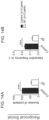
- Control groups consisted of individual cages containing either four MHFD mice or four MRD mice ( FIG. 2B ). Fecal samples were collected and social behavior in MRD and MHFD offspring was assessed when mice were 7-8 weeks old. Strikingly, MHFD mice co-housed with MRD mice exhibited normal reciprocal social interactions ( FIGS. 2C, 2D , 12A, and 12B ), as well as normal sociability and preference for social novelty, as determined by the 3-chamber test ( FIGS. 2E, 2F , 12C, and 12D ). Thus, co-housing with control mice corrects social deficits in MHFD offspring.
- GF mice Colonization of Germ-Free (GF) Mice with the Microbiota from MRD, but not MHFD Mice, Reverses their Deficient Social Behavior.
- Studies on GF mice have shown that the intestinal microbiota can influence brain development and function (Cryan and Dinan, 2012). It was considered that, if the lack of one or more bacterial species in the microbiota of MHFD offspring is responsible for their defective social behavior, GF mice should also be socially deficient. Confirming this consideration, social behaviors were impaired in GF mice ( FIGS. 3A-3D and 14A-14D ).
- FIG. 3E To identify functional differences between gut microbial communities and determine whether their role is causal, (gavaged) fecal microbiota were transplanted from adult MRD and MHFD offspring into 4 week- ( FIG. 3E ) and 8 week-old ( FIG. 3F ) GF ice. Interestingly, GF mice that received fecal microbiota from MRD offspring at weaning (4 weeks; FIGS. 3G, 3H , 14E and 14F ), but not at 8 weeks ( FIGS. 3I, 3J , 14G, and 14H ), showed normal social behavior.
- FIGS. 3G-3I and 14E-14H GF mice that received fecal microbiota from MHFD offspring remained socially impaired, regardless of the age at which the fecal transfer was performed.
- FIGS. 3G-3I and 14E-14H the bacterial communities in GF mice receiving feces from MHFD donor offspring clustered separately from those of GF mice receiving feces from MRD donor offspring, irrespective of whether the fecal transplant was performed at 4 or 8 weeks.
- metagenomic shotgun sequencing was performed of fecal samples from both MHFD and MRD offspring. The analysis identified several species whose relative abundance was dramatically reduced in the MHFD offspring microbiota ( FIG. 7 ). Among these, L. reuteri was the most drastically reduced (> 9-fold) in MHFD microbiota population, compared to the MRD microbiota ( FIG. 7 ).
- L. reuteri has been shown to promote oxytocin levels (Poutahidis et al., 2013), a hormone that plays a crucial role in social behaviors (Donaldson and Young, 2008). It was considered that the selective decrease in L. reuteri in the microbiota of MHFD offspring was causally related to their social deficits. To characterize this, L. reuteri were introduced into the drinking water of MHFD offspring at weaning, for 4 weeks, after which behavior was tested ( FIG. 4A ). Remarkably, treatment with L. reuteri significantly improved sociability and preference for social novelty in MHFD offspring ( FIGS. 4B, 4C , 4E , 16A , and 16B ).
- MHFD offspring show other behavioral traits that are associated with ASD, like repetitive behaviors and anxiety ( FIGS. 18A-18B - 19A-19F ).
- WMHFD with MRD offspring restores social behavior ( Figures 4B and 4C )
- a behavioral task reflecting repetitive and perseverative behavior (Thomas et al., 2009).
- germ-free mice also showed increased marble burying, and fecal microbial transplants from MRD (or MHFD) offspring into GF mice failed to rescue the repetitive behavior ( FIG. 18B ).
- repetitive behaviors in MHFD offspring do not depend on changes in the gut microbiome.
- Oxytocin Levels are Reduced in the Hypothalamus of MHFD Offspring.
- the neuropeptide oxytocin modulates numerous aspects of social behavior (Donaldson and Young, 2008; Drei, 2010) and is implicated in ASD (Lerer et al., 2008; Wu et al., 2005).
- L. reuteri which rescued social behaviors in MHFD mice ( FIGS. 4B, 4C , and 4E ), has been reported to increase oxytocin levels (Poutahidis et al., 2013).
- oxytocin is primarily synthesized in the paraventricular nuclei (PVN) of the hypothalamus, it was considered to compare the number of oxytocin-expressing cells in the PVN of MRD and MHFD offspring.
- MHFD offspring had significantly fewer oxytocin immunoreactive neurons compared to MRD offspring ( FIGS. 4F-4H , 4K, and 4L ).
- the reduction in oxytocin immunoreactivity was not due to an overall decrease in PVN neurons, because the total number of neurons was unchanged (as measured by NeuN staining; FIGS. 4G, 4H , 4M, and 4N ).
- L the paraventricular nuclei
- VTA ventral tegmental area
- NAc nucleus accumbens
- Oxytocin activates VTA neurons in both mice and humans, influencing the processing of socially relevant cues (Gregory et al., 2015; Groppe et al., 2013; Tang et al., 2014) and oxytocin receptor blockade in the VTA prevents social attachment in rodents (Pedersen et al., 1994).
- social stimulation can be particularly rewarding and triggers synaptic potentiation in VTA DA neurons of birds (Huang and Hessler, 2008)
- LTP long-term potentiation
- AMPAR/NMDAR ratios were recorded of glutamatergic excitatory postsynaptic currents (EPSCs) in MRD and MHFD offspring 24 hours following a 10 min reciprocal interaction with either a stranger or a familiar mouse ( FIG. 5A ).
- EPCs glutamatergic excitatory postsynaptic currents
- FIGS. 5B and 5D social interaction with a stranger, but not a familiar mouse, triggered LTP in VTA DA neurons, as determined by an increase in AMPAR/NMDAR ratios.
- FIGS. 5C and 5E social interaction with a stranger failed to induce LTP in their VTA DA neurons
- Input-output curves, paired-pulse ratios and miniature EPSCs (mEPSCs) frequency and amplitude show that the impairment of LTP induced by social interaction in MHFD offspring cannot be attributed to changes in basal synaptic transmission ( FIGS. 21A-21E ).
- FIGS. 5H and 5J Live ( FIGS. 5H and 5J ), but not heat-killed ( FIGS. 5I and 5K ), L. reuteri rescued stranger interaction-induced LTP in the VTA as well as reciprocal social interactions in MHFD offspring ( FIG. 5L ). Thus, L. reuteri restores social interaction-induced LTP in the VTA of MHFD offspring.
- mice the gut microbiota of MHFD offspring is altered ( FIGS. 1A-1J ) by the reduction in specific bacterial species ( FIG. 7 ).
- manipulation of the microbiome community by co-housing MHFD with MRD offspring rescues MHFD-induced social deficits and corrects their microbial phylogenetic profile ( FIGS. 2A-2G ).
- GF mice are socially impaired and fecal microbiota transplanted from MRD (but not MHFD) offspring rescues GF social behavior ( FIGS. 3A-3L ).
- treatment with a single bacterial species, L. reuteri which is dramatically reduced in MHFD offspring ( FIG. 7 ), restores social behavior in MHFD mice ( FIG. 4A-4P ).
- L. reuteri improves social behavior by promoting oxytocin-mediated functions. Consistent with this model, L. reuteri- treatment enhances oxytocin levels in the PVN of MHFD mice ( FIGS. 4I and 4J ) and direct oxytocin treatment normalizes the social behavior of MHFD ( FIGS. 6A-6F ). In specific embodiments, L. reuteri promotes oxytocin in the brain because the vagus nerve (Davari et al., 2013; Foster and McVey Neufeld, 2013) is the main pathway of communication between the gut/L. reuteri and changes in oxytocin in the PVN.
- vagal nerve fibers project to the PVN (Sabatier et al., 2013; Uvnas-Moberg et al., 2014).
- neuronal activity in the PVN induced by bacterial colonization is blocked by subdiaphragmatic vagotomy (Wang et al., 2002).
- the L. reuteri -mediated increase in oxytocin depends on the vagus nerve (Poutahidis et al., 2013) and that another Lactobacillus species, L. rhamnosus, reduced stress-induced anxiety in a vagusdependent manner (Bravo et al., 2011).
- FIGS. 18A-18B and 19A-19F a carefully selected combination of probiotics are useful as a non-invasive treatment for the millions of patients suffering from ASD.
- mice and Maternal Diet C57B16/J mice were obtained from Jackson Laboratories (#000-664) and were kept on a 12h light/dark cycle and had access to food and water ad libitum. Females were placed on either a regular diet (RD) consisting of 13.4% kcal from fat, 30% kcal from protein, and 57% kcal from carbohydrates (Lab Diets, #5001) or high fat diet (HFD) consisting of 60% kcal from fat, 20% kcal from protein, and 40% kcal from carbohydrates (Research Diets, #D12492). Maternal weight was measured weekly. Maternal total and fat mass were measured using an mq7.5 Minispec NMR body composition analyzer.
- RD regular diet
- HFD high fat diet
- mice After eight weeks on diet, females were paired with C57B16/J adult males to produce subject offspring. Resulting offspring were weaned at three weeks of age and all placed on RD, regardless of maternal diet (MRD or MHFD). Germ-free mice (C57B16/J) were maintained in a flexible isolator fed with HEPA-filtered air and provided with irradiated food and water. Germ-free offspring were weaned at four weeks of age. All behavioral tests were performed on 7-12-week-old male mice.
- mice were placed in a 25x25x25cm Plexiglass arena, to which they had not been previously habituated, with either a familiar (cage-mate) or stranger age- and sex-matched conspecific.
- paired mice were matched for maternal diet, colonization source, and/or treatment.
- We recorded the time a pair of mice engaged in social interaction close following, touching, nose-to-nose sniffing, nose-to-anus sniffing, and/or crawling over/under each other).
- the human observer was blind to maternal diet and/or treatment group.
- Social behavior was analyzed with AnyMaze automated software.
- Marble Burying Marble Burying. Marble burying was performed as previously described (Thomas et al., 2009). Briefly, mice were placed in a standard-sized cage containing 20 regularly-spaced black marbles sitting on fine-wood chipped bedding 5 cm in depth. After 20 minutes, the mouse was removed and marbles with at least two-thirds of their depth obscured by wood chips were counted as buried.
- Open Field Mice were placed in an open arena (40x40x20 cm) and allowed to explore freely for 10 minutes while their position was continually monitored using tracking software (ANY-Maze). Tracking allowed for measurement of distance traveled, speed, and position in the arena throughout the task. Time spent in the center of the arena, defined as the interior 20x20 cm, was recorded.
- 16s rRNA Gene Sequencing Methods were adapted from the methods developed for the NIH-Human Microbiome Project (Human Microbiome Project, 2012a, b). Briefly, bacterial genomic DNA was extracted using MO BIO PowerSoil DNA Isolation Kit (MO BIO Laboratories). The 16S rDNA V4 region was amplified by PCR and sequenced in the MiSeq platform (Illumina) using the 2x250 bp paired-end protocol yielding pair-end reads that overlap almost completely. The primers used for amplification contain adapters for MiSeq sequencing and single-end barcodes allowing pooling and direct sequencing of PCR products (Caporaso et al., 2012).
- the 16S rRNA gene read pairs were demultiplexed based on the unique molecular barcodes, and reads were merged using USEARCH v7.0.1090 (Edgar, 2010), allowing zero mismatches and a minimum overlap of 50 bases. Merged reads were trimmed at first base with Q5. A quality filter was applied to the resulting merged reads. Reads containing above 0.05 expected errors were discarded. 16S rRNA gene sequences were clustered into Operational Taxonomic Units (OTUs) at a similarity cutoff value of 97% using the UPARSE algorithm (Edgar, 2013).
- OTUs Operational Taxonomic Units
- OTUs were mapped to an optimized version of the SILVA Database (Quast et al., 2013) containing only the 16S v4 region to determine taxonomies. Abundances were recovered by mapping the demultiplexed reads to the UPARSE OTUs.
- a custom script constructed a rarefied OTU table from the output files generated in the previous two steps for downstream analyses of alpha-diversity, beta-diversity (Lozupone and Knight, 2005), and phylogenetic trends.
- Illumina paired-end libraries were constructed from total genomic DNA isolated from each sample. The DNA was sheared into approximately 400-600 bp fragments followed by ligation of Illumina adaptors containing molecular barcodes for downstream de-multiplexing. These products were then amplified through ligation-mediated PCR (LM-PCR) using KAPA HiFi DNA Polymerase (Kapa Biosystems, Wilmington, MA, USA).
- Lactobacillus reuteri MM4-1A ATCC-PTA-6475
- Lactobacillus johnsonii ATCC 33200
- L. reuteri was heat-killed by keeping the bacteria at 80°C for 20 minutes(Wang et al., 2010). Bacterial viability was assessed by plating and the efficacy of the heat-kill procedure was confirmed by the absence of colony growth following plating.
- the treated drinking water for each group was replaced daily two hours prior to the onset of the dark cycle to minimize variation in microbial exposure.
- Behavioral assays were initiated after 4-weeks of L. reuteri or control treatment.
- the protocol of the L. johnsonii preparation and administration matched the L. reuteri protocol.
- Fecal samples for sequencing and tissue used in the immunofluorescence studies were collected at the end of the treatment.
- Fluorescent imaging and data acquisition was performed on a Zeiss AxioImager.Z2 microscope (Car Zeiss MicroImaging) mounted with an AxioCam digital camera (Carl Zeiss MicroImaging). Images were captured using AxioVision acquisition software (Carl Zeiss Microimaging). All images within a given data set were acquired at identical exposure times, within a given channel, to allow comparison of signal intensity. In some images, contrast and brightness were linearly adjusted using Photoshop (Adobe). Image processing was applied uniformly across all images within a given data set. Fluorescence intensity was measured in ImageJ (NIH) by selecting regions of interest (Oxytocin- and NeuN-positive hypothalamic cell bodies).
- Hypothalamic oxytocin-expressing neuronal population and NeuN+ cell number was assessed in ImageJ using the following operational sequence: (1) open image file, (2) subtract background, (3) adjust threshold, (4) convert to mask, (5) watershed, (6) analyze particles. Automatic identification of cell boundaries was validated against the source image by an experimenter blind to group allocation.
- Oxytocin Administration Oxytocin was obtained from Tocris Bioscience (product 1910) and solubilized in 10% dimethyl sulfoxide (DMSO) in PBS. 10% DMSO in PBS was used as the vehicle control. Mice received oxytocin intranasally (at approximately 200 ⁇ g/kg) thirty minutes prior to behavior. 1.25 ⁇ l of oxytocin or vehicle solution was injected into each nostril from P10 pipette. Oxytocin dose was selected according to dosages reported to rescue social behavior in genetic models phenotypically expressing ASD-like behaviors (Penagarikano et al., 2015).
- mice were anesthetized with a mixture of ketamine (100 mg/kg), xylazine (10 mg/kg) and acepromazine (3 mg/kg).
- Horizontal slices 225 - 300 ⁇ m thick) containing the VTA were cut from the brains of C57BL/6J mice.
- mice were transcardially perfused with an ice-cold, oxygenated solution containing (in mM) NaCl,87; NaHCO 3 , 25; KCl, 2.5; NaH 2 PO 4 , 1.25; MgCl 2 , 7; CaCl 2 , 0.5; dextrose, 25; sucrose, 75.
- Horizontal slices were cut with a vibrating tissue slicer (VF-100 Compresstome, Precisionary Instruments, San Jose, CA, or Leica VT 1000S, Leica Microsystems, Buffalo Grove, IL), incubated at 34°C for 40 min, kept at room temperature for at least 30 min before their transfer to a recording chamber continuously perfused with artificial cerebrospinal fluid (ACSF) at 32°C and a flow rate of 2-3 ml/min.
- the recording ACSF contained in mM: 120 NaCl, 3.3 KCl, 1.25 NaH 2 PO 4 , 25 NaHCO 3 , 10 Dextrose, 1 MgCl 2 and 2 CaCl 2 .
- 16S rRNA gene sequencing analysis and visualization of microbiome communities was conducted in RStudio 0.99.292 [http://www.R-project.org/ (2014)], utilizing the phyloseq package (McMurdie and Holmes, 2013) to import sample data and calculate alpha- and beta-diversity metrics.
- 16S rRNA gene sequencing data was analyzed using Silva 115 and 123 (Quast et al., 2013). Analyses were performed on datasets that were rarefied 1,000x, then averaged and rounded. Amplicon sequences were deposited to the NCBI Sequence Read Archive under accession number TBD. Dirichlet Multinomial Mixture modeling was performed in mother (Schloss et al., 2009).
- the present disclosure concerns neurodevelopmental and psychiatric disorders:
- the present disclosure includes medical conditions in which the oxytocinergic system is dysfunctional, including Williams Syndrome, Prader-Willi syndrome and Fragile X syndrome, for example (Francis, et al., 2014).
- targeting the oxytocin system via L include Williams Syndrome, Prader-Willi syndrome and Fragile X syndrome, for example (Francis, et al., 2014).
- targeting the oxytocin system via L targeting the oxytocin system via L.
- reuteri administration is useful to treat addictive behaviors, including eating/feeding disorders, drug addiction, bipolar disorder and Schizophrenia, for example (Cochran, et al., 2013; MacDonald, et al., 2014; McQuaid, et al., 2014; Sarnyai, et al., 2014; Kirsch, et al., 2015; Perez-Rodriguez, et al., 2015; Rice, et al., 2015; Romano, et al., 2015; Zik, et al., 2015; Brambilla, et al., 2016; Bukovskaya, et al., 2016; Lee, et al., 2016; Quintana, et al., 2017).
- an effective amount of L. reuteri is provided to an individual with or at risk for depression.
- Depression is one of the most common psychiatric disorders. It causes severe symptoms that affect how one feels, thinks, and handles daily activities, such as sleeping, eating, or working.
- decreased oxytocin levels might increase the risk of depression, in particular postpartum depression (McQuaid, et al., 2014; Arletti, et al., 1987; Papp, et al., 2000; Matsushita, et al., 2010; Loyens, et al., 2013; Moura, et al., 2016; Amini-Khoei, et al., 2017).
- L. reuteri promotes the production of oxytocin
- L. reuteri in particular embodiments is useful in the treatment of major depressive disorders.
- L. reuteri promotes the activity of dopaminergic neurons in a key reward area.
- addictive behavior that is reinforcing (rewarding) and there is a loss of control in limiting intake
- reward dopaminergic pathways are altered.
- reuteri is useful for the treatment of conditions in which the dopaminergic and reward system are usurped, including drug addiction (Hyman, et al., 2006), obesity and food intake (Kenny, et al., 2011; Blum, et al., 2014), Parkinson's disease and other addictive behaviors, such as gambling (Fenu, et al., 2009; Matsumoto, et al., 2015), for example.
- the present disclosure improves social cognitive function, such as with neurodegenerative disorders.
- Social cognitive impairment which can lead to poor quality of life, mental health problems and loneliness (Kennedy, et al., 2012), can be prominent after acute brain damage (for example), such as traumatic brain injury or stroke, and in specific embodiments represents a core feature of the early stages of some chronic neurological disorders, such as frontotemporal dementia, Alzheimer's disease and Parkinson's disease (Beer, et al., 2006; Henry, et al., 2016).
- oxytocin and dopamine are crucial for the formation of social memory (Ferguson, et al., 2000; Gonzalez-Burgos, et al., 2008; Shamay-Tsoory, et al., 2016).
- L reuteri promotes oxytocin production and dopamine-mediated synaptic plasticity, two systems that are hijacked in disorders exhibiting social cognition problems (Rudelli, et al., 1984; Gibb, et al., 1989; Braak, et al., 1990; Selden, et al., 1994; Burns, et al., 2005; Ross, et al., 2009; Borroni, et al., 2010; Finger, et al., 2011; Tampi, et al., 2017), this bacteria species is useful for the treatment of social memory and cognitive function in neurological and neurodegenerative disorders.
- L. reuteri rescues social behavior in germ-free mice.
- the inventors have previously shown that treatment with L. reuteri reverses social behavioral deficits in MHFD mice. However, whether one species (L. reuteri) alone is directly responsible for restoring the social behavioral phenotype in MHFD offspring or whether the effect of L. reuteri is indirect by altering or changing the activity and/or the bacterial ecosystem which are responsible for the resulting biological change in behavior is currently unknown.
- the inventors treated germ-free (GF) mice with L. reuteri, as we described above. Consistent with our previous results, compared to conventionally colonized mice, GF mice show impaired social behaviors ( FIGS. 23A-23B ).
- Treatment with L. reuteri rescues social behaviors in a genetic mouse model of ASD.
- the inventors studied mice lacking contactin associated protein-like 2 (CNTNAP2). Mutations in CNTNAP2 have been associated with syndromic forms of ASD (Nascimento et al., 2016; Yoo et al., 2017; Zare et al., 2017; el-Sobky et al., 2004; Alarcon et al., 2008; Sampath et al., 2013; Chiocchetti et al., 2015), thereby serving as a genetic model of autism in mice.
- mice lacking Cntnap2 show ASD-like behaviors (Penagarikano et al., 2015).
- oxytocin rescues the social behavioral abnormalities in mice lacking Cntnap2 (Penagarikano et al., 2015; Penagarikano et al., 2011).
- mice lacking CNTNAP2 show deficit social behavior, as demonstrated by the impaired sociability and social novelty ( FIGS. 24A-24B ).
- treatment with L. reuteri reverses the social behavior abnormalities in Cntnap2 -deficient mice ( FIGS. 24C-24D ).
Landscapes
- Health & Medical Sciences (AREA)
- Life Sciences & Earth Sciences (AREA)
- Chemical & Material Sciences (AREA)
- General Health & Medical Sciences (AREA)
- Medicinal Chemistry (AREA)
- Pharmacology & Pharmacy (AREA)
- Animal Behavior & Ethology (AREA)
- Public Health (AREA)
- Veterinary Medicine (AREA)
- Microbiology (AREA)
- Epidemiology (AREA)
- Mycology (AREA)
- Engineering & Computer Science (AREA)
- Bioinformatics & Cheminformatics (AREA)
- Neurosurgery (AREA)
- Neurology (AREA)
- Biomedical Technology (AREA)
- Molecular Biology (AREA)
- Chemical Kinetics & Catalysis (AREA)
- General Chemical & Material Sciences (AREA)
- Nuclear Medicine, Radiotherapy & Molecular Imaging (AREA)
- Organic Chemistry (AREA)
- Polymers & Plastics (AREA)
- Food Science & Technology (AREA)
- Nutrition Science (AREA)
- Physiology (AREA)
- Zoology (AREA)
- Hospice & Palliative Care (AREA)
- Anesthesiology (AREA)
- Psychiatry (AREA)
- Medicines Containing Material From Animals Or Micro-Organisms (AREA)
- Coloring Foods And Improving Nutritive Qualities (AREA)
- Micro-Organisms Or Cultivation Processes Thereof (AREA)
Applications Claiming Priority (3)
| Application Number | Priority Date | Filing Date | Title |
|---|---|---|---|
| US201662322946P | 2016-04-15 | 2016-04-15 | |
| PCT/US2017/027827 WO2017181158A1 (en) | 2016-04-15 | 2017-04-15 | Probiotic therapies for developmental disorders and other neurological disorders |
| EP17783343.1A EP3442547B1 (de) | 2016-04-15 | 2017-04-15 | Lactobacillus reuteri mm4-1a zur behandlung von autismus spektrum störungen |
Related Parent Applications (2)
| Application Number | Title | Priority Date | Filing Date |
|---|---|---|---|
| EP17783343.1A Division-Into EP3442547B1 (de) | 2016-04-15 | 2017-04-15 | Lactobacillus reuteri mm4-1a zur behandlung von autismus spektrum störungen |
| EP17783343.1A Division EP3442547B1 (de) | 2016-04-15 | 2017-04-15 | Lactobacillus reuteri mm4-1a zur behandlung von autismus spektrum störungen |
Publications (1)
| Publication Number | Publication Date |
|---|---|
| EP4238573A1 true EP4238573A1 (de) | 2023-09-06 |
Family
ID=60042831
Family Applications (2)
| Application Number | Title | Priority Date | Filing Date |
|---|---|---|---|
| EP23168971.2A Withdrawn EP4238573A1 (de) | 2016-04-15 | 2017-04-15 | Lactobacillus reuteri mm4-1a zur verwendung bei der behandlung oder prävention von autistischen spektrumsstörungen |
| EP17783343.1A Active EP3442547B1 (de) | 2016-04-15 | 2017-04-15 | Lactobacillus reuteri mm4-1a zur behandlung von autismus spektrum störungen |
Family Applications After (1)
| Application Number | Title | Priority Date | Filing Date |
|---|---|---|---|
| EP17783343.1A Active EP3442547B1 (de) | 2016-04-15 | 2017-04-15 | Lactobacillus reuteri mm4-1a zur behandlung von autismus spektrum störungen |
Country Status (14)
| Country | Link |
|---|---|
| US (2) | US11135252B2 (de) |
| EP (2) | EP4238573A1 (de) |
| DK (1) | DK3442547T3 (de) |
| ES (1) | ES2954147T3 (de) |
| FI (1) | FI3442547T3 (de) |
| HR (1) | HRP20231030T1 (de) |
| HU (1) | HUE062788T2 (de) |
| LT (1) | LT3442547T (de) |
| PL (1) | PL3442547T3 (de) |
| PT (1) | PT3442547T (de) |
| RS (1) | RS64503B1 (de) |
| SI (1) | SI3442547T1 (de) |
| SM (1) | SMT202300283T1 (de) |
| WO (1) | WO2017181158A1 (de) |
Families Citing this family (10)
| Publication number | Priority date | Publication date | Assignee | Title |
|---|---|---|---|---|
| HRP20231030T1 (hr) * | 2016-04-15 | 2023-12-22 | Baylor College Of Medicine | Lactobacillus reuteri mm4-1a za upotrebu u liječenju ili prevenciji poremećaja autističnog spektra |
| KR102463809B1 (ko) * | 2019-05-24 | 2022-11-04 | 한국식품연구원 | 클로스트리디오이데스 디피실레에 항균 활성을 갖는 락토바실러스 파라카세이 WiKim0110 균주 및 이를 포함하는 조성물 |
| CN115279194A (zh) * | 2020-01-13 | 2022-11-01 | 赛欧托生物科技股份有限公司 | 治疗或改善自闭症和相关病症的方法 |
| CA3205469A1 (en) * | 2020-12-18 | 2022-06-23 | The General Hospital Corporation | Probiotics compositions and method of using the same to enhance growth and social function in children |
| CN117320566A (zh) * | 2020-12-30 | 2023-12-29 | 通用医疗公司 | 用于治疗自闭症谱系障碍的方法和组合物 |
| CN113180109B (zh) * | 2021-04-16 | 2022-02-18 | 段云峰 | 罗伊氏乳杆菌在制备预防或治疗发育障碍类疾病产品中的应用 |
| CN113073066B (zh) | 2021-04-16 | 2022-01-04 | 段云峰 | 罗伊氏乳杆菌及其应用、组合物、药物和食品 |
| US12005044B1 (en) | 2022-11-29 | 2024-06-11 | Autism Therapeutics Inc. | Treatment of autism spectrum disorders with ergothioneine, selenoneine, or combinations thereof |
| US20240252558A1 (en) * | 2023-01-29 | 2024-08-01 | The University Of Chicago | Probiotics to rescue maternal immune activation-induced neurodevelopment deficits |
| JPWO2024242147A1 (de) * | 2023-05-22 | 2024-11-28 |
Citations (7)
| Publication number | Priority date | Publication date | Assignee | Title |
|---|---|---|---|---|
| US5439678A (en) | 1987-05-01 | 1995-08-08 | Biogaia Biologics Ab | Method for inhibiting microorganism growth |
| WO2006110088A1 (en) * | 2005-04-15 | 2006-10-19 | Biogaia Ab | Selection and use of lactic acid bacteria for reducing inflammation in mammals |
| WO2010060722A1 (en) * | 2008-11-03 | 2010-06-03 | Nestec S.A. | A nutritional composition comprising probiotics and improving sleep patterns |
| US20120171165A1 (en) * | 2010-12-31 | 2012-07-05 | Abbott Laboratories | Human milk oligosaccharides to promote growth of beneficial bacteria |
| EP2609813A1 (de) * | 2011-12-30 | 2013-07-03 | Nestec S.A. | Lactobacillus reuteri DSM 17938 zur Entwicklung des enterischen Nervensystems |
| US20140363410A1 (en) * | 2011-12-30 | 2014-12-11 | Biogaia Ab | Lactobacillus Reuteri DSM 17938 for the Development of Cognitive Function |
| US9084434B2 (en) | 2006-09-27 | 2015-07-21 | Little Calumet Holdings Llc | Probiotic oral dosage forms |
Family Cites Families (5)
| Publication number | Priority date | Publication date | Assignee | Title |
|---|---|---|---|---|
| ES2353690T3 (es) | 2002-10-03 | 2011-03-04 | Neuropharmacology Services, Llc | Oxitocina para su uso en el tratamiento del autismo y del trastorno de asperger. |
| US20100063002A1 (en) | 2007-03-13 | 2010-03-11 | Bernd Stahl | Method of improving skills with a composition comprising non-digestible saccharide |
| JP2013507394A (ja) | 2009-10-09 | 2013-03-04 | プロセラ インコーポレイテッド | 自閉症スペクトル障害と診断されたヒトにおいて自閉症スペクトル障害に関連する少なくとも一つの症状を低減するための、ペディオコッカス属を含む組成物及び方法 |
| CA2964480A1 (en) | 2014-10-31 | 2016-05-06 | Whole Biome Inc. | Methods and compositions relating to microbial treatment and diagnosis of disorders |
| HRP20231030T1 (hr) * | 2016-04-15 | 2023-12-22 | Baylor College Of Medicine | Lactobacillus reuteri mm4-1a za upotrebu u liječenju ili prevenciji poremećaja autističnog spektra |
-
2017
- 2017-04-15 HR HRP20231030TT patent/HRP20231030T1/hr unknown
- 2017-04-15 PT PT177833431T patent/PT3442547T/pt unknown
- 2017-04-15 SI SI201731398T patent/SI3442547T1/sl unknown
- 2017-04-15 PL PL17783343.1T patent/PL3442547T3/pl unknown
- 2017-04-15 EP EP23168971.2A patent/EP4238573A1/de not_active Withdrawn
- 2017-04-15 LT LTEPPCT/US2017/027827T patent/LT3442547T/lt unknown
- 2017-04-15 SM SM20230283T patent/SMT202300283T1/it unknown
- 2017-04-15 DK DK17783343.1T patent/DK3442547T3/da active
- 2017-04-15 ES ES17783343T patent/ES2954147T3/es active Active
- 2017-04-15 FI FIEP17783343.1T patent/FI3442547T3/fi active
- 2017-04-15 US US16/093,593 patent/US11135252B2/en active Active
- 2017-04-15 EP EP17783343.1A patent/EP3442547B1/de active Active
- 2017-04-15 WO PCT/US2017/027827 patent/WO2017181158A1/en not_active Ceased
- 2017-04-15 HU HUE17783343A patent/HUE062788T2/hu unknown
- 2017-04-15 RS RS20230719A patent/RS64503B1/sr unknown
-
2021
- 2021-08-24 US US17/445,827 patent/US20210379123A1/en not_active Abandoned
Patent Citations (8)
| Publication number | Priority date | Publication date | Assignee | Title |
|---|---|---|---|---|
| US5439678A (en) | 1987-05-01 | 1995-08-08 | Biogaia Biologics Ab | Method for inhibiting microorganism growth |
| US5849289A (en) | 1987-05-01 | 1998-12-15 | Biogaia Biologics Ab | Method for inhibiting microorganism growth |
| WO2006110088A1 (en) * | 2005-04-15 | 2006-10-19 | Biogaia Ab | Selection and use of lactic acid bacteria for reducing inflammation in mammals |
| US9084434B2 (en) | 2006-09-27 | 2015-07-21 | Little Calumet Holdings Llc | Probiotic oral dosage forms |
| WO2010060722A1 (en) * | 2008-11-03 | 2010-06-03 | Nestec S.A. | A nutritional composition comprising probiotics and improving sleep patterns |
| US20120171165A1 (en) * | 2010-12-31 | 2012-07-05 | Abbott Laboratories | Human milk oligosaccharides to promote growth of beneficial bacteria |
| EP2609813A1 (de) * | 2011-12-30 | 2013-07-03 | Nestec S.A. | Lactobacillus reuteri DSM 17938 zur Entwicklung des enterischen Nervensystems |
| US20140363410A1 (en) * | 2011-12-30 | 2014-12-11 | Biogaia Ab | Lactobacillus Reuteri DSM 17938 for the Development of Cognitive Function |
Non-Patent Citations (125)
| Title |
|---|
| ALARCON, M. ET AL.: "Linkage, association, and gene-expression analyses identify CNTNAP2 as an autism-susceptibility gene", AM J HUM GENET, vol. 82, no. 1, 2008, pages 150 - 9 |
| AMINI-KHOEI, H. ET AL.: "Oxytocin mitigated the depressive-like behaviors of maternal separation stress through modulating mitochondrial function and neuroinflammation", PROG NEUROPSYCHOPHARMACOL BIOL PSYCHIATRY, vol. 76, 2017, pages 169 - 178 |
| ARGILLI, E.SIBLEY, D.R.MALENKA, R.C.ENGLAND, P.M.BONCI, A: "Mechanism and time course of cocaine-induced long-term potentiation in the ventral tegmental area", THE JOURNAL OF NEUROSCIENCE : THE OFFICIAL JOURNAL OF THE SOCIETY FOR NEUROSCIENCE, vol. 28, 2008, pages 9092 - 9100 |
| ARLETTI, RA. BERTOLINI: "Oxytocin acts as an antidepressant in two animal models of depression", LIFE SCI, vol. 41, no. 14, 1987, pages 1725 - 30, XP025512654, DOI: 10.1016/0024-3205(87)90600-X |
| AYE, I.L.ROSARIO, F.J.POWELL, T.L.JANSSON, T: "Adiponectin supplementation in pregnant mice prevents the adverse effects of maternal obesity on placental function and fetal growth", PROCEEDINGS OF THE NATIONAL ACADEMY OF SCIENCES OF THE UNITED STATES OF AMERICA, vol. 112, 2015, pages 12858 - 12863 |
| BEER, J.SK.N. OCHSNER: "Social cognition: a multi level analysis", BRAIN RES, vol. 1079, no. 1, 2006, pages 98 - 105, XP025064400, DOI: 10.1016/j.brainres.2006.01.002 |
| BENJAMINI, Y.DRAI, D.ELMER, G.KAFKAFI, N.GOLANI, I: "Controlling the false discovery rate in behavior genetics research", BEHAVIOURAL BRAIN RESEARCH, vol. 125, 2001, pages 279 - 284 |
| BILDER, D.A.BAKIAN, A.V.VISKOCHIL, J.CLARK, E.A.BOTTS, E.L.SMITH, K.R.PIMENTEL, R.MCMAHON, W.M.COON, H: "Maternal prenatal weight gain and autism spectrum disorders", PEDIATRICS, vol. 132, 2013, pages e1276 - 1283 |
| BLUM, K.P.K. THANOSM.S. GOLD: "Dopamine and glucose, obesity, and reward deficiency syndrome", FRONT PSYCHOL, vol. 5, 2014, pages 919 |
| BOLTON, J.L.BILBO, S.D: "Developmental programming of brain and behavior by perinatal diet: focus on inflammatory mechanisms", DIALOGUES IN CLINICAL NEUROSCIENCE, vol. 16, 2014, pages 307 - 320 |
| BORRONI, B.C. COSTANZIA. PADOVANI: "Genetic susceptibility to behavioural and psychological symptoms in Alzheimer disease", CURR ALZHEIMER RES, vol. 7, no. 2, 2010, pages 158 - 64 |
| BRAAK, HE. BRAAK: "Alzheimer's disease: striatal amyloid deposits and neurofibrillary changes", J NEUROPATHOL EXP NEUROL, vol. 49, no. 3, 1990, pages 215 - 24, XP055303504, DOI: 10.1097/00005072-199005000-00003 |
| BRAMBILLA, M. ET AL.: "Effects of Intranasal Oxytocin on Long-Term Memory in Healthy Humans: A Systematic Review", DRUG DEV RES, vol. 77, no. 8, 2016, pages 479 - 488 |
| BRAVO, J.A.FORSYTHE, P.CHEW, M.V.ESCARAVAGE, E.SAVIGNAC, H.M.DINAN, T.G.BIENENSTOCK, J.CRYAN, J.F: "Ingestion of Lactobacillus strain regulates emotional behavior and central GABA receptor expression in a mouse via the vagus nerve", PROCEEDINGS OF THE NATIONAL ACADEMY OF SCIENCES OF THE UNITED STATES OF AMERICA, vol. 108, 2011, pages 16050 - 16055, XP055492732, DOI: 10.1073/pnas.1102999108 |
| BUFFINGTON SHELLY A ET AL: "Microbial Reconstitution Reverses Maternal Diet-Induced Social and Synaptic Deficits in Offspring", CELL, ELSEVIER, AMSTERDAM, NL, vol. 165, no. 7, 16 June 2016 (2016-06-16), pages 1762 - 1775, XP029612956, ISSN: 0092-8674, DOI: 10.1016/J.CELL.2016.06.001 * |
| BUKOVSKAYA, OA. SHMUKLER: "Oxytocin and Social Cognitions in Schizophrenia: A Systematic Review", PSYCHIATR Q, vol. 87, no. 3, 2016, pages 521 - 43, XP036005617, DOI: 10.1007/s11126-015-9407-x |
| BURNS, J.M. ET AL.: "White matter lesions are prevalent but differentially related with cognition in aging and early Alzheimer disease", ARCH NEUROL, vol. 62, no. 12, 2005, pages 1870 - 6 |
| CAPORASO, J.G.LAUBER, C.L.WALTERS, W.A.BERG-LYONS, D.HUNTLEY, J.FIERER, N.OWENS, S.M.BETLEY, J.FRASER, L.BAUER, M. ET AL.: "Ultra-high-throughput microbial community analysis on the Illumina HiSeq and MiSeq platforms", THE ISME JOURNAL, vol. 6, 2012, pages 1621 - 1624, XP055341618, DOI: 10.1038/ismej.2012.8 |
| CHIOCCHETTI, A.G. ET AL.: "Variants of the CNTNAP2 5' promoter as risk factors for autism spectrum disorders: a genetic and functional approach", MOL PSYCHIATRY, vol. 20, no. 7, 2015, pages 839 - 49, XP036972711, DOI: 10.1038/mp.2014.103 |
| CHUNG, W.CHOI, S.Y.LEE, E.PARK, H.KANG, J.PARK, H.CHOI, Y.LEE, D.PARK, S.G.KIM, R. ET AL.: "Social deficits in IRSp53 mutant mice improved by NMDAR and mGluR5 suppression", NATURE NEUROSCIENCE, vol. 18, 2015, pages 435 - 443 |
| COCHRAN, D.M. ET AL.: "The role of oxytocin in psychiatric disorders: a review of biological and therapeutic research findings", HARV REV PSYCHIATRY, vol. 21, no. 5, 2013, pages 219 - 47 |
| CRYAN, J.F.DINAN, T.G: "Mind-altering microorganisms: the impact of the gut microbiota on brain and behaviour", NATURE REVIEWS NEUROSCIENCE, vol. 13, 2012, pages 701 - 712, XP055643718, DOI: 10.1038/nrn3346 |
| DAVARI, S.TALAEI, S.A.ALAEI, H.SALAMI, M: "Probiotics treatment improves diabetes-induced impairment of synaptic activity and cognitive function: behavioral and electrophysiological proofs for microbiome-gut-brain axis", NEUROSCIENCE, vol. 240, 2013, pages 287 - 296, XP055598551, DOI: 10.1016/j.neuroscience.2013.02.055 |
| DODDS, L.FELL, D.B.SHEA, S.ARMSON, B.A.ALLEN, A.C.BRYSON, S: "The role of prenatal, obstetric and neonatal factors in the development of autism", JOURNAL OF AUTISM AND DEVELOPMENTAL DISORDERS, vol. 41, 2011, pages 891 - 902, XP019916195, DOI: 10.1007/s10803-010-1114-8 |
| DOLEN, G.DARVISHZADEH, A.HUANG, K.W.MALENKA, R.C: "Social reward requires coordinated activity of nucleus accumbens oxytocin and serotonin", NATURE, vol. 501, 2013, pages 179 - 184 |
| DONALDSON, Z.R.YOUNG, L.J: "Oxytocin, vasopressin, and the neurogenetics of sociality", SCIENCE, vol. 322, 2008, pages 900 - 904 |
| EDGAR, R.C: "Search and clustering orders of magnitude faster than BLAST", BIOINFORMATICS, vol. 26, 2010, pages 2460 - 2461 |
| EDGAR, R.C: "UPARSE: highly accurate OTU sequences from microbial amplicon reads", NATURE METHODS, vol. 10, 2013, pages 996 - 998 |
| EL-SOBKY, E. ET AL.: "Molecular cytogentic profiles of hepatitis C infection in patients at Sharkia Governorate, Egypt", J EGYPT SOC PARASITOL, vol. 34, 2004, pages 401 - 15 |
| FENU, S.J. WARDASM. MORELLI: "Impulse control disorders and dopamine dysregulation syndrome associated with dopamine agonist therapy in Parkinson's disease", BEHAV PHARMACOL, vol. 20, no. 5-6, 2009, pages 363 - 79 |
| FERGUSON, J.N. ET AL.: "Social amnesia in mice lacking the oxytocin gene", NAT GENET, vol. 25, no. 3, 2000, pages 284 - 8 |
| FINGER, E.C.: "New potential therapeutic approaches in frontotemporal dementia: oxytocin, vasopressin, and social cognition", J MOL NEUROSCI, vol. 45, no. 3, 2011, pages 696 - 701, XP019971760, DOI: 10.1007/s12031-011-9550-2 |
| FOSTER, J.A.MCVEY NEUFELD, K.A: "Gut-brain axis: how the microbiome influences anxiety and depression", TRENDS IN NEUROSCIENCES, vol. 36, 2013, pages 305 - 312, XP055774217, DOI: 10.1016/j.tins.2013.01.005 |
| FRANCIS, S.M. ET AL.: "Oxytocin and vasopressin systems in genetic syndromes and neurodevelopmental disorders", BRAIN RES, vol. 1580, 2014, pages 199 - 218 |
| FRESE, S.A ET AL.: "The evolution of host specialization in the vertebrate gut symbiont Lactobacillus reuteri", PLOS GENET, vol. 7, no. 2, February 2011 (2011-02-01), pages e1001314 |
| GALLEY, J.D., BAILEY, M., KAMP DUSH, C., SCHOPPE-SULLIVAN, S., AND CHRISTIAN, L.M.: "Maternal obesity is associated with alterations in the gut microbiome in toddlers", PLOS ONE, vol. 9, 2014, pages e113026 |
| GIBB, W.R. ET AL.: "The substantia nigra and ventral tegmental area in Alzheimer's disease and Down's syndrome", J NEUROL NEUROSURG PSYCHIATRY, vol. 52, no. 2, 1989, pages 193 - 200 |
| GKOGKAS, C.G.KHOUTORSKY, A.RAN, I.RAMPAKAKIS, E.NEVARKO, T.WEATHERILL, D.B.VASUTA, C.YEE, S.TRUITT, M.DALLAIRE, P. ET AL.: "Autism-related deficits via dysregulated eIF4E-dependent translational control", NATURE, vol. 493, 2013, pages 371 - 377, XP037445985, DOI: 10.1038/nature11628 |
| GONZALEZ-BURGOS, IA. FERIA-VELASCO: "Serotonin/dopamine interaction in memory formation", PROG BRAIN RES, vol. 172, 2008, pages 603 - 23 |
| GREGORY, R.CHENG, H.RUPP, H.A.SENGELAUB, D.R.HEIMAN, J.R: "Oxytocin increases VTA activation to infant and sexual stimuli in nulliparous and postpartum women", HORMONES AND BEHAVIOR, vol. 69, 2015, pages 82 - 88 |
| GROPPE, S.E.GOSSEN, A.RADEMACHER, L.HAHN, A.WESTPHAL, L.GRUNDER, G.SPRECKELMEYER, K.N: "Oxytocin influences processing of socially relevant cues in the ventral tegmental area of the human brain", BIOLOGICAL PSYCHIATRY, vol. 74, 2013, pages 172 - 179, XP028671975, DOI: 10.1016/j.biopsych.2012.12.023 |
| GUNAYDIN, L.A.GROSENICK, L.FINKELSTEIN, J.C.KAUVAR, I.V.FENNO, L.E.ADHIKARI, A.LAMMEL, S.MIRZABEKOV, J.J.AIRAN, R.D.ZALOCUSKY, K.A: "Natural neural projection dynamics underlying social behavior", CELL, vol. 157, 2014, pages 1535 - 1551, XP028874998, DOI: 10.1016/j.cell.2014.05.017 |
| HALLMAYER, J.CLEVELAND, S.TORRES, A.PHILLIPS, J.COHEN, B.TORIGOE, T.MILLER, J.FEDELE, A.COLLINS, J.SMITH, K. ET AL.: "Genetic heritability and shared environmental factors among twin pairs with autism", ARCHIVES OF GENERAL PSYCHIATRY, vol. 68, 2011, pages 1095 - 1102 |
| HENRY, J.D. ET AL.: "Clinical assessment of social cognitive function in neurological disorders", NAT REV NEUROL, vol. 12, no. 1, 2016, pages 28 - 39 |
| HSIAO, E.Y.MCBRIDE, S.W.HSIEN, S.SHARON, G.HYDE, E.R.MCCUE, T.CODELLI, J.A.CHOW, J.REISMAN, S.E.PETROSINO, J.F. ET AL.: "Microbiota modulate behavioral and physiological abnormalities associated with neurodevelopmental disorders", CELL, vol. 155, 2013, pages 1451 - 1463, XP055858281, DOI: 10.1016/j.cell.2013.11.024 |
| HUANG, Y.C.HESSLER, N.A: "Social modulation during songbird courtship potentiates midbrain dopaminergic neurons", PLOS ONE, vol. 3, 2008, pages e3281 |
| HUMAN MICROBIOME PROJECT, C: "A framework for human microbiome research", NATURE, vol. 486, 2012, pages 215 - 221 |
| HUMAN MICROBIOME PROJECT, C: "Structure, function and diversity of the healthy human microbiome", NATURE, vol. 486, 2012, pages 207 - 214, XP055517207, DOI: 10.1038/nature11234 |
| HYMAN, S.E.R.C. MALENKAE.J. NESTLER: "Neural mechanisms of addiction: the role of reward-related learning and memory", ANNU REV NEUROSCI, vol. 29, 2006, pages 565 - 98 |
| INSEL, T.R: "The challenge of translation in social neuroscience: a review of oxytocin, vasopressin, and affiliative behavior", NEURON, vol. 65, 2010, pages 768 - 779 |
| KENNEDY, D.PR. ADOLPHS: "The social brain in psychiatric and neurological disorders", TRENDS COGN SCI, vol. 16, no. 11, 2012, pages 559 - 72 |
| KENNY, P.J.: "Common cellular and molecular mechanisms in obesity and drug addiction", NAT REV NEUROSCI, vol. 12, no. 11, 2011, pages 638 - 51, XP055064793, DOI: 10.1038/nrn3105 |
| KING, J.C: "Maternal obesity, metabolism, and pregnancy outcomes", ANNUAL REVIEW OF NUTRITION, vol. 26, 2006, pages 271 - 291 |
| KIRSCH, P.: "Oxytocin in the socioemotional brain: implications for psychiatric disorders", DIALOGUES CLIN NEUROSCI, vol. 17, no. 4, 2015, pages 463 - 76 |
| KOHANE, I. S.MCMURRY, A.WEBER, G.MACFADDEN, D.RAPPAPORT, L.KUNKEL, L.BICKEL, J.WATTANASIN, N.SPENCE, S.MURPHY, S. ET AL.: "The co-morbidity burden of children and young adults with autism spectrum disorders", PLOS ONE, vol. 7, 2012, pages e33224 |
| KRAKOWIAK, P.WALKER, C.K.BREMER, A.A.BAKER, A.S.OZONOFF, S.HANSEN, R.L.HERTZ-PICCIOTTO, I: "Maternal metabolic conditions and risk for autism and other neurodevelopmental disorders", PEDIATRICS, vol. 129, 2012, pages e1121 - 1128 |
| KRUEGER, F, TRIM GALORE, vol. v.0.3.7, 2014, Retrieved from the Internet <URL:http://wwwbioinformaticsbabrahamacuk/projects/trim_galore/.> |
| LANGMEAD, B.SALZBERG, S.L: "Fast gapped-read alignment with Bowtie 2", NATURE METHODS, vol. 9, 2012, pages 357 - 359, XP002715401, DOI: 10.1038/nmeth.1923 |
| LEE, M.R. ET AL.: "Targeting the Oxytocin System to Treat Addictive Disorders: Rationale and Progress to Date", CNS DRUGS, vol. 30, no. 2, 2016, pages 109 - 23 |
| LERER, E.LEVI, S.SALOMON, S.DARVASI, A.YIRMIYA, N.EBSTEIN, R.P: "Association between the oxytocin receptor (OXTR) gene and autism: relationship to Vineland Adaptive Behavior Scales and cognition", MOLECULAR PSYCHIATRY, vol. 13, 2008, pages 980 - 988, XP037790857, DOI: 10.1038/sj.mp.4002087 |
| LOYENS, E. ET AL.: "Antidepressant-like effects of oxytocin in mice are dependent on the presence of insulin-regulated aminopeptidase", INT J NEUROPSYCHOPHARMACOL, vol. 16, no. 5, 2013, pages 1153 - 63 |
| LOZUPONE, C.KNIGHT, R: "UniFrac: a new phylogenetic method for comparing microbial communities", APPLIED AND ENVIRONMENTAL MICROBIOLOGY, vol. 71, 2005, pages 8228 - 8235, XP055894500, DOI: 10.1128/AEM.71.12.8228-8235.2005 |
| MA, J.PRINCE, A.L.BADER, D.HU, M.GANU, R.BAQUERO, K.BLUNDELL, P.ALAN HARRIS, R.FRIAS, A.E.GROVE, K.L. ET AL.: "High-fat maternal diet during pregnancy persistently alters the offspring microbiome in a primate model", NATURE COMMUNICATIONS, vol. 5, 2014, pages 3889 |
| MACDONALD, KD. FEIFEL: "Oxytocin's role in anxiety: a critical appraisal", BRAIN RES, vol. 1580, 2014, pages 22 - 56 |
| MARTIN, M: "Cutadapt removes adaptor sequences from high-throughput sequencing reads", EMBNETJOURNAL, vol. 17, 2011, pages 10 - 12 |
| MATHERS, J.C.MCKAY, J.A: "Epigenetics - potential contribution to fetal programming", ADVANCES IN EXPERIMENTAL MEDICINE AND BIOLOGY, vol. 646, 2009, pages 119 - 123 |
| MATSUMOTO, M.: "Dopamine signals and physiological origin of cognitive dysfunction in Parkinson's disease", MOV DISORD, vol. 30, no. 4, 2015, pages 472 - 83 |
| MATSUSHITA, H. ET AL.: "Oxytocin mediates the antidepressant effects of mating behavior in male mice", NEUROSCI RES, vol. 68, no. 2, 2010, pages 151 - 3, XP027260352 |
| MATSUZAKI, M ET AL.: "Oxytocin: a therapeutic target for mental disorders", J PHYSIOL SCI, vol. 62, no. 6, 2012, pages 441 - 4, XP055250699, DOI: 10.1007/s12576-012-0232-9 |
| MAYER, E.A.PADUA, D.TILLISCH, K.: "Altered brain-gut axis in autism: comorbidity or causative mechanisms", BIOESSAYS : NEWS AND REVIEWS IN MOLECULAR, CELLULAR AND DEVELOPMENTAL BIOLOGY, vol. 36, 2014, pages 933 - 939 |
| MAYER, E.A.TILLISCH, K.GUPTA, A: "Gut/brain axis and the microbiota", THE JOURNAL OF CLINICAL INVESTIGATION, vol. 125, 2015, pages 926 - 938 |
| MCMURDIE, P.J.HOLMES, S: "phyloseq: an R package for reproducible interactive analysis and graphics of microbiome census data", PLOS ONE, vol. 8, 2013, pages e61217 |
| MCQUAID, R.J. ET AL.: "Making room for oxytocin in understanding depression", NEUROSCI BIOBEHAV REV, vol. 45, 2014, pages 305 - 22 |
| MEFFORD, H.C.BATSHAW, M.L.HOFFMAN, E.P: "Genomics, intellectual disability, and autism", N ENGL J MED, vol. 366, 2012, pages 733 - 743 |
| MELIS, M.R.MELIS, T.COCCO, C.SUCCU, S.SANNA, F.PILLOLLA, G.BOI, A.FERRI, G.L.ARGIOLAS, A: "Oxytocin injected into the ventral tegmental area induces penile erection and increases extracellular dopamine in the nucleus accumbens and paraventricular nucleus of the hypothalamus of male rats", THE EUROPEAN JOURNAL OFNEUROSCIENCE, vol. 26, 2007, pages 1026 - 1035, XP071866238, DOI: 10.1111/j.1460-9568.2007.05721.x |
| MODI, M.E.YOUNG, L.J: "The oxytocin system in drug discovery for autism: animal models and novel therapeutic strategies", HORMONES AND BEHAVIOR, vol. 61, 2012, pages 340 - 350 |
| MOSS, B.G.CHUGANI, D.C: "Increased risk of very low birth weight, rapid postnatal growth, and autism in underweight and obese mothers", AMERICAN JOURNAL OF HEALTH PROMOTION : AJHP, vol. 28, 2014, pages 181 - 188 |
| MOURA, D.M.C. CANAVARROM. FIGUEIREDO-BRAGA: "Oxytocin and depression in the perinatal period-a systematic review", ARCH WOMENS MENT HEALTH, vol. 19, no. 4, 2016, pages 561 - 70, XP036016179, DOI: 10.1007/s00737-016-0643-3 |
| NASCIMENTO, P.P. ET AL.: "Single nucleotide polymorphisms in the CNTNAP2 gene in Brazilian patients with autistic spectrum disorder", GENET MOL RES, vol. 15, no. 1, 2016 |
| OGDEN, C.L.CARROLL, M.D.KIT, B.K.FLEGAL, K.M: "Prevalence of childhood and adult obesity in the United States, 2011-2012", JAMA : THE JOURNAL OF THE AMERICAN MEDICAL ASSOCIATION, vol. 311, 2014, pages 806 - 814 |
| OH P.L ET AL.: "Diversification of the gut symbiont Lactobacillus reuteri as a result of host-driven evolution", ISME J, vol. 4, no. 3, March 2010 (2010-03-01), pages 377 - 87 |
| PAPP, MJ. WIERONSKA: "Antidepressant-like activity of amisulpride in two animal models of depression", J PSYCHOPHARMACOL, vol. 14, no. 1, 2000, pages 46 - 52 |
| PARRACHO, H.M.BINGHAM, M.O.GIBSON, G.R.MCCARTNEY, A.L: "Differences between the gut microflora of children with autistic spectrum disorders and that of healthy children", JOURNAL OF MEDICAL MICROBIOLOGY, vol. 54, 2005, pages 987 - 991 |
| PEDERSEN, C.A.CALDWELL, J.D.WALKER, C.AYERS, G.MASON, G.A: "Oxytocin activates the postpartum onset of rat maternal behavior in the ventral tegmental and medial preoptic areas", BEHAVIORAL NEUROSCIENCE, vol. 108, 1994, pages 1163 - 1171 |
| PENAGARIKANO, O. ET AL.: "Absence of CNTNAP2 leads to epilepsy, neuronal migration abnormalities, and core autism-related deficits", CELL, vol. 147, no. 1, 2011, pages 235 - 46, XP028304231, DOI: 10.1016/j.cell.2011.08.040 |
| PENAGARIKANO, O. ET AL.: "Exogenous and evoked oxytocin restores social behavior in the Cntnap2 mouse model of autism", SCI TRANSL MED, vol. 7, no. 271, 2015, pages 2718, XP009183989, DOI: 10.1126/scitranslmed.3010257 |
| PEREZ-RODRIGUEZ, M. ET AL.: "Oxytocin and social cognition in affective and psychotic disorders", EUR NEUROPSYCHOPHARMACOL, vol. 25, no. 2, 2015, pages 265 - 82 |
| POUTAHIDIS, T.KEARNEY, S.M.LEVKOVICH, T.QI, P.VARIAN, B.J.LAKRITZ, J.R.IBRAHIM, Y.M.CHATZIGIAGKOS, A.ALM, E.J.ERDMAN, S.E: "Microbial symbionts accelerate wound healing via the neuropeptide hormone oxytocin", PLOS ONE, vol. 8, 2013, pages e78898 |
| QUAST, C.PRUESSE, E.YILMAZ, P.GERKEN, J.SCHWEER, T.YARZA, P.PEPLIES, J.GLOCKNER, F.O: "The SILVA ribosomal RNA gene database project: improved data processing and web-based tools", NUCLEIC ACIDS RESEARCH, vol. 41, 2013, pages 590 - 596 |
| QUINTANA, D.S. ET AL.: "Oxytocin system dysfunction as a common mechanism underlying metabolic syndrome and psychiatric symptoms in schizophrenia and bipolar disorders", FRONT NEUROENDOCRINOL, 2017 |
| RICE, L.JS.L. EINFELD: "Cognitive and behavioural aspects of Prader-Willi syndrome", CURR OPIN PSYCHIATRY, vol. 28, no. 2, 2015, pages 102 - 6 |
| RIDAURA, V.K.FAITH, J.J.REY, F.E.CHENG, J.DUNCAN, A.E.KAU, A.L.GRIFFIN, N.W.LOMBARD, V.HENRISSAT, B.BAIN, J.R. ET AL.: "Gut microbiota from twins discordant for obesity modulate metabolism in mice", SCIENCE, vol. 341, 2013, pages 1241214, XP055621085, DOI: 10.1126/science.1241214 |
| ROMANO, A. ET AL.: "From Autism to Eating Disorders and More: The Role of Oxytocin in Neuropsychiatric Disorders", FRONT NEUROSCI, vol. 9, 2015, pages 497 |
| ROSS, H.EL.J. YOUNG: "Oxytocin and the neural mechanisms regulating social cognition and affiliative behavior", FRONT NEUROENDOCRINOL, vol. 30, no. 4, 2009, pages 534 - 47, XP026602484, DOI: 10.1016/j.yfrne.2009.05.004 |
| RUDELLI, R.D.M.W. AMBLERH.M. WISNIEWSKI: "Morphology and distribution of Alzheimer neuritic (senile) and amyloid plaques in striatum and diencephalon", ACTA NEUROPATHOL, vol. 64, no. 4, 1984, pages 273 - 81, XP008181679, DOI: 10.1007/BF00690393 |
| SABATIER, N.LENG, G.MENZIES, J: "Oxytocin, feeding, and satiety", FRONTIERS IN ENDOCRINOLOGY, vol. 4, 2013, pages 35 |
| SAMPATH, S. ET AL.: "Defining the contribution of CNTNAP2 to autism susceptibility", PLOS ONE, vol. 8, no. 10, 2013, pages e77906 |
| SARNYAI, ZG.L. KOVACS: "Oxytocin in learning and addiction: From early discoveries to the present", PHARMACOL BIOCHEM BEHAV, vol. 119, 2014, pages 3 - 9, XP028624883, DOI: 10.1016/j.pbb.2013.11.019 |
| SCHLOSS, P.D.WESTCOTT, S.L.RYABIN, T.HALL, J.R.HARTMANN, M.HOLLISTER, E.B.LESNIEWSKI, R.A.OAKLEY, B.B.PARKS, D.H.ROBINSON, C.J. ET: "Introducing mothur: open-source, platform-independent, community-supported software for describing and comparing microbial communities", APPLIED AND ENVIRONMENTAL MICROBIOLOGY, vol. 75, 2009, pages 7537 - 7541, XP055154024, DOI: 10.1128/AEM.01541-09 |
| SCHMIEDER, R.EDWARDS, R: "Quality control and preprocessing of metagenomic datasets", BIOINFORMATICS, vol. 27, 2011, pages 863 - 864 |
| SEGATA, N.WALDRON, L.BALLARINI, A.NARASIMHAN, V.JOUSSON, O.HUTTENHOWER, C: "Metagenomic microbial community profiling using unique clade-specific marker genes", NATURE METHODS, vol. 9, 2012, pages 811 - 814, XP055547360, DOI: 10.1038/nmeth.2066 |
| SELDEN, N.M.M. MESULAMC. GEULA: "Human striatum: the distribution of neurofibrillary tangles in Alzheimer's disease", BRAIN RES, vol. 648, no. 2, 1994, pages 327 - 31, XP024282472, DOI: 10.1016/0006-8993(94)91136-3 |
| SHAMAY-TSOORY, S.GA. ABU-AKEL: "The Social Salience Hypothesis of Oxytocin", BIOL PSYCHIATRY, vol. 79, no. 3, 2016, pages 194 - 202, XP029370935, DOI: 10.1016/j.biopsych.2015.07.020 |
| SILVERMAN, J.L.YANG, M.LORD, C.CRAWLEY, J.N: "Behavioural phenotyping assays for mouse models of autism", NATURE REVIEWS NEUROSCIENCE, vol. 11, 2010, pages 490 - 502 |
| SKINNER, A.C.SKELTON, J.A: "Prevalence and trends in obesity and severe obesity among children in the United States, 1999-2012", JAMA PEDIATRICS, vol. 168, 2014, pages 561 - 566 |
| SONG, S.J.LAUBER, C.COSTELLO, E.K.LOZUPONE, C.A.HUMPHREY, G.BERG-LYONS, D.CAPORASO, J.G.KNIGHTS, D.CLEMENTE, J.C.NAKIELNY, S. ET A: "Cohabiting family members share microbiota with one another and with their dogs", ELIFE, vol. 2, 2013, pages e00458 |
| SPINLER ,J.K. ET AL.: "From prediction to function using evolutionary genomics: human-specific ecotypes of Lactobacillus reuteri have diverse probiotic functions", GENOME BIOL EVOL., vol. 6, no. 7, 19 June 2014 (2014-06-19), pages 1772 - 89 |
| SULLIVAN, E.L.NOUSEN, E.K.CHAMLOU, K.A: "Maternal high fat diet consumption during the perinatal period programs offspring behavior", PHYSIOLOGY & BEHAVIOR, vol. 123, 2014, pages 236 - 242 |
| TAMPI, R.R. ET AL.: "Oxytocin for frontotemporal dementia: a systematic review", THER ADV PSYCHOPHARMACOL, vol. 7, no. 1, 2017, pages 48 - 53 |
| TANG, Y.CHEN, Z.TAO, H.LI, C.ZHANG, X.TANG, A.LIU, Y: "Oxytocin activation of neurons in ventral tegmental area and interfascicular nucleus of mouse midbrain", NEUROPHARMACOLOGY, vol. 77, 2014, pages 277 - 284 |
| THOMAS, A.BURANT, A.BUI, N.GRAHAM, D.YUVA-PAYLOR, L.A.PAYLOR, R: "Marble burying reflects a repetitive and perseverative behavior more than noveltyinduced anxiety", PSYCHOPHARMACOLOGY, vol. 204, 2009, pages 361 - 373, XP019702345 |
| TREMAROLI, V.BACKHED, F: "Functional interactions between the gut microbiota and host metabolism", NATURE, vol. 489, 2012, pages 242 - 249, XP055061277, DOI: 10.1038/nature11552 |
| TURNBAUGH, P.J.LEY, R.E.MAHOWALD, M.A.MAGRINI, V.MARDIS, E.R.GORDON, J.I: "An obesity-associated gut microbiome with increased capacity for energy harvest", NATURE, vol. 444, 2006, pages 1027 - 1031, XP002510854, DOI: 10.1038/nature05414 |
| UNGLESS, M.A.WHISTLER, J.L.MALENKA, R.C.BONCI, A: "Single cocaine exposure in vivo induces long-term potentiation in dopamine neurons", NATURE, vol. 411, 2001, pages 583 - 587 |
| UVNAS-MOBERG, K.HANDLIN, L.PETERSSON, M: "Self-soothing behaviors with particular reference to oxytocin release induced by non-noxious sensory stimulation", FRONTIERS IN PSYCHOLOGY, vol. 5, 2014, pages 1529 |
| VARIAN, B.J ET AL.: "Microbial lysate upregulates host oxytocin", BRAIN BEHAVIOR IMMUN., vol. 61, no. 0, 2017, pages 36 - 49, XP029920316, DOI: 10.1016/j.bbi.2016.11.002 |
| WANG, B.MAO, Y.K.DIORIO, C.PASYK, M.WU, R.Y.BIENENSTOCK, J.KUNZE, W.A: "Luminal administration ex vivo of a live Lactobacillus species moderates mouse jejunal motility within minutes", FASEB JOURNAL : OFFICIAL PUBLICATION OF THE FEDERATION OF AMERICAN SOCIETIES FOR EXPERIMENTAL BIOLOGY, vol. 24, 2010, pages 4078 - 4088, XP055084694, DOI: 10.1096/fj.09-153841 |
| WANG, X.WANG, B.R.ZHANG, X.J.XU, Z.DING, Y.Q.JU, G: "Evidences for vagus nerve in maintenance of immune balance and transmission of immune information from gut to brain in STM-infected rats", WORLD JOURNAL OF GASTROENTEROLOGY, vol. 8, 2002, pages 540 - 545 |
| WU, S.JIA, M.RUAN, Y.LIU, J.GUO, Y.SHUANG, M.GONG, X.ZHANG, Y.YANG, X.ZHANG, D: "Positive association of the oxytocin receptor gene (OXTR) with autism in the Chinese Han population", BIOLOGICAL PSYCHIATRY, vol. 58, 2005, pages 74 - 77, XP004963180, DOI: 10.1016/j.biopsych.2005.03.013 |
| YATSUNENKO, T.REY, F.E.MANARY, M.J.TREHAN, I.DOMINGUEZ-BELLO, M.G.CONTRERAS, M.MAGRIS, M.HIDALGO, G.BALDASSANO, R.N.ANOKHIN, A.P. : "Human gut microbiome viewed across age and geography", NATURE, vol. 486, 2012, pages 222 - 227, XP055530539, DOI: 10.1038/nature11053 |
| YOO, H.J. ET AL.: "Family-based genetic association study of CNTNAP2 polymorphisms and sociality endophenotypes in Korean patients with autism spectrum disorders", PSYCHIATR GENET, vol. 27, no. 1, 2017, pages 38 - 39 |
| ZABLOTSKY, B.BLACK, L.I.MAENNER, M.J.SCHIEVE, L.A.BLUMBERG, S.J: "Estimated Prevalence of Autism and Other Developmental Disabilities Following Questionnaire Changes in the 2014 National Health Interview Survey", NATIONAL HEALTH STATISTICS REPORTS, 2015, pages 1 - 20 |
| ZARE, S.F. MASHAYEKHIE. BIDABADI: "The association of CNTNAP2 rs7794745 gene polymorphism and autism in Iranian population", J CLIN NEUROSCI, vol. 39, 2017, pages 189 - 192, XP029963208, DOI: 10.1016/j.jocn.2017.01.008 |
| ZHU, P.J.HUANG, W.KALIKULOV, D.YOO, J.W.PLACZEK, A.N.STOICA, L.ZHOU, H.BELL, J.C.FRIEDLANDER, M.J.KRNJEVIC, K. ET AL.: "Suppression of PKR promotes network excitability and enhanced cognition by interferon-gamma-mediated disinhibition", CELL, vol. 147, 2011, pages 1384 - 1396, XP028392401, DOI: 10.1016/j.cell.2011.11.029 |
| ZIK, J.BD.L. ROBERTS: "The many faces of oxytocin: implications for psychiatry", PSYCHIATRY RES, vol. 226, no. 1, 2015, pages 31 - 7, XP029202981, DOI: 10.1016/j.psychres.2014.11.048 |
Also Published As
| Publication number | Publication date |
|---|---|
| SMT202300283T1 (it) | 2023-11-13 |
| EP3442547A4 (de) | 2019-11-27 |
| EP3442547A1 (de) | 2019-02-20 |
| FI3442547T3 (fi) | 2023-09-05 |
| EP3442547B1 (de) | 2023-06-07 |
| US20210379123A1 (en) | 2021-12-09 |
| SI3442547T1 (sl) | 2023-11-30 |
| HUE062788T2 (hu) | 2023-12-28 |
| DK3442547T3 (da) | 2023-09-04 |
| LT3442547T (lt) | 2023-09-25 |
| ES2954147T3 (es) | 2023-11-20 |
| RS64503B1 (sr) | 2023-09-29 |
| HRP20231030T1 (hr) | 2023-12-22 |
| PT3442547T (pt) | 2023-09-04 |
| WO2017181158A1 (en) | 2017-10-19 |
| US11135252B2 (en) | 2021-10-05 |
| US20190070226A1 (en) | 2019-03-07 |
| PL3442547T3 (pl) | 2023-10-23 |
Similar Documents
| Publication | Publication Date | Title |
|---|---|---|
| US20210379123A1 (en) | Probiotic therapies for developmental disorders and other neurological disorders | |
| Buffington et al. | Microbial reconstitution reverses maternal diet-induced social and synaptic deficits in offspring | |
| US20230048705A1 (en) | Use of probiotics in the treatment and/or prevention of atopic dermatitis | |
| CA2966360C (en) | Compositions and methods comprising bacteria for improving behavior in neurodevelopmental disorders | |
| DK3072524T3 (en) | Probiotic treatments for autism | |
| Lin et al. | Impact of the food grade heat-killed probiotic and postbiotic oral lozenges in oral hygiene | |
| TW202120111A (zh) | 治療泛自閉症障礙之組合物及方法 | |
| Abdrabou et al. | Comparative therapeutic efficacy study of Lactobacilli probiotics and citalopram in treatment of acute stress-induced depression in lab murine models | |
| WO2022192854A1 (en) | Methods to induce biopterin and related metabolites | |
| HK40100503A (en) | Lactobacillus reuteri mm4-1a for use in the treatment or prevention of autism spectrum disorders | |
| HK40004596B (en) | Lactobacillus reuteri mm4-1a for use in the treatment or prevention of autism spectrum disorders | |
| HK40004596A (en) | Lactobacillus reuteri mm4-1a for use in the treatment or prevention of autism spectrum disorders | |
| ES2886646B2 (es) | Cepa del genero bacteroides para su uso en el tratamiento y/o prevencion de trastornos alimentarios | |
| Mishra et al. | Microbiota-Gut-Brain Axis and CNS Disorders: Recent Progress and Perspectives | |
| BR112019001116B1 (pt) | Composição probiótica usada no tratamento e/ou prevenção da dermatite atópica | |
| HK40009064B (en) | Use of probiotics in the treatment and/or prevention of atopic dermatitis | |
| HK40009064A (en) | Use of probiotics in the treatment and/or prevention of atopic dermatitis | |
| EA040422B1 (ru) | Применение пробиотиков в лечении и/или профилактике атопического дерматита | |
| OA19179A (en) | Use of probiotics in the treatment and/or prevention of atopic dermatitis. |
Legal Events
| Date | Code | Title | Description |
|---|---|---|---|
| PUAI | Public reference made under article 153(3) epc to a published international application that has entered the european phase |
Free format text: ORIGINAL CODE: 0009012 |
|
| STAA | Information on the status of an ep patent application or granted ep patent |
Free format text: STATUS: THE APPLICATION HAS BEEN PUBLISHED |
|
| AC | Divisional application: reference to earlier application |
Ref document number: 3442547 Country of ref document: EP Kind code of ref document: P |
|
| AK | Designated contracting states |
Kind code of ref document: A1 Designated state(s): AL AT BE BG CH CY CZ DE DK EE ES FI FR GB GR HR HU IE IS IT LI LT LU LV MC MK MT NL NO PL PT RO RS SE SI SK SM TR |
|
| STAA | Information on the status of an ep patent application or granted ep patent |
Free format text: STATUS: REQUEST FOR EXAMINATION WAS MADE |
|
| 17P | Request for examination filed |
Effective date: 20240304 |
|
| RBV | Designated contracting states (corrected) |
Designated state(s): AL AT BE BG CH CY CZ DE DK EE ES FI FR GB GR HR HU IE IS IT LI LT LU LV MC MK MT NL NO PL PT RO RS SE SI SK SM TR |
|
| REG | Reference to a national code |
Ref country code: HK Ref legal event code: DE Ref document number: 40100503 Country of ref document: HK |
|
| STAA | Information on the status of an ep patent application or granted ep patent |
Free format text: STATUS: THE APPLICATION IS DEEMED TO BE WITHDRAWN |
|
| 18D | Application deemed to be withdrawn |
Effective date: 20240307 |