EP4276111A1 - Anticorps se liant de manière spécifique à 4-1bb et fragment de liaison à l'antigène de l'anticorps - Google Patents
Anticorps se liant de manière spécifique à 4-1bb et fragment de liaison à l'antigène de l'anticorps Download PDFInfo
- Publication number
- EP4276111A1 EP4276111A1 EP22736575.6A EP22736575A EP4276111A1 EP 4276111 A1 EP4276111 A1 EP 4276111A1 EP 22736575 A EP22736575 A EP 22736575A EP 4276111 A1 EP4276111 A1 EP 4276111A1
- Authority
- EP
- European Patent Office
- Prior art keywords
- antibody
- human
- antigen
- amino acid
- seq
- Prior art date
- Legal status (The legal status is an assumption and is not a legal conclusion. Google has not performed a legal analysis and makes no representation as to the accuracy of the status listed.)
- Pending
Links
Images


Classifications
-
- C—CHEMISTRY; METALLURGY
- C07—ORGANIC CHEMISTRY
- C07K—PEPTIDES
- C07K16/00—Immunoglobulins [IG], e.g. monoclonal or polyclonal antibodies
- C07K16/18—Immunoglobulins [IG], e.g. monoclonal or polyclonal antibodies against material from animals or humans
- C07K16/28—Immunoglobulins [IG], e.g. monoclonal or polyclonal antibodies against material from animals or humans against receptors, cell surface antigens or cell surface determinants
- C07K16/2878—Immunoglobulins [IG], e.g. monoclonal or polyclonal antibodies against material from animals or humans against receptors, cell surface antigens or cell surface determinants against the NGF-receptor/TNF-receptor superfamily, e.g. CD27, CD30, CD40, CD95
-
- A—HUMAN NECESSITIES
- A61—MEDICAL OR VETERINARY SCIENCE; HYGIENE
- A61P—SPECIFIC THERAPEUTIC ACTIVITY OF CHEMICAL COMPOUNDS OR MEDICINAL PREPARATIONS
- A61P35/00—Antineoplastic agents
-
- A—HUMAN NECESSITIES
- A61—MEDICAL OR VETERINARY SCIENCE; HYGIENE
- A61K—PREPARATIONS FOR MEDICAL, DENTAL OR TOILETRY PURPOSES
- A61K39/00—Medicinal preparations containing antigens or antibodies
- A61K2039/505—Medicinal preparations containing antigens or antibodies comprising antibodies
-
- C—CHEMISTRY; METALLURGY
- C07—ORGANIC CHEMISTRY
- C07K—PEPTIDES
- C07K2317/00—Immunoglobulins specific features
- C07K2317/20—Immunoglobulins specific features characterized by taxonomic origin
- C07K2317/24—Immunoglobulins specific features characterized by taxonomic origin containing regions, domains or residues from different species, e.g. chimeric, humanized or veneered
-
- C—CHEMISTRY; METALLURGY
- C07—ORGANIC CHEMISTRY
- C07K—PEPTIDES
- C07K2317/00—Immunoglobulins specific features
- C07K2317/30—Immunoglobulins specific features characterized by aspects of specificity or valency
- C07K2317/33—Crossreactivity, e.g. for species or epitope, or lack of said crossreactivity
-
- C—CHEMISTRY; METALLURGY
- C07—ORGANIC CHEMISTRY
- C07K—PEPTIDES
- C07K2317/00—Immunoglobulins specific features
- C07K2317/50—Immunoglobulins specific features characterized by immunoglobulin fragments
- C07K2317/54—F(ab')2
-
- C—CHEMISTRY; METALLURGY
- C07—ORGANIC CHEMISTRY
- C07K—PEPTIDES
- C07K2317/00—Immunoglobulins specific features
- C07K2317/50—Immunoglobulins specific features characterized by immunoglobulin fragments
- C07K2317/55—Fab or Fab'
-
- C—CHEMISTRY; METALLURGY
- C07—ORGANIC CHEMISTRY
- C07K—PEPTIDES
- C07K2317/00—Immunoglobulins specific features
- C07K2317/50—Immunoglobulins specific features characterized by immunoglobulin fragments
- C07K2317/56—Immunoglobulins specific features characterized by immunoglobulin fragments variable (Fv) region, i.e. VH and/or VL
- C07K2317/565—Complementarity determining region [CDR]
-
- C—CHEMISTRY; METALLURGY
- C07—ORGANIC CHEMISTRY
- C07K—PEPTIDES
- C07K2317/00—Immunoglobulins specific features
- C07K2317/60—Immunoglobulins specific features characterized by non-natural combinations of immunoglobulin fragments
- C07K2317/62—Immunoglobulins specific features characterized by non-natural combinations of immunoglobulin fragments comprising only variable region components
- C07K2317/622—Single chain antibody (scFv)
-
- C—CHEMISTRY; METALLURGY
- C07—ORGANIC CHEMISTRY
- C07K—PEPTIDES
- C07K2317/00—Immunoglobulins specific features
- C07K2317/70—Immunoglobulins specific features characterized by effect upon binding to a cell or to an antigen
- C07K2317/76—Antagonist effect on antigen, e.g. neutralization or inhibition of binding
-
- C—CHEMISTRY; METALLURGY
- C07—ORGANIC CHEMISTRY
- C07K—PEPTIDES
- C07K2317/00—Immunoglobulins specific features
- C07K2317/90—Immunoglobulins specific features characterized by (pharmaco)kinetic aspects or by stability of the immunoglobulin
- C07K2317/92—Affinity (KD), association rate (Ka), dissociation rate (Kd) or EC50 value
Definitions
- the invention relates to the research field of an antibody and the humanization transformation of the antibody, and in particular, the invention relates to an antibody capable of specifically binding to 4-1BB and an antigen-binding fragment thereof.
- Monoclonal antibodies are highly target-specific antibodies that only act on a single antigenic epitope, and have been widely used in the treatment of many diseases, such as cancers, inflammatory and autoimmune diseases, infectious diseases, etc., especially when the chemotherapy of a cancer fails, this target-specific drug is especially important.
- 4-1BB is a co-stimulatory molecule belonging to TNFRSF. It was discovered in the late 1980s when screening T cell factors, and stimulating mouse helper T cells and cytotoxic T cells with concanavalin A. Human 4-1BBL was first isolated from the activated CD4+ T lymphocyte population by direct expression cloning in 1994. 4-1BBL is mainly expressed on dendritic cells, B cells or macrophages. Studies have shown that the ligand-receptor (such as CD40-CD40L, CD27-CD70 or OX40-OX40L) signaling pathways of TNFSF-TNFRSF can regulate many important processes in the body, such as cell development and death, cytokines and chemokines induction.
- ligand-receptor such as CD40-CD40L, CD27-CD70 or OX40-OX40L
- an effective immune response requires two biological signals to adequately activate T cells and other immune cells.
- the first signal i.e. an antigen-specific signal
- MHC major histocompatibility complex
- APCs antigen-presenting cells
- the second signal is a non-antigen-specific co-stimulatory signal. This type of signal is provided by the interaction between T cells and co-stimulatory molecules expressed on APCs.
- a first aspect of the invention relates to an isolated anti-human 4-1BB antibody, an antigen-binding fragment, a variant, or a derivative thereof, wherein the antibody or antigen-binding fragment thereof comprises three complementarity determining region LCDRs of the light chain variable region set forth in SEQ ID No. 7, and three complementarity determining region HCDRs of the heavy chain variable region set forth in SEQ ID No. 8.
- the antibody or antigen-binding fragment thereof comprises a light chain variable region and/or a heavy chain variable region, wherein
- the amino acid sequences of the CDRs of the light chain variable region or the heavy chain variable region have at least 70% identity to the sequences set forth in SEQ ID Nos. 1-3 and 4-6 respectively and retain the biological activity of the corresponding parent sequences, such as at least 75%, 80%, 85%, 90% or 95% or higher identity; or the amino acid sequences of the CDRs of the light chain variable region or the heavy chain variable region are variant sequences of the sequences set forth in SEQ ID Nos: 1-3 and 4-6 respectively obtained after deletion, substitution and/or addition of one or more amino acid residues which retain the biological activities of the corresponding parent sequences, such as 1, 2, 3 or more amino acid residues.
- the variant is selected from the group consisting of chimeric antibodies, humanized antibodies, and fully human antibodies.
- the heavy chain constant region sequence of the antibody is the constant region sequence of one selected from the group consisting of human IgG1, IgG2, IgG3, IgG4, IgA, IgM, IgE, IgD, and/or, the light chain constant region sequence of the antibody is the constant region sequence of ⁇ chain or ⁇ chain; preferably, the heavy chain constant region sequence is the constant region sequence of IgG1 or IgG4, and/or the light chain constant region sequence is the constant region sequenceof ⁇ light chain.
- the amino acid sequence of the light chain variable region of a chimeric anti-4-1BB antibody or a functional fragment thereof is as set forth in SEQ ID NO. 7; or has at least 70% identity to the sequence set forth in SEQ ID No. 7 and retains the biological activity of the corresponding parent sequence, such as at least 75%, 80%, 85%, 90%, 95%, 96%, 97%, 98%, 99% % or higher identity; or is a variant sequence of the sequence set forth in SEQ ID NO.
- amino acid sequence of the heavy chain variable region is as set forth in SEQ ID NO. 8; or has at least 70% identity to the sequence set forth in SEQ ID NO. 8 and retains the biological activity of corresponding parent sequence, such as at least 75%, 80%, 85%, 90%, 95%, 96%, 97%, 98%, 99% or higher identity; or is a variant sequence of the sequence set forth in SEQ ID NO. 8 obtained by deleting, substituting and/or adding one or more amino acid residues that retains the biological activity of the corresponding parent sequence, such as 1, 2, 3, 4, 5, 6, 7, 8, 9, 10, 15, 20 or more amino acid residues.
- the chimeric anti-4-1BB antibody or a functional fragment thereof comprises a light chain variable region and a heavy chain variable region, wherein:
- the light chain variable region has the amino acid sequence set forth in SEQ ID No. 11; and/or the heavy chain variable region has the amino acid sequence set forth in SEQ ID No. 12.
- the antigen-binding fragment is one or more selected from the group consisting of F(ab') 2 , Fab', Fab, Fd, Fv, scFv, diabody, camelid antibody, CDR, and antibody minimal recognition unit (dAb), preferably, the antigen-binding fragment is Fab, F(ab') 2 or scFv.
- a second aspect of the invention relates to an isolated nucleic acid molecule selected from the group consisting of:
- a third aspect of the invention relates to a vector comprising the nucleic acid molecule as described in the second aspect operably linked, preferably, the vector is an expression vector.
- a fourth aspect of the invention relates to a host cell comprising the nucleic acid molecule as described in the second aspect or the vector as described in the third aspect.
- a fifth aspect of the invention relates to a composition
- a composition comprising the anti-human 4-1BB antibody, antigen-binding fragment, variant or derivative thereof as described in the first aspect, the nucleic acid molecule as described in the second aspect, the vector as described in the third aspect or the host cell as described in the fourth aspect, and a pharmaceutically acceptable excipient.
- a sixth aspect of the invention relates to a method of producing the anti-human 4-1BB antibody, antigen-binding fragment, variant, or derivative thereof as described in the first aspect, comprising the steps of: culturing the host cells as described in the fourth aspect under culture conditions suitable for the expression of the anti-human 4-1BB antibody, antigen-binding fragment or variant thereof, and optionally, isolating and purifying the obtained products, and optionally, conjugating the resultant products with a diagnostic and/or therapeutic agent.
- a seventh aspect of the invention relates to use of the anti-human 4-1BB antibody, antigen-binding fragment, variant or derivative thereof as described in the first aspect, the nucleic acid molecule as described in the second aspect, the vector as described in the third aspect or the host cell as described in the fourth aspect in the manufacture of a medicament for the prevention and/or the treatment of autoimmune diseases, immune responses against grafts, allergies, infectious diseases, neurodegenerative diseases and tumors.
- An eighth aspect of the invention relates to the anti-human 4-1BB antibody, antigen-binding fragment, variant or derivative thereof as described in the first aspect, the nucleic acid molecule as described in the second aspect, the vector as described in the third aspect or the host cell as described in the fourth aspect, for use in the prevention and/or treatment of 4-1BB-mediated diseases or disorders, wherein the diseases or disorders are preferably tumors; more preferably, the tumors are one or more selected from the group consisting of leukemia, lymphoma, myeloma, brain tumor, head and neck squamous cell carcinoma, non-small cell lung cancer, nasopharyngeal cancer, esophageal cancer, gastric cancer, pancreatic cancer, gallbladder cancer, liver cancer, colorectal cancer, breast cancer, ovarian cancer, cervical cancer, endometrial cancer, uterine sarcoma, prostate cancer, bladder cancer, renal cell carcinoma, and melanoma.
- the diseases or disorders are preferably tumors; more
- a ninth aspect of the invention relates to a method of preventing and/or treating tumors, comprising administering to a subject in need thereof the anti-human 4-1BB antibody, antigen-binding fragment, variant or derivative thereof as described in the first aspect, the nucleic acid molecule as described in the second aspect, the vector as described in the third aspect or the host cell as described in the fourth aspect.
- the tumors are one or more selected from the group consisting of leukemia, lymphoma, myeloma, brain tumor, head and neck squamous cell carcinoma, non-small cell lung cancer, small cell lung cancer, nasopharyngeal cancer, esophageal cancer, gastric cancer, pancreatic cancer, gallbladder cancer, liver cancer, colorectal cancer, breast cancer, ovarian cancer, cervical cancer, endometrial cancer, uterine sarcoma, prostate cancer, bladder cancer, urothelial cancer, renal cell carcinoma, osteosarcoma, melanoma, and merkel cell carcinoma; preferably, the tumors are one or more selected from the group consisting of lymphoma, myeloma, head and neck squamous cell carcinoma, non-small cell lung cancer, small cell lung cancer, nasopharyngeal cancer, esophageal cancer, gastric cancer, liver cancer, colorectal cancer, breast cancer, cervical cancer
- the subject is selected from mammals, including but not limited to human and/or other primates; mammals, including commercially relevant mammals such as cattle, pigs, horses, sheep, cats, dogs, mice and/or rats.
- the anti-human 4-1BB antibody, antigen-binding fragment, variant or derivative thereof, the nucleic acid molecule, the vector or the host cell of the invention is utilized by conventional administration methods in the art, such as parenteral route, such as intravenous injection.
- the anti-4-1BB monoclonal antibody of the invention has strong specificity, good stability, strong activity of regulating T cell function and good pharmacokinetic properties, and can significantly inhibit tumor growth in vivo. Moreover, the activity of the anti-4-1BB monoclonal antibody of the invention of blocking 4-1BB/4-1BBL is stronger than that of Urelumab.
- 4-1BB i.e. CD137
- TNFRSF9 tumor necrosis factor receptor superfamily
- anti-4-1BB antibody As used herein, the terms “anti-4-1BB antibody”, “anti-4-1BB”, “4-1BB antibody”, “anti-4-1B mAb” or “antibody binding to 4-1BB” refer to an antibody which is capable of binding to the 4-1BB protein or a fragment thereof with sufficient affinity. In some embodiments, the anti-4-1BB antibody binds to an epitope of 4-1BB that is conserved among 4-1BBs from different species.
- antibody refers to an immunoglobulin molecule or a fragment of an immunoglobulin molecule which can bind to an epitope of an antigen.
- Naturally occurring antibodies typically comprise a tetramer which is usually composed of at least two heavy (H) chains and at least two light (L) chains.
- Immunoglobulins include the following isotypes: IgG (IgG1, IgG2, IgG3, and IgG4 subtypes), IgA (IgA 1 and IgA 2 subtypes), IgM, and IgE, with their corresponding heavy chains being the ⁇ , ⁇ , ⁇ , ⁇ , and ⁇ chains, respectively.
- Light chains can be divided into ⁇ and ⁇ chains according to the constant regions.
- antibody is used in the broadest sense thereof, and refers to a protein comprising an antigen-binding site, encompassing natural and artificial antibodies of various structures, including but not limited to intact antibodies and antigen-binding fragments of antibodies.
- a “variable region” or “variable domain” is a domain of a heavy or light chain of an antibody involving in the binding of the antibody to its antigen.
- Each heavy chain of an antibody consists of a heavy chain variable region (herein referred to as VH) and a heavy chain constant region (herein referred to as CH), wherein the heavy chain constant region usually consists of 3 domains (CH1, CH2 and CH3).
- Each light chain consists of a light chain variable region (herein referrdd to as VL) and a light chain constant region (herein referrdd to as CL).
- variable regions of the heavy and light chains are typically responsible for antigen recognition, while the constant domains of the heavy and light chains can mediate the binding of the immunoglobulin with host tissues or factors (including various cells of the immune system (e.g., effector cells), Fc receptors and the first component of the classical complement system (C1q)).
- the heavy and light chain variable regions comprise binding regions interacting with an antigen.
- the VH and VL regions can be further subdivided into hypervariable regions (HVRs) called “complementarity determining regions (CDRs)", which are interspersed with more conserved regions called “framework regions (FRs)".
- Each VH or VL consists of three CDR domains and four FR domains, arranged from the amino-terminus to the carboxy-terminus in the following order: FR1 - CDR1 - FR2 - CDR2 - FR3 - CDR3 - FR4.
- CDR region or “CDR” (used interchangeably herein with the hypervariable region “HVR”) refer to a region in the antibody variable domains which is hypervariable in sequence and forms a loop structurally determined (“a hypervariable loop") and/or comprises antigen-contacting residues ("antigen-contacting points").
- the CDRs are primarily responsible for binding to an epitope.
- the three CDRs of the heavy chain are referred to as HCDR1, HCDR2 and HCDR3
- LCDR1, LCDR2 and LCDR3 the three CDRs of the light chain are referred to as LCDR1, LCDR2 and LCDR3.
- the boundaries of the CDRs of the variable regions of the same antibody obtained based on different numbering systems may be different from each other. That is, the CDR sequences of the variable regions of the same antibody defined under different numbering systems are somewhat different from each other.
- the scope of said antibody also covers antibodies of which the variable region sequences comprise said particular CDR sequences, but due to the different numbering system(s) used (such as different numbering system rules or combinations thereof), the CDR boundaries claimed by them might be different from the specific CDR boundaries defined in the invention.
- mAbs refer to a preparation of antibody molecules of single molecular composition, and refer to antibodies obtained from a substantially homogeneous population of antibodies, i.e., the population comprising individual antibodies are identical except for the naturally occurring mutations that may be present in minor amounts.
- a conventional monoclonal antibody compositions displays a single binding specificity and affinity for a particular epitope.
- a monoclonal antibody can be composed of more than one Fab domain thereby increasing the specificity to more than one target.
- the term “monoclonal antibody” or “monoclonal antibody composition” is not limited by any particular method of production (eg, recombinant, transgenic, hybridoma, etc.).
- double antibody refers to an antibody which has two different antigen binding sites, so that which can simultaneously bind to two target antigens, alternatively which plays a role in mediating another special function simultaneously besides the targeting effect of the antibody.
- the special function effector molecules mediated can also be toxins, enzymes, cytokines, radionuclides, etc.
- the two arms of the bispecific antibody binding to an antigen can be from Fab, Fv, ScFv or dSFv, etc.
- polyclonal antibody refers to a preparation comprising different antibodies raised against different determinants ("epitopes").
- antigen-binding fragment of antibody refers to a fragment, a part, a region or a domain of an antibody capable of binding to an epitope (e.g., obtainable by cleavage, recombination, synthesis, etc.).
- An antigen-binding fragment may comprise 1, 2, 3, 4, 5 or all 6 CDR domains of such antibodies and, while capable of binding to the epitope, it may exhibit different specificities, affinities or selectivities.
- an antigen-binding fragment comprises all 6 CDR domains of said antibody.
- An antigen-binding fragment of an antibody may be a part of a single polypeptide chain (e.g., scFv) or comprise a single polypeptide chain, or may be a part of two or more polypeptide chains (each having an amino- and carboxy-terminus) (e.g., a bispecific antibody, a Fab fragment, a F (ab') 2 fragment, etc.) or comprise two or more polypeptide chains.
- an antigen-binding fragment of the invention examples include (a) a Fab' or Fab fragment, a monovalent fragment consisting of the VL, VH, CL and CH1 domains; (b) F(ab') 2 fragments, bivalent fragments comprising two Fab fragments linked by a disulfide bond at the hinge domain; (c) an Fd fragment consisting of the VH and CH1 domains; (d) a Fv fragment consisting of VL and VH domains of a single arm of an antibody; (e) a single chain Fv (scFv), a recombinant protein formed by linking VH and VL domains of an antibody with a peptide linker by genetic engineering; (f) a dAb fragment ( Ward et al., Nature, 341, 544 -546 (1989 )), which consists essentially of a VH domain and also called domain antibodies ( Holt et al., Trends Biotechnol., 2i(11): 484-90
- chimeric antibody means that a portion of the heavy and/or light chains is identical or homologous to the corresponding sequences of an antibody from a particular species or belonging to a particular antibody class or subclass, while the rest of the chains is identical or homologous to the corresponding sequences of an antibody from another species or belonging to another antibody class or subclass, providing that they exhibit the desired biological activity.
- the invention provides the variable region antigen binding sequences from human antibodies.
- chimeric antibodies primarily focused herein include antibodies which comprise one or more human antigen-binding sequences (e.g., CDRs) and comprise one or more sequences from non-human antibodies, such as FR or C region sequences.
- chimeric antibodies described herein are antibodies comprising human variable region antigen-binding sequence from one antibody class or subclass and other sequences from another antibody class or subclass, such as FR or C region sequences.
- humanized antibody refers to an antibody in which CDR sequences from the germline of another mammalian species, such as a mouse, have been grafted among the human framework region sequences. Additional framework region modifications can be made within the human framework region sequences.
- human antibody or “fully human antibody” (“humAb “or “HuMab ”) refers to an antibody comprising variable and constant domains derived from human germline immunoglobulin sequences.
- the human antibodies of the invention may include amino acid residues not encoded by human germline immunoglobulin sequences (e.g., mutations introduced by random or site-specific mutagenesis in vitro or during gene rearrangement or by somatic mutation in vivo ).
- variants of the sequences recited in the invention are also included within the scope of the invention.
- Other variants of antibody sequences with improved affinity can be obtained by using methods known in the art and these variants are also included within the scope of the invention.
- amino acid substitutions can be used to obtain antibodies with further improved affinity.
- codon optimization of nucleotide sequences can be used to improve the translation efficiency of expression systems in antibody production.
- Such variant antibody sequences have 70% or more (e.g., 80%, 85%, 90%, 95%, 97%, 98%, 99% or more) sequence homology to the sequences recited in the invention. Such a sequence homology is obtained by calculation relative to the full length of the reference sequence (i.e., the sequence recited in the invention).
- the numbering of amino acid residues in the invention is according to IMGT ® , the international ImMunoGeneTics information system ® or Kabat, E. A., Wu, T. T., Perry, H. M., Gottesmann, K. S. & Foeller, C. (1991). Sequences of Proteins of Immunological Interest, 5th edit., NIH Publication no. 91-3242 U.S. Department of Health and Human Services ; Chothia, C. & Lesk, A. M. (1987). Canonical structures For The Hypervariable domains Of Immunoglobulins. J. Mol. Biol. 196, 901-917 . Unless otherwise specified, the numbering of amino acid residues in the invention is according to the Kabat numbering system.
- an antibody or an antigen-binding fragment thereof is said to "specifically" bind a region of another molecule (i.e., an epitope) if it reacts or associates more frequently, more rapidly, with greater duration and/or with greater affinity or avidity with that epitope relative to alternative epitopes.
- the antibody or antigen-binding fragment thereof of the invention binds human 4-1BB4-1BB with an affinity of at least 10 -7 M, such as 10 -8 M, 10 -9 M, 10 -10 M, 10 -11 M or higher.
- the antibody or antigen-binding fragment thereof binds under physiological conditions (e.g., in vivo ).
- binding to 4-1BB refers to the ability of the antibody or antigen-binding fragment thereof to bind to 4-1BB with the above-mentioned specificity and/or under such conditions. Methods suitable for determining such a binding are known in the art.
- binding in the context of the binding of an antibody to a predetermined antigen typically refers to binding with an affinity corresponding to a KD of about 10 -6 M or less, which is at least ten-fold lower, such as at least 100-fold lower, for instance at least 1,000-fold lower than its affinity for binding to a non-specific antigen (e.g., BSA, casein) other than the predetermined antigen or a closely-related antigen.
- a non-specific antigen e.g., BSA, casein
- the term "kd" (sec -1 or 1/s) refers to the dissociation constant of a particular antibody-antigen interaction. Said value is also referred as the k off value.
- ka M-1 x sec-1 or 1/Msec refers to the association rate constant of a particular antibody-antigen interaction.
- KD (M) refers to the dissociation equilibrium constant of a particular antibody-antigen interaction and is obtained by dividing the kd by the ka.
- KA (M-1 or 1/M) refers to the association equilibrium constant of a particular antibody-antigen interaction and is obtained by dividing the ka by the kd.
- CDR residues not contacting the relevant epitope and not in the SDRs can be identified based on previous studies (for example residues H60-H65 in CDR H2 are often not required), from regions of Kabat CDRs lying outside Chothia hypervariable loops (see, Kabat et al. (1992), “Sequences of Proteins of Immunological Interest", National Institutes of Health Publication No. 91-3242 ; Chothia, C. et al. (1987), "Canonical Structures For The Hypervariable Regions Of Immunoglobulins", J.
- substitutions are potentially advantageous in decreasing the number of mouse amino acids in a humanized antibody and consequently decreasing potential immunogenicity.
- substitutions can also cause changes of affinity, and significant reductions in affinity are preferably avoided.
- Positions for substitution within CDRs and amino acids to substitute can also be selected empirically.
- a single amino acid alteration of a CDR residue can result in loss of functional binding ( Rudikoff, S. et al. (1982), "Single Amino Acid Substitution Altering Antigen-Binding Specificity", Proc. Natl. Acad. Sci. (USA) 79(6): 1979-1983 ) provides a means for systematically identifying alternative functional CDR sequences.
- a polynucleotide encoding the CDR is mutagenized (for example via random mutagenesis or by a site-directed method (e.g., polymerase chain-mediated amplification with primers that encode the mutated locus)) to produce a CDR having a substituted amino acid residue.
- the BLOSUM62.iij substitution score for that substitution can be identified.
- the BLOSUM system provides a matrix of amino acid substitutions created by analyzing a database of sequences for trusted alignments ( Eddy, S.R. (2004), “Where Did The BLOSUM62 Alignment Score Matrix Come From?”, Nature Biotech. 22(8): 1035-1036 ; Henikoff, J.G. (1992), "Amino acid substitution matrices from protein blocks", Proc. Natl. Acad. Sci. (USA) 89: 10915-10919 ; Karlin, S. et al.
- the BLOSUM62.iij substitution score is deemed to be insufficiently conservative, and a new candidate substitution is selected and produced having a higher substitution score.
- the BLOSUM62.iij substitution score will be 0, and more conservative changes (such as to aspartate, asparagine, glutamine, or lysine) are preferred.
- the invention thus contemplates the use of random mutagenesis to identify improved CDRs.
- conservative substitutions may be defined by substitutions within the classes of amino acids reflected in one or more of Tables 2, 3, or 4:
- More conservative substitutions groupings include: valine-leucine-isoleucine, phenylalanine-tyrosine, lysine-arginine, alanine-valine, and asparagine-glutamine.
- the hydrophilic amino acid is selected from the group consisting of Arg, Asn, Asp, Gln, Glu, His, Tyr, and Lys.
- sequences of the CDR variants comprised in antibodies or antigen-binding fragments thereof may differ from those of the CDRs of the parent antibody by substitutions, such as substitutions of 4, 3, 2 or 1 amino acid residues.
- amino acid(s) in the CDR regions may be substituted with conservative substitutions, as defined in 3 Tables above.
- polynucleotide and polypeptide variants have at least about 70%, at least about 75%, at least about 80%, at least about 90%, at least about 95%, at least about 98%, or at least about 99% polynucleotide or polypeptide homology.
- variant polypeptide sequences have 70% or higher (i.e., 80%, 85%, 90%, 95%, 97%, 98%, 99% or higher) sequence identity to the sequences recited in the invention.
- the invention provides polypeptide fragments comprising contiguous stretches of various lengths of the amino acid sequences disclosed herein.
- the peptide sequences provided herein comprise at least about 5, 10, 15, 20, 30, 40, 50, 75, 100, 150 or more, and all intermediate lengths therebetween, contiguous amino acid residues of one or more sequences disclosed herein.
- treatment means ameliorating, slowing, attenuating, or reversing the progress or severity of a disease or disorder, or ameliorating, slowing, attenuating, or reversing one or more symptoms or side effects of such disease or disorder.
- treatment or “treating” further means an approach for obtaining beneficial or desired clinical results, where "beneficial or desired clinical results” include, without limitation, alleviation of a symptom, diminishment of the extent of a disorder or disease, stabilized (i.e., not worsening) disease or disorder state, delay or slowing of the progression a disease or disorder state, amelioration or palliation of a disease or disorder state, and remission of a disease or disorder, whether partial or total, detectable or undetectable.
- prevention refers to the administration of antibodies and functional fragments thereof of the invention, thereby preventing or retarding the development of at least one symptom of a disease or condition.
- the term also includes treating a subject in remission to prevent or hinder relapse.
- Antibodies of the invention may be monoclonal antibodies produced by recombinant DNA techiniques.
- the antibody of the invention may be of any isotype.
- the choice of isotype typically will be guided by the desired effector functions, such as ADCC induction.
- Exemplary isotypes are IgG1, IgG2, IgG3, and IgG4. Either of the human light chain constant domains, ⁇ or ⁇ , may be used.
- the class of an anti-4-1BB antibody of the present invention may be switched by known methods. For example, an antibody of the present invention that was originally IgG may be class switched to an IgM antibody of the present invention. Further, class switching techniques may be used to convert one IgG subclass to another, for instance from IgG1 to IgG2.
- an antibody of the present invention is an IgG4 antibody.
- An antibody is said to be of a particular isotype if its amino acid sequence is most homologous to that isotype, relative to other isotypes.
- the antibodies of the invention are full-length antibodies, preferably IgG antibodies. In other embodiments, the antibodies of the invention are antibody antigen-binding fragments or single chain antibodies.
- the anti-4-1BB antibody is a monovalent antibody, preferably a monovalent antibody as described in WO2007059782 (which is incorporated herein by reference in its entirety) having a deletion of the hinge region.
- the antibody is a monovalent antibody, wherein said anti-4-1BB antibody is constructed by a method comprising: i) providing a nucleic acid construct encoding the light chain of said monovalent antibody, said construct comprising a nucleotide sequence encoding the VL region of a selected antigen specific anti-4-1BB antibody and a nucleotide sequence encoding the constant CL region of an Ig, wherein said nucleotide sequence encoding the VL region of a selected antigen specific antibody and said nucleotide sequence encoding the CL region of an Ig are operably linked together, and wherein, in case of an IgG1 subtype, the nucleotide sequence encoding the CL region has been modified such that the CL region does not contain any amino acids
- the anti-4-1BB antibody of the invention is a monovalent antibody, which comprises:
- the heavy chain of the monovalent antibody of the invention has been modified such that the entire hinge region has been deleted.
- sequence of the monovalent antibody has been modified so that it does not comprise any acceptor sites for N-linked glycosylation.
- the invention also includes "Bispecific Antibodies," wherein an anti-4-1BB binding region (e.g., a 4-1BB-binding region of an anti-4-1BB monoclonal antibody) is part of a bivalent or polyvalent bispecific scaffold that targets more than one epitope, (for example a second epitope could comprise an epitope of an active transport receptor, such that the bispecific antibody would exhibit improved transcytosis across a biological barrier, such as the Blood Brain Barrier, or the second epitope is an epitope of another target protein).
- the monovalent Fab of an anti-4-1BB antibody may be joined to an additional Fab or scfv that targets a different protein to generate a bispecific antibody.
- a bispecific antibody can have a dual function, for example a therapeutic function imparted by an anti-4-1BB binding domain and a transport function that can bind to a receptor molecule to enhance transfer cross a biological barrier, such as the blood brain barrier.
- Antibodies and epitope-binding fragments thereof of the invention also include single chain antibodies.
- Single chain antibodies are peptides in which the heavy and light chain Fv domains are connected.
- the present invention provides a single-chain Fv (scFv) wherein the heavy and light chains in the Fv of an anti-4-1BB antibody of the present invention are joined with a flexible peptide linker (typically of about 10, 12, 15 or more amino acid residues) in a single peptide chain.
- scFv single-chain Fv
- Methods of producing such antibodies are described in for instance US 4,946,778 , Pluckthun in The Pharmacology of Monoclonal Antibodies, vol. 113, Rosenburg and Moore eds. Springer-Verlag, New York, pp.
- the single chain antibody may be monovalent, if only a single VH and VL are used, bivalent, if two VH and VL are used, or polyvalent, if more than two VH and VL are used.
- Antibodies of the invention are produced by any technique known in the art, such as, but not limited to, any chemical, biological, genetic, or enzymatic technique, alone or in combination.
- any technique known in the art such as, but not limited to, any chemical, biological, genetic, or enzymatic technique, alone or in combination.
- these antibodies can be synthesized using well-known solid-phase methods, preferably using a commercially available peptide synthesis apparatus (such as that manufactured by Applied Biosystems, Foster City, California) and following the manufacturer's instructions.
- antibodies of the invention can be synthesized by recombinant DNA techniques well known in the art.
- antibodies as DNA expression products can be obtained, which can then be isolated from the host cells using known techniques.
- the antibodies and epitope-binding fragments thereof described herein may be modified by inclusion of any suitable number of modified amino acids and/or associations with such conjugated substituents. Suitability in this context is generally determined by the ability to retain the 4-1BB selectivity and/or the 4-1BB specificity at least substantially associated with the non-derivatized parent anti-4-1BB antibody.
- the inclusion of one or more modified amino acids may be advantageous in, for example, increasing polypeptide serum half-life, reducing polypeptide antigenicity, or increasing polypeptide storage stability.
- Amino acid(s) are modified, for example, co-translationally or post-translationally during recombinant production (e.g., N-linked glycosylation at N-X-S/T motifs during expression in mammalian cells) or modified by synthetic means.
- Non-limiting examples of a modified amino acid include a glycosylated amino acid, a sulfated amino acid, a prenylated (e.g., farnesylated, geranyl-geranylated) amino acid, an acetylated amino acid, an acylated amino acid, a PEGylated amino acid, a biotinylated amino acid, a carboxylated amino acid, a phosphorylated amino acid, and the like.
- the modified amino acid may, for instance, be selected from a glycosylated amino acid, a PEGylated amino acid, a farnesylated amino acid, an acetylated amino acid, a biotinylated amino acid, an amino acid conjugated to a lipid moiety, or an amino acid conjugated to an organic derivatizing agent.
- the antibodies and antigen-binding fragments thereof of the invention may also be chemically modified by covalent conjugation to a polymer to for instance increase their circulating half-life.
- exemplary polymers and methods to attach them to peptides are illustrated in for instance US 4,766,106 ; US 4,179,337 ; US 4,495,285 and US 4,609,546 .
- Additional illustrative polymers include polyoxyethylated polyols and polyethylene glycol (PEG) (e.g., a PEG with a molecular weight of between about 1,000 and about 40,000 D, such as between about 2,000 and about 20,000 D, e.g., about 3,000-12,000 D).
- the invention further relates to a fusion protein comprising the antibody (preferably the monoclonal antibody) of the invention.
- a subject refers to a warm-blooded animal, preferably a mammal (including humans, domestic and farm animals, zoo animals, sport animals, or pet animals such as dogs, cats, cows, horses, sheep, pigs, goats, rabbits, etc.), more preferably humans.
- a subject may be a "patient", i.e., a warm-blooded animal, more preferably a human, who is waiting to receive or is receiving medical care or will be a subject of a medical procedure, or monitoring for the development of a disease.
- the subject is an adult (e.g., a subject over 18 years old).
- the subject is a child (e.g., a subject under 18 years old).
- the subject is a male.
- the subject is a female.
- a sample is a biological sample.
- biological samples include, but are not limited to, tissue lysates and extracts prepared from diseased tissues, body fluids, preferably blood, more preferably serum, plasma, synovial fluid, bronchoalveolar lavage fluid, sputum, lymph fluid, ascites, urine, amniotic fluid, peritoneal fluid, cerebrospinal fluid, pleural fluid, pericardial fluid, and alveolar macrophages.
- sample is intended to mean a sample taken from an individual prior to any analysis.
- the anti-4-1BB antibodies and antigen-binding fragments thereof of the invention include intact antibodies, such as IgG (IgG1, IgG2, IgG3 and IgG4 subtypes), IgA (IgA1 and IgA2 subtypes), IgD, IgM and IgE; antigen-binding fragments such as SDR, CDR, Fv, dAb, Fab, Fab 2 , Fab', F(ab') 2 , Fd, scFv, camelid antibodies or nanobodies; variant sequences of antibodies or antigen-binding fragments thereof, such as variant sequences having at least 80% sequence identity to the above antibodies or antigen-binding fragments thereof.
- the invention also includes derivatives comprising the anti-4-1BB antibody or antigen-binding fragment thereof, such as chimeric antibodies, humanized antibodies, fully human antibodies, recombinant antibodies, bispecific antibodies, a product comprising modified amino acid(s), a product conjugated to a polymer, a product comprising a radioactive label, a product comprising a fluorescent label, a product comprising an enzymatic label, a product comprising a chemiluminescent substance, a product comprising a paramagnetic label derived from an intact antibody.
- derivatives comprising the anti-4-1BB antibody or antigen-binding fragment thereof, such as chimeric antibodies, humanized antibodies, fully human antibodies, recombinant antibodies, bispecific antibodies, a product comprising modified amino acid(s), a product conjugated to a polymer, a product comprising a radioactive label, a product comprising a fluorescent label, a product comprising an enzymatic label, a product comprising a chemiluminescent substance
- the invention relates to an expression vector comprising nucleotide sequences encoding one or more polypeptide chains of the antibody or antigen-binding fragment thereof of the invention.
- expression vectors can be used to recombinantly produce the antibodies and antigen-binding fragments thereof of the invention.
- An expression vector in the context of the present invention may be any suitable DNA or RNA vector, including chromosomal, non-chromosomal, and synthetic nucleic acid vectors (a nucleic acid sequence comprising a suitable set of expression control elements).
- suitable DNA or RNA vector including chromosomal, non-chromosomal, and synthetic nucleic acid vectors (a nucleic acid sequence comprising a suitable set of expression control elements).
- examples of such vectors include derivatives of SV40, bacterial plasmids, phage DNA, baculovirus, yeast plasmids, vectors derived from combinations of plasmids and phage DNA, and viral nucleic acid (RNA or DNA) vectors.
- an anti-4-1BB antibody-encoding nucleic acid is comprised in a naked DNA or RNA vector, including, for example, a linear expression element (as described in, for instance, Sykes and Johnston, Nat Biotech 12, 355-59 (1997 )), a compacted nucleic acid vector (as described in for instance US 6,077,835 and/or WO 00/70087 ), a plasmid vector such as pBR322, pUC 19/18, or pUC 118/119, a minimally-sized nucleic acid vector (as described in, for instance, Schakowski et al., MoI Ther 3, 793-800 (2001 )), or as a precipitated nucleic acid vector construct, such as a CaPO4-precipitated construct (as described in, for instance, WO 00/46147 , Benvenisty and Reshef, PNAS USA 83, 9551-55 (1986 ), Wigler et al., Cell 14, 725
- the expression vector is X0GC (from the PCT publication WO2008/048037 ), pCDNA3.1 (ThermoFisher, catalog number V79520), pCHO1.0 (ThermoFisher, catalog number R80007).
- the vector is suitable for expression of anti-4-1BB antibodies or epitope-binding fragments thereof of the invention in a bacterial cell.
- expression vectors such as BlueScript (Stratagene), pIN vectors ( Van Heeke & Schuster, J. Biol. Chem. 264, 5503-5509 (1989 ), pET vectors (Novagen, Madison, Wisconsin), and the like.
- An expression vector may also be a vector suitable for expression in a yeast system. Any vector suitable for expression in a yeast system may be employed. Suitable vectors include, for example, vectors comprising constitutive or inducible promoters such as alpha factor, alcohol oxidase and PGH (reviewed in: F. Ausubel et al., ed. Current Protocols in Molecular Biology, Greene Publishing and Wiley InterScience New York (1987 ), Grant et al., Methods in Enzymol 153, 516-544 (1987 ), Mattanovich, D. et al. Methods Mol. Biol. 824, 329-358 (2012 ), Celik, E. et al. Biotechnol. Adv.
- constitutive or inducible promoters such as alpha factor, alcohol oxidase and PGH
- the anti-4-1BB antibody-encoding nucleic acids may comprise or be associated with any suitable promoter, enhancer, and other expression-facilitating elements.
- suitable promoter, enhancer, and other expression-facilitating elements include strong expression promoters (e.g., human CMV IE promoter/enhancer as well as RSV, SV40, SL3 -3, MMTV, and HIV LTR promoters), effective poly (A) termination sequences, an origin of replication for plasmid product in E. coli, an antibiotic resistance gene as selectable marker, and/or a convenient cloning site (e.g., a polylinker).
- Nucleic acids may also comprise an inducible promoter as opposed to a constitutive promoter such as CMV IE (the skilled artisan will recognize that such terms are actual descriptors of a degree of gene expression under certain conditions).
- the invention relates to a recombinant eukaryotic or prokaryotic host cell, such as a transfectoma, which produces an antibody or epitope-binding fragment thereof of the invention as defined herein or a bispecific molecule of the invention as defined herein.
- host cells include yeast, bacteria, and mammalian cells, such as CHO or HEK cells.
- the present invention provides a cell comprising a nucleic acid stably integrated into the cellular genome that comprises a sequence coding for expression of an anti-4-1BB antibody of the present invention or an epitope-binding fragment thereof.
- the present invention provides a cell comprising a non-integrated nucleic acid, such as a plasmid, cosmid, phagemid, or linear expression element, which comprises a sequence coding for expression of an anti-4-1BB antibody or epitope-binding fragment thereof of the invention.
- a non-integrated nucleic acid such as a plasmid, cosmid, phagemid, or linear expression element, which comprises a sequence coding for expression of an anti-4-1BB antibody or epitope-binding fragment thereof of the invention.
- Antibodies and antigen-binding fragments thereof of the invention can be produced in different cell lines, such as human cell lines, non-human mammalian cell lines, and insect cell lines, such as CHO cell lines, HEK cell lines, BHK-21 cell lines, murine cell lines (such as myeloma cell line), fibrosarcoma cell line, PER.C6 cell line, HKB-11 cell line, CAP cell line, and HuH-7 human cell line ( Dumont et al., 2015, Crit Rev Biotechnol., Sep. 18, 1-13 ., the contents of which are incorporated herein by reference).
- insect cell lines such as CHO cell lines, HEK cell lines, BHK-21 cell lines, murine cell lines (such as myeloma cell line), fibrosarcoma cell line, PER.C6 cell line, HKB-11 cell line, CAP cell line, and HuH-7 human cell line ( Dumont et al., 2015, Crit Rev Biotechnol., Sep. 18, 1-13
- the antibodies of the invention are suitably separated from the culture medium by conventional immunoglobulin purification methods, such as Protein A-Sepharose, hydroxyapatite chromatography, gel electrophoresis, dialysis, or affinity chromatography.
- immunoglobulin purification methods such as Protein A-Sepharose, hydroxyapatite chromatography, gel electrophoresis, dialysis, or affinity chromatography.
- the present invention further relates to a composition comprising, consisting of, or consisting essentially of the antibodies of the invention.
- composition means that at least one antibody of the invention as described above is the only biologically active therapeutic agent or reagent in the composition.
- the composition of the invention is a pharmaceutical composition and further comprises a pharmaceutically acceptable carrier.
- pharmaceutically acceptable carrier refers to an excipient that does not produce adverse, allergic, or other adverse reactions when administered to animals, preferably humans, including any, and all solvents, dispersion media, coatings, antibacterial and antifungal agents, isotonic and absorption delaying agents and the like.
- preparations should meet sterility, pyrogenicity, general safety and purity standards as required by regulatory agencies (e.g., FDA or EMA).
- the invention further relates to a medicament comprising, consisting of, or consisting essentially of the antibodies of the invention.
- the glycosylation of the antibodies of the invention is modified.
- an aglycoslated antibody can be made (i.e., the antibody lacks glycosylation).
- Glycosylation can be altered to, for example, increase the affinity of the antibody for an antigen or change the ADCC activity of the antibody.
- Such carbohydrate modifications can be accomplished by, for example, altering one or more sites of glycosylation within the antibody sequence.
- one or more amino acid substitutions can be made that result in elimination of one or more variable region framework glycosylation sites to thereby eliminate glycosylation at that site.
- Such aglycosylation may increase the affinity of the antibody for an antigen.
- an antibody can be made that has an altered type of glycosylation, such as a hypofucosylated or an afucosylated antibody having reduced amounts of fucosyl residues or having no fucosyl residues, or an antibody having increased bisecting GlcNac structures.
- Such altered glycosylation patterns have been demonstrated to increase the ADCC ability of antibodies.
- Such carbohydrate modifications can be accomplished by, for example, expressing the antibody in a host cell with altered glycosylation machinery. Cells with altered glycosylation machinery have been described in the art and can be used as host cells in which to express recombinant antibodies of the invention to thereby produce an antibody with altered glycosylation.
- EP 1,176,195 by Hang et al. describes a cell line with a functionally disrupted FUT8 gene, which encodes a fucosyl transferase, such that antibodies expressed in such a cell line exhibit hypofucosylation.
- PCT Publication WO 03/035835 by Presta describes a variant CHO cell line, Lecl3 cells, with reduced ability to attach fucose to Asn (297)-linked carbohydrates, also resulting in hypofocosylation of antibodies expressed in that host cell (see also Shields, R.L. et al., (2002), J. Biol Chem. 277: 26733-26740 ).
- glycoprotein-modifying glycosyl transferases e.g., beta(1,4)-N-acetylglucosammyltransferase III (GnTIII)
- GnTIII glycoprotein-modifying glycosyl transferases
- Eureka Therapeutics further describes genetically engineered CHO mammalian cells capable of producing antibodies with altered mammalian glycosylation patterns lacking fucosyl residues (http://www.eurekainc.com/a&boutus/ companyoverview.html).
- the human antibodies (preferably monoclonal antibodies) of the invention can be produced in yeast or filamentous fungi which are used in the production of antibodies having mammalian-like glycosylation patterns and capable of producing a glycosylation model lacking fucose (see e.g., EP1297172B1 ).
- 4-1BB (CD137/TNFRSF9) is expressed on antigen-primed T cells rather than resting T cells. Furthermore, it is known to be expressed on dendritic cells (DCs), natural killer cells (NKs), activated CD4+ and CD8+ T lymphocytes, eosinophils, natural killer T cells (NKTs) and mast cells, but myeloid-derived suppressor cells (MDSCs) do not express this molecule on their surface.
- Anti-4-1BB antibodies have the ability to activate cytotoxic T cells and increase the production of interferon gamma (IFN- ⁇ ).
- IFN- ⁇ interferon gamma
- the tumor necrosis factor receptor superfamily (TNFRSF) is a protein superfamily consisting of 29 members, playing an important role in the human immune system.
- TNFSF tumor necrosis factor superfamily
- the ligand-receptor (such as CD40-CD40L, CD27-CD70 or OX40-OX40L) signaling pathways of TNFSF-TNFRSF can regulate many important processes in the body, such as cell development and death, cytokines and chemokines induction. More and more evidence indicate that members of TNFRSF and TNFSF are involved in inflammations and pathologies of various diseases including cancers.
- an effective immune response requires two biological signals to adequately activate T cells and other immune cells.
- the first signal i.e. an antigen-specific signal, is produced by the interaction of lymphocyte receptors with specific peptides bound to major histocompatibility complex (MHC) molecules on antigen-presenting cells (APCs).
- MHC major histocompatibility complex
- the second signal is a non-antigen-specific co-stimulatory signal.
- This type of signal is provided by the interaction between T cells and co-stimulatory molecules expressed on APCs.
- 4-1BB is a co-stimulatory molecule belonging to TNFRSF. It was discovered in the late 1980s when screening T cell factors, and stimulating mouse helper T cells and cytotoxic T cells with concanavalin A. Human 4-1BBL was first isolated from the activated CD4+ T lymphocyte population by direct expression cloning in 1994. 4-1BBL is mainly expressed on dendritic cells, B cells or macrophages.
- the antibody of the invention acts on 4-1BB.
- 4-1BB as a potent T cell-specific co-stimulatory molecule, is also expressed on many non-T cells, such as DC cells, monocytes, B cells, mast cells, NK cells and neutrophils.
- Activation of 4-1BB co-stimulatory signaling by anti-4-1BB agonists or 4-1BBL transfection can induce cell proliferation, cytokine expression, bactericidal activity and support T cell effector function.
- the binding of an agonistic antibody to 4-1BB can enhance the immune killing function of T cells, at the same time, can induce the activation of immune cells and promote the secretion of cytokines (such as IL-8).
- the chimeric anti-human 4-1BB monoclonal antibodies provided by the invention can bind to human 4-1BB and cynomolgus 4-1BB with a similar affinity, but do not bind to mouse 4-1BB, having species specificity.
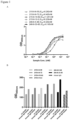
- the chimeric anti-human 4-1BB monoclonal antibodies have strong binding specificity, only binding to 4-1BB, not to B7 family members, CD28 family members and CTLA-4, LAG-3, TIM-3, OX40 and CD27 proteins, as shown in Figure 3 .
- mice Female wild-type Balb/c mice (Beijing Vital River) were selected as the experimental material. After the mice acclimated to the environment for one week, the immunization began. For the first immunization, 50 ⁇ g of the recombinant human 4-1BB-Fc protein (Sino Biological Inc., catalog number 10041-H03H) and complete Freund's adjuvant (Sigma-Aldrich, catalog number F5881) were thoroughly mixed to form an emulsion and injected intraperitoneally into the mice. Two weeks later, a booster immunization was given.
- human 4-1BB-Fc protein Sesino Biological Inc., catalog number 10041-H03H
- complete Freund's adjuvant Sigma-Aldrich, catalog number F5881
- mice with high titers were selected for fusion to make hybridomas.
- Three days before fusion 50 ⁇ g of the recombinant human 4-1BB-His protein was injected intraperitoneally without an adjuvant.
- the spleen was taken aseptically, prepared into individual splenocytes suspension with DMEM medium (Gibco, catalog number 11965) for fusion.
- the myeloma cells SP2/0 (purchased from Chinese Academy of Sciences) grew to logarithmic phase, centrifuged at 1000 rpm for 5 min, the supernatant was discarded, the cells were suspended with incomplete DMEM culture medium and counted, the required number of cells were taken and were mixed together with splenocytes according to a certain ratio in a 50ml centrifuge tube, centrifuged for 5 min. The supernatant was discarded and tapping the bottom of the centrifuge tubes with your hand to loosen the precipitated cells evenly. 1 mL of PEG (Sigma, Catalog number P7181) was slowly added over 1 minute and let stand for 90 seconds.
- the incomplete DMEM medium was added to 50 mL to terminate fusion, let stand for 5 minutes, centrifuged at 1000 rpm for 5 minutes, and the supernatant was discarded.
- 20 ml of HAT medium (Sigma, catalog number: H0262-10VL) were added to disperse the fused cells gently.
- the fused cells were added into HAT medium at a concentration of 1 ⁇ 10 5 cells per well and plated, and the cells were cultured at 37 °C in a 5% CO 2 incubator. After 7 ⁇ 10 days, HAT medium was replaced with HT medium (Sigma, catalog number H0137-10VL). The growth of the hybridomas was regularly observed, and the supernatant was pipetted when the hybridomas grew to more than 1/10 of the area of the bottom of the well for antibody detection. The cells of the positive clones were expanded and freezed.
- ELISA Enzyme Linked Immunosorbent Assay
- the culture supernatant samples and positive serum control were added, 100 ⁇ L/well, incubated at 25°C for 1 hour, and then washed 5 times with PBST.
- the horseradish peroxidase-labeled anti-mouse IgG antibody (Abcam, catalog number Ab7068) diluted 1:10000 in PBST with 1% BSA was then added, 100 ⁇ L per well, and incubated at 25°C for 1 hour.
- the plate was washed 5 times with PBST.
- the colorimetric substrate TMB was added, 100 ⁇ L/well, and developed at room temperature for 10 minutes. 1M H 2 SO 4 was added, 100 ⁇ L/well, to stop the development.
- the absorbance at 450nm was read on a microplate reader. Positive clones capable of secreting the anti-human 4-1BB selection antibodies were selected according to the magnitude of OD 450nm .
- the binding of an agonistic antibody to 4-1BB can enhance the immune killing function of T cells, and at the same time, can induce the activation of immune cells and promote the secretion of cytokines (such as IL-8).
- cytokines such as IL-8.
- the screening of the agonistic anti-human 4-1BB antibodies is based on GS-H2/4-1BB cell experiment.
- the hybridoma cells of the positive clones were inoculated into the peritoneal cavity of the mice, the ascites was taken after one week, purified to obtain the antibody protein.
- GS-H2/4-1BB cells were cultured.
- GS-H2/4-1BB cells were digested with trypsin, the digestion was stopped with a complete medium, the cells were centrifuged at 1000rpm for 5 minutes, the supernatant was discarded, and the cells were resuspended in MEM medium (Gibco, catalog number 10370-021) containing 2% serum to a cell density of 1 ⁇ 10 5 cells/mL.
- MEM medium Gibco, catalog number 10370-021
- the cells were plated at 100 ⁇ L per well on a 96-well plate, and cultured in a 5% CO 2 incubator at 37°C for 2 hours.
- Biotin-labeled anti-mouse IgG antibody (Beijing Zhongshan Golden Bridge, catalog number ZB-2020) and Dynabeads Streptavidin Magnetic Beads M-280 (Invitrogen, catalog number 112-05D) were incubated at room temperature for 30 minutes, and the magnetic beads were separated by a magnet for 2-3 minutes, the magnetic beads were washed 4-5 times with PBS. After culturing for 2 hours, 50 ⁇ L of the antibodies to be tested at a final concentration of 10 ⁇ g/mL and 50 ⁇ L of the incubated magnetic beads at a final concentration of 100 ⁇ g/mL were added into each well of the cell plate, incubated in a 5% CO 2 incubator at 37°C for 24 hours.
- IL-8 in the supernatant of GS-H2/4-1BB cells was detected with an IL-8 detection kit (Dakewe, catalog number 1110802) according to the instructions, and the positive clones capable of secreting the agonistic anti-human 4-1BB antibodies were selected according to the magnitude at OD 450 nm.
- the antibodies secreted by multiple anti-human 4-1BB clones have a binding activity to 4-1BB.
- the antibodies secreted by multiple anti-human 4-1BB clones have an agonistic activity for 4-1BB.
- Table 1 Binding activity to 4-1BB of anti-human 4-1BB antibodies
- the DNA sequences of the antibodies secreted by the clones that have both the antigen-binding activity and the agonistic activity were determined.
- Cellular mRNAs were first extracted using the RNAprep Pure kit (Tiangen, DP419). Then the SMART 5' RACE kit (Clontech, catalog number 634849) was used to reversely transcribe the total RNAs extracted from the hybridomas into the first strand of the anti-human 4-1BB cDNAs, and the primers VHGSP (SEQ ID NO: 32) and VLGSP (SEQ ID NO: 33) were designed respectively for PCR amplification of the variable regions.
- the target bands obtained by PCR amplification were cloned into the linearized pRACE vector (Clontech, catalog number: 634859) in an in-fusion way, and single clones were picked up for DNA sequencing.
- the sequence encoding the antibody light chain variable region of 4-1BB-246-8-33-83 clone amplified by PCR was set forth in SEQ ID NO: 7, and the sequence encoding the antibody heavy chain variable region was set forth in SEQ ID NO: 8.
- the complementarity determining region sequences can be obtained after excluding the framework region sequences according to the murine variable region sequences, wherein the amino acid sequences of the three complementarity determining regions LCDR1, LCDR2 and LCDR3 of the light chain are set forth in SEQ ID Nos: 1, 2 and 3 respectively, the amino acid sequences of the three complementary determining regions HCDR1, HCDR2 and HCDR3 of the heavy chain are set forth in SEQ ID Nos: 4, 5 and 6 respectively.
- the chimeric 4-1BB monoclonal antibodies constructed for 4-1BB-246-8-33-83 clone were named mAb-33-83, of which the light chain was obtained by linking the light chain variable region (SEQ ID NO: 7) to the light chain constant region (SEQ ID NO: 9) derived from 4-1BB-246-8-33-83 clone.
- the heavy chain of the mAb-33-83 antibody was obtained by linking the heavy chain variable region (SEQ ID NO: 8) to the heavy chain constant region (SEQ ID NO: 10).
- the genes encoding the amino acid sequences of the light and heavy chains of the antibodies above were synthesized by Genewiz Ltd to obtain the nucleotide sequences which were then cloned into the eukaryotic cell expression vector X0GC. Then the expression vector was transfected into the ExpiCHO cell line (ExpiCHO TM , Catalog number A29133, invitrogen). The cells were inoculated one day before transfection, then resuspended in fresh ExpiCHO TM Expression Medium (ExpiCHO TM Expression Medium, Catalog number A29100, invitrogen), at the cell density 35 ⁇ 10 5 cells/mL.
- the cell number was counted on the day of transfection and the cell density was in (70-200) ⁇ 10 5 cells/mL range, the viability should be higher than 95%.
- the cells were diluted with pre-warmed ExpiCHO TM expression medium to the final density 60 ⁇ 10 5 cells/mL.
- the plasmids and the transfection reagent ExpiFectamine TM CHO reagent (catalog number A29131, invitrogen) were diluted with OptiPRO TM medium (catalog number 12309, invitrogen) according to the transfection volume, and the final concentration of the plasmids was 0.5 ⁇ g/ml.
- the diluted transfection reagent was gently added to the plasmids, let it stand for 1-5 min, then the plasmid transfection reagent complex was added to the cells, the mixture was placed in the cell culture incubator, shaked at 125 rpm at 37 °C, 8% CO 2 .
- ExpiFectamine TM CHO Enhancer Catalog number A29131, invitrogen
- ExpiCHO TM Feed Catalog number A29101-02, invitrogen
- Enzyme-linked immunosorbent assay was used to determine the binding ability of the chimeric anti-human 4-1BB antibody to human 4-1BB.
- the anti-human 4-1BB antibody samples and the control Urelumab (a patent sequence from WO2004010947 ) were added, 100 ⁇ L/well, incubated at 25°C for 1 hour, and then washed 5 times with PBST.
- the horseradish peroxidase-labeled anti-mouse IgG antibody (Abcam, catalog number Ab7068) diluted 1:10000 in PBST with 1% BSA was then added, 100 ⁇ L per well, and incubated at 25°C for 1 hour.
- the plate was washed 5 times with PBST.
- the colorimetric substrate TMB was added, 100 ⁇ L/well, and developed at room temperature for 10 minutes. 1M H 2 SO 4 was added, 100 ⁇ L/well, to stop the development.
- the absorbance at 450nm was read on a microplate reader.
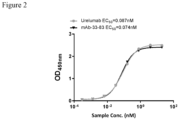
- the chimeric anti-human 4-1BB monoclonal antibody mAb-33-83 has good binding affinity to human 4-1BB, stronger than that of the control Urelumab.
- Example 4 Species specificity and binding specificity of the chimeric anti-human 4-1BB monoclonal antibody
- ELISA Enzyme Linked Immunosorbent Assay
- the chimeric anti-human 4-1BB antibody samples serially diluted in PBST with 1% BSA were added, 100 ⁇ L/well, incubated at 25°C for 1 hour, and then washed 5 times with PBST.
- the horseradish peroxidase-labeled anti-human IgG antibody (Chemicon, catalog number AP309P) diluted 1: 10000 in PBST with 1% BSA was then added, 100 ⁇ L per well, and incubated at 25°C for 1 hour.
- the colorimetric substrate TMB was added, 100 ⁇ L/well, and developed at room temperature for 10 minutes. 1M H 2 SO 4 was added, 100 ⁇ L/well, to stop the development.
- the absorbance at 450nm was read on a microplate reader.
- the plate was washed 5 times with PBST, and then blocked using PBST with 1% BSA, 300 ⁇ L/well, and incubated at 25°C for 1 hour, and then washed 5 times with PBST.
- the chimeric anti-human 4-1BB mAb samples serially diluted in PBST with 1% BSA and the control Urelumab and the isotype control were added, 100 ⁇ L/well, incubated at 25°C for 1 hour, and then washed 5 times with PBST.
- the horseradish peroxidase-labeled anti-human IgG antibody (Chemicon, catalog number AP309P) diluted 1:10000 in PBST with 1% BSA was then added, 100 ⁇ L per well, and incubated at 25°C for 1 hour. The plate was washed 5 times with PBST. The colorimetric substrate TMB was added, 100 ⁇ L/well, and developed at room temperature for 10 minutes. 1M H 2 SO 4 was added, 100 ⁇ L/well, to stop the development. The absorbance at 450nm was read on a microplate reader.
- the chimeric anti-human 4-1BB monoclonal antibody mAb-33-83 can bind to human 4-1BB and cynomolgus 4-1BB with similar affinities, but does not bind to mouse 4-1BB and has species specificity.
- the chimeric anti-human 4-1BB monoclonal antibody mAb-33-83 has very strong binding specificity, only binding to 4-1BB, not to B7 family members, CD28 family members and CTLA-4, LAG-3, TIM-3, OX40 and CD27 protein.
- Example 5 Activity of the chimeric anti-human 4-1BB monoclonal antibody of blocking the binding of 4-1BB to its receptor
- ELISA Enzyme Linked Immunosorbent Assay
- the plate was washed 5 times with PBST, and then blocked using PBST with 1% BSA, 300 ⁇ L/well, and incubated at 25°C for 1 hour, and then washed 5 times with PBST.
- the anti-human 4-1BB antibody samples were added, 50 ⁇ L/well, the biotin-labelled 4-1BBL (ACROBiosystems, catalog number 41L-H82F9) was added at a concentration of 200 ng/mL (a final concentration of 100 ng/mL), 50 ⁇ L/well, incubated at 25°C for 90 minutes, and then washed 5 times with PBST.
- the Streptavidin-HRP (BD, catalog number 554066) diluted 1:1000 in PBST with 1% BSA was then added, 100 ⁇ L per well, and incubated at 25°C for 1 hour. The plate was washed 5 times with PBST. The colorimetric substrate TMB was added, 100 ⁇ L/well, and developed at room temperature for 10 minutes. 1M H 2 SO 4 was added, 100 ⁇ L/well, to stop the development. The absorbance at 450nm was read on a microplate reader.
- the chimeric anti-human 4-1BB monoclonal antibody has a 4-1BB/4-1BBL blocking activity better than that of Urelumab.
- mice The 6-8-week-old female h4-1BB/h4-1BB double humanized mice (in which the murine 4-1BB and 4-1BB were knocked out, and the human 4-1BB and 4-1BB were overexpressed, Biocytogen Jiangsu Gene Biotechnology Co., Ltd) were selected as the experimental material. After the mice acclimated to the environment for one week, each mouse was subcutaneously inoculated with 5 ⁇ 10 6 MC38/h4-1BB mouse colon tumor cells (MC38 cells were purchased from Shunran (Shanghai) Biotechnology Co., Ltd) on the right back. Once the tumors grow to a volume of about 100 mm 3 , the mice were divided into different groups according to the tumor volumes, 6 tumor-bearing mice per group.
- MC38 cells were purchased from Shunran (Shanghai) Biotechnology Co., Ltd
- the vehicle (DPBS, GIBCO, catalog number 14190-136), the chimeric anti-human 4-1BB monoclonal antibody mAb-33-83 35 nmol/kg, and the control Urelumab 35 nmol/kg were administered respectively, twice a week for 2 consecutive weeks, via an intraperitoneal injection.
- the chimeric anti-human 4-1BB monoclonal antibody mAb-33-83 has an anti-tumor activity, significantly inhibited the growth of tumors in the homologous tumor model, with its efficacy better than that of the control Urelumab.
- the humanized anti-human 4-1BB mAbs were obtained according to the method described by Leung et al. (1995, Molecule Immunol 32:1413-27 ).
- the humanized templates that best match the variable region sequences of the murine antibody were selected from the Germline database, wherein the templates for the light chain variable region are hIGKV1-27*01 + hIGKJ4; the templates for the heavy chain variable region are hIGHV1-69 ⁇ 02 + hIGHJ6*01.
- the light chain CDR regions of the murine antibody were grafted into the selected humanized templates to replace the CDR regions of the human templates, obtaining the grafted, humanized antibody light chain variable region of the sequence set forth in SEQ ID NO: 11, and the grafted, humanized antibody heavy chain variable region of the sequence set forth in SEQ ID NO: 12.
- Sites on SEQ ID NO: 11 and SEQ ID NO: 12 were selected to carry out back mutations to obtain the light chain variable region sequences set forth in SEQ ID Nos: 13-20, and the heavy chain variable region sequences set forth in SEQ ID Nos: 21-31.
- the light chain variable region was linked to the light chain constant region (SEQ ID NO: 9) to obtain the corresponding full-length sequences of the light chains respectively, and the heavy chain variable region was linked to the heavy chain constant region (SEQ ID NO: 10) to obtain the corresponding full-length sequences of the heavy chains respectively.
- Available humanized sequences were obtained through affinity and stability screening, and the sequence information of the light and heavy chain variable regions of the obtained humanized sequences is shown in Table 2, wherein the ID columns list the abbreviations for the chimeric monoclonal antibodies and the humanized monoclonal antibodies.
- Table 2 The light and heavy chain variable region sequence information for chimeric and humanized mAbs ID VH SEQ ID NO. VL SEQ ID NO. ID VH SEQ ID NO.
- the humanized anti-4-1BB monoclonal antibody with ID z0 obtained in Example 7 was named BH3145b (sequences thereof are as follows: VH SEQ ID NO. 12; VL SEQ ID NO. 11). Detection of the antigen-binding activity of the humanized anti-human 4-1BB mAb BH3145b was performed with the steps described in Example 4. As shown in Figure 6 , the humanized anti-human 4-1BB monoclonal antibody BH3145b has good binding affinity to human 4-1BB, which is comparable to that of the chimeric anti-human 4-1BB mAb mAb-33-83 and the control Urelumab.
- Example 9 Activity of the humanized anti-human 4-1BB mAb of blocking the binding of 4-1BB to its receptor
- the humanized anti-4-1BB monoclonal antibody obtained in Example 7 was named BH3145b.
- the activity of the humanized anti-human 4-1BB mAb of blocking the binding of 4-1BB to its receptor was detected with the steps described in Example 5.
- the humanized anti-human 4-1BB mAb BH3145b has a 4-1BB/4-1BBL blocking activity less than that of the chimeric anti-human 4-1BB mAb mAb-33-83 but better than that of the control Urelumab.
Landscapes
- Health & Medical Sciences (AREA)
- Chemical & Material Sciences (AREA)
- Organic Chemistry (AREA)
- Life Sciences & Earth Sciences (AREA)
- Immunology (AREA)
- Medicinal Chemistry (AREA)
- General Health & Medical Sciences (AREA)
- Veterinary Medicine (AREA)
- Genetics & Genomics (AREA)
- Animal Behavior & Ethology (AREA)
- Nuclear Medicine, Radiotherapy & Molecular Imaging (AREA)
- Public Health (AREA)
- General Chemical & Material Sciences (AREA)
- Chemical Kinetics & Catalysis (AREA)
- Biochemistry (AREA)
- Biophysics (AREA)
- Pharmacology & Pharmacy (AREA)
- Molecular Biology (AREA)
- Proteomics, Peptides & Aminoacids (AREA)
- Peptides Or Proteins (AREA)
- Medicines Containing Antibodies Or Antigens For Use As Internal Diagnostic Agents (AREA)
- Micro-Organisms Or Cultivation Processes Thereof (AREA)
- Medicines That Contain Protein Lipid Enzymes And Other Medicines (AREA)
- Medicines Containing Material From Animals Or Micro-Organisms (AREA)
Applications Claiming Priority (2)
| Application Number | Priority Date | Filing Date | Title |
|---|---|---|---|
| CN202110025248 | 2021-01-08 | ||
| PCT/CN2022/070627 WO2022148413A1 (fr) | 2021-01-08 | 2022-01-07 | Anticorps se liant de manière spécifique à 4-1bb et fragment de liaison à l'antigène de l'anticorps |
Publications (2)
| Publication Number | Publication Date |
|---|---|
| EP4276111A1 true EP4276111A1 (fr) | 2023-11-15 |
| EP4276111A4 EP4276111A4 (fr) | 2025-04-30 |
Family
ID=82357923
Family Applications (1)
| Application Number | Title | Priority Date | Filing Date |
|---|---|---|---|
| EP22736575.6A Pending EP4276111A4 (fr) | 2021-01-08 | 2022-01-07 | Anticorps se liant de manière spécifique à 4-1bb et fragment de liaison à l'antigène de l'anticorps |
Country Status (6)
| Country | Link |
|---|---|
| US (1) | US20250277044A1 (fr) |
| EP (1) | EP4276111A4 (fr) |
| JP (1) | JP7744991B2 (fr) |
| KR (1) | KR20230129484A (fr) |
| CN (1) | CN116710482A (fr) |
| WO (1) | WO2022148413A1 (fr) |
Families Citing this family (1)
| Publication number | Priority date | Publication date | Assignee | Title |
|---|---|---|---|---|
| CN117736330B (zh) * | 2024-01-24 | 2024-05-17 | 上海沙砾生物科技有限公司 | 肿瘤坏死因子超家族受体9的特异性抗原结合蛋白及其应用 |
Family Cites Families (25)
| Publication number | Priority date | Publication date | Assignee | Title |
|---|---|---|---|---|
| US4179337A (en) | 1973-07-20 | 1979-12-18 | Davis Frank F | Non-immunogenic polypeptides |
| JPS5896026A (ja) | 1981-10-30 | 1983-06-07 | Nippon Chemiphar Co Ltd | 新規ウロキナ−ゼ誘導体およびその製造法ならびにそれを含有する血栓溶解剤 |
| US4609546A (en) | 1982-06-24 | 1986-09-02 | Japan Chemical Research Co., Ltd. | Long-acting composition |
| US4766106A (en) | 1985-06-26 | 1988-08-23 | Cetus Corporation | Solubilization of proteins for pharmaceutical compositions using polymer conjugation |
| US4946778A (en) | 1987-09-21 | 1990-08-07 | Genex Corporation | Single polypeptide chain binding molecules |
| US5703055A (en) | 1989-03-21 | 1997-12-30 | Wisconsin Alumni Research Foundation | Generation of antibodies through lipid mediated DNA delivery |
| US5714350A (en) | 1992-03-09 | 1998-02-03 | Protein Design Labs, Inc. | Increasing antibody affinity by altering glycosylation in the immunoglobulin variable region |
| US6077835A (en) | 1994-03-23 | 2000-06-20 | Case Western Reserve University | Delivery of compacted nucleic acid to cells |
| KR970029803A (ko) | 1995-11-03 | 1997-06-26 | 김광호 | 반도체 메모리장치의 프리차지 회로 |
| JP4334141B2 (ja) | 1998-04-20 | 2009-09-30 | グリカート バイオテクノロジー アクチェンゲゼルシャフト | 抗体依存性細胞傷害性を改善するための抗体のグリコシル化操作 |
| US6355271B1 (en) | 1999-02-03 | 2002-03-12 | Biosante Pharmaceuticals, Inc. | Therapeutic calcium phosphate particles and methods of manufacture and use |
| EP2275540B1 (fr) | 1999-04-09 | 2016-03-23 | Kyowa Hakko Kirin Co., Ltd. | Procédé de contrôle de l'activité de molécule fonctionnelle immunologique |
| US6281005B1 (en) | 1999-05-14 | 2001-08-28 | Copernicus Therapeutics, Inc. | Automated nucleic acid compaction device |
| US7029872B2 (en) | 2000-06-28 | 2006-04-18 | Glycofi, Inc | Methods for producing modified glycoproteins |
| PL213948B1 (pl) | 2001-10-25 | 2013-05-31 | Genentech Inc | Kompozycje zawierajace glikoproteine, czasteczka kwasu nukleinowego kodujaca te glikoproteine, komórka gospodarza, sposób wytwarzania glikoproteiny, kompozycja do zastosowania do leczenia, zastosowanie kompozycji i zestaw zawierajacy kompozycje |
| JP2006500921A (ja) | 2002-07-30 | 2006-01-12 | ブリストル−マイヤーズ スクイブ カンパニー | ヒト4−1bbに対するヒト化抗体 |
| KR101866623B1 (ko) | 2005-11-28 | 2018-07-04 | 젠맵 에이/에스 | 재조합 1가 항체 및 그의 제조 방법 |
| KR100880509B1 (ko) | 2006-10-16 | 2009-01-28 | 한미약품 주식회사 | 재조합 단백질의 대량 생산을 위한 신규한 벡터, 발현세포주 및 이를 이용한 재조합 단백질의 생산 방법 |
| GB201619648D0 (en) * | 2016-11-21 | 2017-01-04 | Alligator Bioscience Ab | Novel antibodies and uses thereof |
| WO2018098370A1 (fr) * | 2016-11-23 | 2018-05-31 | Immunoah Therapeutics, Inc. | Protéines de liaison à 4-1bb et leurs utilisations |
| US10174122B2 (en) * | 2017-01-06 | 2019-01-08 | Eutilex Co., Ltd. | Anti-human 4-1BB antibodies and uses thereof |
| TW201932491A (zh) * | 2018-01-22 | 2019-08-16 | 大陸商江蘇恆瑞醫藥股份有限公司 | 抗4-1bb抗體、其抗原結合片段及其醫藥用途 |
| CN110357961B (zh) * | 2018-04-10 | 2022-08-23 | 无锡智康弘义生物科技有限公司 | 抗人4-1bb单克隆抗体及其制备方法和用途 |
| WO2020041404A1 (fr) * | 2018-08-23 | 2020-02-27 | Macrogenics, Inc. | Molécules se liant à pd-l1 et leur utilisation pour le traitement de maladies |
| CN112739718B (zh) * | 2018-09-12 | 2024-11-26 | 祐和医药科技(北京)有限公司 | 抗tnfrsf9抗体及其用途 |
-
2022
- 2022-01-07 KR KR1020237026769A patent/KR20230129484A/ko active Pending
- 2022-01-07 WO PCT/CN2022/070627 patent/WO2022148413A1/fr not_active Ceased
- 2022-01-07 JP JP2023541807A patent/JP7744991B2/ja active Active
- 2022-01-07 US US18/260,596 patent/US20250277044A1/en active Pending
- 2022-01-07 EP EP22736575.6A patent/EP4276111A4/fr active Pending
- 2022-01-07 CN CN202280009369.1A patent/CN116710482A/zh active Pending
Also Published As
| Publication number | Publication date |
|---|---|
| KR20230129484A (ko) | 2023-09-08 |
| EP4276111A4 (fr) | 2025-04-30 |
| US20250277044A1 (en) | 2025-09-04 |
| JP7744991B2 (ja) | 2025-09-26 |
| WO2022148413A1 (fr) | 2022-07-14 |
| CN116710482A (zh) | 2023-09-05 |
| JP2024503394A (ja) | 2024-01-25 |
Similar Documents
| Publication | Publication Date | Title |
|---|---|---|
| JP6983371B2 (ja) | 抗pd−l1抗体、その抗原結合フラグメントおよびその医療用途 | |
| US11472882B2 (en) | Anti-B7-H4 antibody, antigen-binding fragment thereof and pharmaceutical use thereof | |
| US20190309069A1 (en) | Pd-1 antibody, antigen-binding fragment thereof, and medical application thereof | |
| US20220002412A1 (en) | Humanized Anti-PD-1 Antibody and The Use Thereof | |
| CA3061791A1 (fr) | Proteine de fusion contenant un recepteur de tgf-.beta. et utilisations medicales associees | |
| TW201806972A (zh) | 雙特異性結合蛋白 | |
| CA3089260A1 (fr) | Anticorps anti-4-1bb, fragment de liaison a l'antigene de celui-ci et utilisation medicale associee | |
| CA3064298A1 (fr) | Anticorps anti-cd40, fragment de liaison a l'antigene de celui-ci et utilisation medicale associee | |
| US20230340112A1 (en) | Anti-sirpa antibodies and methods of use | |
| JP2020525005A (ja) | 抗vista抗体および使用方法 | |
| EP4276113A1 (fr) | Anticorps se liant spécifiquement à cd47 et fragment de liaison à l'antigène de celui-ci | |
| US20250277044A1 (en) | Antibody specifically binding to 4-1bb and antigen-binding fragment of antibody | |
| CN115947855B (zh) | 抗cd24抗体的制备及其用途 | |
| EP4276466A1 (fr) | Anticorps se liant spécifiquement avec pd-l1 et fragment de liaison à l'antigène d'anticorps | |
| US20240269276A1 (en) | Specific binding protein targeting pd-l1 and cd73 | |
| CN118852427A (zh) | 靶向cd70的单克隆抗体及其用途 | |
| CN121873246A (zh) | 结合il6r的抗体及其用途 | |
| CA3124276C (fr) | Anticorps humanise anti-pd-1 et utilisation correspondante | |
| RU2792748C2 (ru) | Антитело к b7-h4, его антигенсвязывающий фрагмент и его фармацевтическое применение | |
| RU2776204C1 (ru) | Слитый белок, содержащий рецептор tgf-бета, и его фармацевтическое применение | |
| TW202305007A (zh) | 靶向pd-l1和cd73的特異性結合蛋白 | |
| WO2024094159A1 (fr) | Anticorps à domaine unique ciblant ror1 humain | |
| HK40048149A (en) | Humanized anti-pd-1 antibody and use thereof |
Legal Events
| Date | Code | Title | Description |
|---|---|---|---|
| STAA | Information on the status of an ep patent application or granted ep patent |
Free format text: STATUS: THE INTERNATIONAL PUBLICATION HAS BEEN MADE |
|
| PUAI | Public reference made under article 153(3) epc to a published international application that has entered the european phase |
Free format text: ORIGINAL CODE: 0009012 |
|
| STAA | Information on the status of an ep patent application or granted ep patent |
Free format text: STATUS: REQUEST FOR EXAMINATION WAS MADE |
|
| 17P | Request for examination filed |
Effective date: 20230808 |
|
| AK | Designated contracting states |
Kind code of ref document: A1 Designated state(s): AL AT BE BG CH CY CZ DE DK EE ES FI FR GB GR HR HU IE IS IT LI LT LU LV MC MK MT NL NO PL PT RO RS SE SI SK SM TR |
|
| DAV | Request for validation of the european patent (deleted) | ||
| DAX | Request for extension of the european patent (deleted) | ||
| A4 | Supplementary search report drawn up and despatched |
Effective date: 20250402 |
|
| RIC1 | Information provided on ipc code assigned before grant |
Ipc: A61K 39/00 20060101ALI20250327BHEP Ipc: A61K 39/395 20060101ALI20250327BHEP Ipc: A61P 35/00 20060101ALI20250327BHEP Ipc: C07K 16/28 20060101AFI20250327BHEP |