EP4353268A1 - Nanopartikel mit peptid-lipid-konjugat zur abgabe eines oligonukleotids in eine zielzelle und pharmazeutische zusammensetzung damit - Google Patents
Nanopartikel mit peptid-lipid-konjugat zur abgabe eines oligonukleotids in eine zielzelle und pharmazeutische zusammensetzung damit Download PDFInfo
- Publication number
- EP4353268A1 EP4353268A1 EP22820607.4A EP22820607A EP4353268A1 EP 4353268 A1 EP4353268 A1 EP 4353268A1 EP 22820607 A EP22820607 A EP 22820607A EP 4353268 A1 EP4353268 A1 EP 4353268A1
- Authority
- EP
- European Patent Office
- Prior art keywords
- peptide
- cancer
- nanoparticles
- lipid conjugate
- disease
- Prior art date
- Legal status (The legal status is an assumption and is not a legal conclusion. Google has not performed a legal analysis and makes no representation as to the accuracy of the status listed.)
- Pending
Links
Images




Classifications
-
- A—HUMAN NECESSITIES
- A61—MEDICAL OR VETERINARY SCIENCE; HYGIENE
- A61K—PREPARATIONS FOR MEDICAL, DENTAL OR TOILETRY PURPOSES
- A61K47/00—Medicinal preparations characterised by the non-active ingredients used, e.g. carriers or inert additives; Targeting or modifying agents chemically bound to the active ingredient
- A61K47/50—Medicinal preparations characterised by the non-active ingredients used, e.g. carriers or inert additives; Targeting or modifying agents chemically bound to the active ingredient the non-active ingredient being chemically bound to the active ingredient, e.g. polymer-drug conjugates
- A61K47/51—Medicinal preparations characterised by the non-active ingredients used, e.g. carriers or inert additives; Targeting or modifying agents chemically bound to the active ingredient the non-active ingredient being chemically bound to the active ingredient, e.g. polymer-drug conjugates the non-active ingredient being a modifying agent
- A61K47/62—Medicinal preparations characterised by the non-active ingredients used, e.g. carriers or inert additives; Targeting or modifying agents chemically bound to the active ingredient the non-active ingredient being chemically bound to the active ingredient, e.g. polymer-drug conjugates the non-active ingredient being a modifying agent the modifying agent being a protein, peptide or polyamino acid
- A61K47/64—Drug-peptide, drug-protein or drug-polyamino acid conjugates, i.e. the modifying agent being a peptide, protein or polyamino acid which is covalently bonded or complexed to a therapeutically active agent
- A61K47/645—Polycationic or polyanionic oligopeptides, polypeptides or polyamino acids, e.g. polylysine, polyarginine, polyglutamic acid or peptide TAT
- A61K47/6455—Polycationic oligopeptides, polypeptides or polyamino acids, e.g. for complexing nucleic acids
-
- C—CHEMISTRY; METALLURGY
- C12—BIOCHEMISTRY; BEER; SPIRITS; WINE; VINEGAR; MICROBIOLOGY; ENZYMOLOGY; MUTATION OR GENETIC ENGINEERING
- C12N—MICROORGANISMS OR ENZYMES; COMPOSITIONS THEREOF; PROPAGATING, PRESERVING, OR MAINTAINING MICROORGANISMS; MUTATION OR GENETIC ENGINEERING; CULTURE MEDIA
- C12N15/00—Mutation or genetic engineering; DNA or RNA concerning genetic engineering, vectors, e.g. plasmids, or their isolation, preparation or purification; Use of hosts therefor
- C12N15/09—Recombinant DNA-technology
- C12N15/87—Introduction of foreign genetic material using processes not otherwise provided for, e.g. co-transformation
- C12N15/88—Introduction of foreign genetic material using processes not otherwise provided for, e.g. co-transformation using microencapsulation, e.g. using amphiphile liposome vesicle
-
- A—HUMAN NECESSITIES
- A61—MEDICAL OR VETERINARY SCIENCE; HYGIENE
- A61K—PREPARATIONS FOR MEDICAL, DENTAL OR TOILETRY PURPOSES
- A61K31/00—Medicinal preparations containing organic active ingredients
- A61K31/70—Carbohydrates; Sugars; Derivatives thereof
- A61K31/7088—Compounds having three or more nucleosides or nucleotides
-
- A—HUMAN NECESSITIES
- A61—MEDICAL OR VETERINARY SCIENCE; HYGIENE
- A61K—PREPARATIONS FOR MEDICAL, DENTAL OR TOILETRY PURPOSES
- A61K31/00—Medicinal preparations containing organic active ingredients
- A61K31/70—Carbohydrates; Sugars; Derivatives thereof
- A61K31/7088—Compounds having three or more nucleosides or nucleotides
- A61K31/713—Double-stranded nucleic acids or oligonucleotides
-
- A—HUMAN NECESSITIES
- A61—MEDICAL OR VETERINARY SCIENCE; HYGIENE
- A61K—PREPARATIONS FOR MEDICAL, DENTAL OR TOILETRY PURPOSES
- A61K47/00—Medicinal preparations characterised by the non-active ingredients used, e.g. carriers or inert additives; Targeting or modifying agents chemically bound to the active ingredient
- A61K47/50—Medicinal preparations characterised by the non-active ingredients used, e.g. carriers or inert additives; Targeting or modifying agents chemically bound to the active ingredient the non-active ingredient being chemically bound to the active ingredient, e.g. polymer-drug conjugates
- A61K47/51—Medicinal preparations characterised by the non-active ingredients used, e.g. carriers or inert additives; Targeting or modifying agents chemically bound to the active ingredient the non-active ingredient being chemically bound to the active ingredient, e.g. polymer-drug conjugates the non-active ingredient being a modifying agent
- A61K47/54—Medicinal preparations characterised by the non-active ingredients used, e.g. carriers or inert additives; Targeting or modifying agents chemically bound to the active ingredient the non-active ingredient being chemically bound to the active ingredient, e.g. polymer-drug conjugates the non-active ingredient being a modifying agent the modifying agent being an organic compound
- A61K47/542—Carboxylic acids, e.g. a fatty acid or an amino acid
-
- A—HUMAN NECESSITIES
- A61—MEDICAL OR VETERINARY SCIENCE; HYGIENE
- A61K—PREPARATIONS FOR MEDICAL, DENTAL OR TOILETRY PURPOSES
- A61K47/00—Medicinal preparations characterised by the non-active ingredients used, e.g. carriers or inert additives; Targeting or modifying agents chemically bound to the active ingredient
- A61K47/50—Medicinal preparations characterised by the non-active ingredients used, e.g. carriers or inert additives; Targeting or modifying agents chemically bound to the active ingredient the non-active ingredient being chemically bound to the active ingredient, e.g. polymer-drug conjugates
- A61K47/51—Medicinal preparations characterised by the non-active ingredients used, e.g. carriers or inert additives; Targeting or modifying agents chemically bound to the active ingredient the non-active ingredient being chemically bound to the active ingredient, e.g. polymer-drug conjugates the non-active ingredient being a modifying agent
- A61K47/54—Medicinal preparations characterised by the non-active ingredients used, e.g. carriers or inert additives; Targeting or modifying agents chemically bound to the active ingredient the non-active ingredient being chemically bound to the active ingredient, e.g. polymer-drug conjugates the non-active ingredient being a modifying agent the modifying agent being an organic compound
- A61K47/543—Lipids, e.g. triglycerides; Polyamines, e.g. spermine or spermidine
-
- A—HUMAN NECESSITIES
- A61—MEDICAL OR VETERINARY SCIENCE; HYGIENE
- A61K—PREPARATIONS FOR MEDICAL, DENTAL OR TOILETRY PURPOSES
- A61K47/00—Medicinal preparations characterised by the non-active ingredients used, e.g. carriers or inert additives; Targeting or modifying agents chemically bound to the active ingredient
- A61K47/50—Medicinal preparations characterised by the non-active ingredients used, e.g. carriers or inert additives; Targeting or modifying agents chemically bound to the active ingredient the non-active ingredient being chemically bound to the active ingredient, e.g. polymer-drug conjugates
- A61K47/51—Medicinal preparations characterised by the non-active ingredients used, e.g. carriers or inert additives; Targeting or modifying agents chemically bound to the active ingredient the non-active ingredient being chemically bound to the active ingredient, e.g. polymer-drug conjugates the non-active ingredient being a modifying agent
- A61K47/62—Medicinal preparations characterised by the non-active ingredients used, e.g. carriers or inert additives; Targeting or modifying agents chemically bound to the active ingredient the non-active ingredient being chemically bound to the active ingredient, e.g. polymer-drug conjugates the non-active ingredient being a modifying agent the modifying agent being a protein, peptide or polyamino acid
- A61K47/64—Drug-peptide, drug-protein or drug-polyamino acid conjugates, i.e. the modifying agent being a peptide, protein or polyamino acid which is covalently bonded or complexed to a therapeutically active agent
-
- A—HUMAN NECESSITIES
- A61—MEDICAL OR VETERINARY SCIENCE; HYGIENE
- A61K—PREPARATIONS FOR MEDICAL, DENTAL OR TOILETRY PURPOSES
- A61K47/00—Medicinal preparations characterised by the non-active ingredients used, e.g. carriers or inert additives; Targeting or modifying agents chemically bound to the active ingredient
- A61K47/50—Medicinal preparations characterised by the non-active ingredients used, e.g. carriers or inert additives; Targeting or modifying agents chemically bound to the active ingredient the non-active ingredient being chemically bound to the active ingredient, e.g. polymer-drug conjugates
- A61K47/69—Medicinal preparations characterised by the non-active ingredients used, e.g. carriers or inert additives; Targeting or modifying agents chemically bound to the active ingredient the non-active ingredient being chemically bound to the active ingredient, e.g. polymer-drug conjugates the conjugate being characterised by physical or galenical forms, e.g. emulsion, particle, inclusion complex, stent or kit
- A61K47/6921—Medicinal preparations characterised by the non-active ingredients used, e.g. carriers or inert additives; Targeting or modifying agents chemically bound to the active ingredient the non-active ingredient being chemically bound to the active ingredient, e.g. polymer-drug conjugates the conjugate being characterised by physical or galenical forms, e.g. emulsion, particle, inclusion complex, stent or kit the form being a particulate, a powder, an adsorbate, a bead or a sphere
- A61K47/6927—Medicinal preparations characterised by the non-active ingredients used, e.g. carriers or inert additives; Targeting or modifying agents chemically bound to the active ingredient the non-active ingredient being chemically bound to the active ingredient, e.g. polymer-drug conjugates the conjugate being characterised by physical or galenical forms, e.g. emulsion, particle, inclusion complex, stent or kit the form being a particulate, a powder, an adsorbate, a bead or a sphere the form being a solid microparticle having no hollow or gas-filled cores
- A61K47/6929—Medicinal preparations characterised by the non-active ingredients used, e.g. carriers or inert additives; Targeting or modifying agents chemically bound to the active ingredient the non-active ingredient being chemically bound to the active ingredient, e.g. polymer-drug conjugates the conjugate being characterised by physical or galenical forms, e.g. emulsion, particle, inclusion complex, stent or kit the form being a particulate, a powder, an adsorbate, a bead or a sphere the form being a solid microparticle having no hollow or gas-filled cores the form being a nanoparticle, e.g. an immuno-nanoparticle
-
- A—HUMAN NECESSITIES
- A61—MEDICAL OR VETERINARY SCIENCE; HYGIENE
- A61K—PREPARATIONS FOR MEDICAL, DENTAL OR TOILETRY PURPOSES
- A61K48/00—Medicinal preparations containing genetic material which is inserted into cells of the living body to treat genetic diseases; Gene therapy
- A61K48/0008—Medicinal preparations containing genetic material which is inserted into cells of the living body to treat genetic diseases; Gene therapy characterised by an aspect of the 'non-active' part of the composition delivered, e.g. wherein such 'non-active' part is not delivered simultaneously with the 'active' part of the composition
- A61K48/0025—Medicinal preparations containing genetic material which is inserted into cells of the living body to treat genetic diseases; Gene therapy characterised by an aspect of the 'non-active' part of the composition delivered, e.g. wherein such 'non-active' part is not delivered simultaneously with the 'active' part of the composition wherein the non-active part clearly interacts with the delivered nucleic acid
- A61K48/0033—Medicinal preparations containing genetic material which is inserted into cells of the living body to treat genetic diseases; Gene therapy characterised by an aspect of the 'non-active' part of the composition delivered, e.g. wherein such 'non-active' part is not delivered simultaneously with the 'active' part of the composition wherein the non-active part clearly interacts with the delivered nucleic acid the non-active part being non-polymeric
-
- A—HUMAN NECESSITIES
- A61—MEDICAL OR VETERINARY SCIENCE; HYGIENE
- A61P—SPECIFIC THERAPEUTIC ACTIVITY OF CHEMICAL COMPOUNDS OR MEDICINAL PREPARATIONS
- A61P29/00—Non-central analgesic, antipyretic or antiinflammatory agents, e.g. antirheumatic agents; Non-steroidal antiinflammatory drugs [NSAID]
-
- A—HUMAN NECESSITIES
- A61—MEDICAL OR VETERINARY SCIENCE; HYGIENE
- A61P—SPECIFIC THERAPEUTIC ACTIVITY OF CHEMICAL COMPOUNDS OR MEDICINAL PREPARATIONS
- A61P35/00—Antineoplastic agents
-
- C—CHEMISTRY; METALLURGY
- C07—ORGANIC CHEMISTRY
- C07K—PEPTIDES
- C07K14/00—Peptides having more than 20 amino acids; Gastrins; Somatostatins; Melanotropins; Derivatives thereof
-
- C—CHEMISTRY; METALLURGY
- C12—BIOCHEMISTRY; BEER; SPIRITS; WINE; VINEGAR; MICROBIOLOGY; ENZYMOLOGY; MUTATION OR GENETIC ENGINEERING
- C12N—MICROORGANISMS OR ENZYMES; COMPOSITIONS THEREOF; PROPAGATING, PRESERVING, OR MAINTAINING MICROORGANISMS; MUTATION OR GENETIC ENGINEERING; CULTURE MEDIA
- C12N15/00—Mutation or genetic engineering; DNA or RNA concerning genetic engineering, vectors, e.g. plasmids, or their isolation, preparation or purification; Use of hosts therefor
- C12N15/09—Recombinant DNA-technology
- C12N15/11—DNA or RNA fragments; Modified forms thereof; Non-coding nucleic acids having a biological activity
- C12N15/113—Non-coding nucleic acids modulating the expression of genes, e.g. antisense oligonucleotides; Antisense DNA or RNA; Triplex- forming oligonucleotides; Catalytic nucleic acids, e.g. ribozymes; Nucleic acids used in co-suppression or gene silencing
- C12N15/1137—Non-coding nucleic acids modulating the expression of genes, e.g. antisense oligonucleotides; Antisense DNA or RNA; Triplex- forming oligonucleotides; Catalytic nucleic acids, e.g. ribozymes; Nucleic acids used in co-suppression or gene silencing against enzymes
-
- A—HUMAN NECESSITIES
- A61—MEDICAL OR VETERINARY SCIENCE; HYGIENE
- A61K—PREPARATIONS FOR MEDICAL, DENTAL OR TOILETRY PURPOSES
- A61K9/00—Medicinal preparations characterised by special physical form
- A61K9/48—Preparations in capsules, e.g. of gelatin, of chocolate
- A61K9/50—Microcapsules having a gas, liquid or semi-solid filling; Solid microparticles or pellets surrounded by a distinct coating layer, e.g. coated microspheres, coated drug crystals
- A61K9/51—Nanocapsules; Nanoparticles
- A61K9/5107—Excipients; Inactive ingredients
- A61K9/5123—Organic compounds, e.g. fats, sugars
-
- A—HUMAN NECESSITIES
- A61—MEDICAL OR VETERINARY SCIENCE; HYGIENE
- A61K—PREPARATIONS FOR MEDICAL, DENTAL OR TOILETRY PURPOSES
- A61K9/00—Medicinal preparations characterised by special physical form
- A61K9/48—Preparations in capsules, e.g. of gelatin, of chocolate
- A61K9/50—Microcapsules having a gas, liquid or semi-solid filling; Solid microparticles or pellets surrounded by a distinct coating layer, e.g. coated microspheres, coated drug crystals
- A61K9/51—Nanocapsules; Nanoparticles
- A61K9/5107—Excipients; Inactive ingredients
- A61K9/513—Organic macromolecular compounds; Dendrimers
- A61K9/5169—Proteins, e.g. albumin, gelatin
-
- C—CHEMISTRY; METALLURGY
- C07—ORGANIC CHEMISTRY
- C07K—PEPTIDES
- C07K2319/00—Fusion polypeptide
-
- C—CHEMISTRY; METALLURGY
- C07—ORGANIC CHEMISTRY
- C07K—PEPTIDES
- C07K2319/00—Fusion polypeptide
- C07K2319/01—Fusion polypeptide containing a localisation/targetting motif
- C07K2319/03—Fusion polypeptide containing a localisation/targetting motif containing a transmembrane segment
-
- C—CHEMISTRY; METALLURGY
- C07—ORGANIC CHEMISTRY
- C07K—PEPTIDES
- C07K2319/00—Fusion polypeptide
- C07K2319/01—Fusion polypeptide containing a localisation/targetting motif
- C07K2319/10—Fusion polypeptide containing a localisation/targetting motif containing a tag for extracellular membrane crossing, e.g. TAT or VP22
-
- C—CHEMISTRY; METALLURGY
- C07—ORGANIC CHEMISTRY
- C07K—PEPTIDES
- C07K2319/00—Fusion polypeptide
- C07K2319/85—Fusion polypeptide containing an RNA binding domain
-
- C—CHEMISTRY; METALLURGY
- C12—BIOCHEMISTRY; BEER; SPIRITS; WINE; VINEGAR; MICROBIOLOGY; ENZYMOLOGY; MUTATION OR GENETIC ENGINEERING
- C12N—MICROORGANISMS OR ENZYMES; COMPOSITIONS THEREOF; PROPAGATING, PRESERVING, OR MAINTAINING MICROORGANISMS; MUTATION OR GENETIC ENGINEERING; CULTURE MEDIA
- C12N15/00—Mutation or genetic engineering; DNA or RNA concerning genetic engineering, vectors, e.g. plasmids, or their isolation, preparation or purification; Use of hosts therefor
- C12N15/09—Recombinant DNA-technology
- C12N15/11—DNA or RNA fragments; Modified forms thereof; Non-coding nucleic acids having a biological activity
- C12N15/111—General methods applicable to biologically active non-coding nucleic acids
-
- C—CHEMISTRY; METALLURGY
- C12—BIOCHEMISTRY; BEER; SPIRITS; WINE; VINEGAR; MICROBIOLOGY; ENZYMOLOGY; MUTATION OR GENETIC ENGINEERING
- C12N—MICROORGANISMS OR ENZYMES; COMPOSITIONS THEREOF; PROPAGATING, PRESERVING, OR MAINTAINING MICROORGANISMS; MUTATION OR GENETIC ENGINEERING; CULTURE MEDIA
- C12N15/00—Mutation or genetic engineering; DNA or RNA concerning genetic engineering, vectors, e.g. plasmids, or their isolation, preparation or purification; Use of hosts therefor
- C12N15/09—Recombinant DNA-technology
- C12N15/11—DNA or RNA fragments; Modified forms thereof; Non-coding nucleic acids having a biological activity
- C12N15/113—Non-coding nucleic acids modulating the expression of genes, e.g. antisense oligonucleotides; Antisense DNA or RNA; Triplex- forming oligonucleotides; Catalytic nucleic acids, e.g. ribozymes; Nucleic acids used in co-suppression or gene silencing
- C12N15/1135—Non-coding nucleic acids modulating the expression of genes, e.g. antisense oligonucleotides; Antisense DNA or RNA; Triplex- forming oligonucleotides; Catalytic nucleic acids, e.g. ribozymes; Nucleic acids used in co-suppression or gene silencing against oncogenes or tumor suppressor genes
-
- C—CHEMISTRY; METALLURGY
- C12—BIOCHEMISTRY; BEER; SPIRITS; WINE; VINEGAR; MICROBIOLOGY; ENZYMOLOGY; MUTATION OR GENETIC ENGINEERING
- C12N—MICROORGANISMS OR ENZYMES; COMPOSITIONS THEREOF; PROPAGATING, PRESERVING, OR MAINTAINING MICROORGANISMS; MUTATION OR GENETIC ENGINEERING; CULTURE MEDIA
- C12N2310/00—Structure or type of the nucleic acid
- C12N2310/10—Type of nucleic acid
- C12N2310/14—Type of nucleic acid interfering nucleic acids [NA]
-
- C—CHEMISTRY; METALLURGY
- C12—BIOCHEMISTRY; BEER; SPIRITS; WINE; VINEGAR; MICROBIOLOGY; ENZYMOLOGY; MUTATION OR GENETIC ENGINEERING
- C12N—MICROORGANISMS OR ENZYMES; COMPOSITIONS THEREOF; PROPAGATING, PRESERVING, OR MAINTAINING MICROORGANISMS; MUTATION OR GENETIC ENGINEERING; CULTURE MEDIA
- C12N2320/00—Applications; Uses
- C12N2320/30—Special therapeutic applications
- C12N2320/32—Special delivery means, e.g. tissue-specific
Definitions
- the present invention relates to nanoparticles comprising peptide-lipid conjugates loaded with oligonucleotides for suppressing target proteins or promoting expression of target proteins in cells, and pharmaceutical compositions comprising the same.
- Oligonucleotides are developed, especially, in the form of siRNAs and mRNAs, as therapeutic agents for controlling genes that cause cancer and infectious diseases. Since RNA vaccines that contain genes encoding the spike protein of the COVID 19 virus injected in the form of mRNAs to induce immune responses have recently been approved by the FDA, the application of mRNA has attracted a great deal of attention. mRNA is non-toxic because it is artificially synthesized from mRNA in the body. However, siRNAs and mRNAs are rapidly degraded in vivo by nucleases, are negatively charged, and cannot target specific lesions.
- siRNAs and mRNAs can exert the effects thereof only when they acts in the cytoplasm, they cannot permeate the cell membrane by themselves due to the negative charge and large size thereof. Therefore, in order to overcome these limitations, carriers capable of stably delivering oligonucleotides into cells are required.
- oligonucleotide carriers using various cationic lipids are known ( US 2006/0083780 , US 2006/0240554 , US 2008/0020058 , US2009/0263407 , US 2009/0285881 , and PCT Patent Laid-open NOS. WO 2009/086558 , WO 2009/127060 , WO 2009/132131 , WO 2010/042877 , WO 2010/054384 , WO 2010/054401 , WO 2010/054405 , WO 2010/054406 and WO 2010/105209 ).
- Conventional cationic lipids such as CLinDMA and DLinDMA have been used for oligonucleotide delivery to the liver, but are known to have non-optimal delivery efficiencies as well as hepatotoxicity at high doses.
- Lipid nanoparticles are prepared using cationic lipids, cholesterol, and polyethylene glycol (PEG).
- Cationic lipids allow oligonucleotides to pass through cell membranes
- cholesterol allows oligonucleotides to retain the shape thereof
- PEG allows for long circulation of lipid nanoparticles.
- PEG is reported to generate antibodies against PEG, thereby inducing an anaphylactic reaction. Therefore, there is a need for novel oligonucleotide carriers capable of safely and efficiently delivering oligonucleotides into cells.
- the present inventors produced peptide-lipid conjugates using peptides comprising sequences for recognizing the target cell surface, and sequences having cell-penetrating function, promoting escape from endosomes, and binding to oligonucleotides in order to produce nanoparticles comprising peptide-lipid conjugates capable of safely and effectively delivering oligonucleotides into cells, and found that, when the nanoparticles comprising the peptide-lipid conjugates were used, oligonucleotides into the cells were effectively delivered, the expression of cancer-causing proteins was reduced by the loaded oligonucleotides, and anti-cancer effect was obtained in a cancer-induced animal model. Based thereon, the present invention was completed.
- the present invention provides a peptide-lipid conjugate having a peptide-lipid conjugate of the following Formula 1 as a basic unit: [Formula 1] A-B-C-D-E
- the present invention provides nanoparticles in which the peptide-lipid conjugate and oligonucleotide bound to each other.
- the present invention provides a composition for delivering oligonucleotides into cells comprising the nanoparticles in which the peptide-lipid conjugate and oligonucleotide bound to each other.
- the present invention provides a pharmaceutical composition comprising the nanoparticles in which the peptide-lipid conjugate and oligonucleotide bound to each other.
- the present invention provides a method for preventing or treating diseases comprising administering the nanoparticles to a subject.
- the present invention provides the use of the nanoparticles for the prevention or treatment of diseases.
- the present invention provides the use of the nanoparticles in the manufacture of a medicament for preventing or treating diseases.
- nanoparticles comprising peptide-lipid conjugates capable of safely and efficiently delivering functional oligonucleotides into cells were produced.
- peptide-lipid conjugates are produced using peptides comprising sequences for recognizing the target cell surface, and sequences having cell-penetrating function, promoting escape from endosomes, and binding to oligonucleotides and nanoparticles are produced by binding oligonucleotides to the peptide-lipid conjugates.
- the present invention is directed to a peptide-lipid conjugate having a peptide-lipid conjugate of the following Formula 1 as a basic unit: [Formula 1] A-B-C-D-E
- A is a lipid and is, more specifically, a saturated fatty acid, an unsaturated fatty acid or a cationic lipid having 12 to 20 carbon atoms.
- the cationic lipid includes 3 ⁇ -[N-(N',N'-dimethylaminoethane carbamoyl cholesterol (DC-Chol); 1,2-dioleoyl-3-trimethylammonium-propane (DOTAP); 1,2-dioleoyl-3-dimethylammonium-propane (DODAP); dimethyldioctadecylammonium bromide (DDAB); 1,2-dilauroyl-sn-glycero-3-ethylphosphocholine chloride (DL-EPC); N-[1-(2,3-dioleyloxy)propyl]-N-N-N-trimethylammonium chloride (DOTMA); N-[1-(2,3-dioleyloxy)propyl]-N-N-N
- the lipid moiety may be present in a concentration ranging from 0 to about 60.0 mole percent of Formula 1, or from about 5.0 to about 50.0 mole percent of the lipid in the formulation.
- B may comprise a peptide sequence that promotes the escape of endosomes.
- C may comprise a peptide sequence to which RNA binds.
- D may comprise a peptide sequence having a cell-penetrating function.
- E may comprise a peptide sequence that recognizes the target cell surface.
- B is a peptide consisting of 4 to 12 histidines
- D is a peptide selected from the group consisting of 4 to 12 arginines, 4 to 12 lysines, and 2 cysteines, or a combination thereof, but is not limited thereto.
- C may be a peptide represented by any one amino acid sequence of SEQ ID NO: 1 to SEQ ID NO: 15, but is not limited thereto.
- Orn Ornithine
- Dab 1,4-diaminobutyric acid
- Dap 1,3-diaminopropionic acid.
- E is a sequence that binds to the target cell surface and can be newly discovered and applied through phage display technology.
- E may be a peptide represented by the amino acid sequence of SEQ ID NO: 16, but is not limited thereto.
- A-B of Formula 1 may be linked by an amide bond and the amide bond of A-B may be based on chemical synthesis.
- B-C-D-E of Formula 1 may be formed by a chemical synthesis or recombinant expression method.
- B-C-D-E may be formed by synthesis based on solid-phase peptide synthesis and then an amide bond to A may be chemically formed.
- the present invention is directed to nanoparticles in which the peptide-lipid conjugate and oligonucleotide which are bound to each other.
- the oligonucleotide may be DNA, siRNA, miRNA or mRNA, and preferably has a function of inhibiting or increasing the expression of a target gene.
- the siRNA may have a nucleotide sequence complementary to a nucleotide sequence encoding a tumor-inducing protein or a disease-causing protein, but is not limited thereto.
- mRNA of mutant KRAS was used to suppress the expression of mutant KRAS.
- the mRNA having a sequence encoding a protein that degrades KRAS may be mRNA having nucleotide sequences of SEQ ID NO: 17 and SEQ ID NO: 18, but is not limited thereto.
- the siRNA may be naive or chemically modified siRNA, or be chemically bound to the sulfhydryl group of cysteine in a cell-penetrating and target-recognizing peptide using siRNA substituted with a sulfhydryl group or an amine group at the 5' end.
- the mRNA may encode a target protein, a recombinant chimeric protein, or a viral antigen in need of expression increase.
- the mRNA may be naive mRNA with a 3' cap and a 5' poly A tail, or may be bound to a sulfhydryl group of cysteine in a cell-penetrating and target-recognizing peptide using a chemical cross-linking agent after binding a sulfhydryl group or amine group to the 5' end.
- oligonucleotides may be bonded to Formula 1, specifically, C in Formula 1, and allowed to stand for a predetermined period of time to allow nanoparticles to be formed by self-assembly.
- the nanoparticles may have a size of 10 to 200 nm.
- the molecular weight ratio of the siRNA or mRNA to the peptide-lipid conjugate may be 1:1 to 1:100.
- the siRNA and mRNA may be used as anticancer drugs, but are not limited thereto.
- the present invention is directed to a composition for delivering oligonucleotides into cells comprising the nanoparticles in which the peptide-lipid conjugate and oligonucleotide bound to each other.
- the present invention is directed to a pharmaceutical composition
- a pharmaceutical composition comprising the nanoparticles in which the peptide-lipid conjugate and oligonucleotide bound to each other.
- the pharmaceutical composition may be used for treating or preventing cancer or inflammatory diseases and the cancer includes squamous cell carcinoma, basal cell carcinoma, adenocarcinoma, hepatocellular carcinoma, renal cell carcinoma, bladder cancer, bowel cancer, breast cancer, cervical cancer, uterine cancer, colon cancer, esophageal cancer, head cancer, kidney cancer, liver cancer, lung cancer, ovarian cancer, pancreatic cancer, prostate cancer, gastric cancer, leukemia, benign and malignant lymphomas, especially Burkitt's lymphoma and non-Hodgkin's lymphoma, benign and malignant melanoma, myeloproliferative diseases, sarcoma including Ewing's sarcoma, angiosarcoma, Kaposi's sarcoma, liposarcoma, myoma, neuroepithelial sarcoma, synovial sarcoma, neurosarcoma, astrocytoma, oligodendrogli
- the pharmaceutical composition is used to treat or prevent asthma, autoimmune disease, rheumatoid arthritis, multiple sclerosis, ciliary disease, cleft palate, diabetes, heart disease, hypertension, inflammatory bowel disease, mental retardation, mood disorders, obesity, refractive error, infertility, Angelman syndrome, Canavan disease, chronic digestive disorders, Charcot-Marie-Tooth (CMT) disease, cystic fibrosis, Duchenne muscular dystrophy, hemochromatosis, hemophilia, Klinefelter syndrome, neurofibromatosis, phenylketonuria, autosomal dominant polycystic neoplasm (PKD1 or PKD2), Prader-Willi syndrome, sickle cell anemia, Tay-Sachs disease, Turner syndrome, HIV infection or HCV infection, but is not limited thereto.
- CMT Charcot-Marie-Tooth
- cystic fibrosis Duchenne muscular dystrophy, hemochromatosis, hemophilia, Klinefelter syndrome,
- the pharmaceutical composition is prepared in any one formulation selected from the group consisting of injections, preparations for oral administration, patches, solutions, capsules, granules, tablets, powders, sprays, ointments, gels, mucosal formulations and suppositories, but is not limited thereto.
- These formulations can be prepared by a conventional method used for formulation in the art or by a method disclosed in Remington's Pharmaceutical Science (latest edition), Mack Publishing Company, Easton PA , and can be prepared in various formulations depending on each disease or component.
- the description is illustrative and formulations applicable to the present invention are not limited to those described above.
- the pharmaceutical composition may further comprise an acceptable adjuvant and the adjuvant may be, for example, a carrier.
- a pharmaceutically acceptable carrier may be saline, sterile water, Ringer's solution, buffered saline, dextrose solution, maltodextrin solution, glycerol, ethanol, or a mixture of one or more of these components, and, if necessary, may further comprise other conventional additives such as antioxidants, buffers, or bacteriostatic agents.
- a diluent, a dispersant, a surfactant, a binder, and a lubricant may be additionally added to prepare an injection formulation such as an aqueous solution, suspension, or emulsion, pill, capsule, granule, or tablet.
- an injection formulation such as an aqueous solution, suspension, or emulsion, pill, capsule, granule, or tablet.
- the description is illustrative and the adjuvant or carrier usable in the present invention is not limited to those described above.
- the present invention is directed to a method for preventing or treating a disease comprising administering the nanoparticles to a subject.
- the present invention is directed to the use of the nanoparticles for the prevention or treatment of diseases.
- the present invention is directed to the use of the nanoparticles in the manufacture of a medicament for preventing or treating diseases.
- the disease may be cancer, an inflammatory disease, asthma, an autoimmune disease, rheumatoid arthritis, multiple sclerosis, ciliary disease, cleft palate, diabetes, heart disease, hypertension, inflammatory bowel disease, mental retardation, mood disorders, obesity, refractive error, infertility, Angelman syndrome, Canavan disease, chronic digestive disorders, a Charcot-Marie-Tooth (CMT) disease, cystic fibrosis, Duchenne muscular dystrophy, hemochromatosis, hemophilia, Klinefelter syndrome, neurofibromatosis, phenylketonuria, autosomal dominant polycystic neoplasm (PKD1 or PKD2), Prader-Willi syndrome, sickle cell anemia, Tay-Sachs disease, Turner syndrome, HIV infection or HCV infection, but is not limited thereto.
- CMT Charcot-Marie-Tooth
- the method, use, and usage comprise the nanoparticles according to the present invention, relate to a pharmaceutical composition comprising the nanoparticles, and descriptions overlapping with the above-described nanoparticles and pharmaceutical compositions are omitted.
- a 0.5M amino acid solution (solvent: dimethylformamide, DMF), 1.0M DIPEA (solvent: dimethylformamide & n-methylpyrrolidone, DMF&NMP), and 0.5M HBTU (solvent: dimethylformamide, DMF) were added at 5, 10, and 5 equivalents in accordance with the sequence from the C-terminus and reacted under a nitrogen stream for 1 to 2 hours. After each of the deprotection and coupling steps, washing was performed twice with DMF and isopropanol. After coupling the last amino acid, deprotection was performed to remove the Fmoc-group.
- synthesis was performed by adding DIPEA (10 equivalents), HBTU (5 equivalents), and palmitic acid (5 equivalents) in the presence of DMF. The reaction was performed using a Kaiser test solution until a negative result was obtained. After the reaction was completed, the resin was washed with DMF and MeOH, and dried in a vacuum oven. A trifluoroacetic acid (TFA) cleavage cocktail was added at a rate of 20 ml per 1 g of resin, shaken for 3 hours, and a cocktail in which resin and peptides were dissolved was separated by filtering.
- TFA trifluoroacetic acid
- TFA/H 2 O and 0.092% TFA/acetonitrile were allowed to flow at a flow rate of 1 ml/min from 0% to 60% using a C 18 column with a diameter of 4.6 mm for 30 minutes. At this time, the wavelength of the ultraviolet detector was 220 nm. Purification was performed using a column with a diameter of 2.2 cm at a flow rate of 20 ml/min under the same conditions as the solvent and detection wavelength. The molecular weight of the purified peptide was determined by mass spectrometry.
- Example 2 Production of nanoparticles by conjugation of peptide-lipid conjugate and mRNA
- mRNA (SEQ ID NO: 17 or SEQ ID NO: 18) of genes encoding proteins that degrade mutant KRAS and siRNA (SEQ ID NO: 19 and SEQ ID NO: 20) inhibiting KRAS expression were bound to the peptide-lipid conjugate prepared in Example 1, to produce nanoparticles.
- siRNA substituted with a sulfhydryl group or amine group at the 5' end of mRNA was bound to the sulfhydryl group of cysteine in the cell-penetrating and target-recognizing peptide using a chemical cross-linking agent and nanoparticles were produced by self-assembly.
- 100 ⁇ g of the peptide-lipid conjugate was dissolved in 100 ⁇ L of a mixture of 90% EtOH and 10% 10 mM sodium citrate buffer as a solvent.
- 100 ⁇ g of each of mRNA and siRNA was dissolved in 100 ⁇ L of 10 mM sodium citrate buffer (RNase, DNase Free & PCR certified water (Tech & Innovation, BWA-8000)).
- the mRNA or siRNA solution and the peptide-lipid conjugate were slowly mixed in small amounts at ratios of 1:10, 1:20, 1:50, and 1:100.
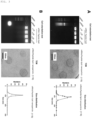
- RNA and peptide-lipid conjugates were loaded on a 2% (w/v) agarose gel in an amount of 0.1 ⁇ g of RNA at ratios of 1:10, 1:20, 1:50, and 1:100, followed by electrophoresis. It was observed that single mRNA and siRNA decreased to a positive (+) charge ( FIG. 3 ), whereas peptide-lipid nanoparticles did not decrease from a ratio of 1:10. This means that the particle surface was changed to neutral by the peptide-lipid.
- nanoparticles comprising mRNA and peptide-lipid conjugates (1:10) were observed using a transmission electron microscope (TEM, JEM-1230, JEOL).
- Particle size was measured using dynamic light scattering (DLS, Malvern Instruments, Ltd., UK) ( FIG. 3 ). For mRNA, there were more particles having a size of 100 nm or more, and for siRNA, there were particles having a size of about 100 nm.
- Example 2 The nanoparticles produced in Example 2 were administered to the culture solution of H358 cells and it was observed that the nanoparticles were delivered into the cells.
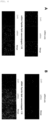
- a peptide-lipid conjugate was formed using fluorescent (Cy5.5)-labeled KRAS degradation protein mRNA and fluorescent (Cy5.5)-labeled KRAS siRNA and it was observed that the nanoparticles were delivered into cells under a confocal microscope ( FIG. 4 ).
- mRNA or siRNA was labeled with Cy5.5 (Invitrogen), and nanoparticles were produced in the same manner as in Example 2.
- H358 human lung cancer cells, CRL-5807, ATCC
- the culture medium was treated with 100 nM nanoparticles containing Cy5.5-mRNA and peptide-lipid conjugate or containing Cy5.5-siRNA and peptide-lipid conjugate for 1 hour.
- the cells were fixed with a 10% neutral formalin solution and measured using a confocal differential scanning microscope.
- Example 4 Identification of expression of KARS degradation protein by mRNA delivered into cells
- H358 cells were seeded at a density of 70% in a 6-well plate. After 16 hours, cell starvation was performed overnight with DMEM containing 0.5% FBS. The cells were treated with a medium containing nanoparticles comprising mRNA and peptide-lipid conjugates at concentrations of 10 nM and 20 nM for 16 hours. 10 nM mRNA mixed with lipofectamine was used as a control. The protein was lysed using RIPA lysis buffer (25 mM Tris HCl pH 7.6, 150 mM NaCl, 1% NP-40, 1% sodium deoxycholate, 0.1% SDS) containing protease and phosphatase inhibitors.
- RIPA lysis buffer 25 mM Tris HCl pH 7.6, 150 mM NaCl, 1% NP-40, 1% sodium deoxycholate, 0.1% SDS
- the protein was quantified by BCA protein assay (23227, Thermo Scientific) and the expression levels of KRAS degraded protein and actin protein were determined by western blotting.
- Western blotting was performed by loading the sample in the same amount along with the size marker on an 8% SDS PAGE gel, performing electrophoresis for about 2 hours, and then transferring the same to a nitrocellulose membrane. The transferred membrane was blocked with 5% skim milk for 1 hour and reacted overnight with a primary antibody (GST, Abcam, ab19256) at a ratio of 1:1,000.
- the membrane was washed with TBST containing 0.1% tween-20, and reacted with an HRP-linked secondary antibody (anti-Rabbit, A90-116P, BETHYL Lab.; anti-Mouse, A120-101P, BETHYL Lab.) for 1 hour, and chemiluminescence was identified with an ECL substrate.
- HRP-linked secondary antibody anti-Rabbit, A90-116P, BETHYL Lab.; anti-Mouse, A120-101P, BETHYL Lab.
- the nanoparticles comprising the peptide-lipid conjugate according to the present invention exhibited much higher amounts of KRAS degradation proteins expressed by mRNA in cells than lipid nanoparticles such as lipofectamine and the expression was the highest at the ratio of 1:10 (*p ⁇ 0.5, **p ⁇ 0.01).
- H358 cells were seeded at a density of 70% in a 6-well plate. After 16 hours, cell starvation was performed overnight with DMEM containing 0.5% FBS. The cells were treated with a medium containing nanoparticles comprising mRNA and peptide-lipid conjugates at concentrations of 10 nM and 20 nM for 16 hours. As a control, 10 nM mRNA mixed with lipofectamine was used. The protein was lysed using RIPA lysis buffer (25 mM Tris HCl pH 7.6, 150 mM NaCl, 1% NP-40, 1% sodium deoxycholate, 0.1% SDS) containing protease and phosphatase inhibitors.
- RIPA lysis buffer 25 mM Tris HCl pH 7.6, 150 mM NaCl, 1% NP-40, 1% sodium deoxycholate, 0.1% SDS
- the protein was assayed by BCA protein assay (23227, Thermo Scientific) and the expression levels of FER tyrosine kinase and actin protein were detected by western blotting.
- Western blotting was performed by loading the sample in the same amount along with the size marker on an 8% SDS PAGE gel, performing electrophoresis for about 2 hours, and then transferring the same to a nitrocellulose membrane. The transferred membrane was blocked with 5% skim milk for 1 hour and reacted overnight with a primary antibody (GST, Abcam, ab19256) at a ratio of 1:1000.
- the membrane was washed with TBST containing 0.1% tween-20, and reacted with an HRP-linked secondary antibody (anti-Rabbit, A90-116P, BETHYL Lab.; anti-Mouse, A120-101P, BETHYL Lab.) for 1 hour, and chemiluminescence was identified with an ECL substrate.
- HRP-linked secondary antibody anti-Rabbit, A90-116P, BETHYL Lab.; anti-Mouse, A120-101P, BETHYL Lab.
- the nanoparticles comprising the peptide-lipid conjugate according to the present invention effectively reduced active KRAS and sub-signal pMEK, as compared to lipid nanoparticles such as lipofectamine.
- H358 cells were seeded at a density of 70% in a 6-well plate. After 16 hours, cell starvation was performed overnight with DMEM containing 0.5% FBS. The cells were treated with a medium containing nanoparticles comprising KRAS siRNA and a peptide-lipid conjugate at a concentration of 100 nM for 16 hours. As a control, 100 nM of siRNA mixed with Lipofectamine was used.
- Quantitative real-time PCR was performed in the following manner. For mRNA quantification, total RNA was isolated using the Qiagen RNeasy kit. cDNA was synthesized using Verso cDNA kit (Thermo Scientific) using 500 ng RNA. mRNA values were measured with a 7500 Fast Real-Time PCR System (Applied Biosystems) based on SYBR Green.
- the primers used herein were as follows.
- 18S rRNA was used as a housekeeping gene (control gene) .
- PCR was performed using reverse-transcribed RNA and 100 ng/ ⁇ L of sense and antisense primers (total volume 20 ⁇ L) were used. 40 cycles were performed and each cycle included denaturation at 95°C for 15 seconds, annealing for 1 minute, and extension at 60°C. The results are shown in FIG. 7 .
- Treatment with KRAS siRNA and peptide-lipid conjugate (peptide-lipid NC) exhibited the most decreased KRAS mRNA and siRNA alone or control siRNA showed no effect.
- the nanoparticles comprising mRNA and the peptide-lipid conjugate produced in Example 2 were administered to the xenograft mouse model with lung cancer induced by the H358 cell line, and the anticancer effect thereof was identified.
- a mixture of 100 ⁇ L of 1 ⁇ 10 6 H358 cells and Matrigel (BD Bioscience, San Diego, CA, USA) was implanted on the thigh of 5-6-weeks old female Balb/c nude mouse (5-6 weeks old; Japan SLC Inc, Hamamatsu, Japan) to form a tumor with a size of 100 mm 3 .
- Nanoparticles comprising mRNA and peptide-lipid conjugates and lipid nanoparticles (LNP) prepared from mRNA and lipofectamine were each injected intraperitoneally twice a week at a dose of 1 ⁇ g/kg for 30 days.
- the size of the tumor was measured with a vernier caliper every 3 to 4 days, and on the 30 th day, the mice were sacrificed to remove the tumor and the removed tumor was imaged.
- the tumor size did not increase in the experimental group administered the nanoparticles comprising the peptide-lipid conjugate, and the tumor size of the lipid particles prepared with Lipofectamine continued to increase.
- nanoparticles consisting of peptide-lipid conjugates linked with oligonucleotides according to the present invention effectively deliver therapeutic oligonucleotides into cells and change the expression of target proteins by oligonucleotides, thus being useful as therapeutic agents.
Landscapes
- Health & Medical Sciences (AREA)
- Life Sciences & Earth Sciences (AREA)
- Chemical & Material Sciences (AREA)
- Engineering & Computer Science (AREA)
- General Health & Medical Sciences (AREA)
- Medicinal Chemistry (AREA)
- Veterinary Medicine (AREA)
- Public Health (AREA)
- Pharmacology & Pharmacy (AREA)
- Animal Behavior & Ethology (AREA)
- Bioinformatics & Cheminformatics (AREA)
- Molecular Biology (AREA)
- Epidemiology (AREA)
- Organic Chemistry (AREA)
- Genetics & Genomics (AREA)
- Proteomics, Peptides & Aminoacids (AREA)
- Biochemistry (AREA)
- Biotechnology (AREA)
- Biomedical Technology (AREA)
- Biophysics (AREA)
- Chemical Kinetics & Catalysis (AREA)
- General Chemical & Material Sciences (AREA)
- Nuclear Medicine, Radiotherapy & Molecular Imaging (AREA)
- General Engineering & Computer Science (AREA)
- Zoology (AREA)
- Wood Science & Technology (AREA)
- Nanotechnology (AREA)
- Physics & Mathematics (AREA)
- Immunology (AREA)
- Rheumatology (AREA)
- Pain & Pain Management (AREA)
- Microbiology (AREA)
- Plant Pathology (AREA)
- Gastroenterology & Hepatology (AREA)
- Virology (AREA)
- Pharmaceuticals Containing Other Organic And Inorganic Compounds (AREA)
- Optics & Photonics (AREA)
- Medicinal Preparation (AREA)
- Medicines That Contain Protein Lipid Enzymes And Other Medicines (AREA)
Applications Claiming Priority (2)
| Application Number | Priority Date | Filing Date | Title |
|---|---|---|---|
| KR20210075838 | 2021-06-11 | ||
| PCT/KR2022/008229 WO2022260480A1 (ko) | 2021-06-11 | 2022-06-10 | 타겟 세포 내로 올리고뉴클레오티드를 전달하기 위한 펩타이드-지질의 결합체를 포함하는 나노입자 및 이를 포함하는 약학적 조성물 |
Publications (2)
| Publication Number | Publication Date |
|---|---|
| EP4353268A1 true EP4353268A1 (de) | 2024-04-17 |
| EP4353268A4 EP4353268A4 (de) | 2026-04-08 |
Family
ID=84426211
Family Applications (1)
| Application Number | Title | Priority Date | Filing Date |
|---|---|---|---|
| EP22820607.4A Pending EP4353268A4 (de) | 2021-06-11 | 2022-06-10 | Nanopartikel mit peptid-lipid-konjugat zur abgabe eines oligonukleotids in eine zielzelle und pharmazeutische zusammensetzung damit |
Country Status (5)
| Country | Link |
|---|---|
| US (1) | US20240269302A1 (de) |
| EP (1) | EP4353268A4 (de) |
| KR (2) | KR20220167770A (de) |
| CN (1) | CN117460542A (de) |
| WO (1) | WO2022260480A1 (de) |
Cited By (1)
| Publication number | Priority date | Publication date | Assignee | Title |
|---|---|---|---|---|
| WO2025217110A1 (en) * | 2024-04-09 | 2025-10-16 | The Board Of Trustees Of The University Of Illinois | Lipid nanoparticles for drug delivery and methods for making and using the same |
Families Citing this family (4)
| Publication number | Priority date | Publication date | Assignee | Title |
|---|---|---|---|---|
| CN116212042B (zh) * | 2023-03-10 | 2023-09-05 | 中国人民解放军空军军医大学 | 一种负载rna的脑内递送系统及其制备方法 |
| WO2024216243A2 (en) * | 2023-04-14 | 2024-10-17 | The Johns Hopkins University | Peptide-based vaccines and methods for treatment |
| WO2025159411A1 (ko) * | 2024-01-26 | 2025-07-31 | 한양대학교 산학협력단 | 데옥시콜산과 연결된 세포 침투 펩타이드를 포함하는 나노입자 및 이의 용도 |
| WO2025168076A1 (zh) * | 2024-02-07 | 2025-08-14 | 南京星辰智曜生物医药科技有限公司 | 类肽化合物和类肽-脂质缀合物及其用途 |
Family Cites Families (15)
| Publication number | Priority date | Publication date | Assignee | Title |
|---|---|---|---|---|
| US7745651B2 (en) | 2004-06-07 | 2010-06-29 | Protiva Biotherapeutics, Inc. | Cationic lipids and methods of use |
| US7404969B2 (en) | 2005-02-14 | 2008-07-29 | Sirna Therapeutics, Inc. | Lipid nanoparticle based compositions and methods for the delivery of biologically active molecules |
| JP5042863B2 (ja) | 2005-02-14 | 2012-10-03 | サーナ・セラピューティクス・インコーポレイテッド | 生物学的に活性な分子をデリバリーするための脂質ナノ粒子系組成物および方法 |
| WO2009086558A1 (en) | 2008-01-02 | 2009-07-09 | Tekmira Pharmaceuticals Corporation | Improved compositions and methods for the delivery of nucleic acids |
| AU2009238175C1 (en) | 2008-04-15 | 2023-11-30 | Arbutus Biopharma Corporation | Novel lipid formulations for nucleic acid delivery |
| US20090285881A1 (en) | 2008-04-16 | 2009-11-19 | Abbott Laboratories | Cationic lipids and uses thereof |
| US20090263407A1 (en) | 2008-04-16 | 2009-10-22 | Abbott Laboratories | Cationic Lipids and Uses Thereof |
| WO2009132131A1 (en) | 2008-04-22 | 2009-10-29 | Alnylam Pharmaceuticals, Inc. | Amino lipid based improved lipid formulation |
| CN104119242B (zh) | 2008-10-09 | 2017-07-07 | 泰米拉制药公司 | 改善的氨基脂质和递送核酸的方法 |
| HUE037082T2 (hu) | 2008-11-10 | 2018-08-28 | Arbutus Biopharma Corp | Új lipidek és készítmények terápiás hatóanyagok szállítására |
| WO2010054384A1 (en) | 2008-11-10 | 2010-05-14 | Alnylam Pharmaceuticals, Inc. | Lipids and compositions for the delivery of therapeutics |
| AU2010223967B2 (en) | 2009-03-12 | 2015-07-30 | Alnylam Pharmaceuticals, Inc. | Lipid formulated compositions and methods for inhibiting expression of Eg5 and VEGF genes |
| KR101159296B1 (ko) * | 2009-10-22 | 2012-06-22 | 서울대학교산학협력단 | 표적 miRNA의 생성을 촉진하는 양면성 펩타이드 및 이를 이용한 표적 miRNA 생성 조절 방법 |
| EP3059242A4 (de) * | 2013-10-17 | 2017-04-19 | Seoul National University R&DB Foundation | Alpha-helix-zellenpenetrierendes peptidmultimer, herstellungsverfahren dafür und verwendung davon |
| EP3801025A4 (de) * | 2018-05-24 | 2022-03-09 | Sirnaomics, Inc. | Zusammensetzung und verfahren zur steuerbaren gleichzeitigen kopplung eines polypeptidnanopartikelausgabesystems für nukleinsäuretherapeutika |
-
2022
- 2022-06-10 KR KR1020220070638A patent/KR20220167770A/ko not_active Ceased
- 2022-06-10 CN CN202280041423.0A patent/CN117460542A/zh active Pending
- 2022-06-10 WO PCT/KR2022/008229 patent/WO2022260480A1/ko not_active Ceased
- 2022-06-10 US US18/567,167 patent/US20240269302A1/en active Pending
- 2022-06-10 EP EP22820607.4A patent/EP4353268A4/de active Pending
-
2025
- 2025-10-01 KR KR1020250143787A patent/KR20250153726A/ko active Pending
Cited By (1)
| Publication number | Priority date | Publication date | Assignee | Title |
|---|---|---|---|---|
| WO2025217110A1 (en) * | 2024-04-09 | 2025-10-16 | The Board Of Trustees Of The University Of Illinois | Lipid nanoparticles for drug delivery and methods for making and using the same |
Also Published As
| Publication number | Publication date |
|---|---|
| CN117460542A (zh) | 2024-01-26 |
| EP4353268A4 (de) | 2026-04-08 |
| KR20250153726A (ko) | 2025-10-27 |
| WO2022260480A1 (ko) | 2022-12-15 |
| KR20220167770A (ko) | 2022-12-21 |
| US20240269302A1 (en) | 2024-08-15 |
Similar Documents
| Publication | Publication Date | Title |
|---|---|---|
| EP4353268A1 (de) | Nanopartikel mit peptid-lipid-konjugat zur abgabe eines oligonukleotids in eine zielzelle und pharmazeutische zusammensetzung damit | |
| US11944688B2 (en) | Biologically active compounds | |
| JP7269968B2 (ja) | ペプチド担体上の多重オリゴヌクレオチド部分 | |
| CN105451743B (zh) | 用于在活体中递送RNAi触发子至肿瘤细胞的聚偶联物 | |
| CN107849567A (zh) | 一种siRNA、含有该siRNA的药物组合物和缀合物及它们的应用 | |
| US12465646B2 (en) | Linkers | |
| WO2023026994A1 (ja) | ヒトトランスフェリンレセプター結合ペプチド-薬物コンジュゲート | |
| US20220062431A1 (en) | Compounds comprising stapled or stitched peptides for improved drug delivery | |
| JP7657773B2 (ja) | 核酸送達のための脂質化カチオン性ペプチド-peg組成物 | |
| EP4631528A1 (de) | Nanopartikel mit peptidbasiertem konjugat zur abgabe eines oligonukleotids in eine zielzelle und pharmazeutische zusammensetzung damit | |
| JPWO2019002875A5 (de) | ||
| EP4631527A1 (de) | Nanopartikel mit peptidbasiertem konjugat zur abgabe von mrna in eine b-zelle und t-zelle und verwendungen davon | |
| HK1236387B (en) | Multiple oligonucleotide moieties on peptide carrier | |
| HK1236387A1 (en) | Multiple oligonucleotide moieties on peptide carrier | |
| JP2005021021A (ja) | 腫瘍侵入環状ペプチド |
Legal Events
| Date | Code | Title | Description |
|---|---|---|---|
| STAA | Information on the status of an ep patent application or granted ep patent |
Free format text: STATUS: THE INTERNATIONAL PUBLICATION HAS BEEN MADE |
|
| PUAI | Public reference made under article 153(3) epc to a published international application that has entered the european phase |
Free format text: ORIGINAL CODE: 0009012 |
|
| STAA | Information on the status of an ep patent application or granted ep patent |
Free format text: STATUS: REQUEST FOR EXAMINATION WAS MADE |
|
| 17P | Request for examination filed |
Effective date: 20231218 |
|
| AK | Designated contracting states |
Kind code of ref document: A1 Designated state(s): AL AT BE BG CH CY CZ DE DK EE ES FI FR GB GR HR HU IE IS IT LI LT LU LV MC MK MT NL NO PL PT RO RS SE SI SK SM TR |
|
| DAV | Request for validation of the european patent (deleted) | ||
| DAX | Request for extension of the european patent (deleted) | ||
| A4 | Supplementary search report drawn up and despatched |
Effective date: 20260309 |