EP4368699A2 - Verfahren zur herstellung rekombinanter proteine - Google Patents
Verfahren zur herstellung rekombinanter proteine Download PDFInfo
- Publication number
- EP4368699A2 EP4368699A2 EP24153543.4A EP24153543A EP4368699A2 EP 4368699 A2 EP4368699 A2 EP 4368699A2 EP 24153543 A EP24153543 A EP 24153543A EP 4368699 A2 EP4368699 A2 EP 4368699A2
- Authority
- EP
- European Patent Office
- Prior art keywords
- cell
- batch
- culture
- cells
- enriched
- Prior art date
- Legal status (The legal status is an assumption and is not a legal conclusion. Google has not performed a legal analysis and makes no representation as to the accuracy of the status listed.)
- Pending
Links
Images







Classifications
-
- C—CHEMISTRY; METALLURGY
- C12—BIOCHEMISTRY; BEER; SPIRITS; WINE; VINEGAR; MICROBIOLOGY; ENZYMOLOGY; MUTATION OR GENETIC ENGINEERING
- C12N—MICROORGANISMS OR ENZYMES; COMPOSITIONS THEREOF; PROPAGATING, PRESERVING, OR MAINTAINING MICROORGANISMS; MUTATION OR GENETIC ENGINEERING; CULTURE MEDIA
- C12N5/00—Undifferentiated human, animal or plant cells, e.g. cell lines; Tissues; Cultivation or maintenance thereof; Culture media therefor
- C12N5/0018—Culture media for cell or tissue culture
-
- C—CHEMISTRY; METALLURGY
- C07—ORGANIC CHEMISTRY
- C07K—PEPTIDES
- C07K16/00—Immunoglobulins [IG], e.g. monoclonal or polyclonal antibodies
-
- C—CHEMISTRY; METALLURGY
- C12—BIOCHEMISTRY; BEER; SPIRITS; WINE; VINEGAR; MICROBIOLOGY; ENZYMOLOGY; MUTATION OR GENETIC ENGINEERING
- C12N—MICROORGANISMS OR ENZYMES; COMPOSITIONS THEREOF; PROPAGATING, PRESERVING, OR MAINTAINING MICROORGANISMS; MUTATION OR GENETIC ENGINEERING; CULTURE MEDIA
- C12N15/00—Mutation or genetic engineering; DNA or RNA concerning genetic engineering, vectors, e.g. plasmids, or their isolation, preparation or purification; Use of hosts therefor
- C12N15/09—Recombinant DNA-technology
- C12N15/63—Introduction of foreign genetic material using vectors; Vectors; Use of hosts therefor; Regulation of expression
- C12N15/79—Vectors or expression systems specially adapted for eukaryotic hosts
- C12N15/85—Vectors or expression systems specially adapted for eukaryotic hosts for animal cells
-
- C—CHEMISTRY; METALLURGY
- C12—BIOCHEMISTRY; BEER; SPIRITS; WINE; VINEGAR; MICROBIOLOGY; ENZYMOLOGY; MUTATION OR GENETIC ENGINEERING
- C12P—FERMENTATION OR ENZYME-USING PROCESSES TO SYNTHESISE A DESIRED CHEMICAL COMPOUND OR COMPOSITION OR TO SEPARATE OPTICAL ISOMERS FROM A RACEMIC MIXTURE
- C12P21/00—Preparation of peptides or proteins
-
- C—CHEMISTRY; METALLURGY
- C07—ORGANIC CHEMISTRY
- C07K—PEPTIDES
- C07K2317/00—Immunoglobulins specific features
- C07K2317/10—Immunoglobulins specific features characterized by their source of isolation or production
- C07K2317/14—Specific host cells or culture conditions, e.g. components, pH or temperature
-
- C—CHEMISTRY; METALLURGY
- C12—BIOCHEMISTRY; BEER; SPIRITS; WINE; VINEGAR; MICROBIOLOGY; ENZYMOLOGY; MUTATION OR GENETIC ENGINEERING
- C12N—MICROORGANISMS OR ENZYMES; COMPOSITIONS THEREOF; PROPAGATING, PRESERVING, OR MAINTAINING MICROORGANISMS; MUTATION OR GENETIC ENGINEERING; CULTURE MEDIA
- C12N2500/00—Specific components of cell culture medium
- C12N2500/30—Organic components
- C12N2500/34—Sugars
Definitions
- the present invention generally relates to methods of increasing viable cell density during the N-1 culture stage with non-perfusion strategy for inoculation of N production bioreactors at high-seed density for cell culture manufacturing.
- Proteins and polypeptides have become increasingly important as therapeutic agents. In most cases, therapeutic proteins and polypeptides are produced in cell culture, from cells that have been engineered and/or selected to produce unusually high levels of the polypeptide of interest. Control and optimization of cell culture conditions is critically important for successful commercial production of proteins and polypeptides.
- proteins and polypeptides produced in cell culture are made in a fed-batch process, in which cells are cultured for a period of time, and then the culture is terminated and the produced protein or polypeptide is isolated.
- the ultimate amount and quality of protein or polypeptide produced can be dramatically affected by the N-1 seed culture and the seed-density at N production. While efforts have been made to improve production of proteins and polypeptides in fed-batch culture processes, there remains a need for additional improvements.
- Perfusion cell culture can achieve much higher viable cell densities than conventional fed-batch cell culture systems. Perfusion cell culture provides a continuous supply of fresh media in the culture system, while removing waste products, which provides a rich environment for the cells to grow. In comparison to the conventional fed-batch production culture with low-seed density, the high-seed density fed-batch production culture inoculated with N-1 perfusion seed can achieve higher final titer within a short duration.
- perfusion cell culture becomes expensive when used in large-scale culture systems (e.g., greater than 200 L bioreactor) because of large quantities of cell culture media consumed. Also, perfusion cell culture can have complications from the cell retention system which prevents the cells from being removed from the cell culture system, especially for a large scale manufacturing.
- the present disclosure is directed to a method of increasing the viable cell density of a N-1 large-scale bioreactor cell culture, comprising culturing a host cell expressing a recombinant polypeptide of interest in a non-perfusion-based culture system, and wherein the viable cell density is increased to at least 5 ⁇ 10 6 cells/mL.
- the non-perfusion-based culture system is a batch or fed-batch bioreactor.
- the viable cell density at an N-1 stage is at least 5 ⁇ 10 6 , at least 10 ⁇ 10 6 , at least 15 ⁇ 10 6 , at least 20 ⁇ 10 6 , at least 25 ⁇ 10 6 , or at least 30 ⁇ 10 6 viable cells per mL.
- the cell viability is at least 80% on the last day of the N-1 stage, at least 85% on the last day of the N-1 stage, or at least 90% on the last day of the N-1 stage.
- the host cell is cultured in an enriched media for an N-1 batch culture. In some embodiments, the host cell is cultured in a seed media with addition of a feed media for an N-1 fed-batch culture.
- the media is enriched by a feed media at least 5% relative to non-enriched media, at least 10% relative to non-enriched media, at least 15% relative to non-enriched media, or at least 20% relative to non-enriched media.
- the enriched media or feed media comprises an increased amount of a carbon source.
- the carbon source is glucose.
- the enriched media or feed media comprises an increased amount of nutrients.
- the nutrients are selected from amino acids, lipids, vitamins, minerals, and polyamines.
- the enriched media comprises an increased amount of a carbon source and nutrients.
- the carbon source is glucose and the nutrients are selected from amino acids, lipids, vitamins, minerals, and polyamines.
- the host cell is a mammalian cell.
- the mammalian cell is selected from the group consisting of CHO, VERO, BHK, HEK, HeLa, COS, MDCK and hybridoma cells.
- the host cell is a CHO cell.
- the polypeptide of interest is a therapeutic polypeptide.
- the polypeptide of interest is an antibody or antigen-binding fragment.
- the antibody or antigen-binding fragment binds an antigen selected from the group consisting of PD-1, PD-L1, LAG-3, TIGIT, GITR, CXCR4, CD73 HER2, VEGF, CD20, CD40, CD11a, tissue factor (TF), PSCA, IL-8, EGFR, HER3, and HER4.
- the bioreactor is at least 50 L, at least 500 L, at least 1,000 L, at least 5,000 L, or at least 10,000 L.
- the method further comprises culturing at least 5 ⁇ 10 6 viable cells per mL in the N-1 stage in enriched batch culture or fed-batch culture, which is used for inoculation of the N production stage to produce the recombinant polypeptide of interest. In some embodiments, the method further comprises the step of isolating the polypeptide of interest from the production culture system.
- the present disclosure is also directed to a method for large-scale production of a recombinant polypeptide of interest comprising: (1) culturing a host cell expressing a recombinant polypeptide of interest in an N-1 stage in a non-perfusion-based culture system, wherein the viable cell density is increased to at least 5 ⁇ 10 6 cells/mL; and (2) culturing N fed-batch production cells in a basal media or an enriched basal media with high-seed density at least 1.5 ⁇ 10 6 cells/mL, wherein the N fed-batch production cells are inoculated from the N-1 stage in the non-perfusion-based culture system.
- the N production culture system is a fed-batch bioreactor.
- the enriched basal media is enriched by a feed media at least 5%, at least 10%, at least 15%, at least 20% relative to non-enriched media.
- the enriched media comprises an increased amount of a carbon source.
- the carbon source is glucose.
- the enriched media comprises an increased amount of nutrients.
- the nutrients are selected from amino acids, lipids, vitamins, minerals, and polyamines.
- the enriched media comprises an increased amount of a carbon source and nutrients.
- the carbon source is glucose and the nutrients are selected from amino acids, lipids, vitamins, minerals, and polyamines.
- the bioreactor is at least 50 L, at least 500 L, at least 1,000 L, at least 5,000 L, at least 10,000 L, at least 15,000 L, or at least 20,000 L.
- the host cell is a mammalian cell. In some embodiments, the host cell is a CHO cell.
- the titer of the polypeptide of interest is at least 100 mg/L, at least 1 g/L, at least 3 g/L, at least 5 g/L or at least 10 g/L.
- the host cell is cultured in a basal media or an enriched basal media for N fed-batch production bioreactor to obtain a viable cell density of at least 1.5 ⁇ 10 6 , at least 5 ⁇ 10 6 , or at least 10 ⁇ 10 6 viable cells per mL.
- the method further comprises the step of isolating the polypeptide of interest.
- the polypeptide of interest is a therapeutic polypeptide.
- the polypeptide of interest is an antibody or antigen-binding fragment.
- this disclosure provides novel methods of increasing the viable cell density of an N-1 large-scale bioreactor cell culture, comprising culturing a host cell expressing a recombinant polypeptide of interest in a non-perfusion-based culture system, and wherein the viable cell density is increased to at least 5 ⁇ 10 6 cells/mL.
- the disclosure provides novel methods for large-scale production of a recombinant polypeptide of interest, comprising: (1) culturing a host cell expressing a recombinant polypeptide of interest in an N-1 stage in a non-perfusion-based culture system, wherein the viable cell density is increased to at least 5 ⁇ 10 6 cells/mL; and (2) culturing the cells in an N production stage, which are inoculated from the N-1 cell culture in a non-perfusion culture system, in enriched media with high-seed density to at least 1.5 ⁇ 10 6 cells/mL.
- amino acid in its broadest sense, refers to any compound and/or substance that can be incorporated into a polypeptide chain.
- an amino acid has the general structure H 2 N--C(H)(R)--COOH.
- an amino acid is a naturally occurring amino acid.
- an amino acid is a synthetic amino acid; in some embodiments, an amino acid is a D-amino acid; in some embodiments, an amino acid is an L-amino acid.
- Amino acids including carboxy- and/or amino-terminal amino acids in peptides, can be modified by methylation, amidation, acetylation, protecting groups, and/or substitution with other chemical groups that can change the peptide's circulating half-life without adversely affecting their activity.
- Amino acids may participate in a disulfide bond.
- Amino acids may comprise one or posttranslational modifications, such as association with one or more chemical entities (e.g., methyl groups, acetate groups, acetyl groups, phosphate groups, formyl moieties, isoprenoid groups, sulfate groups, polyethylene glycol moieties, lipid moieties, carbohydrate moieties, biotin moieties, etc.
- amino acids of the present invention may be provided in or used to supplement medium for cell cultures.
- amino acids provided in or used to supplement cell culture medium may be provided as salts or in hydrate form.
- antibody refers to an immunoglobulin molecule that recognizes and specifically binds a target, such as a protein, polypeptide, peptide, carbohydrate, polynucleotide, lipid, or combinations of the foregoing, through at least one antigen recognition site within the variable region of the immunoglobulin molecule.
- the term encompasses intact polyclonal antibodies, intact monoclonal antibodies, antibody fragments (such as Fab, Fab', F(ab')2, and Fv fragments), single chain Fv (scFv) antibodies, multispecific antibodies such as bispecific antibodies generated from at least two intact antibodies, monospecific antibodies, monovalent antibodies, chimeric antibodies, humanized antibodies, human antibodies, fusion proteins comprising an antigen determination portion of an antibody, and any other modified immunoglobulin molecule comprising an antigen recognition site as long as the antibodies exhibit the desired biological activity.
- antibody fragments such as Fab, Fab', F(ab')2, and Fv fragments
- scFv single chain Fv
- multispecific antibodies such as bispecific antibodies generated from at least two intact antibodies, monospecific antibodies, monovalent antibodies, chimeric antibodies, humanized antibodies, human antibodies, fusion proteins comprising an antigen determination portion of an antibody, and any other modified immunoglobulin molecule comprising an antigen recognition site as long as the antibodies exhibit the desired biological activity.
- An antibody can be any of the five major classes of immunoglobulins: IgA, IgD, IgE, IgG, and IgM, or subclasses (isotypes) thereof (e.g., IgG1, IgG2, IgG3, IgG4, IgA1 and IgA2), based on the identity of their heavy-chain constant domains referred to as alpha, delta, epsilon, gamma, and mu, respectively.
- the different classes of immunoglobulins have different and well-known subunit structures and three-dimensional configurations.
- Antibodies can be naked or conjugated to other molecules, including but not limited to, toxins and radioisotopes.
- antigen-binding portion of an antibody refers to one or more fragments of an antibody that retain the ability to specifically bind to an antigen. It has been shown that the antigen-binding function of an antibody can be performed by fragments of a full-length antibody.
- binding fragments encompassed within the term "antigen-binding fragment", e.g., (i) a Fab fragment (fragment from papain cleavage) or a similar monovalent fragment consisting of the VL, VH, LC and CH1 domains; (ii) a F(ab') 2 fragment (fragment from pepsin cleavage) or a similar bivalent fragment comprising two Fab fragments linked by a disulfide bridge at the hinge region; (iii) a Fd fragment consisting of the VH and CH1 domains; (iv) a Fv fragment consisting of the VL and VH domains of a single arm of an antibody, (v) a dAb fragment ( Ward et al., (1989) Nature 341:544-546 ), which consists of a VH domain; (vi) an isolated complementarity determining region (CDR) and (vii) a combination of two or more isolated CDRs which can optionally be joined by a synthetic link
- the two domains of the Fv fragment, VL and VH are coded for by separate genes, they can be joined, using recombinant methods, by a synthetic linker that enables them to be made as a single protein chain in which the VL and VH regions pair to form monovalent molecules (known as single chain Fv (scFv); see, e.g., Bird et al. (1988) Science 242:423-426 ; and Huston et al. (1988) Proc. Natl. Acad. Sci. USA 85:5879-5883 ).
- single chain Fv single chain Fv
- Such single chain antibodies are also intended to be encompassed within the term "antigen-binding portion" of an antibody.
- Antigen-binding portions can be produced by recombinant DNA techniques, or by enzymatic or chemical cleavage of intact immunoglobulins.
- batch culture refers to a method of culturing cells in which all the components that will ultimately be used in culturing the cells, including the medium (see definition of "medium” below) as well as the cells themselves, are provided at the beginning of the culturing process.
- a batch culture is typically stopped at some point and the cells and/or components in the medium are harvested and optionally purified.
- fed-batch culture means the incremental or continuous addition of a second liquid culture medium to an initial cell culture without substantial or significant removal of the first liquid culture medium from the cell culture.
- the second liquid culture medium is the same as the first liquid culture medium.
- the second liquid culture medium is a concentrated form of the first liquid culture medium and/or is added as a dry powder.
- bioreactor refers to any vessel used for the growth of a mammalian cell culture.
- the bioreactor can be of any size so long as it is useful for the culturing of mammalian cells. Typically, the bioreactor will be at least 1 liter and may be 10, 100, 250, 500, 1000, 2500, 5000, 8000, 10,000, 12,000, 15,000, 20,000 liters or more, or any volume in between.
- the internal conditions of the bioreactor including, but not limited to pH and temperature, are typically controlled during the culturing period.
- the bioreactor can be composed of any material that is suitable for holding mammalian cell cultures suspended in media under the culture conditions of the present invention, including glass, plastic or metal.
- production bioreactor refers to the final bioreactor used in the production of the polypeptide or protein of interest.
- the volume of the large-scale cell culture production bioreactor is typically at least 500 liters and may be 1000, 2500, 5000, 8000, 10,000, 12,000, 15,000, 20,000 liters or more, or any volume in between.
- One of ordinary skill in the art will be aware of and will be able to choose suitable bioreactors for use in practicing the present invention.
- viable cell density refers to that number of viable (living) cells present in a given volume of medium.
- target cell density means a specific concentration of cells per volume of culture medium for producing a recombinant protein in culture. Target cell density can vary depending upon the specific mammalian cell cultured.
- cell viability refers to the ability of cells in culture to survive under a given set of culture conditions or experimental variations.
- the term as used herein also refers to that portion of cells which are alive at a particular time in relation to the total number of cells, living and dead, in the culture at that time.
- culture refers to a mammalian cell population that is suspended in a medium under conditions suitable to survival and/or growth of the cell population.
- these terms as used herein may refer to the combination comprising the mammalian cell population and the medium in which the population is suspended.
- culturing or “cell culturing” means the maintenance or growth of a mammalian cell in a liquid culture medium under a controlled set of physical conditions.
- medium refers to a solution containing nutrients which nourish growing mammalian cells. Typically, these solutions provide essential and non-essential amino acids, vitamins, energy sources, lipids, and trace elements required by the cell for minimal growth and/or survival.
- the solution may also contain components that enhance growth and/or survival above the minimal rate, including hormones and growth factors.
- the solution is preferably formulated to a pH and salt concentration optimal for cell survival and proliferation.
- the medium may also be a "chemically-defined media"-a serum-free media that contains no proteins, hydrolysates or components of unknown composition. Defined media are free of animal-derived components and all components have a known chemical structure.
- enriched medium is culture media that comprises additional or increased amounts of carbon sources and/or nutrients relative to the standard culture media.
- N-1 stage refers to the last seed expansion stage right before production inoculation.
- the N-1 stage is the final cell growth step before seeding the production bioreactor for polypeptide production.
- the terms "N-2 stage” and “N-3 stage” as used herein refers to the period of time during cell growth and expansion and, typically, before inoculation of N production stage.
- the N-3 stage is the cell growth stage used to increase viable cell density to be used in the N-2 stage.
- the N-2 stage is the cell growth stage used to increase viable cell density to be used in the N-1 stage.
- perfusion refers to a method of culturing cells in which equivalent volumes of media (containing nutritional supplements) are simultaneously added and removed from the bioreactor while the cells are retained in the reactor.
- a volume of cells and media corresponding to the supplement media is typically removed on a continuous or semi-continuous basis and is optionally purified.
- a cell culture process involving a perfusion process is referred to as "perfusion culture.”
- a fresh medium may be identical or similar to the base medium used in the cell culture process.
- a fresh medium may be different than the base medium but contain the desired nutritional supplements.
- a fresh medium is a chemically-defined medium.
- polynucleotide or “nucleotide” as used herein are intended to encompass a singular nucleic acid as well as plural nucleic acids, and refers to an isolated nucleic acid molecule or construct, e.g., messenger RNA (mRNA), complementary DNA (cDNA), or plasmid DNA (pDNA).
- mRNA messenger RNA
- cDNA complementary DNA
- pDNA plasmid DNA
- a polynucleotide comprises a conventional phosphodiester bond or a non-conventional bond (e.g., an amide bond, such as found in peptide nucleic acids (PNA)).
- PNA peptide nucleic acids
- polypeptide refers to a molecule composed of monomers (amino acids) linearly linked by amide bonds (also known as peptide bonds).
- polypeptide refers to any chain or chains of two or more amino acids, and does not refer to a specific length of the product.
- protein is intended to encompass a molecule comprised of one or more polypeptides, which can in some instances be associated by bonds other than amide bonds.
- a protein can also be a single polypeptide chain. In this latter instance the single polypeptide chain can in some instances comprise two or more polypeptide subunits fused together to form a protein.
- polypeptide and protein also refer to the products of post-expression modifications, including without limitation glycosylation, acetylation, phosphorylation, amidation, derivatization by known protecting/blocking groups, proteolytic cleavage, or modification by non-naturally occurring amino acids.
- a polypeptide or protein can be derived from a natural biological source or produced by recombinant technology, but is not necessarily translated from a designated nucleic acid sequence. It can be generated in any manner, including by chemical synthesis.
- polypeptide of interest as used herein is used in its broadest sense to include any protein (either natural or recombinant), present in a mixture, for which purification is desired.
- polypeptides of interest include, without limitation, enzymes, hormones, growth factors, cytokines, immunoglobulins (e.g., antibodies), and/or any fusion proteins.
- production stage of the cell culture refers to last stage of cell culture. During the production stage, cells will grow first and then followed with polypeptide production. The production stage is commonly referred to as "N" or last stage of cell culture manufacturing.
- purifying refers to at least partially purifying or isolating (e.g., at least or about 5%, e.g., at least or about 10%, 15%, 20%, 25%, 30%, 40%, 45%, 50%, 55%, 60%, 65%, 70%, 75%, 80%, 85%, 90%, or at least or about 95% pure by weight) a recombinant protein from one or more other components present in the cell culture medium (e.g., mammalian cells or culture medium proteins) or one or more other components (e.g., DNA, RNA, or other proteins) present in a mammalian cell lysate.
- the degree of purity of the protein of interest is increased by removing (completely or partially) at least one impurity from the composition.
- recombinantly expressed polypeptide and "recombinant polypeptide” as used herein refer to a polypeptide expressed from a mammalian host cell that has been genetically engineered to express that polypeptide.
- the recombinantly expressed polypeptide can be identical or similar to polypeptides that are normally expressed in the mammalian host cell.
- the recombinantly expressed polypeptide can also foreign to the host cell, i.e. heterologous to peptides normally expressed in the mammalian host cell.
- the recombinantly expressed polypeptide can be chimeric in that portions of the polypeptide contain amino acid sequences that are identical or similar to polypeptides normally expressed in the mammalian host cell, while other portions are foreign to the host cell.
- seeding refers to the process of providing a cell culture to a bioreactor or another vessel.
- the cells may have been propagated previously in another bioreactor or vessel. Alternatively, the cells may have been frozen and thawed immediately prior to providing them to the bioreactor or vessel.
- the term refers to any number of cells, including a single cell.
- shake flask is meant a vessel (e.g., a sterile vessel) that can hold a volume of liquid culture medium that has at least one gas permeable surface.
- a shake flask can be a cell culture flask, such as a T-flask, an Erlenmeyer flask, or any art-recognized modified version thereof.
- Titer refers to the total amount of recombinantly expressed polypeptide or protein produced by a mammalian cell culture divided by a given amount of medium volume. Titer is typically expressed in units of milligrams of polypeptide or protein per milliliter of medium.
- this disclosure provides novel methods of increasing the viable cell density of an N-1 large-scale bioreactor cell culture, comprising culturing a host cell expressing a recombinant polypeptide of interest in a non-perfusion-based culture system, and wherein the viable cell density is increased to at least 5 ⁇ 10 6 cells/mL.
- the disclosure provides novel methods for large-scale production of a recombinant polypeptide of interest, comprising: (1) culturing a host cell expressing a recombinant polypeptide of interest in an N-1 stage in a non-perfusion-based culture system, wherein the viable cell density is increased to at least 5 ⁇ 10 6 cells/mL; and (2) culturing the cells in an N production stage, which are inoculated from the N-1 cell culture in a non-perfusion culture system, in enriched media with high-seed density to at least 1.5 ⁇ 10 6 cells/mL.
- mammalian cell or cell type susceptible to cell culture, and to expression of polypeptides may be utilized in accordance with the present invention.
- mammalian cells that may be used in accordance with the present invention include BALB/c mouse myeloma line (NSO/1, ECACC No: 85110503); human retinoblasts (PER.C6 (CruCell, Leiden, The Netherlands)); monkey kidney CV1 line transformed by SV40 (COS-7, ATCC CRL 1651); human embryonic kidney line (293 or 293 cells subcloned for growth in suspension culture, Graham et al., J.
- monkey kidney cells (CV1 ATCC CCL 70); African green monkey kidney cells (VERO-76, ATCC CRL-1 587); human cervical carcinoma cells (HeLa, ATCC CCL 2); canine kidney cells (MDCK, ATCC CCL 34); buffalo rat liver cells (BRL 3A, ATCC CRL 1442); human lung cells (W138, ATCC CCL 75); human liver cells (Hep G2, HB 8065); mouse mammary tumor (MMT 060562, ATCC CCL5 1); TRI cells ( Mather et al., Annals N.Y. Acad.
- the present invention is used in the culturing of and expression of polypeptides and proteins from CHO cell lines.
- hybridoma cell lines that express polypeptides or proteins may be utilized in accordance with the present invention.
- hybridoma cell lines might have different nutrition requirements and/or might require different culture conditions for optimal growth and polypeptide or protein expression, and will be able to modify conditions as needed.
- cells will be selected or engineered to produce high levels of protein or polypeptide.
- cells are genetically engineered to produce high levels of protein, for example by introduction of a gene encoding the protein or polypeptide of interest and/or by introduction of control elements that regulate expression of the gene (whether endogenous or introduced) encoding the polypeptide of interest.
- Certain polypeptides may have detrimental effects on cell growth, cell viability or some other characteristic of the cells that ultimately limits production of the polypeptide or protein of interest in some way. Even amongst a population of cells of one particular type engineered to express a specific polypeptide, variability within the cellular population exists such that certain individual cells will grow better and/or produce more polypeptide of interest.
- the cell line is empirically selected by the practitioner for robust growth under the particular conditions chosen for culturing the cells.
- individual cells engineered to express a particular polypeptide are chosen for large-scale production based on cell growth, final cell density, percent cell viability, titer of the expressed polypeptide or any combination of these or any other conditions deemed important by the practitioner.
- Typical procedures for producing a polypeptide of interest include batch cultures for seed expansion and fed-batch culture production stage.
- Batch seed culture processes traditionally comprise inoculating a large-scale production culture with a seed culture of a particular cell density, growing the cells under conditions conducive to cell growth and viability, and transferring the seed culture to next stage when the cells reach a specified cell density.
- Fed-batch culture procedures include an additional step or steps of supplementing the batch culture with nutrients and other components that are consumed during the growth of the cells.
- the present invention can be employed in any system in which cells are cultured including, but not limited to, batch, fed-batch and perfusion systems. In certain preferred embodiments of the present invention, the cells are grown in batch or fed-batch systems.
- the present invention provides enriched, chemically-defined media formulations that, when used in accordance with other culturing steps described herein, increase viable cell density of the host cells in N-1 culture and/or provide more nutrients in the production culture with high-seed density, relative to host cells cultured in non-enriched media.
- Enriched media formulations of the present invention that have been shown to have beneficial effects on cell growth or on production of polypeptide of interest include i) an increased amount of a carbon source and/or ii) increased nutrients relative to a standard culture media.
- the carbon source can be: casein, lactate, dextrose, fructose, fructan, glucose, sucrose, lactose, maltose, acetate, glycerol, sorbitol, mannitol, saccharose, xylose, molasses, fucose, glucosamine, dextran, a fat, an oil, glycerol, sodium acetate, arabinose, soy protein, soluble protein, raffinose, amylose, starch, tryptone, yeast extract and combinations thereof, and the nutrients can be amino acids.
- the enriched media is enriched with feed media at 5%, at least 10%, at least 15%, or at least 20% with a carbon source and/or nutrients relative to non-enriched media.
- feed media at 5%, at least 10%, at least 15%, or at least 20% with a carbon source and/or nutrients relative to non-enriched media.
- media formulations of the present invention encompass both defined and non-defined media.
- An unexpected result of using enriched media is that host cells cultured in a batch method with enriched media during the N-1 culture stage show increased viable cell density relative to host cells cultured in a batch method with non-enriched media. Also, host cells cultured in a batch method with enriched media showed similar viable cell density and/or cell viability as host cell cultured in a fed-batch method without enriched media. Thus, host cells cultured in a batch method with enriched media can achieve similar results to host cells cultured in a perfusion or fed-batch system with non-enriched media.
- Examples 1-3 Another unexpected result of using enriched media, shown in Examples 1-3, are that production cultures that were seeded from cells grown in a batch culture with enriched media had a similar titers for the polypeptide of interest as the production cultures that were seeded with cells from perfusion or fed-batch methods without enriched media.
- the conditions listed above may be used either singly or in various combinations with one another.
- any of these media formulations disclosed in the present invention may optionally be supplemented as necessary with hormones and/or other growth factors, particular ions (such as sodium, chloride, calcium, magnesium, and phosphate), buffers, vitamins, nucleosides or nucleotides, trace elements (inorganic compounds usually present at very low final concentrations), amino acids, lipids, protein hydrolysates, or glucose or other energy source.
- ions such as sodium, chloride, calcium, magnesium, and phosphate
- buffers such as sodium, chloride, calcium, magnesium, and phosphate
- vitamins nucleosides or nucleotides
- trace elements inorganic compounds usually present at very low final concentrations
- amino acids amino acids
- lipids protein hydrolysates
- glucose or other energy source glucose or other energy source.
- chemical inductants such as hexamethylene-bis(acetamide) (“HMBA") and sodium butyrate (“NaB”
- HMBA hexamethylene-bis(acetamide)
- the cell is propagated in culture by any of the variety of methods well-known to one of ordinary skill in the art.
- the cell expressing the polypeptide or protein of interest is typically propagated by growing it at a temperature and in a medium that is conducive to the survival, growth and viability of the cell.
- the initial culture volume can be of any size, but is often smaller than the culture volume of the production bioreactor used in the final production of the polypeptide or protein of interest, and frequently cells are passaged several times in bioreactors of increasing volume prior to seeding the production bioreactor.
- Once the cells have reached a specific viable cell density, the cells are grown in a bioreactor to further increase the number of viable cells.
- These bioreactors are referred to as N-1, N-2, N-3, and etc.
- “N” refers to the main production culture bioreactor, while the "N-1" means the bioreactor prior to the main production culture, and so forth.
- the cell culture can be agitated or shaken to increase oxygenation of the medium and dispersion of nutrients to the cells.
- special sparging devices that are well known in the art can be used to increase and control oxygenation of the culture.
- one of ordinary skill in the art will understand that it can be beneficial to control or regulate certain internal conditions of the bioreactor, including but not limited to pH, temperature, oxygenation, etc.
- the starting cell density in the N-3 bioreactor can be chosen by one of ordinary skill in the art.
- the starting cell density in the production bioreactor can be as low as 2 ⁇ 10 4 viable cells/mL.
- starting cell densities in the N-3 bioreactor can range from 2 ⁇ 10 4 , 2 ⁇ 10 5 , 2 ⁇ 10 6 , 5 ⁇ 10 6 , 10 ⁇ 10 6 viable cells per mL and higher.
- Culturing the N-3 host cells with enriched media can lead to viable cell densities of at least 5 ⁇ 10 6 viable cells per mL to 5 ⁇ 10 6 , 10 ⁇ 10 6 , 15 ⁇ 10 6 , 20 ⁇ 10 6 , 25 ⁇ 10 6 or 30 ⁇ 10 6 viable cells per mL and higher.
- the starting cell density in the N-2 bioreactor can be chosen by one of ordinary skill in the art.
- the starting cell density in the production bioreactor can be as low as 2 ⁇ 10 4 viable cells/mL.
- starting cell densities in the N-2 bioreactor can range from about 2 ⁇ 10 4 viable cells per mL to about 2 ⁇ 10 5 , 2 ⁇ 10 6 , 5 ⁇ 10 6 , 10 ⁇ 10 6 viable cells per mL and higher.
- Culturing the N-2 host cells with enriched media can lead to viable cell densities of at least 5 ⁇ 10 6 viable cells per mL to 10 ⁇ 10 6 , 15 ⁇ 10 6 , 20 ⁇ 10 6 , 25 ⁇ 10 6 or 30 ⁇ 10 6 viable cells per mL and higher.
- the starting cell density in the N-1 bioreactor can be chosen by one of ordinary skill in the art.
- the starting cell density in the production bioreactor can be as low as a single cell per culture volume.
- starting cell densities in the production bioreactor can range from about 2 ⁇ 10 4 viable cells per mL to about 2 ⁇ 10 5 , 2 ⁇ 10 6 , 5 ⁇ 10 6 , 10 ⁇ 10 6 viable cells per mL and higher.
- Culturing the N-1 host cells with enriched media can lead to viable cell densities of at least 5 ⁇ 10 6 viable cells per mL to about 5 ⁇ 10 6 , 10 ⁇ 10 6 , 15 ⁇ 10 6 , 20 ⁇ 10 6 , 25 ⁇ 10 6 or 30 ⁇ 10 6 viable cells per mL and higher.
- the starting cell density in the N production bioreactor can be chosen by one of ordinary skill in the art. In accordance with the present invention, the starting cell density in the N production bioreactor can be as low as 1 ⁇ 10 6 cells/mL. In certain embodiments of the present invention, starting cell densities in the production bioreactor can range from about 1 ⁇ 10 6 viable cells per mL to about 2 ⁇ 10 6 , 5 ⁇ 10 6 , 10 ⁇ 10 6 viable cells per mL and higher.
- Culturing the host cells with enriched media can lead to viable cell densities of at least 1 ⁇ 10 6 viable cells per mL to about 2 ⁇ 10 6 , 5 ⁇ 10 6 , 10 ⁇ 10 6 , 15 ⁇ 10 6 , 20 ⁇ 10 6 , 25 ⁇ 10 6 or 30 ⁇ 10 6 viable cells per mL and higher.
- cell cultures of N-1 may be grown to a desired density before seeding the next production bioreactor. It is preferred that most of the cells remain alive prior to seeding, although total or near total viability is not required.
- the cells may be removed from the supernatant, for example, by low-speed centrifugation. It may also be desirable to wash the removed cells with a medium before seeding the next bioreactor to remove any unwanted metabolic waste products or medium components.
- the medium may be the medium in which the cells were previously grown or it may be a different medium or a washing solution selected by the practitioner of the present invention.
- the cells of N-1 may then be diluted to an appropriate density for seeding the production bioreactor.
- the cells are diluted into the same medium that will be used in the production bioreactor.
- the cells can be diluted into another medium or solution, depending on the needs and desires of the practitioner of the present invention or to accommodate particular requirements of the cells themselves, for example, if they are to be stored for a short period of time prior to seeding the production bioreactor.
- the production bioreactor can be any volume that is appropriate for large-scale production of polypeptides or proteins.
- the volume of the production bioreactor is at least 500 liters.
- the volume of the production bioreactor is 1,000, 2,500, 5,000, 8000, 10,000, 15,000, or 20,000 liters or more, or any volume in between.
- the production bioreactor may be constructed of any material that is conducive to cell growth and viability that does not interfere with expression or stability of the produced polypeptide or protein.
- the production stage comprises enriched media as relative to non-enriched media.
- the media is enriched by feed media at least 5%, at least 10%, at least 15%, or at least 20% relative to non-enriched media.
- the enriched media comprises an increased amount of a carbon source (e.g., glucose).
- the enriched media comprises an increased amount of nutrients (e.g., amino acids).
- the enriched media comprises an increased amount of a carbon source and nutrients.
- the temperature of the cell culture at the N-1 stage or the production stage will be selected based primarily on the range of temperatures at which the cell culture remains viable. In general, most mammalian cells grow well within a range of about 25°C to 42°C. Preferably, mammalian cells grow well within the range of about 35°C to 40°C. Those of ordinary skill in the art will be able to select appropriate temperature or temperatures in which to grow cells, depending on the needs of the cells and the production requirements of the practitioner.
- the temperature is maintained at a single, constant temperature.
- the temperature is maintained within a range of temperatures. For example, the temperature may be steadily increased or decreased. Alternatively, the temperature may be increased or decreased by discrete amounts at various times.
- One of ordinary skill in the art will be able to determine whether a single or multiple temperatures should be used, and whether the temperature should be adjusted steadily or by discrete amounts.
- the cells at the N-1 stage or the production stage may be grown for a greater or lesser amount of time, depending on the needs of the practitioner and the requirement of the cells themselves.
- the cells are grown for a period of time sufficient to achieve a viable cell density that is a given percentage of the maximal viable cell density that the cells would eventually reach if allowed to grow undisturbed.
- the cells are allowed to grow for a defined period of time. For example, depending on the starting concentration of the cell culture, the temperature at which the cells are grown, and the intrinsic growth rate of the cells, the cells may be grown for 0, 1, 2, 3, 4, 5, 6, 7, 8, 9, 10, 11, 12, 13, 14, 15, 16, 17, 18, 19, 20 or more days.
- the practitioner of the present invention will be able to choose the duration of growth depending on the polypeptide production requirements and the needs of the cells themselves.
- particular conditions of the growing cell culture are monitored. Monitoring cell culture conditions allows for the determination of whether the cell culture is producing recombinant polypeptide or protein at suboptimal levels or whether the culture is about to enter into a suboptimal production stage.
- cell density may be measured using a hemacytometer, a Coulter counter (Vi-Cell), or Cell density examination (CEDEX).
- Viable cell density may be determined by staining a culture sample with Trypan blue. Since only dead cells take up the Trypan blue, viable cell density can be determined by counting the total number of cells, dividing the number of cells that take up the dye by the total number of cells, and taking the reciprocal.
- HPLC can be used to determine the levels of lactate, ammonium or the expressed polypeptide or protein.
- the level of the expressed polypeptide or protein can be determined by standard molecular biology techniques such as coomassie staining of SDS-PAGE gels, Western blotting, Bradford assays, Lowry assays, Biuret assays, and UV absorbance. It may also be beneficial or necessary to monitor the post-translational modifications of the expressed polypeptide or protein, including phosphorylation and glycosylation.
- the expressed polypeptide or protein is secreted into the medium and thus cells and other solids may be removed, as by centrifugation or filtering for example, as a first step in the purification process.
- This embodiment is particularly useful when used in accordance with the present invention, since the methods and compositions described herein result in increased cell viability. As a result, fewer cells die during the culture process, and fewer proteolytic enzymes are released into the medium which can potentially decrease the yield of the expressed polypeptide or protein.
- recombinant polypeptides of interest can be produced by the methods provided herein.
- recombinant polypeptides that can be produced by the methods provided herein include antibodies (including intact immunoglobulins or antibody fragments), enzymes (e.g., a galactosidase), proteins (e.g., human erythropoietin, tumor necrosis factor (TNF), or an interferon alpha or beta), cellular receptors (e.g., EGFR) or immunogenic or antigenic proteins or protein fragments (e.g., proteins for use in a vaccine).
- antibodies including intact immunoglobulins or antibody fragments
- enzymes e.g., a galactosidase
- proteins e.g., human erythropoietin, tumor necrosis factor (TNF), or an interferon alpha or beta
- cellular receptors e.g., EGFR
- immunogenic or antigenic proteins or protein fragments e.g.
- Antibodies within the scope of the present invention include, but are not limited to: anti-HER2 antibodies including Trastuzumab (HERCEPTIN ® ) ( Carter et al., Proc. Natl. Acad. Sci. USA, 89:4285-4289 (1992 ); anti-HER3 antibodies; anti-HER4 antibodies; U.S. Pat. No. 5,725,856 ); anti-CD20 antibodies such as chimeric anti-CD20 "C2B8" as in U.S. Pat. No. 5,736,137 (RITUXAN ® ), a chimeric or humanized variant of the 2H7 antibody as in U.S. Pat. No.
- anti-VEGF antibodies including humanized and/or affinity matured anti-VEGF antibodies such as the humanized anti-VEGF antibody huA4.6.1 AVASTIN ® ( Kim et al., Growth Factors, 7:53-64 (1992 ), International Publication No. WO 96/30046 , and WO 98/45331, published Oct.
- anti-PSCA antibodies WO01/40309
- anti-CD40 antibodies including S2C6 and humanized variants thereof ( WO00/75348 ); anti-CD11a ( U.S. Pat. No. 5,622,700 , WO 98/23761 , Steppe et al., Transplant Intl. 4:3-7 (1991 ), and Hourmant et al., Transplantation 58:377-380 (1994 )); anti-IgE ( Presta et al., J. Immunol. 151:2623-2632 (1993 ), and International Publication No. WO 95/19181 ); anti-CD18 ( U.S. Pat. No. 5,622,700, issued Apr.
- anti-IgE including E25, E26 and E27; U.S. Pat. No. 5,714,338, issued Feb. 3, 1998 or U.S. Pat. No. 5,091,313, issued Feb. 25, 1992 , WO 93/04173 published Mar. 4, 1993 , or International Application No. PCT/US98/13410 filed Jun. 30, 1998 , U.S. Pat. No. 5,714,338 ); anti-Apo-2 receptor antibody ( WO 98/51793 published Nov. 19, 1998 ); anti-TNF- ⁇ antibodies including cA2 (REMICADE ® ), CDP571 and MAK-195 (See, U.S. Pat. No.
- anti-CD25 or anti-tac antibodies such as CHI-621 (SIMULECT ® ) and (ZENAPAX ® ) (See U.S. Pat. No. 5,693,762 issued Dec. 2, 1997 ); anti-CD4 antibodies such as the cM-7412 antibody ( Choy et al., Arthritis Rheum 39(1):52-56 (1996 )); anti-CD52 antibodies such as CAMPATH-1H ( Riechmann et al., Nature 332:323-337 (1988 )); anti-Fc receptor antibodies such as the M22 antibody directed against FcyRI as in Graziano et al., J. Immunol.
- anti-carcinoembryonic antigen (CEA) antibodies such as hMN-14 ( Sharkey et al., Cancer Res. 55(23 Suppl): 5935s-5945s (1995 ); antibodies directed against breast epithelial cells including huBrE-3, hu-Mc 3 and CHL6 ( Ceriani et al., Cancer Res. 55(23): 5852s-5856s (1995 ); and Richman et al., Cancer Res. 55(23 Supp): 5916s-5920s (1995 )); antibodies that bind to colon carcinoma cells such as C242 ( Litton et al., Eur J. Immunol.
- anti-CD38 antibodies e.g. AT 13/5 ( Ellis et al., J. Immunol. 155(2):925-937 (1995 )); anti-CD33 antibodies such as Hu M195 ( Jurcic et al., Cancer Res 55(23 Suppl): 5908s-5910s (1995 ) and CMA-676 or CDP771; anti-CD22 antibodies such as LL2 or LymphoCide ( Juweid et al., Cancer Res 55(23 Suppl): 5899s-5907s (1995 )); anti-EpCAM antibodies such as 17-1A (PANOREX ® ); anti-GpIIb/IIIa antibodies such as abciximab or c7E3 Fab (REOPRO ® ); anti-RSV antibodies such as MEDI-493 (SYNAGIS ® ); anti-CMV antibodies such as PROTOVIR ® ; anti-HIV antibodies such as PRO542;
- Perfusion N-1 cultures involved growing the cells in 10 L cell bags with an initial volume of 5 L. Rocking speed was controlled at 28 rpm and rocking angle was set at 7°. CO 2 was controlled at 4% between day 0 and 1 and then turned off. An auxiliary ATF-2 (Repligen) was connected to the cell bag to perfuse the culture. Fresh culture medium (1x concentrated) is continuously added while old culture medium is continuously removed at the same rate according to the schedule: 0.5 VVD D2-4, increased to 1.0 VVD D4-5, and final increase to 2.0 VVD D5-6.
- the fed-batch production bioreactors were performed in 5 L Sartorius bioreactors with 3.3 L initial working volume.
- Viable cell density (VCD) and cell viability were measured off-line using a Vi-Cell automated cell counter (Beckman Coulter). Culture samples were also analyzed off-line using a Cedex Bio HT (Roche) to monitor glucose, glutamine, glutamate, lactate, and ammonium. For bioreactor cultures, pH, pCO 2 , pO 2 were also measured offline using a BioProfile pHOX (Nova Biomedical). A Protein A UPLC method was used to measure protein titer, which were reported as normalized values.
- Size exclusion chromatography for high molecular weight (HMW) was performed using a Tosoh TSK G3000SW x1 column, 7.8 ⁇ 30cm, 5um, with an isocratic gradient monitored at 280 nm on a Waters Alliance HPLC system (Milford, MA) equipped with a temperature controlled autosampler and Waters 2996 PDA detector.
- iCIEF Imaged Capillary Isoelectric Focusing
- iCIEF Imaged Capillary Isoelectric Focusing
- Samples were mixed with appropriate pI markers, ampholytes, and urea and injected into a fluorocarbon coated capillary cartridge.
- a high voltage was applied and the charged variants migrated to their respective pI.
- a UV camera captured the image at 280nM. The main peak was identified and the peaks that migrated into the acidic range and basic range were summed, quantitated, and reported as relative percent area.
- N-Glycans analysis was performed using a commercially available kit from Prozyme, GlykoPrep ® Rapid N-Glycan Preparation with 2-AB (Hayward, CA).
- the free oligosaccharides were profiled using an Acquity UPLC Glycan BEH Amide, 130 ⁇ , 1.7 ⁇ m, 2.1x10 mm column (Milford, MA) on a Waters Acquity H-Class system (Milford, MA) equipped with a temperature controlled autosampler and fluorescence detector.
- the N-1 cultures were grown in batch, batch with glucose enrichment, batch with glucose and nutrient enrichments, fed-batch or perfusion mode.
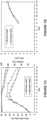
- the batch N-1 culture reached peak VCD of only 15 ⁇ 10 6 cells per mL and failed to maintain high cell viability near the end of the culture period ( Figure 1A ).
- the batch N-1 culture with glucose enrichment reached VCD of 17 ⁇ 10 6 cells per mL and maintained >99% cell viability ( Figure 1A ).
- both the fed-batch N-1 and batch N-1 with glucose and nutrient enrichments grew to >20 ⁇ 10 6 cells per mL on day 6 and viabilities were maintained at >99% ( Figures 1A and 1B ).
- the cells in perfusion N-1 culture grew to 44 ⁇ 10 6 cells per mL on day 6 and viability was >99% ( Figures 1A and 1B ).
- the N production culture was inoculated at high seed density of 5 ⁇ 10 6 cells per mL for 14 days. Daily feed was started on day 2 at a feeding volume of 3.5% of culture volume. Dissolved oxygen (DO) was maintained at 40% and pH was controlled between 6.8 and 7.6. Temperature was initially maintained at 36.5°C and shifted to 34°C on day 4.
- DO Dissolved oxygen
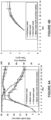
- Figure 2A demonstrates that all production cultures maintained >90% cell viability over the entire culture period.
- the perfusion seed culture had a maximum viable cell density of 22 ⁇ 10 6 cells per mL compared to 17 ⁇ 10 6 cells per mL for fed-batch seed culture and batch seed cultures with either enriched glucose or enriched glucose and nutrients ( Figure 2A ).
- the titer for the polypeptide-1 from the perfusion seed culture was approximately 9.3 g/L, while the fed-batch seed culture had a titer of approximately 9 g/L ( Figure 2B ).
- the titer of the polypeptide of interest from the batch seed enriched with either glucose or glucose and nutrients was approximately 8.5 g/L and 9 g/L, respectively.
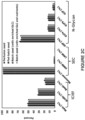
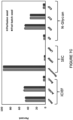
- Figure 2C shows that quality attributes such as iCIEF, SEC, and N-glycan were similar for all N production conditions regardless of different N-1 seeds.
- the N-1 cultures were grown in batch, batch with glucose enrichment, batch with glucose and nutrient enrichments, fed-batch or perfusion mode.
- the batch N-1 culture reached peak VCD of only 24.5 ⁇ 10 6 cells per mL and failed to maintain high viability ( Figures 3A and 3B ).
- the batch N-1 cultures enriched with glucose alone or enriched with both glucose and nutrients reached ⁇ 25.5 ⁇ 10 6 viable cells per mL and maintained ⁇ 99% cell viability ( Figures 3A and 3B ).
- the fed-batch N-1 cultures grew to ⁇ 30 ⁇ 10 6 viable cells per mL on day 5 and viabilities were maintained at ⁇ 99% ( Figures 3A and 3B ).
- the cells in perfusion N-1 culture grew to 41 ⁇ 10 6 cells per mL on day 5 and viability was ⁇ 99% ( Figures 3A and 3B ).
- the production culture was inoculated at high seed density of 3 ⁇ 10 6 cells per mL for 14 days. Daily feed was started on day 2 at a feeding volume of 3.1% of culture volume. Dissolved oxygen (DO) was maintained at 40% and pH was controlled between 6.7 and 7.6. Temperature was maintained at 36.5°C.
- DO Dissolved oxygen
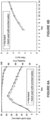
- Figure 4A demonstrates that all production cultures maintained >90% cell viability over the entire culture period.
- the perfusion seed culture had a maximum viable cell density approximately 26 ⁇ 10 6 cells per mL compared to only approximately 24 ⁇ 10 6 cells per mL for fed-batch and batch seed cultures with either enriched glucose or enriched glucose and nutrients ( Figure 4A ).
- the titer of the polypeptide of interest from the perfusion and batch seed (with enriched glucose and nutrients) cultures was approximately 3.2 g/L, while the batch and fed-batch seed cultures had a titer of approximately 3 g/L ( Figure 4B ).
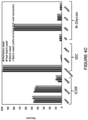
- Figure 4C shows that quality attributes such as iCIEF, SEC, and N-glycan were similar for all N production conditions regardless of different N-1 seeds.
- the N-1 cultures were grown in batch, batch with glucose enrichment, batch with glucose and nutrient enrichments, fed-batch or perfusion mode.
- the batch N-1 culture reached peak VCD of only 26 ⁇ 10 6 cells per mL and failed to maintain high viability ( Figures 5A and 5B ).
- the batch N-1 cultures enriched with glucose alone or enriched with both glucose and nutrients reached ⁇ 30 ⁇ 10 6 viable cells per mL and maintained ⁇ 99% cell viability ( Figures 5A and 5B ).
- the fed-batch N-1 cultures grew to ⁇ 33 ⁇ 10 6 viable cells per mL on day 5 and viabilities were maintained at ⁇ 99% ( Figures 5A and 5B ).
- the cells in perfusion N-1 culture grew to 62 ⁇ 10 6 cells per mL on day 5 and viability was ⁇ 99% ( Figures 5A and 5B ).
- the production culture was initiated at high seed density of 6 ⁇ 10 6 cells per mL for 14 days. Daily feed was started on day 2 at a feeding volume of 5% of culture volume D2-10 and then 3.3% of initial culture volume D11-13. Feeding was performed twice a day at half the amount indicated. Dissolved oxygen (DO) was maintained at 40% and pH was controlled between 6.8 and 7.3. Temperature was initially maintained at 36.5°C and shifted to 33°C on day 6.
- DO Dissolved oxygen
- Figure 6A demonstrates that all production cultures maintained >80% cell viability over the entire culture period.
- the fed-batch seed and batch (with enriched glucose and nutrients) seed cultures had a maximum viable cell density approximately 27 ⁇ 10 6 cells per mL ( Figure 6A ).
- the titer of the polypeptide of interest from the fed-batch and batch (with enriched glucose and nutrients) seed cultures was approximately 4.3 g/L ( Figure 6B ).
- Figure 6C shows that quality attributes such as iCIEF, SEC, and N-glycan were similar for all N production conditions regardless of different N-1 seeds.
- the production culture was initiated at high seed density of 6 ⁇ 10 6 cells per mL for 14 days. Daily feed was started on day 1 at a feeding volume of 3.7% of culture volume. Dissolved oxygen (DO) was maintained at 40% and pH was controlled between 6.8 and 7.3. Temperature was initially maintained at 36.5°C and shifted to 33°C on day 6.
- DO Dissolved oxygen
- Figure 7A demonstrates that all production cultures maintained >80% cell viability over the entire culture period.
- the perfusion seed culture had a maximum viable cell density of approximately 33 ⁇ 10 6 cells per mL, while the fed-batch seed culture had a maximum viable cell density approximately 30 ⁇ 10 6 cells per mL ( Figure 7A ).
- the titer of the polypeptide of interest from the perfusion and fed-batch seed cultures was approximately 7 g/L ( Figure 7B ).
- Figure 7C shows that quality attributes such as iCIEF, SEC, and N-glycan were similar for all N production conditions regardless of different N-1 seeds.
Landscapes
- Health & Medical Sciences (AREA)
- Life Sciences & Earth Sciences (AREA)
- Chemical & Material Sciences (AREA)
- Organic Chemistry (AREA)
- Engineering & Computer Science (AREA)
- Genetics & Genomics (AREA)
- Biotechnology (AREA)
- Biomedical Technology (AREA)
- Wood Science & Technology (AREA)
- Zoology (AREA)
- Bioinformatics & Cheminformatics (AREA)
- General Health & Medical Sciences (AREA)
- Biochemistry (AREA)
- General Engineering & Computer Science (AREA)
- Molecular Biology (AREA)
- Microbiology (AREA)
- Biophysics (AREA)
- Proteomics, Peptides & Aminoacids (AREA)
- Immunology (AREA)
- Medicinal Chemistry (AREA)
- Cell Biology (AREA)
- Chemical Kinetics & Catalysis (AREA)
- General Chemical & Material Sciences (AREA)
- Physics & Mathematics (AREA)
- Plant Pathology (AREA)
- Preparation Of Compounds By Using Micro-Organisms (AREA)
- Micro-Organisms Or Cultivation Processes Thereof (AREA)
- Peptides Or Proteins (AREA)
Applications Claiming Priority (3)
| Application Number | Priority Date | Filing Date | Title |
|---|---|---|---|
| US201862693606P | 2018-07-03 | 2018-07-03 | |
| PCT/US2019/040298 WO2020010080A1 (en) | 2018-07-03 | 2019-07-02 | Methods of producing recombinant proteins |
| EP19745845.8A EP3818078B1 (de) | 2018-07-03 | 2019-07-02 | Verfahren zur herstellung rekombinanter proteine |
Related Parent Applications (2)
| Application Number | Title | Priority Date | Filing Date |
|---|---|---|---|
| EP19745845.8A Division EP3818078B1 (de) | 2018-07-03 | 2019-07-02 | Verfahren zur herstellung rekombinanter proteine |
| EP19745845.8A Division-Into EP3818078B1 (de) | 2018-07-03 | 2019-07-02 | Verfahren zur herstellung rekombinanter proteine |
Publications (2)
| Publication Number | Publication Date |
|---|---|
| EP4368699A2 true EP4368699A2 (de) | 2024-05-15 |
| EP4368699A3 EP4368699A3 (de) | 2024-09-11 |
Family
ID=67470657
Family Applications (2)
| Application Number | Title | Priority Date | Filing Date |
|---|---|---|---|
| EP19745845.8A Active EP3818078B1 (de) | 2018-07-03 | 2019-07-02 | Verfahren zur herstellung rekombinanter proteine |
| EP24153543.4A Pending EP4368699A3 (de) | 2018-07-03 | 2019-07-02 | Verfahren zur herstellung rekombinanter proteine |
Family Applications Before (1)
| Application Number | Title | Priority Date | Filing Date |
|---|---|---|---|
| EP19745845.8A Active EP3818078B1 (de) | 2018-07-03 | 2019-07-02 | Verfahren zur herstellung rekombinanter proteine |
Country Status (23)
| Country | Link |
|---|---|
| US (2) | US20210253996A1 (de) |
| EP (2) | EP3818078B1 (de) |
| JP (3) | JP7419273B2 (de) |
| KR (2) | KR20250153311A (de) |
| CN (1) | CN112839954A (de) |
| AU (1) | AU2019299358B2 (de) |
| CA (1) | CA3104684A1 (de) |
| DK (1) | DK3818078T3 (de) |
| EA (1) | EA202092904A1 (de) |
| ES (1) | ES2976708T3 (de) |
| FI (1) | FI3818078T3 (de) |
| HR (1) | HRP20240584T1 (de) |
| HU (1) | HUE066560T2 (de) |
| IL (2) | IL324666A (de) |
| LT (1) | LT3818078T (de) |
| MX (1) | MX2020013633A (de) |
| PL (1) | PL3818078T3 (de) |
| PT (1) | PT3818078T (de) |
| RS (1) | RS65472B1 (de) |
| SG (1) | SG11202012582QA (de) |
| SI (1) | SI3818078T1 (de) |
| SM (1) | SMT202400173T1 (de) |
| WO (1) | WO2020010080A1 (de) |
Families Citing this family (4)
| Publication number | Priority date | Publication date | Assignee | Title |
|---|---|---|---|---|
| DK181991B1 (en) * | 2021-11-11 | 2025-05-15 | Dsm Ip Assets Bv | Combined fermentation process for producing one or more human milk oligosaccharide(s) (hmo(s)) in escherichia coli |
| WO2023242238A1 (en) * | 2022-06-15 | 2023-12-21 | UCB Biopharma SRL | Cell culture processes |
| EP4339274B1 (de) | 2022-09-13 | 2025-03-26 | Sartorius Stedim Biotech GmbH | Verfahren zum betreiben einer bioprozessanlage zur herstellung eines bioprodukts |
| KR20240172522A (ko) * | 2023-06-01 | 2024-12-10 | (주)알테오젠 | 지속형 호르몬 수용체 길항제의 생산 방법 |
Citations (24)
| Publication number | Priority date | Publication date | Assignee | Title |
|---|---|---|---|---|
| US4515893A (en) | 1979-04-26 | 1985-05-07 | Ortho Pharmaceutical Corporation | Hybrid cell line for producing complement-fixing monoclonal antibody to human T cells |
| EP0420937A1 (de) | 1988-06-21 | 1991-04-10 | Genentech Inc | Therapeutische zusammensetzungen für die behandlung von myocard-infarkten. |
| US5091313A (en) | 1988-08-05 | 1992-02-25 | Tanox Biosystems, Inc. | Antigenic epitopes of IgE present on B cell but not basophil surface |
| WO1993004173A1 (en) | 1991-08-14 | 1993-03-04 | Genentech, Inc. | Immunoglobulin variants for specific fc epsilon receptors |
| WO1995019181A1 (en) | 1994-01-18 | 1995-07-20 | Genentech, Inc. | A METHOD OF TREATMENT OF PARASITIC INFECTION USING IgE ANTAGONISTS |
| WO1995023865A1 (en) | 1994-03-03 | 1995-09-08 | Genentech, Inc. | Anti-il-8 monoclonal antibodies for treatment of inflammatory disorders |
| WO1996030046A1 (en) | 1995-03-30 | 1996-10-03 | Genentech, Inc. | Vascular endothelial cell growth factor antagonists |
| WO1996040210A1 (en) | 1995-06-07 | 1996-12-19 | Imclone Systems Incorporated | Antibody and antibody fragments for inhibiting the growth of tumors |
| US5622700A (en) | 1992-08-21 | 1997-04-22 | Genentech, Inc. | Method for treating a LFA-1-mediated disorder |
| WO1997026912A2 (en) | 1996-01-23 | 1997-07-31 | Genentech, Inc. | Anti-cd18 antibodies for use against stroke |
| US5672347A (en) | 1984-07-05 | 1997-09-30 | Genentech, Inc. | Tumor necrosis factor antagonists and their use |
| US5693762A (en) | 1988-12-28 | 1997-12-02 | Protein Design Labs, Inc. | Humanized immunoglobulins |
| US5714338A (en) | 1993-12-10 | 1998-02-03 | Genentech, Inc. | Methods for diagnosis of allergy |
| WO1998006248A2 (en) | 1996-08-15 | 1998-02-19 | Leukosite, Inc. | HUMANIZED IMMUNOGLOBULIN REACTIVE WITH α4β7 INTEGRIN |
| US5721108A (en) | 1987-01-08 | 1998-02-24 | Xoma Corporation | Chimeric antibody with specificity to human B cell surface antigen |
| US5725856A (en) | 1988-01-12 | 1998-03-10 | Genentech, Inc. | Monoclonal antibodies directed to the HER2 receptor |
| US5736137A (en) | 1992-11-13 | 1998-04-07 | Idec Pharmaceuticals Corporation | Therapeutic application of chimeric and radiolabeled antibodies to human B lymphocyte restricted differentiation antigen for treatment of B cell lymphoma |
| WO1998023761A1 (en) | 1996-11-27 | 1998-06-04 | Genentech, Inc. | HUMANIZED ANTI-CD11a ANTIBODIES |
| WO1998045331A2 (en) | 1997-04-07 | 1998-10-15 | Genentech, Inc. | Anti-vegf antibodies |
| WO1998051793A1 (en) | 1997-05-15 | 1998-11-19 | Genentech, Inc. | Apo-2 RECEPTOR |
| WO2000075348A1 (en) | 1999-06-08 | 2000-12-14 | Seattle Genetics, Inc. | Recombinant anti-cd40 antibody and uses thereof |
| WO2001040309A2 (en) | 1999-10-29 | 2001-06-07 | Genentech, Inc. | Anti-prostate stem cell antigen (psca) antibody compositions and methods of use |
| WO2015095809A1 (en) * | 2013-12-20 | 2015-06-25 | Biogen Idec Ma Inc. | Use of perfusion seed cultures to improve biopharmaceutical fed-batch production capacity and product quality |
| US9813410B2 (en) | 2014-06-26 | 2017-11-07 | Rakuten, Inc. | Information processing apparatus, information processing method, and information processing program |
Family Cites Families (6)
| Publication number | Priority date | Publication date | Assignee | Title |
|---|---|---|---|---|
| US7335491B2 (en) * | 2004-08-27 | 2008-02-26 | Wyeth Research Ireland Limited | Production of anti-abeta |
| AU2007294731B2 (en) * | 2006-09-13 | 2014-04-17 | Abbvie Inc. | Cell culture improvements |
| HUE042314T2 (hu) | 2011-02-07 | 2019-06-28 | Cerenis Therapeutics Holding Sa | Lipoprotein komplexek és azok gyártása és alkalmazásai |
| PT2837680T (pt) * | 2011-07-01 | 2020-04-17 | Amgen Inc | Cultura celular de mamífero |
| MA40021A (fr) * | 2014-06-03 | 2015-12-10 | Lupin Ltd | Processus de culture cellulaire destiné à produire une protéine |
| AU2015269365A1 (en) * | 2014-06-04 | 2016-12-15 | Amgen Inc. | Methods for harvesting mammalian cell cultures |
-
2019
- 2019-07-02 HR HRP20240584TT patent/HRP20240584T1/hr unknown
- 2019-07-02 AU AU2019299358A patent/AU2019299358B2/en active Active
- 2019-07-02 KR KR1020257033442A patent/KR20250153311A/ko active Pending
- 2019-07-02 HU HUE19745845A patent/HUE066560T2/hu unknown
- 2019-07-02 US US17/252,163 patent/US20210253996A1/en active Pending
- 2019-07-02 CA CA3104684A patent/CA3104684A1/en active Pending
- 2019-07-02 ES ES19745845T patent/ES2976708T3/es active Active
- 2019-07-02 WO PCT/US2019/040298 patent/WO2020010080A1/en not_active Ceased
- 2019-07-02 JP JP2020573229A patent/JP7419273B2/ja active Active
- 2019-07-02 MX MX2020013633A patent/MX2020013633A/es unknown
- 2019-07-02 FI FIEP19745845.8T patent/FI3818078T3/fi active
- 2019-07-02 EA EA202092904A patent/EA202092904A1/ru unknown
- 2019-07-02 CN CN201980044908.3A patent/CN112839954A/zh active Pending
- 2019-07-02 IL IL324666A patent/IL324666A/en unknown
- 2019-07-02 LT LTEPPCT/US2019/040298T patent/LT3818078T/lt unknown
- 2019-07-02 PL PL19745845.8T patent/PL3818078T3/pl unknown
- 2019-07-02 EP EP19745845.8A patent/EP3818078B1/de active Active
- 2019-07-02 SG SG11202012582QA patent/SG11202012582QA/en unknown
- 2019-07-02 PT PT197458458T patent/PT3818078T/pt unknown
- 2019-07-02 DK DK19745845.8T patent/DK3818078T3/da active
- 2019-07-02 SM SM20240173T patent/SMT202400173T1/it unknown
- 2019-07-02 KR KR1020217003056A patent/KR102870511B1/ko active Active
- 2019-07-02 SI SI201930722T patent/SI3818078T1/sl unknown
- 2019-07-02 EP EP24153543.4A patent/EP4368699A3/de active Pending
- 2019-07-02 RS RS20240475A patent/RS65472B1/sr unknown
-
2020
- 2020-12-25 IL IL279782A patent/IL279782B1/en unknown
-
2024
- 2024-01-10 JP JP2024001657A patent/JP2024050590A/ja active Pending
-
2025
- 2025-01-17 US US19/030,272 patent/US20250171732A1/en active Pending
- 2025-12-12 JP JP2025247705A patent/JP2026048825A/ja active Pending
Patent Citations (24)
| Publication number | Priority date | Publication date | Assignee | Title |
|---|---|---|---|---|
| US4515893A (en) | 1979-04-26 | 1985-05-07 | Ortho Pharmaceutical Corporation | Hybrid cell line for producing complement-fixing monoclonal antibody to human T cells |
| US5672347A (en) | 1984-07-05 | 1997-09-30 | Genentech, Inc. | Tumor necrosis factor antagonists and their use |
| US5721108A (en) | 1987-01-08 | 1998-02-24 | Xoma Corporation | Chimeric antibody with specificity to human B cell surface antigen |
| US5725856A (en) | 1988-01-12 | 1998-03-10 | Genentech, Inc. | Monoclonal antibodies directed to the HER2 receptor |
| EP0420937A1 (de) | 1988-06-21 | 1991-04-10 | Genentech Inc | Therapeutische zusammensetzungen für die behandlung von myocard-infarkten. |
| US5091313A (en) | 1988-08-05 | 1992-02-25 | Tanox Biosystems, Inc. | Antigenic epitopes of IgE present on B cell but not basophil surface |
| US5693762A (en) | 1988-12-28 | 1997-12-02 | Protein Design Labs, Inc. | Humanized immunoglobulins |
| WO1993004173A1 (en) | 1991-08-14 | 1993-03-04 | Genentech, Inc. | Immunoglobulin variants for specific fc epsilon receptors |
| US5622700A (en) | 1992-08-21 | 1997-04-22 | Genentech, Inc. | Method for treating a LFA-1-mediated disorder |
| US5736137A (en) | 1992-11-13 | 1998-04-07 | Idec Pharmaceuticals Corporation | Therapeutic application of chimeric and radiolabeled antibodies to human B lymphocyte restricted differentiation antigen for treatment of B cell lymphoma |
| US5714338A (en) | 1993-12-10 | 1998-02-03 | Genentech, Inc. | Methods for diagnosis of allergy |
| WO1995019181A1 (en) | 1994-01-18 | 1995-07-20 | Genentech, Inc. | A METHOD OF TREATMENT OF PARASITIC INFECTION USING IgE ANTAGONISTS |
| WO1995023865A1 (en) | 1994-03-03 | 1995-09-08 | Genentech, Inc. | Anti-il-8 monoclonal antibodies for treatment of inflammatory disorders |
| WO1996030046A1 (en) | 1995-03-30 | 1996-10-03 | Genentech, Inc. | Vascular endothelial cell growth factor antagonists |
| WO1996040210A1 (en) | 1995-06-07 | 1996-12-19 | Imclone Systems Incorporated | Antibody and antibody fragments for inhibiting the growth of tumors |
| WO1997026912A2 (en) | 1996-01-23 | 1997-07-31 | Genentech, Inc. | Anti-cd18 antibodies for use against stroke |
| WO1998006248A2 (en) | 1996-08-15 | 1998-02-19 | Leukosite, Inc. | HUMANIZED IMMUNOGLOBULIN REACTIVE WITH α4β7 INTEGRIN |
| WO1998023761A1 (en) | 1996-11-27 | 1998-06-04 | Genentech, Inc. | HUMANIZED ANTI-CD11a ANTIBODIES |
| WO1998045331A2 (en) | 1997-04-07 | 1998-10-15 | Genentech, Inc. | Anti-vegf antibodies |
| WO1998051793A1 (en) | 1997-05-15 | 1998-11-19 | Genentech, Inc. | Apo-2 RECEPTOR |
| WO2000075348A1 (en) | 1999-06-08 | 2000-12-14 | Seattle Genetics, Inc. | Recombinant anti-cd40 antibody and uses thereof |
| WO2001040309A2 (en) | 1999-10-29 | 2001-06-07 | Genentech, Inc. | Anti-prostate stem cell antigen (psca) antibody compositions and methods of use |
| WO2015095809A1 (en) * | 2013-12-20 | 2015-06-25 | Biogen Idec Ma Inc. | Use of perfusion seed cultures to improve biopharmaceutical fed-batch production capacity and product quality |
| US9813410B2 (en) | 2014-06-26 | 2017-11-07 | Rakuten, Inc. | Information processing apparatus, information processing method, and information processing program |
Non-Patent Citations (22)
| Title |
|---|
| BIRD ET AL., SCIENCE, vol. 242, 1988, pages 423 - 426 |
| CARTER ET AL., PROC. NATL. ACAD. SCI. USA, vol. 89, 1992, pages 4285 - 4289 |
| CERIANI ET AL., CANCER RES., vol. 55, no. 23, pages 5852s - 5856s |
| CHOY ET AL., ARTHRITIS RHEUM, vol. 39, no. 1, 1996, pages 52 - 56 |
| DHAINAUT ET AL., CRIT. CARE MED., vol. 23, no. 9, 1995, pages 1461 - 1469 |
| GRAHAM ET AL., J. GEN VIROL., vol. 36, 1977, pages 59 |
| GRAZIANO ET AL., J. IMMUNOL., vol. 155, no. 10, 1995, pages 4996 - 5002 |
| HOURMANT ET AL., TRANSPLANTATION, vol. 58, 1994, pages 377 - 380 |
| HUSTON ET AL., PROC. NATL. ACAD. SCI. USA, vol. 85, 1988, pages 5879 - 5883 |
| JUWEID ET AL., CANCER RES, vol. 55, 1995, pages 5899s - 5907s |
| KIM ET AL., GROWTH FACTORS, vol. 7, 1992, pages 53 - 64 |
| LITTON ET AL., EUR J. IMMUNOL., vol. 26, no. 1, 1996, pages 1 - 9 |
| LORENZ ET AL., J. IMMUNOL., vol. 156, no. 4, 1996, pages 1646 - 1653 |
| MATHER ET AL., ANNALS N.Y. ACAD. SCI., vol. 383, 1982, pages 44 - 68 |
| MATHER, BIOL. REPROD., vol. 23, 1980, pages 243 - 251 |
| PRESTA ET AL., J. IMMUNOL., vol. 151, 1993, pages 2623 - 2632 |
| RICHMAN ET AL., CANCER RES., vol. 55, 1995, pages 5916s - 5920s |
| RIECHMANN ET AL., NATURE, vol. 332, 1988, pages 323 - 337 |
| ST JOHN ET AL., CHEST, vol. 103, 1993, pages 932 |
| STEPPE ET AL., TRANSPLANT INTL, vol. 4, 1991, pages 3 - 7 |
| URLAUBCHASIN, PROC. NATL. ACAD. SCI. USA, vol. 77, 1980, pages 4216 |
| WARD ET AL., NATURE, vol. 341, 1989, pages 544 - 546 |
Also Published As
Similar Documents
| Publication | Publication Date | Title |
|---|---|---|
| US20250171732A1 (en) | Methods of producing recombinant proteins | |
| US20220315887A1 (en) | Methods of improving protein productivity in fed-batch cell cultures | |
| JP2026032016A (ja) | 哺乳動物細胞培養プロセス | |
| US11242510B2 (en) | Mammalian cells devoid of lactate dehydrogenase activity | |
| US20090142805A1 (en) | High expression cell line that eliminates gene amplification | |
| US12486525B2 (en) | Methods for increasing productivity of therapeutic proteins | |
| EA048403B1 (ru) | Способы получения рекомбинантных белков | |
| US20250115666A1 (en) | Cell culture methods for producing therapeutic proteins | |
| BR112020025623B1 (pt) | Método para a produção, em grande escala, de um polipeptídeo recombinante de interesse | |
| CN115916814A (zh) | 细胞培养方法 | |
| HK40002355A (en) | Methods of decreasing trisulfide bonds during recombinant production of polypeptides |
Legal Events
| Date | Code | Title | Description |
|---|---|---|---|
| PUAI | Public reference made under article 153(3) epc to a published international application that has entered the european phase |
Free format text: ORIGINAL CODE: 0009012 |
|
| STAA | Information on the status of an ep patent application or granted ep patent |
Free format text: STATUS: THE APPLICATION HAS BEEN PUBLISHED |
|
| AC | Divisional application: reference to earlier application |
Ref document number: 3818078 Country of ref document: EP Kind code of ref document: P |
|
| AK | Designated contracting states |
Kind code of ref document: A2 Designated state(s): AL AT BE BG CH CY CZ DE DK EE ES FI FR GB GR HR HU IE IS IT LI LT LU LV MC MK MT NL NO PL PT RO RS SE SI SK SM TR |
|
| REG | Reference to a national code |
Ref country code: DE Ref legal event code: R079 Free format text: PREVIOUS MAIN CLASS: C12N0005000000 Ipc: C07K0016000000 |
|
| PUAL | Search report despatched |
Free format text: ORIGINAL CODE: 0009013 |
|
| AK | Designated contracting states |
Kind code of ref document: A3 Designated state(s): AL AT BE BG CH CY CZ DE DK EE ES FI FR GB GR HR HU IE IS IT LI LT LU LV MC MK MT NL NO PL PT RO RS SE SI SK SM TR |
|
| RIC1 | Information provided on ipc code assigned before grant |
Ipc: C12N 5/00 20060101ALI20240806BHEP Ipc: C07K 16/00 20060101AFI20240806BHEP |
|
| STAA | Information on the status of an ep patent application or granted ep patent |
Free format text: STATUS: REQUEST FOR EXAMINATION WAS MADE |
|
| 17P | Request for examination filed |
Effective date: 20250311 |
|
| STAA | Information on the status of an ep patent application or granted ep patent |
Free format text: STATUS: EXAMINATION IS IN PROGRESS |
|
| 17Q | First examination report despatched |
Effective date: 20260223 |