EP4371976A1 - Lipides ionisables et nanoparticules lipidiques les contenant - Google Patents
Lipides ionisables et nanoparticules lipidiques les contenant Download PDFInfo
- Publication number
- EP4371976A1 EP4371976A1 EP22383119.9A EP22383119A EP4371976A1 EP 4371976 A1 EP4371976 A1 EP 4371976A1 EP 22383119 A EP22383119 A EP 22383119A EP 4371976 A1 EP4371976 A1 EP 4371976A1
- Authority
- EP
- European Patent Office
- Prior art keywords
- lipid
- glycero
- rna
- linear
- phosphocholine
- Prior art date
- Legal status (The legal status is an assumption and is not a legal conclusion. Google has not performed a legal analysis and makes no representation as to the accuracy of the status listed.)
- Pending
Links
Images


Classifications
-
- A—HUMAN NECESSITIES
- A61—MEDICAL OR VETERINARY SCIENCE; HYGIENE
- A61K—PREPARATIONS FOR MEDICAL, DENTAL OR TOILETRY PURPOSES
- A61K9/00—Medicinal preparations characterised by special physical form
- A61K9/48—Preparations in capsules, e.g. of gelatin, of chocolate
- A61K9/50—Microcapsules having a gas, liquid or semi-solid filling; Solid microparticles or pellets surrounded by a distinct coating layer, e.g. coated microspheres, coated drug crystals
- A61K9/51—Nanocapsules; Nanoparticles
- A61K9/5107—Excipients; Inactive ingredients
- A61K9/5123—Organic compounds, e.g. fats, sugars
-
- A—HUMAN NECESSITIES
- A61—MEDICAL OR VETERINARY SCIENCE; HYGIENE
- A61P—SPECIFIC THERAPEUTIC ACTIVITY OF CHEMICAL COMPOUNDS OR MEDICINAL PREPARATIONS
- A61P1/00—Drugs for disorders of the alimentary tract or the digestive system
-
- C—CHEMISTRY; METALLURGY
- C07—ORGANIC CHEMISTRY
- C07C—ACYCLIC OR CARBOCYCLIC COMPOUNDS
- C07C323/00—Thiols, sulfides, hydropolysulfides or polysulfides substituted by halogen, oxygen or nitrogen atoms, or by sulfur atoms not being part of thio groups
- C07C323/50—Thiols, sulfides, hydropolysulfides or polysulfides substituted by halogen, oxygen or nitrogen atoms, or by sulfur atoms not being part of thio groups containing thio groups and carboxyl groups bound to the same carbon skeleton
- C07C323/51—Thiols, sulfides, hydropolysulfides or polysulfides substituted by halogen, oxygen or nitrogen atoms, or by sulfur atoms not being part of thio groups containing thio groups and carboxyl groups bound to the same carbon skeleton having the sulfur atoms of the thio groups bound to acyclic carbon atoms of the carbon skeleton
- C07C323/52—Thiols, sulfides, hydropolysulfides or polysulfides substituted by halogen, oxygen or nitrogen atoms, or by sulfur atoms not being part of thio groups containing thio groups and carboxyl groups bound to the same carbon skeleton having the sulfur atoms of the thio groups bound to acyclic carbon atoms of the carbon skeleton the carbon skeleton being acyclic and saturated
-
- C—CHEMISTRY; METALLURGY
- C07—ORGANIC CHEMISTRY
- C07D—HETEROCYCLIC COMPOUNDS
- C07D233/00—Heterocyclic compounds containing 1,3-diazole or hydrogenated 1,3-diazole rings, not condensed with other rings
- C07D233/54—Heterocyclic compounds containing 1,3-diazole or hydrogenated 1,3-diazole rings, not condensed with other rings having two double bonds between ring members or between ring members and non-ring members
- C07D233/56—Heterocyclic compounds containing 1,3-diazole or hydrogenated 1,3-diazole rings, not condensed with other rings having two double bonds between ring members or between ring members and non-ring members with only hydrogen atoms or radicals containing only hydrogen and carbon atoms, attached to ring carbon atoms
- C07D233/61—Heterocyclic compounds containing 1,3-diazole or hydrogenated 1,3-diazole rings, not condensed with other rings having two double bonds between ring members or between ring members and non-ring members with only hydrogen atoms or radicals containing only hydrogen and carbon atoms, attached to ring carbon atoms with hydrocarbon radicals, substituted by nitrogen atoms not forming part of a nitro radical, attached to ring nitrogen atoms
-
- C—CHEMISTRY; METALLURGY
- C12—BIOCHEMISTRY; BEER; SPIRITS; WINE; VINEGAR; MICROBIOLOGY; ENZYMOLOGY; MUTATION OR GENETIC ENGINEERING
- C12N—MICROORGANISMS OR ENZYMES; COMPOSITIONS THEREOF; PROPAGATING, PRESERVING, OR MAINTAINING MICROORGANISMS; MUTATION OR GENETIC ENGINEERING; CULTURE MEDIA
- C12N15/00—Mutation or genetic engineering; DNA or RNA concerning genetic engineering, vectors, e.g. plasmids, or their isolation, preparation or purification; Use of hosts therefor
Definitions
- the present disclosure relates to ionizable lipids and to lipid nanoparticles (LNPs) comprising said ionizable lipids.
- LNPs lipid nanoparticles
- These LNPs can be used as non-viral vectors for the delivery of active ingredients, including polynucleotides, to cells.
- RNA in gene therapy and vaccination is generally considered safer than the use of DNA, since RNA does not involve the risk of being stably integrated into the genome of the transfected cell. In addition, RNA degrades more easily in vivo, and therefore the risk of generating undesired anti-RNA antibodies that would reduce therapy efficacy and could produce very serious side effects is lower.
- Two of the main limitations of RNA-based therapies are the low transfection rates and the limited protein production efficiency. To compensate these, the dosage is increased in order to obtain the desirable therapeutic effects. Consequently, a higher dose also means elevated costs and some undesirable side effects observed.
- LNPs lipid nanoparticles
- a cationic or an ionizable lipid a structural lipid which is a sterol such as cholesterol, a PEG-modified lipid, and a non-cationic lipid such as a phospholipid.
- ionizable lipids are crucial in LNPs.
- Ionizable lipid properties have a great impact on the protection of the genetic material encapsulated inside the LNP, as they allow the structure and physicochemical properties of the genetic material to be maintained until the LNP reaches the target (e.g. a tissue, a cell) where the genetic material is to be released.
- the target e.g. a tissue, a cell
- Ionizable lipids usually present the following general structure: Lipophilic moiety----linking group----bridge---- Hydrophilic moiety
- the hydrophilic moiety comprises an ionizable amine, a functional group where a change in pH influences its formal charge.
- ester groups easily hydrolysable by enzymes, facilitates the degradation of the ionizable lipid once the genetic material has been released into the tissue/cell of interest, what improves its biocompatibility and biodegradability.
- the proximity of ester groups to the hydrophilic moiety has also been described to have a great impact on the potency of the lipid.
- Moderna uses the SM-102 lipid in its SARS-CoV-2 vaccine formulation (Spikevax) and Pfizer has licensed ALC-0315 from Acuitas for theirs (Comirnaty).
- the present inventors have developed a new ionizable lipid that allows obtaining lipid nanoparticles (LNPs) that can be effectively used as non-viral vectors for delivery of active ingredients, including polynucleotides, to cells.
- LNPs lipid nanoparticles
- LNPs comprising the ionizable lipid of the present disclosure show enhanced/improved transfection rates.
- ionizable lipids of Formula (I) comprising at least one amide moiety, at least one ester moiety, at least one thioether moiety, at least one stereogenic center and a polar head R3, and two substituents R1 and R2, wherein R1, R2 and R3 are as defined in the present disclosure, are particularly useful in the preparation of LNPs encapsulating an active agent.
- the present inventors have found that transfection rates in vivo of LNP prepared with the ionizable lipids of Formula (I) and comprising an active agent are unexpectedly high compared to other commercial or standard compositions known in the art.
- the ionizable lipids of the present disclosure provide a new tool to overcome some of the limitations of known LNPs.
- the higher transfection efficiency of the LNPs of the present disclosure may allow reducing the therapeutic dose of polynucleotide, such as RNA, required in gene therapy and vaccination, which may help to reduce the associated secondary effects.
- polynucleotide such as RNA
- the LNPs of the present disclosure show good thermal and mechanical properties, and have demonstrated that their transfection efficiency in vivo remains even three months after being stored at 4 °C without further precautions, meaning a long shelf life under normal refrigeration conditions, and which could be extended at lower temperatures (e.g. at domestic freezer temperatures between -25 °C to -15°C or could be frozen at lower temperatures of up to -90 °C).
- a first aspect of the present disclosure relates to an ionizable lipid of formula (I): or a pharmaceutically acceptable salt thereof, or a stereoisomer of any one of them, wherein
- Another aspect of the invention relates to a LNP comprising an ionizable lipid of formula (I) as defined herein.
- the LNP of the present disclosure can further comprise a pharmaceutically active agent and, as such, be formulated in a pharmaceutical with excipients and carriers.
- compositions comprising the LNP comprising a pharmaceutically active agent as defined herein and a pharmaceutically acceptable excipient or carrier.
- the LNP comprising a pharmaceutically active agent or the pharmaceutical composition of the present disclosure may be used in medicinal applications.
- another aspect of the invention relates to the LNP comprising a pharmaceutically active agent or the pharmaceutical composition of the present disclosure for use in medicine, particularly for use in a method for treating a disease or disorder in a subject in need thereof; or for use in a method of inducing an immune response in a subject, for use in a method for the therapeutic immunization of a subject, for use as a vaccine, or for use in gene therapy.
- the method comprises administering to the subject a therapeutically effective amount of the nanoparticle composition or of the pharmaceutical composition.
- Another aspect of the invention relates to the use of the LNP as defined herein as an encapsulation agent for an active ingredient.
- moiety refers to a specific segment or functional group of a molecule or compound.
- subject refers to any mammal, including both human and non-human mammals.
- C1-C# alkyl refers to saturated linear or branched hydrocarbon which contains from 1 to # carbon atoms, and which is optionally substituted.
- alkyl groups include, without being limited to, methyl, ethyl, n-propyl, isopropyl, n-butyl, sec-butyl, tert-butyl, pentyl, neopentyl, n-hexyl, decyl, isodecyl, undecyl, dodecyl, tetradecyl, and hexadecyl.
- C2-C# alkenyl refers to an unsaturated linear or branched hydrocarbon chain which comprises from 2 to # carbon atoms and at least one or more double bonds, and which is optionally substituted.
- alkenyl groups may include without limitation ethenyl (i.e. vinyl), allyl, propenyl, butenyl, pentenyl and hexenyl, dodecenyl, tetradecenyl and hexadecenyl.
- C2-C# alkynyl refers to an unsaturated linear or branched hydrocarbon chain which comprises from 2 to # carbon atoms and at least one or more triple bonds, and which is optionally substituted.
- alkynyl groups include, without being limited to, ethynyl, prop-1-ynyl, prop-2-ynyl, 1- methylprop-2-ynyl, but-1-ynyl, but-2-ynyl, but-3-ynyl.
- heterocycle comprising at least one N atom refers to an optionally monosubstituted or multi-substituted cyclic system including one or more rings, where at least one ring includes at least one nitrogen.
- optionally substituted means that the number of substituents can be equal to or different from zero. Unless otherwise indicated, it is possible that optionally substituted groups are substituted with as many optional substituents as can be accommodated by replacing a hydrogen atom with a non-hydrogen substituent on any available carbon or nitrogen atom.
- polynucleotide is interchangeably used with “nucleic acid” and refers to a polymer of nucleotides, either ribonucleotides or deoxyribonucleotides.
- a polynucleotide formed by ribonucleotides may be referred to as “RNA polynucleotide”, “ribonucleic acid” or simply “RNA”; and a polynucleotide formed by deoxyribonucleotides may be referred to as "DNA polynucleotide", “deoxyribonucleic acid” or simply "DNA”.
- the polynucleotide may be single- or double-stranded, optionally incorporating synthetic, non-natural, or altered nucleotides capable of incorporation into DNA or RNA.
- "Artificial polynucleotide” refers to a polynucleotide with a sequence that does not occur in nature or that has been altered by human intervention.
- mRNA messenger RNA
- mRNA refers to any RNA polynucleotide which encodes a polypeptide of interest and which is capable of being translated to produce the encoded polypeptide of interest in vitro, in vivo, or ex vivo.
- an mRNA is single stranded and comprises an ORF in its structure.
- open reading frame or “ORF” refers to a sequence of several nucleotide triplets that encodes a polypeptide, that is, that can be translated into a polypeptide sequence.
- DNA construct refers to an artificial polynucleotide including a sequence of interest operatively linked to an expression promoter, said promoter controlling expression of the sequence of interest.
- expression vector refers to a vector used to introduce a specific nucleic acid, typically a DNA construct, into a target cell for expression of the nucleic acid by the cell.
- suitable expression promoters and expression vectors include those conventionally used in molecular biology and known to the skilled person.
- polypeptide refers to any peptide or protein comprising two or more amino acids joined to each other by peptide bonds or modified peptide bonds (i.e., peptide isosteres). "Polypeptide” refers to both short chains, commonly referred as peptides, oligopeptides, or oligomers, and to longer chains generally referred to as proteins.
- therapeutically effective amount refers to the amount of a compound that, when administered, is sufficient to prevent the development of, or alleviate to some extent, one or more of the symptoms of the disease to which is addressed.
- the particular dose of compound administered according to this invention will of course be determined by the particular circumstances surrounding the case, including the compound administered, the route of administration, the particular condition being treated, the particular circumstances of the individual subject to be treated, and similar considerations.
- pharmaceutical encompasses also the concept of "veterinary composition”. Thus, they relate to compositions that are therapeutically effective when administered by any desired or applicable route to any animal, including humans.
- the term "antigen” is a compound that can be recognized by immunoglobulin receptors of B cells, or by the T-cell receptor when complexed with MHC.
- an "antigen” is a polypeptide.
- nanoparticle refers to a particle with at least two dimensions at the nanometer scale, particularly with all three dimensions at the nanoscale, where the nanoscale is in the range of about 1 nm to about 500 nm. Particularly, when the nanoparticle is substantially rod-shaped with a substantially circular cross-section, such as a nanowire or a nanotube, the “nanoparticle” refers to a particle with at least two dimensions at the nanoscale, these two dimensions being the cross-section of the nanoparticle.
- size or “mean size” in the context of nanoparticle compositions refers to the mean diameter of a nanoparticle composition.
- lipid nanoparticle refers to a nanoparticle whose external envelope is totally or partially made of lipids.
- the "polydispersity index. (PDI)" is a ratio that describes the homogeneity of the particle size distribution of a system. A small value, e.g., less than 0.3, indicates a narrow particle size distribution.
- zeta potential is the electrokinetic potential of a lipid, e.g., in a particle composition.
- Z potential is also defined as the potential difference between the dispersion medium and the stationary layer of fluid attached to the dispersed particle. It is generally accepted as a quantification of the magnitude of the charge, and it is often the only available path for characterization of double-layer properties.
- apparent pKa refers to an experimentally determined value resulting from the average ratio of all the ionized to deionized groups in a nanoparticle.
- Apparent pKa is different to the intrinsic pKa of any individual molecule, and it is an important parameter for the performance of nanoparticles encapsulating RNAs.
- the apparent pKa of nanoparticles can be measured by different techniques known in the art. For example, acid-base titration and 2-(p-toluidino)-6-naphtalene sulfonic acid (TNS) fluorescent methods are widely used in the art. Nanoparticles with an optimum pKa carry negligible charges at physiological pH, which prevent nonspecific binding and toxicity in the body.
- RNAs in the cytosol The optimum pKa of nanoparticles plays an important role in the endosomal escape mechanism and in the release of RNAs in the cytosol to exert therapeutic effect.
- a first aspect of the invention refers to an ionizable lipid of formula (I): or a pharmaceutically acceptable salt thereof, or a stereoisomer of any one of them, wherein A, B, D, n, m, p, q, t, R 1 , R 2 , and R 3 are as defined herein.
- pharmaceutically acceptable salts encompasses any salt formed from pharmaceutically acceptable non-toxic acids including inorganic or organic acids. There is no limitation regarding the salts, except that if used for therapeutic purposes, they must be pharmaceutically acceptable.
- the preparation of pharmaceutically acceptable salts of the ionizable lipids of the present disclosure can be carried out by methods known in the art. For instance, they can be prepared from the parent compound, which contains a basic or acidic moiety, by conventional chemical methods. Generally, such salts are, for example, prepared by reacting the free acid or base forms of the ionizable lipids of the present disclosure with a stoichiometric amount of the appropriate pharmaceutically acceptable base or acid in water or in an organic solvent or in a mixture of them.
- Examples of pharmaceutically acceptable salts include acid addition salts formed with inorganic acids e.g. hydrochloric, hydrobromic, sulfuric, nitric, or phosphoric acid; and organic acids e.g. succinic, maleic, acetic, fumaric, citric, tartaric, benzoic, malic, lactic, formic, propionic, glycolic, camphorsulfuric, mandelic, benzenesulfonic, p-toluenesulfonic, oxalic, methanesulfonic or naphthalenesulfonic acid; and base addition salts formed with alkali metals and alkaline earth metals and organic bases such as N,N-dibenzylethylenediamine, chloroprocaine, choline, diethanolamine, ethylenediamine, meglumine, lysine, and procaine.
- the ionizable lipids of the present disclosure and their salts may differ in some physical properties, but
- stereoisomer refers to all isomers of individual ionizable lipids that differ only in the orientation of their atoms in space.
- stereoisomer includes enantiomers, racemates, racemic mixtures, geometric isomers (cis/trans or syn/anti or E/Z), and diastereomers.
- the present invention relates to each of these stereoisomers and also mixtures thereof.
- the preparation processes described herein can be modified to give enantiopure compounds as well as mixtures of stereoisomers. It is possible to prepare specific stereoisomers or specific mixtures by various processes including the use of stereospecific reagents or by introducing chiral centers into the compounds during its preparation process. In addition, it is possible to separate stereoisomers once the compound has been prepared by standard resolution techniques known to the skilled person.
- the pharmaceutically acceptable salts, or stereoisomer of the ionizable lipids or of their pharmaceutically acceptable salts are always contemplated even if they are not specifically mentioned.
- the ionizable lipids of the present disclosure also include isotopes of the structure depicted.
- isotopes refers to atoms having the same atomic number but different mass numbers resulting from a different number of neutrons in the nuclei.
- isotopes include, without being limited to, tritium, deuterium, 13 C or 14 C, or 15 N.
- a compound or salt of the present disclosure can be prepared in combination with solvent or water molecules to form solvates and hydrates by routine methods.
- the ionizable lipids of the present disclosure are characterized by their retention time, mass spectrometry, size distribution, polydispersity index, and Z-potential. These parameters can be measured by methods well-known in the art. Some of them are indicated in more detail in the examples below.
- R 3 is a 5-membered ring or a 6-membered ring comprising one N atom and, optionally, a second heteroatom selected preferably from N and O.
- R3 is selected from the following structures:
- n 2 or 3
- n 2
- R 2 is C2-C30 linear or branched alkyl
- n 2 or 3
- A is R 1 is C10-C20 branched alkyl
- R 2 is C3-C30 linear or branched alkyl
- R 3 is an imidazole ring.
- A is R 1 is C10-C20 branched alkyl
- R 2 is C4-C20 linear or branched alkyl
- R 3 is a pyrrolidine ring.
- A is R1 is C10-C20 linear or branched alkyl, R 2 is C4-C20 linear or branched alkyl, and wherein R 3 is N-4-methylpiperazine.
- n is selected from 2 or 3
- n is selected from 2 or 3
- ionizable lipids of formula (I) include the compounds depicted in Table 1 below.
- Table 1 Example number Ref. number Structure Retention time (min) Theoretical / experimental MS 1 VC-LC-0099 16,67 712.60/712.73 2 VC-LC-0101 15.42 670.55/670.72 3 VC-LC-0103 16.14 698.58/698.74 4 VC-LC-0104 16.83 726.61/726.79 5 VC-LC-0106 17.43 754.64/754.78 6 VC-LC-0107 14.49 642.52/642.62 7 VC-LC-0141 15.15 725.59/725.79 8 VC-LC-0163 15.77 754.61/753.83 9 VC-LC-0165 15.22 712.16/712.76 10 VC-LC-0166 14.52 684.53/684.7 11 VC-LC-0167 16.06 740.59/740.8 12 VC-LC-0168 16.74 768.62/768.78 13 VC-LC-0169 18.04 824.69/8
- the ionizable lipid of Formula (I) is a compound selected from the group consisting of: VC-LC-0099, VC-LC-0101, VC-LC-0163, VC-LC-0168, VC-LC-0169, VC-LC-0170, VC-LC-0178, VC-LC-0183, VC-LC-0194, VC-LC-0196, VC-LC-0198, VC-LC-0199, VC-LC-0200, VC-LC-0201, VC-LC-0202, VC-LC-0207, VC-LC-0209, VC-LC-0211, VC-LC-0213, VC-LC-0214, VC-LC-0215, VC-LC-0216, VC-LC-0241, VC-LC-0256, VC-LC-0258, VC-LC-0261, VC-LC-0262, VC-LC-0263, VC-LC-0268, VC-LC-LC-00
- the ionizable lipid of Formula (I) can be prepared according to any of the following synthetic schemes. Any person skilled in the art will know which reactants are required to obtain any particular ionizable lipid according to the present disclosure following the synthetic methods depicted in the schemes below or an analogous method thereof.
- Ionizable lipids of Formula (I) wherein B is an ester moiety such as, for example, compounds of Formula (Ic) or analogous thereof, or compounds of Formula (Id) or an analogous compound thereof, can be prepared by the synthetic method, or an analogous one, depicted in schemes 3 or 4 below.
- 2-oxotetrahydrothiophene-3-carboxylic acid Compound A
- 5-oxotetrahydrothiophene-3-carboxylic acid Compound B
- 2-Oxotetrahydrothiophene-3-carboxylic acid and 5-oxotetrahydrothiophene-3-carboxylic acid can be prepared as described in the literature (cf. Garbiras, B.J.; Marburg, S. "Preparation of Carboxythiolactones and Their Active Derivatives". Synthesis, 1999, vol. 2, pp. 270-274 ).
- R 4 -OH used for the preparation of compounds of Formula (Ic) and of Formula (Id) according to schemes 3 and 4 are listed in Table 5 below.
- the ionizable lipid of the present disclosure can form LNPs in solution.
- the present invention also relates to a LNP comprising an ionizable lipid of formula (I) as defined herein.
- LNPs typically have a core-shell structure comprising an inner core and an external shell.
- LNP formulations with several lipidic components of different nature such as an ionizable lipid, a sterol, a PEGylated lipid, and a non-cationic lipid (also referred to as "helper lipid") such as a phospholipid, comprise several phases that separate into a hydrophobic core region formed by the ionizable lipid and cholesterol, and a surrounding shell formed by the helper lipid, cholesterol and PEGylated lipids covering the surface.
- the ionizable lipid of formula (I) forms part of the internal shell of the LNP and, optionally, a pharmaceutically active agent is encapsulated or loaded in the inner core.
- the LNP further comprises at least one lipid selected from the group consisting of a non-cationic lipid, a sterol or a steroid precursor, and a PEG-modified lipid.
- the LNP comprises the ionizable lipid of the present disclosure and a non-cationic lipid.
- non-cationic lipids include, without being limited to, 1,2-dilinoleoyl-sn-glycero-3-phosphocholine (DLPC), 1,2-dimyristoyl-sn-glycerophosphocholine (DMPC), 1,2-dioleoyl-sn-glycero-3-phosphocholine (DOPC), 1-stearoyl-2-oleoyl- sn -glycero-3-phosphocoline (SOPC),1,2-dipalmitoyl-sn-glycero-3-phosphocholine (DPPC), 1,2-distearoyl-sn-glycero-3 -phosphocholine (DSPC), 1,2-diundecanoyl-sn-glycero-phosphocholine (DUPC), 1-palmitoyl-2-
- DLPC 1,2-dilinoleoyl-sn-g
- the LNP further comprises a sterol or a sterol precursor.
- sterols include, without being limited to, cholesterol, fecosterol, sitosterol, ergosterol, campesterol, stigmasterol, brassicasterol, tomatidine, ursolic acid, alpha-tocopherol, and mixtures thereof.
- the sterol is cholesterol.
- sterol precursors include, without being limited to, a triterpene, a triterpenoid, or a steroid precursor of this kind.
- Non-limiting examples of triterpenes, triterpenoids and other steroid precursors include squalene, achilleol, polypodatetrane, lanostane, cucurbitacin, hopane, oleanane, chamaecydin, lupine, and mixtures thereof.
- the LNP further comprises a PEG-modified lipid.
- PEG-modified lipid refers to a lipid comprising a polyethylene moiety.
- PEG-modified lipids include, without being limited to, a PEG-modified phosphatidylethanolamine, a PEG-modified phosphatidic acid, a PEG-modified phosphatidylcholine, a PEG-modified ceramide, a PEG-modified dialkylamine, a PEG-modified diacylglycerol, a PEG-modified dialkylglycerol, and mixtures thereof.
- the PEG-modified lipid is PEG-DMG, PEG-c-DOMG (also referred to as PEG-DOMG), PEG-DSG, PEG-DPG, or a combination thereof.
- the LNP comprises a lipid component comprising or consisting of the ionizable lipid as disclosed herein, a non-cationic lipid, a sterol, and a PEG-modified lipid.
- the LNP comprises a lipid component comprising the ionizable lipid as disclosed herein and at least one of distearolyphosphatidycholine (DSPC), cholesterol, and DMG-PEG2000.
- the lipid component comprises or consists of the ionizable lipid as disclosed herein, DSPC, cholesterol, and DMG-PEG2000.
- the LNP comprises from 25 to 60 mol% ionizable lipid, from 0.1 to 10 mol% PEG-modified lipid; from 10 to 45 mol% non-cationic lipid; and from 10 to 40 mol% sterol.
- the LNP comprises from 32 to 50 mol% ionizable lipid, from 1 to 8 mol% PEG-modified lipid; from 12.5 to 42 mol% non-cationic lipid; and from 15 to 38.5 mol% sterol. More particularly, the LNP comprises from 35 to 47 mol% ionizable lipid, from 1 to 4 mol% PEG-modified lipid, from 30 to 38 mol% non-cationic lipid, and from 15 to 25 mol% sterol.
- mol% refers to a component's molar percentage relative to the total mols of all lipid components in the LNP (i.e., total mols of ionizable lipid, PEG-modified lipid; non-cationic lipid; and sterol).
- the molar ratio of ionizable lipid to the non-cationic lipid ranges from 6:1 to 1:2, or from 2:1 to 1:1.
- the molar ratio of ionizable lipid to the sterol ranges from 5:1 to 1:2, or from 2:1 to 1:1.
- the molar ratio of ionizable lipid to the PEG-modified lipid ranges from 120:1 to 2:1, or from 100:1 to 10:1.
- the LNPs of the invention may comprise one or more pharmaceutically active agents.
- the term "pharmaceutically active agent” refers to an agent that has pharmacological activity and is used for curing, mitigating, treating or preventing a disease in a subject, in particular a human.
- pharmaceutically active agents include low molecular weight drugs, polynucleotides, peptides, antibodies, proteins, and combinations thereof.
- polynucleotide refers to a natural or an artificial deoxyribonucleic acid (DNA) or ribonucleic acid (RNA).
- the polynucleotide may comprise at least one chemical modification selected from the group consisting of pseudouridine, N1-methylpseudouridine (also referred to as 1-methylpseudouridine or m1 ⁇ ), N6-methyladenosine (also referred to as m6A), 2-thiouridine (also referred to as s2U), 4'-thiouridine, 5-methylcytosine (also referred to 5mC), 2-thio-1-methyl-1-deaza-pseudouridine, 2-thio-1-methyl-pseudouridine, 2-thio-5-aza-uridine, 2-thio-dihydropseudouridine, 2-thio-dihydrouridine, 2-thio-pseudouridine, 4-methoxy-2-thio-pseu
- the polynucleotide is partially modified with at least 10%, at least 20%, at least 30%, at 5 least 40%, at least 50%, at least 60%, at least 70%, at least 80%, at least 90%, or at least 99%, of N1-methylpseudouridine or fully modified with N1-methylpseudouridine, 5-methoxyuridine or a combination thereof.
- the active agent is selected from the group consisting of a polynucleotide, a DNA construct comprising a promoter operatively linked to a sequence encoding a polynucleotide, and an expression vector comprising a DNA construct comprising a promoter operatively linked to a sequence encoding a polynucleotide.
- the polynucleotide is a ribonucleic acid (RNA).
- the RNA is selected from the group consisting of a short interfering RNA (siRNA), a self-replicating RNA (srRNA), circular RNA (circRNA), a self-amplifying RNA (saRNA), an asymmetrical interfering RNA (aiRNA), a microRNA (miRNA), a small interfering RNA (siRNA), a small RNA (sRNA), a Dicer-substrate RNA (dsRNA), a small hairpin RNA (shRNA), a messenger RNA (mRNA), and mixtures thereof.
- siRNA short interfering RNA
- srRNA self-replicating RNA
- circRNA circular RNA
- saRNA self-amplifying RNA
- aiRNA asymmetrical interfering RNA
- miRNA microRNA
- siRNA small interfering RNA
- siRNA small RNA
- dsRNA Dicer-substrate RNA
- shRNA small hairpin
- the RNA is an mRNA.
- the ionizable lipid to RNA ratio (N/P; were N represent the moles of amine present in the ionizable lipid and P represents the moles of phosphate present in the polynucleotide backbone) in the LNP ranges from 20:1 to 2:1, particularly from 10:1 to 3:1.
- the polynucleotide is an isolated artificial polynucleotide.
- the LNP comprises an ionizable lipid as defined herein, a non-cationic lipid, a sterol, a PEG-modified lipid, and a polynucleotide.
- the LNPs containing one or more polynucleotides may be prepared by standard methods, for instance, microfluidic mixing as disclosed in Hassett, K. J. et al., ("Optimization of Lipid Nanoparticles for Intramuscular Administration of mRNA Vaccines", 2019, Mol. Ther. Nucleic Acid, vol. 15, pp. 1-11 ), or by manual/bulk mixing as disclosed in Wang X., Liu S., Sun Y., et al. (“Preparation of selective organ-targeting (SORT) lipid nanoparticles (LNPs) using multiple technical methods for tissue-specific mRNA delivery", 2022, Nat. Protoc., doi:10.1038/s41596-022-00755-x ). Both methods are known in the art and the skilled person would know how to proceed in each specific case.
- SORT selective organ-targeting
- the process for the preparation of LNPs comprises: i) preparing a first alcoholic mixture comprising the ionizable lipid of the present disclosure and, optionally, at least one lipid selected from the group consisting of a non-cationic lipid, a sterol, and a PEG-modified lipid in a suitable alcohol such as for example ethanol; ii) preparing a second aqueous composition comprising a polynucleotides and an acidification buffer; and iii) mixing i) with ii) in a microfluidic mixer.
- the microfluidic mixer allows thorough and rapid mixing of the lipid phase and the polynucleotide phase in a microscale device. Depending on the process parameters, and in particular on the total flow rate, the skilled person will be able to modulate the size of the LNPs.
- the polynucleotide encodes a polypeptide, particularly, wherein the polypeptide is an antigen. More particularly, the antigen is selected from the group consisting of a viral protein, a bacterial protein, and a tumor-associated antigen.
- the polypeptide is an antibody or a fragment thereof.
- the antibody or a fragment thereof is a therapeutic antibody or a fragment thereof.
- the antigen is a SARS-CoV-2 antigen, particularly a SARS-CoV-2 spike antigen.
- another aspect of the invention relates to a pharmaceutical composition
- a pharmaceutical composition comprising the LNP as defined herein and a pharmaceutically acceptable excipient or carrier.
- pharmaceutically acceptable excipient or carrier refers to pharmaceutically acceptable materials, compositions, or vehicles. Each component must be pharmaceutically acceptable in the sense of being compatible with the other ingredients of the pharmaceutical composition. It must also be suitable for use in contact with the tissue or organ of humans and non-human animals without excessive toxicity, irritation, allergic response, immunogenicity or other problems or complications commensurate with a reasonable benefit/risk ratio.
- Suitable pharmaceutically acceptable excipients are solvents, dispersion media, diluents, or other liquid vehicles, dispersion or suspension aids, surface active agents, isotonic agents, thickening or emulsifying agents, preservatives, solid binders, lubricants and the like. Except insofar as any conventional excipient medium is incompatible with a substance or its derivatives, such as by producing any undesirable biological effect or otherwise interacting in a deleterious manner with any other component(s) of the pharmaceutical composition, its use is contemplated to be within the scope of this invention.
- compositions of the invention will vary, depending upon the identity, size, and/or condition of the subject treated and further depending upon the route by which the composition is to be administered.
- compositions include, but are not limited to, inert diluents, dispersing and/or granulating agents, surface active agents and/or emulsifiers, disintegrating agents, binding agents, preservatives, buffering agents, lubricating agents, and/or oils.
- Excipients such as colouring agents, coating agents, sweetening, and flavouring agents can be present in the composition, according to the judgment of the formulator.
- the pharmaceutical composition disclosed herein is administered orally, intranasally, intravenously, intraperitoneally, intramuscularly, intradermally, subcutaneously, topically, or by intra-articular administration.
- compositions of the present disclosure may be prepared by methodology well known in the pharmaceutical art.
- a pharmaceutical composition intended to be administered by injection can be prepared by combining the lipid nanoparticles of the invention with sterile, distilled water or other carrier so as to form a solution.
- Some excipients or carriers can be added to ease the formation of a homogeneous solution or suspension.
- the LNP comprising a pharmaceutically active agent, or the pharmaceutical composition of the present disclosure may be used in therapeutic applications. In particular, they may be used as non-viral vectors of general use for biomedical applications, such as vaccines or gene therapy, being effective for transfection of genetic material into eukaryotic cells.
- an aspect of the invention relates to a LNP or a pharmaceutical composition as defined herein for use in a method of treating a disease or disorder in a subject in need thereof, the method comprising administering to the subject a therapeutically effective amount of the nanoparticle composition or of the pharmaceutical composition as defined herein.
- Another aspect of the invention relates to a LNP or a pharmaceutical composition as defined herein for use in a method of inducing an immune response in a subject, for use in a method for the therapeutic immunization of a subject, for use as a vaccine, or for use in gene therapy.
- the subject is a human.
- the disease or disorder is selected from the group consisting of infectious diseases, cancer and proliferative diseases, genetic diseases, autoimmune diseases, diabetes, neurodegenerative diseases, cardio- and reno-vascular diseases, and metabolic diseases.
- the LNP or the pharmaceutical composition described herein can be used in vaccine therapy, in the enhancement of the efficacy of a conventional vaccine and/or as a novel vaccine form for use against infectious pathogens, such as viruses, bacteria, fungi, protozoa, prions, and helminths (worms); or for use in treating diseases such as cancer and proliferative diseases.
- infectious pathogens such as viruses, bacteria, fungi, protozoa, prions, and helminths (worms)
- worms helminths
- the pharmaceutical composition is a vaccine.
- the pharmaceutical composition is a vaccine and further comprises an adjuvant.
- the skilled person would know, based on its common general knowledge, which excipients, carriers, and adjuvants to include in the vaccine depending on the intended use.
- Reagents were purchased from Sigma-Aldrich, TCI Chemicals, Fluorochem, or VWR. All possible wise combinations shown previously were prepared following a three-step reaction protocol.
- DL-homocysteine hydrochloride (776 mg, 5 mmol) was dissolved in 13 mL of anhydrous methylene chloride at room temperature. Then triethylamine (588 uL, 4.25 mmol) was added followed by N-(3-dimethylaminopropyl)-N'-ethylcarbodiimide hydrochloride (870 mg, 4.51 mmol), dimethylaminopyridine (104 mg, 0.85 mmol) and 2-hexyldecanoic acid (1.30 g, 4.25 mmol). The reaction mixture was stirred at room temperature overnight, after which it was checked for completion by TLC chromatography.
- the resulting product was purified by flash chromatography using a gradient of hexane /ethyl acetate (100/0 to 0/100). The fractions containing the product were combined and evaporated under reduced pressure yielding a yellowish oil (1.39 g, 89%).
- step 1 The product from step 1 (250 mg, 0.7 mmol) was dissolved in anhydrous tetrahydrofuran (1.5 mL) and was added to a solution of 3-morpholinopropylamine (1.03 mL, 7.03 mmol) in anhydrous tetrahydrofuran (1.0 mL) under nitrogen atmosphere. The solution was then stirred at room temperature for 30 minutes, after which the solvent was evaporated under reduced pressure.
- the injection volume is 2 ⁇ L and the temperature in the column is 65 °C.
- the resulting product was purified by flash chromatography using a gradient of hexane /ethyl acetate (100/0 to 0/100). The fractions containing the product were combined and evaporated under reduced pressure yielding a yellowish oil (1.33 g, 84%).
- the injection volume is 2 ⁇ L and the temperature in the column is 65 °C.
- Example 2 In order to obtain lipid VC-LC-0540 the process of Example 2 was carried out but starting from 5-oxotetrahydrothiophene-3-carboxylic acid instead of 2-oxotetrahydrothiophene-3-carboxylic acid (35% yield).
- the injection volume is 2 ⁇ L and the temperature in the column is 65 °C.
- RNA encapsulation was assessed by Quant-IT ® Ribogreen following the manufacturer's instructions.
- the LNP solution was passed through a 0.22 mm filter and the LNPs were stored at -80 °C until required.
- each of the compounds tested had an acceptable particle size for the purpose sought.
- the encapsulation efficiency measured as the percentage of RNA entrapped in the LNP, ranged from 100% to approximately 27%. Nevertheless, this is only an indicative of how easily the components of the nanoparticle interact between them to form a LNP able to entrap RNA. It does not indicate the intracellular transfection efficiency, which is measured here as luminescence given as total flux of p ⁇ s -1 .
- LNPs comprising compound VC-LC-0550 show an encapsulation efficiency of 26.96%, but the total flux measured is 3,4 ⁇ 10 7 p ⁇ s -1 . This means that approximately 27% of the RNA was encapsulated when it was contacted with the components of the LNP. The value of the total flux observed indicated that the LNPs were not immediately degraded in vivo after injection, and that transfection of the cells was indeed very successful, hence the contents encapsulated inside the LNPs effectively reached the cytosol after the endosomal escape.
- mice Female BALB/c mice (Charles River Laboratories), 8-10-week-old, weighting 18-23 g, were acclimatized to new conditions upon arrival to experimental facilities for 3-7 days. Housing conditions were room temperature 20-24 °C, humidity 50-70 %, and light intensity 60 lux with a light-dark cycle of 12 hours.
- LNPs produced as indicated above ionizable lipid:helper lipid: sterol:PEG-modified lipid ⁇ 50:10:38.5:1.5
- lipid ⁇ 50:10:38.5:1.5 ionizable lipid:helper lipid: sterol:PEG-modified lipid ⁇ 50:10:38.5:1.5
- 5 ⁇ g of the indicated mRNA in 50 ⁇ l final volume were injected intramuscularly.
- RNA-LPN inoculation mice were anaesthetized by inhalation with 4% of isoflurane using a vaporizer. The maintenance of the anaesthesia was performed at 1.5% of isoflurane. Then, D-luciferin (Quimigen, 12507) was injected intraperitoneally at 150 mg/kg, normally -200 ⁇ L of the stock at 15 mg/mL in PBS for a 20 g mouse. Luciferase images were acquired 10 minutes after luciferin inoculation using the IVIS Lumina XRMS Imaging System following manufacturer's instructions.
- Table 7(A-C) below shows selected examples of LNPs comprising ionizable lipids of Formula (I) comprising the same polar head (morpholino) and different combinations of R2 and R3 in order to prove that the general structure of Formula (I) produces the desired effect independently of the alkyl residues.
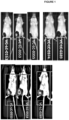
- Figure 1 depicts protein expression in mice of compounds depicted in Table 7(A-C).
- Table 8 shows selected examples of LNPs comprising ionizable lipids of Formula (I) comprising a variety of R3 substituents (polar head) as well as different combinations of R2 and R3 in order to prove that the general structure of Formula (I) produces the desired effect independently of substituents R1, R2 and the selected polar head (R3).
- Table 7A-C and Table 8 demonstrate that LNPs comprising ionizable lipids of Formula I effectively encapsulate polynucleotides and produce high levels of cellular transfection in vivo after administration.
- Example 6 Comparative example.
- VC-LC-0588 was also studied in vivo herein in order to compare the differences between the compounds of general Formula (I) comprising a thioether instead of a disulfide group and the impact of at least one ester group nearby the S atom in the thioether.
- ionizable lipid helper lipid: sterol: pegylated lipid ⁇ 50:10:38.5:1.5
- encapsulating mRNA coding for for luciferase was also studied in vivo herein in order to compare the differences between the compounds of general Formula (I) comprising a thioether instead of a disulfide group and the impact of at least one ester group nearby the S atom in the thioether.
- ionizable lipid helper lipid: sterol: pegylated lipid ⁇ 50:10:38.5:1.5
- encapsulating mRNA coding for for luciferase was also studied in vivo herein in order to compare
- ionizable lipid helper lipid: sterol: pegylated lipid ⁇ 50:10:38.5:1.5, and encapsulating mRNA encoding for luciferase.
- Compound VC-LC-0431 was selected to test different compositions ratios.
- ionizable lipid helper lipid: sterol: pegylated lipid ⁇ 50:10:38.5:1.5.
- the ionizable lipid is VC-LC-0431
- the helper lipid is DOPE
- the sterol is cholesterol
- the pegylated lipid is DMG-PEG2000.
- Table 10 shows the results obtained for said standard composition: Table 10 Particle size/ ⁇ (nm) P.D.I. Z Potential ( ⁇ D.E.) [mV] Encapsulation efficiency (%) Total flux (p ⁇ s -1 ) 196,6 0.114 -0.281 60.4 9.92E+07 VC-LC-0431 : DOPE: 50:10:38.5:1.5 Cholesterol: DMG-PEG2000
- Two LNPs comprising: ionizable lipid (Formula I):non-cationic lipid:sterol: PEG-modified lipid
Landscapes
- Chemical & Material Sciences (AREA)
- Health & Medical Sciences (AREA)
- Organic Chemistry (AREA)
- Engineering & Computer Science (AREA)
- Life Sciences & Earth Sciences (AREA)
- Bioinformatics & Cheminformatics (AREA)
- Genetics & Genomics (AREA)
- Biomedical Technology (AREA)
- General Health & Medical Sciences (AREA)
- Biotechnology (AREA)
- Pharmacology & Pharmacy (AREA)
- Animal Behavior & Ethology (AREA)
- Zoology (AREA)
- Public Health (AREA)
- Veterinary Medicine (AREA)
- Physics & Mathematics (AREA)
- Medicinal Chemistry (AREA)
- Wood Science & Technology (AREA)
- General Engineering & Computer Science (AREA)
- Biophysics (AREA)
- Epidemiology (AREA)
- General Chemical & Material Sciences (AREA)
- Optics & Photonics (AREA)
- Chemical Kinetics & Catalysis (AREA)
- Molecular Biology (AREA)
- Plant Pathology (AREA)
- Microbiology (AREA)
- Nanotechnology (AREA)
- Nuclear Medicine, Radiotherapy & Molecular Imaging (AREA)
- Biochemistry (AREA)
- Pharmaceuticals Containing Other Organic And Inorganic Compounds (AREA)
Priority Applications (9)
| Application Number | Priority Date | Filing Date | Title |
|---|---|---|---|
| EP22383119.9A EP4371976A1 (fr) | 2022-11-21 | 2022-11-21 | Lipides ionisables et nanoparticules lipidiques les contenant |
| TW112143705A TW202428269A (zh) | 2022-11-21 | 2023-11-13 | 可離子化脂質及包含其的脂質奈米顆粒 |
| KR1020257011332A KR20250112234A (ko) | 2022-11-21 | 2023-11-20 | 이온화 지질 및 이를 함유하는 지질 나노입자 |
| PCT/EP2023/082378 WO2024110381A1 (fr) | 2022-11-21 | 2023-11-20 | Lipides ionisables et nanoparticules lipidiques les contenant |
| IL319522A IL319522A (en) | 2022-11-21 | 2023-11-20 | Ionizable lipid materials, nanoparticles containing them, and their uses |
| EP23808819.9A EP4622956A1 (fr) | 2022-11-21 | 2023-11-20 | Lipides ionisables et nanoparticules lipidiques les contenant |
| CN202380080383.5A CN120225501A (zh) | 2022-11-21 | 2023-11-20 | 可电离脂质和含有它们的脂质纳米粒子 |
| JP2025528853A JP2025538495A (ja) | 2022-11-21 | 2023-11-20 | イオン化脂質およびそれを含む脂質ナノ粒子 |
| ARP230103134A AR131129A1 (es) | 2022-11-21 | 2023-11-21 | Lípidos ionizables y nanopartículas lipídicas de los mismos |
Applications Claiming Priority (1)
| Application Number | Priority Date | Filing Date | Title |
|---|---|---|---|
| EP22383119.9A EP4371976A1 (fr) | 2022-11-21 | 2022-11-21 | Lipides ionisables et nanoparticules lipidiques les contenant |
Publications (1)
| Publication Number | Publication Date |
|---|---|
| EP4371976A1 true EP4371976A1 (fr) | 2024-05-22 |
Family
ID=84370276
Family Applications (1)
| Application Number | Title | Priority Date | Filing Date |
|---|---|---|---|
| EP22383119.9A Pending EP4371976A1 (fr) | 2022-11-21 | 2022-11-21 | Lipides ionisables et nanoparticules lipidiques les contenant |
Country Status (1)
| Country | Link |
|---|---|
| EP (1) | EP4371976A1 (fr) |
Citations (3)
| Publication number | Priority date | Publication date | Assignee | Title |
|---|---|---|---|---|
| WO2021055835A1 (fr) * | 2019-09-19 | 2021-03-25 | Modernatx, Inc. | Composés lipides contenant du carbonate et compositions pour administration intracellulaire d'agents thérapeutiques |
| FR3104943A1 (fr) * | 2019-12-19 | 2021-06-25 | L'oreal | Lipoaminoacides et leurs utilisations comme actif antipelliculaire |
| WO2022204288A1 (fr) * | 2021-03-24 | 2022-09-29 | Modernatx, Inc. | Composés lipidiques à queue ramifiée et compositions pour l'administration intracellulaire d'agents thérapeutiques |
-
2022
- 2022-11-21 EP EP22383119.9A patent/EP4371976A1/fr active Pending
Patent Citations (3)
| Publication number | Priority date | Publication date | Assignee | Title |
|---|---|---|---|---|
| WO2021055835A1 (fr) * | 2019-09-19 | 2021-03-25 | Modernatx, Inc. | Composés lipides contenant du carbonate et compositions pour administration intracellulaire d'agents thérapeutiques |
| FR3104943A1 (fr) * | 2019-12-19 | 2021-06-25 | L'oreal | Lipoaminoacides et leurs utilisations comme actif antipelliculaire |
| WO2022204288A1 (fr) * | 2021-03-24 | 2022-09-29 | Modernatx, Inc. | Composés lipidiques à queue ramifiée et compositions pour l'administration intracellulaire d'agents thérapeutiques |
Non-Patent Citations (9)
| Title |
|---|
| GARBIRAS, B.J.MARBURG, S.: "Preparation of Carboxythiolactones and Their Active Derivatives", SYNTHESIS, vol. 2, 1999, pages 270 - 274 |
| HASSETT KIMBERLY J. ET AL: "Optimization of Lipid Nanoparticles for Intramuscular Administration of mRNA Vaccines", MOLECULAR THERAPY-NUCLEIC ACIDS, vol. 15, 15 April 2019 (2019-04-15), US, pages 1 - 11, XP055815007, ISSN: 2162-2531, Retrieved from the Internet <URL:https://www.cell.com/molecular-therapy-family/nucleic-acids/pdf/S2162-2531(19)30017-4.pdf> DOI: 10.1016/j.omtn.2019.01.013 * |
| HASSETT, K. J. ET AL.: "Optimization of Lipid Nanoparticles for Intramuscular Administration of mRNA Vaccines", MOL. THER. NUCLEIC ACID, vol. 15, 2019, pages 1 - 11, XP055815007, DOI: 10.1016/j.omtn.2019.01.013 |
| MOLLA ET AL., BIOCONJUGATE CHEM., vol. 29, no. 4, 2018, pages 992 - 999 |
| MOLLA MIJANUR R. ET AL: "One-Pot Parallel Synthesis of Lipid Library via Thiolactone Ring Opening and Screening for Gene Delivery", BIOCONJUGATE CHEMISTRY, vol. 29, no. 4, 20 March 2018 (2018-03-20), US, pages 992 - 999, XP093034759, ISSN: 1043-1802, Retrieved from the Internet <URL:https://pubs.acs.org/doi/pdf/10.1021/acs.bioconjchem.8b00007> DOI: 10.1021/acs.bioconjchem.8b00007 * |
| MOLLA MR ET AL.: "One-Pot Parallel Synthesis of Lipid Library via Thiolactone Ring Opening and Screening for Gene Delivery", BIOCONJUG CHEM., vol. 29, no. 4, 2018, pages 992 - 999 |
| MOLLA MR ET AL.: "One-Pot Parallel Synthesis of Lipid Library via Thiolactone Ring Opening and Screening for Gene Delivery", BIOCONJUG. CHEM., vol. 29, no. 4, 2018, pages 992 - 999 |
| WANG X.LIU S.SUN Y. ET AL.: "Preparation of selective organ-targeting (SORT) lipid nanaoparticles (LNPs) using multiple technical methods for tissue-specific mRNA delivery", NAT. PROTOC., 2022 |
| WANG X.LIU S.SUN Y. ET AL.: "Preparation of selective organ-targeting (SORT) lipid nanoparticles (LNPs) using multiple technical methods for tissue-specific mRNA delivery", NAT. PROTOC., 2022 |
Similar Documents
| Publication | Publication Date | Title |
|---|---|---|
| EP3239132B1 (fr) | Lipide cationique | |
| RU2647476C2 (ru) | Способ получения липидных наночастиц для доставки лекарственного средства | |
| EP4622956A1 (fr) | Lipides ionisables et nanoparticules lipidiques les contenant | |
| AU2018359904A1 (en) | Fusogenic compounds for delivery of biologically active molecules | |
| WO2000061543A2 (fr) | Esters de l-carnitine ou de l-carnitines alcanoyles utilises comme lipides cationiques pour un apport intracellulaire de composes actifs d'un point de vue pharmacologique | |
| JP7832717B2 (ja) | 硫化物を含むイオン化可能な脂質、及びこれを含む脂質ナノ粒子 | |
| JP7657773B2 (ja) | 核酸送達のための脂質化カチオン性ペプチド-peg組成物 | |
| WO2025218536A1 (fr) | Nanoparticules lipidiques pour l'administration ciblée à efficacité élevée d'acide nucléique au poumon, formulation à inhaler et utilisation | |
| CN121889371A (zh) | 脂质及其组合物 | |
| TW202434543A (zh) | 脂質化合物和脂質奈米顆粒組合物 | |
| CA3271445A1 (fr) | Lipides ionisables et compositions de nanoparticules lipidiques pour l'administration d'acides nucléiques | |
| EP4371976A1 (fr) | Lipides ionisables et nanoparticules lipidiques les contenant | |
| CN119330848B (zh) | 用于递送的脂质化合物及脂质纳米颗粒 | |
| CN117500819A (zh) | 脂质和组合物 | |
| WO2024131810A1 (fr) | Nanoparticules lipidiques comprenant des phospholipides modifiés par stérol | |
| WO2024017254A1 (fr) | Composé aminolipide, son procédé de préparation et son utilisation | |
| WO2024022263A1 (fr) | Composé lipidique et composition de nanoparticules lipidiques | |
| WO2025157953A1 (fr) | Lipides ionisables et nanoparticules lipidiques les contenant | |
| HK40127151A (zh) | 可电离脂质和含有它们的脂质纳米粒子 | |
| EP4624516A1 (fr) | Nouveaux lipides à base de dérivés d'acide oligo-y-glutamique et nanoparticules lipidiques les contenant, et leurs utilisations | |
| WO2025161943A1 (fr) | Composé lipidique et nanoparticule lipidique pour administration | |
| KR20260059895A (ko) | 신규한 이온화 스테롤 유도체 및 이를 포함하는 지질 나노입자 조성물 | |
| WO2026052732A1 (fr) | Particules lipidiques contenant des lipides ionisables pour administration extrahépatique | |
| WO2025102261A1 (fr) | Composés lipidiques pour l'administration d'un agent thérapeutique, leur procédé de préparation et leur utilisation | |
| TW202400189A (zh) | 可離子化脂質 |
Legal Events
| Date | Code | Title | Description |
|---|---|---|---|
| PUAI | Public reference made under article 153(3) epc to a published international application that has entered the european phase |
Free format text: ORIGINAL CODE: 0009012 |
|
| STAA | Information on the status of an ep patent application or granted ep patent |
Free format text: STATUS: THE APPLICATION HAS BEEN PUBLISHED |
|
| AK | Designated contracting states |
Kind code of ref document: A1 Designated state(s): AL AT BE BG CH CY CZ DE DK EE ES FI FR GB GR HR HU IE IS IT LI LT LU LV MC ME MK MT NL NO PL PT RO RS SE SI SK SM TR |
|
| STAA | Information on the status of an ep patent application or granted ep patent |
Free format text: STATUS: REQUEST FOR EXAMINATION WAS MADE |
|
| 17P | Request for examination filed |
Effective date: 20241122 |
|
| RBV | Designated contracting states (corrected) |
Designated state(s): AL AT BE BG CH CY CZ DE DK EE ES FI FR GB GR HR HU IE IS IT LI LT LU LV MC ME MK MT NL NO PL PT RO RS SE SI SK SM TR |
|
| STAA | Information on the status of an ep patent application or granted ep patent |
Free format text: STATUS: EXAMINATION IS IN PROGRESS |
|
| 17Q | First examination report despatched |
Effective date: 20250506 |
|
| REG | Reference to a national code |
Ref country code: DE Ref legal event code: R079 Free format text: PREVIOUS MAIN CLASS: C07C0323590000 Ipc: C07D0233610000 |
|
| RIC1 | Information provided on ipc code assigned before grant |
Ipc: C07D 233/61 20060101AFI20251209BHEP Ipc: C07C 323/59 20060101ALI20251209BHEP Ipc: A61K 31/197 20060101ALI20251209BHEP Ipc: A61P 1/00 20060101ALI20251209BHEP |
|
| GRAP | Despatch of communication of intention to grant a patent |
Free format text: ORIGINAL CODE: EPIDOSNIGR1 |
|
| STAA | Information on the status of an ep patent application or granted ep patent |
Free format text: STATUS: GRANT OF PATENT IS INTENDED |
|
| INTG | Intention to grant announced |
Effective date: 20260126 |