EP4397312A1 - Agent thérapeutique pour l'arthropathie, et procédé de production d'agent thérapeutique pour l'arthropathie - Google Patents
Agent thérapeutique pour l'arthropathie, et procédé de production d'agent thérapeutique pour l'arthropathie Download PDFInfo
- Publication number
- EP4397312A1 EP4397312A1 EP22864527.1A EP22864527A EP4397312A1 EP 4397312 A1 EP4397312 A1 EP 4397312A1 EP 22864527 A EP22864527 A EP 22864527A EP 4397312 A1 EP4397312 A1 EP 4397312A1
- Authority
- EP
- European Patent Office
- Prior art keywords
- mesenchymal stem
- synovium
- stem cells
- cells
- rsmsc
- Prior art date
- Legal status (The legal status is an assumption and is not a legal conclusion. Google has not performed a legal analysis and makes no representation as to the accuracy of the status listed.)
- Pending
Links
Images










Classifications
-
- C—CHEMISTRY; METALLURGY
- C12—BIOCHEMISTRY; BEER; SPIRITS; WINE; VINEGAR; MICROBIOLOGY; ENZYMOLOGY; MUTATION OR GENETIC ENGINEERING
- C12N—MICROORGANISMS OR ENZYMES; COMPOSITIONS THEREOF; PROPAGATING, PRESERVING, OR MAINTAINING MICROORGANISMS; MUTATION OR GENETIC ENGINEERING; CULTURE MEDIA
- C12N5/00—Undifferentiated human, animal or plant cells, e.g. cell lines; Tissues; Cultivation or maintenance thereof; Culture media therefor
- C12N5/06—Animal cells or tissues; Human cells or tissues
-
- A—HUMAN NECESSITIES
- A61—MEDICAL OR VETERINARY SCIENCE; HYGIENE
- A61K—PREPARATIONS FOR MEDICAL, DENTAL OR TOILETRY PURPOSES
- A61K35/00—Medicinal preparations containing materials or reaction products thereof with undetermined constitution
- A61K35/12—Materials from mammals; Compositions comprising non-specified tissues or cells; Compositions comprising non-embryonic stem cells; Genetically modified cells
- A61K35/28—Bone marrow; Haematopoietic stem cells; Mesenchymal stem cells of any origin, e.g. adipose-derived stem cells
-
- A—HUMAN NECESSITIES
- A61—MEDICAL OR VETERINARY SCIENCE; HYGIENE
- A61K—PREPARATIONS FOR MEDICAL, DENTAL OR TOILETRY PURPOSES
- A61K35/00—Medicinal preparations containing materials or reaction products thereof with undetermined constitution
- A61K35/12—Materials from mammals; Compositions comprising non-specified tissues or cells; Compositions comprising non-embryonic stem cells; Genetically modified cells
- A61K35/32—Bones; Osteocytes; Osteoblasts; Tendons; Tenocytes; Teeth; Odontoblasts; Cartilage; Chondrocytes; Synovial membrane
-
- A—HUMAN NECESSITIES
- A61—MEDICAL OR VETERINARY SCIENCE; HYGIENE
- A61L—METHODS OR APPARATUS FOR STERILISING MATERIALS OR OBJECTS IN GENERAL; DISINFECTION, STERILISATION OR DEODORISATION OF AIR; CHEMICAL ASPECTS OF BANDAGES, DRESSINGS, ABSORBENT PADS OR SURGICAL ARTICLES; MATERIALS FOR BANDAGES, DRESSINGS, ABSORBENT PADS OR SURGICAL ARTICLES
- A61L27/00—Materials for grafts or prostheses or for coating grafts or prostheses
- A61L27/36—Materials for grafts or prostheses or for coating grafts or prostheses containing ingredients of undetermined constitution or reaction products thereof, e.g. transplant tissue, natural bone, extracellular matrix
-
- A—HUMAN NECESSITIES
- A61—MEDICAL OR VETERINARY SCIENCE; HYGIENE
- A61L—METHODS OR APPARATUS FOR STERILISING MATERIALS OR OBJECTS IN GENERAL; DISINFECTION, STERILISATION OR DEODORISATION OF AIR; CHEMICAL ASPECTS OF BANDAGES, DRESSINGS, ABSORBENT PADS OR SURGICAL ARTICLES; MATERIALS FOR BANDAGES, DRESSINGS, ABSORBENT PADS OR SURGICAL ARTICLES
- A61L27/00—Materials for grafts or prostheses or for coating grafts or prostheses
- A61L27/36—Materials for grafts or prostheses or for coating grafts or prostheses containing ingredients of undetermined constitution or reaction products thereof, e.g. transplant tissue, natural bone, extracellular matrix
- A61L27/38—Materials for grafts or prostheses or for coating grafts or prostheses containing ingredients of undetermined constitution or reaction products thereof, e.g. transplant tissue, natural bone, extracellular matrix containing added animal cells
-
- A—HUMAN NECESSITIES
- A61—MEDICAL OR VETERINARY SCIENCE; HYGIENE
- A61P—SPECIFIC THERAPEUTIC ACTIVITY OF CHEMICAL COMPOUNDS OR MEDICINAL PREPARATIONS
- A61P19/00—Drugs for skeletal disorders
- A61P19/02—Drugs for skeletal disorders for joint disorders, e.g. arthritis, arthrosis
-
- C—CHEMISTRY; METALLURGY
- C12—BIOCHEMISTRY; BEER; SPIRITS; WINE; VINEGAR; MICROBIOLOGY; ENZYMOLOGY; MUTATION OR GENETIC ENGINEERING
- C12N—MICROORGANISMS OR ENZYMES; COMPOSITIONS THEREOF; PROPAGATING, PRESERVING, OR MAINTAINING MICROORGANISMS; MUTATION OR GENETIC ENGINEERING; CULTURE MEDIA
- C12N5/00—Undifferentiated human, animal or plant cells, e.g. cell lines; Tissues; Cultivation or maintenance thereof; Culture media therefor
- C12N5/06—Animal cells or tissues; Human cells or tissues
- C12N5/0602—Vertebrate cells
- C12N5/0652—Cells of skeletal and connective tissues; Mesenchyme
- C12N5/0662—Stem cells
- C12N5/0663—Bone marrow mesenchymal stem cells (BM-MSC)
-
- C—CHEMISTRY; METALLURGY
- C12—BIOCHEMISTRY; BEER; SPIRITS; WINE; VINEGAR; MICROBIOLOGY; ENZYMOLOGY; MUTATION OR GENETIC ENGINEERING
- C12N—MICROORGANISMS OR ENZYMES; COMPOSITIONS THEREOF; PROPAGATING, PRESERVING, OR MAINTAINING MICROORGANISMS; MUTATION OR GENETIC ENGINEERING; CULTURE MEDIA
- C12N5/00—Undifferentiated human, animal or plant cells, e.g. cell lines; Tissues; Cultivation or maintenance thereof; Culture media therefor
- C12N5/06—Animal cells or tissues; Human cells or tissues
- C12N5/0602—Vertebrate cells
- C12N5/0652—Cells of skeletal and connective tissues; Mesenchyme
- C12N5/0662—Stem cells
- C12N5/0668—Mesenchymal stem cells from other natural sources
Definitions
- a quality management method for cells it has been carried out, for example, to identify a cell type of a target final product using a cell type-specific surface marker as an indicator (for example, to identify that the cells are mesenchymal stem cells).
- a cell type-specific surface marker as an indicator
- the curing effect of cells obtained by such a quality management method is not constant and thus is not yet sufficiently satisfactory.
- the therapeutic agent for arthrosis contains synovium-derived mesenchymal stem cells having any one or more kinds of surface antigens of integrin ⁇ 1 or platelet-derived growth factor receptor ⁇ , thereby being capable of exhibiting a therapeutic effect on arthrosis. According to the present invention, it is possible to suppress the fluctuation of a therapeutic effect of a produced therapeutic agent for arthrosis, and it is possible to carry out quality management for a therapeutic effect of a product.
- the therapeutic agent for arthrosis contains synovium-derived mesenchymal stem cells having any one or more kinds of surface antigens of integrin ⁇ 1 or platelet-derived growth factor receptor ⁇ (also referred to as PDGFRb in the present specification).
- synovium-derived mesenchymal stem cells have a gene encoding a type II collagen ⁇ 1 chain and produce the type II collagen ⁇ 1 chain after being transplanted, whereby a therapeutic effect can be exhibited.
- the synovium-derived mesenchymal stem cell preferably has a surface antigen of fibroblast growth factor receptor 3 (FGFR3).
- FGFR3 fibroblast growth factor receptor 3
- the ratio of the synovium-derived mesenchymal stem cells having any one or more kinds of surface antigens of integrin ⁇ 1 or platelet-derived growth factor receptor ⁇ to all cells contained in the therapeutic agent for arthrosis according to the embodiment of the present invention is preferably 30%, and it may be 40% or more, 50% or more, 60% or more, 70% or more, 80% or more, 90% or more, or 95% or more.
- the biological origin of the synovial tissue is not particularly limited, and a synovial tissue derived from any biological material, preferably a mammal, can be used.
- a synovial tissue derived from a primate for example, a chimpanzee, a Japanese monkey, or a human
- a human-derived synovial tissue can be used particularly preferably.
- the synovial tissue is treated with an enzyme.
- the enzyme concentration in the enzyme treatment is preferably 0.01 mg/ml to 10 mg/ml, more preferably 0.1 mg/ml to 10 mg/ml, still more preferably 0.5 mg/ml to 10 mg/ml, ever still more preferably 0.5 mg/ml to 5.0 mg/ml, particularly preferably 0.5 mg/ml to 2.0 mg/ml, and most preferably 0.7 mg/ml to 2.0 mg/ml.
- the cell culture conditions are not particularly limited, and general cell culture conditions can be employed. Examples thereof include culture at a temperature of 30°C to 40°C and 3% to 7% CO 2 , which are not particularly limited. One example thereof includes culture at a temperature of 37°C and 5% CO 2 .
- synovium-derived mesenchymal stem cells of 2.0 ⁇ 10 7 to 1.0 ⁇ 10 11 cells, 2.5 ⁇ 10 7 to 1.0 ⁇ 10 11 cells, 3.0 ⁇ 10 7 to 1.0 ⁇ 10 11 cells, 4.0 ⁇ 10 7 to 1.0 ⁇ 10 11 cells, 2.5 ⁇ 10 7 to 1.0 ⁇ 10 10 cells, 2.5 ⁇ 10 7 to 1.0 ⁇ 10 9 cells, or 2.5 ⁇ 10 7 to 1.0 ⁇ 10 g cells, or synovium-derived mesenchymal stem cells of 2.0 ⁇ 10 7 to 1.0 ⁇ 10 8 cells, in order to efficiently treat medically the cartilage injury part or the meniscus injury part.
- AF385 was added to a final concentration of 10, 20, or 40 ⁇ g/mL, and the total amount of the culture medium was set to 100 ⁇ L.
- Normal Goat IgG Control R & D Systems Cat. No. AB-108-C
- No antibody was added to the negative control, and only 100 ⁇ L of the culture medium was added thereto.
- the cell proliferation properties were quantitatively evaluated by an ATP assay using Cell Titer Glo (Promega Cat. No. G7571).
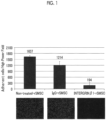
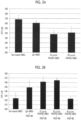
- the results are shown in Fig. 2b .
- the ATP concentration of the 10 ⁇ g/mL PDGFRb-rSMSC was 0.62 ⁇ 0.12 ⁇ mol/L
- the ATP concentration of the 20 ⁇ g/mL PDGFRb-rSMSC was 0.65 ⁇ 0.05 ⁇ mol/L
- the ATP concentration of the 40 ⁇ g/mL PDGFRb-rSMSC was 0.24 ⁇ 0.05 ⁇ mol/L
- the ATP concentration of the IgG-rSMSC was 0.49 ⁇ 0.17 ⁇ mol/L
- the ATP concentration of the Non-treated-rSMSC was 0.24 ⁇ 0.11 ⁇ mol/L
- the 40 ⁇ g/mL PDGFRb-rSMSC showed a significant decrease in cell proliferation with respect to the IgG-rSMSC. From this, it was confirmed that PDGFRb in the rat synovial stem cells can be inhibited in a ligand-specific manner by the treatment with Anti-PDGF Receptor
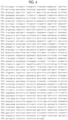
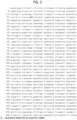
- Fig. 3 , Fig. 4 , Fig. 5 , and Fig. 6 each show the base sequence of Col2A1 for the wild type (Col2A1WT-rSMSC) and the deletion type (Col2A1KO-rSMSC) of the Col2A1 gene of the rat synovial stem cell
- Fig. 7 , Fig. 8 , and Fig. 9 each show an amino acid sequence that is translated based on this sequence.
- rat synovium-derived mesenchymal stem cells prepared in Example 1 were subjected to an operation of deletion of a gene of CD120a, and the deletion of the CD120a gene was checked according to the Sanger sequence analysis.
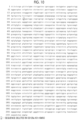
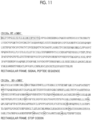
- Fig. 10 and Fig. 11 respectively show the base sequence of CD120a for the wild type (CD120aWT-rSMSC) and the deletion type (CD120aKO-rSMSC) of the CD120a gene of the rat synovial stem cell, and an amino acid sequence that is translated based on the base sequence.
- CD120aKO-rSMSC is a frame shift mutant that has a DNA having a deletion of a base at the 16th position, where the position is counted from ATG, which is an amino acid translation initiation codon, as a starting point.
- the base sequence is such a base sequence from which a mutant having 19 amino acid residues is translated since the mutation occurs in the sequence from the amino acid at the 6th position due to the base deletion, and a stop codon is introduced at the 19th position, although the number of amino acids should be originally 461 amino acids.
- CD120aKO-rSMSC synovial stem cell
- the base sequence of CD106 for the wild type (CD106WT-rSMSC) and the deletion type (CD106KO-rSMSC) of the CD106 gene of the rat synovial stem cell is set forth in SEQ ID NO: 10
- the amino acid sequence of the wild type of the CD106 gene (CD106WT-rSMSC) is set forth in SEQ ID NO: 11
- the amino acid sequence of the deletion type of the CD106 gene (CD106KO-rSMSC) is set forth in SEQ ID NO: 12.
- CD106KO-rSMSC is a frame shift mutant that has a DNA having a deletion of bases from the 1,059th position to the 1,076th position, where the position is counted from ATG, which is an amino acid translation initiation codon, as a starting point.
- the base sequence is such a base sequence from which a mutant having 355 amino acid residues is translated since the mutation occurs in the sequence from the amino acid at the 354th position due to the base deletion, and a stop codon is introduced at the 356th position, although the number of amino acids should be originally 739 amino acids.
- CD106KO-rSMSC synovial stem cell
- the minor axis was 1.55 ⁇ 0.14 mm, the major axis was 2.04 ⁇ 0.25 mm, and the weight was 1.9 ⁇ 0.26 mg, whereas in the Col2A1KO-rSMSC, the minor axis was 0.54 ⁇ 0.04 mm, the major axis was 0.76 ⁇ 0.18 mm, and the weight was 0.85 ⁇ 0.4 mg, and thus there was a significant decrease in the size and weight of the cartilage. Due to the fact that Col2A1 is a cartilage constitutional component, it can be seen that the deletion of Col2A1 has reduced the size and weight of the cartilage.
- the cartilage differentiation potency of the CD120aKO-rSMSC prepared in Comparative Example 1 was investigated.
- the cartilage differentiation induction was carried out in the same differentiation culture medium and culture conditions as those in Example 5.
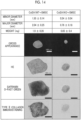
- the CD120aWT-rSMSC was subjected to cartilage differentiation induction in the same manner. After culturing for 3 weeks, the diameter and weight of the cell aggregates were measured, and the cartilage differentiation potency was evaluated from the tissue staining of the cell aggregates. The results are shown in Fig. 15 .
- CD120a is conceived to be a molecule that does not contribute to the cartilage differentiation potency of cells.
- the cartilage differentiation potency of the CD106KO-rSMSC prepared in Comparative Example 2 was investigated.
- the cartilage differentiation induction of 2.5 ⁇ 10 5 cells of the CD106KO-rSMSC was carried out in the same differentiation culture medium and culture conditions as those in Example 5.
- the CD106WT-rSMSC was subjected to cartilage differentiation induction in the same manner. After culturing for 3 weeks, the diameter and weight of the cell aggregates were measured, and the cartilage differentiation potency was evaluated from the tissue staining of the cell aggregates. The results are shown in Fig. 16 .
- the minor axis was 1.55 ⁇ 0.14 mm, the major axis was 2.04 ⁇ 0.25 mm, and the weight was 1.9 ⁇ 0.26 mg, whereas in the CD106KO-rSMSC, the minor axis was 1.58 ⁇ 0.56 mm, the major axis was 1.75 ⁇ 0.52 mm, and the weight was 2.38 ⁇ 1.54 mg, and thus there was no significant decrease in the size and weight of the cartilage.
- CD106 is conceived to be a molecule that does not contribute to the cartilage differentiation potency of cells.
- rat synovium-derived mesenchymal stem cells in which integrin ⁇ 1 was inhibited was carried out as described in Example 2.
- a frozen stock was woken up, the culture was carried out for one week, and the recovered cells were suspended in a reaction solvent of PBS containing 2% FBS.
- 12 ⁇ g of Purified anti-mouse/rat integrin ⁇ 1 Antibody per number of cells of 5 ⁇ 10 6 cells was added thereto and reacted with cells for 1 hour under ice-cooling, and then the cells were recovered for transplantation (integrin ⁇ 1-rSMSC).
- a LEW/CrlCrlj rat was used to prepare a meniscus injury model for evaluating the effect of regenerating the meniscus.
- the skin of the knee joint part was incised under isoflurane anesthesia to expose the knee joint.
- the inner joint capsule under the patella was exposed, and a longitudinal incision was made with a scalpel to expose the cartilage in the distal end part of the femur.
- the medial meniscus was detached from the synovium to expose the medial meniscus, and about 2/3 of the whole thereof was excised.
- the patellar tendon and the synovium were sutured, and then the muscles were sutured to prepare a meniscus injury model.
- the treated animals were distributed to three groups, and then 5 ⁇ 10 6 cells of the synovial stem cells (integrin ⁇ 1-rSMSC) in which integrin ⁇ 1 had been inhibited, 5 ⁇ 10 6 cells of the synovial stem cells (IgG-rSMSC) which had been subjected to a control treatment in which the inhibition had not been carried out, and only the solvent were each administered into the joint capsule.
- integrin ⁇ 1-rSMSC synovial stem cells
- IgG-rSMSC synovial stem cells
- 12 ⁇ g of Purified anti-mouse/rat integrin ⁇ 1 Antibody, Armenian Hamster IgG Isotype Ctrl per knee, or a solvent was administered into the joint capsule.
- all rats were returned to the cages and allowed to exercise, eat, and drink freely.
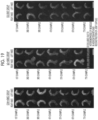
- the meniscus-regenerated portion is observed to be large.
- the integrin ⁇ 1-rSMSC group which are cells that have undergone the molecular inhibition or molecular deletion, the meniscus-regenerated portion is observed to be small as compared with that in the positive control.
- the area of the meniscus-regenerated portion was calculated according to the following expression using ImageJ (version 1.52).
- Area of meniscus-regenerated portion (mm 2 ) number of pixels in area of meniscus-regenerated portion/number of pixels per 1 mm 2
- Table 1 Area of meniscus-regenerated portion (average value ⁇ standard deviation) Group Area (mm 2 ) Integrin ⁇ 1-rSMSC 2.1 ⁇ 0.5* IgG-rSMSC 3.4 ⁇ 1.0 Solvent 1.7 ⁇ 0.9 *P ⁇ 0.05 vs IgG-rSMSC group
- rat synovium-derived mesenchymal stem cells in which PDGFRb was inhibited was carried out as described in Example 3.
- a frozen stock was woken up, the culture was carried out for one week, and the recovered cells were suspended in a reaction solvent of PBS containing 2% FBS.
- 12 ⁇ g of Anti-PDGF Receptor ⁇ Human Goat-Poly (R & D Systems Cat. No. AF385) per number of cells of 5 ⁇ 10 6 cells was reacted with cells for 1 hour under ice-cooling, and then the cells were recovered for transplantation (PDGFRb-rSMSC).
- Normal Goat IgG Control R & D Systems Cat. No. AB-108-C
- IgG-rSMSC Normal Goat IgG Control
- a meniscus injury model for evaluating the effect of regenerating the meniscus was prepared as described in Example 6. Thereafter, the treated animals were distributed to three groups, and then 5 ⁇ 10 6 cells of the synovial stem cells (PDGFRb-rSMSC) in which PDGFRb had been inhibited, 5 ⁇ 10 6 cells of the synovial stem cells (IgG-rSMSC) which had been subjected to a control treatment in which the inhibition had not been carried out, and only the solvent were each administered into the joint capsule. On the day after cell administration, 12 ⁇ g of Anti-PDGF Receptor ⁇ Human Goat-Poly, Normal Goat IgG Control per knee, or a solvent was administered into the joint capsule. After the treatment, all rats were returned to the cages and allowed to exercise, eat, and drink freely.
- PDGFRb-rSMSC synovial stem cells
- IgG-rSMSC synovial stem cells
- the meniscus-regenerated portion is observed to be large.
- the PDGFRb-rSMSC group which are cells that have undergone the molecular inhibition or molecular deletion, the meniscus-regenerated portion is observed to be small as compared with that in the positive control.
- Table 2 Area of meniscus-regenerated portion (average value ⁇ standard deviation) Group Area (mm 2 ) PDGFRb-rSMSC 2.2 ⁇ 0.9* ⁇ IgG-rSMSC 3.2 ⁇ 0.7 Solvent 1.3 ⁇ 1.2 *P ⁇ 0.05 vs IgG-rSMSC group ⁇ P ⁇ 0.05 vs solvent group
- a meniscus injury model for evaluating the effect of regenerating the meniscus was prepared as described in Example 6. Thereafter, the treated animals were distributed to three groups, and then 5 ⁇ 10 6 cells of the synovial stem cells (CD44-rSMSC) in which CD44 had been inhibited, 5 ⁇ 10 6 cells of the synovial stem cells (IgG-rSMSC) which had been subjected to a control treatment in which the inhibition had not been carried out, and only the solvent were each administered into the joint capsule. On the day after cell administration, 12 ⁇ g of Anti-CD44 Rabbit IgG clone Hermes-1, Rabbit IgG Isotype Control per knee, or a solvent was administered into the joint capsule. After the treatment, all rats were returned to the cages and allowed to exercise, eat, and drink freely.
- Rat synovium-derived mesenchymal stem cells from which Col2A1 had been deleted were adjusted for transplantation by expansion culture after confirming the deletion of Col2A1, as described in Example 4 (Col2A1KO-rSMSC).
- the wild-type sequence of Col2A1 as a positive control was confirmed, and then the cells were adjusted for transplantation by expansion culture (Col2A1WT-rSMSC).
- a meniscus injury model for evaluating the effect of regenerating the meniscus was prepared as described in Example 6. Thereafter, the treated animals were distributed to three groups, and then 5 ⁇ 10 6 cells of each of the Col2A1KO-rSMSC and the Col2A1WT-rSMSC and only the solvent were each administered into the joint capsule.
- the area of the meniscus-regenerated portion (inside the broken line) was measured as described in Example 6. The results are shown in Table 4.
- the average area value of the meniscus-regenerated portions the Col2A1WT-rSMSC was significantly increased to 3.8 mm 2 , as compared with 2.9 mm 2 of the Col2A1KO-rSMSC group.
- the average area value of the meniscus-regenerated portions of the Col2A1KO-rSMSC group was significantly increased as compared with 2.1 mm 2 of the solvent group.
- Col2A1 molecule in the synovial stem cells is a molecule that contributes to the regeneration of the meniscus.
- Table 4 Area of meniscus-regenerated portion (average value ⁇ standard deviation) Group Area (mm 2 ) Col2A1KO-rSMSC 2.9 ⁇ 0.8* ⁇ Col2A1WT-rSMSC 3.8 ⁇ 0.6 Solvent 2.1 ⁇ 1.0 *P ⁇ 0.05 vs IgG-rSMSC group ⁇ P ⁇ 0.05 vs solvent group
- a meniscus injury model for evaluating the effect of regenerating the meniscus was prepared as described in Example 6. Thereafter, the treated animals were distributed to three groups, and then 5 ⁇ 10 6 cells of each of the CD120aKO-rSMSC and the CD120aWT-rSMSC and only the solvent were each administered into the joint capsule.
- Rat synovium-derived mesenchymal stem cells from which CD106 had been deleted were adjusted for transplantation by expansion culture after confirming the deletion of CD106, as described in Comparative Example 1 (CD106KO-rSMSC).
- the wild-type sequence of CD106 as a positive control was confirmed, and then the cells were adjusted for transplantation by expansion culture (CD106WT-rSMSC).
- a meniscus injury model for evaluating the effect of regenerating the meniscus was prepared as described in Example 6. Thereafter, the treated animals were distributed to three groups, and then 5 ⁇ 10 6 cells of each of the CD106KO-rSMSC and the CD106WT-rSMSC and only the solvent were each administered into the joint capsule.
- the treatment time is preferably 60 minutes or less, and the required expression rate of this molecule can be set to 60% or more.
- Table 7 Detachment treatment time and expression rates of integrin ⁇ 1 and PDGFRb during cell recovery Expression rate Treatment time 5 minutes 30 minutes 60 minutes 120 minutes Integrin ⁇ 1 98.7% 99.7% 96.1% 97.8% PDGFRb 91.6% 76.9% 63.3% 32.8%
Landscapes
- Health & Medical Sciences (AREA)
- Life Sciences & Earth Sciences (AREA)
- Engineering & Computer Science (AREA)
- Biomedical Technology (AREA)
- Chemical & Material Sciences (AREA)
- Developmental Biology & Embryology (AREA)
- Zoology (AREA)
- General Health & Medical Sciences (AREA)
- Biotechnology (AREA)
- Cell Biology (AREA)
- Organic Chemistry (AREA)
- Bioinformatics & Cheminformatics (AREA)
- Immunology (AREA)
- Wood Science & Technology (AREA)
- Genetics & Genomics (AREA)
- Medicinal Chemistry (AREA)
- Animal Behavior & Ethology (AREA)
- Public Health (AREA)
- Veterinary Medicine (AREA)
- Rheumatology (AREA)
- Pharmacology & Pharmacy (AREA)
- Epidemiology (AREA)
- Chemical Kinetics & Catalysis (AREA)
- Microbiology (AREA)
- Biochemistry (AREA)
- General Engineering & Computer Science (AREA)
- Virology (AREA)
- Orthopedic Medicine & Surgery (AREA)
- Hematology (AREA)
- Physical Education & Sports Medicine (AREA)
- General Chemical & Material Sciences (AREA)
- Nuclear Medicine, Radiotherapy & Molecular Imaging (AREA)
- Botany (AREA)
- Dermatology (AREA)
- Oral & Maxillofacial Surgery (AREA)
- Transplantation (AREA)
- Medicines Containing Material From Animals Or Micro-Organisms (AREA)
- Micro-Organisms Or Cultivation Processes Thereof (AREA)
Applications Claiming Priority (3)
| Application Number | Priority Date | Filing Date | Title |
|---|---|---|---|
| JP2021140803 | 2021-08-31 | ||
| JP2021212059 | 2021-12-27 | ||
| PCT/JP2022/032502 WO2023032945A1 (fr) | 2021-08-31 | 2022-08-30 | Agent thérapeutique pour l'arthropathie, et procédé de production d'agent thérapeutique pour l'arthropathie |
Publications (2)
| Publication Number | Publication Date |
|---|---|
| EP4397312A1 true EP4397312A1 (fr) | 2024-07-10 |
| EP4397312A4 EP4397312A4 (fr) | 2025-01-22 |
Family
ID=85411277
Family Applications (1)
| Application Number | Title | Priority Date | Filing Date |
|---|---|---|---|
| EP22864527.1A Pending EP4397312A4 (fr) | 2021-08-31 | 2022-08-30 | Agent thérapeutique pour l'arthropathie, et procédé de production d'agent thérapeutique pour l'arthropathie |
Country Status (7)
| Country | Link |
|---|---|
| US (1) | US20240299459A1 (fr) |
| EP (1) | EP4397312A4 (fr) |
| JP (2) | JPWO2023032945A1 (fr) |
| KR (1) | KR20240041985A (fr) |
| AU (1) | AU2022339157A1 (fr) |
| TW (1) | TW202321439A (fr) |
| WO (1) | WO2023032945A1 (fr) |
Families Citing this family (2)
| Publication number | Priority date | Publication date | Assignee | Title |
|---|---|---|---|---|
| TW202600813A (zh) * | 2024-02-29 | 2026-01-01 | 日商富士軟片股份有限公司 | 間葉系幹細胞之製造方法 |
| TW202603160A (zh) * | 2024-03-29 | 2026-01-16 | 日商富士軟片股份有限公司 | 滑膜來源間質幹細胞、其製造方法、及其利用 |
Family Cites Families (7)
| Publication number | Priority date | Publication date | Assignee | Title |
|---|---|---|---|---|
| JPS594466Y2 (ja) | 1979-10-05 | 1984-02-08 | 矢崎総業株式会社 | コネクタのロック機構 |
| JPS5928961U (ja) | 1982-08-18 | 1984-02-23 | 株式会社ユアサコーポレーション | 蓄電池用段ボ−ル箱 |
| JPH0564302U (ja) | 1992-02-10 | 1993-08-27 | ミサワホーム株式会社 | バルコニ付建物ユニット |
| JP5656183B2 (ja) * | 2006-08-22 | 2015-01-21 | 国立大学法人 東京医科歯科大学 | 滑膜由来間葉幹細胞(MSCs)の軟骨・半月板再生への応用 |
| WO2021054449A1 (fr) | 2019-09-18 | 2021-03-25 | 国立大学法人 岡山大学 | Production de lbm, cpc, opc, et procédés de contrôle de qualité correspondants, kit, matériau de greffe et modèle de maladie |
| JP6864302B1 (ja) * | 2020-07-03 | 2021-04-28 | 富士フイルム株式会社 | 滑膜由来間葉系幹細胞の製造方法および関節治療用細胞製剤の製造方法 |
| AU2022312774B9 (en) * | 2021-07-15 | 2026-04-09 | Fujifilm Corporation | Cell quality management method and cell production method |
-
2022
- 2022-08-30 AU AU2022339157A patent/AU2022339157A1/en active Pending
- 2022-08-30 EP EP22864527.1A patent/EP4397312A4/fr active Pending
- 2022-08-30 TW TW111132606A patent/TW202321439A/zh unknown
- 2022-08-30 JP JP2023545580A patent/JPWO2023032945A1/ja active Pending
- 2022-08-30 WO PCT/JP2022/032502 patent/WO2023032945A1/fr not_active Ceased
- 2022-08-30 KR KR1020247006655A patent/KR20240041985A/ko active Pending
-
2024
- 2024-02-28 US US18/590,366 patent/US20240299459A1/en active Pending
-
2026
- 2026-02-10 JP JP2026019928A patent/JP2026066330A/ja active Pending
Also Published As
| Publication number | Publication date |
|---|---|
| AU2022339157A1 (en) | 2024-03-14 |
| WO2023032945A1 (fr) | 2023-03-09 |
| JP2026066330A (ja) | 2026-04-16 |
| TW202321439A (zh) | 2023-06-01 |
| JPWO2023032945A1 (fr) | 2023-03-09 |
| KR20240041985A (ko) | 2024-04-01 |
| EP4397312A4 (fr) | 2025-01-22 |
| US20240299459A1 (en) | 2024-09-12 |
Similar Documents
| Publication | Publication Date | Title |
|---|---|---|
| Yang et al. | Coculture-driven mesenchymal stem cell-differentiated articular chondrocyte-like cells support neocartilage development | |
| Charles Huang et al. | Chondrogenesis of human bone marrow‐derived mesenchymal stem cells in agarose culture | |
| CN1227356C (zh) | 脂肪组织衍生的基质细胞的用途 | |
| Hegewald et al. | Hyaluronic acid and autologous synovial fluid induce chondrogenic differentiation of equine mesenchymal stem cells: a preliminary study | |
| Acharya et al. | Enhanced chondrocyte proliferation and mesenchymal stromal cells chondrogenesis in coculture pellets mediate improved cartilage formation | |
| Xie et al. | In vitro mesenchymal trilineage differentiation and extracellular matrix production by adipose and bone marrow derived adult equine multipotent stromal cells on a collagen scaffold | |
| US20080026462A1 (en) | Meningeal-derived stem cells | |
| US20020045260A1 (en) | Method of isolating mesenchymal stem cells | |
| US20240299459A1 (en) | Therapeutic agent for arthrosis and production method for therapeutic agent for arthrosis | |
| EP4032971A1 (fr) | Production de lbm, cpc, opc, et procédés de contrôle de qualité correspondants, kit, matériau de greffe et modèle de maladie | |
| EP2977448A1 (fr) | Procédé de préparation de chondrocytes | |
| EP3083944B1 (fr) | Cellules souches dérivées de muscles de mammifère | |
| Farrell et al. | A comparison of the osteogenic potential of adult rat mesenchymal stem cells cultured in 2-D and on 3-D collagen glycosaminoglycan scaffolds | |
| CN113692282A (zh) | 一种生物活性物质组合物、包含所述组合物的无血清培养基及其用途 | |
| CN105392490A (zh) | 珠型软骨细胞治疗剂的制造方法 | |
| US20230132346A1 (en) | Production method for synovium-derived mesenchymal stem cells and production method for cell preparation for joint medical treatment | |
| JP7799153B2 (ja) | 間葉系幹細胞の製造方法 | |
| HK40111971A (en) | Therapeutic agent for arthropathy, and method for producing therapeutic agent for arthropathy | |
| KR102644886B1 (ko) | 근육 유래 전구체 세포로부터 분화된 세포를 수득하는 방법 | |
| WO2023159107A1 (fr) | Marqueurs pour cellule souche squelettique et leurs utilisations | |
| Potier et al. | Micro‐aggregates do not influence bone marrow stromal cell chondrogenesis | |
| CN117917960A (zh) | 关节病治疗剂及关节病治疗剂的制造方法 | |
| WO2025206252A1 (fr) | Cellule souche mésenchymateuse dérivée de synovium, son procédé de production et son utilisation | |
| EP4386086A1 (fr) | Composition pour le traitement d'une maladie liée au cartilage et procédé de préparation associé | |
| Lim et al. | Aggregation of bovine anterior cruciate ligament fibroblasts or marrow stromal cells promotes aggrecan production |
Legal Events
| Date | Code | Title | Description |
|---|---|---|---|
| STAA | Information on the status of an ep patent application or granted ep patent |
Free format text: STATUS: THE INTERNATIONAL PUBLICATION HAS BEEN MADE |
|
| PUAI | Public reference made under article 153(3) epc to a published international application that has entered the european phase |
Free format text: ORIGINAL CODE: 0009012 |
|
| STAA | Information on the status of an ep patent application or granted ep patent |
Free format text: STATUS: REQUEST FOR EXAMINATION WAS MADE |
|
| 17P | Request for examination filed |
Effective date: 20240228 |
|
| AK | Designated contracting states |
Kind code of ref document: A1 Designated state(s): AL AT BE BG CH CY CZ DE DK EE ES FI FR GB GR HR HU IE IS IT LI LT LU LV MC MK MT NL NO PL PT RO RS SE SI SK SM TR |
|
| DAV | Request for validation of the european patent (deleted) | ||
| DAX | Request for extension of the european patent (deleted) | ||
| REG | Reference to a national code |
Ref country code: HK Ref legal event code: DE Ref document number: 40111971 Country of ref document: HK |
|
| A4 | Supplementary search report drawn up and despatched |
Effective date: 20241219 |
|
| RIC1 | Information provided on ipc code assigned before grant |
Ipc: C12N 5/07 20100101ALI20241213BHEP Ipc: C12N 5/0775 20100101ALI20241213BHEP Ipc: A61P 19/02 20060101ALI20241213BHEP Ipc: A61L 27/38 20060101ALI20241213BHEP Ipc: A61L 27/36 20060101ALI20241213BHEP Ipc: A61K 35/28 20150101ALI20241213BHEP Ipc: A61K 35/32 20150101AFI20241213BHEP |
|
| STAA | Information on the status of an ep patent application or granted ep patent |
Free format text: STATUS: EXAMINATION IS IN PROGRESS |
|
| 17Q | First examination report despatched |
Effective date: 20251219 |