EP4410979A2 - Administration de vecteur viral adéno-associé de microarn-29 et de micro-dystrophine pour traiter la dystrophie musculaire - Google Patents
Administration de vecteur viral adéno-associé de microarn-29 et de micro-dystrophine pour traiter la dystrophie musculaire Download PDFInfo
- Publication number
- EP4410979A2 EP4410979A2 EP24157430.0A EP24157430A EP4410979A2 EP 4410979 A2 EP4410979 A2 EP 4410979A2 EP 24157430 A EP24157430 A EP 24157430A EP 4410979 A2 EP4410979 A2 EP 4410979A2
- Authority
- EP
- European Patent Office
- Prior art keywords
- muscle
- dystrophin
- mir
- micro
- raav
- Prior art date
- Legal status (The legal status is an assumption and is not a legal conclusion. Google has not performed a legal analysis and makes no representation as to the accuracy of the status listed.)
- Pending
Links
Images













Classifications
-
- A—HUMAN NECESSITIES
- A61—MEDICAL OR VETERINARY SCIENCE; HYGIENE
- A61K—PREPARATIONS FOR MEDICAL, DENTAL OR TOILETRY PURPOSES
- A61K48/00—Medicinal preparations containing genetic material which is inserted into cells of the living body to treat genetic diseases; Gene therapy
- A61K48/005—Medicinal preparations containing genetic material which is inserted into cells of the living body to treat genetic diseases; Gene therapy characterised by an aspect of the 'active' part of the composition delivered, i.e. the nucleic acid delivered
-
- A—HUMAN NECESSITIES
- A61—MEDICAL OR VETERINARY SCIENCE; HYGIENE
- A61K—PREPARATIONS FOR MEDICAL, DENTAL OR TOILETRY PURPOSES
- A61K31/00—Medicinal preparations containing organic active ingredients
- A61K31/70—Carbohydrates; Sugars; Derivatives thereof
- A61K31/7088—Compounds having three or more nucleosides or nucleotides
-
- A—HUMAN NECESSITIES
- A61—MEDICAL OR VETERINARY SCIENCE; HYGIENE
- A61K—PREPARATIONS FOR MEDICAL, DENTAL OR TOILETRY PURPOSES
- A61K35/00—Medicinal preparations containing materials or reaction products thereof with undetermined constitution
- A61K35/66—Microorganisms or materials therefrom
- A61K35/76—Viruses; Subviral particles; Bacteriophages
- A61K35/761—Adenovirus
-
- A—HUMAN NECESSITIES
- A61—MEDICAL OR VETERINARY SCIENCE; HYGIENE
- A61K—PREPARATIONS FOR MEDICAL, DENTAL OR TOILETRY PURPOSES
- A61K38/00—Medicinal preparations containing peptides
- A61K38/16—Peptides having more than 20 amino acids; Gastrins; Somatostatins; Melanotropins; Derivatives thereof
- A61K38/17—Peptides having more than 20 amino acids; Gastrins; Somatostatins; Melanotropins; Derivatives thereof from animals; from humans
- A61K38/1703—Peptides having more than 20 amino acids; Gastrins; Somatostatins; Melanotropins; Derivatives thereof from animals; from humans from vertebrates
- A61K38/1709—Peptides having more than 20 amino acids; Gastrins; Somatostatins; Melanotropins; Derivatives thereof from animals; from humans from vertebrates from mammals
-
- A—HUMAN NECESSITIES
- A61—MEDICAL OR VETERINARY SCIENCE; HYGIENE
- A61K—PREPARATIONS FOR MEDICAL, DENTAL OR TOILETRY PURPOSES
- A61K38/00—Medicinal preparations containing peptides
- A61K38/16—Peptides having more than 20 amino acids; Gastrins; Somatostatins; Melanotropins; Derivatives thereof
- A61K38/17—Peptides having more than 20 amino acids; Gastrins; Somatostatins; Melanotropins; Derivatives thereof from animals; from humans
- A61K38/1703—Peptides having more than 20 amino acids; Gastrins; Somatostatins; Melanotropins; Derivatives thereof from animals; from humans from vertebrates
- A61K38/1709—Peptides having more than 20 amino acids; Gastrins; Somatostatins; Melanotropins; Derivatives thereof from animals; from humans from vertebrates from mammals
- A61K38/1719—Muscle proteins, e.g. myosin or actin
-
- A—HUMAN NECESSITIES
- A61—MEDICAL OR VETERINARY SCIENCE; HYGIENE
- A61K—PREPARATIONS FOR MEDICAL, DENTAL OR TOILETRY PURPOSES
- A61K48/00—Medicinal preparations containing genetic material which is inserted into cells of the living body to treat genetic diseases; Gene therapy
-
- A—HUMAN NECESSITIES
- A61—MEDICAL OR VETERINARY SCIENCE; HYGIENE
- A61K—PREPARATIONS FOR MEDICAL, DENTAL OR TOILETRY PURPOSES
- A61K48/00—Medicinal preparations containing genetic material which is inserted into cells of the living body to treat genetic diseases; Gene therapy
- A61K48/0008—Medicinal preparations containing genetic material which is inserted into cells of the living body to treat genetic diseases; Gene therapy characterised by an aspect of the 'non-active' part of the composition delivered, e.g. wherein such 'non-active' part is not delivered simultaneously with the 'active' part of the composition
-
- A—HUMAN NECESSITIES
- A61—MEDICAL OR VETERINARY SCIENCE; HYGIENE
- A61K—PREPARATIONS FOR MEDICAL, DENTAL OR TOILETRY PURPOSES
- A61K48/00—Medicinal preparations containing genetic material which is inserted into cells of the living body to treat genetic diseases; Gene therapy
- A61K48/005—Medicinal preparations containing genetic material which is inserted into cells of the living body to treat genetic diseases; Gene therapy characterised by an aspect of the 'active' part of the composition delivered, i.e. the nucleic acid delivered
- A61K48/0058—Nucleic acids adapted for tissue specific expression, e.g. having tissue specific promoters as part of a contruct
-
- A—HUMAN NECESSITIES
- A61—MEDICAL OR VETERINARY SCIENCE; HYGIENE
- A61K—PREPARATIONS FOR MEDICAL, DENTAL OR TOILETRY PURPOSES
- A61K48/00—Medicinal preparations containing genetic material which is inserted into cells of the living body to treat genetic diseases; Gene therapy
- A61K48/0075—Medicinal preparations containing genetic material which is inserted into cells of the living body to treat genetic diseases; Gene therapy characterised by an aspect of the delivery route, e.g. oral, subcutaneous
-
- A—HUMAN NECESSITIES
- A61—MEDICAL OR VETERINARY SCIENCE; HYGIENE
- A61K—PREPARATIONS FOR MEDICAL, DENTAL OR TOILETRY PURPOSES
- A61K9/00—Medicinal preparations characterised by special physical form
- A61K9/0012—Galenical forms characterised by the site of application
- A61K9/0019—Injectable compositions; Intramuscular, intravenous, arterial, subcutaneous administration; Compositions to be administered through the skin in an invasive manner
-
- A—HUMAN NECESSITIES
- A61—MEDICAL OR VETERINARY SCIENCE; HYGIENE
- A61P—SPECIFIC THERAPEUTIC ACTIVITY OF CHEMICAL COMPOUNDS OR MEDICINAL PREPARATIONS
- A61P19/00—Drugs for skeletal disorders
- A61P19/04—Drugs for skeletal disorders for non-specific disorders of the connective tissue
-
- A—HUMAN NECESSITIES
- A61—MEDICAL OR VETERINARY SCIENCE; HYGIENE
- A61P—SPECIFIC THERAPEUTIC ACTIVITY OF CHEMICAL COMPOUNDS OR MEDICINAL PREPARATIONS
- A61P21/00—Drugs for disorders of the muscular or neuromuscular system
-
- A—HUMAN NECESSITIES
- A61—MEDICAL OR VETERINARY SCIENCE; HYGIENE
- A61P—SPECIFIC THERAPEUTIC ACTIVITY OF CHEMICAL COMPOUNDS OR MEDICINAL PREPARATIONS
- A61P21/00—Drugs for disorders of the muscular or neuromuscular system
- A61P21/04—Drugs for disorders of the muscular or neuromuscular system for myasthenia gravis
-
- C—CHEMISTRY; METALLURGY
- C07—ORGANIC CHEMISTRY
- C07K—PEPTIDES
- C07K14/00—Peptides having more than 20 amino acids; Gastrins; Somatostatins; Melanotropins; Derivatives thereof
- C07K14/435—Peptides having more than 20 amino acids; Gastrins; Somatostatins; Melanotropins; Derivatives thereof from animals; from humans
- C07K14/46—Peptides having more than 20 amino acids; Gastrins; Somatostatins; Melanotropins; Derivatives thereof from animals; from humans from vertebrates
- C07K14/47—Peptides having more than 20 amino acids; Gastrins; Somatostatins; Melanotropins; Derivatives thereof from animals; from humans from vertebrates from mammals
- C07K14/4701—Peptides having more than 20 amino acids; Gastrins; Somatostatins; Melanotropins; Derivatives thereof from animals; from humans from vertebrates from mammals not used
- C07K14/4707—Muscular dystrophy
- C07K14/4708—Duchenne dystrophy
-
- C—CHEMISTRY; METALLURGY
- C12—BIOCHEMISTRY; BEER; SPIRITS; WINE; VINEGAR; MICROBIOLOGY; ENZYMOLOGY; MUTATION OR GENETIC ENGINEERING
- C12N—MICROORGANISMS OR ENZYMES; COMPOSITIONS THEREOF; PROPAGATING, PRESERVING, OR MAINTAINING MICROORGANISMS; MUTATION OR GENETIC ENGINEERING; CULTURE MEDIA
- C12N15/00—Mutation or genetic engineering; DNA or RNA concerning genetic engineering, vectors, e.g. plasmids, or their isolation, preparation or purification; Use of hosts therefor
- C12N15/09—Recombinant DNA-technology
- C12N15/11—DNA or RNA fragments; Modified forms thereof; Non-coding nucleic acids having a biological activity
- C12N15/111—General methods applicable to biologically active non-coding nucleic acids
-
- C—CHEMISTRY; METALLURGY
- C12—BIOCHEMISTRY; BEER; SPIRITS; WINE; VINEGAR; MICROBIOLOGY; ENZYMOLOGY; MUTATION OR GENETIC ENGINEERING
- C12N—MICROORGANISMS OR ENZYMES; COMPOSITIONS THEREOF; PROPAGATING, PRESERVING, OR MAINTAINING MICROORGANISMS; MUTATION OR GENETIC ENGINEERING; CULTURE MEDIA
- C12N15/00—Mutation or genetic engineering; DNA or RNA concerning genetic engineering, vectors, e.g. plasmids, or their isolation, preparation or purification; Use of hosts therefor
- C12N15/09—Recombinant DNA-technology
- C12N15/11—DNA or RNA fragments; Modified forms thereof; Non-coding nucleic acids having a biological activity
- C12N15/113—Non-coding nucleic acids modulating the expression of genes, e.g. antisense oligonucleotides; Antisense DNA or RNA; Triplex- forming oligonucleotides; Catalytic nucleic acids, e.g. ribozymes; Nucleic acids used in co-suppression or gene silencing
-
- C—CHEMISTRY; METALLURGY
- C12—BIOCHEMISTRY; BEER; SPIRITS; WINE; VINEGAR; MICROBIOLOGY; ENZYMOLOGY; MUTATION OR GENETIC ENGINEERING
- C12N—MICROORGANISMS OR ENZYMES; COMPOSITIONS THEREOF; PROPAGATING, PRESERVING, OR MAINTAINING MICROORGANISMS; MUTATION OR GENETIC ENGINEERING; CULTURE MEDIA
- C12N15/00—Mutation or genetic engineering; DNA or RNA concerning genetic engineering, vectors, e.g. plasmids, or their isolation, preparation or purification; Use of hosts therefor
- C12N15/09—Recombinant DNA-technology
- C12N15/63—Introduction of foreign genetic material using vectors; Vectors; Use of hosts therefor; Regulation of expression
- C12N15/65—Introduction of foreign genetic material using vectors; Vectors; Use of hosts therefor; Regulation of expression using markers
-
- C—CHEMISTRY; METALLURGY
- C12—BIOCHEMISTRY; BEER; SPIRITS; WINE; VINEGAR; MICROBIOLOGY; ENZYMOLOGY; MUTATION OR GENETIC ENGINEERING
- C12N—MICROORGANISMS OR ENZYMES; COMPOSITIONS THEREOF; PROPAGATING, PRESERVING, OR MAINTAINING MICROORGANISMS; MUTATION OR GENETIC ENGINEERING; CULTURE MEDIA
- C12N15/00—Mutation or genetic engineering; DNA or RNA concerning genetic engineering, vectors, e.g. plasmids, or their isolation, preparation or purification; Use of hosts therefor
- C12N15/09—Recombinant DNA-technology
- C12N15/63—Introduction of foreign genetic material using vectors; Vectors; Use of hosts therefor; Regulation of expression
- C12N15/79—Vectors or expression systems specially adapted for eukaryotic hosts
- C12N15/85—Vectors or expression systems specially adapted for eukaryotic hosts for animal cells
- C12N15/86—Viral vectors
-
- C—CHEMISTRY; METALLURGY
- C12—BIOCHEMISTRY; BEER; SPIRITS; WINE; VINEGAR; MICROBIOLOGY; ENZYMOLOGY; MUTATION OR GENETIC ENGINEERING
- C12N—MICROORGANISMS OR ENZYMES; COMPOSITIONS THEREOF; PROPAGATING, PRESERVING, OR MAINTAINING MICROORGANISMS; MUTATION OR GENETIC ENGINEERING; CULTURE MEDIA
- C12N15/00—Mutation or genetic engineering; DNA or RNA concerning genetic engineering, vectors, e.g. plasmids, or their isolation, preparation or purification; Use of hosts therefor
- C12N15/09—Recombinant DNA-technology
- C12N15/63—Introduction of foreign genetic material using vectors; Vectors; Use of hosts therefor; Regulation of expression
- C12N15/79—Vectors or expression systems specially adapted for eukaryotic hosts
- C12N15/85—Vectors or expression systems specially adapted for eukaryotic hosts for animal cells
- C12N15/86—Viral vectors
- C12N15/864—Parvoviral vectors, e.g. parvovirus, densovirus
- C12N15/8645—Adeno-associated virus
-
- C—CHEMISTRY; METALLURGY
- C12—BIOCHEMISTRY; BEER; SPIRITS; WINE; VINEGAR; MICROBIOLOGY; ENZYMOLOGY; MUTATION OR GENETIC ENGINEERING
- C12N—MICROORGANISMS OR ENZYMES; COMPOSITIONS THEREOF; PROPAGATING, PRESERVING, OR MAINTAINING MICROORGANISMS; MUTATION OR GENETIC ENGINEERING; CULTURE MEDIA
- C12N7/00—Viruses; Bacteriophages; Compositions thereof; Preparation or purification thereof
-
- C—CHEMISTRY; METALLURGY
- C12—BIOCHEMISTRY; BEER; SPIRITS; WINE; VINEGAR; MICROBIOLOGY; ENZYMOLOGY; MUTATION OR GENETIC ENGINEERING
- C12N—MICROORGANISMS OR ENZYMES; COMPOSITIONS THEREOF; PROPAGATING, PRESERVING, OR MAINTAINING MICROORGANISMS; MUTATION OR GENETIC ENGINEERING; CULTURE MEDIA
- C12N2310/00—Structure or type of the nucleic acid
- C12N2310/10—Type of nucleic acid
- C12N2310/14—Type of nucleic acid interfering nucleic acids [NA]
- C12N2310/141—MicroRNAs, miRNAs
-
- C—CHEMISTRY; METALLURGY
- C12—BIOCHEMISTRY; BEER; SPIRITS; WINE; VINEGAR; MICROBIOLOGY; ENZYMOLOGY; MUTATION OR GENETIC ENGINEERING
- C12N—MICROORGANISMS OR ENZYMES; COMPOSITIONS THEREOF; PROPAGATING, PRESERVING, OR MAINTAINING MICROORGANISMS; MUTATION OR GENETIC ENGINEERING; CULTURE MEDIA
- C12N2320/00—Applications; Uses
- C12N2320/30—Special therapeutic applications
- C12N2320/31—Combination therapy
-
- C—CHEMISTRY; METALLURGY
- C12—BIOCHEMISTRY; BEER; SPIRITS; WINE; VINEGAR; MICROBIOLOGY; ENZYMOLOGY; MUTATION OR GENETIC ENGINEERING
- C12N—MICROORGANISMS OR ENZYMES; COMPOSITIONS THEREOF; PROPAGATING, PRESERVING, OR MAINTAINING MICROORGANISMS; MUTATION OR GENETIC ENGINEERING; CULTURE MEDIA
- C12N2330/00—Production
- C12N2330/50—Biochemical production, i.e. in a transformed host cell
- C12N2330/51—Specially adapted vectors
-
- C—CHEMISTRY; METALLURGY
- C12—BIOCHEMISTRY; BEER; SPIRITS; WINE; VINEGAR; MICROBIOLOGY; ENZYMOLOGY; MUTATION OR GENETIC ENGINEERING
- C12N—MICROORGANISMS OR ENZYMES; COMPOSITIONS THEREOF; PROPAGATING, PRESERVING, OR MAINTAINING MICROORGANISMS; MUTATION OR GENETIC ENGINEERING; CULTURE MEDIA
- C12N2750/00—MICROORGANISMS OR ENZYMES; COMPOSITIONS THEREOF; PROPAGATING, PRESERVING, OR MAINTAINING MICROORGANISMS; MUTATION OR GENETIC ENGINEERING; CULTURE MEDIA ssDNA viruses
- C12N2750/00011—Details
- C12N2750/14011—Parvoviridae
- C12N2750/14111—Dependovirus, e.g. adenoassociated viruses
- C12N2750/14141—Use of virus, viral particle or viral elements as a vector
-
- C—CHEMISTRY; METALLURGY
- C12—BIOCHEMISTRY; BEER; SPIRITS; WINE; VINEGAR; MICROBIOLOGY; ENZYMOLOGY; MUTATION OR GENETIC ENGINEERING
- C12N—MICROORGANISMS OR ENZYMES; COMPOSITIONS THEREOF; PROPAGATING, PRESERVING, OR MAINTAINING MICROORGANISMS; MUTATION OR GENETIC ENGINEERING; CULTURE MEDIA
- C12N2750/00—MICROORGANISMS OR ENZYMES; COMPOSITIONS THEREOF; PROPAGATING, PRESERVING, OR MAINTAINING MICROORGANISMS; MUTATION OR GENETIC ENGINEERING; CULTURE MEDIA ssDNA viruses
- C12N2750/00011—Details
- C12N2750/14011—Parvoviridae
- C12N2750/14111—Dependovirus, e.g. adenoassociated viruses
- C12N2750/14141—Use of virus, viral particle or viral elements as a vector
- C12N2750/14143—Use of virus, viral particle or viral elements as a vector viral genome or elements thereof as genetic vector
-
- C—CHEMISTRY; METALLURGY
- C12—BIOCHEMISTRY; BEER; SPIRITS; WINE; VINEGAR; MICROBIOLOGY; ENZYMOLOGY; MUTATION OR GENETIC ENGINEERING
- C12N—MICROORGANISMS OR ENZYMES; COMPOSITIONS THEREOF; PROPAGATING, PRESERVING, OR MAINTAINING MICROORGANISMS; MUTATION OR GENETIC ENGINEERING; CULTURE MEDIA
- C12N2800/00—Nucleic acids vectors
- C12N2800/22—Vectors comprising a coding region that has been codon optimised for expression in a respective host
-
- C—CHEMISTRY; METALLURGY
- C12—BIOCHEMISTRY; BEER; SPIRITS; WINE; VINEGAR; MICROBIOLOGY; ENZYMOLOGY; MUTATION OR GENETIC ENGINEERING
- C12N—MICROORGANISMS OR ENZYMES; COMPOSITIONS THEREOF; PROPAGATING, PRESERVING, OR MAINTAINING MICROORGANISMS; MUTATION OR GENETIC ENGINEERING; CULTURE MEDIA
- C12N2830/00—Vector systems having a special element relevant for transcription
- C12N2830/008—Vector systems having a special element relevant for transcription cell type or tissue specific enhancer/promoter combination
Definitions
- the invention provides gene therapy vectors, such as adeno-associated virus (AAV) vectors, expressing the microRNA miR-29 and method of using these vectors to reduce and prevent fibrosis in subjects suffering from dystrophinopathy or muscular dystrophy.
- AAV adeno-associated virus
- the invention also provides for combination gene therapy methods expressing both miR-29 and a miniaturized human micro-dystrophin gene to reduce and prevent fibrosis in patients suffering from dystrophinopathy or muscular dystrophy and to protect muscle fibers from injury, increase muscle strength.
- MDs muscular dystrophies
- DAPC dystrophin-associated protein complex
- DMD Duchenne Muscular Dystrophy
- This application includes two translational approaches to develop treatment for DMD. Fibrotic infiltration is profound in DMD and is a significant impediment to any potential therapy. It is also important to consider that gene replacement alone is hampered by the severity of fibrosis, already present in very young children with DMD. In fact, muscle biopsies at the usual age of diagnosis, between 4-5 years old, show very significant levels of fibrosis.
- DMD is caused by mutations in the DMD gene leading to reductions in mRNA and the absence of dystrophin, a 427 kD sarcolemmal protein associated with the dystrophin-associated protein complex (DAPC) ( Hoffman et al., Cell 51(6):919-28, 1987 ).
- the DAPC is composed of multiple proteins at the muscle sarcolemma that form a structural link between the extra-cellular matrix (ECM) and the cytoskeleton via dystrophin, an actin binding protein, and alpha-dystroglycan, a laminin-binding protein. These structural links act to stabilize the muscle cell membrane during contraction and protect against contraction-induced damage.
- DMD Without membrane stabilization from dystrophin or a micro-dystrophin, DMD will manifest uncontrolled cycles of tissue injury and repair and ultimately replace lost muscle fibers with fibrotic scar tissue through connective tissue proliferation. Fibrosis is characterized by the excessive deposits of ECM matrix proteins, including collagen and elastin. ECM proteins are primarily produced from cytokines such as TGF ⁇ that is released by activated fibroblasts responding to stress and inflammation. Although the primary pathological feature of DMD is myofiber degeneration and necrosis, fibrosis as a pathological consequence has equal repercussions. The over-production of fibrotic tissue restricts muscle regeneration and contributes to progressive muscle weakness in the DMD patient.
- MicroRNAs are single-stranded RNAs of ⁇ 22 nucleotides that mediate gene silencing at the post-transcriptional level by pairing with bases within the 3' UTR of mRNA, inhibiting translation or promoting mRNA degradation.
- a seed sequence of 7 bp at the 5' end of the miRNA targets the miRNA; additional recognition is provided by the remainder of the targeted sequence, as well as its secondary structure.
- MiRNAs play an important role in muscle disease pathology and exhibit expression profiles that are uniquely dependent on the type of muscular dystrophy in question ( Eisenberg et al. Proc Natl Acad Sci USA, 2007. 104(43): p. 17016-21 ).
- miRNAs are involved in the fibrotic process in many organs including heart, liver, kidney, and lung ( Jiang et al., Proc Natl Acad Sci USA, 2007. 104(43): p. 17016-21 ). Recently, the down-regulation of miR-29 was shown to contribute to cardiac fibrosis ( Cacchiarelli et al., Cell Metab, 2010. 12(4): p. 341-51 ) and reduced expression of miR-29 was genetically linked with human DMD patient muscles ( Eisenberg et al. Proc Natl Acad Sci USA, 2007. 104(43): p. 17016-2 ). The miR-29 family consists of three family members expressed from two bicistronic miRNA clusters.
- MiR-29a is coexpressed with miR-29b (miR-29b-1); miR-29c is coexpressed with a second copy of miR-29b (miR-29b-2).
- the miR-29 family shares a conserved seed sequence and miR-29a and miR-29b each differ by only one base from miR-29c.
- electroporation of miR-29 plasmid (a cluster of miR-29a and miR-29b-1) into mdx mouse muscle reduced the expression levels of ECM components, collagen and elastin, and strongly decreased collagen deposition in muscle sections within 25 days post-treatment ( Cacchiarelli et al., Cell Metab, 2010. 12(4): p. 341-51 ).
- Adeno-associated virus is a replication-deficient parvovirus, the single-stranded DNA genome of which is about 4.7 kb in length including 145 nucleotide inverted terminal repeat (ITRs).
- ITRs nucleotide inverted terminal repeat
- AAV serotype 2 AAV2 genome is presented in Srivastava et al., J Virol, 45: 555-564 (1983 ) as corrected by Ruffing et al., J Gen Virol, 75: 3385-3392 (1994 ).
- AAV-2 AAV-2
- the complete genome of AAV-1 is provided in GenBank Accession No.
- AAV-9 genome is provided in Gao et al., J.
- the AAVrh74 serotype is described in Rodino-Klapac et al. J. Trans. Med. 5: 45 (2007 ).
- Cis-acting sequences directing viral DNA replication (rep), encapsidation/packaging and host cell chromosome integration are contained within the ITRs.
- Three AAV promoters (named p5, p19, and p40 for their relative map locations) drive the expression of the two AAV internal open reading frames encoding rep and cap genes.
- the two rep promoters (p5 and p19), coupled with the differential splicing of the single AAV intron ( e.g., at AAV2 nucleotides 2107 and 2227), result in the production of four rep proteins (rep 78, rep 68, rep 52, and rep 40) from the rep gene.
- Rep proteins possess multiple enzymatic properties that are ultimately responsible for replicating the viral genome.
- the cap gene is expressed from the p40 promoter and it encodes the three capsid proteins VP1, VP2, and VP3.
- Alternative splicing and non-consensus translational start sites are responsible for the production of the three related capsid proteins.
- a single consensus polyadenylation site is located at map position 95 of the AAV genome. The life cycle and genetics of AAV are reviewed in Muzyczka, Current Topics in Microbiology and Immunology, 158: 97-129 (1992 ).
- AAV possesses unique features that make it attractive as a vector for delivering foreign DNA to cells, for example, in gene therapy.
- AAV infection of cells in culture is noncytopathic, and natural infection of humans and other animals is silent and asymptomatic.
- AAV infects many mammalian cells allowing the possibility of targeting many different tissues in vivo.
- AAV transduces slowly dividing and non-dividing cells, and can persist essentially for the lifetime of those cells as a transcriptionally active nuclear episome (extrachromosomal element).
- the AAV proviral genome is infectious as cloned DNA in plasmids which makes construction of recombinant genomes feasible.
- the signals directing AAV replication, genome encapsidation and integration are contained within the ITRs of the AAV genome, some or all of the internal approximately 4.3 kb of the genome (encoding replication and structural capsid proteins, rep-cap) may be replaced with foreign DNA such as a gene cassette containing a promoter, a DNA of interest and a polyadenylation signal.
- the rep and cap proteins may be provided in trans.
- Another significant feature of AAV is that it is an extremely stable and hearty virus. It easily withstands the conditions used to inactivate adenovirus (56° to 65°C for several hours), making cold preservation of AAV less critical. AAV may even be lyophilized. Finally, AAV-infected cells are not resistant to superinfection.
- miR29 is a potential gene regulator and an ideal candidate for reducing muscle fibrosis.
- the present invention is directed to gene therapy methods that directly reduce the three primary components of connective tissue (collagen 1, collagen 3 and fibronectin) by delivering the microRNA miR29.
- the miR29 binds to the 3' UTR of the collagen and fibronectin gene to down regulate expression.
- the invention is directed to gene therapy vectors, e.g. AAV, expressing the guide strand of the microRNA miR29 and method of delivering miR29 to the muscle to reduce and/or prevent fibrosis.
- the invention provides for combination therapies and approaches for reducing and preventing fibrosis using gene therapy vectors deliver miR-29 to suppress fibrosis along with micro-dystrophin to address the gene defect observed in DMD. As shown in Examples 5-7, the combination treatment resulted in a greater reduction in fibrosis, increased muscle size and increased muscle force.
- the invention provides for a rAAV vector expressing miR-29.
- the rAAV vector comprises a polynucleotide sequence expressing miR29c such as a nucleotide sequence comprising the miR-29c target guide strand of SEQ ID NO: 3, the miR-29c guide strand of SEQ ID NO: 4 and the natural miR-30 back bone and stem loop (SEQ ID NO: 5).
- An exemplary polynucleotide sequence comprising the miR-29c cDNA in a miR-30 backbone is set out as SEQ ID NO: 2 ( Figure 1 ).
- An exemplary rAAV of the invention is the pAAV.CMV.Mir29C which comprises the nucleotide sequence of SEQ ID NO: 1; wherein the CMV promoter spans nucleotides 120-526, an EF1a intron spans nucleotides 927-1087 and nucleotides 1380-1854, the guide stand of miR-29c spans nucleotide 1257-1284 and the shRNA-miR29-c with primary seed sequence spans nucleotides 1088-1375, and the poly A sequence spans nucleotides 1896-2091.
- the rAAV vectors of the invention are AAV1, AAV2, AAV4, AAV5, AAV6, AAV7, AAVrh.74, AAV8, AAV9, AAV10, AAV11, AAV12 or AAV13.
- Another exemplary rAAV of the invention is the pAAV.MHC.Mir29C which comprises the nucleotide sequence of SEQ ID NO: 12; wherein the MCK enhancer spans nucleotides 190-395, the MHC promoter spans nucleotides 396-753, an EF1a intron spans nucleotides 1155-1315 and nucleotides 1609-2083, the guide stand of miR-29c spans nucleotide 1487-1512 and the shRNA-miR29-c with primary seed sequence spans nucleotides 1316-1608, and the poly A sequence spans nucleotides 2094-2146.
- the rAAV vectors of the invention are AAV1, AAV2, AAV4, AAV5, AAV6, AAV7, AAVrh.74, AAV8, AAV9, AAV10, AAV11, AAV12 or AAV13.
- the rAAV vectors expressing miR29 of the invention may be operably linked to a muscle-specific control element or an ubiquitous promoter, such as the cytomegalovirus (CMV) promoter.
- CMV cytomegalovirus
- the muscle-specific control element is human skeletal actin gene element, cardiac actin gene element, myocyte-specific enhancer binding factor MEF, muscle creatine kinase (MCK), tMCK (truncated MCK), myosin heavy chain (MHC), MHCK7 (a hybrid version of MHC and MCK), C5-12 (synthetic promoter), murine creatine kinase enhancer element, skeletal fast-twitch troponin C gene element, slow-twitch cardiac troponin C gene element, the slow-twitch troponin I gene element, hypozia-inducible nuclear factors, steroid-inducible element or glucocorticoid response element (GRE).
- GRE glucocorticoid response element
- any of the rAAV vectors expressing miR-29 of the invention are operably linked to the muscle-specific control element comprising the MCK enhancer nucleotide sequence of SEQ ID NO: 10 and/or the MCK promoter sequence of SEQ ID NO: 11.
- any of the rAAV vectors of the invention are operably linked to the muscle specific control element comprising the MHCK7 enhancer nucleotide sequence of SEQ ID NO: 13.
- compositions comprising any of the rAAV vectors of the invention.
- the invention provides for methods of producing a rAAV vector particle comprising culturing a cell that has been transfected with any rAAV vector of the invention and recovering rAAV particles from the supernatant of the transfected cells.
- the invention also provides for viral particles comprising any of the recombinant AAV vectors of the invention.
- the invention provides for methods of reducing fibrosis in a subject in need comprising administering a therapeutically effective amount of any rAAV vector of the invention expressing miR-29.
- any of the rAAV of the invention are administered to subjects suffering from dystrophinopathy or muscular dystrophy, such as DMD or Becker muscular dystrophy, to reduce fibrosis, and in particular reduces fibrosis in skeletal muscle or in cardiac muscle of the subject.
- These methods may further comprise the step of administering a rAAV expressing micro-dystrophin.
- Fibrosis refers to the excessive or unregulated deposition of extracellular matrix (ECM) components and abnormal repair processes in tissues upon injury including skeletal muscle, cardiac muscle, liver, lung, kidney, and pancreas.
- ECM extracellular matrix
- the ECM components that are deposited include fibronectin and collagen, e.g. collagen 1, collagen 2 or collagen 3.
- the invention provides for methods of preventing fibrosis in a subject in need comprising administering a therapeutically effective amount of the any recombinant AAV vector of the invention expressing miR-29.
- any of the rAAV of the invention are administered to subjects suffering from dystrophinopathy or muscular dystrophy, such as DMD or Becker muscular dystrophy, to prevent fibrosis, e.g. the rAAV of the invention expressing miR-29 are administered before fibrosis is observed in the subject.
- the rAAV of the invention expressing miR-29 are administered to a subject at risk of developing fibrosis, such as those suffering or diagnosed with dystrophinopathy or muscular dystrophy, e.g.
- the rAAV of the invention are administered to the subject suffering from dystrophinopathy or muscular dystrophy, such as DMD or Becker muscular dystrophy, in order to prevent new fibrosis in these subjects.
- These methods may further comprise the step of administering a rAAV expressing micro-dystrophin.
- the invention also provides for methods of increasing muscular force and/or muscle mass in a subject suffering from dystrophinopathy or muscular dystrophy, such as DMD or Becker muscular dystrophy, comprising administering a therapeutically effective amount of any of the rAAV vector of the invention expressing miR-29. These methods may further comprise the step of administering a rAAV expressing micro-dystrophin.
- the terms "combination therapy” and “combination treatment” refer to administration of a rAAV vector of the invention expressing miR-29 and an rAAV vector expressing micro-dystrophin.
- the subject may be suffering from dystrophinopathy or muscular dystrophy such as DMD, Becker muscular dystrophy or any other dystrophin-associated muscular dystrophy.
- any of the foregoing methods of the invention may comprise a further step of administering a rAAV expressing micro-dystrophin.
- the micro-dystrophin protein comprises the amino acid sequence of SEQ ID NO: 8.
- the methods may comprises the step of administering a rAAV comprising the coding sequence for the micro-dystrophin gene (SEQ ID NO: 7) or comprising a nucleotide sequence that is at least 85% identical to the nucleotide sequence of SEQ ID NO: 7.
- An exemplary rAAV expressing micro-dystrophin of the invention is the pAAV.mck.micro-dystrophin which comprises the nucleotide sequence of SEQ ID NO: 9 and shown in Figure 10 and 11 .
- This rAAV vector comprises the MCK promoter, a chimeric intron sequence, the coding sequence for the micro-dystrophin gene, polyA, ampicillin resistance and the pGEX plasmid backbone with pBR322 origin or replication.
- the recombinant AAV vectors of the invention are AAV1, AAV2, AAV4, AAV5, AAV6, AAV7, AAVrh74, AAV8, AAV9, AAV10, AAV11, AAV12 or AAV13.
- the methods of the invention are carried out with rAAV vectors encoding the micro-dystrophin protein that is, e.g., at least at least 65%, at least 70%, at least 75%, at least 80%, 81%, 82%, 83%, 84%, 85%, 86%, 87%, 88%, or 89%, more typically at least 90%, 91%, 92%, 93%, or 94% and even more typically at least 95%, 96%, 97%, 98% or 99% sequence identity to SEQ ID NO: 8, wherein the protein retains micro-dystrophin activity.
- the micro-dystrophin protein provides stability to the muscle membrane during muscle contraction, e.g. micro-dystrophin acts as a shock absorber during muscle contraction.
- the methods of the invention are carried out with rAAV vectors expressing the micro-dystrophin comprising a nucleotide sequence that has at least 65%, at least 70%, at least 75%, at least 80%, 81%, 82%, 83%, 84%, 85%, 86%, 87%, 88%, or 89%, more typically at least 90%, 91%, 92%, 93%, or 94% and even more typically at least 95%, 96%, 97%, 98% or 99% sequence identity to SEQ ID NO: 7, and encodes a functional micro-dystrophin protein.
- micro-dystrophin comprising a nucleotide sequence that hybridizes under stringent conditions to the nucleic acid sequence of SEQ ID NOS: 7, or compliments thereof, and encodes a functional micro-dystrophin protein.
- stringent is used to refer to conditions that are commonly understood in the art as stringent.
- Hybridization stringency is principally determined by temperature, ionic strength, and the concentration of denaturing agents such as formamide.
- Examples of stringent conditions for hybridization and washing are 0.015 M sodium chloride, 0.0015 M sodium citrate at 65-68°C or 0.015 M sodium chloride, 0.0015M sodium citrate, and 50% formamide at 42°C. See Sambrook et al., Molecular Cloning: A Laboratory Manual, 2nd Ed., Cold Spring Harbor Laboratory, (Cold Spring Harbor, N.Y. 1989 ).
- More stringent conditions may also be used, however, the rate of hybridization will be affected.
- additional exemplary stringent hybridization conditions include washing in 6x SSC 0.05% sodium pyrophosphate at 37°C (for 14-base oligos), 48°C (for 17-base oligos), 55°C (for 20-base oligos), and 60°C (for 23-base oligos).
- agents may be included in the hybridization and washing buffers for the purpose of reducing non-specific and/or background hybridization.
- agents include 0.1% bovine serum albumin, 0.1% polyvinyl-pyrrolidone, 0.1% sodium pyrophosphate, 0.1% sodium dodecylsulfate, NaDodSO4, (SDS), ficoll, Denhardt's solution, sonicated salmon sperm DNA (or other non-complementary DNA), and dextran sulfate, although other suitable agents can also be used.
- concentration and types of these additives can be changed without substantially affecting the stringency of the hybridization conditions.
- Hybridization experiments are usually carried out at pH 6.8-7.4, however, at typical ionic strength conditions, the rate of hybridization is nearly independent of pH. See Anderson et al., Nucleic Acid Hybridisation: A Practical Approach, Ch. 4, IRL Press Limited (Oxford, Engl and). Hybridization conditions can be adjusted by one skilled in the art in order to accommodate these variables and allow DNAs of different sequence relatedness to form hybrids.
- the rAAV vectors expressing micro-dystrophin comprises the coding sequence of the micro-dystrophin gene operably linked to a muscle-specific control element.
- the muscle-specific control element is human skeletal actin gene element, cardiac actin gene element, myocyte-specific enhancer binding factor MEF, muscle creatine kinase (MCK), tMCK (truncated MCK), myosin heavy chain (MHC), C5-12 (synthetic promoter), murine creatine kinase enhancer element, skeletal fast-twitch troponin C gene element, slow-twitch cardiac troponin C gene element, the slow-twitch troponin I gene element, hypozia-inducible nuclear factors, steroid-inducible element or glucocorticoid response element (GRE).
- GRE glucocorticoid response element
- these rAAV vectors may be administered concurrently, or administered consecutively with the rAAV vector expressing miR29 administered immediately before the rAAV expressing micro-dystrophin, or administered consecutively with the rAAV vector expressing miR29 is administered immediately after the rAAV expressing micro-dystrophin.
- the methods of the invention are carried out wherein the AAV vector expressing micro-dystrophin is administered within about 1-5 hours or 5-12 hours or 12 to 15 hours or 15 to 24 hours after administering the rAAV expressing miR-29 or the methods of the invention are carried out wherein the AAV vector expressing micro-dystrophin is administered within about 1-5 hours or 5-12 hours or 12 to 15 hours or 15 to 24 hours before administering the rAAV expressing miR-29.
- the methods of the invention are carried out wherein the AAV vector expressing micro-dystrophin is administered within about 1 or 6 or 12 or 24 hours after administering the rAAV expressing miR-29 or the methods of the invention are carried out wherein the AAV vector expressing micro-dystrophin is administered within about 1 or 6 or 12 or 24 hours before administering the rAAV expressing miR-29.
- the invention contemplates administering any of the AAV vectors of the invention to patients diagnosed with dystrophinopathy or muscular dystrophy, such as DMD or Becker muscular dystrophy before fibrosis is observed in the subject or before the muscle force has been reduced in the subject or before the muscle mass has been reduced in the subject.
- dystrophinopathy or muscular dystrophy such as DMD or Becker muscular dystrophy
- the invention also contemplates administering any of the rAAV of the invention to a subject suffering from dystrophinopathy or muscular dystrophy, such as DMD or Becker muscular dystrophy, who already has developed fibrosis, in order to prevent new fibrosis in these subjects.
- the invention also provides for administering any of the rAAV of the invention to the patient suffering from dystrophinopathy or muscular dystrophy, such as DMD or Becker muscular dystrophy, who already has reduced muscle force or has reduced muscle mass in order to protect the muscle from further injury.
- the rAAV vector are administered by intramuscular injection or intravenous injection.
- the rAAV vector or composition is administered systemically.
- the rAAV vector or composition is parentally administration by injection, infusion or implantation.
- the invention provides for composition comprising any of the rAAV vectors expressing miR29 for reducing fibrosis in a subject in need.
- this composition also comprises a rAAV vector expressing micro-dystrophin.
- this composition comprises a rAAV comprising the coding sequence for the micro-dystrophin gene (SEQ ID NO: 7) or comprises a nucleotide sequence that is at least 85% identical to the nucleotide sequence of SEQ ID NO: 7.
- compositions comprising any of the recombinant AAV vectors expressing miR29 for preventing fibrosis in a patient suffering from dystrophinopathy or muscular dystrophy, such as DMD or Becker muscular dystrophy.
- this composition also comprises a rAAV vector expressing micro-dystrophin.
- this composition comprises a rAAV comprising the coding sequence for the micro-dystrophin gene (SEQ ID NO: 7) or may comprising a nucleotide sequence that is at least 85% identical to the nucleotide sequence of SEQ ID NO: 7.
- compositions comprising any of the rAAV vectors of the invention expressing miR29 for increasing muscular force and/or muscle mass in a subject suffering from dystrophinopathy or muscular dystrophy, such as DMD or Becker muscular dystrophy.
- this composition also comprises a rAAV vector expressing micro-dystrophin.
- this composition comprises a rAAV vector comprising the coding sequence for the micro-dystrophin gene (SEQ ID NO: 7) or comprises a nucleotide sequence that is at least 85% identical to the nucleotide sequence of SEQ ID NO: 7.
- the invention provides for compositions comprising any of the rAAV vectors of the invention expressing miR29 for treatment of dystrophinopathy or muscular dystrophy, such as DMD or Becker muscular dystrophy.
- this composition also comprises a rAAV vector expressing micro-dystrophin.
- this composition comprises a rAAV vector comprising the coding sequence for the micro-dystrophin gene (SEQ ID NO: 7) or comprises a nucleotide sequence that is at least 85% identical to the nucleotide sequence of SEQ ID NO: 7.
- compositions of the invention are formulated for intramuscular injection or intravenous injection.
- the composition of the invention is also formulated for systemic administration, such as parentally administration by injection, infusion or implantation.
- any of the compositions are formulated for administration to a subject suffering from dystrophinopathy or muscular dystrophy such as DMD, Becker muscular dystrophy or any other dystrophin associated muscular dystrophy.
- the invention provides for use of any of the rAAV vectors of the invention expressing miR29 for preparation of a medicament for reducing fibrosis in a subject in need.
- the subject is in need suffering from dystrophinopathy or muscular dystrophy, such as DMD, Becker muscular dystrophy or any other dystrophin associated muscular dystrophy.
- the medicament further comprises a rAAV vector expressing micro-dystrophin.
- this medicament comprises a rAAV comprising the coding sequence for the micro-dystrophin gene (SEQ ID NO: 7) or comprises a nucleotide sequence that is at least 85% identical to the nucleotide sequence of SEQ ID NO: 7.
- the invention provides for uses of any of the rAAV vectors of the invention expressing miR29 for the preparation of a medicament for preventing fibrosis in a subject suffering from dystrophinopathy or muscular dystrophy, such as DMD or Becker muscular dystrophy.
- the medicament further comprises a rAAV vector expressing micro-dystrophin.
- this medicament comprises a rAAV vector comprising the coding sequence for the micro-dystrophin gene (SEQ ID NO: 7) or comprising a nucleotide sequence that is at least 85% identical to the nucleotide sequence of SEQ ID NO: 7.
- the invention provides for use of the recombinant AAV vectors of the invention expressing miR29 for the preparation of a medicament for the increasing muscular strength and/or muscle mass in a subject suffering from dystrophinopathy or muscular dystrophy, such as DMD or Becker muscular dystrophy.
- the medicament further comprises a rAAV vector expressing micro-dystrophin.
- this medicament comprises a rAAV comprising the coding sequence for the micro-dystrophin gene (SEQ ID NO: 7) or comprises a nucleotide sequence that is at least 85% identical to the nucleotide sequence of SEQ ID NO: 7.
- the invention contemplates use of the any of the AAV vectors of the invention for the preparation of a medicament for administration to a patient diagnosed with dystrophinopathy or muscular dystrophy, such as DMD or Becker muscular dystrophy, before fibrosis is observed in the subject or before the muscle force has been reduced in the subject or before the muscle mass has been reduced in the subject.
- dystrophinopathy or muscular dystrophy such as DMD or Becker muscular dystrophy
- the invention also contemplates use of any of the AAV vectors of the invention for the preparation of a medicament for administration to administering any of the rAAV of the invention to a subject suffering from dystrophinopathy or muscular dystrophy, such as DMD or Becker muscular dystrophy, who already has developed fibrosis, in order to prevent new fibrosis in these subjects.
- the invention also provides for administering any of the rAAV of the invention to the patient suffering from dystrophinopathy or muscular dystrophy, such as DMD or Becker muscular dystrophy who already has reduced muscle force or has reduced muscle mass in order to protect the muscle from further injury.
- the invention also provides for use of the rAAV vectors of the invention expressing miR296 for the preparation of a medicament for treatment of dystrophinopathy or muscular dystrophy, such as DMD or Becker muscular dystrophy.
- the medicament further comprises a rAAV vector expressing micro-dystrophin.
- this medicament comprises a rAAV comprising the coding sequence for the micro-dystrophin gene (SEQ ID NO: 7) or comprises a nucleotide sequence that is at least 85% identical to the nucleotide sequence of SEQ ID NO: 7.
- the medicament is formulated for intramuscular injection.
- any of the medicaments may be prepared for administration to a subject suffering from muscular dystrophy such as DMD or any other dystrophin associated muscular dystrophy.
- any of the medicaments of the invention may be a combination therapy in which the rAAV vectors expressing miR-29 and rAAV vectors expressing micro-dystrophin are administered concurrently, or administered consecutively with the rAAV vector expressing miR29 administered immediately before the rAAV expressing micro-dystrophin, or administered consecutively with the rAAV vector expressing miR29 administered immediately after the rAAV expressing micro-dystrophin.
- the medicament comprises administration of the AAV vector expressing micro-dystrophin administered within about 1-5 hours after administering the rAAV expressing miR-29 or the medicament comprises the AAV vector expressing micro-dystrophin administered within about 1-5 hours before administering the rAAV expressing miR-29.
- the present invention provides for gene therapy vectors, e.g. rAAV vectors, overexpressing miR-29 microRNA and methods of reducing and preventing fibrosis in muscular dystrophy patients.
- the present invention also provides for combination gene therapy methods which comprise administering a gene therapy vector expressing miR-29 in combination with a gene therapy vector expressing micro-dystrophin that is deleted in DMD patients.
- Muscle biopsies taken at the earliest age of diagnosis of DMD reveal prominent connective tissue proliferation. Muscle fibrosis is deleterious in multiple ways. It reduces normal transit of endomysial nutrients through connective tissue barriers, reduces the blood flow and deprives muscle of vascular-derived nutritional constituents, and functionally contributes to early loss of ambulation through limb contractures. Over time, treatment challenges multiply as a result of marked fibrosis in muscle. This can be observed in muscle biopsies comparing connective tissue proliferation at successive time points. The process continues to exacerbate leading to loss of ambulation and accelerating out of control, especially in wheelchair-dependent patients.
- AAV is a standard abbreviation for adeno-associated virus.
- Adeno-associated virus is a single-stranded DNA parvovirus that grows only in cells in which certain functions are provided by a co-infecting helper virus.
- serotypes of AAV There are currently thirteen serotypes of AAV that have been characterized. General information and reviews of AAV can be found in, for example, Carter, 1989, Handbook of Parvoviruses, Vol. 1, pp. 169-228 , and Berns, 1990, Virology, pp. 1743-1764, Raven Press, (New York ).
- AAV vector refers to a vector comprising one or more polynucleotides of interest (or transgenes) that are flanked by AAV terminal repeat sequences (ITRs).
- ITRs AAV terminal repeat sequences
- AAV virion or “AAV viral particle” or “AAV vector particle” refers to a viral particle composed of at least one AAV capsid protein and an encapsidated polynucleotide AAV vector. If the particle comprises a heterologous polynucleotide (i.e. a polynucleotide other than a wild-type AAV genome such as a transgene to be delivered to a mammalian cell), it is typically referred to as an "AAV vector particle” or simply an "AAV vector”. Thus, production of AAV vector particle necessarily includes production of AAV vector, as such a vector is contained within an AAV vector particle.
- a heterologous polynucleotide i.e. a polynucleotide other than a wild-type AAV genome such as a transgene to be delivered to a mammalian cell
- Recombinant AAV genomes of the invention comprise nucleic acid molecule of the invention and one or more AAV ITRs flanking a nucleic acid molecule.
- AAV DNA in the rAAV genomes may be from any AAV serotype for which a recombinant virus can be derived including, but not limited to, AAV serotypes AAV-1, AAV-2, AAV-3, AAV-4, AAV-5, AAV-6, AAV-7, AAV-8, AAV-9, AAV-10, AAV-11, AAV-12 and AAV-13. Production of pseudotyped rAAV is disclosed in, for example, WO 01/83692 .
- rAAV variants for example rAAV with capsid mutations
- rAAV with capsid mutations are also contemplated. See, for example, Marsic et al., Molecular Therapy, 22(11): 1900-1909 (2014 ).
- the nucleotide sequences of the genomes of various AAV serotypes are known in the art.
- AAV1, AAV6, AAV8 or AAVrh.74 may be used.
- DNA plasmids of the invention comprise rAAV genomes of the invention.
- the DNA plasmids are transferred to cells permissible for infection with a helper virus of AAV (e.g., adenovirus, E1-deleted adenovirus or herpes virus) for assembly of the rAAV genome into infectious viral particles.
- helper virus of AAV e.g., adenovirus, E1-deleted adenovirus or herpes virus
- rAAV Production of rAAV requires that the following components are present within a single cell (denoted herein as a packaging cell): a rAAV genome, AAV rep and cap genes separate from ( i.e., not in) the rAAV genome, and helper virus functions.
- the AAV rep and cap genes may be from any AAV serotype for which recombinant virus can be derived and may be from a different AAV serotype than the rAAV genome ITRs, including, but not limited to, AAV serotypes AAV-1, AAV-2, AAV-3, AAV-4, AAV-5, AAV-6, AAV-7, AAVrh.74, AAV-8, AAV-9, AAV-10, AAV-11, AAV-12 and AAV-13.
- Production of pseudotyped rAAV is disclosed in, for example, WO 01/83692 which is incorporated by reference herein in its entirety.
- a method of generating a packaging cell is to create a cell line that stably expresses all the necessary components for AAV particle production.
- a plasmid (or multiple plasmids) comprising a rAAV genome lacking AAV rep and cap genes, AAV rep and cap genes separate from the rAAV genome, and a selectable marker, such as a neomycin resistance gene, are integrated into the genome of a cell.
- AAV genomes have been introduced into bacterial plasmids by procedures such as GC tailing ( Samulski et al., 1982, Proc. Natl. Acad. S6.
- packaging cells that produce infectious rAAV.
- packaging cells may be stably transformed cancer cells such as HeLa cells, 293 cells and PerC.6 cells (a cognate 293 line).
- packaging cells are cells that are not transformed cancer cells, such as low passage 293 cells (human fetal kidney cells transformed with E1 of adenovirus), MRC-5 cells (human fetal fibroblasts), WI-38 cells (human fetal fibroblasts), Vero cells (monkey kidney cells) and FRhL-2 cells (rhesus fetal lung cells).
- Recombinant AAV i.e. , infectious encapsidated rAAV particles
- Recombinant AAV i.e. , infectious encapsidated rAAV particles
- the genomes of both rAAV lack AAV rep and cap DNA, that is, there is no AAV rep or cap DNA between the ITRs of the genomes.
- Examples of rAAV that may be constructed to comprise the nucleic acid molecules of the invention are set out in International Patent Application No. PCT/US2012/047999 ( WO 2013/016352 ) incorporated by reference herein in its entirety.
- the rAAV may be purified by methods standard in the art such as by column chromatography or cesium chloride gradients. Methods for purifying rAAV vectors from helper virus are known in the art and include methods disclosed in, for example, Clark et al., Hum. Gene Ther., 10(6): 1031-1039 (1999 ); Schenpp and Clark, Methods Mol. Med., 69 427-443 (2002 ); U.S. Patent No. 6,566,118 and WO 98/09657 .
- compositions comprising rAAV of the present invention.
- Compositions of the invention comprise rAAV and a pharmaceutically acceptable carrier.
- the compositions may also comprise other ingredients such as diluents and adjuvants.
- Acceptable carriers, diluents and adjuvants are nontoxic to recipients and are preferably inert at the dosages and concentrations employed, and include buffers such as phosphate, citrate, or other organic acids; antioxidants such as ascorbic acid; low molecular weight polypeptides; proteins, such as serum albumin, gelatin, or immunoglobulins; hydrophilic polymers such as polyvinylpyrrolidone; amino acids such as glycine, glutamine, asparagine, arginine or lysine; monosaccharides, disaccharides, and other carbohydrates including glucose, mannose, or dextrins; chelating agents such as EDTA; sugar alcohols such as mannitol or sorbitol; salt-forming
- Titers of rAAV to be administered in methods of the invention will vary depending, for example, on the particular rAAV, the mode of administration, the treatment goal, the individual, and the cell type(s) being targeted, and may be determined by methods standard in the art. Titers of rAAV may range from about 1 ⁇ 10 6 , about 1 ⁇ 10 7 , about 1 ⁇ 10 8 , about 1 ⁇ 10 9 , about 1 ⁇ 10 10 , about 1 ⁇ 10 11 , about 1 ⁇ 10 12 , about 1 ⁇ 10 13 to about 1 ⁇ 10 14 or more DNase resistant particles (DRP) per ml. Dosages may also be expressed in units of viral genomes (vg).
- DNase resistant particles DNase resistant particles
- the in vivo methods comprise the step of administering an effective dose, or effective multiple doses, of a composition comprising a rAAV of the invention to an animal (including a human being) in need thereof. If the dose is administered prior to development of a disorder/disease, the administration is prophylactic. If the dose is administered after the development of a disorder/disease, the administration is therapeutic.
- an effective dose is a dose that alleviates (eliminates or reduces) at least one symptom associated with the disorder/disease state being treated, that slows or prevents progression to a disorder/disease state, that slows or prevents progression of a disorder/disease state, that diminishes the extent of disease, that results in remission (partial or total) of disease, and/or that prolongs survival.
- An example of a disease contemplated for prevention or treatment with methods of the invention is FSHD.
- Combination therapies are also contemplated by the invention.
- Combination as used herein includes both simultaneous treatment and sequential treatments.
- Combinations of methods of the invention with standard medical treatments e.g., corticosteroids
- compositions may be by routes standard in the art including, but not limited to, intramuscular, parenteral, intravenous, oral, buccal, nasal, pulmonary, intracranial, intraosseous, intraocular, rectal, or vaginal.
- routes standard in the art including, but not limited to, intramuscular, parenteral, intravenous, oral, buccal, nasal, pulmonary, intracranial, intraosseous, intraocular, rectal, or vaginal.
- Route(s) of administration and serotype(s) of AAV components of the rAAV (in particular, the AAV ITRs and capsid protein) of the invention may be chosen and/or matched by those skilled in the art taking into account the infection and/or disease state being treated and the target cells/tissue(s) that are to express the miR-29 miRNA and/or micro-dystrophin.
- systemic administration is administration into the circulatory system so that the entire body is affected.
- Systemic administration includes enteral administration such as absorption through the gastrointestinal tract and parental administration through injection, infusion or implantation.
- rAAV of the present invention may be accomplished by using any physical method that will transport the rAAV recombinant vector into the target tissue of an animal.
- Administration according to the invention includes, but is not limited to, injection into muscle, the bloodstream and/or directly into the liver. Simply resuspending a rAAV in phosphate buffered saline has been demonstrated to be sufficient to provide a vehicle useful for muscle tissue expression, and there are no known restrictions on the carriers or other components that can be co-administered with the rAAV (although compositions that degrade DNA should be avoided in the normal manner with rAAV).
- Capsid proteins of a rAAV may be modified so that the rAAV is targeted to a particular target tissue of interest such as muscle. See, for example, WO 02/053703 , the disclosure of which is incorporated by reference herein.
- Pharmaceutical compositions can be prepared as injectable formulations or as topical formulations to be delivered to the muscles by transdermal transport. Numerous formulations for both intramuscular injection and transdermal transport have been previously developed and can be used in the practice of the invention.
- the rAAV can be used with any pharmaceutically acceptable carrier for ease of administration and handling.
- the dose of rAAV to be administered in methods disclosed herein will vary depending, for example, on the particular rAAV, the mode of administration, the treatment goal, the individual, and the cell type(s) being targeted, and may be determined by methods standard in the art. Titers of each rAAV administered may range from about 1 ⁇ 10 6 , about 1 ⁇ 10 7 , about 1 ⁇ 10 8 , about 1 ⁇ 10 9 , about 1 ⁇ 10 10 , about 1 ⁇ 10 11 , about 1 ⁇ 10 12 , about 1 ⁇ 10 13 , about 1 ⁇ 10 14 , or to about 1 ⁇ 10 15 or more DNase resistant particles (DRP) per ml.
- DNase resistant particles DNase resistant particles
- Dosages may also be expressed in units of viral genomes (vg) (i.e., 1 ⁇ 10 7 vg, 1 ⁇ 10 8 vg, 1 ⁇ 10 9 vg, 1 ⁇ 10 10 vg, 1x10¹¹ vg, 1x10¹² vg, 1x10¹³ vg, 1x10¹⁴ vg, 1x10¹⁵ respectively). Dosages may also be expressed in units of viral genomes (vg) per kilogram (kg) of bodyweight (i.e., 1 ⁇ 10 10 vg/kg, 1 ⁇ 10 11 vg/kg, 1 ⁇ 10 12 vg/kg, 1 ⁇ 10 13 vg/kg, 1 ⁇ 10 14 vg/kg, 1 ⁇ 10 15 vg/kg respectively). Methods for titering AAV are described in Clark et al., Hum. Gene Ther., 10: 1031-1039 (1999 ).
- rAAV of the present invention may be accomplished by using any physical method that will transport the rAAV recombinant vector into the target tissue of an animal.
- Administration according to the invention includes, but is not limited to, injection into muscle, the bloodstream and/or directly into the liver. Simply resuspending a rAAV in phosphate buffered saline has been demonstrated to be sufficient to provide a vehicle useful for muscle tissue expression, and there are no known restrictions on the carriers or other components that can be co-administered with the rAAV (although compositions that degrade DNA should be avoided in the normal manner with rAAV).
- Capsid proteins of a rAAV may be modified so that the rAAV is targeted to a particular target tissue of interest such as muscle. See, for example, WO 02/053703 , the disclosure of which is incorporated by reference herein.
- Pharmaceutical compositions can be prepared as injectable formulations or as topical formulations to be delivered to the muscles by transdermal transport. Numerous formulations for both intramuscular injection and transdermal transport have been previously developed and can be used in the practice of the invention.
- the rAAV can be used with any pharmaceutically acceptable carrier for ease of administration and handling.
- solutions in an adjuvant such as sesame or peanut oil or in aqueous propylene glycol can be employed, as well as sterile aqueous solutions.
- aqueous solutions can be buffered, if desired, and the liquid diluent first rendered isotonic with saline or glucose.
- Solutions of rAAV as a free acid (DNA contains acidic phosphate groups) or a pharmacologically acceptable salt can be prepared in water suitably mixed with a surfactant such as hydroxpropylcellulose.
- a dispersion of rAAV can also be prepared in glycerol, liquid polyethylene glycols and mixtures thereof and in oils. Under ordinary conditions of storage and use, these preparations contain a preservative to prevent the growth of microorganisms.
- the sterile aqueous media employed are all readily obtainable by standard techniques well-known to those skilled in the art.
- the pharmaceutical carriers, diluents or excipients suitable for injectable use include sterile aqueous solutions or dispersions and sterile powders for the extemporaneous preparation of sterile injectable solutions or dispersions.
- the form must be sterile and must be fluid to the extent that easy syringability exists. It must be stable under the conditions of manufacture and storage and must be preserved against the contaminating actions of microorganisms such as bacteria and fungi.
- the carrier can be a solvent or dispersion medium containing, for example, water, ethanol, polyol (for example, glycerol, propylene glycol, liquid polyethylene glycol and the like), suitable mixtures thereof, and vegetable oils.
- the proper fluidity can be maintained, for example, by the use of a coating such as lecithin, by the maintenance of the required particle size in the case of a dispersion and by the use of surfactants.
- the prevention of the action of microorganisms can be brought about by various antibacterial and antifungal agents, for example, parabens, chlorobutanol, phenol, sorbic acid, thimerosal and the like. In many cases it will be preferable to include isotonic agents, for example, sugars or sodium chloride.
- Prolonged absorption of the injectable compositions can be brought about by use of agents delaying absorption, for example, aluminum monostearate and gelatin.
- Sterile injectable solutions are prepared by incorporating rAAV in the required amount in the appropriate solvent with various other ingredients enumerated above, as required, followed by filter sterilization.
- dispersions are prepared by incorporating the sterilized active ingredient into a sterile vehicle which contains the basic dispersion medium and the required other ingredients from those enumerated above.
- the preferred methods of preparation are vacuum drying and the freeze drying technique that yield a powder of the active ingredient plus any additional desired ingredient from the previously sterile-filtered solution thereof.
- Transduction with rAAV may also be carried out in vitro.
- desired target muscle cells are removed from the subject, transduced with rAAV and reintroduced into the subject.
- syngeneic or xenogeneic muscle cells can be used where those cells will not generate an inappropriate immune response in the subject.
- cells can be transduced in vitro by combining rAAV with muscle cells, e.g., in appropriate media, and screening for those cells harboring the DNA of interest using conventional techniques such as Southern blots and/or PCR, or by using selectable markers.
- Transduced cells can then be formulated into pharmaceutical compositions, and the composition introduced into the subject by various techniques, such as by intramuscular, intravenous, subcutaneous and intraperitoneal injection, or by injection into smooth and cardiac muscle, using e.g., a catheter.
- Transduction of cells with rAAV of the invention results in sustained expression of miR-29 or micro-dystrophin.
- the present invention thus provides methods of administering/delivering rAAV which express of miR-29 and or micro-dystrophin to an animal, preferably a human being. These methods include transducing tissues (including, but not limited to, tissues such as muscle, organs such as liver and brain, and glands such as salivary glands) with one or more rAAV of the present invention. Transduction may be carried out with gene cassettes comprising tissue specific control elements.
- one embodiment of the invention provides methods of transducing muscle cells and muscle tissues directed by muscle specific control elements, including, but not limited to, those derived from the actin and myosin gene families, such as from the myoD gene family [See Weintraub et al., Science, 251: 761-766 (1991 )], the myocyte-specific enhancer binding factor MEF-2 [ Cserjesi and Olson, Mol Cell Biol 11: 4854-4862 (1991 )], control elements derived from the human skeletal actin gene [ Muscat et al., Mol Cell Biol, 7: 4089-4099 (1987 )], the cardiac actin gene, muscle creatine kinase sequence elements [See Johnson et al., Mol Cell Biol, 9:3393-3399 (1989 )] and the murine creatine kinase enhancer (mCK) element, control elements derived from the skeletal fast-twitch troponin C gene, the slow-twitch cardiac troponin C gene and the slow-
- Muscle tissue is an attractive target for in vivo DNA delivery, because it is not a vital organ and is easy to access.
- the invention contemplates sustained expression of miRNAs from transduced myofibers.
- muscle cell or “muscle tissue” is meant a cell or group of cells derived from muscle of any kind (for example, skeletal muscle and smooth muscle, e.g. from the digestive tract, urinary bladder, blood vessels or cardiac tissue). Such muscle cells may be differentiated or undifferentiated, such as myoblasts, myocytes, myotubes, cardiomyocytes and cardiomyoblasts.
- transduction is used to refer to the administration/delivery of the miiR29 guide strand or the coding region of the micro-dystrophin to a recipient cell either in vivo or in vitro, via a replication-deficient rAAV of the invention resulting in expression of a miR29 or micro-dystrophin by the recipient cell.
- the invention provides methods of administering an effective dose (or doses, administered essentially simultaneously or doses given at intervals) of rAAV that encode miR29 and/or micro-dystrophin to a patient in need thereof.
- the mdx mouse provides a convenient, yet incomplete, animal model to study DMD pathogenesis.
- This model is a cross of the mdx mouse with a heterozygous knockout of the utrophin gene ( mdx:utrn+ / - ) , which presents with increased fibrosis and more faithfully recapitulates the pathology of human DMD.
- Mdx mice have a nonsense mutation in exon 23 of DMD that results in a relatively mild phenotype and a near-normal life span. By 3 weeks of age, the diaphragm and limb muscle of mdx mice develop signs of endomysial inflammation.
- mdx mice lacking telomerase muscular dystrophy progressively worsens with age; mdx mice lacking utrophin (DKO) have a phenotype more characteristic of human DMD with early onset muscle weakness, severe fibrosis, and premature death.
- DKO utrophin
- Utrophin an autosomal paralog of the dystrophin, shares a high degree of sequence homology that may compensate for the lack of dystrophin in the mdx mouse in the double KO (dystrophin plus utrophin); a severe phenotype with early death is observed.
- the premature death in the DKO mouse precludes progression of inflammation and fibrosis, but the mdx:utrn +/- mouse presents a model with similarities to the human disease exhibiting a striking degree of fibrosis, and a longer survival than the DKO, providing a better model for our proposed translational studies.
- a recent report confirms the use of the mdx:utrn +/- mouse as an ideal model to study fibrosis in the context of DMD. In the present study, increased fibrosis as measured by Sirius red staining was accompanied by increased collagen transcript levels and decreased mir29c levels.
- rAAVrh.74.CMV.miR29c the 22 nucleotide miR29c sequence (target strand SEQ ID NO: 3 and guide strand SEQ ID NO: 4) was cloned into a miR-30 scaffold driven by a CMV promoter.
- the expression cassette (SEQ ID NO: 2) was cloned into a self-complementary AAV plasmid and packaged using AAVrh.74, a serotype known to express well in muscle.
- the miR-29c cDNA was synthesized using a custom primer containing the miR-29c target (sense) strand, miR-30 stem loop and miR-29c guide (antisense) strand in the miR-30 backbone. Three bases of the miR-29c sequence were modified. This sequence was then cloned into a self-complementary AAV ITR containing plasmid driven by the CMV promoter and polyA sequence.
- the pAAV.CMV.miR29C plasmid contains the mir29c cDNA in a miR-30 stem loop backbone flanked by AAV2 inverted terminal repeat sequences (ITR). It is this sequence that was encapsidated into AAVrh.74 virions.
- ITR inverted terminal repeat sequences
- a few nucleotides with in the miR-29c target sequence were changed to mimic Watson-crick pairing at this site as in shRNA-miR(luc).
- shRNA-luc design the hairpin should be perfectly complementary throughout its length. Plus, the more changes to the passenger strand, the more likely the elimination of any endogenous mechanism that regulates miR-29 processing that could recognize the miRNA via the stem.
- the 19 th base of the guide strand was modified to a cytosine to mimic the nucleotide that precedes the cleavage site in natural mi-29c sequence and the corresponding base on the other strand was changed to preserve pairing.
- the gene therapy vector scrAAVrh.74.CMV.miR29c (1 ⁇ 10 11 vgs) was injected into the quadriceps muscle of 3 month old mdx/utrn +/- mice. Quadriceps muscle was analyzed 3 months post-injection by Sirius Red staining and analyzed by NIH ImageJ software as described in Nevo et al. (PloS One, 6: e18049 (2011 ). MiR29c, collagen and elastin levels were quantified by RT-PCR.
- miR-29c Delivery of miR-29c to young mdx / utrn +/- mice significantly increases mir-29c levels and a significant reduction in Sirius red staining in the quadriceps muscle of 6 month old mdx/utrn +/- mice (3 months post injection). There was a reduction in collagen and elastin levels in the treated muscles when evaluated by RT-PCR.
- MiR-29c Improves Absolute and Specific Muscle Force but does not protect against Contraction-Induced Damage
- mice were anesthetized using ketamine/xylazine mixture. The hind limb skin was removed to expose the GAS muscle and the Achilles tendon. The distal tendon was dissected out and a double square knot was tied around the tendon with 4-0 suture as close to the muscle as possible, another second double square knot is tied right next to the first knot and then tendon is cut. The exposed muscle was constantly dampened with saline. Mice were then transferred to a thermal controlled platform and maintained at 37°.
- the knee was secured to the platform with a needle through the patella tendon, the tendon suture to the level arm of the force transducer (Aurora Scientific, Aurora, ON, Canada), and the foot was secured with tape.
- the GAS muscle contractions were elicited by stimulating the sciatic nerve via bipolar platinum electrodes. Once the muscle was stabilized, the optimal length was determined by incremental stretching the muscle until the maximum twitch force was achieved. After a 3-minute rest period, the GAS was stimulated at 50,100,150, and 200 Hz, allowing a 1-minute rest period between each stimulus to determine maximum tetanic force. Muscle length was measured. Following a 5-minute rest, the susceptibility of the GAS muscle to contraction-induced damage was assessed.
- the muscle was lengthened by 10% of the optimal length. This consisted of stimulating the muscle at 150Hz for 700ms. After the stimulation, the muscle was returned to the optimal length. The cycle was repeated every minute for a total of 5 cycles. Specific force was calculated by dividing the maximum tetanic force by the GAS muscle cross sectional area. After the eccentric contractions, the mice were then euthanized and the GAS muscle was dissected out, weighed and frozen for analysis.
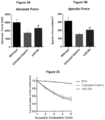
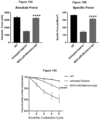
- rAAVrh.74.MiR-29c treated GAS muscle showed significant improvement in absolute force when compared to untreated mdx/utrn +/- GAS muscle (rAAV.miR-29c- 2277 ⁇ 161.7 vs. mdx/utrn +/- untreated- 1722 ⁇ 145.7; Fig. 3a ), and also normalized specific force in rAAVrh.74.miR-29c treated GAS muscle specific improvement when compared to untreated GAS muscle (rAAV.miR-29c- 204.7 ⁇ 11.7 vs. mdx/utrn +/- untreated- 151.6 ⁇ 14.5; Fig. 3b ). Force was still significantly reduced when compared to wild-type controls (rAAV.miR-29c- 204.7 ⁇ 11.7 vs. wild-type- 312.0 ⁇ 34.1).
- the following gene therapy vectors were administered by intramuscular injection (IM) into the left gastrocnemius (GAS) muscle of 3 month old mdx/utrn +/- mice, a DMD mouse model: scAAVrh.74.CMV.miR-29c alone, co-delivered with rAAVrh.74.MCK.micro-dystrophin, and rAAVrh.74.MCK.micro-dystrophin alone.
- IM intramuscular injection
- GAS left gastrocnemius
- the pAAV.MCK.micro-dystrophin plasmid contains the human micro-dystrophin cDNA expression cassette flanked by AAV2 inverted terminal repeat sequences (ITR) as shown in Fig. 10 . It is this sequence that was encapsidated into AAV rh.74 virions.
- the pAAV.MCK.micro-dystrophin plasmid was constructed by inserting the MCK expression cassette driving a codon optimized human micro-dystrophin cDNA sequence into the AAV cloning vector as described in Rodino- Klapac et al. (Mol Ther. 2010 Jan;18(1):109-17 ).
- a MCK promoter/enhancer sequence was used to drive muscle-specific gene expression and is composed of the mouse MCK core enhancer (206 bp) fused to the 351 bp MCK core promoter (proximal). After the core promoter, the 53 bp endogenous mouse MCK Exon1 (untranslated) is present for efficient transcription initiation, followed by the SV40 late 16S/19S splice signals (97 bp) and a small 5'UTR (61 bp). The intron and 5' UTR are derived from plasmid pCMV ⁇ (Clontech).
- the micro-dystrophin cassette has a consensus Kozak immediately in front of the ATG start and a small 53 bp synthetic polyA signal for mRNA termination.
- the human micro-dystrophin cassette contains the (R4-R23/ ⁇ 71-78) domains.
- the complementary DNA was codon optimized for human usage and synthesized by GenScript (Piscataway, NJ).
- mice were analyzed at 12 and 24 weeks post injection.
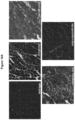
- the number of muscle fibers expressing micro-dystrophin was used to assess the efficacy of transgene delivery and to make sure we had similar levels of micro-dystrophin expressed in each group.
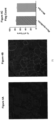
- micro-dystrophin was not different between cohorts treated with micro-dystrophin alone (71.85 ⁇ 2.25%) compared with miR-29c/micro-dystrophin combination therapy (75.03 ⁇ 1.91%) ( Fig.4 ).
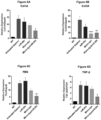
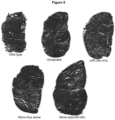
- GAS muscle was analyzed 12 months post-injection to assess collagen accumulation by Sirius Red staining and subsequent quantification with ImageJ. Additional outcomes included miR-29c and collagen transcript levels, force measurements in the GAS muscle, fiber diameter measurements and western blot analysis for proteins involved in muscle regeneration (MyoD, Myogenin). The amount of fibrosis was analyzed by picrosirius red staining, which revealed a significant decrease in collagen staining throughout the GAS muscles in all treated groups ( Fig. 5a ) compared to the untreated contralateral mdx/utrn+/- GAS muscle or micro-dystrophin alone.
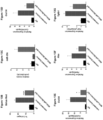
- qRT-PCR was performed on the muscle to quantify transcript levels of Col1A, Col3A and also another ECM component, fibronectin (Fbn).
- Fbn fibronectin
- TGF- ⁇ 1 has been previously shown to be up regulated in dystrophic muscle, likely playing a role in the initiation of the fibrotic cascade.
- TGF- ⁇ 1 is a known pro-fibrotic cytokine that down regulates miR-29c and is responsible for conversion of myoblasts to myofibroblasts with an increase in collagen and muscle fibrogenesis.
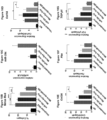
- qRT-PCR analysis shows that co-treated muscle had significantly lower levels of TGF- ⁇ 1 compared to uninjected muscle and either treatment alone ( Fig. 6d ).
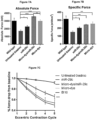
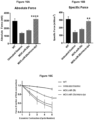
- Co-treated rAAVrh.74.MiR-29c and rAAV expressing Micro-Dys treated GAS muscle showed significant improvement in absolute force when compared to untreated mdx/utrn +/- GAS muscle (co-treated- 3582.4 ⁇ 79.4 nM vs. mdx/utrn +/- untreated- 1722 ⁇ 145.7 nM vs. wild-type- 3005 ⁇ 167.3 nM) ( Fig.7 ), and also normalized specific force in rAAVrh.74.miR-29c/micro-dys treated GAS muscle specific improvement when compared to untreated GAS muscle (co-treated mice-244.2 ⁇ 6.6 nM/mm 2 vs.
- MiR-29c co-delivered with micro-dystrophin increased the overall weight of the injected gastroc compared to either one injected alone at three months of age ( Fig. 8 , Fig. 9a ).
- myofiber diameters are measured.
- miR-29c/ ⁇ -dys combination treatment demonstrated an increase in average fiber size. Comparing mdx/utrn +/- controls with miR-29c/ ⁇ -dys treated mdx/utrn +/- , the average diameter increased from 25.96 to 30.97 ⁇ m ( Fig. 9b ).
- the co-delivery produced a shift towards wild-type fiber size distribution ( Fig. 9c ).
- miR-29c has been reported it to play a role in the myoD/Pax7/myogenin pathway and it was hypothesized that miR-29c may be impacting regeneration and activation of satellite cells (muscle stem cells) to differentiate in myogenic lineage. To test this, the total number of muscle fibers from the full slide scanned images was counted. An increased number of muscle fibers following miR-29c/ ⁇ -dys combination treatment ( Fig. 9e ). Finally, given that muscle fiber diameters in mdx/utrn+/- mice are heterogeneous with many small fibers and some hypertrophic fibers, it was determined whether the number of fibers per unit area (cells/mm2) was affected with treatment. miR-29c/ ⁇ -dys combination treatment was not different than wild-type ( Fig. 9f ).
- mice were necropsied 12 weeks post injection. A significant decrease in collagen staining throughout the GAS muscles in all treated groups compared to the untreated contralateral mdx/utrn +/- GAS muscle was observed ( Fig. 10A ). Quantification of the picrosirius red staining showed that muscle co-treated with micro-dystrophin/miR-29c had a 51% reduction in collagen compared to the untreated muscle (treated- 11.32% ⁇ 1.18 vs. untreated-23.15% ⁇ 0.90) (p ⁇ 0.0001) ( Fig. 10 ) and qRT-PCR confirmed Col1A, Col3A, Fbn and TGF- ⁇ 1 reduction following combinatorial therapy ( Fig. 10D and E ).
- each GAS was subjected to a series of repeat eccentric contractions.
- untreated muscle decayed to 0.53 ⁇ 0.04 versus co-treated 0.82 ⁇ 0.04 (p ⁇ 0.0001).
- the combinatorial treatment group was slightly lower than wild type but not significantly different, which decayed to 0.93 ⁇ 0.01 (Fig. 11C).
- miR-29 has also shown promise as a treatment modality for cardiac, pulmonary, and liver fibrosis.
- Myocardial infarction in mice and humans is associated with miR-29 down-regulation.
- Rooij et al. Proc. Natl. Acad. Sci, USA 105:13027-13032, 2008 ) demonstrated that exposing fibroblasts to a miR-29b mimic decreased collagen transcripts providing a path for clinical translation for cardiac fibrosis.
- Subsequent studies showed that in a bleomycin-induced pulmonary fibrosis mouse model, attenuation of fibrosis could be achieved using the Sleeping Beauty (SB) transposon system-based delivery of miR-29b.14.
- SB Sleeping Beauty
- miR-29b mimic is in a clinical Phase 1 Safety-Tolerability local intradermal trial in healthy volunteers (miRagen Therapeutics TM MRG-201).
- miRagen Therapeutics TM MRG-201 Compared to miR-29 oligonucleotide delivery that would require repeated administration related to the half-life of the oligonucleotides, AAV gene therapy could potentially provide a path for single-delivery gene transfer.
- AAV vectors comprising the miR29c sequence and a muscle specific promoter MCK were also generated and tested as a combination therapy with AAV vectors expressing micro-dystrophin.
- rAAV.MCK.miR29c the 22 nucleotide miR29c sequence (target strand SEQ ID NO: 3 and guide strand SEQ ID NO: 4) was cloned into a miR-30 scaffold driven by a MCK promoter (SEQ ID NO: 11).
- the expression cassette (SEQ ID NO: 12) was cloned into a single stranded AAV plasmid and packaged using AAVrh74, a serotype known to express well in muscle.
- the miR-29c cDNA was synthesized using a custom primer containing the miR-29c target (sense) strand, miR-30 stem loop and miR-29c guide (antisense) strand in the miR-30 backbone. Three bases of the miR-29c sequence were modified. This sequence was then cloned into a single stranded AAV ITR containing plasmid driven by the MCK promoter and polyA sequence.
- the pAAV.MCK.miR29C plasmid contains the mir29c cDNA in a miR-30 stem loop backbone flanked by AAV2 inverted terminal repeat sequences (ITR). It is this sequence that was encapsidated into AAVrh74 virions. In addition, a few nucleotides with in the miR-29c target sequence were changed to mimic Watson-crick pairing at this site as in shRNA-miR(luc). According to ShRNA-luc design, the hairpin should be perfectly complementary throughout its length. Plus, the more changes to the passenger strand, the more likely the elimination of any endogenous mechanism that regulates miR-29 processing that could recognize the miRNA via the stem. The 19 th base of the guide strand was modified to a cytosine to mimic the nucleotide that precedes the cleavage site in natural mi-29c sequence and the corresponding base on the other strand was changed to preserve pairing.
- ITR inverted terminal repeat sequences
- mice Early treatment of AAV.MCK.miR-29c/micro-dystrophin combination therapy was more effective at reducing fibrosis and ECM expression.
- 4-5-week-old mdx/utrn + ⁇ - mice received an intramuscular injection of rAAVrh.74.MCK.MiR-29c and rAAVrh74.MCK.micro-dystrophin at 5 ⁇ 10 11 vgs to the left gastrocnemius muscle as described in Example 5.
- the muscles were harvested twelve weeks post injection.
- Picrosirius red staining of muscle harvested from uninjected and mice injected with combination therapy of rAAV.MCK.miR-29c/rAAV.MCK.micro-dystrophin showed co-treated muscle had a 50.9% reduction in collagen compared to untreated GAS muscle (See Fig. 13a and 13b ).
- qRT-PCR confirmed an increase in miR-29c transcript levels in the treated cohort ( Fig. 13c ).
- Semi-quantitative qRT-PCR showed a significant reduction in Collagen A1 and Collagen 3A ( Fig. 13d, e ), Fibronectin ( Fig. 13f ) and Tg ⁇ 1 ( Fig.
- Muscles were then assessed for loss of force following repetitive eccentric contractions as described in Example 9. Mice co-treated with rAAV.MCK.miR-29c/rAAV.MCK.micro-dystrophin and rAAV.MCK.micro-dystrophin alone showed a protection from loss of force compared with untreated mdx /utrn + ⁇ - muscles ( Fig. 15c ).
- mice co-treated with MCK.miR-29c/micro-dystrophin showed a protection from loss of force compared with untreated mdx/utrn + ⁇ - muscles ( Fig. 16c ). These data show that reducing fibrosis and gene replacement lead to increase in both absolute and specific force and significantly protects muscle from contraction-induced injury.
Landscapes
- Health & Medical Sciences (AREA)
- Life Sciences & Earth Sciences (AREA)
- Engineering & Computer Science (AREA)
- Chemical & Material Sciences (AREA)
- Genetics & Genomics (AREA)
- General Health & Medical Sciences (AREA)
- Organic Chemistry (AREA)
- Bioinformatics & Cheminformatics (AREA)
- Biomedical Technology (AREA)
- Zoology (AREA)
- Medicinal Chemistry (AREA)
- Biotechnology (AREA)
- Molecular Biology (AREA)
- Veterinary Medicine (AREA)
- Public Health (AREA)
- Pharmacology & Pharmacy (AREA)
- Animal Behavior & Ethology (AREA)
- Wood Science & Technology (AREA)
- General Engineering & Computer Science (AREA)
- Epidemiology (AREA)
- Biochemistry (AREA)
- Biophysics (AREA)
- Microbiology (AREA)
- Physics & Mathematics (AREA)
- Plant Pathology (AREA)
- Proteomics, Peptides & Aminoacids (AREA)
- Gastroenterology & Hepatology (AREA)
- Virology (AREA)
- Immunology (AREA)
- General Chemical & Material Sciences (AREA)
- Nuclear Medicine, Radiotherapy & Molecular Imaging (AREA)
- Chemical Kinetics & Catalysis (AREA)
- Physical Education & Sports Medicine (AREA)
- Marine Sciences & Fisheries (AREA)
- Neurology (AREA)
- Orthopedic Medicine & Surgery (AREA)
- Toxicology (AREA)
- Dermatology (AREA)
- Mycology (AREA)
- Medicines That Contain Protein Lipid Enzymes And Other Medicines (AREA)
Applications Claiming Priority (4)
| Application Number | Priority Date | Filing Date | Title |
|---|---|---|---|
| US201662323163P | 2016-04-15 | 2016-04-15 | |
| US201762473253P | 2017-03-17 | 2017-03-17 | |
| PCT/US2017/027635 WO2017181014A1 (fr) | 2016-04-15 | 2017-04-14 | Administration à vecteurs de virus adéno-associé de microarn-29 et micro-dystrophine pour traiter la dystrophie musculaire |
| EP17783235.9A EP3442561B1 (fr) | 2016-04-15 | 2017-04-14 | Administration à vecteurs de virus adéno-associé de microarn-29 et micro-dystrophine pour traiter la dystrophie musculaire |
Related Parent Applications (1)
| Application Number | Title | Priority Date | Filing Date |
|---|---|---|---|
| EP17783235.9A Division EP3442561B1 (fr) | 2016-04-15 | 2017-04-14 | Administration à vecteurs de virus adéno-associé de microarn-29 et micro-dystrophine pour traiter la dystrophie musculaire |
Publications (2)
| Publication Number | Publication Date |
|---|---|
| EP4410979A2 true EP4410979A2 (fr) | 2024-08-07 |
| EP4410979A3 EP4410979A3 (fr) | 2024-11-06 |
Family
ID=60041940
Family Applications (5)
| Application Number | Title | Priority Date | Filing Date |
|---|---|---|---|
| EP17783235.9A Active EP3442561B1 (fr) | 2016-04-15 | 2017-04-14 | Administration à vecteurs de virus adéno-associé de microarn-29 et micro-dystrophine pour traiter la dystrophie musculaire |
| EP24157430.0A Pending EP4410979A3 (fr) | 2016-04-15 | 2017-04-14 | Administration de vecteur viral adéno-associé de microarn-29 et de micro-dystrophine pour traiter la dystrophie musculaire |
| EP17783236.7A Active EP3442602B1 (fr) | 2016-04-15 | 2017-04-14 | Délivrance de vecteur de virus adéno-associé pour traiter la dystrophie musculaire |
| EP17783232.6A Active EP3442601B1 (fr) | 2016-04-15 | 2017-04-14 | Administration de vecteur de virus adéno-associé de micro-arn-29 pour traiter une dystrophie musculaire |
| EP25158662.4A Pending EP4541894A3 (fr) | 2016-04-15 | 2017-04-14 | Administration de vecteur de virus adéno-associé de micro-dystrophine pour traiter une dystrophie musculaire |
Family Applications Before (1)
| Application Number | Title | Priority Date | Filing Date |
|---|---|---|---|
| EP17783235.9A Active EP3442561B1 (fr) | 2016-04-15 | 2017-04-14 | Administration à vecteurs de virus adéno-associé de microarn-29 et micro-dystrophine pour traiter la dystrophie musculaire |
Family Applications After (3)
| Application Number | Title | Priority Date | Filing Date |
|---|---|---|---|
| EP17783236.7A Active EP3442602B1 (fr) | 2016-04-15 | 2017-04-14 | Délivrance de vecteur de virus adéno-associé pour traiter la dystrophie musculaire |
| EP17783232.6A Active EP3442601B1 (fr) | 2016-04-15 | 2017-04-14 | Administration de vecteur de virus adéno-associé de micro-arn-29 pour traiter une dystrophie musculaire |
| EP25158662.4A Pending EP4541894A3 (fr) | 2016-04-15 | 2017-04-14 | Administration de vecteur de virus adéno-associé de micro-dystrophine pour traiter une dystrophie musculaire |
Country Status (26)
| Country | Link |
|---|---|
| US (7) | US11723986B2 (fr) |
| EP (5) | EP3442561B1 (fr) |
| JP (6) | JP7153562B2 (fr) |
| KR (3) | KR20250061772A (fr) |
| CN (2) | CN118895311A (fr) |
| AU (4) | AU2017250790B2 (fr) |
| CA (2) | CA3020996A1 (fr) |
| CO (1) | CO2018012084A2 (fr) |
| DK (1) | DK3442602T3 (fr) |
| ES (3) | ES2977730T3 (fr) |
| FI (1) | FI3442602T3 (fr) |
| HR (1) | HRP20250541T1 (fr) |
| HU (1) | HUE071243T2 (fr) |
| IL (3) | IL302200B2 (fr) |
| LT (1) | LT3442602T (fr) |
| MA (2) | MA44683B1 (fr) |
| MD (1) | MD3442602T2 (fr) |
| MX (2) | MX2018012604A (fr) |
| MY (2) | MY209041A (fr) |
| PL (1) | PL3442602T3 (fr) |
| PT (1) | PT3442602T (fr) |
| RS (1) | RS66847B1 (fr) |
| SG (1) | SG11201808941PA (fr) |
| SI (1) | SI3442602T1 (fr) |
| WO (3) | WO2017181015A1 (fr) |
| ZA (2) | ZA201806746B (fr) |
Families Citing this family (34)
| Publication number | Priority date | Publication date | Assignee | Title |
|---|---|---|---|---|
| KR102877920B1 (ko) | 2015-11-16 | 2025-10-30 | 더 리서치 인스티튜트 앳 네이션와이드 칠드런스 하스피탈 | 티틴-기반 근증 및 다른 티틴성병증의 치료를 위한 물질 및 방법 |
| ES2977730T3 (es) | 2016-04-15 | 2024-08-29 | Res Inst Nationwide Childrens Hospital | Administración de microARN-29 y micro-distrofina por virus adenoasociado para tratar la distrofia muscular |
| JP7676111B2 (ja) * | 2017-03-17 | 2025-05-14 | リサーチ インスティチュート アット ネイションワイド チルドレンズ ホスピタル | 筋ジストロフィーを治療するための筋肉特異的マイクロジストロフィンのアデノ随伴ウイルスベクター送達 |
| EP3596112A2 (fr) | 2017-03-17 | 2020-01-22 | Newcastle University | Délivrance par vecteur viral adéno-associé d'un fragment de micro-dystrophine pour traiter la dystrophie musculaire |
| MA50836A (fr) | 2017-10-18 | 2020-08-26 | Res Inst Nationwide Childrens Hospital | Administration par vecteur à virus adéno-associé de micro-dystrophine spécifique de muscles pour traiter la dystrophie musculaire |
| US11926653B2 (en) * | 2017-10-20 | 2024-03-12 | Research Institute At Nationwide Children's Hospital | Methods and materials for NT-3 gene therapy |
| AR114350A1 (es) | 2018-01-31 | 2020-08-26 | Res Institute At Nationwide ChildrenS Hospital | Terapia genética para la distrofia muscular de cinturas del tipo 2c |
| EP3765624A4 (fr) * | 2018-03-16 | 2022-05-25 | Research Institute at Nationwide Children's Hospital | Augmentation de l'administration de gènes spécifiques d'un tissu par modification de capside |
| EP3796919A4 (fr) * | 2018-05-15 | 2022-02-16 | Ramot at Tel-Aviv University Ltd. | Mir126-5p pour le traitement de maladies des motoneurones |
| EP3807309A1 (fr) * | 2018-06-18 | 2021-04-21 | Research Institute at Nationwide Children's Hospital | Produits de virus adéno-associés de recombinaison et méthodes de traitement de dystroglycanopathies et de dystrophies musculaires déficientes en laminine |
| MY208145A (en) * | 2018-06-18 | 2025-04-18 | Res Inst Nationwide Childrens Hospital | Adeno-associated virus vector delivery of muscle specific micro-dystrophin to treat muscular dystrophy |
| KR20210028162A (ko) | 2018-06-29 | 2021-03-11 | 더 리서치 인스티튜트 앳 네이션와이드 칠드런스 하스피탈 | 지대근 이영양증 2a형을 치료하기 위한 재조합 아데노 연관 바이러스 생성물 및 방법 |
| EP3598978B1 (fr) | 2018-07-26 | 2024-05-29 | EXOFIX S.r.l. | Exosomes dérivées de cellules fibroadipogéniques progénitrices pour la régénération des muscles dystrophiques |
| WO2020123645A1 (fr) * | 2018-12-12 | 2020-06-18 | Solid Biosciences Inc. | Polythérapie pour le traitement de la dystrophie musculaire |
| AU2020229340A1 (en) | 2019-02-26 | 2021-09-16 | Research Institute At Nationwide Children's Hospital | Adeno-associated virus vector delivery of B-sarcoglycan and the treatment of muscular dystrophy |
| US12466864B2 (en) * | 2019-03-25 | 2025-11-11 | Genethon | Production of large-sized quasidystrophins using overlapping AAV vectors |
| RS65421B1 (sr) | 2019-08-21 | 2024-05-31 | Res Inst Nationwide Childrens Hospital | Isporuka adeno-asociranog virusnog vektora alfa-sarkoglikana i lečenje mišićne distrofije |
| CA3164335A1 (fr) * | 2020-01-10 | 2021-07-15 | Fatih Ozsolak | Vecteur viral pour polytherapie |
| WO2021142435A1 (fr) * | 2020-01-10 | 2021-07-15 | Solid Biosciences Inc. | Polythérapie pour le traitement de la dystrophie musculaire |
| IL297753A (en) | 2020-04-29 | 2022-12-01 | Bristol Myers Squibb Co | Minimized dystrophins with spectrin fusion domains and uses thereof |
| IL299094A (en) * | 2020-06-15 | 2023-02-01 | Res Inst Nationwide Childrens Hospital | Administration of an adeno-associated virus vector for muscular dystrophies |
| CN111733185A (zh) * | 2020-06-30 | 2020-10-02 | 华南农业大学 | 通过Mdfi基因编辑来实现动物肉品质改良的方法和应用 |
| EP3936616A1 (fr) * | 2020-07-10 | 2022-01-12 | Charité - Universitätsmedizin Berlin | Thérapie ciblée par micro-arn pour réparation cardiaque |
| WO2023018854A2 (fr) | 2021-08-11 | 2023-02-16 | Solid Biosciences Inc. | Traitement de la dystrophie musculaire |
| EP4401794A4 (fr) * | 2021-09-16 | 2025-09-17 | Univ Florida | Particules de vaa avec répétitions terminales inversées modifiées pour expression génique accrue dans le muscle |
| EP4219726A1 (fr) | 2021-10-15 | 2023-08-02 | Research Institute at Nationwide Children's Hospital | Vecteur de virus adéno-associé auto-complémentaire et son utilisation dans le traitement de la dystrophie musculaire |
| EP4444894A4 (fr) * | 2021-12-07 | 2026-03-25 | Biogen Ma Inc | Procédés et systèmes de transfection de cellules hôtes |
| EP4215614A1 (fr) | 2022-01-24 | 2023-07-26 | Dynacure | Thérapie de combinaison pour maladies liées à la dystrophine |
| CN115819546B (zh) * | 2022-08-19 | 2025-12-05 | 成都金唯科生物科技有限公司 | 表达微缩抗肌营养不良蛋白基因的腺相关病毒载体及其应用 |
| US20260055144A1 (en) | 2022-08-24 | 2026-02-26 | Regenxbio Inc. | Recombinant adeno-associated viruses and uses thereof |
| US20250276095A1 (en) * | 2024-03-04 | 2025-09-04 | Kate Therapeutics, Inc. | Adeno-associated virus compositions for the treatment of duchenne muscular dystrophy |
| WO2025206748A1 (fr) | 2024-03-27 | 2025-10-02 | 주식회사 엘지에너지솔루션 | Matériau actif d'électrode positive, son procédé de préparation, et électrode positive et batterie rechargeable au lithium le comprenant |
| WO2026011009A1 (fr) * | 2024-07-02 | 2026-01-08 | Kate Therapeutics, Inc. | Compositions et procédés pour troubles musculaires |
| WO2026075999A2 (fr) | 2024-10-01 | 2026-04-09 | Sarepta Therapeutics, Inc. | Dystrophine et anticorps de micro-dystrophine et fragments associés |
Citations (22)
| Publication number | Priority date | Publication date | Assignee | Title |
|---|---|---|---|---|
| US5173414A (en) | 1990-10-30 | 1992-12-22 | Applied Immune Sciences, Inc. | Production of recombinant adeno-associated virus vectors |
| WO1995013392A1 (fr) | 1993-11-09 | 1995-05-18 | Medical College Of Ohio | Lignees cellulaires stables aptes a exprimer le gene de replication du virus adeno-associe |
| WO1995013365A1 (fr) | 1993-11-09 | 1995-05-18 | Targeted Genetics Corporation | Production de titres eleves de vecteurs d'aav recombinants |
| WO1996017947A1 (fr) | 1994-12-06 | 1996-06-13 | Targeted Genetics Corporation | Lignees cellulaires d'encapsidation utilisees pour la generation de titres hauts de vecteurs aav recombinants |
| WO1997006243A1 (fr) | 1995-08-10 | 1997-02-20 | Pasteur Merieux Serums Et Vaccins | Procede de purification de virus par chromatographie |
| WO1997008298A1 (fr) | 1995-08-30 | 1997-03-06 | Genzyme Corporation | Purification d'adenovirus et de virus adeno-associe (aav) par voie chromatographique |
| WO1997009441A2 (fr) | 1995-09-08 | 1997-03-13 | Genzyme Corporation | Vecteurs aav ameliores pour la therapie genique |
| WO1997021825A1 (fr) | 1995-12-15 | 1997-06-19 | Systemix, Inc. | Procede de production de lignees de cellules d'encapsidation retrovirales generant un surnageant retroviral a efficacite de transduction elevee |
| WO1998009657A2 (fr) | 1996-09-06 | 1998-03-12 | Trustees Of The University Of Pennsylvania | Methode de therapie genique basee sur des virus adeno-associes de recombinaison |
| US5786211A (en) | 1994-06-06 | 1998-07-28 | Children's Hospital, Inc. | Adeno-associated virus materials and methods |
| US5871982A (en) | 1994-10-28 | 1999-02-16 | The Trustees Of The University Of Pennsylvania | Hybrid adenovirus-AAV virus and methods of use thereof |
| WO1999011764A2 (fr) | 1997-09-05 | 1999-03-11 | Targeted Genetics Corporation | Procedes de generation de preparations de vecteurs de aav recombinants dont le titre est eleve et qui sont exemptes de virus assistant |
| US6258595B1 (en) | 1999-03-18 | 2001-07-10 | The Trustees Of The University Of Pennsylvania | Compositions and methods for helper-free production of recombinant adeno-associated viruses |
| WO2001083692A2 (fr) | 2000-04-28 | 2001-11-08 | The Trustees Of The University Of Pennsylvania | Vecteurs aav recombinants dotes de capsides aav5 et vecteurs aav5 pseudotypes dans des capsides heterologues |
| WO2002053703A2 (fr) | 2001-01-05 | 2002-07-11 | Children's Hospital, Inc. | Vecteurs aav2 et procedes |
| US6566118B1 (en) | 1997-09-05 | 2003-05-20 | Targeted Genetics Corporation | Methods for generating high titer helper-free preparations of released recombinant AAV vectors |
| US7282199B2 (en) | 2001-12-17 | 2007-10-16 | The Trustees Of The University Of Pennsylvania | Adeno-associated virus (AAV) serotype 8 sequences, vectors containing same, and uses therefor |
| WO2013016352A1 (fr) | 2011-07-25 | 2013-01-31 | Nationwide Children's Hospital, Inc. | Produits viraux recombinants et procédés pour inhibition de l'expression de dux4 |
| US9613872B2 (en) | 2014-09-29 | 2017-04-04 | Kabushiki Kaisha Toshiba | Method of manufacturing semiconductor device |
| US9614423B2 (en) | 2012-04-07 | 2017-04-04 | Traugott Weller | Method for producing rotating electrical machines |
| US9620777B2 (en) | 2013-09-30 | 2017-04-11 | Tdk Corporation | Positive electrode and lithium ion secondary battery using thereof |
| US9818600B2 (en) | 2014-03-21 | 2017-11-14 | Hitachi Kokusai Electric, Inc. | Substrate processing apparatus and method of manufacturing semiconductor device |
Family Cites Families (32)
| Publication number | Priority date | Publication date | Assignee | Title |
|---|---|---|---|---|
| US5795872A (en) | 1995-09-19 | 1998-08-18 | Pharmadigm, Inc. | DNA construct for immunization |
| JPH11318467A (ja) | 1998-05-08 | 1999-11-24 | Japan Science & Technology Corp | 短縮型ジストロフィン |
| ES2330615T3 (es) | 2000-04-28 | 2009-12-14 | Asklepios Biopharmaceutical, Inc. | Secuencias de adn que codifican para minigenes de distrofina y metodos de uso de las mismas. |
| ATE373095T1 (de) | 2000-07-14 | 2007-09-15 | Univ Michigan | Mutierte muskelspezifische enhancer |
| EP1366160B1 (fr) | 2000-10-06 | 2008-07-09 | The Regents Of The University Of Michigan | Sequences peptidiques et d'acides nucleiques de mini-dystrophine |
| CA2554818A1 (fr) | 2004-02-09 | 2005-08-25 | Thomas Jefferson University | Diagnostic et traitement de cancers a l'aide de microarn present dans ou au voisinage de caracteristiques chromosomiennes liees aux cancers |
| US20080044393A1 (en) | 2004-07-16 | 2008-02-21 | White Robert L | Retinal dystrophin transgene and methods of use thereof |
| WO2007095387A2 (fr) | 2006-02-17 | 2007-08-23 | Dharmacon, Inc. | Compositions et procédés permettant l'inhibition de silençage de gènes par l'interférence arn |
| CN101711164B (zh) | 2007-01-18 | 2014-06-04 | 密苏里-哥伦比亚大学 | 可修复肌纤维膜中的神经元型一氧化氮合酶的合成小/微-抗肌萎缩蛋白基因 |
| EP2182969B1 (fr) | 2007-07-31 | 2016-11-16 | The Board of Regents of The University of Texas System | Famille de micro-arn modulant une fibrose et procédés d'utilisation associés |
| US8236557B2 (en) | 2008-05-28 | 2012-08-07 | University Of Missouri-Columbia | Hybrid-AAV vectors to deliver large gene expression cassette |
| WO2010071454A1 (fr) | 2008-12-17 | 2010-06-24 | Auckland Uniservices Limited | Vecteurs viraux adéno-associés et leurs utilisations |
| WO2013075008A1 (fr) | 2011-11-16 | 2013-05-23 | University Of Florida Research Foundation Inc. | Systèmes de vecteur double aav pour une thérapie génique |
| US9434928B2 (en) | 2011-11-23 | 2016-09-06 | Nationwide Children's Hospital, Inc. | Recombinant adeno-associated virus delivery of alpha-sarcoglycan polynucleotides |
| WO2013102904A1 (fr) | 2012-01-05 | 2013-07-11 | Hadasit Medical Research Services & Development Ltd. | Procédés et compositions pour l'apport d'un gène |
| US9624282B2 (en) * | 2012-11-26 | 2017-04-18 | The Curators Of The University Of Missouri | Microdystrophin peptides and methods for treating muscular dystrophy using the same |
| MX388221B (es) * | 2013-04-20 | 2025-03-19 | Res Institute At Nationwide Children´S Hospital | ADMINISTRACIÓN DE VIRUS ADENO-ASOCIADO RECOMBINANTE DE CONSTRUCCIONES DE POLINUCLÉOTIDOS U7snRNA DIRIGIDA AL EXÓN 2. |
| GB201400598D0 (en) * | 2014-01-14 | 2014-03-05 | Univ Glasgow | Materials and methods for modulation of tendon healing |
| PL3097197T3 (pl) | 2014-01-21 | 2021-06-28 | Vrije Universiteit Brussel | Mięśniowo-specyficzne elementy regulatorowe kwasów nukleinowych oraz sposoby i ich zastosowanie |
| WO2015157306A1 (fr) | 2014-04-09 | 2015-10-15 | University Of Houston | Miarns thérapeutiques pour le traitement de maladies cardiaques et de maladies musculo-squelettiques |
| WO2015161255A1 (fr) * | 2014-04-18 | 2015-10-22 | Board Of Regents Of The Nevada System Of Higher Education, On Behalf Of The University Of Nevada, Reno | Procédés d'augmentation ou de diminution des taux de mir124 et mir29 chez des sujets atteints de dystrophie musculaire |
| EP2960336A1 (fr) | 2014-06-27 | 2015-12-30 | Genethon | Traitement systémique efficace de pathologies dystrophiques musculaires |
| CA2957661A1 (fr) * | 2014-08-09 | 2016-02-18 | Kevin FLANIGAN | Procedes et materiaux d'activation d'un site d'entree de ribosome interne dans l'exon 5 du gene dmd |
| US10842886B2 (en) * | 2014-10-10 | 2020-11-24 | Research Institute At Nationwide Children's Hospital | Guided injections for AAV gene transfer to muscle |
| JP6832280B2 (ja) | 2015-01-16 | 2021-02-24 | ユニバーシティ オブ ワシントンUniversity of Washington | 新規のマイクロジストロフィンおよび使用の関連する方法 |
| GB201507842D0 (en) | 2015-05-07 | 2015-06-17 | New Royal Holloway & Bedford | Production of large-sized microdystrophins in an AAV-based vector configuration |
| IL258005B2 (en) | 2015-09-17 | 2025-01-01 | Res Inst Nationwide Childrens Hospital | Methods and materials for gene therapy for beta-4,1-N-acetylgalactosaminyltransferase 2 |
| WO2017165859A1 (fr) * | 2016-03-24 | 2017-09-28 | Research Institute At Nationwide Children's Hospital | Protéines de capside virale modifiées |
| ES2977730T3 (es) | 2016-04-15 | 2024-08-29 | Res Inst Nationwide Childrens Hospital | Administración de microARN-29 y micro-distrofina por virus adenoasociado para tratar la distrofia muscular |
| LT3442600T (lt) | 2016-04-15 | 2024-05-27 | Research Institute At Nationwide Children's Hospital | Su adeno virusu susijusio viruso vektoriaus iš β-sarkoglikano ir mikro- rnr-29 pristatymas ir raumenų distrofijos gydymas |
| CA2971303C (fr) | 2016-06-21 | 2026-03-03 | Bamboo Therapeutics, Inc. | Genes de mini-dystrophine optimises et cassettes d'expression et leur utilisation |
| MY208145A (en) | 2018-06-18 | 2025-04-18 | Res Inst Nationwide Childrens Hospital | Adeno-associated virus vector delivery of muscle specific micro-dystrophin to treat muscular dystrophy |
-
2017
- 2017-04-14 ES ES17783235T patent/ES2977730T3/es active Active
- 2017-04-14 WO PCT/US2017/027636 patent/WO2017181015A1/fr not_active Ceased
- 2017-04-14 EP EP17783235.9A patent/EP3442561B1/fr active Active
- 2017-04-14 WO PCT/US2017/027630 patent/WO2017181011A1/fr not_active Ceased
- 2017-04-14 KR KR1020257013509A patent/KR20250061772A/ko active Pending
- 2017-04-14 MA MA44683A patent/MA44683B1/fr unknown
- 2017-04-14 FI FIEP17783236.7T patent/FI3442602T3/fi active
- 2017-04-14 CA CA3020996A patent/CA3020996A1/fr active Pending
- 2017-04-14 IL IL302200A patent/IL302200B2/en unknown
- 2017-04-14 PL PL17783236.7T patent/PL3442602T3/pl unknown
- 2017-04-14 DK DK17783236.7T patent/DK3442602T3/da active
- 2017-04-14 US US16/093,022 patent/US11723986B2/en active Active
- 2017-04-14 SI SI201731603T patent/SI3442602T1/sl unknown
- 2017-04-14 WO PCT/US2017/027635 patent/WO2017181014A1/fr not_active Ceased
- 2017-04-14 MY MYPI2022005940A patent/MY209041A/en unknown
- 2017-04-14 IL IL262194A patent/IL262194B2/en unknown
- 2017-04-14 US US16/092,711 patent/US11298429B2/en active Active
- 2017-04-14 KR KR1020187032687A patent/KR102649707B1/ko active Active
- 2017-04-14 CN CN202410708447.8A patent/CN118895311A/zh active Pending
- 2017-04-14 SG SG11201808941PA patent/SG11201808941PA/en unknown
- 2017-04-14 JP JP2018553882A patent/JP7153562B2/ja active Active
- 2017-04-14 EP EP24157430.0A patent/EP4410979A3/fr active Pending
- 2017-04-14 CA CA3020999A patent/CA3020999A1/fr active Pending
- 2017-04-14 PT PT177832367T patent/PT3442602T/pt unknown
- 2017-04-14 LT LTEPPCT/US2017/027636T patent/LT3442602T/lt unknown
- 2017-04-14 US US16/092,706 patent/US11406717B2/en active Active
- 2017-04-14 ES ES17783232T patent/ES2985822T3/es active Active
- 2017-04-14 RS RS20250432A patent/RS66847B1/sr unknown
- 2017-04-14 JP JP2018553951A patent/JP7078546B2/ja active Active
- 2017-04-14 MY MYPI2018001733A patent/MY195438A/en unknown
- 2017-04-14 KR KR1020247008867A patent/KR102801562B1/ko active Active
- 2017-04-14 MD MDE20190237T patent/MD3442602T2/ro unknown
- 2017-04-14 AU AU2017250790A patent/AU2017250790B2/en active Active
- 2017-04-14 HR HRP20250541TT patent/HRP20250541T1/hr unknown
- 2017-04-14 ES ES17783236T patent/ES3026989T3/es active Active
- 2017-04-14 IL IL319636A patent/IL319636A/en unknown
- 2017-04-14 MX MX2018012604A patent/MX2018012604A/es unknown
- 2017-04-14 EP EP17783236.7A patent/EP3442602B1/fr active Active
- 2017-04-14 EP EP17783232.6A patent/EP3442601B1/fr active Active
- 2017-04-14 CN CN201780023711.2A patent/CN109069672B/zh active Active
- 2017-04-14 JP JP2018553928A patent/JP7189771B2/ja active Active
- 2017-04-14 EP EP25158662.4A patent/EP4541894A3/fr active Pending
- 2017-04-14 AU AU2017250791A patent/AU2017250791B2/en active Active
- 2017-04-14 HU HUE17783236A patent/HUE071243T2/hu unknown
- 2017-04-14 MA MA045477A patent/MA45477A/fr unknown
-
2018
- 2018-10-10 ZA ZA2018/06746A patent/ZA201806746B/en unknown
- 2018-10-15 MX MX2024005644A patent/MX2024005644A/es unknown
- 2018-11-08 CO CONC2018/0012084A patent/CO2018012084A2/es unknown
-
2019
- 2019-10-08 ZA ZA2019/06608A patent/ZA201906608B/en unknown
-
2021
- 2021-11-24 JP JP2021190072A patent/JP7431789B2/ja active Active
-
2022
- 2022-04-12 US US17/719,019 patent/US20230001015A1/en not_active Abandoned
- 2022-06-10 US US17/837,821 patent/US20230173101A1/en not_active Abandoned
-
2023
- 2023-02-23 AU AU2023201093A patent/AU2023201093B2/en active Active
- 2023-11-29 JP JP2023201579A patent/JP7833440B2/ja active Active
-
2024
- 2024-10-03 US US18/906,008 patent/US20250161490A1/en active Pending
-
2025
- 2025-04-30 JP JP2025075669A patent/JP2025118741A/ja active Pending
- 2025-07-24 AU AU2025208472A patent/AU2025208472A1/en active Pending
- 2025-08-13 US US19/298,798 patent/US20260027235A1/en active Pending
Patent Citations (24)
| Publication number | Priority date | Publication date | Assignee | Title |
|---|---|---|---|---|
| US5173414A (en) | 1990-10-30 | 1992-12-22 | Applied Immune Sciences, Inc. | Production of recombinant adeno-associated virus vectors |
| WO1995013392A1 (fr) | 1993-11-09 | 1995-05-18 | Medical College Of Ohio | Lignees cellulaires stables aptes a exprimer le gene de replication du virus adeno-associe |
| WO1995013365A1 (fr) | 1993-11-09 | 1995-05-18 | Targeted Genetics Corporation | Production de titres eleves de vecteurs d'aav recombinants |
| US5658776A (en) | 1993-11-09 | 1997-08-19 | Targeted Genetics Corporation | Generation of high titers of recombinant AAV vectors |
| US5786211A (en) | 1994-06-06 | 1998-07-28 | Children's Hospital, Inc. | Adeno-associated virus materials and methods |
| US5871982A (en) | 1994-10-28 | 1999-02-16 | The Trustees Of The University Of Pennsylvania | Hybrid adenovirus-AAV virus and methods of use thereof |
| WO1996017947A1 (fr) | 1994-12-06 | 1996-06-13 | Targeted Genetics Corporation | Lignees cellulaires d'encapsidation utilisees pour la generation de titres hauts de vecteurs aav recombinants |
| WO1997006243A1 (fr) | 1995-08-10 | 1997-02-20 | Pasteur Merieux Serums Et Vaccins | Procede de purification de virus par chromatographie |
| WO1997008298A1 (fr) | 1995-08-30 | 1997-03-06 | Genzyme Corporation | Purification d'adenovirus et de virus adeno-associe (aav) par voie chromatographique |
| WO1997009441A2 (fr) | 1995-09-08 | 1997-03-13 | Genzyme Corporation | Vecteurs aav ameliores pour la therapie genique |
| WO1997021825A1 (fr) | 1995-12-15 | 1997-06-19 | Systemix, Inc. | Procede de production de lignees de cellules d'encapsidation retrovirales generant un surnageant retroviral a efficacite de transduction elevee |
| WO1998009657A2 (fr) | 1996-09-06 | 1998-03-12 | Trustees Of The University Of Pennsylvania | Methode de therapie genique basee sur des virus adeno-associes de recombinaison |
| WO1999011764A2 (fr) | 1997-09-05 | 1999-03-11 | Targeted Genetics Corporation | Procedes de generation de preparations de vecteurs de aav recombinants dont le titre est eleve et qui sont exemptes de virus assistant |
| US6566118B1 (en) | 1997-09-05 | 2003-05-20 | Targeted Genetics Corporation | Methods for generating high titer helper-free preparations of released recombinant AAV vectors |
| US6258595B1 (en) | 1999-03-18 | 2001-07-10 | The Trustees Of The University Of Pennsylvania | Compositions and methods for helper-free production of recombinant adeno-associated viruses |
| WO2001083692A2 (fr) | 2000-04-28 | 2001-11-08 | The Trustees Of The University Of Pennsylvania | Vecteurs aav recombinants dotes de capsides aav5 et vecteurs aav5 pseudotypes dans des capsides heterologues |
| WO2002053703A2 (fr) | 2001-01-05 | 2002-07-11 | Children's Hospital, Inc. | Vecteurs aav2 et procedes |
| US7282199B2 (en) | 2001-12-17 | 2007-10-16 | The Trustees Of The University Of Pennsylvania | Adeno-associated virus (AAV) serotype 8 sequences, vectors containing same, and uses therefor |
| US7790449B2 (en) | 2001-12-17 | 2010-09-07 | The Trustees Of The University Of Pennsylvania | Adeno-associated virus (AAV) serotype 8 sequences, vectors containing the same, and uses therefor |
| WO2013016352A1 (fr) | 2011-07-25 | 2013-01-31 | Nationwide Children's Hospital, Inc. | Produits viraux recombinants et procédés pour inhibition de l'expression de dux4 |
| US9614423B2 (en) | 2012-04-07 | 2017-04-04 | Traugott Weller | Method for producing rotating electrical machines |
| US9620777B2 (en) | 2013-09-30 | 2017-04-11 | Tdk Corporation | Positive electrode and lithium ion secondary battery using thereof |
| US9818600B2 (en) | 2014-03-21 | 2017-11-14 | Hitachi Kokusai Electric, Inc. | Substrate processing apparatus and method of manufacturing semiconductor device |
| US9613872B2 (en) | 2014-09-29 | 2017-04-04 | Kabushiki Kaisha Toshiba | Method of manufacturing semiconductor device |
Non-Patent Citations (84)
| Title |
|---|
| AMBROS, V.: "MicroRNA pathways in flies and worms: growth, death, fat, stress, and timing", CELL, vol. 113, 2003, pages 673 - 676, XP055397921 |
| BERNS: "Virology", 1990, RAVEN PRESS, pages: 1743 - 1764 |
| CACCHIARELLI, D. ET AL.: "MicroRNAs involved in molecular circuitries relevant for the Duchenne muscular dystrophy pathogenesis are controlled by the dystrophin/nNOS pathway", CELL METAB, vol. 12, no. 4, 2010, pages 341 - 351, XP055036033, DOI: 10.1016/j.cmet.2010.07.008 |
| CARNWATH, J.W.SHOTTON, D.M.: "Muscular dystrophy in the mdx mouse: histopathology of the soleus and extensor digitorum longus muscles", J NEUROL SCI, vol. 80, 1987, pages 39 - 54, XP024300523, DOI: 10.1016/0022-510X(87)90219-X |
| CARTER, CURRENT OPINIONS IN BIOTECHNOLOGY, 1992, pages 1533 - 539 |
| CHAO ET AL., MOL THER, vol. 2, 2000, pages 619 - 623 |
| CHAO ET AL., MOL THER, vol. 4, 2001, pages 217 - 222 |
| CLARK ET AL., GENE THERAPY, vol. 3, 1996, pages 1124 - 1132 |
| CLARK ET AL., HUM GENE THER, vol. 8, 1997, pages 659 - 669 |
| CLARK ET AL., HUM. GENE THER., vol. 10, no. 6, 1999, pages 1031 - 1039 |
| COULTON, G.R.MORGAN, J.E.PARTRIDGE, T.A.SLOPER, J.C.: "The mdx mouse skeletal muscle myopathy: I. A histological, morphometric and biochemical investigation", NEUROPATHOL APPLNEUROBIOL, vol. 14, 1988, pages 53 - 70 |
| CSERJESIOLSON, MOL CELL BIOL, vol. 11, 1991, pages 4854 - 4862 |
| CULLEN, M.J.JAROS, E.: "Ultrastructure of the skeletal muscle in the X chromosome-linked dystrophic (mdx) mouse. Comparison with Duchenne muscular dystrophy", ACTA NEUROPATHOL, vol. 77, 1988, pages 69 - 81 |
| CUSHING, L. ET AL.: "MIR-29 is a Major Regulator of Genes Associated with Pulmonary Fibrosis", AM J RESPIR CELL MOL BIOL, 2010 |
| DECONINCK, A.E.: "Utrophin-dystrophin-deficient mice as a model for Duchenne muscular dystrophy.", CELL, vol. 90, 1997, pages 717 - 727 |
| DESGUERRE, I. ET AL.: "Endomysial fibrosis in Duchenne muscular dystrophy: a marker of poor outcome associated with macrophage alternative activation", J NEUROPATHOL EXP NEUROL, vol. 68, no. 7, 2009, pages 762 - 773 |
| DIPRIMIO, N.MCPHEE, S.W.SAMULSKI, R.J.: "Adeno-associated virus for the treatment of muscle diseases: toward clinical trials", CURR OPIN MOL THER, vol. 12, 2010, pages 553 - 560 |
| DUPONT-VERSTEEGDEN, E.E. & MCCARTER, R.J.: " Differential expression of muscular dystrophy in diaphragm versus hindlimb muscles of mdx mice", MUSCLE NERVE, vol. 15, 1992, pages 1105 - 1110 |
| EISENBERG, I. ET AL.: "Distinctive patterns of microRNA expression in primary muscular disorders", PROC NATL ACAD SCI USA, vol. 104, no. 43, 2007, pages 17016 - 17021, XP002532416, DOI: 10.1073/PNAS.0708115104 |
| GAO ET AL., J. VIROL., vol. 78, 2004, pages 6381 - 6388 |
| GRADY, R.M. ET AL.: "Skeletal and cardiac myopathies in mice lacking utrophin and dystrophin: a model for Duchenne muscular dystrophy", CELL, vol. 90, 1997, pages 729 - 738 |
| GROSE, W.E. ET AL.: "Homologous recombination mediates functional recovery of dysferlin deficiency following AAV5 gene transfer", PLOS ONE, vol. 7, 2012, pages e39233 |
| GUTPELL, K.M., HRINIVICH, W.T. & HOFFMAN, L.M.: "Skeletal Muscle Fibrosis in the mdx/utrn+/- Mouse Validates Its Suitability as a Murine Model of Duchenne Muscular Dystrophy", PLOS ONE, vol. 10, 2015, pages e0117306 |
| HAKIM ET AL., METHODS MOL BIOL., vol. 709, 2011, pages 75 - 89 |
| HERMONAT ET AL., PROC. NATL. ACAD. SCI. USA, vol. 81, 1984, pages 6466 |
| HOFFMAN, E.P.BROWN, R.H., JR.KUNKEL, L.M.: "Dystrophin: the protein product of the Duchenne muscular dystrophy locus", CELL, vol. 51, no. 6, 1987, pages 919 - 928, XP027461743, DOI: 10.1016/0092-8674(87)90579-4 |
| JIANG, X.TSITSIOU, E.HERRICK, S.E.LINDSAY, M.A.: "MicroRNAs and the regulation of fibrosis", FEBS J, vol. 277, 2010, pages 2015 - 2021, XP055013911, DOI: 10.1111/j.1742-4658.2010.07632.x |
| JOHNSON ET AL., MOL CELL BIOL, vol. 9, 1989, pages 3393 - 3399 |
| KESSLER ET AL., PROC NAT. ACAD SC. USA, vol. 93, 1996, pages 14082 - 14087 |
| KIM, J. ET AL.: "microRNA-directed cleavage of ATHB15 mRNA regulates vascular development in Arabidopsis inflorescence stems", PLANT J, vol. 42, 2005, pages 84 - 94, XP002571782 |
| LAUGHLIN ET AL., GENE, vol. 23, 1983, pages 65 - 73 |
| LEBKOWSKI ET AL., 1988 MOL. CELL. BIOL., vol. 7, 1988, pages 349 |
| LEWIS ET AL., J VIROL, vol. 76, 2002, pages 8769 - 8775 |
| LIU, M. ET AL.: "Adeno-associated virus-mediated microdystrophin expression protects young mdx muscle from contraction-induced injury", MOL THER, vol. 11, 2005, pages 245 - 256, XP004723678, DOI: 10.1016/j.ymthe.2004.09.013 |
| LOVE, D.R. ET AL.: "An autosomal transcript in skeletal muscle with homology to dystrophin", NATURE, vol. 339, 1989, pages 55 - 58, XP002031004, DOI: 10.1038/339055a0 |
| MADERWHITE, PROC. NATL. ACAD. SCI. USA, vol. 90, 1993, pages 5603 - 5607 |
| MARSIC ET AL., MOLECULAR THERAPY, vol. 22, no. 11, 2014, pages 1900 - 1909 |
| MCLAUGHLIN ET AL., J. VIROL., vol. 62, 1988, pages 1963 - 174 |
| MENDELL ET AL., ANN. NEUROL., vol. 71, 2012, pages 304 - 313 |
| MENDELL, J.R. ET AL.: "A phase 1/2a follistatin gene therapy trial for becker muscular dystrophy", MOLECULAR THERAPY : THE JOURNAL OF THE AMERICAN SOCIETY OF GENE THERAPY, vol. 23, 2015, pages 192 - 201, XP002752989, DOI: 10.1038/mt.2014.200 |
| MENDELL, J.R. ET AL.: "Limb-girdle muscular dystrophy type 2D gene therapy restores alpha-sarcoglycan and associated proteins", ANN NEUROL, vol. 66, 2009, pages 290 - 297 |
| MENDELL, J.R. ET AL.: "Sustained alpha-sarcoglycan gene expression after gene transfer in limb-girdle muscular dystrophy, type 2D", ANN NEUROL, vol. 68, 2010, pages 629 - 638, XP055078625, DOI: 10.1002/ana.22251 |
| MOL. THER., vol. 13, no. 1, 2006, pages 67 - 76 |
| MULIERI, L.A.HASENFUSS, G.ITTLEMAN, F.BLANCHARD, E.M.ALPERT, N.R.: "Protection of human left ventricular myocardium from cutting injury with 2,3-butanedione monoxime", CIRC RES, vol. 65, 1989, pages 1441 - 1449 |
| MURPHY ET AL., PROC NATL ACAD SCI USA, vol. 94, 1997, pages 13921 - 13926 |
| MUSCAT ET AL., MOL CELL BIOL, vol. 7, 1987, pages 4089 - 4099 |
| MUZYCZKA, CURR. TOPICS IN MICROBIAL. AND IMMUNOL., vol. 158, 1992, pages 97 - 129 |
| MUZYCZKA, CURRENT TOPICS IN MICROBIOLOGY AND IMMUNOLOGY, vol. 158, 1992, pages 97 - 129 |
| NEVO ET AL., PLOS ONE, vol. 6, 2011, pages e18049 |
| NEVO, Y. ET AL.: "The Ras antagonist, farnesylthiosalicylic acid (FTS), decreases fibrosis and improves muscle strength in dy/dy mouse model of muscular dystrophy", PLOS ONE, vol. 6, 2011, pages e18049, XP055241922, DOI: 10.1371/journal.pone.0018049 |
| PAUL ET AL., HUMAN GENE THERAPY, vol. 4, 1993, pages 609 - 615 |
| PERRIN ET AL., VACCINE, vol. 13, 1995, pages 1244 - 1250 |
| RAFAEL, J.A.TINSLEY, J.M.POTTER, A.C.DECONINCK, A.E.DAVIES, K.E.: "Skeletal muscle-specific expression of a utrophin transgene rescues utrophin-dystrophin deficient mice", NAT GENET, vol. 19, 1998, pages 79 - 82 |
| RATSCHIN ET AL., MOL. CELL. BIOL., vol. 4, 1984, pages 2072 |
| RODERBURG, C. ET AL.: "Micro-RNA profiling reveals a role for miR-29 in human and murine liver fibrosis", HEPATOLOGY, vol. 53, 2011, pages 209 - 218, XP055185058, DOI: 10.1002/hep.23922 |
| RODINO-KLAPAC ET AL., J. TRANS. MED., vol. 5, 2007, pages 45 |
| RODINO-KLAPAC ET AL., MOL THER, vol. 18, no. 1, January 2010 (2010-01-01), pages 109 - 17 |
| RODINO-KLAPAC, L.R. ET AL.: "A translational approach for limb vascular delivery of the micro-dystrophin gene without high volume or high pressure for treatment of Duchenne muscular dystrophy", J TRANSLMED, vol. 5, 2007, pages 45, XP008095494, DOI: 10.1186/1479-5876-5-45 |
| RODINO-KLAPAC, L.R. ET AL.: "Micro-dystrophin and follistatin co-delivery restores muscle function in aged DMD model", HUMAN MOLECULAR GENETICS, vol. 22, 2013, pages 4929 - 4937, XP055478537, DOI: 10.1093/hmg/ddt342 |
| RODINO-KLAPAC, L.R. ET AL.: "Persistent expression of FLAG-tagged micro dystrophin in nonhuman primates following intramuscular and vascular delivery", MOLECULAR THERAPY : THE JOURNAL OF THE AMERICAN SOCIETY OF GENE, vol. 18, 2010, pages 109 - 117, XP055631567, DOI: 10.1038/mt.2009.254 |
| ROOIJ ET AL., PROC. NATL. ACAD. SCI, USA, vol. 105, 2008, pages 13027 - 13032 |
| ROSE, COMPREHENSIVE VIROLOGY, vol. 3, 1974, pages 1 - 61 |
| RUFFING ET AL., J GEN VIROL, vol. 75, 1994, pages 3385 - 3392 |
| SACCO, A. ET AL.: "Short telomeres and stem cell exhaustion model Duchenne muscular dystrophy in mdx/mTR mice", CELL, vol. 143, no. 7, 2010, pages 1059 - 1071, XP028362269, DOI: 10.1016/j.cell.2010.11.039 |
| SAMULSKI ET AL., J. VIROL., vol. 63, 1989, pages 3822 - 3828 |
| SAMULSKI ET AL., PROC. NATL. ACAD, 1982, pages S6 |
| SCHENPPCLARK, METHODS MOL. MED., vol. 69, 2002, pages 427 - 443 |
| SEMENZA ET AL., PROC NATL ACAD SCI USA, vol. 88, 1991, pages 5680 - 5684 |
| SENAPATHYCARTER, J. BIOL. CHEM., vol. 259, 1984, pages 4661 - 4666 |
| SQUIRE, S. ET AL.: "Prevention of pathology in mdx mice by expression of utrophin: analysis using an inducible transgenic expression system", HUM MOL, vol. 11, 2002, pages 3333 - 3344, XP002993829, DOI: 10.1093/hmg/11.26.3333 |
| SRIVASTAVA ET AL., J VIROL, vol. 45, 1983, pages 555 - 564 |
| STEDMAN, H.H. ET AL.: "The mdx mouse diaphragm reproduces the degenerative changes of Duchenne muscular dystrophy", NATURE, vol. 352, 1991, pages 536 - 539 |
| STRAUB ET AL., CURR OPIN. NEUROL., vol. 10, no. 2, 1997, pages 168 - 75 |
| STRAUB, V.CAMPBELL, K.P.: "Muscular dystrophies and the dystrophin-glycoprotein complex", CURR OPIN NEUROL, vol. 10, 1997, pages 168 - 175 |
| TINSLEY, J. ET AL.: "Expression of full-length utrophin prevents muscular dystrophy in mdx mice", NAT MED, vol. 4, 1998, pages 1441 - 1444, XP055663897 |
| TINSLEY, J.M. ET AL.: "Primary structure of dystrophin-related protein", NATURE, vol. 360, 1992, pages 591 - 593, XP002031005, DOI: 10.1038/360591a0 |
| TRATSCHIN ET AL., MOL. CELL. BIOL., vol. 5, 1985, pages 3251 |
| VAN ROOIJ, E. ET AL.: "Dysregulation of microRNAs after myocardial infarction reveals a role of miR-29 in cardiac fibrosis", PROC NATL ACAD SCI USA, vol. 105, 2008, pages 13027 - 13032, XP055753701, DOI: 10.1073/pnas.0805038105 |
| VIROLOGY, vol. 330, no. 2, 2004, pages 375 - 383 |
| WALLACE, G.Q.MCNALLY, E.M.: "Mechanisms of muscle degeneration, regeneration, and repair in the muscular dystrophies", ANNU REV PHYSIOL, vol. 71, 2009, pages 37 - 57 |
| WEINTRAUB ET AL., SCIENCE, vol. 251, 1991, pages 761 - 766 |
| XIAO ET AL., J VIROL, vol. 70, 1996, pages 8098 - 8108 |
| ZHOU, L. & LU, H.: " Targeting fibrosis in Duchenne muscular dystrophy", NEUROPATHOL EXP NEUROL, vol. 69, 2010, pages 771 - 776 |
| ZHOU, L. ET AL.: "Haploinsufficiency of utrophin gene worsens skeletal muscle inflammation and fibrosis in mdx mice", J NEUROLSCI, vol. 264, 2008, pages 106 - 111, XP022373871, DOI: 10.1016/j.jns.2007.08.029 |
Also Published As
Similar Documents
| Publication | Publication Date | Title |
|---|---|---|
| US20250161490A1 (en) | Adeno-associated virus vector delivery of micro-dystrophin to treat muscular dystrophy | |
| HK40114888A (en) | Adeno-associated virus vector delivery of microrna-29 and micro-dystrophin to treat muscular dystrophy | |
| HK40125796A (en) | Adeno-associated virus vector delivery of micro-dystrophin to treat muscular dystrophy | |
| HK40004133A (en) | Adeno-associated virus vector delivery of microrna-29 and micro-dystrophin to treat muscular dystrophy | |
| HK40004133B (en) | Adeno-associated virus vector delivery of microrna-29 and micro-dystrophin to treat muscular dystrophy | |
| HK40004134A (en) | Adeno-associated virus vector delivery of microrna-29 to treat muscular dystrophy | |
| HK40004134B (en) | Adeno-associated virus vector delivery of microrna-29 to treat muscular dystrophy | |
| HK40004135B (en) | Adeno-associated virus vector delivery of micro-dystrophin to treat muscular dystrophy | |
| HK40004135A (en) | Adeno-associated virus vector delivery of micro-dystrophin to treat muscular dystrophy | |
| EA042315B1 (ru) | Доставка микродистрофина вектором на основе аденоассоциированного вируса для лечения мышечной дистрофии | |
| EA052000B1 (ru) | Доставка микродистрофина вектором на основе адено-ассоциированного вируса для лечения мышечной дистрофии | |
| BR112018071182B1 (pt) | Vetor de aavrh7.4 recombinante, composição, uso dos mesmos e método para produzir uma proteína micro-distrofina funcional | |
| BR122025027836A2 (pt) | Vetor de aavrh7.4 recombinante, composição, uso dos mesmos e método para produzir uma proteína micro-distrofina funcional | |
| BR122024002143A2 (pt) | Vetor de aavrh7.4 recombinante, composição, uso dos mesmos e método para produzir uma proteína micro-distrofina funcional |
Legal Events
| Date | Code | Title | Description |
|---|---|---|---|
| PUAI | Public reference made under article 153(3) epc to a published international application that has entered the european phase |
Free format text: ORIGINAL CODE: 0009012 |
|
| STAA | Information on the status of an ep patent application or granted ep patent |
Free format text: STATUS: THE APPLICATION HAS BEEN PUBLISHED |
|
| AC | Divisional application: reference to earlier application |
Ref document number: 3442561 Country of ref document: EP Kind code of ref document: P |
|
| AK | Designated contracting states |
Kind code of ref document: A2 Designated state(s): AL AT BE BG CH CY CZ DE DK EE ES FI FR GB GR HR HU IE IS IT LI LT LU LV MC MK MT NL NO PL PT RO RS SE SI SK SM TR |
|
| REG | Reference to a national code |
Ref country code: DE Ref legal event code: R079 Free format text: PREVIOUS MAIN CLASS: C12N0015113000 Ipc: A61K0048000000 |
|
| PUAL | Search report despatched |
Free format text: ORIGINAL CODE: 0009013 |
|
| AK | Designated contracting states |
Kind code of ref document: A3 Designated state(s): AL AT BE BG CH CY CZ DE DK EE ES FI FR GB GR HR HU IE IS IT LI LT LU LV MC MK MT NL NO PL PT RO RS SE SI SK SM TR |
|
| RIC1 | Information provided on ipc code assigned before grant |
Ipc: C12N 15/113 20100101ALI20240927BHEP Ipc: C12N 15/11 20060101ALI20240927BHEP Ipc: A61K 48/00 20060101AFI20240927BHEP |
|
| REG | Reference to a national code |
Ref country code: HK Ref legal event code: DE Ref document number: 40114888 Country of ref document: HK |
|
| P01 | Opt-out of the competence of the unified patent court (upc) registered |
Free format text: CASE NUMBER: APP_16327/2025 Effective date: 20250403 |
|
| STAA | Information on the status of an ep patent application or granted ep patent |
Free format text: STATUS: REQUEST FOR EXAMINATION WAS MADE |
|
| 17P | Request for examination filed |
Effective date: 20250502 |