EP4431496A1 - Inhibiteur de la ferroptose et son utilisation - Google Patents
Inhibiteur de la ferroptose et son utilisation Download PDFInfo
- Publication number
- EP4431496A1 EP4431496A1 EP22892918.8A EP22892918A EP4431496A1 EP 4431496 A1 EP4431496 A1 EP 4431496A1 EP 22892918 A EP22892918 A EP 22892918A EP 4431496 A1 EP4431496 A1 EP 4431496A1
- Authority
- EP
- European Patent Office
- Prior art keywords
- substituted
- unsubstituted
- hydrogen
- hydroxyl
- ferroptosis
- Prior art date
- Legal status (The legal status is an assumption and is not a legal conclusion. Google has not performed a legal analysis and makes no representation as to the accuracy of the status listed.)
- Pending
Links
Images












Classifications
-
- A—HUMAN NECESSITIES
- A61—MEDICAL OR VETERINARY SCIENCE; HYGIENE
- A61P—SPECIFIC THERAPEUTIC ACTIVITY OF CHEMICAL COMPOUNDS OR MEDICINAL PREPARATIONS
- A61P1/00—Drugs for disorders of the alimentary tract or the digestive system
- A61P1/16—Drugs for disorders of the alimentary tract or the digestive system for liver or gallbladder disorders, e.g. hepatoprotective agents, cholagogues, litholytics
-
- A—HUMAN NECESSITIES
- A61—MEDICAL OR VETERINARY SCIENCE; HYGIENE
- A61K—PREPARATIONS FOR MEDICAL, DENTAL OR TOILETRY PURPOSES
- A61K31/00—Medicinal preparations containing organic active ingredients
- A61K31/33—Heterocyclic compounds
- A61K31/395—Heterocyclic compounds having nitrogen as a ring hetero atom, e.g. guanethidine or rifamycins
- A61K31/435—Heterocyclic compounds having nitrogen as a ring hetero atom, e.g. guanethidine or rifamycins having six-membered rings with one nitrogen as the only ring hetero atom
- A61K31/47—Quinolines; Isoquinolines
- A61K31/473—Quinolines; Isoquinolines ortho- or peri-condensed with carbocyclic ring systems, e.g. acridines, phenanthridines
-
- A—HUMAN NECESSITIES
- A61—MEDICAL OR VETERINARY SCIENCE; HYGIENE
- A61K—PREPARATIONS FOR MEDICAL, DENTAL OR TOILETRY PURPOSES
- A61K31/00—Medicinal preparations containing organic active ingredients
- A61K31/33—Heterocyclic compounds
- A61K31/395—Heterocyclic compounds having nitrogen as a ring hetero atom, e.g. guanethidine or rifamycins
- A61K31/435—Heterocyclic compounds having nitrogen as a ring hetero atom, e.g. guanethidine or rifamycins having six-membered rings with one nitrogen as the only ring hetero atom
- A61K31/47—Quinolines; Isoquinolines
- A61K31/4738—Quinolines; Isoquinolines ortho- or peri-condensed with heterocyclic ring systems
- A61K31/4741—Quinolines; Isoquinolines ortho- or peri-condensed with heterocyclic ring systems condensed with ring systems having oxygen as a ring hetero atom, e.g. tubocuraran derivatives, noscapine, bicuculline
-
- A—HUMAN NECESSITIES
- A61—MEDICAL OR VETERINARY SCIENCE; HYGIENE
- A61P—SPECIFIC THERAPEUTIC ACTIVITY OF CHEMICAL COMPOUNDS OR MEDICINAL PREPARATIONS
- A61P11/00—Drugs for disorders of the respiratory system
-
- A—HUMAN NECESSITIES
- A61—MEDICAL OR VETERINARY SCIENCE; HYGIENE
- A61P—SPECIFIC THERAPEUTIC ACTIVITY OF CHEMICAL COMPOUNDS OR MEDICINAL PREPARATIONS
- A61P13/00—Drugs for disorders of the urinary system
- A61P13/02—Drugs for disorders of the urinary system of urine or of the urinary tract, e.g. urine acidifiers
-
- A—HUMAN NECESSITIES
- A61—MEDICAL OR VETERINARY SCIENCE; HYGIENE
- A61P—SPECIFIC THERAPEUTIC ACTIVITY OF CHEMICAL COMPOUNDS OR MEDICINAL PREPARATIONS
- A61P13/00—Drugs for disorders of the urinary system
- A61P13/12—Drugs for disorders of the urinary system of the kidneys
-
- A—HUMAN NECESSITIES
- A61—MEDICAL OR VETERINARY SCIENCE; HYGIENE
- A61P—SPECIFIC THERAPEUTIC ACTIVITY OF CHEMICAL COMPOUNDS OR MEDICINAL PREPARATIONS
- A61P25/00—Drugs for disorders of the nervous system
-
- A—HUMAN NECESSITIES
- A61—MEDICAL OR VETERINARY SCIENCE; HYGIENE
- A61P—SPECIFIC THERAPEUTIC ACTIVITY OF CHEMICAL COMPOUNDS OR MEDICINAL PREPARATIONS
- A61P25/00—Drugs for disorders of the nervous system
- A61P25/14—Drugs for disorders of the nervous system for treating abnormal movements, e.g. chorea, dyskinesia
-
- A—HUMAN NECESSITIES
- A61—MEDICAL OR VETERINARY SCIENCE; HYGIENE
- A61P—SPECIFIC THERAPEUTIC ACTIVITY OF CHEMICAL COMPOUNDS OR MEDICINAL PREPARATIONS
- A61P25/00—Drugs for disorders of the nervous system
- A61P25/14—Drugs for disorders of the nervous system for treating abnormal movements, e.g. chorea, dyskinesia
- A61P25/16—Anti-Parkinson drugs
-
- A—HUMAN NECESSITIES
- A61—MEDICAL OR VETERINARY SCIENCE; HYGIENE
- A61P—SPECIFIC THERAPEUTIC ACTIVITY OF CHEMICAL COMPOUNDS OR MEDICINAL PREPARATIONS
- A61P25/00—Drugs for disorders of the nervous system
- A61P25/28—Drugs for disorders of the nervous system for treating neurodegenerative disorders of the central nervous system, e.g. nootropic agents, cognition enhancers, drugs for treating Alzheimer's disease or other forms of dementia
-
- A—HUMAN NECESSITIES
- A61—MEDICAL OR VETERINARY SCIENCE; HYGIENE
- A61P—SPECIFIC THERAPEUTIC ACTIVITY OF CHEMICAL COMPOUNDS OR MEDICINAL PREPARATIONS
- A61P27/00—Drugs for disorders of the senses
- A61P27/02—Ophthalmic agents
-
- A—HUMAN NECESSITIES
- A61—MEDICAL OR VETERINARY SCIENCE; HYGIENE
- A61P—SPECIFIC THERAPEUTIC ACTIVITY OF CHEMICAL COMPOUNDS OR MEDICINAL PREPARATIONS
- A61P3/00—Drugs for disorders of the metabolism
-
- A—HUMAN NECESSITIES
- A61—MEDICAL OR VETERINARY SCIENCE; HYGIENE
- A61P—SPECIFIC THERAPEUTIC ACTIVITY OF CHEMICAL COMPOUNDS OR MEDICINAL PREPARATIONS
- A61P3/00—Drugs for disorders of the metabolism
- A61P3/08—Drugs for disorders of the metabolism for glucose homeostasis
- A61P3/10—Drugs for disorders of the metabolism for glucose homeostasis for hyperglycaemia, e.g. antidiabetics
-
- A—HUMAN NECESSITIES
- A61—MEDICAL OR VETERINARY SCIENCE; HYGIENE
- A61P—SPECIFIC THERAPEUTIC ACTIVITY OF CHEMICAL COMPOUNDS OR MEDICINAL PREPARATIONS
- A61P31/00—Antiinfectives, i.e. antibiotics, antiseptics, chemotherapeutics
- A61P31/04—Antibacterial agents
-
- A—HUMAN NECESSITIES
- A61—MEDICAL OR VETERINARY SCIENCE; HYGIENE
- A61P—SPECIFIC THERAPEUTIC ACTIVITY OF CHEMICAL COMPOUNDS OR MEDICINAL PREPARATIONS
- A61P43/00—Drugs for specific purposes, not provided for in groups A61P1/00-A61P41/00
-
- A—HUMAN NECESSITIES
- A61—MEDICAL OR VETERINARY SCIENCE; HYGIENE
- A61P—SPECIFIC THERAPEUTIC ACTIVITY OF CHEMICAL COMPOUNDS OR MEDICINAL PREPARATIONS
- A61P5/00—Drugs for disorders of the endocrine system
-
- A—HUMAN NECESSITIES
- A61—MEDICAL OR VETERINARY SCIENCE; HYGIENE
- A61P—SPECIFIC THERAPEUTIC ACTIVITY OF CHEMICAL COMPOUNDS OR MEDICINAL PREPARATIONS
- A61P9/00—Drugs for disorders of the cardiovascular system
- A61P9/10—Drugs for disorders of the cardiovascular system for treating ischaemic or atherosclerotic diseases, e.g. antianginal drugs, coronary vasodilators, drugs for myocardial infarction, retinopathy, cerebrovascula insufficiency, renal arteriosclerosis
-
- C—CHEMISTRY; METALLURGY
- C07—ORGANIC CHEMISTRY
- C07D—HETEROCYCLIC COMPOUNDS
- C07D221/00—Heterocyclic compounds containing six-membered rings having one nitrogen atom as the only ring hetero atom, not provided for by groups C07D211/00 - C07D219/00
- C07D221/02—Heterocyclic compounds containing six-membered rings having one nitrogen atom as the only ring hetero atom, not provided for by groups C07D211/00 - C07D219/00 condensed with carbocyclic rings or ring systems
- C07D221/04—Ortho- or peri-condensed ring systems
- C07D221/18—Ring systems of four or more rings
-
- C—CHEMISTRY; METALLURGY
- C07—ORGANIC CHEMISTRY
- C07D—HETEROCYCLIC COMPOUNDS
- C07D491/00—Heterocyclic compounds containing in the condensed ring system both one or more rings having oxygen atoms as the only ring hetero atoms and one or more rings having nitrogen atoms as the only ring hetero atoms, not provided for by groups C07D451/00 - C07D459/00, C07D463/00, C07D477/00 or C07D489/00
- C07D491/02—Heterocyclic compounds containing in the condensed ring system both one or more rings having oxygen atoms as the only ring hetero atoms and one or more rings having nitrogen atoms as the only ring hetero atoms, not provided for by groups C07D451/00 - C07D459/00, C07D463/00, C07D477/00 or C07D489/00 in which the condensed system contains two hetero rings
- C07D491/06—Peri-condensed systems
Definitions
- the present invention relates to a ferroptosis inhibitor and use therefor.
- Mitochondria are major organs for energy production in cells of eukaryotes. If mitochondria fall into dysfunction, various diseases or symptoms are caused.
- Mitochondrial diseases are typical diseases caused by mitochondrial dysfunction.
- the mitochondrial diseases are relatively highly frequent inherited metabolic diseases which develop at a frequency of one out of 500 people.
- the mitochondrial diseases are capable of affecting any organ and, in particular, are capable of manifesting marked symptoms in the brain, the central nervous system, and muscle having a high demand for energy. Examples of the symptom in the central nervous system can include irreversible deterioration of intellectual faculties, spasm, stroke-like episodes, and cerebellar ataxia.
- Leigh syndrome and mitochondrial encephalopathy, lactic acidosis, and stroke-like episodes are regarded as two major types in the pediatric field.
- Leigh syndrome causes symptoms such as psychomotor retardation and regression from infancy.
- MELAS causes symptoms such as repeated stroke-like episodes resulting from the impairment of a mitochondrial function such as ATP production.
- Patent Literature 1 describes a mitochondrial dysfunction improving agent comprising apomorphine known as a therapeutic drug for Parkinson's disease, or the like as an active ingredient.
- This literature states that apomorphine has an effect of improving mitochondrial dysfunction and can be used in the prevention or treatment of a disease or a symptom caused by mitochondrial dysfunction, for example, a mitochondrial disease.
- Patent Literature 1 International Publication No. WO 2019/093379
- an object of the present invention is to reveal a mechanism of manifestation of a symptom, a disease, or a disorder caused by mitochondrial dysfunction and to provide an approach capable of preventing or treating a symptom, a disease, or a disorder related to the same or similar mechanism of manifestation.
- the present invention encompasses the following aspects and embodiments.
- the present invention reveals that a mechanism of manifestation of a symptom, a disease, or a disorder caused by mitochondrial dysfunction is ferroptosis, and can provide an approach capable of preventing or treating a symptom, a disease, or a disorder related to the same or similar mechanism of manifestation.
- the "mitochondrion” means an organelle responsible for energy production in cells of eukaryotes.
- Various diseases or symptoms are known as diseases or symptoms caused by mitochondrial dysfunction.
- a fundamental treatment method has not been established for any of these diseases or symptoms caused by mitochondrial dysfunction.
- Apomorphine known as a therapeutic drug for Parkinson's disease has an effect of improving mitochondrial dysfunction and can be used in the prevention or treatment of a disease or a symptom caused by mitochondrial dysfunction, for example, mitochondrial disease (International Publication No. WO 2019/093379 ; Patent Literature 1).
- a target of apomorphine in the effect of improving mitochondrial dysfunction has not been revealed.
- mitochondrial dysfunction for example, impaired ATP production and/or increased oxidative stress occurs, thereby causing cell death.
- individuals having mitochondrial dysfunction are reportedly vulnerable to oxidative stress as compared with normal individuals ( Shrader WD et al., Bioorg Med Chem Lett., June 15, 2011, Vol. 21 (12), p. 3693-8., doi:10.1016/j.bmcl.2011.04.085 ., e-published on April 24, 2011, PubMed PMID: 21600768).
- Apoptosis, necrosis, and ferroptosis are known as cell death related to oxidative stress. For example, in ferroptosis, unsaturated fatty acids are oxidized so that lipid peroxides are accumulated.
- GSH glutathione
- GPX4 glutathione peroxidase 4
- FSP1 CoQ 10 /ferroptosis suppressor protein 1
- one aspect of the present invention relates to a ferroptosis inhibitor comprising a compound represented by the formula (I): or a pharmaceutically acceptable salt thereof, or a pharmaceutically acceptable solvate of the compound or the salt as an active ingredient.
- R N1 is methyl
- R 1 is hydrogen, halogen (fluorine, chlorine, bromine, or iodine), cyano, nitro, hydroxyl, substituted or unsubstituted alkyl, substituted or unsubstituted alkenyl, substituted or unsubstituted alkynyl, substituted or unsubstituted cycloalkyl, substituted or unsubstituted cycloalkenyl, substituted or unsubstituted cycloalkynyl, substituted or unsubstituted heterocycloalkyl, substituted or unsubstituted cycloalkylalkyl, substituted or unsubstituted heterocycloalkylalkyl, substituted or unsubstituted aryl, substituted or unsubstituted arylalkyl, substituted or unsubstituted heteroaryl, substituted or unsubstituted heteroarylalkyl, substituted or unsubstituted substituted or un
- R 1 is preferably hydrogen, halogen (fluorine, chlorine, bromine, or iodine), cyano, nitro, hydroxyl, substituted or unsubstituted C 1 to C 9 alkyl, substituted or unsubstituted C 2 to C 9 alkenyl, substituted or unsubstituted C 2 to C 9 alkynyl, substituted or unsubstituted C 3 to C 6 cycloalkyl, substituted or unsubstituted C 3 to C 6 cycloalkenyl, substituted or unsubstituted C 3 to C 6 cycloalkynyl, substituted or unsubstituted 3- to 6-membered heterocycloalkyl, substituted or unsubstituted C 7 to C 20 cycloalkylalkyl, substituted or unsubstituted 3- to 6-membered heterocycloalkyl-C 1 to C 9 alkyl, substituted or unsubstituted C 6 to C 18 ary
- R 2 and R 3 are each independently hydrogen, halogen (fluorine, chlorine, bromine, or iodine), cyano, nitro, hydroxyl, substituted or unsubstituted alkyl, substituted or unsubstituted alkenyl, substituted or unsubstituted alkynyl, substituted or unsubstituted cycloalkyl, substituted or unsubstituted cycloalkenyl, substituted or unsubstituted cycloalkynyl, substituted or unsubstituted heterocycloalkyl, substituted or unsubstituted cycloalkylalkyl, substituted or unsubstituted heterocycloalkylalkyl, substituted or unsubstituted aryl, substituted or unsubstituted arylalkyl, substituted or unsubstituted heteroaryl, substituted or unsubstituted heteroarylalkyl, substituted or unsubstitute
- R 2 and R 3 are each independently hydrogen, halogen (fluorine, chlorine, bromine, or iodine), cyano, nitro, hydroxyl, substituted or unsubstituted C 1 to C 9 alkyl, substituted or unsubstituted C 2 to C 9 alkenyl, substituted or unsubstituted C 2 to C 9 alkynyl, substituted or unsubstituted C 3 to C 6 cycloalkyl, substituted or unsubstituted C 3 to C 6 cycloalkenyl, substituted or unsubstituted C 3 to C 6 cycloalkynyl, substituted or unsubstituted 3-to 6-membered heterocycloalkyl, substituted or unsubstituted C 7 to C 20 cycloalkylalkyl, substituted or unsubstituted 3- to 6-membered heterocycloalkyl-C 1 to C 9 alkyl, substituted or unsubstituted C
- R 4 and R 5 are each independently hydrogen, halogen (fluorine, chlorine, bromine, or iodine), cyano, nitro, hydroxyl, substituted or unsubstituted alkyl, substituted or unsubstituted alkenyl, substituted or unsubstituted alkynyl, substituted or unsubstituted cycloalkyl, substituted or unsubstituted cycloalkenyl, substituted or unsubstituted cycloalkynyl, substituted or unsubstituted heterocycloalkyl, substituted or unsubstituted cycloalkylalkyl, substituted or unsubstituted heterocycloalkylalkyl, substituted or unsubstituted aryl, substituted or unsubstituted arylalkyl, substituted or unsubstituted heteroaryl, substituted or unsubstituted heteroarylalkyl, substituted or unsubstitute
- R 4 and R 5 are each independently hydrogen, halogen (fluorine, chlorine, bromine, or iodine), cyano, nitro, hydroxyl, substituted or unsubstituted C 1 to C 9 alkyl, substituted or unsubstituted C 2 to C 9 alkenyl, substituted or unsubstituted C 2 to C 9 alkynyl, substituted or unsubstituted C 3 to C 6 cycloalkyl, substituted or unsubstituted C 3 to C 6 cycloalkenyl, substituted or unsubstituted C 3 to C 6 cycloalkynyl, substituted or unsubstituted 3-to 6-membered heterocycloalkyl, substituted or unsubstituted C 7 to C 20 cycloalkylalkyl, substituted or unsubstituted 3- to 6-membered heterocycloalkyl-C 1 to C 9 alkyl, substituted or unsubstituted C
- R 6 and R 7 are each independently hydrogen, halogen (fluorine, chlorine, bromine, or iodine), cyano, nitro, hydroxyl, substituted or unsubstituted alkyl, substituted or unsubstituted alkenyl, substituted or unsubstituted alkynyl, substituted or unsubstituted cycloalkyl, substituted or unsubstituted cycloalkenyl, substituted or unsubstituted cycloalkynyl, substituted or unsubstituted heterocycloalkyl, substituted or unsubstituted cycloalkylalkyl, substituted or unsubstituted heterocycloalkylalkyl, substituted or unsubstituted aryl, substituted or unsubstituted arylalkyl, substituted or unsubstituted heteroaryl, substituted or unsubstituted heteroarylalkyl, substituted or unsubstitute
- R 6 and R 7 are each independently hydrogen, halogen (fluorine, chlorine, bromine, or iodine), cyano, nitro, hydroxyl, substituted or unsubstituted C 1 to C 9 alkyl, substituted or unsubstituted C 2 to C 9 alkenyl, substituted or unsubstituted C 2 to C 9 alkynyl, substituted or unsubstituted C 3 to C 6 cycloalkyl, substituted or unsubstituted C 3 to C 6 cycloalkenyl, substituted or unsubstituted C 3 to C 6 cycloalkynyl, substituted or unsubstituted 3-to 6-membered heterocycloalkyl, substituted or unsubstituted C 7 to C 20 cycloalkylalkyl, substituted or unsubstituted 3- to 6-membered heterocycloalkyl-C 1 to C 9 alkyl, substituted or unsubstituted C
- the substituents are each independently preferably at least one monovalent group or divalent group selected from the group consisting of halogen (fluorine, chlorine, bromine, or iodine), cyano, nitro, hydroxyl, substituted or unsubstituted alkyl, substituted or unsubstituted alkenyl, substituted or unsubstituted alkynyl, substituted or unsubstituted cycloalkyl, substituted or unsubstituted cycloalkenyl, substituted or unsubstituted cycloalkynyl, substituted or unsubstituted heterocycloalkyl, substituted or unsubstituted cycloalkylalkyl, substituted or unsubstituted heterocycloalkylalkyl, substituted or unsubstituted aryl, substituted or unsubstituted arylalkyl, substituted or unsubstituted arylalkyl, substituted or unsub
- the compound represented by the formula (I) can encompass a compound defined by an arbitrary combination of R N1 , R 1 , R 2 , R 3 , R 4 , R 5 , R 6 , and R 7 listed above.
- the compound represented by the formula (I) encompasses a compound defined by an arbitrary combination of R N1 , R 1 , R 2 , R 3 , R 4 , R 5 , R 6 , and R 7 listed above except for the case where R N1 is methyl, each of R 1 , R 2 , and R 3 is hydrogen, each of R 4 and R 5 is hydroxyl, and each of R 6 and R 7 is hydrogen.
- the compound represented by the formula (I) encompasses apomorphine.
- the compound represented by the formula (I) except for the case of the combination described above has been found to have substantially no dopamine receptor binding activity.
- Apomorphine serves as a dopamine receptor agonist and has been approved and clinically used as a therapeutic drug for off periods of Parkinson's disease.
- a dopamine receptor agonist might be accompanied by adverse reactions such as emetic action caused by the dopamine receptor agonist activity.
- the compound represented by the formula (I) except for the case of the combination described above has substantially no dopamine receptor binding activity and as such, can be used as an active ingredient for a medicament having few adverse reactions such as the emetic action.
- R N1 , R 1 , R 2 , R 3 , R 4 , R 5 , R 6 , and R 7 are the groups listed above, the compound represented by the formula (I) can exert a high ferroptosis inhibitory effect.
- the compound represented by the formula (I) encompasses a compound defined by an arbitrary combination of R N1 , R 1 , R 2 , R 3 , R 4 , R 5 , R 6 , and R 7 listed above except for the case where R N1 is methyl, R 1 is hydrogen, both R 2 and R 3 are hydrogen, R 4 is hydroxyl, R 5 is methoxy, and both R 6 and R 7 are hydrogen.
- the compound represented by the formula (I) serving as an active ingredient in the ferroptosis inhibitor of the present aspect encompasses not only the compound itself but a salt thereof.
- the salt of the compound represented by the formula (I) is not limited and is preferably, for example, a salt with a cation such as a sodium ion, a potassium ion, a calcium ion, a magnesium ion, or a substituted or unsubstituted ammonium ion, or a salt with an anion of an inorganic acid such as hydrochloric acid, hydrobromic acid, sulfuric acid, nitric acid, carbonic acid, or phosphoric acid, or an organic acid such as formic acid, acetic acid, maleic acid, fumaric acid, benzoic acid, ascorbic acid, succinic acid, bismethylenesalicylic acid, methanesulfonic acid, ethanedisulfonic acid, propionic acid, tartaric acid, salicylic acid, cit
- the compound represented by the formula (I) serving as an active ingredient in the ferroptosis inhibitor of the present aspect encompasses not only the compound itself but a solvate of the compound or the salt thereof.
- a solvent capable of forming the solvate with the compound or the salt thereof is not limited and is preferably, for example, water or an organic solvent such as a lower alcohol (e.g., an alcohol having 1 to 6 carbon atoms, such as methanol, ethanol, or 2-propanol (isopropyl alcohol)), a higher alcohol (e.g., an alcohol having 7 or more carbon atoms, such as 1-heptanol or 1-octanol), dimethyl sulfoxide (DMSO), acetic acid, ethanolamine, or ethyl acetate.
- DMSO dimethyl sulfoxide
- the compound represented by the formula (I) serving as an active ingredient in the ferroptosis inhibitor of the present aspect encompasses not only the compound itself but a protected form thereof.
- the "protected form” means a form in which a protective group is introduced in one or more functional groups (e.g., an amino group, a hydroxyl group, or a carboxylic acid group).
- the protected form of the compound represented by each formula is also referred to as a protected derivative of the compound represented by each formula.
- the "protective group” is a group that is introduced to a particular functional group in order to prevent the progression of undesirable reaction, and means a group that is quantitatively removed under particular reaction conditions and is substantially stable, i.e., reaction-inert, under other reaction conditions.
- the protective group capable of forming the protected form of the compound is not limited and is preferably, for example, t-butoxycarbonyl (Boc), 2-bromobenzyloxycarbonyl (BrZ), or 9-fluorenylmethoxycarbonyl (Fmoc) as a protective group for an amino group, silyl (e.g., t-butyldimethylsilyl (TBS), triisopropylsilyl (TIPS), or tert-butyldiphenylsilyl (TBDPS)) or alkoxy (e.g., methoxymethoxy (MOM) or methoxy (Me)) as a protective group for a hydroxyl group, and alkyl ester (e.g., methyl, ethyl, or isopropyl ester), arylalkyl ester (e.g., benzyl ester), or amide (e.g., amide with oxazolidinone
- Protection with the protective group and deprotection can be appropriately carried by those skilled in the art on the basis of reaction conditions known in the art.
- the compound represented by the formula (I), even in the protected form with the protective group described above, may be able to be used without substantially reducing a ferroptosis inhibitory effect.
- the compound represented by the formula (I) serving as an active ingredient in the ferroptosis inhibitor of the present aspect has one or more stereocenters (chiral centers)
- the compound also encompasses individual enantiomers and diastereomers of the compound, and mixtures thereof such as racemates.
- the compound represented by the formula (I) may be provided, for example, by purchasing a commercially available product, or may be provided by preparation per se on the basis of a literature known in the art.
- the compound represented by the formula (I) serving as an active ingredient in the ferroptosis inhibitor of the present aspect can exert a ferroptosis inhibitory effect.
- the compound represented by the formula (I) serving as an active ingredient in the ferroptosis inhibitor according to one aspect of the present invention encompasses a novel compound.
- another aspect of the present invention relates to a compound represented by the formula (I-1): which is a novel compound or a salt thereof, or a solvate of the compound or the salt.
- R N1 is methyl
- R 1 is hydrogen
- both R 2 and R 3 are hydrogen.
- R 4 is hydroxyl
- R 5 is unsubstituted C 1 to C 9 alkoxy or C 1 to C 9 alkoxy substituted by at least one monovalent group selected from the group consisting of halogen (fluorine, chlorine, bromine, or iodine), hydroxyl, and carboxyl, or unsubstituted C 7 to C 20 arylalkyloxy or C 7 to C 20 arylalkyloxy substituted by at least one monovalent group selected from the group consisting of halogen (fluorine, chlorine, bromine, or iodine), hydroxyl, and carboxyl.
- halogen fluorine, chlorine, bromine, or iodine
- R 5 is preferably ethoxy, n-butyloxy, 2-phenylethoxy, 3-phenylpropyloxy, 4-phenylbutyloxy, 3,3-biphenylpropyloxy, 3-hydroxylpropyloxy, 3-chloropropyloxy, n-propyloxy, n-nonyloxy, or 4-trifluorobutyloxy.
- both R 6 and R 7 are hydrogen.
- the compound represented by the formula (I-1) can encompass a compound defined by an arbitrary combination of R N1 , R 1 , R 2 , R 3 , R 4 , R 5 , R 6 , and R 7 listed above.
- R N1 , R 1 , R 2 , R 3 , R 4 , R 5 , R 6 , and R 7 are the groups listed above, the compound represented by the formula (I-1) can exert a high ferroptosis inhibitory effect.
- this compound can exert a particularly high ferroptosis inhibitory effect.
- the compound represented by the formula (I-1) encompasses not only the compound itself but a salt thereof.
- the salt of the compound represented by the formula (I-1) is not limited and is preferably, for example, various salts listed above as the salt of the compound represented by the formula (I).
- the compound represented by the formula (I-1), even in the form of the salt described above, can exert a ferroptosis inhibitory effect.
- the compound represented by the formula (I-1) encompasses not only the compound itself but a solvate of the compound or the salt thereof.
- a solvent capable of forming the solvate with the compound or the salt thereof is not limited and is preferably, for example, various solvents listed above as the solvent capable of forming the solvate with the compound represented by the formula (I) or the salt thereof.
- the compound represented by the formula (I-1) or the salt thereof, even in the form of the solvate with the solvent described above, can exert a ferroptosis inhibitory effect.
- the compound represented by the formula (I-1) encompasses not only the compound itself but a protected form thereof.
- the protective group capable of forming the protected form of the compound is not limited and is preferably, for example, various protective groups listed above as the protective group capable of forming the protected form of the compound represented by the formula (I).
- the compound represented by the formula (I-1), even in the protected form with the protective group described above, may be able to be used without substantially reducing a ferroptosis inhibitory effect.
- the compound represented by the formula (I-1) has one or more tautomers
- the compound also encompasses the forms of individual tautomers.
- the compound represented by the formula (I-1) has one or more stereocenters (chiral centers)
- the compound also encompasses individual enantiomers and diastereomers of the compound, and mixtures thereof such as racemates.
- the compound represented by the formula (I-1) of the present aspect can exert a ferroptosis inhibitory effect.
- An alternative aspect of the present invention relates to a method for producing the compound represented by the formula (I-1).
- the method of the present aspect comprises a precursor provision step and a precursor linking step.
- the precursor provision step comprises providing apomorphine and a compound represented by the formula (X): R 5 -L (X)
- the apomorphine is a compound of the formula (I-1) wherein R N1 is methyl, all of R 1 , R 2 , and R 3 are hydrogen, both R 4 and R 5 are hydroxyl, and both R 6 and R 7 are hydrogen.
- the apomorphine may be in the form of a salt or a solvate thereof.
- the apomorphine may be provided for example, by purchasing a commercially available product, or may be provided by preparation per se on the basis of a literature known in the art.
- R 5 is a group as defined in the formula (I-1).
- L is a leaving group.
- L is preferably halogen (fluorine, chlorine, bromine, or iodine).
- the compound represented by the formula (X) may be provided for example, by purchasing a commercially available product, or may be provided by preparation per se on the basis of a literature known in the art.
- the precursor linking step comprises linking the apomorphine and the compound represented by the formula (X) to form a compound represented by the formula (I-1).
- the precursor linking step can be carried out by reacting the apomorphine and the compound represented by the formula (X) in the presence of a base. Through this reaction, the leaving group L is eliminated from the compound represented by the formula (X) so that a covalent bond is formed with an oxygen atom of a hydroxyl group of the apomorphine.
- the base for use in this step can include, but are not limited to, carbonates of alkali metals or alkaline earth metals (e.g., potassium carbonate).
- the reaction temperature of this step is usually in the range of 30 to 100°C, for example, in the range of 50 to 90°C.
- the reaction time of this step is usually in the range of overnight to several days, for example, in the range of 20 hours to 3 days.
- the method of the present aspect may further comprise a purification step of purifying the compound represented by the formula (I-1) from the obtained product after the precursor linking step.
- a purification step of purifying the compound represented by the formula (I-1) from the obtained product after the precursor linking step can include extraction, filtration, centrifugation, adsorption, recrystallization, distillation, and various chromatography techniques.
- the compound represented by the formula (I-1) capable of being used as an active ingredient in the ferroptosis inhibitor can be formed by carrying out the method of the present aspect.
- the compound represented by the formula (I) serving as an active ingredient in the ferroptosis inhibitor according to one aspect of the present invention has a high ferroptosis inhibitory effect.
- Cell death related to mitochondrial dysfunction is mainly induced via ferroptosis.
- the compound represented by the formula (I) when administered to a subject having a symptom, a disease, or a disorder caused by mitochondrial dysfunction, is therefore capable of preventing or treating the symptom, the disease, or the disorder in the subject via the ferroptosis inhibitory effect.
- an alternative aspect of the present invention relates to a medicament or a pharmaceutical composition
- a medicament or a pharmaceutical composition comprising, as an active ingredient, the ferroptosis inhibitor according to one aspect of the present invention, or the compound represented by the formula (I) or the pharmaceutically acceptable salt thereof, or the pharmaceutically acceptable solvate of the compound or the salt serving as an active ingredient in the ferroptosis inhibitor.
- the "ferroptosis inhibitory effect” means an effect of substantially inhibiting ferroptosis itself and/or various functions and/or activities caused by ferroptosis.
- the ferroptosis inhibitory effect of the compound represented by the formula (I) is not limited and can be determined, for example, by coadding a ferroptosis inducer known in the art and the compound to cells derived from a subject, and evaluating a suppressive effect on cell death induced by the ferroptosis inducer.
- the compound represented by the formula (I) can exert a ferroptosis inhibitory effect usually at 5 nM or higher or 100 nM or higher, for example, in the range of 5 to 5000 nM, particularly, in the range of 200 to 5000 nM.
- the compound represented by the formula (I) encompasses not only the compound itself but a pharmaceutically acceptable salt of the compound, and a pharmaceutically acceptable solvate of the compound or the salt.
- the pharmaceutically acceptable salt of the compound represented by the formula (I), or the pharmaceutically acceptable solvate of the compound or the salt is not limited and is preferably, for example, the salt or the solvate listed above.
- the compound represented by the formula (I) in the form of the pharmaceutically acceptable salt or the pharmaceutically acceptable solvate described above can be applied to desired medical use without substantially reducing a ferroptosis inhibitory effect.
- the compound represented by the formula (I) encompasses not only the compound itself but a prodrug form of the compound.
- the "prodrug” means a compound that is converted to a parent drug in vivo.
- the prodrug form of the compound can include, but are not limited to: in the presence of a hydroxyl group, ester of the hydroxyl group and arbitrary carboxylic acid, and amide of the hydroxyl group and arbitrary amine; and in the presence of an amino group, amide of the amino group and arbitrary carboxylic acid.
- the compound represented by the formula (I) in the prodrug form described above can improve pharmacokinetics at the time of administration of the prodrug form to a subject without substantially reducing the ferroptosis inhibitory effect of the parent drug compound represented by the formula (I).
- the compound may be used alone or may be used in combination with one or more pharmaceutically acceptable components.
- the medicament of the present aspect can be formulated into various dosage forms that are usually used in the technical field according to a desired administration method.
- the medicament of the present aspect can also be provided in the form of a pharmaceutical composition comprising the ferroptosis inhibitor according to one aspect of the present invention, or the compound represented by the formula (I) or the pharmaceutically acceptable salt thereof, or the pharmaceutically acceptable solvate of the compound or the salt serving as an active ingredient in the ferroptosis inhibitor, and one or more pharmaceutically acceptable carriers.
- the pharmaceutical composition of the present aspect may comprise, in addition to the components described above, for example, one or more pharmaceutically acceptable media (e.g., a solvent such as sterilized water or a solution such as physiological saline), an excipient, a binder, a vehicle, a solubilizer, an antiseptic, a stabilizer, a puffing agent, a lubricant, a surfactant, an emulsifier, an oily liquid (e.g., a plant oil), a suspending agent, a buffer, a soothing agent, an antioxidant, a sweetener, and a flavor.
- a pharmaceutically acceptable media e.g., a solvent such as sterilized water or a solution such as physiological saline
- an excipient e.g., a solvent such as sterilized water or a solution such as physiological saline
- a binder e.g., a solubilizer, an antiseptic, a stabilizer, a puff
- Examples of the component that can be mixed into an injection can include, but are not limited to, vehicles such as physiological saline and isotonic solutions containing glucose or other aids (e.g., D-sorbitol, D-mannitol, D-mannose, and sodium chloride), solubilizers such as alcohols (e.g., ethanol and benzyl alcohol), polyalcohols (e.g., propylene glycol and polyethylene glycol), and ester (e.g., benzyl benzoate), nonionic surfactants such as Polysorbate 80(TM) or polyoxyethylene hydrogenated castor oil, oily liquids such as sesame oil and soybean oil, buffers such as phosphate buffer solutions and sodium acetate buffer solutions, soothing agents such as benzalkonium chloride and procaine hydrochloride, stabilizers such as human serum albumin and polyethylene glycol, preservatives, and antioxidants.
- vehicles such as physiological saline and isotonic solutions containing glucose or
- Examples of the formulation for use in oral administration can include tablets, pills, powders, capsules, soft capsules, microcapsules, elixirs, solutions, syrups, slurries, and suspensions.
- the tablets may be prepared, if desired, in a dosage form of sugarcoated tablets provided with sugarcoating or soluble coating, gelatin-coated tablets, enteric coated tablets, orally disintegrating tablets (OD tablets), or film-coated tablets, or may be prepared in a dosage form of bilayered or multilayered tablets.
- Examples of the component that can be mixed into tablets or capsules can include, but are not limited to: binders such as water, ethanol, propanol, simple syrups, glucose solutions, carboxymethylcellulose, shellac, methylcellulose, potassium phosphate, polyvinylpyrrolidone, gelatin, corn starch, tragacanth gum, and gum arabic; excipients such as crystalline cellulose, lactose, saccharose, sodium chloride, glucose, urea, starch, calcium carbonate, kaolin, and silicic acid; disintegrants such as dry starch, sodium alginate, agar powders, laminaran powders, sodium bicarbonate, calcium carbonate, polyoxyethylene sorbitan fatty acid ester, sodium lauryl sulfate, monoglyceride stearate, starch, and lactose; disintegration inhibitors such as saccharose, stearin cacao butter, and hydrogenated oils; absorption promoters such as quaternary ammonium salt
- the medicament of the present aspect comprising, as an active ingredient, the ferroptosis inhibitor according to one aspect of the present invention, or the compound represented by the formula (I) or the pharmaceutically acceptable salt thereof, or the pharmaceutically acceptable solvate of the compound or the salt serving as an active ingredient in the ferroptosis inhibitor may be formulated as a depot formulation.
- the medicament of the present aspect in a dosage form of the depot formulation can be administered by, for example, subcutaneous or intramuscular implantation or intramuscular injection.
- the medicament of the present aspect can exert the ferroptosis inhibitory effect of the compound represented by the formula (I) in a sustained manner over a long period.
- the medicament of the present aspect comprising, as an active ingredient, the ferroptosis inhibitor according to one aspect of the present invention, or the compound represented by the formula (I) or the pharmaceutically acceptable salt thereof, or the pharmaceutically acceptable solvate of the compound or the salt serving as an active ingredient in the ferroptosis inhibitor may be used in combination with one or more additional drugs useful as a medicament.
- additional drugs for use in combination can include, but are not limited to, taurine, idebenone, and coenzyme Q 10 .
- the medicament of the present aspect is in the form of a combination comprising the ferroptosis inhibitor according to one aspect of the present invention, or the compound represented by the formula (I) or the pharmaceutically acceptable salt thereof, or the pharmaceutically acceptable solvate of the compound or the salt serving as an active ingredient in the ferroptosis inhibitor, and the one or more additional drugs.
- the combination may be in the form of a pharmaceutical composition comprising the ferroptosis inhibitor according to one aspect of the present invention, or the compound represented by the formula (I) or the pharmaceutically acceptable salt thereof, or the pharmaceutically acceptable solvate of the compound or the salt serving as an active ingredient in the ferroptosis inhibitor, and the one or more additional drugs in combination, or may be in the form of a pharmaceutical composition comprising the ferroptosis inhibitor according to one aspect of the present invention, or the compound represented by the formula (I) or the pharmaceutically acceptable salt thereof, or the pharmaceutically acceptable solvate of the compound or the salt serving as an active ingredient in the ferroptosis inhibitor, the pharmaceutical composition being used in combination with the one or more additional drugs.
- the medicament of the present aspect in the form of the combination as described above may be provided in the form of a single formulation comprising the ferroptosis inhibitor according to one aspect of the present invention, or the compound represented by the formula (I) or the pharmaceutically acceptable salt thereof, or the pharmaceutically acceptable solvate of the compound or the salt serving as an active ingredient in the ferroptosis inhibitor, and the one or more additional drugs, or may be provided in the form of a pharmaceutical combination or kit comprising a plurality of formulations in which the ferroptosis inhibitor according to one aspect of the present invention, or the compound represented by the formula (I) or the pharmaceutically acceptable salt thereof, or the pharmaceutically acceptable solvate of the compound or the salt serving as an active ingredient in the ferroptosis inhibitor, and the one or more additional drugs are separately formulated.
- the individual formulations can be administered concurrently or separately (e.g., continuously).
- the medicament of the present aspect comprising, as an active ingredient, the ferroptosis inhibitor according to one aspect of the present invention, or the compound represented by the formula (I) or the pharmaceutically acceptable salt thereof, or the pharmaceutically acceptable solvate of the compound or the salt serving as an active ingredient in the ferroptosis inhibitor can prevent or treat various symptoms, diseases, and/or disorders related to ferroptosis via a ferroptosis inhibitory effect.
- the symptom, the disease, and/or the disorder can include, but are not limited to, primary mitochondrial diseases, diseases caused by reductive stress, neurodegenerative diseases, metabolic diseases, and hepatic dysfunction which are related to ferroptosis.
- Examples of the symptom, the disease, and/or the disorder can include, but are not limited to, Leigh syndrome, a mitochondrial disease which is mitochondrial encephalopathy, lactic acidosis, and stroke-like episodes (MELAS) or Leber's disease, mitochondrial cardiomyopathy, mitochondrial hepatopathy, chronic progressive external ophthalmoplegia (CPEO), Parkinson's disease, Alzheimer's disease, Huntington's disease, amyotrophic lateral sclerosis, angina, myocardial infarction, acute heart failure, chronic heart failure, cardiomyopathy, diabetic cardiomyopathy, cardiomegaly, ischemia-reperfusion injury, hemorrhagic stroke, diabetes mellitus, cerebral infarction, kidney damage, acute renal failure, non-alcoholic steatohepatitis or liver damage, hepatic fibrosis, chronic obstructive pulmonary disease, urinary tract infection, polycystic kidney disease, sepsis-induced cardiac injury, and sepsis which are related to ferr
- the symptom, the disease, and/or the disorder is preferably one or more symptoms, diseases, or disorders selected from the group consisting of Leigh syndrome, a mitochondrial disease which is mitochondrial encephalopathy, lactic acidosis, and stroke-like episodes (MELAS) or Leber's disease, mitochondrial cardiomyopathy, mitochondrial hepatopathy, chronic progressive external ophthalmoplegia (CPEO), Parkinson's disease, Alzheimer's disease, Huntington's disease, amyotrophic lateral sclerosis, angina, myocardial infarction, acute heart failure, chronic heart failure, cardiomyopathy, diabetic cardiomyopathy, cardiomegaly, ischemia-reperfusion injury, hemorrhagic stroke, diabetes mellitus, cerebral infarction, kidney damage, acute renal failure, non-alcoholic steatohepatitis or liver damage, hepatic fibrosis, chronic obstructive pulmonary disease, urinary tract infection, polycystic kidney disease, sepsis-induced cardiac injury, and se
- the "symptom, disease, and/or disorder related to ferroptosis” means a symptom, a disease, and/or a disorder that is caused by ferroptosis itself and/or the inhibition of various functions and/or activities caused by ferroptosis.
- the relation of the symptom, the disease, and/or the disorder to ferroptosis can be identified, for example, but not limited to, by confirming increased or abnormal functional expression of ferroptosis in a subject having the symptom, the disease, and/or the disorder.
- the increased or abnormal functional expression of ferroptosis in a subject having the symptom, the disease, and/or the disorder related to ferroptosis can be evaluated, for example, but not limited to, on the basis of an index in which the ferroptosis inhibitor administered to the subject is capable of preventing cell death in the subject or is capable of changing the amount of lipid peroxides accumulated by ferroptosis in the subject.
- the medicament of the present aspect comprising, as an active ingredient, the ferroptosis inhibitor according to one aspect of the present invention, or the compound represented by the formula (I) or the pharmaceutically acceptable salt thereof, or the pharmaceutically acceptable solvate of the compound or the salt serving as an active ingredient in the ferroptosis inhibitor can be applied to various subjects in need of prevention or treatment of the symptom, the disease, and/or the disorder related to ferroptosis.
- the subject is preferably a human or nonhuman mammal (e.g., a warm-blooded animal such as a pig, a dog, a bovine, a rat, a mouse, a guinea pig, a rabbit, a chicken, sheep, a cat, a monkey, a hamadryas, or a chimpanzee) test subject or patient.
- a human or nonhuman mammal e.g., a warm-blooded animal such as a pig, a dog, a bovine, a rat, a mouse, a guinea pig, a rabbit, a chicken, sheep, a cat, a monkey, a hamadryas, or a chimpanzee
- the medicament of the present aspect is administered to the subject and can thereby prevent or treat various symptoms, diseases, and/or disorders related to ferroptosis in the subject.
- the "prevention” means to substantially deter or reduce the occurrence (development or manifestation) of a symptom, a disease, and/or a disorder.
- the “treatment” means to suppress (e.g., suppress progression), resolve, repair, and/or heal a symptom, a disease, and/or a disorder that has occurred (been developed or manifested).
- the ferroptosis inhibitor according to one aspect of the present invention and the compound represented by the formula (I) serving as an active ingredient in the ferroptosis inhibitor can be used in the prevention or treatment of the symptom, the disease, and/or the disorder related to ferroptosis described above in a subject having the symptom, the disease, and/or the disorder.
- the medicament of the present aspect is preferably a medicament for use in the prevention or treatment of the symptom, the disease, and/or the disorder related to ferroptosis described above, more preferably a medicament for use in the prevention or treatment of a primary mitochondrial disease, a disease caused by reductive stress, a neurodegenerative disease, a metabolic disease, or hepatic dysfunction, which is related to ferroptosis, further preferably a medicament for use in the prevention or treatment of one or more symptoms, diseases, and/or disorders selected from the group consisting of Leigh syndrome, a mitochondrial disease which is mitochondrial encephalopathy, lactic acidosis, and stroke-like episodes (MELAS) or Leber's disease, mitochondrial cardiomyopathy, mitochondrial hepatopathy, chronic progressive external ophthalmoplegia (CPEO), Parkinson's disease, Alzheimer's disease, Huntington's disease, amyotrophic lateral sclerosis, angina, myocardial infarction, acute heart failure, chronic heart failure, cardiomyopathy
- the medicament of the present aspect is used in the prevention or treatment of the symptom, the disease, and/or the disorder related to ferroptosis and can thereby prevent or treat the symptom, the disease, and/or the disorder related to ferroptosis via the ferroptosis inhibitory effect of the compound represented by the formula (I).
- the ferroptosis inhibitor according to one aspect of the present invention and the compound represented by the formula (I) serving as an active ingredient in the ferroptosis inhibitor can be used in the prevention or treatment of the symptom, the disease, and/or the disorder related to ferroptosis described above in a subject having the symptom, the disease, and/or the disorder.
- an alternative aspect of the present invention relates to a method for preventing or treating the symptom, the disease, and/or the disorder related to ferroptosis described above, comprising administering an effective amount of the ferroptosis inhibitor according to one aspect of the present invention, or the compound represented by the formula (I) or the pharmaceutically acceptable salt thereof, or the pharmaceutically acceptable solvate of the compound or the salt serving as an active ingredient in the ferroptosis inhibitor to a subject in need of prevention or treatment of the symptom, the disease, and/or the disorder.
- the symptom, the disease, and/or the disorder is preferably a primary mitochondrial disease, a disease caused by reductive stress, a neurodegenerative disease, a metabolic disease, or hepatic dysfunction, which is related to ferroptosis, more preferably one or more symptoms, diseases, and/or disorders selected from the group consisting of Leigh syndrome, a mitochondrial disease which is mitochondrial encephalopathy, lactic acidosis, and stroke-like episodes (MELAS) or Leber's disease, mitochondrial cardiomyopathy, mitochondrial hepatopathy, chronic progressive external ophthalmoplegia (CPEO), Parkinson's disease, Alzheimer's disease, Huntington's disease, amyotrophic lateral sclerosis, angina, myocardial infarction, acute heart failure, chronic heart failure, cardiomyopathy, diabetic cardiomyopathy, cardiomegaly, ischemia-reperfusion injury, hemorrhagic stroke, diabetes mellitus, cerebral infarction, kidney damage, acute renal failure, non-alcoholic steato
- the ferroptosis inhibitor according to one aspect of the present invention, or the compound represented by the formula (I) serving as an active ingredient in the ferroptosis inhibitor is administered to a subject in need of prevention or treatment of the symptom, the disease, and/or the disorder related to ferroptosis and can thereby prevent or treat the symptom, the disease, and/or the disorder related to ferroptosis via the ferroptosis inhibitory effect of the compound represented by the formula (I).
- An alternative aspect of the present invention relates to the ferroptosis inhibitor according to one aspect of the present invention, or the compound represented by the formula (I) or the pharmaceutically acceptable salt thereof, or the pharmaceutically acceptable solvate of the compound or the salt serving as an active ingredient in the ferroptosis inhibitor for use in the prevention or treatment of the symptom, the disease, and/or the disorder related to ferroptosis described above.
- An alternative aspect of the present invention relates to use of the ferroptosis inhibitor according to one aspect of the present invention, or the compound represented by the formula (I) or the pharmaceutically acceptable salt thereof, or the pharmaceutically acceptable solvate of the compound or the salt serving as an active ingredient in the ferroptosis inhibitor in the manufacture of a medicament for the prevention or treatment of the symptom, the disease, and/or the disorder related to ferroptosis described above.
- a further alternative aspect of the present invention relates to use of the ferroptosis inhibitor according to one aspect of the present invention, or the compound represented by the formula (I) or the pharmaceutically acceptable salt thereof, or the pharmaceutically acceptable solvate of the compound or the salt serving as an active ingredient in the ferroptosis inhibitor for the prevention or treatment of the symptom, the disease, and/or the disorder related to ferroptosis described above.
- the symptom, the disease, and/or the disorder is preferably a primary mitochondrial disease, a disease caused by reductive stress, a neurodegenerative disease, a metabolic disease, or hepatic dysfunction, which is related to ferroptosis, more preferably one or more symptoms, diseases, and/or disorders selected from the group consisting of Leigh syndrome, a mitochondrial disease which is mitochondrial encephalopathy, lactic acidosis, and stroke-like episodes (MELAS) or Leber's disease, mitochondrial cardiomyopathy, mitochondrial hepatopathy, chronic progressive external ophthalmoplegia (CPEO), Parkinson's disease, Alzheimer's disease, Huntington's disease, amyotrophic lateral sclerosis, angina, myocardial infarction, acute heart failure, chronic heart failure, cardiomyopathy, diabetic cardiomyopathy, cardiomegaly, ischemia-reperfusion injury, hemorrhagic stroke, diabetes mellitus, cerebral infarction, kidney damage, acute renal failure, non-alcoholic steato
- the ferroptosis inhibitor according to one aspect of the present invention, or the compound represented by the formula (I) serving as an active ingredient in the ferroptosis inhibitor is used in the prevention or treatment of the symptom, the disease, and/or the disorder related to ferroptosis and can thereby prevent or treat the symptom, the disease, and/or the disorder related to ferroptosis via the ferroptosis inhibitory effect of the compound represented by the formula (I).
- an accurate dosage and administration e.g., a dose, the number of doses, and/or an administration route
- an accurate dosage and administration should be finally determined by a doctor in attendance in light of many factors such as the age and sex of a subject, an accurate state (e.g., severity) of a symptom, a disease, and/or a disorder to be prevented or treated, and an administration route and in consideration of a therapeutically effective dose, number of doses, and administration route, etc.
- the ferroptosis inhibitor according to one aspect of the present invention, or the compound represented by the formula (I) serving as an active ingredient in the ferroptosis inhibitor is administered at a therapeutically effective amount and number of doses to a subject.
- the dose of the compound represented by the formula (I) is usually in the range of 0.001 to 100 mg/kg body weight per dose, typically in the range of 0.001 to 100 mg/kg body weight per dose, typically 0.01 to 10 mg/kg body weight per dose, particularly in the range of 0.1 to 10 mg/kg body weight per dose.
- the number of doses of the medicament of the present aspect can be set to, for example, once or more times (e.g., twice or three times) a day or once per several days.
- the administration route of the medicament of the present aspect is not particularly limited, and the medicament of the present aspect may be orally administered or parenterally (e.g., percutaneously, intrarectally, transmucosally, intestinally, intramuscularly, subcutaneously, into the bone marrow, intrathecally, directly intraventricularly, intravenously, intravitreally, intraperitoneally, intranasally, or intraocularly) administered at a single dose or a plurality of doses.
- the medicament of the present aspect is used in the dosage and administration described above and can thereby prevent or treat the symptom, the disease, and/or the disorder related to ferroptosis via the ferroptosis inhibitory effect of the compound represented by the formula (I).
- the skin fibroblasts used were established from each of patients having Leigh syndrome ascribable to a nuclear gene mutation, Leigh syndrome ascribable to a mitochondrial gene mutation, MELAS, mitochondrial cardiomyopathy, mitochondrial hepatopathy, or Kearns-Sayre syndrome (hereinafter, also referred to as "KSS"). All the gene mutations in the patients having Leigh syndrome are mutations that cause reduction in the activity of respiratory chain complex I.
- the normal cells used as a control were normal skin fibroblasts purchased from PromoCell GmbH. Samples were approved by the ethics committee of the Jichi Medical University Hospital, and informed consent was obtained from all of patients' families.
- a ferroptosis inducer known in the art and a ferroptosis inhibitor, an apoptosis inhibitor, or a necrosis inhibitor known in the art were coadded to the skin fibroblasts and evaluated for a suppressive effect on cell death induced by the drug.
- the skin fibroblasts (within 15 passages) to be used in the test were inoculated at a concentration of 5,000 cells/well and 80 ⁇ L of a medium/well to a 96-well plate for cell culture and cultured for 24 hours in a carbon dioxide incubator (37°C, 5% CO 2 ).
- the maintenance medium used was a medium containing DMEM low glucose (1 g/L), 10% fetal bovine serum (FBS), and 1% penicillin-streptomycin (PS), and the medium for the test used was a medium containing DMEM low glucose (1 g/L) and 10% FBS.
- the ferroptosis inducer final concentration: 50 or 100 nM
- the ferroptosis inhibitor, the apoptosis inhibitor, or the necrosis inhibitor final concentration: 1 ⁇ M
- the cell viability measurement was performed by using Cell Count Reagent SF (Nacalai Tesque, Inc.) and measuring the absorbance of formed formazan.
- the ferroptosis inducer used was L-buthionine-(S,R)-sulfoximine (BSO) or RSL-3.
- the ferroptosis inhibitor used was ferrostatin-1 (Fer-1), liproxstatin (Lip-1), or deferoxamine (DFO).
- the apoptosis inhibitor used was v-VAD.
- the necrosis inhibitor used was GSK872.
- Apomorphine (Apo) and idebenone (Ide) approved as a therapeutic drug for Leber's hereditary optic neuropathy in the Europe were used as drugs compared with these inhibitors.
- the ferroptosis inducer BSO and various ferroptosis inhibitors were coadded to normal cells (Promo1 cells) or Leigh syndrome patient cells (LS ND3 ) and evaluated for a suppressive effect on cell death induced by BSO.
- the results are shown in Figure 1 .
- A depicts the results about normal cells (Promo 1 cells)
- B depicts the results about Leigh syndrome patient cells (LS ND3 ).
- the abscissa depicts test compounds
- the ordinate depicts the cell viability (%) of each treated plot when the number of live cells in a control non-supplemented with BSO is defined as 100%.
- the values in the drawing represent mean ⁇ standard deviation.
- Control represents a control non-supplemented with BSO
- BSO represents a control supplemented with 100 ⁇ M BSO and non-supplemented with the test compounds
- BSO + Apo represents the coaddition of BSO and the respective ferroptosis inhibitors.
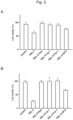
- the ferroptosis inducer RSL-3 and various ferroptosis inhibitors were coadded to normal cells (Promo1 cells) or Leigh syndrome patient cells (LS ND3 ) and evaluated for a suppressive effect on cell death induced by RSL-3.
- the results are shown in Figure 2 .
- A depicts the results about normal cells (Promo 1 cells)
- B depicts the results about Leigh syndrome patient cells (LS ND3 ).
- the abscissa depicts test compounds
- the ordinate depicts the cell viability (%) of each treated plot when the number of live cells in a control non-supplemented with RSL-3 is defined as 100%.
- the values in the drawing represent mean ⁇ standard deviation.
- Control represents a control non-supplemented with RSL-3
- RSL-3 represents a control supplemented with 50 nM RSL-3 and non-supplemented with the test compounds
- RSL-3 + Apo represents the coaddition of 50 nM RSL-3 and the respective ferroptosis inhibitors.
- the ferroptosis inducer BSO and the apoptosis inhibitor (v-VAD) or the necrosis inhibitor (GSK872) were coadded to normal cells (Promo1 cells) or Leigh syndrome patient cells (LS ND3 ) and evaluated for a suppressive effect on cell death induced by BSO.
- the results are shown in Figure 3 .
- A depicts the results about normal cells (Promo1 cells)
- B depicts the results about Leigh syndrome patient cells (LS ND3 ).
- the abscissa depicts test compounds, and the ordinate depicts the cell viability (%) of each treated plot when the number of live cells in a control non-supplemented with BSO is defined as 100%.
- the ferroptosis inducer RSL-3 and the apoptosis inhibitor (v-VAD) or the necrosis inhibitor (GSK872) were coadded to normal cells (Promo1 cells) or Leigh syndrome patient cells (LS ND3 ) and evaluated for a suppressive effect on cell death induced by RSL-3.
- the results are shown in Figure 4 .
- A depicts the results about normal cells (Promo 1 cells)
- B depicts the results about Leigh syndrome patient cells (LS ND3 ).
- the abscissa depicts test compounds, and the ordinate depicts the cell viability (%) of each treated plot when the number of live cells in a control non-supplemented with RSL-3 is defined as 100%.
- the ferroptosis inducer BSO and apomorphine or idebenone were coadded to normal cells (Promo1 cells) or mitochondrial cardiomyopathy patient cells (ME250-1) and evaluated for a suppressive effect on cell death induced by BSO.
- the results are shown in Figure 5 .
- A depicts the results about normal cells (Promo1 cells)
- B depicts the results about mitochondrial cardiomyopathy patient cells (ME250-1).
- the abscissa depicts test compounds
- the ordinate depicts the cell viability (%) of each treated plot when the number of live cells in a control non-supplemented with BSO is defined as 100%.
- the values in the drawing represent mean ⁇ standard deviation.
- Control represents a control non-supplemented with BSO
- 50 ⁇ M BSO represents controls supplemented with the respective predetermined concentrations of BSO and non-supplemented with the test compounds
- +Ide and “+Apo” represent the coaddition of the respective predetermined concentrations of BSO and the respective drugs.
- the ferroptosis inducer BSO and apomorphine or idebenone were coadded to normal cells (Promo1 cells) or mitochondrial hepatopathy patient cells (ME263-1) and evaluated for a suppressive effect on cell death induced by BSO.
- the results are shown in Figure 6 .
- A depicts the results about normal cells (Promo 1 cells)
- B depicts the results about mitochondrial hepatopathy patient cells (ME263-1).
- the abscissa depicts test compounds
- the ordinate depicts the cell viability (%) of each treated plot when the number of live cells in a control non-supplemented with BSO is defined as 100%.
- the values in the drawing represent mean ⁇ standard deviation.
- Control represents a control non-supplemented with BSO
- 50 ⁇ M BSO represents controls supplemented with the respective predetermined concentrations of BSO and non-supplemented with the test compounds
- +Ide and “+Apo” represent the coaddition of the respective predetermined concentrations of BSO and the respective drugs.
- the ferroptosis inducer BSO and apomorphine or idebenone were coadded to normal cells (Promo1 cells) or Kearns-Sayre syndrome (KSS) patient cells (ME130-1) and evaluated for a suppressive effect on cell death induced by BSO.
- the results are shown in Figure 7 .
- A depicts the results about normal cells (Promo1 cells)
- B depicts the results about KSS patient cells (ME130-1).
- the abscissa depicts test compounds
- the ordinate depicts the cell viability (%) of each treated plot when the number of live cells in a control non-supplemented with BSO is defined as 100%.
- the values in the drawing represent mean ⁇ standard deviation.
- Control represents a control non-supplemented with BSO
- 50 ⁇ M BSO represents controls supplemented with the respective predetermined concentrations of BSO and non-supplemented with the test compounds
- “+Ide” and “+Apo” represent the coaddition of the respective predetermined concentrations of BSO and the respective drugs.
- the ferroptosis inducer RSL-3 and apomorphine or ferrostatin-1 were coadded to normal cells (Promo1 cells) or mitochondrial cardiomyopathy patient cells (ME250-1) and evaluated for a suppressive effect on cell death induced by RSL-3.
- the results are shown in Figure 8 .
- A depicts the results about normal cells (Promo1 cells)
- B depicts the results about mitochondrial cardiomyopathy patient cells (ME250-1).
- the abscissa depicts test compounds
- the ordinate depicts the cell viability (%) of each treated plot when the number of live cells in a control non-supplemented with RSL-3 is defined as 100%.
- the values in the drawing represent mean ⁇ standard deviation.
- Control represents a control non-supplemented with RSL-3
- 10 nM RSL-3 represents controls supplemented with the respective predetermined concentrations of RSL-3 and non-supplemented with the test compounds
- “+Fer-1” and “+Apo” represent the coaddition of the respective predetermined concentrations of RSL-3 and the respective drugs.
- the ferroptosis inducer RSL-3 and apomorphine or ferrostatin-1 were coadded to normal cells (Promo1 cells) or mitochondrial hepatopathy patient cells (ME263-1) and evaluated for a suppressive effect on cell death induced by RSL-3.
- the results are shown in Figure 9 .
- A depicts the results about normal cells (Promo1 cells)
- B depicts the results about mitochondrial hepatopathy patient cells (ME263-1).
- the abscissa depicts test compounds
- the ordinate depicts the cell viability (%) of each treated plot when the number of live cells in a control non-supplemented with RSL-3 is defined as 100%.
- the values in the drawing represent mean ⁇ standard deviation.
- Control represents a control non-supplemented with RSL-3
- 10 nM RSL-3 represents controls supplemented with the respective predetermined concentrations of RSL-3 and non-supplemented with the test compounds
- “+Fer-1” and “+Apo” represent the coaddition of the respective predetermined concentrations of RSL-3 and the respective drugs.
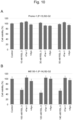
- the ferroptosis inducer RSL-3 and apomorphine or ferrostatin-1 were coadded to normal cells (Promo1 cells) or Kearns-Sayre syndrome (KSS) patient cells (ME130-1) and evaluated for a suppressive effect on cell death induced by RSL-3.
- the results are shown in Figure 10 .
- A depicts the results about normal cells (Promo1 cells)
- B depicts the results about KSS patient cells (ME130-1).
- the abscissa depicts test compounds
- the ordinate depicts the cell viability (%) of each treated plot when the number of live cells in a control non-supplemented with RSL-3 is defined as 100%.
- the values in the drawing represent mean ⁇ standard deviation.
- Control represents a control non-supplemented with RSL-3
- 10 nM RSL-3 represents controls supplemented with the respective predetermined concentrations of RSL-3 and non-supplemented with the test compounds
- “+Fer-1” and “+Apo” represent the coaddition of the respective predetermined concentrations of RSL-3 and the respective drugs.
- Test I revealed that: cell death in an individual having mitochondrial dysfunction is mainly induced via ferroptosis; and the cell death is suppressed by a ferroptosis inhibitor such as apomorphine. Accordingly, novel ferroptosis inhibitors were searched with apomorphine as a lead compound.
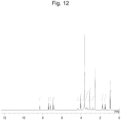
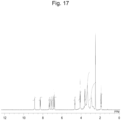
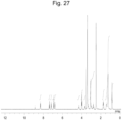
- Figure 17 shows the 270 MHz 1 H-NMR spectrum of the compound D38 measured in DMSO-d6
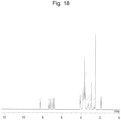
- Figure 18 shows the 270 MHz 1 H-NMR spectrum of the compound D38 measured in deuterated DMSO-d6 containing D 2 O
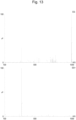
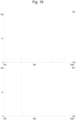
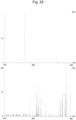
- Figure 19 shows the ESI-MS spectrum (upper: anion mode, lower: cation mode) of the compound D38.
- the obtained compound 9-1 was dissolved in a solution of approximately 4 M hydrogen chloride in dioxane (2 mL), and the solution was concentrated under reduced pressure.
- the obtained solid was suspended in acetonitrile/isopropyl ether (1/1, 10 mL) and washed to obtain compound D50 (0.16 g, 0.37 mmol, yield: 22%) as a white solid.
- the obtained compound 10-1 was dissolved in a solution of approximately 4 M hydrogen chloride in dioxane (2 mL), and the solution was concentrated under reduced pressure.
- the obtained solid was suspended in acetonitrile/isopropyl ether (1/1, 10 mL) and washed to obtain compound D54 (198 mg, 0.398 mmol, yield: 23%) as a white solid.
- apomorphine hydrochloride 0.5-hydrate (0.70 g, 2.2 mmol) was dissolved in DMF (3 mL), and sodium hydride (60%, dispersed in liquid paraffin) (0.26 g, 11 mmol) was added to the solution under ice cooling. After 30 minutes, bromoethane (0.18 mL, 2.4 mmol) was added to the reaction solution, and the mixture was stirred at room temperature for 1 hour. Bromoethane (0.05 mL, 0.66 mmol) was further added to the reaction solution. When the starting materials disappeared, the reaction solution was separated into organic and aqueous layers by the addition of water and methylene chloride.
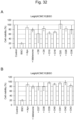
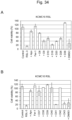
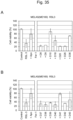
- a suppressive effect on cell death induced by various ferroptosis inducers was evaluated by the same procedures as in Test I except that the test compounds shown in Table 2 were used instead of apomorphine in the coaddition. Apomorphine and idebenone approved as a therapeutic drug for Leber's hereditary optic neuropathy in the Europe were used as control drugs.
- the ferroptosis inducer BSO and each test compound were coadded to Leigh syndrome patient cells (KCMC10) and evaluated for a suppressive effect on cell death induced by BSO.
- the results are shown in Figure 32 .
- A depicts the results obtained using compounds D8, D9, D10, D18, D20, D26, and D36
- B depicts the results obtained using compounds D37, D38, D39, D40, D41, D42, and D43.
- the abscissa depicts test compounds
- the ordinate depicts the cell viability (%) of each treated plot when the number of live cells in a control non-supplemented with BSO is defined as 100%.
- the values in the drawing represent mean ⁇ standard deviation.
- Control represents a control non-supplemented with BSO
- BSO represents a control supplemented with 100 ⁇ M BSO and non-supplemented with the test compounds
- +Apo and “+idebenone” represent controls supplemented with BSO and supplemented with apomorphine or idebenone
- +D8 or the like represents the coaddition of BSO and the compound D8 or the like.
- the ferroptosis inducer BSO and each test compound were coadded to MELAS patient cells (ME169) and evaluated for a suppressive effect on cell death induced by BSO.
- the results are shown in Figure 33 .
- A depicts the results obtained using compounds D8, D9, D10, D18, D20, D26, and D36
- B depicts the results obtained using compounds D37, D38, D39, D40, D41, D42, and D43.
- the abscissa depicts test compounds
- the ordinate depicts the cell viability (%) of each treated plot when the number of live cells in a control non-supplemented with BSO is defined as 100%.
- the values in the drawing represent mean ⁇ standard deviation.
- Control represents a control non-supplemented with BSO
- BSO represents a control supplemented with 80 ⁇ M BSO and non-supplemented with the test compounds
- +Apo represents a control supplemented with BSO and supplemented with apomorphine
- +D8 or the like represents the coaddition of BSO and the compound D8 or the like.
- the ferroptosis inducer RSL-3 and each test compound were coadded to Leigh syndrome patient cells (KCMC10) and evaluated for a suppressive effect on cell death induced by RSL-3.
- the results are shown in Figure 34 .
- A depicts the results obtained using compounds D8, D9, D10, D18, D20, D26, and D36
- B depicts the results obtained using compounds D37, D38, D39, D40, D41, D42, and D43.
- the abscissa depicts test compounds
- the ordinate depicts the cell viability (%) of each treated plot when the number of live cells in a control non-supplemented with RSL-3 is defined as 100%.
- the values in the drawing represent mean ⁇ standard deviation.
- Control represents a control non-supplemented with RSL-3
- 100 nM RSL-3 represents a control supplemented with 100 nM RSL-3 and non-supplemented with the test compounds
- +Apo and “+Fer-1” represent controls supplemented with RSL-3 and supplemented with apomorphine or Fer-1
- +D8 or the like represents the coaddition of RSL-3 and the compound D8 or the like.
- the ferroptosis inducer RSL-3 and each test compound were coadded to MELAS patient cells (ME169) and evaluated for a suppressive effect on cell death induced by RSL-3.
- the results are shown in Figure 35 .
- A depicts the results obtained using compounds D8, D9, D10, D18, D20, D26, and D36
- B depicts the results obtained using compounds D37, D38, D39, D40, D41, D42, and D43.
- the abscissa depicts test compounds
- the ordinate depicts the cell viability (%) of each treated plot when the number of live cells in a control non-supplemented with RSL-3 is defined as 100%.
- the values in the drawing represent mean ⁇ standard deviation.
- Table 3 shows the 50% effective concentrations of the suppressive effects of the compounds D8, D9, D10, D18, D20, D26, D36, D37, D38, D39, D40, D41, D42, D43, D45, D47, D48, D50, D54, and D55 on cell death ascribable to ferroptosis induced by BSO in the Leigh syndrome patient cells (KCMC10).
- Test compound EC50 (nM) D8 180 D9 393 D10 750 D18 492 D20 798 D26 289 D36 123 D37 186 D38 165 D39 259 D40 55 D41 648 D42 167 D43 223 D45 96 D47 124 D48 128 D50 207 D54 497 D55 4
- the compounds D55, D40, D45, D36, D47, D48, D38, D42, D8, and D37 exhibited a particularly low EC 50 value and were therefore found to have a particularly high ferroptosis inhibitory effect.
- the dopamine D2 receptor binding activity of each test compound was measured using GeneBLAzer D2-Gqo5-NEAT-bla CHO-K1 Cell-based Assay (Thermo Fisher Scientific, Inc.).
- the CHO cells are designed such that a signal transduction pathway is activated by addition of a drug to express a reporter gene ( ⁇ lactamase).
- ⁇ lactamase a reporter gene
- FRET Förster resonance energy transfer
- a suppressive effect on cell death induced by a ferroptosis inducer was evaluated in a liver cancer cell system.
- the ferroptosis inducer used was RSL-3.
- Apomorphine (Apo) and ferrostatin-1 (Fer-1) were used as control drugs.
- a human liver cancer cell line (Huh7) to be used in the test was inoculated to a 96-well plate for cell culture and cultured in a carbon dioxide incubator (37°C, 5% CO 2 ).
- the maintenance medium used was a medium containing DMEM and 10% FBS, and the medium for the test used was a serum-free DMEM medium.
- the medium was replaced with the medium for the test, and DMSO or each test compound (final concentration of GSK872: 5 ⁇ M, and final concentration of the other compounds: 1 ⁇ M) was added to the cells in each well, which were then cultured for 1 hour.
- ferroptosis inducer final concentration: 0.5 ⁇ M
- LDH lactate dehydrogenase
- MTT reducing yellow tetrazolium salt
- Table 5 shows the LDH activity and MTT values of the test compounds used. The values in the table are relative values when the LDH activity and MTT value of a control non-supplemented with RSL-3 are each defined as 1.
- Test compound LDH MTT Control 1 1 RSL-3 10.67 0.45 GSK872 10.84 0.38 v-VAD 11.80 0.41 Fer-1 2.50 0.86 Apo 1.82 0.67 D8 2.46 0.56 D26 4.85 0.58 D36 0.91 0.81 D37 0.85 0.80 D38 1.66 0.81 D39 1.15 0.80 D40 1.15 0.84 D42 1.55 0.82 D43 6.52 0.49 D45 0.43 0.77 D47 0.39 0.71 D48 0.44 0.78 D50 0.43 0.60 D54 0.43 0.68 D55 0.44 0.78
- Human neuroblastoma-derived cell line SH-SY5Y cells were inoculated, and a respiratory chain complex I inhibitor rotenone (final concentration: 1 ⁇ M) and apomorphine (Apo) (final concentration: 0.1 nM, 1 nM, 10 nM, 100 nM, 1 ⁇ M, or 10 ⁇ M) or each apomorphine derivative (10 nM, 100 nM, 1 ⁇ M, or 10 ⁇ M) were coadded to the cells, which were then cultured for 48 hours. After the completion of culture, rotenone-induced cell death was measured using Cytotoxicity LDH Assay Kit-WST (Dojindo Laboratories).
- the case of exhibiting a cell death inhibitory effect of 10% or more at the most effective concentration was determined as having an inhibitory effect.
- the test was conducted twice, and the case where a concentration-dependent inhibitory effect on rotenone-induced cell death was able to be confirmed twice was rated as (++). If the inhibitory effect was confirmed in one of the two tests and no inhibitory effect was confirmed in the other test, the third test was conducted.
- the case where the concentration-dependent inhibitory effect was able to be confirmed was rated as (+), and the case where no concentration-dependent inhibitory effect was able to be confirmed was rated as ( ⁇ ).
- the case where any inhibitory effect on rotenone-induced cell death was able to be confirmed in none of the two tests was rated as (-).
- the present invention is not limited by the examples described above and includes various modifications.
- the examples described above describe the details of the present invention for clear understanding, and the present invention is not necessarily limited by the inclusion of all the described configurations.
- addition of other configurations, deletion, and/or substitution may be performed.
Landscapes
- Health & Medical Sciences (AREA)
- Chemical & Material Sciences (AREA)
- Organic Chemistry (AREA)
- General Health & Medical Sciences (AREA)
- Veterinary Medicine (AREA)
- Medicinal Chemistry (AREA)
- Life Sciences & Earth Sciences (AREA)
- Animal Behavior & Ethology (AREA)
- Pharmacology & Pharmacy (AREA)
- Public Health (AREA)
- Engineering & Computer Science (AREA)
- Bioinformatics & Cheminformatics (AREA)
- Chemical Kinetics & Catalysis (AREA)
- General Chemical & Material Sciences (AREA)
- Nuclear Medicine, Radiotherapy & Molecular Imaging (AREA)
- Biomedical Technology (AREA)
- Neurosurgery (AREA)
- Neurology (AREA)
- Diabetes (AREA)
- Epidemiology (AREA)
- Obesity (AREA)
- Hematology (AREA)
- Urology & Nephrology (AREA)
- Gastroenterology & Hepatology (AREA)
- Psychology (AREA)
- Endocrinology (AREA)
- Cardiology (AREA)
- Ophthalmology & Optometry (AREA)
- Oncology (AREA)
- Heart & Thoracic Surgery (AREA)
- Psychiatry (AREA)
- Pulmonology (AREA)
- Emergency Medicine (AREA)
- Vascular Medicine (AREA)
- Communicable Diseases (AREA)
- Hospice & Palliative Care (AREA)
- Pharmaceuticals Containing Other Organic And Inorganic Compounds (AREA)
- Acyclic And Carbocyclic Compounds In Medicinal Compositions (AREA)
- Nitrogen Condensed Heterocyclic Rings (AREA)
- Medicines That Contain Protein Lipid Enzymes And Other Medicines (AREA)
Applications Claiming Priority (2)
| Application Number | Priority Date | Filing Date | Title |
|---|---|---|---|
| JP2021185384 | 2021-11-15 | ||
| PCT/JP2022/042198 WO2023085420A1 (fr) | 2021-11-15 | 2022-11-14 | Inhibiteur de la ferroptose et son utilisation |
Publications (2)
| Publication Number | Publication Date |
|---|---|
| EP4431496A1 true EP4431496A1 (fr) | 2024-09-18 |
| EP4431496A4 EP4431496A4 (fr) | 2025-03-19 |
Family
ID=86335916
Family Applications (1)
| Application Number | Title | Priority Date | Filing Date |
|---|---|---|---|
| EP22892918.8A Pending EP4431496A4 (fr) | 2021-11-15 | 2022-11-14 | Inhibiteur de la ferroptose et son utilisation |
Country Status (6)
| Country | Link |
|---|---|
| US (1) | US12441734B2 (fr) |
| EP (1) | EP4431496A4 (fr) |
| JP (1) | JP7360229B2 (fr) |
| KR (1) | KR102760018B1 (fr) |
| CN (1) | CN118251379B (fr) |
| WO (1) | WO2023085420A1 (fr) |
Family Cites Families (10)
| Publication number | Priority date | Publication date | Assignee | Title |
|---|---|---|---|---|
| DE489185C (de) | 1925-04-15 | 1930-01-14 | Chemische Fabriken Dr Joachim | Verfahren zur Darstellung von Apoverbindungen aus Alkaloiden der Morphinreihe |
| WO2007134485A1 (fr) | 2006-05-22 | 2007-11-29 | Lotus Pharmaceutical Co., Ltd. | Composés aporphiniques et oxoaporphiniques et utilisation pharmaceutique correspondante |
| CN101407520B (zh) * | 2008-11-28 | 2011-02-16 | 成都军区昆明总医院 | 阿朴菲类生物碱及其衍生物在制备抗真菌药物中的应用 |
| CN101966228B (zh) * | 2009-07-27 | 2012-02-22 | 中国科学院成都生物研究所 | 一种厚朴生物碱的用途 |
| BRPI1001988A2 (pt) | 2010-01-20 | 2012-05-22 | Luiz Francisco Pianowski | uso de pelo menos um composto isoquinolìnico de fórmula i, composição farmacêutica para tratar ou prevenir doenças neurodegenerativas e método para tratamento ou prevenção de doenças neurodegenerativas |
| WO2015015248A1 (fr) | 2013-07-30 | 2015-02-05 | Debreceni Egyetem 67% | Utilisation de composés présentant des propriétés co-induisant la protéine de choc thermique (hsp) pour améliorer l'effet de sensibilisation à l'insuline dans le traitement du diabète de type 2 |
| CN109804229B (zh) | 2016-08-15 | 2021-05-25 | 国立大学法人大阪大学 | 电磁波相位振幅生成装置、电磁波相位振幅生成方法以及存储有电磁波相位振幅生成程序的非临时记录介质 |
| JP6958860B2 (ja) * | 2017-11-07 | 2021-11-02 | 学校法人自治医科大学 | ミトコンドリアの機能障害の改善剤、及びミトコンドリアの機能障害に起因する疾患又は症状の予防又は治療薬、並びにそれらの用途 |
| CN110772517B (zh) | 2019-12-02 | 2022-10-04 | 四川大学华西医院 | 波尔定碱或其盐在制备降低血尿酸水平、防治尿酸性肾病的药品中的用途 |
| CN112494491B (zh) * | 2020-12-14 | 2022-04-01 | 东北大学 | 克班宁在制备预防或治疗神经退行性疾病的药物中的用途 |
-
2022
- 2022-11-14 CN CN202280076182.3A patent/CN118251379B/zh active Active
- 2022-11-14 WO PCT/JP2022/042198 patent/WO2023085420A1/fr not_active Ceased
- 2022-11-14 KR KR1020247018238A patent/KR102760018B1/ko active Active
- 2022-11-14 JP JP2023528706A patent/JP7360229B2/ja active Active
- 2022-11-14 US US18/710,113 patent/US12441734B2/en active Active
- 2022-11-14 EP EP22892918.8A patent/EP4431496A4/fr active Pending
Also Published As
| Publication number | Publication date |
|---|---|
| WO2023085420A1 (fr) | 2023-05-19 |
| US20240327420A1 (en) | 2024-10-03 |
| JPWO2023085420A1 (fr) | 2023-05-19 |
| EP4431496A4 (fr) | 2025-03-19 |
| CN118251379B (zh) | 2025-02-11 |
| US12441734B2 (en) | 2025-10-14 |
| CN118251379A (zh) | 2024-06-25 |
| KR102760018B1 (ko) | 2025-01-23 |
| JP7360229B2 (ja) | 2023-10-12 |
| KR20240091266A (ko) | 2024-06-21 |
Similar Documents
| Publication | Publication Date | Title |
|---|---|---|
| US12213982B2 (en) | Pharmaceutical compositions comprising sepiapterin and uses thereof | |
| JP6208603B2 (ja) | ピラゾール−アミド化合物およびその医薬用途 | |
| EP4471022A1 (fr) | Composé amide utilisé en tant que régulateur de canal potassique, sa préparation et son utilisation | |
| JP7624747B2 (ja) | 二置換アダマンチル誘導体、その薬学的に許容される塩、およびこれを有効成分として含む癌の増殖抑制用薬学的組成物 | |
| CN111556750B (zh) | 线粒体功能障碍的改善剂和由线粒体功能障碍引起的疾病或症状的预防或治疗药物及其用途 | |
| EP3818046B1 (fr) | Composés améliorant le lactate et leurs utilisations | |
| EP4431496A1 (fr) | Inhibiteur de la ferroptose et son utilisation | |
| US8049037B2 (en) | Sphingosine-1-phosphate (S1P) receptor antagonists and methods for use thereof | |
| US20160058824A1 (en) | Compositions and methods for treating beta-amyloid related diseases | |
| EP2921486B1 (fr) | Compositions et procédés pour le traitement de maladies liées au bêta-amyloïde | |
| CN114315689B (zh) | 二硫烷基邻苯二甲酰亚胺类化合物、其制备方法和用途 | |
| JP7407435B2 (ja) | ミトコンドリア膜透過性遷移孔(mPTP)の開口阻害剤、mPTP開口阻害活性を有する新規化合物及びそれらの用途 | |
| EP4201403A1 (fr) | Composés tirapazamine et quazinone à utiliser dans le traitement des gangliosidoses gm2 | |
| WO2025233532A1 (fr) | Dispositifs d'ouverture de canaux potassiques maxi-k et leurs applications thérapeutiques | |
| JP2006347940A (ja) | βアミロイド生成抑制剤 | |
| JPWO2008050600A1 (ja) | 酸化ストレス性細胞死を分子背景とする難治性疾患の治療または予防剤 | |
| WO2016084870A1 (fr) | Composé comprenant un groupe acylaminophényle, et son utilisation | |
| HK1080380B (en) | Pharmaceutical compositions for the treatment of diseases related to neurotrophines |
Legal Events
| Date | Code | Title | Description |
|---|---|---|---|
| STAA | Information on the status of an ep patent application or granted ep patent |
Free format text: STATUS: THE INTERNATIONAL PUBLICATION HAS BEEN MADE |
|
| PUAI | Public reference made under article 153(3) epc to a published international application that has entered the european phase |
Free format text: ORIGINAL CODE: 0009012 |
|
| STAA | Information on the status of an ep patent application or granted ep patent |
Free format text: STATUS: REQUEST FOR EXAMINATION WAS MADE |
|
| 17P | Request for examination filed |
Effective date: 20240612 |
|
| AK | Designated contracting states |
Kind code of ref document: A1 Designated state(s): AL AT BE BG CH CY CZ DE DK EE ES FI FR GB GR HR HU IE IS IT LI LT LU LV MC ME MK MT NL NO PL PT RO RS SE SI SK SM TR |
|
| REG | Reference to a national code |
Ref country code: DE Ref legal event code: R079 Free format text: PREVIOUS MAIN CLASS: C07D0221180000 Ipc: A61K0031473000 |
|
| DAV | Request for validation of the european patent (deleted) | ||
| DAX | Request for extension of the european patent (deleted) | ||
| STAA | Information on the status of an ep patent application or granted ep patent |
Free format text: STATUS: EXAMINATION IS IN PROGRESS |
|
| A4 | Supplementary search report drawn up and despatched |
Effective date: 20250217 |
|
| RIC1 | Information provided on ipc code assigned before grant |
Ipc: C07D 491/06 20060101ALI20250212BHEP Ipc: A61P 43/00 20060101ALI20250212BHEP Ipc: A61P 31/04 20060101ALI20250212BHEP Ipc: A61P 27/02 20060101ALI20250212BHEP Ipc: A61P 25/28 20060101ALI20250212BHEP Ipc: A61P 25/16 20060101ALI20250212BHEP Ipc: A61P 25/14 20060101ALI20250212BHEP Ipc: A61P 25/00 20060101ALI20250212BHEP Ipc: A61P 13/12 20060101ALI20250212BHEP Ipc: A61P 13/02 20060101ALI20250212BHEP Ipc: A61P 11/00 20060101ALI20250212BHEP Ipc: A61P 9/10 20060101ALI20250212BHEP Ipc: A61P 5/00 20060101ALI20250212BHEP Ipc: A61P 3/10 20060101ALI20250212BHEP Ipc: A61P 3/00 20060101ALI20250212BHEP Ipc: A61P 1/16 20060101ALI20250212BHEP Ipc: C07D 221/18 20060101ALI20250212BHEP Ipc: A61K 31/4741 20060101ALI20250212BHEP Ipc: A61K 31/473 20060101AFI20250212BHEP |
|
| 17Q | First examination report despatched |
Effective date: 20250228 |
|
| GRAP | Despatch of communication of intention to grant a patent |
Free format text: ORIGINAL CODE: EPIDOSNIGR1 |
|
| STAA | Information on the status of an ep patent application or granted ep patent |
Free format text: STATUS: GRANT OF PATENT IS INTENDED |