EP4494643A1 - Méthode de traitement d'un patient atteint d'un cancer à mutation de brca - Google Patents
Méthode de traitement d'un patient atteint d'un cancer à mutation de brca Download PDFInfo
- Publication number
- EP4494643A1 EP4494643A1 EP23769821.2A EP23769821A EP4494643A1 EP 4494643 A1 EP4494643 A1 EP 4494643A1 EP 23769821 A EP23769821 A EP 23769821A EP 4494643 A1 EP4494643 A1 EP 4494643A1
- Authority
- EP
- European Patent Office
- Prior art keywords
- publication
- group
- cancer
- patent application
- alkyl
- Prior art date
- Legal status (The legal status is an assumption and is not a legal conclusion. Google has not performed a legal analysis and makes no representation as to the accuracy of the status listed.)
- Pending
Links
Images






Classifications
-
- A—HUMAN NECESSITIES
- A61—MEDICAL OR VETERINARY SCIENCE; HYGIENE
- A61K—PREPARATIONS FOR MEDICAL, DENTAL OR TOILETRY PURPOSES
- A61K31/00—Medicinal preparations containing organic active ingredients
- A61K31/66—Phosphorus compounds
- A61K31/675—Phosphorus compounds having nitrogen as a ring hetero atom, e.g. pyridoxal phosphate
-
- A—HUMAN NECESSITIES
- A61—MEDICAL OR VETERINARY SCIENCE; HYGIENE
- A61K—PREPARATIONS FOR MEDICAL, DENTAL OR TOILETRY PURPOSES
- A61K31/00—Medicinal preparations containing organic active ingredients
- A61K31/33—Heterocyclic compounds
- A61K31/395—Heterocyclic compounds having nitrogen as a ring hetero atom, e.g. guanethidine or rifamycins
- A61K31/435—Heterocyclic compounds having nitrogen as a ring hetero atom, e.g. guanethidine or rifamycins having six-membered rings with one nitrogen as the only ring hetero atom
- A61K31/47—Quinolines; Isoquinolines
- A61K31/4747—Quinolines; Isoquinolines spiro-condensed
-
- A—HUMAN NECESSITIES
- A61—MEDICAL OR VETERINARY SCIENCE; HYGIENE
- A61K—PREPARATIONS FOR MEDICAL, DENTAL OR TOILETRY PURPOSES
- A61K31/00—Medicinal preparations containing organic active ingredients
- A61K31/33—Heterocyclic compounds
- A61K31/395—Heterocyclic compounds having nitrogen as a ring hetero atom, e.g. guanethidine or rifamycins
- A61K31/495—Heterocyclic compounds having nitrogen as a ring hetero atom, e.g. guanethidine or rifamycins having six-membered rings with two or more nitrogen atoms as the only ring heteroatoms, e.g. piperazine or tetrazines
- A61K31/50—Pyridazines; Hydrogenated pyridazines
- A61K31/502—Pyridazines; Hydrogenated pyridazines ortho- or peri-condensed with carbocyclic ring systems, e.g. cinnoline, phthalazine
-
- A—HUMAN NECESSITIES
- A61—MEDICAL OR VETERINARY SCIENCE; HYGIENE
- A61K—PREPARATIONS FOR MEDICAL, DENTAL OR TOILETRY PURPOSES
- A61K31/00—Medicinal preparations containing organic active ingredients
- A61K31/66—Phosphorus compounds
- A61K31/664—Amides of phosphorus acids
-
- A—HUMAN NECESSITIES
- A61—MEDICAL OR VETERINARY SCIENCE; HYGIENE
- A61K—PREPARATIONS FOR MEDICAL, DENTAL OR TOILETRY PURPOSES
- A61K31/00—Medicinal preparations containing organic active ingredients
- A61K31/66—Phosphorus compounds
- A61K31/665—Phosphorus compounds having oxygen as a ring hetero atom, e.g. fosfomycin
-
- A—HUMAN NECESSITIES
- A61—MEDICAL OR VETERINARY SCIENCE; HYGIENE
- A61K—PREPARATIONS FOR MEDICAL, DENTAL OR TOILETRY PURPOSES
- A61K39/00—Medicinal preparations containing antigens or antibodies
- A61K39/395—Antibodies; Immunoglobulins; Immune serum, e.g. antilymphocytic serum
- A61K39/39533—Antibodies; Immunoglobulins; Immune serum, e.g. antilymphocytic serum against materials from animals
- A61K39/3955—Antibodies; Immunoglobulins; Immune serum, e.g. antilymphocytic serum against materials from animals against proteinaceous materials, e.g. enzymes, hormones, lymphokines
-
- A—HUMAN NECESSITIES
- A61—MEDICAL OR VETERINARY SCIENCE; HYGIENE
- A61K—PREPARATIONS FOR MEDICAL, DENTAL OR TOILETRY PURPOSES
- A61K45/00—Medicinal preparations containing active ingredients not provided for in groups A61K31/00 - A61K41/00
- A61K45/06—Mixtures of active ingredients without chemical characterisation, e.g. antiphlogistics and cardiaca
-
- A—HUMAN NECESSITIES
- A61—MEDICAL OR VETERINARY SCIENCE; HYGIENE
- A61P—SPECIFIC THERAPEUTIC ACTIVITY OF CHEMICAL COMPOUNDS OR MEDICINAL PREPARATIONS
- A61P35/00—Antineoplastic agents
Definitions
- the present invention relates to a treatment method of cancer, and in particular to a treatment method of cancer with BRCA pathogenic mutations.
- AST-3424 is an AKR1C3 enzyme-activated DNA alkylating agent prodrug which undergoing phase II clinical trials (China registration for clinical are CTR20201915, CTR20201908, CTR20191399, CTR20191371, the United States registration for clinical are NCT04315324, NCT03592264) in both China and the United States, which are specifically activated by AKR1C3 enzyme highly expressed in a variety of tumors to release DNA alkylating agent, thereby exerting anti-tumor effects.
- TH-302 (Evofosfamide, Cas No. 918633-87-1 ) is an hypoxia-activated DNA alkylating agent prodrug, which is activated in the hypoxia or anoxic environment of tumors (such as far away blood vessels) to release DNA alkylating agents, thereby exerting anti-tumor effects.
- AKR1C3 enzyme-activated DNA alkylating agent prodrug compound with similar structure of AST-3424 and the hypoxia-activated DNA alkylating agent prodrug compound with similar structure of TH-302 have excellent therapeutic efficacy on BRCA-mutated tumors, that is, relatively speaking, above AKR1C3 enzyme-activated DNA alkylating agent prodrug compounds with similar structure of AST-3424 and hypoxia-activated DNA alkylating agent prodrug compound with similar structure of TH-302 have better therapeutic efficacy in tumor models carrying BRCA pathogenic mutations than in wild-type (not having BRCA mutations or having non-pathogenic BRCA mutations) tumor models, and the difference is very significant.
- the present application provides the following treatment method of cancer.
- a method for treating BRCA gene-mutated cancer which uses a drug monotherapy containing hypoxia-activated prodrug compounds of formulas (1), (2), (3) or AKR1C3 enzyme-activated prodrug compounds of formulas (4), (5), (6), (7), (8), (9), (10), (11), (12) and salts, esters, solvates, and isotopic isomers thereof or in combination with other drugs to treat patients with BRCA gene-mutated cancer and tumors: wherein R is each independently selected from H, -CH 3 , -CH 2 CH 3 , -CF 3 , X is each independently selected from Cl, Br, MsO, TsO and other leaving functional groups.
- Preparations related to TH-302 or analogous compound thereof comprise orally preparation, lyophilized preparation and concentrated injection, and the relevant prescription, preparation method and clinical compatibility and administration method have been described in detail and disclosed by the relevant patents of Threshold Company: WO2010048330A1 , WO2012142520A2 , WO2008083101A1 , which are incorporated herein by reference in its entirety.
- TH-302 or analogous compound thereof is a DNA alkylating agent class of anticancer drugs with a wide range of cancer treating potential, and these relevant cancer indications trials, clinical trials are disclosed in the relevant patent application text of Threshold Company and other pharmaceutical companies (such as WO2016011195A2 , WO2004087075A1 , WO2007002931A1 , WO2008151253A2 , WO2009018163A1 , WO2009033165A2 , WO2010048330A2 , WO2012142520A1 , WO2008083101A2 , WO2020007106A1 , WO2020118251A1 , WO2014169035A1 , WO2013116385A1 , WO2019173799A2 , WO2016081547A1 , WO2014062856A1 , WO2015069489A1 , WO2012006032A2 , WO2018026606A2 ,
- R 1 , R 2 , R 3 , Cx are described in the claims of Patent Application PCT/CN2020/114519 with Publication No. WO2021120717A1 , and the synthesis preparation method of specific compounds is also described in above application. Specifically, the groups are defined as follows:
- the drug described in the present application refers to medicine or preparation
- the prepared drug comprises a specific dose range of hypoxia-activated compound of formula (1) or salt or solvate thereof as active ingredient, and/or the prepared drug is administered in specific dosage form, and specific administration method.
- R 1 , R 2 , R 3 , R 4 and T are described in the claims of Patent Application PCT/CN2021/118597 with Publication No. WO2022057838A1 , and the synthesis preparation method of specific compounds is also described in above application.
- the groups are defined as follows:
- the above-mentioned drugs should also be supplemented with pharmaceutically acceptable auxiliaries or excipients based on the specific characteristics of the drug, medicament or formulation.
- the medicament can be any dosage form for clinical administration, such as tablets, suppositories, dispersible tablets, enteric-coated tablets, chewable tablets, orally disintegrating tablets, capsules, sugar coated agents, granules, dry powders, oral solutions, a small needle for injection, lyophilized powder for injection, or infusion solutions.
- the pharmaceutically acceptable auxiliaries or excipients in the medicament may include one or more of the following: diluent, solubilizer, disintegrant, suspension, lubricant, adhesive, filler, flavoring agent, sweetener, antioxidant, surfactant, preservative, wrapping agent and pigment, etc.
- Cancer refers to leukemias, lymphomas, carcinomas, and other malignant tumors (including solid tumors) with potentially unrestrained growth that can expand locally by invasion and systemically by metastasis.
- cancers that can be treated by TH-302 or such hypoxia-activated DNA alkylating agent prodrug, AST-3424 or such AKR1C3-activated DNA alkylating agents include, but are not limited to, cancer of the adrenal gland, bone, brain, breast, bronchi, colon and/or rectum, gallbladder, head and neck, kidney, larynx, liver, lung, nervous tissue, pancreas, prostate, parathyroid, skin, stomach and thyroid.
- cancers include acute and chronic lymphocytic and granulocytic neoplasms, adenocarcinoma, adenoma, basal cell carcinoma, cervical dysplasia carcinoma and in situ carcinoma, Ewing's sarcoma, epidermoid carcinoma, giant cell carcinoma, glioblastoma multiforme, hairy-cell tumor, intestinal ganglioneuroma, hyperplastic corneal nerve tumor, islet cell carcinoma, Kaposi's sarcoma, leiomyoma, leukemia, lymphoma, malignant carcinoid, malignant melanoma, malignant hypercalcemia, marfanoid habitus tumor, medullary epithelial carcinoma, metastatic skin cancer, mucosal neuroma, myeloma, mycosis fungoides, neuroblastoma, osteosarcomas, osteogenic and other sarcomas, ovarian tumors, pheochromocytoma, polycy
- the recommended dosage, preparation administration form of TH-302 or such hypoxia-activated DNA alkylating agent prodrug for treating cancer can refer to the dosage of the patent application text of Threshold Company and other pharmaceutical companies (such as WO2016011195A2 , WO2004087075A1 , WO2007002931A1 , WO2008151253A2 , WO2009018163A1 , WO2009033165A2 , WO2010048330A2 , WO2012142520A1 , WO2008083101A2 , WO2020007106A1 , WO2020118251A1 , WO2014169035A1 , WO2013116385A1 , WO2019173799A2 , WO2016081547A1 , WO2014062856A1 , WO2015069489A1 , WO2012006032A2 , WO2018026606A2 , WO2010048330A2 ,
- TH-302 (concentrate for application solution) used in clinical trials is sterile liquid preparation of TH-302.
- TH-302 was prepared with 70% anhydrous ethanol, 25% dimethylacetamide and 5% polysorbate 80. It is provided by the originators in a 10 mL glass vial with rubber stopper and flip-off closure.
- TH-302 drug product is a clear, colorless to yellowish solution that is essentially free of visible particles.
- each single-use vial contains a nominal fill volume of 6.5 mL of TH-302 drug product (equivalent to 100 mg/mL) and clearly labeled to disclose the lot number, route of administration, required storage conditions, the name of the originators and the appropriate warning marking required by applicable regulations. It is needed to perform dilution according to the pharmacy manual before application.
- the commercially available 5% glucose aqueous solution is used to dilute into a total volume of 500 mL (1000 mL for total doses ⁇ 1000 mg) prior to administration, to obtain the desired final concentration.
- Each dose of TH-302 is prepared with 5% glucose aqueous solution without di(2-ethylhexyl)phthalate (without DEHP) and the intravenous drip is performed using intravenous infusion administration device without DEHP.
- Lyophilized preparations developed by Threshold Company can also be used:
- the recommended dosage, preparation administration form of AST-3424 or such AKR1C3 enzyme-activated DNA alkylating agent prodrug for treating cancer can refer to the patent application text filed by Threshold Company and Ascentawits, OBI, etc. (such as WO2017087428A1 , WO2017087428A1 , WO2019062919A1 , WO2021008520A1 ) and in clinical trials registered with FDA, NMPA (CTR20201915, CTR20201908, CTR20191399, CTR20191371 and NCT04315324, NCT03592264).
- Monotherapy refers to a single drug therapy.
- Combination refers to a combined drug therapy.
- Single drug therapy refers to the use of only one anticancer drug in a course of treatment.
- Combination therapy refers to the simultaneous or sequential use of two or more anticancer drugs in a course of treatment.
- combination therapy needs to explore different administration dosages and administration cycles according to the characteristics of the disease and the types of drugs to be used in combination, and only according to the above situation, the combination therapy plan obtained from the exploration may achieve better therapeutic effect as compared with single drug therapy.
- tumors or cancer tissues of the patient are detected to have mutations in either or both of the genes corresponding to BRCA1 and BRCA2; or the patient is detected to have mutations in either or both of the genes corresponding to BRCA1 or BRCA2.
- BRCA1 and BRCA2 mutations include the BRCA1 and BRCA2 mutations of germline mutations (gBRCAm) and somatic mutations (sBRCAm).
- tumors or cancer tissues of the patient are detected to have mutations in either or both of the genes corresponding to BRCA1 and BRCA2; or the patient is detected to have mutations in either or both of the genes corresponding to BRCA1 and BRCA2.
- the above BRCA1 and BRCA2 are preferably pathogenic mutations.
- Treatment method including the following steps:
- the present invention also provides a method for treating gene-mutated cancer, which uses a drug monotherapy containing hypoxia-activated prodrug compounds of formulas (1), (2), (3) or AKR1C3 enzyme-activated prodrug compounds of formulas (4), (5), (6), (7), (8), (9), (10), (11), (12) and salts, esters, solvates, and isotopic isomers thereof or in combination with other drugs to treat patients with gene-mutated cancer and tumors, wherein the gene mutation is any mutation in the homologous DNA double-strand damage repair genes.
- Homologous DNA double-strand damage repair genes are selected from the corresponding genes of FANCA, FANCD1, FANCD2, ATM, ATR, CHEK1, CHEK2, CTP, BARD1, BRIP1, PALB2, RAD51D, RAD51C, RAD52, RAD54, RAD55, RAD57, FAM175, NBN, Rad50, MRE11, p53, NBS1, XRS2, XRCC2, XRCC3, XRCC4/XPF, ERCC1, ERCC2/XPD, ERCC3/XPB, ERCC4/XPF, XRCC1, Ku80, MHS6, MGMT, PARP, ERCC5/XPG, CCNH, CDK7, CETN2, DDB1, DDB2, ERCC5/XPG, ERCC6/CSB, ERCC8/CSA, LIG1/DNA ligase I, MMS19, MNAT1, RAD23A, RAD23B, RPA1, RPA2, TFI
- hypoxia-activated compounds of formulas (1)-(3) or AKR1C3 enzyme-activated compounds of formulas (4)-(12) or in combination with other drugs was used for treating.
- the combination of other drugs comprises immunotherapy drugs, preferably, the immunotherapy drugs are selected from immune checkpoint inhibitors, more preferably, the immunotherapy drugs are selected from PD-1 monoclonal antibodies and PD-L1 monoclonal antibodies.
- the combination of other drugs also comprises PARP inhibitor, preferably, the PARP inhibitor is Olaparib.
- Immune checkpoint molecules are regulatory molecules in the immune system that play an inhibitory role and are essential for maintaining self-tolerance, preventing autoimmune reactions, and minimizing tissue damage by controlling the timing and intensity of the immune response. Immune checkpoint molecules are expressed on immune cells, and will inhibit the function of immune cell, thereby preventing the body from generating an effective anti-tumor immune response, and causing immune escape of tumor.
- Tumor-related immune checkpoint molecules include PD1, PD-L1, CTLA4, Tim3, and LAG3, etc. Currently, PD1, PD-L1, and CTLA4 are more frequently studied.
- Immune checkpoint inhibitors are some monoclonal antibody drugs developed for corresponding immune checkpoints.
- Immunotherapy drugs are selected from the group consisting of PD-1 monoclonal antibodies and PD-L1 monoclonal antibodies.
- the TMB (Tumor Mutation Load (burden)) level of the described gene mutation is medium.
- TMB Tumor Mutation Load (burden)
- burden Tumor Mutation Load
- a TMB of more than 20 mutations/Mb Mb represents bases per million
- a TMB of less than 10 mutations/Mb is low
- a TMB in the middle is medium.
- Squibb Inc. had announced the results of a clinical trial named CheckMate-032. This was a phase II clinical trial that enrolled 401 patients with advanced lung cancer who had failed first-line therapy and were treated with a PD-1 inhibitor alone or in combination with Ipilimumab.
- the patients were divided into three categories of patients with high TMB, medium TMB, and low TMB according to their TMB levels, then among those who received the combination therapy, the efficiency of the three groups was 62%, 20%, and 23%, respectively, and the efficiency of the group with high TMB was three times higher than the remaining two groups; and the median overall survival of the three groups was: 22.0 months, 3.6 months, and 3.4 months, respectively, with 22.0 months versus 3.4 months, a 6-fold difference!
- This trial demonstrated that for different cancer treatment drugs, different TMB levels have a significant impact on the efficacy of the drugs.
- cancers or tumors are selected from adenocarcinoma, gastric cancer, ovarian cancer, breast cancer, cervical cancer, prostate cancer, liver cancer, non-small cell lung cancer, colon cancer, rectal cancer.
- hypoxia-activated prodrug compound of formula (1) is selected from the compounds of following structures:
- hypoxia-activated prodrug compound of formula (2) is selected from the compounds of following structures:
- hypoxia-activated prodrug compound of formula (3) is selected from the compounds of following structures:
- the AKR1C3 enzyme-activated prodrug compound of formula (4) is selected from the compounds of following structures:
- the AKR1C3 enzyme-activated prodrug compound of formula (6) is selected from the compounds of following structures:
- the AKR1C3 enzyme-activated prodrug compound of formula (5) is selected from the compounds of following structures:
- the AKR1C3 enzyme-activated prodrug compound of formula (7) is selected from the compounds of following structures:
- the AKR1C3 enzyme-activated prodrug compound of formula (8) is selected from the compounds of following structures: or
- the AKR1C3 enzyme-activated prodrug compound of formula (9) is selected from the compounds of following structures:
- the AKR1C3 enzyme-activated prodrug compound of formula (10) is selected from the compounds of following structures:
- the AKR1C3 enzyme-activated prodrug compound of formula (11) is selected from the compounds of following structures:
- the AKR1C3 enzyme-activated prodrug compound of formula (12) is selected from the compounds of following structures:
- a patient and “individual” are used interchangeably and refer to a mammal in need of treatment for cancer.
- the patient is a human.
- the patient is a human diagnosed with cancer.
- a "patient” or “individual” may refer to a non-human mammal, such as a non-human primate, a dog, cat, rabbit, pig, mouse, or rats used for screening, characterizing, and evaluating drugs and therapies.
- Prodrug refers to a compound that, after administration, is metabolized or otherwise converted to a biologically active or more active compound (or drug) with respect to at least one property.
- a prodrug, relative to the drug is modified chemically in a manner that renders it, relative to the drug, less active or inactive, but the chemical modification is such that the corresponding drug is generated by metabolic or other biological processes after the prodrug is administered.
- a prodrug may have, relative to the active drug, altered metabolic stability or transport characteristics, fewer side effects or lower toxicity, or improved flavor.
- a prodrug may be synthesized using reactants other than the corresponding drug.
- Treatment or “treatment of a patient” is to administer, use or apply a therapeutic effective amount of a drug to a patient in relation to the present invention.
- administering or “administration of” or “use of” a drug to a patient refers to direct administration, which may be administered to a patient by a medical professional or may be self-administered, and/or indirect administration, which may be the act of prescribing a drug. For example, a physician who instructs a patient to self-administer a drug and/or provides a patient with a prescription for a drug is administering the drug to the patient.
- “Therapeutically effective amount” of a drug refers to an amount of a drug that, when administered to a patient with cancer, will have the intended therapeutic effect (e.g., alleviation, amelioration, palliation, or elimination of one or more clinical manifestations of cancer in the patient).
- a therapeutic effect does not necessarily occur by administration of one dose, and may occur only after administration of a series of doses. Thus, a therapeutically effective amount may be administered in one or more administrations.
- Treating Treatment of” or “therapy of” a condition or a patient refers to taking steps to obtain a beneficial or desired result (including clinical results).
- beneficial or desired clinical results include, but are not limited to, alleviation or amelioration of one or more symptoms of cancer; diminishment of extent of disease; delay or slowing of disease progression; amelioration, remission, or stabilization of disease status; or other beneficial results.
- treatment of cancer can result in partial response or stable disease.
- Tumor cells refers to tumor cells of any appropriate species, e.g., mammalian such as murine, canine, feline, equine or human.
- IC 50 Value In vitro cytotoxicity of human-derived tumor cell lines (IC 50 Value) was used in the study to compare whether compound AST-3424 in BRCA non-pathogenic mutant and pathogenic mutant tumor cells had an obvious difference, so as to detect whether pathogenic mutation of BRCA enhanced the sensitivity of tumor cells to AST-3424 at the cellular level in vitro.
- the following cell lines were used as research objects in this experiment, which were BRCA pathogenic mutant cell line Capan-1 (human-derived pancreatic cancer cell line, wherein the BRCA2 pathogenic mutation site was p.S1982RfsTer22), BRCA non-pathogenic mutant cell line PLC/PRF/5 (human-derived liver cancer cell line) and HT29 (human-derived colon cancer cell line), respectively.
- Both the activation mechanism of the prodrug AST-3424 and AST-3424 analogous compound S were to release DNA alkylating agent through the action of AKR1C3 enzyme, thereby achieving the effect of inhibiting and killing tumor cells. Therefore, in all presence or all absence of pathogenic gene mutation, the higher the expression level of AKR1C3 enzyme, the stronger the expected cytotoxicity of the compound to tumor cells, and the lower IC 50 value.
- IC 50 value was measured by the following experimental method: (1) Cell culture a) Different cells were cultured in different media with fetal bovine serum (Table 2), added with 1% double antibody, and placed at 37 °C and 5% CO 2 for culturing. Table 2: Culture conditions of each cell cell lines Fetal bovine serum ratio Medium Number of plated cells/well Capan-1 20% IMDM 60000 PLC/PRF/5 10% MEM 10000 HT29 10% McCoy's 5A 10000 (2) Cell plating
- IC 50 values of compound AST-3424 to be tested in different cells measured by the above experimental method were listed in Table 3 below.
- Table 3 IC 50 data of the inhibitory effect of compound AST-3424 on the three tumor cells
- Compound Cell lines IC 50 (nmol/L) Fold Change AST-3424 Capan-1 8.33 / PLC/PRF/5 186.60 22 HT29 559.00 67
- TH-302 is a small molecule prodrug that can be activated under hypoxic conditions to release cytotoxin, thereby killing tumor cells and tumor tissues.
- cytotoxin cytotoxin-derived colon cancer cell line DLD1 and DLD1-BRCA2-/-tumor cell line with BRCA2 protein knockout, and detected whether the killing effects of TH-302 to the above two tumor cell lines with or without BRCA2 protein expression under hypoxic conditions had a difference.
- the IC 90 (90% inhibitory concentration) value was used to evaluate the ability of the killing effect of compound TH-302 to the cells in this colony formation assay.
- the specific experimental method was as follows:
- IC 90 values of compound TH-302 to be tested in the two cells measured by the above experimental method were listed in Table 5 below.
- Table 5 IC 90 data of the inhibitory effect of compound TH-302 on the two tumor cells under hypoxic conditions
- a novel selective AKR1C3-activated product AST-3424/OBI-3424 exhibits broad anti-tumor activity.
- RNA expression level of AKR1C3 in the above gastric cancer GA6021, pancreatic cancer PA1222, and lung cancer LU11693 tissues was analyzed using RNA-Seq (AKR1C3 RNA expression level and quantified using Log2 FPKM).
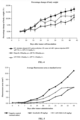
- mice were inoculated subcutaneously with human-derived pancreatic cancer Capan-1 cell to establish a subcutaneous transplantation model of human-derived pancreatic cancer.
- the experiment was divided into test drug Olaparib 100 mg/kg monotherapy group, AST-3424 1.5 mg/kg monotherapy group and 10% absolute ethanol + 10% polyoxyethylene (35) castor oil + 80% glucose injection D5W (pH 7.4) vehicle control group, with 6 mice in each group.
- the test drug Olaparib monotherapy group was administered orally by gavage once a day for a total of 30 days.
- Both the vehicle control group and AST-3424 monotherapy group were administered through the tail vein, wherein the vehicle control group was administered once a week for three weeks; AST-3424 monotherapy group was administered once a week for two weeks.
- Specific dosage regimens and TGIs were shown in Table 7.
- the test drug Olaparib 100 mg/kg treatment group had a slight tumor inhibitory effect on the 43rd day after tumor cell inoculation, and the relative tumor inhibition rate TGI (%) was 37.43%, with no statistically significant difference compared with the control group (p > 0.05).
- test drug AST-3424 1.5 mg/kg treatment group had an extremely significant tumor inhibitory effect on the 43rd day (Day 43) after tumor cell inoculation, and the relative tumor inhibition rate TGI (%) was 97.97%; the tumors of four mice were completely cleared, and the complete tumor inhibition rate was 66.7%, with statistically significant difference compared with the control group (p ⁇ 0.001).
- Table 7 Pharmacodynamic analysis table of each group in Capan-1 subcutaneous model of human-derived pancreatic cancer Experimental group Day 43 after cell inoculation Tumor volume mm 3 ( x ⁇ S) Relative tumor volume mm 3 ( x ⁇ S) TGI (%) T/C (%) P Value (Compared with the control group) CR ratio (Complete clearance) Vehicle control group 1301.38 ⁇ 76.61 9.15 ⁇ 0.70 - - - 0/6 Olaparib, 100 mg/kg 846.86 ⁇ 128.85 5.72 ⁇ 0.54 37.43 62.57 >0.05 0/6 AST-3424, 1.5 mg/kg 30.74 ⁇ 21.47 0.19 ⁇ 0.12 97.97 2.03 ⁇ 0.001 4/6
- Liver tissue of BALB/c nude mice were inoculated in situ with human-derived liver cancer HepG2-GFP cell to establish an orthotopic transplantation model of human-derived liver cancer, and the fluorescence area of green fluorescent protein GFP was used to define the tumor size.
- the experiment was divided into the test drug Sorafenib monotherapy group, AST-3424 1.25 mg/kg monotherapy group and the normal saline injection vehicle control group, with 10 mice in each group.
- the test drug Sorafenib monotherapy group was administered orally by gavage once a day for a total of 35 times.
- AST-3424 1.5 mg/kg (administered once a week for two weeks) had a very significant in vivo pharmacodynamics on the BRCA pathogenic mutant Capan-1 CDX model, and TGI reached 97.97%, while in the 6 mice of AST-3424 administration group, the tumors of 4 mice were completely cleared, and the clearance rate reached 67%.
- AST-3424 1.25 mg/kg administered once a week for two weeks, and after a one-week suspension, the administration was continued once a week for two consecutive weeks
- TGI was 60%, with no significant difference with the control group, and no tumor in mice in the administration group was completely cleared.
- mice were subcutaneously inoculated with HuPrime ® model GA6201 tumor blocks to establish the subcutaneous transplantation tumor model of human gastric cancer.
- the test was divided into test drug Ifosfamide 60 mg/kg group, test drug Compound S 2.5 mg/kg group and normal saline (pH 7.0-7.6) vehicle control group, with 5 mice in each group.
- normal saline (pH 7.0-7.6) vehicle control group and the test drug Compound S 2.5 mg/kg group were administered through tail vein injection, once a week, for a total of three weeks, and observed for four weeks.
- Ifosfamide 60 mg/kg group was administered by intraperitoneal injection, for five consecutive days and rested for two days in each week, for a total of two weeks, and observed for five weeks. Specific dosage regimens and TGIs were shown in Table 10.
- Table 10 Pharmacodynamic analysis table of each group in HuPrime ® gastric cancer GA6201 model Experimental group Day 3 after the end of all administrations (i.e., Day 38) Tumor volume mm 3 ( x ⁇ S) Relative tumor volume mm 3 ( x ⁇ S) TGI (%) T/C (%) P Value (Compared with the control group) Normal saline, pH 7.0-7.6 905.75 ⁇ 252.4 9.34 ⁇ 2.42 - - - Ifosfamide 60 mg/kg 371.02 ⁇ 75.96 3.85 ⁇ 0.63 58.83 41.17 0.857 Compound S 2.5 mg/kg 28.69 ⁇ 8.2 0.29 ⁇ 0.08 96.85 3.15 0.000135
- There was no body weight loss of the mice in the test drug Compound S (2.5 mg/kg) treatment group which showed no obvious drug toxicity, and the drug was well tolerated during treatment.
- NOD/SCID female mice were subcutaneously inoculated with the HuPrime ® model LU5173 tumor blocks to establish a subcutaneous transplantation tumor model of human lung cancer.
- the test was divided into positive control drug Ifosfamide 60 mg/kg group, test drug Compound S 4 mg/kg group and 7.5% absolute ethanol + 7.5% polyoxyethylene (35) castor oil + 85% glucose injection D5W vehicle control group, etc., with 6 mice in each group.
- 7.5% absolute ethanol + 7.5% polyoxyethylene (35) castor oil + 85% glucose injection D5W vehicle control group and test drug Compound S group were administered through tail vein injection, once a week, for three consecutive weeks.
- Positive control drug Ifosfamide 60 mg/kg group was administered by intraperitoneal injection, once a day, for 5 consecutive days, and rested for two days, for two consecutive weeks. Specific dosage regimens and TGIs were shown in Table 11.
- Table 11 Pharmacodynamic analysis table of each group in HuPrime ® lung cancer LU5173 model Experimental group 32nd Day after the first administration ( i.e., Day 32) Tumor volume mm 3 ( x ⁇ S) Relative tumor volume mm 3 ( x ⁇ S) TGI (%) T/C (%) P Value (Compared with the control group) 7.5% absolute ethanol + 7.5% polyoxyethylene (35) castor oil + 85% glucose injection D5W, i.v.
- test drug Ifosfamide (60 mg/kg) treatment group had a certain tumor inhibitory effect on the 32nd day after the first administration in the non-BRCA pathogenic mutant HuPrime ® lung cancer LU5173 model, and the relative tumor inhibition rate TGI (%) was 44.45%, with no statistically significant difference compared with the control group (p > 0.05).
- the test drug Compound S 4 mg/kg treatment group had an obvious tumor inhibitory effect on the 32nd day after the first administration, and the relative tumor inhibition rate TGI (%) was 52.58%, with statistically significant difference compared with the control group (p ⁇ 0.05).
- BRCA pathogenic mutant models were human-derived pancreatic cancer Capan-1 model (BRCA2 pathogenic mutant model, wherein the mutation site was p.S1982RfsTer22), human-derived lung cancer PDX model LU6429 (BRCA2 pathogenic mutant model, wherein the mutation site was p.E2258Ter), human-derived ovarian cancer PDX model OV5304 (BRCA1 pathogenic mutant site was p.F580Kfs) and human-derived bladder cancer PDX model BL3325 (BRCA2 pathogenic mutant site was p.S2156Nfs), respectively; three BRCA non-pathogenic mutant CDX models were SK-OV-3 (human-derived ovarian adenocarcinoma), MKN45 (human-derived gastric cancer) and V
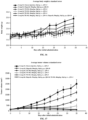
- mice were subcutaneously inoculated with human-derived pancreatic cancer Capan-1 cell to establish a subcutaneous transplantation model of human-derived pancreatic cancer.
- the test was divided into the test drug Olaparib 100 mg/kg monotherapy group, TH-302 50 mg/kg monotherapy group, and 10% absolute ethanol + 10% polyoxyethylene (35) castor oil + 80% glucose injection D5W (pH 7.4) vehicle control group, etc., with 6 mice in each group.
- Both the vehicle control group and TH-302 monotherapy group were administered through tail vein, once a week for a total of three weeks; the test drug Olaparib monotherapy group was administered orally by gavage once a day for a total of 30 days.
- the specific administration regimens and TGIs were shown in Table 12.
- Table 12 Pharmacodynamic analysis table of each group in the human-derived pancreatic cancer Capan-1 subcutaneous model Experimental group 43rd Day after cell inoculation Tumor volume mm 3 ( x ⁇ S) Relative tumor volume mm 3 ( x ⁇ S) TGI (%) T/C (%) P Value (Compared with the control group) CR Ratio (Complete clearance) 10% absolute ethanol +10% polyoxyethylene (35) castor oil +80% glucose injection D5W (pH 7.4) 1301.38 ⁇ 76.61 9.15 ⁇ 0.70 - - - 0/6 Olaparib, 100 mg/kg 846.86 ⁇ 128.85 5.72 ⁇ 0.54 37.43 62.57 >0.05 0/6 TH-302, 50 mg/kg 263.45 ⁇ 86.54 1.81 ⁇ 0.64 80.18 19.82 ⁇ 0.001 2/6
- the experimental results showed that in the BRCA pathogenic mutant Capan-1 CDX model, the test drug Olaparib 100 mg/kg treatment group showed a slight tumor inhibitory effect on the 43rd day after tumor cell inoculation, and the relative tumor inhibition rate TGI (%) was 37.43%, with no statistically significant difference compared with the control group (p > 0.05).
- the test drug TH-302 50 mg/kg treatment group showed a significant tumor inhibitory effect on the 43rd day after tumor cell inoculation, the relative tumor inhibition rate TGI (%) was 80.18%, and the complete tumor inhibition rate was 33.3%, with statistically significant difference compared with the control group (p ⁇ 0.001).
- the data of percentage body weight from the above animal experiments showed that there was no body weight loss of the experimental animal in TH-302 administration group, demonstrating that the drug was well tolerated.
- mice BALB/c nude female mice were subcutaneously inoculated with HuPrime ® model LU6429 tumor blocks to establish a subcutaneous transplantation tumor model of human lung cancer.
- the test was divided into the test drug Olaparib 50 mg/kg group, the test drug TH-302 40 mg/kg group and glucose injection D5W vehicle control group, etc., with 6 mice in each group.
- the glucose injection D5W vehicle control group and test drug TH-302 group were administered through tail vein injection once a week for three consecutive weeks.
- the test drug Olaparib 50 mg/kg group was administered orally by gavage, once a day for 28 consecutive days.
- the specific administration regimens and TGIs were shown in Table 13.
- Table 13 Pharmacodynamic analysis table of each group in the HuPrime ® lung cancer LU5173 model Experimental group 27th day after the first administration Tumor volume mm 3 ( x ⁇ S) Relative tumor volume mm 3 ( x ⁇ S) TGI (%) T/C (%) P Value (Compared with the control group) CR Ratio (Complete clearance) glucose injection D5W 2362.40 ⁇ 274.50 23.14 ⁇ 3.50 - - - 0/6 Olaparib, 50 mg/kg 2390.86 ⁇ 344.38 23.33 ⁇ 2.54 -0.83 100.83 >0.05 0/6 TH-302, 40 mg/kg 466.06 ⁇ 149.54 4.55 ⁇ 0.64 80.33 19.97 ⁇ 0.05 0/6
- the experimental results showed that in the BRCA pathogenic mutant HuPrime ® lung cancer LU6429 model, the test drug Olaparib (50 mg/kg) treatment group showed no tumor inhibitory effect on the 27th day after the first administration, and the relative tumor growth inhibition rate TGI (%) was -0.83%, with no statistically significant difference compared with the control group (p > 0.05).
- the test drug compound TH-302 40 mg/kg treatment group showed a significant tumor inhibitory effect on the 27th day after the first administration, and the relative tumor growth inhibition rate TGI (%) was 80.33%, with statistically significant difference compared with the control group (p ⁇ 0.05).
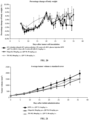
- Balb/c nude female mice were subcutaneously inoculated with HuPrime ® ovarian cancer OV5304 tumor blocks to establish a subcutaneous transplantation tumor model of human ovarian cancer.
- the test was divided into the test drug Olaparib 50 mg/kg monotherapy group (Group 02), TH-302 80 mg/kg monotherapy group (Group 03), TH-302 40 mg/kg monotherapy group (Group 04), TH-302 20 mg/kg monotherapy group (Group 05), the combined administration group of TH-302 40 mg/kg and Olaparib 50 mg/kg (Group 06), and glucose injection vehicle control group (Group 01).
- both the vehicle control group and TH-302 were administered through tail vein, once a week for a total of 3 weeks; Olaparib was administered by gavage, once a day for a total of 30 days.
- the specific administration regimens and pharmacodynamics were shown in Table 14.
- Table 14 Pharmacodynamics analysis table of each group in the HuPrime ® ovarian cancer OV5304 subcutaneous model Experimental group 30th day after initial administration Tumor volume ( x ⁇ S) Relative tumor volume ( x ⁇ S) TGI (%) T/C (%) P Value (Compared with the control group) Tumor clearance rate Group 1 glucose injection, 10 ⁇ L/g, i.v., QW ⁇ 3 1585.25 ⁇ 397.93 13.01 ⁇ 2.88 - 0/6 Group 2 Olaparib,50 mg/kg,10 ⁇ L/g, p.o.
- Balb/c nude female mice were subcutaneously inoculated with HuPrime ® bladder cancer BL3325 tumor blocks to establish a subcutaneous transplantation tumor model of human bladder cancer.
- the test was divided into the test drug Olaparib 50 mg/kg monotherapy group (Group 02), TH-302 80 mg/kg monotherapy group (Group 03), TH-302 40 mg/kg monotherapy group (Group 04), TH-302 20 mg/kg monotherapy group (Group 05), the combined administration group of TH-302 40 mg/kg and Olaparib 50 mg/kg (Group 06), and glucose injection vehicle control group (Group 01).
- both the vehicle control group and TH-302 were administered through tail vein, once a week for a total of 3 weeks; Olaparib was administered by gavage, once a day for a total of 30 days.
- the specific administration regimens and pharmacodynamics were shown in Table 15.
- Table 15 Pharmacodynamics analysis table of each group in the HuPrime ® bladder cancer BL3325 subcutaneous model Experimental group 36th day after initial administration Tumor volume ( x ⁇ S) Relative tumor volume ( x ⁇ S) TGI (%) T/C (%) P Value (Compared with the control group) Tumor clearance rate Group 1 glucose injection, 10 ⁇ L/g, i.v., QW ⁇ 3 2506.70 ⁇ 403.02 19.30 ⁇ 2.69 - 0/6 Group 2 Olaparib, 50 mg/kg, 10 ⁇ L/g, p.o., QD ⁇ 30 1717.98 ⁇ 129.57 13.43 ⁇ 0.40 30.42 69.58 >0.05 0/6 Group 3 TH-302 80 mg/kg, 10 ⁇ L/g, i.v., QW ⁇ 3 103.73 ⁇ 38.44 0.76 ⁇ 20.26 96.05 3.95 ⁇ 0.001 1/6 Group 4 TH-302 40 mg/kg, 10 ⁇ L/g, i.
- mice were subcutaneously inoculated with human-derived SK-OV-3 cell, human-derived MKN45 cell and human-derived Vcap cell respectively to establish the above three human-derived CDX models.
- the administrations of TH-302 in the three models were identical.
- the test was divided into the test drug Olaparib 50 mg/kg monotherapy group, TH-302 80 mg/kg monotherapy group and the vehicle control group, with 6 mice in each group.
- Both the vehicle control group and TH-302 80 mg/kg monotherapy group were administered through tail vein; wherein the vehicle control group was administered once a day for 5 consecutive days, rested for 2 days, and then rested for 2 weeks; and then once a day for 5 consecutive days daily, and then once a day; the test drug TH-302 80 mg/kg was administered once a week for 3 consecutive weeks; the test drug Olaparib group was administered orally by gavage, once a day for a total of 30 days.
- the specific administration regimens and TGIs were shown in Table 16.
- Table 16 Pharmacodynamics analysis table of each group in the three non-BRCA pathogenic mutant subcutaneous model Model Experimental group Tumor volume mm 3 ( x ⁇ S) Relative tumor volume mm 3 ( x ⁇ S) TGI (%) T/C (%) P Value (Compared with the control group) CR Ratio (Complete clearance) SK-OV-3 10% absolute ethanol +10% polyoxyethylene (35) castor oil +80% glucose injection D5W (pH 7.4) 994.19 ⁇ 79.53 7.02 ⁇ 0.71 - - - 0/6 Olaparib, 50 mg/kg 962.76 ⁇ 54.37 6.72 ⁇ 0.46 4.29 95.71 >0.05 0/6 TH-302 , 80 mg/kg 943.37 ⁇ 68.94 6.50 ⁇ 0.47 7.38 92.62 >0.05 2/6 MKN45 glucose injection DSW (pH 7.4) 1957.94 ⁇ 251.25 13.55 ⁇ 1.13 - - - 0/6 Olaparib 50 mg/kg 1504.93 ⁇ 305.84 10.14 ⁇ 1.71 25
- TH-302 50 mg/kg had a very obvious tumor growth inhibitory effect on BRCA2 pathogenic mutant Capan-1 CDX model, had a significant tumor inhibitory effect on the 43rd day after tumor cell inoculation, and the relative tumor growth inhibition rate TGI (%) was 80.18%, wherein the tumors of two mice were completely cleared, and the tumor complete inhibition rate was 33.3%, with statistically significant difference compared with the control group (p ⁇ 0.001).
- TH-302 40 mg/kg (administered once a week for three weeks) also showed a very significant tumor inhibitory effect in the BRCA2 pathogenic mutant human-derived lung cancer PDX model LU6429, and the relative tumor growth inhibition rate (%) was 80.33% on the 27th day after the administration, with statistically significantly difference compared with the control group (p ⁇ 0.05).
- each monotherapy group of 80 mg/kg, 40 mg/kg and 20 mg/kg of TH-302 showed significant tumor inhibitory effects in BRCA1 pathogenic mutant ovarian cancer OV5304 and BRCA2 pathogenic mutant bladder cancer BL3325.
- the toxins of the above AKR1C3-activated or hypoxia-activated DNA alkylating agent are all alkylating agents that act on DNA double-strand to make them crosslink, and therefore the applicant expected that the compounds as described above should have more excellent therapeutic effects on the tumor model with mutations in homologous DNA double-strand damage repair genes than that in tumor model without mutations, i.e., AKR1C3-activated/hypoxia-activated DNA alkylating agent prodrugs with similar toxin structures have more significant therapeutic effects than drug monotherapy or in combination other therapeutic drugs for treating patients with homologous DNA double-strand damage repair gene-mutated cancer and tumors, and thus the use of homologous DNA double-strand damage repair gene mutation as a marker to select patients is feasible.
- KARS is a lysine-tRNA ligase, which acts on the translation process of amino acids that changes a combination of four bases into a combination of 20 amino acids, and specifically links lysine to the tRNA encoding lysine.
- the tRNA-to-amino acid correspondence is determined by aminoacyl tRNA synthetase, which needs to correctly recognize the substrate amino acid and the corresponding tRNA.
- aminoacyl tRNA synthetase There are often structurally similar amino acids that ordinary enzymes are unable to distinguish finely, such as Ile/Val, Thr/Ser, etc.
- ARS has to have stronger recognition ability to prevent incorrect aminoacylation, and KARS can accurately recognize lysine and link lysine with tRNA encoding for lysine, and ultimately achieve the correct linkage of the amino acid sequences to form a polypeptide chain.
- KARS inhibitors can specifically inhibit the activity of KARS enzyme, which leads to errors in the translation procedure of the DNA-RNA-amino acid process, and ultimately makes the cell fail to replicate normally and apoptosis, i.e., KARS inhibitors act on the translation process of RNA-amino acid.
- KARS inhibitors act on the translation process of RNA-amino acid.
- the mutations occur in homologous DNA double-strand damage repair gene in the above process, leading to problems in the DNA-RNA process as well, it will undoubtedly further exacerbate apoptosis, and thus organisms with mutations in homologous DNA double-strand damage repair genes will possibly have a stronger response, and greater sensitivity, to AKR1C3-activated KARS inhibitor prodrugs.
- the homologous DNA double-strand damage repair genes can be selected from the corresponding genes of BRCA (including BRCA1, BRCA2), FANCA, FANCD1, FANCD2, ATM, ATR, CHEK1, CHEK2, CTP, BARD1, BRIP1, PALB2, RAD51D, RAD51C, RAD52, RAD54, RAD55, RAD57, FAM175, NBN, Rad50, MRE11, p53, NBS1, XRS2, XRCC2, XRCC3, XRCC4/XPF, ERCC1, ERCC2/XPD, ERCC3/XPB, ERCC4/XPF, XRCC1, Ku80, MHS6, MGMT, PARP, ERCC5/XPG, CCNH, CDK7, CETN2, DDB1, DDB2, ERCC5/XPG, ERCC6/CSB, ERCC8/CSA, LIG1/DNA ligase I, MMS19, MNAT1, RAD23A, RAD
Landscapes
- Health & Medical Sciences (AREA)
- Medicinal Chemistry (AREA)
- Chemical & Material Sciences (AREA)
- Life Sciences & Earth Sciences (AREA)
- Pharmacology & Pharmacy (AREA)
- Veterinary Medicine (AREA)
- Public Health (AREA)
- General Health & Medical Sciences (AREA)
- Animal Behavior & Ethology (AREA)
- Epidemiology (AREA)
- General Chemical & Material Sciences (AREA)
- Chemical Kinetics & Catalysis (AREA)
- Nuclear Medicine, Radiotherapy & Molecular Imaging (AREA)
- Organic Chemistry (AREA)
- Endocrinology (AREA)
- Mycology (AREA)
- Microbiology (AREA)
- Immunology (AREA)
- Engineering & Computer Science (AREA)
- Bioinformatics & Cheminformatics (AREA)
- Pharmaceuticals Containing Other Organic And Inorganic Compounds (AREA)
Applications Claiming Priority (2)
| Application Number | Priority Date | Filing Date | Title |
|---|---|---|---|
| CN202210253284 | 2022-03-15 | ||
| PCT/CN2023/081542 WO2023174319A1 (fr) | 2022-03-15 | 2023-03-15 | Méthode de traitement d'un patient atteint d'un cancer à mutation de brca |
Publications (2)
| Publication Number | Publication Date |
|---|---|
| EP4494643A1 true EP4494643A1 (fr) | 2025-01-22 |
| EP4494643A4 EP4494643A4 (fr) | 2025-09-10 |
Family
ID=88022357
Family Applications (1)
| Application Number | Title | Priority Date | Filing Date |
|---|---|---|---|
| EP23769821.2A Pending EP4494643A4 (fr) | 2022-03-15 | 2023-03-15 | Méthode de traitement d'un patient atteint d'un cancer à mutation de brca |
Country Status (4)
| Country | Link |
|---|---|
| US (1) | US20250186468A1 (fr) |
| EP (1) | EP4494643A4 (fr) |
| CN (1) | CN118829436A (fr) |
| WO (1) | WO2023174319A1 (fr) |
Families Citing this family (3)
| Publication number | Priority date | Publication date | Assignee | Title |
|---|---|---|---|---|
| CN119894521A (zh) * | 2022-09-22 | 2025-04-25 | 深圳艾欣达伟医药科技有限公司 | 乏氧激活的化合物在制备治疗癌症患者的药物中的用途 |
| WO2025082484A1 (fr) * | 2023-10-18 | 2025-04-24 | 深圳艾欣达伟医药科技有限公司 | Traitement d'un patient atteint d'une mutation du gène p53 négative, une mutation du gène kras positive et une mutation brca positive |
| WO2025214434A1 (fr) * | 2024-04-11 | 2025-10-16 | Allorion Therapeutics Inc | Composés macrocycliques de phosphoramidate et leurs utilisations |
Family Cites Families (46)
| Publication number | Priority date | Publication date | Assignee | Title |
|---|---|---|---|---|
| ZA200507752B (en) | 2003-03-28 | 2007-01-31 | Threshold Pharmaceuticals Inc | Compositions and methods for treating cancer |
| EP1896040B1 (fr) | 2005-06-29 | 2012-08-01 | Threshold Pharmaceuticals, Inc. | Prodrogues d'alkylateur de phosphoramidate |
| ES2884044T3 (es) | 2006-12-26 | 2021-12-10 | Immunogenesis Inc | Profármaco alquilante de fosforamidato para el tratamiento del cáncer |
| WO2008151253A1 (fr) | 2007-06-04 | 2008-12-11 | Threshold Pharmaceuticals, Inc. | Promédicaments d'agents antinéoplasiques activés par l'hypoxie |
| WO2009018163A1 (fr) | 2007-07-27 | 2009-02-05 | Threshold Pharmaceuticals, Inc. | Promédicaments d'anthracyclines activés par une hypoxie |
| WO2009033165A1 (fr) | 2007-09-06 | 2009-03-12 | Threshold Pharmaceuticals, Inc. | Promédicaments activés par l'hypoxie à base d'agents bis-alkylants |
| EP2350664B1 (fr) | 2008-10-21 | 2021-05-19 | ImmunoGenesis, Inc. | Traitement du cancer à l'aide du promédicament activé par l'hypoxie th-302 en combinaison avec le docetaxel ou le pemetrexed |
| US20130296273A1 (en) | 2010-06-28 | 2013-11-07 | Threshold Pharmaceuticals, Inc. | Treatment of blood cancer |
| ES2877629T3 (es) | 2010-07-12 | 2021-11-17 | Immunogenesis Inc | Administración de profármacos activados por hipoxia y agentes antiangiogénicos para el tratamiento del cáncer |
| WO2012135757A2 (fr) | 2011-04-01 | 2012-10-04 | Threshold Pharmaceuticals, Inc. | Procédés de traitement du cancer |
| RU2013147744A (ru) | 2011-04-15 | 2015-05-20 | Тресхолд Фармасьютикалз, Инк. | Дозированная лекарственная форма для перорального применения |
| US9402820B2 (en) | 2011-04-22 | 2016-08-02 | The United States Of America As Represented By The Secretary, Department Of Health And Human Services | Use of pyruvate or succinate to enhance the efficacy of a hypoxia activated prodrug for the treatment of tumors |
| EP2793899A4 (fr) | 2011-12-22 | 2015-06-17 | Threshold Pharmaceuticals Inc | Promédicaments activés par l'hypoxie et inhibiteurs de mtor utilisés pour le traitement du cancer |
| EP2793882A4 (fr) | 2011-12-22 | 2015-04-29 | Threshold Pharmaceuticals Inc | Administration de promédicaments activés par l'hypoxie en combinaison à des inhibiteurs de chk1 pour le traitement du cancer |
| JP2015511226A (ja) | 2012-01-31 | 2015-04-16 | スレッショルド ファーマシューティカルズ,インコーポレイテッド | 低酸素活性化プロドラッグ療法のための予測バイオマーカー |
| ES2909741T3 (es) | 2012-02-21 | 2022-05-10 | Immunogenesis Inc | Tratamiento del cáncer |
| AU2013204313C1 (en) | 2012-06-01 | 2016-04-07 | Bionomics Limited | Combination Therapy |
| WO2014062856A1 (fr) | 2012-10-16 | 2014-04-24 | Halozyme, Inc. | Hypoxie et hyaluronane et leurs marqueurs pour le diagnostic et la surveillance de maladies et de pathologies, et méthodes associées |
| US20160296538A1 (en) | 2013-04-10 | 2016-10-13 | Threshold Pharmaceuticals, Inc. | Predictive and response biomarker for th-302 anti-cancer therapy |
| JP2016528217A (ja) | 2013-07-26 | 2016-09-15 | スレッショルド ファーマシューティカルズ,インコーポレイテッド | 低酸素活性化プロドラッグおよびタキサンの組合せを用いた膵臓癌の治療 |
| WO2015051921A1 (fr) | 2013-10-10 | 2015-04-16 | Merck Patent Gmbh | Synthèse d'ester d'acide 1-alkyl-2-amino-imidazol-5-carboxylique utilisant des dérivés d'ester de n-alkyle-glycine substitués par calpha |
| WO2015069489A1 (fr) | 2013-11-06 | 2015-05-14 | Merck Patent Gmbh | Biomarqueur prédictif pour thérapie à base de promédicament activé par l'hypoxie |
| WO2015171647A1 (fr) | 2014-05-05 | 2015-11-12 | Threshold Pharmaceuticals, Inc. | Traitement du cancer |
| WO2016011195A1 (fr) | 2014-07-17 | 2016-01-21 | Threshold Pharmaceuticals, Inc. | Formes solides de th-302 et procédés associés |
| BR112017000800A8 (pt) | 2014-07-17 | 2023-04-25 | Biocurity Holdings Inc | Tratamento do câncer com uma combinação de radiação, nanoparticulas de óxido de cério, e um agente quimioterápico |
| WO2016014390A1 (fr) | 2014-07-25 | 2016-01-28 | Merck Patent Gmbh | Compositions et méthodes pour polythérapie à base d'inhibiteurs de mek dans le traitement du cancer |
| US10760130B2 (en) | 2014-11-19 | 2020-09-01 | Molecular Templates, Inc. | Predictive biomarker for hypoxia-activated prodrug therapy |
| TWI674258B (zh) * | 2015-03-10 | 2019-10-11 | 大陸商深圳艾欣達偉醫藥科技有限公司 | Dna烷化劑 |
| WO2016161342A2 (fr) | 2015-04-02 | 2016-10-06 | Threshold Pharmaceuticals, Inc. | Dérivés de nitrobenzyle d'agents anticancéreux |
| JP7327900B2 (ja) | 2015-06-24 | 2023-08-16 | スレッシュホールド ファーマシューティカルズ, インコーポレイテッド | アジリジン含有dnaアルキル化剤 |
| EP3390415B1 (fr) | 2015-11-16 | 2020-02-26 | Obi Pharma, Inc. | (r)- et (s)-1-(3-(3-n,n-diméthylaminocarbonyl)phénoxyl-4-nitrophényl)-1-éthyl-n,n'-bis(éthylène)phosphoramidate, compositions et procédés pour leur utilisation et préparation |
| US20210369746A1 (en) | 2016-08-01 | 2021-12-02 | Molecular Templates, Inc. | Administration of hypoxia activated prodrugs in combination with immune modulatory agents for treating cancer |
| JP2020534289A (ja) | 2017-09-14 | 2020-11-26 | ランケナー インスティテュート フォー メディカル リサーチ | がんの治療のための方法および組成物 |
| TW201919644A (zh) | 2017-09-29 | 2019-06-01 | 台灣浩鼎生技股份有限公司 | 治療血癌的方法 |
| WO2019173799A1 (fr) | 2018-03-08 | 2019-09-12 | Caris Science, Inc. | Sondes oligonucléotidiques et leurs utilisations |
| EP3774743B1 (fr) | 2018-03-29 | 2023-11-22 | Achilles Medical Limited | Composés de type promédicaments activés par akr1c3 et leur utilisation pour le traitement de troubles hyperprolifératifs |
| CN110680824A (zh) | 2018-07-05 | 2020-01-14 | 深圳艾欣达伟医药科技有限公司 | 埃夫索胺的抗癌医药用途 |
| US20220249522A1 (en) | 2018-12-07 | 2022-08-11 | The Board Of Trustees Of The Leland Stanford Junior University | Hypoxia Targeting Compositions and Combinations Thereof with a PARP Inhibitor and Methods of Use Thereof |
| WO2020228685A1 (fr) | 2019-05-13 | 2020-11-19 | 深圳艾欣达伟医药科技有限公司 | Composé fluoré et son utilisation comme médicament anticancéreux |
| CN112220742A (zh) | 2019-07-15 | 2021-01-15 | 深圳艾欣达伟医药科技有限公司 | 稳定的ast-3424注射液制剂及制备方法 |
| PY2039449A (es) | 2019-08-01 | 2021-12-20 | Novartis Ag | Inhibidortes tricíclicos de kars dependientes de akr1c3 |
| CN114555574B (zh) | 2019-10-12 | 2024-04-12 | 深圳扬厉医药技术有限公司 | 靶向醛酮还原酶1c3的苯并二氢吡喃类化合物 |
| TWI837402B (zh) | 2019-12-20 | 2024-04-01 | 大陸商深圳艾欣達偉醫藥科技有限公司 | 含氟化合物、含氟化合物之製備方法及其抗癌醫藥用途 |
| CN116249698B (zh) | 2020-09-18 | 2024-09-24 | 深圳扬厉医药技术有限公司 | 异色满类化合物 |
| CN115403579A (zh) | 2021-05-27 | 2022-11-29 | 上海拓界生物医药科技有限公司 | 一种新的螺环衍生物及其用途 |
| WO2023025312A1 (fr) * | 2021-08-27 | 2023-03-02 | 深圳艾欣达伟医药科技有限公司 | Patient résistant aux inhibiteurs de parp traités avec th-302 |
-
2023
- 2023-03-15 US US18/846,565 patent/US20250186468A1/en active Pending
- 2023-03-15 CN CN202380024638.6A patent/CN118829436A/zh active Pending
- 2023-03-15 WO PCT/CN2023/081542 patent/WO2023174319A1/fr not_active Ceased
- 2023-03-15 EP EP23769821.2A patent/EP4494643A4/fr active Pending
Also Published As
| Publication number | Publication date |
|---|---|
| US20250186468A1 (en) | 2025-06-12 |
| EP4494643A4 (fr) | 2025-09-10 |
| WO2023174319A1 (fr) | 2023-09-21 |
| CN118829436A (zh) | 2024-10-22 |
Similar Documents
| Publication | Publication Date | Title |
|---|---|---|
| EP4494643A1 (fr) | Méthode de traitement d'un patient atteint d'un cancer à mutation de brca | |
| US20240043390A1 (en) | Compositions and methods for treating cancer | |
| JP6637884B2 (ja) | ブロモドメインおよびエクストラターミナル(bet)タンパク質インヒビターを使用するがんのための併用療法 | |
| US10047078B2 (en) | Aminothiazole compounds | |
| US11666574B2 (en) | Combination therapy involving diaryl macrocyclic compounds | |
| US20150056192A1 (en) | Novel compositions of combinations of non-covalent dna binding agents and anti-cancer and/or anti-inflammatory agents and their use in disease treatment | |
| TW201831188A (zh) | 涉及二芳基巨環化合物之組合療法 | |
| JP2018524382A (ja) | キラルジアリール大環状分子及びその使用 | |
| EP4406538A1 (fr) | Traitement de patients atteints d'un cancer présentant des mutations de kras | |
| JP7762796B2 (ja) | Parp阻害剤に耐性のある患者のth-302による治療 | |
| Turchick et al. | Selective inhibition of ATM-dependent double-strand break repair and checkpoint control synergistically enhances the efficacy of ATR inhibitors | |
| CA3116234A1 (fr) | Polytherapie utilisant des agents d'alkylation d'adn et des inhibiteurs d'atr | |
| TW200811185A (en) | Fused pyrimidones and thiopyrimidones, and uses thereof | |
| JP2026506429A (ja) | Mta協同的prmt5阻害薬を使用した癌治療 | |
| EP3999056B1 (fr) | Combinaison pharmaceutique et son utilisation pour la prévention et le traitement du cancer | |
| TW202535405A (zh) | 用於藉由增強數類已核准藥物的作用以治療癌症之alc1抑制劑 | |
| CN103619331A (zh) | 抗癌治疗剂 | |
| KR20080046161A (ko) | 비-소세포 폐암의 치료를 위한 스타우로스포린 유도체 | |
| US20230212202A1 (en) | Treatment of mgmt deficient cancer with 2-fluoroethyl-substituted nitrosoureas and other compounds | |
| KR20260020475A (ko) | Akr1c3 효소 발현 수준과 kras 돌연변이의 상관관계 및 의학적 용도 | |
| CN121969397A (zh) | 抗体偶联药物及其用途 | |
| TW202510890A (zh) | 治療brca突變癌症患者的方法 | |
| EP4591866A1 (fr) | Utilisation d'un composé activé par hypoxie dans la préparation d'un médicament pour le traitement d'un patient atteint d'un cancer | |
| TW202434219A (zh) | 使用乏氧激活化合物治療對parp抑制劑耐藥的患者的藥物及其製藥用途 | |
| TW202537621A (zh) | 乏氧激活的化合物在製備治療癌症患者的藥物中的用途 |
Legal Events
| Date | Code | Title | Description |
|---|---|---|---|
| STAA | Information on the status of an ep patent application or granted ep patent |
Free format text: STATUS: THE INTERNATIONAL PUBLICATION HAS BEEN MADE |
|
| PUAI | Public reference made under article 153(3) epc to a published international application that has entered the european phase |
Free format text: ORIGINAL CODE: 0009012 |
|
| STAA | Information on the status of an ep patent application or granted ep patent |
Free format text: STATUS: REQUEST FOR EXAMINATION WAS MADE |
|
| 17P | Request for examination filed |
Effective date: 20241014 |
|
| AK | Designated contracting states |
Kind code of ref document: A1 Designated state(s): AL AT BE BG CH CY CZ DE DK EE ES FI FR GB GR HR HU IE IS IT LI LT LU LV MC ME MK MT NL NO PL PT RO RS SE SI SK SM TR |
|
| DAV | Request for validation of the european patent (deleted) | ||
| DAX | Request for extension of the european patent (deleted) | ||
| RIC1 | Information provided on ipc code assigned before grant |
Ipc: A61K 31/665 20060101ALI20250519BHEP Ipc: A61K 45/06 20060101ALI20250519BHEP Ipc: A61P 35/00 20060101ALI20250519BHEP Ipc: A61K 31/4747 20060101ALI20250519BHEP Ipc: A61K 31/495 20060101ALI20250519BHEP Ipc: A61K 31/04 20060101ALI20250519BHEP Ipc: A61K 31/06 20060101ALI20250519BHEP Ipc: A61K 31/664 20060101ALI20250519BHEP Ipc: A61K 31/675 20060101AFI20250519BHEP |
|
| A4 | Supplementary search report drawn up and despatched |
Effective date: 20250813 |
|
| RIC1 | Information provided on ipc code assigned before grant |
Ipc: A61K 31/675 20060101AFI20250807BHEP Ipc: A61K 31/664 20060101ALI20250807BHEP Ipc: A61K 31/06 20060101ALI20250807BHEP Ipc: A61K 31/04 20060101ALI20250807BHEP Ipc: A61K 31/495 20060101ALI20250807BHEP Ipc: A61K 31/4747 20060101ALI20250807BHEP Ipc: A61P 35/00 20060101ALI20250807BHEP Ipc: A61K 45/06 20060101ALI20250807BHEP Ipc: A61K 31/665 20060101ALI20250807BHEP |