EP4503748A1 - Zugangssteuerungsverfahren und -vorrichtung, kommunikationsvorrichtung und speichermedium - Google Patents
Zugangssteuerungsverfahren und -vorrichtung, kommunikationsvorrichtung und speichermedium Download PDFInfo
- Publication number
- EP4503748A1 EP4503748A1 EP22932681.4A EP22932681A EP4503748A1 EP 4503748 A1 EP4503748 A1 EP 4503748A1 EP 22932681 A EP22932681 A EP 22932681A EP 4503748 A1 EP4503748 A1 EP 4503748A1
- Authority
- EP
- European Patent Office
- Prior art keywords
- access
- network
- type terminals
- allowed
- indication information
- Prior art date
- Legal status (The legal status is an assumption and is not a legal conclusion. Google has not performed a legal analysis and makes no representation as to the accuracy of the status listed.)
- Pending
Links
Images




Classifications
-
- H—ELECTRICITY
- H04—ELECTRIC COMMUNICATION TECHNIQUE
- H04W—WIRELESS COMMUNICATION NETWORKS
- H04W48/00—Access restriction; Network selection; Access point selection
- H04W48/02—Access restriction performed under specific conditions
-
- H—ELECTRICITY
- H04—ELECTRIC COMMUNICATION TECHNIQUE
- H04W—WIRELESS COMMUNICATION NETWORKS
- H04W48/00—Access restriction; Network selection; Access point selection
- H04W48/08—Access restriction or access information delivery, e.g. discovery data delivery
- H04W48/12—Access restriction or access information delivery, e.g. discovery data delivery using downlink control channel
-
- H—ELECTRICITY
- H04—ELECTRIC COMMUNICATION TECHNIQUE
- H04W—WIRELESS COMMUNICATION NETWORKS
- H04W48/00—Access restriction; Network selection; Access point selection
- H04W48/16—Discovering, processing access restriction or access information
-
- H—ELECTRICITY
- H04—ELECTRIC COMMUNICATION TECHNIQUE
- H04W—WIRELESS COMMUNICATION NETWORKS
- H04W52/00—Power management, e.g. Transmission Power Control [TPC] or power classes
- H04W52/04—Transmission power control [TPC]
- H04W52/30—Transmission power control [TPC] using constraints in the total amount of available transmission power
- H04W52/36—Transmission power control [TPC] using constraints in the total amount of available transmission power with a discrete range or set of values, e.g. step size, ramping or offsets
Definitions
- the present disclosure relates to, but is not limited to the technical field of wireless communications, and in particular to an access control method and apparatus, communication device, and storage medium.
- MTC Machine-Type Communications
- NB-IoT Narrow Band Internet of Things
- MTC Machine-Type Communications
- NB-IoT Narrow Band Internet of Things
- RedCap reduced capability
- Embodiments of the present disclosure disclose an access control method and apparatus, communication device and storage medium.
- an access control method is provided, where the method is performed by an access network device, and the method includes: sending indication information to a terminal, where the indication information indicates whether all first-type terminals are allowed to access a network, or the indication information indicates whether some first-type terminals are allowed to access a network.
- the indication information further indicates whether the first-type terminals having a predetermined feature are allowed to access a network.
- the predetermined feature includes at least one of: a number of Rx branches; a structure of an antenna; a number of multiple-input multiple-output (MIMO) layers supportable at most; and a transmission power level.
- the information field of the indication information includes a first indication field and a second indication field
- the first-type terminals and/or the access network device operate in a second frequency range (FR2); and the information field of the indication information indicates whether all first-type terminals are allowed to access a network.
- FR2 second frequency range
- the first transmission power level includes a first power level element and the second transmission power level includes a second power level element, and the transmission power corresponding to the second power level element is less than the transmission power corresponding to the first power level element.
- the first-type terminals supporting the first transmission power level have a first antenna structure and/or the first-type terminals supporting the second transmission power level have a second antenna structure.
- the first antenna structure includes the same number of antenna elements as that of an antenna of a second-type terminal and/or the second antenna structure includes a smaller number of antenna elements than that of an antenna of a second-type terminal.
- the first-type terminal is a reduced capability (RedCap) user equipment.
- an access control method is provided, where the method is performed by a first-type terminal, the method including: receiving indication information sent by an access network device, where the indication information indicates whether all first-type terminals are allowed to access a network, or the indication information indicates whether some first-type terminals are allowed to access a network.
- the indication information further indicates whether the first-type terminals having a predetermined feature are allowed to access a network.
- the predetermined feature includes at least one of: a number of Rx branches; a structure of an antenna; a number of multiple-input multiple-output (MIMO) layers supportable at most; and a transmission power level.
- the method further includes: determining whether to access a network according to the indication information and a feature of the first-type terminal.
- determining whether to access a network according to the indication information and a feature of the first-type terminal includes: determining whether the first-type terminal is a terminal having the predetermined feature according to the indication information and a feature of the first-type terminal; determining that the indication information indicates that the first-type terminals having a predetermined feature are allowed to access a network, determining that the first-type terminal is a terminal having the predetermined feature, and determining to access a network; or
- the information field of the indication information includes a first indication field and a second indication field
- the first-type terminals and/or the access network device operate in a second frequency range (FR2); and the information field of the indication information indicates all first-type terminals are allowed or not allowed to access a network.
- FR2 second frequency range
- the first transmission power level includes a first power level element and the second transmission power level includes a second power level element, and the transmission power corresponding to the second power level element is less than the transmission power corresponding to the first power level element.
- the first-type terminals supporting the first transmission power level have a first antenna structure and/or the first-type terminals supporting the second transmission power level have a second antenna structure.
- the first antenna structure includes the same number of antenna elements as that of an antenna of a second-type terminal and/or the second antenna structure includes a smaller number of antenna elements than that of an antenna of a second-type terminal.
- the first-type terminal is a RedCap user equipment.
- an access control apparatus configured to send indication information to a terminal, where the indication information indicates whether all first-type terminals are allowed to access a network, or the indication information indicates whether some first-type terminals are allowed to access a network.
- an access control apparatus configured to receive indication information sent by an access network device, where the indication information indicates whether all first-type terminals are allowed to access a network, or the indication information indicates whether some first-type terminals are allowed to access a network.
- a communication device which includes: a processor; and a memory for storing the processor-executable instructions.
- the processor is configured to implement the method of any one of embodiments of the present disclosure when the executable instructions are executed.
- a computer storage medium has stored therein computer executable instructions which, when executed by a processor, cause the method of any one of embodiments of the present disclosure to be performed.
- the indication information is sent to a terminal, where the indication information indicates whether all first-type terminals are allowed to access a network, or the indication information indicates whether some first-type terminals are allowed to access a network.
- the indication information sent by the access network device to the terminal indicates: whether all first-type terminals are allowed to access a network, or whether some first-type terminals are allowed to access a network.
- the terminal After the terminal receives the indication information, it can be determined whether to access a network according to the indication of the indication information, and the reliability of the first-type terminal accessing the network can be improved compared to when the first-type terminal can access a network cannot be clearly determined.
- the terms the first, the second, third, etc. may be used in describing various information in embodiments of the present disclosure, such information should not be limited to these terms. These terms are only used to distinguish one type of information from another.
- the first information may also be referred to as the second information, and similarly, the second information may also be referred to as the first information, without departing from the scope of embodiments of the present disclosure.
- the word “if' as used herein may be interpreted as "at”, “when” or "in response to determining”.
- the terms “greater than” or “less than” are used herein when characterizing size relationships. However, for a person skilled in the art, it can be understood that the term “greater than” also encompasses the meaning of “greater than or equal to” “less than” also encompasses the meaning of "less than equal to”.
- the wireless communication system is a communication system based on mobile communication technology, and the wireless communication system may comprise: several user equipment 110 and several base stations 120.
- User equipment 110 may be, among other things, a device that provides voice and/or data connectivity to a user.
- the user equipment 110 may communicate with one or more core networks via a Radio Access Network (RAN), and the user equipment 110 may be an Internet of Things user equipment, such as a sensor device, a mobile phone, and a computer having the Internet of Things user equipment, and may be, for example, a fixed, portable, pocket, hand-held, computer-built or vehicle-mounted apparatus.
- RAN Radio Access Network
- the user equipment 110 may be an Internet of Things user equipment, such as a sensor device, a mobile phone, and a computer having the Internet of Things user equipment, and may be, for example, a fixed, portable, pocket, hand-held, computer-built or vehicle-mounted apparatus.
- STA Station
- subscriber unit subscriber station
- mobile station mobile, remote station
- access point remote terminal
- access terminal user terminal
- user agent user equipment
- the user equipment 110 may be a device of an unmanned aerial vehicle.
- the user equipment 110 may be an on-board device, such as a driving computer with wireless communication capability, or a wireless user equipment connected to the driving computer.
- the user equipment 110 may be a roadside device, such as a street light, signal light, or other roadside device having wireless communication capabilities.
- Base station 120 may be network side equipment in a wireless communication system.
- the wireless communication system can be the 4th generation mobile communication (4G) system, also known as a long-term evolution (LTE) system; alternatively, the wireless communication system may be a 5G system, also known as a new air interface system or a 5G NR system. Alternatively, the wireless communication system may be a further generation of the 5G system.
- the access network in the 5G system may be referred to as NG-RAN (New Generation-Radio Access Network).
- the base station 120 may be an evolved base station (eNB) used in a 4G system.
- base station 120 may be a gNB in a 5G system using a centralized distributed architecture.
- eNB evolved base station
- base station 120 may be a gNB in a 5G system using a centralized distributed architecture.
- CU central unit
- DU distributed units
- a protocol stack of a packet data convergence protocol (PDCP) layer, a radio link control protocol (RLC) layer, and a media access control (MAC) layer is provided in the concentration unit; the distribution unit is provided with a Physical (PHY) layer protocol stack, and embodiments of the present disclosure do not limit the specific implementation of the base station 120.
- PDCP packet data convergence protocol
- RLC radio link control protocol
- MAC media access control
- PHY Physical
- a wireless connection may be established between the base station 120 and the user equipment 110 over a wireless air interface.
- the wireless air interface is a wireless air interface based on a fourth generation mobile communication network technology (4G) standard; alternatively, the wireless air interface is a wireless air interface based on a fifth generation mobile communication network technology (5G) standard, for example, the wireless air interface is a new air interface; alternatively, the wireless air interface may be a wireless air interface based on 5G's next generation mobile communication network technology standard.
- an E2E (End to End) connection may also be established between user equipment 110; scenarios such as V2V (vehicle to vehicle) communication, V2I (vehicle to Infrastructure device) communication, and V2P (vehicle to pedestrian) communication in vehicle to everything (V2X).
- V2V vehicle to vehicle
- V2I vehicle to Infrastructure device
- V2P vehicle to pedestrian
- the user equipment described above may be regarded as the terminal device of the following embodiments.
- the wireless communication system may further include network management equipment 130.
- the network management equipment 130 may be a core network device in a wireless communication system, for example, the network management equipment 130 may be a mobility management entity (MME) in an evolved packet core network (EPC). Alternatively, the network management equipment may be another core network device, such as a Serving GateWay (SGW), a Public Data Network GateWay (PGW), a policy and charging rules function (PCRF), or a home subscriber server (HSS), etc.
- SGW Serving GateWay
- PGW Public Data Network GateWay
- PCRF policy and charging rules function
- HSS home subscriber server
- MTC Machine Type Communication
- NB-IoT Narrow Band Internet of Things
- 5G NR-lite Like the Internet of Things devices in LTE, 5G NR-lite generally needs to meet the following requirements: 1. low cost and low complexity; 2. a certain degree of coverage enhancement; 3. power savings.
- the NR new radio Since the NR new radio is designed for high-end terminals with high rate and low delay, the related design cannot meet the above requirements of NR-lite. Therefore, the NR system needs to be modified to meet the requirements of NR-lite. For example, to meet the requirements of low cost and low complexity, the RF bandwidth of NR-IoT can be limited, for example to 5 MHz or 10 MHz; or the size of the buffer of the NR-lite is limited, thereby limiting the size of each received transmission block, etc.
- access control is supported for different reception antenna branches (Rx branches for short). Considering that RedCap supports 1 and 2 Rx branches, respectively, 2 access control bits are introduced in the system message to indicate whether RedCap user equipment with the number of 1 and 2 Rx branches is allowed, respectively.
- the RedCap user equipment supports 1 and 2 Rx branches under FR1, respectively.
- a different antenna structure is provided under FR2.
- the terminals have the same number of Rx branches under FR2, but different antenna elements for a certain Rx branch. The previous access control mechanism with different Rx branches is then no longer applicable under FR2.
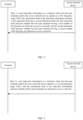
- an access control method is provided in embodiments of the present disclosure, where the method is performed by an access network device, and the method includes: Step 21, send indication information to a terminal, where the indication information indicates whether all first-type terminals are allowed to access a network, or the indication information indicates whether some first-type terminals are allowed to access a network.
- the first-type terminals to which the present disclosure relates may be, but are not limited to, a mobile phone, a wearable device, a vehicle-mounted terminal, a Road Side Unit (RSU), a smart home terminal, an industrial sensing device and/or a medical device, etc.
- the first-type terminal may be a RedCap user equipment or a predetermined version of a new radio NR terminal (e.g., an NR terminal of R17).
- the second-type terminals referred to in the present disclosure may be terminals of R15 and R16.
- the access network device referred to in the present disclosure may be a base station.
- the base station may be various types of base stations, for example, a base station of a third-generation mobile communication (3G) network, a base station of a fourth-generation mobile communication (4G) network, a base station of a fifth-generation mobile communication (5G) network, or other evolved type base stations.
- 3G third-generation mobile communication
- 4G fourth-generation mobile communication
- 5G fifth-generation mobile communication
- the first-type terminal may be provided with a different number of Rx branches.
- the first-type terminal may be provided with 1 or 2 Rx branches.
- the Rx branches of the first-type terminals may be provided with a different number of antenna elements.
- the Rx branches of the first-type terminals may be provided with 3 or 4 antenna elements.
- first-type terminals may be those having the same number of Rx branches among all first-type terminals. Some first-type terminals may also be first-type terminals all having the same Rx branches and the same number of antenna elements of the Rx branches.
- indication information is sent to a terminal, where the indication information indicates that all first-type terminals are allowed to access a network, or the indication information indicates that all first-type terminals are not allowed to access a network.
- the indication information indicates that all first-type terminals are allowed to access a network, or the indication information indicates that all first-type terminals are not allowed to access a network.
- the information field bearing the indication information indicates a first value
- all first-type terminals are allowed to access a network
- the information field bearing the indication information indicates the second value
- all first-type terminals are not allowed to access a network.
- not allowing all first-type terminals to access a network may be allowing only some first-type terminals to access a network. It should be noted that as long as the terminals are the first-type terminals, the terminals belong to those of "all first-type terminals" regardless of the number of Rx branches of the terminal and/or the number of antenna elements of the Rx branches.
- not allowing all first-type terminals to access a network may also be understood as prohibiting all first-type terminals from accessing the network.
- indication information is sent to a terminal, where the indication information indicates that some of first-type terminals are allowed to access a network, or the indication information indicates that some of first-type terminals are not allowed to access a network.
- an information field bearing indication information indicates a first value
- some first-type terminals are allowed to access a network
- the information field bearing the indication information indicates the second value
- some first-type terminals are not allowed to access a network.
- some first-type terminals that are not allowed to access a network may be some first-type terminals that are not allowed to access a network with a predetermined feature.
- the predetermined feature may be the number of Rx branches of the first-type terminals and/or the number of antenna elements of the Rx branches. It should be noted that if the first-type terminals has the predetermined feature, the first-type terminals belongs to the terminals among "some first-type terminals".
- not allowing some first-type terminals to access a network may also be understood as prohibiting some first-type terminals to access a network.
- any of the first-type terminals may be allowed to access a network if it is determined that the indication information indicates that all first-type terminals are allowed to access a network. or if it is determined that the indication information indicates that all first-type terminals are not allowed to access a network, any of the first-type terminals may determine whether there is a predetermined feature, the first-type terminals may be allowed to access a network if there is the predetermined feature and the indication information indicates that the first-type terminals having the predetermined feature are allowed to access a network, or the first-type terminals may not be allowed to access a network if there is the predetermined feature and the indication information indicates that the first-type terminals having the predetermined feature are not allowed to access a network.
- any of the first-type terminals may determine whether it has a predetermined feature that some first-type terminals should have if it is determined that the indication information indicates that some first-type terminals are allowed to access a network, the first-type terminal may be allowed to access a network if it has the predetermined feature, or the first-type terminal may not be allowed to access a network if it has no predetermined feature.
- any of the first-type terminals may determine whether it has a predetermined feature that some first-type terminals should have, and if it has the predetermined feature, the first-type terminal may not be allowed to access a network, or if it has no predetermined feature, the first-type terminal may be allowed to access a network.
- the information fields of the indication information may be divided for different predetermined features, the different information fields corresponding to one of the predetermined features.
- the information field is divided into a first information field for indicating whether the first-type terminals whose number of Rx branches is a first predetermined number are allowed to access a network and a second information field for indicating whether the first-type terminals of which the number of antenna elements of the Rx branches is a second predetermined number are allowed to access a network.
- the first-type terminals of which the number of Rx branches is a first predetermined number and the number of antenna elements of the Rx branches is a second predetermined number are allowed to access a network. or if the value of the first information field is "1" and the value of the second information field is also "0", the first-type terminals of which the number of Rx branches is a first predetermined number and the number of antenna elements of the Rx branches is a second predetermined number are not allowed to access a network.
- indication information is sent to a terminal based on the system message, where the indication information indicates whether all first-type terminals are allowed to access a network or the indication information indicates whether some first-type terminals are allowed to access a network.
- indication information is sent to a terminal, where the indication information indicates whether all first-type terminals are allowed to access a network, or the indication information indicates whether some first-type terminals are allowed to access a network.
- the indication information sent by the access network device to the terminal indicates: whether all first-type terminals are allowed to access a network, or whether some first-type terminals are allowed to access a network.
- the terminal After the terminal receives the indication information, it can be determined whether to access a network according to the indication of the indication information, and the reliability of the first-type terminal accessing the network can be improved compared to when the first-type terminal can access a network cannot be clearly determined.
- indication information indicates whether the first-type terminals having a predetermined feature are allowed to access a network.
- the predetermined feature includes at least one of: a number of Rx branches; a structure of an antenna; a number of multiple-input multiple-output (MIMO) layers supportable at most; and a transmission power level.
- MIMO multiple-input multiple-output
- an access control method is provided in embodiments of the present disclosure, where the method is performed by an access network device, and the method includes: Step 31, send indication information to a terminal, where the first-type terminals and/or the access network device operate in a first frequency range (FR1); the information field of the indication information includes a first indication field and a second indication field; the first indication field indicates whether the first-type terminals having a first number of Rx branches are allowed to access a network; and the second indication field indicates whether the first-type terminals having a second number of Rx branches are allowed to access a network.
- FR1 first frequency range
- indication information is sent to a terminal, where the first-type terminals and/or the access network device operate in a first frequency range (FR1); the information field of the indication information includes a first indication field and a second indication field; the first indication field indicates whether the first-type terminals having a first number of Rx branches are allowed to access a network; and the second indication field indicates whether the first-type terminals having a second number of Rx branches are allowed to access a network.
- FR1 first frequency range
- the present embodiment essentially allows all first-type terminals to access a network.
- indication information is sent to a terminal, where the first-type terminals and/or the access network device operate in a first frequency range (FR1); the information field of the indication information includes a first indication field and a second indication field; the first indication field indicates whether the first-type terminals having a first number of Rx branches are allowed to access a network; and the second indication field indicates whether the first-type terminals having a second number of Rx branches are not allowed to access a network.
- FR1 first frequency range
- indication information is sent to a terminal, where the first-type terminals and/or the access network device operate in a first frequency range (FR1); the information field of the indication information includes a first indication field and a second indication field; the first indication field indicates whether the first-type terminals having a first number of Rx branches are not allowed to access a network; and the second indication field indicates whether the first-type terminals having a second number of Rx branches are allowed to access a network.
- FR1 first frequency range
- indication information is sent to a terminal, where the first-type terminals and/or the access network device operate in a first frequency range (FR1); the information field of the indication information includes a first indication field and a second indication field; the first indication field indicates whether the first-type terminals having a first number of Rx branches are not allowed to access a network; and the second indication field indicates whether the first-type terminals having a second number of Rx branches are not allowed to access a network.
- FR1 first frequency range
- the essence of the present embodiment is that all first-type terminals are not allowed to access a network.
- the first-type terminals having a first number of Rx branches are allowed to access a network in response to the first indication field taking a first value, or the first-type terminals having a first number of Rx branches are not allowed to access a network in response to the first indication field taking a second value.
- the first-type terminals having a second number of Rx branches are allowed to access a network in response to the second indication field taking a first value, or the first-type terminals having a second number of Rx branches are not allowed to access a network in response to the second indication field taking a second value.
- the first indication field and the second indication field may respectively correspond to 1 bit.
- the first number may be 1 and the second number may be 2.
- an access control method is provided in embodiments of the present disclosure, where the method is performed by an access network device, and the method includes: Step 41, send indication information to a terminal, where the first-type terminals and/or the access network device operate in a second frequency range (FR2); and the information field of the indication information indicates whether all first-type terminals are allowed to access a network.
- Step 41 send indication information to a terminal, where the first-type terminals and/or the access network device operate in a second frequency range (FR2); and the information field of the indication information indicates whether all first-type terminals are allowed to access a network.
- FR2 second frequency range
- all first-type terminals are allowed to access a network, i.e., any of the first-type terminals can access a network, in response to the information field taking a first value, or no first-type terminal is allowed to access a network, i.e., no first-type terminal can access a network, in response to the information field taking a second value.
- an access control method is provided in embodiments of the present disclosure, where the method is performed by an access network device, and the method includes: Step 51, send indication information to a terminal, where the first-type terminals and/or the access network device operate in a second frequency range (FR2), where an information field of the indication information includes a first indication field and a second indication field; and the first indication field indicates whether the first-type terminals having a first antenna structure are allowed to access a network; and the second indication field indicates whether the first-type terminals having a second antenna structure are allowed to access a network.
- FR2 second frequency range
- indication information is sent to a terminal, where the first-type terminals and/or the access network device operate in a second frequency range (FR2);
- the information field of the indication information includes a first indication field and a second indication field;
- the first indication field indicates that the first-type terminals having a first antenna structure are allowed to access a network;
- the second indication field indicates that the first-type terminals having a second antenna structure are allowed to access a network.
- indication information is sent to a terminal, where the first-type terminals and/or the access network device operate in a second frequency range (FR2);
- the information field of the indication information includes a first indication field and a second indication field;
- the first indication field indicates that the first-type terminals having a first antenna structure are allowed to access a network;
- the second indication field indicates that the first-type terminals having the second antenna structure are not allowed to access a network.
- indication information is sent to a terminal, where the first-type terminals and/or the access network device operate in a second frequency range (FR2), where an information field of the indication information includes a first indication field and a second indication field; and the first indication field indicates that the first-type terminals having a first antenna structure are not allowed to access a network; and the second indication field indicates that the first-type terminals having a second antenna structure are allowed to access a network.
- FR2 second frequency range
- indication information is sent to a terminal, where the first-type terminals and/or the access network device operate in a second frequency range (FR2);
- the information field of the indication information includes a first indication field and a second indication field;
- the first indication field indicates that the first-type terminals having a first antenna structure are not allowed to access a network;
- the second indication field indicates that the first-type terminals having a second antenna structure are not allowed to access a network.
- the first antenna structure includes the same number of antenna elements as that of an antenna of a second-type terminal.
- the second antenna structure includes a smaller number of antenna elements than that of an antenna of a second-type terminal.
- an access control method is provided in embodiments of the present disclosure, where the method is performed by an access network device, and the method includes: Step 61, send indication information to a terminal, where the first-type terminals and/or the access network device operate in a second frequency range (FR2); the information field of the indication information includes a first indication field and a second indication field; the first indication field indicates whether the first-type terminals supporting a first number of multiple-input multiple-output (MIMO) layers at most are allowed to access a network; and the second indication field indicates whether the first-type terminals supporting a second number of MIMO layers at most are allowed to access a network.
- MIMO multiple-input multiple-output
- indication information is sent to a terminal, where the first-type terminals and/or the access network device operate in a second frequency range (FR2);
- the information field of the indication information includes a first indication field and a second indication field;
- the first indication field indicates that the first-type terminals supporting a first number of multiple-input multiple-output (MIMO) layers at most are allowed to access a network;
- the second indication field indicates that the first-type terminals supporting a second number of MIMO layers at most are allowed to access a network.
- MIMO multiple-input multiple-output
- indication information is sent to a terminal, where the first-type terminals and/or the access network device operate in a second frequency range (FR2);
- the information field of the indication information includes a first indication field and a second indication field;
- the first indication field indicates that the first-type terminals supporting a first number of multiple-input multiple-output (MIMO) layers at most are allowed to access a network;
- the second indication field indicates that the first-type terminals supporting a second number of MIMO layers at most are not allowed to access a network.
- MIMO multiple-input multiple-output
- indication information is sent to a terminal, where the first-type terminals and/or the access network device operate in a second frequency range (FR2);
- the information field of the indication information includes a first indication field and a second indication field;
- the first indication field indicates that the first-type terminals supporting a first number of multiple-input multiple-output (MIMO) layers at most are not allowed to access a network;
- the second indication field indicates that the first-type terminals supporting a second number of MIMO layers at most are allowed to access a network.
- MIMO multiple-input multiple-output
- indication information is sent to a terminal, where the first-type terminals and/or the access network device operate in a second frequency range (FR2);
- the information field of the indication information includes a first indication field and a second indication field;
- the first indication field indicates that the first-type terminals supporting a first number of multiple-input multiple-output (MIMO) layers at most are not allowed to access a network;
- the second indication field indicates that the first-type terminals supporting a second number of MIMO layers at most are not allowed to access a network.
- MIMO multiple-input multiple-output
- the first number may be 1 and the second number may be 2.
- an access control method is provided in embodiments of the present disclosure, where the method is performed by an access network device, and the method includes: Step 71, send indication information to a terminal, where the first-type terminals and/or the access network device operate in a second frequency range (FR2); the information field of the indication information includes a first indication field and a second indication field; the first indication field indicates whether the first-type terminals supporting a first transmission power level are allowed to access a network; and the second indication field indicates whether the first-type terminals supporting the second transmission power level are allowed to access a network.
- FR2 second frequency range
- indication information is sent to a terminal, where the first-type terminals and/or the access network device operate in a second frequency range (FR2);
- the information field of the indication information includes a first indication field and a second indication field;
- the first indication field indicates that the first-type terminals supporting a first transmission power level are allowed to access a network;
- the second indication field indicates that the first-type terminals supporting the second transmission power level are allowed to access a network.
- indication information is sent to a terminal, where the first-type terminals and/or the access network device operate in a second frequency range (FR2);
- the information field of the indication information includes a first indication field and a second indication field;
- the first indication field indicates that the first-type terminals supporting a first transmission power level are allowed to access a network;
- the second indication field indicates that the first-type terminals supporting the second transmission power level are not allowed to access a network.
- indication information is sent to a terminal, where the first-type terminals and/or the access network device operate in a second frequency range (FR2);
- the information field of the indication information includes a first indication field and a second indication field;
- the first indication field indicates that the first-type terminals supporting a first transmission power level are not allowed to access a network;
- the second indication field indicates that the first-type terminals supporting the second transmission power level are allowed to access a network.
- indication information is sent to a terminal, where the first-type terminals and/or the access network device operate in a second frequency range (FR2);
- the information field of the indication information includes a first indication field and a second indication field;
- the first indication field indicates that the first-type terminals supporting a first transmission power level are not allowed to access a network;
- the second indication field indicates that the first-type terminals supporting the second transmission power level are not allowed to access a network.
- the first transmission power level includes a first power level element and the second transmission power level includes a second power level element, and the transmission power corresponding to the second power level element is less than the transmission power corresponding to the first power level element.
- the first transmission power level includes a plurality of first power level elements and the second transmission power level also includes a plurality of second power level elements.
- the transmission power corresponding to the first power level element in the second transmission power level is lower than the transmission power corresponding to the first power level element in the first transmission power level.
- the first transmission power level includes three first power level elements of P1, P3 and P5
- the second transmission power level includes second power level elements of P1-delta1, P3-delta3, and P5-delta5, where P1, P3, P5, delta 1, delta3, and delta5 are numbers greater than 0.
- the first-type terminals supporting the first transmission power level have a first antenna structure and/or the first-type terminals supporting the second transmission power level have a second antenna structure.
- the first antenna structure includes the same number of antenna elements as that of an antenna of a second-type terminal and/or the second antenna structure includes a smaller number of antenna elements than that of an antenna of a second-type terminal.
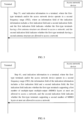
- an access control method is provided in embodiments of the present disclosure, where the method is performed by a first-type terminal, and the method includes: Step 81, receive indication information sent by an access network device, where the indication information indicates whether all first-type terminals are allowed to access a network, or the indication information indicates whether some first-type terminals are allowed to access a network.
- the first-type terminals to which the present disclosure relates may be, but are not limited to, a mobile phone, a wearable device, a vehicle-mounted terminal, a Road Side Unit (RSU), a smart home terminal, an industrial sensing device and/or a medical device, etc.
- the first-type terminal may be a RedCap user equipment or a predetermined version of a new radio NR terminal (e.g., an NR terminal of R17).
- the second-type terminals in the present disclosure may be terminals of R16 and R17.
- the access network device referred to in the present disclosure may be a base station.
- the base station may be various types of base stations, for example, a base station of a third-generation mobile communication (3G) network, a base station of a fourth-generation mobile communication (4G) network, a base station of a fifth-generation mobile communication (5G) network, or other evolved type base stations.
- 3G third-generation mobile communication
- 4G fourth-generation mobile communication
- 5G fifth-generation mobile communication
- the first-type terminal may be provided with a different number of Rx branches.
- the first-type terminal may be provided with 1 or 2 Rx branches.
- the Rx branches of the first-type terminals may be provided with a different number of antenna elements.
- the Rx branches of the first-type terminals may be provided with 3 or 4 antenna elements.
- some first-type terminals may be first-type terminals having the same number of Rx branches. Some first-type terminals may also be first-type terminals all having the same Rx branches and the same number of antenna elements of the Rx branches.
- indication information sent by an access network device is received, where the indication information indicates that all first-type terminals are allowed to access a network, or the indication information indicates that all first-type terminals are not allowed to access a network.
- the indication information indicates that all first-type terminals are allowed to access a network
- the indication information indicates that all first-type terminals are not allowed to access a network.
- the information field bearing the indication information indicates a first value
- all first-type terminals are allowed to access a network
- the information field bearing the indication information indicates the second value
- all first-type terminals are not allowed to access a network.
- not allowing all first-type terminals to access a network may be allowing only some first-type terminals to access a network. It should be noted that as long as the terminals are the first-type terminals, the terminals belong to those of "all first-type terminals" regardless of the number of Rx branches of the terminal and/or the number of antenna elements of the Rx branches.
- not allowing all first-type terminals to access a network may also be understood as prohibiting all first-type terminals from accessing the network.
- the first-type terminals in response to the indication information indicating that all first-type terminals are allowed to access a network, the first-type terminals access the network; or in response to the indication information indicating that all first-type terminals are not allowed to access a network, the first-type terminals do not access the network.
- indication information sent by an access network device is received, where the indication information indicates that some of first-type terminals are allowed to access a network, or the indication information indicates that some of first-type terminals are not allowed to access a network.
- the indication information indicates that some of first-type terminals are allowed to access a network, or the indication information indicates that some of first-type terminals are not allowed to access a network.
- an information field bearing indication information indicates a first value
- some first-type terminals are allowed to access a network
- the information field bearing the indication information indicates the second value
- some first-type terminals are not allowed to access a network.
- some first-type terminals that are not allowed to access a network may be some first-type terminals that are not allowed to access a network with a predetermined feature.
- the predetermined feature may be the number of Rx branches of the first-type terminals and/or the number of antenna elements of the Rx branches. It should be noted that if the first-type terminals has the predetermined feature, the first-type terminals belongs to the terminals among "some first-type terminals".
- not allowing some first-type terminals to access a network may also be understood as prohibiting some first-type terminals to access a network.
- the first-type terminals determine whether to access a network according to a determination result of whether to belong to some first-type terminals; if the first-type terminals belong to some first-type terminals, the first-type terminals access a network; or in response to the indication information indicating that some first-type terminals are not allowed to access a network, the first-type terminals determine whether to access a network according to a determination result of whether to belong to some first-type terminals; if the first-type terminals belong to some first-type terminals, the first-type terminals do not access a network.
- any of the first-type terminals may be allowed to access a network if it is determined that the indication information indicates that all first-type terminals are allowed to access a network. or if it is determined that the indication information indicates that all first-type terminals are not allowed to access a network, any of the first-type terminals may determine whether there is a predetermined feature, the first-type terminals may be allowed to access a network if there is the predetermined feature and the indication information indicates that the first-type terminals having the predetermined feature are allowed to access a network, or the first-type terminals may not be allowed to access a network if there is the predetermined feature and the indication information indicates that the first-type terminals having the predetermined feature are not allowed to access a network.
- any of the first-type terminals may determine whether it has a predetermined feature that some first-type terminals should have if it is determined that the indication information indicates that some first-type terminals are allowed to access a network, the first-type terminal may be allowed to access a network if it has the predetermined feature, or the first-type terminal may not be allowed to access a network if it has no predetermined feature.
- any of the first-type terminals may determine whether it has a predetermined feature that some first-type terminals should have, and if it has the predetermined feature, the first-type terminal may not be allowed to access a network, or if it has no predetermined feature, the first-type terminal may be allowed to access a network.
- the predetermined feature may be the number of Rx branches of the first-type terminals, the structure of the antenna and/or the transmission power of the antenna, etc.
- the information fields of the indication information may be divided for different predetermined features, the different information fields corresponding to one of the predetermined features.
- the information field is divided into a first information field for indicating whether the first-type terminals whose number of Rx branches is a first predetermined number are allowed to access a network and a second information field for indicating whether the first-type terminals of which the number of antenna elements of the Rx branches is a second predetermined number are allowed to access a network.
- the first-type terminals of which the number of Rx branches is a first predetermined number and the number of antenna elements of the Rx branches is a second predetermined number are allowed to access a network. or if the value of the first information field is "1" and the value of the second information field is also "0", the first-type terminals of which the number of Rx branches is a first predetermined number and the number of antenna elements of the Rx branches is a second predetermined number are not allowed to access a network.
- indication information sent by an access network device to a terminal is received through a system message, where the indication information indicates whether all first-type terminals are allowed to access a network or the indication information indicates whether some first-type terminals are allowed to access a network.
- the indication information indicates whether the first-type terminals having a predetermined feature are allowed to access a network;
- the predetermined feature includes at least one of: a number of Rx branches; a structure of an antenna; a number of multiple-input multiple-output (MIMO) layers supportable at most; and a transmission power level.
- MIMO multiple-input multiple-output
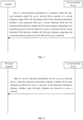
- an access control method is provided in embodiments of the present disclosure, where the method is performed by a first-type terminal, and the method includes: Step 91, determine whether to access a network according to the indication information and a feature of the first-type terminal.
- indication information indicates that all first-type terminals are allowed to access a network, or the indication information indicates that some first-type terminals are allowed to access a network.
- the indication information may be used for indicating whether the first-type terminals having a predetermined feature are allowed to access a network.
- the predetermined feature may be the number of Rx branches of the first-type terminals, the structure of the antenna and/or the transmission power of the antenna, etc.
- the first-type terminal is a terminal having a predetermined feature according to the indication information and the feature of the first-type terminal; it is determined that the indication information indicates that: the first-type terminals having a predetermined feature are allowed to access a network, and it is determined that the first-type terminal is a terminal having the predetermined feature, it is determined to access the network.
- the first-type terminal is a terminal having a predetermined feature according to the indication information and the feature of the first-type terminal; it is determined that the indication information indicates that: the first-type terminals having the predetermined feature are allowed to access a network, and it is determined that the first-type terminal is not a terminal having the predetermined feature, it is determined to not access the network.
- the first-type terminal is a terminal having a predetermined feature according to the indication information and the feature of the first-type terminal; it is determined that the indication information indicates that: the first-type terminals having the predetermined feature are not allowed to access a network, and it is determined that the first-type terminal is a terminal having the predetermined feature, it is determined to not access the network.
- the first-type terminal is a terminal having a predetermined feature according to the indication information and the feature of the first-type terminal; it is determined that the indication information indicates that: the first-type terminals having the predetermined feature are not allowed to access a network, and it is determined that the first-type terminal is not a terminal having the predetermined feature, it is determined to access the network.
- an access control method is provided in embodiments of the present disclosure, where the method is performed by a first-type terminal, and the method includes: Step 101, receive indication information, where the first-type terminals and/or the access network device operate in a first frequency range (FR1); the information field of the indication information includes a first indication field and a second indication field; the first indication field indicates whether the first-type terminals having a first number of Rx branches are allowed to access a network; and the second indication field indicates whether the first-type terminals having a second number of Rx branches are allowed to access a network.
- FR1 first frequency range
- the indication information sent by an access network device is received, where the first-type terminals and/or the access network device operate in a first frequency range (FR1); the information field of the indication information includes a first indication field and a second indication field; the first indication field indicates whether the first-type terminals having a first number of Rx branches are allowed to access a network; and the second indication field indicates whether the first-type terminals having a second number of Rx branches are allowed to access a network.
- FR1 first frequency range
- the present embodiment essentially allows all first-type terminals to access a network.
- the first-type terminal After receiving the indication information, if the first-type terminal is a terminal having the first number of Rx branches, the first-type terminal accesses a network; or after receiving the indication information, if the first-type terminal is a terminal having the second number of Rx branches, the first-type terminal accesses a network.
- the indication information is sent to a terminal, where the first-type terminals and/or the access network device operate in a first frequency range (FR1);
- the information field of the indication information includes a first indication field and a second indication field;
- the first indication field indicates whether the first-type terminals having a first number of Rx branches are allowed to access a network;
- the second indication field indicates whether the first-type terminals having a second number of Rx branches are not allowed to access a network.
- the first-type terminal After receiving the indication information, if the first-type terminal is a terminal having the first number of Rx branches, the first-type terminal accesses a network; or after receiving the indication information, if the first-type terminal is a terminal having the second number of Rx branches, the first-type terminal does not access a network.
- the indication information is sent to a terminal, where the first-type terminals and/or the access network device operate in a first frequency range (FR1);
- the information field of the indication information includes a first indication field and a second indication field;
- the first indication field indicates whether the first-type terminals having a first number of Rx branches are not allowed to access a network;
- the second indication field indicates whether the first-type terminals having a second number of Rx branches are allowed to access a network.
- the first-type terminal After receiving the indication information, if the first-type terminal is a terminal having a first number of Rx branches, the first-type terminal does not access a network; or after receiving the indication information, if the first-type terminal is a terminal having a second number of Rx branches, the first-type terminal accesses a network.
- indication information is sent to a terminal, where the first-type terminals and/or the access network device operate in a first frequency range (FR1); the information field of the indication information includes a first indication field and a second indication field; the first indication field indicates whether the first-type terminals having a first number of Rx branches are not allowed to access a network; and the second indication field indicates whether the first-type terminals having a second number of Rx branches are not allowed to access a network.
- FR1 first frequency range
- the essence of the present embodiment is that all first-type terminals are not allowed to access a network.
- the first-type terminal After receiving the indication information, if the first-type terminal is a terminal having a first number of Rx branches, the first-type terminal does not access a network; or after receiving the indication information, if the first-type terminal is a terminal having a second number of Rx branches, the first-type terminal does not access a network.
- the first-type terminals having a first number of Rx branches are allowed to access a network in response to the first indication field taking a first value, or the first-type terminals having a first number of Rx branches are not allowed to access a network in response to the first indication field taking a second value.
- the first-type terminals having a second number of Rx branches are allowed to access a network in response to the second indication field taking a first value, or the first-type terminals having a second number of Rx branches are not allowed to access a network in response to the second indication field taking a second value.
- the first indication field and the second indication field may respectively correspond to 1 bit.
- the first number may be 1 and the second number may be 2.
- an access control method is provided in embodiments of the present disclosure, where the method is performed by a first-type terminal, and the method includes: Step 111, receive indication information, where the first-type terminals and/or the access network device operate in a second frequency range (FR2); and the information field of the indication information indicates whether all first-type terminals are allowed to access a network.
- Step 111 receive indication information, where the first-type terminals and/or the access network device operate in a second frequency range (FR2); and the information field of the indication information indicates whether all first-type terminals are allowed to access a network.
- FR2 second frequency range
- indication information sent by an access network device is received, and the first-type terminals and/or the access network device operate in a second frequency range (FR2); and the information field of the indication information indicates that all first-type terminals are allowed to access a network.
- the first-type terminals access the network after receiving the indication information.
- indication information sent by an access network device is received, and the first-type terminals and/or the access network device operate in a second frequency range (FR2); and the information field of the indication information indicates that all first-type terminals are not allowed to access a network.
- the first-type terminals do not access a network after receiving the indication information.
- an access control method is provided in embodiments of the present disclosure, where the method is performed by a first-type terminal, and the method includes: Step 121, receive indication information, where the first-type terminals and/or the access network device operate in a second frequency range (FR2), where an information field of the indication information includes a first indication field and a second indication field; and the first indication field indicates whether the first-type terminals having a first antenna structure are allowed to access a network; and the second indication field indicates whether the first-type terminals having a second antenna structure are allowed to access a network.
- FR2 second frequency range
- indication information sent by an access network device is received, where the first-type terminals and/or the access network device operate in a second frequency range (FR2); the information field of the indication information includes a first indication field and a second indication field; the first indication field indicates that the first-type terminals having a first antenna structure are allowed to access a network; and the second indication field indicates that the first-type terminals having a second antenna structure are allowed to access a network.
- the first-type terminal is a terminal having a first antenna structure
- the first-type terminal accesses a network
- the first-type terminal accesses a network.
- indication information sent by an access network device is received, where the first-type terminals and/or the access network device operate in a second frequency range (FR2); the information field of the indication information includes a first indication field and a second indication field; the first indication field indicates that the first-type terminals having a first antenna structure are allowed to access a network; and the second indication field indicates that the first-type terminals having a second antenna structure are not allowed to access a network.
- the first-type terminal accesses a network; or after receiving the indication information, if the first-type terminal is a terminal having a second antenna structure, the first-type terminal does not access the network.
- indication information sent by an access network device is received, where the first-type terminals and/or the access network device operate in a second frequency range (FR2); the information field of the indication information includes a first indication field and a second indication field; the first indication field indicates that the first-type terminals having a first antenna structure are not allowed to access a network; and the second indication field indicates that the first-type terminals having a second antenna structure are allowed to access a network.
- the first-type terminal is a terminal having a first antenna structure
- the first-type terminal does not access a network; or after receiving the indication information, if the first-type terminal is a terminal having a second antenna structure, the first-type terminal accesses the network.
- indication information sent by an access network device is received, where the first-type terminals and/or the access network device operate in a second frequency range (FR2); the information field of the indication information includes a first indication field and a second indication field; the first indication field indicates that the first-type terminals having a first antenna structure are not allowed to access a network; and the second indication field indicates that the first-type terminals having a second antenna structure are not allowed to access a network.
- the first-type terminal is a terminal having a first antenna structure
- the first-type terminal does not access a network; or after receiving the indication information, if the first-type terminal is a terminal having a second antenna structure, the first-type terminal does not access the network.
- the first antenna structure includes the same number of antenna elements as that of an antenna of a second-type terminal.
- the second antenna structure includes a smaller number of antenna elements than that of an antenna of a second-type terminal.
- an access control method is provided in embodiments of the present disclosure, where the method is performed by a first-type terminal, and the method includes: Step 131, send indication information to a terminal, where the first-type terminals and/or the access network device operate in a second frequency range (FR2); the information field of the indication information includes a first indication field and a second indication field; the first indication field indicates whether the first-type terminals supporting a first number of multiple-input multiple-output (MIMO) layers at most are allowed to access a network; and the second indication field indicates whether the first-type terminals supporting a second number of MIMO layers at most are allowed to access a network.
- MIMO multiple-input multiple-output
- indication information sent by an access network device is received, where the first-type terminals and/or the access network device operate in a second frequency range (FR2);
- the information field of the indication information includes a first indication field and a second indication field;
- the first indication field indicates that the first-type terminals supporting a first number of multiple-input multiple-output (MIMO) layers at most are allowed to access a network;
- the second indication field indicates that the first-type terminals supporting a second number of MIMO layers at most are allowed to access a network.
- MIMO multiple-input multiple-output
- the first-type terminals After receiving the indication information, if the first-type terminals allow support of a first number of MIMO layers at most, the first-type terminals access a network; or if the first-type terminals allow support of a second number of MIMO layers at most, the first-type terminals access a network.
- indication information sent by an access network device is received, where the first-type terminals and/or the access network device operate in a second frequency range (FR2);
- the information field of the indication information includes a first indication field and a second indication field;
- the first indication field indicates that the first-type terminals supporting a first number of multiple-input multiple-output (MIMO) layers at most are allowed to access a network;
- the second indication field indicates that the first-type terminals supporting a second number of MIMO layers at most are not allowed to access a network.
- MIMO multiple-input multiple-output
- the first-type terminals After receiving the indication information, if the first-type terminals allow support of a first number of MIMO layers at most, the first-type terminals access a network; or if the first-type terminals allow support of a second number of MIMO layers at most, the first-type terminals do not access a network.
- indication information sent by an access network device is received, where the first-type terminals and/or the access network device operate in a second frequency range (FR2);
- the information field of the indication information includes a first indication field and a second indication field;
- the first indication field indicates that the first-type terminals supporting a first number of multiple-input multiple-output (MIMO) layers at most are not allowed to access a network;
- the second indication field indicates that the first-type terminals supporting a second number of MIMO layers at most are allowed to access a network.
- MIMO multiple-input multiple-output
- the first-type terminals After receiving the indication information, if the first-type terminals allow support of a first number of MIMO layers at most, the first-type terminals do not access a network; or if the first-type terminals allow support of a second number of MIMO layers at most, the first-type terminals access a network.
- indication information sent by an access network device is received, where the first-type terminals and/or the access network device operate in a second frequency range (FR2);
- the information field of the indication information includes a first indication field and a second indication field;
- the first indication field indicates that the first-type terminals supporting a first number of multiple-input multiple-output (MIMO) layers at most are not allowed to access a network;
- the second indication field indicates that the first-type terminals supporting a second number of MIMO layers at most are not allowed to access a network.
- MIMO multiple-input multiple-output
- the first-type terminals After receiving the indication information, if the first-type terminals allow support of a first number of MIMO layers at most, the first-type terminals do not access a network; or if the first-type terminals allow support of a second number of MIMO layers at most, the first-type terminals do not access a network.
- the first number may be 1 and the second number may be 2.
- an access control method is provided in embodiments of the present disclosure, where the method is performed by a first-type terminal, and the method includes: Step 141, receive indication information, where the first-type terminals and/or the access network device operate in a second frequency range (FR2); the information field of the indication information includes a first indication field and a second indication field; the first indication field indicates whether the first-type terminals supporting a first transmission power level are allowed to access a network; and the second indication field indicates whether the first-type terminals supporting the second transmission power level are allowed to access a network.
- FR2 second frequency range
- indication information sent by an access network device is received, where the first-type terminals and/or the access network device operate in a second frequency range (FR2); the information field of the indication information includes a first indication field and a second indication field; the first indication field indicates that the first-type terminals supporting a first transmission power level are allowed to access a network; and the second indication field indicates that the first-type terminals supporting the second transmission power level are allowed to access a network.
- the first-type terminals After receiving the indication information, if the first-type terminals support the first transmission power level, the first-type terminals access a network, or after receiving the indication information, if the first-type terminals support the second transmission power level, the first-type terminals access a network.
- indication information sent by an access network device is received, where the first-type terminals and/or the access network device operate in a second frequency range (FR2); the information field of the indication information includes a first indication field and a second indication field; the first indication field indicates that the first-type terminals supporting a first transmission power level are allowed to access a network; and the second indication field indicates that the first-type terminals supporting the second transmission power level are not allowed to access a network.
- the first-type terminals After receiving the indication information, if the first-type terminals support the first transmission power level, the first-type terminals access a network, or after receiving the indication information, if the first-type terminals support the second transmission power level, the first-type terminals do not access a network.
- indication information sent by an access network device is received, where the first-type terminals and/or the access network device operate in a second frequency range (FR2); the information field of the indication information includes a first indication field and a second indication field; the first indication field indicates that the first-type terminals supporting a first transmission power level are not allowed to access a network; and the second indication field indicates that the first-type terminals supporting the second transmission power level are allowed to access a network.
- the first-type terminals if the first-type terminals support the first transmission power level, the first-type terminals do not access a network, or after receiving the indication information, if the first-type terminals support the second transmission power level, the first-type terminals access a network.
- indication information sent by an access network device is received, where the first-type terminals and/or the access network device operate in a second frequency range (FR2); the information field of the indication information includes a first indication field and a second indication field; the first indication field indicates that the first-type terminals supporting a first transmission power level are not allowed to access a network; and the second indication field indicates that the first-type terminals supporting the second transmission power level are not allowed to access a network.
- the first transmission power level includes a first power level element and the second transmission power level includes a second power level element, and the transmission power corresponding to the second power level element is less than the transmission power corresponding to the first power level element.
- the first transmission power level includes a plurality of first power level elements and the second transmission power level also includes a plurality of second power level elements.
- the transmission power corresponding to the second power level element is lower than the transmission power corresponding to the first power level element.
- the first transmission power level includes three first power level elements of P1, P3 and P5
- the second transmission power level includes second power level elements of P1-delta1, P3-delta3, and P5-delta5.
- the first-type terminals supporting the first transmission power level have a first antenna structure and/or the first-type terminals supporting the second transmission power level have a second antenna structure.
- the first antenna structure includes the same number of antenna elements as that of an antenna of a second-type terminal and/or the second antenna structure includes a smaller number of antenna elements than that of an antenna of a second-type terminal.
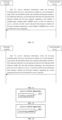
- an access control apparatus is provided in an embodiment of the present disclosure, where the apparatus includes: a sending module 151 configured to send indication information to a terminal, where the indication information indicates whether all first-type terminals are allowed to access a network, or the indication information indicates whether some first-type terminals are allowed to access a network.
- an access control apparatus is provided in an embodiment of the present disclosure, where the apparatus includes: a receiving module 161 configured to receive indication information sent by an access network device, where the indication information indicates whether all first-type terminals are allowed to access a network, or the indication information indicates whether some first-type terminals are allowed to access a network.
- the disclosed embodiments provide a communication device including: a processor; a memory for storing processor-executable instructions.
- the processor is configured to implement the method as applied to any embodiment of the present disclosure when running executable instructions.
- the processor may include, among other things, various types of storage media that are non-transitory computer storage media capable of continuing to remember the information stored thereon after the communication device is powered down.
- the processor may be coupled to the memory via a bus or the like for reading executable programs stored on the memory.
- Embodiments of the disclosure also provide a computer storage medium.
- the computer storage medium has stored therein computer executable instructions which, when executed by a processor, cause the method of any embodiment of the present disclosure to be performed.
- an embodiment of the present disclosure provides a structure of a terminal.
- the present embodiment provides a terminal 800, which may specifically be a mobile phone, a computer, a digital broadcasting terminal, a messaging device, a game console, a tablet device, a medical device, an exercise device, a personal digital assistant, etc.
- a terminal 800 may include one or more of the following components: a processing component 802, a memory 804, a power component 806, a multimedia component 808, an audio component 810, an input/output (I/O) interface 812, a sensor component 814, and a communication component 816.
- the processing component 802 generally controls the overall operation of terminal 800, such as operations associated with display, telephone calls, data communications, camera operations, and recording operations.
- the processing component 802 can include one or more processors 820 to execute instructions to execute all or part of the steps of the methods described above.
- the processing component 802 can include one or more modules to facilitate interaction between the processing component 802 and other components.
- the processing component 802 can include a multimedia module to facilitate interaction between the multimedia component 808 and the processing component 802.
- Memory 804 is configured to store various types of data to support operation at equipment 800. Examples of such data include instructions for any application or method operating on the terminal 800, contact data, phonebook data, messages, pictures, videos, etc.
- Memory 804 may be implemented by any type or combination of volatile or non-volatile memory devices, such as static random access memory (SRAM), electrically erasable programmable read-only memory (EEPROM), erasable programmable read-only memory (EPROM), programmable read-only memory (PROM), read-only memory (ROM), magnetic memory, flash memory, magnetic or optical disks.
- SRAM static random access memory
- EEPROM electrically erasable programmable read-only memory
- EPROM erasable programmable read-only memory
- PROM programmable read-only memory
- ROM read-only memory
- magnetic memory flash memory, magnetic or optical disks.
- Power component 806 provides power to the various components of terminal 800.
- the power components 806 can include a power management system, one or more power supplies, and other components associated with generating, managing, and distributing power for terminal 800.
- the multimedia component 808 includes a screen that provides an output interface between the terminal 800 and a user.
- the screen may include a liquid crystal display (LCD) and a touch panel (TP). If the screen comprises a touch panel, the screen may be implemented as a touch screen to receive input signals from a user.
- the touch panel includes one or more touch sensors to sense touches, slides, and gestures on the touch panel. Touch sensors may not only sense the boundaries of a touch or slide action but also detect the duration and pressure associated with the touch or slide operation.
- the multimedia component 808 includes a front camera and/or a rear camera. When the equipment 800 is in an operational mode, such as a camera mode or a video mode, the front camera and/or the rear camera may receive external multimedia data. Each of the front camera and the rear camera may be a fixed optical lens system or have a focal length and an optical zoom capability.
- the audio component 810 is configured to output and/or input audio signals.
- the audio component 810 includes a MIC configured to receive external audio signals when the terminal 800 is in an operational mode, such as a call mode, a recording mode, and a voice recognition mode.
- the received audio signal may be further stored in memory 804 or sent via communication component 816.
- the audio component 810 also includes a speaker for outputting audio signals.
- the I/O interface 812 provides an interface between the processing component 802 and a peripheral interface module, which may be a keyboard, click wheel, button, etc. These buttons may include, but are not limited to: the home button, volume button, start button, and lock button.
- the sensor component 814 includes one or more sensors for providing status assessments of various aspects of terminal 800.
- sensor component 814 can detect an on/off state of the equipment 800, a relative location of components, such as a display and keypad of the terminal 800, the sensor component 814 can also detect a change in position of the terminal 800 or a component of the terminal 800, the presence or absence of user contact with the terminal 800, an orientation or acceleration/deceleration of the terminal 800, and a temperature change of the terminal 800.
- the sensor component 814 may include a proximity sensor configured to detect the presence of a nearby object in the absence of any physical contact.
- the sensor component 814 may also include a light sensor, such as a CMOS or CCD image sensor, for use in imaging applications.
- the sensor component 814 may also include an acceleration sensor, a gyroscope sensor, a magnetic sensor, a pressure sensor, or a temperature sensor.
- the communication component 816 is configured to facilitate wired or wireless communication between terminal 800 and other equipment.
- the terminal 800 may access a wireless network based on a communication standard, such as Wi-Fi, 2G, or 3G, or a combination thereof.
- the communication component 816 receives broadcast signals or broadcast-related information from an external broadcast management system via a broadcast channel.
- the communication component 816 further includes a near-field communication (NFC) module to facilitate short-range communication.
- NFC near-field communication
- the NFC module may be implemented based on RFID technology, IrDA technology, UWB technology, Bluetooth (BT) technology, and other technologies.
- the terminal 800 may be implemented with one or more application-specific integrated circuits (ASIC), digital signal processors (DSP), digital signal processing devices (DSPD), programmable logic devices (PLD), field programmable gate arrays (FPGA), controllers, microcontrollers, microprocessors, or other electronic components for executing the methods described above.
- ASIC application-specific integrated circuits
- DSP digital signal processors
- DSPD digital signal processing devices
- PLD programmable logic devices
- FPGA field programmable gate arrays
- controllers microcontrollers, microprocessors, or other electronic components for executing the methods described above.
- non-transitory computer-readable storage medium comprising instructions, such as memory 804 comprising instructions, executable by the processor 820 of the terminal 800 to execute the method described above.
- the non-transitory computer-readable storage medium may be an ROM, a random access memory (RAM), a CD-ROM, a magnetic tape, a floppy disk, an optical data storage equipment, etc.
- an embodiment of the present disclosure shows the structure of a base station.
- base station 900 may be provided as network side equipment.
- a base station 900 includes a processing component 922 that further includes one or more processors and memory resources represented by memory 932 for storing instructions, such as applications, executable by the processing component 922.
- An application stored in memory 932 may include one or more modules each corresponding to a set of instructions.
- the processing component 922 is configured to execute instructions to execute any of the methods described above as applied to the base station.
- the base station 900 can also include a power component 926 configured to execute power management of the base station 900, a wired or wireless network interface 950 configured to connect the base station 900 to a network, and an input-output (I/O) interface 958.
- Base station 900 may operate based on an operating system stored in memory 932, such as Windows Server TM, Mac OS XTM, UnixTM, LinuxTM, FreeBSDTM, or the like.
Landscapes
- Engineering & Computer Science (AREA)
- Computer Networks & Wireless Communication (AREA)
- Signal Processing (AREA)
- Computer Security & Cryptography (AREA)
- Mobile Radio Communication Systems (AREA)
Applications Claiming Priority (1)
| Application Number | Priority Date | Filing Date | Title |
|---|---|---|---|
| PCT/CN2022/082837 WO2023178616A1 (zh) | 2022-03-24 | 2022-03-24 | 接入控制方法、装置、通信设备及存储介质 |
Publications (2)
| Publication Number | Publication Date |
|---|---|
| EP4503748A1 true EP4503748A1 (de) | 2025-02-05 |
| EP4503748A4 EP4503748A4 (de) | 2025-04-23 |
Family
ID=82522587
Family Applications (1)
| Application Number | Title | Priority Date | Filing Date |
|---|---|---|---|
| EP22932681.4A Pending EP4503748A4 (de) | 2022-03-24 | 2022-03-24 | Zugangssteuerungsverfahren und -vorrichtung, kommunikationsvorrichtung und speichermedium |
Country Status (4)
| Country | Link |
|---|---|
| US (1) | US20250212092A1 (de) |
| EP (1) | EP4503748A4 (de) |
| CN (1) | CN114830736B (de) |
| WO (1) | WO2023178616A1 (de) |
Families Citing this family (2)
| Publication number | Priority date | Publication date | Assignee | Title |
|---|---|---|---|---|
| CN120416977A (zh) * | 2024-01-30 | 2025-08-01 | 中国移动通信有限公司研究院 | 一种接入控制方法、装置、通信设备和存储介质 |
| CN120958894A (zh) * | 2024-03-12 | 2025-11-14 | 北京小米移动软件有限公司 | 一种信息处理方法及装置 |
Family Cites Families (15)
| Publication number | Priority date | Publication date | Assignee | Title |
|---|---|---|---|---|
| EP2364040A1 (de) * | 2010-03-03 | 2011-09-07 | Research In Motion Limited | Verfahren und Vorrichtung zur Initiierung von Datentransfers zwischen Mobilstationen und Netzwerk mittels vordefinierten Fähigkeitskonfigurationen |
| WO2021158162A1 (en) * | 2020-02-05 | 2021-08-12 | Telefonaktiebolaget Lm Ericsson (Publ) | Configuration for ue energy consumption reduction features |
| US12035418B2 (en) * | 2020-02-12 | 2024-07-09 | Apple Inc. | Methods and apparatus for support of reduced capability devices in wireless communication |
| CN111345072A (zh) * | 2020-02-14 | 2020-06-26 | 北京小米移动软件有限公司 | 接入控制方法、装置、通信设备及存储介质 |
| AU2021266391B2 (en) * | 2020-05-08 | 2024-11-21 | Nokia Technologies Oy | Method of providing access for reduced capability devices, user equipment, and base station thereof |
| JP7478259B2 (ja) * | 2020-05-15 | 2024-05-02 | ノキア テクノロジーズ オサケユイチア | リデュースト・ケイパビリティ(reduced capability)NRデバイスのためのシステム情報取得方法 |
| WO2021253341A1 (zh) * | 2020-06-18 | 2021-12-23 | Oppo广东移动通信有限公司 | 无线通信的方法、终端设备和网络设备 |
| US11799589B2 (en) * | 2020-07-31 | 2023-10-24 | Sharp Kabushiki Kaisha | Terminal apparatus, base station apparatus, and communication method |
| WO2022028950A1 (en) * | 2020-08-03 | 2022-02-10 | Nokia Technologies Oy | Method to indicate cell support for reduced capability ue |
| US12048066B2 (en) * | 2020-08-06 | 2024-07-23 | Apple Inc. | Network access by a reduced capability user equipment |
| US12127099B2 (en) * | 2020-08-06 | 2024-10-22 | Apple Inc. | Base station operation to restrict access by reduced capability user equipment |
| CN114071642B (zh) * | 2020-08-07 | 2026-02-03 | 华为技术有限公司 | 一种接入信息指示的方法、装置以及系统 |
| CN112640530A (zh) * | 2020-11-11 | 2021-04-09 | 北京小米移动软件有限公司 | 接入控制信息处理方法及装置、通信设备及存储介质 |
| CN118804206A (zh) * | 2020-12-07 | 2024-10-18 | 北京小米移动软件有限公司 | 通信方法及装置、无线接入网、终端及存储介质 |
| KR102930868B1 (ko) * | 2020-12-07 | 2026-02-26 | 후아웨이 테크놀러지 컴퍼니 리미티드 | RedCap UE들의 식별을 위한 방법 및 장치 |
-
2022
- 2022-03-24 US US18/849,079 patent/US20250212092A1/en active Pending
- 2022-03-24 CN CN202280000892.8A patent/CN114830736B/zh active Active
- 2022-03-24 EP EP22932681.4A patent/EP4503748A4/de active Pending
- 2022-03-24 WO PCT/CN2022/082837 patent/WO2023178616A1/zh not_active Ceased
Also Published As
| Publication number | Publication date |
|---|---|
| CN114830736A (zh) | 2022-07-29 |
| US20250212092A1 (en) | 2025-06-26 |
| WO2023178616A1 (zh) | 2023-09-28 |
| EP4503748A4 (de) | 2025-04-23 |
| CN114830736B (zh) | 2024-06-11 |
Similar Documents
| Publication | Publication Date | Title |
|---|---|---|
| CN114009111B (zh) | Cfr的确定方法、装置、通信设备及存储介质 | |
| US12507243B2 (en) | Transmission scheduling method and communication device triggered by indication information of at least two second cells contained in the information field of a downlink control information (DCI) and the mapping relationship between the indication information and the second cells | |
| CN115398843B (zh) | 降低干扰的方法及装置、通信设备和存储介质 | |
| US20240389153A1 (en) | Method for reporting terminal capability information, and communication device | |
| CN114080852B (zh) | 能力信息的上报方法、装置、通信设备及存储介质 | |
| EP4615046A1 (de) | Verfahren und vorrichtung zur informationsübertragungssteuerung sowie kommunikationsvorrichtung und speichermedium | |
| WO2021007823A1 (zh) | 信息指示、确定方法及装置、通信设备及存储介质 | |
| CN114846885B (zh) | 确定传输方向的方法、装置、通信设备及存储介质 | |
| EP4503748A1 (de) | Zugangssteuerungsverfahren und -vorrichtung, kommunikationsvorrichtung und speichermedium | |
| US20230224769A1 (en) | Method and apparatus for controlling data transmission rate communication device, and storage medium | |
| CN114631353B (zh) | 通信方法及装置、用户设备及存储介质 | |
| US20240113843A1 (en) | Ue capability processing method and apparatus, communications device and storage medium | |
| US20250274916A1 (en) | Resource configuration method and apparatus, and communication device and storage medium | |
| CN114258724B (zh) | 逻辑信道复用方法及装置、通信设备及存储介质 | |
| EP4447362A1 (de) | Verfahren und vorrichtung zur überwachung von verfügbarkeitsanzeigeinformationen, vorrichtung und speichermedium | |
| WO2024007274A1 (zh) | 接纳控制方法、装置、通信设备及存储介质 | |
| CN117296256A (zh) | 无线通信方法、装置、通信设备及存储介质 | |
| CN114731204B (zh) | 确定信道的资源位置的方法、装置、通信设备及存储介质 | |
| EP4598092A1 (de) | Verfahren und vorrichtung zur messlückenkonfiguration sowie kommunikationsvorrichtung und speichermedium | |
| CN116261901B (zh) | Ue的多载波配置方法、装置、通信设备及存储介质 | |
| US12495360B2 (en) | Packet scheduling method and apparatus, user equipment, and storage medium | |
| CN119631515A (zh) | 寻呼协商方法、装置、通信设备及存储介质 | |
| US20230396399A1 (en) | Information transmission method, communication device and storage medium | |
| CN118056387A (zh) | 邻近服务ProSe的无线通信方法、装置、通信设备及存储介质 | |
| CN117917056A (zh) | Bsr增强调度方法以及装置、通信设备及存储介质 |
Legal Events
| Date | Code | Title | Description |
|---|---|---|---|
| STAA | Information on the status of an ep patent application or granted ep patent |
Free format text: STATUS: THE INTERNATIONAL PUBLICATION HAS BEEN MADE |
|
| PUAI | Public reference made under article 153(3) epc to a published international application that has entered the european phase |
Free format text: ORIGINAL CODE: 0009012 |
|
| STAA | Information on the status of an ep patent application or granted ep patent |
Free format text: STATUS: REQUEST FOR EXAMINATION WAS MADE |
|
| 17P | Request for examination filed |
Effective date: 20241021 |
|
| AK | Designated contracting states |
Kind code of ref document: A1 Designated state(s): AL AT BE BG CH CY CZ DE DK EE ES FI FR GB GR HR HU IE IS IT LI LT LU LV MC MK MT NL NO PL PT RO RS SE SI SK SM TR |
|
| A4 | Supplementary search report drawn up and despatched |
Effective date: 20250326 |
|
| RIC1 | Information provided on ipc code assigned before grant |
Ipc: H04W 48/02 20090101AFI20250320BHEP |
|
| DAV | Request for validation of the european patent (deleted) | ||
| DAX | Request for extension of the european patent (deleted) |