EP4506364A1 - Protéine de liaison à l'antigène ciblant cd40, sa préparation et son utilisation - Google Patents
Protéine de liaison à l'antigène ciblant cd40, sa préparation et son utilisation Download PDFInfo
- Publication number
- EP4506364A1 EP4506364A1 EP23778475.6A EP23778475A EP4506364A1 EP 4506364 A1 EP4506364 A1 EP 4506364A1 EP 23778475 A EP23778475 A EP 23778475A EP 4506364 A1 EP4506364 A1 EP 4506364A1
- Authority
- EP
- European Patent Office
- Prior art keywords
- antibody
- amino acid
- seq
- acid sequence
- antigen binding
- Prior art date
- Legal status (The legal status is an assumption and is not a legal conclusion. Google has not performed a legal analysis and makes no representation as to the accuracy of the status listed.)
- Pending
Links
Images




Classifications
-
- C—CHEMISTRY; METALLURGY
- C07—ORGANIC CHEMISTRY
- C07K—PEPTIDES
- C07K16/00—Immunoglobulins [IG], e.g. monoclonal or polyclonal antibodies
- C07K16/18—Immunoglobulins [IG], e.g. monoclonal or polyclonal antibodies against material from animals or humans
- C07K16/28—Immunoglobulins [IG], e.g. monoclonal or polyclonal antibodies against material from animals or humans against receptors, cell surface antigens or cell surface determinants
- C07K16/2878—Immunoglobulins [IG], e.g. monoclonal or polyclonal antibodies against material from animals or humans against receptors, cell surface antigens or cell surface determinants against the NGF-receptor/TNF-receptor superfamily, e.g. CD27, CD30, CD40, CD95
-
- A—HUMAN NECESSITIES
- A61—MEDICAL OR VETERINARY SCIENCE; HYGIENE
- A61K—PREPARATIONS FOR MEDICAL, DENTAL OR TOILETRY PURPOSES
- A61K47/00—Medicinal preparations characterised by the non-active ingredients used, e.g. carriers or inert additives; Targeting or modifying agents chemically bound to the active ingredient
- A61K47/50—Medicinal preparations characterised by the non-active ingredients used, e.g. carriers or inert additives; Targeting or modifying agents chemically bound to the active ingredient the non-active ingredient being chemically bound to the active ingredient, e.g. polymer-drug conjugates
- A61K47/51—Medicinal preparations characterised by the non-active ingredients used, e.g. carriers or inert additives; Targeting or modifying agents chemically bound to the active ingredient the non-active ingredient being chemically bound to the active ingredient, e.g. polymer-drug conjugates the non-active ingredient being a modifying agent
- A61K47/68—Medicinal preparations characterised by the non-active ingredients used, e.g. carriers or inert additives; Targeting or modifying agents chemically bound to the active ingredient the non-active ingredient being chemically bound to the active ingredient, e.g. polymer-drug conjugates the non-active ingredient being a modifying agent the modifying agent being an antibody, an immunoglobulin or a fragment thereof, e.g. an Fc-fragment
- A61K47/6801—Drug-antibody or immunoglobulin conjugates defined by the pharmacologically or therapeutically active agent
- A61K47/6803—Drugs conjugated to an antibody or immunoglobulin, e.g. cisplatin-antibody conjugates
- A61K47/68031—Drugs conjugated to an antibody or immunoglobulin, e.g. cisplatin-antibody conjugates the drug being an auristatin
-
- A—HUMAN NECESSITIES
- A61—MEDICAL OR VETERINARY SCIENCE; HYGIENE
- A61K—PREPARATIONS FOR MEDICAL, DENTAL OR TOILETRY PURPOSES
- A61K47/00—Medicinal preparations characterised by the non-active ingredients used, e.g. carriers or inert additives; Targeting or modifying agents chemically bound to the active ingredient
- A61K47/50—Medicinal preparations characterised by the non-active ingredients used, e.g. carriers or inert additives; Targeting or modifying agents chemically bound to the active ingredient the non-active ingredient being chemically bound to the active ingredient, e.g. polymer-drug conjugates
- A61K47/51—Medicinal preparations characterised by the non-active ingredients used, e.g. carriers or inert additives; Targeting or modifying agents chemically bound to the active ingredient the non-active ingredient being chemically bound to the active ingredient, e.g. polymer-drug conjugates the non-active ingredient being a modifying agent
- A61K47/68—Medicinal preparations characterised by the non-active ingredients used, e.g. carriers or inert additives; Targeting or modifying agents chemically bound to the active ingredient the non-active ingredient being chemically bound to the active ingredient, e.g. polymer-drug conjugates the non-active ingredient being a modifying agent the modifying agent being an antibody, an immunoglobulin or a fragment thereof, e.g. an Fc-fragment
- A61K47/6835—Medicinal preparations characterised by the non-active ingredients used, e.g. carriers or inert additives; Targeting or modifying agents chemically bound to the active ingredient the non-active ingredient being chemically bound to the active ingredient, e.g. polymer-drug conjugates the non-active ingredient being a modifying agent the modifying agent being an antibody, an immunoglobulin or a fragment thereof, e.g. an Fc-fragment the modifying agent being an antibody or an immunoglobulin bearing at least one antigen-binding site
- A61K47/6849—Medicinal preparations characterised by the non-active ingredients used, e.g. carriers or inert additives; Targeting or modifying agents chemically bound to the active ingredient the non-active ingredient being chemically bound to the active ingredient, e.g. polymer-drug conjugates the non-active ingredient being a modifying agent the modifying agent being an antibody, an immunoglobulin or a fragment thereof, e.g. an Fc-fragment the modifying agent being an antibody or an immunoglobulin bearing at least one antigen-binding site the antibody targeting a receptor, a cell surface antigen or a cell surface determinant
-
- A—HUMAN NECESSITIES
- A61—MEDICAL OR VETERINARY SCIENCE; HYGIENE
- A61P—SPECIFIC THERAPEUTIC ACTIVITY OF CHEMICAL COMPOUNDS OR MEDICINAL PREPARATIONS
- A61P35/00—Antineoplastic agents
-
- G—PHYSICS
- G01—MEASURING; TESTING
- G01N—INVESTIGATING OR ANALYSING MATERIALS BY DETERMINING THEIR CHEMICAL OR PHYSICAL PROPERTIES
- G01N33/00—Investigating or analysing materials by specific methods not covered by groups G01N1/00 - G01N31/00
- G01N33/48—Biological material, e.g. blood, urine; Haemocytometers
- G01N33/50—Chemical analysis of biological material, e.g. blood, urine; Testing involving biospecific ligand binding methods; Immunological testing
- G01N33/68—Chemical analysis of biological material, e.g. blood, urine; Testing involving biospecific ligand binding methods; Immunological testing involving proteins, peptides or amino acids
- G01N33/6854—Immunoglobulins
-
- A—HUMAN NECESSITIES
- A61—MEDICAL OR VETERINARY SCIENCE; HYGIENE
- A61K—PREPARATIONS FOR MEDICAL, DENTAL OR TOILETRY PURPOSES
- A61K39/00—Medicinal preparations containing antigens or antibodies
- A61K2039/505—Medicinal preparations containing antigens or antibodies comprising antibodies
-
- C—CHEMISTRY; METALLURGY
- C07—ORGANIC CHEMISTRY
- C07K—PEPTIDES
- C07K2317/00—Immunoglobulins specific features
- C07K2317/20—Immunoglobulins specific features characterized by taxonomic origin
- C07K2317/21—Immunoglobulins specific features characterized by taxonomic origin from primates, e.g. man
-
- C—CHEMISTRY; METALLURGY
- C07—ORGANIC CHEMISTRY
- C07K—PEPTIDES
- C07K2317/00—Immunoglobulins specific features
- C07K2317/30—Immunoglobulins specific features characterized by aspects of specificity or valency
-
- C—CHEMISTRY; METALLURGY
- C07—ORGANIC CHEMISTRY
- C07K—PEPTIDES
- C07K2317/00—Immunoglobulins specific features
- C07K2317/30—Immunoglobulins specific features characterized by aspects of specificity or valency
- C07K2317/33—Crossreactivity, e.g. for species or epitope, or lack of said crossreactivity
-
- C—CHEMISTRY; METALLURGY
- C07—ORGANIC CHEMISTRY
- C07K—PEPTIDES
- C07K2317/00—Immunoglobulins specific features
- C07K2317/70—Immunoglobulins specific features characterized by effect upon binding to a cell or to an antigen
-
- C—CHEMISTRY; METALLURGY
- C07—ORGANIC CHEMISTRY
- C07K—PEPTIDES
- C07K2317/00—Immunoglobulins specific features
- C07K2317/70—Immunoglobulins specific features characterized by effect upon binding to a cell or to an antigen
- C07K2317/76—Antagonist effect on antigen, e.g. neutralization or inhibition of binding
-
- C—CHEMISTRY; METALLURGY
- C07—ORGANIC CHEMISTRY
- C07K—PEPTIDES
- C07K2317/00—Immunoglobulins specific features
- C07K2317/90—Immunoglobulins specific features characterized by (pharmaco)kinetic aspects or by stability of the immunoglobulin
- C07K2317/92—Affinity (KD), association rate (Ka), dissociation rate (Kd) or EC50 value
-
- G—PHYSICS
- G01—MEASURING; TESTING
- G01N—INVESTIGATING OR ANALYSING MATERIALS BY DETERMINING THEIR CHEMICAL OR PHYSICAL PROPERTIES
- G01N2333/00—Assays involving biological materials from specific organisms or of a specific nature
- G01N2333/435—Assays involving biological materials from specific organisms or of a specific nature from animals; from humans
- G01N2333/705—Assays involving receptors, cell surface antigens or cell surface determinants
- G01N2333/70578—NGF-receptor/TNF-receptor superfamily, e.g. CD27, CD30 CD40 or CD95
Definitions
- the present invention relates to the field of biopharmaceuticals, and in particular to an antigen binding protein targeting CD40, and the preparation therefor and the use thereof.
- CD40 is a glycosylated type I transmembrane protein and a member of the tumor necrosis factor receptor superfamily (TNFRSF), and also known as tumor necrosis factor receptor superfamily member 5 (TNFRSF5).
- TNFRSF tumor necrosis factor receptor superfamily
- TNFRSF5 tumor necrosis factor receptor superfamily member 5
- CD40 is expressed on the surface of a series of antigen-presenting cells (APCs), including a monocyte, a dendritic cell (DC), a B cell, and a macrophage.
- APCs antigen-presenting cells
- CD40L a ligand of CD40, is mainly expressed on the surface of lymphocytes including a T cell, a B cell, and a natural killer cell (NK), and usually exists in the form of a trimer and a polymer.
- CD40 and CD40L are a pair of co-stimulatory molecules.
- CD40 downstream signaling pathway requires the crosslinking of CD40 to CD40L in the trimer and polymer form.
- CD40 and CD40L interact on the cell surface, causing CD40 to redistribute to membrane lipid rafts and undergo conformational changes.
- CD40 recruits TNFR-associated factor (TRAF) in the cytoplasm by the intracellular terminal domain to promote intracellular signal transduction, thereby activating different signaling pathways, such as classical and non-classical nuclear factor ⁇ B pathways, p38 mitogen-activated protein kinase, phosphatidylinositol-3 kinase (PI3K) and phospholipase C ⁇ pathways, and further regulating apoptosis, cell cycle progression, cytokine production and the expression of cell surface immune regulator via the genes targeted by these signaling pathways. Therefore, activation of CD40 can increase antigen presentation, promote cytokine secretion, activate lymphocyte, and simultaneously stimulate and activate the human innate immune system and acquired immune system, thereby producing a synergistic effect to resist the occurrence and development of cancers.
- TNF TNFR-associated factor
- CD40 is also widely expressed in tumor cells and is expressed in almost all B-cell malignancies and a wide range of solid tumors, including melanoma, lung cancer, breast cancer, colon cancer, prostate cancer, pancreatic cancer, kidney cancer, ovarian cancer, and head and neck cancer.
- CD40 expressed on the surface of tumor cells can mediate tumor cell death.
- CD40 expressed on the surface of a variety of tumor cells will mediate direct cytotoxic effects by crosslinking to CD40L.
- crosslinking of CD40 to CD40L has been shown to induce tumor cell apoptosis and inhibit the growth of solid tumor cells and B malignant tumor cells.
- activation of CD40 also mediates inhibitory effects on tumors.
- CD40-mediated tumor cell death can be dual, namely, stimulation of the immune system to kill tumor cells and direct tumor cytotoxicity, which can be synergistic in anti-tumor effects.
- An agonistic anti-CD40 antibody similar to CD40L, can crosslink and activate CD40 on the surface of immune cells and tumor cells, exerting a significant anti-tumor effect. This anti-tumor effect has been demonstrated in trials in preclinical animal models and clinical tumor patients.
- the anti-CD40 antibody can be combined with chemotherapeutic drugs, such as gemcitabine and paclitaxel, or with immunomodulatory drugs, such as a PD-1 antibody and a CTLA-4 antibody, to produce a synergistic anti-tumor effect.
- CD40 antibody drugs there are 20 CD40 antibody drugs in the clinical trial stage, but the earliest product is only in Phase II clinical trials, and there is no commercially available product yet. Therefore, the development of other CD40 antibodies will provide the possibility for the treatment of various tumors and immune system-related diseases and has a high market value.
- the main problems of the CD40 antibody in clinical practice include low objective response rate, significant toxic side effects and low tolerated dose. These problems may be due to the weak activity of agonists, such as Celldex product CDX-1140.
- agonists such as Celldex product CDX-1140.
- Phase I clinical trial of CDX-1140 no complete or partial responses were observed in 42 patients treated with monotherapy.
- rhFLT3L In the combined treatment with rhFLT3L, only 1 of the 20 patients experienced partial response.
- This product has a weak activation effect on DC cells in vitro, and the agonist activity cannot be enhanced in the presence of crosslinking.
- Roche CD40 antibody, Selicrelumab caused significant toxic side effects such as cytokine release syndrome and liver toxicity in some patients at a dosage exceeded 0.2 mg/kg.
- the present invention provides an antigen binding protein targeting CD40, and the preparation therefor and the use thereof.
- the antigen binding protein targeting CD40 has the characteristics of a high affinity to CD40 and a strong agonistic activity on signaling pathways, particularly the enhanced agonistic activity after crosslinking, so that the antigen binding protein targeting CD40 has a larger therapeutic window and good safety, and is expected to bring about new opportunities for the treatment of various tumors.
- an antigen binding protein targeting CD40 which comprises a light chain variable region (VL) comprising LCDR1, LCDR2, and LCDR3 and a heavy chain variable region (VH) comprises HCDR1, HCDR2, and HCDR3;
- the LCDR1 comprises an amino acid sequence set forth in SEQ ID NO: 33 or a variant 1 with 3, 2 or 1 amino acid mutation in SEQ ID NO: 33
- the LCDR2 comprises an amino acid sequence set forth in SEQ ID NO: 41 or a variant 2 with 3, 2 or 1 amino acid mutation in SEQ ID NO: 41
- the LCDR3 comprises an amino acid sequence set forth in SEQ ID NO: 49 or a variant 3 with 3, 2 or 1 amino acid mutation in SEQ ID NO: 49
- the HCDR1 comprises an amino acid sequence set forth in SEQ ID NO: 7 or a variant 4 with 3, 2 or 1 amino acid mutation in SEQ ID NO: 7
- the HCDR2 comprises an amino acid sequence set forth in SEQ ID NO: 15
- the variant 3 comprises an amino acid sequence having a PTM site mutation in the amino acid sequence set forth in SEQ ID NO: 49, preferably comprises an amino acid sequence having an amino acid mutation at position 4 and/or position 5 of the amino acid sequence set forth in SEQ ID NO: 49, the amino acid mutation is preferably an amino acid substitution, and more preferably a conservative amino acid substitution.
- the variant 3 is an amino acid sequence set forth in any one of SEQ ID NOs: 50-73.
- the LCDR1 comprises an amino acid sequence set forth in SEQ ID NO: 33
- the LCDR2 comprises an amino acid sequence set forth in SEQ ID NO: 41
- the LCDR3 comprises an amino acid sequence set forth in any one of SEQ ID NOs: 49-73
- the HCDR1 comprises an amino acid sequence set forth in SEQ ID NO: 7
- the HCDR2 comprises an amino acid sequence set forth in SEQ ID NO: 15
- the HCDR3 comprises an amino acid sequence set forth in SEQ ID NO: 23. See Table 1-1 below for specific CDR combinations.
- Table 1-1 Specific CDR combinations SEQ ID NO: Antibody number LCDR1 LCDR2 LCDR3 HCDR1 HCDR2 HCDR3 PR003379 33 41 49 7 15 23 PR006239 33 41 49 7 15 23 PR006492 33 41 50 7 15 23 PR006493 33 41 51 7 15 23 PR006494 33 41 52 7 15 23 PR006495 33 41 53 7 15 23 PR006496 33 41 54 7 15 23 PR006497 33 41 55 7 15 23 PR006498 33 41 56 7 15 23 PR006499 33 41 57 7 15 23 PR006500 33 41 58 7 15 23 PR006501 33 41 59 7 15 23 PR006502 33 41 60 7 15 23 PR006503 33 41 61 7 15 23 PR006504 33 41 62 7 15 23 PR006505 33 41 63 7 15 23 PR006506 33 41 64 7 15 23 PR006507 33 41 65 7 15 23 PR006509 33 41 66 7 15 23 PR006510 33 41 67 7 15 23 PR006511 33 41 68 7 15
- the light chain variable region comprises an amino acid sequence set forth in SEQ ID NO: 85 or an amino acid sequence having at least 85%, 90%, 92%, 94%, 95%, 96%, 97%, 98% or 99% identity to SEQ ID NO: 85
- the heavy chain variable region comprises an amino acid sequence set forth in SEQ ID NO: 81 or an amino acid sequence having at least 85%, 90%, 92%, 94%, 95%, 96%, 97%, 98% or 99% identity to SEQ ID NO: 81.
- the light chain variable region comprises an amino acid sequence set forth in any one of SEQ ID NOs: 85-109
- the heavy chain variable region comprises an amino acid sequence set forth in SEQ ID NO: 81.
- Table 1-2 Specific combinations of light chain variable region and heavy chain variable region.
- the antigen binding protein targeting CD40 satisfies at least one of the following three conditions:
- the antigen binding protein targeting CD40 is a full-length antibody comprising a light chain and a heavy chain
- the light chain comprises a light chain constant region (CL)
- the light chain constant region is preferably a light chain constant region of human antibody
- the heavy chain comprises a heavy chain constant region (CH)
- the heavy chain constant region is preferably a heavy chain constant region of human antibody, more preferably a heavy chain constant region of hIgG1, hIgG2, hIgG3 or hIgG4 subtype, further preferably a heavy chain constant region of hIgG1 subtype.
- the antigen binding protein targeting CD40 is a full-length antibody comprising a light chain and a heavy chain
- the heavy chain comprises an amino acid sequence set forth in SEQ ID NO: 114 or 115
- the light chain comprises an amino acid sequence set forth in any one of SEQ ID NOs: 119-143.
- the heavy chain comprises an amino acid sequence set forth in SEQ ID NO: 114
- the light chain comprises an amino acid sequence set forth in SEQ ID NO: 119
- the heavy chain comprises an amino acid sequence set forth in SEQ ID NO: 115
- the light chain comprises an amino acid sequence set forth in any one of SEQ ID NOs: 119-143. See Table 1-3 below for specific combinations of light chain and heavy chain.
- Table 1-3 Specific combinations of light chain and heavy chain SEQ ID NO: Antibody number Light chain Heavy chain PR003379 119 114 PR006239 119 115 PR006492 120 115 PR006493 121 115 PR006494 122 115 PR006495 123 115 PR006496 124 115 PR006497 125 115 PR006498 126 115 PR006499 127 115 PR006500 128 115 PR006501 129 115 PR006502 130 115 PR006503 131 115 PR006504 132 115 PR006505 133 115 PR006506 134 115 PR006507 135 115 PR006509 136 115 PR006510 137 115 PR006511 138 115 PR006512 139 115 PR006513 140 115 PR006514 141 115 PR006515 142 115 PR006516 143 115
- the numbers in the variant 1, variant 2, variant 3, variant 4, variant 5 and variant 6 are only used to distinguish different variants and do not indicate the actual order they represent.
- the PTM site is a site where a chemical modification is sometimes introduced after the translation synthesis of amino acid chains of proteins or polypeptides in cells, and called post-translational modification (PTM) site.
- PTM post-translational modification
- amino acid sequence of the CDR in the present invention is determined according to rules of Chothia definition.
- a chimeric antigen receptor comprising the antigen binding protein targeting CD40 of the present invention.
- another technical solution provided in the present invention is: an isolated nucleic acid encoding the antigen binding protein targeting CD40 of the present invention or the chimeric antigen receptor of the present invention.
- a recombinant expression vector comprising the isolated nucleic acid of the present invention.
- the recombinant expression vector comprises a eukaryotic cell expression vector and/or a prokaryotic cell expression vector.
- a transformant comprising the isolated nucleic acid of the present invention or the recombinant expression vector of the present invention.
- a host cell of the transformant is a prokaryotic cell and/or a eukaryotic cell
- the prokaryotic cell is preferably an E. coli cell such as a TG1 or a BL21
- the eukaryotic cell is preferably an HEK293 cell or a CHO cell.
- another technical solution provided in the present invention is: a method for preparing the antigen binding protein targeting CD40 of the present invention, the method comprising culturing the transformant of the present invention, and obtaining the antigen binding protein targeting CD40 from the culture.
- an antibody-drug conjugate comprising the antigen binding protein targeting CD40 of the present invention, and a cytotoxic agent or a label.
- the cytotoxic agent is MMAF or MMAE
- the label is a fluorescent agent.
- a genetically modified cell expressing the chimeric antigen receptor of the present invention.
- the genetically modified cell is a eukaryotic cell, preferably an isolated human cell, more preferably an immune cell such as T cell or NK cell.
- a pharmaceutical composition comprising the antigen binding protein targeting CD40 of the present invention, the isolated nucleic acid of the present invention, the recombinant expression vector of the present invention, the genetically modified cell of the present invention and/or the antibody-drug conjugate of the present invention, and a pharmaceutically acceptable carrier and/or a pharmaceutically acceptable adjuvant.
- the pharmaceutical composition further comprises other anti-tumor antibodies as active ingredients.
- a detection reagent comprising the antigen binding protein targeting CD40 of the present invention and/or the antibody-drug conjugate of the present invention.
- the detection reagent is in a liquid dosage form, a gaseous dosage form, a solid dosage form and a semi-solid dosage form.
- the detection reagent further comprises a secondary antibody, CD40 or a derivative thereof, the secondary antibody is, for example, an anti-human IgG antibody conjugated to horseradish peroxidase and an anti-human IgG antibody conjugated to biotin.
- kits comprising kit A containing one or more of the antigen binding protein targeting CD40 of the present invention, the pharmaceutical composition of the present invention, the detection reagent of the present invention, the genetically modified cell of the present invention and the antibody-drug conjugate of the present invention.
- kits further comprises kit B containing other anti-tumor antibodies or a pharmaceutical composition comprising the other anti-tumor antibodies, and/or one or more selected from the group consisting of a hormone preparation, a targeting small molecule preparation, a proteasome inhibitor, an imaging agent, a diagnostic agent, a chemotherapeutic agent, an oncolytic drug, a cytotoxic agent, a cytokine, an activator of a costimulatory molecule, an inhibitor of an inhibitory molecule, and a vaccine.
- kit B containing other anti-tumor antibodies or a pharmaceutical composition comprising the other anti-tumor antibodies, and/or one or more selected from the group consisting of a hormone preparation, a targeting small molecule preparation, a proteasome inhibitor, an imaging agent, a diagnostic agent, a chemotherapeutic agent, an oncolytic drug, a cytotoxic agent, a cytokine, an activator of a costimulatory molecule, an inhibitor of an inhibitory molecule, and a vaccine
- another technical solution provided in the present invention is: the use of one or more of the antigen binding protein targeting CD40 of the present invention, the pharmaceutical composition of the present invention, the detection reagent of the present invention, the combined kits of the present invention, the genetically modified cell of the present invention and the antibody-drug conjugate of the present invention in the preparation of a drug for diagnosing, preventing and/or treating diseases such as tumors.
- the tumors include solid tumors and hematologic malignancies.
- the tumors include B-cell NHL, chronic lymphocytic leukemia (CLL), hairy cell leukemia (HCL), Hodgkin's disease, multiple myeloma, bladder cancer, kidney cancer, ovarian cancer, cervical cancer, breast cancer, lung cancer, nasopharyngeal cancer, malignant melanoma, pancreatic cancer and colon cancer.
- a method for detecting CD40 in a sample which comprises the step of contacting the sample with one or more of the antigen binding protein targeting CD40 of the present invention, the detection reagent of the present invention, and the antibody-drug conjugate of the present invention.
- the sample comprises, for example, a blood sample (e.g., a whole blood sample and a serum sample) and a reagent comprising CD40.
- the method is for a non-diagnostic/non-therapeutic purpose, such as in scientific research, detecting the concentration of CD40 standards, whether other reagents are contaminated by CD40, etc.
- another technical solution provided in the present invention is: a method for diagnosing, treating and/or preventing tumors, the method comprising administering to a patient in need thereof a therapeutically effective amount of one or more of the antigen binding protein targeting CD40 of the present invention, the isolated nucleic acid of the present invention, the recombinant expression vector of the present invention, the pharmaceutical composition of the present invention, the detection reagent of the present invention, the genetically modified cell of the present invention, and the antibody-drug conjugate of the present invention, or using the combined kits of the present invention to diagnose or treat the patient in need thereof.
- the tumors include solid tumors and hematologic malignancies.
- the tumors include B-cell NHL, chronic lymphocytic leukemia (CLL), hairy cell leukemia (HCL), Hodgkin's disease, multiple myeloma, bladder cancer, kidney cancer, ovarian cancer, cervical cancer, breast cancer, lung cancer, nasopharyngeal cancer, malignant melanoma, pancreatic cancer and colon cancer.
- another technical solution provided in the present invention is: the use of one or more of the antigen binding protein targeting CD40 of the present invention, the isolated nucleic acid of the present invention, the recombinant expression vector of the present invention, the pharmaceutical composition of the present invention, the detection reagent of the present invention, the combined kits of the present invention, the genetically modified cell of the present invention and the antibody-drug conjugate of the present invention in the preparation of a drug for diagnosing, preventing and/or treating tumors.
- the tumors include solid tumors and hematologic malignancies.
- the tumors include B-cell NHL, chronic lymphocytic leukemia (CLL), hairy cell leukemia (HCL), Hodgkin's disease, multiple myeloma, bladder cancer, kidney cancer, ovarian cancer, cervical cancer, breast cancer, lung cancer, nasopharyngeal cancer, malignant melanoma, pancreatic cancer and colon cancer.
- the term "with 3, 2 or 1 amino acid mutation” refers to including amino acid insertion, deletion or substitution occurring on the basis of the original amino acid sequence.
- the mutation of CDRs can comprise 3, 2 or 1 amino acid mutation, and the same or a different number of amino acid residues can optionally be selected for mutation between these CDRs, for example, it can be 1 amino acid mutation for CDR1, but no amino acid mutation for CDR2 and CDR3.
- the term "PTM site mutation” refers to an amino acid mutation at the PTM site in the sequence of a variant comparing to the original amino acid sequence.
- mutation design methods One method is to replace the "hot spot" amino acid (such as N or S in the NS pattern) with an amino acid having similar physicochemical properties (e.g., mutation of N to Q). If the PTM sequence pattern is derived from somatic hypermutation and is not present in the germline gene sequences, another method may be to replace the sequence pattern with the corresponding germline gene sequence.
- the VH, VL or the full-length antibody can comprise mutations on the basis of the defined sequence.
- the mutation is a deletion, substitution or addition of one or more amino acid residues occurring in the defined amino acid sequence, and the mutated amino acid sequence has at least 85% sequence identity to the defined amino acid sequence, and maintains or improves the binding activity of the antigen binding protein comprising the mutated amino acid sequence; the at least 85% sequence identity is preferably at least 90% sequence identity; more preferably at least 95% sequence identity; most preferably at least 99% sequence identity.
- Reagents and raw materials used in the present invention are all commercially available.
- the present invention has the positive improvement effects as follows.
- the antigen binding protein targeting CD40 have properties of high affinity for CD40 and strong agonistic activity on signaling pathway, especially the enhanced agonistic activity after crosslinking, such that the antigen binding protein targeting CD40 of the present invention has a greater therapeutic window and provides a good basis for significantly improving patient response rate under safe and tolerable dosage conditions in clinical trials.
- binding protein or "antigen binding protein” generally refers to a protein comprising a portion binding to an antigen and optionally a scaffold or framework portion that allows the antigen binding portion to adopt a conformation that promotes binding of the antigen binding protein to the antigen. It can typically comprise a light chain variable region (VL) of an antibody, a heavy chain variable region (VH) of an antibody, or both. VH and VL regions can be further divided into hypervariable regions called complementary determining regions (CDRs), which are scattered within more conserved regions called framework regions (FRs).
- CDRs complementary determining regions
- Each VH and VL can be composed of three CDRs and four FRs, which can be arranged from an amino terminus to a carboxyl terminus in the following order: FR-1, CDR1, FR-2, CDR2, FR-3, CDR3 and FR-4.
- the variable regions of the heavy and light chains contain binding domains that interact with antigens.
- Three CDRs of VH are denoted as HCDR1, HCDR2, and HCDR3, respectively, and can also be denoted as VH CDR1, VH CDR2, and VH CDR3; and three CDRs of VL are denoted as LCDR1, LCDR2, and LCDR3, respectively, and can also be denoted as VL CDR1, VL CDR2, and VL CDR3.
- antigen binding protein examples include, but are not limited to, an antibody, an antigen binding fragment (Fab, Fab', F(ab) 2 , Fv fragment, F(ab') 2 , scFv, di-scFv and/or dAb), an immunoconjugate, a multispecific antibody (e.g., a bispecific antibody), an antibody fragment, an antibody derivative, an antibody analog, a fusion protein, and the like so long as they exhibit the desired antigen binding activity.
- Fab antigen binding fragment
- Fv fragment F(ab') 2
- scFv di-scFv and/or dAb
- an immunoconjugate e.g., a multispecific antibody (e.g., a bispecific antibody)
- an antibody fragment an antibody derivative, an antibody analog, a fusion protein, and the like so long as they exhibit the desired antigen binding activity.
- the amino acid sequences of the CDRs are shown according to the rules of Chothia definition.
- the CDRs of an antibody can be defined in the art by a variety of methods, such as the rules of Kabat definition based on sequence variability (see, Kabat et al., Sequences of Proteins of Immunological Interest, fifth edition, National Institutes of Health, Bethesda, Maryland (1991 )), and the rules of Chothia definition based on the location of a structural loop region (see JMol Biol 273: 927-48, 1997 ).
- amino acid residues in variable domain sequences can also be determined according to the rules of Combined definition that incorporates both Kabat definition and Chothia definition.
- the rules of Combined definition refer to the combination of the ranges of Kabat definition and Chothia definition, based on which a larger scope is taken, see Table 1-4 below for details. It should be understood by those skilled in the art that unless otherwise specified, the terms "CDR" and "complementarity determining region" of a given antibody or region thereof (for example, a variable region) should be understood to encompass the complementarity determining region as defined by any of the above-mentioned known schemes as described in the present invention.
- Table 1-4 Definition method for CDRs of antibodies of the present application Kabat Chothia Combined LCDR1 L24--L34 L24--L34 L24-L34 LCDR2 L50--L56 L50--L56 L50-L56 LCDR3 L89--L97 L89--L97 L89-L97 HCDR1 H31--H35 H26--H32 H26-H35 HCDR2 H50--H65 H52--H56 H50-H65 HCDR3 H95--H102 H95--H102 H95-H102 H95-H102 H95-H102 H95-H102 H95-H102 H95-H102 H95-H102 H95-H102 H95-H102 H95-H102 H95-H102 H95-H102 H95-H102 H95-H102 H95-H102 H95-H102 H95-H102 H95-H102 H95-H102 H95-H102 H95-H102 H95-H102 H95-H
- Laa-Lbb may refer to an amino acid sequence from position aa (Chothia numbering) to position bb (Chothia numbering), starting from the N-terminus of an antibody light chain; and Haa-Hbb may refer to an amino acid sequence from position aa (Chothia numbering) to position bb (Chothia numbering), starting from the N-terminus of an antibody heavy chain.
- L24-L34 may refer to an amino acid sequence from position 24 to position 34 according to Chothia numbering, starting from the N-terminus of an antibody light chain;
- H26-H32 may refer to an amino acid sequence from position 26 to position 32 according to the Chothia coding rules, starting from the N-terminus of an antibody heavy chain. It should be known by those skilled in the art, when Chothia numbering scheme is used to number CDR, there may be cases where insertion sites are present at some locations (see http://bioinf.org.uk/abs/).
- the term "monoclonal antibody” generally refers to an antibody obtained from a population of substantially homogeneous antibodies, that is, individual antibodies in the population are the same, except for the possible small amount of natural mutations.
- the monoclonal antibody is usually highly specific for a single antigenic site.
- each monoclonal antibody is for a single determinant on the antigen.
- the monoclonal antibody has the advantage that it can be synthesized by hybridoma culture and is not contaminated by other immunoglobulins.
- the modifier "monoclonal” indicates the characteristic of the antibody obtained from a population of substantially homogeneous antibodies, and is not to be construed as requiring production of the antibody by any particular method.
- the monoclonal antibody used according to the present invention can be prepared in hybridoma cells, or can be prepared by the recombinant DNA method.
- the term "fully human antibody” generally refers to an antibody expressed in a genetically engineered antibody gene-deficient animal, to which all human antibody-encoding genes are transferred. All parts of the antibody, including variable and constant regions of the antibody, are encoded by human-derived genes.
- the fully human antibody can greatly reduce the immune side effects caused by a heterologous antibody to the human body. Methods for obtaining the fully human antibody in the art can include phage display technique, transgenic mouse technique etc.
- the term “specific binding” and “targeting” generally refer to the binding of an antibody to an epitope by the antigen binding domain of the antibody, and the binding requires some complementarity between the antigen binding domain and the epitope.
- an antibody is said to "specifically bind” to an antigen when the antibody more likely to bind to an epitope by the antigen binding domain of the antibody than to bind to a random, unrelated epitope.
- epitope refers to a specific group of atoms (e.g., sugar side chain, phosphoryl and sulfonyl) or an amino acid on an antigen that binds to an antigen binding protein (e.g., an antibody).
- Fab generally refers to the antigen binding portion of a conventional antibody (e.g., IgG), including the heavy chain variable region VH, light chain variable region VL, heavy chain constant region domain CH1, and light chain constant region CL of the antibody.
- a conventional antibody the C-terminus of VH is linked to the N-terminus of CH1 to form the heavy chain Fd fragment
- the C-terminus of VL is linked to the N-terminus of CL to form the light chain
- the C-terminus of CH1 is further linked to the hinge region and other constant region domains of the heavy chain to form the heavy chain.
- Fab also refers to the variant structure of Fab.
- the C-terminus of VH is linked to the N-terminus of CL to form one polypeptide chain
- the C-terminus of VL is linked to the N-terminus of CH1 to form another polypeptide chain, thereby forming a Fab (cross VH/VL) structure
- CH1 of Fab is not linked to the hinge region, but the C-terminus of CL is linked to the hinge region of the heavy chain to form a Fab (cross Fd/LC) structure.
- VH generally refers to the heavy chain variable region VH domain of an antibody, that is, VH can be the heavy chain variable region VH of a conventional antibody of human or other animals (H2L2 structure), can also be the heavy chain variable region VHH of a heavy chain antibody of animal, such as camelid (HCAb structure), or can be the heavy chain variable region VH of a fully human heavy chain antibody produced by Harbour HCAb transgenic mice (HCAb structure).
- CD40 generally refers to tumor necrosis factor receptor superfamily member 5 protein, a functional variant thereof and/or a functional fragment thereof, also known as TNFRSF5.
- the sequence of CD40 is known in the art.
- the amino acid sequence of an exemplary human CD40 protein can be found in UniProt under the accession number of P25942; the sequence of an exemplary cynomolgus monkey CD40 protein can be found in Uniprot under the accession number of G7PG38; and the sequence of an exemplary mouse CD40 protein can be found in Uniprot under the accession number of P27512.
- CD40L is the natural trimeric ligand molecule of CD40.
- the present invention is further described below by way of examples; however, the present invention is not limited to the scope of the described examples.
- the examples do not include a detailed description of conventional methods, such as methods for constructing vectors and plasmids, methods for inserting protein-encoding genes into such vectors and plasmids, or methods for introducing plasmids into host cells. Such methods are well known to an ordinary person skilled in the art and are described in numerous publications. For the experimental methods in which no specific conditions are specified in the following examples, selections are made according to conventional methods and conditions or according to the product instructions.
- each mouse was immunized with an immunogen reagent prepared by mixing 25 ⁇ g of the antigen protein with Sigma Adjuvant System adjuvant (Sigma, #S6322).
- the interval between two rounds of booster immunization was at least two weeks, typically with no more than 5 rounds of booster immunization.
- the immunization times were days 0, 14, 28, 42, 56, and 70; and on days 49 and 77, the antibody titers in the sera of mice were measured.
- the final booster immunization was performed at a dose of 25 ⁇ g of the antigen protein per mouse.
- the mouse spleen cells were taken out and fused with the myeloma cell line to obtain hybridoma cells.
- the hybridoma expressing the CD40 monoclonal antibody molecule was isolated.
- the isolated hybridoma expressed the antibody molecule having heavy and light chains of complete human variable domains and rat constant domains.
- the above-mentioned monoclonal antibody was further identified, and several hybridoma clones were selected for sequencing based on parameters such as the binding ability to human CD40, the binding ability to cynomolgus monkey CD40, and the ability to activate CD40 downstream signaling pathway.
- the light and heavy chain variable domain sequences of the encoding antibody molecule can be expressed in fusion with the light and heavy chain constant domain sequences of corresponding human antibody using conventional recombinant DNA techniques to obtain recombinant antibody molecules.
- an antibody heavy chain variable domain (VH) sequence was obtained by gene synthesis and cloned into a mammalian cell expression plasmid vector encoding human IgG2 antibody heavy chain constant domain sequences to encode a full-length heavy chain that produces an IgG2 antibody.
- a light chain variable domain (VL) sequence of an antibody was obtained by gene synthesis and cloned into a mammalian cell expression plasmid vector encoding a ⁇ light chain constant domain sequence of human antibody Ig to encode and produce a full-length light chain of an antibody.
- VL variable domain
- PR006239 was obtained by gene synthesis, the nucleic acid encoding the heavy chain variable region (VH) of PR003379 was linked to the nucleic acid encoding the heavy chain constant domain sequence of an IgG1 subtype antibody containing L234A, L235A and G237A mutations and cloned into a mammalian cell expression plasmid to encode and produce a full-length heavy chain of IgG1 (L234A, L235A and G237A).
- VH heavy chain variable region
- the nucleic acid encoding a light chain variable domain (VL) sequence of an antibody was obtained by gene synthesis and cloned into a mammalian cell expression plasmid vector encoding a ⁇ light chain constant domain sequence of human antibody Ig to encode and produce a full-length light chain of an antibody.
- the two plasmids were co-transfected into mammalian cells, and after expression, production and purification, a fully human anti-CD40 recombinant IgG1 (L234A, L235A and G237A) antibody PR006239 was obtained. See example 2 for specific antibody expression and purification methods.
- the general method for preparing antibodies using techniques such as mammalian host cells e.g., human embryonic kidney cells HEK293 or Chinese hamster ovary cells CHO and derivatives thereof
- transient transfection expression and affinity capture isolation was described.
- the present method is suitable for an antibody of interest containing an Fc region; the antibody of interest may be composed of one or more protein polypeptide chains; and the antibody of interest may be derived from one or more expression plasmids.
- the amino acid sequences of antibody polypeptide chains are converted into nucleotide sequences by codon optimization; and the nucleotide sequences for encoding are respectively synthesized and cloned onto expression vectors compatible with a host cell.
- the plasmids encoding the antibody polypeptide chains are simultaneously transfected into a mammalian host cell according to a particular ratio, and the recombinant antibodies having correct folding and polypeptide chain assembly can be obtained using conventional recombinant protein expression and purification techniques.
- FreeStyle TM 293-F cells (Thermo, # R79007) were subjected to scale-up culture in a FreeStyle TM F17 Expression Medium (Thermo, # A1383504).
- the cells were adjusted to a cell concentration of 6-8 ⁇ 10 5 cells/ml and cultured in a shaker at 37°C and 8% CO 2 for 24 hours at a cell concentration of 1.2 ⁇ 10 6 cells/ml. 30 ml of the cultured cells was prepared.
- the plasmids encoding the antibody polypeptide chains were mixed according to a certain ratio, a total of 30 ⁇ g of plasmids (the ratio of the plasmids to the cells being 1 ⁇ g : 1 ml) were dissolved in 1.5 ml of Opti-MEM reduced serum medium (Thermo, #31985088), and the resulting mixture was filtered through a 0.22 ⁇ m filter membrane for sterilization. Another 1.5 ml of Opti-MEM was taken and dissolved in 120 ⁇ l of 1 mg/ml PEI (Polysciences, # 23966-2), and the resulting mixture was left to stand for 5 minutes.
- Opti-MEM reduced serum medium Thermo, #31985088
- the PEI was slowly added to the plasmids, the resulting mixture was incubated at room temperature for 10 minutes, the plasmid and PEI mixed solution was slowly dripped into the culture flask while shaking the culture flask, and cultured in a shaker at 37°C and 8% CO 2 for 5 days. The cell viability was observed after 5 days.
- the culture was collected, and centrifuged at a rotary speed of 3300 g for 10 minutes, and then the supernatant was taken; and the supernatant was then centrifuged at a high speed to remove impurities.
- a gravity column (Bio-Rad, #7311550) containing MabSelect TM (GE Healthcare, #71-5020-91) was equilibrated with a PBS buffer with pH 7.4, that is, the column was rinsed with 2-5 times the column volume of the buffer. The supernatant sample was loaded onto the column; and the column was rinsed with 5-10 times the column volume of PBS buffer, the protein of interest was eluted with 0.1 M glycine with pH 3.5, then adjusted with Tris-HCl with pH 8.0 until neutrality, and finally transferred to a PBS buffer or a buffer containing other components through concentration and liquid exchange by an ultrafiltration tube (Millipore, # UFC901024) to obtain a purified recombinant antibody solution. Finally, the concentration was determined using NanoDrop (Thermo, NanoDrop TM One), and the purified recombinant antibody solution was subpackaged and stored for later use.
- NanoDrop Thermo, NanoDrop TM One
- the heavy chain variable domain sequence of the antibody is derived from events such as gene rearrangement of germline gene V, D and J gene fragments of the heavy chain gene group on chromosomes and somatic hypermutation; and the light chain variable domain sequence is derived from events such as gene rearrangement of germline gene V and J gene fragments of the light chain gene group and somatic hypermutation.
- Gene rearrangement and somatic hypermutation are main factors that increase antibody diversity.
- Antibodies derived from the same germline V gene fragment may also give rise to different sequences, but the overall similarity is high.
- the possible germline gene fragments in the event of gene rearrangement can be deduced from the variable domain sequence of the antibody using some algorithms, such as IMGT/DomainGapAlign (http://imgt.org/3Dstructure-DB/cgi/DomainGapAlign.cgi) or NCBI/IgBLAST (https://www.ncbi.nlm.nih.gov/igblast/).
- the sequence of the CD40 antibody obtained in Example 1 was analyzed, with the germline V gene fragments of the heavy chain variable domain (VH) and light chain variable domain (VL) listed in Table 2.
- PTMs post-translational modifications
- a PTM is present in a variable domain, particularly an antigen binding region (e.g., CDR) of an antibody
- CDR antigen binding region
- the presence of such a PTM can have a greater impact on the binding to an antigen, and can also cause a change in the physicochemical properties of the antibody. For example, glycosylation, deamidation, isomerization, oxidation, etc. may increase the instability or heterogeneity of antibody molecules, thereby increasing the difficulty and risk of antibody development. Avoiding some potential PTMs is thus very important for the development of therapeutic antibodies.
- the amino acid sequence patterns of PTMs can be disrupted by amino acid mutations, thereby reducing or removing the formation of particular PTMs.
- mutation design methods One method is to replace the "hot spot" amino acid (such as N or S in the NS pattern) with an amino acid having similar physicochemical properties (e.g., mutation of N to Q). If the PTM sequence pattern is derived from somatic hypermutation and is not present in the germline gene sequences, another method may be to replace the sequence pattern with the corresponding germline gene sequence. In actual operation, multiple mutation design methods may be used for the same PTM sequence pattern.
- Table 3 listed the new antibody molecules obtained by amino acid mutation of antibody PR003379.
- CD40 antibodies of the present invention listed the sequences of the CD40 antibodies of the present invention and the amino acid sequences of the CDRs defined according to the rules of Chothia definition. These CD40 antibodies include a positive control antibody, the CD40 antibody PR003379 of the present invention, and mutant molecules thereof. Table 2: Germline gene analysis and PTM site analysis of CD40 antibodies Clone No.
- Flow cytometry was used to detect the binding ability of the CD40 antibody to cells, such as, CHO-K1/hCD40 highly expressing human CD40 (constructed by Beijing Kyinno Biotechnology), CHO-K1/cyCD40 highly expressing cynomolgus monkey CD40 (constructed by Beijing Kyinno Biotechnology) and lymphoma cell highly expressing human CD40, Raji (ATCC, # CCL-86).
- the cells were digested and resuspended with complete medium (F-12K for CHO-K1 cells; and RPMI-1640 for Raji cells); and the cells were adjusted to a cell density of 1 ⁇ 10 6 cells/mL.
- the cells were seeded in a 96-well V-bottom plate (Corning, #3894) at 100 ⁇ L/well, and the antigen binding protein to be tested at 2 ⁇ final concentration was then added at 100 ⁇ L/well and mixed evenly, with the highest final concentration of the antigen binding protein of 300 nM, a total of 8 concentrations, and 5-fold concentration gradient dilution.
- hIgG (Crownbio, #C0002) was used as a negative control, and the positive control molecule was the molecule in Table 1-5.
- the cells were incubated at 4°C for 1 hours in the dark.
- the cells were rinsed twice by adding pre-chilled PBS at 100 ⁇ L/well, and centrifuged at 500 g at 4°C for 5 minutes, and the supernatant was discarded. Then, a fluorescent secondary antibody (goat anti-human IgG (H+L) secondary antibody, Alexa Fluor ® 488 conjugate, Invitrogen, #A11013, 1 : 1000 dilution) was added at 100 ⁇ L/well, and the cells were incubated at 4°C for 30 minutes in the dark. The cells were washed twice with pre-chilled PBS at 200 ⁇ L/well, and centrifuged at 500 g at 4°C for 5 minutes, and the supernatant was discarded.
- a fluorescent secondary antibody goat anti-human IgG (H+L) secondary antibody, Alexa Fluor ® 488 conjugate, Invitrogen, #A11013, 1 : 1000 dilution
- the cells were resuspended in pre-chilled PBS at 200 ⁇ L/well.
- the fluorescence signal values were read using a BD FACS CANTOII flow cytometer or ACEA NovoCyte flow cytometer, and the data were processed and analyzed using FlowJo v10 software (FlowJo, LLC).
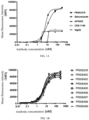
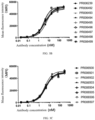
- FIG. 1A, FIG. 1B , FIG. 1C and FIG. 1D and Table 5 showed the activity of CD40 antibody PR003379 and the variant molecules thereof in binding to CHO-K1/hCD40.
- the results showed that PR003379 and the variant molecules thereof have good binding activity to human CD40; the binding activity of PR003379 is stronger than that of the control molecule, e.g., the EC50 thereof is better than that of Selicrelumab and CDX-1140, and the maximum MFI thereof is higher than that of APX005 and CDX-1140.
- Table 5 Binding of PR003379 and the variant molecules thereof to CHO-K1/hCD40 (corresponding to FIG. 1A-FIG.
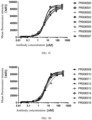
- FIG. 2A, FIG. 2B , FIG. 2C, FIG. 2D and FIG. 2E and Table 6 showed the activity of CD40 antibody PR003379 and the variant molecules thereof in binding to Raji cells.
- the results showed that PR003379 and the variant molecules thereof could strongly bind to Raji cells; The binding activity of PR003379 was stronger than that of control molecule.
- Table 6 Binging of PR003379 and the variant molecules thereof to Raji cell (corresponding to FIG. 2A-FIG.
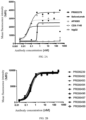
- FIG. 3A , FIG. 3B , FIG. 3C and FIG. 3D and Table 7 showed the activity of CD40 antibody PR003379 and the variant molecules thereof in binding to cynomolgus monkey CD40 cell CHO-K1/cyCD40.
- the results showed that PR003379 and the variant molecules thereof had good binding activity to cynomolgus monkey CD40; The binding activity of PR003379 was stronger than that of control molecule.
- Table 7 Binding of PR003379 and the variant molecules thereof to CHO-K1/cyCD40 (corresponding to FIG. 3A-FIG.
- 10 ⁇ kinetics buffer (ForteBio, # 18-1105) was first diluted to 1 ⁇ kinetics buffer for affinity testing and dilution of antigens and antibodies.
- the rotary speed of the sensor was set at 1000 rpm.
- AHC sensors (Fortebio, # 18-5060) placed in one column were first equilibrated in the above test buffer diluted to 1 ⁇ for 10 minutes, and then used to capture the CD40 antibodies at a capture height of 0.85 nm; and after being equilibrated in the buffer for 120 s, the AHC sensors bound to human CD40 protein with 2-fold gradient dilution (the concentration range of CD40 for binding to PR003379 and CDX-1140 being 20-5 nM and 0 nM; the concentration range of CD40 for binding to APX005M and Selicrelumab being 120 to 30 nM and 0 nM) for 180 s and dissociated for 500 s.
- the AHC sensors were finally regenerated by immersing in a 10 mM glycine-hydrochloric acid solution with pH 1.5 to elute the protein bound to the sensors.
- fluorescent reporter gene experiments were used to study the activation effect of CD40 antibodies in the presence of or in the absence of Fc crosslinking on CD40.
- Cells highly expressing human CD32B were used to perform Fc-mediated crosslinking of the antibodies, to study whether crosslinking could further enhance the ability to activate CD40.
- CHO-K1 cells expressing human CD32B (CHO-K1/hCD32B, Genscript, #M00600) and CHO-K1 cells were plated at 1 ⁇ 10 4 /well, 100 ⁇ L/well in a 96-well plate (PerkinElmer, #6005181) and incubated at 37°C in 5% CO 2 environment overnight. The supernatant was removed, and HEK293-hCD40-NFkB reporter gene cells expressing human CD40 and NFkB-luciferase reporter gene (BPS bioscience, #60626) were collected and added to a 96-well plate at 5 ⁇ 10 4 /well or 50 ⁇ L/well.
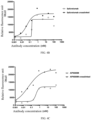
- PR003379 and control antibody APX005M had an obvious "crosslinking enhancement" effect, that is, PR003379 and APX005M in the presence of CD32B-mediated antibody crosslinking could significantly amplify the signal of the fluorescent reporter gene, indicating that the activation effect of the CD40 molecule on the downstream signal molecule was significantly enhanced.
- Table 9 Activity of CD40 antibody for activating the HEK293-CD40-NFkB reporter gene cell Antibody EC50 (nM) Maximum RLU RLU fold (crosslinked/uncrosslinked) PR003379 0.3693 8252 2.38 PR003379 crosslinked 0.1784 19664 Selicrelumab 0.1628 13355 1.28 Selicrelumab crosslinked 0.0413 17036 APX005M 0.3551 11898 1.95 APX005M crosslinked 0.0420 23207 CDX-1140 0.0371 19955 1.13 CDX-1140 crosslinked 0.0506 22605
- Table 10 Activity of PR003379 variants in the presence of or in the absence of crosslinking for activating the reporter gene cell Crosslinked Uncrosslinked PR003379 variant EC
- cells highly expressing human CD32B were used to perform Fc-mediated crosslinking of the antibodies, to study whether crosslinking could further enhance the ability of CD40 antibodies to activate DC cells.
- CHO-K1 cells expressing human CD32B (CHO-K1/hCD32B) and CHO-K1 cells were plated at 1 ⁇ 10 4 /well or 50 ⁇ L/well in a 96-well plate (Corning, #3599), respectively. 50 ⁇ L/well of the dilution solution of the antibody protein to be tested was added with an initial concentration of 100 nM, 5-fold concentration dilution and a total of 8 concentrations.
- Induced mature DC cells isolated from human PBMCs were added at 2 ⁇ 10 4 /well or 100 ⁇ L/well, and incubated in an incubator at 37°C and 5% CO 2 for 2 days.
- the supernatant on the second day was collected, and the content of IL-12p40 in the supernatant was detected using the human IL-12p40 ELISA kit (R&D system, #DY240). Data processing and graphical analysis were performed using GraphPad Prism8 software. The curve of the antibody concentration-dependent IL12p40 release level and parameters, such as EC50 value were obtained by four-parameter nonlinear fitting.
- the sample in which the CD40 antibody was incubated with CHO-K1/hCD32B cells was referred to as "crosslinked”; and the sample in which the CD40 antibody was incubated with CHO-K1 cells was referred to as "uncrosslinked".
- PR003379 had an obvious "crosslinking enhancement" effect, that is, PR003379 in the absence of CD32B-mediated antibody crosslinking activated DC cells to release limited levels of IL-12p40, however, PR003379 in the presence of CD32B-mediated antibody crosslinking could significantly enhance activation of DC cells, and maximum IL-12p40 could reach 1243.0 pg/mL, which was much higher than that of other control antibodies.
- Table 11 Activation of CD40 antibodies on DC cells to release cytokine IL-12p40 Antibody EC50 (nM) Maximum IL12p40 (pg/mL) Fold of maximum IL12p40 (crosslinked/uncrosslinked) PR003379 0.0102 179.2 6.94 PR003379 crosslinked 0.6268 1243.0 Selicrelumab 0.3800 318.7 1.75 Selicrelumab crosslinked 0.3917 558.9 APX005M 0.0735 242.5 2.75 APX005M crosslinked 0.1695 666.1 CDX-1140 0.0889 252.1 0.92 CDX-1140 crosslinked 0.0886 231.6
- CHO-K1/hCD40 cells were plated at 2 ⁇ 10 5 /well or 100 ⁇ L/well into a 96-well plate (Corning, #3799) and centrifuged, and the supernatant was taken and the dilution solution of the antigen binding protein to be tested was added at 50 ⁇ L/well with an initial concentration of 500 nM, 5-fold concentration dilution and a total of 8 concentrations.
- PR003379 exhibited partial inhibition of the binding of CD40 to CD40L with a maximum inhibition rate of 41.9%.
- Table 12 Inhibition of the binding of CD40 to CD40L by CD40 antibodies Antibody IC50 (nM) Maximum inhibition rate (%) CDX-1140 4.4 24.0 PR003379 17.0 41.9 APX005M 10.0 26.0 hIgG1 No 2.3
- CD40 antibodies Selicrelumab, APX005M and PR003379 using Octet Red 96e (Fortebio) molecular interaction analyzer by BLI technique.
- HIS1K sensors Formebio, #18-5120
- the CD40 protein was captured using HIS1K sensors at a capture height of 0.2 nm; the sensors were immersed in a first antibody (concentration: 140 nM) for 220 s, then the HIS1K sensors were immersed in a mixture of the first antibody and a second antibody (final concentration of both antibodies: 140 nM) for 220 s, and the difference in signals before and after immersing the sensors in the mixture of the two antibodies was recorded as the signal for that antibody as the second antibody.
- A 100% signal (obtained from the first step) of a certain antibody
- B signal (obtained from the second step) of this antibody as the second antibody.
- the resulting inhibition rate is greater than 80 %, it means that the epitopes to which the two antibodies bind completely overlap; if the inhibition rate is greater than 40% and less than 80%, it means that the epitopes to which the two antibodies bind do not completely overlap or the epitopes are very close to each other; and if the inhibition rate is less than 40%, it means that the epitopes for the two antibodies are different.
- MC38 mouse colon cancer cells overexpressing human PD-L1 (MC38/hPD-L1, provided by Shanghai Model Organisms Center, Inc.) were cultured in an incubator at 37°C and 5% CO 2 , where the medium was DMEM medium containing 10% inactivated fetal bovine serum. The cells grew to fill the culture dish every 3 to 4 days, and then were splited to separate dish(s) for subculture. MC38/hPD-L1 in the logarithmic growth phase was taken, resuspended in PBS, counted, and adjusted to a cell concentration of 1.0 ⁇ 10 7 /mL.
- the cell suspension was inoculated subcutaneously in the right lateral thorax of CD40 humanized transgenic mice (hCD40-C57BL/6J, provided by Shanghai Model Organisms Center, Inc.) at 100 ⁇ L/mouse using a 1 mL syringe, with about 1.0 ⁇ 10 6 tumor cells inoculated per mouse.
- mice with a moderate tumor volume were picked and randomly divided to each experimental group according to tumor volumes, 6 mice per group. The administration began on the day of grouping.
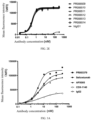
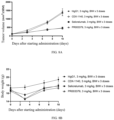
- the results are shown in FIG. 8A and FIG. 8B .
- the average tumor volume of the control group IgG1 3 mg/kg was 1409.41 ⁇ 205.02 mm 3 .
- the average tumor volumes of Selicrelumab (3 mg/kg) group, CDX-1104 (3 mg/kg) group and PR003379 (3 mg/kg) group were 460.96 ⁇ 68.61 mm 3 , 1345.22 ⁇ 162.94 mm 3 and 447.89 ⁇ 50.74 mm 3 , respectively, and the tumor inhibition rates were 73.22%, 4.92% and 74.24%, respectively.
- mice in IgG1 control group, Selicrelumab group, CDX-1104 group and PR003379 group body weight growth rates of mice in IgG1 control group, Selicrelumab group, CDX-1104 group and PR003379 group were 12.24%, 7.31%, 7.56% and 1.86%, respectively. The mice were in normal condition.
Landscapes
- Health & Medical Sciences (AREA)
- Life Sciences & Earth Sciences (AREA)
- Chemical & Material Sciences (AREA)
- Immunology (AREA)
- Engineering & Computer Science (AREA)
- General Health & Medical Sciences (AREA)
- Medicinal Chemistry (AREA)
- Organic Chemistry (AREA)
- Bioinformatics & Cheminformatics (AREA)
- Public Health (AREA)
- Molecular Biology (AREA)
- Veterinary Medicine (AREA)
- Animal Behavior & Ethology (AREA)
- Pharmacology & Pharmacy (AREA)
- Biochemistry (AREA)
- Proteomics, Peptides & Aminoacids (AREA)
- Urology & Nephrology (AREA)
- Hematology (AREA)
- Cell Biology (AREA)
- Biomedical Technology (AREA)
- Epidemiology (AREA)
- Chemical Kinetics & Catalysis (AREA)
- Biophysics (AREA)
- Genetics & Genomics (AREA)
- Nuclear Medicine, Radiotherapy & Molecular Imaging (AREA)
- General Chemical & Material Sciences (AREA)
- Food Science & Technology (AREA)
- Microbiology (AREA)
- Physics & Mathematics (AREA)
- Analytical Chemistry (AREA)
- Biotechnology (AREA)
- Pathology (AREA)
- General Physics & Mathematics (AREA)
- Peptides Or Proteins (AREA)
- Micro-Organisms Or Cultivation Processes Thereof (AREA)
- Medicines That Contain Protein Lipid Enzymes And Other Medicines (AREA)
- Medicines Containing Antibodies Or Antigens For Use As Internal Diagnostic Agents (AREA)
Applications Claiming Priority (2)
| Application Number | Priority Date | Filing Date | Title |
|---|---|---|---|
| CN202210351188 | 2022-04-02 | ||
| PCT/CN2023/085538 WO2023186111A1 (fr) | 2022-04-02 | 2023-03-31 | Protéine de liaison à l'antigène ciblant cd40, sa préparation et son utilisation |
Publications (2)
| Publication Number | Publication Date |
|---|---|
| EP4506364A1 true EP4506364A1 (fr) | 2025-02-12 |
| EP4506364A4 EP4506364A4 (fr) | 2026-04-22 |
Family
ID=88199493
Family Applications (1)
| Application Number | Title | Priority Date | Filing Date |
|---|---|---|---|
| EP23778475.6A Pending EP4506364A4 (fr) | 2022-04-02 | 2023-03-31 | Protéine de liaison à l'antigène ciblant cd40, sa préparation et son utilisation |
Country Status (5)
| Country | Link |
|---|---|
| US (1) | US20250215100A1 (fr) |
| EP (1) | EP4506364A4 (fr) |
| CN (1) | CN118922450A (fr) |
| TW (1) | TWI856595B (fr) |
| WO (1) | WO2023186111A1 (fr) |
Family Cites Families (8)
| Publication number | Priority date | Publication date | Assignee | Title |
|---|---|---|---|---|
| KR102270618B1 (ko) * | 2012-10-30 | 2021-06-30 | 아펙시젠, 인코포레이티드 | 항-cd40 항체 및 사용 방법 |
| US12297266B2 (en) * | 2016-04-18 | 2025-05-13 | Celldex Therapeutics, Inc. | Agonistic antibodies that bind human CD40 and uses thereof |
| AU2018278051A1 (en) * | 2017-06-01 | 2020-01-30 | Jiangsu Hengrui Medicine Co., Ltd. | Anti-CD40 antibody, antigen binding fragment thereof and medical use thereof |
| AR117091A1 (es) * | 2018-11-19 | 2021-07-07 | Bristol Myers Squibb Co | Anticuerpos monoclonales antagonistas contra cd40 y sus usos |
| BR112021009835A2 (pt) * | 2018-11-30 | 2021-08-17 | Jiangsu Hengrui Medicine Co., Ltd. | anticorpo anti-cd40, fragmento de ligação ao antígeno e uso farmacêutico dos mesmos |
| CN113677365A (zh) * | 2019-01-22 | 2021-11-19 | 瑞伟生物科技公司(美国) | 新型抗cd40抗体 |
| CN109678959B (zh) * | 2019-02-22 | 2020-12-08 | 北京免疫方舟医药科技有限公司 | 抗cd40抗体及其应用 |
| WO2020253722A1 (fr) * | 2019-06-17 | 2020-12-24 | Eucure (Beijing) Biopharma Co., Ltd | Anticorps anti-cd40 et leurs utilisations |
-
2023
- 2023-03-31 WO PCT/CN2023/085538 patent/WO2023186111A1/fr not_active Ceased
- 2023-03-31 TW TW112112643A patent/TWI856595B/zh active
- 2023-03-31 CN CN202380030974.1A patent/CN118922450A/zh active Pending
- 2023-03-31 US US18/853,251 patent/US20250215100A1/en active Pending
- 2023-03-31 EP EP23778475.6A patent/EP4506364A4/fr active Pending
Also Published As
| Publication number | Publication date |
|---|---|
| US20250215100A1 (en) | 2025-07-03 |
| WO2023186111A1 (fr) | 2023-10-05 |
| EP4506364A4 (fr) | 2026-04-22 |
| TWI856595B (zh) | 2024-09-21 |
| CN118922450A (zh) | 2024-11-08 |
| TW202340256A (zh) | 2023-10-16 |
Similar Documents
| Publication | Publication Date | Title |
|---|---|---|
| TWI673287B (zh) | 抗b7-h3抗體、其抗原結合片段及其醫藥用途 | |
| TWI823895B (zh) | 抗b7-h4抗體、其抗原結合片段及其醫藥用途 | |
| TWI660972B (zh) | 抗mcam抗體及相關使用方法 | |
| TWI745670B (zh) | 抗cd27抗體、其抗原結合片段及其醫藥用途 | |
| US20210363266A1 (en) | Anti-4-1bb antibody, antigen-binding fragment thereof and medical use thereof | |
| TW201902925A (zh) | 抗cd40抗體、其抗原結合片段及其醫藥用途 | |
| EP4403573A1 (fr) | Composition pharmaceutique comprenant un anticorps bispécifique anti-pvrig/tigit | |
| EP3785732A1 (fr) | Anticorps dirigé contre tim-3 et application associée | |
| JP7377185B2 (ja) | 抗ヒトtlr7抗体 | |
| CA3127556A1 (fr) | Anticorps anti-cd79b, fragment de liaison a l'antigene de celui-ci et utilisation pharmaceutique associee | |
| TW202337908A (zh) | 抗b7-h7抗體或其抗原結合片段及製備方法與應用 | |
| JP7014783B2 (ja) | 抗cd27抗体、その抗原結合性フラグメント、およびそのものの医学的使用 | |
| EP4506366A1 (fr) | Protéine de liaison à l'antigène ciblant pd-l1 et cd40, sa préparation et son utilisation | |
| EP4467568A1 (fr) | Anticorps ciblant cd25, son procédé de préparation et son utilisation | |
| EP4506364A1 (fr) | Protéine de liaison à l'antigène ciblant cd40, sa préparation et son utilisation | |
| WO2022228545A1 (fr) | Anticorps et variants de ceux-ci contre la 4-1bb humaine | |
| AU2016203429A1 (en) | Binding Molecules to the Human OX40 Receptor |
Legal Events
| Date | Code | Title | Description |
|---|---|---|---|
| STAA | Information on the status of an ep patent application or granted ep patent |
Free format text: STATUS: THE INTERNATIONAL PUBLICATION HAS BEEN MADE |
|
| PUAI | Public reference made under article 153(3) epc to a published international application that has entered the european phase |
Free format text: ORIGINAL CODE: 0009012 |
|
| STAA | Information on the status of an ep patent application or granted ep patent |
Free format text: STATUS: REQUEST FOR EXAMINATION WAS MADE |
|
| 17P | Request for examination filed |
Effective date: 20241031 |
|
| AK | Designated contracting states |
Kind code of ref document: A1 Designated state(s): AL AT BE BG CH CY CZ DE DK EE ES FI FR GB GR HR HU IE IS IT LI LT LU LV MC ME MK MT NL NO PL PT RO RS SE SI SK SM TR |
|
| DAV | Request for validation of the european patent (deleted) | ||
| DAX | Request for extension of the european patent (deleted) | ||
| A4 | Supplementary search report drawn up and despatched |
Effective date: 20260323 |