EP4509596A1 - Kryokonservierungsflüssigkeit für säugetierzellen - Google Patents
Kryokonservierungsflüssigkeit für säugetierzellen Download PDFInfo
- Publication number
- EP4509596A1 EP4509596A1 EP23788063.8A EP23788063A EP4509596A1 EP 4509596 A1 EP4509596 A1 EP 4509596A1 EP 23788063 A EP23788063 A EP 23788063A EP 4509596 A1 EP4509596 A1 EP 4509596A1
- Authority
- EP
- European Patent Office
- Prior art keywords
- cell
- dextran
- liquid
- cryopreserving
- trehalose
- Prior art date
- Legal status (The legal status is an assumption and is not a legal conclusion. Google has not performed a legal analysis and makes no representation as to the accuracy of the status listed.)
- Pending
Links
Images




Classifications
-
- C—CHEMISTRY; METALLURGY
- C12—BIOCHEMISTRY; BEER; SPIRITS; WINE; VINEGAR; MICROBIOLOGY; ENZYMOLOGY; MUTATION OR GENETIC ENGINEERING
- C12N—MICROORGANISMS OR ENZYMES; COMPOSITIONS THEREOF; PROPAGATING, PRESERVING, OR MAINTAINING MICROORGANISMS; MUTATION OR GENETIC ENGINEERING; CULTURE MEDIA
- C12N5/00—Undifferentiated human, animal or plant cells, e.g. cell lines; Tissues; Cultivation or maintenance thereof; Culture media therefor
- C12N5/06—Animal cells or tissues; Human cells or tissues
- C12N5/0602—Vertebrate cells
- C12N5/0652—Cells of skeletal and connective tissues; Mesenchyme
- C12N5/0662—Stem cells
- C12N5/0667—Adipose-derived stem cells [ADSC]; Adipose stromal stem cells
-
- C—CHEMISTRY; METALLURGY
- C12—BIOCHEMISTRY; BEER; SPIRITS; WINE; VINEGAR; MICROBIOLOGY; ENZYMOLOGY; MUTATION OR GENETIC ENGINEERING
- C12N—MICROORGANISMS OR ENZYMES; COMPOSITIONS THEREOF; PROPAGATING, PRESERVING, OR MAINTAINING MICROORGANISMS; MUTATION OR GENETIC ENGINEERING; CULTURE MEDIA
- C12N5/00—Undifferentiated human, animal or plant cells, e.g. cell lines; Tissues; Cultivation or maintenance thereof; Culture media therefor
- C12N5/56—Physical preservation processes for animal cells or human cells
- C12N5/562—Temperature processes, e.g. following predefined temperature changes over time
-
- C—CHEMISTRY; METALLURGY
- C12—BIOCHEMISTRY; BEER; SPIRITS; WINE; VINEGAR; MICROBIOLOGY; ENZYMOLOGY; MUTATION OR GENETIC ENGINEERING
- C12N—MICROORGANISMS OR ENZYMES; COMPOSITIONS THEREOF; PROPAGATING, PRESERVING, OR MAINTAINING MICROORGANISMS; MUTATION OR GENETIC ENGINEERING; CULTURE MEDIA
- C12N5/00—Undifferentiated human, animal or plant cells, e.g. cell lines; Tissues; Cultivation or maintenance thereof; Culture media therefor
- C12N5/06—Animal cells or tissues; Human cells or tissues
- C12N5/0602—Vertebrate cells
- C12N5/0634—Cells from the blood or the immune system
- C12N5/0636—T lymphocytes
-
- C—CHEMISTRY; METALLURGY
- C12—BIOCHEMISTRY; BEER; SPIRITS; WINE; VINEGAR; MICROBIOLOGY; ENZYMOLOGY; MUTATION OR GENETIC ENGINEERING
- C12N—MICROORGANISMS OR ENZYMES; COMPOSITIONS THEREOF; PROPAGATING, PRESERVING, OR MAINTAINING MICROORGANISMS; MUTATION OR GENETIC ENGINEERING; CULTURE MEDIA
- C12N5/00—Undifferentiated human, animal or plant cells, e.g. cell lines; Tissues; Cultivation or maintenance thereof; Culture media therefor
- C12N5/06—Animal cells or tissues; Human cells or tissues
- C12N5/0602—Vertebrate cells
- C12N5/0634—Cells from the blood or the immune system
- C12N5/0647—Haematopoietic stem cells; Uncommitted or multipotent progenitors
-
- C—CHEMISTRY; METALLURGY
- C12—BIOCHEMISTRY; BEER; SPIRITS; WINE; VINEGAR; MICROBIOLOGY; ENZYMOLOGY; MUTATION OR GENETIC ENGINEERING
- C12N—MICROORGANISMS OR ENZYMES; COMPOSITIONS THEREOF; PROPAGATING, PRESERVING, OR MAINTAINING MICROORGANISMS; MUTATION OR GENETIC ENGINEERING; CULTURE MEDIA
- C12N5/00—Undifferentiated human, animal or plant cells, e.g. cell lines; Tissues; Cultivation or maintenance thereof; Culture media therefor
- C12N5/52—Chemical aspects of preservation of animal cells or human cells
- C12N5/522—Preservation media
- C12N5/525—Freeze protecting agents, e.g. cryoprotectants or osmolarity regulators
Definitions
- the present invention relates to a liquid for cryopreserving a mammalian cell, comprising 2.5 to 8.75 (v/v)% propylene glycol (hereinafter sometimes referred to as "PG") (hereinafter sometimes referred to as the "present cryopreservation liquid”), a method for cryopreserving a mammalian cell, comprising a step (a) of cryopreserving the present cryopreservation liquid comprising a mammalian cell (hereinafter sometimes referred to as the "present cryopreservation method”), and the like.
- PG propylene glycol
- Cryopreservation of a cell has been widely used as an essential technology in cell biology research.
- a cell cryopreservation technology has been applied not only to the preservation of various established cell lines in cell banks around the world, but also to the preservation of species in the livestock industry, the cryopreservation of a sperm, an egg, or a fertilized egg for increasing livestock production, the cryopreservation of a germ cell in reproductive medicine, and the like.
- a pluripotent stem cell such as an Embryonic Stem cell (ES cell) or an induced Pluripotent Stem cell (iPS cell) is a cell having an unlimited proliferative capacity and the capacity for pluripotent differentiation into diverse tissue cells.
- ES cell Embryonic Stem cell
- iPS cell induced Pluripotent Stem cell
- a human pluripotent stem cell is expected to be applied to regenerative medicine by utilizing properties thereof, and in order to realize this, it is essential to establish a high-quality cell freezing technology, that is, a cell freezing technology that guarantees a high cell viability and an undifferentiated state after thawing.
- the slow freezing method is a method involving suspending a cell in a cryopreservation liquid (Patent Documents 1 to 5) comprising glycerin, dimethyl sulfoxide (hereinafter sometimes referred to as "DMSO"), a keratin hydrolyzate, hydrolyzed gelatin, serum, serum albumin, or the like as a cryoprotectant, and gradually freezing the cell by lowering the temperature by about 1°C per minute.
- DMSO dimethyl sulfoxide
- Non-patent Document 1 Slow cooling replaces an intracellular water molecule with the cryoprotectant and dehydrates the cell to suppress the growth of an ice crystal inside and around the cell, preventing damage to a cell membrane and an intracellular structure, and the denaturation and the cleavage of a protein.
- Non-patent Document 1 Recently, it has been found that when a general cell is cryopreserved, except when an embryo is cryopreserved, it is possible to slowly freeze the general cell by using a Styrofoam box or a commercially available cell freezing box without having to strictly control the temperature regulation by using a programmed freezer. Such a method is simple and thus is also called a simple slow freezing method, and is widely used in a laboratory, a cell bank, and the like.
- the vitrification method is a method involving freezing a cell in a glassy state by quick cooling in order to suppress the formation of an ice crystal inside and outside the cell due to freezing.
- a vitrification preservation liquid comprising a cryoprotectant consisting of high concentrations of DMSO, acetamide, PG, and polyethylene glycol (hereinafter referred to as "PEG") was developed.
- PEG polyethylene glycol
- Non-patent Document 2 Non-patent Document 2
- Non-Patent Document 3 the cell viability after thawing increases when a human ES cell or an iPS cell is suspended in a cryopreservation liquid (STEM-CELLBANKER [manufactured by Nippon Zenyaku Kogyo Co., Ltd.]) and cryopreserved by using a simple slow freezing method (Non-Patent Document 3).
- a solution for cryopreserving a cell that comprises a sugar such as trehalose and PG and is free of DMSO, a thickener, and a natural animal-derived component has been proposed (Patent Document 6).
- a liquid for cryopreserving an animal cell that comprises at least one selected from the group consisting of taurine, glycine, and a derivative thereof, a cryoprotectant other than DMSO, a water-soluble polysaccharide, and an oligosaccharide has also been proposed (Patent Document 7).
- An object of the present invention is to provide a liquid for cryopreserving a cell that can effectively suppress cell death caused by freezing and thawing of a mammalian cell and that can effectively increase the proliferation ability of the mammalian cell after freezing and thawing, and a method for cryopreserving a mammalian cell using the liquid for cryopreserving a cell.
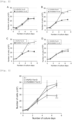
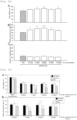
- the present inventors have carried out intensive studies in order to solve the object and during the course thereof found that when a mammalian cell is cryopreserved in a liquid for cryopreserving a cell comprising 2.5 to 5% PG, the proliferation ability of the mammalian cell after freezing and thawing is higher than when a mammalian cell is cryopreserved in a liquid for cryopreserving a cell comprising 2.5 to 5% DMSO (for example, Figures 1 to 3 in an Example described later).
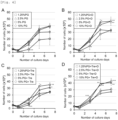
- the present inventors have confirmed that when a mammalian cell is cryopreserved in a liquid for cryopreserving a cell comprising 2.5 to 5% PG, the proliferation ability of the mammalian cell after freezing and thawing can be more effectively increased than when a mammalian cell is cryopreserved in a liquid for cryopreserving a cell comprising PG having a concentration of other than 2.5 to 5% (for example, Figure 4 and Figure 8 in an Example described later).
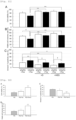
- the present inventors have confirmed that when a mammalian cell is cryopreserved in a liquid for cryopreserving a cell comprising 2.5 to 8.75% PG, cell death caused by freezing and thawing of the mammalian cell can be more effectively suppressed than when a mammalian cell is cryopreserved in a liquid for cryopreserving a cell comprising PG having a concentration of other than 2.5 to 8.75% (for example, Figure 7 in an Example described later).
- the present invention has been completed based on these findings.
- a mammalian cell when a mammalian cell is cryopreserved in a liquid for cryopreserving a cell comprising 2.5 to 8.75% PG, cell death caused by freezing and thawing of the mammalian cell can be more effectively suppressed than when a mammalian cell is cryopreserved in a liquid for cryopreserving a cell comprising PG having a concentration of other than 2.5 to 8.75%, and when a mammalian cell is cryopreserved in a liquid for cryopreserving a cell comprising 2.5 to 5% PG, the proliferation ability of the mammalian cell after freezing and thawing can be more effectively increased than when a mammalian cell is cryopreserved in a liquid for cryopreserving a cell comprising PG having a concentration of other than 2.5 to 5% or when a mammalian cell is cryopreserved in a liquid for cryopreserving a cell comprising 2.5 to 5% DMSO, thus making it possible to provide
- the liquid for cryopreserving a mammalian cell according to the present invention is a liquid comprising 2.5 to 8.75 (v/v)% propylene glycol (that is, the present cryopreservation liquid), which is specified to the application of "in order to cryopreserve a mammalian cell.”
- the present cryopreservation liquid in which the concentration of propylene glycol is 2.5 to 5.0 (v/v)%, can more effectively increase the proliferation ability of a mammalian cell after freezing and thawing than when a mammalian cell is cryopreserved in a liquid for cryopreserving a cell comprising propylene glycol having a concentration of other than 2.5 to 5.0 (v/v)% or in a liquid for cryopreserving a cell comprising DMSO.
- the present cryopreservation liquid in which the concentration of propylene glycol is 2.5 to 5.0 (v/v)%, may be specified to the application of "in order to increase the proliferation ability of a mammalian cell after freezing and thawing.”
- the present cryopreservation liquid (liquid comprising 2.5 to 8.75 (v/v)% propylene glycol) can keep the cell viability at a higher value when preserved at room temperature (1°C to 30°C) after thawing than when a mammalian cell is cryopreserved in a liquid for cryopreserving a cell comprising DMSO or in a liquid for cryopreserving a cell comprising propylene glycol having a concentration of other than 2.5 to 8.75 (v/v)%. Because of this, the present cryopreservation liquid may be specified to the application of "in order to increase the cell viability of a mammalian cell after freezing and thawing."
- the method for cryopreserving a mammalian cell according to the present invention is not particularly limited as long as the method is a method comprising a step (a) of cryopreserving the present cryopreservation liquid containing a mammalian cell (in other words, cryopreserving a mammalian cell in the present cryopreservation liquid) (that is, the present cryopreservation method), and in such a step (a), a mammalian cell may be frozen by using a slow freezing method and then preserved, or may be frozen by using a quick freezing method (vitrification method) and then preserved.
- a mammalian cell may be frozen by using a slow freezing method and then preserved, or may be frozen by using a quick freezing method (vitrification method) and then preserved.
- Examples of such a slow freezing method include a method involving transferring the present cryopreservation liquid containing a mammalian cell to a tube or a vial for cell preservation and freezing the same in a low-temperature freezer or an ultra-low temperature freezer (usually within the range of -20°C to -150°C) and then preserving the same in liquid nitrogen (usually within the range of -150°C to -196°C).
- Examples of the above quick freezing method include a method involving suspending a mammalian cell in the present cryopreservation liquid, then if necessary, transferring the resulting suspension into a straw, quickly freezing the same in liquid nitrogen (usually within the range of -150°C to -196°C), and preserving the same.
- the concentration of propylene glycol may be within the range of 2.5 to 8.75 (v/v)%, and examples thereof include 2.5 to 7.5%, 2.5 to 6.25%, 2.5 to 5.0%, 2.5 to 4.9%, 2.5 to 4.8%, 2.5 to 4.6%, 2.5 to 4.4%, 2.5 to 4.2%, 2.5 to 4.0%, 2.5 to 3.8%, 2.5 to 3.6%, 2.5 to 3.4%, 2.5 to 3.2%, 2.5 to 3.0%, 2.5 to 2.8%, 2.5 to 2.6%, 2.6 to 8.75%, 2.8 to 8.75%, 3.0 to 8.75%, 3.2 to 8.75%, 3.4 to 8.75%, 3.6 to 8.75%, 3.8 to 8.75%, 4.0 to 8.75%, 4.2 to 8.75%, 4.4 to 8.75%, 4.6 to 8.75%, 4.8 to 8.75%, 5.0 to 8.75%, 6.25 to 8.75%, 7.5 to 8.75%, 2.6 to 7.5%, 2.6 to 6.25%, 2.6 to 5.0%, 2.6 to 4.9%, 2.6 to 4.8%, 2.6 to 4.6%,
- the present cryopreservation liquid preferably further comprises a polymer compound.
- the polymer compound means a compound having a weight average molecular weight (Mw) of 1 ⁇ 10 4 or more.
- examples of such a polymer compound include a polymer compound selected from dextran or a derivative thereof or a salt of the dextran or the derivative (hereinafter sometimes referred to as "dextran group”); hydroxyethyl starch (also referred to as hydroxyethylated starch) or a derivative thereof or a salt of the hydroxyethyl starch or the derivative (hereinafter sometimes referred to as "hydroxyethyl starch group”); albumin; carboxymethylcellulose or a salt thereof; xanthan gum or a salt thereof; gelatin; amylopectin or a salt thereof; and the like, and among these, a suitable example thereof is a polymer compound selected from dextran group and hydroxyethyl starch group, because the effect thereof has been demonstrated in the
- Such dextran can be produced by any known method such as chemical synthesis, microbial production, or enzymatic production, but a commercially available product can also be used. Examples of the commercially available product include Dextran 40 (manufactured by Tokyo Chemical Industry Co., Ltd.) and Dextran 70 (manufactured by Tokyo Chemical Industry Co., Ltd.).
- Examples of the dextran derivative among the above dextran group include carboxylated dextran and diethylaminoethyl (DEAE)-dextran.
- Hydroxyethyl starch in the above hydroxyethyl starche group is not particularly limited as long as it is a mixture of amylose in which ⁇ -D-glucose is linearly linked ( ⁇ -1,4 linkage) and amylopectin having a branch ( ⁇ -1,6 linkage) and is a substance in which one or more of C2, C3, and C6 of the glucose unit are hydroxyethylated (derivative of amylopectin); and the Mw of hydroxyethyl starch can be, for example, within the range of 5 ⁇ 10 4 to 5 ⁇ 10 6 (for example, 7 ⁇ 10 4 or 2 ⁇ 10 5 ).
- the degree of substitution (the number of hydroxyethyl groups per glucose unit) of the above hydroxyethyl starch is not particularly limited, and can be, for example, within the range of 0.4 to 0.8 (for example, 0.50 to 0.55).
- Such hydroxyethyl starch can be produced by any known method such as chemical synthesis, microbial production, or enzymatic production, but a commercially available product can also be used. Examples of the commercially available product include HES (manufactured by Fresenius Kabi Austria GmbH).
- hydroxyethyl starch derivative in theabove hydroxyethyl starche group examples include DEAE-hydroxyethyl starch.
- the concentration of the polymer compound in the present cryopreservation liquid is not particularly limited as long as the effect of use thereof in combination with PG is recognized, and examples of the lower limit value of the concentration of the polymer compound include 1.0 (w/v)%, 1.2 (w/v)%, 1.4 (w/v)%, 1.6 (w/v)%, 1.8 (w/v)%, 2.0 (w/v)%, 2.2 (w/v)%, 2.4 (w/v)%, 2.6 (w/v)%, 2.8 (w/v)%, 3.0 (w/v)%, 3.2 (w/v)%, 3.4 (w/v)%, 3.6 (w/v)%, 3.8 (w/v)%, 4.0 (w/v)%, 4.2 (w/v)%, 4.4 (w/v)%, 4.6 (w/v)%, and 4.8 (w/v)%.
- examples of the upper limit value of the concentration of the polymer compound in the present cryopreservation liquid include 20 (w/v)%, 16 (w/v)%, 13 (w/v)%, 10 (w/v)%, 9.8 (w/v)%, and 9.6 (w/v)%.
- examples of the concentration of the above polymer compound include 1.0 to 20%, 1.2 to 20%, 1.4 to 20%, 1.6 to 20%, 1.8 to 20%, 2.0 to 20%, 2.2 to 20%, 2.4 to 20%, 2.6 to 20%, 2.8 to 20%, 3.0 to 20%, 3.2 to 20%, 3.4 to 20%, 3.6 to 20%, 3.8 to 20%, 4.0 to 20%, 4.2 to 20%, 4.4 to 20%, 4.6 to 20%, 4.8 to 20%, 1.0 to 16%, 1.2 to 16%, 1.4 to 16%, 1.6 to 16%, 1.8 to 16%, 2.0 to 16%, 2.2 to 16%, 2.4 to 16%, 2.6 to 16%, 2.8 to 16%, 3.0 to 16%, 3.2 to 16%, 3.4 to 16%, 3.6 to 16%, 3.8 to 16%, 4.0 to 16%, 4.2 to 16%, 4.4 to 16%, 4.6 to 16%, 4.8 to 16%, 1.0 to 13%, 1.2 to 16%, 1.4 to 16%, 1.6 to 16%,
- Examples of the range of the weight ratio of propylene glycol to a polymer compound in the present cryopreservation liquid further comprising the polymer compound include 1:0.1 to 1:10, 1:0.1 to 1:8, 1:0.1 to 1:6, 1:0.1 to 1:4, 1:0.2 to 1:10, 1:0.2 to 1:8, 1:0.2 to 1:6, 1:0.2 to 1:4, 1:0.3 to 1:10, 1:0.3 to 1:8, 1:0.3 to 1:6, 1:0.3 to 1:4, 1:0.4 to 1:10, 1:0.4 to 1:8, 1:0.4 to 1:6, 1:0.4 to 1:4, 1:0.5 to 1:10, 1:0.5 to 1:8, 1:0.5 to 1:6, and 1:0.5 to 1:4, and when the polymer compound is a dextran group, 1:0.1 to 1:4 is preferable, 1:0.3 to 1:4 is more preferable, and 1:0.5 to 1:4 is further preferable.
- the present cryopreservation liquid preferably further comprises trehalose or a derivative thereof or a salt of the trehalose or the derivative (hereinafter sometimes referred to as "trehalose group").
- trehalose in the trehalose group include ⁇ , ⁇ -trehalose, which is a disaccharide in which two ⁇ -glucoses are linked together in a 1,1-glycosidic linkage, ⁇ , ⁇ -trehalose, which is a disaccharide in which ⁇ -glucose and ⁇ -glucose are linked together in a 1,1-glycosidic linkage, and ⁇ , ⁇ -trehalose, which is a disaccharide in which two ⁇ -glucoses are linked together in a 1,1-glycosidic linkage, and among these, ⁇ , ⁇ -trehalose is preferable.
- Such trehalose can be produced by any known method such as chemical synthesis, microbial production, or enzymatic production, but a commercially available product can also be used.
- Examples of the commercially available product include trehalose dihydrate (manufactured by FUJIFILM Wako Pure Chemical Corporation).
- the trehalose derivative in the above trehalose group is not particularly limited as long as it is a glycosyltrehalose in which one or more sugar units are linked to the disaccharide trehalose, and examples of the glycosyltrehalose include glucosyltrehalose, maltosyltrehalose, and maltotriosyltrehalose.
- the concentration of trehalose group in the present cryopreservation liquid is not particularly limited as long as the effect of use thereof in combination with PG is recognized, and examples of the lower limit value of the concentration of trehalose group include 0.7 (w/v)%, 0.8 (w/v)%, 0.9 (w/v)%, 1.0 (w/v)%, 1.1 (w/v)%, 1.2 (w/v)%, 1.3 (w/v)%, and 1.4 (w/v)%.
- examples of the upper limit value of the concentration of trehalose group in the present cryopreservation liquid include 40 (w/v)%, 35 (w/v)%, 30 (w/v)%, 25 (w/v)%, 20 (w/v)%, 15 (w/v)%, 12 (w/v)%, and 6.0 (w/v)%.
- examples of the concentration of above trehalose group include 0.7 to 40%, 0.8 to 40%, 0.9 to 40%, 1.0 to 40%, 1.1 to 40%, 1.2 to 40%, 1.3 to 40%, 1.4 to 40%, 0.7 to 35%, 0.8 to 35%, 0.9 to 35%, 1.0 to 35%, 1.1 to 35%, 1.2 to 35%, 1.3 to 35%, 1.4 to 35%, 0.7 to 30%, 0.8 to 30%, 0.9 to 30%, 1.0 to 30%, 1.1 to 30%, 1.2 to 30%, 1.3 to 30%, 1.4 to 30%, 0.7 to 25%, 0.8 to 25%, 0.9 to 25%, 1.0 to 25%, 1.1 to 25%, 1.2 to 25%, 1.3 to 25%, 1.4 to 25%, 0.7 to 20%, 0.8 to 20%, 0.9 to 20%, 1.0 to 20%, 1.1 to 20%, 1.2 to 20%, 1.3 to 20%, 1.4 to 20%, 0.7 to 15%, 0.8 to 15%, 0.9 to 15%, 1.0 to 15%, 1.1 to 15%, 1.2 to 15%, 1.3 to
- Examples of the range of the weight ratio of propylene glycol and trehalose group in the present cryopreservation liquid further comprising trehalose group include 1:0.08 to 1:16, 1:0.08 to 1:14, 1:0.08 to 1:12, 1:0.08 to 1:10, 1:0.08 to 1:8, 1:0.08 to 1:6, 1:0.08 to 1:4, 1:0.08 to 1:2.4, 1:0.1 to 1:16, 1:0.1 to 1:14, 1:0.1 to 1:12, 1:0.1 to 1:10, 1:0.1 to 1:8, 1:0.1 to 1:6, 1:0.1 to 1:4, 1:0.1 to 1:2.4, 1:0.12 to 1:16, 1:0.12 to 1:14, 1:0.12 to 1:12, 1:0.12 to 1:10, 1:0.12 to 1:8, 1:0.12 to 1:6, 1:0.12 to 1:4, 1:0.12 to 1:2.4, 0.14 to 1:16, 1:0.14 to 1:14, 1:0.14 to 1:12, 1:0.14 to 1:10, 1:0.14 to 1:8, 1:0.1
- the present cryopreservation liquid is a liquid (for example, isotonic solution, hypotonic solution, or hypertonic solution) that comprises 2.5 to 8.75 (v/v)% propylene glycol and can cryopreserve a mammalian cell, and is preferably an isotonic solution comprising 2.5 to 8.75 (v/v)% propylene glycol.
- the "isotonic solution” means a liquid that has almost the same osmotic pressure as that of a body fluid or a cell fluid, and specifically means a liquid that has an osmotic pressure within the range of 250 to 380 mOsm/L.
- hypotonic solution means a liquid that has an osmotic pressure lower than that of a body fluid or a cell fluid, and specifically means a liquid that has an osmotic pressure of less than 250 mOsm/L.
- a hypotonic solution is preferably a hypotonic solution that does not cause cell rupture (specifically, a liquid that has an osmotic pressure within the range of 100 to less than 250 mOsm/L).
- the "hypertonic solution” means a liquid that has an osmotic pressure higher than that of a body fluid or a cell fluid, and specifically means that the osmotic pressure is more than 380 mOsm/L (preferably within the range of more than 380 mOsm/L to 1000 mOsm/L).
- the above isotonic solution is not particularly limited as long as it is an isotonic solution having the salt concentration, the sugar concentration, or the like adjusted with a sodium ion, a potassium ion, a calcium ion, or the like such that the osmotic pressure is almost the same as that of a body fluid or a cell fluid
- specific examples thereof include physiological saline, physiological saline having a buffering effect (for example, PBS, Tris Buffered Saline (TBS), or HEPES buffered saline), Ringer's solution, lactated Ringer's solution, acetate Ringer's solution, bicarbonated Ringer's solution, a 5% glucose aqueous solution, a basal medium for animal cell culture (for example, DMEM, EMEM, RPMI-1640, ⁇ -MEM, F-12, F-10, or M-199), and an isotonic agent (for example, glucose, D-sorbitol, D-mannitol, lac
- the isotonic solution may be a commercially available product or a self-prepared product.
- the commercially available product include OTSUKA NORMAL SALINE (manufactured by Otsuka Pharmaceutical Factory, Inc.) (isotonic sodium chloride solution), Ringer's Solution "OTSUKA” (manufactured by Otsuka Pharmaceutical Factory, Inc.) (Ringer's solution), Lactec (registered trademark) Injection (manufactured by Otsuka Pharmaceutical Factory, Inc.) (lactated Ringer's solution), Veen (registered trademark)-F Injection (manufactured by Fuso Pharmaceutical Industries, Ltd.) (acetated Ringer's solution), OTSUKA GLUCOSE INJECTION 5% (manufactured by Otsuka Pharmaceutical Factory, Inc.) (5% glucose aqueous solution), and BICANATE (registered trademark) Injection (manufactured by Otsuka Pharmaceutical Factory, Inc.) (bicarbon
- the present cryopreservation liquid may comprise a cryoprotective component other than PG (for example, DMSO; glycerol; ethylene glycol; PEG; sericin; isomaltooligosaccharide; or serum derived from a human, a cow, or the like), and one comprising no cryoprotective component other than PG is preferable because PG alone can effectively increase the proliferation ability of a mammalian cell after freezing and thawing.
- a cryoprotective component other than PG for example, DMSO; glycerol; ethylene glycol; PEG; sericin; isomaltooligosaccharide; or serum derived from a human, a cow, or the like
- the present cryopreservation liquid may or may not comprise an oligosaccharide other than trehalose group (for example, a disaccharide such as sucrose, lactose, or maltose; a trisaccharide such as maltotriose, raffinose, or melezitose; or a tetrasaccharide such as acarbose or stachyose), and a monosaccharide (for example, glucose, fructose, or galactose).
- an oligosaccharide other than trehalose group for example, a disaccharide such as sucrose, lactose, or maltose; a trisaccharide such as maltotriose, raffinose, or melezitose; or a tetrasaccharide such as acarbose or stachyose
- a monosaccharide for example, glucose, fructose, or gal
- the present cryopreservation liquid usually does not comprise a substance selected from taurine or a derivative thereof or a salt thereof; and glycine or a derivative thereof or a salt thereof.
- a taurine derivative include N-substituted taurine (for example, N-(2-acetamido)-2-aminoethanesulfonic acid, N,N-bis(2-hydroxyethyl)-2-aminoethanesulfonic acid, N-cyclohexyl-2-aminoethanesulfonic acid, 2-[4-(2-hydroxyethyl)-1-piperazinyl]ethanesulfonic acid, 2-morpholinoethanesulfonic acid, piperazine-1,4-bis(2-ethanesulfonic acid), or N-tris(hydroxymethyl)methyl-2-aminoethanesulfonic acid), hypotaurine, and thiotaurine.
- N-substituted taurine for example, N-
- Examples of the above glycine derivative include sarcosine (N-methylglycine), N-ethylglycine, N-propylglycine, N,N-diethylglycine, N,N-dimethylglycine, N-amidinoglycine, N-amidino-N-methylglycine, glycylglycine, phenaceturic acid, glycine methyl ester, glycine ethyl ester, glycine n-butyl ester, glycine t-butyl ester, glycine n-propyl ester, glycine n-pentyl ester, and glycine benzyl ester.
- sarcosine N-methylglycine
- N-ethylglycine N-propylglycine
- N,N-diethylglycine N,N-dimethylglycine
- Examples of the "salts" of taurine, a taurine derivative, glycine, and a glycine derivative include an acid addition salt such as a hydrochloride, a hydrobromide, a hydroiodide, a phosphate, a nitrate, a sulfate, an acetate, a propionate, a toluenesulfonate, a succinate, an oxalate, a lactate, a tartrate, a glycolate, a methanesulfonate, a butyrate, a valerate, a citrate, a fumarate, a maleate, or a malate, a metal salt such as a sodium salt, a potassium salt, or a calcium salt, an ammonium salt, and an alkylammonium salt.
- an acid addition salt such as a hydrochloride, a hydrobromide, a hydroiodide, a phosphate, a
- examples of the "salts" of (dextran, a dextran derivative, hydroxyethyl starch, a hydroxyethyl starch derivative, trehalose, a trehalose derivative, carboxymethylcellulose, xanthan gum, and amylopectin) include an acid addition salt such as a hydrochloride, a hydrobromide, a hydroiodide, a phosphate, a nitrate, a sulfate, an acetate, a propionate, a toluenesulfonate, a succinate, an oxalate, a lactate, a tartrate, a glycolate, a methanesulfonate, a butyrate, a valerate, a citrate, a fumarate, a maleate, or a malate, a metal salt such as a sodium salt, a potassium salt, or a calcium salt, an ammonium salt, and an alky
- salts are used as a solution when used, and the action thereof is preferably as effective as when using dextran, a dextran derivative, hydroxyethyl starch, a hydroxyethyl starch derivative, trehalose, a trehalose derivative, carboxymethylcellulose, xanthan gum, and amylopectin.
- the "salts" of (dextran, a dextran derivative, hydroxyethyl starch, a hydroxyethyl starch derivative, trehalose, a trehalose derivative, carboxymethylcellulose, xanthan gum, and amylopectin) may form hydrates or solvates, and any one thereof can be used alone, or two or more thereof can be used in appropriate combinations.
- an optional component in the present cryopreservation liquid examples include a vitamin (for example, choline chloride, pantothenic acid, folic acid, nicotinamide, pyridoxal hydrochloride, riboflavin, thiamine hydrochloride, ascorbic acid, biotin, or inositol), a chelating agent (for example, EDTA, EGTA, citric acid, or salicylate), an antibiotic (for example, penicillin or streptomycin), a protein, and an antioxidant (for example, polyphenol or quercetin).
- the "optional component” means a component that may or may not be comprised.
- Examples of a specific cell of the above mammalian cell include a stem cell (for example, a stem cell administered via a blood vessel in regenerative medicine or the like); a pancreatic islet cell (for example, a pancreatic islet cell administered intravenously to a type I diabetic patient); a lymphoid cell such as a T cell, a natural killer (NK) cell, or a B cell; an antigen presenting cell such as a monocyte, a macrophage, or a dendritic cell; and a granulocyte such as a neutrophil, an eosinophil, a basophil, or a mast cell, and a suitable example thereof is a T cell because the effect thereof has been demonstrated in the present Example described later.
- a stem cell for example, a stem cell administered via a blood vessel in regenerative medicine or the like
- a pancreatic islet cell for example, a pancreatic islet cell administered intravenously to a type I diabetic patient
- T cell examples include an alpha beta T cell, a gamma delta T cell, a CD8-positive T cell, a CD4-positive T cell, a tumor infiltrating T cell, a memory T cell, a naive T cell, and an NKT cell.
- a T cell can be collected from bone marrow, peripheral blood, umbilical cord blood, or the like of a mammal by a known general method.
- examples of the "mammal” include a rodent such as a mouse, a rat, a hamster, or a guinea pig, a lagomorph such as a rabbit, an ungulate such as a pig, a cow, a goat, a horse, or a sheep, a carnivore such as a dog or a cat, and a primate such as a human, a monkey, a rhesus monkey, a cynomolgus monkey, a marmoset, an orangutan, or a chimpanzee, and among these, suitable examples thereof are a mouse, a pig, and a human.
- the above “stem cell” means an immature cell that has a self-renewal ability and a differentiation/proliferation ability.
- Stem cells comprise a subpopulation such as a pluripotent stem cell, a multipotent stem cell, or an unipotent stem cell, depending on the differentiation ability thereof.
- the pluripotent stem cell means a cell that cannot become an individual by itself, but has the ability to differentiate into all tissues or cells that constitute a living body.
- the multipotent stem cell means a cell that has the ability to differentiate into a plurality of, but not all, tissues or cells.
- the unipotent stem cell means a cell that has the ability to differentiate into a specific tissue or cell.
- Examples of the pluripotent stem cell include an embryonic stem cell (ES cell), an EG cell, and an iPS cell.
- An ES cell can be produced by culturing an inner cell mass on a feeder cell or in a medium comprising LIF.
- a method for producing an ES cell is disclosed in, for example, WO 96/22362 , WO 02/101057 , US5,843,780 , US6,200,806 , or US6,280,718 .
- An EG cell can be produced by culturing a primordial germ cell in a medium comprising mSCF, LIF, and bFGF ( Cell, 70: 841-847, 1992 ).
- An iPS cell can be produced by introducing a reprogramming factor such as Oct3/4, Sox2, and Klf4 (and even c-Myc or n-Myc if necessary) into a somatic cell (for example, a fibroblast or a skin cell) ( Cell, 126: p.663-676, 2006 ; Nature, 448: p.313-317, 2007 ; Nat Biotechnol, 26; p,101-106, 2008 ; Cell 131: p.861-872, 2007 ; Science, 318: p.1917-1920, 2007 ; Cell Stem Cells 1: p.55-70, 2007 ; Nat Biotechnol, 25: p.1177-1181, 2007 ; Nature, 448: p.318-324, 2007 ; Cell Stem Cells 2: p.10-12, 2008 ; Nature451: p.141-146, 2008 ; Science, 318: p.1917-1920, 2007 ).
- a stem cell established by culturing an early embryo prepared by nuclear transplantation of a somatic cell nucleus is also preferable as a pluripotent stem cell ( Nature, 385,810 (1997 ); Science, 280,1256 (1998 ); Nature Biotechnology, 17,456 (1999 ); Nature, 394,369 (1998 ); Nature Genetics, 22,127 (1999 ); Proc. Natl. Acad.Sci.USA,96,14984 (1999 )), Rideout III et al. (Nature Genetics, 24,109 (2000 )).
- the multipotent stem cell examples include a mesenchymal stem cell that can differentiate into a cell such as an adipocyte, an osteocyte, or a chondrocyte; a hematopoietic stem cell that can differentiate into a blood cell such as a white blood cell, a red blood cell, or a platelet (for example, a hematopoietic stem cell positive for at least one cell surface marker selected from CD34, CD110, CD111, CD112, and CD117, preferably a CD34-positive hematopoietic stem cell); a neural stem cell that can differentiate into a cell such as a neuron, an astrocyte, or an oligodendrocyte; and a somatic stem cell such as a bone marrow stem cell or a germ stem cell, and suitable examples thereof are a mesenchymal stem cell and a hematopoietic stem cell because the effect thereof has been demonstrated in the present Example described later.
- a mesenchymal stem cell such
- a multipotent stem cell can be isolated from a living body by a method known per se.
- a mesenchymal stem cell can be collected from bone marrow, adipose tissue, peripheral blood, umbilical cord blood, or the like of a mammal by a known general method.
- a human mesenchymal stem cell can be isolated by culture and passage of a hematopoietic stem cell or the like after bone marrow aspiration ( Journal of Autoimmunity, 30(2008) 163-171 ).
- a hematopoietic stem cell can be collected from bone marrow, peripheral blood, umbilical cord blood, or the like of a mammal by a known general method.
- a multipotent stem cell can also be obtained by culturing the above pluripotent stem cell under an appropriate induction condition.
- the mesenchymal stem cell is preferably a human adipose-derived mesenchymal stem cell.
- the hematopoietic stem cell is preferably a human-derived CD34-positive hematopoietic stem cell.
- the present cryopreservation liquid may be an embodiment that does not comprise a mammalian cell or an embodiment that comprises a mammalian cell, and when the present cryopreservation method is carried out, the present cryopreservation liquid is preferably an embodiment that comprises a mammalian cell (that is, the present cryopreservation liquid containing a mammalian cell).
- the present cryopreservation liquid containing a mammalian cell can be prepared by any method, and examples thereof include 1) a method for preparing the present cryopreservation liquid containing a mammalian cell by separating a mammalian cell-containing liquid into the supernatant (liquid) and a precipitate (mammalian cell) by a centrifugation treatment, then removing the supernatant (liquid), and adding the present cryopreservation liquid to the precipitate (mammalian cell) and 2) a method for preparing the present cryopreservation liquid containing a mammalian cell by mixing a liquid with a mammalian cell-containing liquid, the liquid being adjusted such that the final concentration of a component comprised in the present cryopreservation liquid is a target concentration (for example, for PG, 2.5 to 8.75 (v/v)%) when mixed with the mammalian cell-containing liquid.
- a target concentration for example, for PG, 2.5 to 8.75 (v/v)%
- the present cryopreservation liquid containing a mammalian cell is preferably the present cryopreservation liquid comprising umbilical cord blood.
- the present cryopreservation liquid comprising umbilical cord blood can be prepared by mixing umbilical cord blood (that is, a liquid comprising a mammalian cell such as a hematopoietic stem cell) and a liquid comprising PG at any ratio (for example, 10:1 to 1:10 [for example, 10:1, 9:1, 8:1, 7:1, 6:1, 5:1, 4:1, 3:1, 2:1, 1:1, 1:2, 1:3, 1:4, 1:5, 1:6, 1:7, 1:8, 1:9, or 1:10]) according to the above method in 2) .
- an adherent cell An example of the mammalian cell to be preserved in the present cryopreservation liquid is an adherent cell.
- adherent cell means an anchorage-dependent cell that can survive, proliferate, and produce a substance by adhering to an anchorage.
- adherent stem cell include a pluripotent stem cell, a mesenchymal stem cell, a neural stem cell, a bone marrow stem cell, and a germ stem cell.
- the adherent stem cell is preferably a mesenchymal stem cell.
- the mammalian cell (population) to be preserved in the present cryopreservation liquid may be isolated from a living body or subcultured in vitro, and is preferably isolated or purified.
- isolated or purified means that the operation of removing a component other than the target component is carried out.
- the purity of the isolated or purified mammalian cell is usually 30% or more, preferably 50% or more, more preferably 70% or more, and further preferably 90% or more (for example, 100%).
- the mammalian cell (population) to be preserved in the present cryopreservation liquid is preferably in the state of a single cell.
- the "state of a single cell” means that cells do not gather together with other cells to form a mass (that is, a non-aggregated state).
- a mammalian cell in the state of a single cell can be prepared by enzymatically treating a mammalian cell cultured in vitro with trypsin/EDTA or the like, and then suspending the cell by a method well known in the art such as pipetting or tapping.
- the proportion of the mammalian cell in the state of a single cell comprised in mammalian cells is usually 70% or more, preferably 90% or more, more preferably 95% or more, and further preferably 99% or more (for example, 100%).
- the proportion of the mammalian cell in the state of a single cell can be determined by dispersing mammalian cells in PBS, observing these under a microscope, and examining a plurality of (for example, 1000) randomly selected cells for the presence or absence of aggregation.
- the present cryopreservation method is preferably a method further comprising a step (b) of freezing and thawing the mammalian cell and culturing the same after the above step (a).
- the culture period include 1 day or more, 2 days or more, 3 days or more, 4 days or more, 5 days or more, 6 days or more, 7 days or more, and 8 days or more, and the culture period is preferably 5 days or more.
- the method for freezing and thawing the mammalian cell is not particularly limited, and a frozen container (a tube for cell preservation, a vial for cell preservation, a straw, or the like) comprising the present cryopreservation liquid containing the mammalian cell may be naturally thawed at normal temperature (for example, within the range of 10 to 28°C), and from the viewpoint of preventing refreezing, the container is preferably soaked in warm water (for example, water within the range of 30 to 40°C) for quick thawing.
- a frozen container a tube for cell preservation, a vial for cell preservation, a straw, or the like
- warm water for example, water within the range of 30 to 40°C
- the mammalian cell after freezing and thawing is cultured in an appropriate container (a culture plate, a culture dish, a culture flask, or the like) in the presence of an appropriate culture medium.
- a culture medium include a culture medium for animal cell culture (DMEM, EMEM, IMDM, RPMI1640, ⁇ MEM, F-12, F-10, M-199, AIM-V, or the like) comprising 0.1 to 30 (v/v)% serum (FBS, CS, or the like), and MyeloCult H5100 medium (manufactured by STEMCELL Technologies, ST-05150).
- examples of a serum-free culture medium include the above culture medium for animal cell culture supplemented with an appropriate amount (for example, 1% to 30%) of a serum substitute such as the above commercially available B27 Supplement (-Insulin), N2 Supplement, B27 Supplement, or Knockout Serum Replacement.
- a serum substitute such as the above commercially available B27 Supplement (-Insulin), N2 Supplement, B27 Supplement, or Knockout Serum Replacement.
- the culture temperature of the mammalian cell after freezing and thawing is usually within the range of about 30 to 40°C, and is preferably 37°C.
- the CO 2 concentration during culture is usually within the range of about 1 to 10%, and is preferably about 5%.
- the humidity during culture is usually within the range of about 70 to 100%, and preferably within the range of about 95 to 100%.
- the O 2 concentration during culture may be a normal oxygen concentration (18 to 22% O 2 ) or a low oxygen concentration (0 to 10% O 2 ) .
- 3 base liquids (culture medium containing serum, LR containing trehalose, and LR) comprising 4 (v/v)% PG were prepared by mixing MEM ⁇ (manufactured by Gibco) containing 10% FBS (manufactured by Gibco), Cellstor-W, and Lactec Injection, respectively, with the above PG at a ratio of 24:1.
- hAD-MSCs Human adipose-derived mesenchymal stem cells (manufactured by Lonza Walkersville) were cultured according to the human adipocyte-derived stem cell culture protocol of Lonza Walkersville. Specifically, hAD-MSCs were seeded in 75 cm 2 flasks provided with 15 mL of a medium prepared from a medium kit (PT-4505, ADSC BulletKit, manufactured by Lonza Walkersville) (hereinafter referred to as the "MSC medium”), and cultured at 37°C in a 5% CO 2 incubator. Medium exchange was carried out every 3 days or 4 days.
- PT-4505, ADSC BulletKit manufactured by Lonza Walkersville
- the cells were passaged to a confluence of about 90% (a confluence of 80 to 100%), and the flasks after 2 to 5 passages were used in the method described in the following section "Preparation of hAD-MSCs (Studies 1 to 10) . "
- hAD-MSCs were prepared according to the following procedures [1] to [11].
- hCD8-positive T cells human CD8-positive T cells (manufactured by STEMCELL Technologies) were seeded in a flask containing a culture medium for T lymphocyte culture (product name: TLY CULTURE Kit 25, TLY-FK25, manufactured by GC Lymphotec Inc.), and culture was started at 37°C in a 5% CO 2 incubator. On day 3 after culture, the cells were transferred to 8 or 10 25 cm 2 flasks. After that, the flasks on day 9 after culture were used in the method described in the following section [Preparation of hCD8-positive T cells (Studies 11 and 12)].
- a culture medium for T lymphocyte culture product name: TLY CULTURE Kit 25, TLY-FK25, manufactured by GC Lymphotec Inc.
- hCD8-positive T cells were prepared according to the following procedures [1] to [4].
- human CD8-positive T cells (manufactured by STEMCELL Technologies) or human CD4-positive T cells (hCD4-positive T cells) (manufactured by Lonza Walkersville) were seeded in a flask containing a culture medium for T lymphocyte culture (product name: TLY CULTURE Kit 25, TLY-FK25, manufactured by GC Lymphotec Inc.), and culture was started at 37°C in a 5% CO 2 incubator. On day 3 after culture, the hCD8-positive T cells or the hCD4-positive T cells were each transferred to three 75 cm 2 flasks.
- a culture medium for T lymphocyte culture product name: TLY CULTURE Kit 25, TLY-FK25, manufactured by GC Lymphotec Inc.
- hCD8-positive T cells were prepared according to the following procedures [1] to [5].
- Hematopoietic Progenitor Cell Expansion Medium XF (manufactured by Takara Bio Inc.) comprising 2 ⁇ 10 4 cells/mL of umbilical cord blood-derived human CD34-positive hematopoietic stem cells (hCD34-positive hematopoietic stem cells) (manufactured by Takara Bio Inc.) was seeded in a 75 cm 2 flask for suspension culture (product name: Super Quality Suspension Cell Culture Flask 75 cm 2 Filter Cap, MS-2325RS, manufactured by Sumitomo Bakelite Co., Ltd.), and culture was started at 37°C in a 5% CO 2 incubator.
- hCD34-positive hematopoietic stem cells manufactured by Takara Bio Inc.
- hCD34-positive hematopoietic stem cells were prepared according to the following procedures [1] to [4].
- hAD-MSCs 4 mammalian cells (hAD-MSCs, hCD8-positive T cells, hCD4-positive T cells, and hCD34-positive hematopoietic stem cells) were cryopreserved according to the following procedures [1] to [4].
- Samples for evaluating the viability of the 4 mammalian cells (hAD-MSCs, hCD8-positive T cells, hCD4-positive T cells, and hCD34-positive hematopoietic stem cells) after freezing and thawing were prepared according to the following procedures [1] to [6].
- the annexin V positivity rate of the 4 mammalian cells (hAD-MSCs, hCD8-positive T cells, hCD4-positive T cells, and hCD34-positive hematopoietic stem cells) after freezing and thawing was evaluated according to the following procedures [1] to [6].
- the 20 ⁇ L aliquot of the cell suspension for trypan blue staining was mixed with 20 ⁇ L of a trypan blue staining liquid, and optical microscopes (ECLIPSE TS100, manufactured by Nikon Corporation, and OLYMPUS CKX53, manufactured by Olympus Corporation) were used to measure each of the total number of cells and the number of dead cells with a One Cell Counter.
- hAD-MSCs immediately after freezing and thawing were seeded in a 6-well plate at a density of 5.6 ⁇ 10 3 cells/cm 2 (5.0 ⁇ 10 4 cells/9 cm 2 /well) and cultured by using the MSC medium. Medium exchange was carried out within 24 hours after seeding and on day 3 or 4 thereafter.
- the 6-well plate in which the hAD-MSCs were cultured was washed with PBS(-) and enzymatically treated with trypsin/EDTA, the trypsin reaction was stopped with TNS, the number of cells after re-culture was measured with One Cell Counter, and the cell proliferation ability of the hAD-MSCs after freezing and thawing was evaluated.
- the CD34 positivity rate of hCD34-positive hematopoietic stem cells after freezing and thawing was evaluated according to the following procedures [1] to [9].
- hAD-MSCs were cryopreserved in each of a base liquid comprising 1.25 to 10% DMSO (LR containing 2.7% trehalose and 4.5% dextran) and in the above base liquid comprising 1.25 to 10% PG, the hAD-MSCs after freezing and thawing were cultured for 1 to 7 days, and changes in the number of cells over time were analyzed.
- hAD-MSCs were cryopreserved in liquids for cryopreserving a cell containing trehalose and dextran and comprising 4% PG or 4% DMSO (LR containing 4% PG, 2.88% trehalose, and 4.8% dextran; and LR containing 4% DMSO, 2.88% trehalose, and 4.8% dextran), and the cell viability and the viable cell recovery rate of the hAD-MSCs immediately after freezing and thawing, as well as the cell proliferation ability thereof after freezing and thawing, were analyzed.
- the cell proliferation ability of hAD-MSCs that were not cryopreserved was also analyzed in the same manner.
- hAD-MSCs were cryopreserved in 4 base liquids comprising 1.25 to 10% PG (LR; LR containing dextran; LR containing trehalose; and LR containing trehalose and dextran), the hAD-MSCs after freezing and thawing were cultured for 1 to 7 days, and changes in the number of cells over time were analyzed.
- hAD-MSCs were cryopreserved in 8 liquids for cryopreserving a cell (4 base liquids comprising 5% PG [physiological saline, Ringer's solution, acetated Ringer's solution, and lactated Ringer's solution] and the above 4 base liquids comprising 5% PG and 4.75% dextran), and the cell viability, the viable cell recovery rate, the annexin V positivity rate, and the cell proliferation ability of the hAD-MSCs immediately after thawing were analyzed.
- base liquids comprising 5% PG [physiological saline, Ringer's solution, acetated Ringer's solution, and lactated Ringer's solution] and the above 4 base liquids comprising 5% PG and 4.75% dextran
- the cell viability of the hAD-MSCs when using the liquids for cryopreserving a cell comprising 5% PG and 4.75% dextran was higher than the cell viability of the hAD-MSCs when using the liquids for cryopreserving a cell comprising 5% PG together with the above 4 base liquids, and in particular, when Ringer's solution or acetated Ringer's solution was used as the base liquid, the cell viability was significantly higher ( Figure 5A and Table 5).
- the viable cell recovery rate of the hAD-MSCs had a similar tendency, and in particular, when acetated Ringer's solution was used as the base liquid, the viable cell recovery rate was significantly higher ( Figure 5B and Table 5).
- the annexin V positivity rate of the hAD-MSCs when using the liquids for cryopreserving a cell comprising 5% PG and 4.75% dextran was lower than the cell viability when using the liquids for cryopreserving a cell comprising 5% PG together with the above 4 base liquids ( Figure 5C and Table 5).
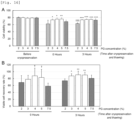
- hAD-MSCs were cryopreserved in 8 liquids for cryopreserving a cell (LR containing 1.25% PG and 4.94% dextran; LR containing 2.5% PG and 4.88% dextran; LR containing 3.75% PG and 4.81% dextran; LR containing 5% PG and 4.75% dextran; LR containing 6.25% PG and 4.69% dextran; LR containing 7.5% PG and 4.63% dextran; LR containing 8.75% PG and 4.56% dextran; and LR containing 10% PG and 4.5% dextran), and the cell viability, the viable cell recovery rate, and the annexin V positivity rate of the hAD-MSCs immediately after freezing and thawing, and the cell proliferation ability thereof after freezing and thawing were analyzed.
- the annexin V positivity rate of the hAD-MSCs immediately after freezing and thawing was lower than when hAD-MSCs were cryopreserved in the liquid for cryopreserving a cell comprising 1.25% PG or the liquid for cryopreserving a cell comprising 10% PG, and in particular, when the concentration of PG in the liquid for cryopreserving a cell was 2.5 to 6.25%, the annexin V positivity rate was significantly lower ( Figure 7C and Table 7).
- hAD-MSCs were cryopreserved in 6 liquids for cryopreserving a cell (LR containing 4% PG; LR containing 4% PG and 1.2% dextran; LR containing 4% PG and 2.4% dextran; LR containing 4% PG and 4.8% dextran; LR containing 4% PG and 7.2% dextran; and LR containing 4% PG and 9.6% dextran), and the cell viability, the viable cell recovery rate, and the annexin V positivity rate of the hAD-MSCs immediately after thawing were analyzed.
- hAD-MSCs were cryopreserved in 6 liquids for cryopreserving a cell (LR containing 4% PG; LR containing 10% PG; LR containing 4% PG and 4.8% dextran; LR containing 10% PG and 4.5% dextran; LR containing 4% PG and 4.8% HES; and LR containing 10% PG and 4.5% HES), and the cell viability, the viable cell recovery rate, and the annexin V positivity rate of the hAD-MSCs immediately after freezing and thawing were analyzed.
- hAD-MSCs were cryopreserved in 3 liquids for cryopreserving a cell (LR containing 2.5% PG; LR containing 2.5% PG and 2.925% trehalose; and LR containing 2.5% PG, 2.925% trehalose, and 4.875% dextran), and the cell viability, the viable cell recovery rate, and the annexin V positivity rate of the hAD-MSCs immediately after thawing were analyzed.
- cryopreservation of mammalian cells in a liquid for cryopreserving a cell consisting of lactated Ringer's solution comprising PG, trehalose, and dextran has a more effective suppressing action on cell death caused by freezing and thawing of the mammalian cells than cryopreservation of mammalian cells in a liquid for cryopreserving a cell consisting of lactated Ringer's solution comprising only PG.
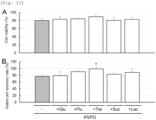
- hAD-MSCs were cryopreserved in LR containing 4% PG comprising one of 5 sugars (1.44% glucose, 1.44% fructose, 2.88% trehalose, 2.88% sucrose, or 2.88% lactose), and the cell viability and the viable cell recovery rate of the hAD-MSCs immediately after thawing were analyzed.
- LR containing 4% PG without these sugars was used to carry out the same analysis.
- the molar concentrations of all the sugars are the same, 0.08 M.
- hAD-MSCs were cryopreserved in 6 liquids for cryopreserving a cell (LR containing 4% PG; LR containing 4% PG and 0.72% trehalose; LR containing 4% PG and 1.44% trehalose; LR containing 4% PG and 2.88% trehalose; LR containing 4% PG and 5.76% trehalose; and LR containing 4% PG and 11.52% trehalose), and the cell viability, the viable cell recovery rate, and the annexin V positivity rate of the hAD-MSCs immediately after thawing were analyzed.
- hCD8-positive T cells were cryopreserved in 3 liquids for cryopreserving a cell (culture medium containing serum and comprising 4% PG; LR containing trehalose and comprising 4% PG; and LR comprising 4% PG), and the cell viability and the viable cell recovery rate of the hCD8-positive T cells immediately after thawing, and 1 hour, 3 hours, and 6 hours after thawing were analyzed.
- hCD8-positive T cells were cryopreserved in 5 liquids for cryopreserving a cell (LR containing 2% PG, 2.7% trehalose, and 4.5% dextran; LR containing 3% PG, 2.7% trehalose, and 4.5% dextran; LR containing 4% PG, 2.7% trehalose, and 4.5% dextran; LR containing 5% PG, 2.7% trehalose, and 4.5% dextran; and LR containing 7.5% PG, 2.7% trehalose, and 4.5% dextran), and the cell viability and the viable cell recovery rate of the hCD8-positive T cells immediately after thawing and 3 hours after thawing were analyzed.
- hCD8-positive T cells were cryopreserved in the 5 liquids for cryopreserving a cell used in Study 12, and the cell viability, the viable cell recovery rate, and the annexin V positivity rate of the hCD8-positive T cells immediately after thawing were analyzed.
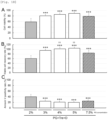
- the annexin V positivity rate of the hCD8-positive T cells immediately after freezing and thawing was significantly lower than when hCD8-positive T cells were cryopreserved in the above liquid for cryopreserving a cell comprising 2% PG of PG, and in particular, when the concentration of PG in the liquid for cryopreserving a cell was 4 to 5%, the annexin V positivity rate was lowest ( Figure 17C and Table 17).
- hCD4-positive T cells were cryopreserved in the 5 liquids for cryopreserving a cell used in Studies 12 and 13, and the cell viability, the viable cell recovery rate, and the annexin V positivity rate of the hCD4-positive T cells immediately after thawing were analyzed.
- the cell viability and the viable cell recovery rate of the hCD4-positive T cells immediately after freezing and thawing were significantly higher than when hCD4-positive T cells were cryopreserved in the liquid for cryopreserving a cell comprising 2% PG of PG (LR containing 2% PG, 2.7% trehalose, and 4.5% dextran), and in particular, when the concentration of PG in the liquid for cryopreserving a cell was 4 to 5%, the cell viability and the
- the annexin V positivity rate of the hCD4-positive T cells immediately after freezing and thawing was significantly lower than when hCD4-positive T cells were cryopreserved in the above liquid for cryopreserving a cell comprising 2% PG of PG, and in particular, when the concentration of PG in the liquid for cryopreserving a cell was 4 to 5%, the annexin V positivity rate was lowest ( Figure 18C and Table 18).
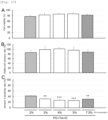
- hCD34-positive hematopoietic stem cells (the cell viability before cryopreservation was 73.3 ⁇ 1.2%) were cryopreserved in the 5 liquids for cryopreserving a cell used in Studies 12 to 14, and the cell viability and the CD34 positivity rate of the hCD4-positive T cells immediately after thawing were analyzed.
- the CD34 positivity rate in hCD34-positive hematopoietic stem cells after cryopreservation was almost the same as the CD34 positivity rate in hCD34-positive hematopoietic stem cells before cryopreservation ( Figure 19B and Table 19), and thus it was found that PG, trehalose, and dextran comprised in the liquid for cryopreserving a cell do not affect the properties of hCD34-positive hematopoietic stem cells.
- cell death caused by freezing and thawing of a mammalian cell can be effectively suppressed, and the proliferation ability of a mammalian cell after freezing and thawing can be effectively increased, and thus the present invention is useful in the field of transplantation medicine in regenerative medicine or the like and the field of cancer treatment.
Landscapes
- Health & Medical Sciences (AREA)
- Life Sciences & Earth Sciences (AREA)
- Engineering & Computer Science (AREA)
- Biomedical Technology (AREA)
- Organic Chemistry (AREA)
- Chemical & Material Sciences (AREA)
- Bioinformatics & Cheminformatics (AREA)
- Genetics & Genomics (AREA)
- Biotechnology (AREA)
- Wood Science & Technology (AREA)
- Zoology (AREA)
- General Engineering & Computer Science (AREA)
- Biochemistry (AREA)
- Cell Biology (AREA)
- General Health & Medical Sciences (AREA)
- Microbiology (AREA)
- Developmental Biology & Embryology (AREA)
- Hematology (AREA)
- Immunology (AREA)
- Rheumatology (AREA)
- Micro-Organisms Or Cultivation Processes Thereof (AREA)
Applications Claiming Priority (2)
| Application Number | Priority Date | Filing Date | Title |
|---|---|---|---|
| JP2022065637 | 2022-04-12 | ||
| PCT/JP2023/008060 WO2023199641A1 (ja) | 2022-04-12 | 2023-03-03 | 哺乳動物細胞凍結保存液 |
Publications (2)
| Publication Number | Publication Date |
|---|---|
| EP4509596A1 true EP4509596A1 (de) | 2025-02-19 |
| EP4509596A4 EP4509596A4 (de) | 2026-04-01 |
Family
ID=88329352
Family Applications (1)
| Application Number | Title | Priority Date | Filing Date |
|---|---|---|---|
| EP23788063.8A Pending EP4509596A4 (de) | 2022-04-12 | 2023-03-03 | Kryokonservierungsflüssigkeit für säugetierzellen |
Country Status (5)
| Country | Link |
|---|---|
| US (1) | US20250263673A1 (de) |
| EP (1) | EP4509596A4 (de) |
| JP (1) | JPWO2023199641A1 (de) |
| CN (1) | CN118974243A (de) |
| WO (1) | WO2023199641A1 (de) |
Families Citing this family (1)
| Publication number | Priority date | Publication date | Assignee | Title |
|---|---|---|---|---|
| TW202543677A (zh) * | 2024-02-28 | 2025-11-16 | 美商安斯泰來再生醫藥協會 | 細胞冷凍保存調配物及其使用方法 |
Family Cites Families (12)
| Publication number | Priority date | Publication date | Assignee | Title |
|---|---|---|---|---|
| JPH0646840A (ja) | 1992-08-04 | 1994-02-22 | Nippon Zenyaku Kogyo Kk | 細胞凍結保存液 |
| JPH07255469A (ja) | 1994-03-17 | 1995-10-09 | Kurabo Ind Ltd | 動物細胞の凍結保存液 |
| US5843780A (en) | 1995-01-20 | 1998-12-01 | Wisconsin Alumni Research Foundation | Primate embryonic stem cells |
| JPH08325101A (ja) | 1995-05-31 | 1996-12-10 | Seitai Kagaku Kenkyusho:Kk | 動物組織保存方法 |
| US6280718B1 (en) | 1999-11-08 | 2001-08-28 | Wisconsin Alumni Reasearch Foundation | Hematopoietic differentiation of human pluripotent embryonic stem cells |
| JP4385158B2 (ja) | 2000-12-04 | 2009-12-16 | 株式会社リンフォテック | 細胞の保存液および該保存液を用いた細胞の保存方法 |
| WO2002101057A1 (fr) | 2001-06-08 | 2002-12-19 | Dnavec Research Inc. | Transfert genique dans des cellules souches embryonnaires de primate a l'aide d'un virus de l'immunodeficience simienne de pseudo type vsv-g utilise comme vecteur |
| CA2474968A1 (en) | 2002-01-31 | 2003-08-07 | Asahi Techno Glass Corporation | Cryopreservation medium for primate embryo stem cells and cryopreservation method |
| JP5867912B2 (ja) * | 2011-05-11 | 2016-02-24 | 国立大学法人福井大学 | 細胞の凍結保存液および凍結保存方法 |
| WO2019172112A1 (ja) | 2018-03-06 | 2019-09-12 | ゼノアックリソース株式会社 | 細胞凍結保存用溶液およびその利用 |
| JP7524077B2 (ja) * | 2019-01-17 | 2024-07-29 | 長瀬産業株式会社 | 細胞凍結保存液 |
| JP2021000027A (ja) | 2019-06-21 | 2021-01-07 | 帝人株式会社 | 医療用細胞凍結保存液 |
-
2023
- 2023-03-03 WO PCT/JP2023/008060 patent/WO2023199641A1/ja not_active Ceased
- 2023-03-03 EP EP23788063.8A patent/EP4509596A4/de active Pending
- 2023-03-03 US US18/855,167 patent/US20250263673A1/en active Pending
- 2023-03-03 CN CN202380032758.0A patent/CN118974243A/zh active Pending
- 2023-03-03 JP JP2024514842A patent/JPWO2023199641A1/ja active Pending
Also Published As
| Publication number | Publication date |
|---|---|
| US20250263673A1 (en) | 2025-08-21 |
| JPWO2023199641A1 (de) | 2023-10-19 |
| WO2023199641A1 (ja) | 2023-10-19 |
| EP4509596A4 (de) | 2026-04-01 |
| CN118974243A (zh) | 2024-11-15 |
Similar Documents
| Publication | Publication Date | Title |
|---|---|---|
| US11889829B2 (en) | Mammalian cell cryopreservation liquid | |
| JP5998265B2 (ja) | トレハロース及びデキストラン含有哺乳動物細胞移植用溶液 | |
| US10104881B2 (en) | Composition comprising plant-derived recombinant human serum albumin, lipids, and plant protein hydrolysates as active ingredients for cryopreservation of stem cells or primary cells | |
| KR102749801B1 (ko) | 트레할로스를 포함하는 포유동물 세포 보존용 액 | |
| EP4509596A1 (de) | Kryokonservierungsflüssigkeit für säugetierzellen | |
| TWI732298B (zh) | 包含阿卡波糖或水蘇糖之哺乳動物細胞保存用液 | |
| WO2021193606A1 (ja) | アカルボース及びデキストランを含む哺乳動物細胞保存用液 | |
| EP4682241A1 (de) | Kryoprotektion von zellen | |
| HK40006201A (en) | Mammalian cell cryopreservation liquid | |
| CN118318828A (zh) | 一种基于液液凝聚相的冷冻保存液及其制备方法与应用 | |
| KR20140046690A (ko) | 트레할로오스를 포함하는 동결보존액을 이용한 돼지 정원줄기세포의 동결보존 방법 |
Legal Events
| Date | Code | Title | Description |
|---|---|---|---|
| STAA | Information on the status of an ep patent application or granted ep patent |
Free format text: STATUS: THE INTERNATIONAL PUBLICATION HAS BEEN MADE |
|
| PUAI | Public reference made under article 153(3) epc to a published international application that has entered the european phase |
Free format text: ORIGINAL CODE: 0009012 |
|
| STAA | Information on the status of an ep patent application or granted ep patent |
Free format text: STATUS: REQUEST FOR EXAMINATION WAS MADE |
|
| 17P | Request for examination filed |
Effective date: 20241001 |
|
| AK | Designated contracting states |
Kind code of ref document: A1 Designated state(s): AL AT BE BG CH CY CZ DE DK EE ES FI FR GB GR HR HU IE IS IT LI LT LU LV MC ME MK MT NL NO PL PT RO RS SE SI SK SM TR |
|
| DAV | Request for validation of the european patent (deleted) | ||
| DAX | Request for extension of the european patent (deleted) | ||
| A4 | Supplementary search report drawn up and despatched |
Effective date: 20260227 |
|
| RIC1 | Information provided on ipc code assigned before grant |
Ipc: C12N 5/0775 20100101AFI20260223BHEP Ipc: C12N 5/0783 20100101ALI20260223BHEP Ipc: C12N 1/04 20060101ALI20260223BHEP Ipc: C12N 5/00 20060101ALI20260223BHEP |