EP4527920A1 - Échafaudages microfibreux à base de plantes pour la culture de viande - Google Patents
Échafaudages microfibreux à base de plantes pour la culture de viande Download PDFInfo
- Publication number
- EP4527920A1 EP4527920A1 EP24194353.9A EP24194353A EP4527920A1 EP 4527920 A1 EP4527920 A1 EP 4527920A1 EP 24194353 A EP24194353 A EP 24194353A EP 4527920 A1 EP4527920 A1 EP 4527920A1
- Authority
- EP
- European Patent Office
- Prior art keywords
- scaffold
- cell culture
- plant
- protein
- culture scaffold
- Prior art date
- Legal status (The legal status is an assumption and is not a legal conclusion. Google has not performed a legal analysis and makes no representation as to the accuracy of the status listed.)
- Pending
Links
Images



Classifications
-
- C—CHEMISTRY; METALLURGY
- C12—BIOCHEMISTRY; BEER; SPIRITS; WINE; VINEGAR; MICROBIOLOGY; ENZYMOLOGY; MUTATION OR GENETIC ENGINEERING
- C12N—MICROORGANISMS OR ENZYMES; COMPOSITIONS THEREOF; PROPAGATING, PRESERVING, OR MAINTAINING MICROORGANISMS; MUTATION OR GENETIC ENGINEERING; CULTURE MEDIA
- C12N5/00—Undifferentiated human, animal or plant cells, e.g. cell lines; Tissues; Cultivation or maintenance thereof; Culture media therefor
- C12N5/06—Animal cells or tissues; Human cells or tissues
- C12N5/0602—Vertebrate cells
- C12N5/0652—Cells of skeletal and connective tissues; Mesenchyme
- C12N5/0658—Skeletal muscle cells, e.g. myocytes, myotubes, myoblasts
-
- C—CHEMISTRY; METALLURGY
- C12—BIOCHEMISTRY; BEER; SPIRITS; WINE; VINEGAR; MICROBIOLOGY; ENZYMOLOGY; MUTATION OR GENETIC ENGINEERING
- C12N—MICROORGANISMS OR ENZYMES; COMPOSITIONS THEREOF; PROPAGATING, PRESERVING, OR MAINTAINING MICROORGANISMS; MUTATION OR GENETIC ENGINEERING; CULTURE MEDIA
- C12N5/00—Undifferentiated human, animal or plant cells, e.g. cell lines; Tissues; Cultivation or maintenance thereof; Culture media therefor
- C12N5/0068—General culture methods using substrates
-
- A—HUMAN NECESSITIES
- A61—MEDICAL OR VETERINARY SCIENCE; HYGIENE
- A61L—METHODS OR APPARATUS FOR STERILISING MATERIALS OR OBJECTS IN GENERAL; DISINFECTION, STERILISATION OR DEODORISATION OF AIR; CHEMICAL ASPECTS OF BANDAGES, DRESSINGS, ABSORBENT PADS OR SURGICAL ARTICLES; MATERIALS FOR BANDAGES, DRESSINGS, ABSORBENT PADS OR SURGICAL ARTICLES
- A61L27/00—Materials for grafts or prostheses or for coating grafts or prostheses
- A61L27/14—Macromolecular materials
- A61L27/26—Mixtures of macromolecular compounds
-
- A—HUMAN NECESSITIES
- A61—MEDICAL OR VETERINARY SCIENCE; HYGIENE
- A61L—METHODS OR APPARATUS FOR STERILISING MATERIALS OR OBJECTS IN GENERAL; DISINFECTION, STERILISATION OR DEODORISATION OF AIR; CHEMICAL ASPECTS OF BANDAGES, DRESSINGS, ABSORBENT PADS OR SURGICAL ARTICLES; MATERIALS FOR BANDAGES, DRESSINGS, ABSORBENT PADS OR SURGICAL ARTICLES
- A61L27/00—Materials for grafts or prostheses or for coating grafts or prostheses
- A61L27/36—Materials for grafts or prostheses or for coating grafts or prostheses containing ingredients of undetermined constitution or reaction products thereof, e.g. transplant tissue, natural bone, extracellular matrix
- A61L27/3637—Materials for grafts or prostheses or for coating grafts or prostheses containing ingredients of undetermined constitution or reaction products thereof, e.g. transplant tissue, natural bone, extracellular matrix characterised by the origin of the biological material other than human or animal, e.g. plant extracts, algae
-
- A—HUMAN NECESSITIES
- A61—MEDICAL OR VETERINARY SCIENCE; HYGIENE
- A61L—METHODS OR APPARATUS FOR STERILISING MATERIALS OR OBJECTS IN GENERAL; DISINFECTION, STERILISATION OR DEODORISATION OF AIR; CHEMICAL ASPECTS OF BANDAGES, DRESSINGS, ABSORBENT PADS OR SURGICAL ARTICLES; MATERIALS FOR BANDAGES, DRESSINGS, ABSORBENT PADS OR SURGICAL ARTICLES
- A61L27/00—Materials for grafts or prostheses or for coating grafts or prostheses
- A61L27/50—Materials characterised by their function or physical properties, e.g. injectable or lubricating compositions, shape-memory materials, surface modified materials
- A61L27/56—Porous materials, e.g. foams or sponges
-
- C—CHEMISTRY; METALLURGY
- C12—BIOCHEMISTRY; BEER; SPIRITS; WINE; VINEGAR; MICROBIOLOGY; ENZYMOLOGY; MUTATION OR GENETIC ENGINEERING
- C12M—APPARATUS FOR ENZYMOLOGY OR MICROBIOLOGY; APPARATUS FOR CULTURING MICROORGANISMS FOR PRODUCING BIOMASS, FOR GROWING CELLS OR FOR OBTAINING FERMENTATION OR METABOLIC PRODUCTS, i.e. BIOREACTORS OR FERMENTERS
- C12M25/00—Means for supporting, enclosing or fixing the microorganisms, e.g. immunocoatings
- C12M25/14—Scaffolds; Matrices
-
- C—CHEMISTRY; METALLURGY
- C12—BIOCHEMISTRY; BEER; SPIRITS; WINE; VINEGAR; MICROBIOLOGY; ENZYMOLOGY; MUTATION OR GENETIC ENGINEERING
- C12N—MICROORGANISMS OR ENZYMES; COMPOSITIONS THEREOF; PROPAGATING, PRESERVING, OR MAINTAINING MICROORGANISMS; MUTATION OR GENETIC ENGINEERING; CULTURE MEDIA
- C12N2500/00—Specific components of cell culture medium
- C12N2500/30—Organic components
- C12N2500/34—Sugars
-
- C—CHEMISTRY; METALLURGY
- C12—BIOCHEMISTRY; BEER; SPIRITS; WINE; VINEGAR; MICROBIOLOGY; ENZYMOLOGY; MUTATION OR GENETIC ENGINEERING
- C12N—MICROORGANISMS OR ENZYMES; COMPOSITIONS THEREOF; PROPAGATING, PRESERVING, OR MAINTAINING MICROORGANISMS; MUTATION OR GENETIC ENGINEERING; CULTURE MEDIA
- C12N2513/00—3D culture
-
- C—CHEMISTRY; METALLURGY
- C12—BIOCHEMISTRY; BEER; SPIRITS; WINE; VINEGAR; MICROBIOLOGY; ENZYMOLOGY; MUTATION OR GENETIC ENGINEERING
- C12N—MICROORGANISMS OR ENZYMES; COMPOSITIONS THEREOF; PROPAGATING, PRESERVING, OR MAINTAINING MICROORGANISMS; MUTATION OR GENETIC ENGINEERING; CULTURE MEDIA
- C12N2533/00—Supports or coatings for cell culture, characterised by material
- C12N2533/50—Proteins
-
- C—CHEMISTRY; METALLURGY
- C12—BIOCHEMISTRY; BEER; SPIRITS; WINE; VINEGAR; MICROBIOLOGY; ENZYMOLOGY; MUTATION OR GENETIC ENGINEERING
- C12N—MICROORGANISMS OR ENZYMES; COMPOSITIONS THEREOF; PROPAGATING, PRESERVING, OR MAINTAINING MICROORGANISMS; MUTATION OR GENETIC ENGINEERING; CULTURE MEDIA
- C12N2533/00—Supports or coatings for cell culture, characterised by material
- C12N2533/70—Polysaccharides
-
- C—CHEMISTRY; METALLURGY
- C12—BIOCHEMISTRY; BEER; SPIRITS; WINE; VINEGAR; MICROBIOLOGY; ENZYMOLOGY; MUTATION OR GENETIC ENGINEERING
- C12N—MICROORGANISMS OR ENZYMES; COMPOSITIONS THEREOF; PROPAGATING, PRESERVING, OR MAINTAINING MICROORGANISMS; MUTATION OR GENETIC ENGINEERING; CULTURE MEDIA
- C12N2533/00—Supports or coatings for cell culture, characterised by material
- C12N2533/70—Polysaccharides
- C12N2533/72—Chitin, chitosan
-
- C—CHEMISTRY; METALLURGY
- C12—BIOCHEMISTRY; BEER; SPIRITS; WINE; VINEGAR; MICROBIOLOGY; ENZYMOLOGY; MUTATION OR GENETIC ENGINEERING
- C12N—MICROORGANISMS OR ENZYMES; COMPOSITIONS THEREOF; PROPAGATING, PRESERVING, OR MAINTAINING MICROORGANISMS; MUTATION OR GENETIC ENGINEERING; CULTURE MEDIA
- C12N2533/00—Supports or coatings for cell culture, characterised by material
- C12N2533/70—Polysaccharides
- C12N2533/74—Alginate
-
- C—CHEMISTRY; METALLURGY
- C12—BIOCHEMISTRY; BEER; SPIRITS; WINE; VINEGAR; MICROBIOLOGY; ENZYMOLOGY; MUTATION OR GENETIC ENGINEERING
- C12N—MICROORGANISMS OR ENZYMES; COMPOSITIONS THEREOF; PROPAGATING, PRESERVING, OR MAINTAINING MICROORGANISMS; MUTATION OR GENETIC ENGINEERING; CULTURE MEDIA
- C12N2533/00—Supports or coatings for cell culture, characterised by material
- C12N2533/70—Polysaccharides
- C12N2533/78—Cellulose
-
- C—CHEMISTRY; METALLURGY
- C12—BIOCHEMISTRY; BEER; SPIRITS; WINE; VINEGAR; MICROBIOLOGY; ENZYMOLOGY; MUTATION OR GENETIC ENGINEERING
- C12N—MICROORGANISMS OR ENZYMES; COMPOSITIONS THEREOF; PROPAGATING, PRESERVING, OR MAINTAINING MICROORGANISMS; MUTATION OR GENETIC ENGINEERING; CULTURE MEDIA
- C12N2537/00—Supports and/or coatings for cell culture characterised by physical or chemical treatment
Definitions
- the present disclosure relates generally to tissue engineering technologies; and more specifically, to plant-based microfibrous scaffolds and methods for producing such scaffolds for culturing meat.
- lab-grown meat also known as cultured meat, clean meat, cell-based meat
- tissue engineering applications aims to provide a sustainable and ethical alternative to conventionally slaughtered meat.
- cultured meat technologies require significant improvements in scaffold design, ensuring 3-dimensional structure, high yield of cell culture, biocompatible, reproducible, edible, scalable, and cost-effective.
- Plant-derived materials such as proteins, polysaccharides, and carbohydrates
- the utilization of plant-based materials for meat production has been investigated with a wide variety of plant extracts and different technologies.
- there are challenges in creating a porous 3D structure that could increase the yield of cells thereby facilitating better organoleptic properties in the final product.
- plant-based fibrous scaffolds have been developed with a wide range of plant-derived materials and animal polymers via electrospinning and solution blow spinning.
- the HaloSpin TM apparatus and method for producing polymer fibers by Gelatex Technology offers production of microfibrous scaffold.
- US Patent Grant Number 11697892 offers production of microfibrous scaffold.
- the process relies on synthetic polymers and toxic solvents, making it difficult to ensure the final product is free from harmful residues.
- the method also lacks the ability to precisely control fiber alignment and distribution, which is important for replicating the extracellular matrix and supporting high cell yield.
- the scalability of the process to produce large, consistent 3D scaffolds remains unproven, posing challenges for mass production.
- the mechanical properties of the fibers produced may not be suitable for the dynamic and varied mechanical environment required for different tissue types.
- the aim of the present disclosure is to provide a biocompatible, edible, and scalable 3D scaffold structure that supports high cell yield and is free from synthetic polymers and toxic solvents.
- the aim of the disclosure is achieved by a cell culture scaffold and a method for making a cell culture scaffold as defined in the appended independent claims to which reference is made to.
- Advantageous features are set out in the appended dependent claims.
- the advantages of the present disclosure are sustainability and environmental benefits due to the use of plant-based materials, reduced allergenic potential, and the presence of bioactive compounds enhancing health benefits.
- the technology allows for cost-effective, scalable production with tailorable mechanical properties and improved cell growth and differentiation. Furthermore, the process ensures regulatory compliance by eliminating toxic solvents and synthetic polymers, making the scaffolds safe and edible for cultured meat applications.
- This innovation highlights the significance of plant-based materials in microfibrous scaffold development, contributing to a sustainable and ethical alternative to traditional meat.
- the cell culture scaffold according to the present disclosure ensures uniform fiber distribution and porosity, enhance cell attachment, growth, and differentiation, and is for consumption, thereby addressing the current challenges in producing cultured meat at a large scale in a cost-effective and environmentally friendly manner. It thus provides a an important alternative to traditional meat production, supporting the growing demand for sustainable and ethical food sources.
- the present disclosure provides a cell culture scaffold and a method for making a cell culture scaffold.
- the present disclosure significantly improves the methods and materials for producing plant-based microfibrous scaffolds used in culturing meat by offering a biocompatible, edible, and scalable 3D structure that supports high cell yield. This eliminates the need for synthetic polymers and toxic solvents, thereby enhancing the safety, sustainability, and regulatory compliance of the final product. Additionally, it allows for precise control over fiber diameter and scaffold thickness, ensuring highly porous and optimal mechanical properties, which are crucial for effective cell growth and differentiation.
- the present disclosure provides a cell culture scaffold comprising plant-based microfibrous in a 3D structure, wherein the plant-based microfibrous comprise at least 60% of one or more plant-based proteins, one or more polysaccharides, one or more carbohydrates.
- a "3D structure” refers to a scaffold with three-dimensional characteristics, including interconnected microfibers forming a network that mimics the natural extracellular matrix. This structure supports cell attachment, growth, and differentiation, allowing efficient nutrient diffusion and waste removal, essential for cultured meat applications.
- the use of plant-based proteins ensures that the scaffold is derived from renewable and sustainable sources, reducing the environmental impact and making the scaffold safe for consumption.
- the polysaccharides contribute to the mechanical stability and structural integrity of the scaffold, enhancing its ability to support cell attachment, growth, and differentiation.
- the inclusion of carbohydrates aids in the crosslinking process, providing additional strength and stability to the scaffold.
- the combination of these components results in a scaffold that mimics the natural extracellular matrix, promoting efficient nutrient diffusion, waste removal, and cell interactions, ultimately leading to improved cell proliferation and tissue formation. This ensures that the scaffold is both scalable and cost-effective, meeting the demands for large-scale production in cultured meat applications.
- the fibrous scaffold architecture creates a 3D network resembling a sheet-like, entangled fibers in a single embodiment, allowing cell interactions, nutrient diffusion, and waste removal. Adjusting process parameters enables better control over fiber diameter and scaffold thickness, enhancing uniform porosities and continuous fiber orientation and entanglement.
- the present disclosure provides a method for making a cell culture scaffold comprising plant-based microfibrous in a 3D structure, wherein the method comprises dissolving one or more plant-based proteins in a solvent; adding one or more polysaccharides and one or more carbohydrates until the solution becomes homogeneous; spinning the plant-based microfibrous from the homogeneous solution by a combined forces of air volume and centrifugal forces pushing the homogeneous solution out from one or more spinning needles; obtaining the cell culture scaffold from the spun plant-based microfibrous by collecting the spun plant-based microfibrous on a substrate; heating the obtained cell culture scaffold.
- the method provides a scalable and efficient process for creating biocompatible and edible 3D scaffolds without synthetic polymers or toxic solvents.
- the dissolution and homogenization steps ensure uniform distribution of components, critical for consistent fiber formation.
- the spinning process driven by air and centrifugal forces, enables the creation of microfibers with controlled diameter and orientation, mimicking the natural extracellular matrix. Collecting the fibers on a substrate forms the 3D network necessary for cell growth, while the heating step crosslinks the scaffold, enhancing its mechanical properties and stability. This method ensures high cell yield, scalability, and cost-effectiveness, making it suitable for large-scale cultured meat production.
- the homogeneous solution comprises 8% w/w (percent weight by weight) - 26 % w/w (percent weight by weight) of one or more plant based proteins, 5% w/w - 15% w/w of one or more polysaccharides, 1% w/w - 5% w/w of one or more carbohydrates.
- the homogeneous solution may comprise one or more plant-based proteins from 8, 9, 10, 11, 12, 13, 14, 15, 16, 17, 18, 19, 20, 21, 22, 23, 24, or 25 % w/w up to 9, 10, 11, 12, 13, 14, 15, 16, 17, 18, 19, 20, 21, 22, 23, 24, 25 or 26 % w/w of one or more plant-based proteins; one or more polysaccharides from 5, 6, 7, 8, 9, 10, 11, 12, 13, or 14 % w/w up to 6, 7, 8, 9, 10, 11, 12, 13, 14 or 15% w/w of one or more polysaccharides; one or more carbohydrates from 1, 2, 3, or 4% w/w up to 2, 3, 4, or 5% w/w of one or more carbohydrates.
- Such composition ensures an optimal balance of components for fiber formation, mechanical strength, and biocompatibility.
- the specified range of plant-based proteins provides sufficient structural integrity and nutritional value, while the polysaccharides contribute to the scaffold's mechanical properties and spinnability.
- the carbohydrates aid in the crosslinking process, enhancing the stability and durability of the scaffold.
- the precise ratios ensure a homogeneous solution, which is crucial for consistent fiber formation and uniform scaffold architecture.
- Thes leads to a scaffold that mimics the natural extracellular matrix, supports high cell yield, and is suitable for large-scale production of cultured meat, while being cost-effective, biocompatible, and free from synthetic polymers and toxic solvents.
- the parameters of spinning are: an air volume 20 m3/hour - 35 m3/hour, an air temperature 30 °C - 80 °C, solution pressure 0.1 bar - 1.5 bar, wherein the substrate is rotating at a speed rate of 2.3 m/hour - 250 m/hour.
- the parameters of spinning can thus be as follows.
- the air volume can be from 20, 21, 22, 23, 24, 25, 26, 27, 28, 29, 30, 31, 32, 33, or 34 m 3 /hour up to 21, 22, 23, 24, 25, 26, 27, 28, 29, 30, 31, 32, 33, 34, or 35 m 3 /hour.
- the air temperature can be from 30, 35, 40, 45, 50, 55, 60, 65, 70, or 75 °C up to 35, 40, 45, 50, 55, 60, 65, 70, 75, or 80 °C.
- the solution pressure can be from 0.1, 0.2, 0.3, 0.4, 0.5, 0.6, 0.7, 0.8, 0.9, 1.0, 1.1, 1.2, 1.3, or 1.4 bar up to 0.2, 0.3, 0.4, 0.5, 0.6, 0.7, 0.8, 0.9, 1.0, 1.1, 1.2, 1.3, 1.4, or 1.5 bar.
- the substrate rotation speed can be from 2.3, 5, 10, 20, 30, 40, 50, 60, 70, 80, 90, 100, 120, 140, 160, 180, 200, 220, or 240 m/hour up to 5, 10, 20, 30, 40, 50, 60, 70, 80, 90, 100, 120, 140, 160, 180, 200, 220, 240, or 250 m/hour.
- These parameters enable to provide precise control over the fiber formation process, ensuring uniformity and consistency in the scaffold structure.
- the controlled air volume and temperature facilitate the efficient evaporation of the solvent, aiding in the formation of continuous and stable microfibers.
- the solution pressure ensures the homogeneous solution is extruded at a consistent rate, crucial for maintaining uniform fiber diameter.
- the adjustable substrate rotation speed allows for fine-tuning the fiber deposition, resulting in a well-organized 3D network. This leads to the production of high-quality scaffolds with optimal porosity and mechanical properties, enhancing cell attachment, growth, and differentiation, thereby supporting large-scale, cost-effective cultured meat production.
- the heating of the obtained cell culture scaffold is performed by keeping the obtained cell culture scaffold in a hot air at 121 °C - 200 °C for 2 - 120 minutes.
- the parameters of the heating of the obtained cell culture scaffold can thus be as follows.
- the hot air temperature can be from 121, 130, 140, 150, 160, 170, 180, or 190 °C up to 130, 140, 150, 160, 170, 180, 190, or 200 °C.
- the heating duration can be from 2, 5, 10, 20, 30, 40, 50, 60, 70, 80, 90, 100, or 110 minutes up to 5, 10, 20, 30, 40, 50, 60, 70, 80, 90, 100, 110, or 120 minutes.
- This heating process ensures the crosslinking of the plant-based proteins and other components within the scaffold.
- the temperature range and duration are crucial for achieving optimal crosslinking without degrading the material, thereby enhancing the scaffold's mechanical strength, stability, and durability.
- the optimal crosslinking improves structural integrity and resilience of the scaffold, which are essential for maintaining its 3D architecture during cell culture. Additionally, this controlled heating process ensures the scaffold remains biocompatible and edible, making it suitable for large-scale production of cultured meat while ensuring the safety and quality of the final product.
- microfibrous scaffolds that may serve both as a source of protein-rich food and as a scaffold for cultivated meat applications.
- These microfibrous scaffolds possess several novel features that set them apart, including edibility, the presence of plant material, a 3-dimensional structure, unique morphology, and tunable properties, which distinguish them from both solution blow spinning and electrospinning techniques.
- the novel scaffolds are produced by HaloSpin TM (US Patent Grant Number 11697892) apparatus.
- HaloSpin TM US Patent Grant Number 11697892
- the fibrous architecture of the scaffold creates a porous, interconnected 3D network, and mimics the natural extracellular matrix of tissues and facilitates cell interactions, nutrient diffusion, and waste removal.
- the fibrous structure of any individual scaffold resembles a 3D network of entangled fibers, a narrow distribution of fiber diameter, appropriate thickness of the scaffold, and fiber orientation such as random or aligned.
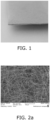
- the distinct structure of the scaffolds resembles a felt-like sheet ( Figure 1 ).
- the process parameters from HaloSpin TM apparatus may be adjusted to obtain different fiber diameter thereby, offering better control over scaffold thickness that resulting in more uniform porosities, and 3D architecture with continuous fiber entanglement along increment of the thickness.
- the continuous production of scaffolds involves adjusting various effective parameters for different polymer recipes. These parameters include solution composition, solution concentration, solution pressure, solution temperature, air volume, air temperature, the number of needles, needle sizes, and belt speed (collection of fibers), either individually or in combination. Such parameter adjustments not only accelerate the process but also enable easier scalability for mass production compared to electrospinning.
- a microfibrous scaffold comprises one or more plant proteins, one or more polysaccharide, and one or more carbohydrate.
- the scaffolds are produced in three steps including preparation of recipe, spinning in HaloSpin TM apparatus, and thermally crosslinking the scaffolds.
- the term "recipe" refers to the final solution prepared for spinning, containing one or more plant proteins, polysaccharide, and carbohydrate in different weight percent.
- spun refers to the solution spun in a HaloSpin TM apparatus by Gelatex.
- curing refers to crosslinking the plant proteins by applying thermal heat on the scaffolds at a certain temperature and time.
- the plant protein in the scaffold is either protein isolates, protein concentrates, protein hydrolysate, peptides, or any other form of plant proteins.
- a protein isolate is > 70% protein and protein concentrate is ⁇ 50% protein, based on individual protein profile scaffold goals can meet up the desired nutritional profile in a product.
- the source of plant protein includes but is not limited to potato, soy, pea, lupin, canola, fava, mung, corn, wheat, rice, barley, sunflower, or derivatives and/or combinations thereof.
- the polysaccharide includes but is not limited to pullulan, starch, pectin, alginate, chitosan or combinations or derivatives thereof.
- the pullulan is a crucial component determining the spinnability of a recipe.
- the carbohydrate includes reducing sugar or sugar alcohols including, but not limiting, dextrose, fructose, galactose, glyceraldehyde, glucose, isomalt, lactitol, maltose, mannitol, maltitol, ribose, sorbitol, xylitol, xylose or combinations thereof.
- the solvents used in dissolving the proteins, polysaccharide, and carbohydrate include water, alcohols, aqueous salts, acetic acid, and formic acid or combinations, therefore.
- the aqueous salts solutions are prepared from salts including NaCl, NaHCO 3 , Na 2 CO 3 , KCl, CaCl 2 , MgCl 2 , Na 2 HPO 4 , KH 2 PO 4 , and MgSO 4 .
- the concentration of a plant protein is in the range of 8 wt% to 26 wt% of the final recipe.
- the concentration of a polysaccharide is in the range of 5 wt% to 15 wt% of the final recipe.
- the concentration of a carbohydrate is in the range of 1 wt% to 5 wt% of the final recipe.
- a small percentage of additive agents are added in the final recipe to enhance the scaffold properties.
- the carbohydrates can be used either to crosslink the plant protein and/or present in the scaffolds as sweetening agents that provide flavor.
- Step 2 Spinning of final recipe.
- the final recipe is spun in a HaloSpin TM apparatus to produce a microfibrous scaffold by adjusting the parameters.
- the composition of a microfibrous scaffold is 60% to 85% plant protein, 10% to 20% polysaccharide, 1% to 10% carbohydrate, or any percentages in-between.
- composition of plant proteins in a microfibrous scaffold may contain one or more proteins.
- composition of plant proteins in a microfibrous scaffold may contain one or more polysaccharides.
- composition of plant proteins in a microfibrous scaffold may contain one or more carbohydrates.
- the fiber diameter may be tuned in-between 0.3 ⁇ m to 3 ⁇ m, by changing the concentration of the final solution or by changing the process parameter or combinations thereof. More specifically, according to the embodiments of the present disclosure, the diameter of the plant-based microfibrous may be 0.3 ⁇ m - 3 ⁇ m.
- the diameter of the plant-based microfibrous can thus be from 0.3, 0.4, 0.5, 0.6, 0.7, 0.8, 0.9, 1.0, 1.1, 1.2, 1.3, 1.4, 1.5, 1.6, 1.7, 1.8, 1.9, 2.0, 2.2, 2.2, 2.3, 2.4, 2.5, 2.6, 2.7, 2.8 or 2.9 ⁇ m up to 0.4, 0.5, 0.6, 0.7, 0.8, 0.9, 1.0, 1.1, 1.2, 1.3, 1.4, 1.5, 1.6, 1.7, 1.8, 1.9, 2.0, 2.2, 2.2, 2.3, 2.4, 2.5, 2.6, 2.7, 2.8, 2.9 or 3.9 ⁇ m.
- the diameter of plant-based microfibrous in this range enables closely to mimic the natural extracellular matrix, which is essential for supporting cell attachment, growth, and differentiation.
- the diameter of the microfibers increases the surface area available for cell interaction, enhancing cell adhesion and proliferation. Additionally, this range allows for creating a porous scaffold structure that facilitates efficient nutrient diffusion and waste removal. This provides improved cell yield and tissue formation, as well as the creation of a more physiologically relevant environment for cultured meat production. This control over fiber diameter ensures the scaffold meets the necessary mechanical and biological requirements for effective large-scale cultured meat applications.
- the scaffold thickness may be tuned in-between 50 ⁇ m to 3 cm, by changing the concentration of the final solution or by changing the process parameter or combinations thereof. More specifically, according to the embodiments of the present disclosure, the thickness of the cell culture scaffold may be 50 ⁇ m - 30 000 ⁇ m.
- the thickness of the cell culture scaffold can thus be from 50, 60, 70, 80, 90, 100, 110, 120, 130, 140, 150, 160, 170, 180, 190, 200, 220, 240, 260, 280, 300, 350, 400, 450, 500, 550, 600, 650, 700, 750, 800, 850, 900, 950, 1000, 1100, 1200, 1300, 1400, 1500, 1600, 1700, 1800, 1900, 2000, 2200, 2400, 2600, 2800, 3000, 3500, 4000, 4500, 5000, 5500, 6000, 6500, 7000, 7500, 8000, 8500, 9000, 9500, 10000, 11000, 12000, 13000, 14000, 15000, 16000, 17000, 18000, 19000, 20000, 22000, 24000, 26000 or 28000 ⁇ m up to 60, 70, 80, 90, 100, 110, 120, 130, 140, 150, 160, 170, 180, 190, 200,
- This range of scaffold thickness allows customization of the scaffold to suit different cell culture requirements and applications in cultured meat production.
- Thinner scaffolds e.g.,50-1000 ⁇ m
- thicker scaffolds up to 30,000 ⁇ m
- This provides the ability to tailor the scaffold thickness to optimize cell growth conditions, improve tissue integrity, and accommodate various types of cells and tissue constructs. This flexibility ensures that the scaffold can support high cell yields and efficient tissue maturation, making it suitable for scalable and diverse cultured meat production applications.
- the thickness of the cell culture scaffold may be 50 ⁇ m - 100 ⁇ m, 200 ⁇ m - 500 ⁇ m, or 1000 ⁇ m - 5000 ⁇ m.
- the cell culture scaffolds in 50 ⁇ m - 100 ⁇ m range enable to achieve enhanced nutrient diffusion and waste removal, thus offering minimal diffusion distances and ensuring that cells receive adequate nutrients and oxygen while efficiently removing metabolic waste. This is particularly important for high-density cell cultures, where maintaining a healthy microenvironment is crucial. Improved structural integrity for complex tissues is achieved with the 200 ⁇ m - 500 ⁇ m range, which balances nutrient diffusion with structural support, making it suitable for more complex tissues that require both. This range can support multilayered cell structures while still allowing sufficient nutrient transport.
- Cell culture scaffolds in the 1000 ⁇ m - 5000 ⁇ m range provide the necessary mechanical strength and structural integrity for larger and more complex tissue constructs. This range is particularly advantageous for developing thicker tissue slices or whole muscle structures, where mechanical stability is crucial for maintaining tissue architecture during growth and differentiation.
- the ability to precisely control scaffold thickness within these narrow ranges allows for the creation of customized microenvironments that can be optimized for different cell types and tissue engineering applications. This level of control is unexpected and advantageous, as it enables researchers and producers to fine-tune the scaffolds for specific cell behaviors and outcomes.
- Step 3 Thermal heating the scaffolds for crosslinking.
- the scaffolds after production are then crosslinked by putting the scaffolds in an oven at a range of 121 °C to 200 °C temperature or any temperature in-between.
- the duration of curing may vary in the range of 2 minutes to 2 hours or any time in-between.
- the amount of scaffold produced in the HaloSpin TM apparatus is 0.1 kg/hour - 25 kg/hour.
- the continuous spinning of a recipe may extend until 20 days to 30 days of operation.
- the randomly oriented fibers are fitted in a single embodiment of the scaffold.
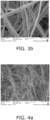
- the SEM images ( Figure 2a , 2b , 3a , 3b , 4a , 4b ) also showed fiber entanglement, high porosity, high surface to volume ratio, and free passages/pathways for the sufficient absorption of nutrients as well as transport/exchange of the same.
- the free pathways are due to the gaps in-between the entangled fibers that help in forming a 3D-interconnecting network throughout the scaffolds.
- the interconnectivity of a microfibrous scaffold is not easily visible in 2D images via SEM. However, the presence of the gaps in the adjacent planes of the SEM image suggested the connection in-between the layers ( Figure 2b , 3b , 4b ).
- the sizes and entanglement of the fibers further enhance cellular activity, including cell adhesion, proliferation, differentiation, and migration, essential processes for tissue development and regeneration.
- the macrofiber scaffold is able to retain hydration, maintaining its structural integrity and providing a supportive environment for cell growth and tissue maturation. Overall, these properties make microfibrous scaffolds well-suited for 3D cell culture and the successful maturation of tissues in tissue engineering endeavors such as culturing meat.
- microfiber scaffolds consist of one or more protein, one or more polysaccharide, and one or more carbohydrate.
- the final recipe used for spinning typically comprises plant proteins, polysaccharide, and carbohydrate.
- the one or more plant-based proteins that are considered, according to the embodiments of the present disclosure, may be selected from a plant protein group comprising potato protein, soy protein, pea protein, lupin protein, canola protein, fava protein, mung protein, corn protein, wheat protein, rice protein, barley protein, or sunflower protein, or combinations or derivatives thereof.
- plant proteins in scaffolds offer several advantages. They are derived from renewable sources; they are environmentally friendly and sustainable. With lower allergenic potential than animal-derived proteins, they are safer for sensitive consumers. Moreover, the lower risk of zoonotic diseases makes them ideal for cultured meat applications.
- Plant proteins' large-scale availability makes them cost-effective, facilitating scalable and mass production of scaffolds.
- plant proteins contain various bioactive compounds, including isoflavones, phytosterols, flavonoids, and tocopherols, which may influence cell behavior. These compounds have been associated with antioxidant, anti-inflammatory, and antimicrobial effects, potentially impacting cell proliferation, differentiation, and signaling pathways in cultured meat applications. Therefore, the scaffold resembling the extracellular matrix, enhances cell adhesion, proliferation, and differentiation.
- the one or more polysaccharides used along with the plant-based proteins for spinning may be selected from a group comprising pullulan, starch, pectin, alginate, chitosan, mushroom-chitosan or combinations or derivatives thereof.
- the polysaccharides offer several benefits in scaffolds for culturing meat. These natural polymers are biocompatible, biodegradable, and contribute to stable and porous scaffold structures. In combination with plant proteins, they provide mechanical support, facilitate cell attachment, proliferation, and differentiation, creating a suitable microenvironment for cultured meat development.
- bioactive compounds such as polysaccharides, isoflavones, and chitosan's antimicrobial properties, may influence cell compatibility and viability. These compounds contribute to the structural strength of the scaffold, ensuring proper support for cell growth and organization.
- the one or more polysaccharides may function as plant-based carrier polymers.
- pullulan might be present as a carrier polymer.
- This carrier polymer helps to improve the processability and spinnability of the nonspinnable polymers, allowing for the fabrication of fibers that would otherwise be challenging to produce.
- the carbohydrates added may be combinations of reducing sugars or sugar alcohols, more specifically, the one or more carbohydrates may be selected from a carbohydrate group comprising dextrose, fructose, galactose, glyceraldehyde, glucose, isomalt, lactitol, maltose, mannitol, maltitol, ribose, sorbitol, xylitol, or xylose or combinations thereof.
- Carbohydrates have a critical role in crosslinking proteins in the scaffolds.
- a crosslinking reaction occurs between carbohydrates and amino groups in proteins. It is a chemical reaction that takes place when proteins and carbohydrates are heated together, leading to the formation of insoluble scaffolds.
- the carbohydrates can be used either to crosslink the protein isolates and/or present in the scaffolds as sweetening agents that provide flavor.
- the crosslinking degree of a microfibrous scaffold may be adjusted to control the desired degradation rate of the material.
- the crosslinking degree can be adjusted by varying the temperature and/or heating time. Also this will affect the other properties such as tensile strength, elongation, flexibility, color, smell, taste, etc.
- the degradation rate of the microfibrous scaffolds may be customized to meet specific needs in culturing cells by varying the concentration of crosslinking agent in the final recipe, modifying the reaction time and temperature, or using a combination of different crosslinking agents.
- the scaffolds may also typically include some additive agents that facilitates: texture, flavor, thickening, bulking, antimicrobial, preservative, pH modulator, coloring, or any combination thereof.
- Additive polymers may be exemplified as modified starch, guar gum, xanthate gum, arabic gum, gellan gum, hemicellulose, gelatin, collagen, citrus fiber, plant-derived dietary fibers, yeast protein extract or any combination thereof.
- the amount of additive in the final recipe is in the range of 1% (w/w) to 5% (w/w).
- HaloSpin TM US Patent Grant Number 11697892
- apparatus utilized here for spinning a final recipe into microfibrous scaffold.
- HaloSpin TM technology is used since it is affordable, simple to process, and doesn't require high voltages. Additionally, this process produces fibers orders of magnitude faster than commercially available spinning methods.
- the detailed description of the HaloSpin TM technology is described in US Patent Grant Number 11697892.
- the polymer solution is pushed through the needles of the apparatus for producing polymer fibers by a pressure driven flow unit and then using air flow the needles are subjected to centrifugal force either at room temperature or applying heat ranging from 30 °C to 80 °C.
- the solvent quickly evaporates, and microfibers entangle upon collection to form scaffolds.
- the amount of solvent present in the fiber may be no more than 0.5% (w/w) to 0.1% (w/w).
- the spinneret can be positioned in different ways to obtain microfibrous in either random or aligned orientation in the scaffold.
- the plant proteins are first dissolved in solvent and kept stirring. Then polysaccharide and carbohydrates are added until the solution becomes homogeneous and spun in the HaloSpin TM apparatus for producing polymer fibers.
- the plant proteins are either one or more in a final recipe.
- An example such as, potato protein isolate can be used alone or along with soy protein isolate.
- the polysaccharides are either one or more in a final recipe.
- An example such as, pullulan can be used alone or along with chitosan.
- the carbohydrates are either one or more in a final recipe.
- An example such as, glucose can be used alone or along with ribose.
- the concentrations of overall carbohydrate dissolved in a final recipe are about 1% (w/w), 2% (w/w), 3% (w/w), 4% (w/w), 5% (w/w) or any concentration in-between.
- an additive agent may or may not be added in the final recipe.
- the concentration of overall additive agent dissolved in the final recipe is 1% (w/w), 1.5% (w/w), 2% (w/w), 3% (w/w), 4% (w/w), 5% (w/w), or any concentration in-between.
- the final mixture is spun in a HaloSpin TM apparatus for producing polymer fibers to obtain a microfiber scaffold.
- the fiber diameter and thickness of the scaffolds may be adjusted by changing the process parameters, concentration of final recipe or combination thereof.
- microfiber diameters and porosity may be tuned by changing the process parameters, concentration of final recipe or combination thereof.
- the position of needles are altered to obtain either randomly or aligned fibers in a microfibrous scaffold and maintain the thickness as stated earlier.
- the thickness, area density, and porosity of the scaffold is changed by adjusting the air volume in the range of 20 m 3 /hour to 35 m 3 /hour or any magnitude in-between.
- the thickness, area density, and porosity of the scaffold is changed by adjusting the temperature of air during spinning in the range of 30 °C to 80 °C or any temperature in-between.
- the thickness, area density, and porosity of the scaffold is changed by adjusting the solution pressure in the range of 0.1 bar to 1.5 bar or any magnitude in-between.
- the thickness, area density, and porosity of the scaffold is changed by adjusting the temperature of the final recipe during spinning in the range of 30 °C to 80 °C or any temperature in-between.
- the thickness, area density, and porosity of the scaffold is changed by adjusting the collection belt speed during spinning in the range of 2.3m/hour to 250m/hour or any speed in-between.
- the scaffolds are then put in an oven at a certain temperature and duration to get a crosslinked scaffold.
- the oven temperatures are kept about 121 °C, 130 °C, 140 °C, 145 °C, 150 °C, 155 °C, 160 °C, 165 °C, 170 °C, 175 °C, 180 °C, 190 °C, 200 °C or any temperatures in-between.
- the scaffolds are kept in the oven for a time duration of about 2 minutes, 45 min, 1 hour, 1.5 hours, 2 hours, or any time frame in-between.
- the two recipes can be spun together to obtain a bi-layer, tri-layer, or hybrid scaffold.
- the cell culture scaffolds according to the embodiments of the present disclosure may be bi-layer, tri-layer, or hybrid containing fibers from one or more homogeneous solution. This enables to create scaffolds with specific properties to meet diverse cell culture requirements.
- Bi-layer and tri-layer scaffolds can provide gradients in mechanical strength, porosity, and nutrient diffusion, which are essential for supporting the growth and differentiation of different cell types within a single scaffold.
- Hybrid scaffolds, containing fibers from multiple homogeneous solutions offer a combination of material properties, enhancing the scaffold's versatility and functionality.
- This provides improved cell growth environments, better mimicry of natural tissue structures, and the ability to support complex tissue engineering applications.
- This multi-layer and hybrid approach ensures the scaffolds can be optimized for high cell yield, structural integrity, and scalability, making them suitable for a wide range of cultured meat production processes.
- the bi-layer scaffold consists of scaffolds from two recipes that are layered on top of each other. This scaffold is a single embodiment of two different layers.
- the tri-layer scaffold consists of scaffold from recipe one in the center and scaffolds from recipe two in top and bottom or vice versa. This scaffold is a single embodiment of three different layers.
- the hybrid scaffold consists of two or more entangled fibers from two or more recipes.
- This scaffold is a single embodiment of two or more recipes where the fibers from two or more recipes are simultaneously spun to achieve profound entanglement of the fibers within the scaffold structure.
- a spinning solution is prepared with one plant protein, one polysaccharide, and one carbohydrate, dissolved in one solvent.
- a recipe of potato scaffold ( Figure 2a and Figure 2b ) contains Potato protein isolate, pullulan, and dextrose.
- a spinning solution is prepared with one plant protein, two polysaccharides, and one carbohydrate, dissolved in one solvent.
- a recipe of Chitosan-Lupin scaffold ( Figure 3a and Figure 3b ) contains Lupin protein isolate, chitosan derived from mushroom, pullulan, and dextrose.
- a spinning solution is prepared with two or more plant proteins, one polysaccharide, and one carbohydrate, dissolved in one solvent.
- a recipe of Soy-potato ( Figure 4a and Figure 4b ) scaffold contains Potato protein isolate, soy protein isolate, pullulan, and dextrose.
- the concentration of formic acid as a solvent is minimum 1% (w/w) or maximum 85% (w/w) or any concentration in-between.
- the concentration of acetic acid as a solvent is minimum 1% (w/w) or maximum 90% (w/w) or any concentration in-between.
- the concentration of alcohol as a solvent is minimum 1% (w/w) or maximum 70% (w/w) or any concentration in-between.
- the concentration of ionic solutions as a solvent is minimum 1% (w/w) or maximum 10% (wt/wt) or any concentration in-between.
- microfibrous scaffolds obtained from any final recipe were analyzed including thickness, fiber diameter, area density, morphology in SEM, swelling and degradation in Phosphate buffer saline (PBS), and tensile test.
- PBS Phosphate buffer saline
- the diameter of individual fibers of the microfibrous scaffold may range up to 0.3 ⁇ m, upto 0.4 ⁇ m, upto 0.5 ⁇ m, upto 0.6, upto 0.7 ⁇ m, upto 0.8 ⁇ m, 0.9 ⁇ m, upto 1 ⁇ m, upto 2 ⁇ m, upto 3 ⁇ m or any ranges in-between and combination thereof.
- the thickness of the scaffolds can be tuned and obtained about 50 ⁇ m, 100 ⁇ m, 200 ⁇ m, 300 ⁇ m, 400 ⁇ m, 500 ⁇ m, 600 ⁇ m, 700 ⁇ m, 800 ⁇ m, 900 ⁇ m, 1 mm, 5 mm, 1 cm, 3 cm, or any dimensions in-between.
- Area density is a unit of measurement used to express the weight of microfibers per unit area of the scaffold, g/m 2 (grams per square meter).
- the area density of the obtained scaffolds is in the range of 2 g/m 2 to 200 g/m 2 or any magnitude in-between. More specifically, according to the embodiments, the area density of the cell culture scaffold may be 2 g/m 2 - 200 g/m 2 .
- the area density of the cell culture scaffold can thus be from 2, 3, 4, 5, 6, 7, 8, 9, 10, 12, 14, 16, 18, 20, 25, 30, 35, 40, 45, 50, 55, 60, 65, 70, 75, 80, 85, 90, 95, 100, 110, 120, 130, 140, 150, 160, 170, 180, or 190 g/m 2 up to 3, 4, 5, 6, 7, 8, 9, 10, 12, 14, 16, 18, 20, 25, 30, 35, 40, 45, 50, 55, 60, 65, 70, 75, 80, 85, 90, 95, 100, 110, 120, 130, 140, 150, 160, 170, 180, 190 or 200 g/m 2 .
- This area density range of the cell culture scaffold enables to provide a cell culture scaffold with optimal material distribution and mechanical properties.
- the cell culture scaffolds having lower area density are lightweight and highly porous, promoting efficient nutrient diffusion and waste removal, which are crucial for cell viability and growth.
- the middle range from 50 g/m 2 to 150 g/m 2 , provides a balanced combination of porosity and mechanical strength, making it suitable for supporting a variety of tissue types while maintaining efficient nutrient transport and waste removal.
- the higher end of the range (150 g/m 2 -200 g/m 2 ) offers increased mechanical strength and structural integrity, supporting more complex and larger tissue constructs. This enables to fine-tune the scaffold's physical properties to meet specific requirements for different cultured meat applications, enhancing cell attachment, proliferation, and differentiation.
- This range of area density ensures that the scaffold can support high cell yields and maintain its structural integrity during large-scale production, making it suitable for diverse and scalable cultured meat production processes.
- microfibrous scaffold's swelling test was conducted in PBS buffer.
- the dry scaffolds were soaked in PBS buffer solution (pH 7.4) for a period of 24 hours.
- the uptake/absorption of PBS was measured gravimetrically using a weighing balance.
- the ratio of the weight of solution absorbed by the scaffolds to the weight of the dry scaffolds by itself was expressed in percentage as % swelling (Equation 1).
- W d is the initial weight of the dry scaffold
- W w is the weight of the fully swelled scaffold after 24 hours.
- % Swelling W w ⁇ W d / W d ⁇ 100
- the degradation behavior measures the change in sample weight over time under simulated physiological conditions.
- the initial weight of scaffolds under dry condition was determined (W i ) and the samples were immersed in PBS and incubated at a temperature of 37 °C, 5% CO 2 . Every two days interval, the buffer was replaced with the fresh PBS buffer, simultaneously the pH of the spent PBS was measured to ascertain the pH drift due to scaffold degradation. The change in pH also determines the presence of solvent residues in case of acidic solvents such as acetic acid and formic acid.
Landscapes
- Health & Medical Sciences (AREA)
- Life Sciences & Earth Sciences (AREA)
- Engineering & Computer Science (AREA)
- Chemical & Material Sciences (AREA)
- Biomedical Technology (AREA)
- Biotechnology (AREA)
- General Health & Medical Sciences (AREA)
- Bioinformatics & Cheminformatics (AREA)
- Genetics & Genomics (AREA)
- Wood Science & Technology (AREA)
- Zoology (AREA)
- Organic Chemistry (AREA)
- Animal Behavior & Ethology (AREA)
- Epidemiology (AREA)
- Transplantation (AREA)
- Oral & Maxillofacial Surgery (AREA)
- Public Health (AREA)
- Veterinary Medicine (AREA)
- Medicinal Chemistry (AREA)
- Rheumatology (AREA)
- Dermatology (AREA)
- Microbiology (AREA)
- Cell Biology (AREA)
- Biochemistry (AREA)
- General Engineering & Computer Science (AREA)
- Botany (AREA)
- Chemical Kinetics & Catalysis (AREA)
- Dispersion Chemistry (AREA)
- Molecular Biology (AREA)
- Apparatus Associated With Microorganisms And Enzymes (AREA)
Applications Claiming Priority (1)
| Application Number | Priority Date | Filing Date | Title |
|---|---|---|---|
| US202363520352P | 2023-08-18 | 2023-08-18 |
Publications (1)
| Publication Number | Publication Date |
|---|---|
| EP4527920A1 true EP4527920A1 (fr) | 2025-03-26 |
Family
ID=92409105
Family Applications (1)
| Application Number | Title | Priority Date | Filing Date |
|---|---|---|---|
| EP24194353.9A Pending EP4527920A1 (fr) | 2023-08-18 | 2024-08-13 | Échafaudages microfibreux à base de plantes pour la culture de viande |
Country Status (2)
| Country | Link |
|---|---|
| US (1) | US20250059513A1 (fr) |
| EP (1) | EP4527920A1 (fr) |
Citations (5)
| Publication number | Priority date | Publication date | Assignee | Title |
|---|---|---|---|---|
| US20200245658A1 (en) * | 2019-02-01 | 2020-08-06 | Nanofiber Solutions, Llc | Electrospun polymer fibers for cultured meat production |
| WO2022038240A2 (fr) * | 2020-08-21 | 2022-02-24 | Merck Patent Gmbh | Structure de type tissu consommable générée avec des cellules musculaires cultivées sur des fibres creuses comestibles |
| WO2022249076A1 (fr) * | 2021-05-25 | 2022-12-01 | Innocent Meat GmbH | Procédés de production de microsupports/hydrogels macroporeux, sphériques et biodégradables pour l'agriculture cellulaire |
| CN116536257A (zh) * | 2023-05-09 | 2023-08-04 | 中国海洋大学 | 一种用于细胞肉的可食性微载体及其制备方法 |
| WO2024059358A1 (fr) * | 2022-09-16 | 2024-03-21 | Tender Food, Inc. | Produits de viande mélangée à base de cellules végétales et animales et leurs procédés de production |
-
2024
- 2024-08-09 US US18/799,131 patent/US20250059513A1/en active Pending
- 2024-08-13 EP EP24194353.9A patent/EP4527920A1/fr active Pending
Patent Citations (5)
| Publication number | Priority date | Publication date | Assignee | Title |
|---|---|---|---|---|
| US20200245658A1 (en) * | 2019-02-01 | 2020-08-06 | Nanofiber Solutions, Llc | Electrospun polymer fibers for cultured meat production |
| WO2022038240A2 (fr) * | 2020-08-21 | 2022-02-24 | Merck Patent Gmbh | Structure de type tissu consommable générée avec des cellules musculaires cultivées sur des fibres creuses comestibles |
| WO2022249076A1 (fr) * | 2021-05-25 | 2022-12-01 | Innocent Meat GmbH | Procédés de production de microsupports/hydrogels macroporeux, sphériques et biodégradables pour l'agriculture cellulaire |
| WO2024059358A1 (fr) * | 2022-09-16 | 2024-03-21 | Tender Food, Inc. | Produits de viande mélangée à base de cellules végétales et animales et leurs procédés de production |
| CN116536257A (zh) * | 2023-05-09 | 2023-08-04 | 中国海洋大学 | 一种用于细胞肉的可食性微载体及其制备方法 |
Non-Patent Citations (3)
| Title |
|---|
| LEKO LIN ET AL: "Alimentary 'green' proteins as electrospun scaffolds for skin regenerative engineering : Electrospun soy scaffold for regenerative engineering", JOURNAL OF TISSUE ENGINEERING AND REGENERATIVE MEDICINE, vol. 7, no. 12, 1 December 2013 (2013-12-01), US, pages 994 - 1008, XP055384956, ISSN: 1932-6254, DOI: 10.1002/term.1493 * |
| WONGKANYA RATCHADA ET AL: "Electrospinning of alginate/soy protein isolated nanofibers and their release characteristics for biomedical applications", JOURNAL OF SCIENCE: ADVANCED MATERIALS AND DEVICES, vol. 2, no. 3, 1 September 2017 (2017-09-01), pages 309 - 316, XP093246793, ISSN: 2468-2179, DOI: 10.1016/j.jsamd.2017.05.010 * |
| XIANG NING ET AL: "3D porous scaffolds from wheat glutenin for cultured meat applications", BIOMATERIALS, ELSEVIER, AMSTERDAM, NL, vol. 285, 27 April 2022 (2022-04-27), XP087061870, ISSN: 0142-9612, [retrieved on 20220427], DOI: 10.1016/J.BIOMATERIALS.2022.121543 * |
Also Published As
| Publication number | Publication date |
|---|---|
| US20250059513A1 (en) | 2025-02-20 |
Similar Documents
| Publication | Publication Date | Title |
|---|---|---|
| JP7766877B6 (ja) | 複合生体材料 | |
| Nagahama et al. | Preparation of biodegradable chitin/gelatin membranes with GlcNAc for tissue engineering applications | |
| Chen et al. | Preparation and characterization of coaxial electrospun thermoplastic polyurethane/collagen compound nanofibers for tissue engineering applications | |
| Shishatskaya et al. | Degradation of P (3HB) and P (3HB-co-3HV) in biological media | |
| Hsieh et al. | Cell culture and characterization of cross-linked poly (vinyl alcohol)-g-starch 3D scaffold for tissue engineering | |
| Rao et al. | A review on directional muscle cell growth in scaffolding biomaterials with aligned porous structures for cultivated meat production | |
| Chen et al. | Macroporous poly (l-lactic acid)/chitosan nanofibrous scaffolds through cloud point thermally induced phase separation for enhanced bone regeneration | |
| CN101624472B (zh) | 一种细胞培养用大孔微载体及其制备方法和用途 | |
| Ma et al. | The three-dimensional culture of L929 and C2C12 cells based on SPI-SA interpenetrating network hydrogel scaffold with excellent mechanical properties | |
| JP7823174B2 (ja) | pH誘起相分離による食用架橋多孔質中空繊維及び膜の製造方法並びにその使用 | |
| Wen et al. | Enzymatic and ionic crosslinked gelatin/K‐carrageenan IPN hydrogels as potential biomaterials | |
| Jiao et al. | Preparation, mechanical and biological properties of inkjet printed alginate/gelatin hydrogel | |
| Yin et al. | Improvement in mechanical properties and biocompatibility of biosynthetic bacterial cellulose/lotus root starch composites | |
| Pereira et al. | Three‐dimensional nanofibrous and porous scaffolds of poly (ε‐caprolactone)‐chitosan blends for musculoskeletal tissue engineering | |
| Jetbumpenkul et al. | Balanced electrostatic blending approach–An alternative to chemical crosslinking of Thai silk fibroin/gelatin scaffold | |
| CN110452413A (zh) | 一种胶原蛋白交联剂组合物及其应用 | |
| US20250059513A1 (en) | Plant-based microfibrous scaffolds for culturing meat | |
| Seibert et al. | Trends in non-animal scaffolds for cultured meat structuration | |
| Das et al. | Double porous poly (Ɛ-caprolactone)/chitosan membrane scaffolds as niches for human mesenchymal stem cells | |
| US20130302896A1 (en) | Soy-protein containing porous materials | |
| CN109310804A (zh) | 组织结构支架 | |
| BRPI0815761B1 (pt) | Transportador celular contendo colágeno | |
| US20250207096A1 (en) | Methods and compositions for the preparation of fibrous muscle bundles for cultivated meat production | |
| Shang et al. | Scaffolding Strategies in Mimicking Muscle and Fat Tissue: Focus on the Current Primary Challenge in Cultured Meat | |
| EP4624640A1 (fr) | Production de cellules contenant des fibres pour la viande artificielle |
Legal Events
| Date | Code | Title | Description |
|---|---|---|---|
| PUAI | Public reference made under article 153(3) epc to a published international application that has entered the european phase |
Free format text: ORIGINAL CODE: 0009012 |
|
| STAA | Information on the status of an ep patent application or granted ep patent |
Free format text: STATUS: THE APPLICATION HAS BEEN PUBLISHED |
|
| AK | Designated contracting states |
Kind code of ref document: A1 Designated state(s): AL AT BE BG CH CY CZ DE DK EE ES FI FR GB GR HR HU IE IS IT LI LT LU LV MC ME MK MT NL NO PL PT RO RS SE SI SK SM TR |
|
| STAA | Information on the status of an ep patent application or granted ep patent |
Free format text: STATUS: REQUEST FOR EXAMINATION WAS MADE |
|
| 17P | Request for examination filed |
Effective date: 20250912 |