EP4534094A1 - Composition pour prévenir, traiter ou atténuer des maladies métaboliques comprenant une souche de lactobacillus plantarum nchbl-004 ou un milieu de culture de celle-ci - Google Patents
Composition pour prévenir, traiter ou atténuer des maladies métaboliques comprenant une souche de lactobacillus plantarum nchbl-004 ou un milieu de culture de celle-ci Download PDFInfo
- Publication number
- EP4534094A1 EP4534094A1 EP23812038.0A EP23812038A EP4534094A1 EP 4534094 A1 EP4534094 A1 EP 4534094A1 EP 23812038 A EP23812038 A EP 23812038A EP 4534094 A1 EP4534094 A1 EP 4534094A1
- Authority
- EP
- European Patent Office
- Prior art keywords
- nchbl
- lactobacillus plantarum
- strain
- obesity
- composition
- Prior art date
- Legal status (The legal status is an assumption and is not a legal conclusion. Google has not performed a legal analysis and makes no representation as to the accuracy of the status listed.)
- Pending
Links
Images






Classifications
-
- A—HUMAN NECESSITIES
- A61—MEDICAL OR VETERINARY SCIENCE; HYGIENE
- A61P—SPECIFIC THERAPEUTIC ACTIVITY OF CHEMICAL COMPOUNDS OR MEDICINAL PREPARATIONS
- A61P1/00—Drugs for disorders of the alimentary tract or the digestive system
- A61P1/16—Drugs for disorders of the alimentary tract or the digestive system for liver or gallbladder disorders, e.g. hepatoprotective agents, cholagogues, litholytics
-
- A—HUMAN NECESSITIES
- A61—MEDICAL OR VETERINARY SCIENCE; HYGIENE
- A61K—PREPARATIONS FOR MEDICAL, DENTAL OR TOILETRY PURPOSES
- A61K35/00—Medicinal preparations containing materials or reaction products thereof with undetermined constitution
- A61K35/66—Microorganisms or materials therefrom
- A61K35/74—Bacteria
- A61K35/741—Probiotics
- A61K35/744—Lactic acid bacteria, e.g. enterococci, pediococci, lactococci, streptococci or leuconostocs
- A61K35/747—Lactobacilli, e.g. L. acidophilus or L. brevis
-
- A—HUMAN NECESSITIES
- A23—FOODS OR FOODSTUFFS; TREATMENT THEREOF, NOT COVERED BY OTHER CLASSES
- A23L—FOODS, FOODSTUFFS OR NON-ALCOHOLIC BEVERAGES, NOT OTHERWISE PROVIDED FOR; PREPARATION OR TREATMENT THEREOF
- A23L33/00—Modifying nutritive qualities of foods; Dietetic products; Preparation or treatment thereof
- A23L33/10—Modifying nutritive qualities of foods; Dietetic products; Preparation or treatment thereof using additives
- A23L33/135—Bacteria or derivatives thereof, e.g. probiotics
-
- A—HUMAN NECESSITIES
- A61—MEDICAL OR VETERINARY SCIENCE; HYGIENE
- A61P—SPECIFIC THERAPEUTIC ACTIVITY OF CHEMICAL COMPOUNDS OR MEDICINAL PREPARATIONS
- A61P3/00—Drugs for disorders of the metabolism
- A61P3/04—Anorexiants; Antiobesity agents
-
- A—HUMAN NECESSITIES
- A61—MEDICAL OR VETERINARY SCIENCE; HYGIENE
- A61P—SPECIFIC THERAPEUTIC ACTIVITY OF CHEMICAL COMPOUNDS OR MEDICINAL PREPARATIONS
- A61P3/00—Drugs for disorders of the metabolism
- A61P3/06—Antihyperlipidemics
-
- A—HUMAN NECESSITIES
- A61—MEDICAL OR VETERINARY SCIENCE; HYGIENE
- A61P—SPECIFIC THERAPEUTIC ACTIVITY OF CHEMICAL COMPOUNDS OR MEDICINAL PREPARATIONS
- A61P9/00—Drugs for disorders of the cardiovascular system
-
- C—CHEMISTRY; METALLURGY
- C12—BIOCHEMISTRY; BEER; SPIRITS; WINE; VINEGAR; MICROBIOLOGY; ENZYMOLOGY; MUTATION OR GENETIC ENGINEERING
- C12N—MICROORGANISMS OR ENZYMES; COMPOSITIONS THEREOF; PROPAGATING, PRESERVING, OR MAINTAINING MICROORGANISMS; MUTATION OR GENETIC ENGINEERING; CULTURE MEDIA
- C12N1/00—Microorganisms; Compositions thereof; Processes of propagating, maintaining or preserving microorganisms or compositions thereof; Processes of preparing or isolating a composition containing a microorganism; Culture media therefor
- C12N1/20—Bacteria; Culture media therefor
-
- C—CHEMISTRY; METALLURGY
- C12—BIOCHEMISTRY; BEER; SPIRITS; WINE; VINEGAR; MICROBIOLOGY; ENZYMOLOGY; MUTATION OR GENETIC ENGINEERING
- C12N—MICROORGANISMS OR ENZYMES; COMPOSITIONS THEREOF; PROPAGATING, PRESERVING, OR MAINTAINING MICROORGANISMS; MUTATION OR GENETIC ENGINEERING; CULTURE MEDIA
- C12N1/00—Microorganisms; Compositions thereof; Processes of propagating, maintaining or preserving microorganisms or compositions thereof; Processes of preparing or isolating a composition containing a microorganism; Culture media therefor
- C12N1/20—Bacteria; Culture media therefor
- C12N1/205—Bacterial isolates
-
- C—CHEMISTRY; METALLURGY
- C12—BIOCHEMISTRY; BEER; SPIRITS; WINE; VINEGAR; MICROBIOLOGY; ENZYMOLOGY; MUTATION OR GENETIC ENGINEERING
- C12R—INDEXING SCHEME ASSOCIATED WITH SUBCLASSES C12C - C12Q, RELATING TO MICROORGANISMS
- C12R2001/00—Microorganisms ; Processes using microorganisms
- C12R2001/01—Bacteria or Actinomycetales ; using bacteria or Actinomycetales
- C12R2001/225—Lactobacillus
- C12R2001/25—Lactobacillus plantarum
Definitions
- the present disclosure was carried out with support from the Ministry of Education, under Project ID. Number 1320213639 and Sub-project Number 2021-3639.
- the National Research Foundation of Korea served as the research management agency, with the project titled "Support Project for Practicalization of Korean Creative Assets” and the research project titled “Evaluation of the Efficacy of Honeybee-Derived Lactic Acid Bacteria in Reducing Body Fat and Lowering Blood Glucose Levels in Animal Models.”
- the principal institution overseeing the project is the Chonnam National University Industry-Academic Cooperation Foundation, and the research period spans from October 1, 2021, to January 31, 2022.
- the present disclosure relates to a composition including Lactobacillus plantarum NCHBL-004 strain or a culture thereof for the prevention, treatment, or alleviation of metabolic diseases. More specifically, the present disclosure relates to a technology for applying either a culture or live bacteria of Lactobacillus plantarum NCHBL-004 to the prevention, treatment, or alleviation of metabolic diseases, including obesity, diabetes, and non-alcoholic fatty liver disease (NAFLD).
- NASH non-alcoholic fatty liver disease
- Non-alcoholic fatty liver disease accounts for 70-90% of chronic hepatitis cases.
- NASH non-alcoholic steatohepatitis
- Lactobacillus species are lactic acid bacteria that undergo homo- or heterofermentation. Commonly found in the fermentation processes of dairy products and vegetables, they are generally classified as beneficial bacteria. Recent studies have reported that administering beneficial intestinal bacteria such as Lactobacillus or Bifidobacterium (i.e., probiotics) has demonstrated effects on weight reduction, alleviation of fatty liver and inflammation in adipose tissues, and correction of gut microbiota imbalance in obesity models induced by high-fat diets.
- beneficial intestinal bacteria such as Lactobacillus or Bifidobacterium (i.e., probiotics) has demonstrated effects on weight reduction, alleviation of fatty liver and inflammation in adipose tissues, and correction of gut microbiota imbalance in obesity models induced by high-fat diets.
- Lactobacillus plantarum derived from honeybees demonstrates a strong inhibitory effect on adipocyte differentiation and an excellent effect on obesity alleviation.
- the present disclosure aims to provide a pharmaceutical composition including Lactobacillus plantarum NCHBL-004 strain or a culture thereof for the prevention or treatment of metabolic diseases.
- the present disclosure is to provide a health-functional food composition including Lactobacillus plantarum NCHBL-004 strain or a culture thereof for the alleviation of metabolic diseases.
- the present disclosure relates to a use of Lactobacillus plantarum NCHBL-004 strain or a culture thereof for the prevention, treatment, or alleviation of metabolic diseases.
- the present disclosure relates to a composition including Lactobacillus plantarum NCHBL-004 strain or a culture thereof for the prevention, treatment, or alleviation of metabolic diseases.
- the composition according to the present disclosure not only inhibits adipocyte differentiation and weight gain but also exhibits blood glucose-lowering effects.
- One aspect of the present disclosure is a pharmaceutical composition including Lactobacillus plantarum NCHBL-004 strain or a culture thereof for the prevention or treatment of metabolic diseases.
- the strain may be deposited under accession number KCTC14909BP.
- the strain may be in the form of live bacteria, dead bacteria, or a mixture thereof, and, for example, may be live bacteria, but is not limited thereto.
- the composition may contain the strain at a concentration of 5x 10 5 to 5x10 11 CFU/ml, preferably at 5x10 5 to 5x10 9 CFU/ml, 5x10 5 to 5x10 7 CFU/ml, or 5x10 7 to 5x10 11 CFU/ml, and, for example, may be at a concentration of 5x10 7 to 5x10 9 CFU/ml, but is not limited thereto.
- the pharmaceutical composition may include Lactobacillus plantarum NCHBL-004 strain or a culture thereof in a pharmaceutically effective amount and/or a pharmaceutically acceptable carrier.
- pharmaceutically effective amount refers to an amount sufficient to achieve the efficacy or activity of the culture of Lactobacillus sakei CVL-001 strain described above.
- composition according to the present disclosure may be administered to mammals, including humans, by various routes. All administration modes that are used commonly may be contemplated, and for example, administration may take oral, dermal, intravenous, intramuscular, or subcutaneous routes, with preference for an oral route.
- An appropriate dosage of the pharmaceutical composition may vary depending on factors such as the formulation method, administration method, age, body weight, sex, pathological condition of the patient, food intake, administration time, administration route, excretion rate, and response sensitivity. A skilled practitioner can readily determine and prescribe a dosage effective for the desired treatment or prevention.
- the pharmaceutical composition of the present disclosure may be formulated, along with a pharmaceutically acceptable carrier and/or excipient, in a unit dosage form or incorporated into a multi-dose container using methods well-known to those skilled in the art.
- the formulation may be in the form of a solution, suspension, or emulsion in an oil or aqueous medium, an extract, pulvis, granules, tablets, capsules, or gels (e.g., hydrogel) and may further include dispersing or stabilizing agents.
- Another aspect of the present disclosure is a health-functional food composition containing Lactobacillus plantarum NCHBL-004 strain or a culture thereof for the alleviation of metabolic diseases.
- the strain may be deposited under accession number KCTC14909BP.
- the composition may contain the strain at a concentration of 5x10 5 to 5x10 11 CFU/ml, preferably at 5 ⁇ 10 5 to 5x10 9 CFU/ml, 5x10 5 to 5x10 7 CFU/ml, or 5x10 7 to 5x10 11 CFU/ml, and, for example, at a concentration of 5x10 7 to 5x10 9 CFU/ml, but is not limited thereto.
- the culture may be a culture supernatant obtained by culturing the strain and removing the bacterial body mass, or a concentrate, fraction, or lyophilizate thereof, and, for example, may be a culture supernatant, but is not limited thereto.
- the health-functional food composition of the present disclosure When using the health-functional food composition of the present disclosure as a food additive, it may be added directly or used with other foods or food ingredients, and it may be appropriately used following conventional methods. Typically, in the preparation of foods or beverages, the food composition of the present disclosure may be added in an amount of 15% by weight or less and preferably in an amount of 10% by weight or less, based on the weight of the raw material.
- foods to which the substance may be added include meat, sausages, bread, chocolate, candies, snacks, cookies, pizza, ramen, noodles, gum, dairy products including ice cream, various soups, beverages, tea, drinks, alcoholic beverages, and vitamin complexes, encompassing all foods in the usual sense.
- the beverage may contain various flavoring agents or natural carbohydrates as additional components.
- natural carbohydrates include monosaccharides such as glucose and fructose, disaccharides such as maltose and sucrose, and natural sweeteners like dextrin and cyclodextrin, as well as artificial sweeteners such as saccharin and aspartame.
- the ratio of the natural carbohydrate can be appropriately determined by those skilled in the art.
- the present disclosure pertains to a pharmaceutical composition including Lactobacillus plantarum NCHBL-004 strain or a culture thereof for the prevention or treatment of metabolic diseases.
- the "%" used to indicate the concentration of a particular substance represents (weight/weight)% for solid/solid mixtures, (weight/volume)% for solid/liquid mixtures, and (volume/volume)% for liquid/liquid mixtures.
- Lactobacillus kunkeei NCHBL-003 and Lactobacillus plantarum NCHBL-004 were phylogenetically identified by sequencing the 16S rRNA gene. Using the PHYDIT program, the 16S rRNA gene were compared with those of other Lactobacillus strains on the basis of the similarity of primary and secondary structures. TABLE 1 SEQ ID NO: Name Sequence 1 Lactobac illus plantaru m NCHBL-004 16S rRNA
- Live Lactobacillus kunkeei NCHBL-003 and Lactobacillus plantarum NCHBL-004 strains (1 ⁇ 10 8 CFU/ml) isolated from the honeybee gut were cultured for 24 hours in DMEM (high glucose). After centrifugation, the supernatant was collected, adjusted to pH 7.4, and sterilized using a syringe filter (0.2 ⁇ m) before storage.
- Cytotoxicity can be assessed by measuring lactate dehydrogenase (LDH) released from dead cells.
- 3T3-L1 preadipocyte cells purchased from the Korean Cell Line Bank were maintained by passages in DMEM supplemented with 10% bovine calf serum (BCS) and 1% penicillin-streptomycin (PS). Cells were seeded at a density of 1 ⁇ 10 5 cells/ml in 0.2 ml of medium supplemented with 10% fetal bovine serum (FBS) and 1% PS in 48-well plates. Upon reaching 100% confluence (designated as Day -2) after inoculation on the plate, cells were further cultured for two additional days such that all cells cultured in the plates were in cell cycle arrest at the G1 phase.
- FBS fetal bovine serum
- Cytotoxicity was evaluated by calculating the percentage of LDH released from Lactobacillus kunkeei NCHBL-003 and Lactobacillus plantarum NCHBL-004 cultures (0%, 12.5%, 25%, 50%).
- 3T3-L1 preadipocyte cells were seeded at a density of 1 ⁇ 10 5 cells/ml in 1 ml of medium containing 10% FBS and 1% PS in 12-well plates. On Day 0, two days after reaching 100% confluence, the culture (0%, 12.5%, 25%, 50%) and the differentiation inducer MDI were added to the cells.
- the cells were then stained for 20 minutes with Oil Red O staining solution, prepared by mixing Oil Red O dye and distilled water at a 6:4 ratio. After washing twice with distilled water, the cells were observed and photographed under a microscope. The Oil Red O stain was then extracted with 100% isopropanol, and the absorbance was read at 510 nm to quantitatively analyze the degree of differentiation.
- Oil Red O staining solution prepared by mixing Oil Red O dye and distilled water at a 6:4 ratio. After washing twice with distilled water, the cells were observed and photographed under a microscope.
- the Oil Red O stain was then extracted with 100% isopropanol, and the absorbance was read at 510 nm to quantitatively analyze the degree of differentiation.
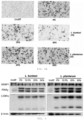
- treatment with MDI increased differentiation of 3T3-L1 cells into adipocytes
- treatment with Lactobacillus kunkeei NCHBL-003 culture significantly reduced the number of adipocytes in a dose-dependent manner.
- the number of adipocytes did not decrease with treatment using Lactobacillus plantarum NCHBL-004 culture.
- SREBP1c sterol regulatory element-binding protein 1c
- PPAR ⁇ peroxisome proliferator-activated receptor- ⁇
- C/EBP ⁇ C/EBP ⁇
- 3T3-L1 cells were seeded at a density of 1 ⁇ 10 5 cells/ml in 12-well plates and cultured as described previously with or without treatment of lactic acid bacteria culture until Day 8.
- the cells from each group were collected using a cell scraper, and proteins were extracted using a protein lysis buffer containing a protease inhibitor.
- Equal amounts of protein were loaded onto an SDS-PAGE gel and separated by molecular weight, followed by transfer to a PVDF (Polyvinylidene fluoride) membrane.
- the transferred membrane was incubated with primary antibodies-SREBP1c (#ab28481, Abcam), PPAR ⁇ (#2443S, Cell Signaling Technology), C/EBP ⁇ (#8178T, Cell Signaling Technology), and ⁇ -actin (#sc-47778, Santa Cruz Biotechnology)-at 4°C for 18 hours, followed by washing with TBST buffer.
- Lactobacillus kunkeei NCHBL-003 and Lactobacillus plantarum NCHBL-004 (1 ⁇ 10 8 CFU/ml) were cultured on solid plates (MRS agar) for 24 hours at 30°C. A single colony was then selected and pre-cultured in liquid medium (MRS broth). The pre-culture was conducted in 5 ml medium at 150 rpm and 30°C for 24 hours, after which it was diluted tenfold and main-cultured under the same conditions for 3 hours.
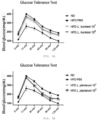
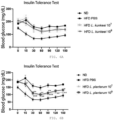
- mice Seven-week-old male C57BL/6 mice were fed either a normal diet or a high-fat diet along with administration of the live bacterial suspension. Two weeks after the start of the normal or high-fat diet, body weights were measured, and mice were allocated to groups to ensure equal average body weight per group. Starting from the third week of diet administration, body weights were measured weekly. Glucose tolerance tests were performed in week 10, insulin tolerance tests in week 15, and organ weights were measured at dissection in week 16.
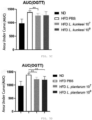
- mice were set as follows, with each group containing 10 mice: TABLE 2 Group Diet Oral administration G1 General diet PBS (phosphate buffered saline) G2 High-fat diet PBS G3 High-fat diet Lactobacillus kunkeei NCHBL-003 1*10 7 CFU/mouse G4 High-fat diet Lactobacillus kunkeei NCHBL-003 1*10 9 CFU/mouse G5 High-fat diet Lactobacillus plantarum NCHBL-004 1*10 7 CFU/mouse G6 High-fat diet Lactobacillus plantarum NCHBL-004 1*10 9 CFU/mouse
- the area under the curve (AUC) calculated from the insulin tolerance test indicated that while the groups receiving Lactobacillus kunkeei NCHBL-003 (G3, G4) had reduced blood glucose levels compared to G2, these reductions were not statistically significant. However, the groups administered Lactobacillus plantarum NCHBL-004 at concentrations of 1 ⁇ 10 7 CFU and 1 ⁇ 10 9 CFU (G5, G6) showed significantly lower AUC values compared to G2.
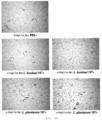
- liver and adipose tissues were fixed in a 10% formalin solution, embedded in paraffin, and sectioned into 3 ⁇ m-thick slides. The sections were stained with hematoxylin and eosin (H&E) to stain the nuclei and cytoplasm, and images were captured at 100x magnification using an optical microscope with a mounted digital camera.
- H&E hematoxylin and eosin
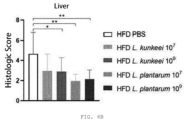
- the histopathological evaluation of non-alcoholic fatty liver disease (NAFLD) was based on the following criteria: steatosis (0-3), hepatocellular ballooning (0-3), and lobular inflammatory cell infiltration (0-2). The size of adipocytes in adipose tissue was measured using the ImageJ program.
- NAFLD non-alcoholic fatty liver disease
- Real-time PCR was performed using the Rotor-Gene Q (QIAGEN), and expression levels were analyzed with quantitative software.
- the amplified products from real-time PCR were quantified using the comparative cycle threshold (Ct) method, with the housekeeping gene 18S rRNA serving as the internal control for normalization across samples.
- Ct comparative cycle threshold
- Primer sequences for each gene used in PCR are shown in Table 6. TABLE 6 SEQ ID NO: Name Sequence 2 18S rRNA forward primer AGGAGCTGAAGGGCCACGGG 3 18S rRNA reverse primer TGGGAACAGTGACGCGGGTC
- the average size of adipocytes was reduced in the group administered Lactobacillus kunkeei NCHBL-003 at a concentration of 1x10 9 CFU (G4) along with a high-fat diet.
- the groups fed Lactobacillus plantarum NCHBL-004 along with a high-fat diet showed a reduction in the average adipocyte size, with a statistically significant reduction observed in the group administered 1x10 9 CFU (G6).
- the primers used for expression analysis are shown in Table 7.
- adiponectin is primarily produced in adipocytes, playing a crucial role in regulating glucose and lipid metabolism, enhancing insulin sensitivity, and decreasing in cases of metabolic syndrome.
- GLUT4 glucose transporter type 4
- GLUT4 glucose transporter type 4
- HSL Hormone-sensitive lipase
- ATGL adipose triglyceride lipase
- CPT1A Carnitine palmitoyltransferase 1A promotes mitochondrial fatty acid ⁇ -oxidation.
- PPAR ⁇ peroxisome proliferator-activated receptor- ⁇
- C/EBP ⁇ CCAAT-enhancer binding protein
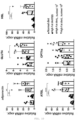
- Lactobacillus plantarum NCHBL-004 As shown in FIG. 11 , administration of Lactobacillus plantarum NCHBL-004 at a concentration of 1 ⁇ 10 7 CFU (G5), along with the high-fat diet, resulted in a reduction in the expression of these genes, with statistically significant reductions observed in C/EBP ⁇ and aP2.
- Lactobacillus plantarum NCHBL-004 was administered at 1x10 9 CFU (G6), reductions in PPAR ⁇ and aP2 gene expression were observed, although these were not statistically significant.
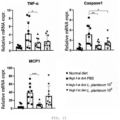
- TNF ⁇ tumor necrosis factor ⁇
- MCP1 monocyte chemoattractant protein-1
- the present disclosure relates to a composition including Lactobacillus plantarum NCHBL-004 strain or a culture thereof for the prevention, treatment, or alleviation of metabolic diseases. More specifically, the present disclosure relates to a technology for applying either a culture or live bacteria of Lactobacillus plantarum NCHBL-004 to the prevention, treatment, or alleviation of metabolic diseases, including obesity, diabetes, and non-alcoholic fatty liver disease (NAFLD).
- NASH non-alcoholic fatty liver disease
Landscapes
- Health & Medical Sciences (AREA)
- Life Sciences & Earth Sciences (AREA)
- Chemical & Material Sciences (AREA)
- Engineering & Computer Science (AREA)
- Organic Chemistry (AREA)
- Bioinformatics & Cheminformatics (AREA)
- Medicinal Chemistry (AREA)
- General Health & Medical Sciences (AREA)
- Microbiology (AREA)
- Biotechnology (AREA)
- Genetics & Genomics (AREA)
- Pharmacology & Pharmacy (AREA)
- Wood Science & Technology (AREA)
- Zoology (AREA)
- Veterinary Medicine (AREA)
- Public Health (AREA)
- Animal Behavior & Ethology (AREA)
- Mycology (AREA)
- Chemical Kinetics & Catalysis (AREA)
- General Chemical & Material Sciences (AREA)
- Nuclear Medicine, Radiotherapy & Molecular Imaging (AREA)
- General Engineering & Computer Science (AREA)
- Biochemistry (AREA)
- Biomedical Technology (AREA)
- Virology (AREA)
- Tropical Medicine & Parasitology (AREA)
- Obesity (AREA)
- Hematology (AREA)
- Diabetes (AREA)
- Molecular Biology (AREA)
- Epidemiology (AREA)
- Heart & Thoracic Surgery (AREA)
- Cardiology (AREA)
- Child & Adolescent Psychology (AREA)
- Nutrition Science (AREA)
- Food Science & Technology (AREA)
- Polymers & Plastics (AREA)
- Gastroenterology & Hepatology (AREA)
- Medicines Containing Material From Animals Or Micro-Organisms (AREA)
- Micro-Organisms Or Cultivation Processes Thereof (AREA)
Applications Claiming Priority (3)
| Application Number | Priority Date | Filing Date | Title |
|---|---|---|---|
| KR20220064168 | 2022-05-25 | ||
| KR1020220128076A KR102639561B1 (ko) | 2022-05-25 | 2022-10-06 | 락토바실러스 플란타룸 nchbl-004 균주 또는 이의 배양액을 이용한 비만, 당뇨 또는 지방간을 포함하는 대사성 질환 예방, 치료 또는 개선용 조성물 |
| PCT/KR2023/006344 WO2023229263A1 (fr) | 2022-05-25 | 2023-05-10 | Composition pour prévenir, traiter ou atténuer des maladies métaboliques comprenant une souche de lactobacillus plantarum nchbl-004 ou un milieu de culture de celle-ci |
Publications (2)
| Publication Number | Publication Date |
|---|---|
| EP4534094A1 true EP4534094A1 (fr) | 2025-04-09 |
| EP4534094A4 EP4534094A4 (fr) | 2025-09-03 |
Family
ID=88919555
Family Applications (1)
| Application Number | Title | Priority Date | Filing Date |
|---|---|---|---|
| EP23812038.0A Pending EP4534094A4 (fr) | 2022-05-25 | 2023-05-10 | Composition pour prévenir, traiter ou atténuer des maladies métaboliques comprenant une souche de lactobacillus plantarum nchbl-004 ou un milieu de culture de celle-ci |
Country Status (5)
| Country | Link |
|---|---|
| US (1) | US20250325607A1 (fr) |
| EP (1) | EP4534094A4 (fr) |
| JP (1) | JP2025518584A (fr) |
| CN (1) | CN119343145A (fr) |
| WO (1) | WO2023229263A1 (fr) |
Families Citing this family (1)
| Publication number | Priority date | Publication date | Assignee | Title |
|---|---|---|---|---|
| CN121191737B (zh) * | 2025-11-24 | 2026-02-27 | 西安市第一医院 | 基于代谢异常的老年心衰早期筛查与分级管理系统 |
Family Cites Families (7)
| Publication number | Priority date | Publication date | Assignee | Title |
|---|---|---|---|---|
| KR100686558B1 (ko) * | 2004-09-02 | 2007-02-23 | 씨제이 주식회사 | 체지방 저하 기능성 락토바실러스 플랜타륨와 이를 함유한 식품 |
| KR102420930B1 (ko) * | 2019-12-20 | 2022-07-15 | 경희대학교 산학협력단 | 미립화된 유산균 사균체를 포함하는 비만 예방 및 치료용 조성물 |
| AU2020418312B2 (en) * | 2019-12-31 | 2024-05-02 | Gi Biome | Lactobacillus plantarum strain, and composition for preventing or treating metabolic diseases containing same |
| KR102163551B1 (ko) * | 2020-04-21 | 2020-10-07 | (주) 에이투젠 | 락토바실러스 플란타룸 atg-k2 또는 atg-k6를 함유하는 지질관련 대사성 질환의 예방 및 치료용 조성물 |
| KR20220011293A (ko) * | 2020-07-21 | 2022-01-28 | 주식회사 종근당바이오 | 대사성 질환의 예방 또는 치료 활성을 갖는 락토바실러스 플란타룸 사균체 |
| KR102486265B1 (ko) | 2020-11-11 | 2023-01-10 | 박방림 | 고 효율 축류 터빈의 개량구조 |
| KR102635051B1 (ko) | 2021-03-12 | 2024-02-08 | 김정배 | 저염 간새우장의 제조방법 및 이에 따라 제조된 간새우장 |
-
2023
- 2023-05-10 CN CN202380042512.1A patent/CN119343145A/zh active Pending
- 2023-05-10 US US18/868,311 patent/US20250325607A1/en active Pending
- 2023-05-10 EP EP23812038.0A patent/EP4534094A4/fr active Pending
- 2023-05-10 JP JP2024569289A patent/JP2025518584A/ja active Pending
- 2023-05-10 WO PCT/KR2023/006344 patent/WO2023229263A1/fr not_active Ceased
Also Published As
| Publication number | Publication date |
|---|---|
| CN119343145A (zh) | 2025-01-21 |
| JP2025518584A (ja) | 2025-06-17 |
| US20250325607A1 (en) | 2025-10-23 |
| WO2023229263A1 (fr) | 2023-11-30 |
| EP4534094A4 (fr) | 2025-09-03 |
Similar Documents
| Publication | Publication Date | Title |
|---|---|---|
| KR102206628B1 (ko) | 비만의 예방 또는 치료 효과를 가지는 신규 락토바실러스 람노서스 균주 및 이의 용도 | |
| JP7414328B2 (ja) | ラクトバチルスアシドフィルスkbl409菌株およびその用途 | |
| US9737577B2 (en) | Lactic acid bacterium-containing preparation | |
| KR102397916B1 (ko) | 건강한 임산부 모유 유래 혐기성 인체 균주 및 이를 이용한 대사성 질환의 예방 또는 치료방법 | |
| JP6684966B2 (ja) | 新規なラクトバチルス・サケイ及びそれを含む組成物 | |
| EP3741376B1 (fr) | Probiotiques pour inhiber et prévenir l'évolution de maladies rénales et compositions pour inhiber et prévenir l'évolution de maladies rénales les comprenant | |
| KR20230005057A (ko) | 락토바실러스 속 균주 및 한약재를 포함하는 병용 요법을 이용한 항노화 조성물 | |
| EP4581940A1 (fr) | Nouvelle bactérie lactique lactiplantibacillus plantarum sko-001 pour réduire la graisse corporelle, et ses utilisations | |
| KR102802964B1 (ko) | 리모실락토바실러스 퍼멘툼 mg4295 균주를 포함하는 혈당 저하용 조성물 | |
| JP2009142266A (ja) | 新規乳酸菌 | |
| KR20220090474A (ko) | 알코올성 및 비알코올성 지방간의 예방 또는 치료용 약학 조성물 | |
| EP4534094A1 (fr) | Composition pour prévenir, traiter ou atténuer des maladies métaboliques comprenant une souche de lactobacillus plantarum nchbl-004 ou un milieu de culture de celle-ci | |
| KR20200000956A (ko) | 프로피오니바크테리움 후레우덴레이키, 이의 배양액 또는 이의 사균체를 유효성분으로 함유하는 장질환의 예방 또는 치료용 조성물 | |
| KR102639561B1 (ko) | 락토바실러스 플란타룸 nchbl-004 균주 또는 이의 배양액을 이용한 비만, 당뇨 또는 지방간을 포함하는 대사성 질환 예방, 치료 또는 개선용 조성물 | |
| KR102390048B1 (ko) | 산돌배 발효물을 유효성분으로 하는 알코올성 지방간 예방 및 치료용 조성물 | |
| KR102927788B1 (ko) | 락토바실러스 파라카제이 cjnu 1877 균주를 유효성분으로 포함하는 비만 또는 이상지질혈증의 예방, 개선 또는 치료용, 및 근력 강화용 조성물 | |
| JP2021505528A (ja) | エンテロコッカス・フェカーリス、その培養液またはその死菌体を有効成分として含有する筋肉の減退、低下及び筋萎縮の予防、改善または治療用の薬学組成物、食品組成物及び食品添加剤 | |
| KR102927387B1 (ko) | 락토바실러스 쿤케이 nchbl-003 균주 또는 이의 배양액을 포함하는 대사성 질환 예방, 치료 또는 개선용 조성물 | |
| KR101504912B1 (ko) | 인슐린 저항성 개선 효능을 가지는 락토바실러스 애시도필러스 hy7037 및 이를 유효성분으로 함유하는 제품 | |
| KR102276576B1 (ko) | 락토바실러스 사케이 cvl-001 균주 또는 이의 배양액을 포함하는 대사성 질환 예방 또는 치료용 조성물 | |
| KR102854477B1 (ko) | 신규한 락토바실러스 퍼멘텀 균주 및 이의 용도 | |
| KR102264188B1 (ko) | 당귀 김치에서 분리한 락토바실러스 사케이 mbel1397 (kctc14037bp) 균주 및 이를 포함하는 혈당강하용 조성물 | |
| KR101535077B1 (ko) | 인슐린 저항성 개선 효능을 가지는 비피도박테리움 락티스 hy8101 및 이를 유효성분으로 함유하는 제품 | |
| US12397023B2 (en) | Composition comprising Lactococcus chungangensis for prevention or treatment of fatty liver or metabolic syndrome | |
| JP6830266B2 (ja) | Nash改善用組成物、nash改善用食品組成物、nash改善用飲料組成物、nashから肝硬変への移行予防用組成物及びnashから肝細胞癌への移行予防用組成物 |
Legal Events
| Date | Code | Title | Description |
|---|---|---|---|
| STAA | Information on the status of an ep patent application or granted ep patent |
Free format text: STATUS: THE INTERNATIONAL PUBLICATION HAS BEEN MADE |
|
| PUAI | Public reference made under article 153(3) epc to a published international application that has entered the european phase |
Free format text: ORIGINAL CODE: 0009012 |
|
| STAA | Information on the status of an ep patent application or granted ep patent |
Free format text: STATUS: REQUEST FOR EXAMINATION WAS MADE |
|
| 17P | Request for examination filed |
Effective date: 20241121 |
|
| AK | Designated contracting states |
Kind code of ref document: A1 Designated state(s): AL AT BE BG CH CY CZ DE DK EE ES FI FR GB GR HR HU IE IS IT LI LT LU LV MC ME MK MT NL NO PL PT RO RS SE SI SK SM TR |
|
| A4 | Supplementary search report drawn up and despatched |
Effective date: 20250801 |
|
| DAV | Request for validation of the european patent (deleted) | ||
| DAX | Request for extension of the european patent (deleted) | ||
| RIC1 | Information provided on ipc code assigned before grant |
Ipc: A61K 35/747 20150101AFI20250728BHEP Ipc: A61P 3/00 20060101ALI20250728BHEP Ipc: A61P 1/16 20060101ALI20250728BHEP Ipc: A61P 9/00 20060101ALI20250728BHEP Ipc: A23L 33/135 20160101ALI20250728BHEP Ipc: C12N 1/20 20060101ALI20250728BHEP |