EP4535921A1 - Verfahren und vorrichtung zur bestimmung eines inaktiven multicast-dienstbereichs sowie verfahren und vorrichtung zur konfiguration eines inaktiven multicast-dienstbereichs - Google Patents
Verfahren und vorrichtung zur bestimmung eines inaktiven multicast-dienstbereichs sowie verfahren und vorrichtung zur konfiguration eines inaktiven multicast-dienstbereichs Download PDFInfo
- Publication number
- EP4535921A1 EP4535921A1 EP22944360.1A EP22944360A EP4535921A1 EP 4535921 A1 EP4535921 A1 EP 4535921A1 EP 22944360 A EP22944360 A EP 22944360A EP 4535921 A1 EP4535921 A1 EP 4535921A1
- Authority
- EP
- European Patent Office
- Prior art keywords
- service
- inactive state
- multicast service
- service area
- multicast
- Prior art date
- Legal status (The legal status is an assumption and is not a legal conclusion. Google has not performed a legal analysis and makes no representation as to the accuracy of the status listed.)
- Pending
Links
Images


Classifications
-
- H—ELECTRICITY
- H04—ELECTRIC COMMUNICATION TECHNIQUE
- H04W—WIRELESS COMMUNICATION NETWORKS
- H04W76/00—Connection management
- H04W76/40—Connection management for selective distribution or broadcast
-
- H—ELECTRICITY
- H04—ELECTRIC COMMUNICATION TECHNIQUE
- H04W—WIRELESS COMMUNICATION NETWORKS
- H04W4/00—Services specially adapted for wireless communication networks; Facilities therefor
- H04W4/06—Selective distribution of broadcast services, e.g. multimedia broadcast multicast service [MBMS]; Services to user groups; One-way selective calling services
-
- H—ELECTRICITY
- H04—ELECTRIC COMMUNICATION TECHNIQUE
- H04W—WIRELESS COMMUNICATION NETWORKS
- H04W76/00—Connection management
- H04W76/20—Manipulation of established connections
- H04W76/27—Transitions between radio resource control [RRC] states
Definitions
- the present invention relates to the field of communication, and more particularly, to a method and an apparatus for determining a multicast service area for an inactive state, and a method and an apparatus for configuring a multicast service area for an inactive state.
- a User Equipment In the 3 rd Generation Partnership Project (3GPP) Release 17 (Rel-17), a User Equipment (UE) is supported to receive a multicast service in a Radio Resource Control (RRC) connected state (RRC_connected).
- RRC Radio Resource Control
- the UE must establish an RRC connection first, and then it receives the multicast service after it enters the RRC connected state. This reception mode of the multicast service cannot meet the reception requirement on some key services, such as Multimedia Priority Service (MPS). In addition, the UE needs to be always maintained in the RRC connected state to receive the multicast service, which leads to very high power consumption.
- MPS Multimedia Priority Service
- An object of the present invention is to provide a method and an apparatus for determining a multicast service area for an inactive state, and a method and an apparatus for configuring a multicast service area for an inactive state.
- the present invention provides the following technical solutions.
- the present invention provides in some embodiments a method for determining a multicast service area for an inactive state, executed by a terminal, including: determining a service area of a multicast service for the inactive state.
- the present invention provides in some embodiments a method for configuring a multicast service area for an inactive state, executed by a network device, including: sending configuration information associated with a multicast service for the inactive state to a terminal.
- the configuration information associated with the multicast service for the inactive state is used to help the terminal to determine a service area of the multicast service for the inactive state.
- the present invention provides in some embodiments an apparatus for determining a multicast service area for an inactive state, including: a processing module configured to determine a service area of a multicast service for the inactive state.
- the present invention provides in some embodiments an apparatus for configuring a multicast service area for an inactive state, including: a sending module configured to send configuration information associated with a multicast service for the inactive state to a terminal.
- the configuration information associated with the multicast service for the inactive state is used to help the terminal to determine a service area of the multicast service for the inactive state.
- the present invention provides in some embodiments a terminal, including: a processor; and a transceiver coupled to the processor.
- the processor is configured to load and execute an executable instruction to implement the above-mentioned method for determining the multicast service area for the inactive state.
- the present invention provides in some embodiments a network device, including: a processor; and a transceiver coupled to the processor.
- the processor is configured to load and execute an executable instruction to implement the above-mentioned method for configuring the multicast service area for the inactive state.
- the present invention provides in some embodiments a computer-readable storage medium storing therein at least one instruction, at least one program, a code set or an instruction set.
- the at least one instruction, the at least one program, the code set or the instruction set is loaded by and executed by a processor to implement the above-mentioned method for determining the multicast service area for the inactive state or the above-mentioned method for configuring the multicast service area for the inactive state.
- the present invention provides in some embodiments a computer program product (or a computer program) including a computer instruction.
- the computer instruction is stored in a computer-readable storage medium, and a processor of a computer equipment reads the computer instruction from the computer-readable storage medium and executes the computer instruction to implement the above-mentioned method for determining the multicast service for the inactive state or implement the above-mentioned method for configuring the multicast service for the inactive state.
- the present invention provides in some embodiments a chip including a programmable logic circuit and/or a program instruction.
- the chip operates to implement the above-mentioned method for determining the multicast service for the inactive state or implement the above-mentioned method for configuring the multicast service for the inactive state.
- a Multicast Broadcast Service (MBS) identity includes at least one of: a Temporary Mobile Group Identity (TMGI); or a MBS Session Identity (ID); a MBS Quality of Service (QoS) flow ID.
- TMGI Temporary Mobile Group Identity
- ID MBS Session Identity
- QoS MBS Quality of Service
- Mode 1 transmission in a multicast manner: a terminal enters an RRC connected state, receives reception configuration information about the MNS, and receives the MBS based on the reception configuration information.
- the reception configuration information about the MBS is sent by a network device to the terminal via a dedicated signaling.
- TMGI Next Generation-Radio Access Network
- the radio resource for the multicast session is released, and the multicast session data is stopped from being transmitted to the terminal.
- the deactivation may be triggered by the request from the AF, or triggered in response to the MB-UPF not receiving the multicast data.
- the multicast session state is switched from the inactive state to the inactive state.
- the multicast session state is switched from the active state or the inactive state to the configured state.
- All information about the multicast session is deleted from the 5GC, and the TMGI of the multicast session (if it is assigned during the configuration of the multicast session) is released.
- the deletion may be triggered by the request from the AF.
- the multicast session state is switched from the configured state, the active state or the inactive state to "end (NULL)".
- 5G is an abbreviation of 5 th Generation Mobile Communication Technology
- NR is an abbreviation of New Radio.
- a terminal In the 3GPP Rel-17, a terminal is supported to receive a multicast service in an RRC connected state.
- the terminal must establish an RRC connection at first, and then it receives the multicast service after it enters the RRC connected state.
- This reception mode of the multicast service cannot meet the reception requirement on some key services, e.g., MPS.
- the terminal needs to be always maintained in the RRC connected state to receive the multicast service, which leads to very high power consumption.
- the terminal is supported to receive the multicast service in an RRC inactive state (RRC_inactive).
- RRC_inactive an RRC inactive state
- the present invention provides a method for determining a multicast service area for an inactive state and a method for configuring a multicast service area for an inactive state, and details thereof may refer to the following embodiments.
- FIG. 2 is a block diagram of a communication system according to an exemplary embodiment of the present invention.
- the communication system includes an access network 22, a UE 24 and a core network device 26.
- the access network 22 includes several access network devices 220.
- the access network device 220 may be a base station, and the base station is an apparatus deployed in the access network to provide a wireless communication function for the UE (also called as terminal) 24.
- the base station may include a macro base station, a micro base station, a relay station or an access point in various forms.
- a device having a base station function may have different names. For example, in a Long Term Evolution (LTE) system, it is called as eNodeB or eNB, and in a 5G NR system, it is called as gNodeB or a gNB.
- LTE Long Term Evolution
- gNodeB 5G NR
- the description about "base station” may change.
- a core network includes several core network devices 26.
- the core network functions as to take charge of information exchange, routing, user data management and security in a system, as well as information exchange with the other communication system.
- Main network functions of the 5GC include an Access and Mobility management Function (AMF), a Session Management Function (SMF), a User Plane Function (UPF), a Network Repository Function (NRF), a Network Exposure Function (NEF), a Unified Data Management (UDM), a Location Management Function (LMF), and the other network functions.
- AMF Access and Mobility management Function
- SMF Session Management Function
- UPF User Plane Function
- NRF Network Repository Function
- NEF Network Exposure Function
- UDM Unified Data Management
- LMF Location Management Function
- the above-mentioned apparatuses for providing the wireless communication function for the UE 24 are collectively called as network device.
- the network device includes at least one of the access network device 220 or the core network device 26.
- the UE 24 includes various devices having the wireless communication function, e.g., a handheld device, a vehicle-mounted device, a wearable device, a computing device or any other processing device coupled to a wireless modem, and a user device, a Mobile Station (MS) or a terminal device in various forms.
- a user device e.g., a Mobile Station (MS) or a terminal device in various forms.
- MS Mobile Station
- the access network device 220 communicates with the UE 24 via a certain air-interface technology, e.g., a Uu interface.
- GSM Global System of Mobile Communication
- CDMA Code Division Multiple Access
- WCDMA Wideband Code Division Multiple Access
- GPRS General Packet Radio Service
- LTE Long Term Evolution
- FDD Frequency Division Duplex
- TDD Time Division Duplex
- LTE-A New Radio
- NR New Radio
- UMTS Universal Mobile Telecommunication System
- WiMAX Worldwide Interoperability for Microwave Access
- WLAN Wireless Local Area Networks
- WiFi Wireless Fidelity
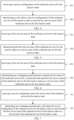
- Step 301 a service area of a multicast service for the inactive state is determined.
- the multicast service for an inactive state refers to a multicast service supported by the terminal in an inactive state.
- the service area of the multicast service for the inactive state refers to an area where the multicast service for the inactive state is received by the terminal.
- the terminal determines the service area of the multicast service for the inactive state.
- the terminal receives a service configuration and service data of the multicast service for the inactive state.
- the service configuration of the multicast service for the inactive state refers to configuration information received by the terminal in the inactive state for receiving the multicast service
- the service data of the multicast service for the inactive state refers to a service content of the multicast service transmitted in the inactive state.
- the service area of the multicast service for the inactive state is determined based on at least one of: a first service area of the multicast service for the inactive state; a second service area of the multicast service for a connected state, i.e., the second service area of the multicast service configured for the terminal in a connected state; or a cell where the service configuration of the multicast service for the inactive state is received.
- the terminal determines the first service area of the multicast service for the inactive state configured by a network as the service area of the multicast service for the inactive state.
- the terminal is configured with the second service area of the multicast service for the connected state, and the terminal device determines the second service area as the service area of the multicast service for the inactive state.
- the multicast service for the connected state refers to a multicast service supported by the terminal in the connected state.
- the terminal determines the cell where the service configuration of the multicast service for the inactive state is received as the service area of the multicast service for the inactive state.
- the service area configured by the network only includes the Pcell, or the service area of the multicast service for the inactive state determined by the terminal based on the service area configured by the network only includes the Pcell.
- the cell identity list includes an identity of an optional cell for the terminal
- the TAI list includes an identity of a TAI where the terminal is registered
- the geographical area information refers to information about a geographical area where the terminal is located.
- the network device includes a RAN device and/or a CN device.
- the network device includes a RAN device, or a CN device, or both.
- the service area of the multicast service for the inactive state is an area where the terminal is supported to receive the multicast service.
- the service area may be understood as information about terminal granularity, and the service areas of the multicast service for the inactive states for different terminals may be independent of each other, or identical to or different from each other, which will not be particularly defined herein.
- the terminal determines the service area of the multicast service for the inactive state during the reception of the multicast service, so as to support the terminal in the RRC inactive state to receive the multicast service, thereby to support the reception continuity of the multicast service during the movement of the terminal.
- the network device sends configuration information associated with the multicast service for the inactive state to the terminal.
- the terminal receives the configuration information associated with the multicast service for the inactive state, and determines the service area of the multicast service for the inactive state based on the configuration information associated with the multicast service for the inactive state.
- the configuration information associated with the multicast service for the inactive state is carried in an RRC release message and sent to the terminal.
- the method for determining the multicast service area for the inactive state includes the following steps.
- Step 401 the terminal receives the service configuration of the multicast service for the inactive state.
- Step 402 the terminal determines the cell where the service configuration of the multicast service for the inactive state is received as the service area of the multicast service for the inactive state.
- the terminal in response to receiving the service configuration of the multicast service for the inactive state, determines the cell where the service configuration of the multicast service for the inactive state is received as the service area of the multicast service for the inactive state.
- the terminal in response to the configuration information only including the service configuration of the multicast service for the inactive state, determines the cell where the service configuration of the multicast service for the inactive state is received as the service area of the multicast service for the inactive state.
- the terminal determines that the service area of the multicast service for the inactive state only includes the Pcell. For example, the terminal determines the Pcell where the service configuration of the multicast service for the inactive state is received as the service area of the multicast service for the inactive state.
- the terminal receives service data of the multicast service for the inactive state.
- the terminal receives a multicast service for the inactive state session if and only if the terminal is located in the service area of the multicast service for the inactive state.
- the method for determining the multicast service area for the inactive state includes the following steps.
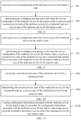
- Step 501 the terminal receives the first service area of the multicast service for the inactive state.
- Step 502 the terminal determines the first service area of the multicast service for the inactive state as the service area of the multicast service for the inactive state.
- the terminal in response to receiving the first service area of the multicast service for the inactive state configured by the network, determines the first service area as the service area of the multicast service for the inactive state.
- the terminal determines the first service area as the service area of the multicast service for the inactive state.
- the terminal receives the service data of the multicast service for the inactive state.
- the terminal receives the multicast service for the inactive state session if and only if the terminal is located in the service area of the multicast service for the inactive state.
- the terminal receives the service data of the multicast service for the inactive state.
- the terminal receives the multicast service for the inactive state session if and only if the terminal is located in the service area of the multicast service for the inactive state.
- the method for determining the multicast service area for the inactive state includes the following steps.
- Step 802 the terminal determines the overlapping area between the cell where the service configuration of the multicast service for the inactive state is received and the second service area of the multicast service for the connected state as the service area of the multicast service for the inactive state.
- the terminal in response to the terminal in the connected state being configured with the second service area of the multicast service and receiving the service configuration of the multicast service for the inactive state, determines the overlapping area between the second service area and the cell where the service configuration of the multicast service for the inactive state is received.
- the service area of the multicast service for the inactive state is determined based on the second service area and the cell where the service configuration of the multicast service for the inactive state is received, or the service area of the multicast service for the inactive state is determined at least based on the second service area and the cell where the service configuration of the multicast service for the inactive state is received, and a specific determination form will not be particularly defined herein.
- the service area of the multicast service for the inactive state is a union set of the second service area and the cell where the service configuration of the multicast service for the inactive state is received, or the service area of the multicast service for the inactive state is a difference set of the second service area and the cell where the service configuration of the multicast service for the inactive state is received, or the service area of the multicast service for the inactive state is determined based on the second service area, the cell where the service configuration of the multicast service for the inactive state is received and the other relevant area.
- the terminal determines that the service area of the multicast service for the inactive state only includes the Pcell.
- the second service area configured by the network device only includes the Pcell and/or the cell where the service configuration of the multicast service for the inactive state is received only includes the Pcell.
- the terminal receives the service data of the multicast service for the inactive state.
- the terminal receives the multicast service for the inactive state session if and only if the terminal is located in the service area of the multicast service for the inactive state.
- the method for determining the multicast service area for the inactive state includes the following steps.
- Step 901 the terminal receives the service configuration of the multicast service for the inactive state and the first service area.
- Step 902 the terminal determines the overlapping area among the cell where the service configuration of the multicast service for the inactive state is received, the second service area of the multicast service for the connected state and the first service area of the multicast service for the inactive state as the service area of the multicast service for the inactive state.
- the terminal in response to the terminal in the connected state being configured with the second service area of the multicast service and receiving the service configuration and the first service area of the multicast service for the inactive state, determines the overlapping area among the first service area, the second service area and the cell where the service configuration of the multicast service for the inactive state is received as the service area of the multicast service for the inactive state.
- the service area of the multicast service for the inactive state is determined based on the first service area, the second service area and the cell where the service configuration of the multicast service for the inactive state is received, or the service area of the multicast service for the inactive state is determined at least based on the first service area, the second service area and the cell where the service configuration of the multicast service for the inactive state is received, and a specific determination form will not be particularly defined herein.
- the service area of the multicast service for the inactive state is a union set of the first service area, the second service area and the cell where the service configuration of the multicast service for the inactive state is received, or the service area of the multicast service for the inactive state is a difference set of the first service area, the second service area and the cell where the service configuration of the multicast service for the inactive state is received, or the service area of the multicast service for the inactive state is determined based on the first service area, the second service area, the cell where the service configuration of the multicast service for the inactive state is received and the other relevant area.
- the terminal determines that the service area of the multicast service for the inactive state only includes the Pcell. For example, the first service area configured by the network only includes the Pcell, and/or the second service area configured by the network only includes the Pcell, and/or the cell where the service configuration of the multicast service for the inactive state is received only includes the Pcell. Alternatively, the service area of the multicast service for the inactive state determined by the terminal based on the service area configured by the network only includes the Pcell.
- the terminal receives the service data of the multicast service for the inactive state.
- the terminal receives the multicast service for the inactive state session if and only if the terminal is located in the service area of the multicast service for the inactive state.
- the method for determining the multicast service area for the inactive state includes the following steps.
- Step 1001 the terminal receives the second service area of the multicast service for the connected state.
- Step 1002 the terminal determines the second service area of the multicast service for the connected state as the service area of the multicast service for the inactive state.
- the terminal determines the second service area as the service area of the multicast service for the inactive state.
- the terminal determines that the service area of the multicast service for the inactive state only includes the Pcell. For example, the second service area configured by the network only includes the Pcell, or the service area of the multicast service for the inactive state determined by the terminal based on the service area configured by the network only includes the Pcell.
- the terminal receives the service data of the multicast service for the inactive state.
- the terminal receives the multicast service for the inactive state session if and only if the terminal is located in the service area of the multicast service for the inactive state.
- the terminal determines the second service area as the service area of the multicast service for the inactive state.
- the multicast service for the connected state refers to a multicast service supported by the terminal in a connected state.
- the terminal determines the second service area as the service area of the multicast service for the inactive state.
- the terminal determines the cell where the service configuration of the multicast service for the inactive state is received as the service area of the multicast service for the inactive state.
- the terminal determines the cell where the service configuration of the multicast service for the inactive state is received as the service area of the multicast service for the inactive state.
- the terminal determines an overlapping area between the first service area of the multicast service for the inactive state configured by the network and the second service area of the multicast service for the connected state as the service area of the multicast service for the inactive state.
- the terminal determines the second service area as the service area of the multicast service for the inactive state.
- the terminal determines an overlapping area between the first service area of the multicast service for the inactive state configured by the network and the cell where the service configuration of the multicast service for the inactive state is received as the service area of the multicast service for the inactive state. For example, in a case that the cell where the service configuration of the multicast service for the inactive state is sent by the network device is included in the first service area of the multicast service for the inactive state configured by the network, the terminal determines the cell where the service configuration of the multicast service for the inactive state is received as the service area of the multicast service for the inactive state.
- the terminal determines an overlapping area between the second service area of the multicast service for the connected state configured by the network and the cell where the service configuration of the multicast service for the inactive state is received as the service area of the multicast service for the inactive state. For example, in a case that the cell where the service configuration of the multicast service for the inactive state is sent by the network device is included in the second service area of the multicast service for the connected state configured by the network, the terminal determines the cell where the service configuration of the multicast service for the inactive state is received as the service area of the multicast service for the inactive state.
- the terminal determines an overlapping area among the first service area of the multicast service for the inactive state, the second service area of the multicast service for the connected state and the cell where the service configuration of the multicast service for the inactive state is received as the service area of the multicast service for the inactive state. For example, in a case that the cell where the service configuration of the multicast service for the inactive state is sent by the network device is included in the second service area of the multicast service for the connected state and the first service area of the multicast service for the inactive state configured by the network, the terminal determines the cell where the service configuration of the multicast service for the inactive state is received as the service area of the multicast service for the inactive state.
- the first service area of the multicast service for the inactive state is a reception area of the multicast service for the inactive state independently configured by a network device for the terminal
- the second service area of the multicast service for the connected state is a reception area of the multicast service for the connected state configured by the network device for the terminal
- the multicast service for the connected state refers to the multicast service supported by the terminal in the connected state.
- the terminal determines that the service area of the multicast service for the inactive state only includes a Pcell.
- the service area configured by the network only includes the Pcell, or the service area of the multicast service for the inactive state determined by the terminal based on the service area configured by the network only includes the Pcell.
- the service area configured by the network includes at least one of: the first service area of the multicast service for the inactive state; the second service area of the multicast service for the connected state; or the cell where the service configuration of the multicast service for the inactive state is received.
- the service area of the multicast service for the inactive state may be a cell or a set of cells, or any other geographical area, which is represented through the following information: a cell identity list; a TAI list; or geographical area information.
- the cell identity list includes an identity of an optional cell for the terminal
- the TAI list includes an identity of a TAI where the terminal is registered
- the geographical area information refers to information about a geographical area where the terminal is located.
- the network device includes a RAN device and/or a CN device.
- the network device includes a RAN device, or a CN device, or both.
- the service area of the multicast service for the inactive state is an area where the terminal is supported to receive the multicast service.
- the service area may be understood as information about terminal granularity, and the service areas of the multicast service for the inactive states for different terminals may be independent of each other, or identical to or different from each other, which will not be particularly defined herein.
- the network device in a case that the terminal is supported to receive the multicast service in the RRC inactive state, the network device sends the configuration information associated with the multicast service for the inactive state to the terminal, so as to support the terminal to determine the service area of the multicast service for the inactive state during the reception of the multicast service, and support the terminal to receive the multicast service in the RRC inactive state, thereby to support the reception continuity of the multicast service during the movement of the terminal.
- the sending, by the network device, the configuration information to the terminal includes any of the following conditions: the network device sends the service configuration of the multicast service for the inactive state to the terminal; the network device configures the first service area of the multicast service for the inactive state for the terminal; or the network device configures the first service area of the multicast service for the inactive state for the terminal.
- the network device sends the service configuration of the multicast service for the inactive state to the terminal.
- the service configuration of the multicast service for the inactive state is used to indicate, or implicitly indicate or assist, the terminal to determine the cell where the service area of the multicast service for the inactive state is received as the service area of the multicast service for the inactive state; or the service configuration of the multicast service for the inactive state is used to indicate, or implicitly indicate or assist, the terminal to determine the overlapping area between the cell where the service configuration of the multicast service for the inactive state is received and the second service area of the multicast service for the connected state as the service area of the multicast service for the inactive state; or the service configuration of the multicast service for the inactive state is used to indicate, or implicitly indicate or assist, the terminal to determine the second service area of the multicast service for the connected state as the service area of the multicast service for the inactive state.
- the network device sends the service configuration and the first service area of the multicast service for the inactive state to the terminal.
- the service configuration and the first service area of the multicast service for the inactive state is used to indicate, or implicitly indicate or assist, the terminal to determine the overlapping area between the cell where the service configuration of the multicast service for the inactive state is received and the first service area of the multicast service for the inactive state as the service area of the multicast service for the inactive state; or the service configuration and the first service area of the multicast service for the inactive state is used to indicate, or implicitly indicate or assist, the terminal to determine the overlapping area among the cell where the service configuration of the multicast service for the inactive state is received, the first service area of the multicast service for the inactive state and the second service area of the multicast service for the connected state as the service area of the multicast service for the inactive state; or the first service area of the multicast service for the inactive state is used to indicate, or implicitly indicate or assist, the terminal to determine the first service region of the multicast service for the inactive state as the service area of the multicast service for the inactive state; or the first service area
- the network device in a case that the terminal supports the reception of the multicast service in the RRC inactive state, the network device sends the configuration information associated with the multicast service for the inactive state to the terminal, so as to support the terminal to determine the service area of the multicast service for the inactive state during the reception of the multicast service, and support the terminal to receive the multicast service in the RRC inactive state, thereby to support the reception continuity of the multicast service during the movement of the terminal.
- FIG. 12 is a flow chart of the method for configuring the multicast service area for the inactive state according to an exemplary embodiment of the present invention, and this method is applied to the above-mentioned communication scenarios.
- the method includes the following steps.
- Step 1203 the network device sends the service configuration of the multicast service for the inactive state to the terminal.
- a mode of issuing the service configuration of the multicast service for the inactive state includes, but not limited to, carrying the service configuration of the multicast service for the inactive state in an RRC release message.
- Step 1204 the terminal receives the service configuration of the multicast service for the inactive state sent by the network device, and determines the service area of the multicast service for the inactive state.
- the terminal receives the service configuration of the multicast service for the inactive state, and determines the second service area as the service area of the multicast service for the inactive state.
- the terminal determines the second service area as the service area of the multicast service for the inactive state.
- the network device in a case that the terminal supports the reception of the multicast service in the RRC inactive state, the network device sends the service configuration of the multicast service for the inactive state to the terminal, so as to support the terminal to determine the service area of the multicast service for the inactive state during the reception of the multicast service, and support the terminal to receive the multicast service in the RRC inactive state, thereby to support the reception continuity of the multicast service during the movement of the terminal.
- Step 1301 the network device sends the service configuration of the multicast service for the inactive state to the terminal.
- Step 1302 the terminal receives the service configuration of the multicast service for the inactive state sent by the network device, and determines the service area of the multicast service for the inactive state.
- the terminal determines that the service area of the multicast service for the inactive state only includes a Pcell.
- the service area of the multicast service for the inactive state includes, but not limited to, any one of: a cell identity list; a TAI list; or geographical area information.
- the network device in a case that the terminal supports the reception of the multicast service in the RRC inactive state, the network device sends the service configuration of the multicast service for the inactive state to the terminal, so as to support the terminal to determine the service area of the multicast service for the inactive state during the reception of the multicast service, and support the terminal to receive the multicast service in the RRC inactive state, thereby to support the reception continuity of the multicast service during the movement of the terminal.
- Step 1402 the terminal receives the second service area of the multicast service for the connected state configured by the network device.
- a mode of issuing the first service area of the multicast service for the inactive state includes, but not limited to, carrying the first service area of the multicast service for the inactive state in an RRC release message.
- the area information configured via the independent signaling is, but not limited to, carried in the RRC release message.
- Step 1404 the terminal receives the first service area of the multicast service for the inactive state sent by the network device, and determines the service area of the multicast service for the inactive state.
- the terminal determines the overlapping area between the first service area and the second service area as the service area of the multicast service for the inactive state, i.e., the terminal determines an area part of the first service area belonging to the second service area as the service area of the multicast service for the inactive state.
- the terminal determines that the service area of the multicast service for the inactive state merely includes a Pcell.
- the service area of the multicast service for the inactive state includes, but not limited to, any one of: a cell identity list; a TAI list; or geographical area information.
- the terminal receives the multicast service for the inactive state if and only if the terminal is located in the service area of the multicast service for the inactive state.
- the network device in a case that the terminal supports the reception of the multicast service in the RRC inactive state, the network device sends the first service area of the multicast service for the inactive state to the terminal, so as to support the terminal to determine the service area of the multicast service for the inactive state during the reception of the multicast service, and support the terminal to receive the multicast service in the RRC inactive state, thereby to support the reception continuity of the multicast service during the movement of the terminal.
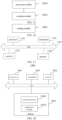
- FIG. 15 is a block diagram of an apparatus for determining a multicast service area for an inactive state according to an exemplary embodiment of the present invention, and this apparatus may be implemented as a part of, or all of, a terminal through software, hardware or both.
- the apparatus includes a processing module 1501.
- the processing module 1501 is configured to determine a service area of a multicast service for the inactive state.
- the service area of the multicast service for the inactive state is determined based on at least one of: a first service area of the multicast service for the inactive state; a second service area of the multicast service for a connected state; or a cell where a service configuration of the multicast service for the inactive state is received.
- the apparatus further includes a reception module 1502.
- the reception module 1502 is configured to receive configuration information associated with the multicast service for the inactive state.
- the processing module 1501 is configured to determine the service area of the multicast service for the inactive state based on the configuration information associated with the multicast service for the inactive state.
- the processing module 1501 is configured to determine the cell where the service area of the multicast service for the inactive state is received as the service area of the multicast service for the inactive state.
- the processing module 1501 is configured to determine the first service area of the multicast service for the inactive state configured by the network as the service area of the multicast service for the inactive state.
- the processing module 1501 is configured to determine an overlapping area between the second service area of the multicast service for the connected state and the first service area of the multicast service for the inactive state configured by the network as the service area of the multicast service for the inactive state.
- the processing module 1501 is configured to determine that the service area of the multicast service for the inactive state only includes a Pcell.
- the service area of the multicast service for the inactive state includes at least one of: a cell identity list; a TAI list; or geographical area information.
- the transmission module 1601 is configured to send configuration information associated with a multicast service for the inactive state to a terminal.
- the configuration information associated with the multicast service for the inactive state is used to assist the terminal in determining a service area of the multicast service for the inactive state.
- the configuration information associated with the multicast service for the inactive state includes at least one of: a service configuration of the multicast service for the inactive state; a first service area of the multicast service for the inactive state; or a second service area of the multicast service for a connected state.
- the service area of the multicast service for the inactive state is determined based on at least one of: the first service area of the multicast service for the inactive state; the second service area of the multicast service for the connected state; or a cell where the service configuration of the multicast service for the inactive state is received.
- the service area of the multicast service for the inactive state includes at least one of: a cell identity list; a TAI list; or geographical area information.
- FIG. 17 is a schematic view showing a UE according to an exemplar embodiment of the present invention.
- the UE includes a processor 1701, a receiver 1702, a transmitter 1703, a memory 1704 and a bus 1705.
- the present invention further provides an exemplary embodiment a non-temporary computer-readable storage medium including an instruction, e.g., a memory including an instruction.
- the instruction is executed by a processor a UE to implement the above-mentioned method for determining the multicast service area for the inactive state.
- the non-temporary computer-readable storage medium may be a ROM, a Random Access Memory (RAM), a Compact Disc-Read Only Memory (CD-ROM), a magnetic tape, a floppy disk, an optical data storage device, etc.
- a non-temporary computer-readable storage medium is provided.
- An instruction in the non-temporary computer-readable storage medium is executed by a processor of a UE, so that the UE executes the above-mentioned method for determining the multicast service area for the inactive state.
- the network device 1800 includes a processor 1801, a receiver 1802, a transmitter 1803, and a memory 1804.
- the receiver 1802, the transmitter 1803 and the memory 1804 are coupled to the processor 1801 via a bus.
- the processor 1801 includes one or more processing cores.
- the processor 1801 executes the above-mentioned method for configuring the multicast service area for the inactive state through running a software program and a module.
- the memory 1804 is used to store the software program and the module. To be specific, the memory 1804 stores therein an operating system 18041, and an application module 18042 desired for at least one function.
- the receiver 1802 is used to receive communication data sent by the other device, and the transmitter 1803 is used to send communication data to the other device.
- the present invention further provides in an exemplary embodiment a computer-readable storage medium storing therein at least one instruction, at least one program, a code set or an instruction set.
- the at least one instruction, the at least one program, the code set or the instruction set is loaded and executed by a processor to implement the above-mentioned method for determining the multicast service area for the inactive state or the above-mentioned method for configuring the multicast service area for the inactive state provided in the method embodiments.
- the present invention further provides in an exemplary embodiment a computer program product including a computer instruction.
- the computer instruction is stored in a computer-readable storage medium.
- a processor of a computer device reads the computer instruction from the computer-readable storage medium and executes the computer instruction to implement the above-mentioned method for determining the multicast service area for the inactive state or the above-mentioned method for configuring the multicast service area for the inactive state provided in the method embodiments.
- the present invention further provides in an exemplary embodiment a chip including a programmable logic circuit and/or a program instruction.
- the chip operates to implement the above-mentioned method for determining the multicast service area for the inactive state or the above-mentioned method for configuring the multicast service area for the inactive state provided in the method embodiments.
- first and second are used to describe various information, but the information is not limited by these expressions. These expressions are merely used to differentiate the information of a same type from each other rather than to represent any specific order or importance level. Actually, the expressions “first” and “second” may be replaced with each other. For example, without departing from the scope of the present invention, a first information frame may also be called as a second information frame, and similarly a second information frame may also be called as a first information frame.
Landscapes
- Engineering & Computer Science (AREA)
- Computer Networks & Wireless Communication (AREA)
- Signal Processing (AREA)
- Multimedia (AREA)
- Mobile Radio Communication Systems (AREA)
Applications Claiming Priority (1)
| Application Number | Priority Date | Filing Date | Title |
|---|---|---|---|
| PCT/CN2022/097004 WO2023231032A1 (zh) | 2022-06-02 | 2022-06-02 | 非激活态组播业务区域的确定方法、配置方法、及装置 |
Publications (2)
| Publication Number | Publication Date |
|---|---|
| EP4535921A1 true EP4535921A1 (de) | 2025-04-09 |
| EP4535921A4 EP4535921A4 (de) | 2025-07-02 |
Family
ID=89026818
Family Applications (1)
| Application Number | Title | Priority Date | Filing Date |
|---|---|---|---|
| EP22944360.1A Pending EP4535921A4 (de) | 2022-06-02 | 2022-06-02 | Verfahren und vorrichtung zur bestimmung eines inaktiven multicast-dienstbereichs sowie verfahren und vorrichtung zur konfiguration eines inaktiven multicast-dienstbereichs |
Country Status (4)
| Country | Link |
|---|---|
| US (1) | US20250331061A1 (de) |
| EP (1) | EP4535921A4 (de) |
| CN (1) | CN117561792A (de) |
| WO (1) | WO2023231032A1 (de) |
Families Citing this family (1)
| Publication number | Priority date | Publication date | Assignee | Title |
|---|---|---|---|---|
| CN117939707A (zh) * | 2022-10-26 | 2024-04-26 | 上海朗帛通信技术有限公司 | 一种被用于无线通信中的方法和装置 |
Family Cites Families (7)
| Publication number | Priority date | Publication date | Assignee | Title |
|---|---|---|---|---|
| US11259360B2 (en) * | 2018-02-26 | 2022-02-22 | Nokia Technologies Oy | Multicast traffic area management and mobility for wireless network |
| CN113453159B (zh) * | 2020-03-27 | 2022-12-27 | 维沃移动通信有限公司 | Mbs业务传输方法、mbs业务传输控制方法及相关设备 |
| EP4211934A1 (de) * | 2020-09-10 | 2023-07-19 | Toyota Jidosha Kabushiki Kaisha | System und verfahren zur aufrechterhaltung der multicast-broadcast-dienstkontinuität in inaktiven und inaktiven zuständen |
| CN114339617B (zh) * | 2020-10-09 | 2023-07-04 | 成都鼎桥通信技术有限公司 | Nr小区中mbs资源的配置使用方法及装置 |
| EP4233418B1 (de) * | 2020-10-22 | 2025-07-02 | Samsung Electronics Co., Ltd. | Verfahren und system zur handhabung von dienstbenachrichtigungen und konfiguration für mbs in einem 5g-kommunikationsnetzwerk |
| CN114501340B (zh) * | 2020-10-23 | 2023-03-31 | 中国移动通信有限公司研究院 | Mbs接收方法、发送方法、装置、终端及基站 |
| US20230403760A1 (en) * | 2020-11-13 | 2023-12-14 | Telefonaktiebolaget Lm Ericsson (Publ) | Method, Apparatus and Computer Program Product for Providing Service Continuity for Multicast and Broadcast Service |
-
2022
- 2022-06-02 EP EP22944360.1A patent/EP4535921A4/de active Pending
- 2022-06-02 CN CN202280001852.5A patent/CN117561792A/zh active Pending
- 2022-06-02 US US18/871,054 patent/US20250331061A1/en active Pending
- 2022-06-02 WO PCT/CN2022/097004 patent/WO2023231032A1/zh not_active Ceased
Also Published As
| Publication number | Publication date |
|---|---|
| WO2023231032A1 (zh) | 2023-12-07 |
| CN117561792A (zh) | 2024-02-13 |
| EP4535921A4 (de) | 2025-07-02 |
| US20250331061A1 (en) | 2025-10-23 |
Similar Documents
| Publication | Publication Date | Title |
|---|---|---|
| US12058758B2 (en) | Method of connection reestablishment, terminal device, and non-transitory computer-readable storage medium | |
| WO2022126359A1 (en) | Methods and apparatuses for multicast and broadcast services | |
| EP4175404A1 (de) | Zustandswechselverfahren, anzeigeverfahren und -vorrichtung für mtl-verbindungsstatus sowie speichermedium, endgerät und basisstation | |
| US12557166B2 (en) | Method and apparatus for path switch in a wireless communication system | |
| US20230209503A1 (en) | Communication method and apparatus, terminal device and network device | |
| WO2023130471A1 (zh) | 小区接入方法、装置、设备及可读存储介质 | |
| EP4366455A1 (de) | Kommunikationsverfahren, ressourcenkonfigurationsverfahren, vorrichtung, netzwerkknoten, system und medium | |
| KR20230043872A (ko) | 멀티캐스트 및 브로드캐스트 서비스 설정 | |
| WO2022126360A1 (en) | Method and apparatus for path switch in a wireless communication system | |
| WO2021174399A1 (zh) | 时钟同步方法、装置、设备及存储介质 | |
| US12501247B2 (en) | Signal transmission method and apparatus, and terminal device | |
| EP4535921A1 (de) | Verfahren und vorrichtung zur bestimmung eines inaktiven multicast-dienstbereichs sowie verfahren und vorrichtung zur konfiguration eines inaktiven multicast-dienstbereichs | |
| CN116801385A (zh) | 数据传输方法及装置、存储介质、终端设备、网络设备 | |
| CN116097800A (zh) | 无线多载波配置和选择 | |
| WO2024066858A1 (zh) | 一种通信的方法和装置 | |
| CN114867084B (zh) | 信息发送方法及装置 | |
| CN117501766A (zh) | 指示信息发送方法、组播业务更新方法、装置及介质 | |
| CN117917175A (zh) | 连接控制方法、终端设备和网络设备 | |
| US12507059B2 (en) | Method for information transmission, network device, and terminal | |
| CN116349402A (zh) | 状态转换方法、装置、设备及存储介质 | |
| WO2021208095A1 (zh) | 一种配置信息的协商方法及装置、终端设备 | |
| US20240015632A1 (en) | Repeater mode determining method, electronic device, and storage medium | |
| US20260075571A1 (en) | Positioning method and network device | |
| US20260129430A1 (en) | Communication method and device | |
| CN117716671A (zh) | 上行定位方法、装置及存储介质 |
Legal Events
| Date | Code | Title | Description |
|---|---|---|---|
| STAA | Information on the status of an ep patent application or granted ep patent |
Free format text: STATUS: THE INTERNATIONAL PUBLICATION HAS BEEN MADE |
|
| PUAI | Public reference made under article 153(3) epc to a published international application that has entered the european phase |
Free format text: ORIGINAL CODE: 0009012 |
|
| STAA | Information on the status of an ep patent application or granted ep patent |
Free format text: STATUS: REQUEST FOR EXAMINATION WAS MADE |
|
| 17P | Request for examination filed |
Effective date: 20241227 |
|
| AK | Designated contracting states |
Kind code of ref document: A1 Designated state(s): AL AT BE BG CH CY CZ DE DK EE ES FI FR GB GR HR HU IE IS IT LI LT LU LV MC MK MT NL NO PL PT RO RS SE SI SK SM TR |
|
| A4 | Supplementary search report drawn up and despatched |
Effective date: 20250602 |
|
| RIC1 | Information provided on ipc code assigned before grant |
Ipc: H04W 76/27 20180101ALI20250526BHEP Ipc: H04W 4/06 20090101ALI20250526BHEP Ipc: H04W 76/40 20180101AFI20250526BHEP |
|
| DAV | Request for validation of the european patent (deleted) | ||
| DAX | Request for extension of the european patent (deleted) |